Colorful Geometric Art For Hallways
Colorful Geometric Art For Hallways
-
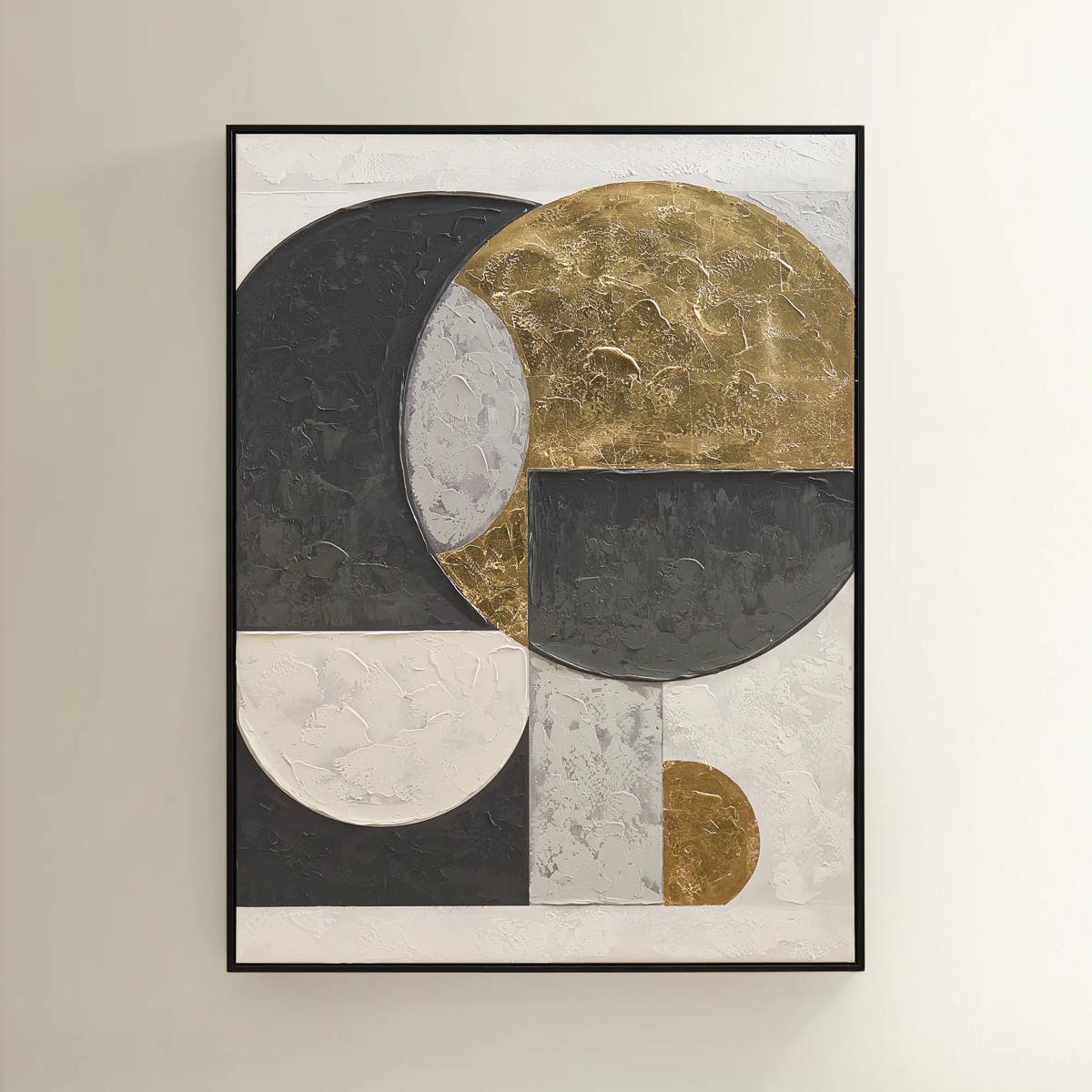
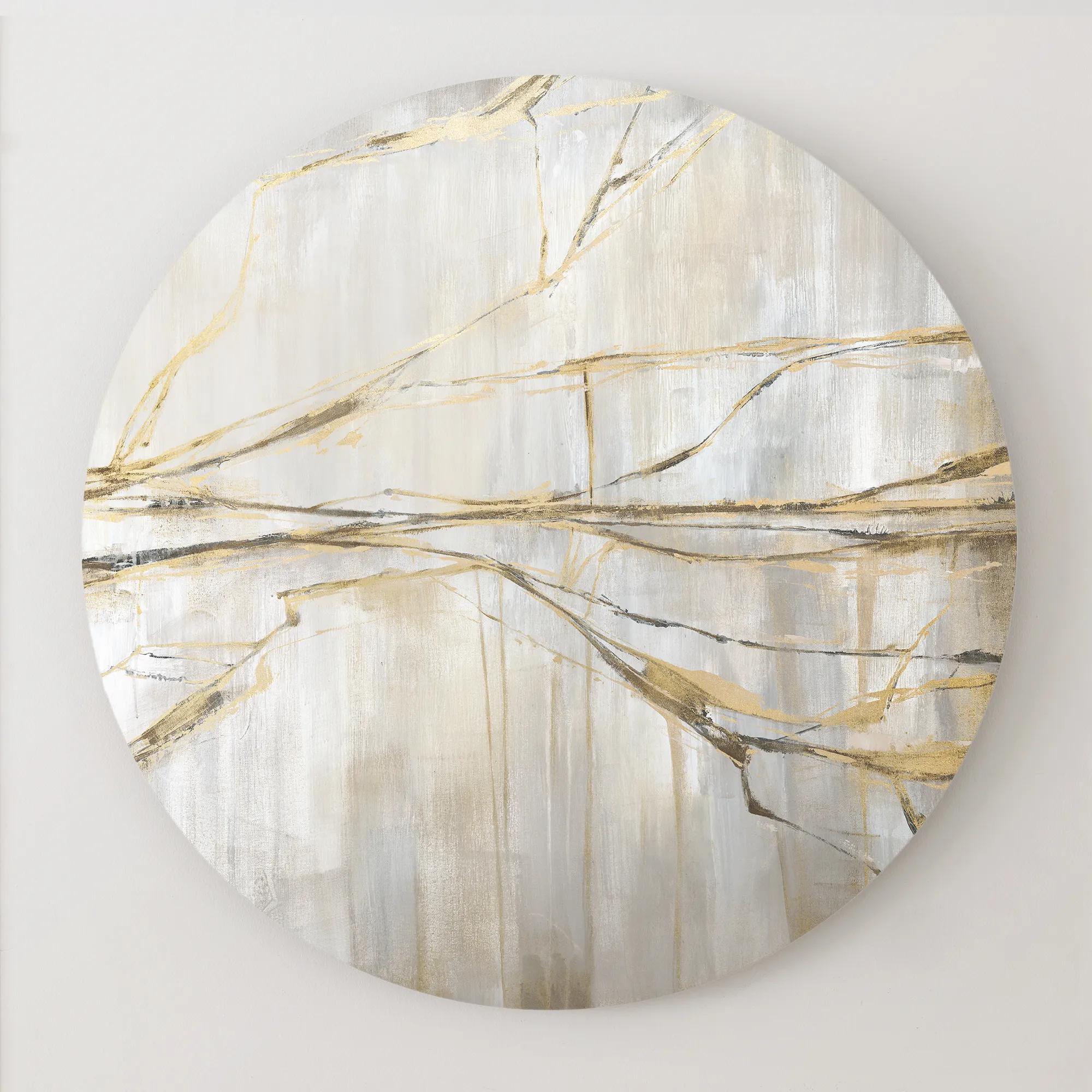
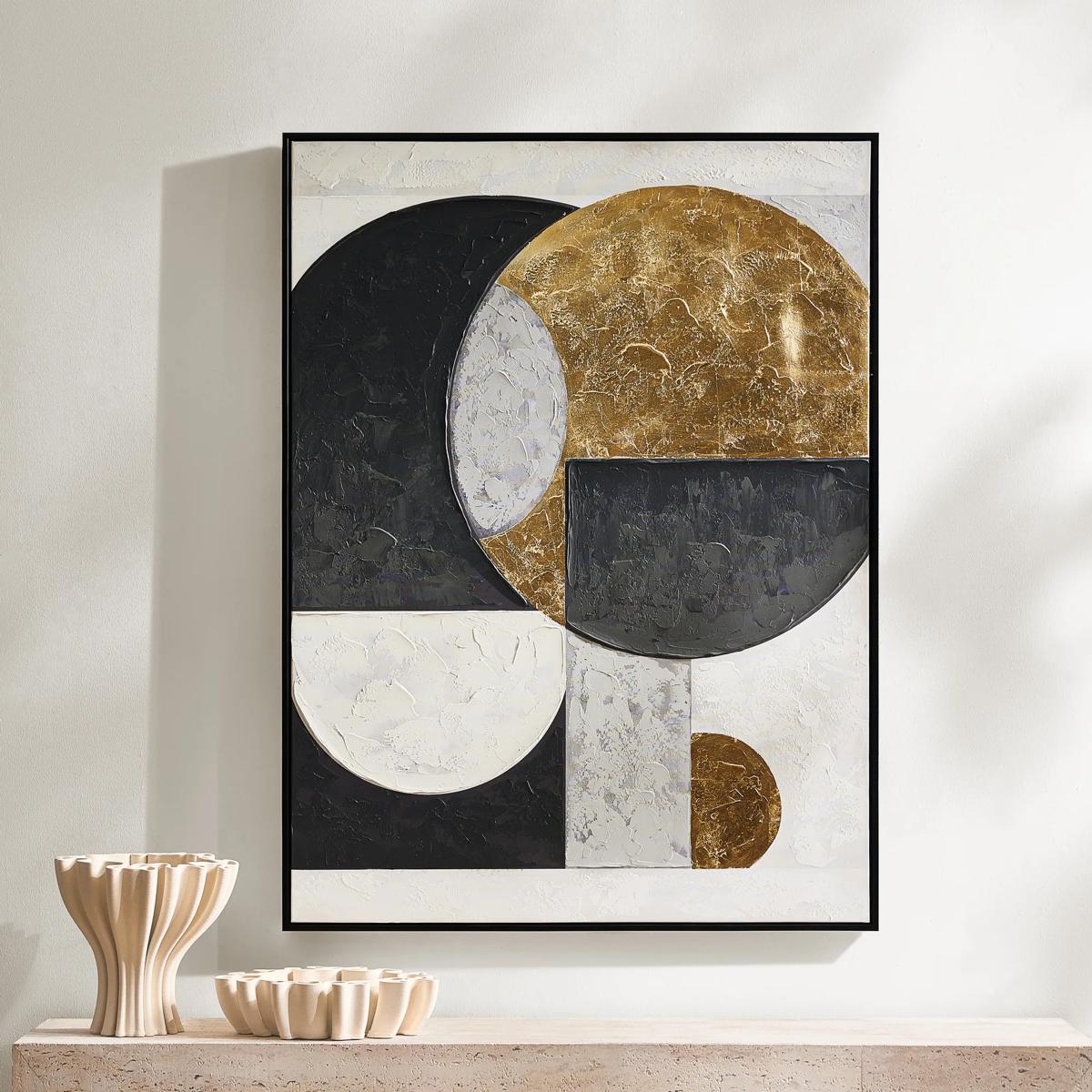 Eclipse Framed Gold Leaf Painted Wall Art 35.25" x 47.25"$449
A hand-painted canvas featuring bold black, grey, and gold geometric shapes with shimmering gold leaf accents.
Add To Cart -
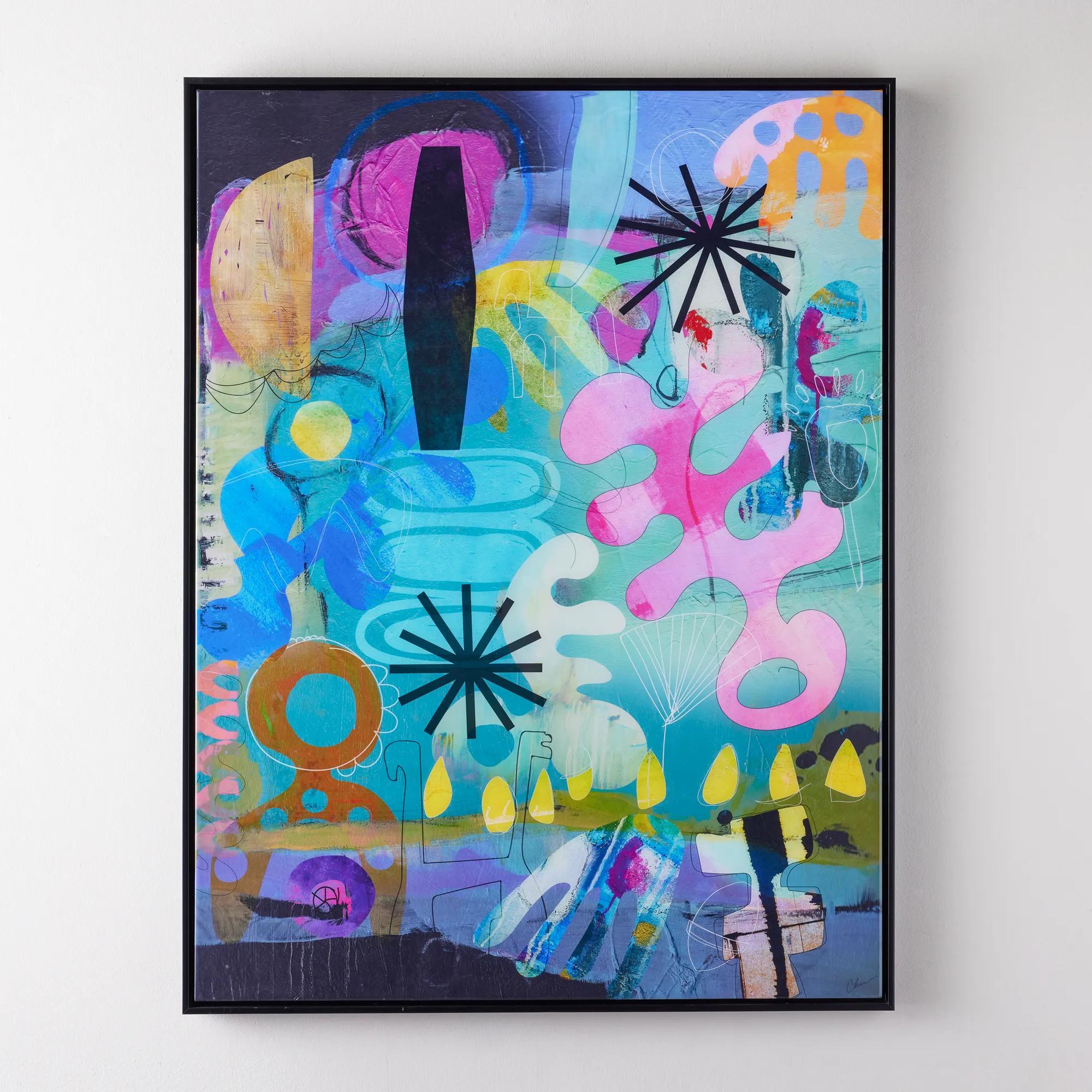
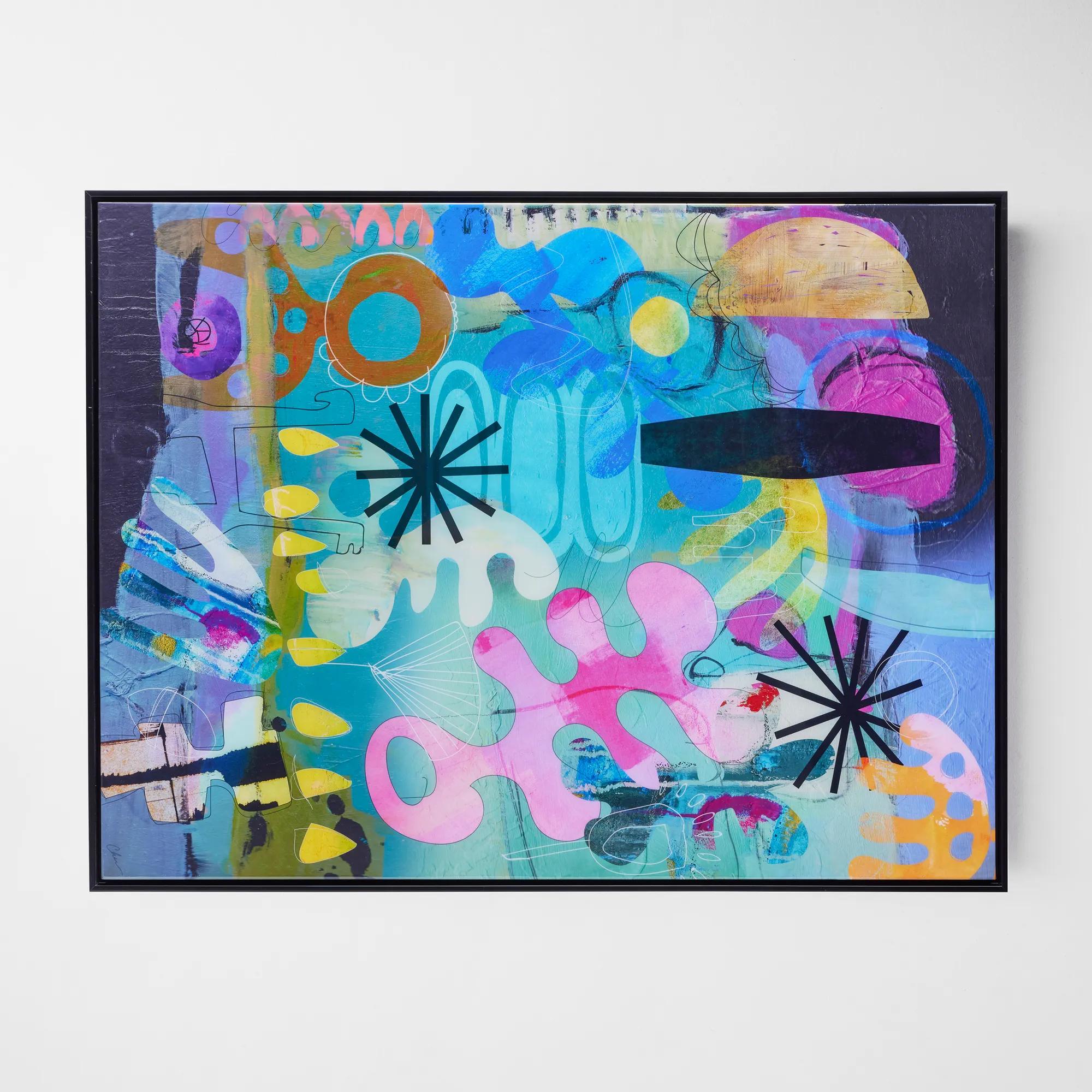 Nikki Chu Detailed Vision Framed Wall Art 54" x 41"$1099
A vibrant, high-gloss artwork with a black frame, designed to hang vertically or horizontally.
Add To Cart -
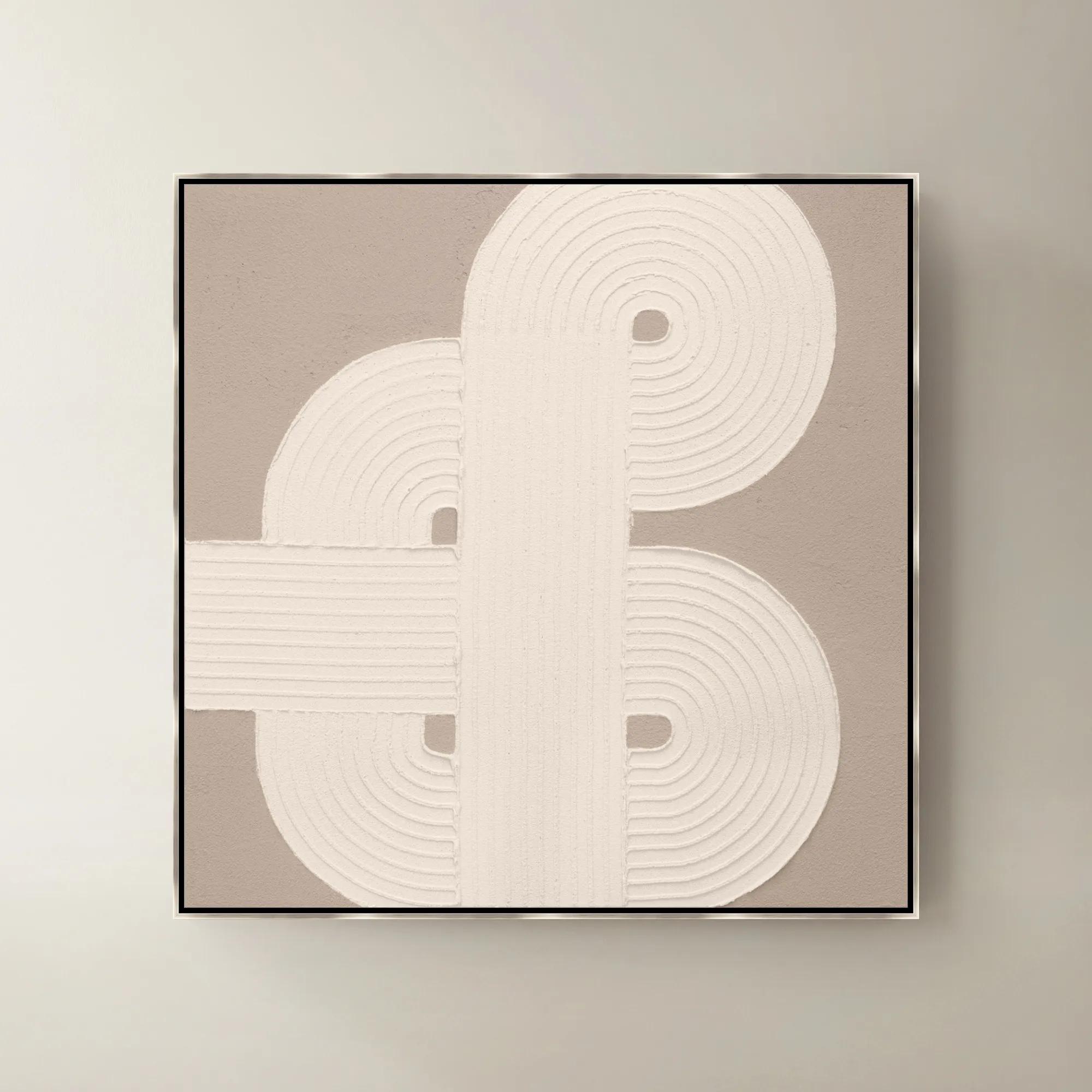
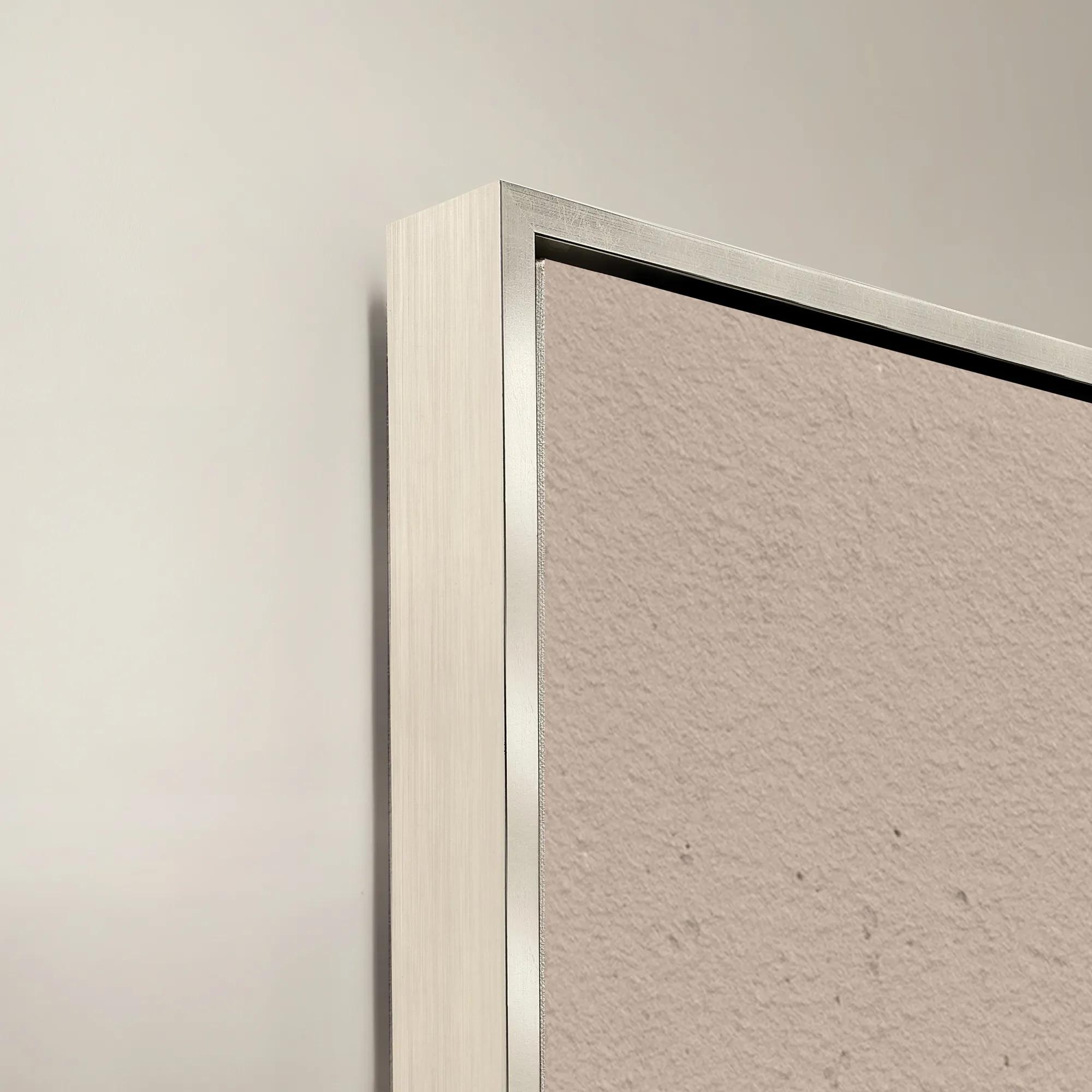 Sacred Geometry IV Framed Painted Wall Art 40" x 40"$1099
A striking abstract art piece featuring bold geometric patterns for a modern, sophisticated touch.
Add To Cart -
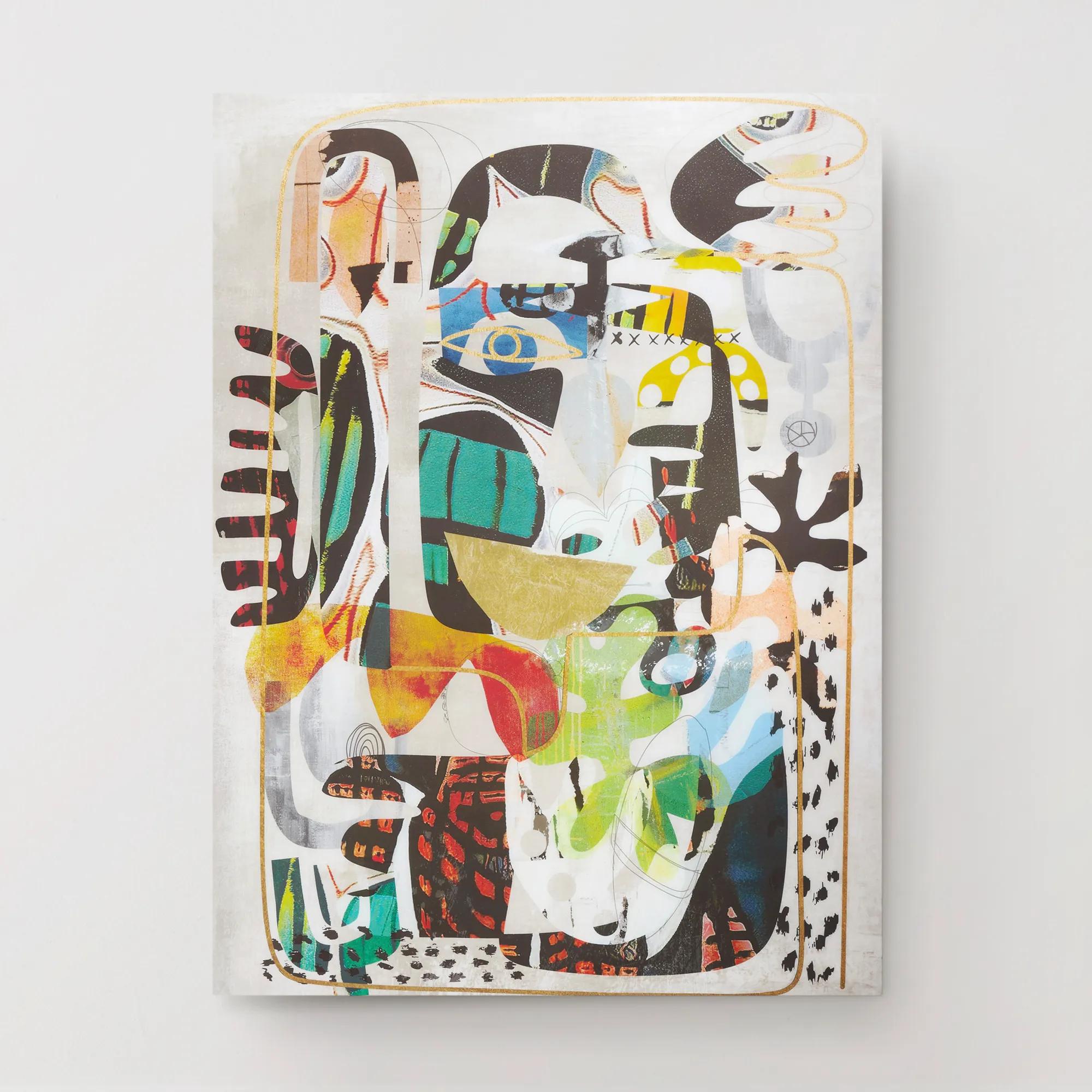
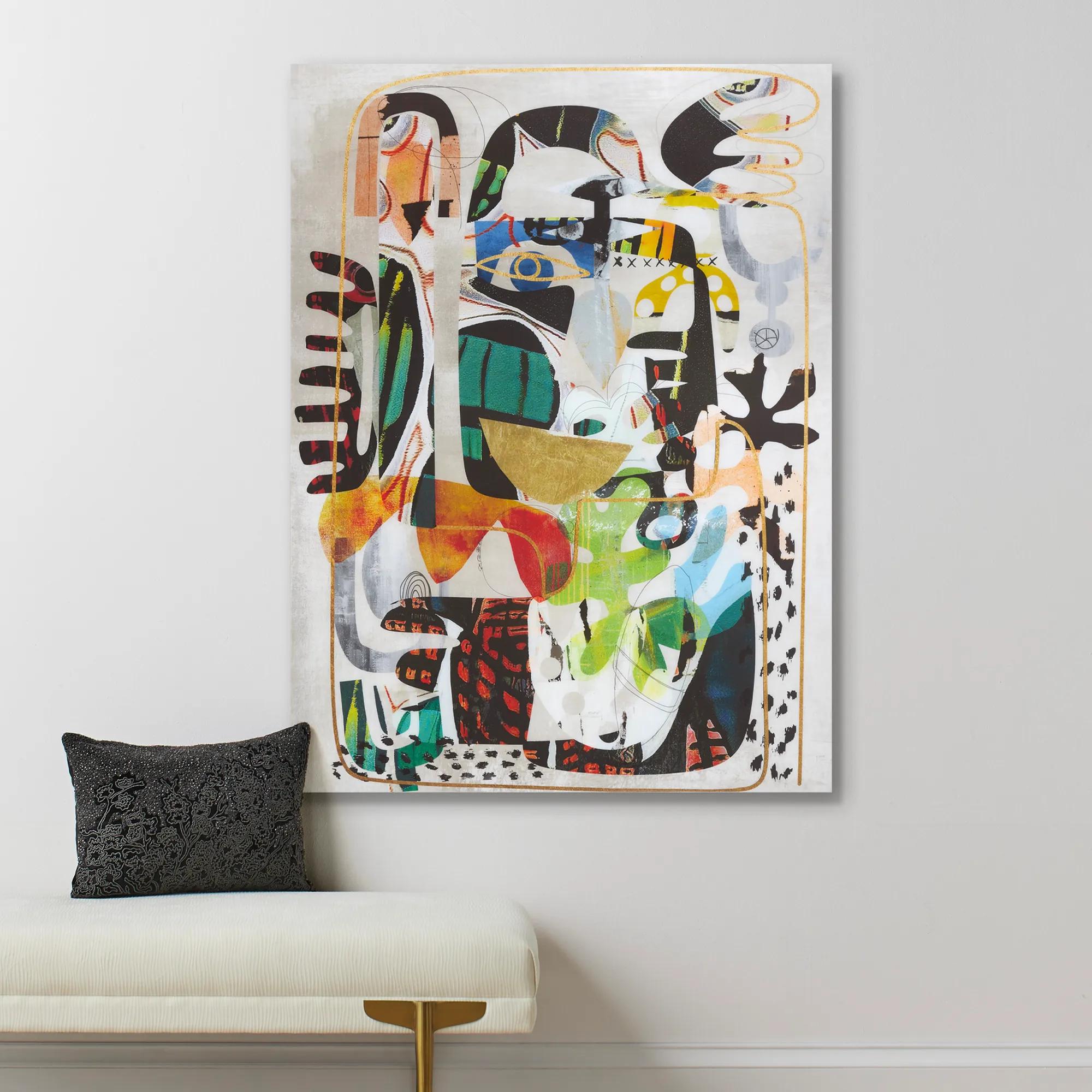 Nikki Chu Masked Wall Art 40" x 54"$899
A vibrant giclee print on canvas featuring a hand-applied glossy finish for a modern statement.
Add To Cart -
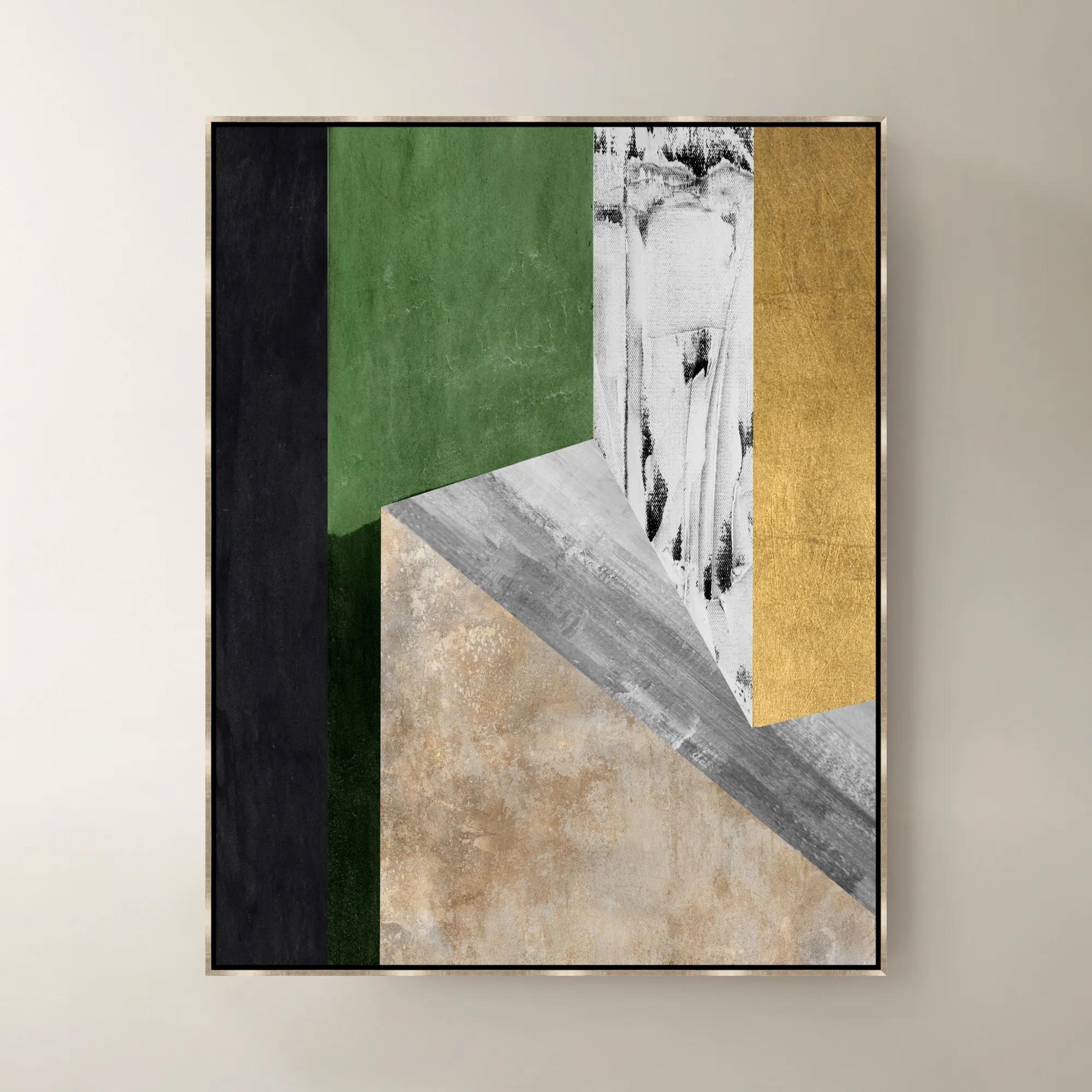
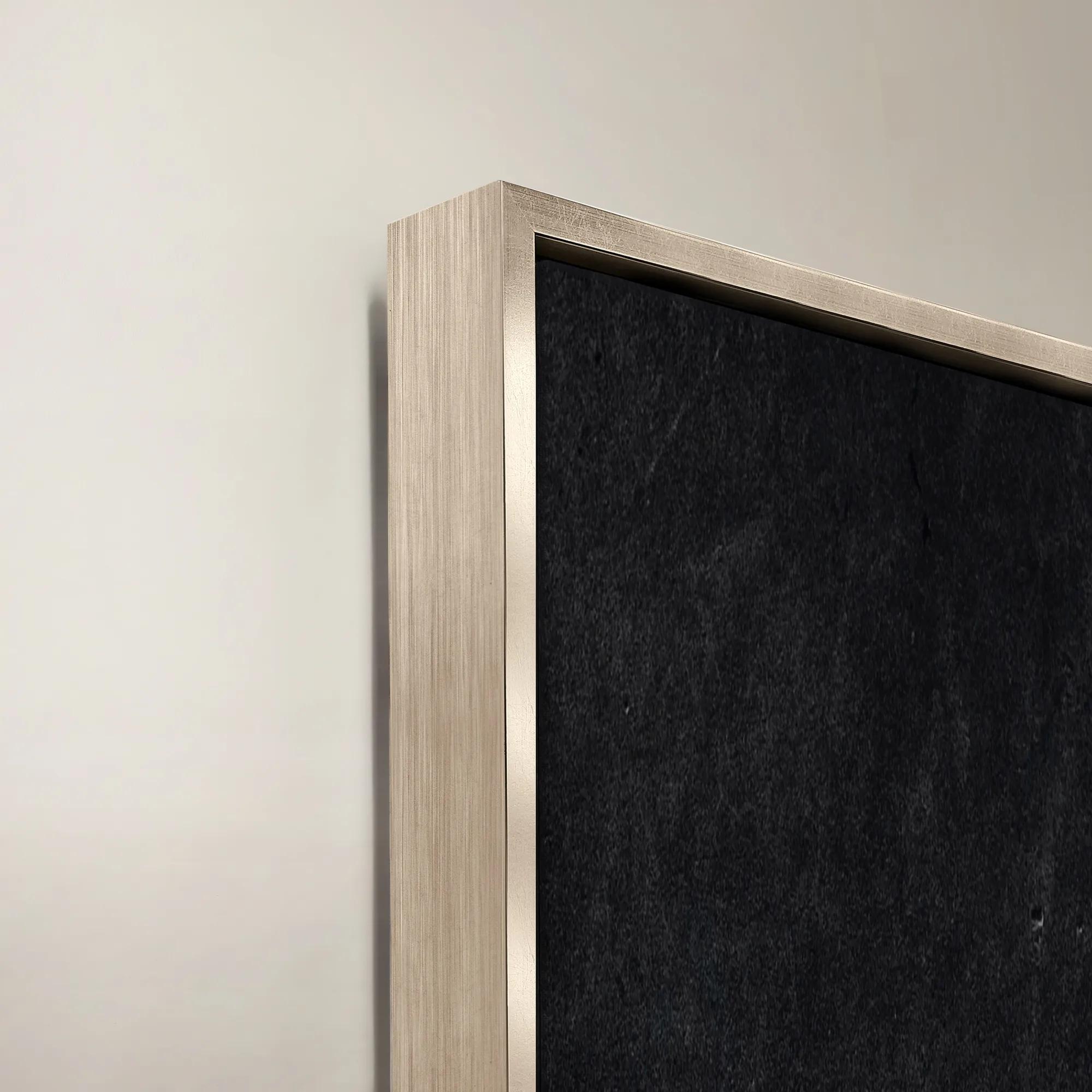 Blocked III Framed Wall Art 42" x 50"$1199
A striking abstract art piece featuring bold geometric shapes and modern design by Nikki Chu.
Add To Cart -
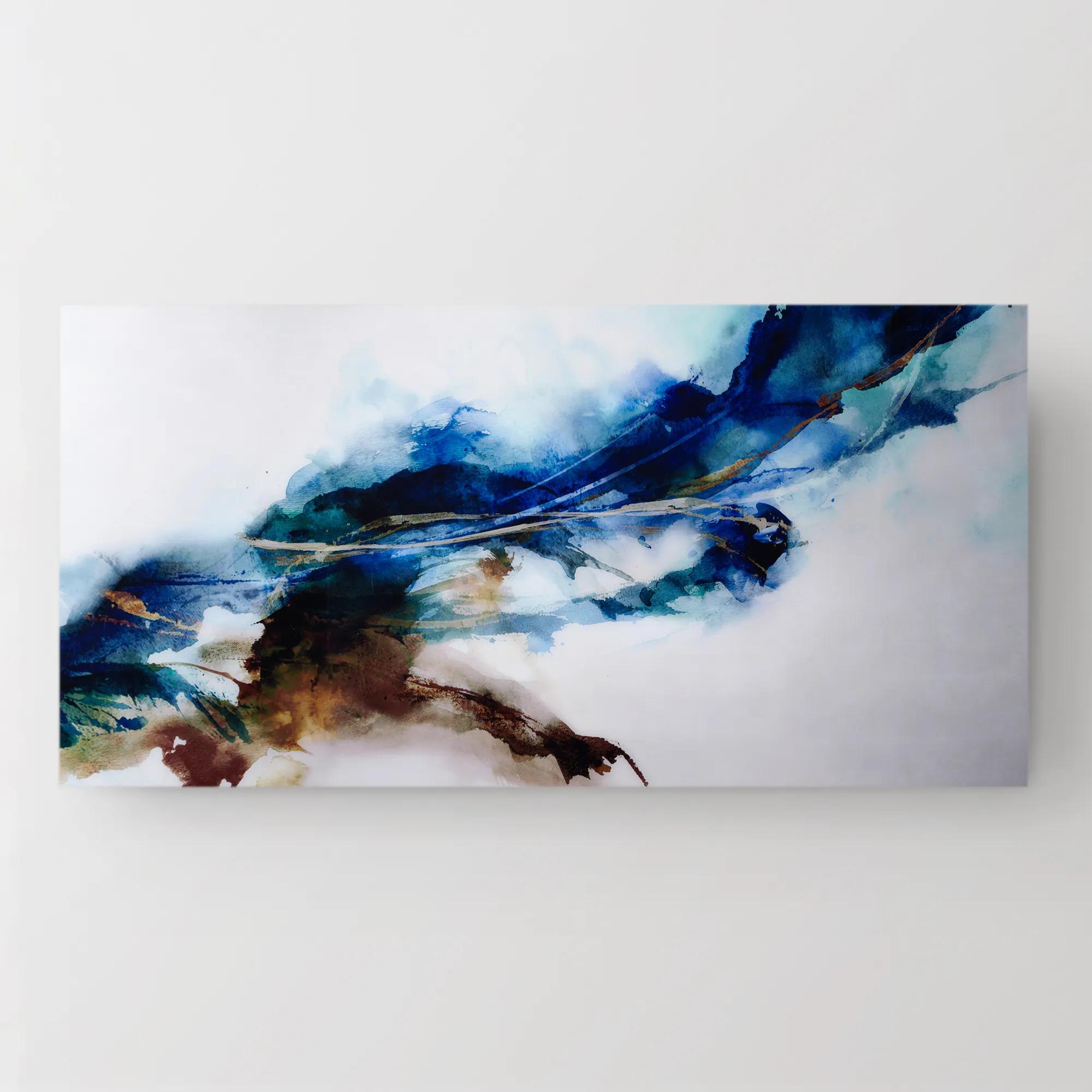 Cerulean Movement Acrylic Art 72" x 36"$1299
A vibrant abstract artwork printed on high-gloss acrylic, infusing your space with dynamic energy and movement.
Add To Cart -
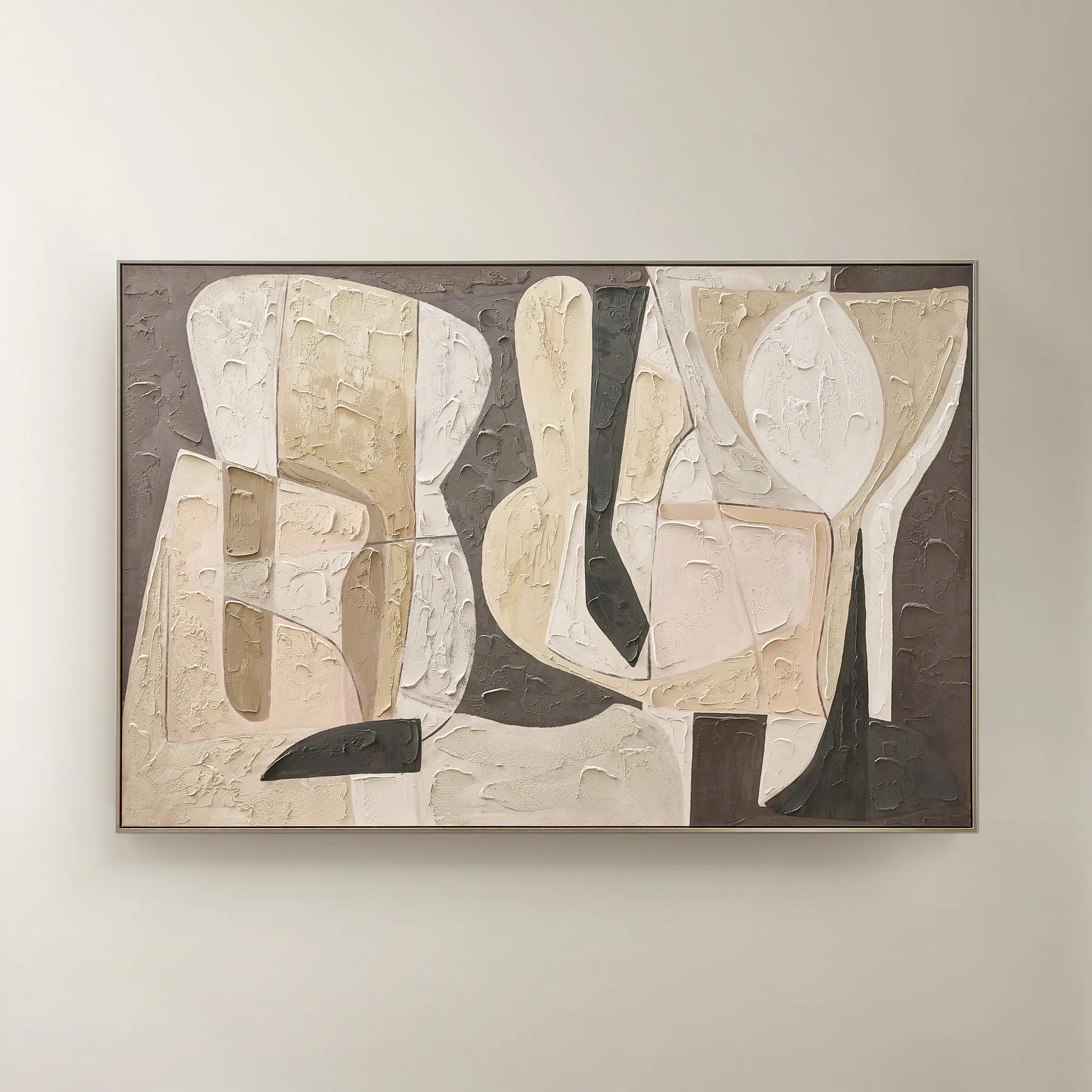 Wishful Thinking Framed Painted Wall Art 72" x 48"$599
A hand-painted abstract canvas featuring bold geometric forms and warm smoked plum, apricot, and tawny hues.
Add To Cart -
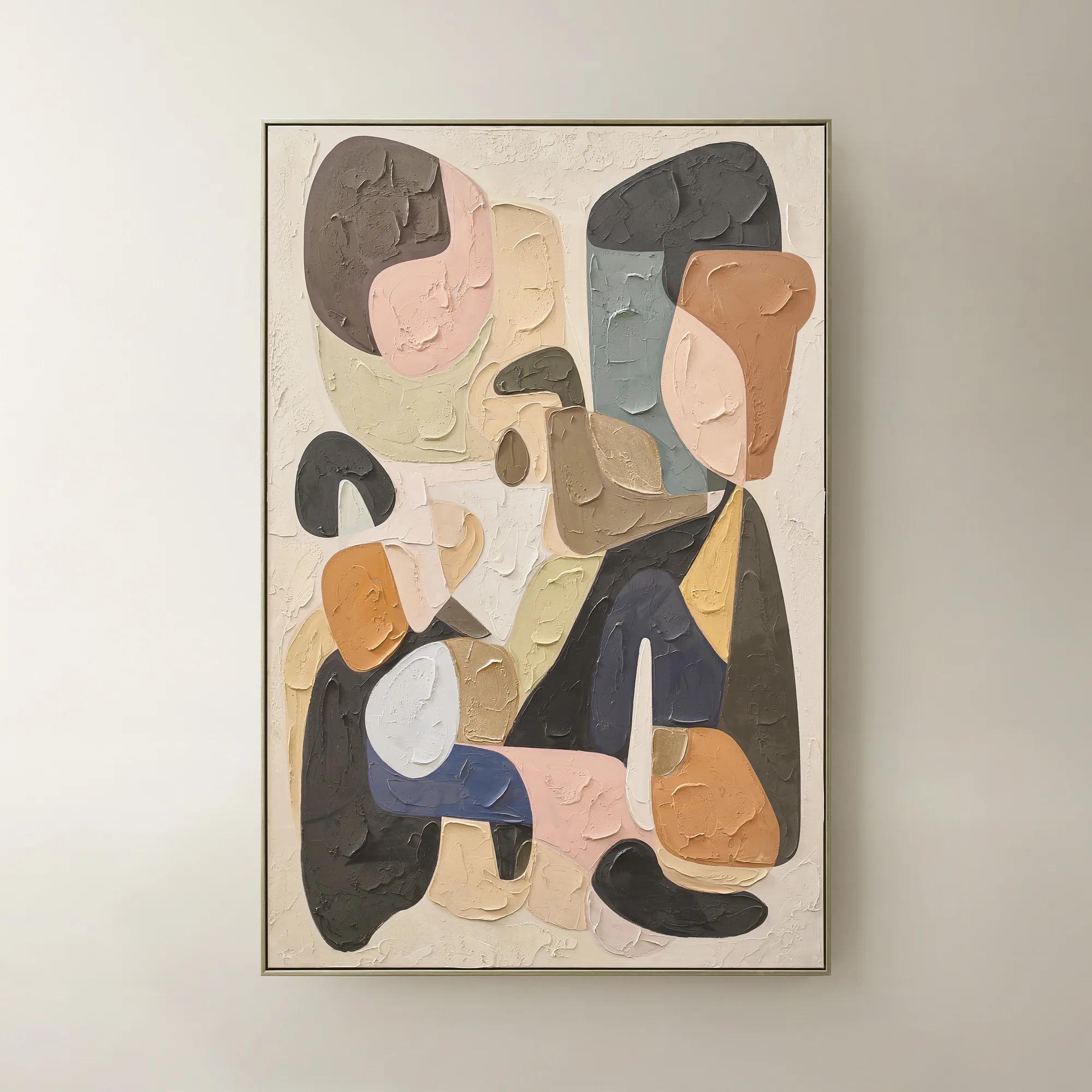 Chromatic Bloom Framed Painted Wall Art 40" x 60"$519
A hand-painted abstract canvas featuring a vibrant multi-color palette and shimmering champagne detailing.
Add To Cart -
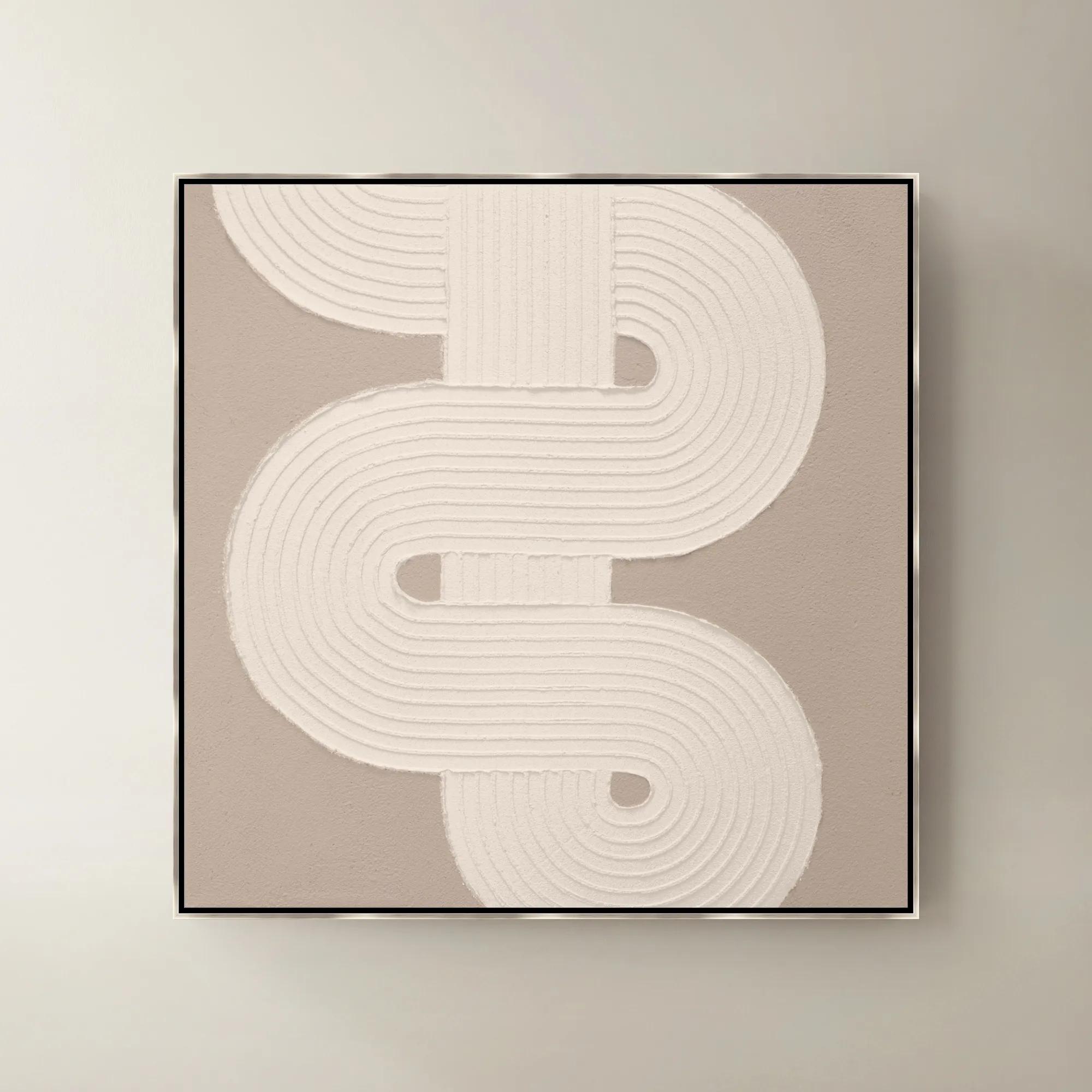
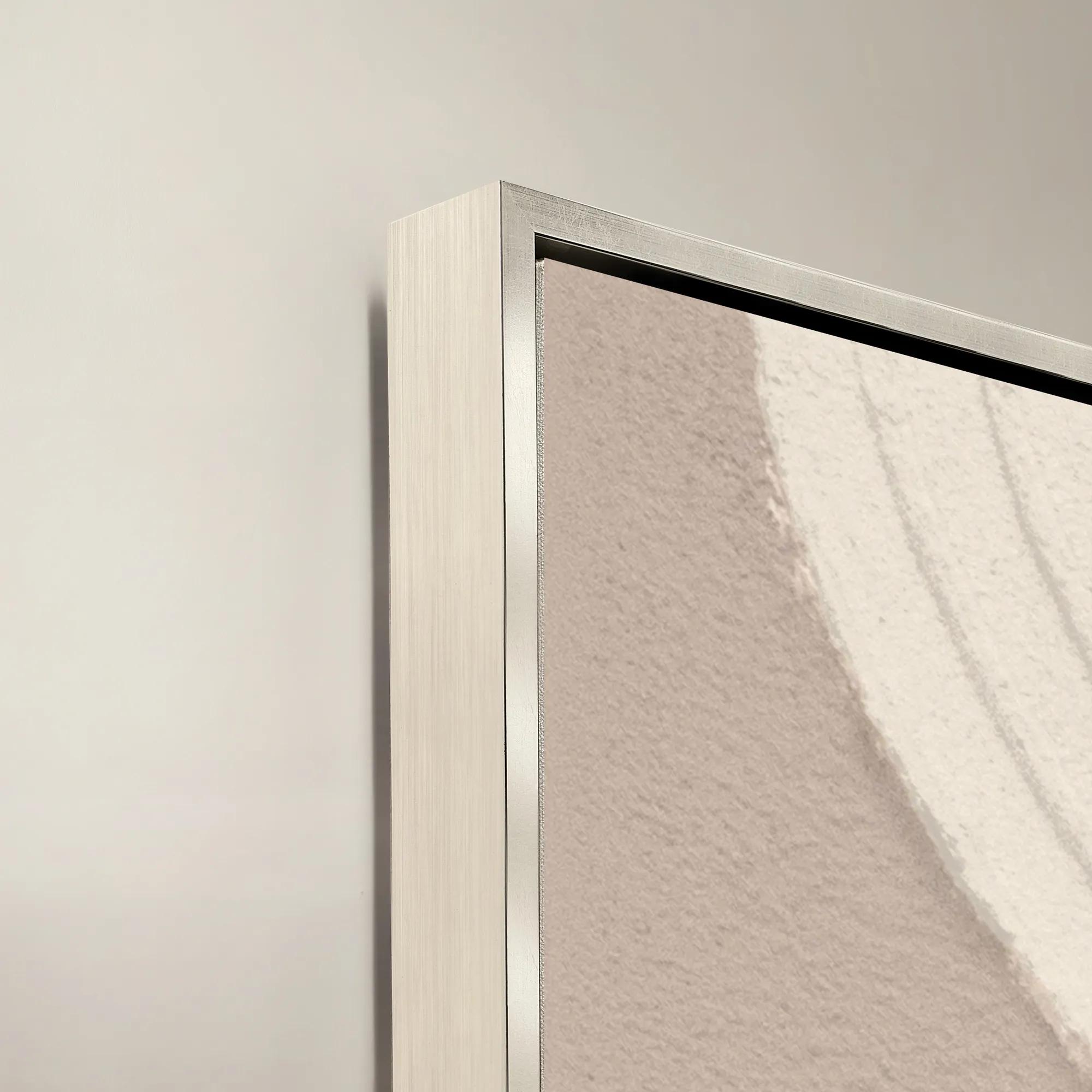 Sacred Geometry V Framed Painted Wall Art 40" x 40"$1099
A striking abstract art piece featuring bold geometric patterns for a modern, sophisticated touch.
Add To Cart -
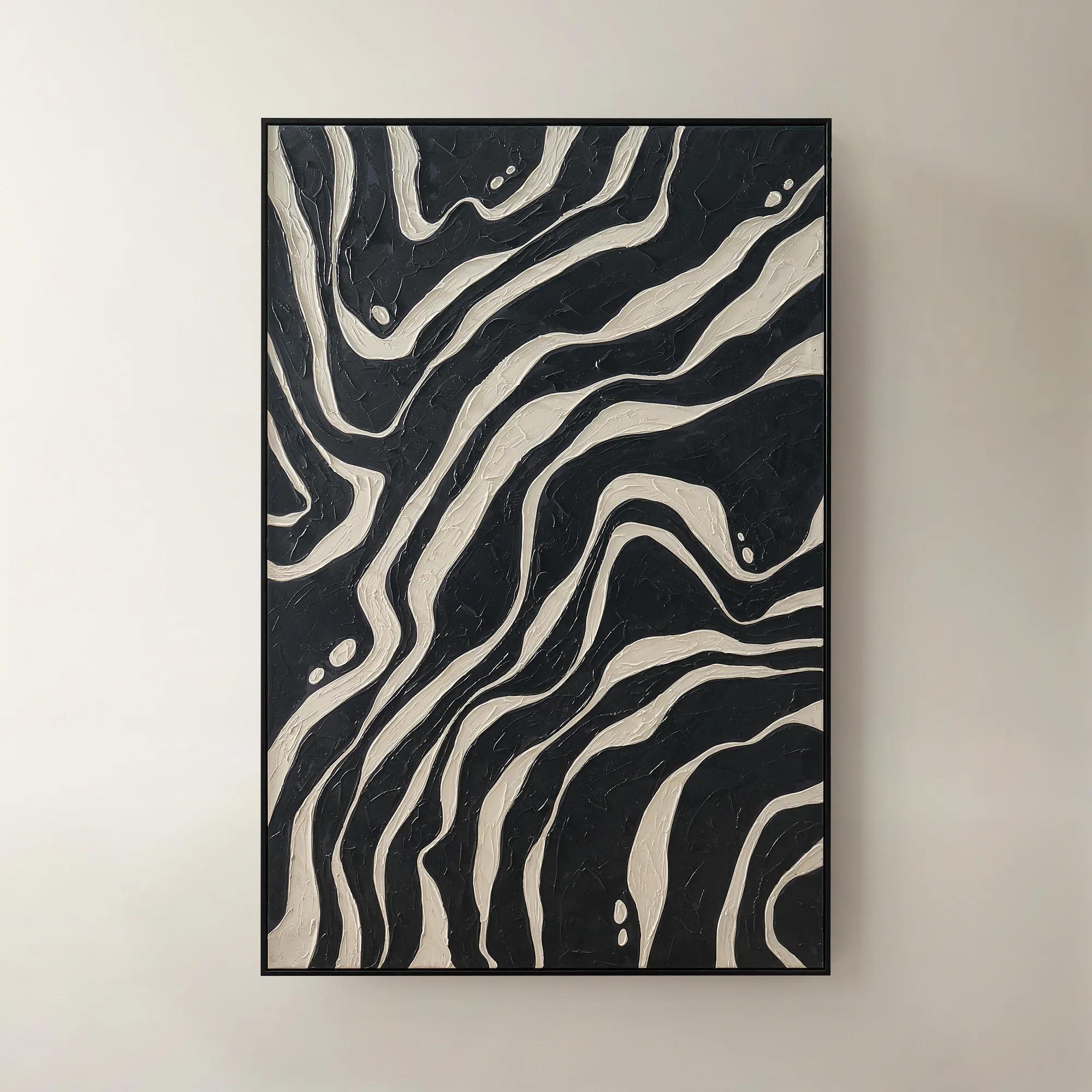
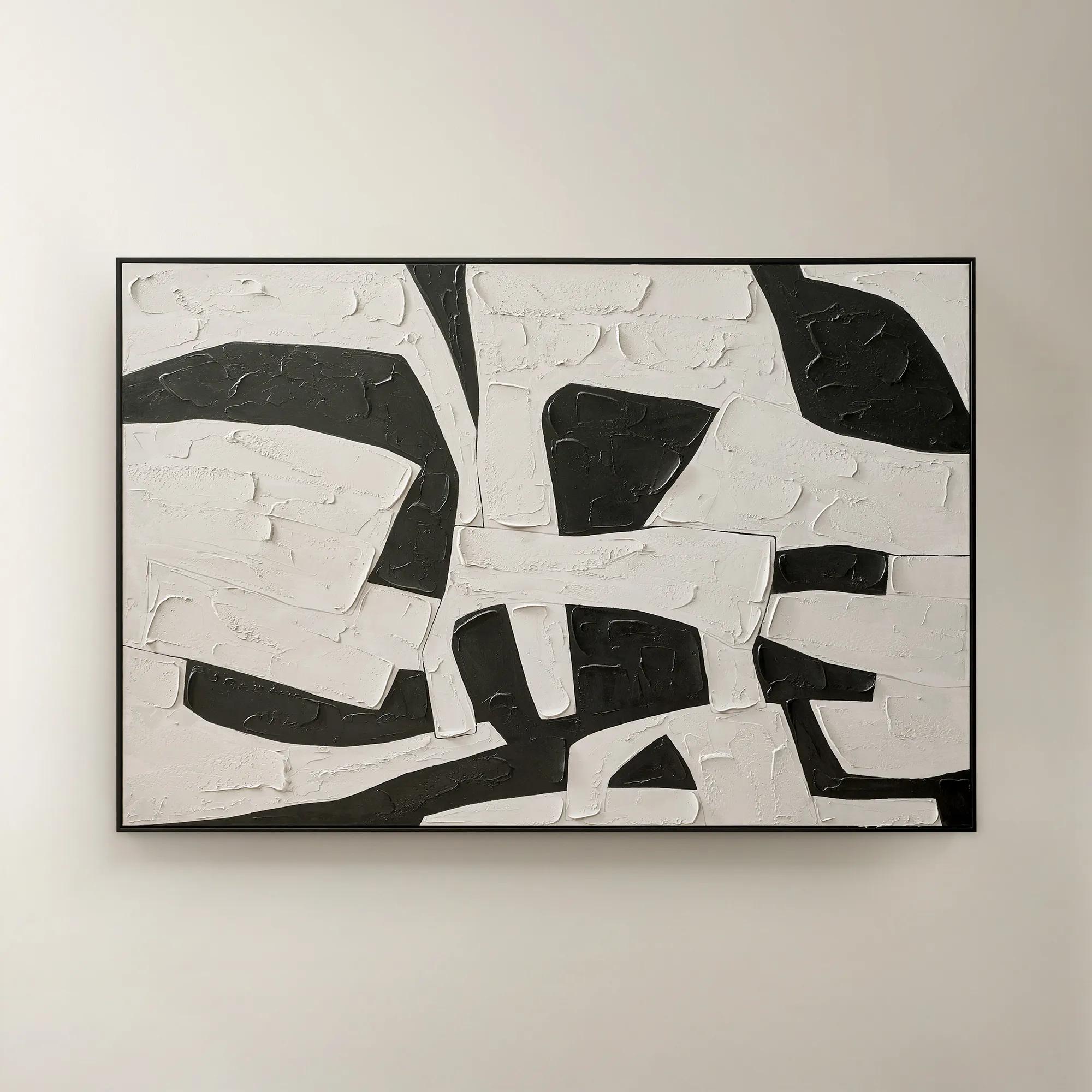 Space Between Shadows Framed Painted Wall Art 72" x 48"$799
A hand-painted abstract canvas featuring bold alabaster and black geometric forms in a sleek black frame.
Add To Cart -
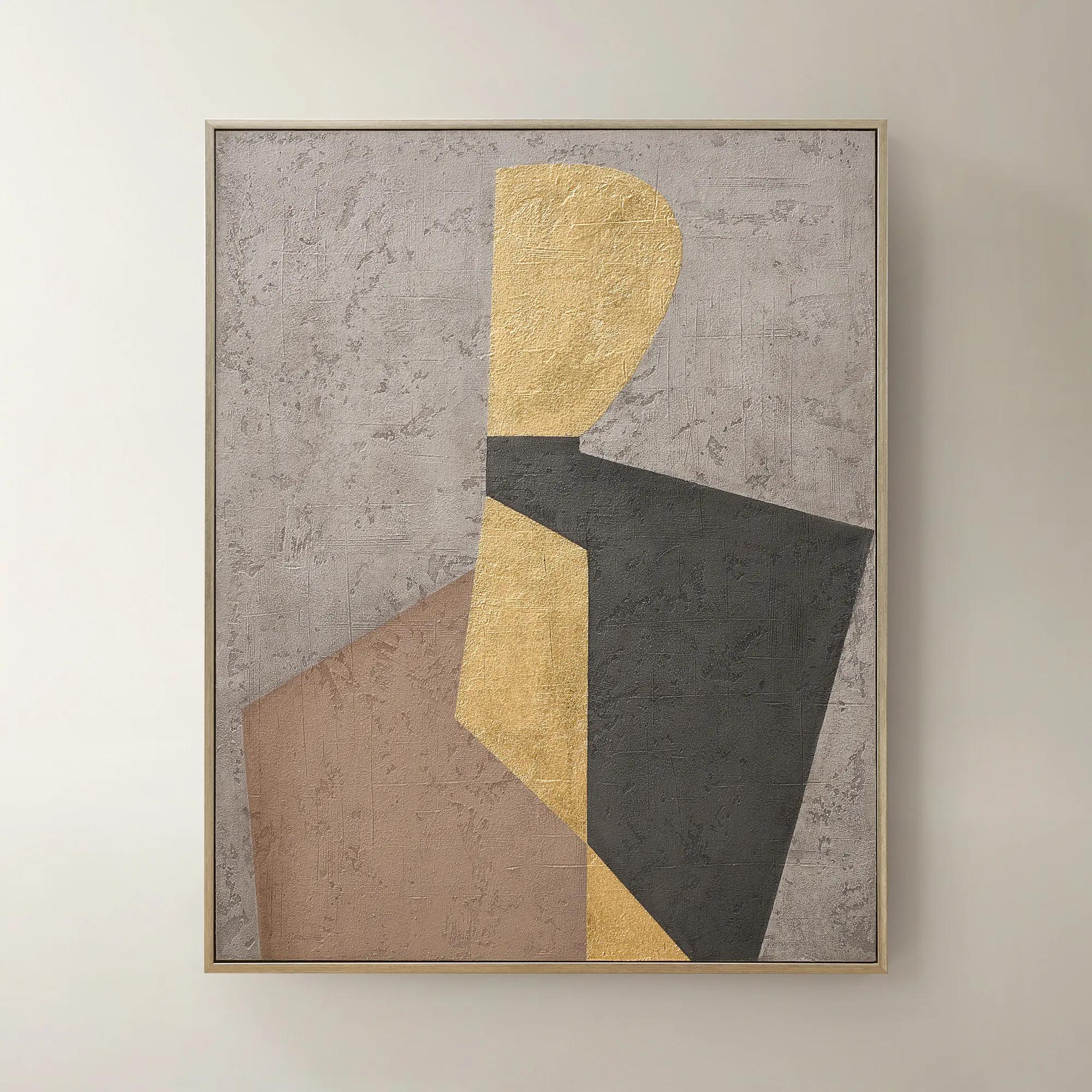 Aura of Gold Framed Painted Wall Art 40" x 50"$399
A hand-painted canvas with champagne leafing and a brushed champagne frame in mocha, grey, black, and gold.
Add To Cart -
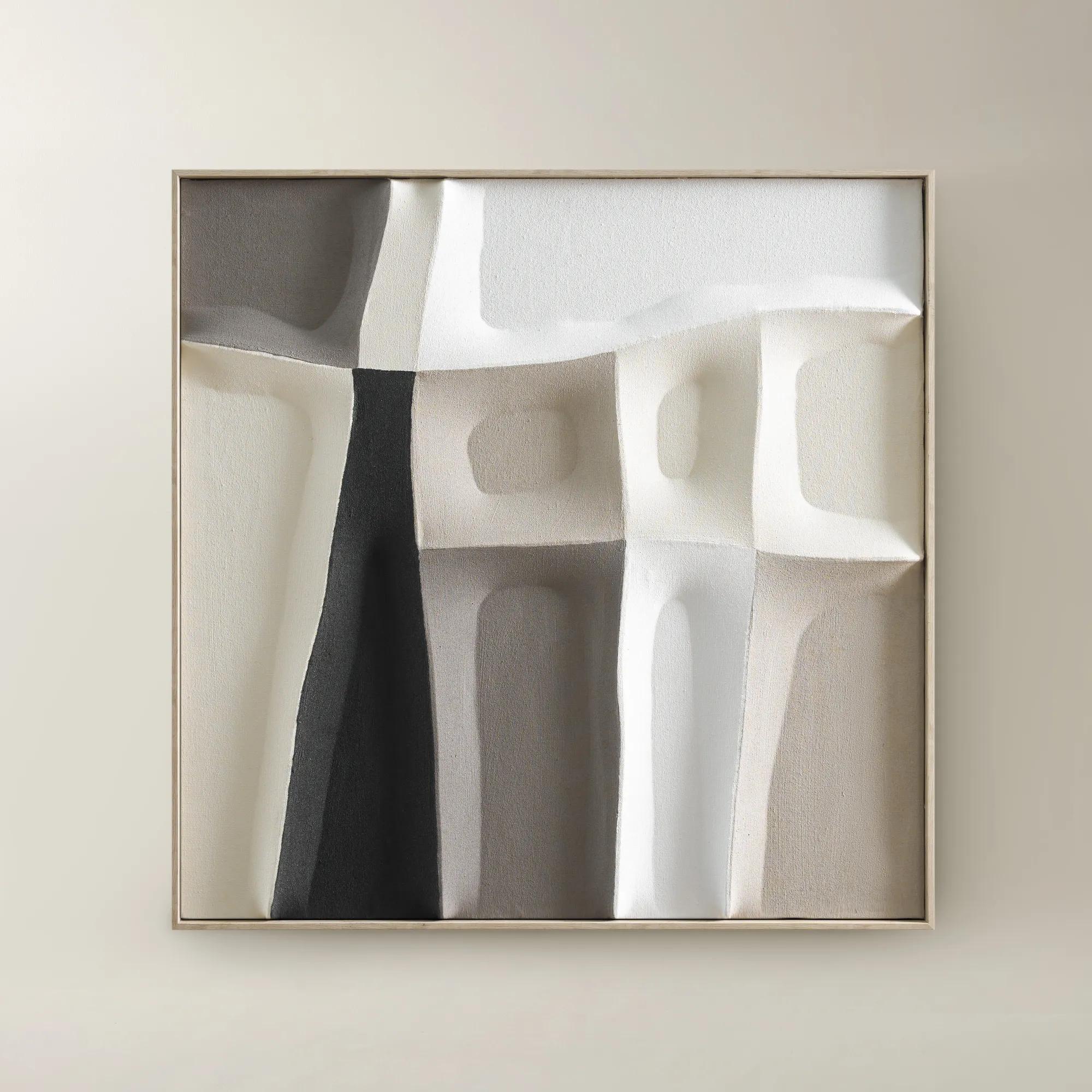 Shadow Painting 1$179
A hand-painted canvas featuring bold colors and sculptural textures in a warm whitewash floater frame.
Add To Cart -
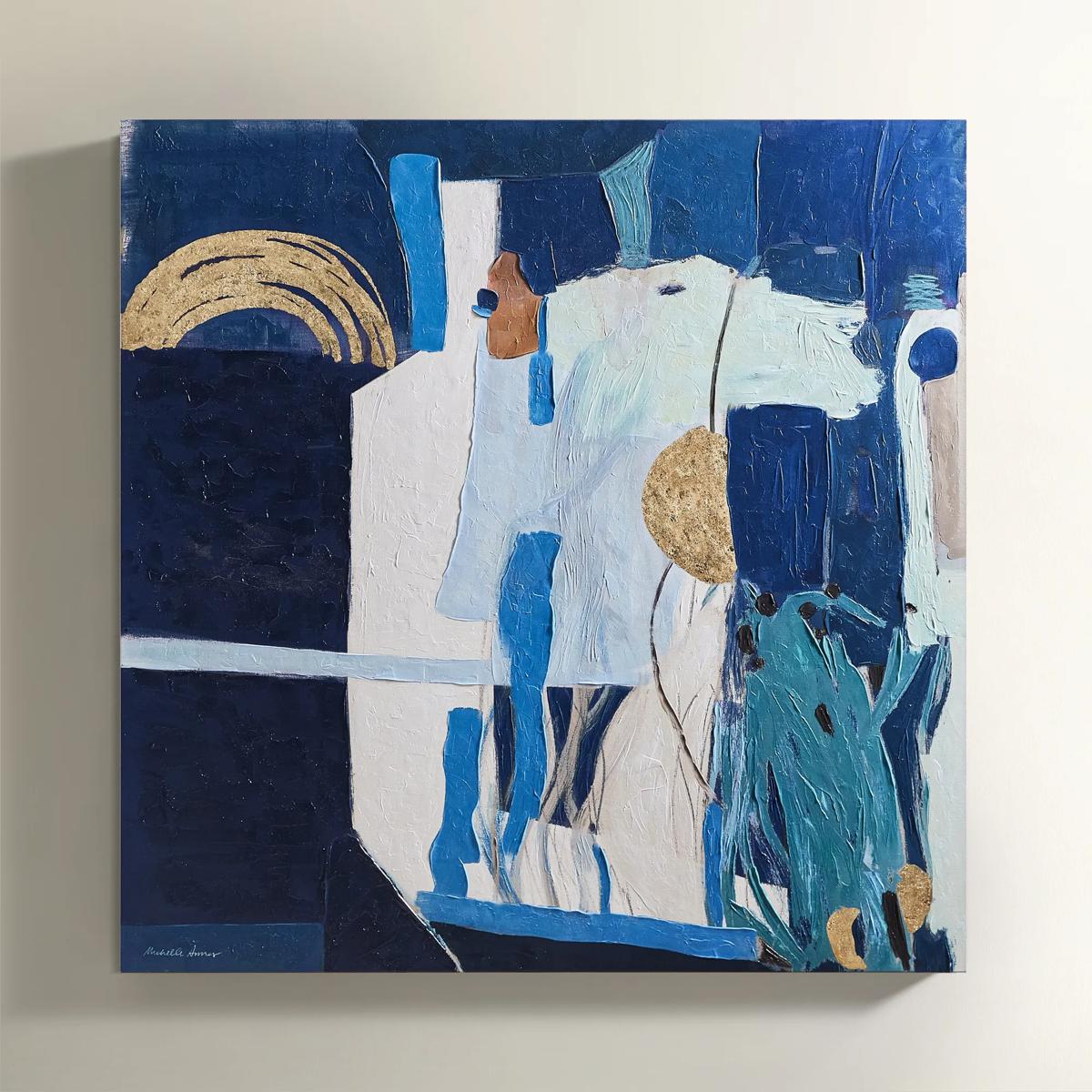
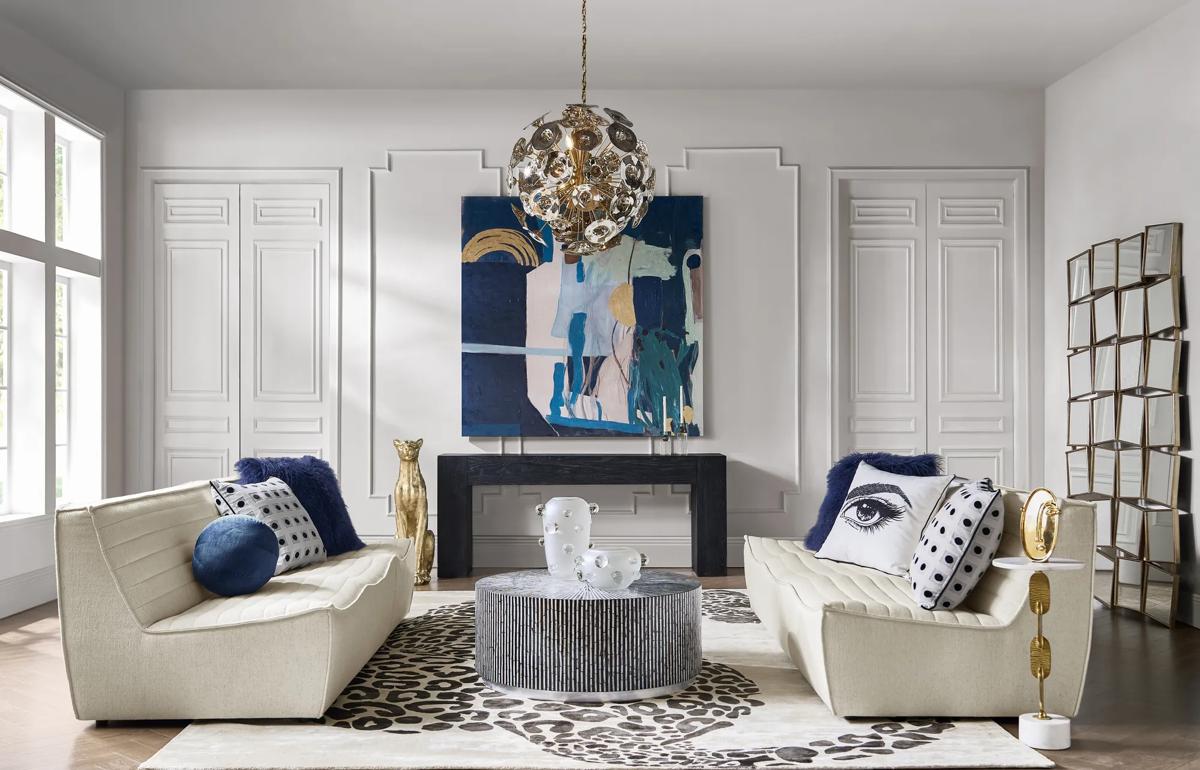 In Flux Painting$699
A hand-embellished canvas artwork featuring deep teal, green, ivory, and gold in a black Art Deco frame.
Add To Cart -
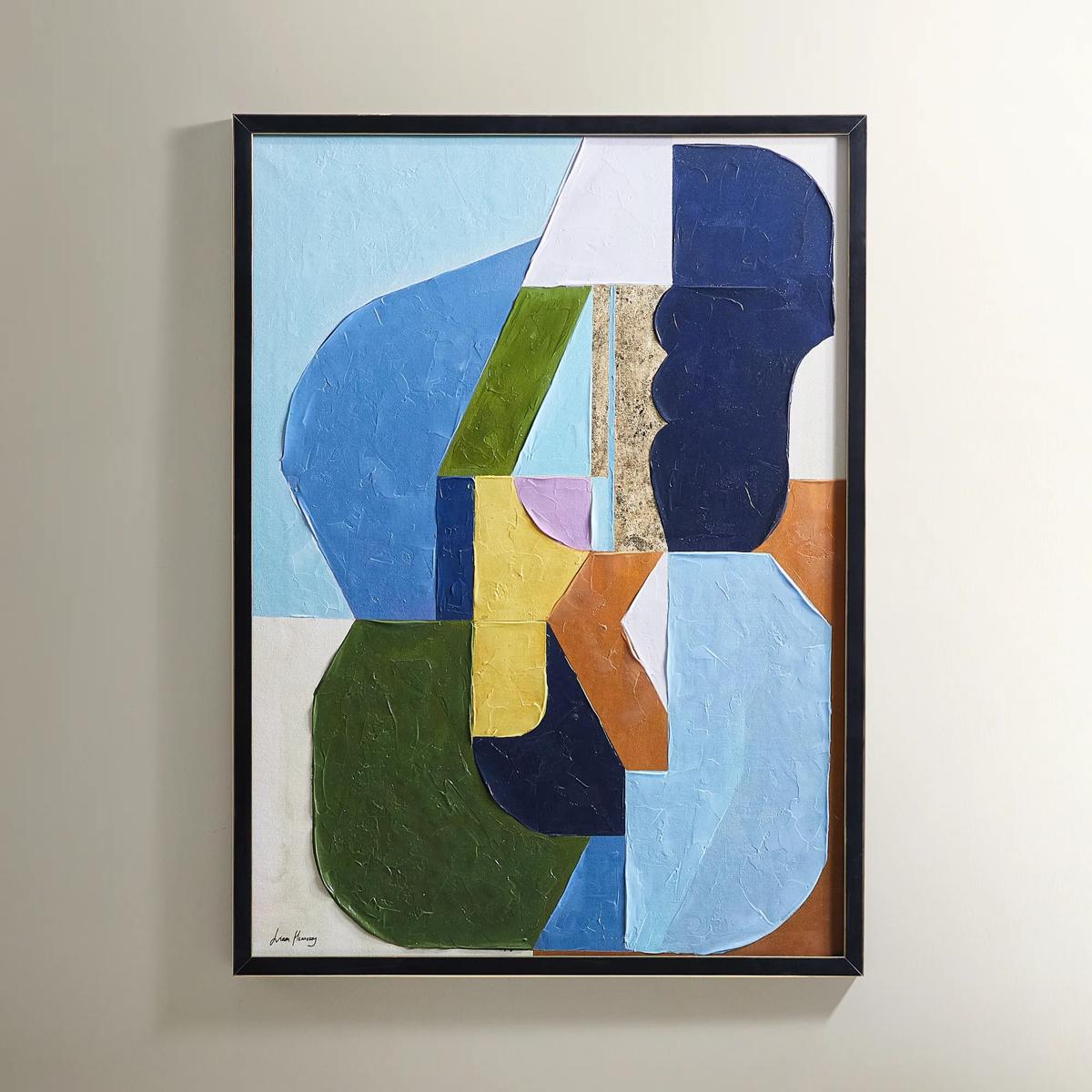
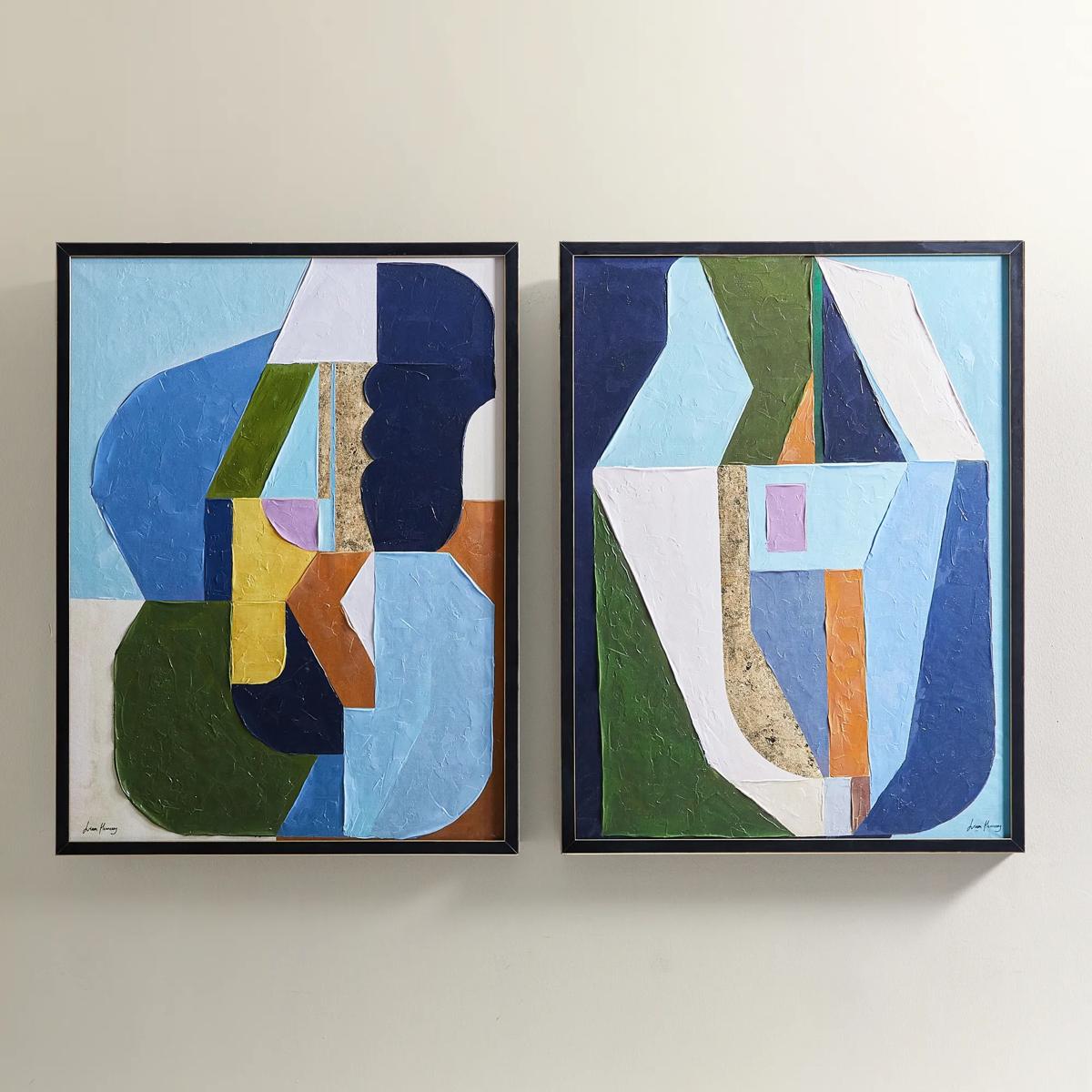 Thought Provoking Painting 1$249
A hand-embellished canvas artwork featuring textured strokes in deep blue, olive green, and gold accents.
Add To Cart -
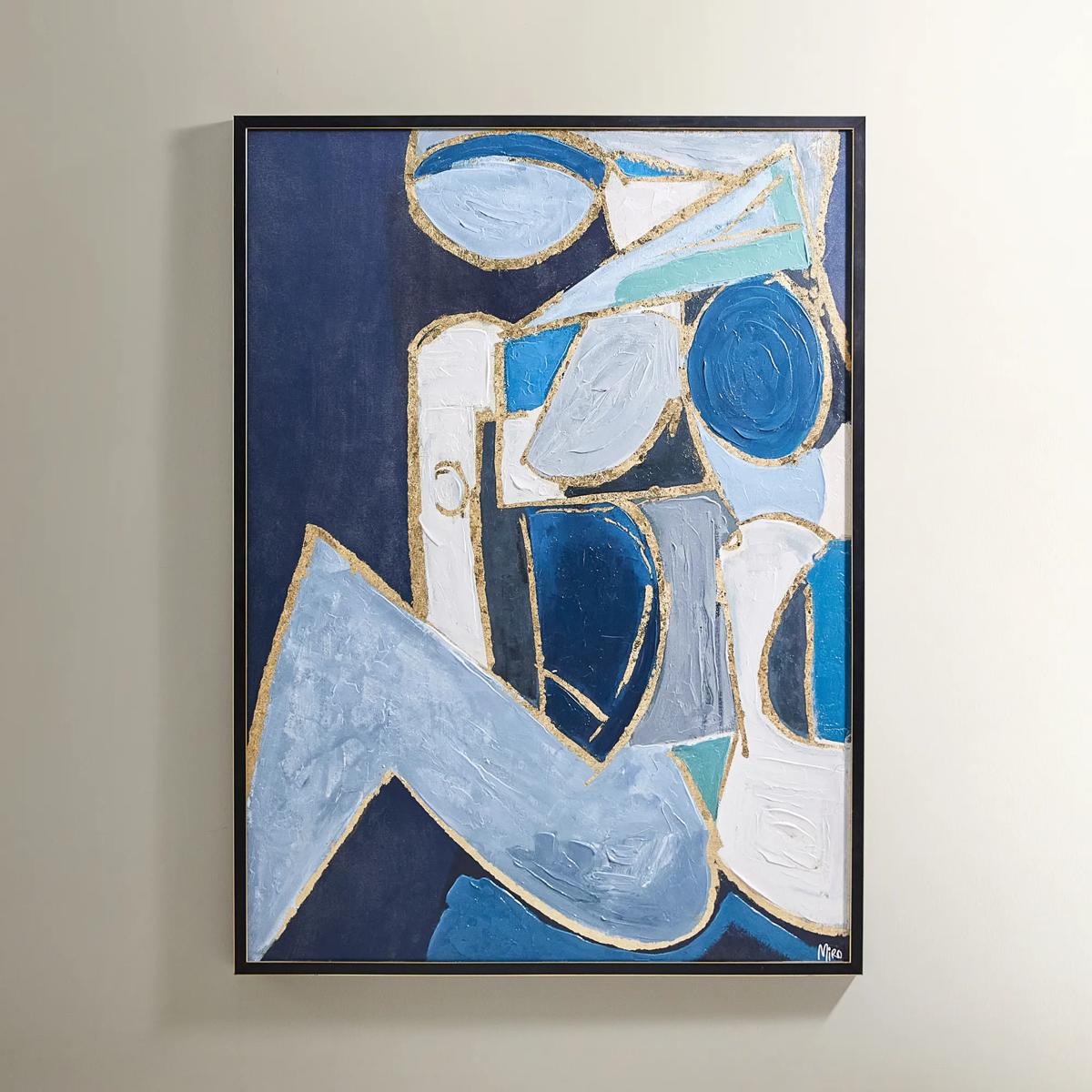
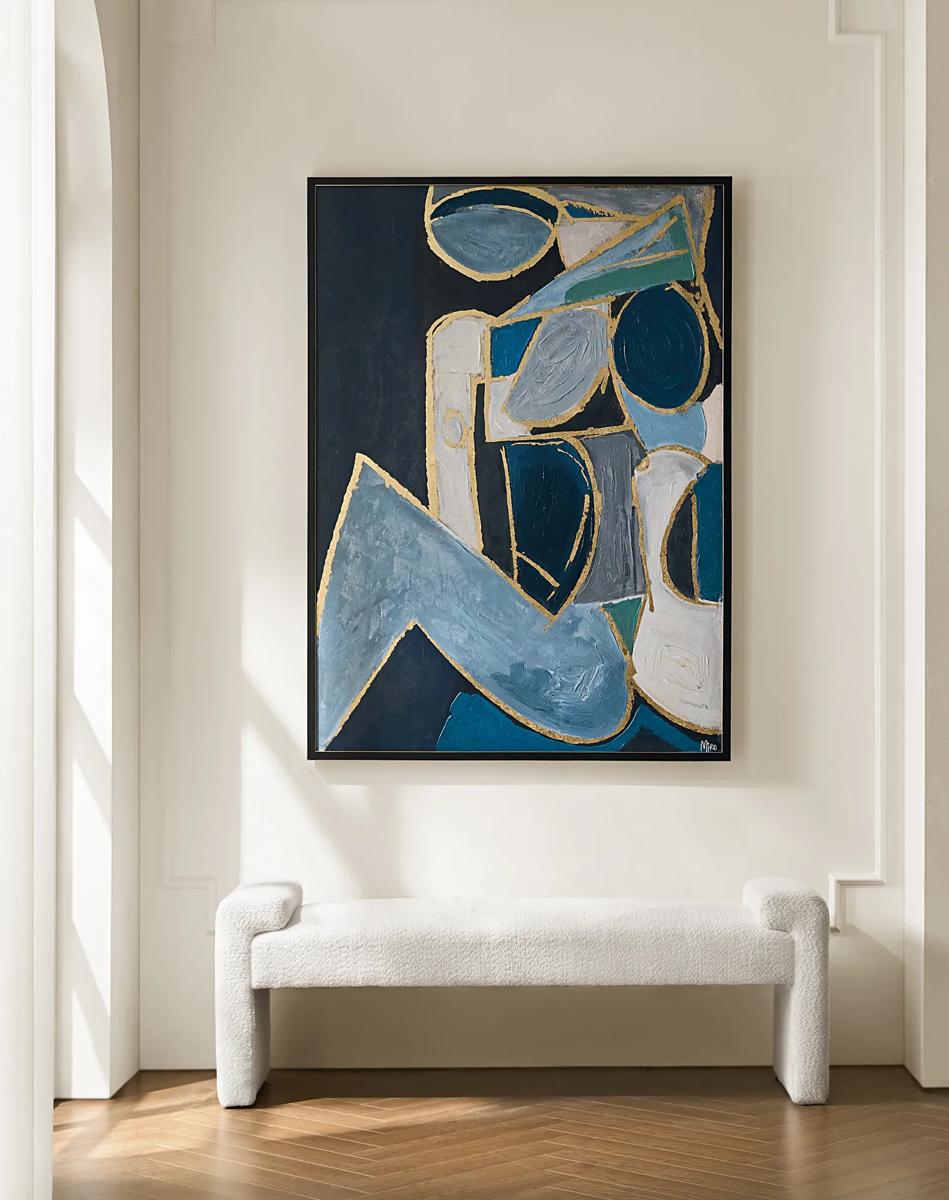 Figure in Cubism Painting$599
A hand-embellished canvas artwork featuring blue, gold, and white hues with elegant silver foil accents.
Add To Cart -
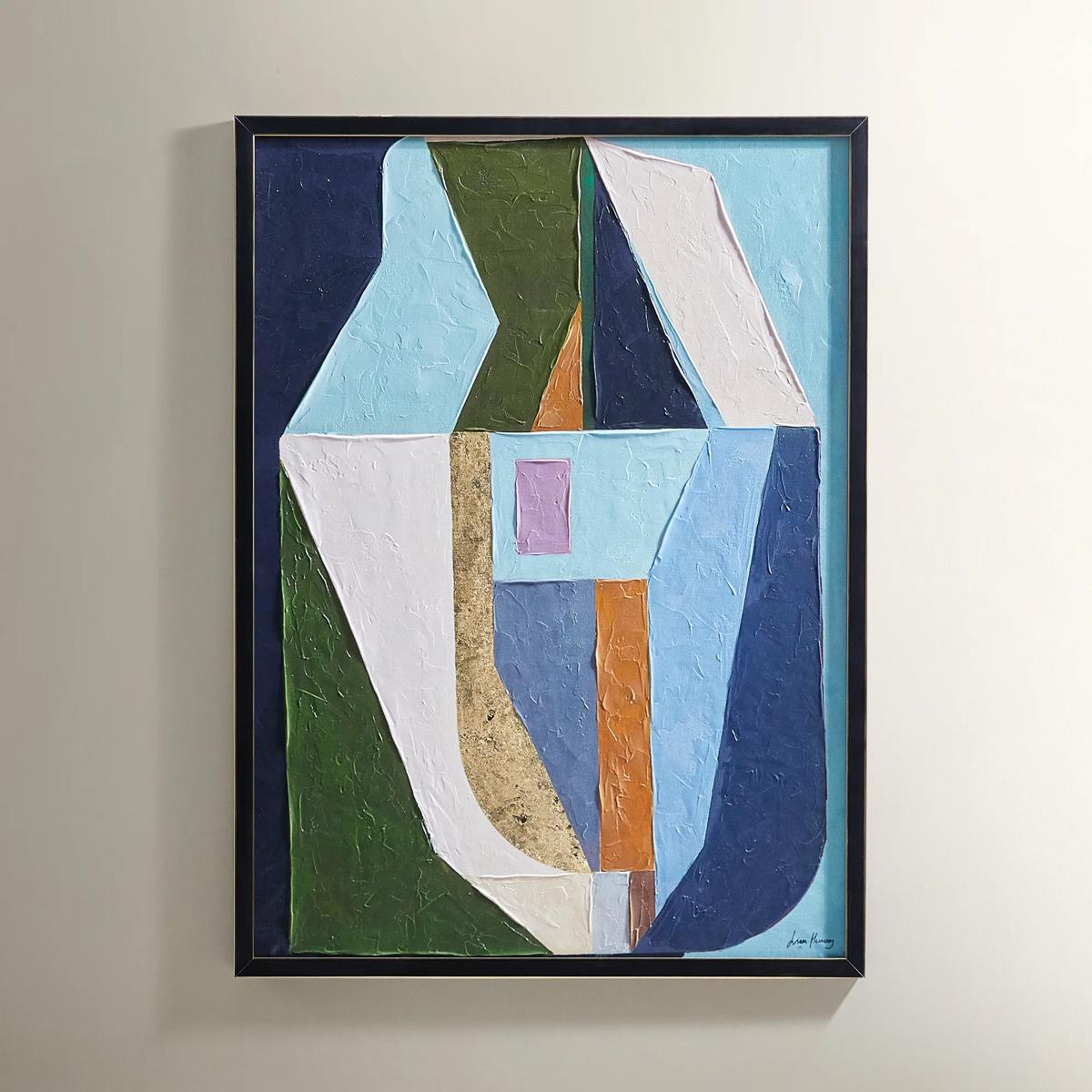 Thought Provoking Painting 2$249
A hand-embellished canvas artwork featuring textured strokes in deep blue, olive green, and gold accents.
Add To Cart -
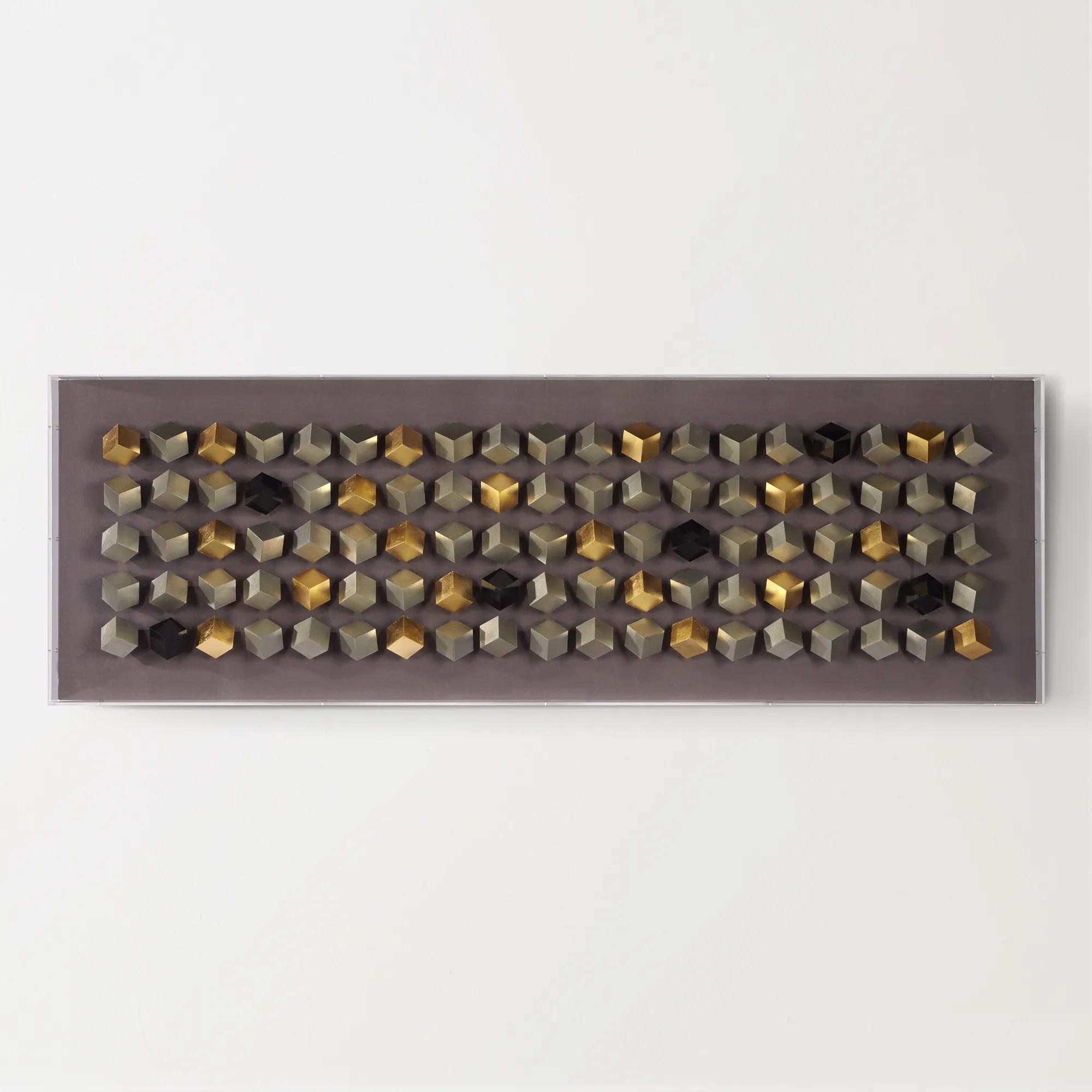
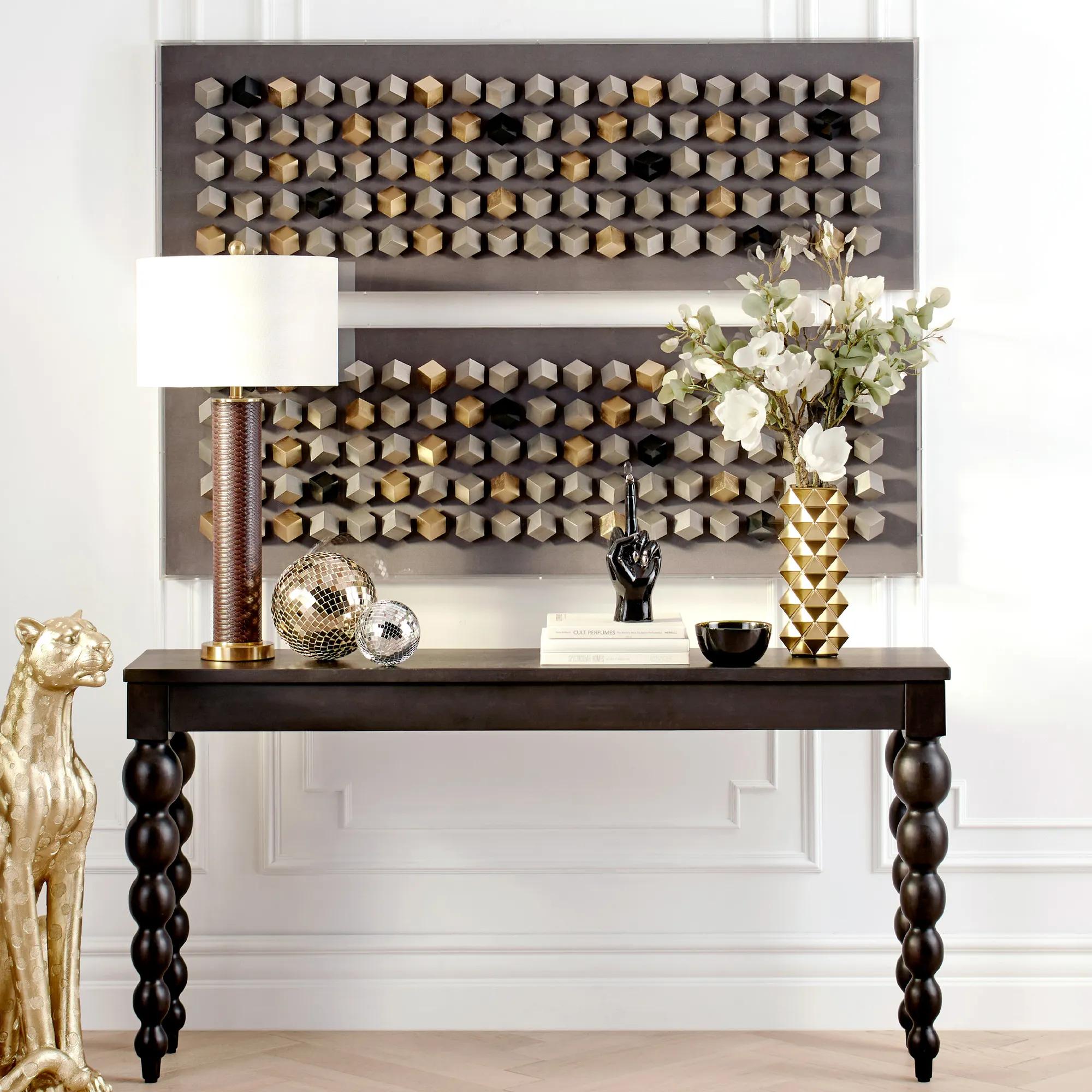 Cubic Array Dimensional Wall Decor in Acrylic 59" x 19.75"$599
A striking shadowbox wall art featuring a cubic, dimensional design with a tri-tone metallic finish.
Add To Cart -
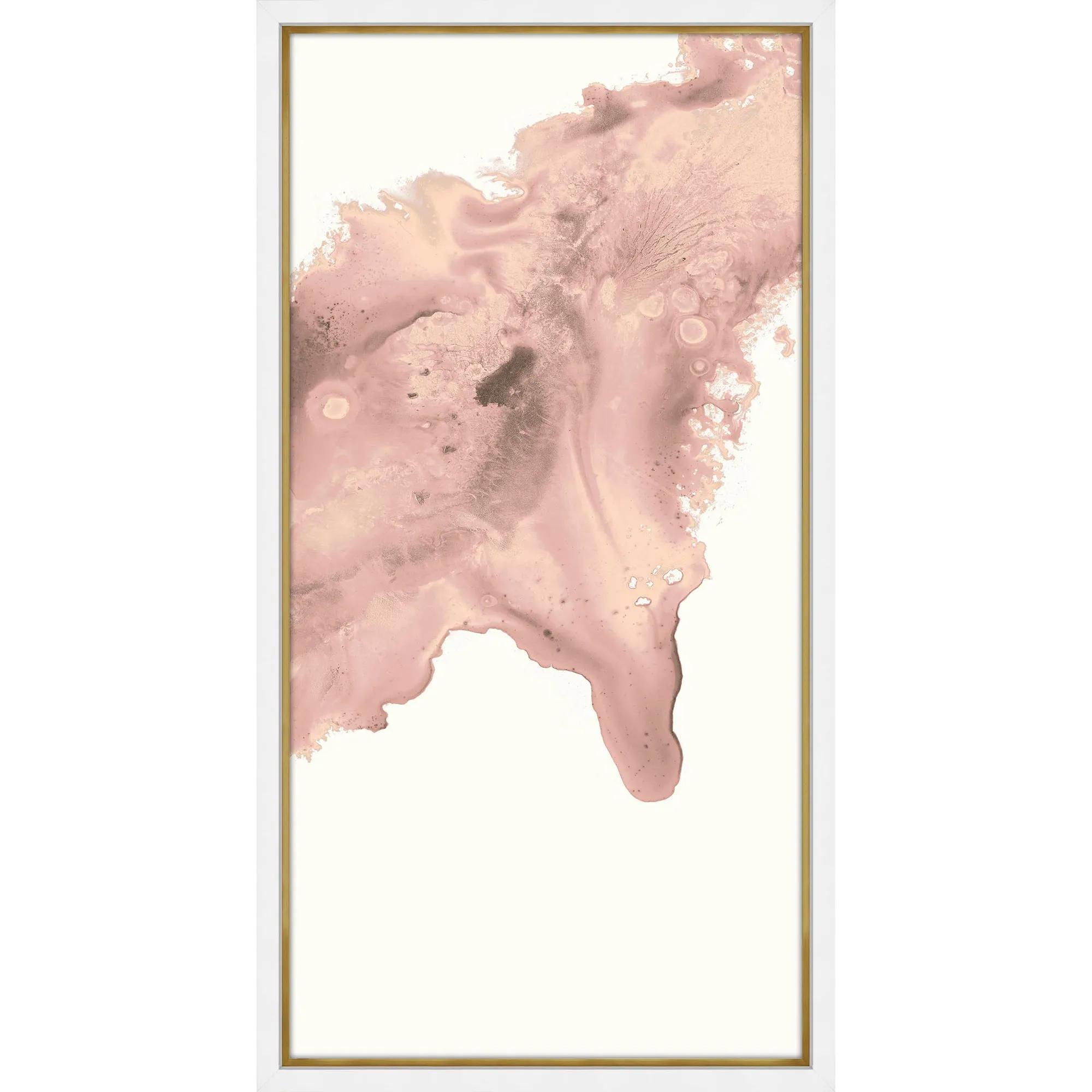
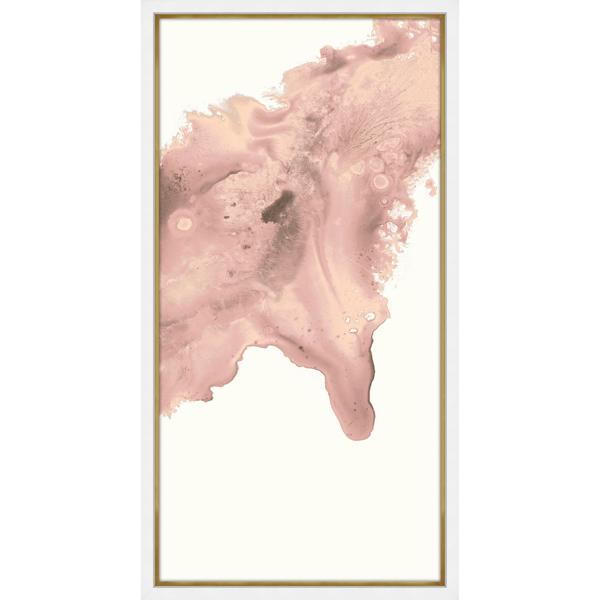 Blush Conduit 2 Framed Wall Art 24" x 48"$849
A striking abstract print on pearl paper, elegantly framed in gold and matte white for modern appeal.
Add To Cart -
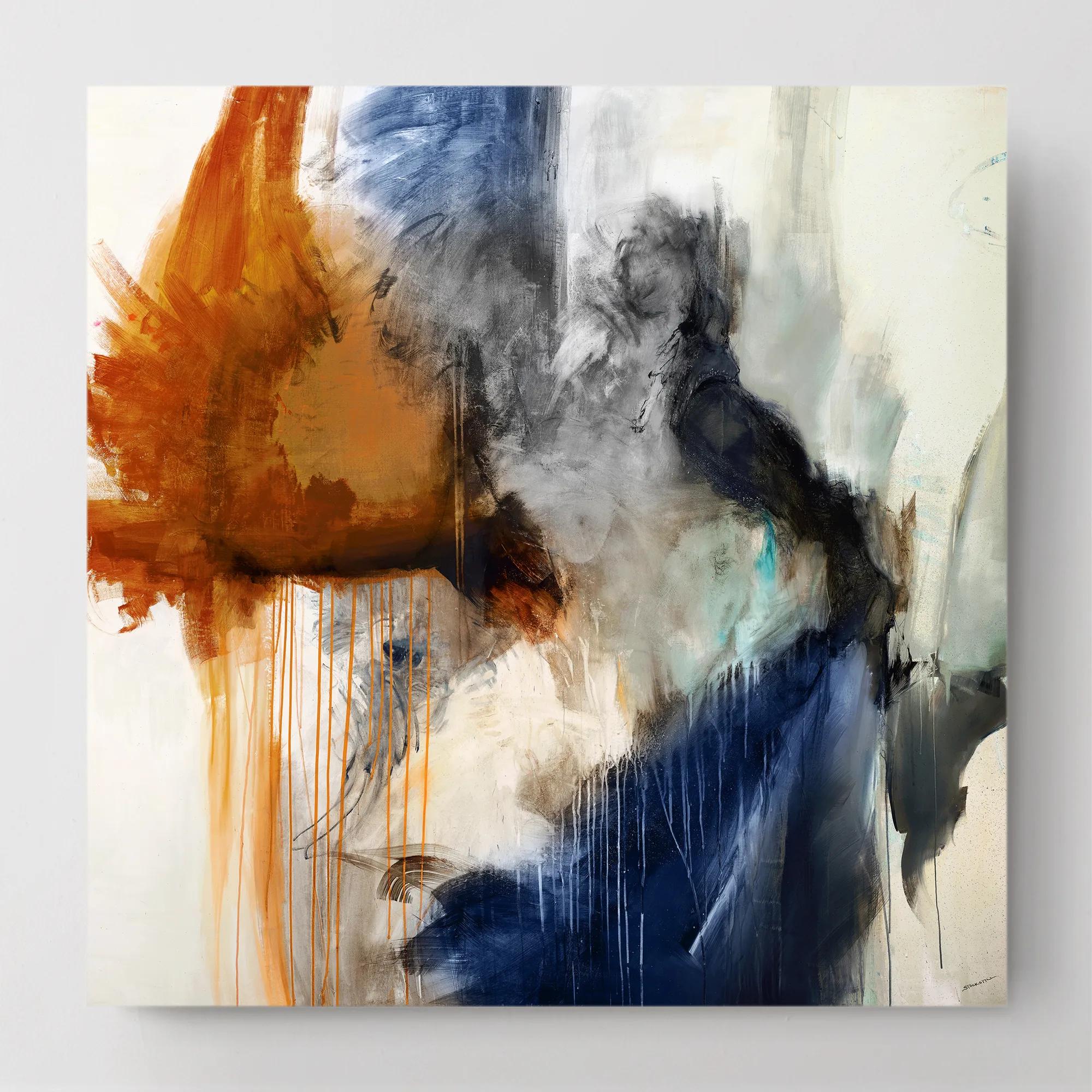
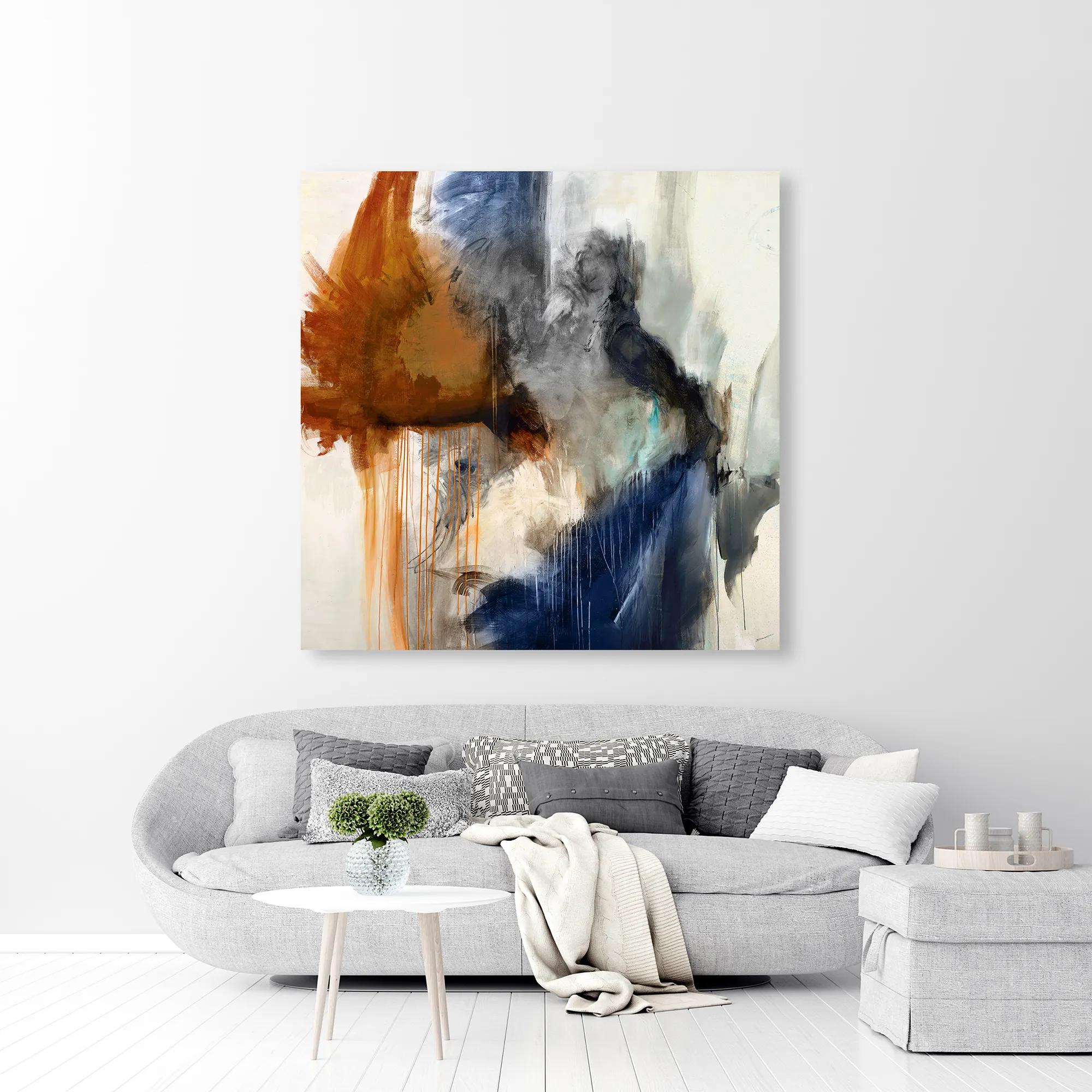 Swoon 6 Wall Art 54" x 54"$899
A gallery-wrapped canvas featuring a hand-applied image brush gel finish for a textured, artistic look.
Add To Cart -
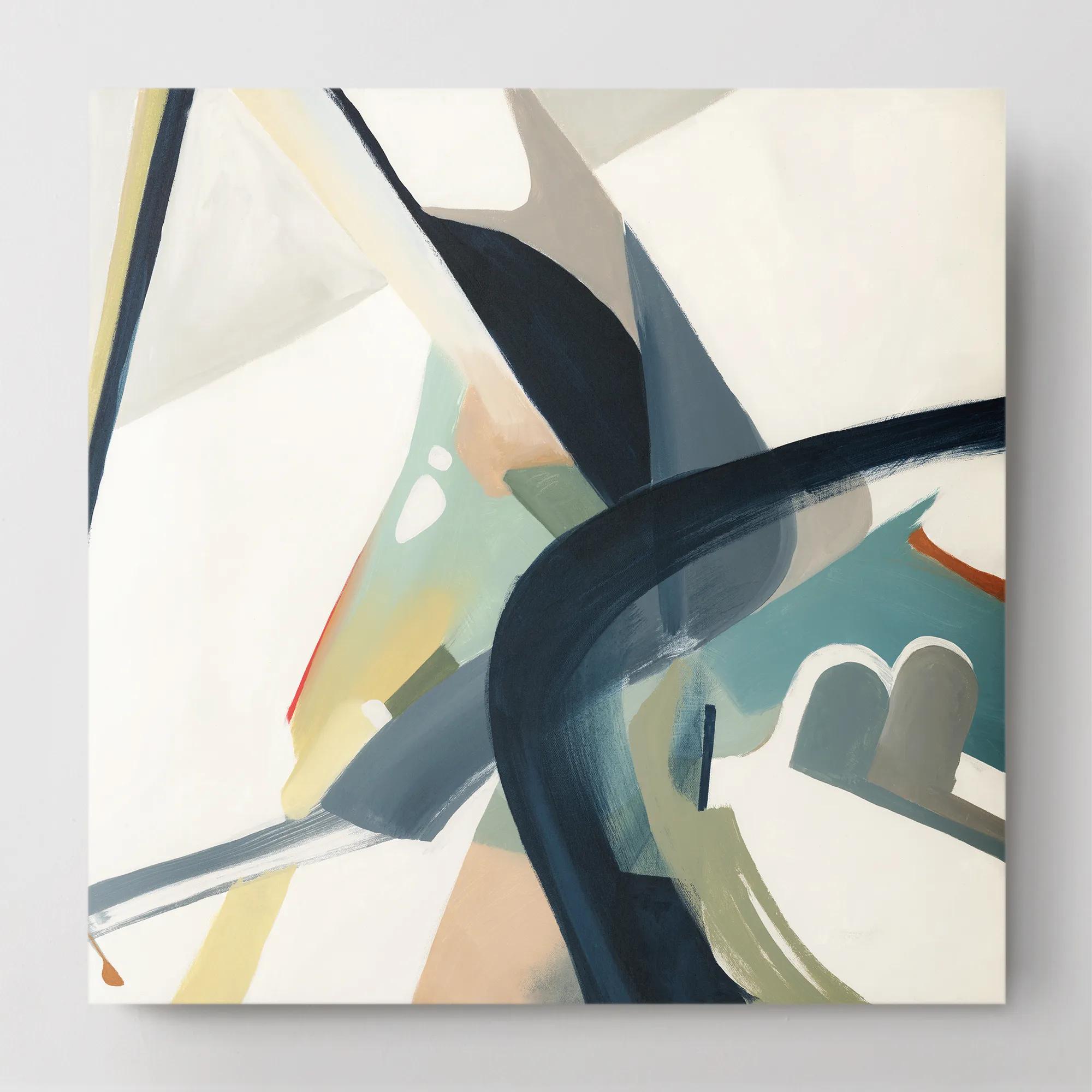 Impermanence 2$499
A gallery-wrapped canvas artwork featuring a hand-applied image brush gel finish for a textured look.
Add To Cart -
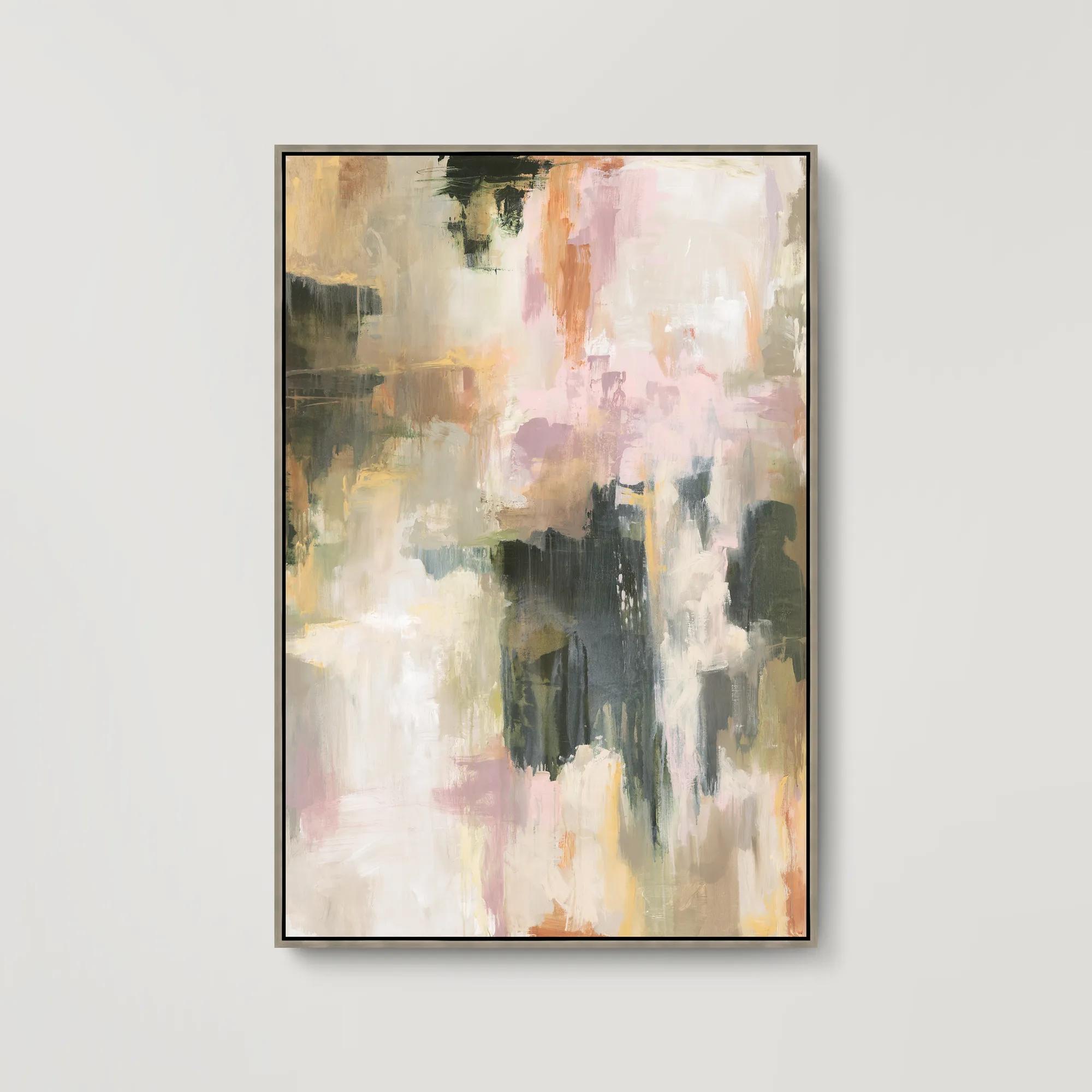
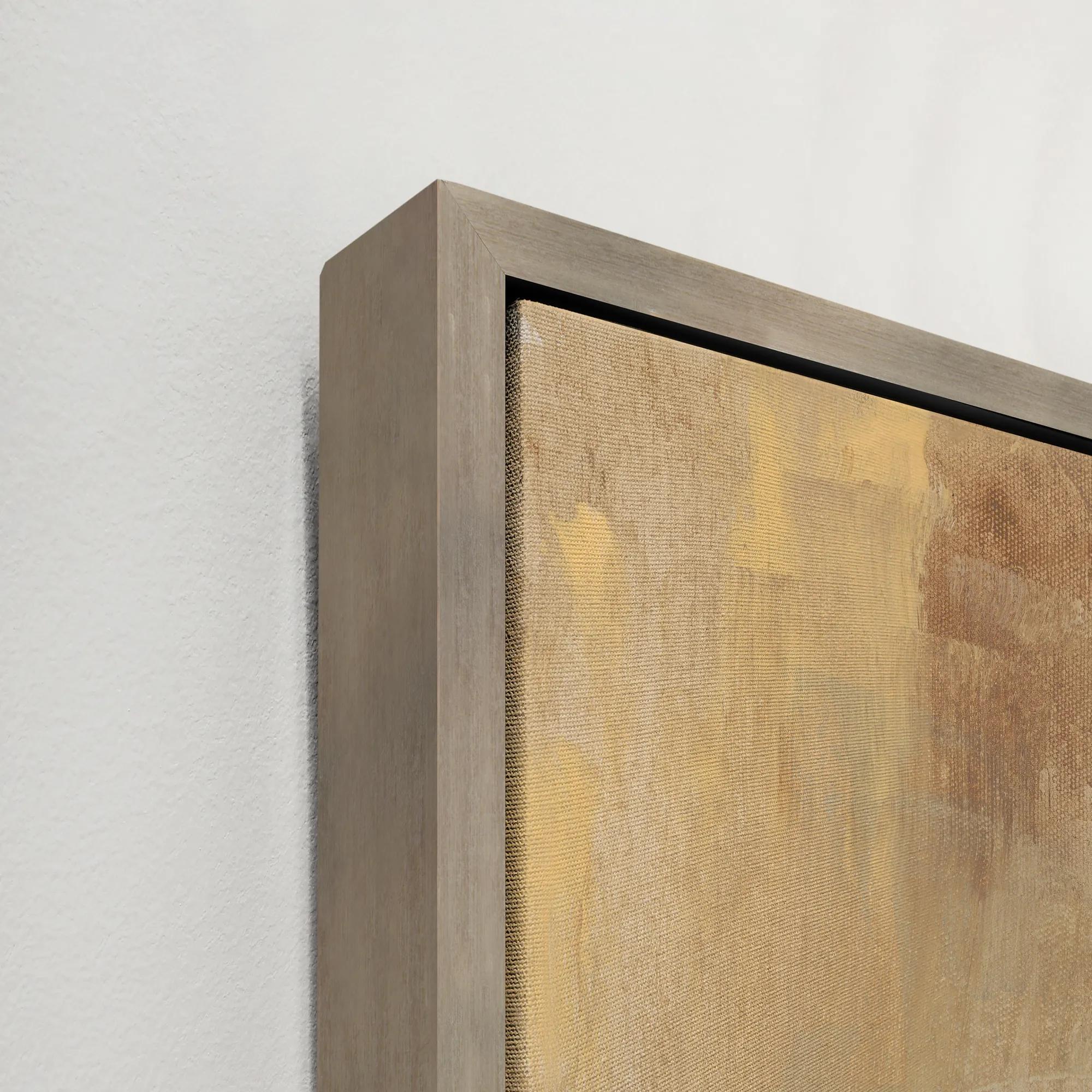 Sculpted Dreamscape Framed Wall Art 41.5" x 61.5"$999
A gallery-wrapped canvas artwork featuring a hand-applied gel finish and a sleek silver floater frame.
Add To Cart -
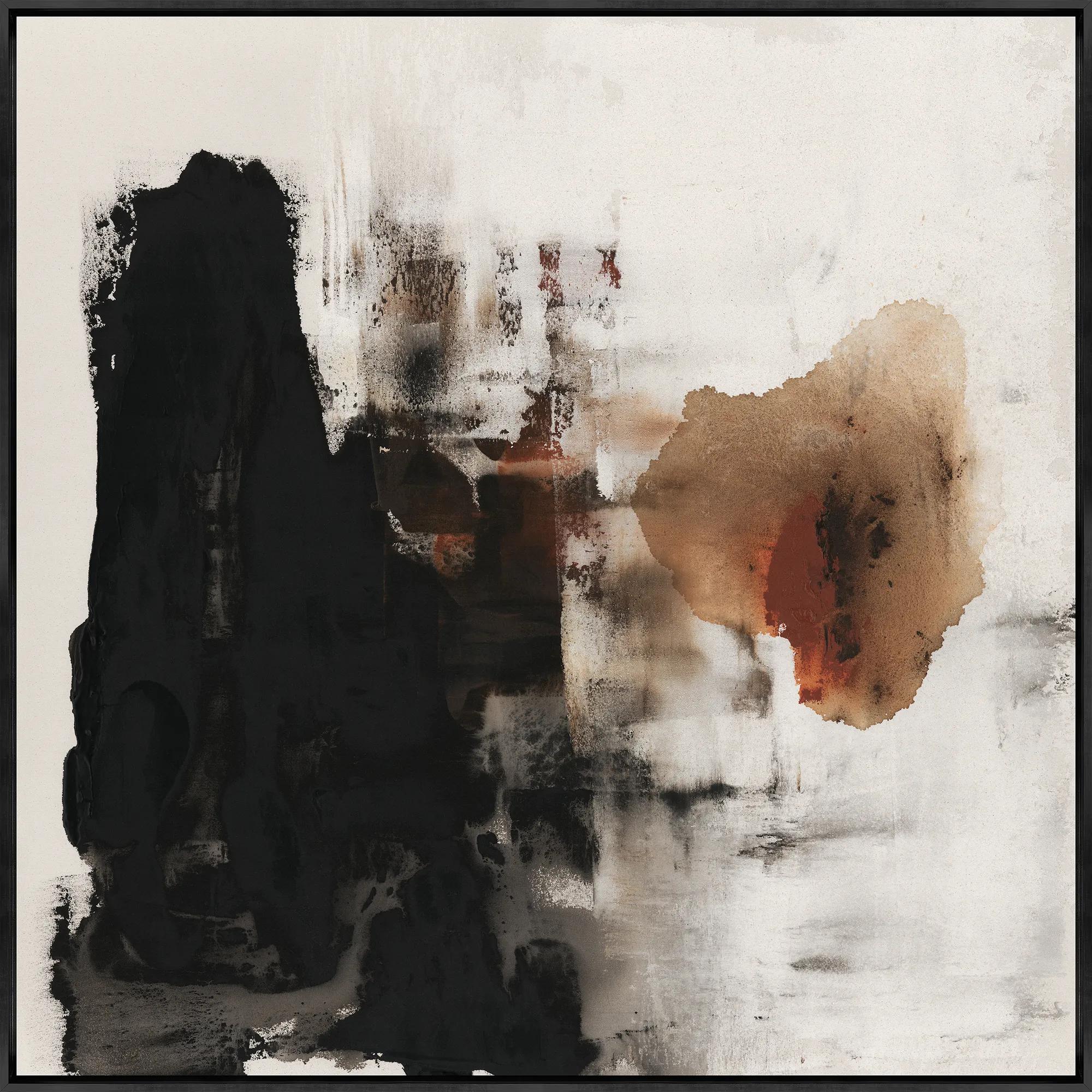 Burning for You I Framed Wall Art 40" x 40"$799
A gallery-wrapped canvas artwork with hand-applied brush gel, set in a sleek black floater frame.
Add To Cart -
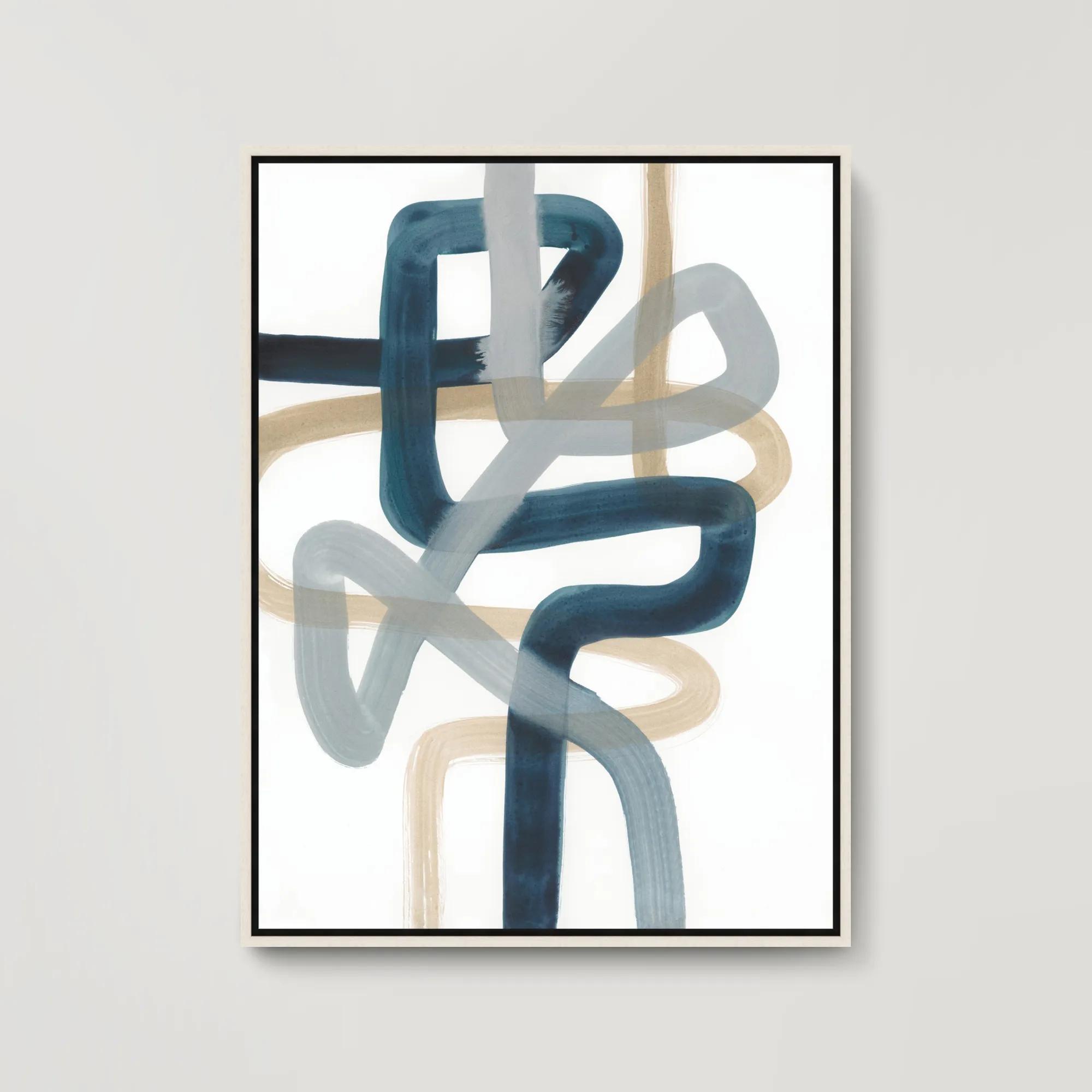
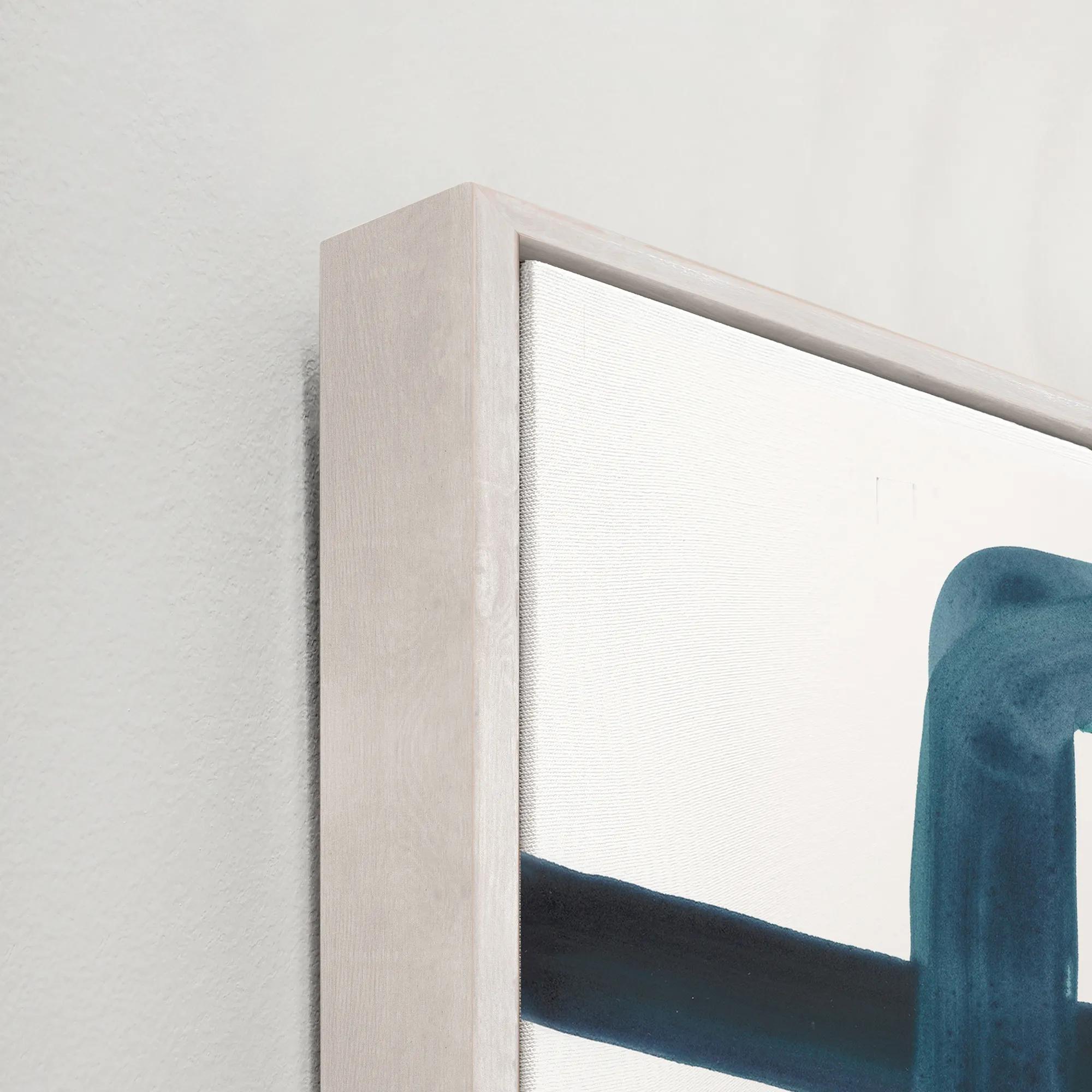 Looped In I Framed Wall Art 31.5" x 41.5"$699
A gallery-wrapped abstract canvas featuring hand-applied brush gel and a sleek white floater frame.
Add To Cart -
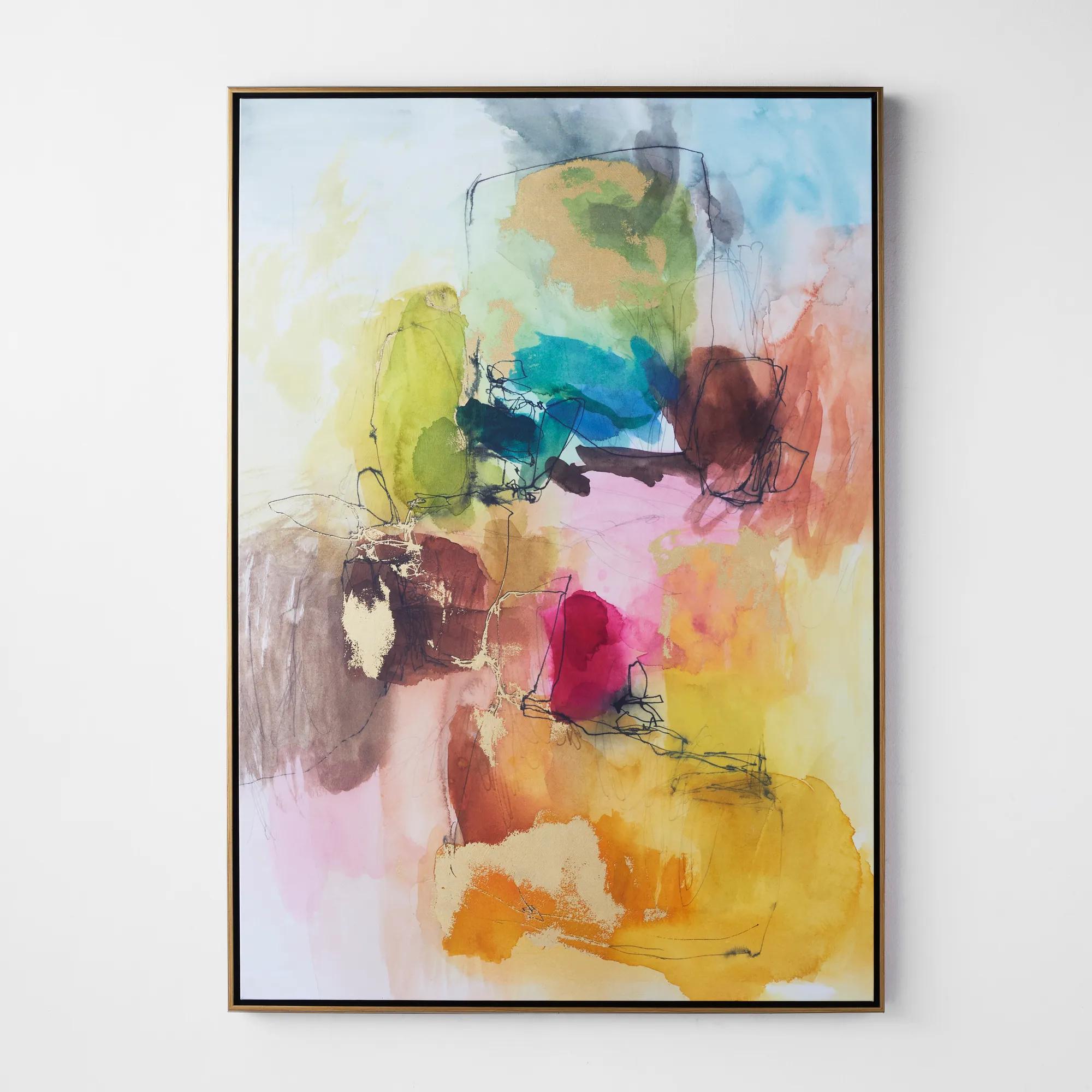 Apricity 3 Framed Wall Art 41" x 58"$899
A vibrant giclee on canvas featuring hand-applied gold gilding and a gold floater frame.
Add To Cart

Colorful Geometric Art For Hallways
Vivid hues and mesmerizing patterns collide in colorful geometric art for hallways, transforming transitional spaces into captivating galleries of self-expression. Each piece is a celebration of movement and form—bold angles that spark curiosity, dynamic palettes that awaken the senses, and striking compositions that invite admiration at every glance. With colorful geometric art for hallways, your passageways become more than mere corridors; they emerge as vibrant showcases of personality and style, setting the stage for an unforgettable home experience.
Colorful geometric art for hallways brings expressive color and architectural rhythm to a space often seen in passing. Defined by circles, angular shapes, intersecting lines, and blocks of pigment, geometric artwork gives an entrance or corridor a deliberate visual identity without relying on a recognizable landscape or subject. Its appeal lies in that balance: the composition feels ordered, while the color can be exuberant, unexpected, and deeply personal. Saturated cobalt against ivory creates a crisp, gallery-like presence; terracotta, blush, and ochre introduce a softer richness; emerald and violet lend a jewel-toned intensity that feels especially striking beside dark wood or gleaming metal. In a hallway connecting several rooms, a multicolored composition can echo the blue upholstery in one space and the warm brass accents in another, making the passage feel like part of the larger interior rather than an afterthought. Large color fields offer an immediate impression from a distance, while smaller repeating shapes reward a closer look. This makes geometric wall art particularly compelling at the end of a corridor, opposite an entry door, or along the approach to a living room, where the artwork gradually reveals itself as someone moves through the home. The mood need not be relentlessly bold. Pale lilac, mineral green, and chalky peach can create a luminous composition with quiet complexity, especially when balanced by generous areas of neutral space. Black outlines and ivory grounds sharpen those softer hues, adding definition without overwhelming neighboring finishes. For collectors drawn to expressive interiors, the attraction is not simply color but the way geometry gives color a framework. A sweeping arc can soften a hallway filled with rectangular doorways, while a grid of vibrant squares can bring measured energy to an otherwise plain wall. The result is art that participates in the architecture, turning a transitional space into a memorable part of the home’s visual story.
The format and surface of geometric hallway art shape its presence as much as the palette. Canvas prints introduce a woven texture that can soften the appearance of hard-edged designs, while framed works on paper emphasize the precision of line, spacing, and composition. A mat adds breathing room around a densely patterned image and creates a visual pause between the artwork and the frame. Glazing can help protect paper from dust and incidental contact, although its reflectivity matters in a corridor facing a window or a bright fixture. Where offered, low-reflection glazing may improve visibility, and UV-filtering options can help reduce light-related fading without eliminating it. Metal wall art and mixed-media compositions bring another dimension, with raised planes and angled surfaces producing shadows that shift with the direction of the light. These sculptural formats can be dramatic on a broad landing or recessed wall; in a narrow passage, a flatter profile preserves clearance and reduces the chance of an accidental brush against the work. Fit depends on the complete outer dimensions, including the frame, as well as the relationship to doors, trim, switches, and nearby furniture. A slender vertical composition can emphasize height on a short stretch of wall, while a horizontal arrangement can establish continuity along a longer corridor. Coordinated panels create repetition and movement, provided their combined width and spacing suit the available wall area. Above a console, artwork generally feels more grounded when its overall width remains within the furniture’s footprint rather than extending far beyond it. On an uninterrupted wall, a larger composition may offer more clarity than a scattering of small frames, particularly when viewed from the opposite end of the hall. Related modern art for hallway walls can extend this visual language through other abstract forms, allowing geometric pieces to sit within a broader, expressive collection. Matching every frame or color is not essential; a recurring tone, similar visual weight, or consistent spacing can provide cohesion while leaving room for individual character.
Everyday use brings practical considerations to these expressive surfaces, particularly in entry hallways where bags, coats, and frequent movement pass close to the wall. Secure mounting matters more than the apparent simplicity of a frame: hanging hardware should suit both the artwork’s weight and the wall construction, with manufacturer instructions guiding installation. Heavier glazed or sculptural pieces deserve particular attention, and door swings should remain clear of frames and projecting elements. Durability varies with the substrate, finish, framing, and placement rather than appearance alone. A metal composition may resist some forms of wear yet still scratch, while canvas can dent or stretch if pressed. Works on paper benefit from protective framing, and all formats deserve a location away from persistent moisture, direct heat, and prolonged direct sunlight. Care is usually restrained: a soft, dry cloth can remove dust from suitable frame surfaces, while canvas, textured finishes, and mixed-media details may require a different approach specified by the maker. Cleaning liquid should never be sprayed directly onto framed artwork, where it could seep beneath the glazing or damage surrounding finishes. Thoughtful lighting adds polish without sacrificing clarity. An adjustable picture light or carefully positioned ceiling fixture can reveal subtle texture and deepen the impression of layered color, but the angle should be checked from both ends of the hallway to avoid distracting glare. In homes with children or pets, smooth profiles and secure placement help keep the display suited to daily life. These considerations support, rather than diminish, the pleasure of living with bold art. Colorful geometric compositions appeal to design enthusiasts who enjoy structure with personality, apartment dwellers giving a compact entry a distinct identity, and homeowners linking rooms with a shared palette. They can also make meaningful housewarming or wedding gifts when the recipient’s preferred colors, wall dimensions, and taste in framing are known. A carefully chosen composition becomes part of the daily arrival home: a flash of vermilion beyond the doorway, a generous curve against a pale wall, or a sequence of jewel-toned shapes that gives the entire passage its own unmistakable presence.
FAQs
Colorful geometric art infuses hallways with vibrancy and personality, transforming transitional spaces into expressive showcases. The interplay of bold shapes and dynamic hues creates visual energy and a sense of movement, making even the simplest corridor feel curated and inviting.
Hallways are ideal for both symmetrical patterns that evoke order and harmony, as well as playful, asymmetrical arrangements that add a sense of whimsy. Abstract geometric prints, geometric painting canvas pieces, and layered geometric shape wall art all offer unique ways to make a statement in these often overlooked spaces.
Absolutely. Geometric wall art is a sophisticated and thoughtful gift, perfect for housewarmings, anniversaries, or celebrations of artistic milestones. Its modern appeal and versatility make it a cherished choice for anyone looking to elevate their home’s ambiance.
For a cohesive look, consider a series of smaller pieces arranged in a gallery-style row, or mix different sizes and shapes for a more dynamic display. Both symmetrical and asymmetrical arrangements can be striking, depending on your desired mood and the architecture of your hallway.
Yes, geometric art is remarkably versatile and can either harmonize with your hallway’s color palette or provide a bold contrast for added drama. Thoughtful selection of colors, frames, and placement ensures the art enhances other design elements and creates a unified, polished look.