Large Lightweight Wall Art For Hallways
Large Lightweight Wall Art For Hallways
-
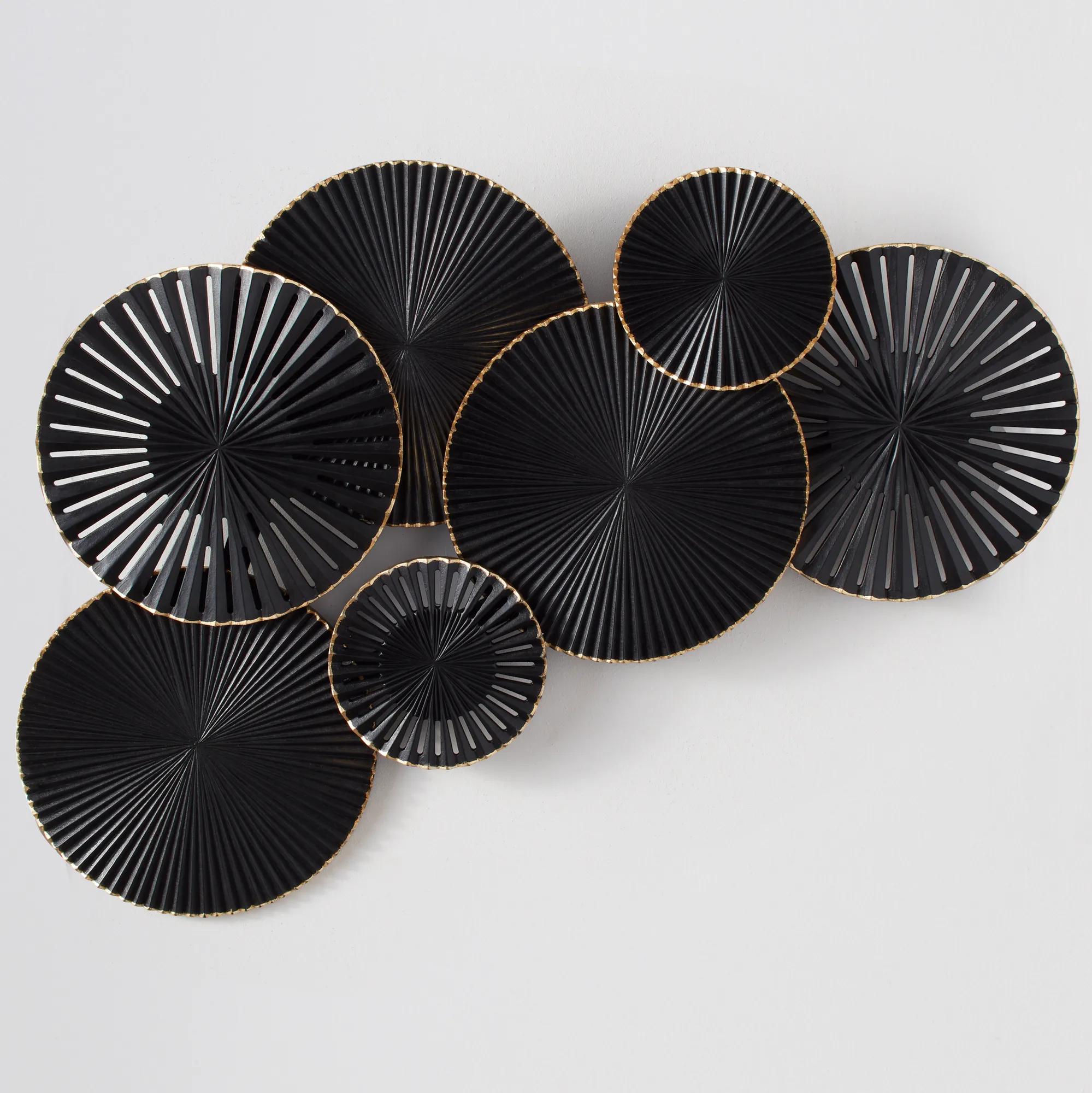
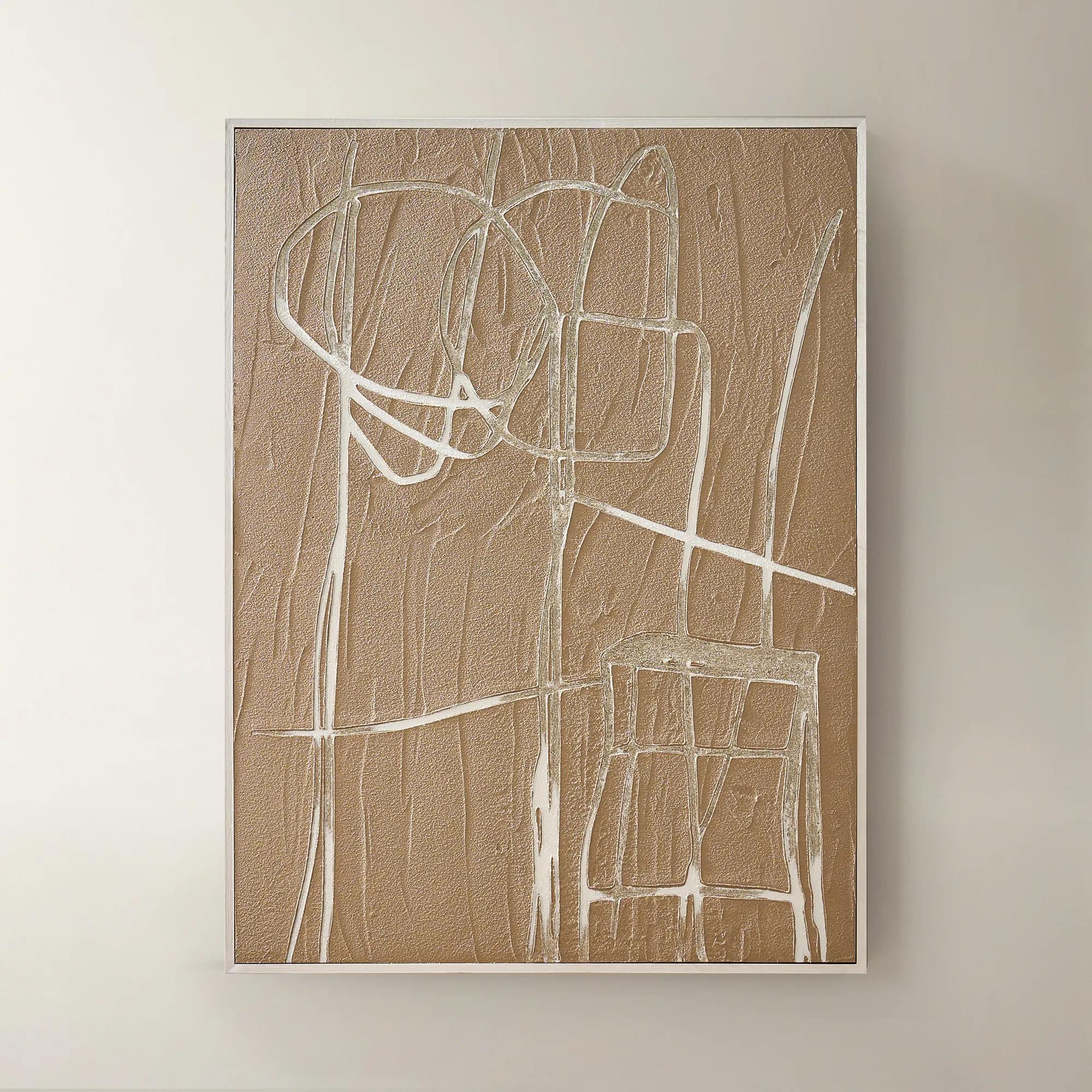
 Circa Black Carved Wood Dimensional Wall Panel 47.25" x 27.5"$499
A carved wood wall art panel in black and gold that adds abstract intrigue to any room.
Add To Cart -

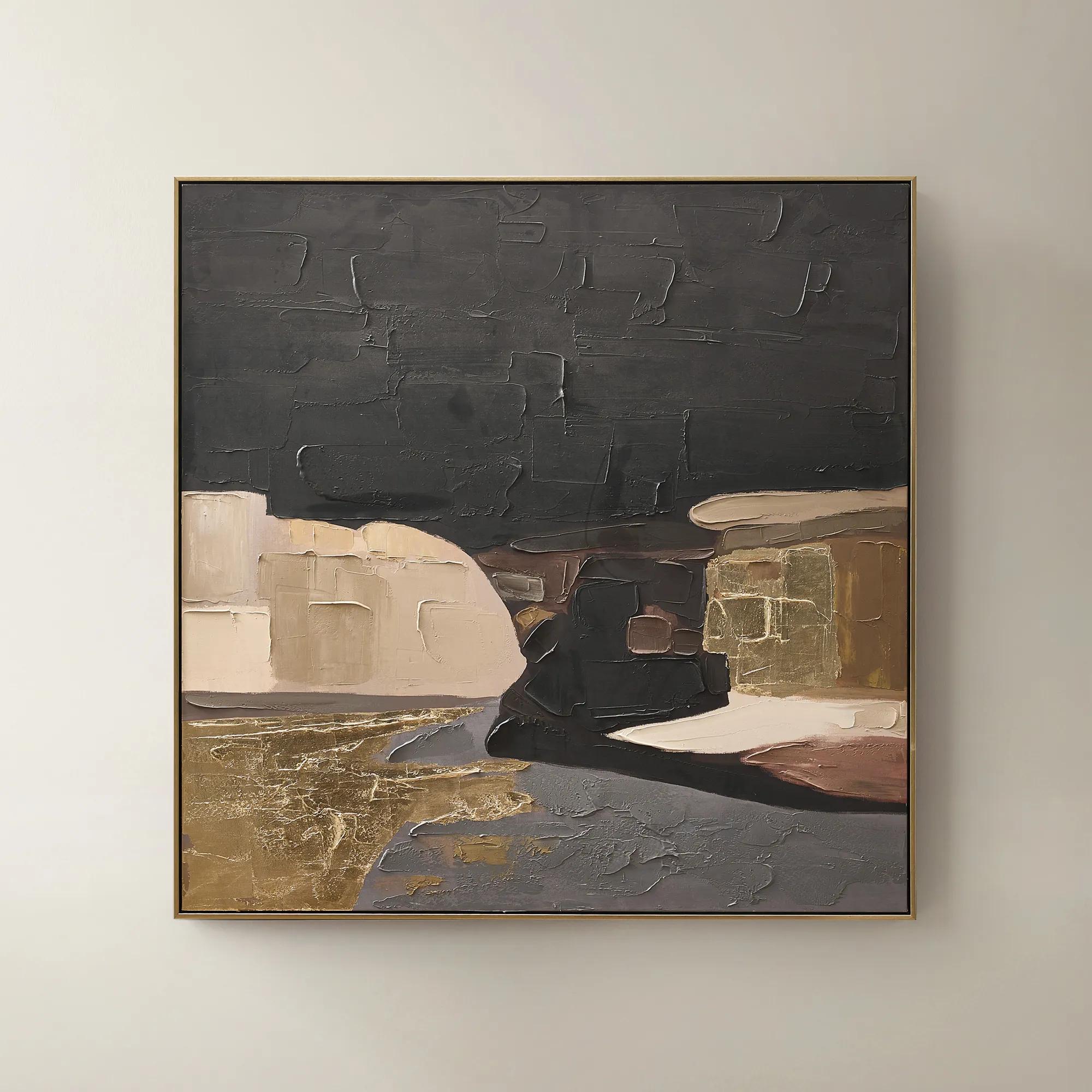
 Shift Framed Painted Wall Art 39.4" x 59"$499
A hand-painted canvas featuring bold black and beige contrasts with textured layers in a sleek black frame.
Add To Cart -
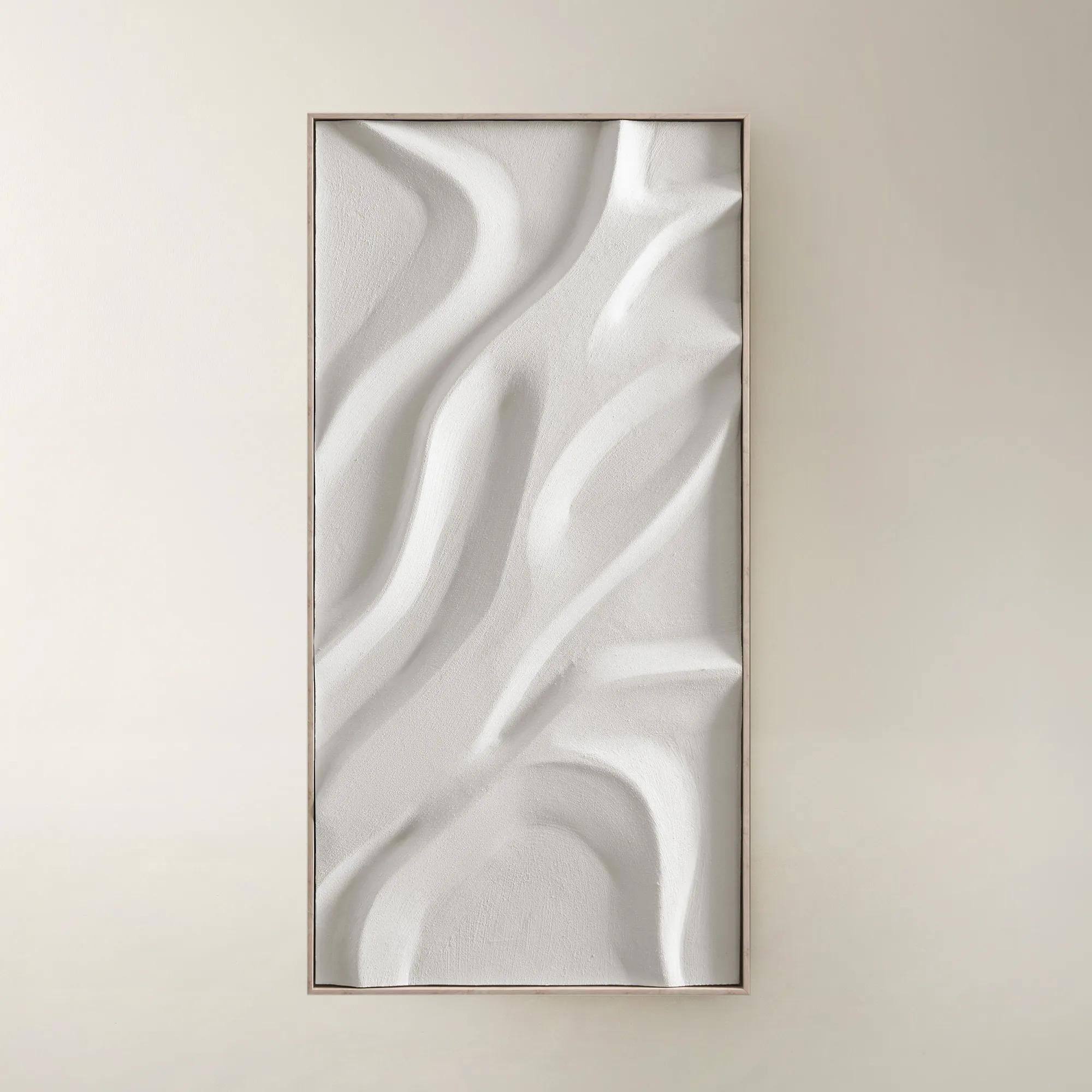
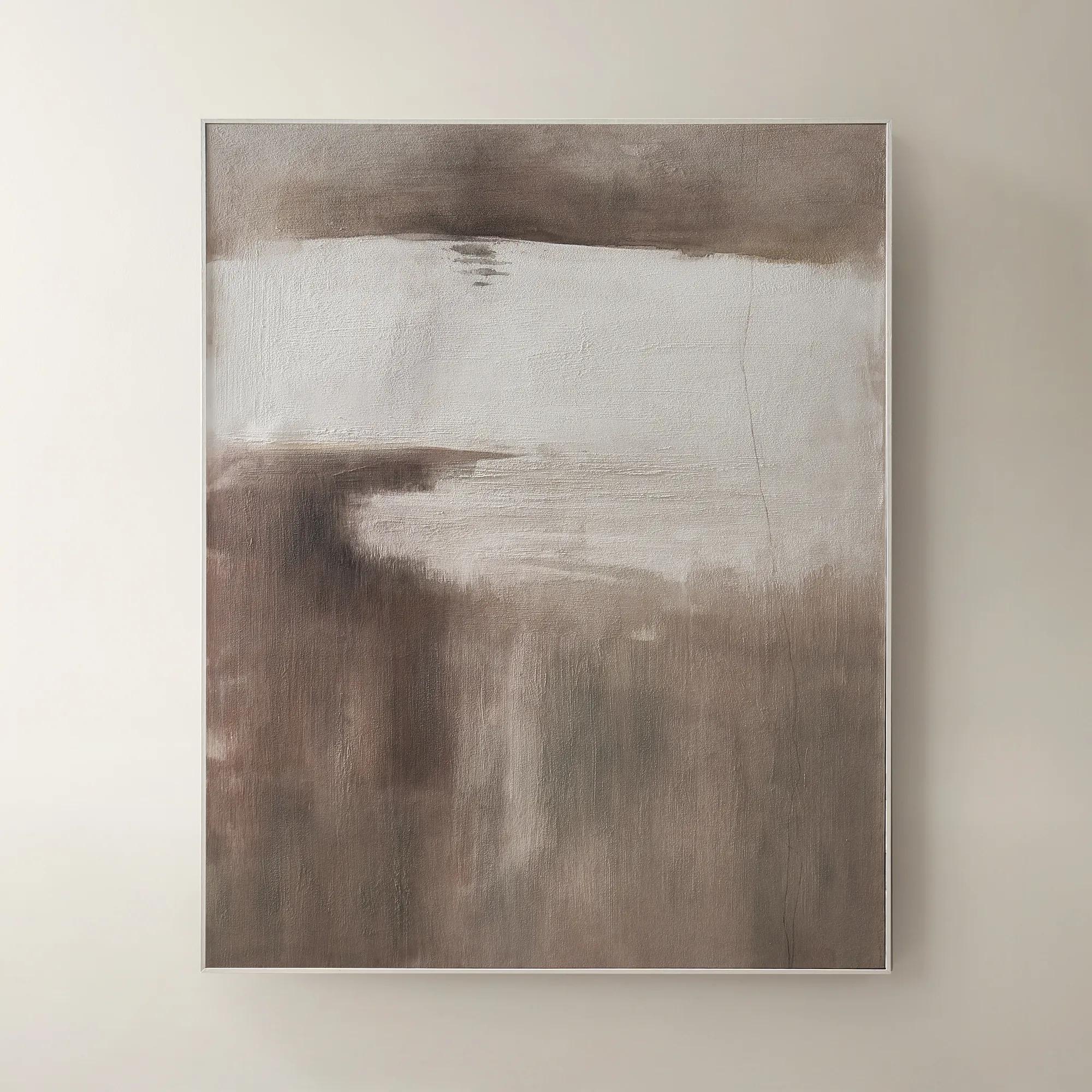
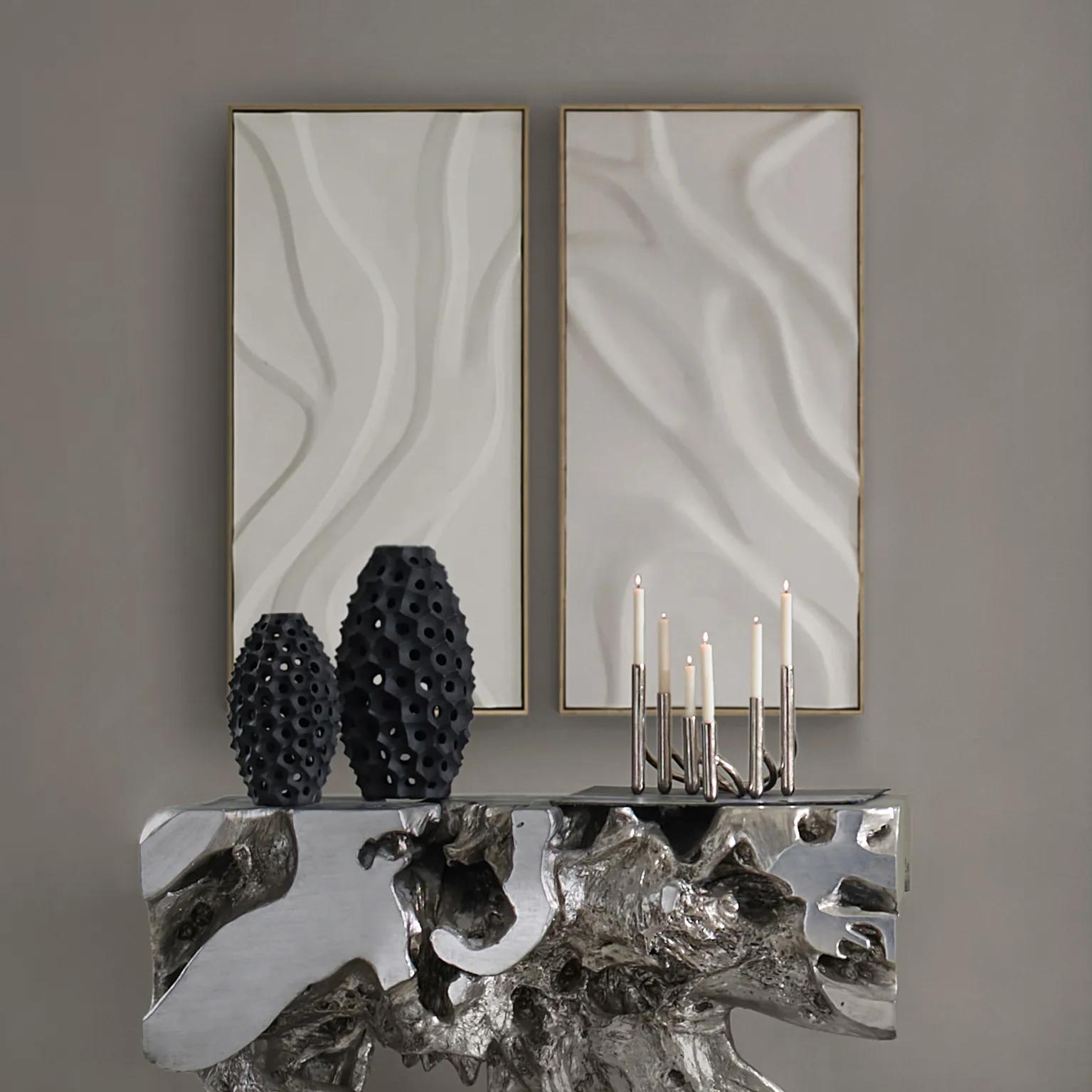 Au Lait Framed Painted Wall Art II 47.2" x 23.6"$199
A serene hand-painted canvas in beige, set in a warm whitewash floater frame for modern interiors.
Add To Cart -
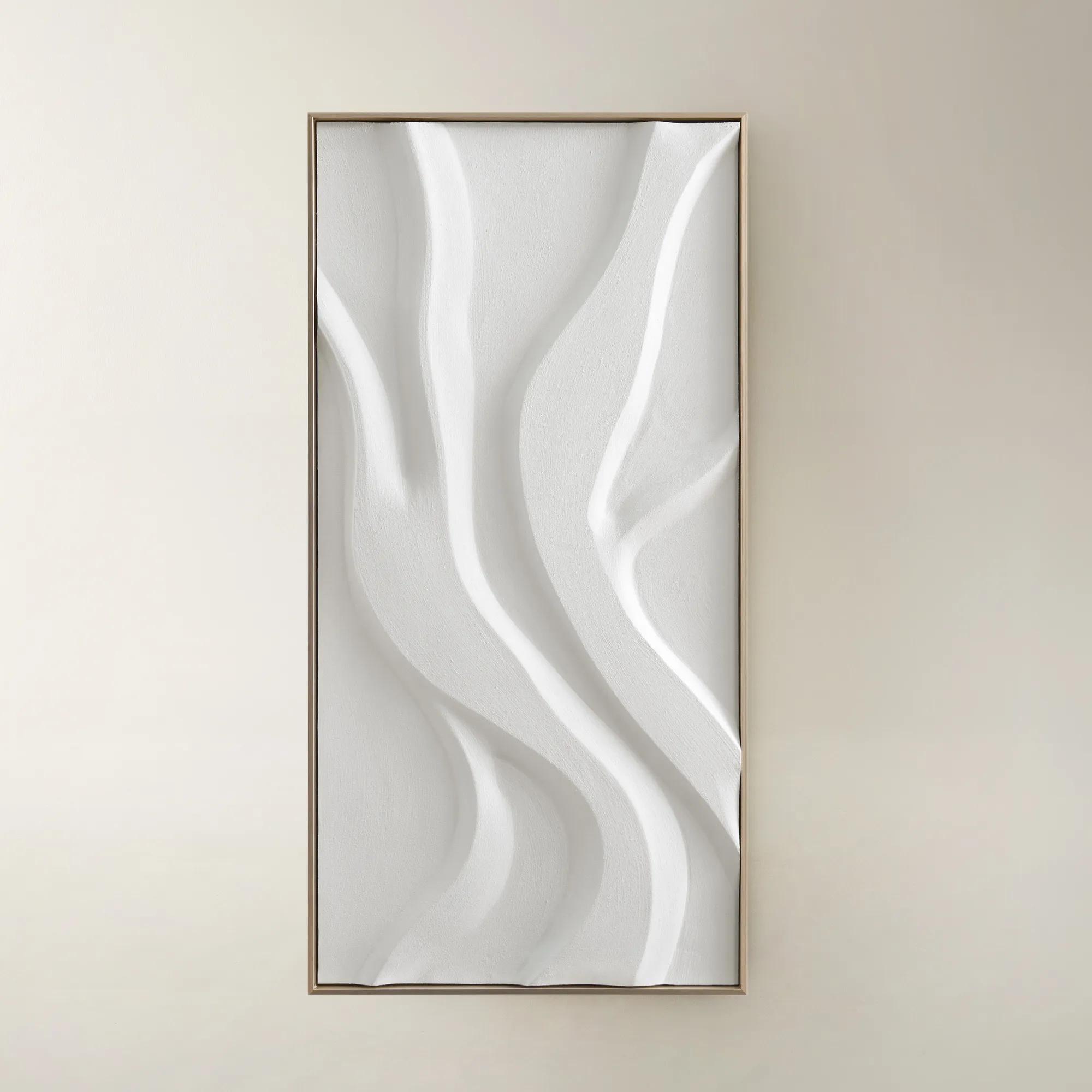
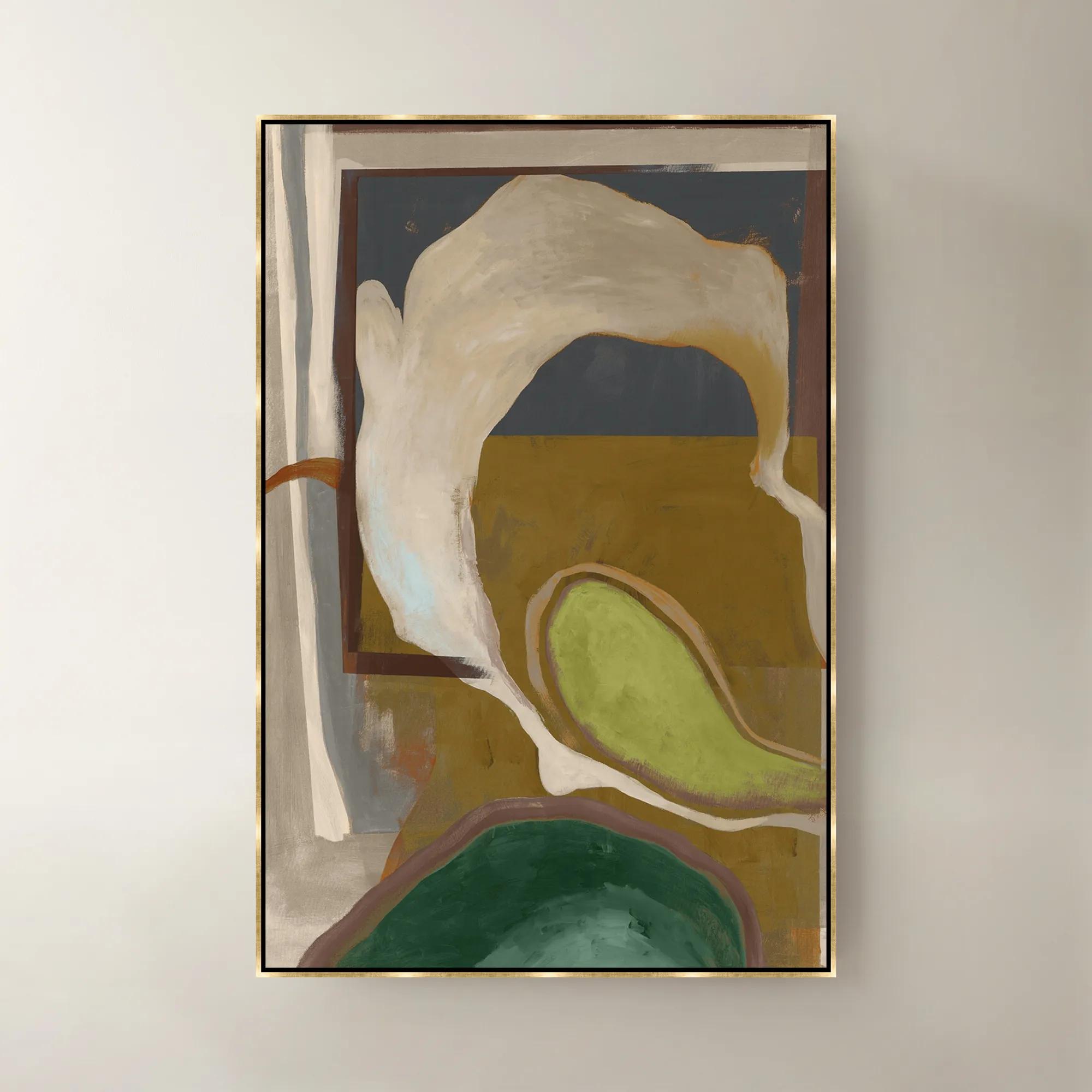
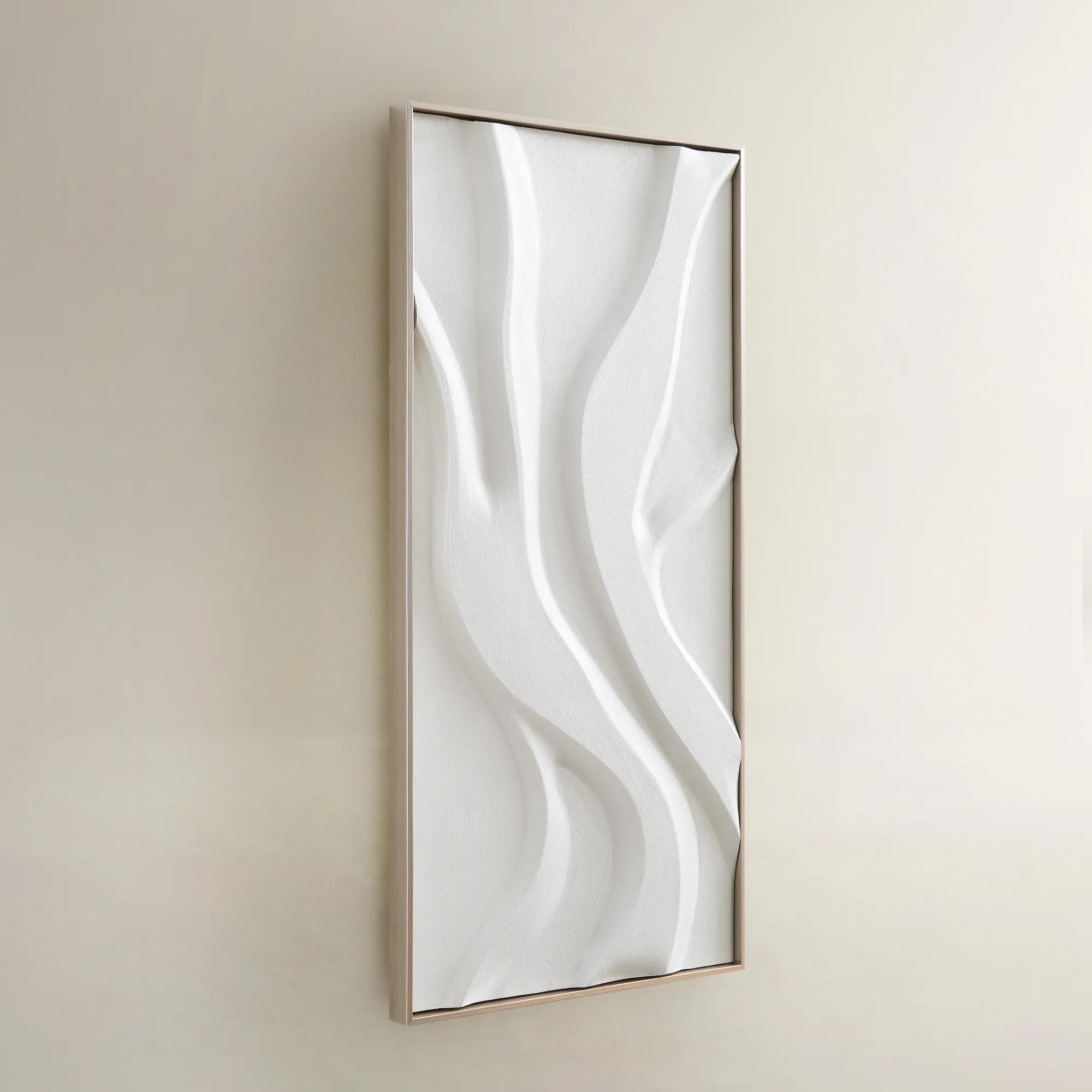 Au Lait Framed Painted Wall Art I 47.2" x 23.6"$199
An organic hand-painted canvas featuring flowing white forms in a warm champagne finish floater frame.
Add To Cart -
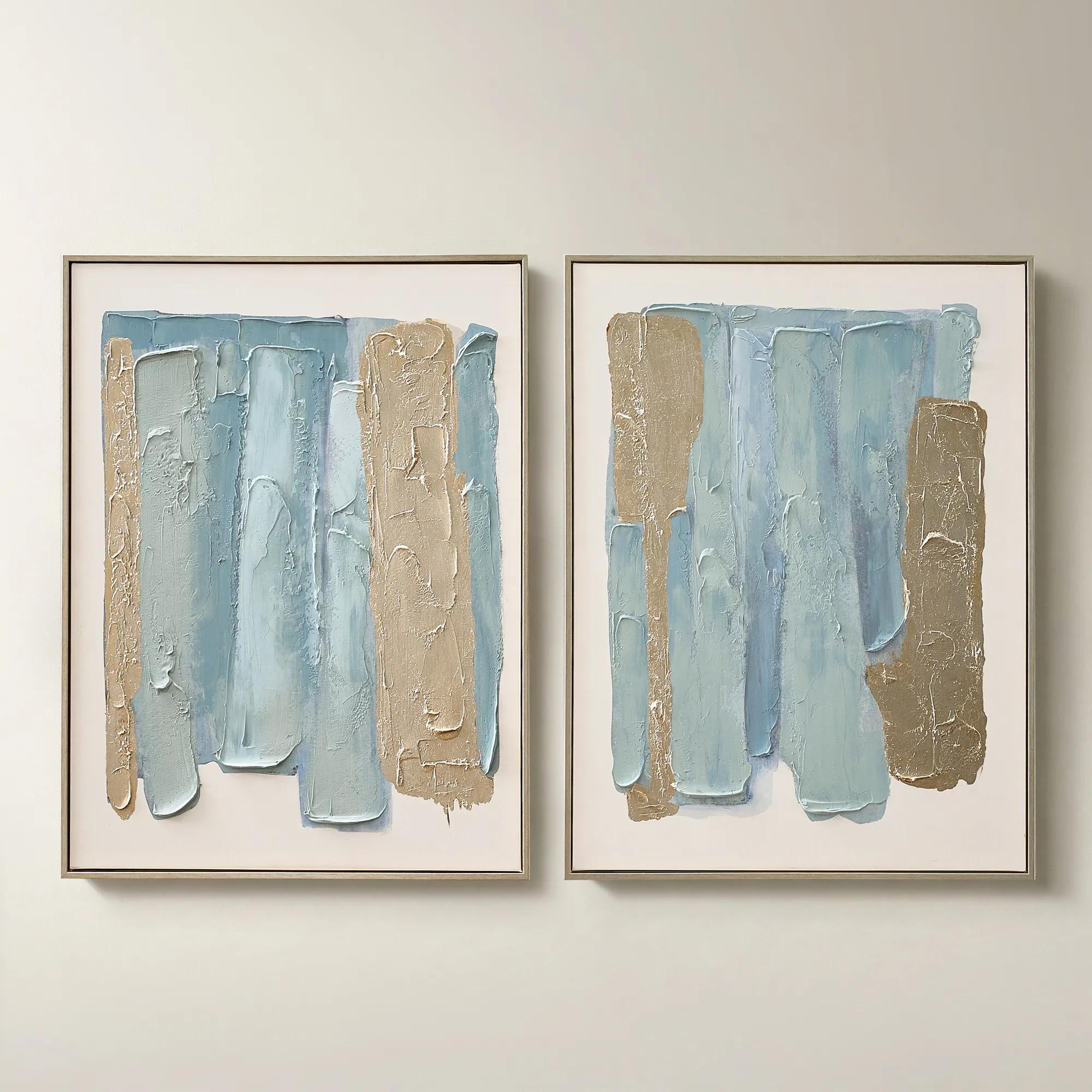
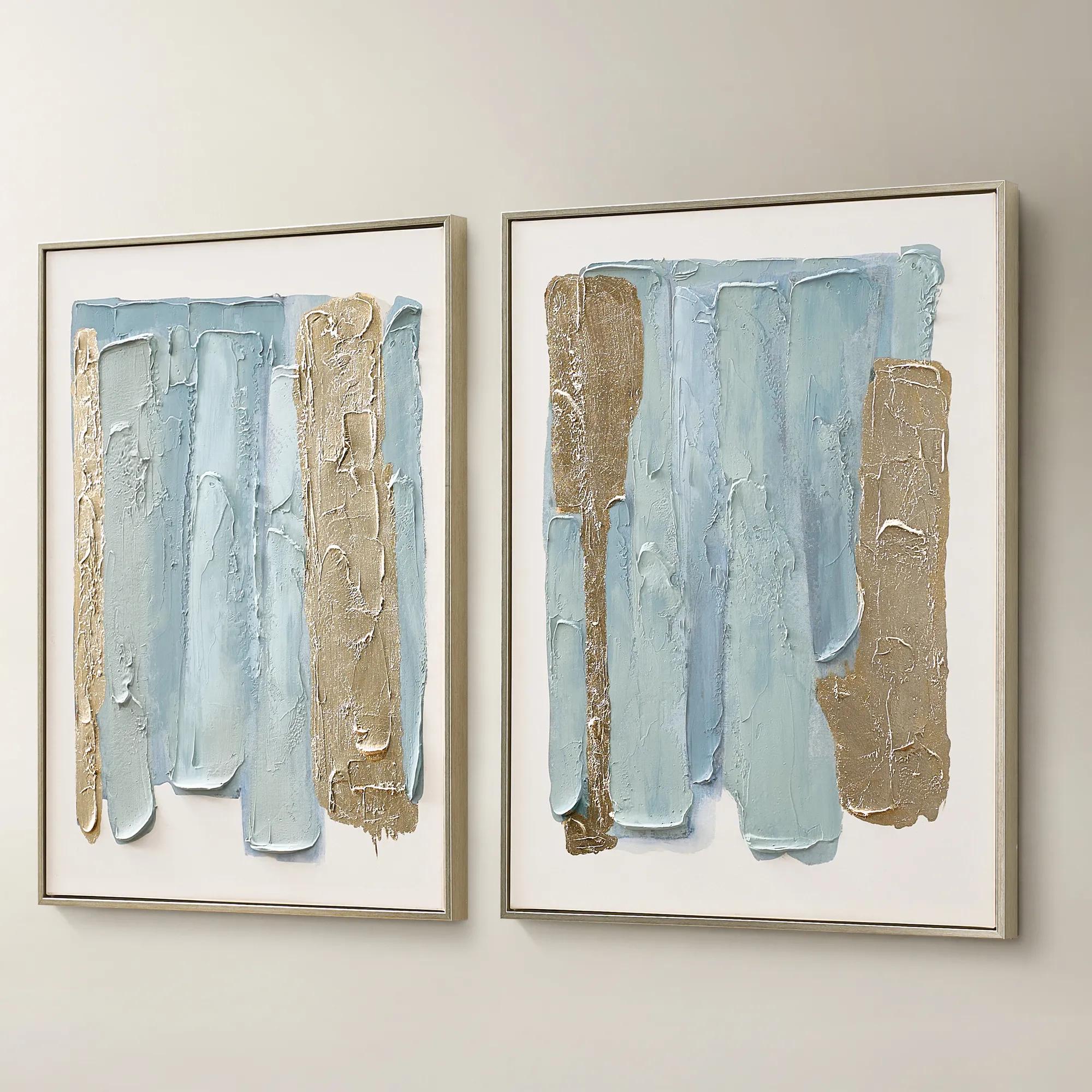 Blue Drift Framed Champagne Painted Wall Art 24" x 32" Set of 2$199
A set of two hand-painted canvases in dusty blue with champagne leafing and modern abstract movement.
Add To Cart -
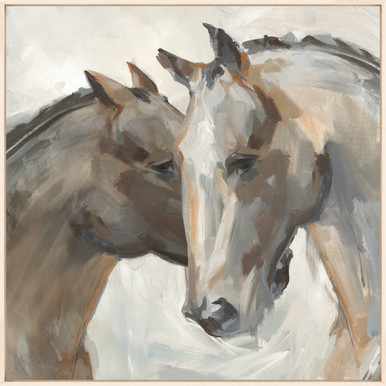
 Equine Duo Framed Wall Art 40" x 40"$699
A gallery-wrapped canvas featuring hand-applied brush gel and set in a natural floater frame.
Add To Cart -
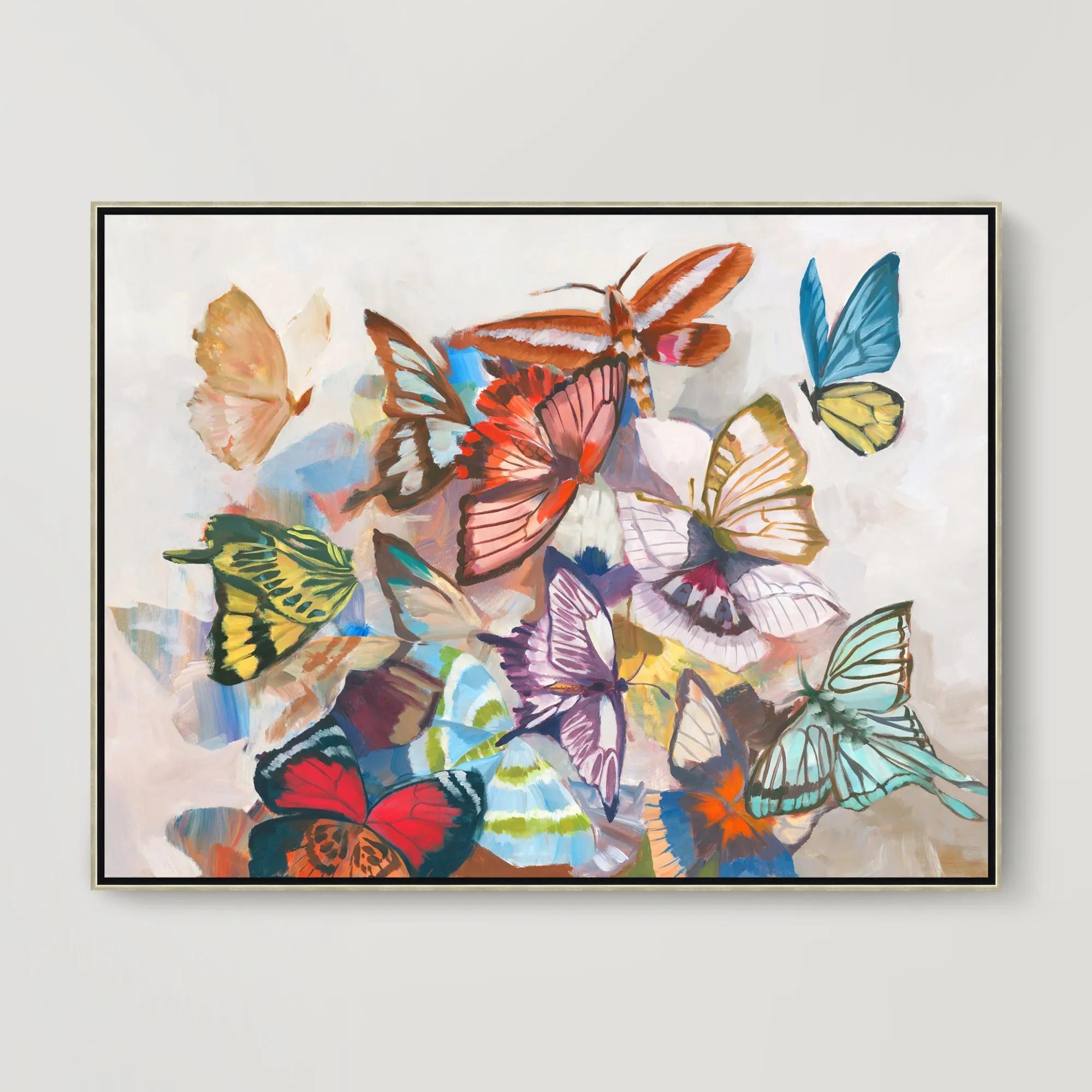 Sugar Wings Framed Wall Art 49.5" x 37.5"$799
A vibrant gallery-wrapped canvas artwork with hand-applied brush gel finish in a sleek silver floater frame.
Add To Cart -
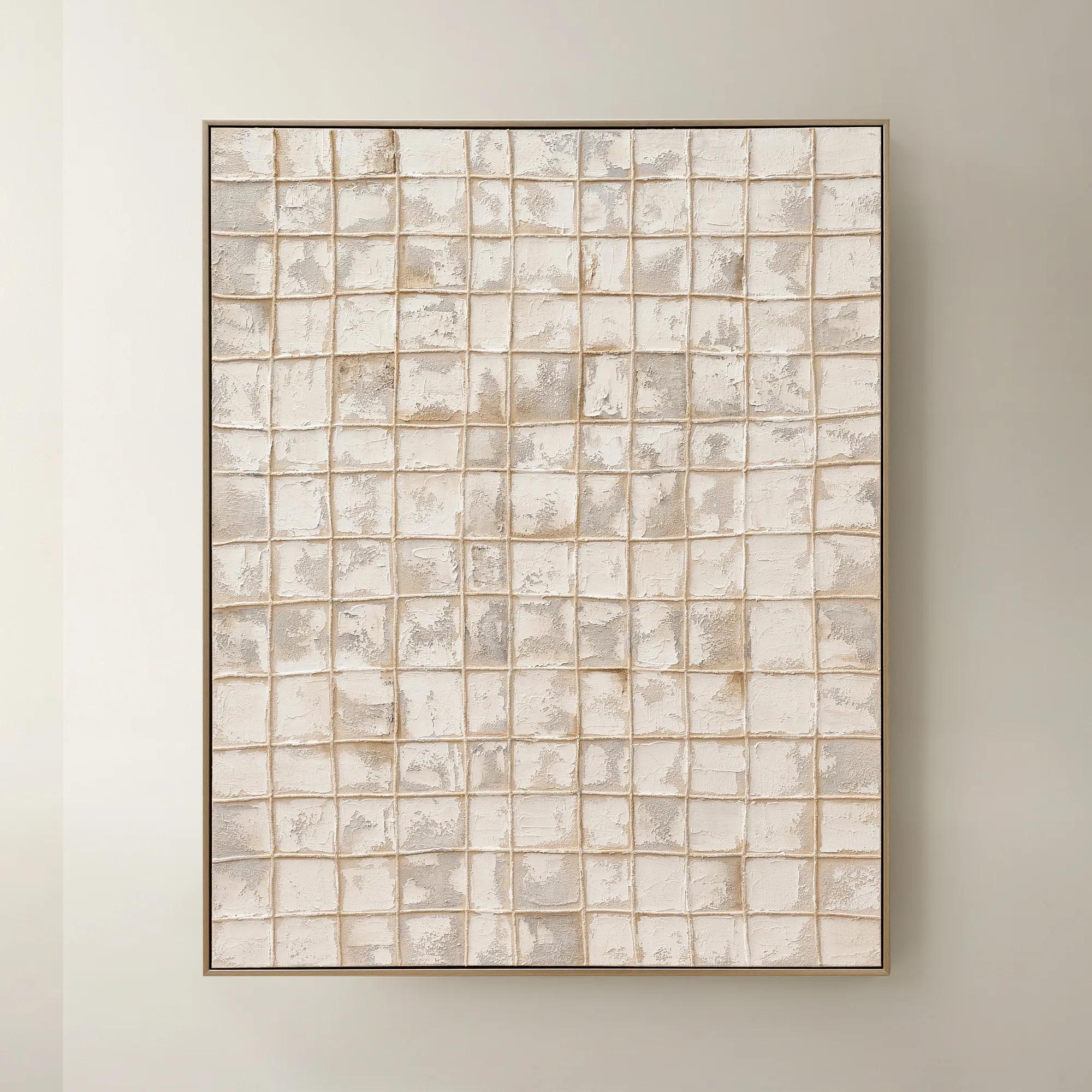
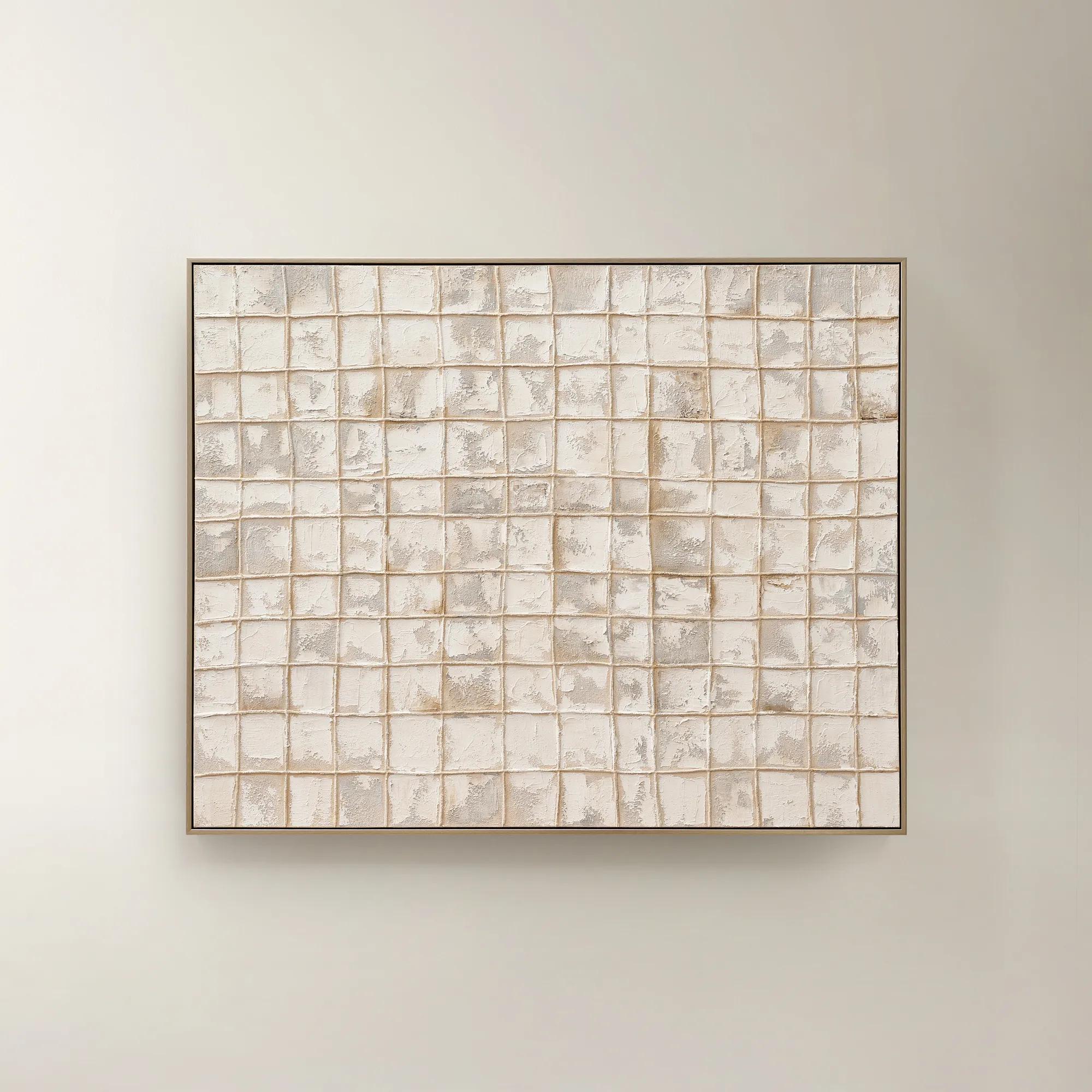 Painted Echos Framed Gold Leaf Wall Art 60" x 48"$699
A hand-painted abstract canvas with gold leaf accents and a champagne frame for modern, versatile display.
Add To Cart -
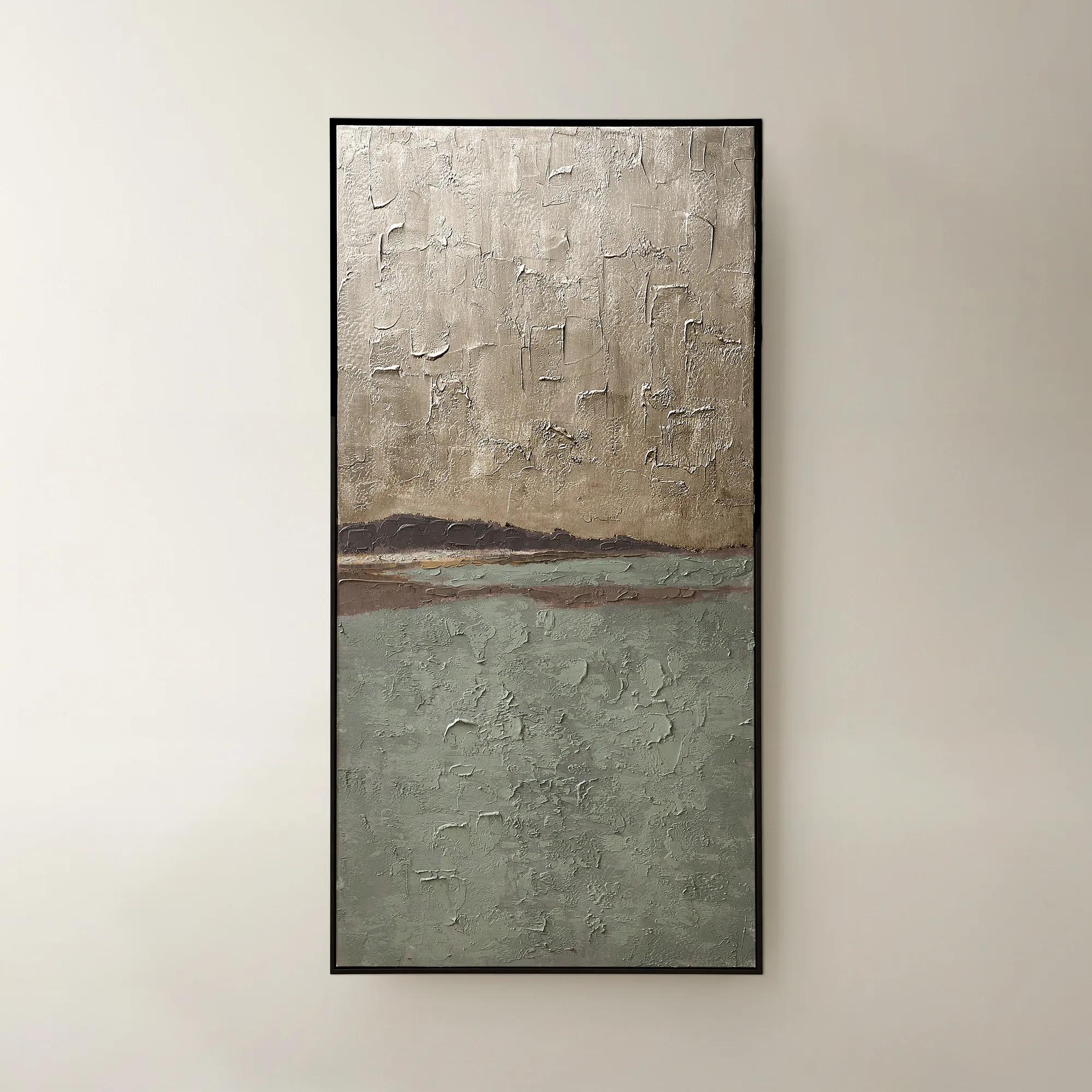
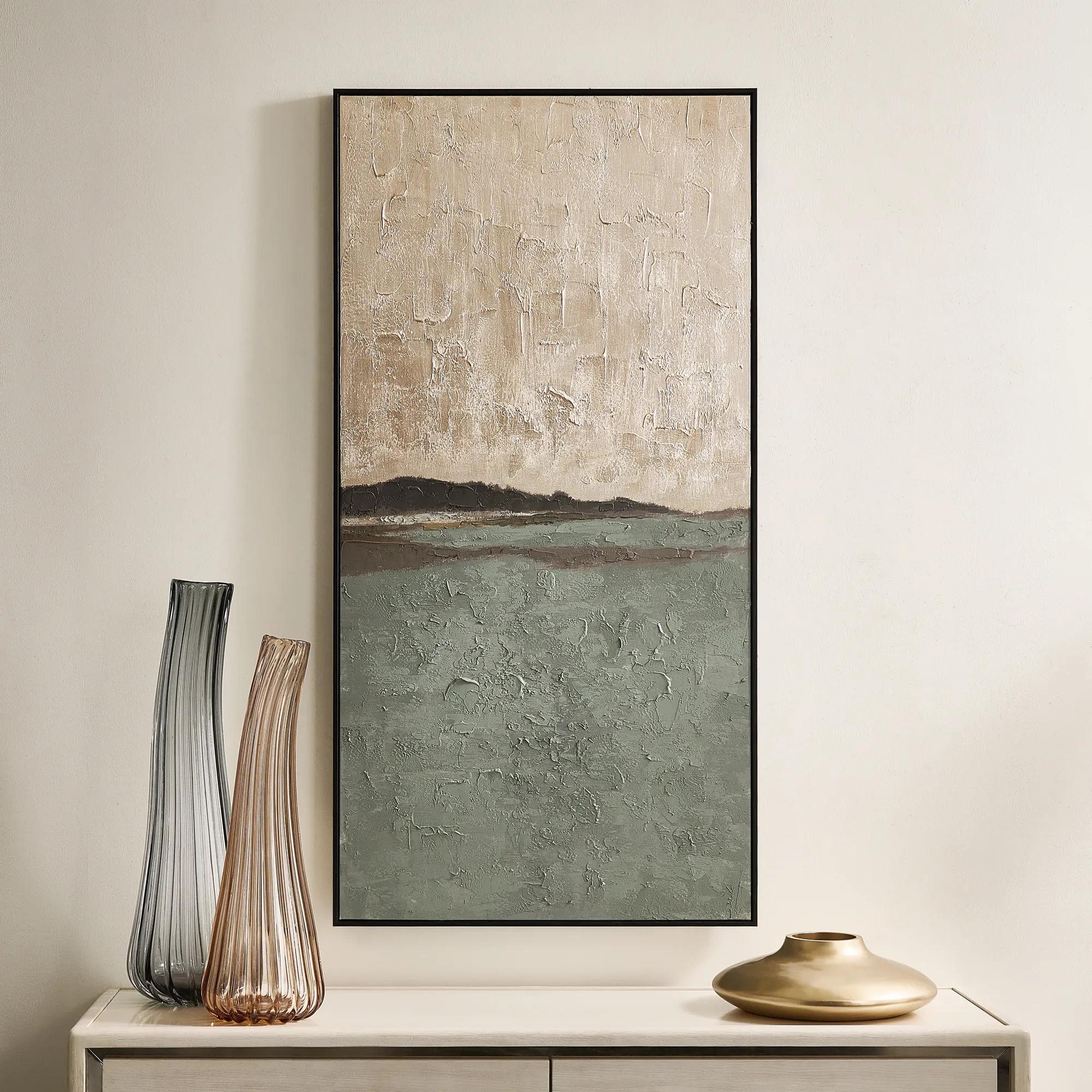 Fields of Gold Framed Painted Wall Art 60" x 30"$399
A hand-painted sage and champagne abstract canvas with a black frame, offering versatile vertical or horizontal display.
Add To Cart -
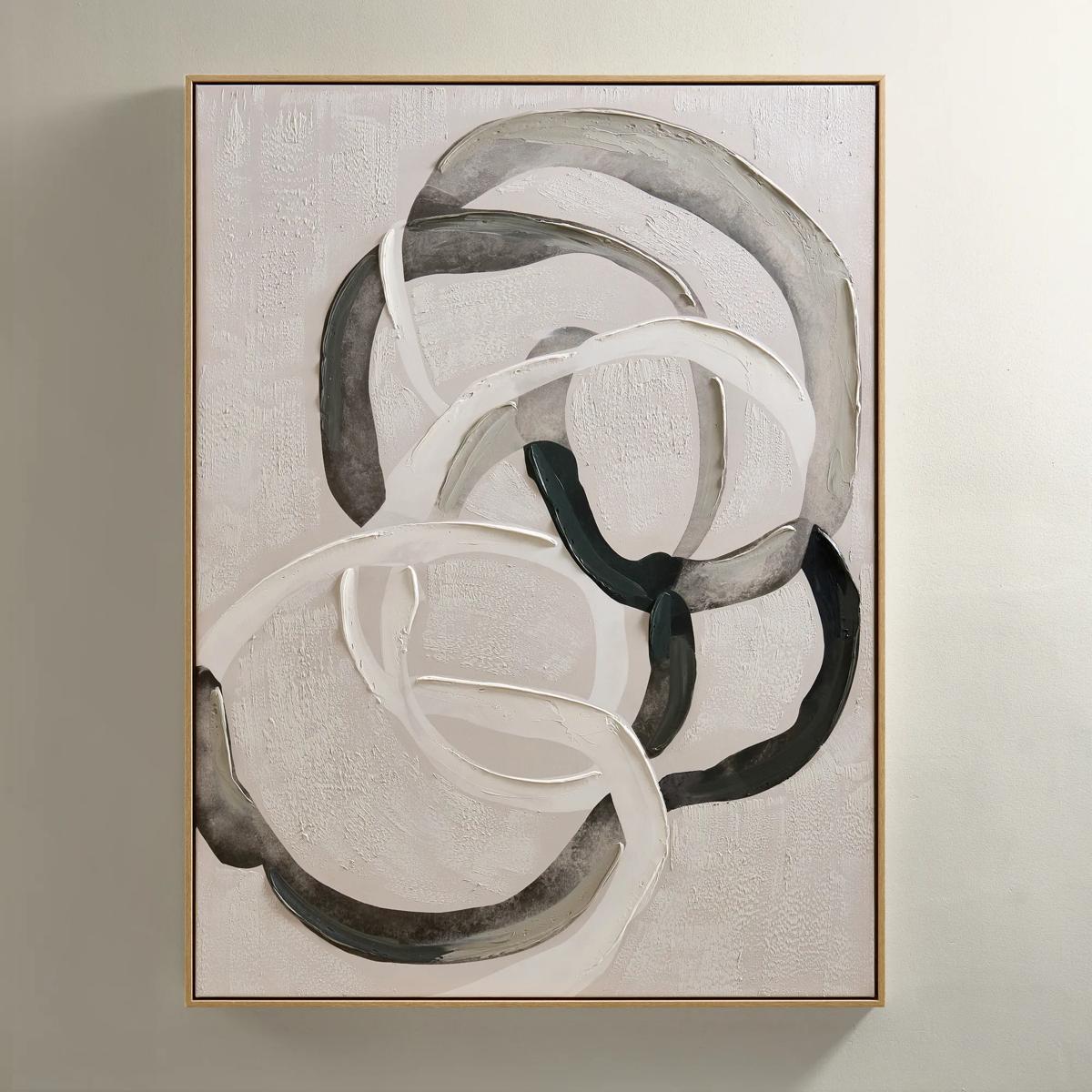
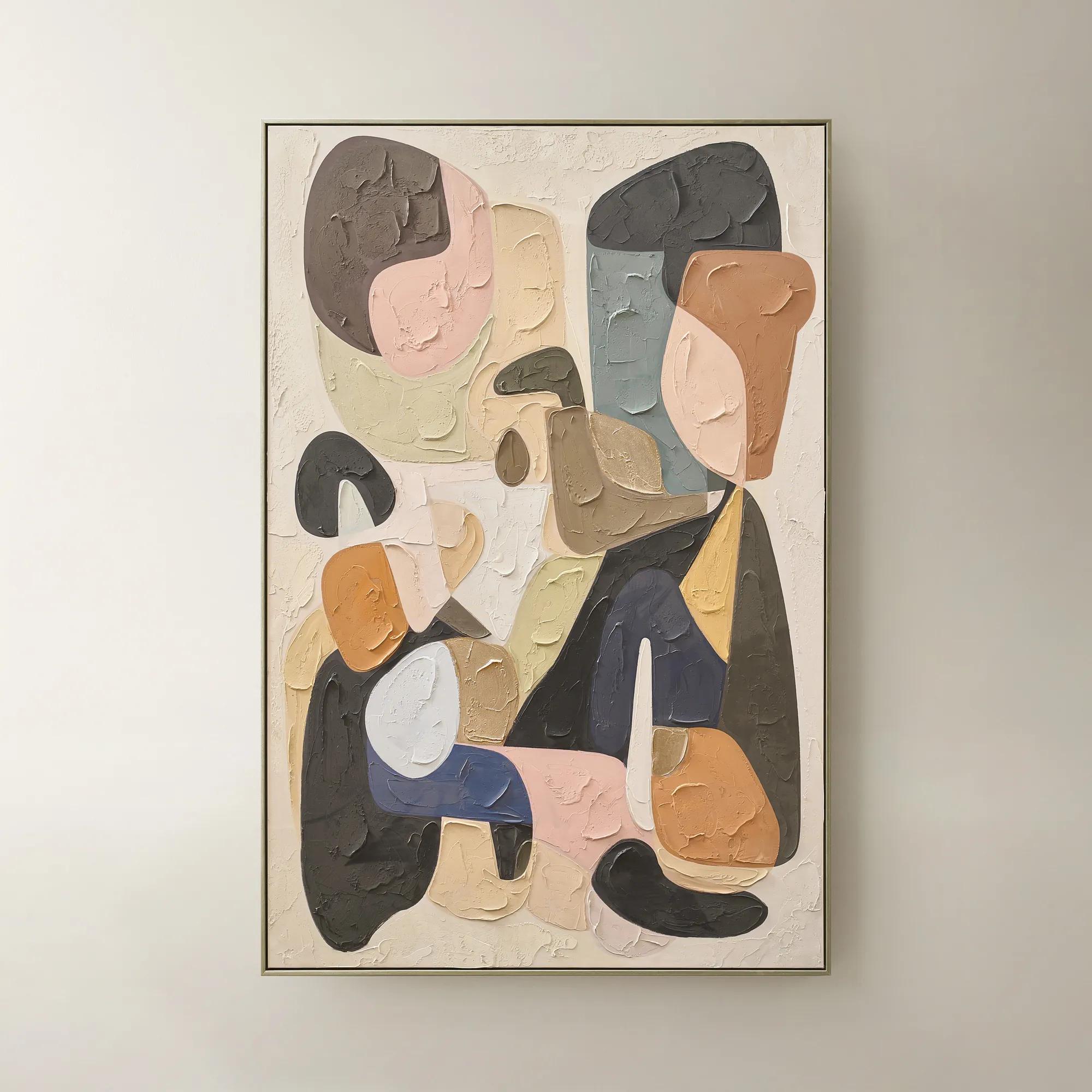
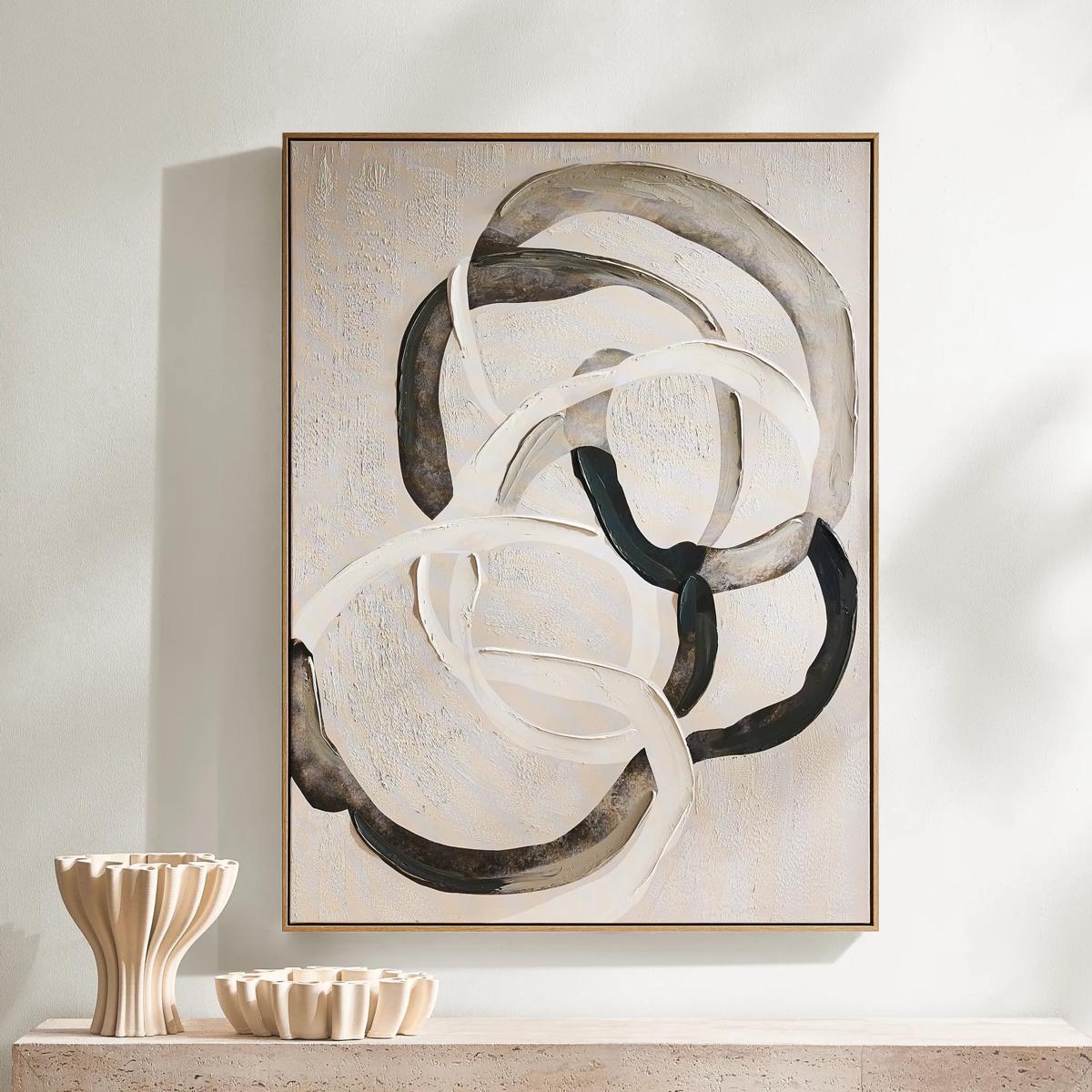 Round About Framed Painted Wall Art 35.25" x 47.25"$349
An abstract hand-painted canvas with tonal whites, charcoals, and taupes in a light wood floater frame.
Add To Cart -
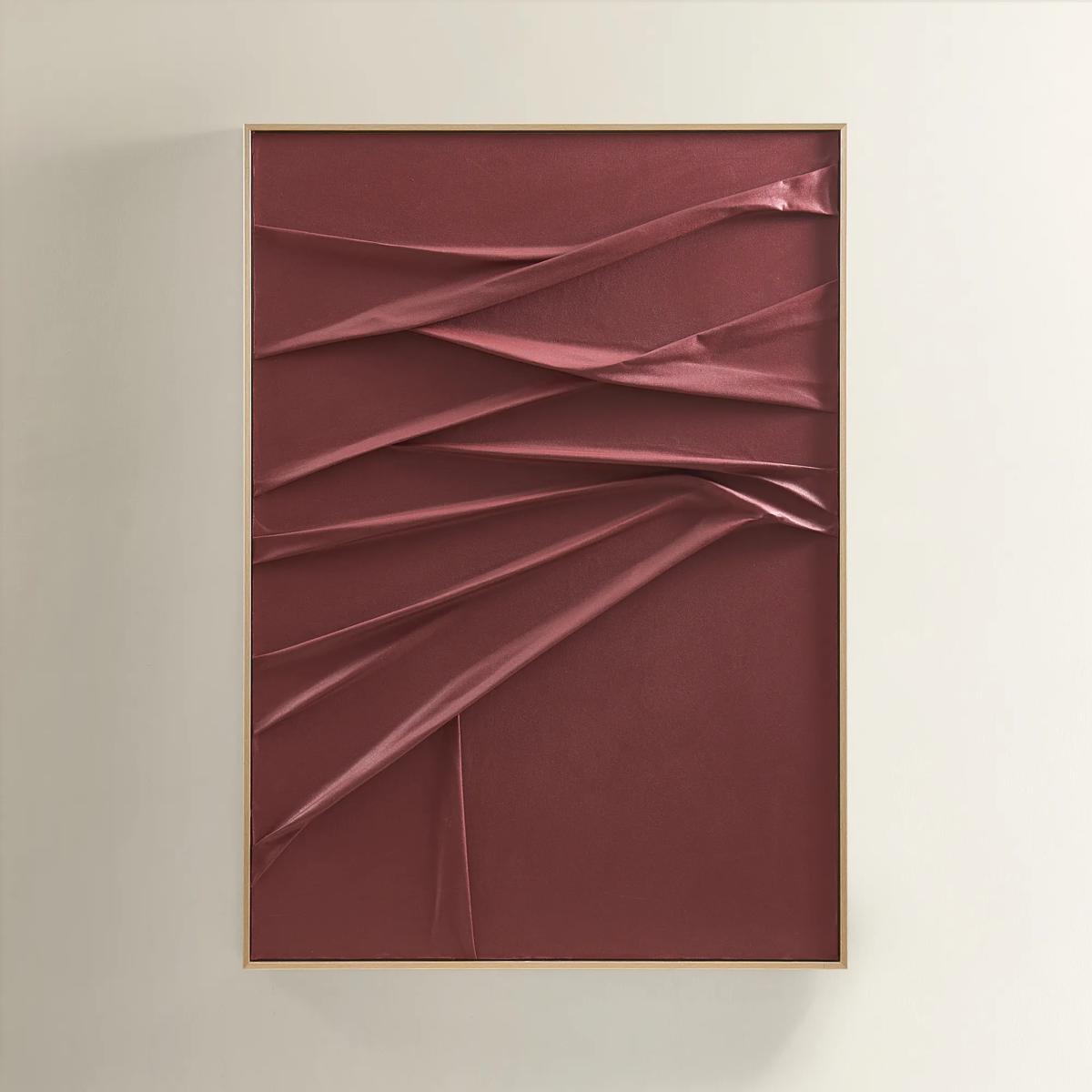
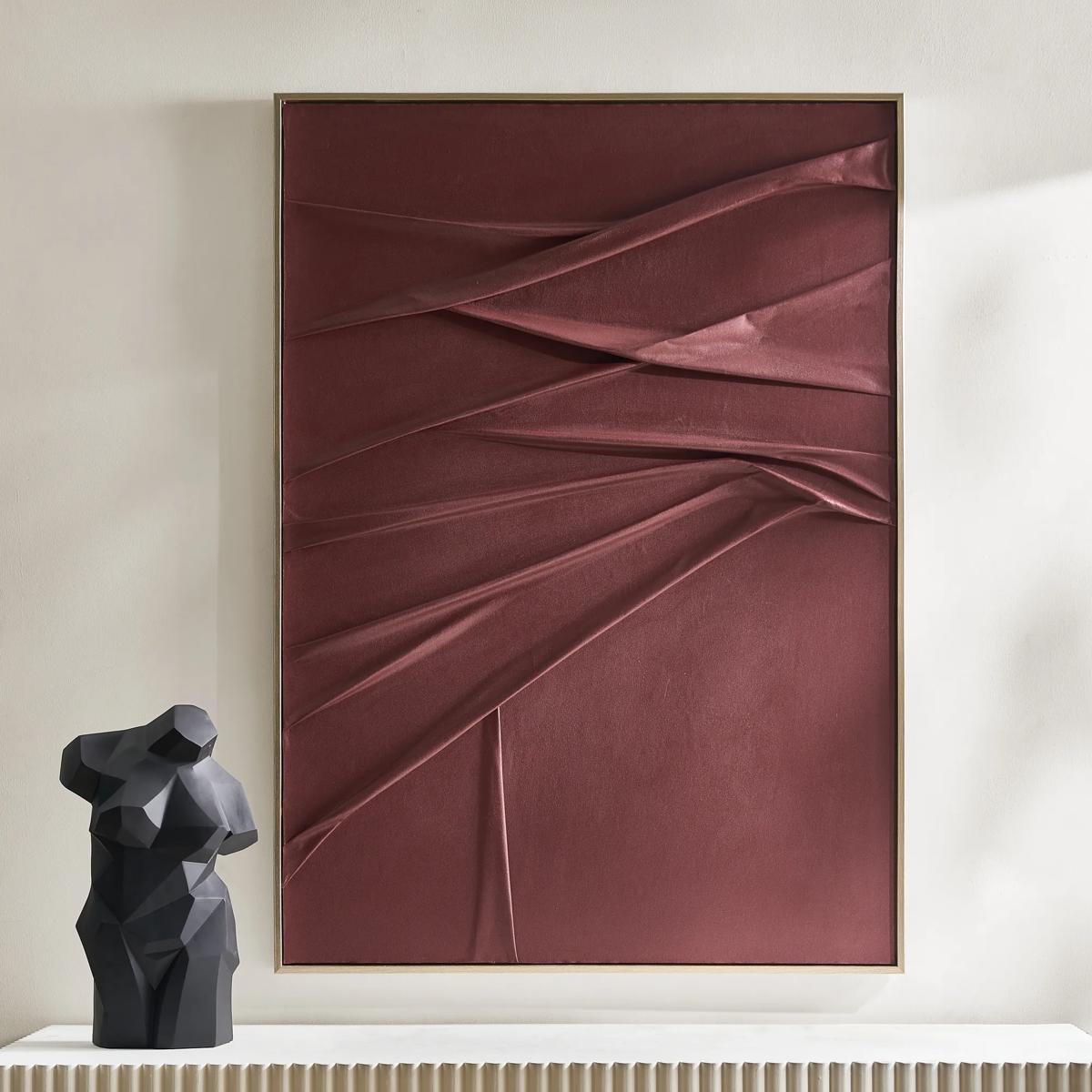 Crimson Painting$599
A handcrafted burgundy canvas artwork with sculptural folds, framed in champagne for a dramatic, textured effect.
Add To Cart -
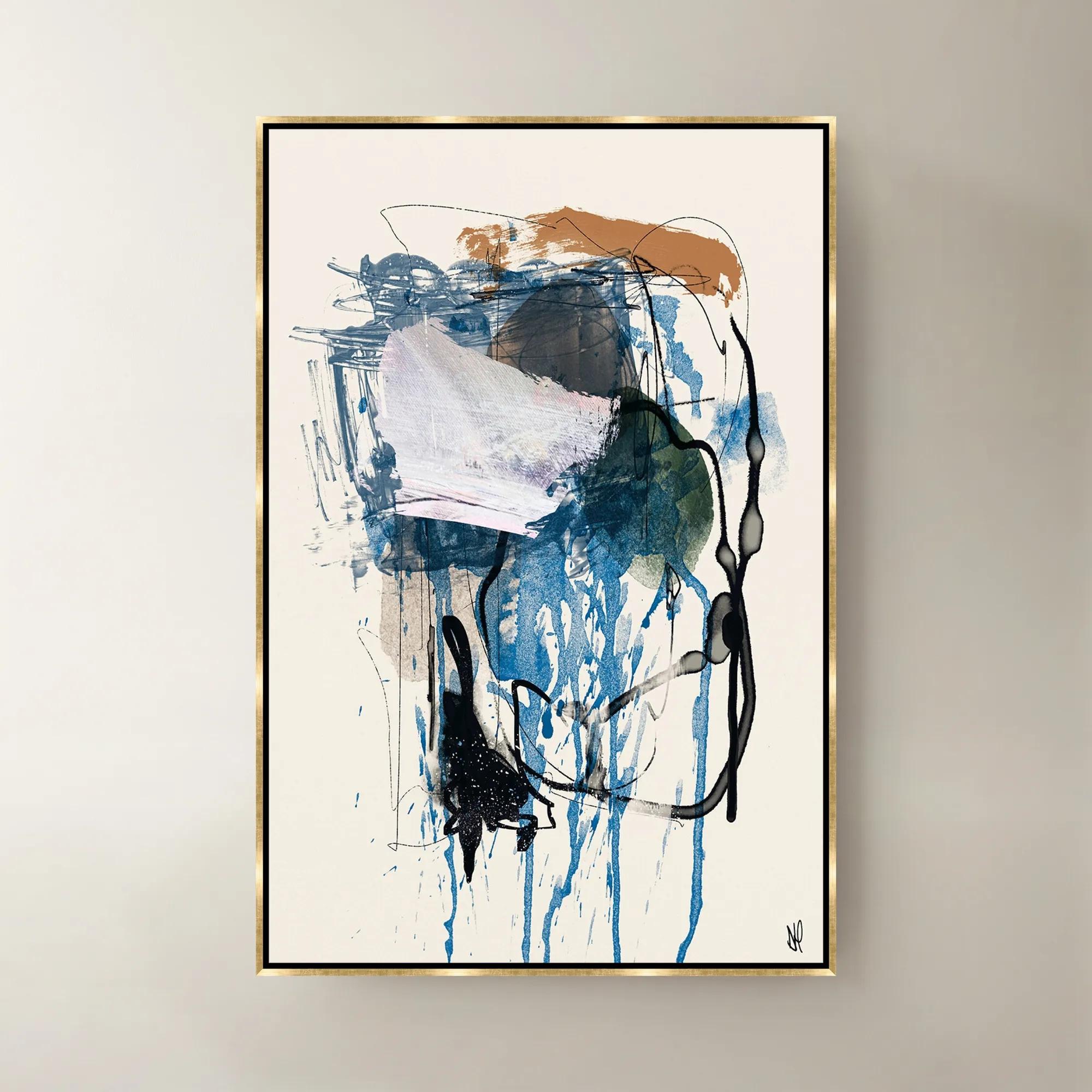
 Relic Framed Painted Triptych Wall Art Set of 3$399
A hand-painted abstract triptych in deep navy and neutral tones, set in sleek black floater frames.
Add To Cart -
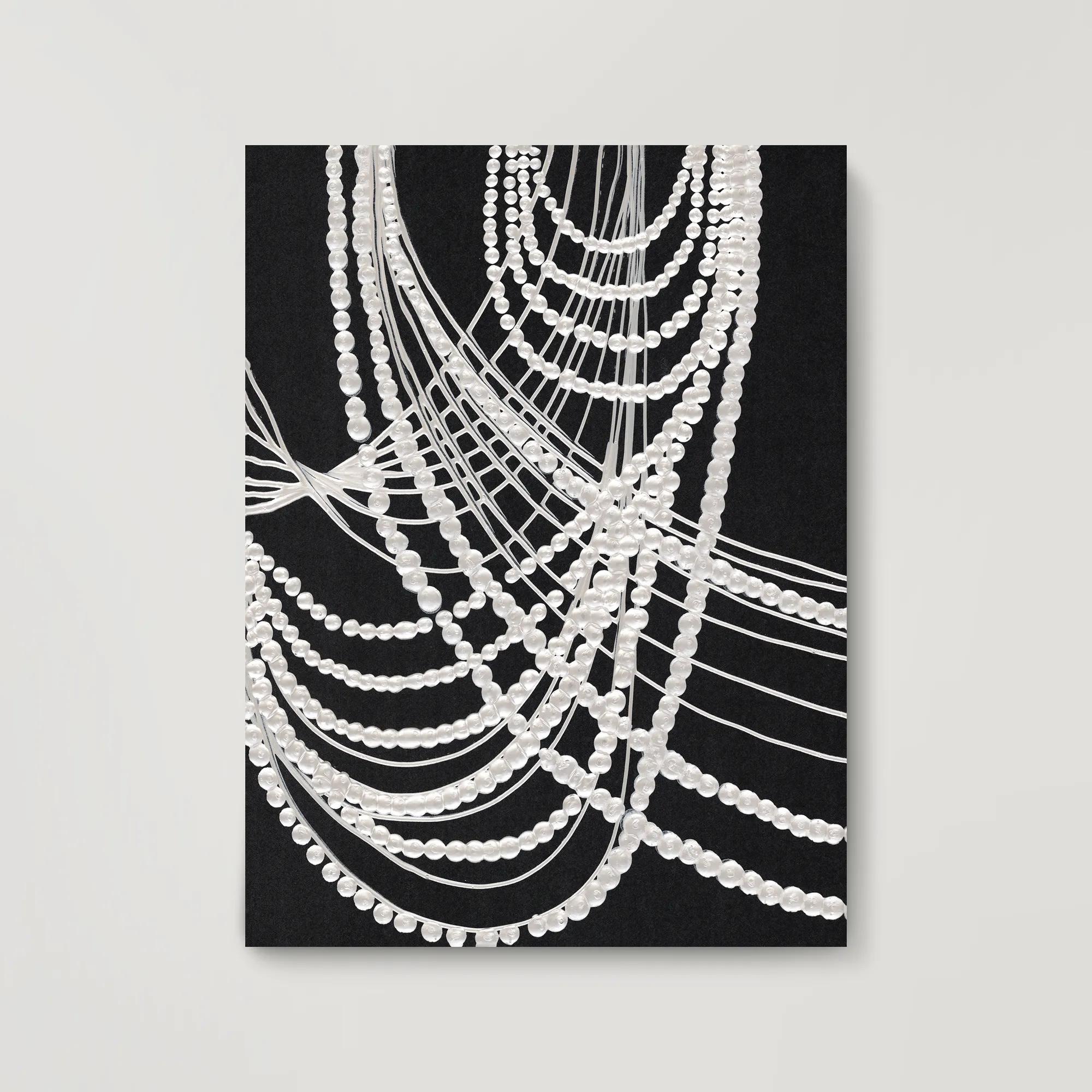 Dripping Pearls Painted Wall Art 36" x 48"$949
A striking hand-painted abstract artwork featuring layered acrylic and watercolor textures in a modern design.
Add To Cart -
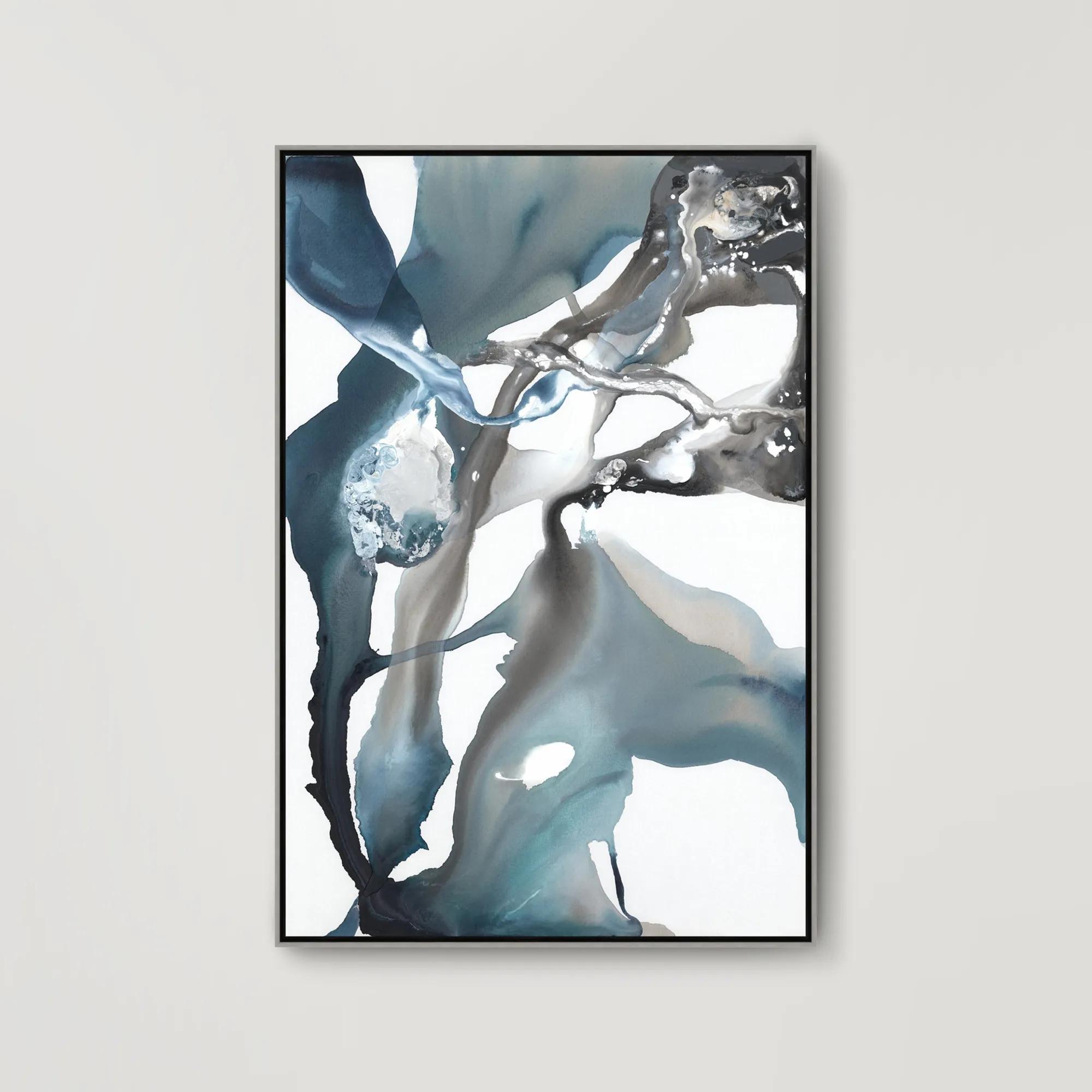
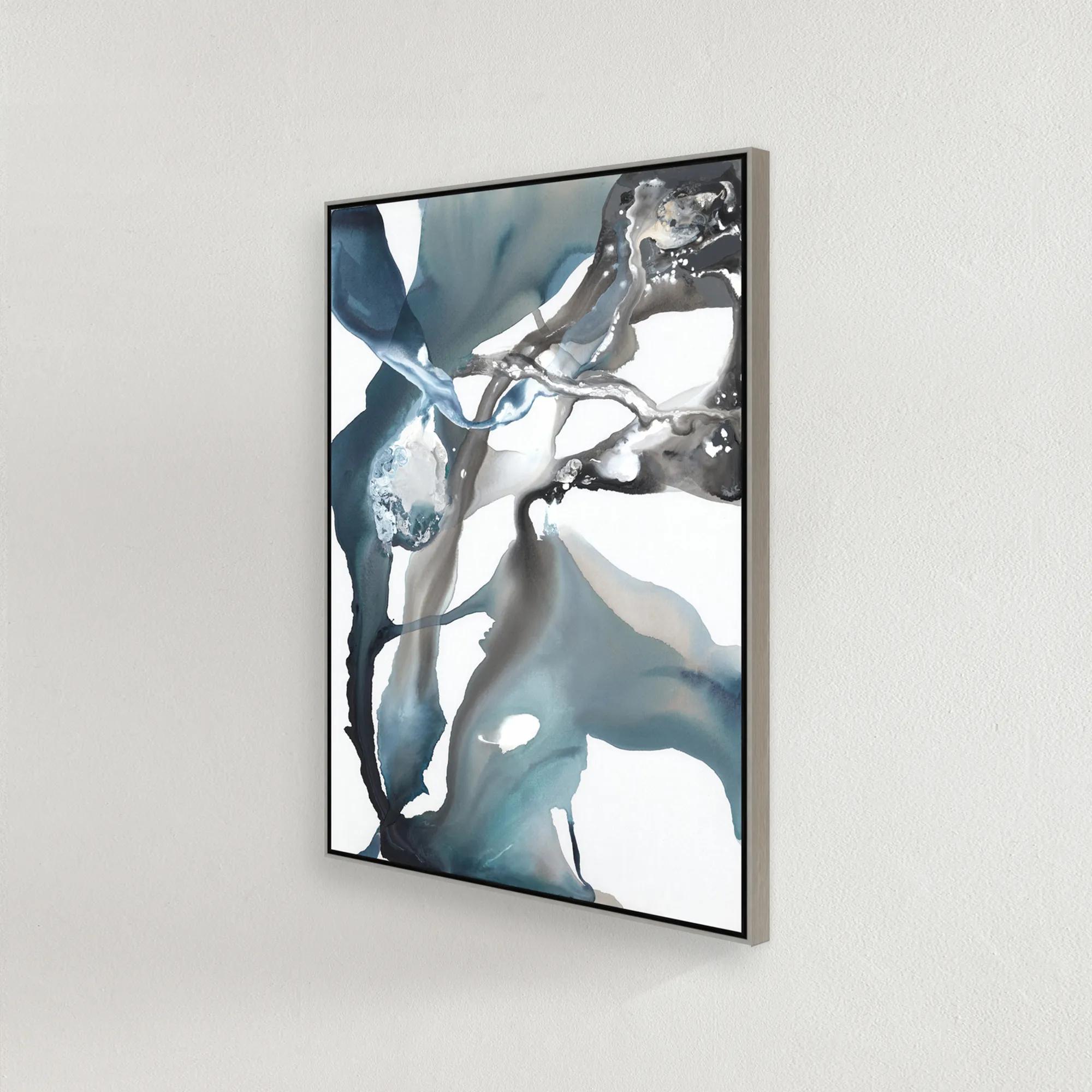 Cool Cascade Framed Wall Art 37.5" x 55.5"$849
A gallery-wrapped canvas artwork featuring expressive colors, hand-applied brush gel, and a gunmetal floater frame.
Add To Cart -
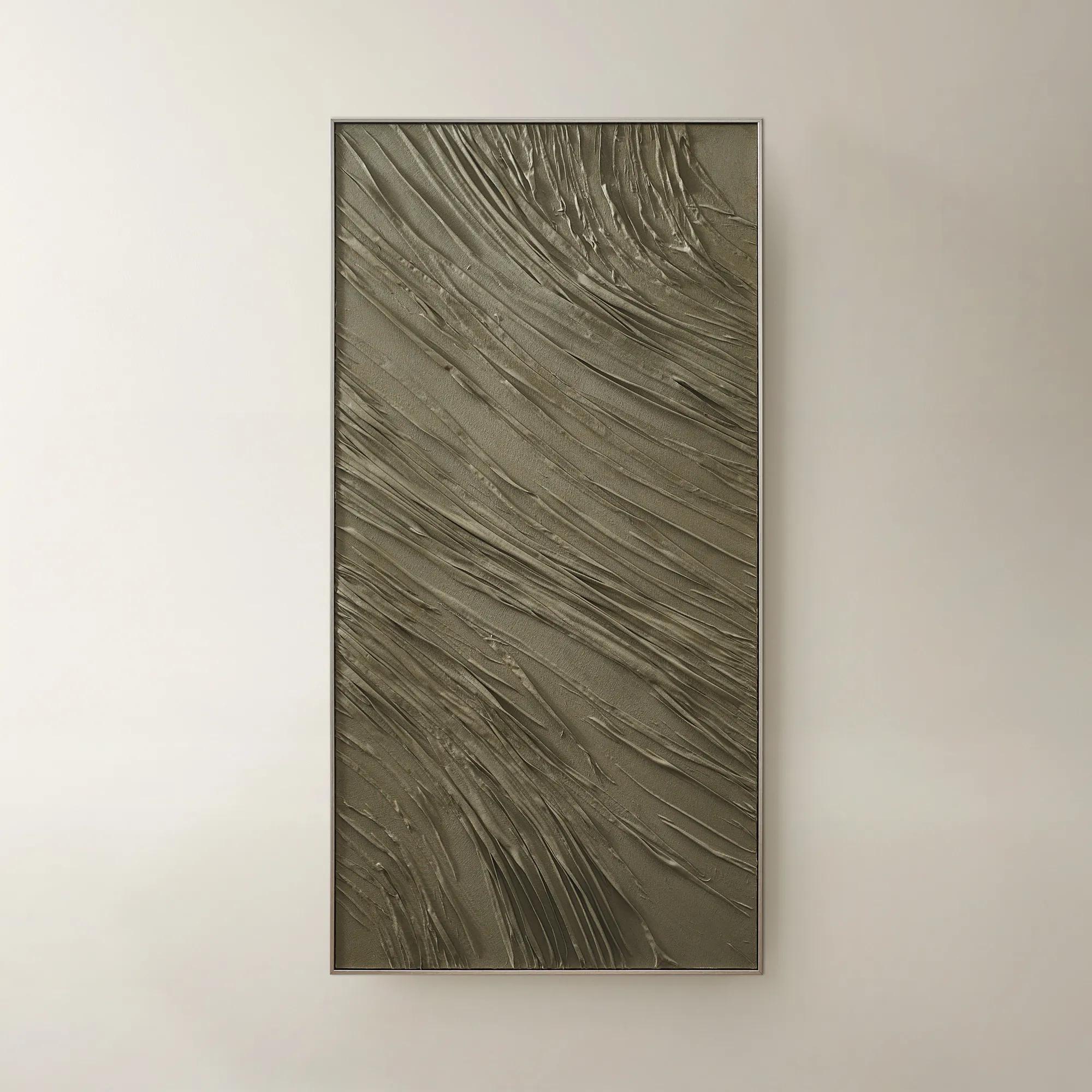
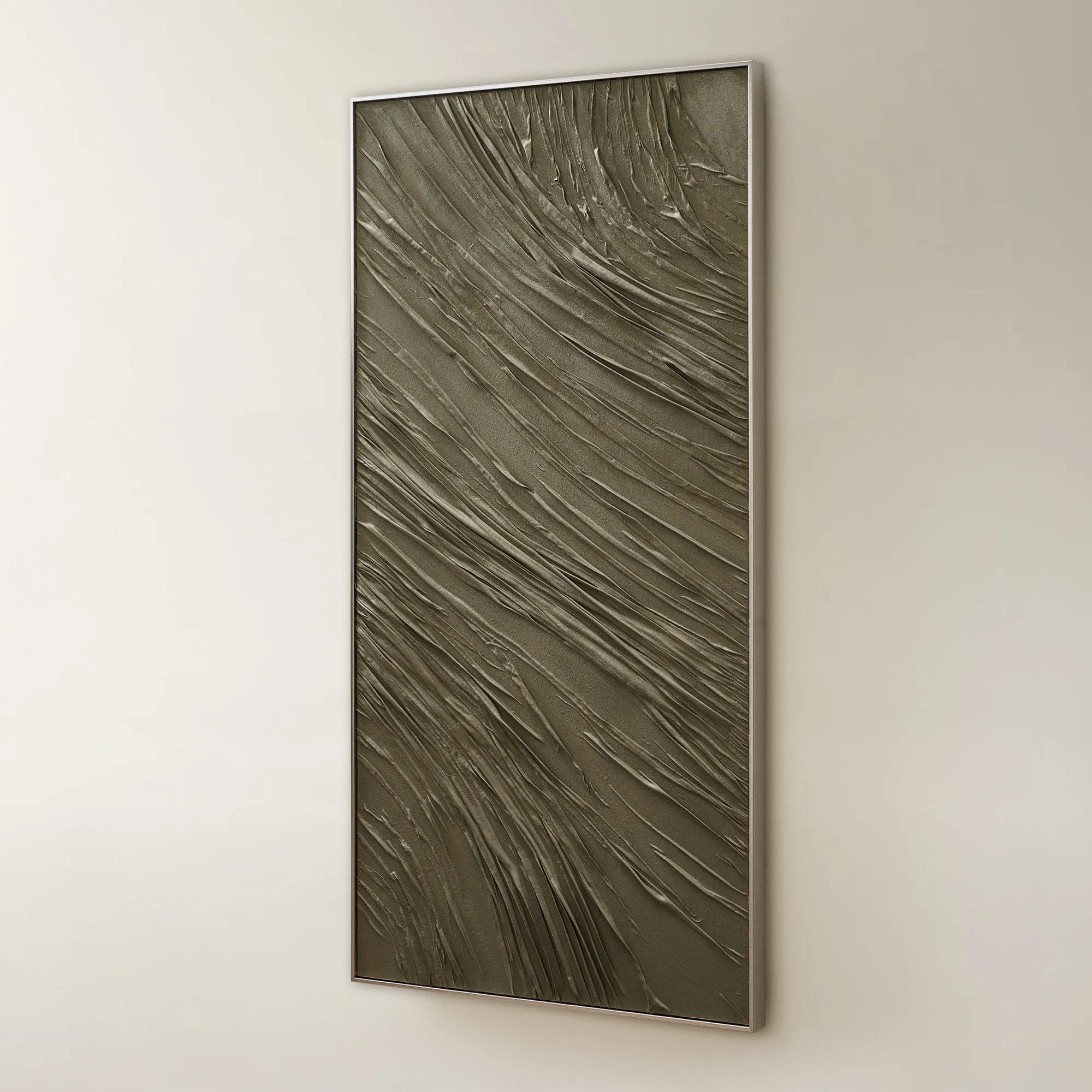 Grove Framed Hand-crafted Folded Fabric Wall Art 60" x 30"$349
A hand-crafted folded canvas in deep olive with a champagne frame for sculptural, modern wall art.
Add To Cart -
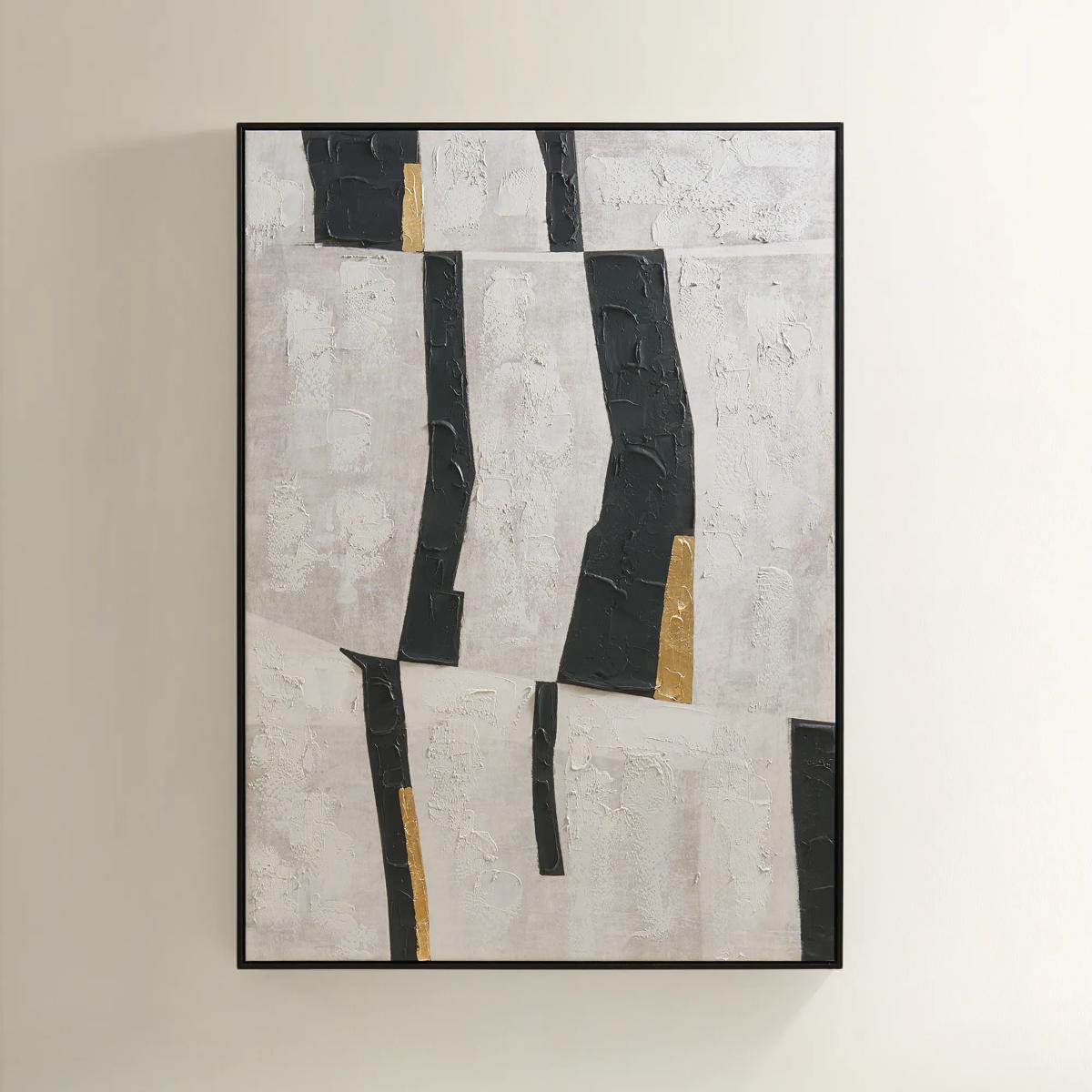
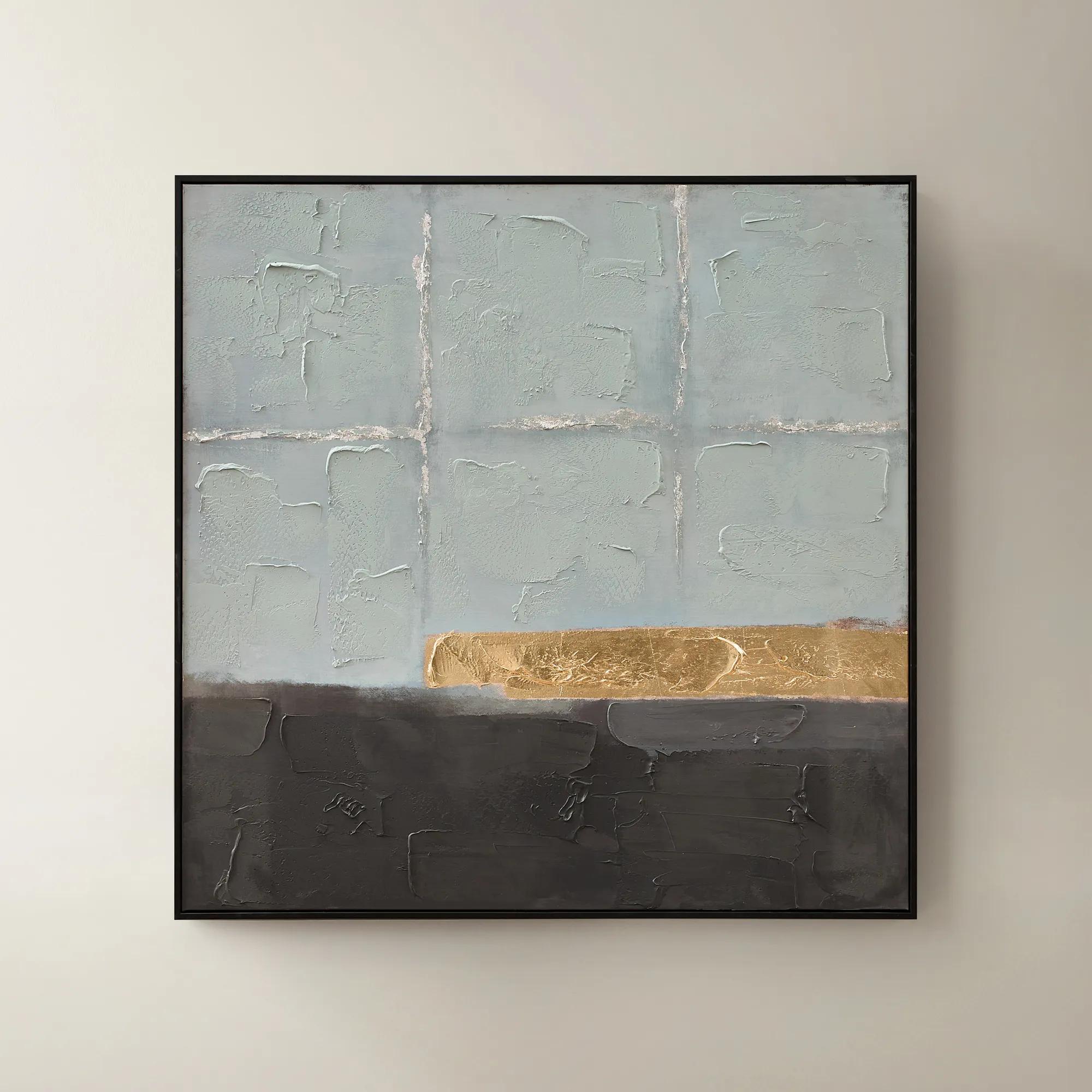
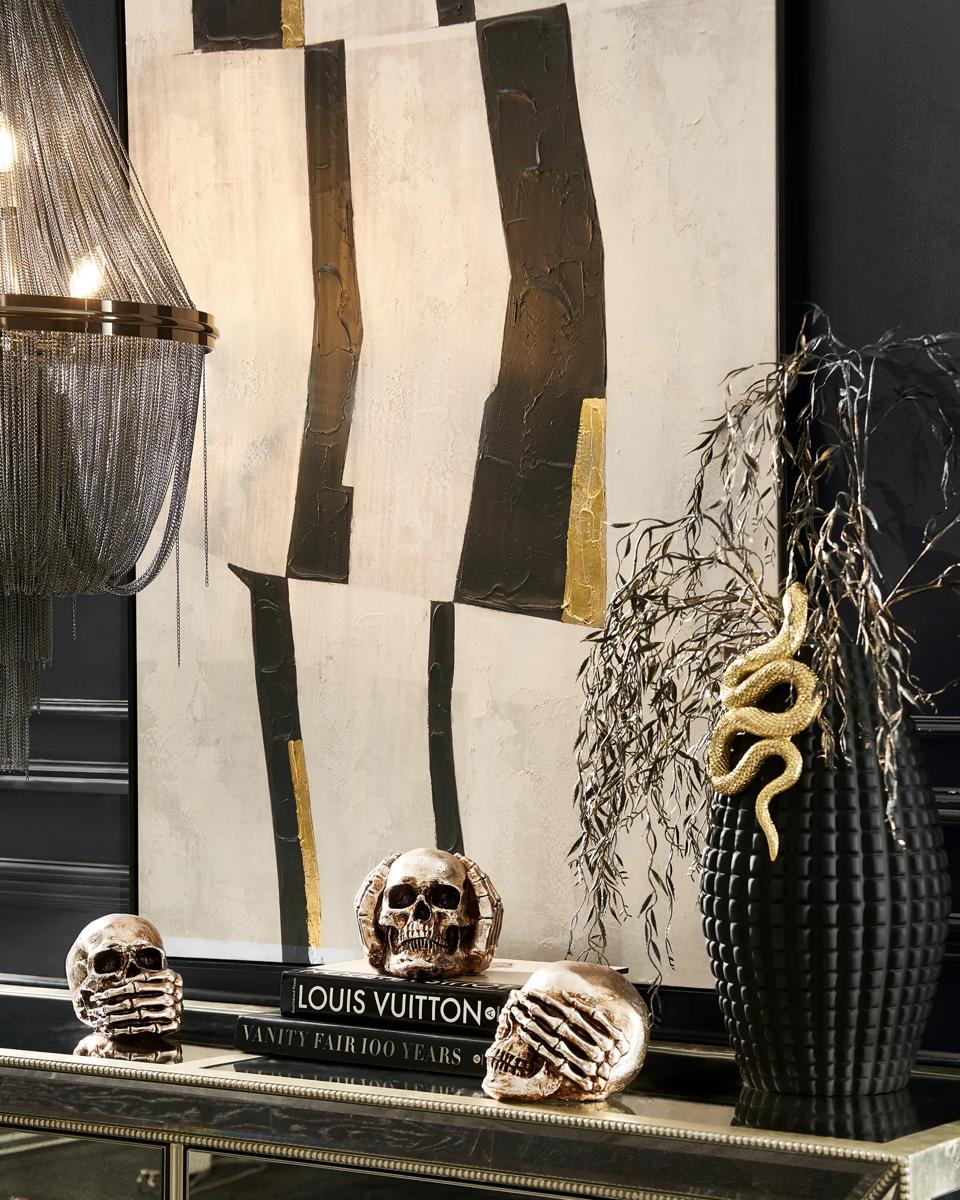 Into the Groove Painting$449
A modern abstract canvas featuring black, gray, and gold leaf accents in a sleek black floater frame.
Add To Cart -

 Heart Dancing Framed Wall Art 51.5" x 37.5"$799
A gallery-wrapped canvas artwork with a hand-applied brush gel finish in a sleek gunmetal floater frame.
Add To Cart -
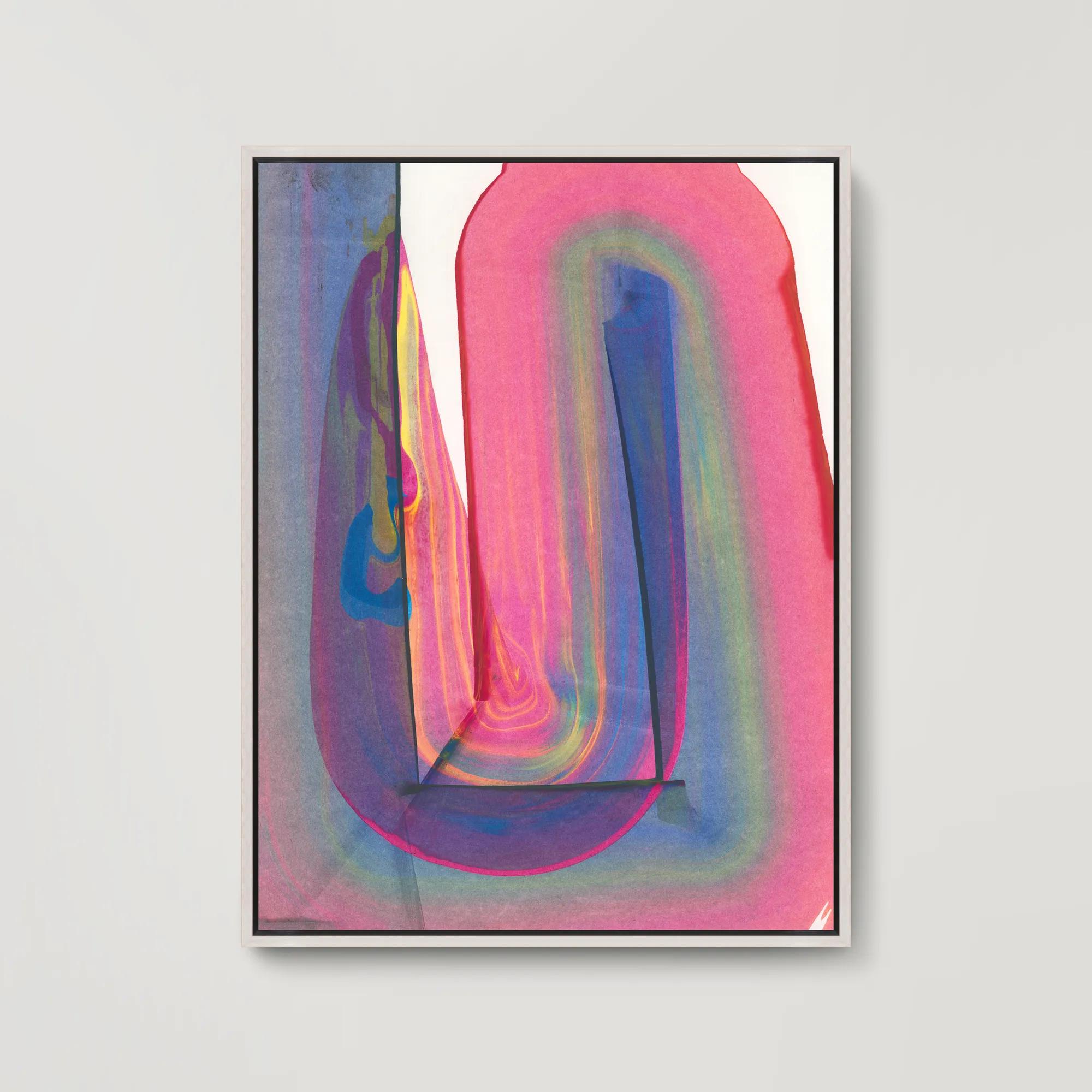
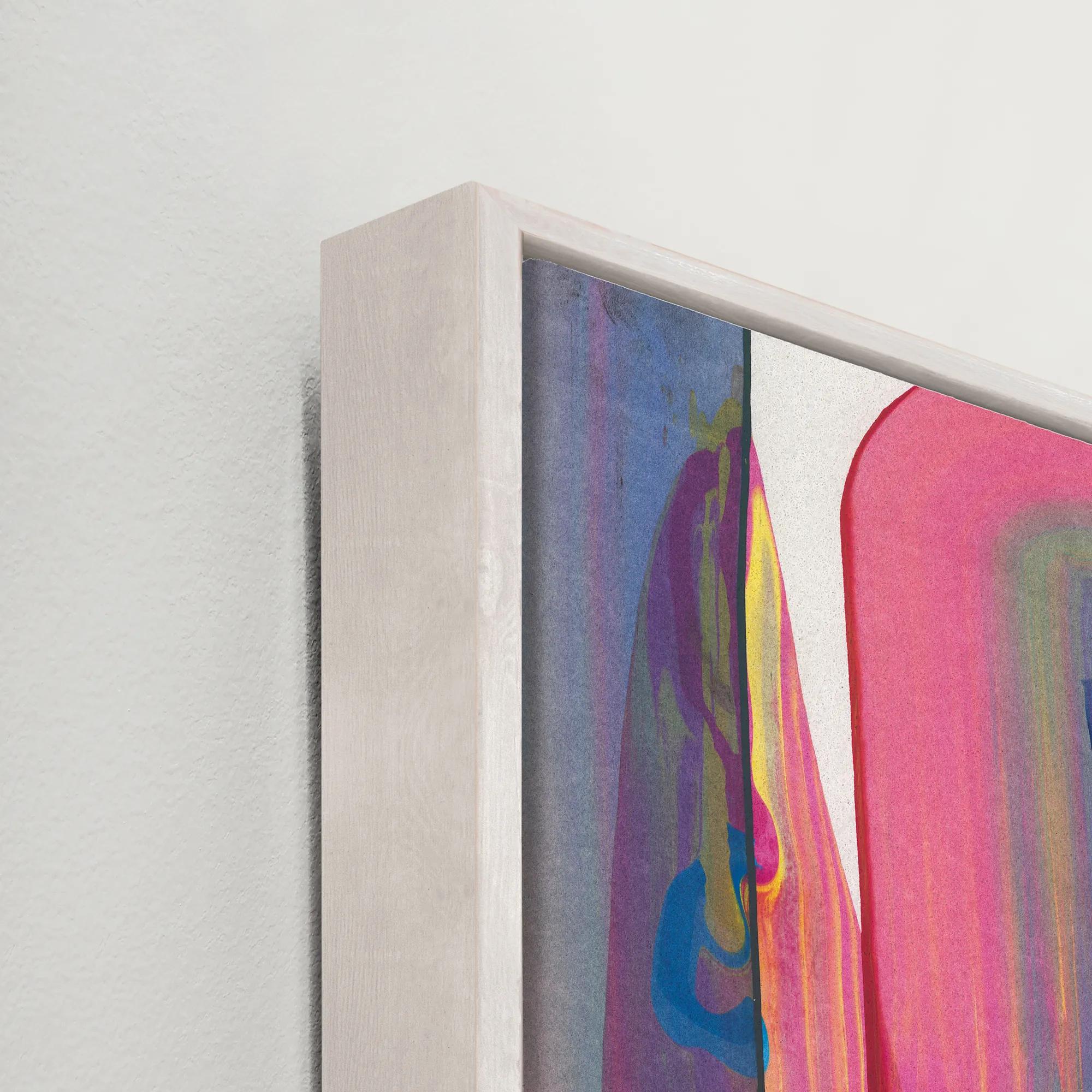 Color In Motion Framed Wall Art 31.5" x 41.5"$699
A gallery-wrapped abstract artwork featuring layered translucent paint and expressive brushstrokes in a white floater frame.
Add To Cart -
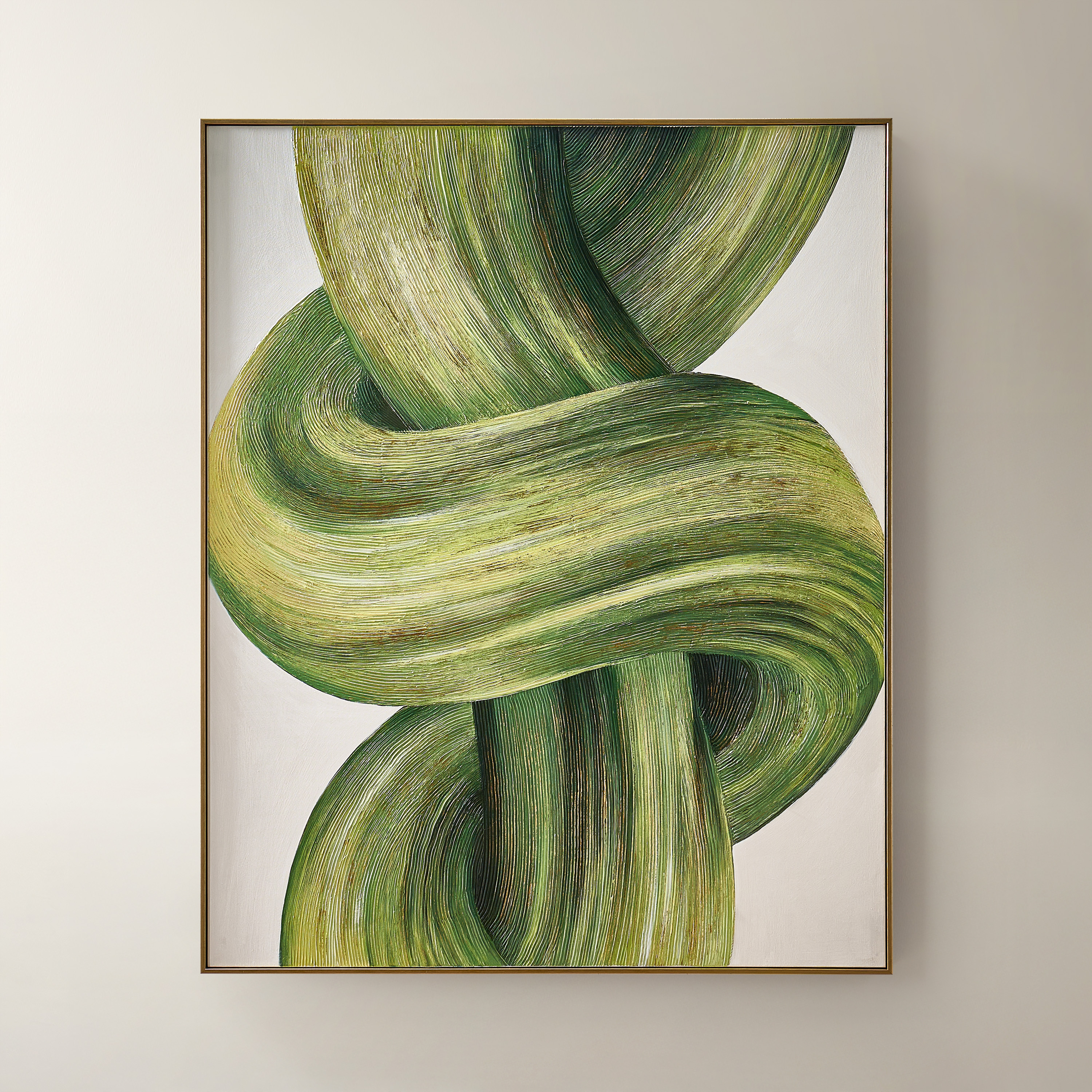
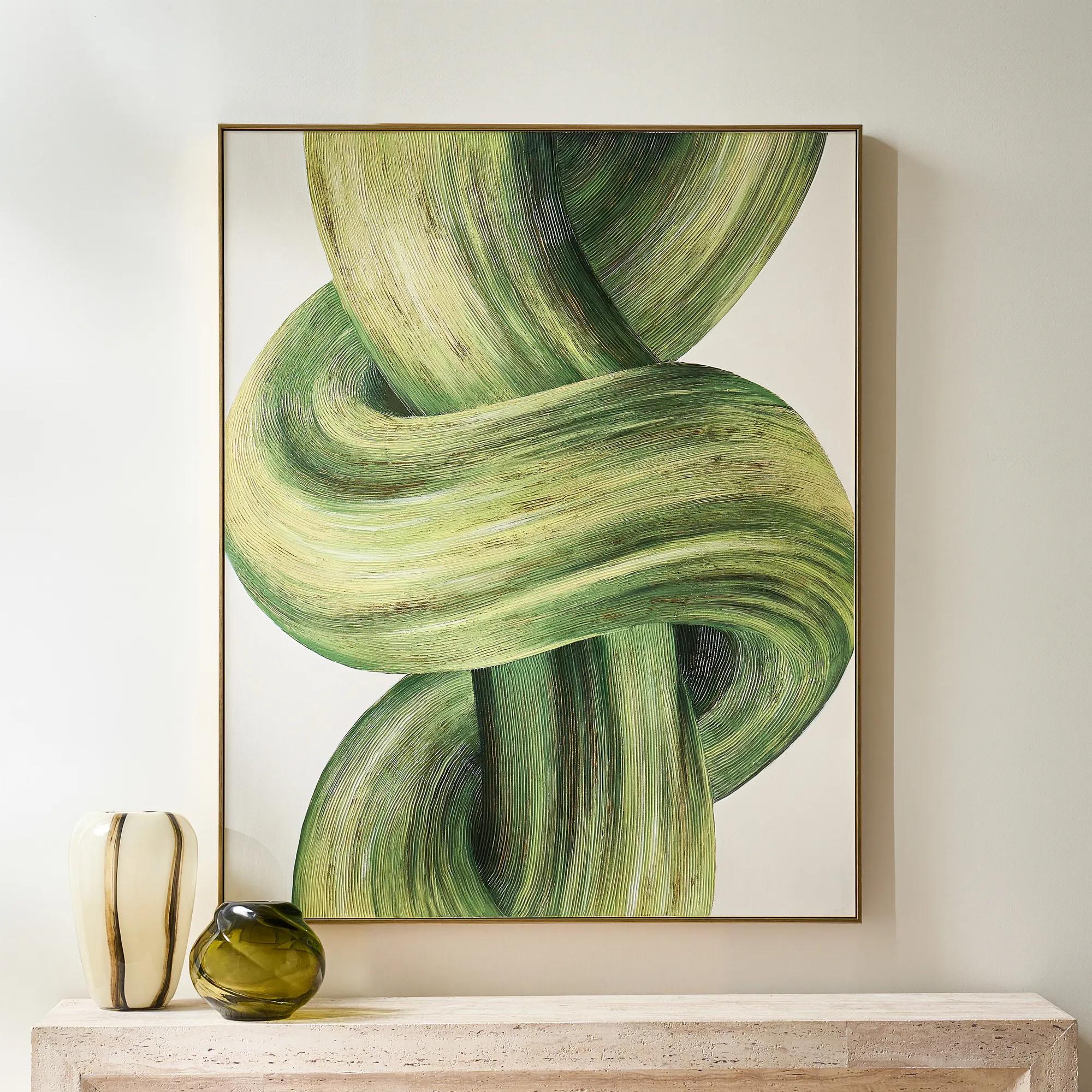 Knotted Framed Gold Leaf Painted Wall Art 40" x 50"$599
A hand-painted green and citron canvas with gold leafing, finished in a sleek PS floater frame.
Add To Cart -
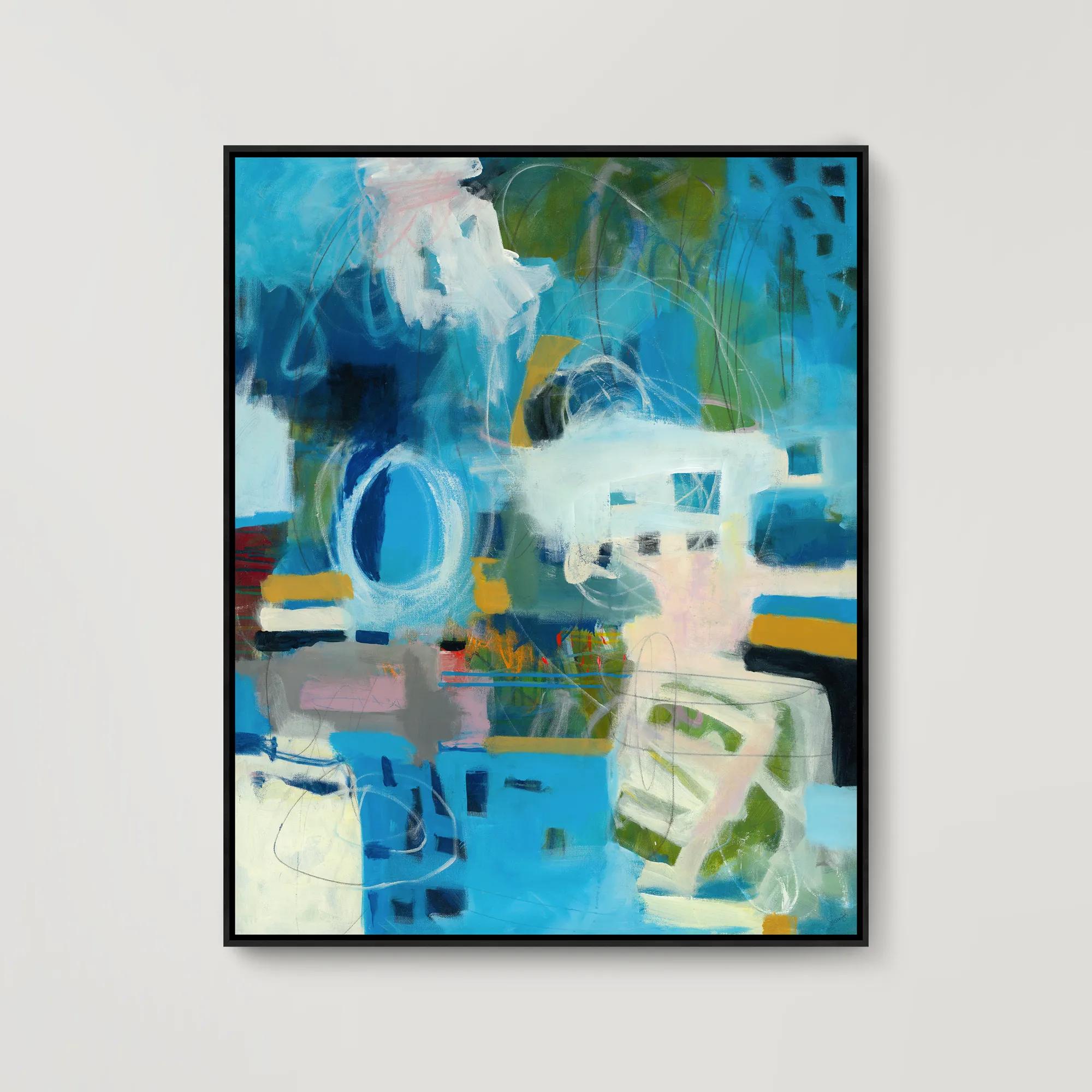
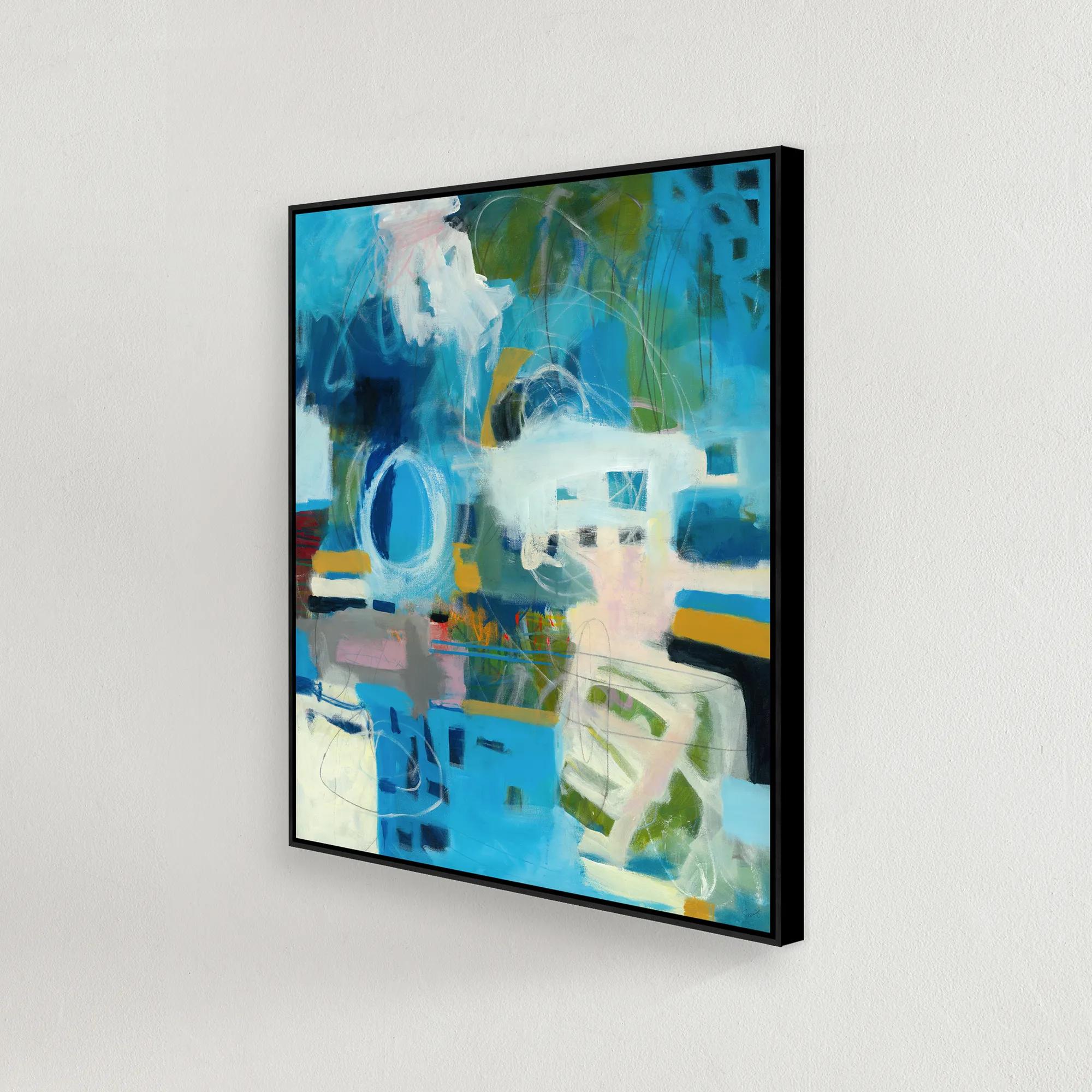 Just Across the Boarder Framed Wall Art 37.5" x 46.5"$749
A gallery-wrapped canvas artwork with hand-applied gel finish, set in a sleek black floater frame.
Add To Cart -
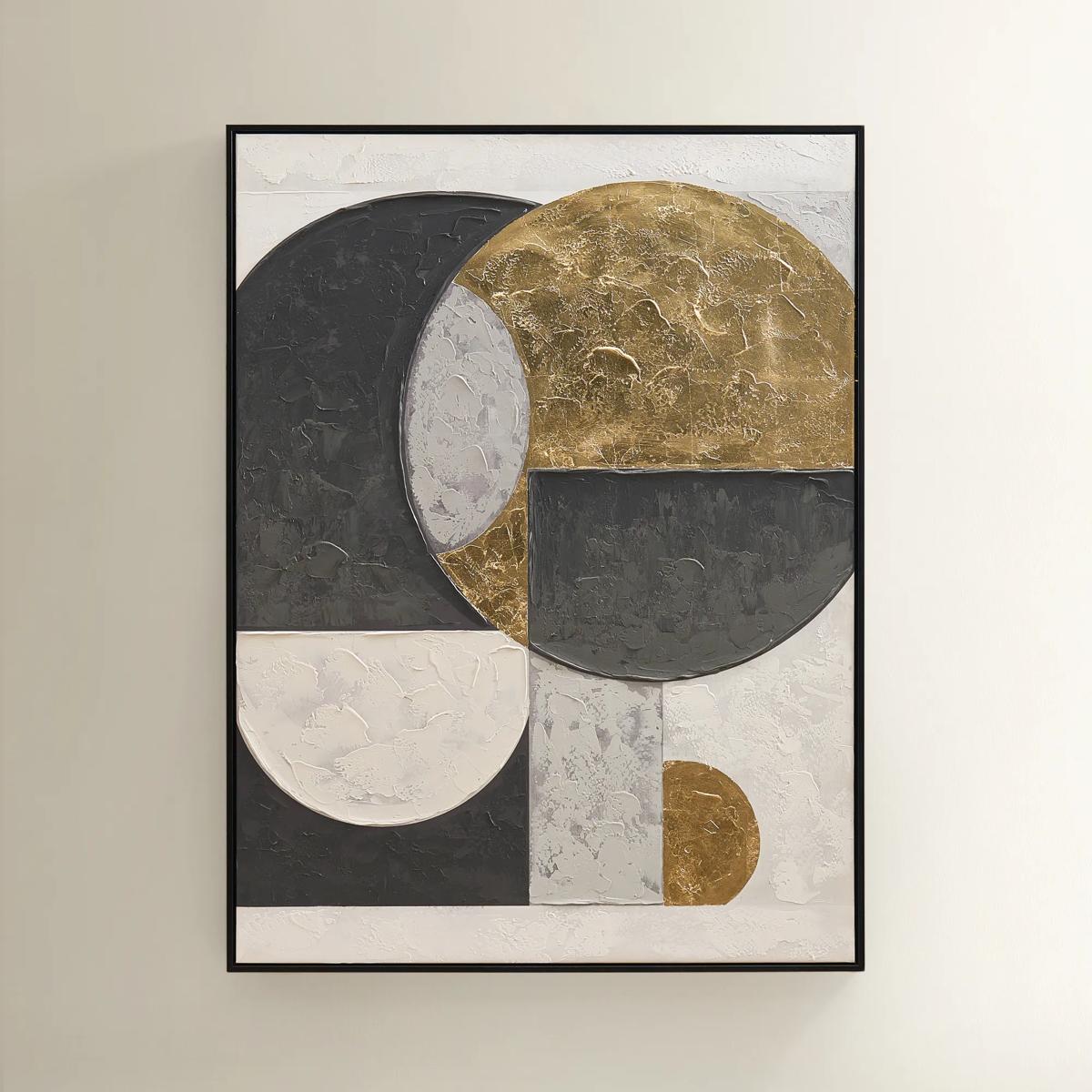
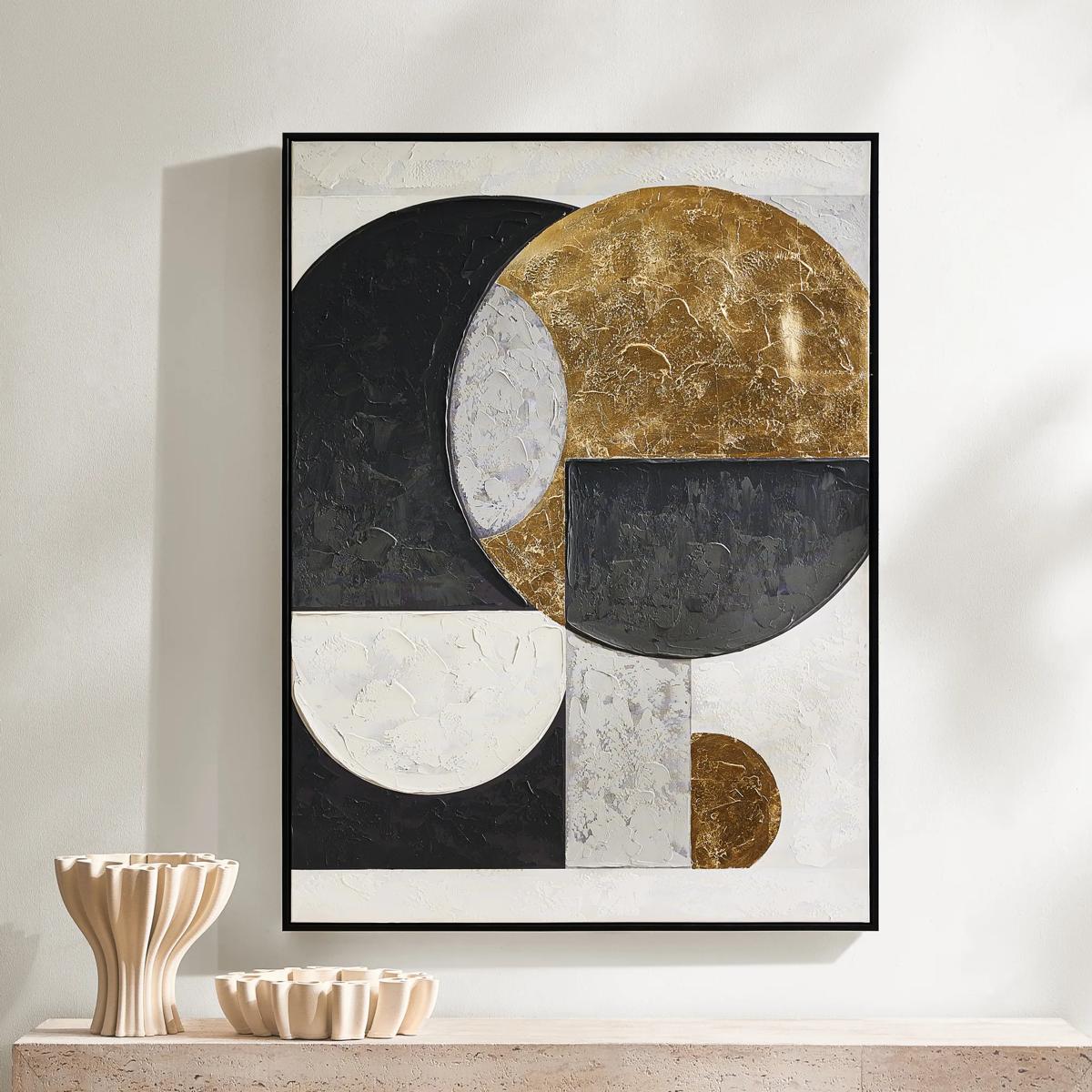 Eclipse Framed Gold Leaf Painted Wall Art 35.25" x 47.25"$449
A hand-painted canvas featuring bold black, grey, and gold geometric shapes with shimmering gold leaf accents.
Add To Cart -
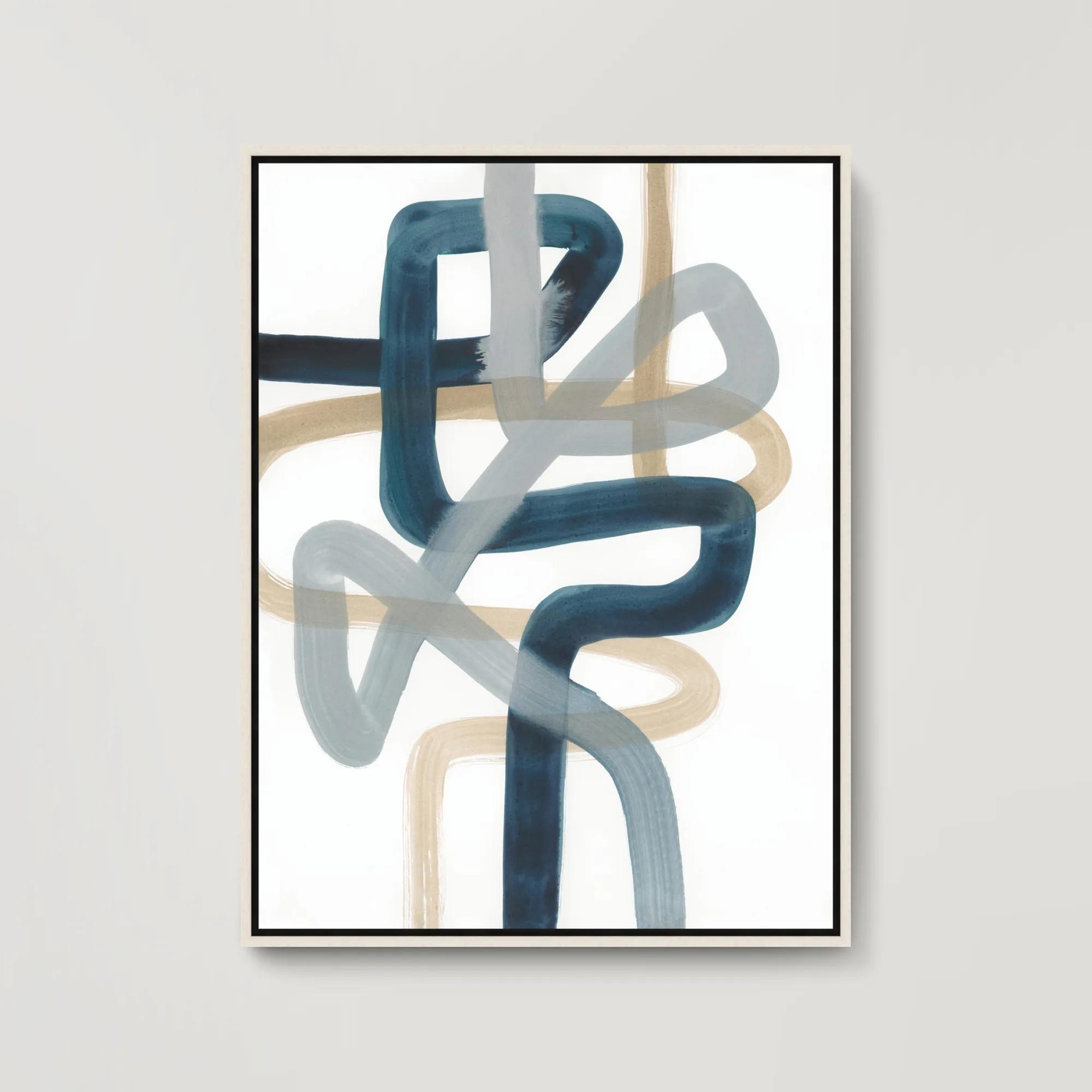
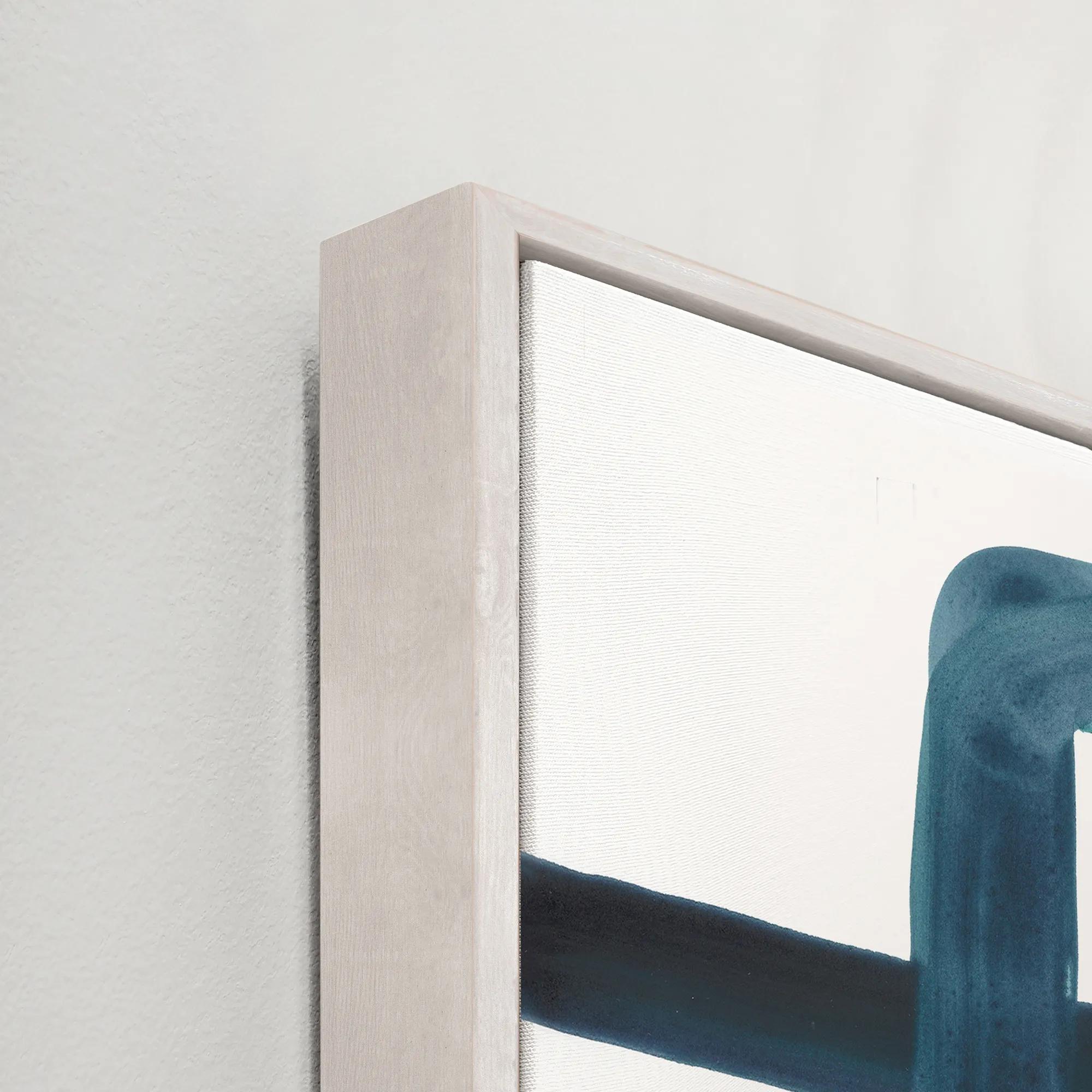 Looped In I Framed Wall Art 31.5" x 41.5"$699
A gallery-wrapped abstract canvas featuring hand-applied brush gel and a sleek white floater frame.
Add To Cart -
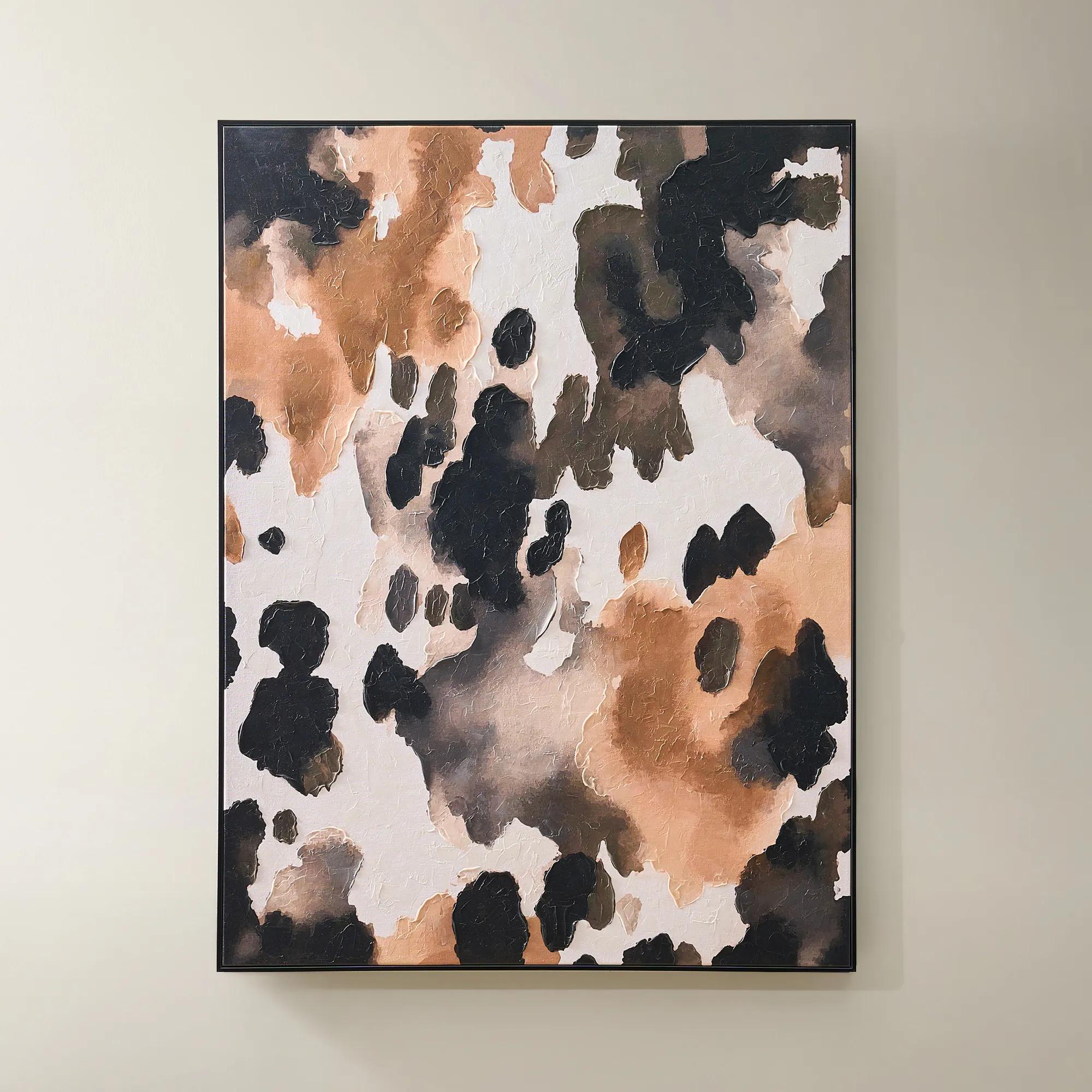
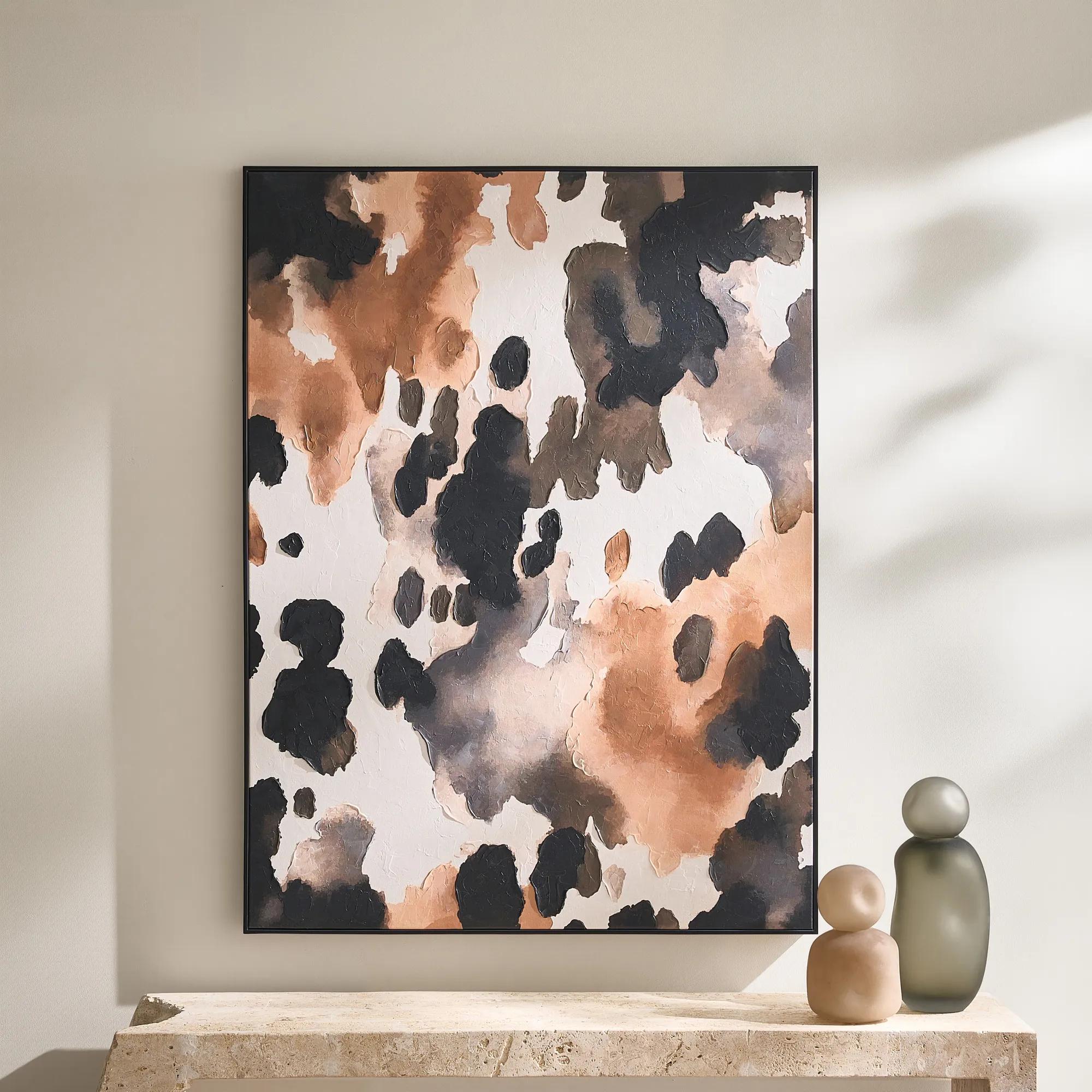 Wilder Framed Painted Wall Art 36" x 48"$499
An abstract hand-painted canvas featuring inky black, taupe, ivory, and coral hues in a sleek black frame.
Add To Cart -
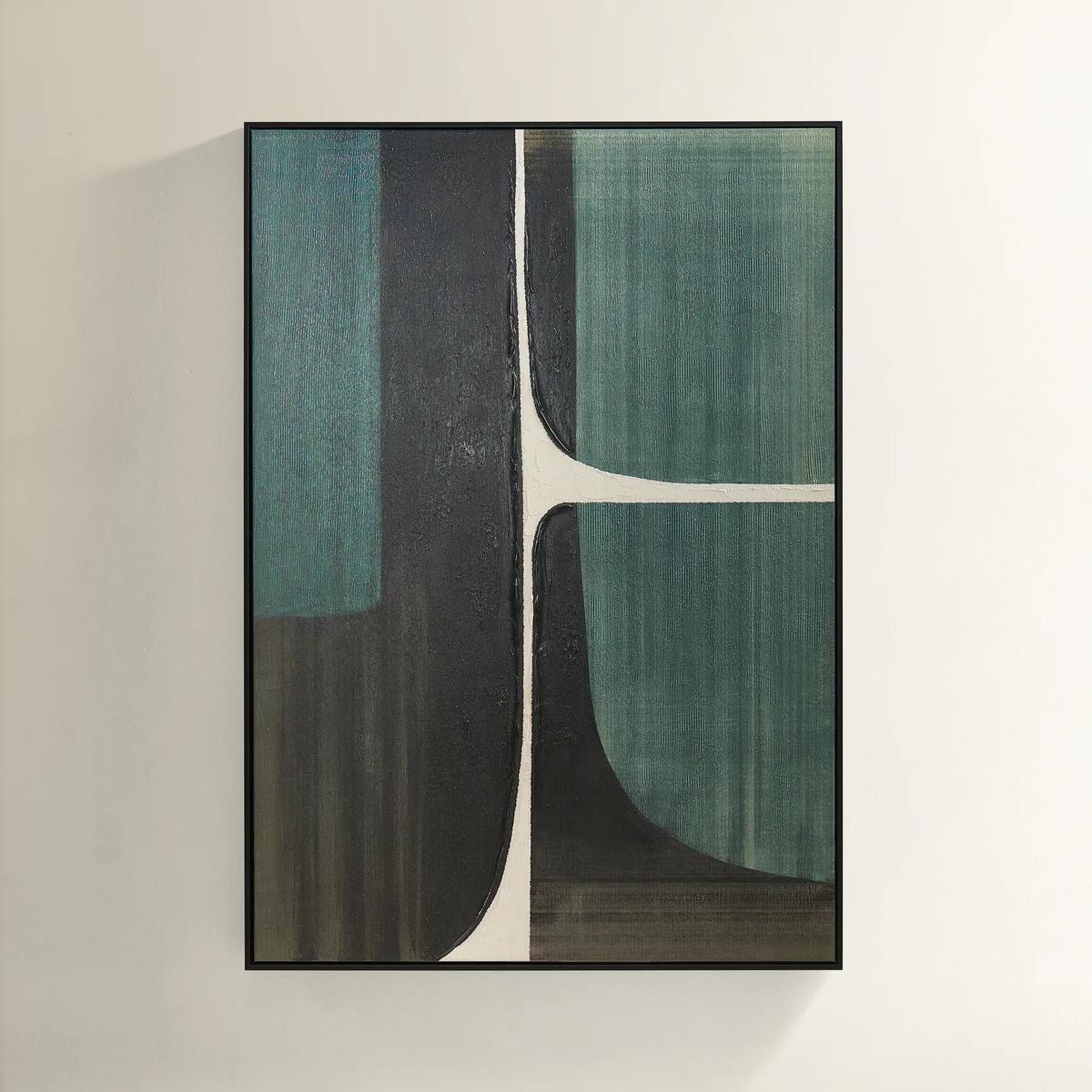 Plains Framed Painted Wall Art 39.25" x 55"$499
A hand-painted abstract canvas in forest green, ivory, and black with a sleek black floater frame.
Add To Cart

Large Lightweight Wall Art For Hallways
Large lightweight wall art for hallways transforms the everyday passage into a gallery of imagination. With grand scale and effortless presence, these statement pieces command attention without overwhelming your space, turning even the simplest corridor into an exhibition of bold artistry. Each work invites you to linger, to savor texture and color as light dances across airy forms. Elevate your hallway from mere transition to captivating destination—where every glance is rewarded with drama, depth, and a whisper of luxury.
Large lightweight wall art for hallways brings generous scale to the spaces that connect a home, turning a pass-through into a deliberate design moment. An expansive abstract composition, an expressive botanical print, or a luminous photographic image can give a corridor the same visual presence as a beautifully appointed living room without adding furniture to the floor. The appeal lies in contrast: a substantial image paired with a relatively light construction, delivering drama while keeping the installation manageable. Oversized stretched canvas and large prints in slim, lightweight frames are especially suited to this balance. In a narrow hallway, a shallow profile keeps the artwork close to the wall, while a commanding composition draws attention along the passage rather than into it. A vertical piece can accentuate a tall, slender wall between doorways; a horizontal canvas can carry color and movement across an uninterrupted stretch. At the end of a corridor, one generously scaled work creates a destination, giving the eye somewhere compelling to land. Dimensions such as 24 by 36 inches, 30 by 40 inches, or 36 by 48 inches can provide substantial presence, although the right scale depends on the usable wall area and surrounding architecture. Door trim, light switches, thermostats, and nearby openings all influence how comfortably a piece fits. Above a console, artwork that spans roughly two-thirds of the furniture’s width often feels balanced, with visible wall space allowing the composition to breathe. On an otherwise bare wall, a larger image can establish its own architectural rhythm. Rich black brushwork against an ivory ground lends crisp definition, while sweeping gold tones, smoky neutrals, and saturated jewel colors introduce depth and personality. A palette that echoes an adjacent room can make the transition feel intentional; a contrasting palette gives the hallway an identity of its own. These pieces appeal to anyone who wants an expressive interior without sacrificing the clear, open passage that a hardworking hallway needs.
The distinction between large and heavy comes down to construction, not dimensions alone. Stretched canvas typically pairs a fabric surface with an internal stretcher frame, creating an expansive image without the weight of a glass-fronted presentation. Gallery-wrapped edges can give an unframed canvas a finished appearance from the side, an important detail in a hallway where artwork is often approached at an angle. Frame material, stretcher depth, backing, and added embellishments still affect the total weight, so canvas should not automatically be assumed to be light. For framed prints, slim aluminum or polystyrene frames can offer a refined outline with less mass than some substantial wood frames. Acrylic glazing generally weighs less than glass and can be a practical consideration in a busy passage, though its surface requires careful handling to avoid scratches. Lightweight panel constructions offer another way to achieve a broad visual field, with the finished weight depending on the substrate and support system. The most useful measurements are the complete framed dimensions, the depth from the wall, and the total hanging weight, rather than the image size alone. A frame that looks delicate from the front may still project enough to matter beside a doorway or along a tight turn. Lightweight construction also does not eliminate the need for secure mounting. Hardware must be rated for the artwork’s full weight and compatible with the wall material, whether drywall, plaster, masonry, or another surface. The supplied hanging system and manufacturer’s installation instructions should determine the appropriate support; no single weight threshold guarantees that a nail, adhesive strip, or drywall anchor will be suitable. Adhesive systems are appropriate only when their instructions permit the artwork, wall finish, and load involved. For households with children, pets, or frequent foot traffic, a secure attachment and a position clear of shoulders, bags, and opening doors are particularly important. The result should feel effortless to look at, with the practical details supporting that sense of polish.
A hallway’s lighting and viewing angles give large-format artwork a distinctive character. Unlike a piece above a sofa, it may be seen first from across the home, then in passing at close range. Broad gestures, recognizable silhouettes, and thoughtfully spaced detail hold their presence across those changing distances. A tightly patterned print can create an intricate, jewel-like effect, while an abstract with generous open areas brings a measured pause between rooms. In a corridor with limited natural light, pale grounds and luminous color can keep the composition legible without relying on a reflective surface. Near a bright window or directly opposite a light fixture, glazing and glossy finishes may produce glare; a matte surface often makes the image easier to appreciate from multiple angles. Existing sconces can emphasize the artwork’s edges and tonal shifts, provided fixtures and hanging positions leave comfortable clearance. For a composition with more pronounced surface interest, Textured Wall Art For Hallways offers a related direction, where relief and layered finishes bring another dimension to the wall. Whether smooth or textured, the artwork should complement the passage rather than compete with every detail around it. A sculptural console, a gleaming tray, or a single decorative vessel can echo a color or shape from the image, creating a connected vignette without crowding the route. Long-term care preserves that clarity: gentle dusting with a soft cloth, following the finish-specific care instructions, helps protect frames and surfaces. Canvas should not be scrubbed or saturated, and cleaning liquid should never be sprayed directly onto artwork. Direct sunlight, excess humidity, and abrupt environmental changes can affect pigments, fabric, and framing materials, so placement matters as much as routine care. Large lightweight wall art can also make a thoughtful housewarming gift when the recipient’s wall dimensions, palette, and preferred hanging method are known. With the right proportion and finish, it becomes part of the home’s daily experience: a sweep of color on the way to dinner, a striking silhouette beside the bedroom door, or an artful welcome that gives an often-overlooked wall lasting presence.
FAQs
Large lightweight wall art is most impactful when placed at eye level along the main stretch of your hallway, creating a focal point that draws you through the space. Consider positioning art opposite doorways, at the end of a corridor, or in a series along a gallery wall to maximize visual interest and flow.
To create a harmonious look, echo colors, textures, or motifs from your existing décor in your wall art selection. Metallic accents, mirrored finishes, or bold hues can complement lighting fixtures, runners, or console tables, unifying the hallway’s aesthetic while allowing the art to stand out as a statement piece.
Absolutely. Lightweight construction makes these pieces ideal for renters, as they are easy to hang and remove without causing damage to walls. This flexibility allows you to personalize your hallway and make a dramatic impact, even in temporary living spaces.
Many design enthusiasts enjoy rotating their hallway art seasonally or whenever they wish to refresh the atmosphere. January is a particularly popular time for a new look, but there’s no rule—follow your inspiration and let your hallway reflect your evolving style year-round.
Mixing large lightweight wall art with other pieces, such as smaller prints, mirrors, or <a href="https://zgallerie.com/o/textured-wall-art-for-hallways">textured wall art</a>, creates a dynamic, layered gallery effect. This approach adds depth and character to your hallway, allowing you to showcase a curated collection that tells your unique story.