Large Decorative Wall Sculptures
Large Decorative Wall Sculptures
-
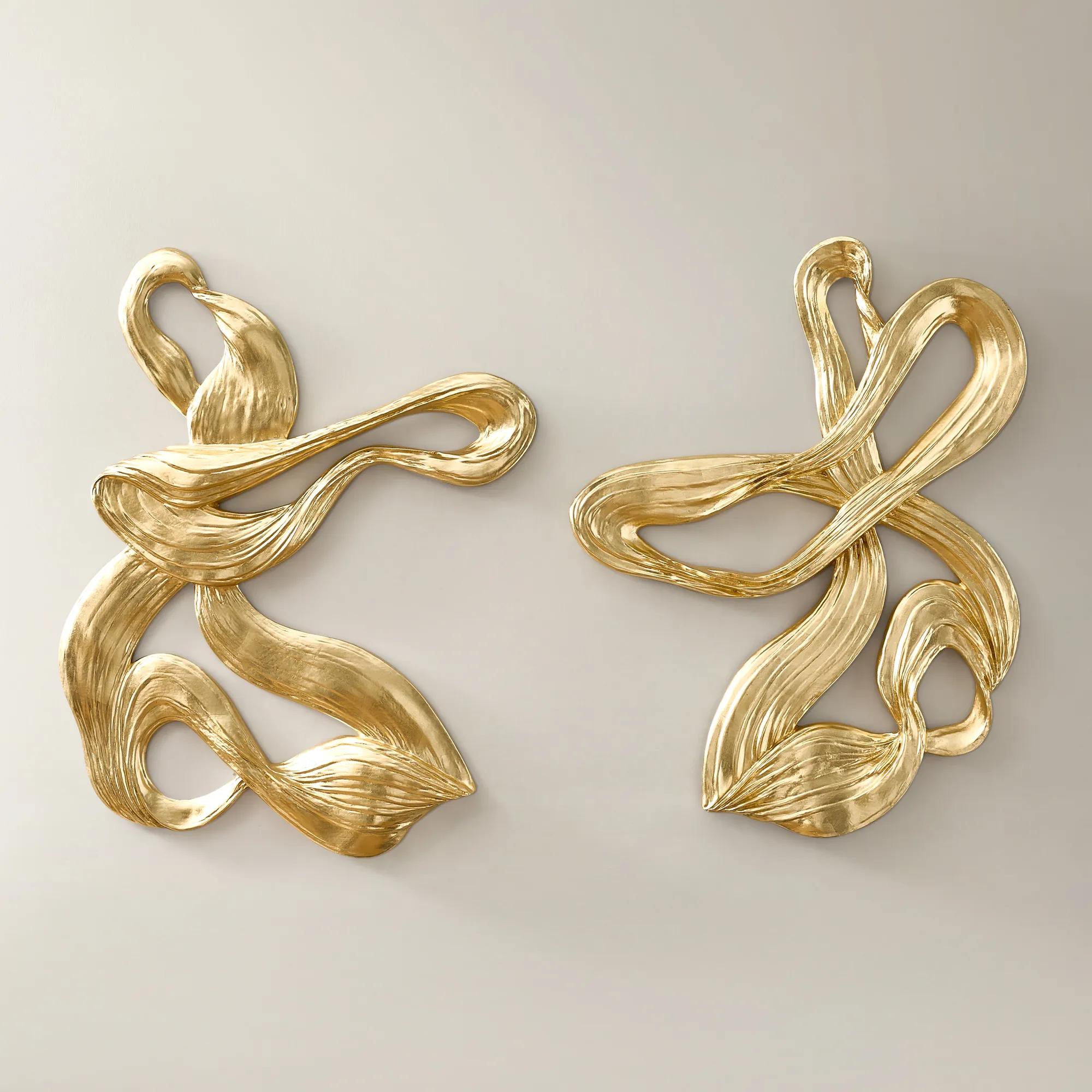
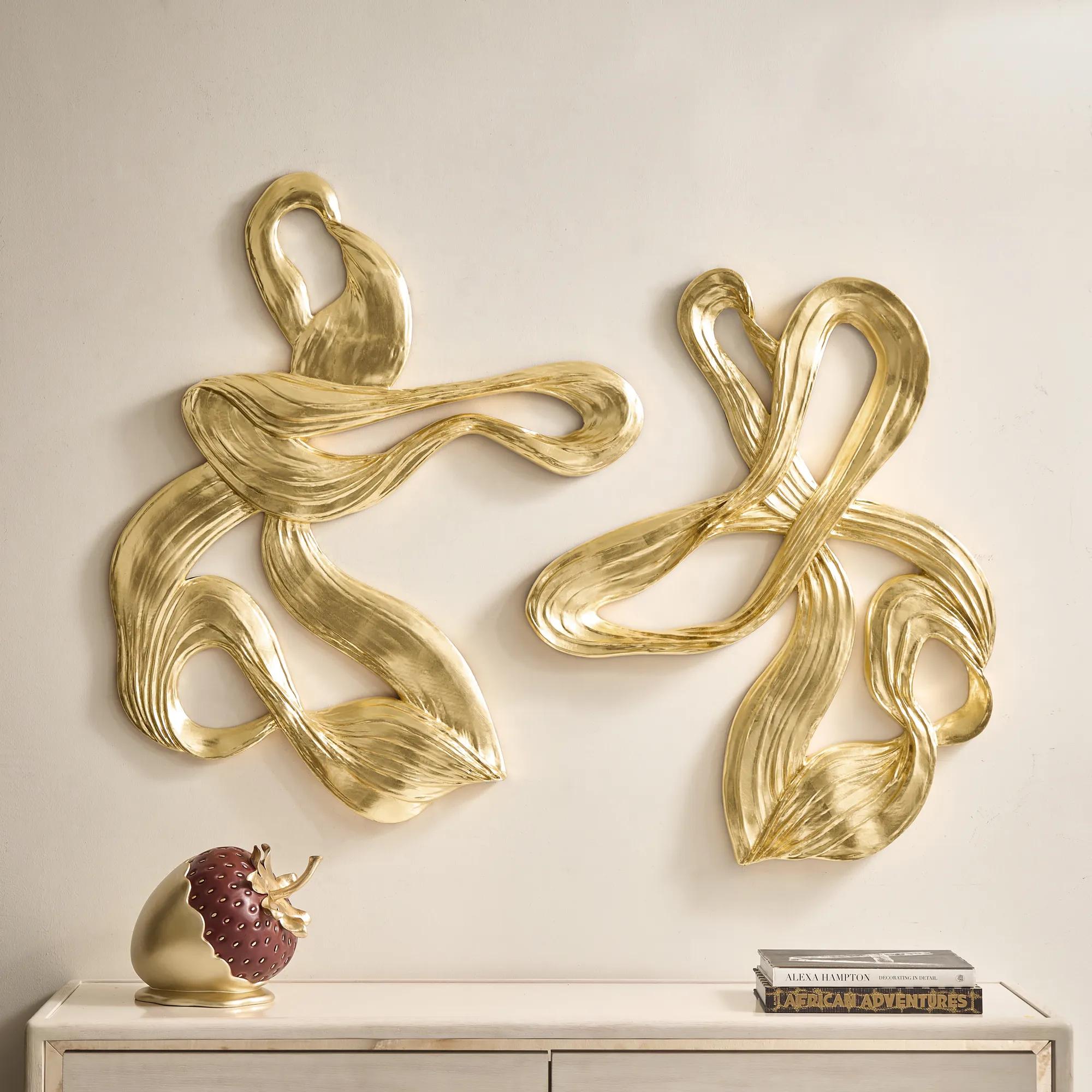 Vela Gold Leaf Sculpted Resin Wall Decor 30.5" x 39.25" Set of 2$699
A set of two resin wall sculptures featuring abstract loop designs and soft gold leafing for modern elegance.
Add To Cart -
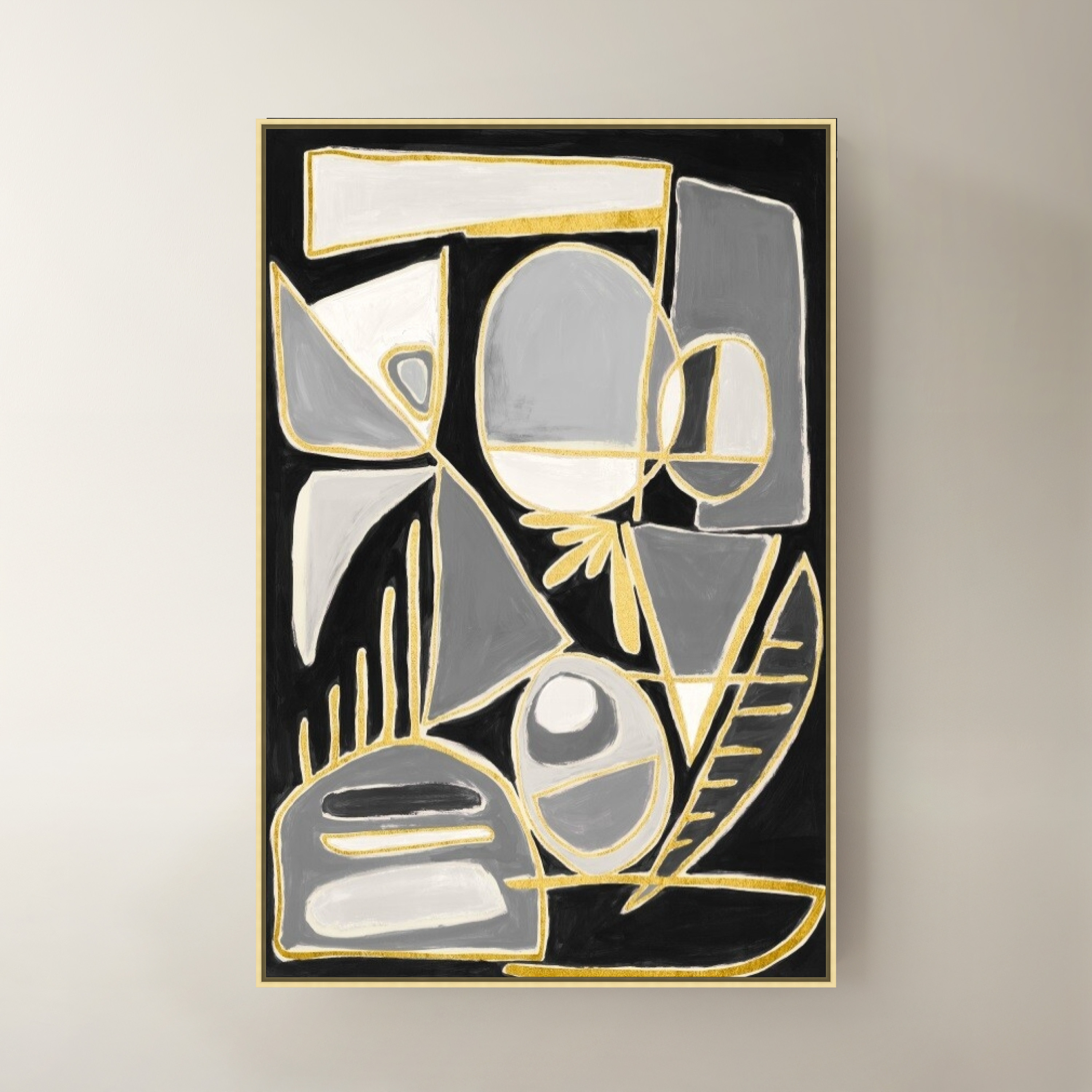
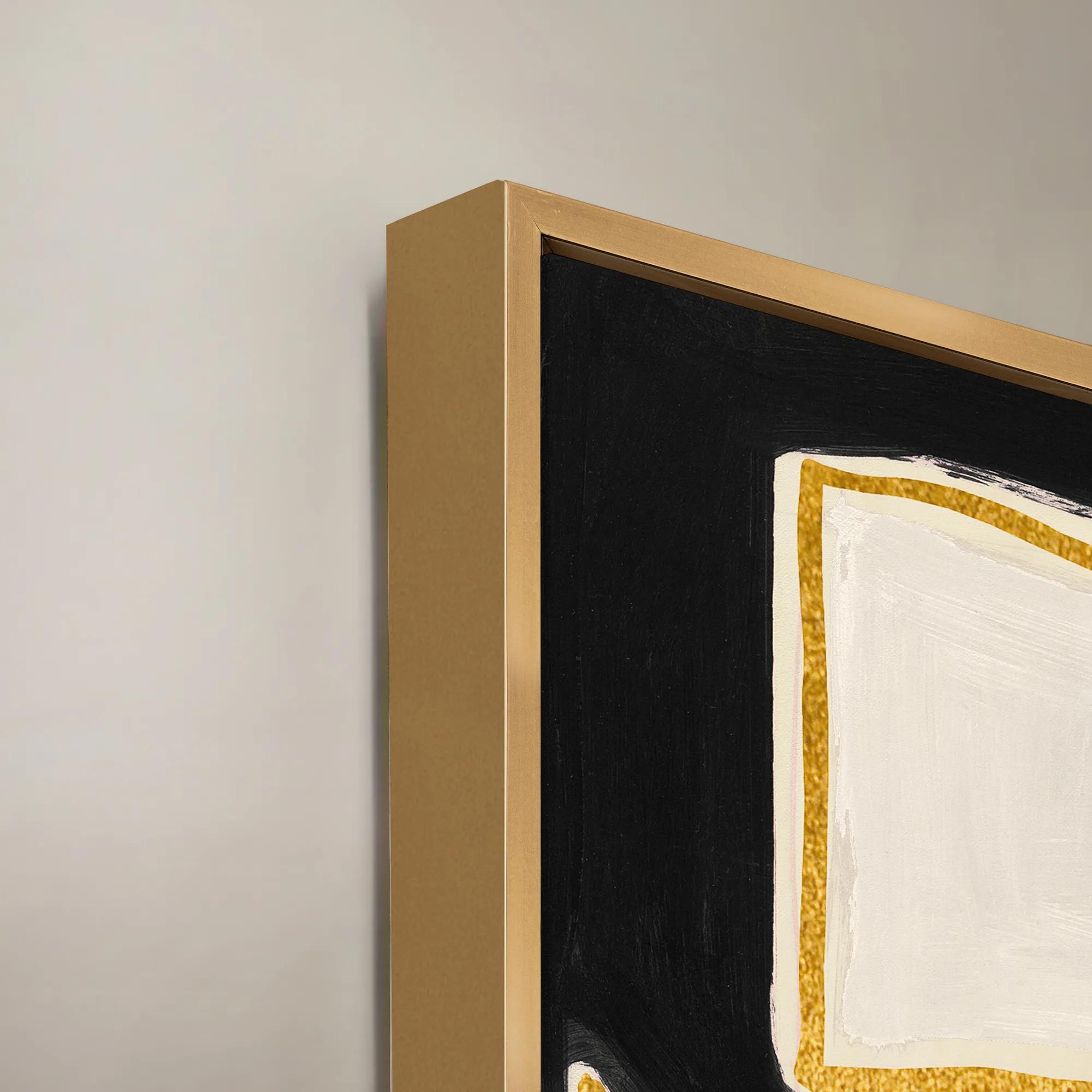 Shuffle City III Framed Wall Art 40" x 60"$1199
A dramatic black canvas wall artwork presented in a refined frame for contemporary interiors.
Add To Cart -
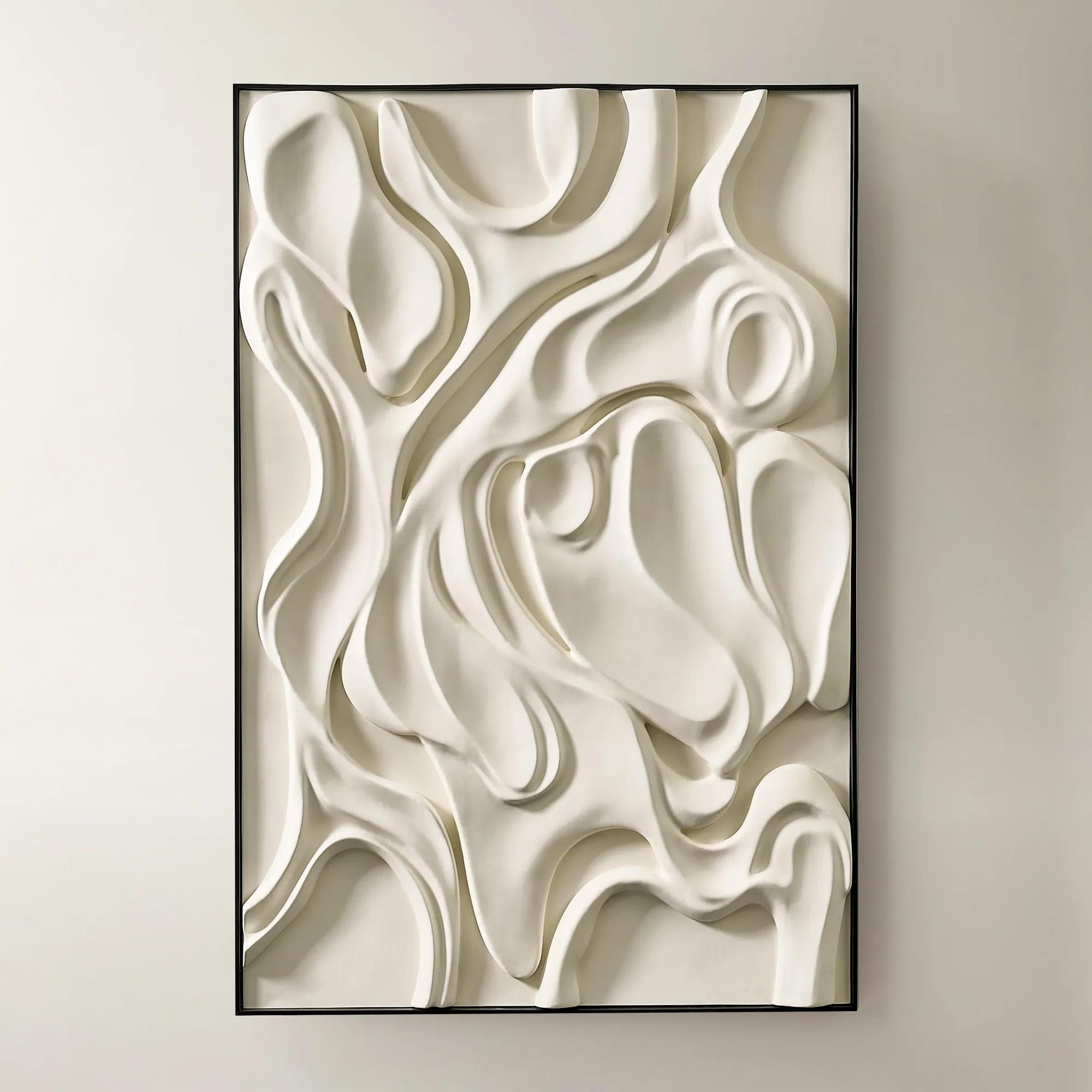 Overflow Alabaster Sculpted Resin Wall Panel 40" x 60"$699
An alabaster fiberglass resin wall panel with sculptural texture and a versatile black frame for modern spaces.
Add To Cart -
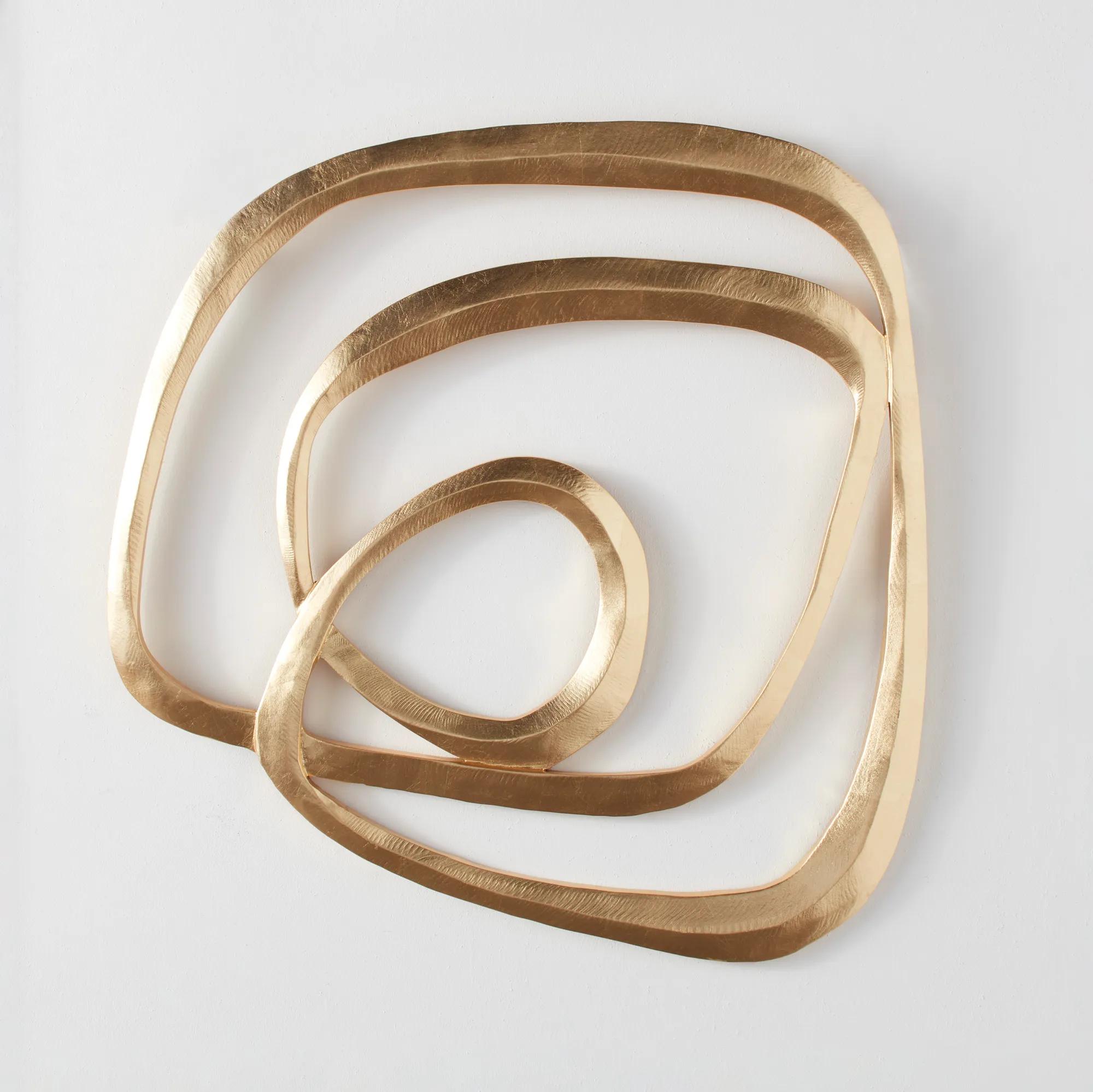 Infinity Gold Leaf Wood Wall Decor II 31.5" x 31.5"$299
A swirling wooden wall sculpture featuring a striking metallic gold finish for a modern statement.
Add To Cart -
 Gilt Collage Gold Hand Crafted Wood Dimensional Wall Panel 30" x 60"$799
A glamorous gilt-finished collage wall panel bringing sculptural dimension and contemporary elegance to your decor.
Add To Cart -
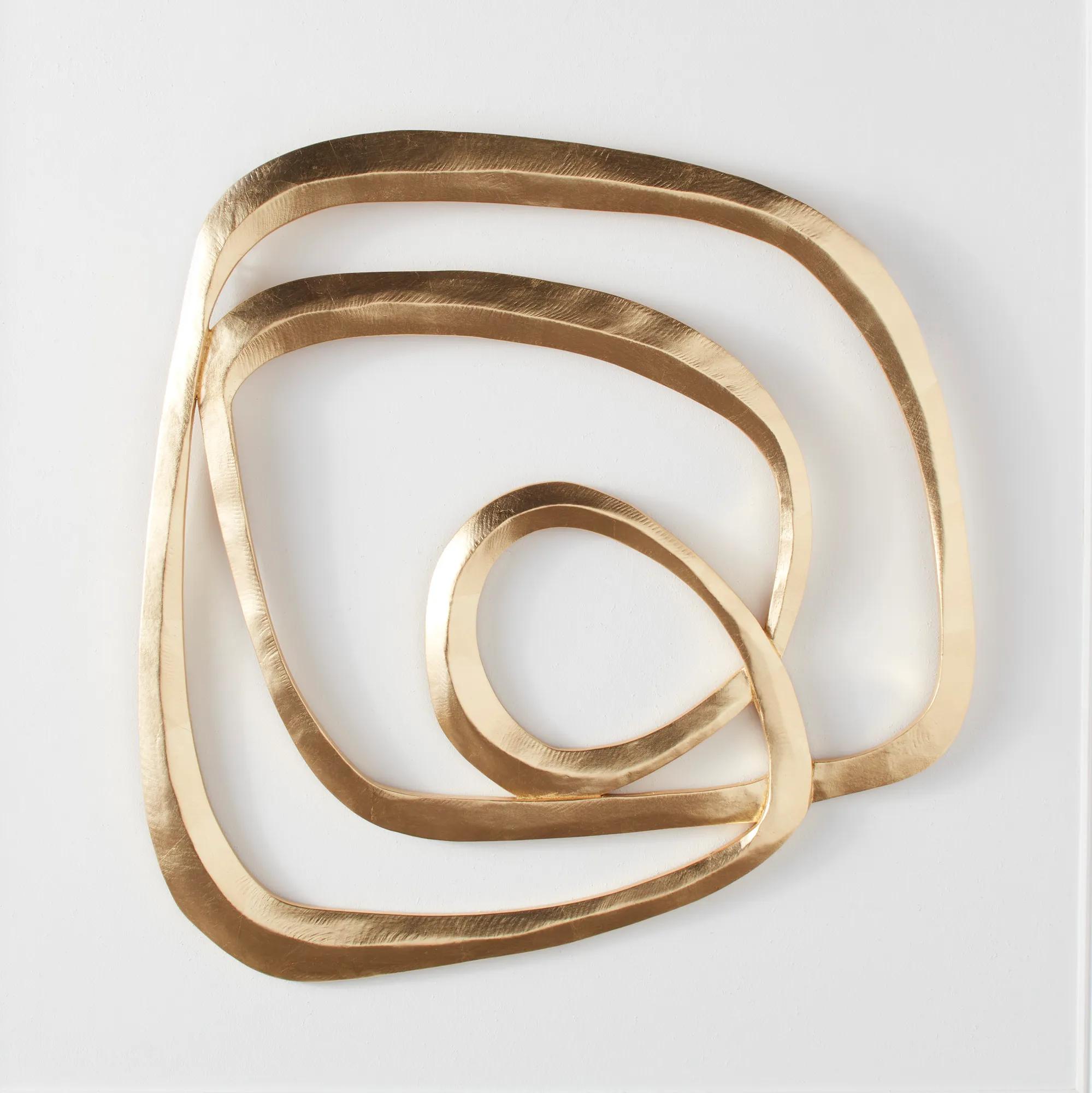 Infinity Gold Leaf Wood Wall Decor I 31.5" x 31.5"$299
A swirling wooden wall sculpture featuring a striking metallic gold finish for a bold decorative statement.
Add To Cart -
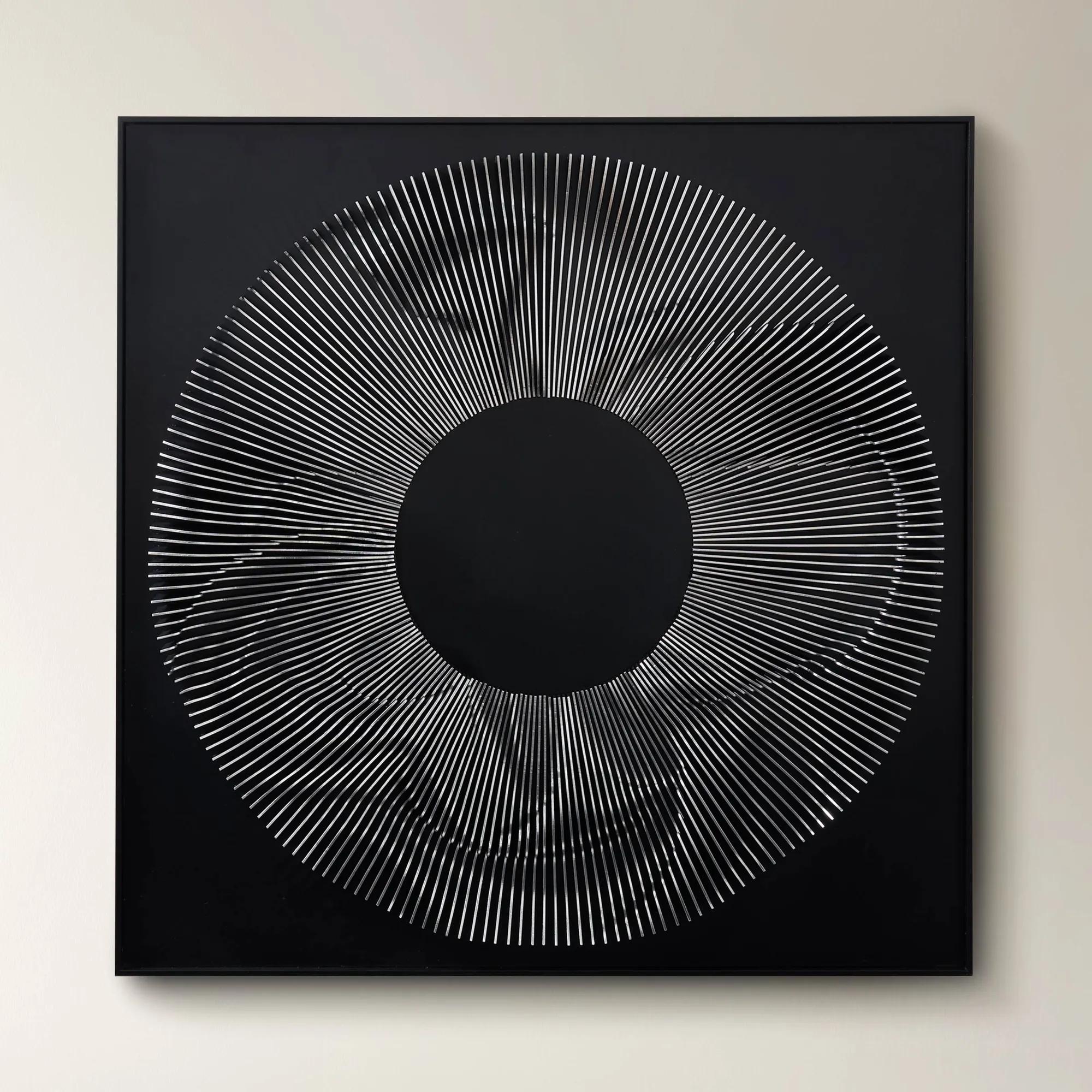 Efflorescence Wood Carving$799
A three-dimensional pine wood panel features a flowing carved motif in a striking silver finish.
Add To Cart -
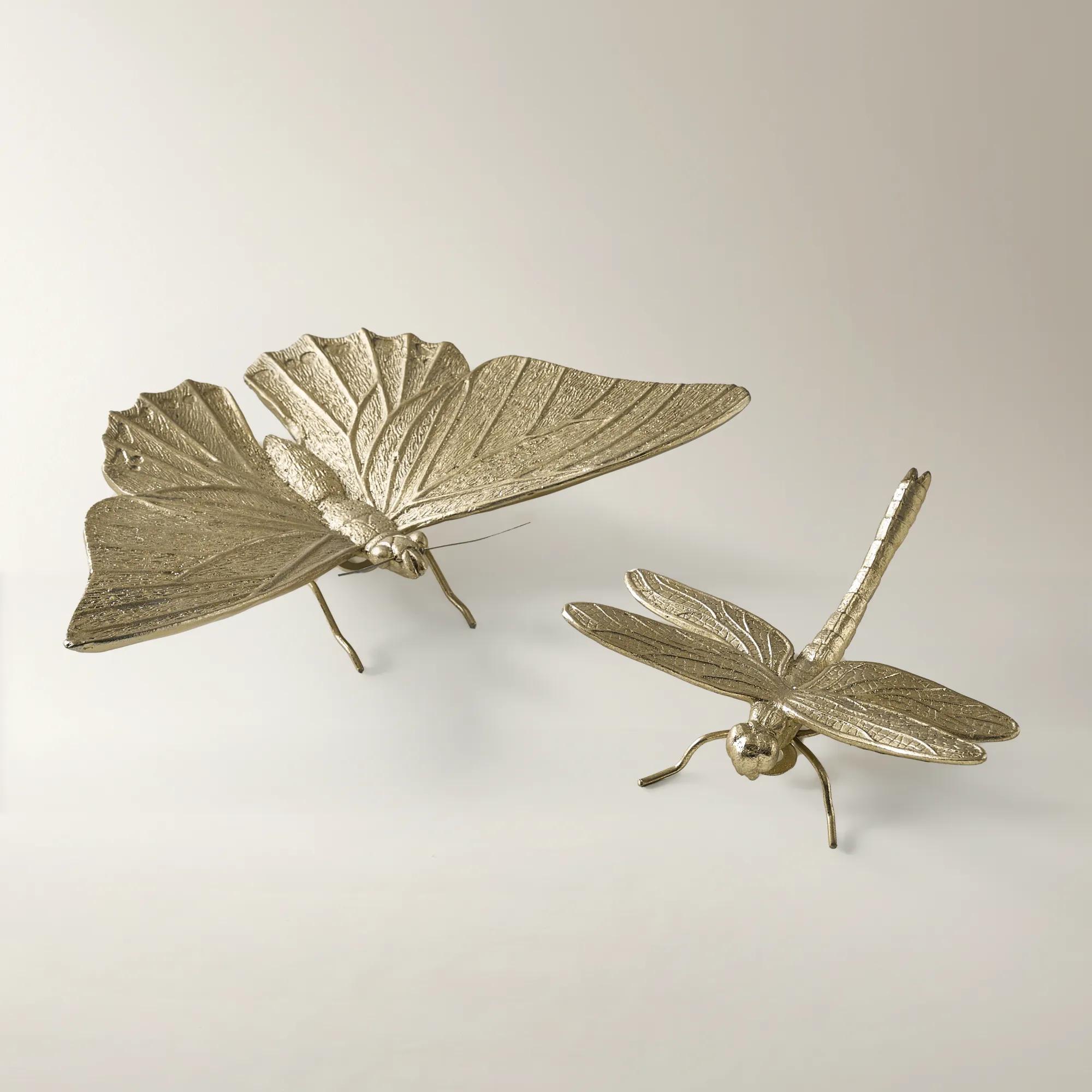 Gilt Champagne Resin Butterfly and Dragonfly Set of 2$99
A champagne-toned resin butterfly and dragonfly set adds sculptural shimmer to tabletops or walls.
Add To Cart -
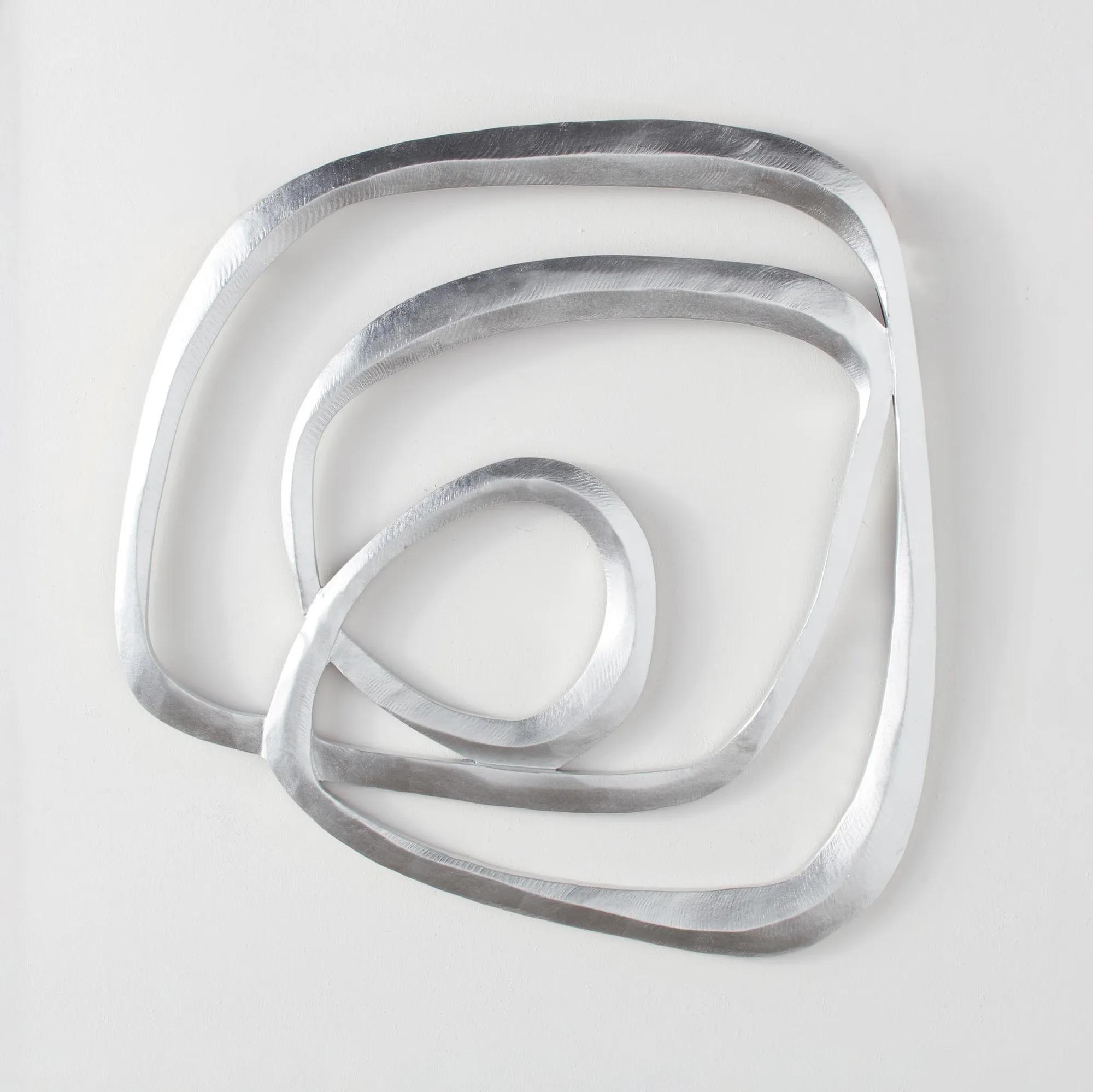 Infinity Silver Leaf Wood Wall Decor II 31.5" x 31.5"$299
A swirling wooden wall sculpture featuring a striking metallic silver finish for modern visual impact.
Add To Cart -
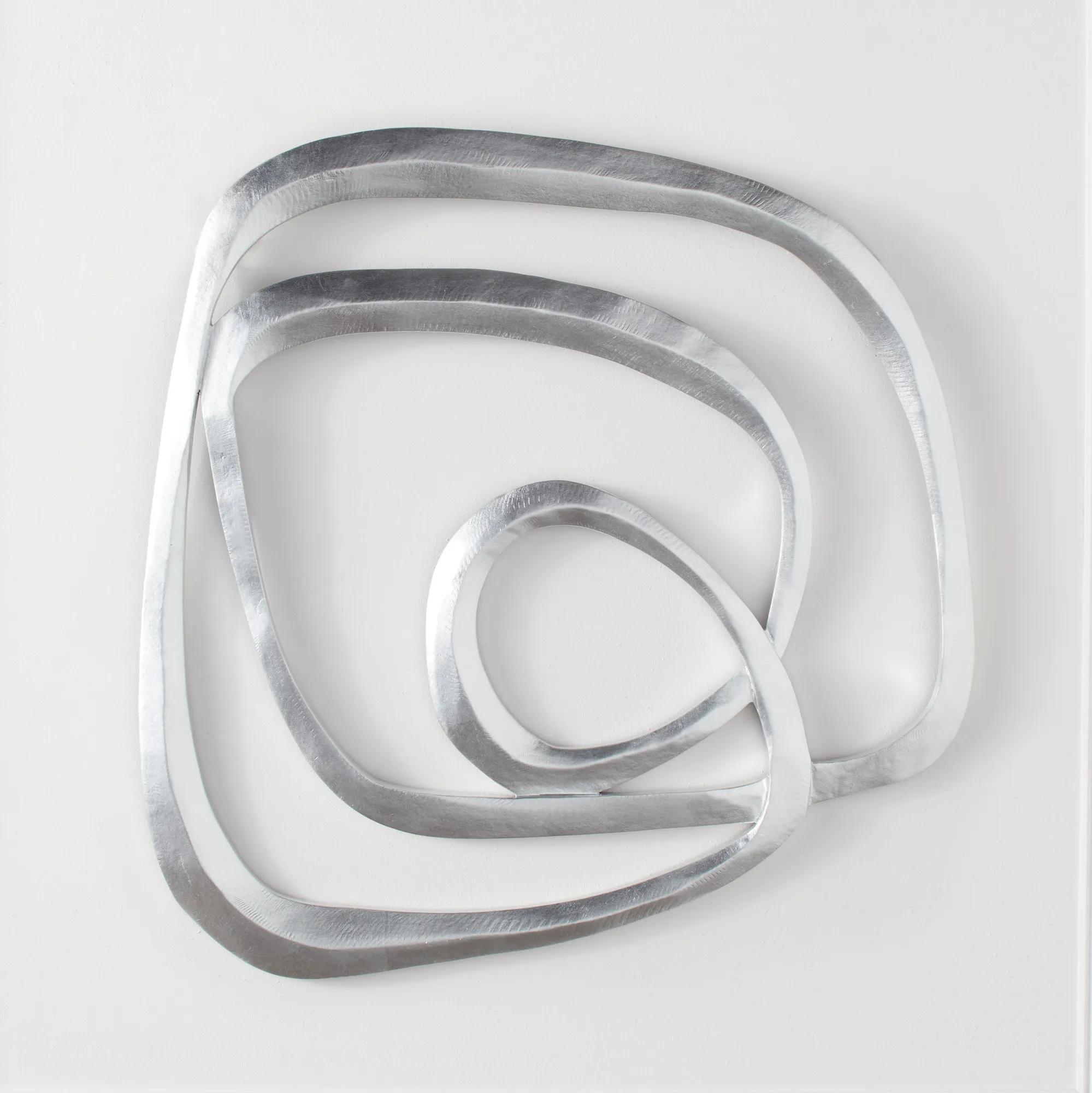 Infinity Silver Leaf Wood Wall Decor I 31.5" x 31.5"$299
A swirling wooden wall sculpture featuring a striking metallic silver finish for modern visual impact.
Add To Cart -
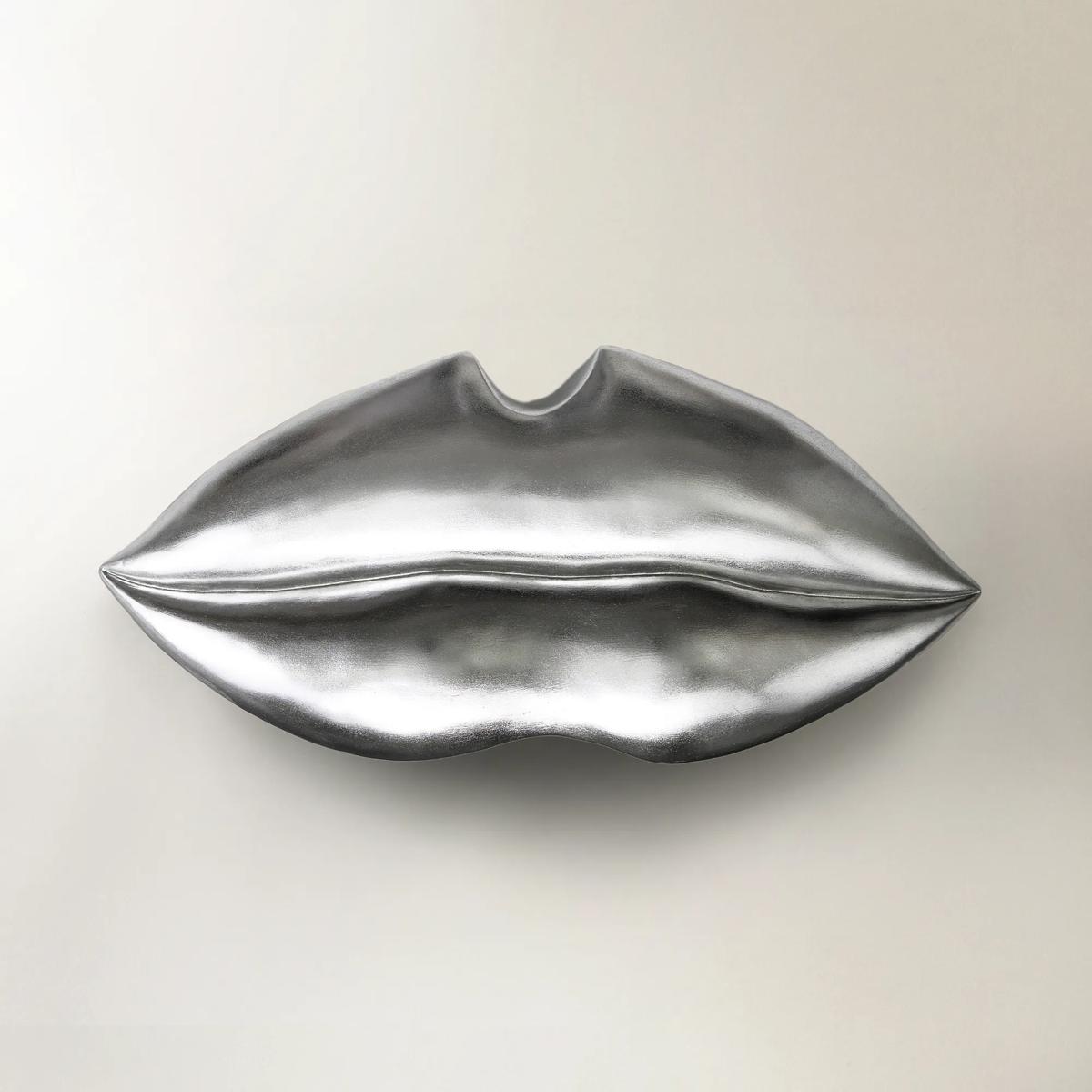 Grand Lips Silver Poly Resin Wall Decor 27.5" x 12.5"$99
A playful resin sculpture in sleek silver, perfect for adding modern flair to any space.
Add To Cart -
 Grand Lips Gold Poly Resin Wall Decor 27.5" x 12.5"$99
A playful resin sculpture in radiant gold, perfect for adding bold artistic flair to any space.
Add To Cart -
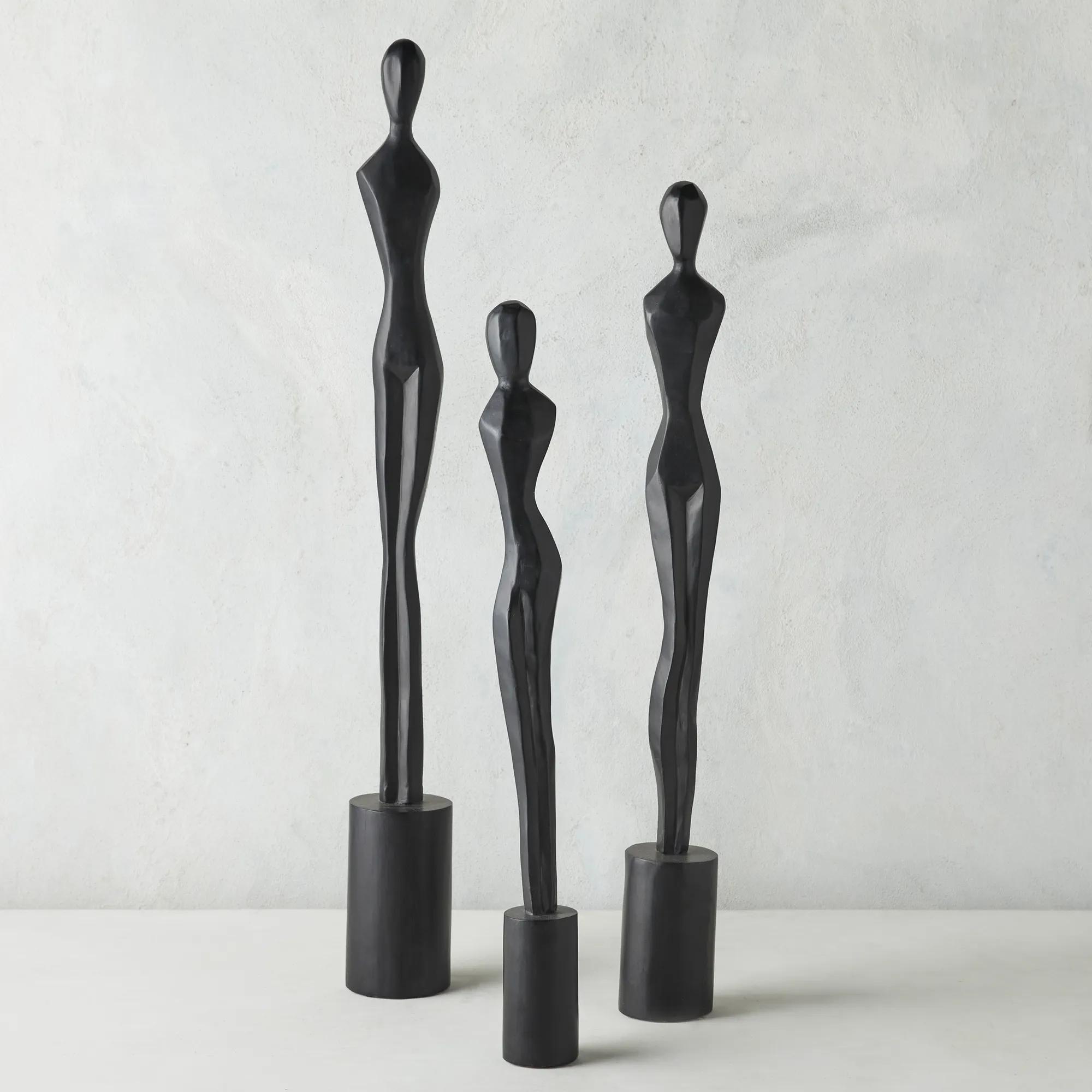
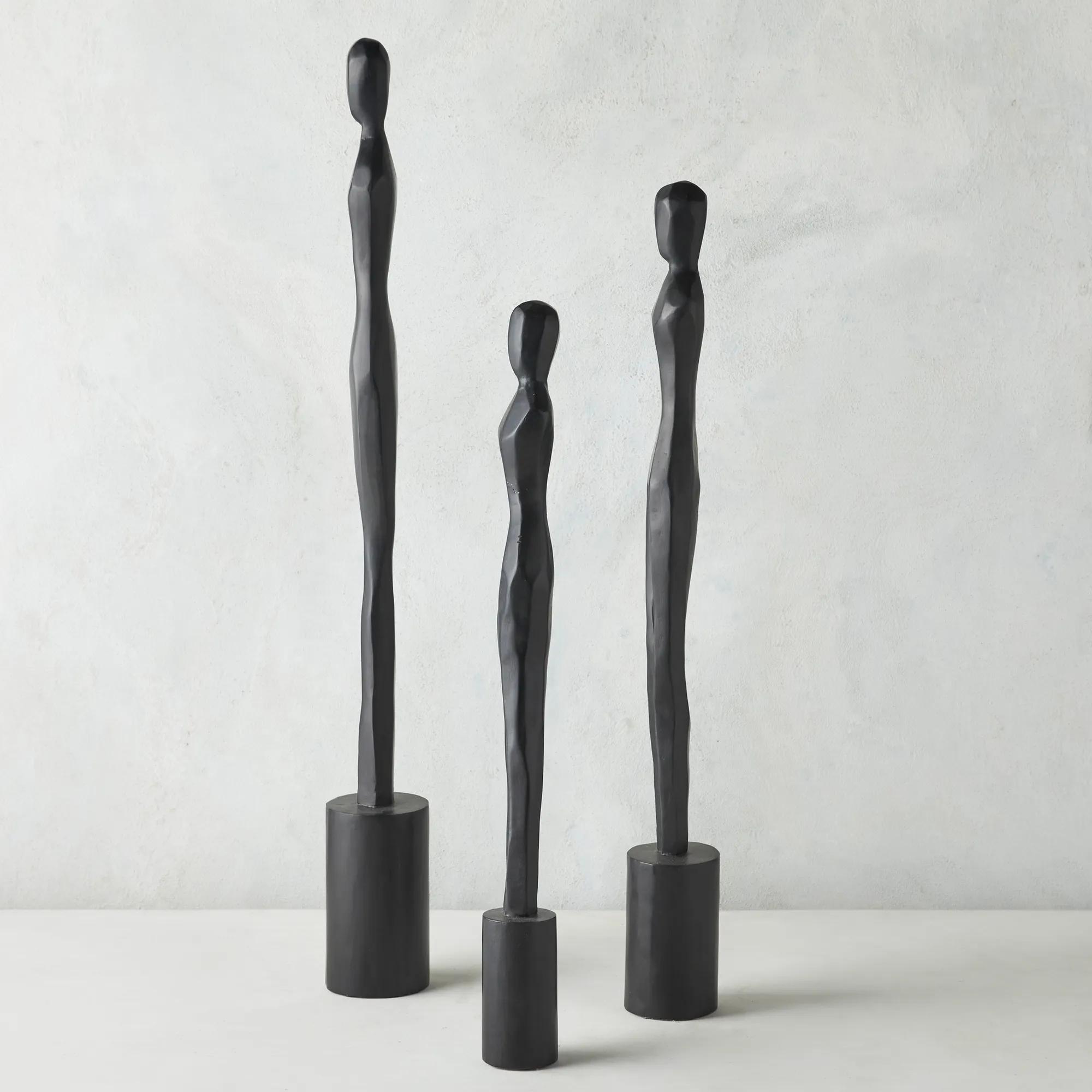 Nikki Chu Female Figure Black Wood Decorative Object Set of 3$129
A striking set of three black mango wood sculptures featuring graceful, elegant female silhouettes.
Add To Cart -
 Bella Champagne Draped Leather Wall Panel 50" x 40"$699
A sculptural wall panel featuring cascading black, champagne, and ivory leather over a fabric-wrapped MDF foundation.
Add To Cart -
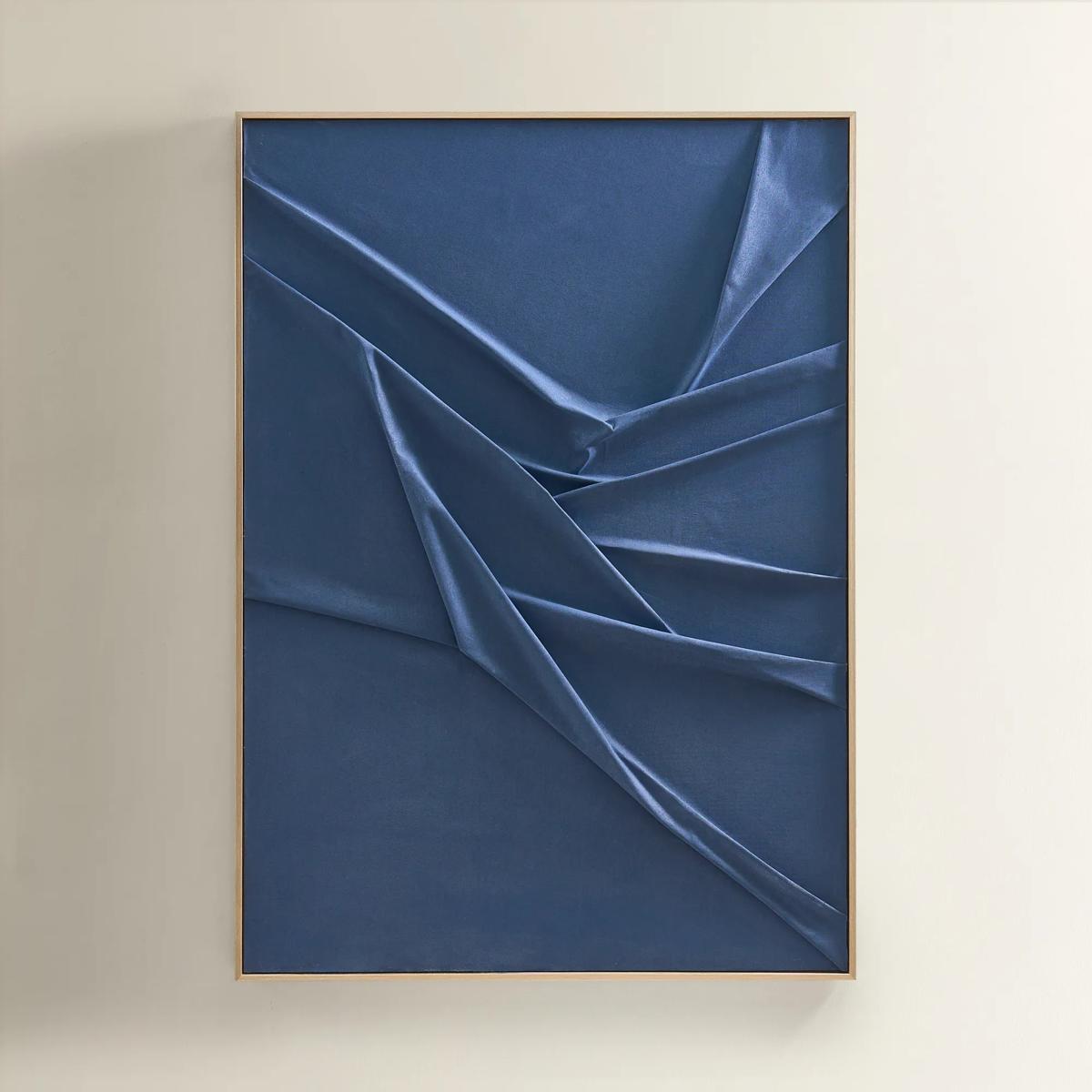 Deep Sea Painting$599
A hand-sculpted navy canvas with dimensional folds, framed in soft champagne for modern, serene elegance.
Add To Cart -
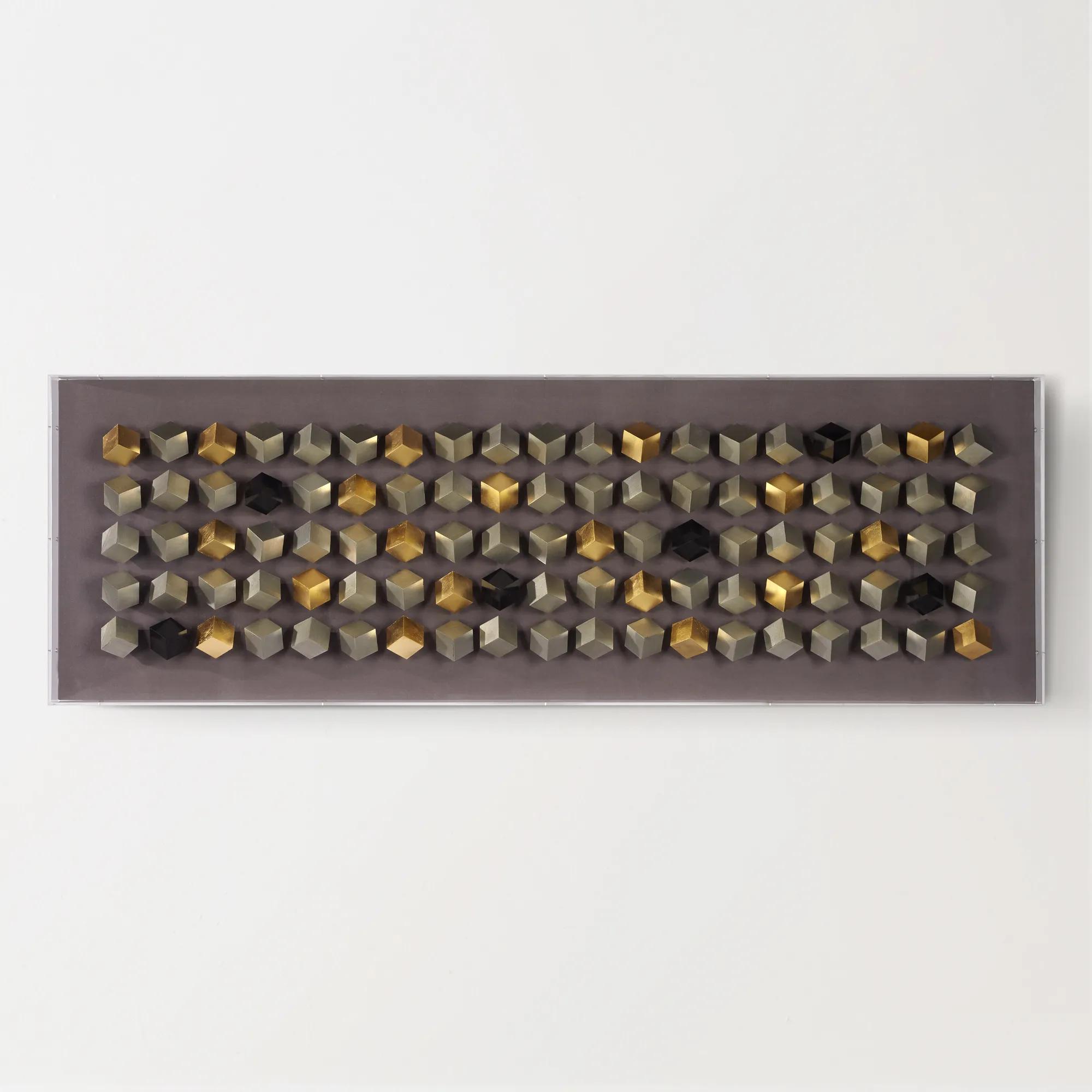
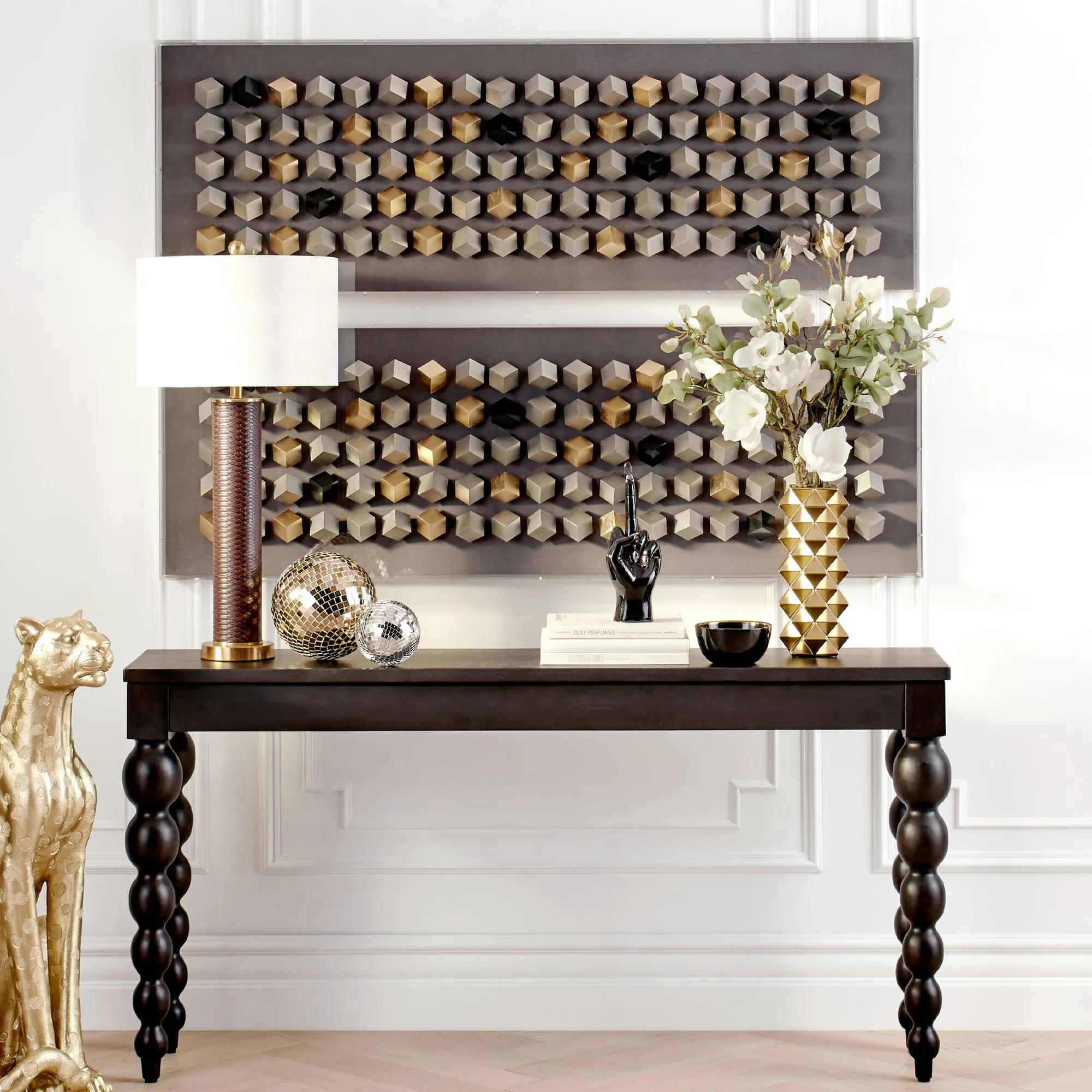 Cubic Array Dimensional Wall Decor in Acrylic 59" x 19.75"$599
A striking shadowbox wall art featuring a cubic, dimensional design with a tri-tone metallic finish.
Add To Cart -
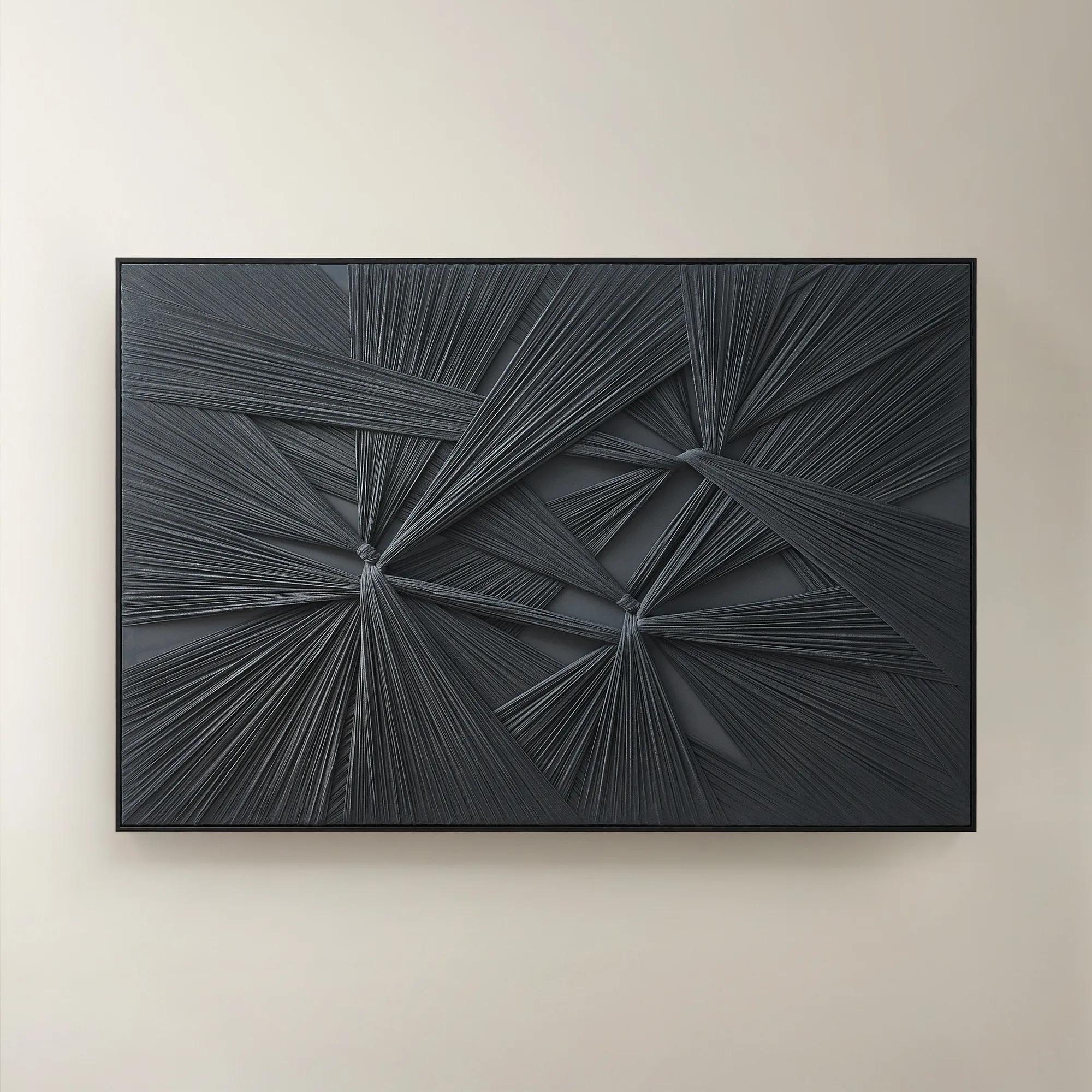 Grace in Dark Slate Hand-crafted Fabric Wall Art 70.75" x 47"$799
A hand-crafted textile wall art piece in dark slate, featuring sculptural texture and versatile display options.
Add To Cart -

 Baubles Turtledove Stainless Steel Wall Decor 39"$299
A sculptural stainless steel wall décor piece featuring an elegant turtledove finish.
Add To Cart -

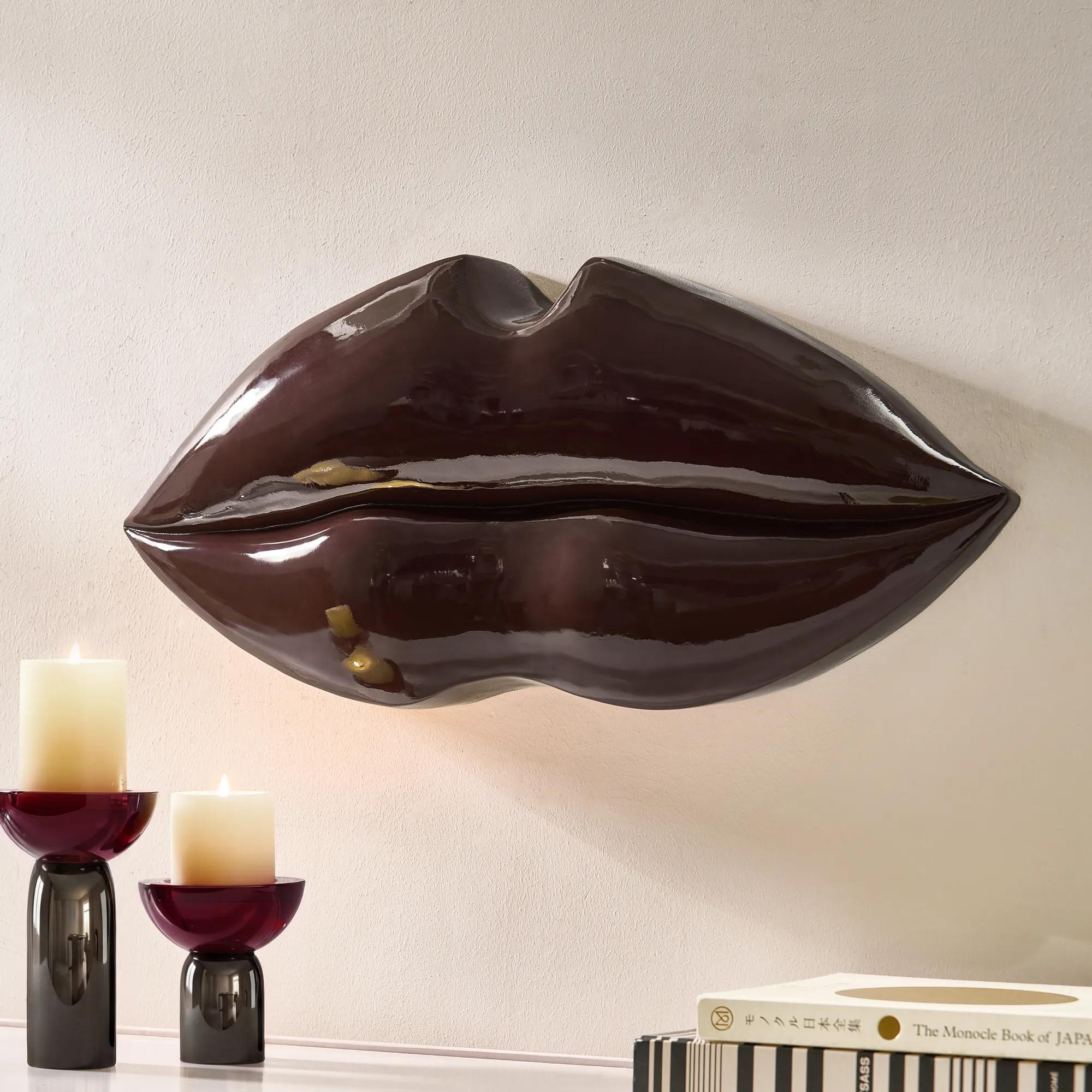 Grand Lips Fig Poly Resin High Gloss Wall Decor 27.5" x 12.5"$99
A bold polyresin wall sculpture in a rich fig hue, featuring an oversized, sculptural lips design.
Add To Cart -
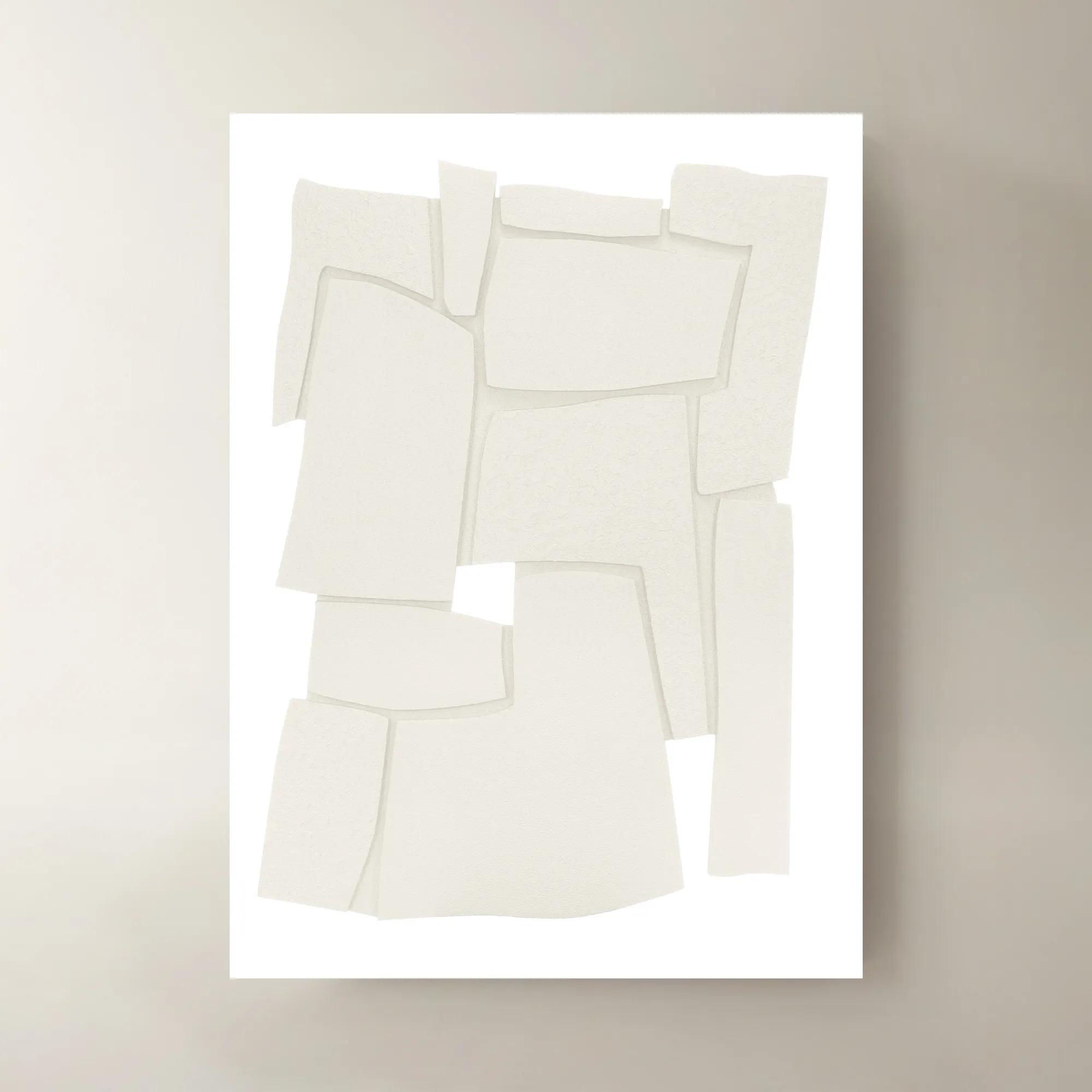
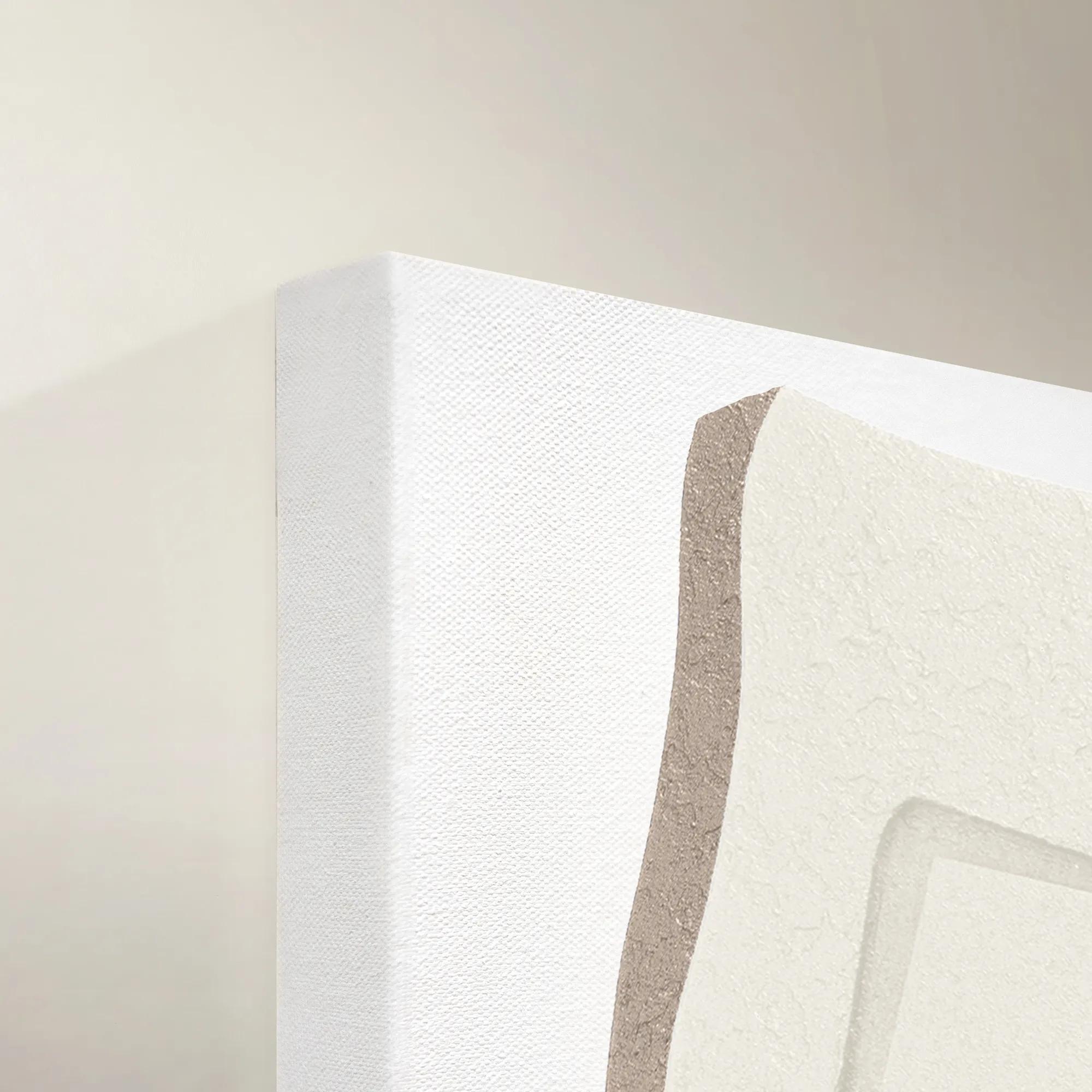 Wonder Maze III Wall Art 40" x 55"$1699
A contemporary canvas wall art piece featuring an intriguing abstract maze-inspired design.
Add To Cart -
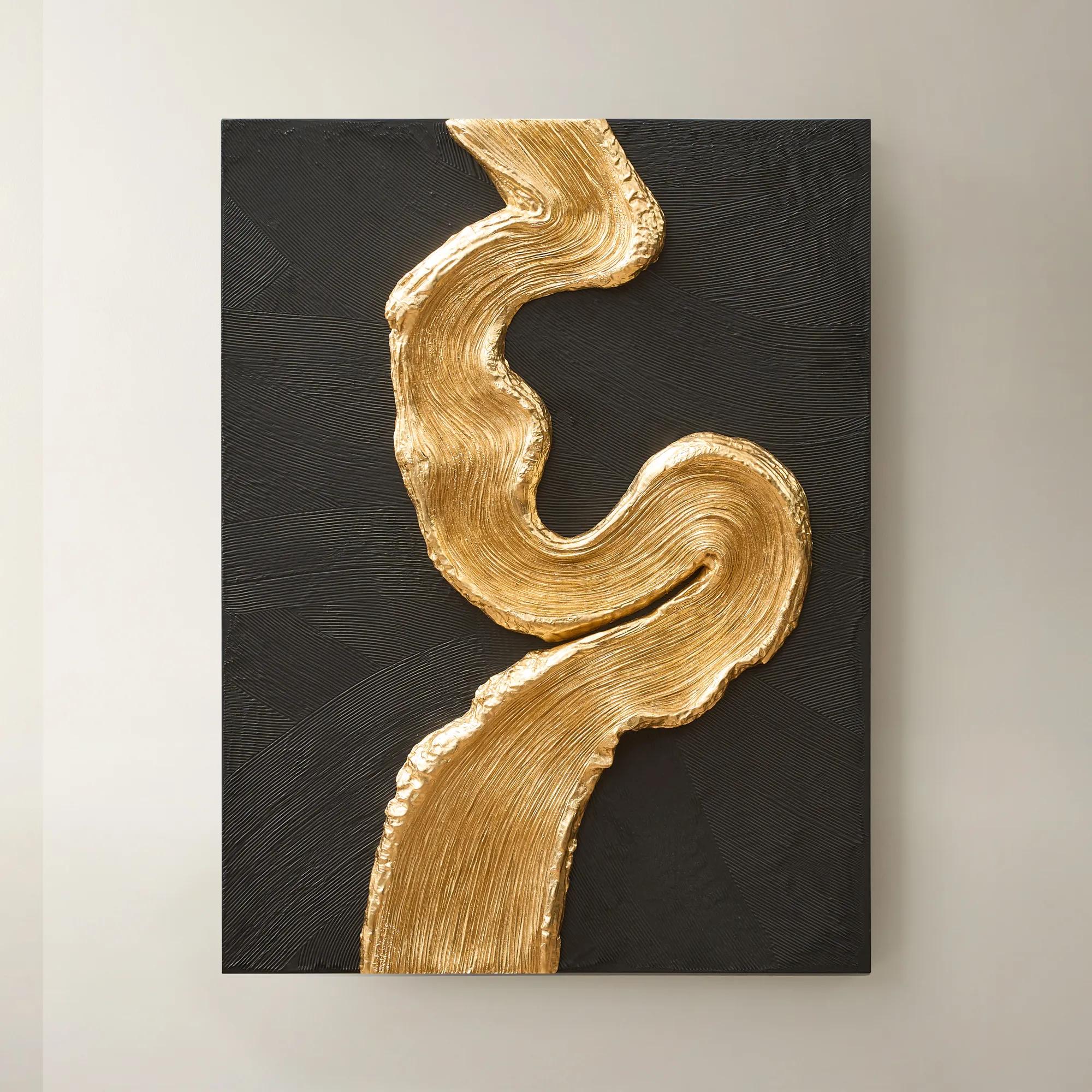
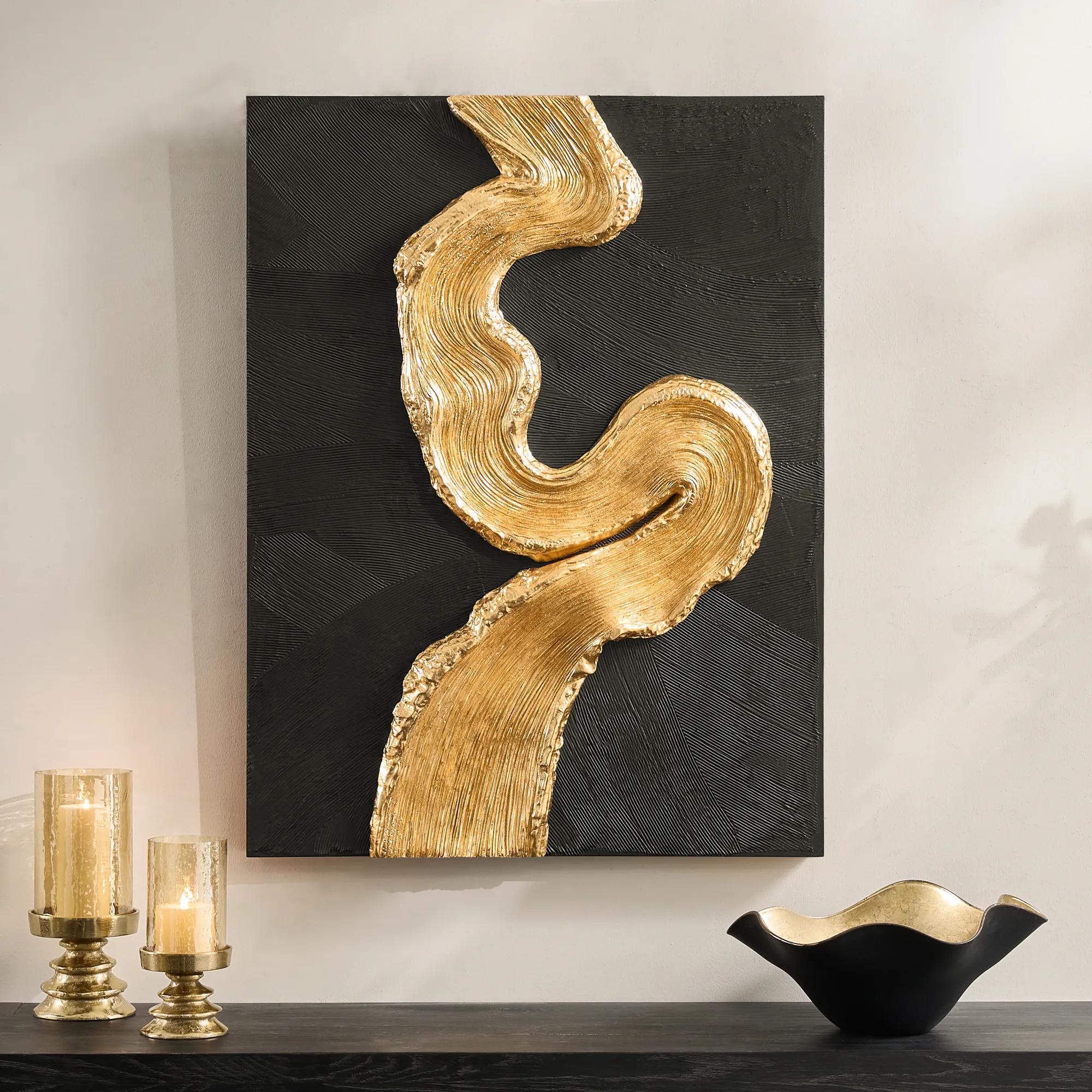 Gold Impasto Sculpted Resin Wall Panel 30" x 40"$499
A sculpted fiberglass resin wall panel featuring gold leaf detail and bold impasto texture on a black backdrop.
Add To Cart -
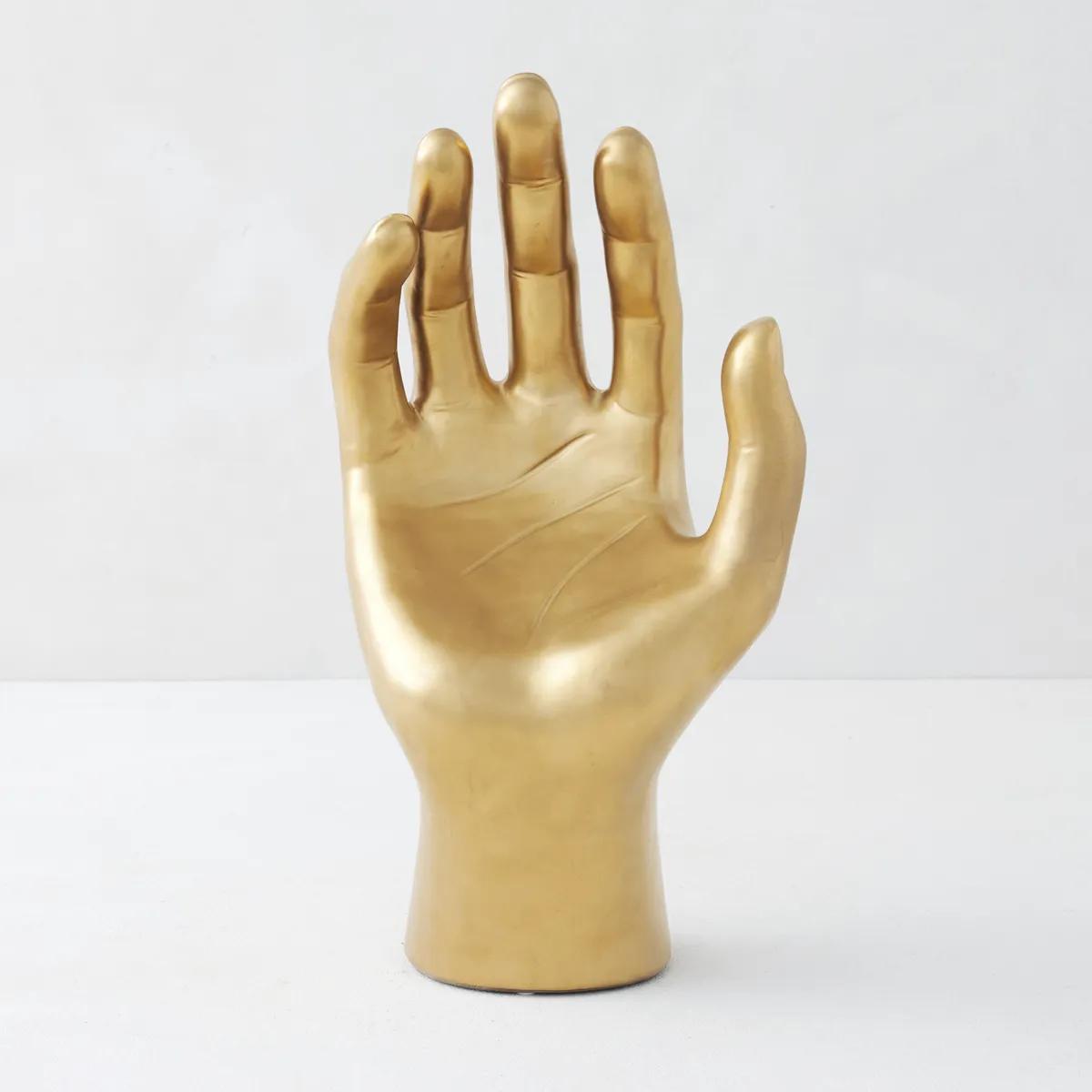
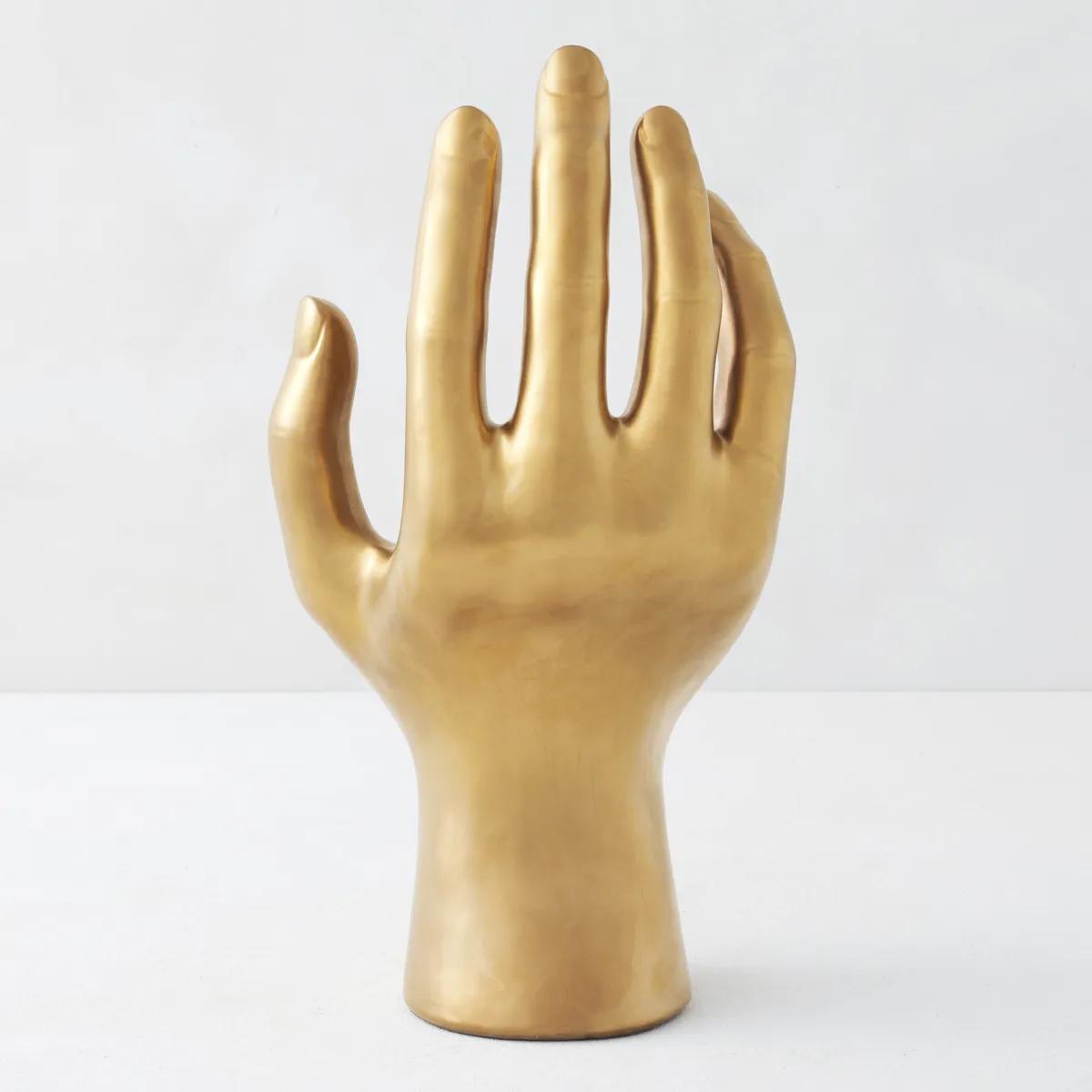 Ceramic Hand Metallic Gold Decorative Object 17.75"$69
A striking ceramic sculpture with a metallic gold finish, perfect for displaying jewelry or as decor.
Add To Cart -

 Oversized Cherries Black And Gold Resin Aluminum Decorative Object 17"$150
A striking gold and black aluminum accent piece that adds glamour and sophistication to any décor.
Add To Cart -
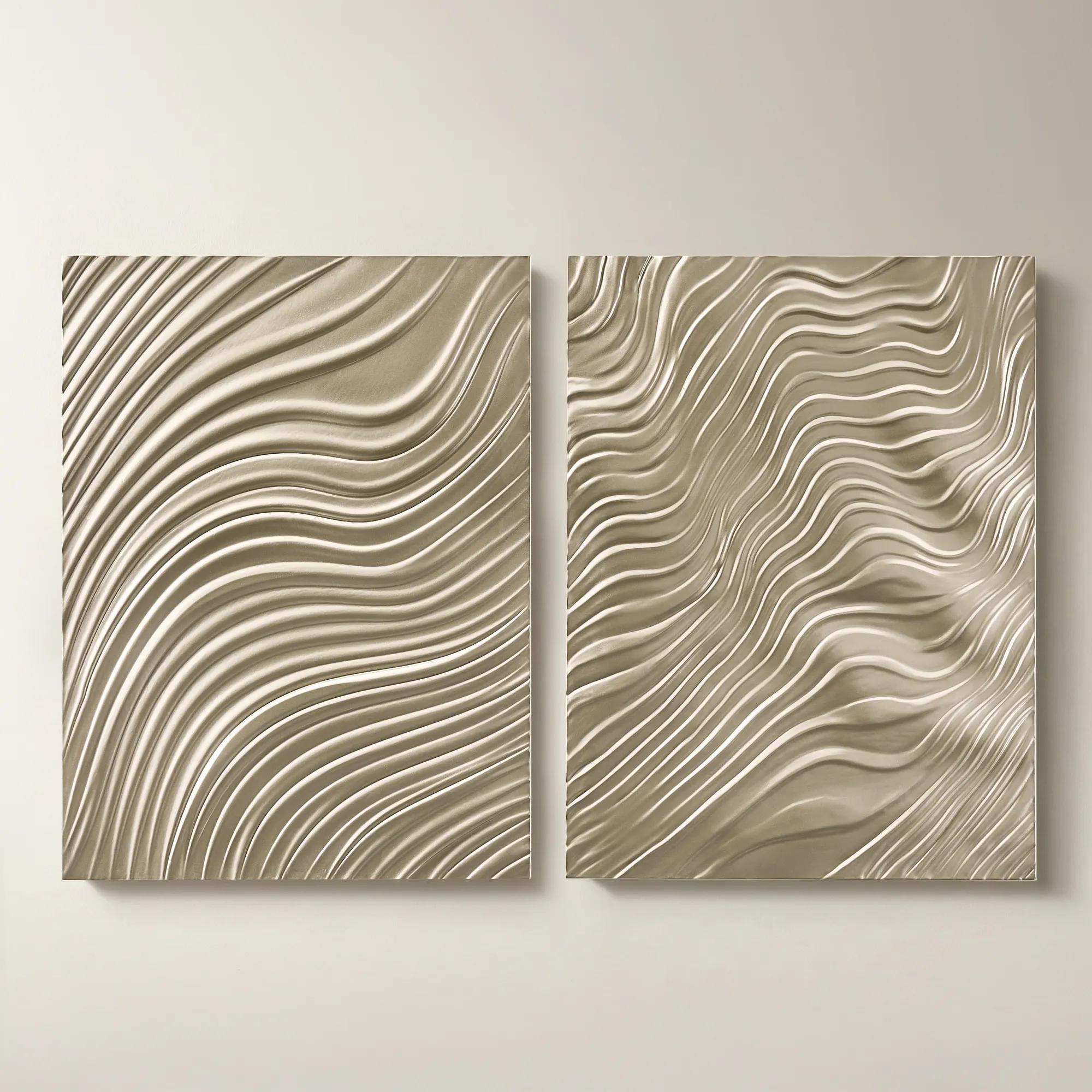
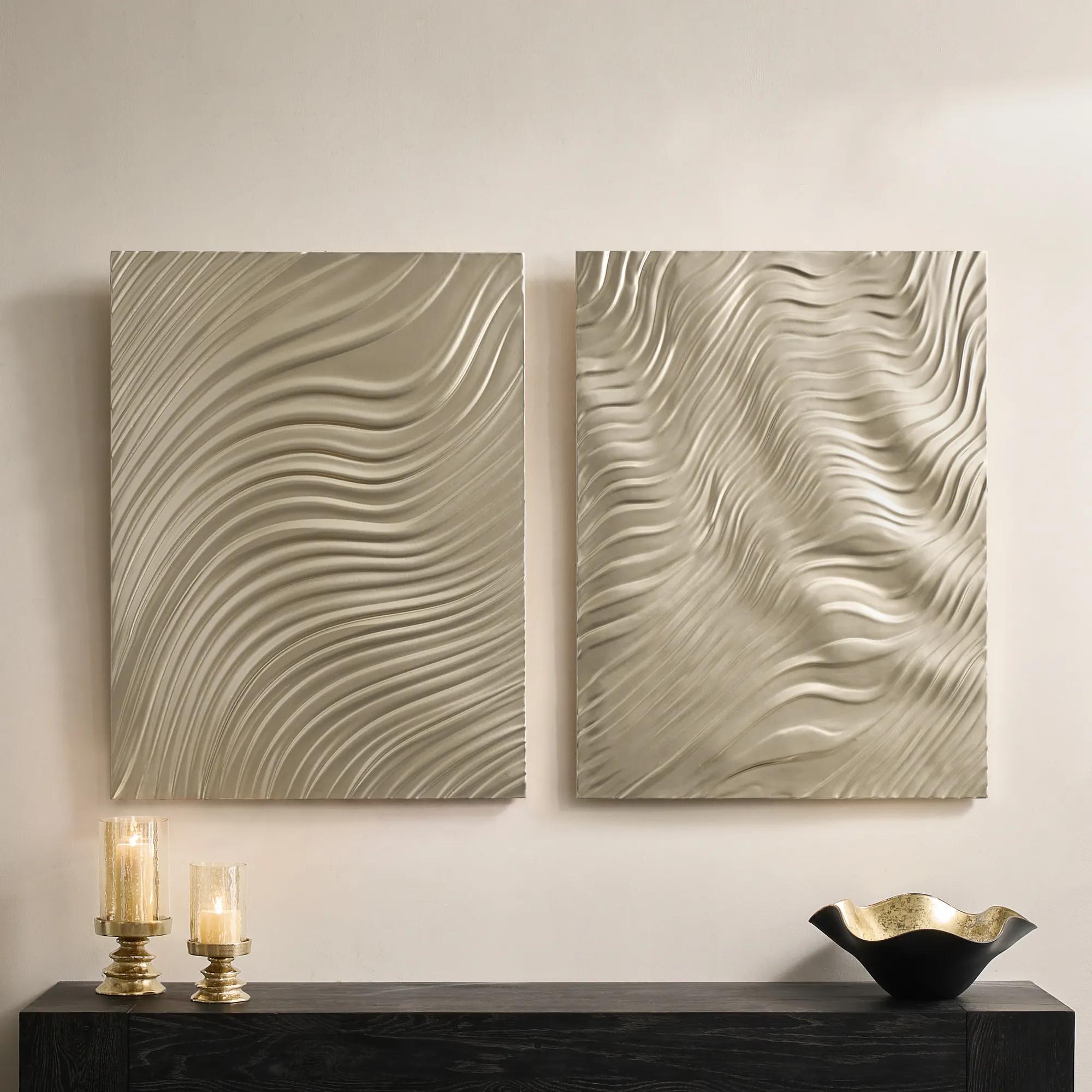 Mirage Champagne Carved Wood Wall Panels 30" x 40" Set of 2$799
A set of two intricately carved wood composite panels in a champagne finish with flowing 3D patterns.
Add To Cart

Large Decorative Wall Sculptures
Large decorative wall sculptures are the ultimate invitation to transform blank walls into extraordinary works of art. Each piece commands attention, orchestrating a sense of grandeur and intrigue that instantly elevates your space from ordinary to unforgettable. With sweeping silhouettes, dimensional artistry, and captivating textures, these statement pieces bring depth and drama to every room they grace. Let your walls become a gallery of self-expression—where every glance reveals a new facet of luxury and imagination. Discover how large decorative wall sculptures can turn your home into a living masterpiece, brimming with personality and allure.
Large decorative wall sculptures bring dimension, texture, and architectural presence to an interior, extending beyond the flat surface of a painting or print. These substantial pieces turn an open wall into a composition of shapes, shadows, and reflected light. Some stretch horizontally above a sofa or console; others rise vertically through a narrow space or gather into an expansive arrangement of interconnected forms. Their impact comes as much from the space between elements as from the sculpture itself. An open metal composition lets the wall color become part of the artwork, while a solid relief creates a more concentrated focal point. Abstract curves, botanical silhouettes, radiating patterns, and geometric structures each establish a distinct mood, from fluid and expressive to crisp and architectural. Materials deepen that character. Metal can support slender lines, folded surfaces, and dramatic cutouts, with polished finishes catching light and brushed or matte finishes offering a quieter sheen. Wood introduces visible grain and carved depth, bringing an organic counterpoint to glass, lacquer, or upholstered furniture. Resin and composite materials can capture intricate detail or the appearance of carved stone, though weight and surface characteristics vary by construction. Mixed-material designs create another layer of contrast, particularly when reflective accents meet textured or softly finished surfaces. A gold-toned sculpture against a deep charcoal wall feels richly theatrical; pale sculptural forms against a similar wall color reveal themselves more subtly through shadow. Neither approach needs a crowded setting. The dimensional quality supplies its own visual complexity, giving a room substance without requiring an assortment of smaller decorations. For interiors built around sumptuous fabrics, sculptural furniture, or expressive color, large wall sculptures offer a compelling connection between those elements. In more restrained rooms, a single generous composition can introduce the artistic tension that makes the space feel personal rather than merely coordinated. The result is artwork experienced not only as an image, but as an object with depth, edges, and a changing relationship to light.
Scale gives large sculptural wall decor its authority, but the relationship to surrounding furniture determines whether that scale feels intentional. Above a sofa, a composition spanning roughly two-thirds to three-quarters of the furniture’s width often feels balanced, although an airy framework may need more breadth than a dense relief to achieve a similar presence. A 60-inch-wide sculpture, for example, can establish a substantial focal point above an 84-inch sofa without matching it edge to edge. The complete installed dimensions matter, especially for arrangements made from separate components: generous spacing can expand the overall footprint well beyond the measurements of the individual sections. Projection deserves equal attention. Deeply curved petals, layered discs, and extended branches create striking shadows, but they also reach into the room. Over a console, that depth can feel gallery-like; beside a frequently used passage, a shallower profile may be more comfortable. Entryways benefit from a clearly defined focal point that greets guests without interfering with doors or circulation. Dining rooms offer an especially expressive setting, where sculptural metal can echo the finish of a chandelier without repeating its shape. In a bedroom, softer contours and less reflective finishes can create a composed backdrop, provided the placement allows comfortable clearance and secure installation. Tall walls may accommodate a vertical design, while a broad wall usually benefits from a composition that carries the eye across the space. For an interior that combines dimensional work with framed imagery, Large Wall Art Pieces offer another way to establish scale while allowing the sculpture to remain the tactile focal point. Lighting completes the relationship. A nearby lamp or carefully positioned accent light can reveal folds and recesses that disappear under flat illumination. Highly polished surfaces need particular consideration near windows or exposed bulbs, where reflections may become distracting. Enough open wall around the edges allows the silhouette to remain legible, preserving the contrast between the artwork and its setting.
Lasting enjoyment depends on choosing a sculpture whose materials, construction, and care requirements suit the room as well as its aesthetic. Large does not necessarily mean heavy: an open framework can be lighter than a compact, solid relief, so listed weight and mounting instructions are more useful than appearance alone. Wall construction, attachment points, and hardware ratings all affect a secure installation. Anchors or fasteners should be appropriate for the wall material and the sculpture’s weight, and substantial or multipart installations may call for professional assistance. An elongated design should only be hung in an alternate orientation when its mounting system permits it. These practical details protect both the artwork and the experience of living with it, particularly near seating, sleeping areas, or busy household routes. Everyday care is generally about preserving the finish rather than polishing it to a different sheen. A soft, dry cloth or gentle dusting brush can help lift dust from accessible surfaces and recesses; cleaning products, water, and abrasive materials should be used only when the manufacturer’s instructions allow them. Delicate extensions need a light touch, and the sculpture should never be lifted by decorative tips or thin connecting elements. Wood may respond to moisture and prolonged direct sunlight, while metal finishes can scratch, tarnish, or corrode depending on their composition and protective coating. Indoor decorative artwork should not be assumed suitable for bathrooms, covered patios, or other humid settings without an explicit rating for that use. For households with children or pets, secure placement and consideration of sharp edges or reachable projections matter alongside visual appeal. Large decorative wall sculptures are especially suited to people who collect expressive objects, appreciate dimensional art, or want one substantial focal point rather than a dense gallery arrangement. They can also make meaningful housewarming or wedding gifts when the recipient’s taste, wall space, and installation preferences are known. With those details considered, a sculpture becomes more than an accent: it gives an interior a distinctive silhouette and an unmistakably individual point of view.
FAQs
Large decorative wall sculptures are remarkably versatile and can enhance a range of interior styles, from contemporary and modern glam to eclectic and transitional spaces. For a dramatic, gallery-inspired look, pair bold metallic or abstract pieces with minimalist furnishings. Nature-inspired or organic designs bring warmth and serenity to bohemian or rustic interiors, while geometric or mirrored sculptures add sophistication to art deco and urban settings.
A large wall sculpture can serve as a striking focal point among framed art, prints, or smaller decorative objects. For a cohesive display, echo colors or materials from your sculpture in other pieces nearby. Consider creating a layered gallery wall, mixing two-dimensional art with a three-dimensional sculpture to add depth and intrigue. The key is to balance visual weight and let your sculpture anchor the arrangement.
Absolutely—large decorative wall sculptures make unforgettable gifts for housewarmings, weddings, anniversaries, or milestone celebrations. They are ideal for recipients who appreciate artistry, bold design, and unique home accents. When gifting, consider the recipient’s personal style and the color palette of their home to ensure your selection feels both thoughtful and transformative.
To achieve visual harmony, echo elements of your sculpture—such as color, material, or motif—in your room’s textiles, lighting, or accessories. For example, a gold-toned sculpture pairs beautifully with brass lighting or velvet cushions in complementary hues. Maintain balance by allowing your sculpture to stand out, keeping nearby furnishings streamlined and letting the art command attention.
Yes, large wall sculptures can bring unexpected drama to spaces beyond living rooms and dining areas. Consider placing one in an entryway to create an unforgettable first impression, in a bedroom above the headboard for a luxe retreat, or even in a home office to inspire creativity. These pieces thrive wherever you wish to make a bold, artistic statement.