White Washed Wood Display Pieces
White Washed Wood Display Pieces
-
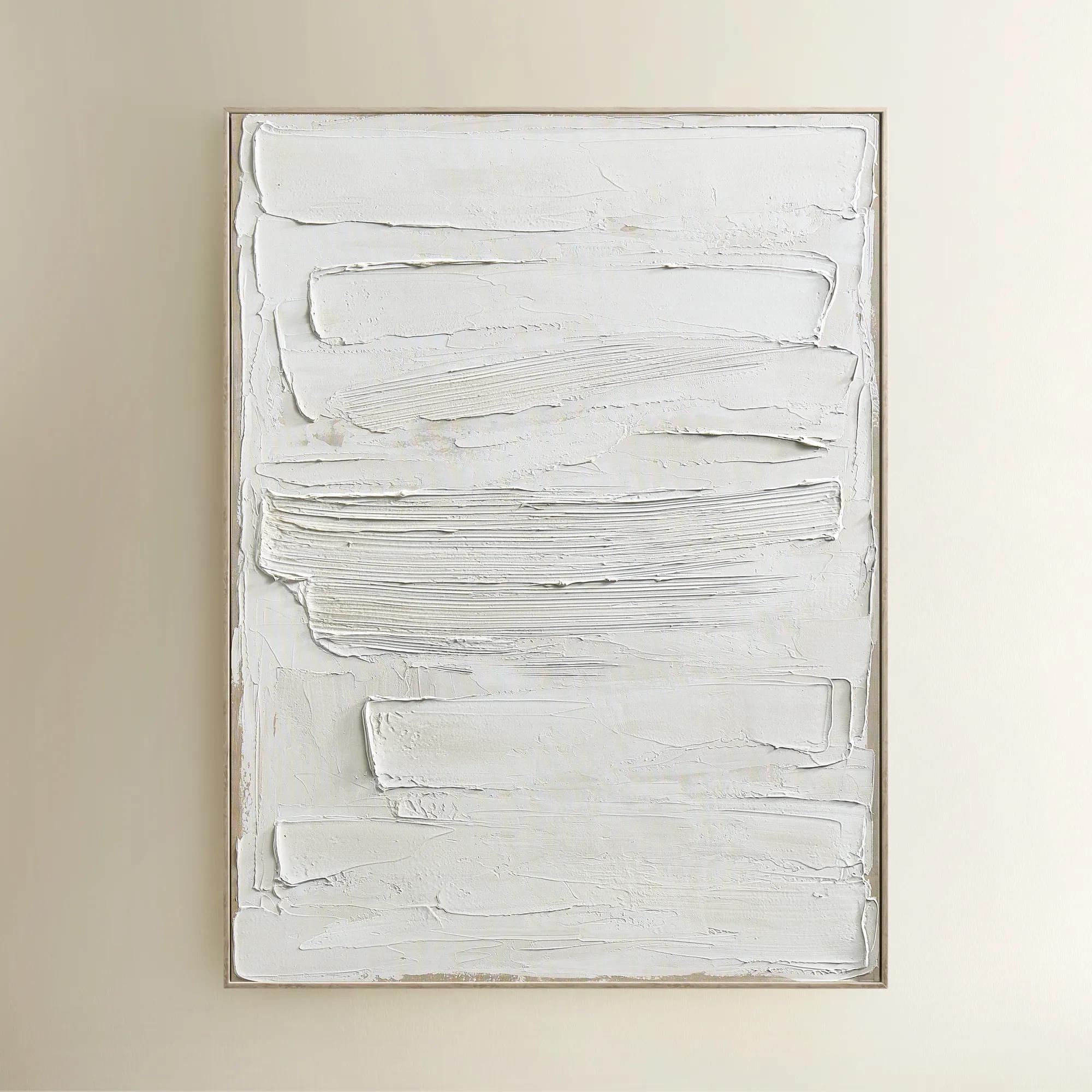
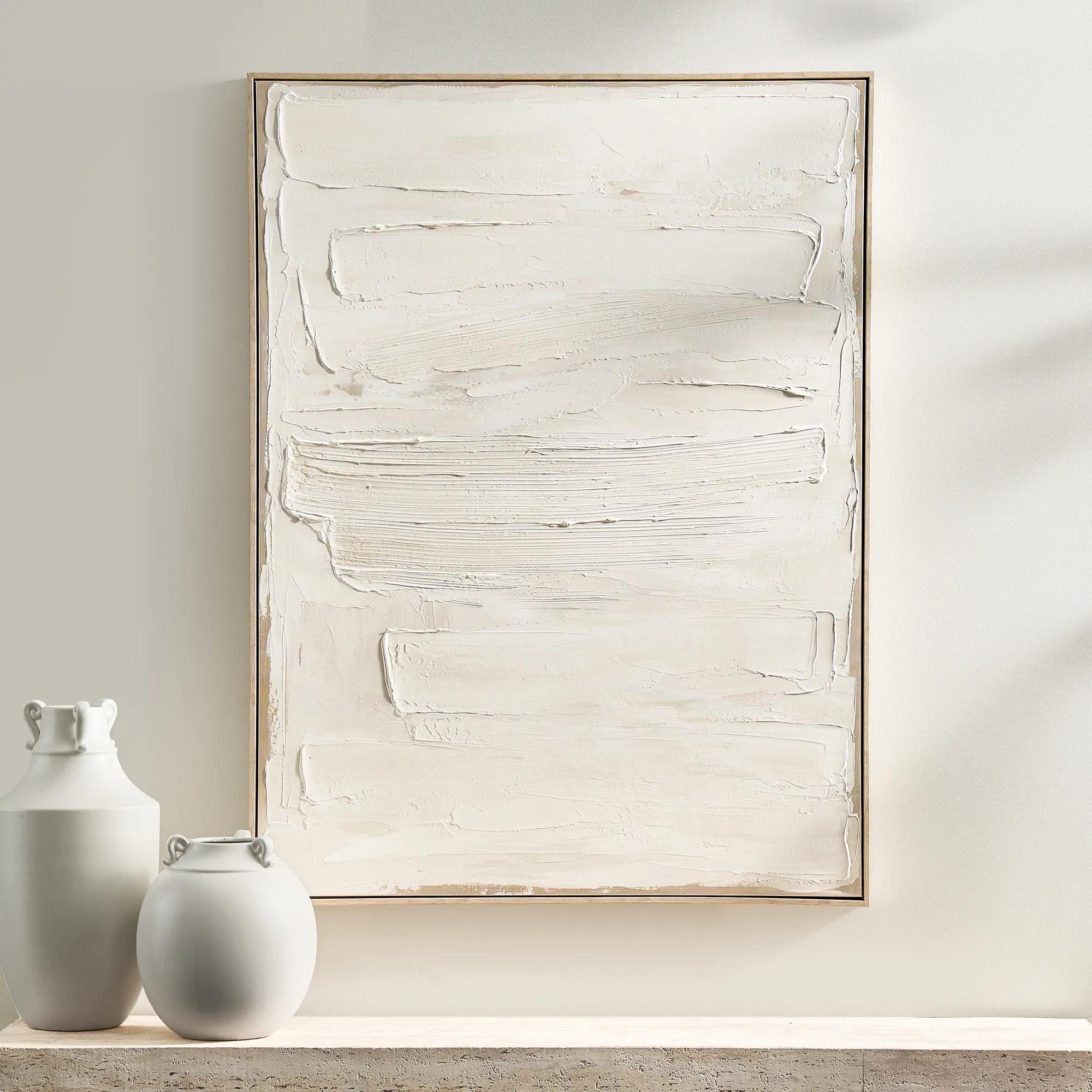 Monotype Canvas 1$399
A hand-painted abstract canvas featuring layered white tones and textured paint in a whitewashed wood frame.
Add To Cart -

 Stria Reeded White Oak Open Bookcase (80")$2699
A modern open bookcase featuring vertical reeded white oak, soft gold metal trim, and five spacious shelves.
Add To Cart -
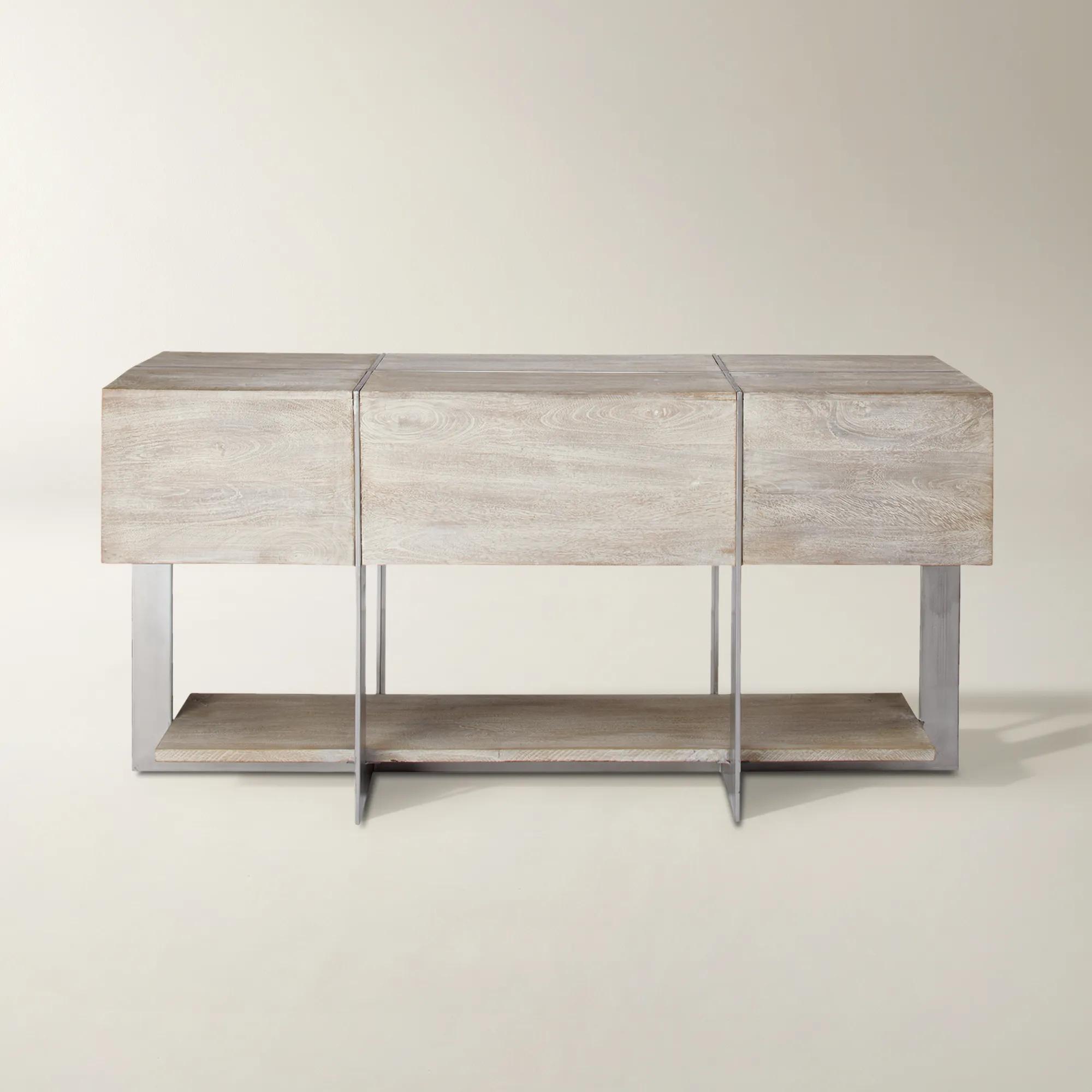
 Clifton Rectangular Natural Mango Wood Console Table (60")$1399
A handcrafted mango wood console table with a whitewashed finish and antiqued silver iron legs.
Add To Cart -
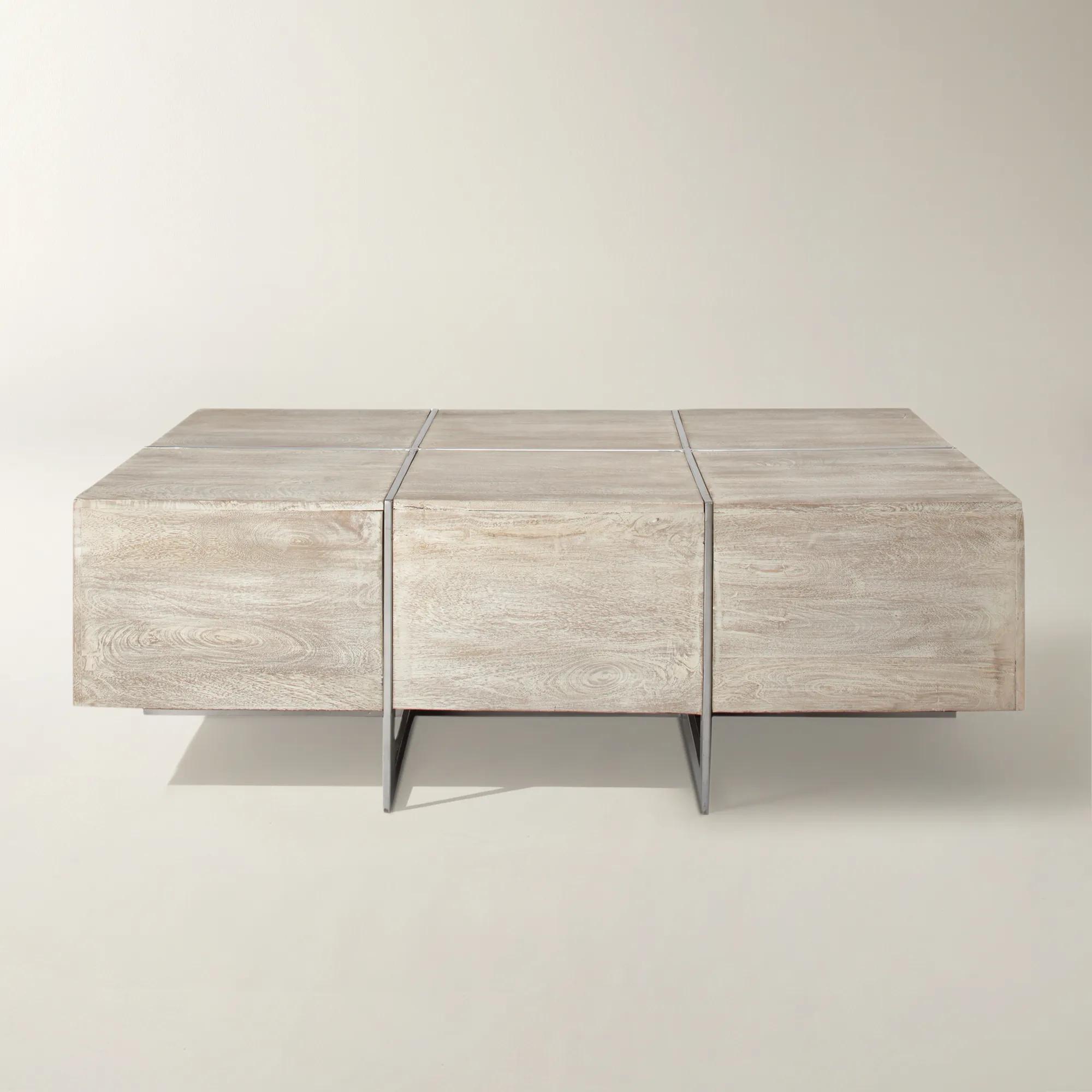
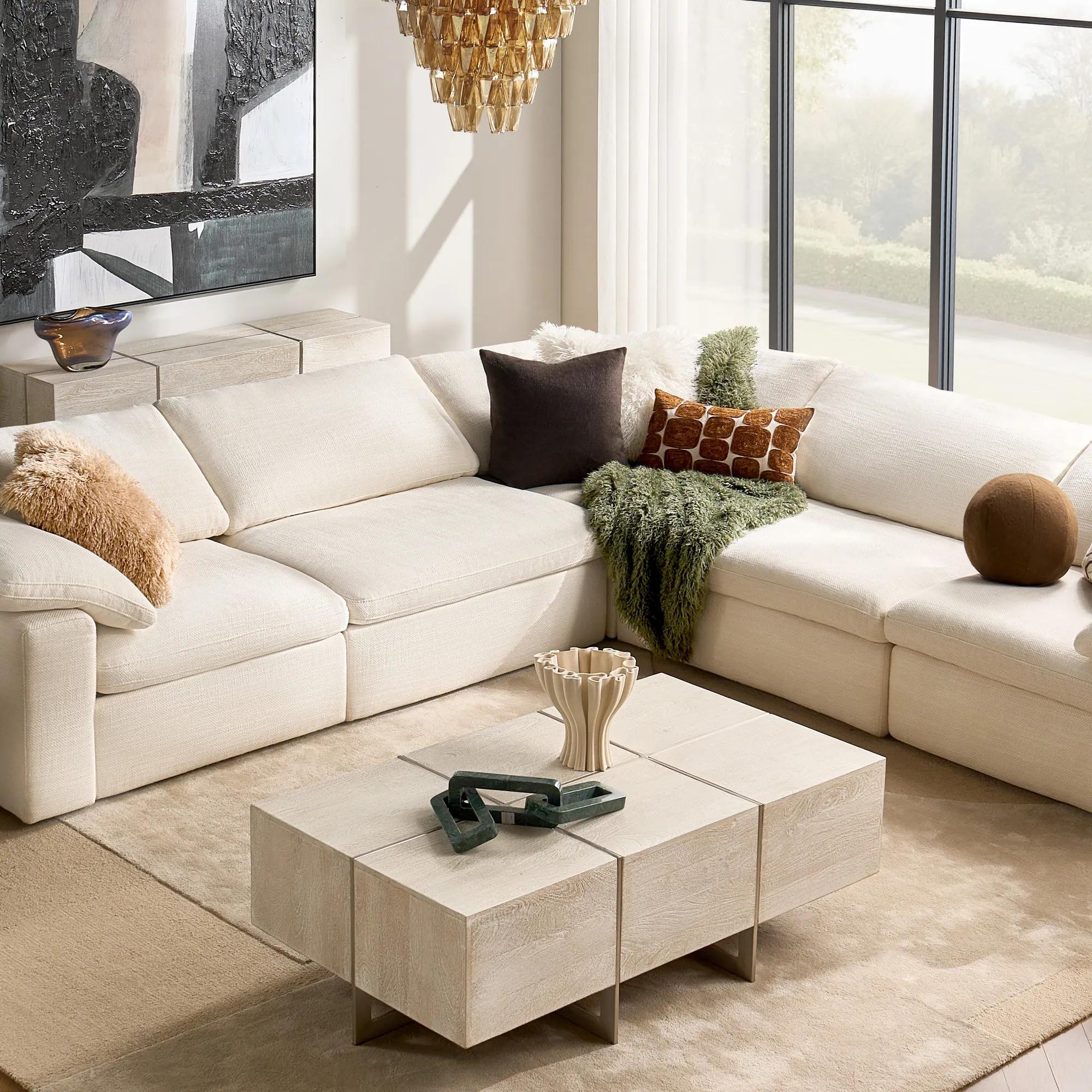 Clifton Rectangular Natural Mango Wood Coffee Table (54")$1299
A handcrafted mango wood table with a whitewashed finish and antiqued silver iron legs for organic appeal.
Add To Cart -
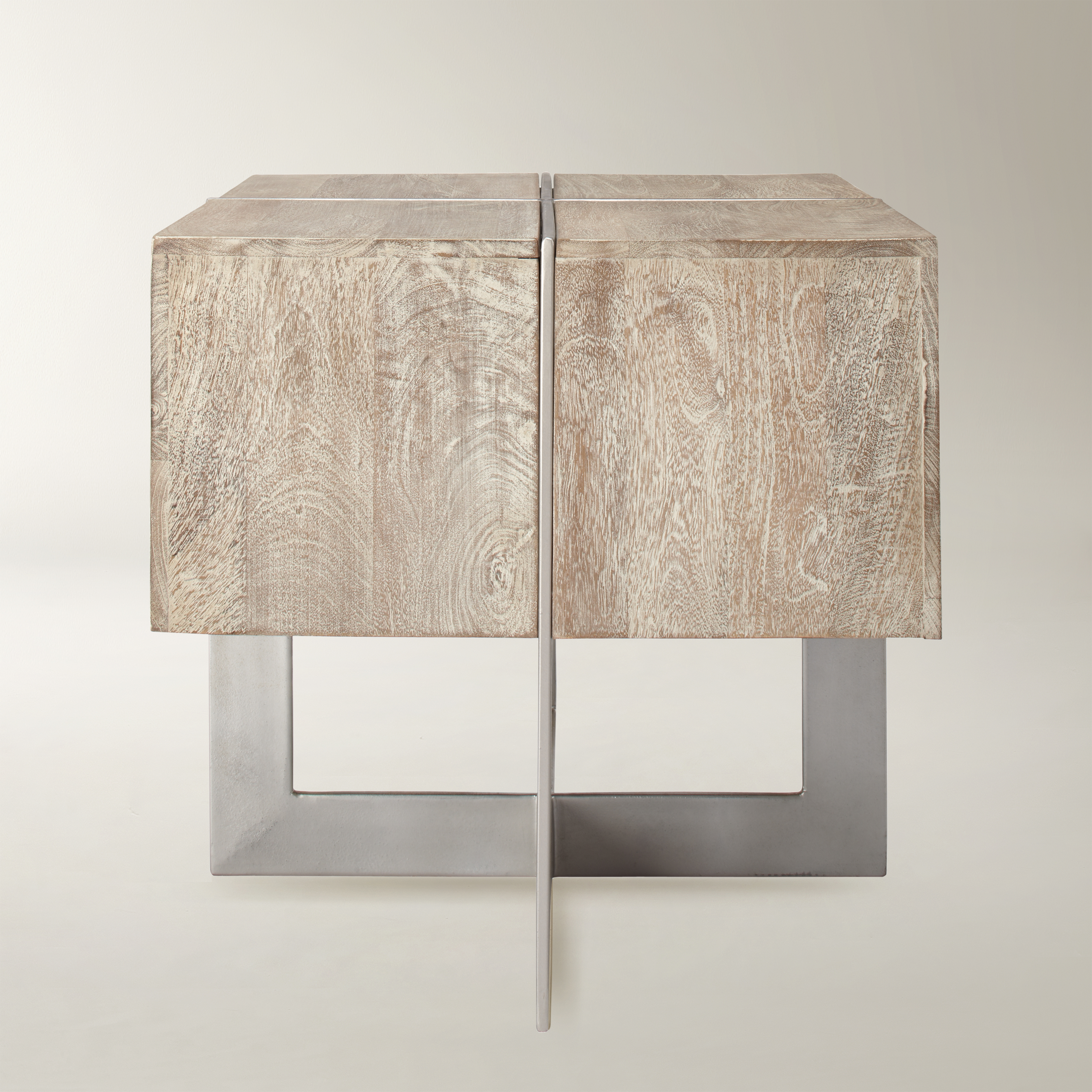
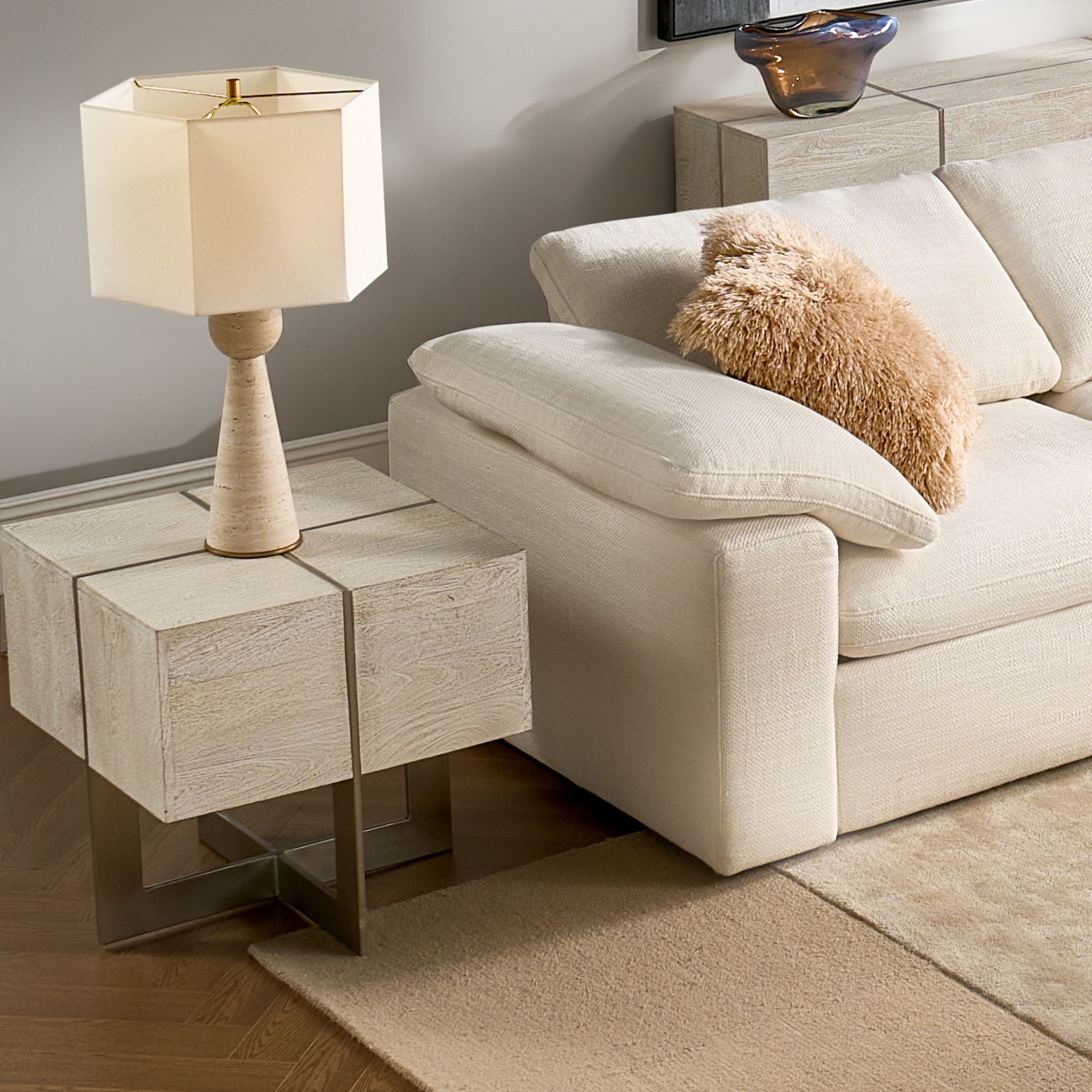 Clifton Square Natural Mango Wood End Table (24")$599
A handcrafted mango wood end table with a whitewashed finish and antiqued silver iron legs.
Add To Cart -
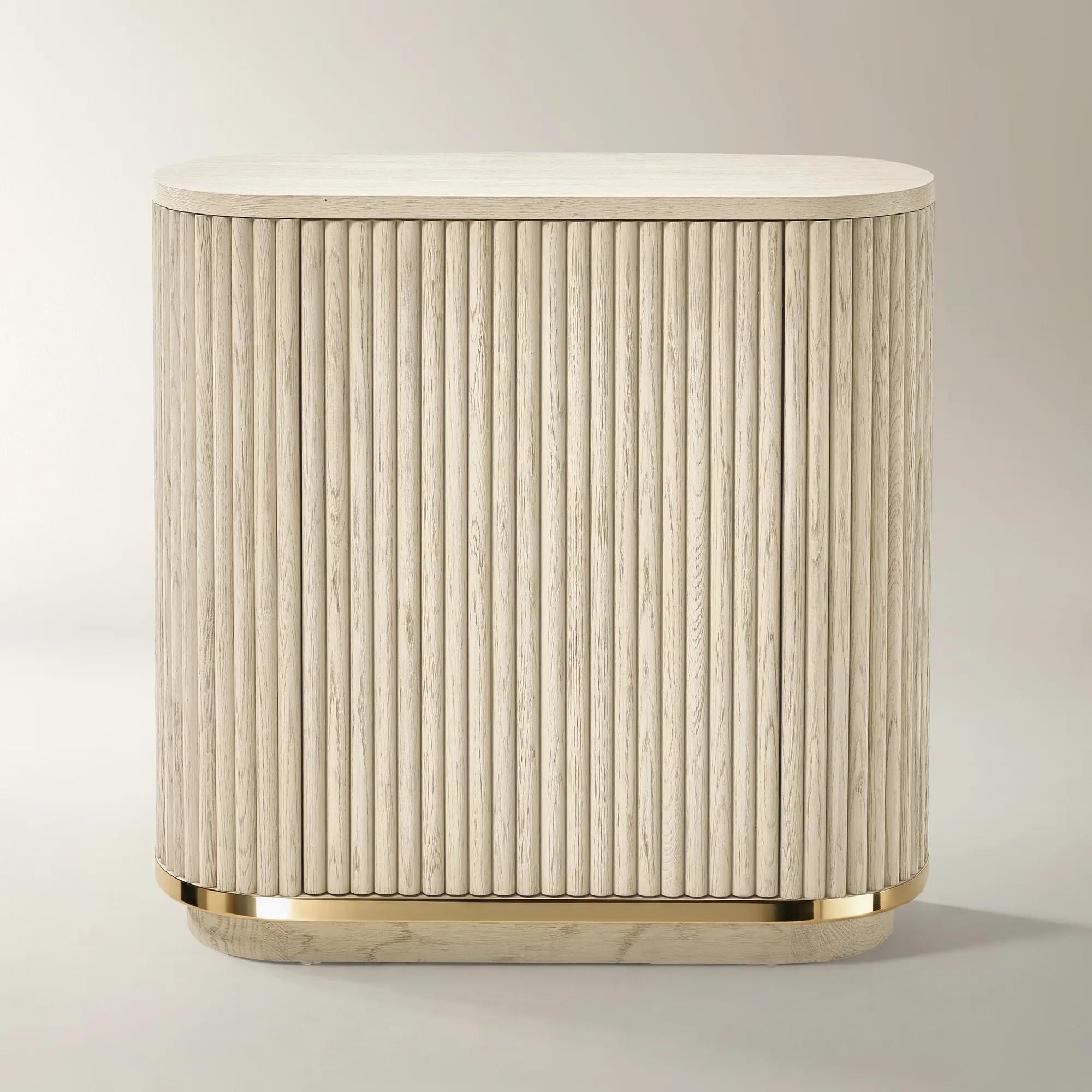 Stria Reeded White Oak Buffet (36")$1399
A modern buffet featuring vertical reeded white oak, soft gold metal trim, and push-to-open doors.
Add To Cart -
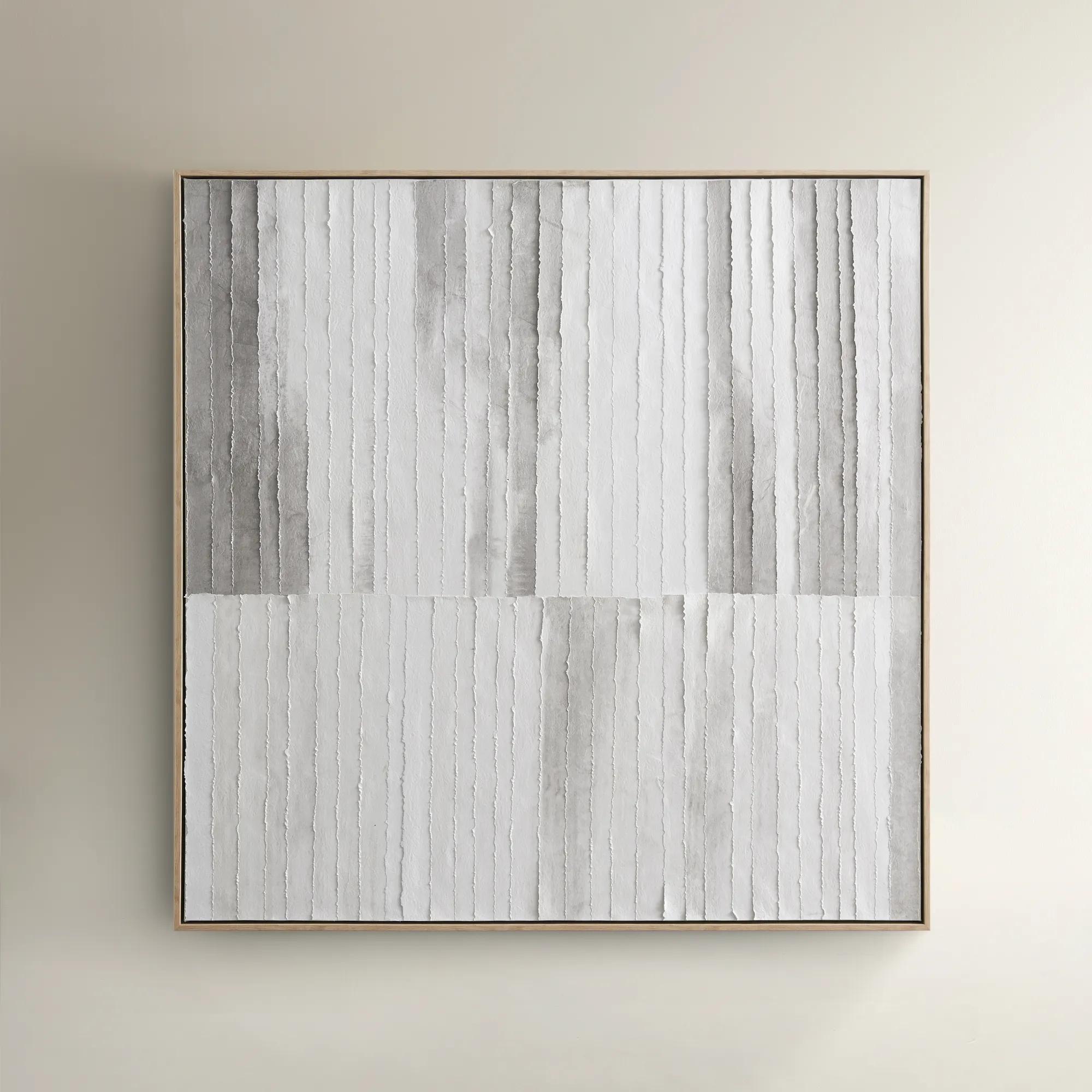
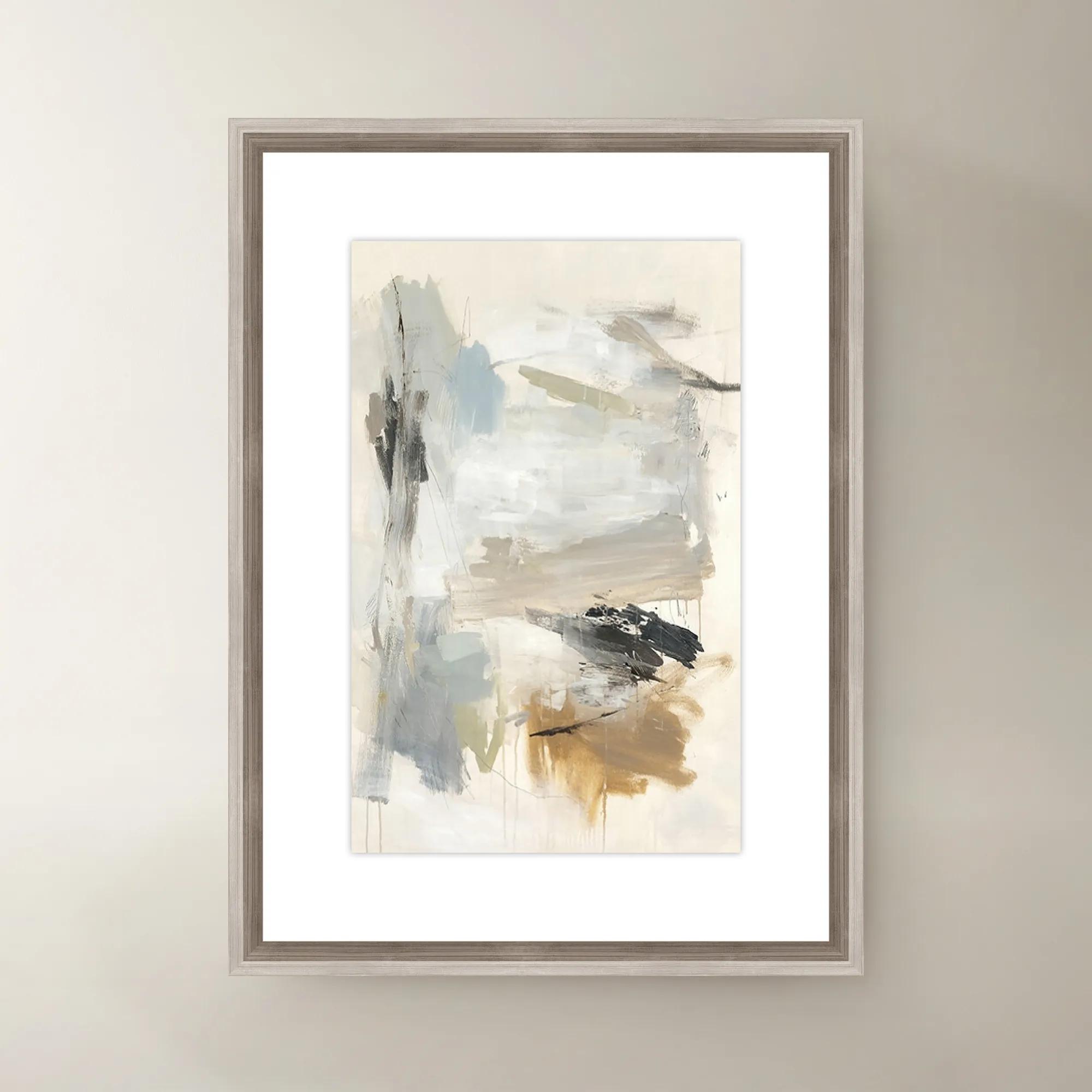
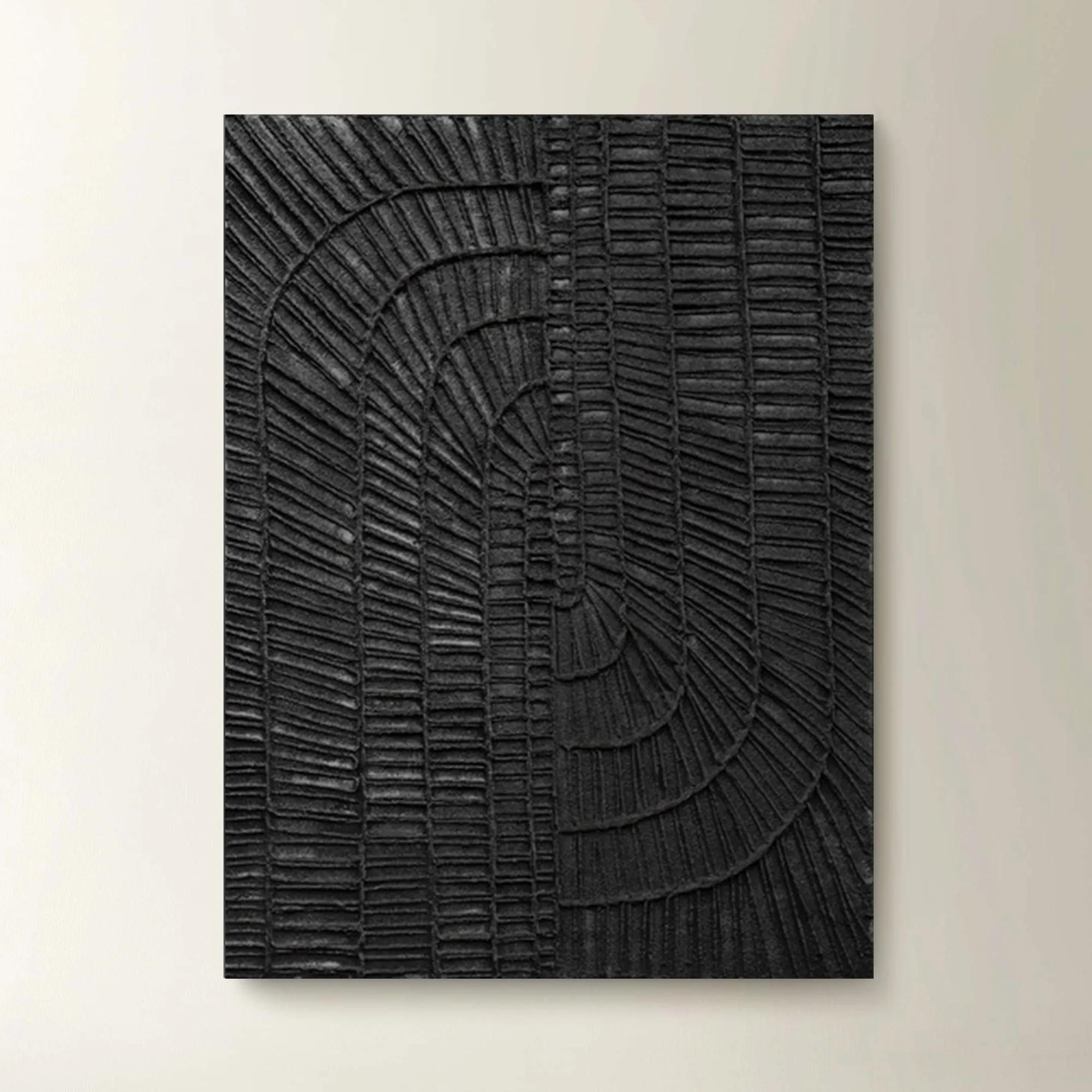
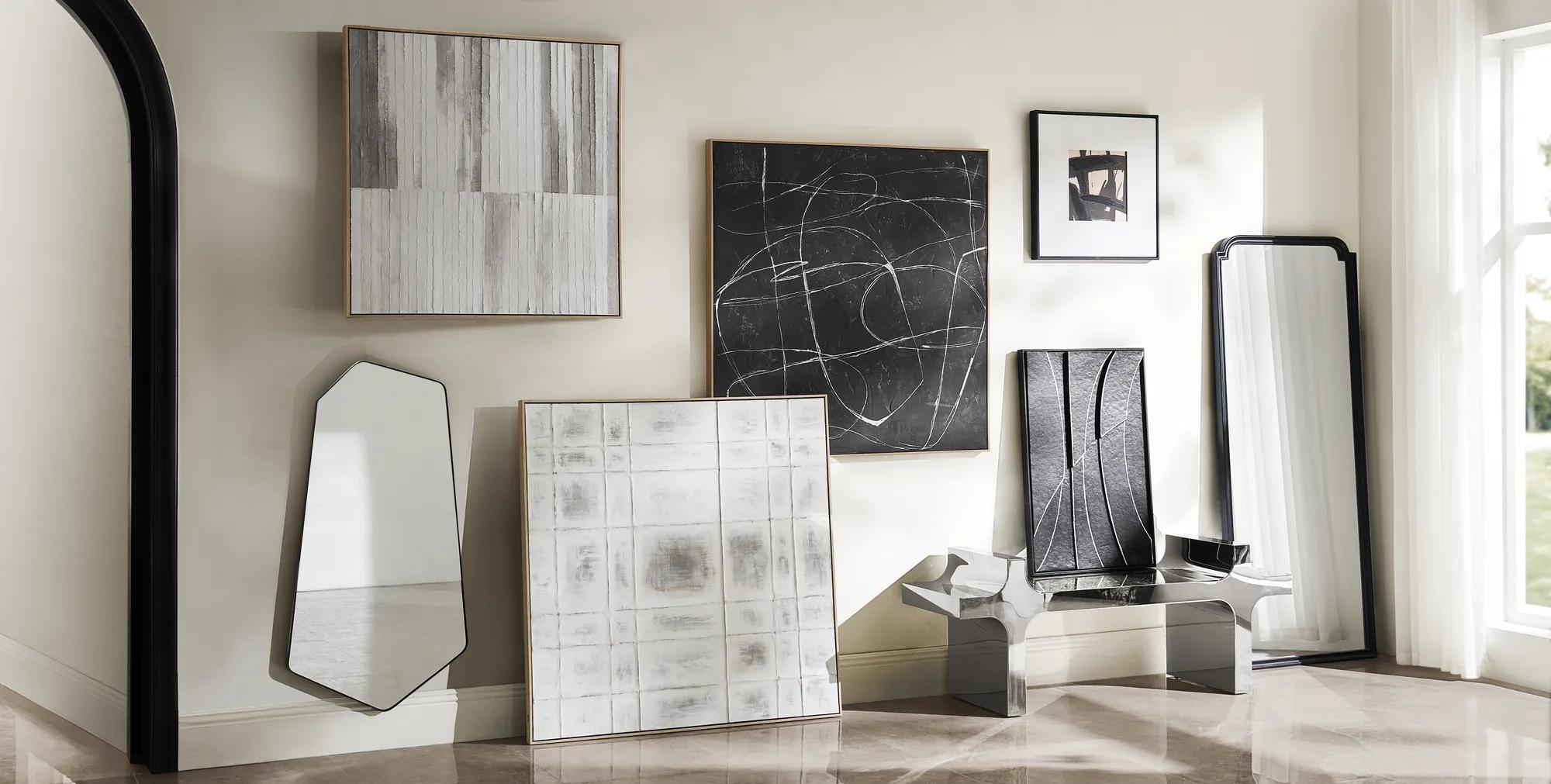 Morning Mist Paper Art$329
A hand-painted canvas featuring rhythmic grey lines in a textured, whitewashed floater frame for serene style.
Add To Cart -
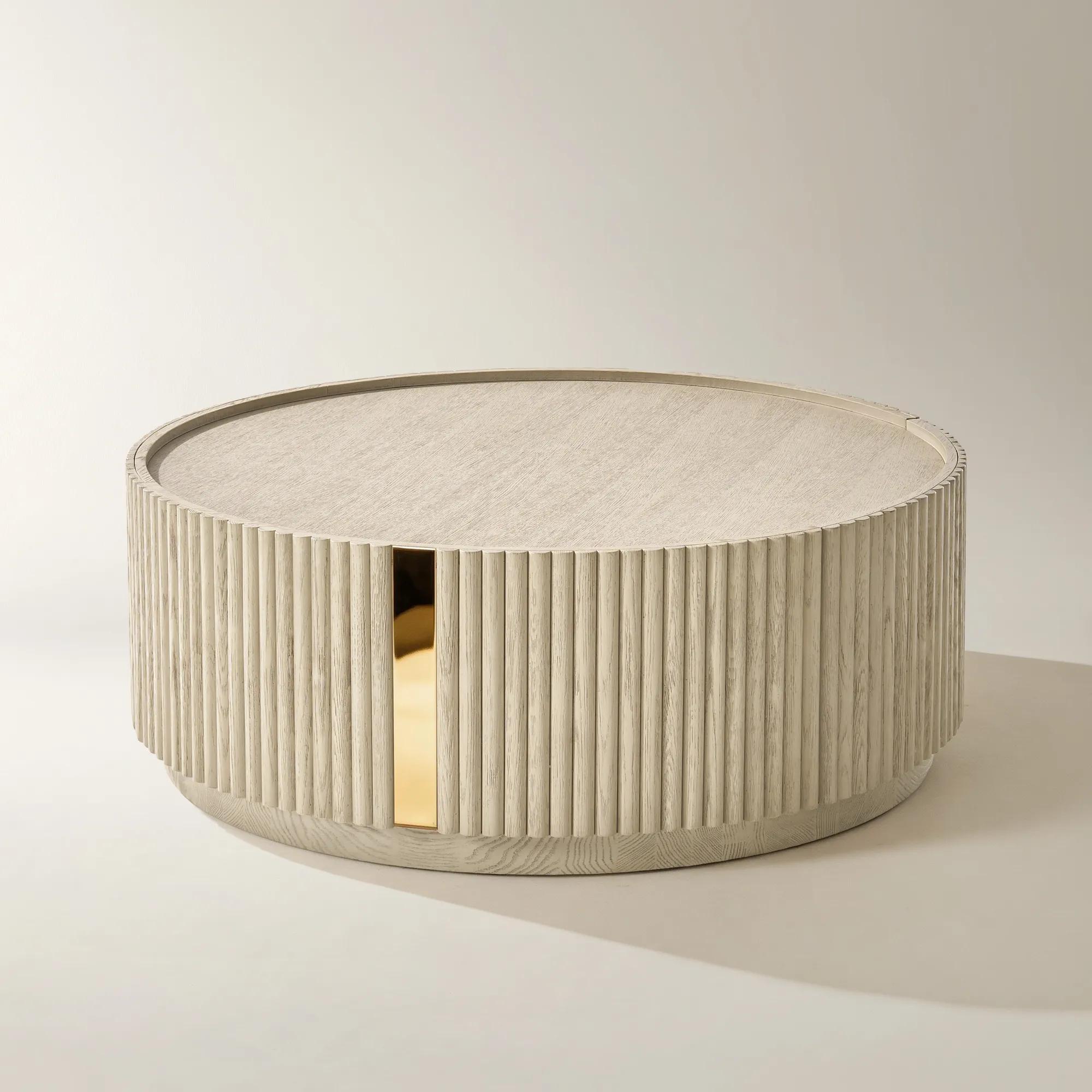 Stria Round Reeded White Oak Coffee Table with Drawer (42.3")$1499
A round coffee table featuring reeded white oak, soft gold metal trim, and a concealed soft-close drawer.
Add To Cart -
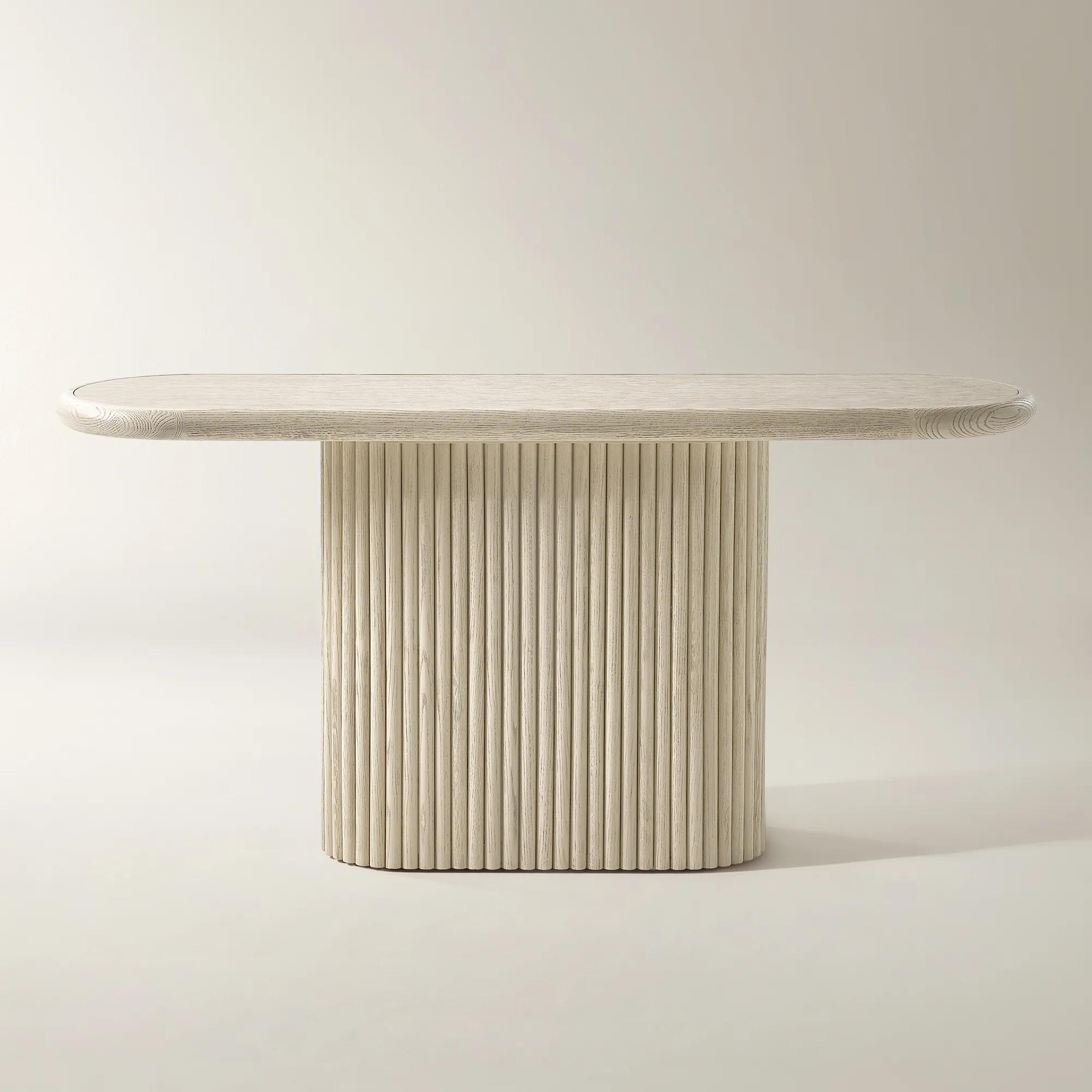
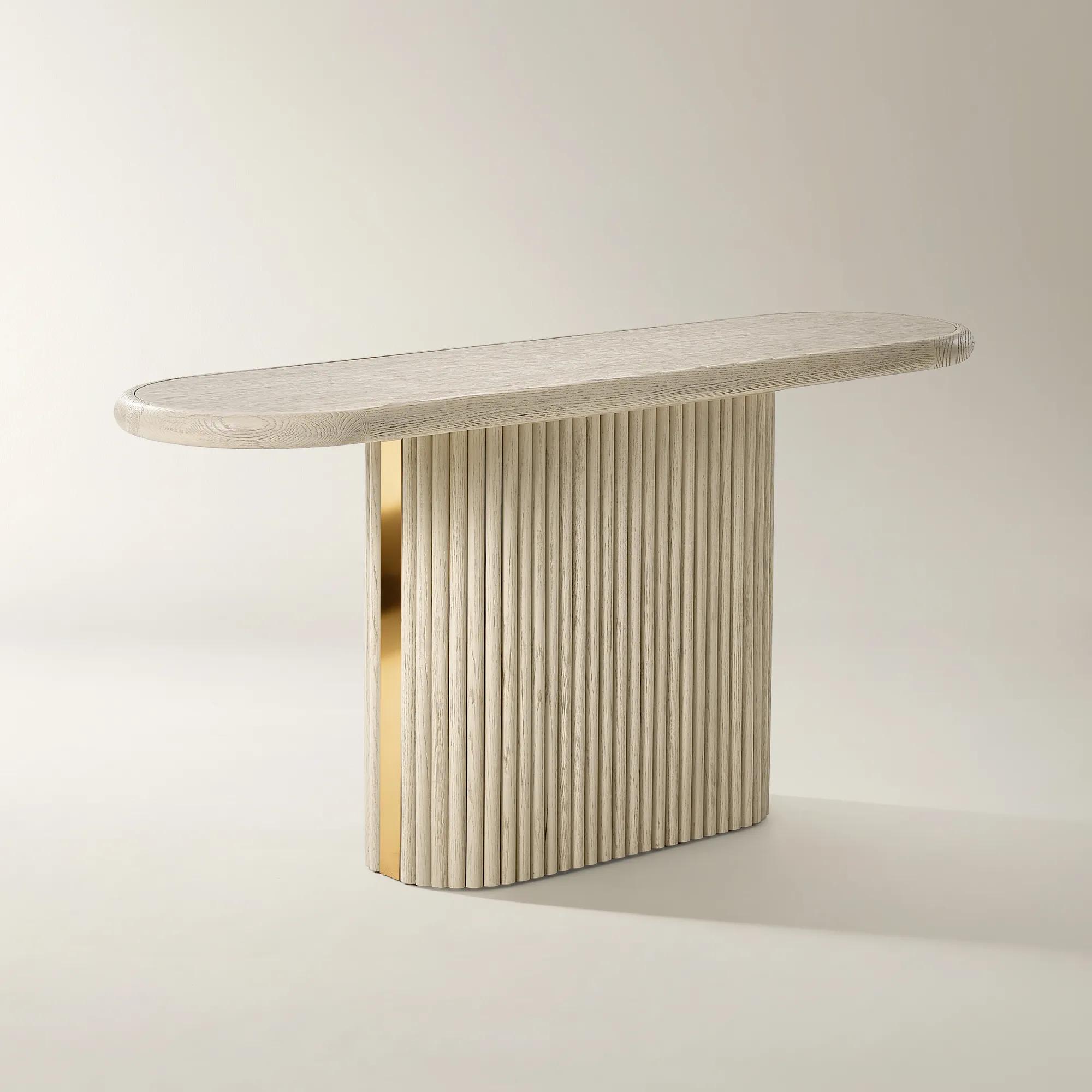 Stria Oval Reeded White Oak Console Table (63")$1399
A sculptural console table featuring reeded white oak, soft gold metal trim, and an architectural pedestal base.
Add To Cart -
 Stria Reeded White Oak Bookcase (80")$2999
A modern bookcase featuring vertical reeded white oak, soft gold metal accents, and both open and concealed storage.
Add To Cart -
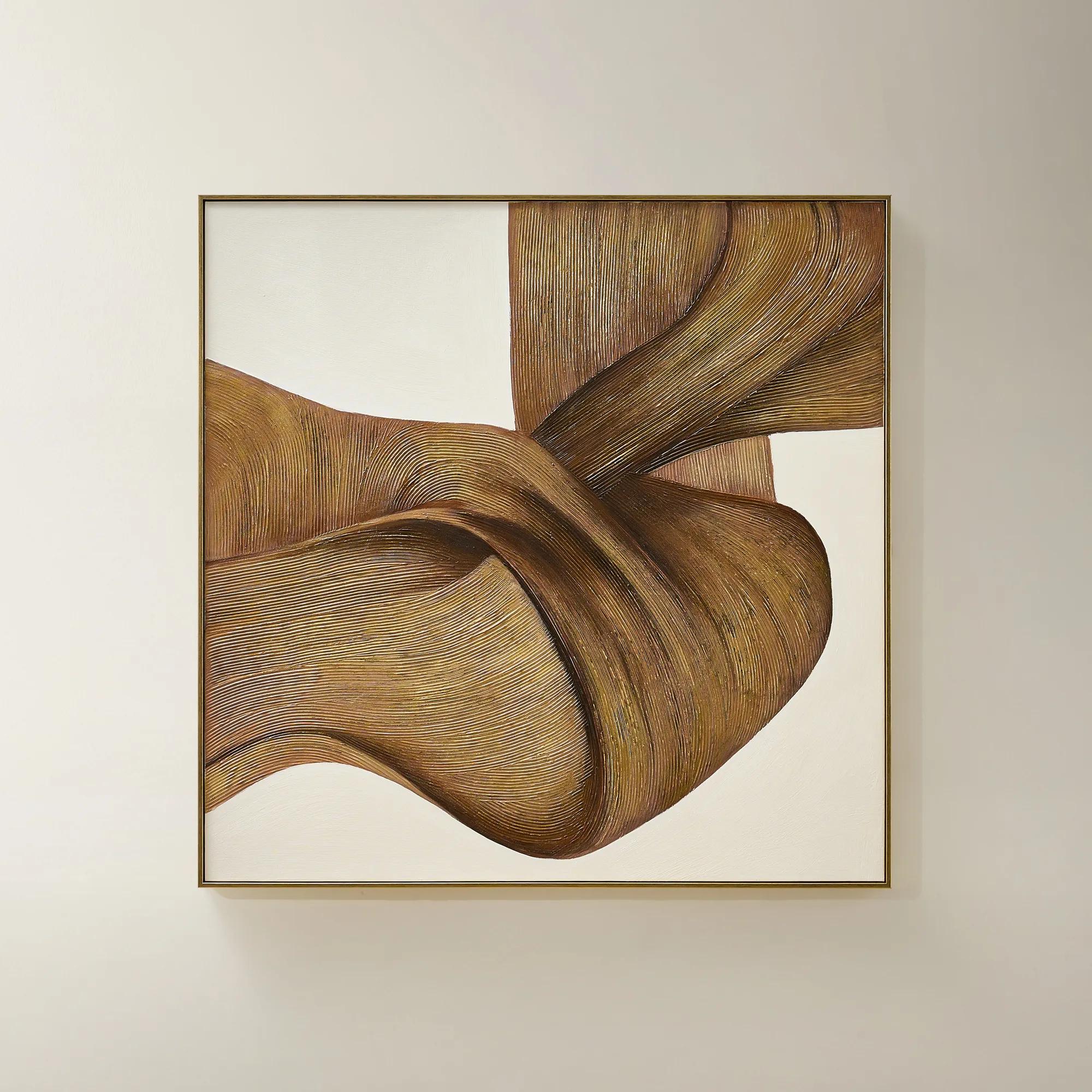
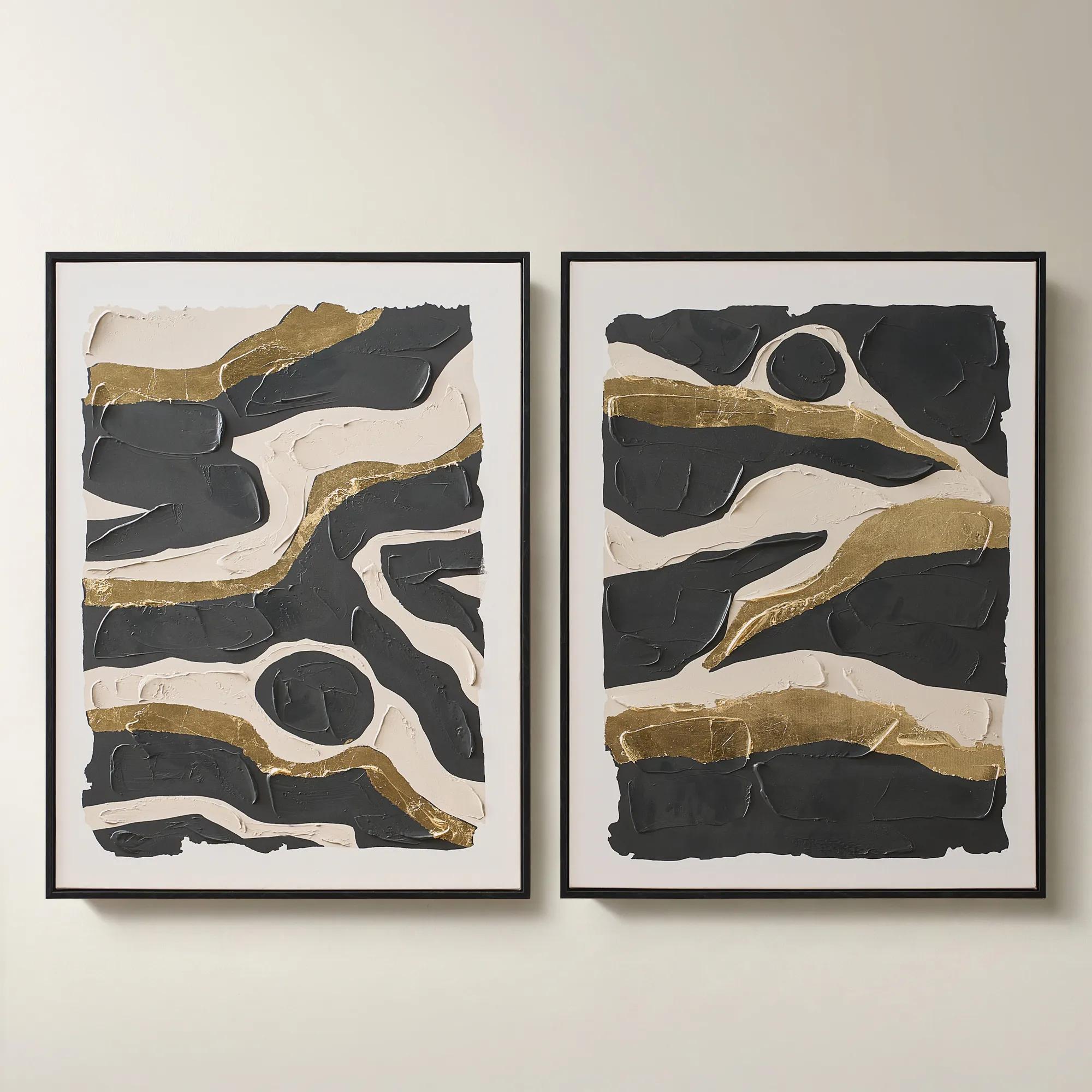
 Shadow Painting 2$179
A hand-painted abstract canvas featuring bold textures and brown hues in a warm whitewash floater frame.
Add To Cart -
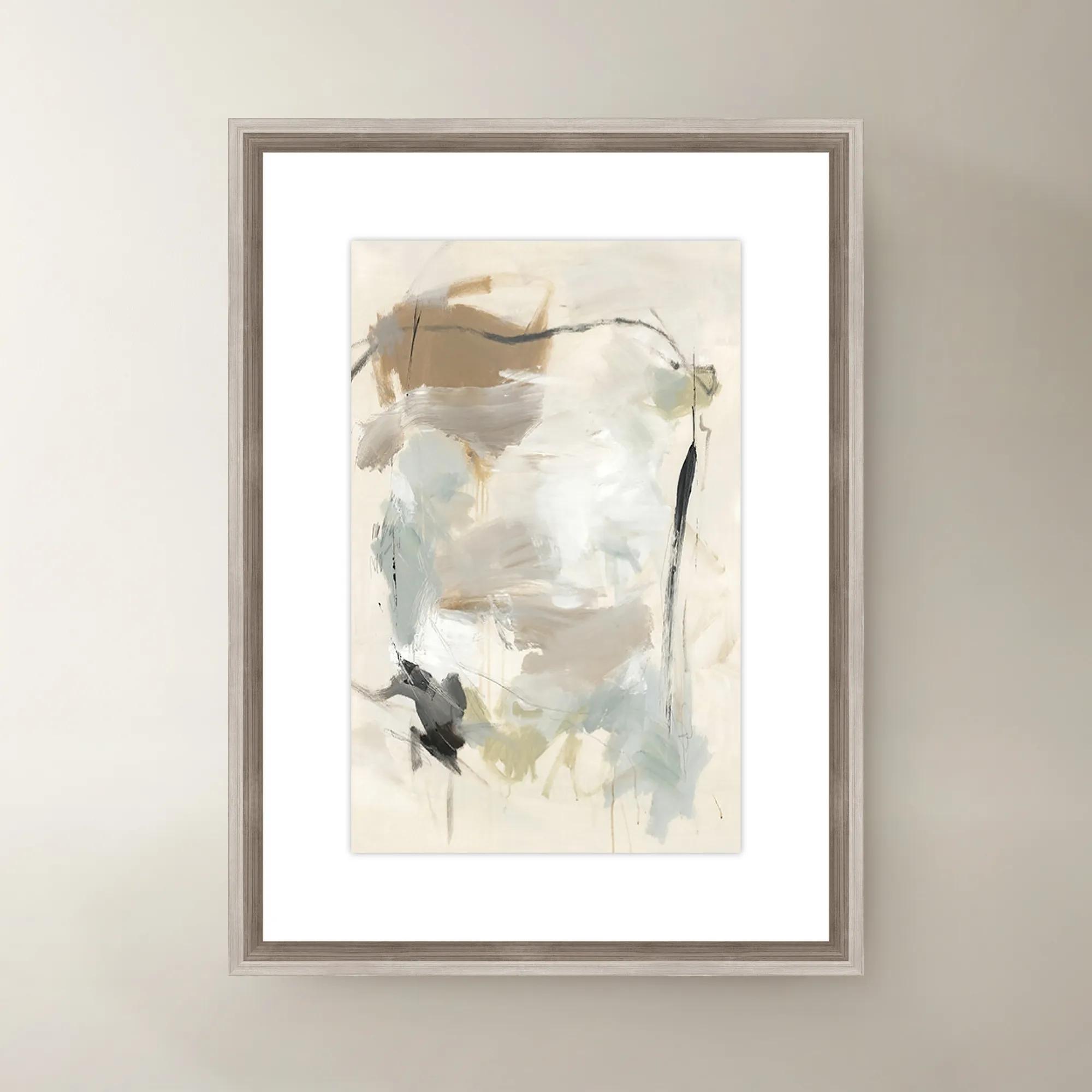
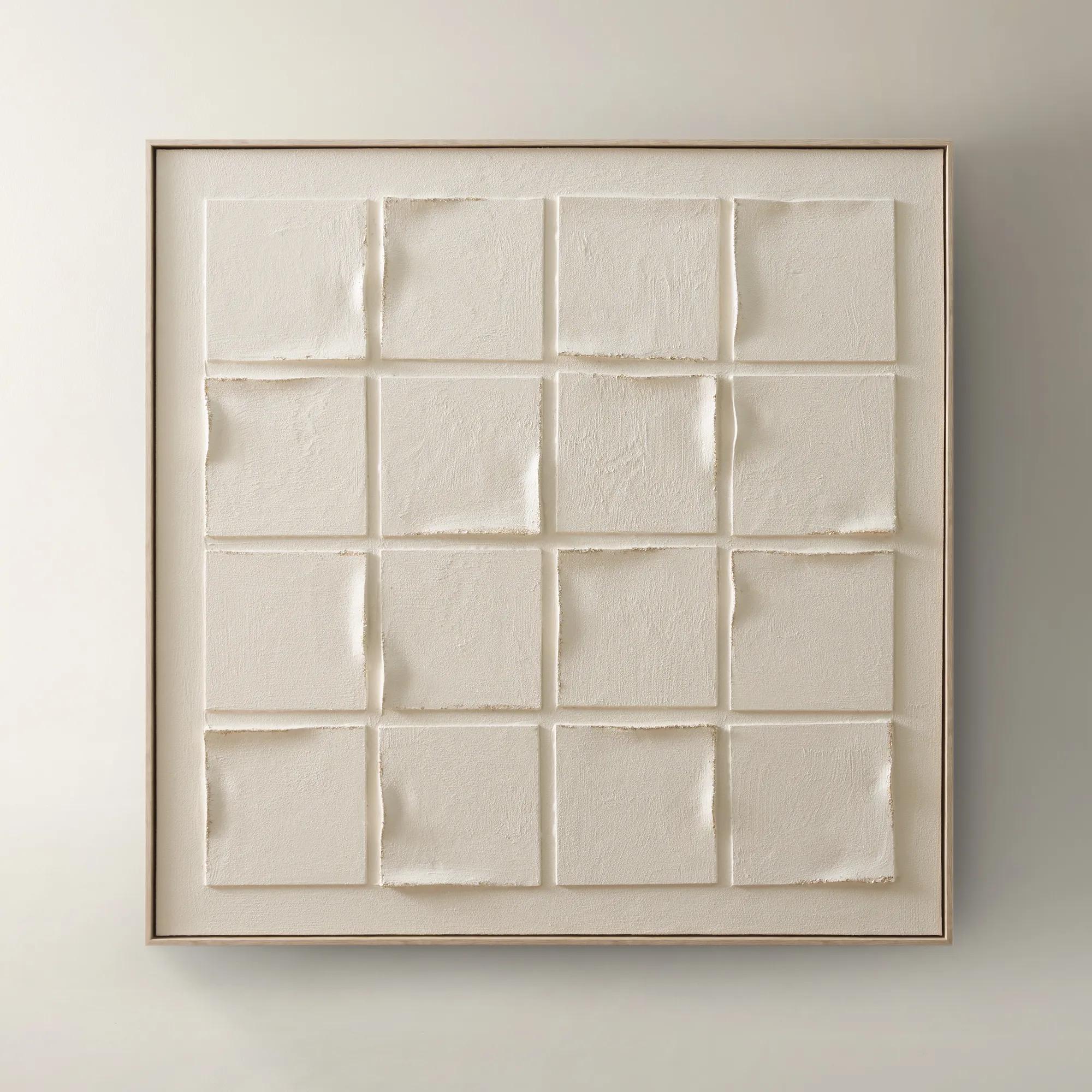 Gaze Framed Painted Wall Art 39.4" x 40"$329
A hand-painted canvas featuring subtle beige tones and textured depth in a warm whitewash floater frame.
Add To Cart -
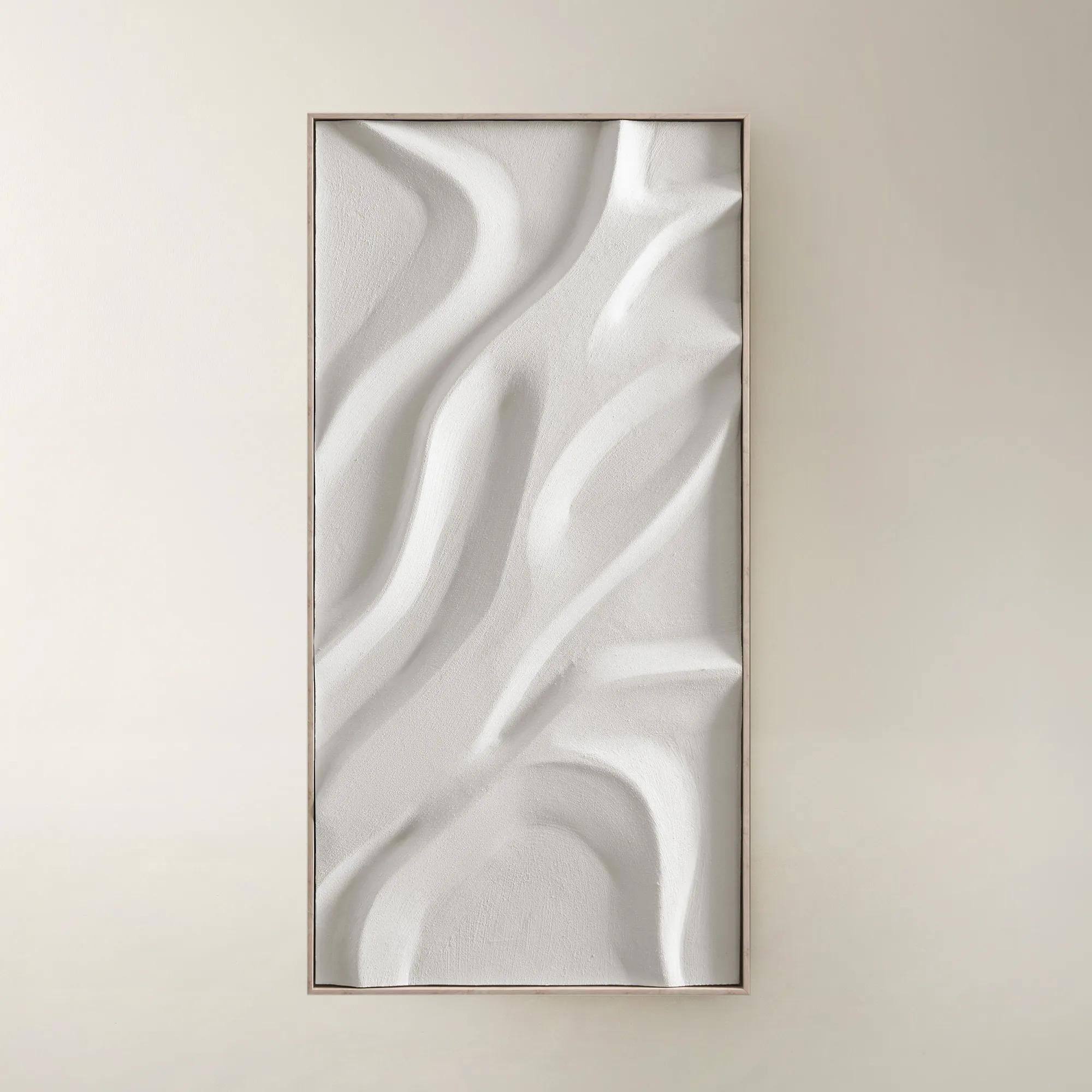
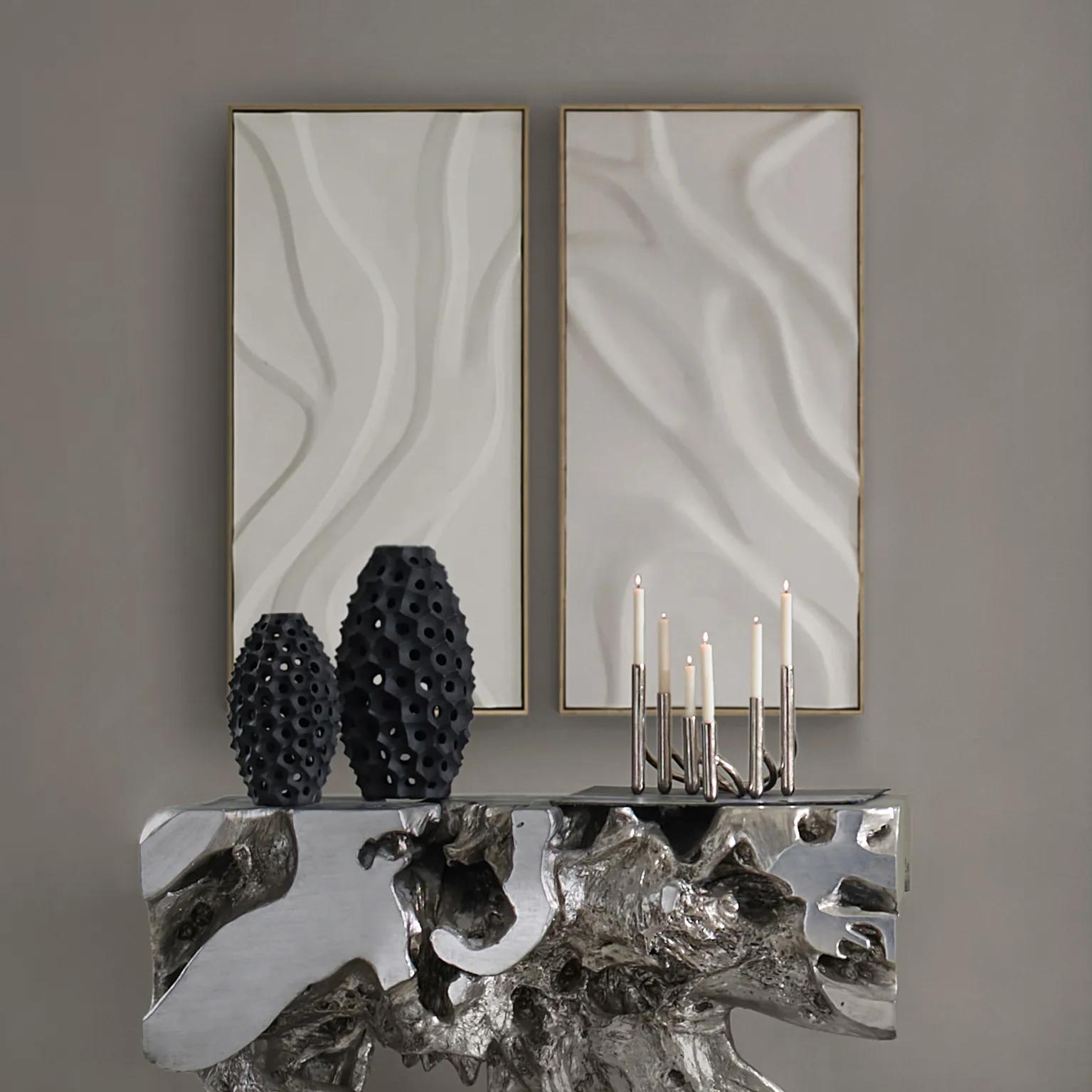 Au Lait Framed Painted Wall Art II 47.2" x 23.6"$199
A serene hand-painted canvas in beige, set in a warm whitewash floater frame for modern interiors.
Add To Cart -
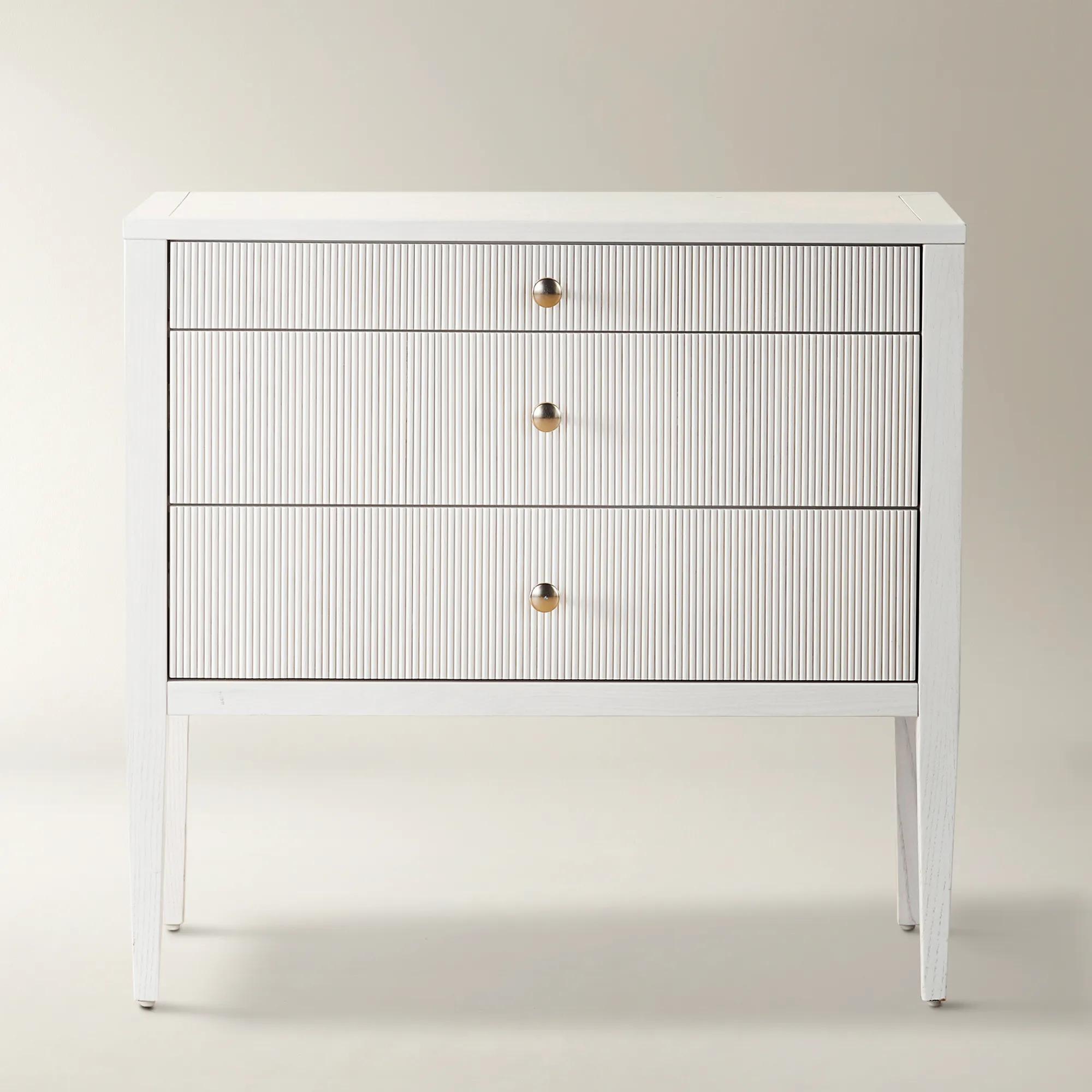 Viola Reeded White Ash Wood 3-Drawer Nightstand (31")$899
A modern nightstand in bone white ash wood with reeded drawers and brass hardware for a luxe touch.
Add To Cart -
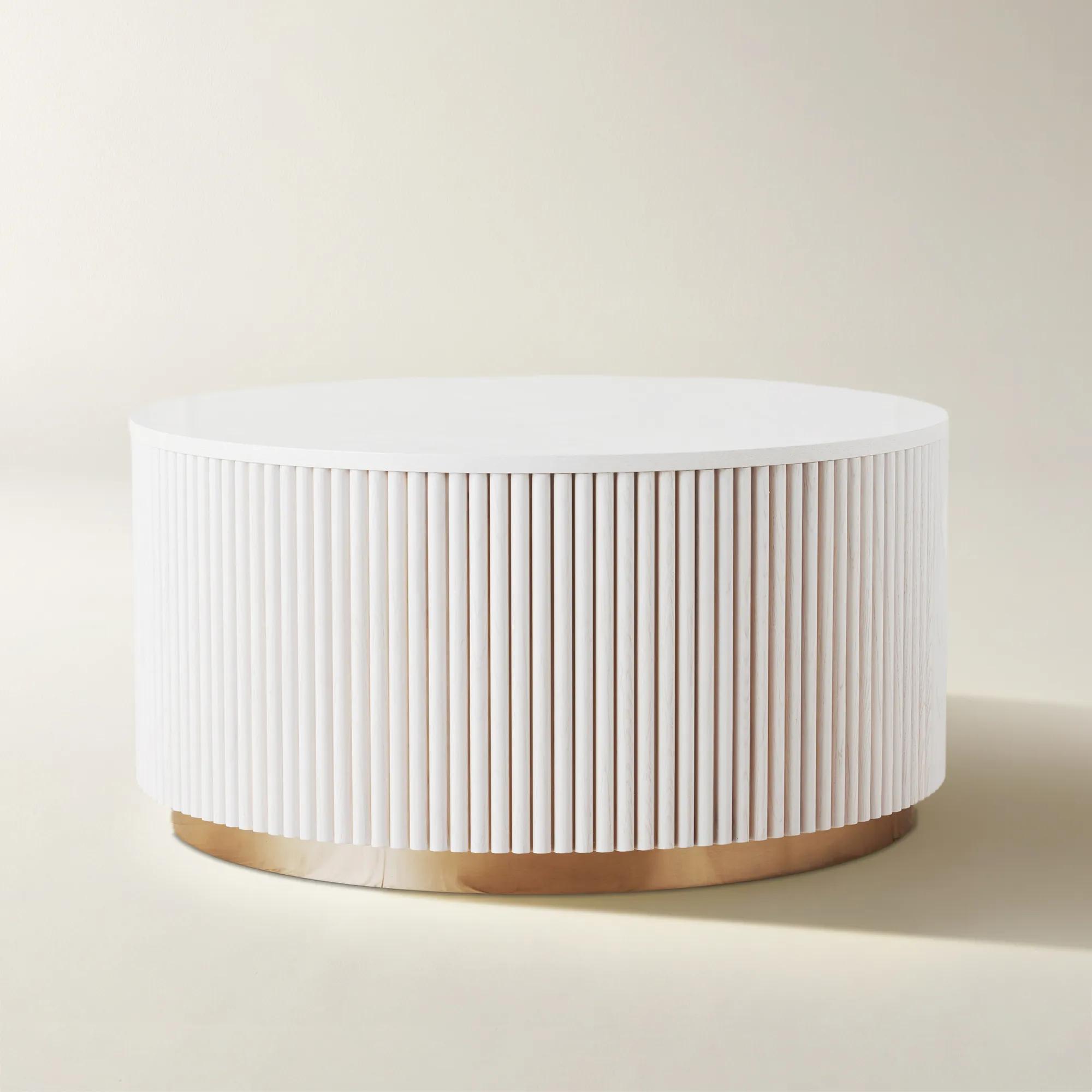
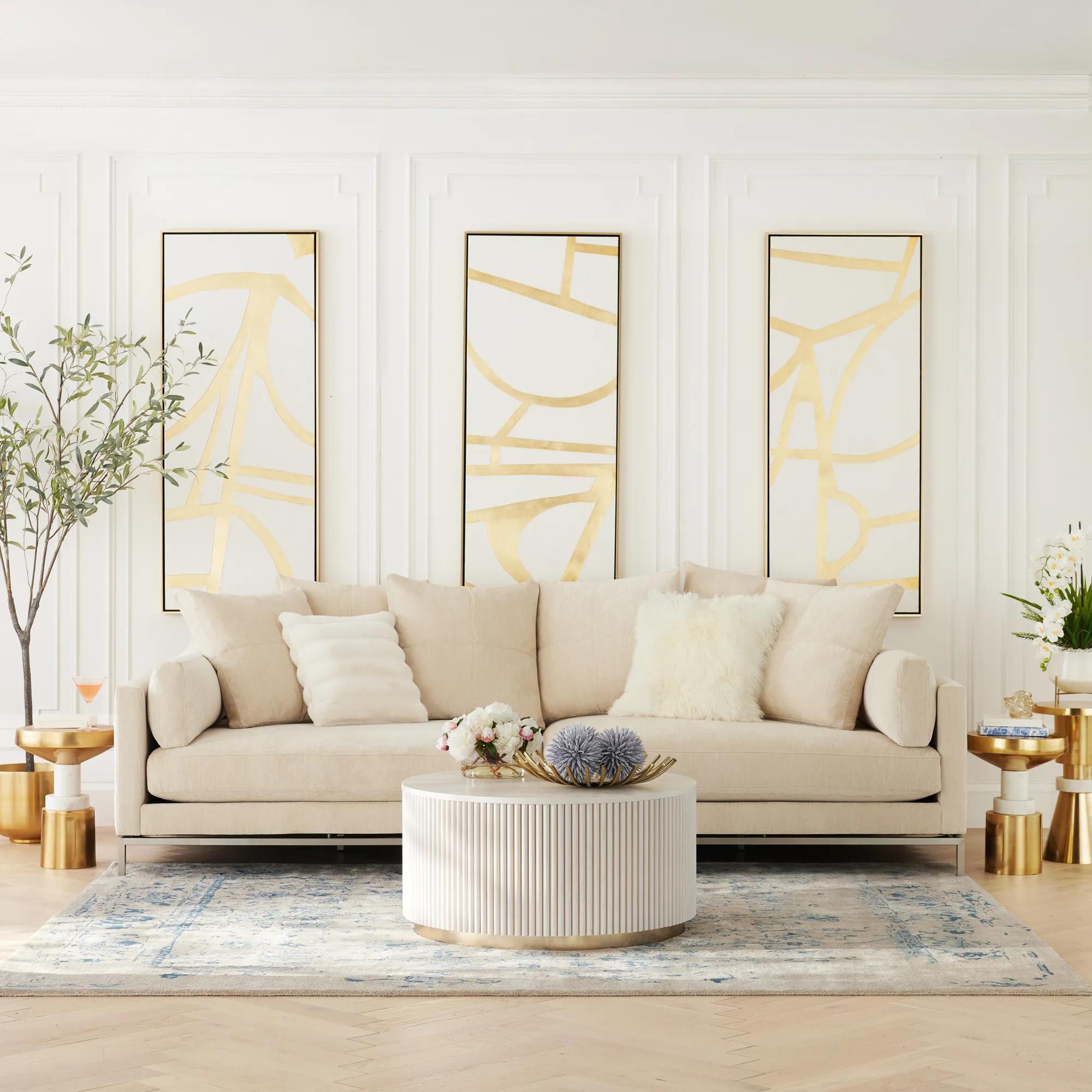 Natalia Round Reeded Whitewashed Ash Wood Coffee Table (36")$1299
A striking coffee table featuring reeded ash wood sides, a smooth top, and a whitewashed finish.
Add To Cart -
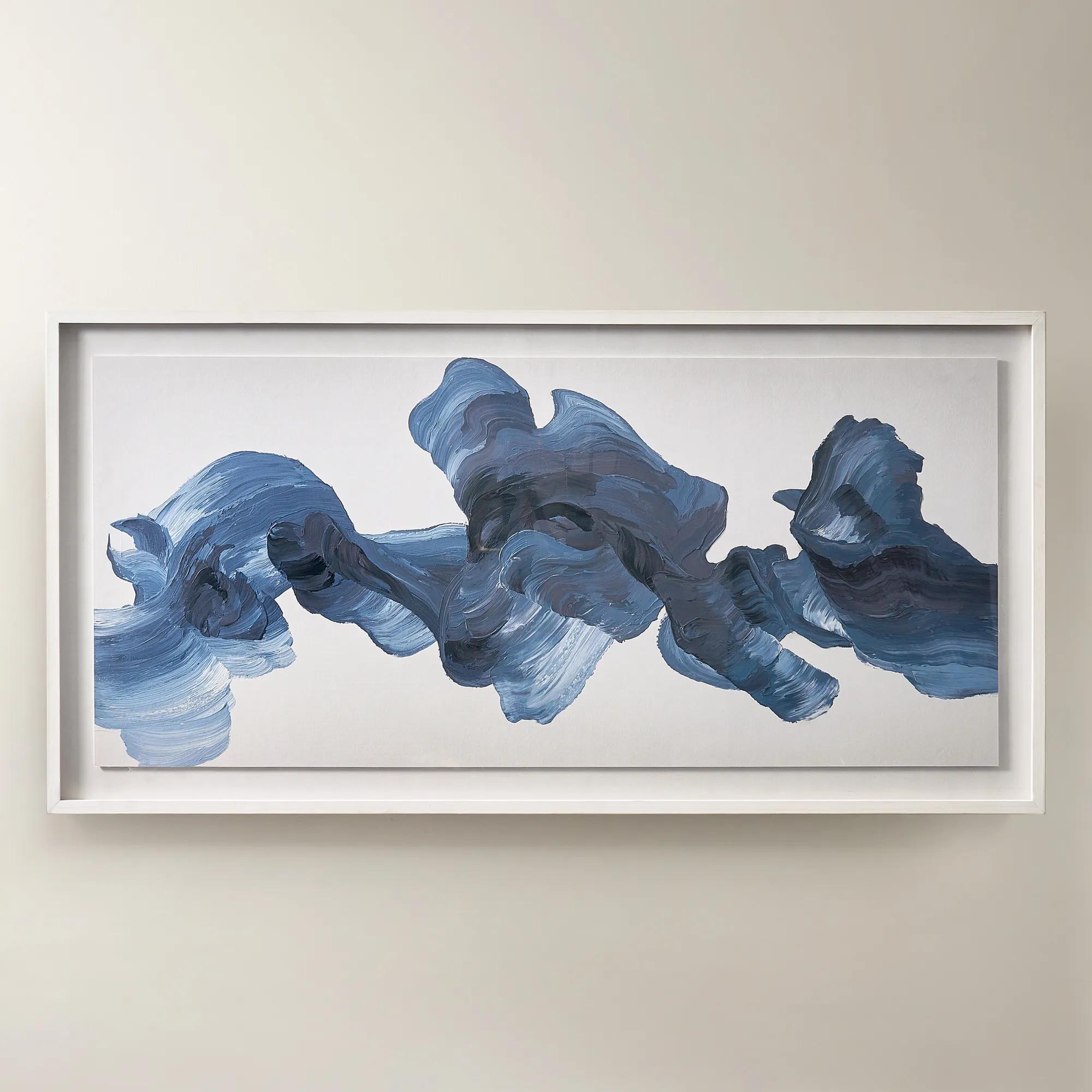
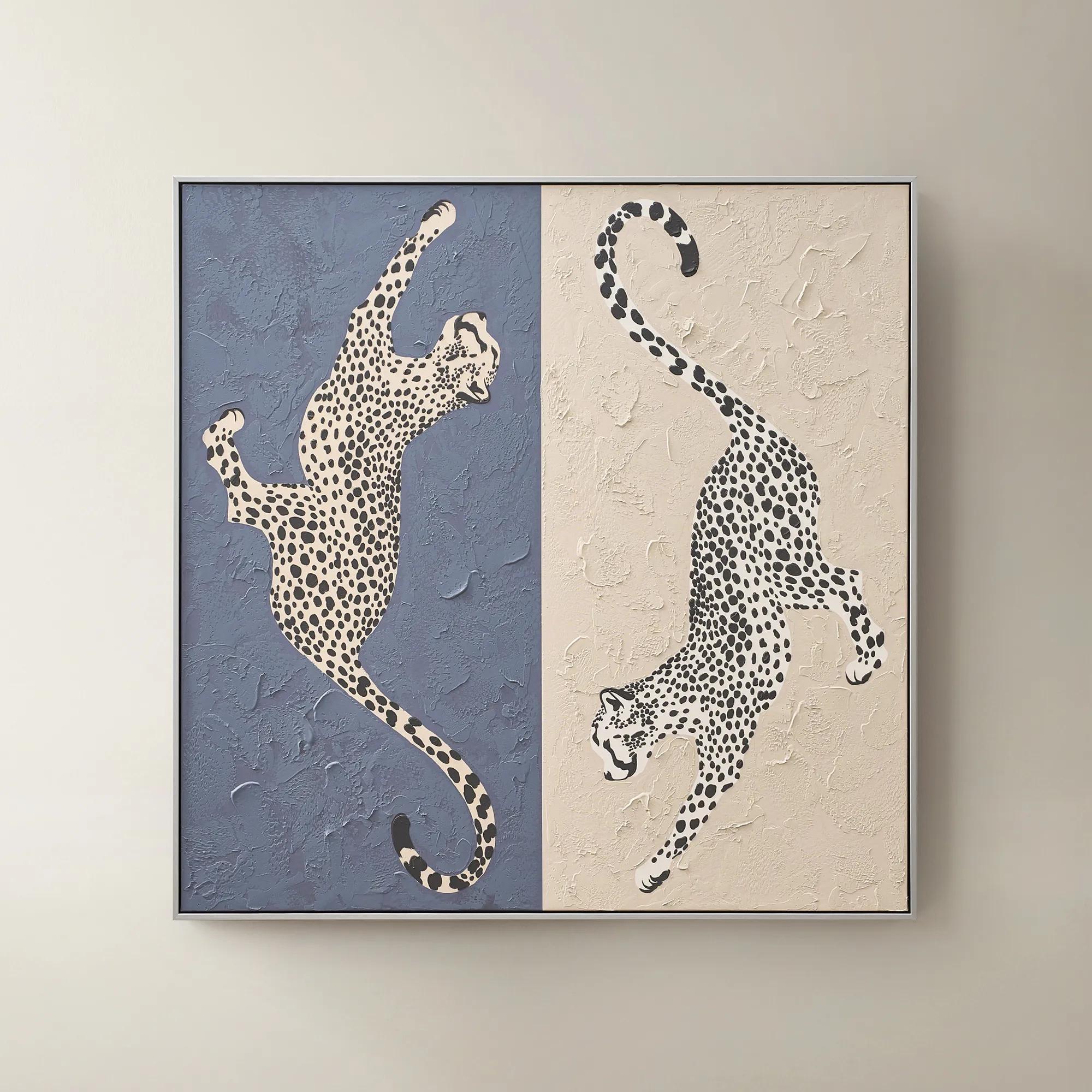
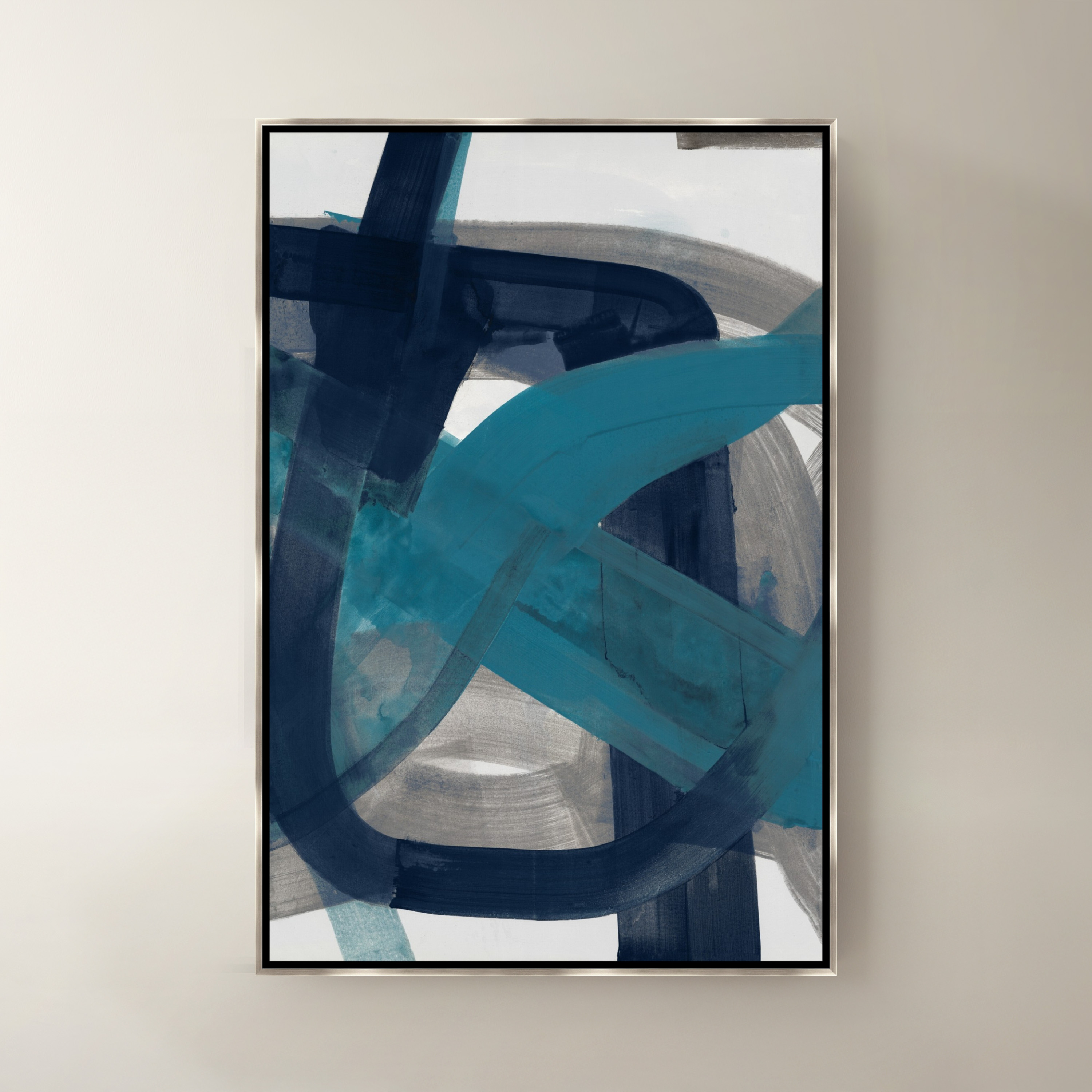
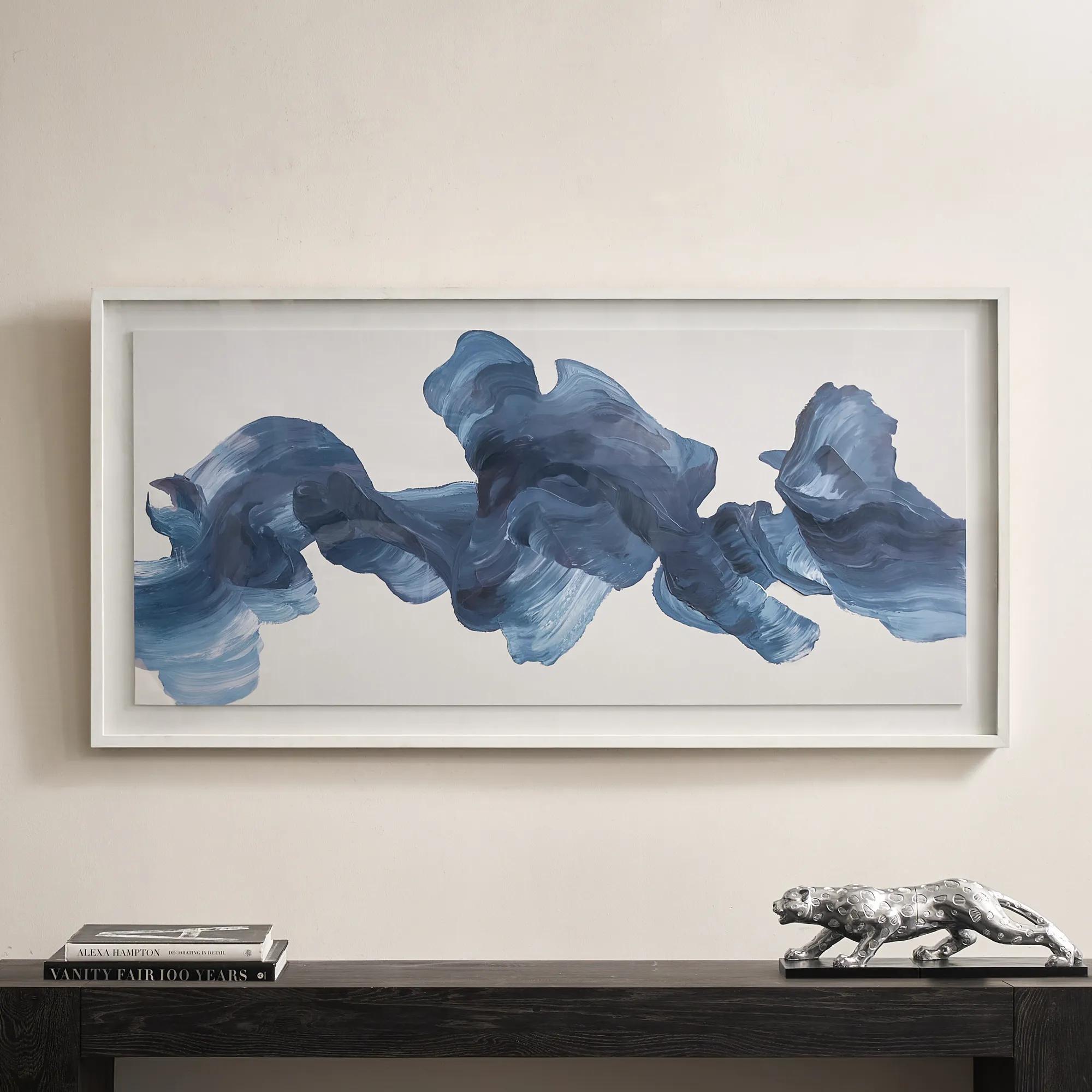 Blue Theory Framed Painted Wall Art in Acrylic 60" x 30"$499
A hand-painted canvas in deep ink blue, framed under acrylic with a whitewashed wood frame.
Add To Cart -

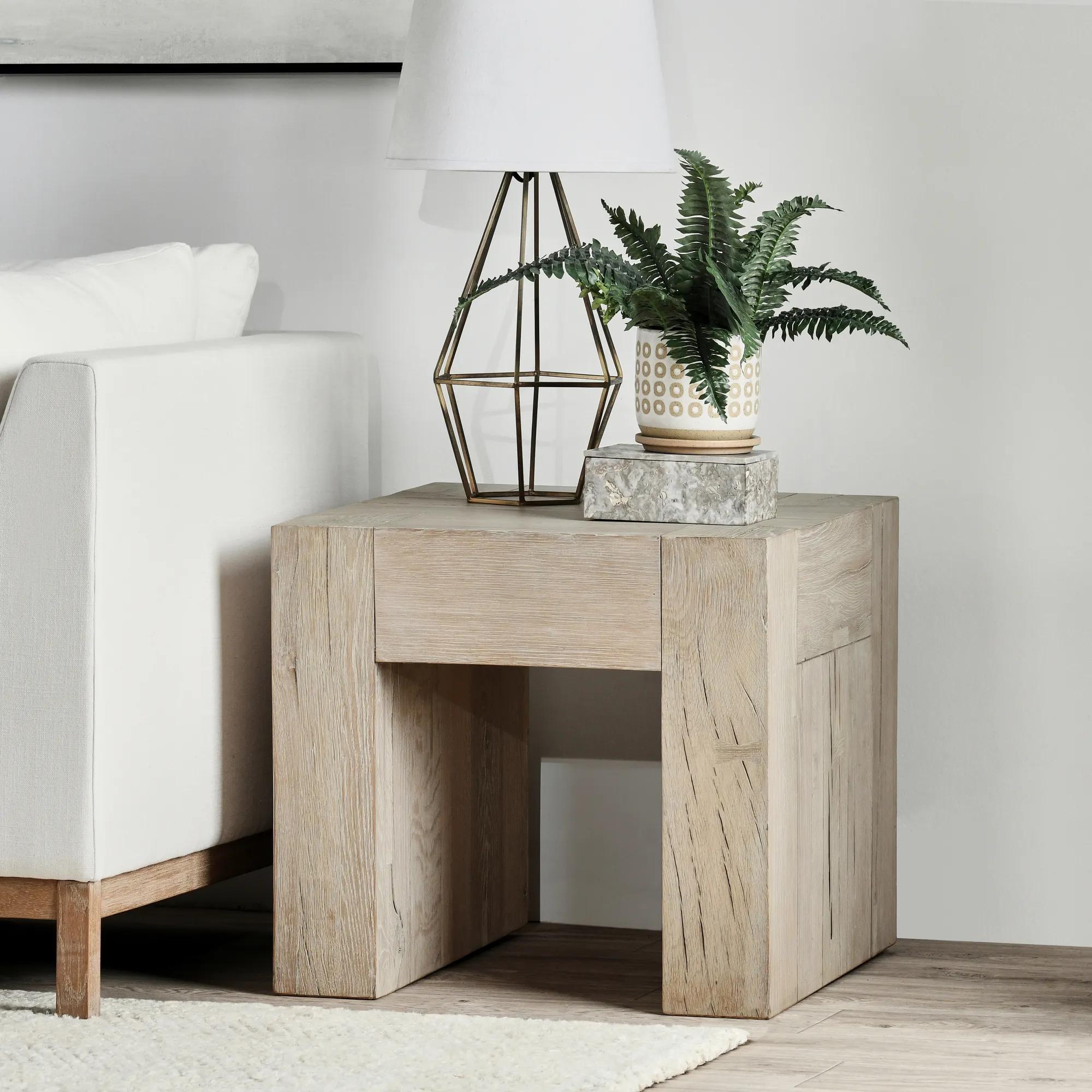 Bristol Square Cream Oak End Table (24")$999
A handcrafted end table featuring cracked reclaimed oak in an aged cream finish with modern dovetail detailing.
Add To Cart -
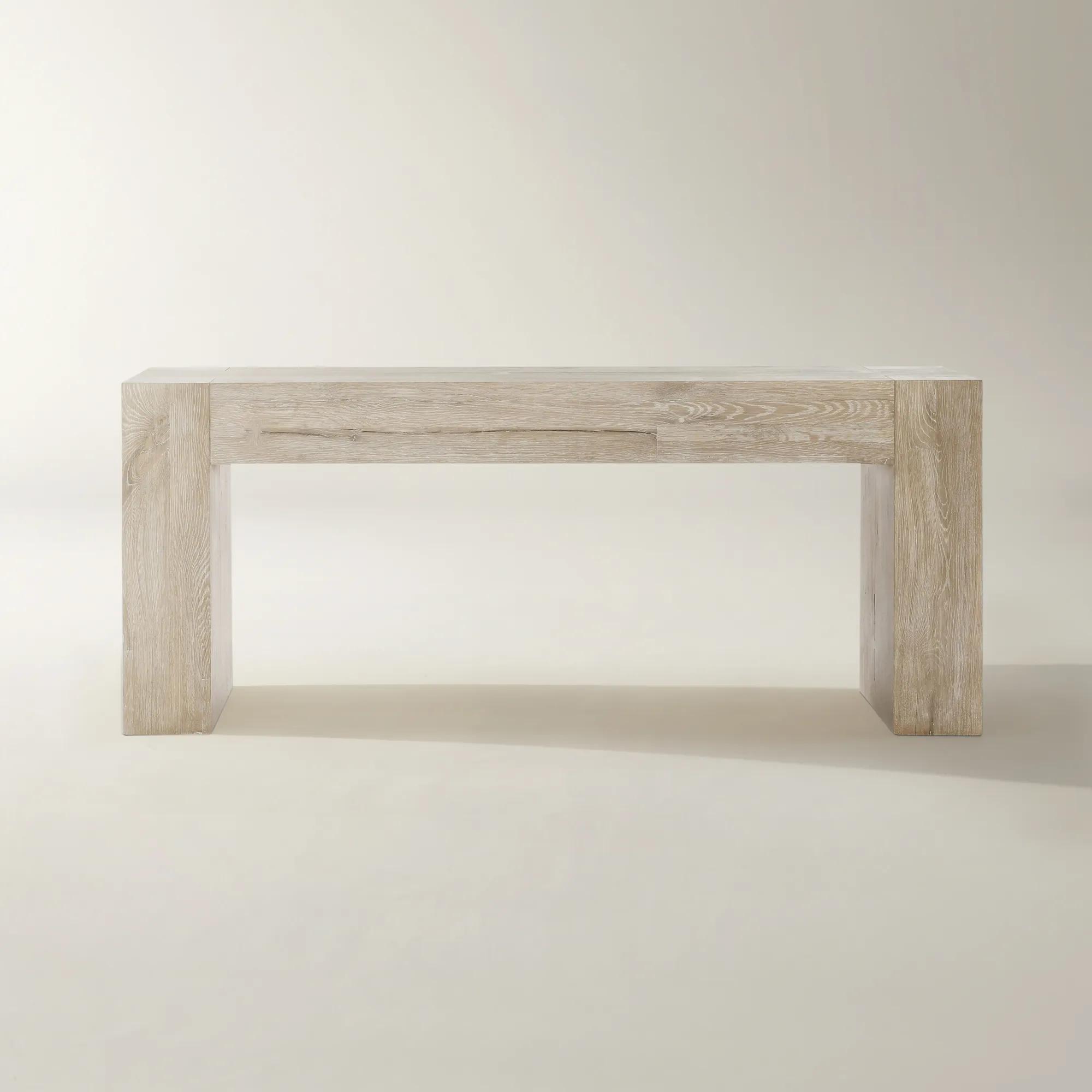
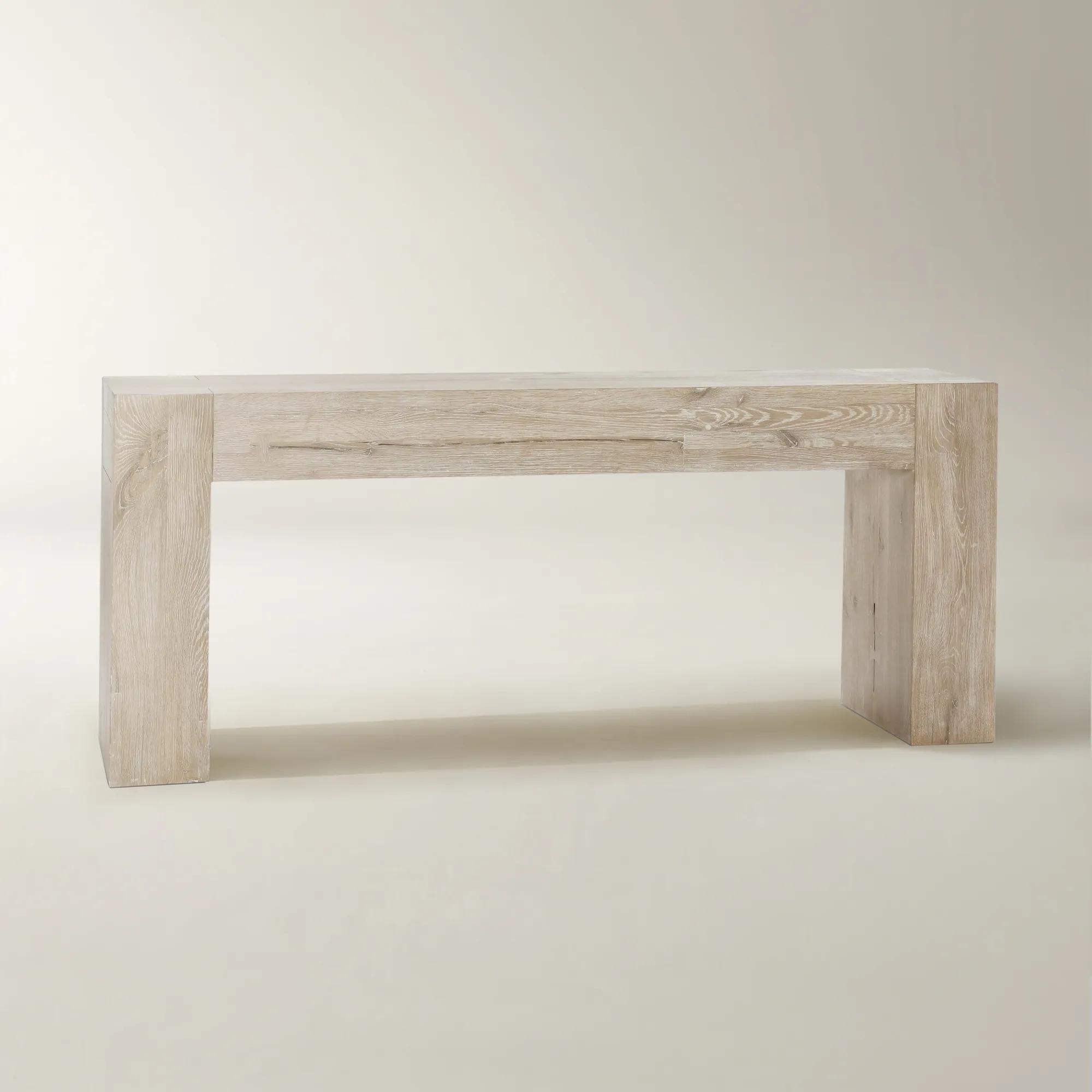 Bristol Rectangular Cream Oak Console Table (72")$2099
A handcrafted console table in aged cream cracked oak with modern dovetail detailing and artisanal character.
Add To Cart -
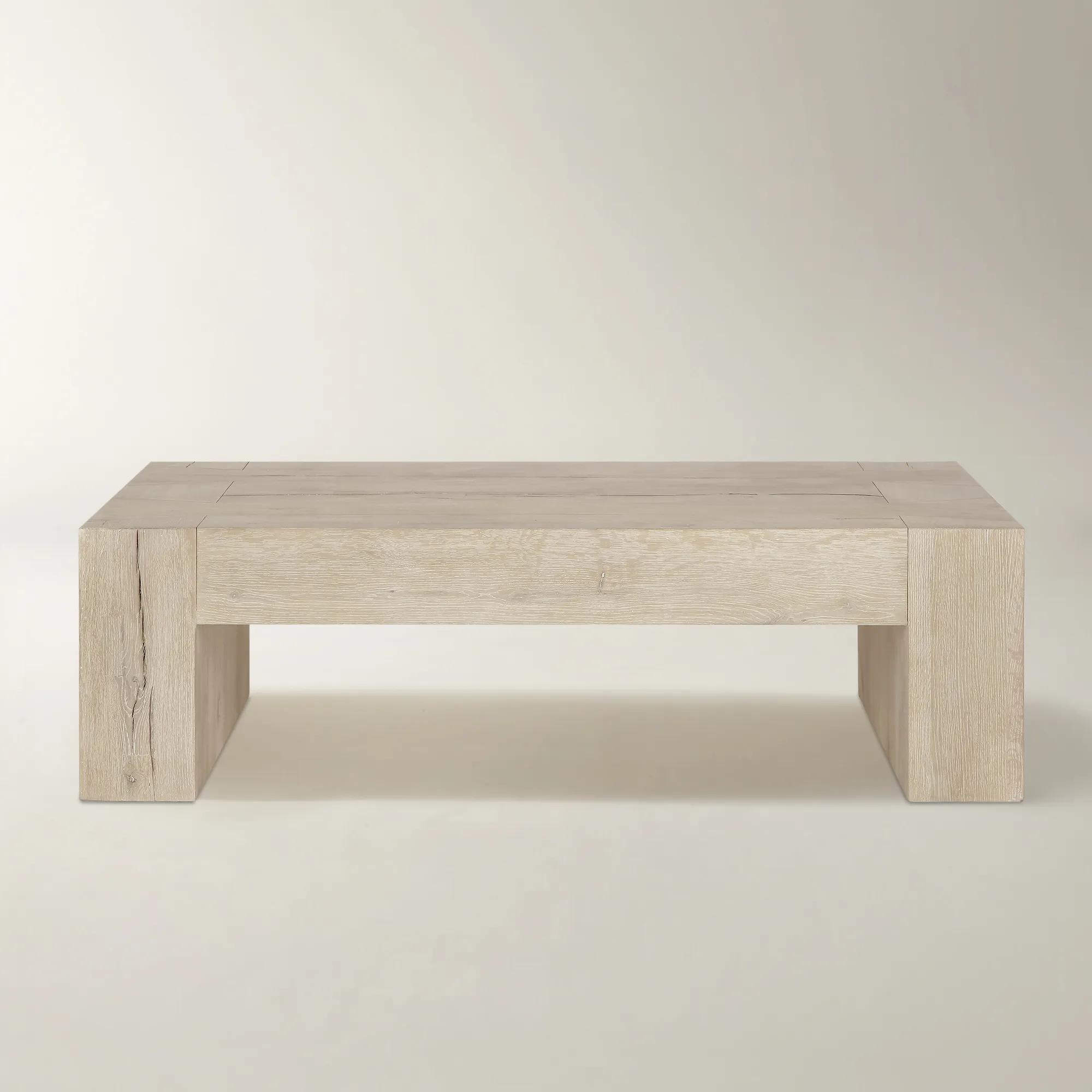 Bristol Rectangular Cream Oak Coffee Table (60")$2099
A handcrafted cream-finished coffee table featuring cracked oak details and modern dovetail accents for unique style.
Add To Cart -
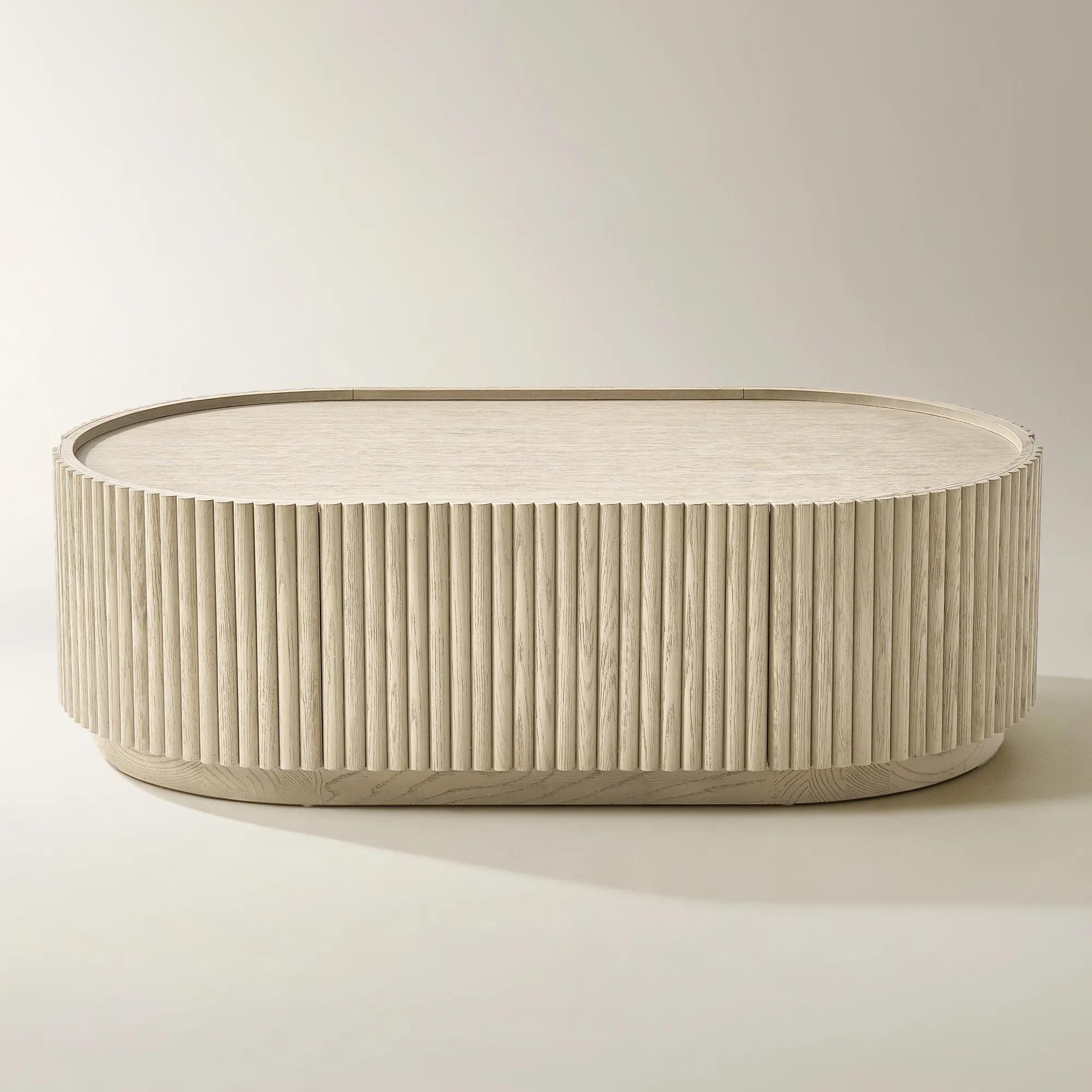
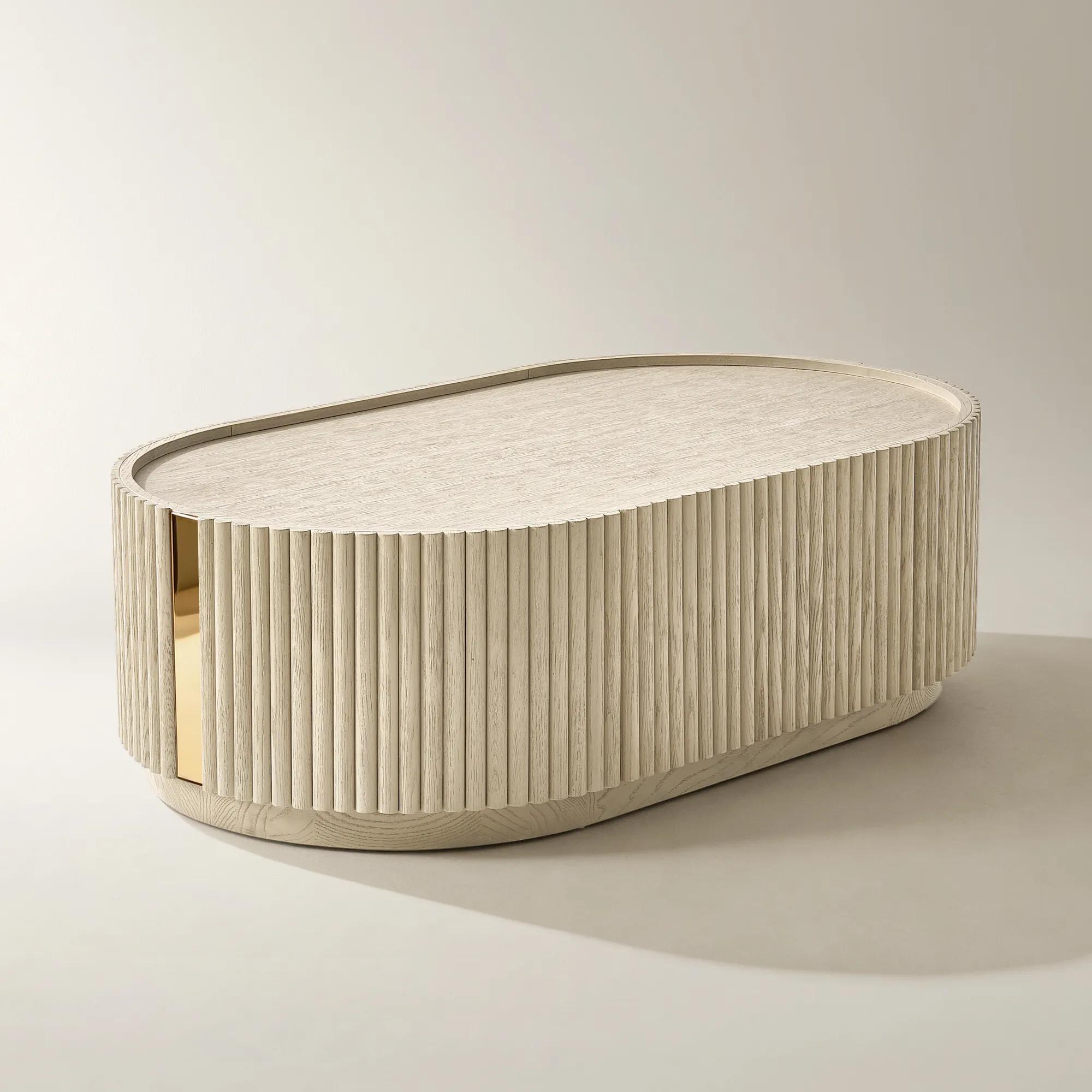 Stria Oval Reeded White Oak Coffee Table with Drawer (52")$1399
A reeded white oak coffee table with soft gold accents, recessed tabletop, and concealed soft-close drawer.
Add To Cart -
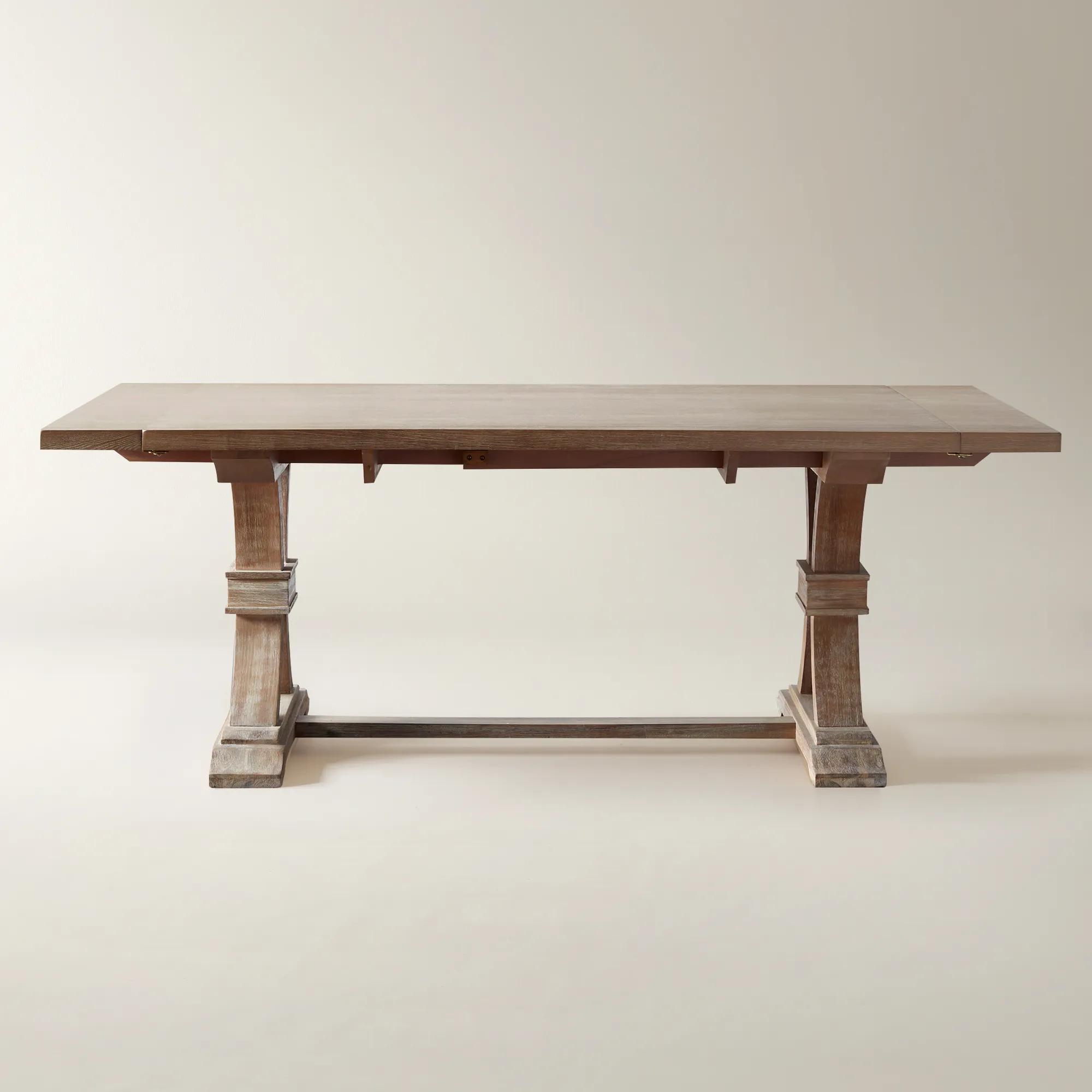 Archer Rectangular Whitewashed Acacia Wood Extending Dining Table (78" - 110")$2499
An extending dining table crafted from kiln-dried hardwood with a whitewashed oak finish and acacia veneer.
Add To Cart -
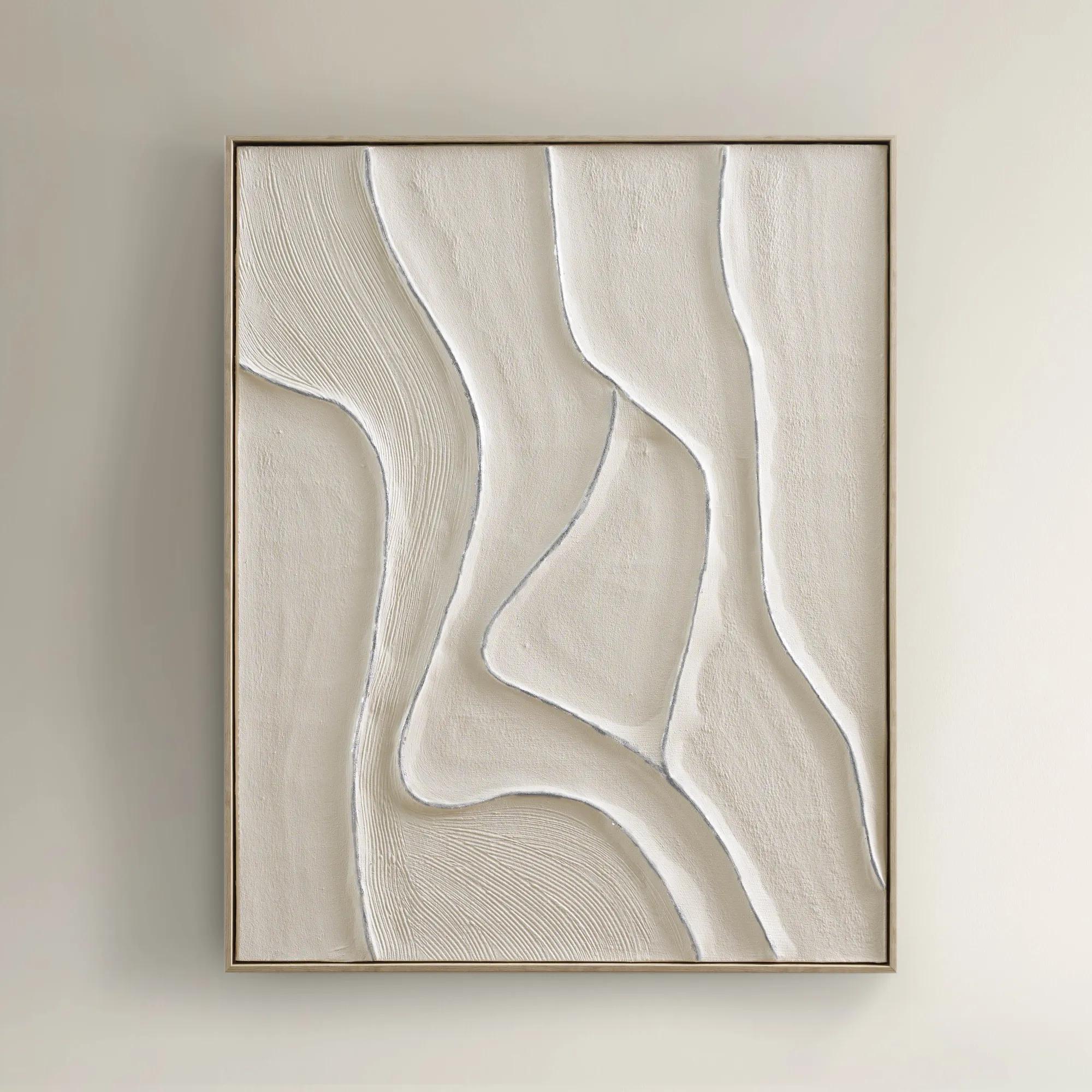
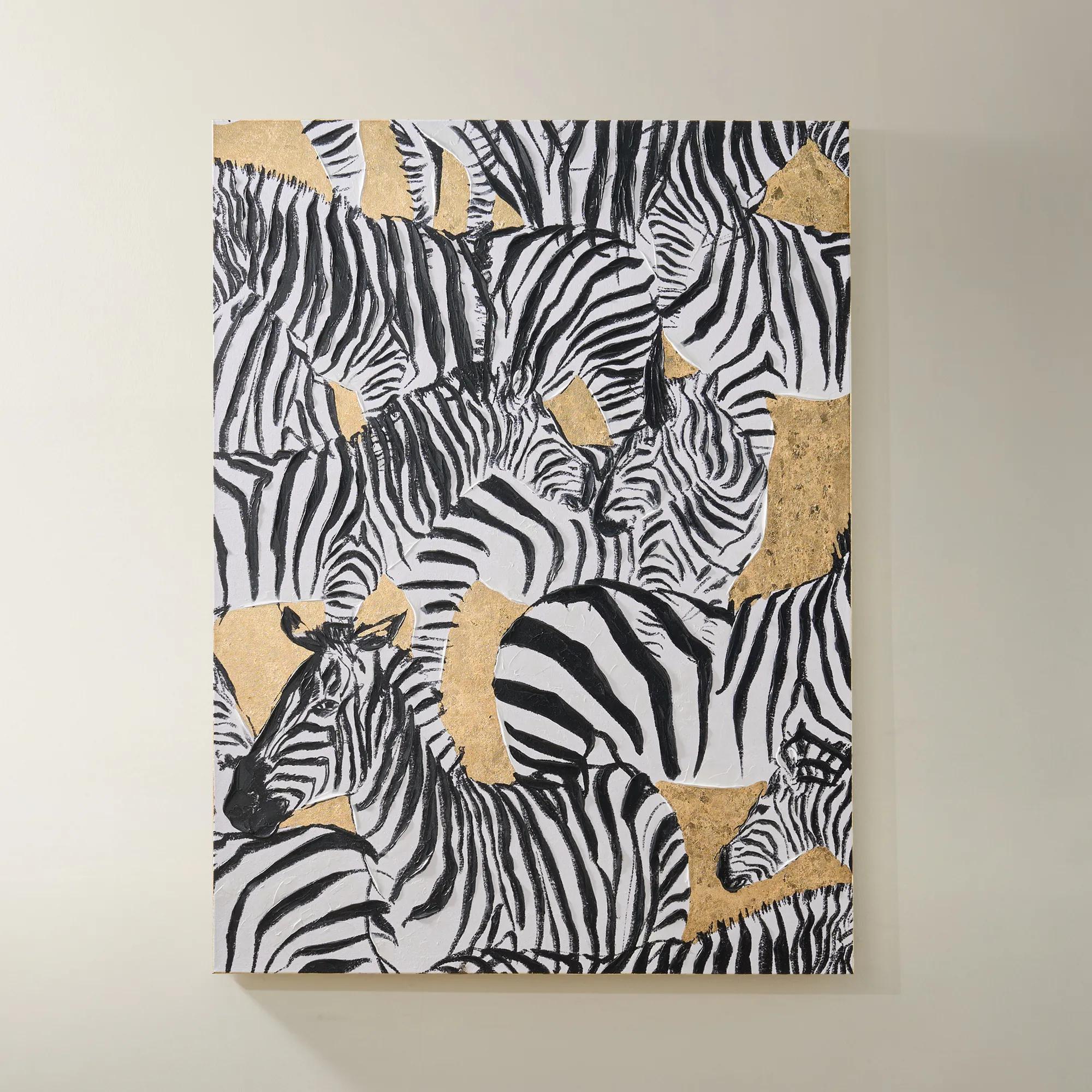
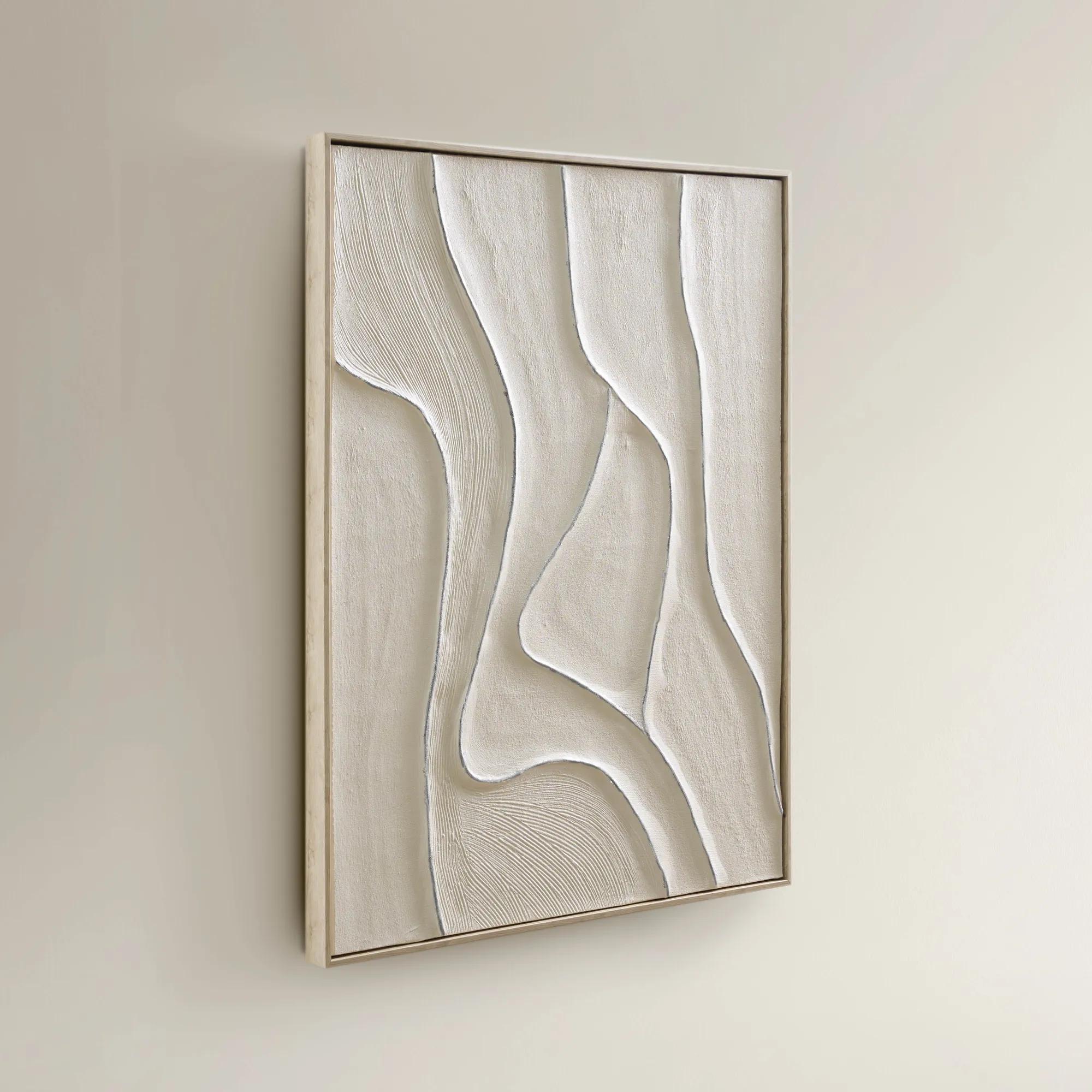 Vivre Framed Painted Wall Art 39.25" x 31.5"$199
A hand-painted canvas featuring tranquil beige hues and flowing lines in a warm whitewash floater frame.
Add To Cart

White Washed Wood Display Pieces
White washed wood display pieces transform any space into a serene sanctuary of refined artistry. Their sun-bleached finishes evoke the quiet luxury of coastal villas and airy lofts, infusing interiors with an effortless elegance that feels both timeless and fresh. Each piece becomes a sculptural focal point—subtle yet striking—inviting you to layer textures, showcase your treasures, and create moments of visual poetry. With white washed wood display pieces, every surface is an opportunity to express your unique aesthetic, blending organic warmth with luminous sophistication. Paint your home boldly, and let these accents set the stage for everyday grandeur.
White washed wood display pieces are decorative platforms, vessels, shelves, and furnishings finished with a pale wash that allows some of the wood’s grain and texture to remain visible. Their appeal lies in that balance: the brightness of white, softened by the movement and character of natural wood. Unlike an opaque painted finish, a translucent whitewash typically reveals variations beneath the surface, from delicate grain lines to more pronounced knots and grooves. The result can feel rustic or refined depending on the silhouette, edge treatment, and surrounding materials. A slender, clean-lined form brings quiet definition to a glamorous arrangement, while a deeply textured profile introduces an earthy counterpoint to polished metal and luminous glass. Common forms include tabletop risers, decorative trays, long centerpiece boxes, wall-mounted ledges, and larger display cabinets. Each gives treasured objects a more deliberate place in the room, whether by lifting a sculptural accent above a stack of books or framing a collection behind glass. These pieces suit interiors that favor layered neutrals, but their pale finish also creates striking contrast against charcoal walls, richly colored upholstery, or a dark dining table. Whitewashed wood need not suggest an entirely farmhouse setting; paired with mirrored surfaces, substantial ceramics, and gleaming metallic details, it takes on a distinctly sophisticated presence. Undertone matters as much as texture. A creamy wash feels harmonious beside ivory textiles and warm brass, while a cooler, chalkier finish can complement silver accents and smoky glass. Differences in lighting may make the same finish appear warmer or more subdued, so finish descriptions and close-up photographs deserve attention. For a collector, an enthusiastic host, or anyone arranging a personal gallery of meaningful objects, white washed wood display pieces provide structure without overwhelming what they hold. Their pale surfaces give darker objects a crisp outline, while visible grain keeps an all-white arrangement from feeling flat. The most compelling effect is not perfect uniformity, but a considered interplay of smooth and textured, luminous and matte.
The right format depends on both the objects being displayed and the surface or room that will receive it. A tabletop riser adds height to a low arrangement, making a small sculpture or decorative vessel feel more intentional on a broad console. A tray establishes a boundary around several objects, allowing a grouping to read as one composed vignette rather than a scattering of accessories. Long centerpiece boxes emphasize the proportions of rectangular tables, while wall shelves draw attention upward and leave the surface below open. A freestanding display cabinet offers greater scale and may provide enclosed storage, although glass doors do not necessarily make an interior dustproof. Dimensions should account for the full footprint, including projecting feet, handles, trim, or an overhanging top. On a coffee table, a display piece should leave comfortable space for everyday use; on a dining table, its height should preserve sightlines between seated guests. Inside a cabinet, shelf depth and the distance between shelves determine whether tall vessels and wide serving pieces will sit comfortably. For risers and stands, the usable top surface, base stability, and stated weight capacity matter more than appearance alone. A heavy object needs full, secure support rather than a dramatic perch near an edge. Materials also influence the character and performance of the piece. Solid wood can offer distinctive grain and natural variation, while wood veneer over an engineered core can provide a wood surface with a different underlying construction. Reclaimed wood may feature old marks, knots, or irregularities, but a weathered appearance by itself does not establish reclaimed content. Likewise, whitewashed, distressed, and white-painted finishes are not interchangeable descriptions: one concerns a pale wash, another a worn effect, and the last may conceal the grain altogether. Product details should clarify the construction, finish, assembly needs, and intended use. Wall-mounted designs require hardware appropriate to the wall and load, and tall cabinets should be secured according to their installation instructions. These practical distinctions allow expressive styling to rest on a dependable foundation.
Whitewashed wood makes an especially graceful backdrop for arrangements built around contrast and proportion. On an entry console, a pale platform can lend prominence to a dark ceramic form while a framed photograph brings a personal note to the composition. In a living room, a low wooden tray can gather decorative objects against the sheen of a glass tabletop, introducing texture where the surrounding surfaces are sleek. Leave some of the washed finish visible rather than covering every inch; that exposed grain is part of the design. Pieces chosen for gifts work best when their scale and intended placement are considered as carefully as their finish. A compact decorative display piece can be a thoughtful housewarming or wedding gift for someone who enjoys arranging a home, while larger shelves and cabinets are better selected with the recipient’s measurements and preferences in hand. For accents that complement a pale wood setting, Decorative White Wood Objects can bring another layer of sculptural interest without relying on an exact finish match. Preserving the character of whitewashed wood begins with understanding its protective coating, if any. A sealed surface and an unsealed, porous finish may require different care, so the manufacturer’s directions should take precedence. Gentle dusting with a soft, dry cloth is a sensible starting point; abrasive pads, harsh cleaners, and vigorous rubbing can alter the pale finish or catch on textured grain. Wipe up spills promptly, and avoid leaving moisture beneath planters, vases, or drinking glasses. Protective liners and pads should be suitable for the finish, since some backing materials can discolor or adhere to coated surfaces. Decorative trays and boxes should not be treated as food-safe serving pieces unless expressly designated for that purpose, and indoor display pieces should not be assumed suitable for outdoor use. Heat, prolonged direct sunlight, and moisture can affect wood and its finish, while dragging heavy objects may leave scratches. With appropriate placement and thoughtful care, the washed surface retains its expressive role: a luminous frame for collected objects, distinctive materials, and the details that make a room unmistakably personal.
FAQs
White washed wood display pieces are remarkably versatile, complementing a range of design aesthetics from coastal and farmhouse to shabby chic and modern eclectic. Their soft, weathered finish harmonizes beautifully with both muted palettes and bold accents, making them ideal for spaces that embrace relaxed elegance, layered textures, and a hint of vintage charm.
During the holiday season, white washed wood display pieces serve as perfect backdrops for festive vignettes. Use trays to showcase candles, ornaments, and greenery on your coffee table, or elevate desserts and hors d’oeuvres on tiered stands for a dramatic tablescape. Their neutral tones allow seasonal colors and sparkling accents to shine, creating a warm and inviting atmosphere.
Absolutely. These pieces make thoughtful and stylish gifts, especially for hosts, newlyweds, or anyone who delights in home décor. Their timeless appeal and practical versatility ensure they are cherished and used year-round, whether as a centerpiece for gatherings or as a refined accent in everyday living.
Let your imagination lead the way—arrange a collection of scented candles and art books on a white washed tray, or use a riser to highlight a sculptural vase filled with fresh blooms. In entryways, display trays can organize keys and mail with effortless sophistication, while in dining areas, they anchor seasonal centerpieces or curated collections of tableware.
The distinctive grain and artful finish of white washed wood infuse spaces with personality and warmth. Each piece tells a story through its texture and patina, grounding modern glamour with a touch of rustic elegance. By layering these display pieces throughout your home, you create visual interest and a sense of curated artistry in every room.