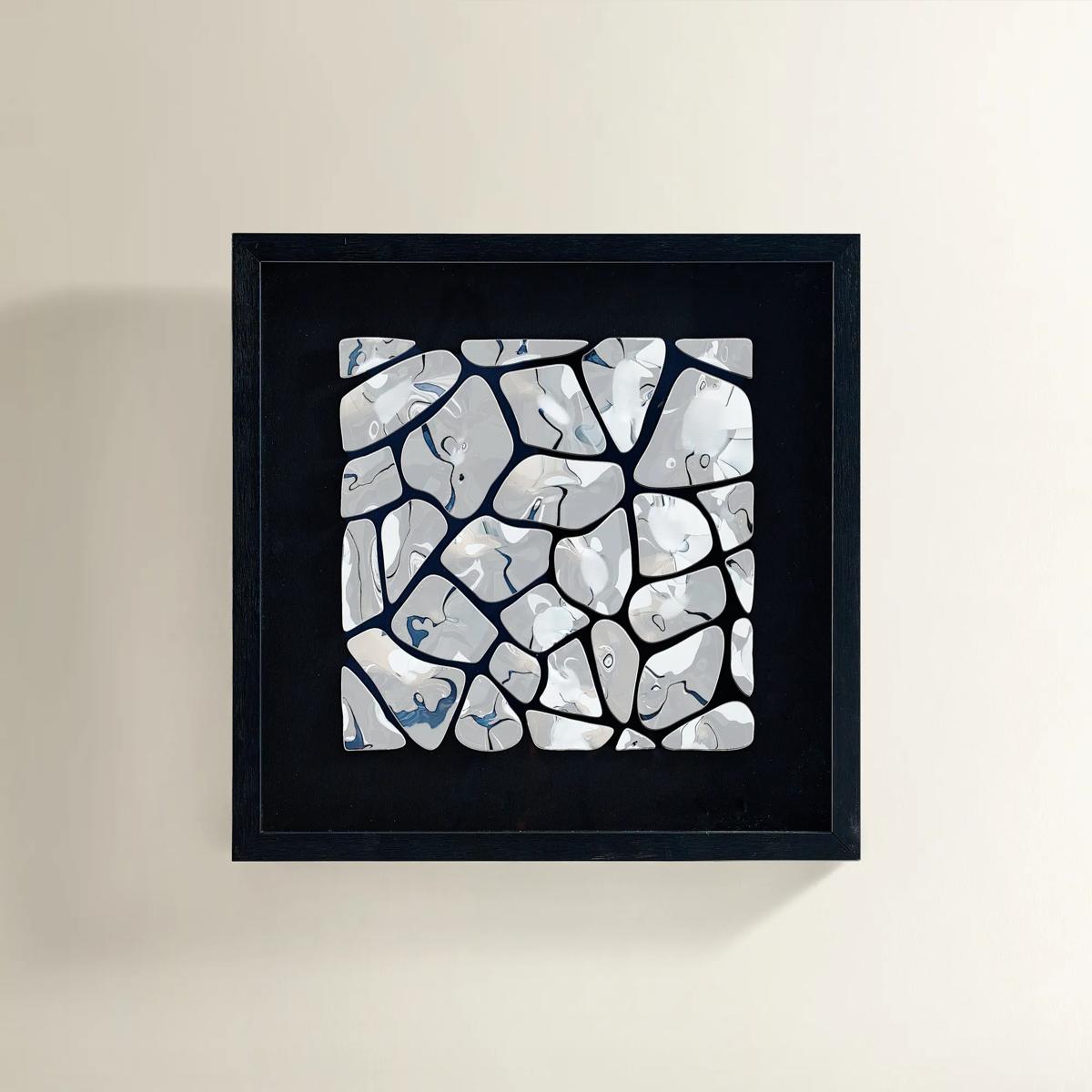
Versatile Wood Art Pieces
Versatile Wood Art Pieces
-

 Sand Storm Framed Gold Foil Wall Art 32" x 47"$329
A refined abstract artwork with gold foil accents, sand and charcoal tones, framed in solid wood.
Add To Cart -
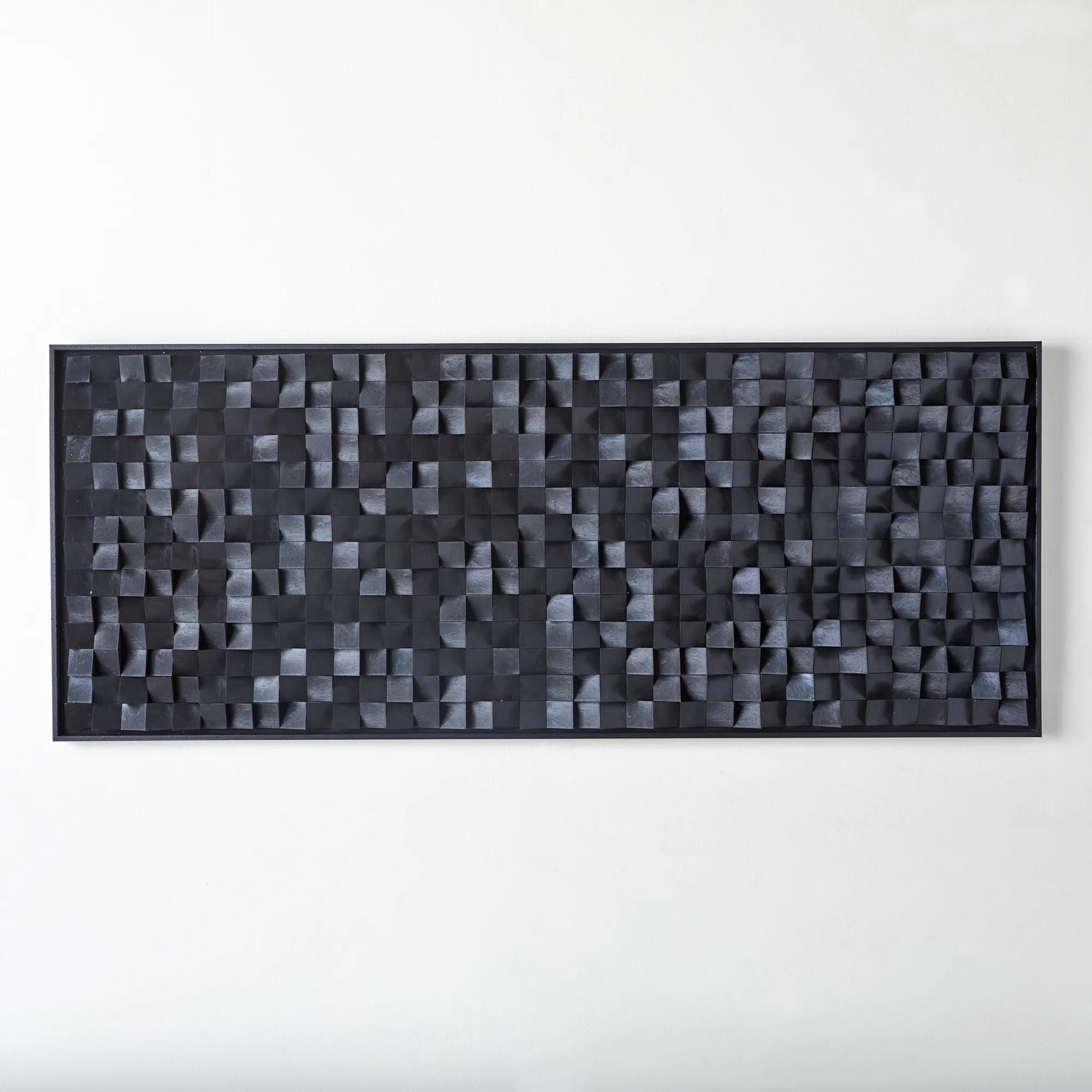 Nightfall Black Wood Dimenisonal Wall Panel 59" x 23.5"$599
An abstract wall art piece featuring cut black blocks in a sleek, low-profile black frame.
Add To Cart -

 Nikki Chu Female Figure Black Wood Decorative Object Set of 3$129
A striking set of three black mango wood sculptures featuring graceful, elegant female silhouettes.
Add To Cart -
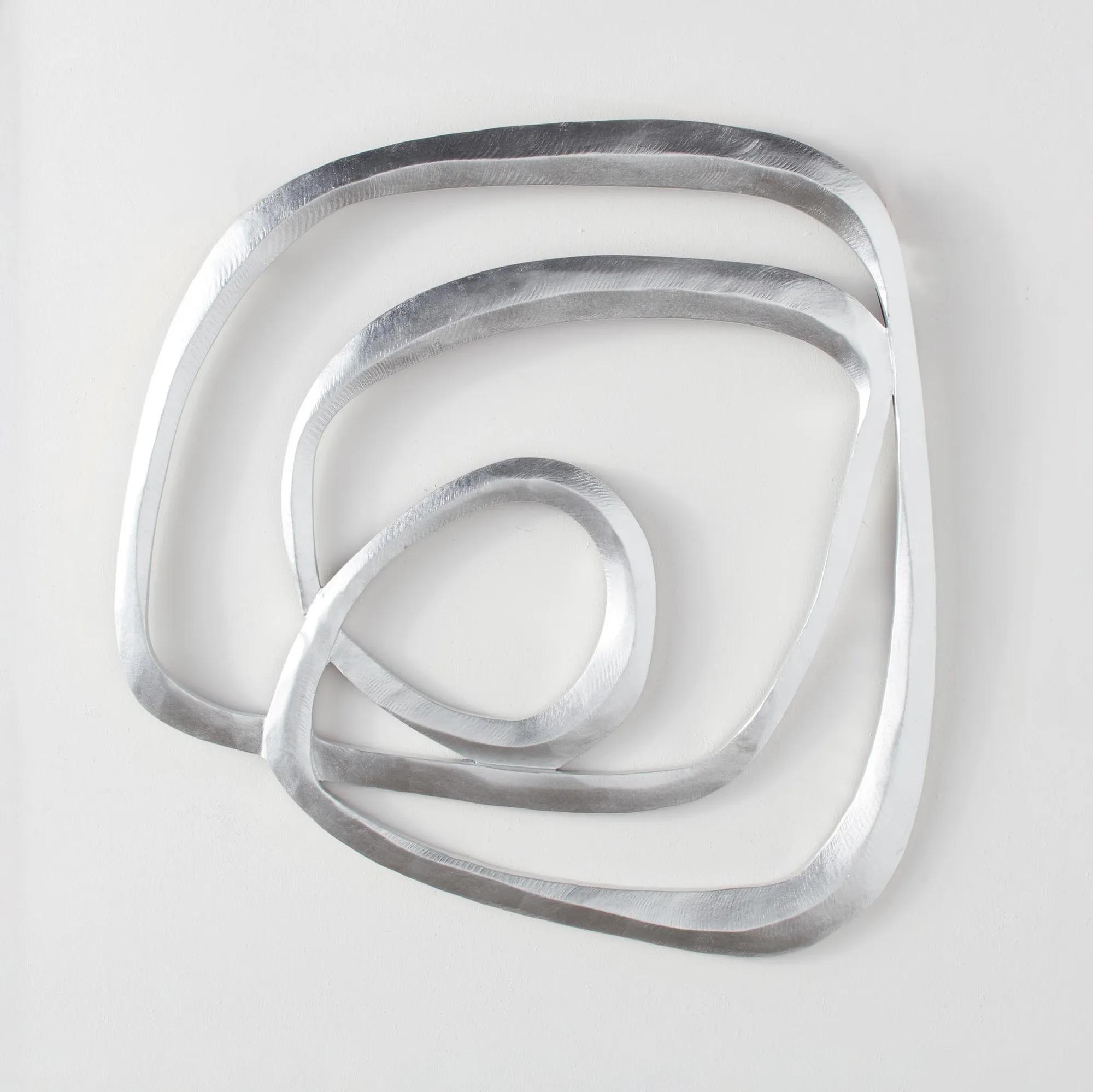 Infinity Silver Leaf Wood Wall Decor II 31.5" x 31.5"$299
A swirling wooden wall sculpture featuring a striking metallic silver finish for modern visual impact.
Add To Cart -
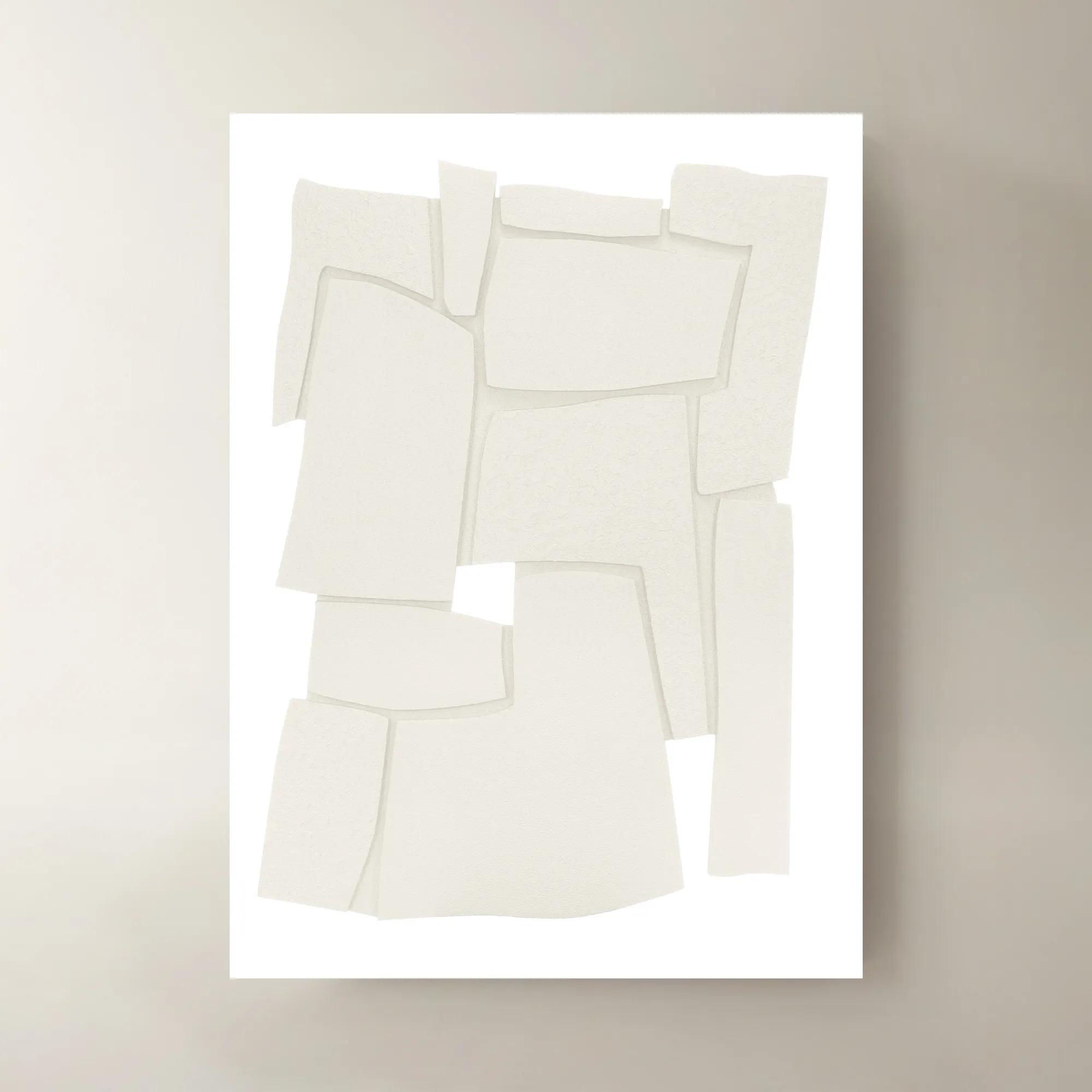
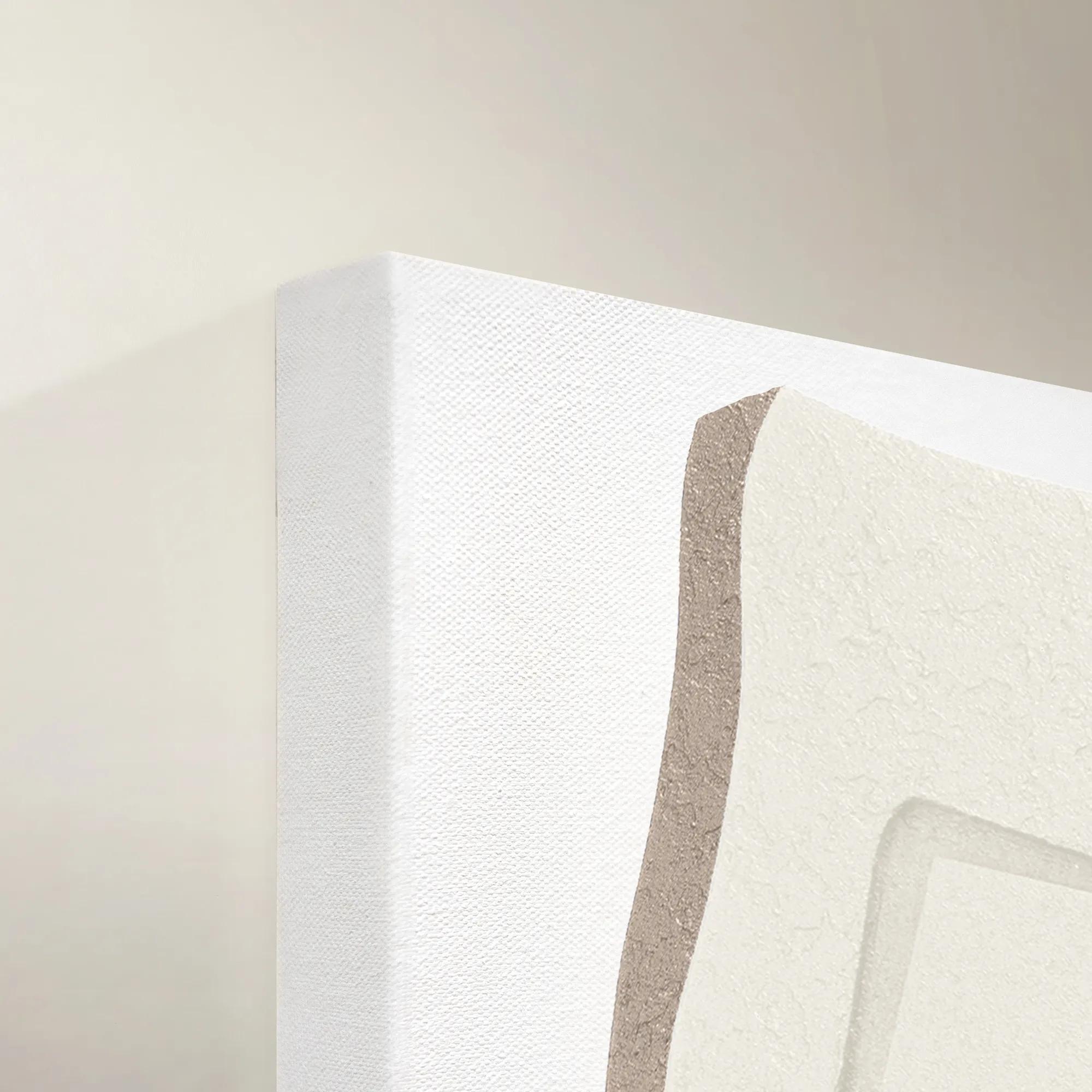 Wonder Maze III Wall Art 40" x 55"$1699
A contemporary canvas wall art piece featuring an intriguing abstract maze-inspired design.
Add To Cart -
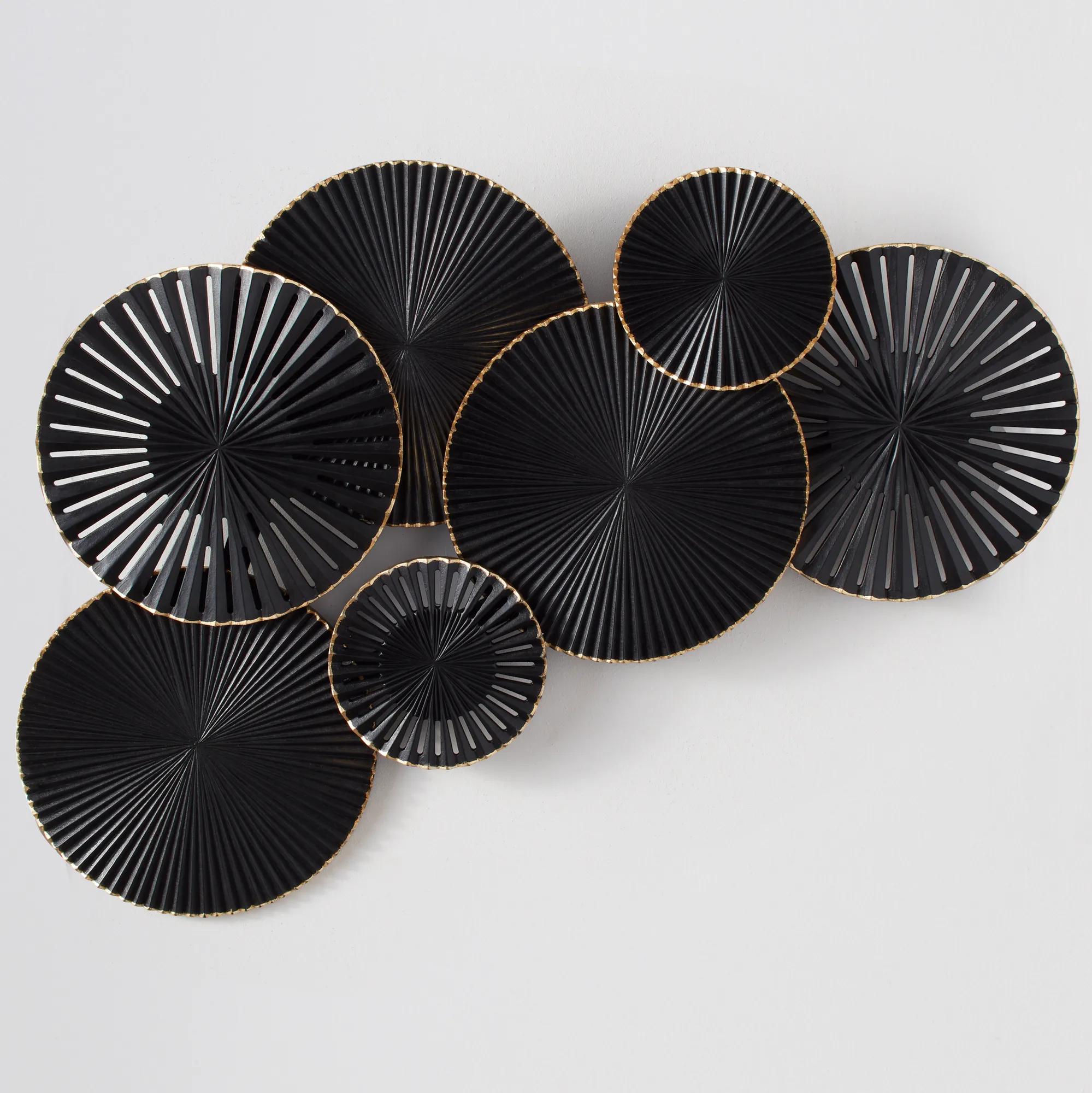
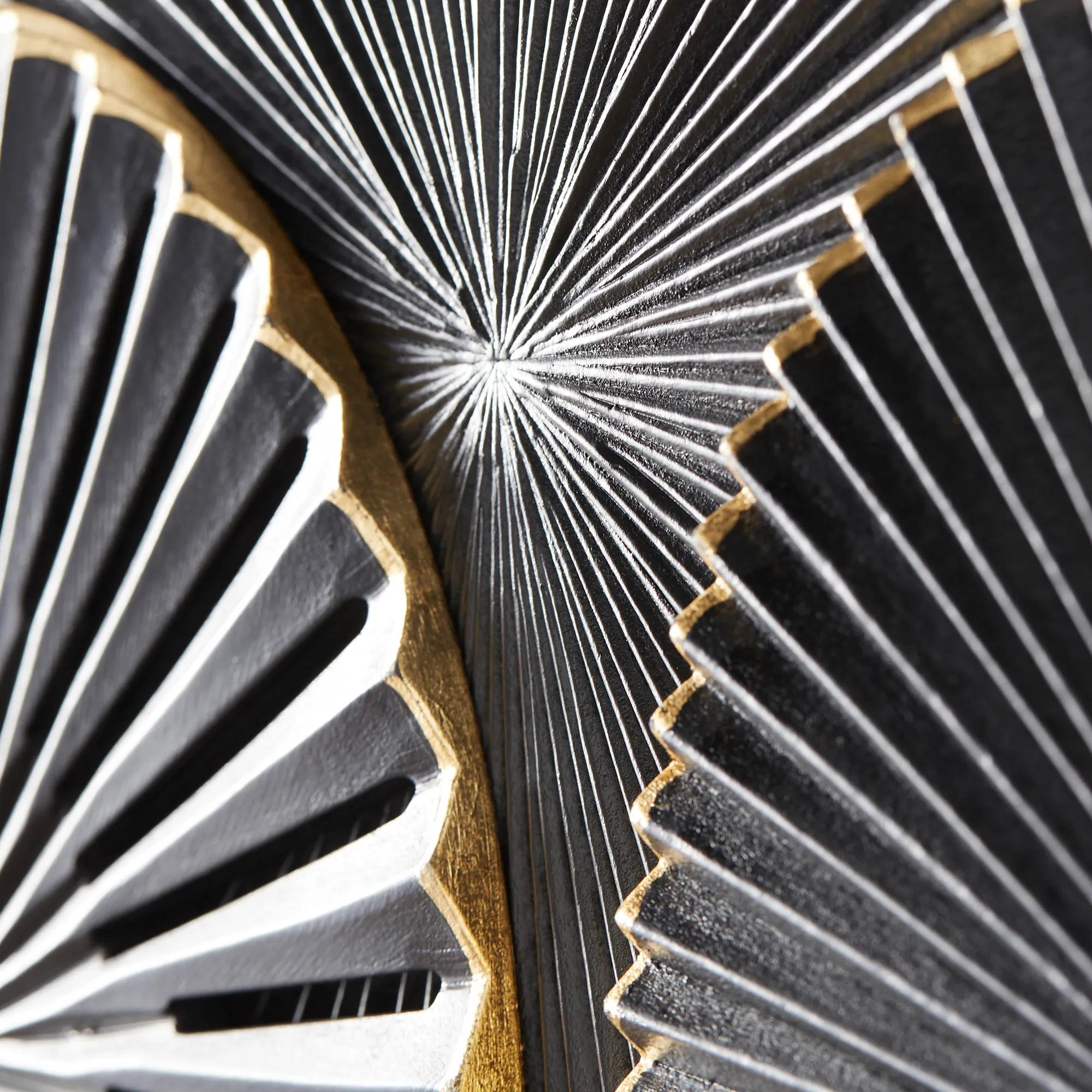 Circa Black Carved Wood Dimensional Wall Panel 47.25" x 27.5"$499
A carved wood wall art panel in black and gold that adds abstract intrigue to any room.
Add To Cart -
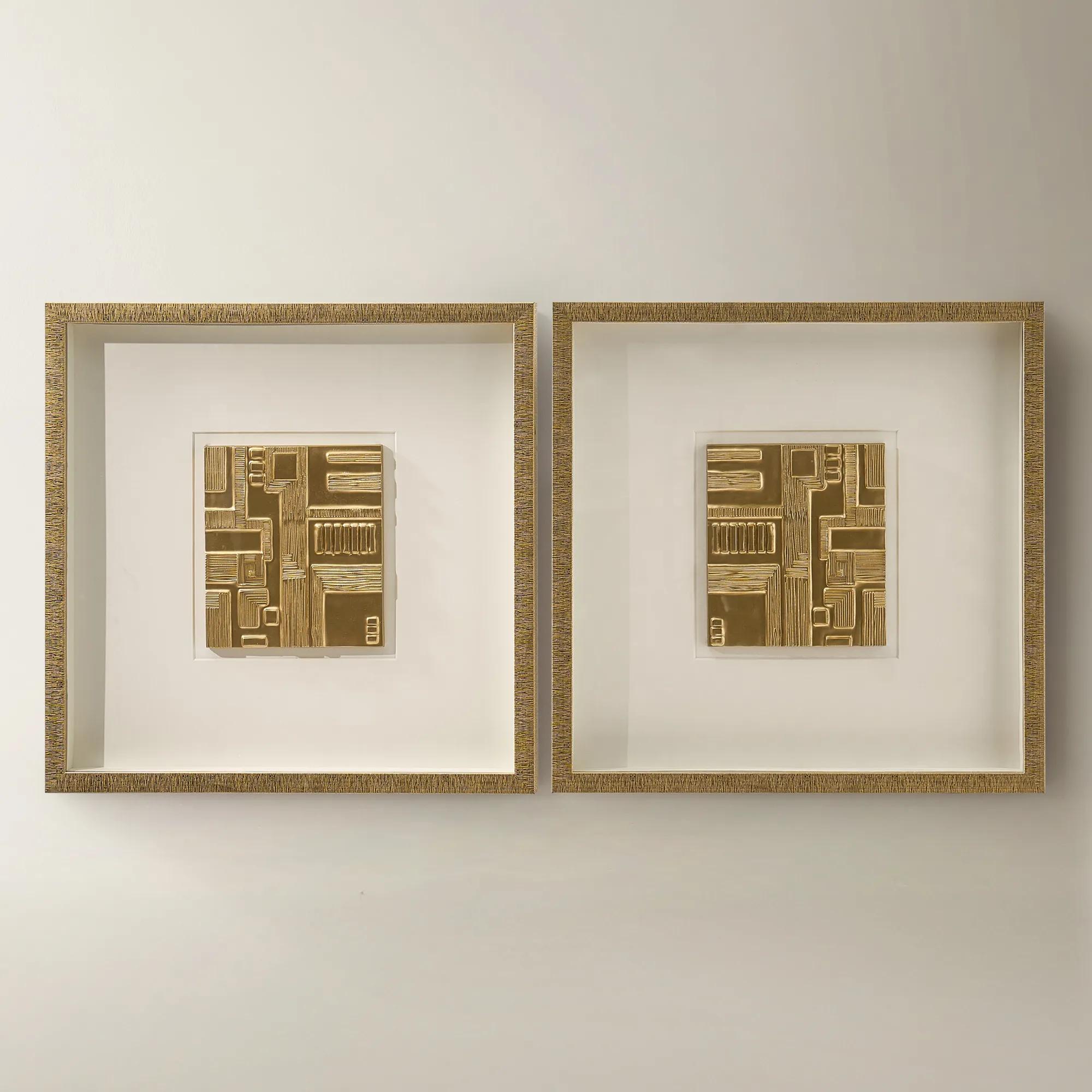
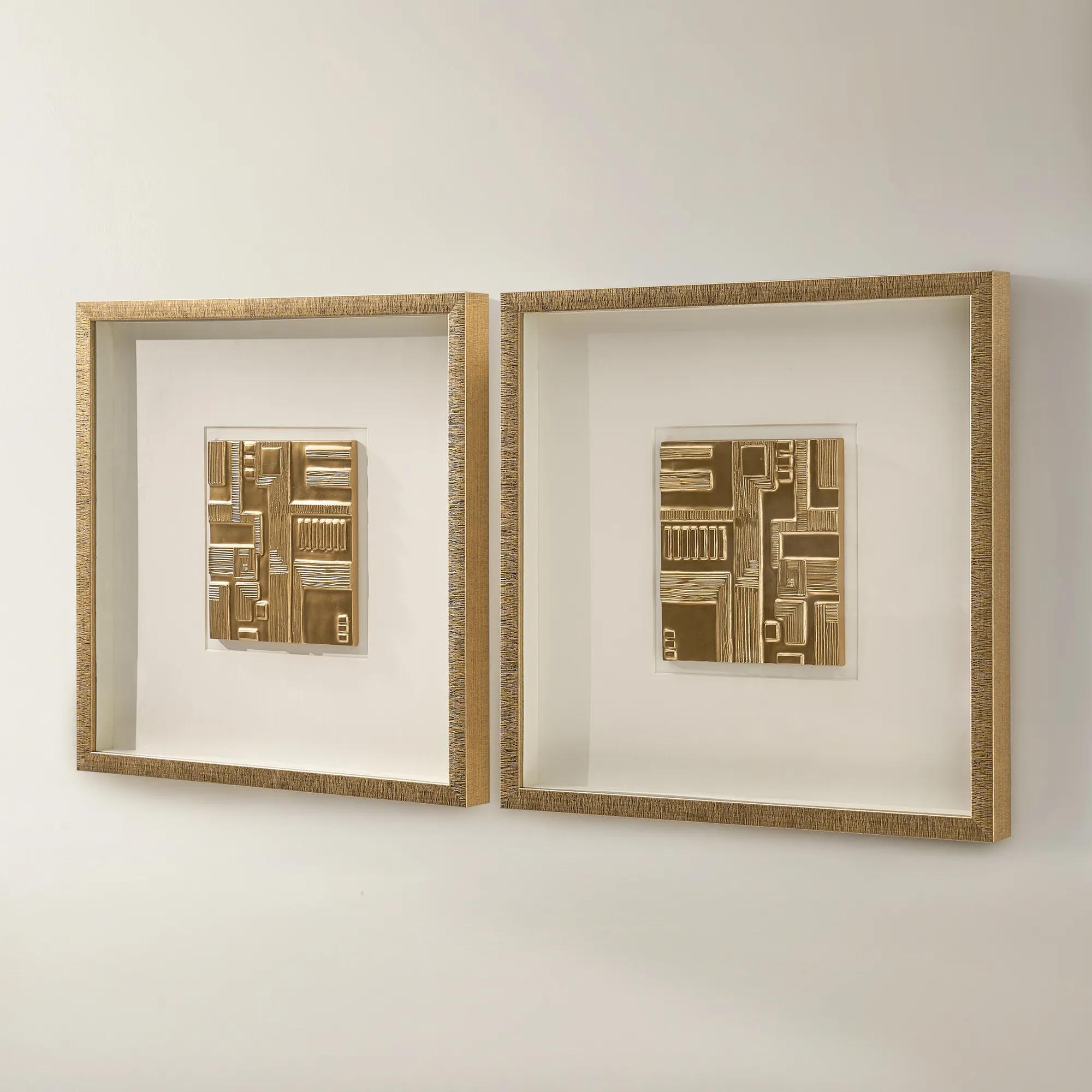 Ritual Framed Woodcarving Wall Decor Set of 2$329
A set of two gold-framed woodcarvings with ivory mats and dimensional relief for gallery-style wall decor.
Add To Cart -
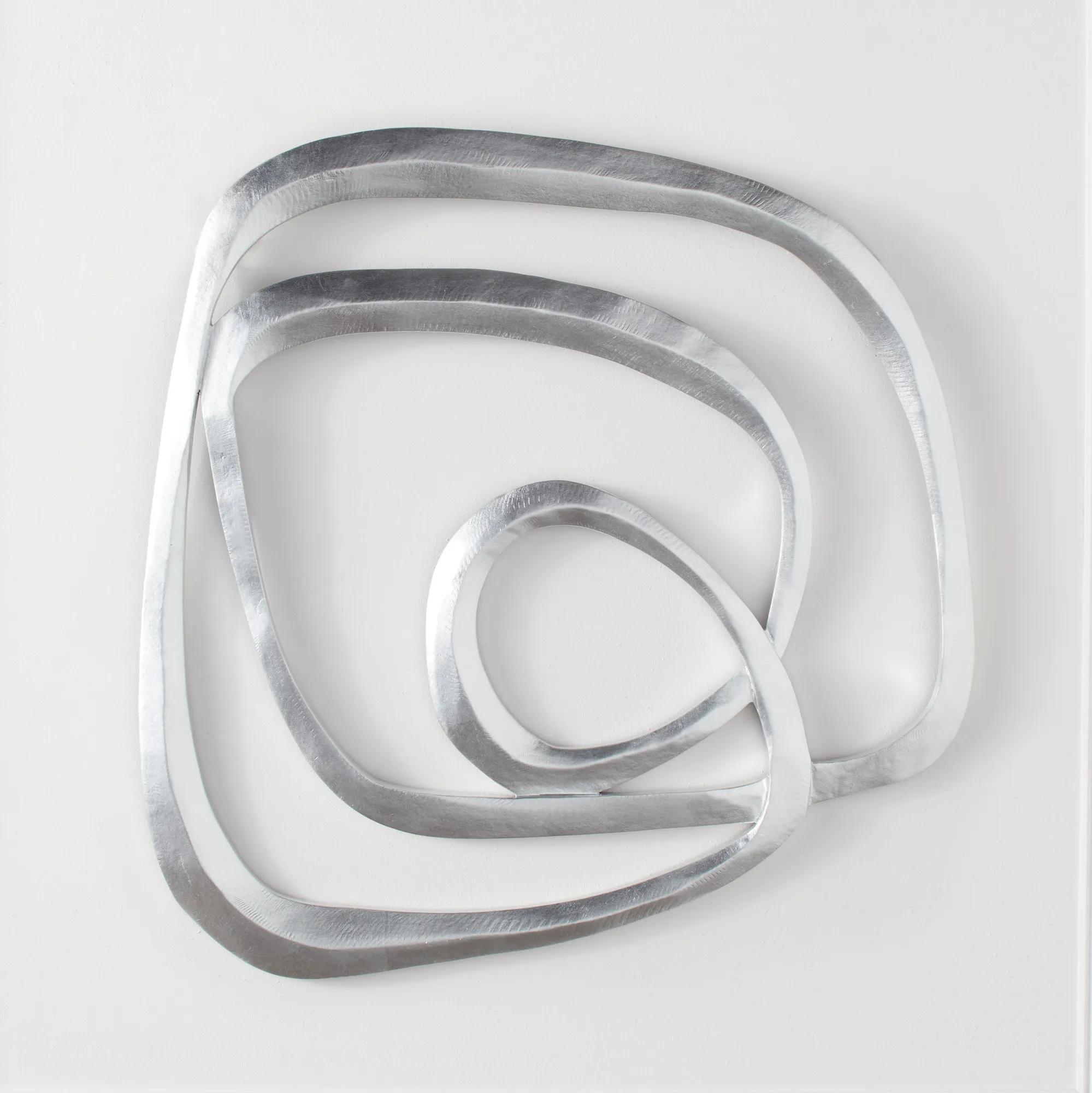 Infinity Silver Leaf Wood Wall Decor I 31.5" x 31.5"$299
A swirling wooden wall sculpture featuring a striking metallic silver finish for modern visual impact.
Add To Cart -
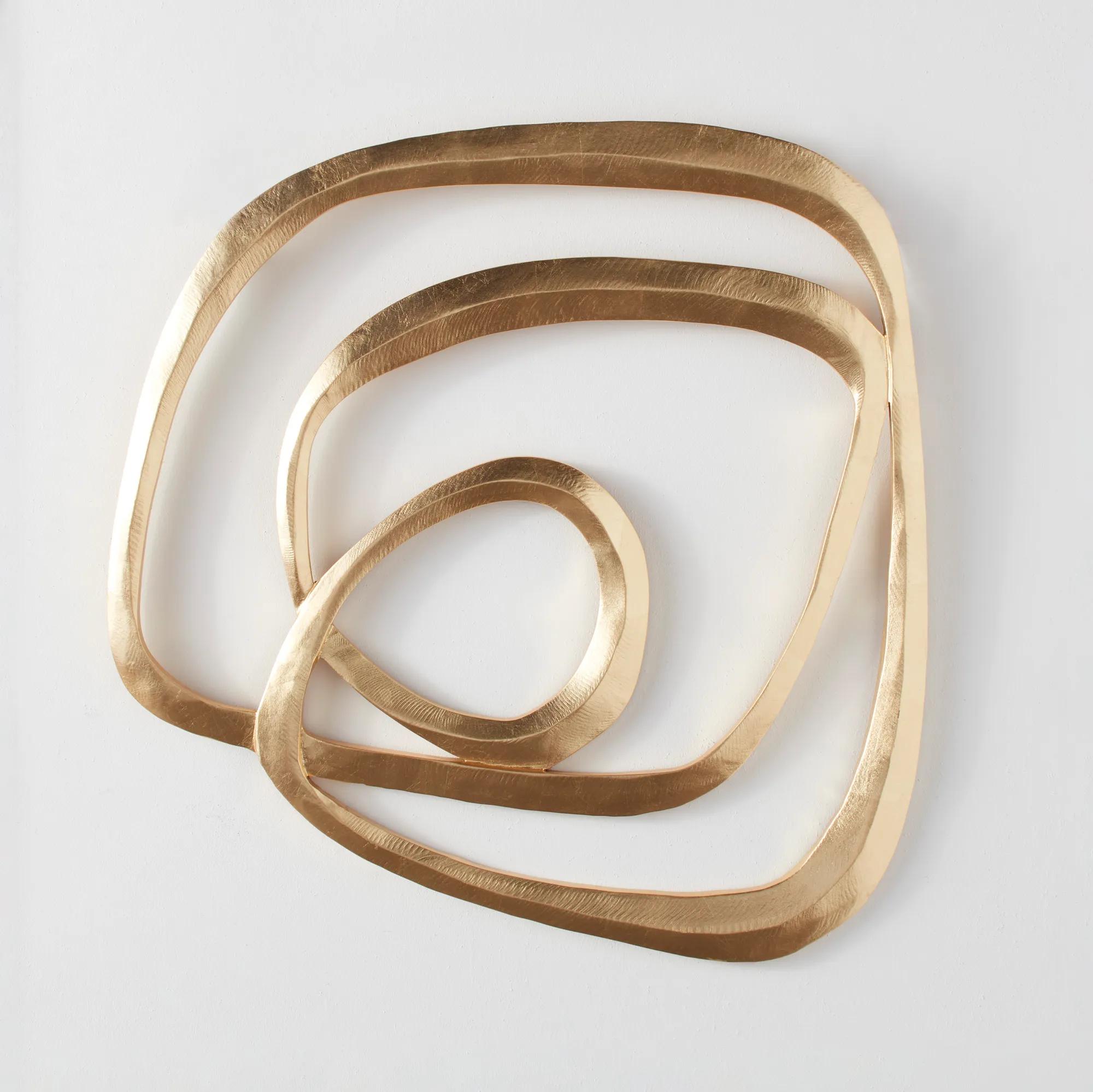 Infinity Gold Leaf Wood Wall Decor II 31.5" x 31.5"$299
A swirling wooden wall sculpture featuring a striking metallic gold finish for a modern statement.
Add To Cart -
 Gilt Collage Gold Hand Crafted Wood Dimensional Wall Panel 30" x 60"$799
A glamorous gilt-finished collage wall panel bringing sculptural dimension and contemporary elegance to your decor.
Add To Cart -
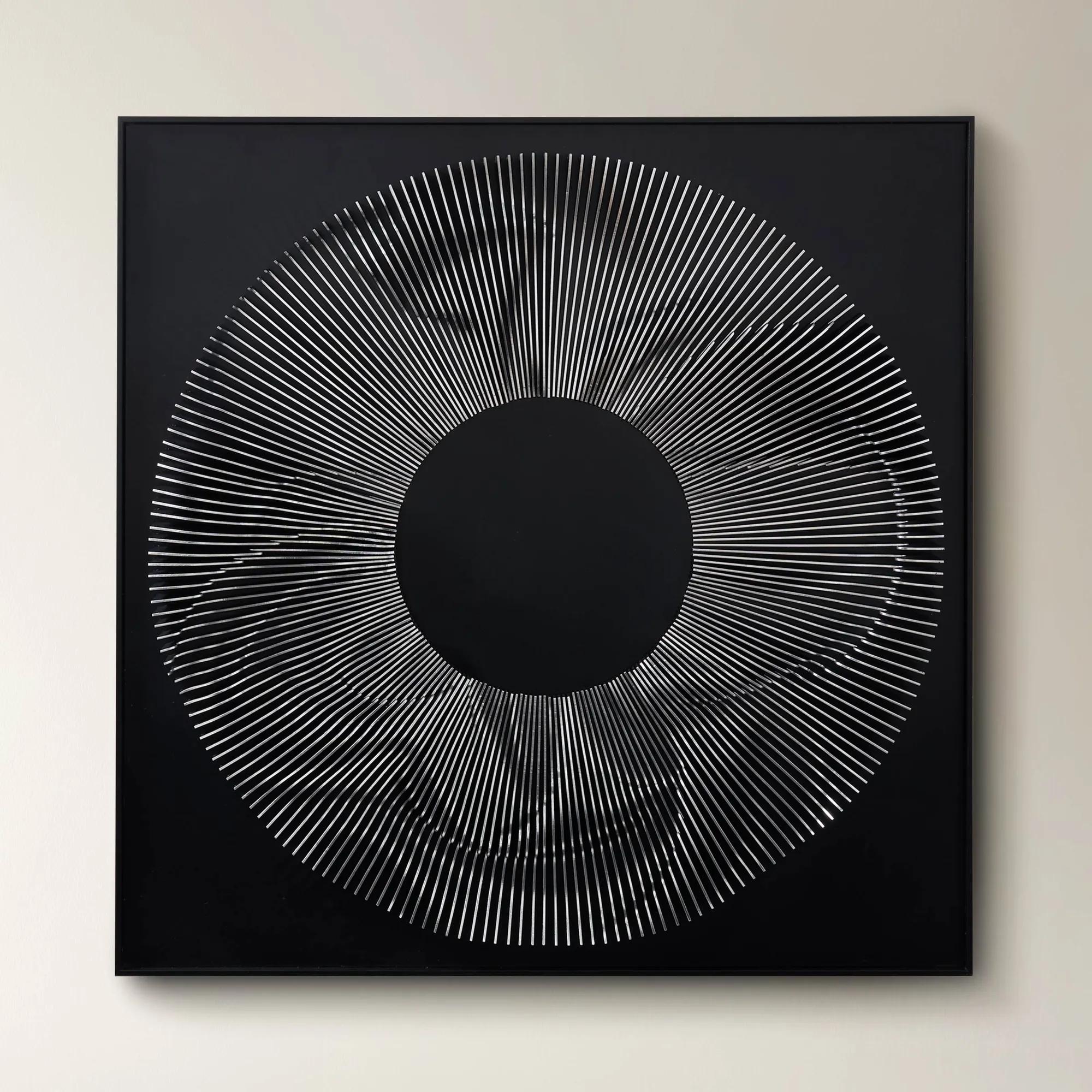 Efflorescence Wood Carving$799
A three-dimensional pine wood panel features a flowing carved motif in a striking silver finish.
Add To Cart -
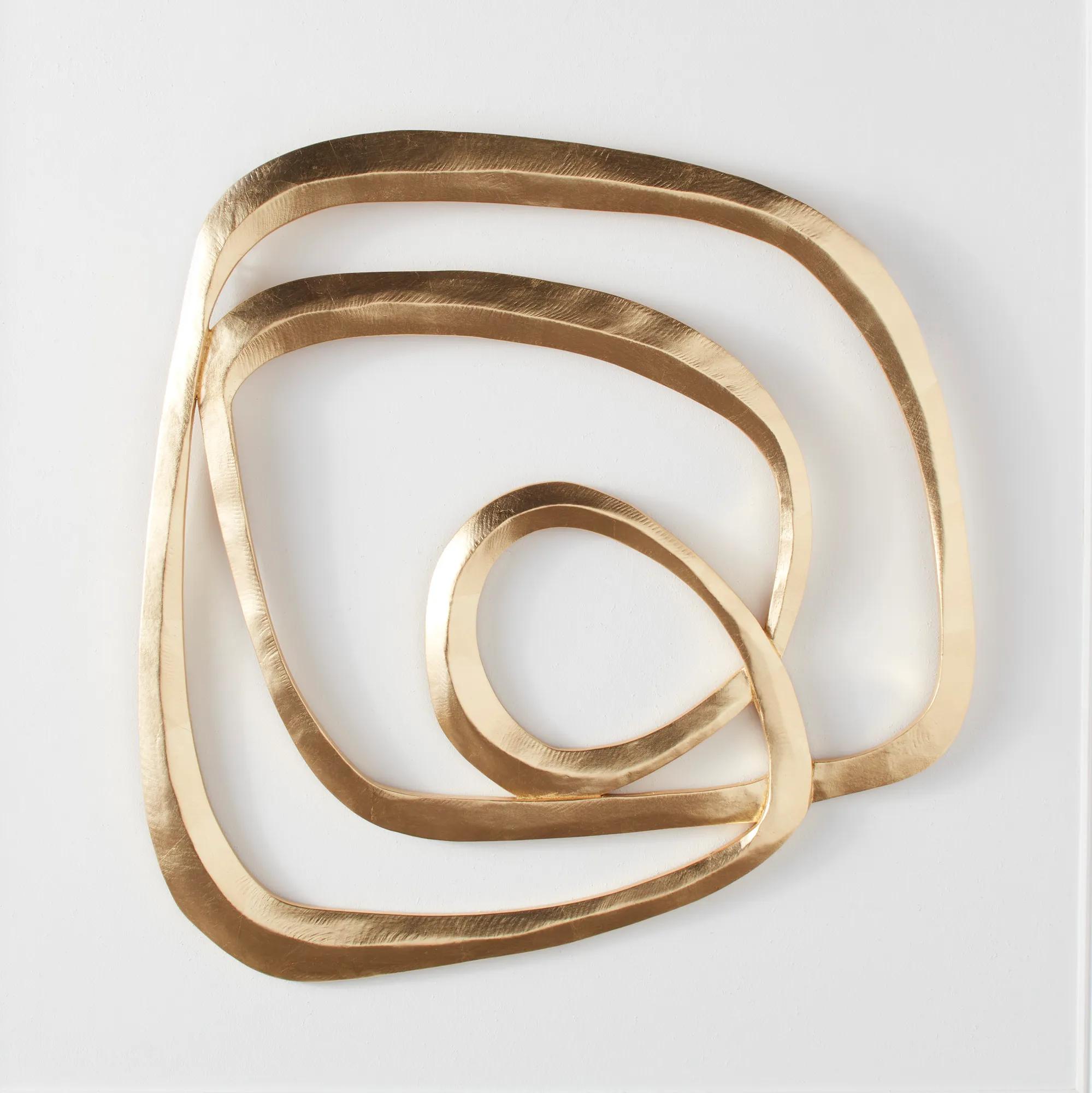 Infinity Gold Leaf Wood Wall Decor I 31.5" x 31.5"$299
A swirling wooden wall sculpture featuring a striking metallic gold finish for a bold decorative statement.
Add To Cart -
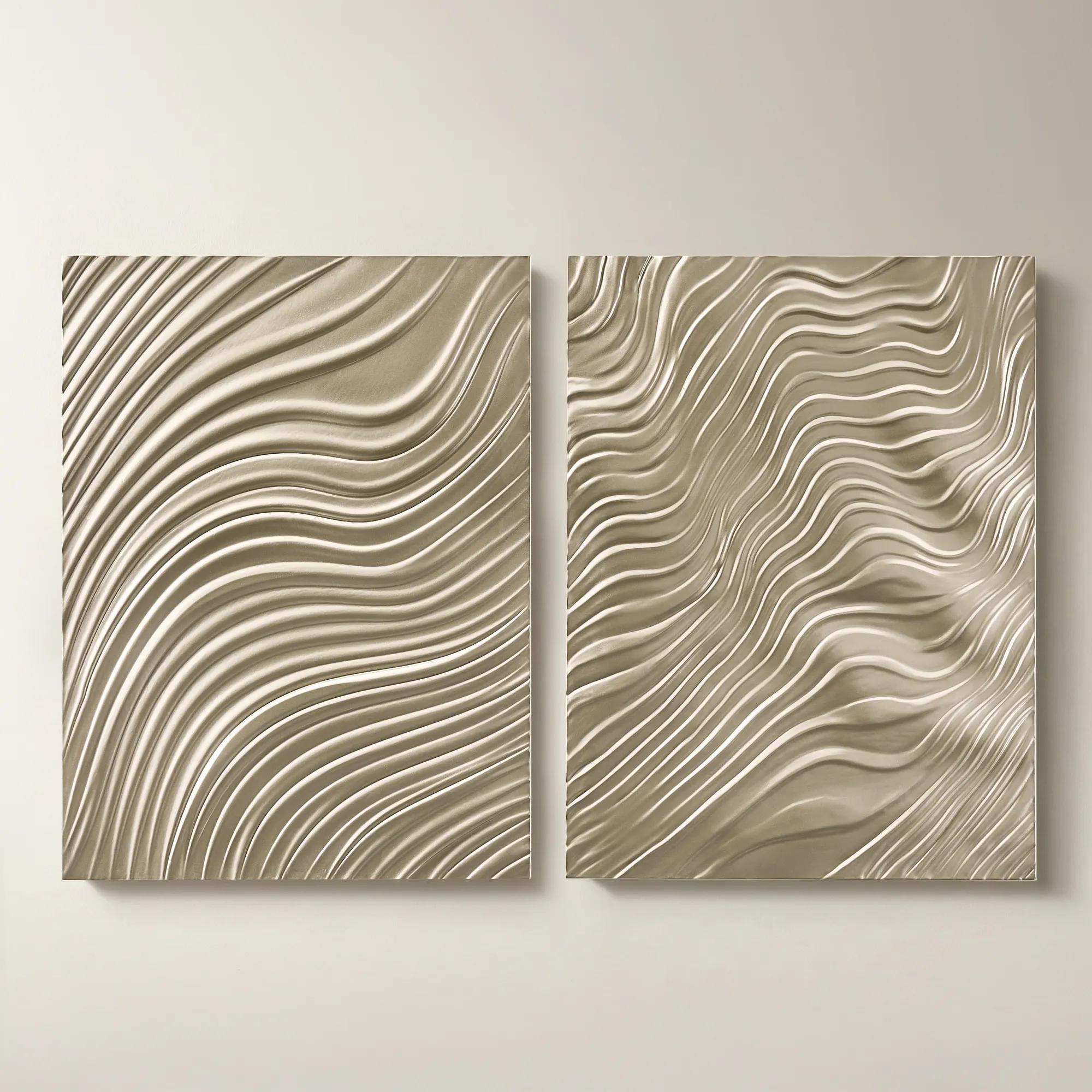
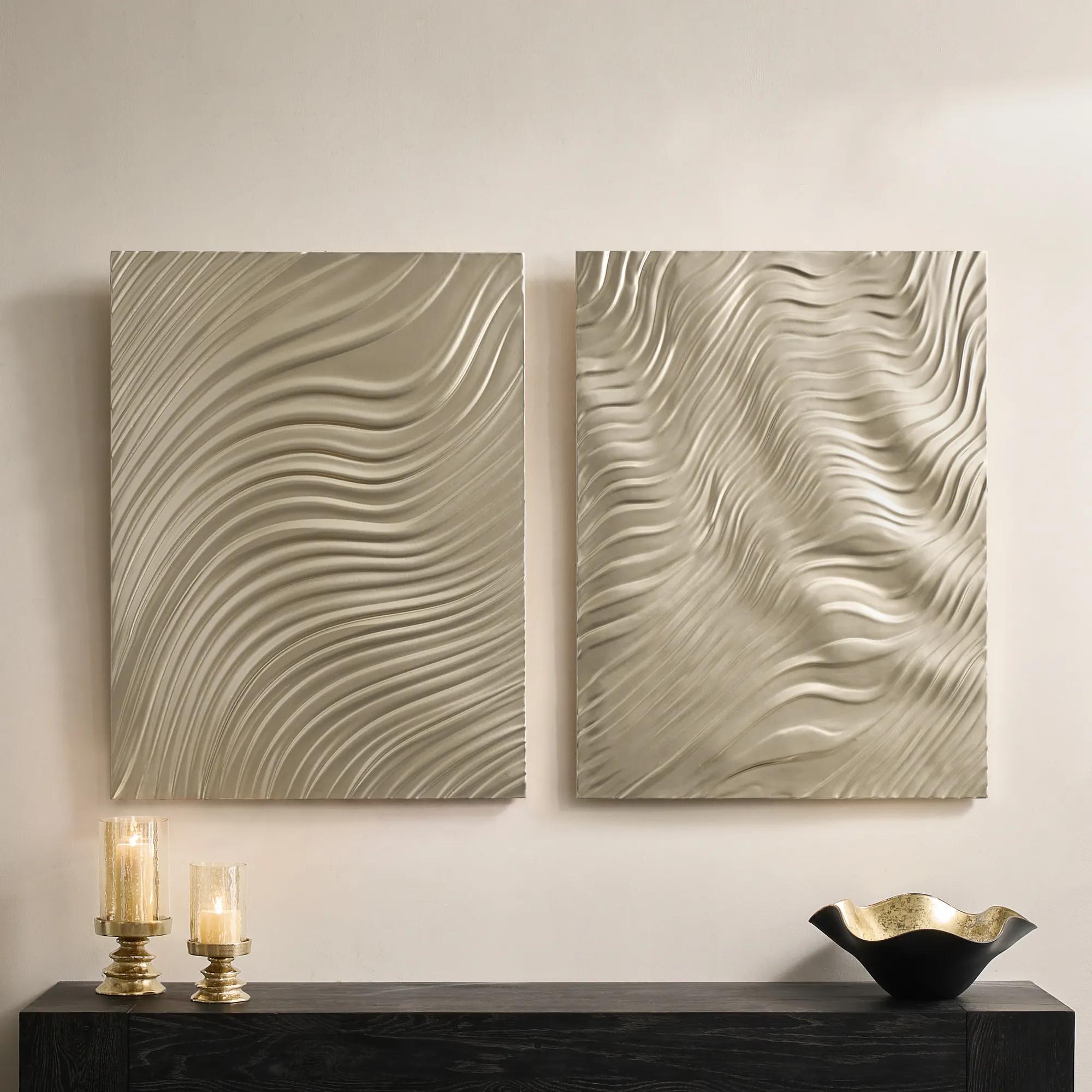 Mirage Champagne Carved Wood Wall Panels 30" x 40" Set of 2$799
A set of two intricately carved wood composite panels in a champagne finish with flowing 3D patterns.
Add To Cart -
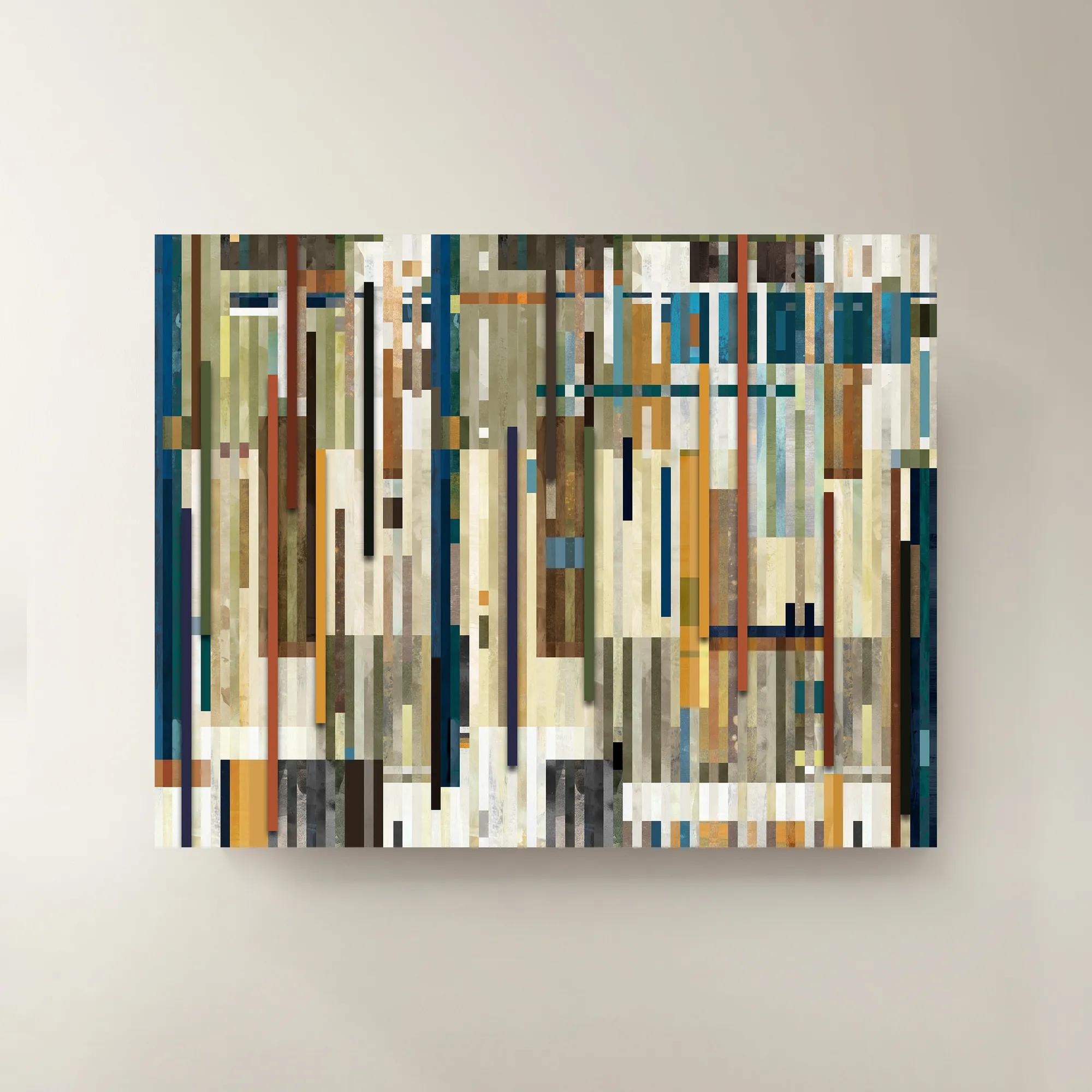
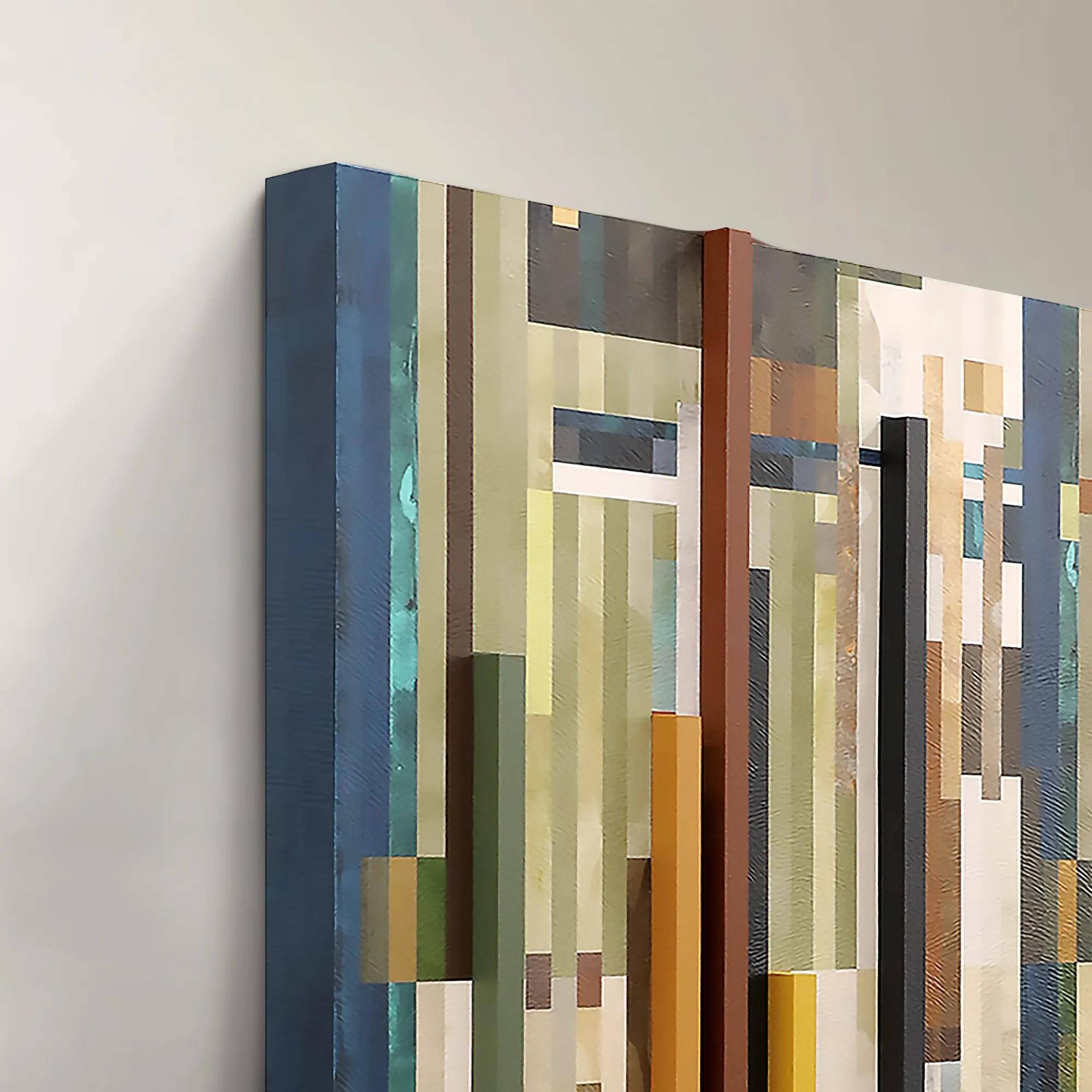 Chromatic Rhythms II Wall Art 60" x 47"$1899
A dynamic blue abstract canvas artwork featuring rhythmic geometric composition.
Add To Cart -
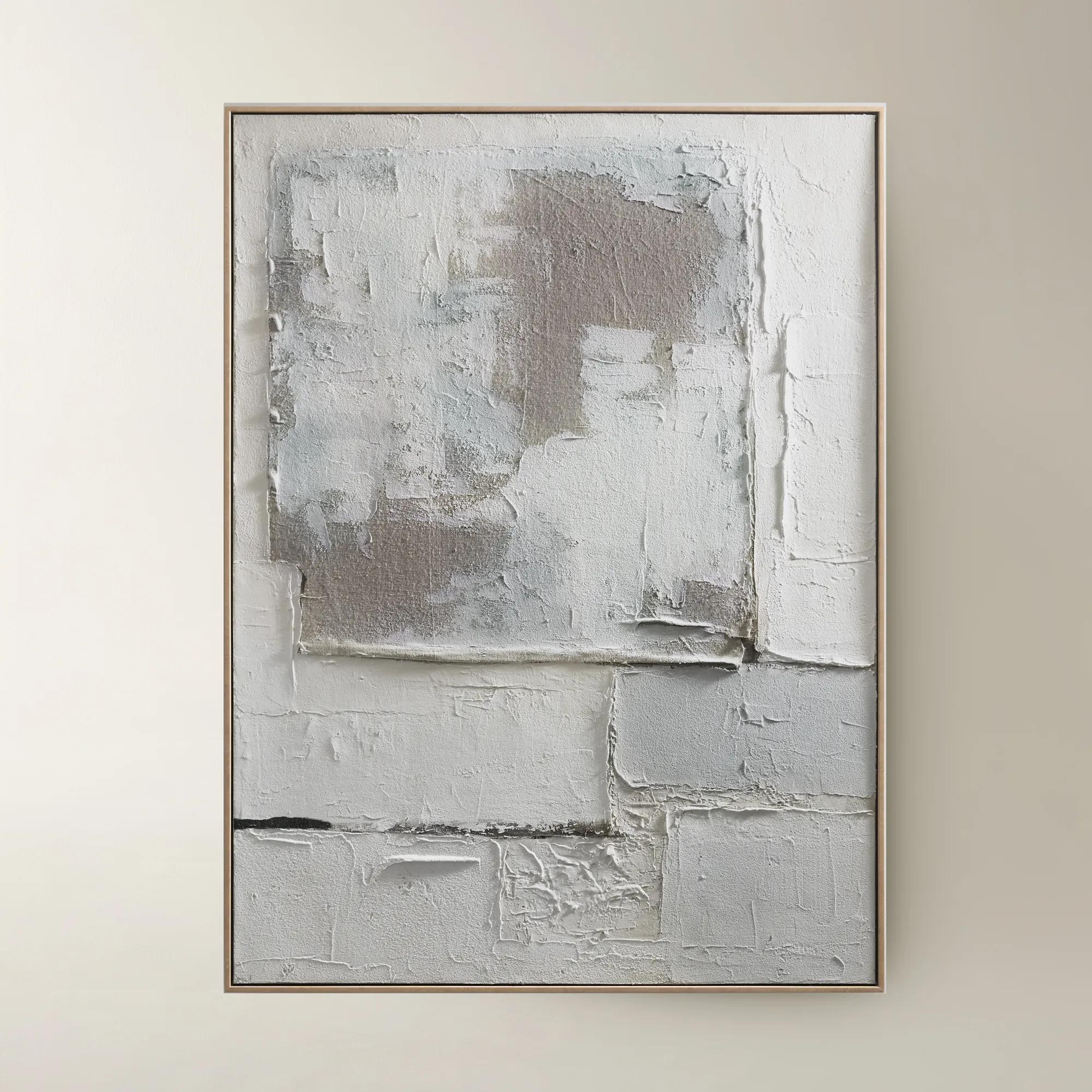
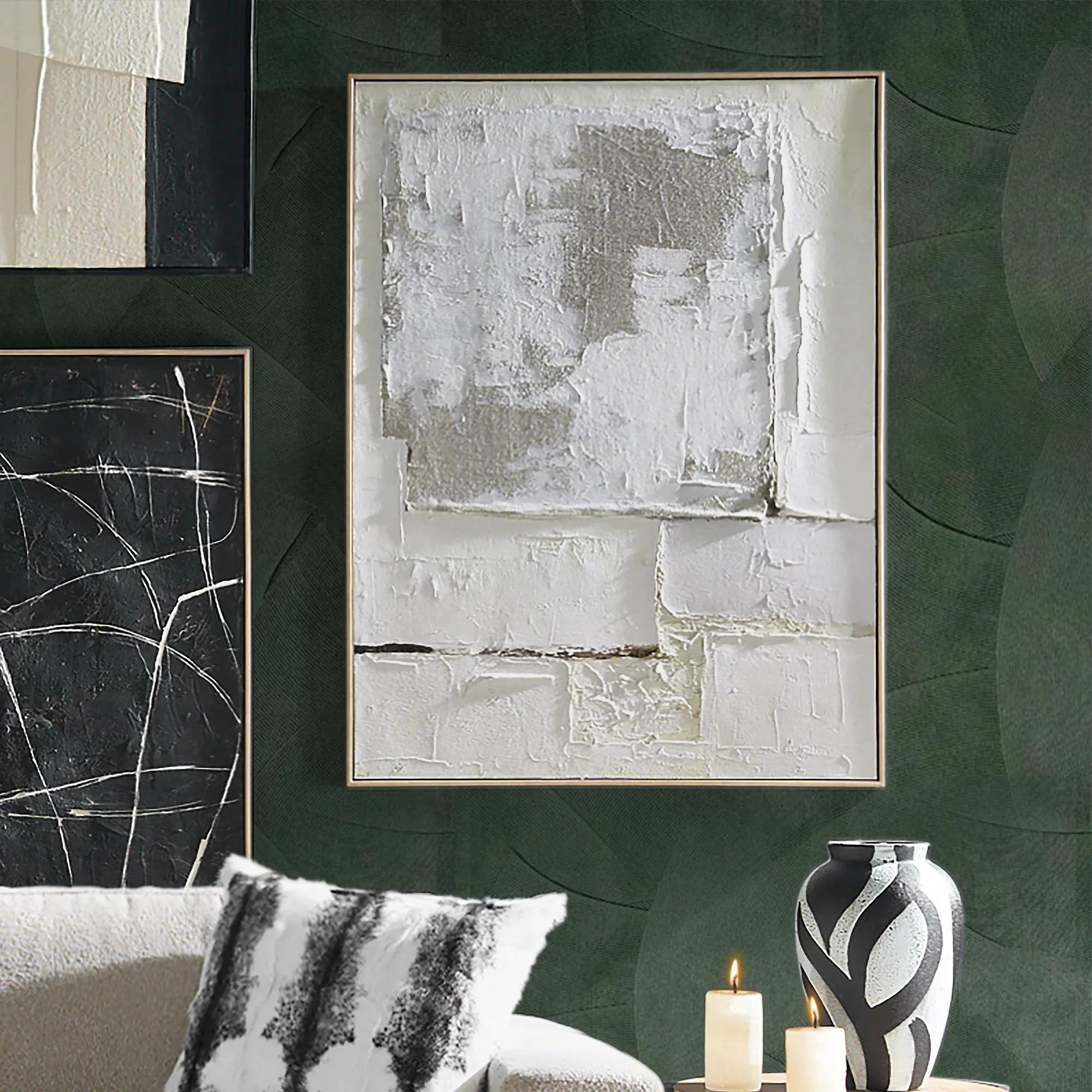 Marrow Painting$399
A hand-painted abstract canvas in subtle beige hues, elegantly framed in a warm beech wood floater.
Add To Cart -
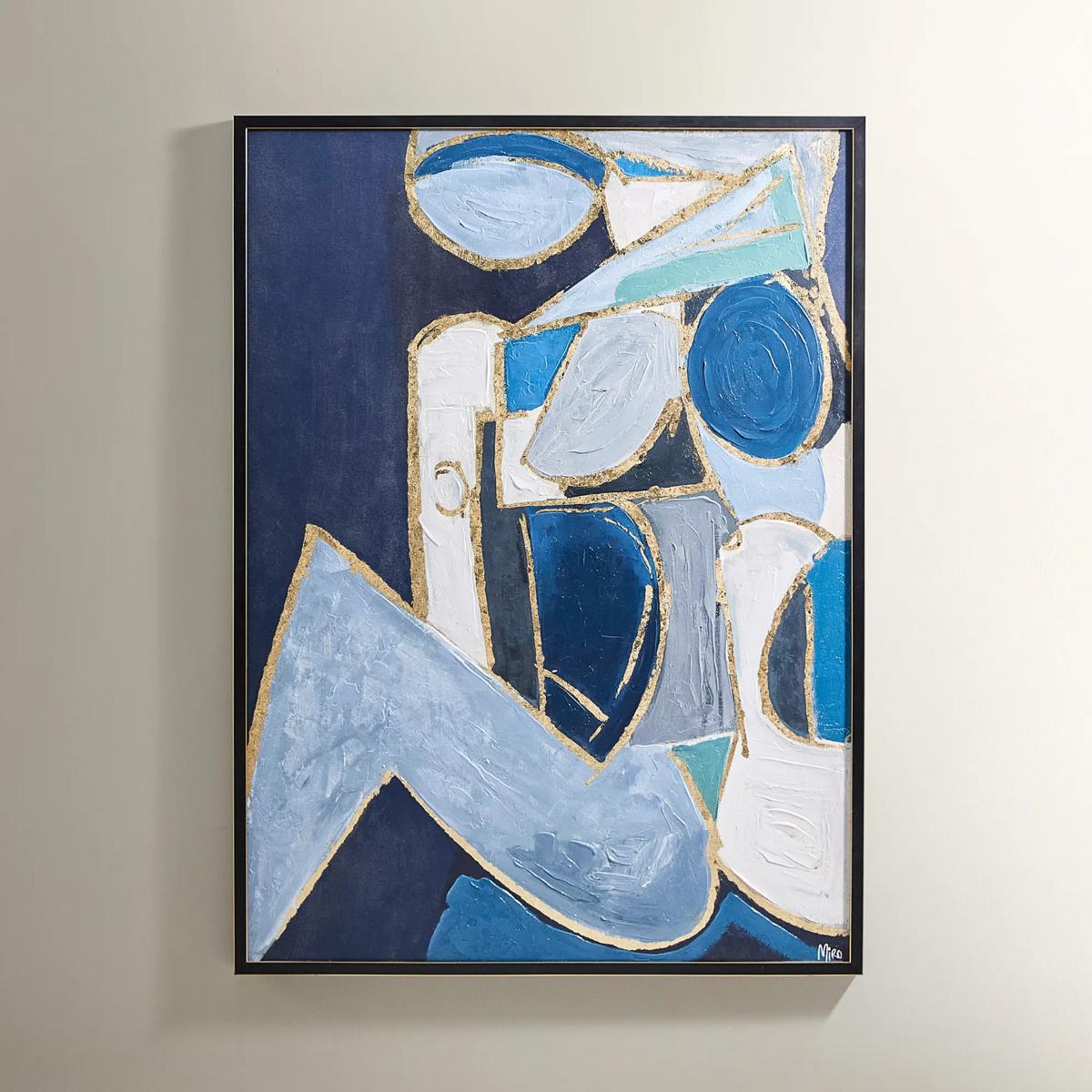
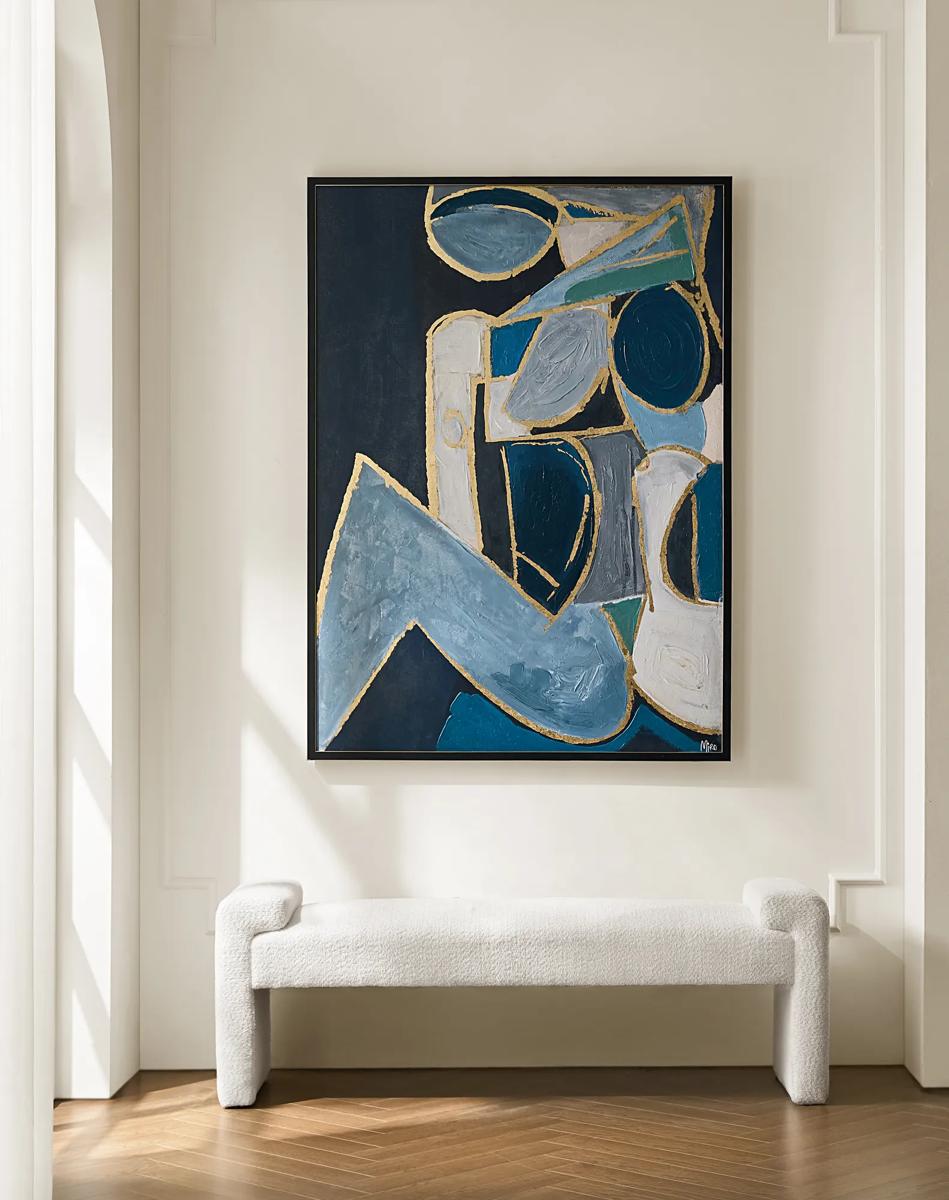 Figure in Cubism Painting$599
A hand-embellished canvas artwork featuring blue, gold, and white hues with elegant silver foil accents.
Add To Cart -
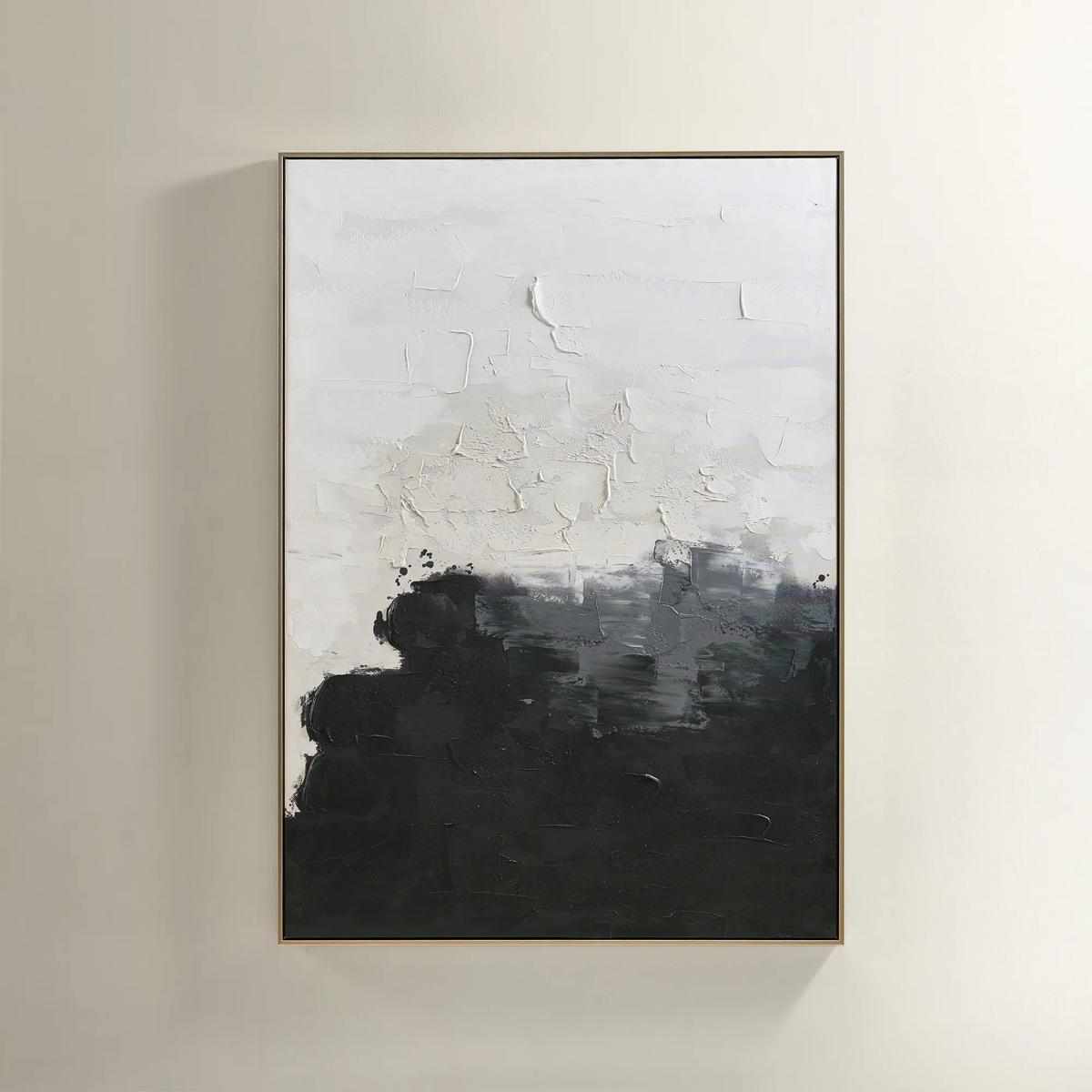
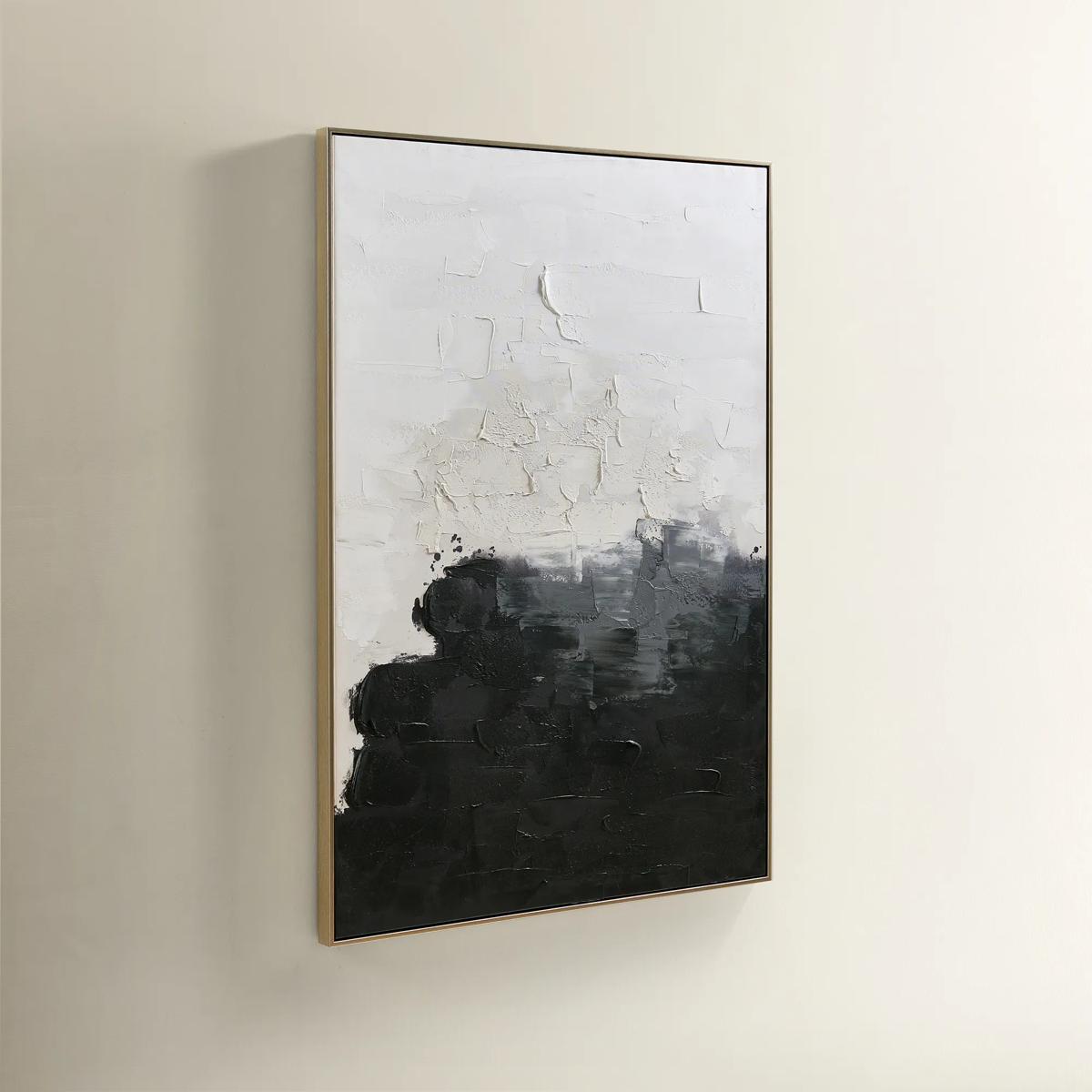 No Rush Painted Wall Art 39.25" x 55"$499
A hand-painted canvas featuring textured strokes of white, ivory, and charcoal in a natural wood frame.
Add To Cart -
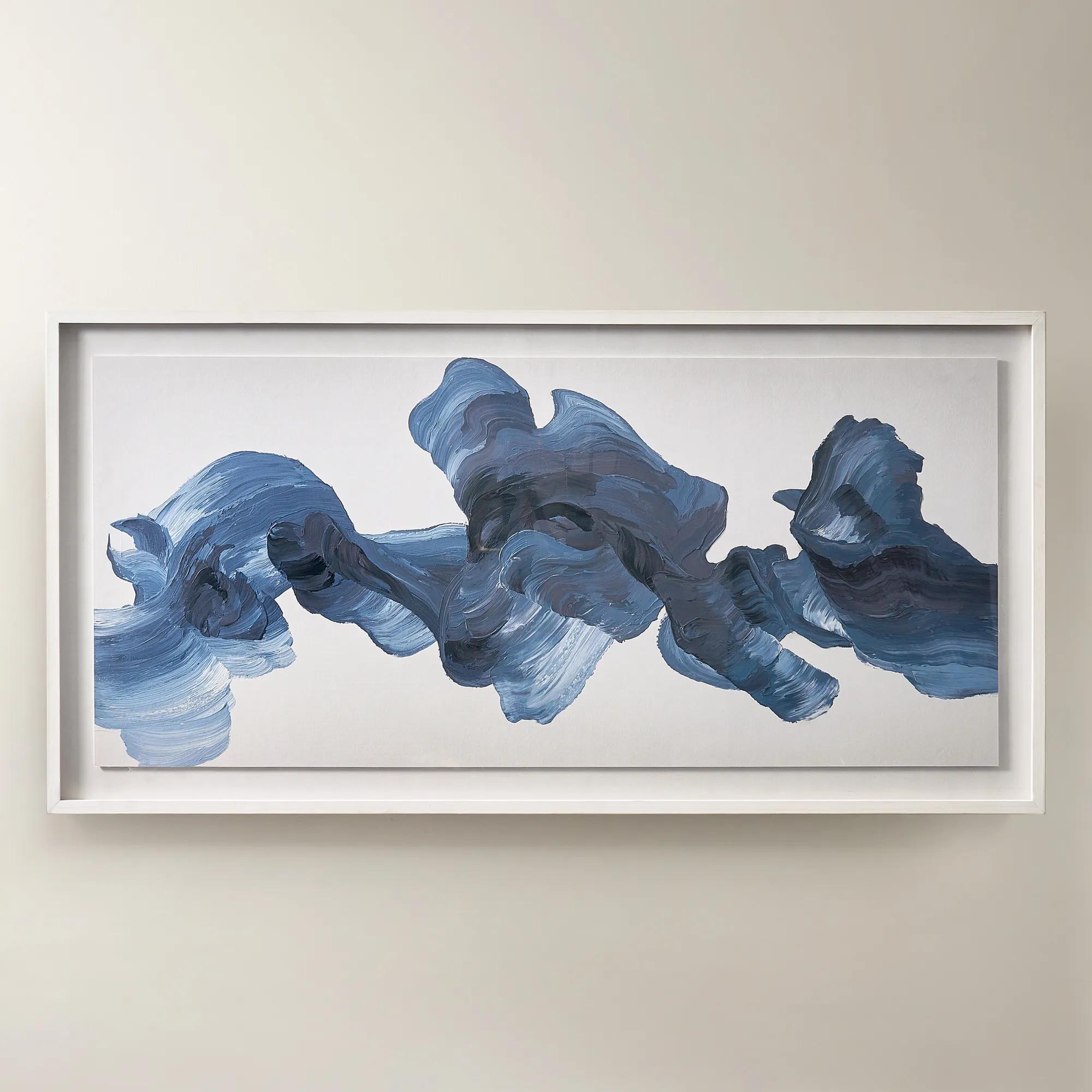
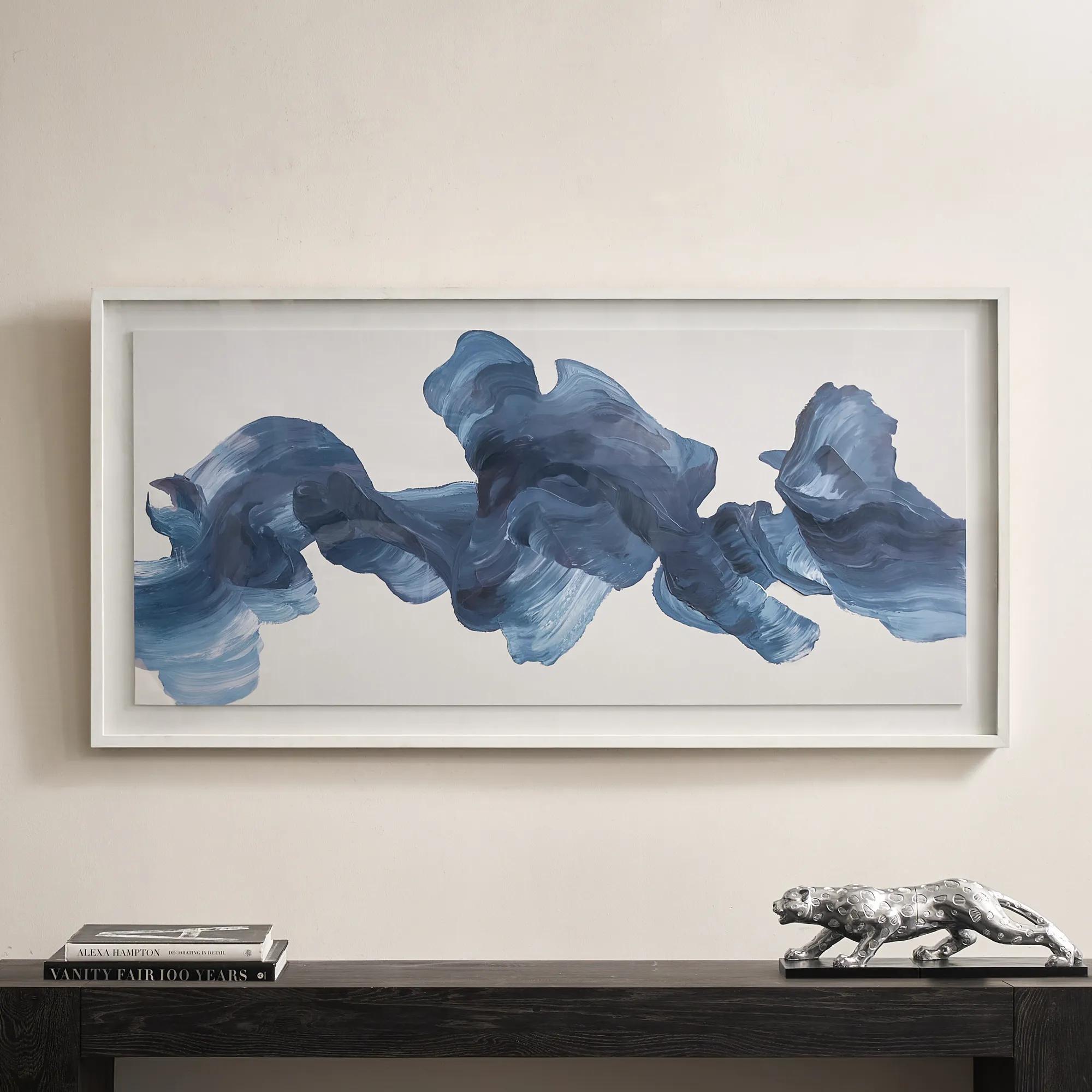 Blue Theory Framed Painted Wall Art in Acrylic 60" x 30"$499
A hand-painted canvas in deep ink blue, framed under acrylic with a whitewashed wood frame.
Add To Cart -

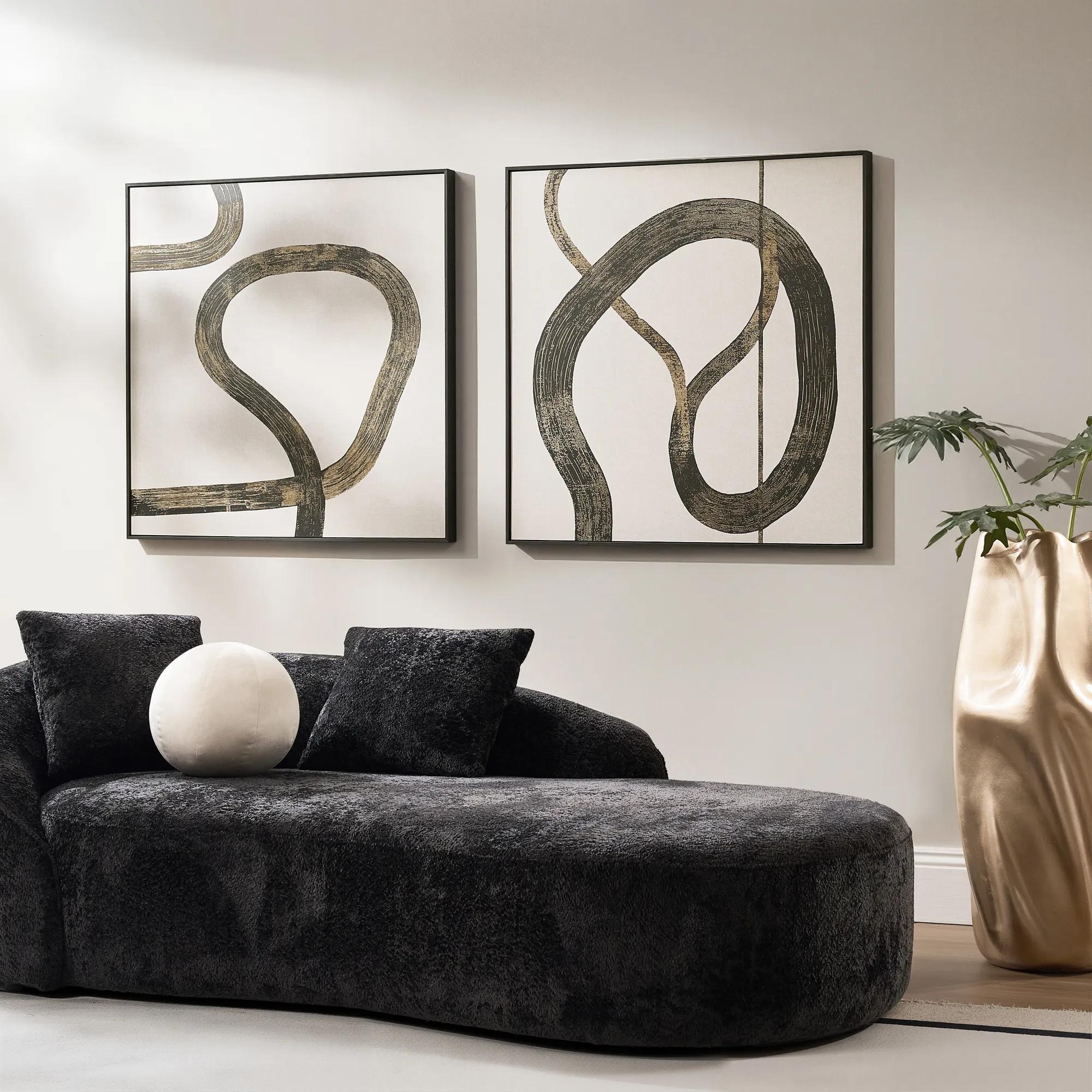 Live Wire Framed Gold Foil Painted Wall Art II 39" x 39"$349
A framed wall artwork featuring gold foil-painted detailing for glamorous modern display.
Add To Cart -
 Espresso Framed Painted Wall Art 31.5" x 31.5"$149
A bold abstract artwork featuring rich brown hues on hand-painted canvas in a light wood floater frame.
Add To Cart -
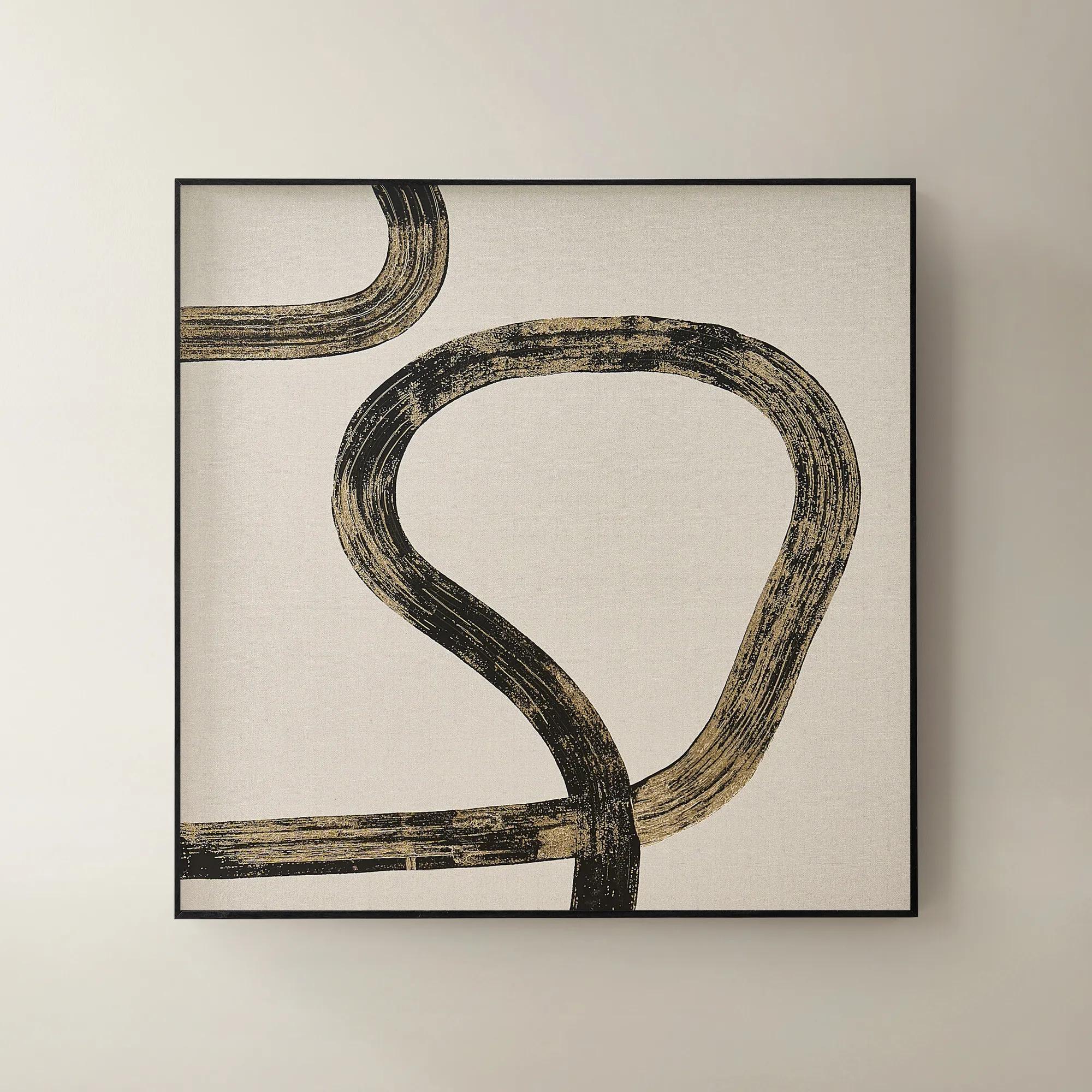 Live Wire Framed Gold Foil Painted Wall Art I 39" x 39"$349
A striking gold foil painting framed to bring modern artistic elegance and luminous texture to any wall.
Add To Cart -
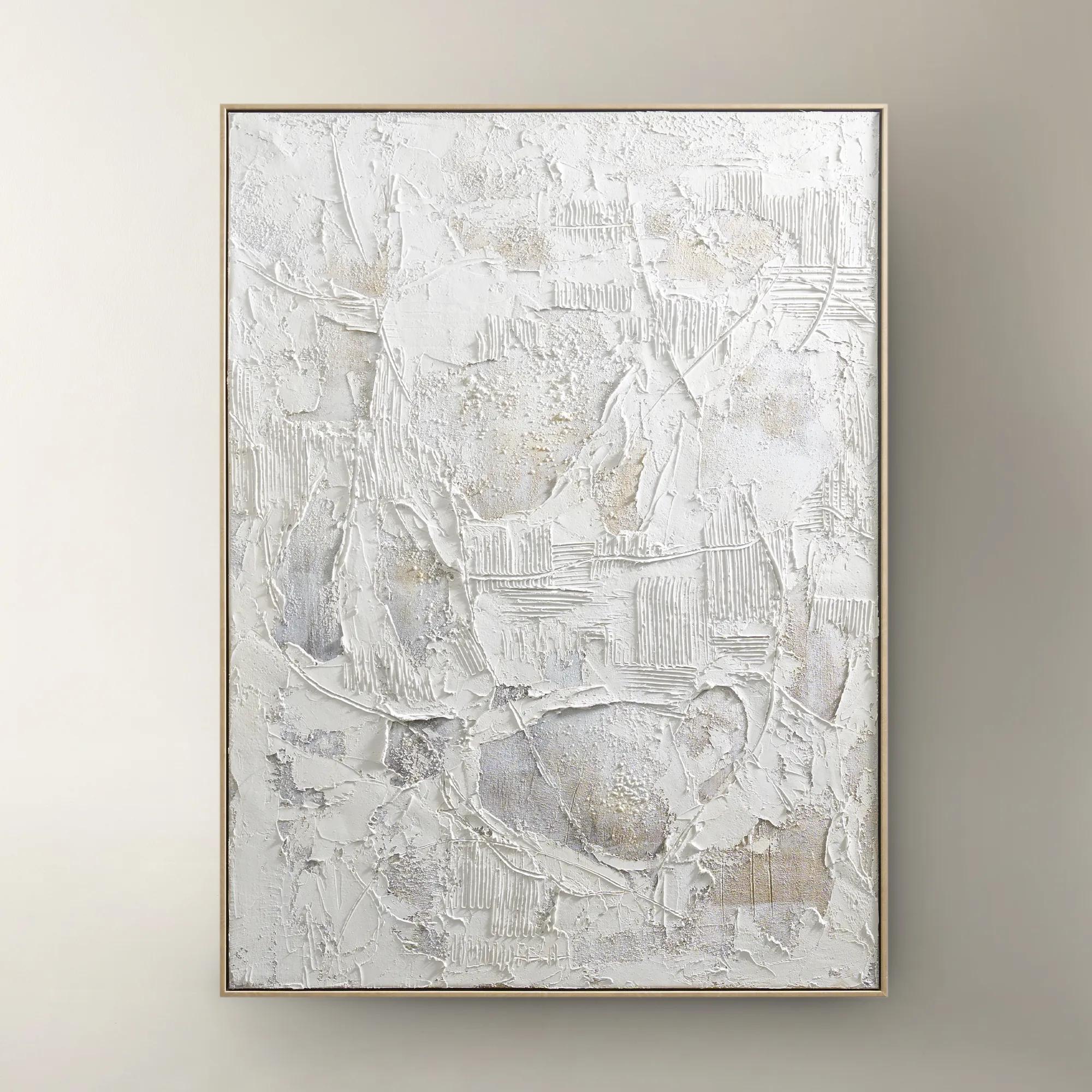 Stone Heritage Painting$399
A hand-painted canvas featuring textured white tones, elegantly framed in warm beech wood for refined appeal.
Add To Cart -
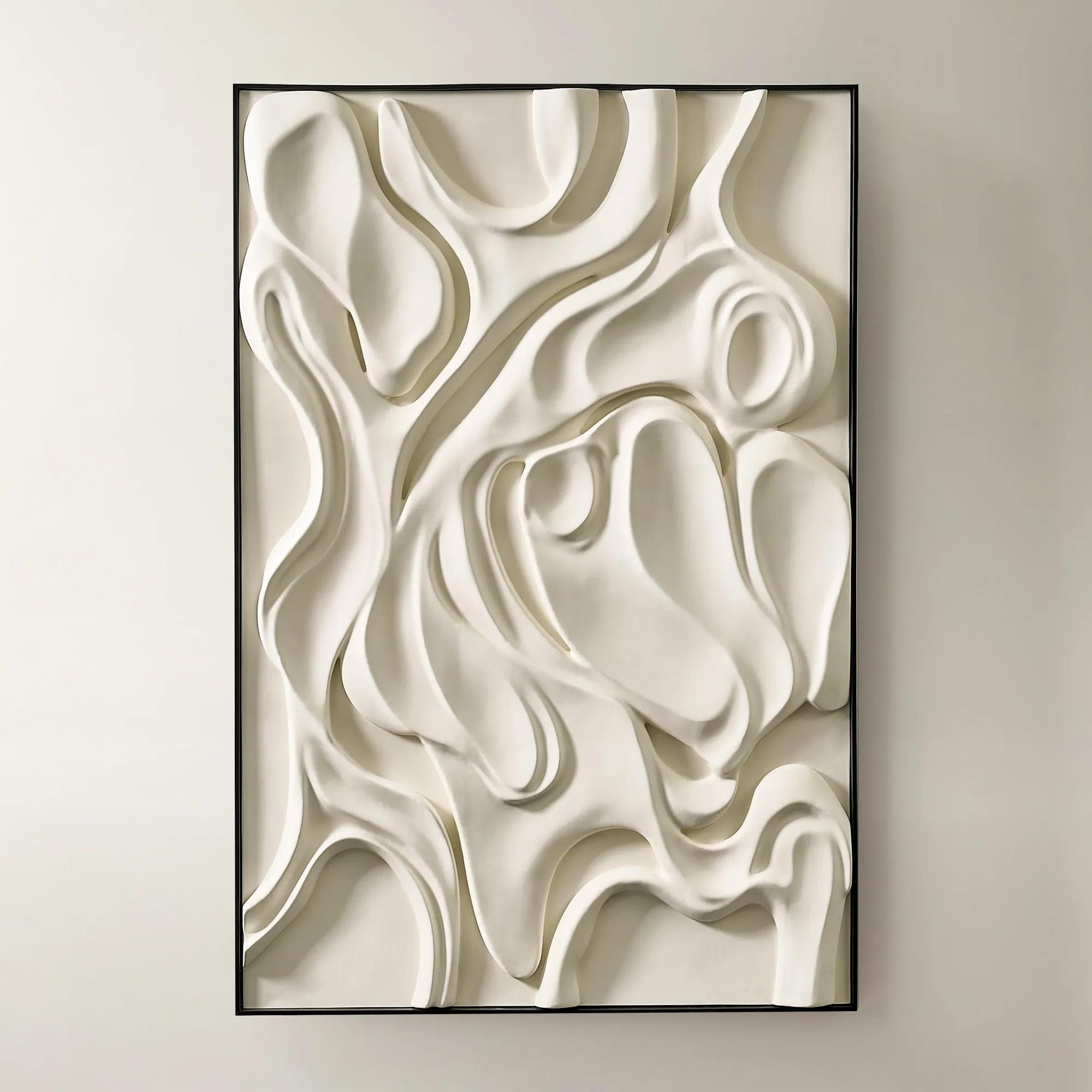 Overflow Alabaster Sculpted Resin Wall Panel 40" x 60"$699
An alabaster fiberglass resin wall panel with sculptural texture and a versatile black frame for modern spaces.
Add To Cart -
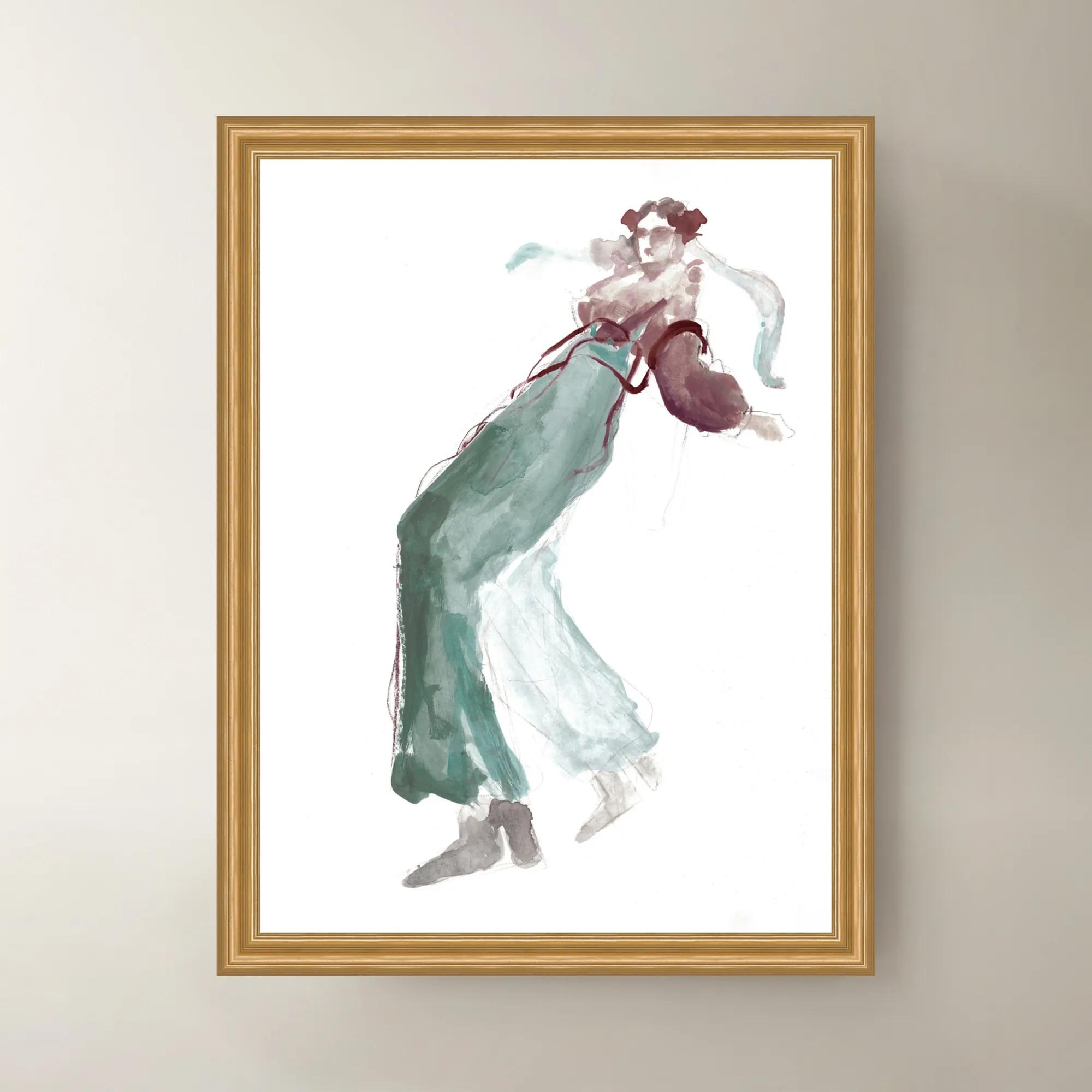
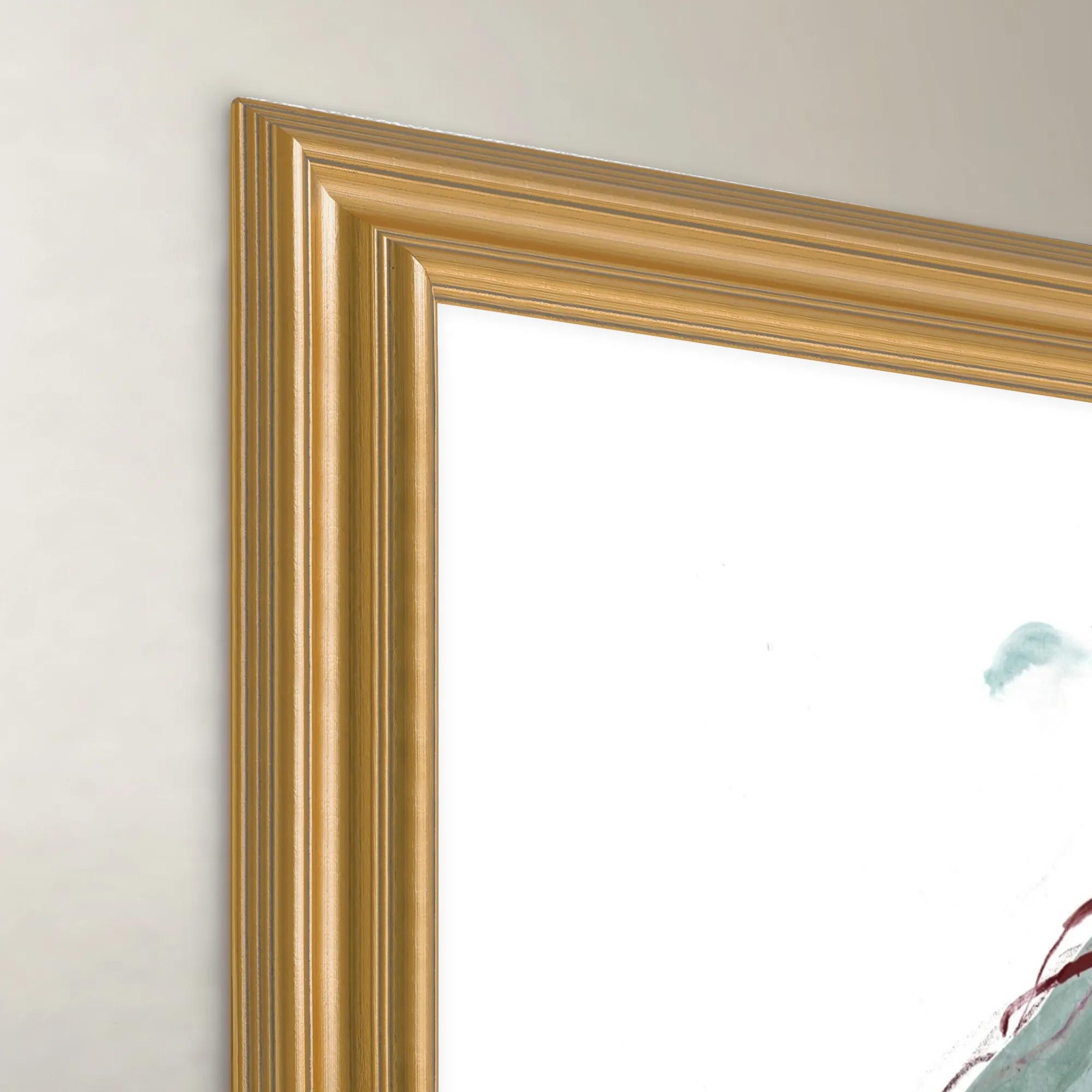 A Le Mode II Framed Wall Art 30" x 40"$799
A green canvas wall art piece presented in a sleek frame.
Add To Cart

Versatile Wood Art Pieces
Versatile wood art pieces invite you to reimagine your walls as a living gallery—where every grain, curve, and carved detail tells a story of artistry and allure. Each piece is an ode to nature’s elegance, transformed by human hands into sculptural statements that capture the eye and spark conversation. Whether you seek to anchor a modern tableau or infuse your space with organic warmth, these creations promise to elevate the ordinary into the extraordinary. Let your home become a canvas for expressive design, where versatile wood art pieces layer depth, dimension, and undeniable drama into every room.
Versatile wood art pieces bring natural grain, sculptural depth, and expressive detail to interiors, offering a distinctive alternative to a flat print or a conventional framed canvas. The category encompasses carved wood wall art, dimensional relief panels, geometric arrangements, printed wood surfaces, and compositions that combine wood with other materials. Each approach creates a different presence: a deeply carved panel introduces shadow and movement, while a smooth wooden surface allows an image or an elegant grain pattern to command attention. Wood’s appeal lies partly in its variation. Knots, tonal shifts, and changing grain directions can give individual pieces character, although their visibility depends on the material, construction, and finish. Oak often presents a pronounced grain and substantial feel; maple typically offers a finer, more uniform texture that can complement precise detailing. Pine is comparatively soft and may show knots prominently, while teak and mango wood can display rich color variation. Species alone does not determine the look or longevity of a finished artwork, however. The quality of the construction, the protective finish, and the way the piece is displayed all matter. Solid wood emphasizes the material’s natural structure, while wood veneer places a thin layer of real wood over a supporting substrate. Engineered wood can provide a consistent base for printed imagery or decorative finishes. Neither construction automatically guarantees superior artistry; the strongest visual effect comes from the relationship between material and design. A pale, finely textured composition can lend restraint to a room filled with sumptuous upholstery, while dark-stained relief work creates a dramatic counterpoint to ivory walls and polished metal accents. Painted, washed, or gilded details introduce another layer of expression without necessarily concealing the grain beneath them. For interiors that mix glamorous finishes with organic elements, wood art supplies a tactile note that feels considered rather than rustic by default. Its versatility comes from this range: the same material can appear graphic, architectural, richly ornamental, or quietly abstract, depending on how it is shaped and finished.
Scale and placement give wood wall decor its relationship to the room. A broad composition above a sofa can establish a generous visual center, while a narrower vertical piece can emphasize the height of an entryway or occupy the wall beside a console. A generous expanse above a sofa or dining console provides a natural setting for Large Wooden Wall Art Pieces, allowing grain, carving, and dimensional detail to read across the room. Smaller compositions have their own impact, particularly in a reading nook, above a chest, or within a carefully balanced gallery arrangement. The most successful fit depends on more than the wall’s measurements. Nearby furniture, ceiling height, doorways, and the artwork’s depth all influence how comfortably it sits within the space. A heavily carved surface may feel more commanding than a flat panel of similar width because its projections catch light and cast shadows. In a hallway, that depth also affects clearance, making a flatter profile a practical choice where people pass close to the wall. Multi-panel wood art introduces rhythm, with the spaces between panels becoming part of the composition. Its overall footprint includes those gaps, so the full arrangement deserves consideration rather than the dimensions of each panel alone. Above furniture, an artwork that relates to the width of the piece beneath it usually feels more grounded than one floating in an oversized stretch of wall. Color relationships can be equally deliberate without becoming overly matched. Honey-toned wood can soften a room accented with black and brass; a deep espresso finish can lend definition beside cream upholstery; pale wood can offer an unexpected contrast to jewel-toned fabrics. Repeating a wood tone subtly in a frame, table, or decorative object can create continuity, but every finish need not be identical. Directional lighting reveals the contours of carved art, while softer ambient light lets its texture emerge more gradually. These qualities make wood artwork adaptable to living rooms, dining spaces, bedrooms, and home offices, whether the intended mood is composed and intimate or boldly theatrical.
The lasting beauty of decorative wood art depends on thoughtful construction, suitable placement, and gentle care. Wood responds to moisture in the air, and substantial changes in indoor humidity may contribute to movement, cracking, or warping, particularly in solid-wood components. Veneered and engineered constructions have their own sensitivities, including the potential for surface damage or separation if exposed to excess moisture. Most wood wall art is intended for indoor display unless its specifications explicitly state otherwise. A position away from direct sunlight, heating vents, fireplaces, and frequent splashes helps protect both the material and its finish. Bathrooms and covered outdoor spaces should not be assumed suitable simply because a wood species is associated with durability; the complete artwork, including adhesives, pigments, and backing, must be appropriate for that setting. Routine care generally begins with a soft, dry cloth or a soft brush for recessed carving, using a light touch around delicate edges and applied embellishments. Water, abrasive cleaners, furniture polish, and household sprays can affect finishes or printed surfaces, so any cleaning beyond dry dusting should follow the maker’s care directions. Secure installation is just as important as surface care. Weight varies considerably with size, thickness, and construction, and a dimensional panel may require more substantial support than its appearance suggests. Hanging hardware should be compatible with the artwork, the wall material, and the stated load requirements; multipanel arrangements need secure support for every component. For gift giving, wood art offers a personal connection to a recipient’s surroundings without relying on a fleeting trend. A housewarming or wedding gift feels especially considered when its proportions, palette, and style reflect the recipient’s home. Someone drawn to architectural interiors may appreciate crisp geometry, while a collector of tactile objects may favor visible grain and sculptural relief. When wall space or decorative preferences are uncertain, a more modest scale and a versatile finish can make placement easier. Chosen with those details in mind, wood artwork becomes a lasting point of interest: a surface worth studying closely, and a distinctive presence that gives the room depth from across the threshold.
FAQs
Wood art pieces offer a unique blend of natural texture, warmth, and artistry that complements a wide range of interior styles. Their organic appeal allows them to harmonize with both contemporary and classic settings, making them a timeless addition to any space. Whether you prefer bold, sculptural designs or subtle, intricately carved panels, wood art adapts beautifully to your personal aesthetic and can evolve with your decor over time.
Wood art pieces are remarkably adaptable. For a layered, curated look, pair them with metallic accents, plush textiles, or mirrored surfaces to create striking contrasts. In minimalist spaces, a single dramatic piece can serve as a captivating focal point, while in eclectic rooms, a gallery wall of smaller wood artworks can add rhythm and visual interest. Let the natural tones and textures of the wood inspire your palette and styling choices.
Absolutely. Wood art pieces make thoughtful, meaningful gifts for a variety of occasions, from housewarmings to weddings or milestone celebrations. Their enduring quality and artisanal charm symbolize warmth, growth, and connection—making them a cherished keepsake for loved ones embarking on new chapters or celebrating special moments.
Each wood art piece is inherently one-of-a-kind, with unique grain patterns, knots, and tonal variations that tell a story of nature and craftsmanship. These organic details add depth and personality, ensuring that no two pieces are ever exactly alike. Over time, the wood’s finish may develop a richer patina, enhancing its beauty and sense of history within your home.
Wood art’s versatility extends to its placement throughout the home. It can bring warmth and sophistication to living rooms, create a serene backdrop in bedrooms, or add interest to entryways and dining spaces. Even offices and creative studios benefit from the tactile allure of wood, which fosters a sense of calm and inspiration wherever it is displayed.