Living Room Abstract Canvas Art
Living Room Abstract Canvas Art
-
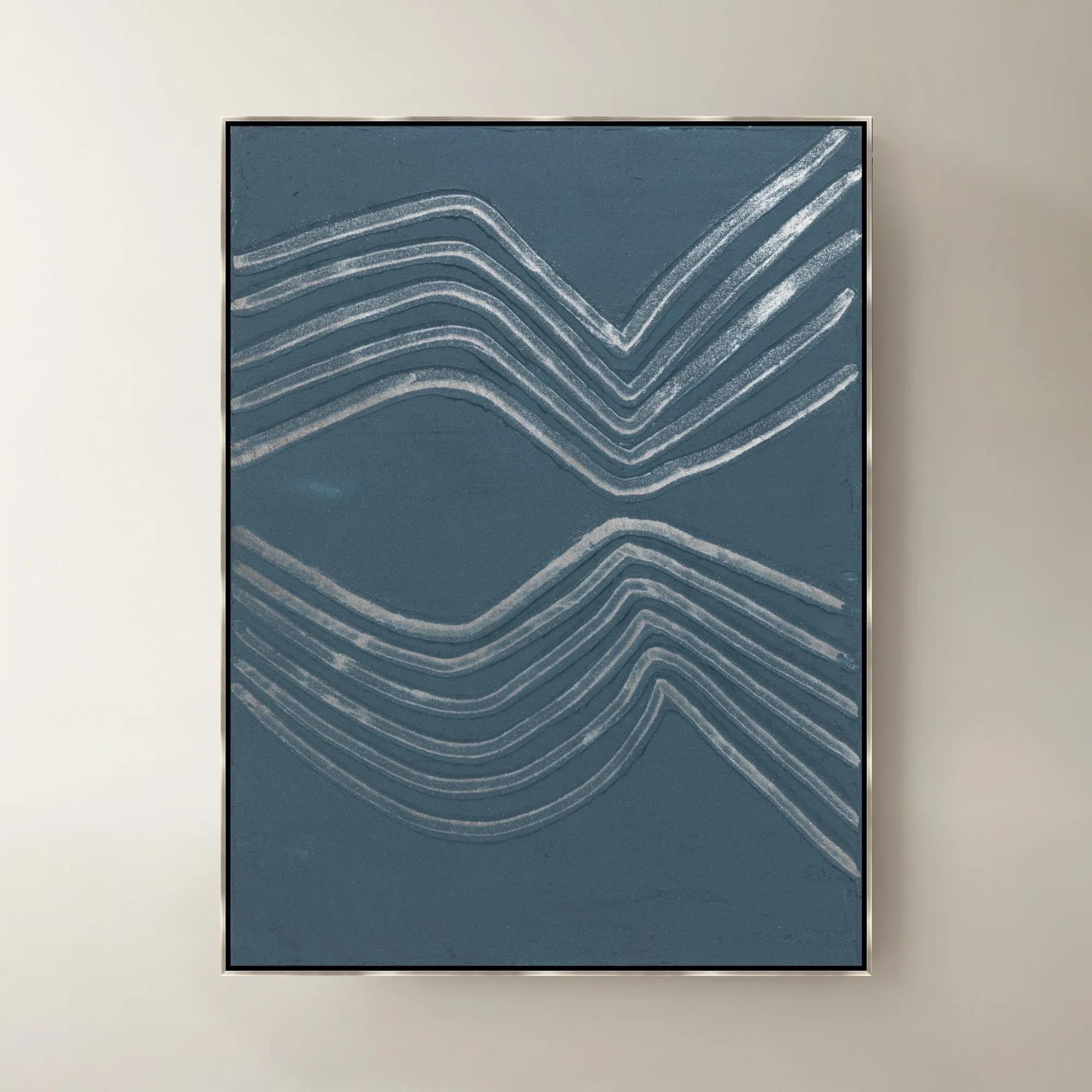
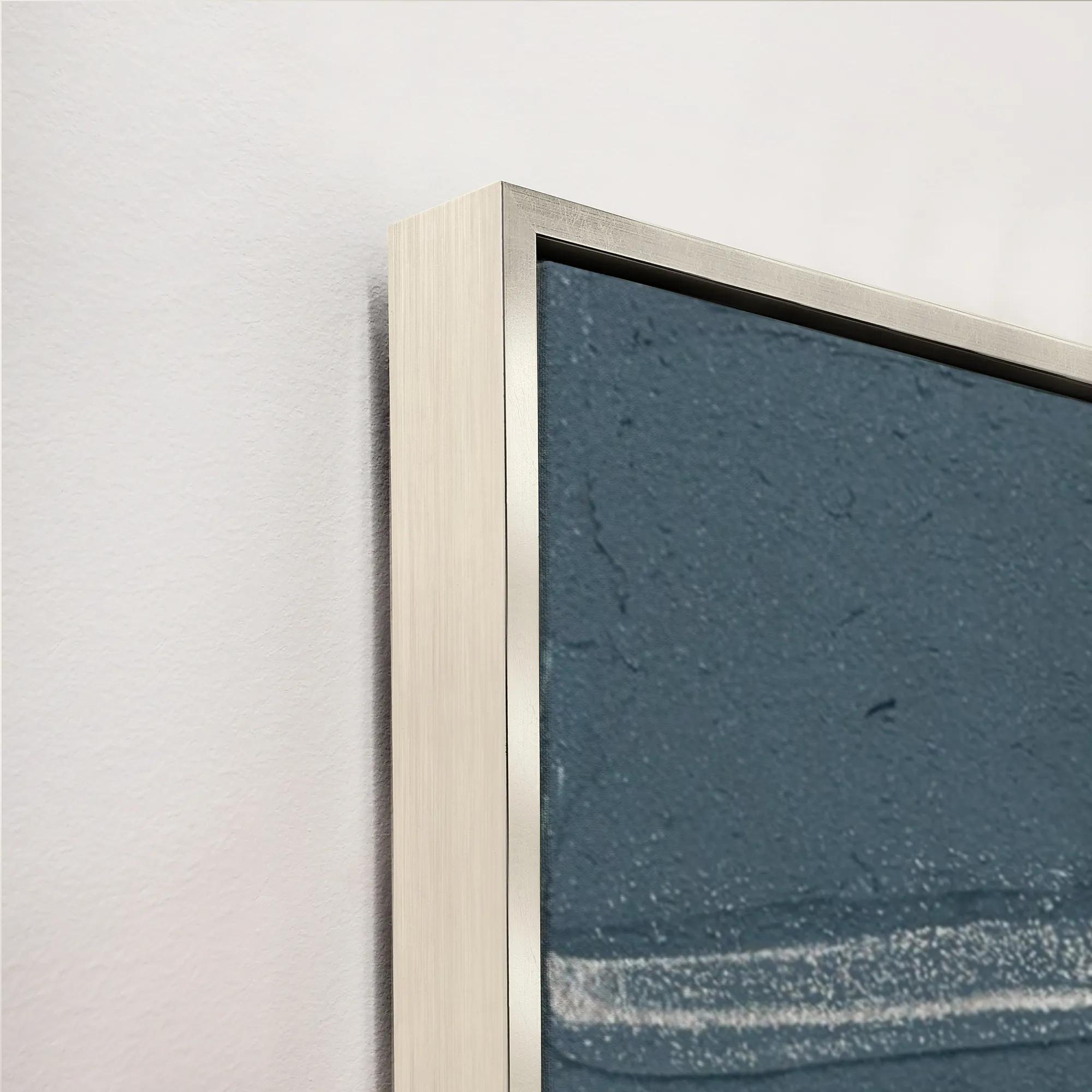 Gilded Waves VI Framed Painted Wall Art 40" x 53"$1399
A framed painted canvas artwork featuring sweeping gilded waves in rich blue and purple tones.
Add To Cart -
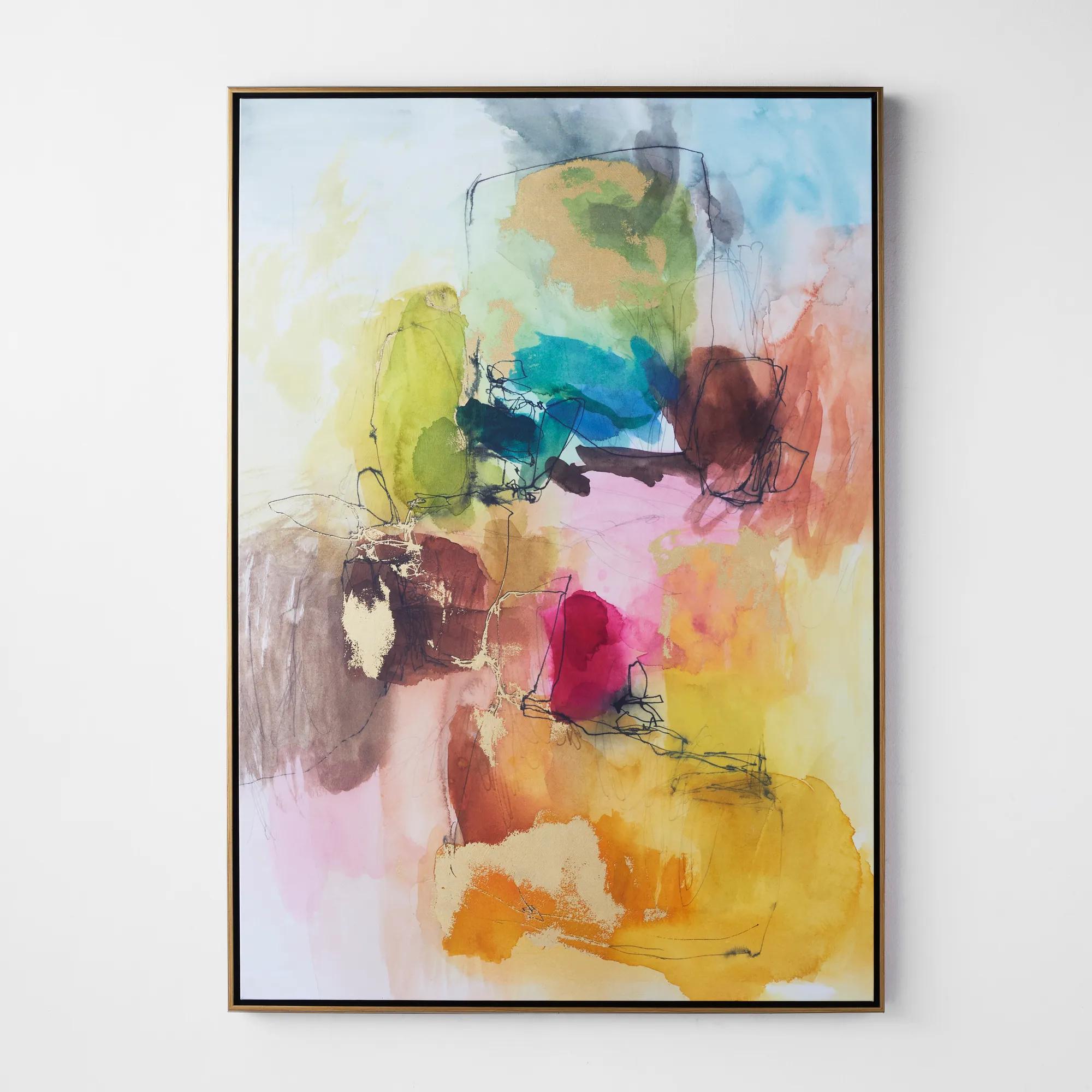 Apricity 3 Framed Wall Art 41" x 58"$899
A vibrant giclee on canvas featuring hand-applied gold gilding and a gold floater frame.
Add To Cart -
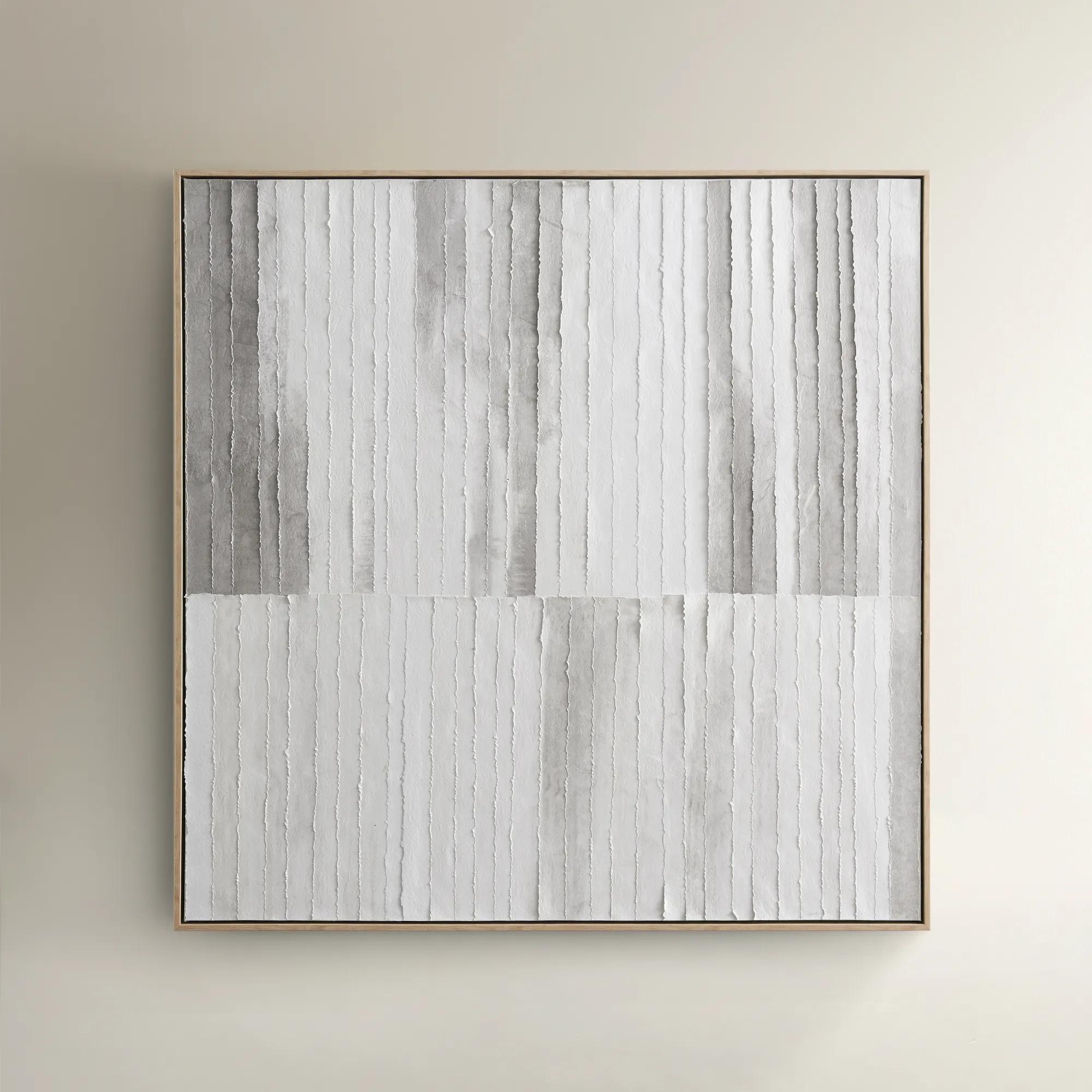
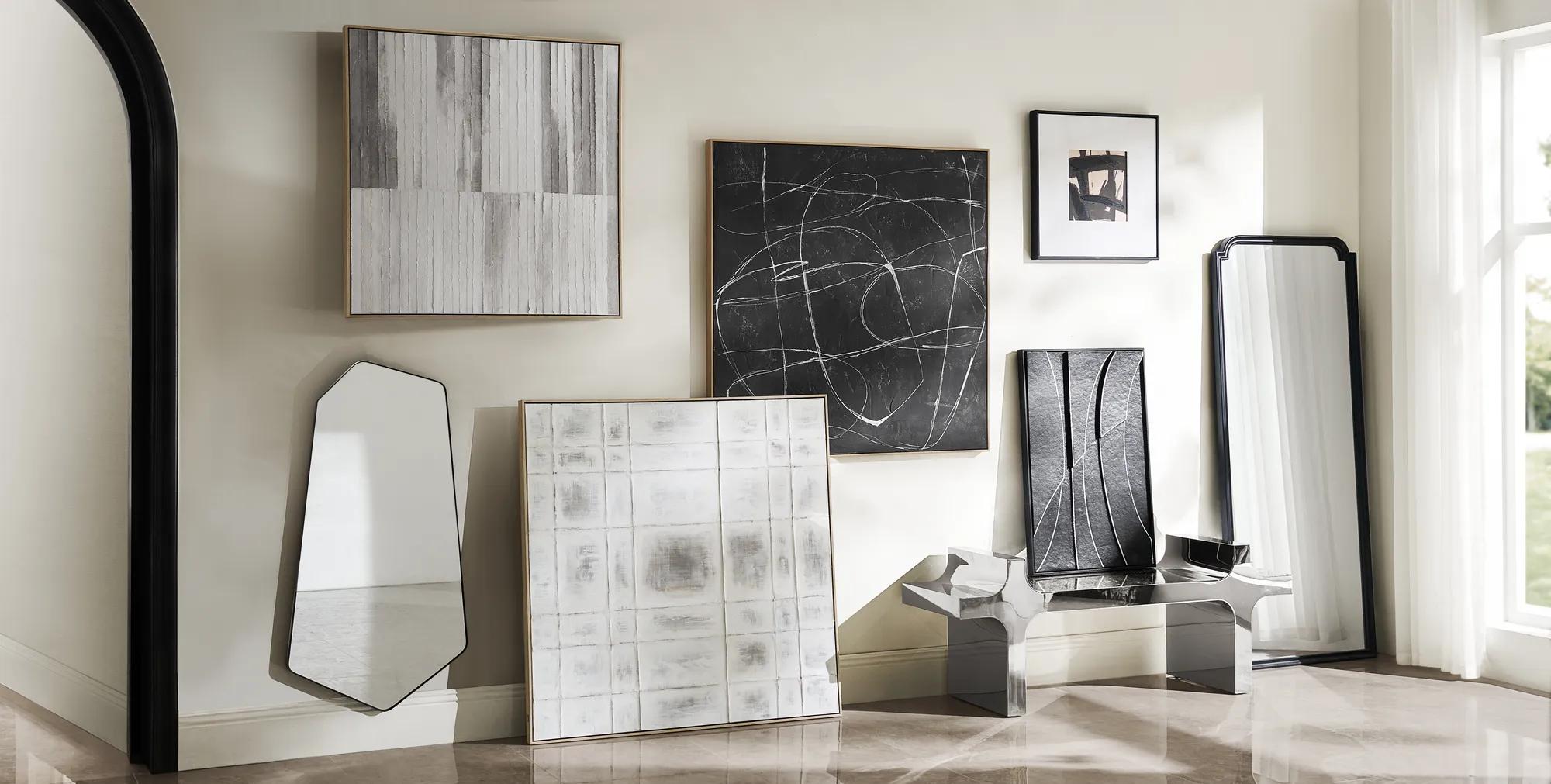 Morning Mist Paper Art$329
A hand-painted canvas featuring rhythmic grey lines in a textured, whitewashed floater frame for serene style.
Add To Cart -
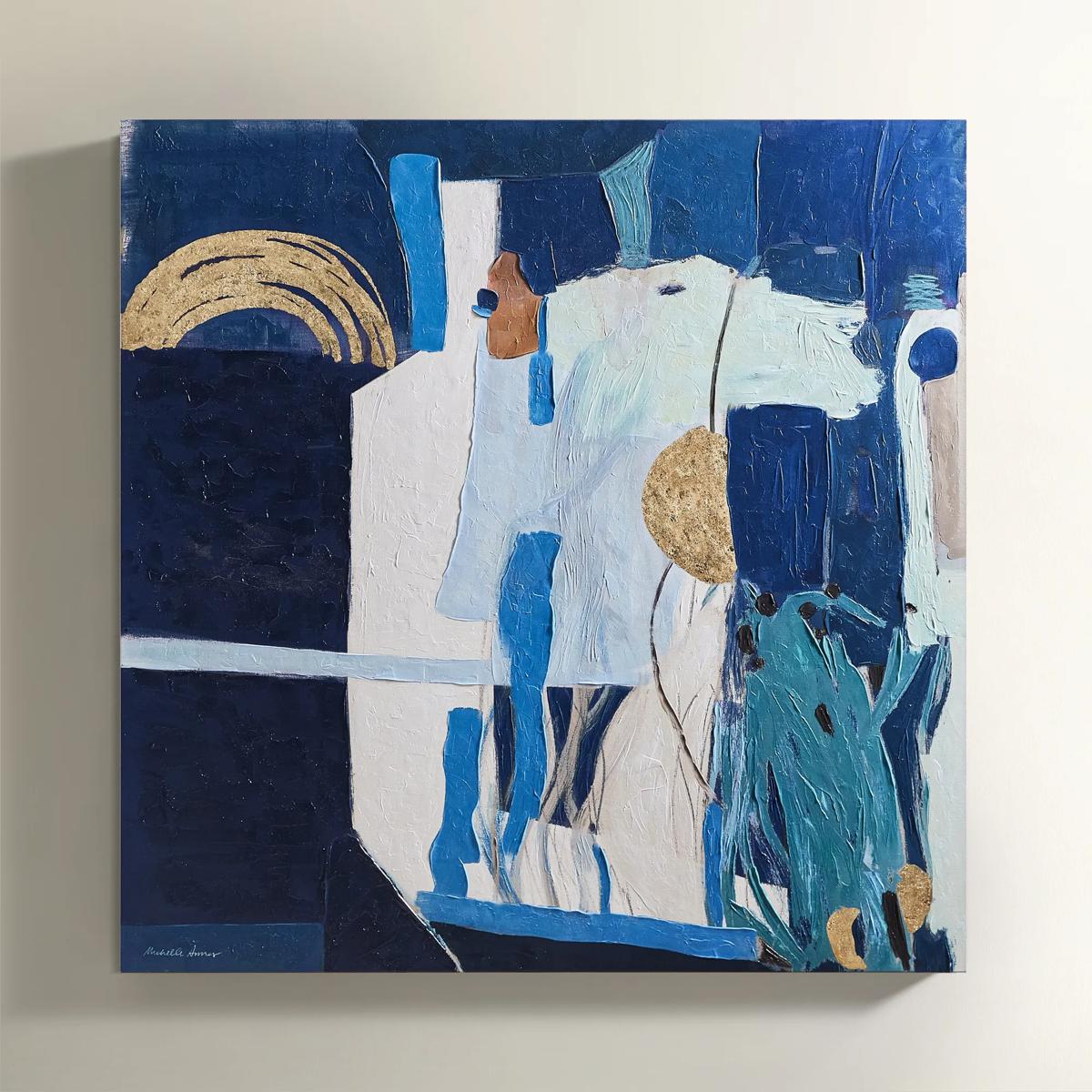
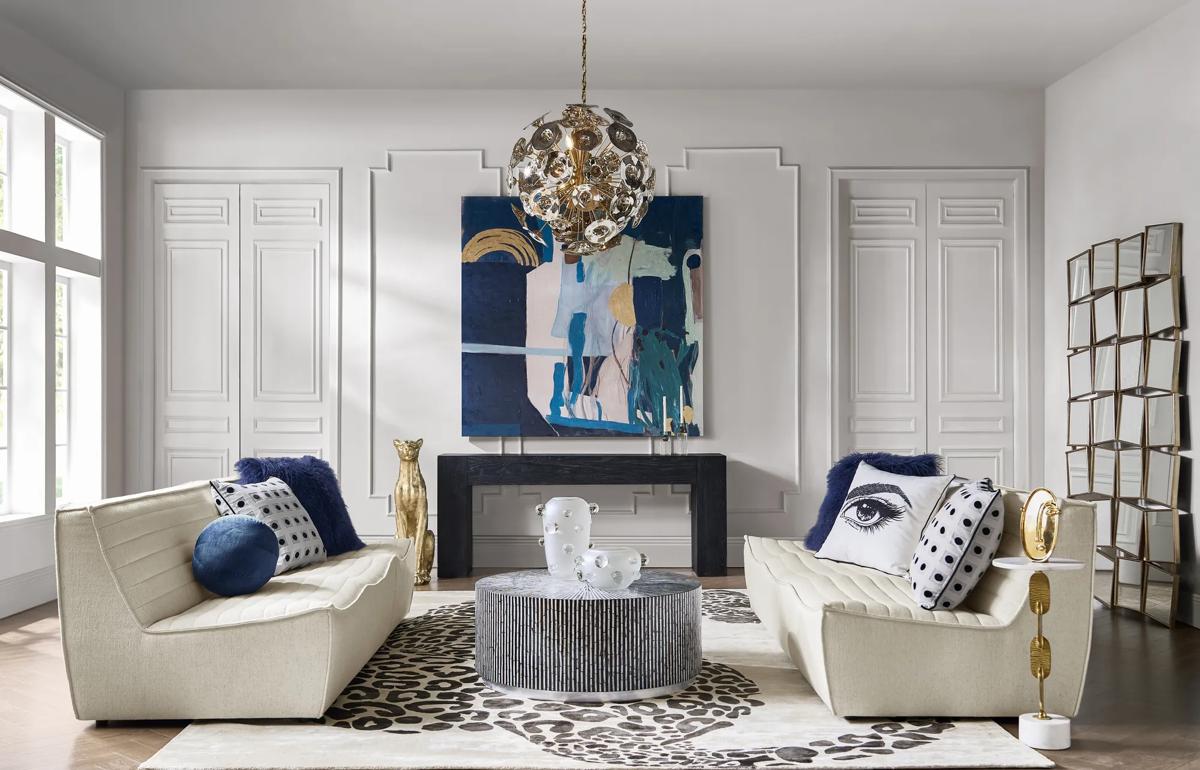 In Flux Painting$699
A hand-embellished canvas artwork featuring deep teal, green, ivory, and gold in a black Art Deco frame.
Add To Cart -
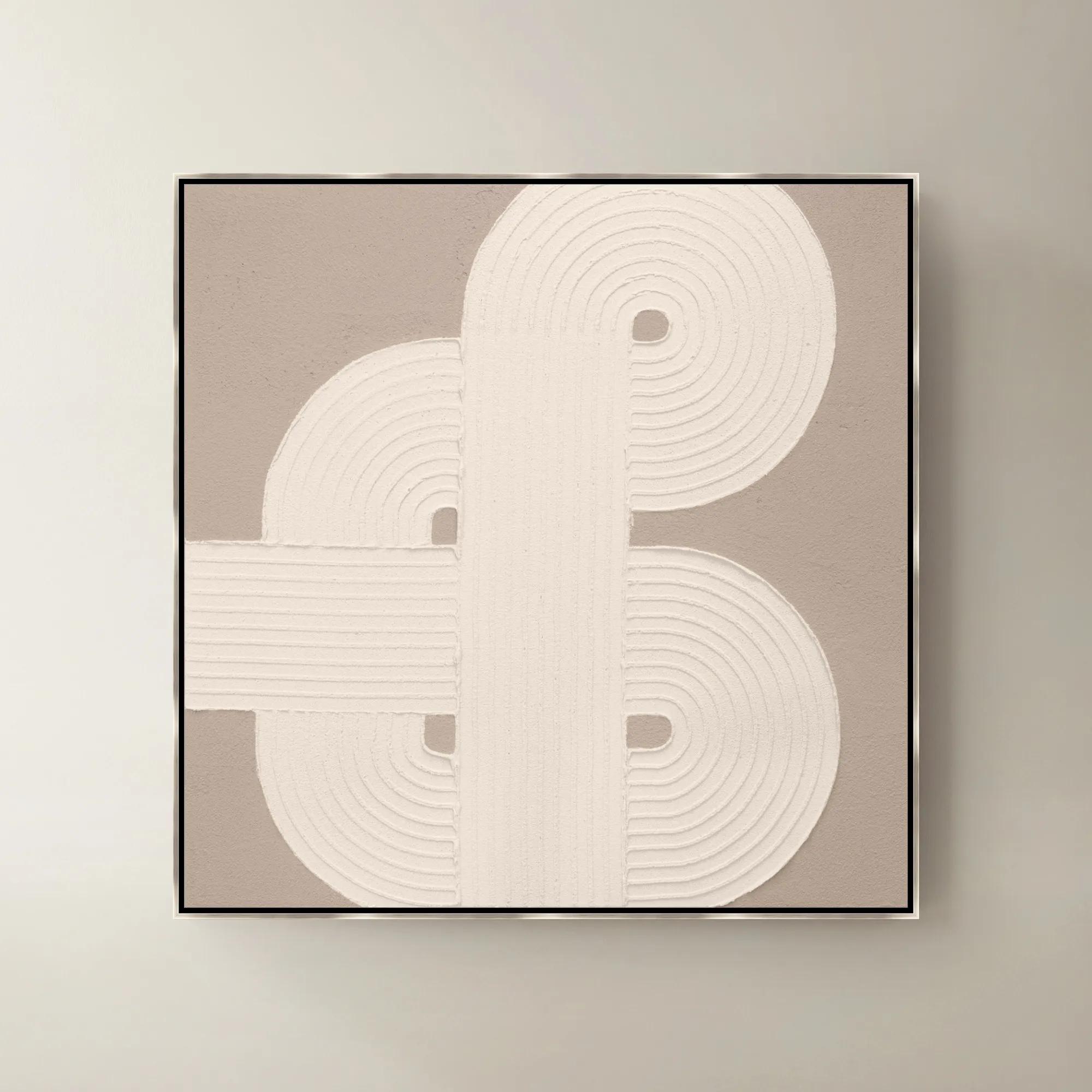
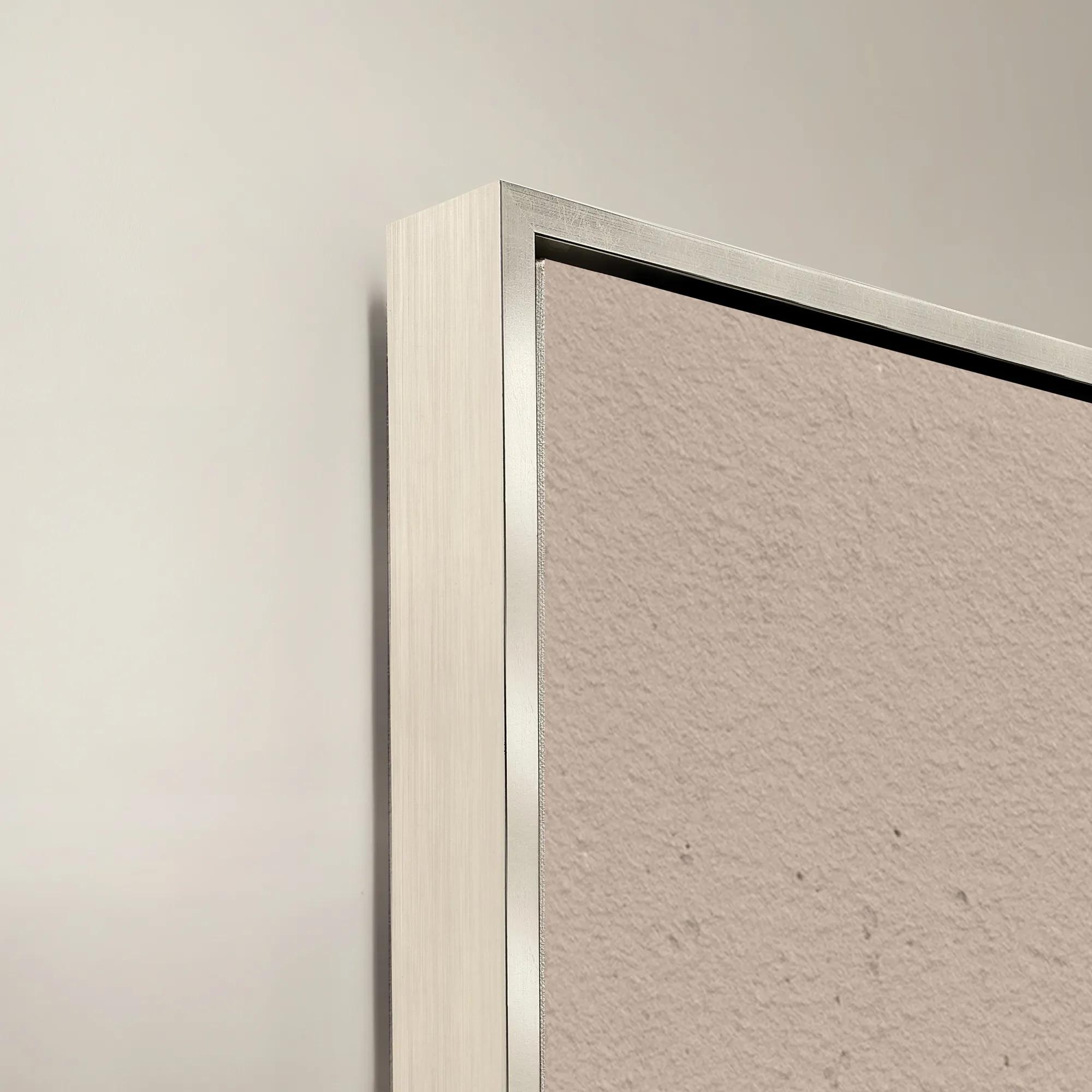 Sacred Geometry IV Framed Painted Wall Art 40" x 40"$1099
A striking abstract art piece featuring bold geometric patterns for a modern, sophisticated touch.
Add To Cart -
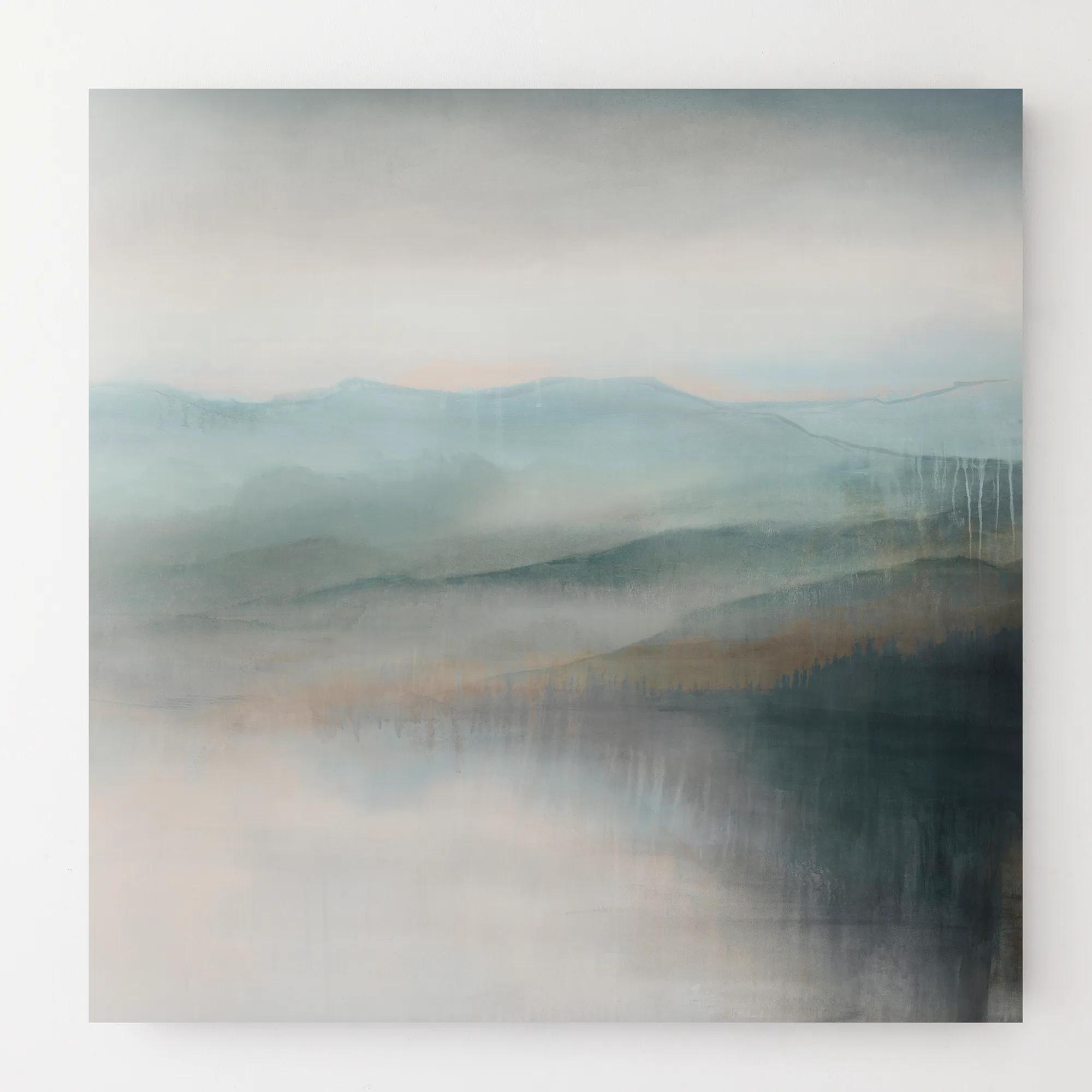
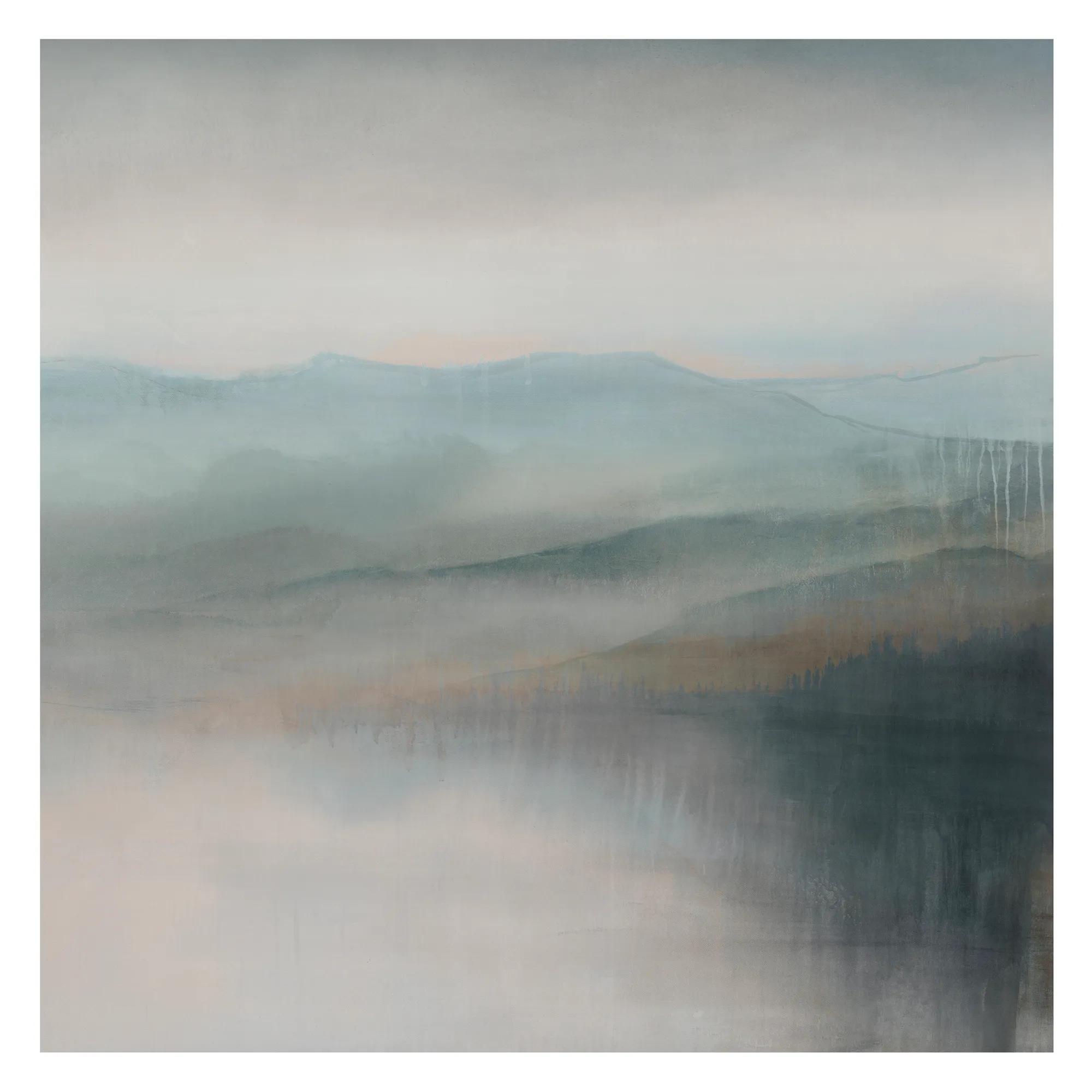 Morning Lift Wall Art 30" x 30"$399
A gallery-wrapped canvas artwork featuring a hand-applied image brush gel finish for added texture and depth.
Add To Cart -
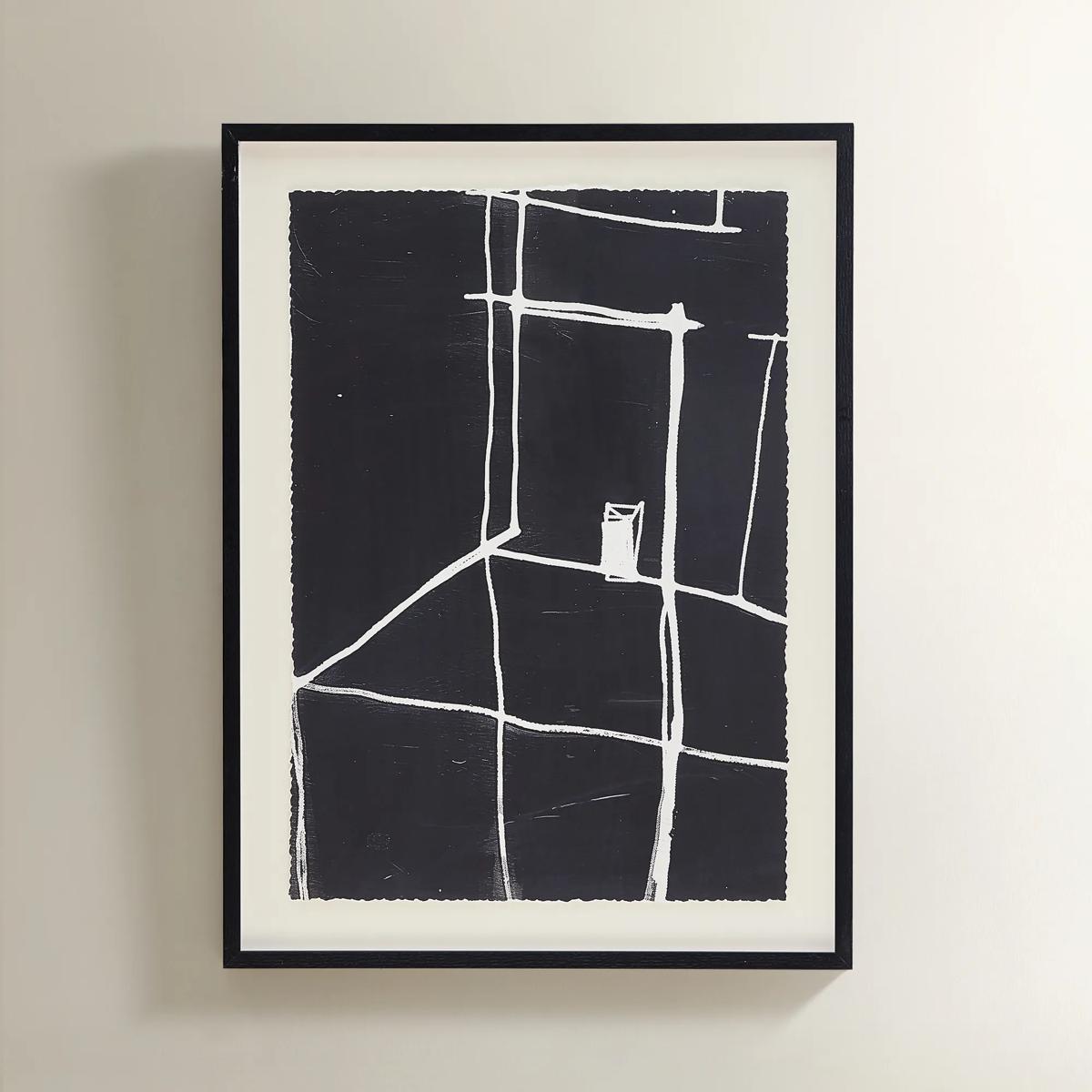 Solitude Art$269
A minimalist black-and-white abstract print featuring bold white lines in a sleek black polyresin frame.
Add To Cart -
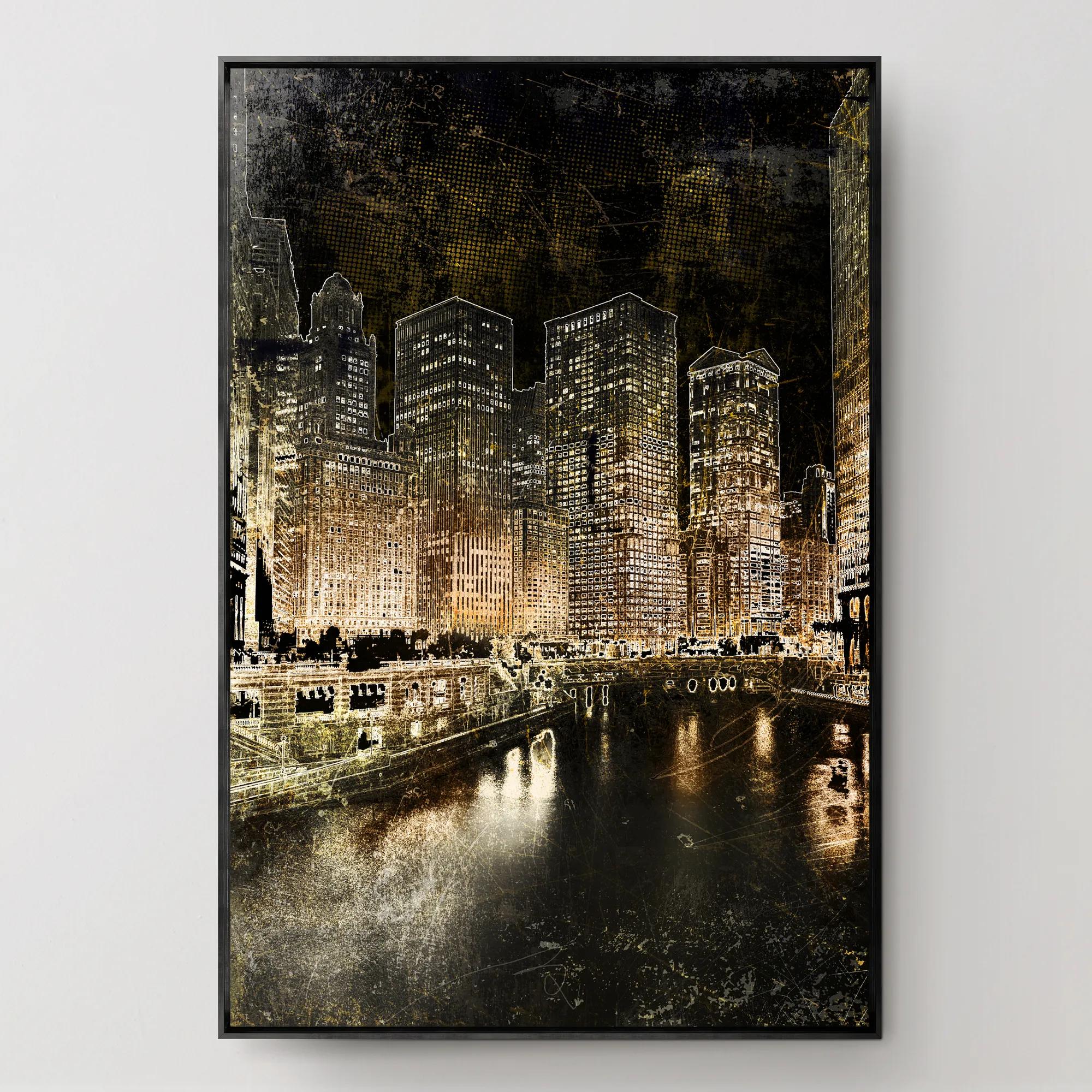
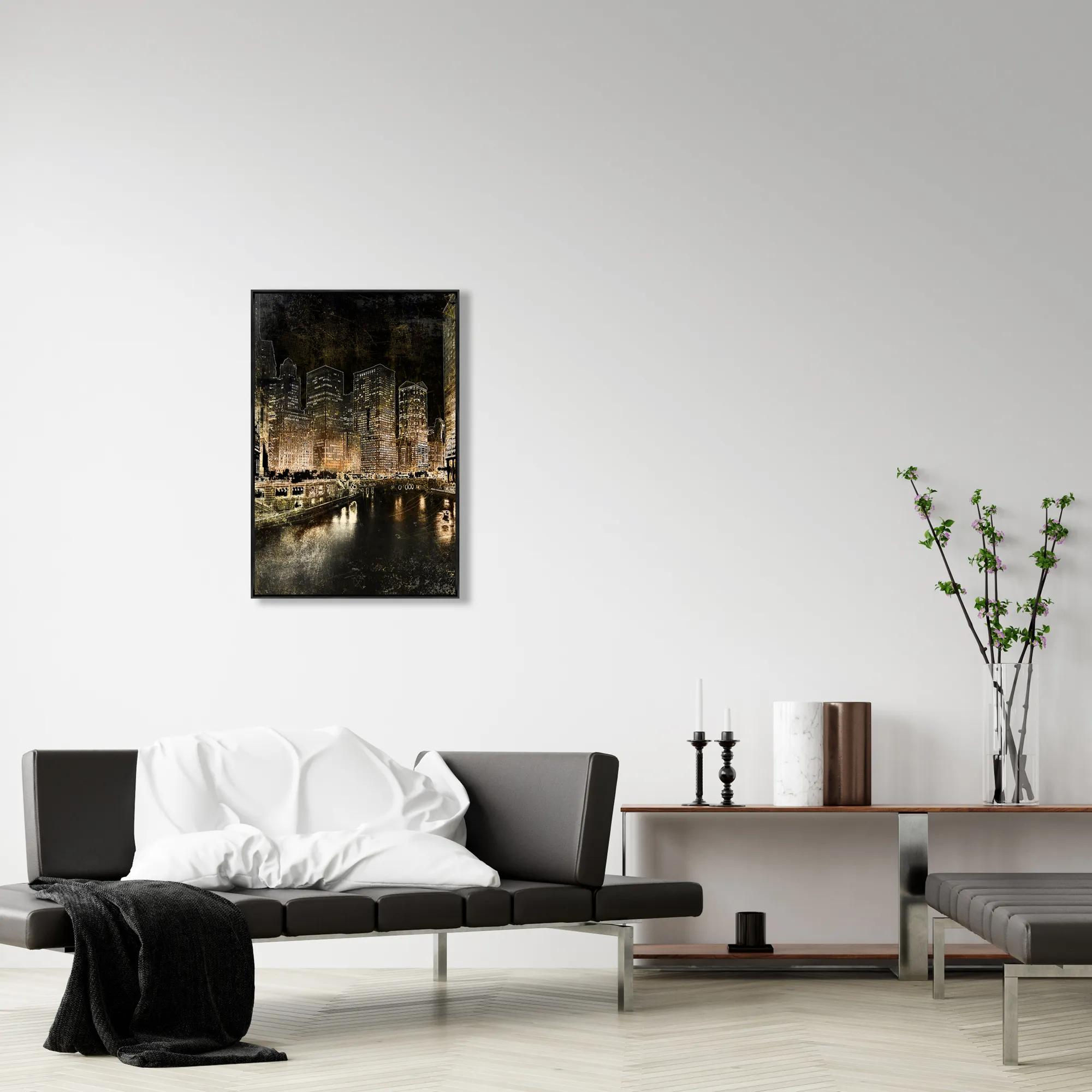 Chicago Lights Framed Wall Art 30" x 45"$649
A gallery-wrapped canvas artwork featuring a hand-applied gel finish in a sleek black floater frame.
Add To Cart -
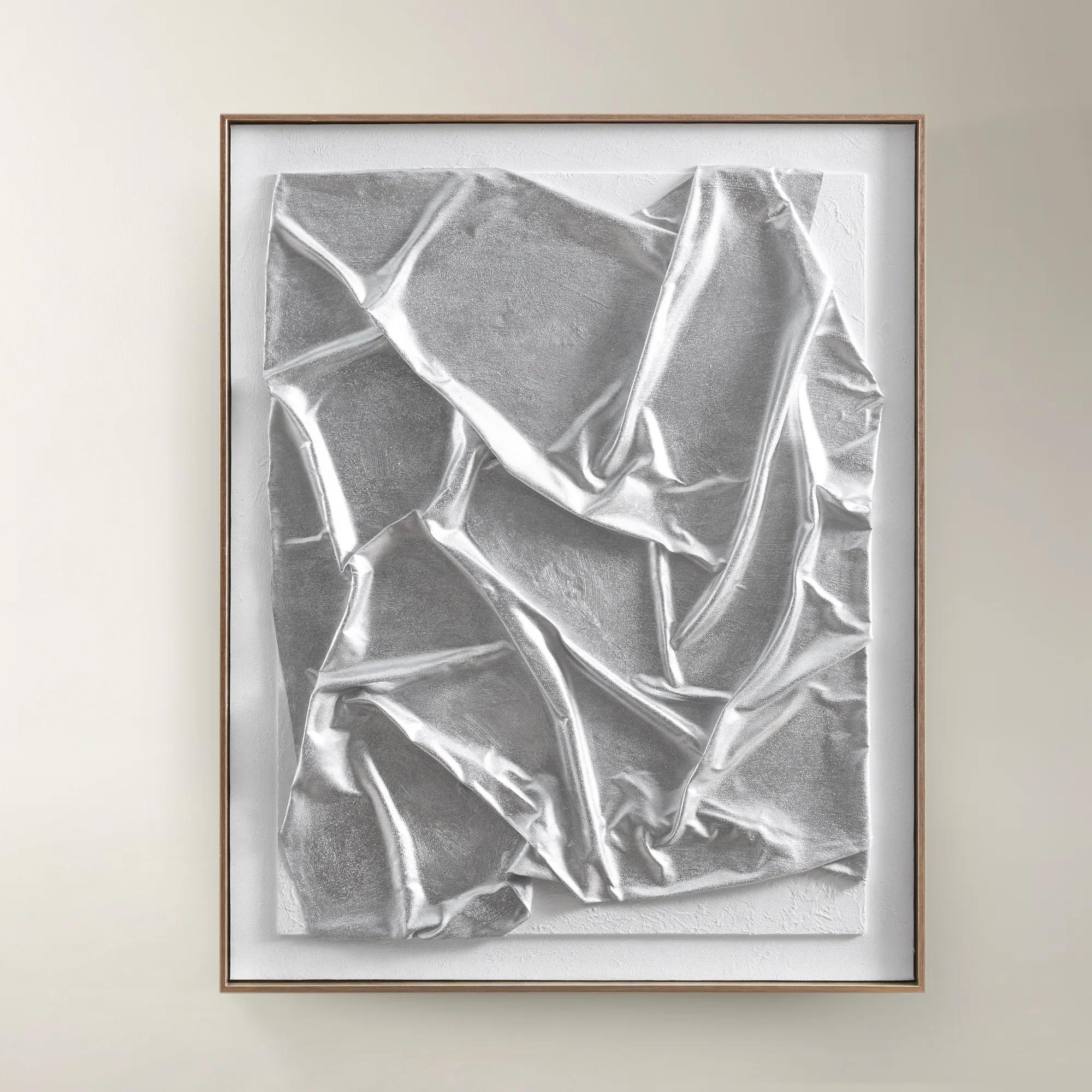 In the Mood Framed Painted Wall Art 31.5" x 39.5"$199
A hand-painted abstract canvas in shimmering silver tones, set in a warm champagne floater frame.
Add To Cart -
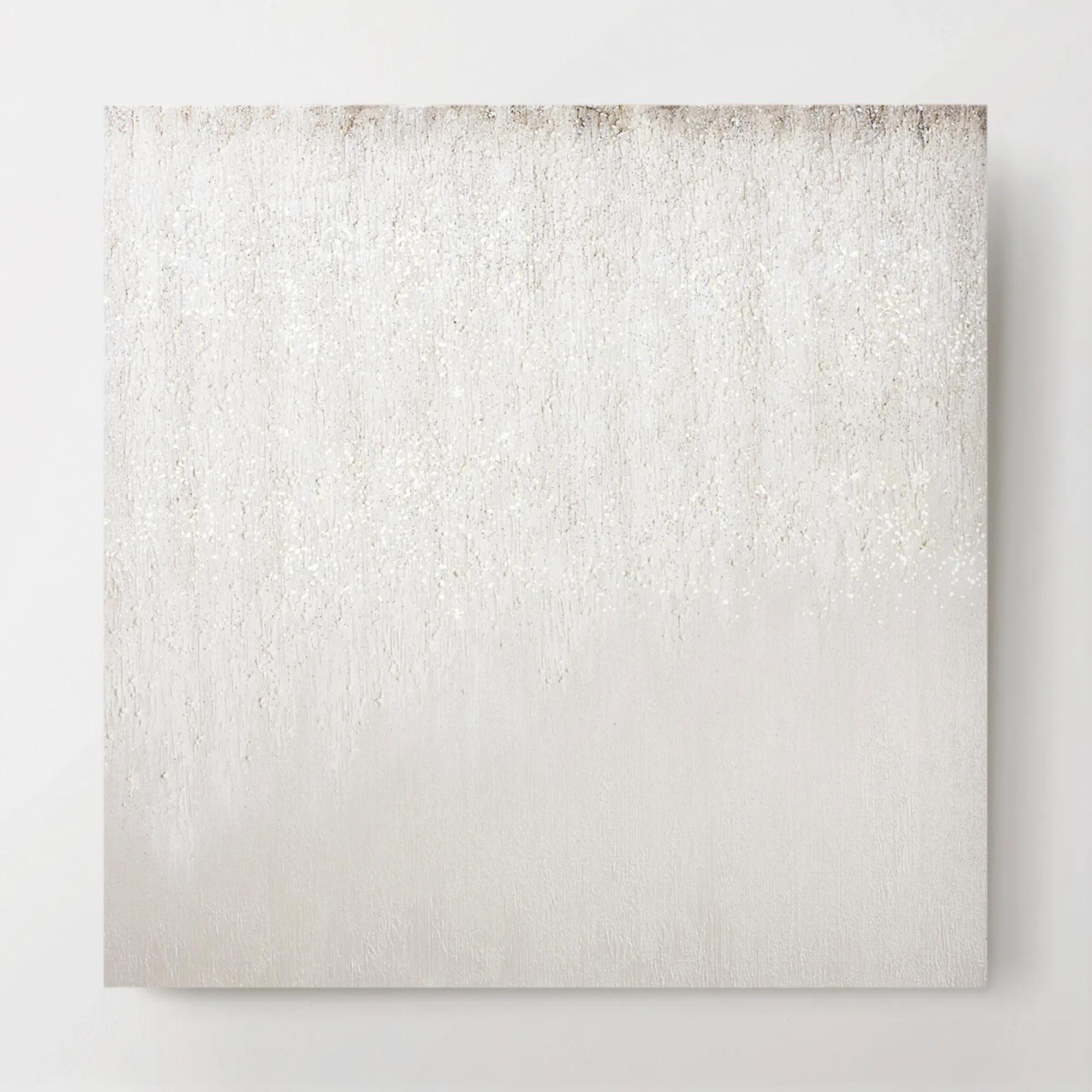 Je T'aime Glitter Painted Wall Art 30" x 30"$499
A hand-painted canvas artwork featuring ethereal hazy brushstrokes and subtle glitter embellishments.
Add To Cart -
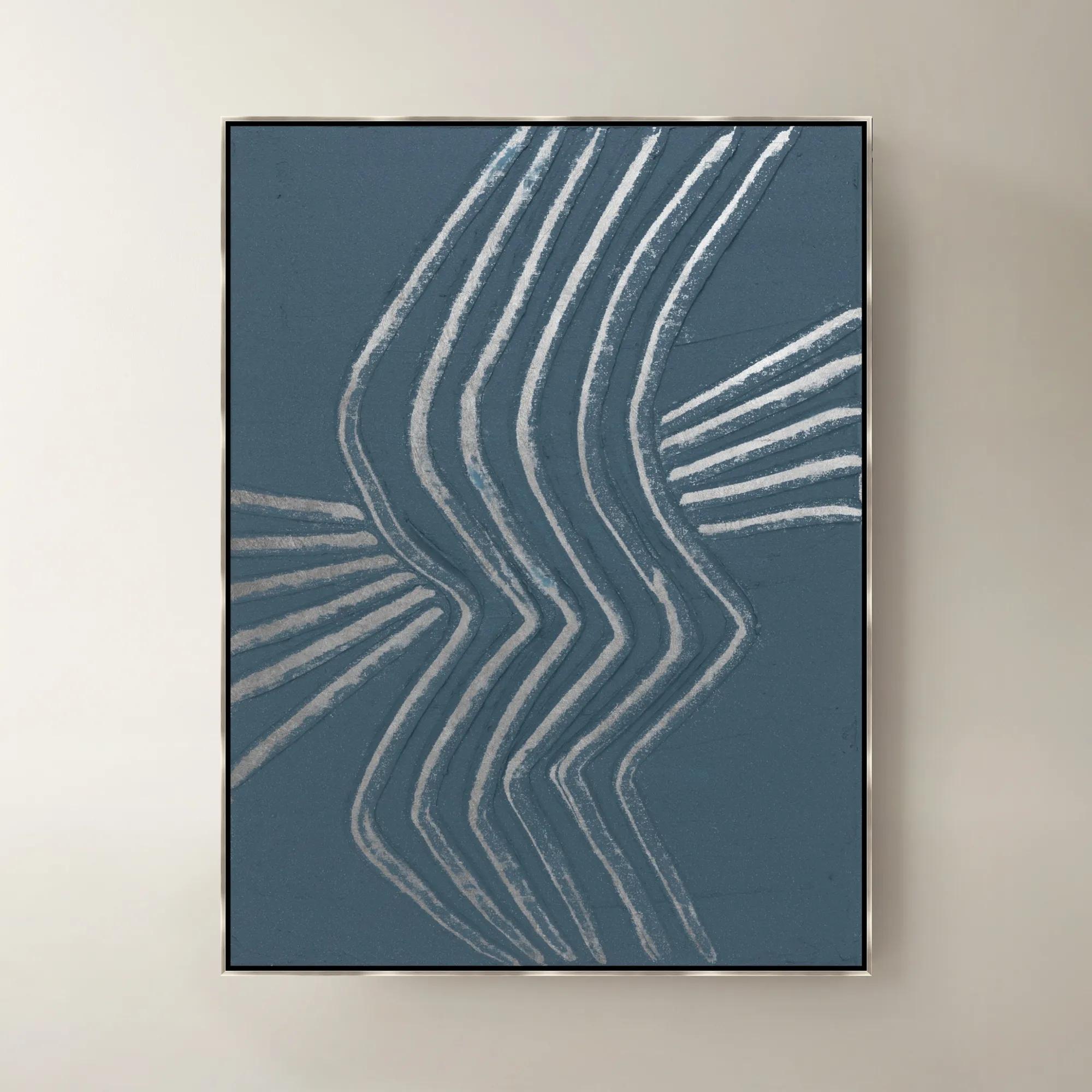
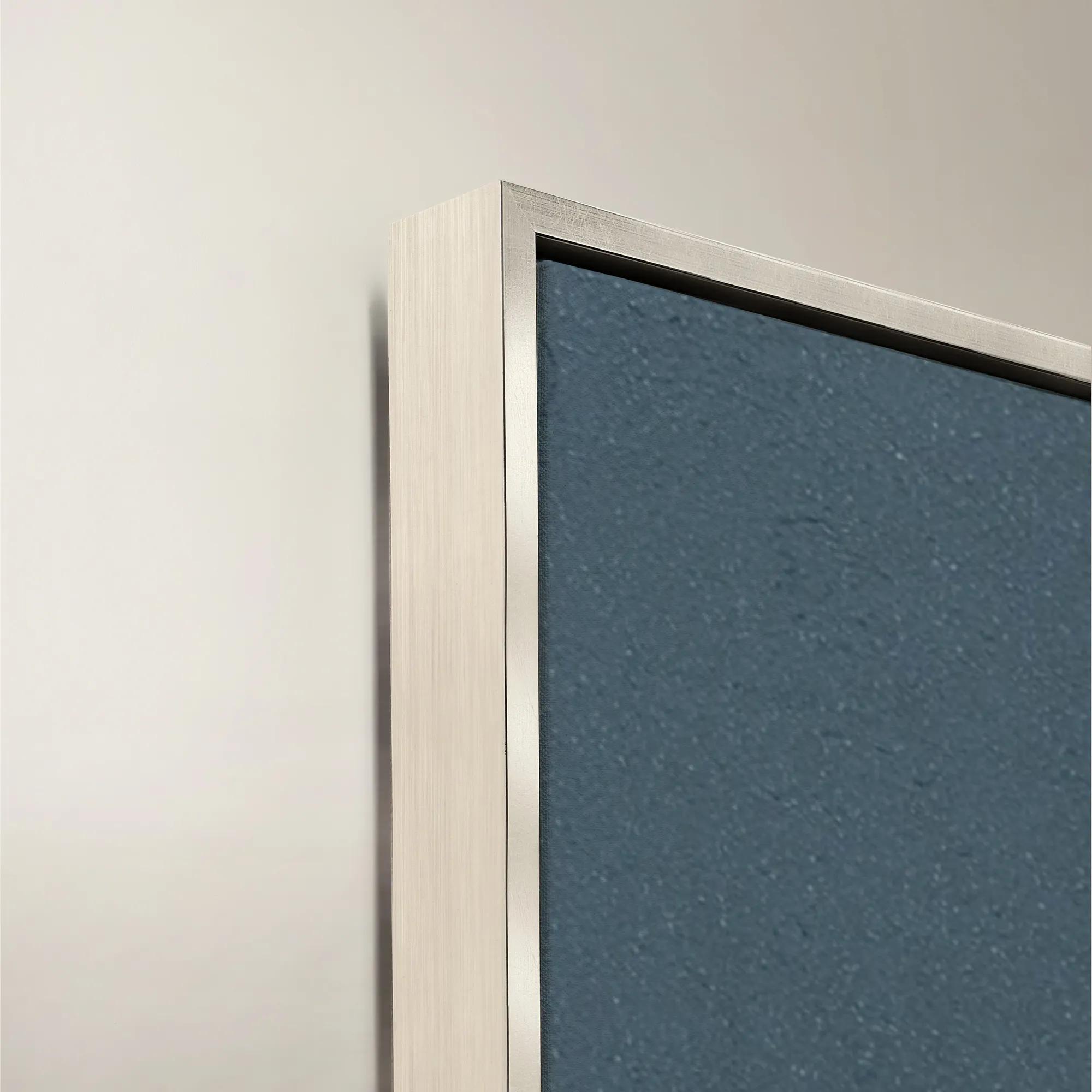 Gilded Waves IV Framed Painted Wall Art 40" x 53"$1399
A framed painted canvas artwork featuring flowing gilded waves in soothing blue and purple tones.
Add To Cart -
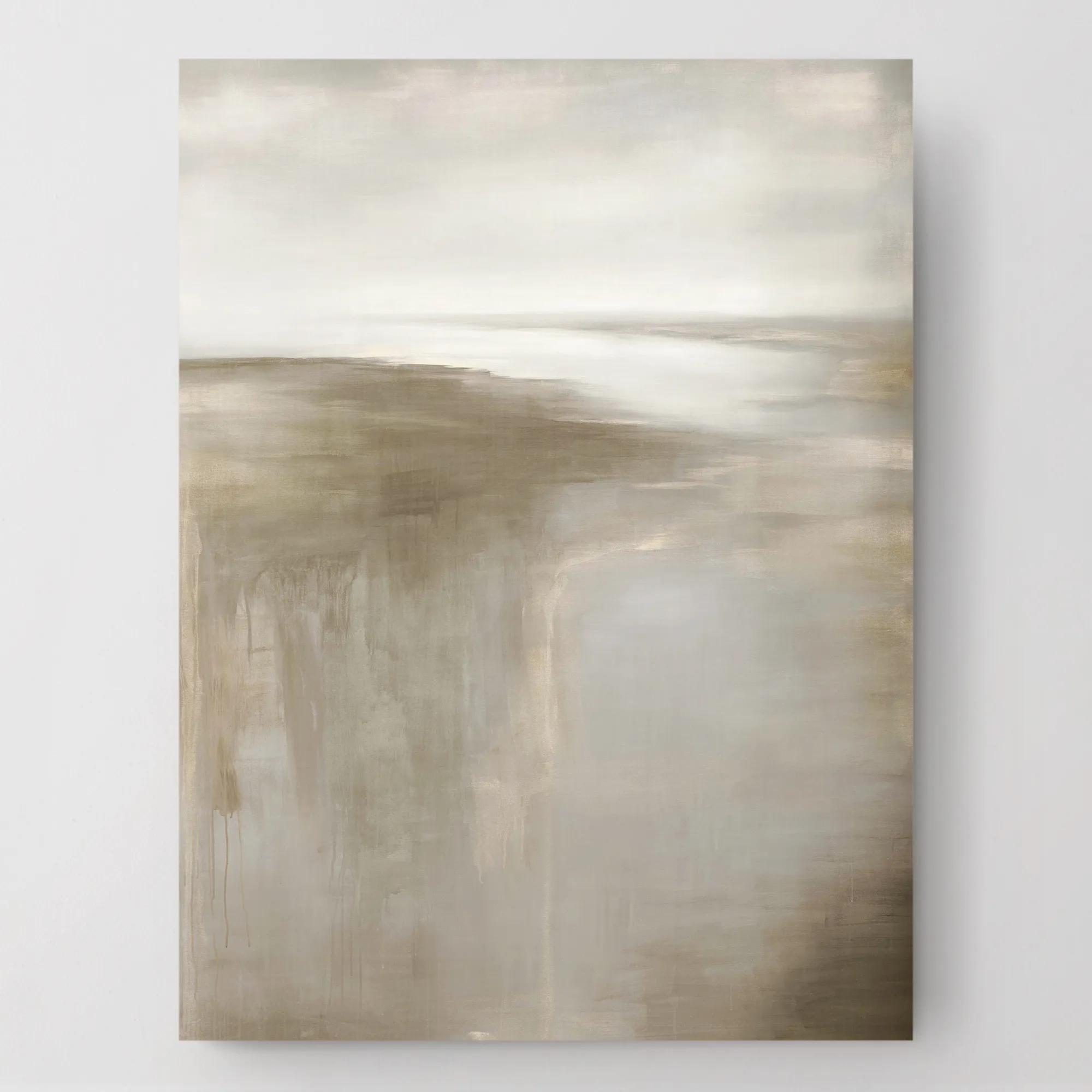
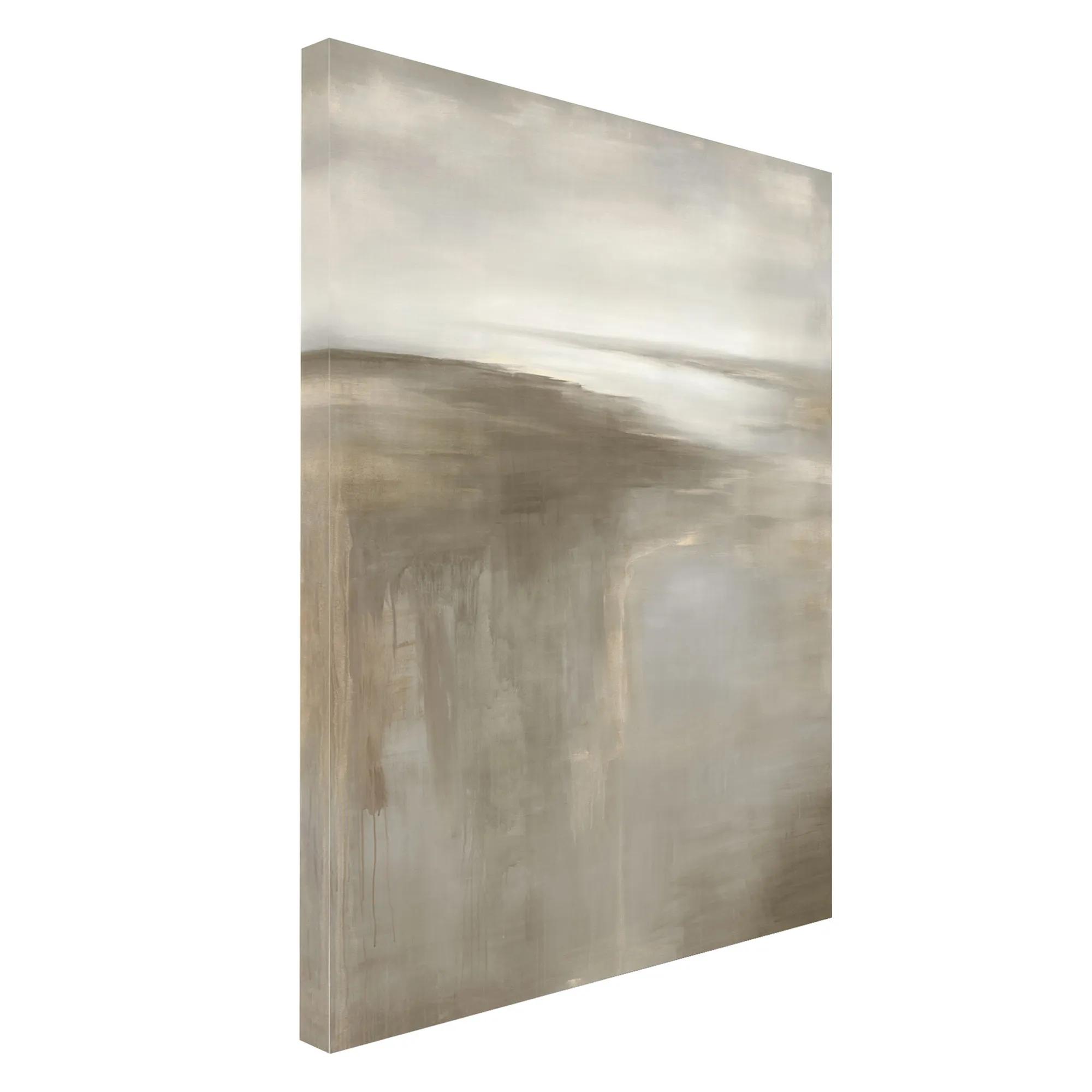 Silver Morning Wall Art 30" x 40"$449
A gallery-wrapped silver canvas artwork featuring a hand-applied image brush gel finish.
Add To Cart -
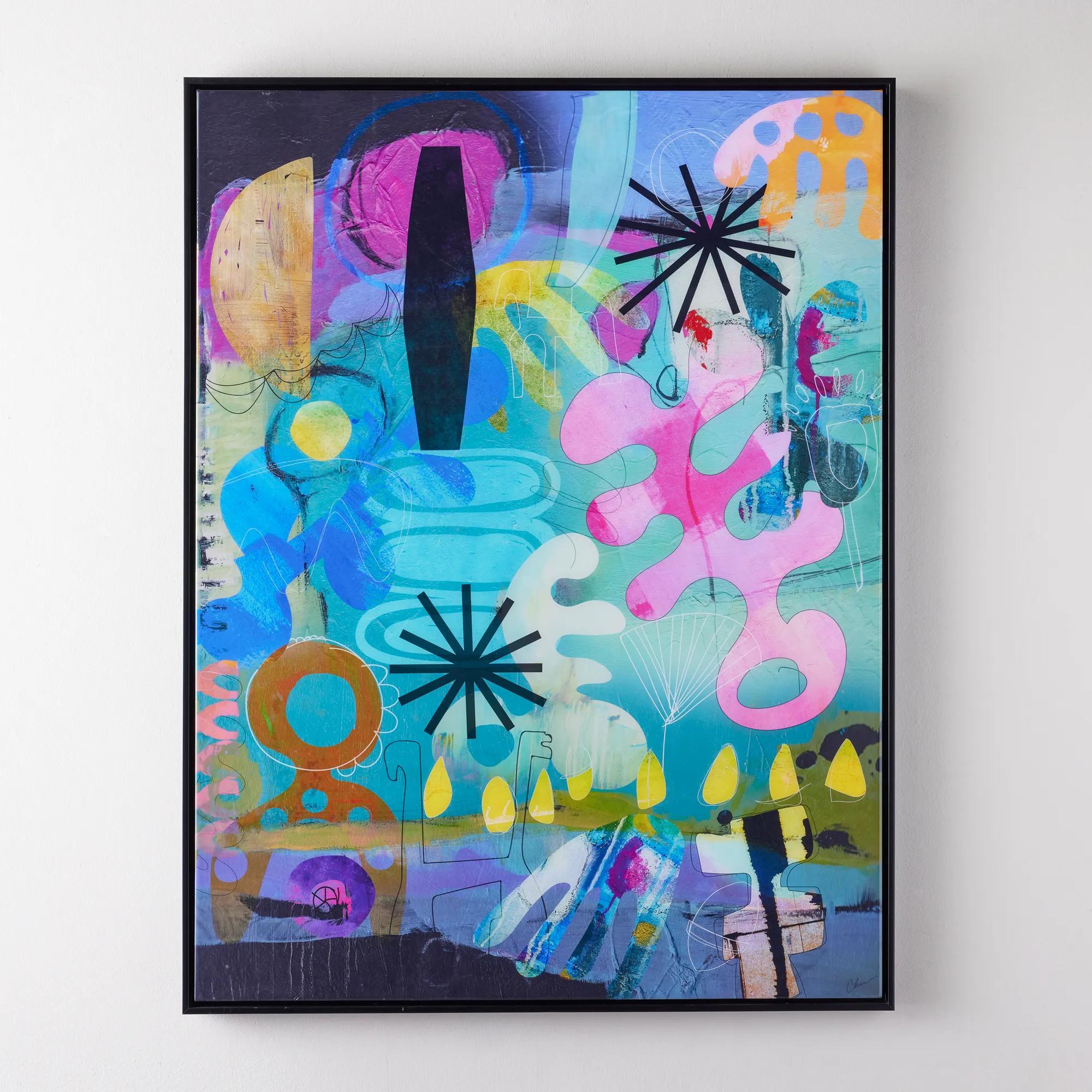
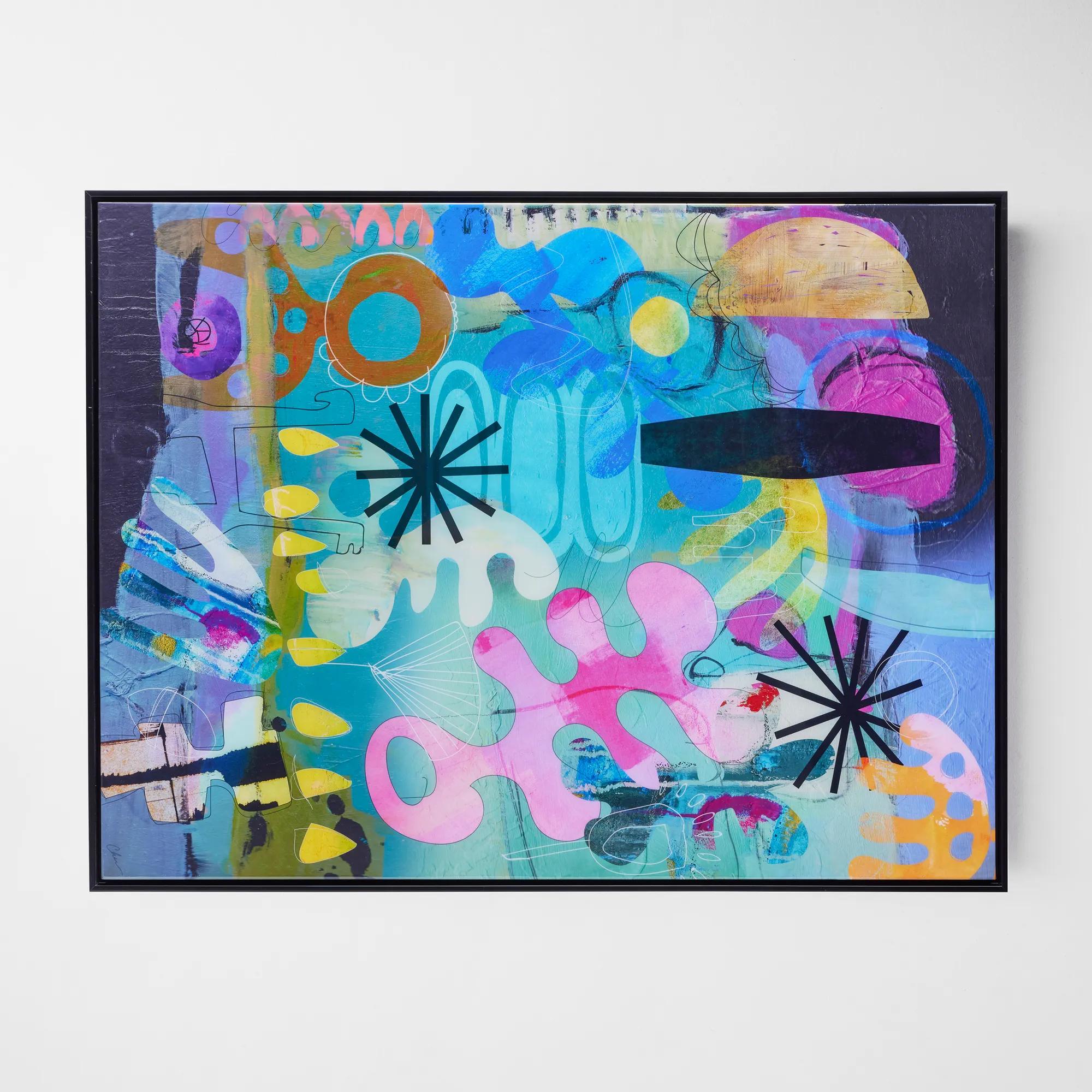 Nikki Chu Detailed Vision Framed Wall Art 54" x 41"$1099
A vibrant, high-gloss artwork with a black frame, designed to hang vertically or horizontally.
Add To Cart -
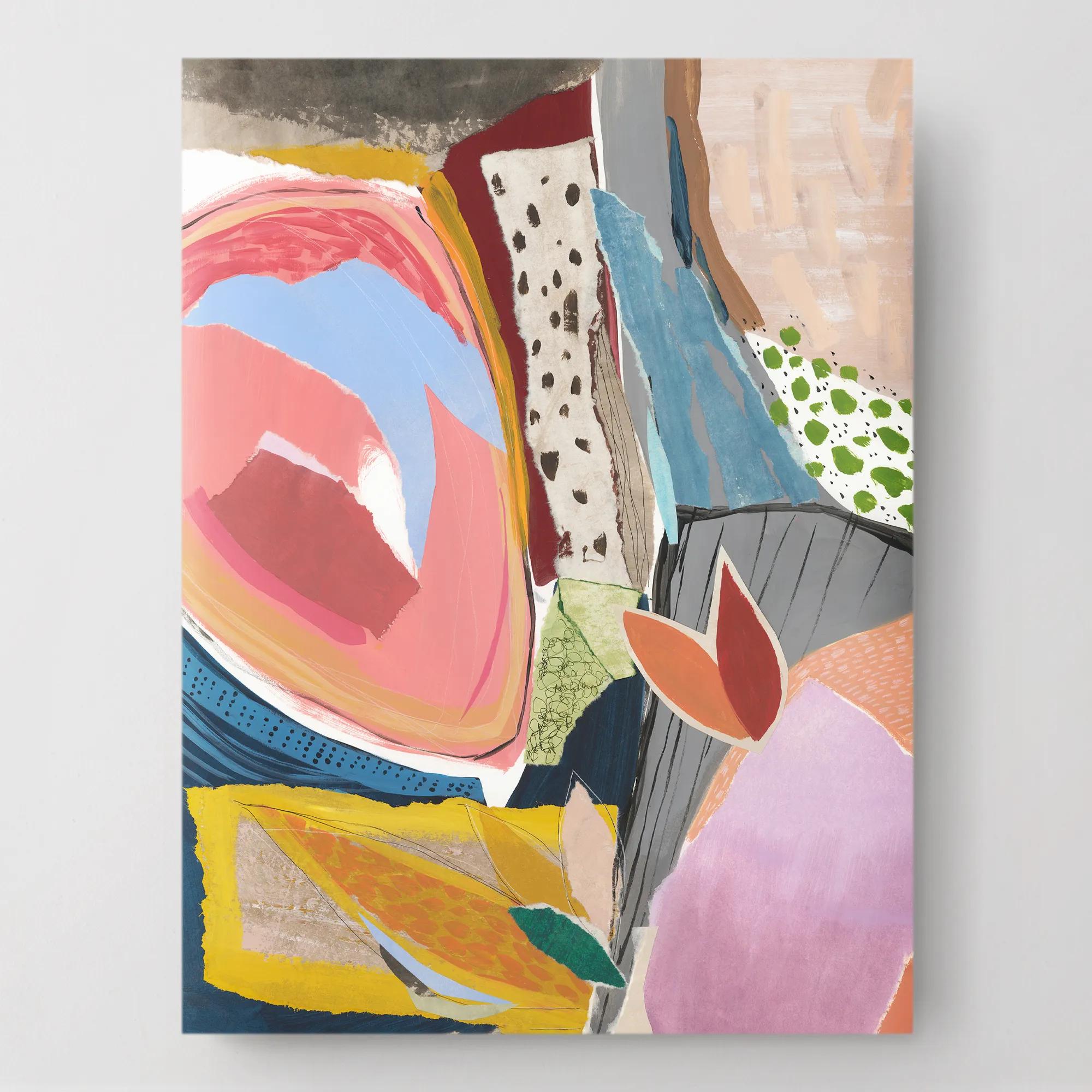
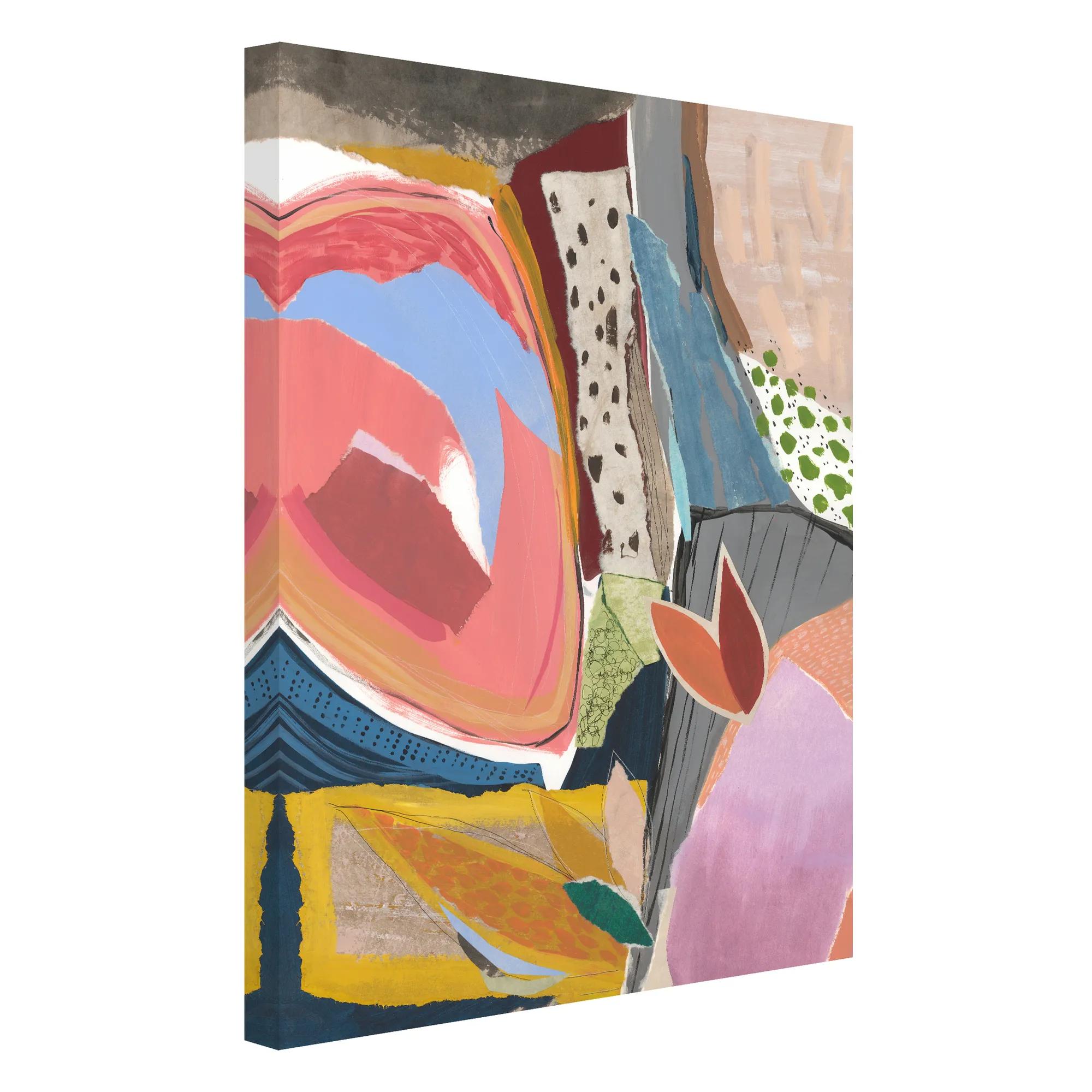 Sunday Vibes 1 Wall Art 30" x 40"$449
A gallery-wrapped canvas artwork featuring a hand-applied image brush gel finish for a textured look.
Add To Cart -
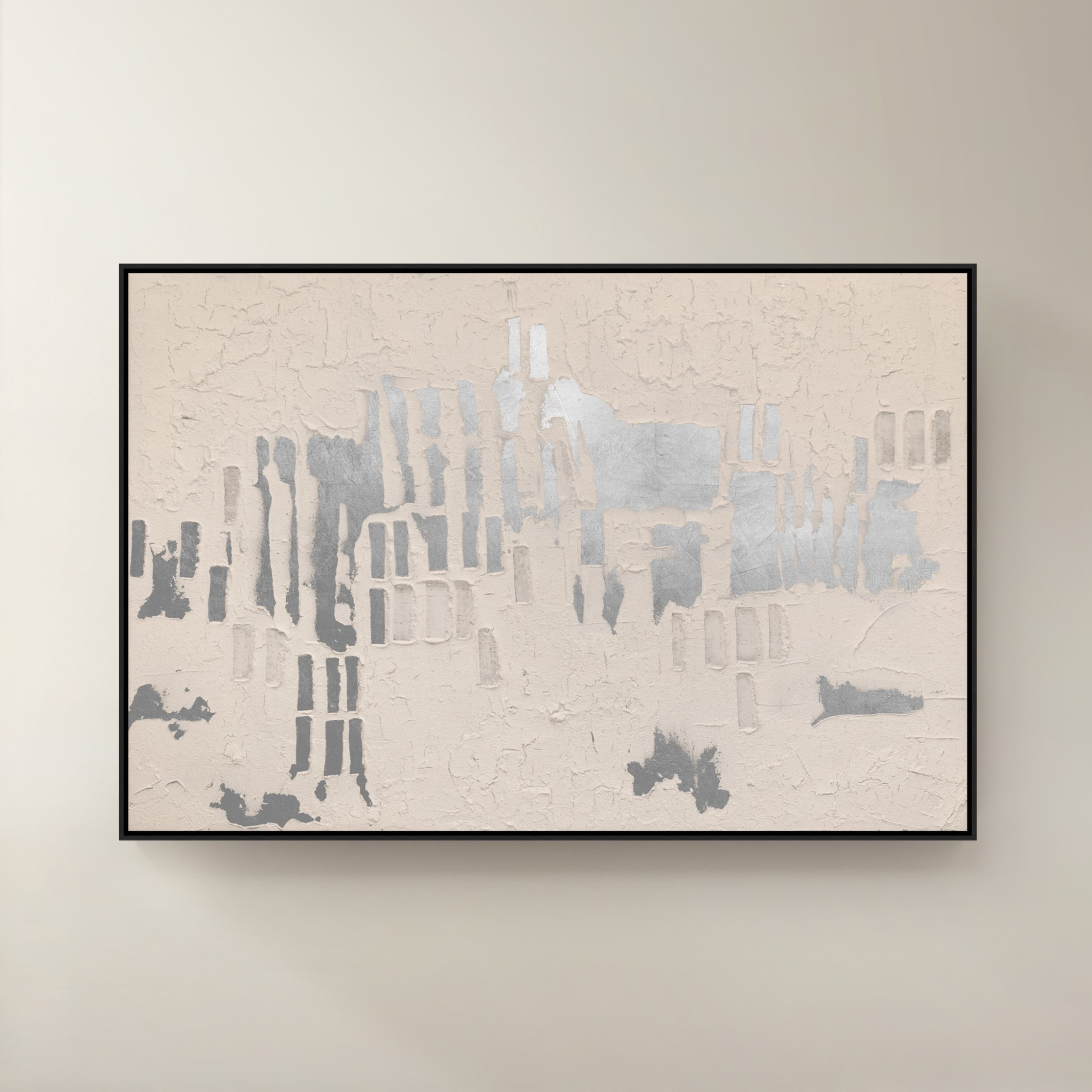
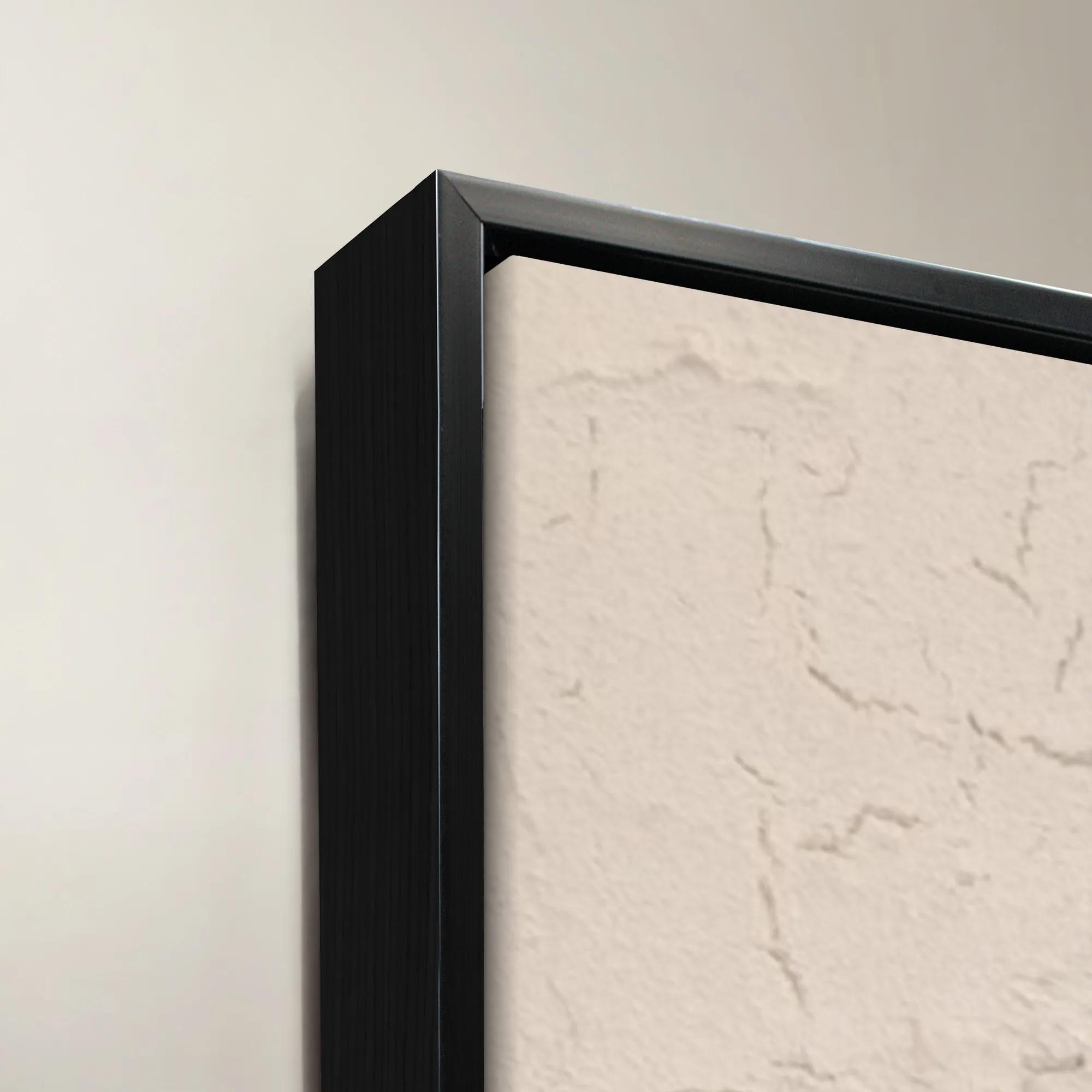 Silver Reverie Framed Painted Wall Art 60" x 40"$1699
A silver-toned painted canvas artwork framed for a sophisticated, contemporary wall display.
Add To Cart -
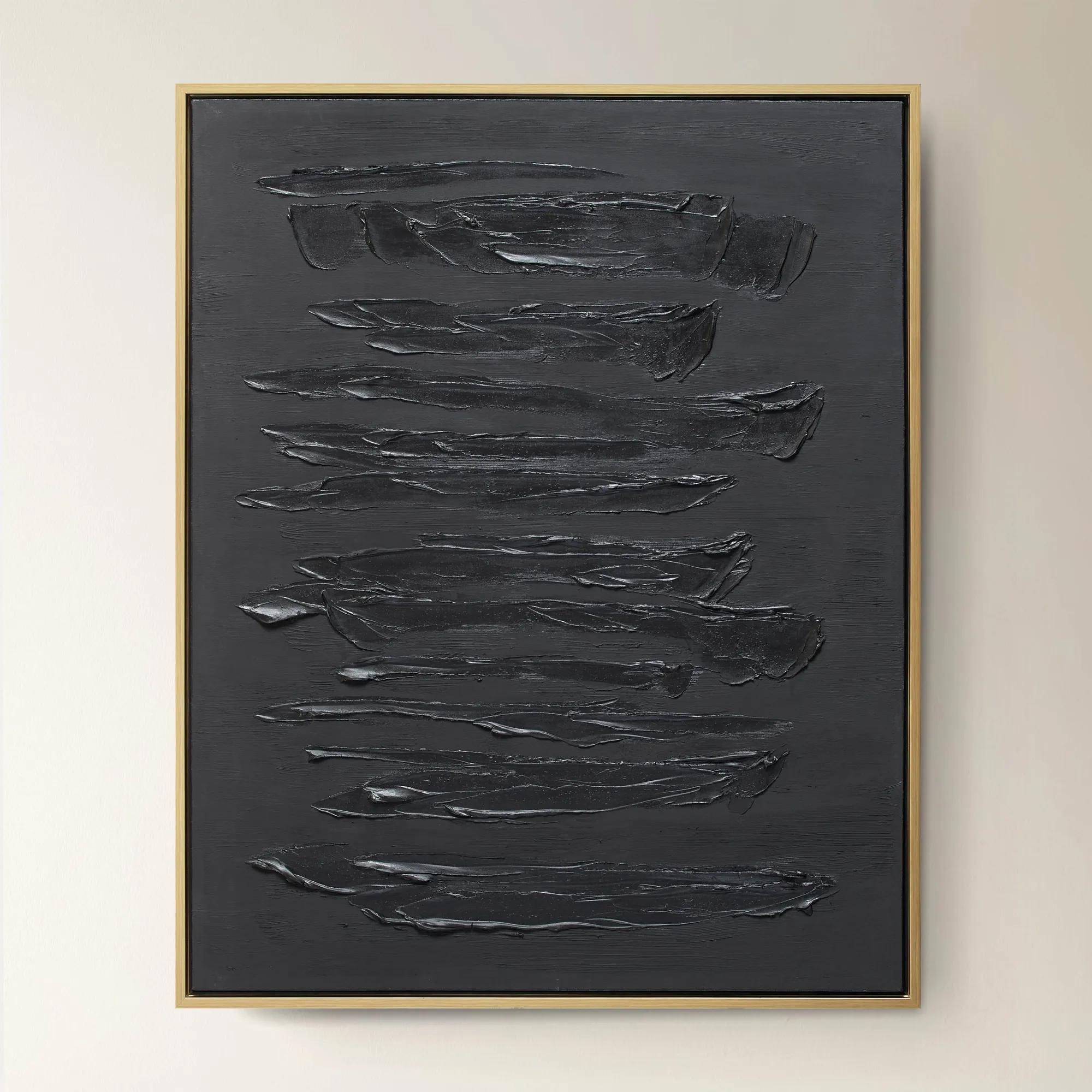
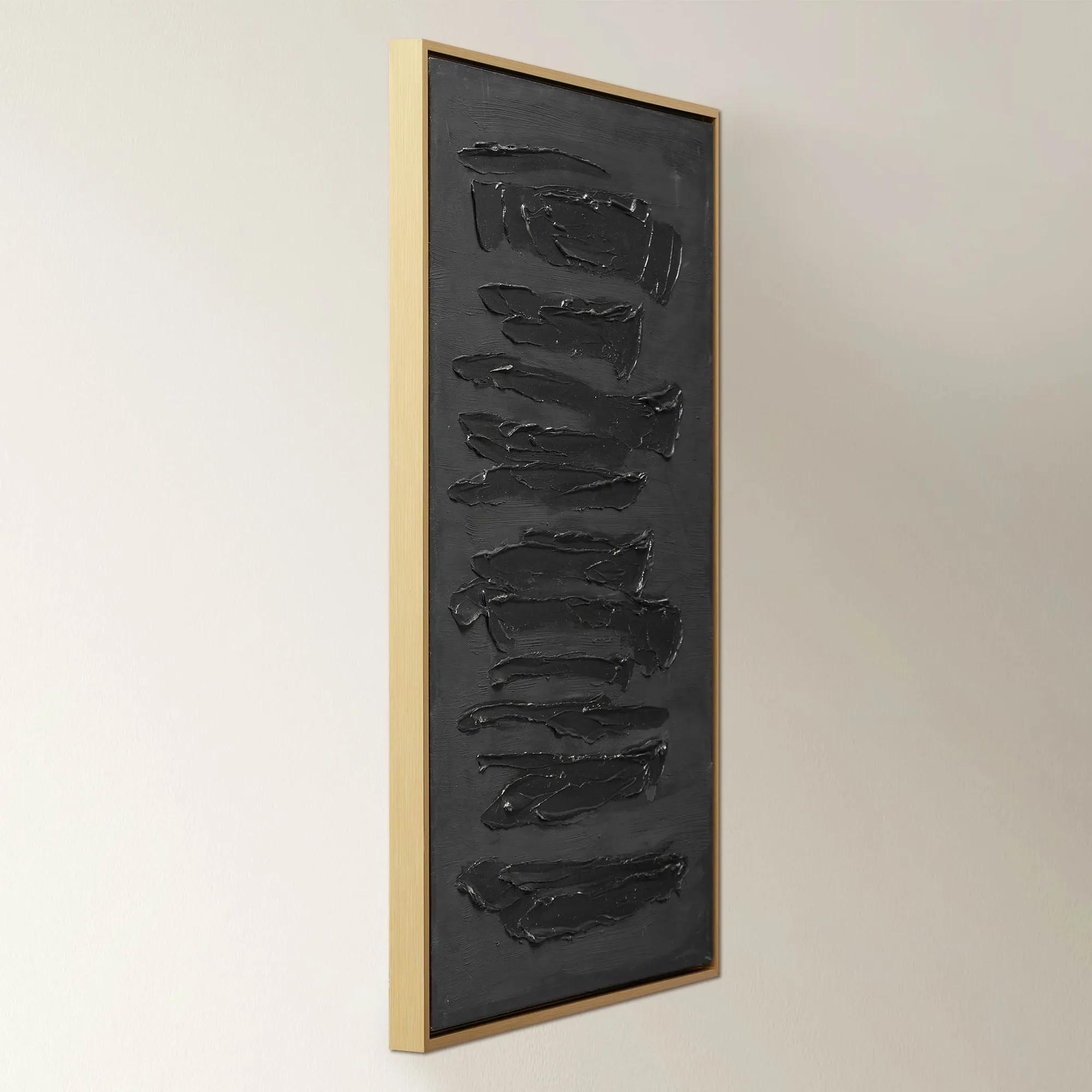 Nocturne$599.95
A dramatic abstract artwork featuring bold, dark brushstrokes on hand-painted canvas in a gold floater frame.
Add To Cart -
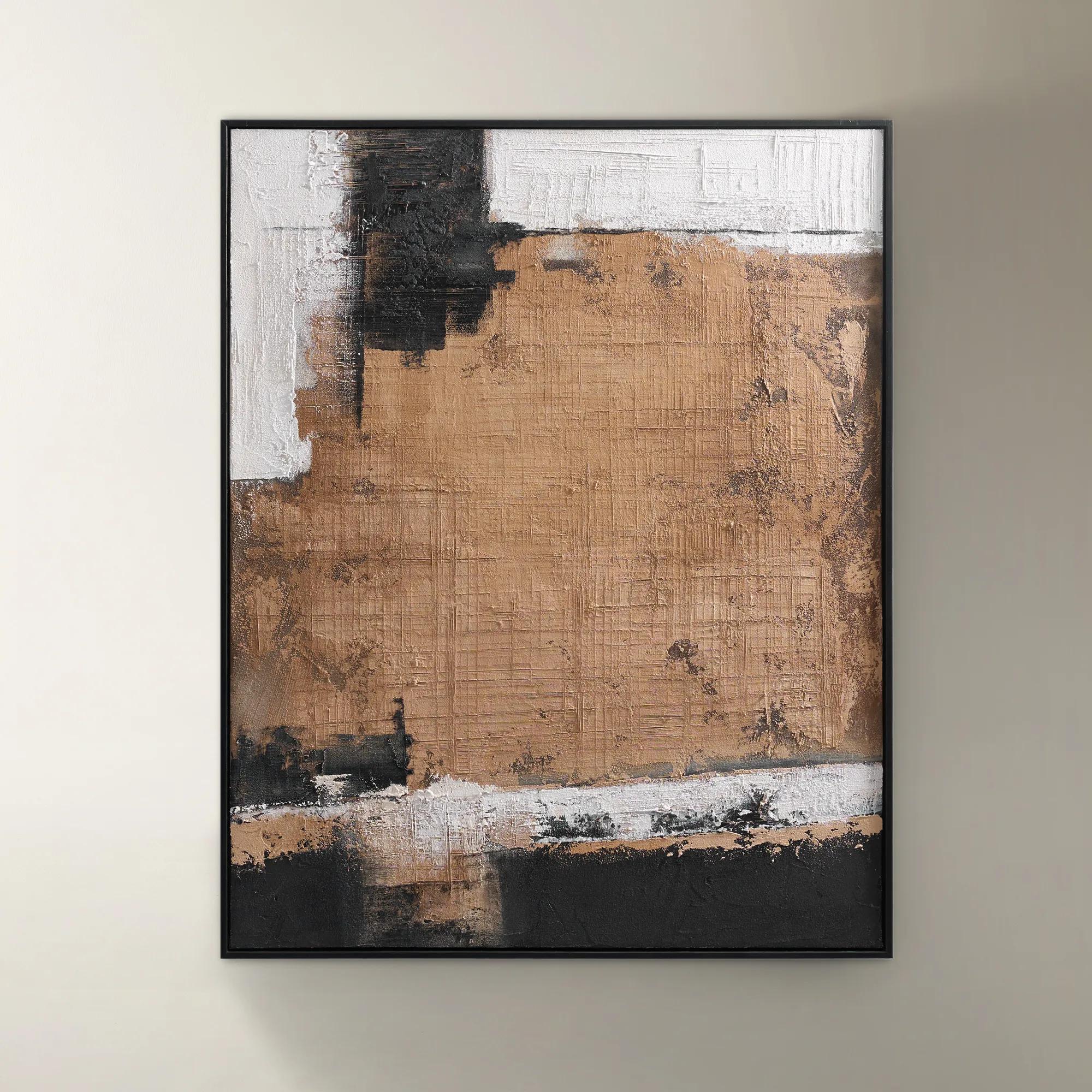
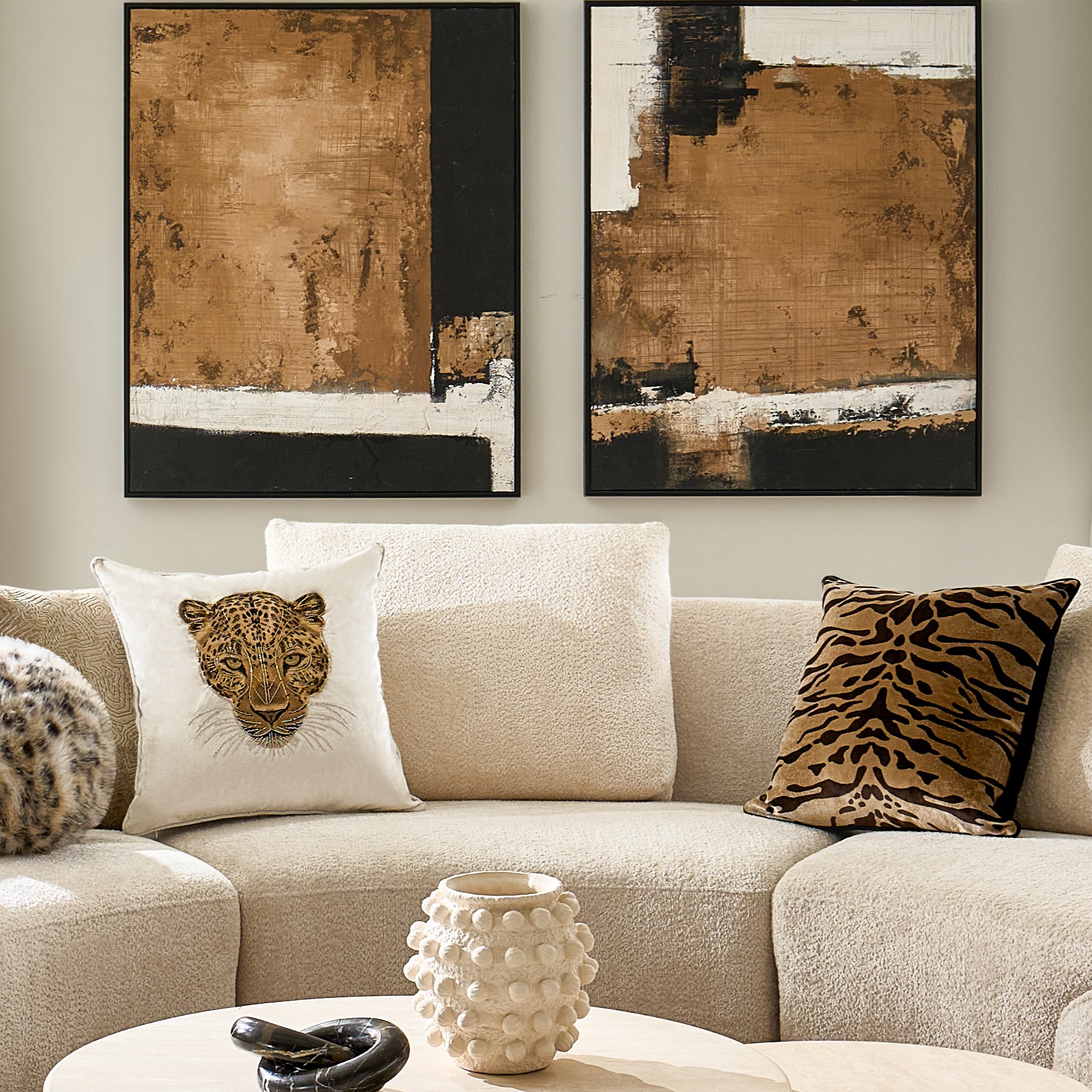 Drift Framed Painted Wall Art II 39.4" x 31.5"$299
A hand-painted canvas in brown, featuring bold texture and color interplay within a sleek black floater frame.
Add To Cart -
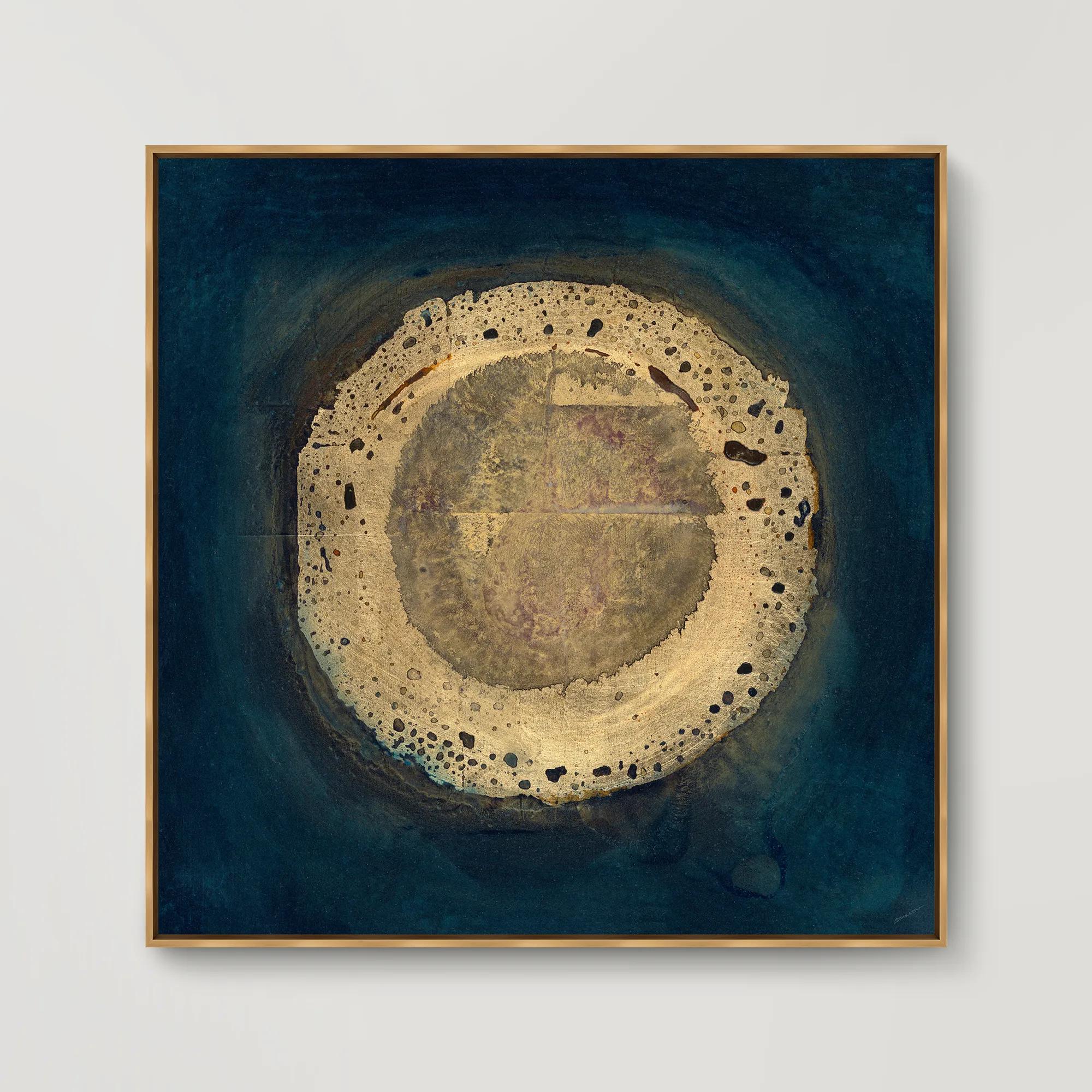
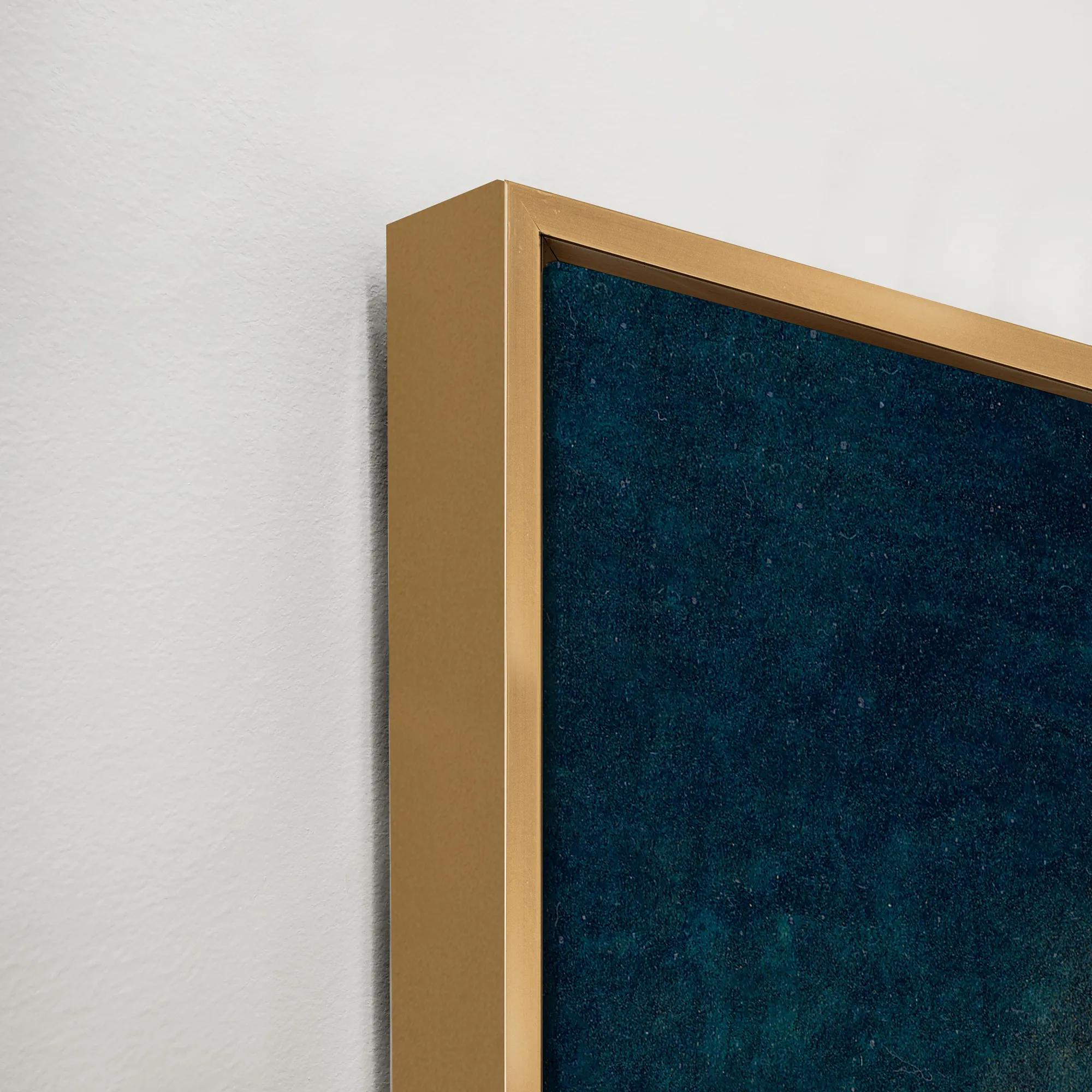 Bramble I Framed Wall Art 41.5" x 41.5"$749
A gallery-wrapped abstract canvas with hand-applied gel finish, set in an elegant gold floater frame.
Add To Cart -
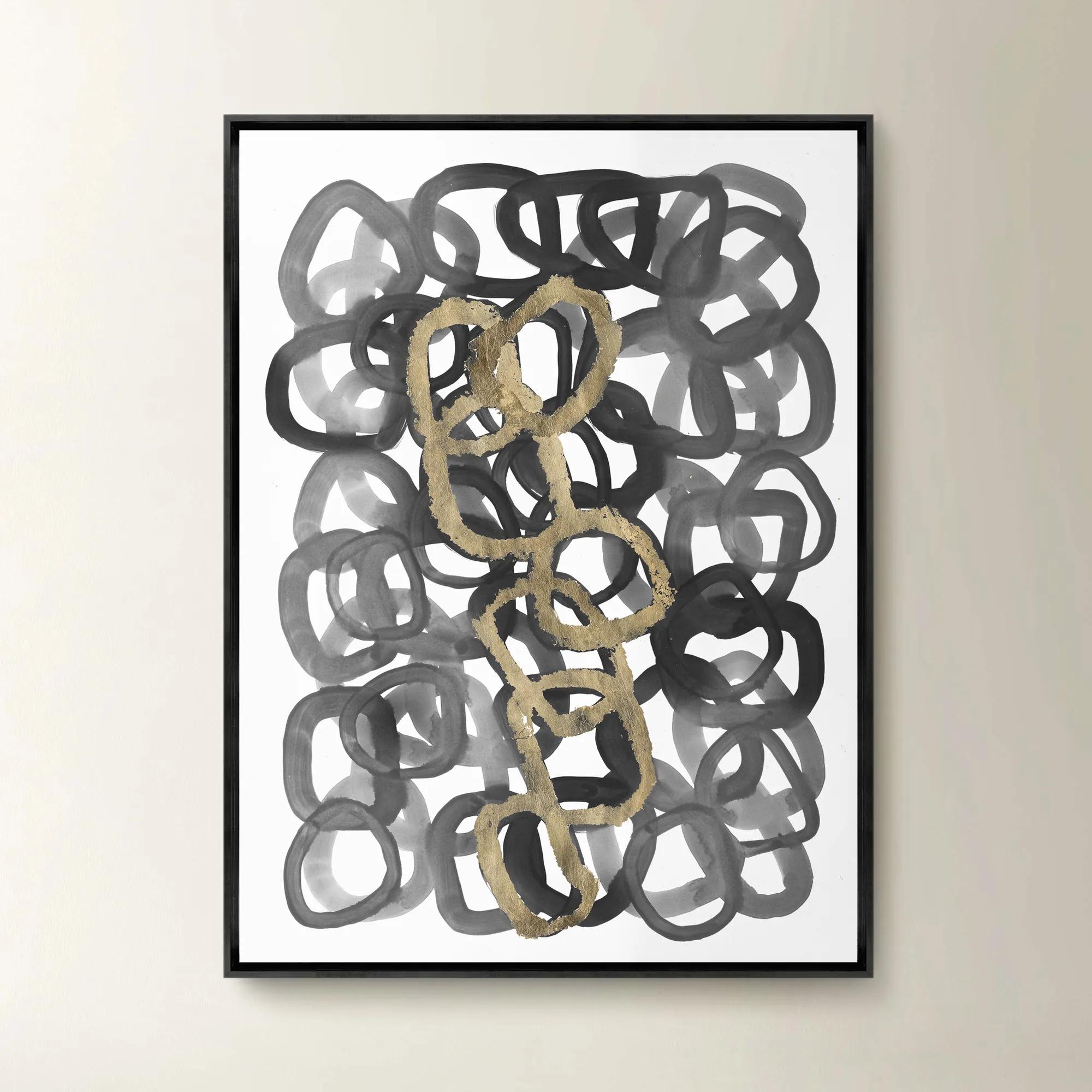
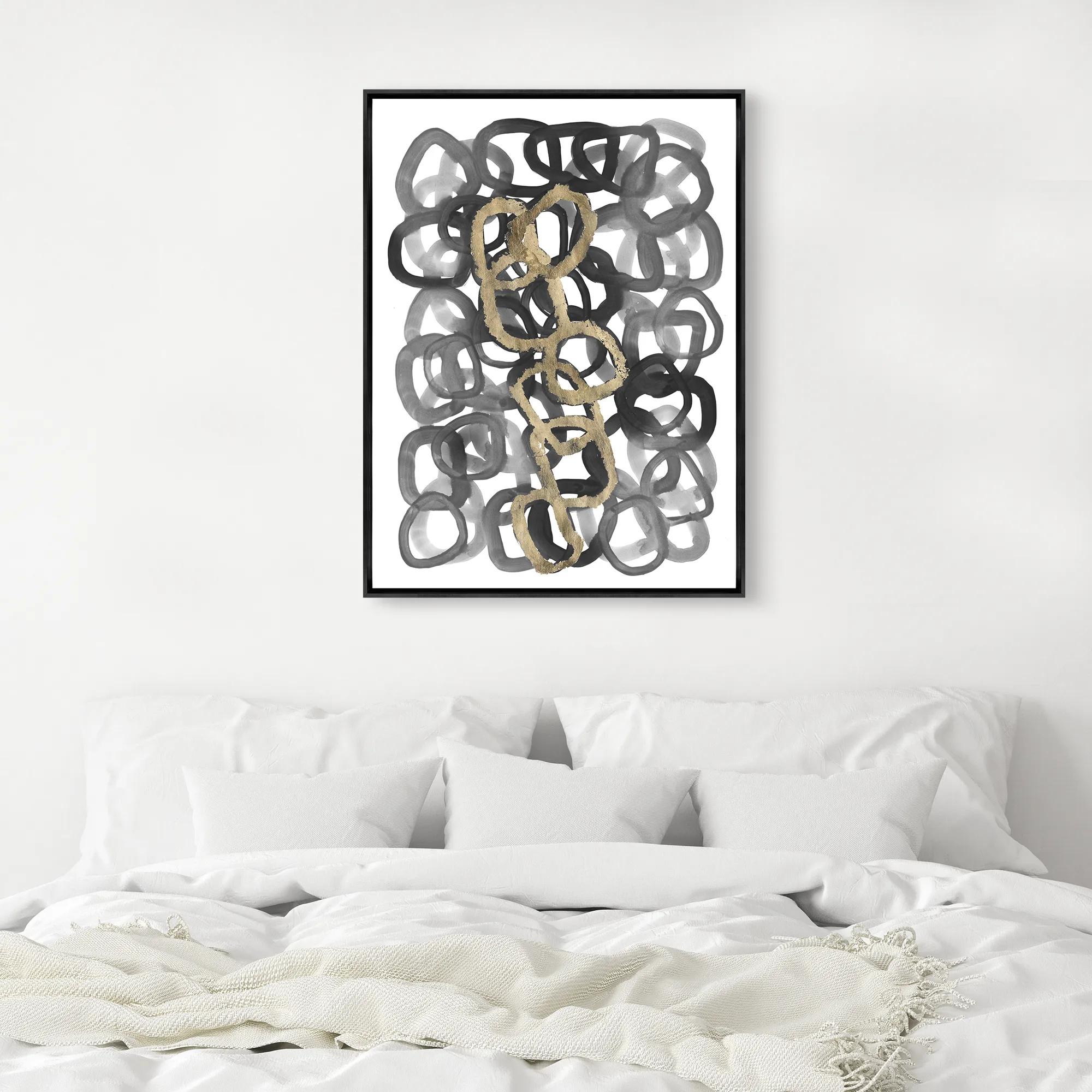 Unbroken Framed Wall Art 26" x 35"$499
A gallery-wrapped canvas artwork with a hand-applied gel finish, set in a sleek black floater frame.
Add To Cart -
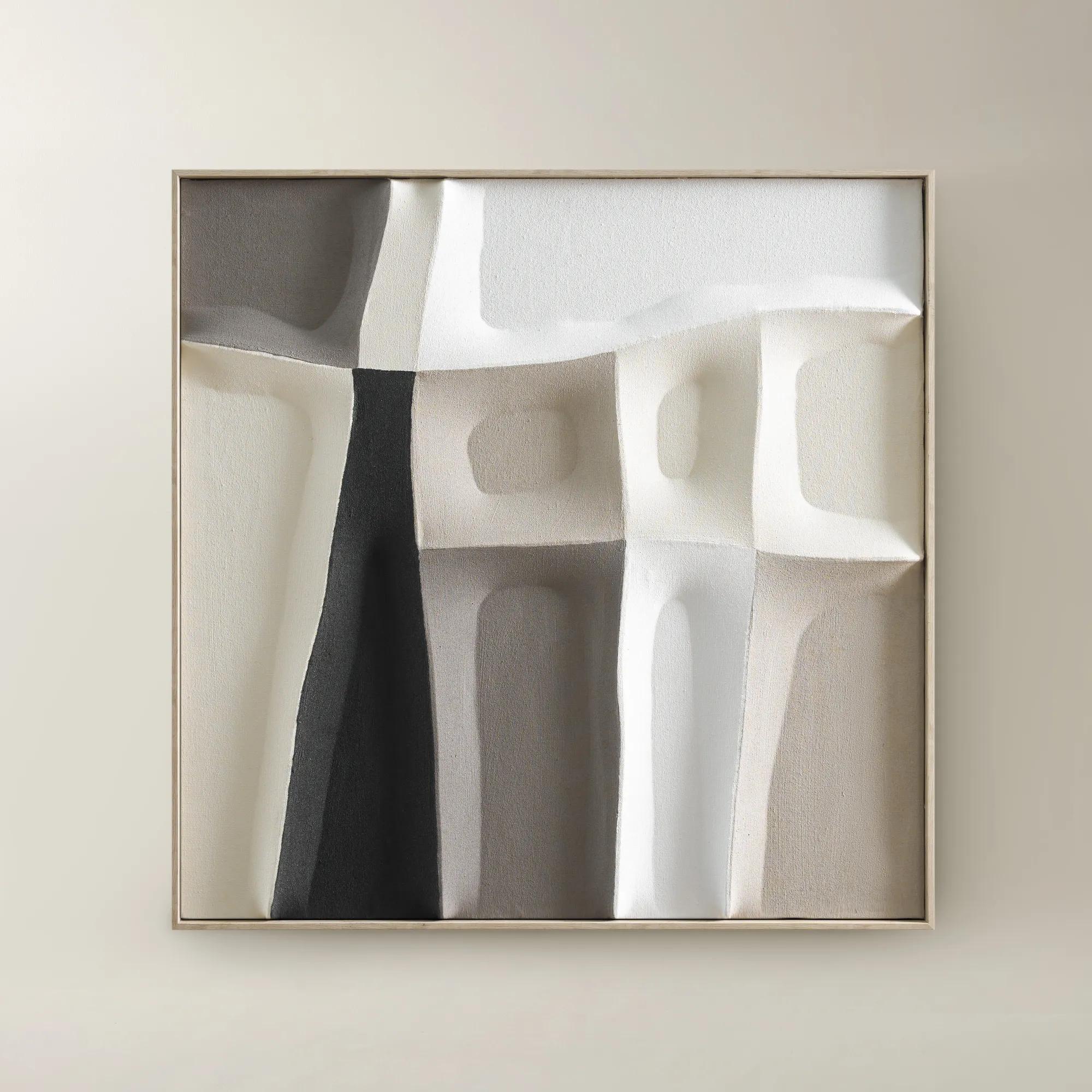 Shadow Painting 1$179
A hand-painted canvas featuring bold colors and sculptural textures in a warm whitewash floater frame.
Add To Cart -
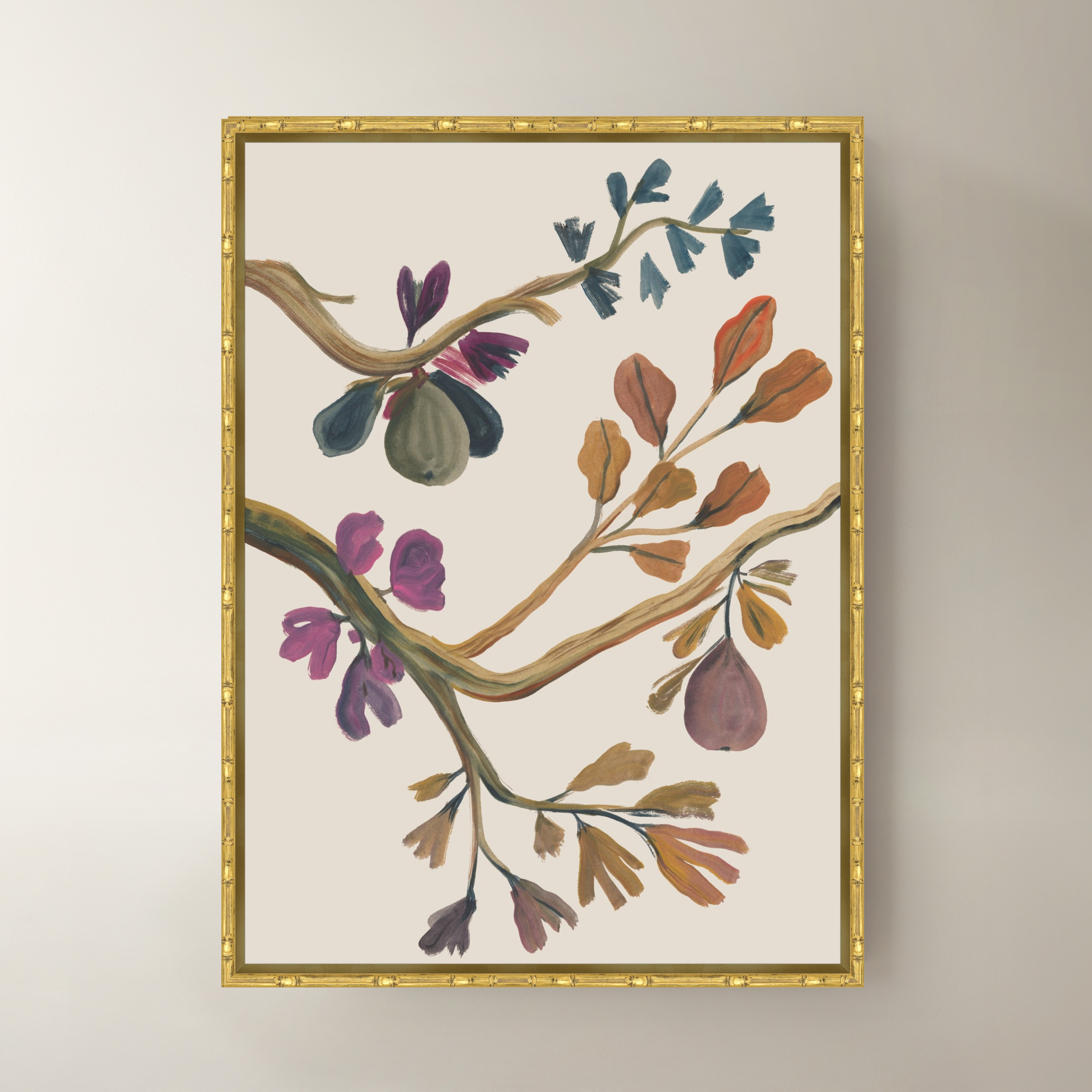
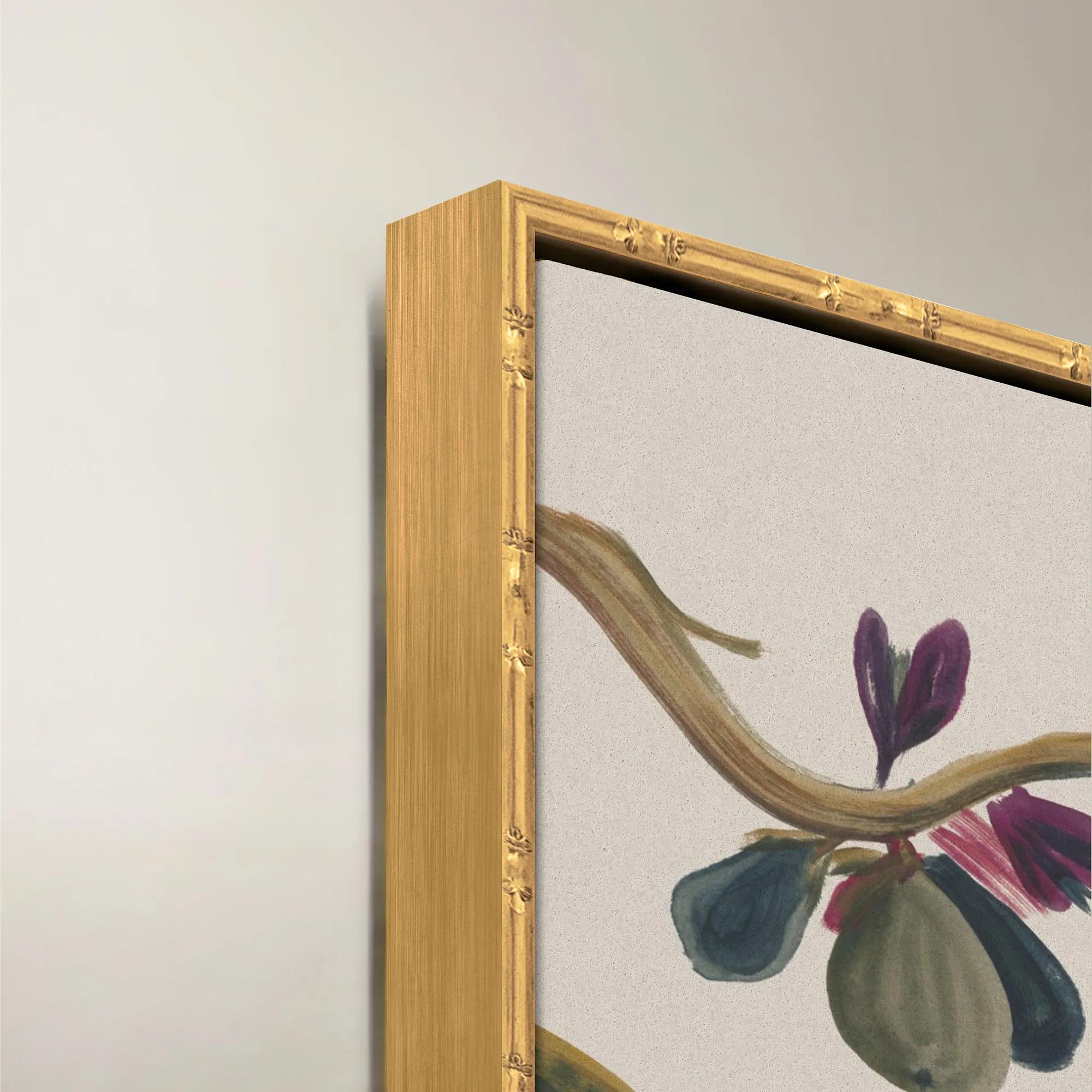 Whispering Orchard II Framed Wall Art 24" x 33"$749
A multicolored canvas wall art piece presented in an elegant frame for contemporary interiors.
Add To Cart -
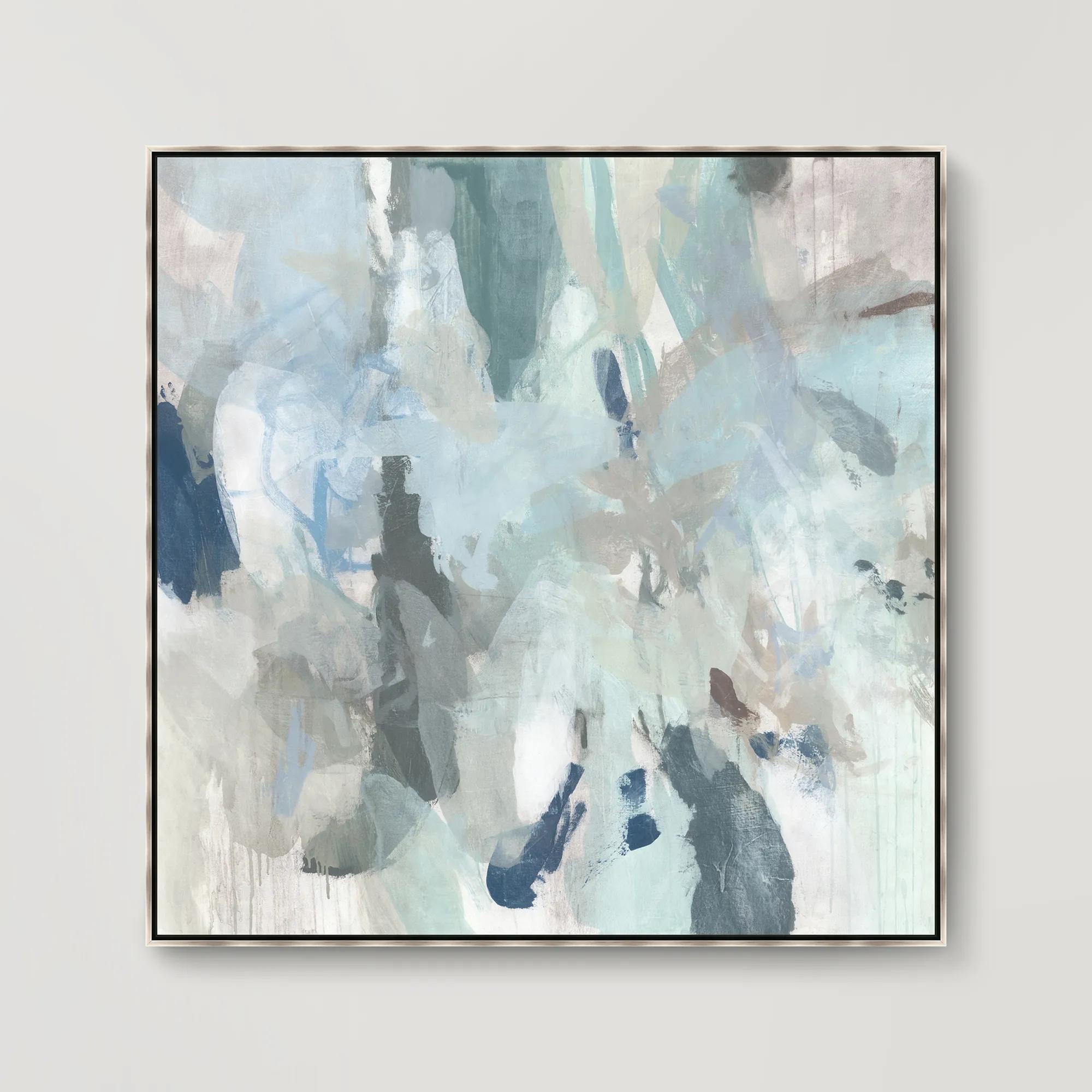
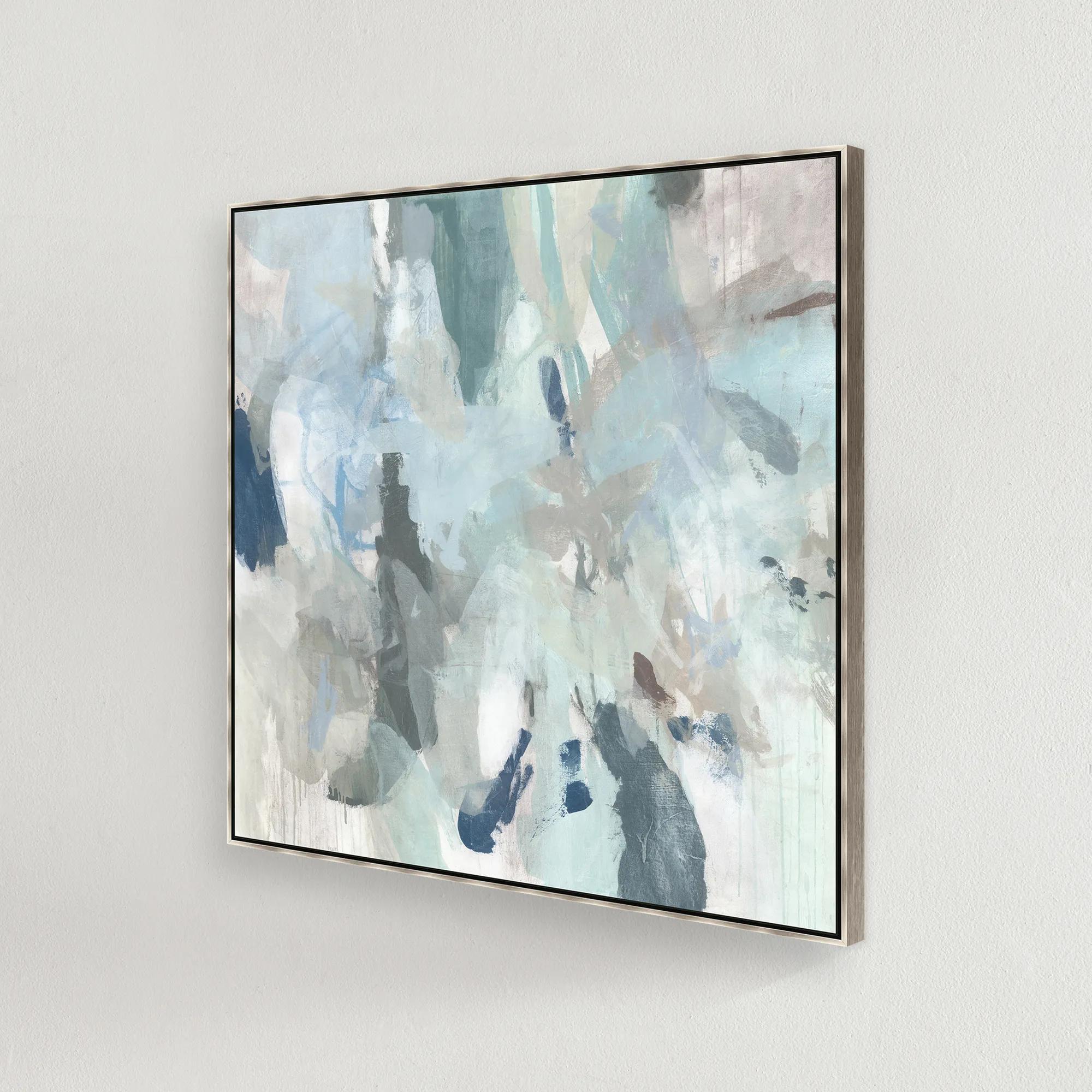 Sage Honey Dew I Framed Wall Art 41.5" x 41.5"$749
A gallery-wrapped abstract canvas featuring hand-applied gel finish in a silver floater frame.
Add To Cart -
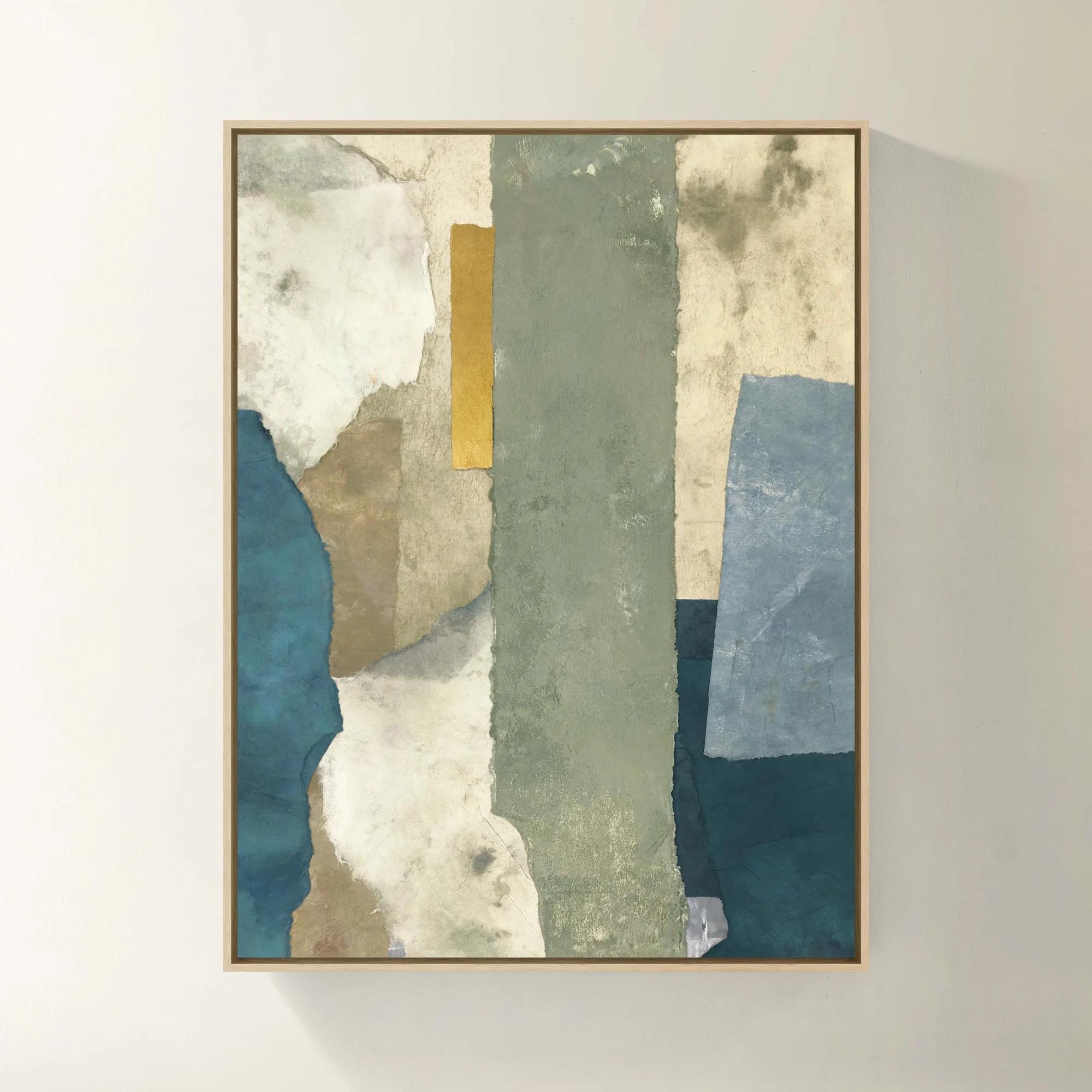 Earth Fragments II Framed Wall Art 30" x 40"$799
A gallery-wrapped canvas featuring gild accents and hand-applied gel, set in a natural floater frame.
Add To Cart -
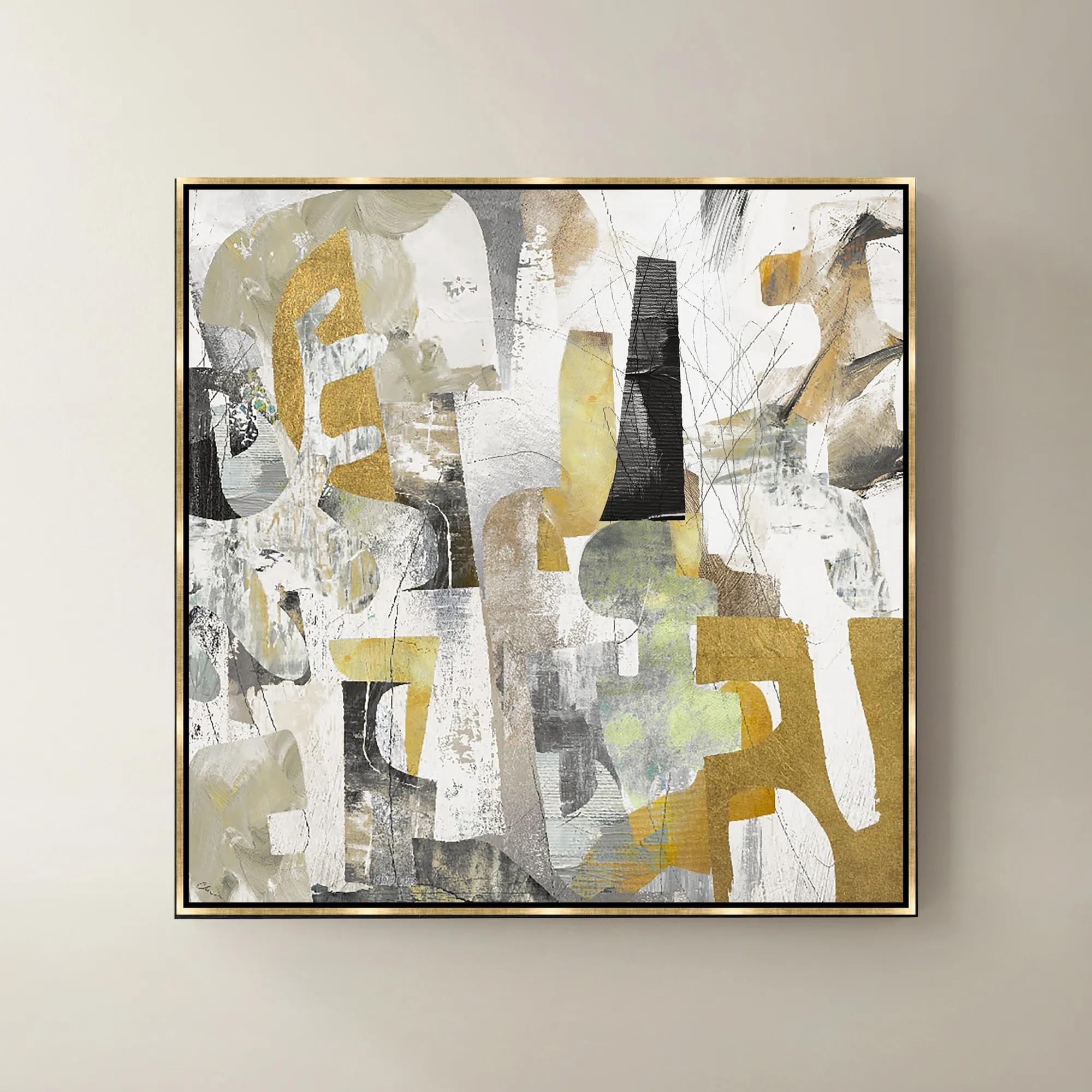
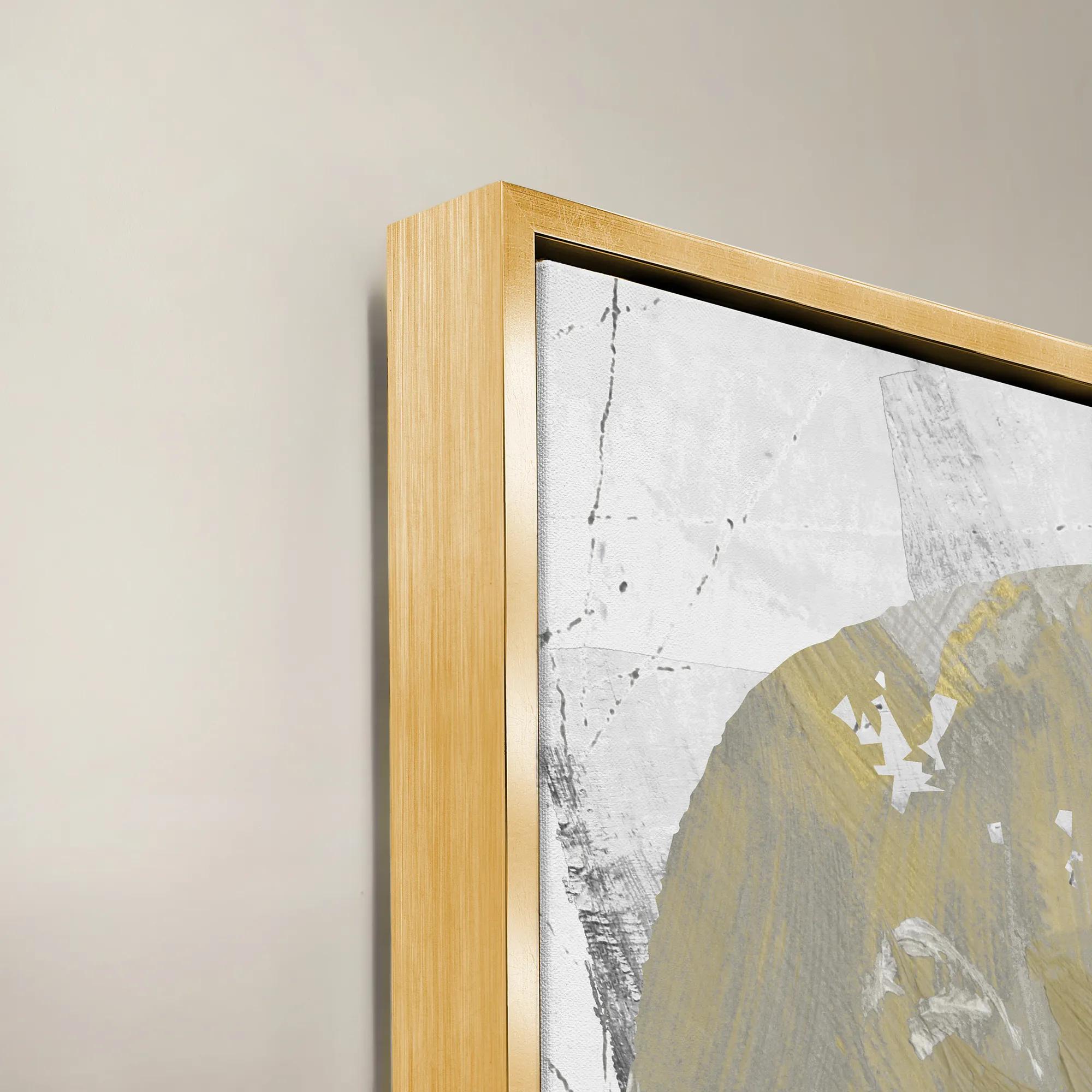 Abby II Framed Wall Art 40" x 40"$849
An abstract art piece inspired by Nikki Chu’s modern design aesthetic and creative expertise.
Add To Cart

Living Room Abstract Canvas Art
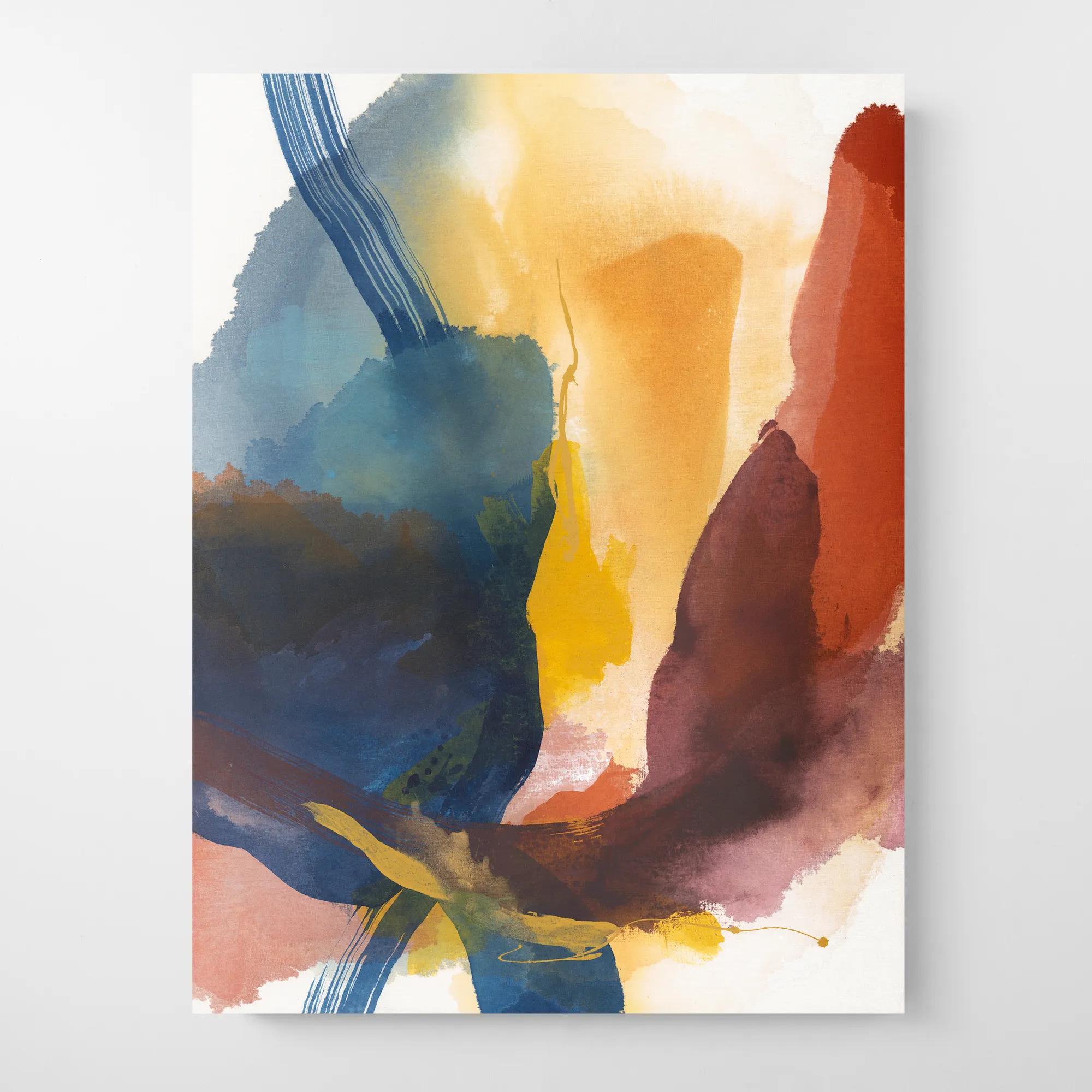
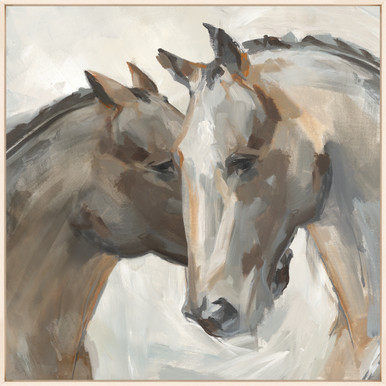
Explore living room abstract canvas art to create an expressive focal point above a sofa, mantel, or console. Discover abstract wall art with an emphasis on color, shape, and composition, and consider how each piece’s palette and proportions will complement your furniture—or introduce a daring contrast.
Living room abstract canvas art brings expressive color, sculptural shapes, and visual intrigue to the space where your personal style takes center stage. From sweeping gestural compositions to quietly layered tonal studies, abstract wall art can establish the mood of a room without dictating every detail. A large abstract canvas above the sofa creates a commanding focal point, while a coordinated pair of artworks introduces rhythm and balance to a seating area. Let your existing palette guide the selection: soft neutrals can lend depth to a richly textured interior, while saturated jewel tones or dramatic black-and-white contrasts give a restrained room a more daring point of view. For a cohesive living room wall decor arrangement, echo one or two colors from the artwork in decorative pillows, a rug, or tabletop accents rather than matching every shade. The result is an interior that feels thoughtfully composed, with modern abstract art connecting furnishings and accessories into a distinctly personal story. Choosing abstract canvas wall art for a living room is as much about proportion and placement as it is about color. Above a sofa, an artwork or grouped arrangement spanning roughly two-thirds to three-quarters of the furniture’s width offers a useful starting point for a balanced display. Leave approximately six to ten inches between the sofa back and the bottom of the artwork, adjusting for ceiling height, furniture proportions, and comfortable viewing from both seated and standing positions. Oversized abstract wall art can give an expansive wall a sense of intention, while smaller canvases arranged with consistent spacing create an intimate, gallery-inspired composition. Consider the energy of the design alongside the room’s architectural lines: fluid marks can soften angular furnishings, and geometric compositions can introduce structure among curved silhouettes. Thoughtful lighting helps reveal the artwork’s color and detail; avoid prolonged direct sunlight, which can contribute to fading, and position accent lighting to minimize distracting shadows. With scale, palette, and placement working together, living room abstract canvas art becomes more than decoration—it gives the entire room an expressive center of gravity.
FAQs
Begin with the atmosphere you want to create. Sweeping gestures and vivid contrasts bring expressive energy, while fluid shapes and tonal compositions lend a sense of quiet glamour. Choose living room abstract canvas art that echoes your personal style, whether you gravitate toward sculptural geometry or free-flowing color.
Aim for a visual conversation rather than an exact match. An artwork can draw out an accent color from your upholstery or introduce an unexpected hue against a neutral palette. Repeating a color or shape elsewhere in the room creates cohesion while allowing the canvas to retain its distinctive character.
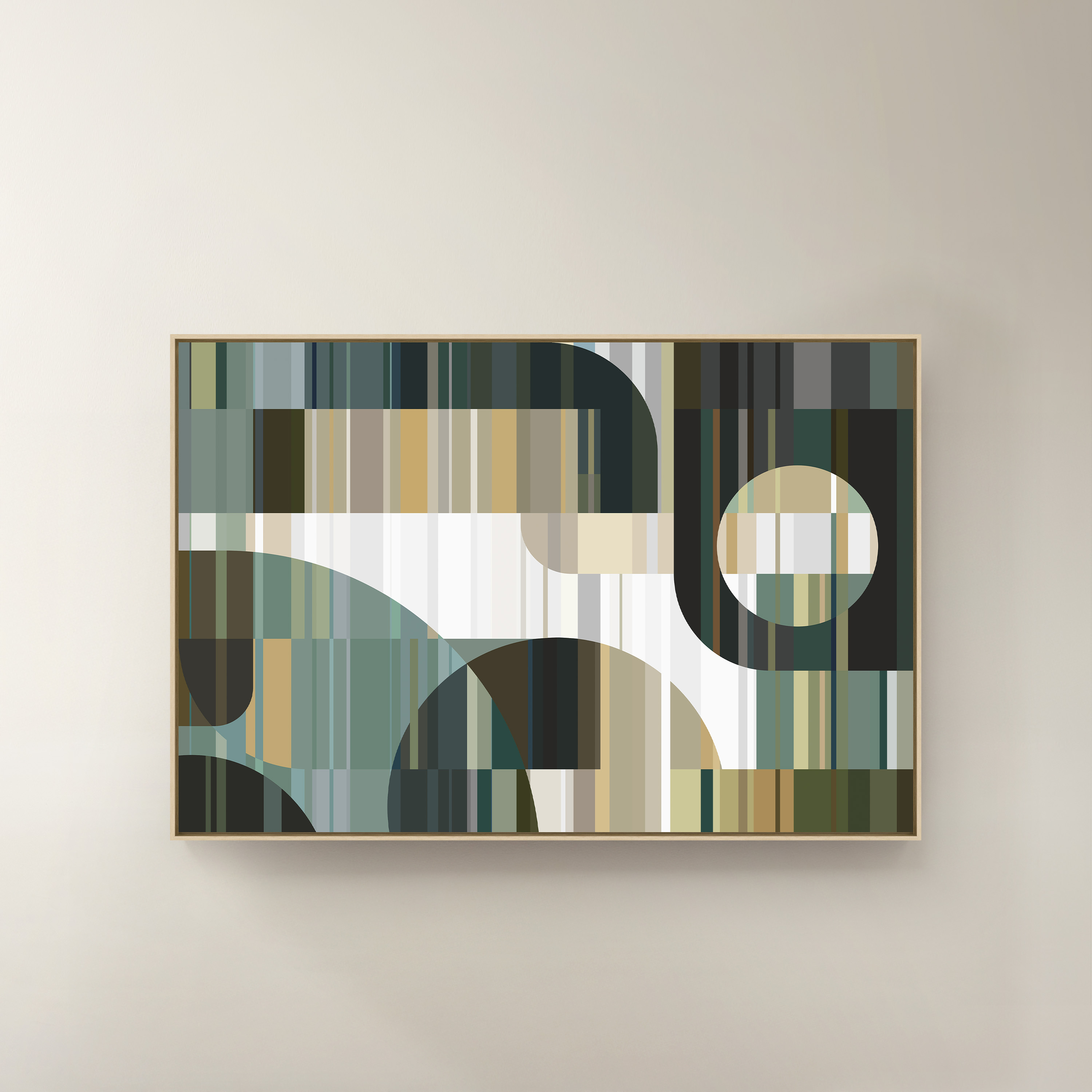
Geometric compositions echo the crisp lines of modern furniture, while gestural abstraction adds movement and artistic tension. Color-field artwork creates an immersive wash of color, and monochromatic pieces emphasize contrast and form. For a richly layered living room, pair tailored furnishings with abstract canvas art that brings a different visual rhythm.
Give the artwork a clear visual role above a sofa, over a mantel, or on a prominent wall. Keep nearby accents thoughtfully edited so the composition commands attention, then echo one of its hues in a pillow, vase, or decorative object. This creates a deliberate connection between the art and the room without competing for the spotlight.
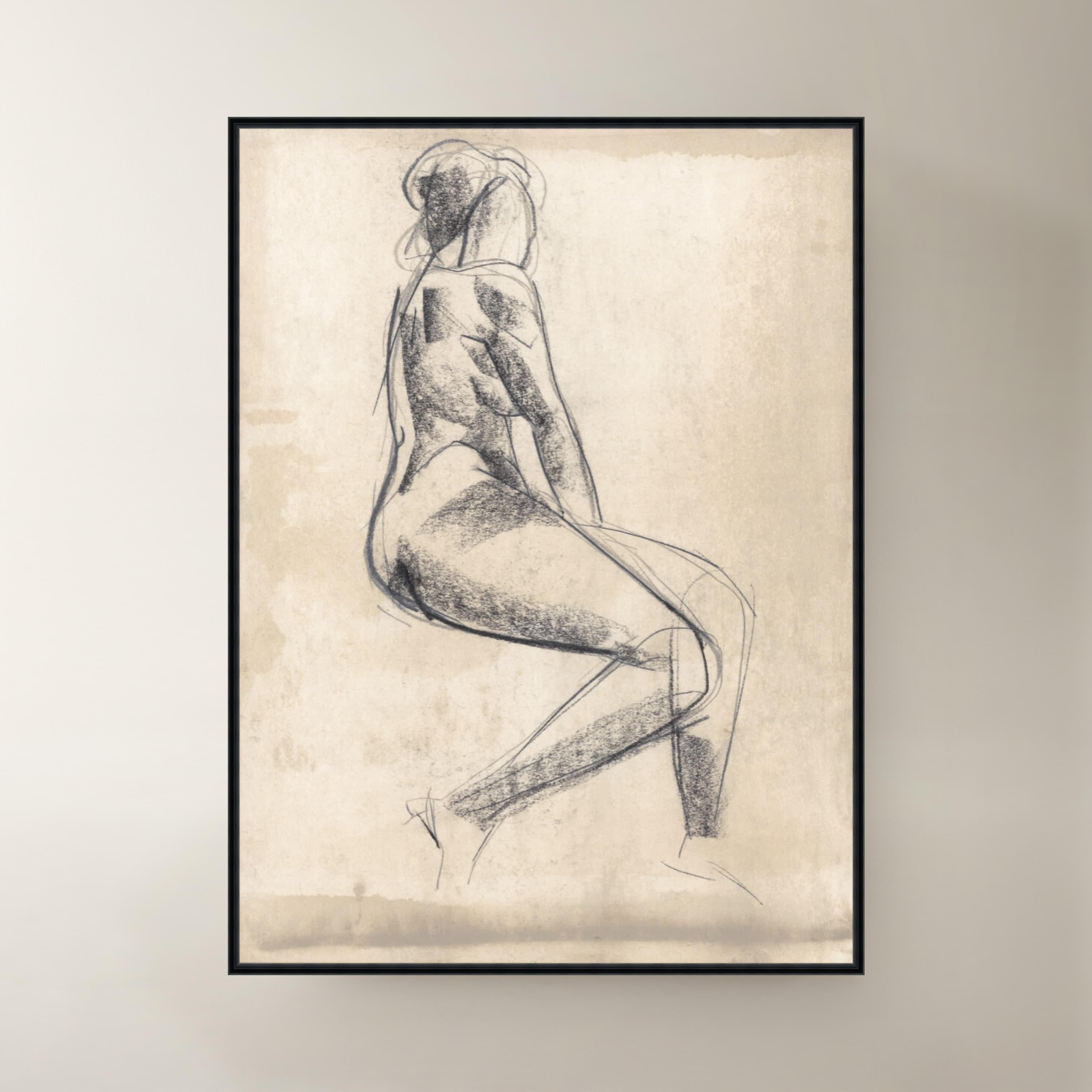
Abstract canvas art can create a compelling dialogue with photography, line drawings, and figurative works. Connect the pieces through a recurring palette or complementary frame finishes, then vary the imagery to introduce depth and surprise. The result feels personally collected, with each work contributing its own point of view.