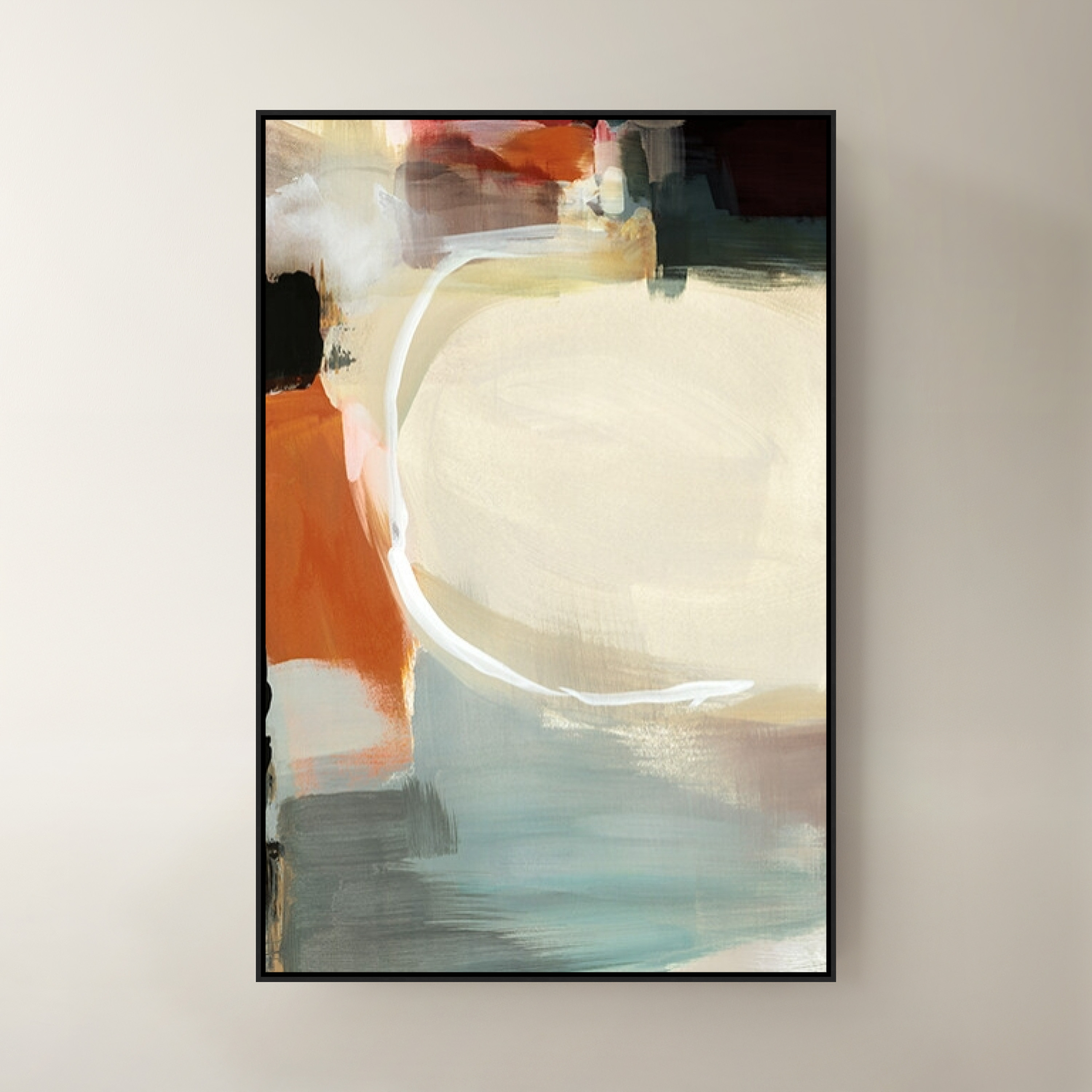
Contemporary Abstract Canvas Art
Contemporary Abstract Canvas Art
-
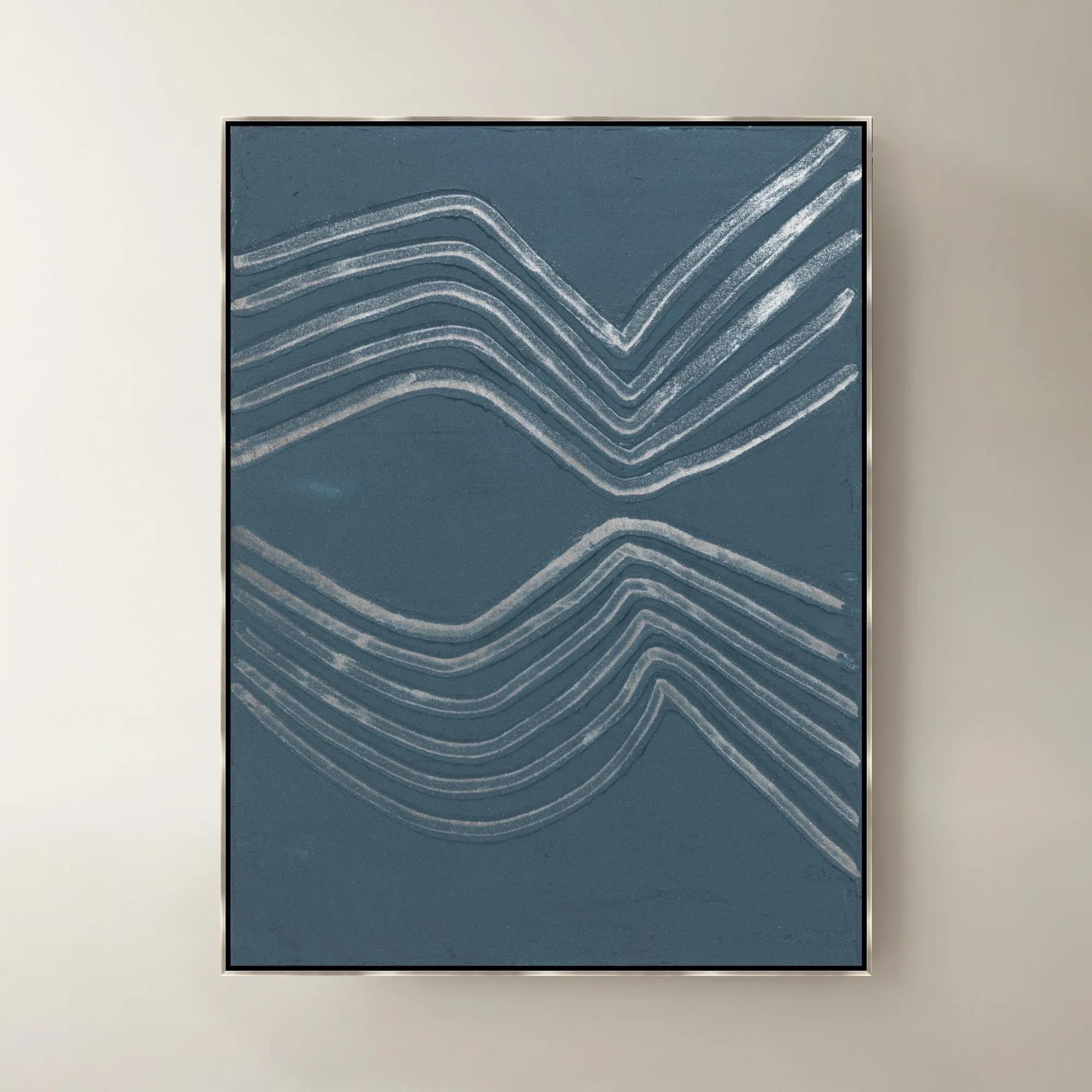
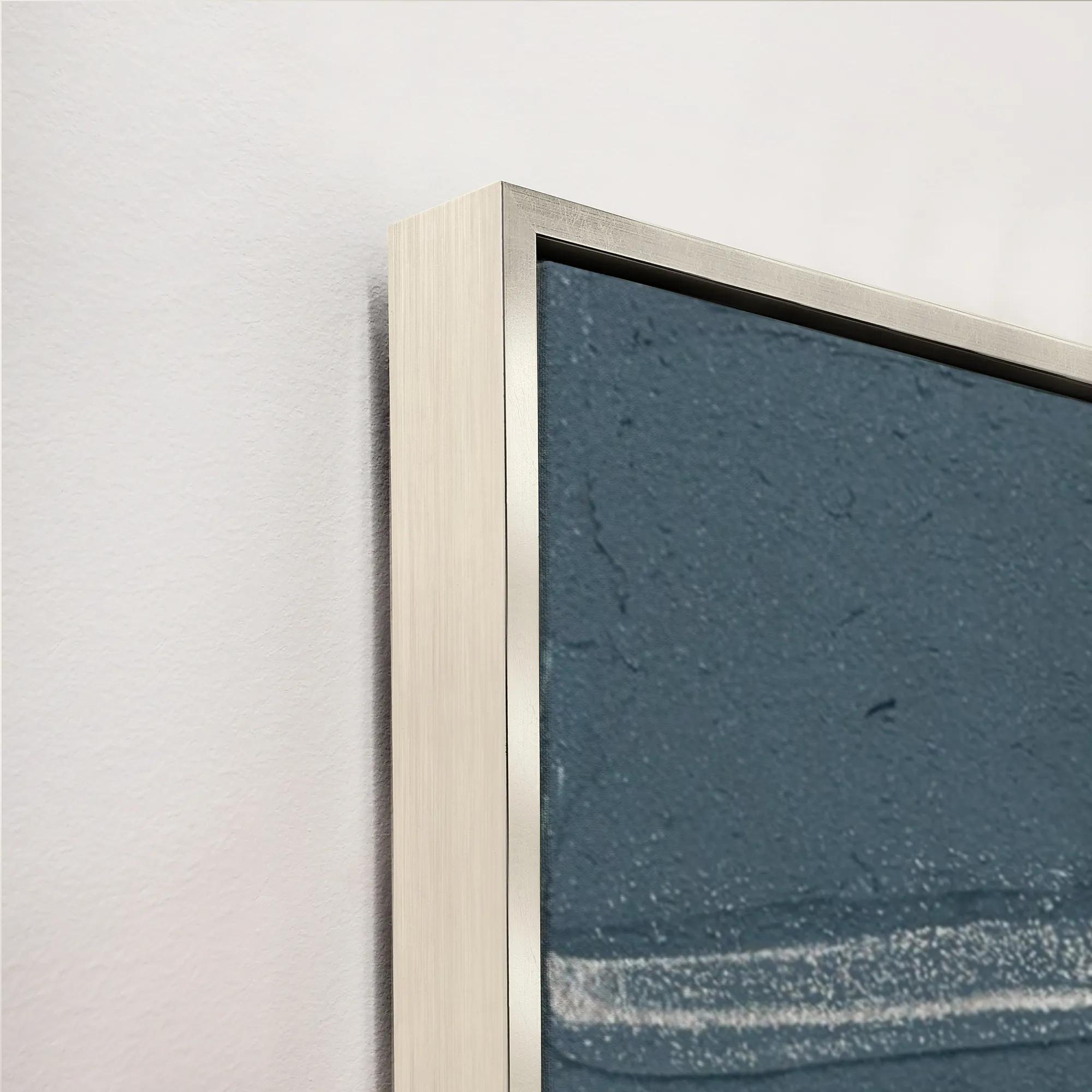 Gilded Waves VI Framed Painted Wall Art 40" x 53"$1399
A framed painted canvas artwork featuring sweeping gilded waves in rich blue and purple tones.
Add To Cart -
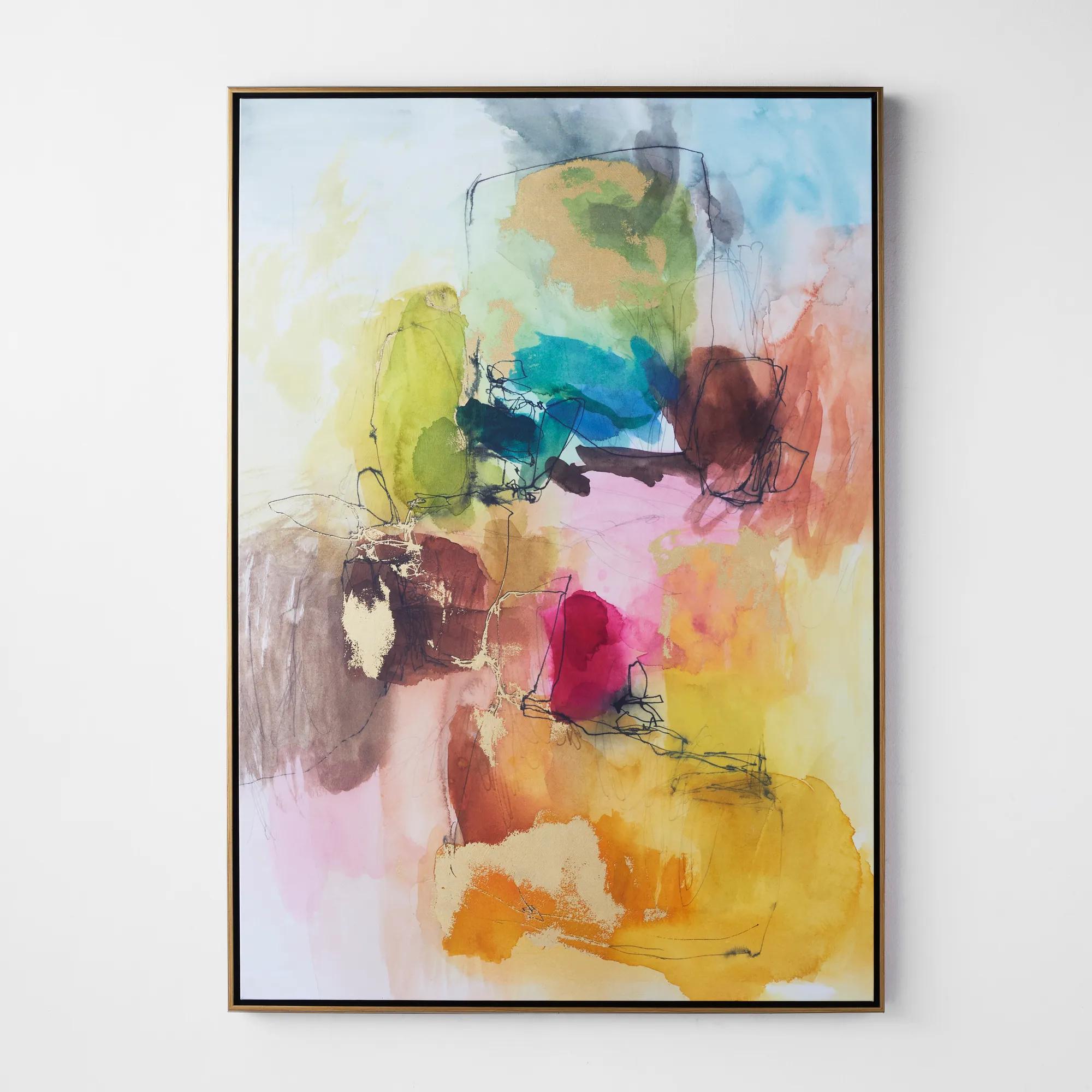 Apricity 3 Framed Wall Art 41" x 58"$899
A vibrant giclee on canvas featuring hand-applied gold gilding and a gold floater frame.
Add To Cart -
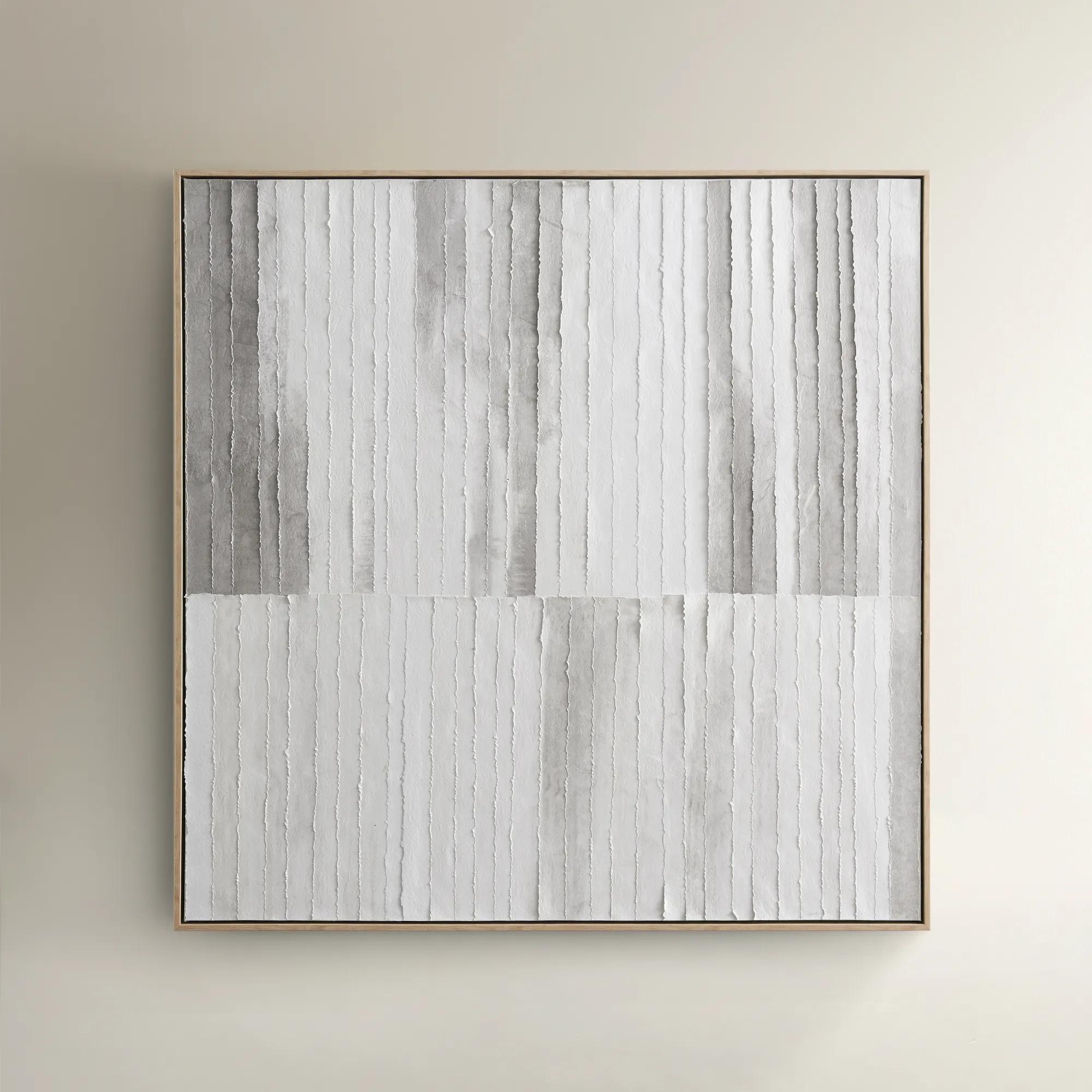
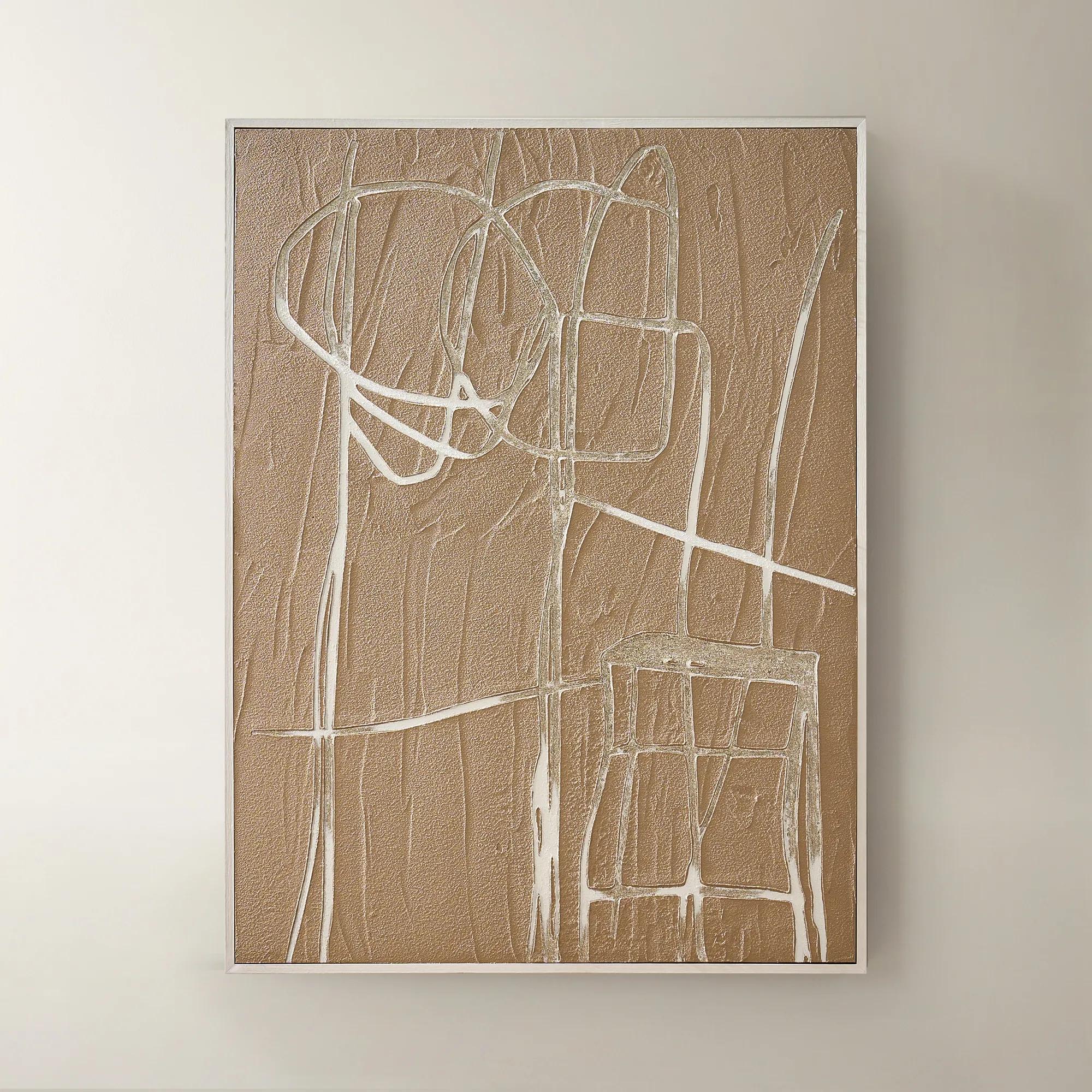
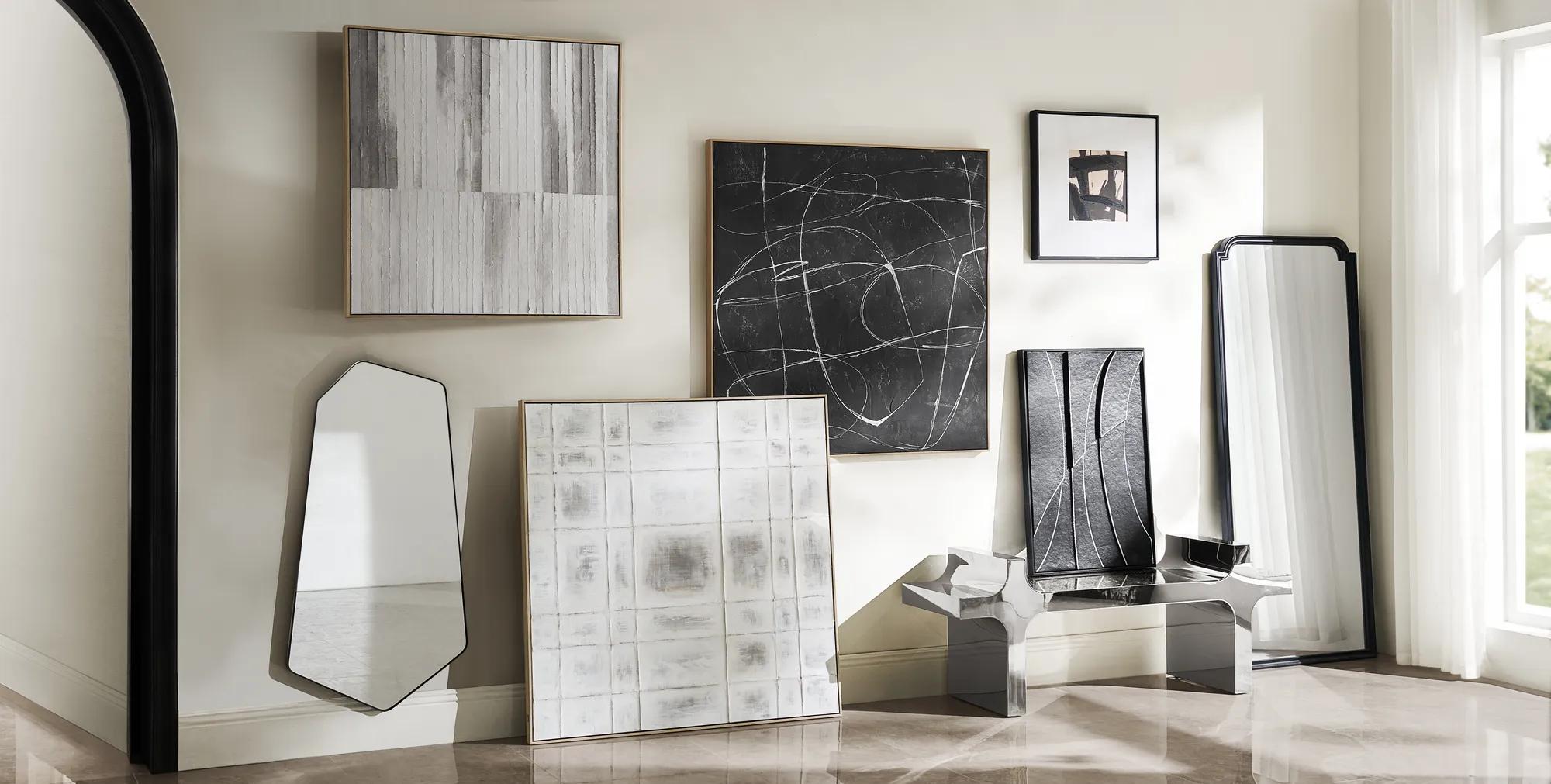 Morning Mist Paper Art$329
A hand-painted canvas featuring rhythmic grey lines in a textured, whitewashed floater frame for serene style.
Add To Cart -
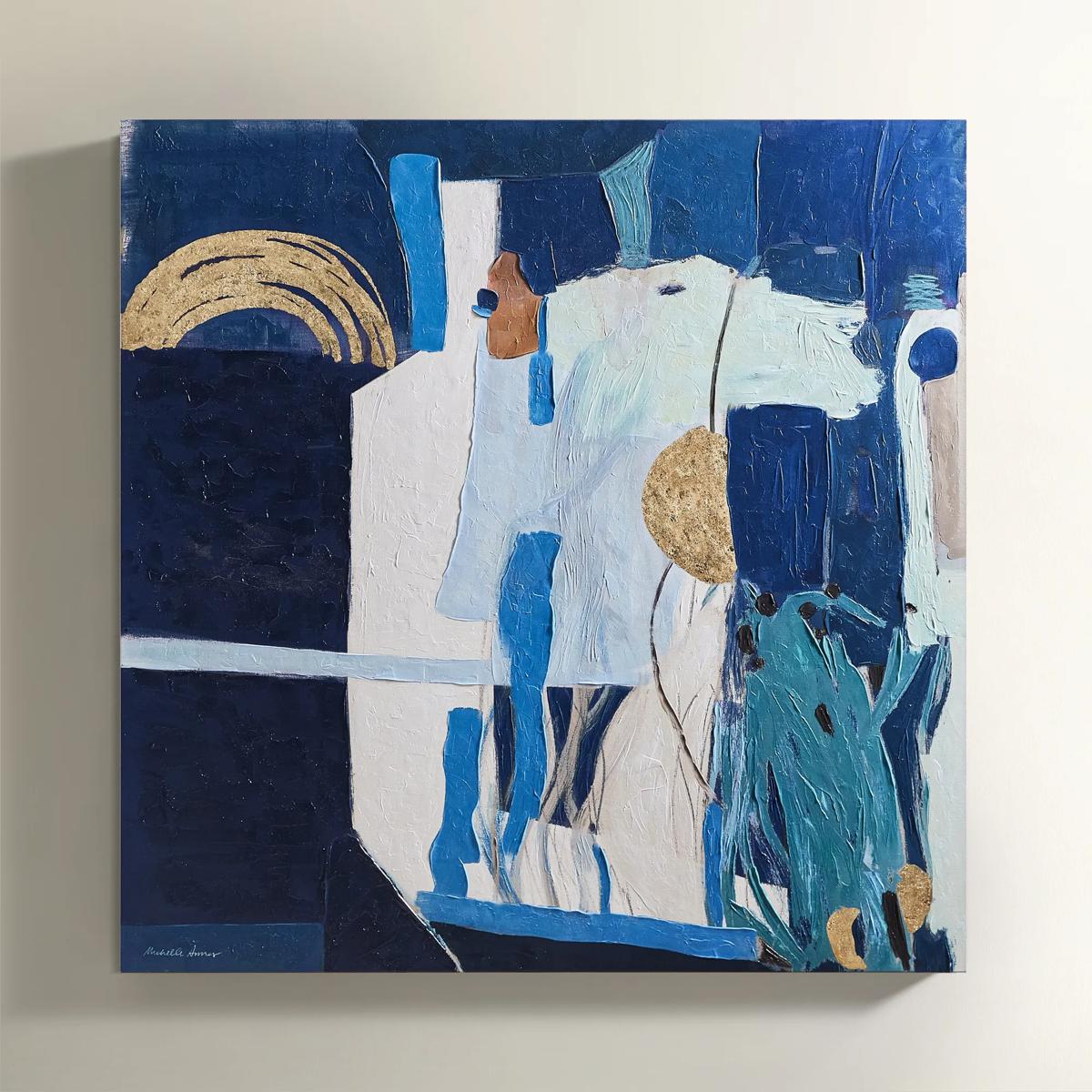
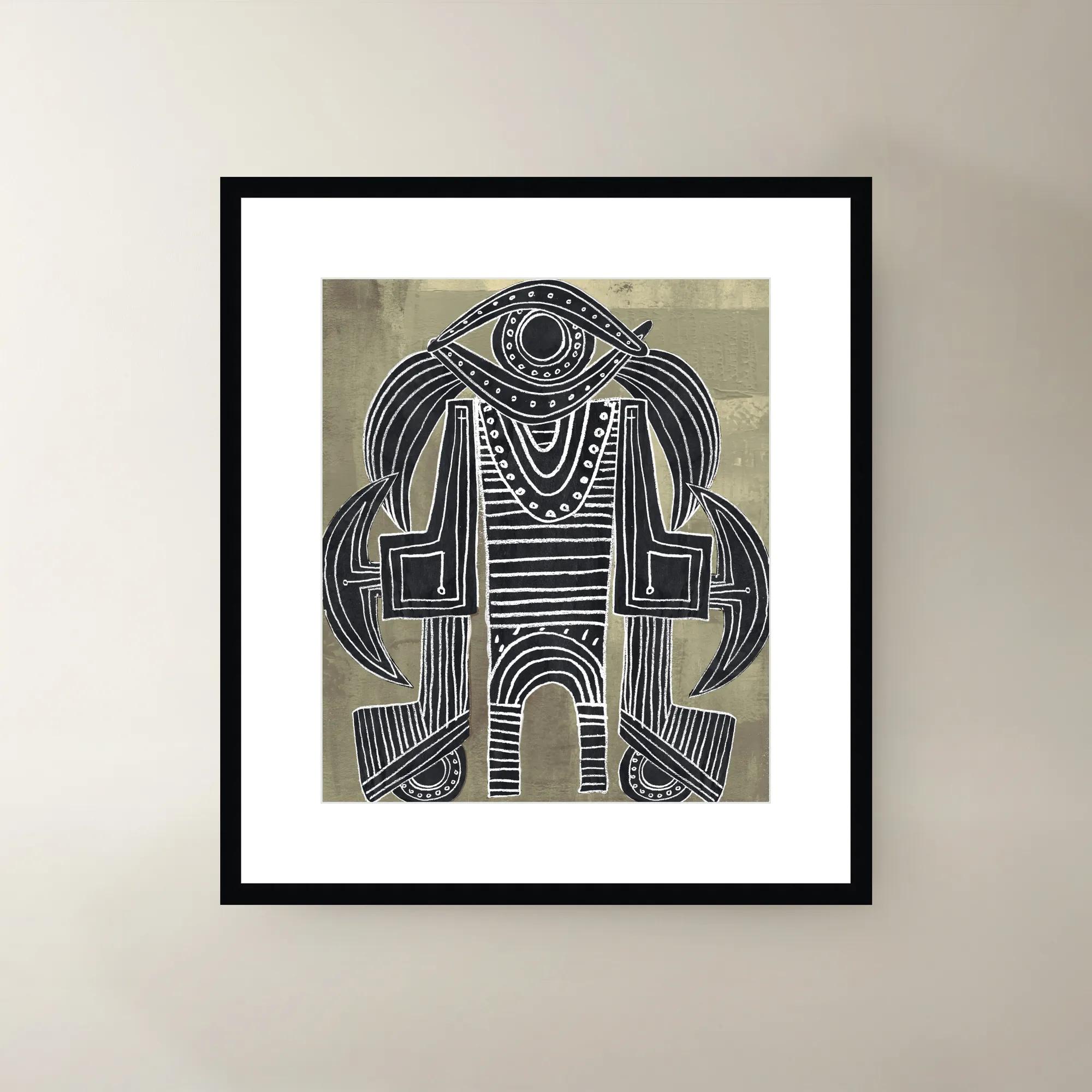
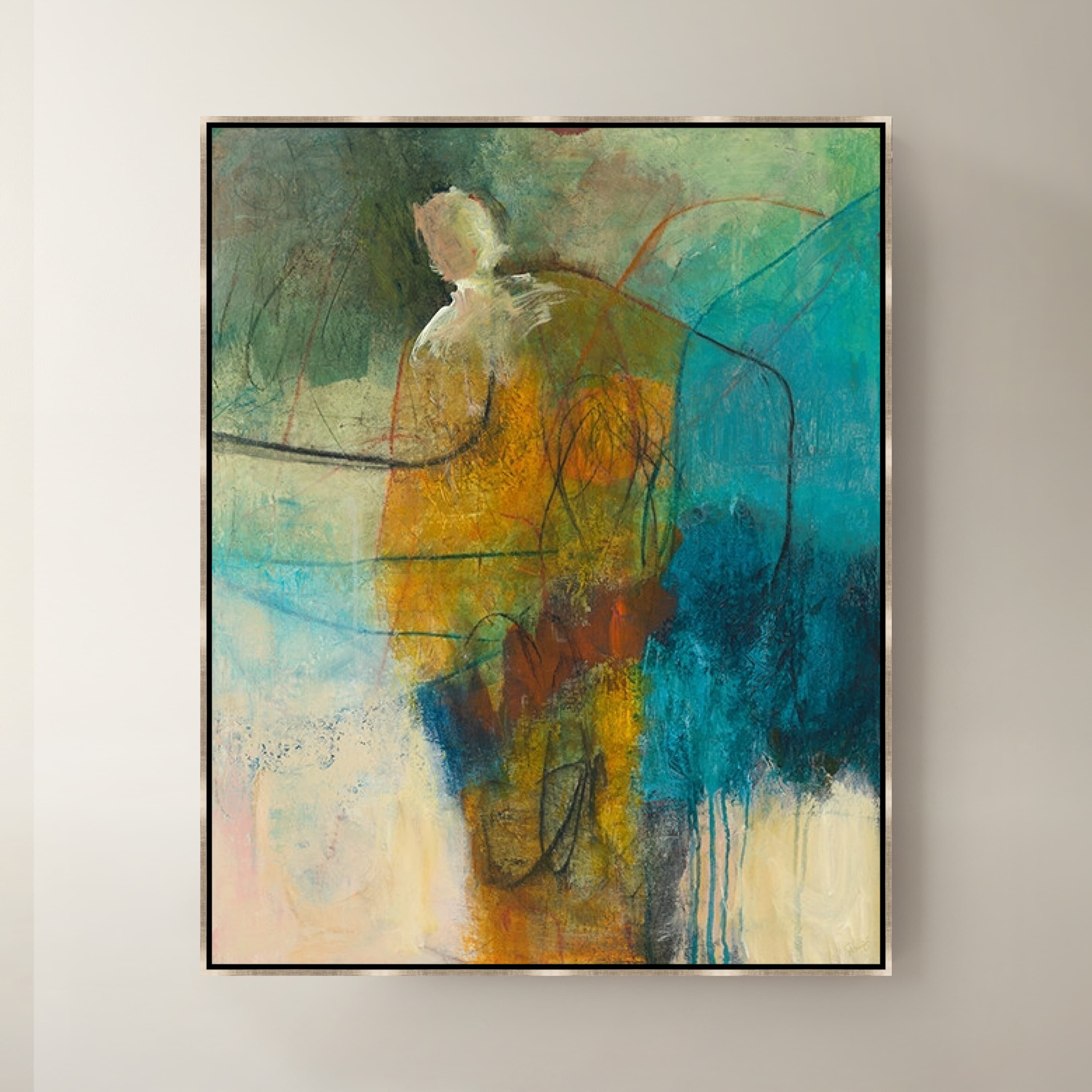
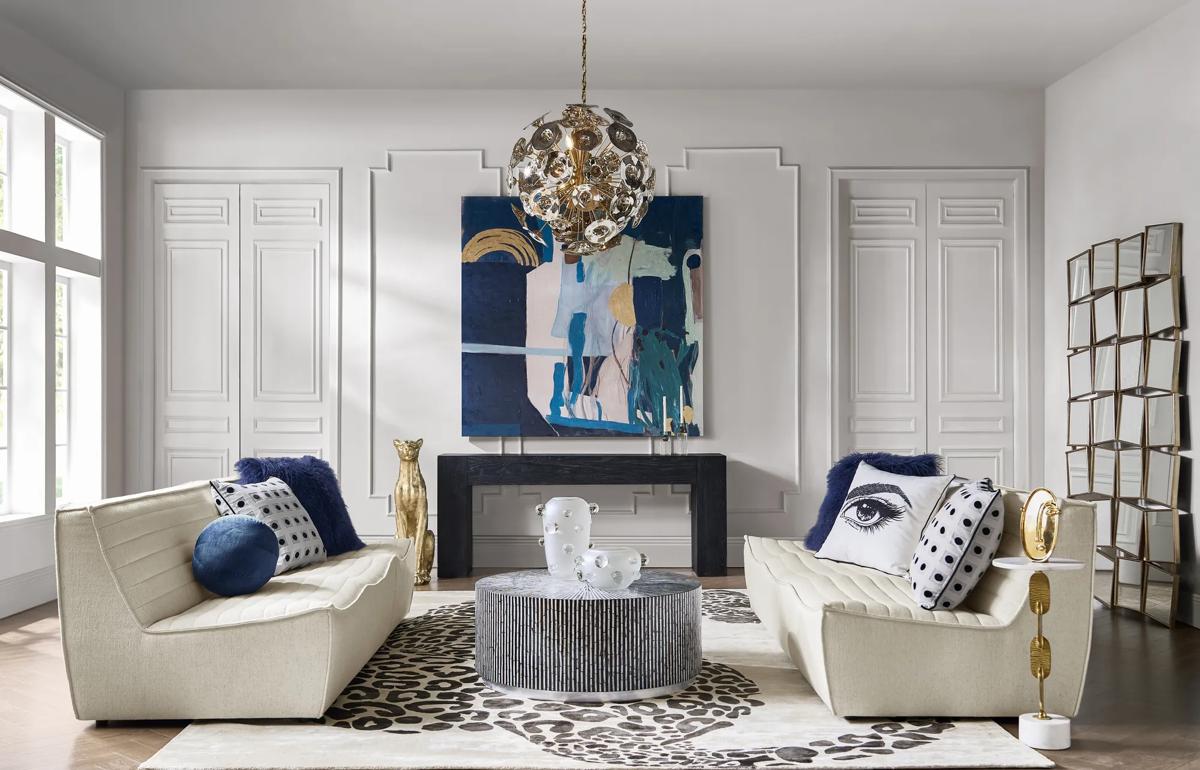 In Flux Painting$699
A hand-embellished canvas artwork featuring deep teal, green, ivory, and gold in a black Art Deco frame.
Add To Cart -
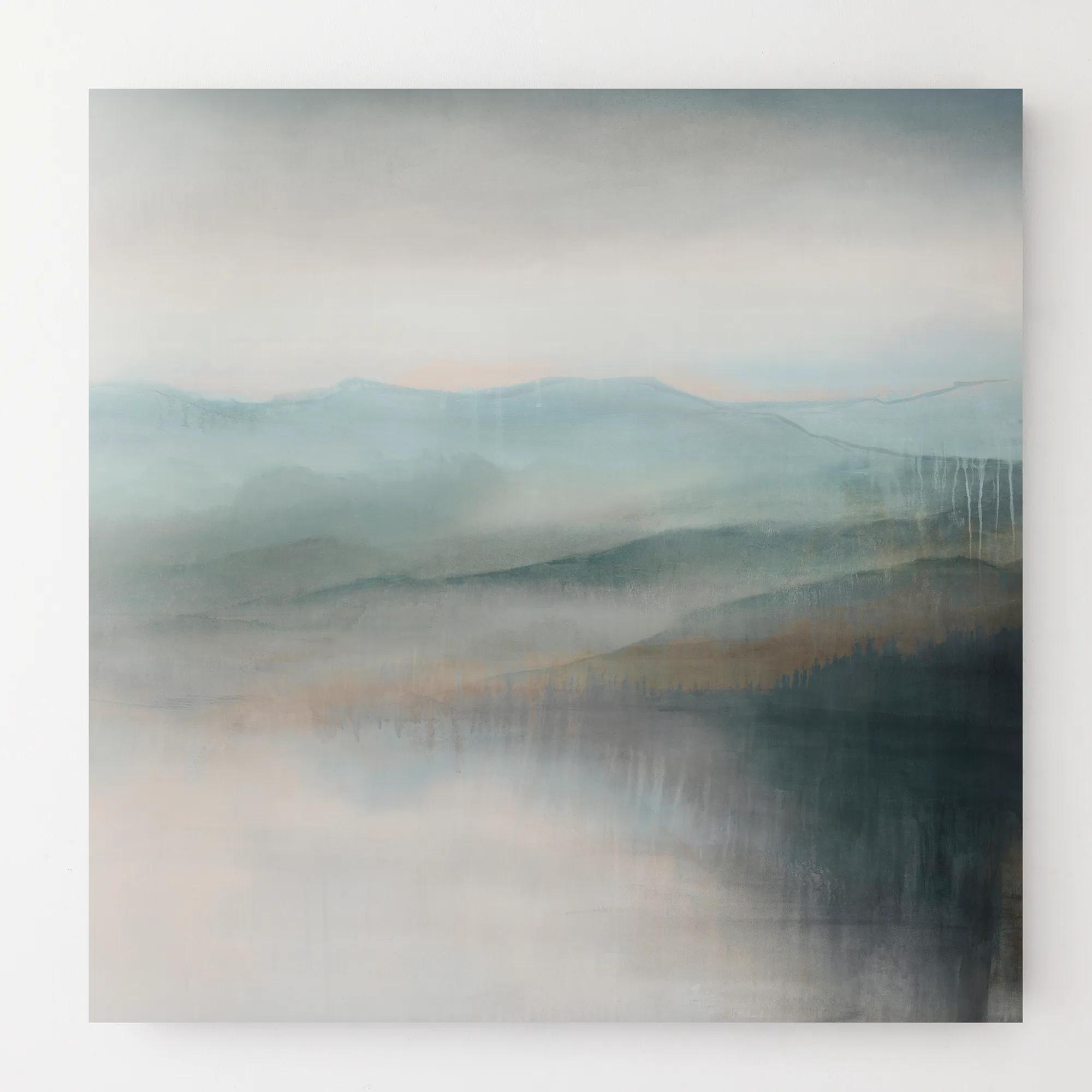
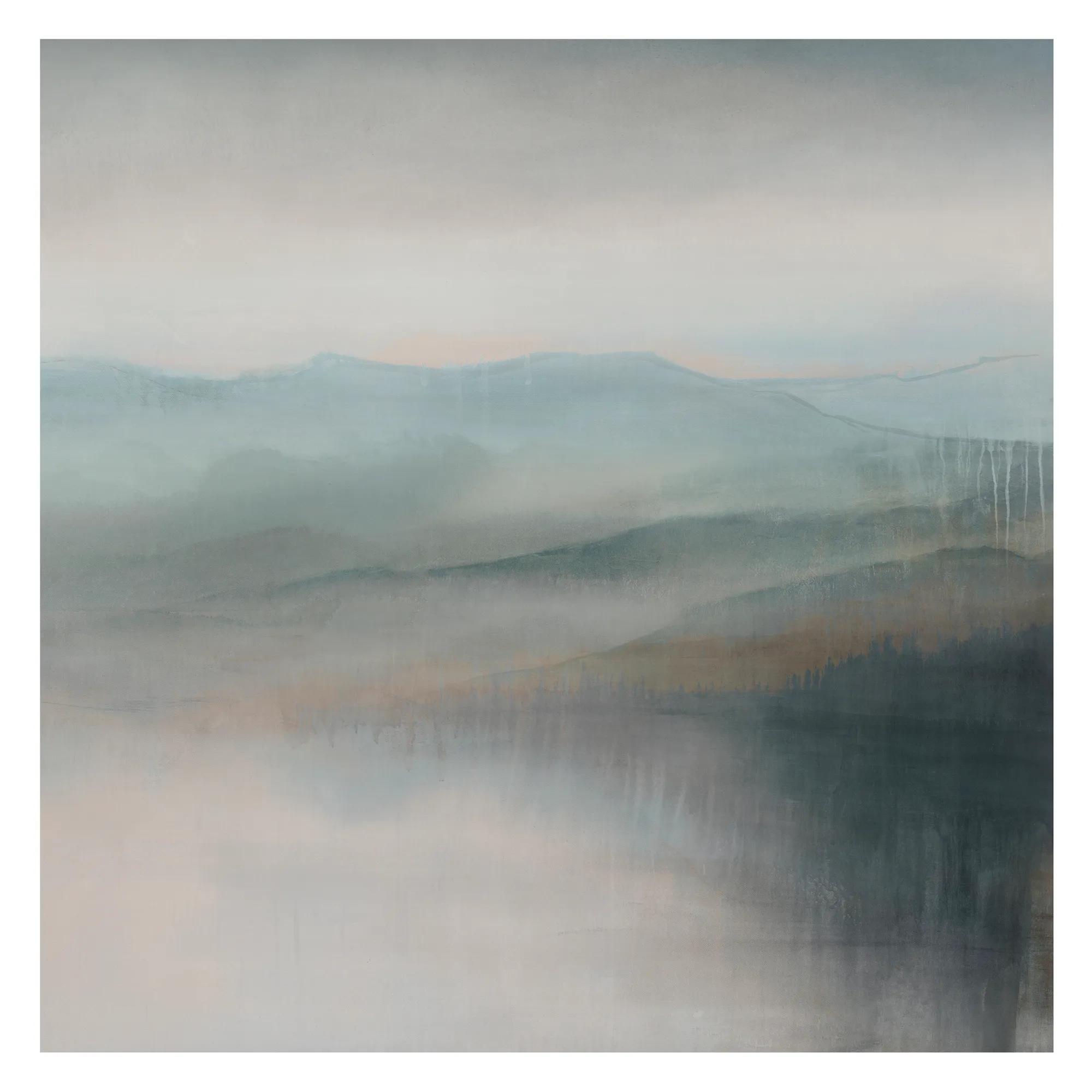 Morning Lift Wall Art 30" x 30"$399
A gallery-wrapped canvas artwork featuring a hand-applied image brush gel finish for added texture and depth.
Add To Cart -
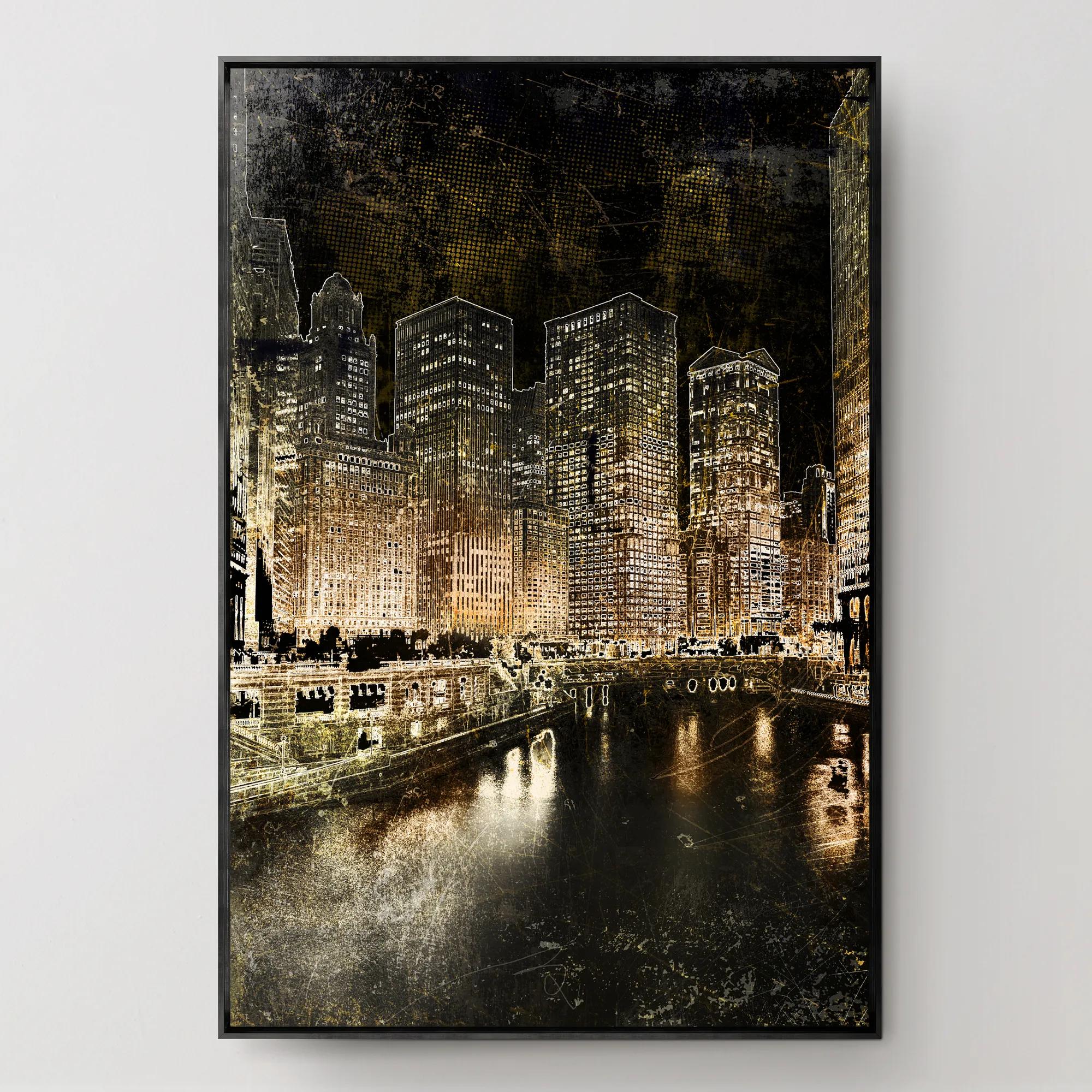
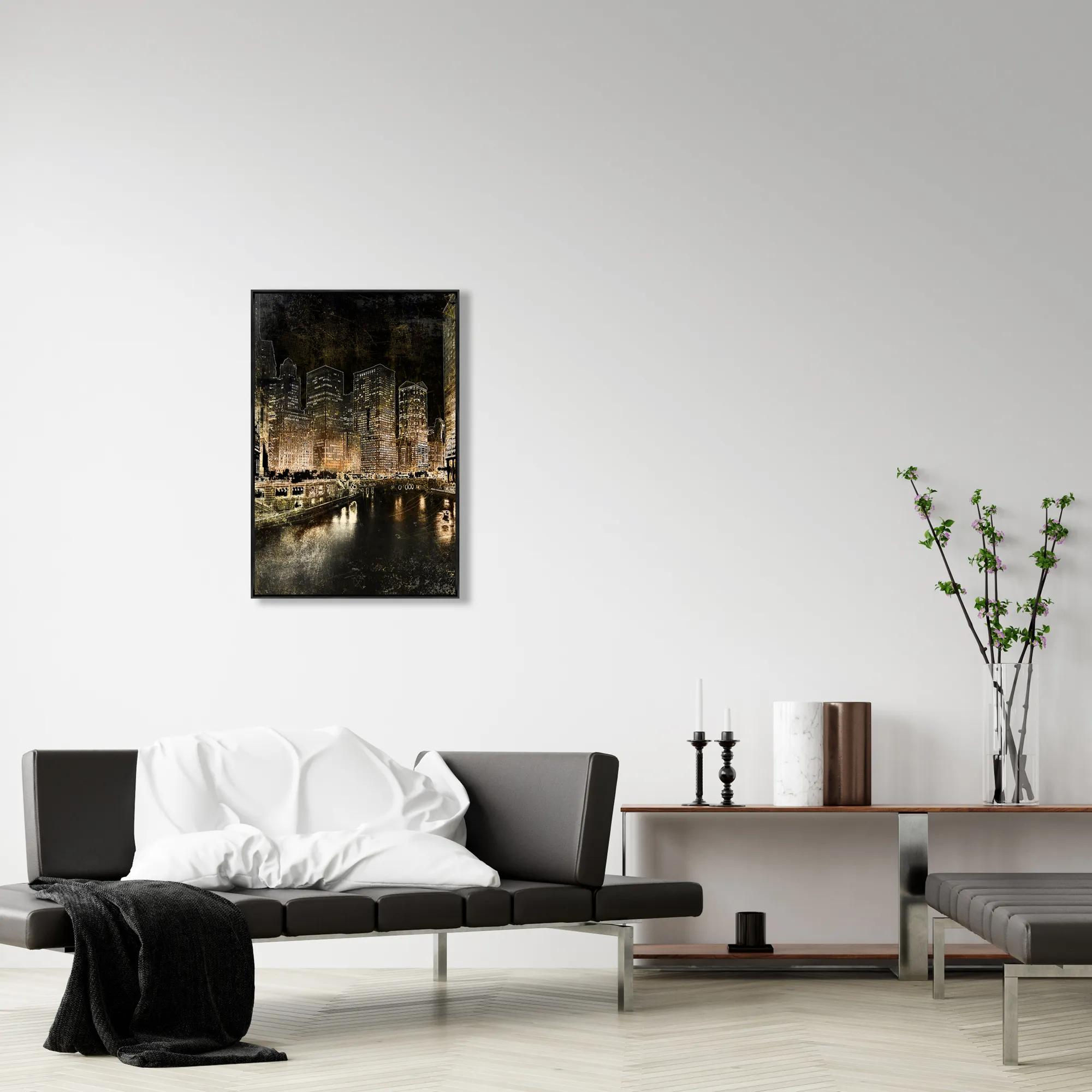 Chicago Lights Framed Wall Art 30" x 45"$649
A gallery-wrapped canvas artwork featuring a hand-applied gel finish in a sleek black floater frame.
Add To Cart -
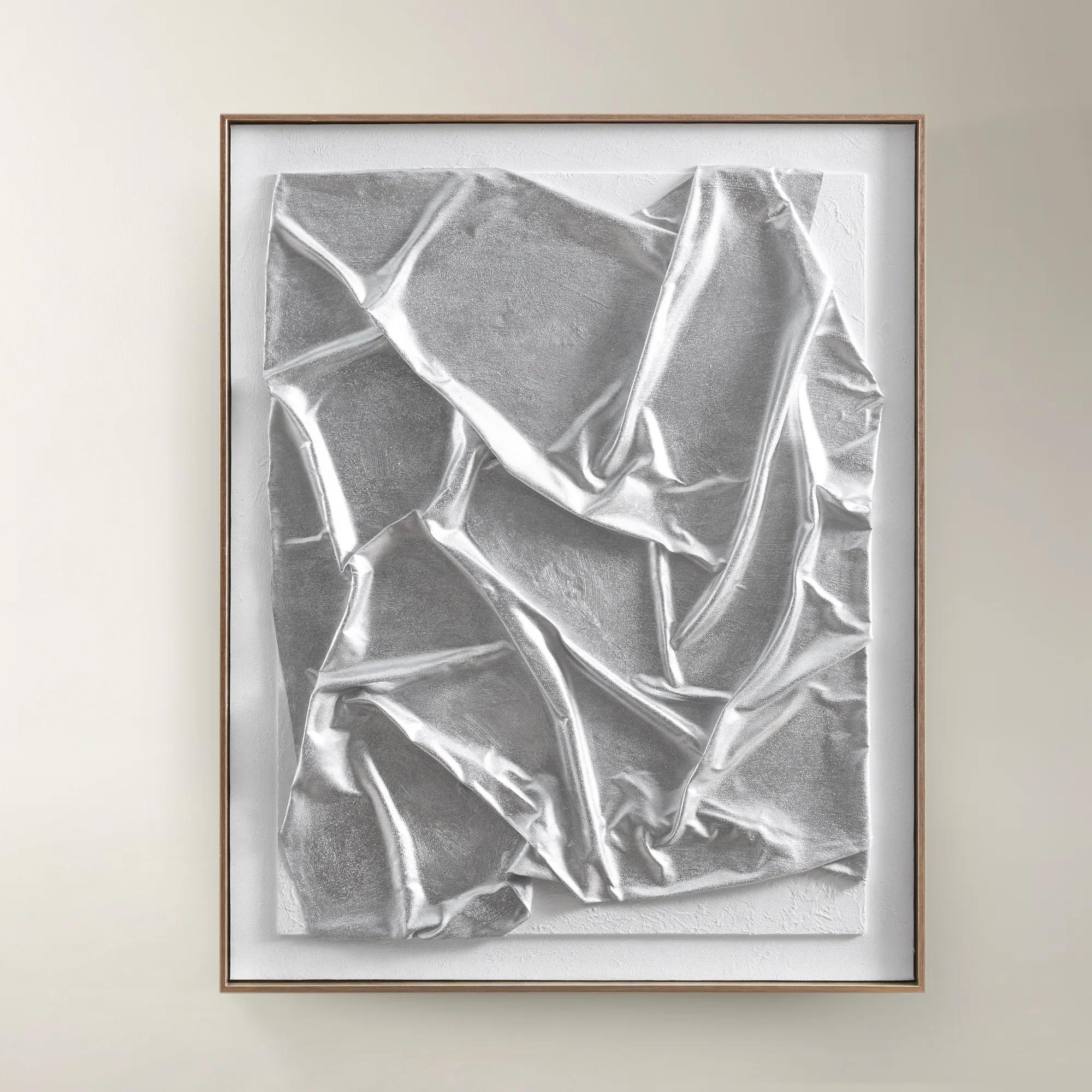 In the Mood Framed Painted Wall Art 31.5" x 39.5"$199
A hand-painted abstract canvas in shimmering silver tones, set in a warm champagne floater frame.
Add To Cart -
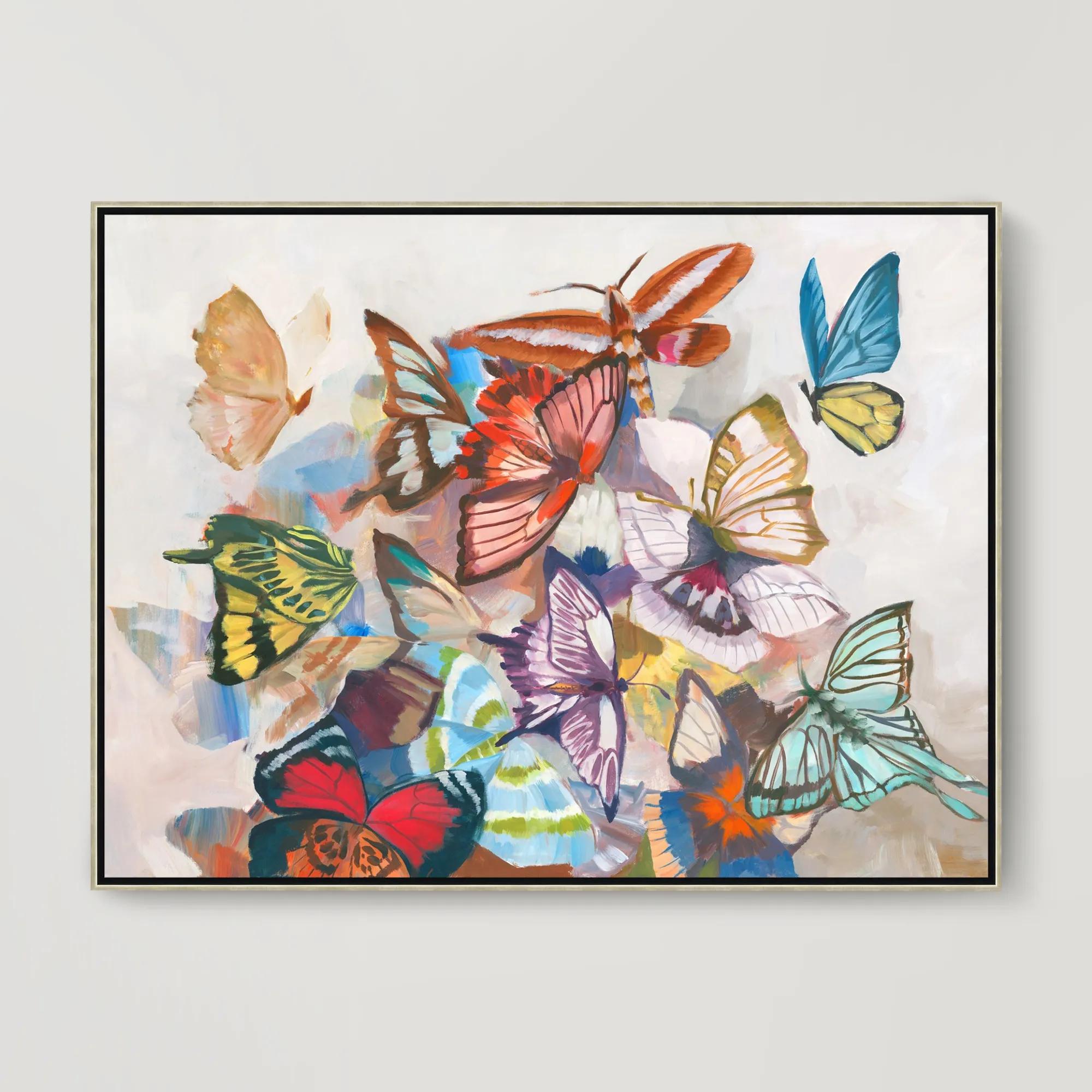 Sugar Wings Framed Wall Art 49.5" x 37.5"$799
A vibrant gallery-wrapped canvas artwork with hand-applied brush gel finish in a sleek silver floater frame.
Add To Cart -
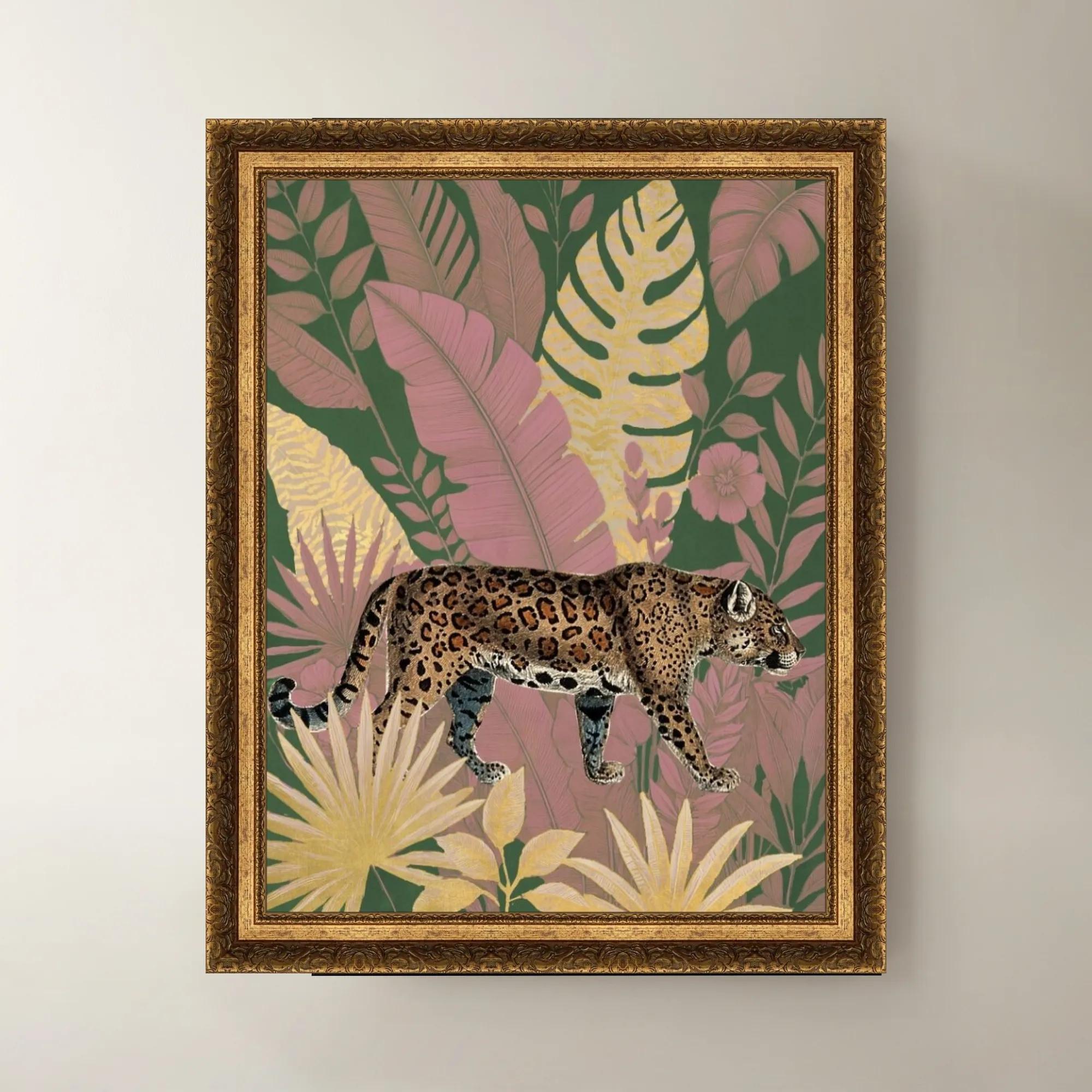
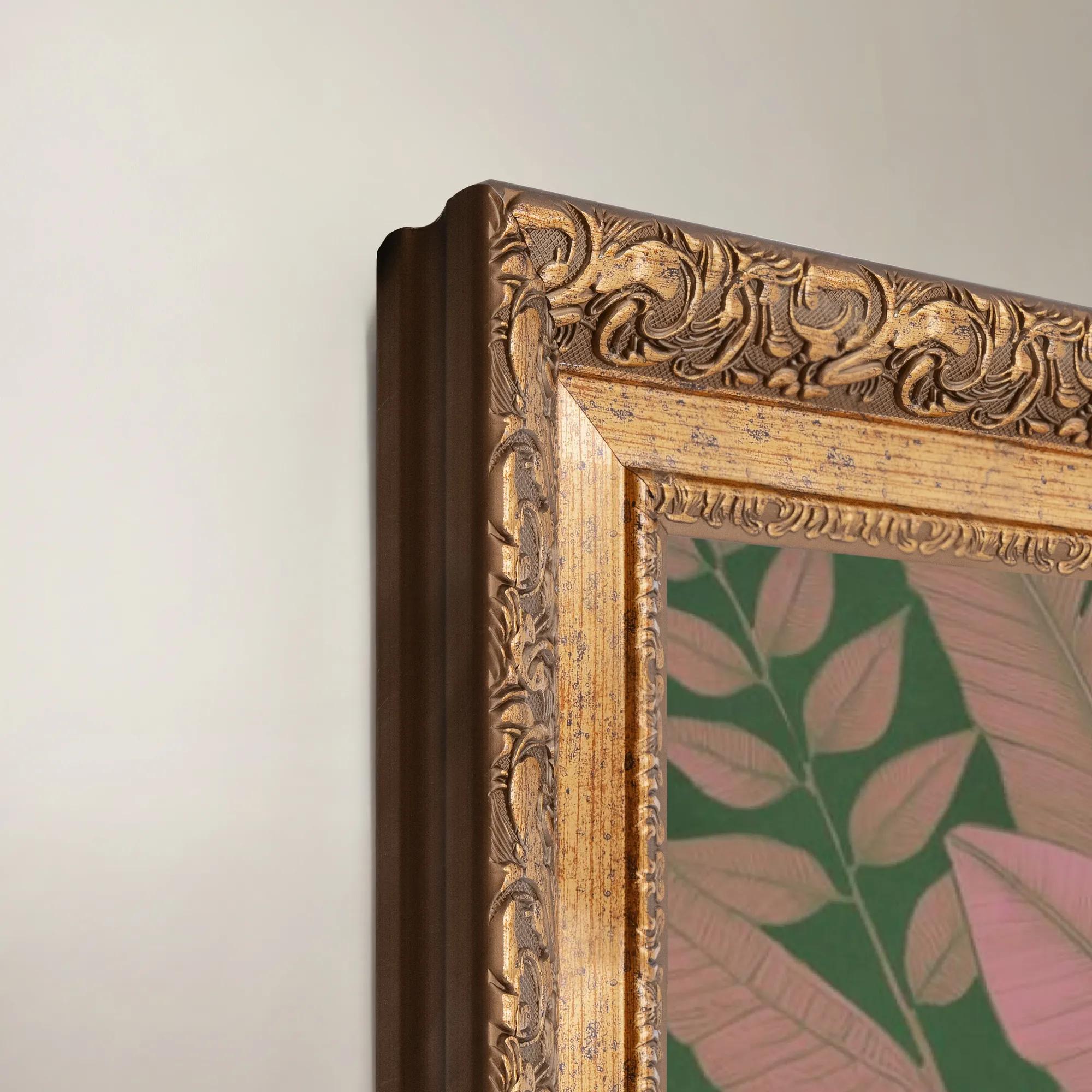 Floral Jungle I Framed Wall Art 30" x 40"$799
A gold-framed linen canvas artwork featuring vibrant pink and gold tones for a striking modern accent.
Add To Cart -
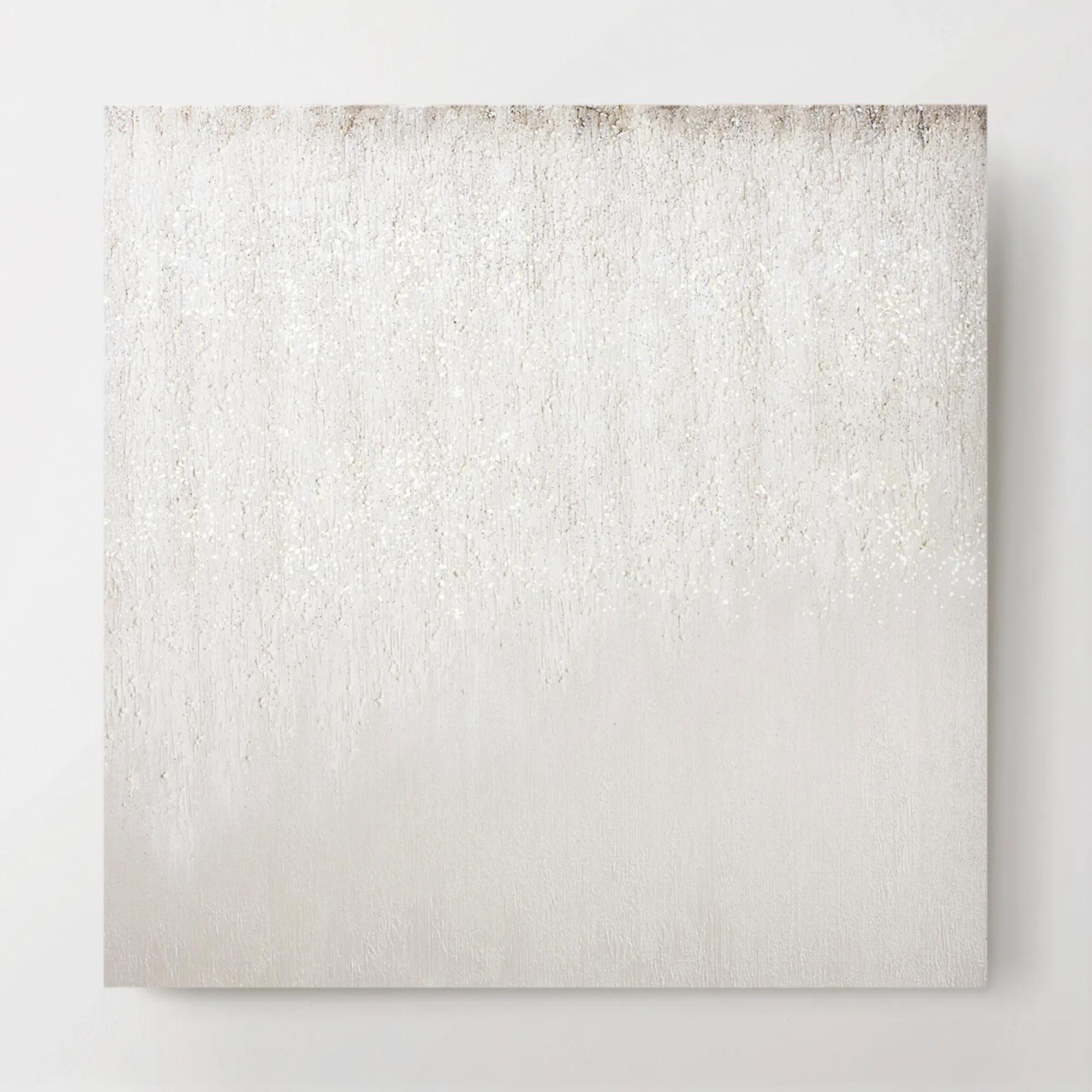 Je T'aime Glitter Painted Wall Art 30" x 30"$499
A hand-painted canvas artwork featuring ethereal hazy brushstrokes and subtle glitter embellishments.
Add To Cart -
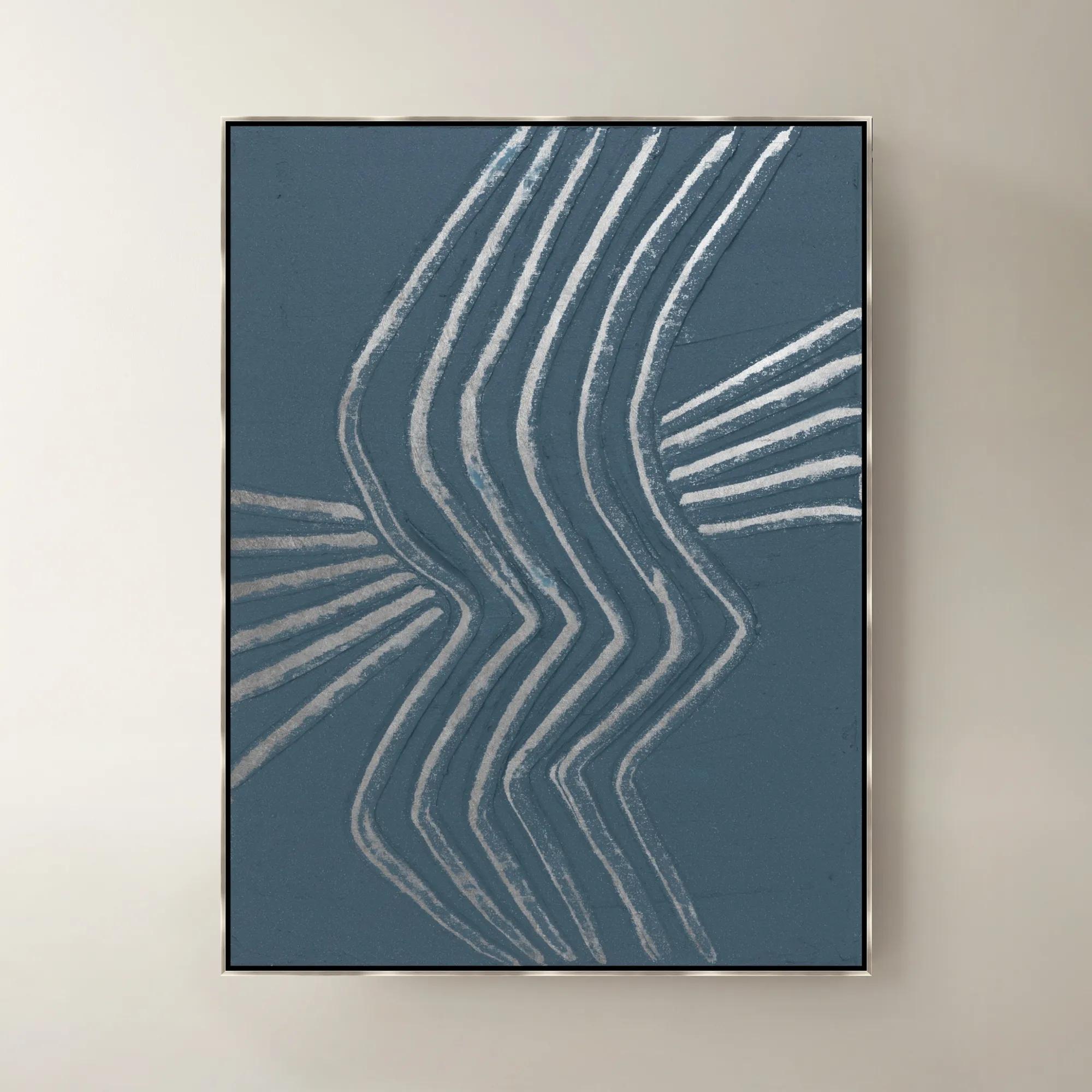
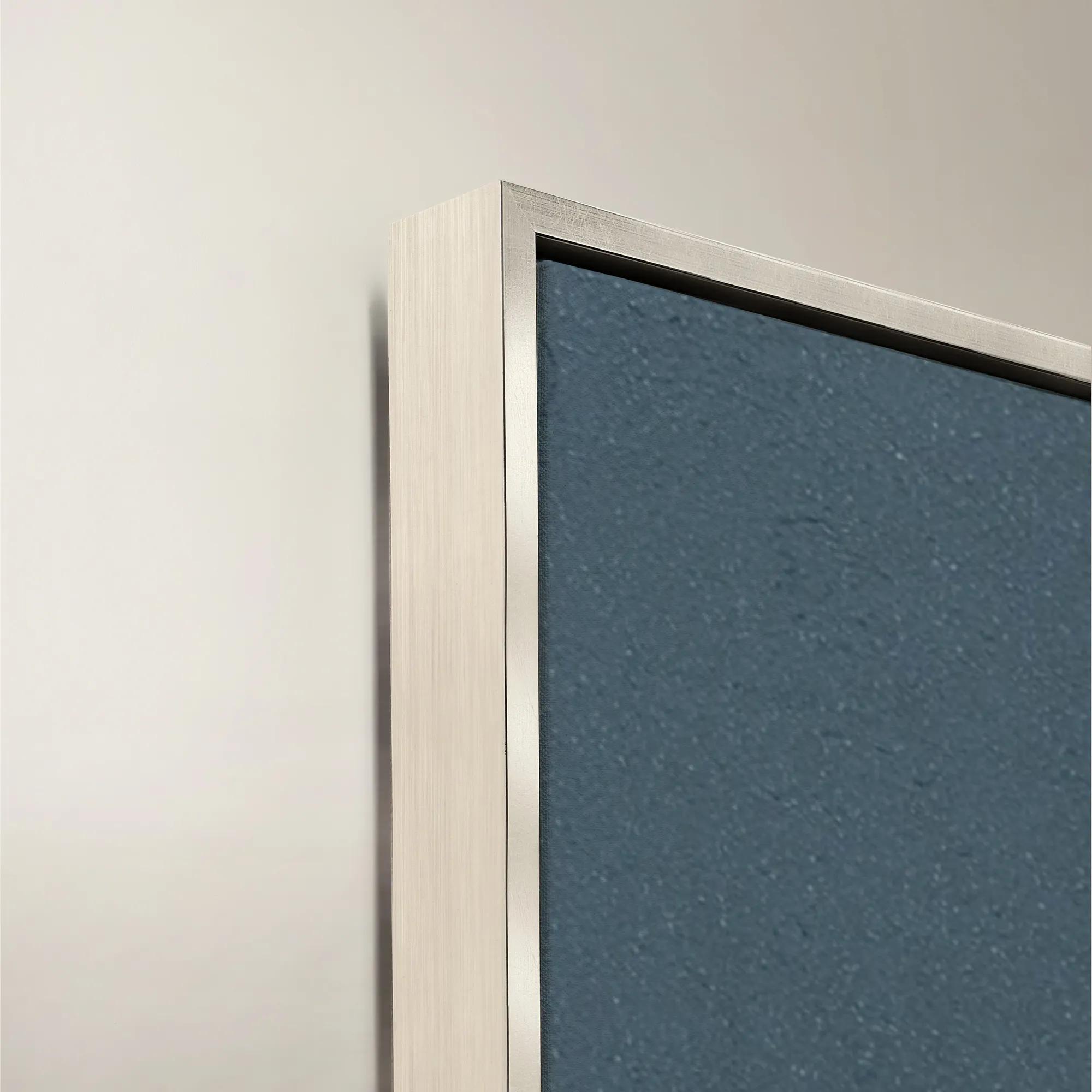 Gilded Waves IV Framed Painted Wall Art 40" x 53"$1399
A framed painted canvas artwork featuring flowing gilded waves in soothing blue and purple tones.
Add To Cart -
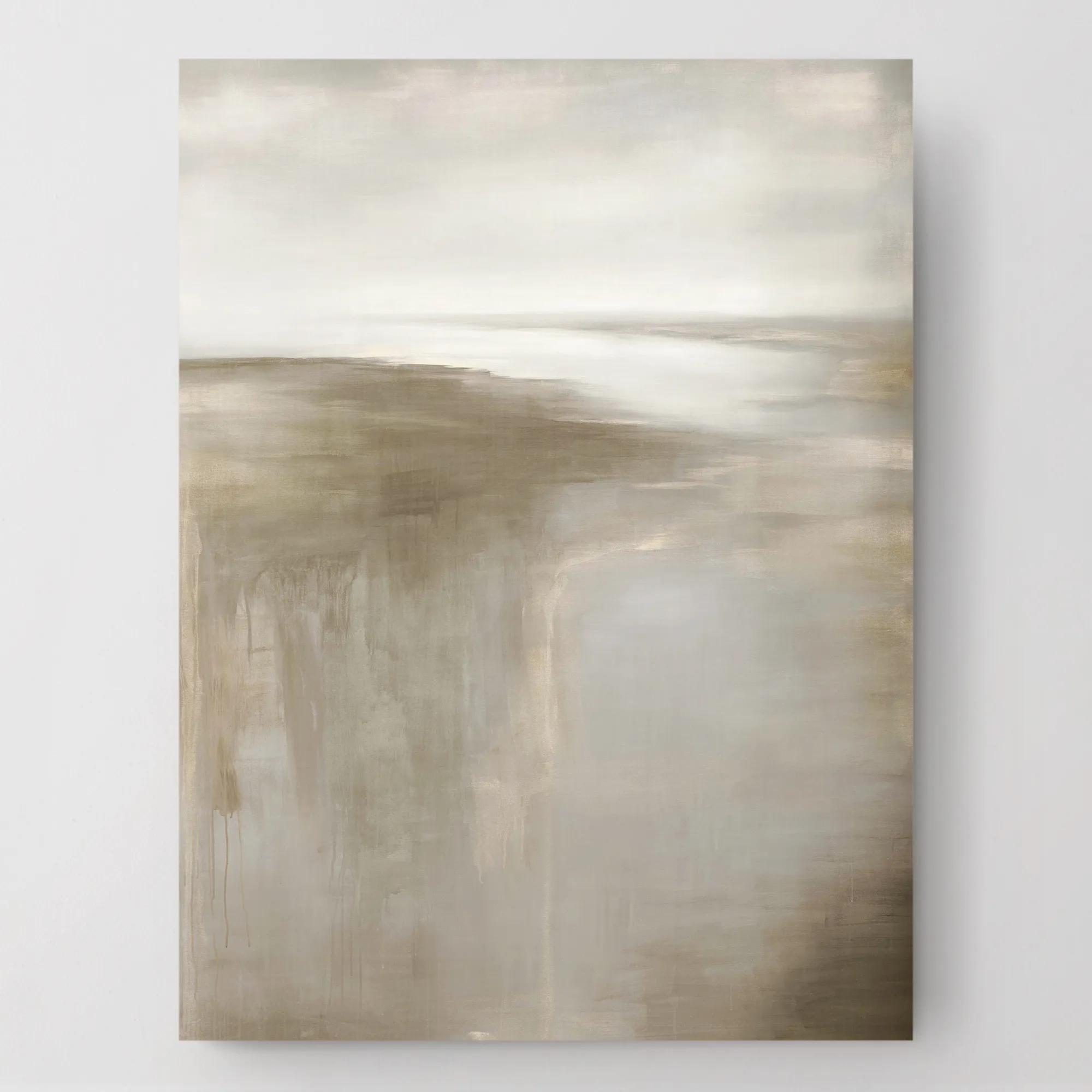
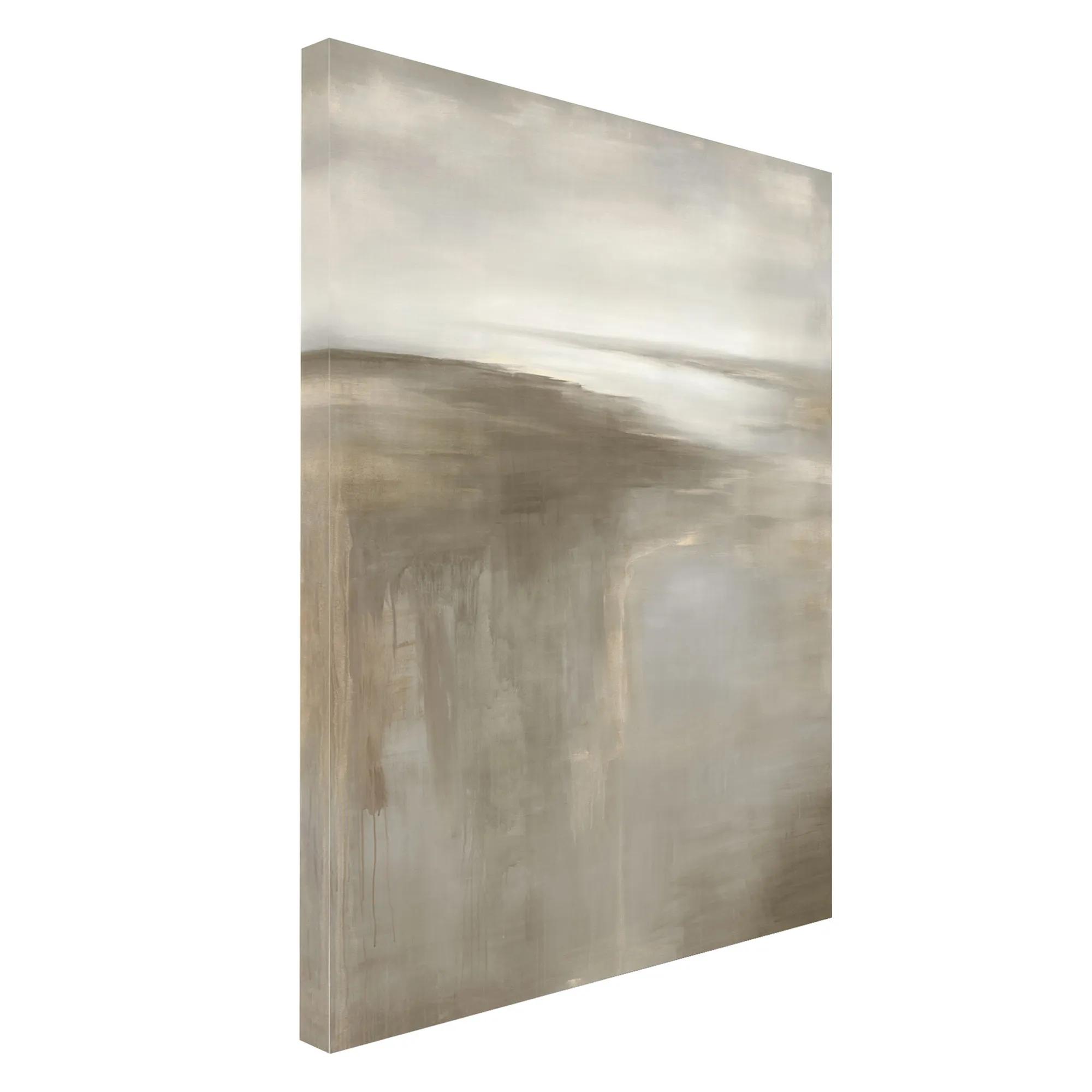 Silver Morning Wall Art 30" x 40"$449
A gallery-wrapped silver canvas artwork featuring a hand-applied image brush gel finish.
Add To Cart -
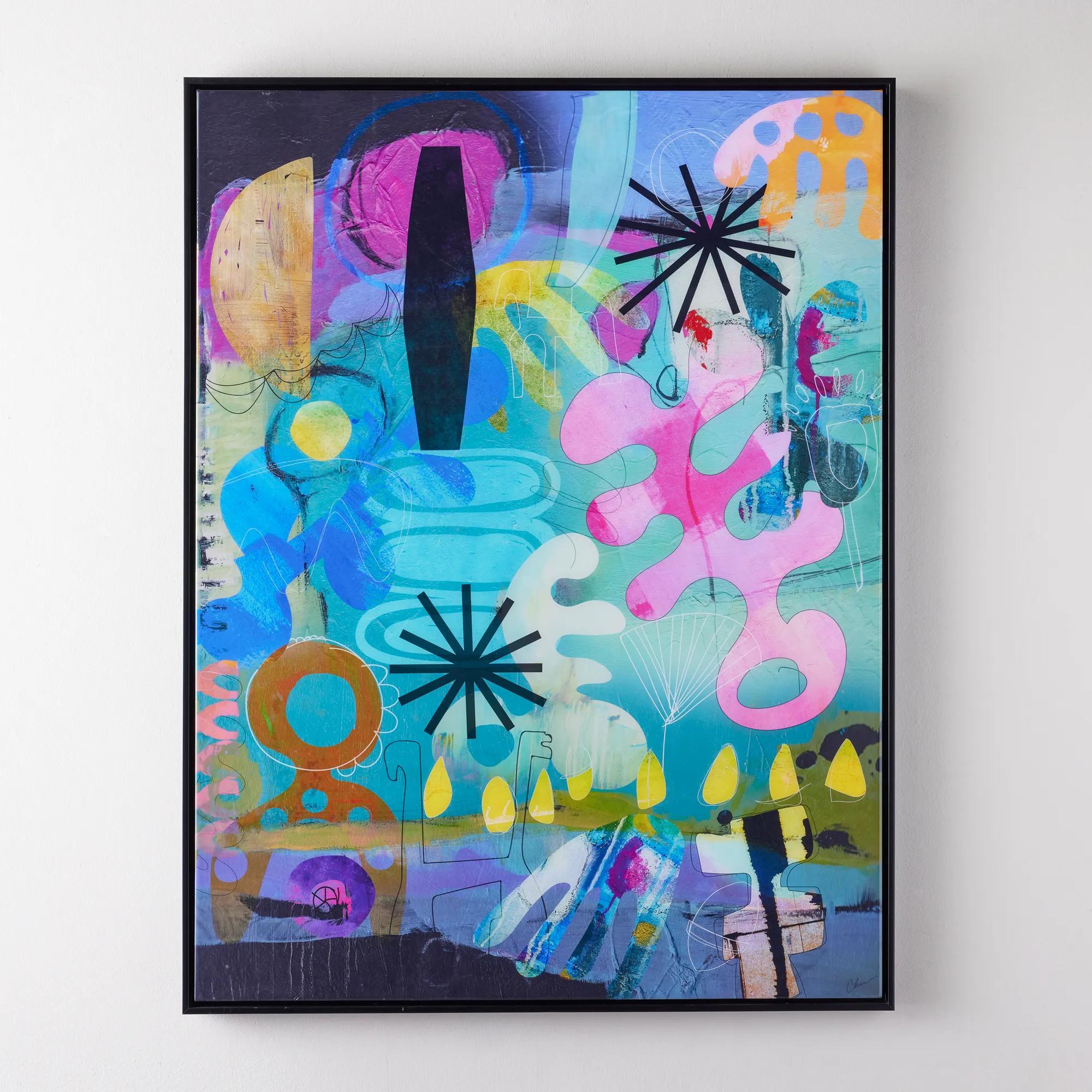
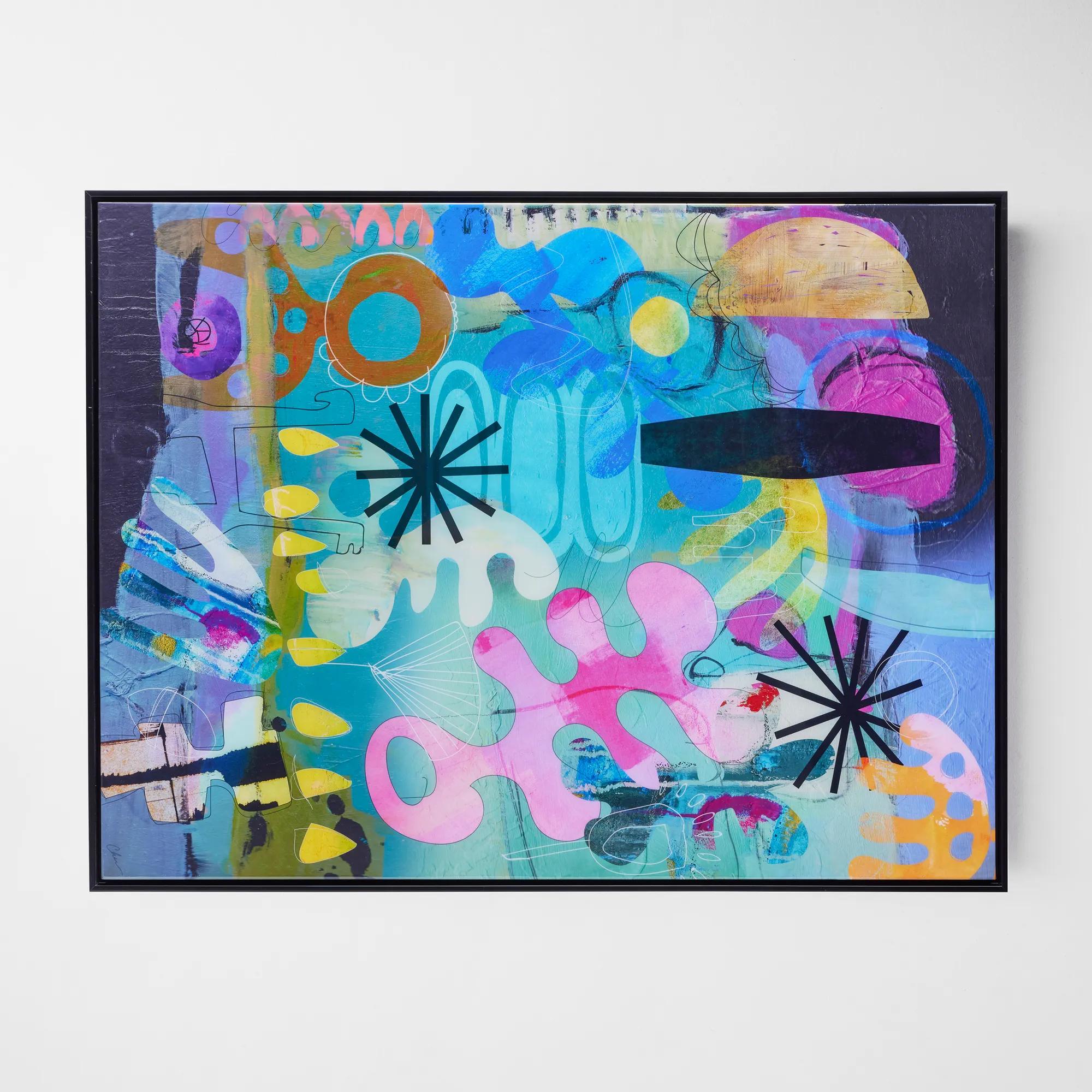 Nikki Chu Detailed Vision Framed Wall Art 54" x 41"$1099
A vibrant, high-gloss artwork with a black frame, designed to hang vertically or horizontally.
Add To Cart -
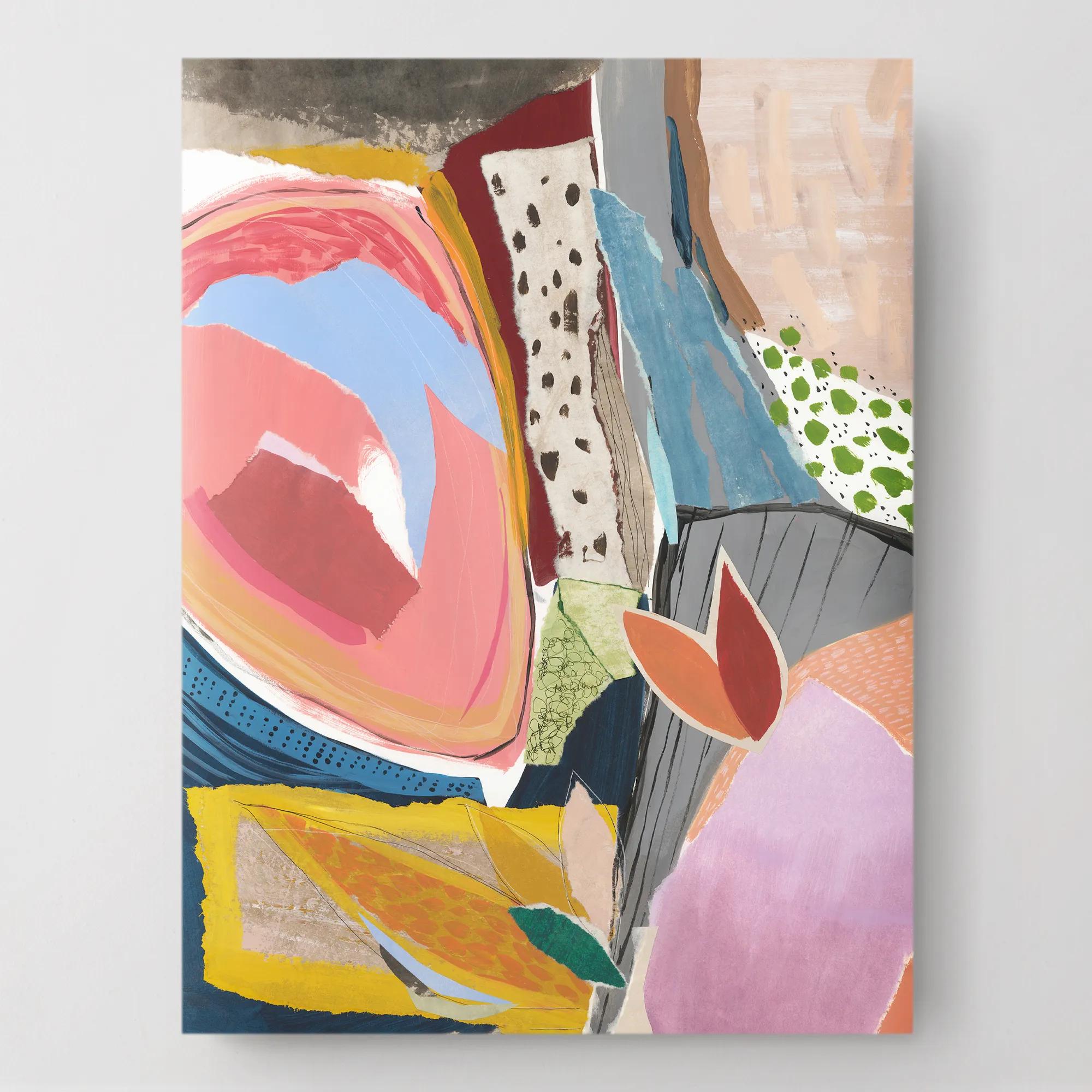
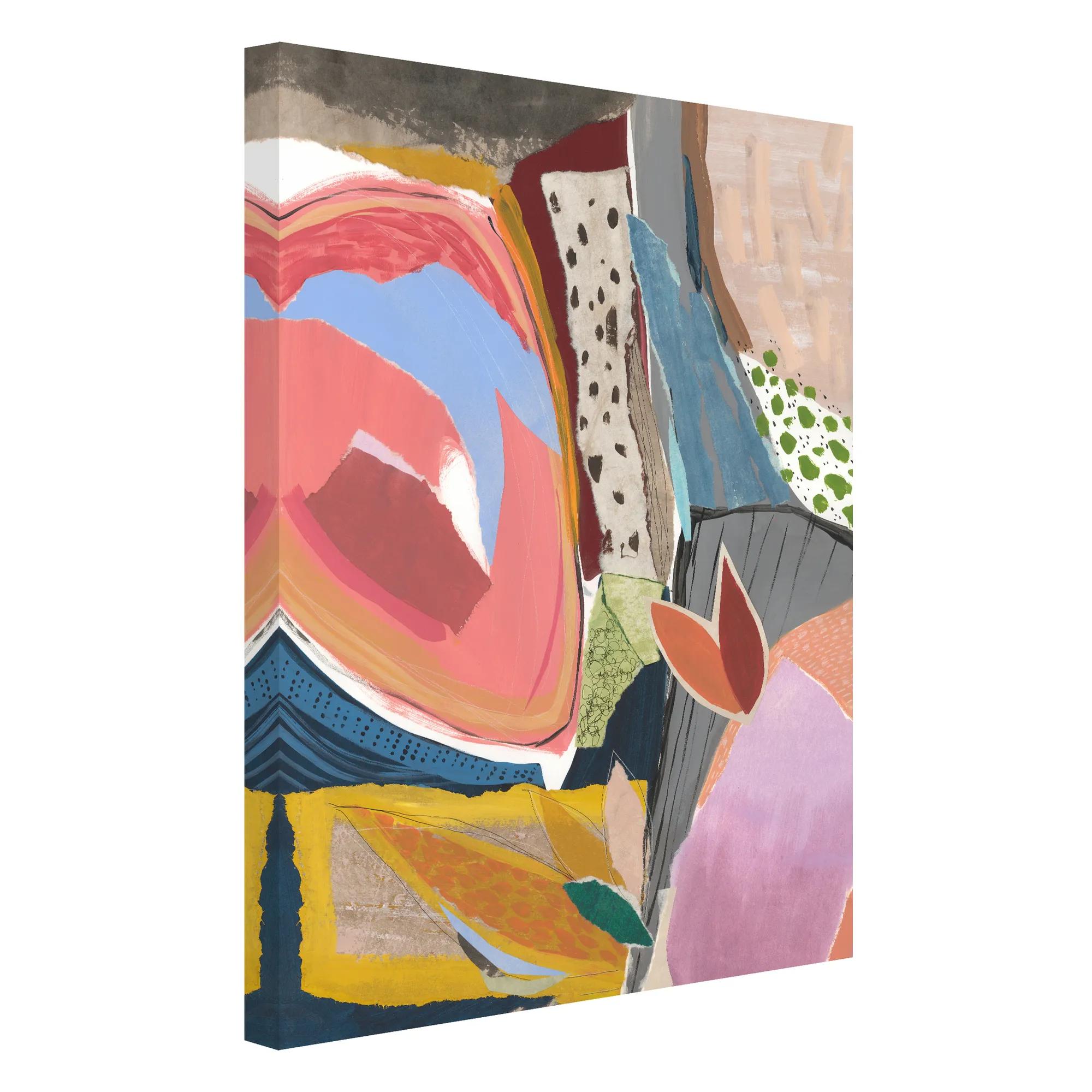 Sunday Vibes 1 Wall Art 30" x 40"$449
A gallery-wrapped canvas artwork featuring a hand-applied image brush gel finish for a textured look.
Add To Cart -
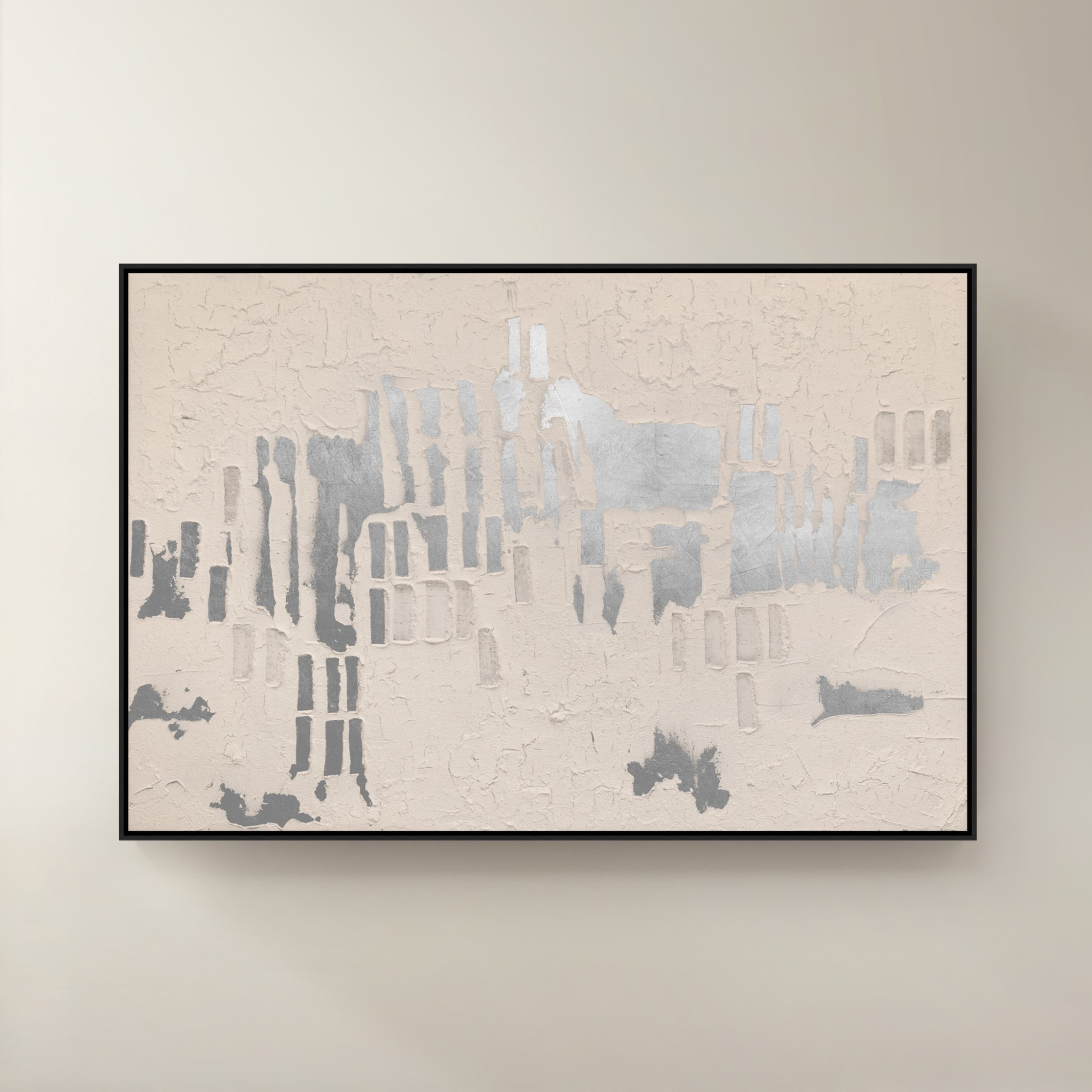
 Silver Reverie Framed Painted Wall Art 60" x 40"$1699
A silver-toned painted canvas artwork framed for a sophisticated, contemporary wall display.
Add To Cart -
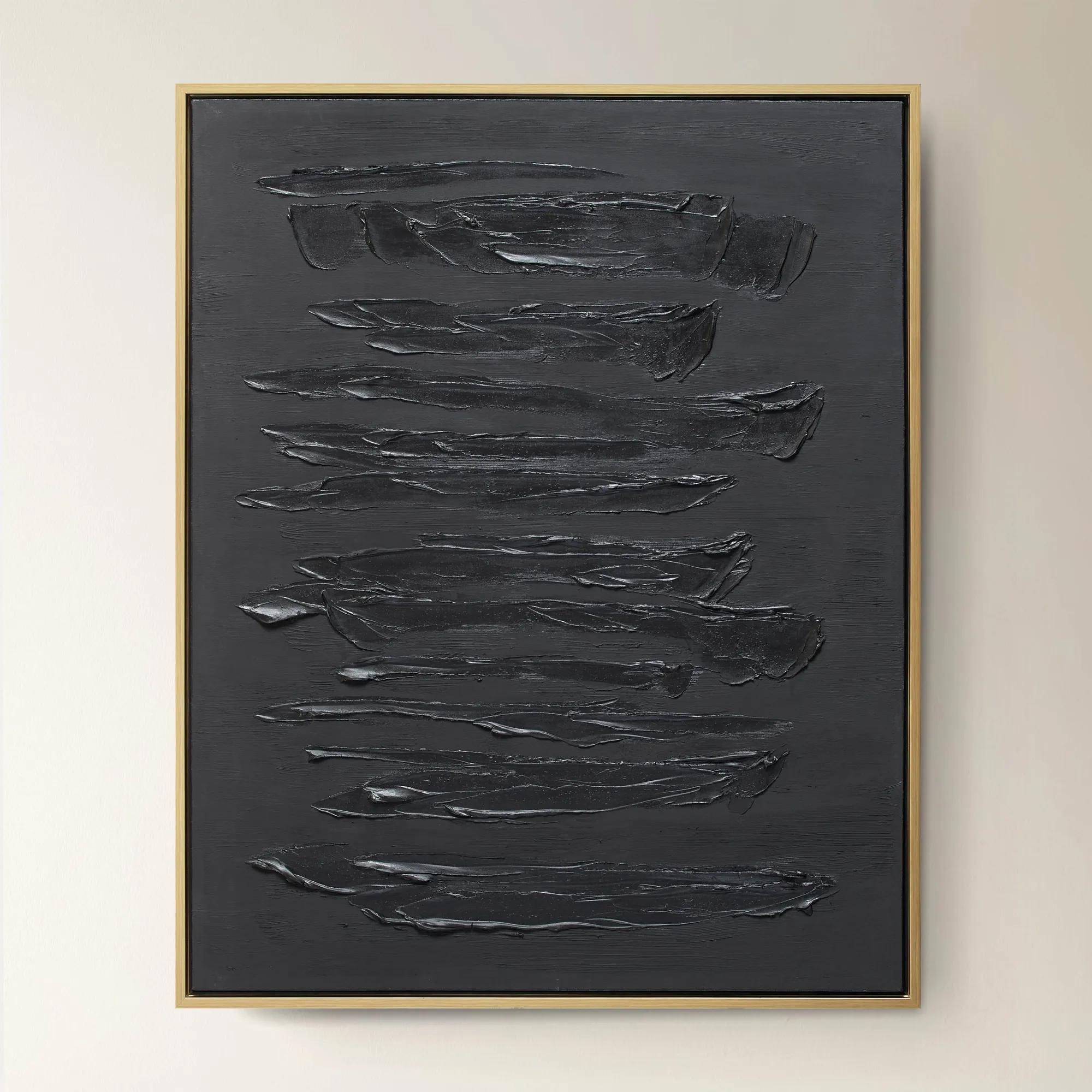
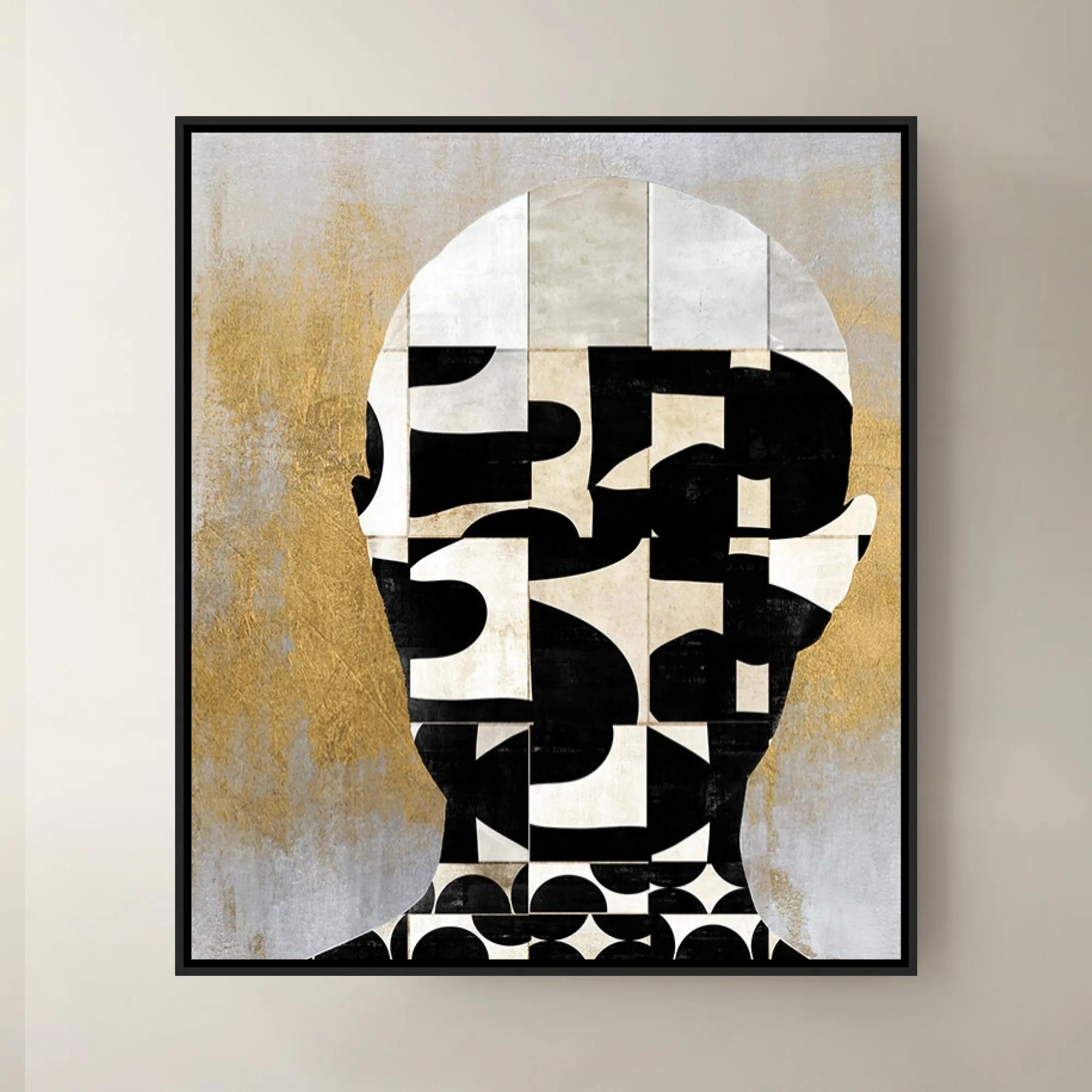
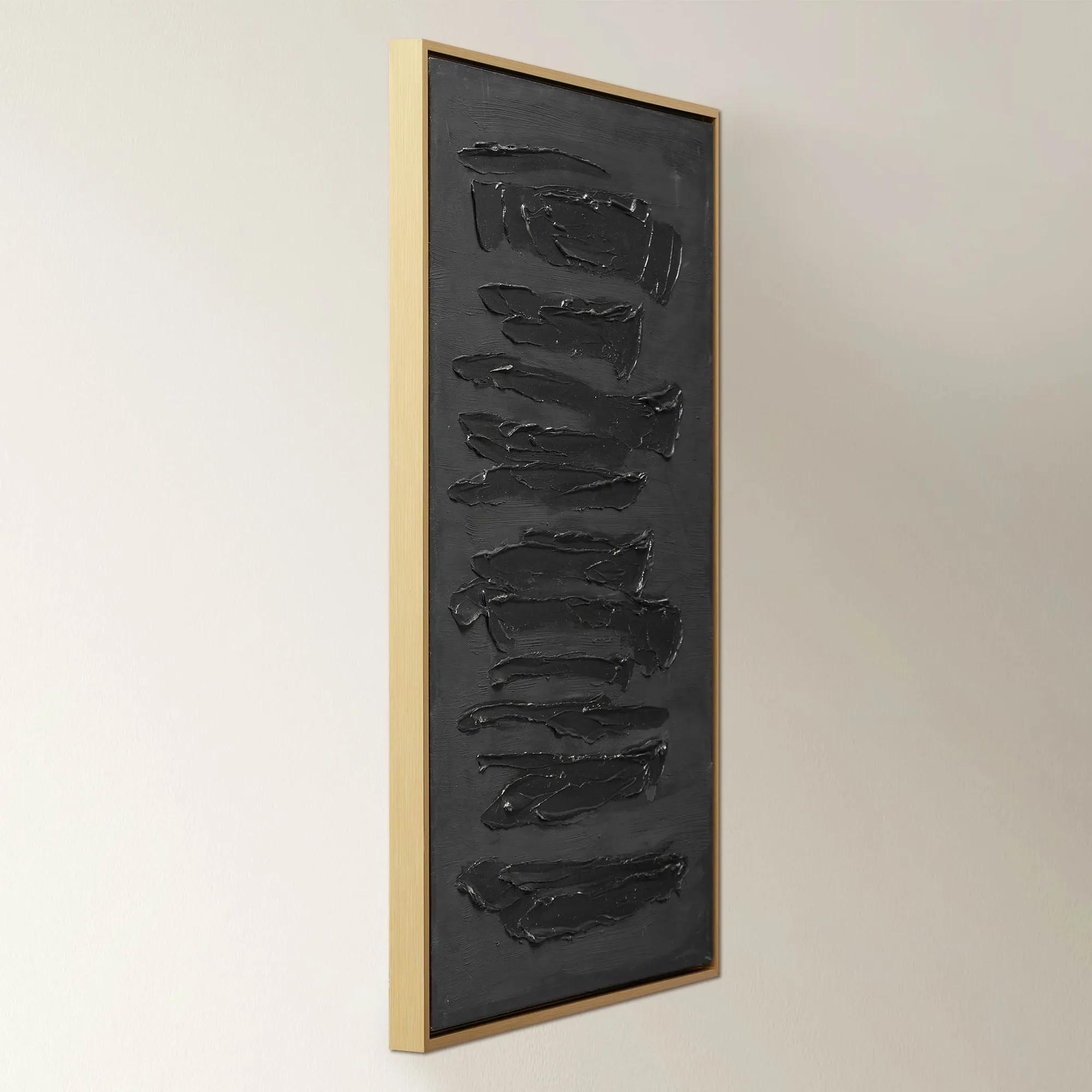 Nocturne$599.95
A dramatic abstract artwork featuring bold, dark brushstrokes on hand-painted canvas in a gold floater frame.
Add To Cart -
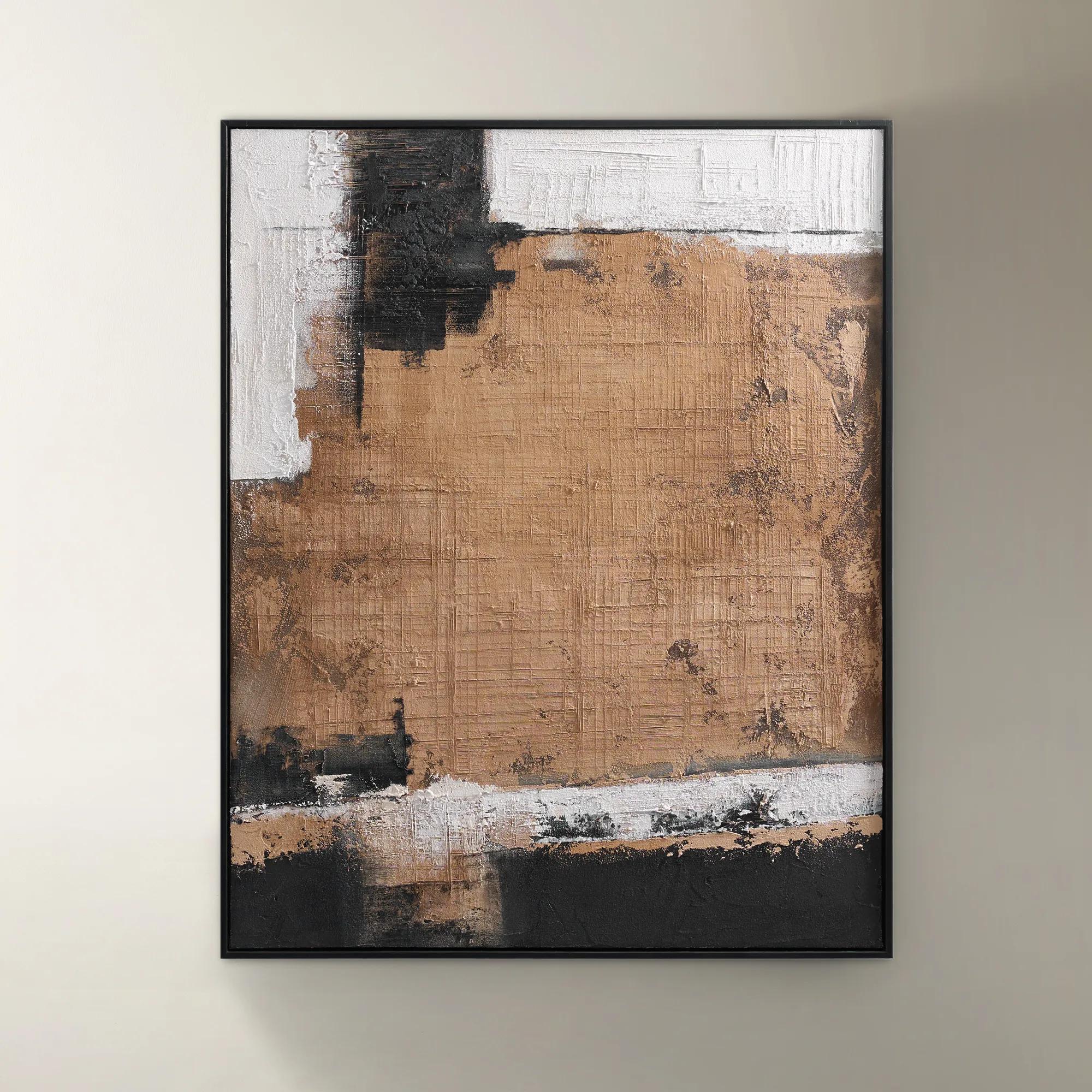
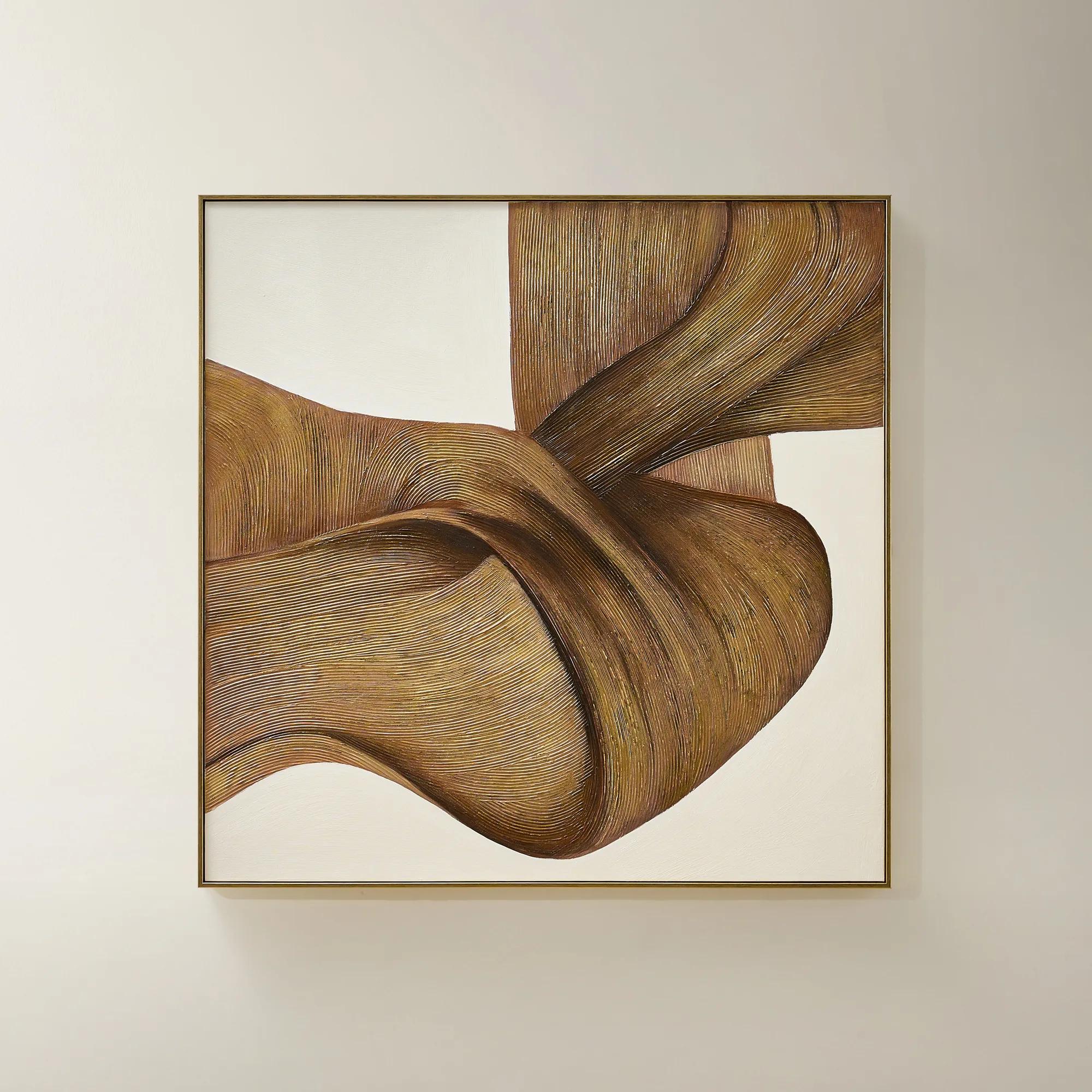
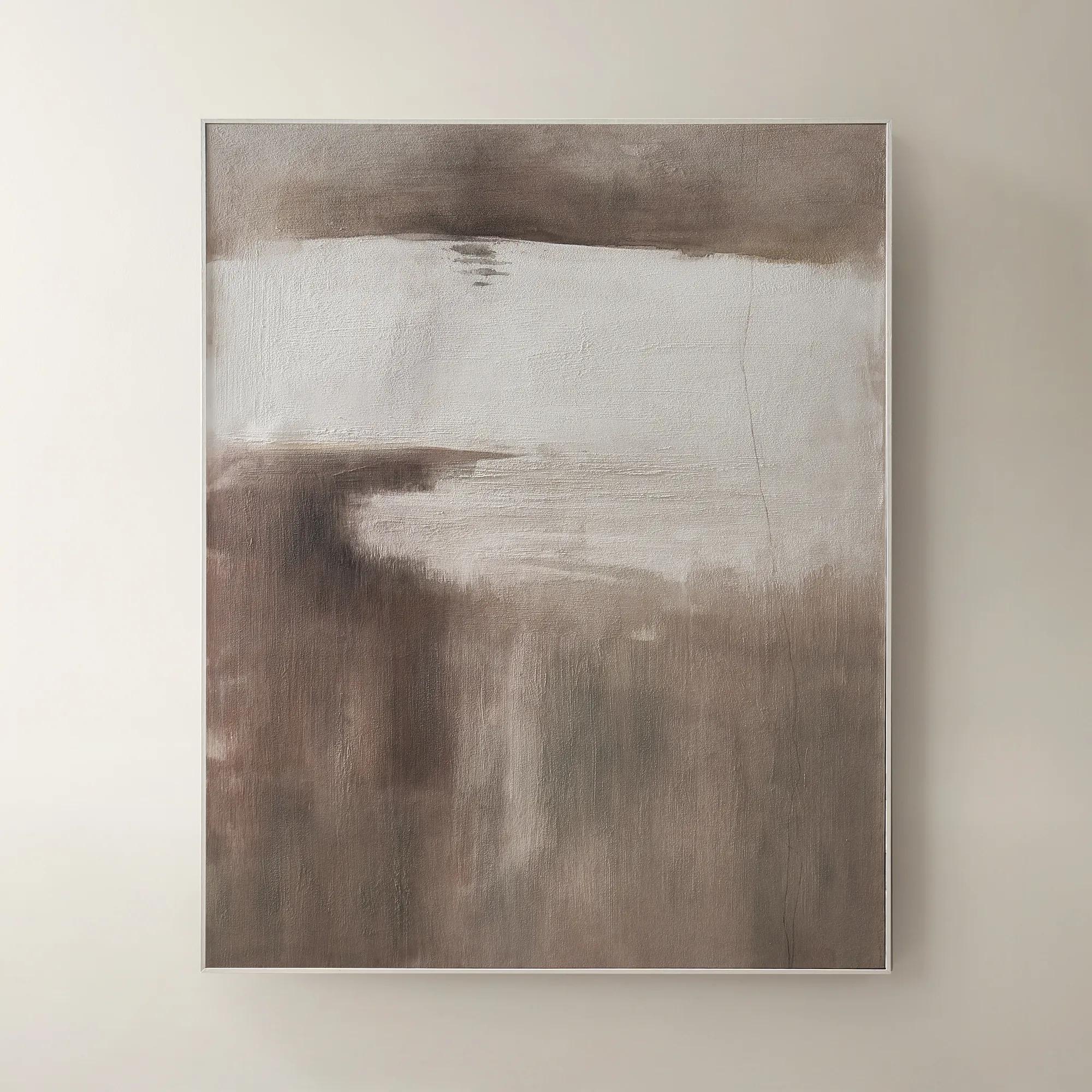
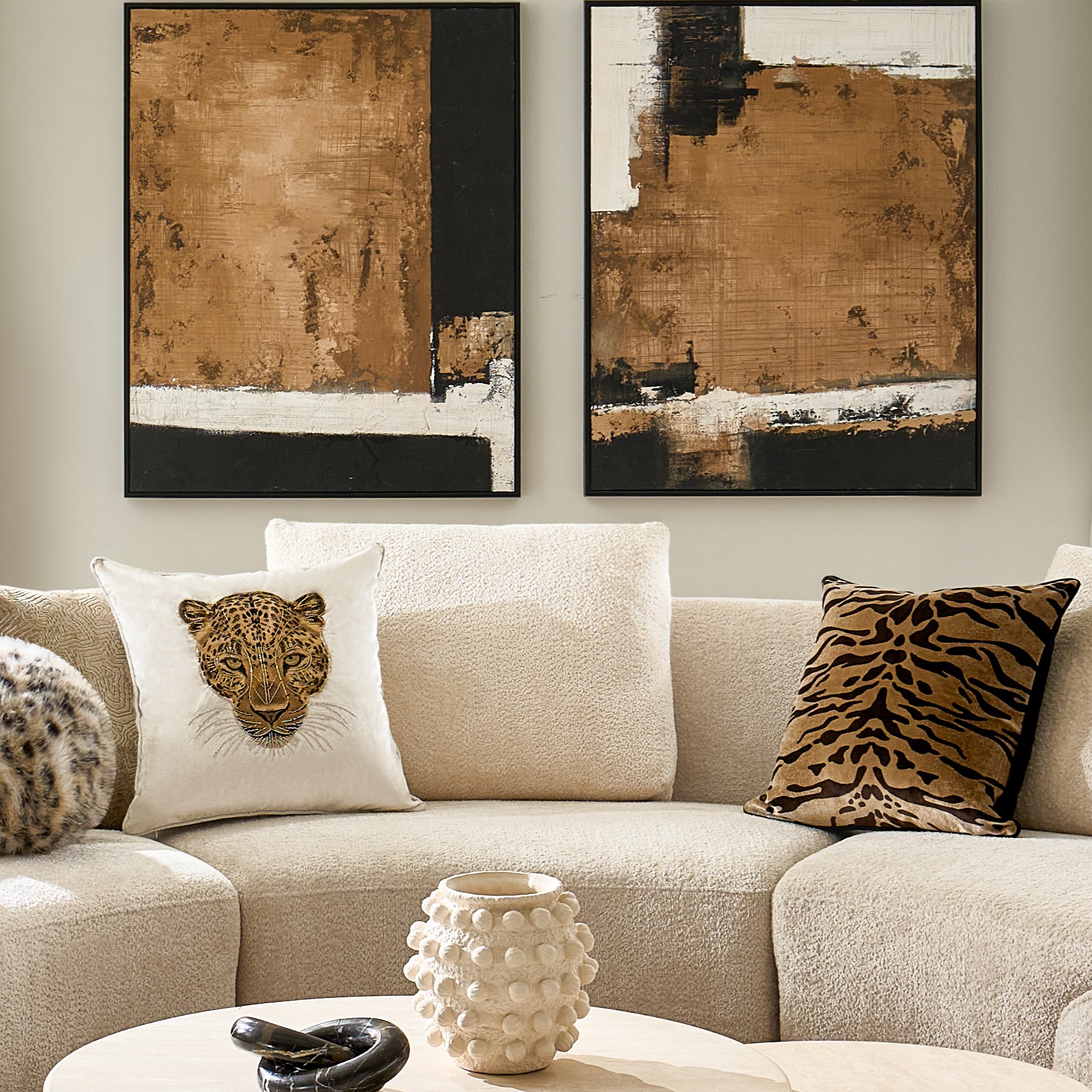 Drift Framed Painted Wall Art II 39.4" x 31.5"$299
A hand-painted canvas in brown, featuring bold texture and color interplay within a sleek black floater frame.
Add To Cart -
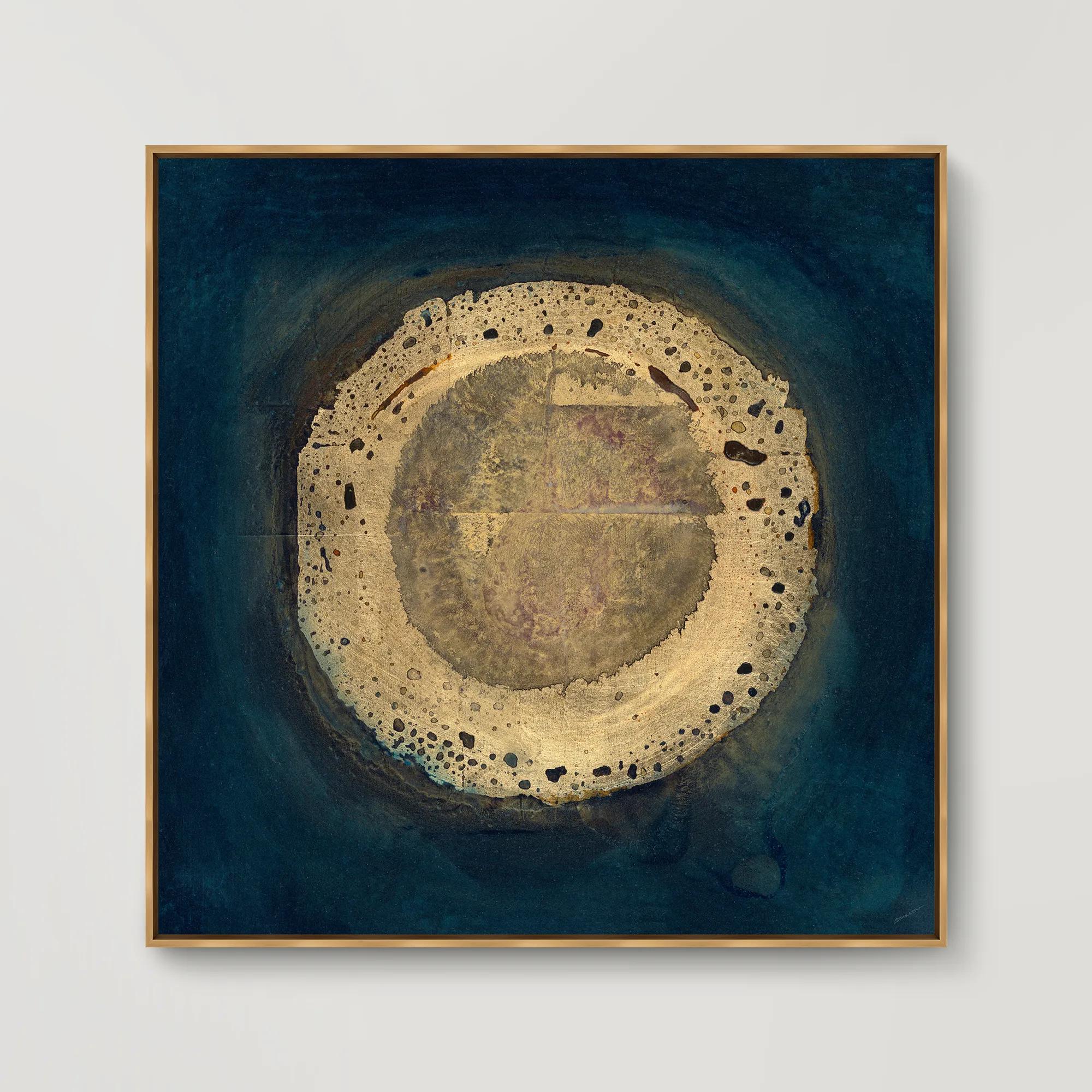
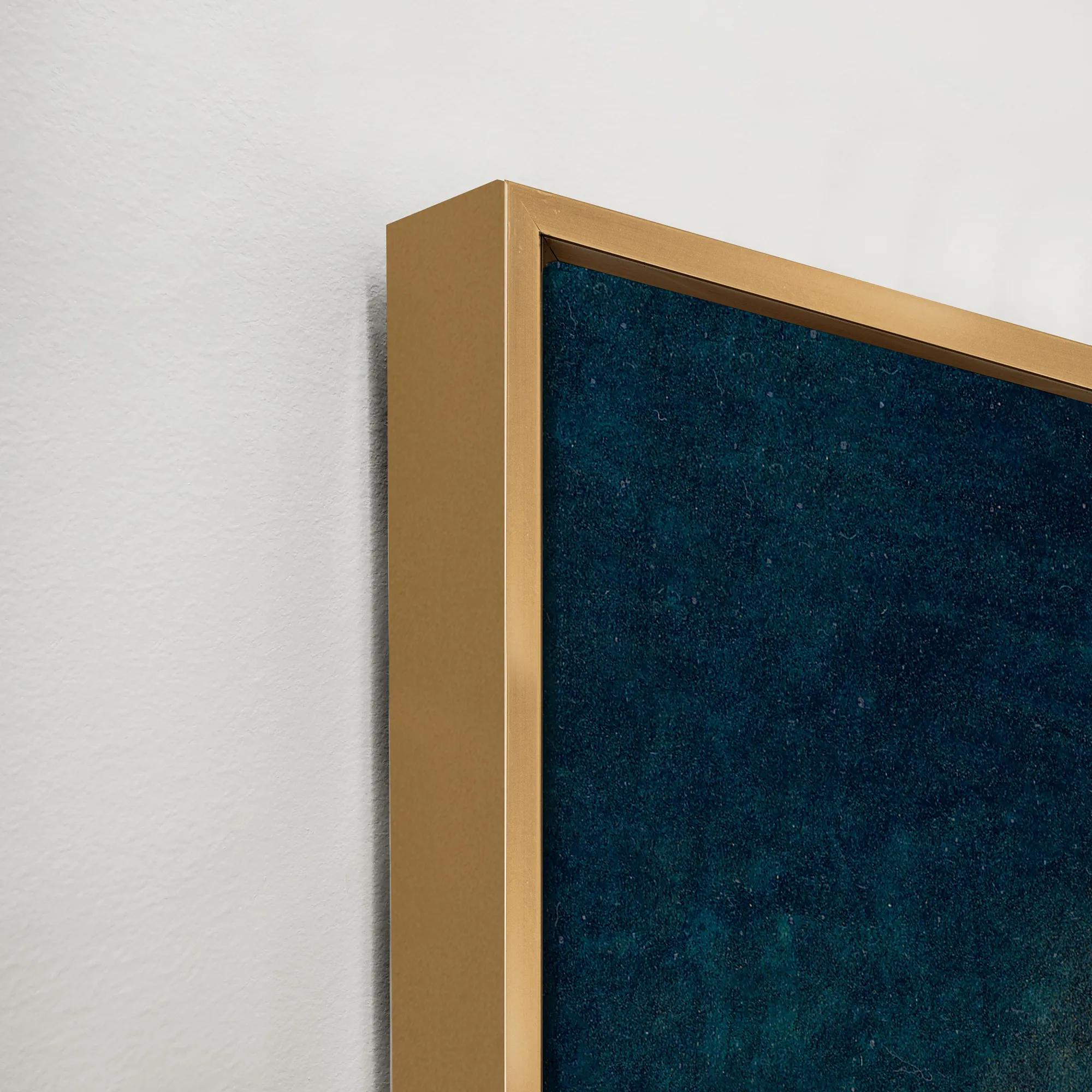 Bramble I Framed Wall Art 41.5" x 41.5"$749
A gallery-wrapped abstract canvas with hand-applied gel finish, set in an elegant gold floater frame.
Add To Cart -
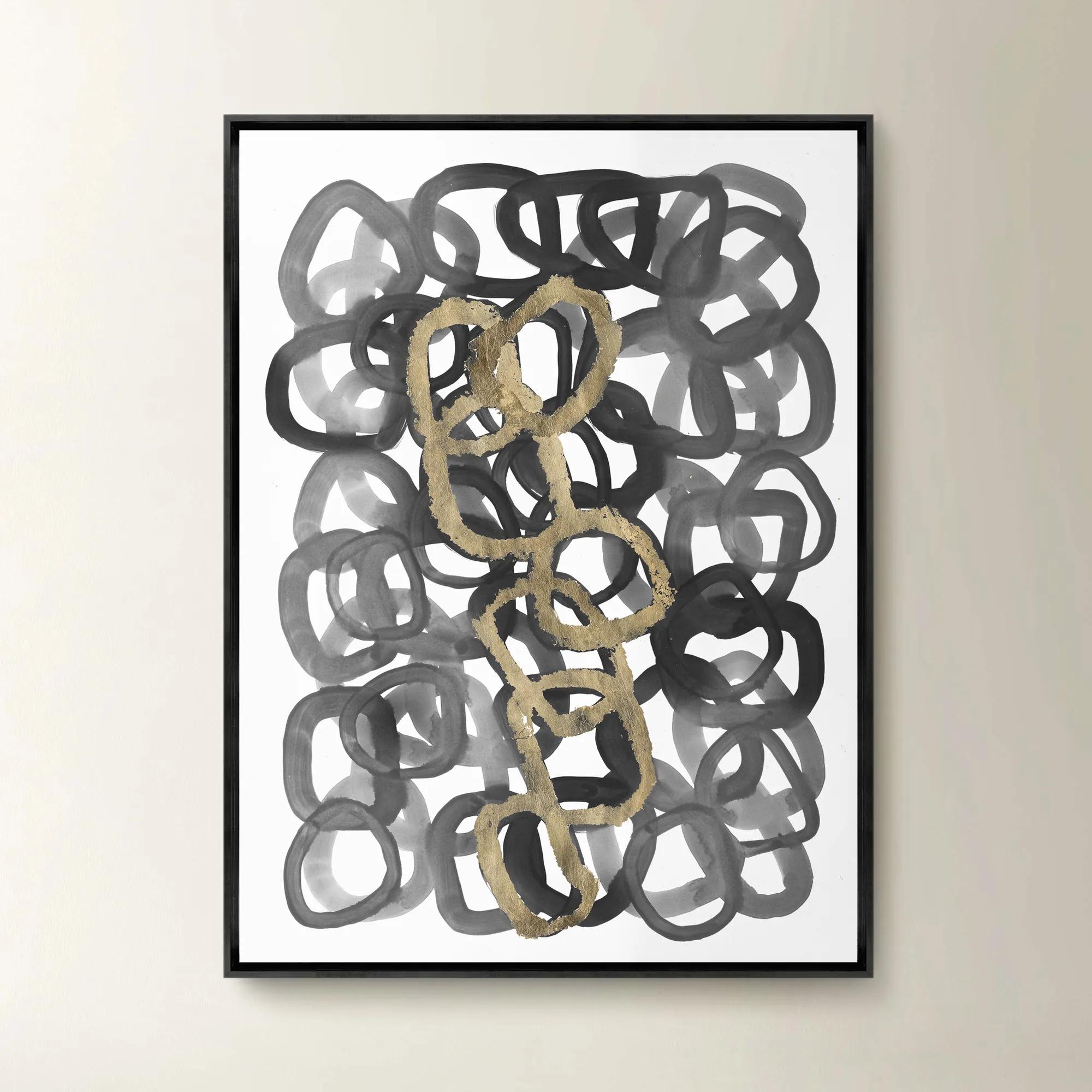
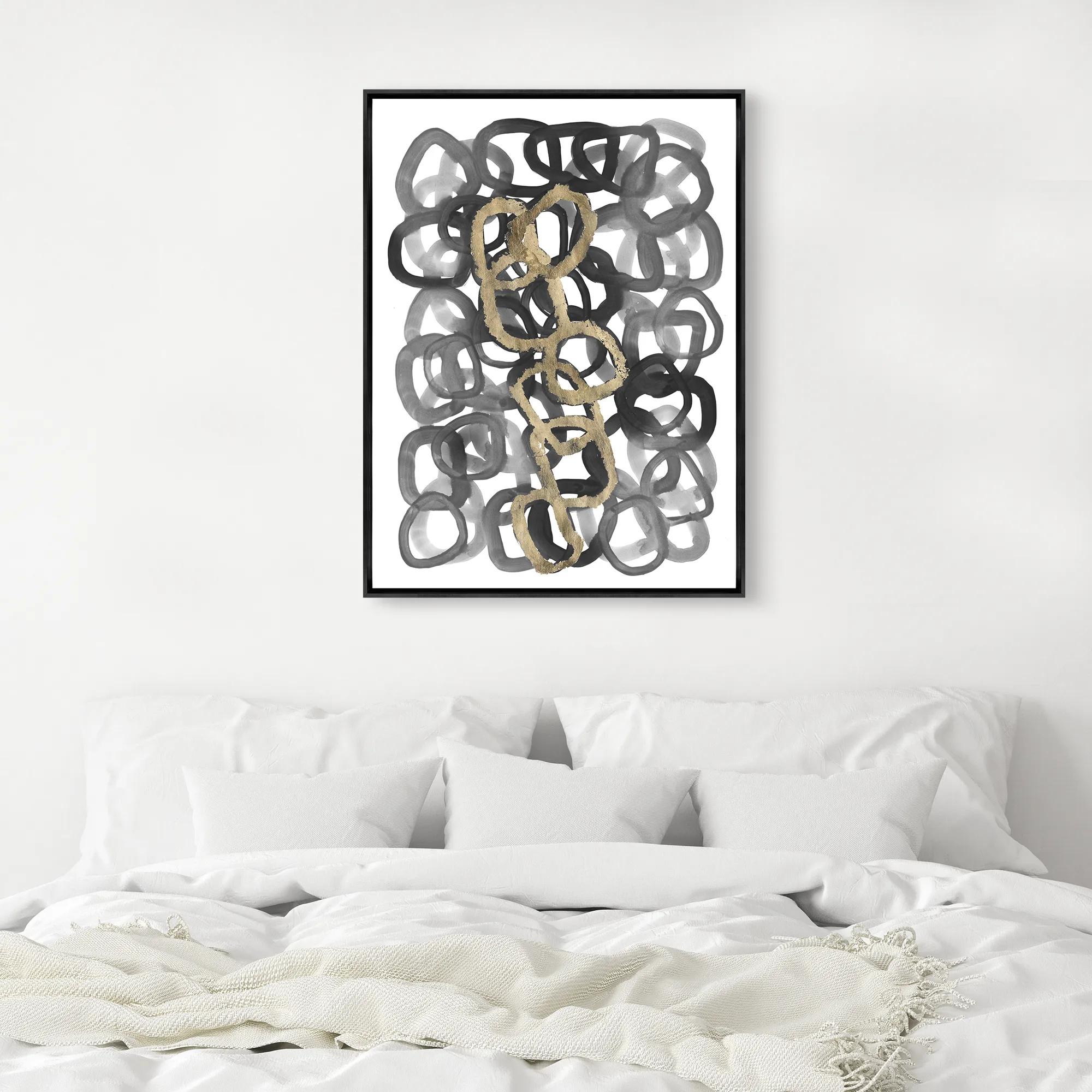 Unbroken Framed Wall Art 26" x 35"$499
A gallery-wrapped canvas artwork with a hand-applied gel finish, set in a sleek black floater frame.
Add To Cart -
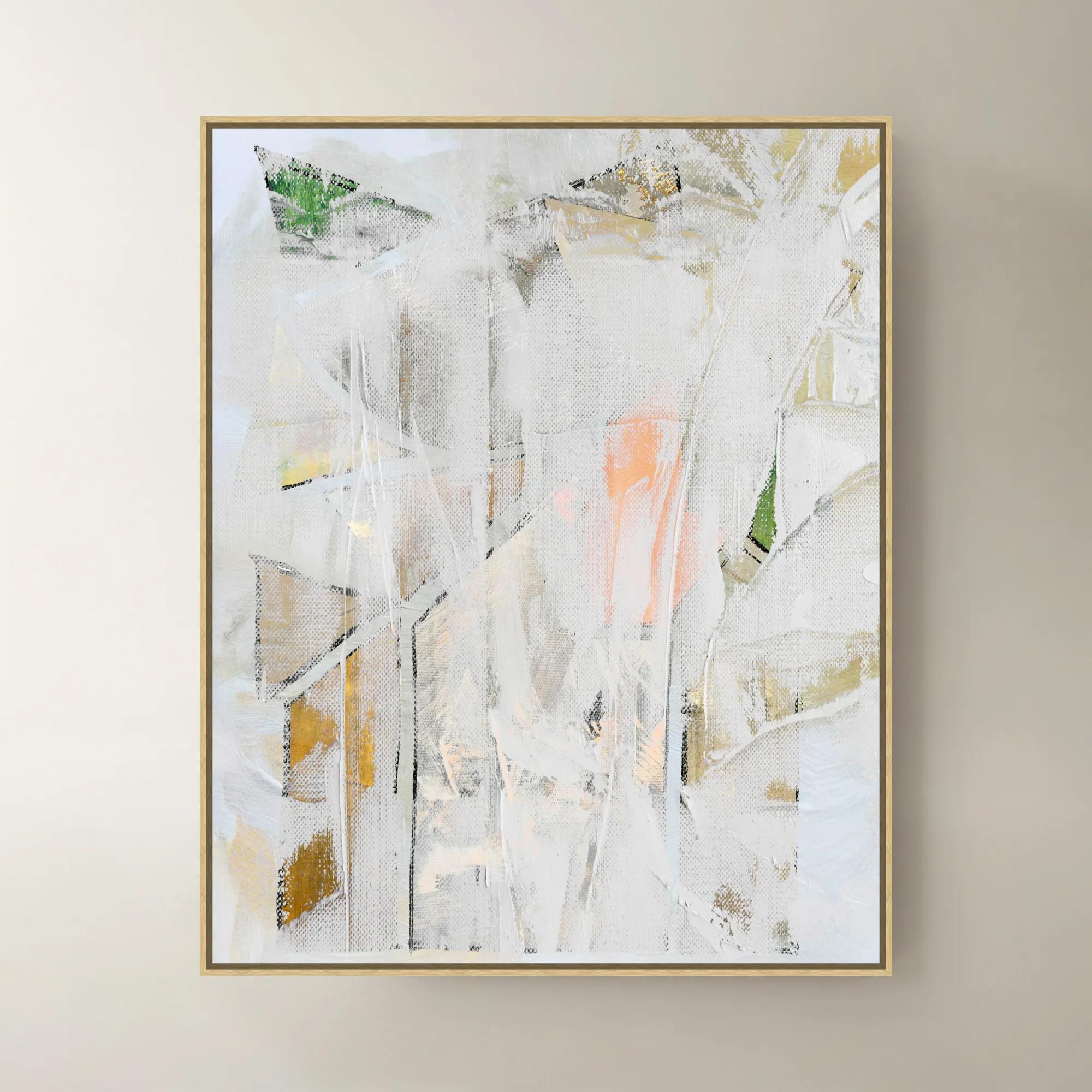
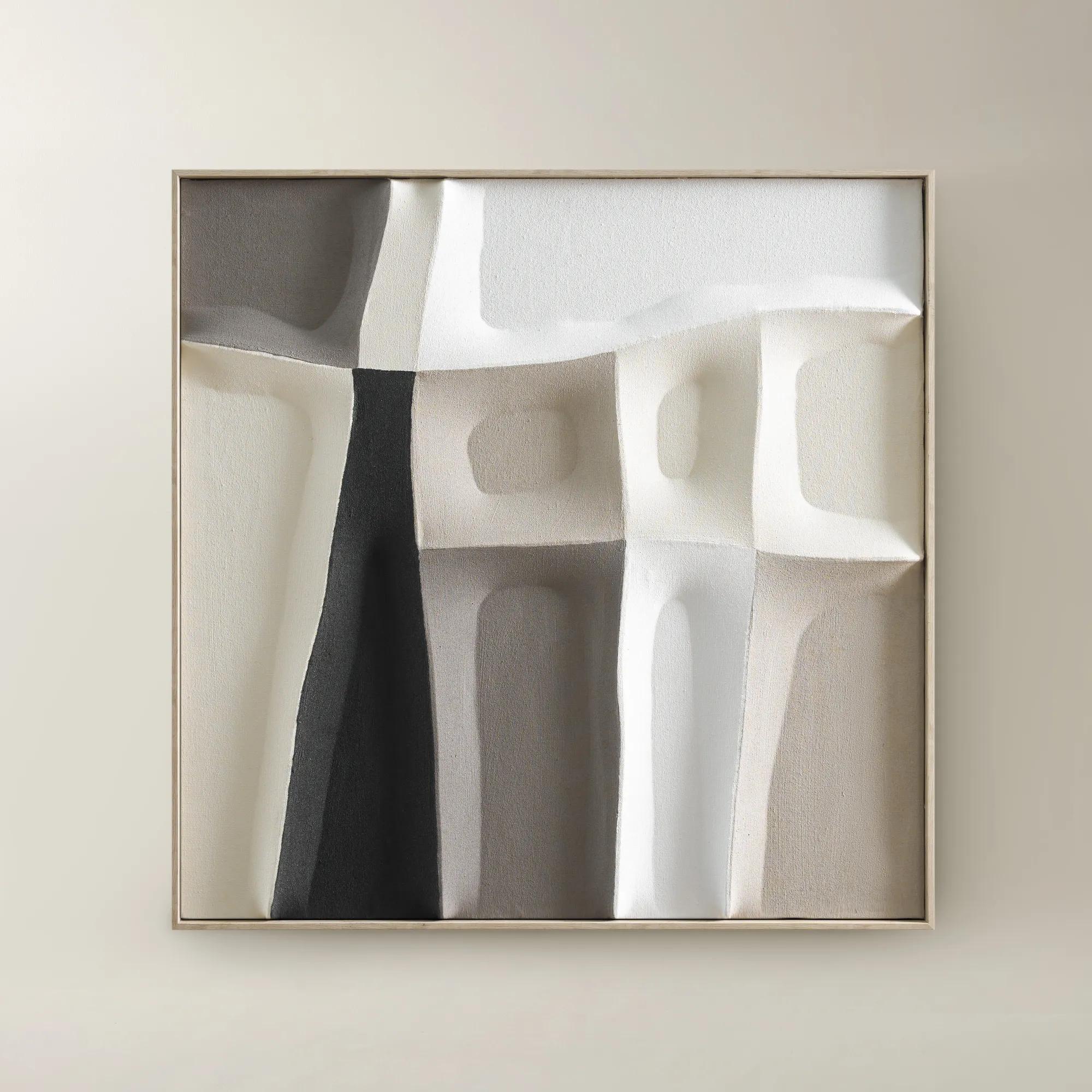 Shadow Painting 1$179
A hand-painted canvas featuring bold colors and sculptural textures in a warm whitewash floater frame.
Add To Cart -
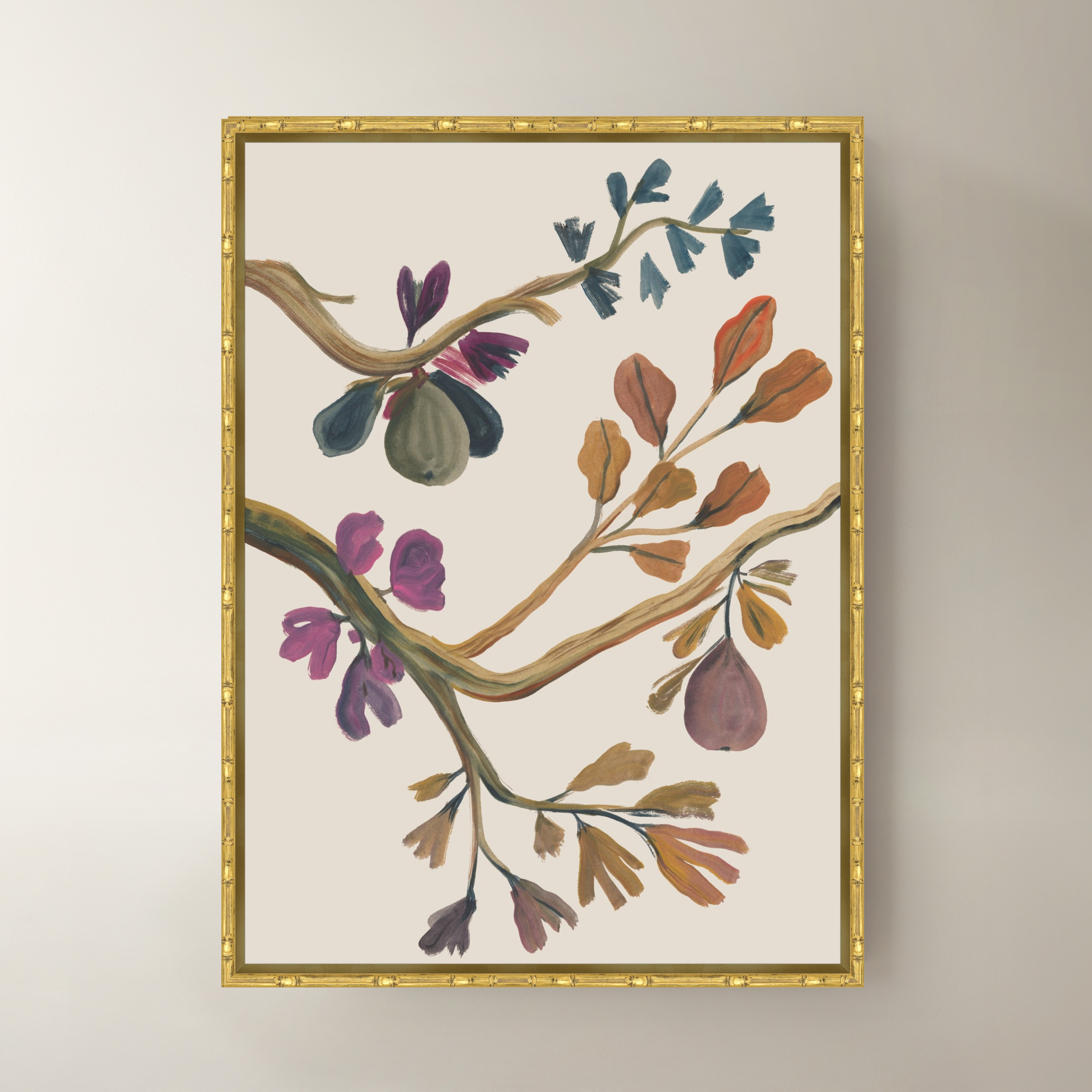
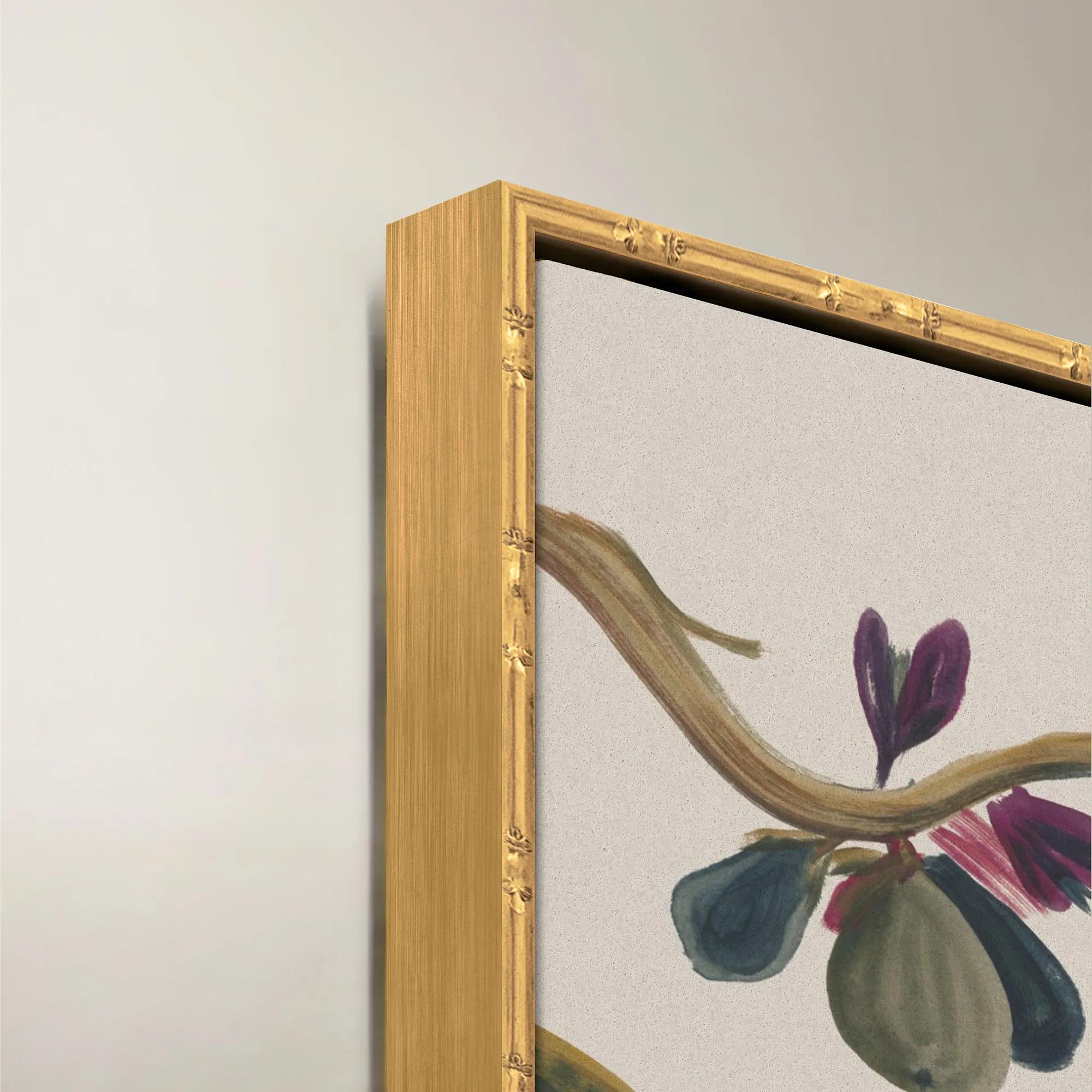 Whispering Orchard II Framed Wall Art 24" x 33"$749
A multicolored canvas wall art piece presented in an elegant frame for contemporary interiors.
Add To Cart -
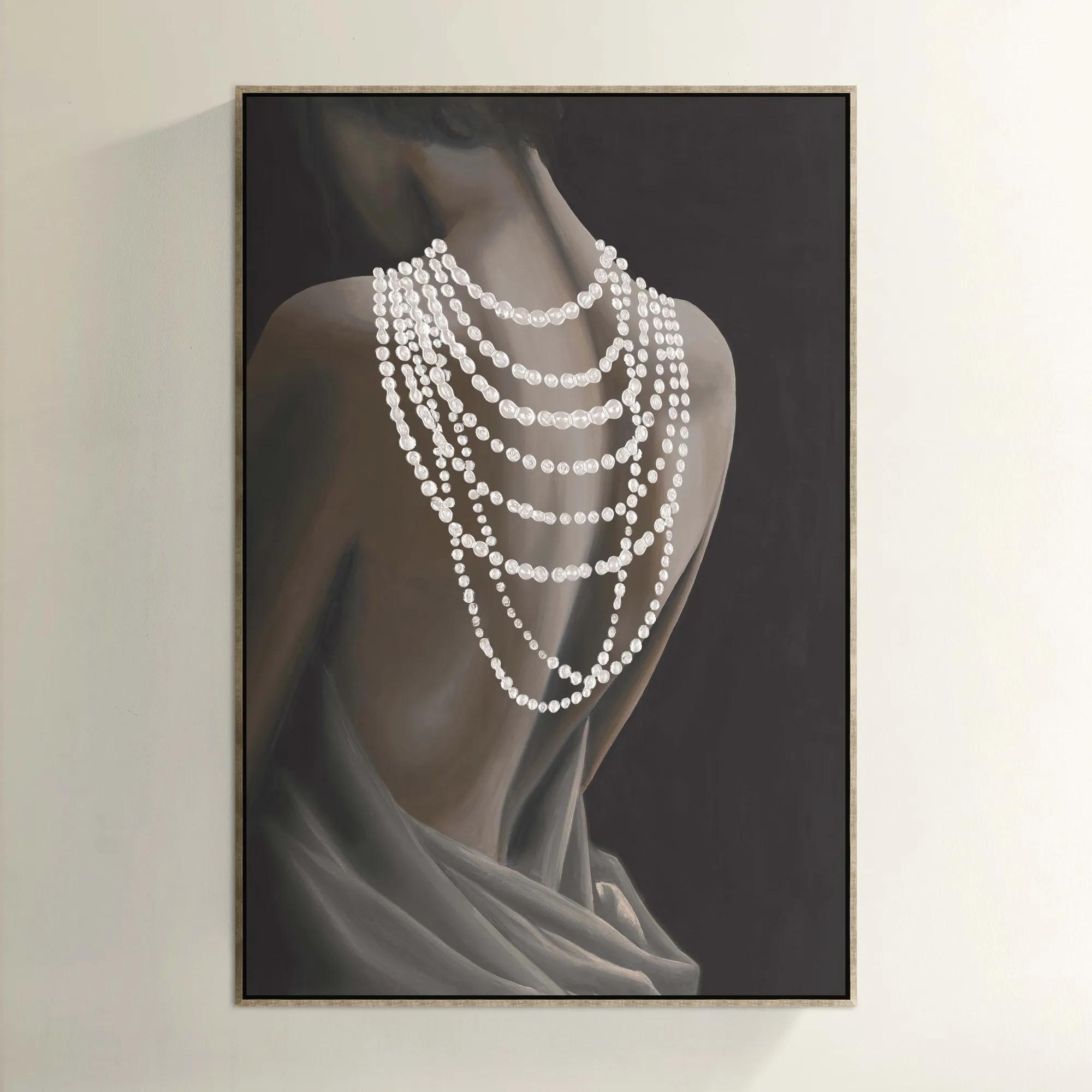 Luminescent Pearls Framed Wall Art 40" x 60"$1119
A hand-embellished canvas artwork featuring textured brush gel, set in a sleek silver floater frame.
Add To Cart -
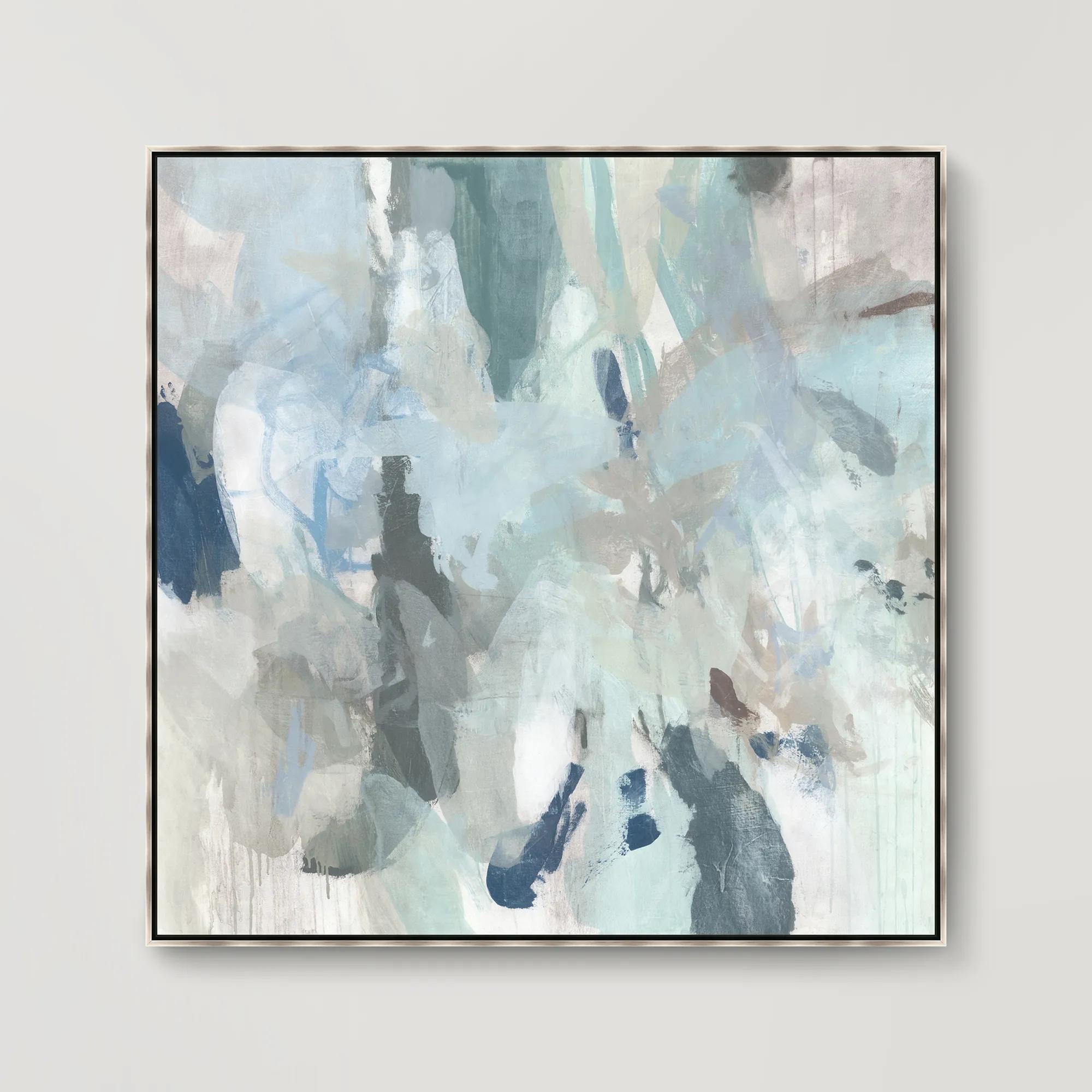
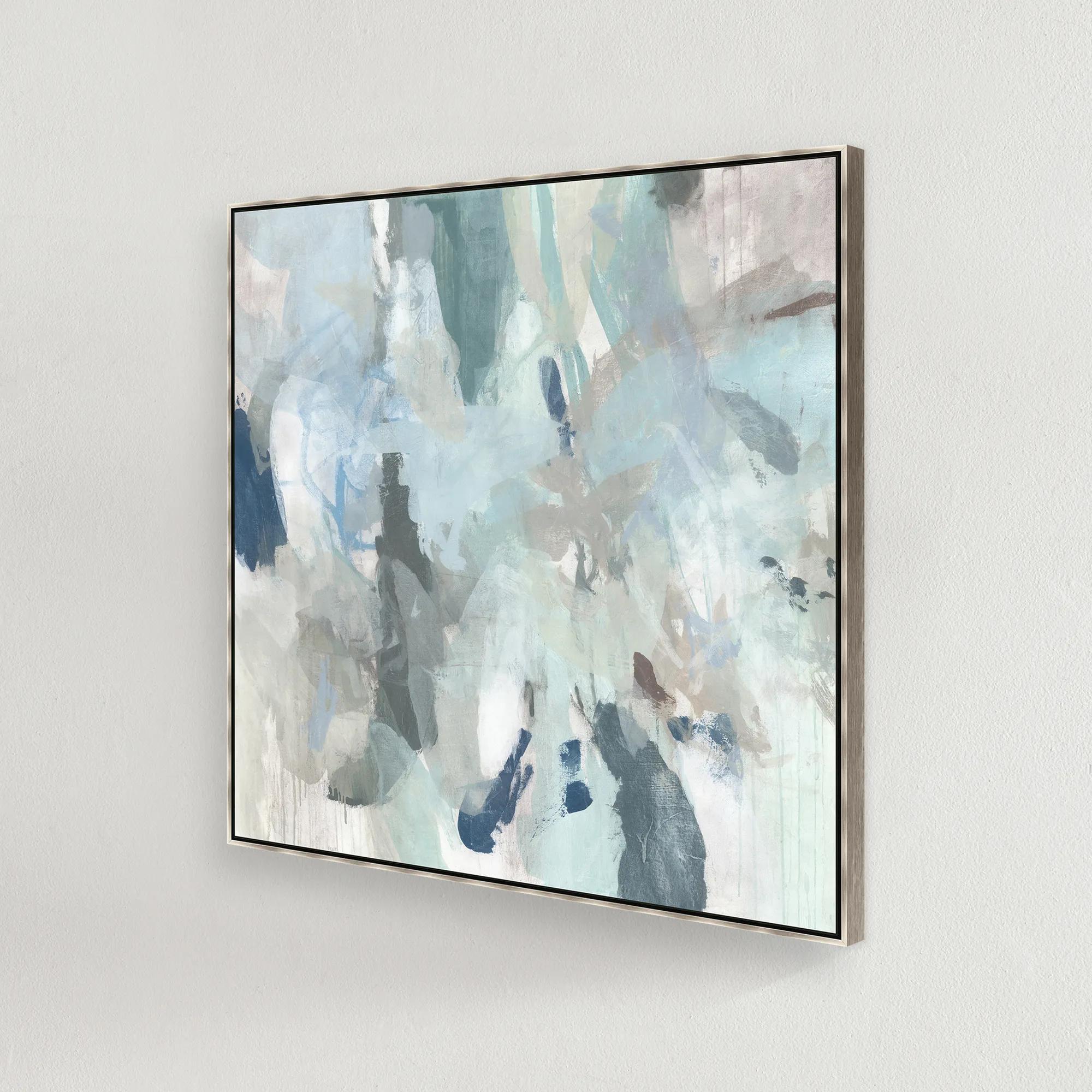 Sage Honey Dew I Framed Wall Art 41.5" x 41.5"$749
A gallery-wrapped abstract canvas featuring hand-applied gel finish in a silver floater frame.
Add To Cart -
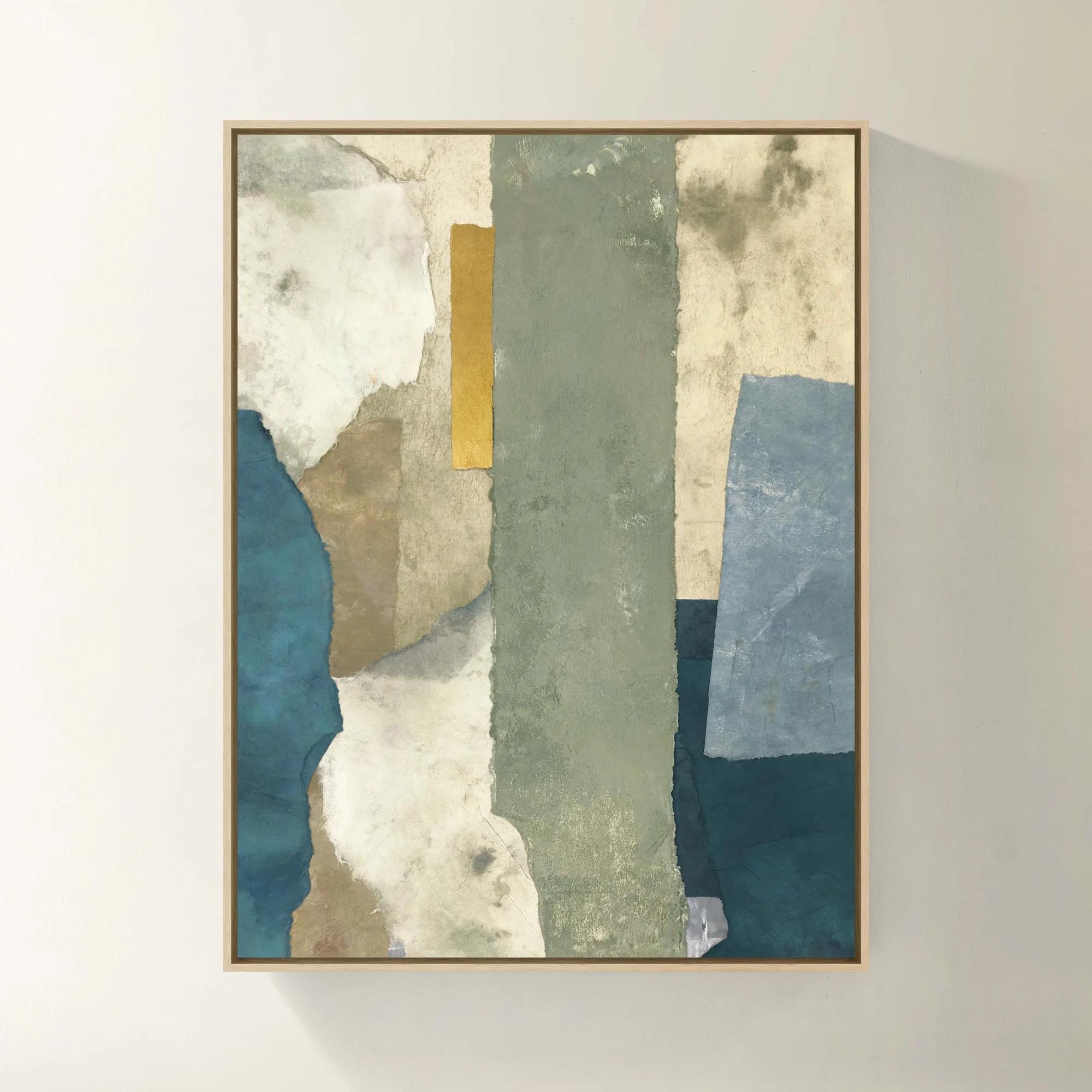 Earth Fragments II Framed Wall Art 30" x 40"$799
A gallery-wrapped canvas featuring gild accents and hand-applied gel, set in a natural floater frame.
Add To Cart

Contemporary Abstract Canvas Art
Explore contemporary abstract canvas art to create a focal point with expressive shapes and artful composition. This selection of abstract wall art invites you to choose a piece that echoes your room’s palette or introduces a daring contrast. Consider scale and placement to give your artwork a commanding presence above a sofa, along a hallway, or within a curated gallery wall.
Contemporary abstract canvas art brings expressive color, dynamic movement, and a sense of artistic intrigue to modern interiors. Rather than depicting a recognizable scene, abstract artwork invites interpretation through the interplay of line, shape, texture, and negative space—giving your room a focal point that feels distinctly personal. Sweeping gestures can introduce energy to a composed living room, while restrained tonal compositions create a quieter kind of drama above a bed or console. Consider the mood you want to evoke before choosing a palette: deep jewel tones suggest richness and intensity, black-and-white abstract art delivers striking contrast, and soft neutrals allow sculptural furniture and decorative accents to share the spotlight. The most compelling contemporary wall art does more than coordinate with your furnishings; it introduces a fresh perspective. Echo a subtle shade from your upholstery for a cohesive composition, or choose an unexpected color that gives the entire space a more daring point of view. Scale and placement help contemporary abstract canvas art establish its presence, transforming an open wall into a deliberate design statement. Large abstract wall art can anchor a seating area or dining room, giving expansive interiors a visual center without requiring an abundance of smaller accents. As a starting point, choose artwork roughly two-thirds to three-quarters the width of the furniture beneath it, then adjust for ceiling height, surrounding architectural details, and the breathing room the composition needs. A single oversized canvas creates a confident focal point, while a thoughtfully arranged pair or grouping introduces rhythm across a longer wall. For a collected look, connect abstract canvas wall art with nearby objects through a recurring curve, angular silhouette, or accent color rather than matching every detail. Position the artwork where its center sits near eye level, and consider carefully directed lighting to bring its visual nuances into focus while avoiding glare. Whether you are styling a glamorous entryway or refining a contemporary bedroom, an intentional arrangement lets the art shape the atmosphere—and gives your home an unmistakably expressive finish.
FAQs
Contemporary abstract canvas art uses color, shape, line, and gesture to create an expressive composition rather than a literal depiction. From fluid washes of color to bold geometric arrangements, this art invites personal interpretation and gives a room a distinctive point of view.
Decide whether you want the artwork to echo your palette or introduce a daring contrast. Abstract art that draws on tones from your upholstery or decorative accents creates a layered, cohesive look. For more drama, choose a composition with an unexpected accent color and repeat that hue selectively throughout the room.
Contemporary abstract canvas art brings a compelling counterpoint to traditional interiors. Expressive brushwork can loosen the formality of ornate furnishings, while crisp geometric compositions contrast beautifully with curved silhouettes. Connect the styles through a shared color or mood, allowing the artwork to introduce a fresh perspective.
Both approaches can create a polished presentation. A frame adds a defined border and can echo the finishes of surrounding furnishings, while an unframed canvas keeps attention on the composition and its edges. If a canvas is intended for unframed display, its finished edges become part of the visual statement.
Pair contemporary abstract canvas art with photography, figurative pieces, or sculptural wall accents for a collected, expressive arrangement. Establish a visual thread through recurring colors, related shapes, or coordinated frames, then vary the imagery to create contrast. Give each piece breathing room so the arrangement feels deliberate and the individual details remain compelling.
.jpg?w=3000&h=3000)