Contemporary Art Paintings
Contemporary Art Paintings
-
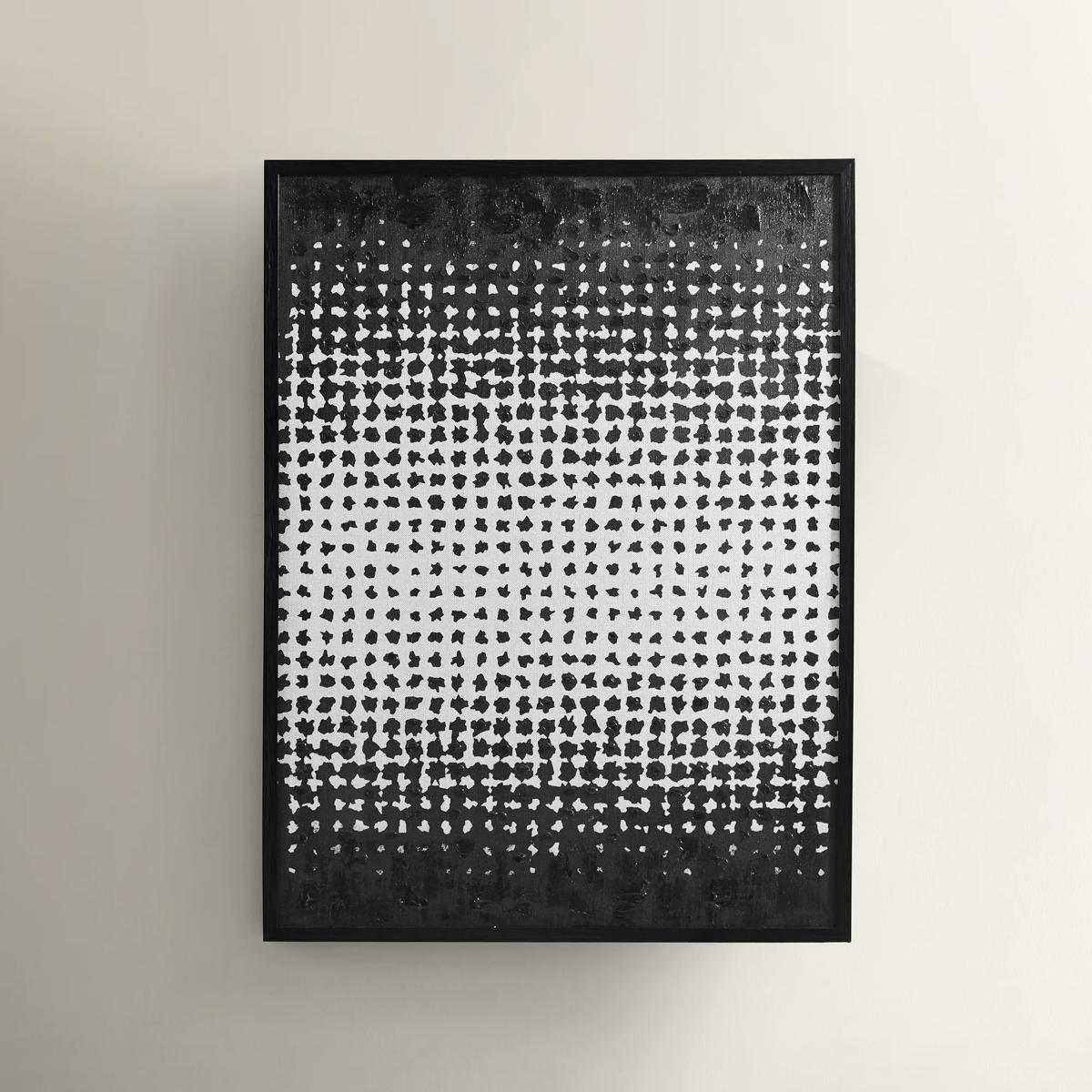
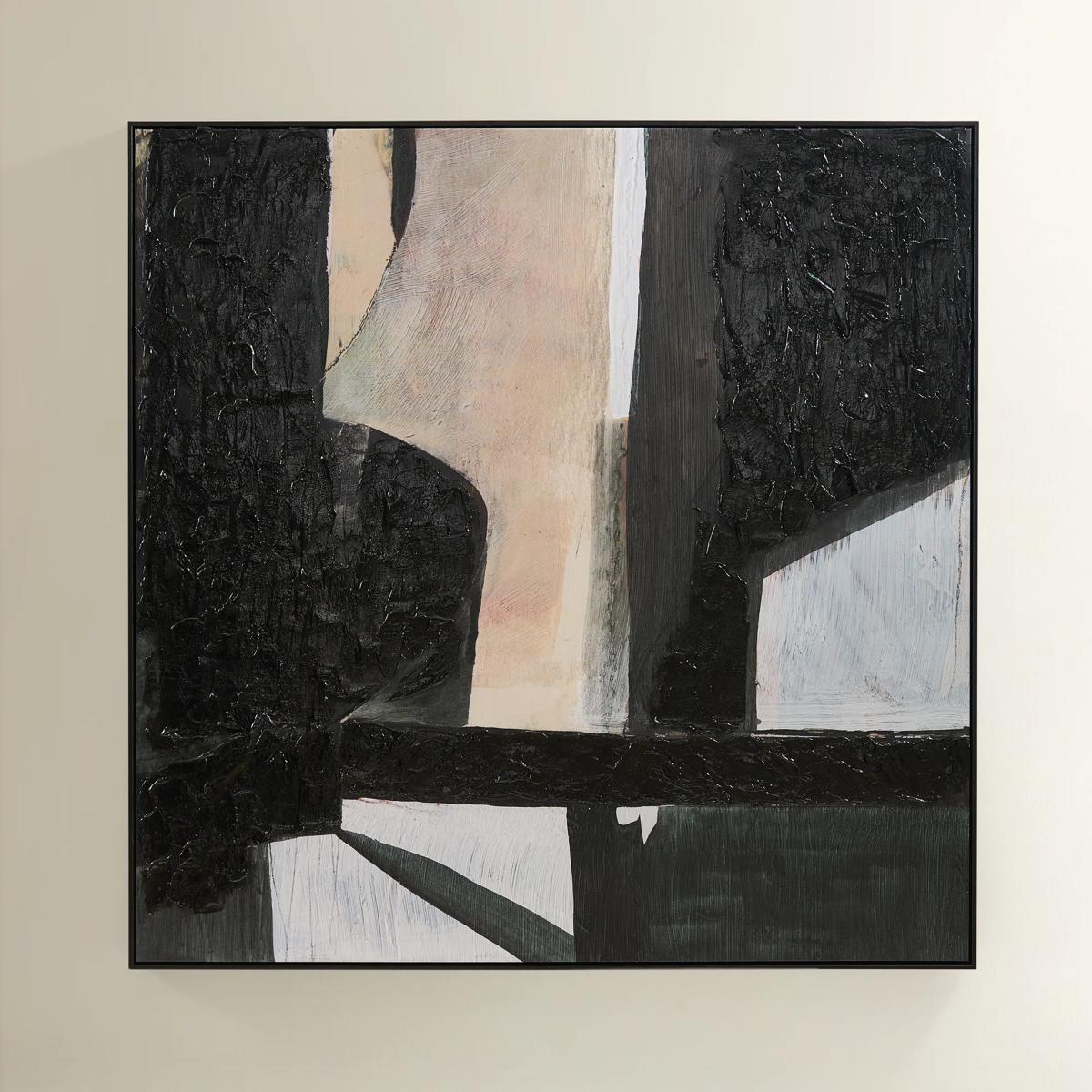 Grounded Painting$699
A hand-painted abstract canvas featuring black, cream, and earth tones in a sleek black floater frame.
Add To Cart -
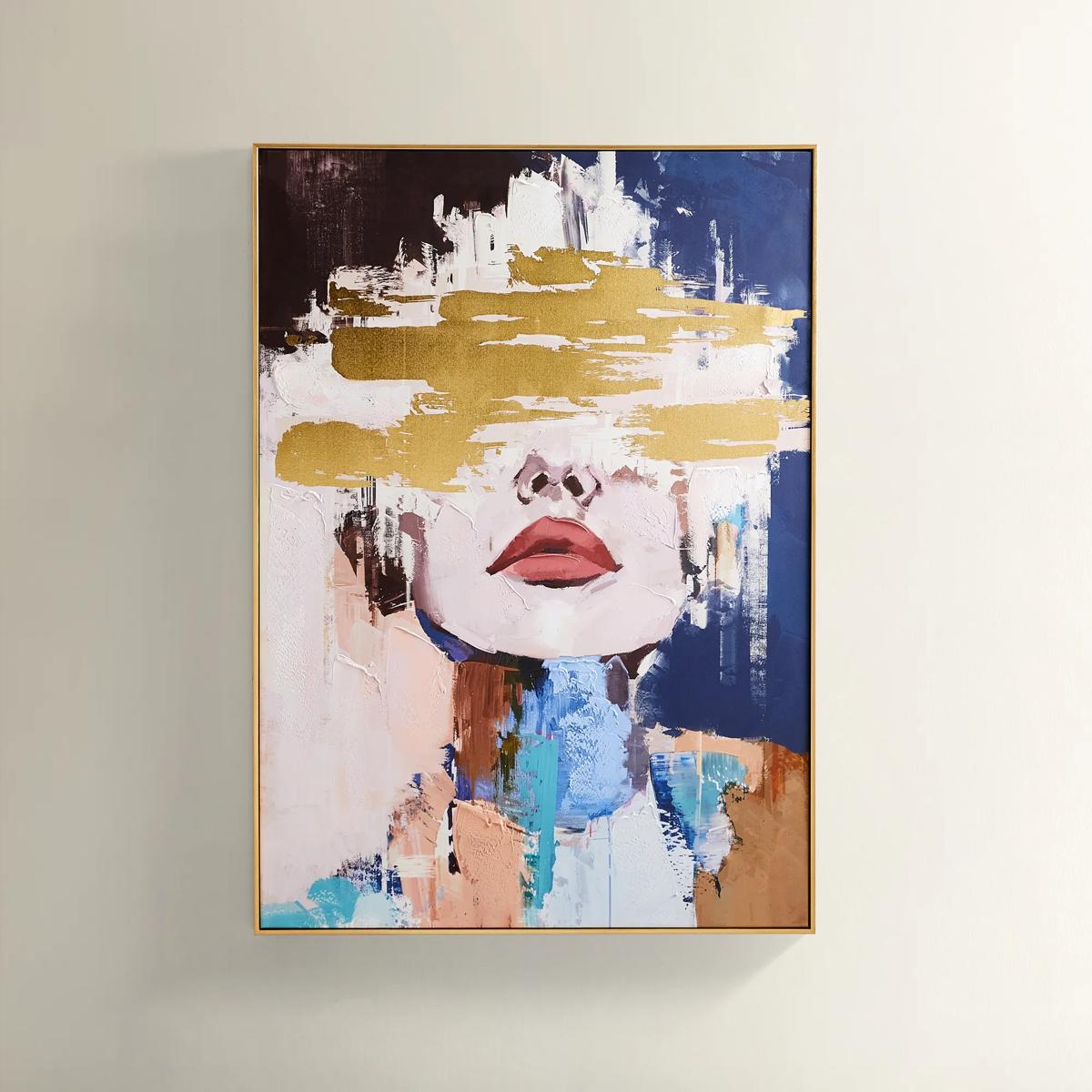
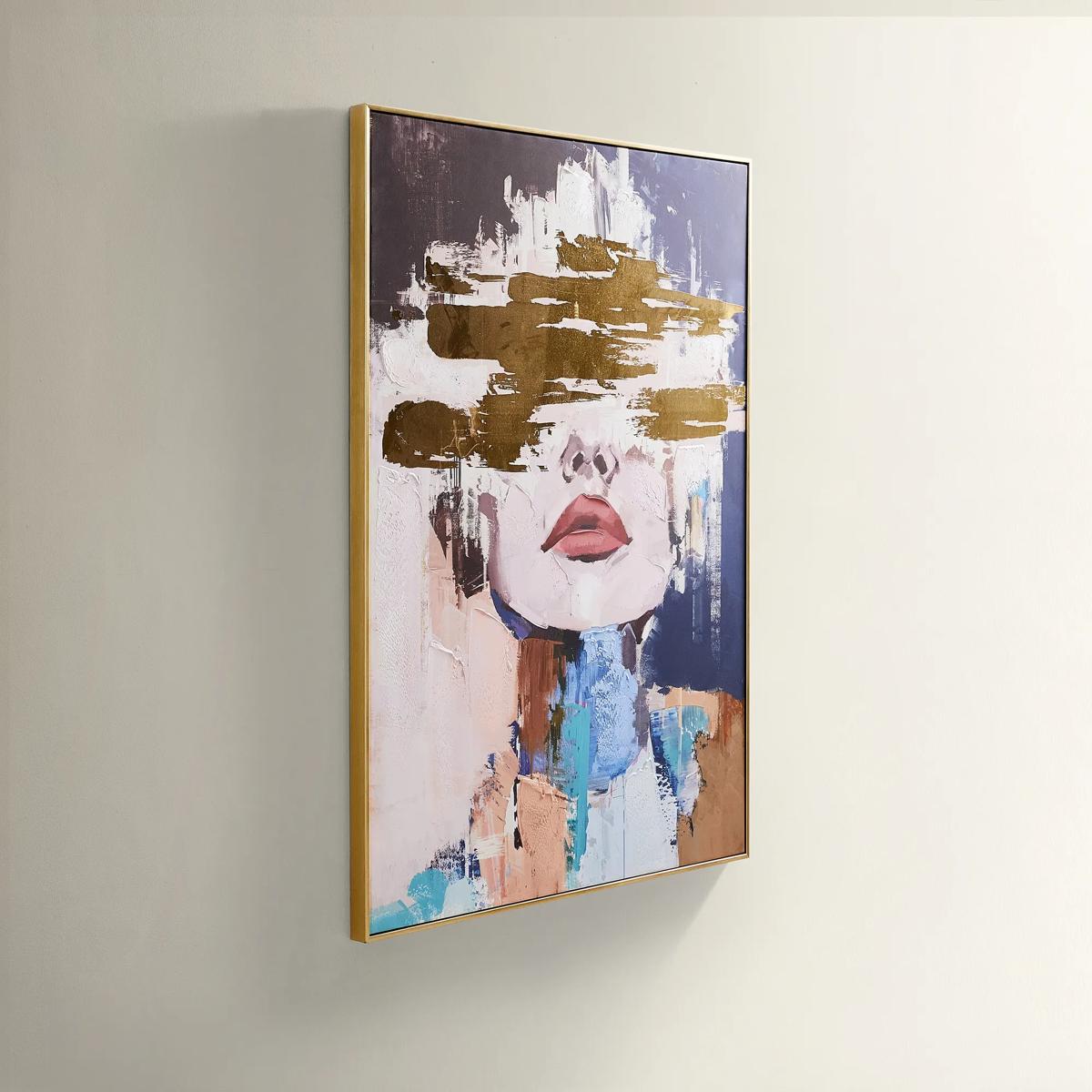 Waiting in Color Gold Foil Painted Wall Art 39.25" x 55"$499
A hand-painted abstract portrait in vivid blue, blush, and gold foil, framed in luxe gold.
Add To Cart -
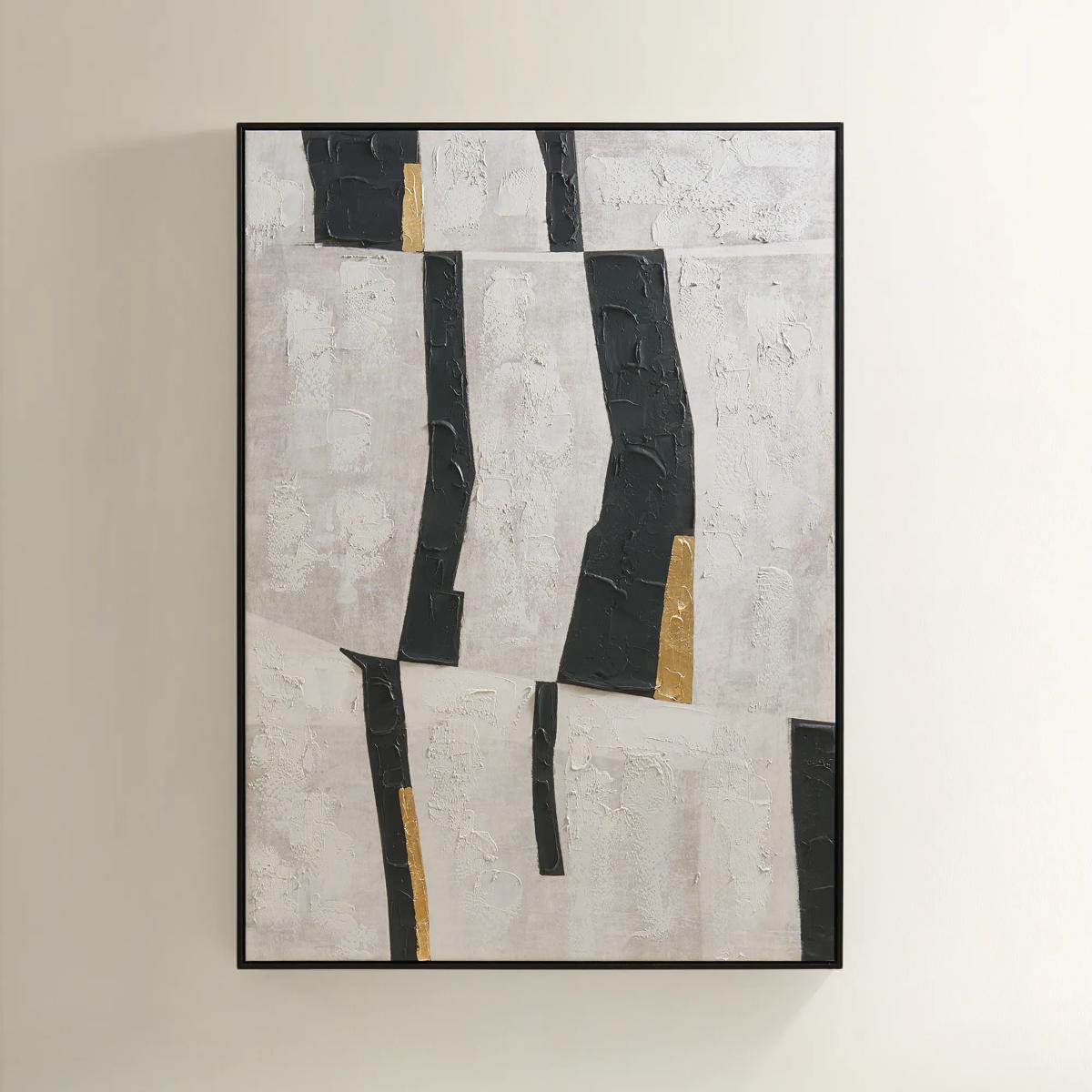
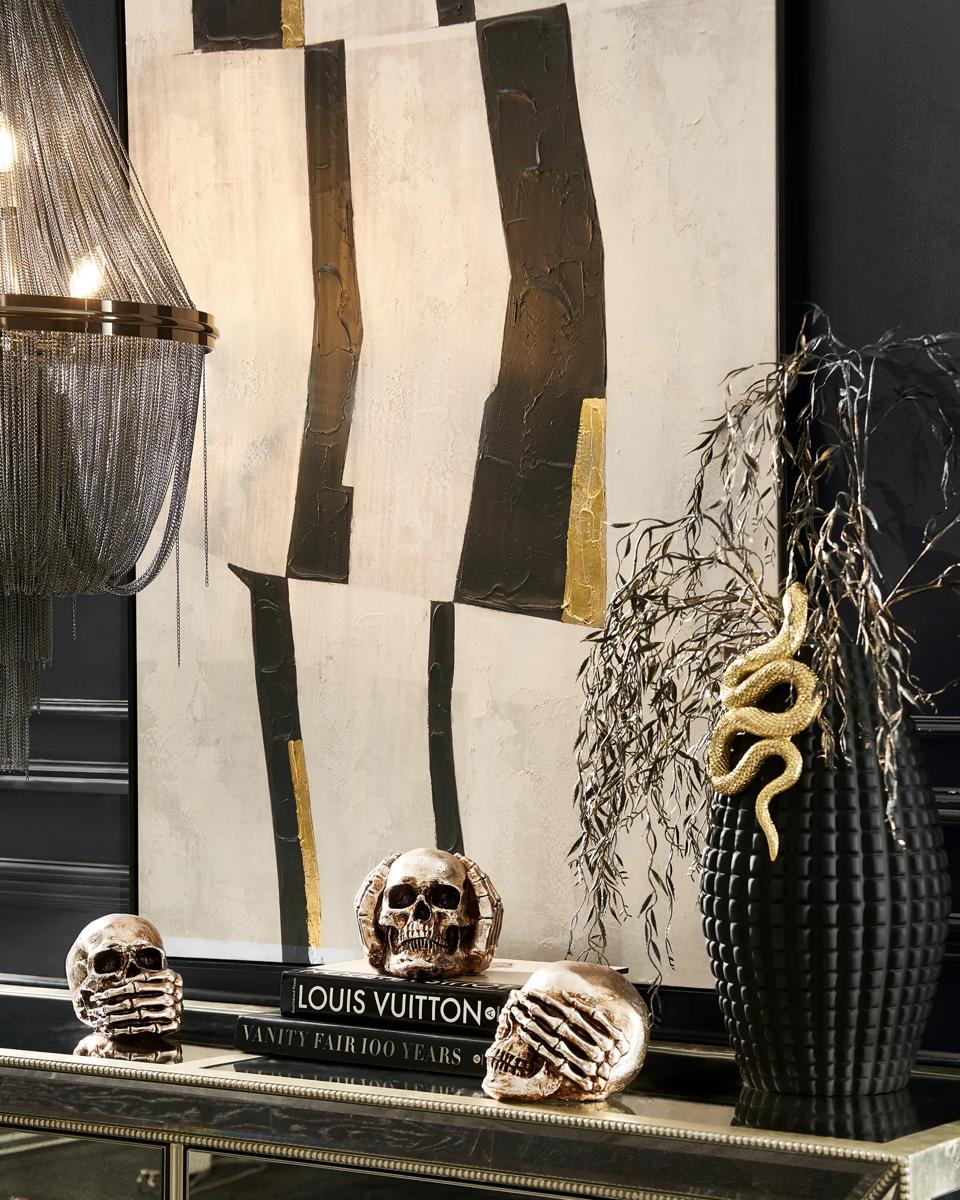 Into the Groove Painting$449
A modern abstract canvas featuring black, gray, and gold leaf accents in a sleek black floater frame.
Add To Cart -
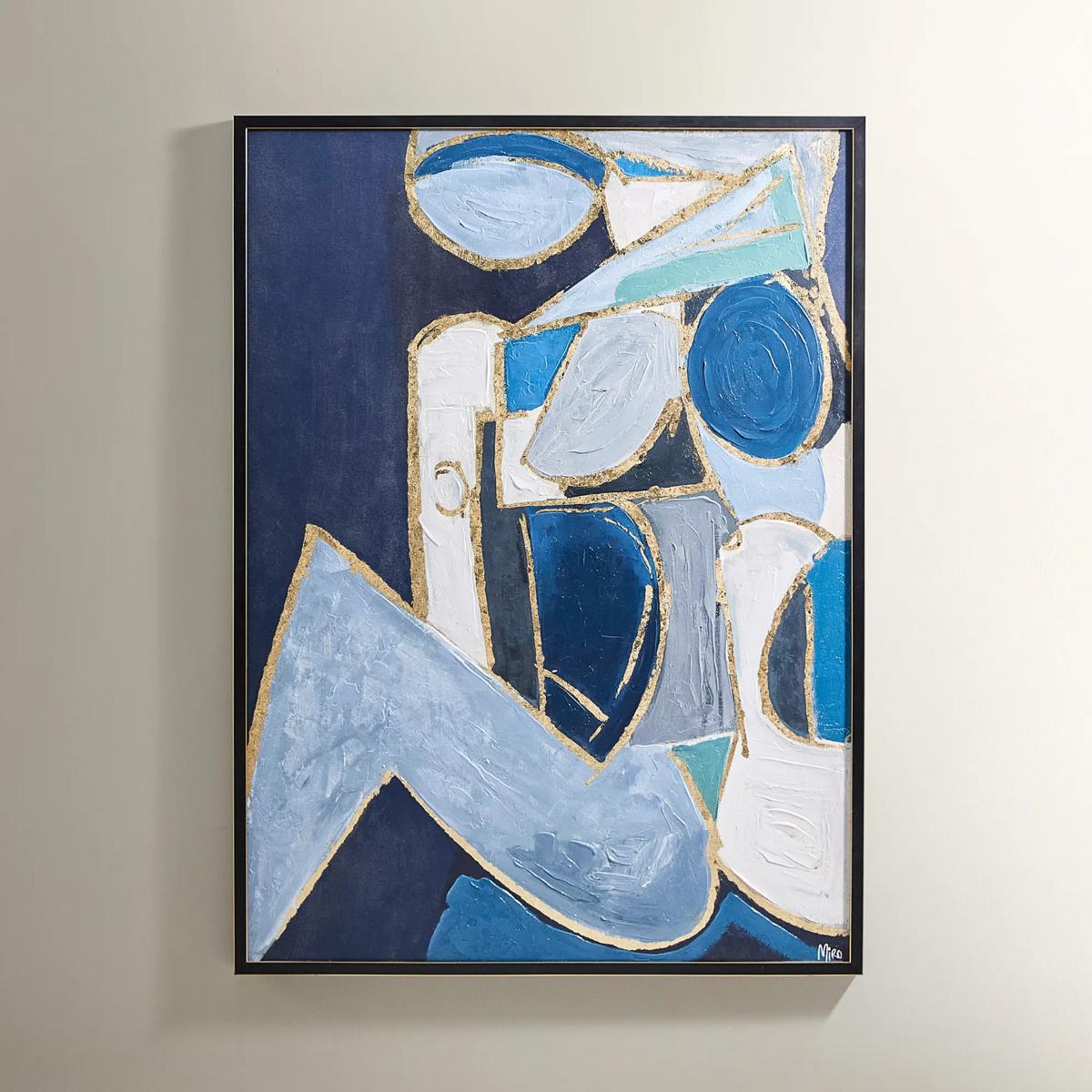
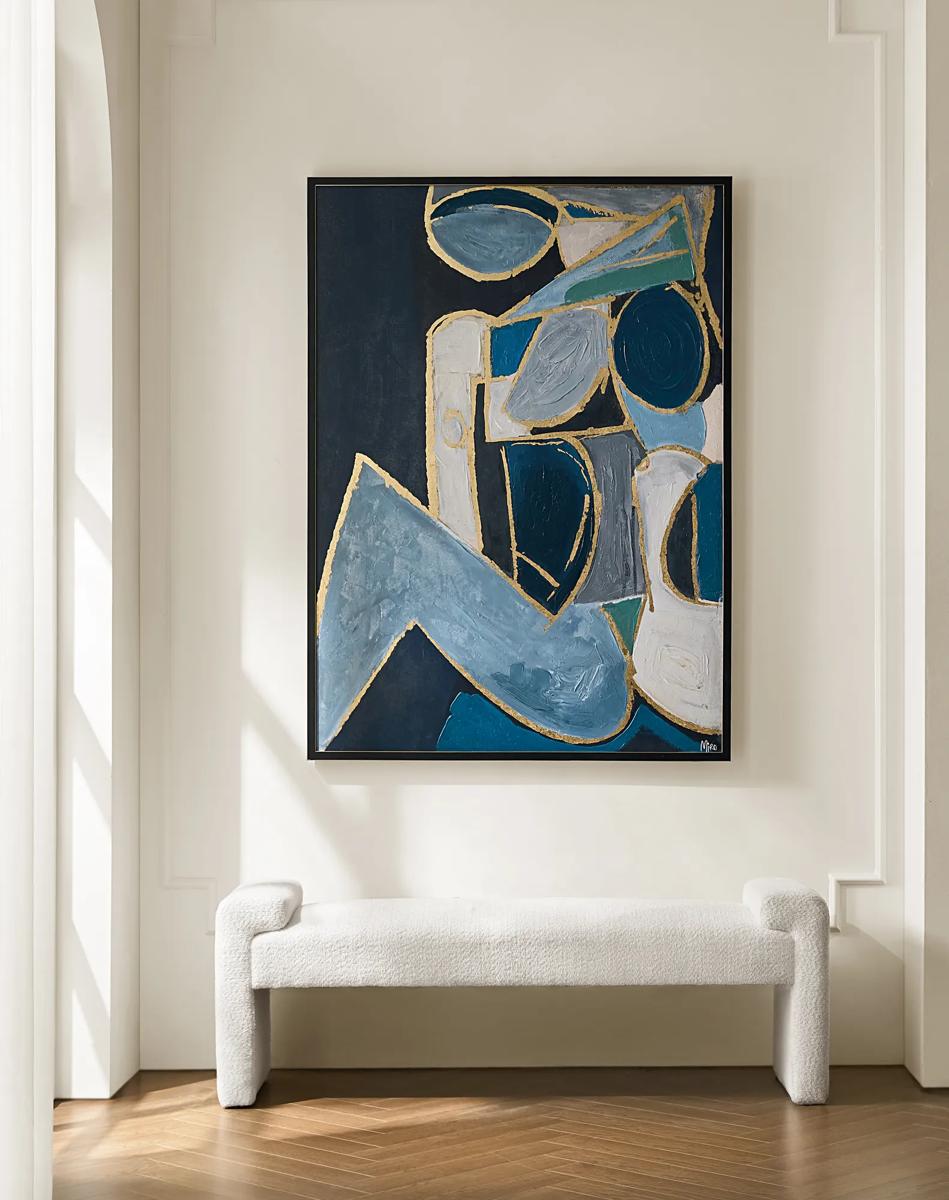 Figure in Cubism Painting$599
A hand-embellished canvas artwork featuring blue, gold, and white hues with elegant silver foil accents.
Add To Cart -
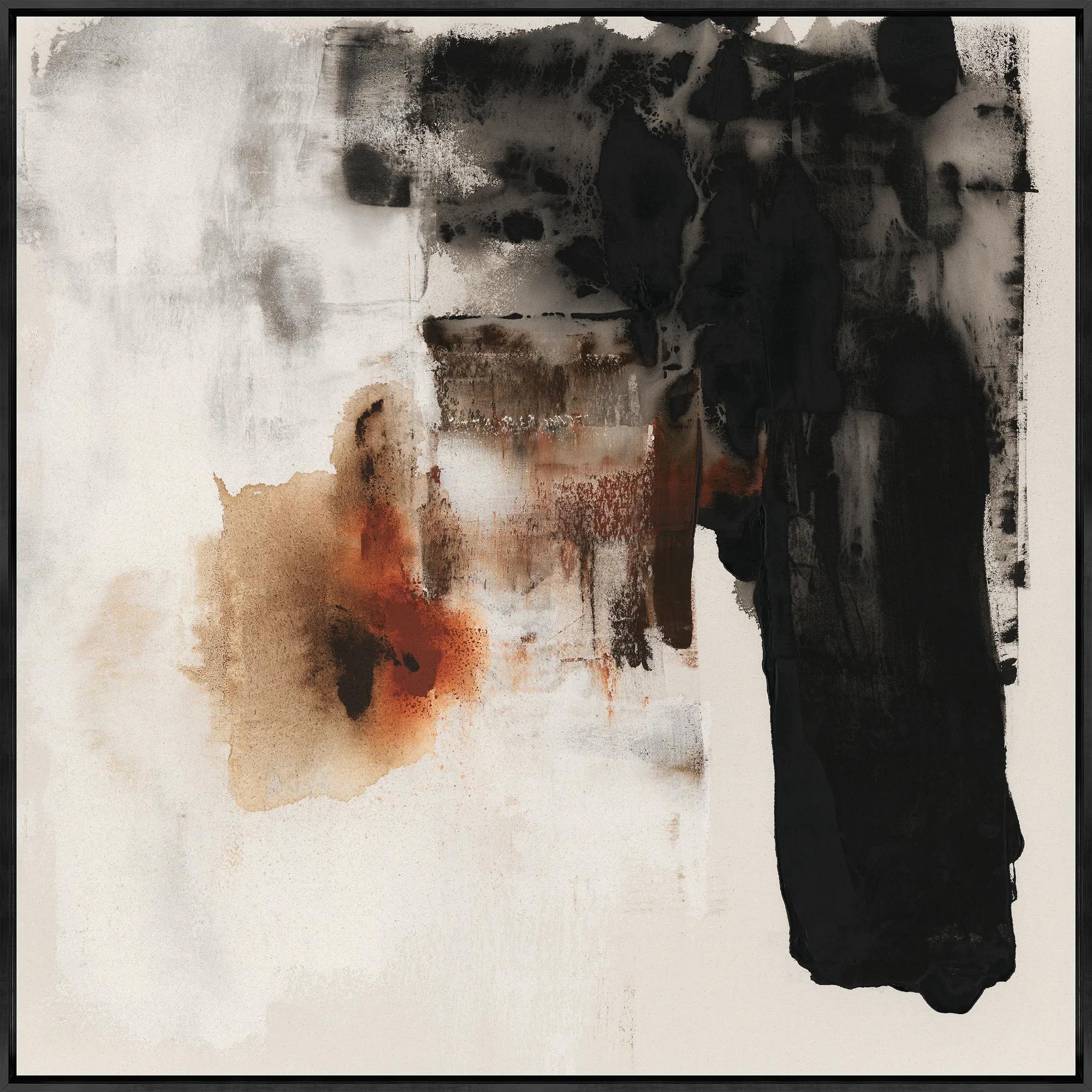
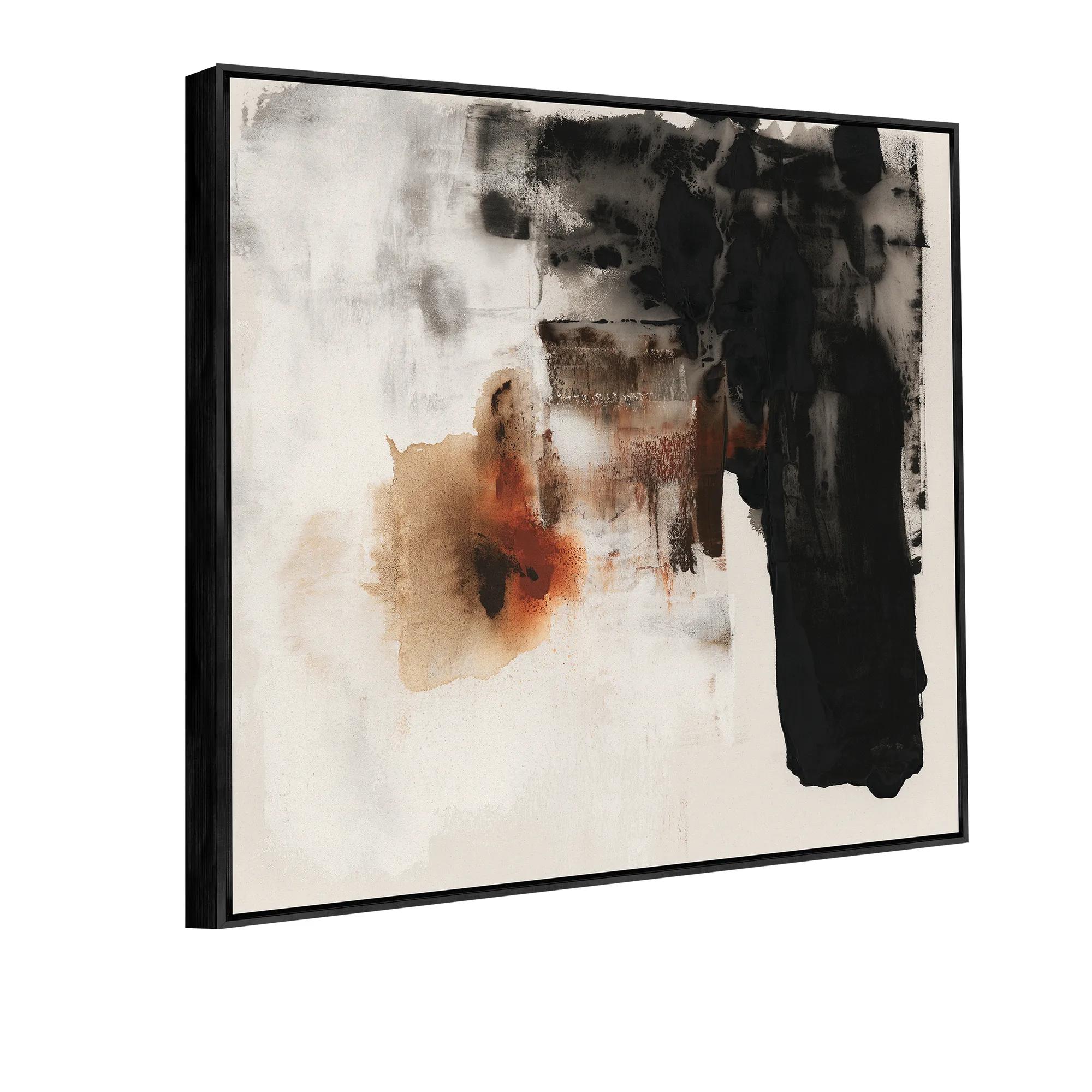 Burning for You II Framed Wall Art 40" x 40"$799
A gallery-wrapped canvas artwork with hand-applied brush gel, set in a sleek black floater frame.
Add To Cart -
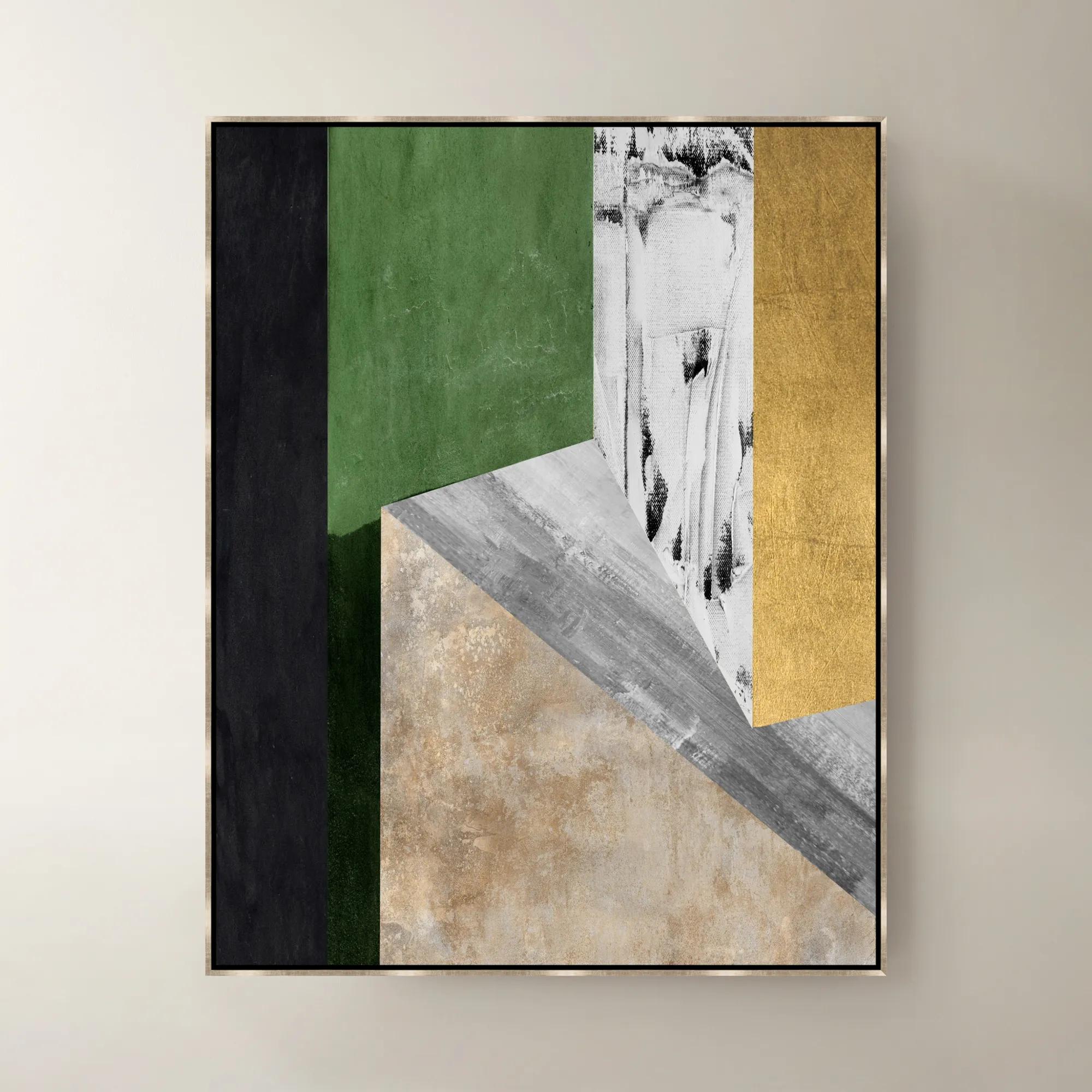
 Blocked III Framed Wall Art 42" x 50"$1199
A striking abstract art piece featuring bold geometric shapes and modern design by Nikki Chu.
Add To Cart -
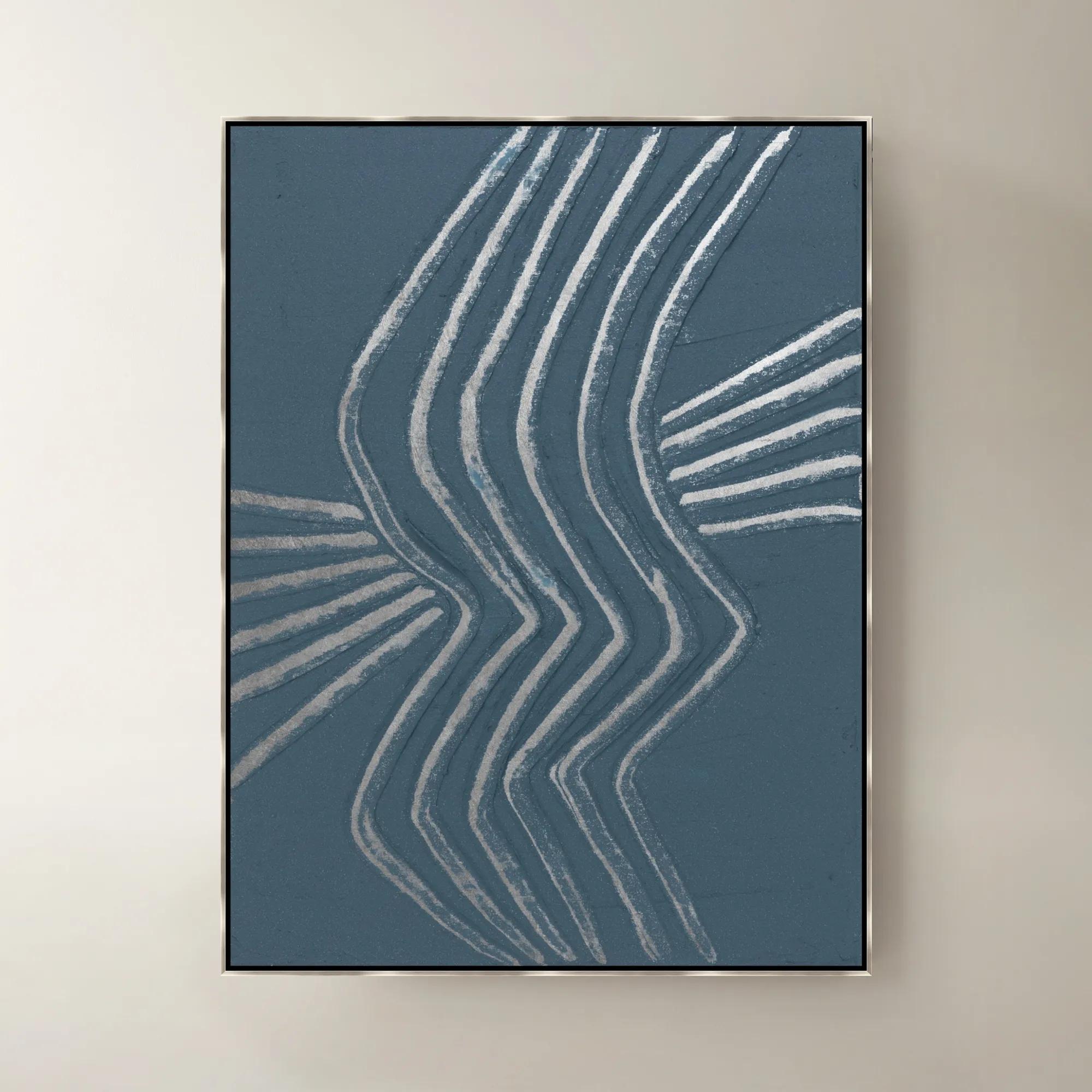
 Gilded Waves IV Framed Painted Wall Art 40" x 53"$1399
A framed painted canvas artwork featuring flowing gilded waves in soothing blue and purple tones.
Add To Cart -
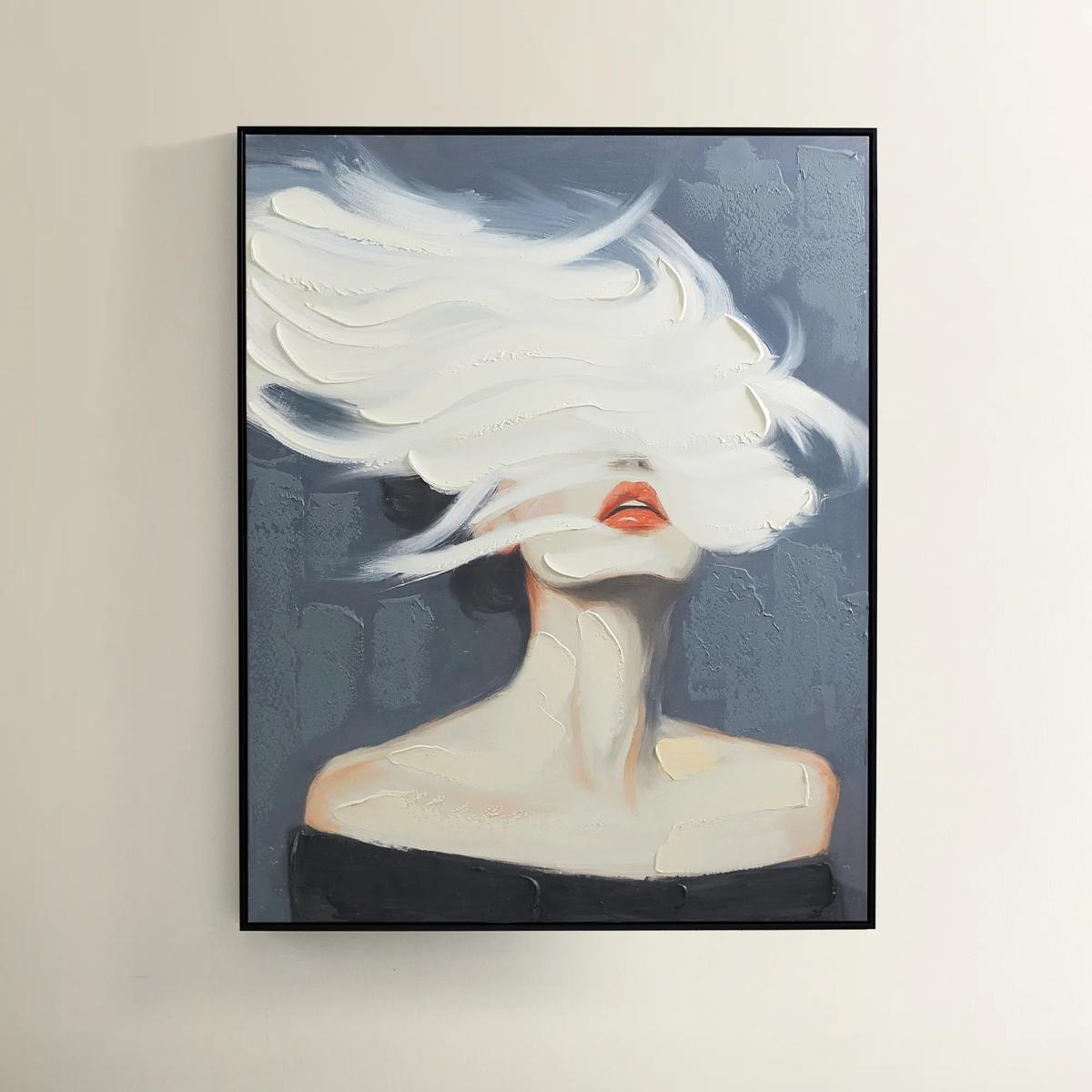
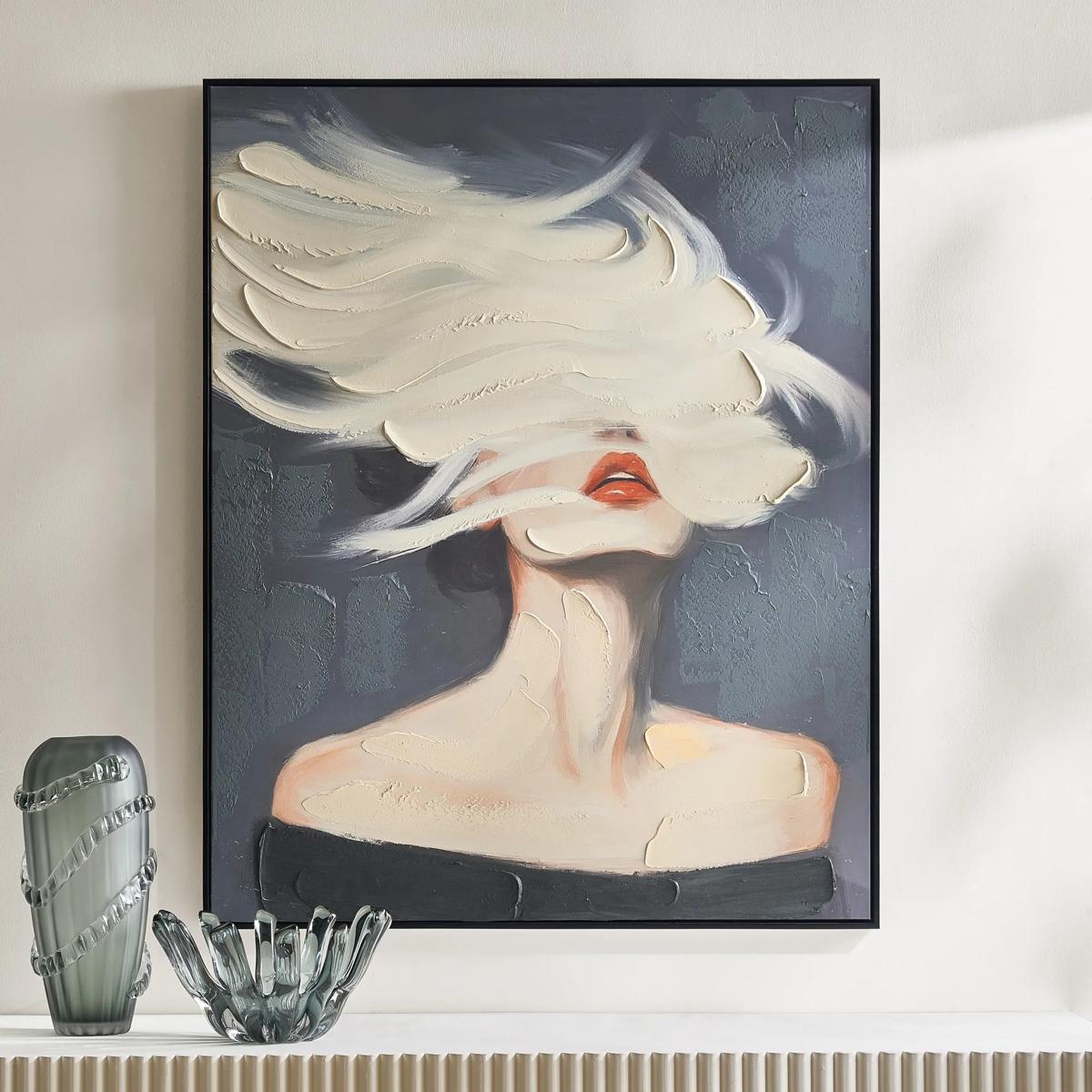 Daydreamer Painting$599
A hand-painted canvas portrait with sculptural white brushstrokes, bold red lips, and a sleek black frame.
Add To Cart -
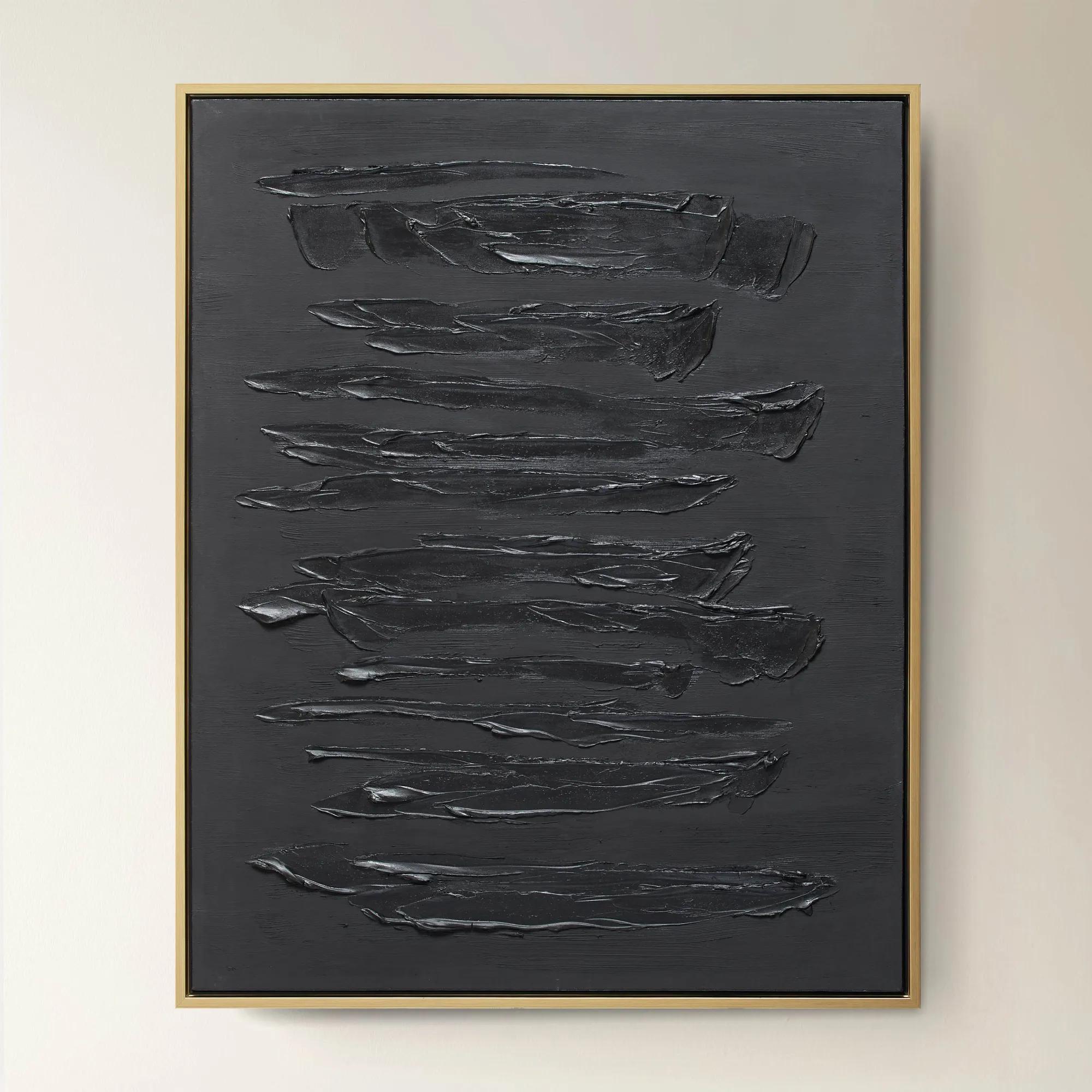
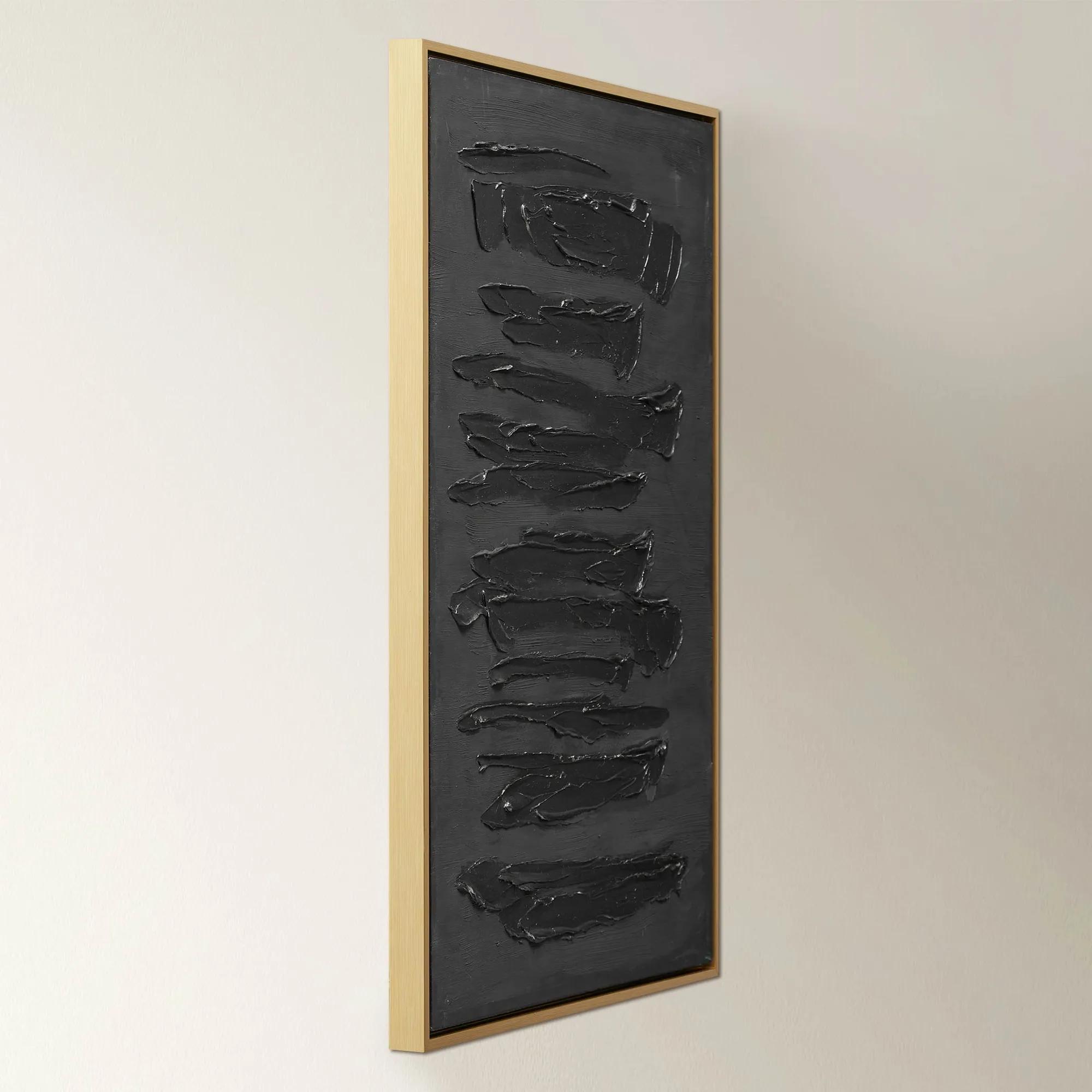 Nocturne$599.95
A dramatic abstract artwork featuring bold, dark brushstrokes on hand-painted canvas in a gold floater frame.
Add To Cart -
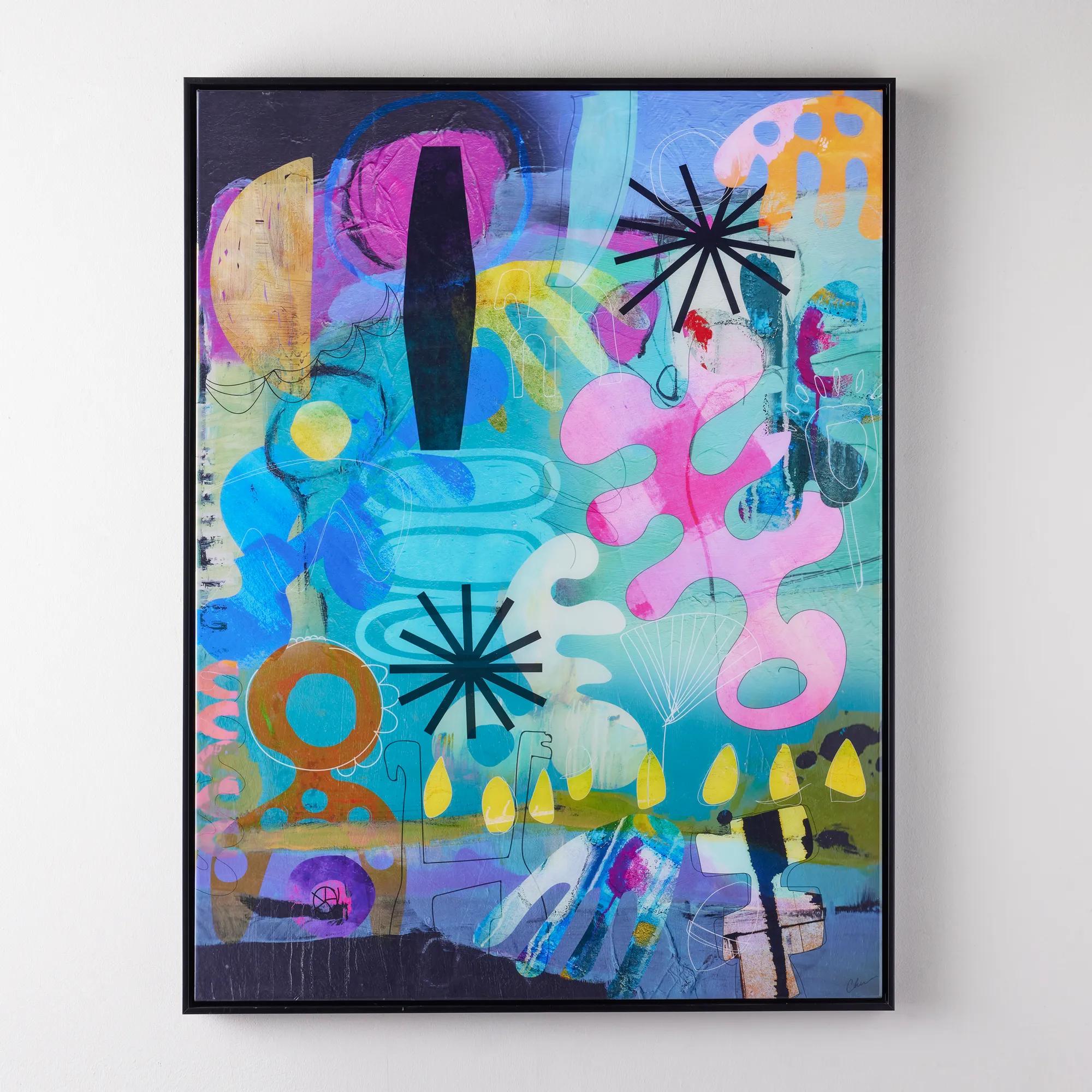
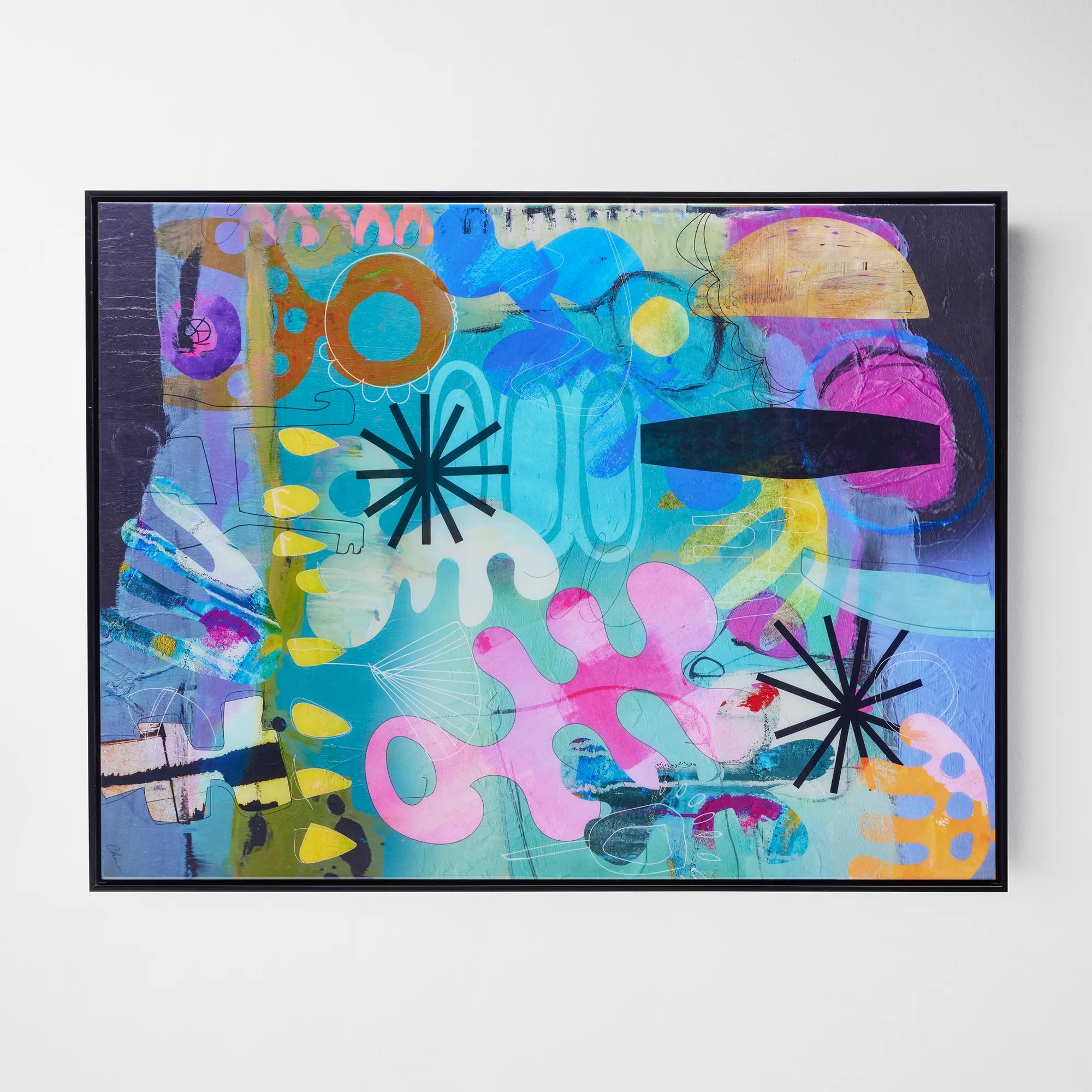 Nikki Chu Detailed Vision Framed Wall Art 54" x 41"$1099
A vibrant, high-gloss artwork with a black frame, designed to hang vertically or horizontally.
Add To Cart -
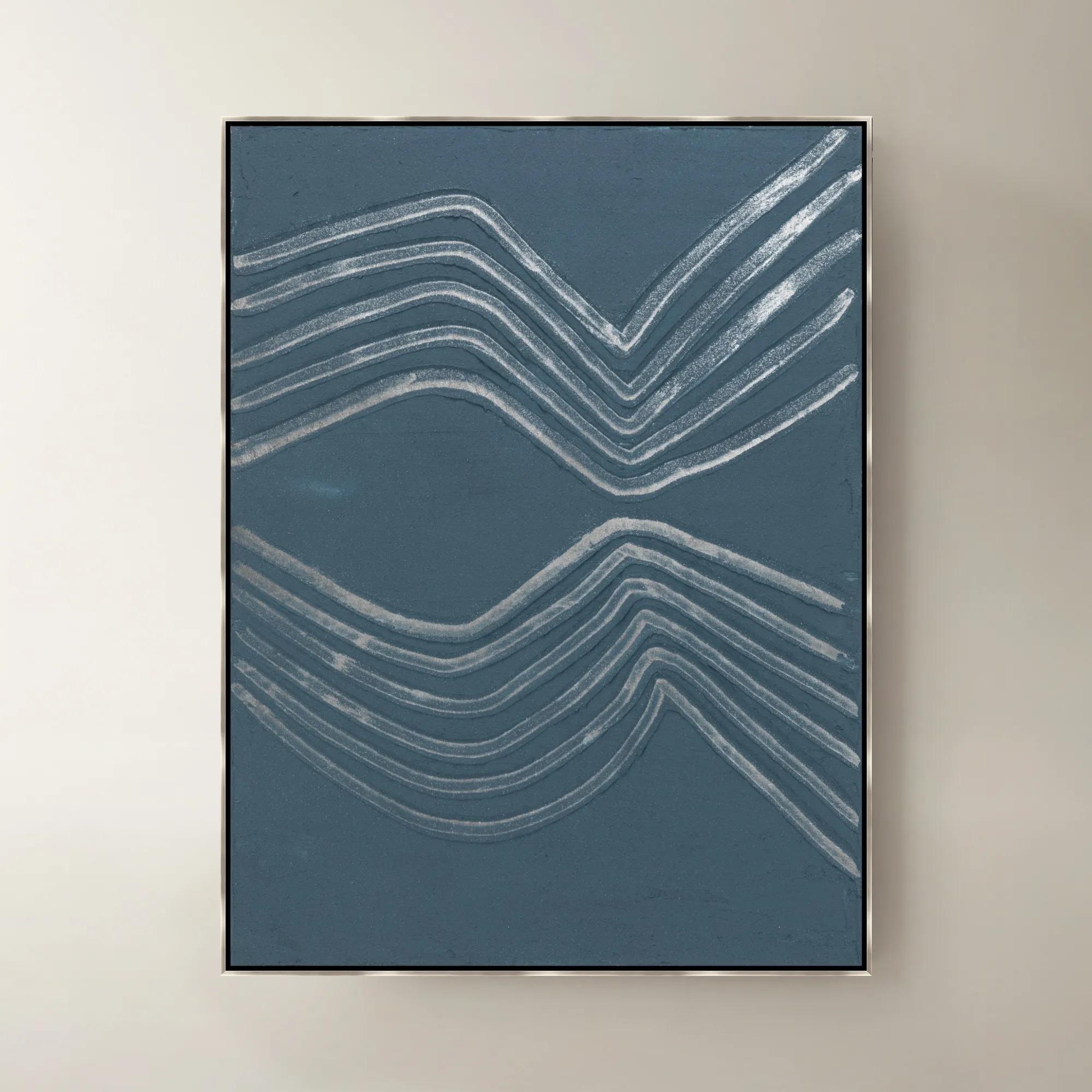
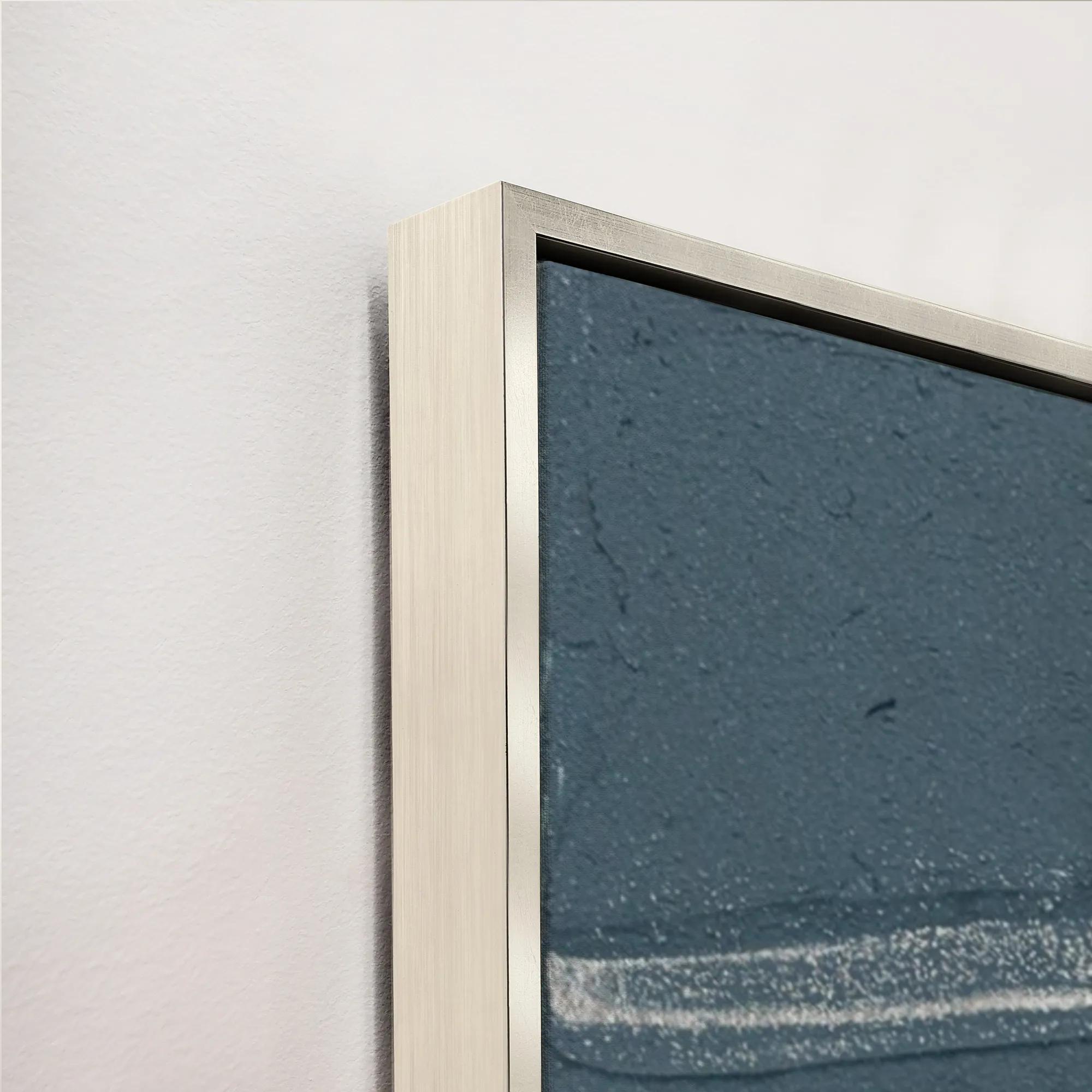 Gilded Waves VI Framed Painted Wall Art 40" x 53"$1399
A framed painted canvas artwork featuring sweeping gilded waves in rich blue and purple tones.
Add To Cart -
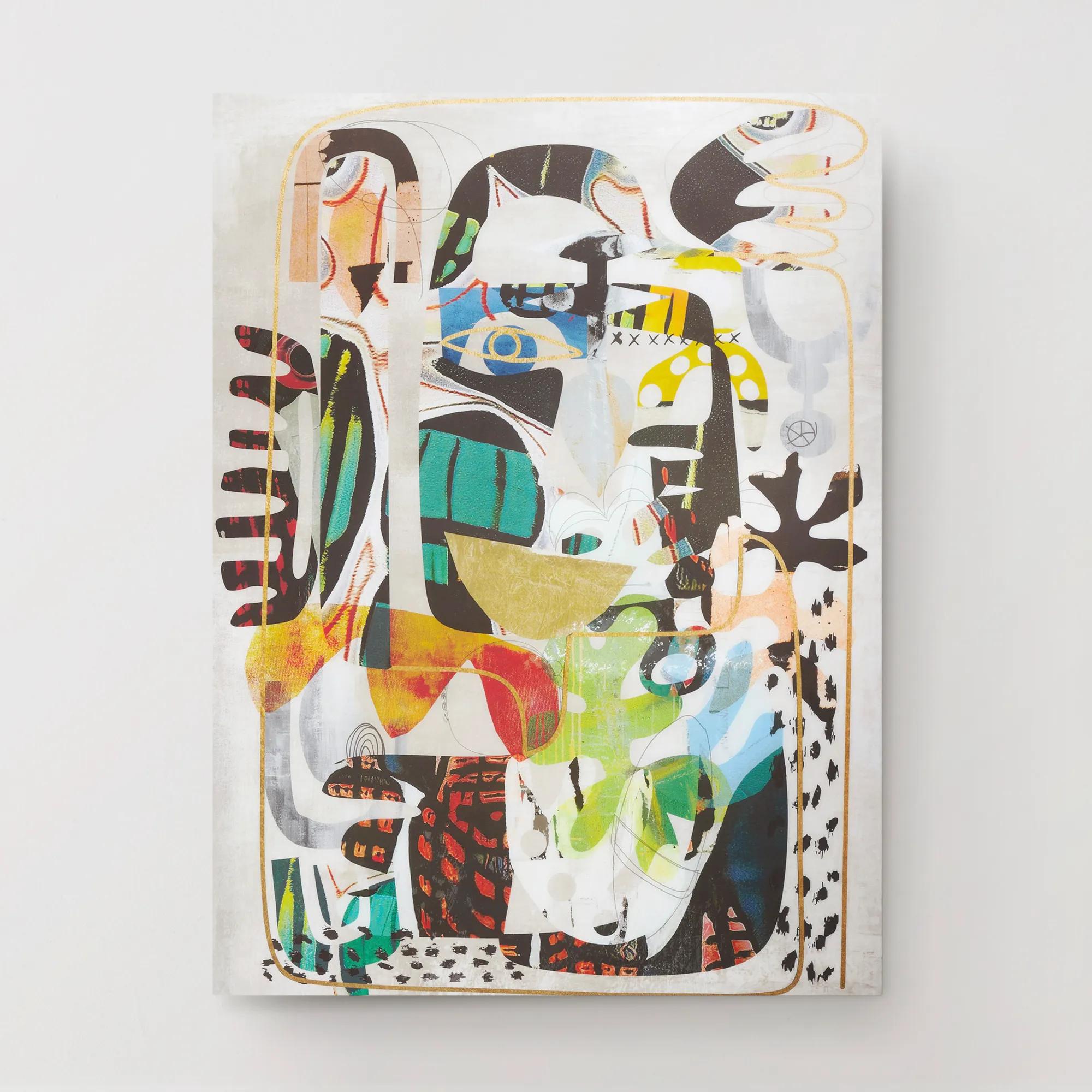
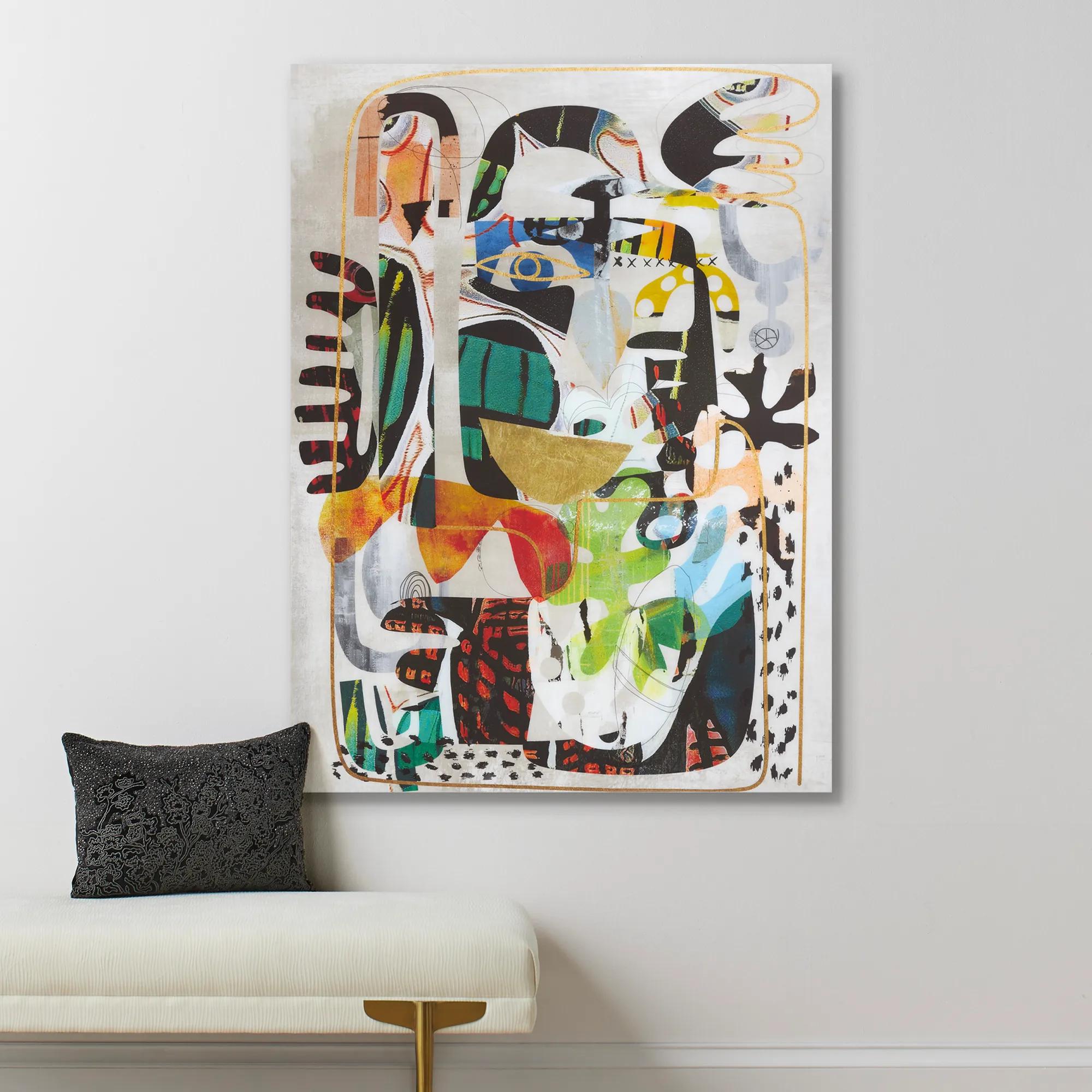 Nikki Chu Masked Wall Art 40" x 54"$899
A vibrant giclee print on canvas featuring a hand-applied glossy finish for a modern statement.
Add To Cart -
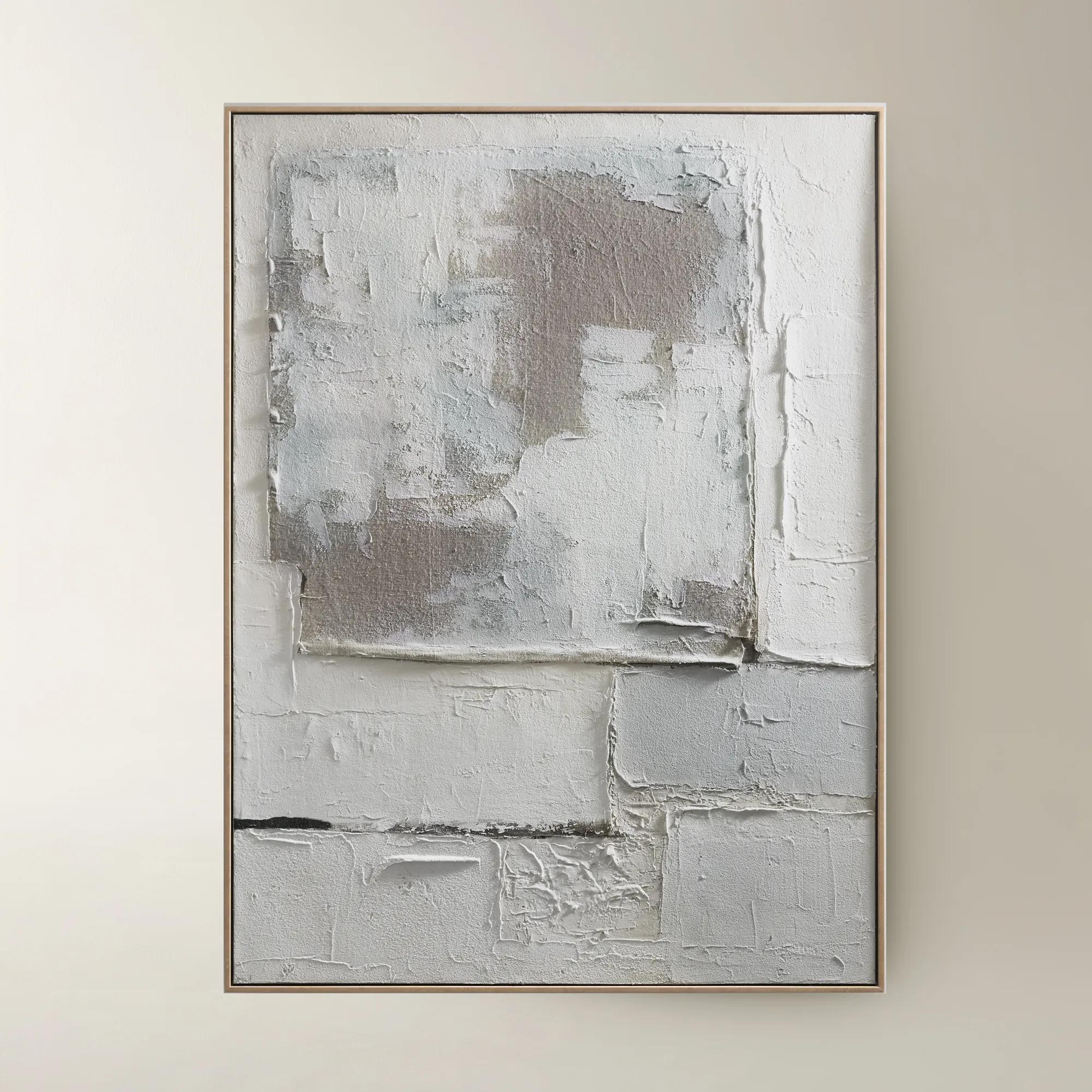
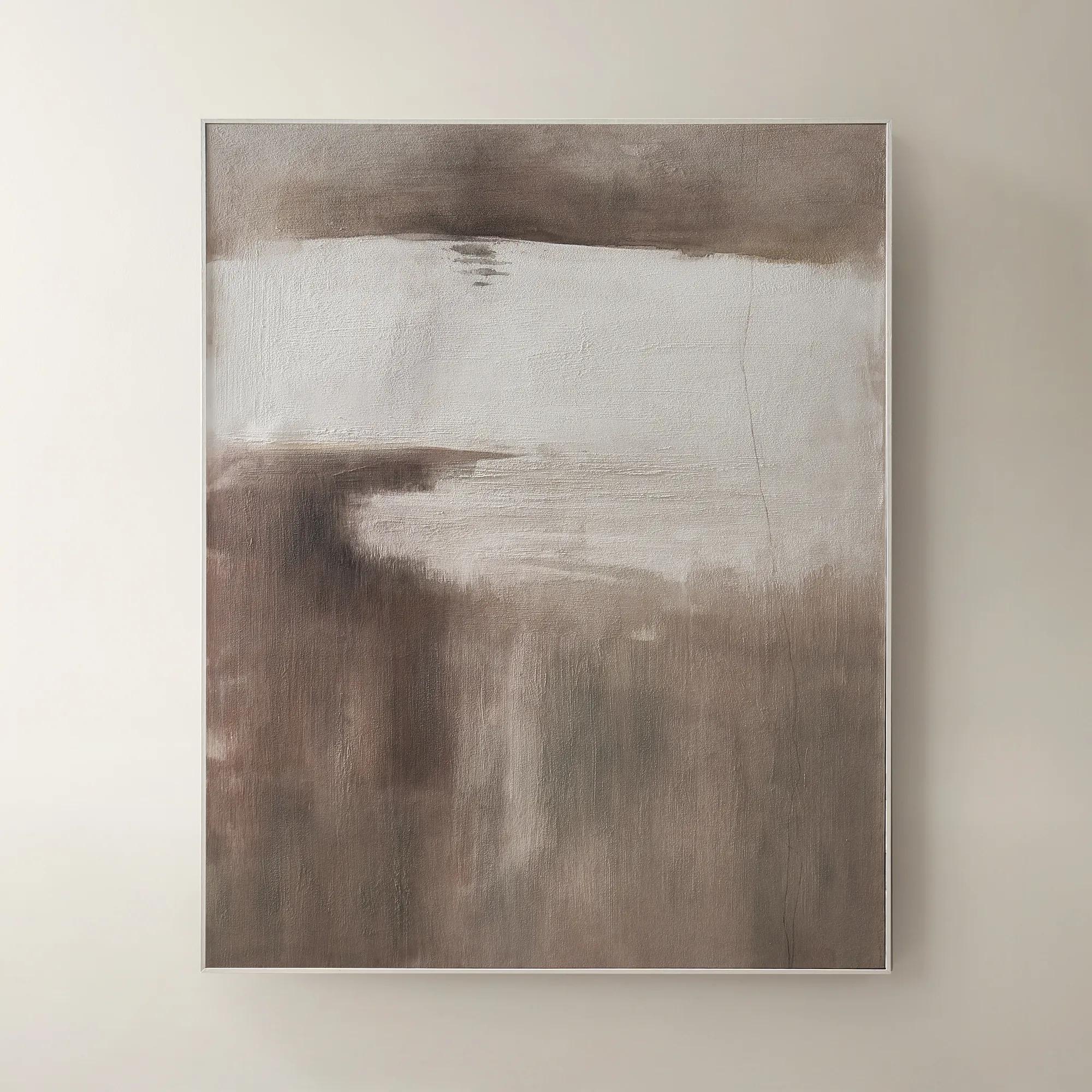
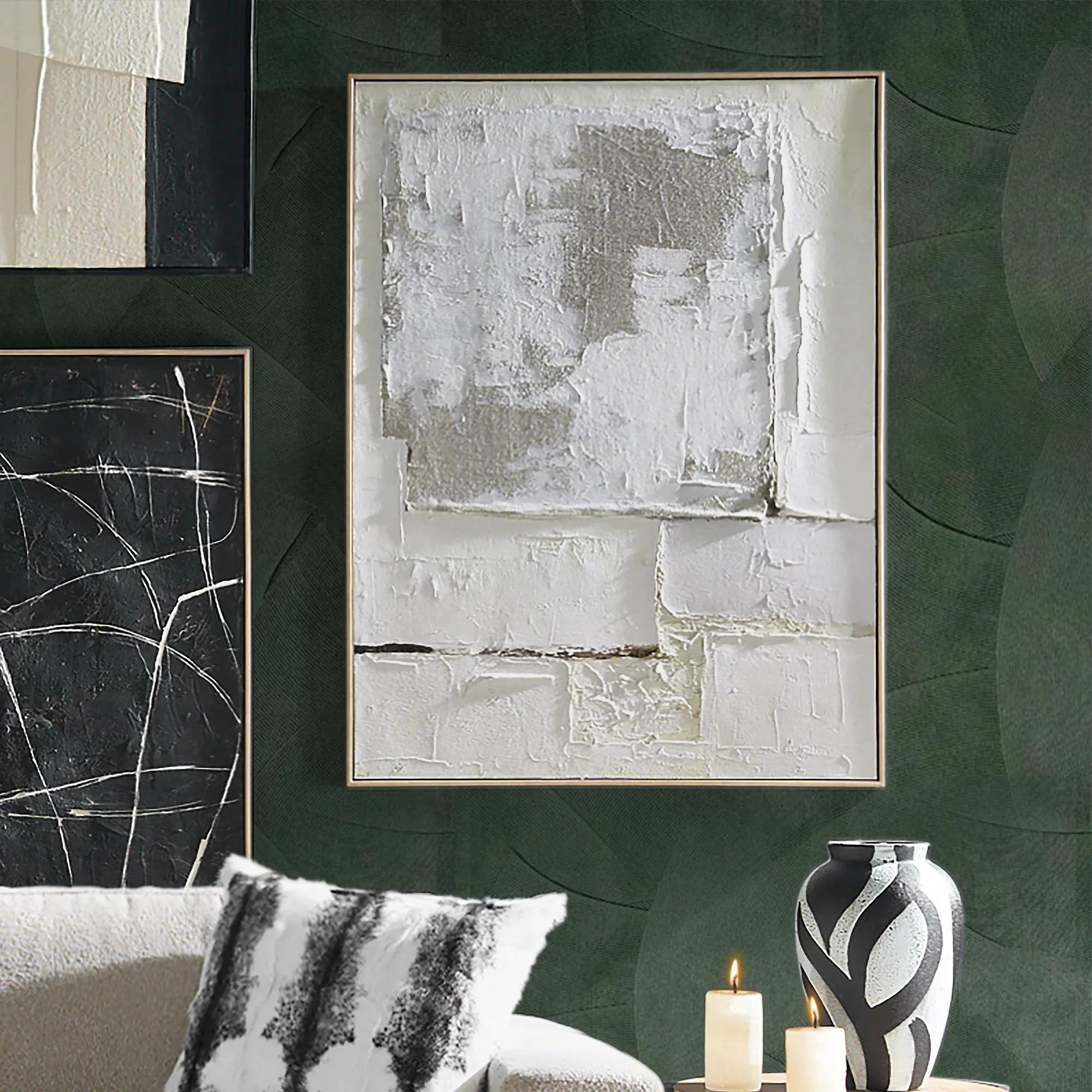 Marrow Painting$399
A hand-painted abstract canvas in subtle beige hues, elegantly framed in a warm beech wood floater.
Add To Cart -
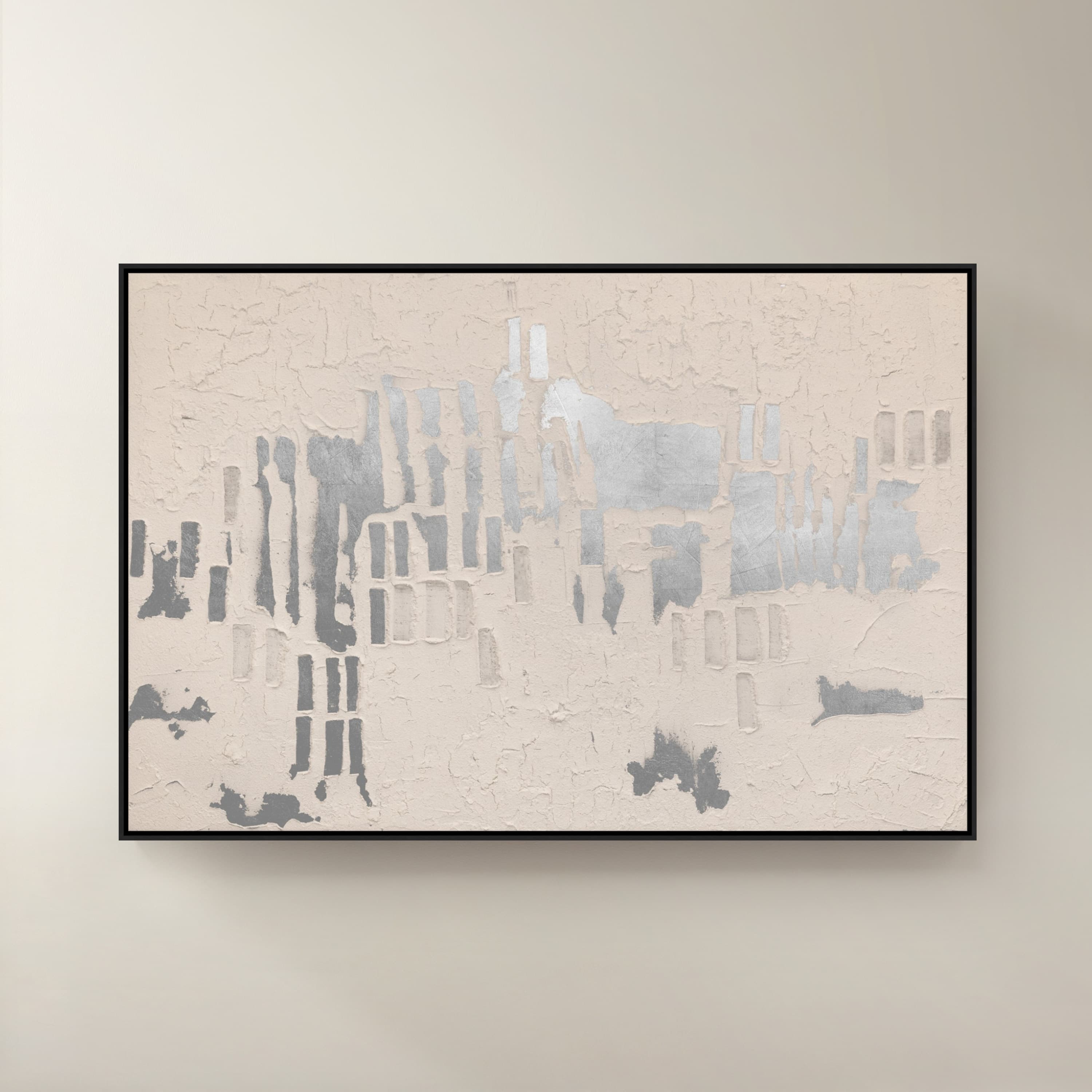
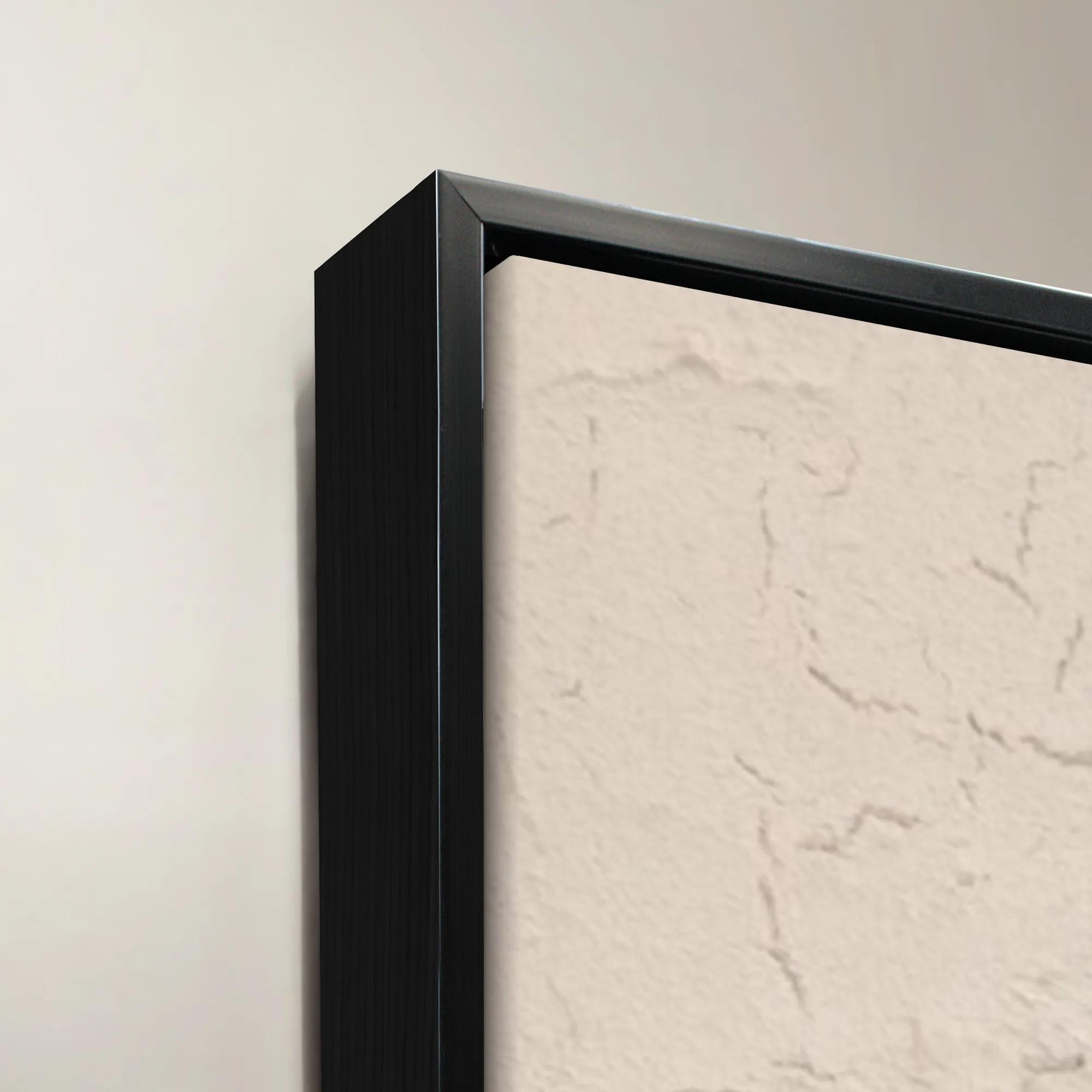 Silver Reverie Framed Painted Wall Art 60" x 40"$1699
A silver-toned painted canvas artwork framed for a sophisticated, contemporary wall display.
Add To Cart -
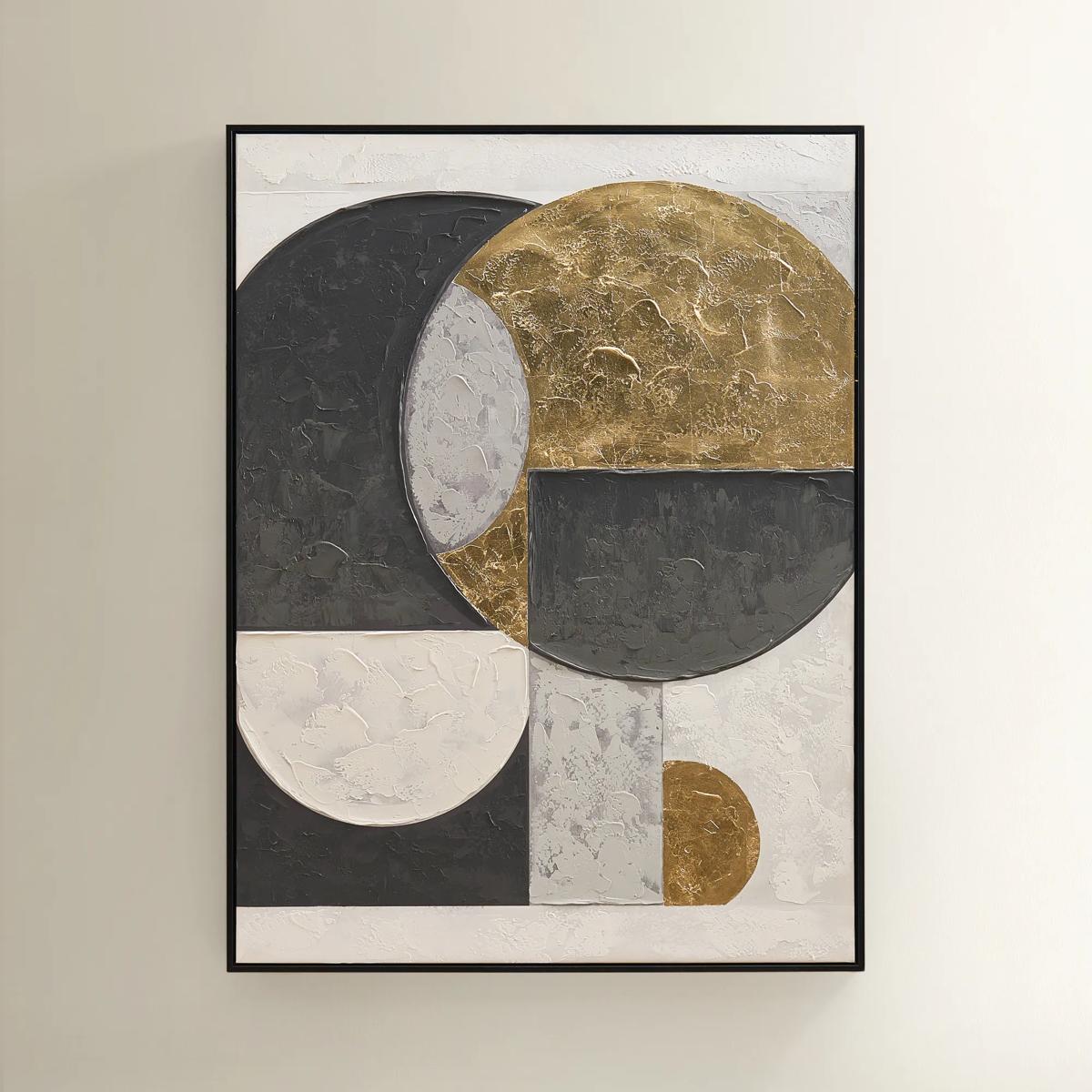
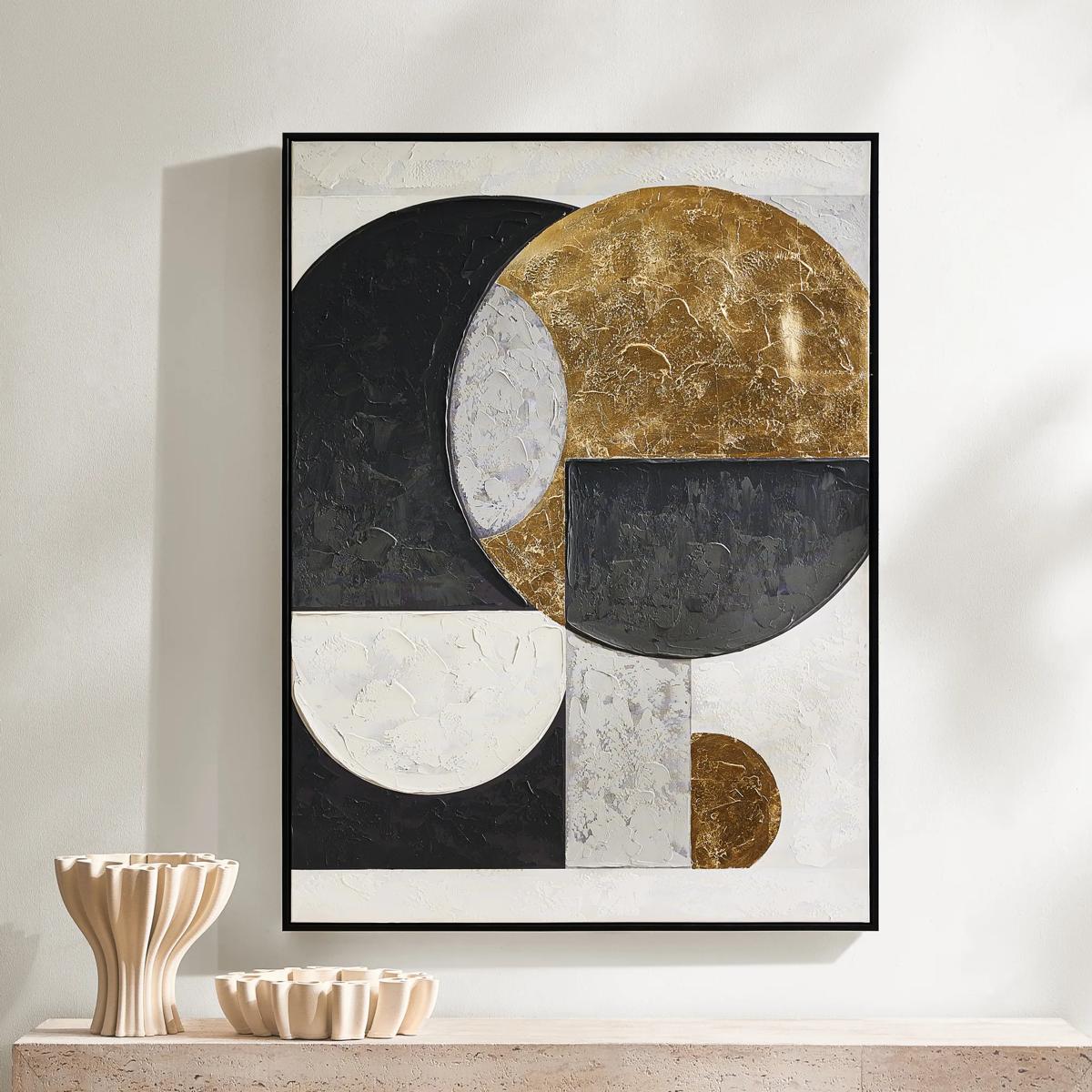 Eclipse Framed Gold Leaf Painted Wall Art 35.25" x 47.25"$449
A hand-painted canvas featuring bold black, grey, and gold geometric shapes with shimmering gold leaf accents.
Add To Cart -
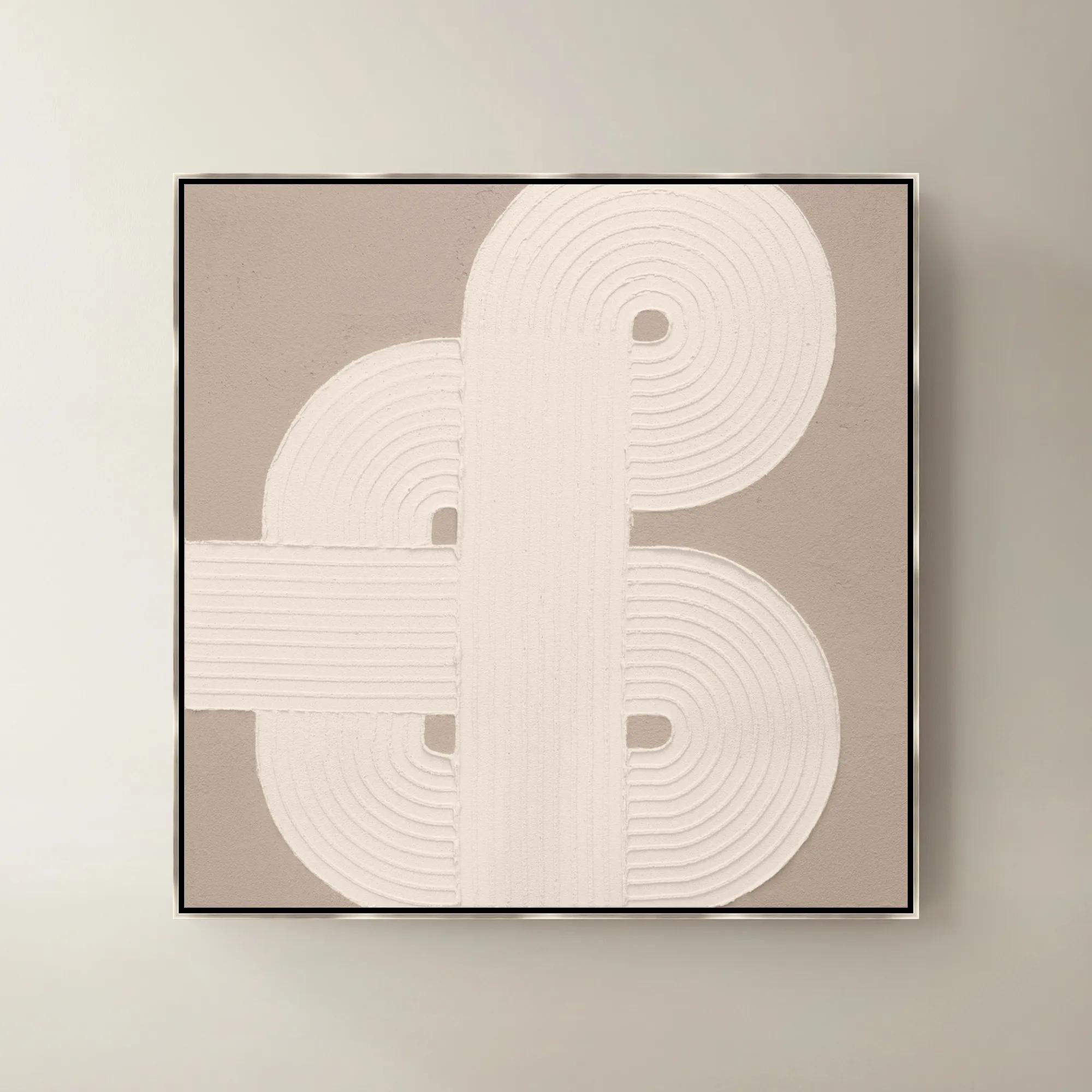
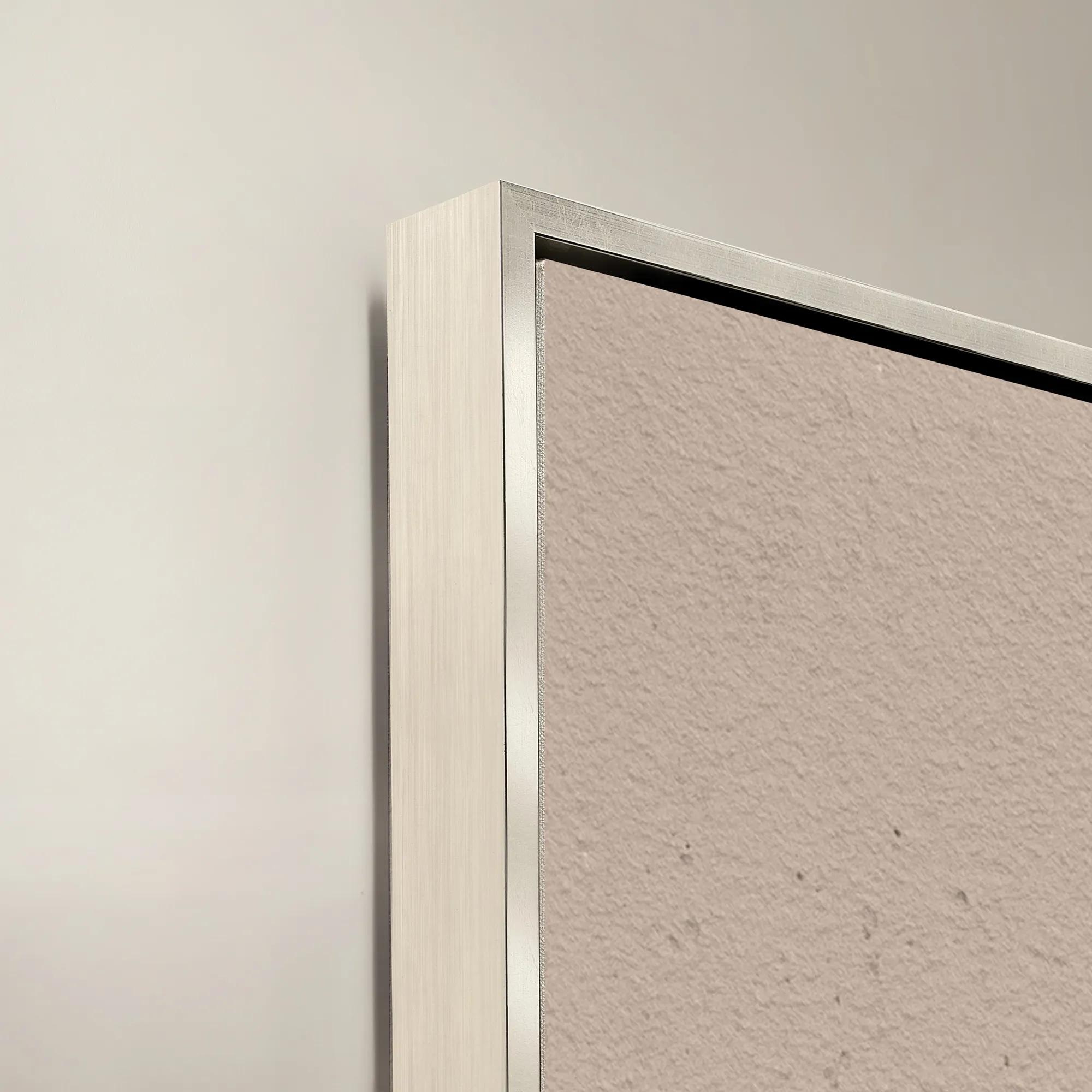 Sacred Geometry IV Framed Painted Wall Art 40" x 40"$1099
A striking abstract art piece featuring bold geometric patterns for a modern, sophisticated touch.
Add To Cart -
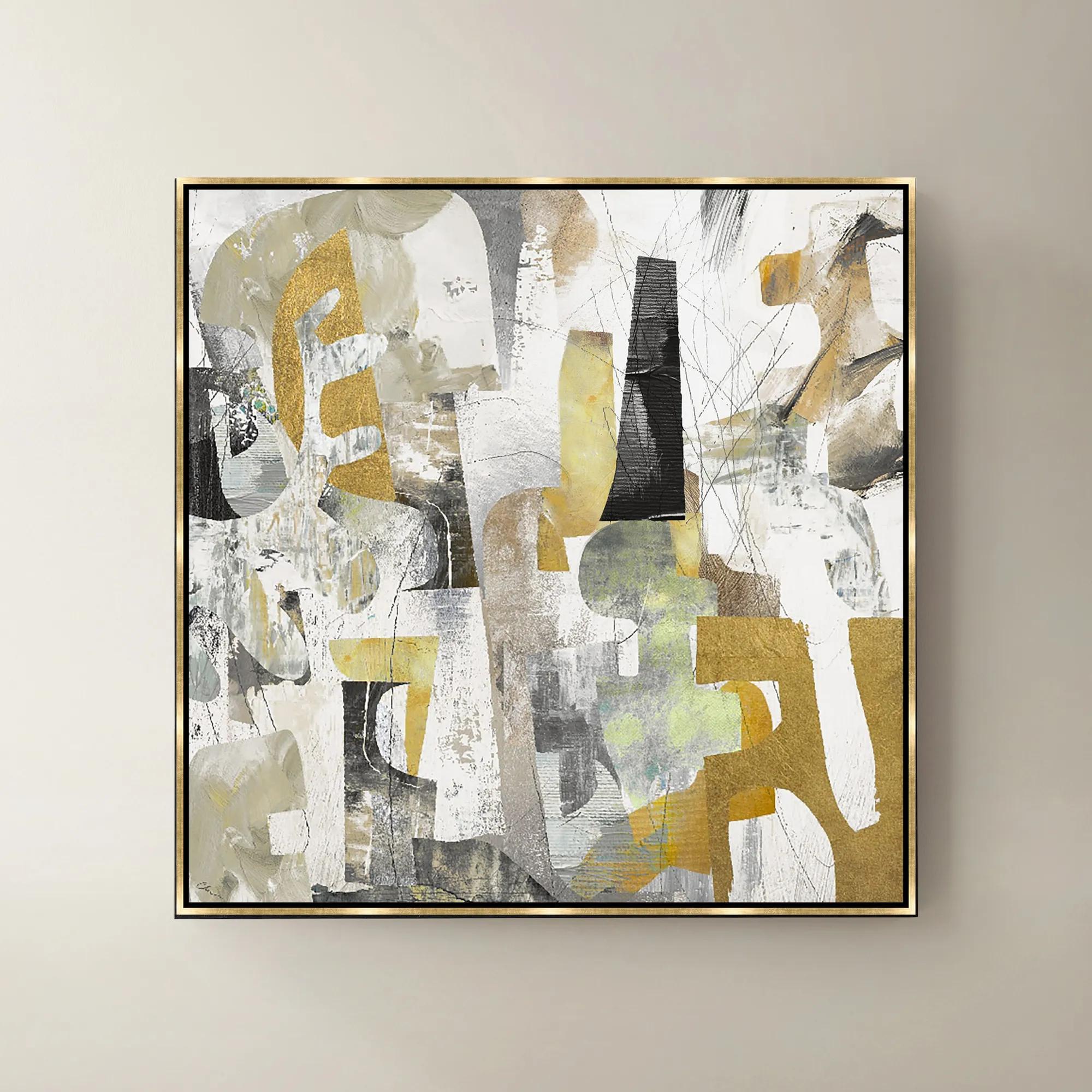
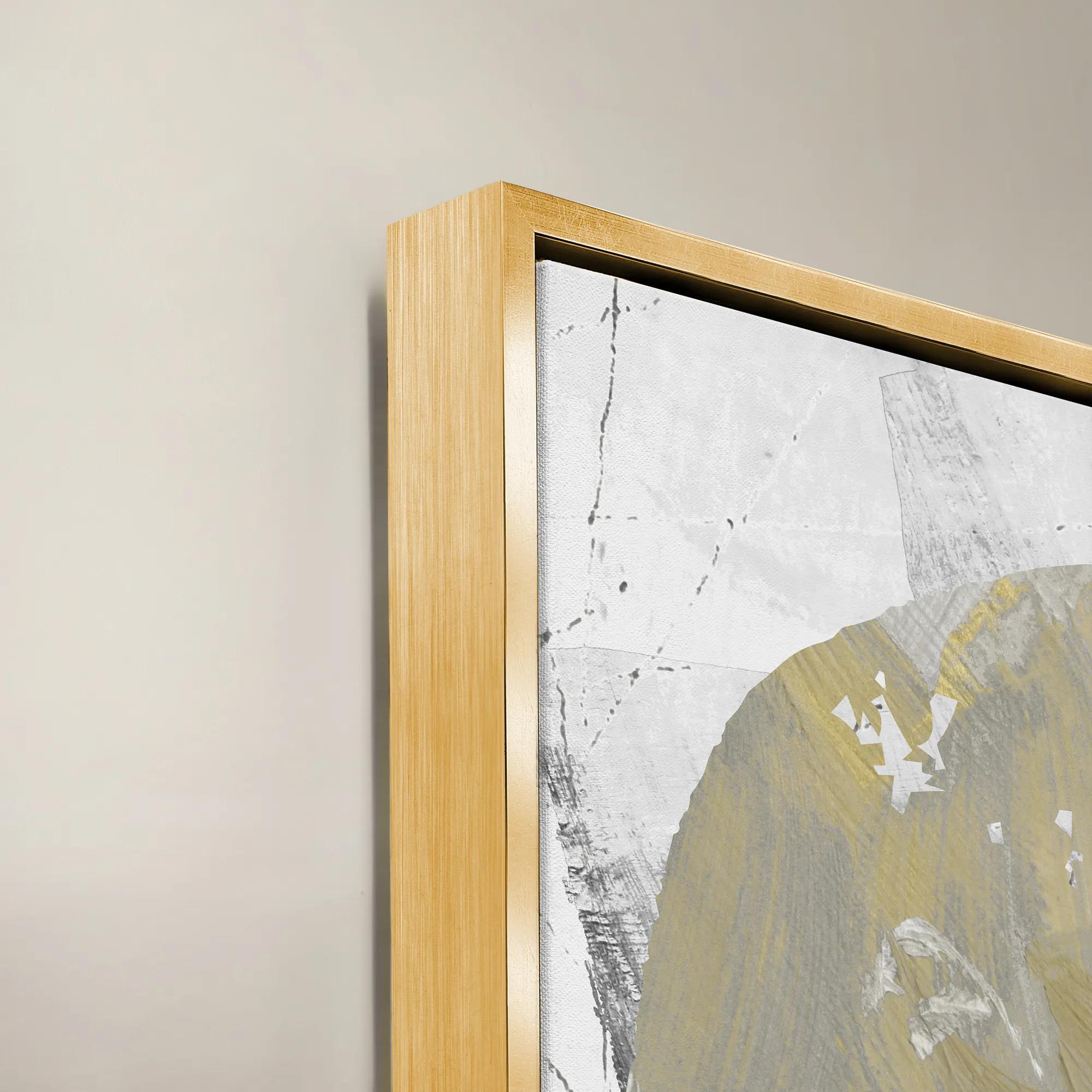 Abby II Framed Wall Art 40" x 40"$849
An abstract art piece inspired by Nikki Chu’s modern design aesthetic and creative expertise.
Add To Cart -
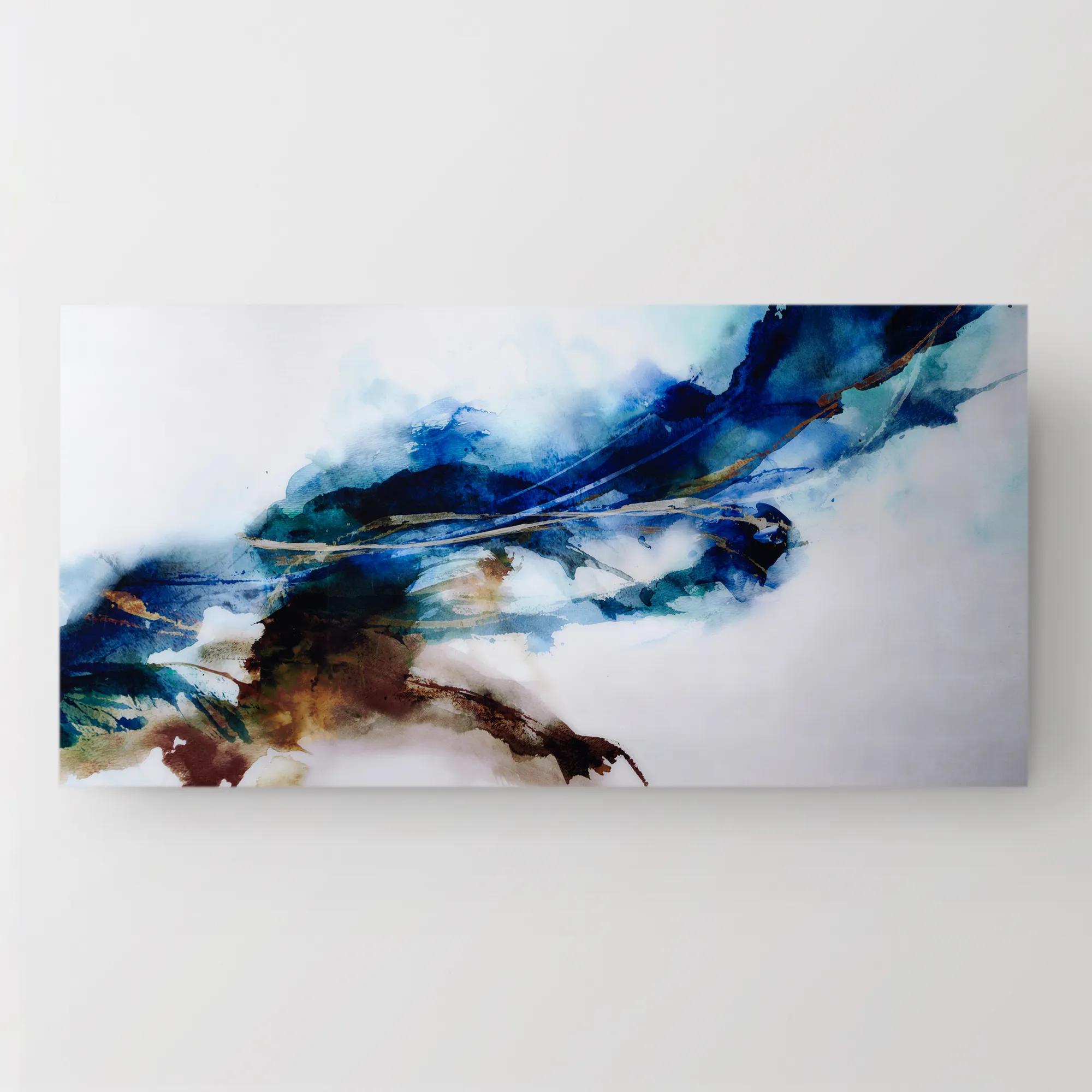 Cerulean Movement Acrylic Art 72" x 36"$1299
A vibrant abstract artwork printed on high-gloss acrylic, infusing your space with dynamic energy and movement.
Add To Cart -
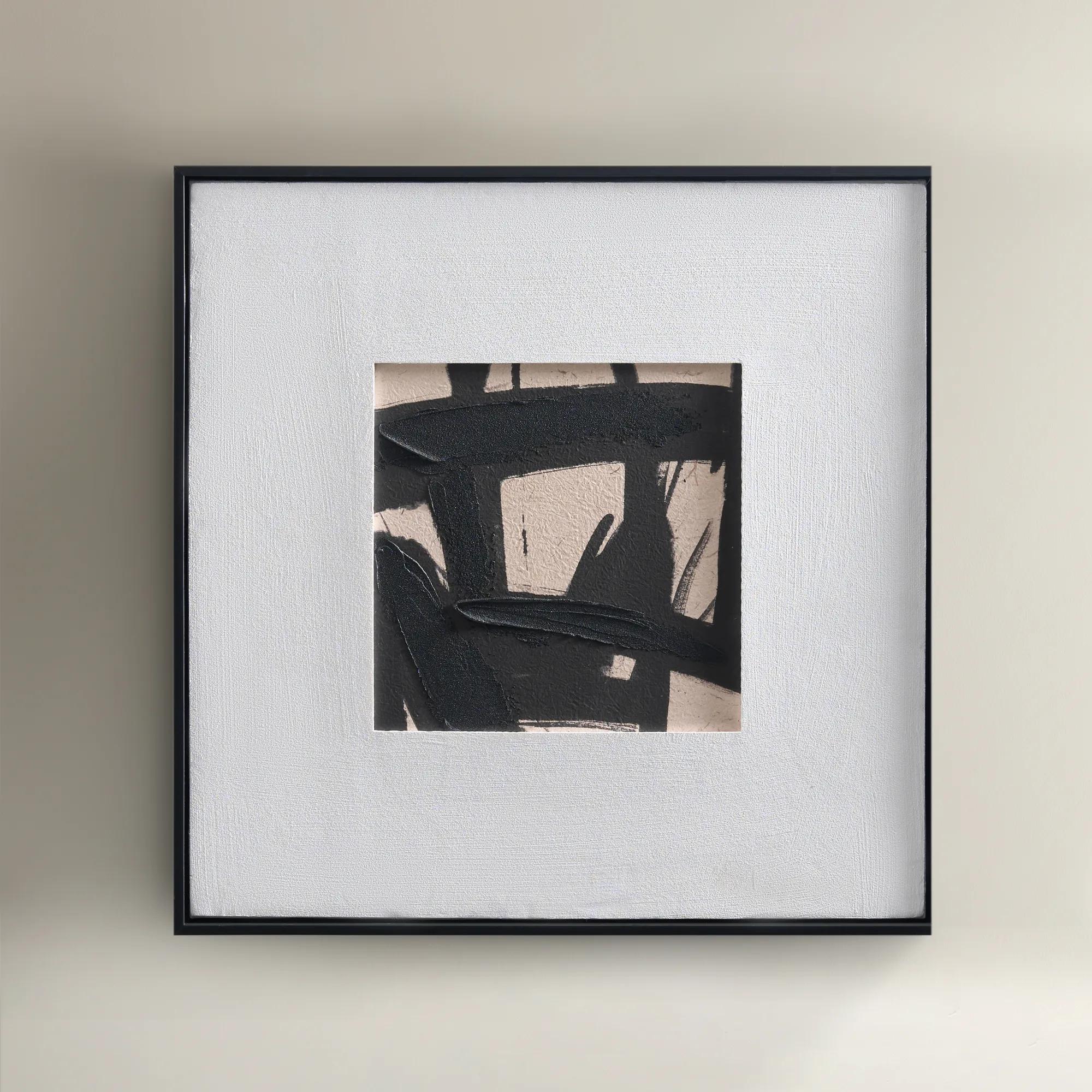
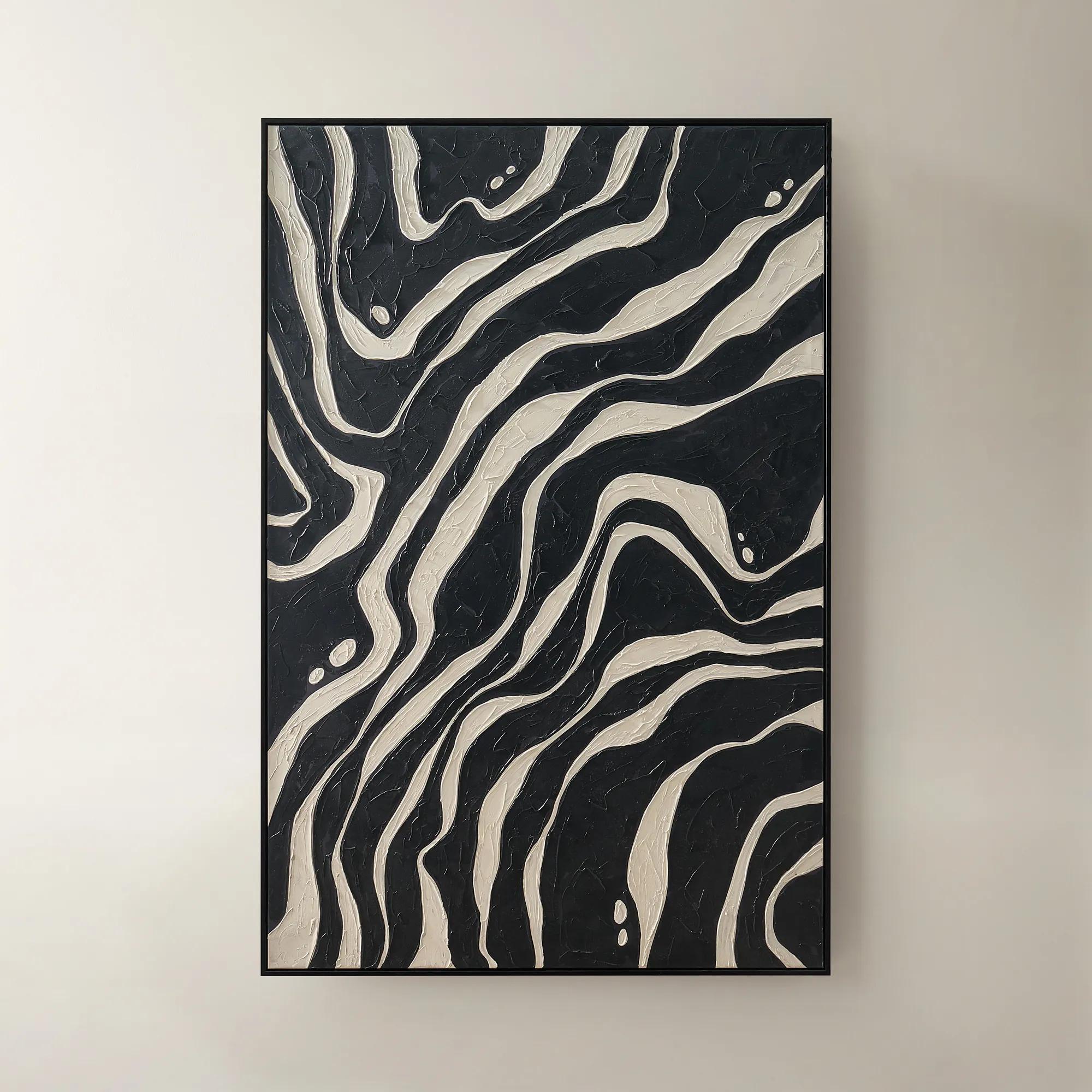
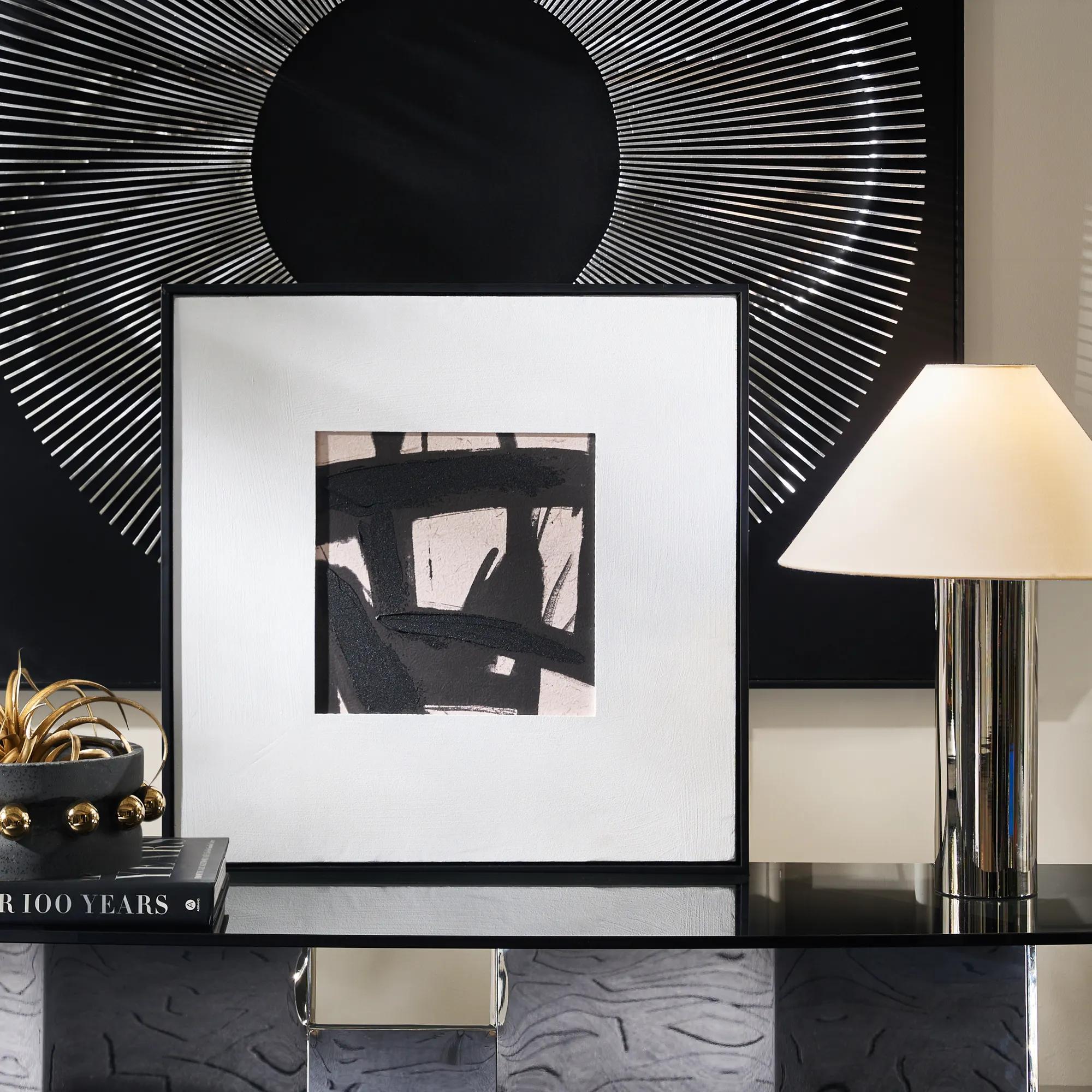 Ink Maze Painting$89
A hand-painted canvas featuring bold black and beige contrasts, set in a sleek black floater frame.
Add To Cart -
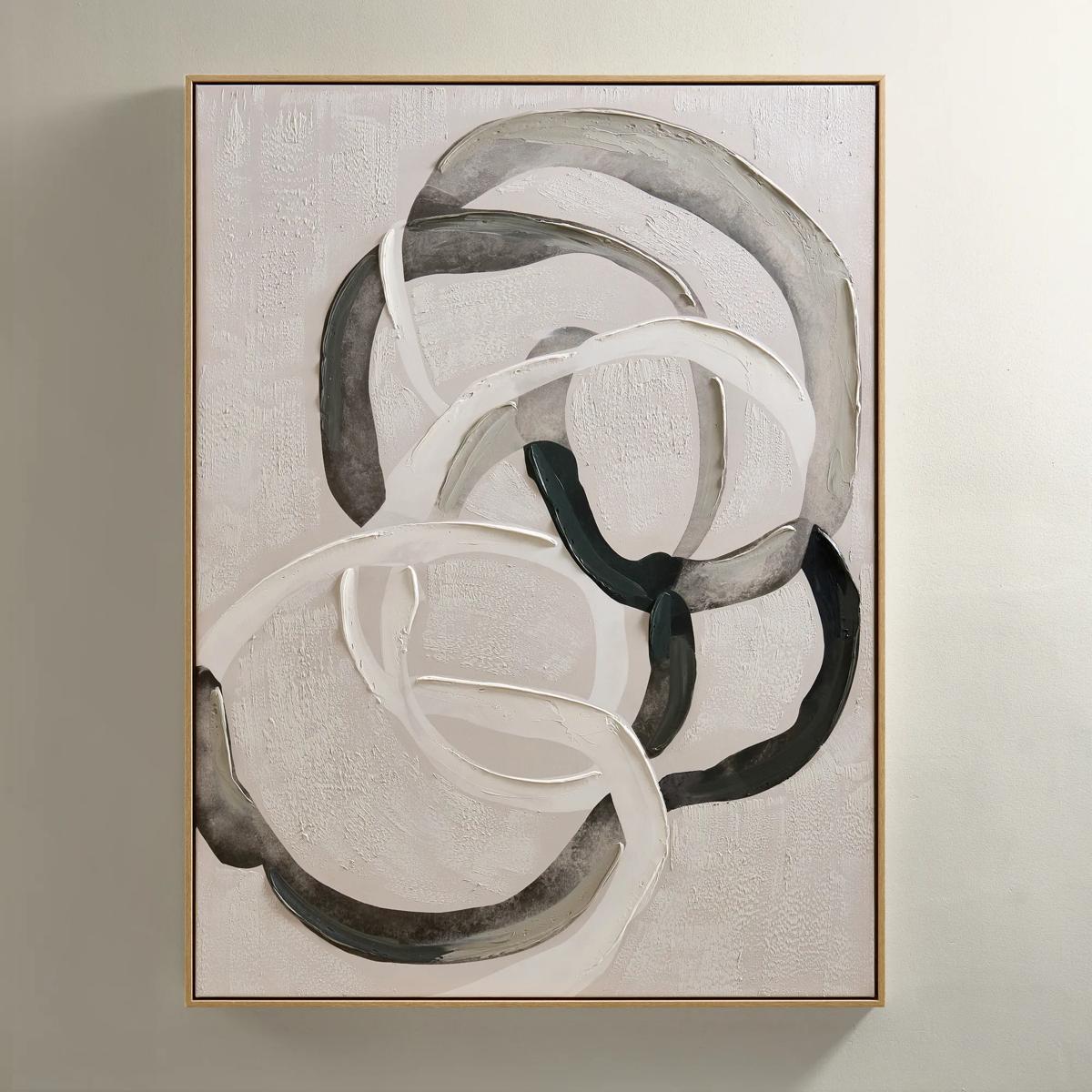
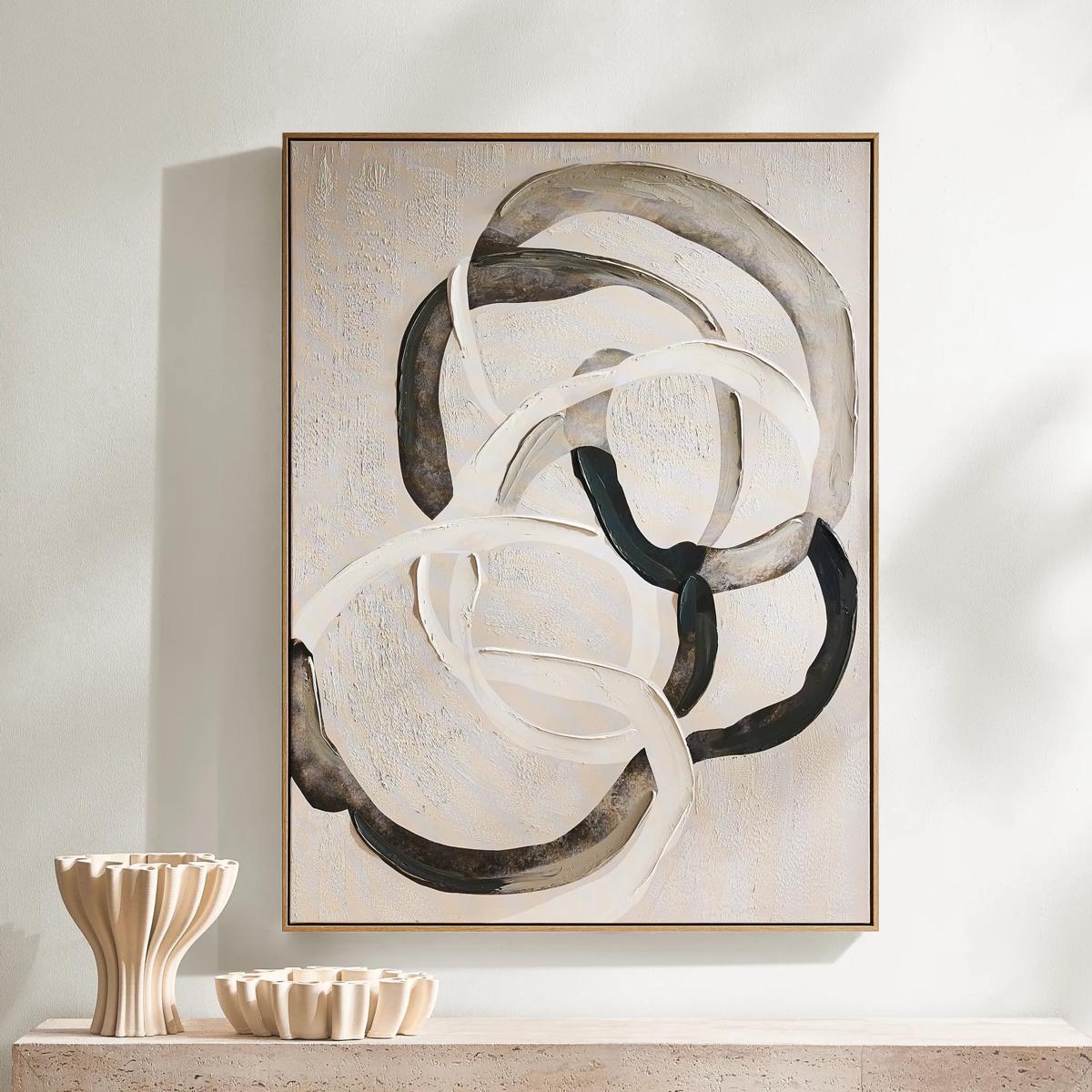 Round About Framed Painted Wall Art 35.25" x 47.25"$349
An abstract hand-painted canvas with tonal whites, charcoals, and taupes in a light wood floater frame.
Add To Cart -
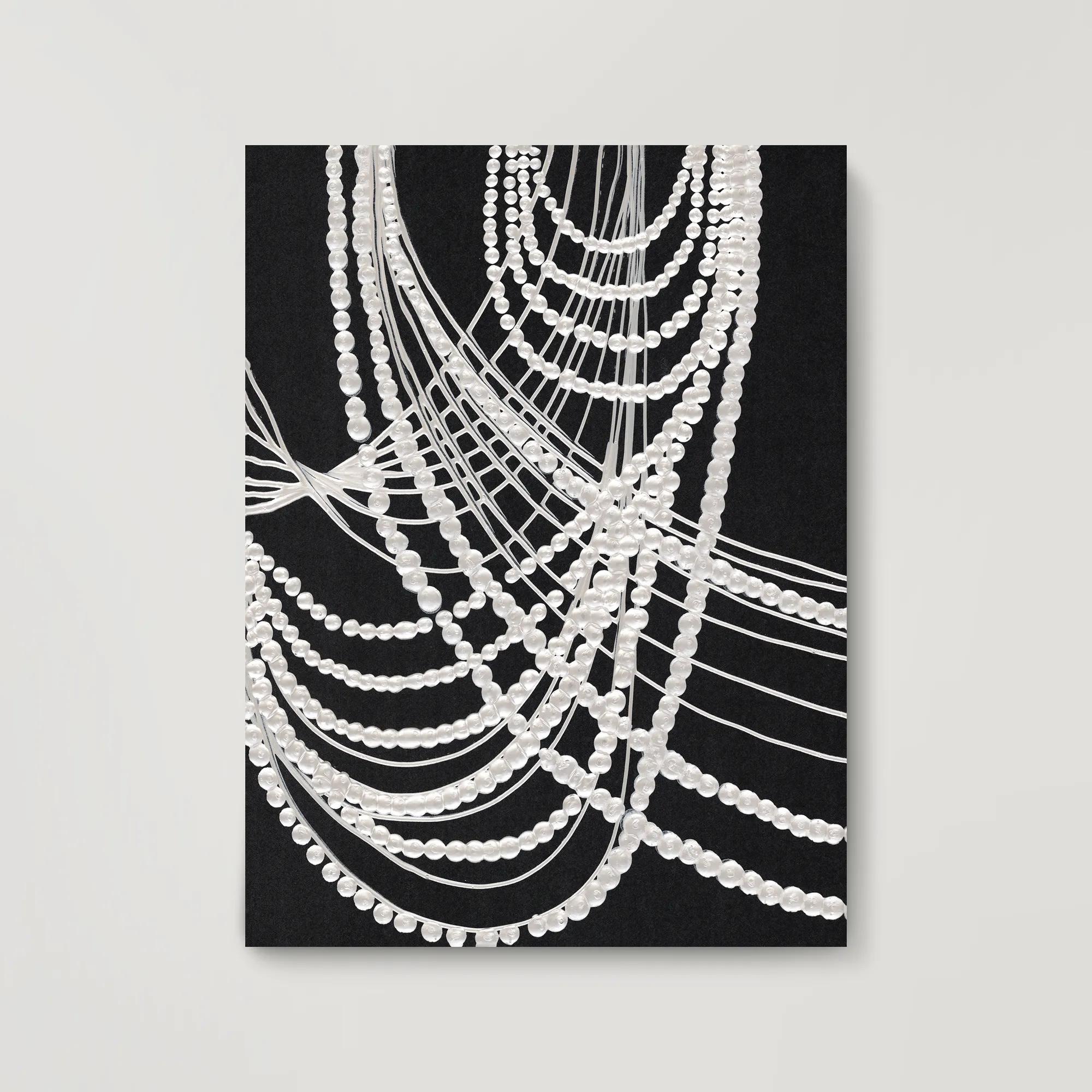 Dripping Pearls Painted Wall Art 36" x 48"$949
A striking hand-painted abstract artwork featuring layered acrylic and watercolor textures in a modern design.
Add To Cart -
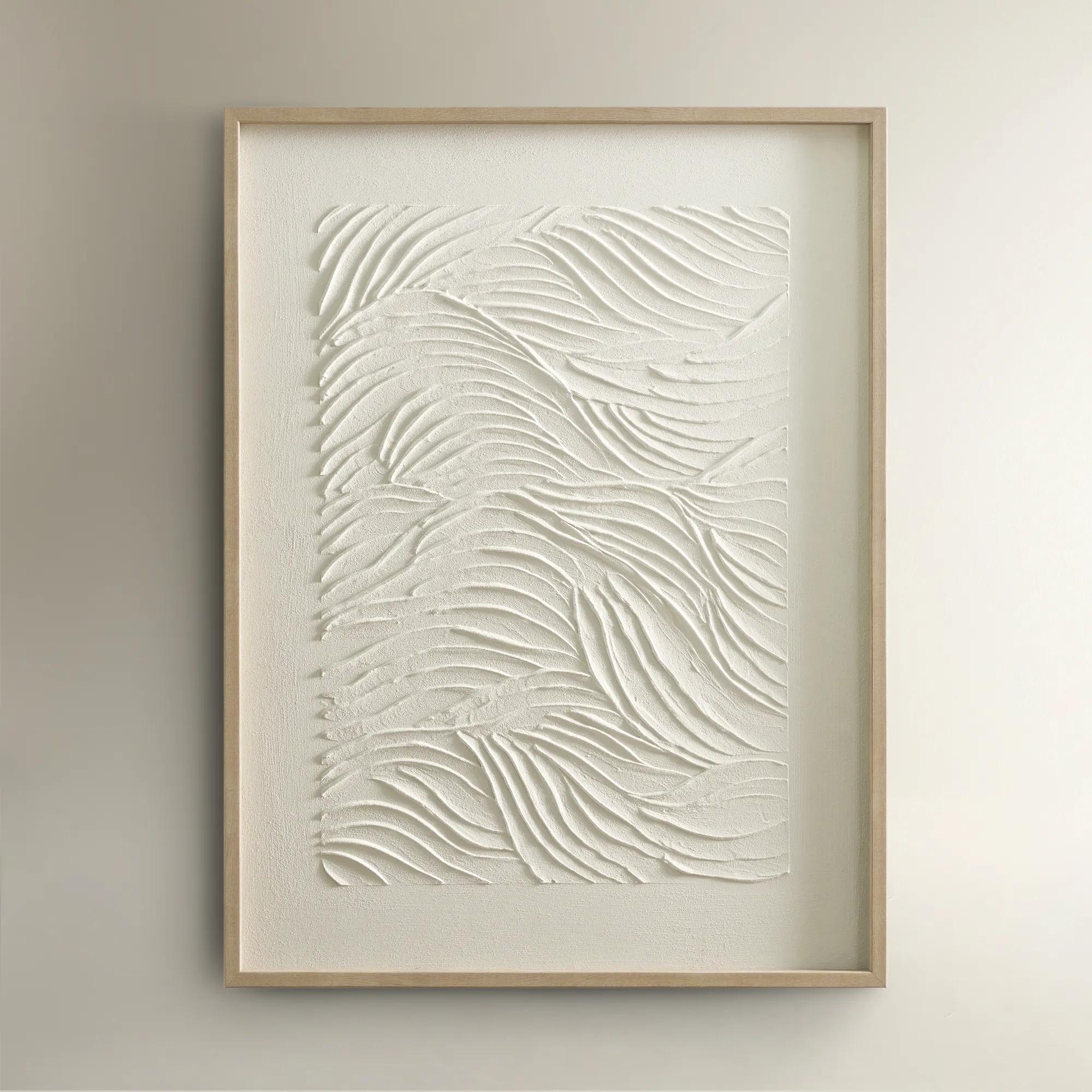
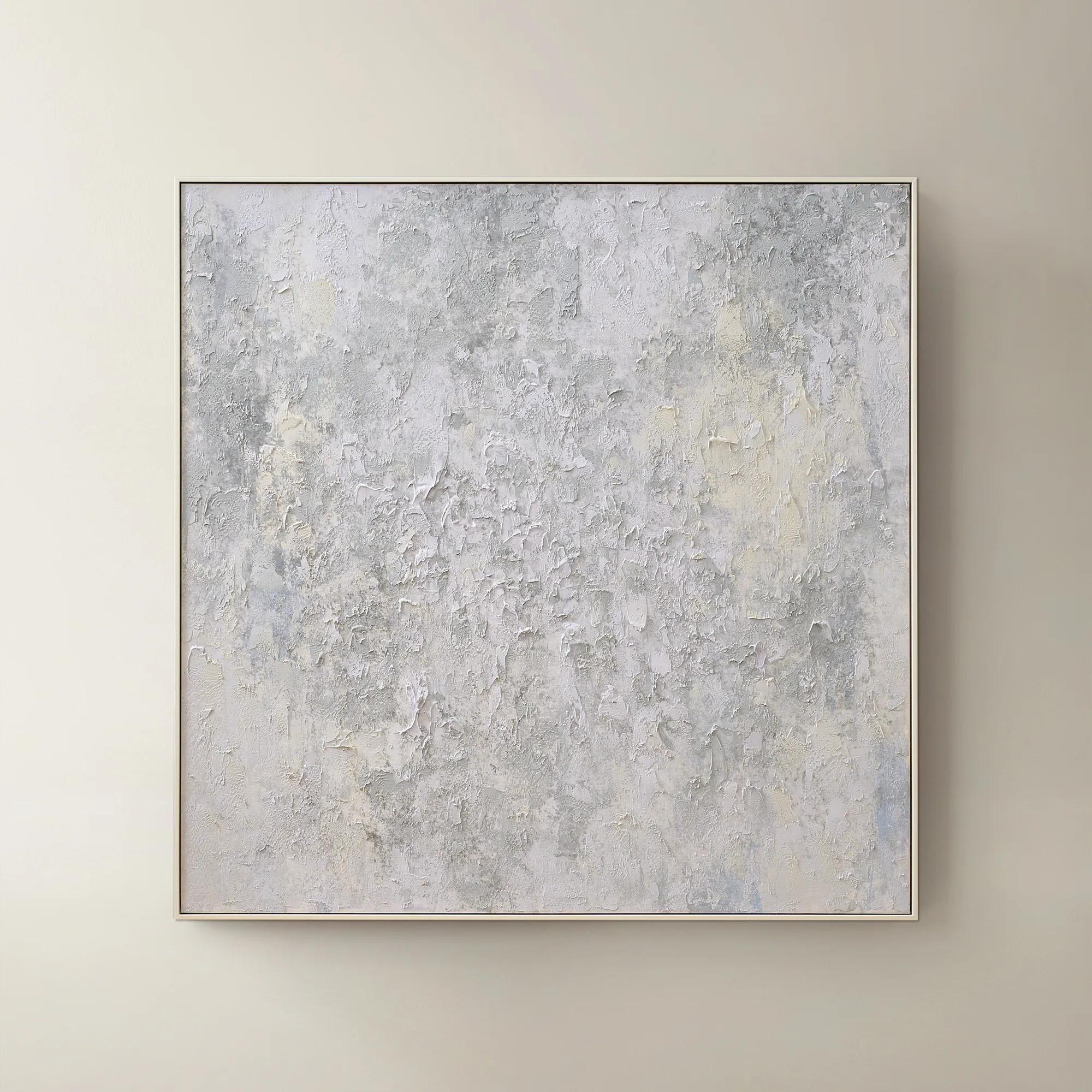
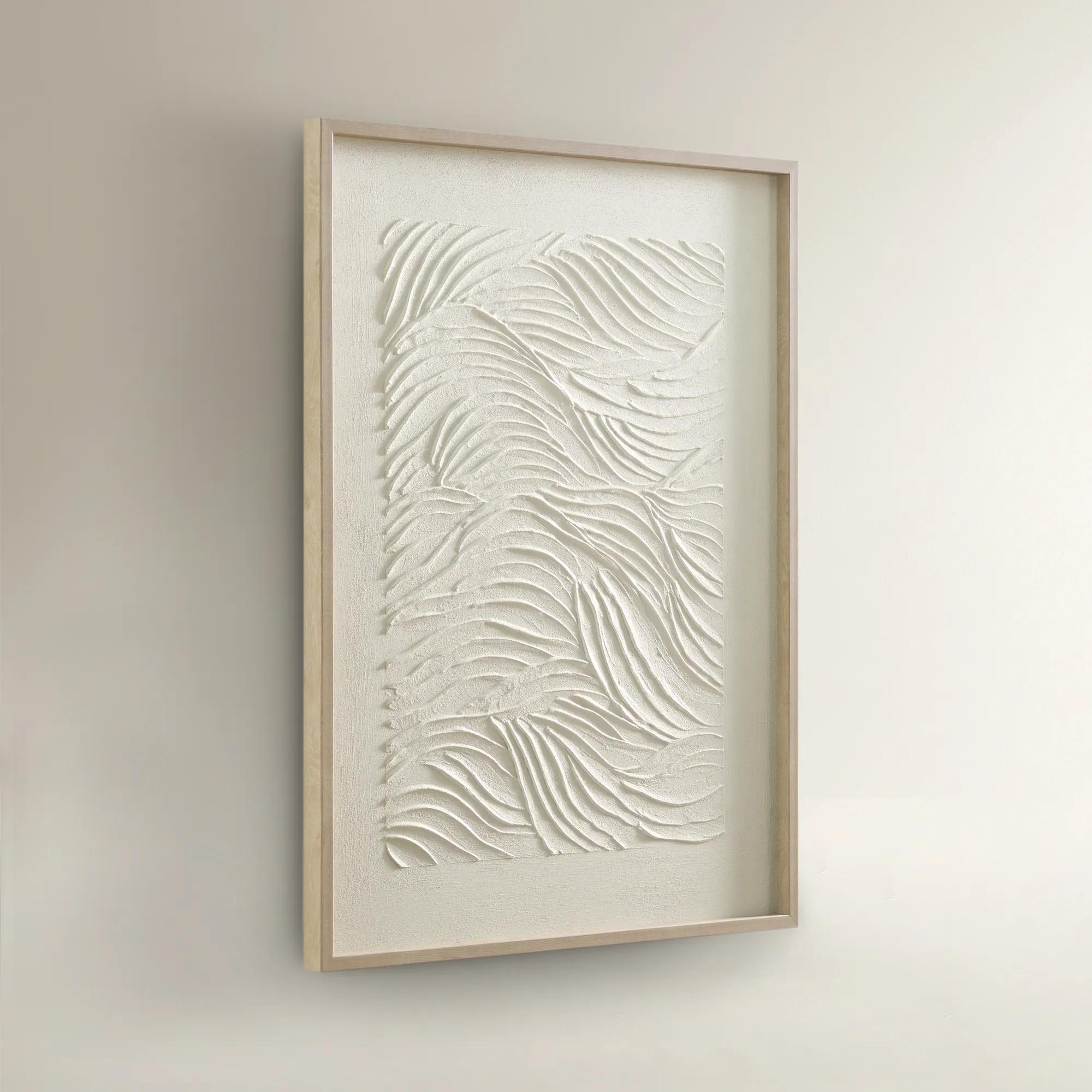 Sonnet Framed Painted Wall Art 23.5" x 31.5"$99
A hand-painted canvas featuring textured white shades and a warm blonde wood frame for elegant depth.
Add To Cart -
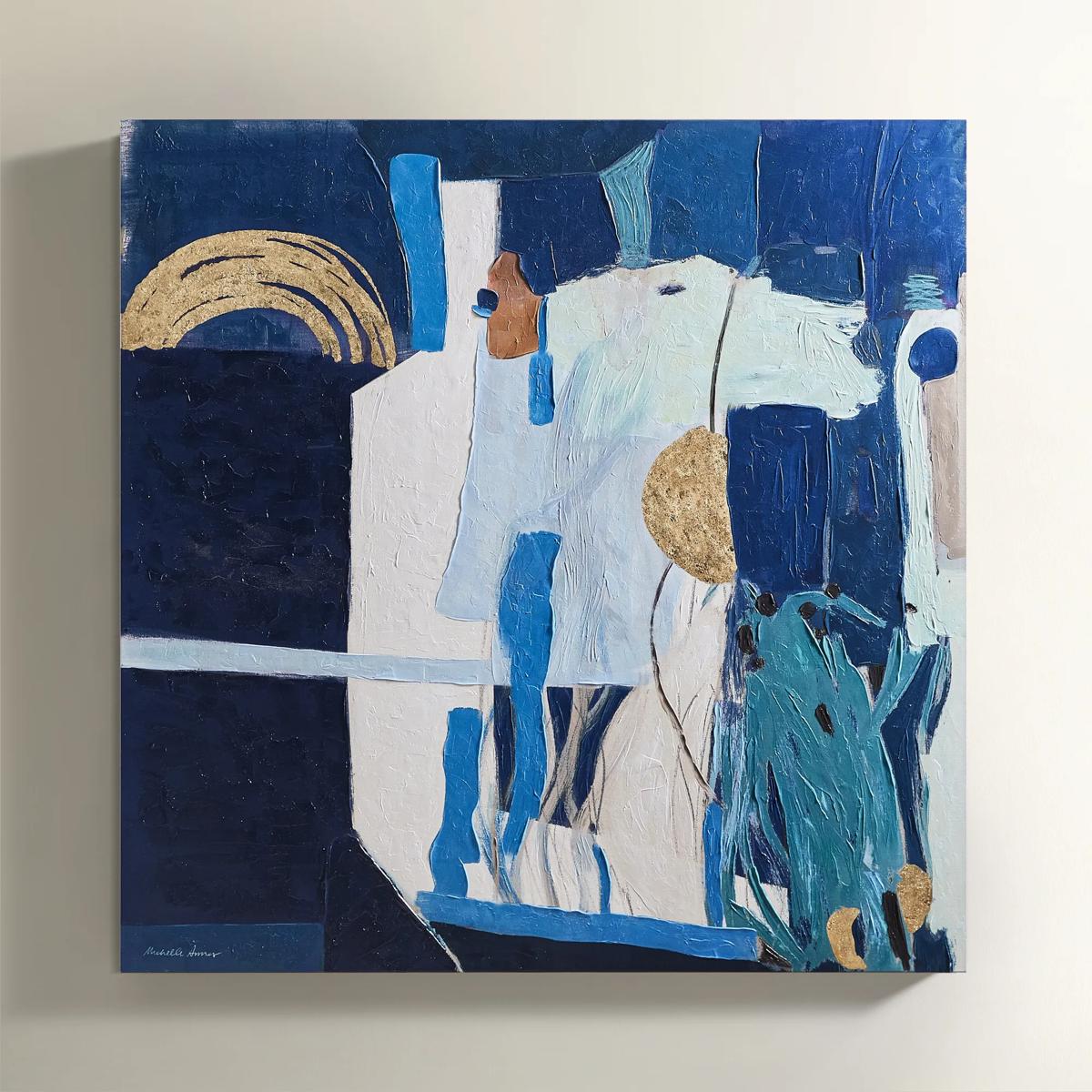
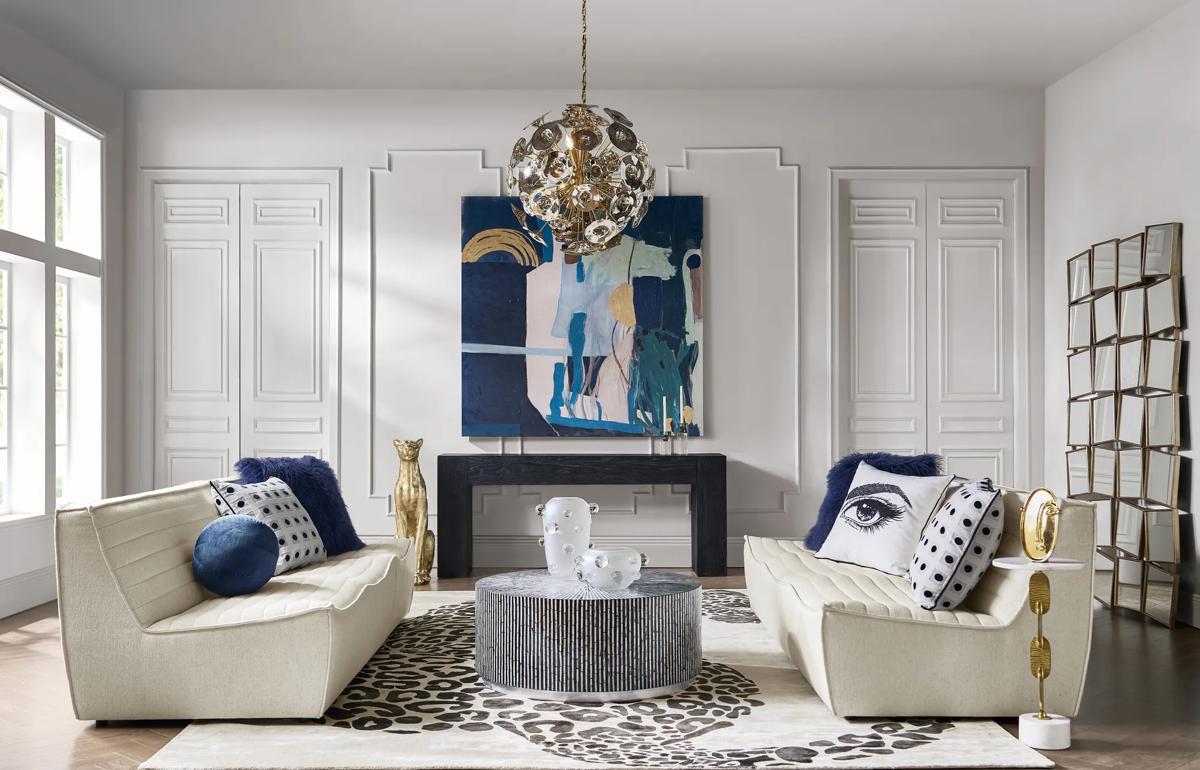 In Flux Painting$699
A hand-embellished canvas artwork featuring deep teal, green, ivory, and gold in a black Art Deco frame.
Add To Cart -
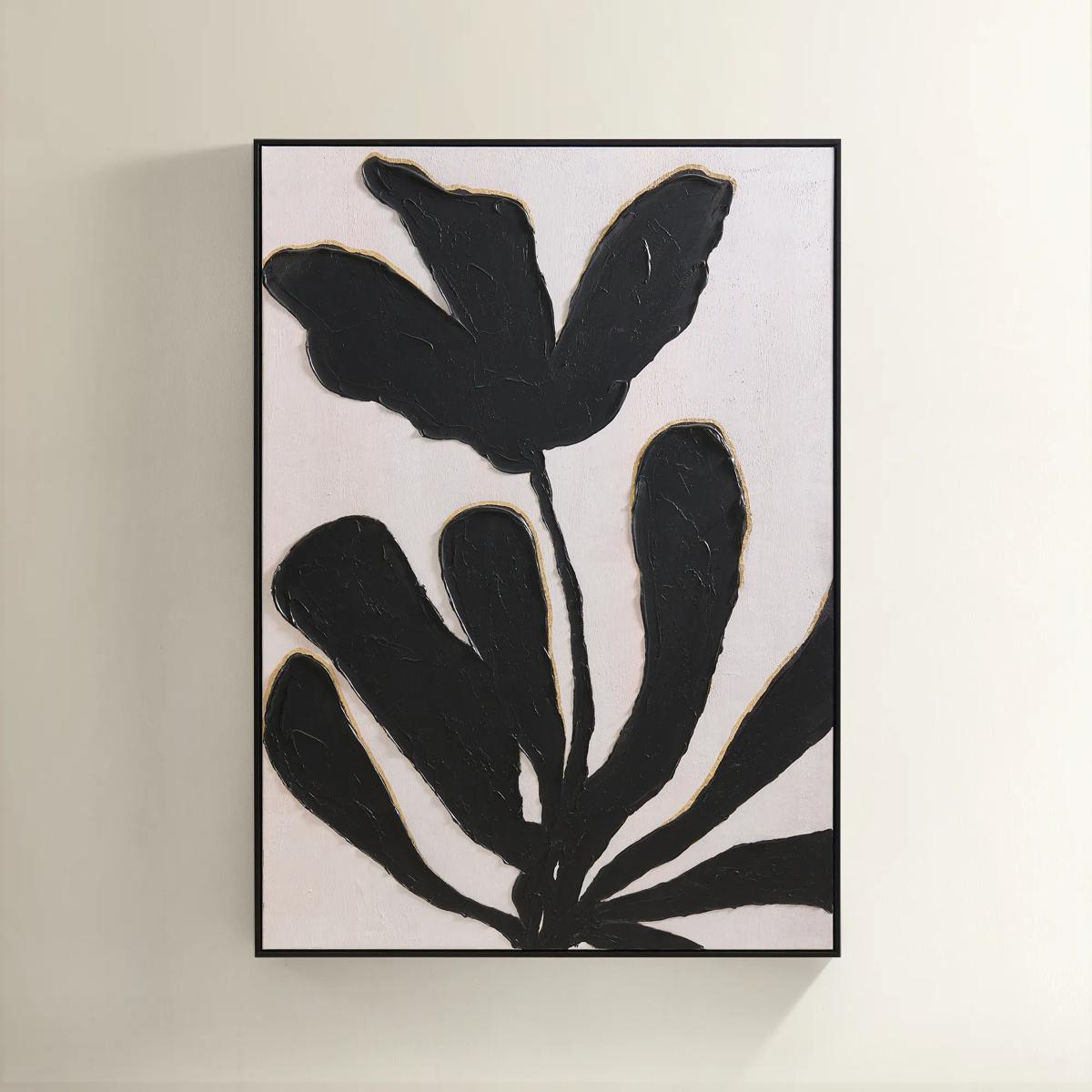
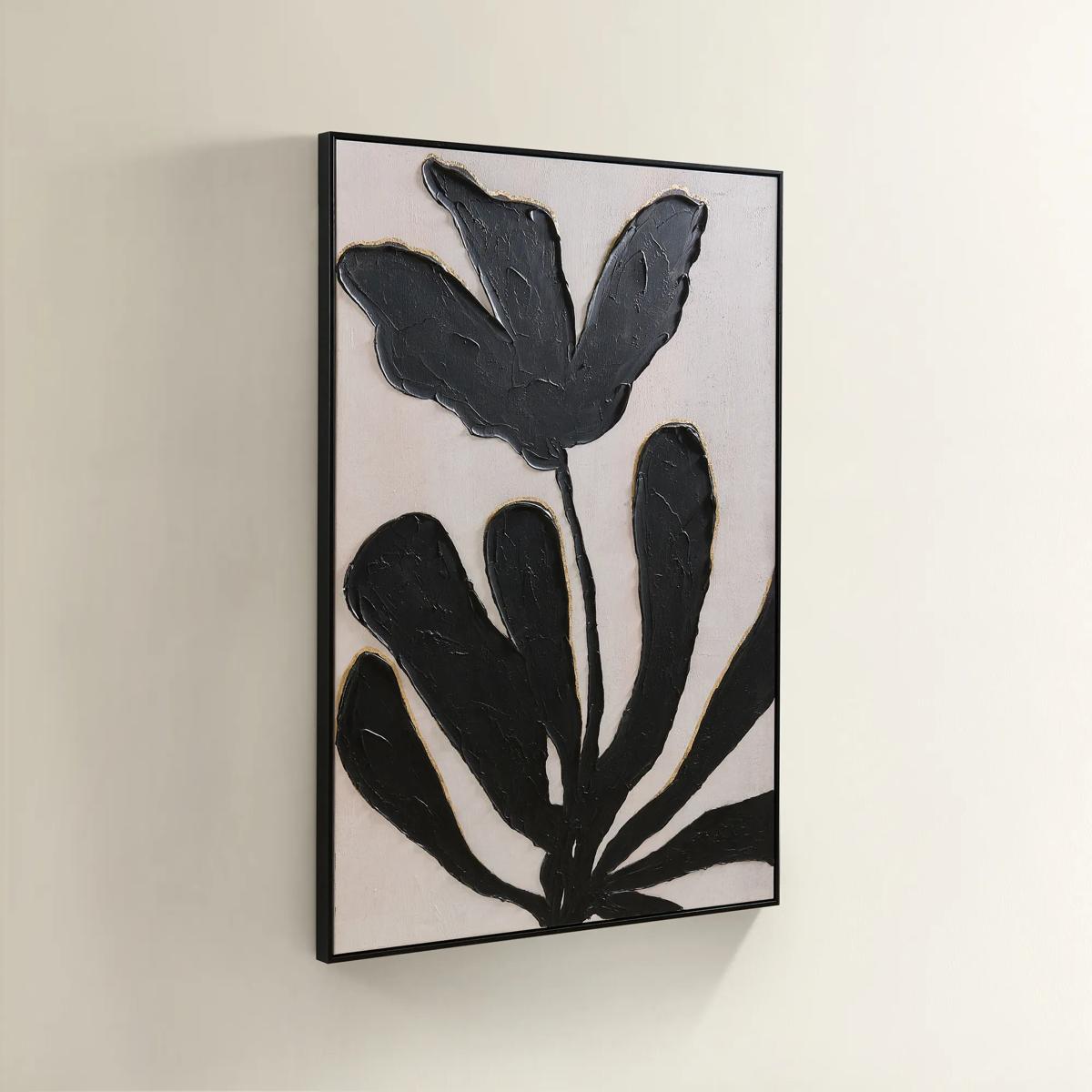 First Bloom Framed Painted Wall Art 39.25" x 55"$499
A hand-painted canvas featuring black abstract leaves and gold leafing on an ivory background in a black frame.
Add To Cart

Contemporary Art Paintings
Explore contemporary art paintings to find modern wall art that gives your room a distinct point of view. Consider color, composition, and scale as you browse, whether you’re choosing a dramatic focal point above a sofa or bringing a fresh perspective to a gallery wall.
Contemporary art paintings bring the visual language of the present into the home, turning an open wall into an expression of personal taste. The term generally describes paintings created from the late twentieth century to today, often using around 1970 as a starting point. Unlike modern art, which refers to an earlier historical period, contemporary art is not defined by one movement, technique, or aesthetic. It encompasses abstraction, expressive portraiture, reimagined landscapes, geometric compositions, and mixed-media experimentation, with artists exploring subjects as varied as identity, memory, technology, and the natural world. That breadth gives contemporary wall art its extraordinary range: a composition can feel quietly atmospheric, sharply architectural, or lavishly theatrical. Sweeping brushwork introduces movement above a tailored sofa; a graphic arrangement of black and ivory creates tension against sumptuous upholstery; a wash of saturated blue can give a neutral room an entirely different emotional register. Abstract paintings invite interpretation through color, line, and texture, while figurative works offer a recognizable subject seen through an unexpected perspective. Neither approach needs to match every furnishing to feel intentional. A painting might echo the bronze tone of a table lamp, pick up a single thread of color in a rug, or introduce a deliberate contrast to the surrounding palette. The most compelling connection is often a shared mood rather than an exact color match. In a polished dining room, an energetic composition can loosen the formality; in a richly layered bedroom, softer tonal transitions can create a more contemplative focal point. Contemporary paintings also sit beautifully beside traditional silhouettes, where expressive marks and unconventional proportions bring a fresh counterpoint to carved wood, curved seating, or antique-inspired accents. For collectors and design-minded decorators alike, the appeal lies in that freedom: art can anchor a room’s identity without repeating its every detail, giving familiar surroundings a more individual, expressive presence.
Scale, surface, and presentation shape how contemporary art paintings live within an interior. An expansive canvas gives broad gestures room to unfold, making it particularly effective above substantial furniture or across a wall viewed from a distance. Smaller paintings reward closer attention in an entryway, beside a reading chair, or within a layered arrangement that mixes dimensions and orientations. As a starting proportion, artwork spanning approximately two-thirds to three-quarters of the width of the furniture beneath it often feels balanced, though ceiling height, nearby windows, and the composition itself can call for a different relationship. A painting above a sofa generally feels connected to the seating when its lower edge sits about six to ten inches above the back, with clearance adjusted for comfort and the furniture’s shape. For a space centered on gathering and conversation, explore Contemporary Living Room Paintings with the surrounding seating, sightlines, and architectural details in mind. Surface character matters just as much as dimensions. Oil paint can support richly blended color and pronounced brushwork, while acrylic allows effects ranging from translucent passages to crisp, opaque shapes. Mixed-media paintings may incorporate collage, textured grounds, or other materials that make the surface an essential part of the composition. Canvas offers a woven foundation that can remain subtly visible beneath the image; wood panels provide a more rigid support. Original paintings, hand-embellished reproductions, and printed artwork are distinct categories, even when their subjects look similar online. A print may reproduce the appearance of raised brushstrokes without having that physical texture, while hand-applied embellishment can add dimension to a reproduced image. Material and construction descriptions help clarify those differences. Framing completes the visual effect: a slender dark frame sharpens contrast, a metallic finish adds a gleaming outline, and a floating frame leaves a narrow reveal around the canvas for a dimensional presentation. Consider the artwork’s finished, framed measurements rather than the image dimensions alone, particularly when fitting a piece between sconces or above a mantel.
Thoughtful placement helps preserve both the beauty and the physical integrity of contemporary paintings. A living room, dining room, bedroom, or home office generally offers a more suitable setting than a location exposed to splashes, grease, or persistent humidity. Direct sunlight can fade pigments and printed inks over time, while strong heat and fluctuating moisture can affect canvas, wood supports, adhesives, and framing components. A dramatic wall above a working fireplace therefore deserves particular consideration: heat exposure and soot can make another focal point a better choice. Artificial lighting can reveal the depth of a textured surface, but fixtures should be positioned to avoid excessive heat and distracting glare. The durability of any artwork depends on its materials, construction, protective finishes, and environment; terms such as “archival” or “fade-resistant” should be supported by the individual description rather than assumed from appearance. Care should likewise follow the maker’s instructions. Frames can often be dusted gently with a clean, dry, soft cloth, but painted surfaces, raised embellishments, and delicate mixed media require greater caution. Avoid household sprays, solvents, wet wiping, or pressure on the image, and seek professional advice for flaking paint, stains, or damaged surfaces. Substantial framed pieces also need hanging hardware suited to their weight and the wall material, with secure placement especially important in homes with children or pets. Beyond their decorative role, contemporary art paintings can mark meaningful beginnings: a first home, a wedding, a new office, or a thoughtfully reimagined room. Art is a personal gift, so the recipient’s preferred palette, available wall space, and response to abstract or recognizable subjects matter more than a passing trend. A restrained composition may suit someone drawn to architectural interiors, while exuberant color and tactile detail can speak to a more theatrical sensibility. Chosen with that attention, a painting becomes more than a finishing touch. It gives the room a point of view—and its owner something worth looking at again.
FAQs
Contemporary art generally refers to work created in the present era, while modern art describes a historical period of artistic experimentation. Contemporary paintings embrace diverse perspectives and styles, from expressive abstraction to reimagined portraiture, bringing a distinctly personal point of view to your interiors.
Explore gestural abstracts, geometric compositions, atmospheric landscapes, and figurative paintings. Each creates a different mood: sweeping brushwork introduces movement, crisp geometry lends structure, and dreamlike imagery invites reflection. Choose a style that expresses your personality and gives the room an artistic focal point.
Begin with the atmosphere you want to create. Saturated hues bring energy and drama, while tonal compositions offer a quieter kind of intrigue. Echo an accent from your furnishings for a cohesive look, or introduce an unexpected color that gives the entire room a fresh perspective.
Contemporary paintings create compelling contrast alongside traditional furnishings. An expressive abstract can enliven ornate detailing, while a restrained composition offers a striking counterpoint to richly layered decor. Connect the two through a shared color or visual motif, allowing the artwork to feel intentional without matching every detail.
Give your gallery wall a unifying thread, such as a recurring hue, related subject matter, or similar framing. Then introduce contrast through brushwork and composition. Pairing fluid abstraction with more structured imagery creates a collected, expressive arrangement that reveals something new each time you look.