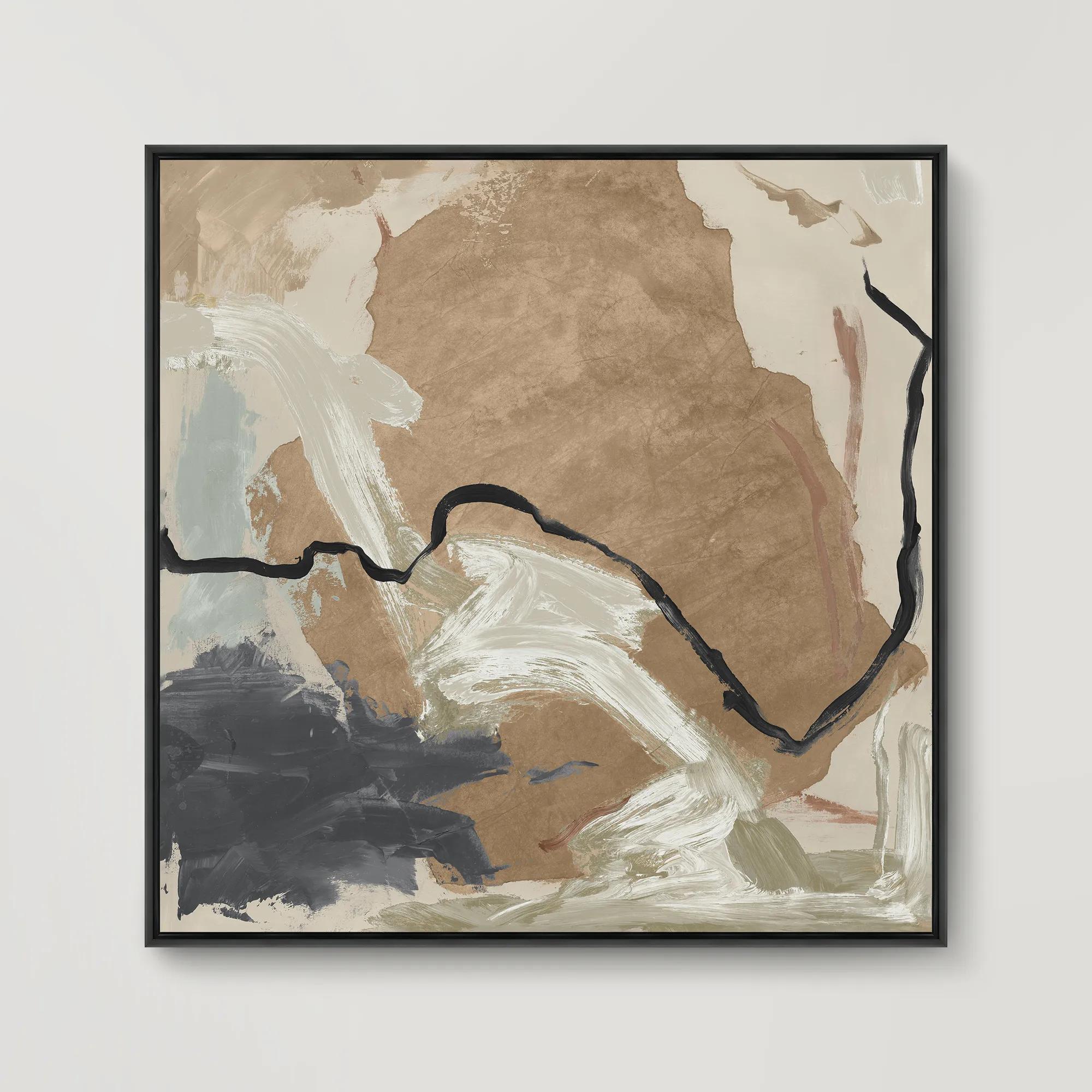
Contemporary Living Room Paintings
Contemporary Living Room Paintings
-
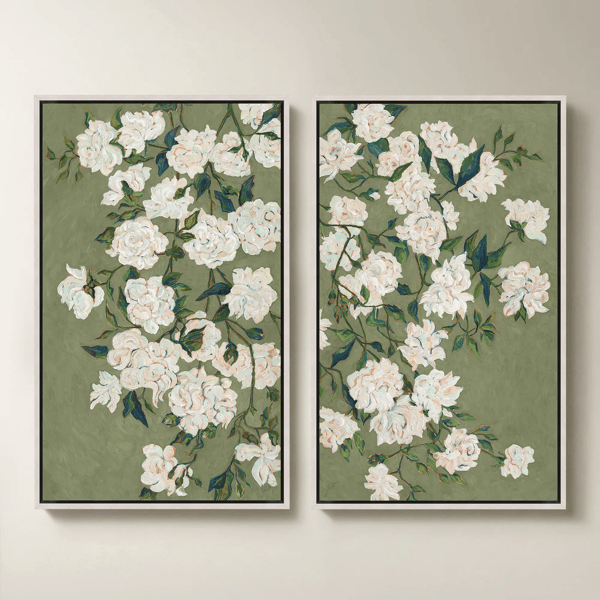
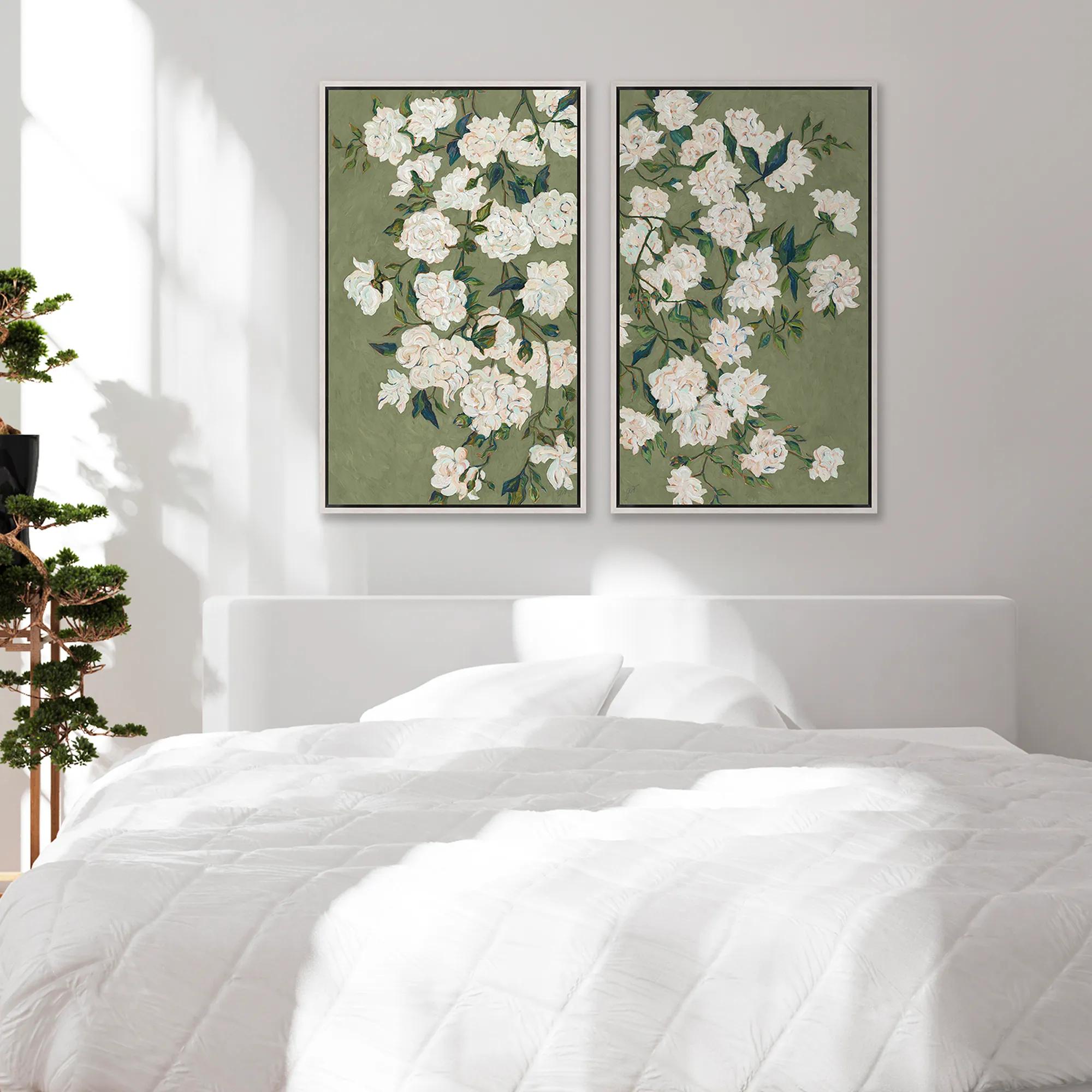 Verdi Vincent Framed Wall Art 21.5" x 41.5" Set of 2$949
A set of two gallery-wrapped fiber texture canvases in white floater frames for modern wall decor.
Add To Cart -
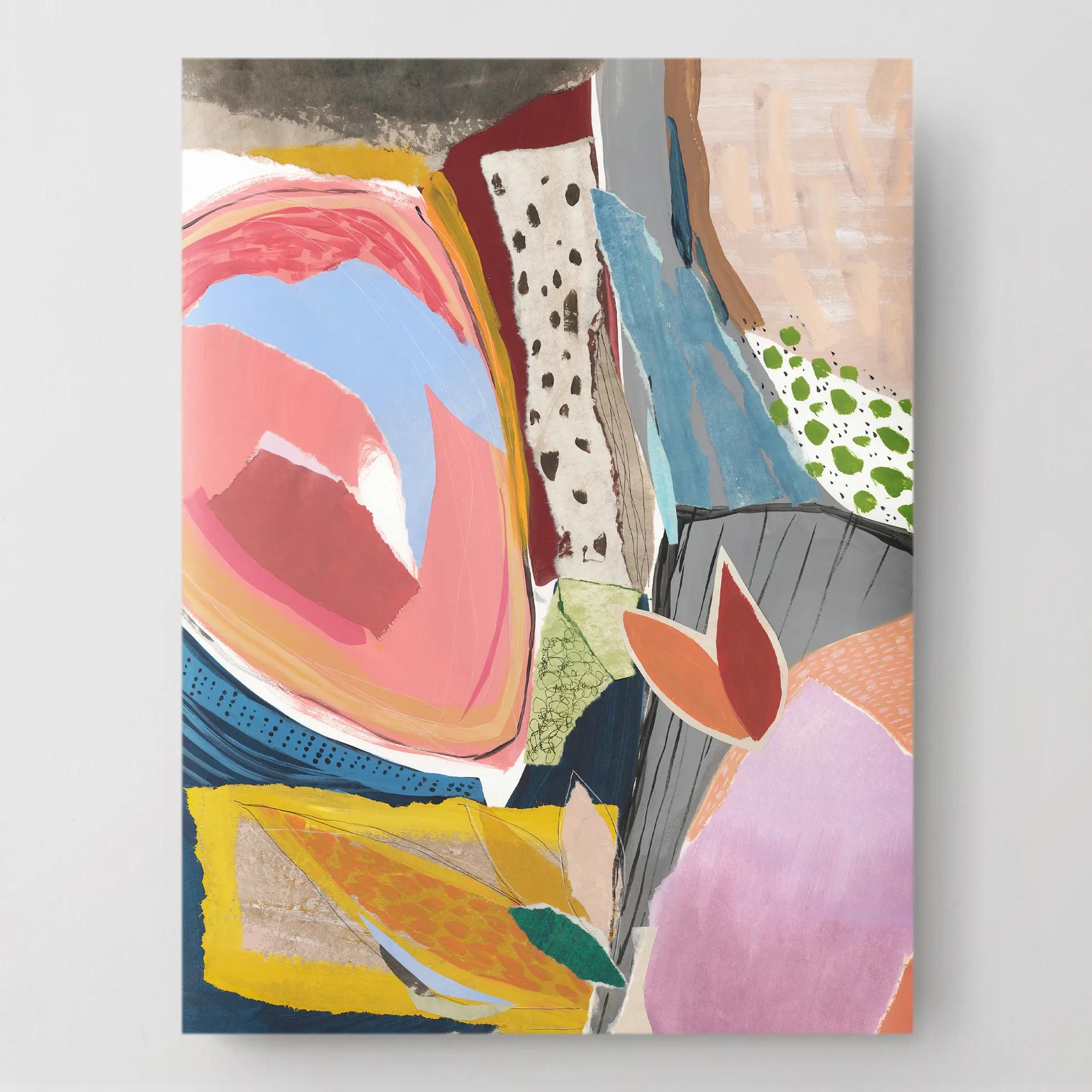
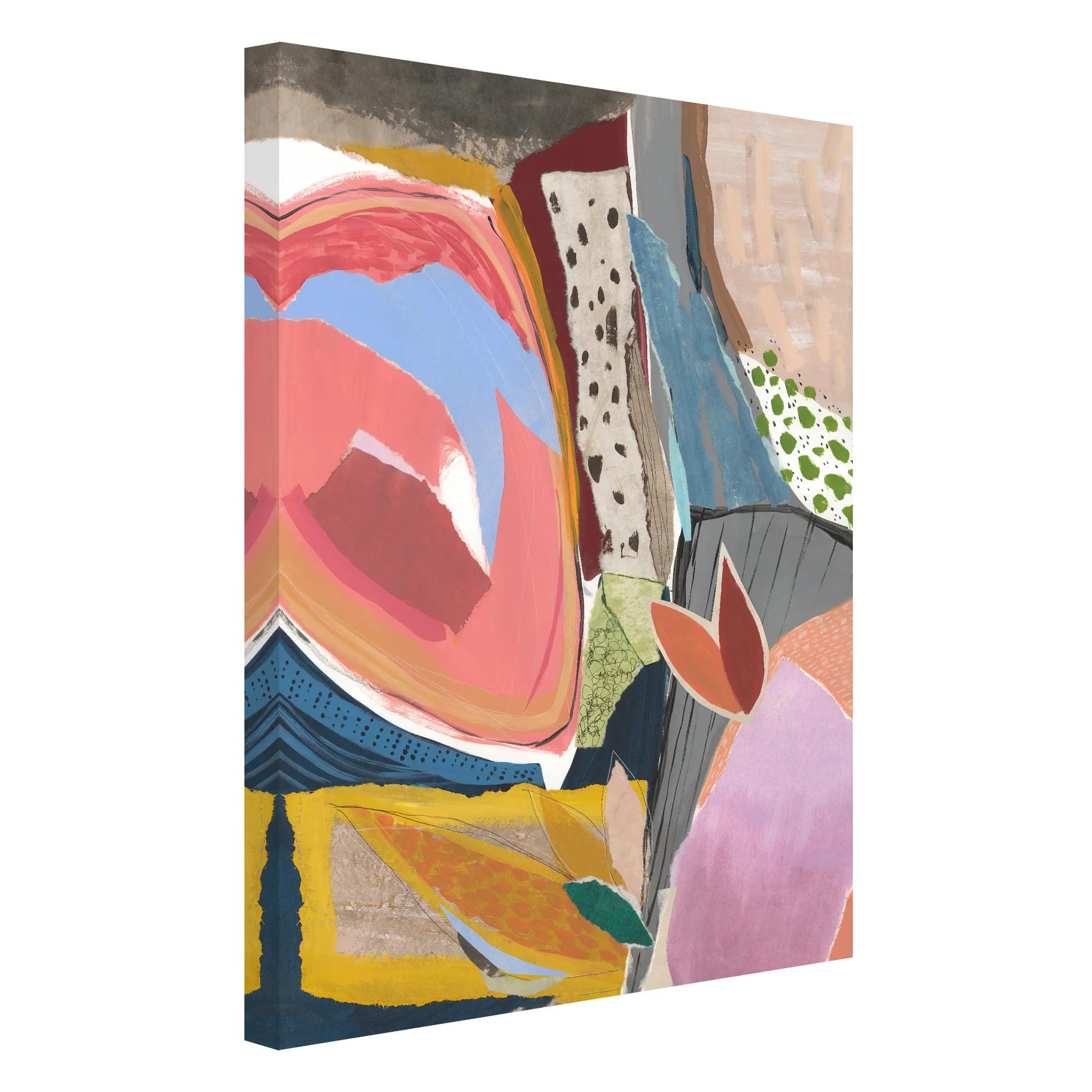 Sunday Vibes 1 Wall Art 30" x 40"$449
A gallery-wrapped canvas artwork featuring a hand-applied image brush gel finish for a textured look.
Add To Cart -
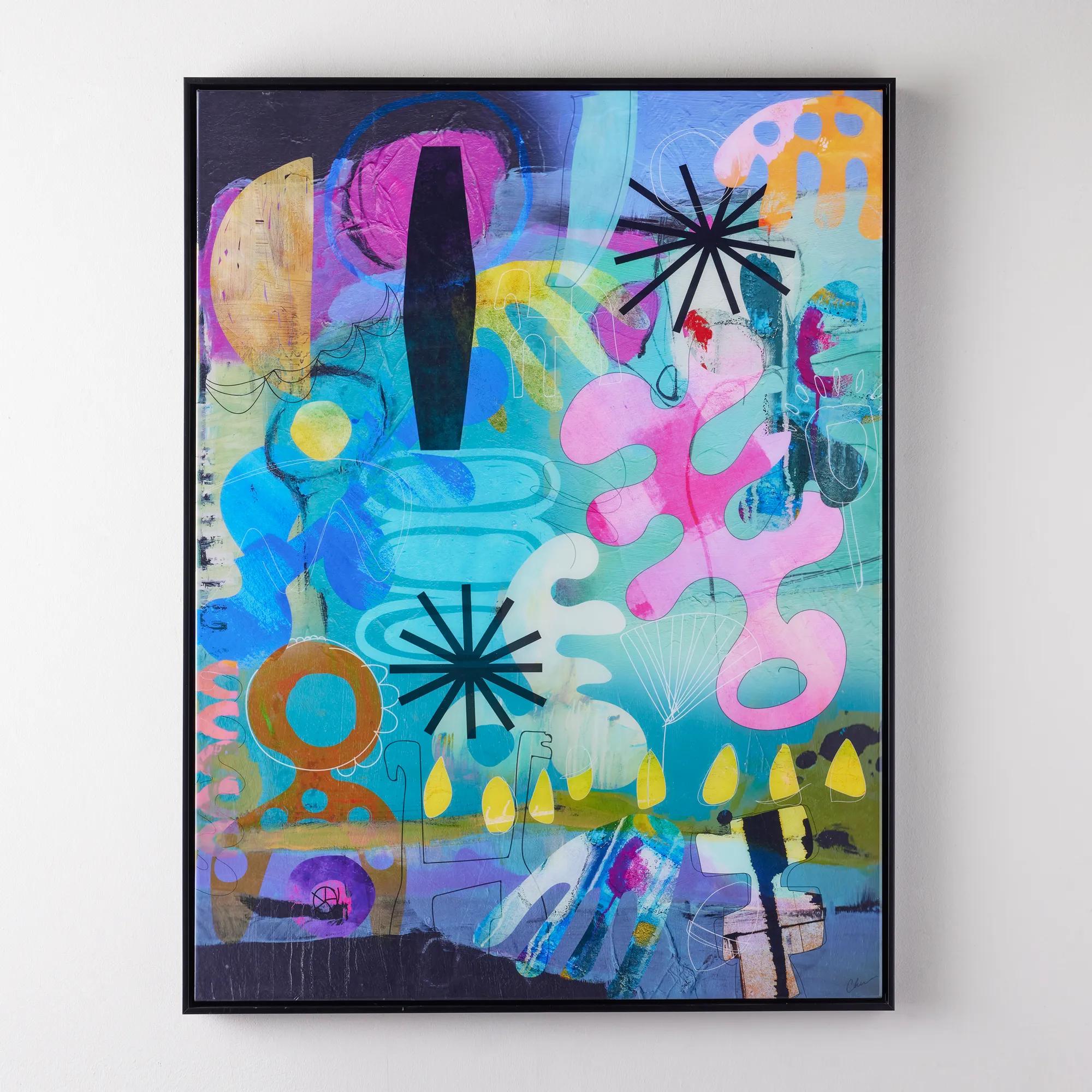
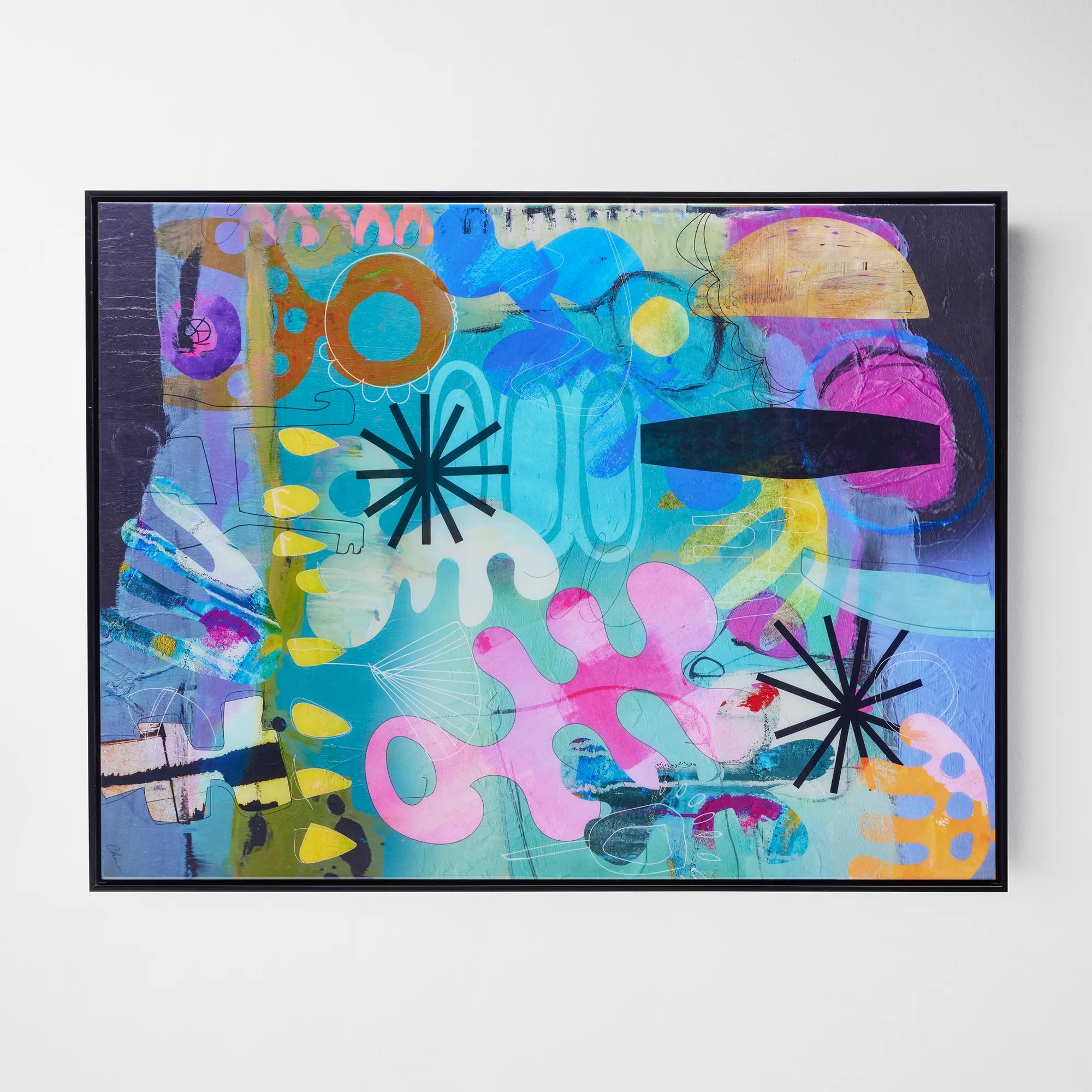 Nikki Chu Detailed Vision Framed Wall Art 54" x 41"$1099
A vibrant, high-gloss artwork with a black frame, designed to hang vertically or horizontally.
Add To Cart -
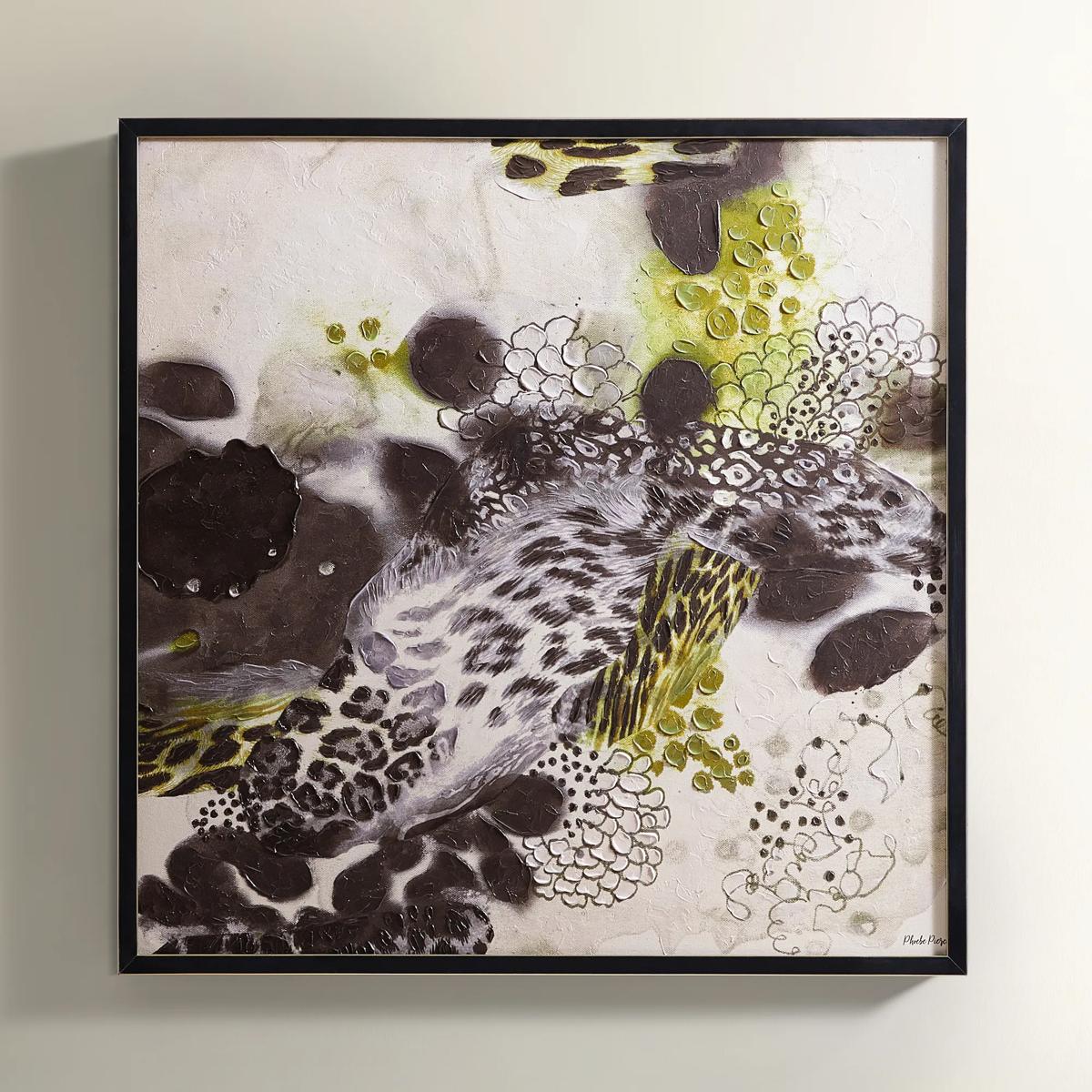
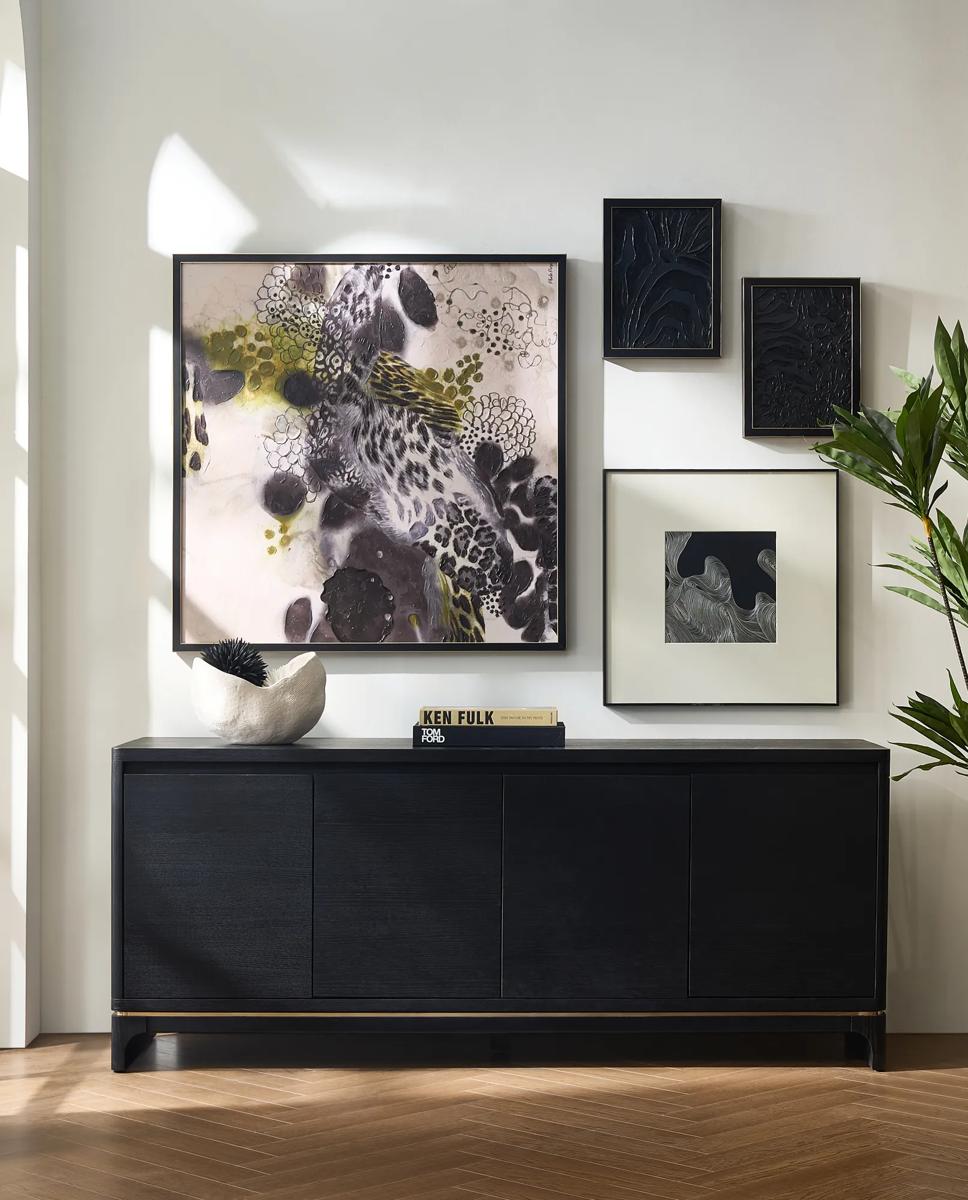 In the Wild$399
A hand-embellished canvas artwork featuring textured strokes in black, chartreuse, and sand, framed in ornate wood.
Add To Cart -
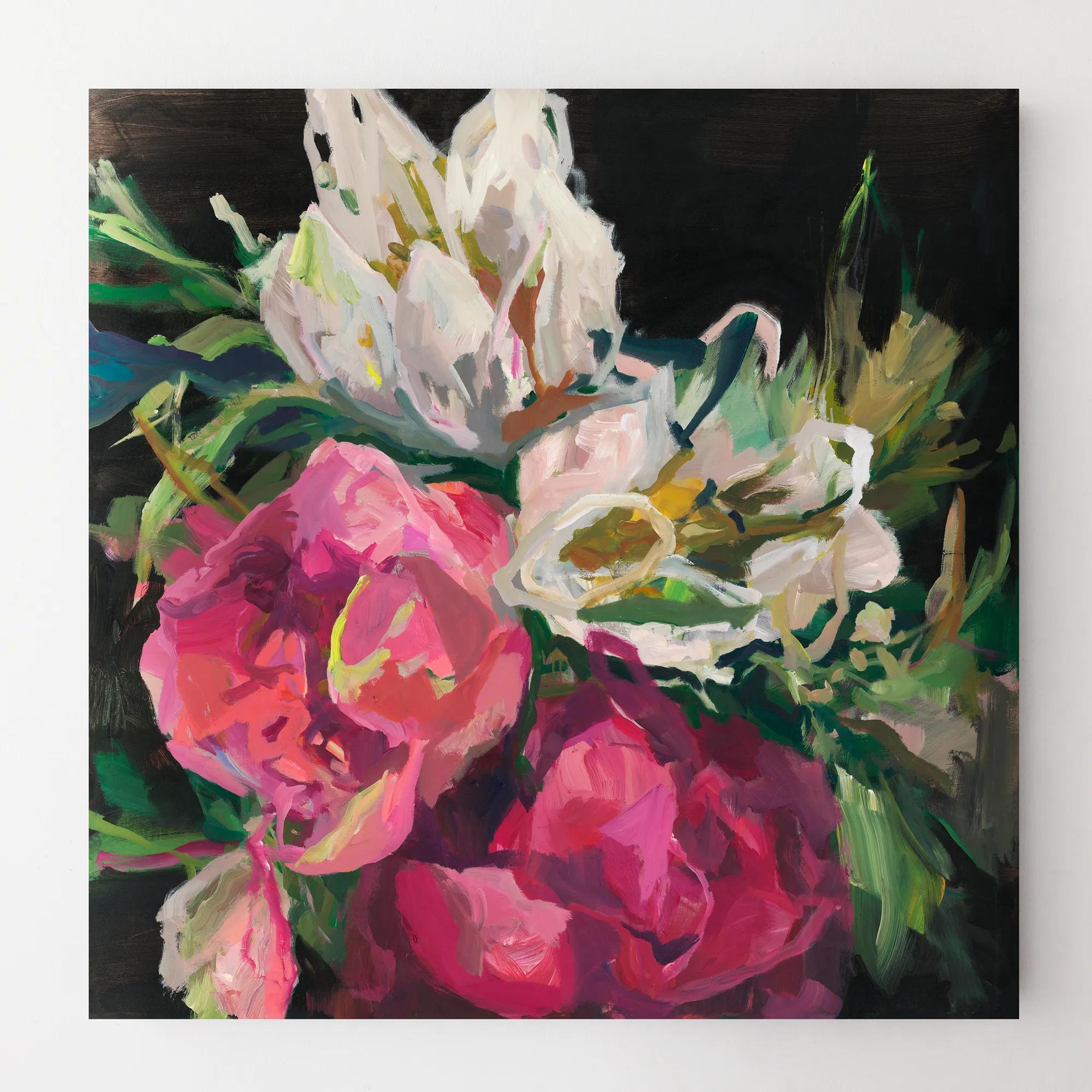
 Burning for You I Framed Wall Art 40" x 40"$799
A gallery-wrapped canvas artwork with hand-applied brush gel, set in a sleek black floater frame.
Add To Cart -
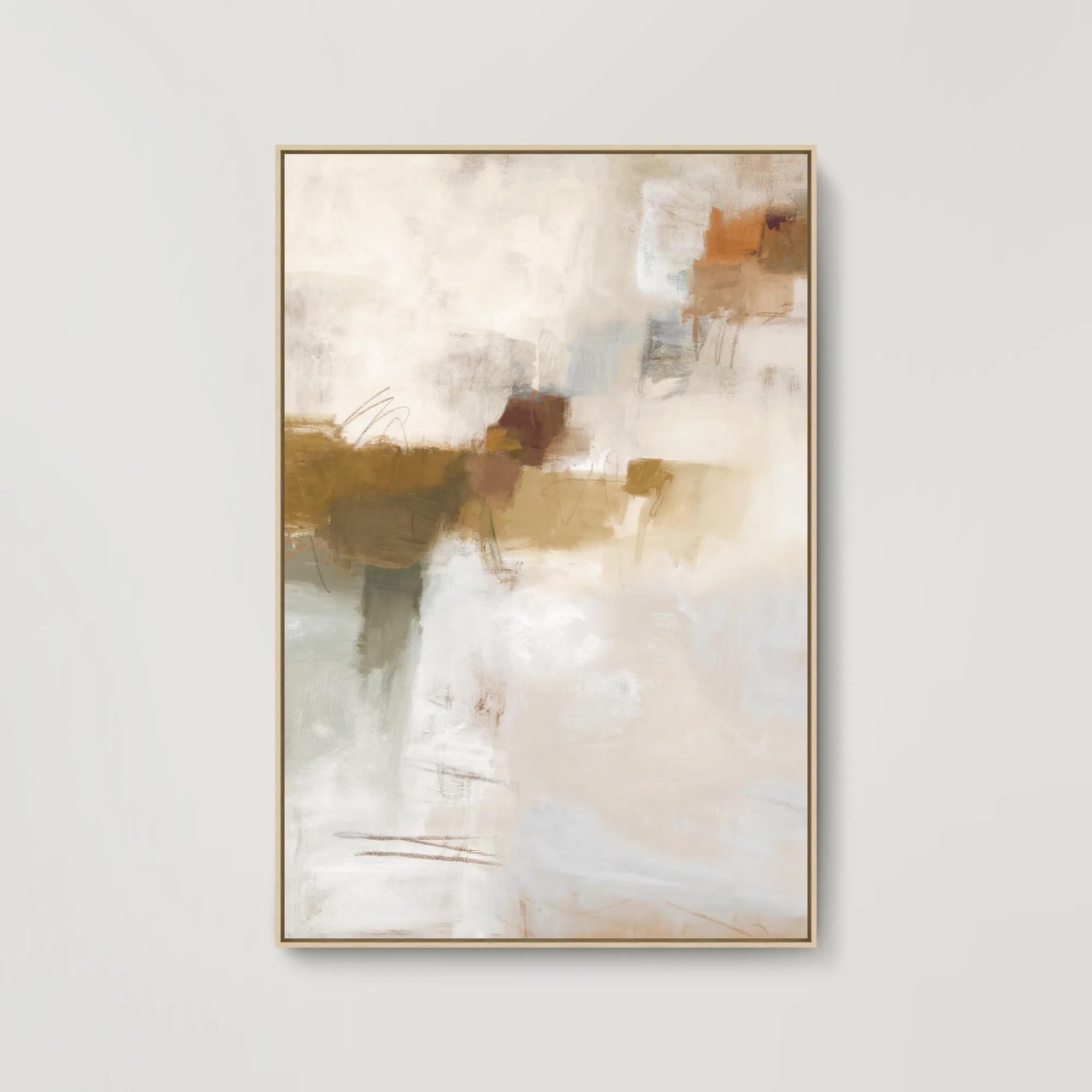
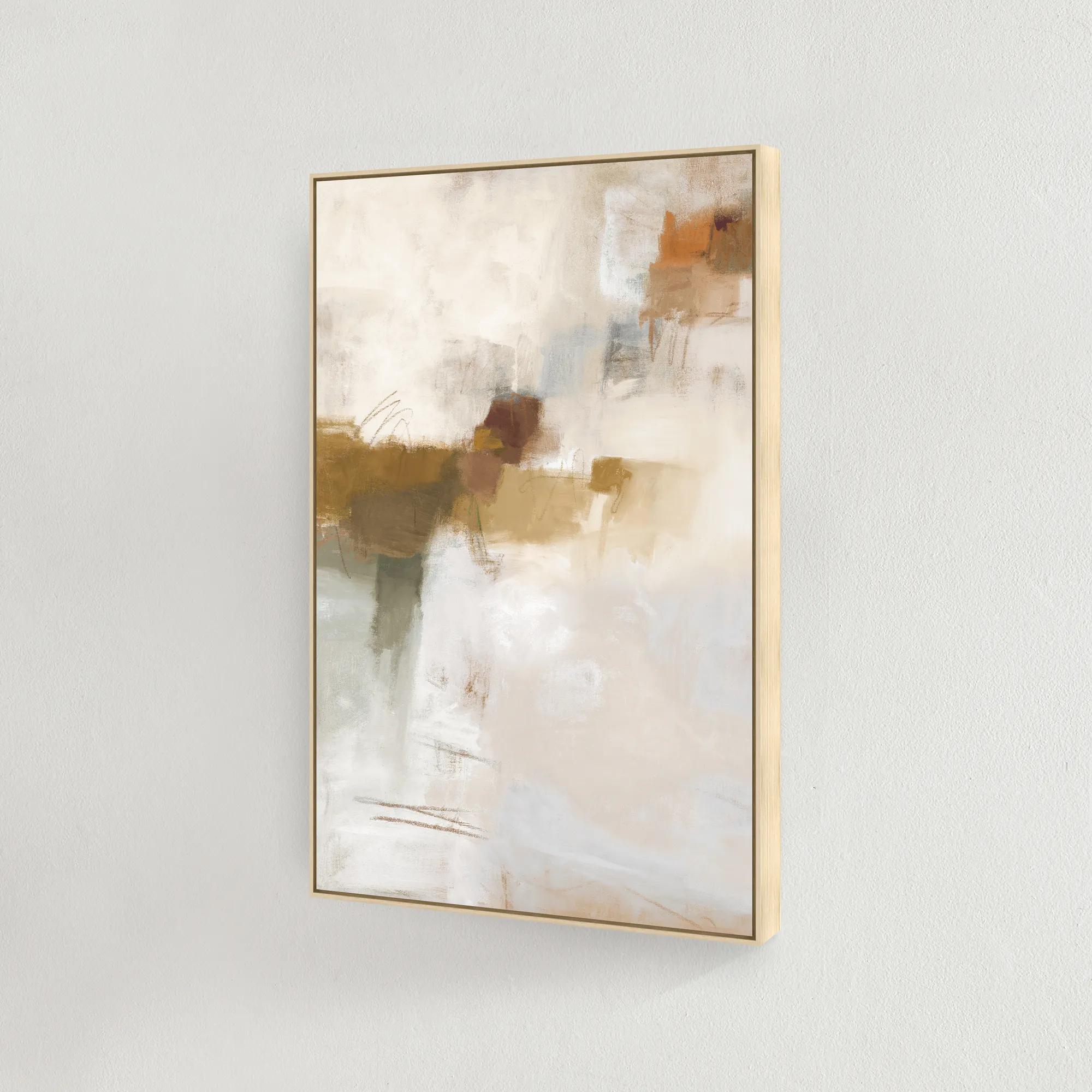 Lost I Framed Wall Art 41.5" x 61.5"$1199
A gallery-wrapped linen canvas art piece set in a natural floater frame for a modern touch.
Add To Cart -
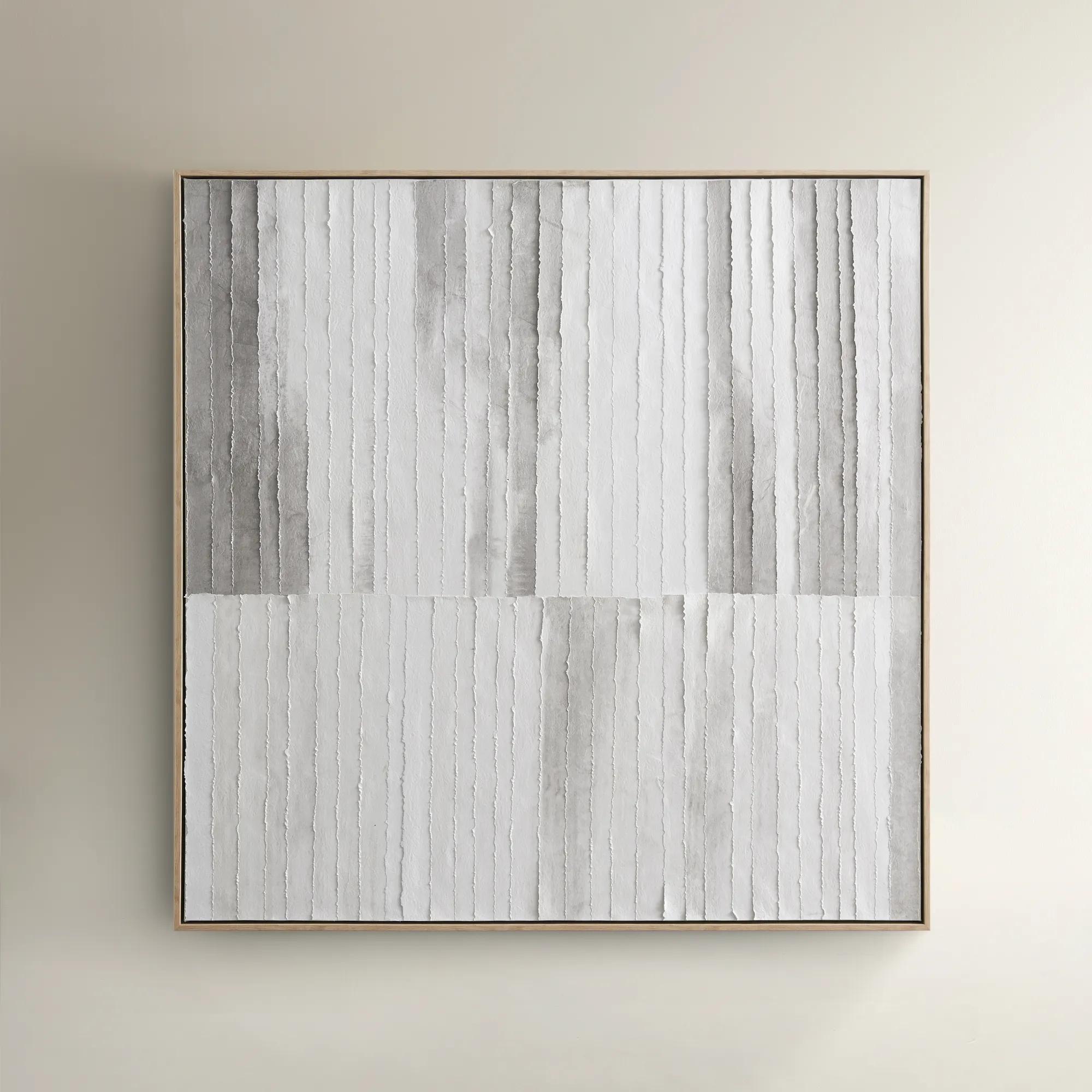
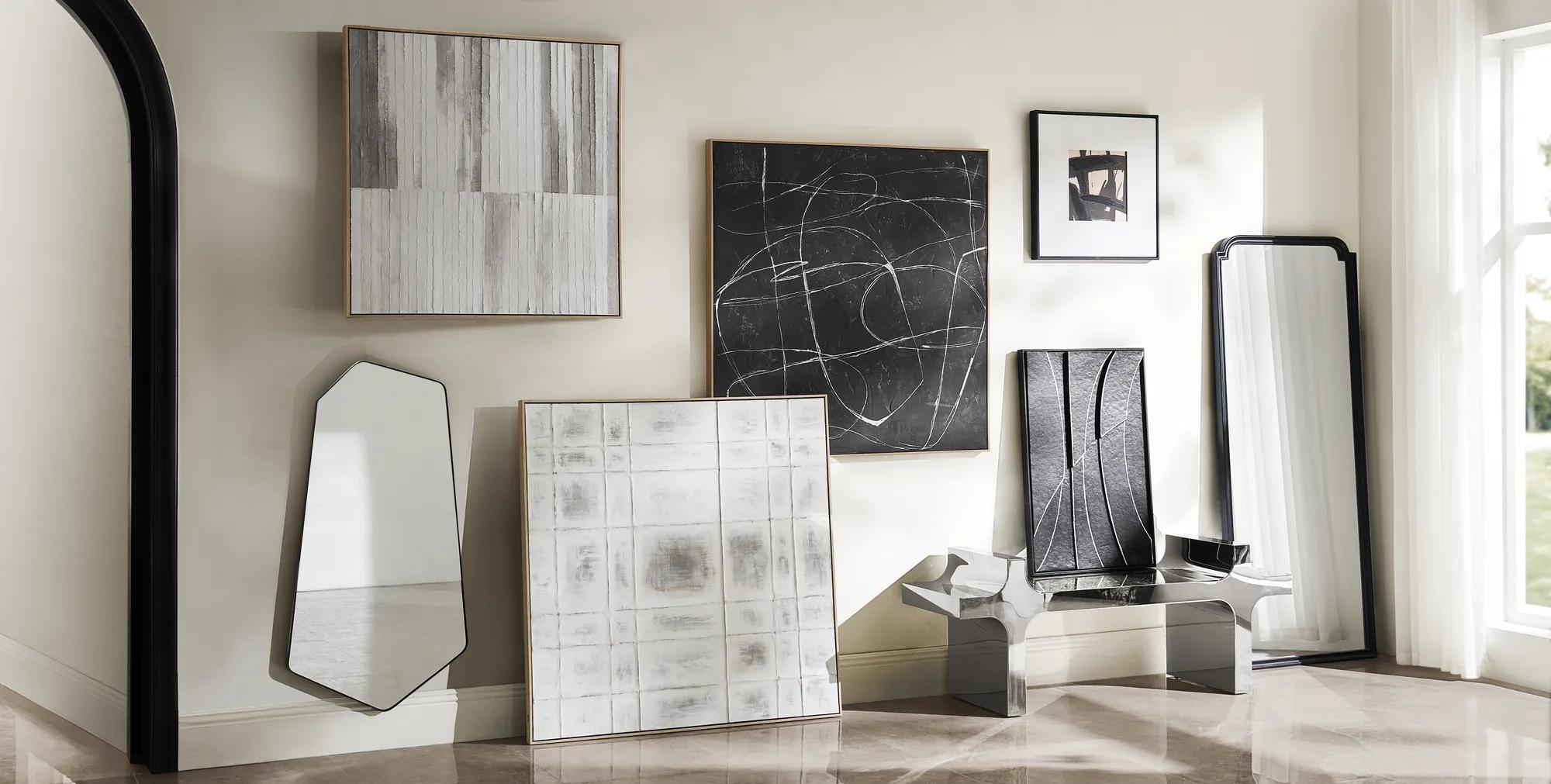 Morning Mist Paper Art$329
A hand-painted canvas featuring rhythmic grey lines in a textured, whitewashed floater frame for serene style.
Add To Cart -
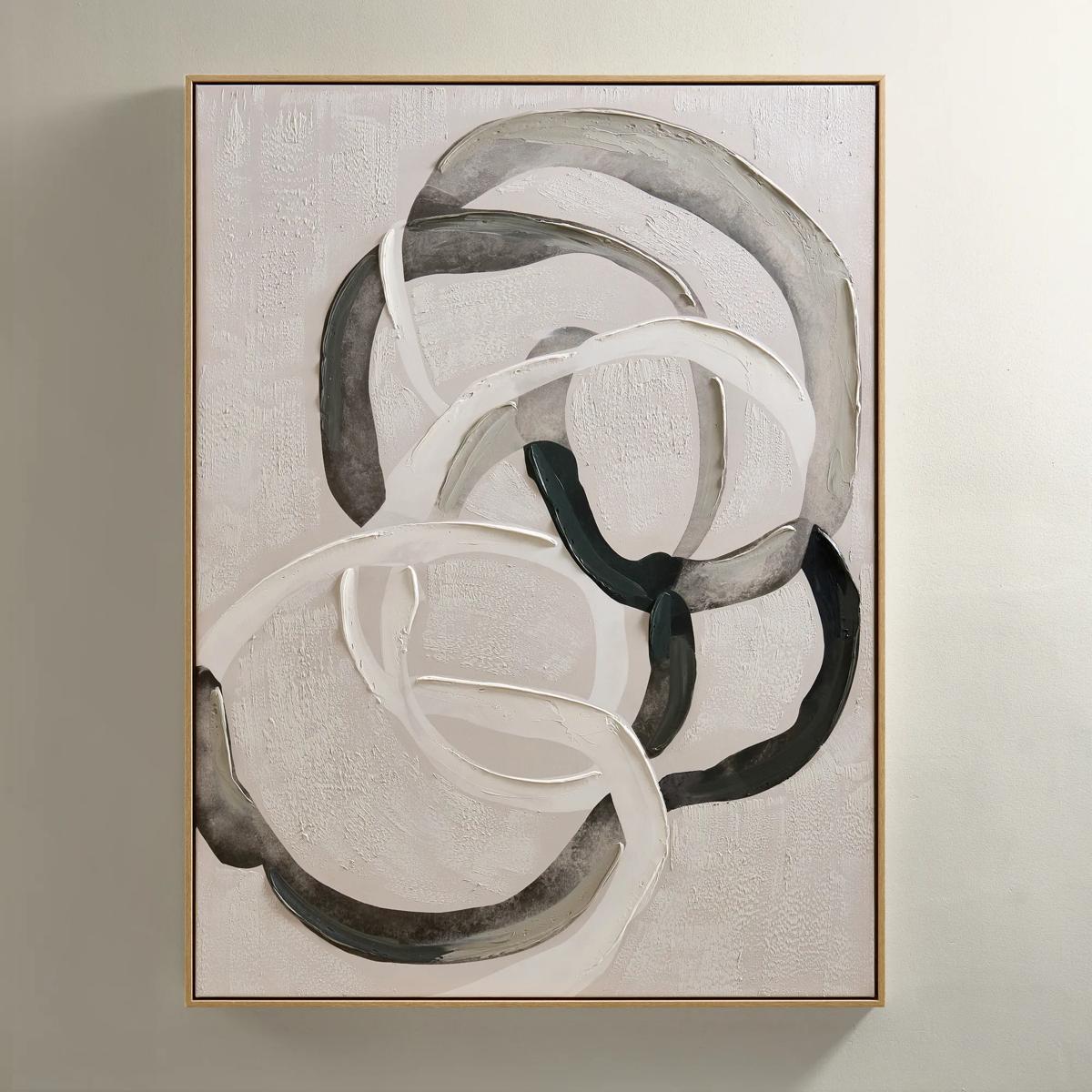
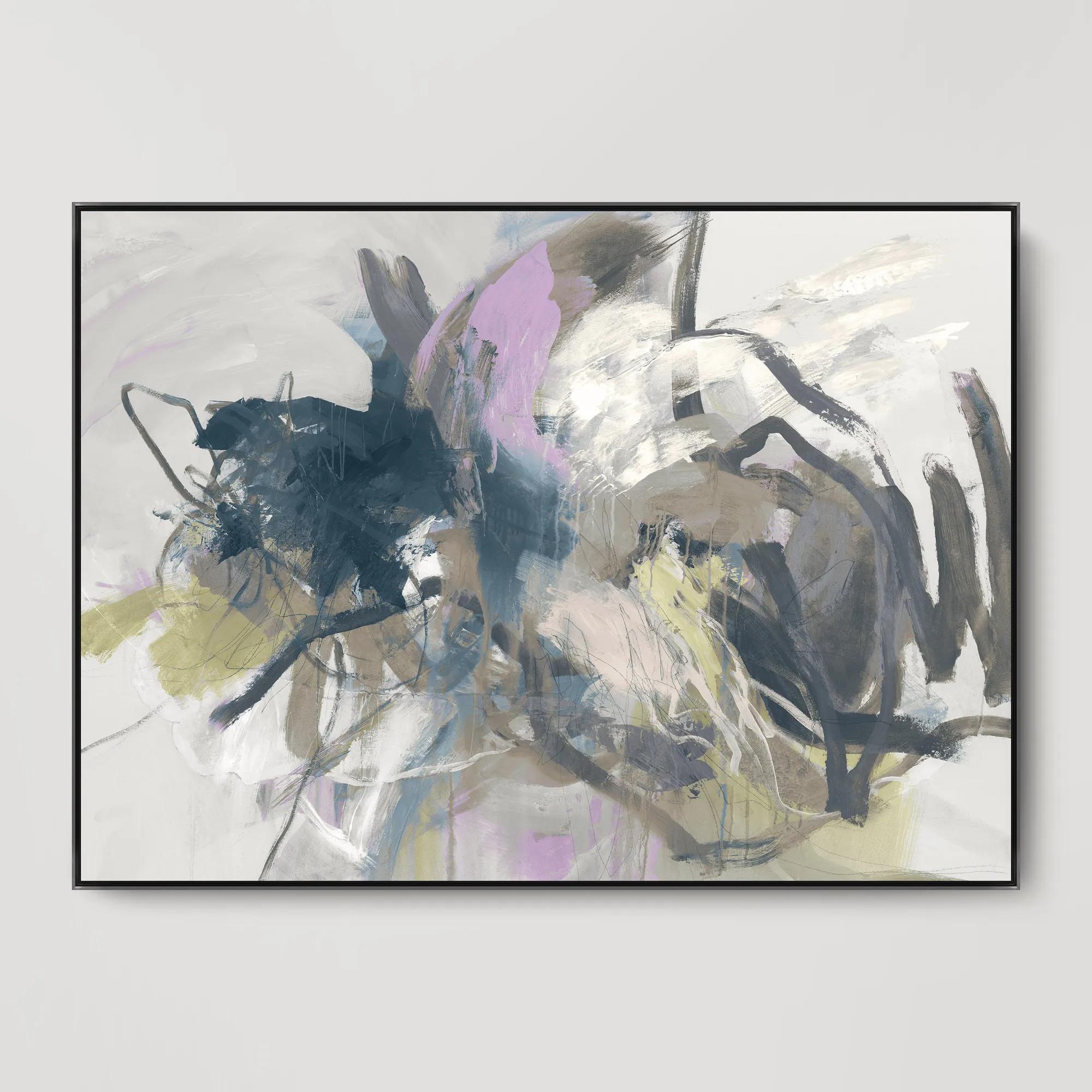
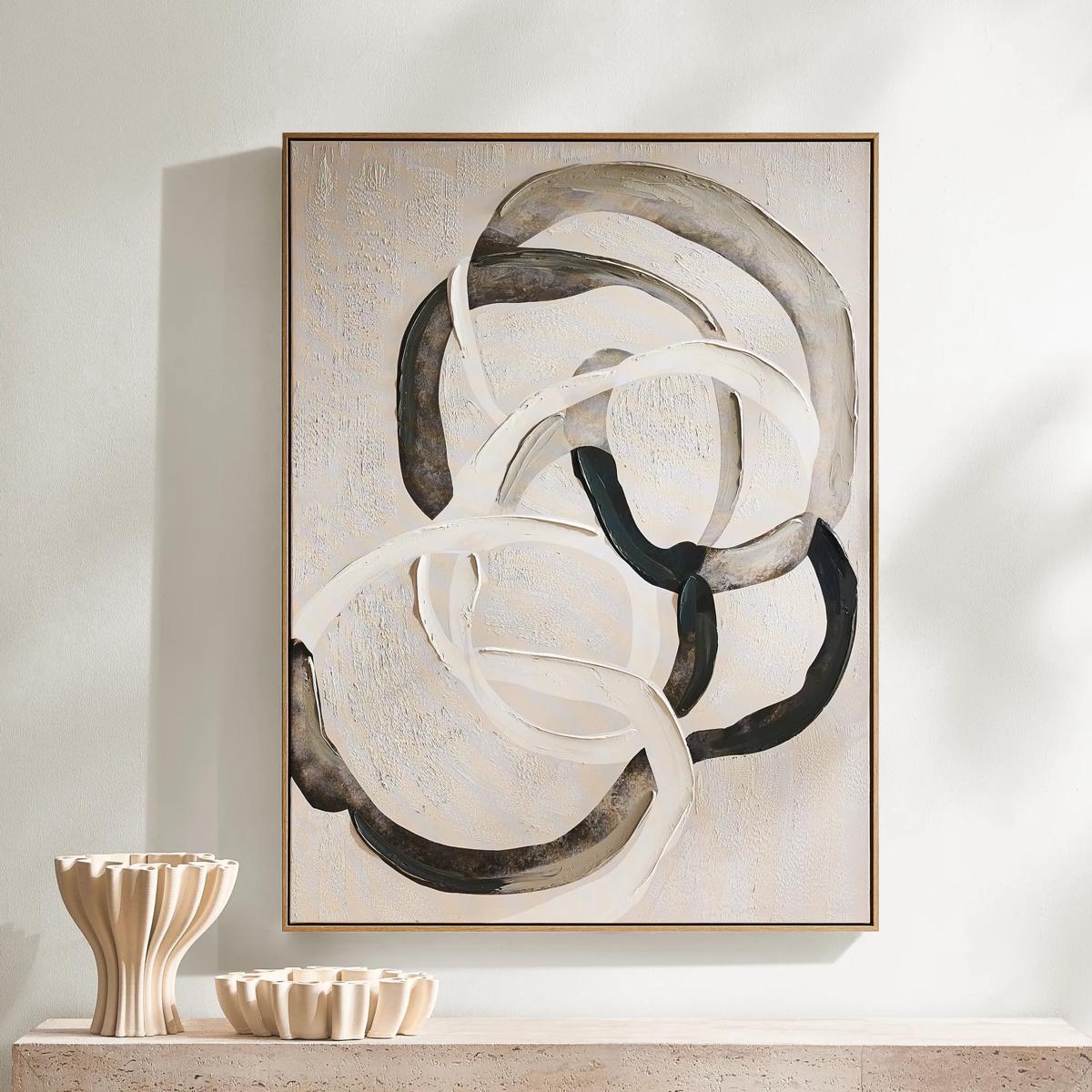 Round About Framed Painted Wall Art 35.25" x 47.25"$349
An abstract hand-painted canvas with tonal whites, charcoals, and taupes in a light wood floater frame.
Add To Cart -

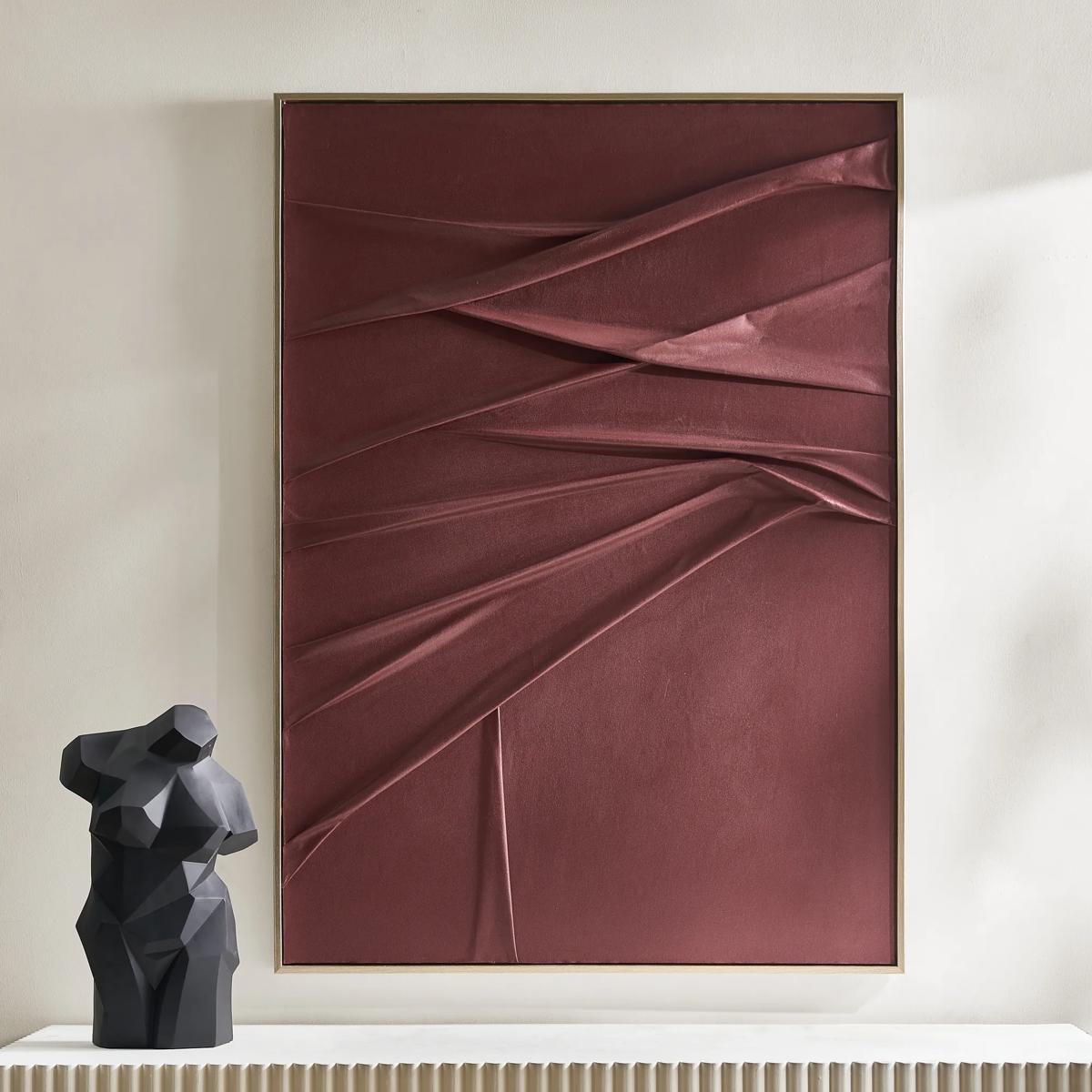 Crimson Painting$599
A handcrafted burgundy canvas artwork with sculptural folds, framed in champagne for a dramatic, textured effect.
Add To Cart -
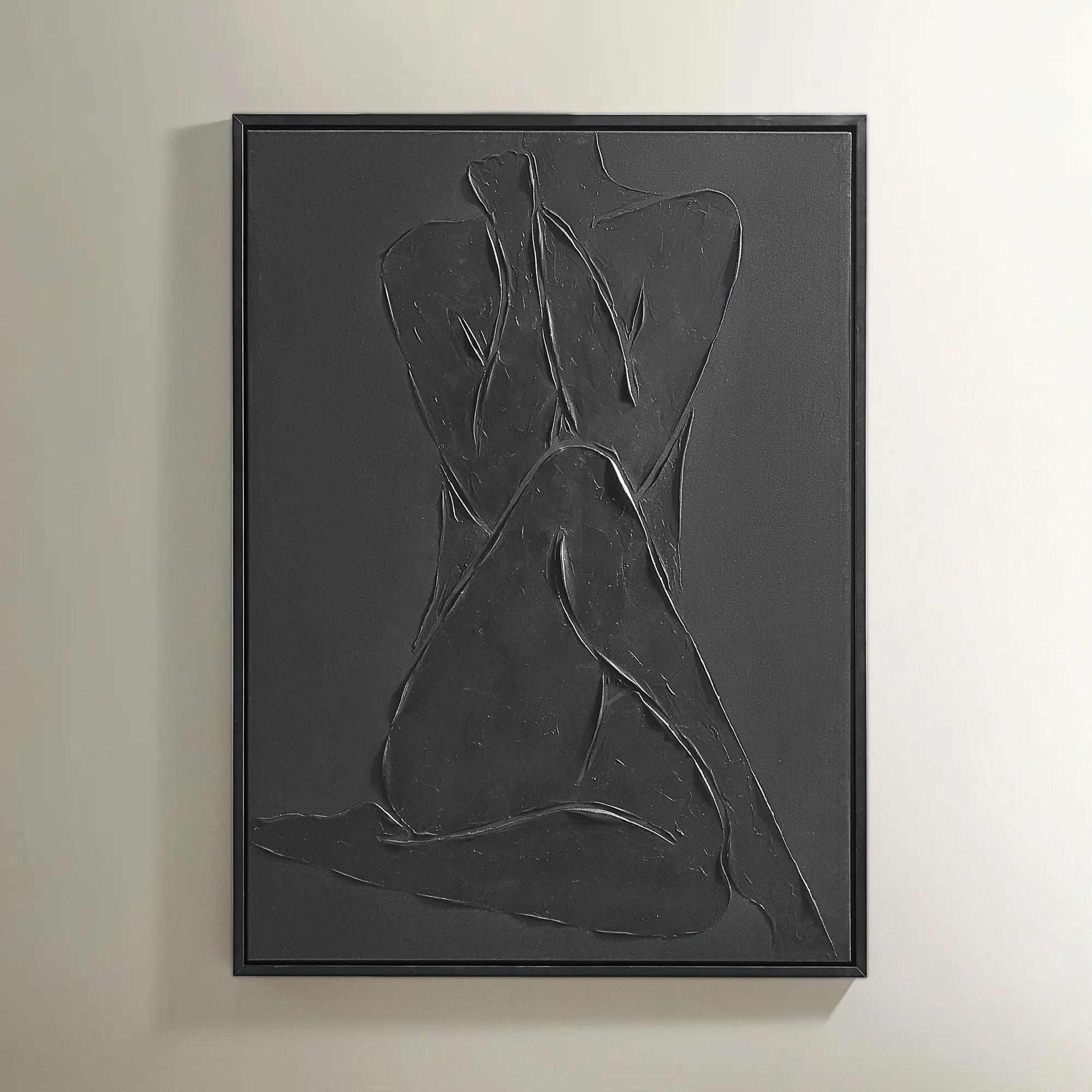 Modern Elegance Nude Black Framed Painted Wall Art 35.5" x 47.25"$599
A hand-embellished canvas artwork featuring textured strokes and vibrant hues in a black and gold Art Deco frame.
Add To Cart -
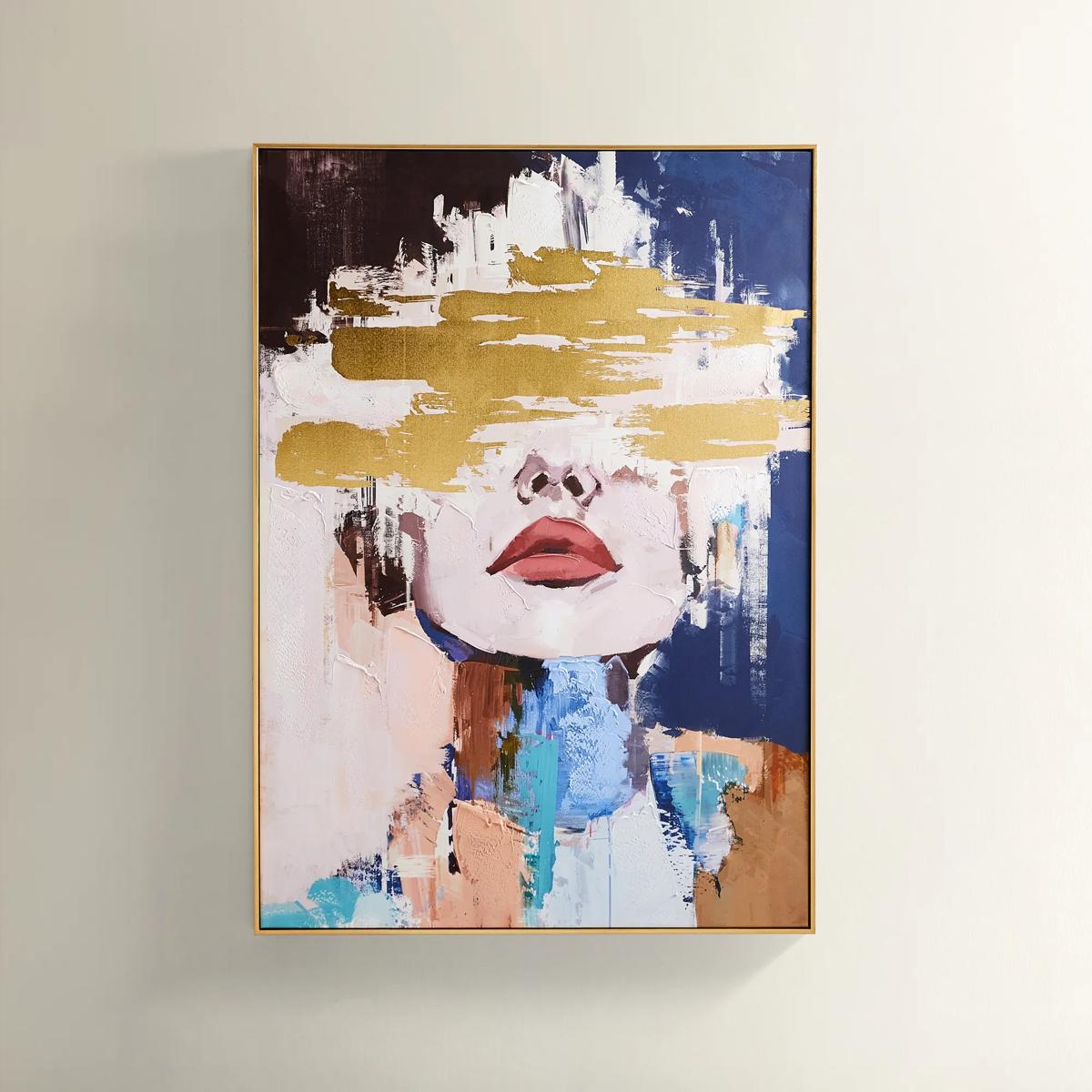
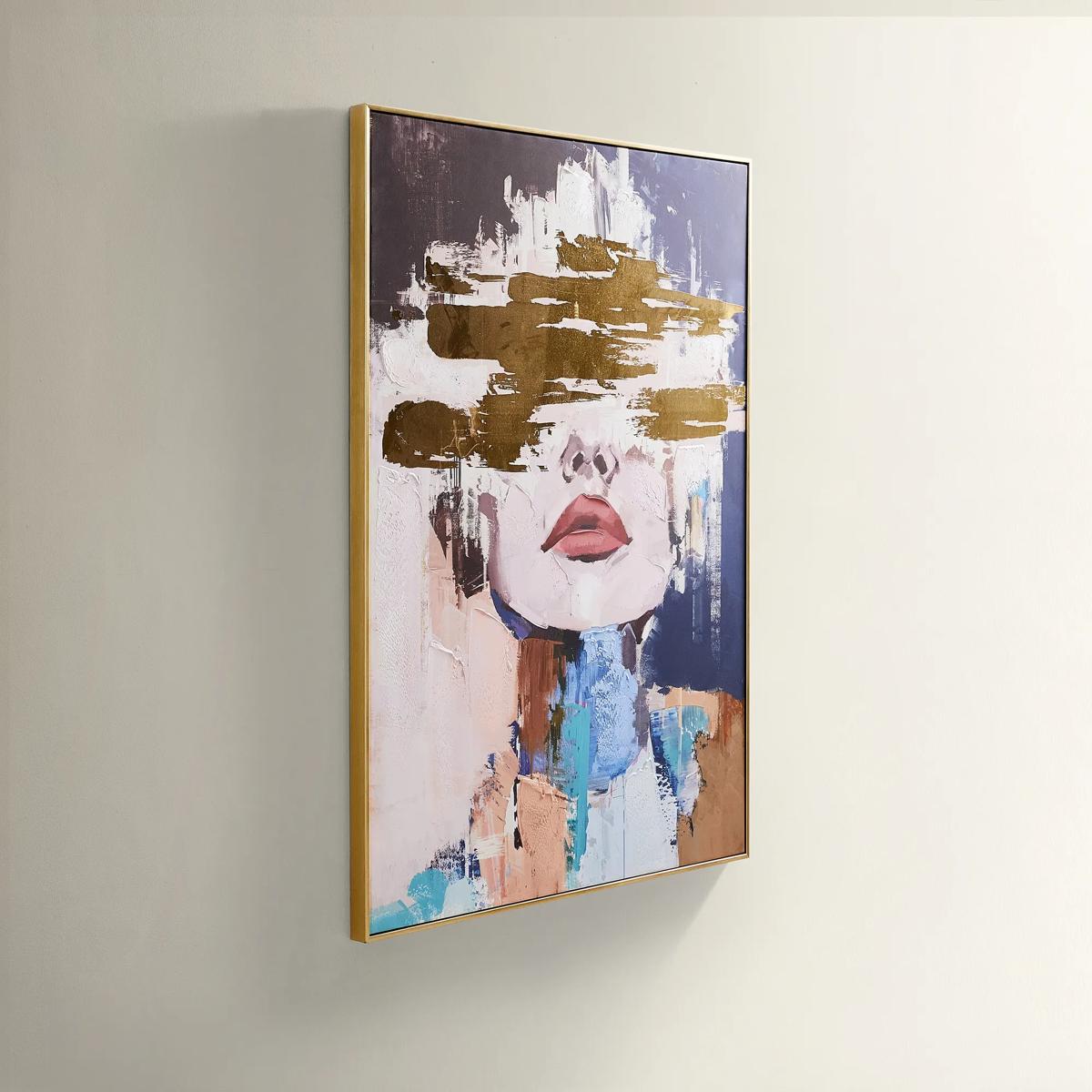 Waiting in Color Gold Foil Painted Wall Art 39.25" x 55"$499
A hand-painted abstract portrait in vivid blue, blush, and gold foil, framed in luxe gold.
Add To Cart -
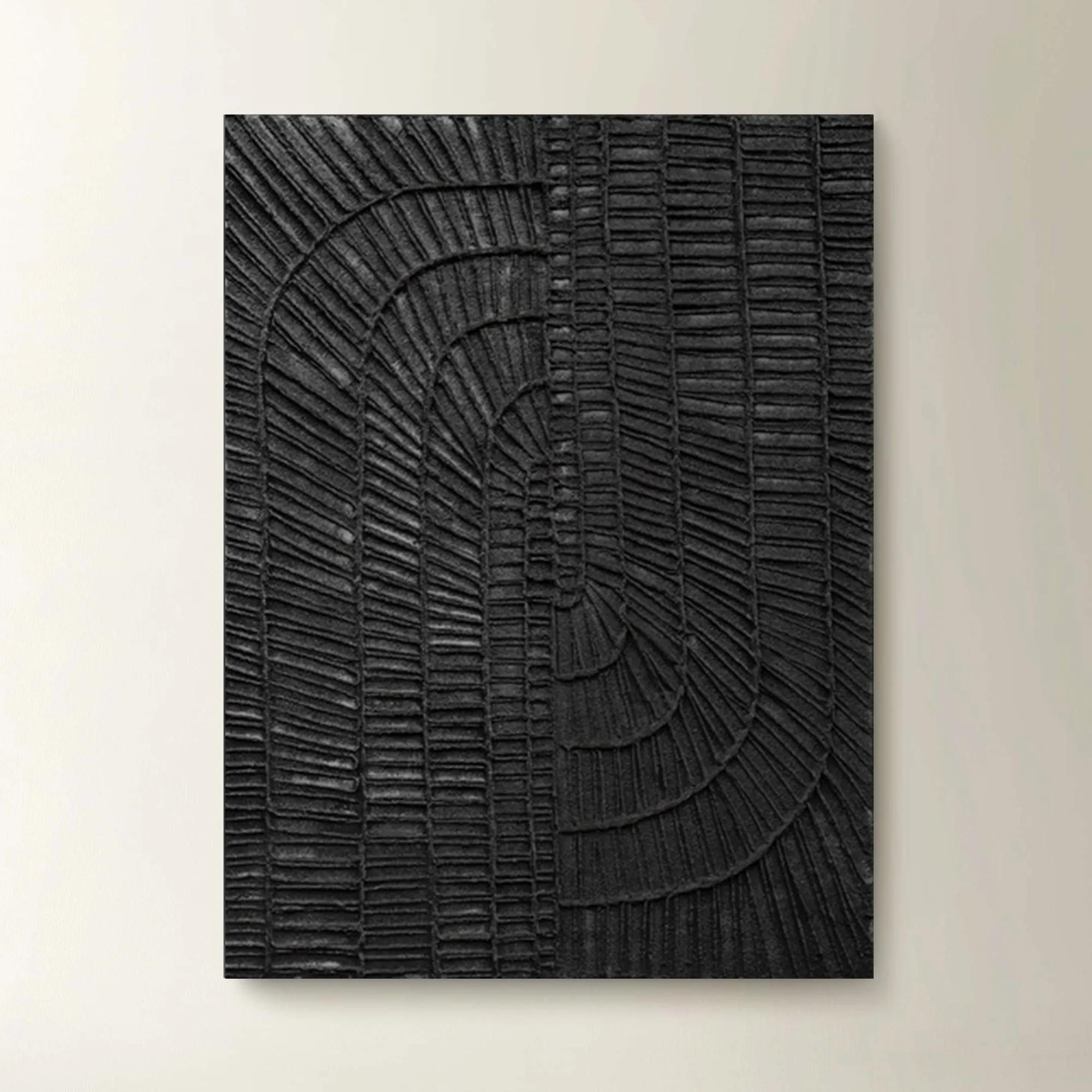
 Fossil Painting$299
A bold hand-painted abstract artwork featuring textured black shades in a sleek black floater frame.
Add To Cart -
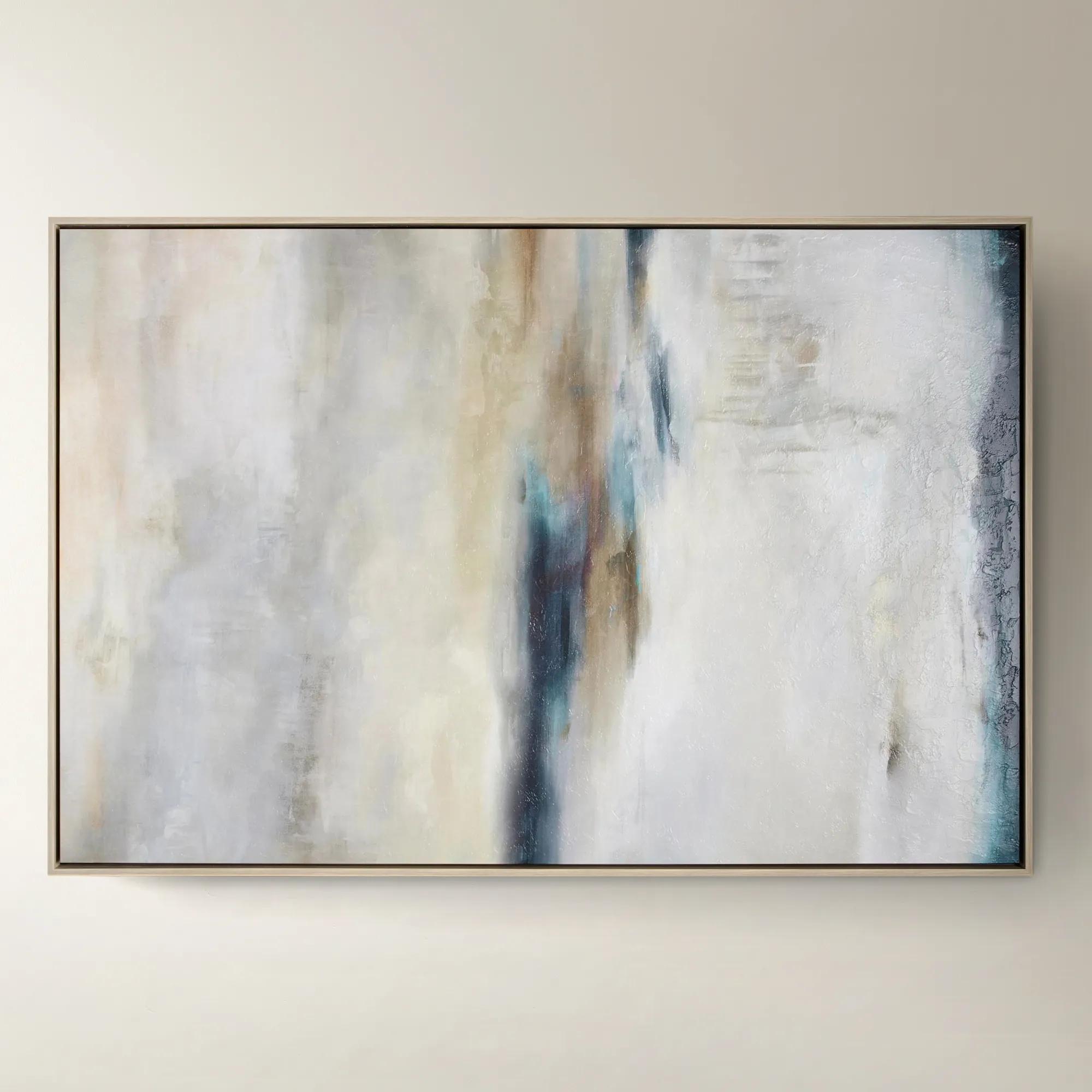
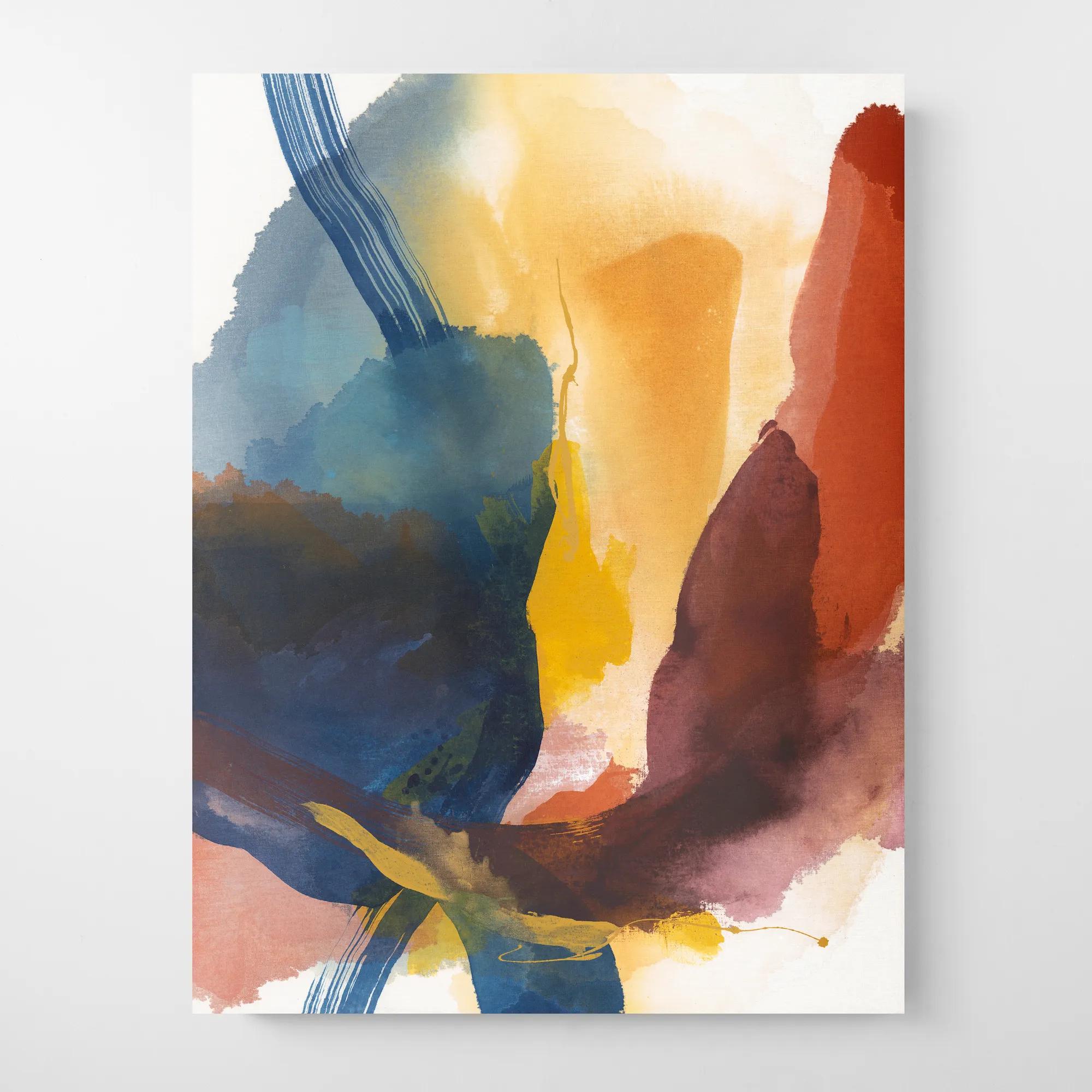
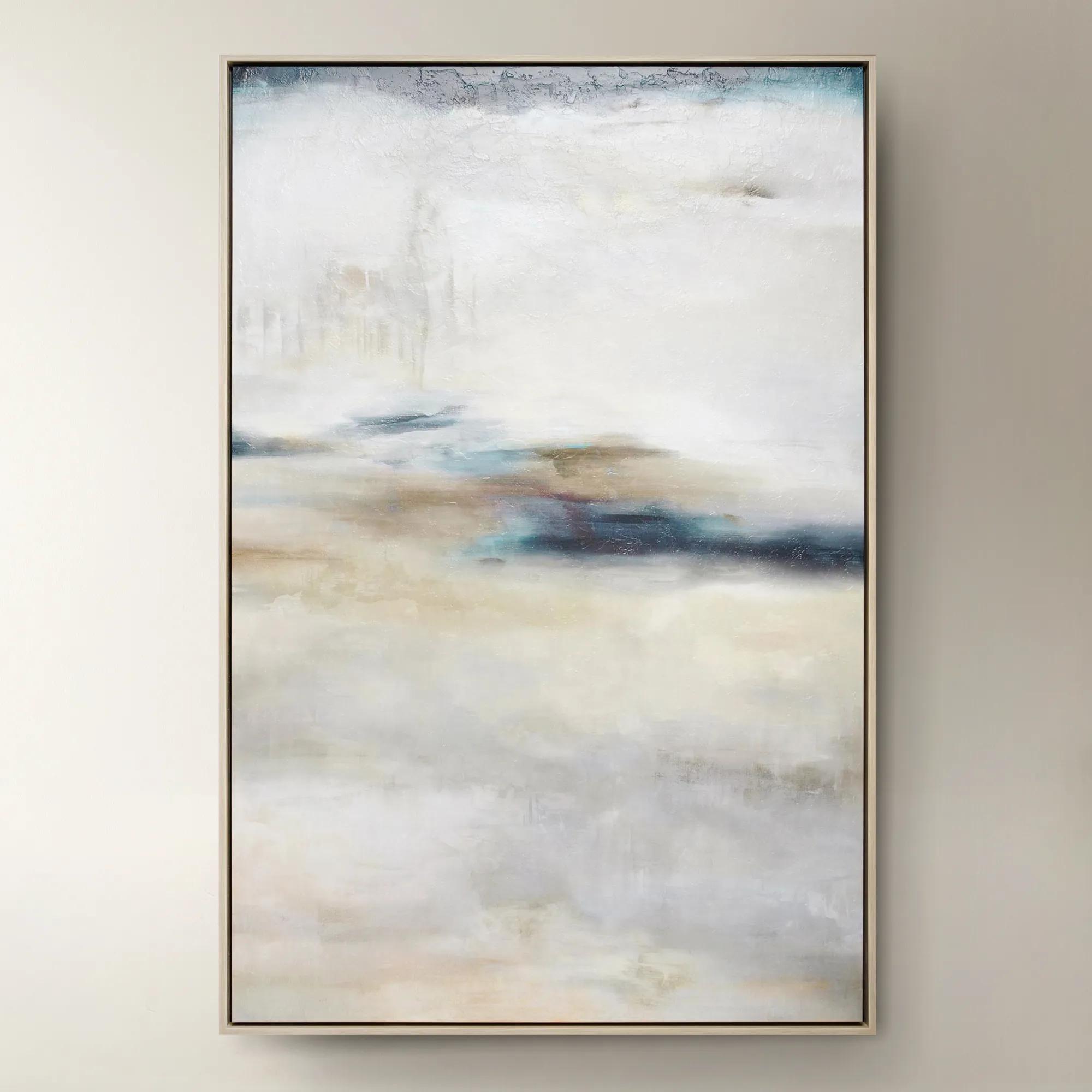 Forward Looking$1299
A softly layered abstract canvas print with a gel finish, set in a natural-hued floater frame.
Add To Cart -
 Shadow Painting 2$179
A hand-painted abstract canvas featuring bold textures and brown hues in a warm whitewash floater frame.
Add To Cart -
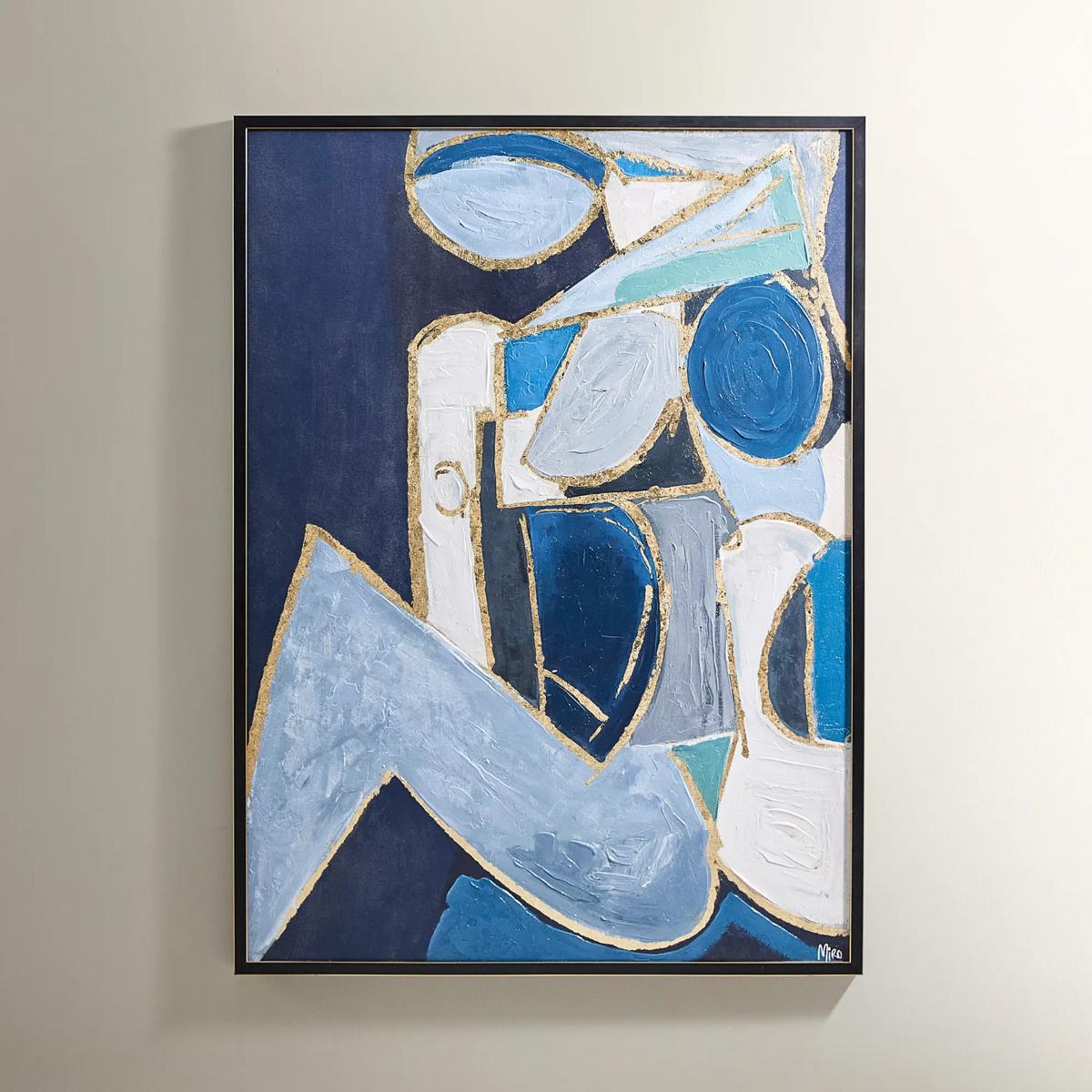
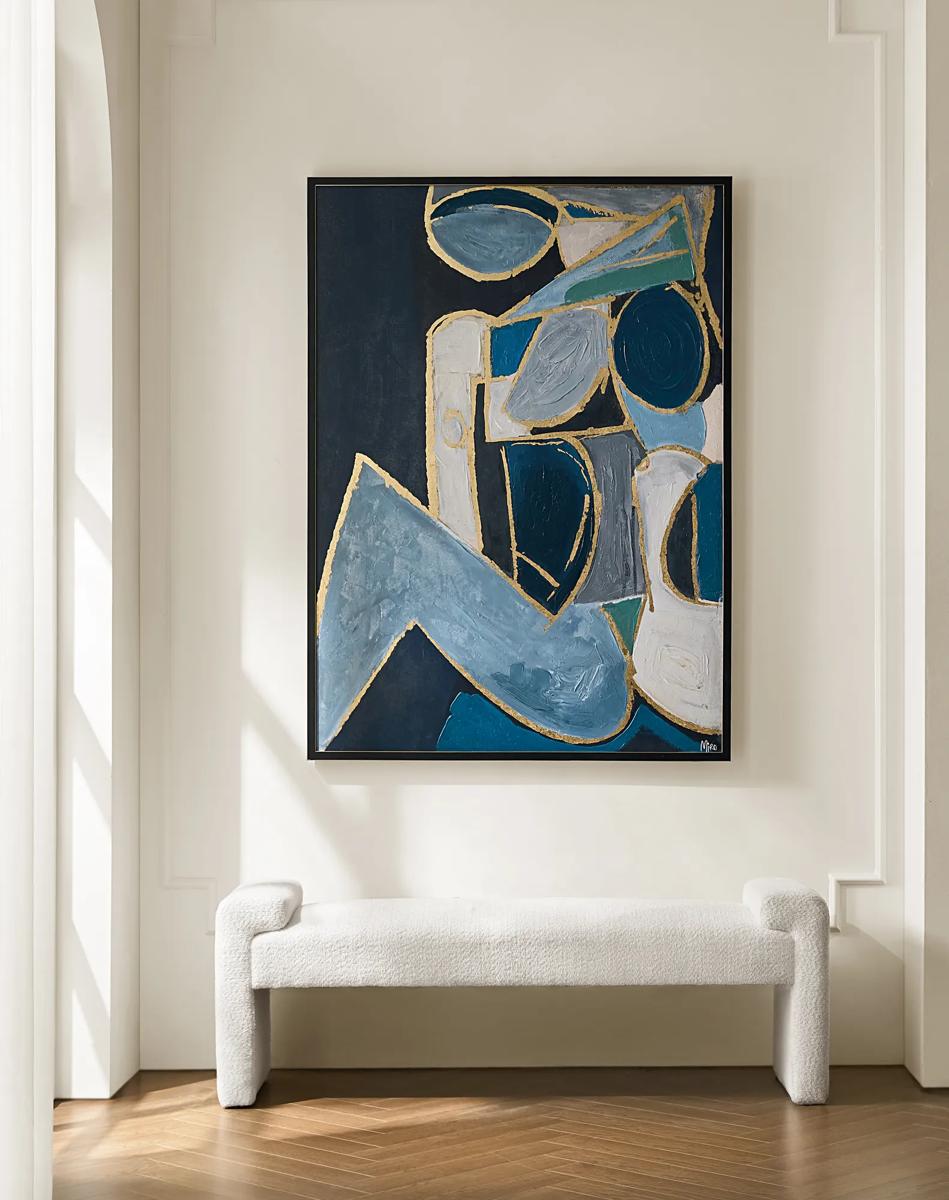 Figure in Cubism Painting$599
A hand-embellished canvas artwork featuring blue, gold, and white hues with elegant silver foil accents.
Add To Cart -
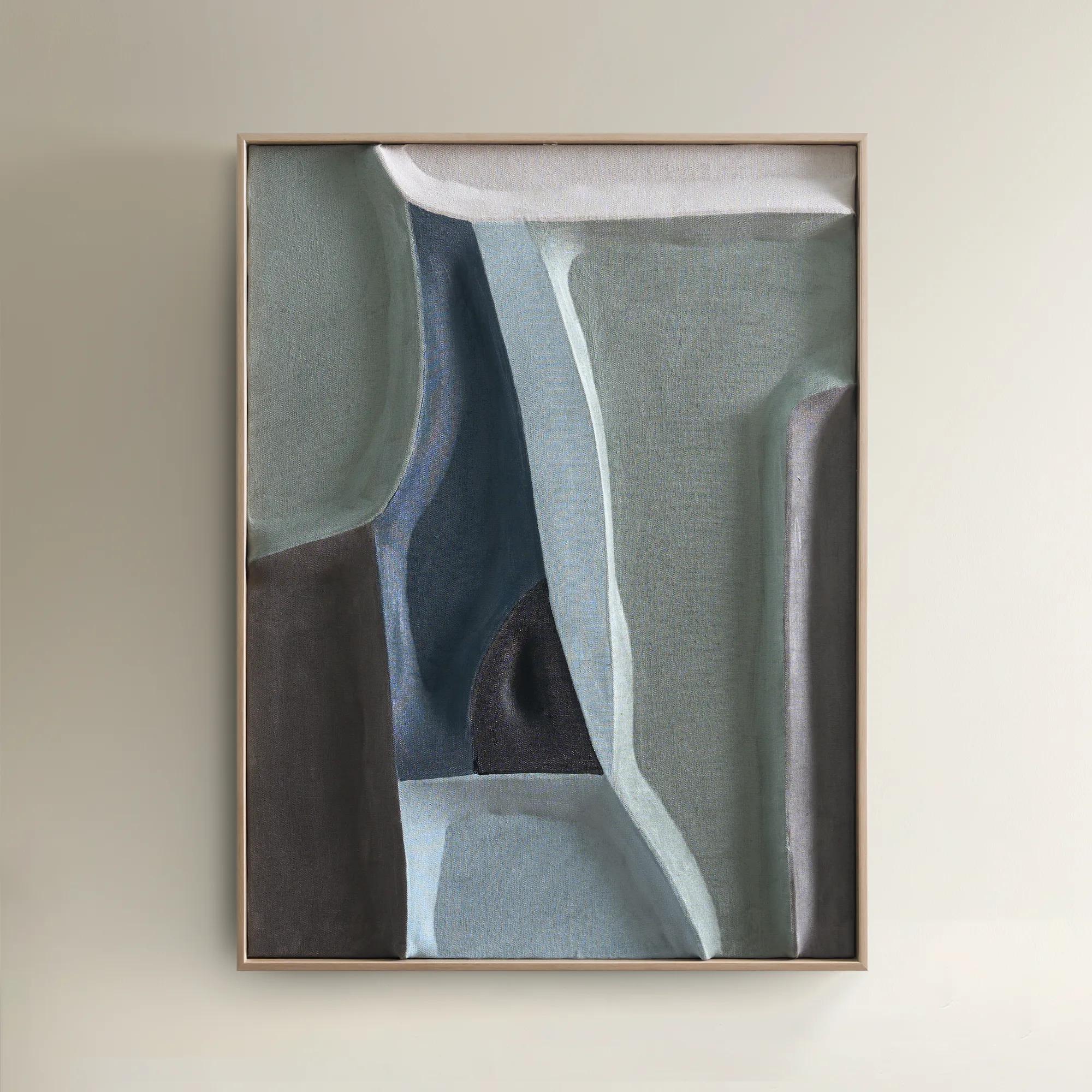
 Patina Painting$119
An abstract hand-painted canvas in rich greens and blues, framed in a warm white oak floater.
Add To Cart -
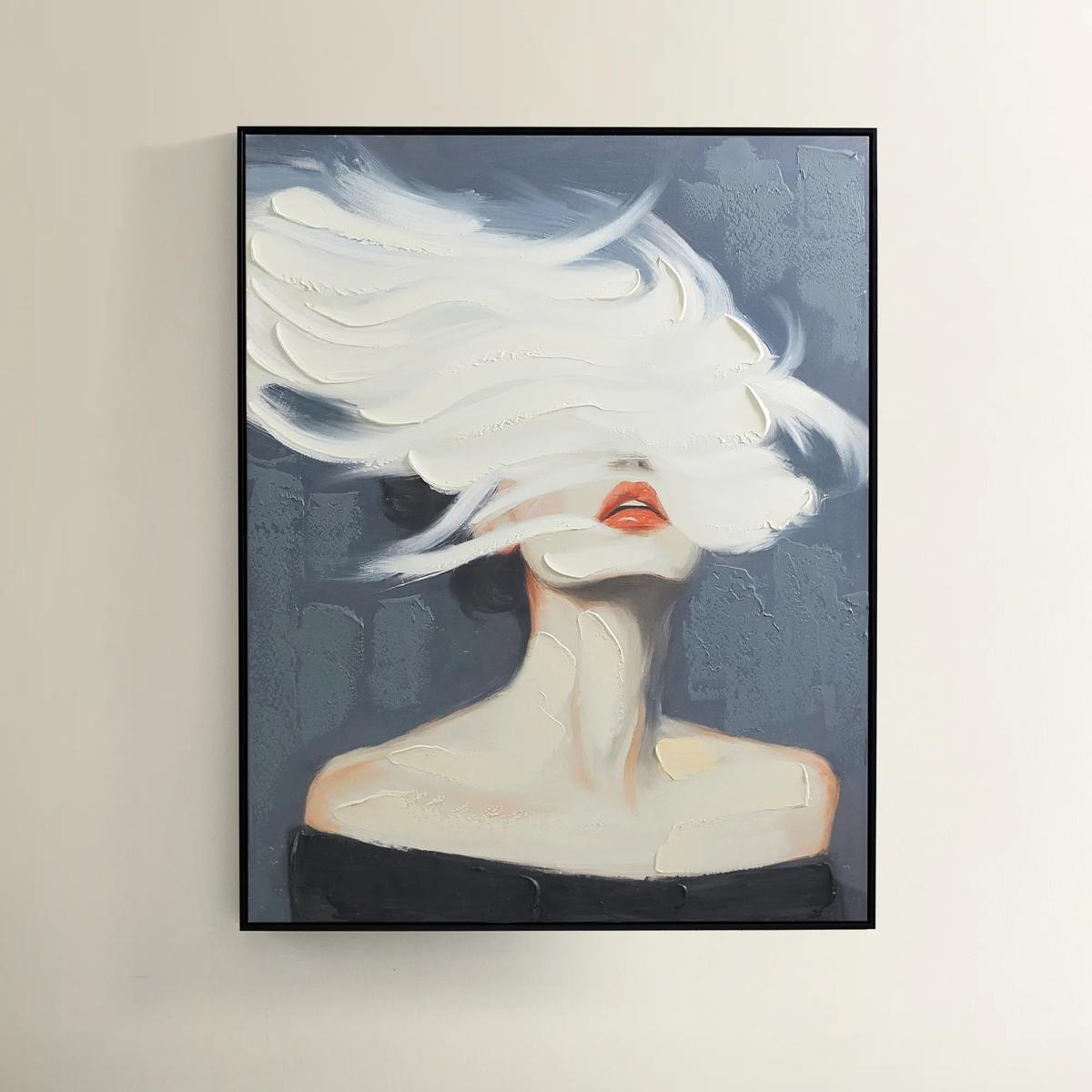
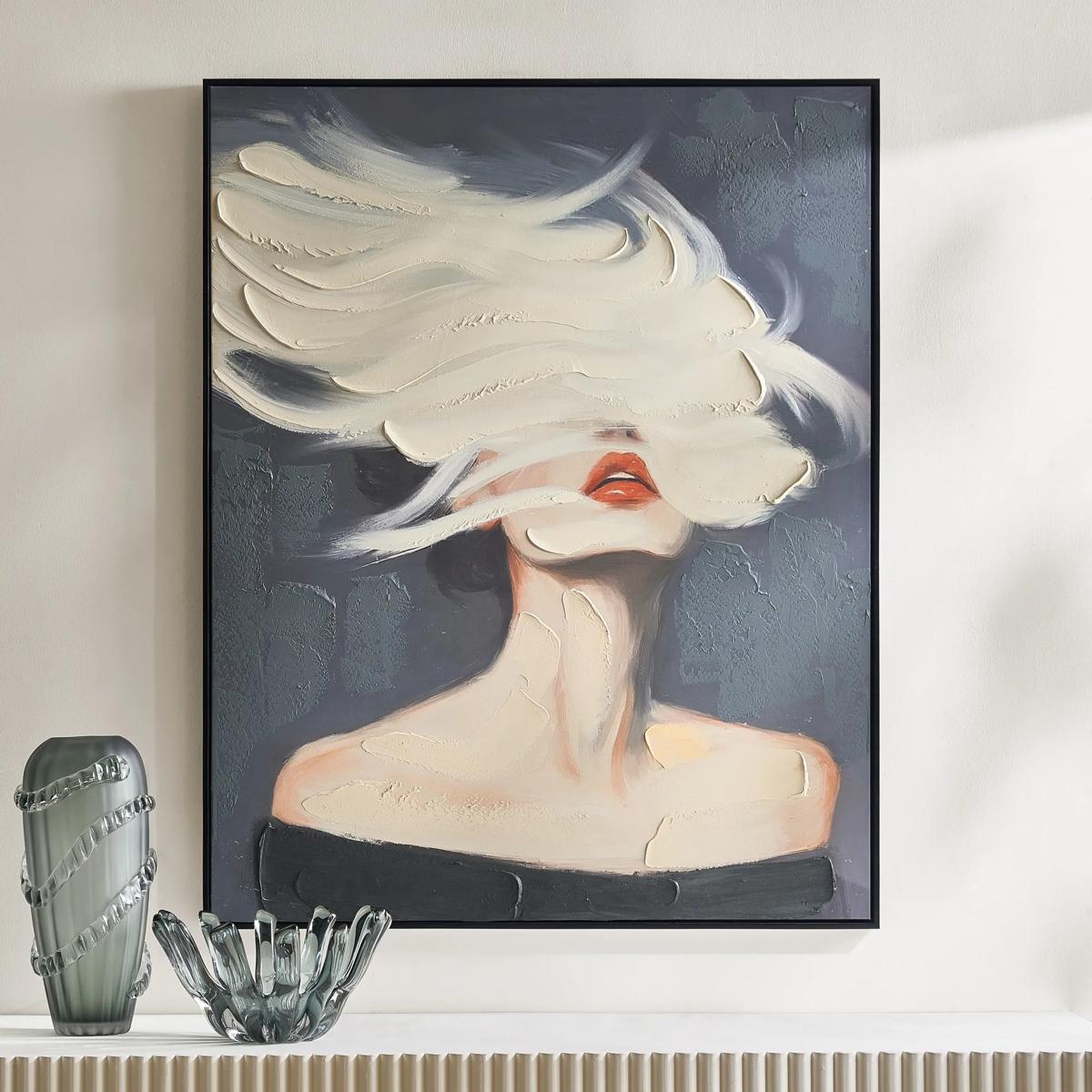 Daydreamer Painting$599
A hand-painted canvas portrait with sculptural white brushstrokes, bold red lips, and a sleek black frame.
Add To Cart

Contemporary Living Room Paintings
Contemporary living room paintings transform your space into a gallery of modern artistry, where every brushstroke is an invitation to indulge in creativity and sophistication. These striking works of art set the stage for conversation and contemplation, infusing your living room with dynamic energy and visual intrigue. Whether you crave bold abstracts or subtle compositions, each piece is curated to command attention and elevate your décor with a flourish of color, texture, and imagination. Let your walls become the ultimate expression of style—because in a world of Contemporary Living Room Paintings, every moment at home feels like an unveiling.
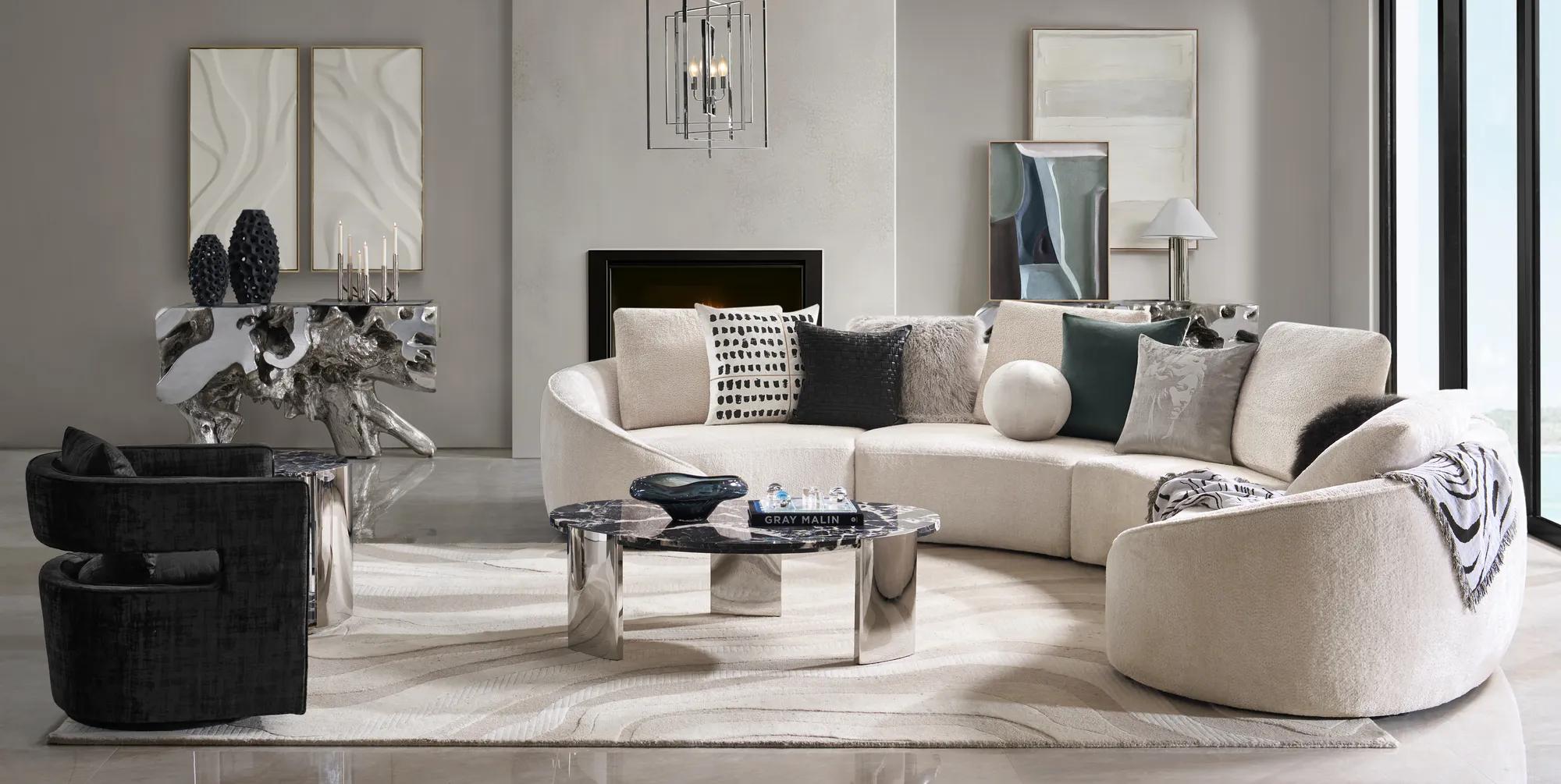
Contemporary living room paintings bring color, movement, and a distinct point of view to the room where daily life and entertaining meet. Large abstract canvases, expressive color-block compositions, and textured monochromatic works can each create a compelling focal point, giving a seating area the presence of a thoughtfully composed interior. Contemporary painting encompasses a broad range of visual languages rather than a single look: sweeping gestures suggest motion, geometric forms establish rhythm, and atmospheric washes soften the architectural lines of a room. For a living room with a neutral sofa and understated walls, a painting with saturated blue, aubergine, or emerald passages introduces depth without requiring every furnishing to compete for attention. Black-and-white paintings offer a different kind of drama, with strong contrast that feels especially striking beside sculptural furniture, gleaming accents, or richly woven upholstery. Tonal artwork in ivory, taupe, and charcoal can be equally expressive when layered brushwork and subtle shifts in value give the surface dimension. The strongest connection often comes from repeating two or three accent colors from the painting in pillows, a rug, or drapery, allowing the artwork to lead rather than disappear into a perfectly matched scheme. A ribbon of ochre in an otherwise restrained canvas might find an echo in a velvet cushion; a smoky gray passage might relate to the veining of a stone table. For interiors shaped around gesture, color, and nonrepresentational forms, Contemporary Abstract Art For Living Rooms offers a closely related direction for creating an expressive wall composition. Whether the mood is theatrical or quietly sumptuous, living room artwork feels most personal when its palette and subject resonate beyond the immediate decor. An energetic composition can animate a conversation area, while a hazy landscape or restrained abstraction creates a contemplative counterpoint to an otherwise elaborate room. These paintings suit design enthusiasts building a layered interior as well as anyone seeking one decisive piece that gives existing furnishings a new sense of purpose.
Scale determines how convincingly a painting belongs to its setting. Above a sofa, artwork spanning roughly two-thirds of the furniture’s width is a useful starting point, with the full outer frame included in that measurement. A 90-inch sofa, for example, often pairs comfortably with a painting approximately 60 inches wide, although ceiling height, nearby windows, and the visual weight of the composition can shift that balance. A broad horizontal canvas emphasizes the sweep of a seating arrangement, while a vertical painting draws attention upward and can lend stature to a narrow wall beside a bookcase or fireplace. Oversized living room paintings offer an expansive field of color and texture, particularly in open-plan spaces where smaller artwork may lose definition from across the room. A pair of related paintings creates a measured cadence, and a diptych or triptych can extend a composition across a generous wall without relying on a single canvas. When considering multiple panels, the total width includes the spaces between them; those intervals should feel deliberate rather than disconnected. On an open wall, placing the center of the artwork approximately 57 to 60 inches above the floor provides a familiar eye-level reference. Above a sofa, the relationship to the furniture matters more than a fixed formula, and a lower frame edge around 6 to 10 inches above the sofa back often helps the arrangement feel connected. These proportions are starting points, not rigid rules, especially with unusually tall furniture or soaring ceilings. A painting should remain comfortable to view from the room’s principal seats and should not crowd sconces, shelving, or architectural trim. In a compact living room, one generously scaled composition can feel more assured than several small pieces scattered across the wall. Conversely, a smaller framed painting can create an intimate moment above a console or beside an accent chair when the surrounding space gives it definition. Viewing distance matters, too: intricate marks invite close attention, while broad forms and decisive contrasts carry their impact across a larger room. Measuring the wall and outlining the intended dimensions before hanging helps preserve both the artwork’s presence and the room’s breathing space.
Materials and finish shape the experience of contemporary wall art as much as color and scale. Paintings on stretched canvas have a fabric support that may remain subtly visible beneath the paint, while works on rigid panels offer a firm surface suited to crisp details or layered applications. Acrylic and oil paints can both produce luminous color and expressive texture, but their appearance varies with the artist’s technique, the ground, and any protective finish. Raised impasto catches directional light and casts delicate shadows; smoother passages let shifts in pigment take the lead. Metallic leaf or reflective accents introduce flashes of brilliance that change with the viewing angle, creating a lively relationship with nearby glass, polished metal, and lacquered furnishings. Product descriptions should distinguish original paintings, hand-embellished prints, and reproductions, since each offers a different surface and method of production. Framing contributes another layer of character: a slim dark frame sharpens an energetic composition, a wood frame adds warmth, and a floating frame creates a shadow line around the canvas edge. Any glazing should be considered alongside the room’s lighting, since reflections can obscure detail from certain seats. Durability depends on the support, finish, construction, and placement rather than appearance alone. Direct sunlight can fade pigments and affect materials over time, while damp areas, active fireplaces, and heating vents can expose artwork to damaging conditions. Gentle care preserves the surface: follow the maker’s instructions, avoid household sprays and wet wiping, and use particular caution around loose texture or delicate leafing. Lift artwork by its frame or supported edges rather than pressing against the painted face, and choose hanging hardware appropriate to its weight and the wall construction. For a housewarming or wedding gift, a painting can become a lasting expression of shared taste when the recipient’s preferred palette and available wall space are known. Chosen with that same attention for a personal living room, contemporary art becomes more than a finishing detail: it establishes the room’s emotional register, giving familiar surroundings a vivid and unmistakably individual identity.
FAQs
Contemporary paintings infuse a living room with personality, depth, and visual intrigue. Whether you choose bold abstracts or subtle, textured compositions, these artworks set the tone for the space—inviting conversation, sparking inspiration, and offering a focal point that draws the eye. The right piece can create a mood of opulence, serenity, or vibrant energy, transforming your living room into a true reflection of your unique style.
Displaying contemporary paintings can be an art form in itself. Consider hanging a large statement piece above the sofa to anchor the room, or create a gallery wall by grouping smaller works with complementary tones and themes. Layering art with mirrors, sculptural objects, or dramatic lighting can add dimension and drama, while leaning oversized canvases against the wall offers a relaxed, editorial look that feels both curated and inviting.
A contemporary living room painting makes an unforgettable gift for anyone who values artistic expression and home décor. Newlyweds, new homeowners, art enthusiasts, or someone celebrating a significant milestone will appreciate the thoughtfulness and enduring beauty of a carefully chosen artwork. It’s a meaningful gesture that adds a touch of luxury and inspiration to their everyday surroundings.
When selecting artwork, consider your room’s color palette, furniture styles, and the overall mood you wish to create. Harmonize bold pieces with neutral furnishings for a dramatic effect, or choose softer, more abstract works to add subtle sophistication. Pay attention to textures and finishes—metallic accents or layered brushstrokes can echo other design elements in your space, ensuring a cohesive and artful look.
Absolutely. Winter is the perfect time to refresh your living room with contemporary art, as we naturally spend more time indoors seeking comfort and visual interest. New artwork can invigorate your space, reflect the changing light of the season, and create a welcoming atmosphere for gatherings or quiet evenings at home. It’s a transformative touch that brings warmth and inspiration to the heart of your home.