Contemporary Art For Dining Rooms
Contemporary Art For Dining Rooms
-
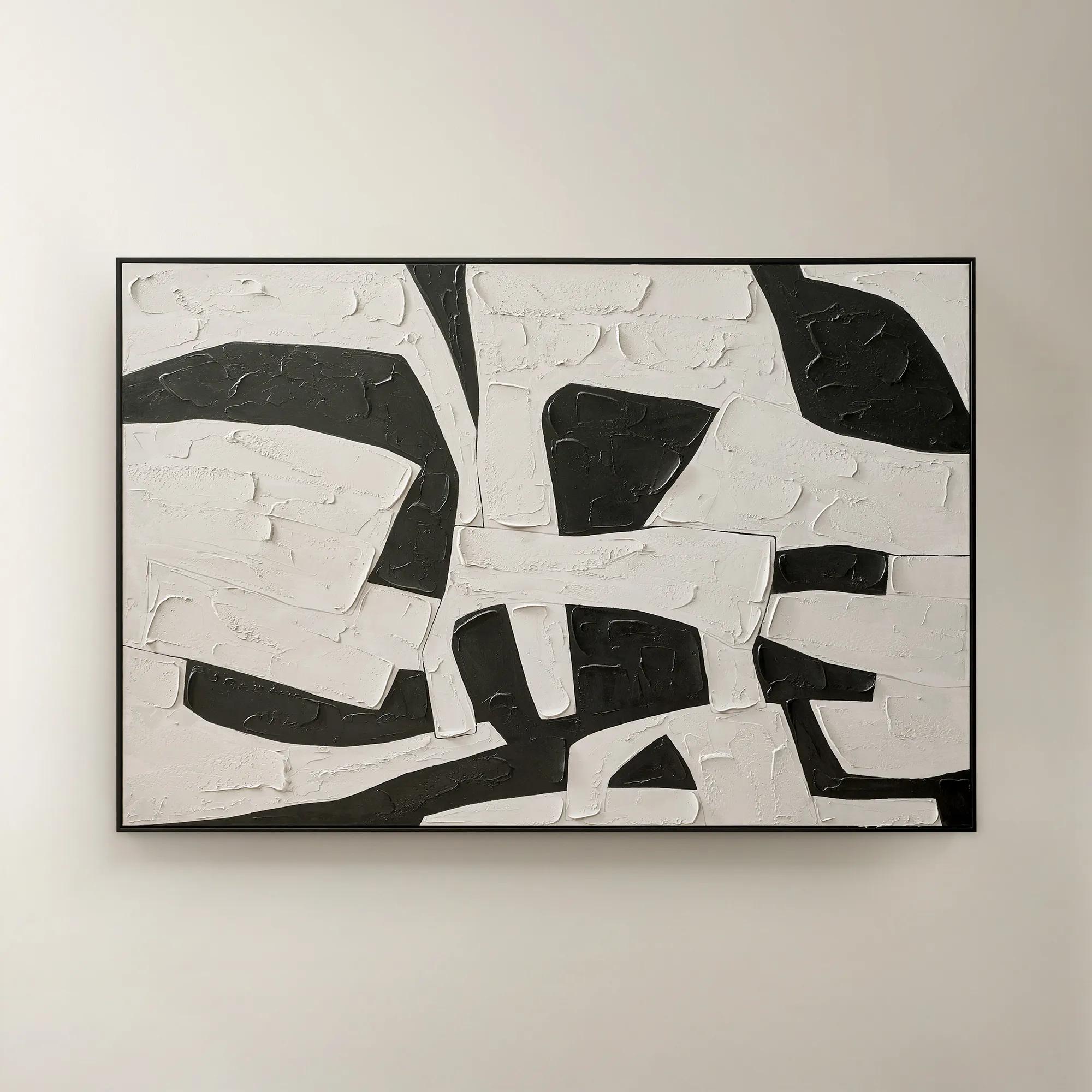 Space Between Shadows Framed Painted Wall Art 72" x 48"$799
A hand-painted abstract canvas featuring bold alabaster and black geometric forms in a sleek black frame.
Add To Cart -
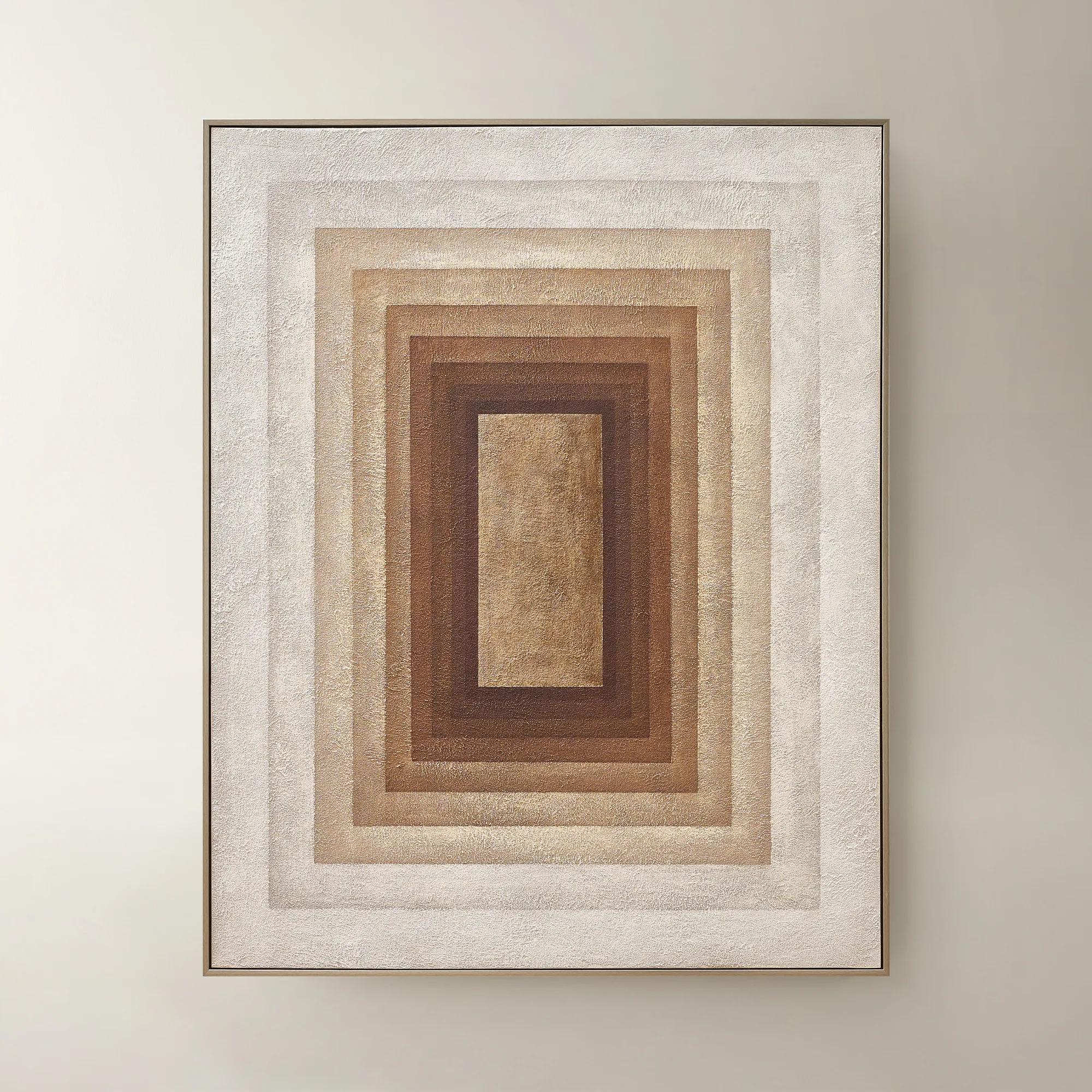 Monochrome Drift Framed Painted Wall Art 60" x 48"$699
A hand-painted abstract canvas with champagne leafing, featuring cocoa and gold tones in modern geometric design.
Add To Cart -
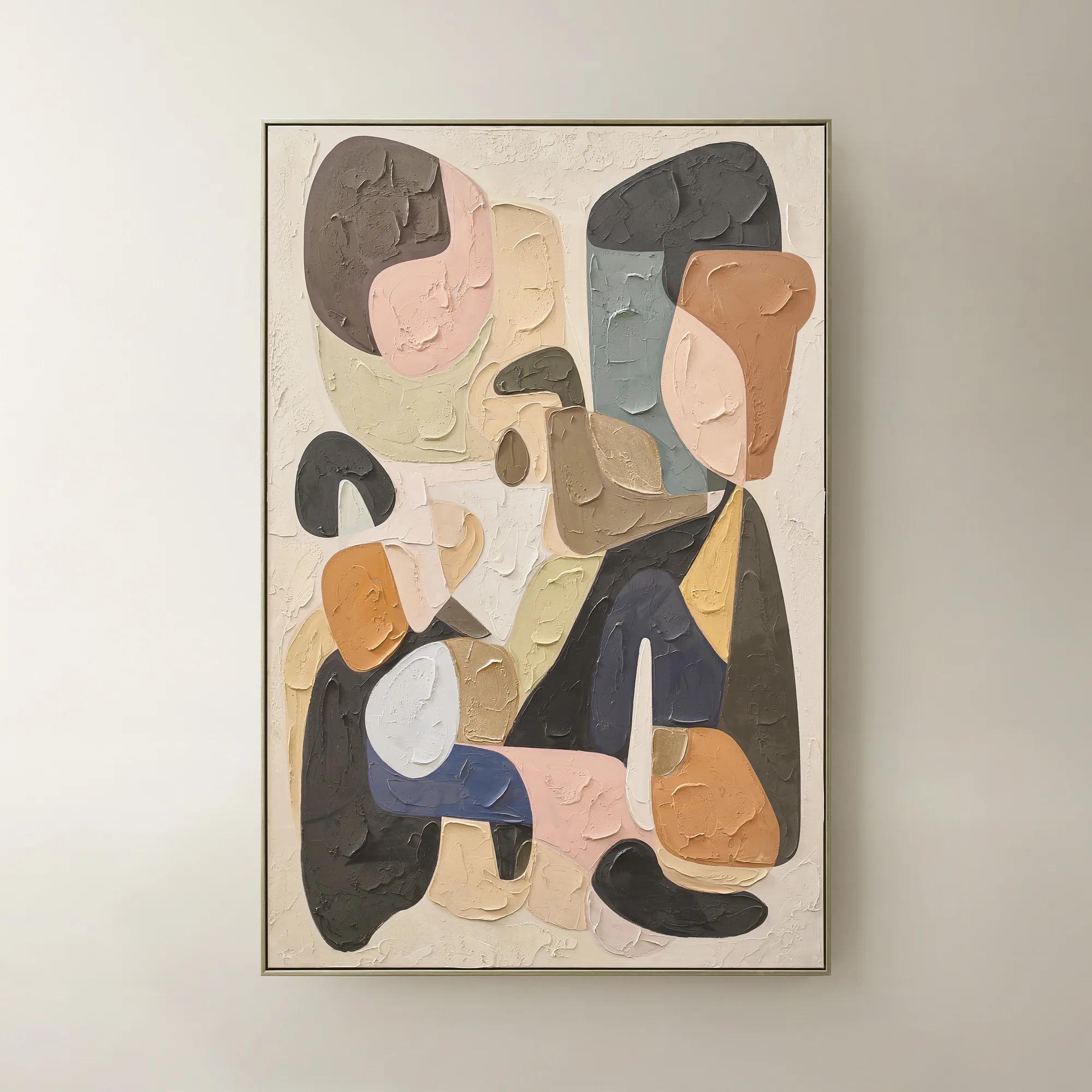 Chromatic Bloom Framed Painted Wall Art 40" x 60"$519
A hand-painted abstract canvas featuring a vibrant multi-color palette and shimmering champagne detailing.
Add To Cart -
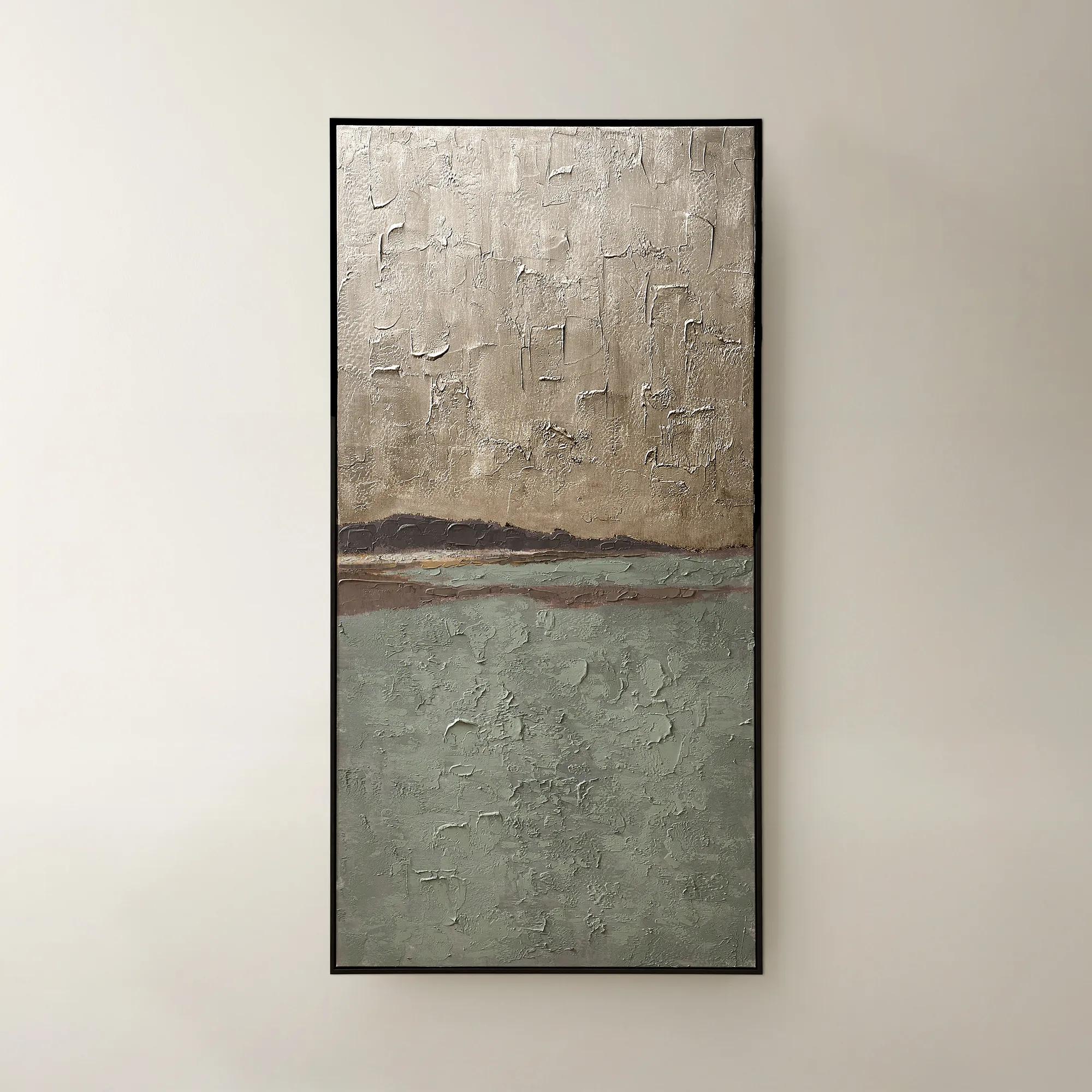
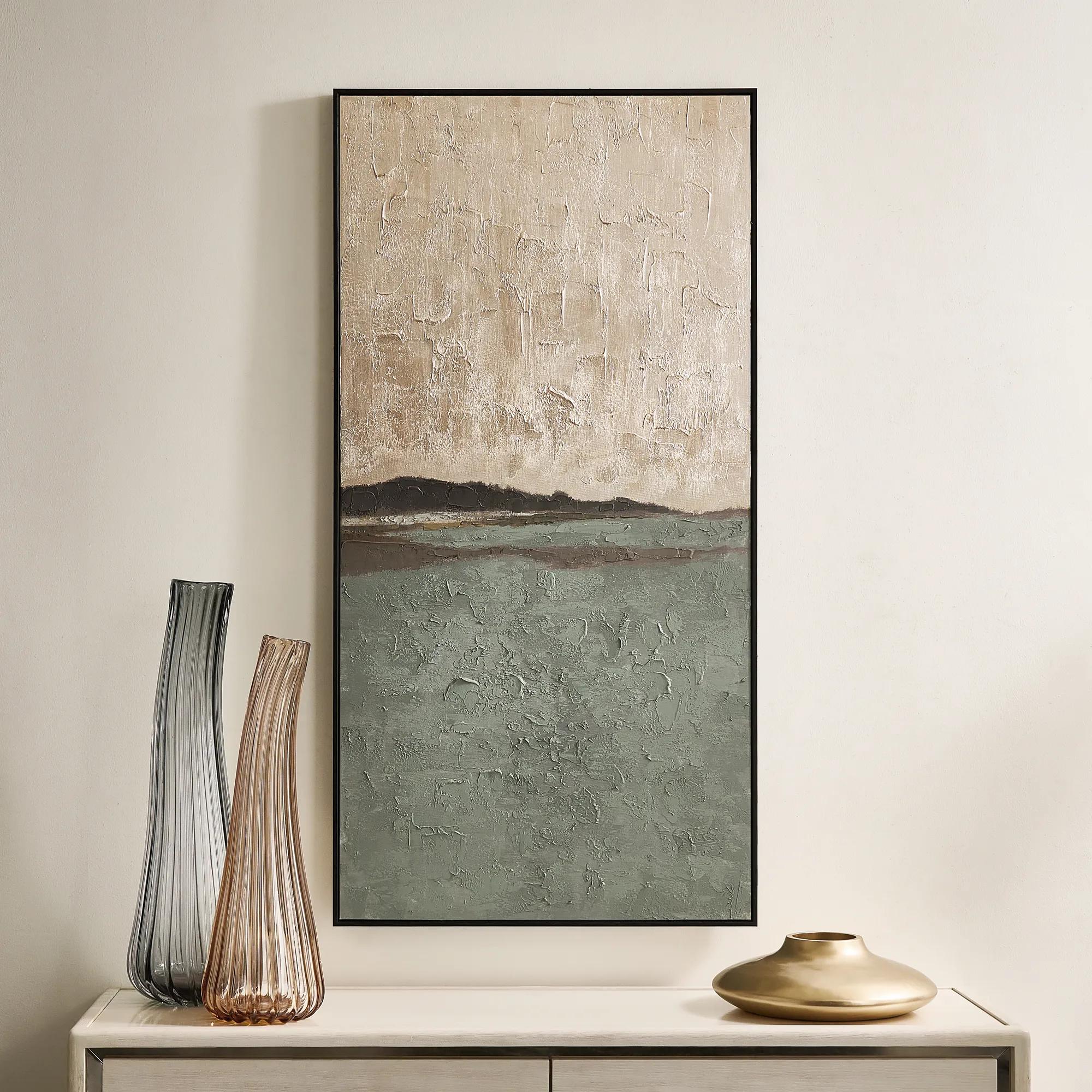 Fields of Gold Framed Painted Wall Art 60" x 30"$399
A hand-painted sage and champagne abstract canvas with a black frame, offering versatile vertical or horizontal display.
Add To Cart -
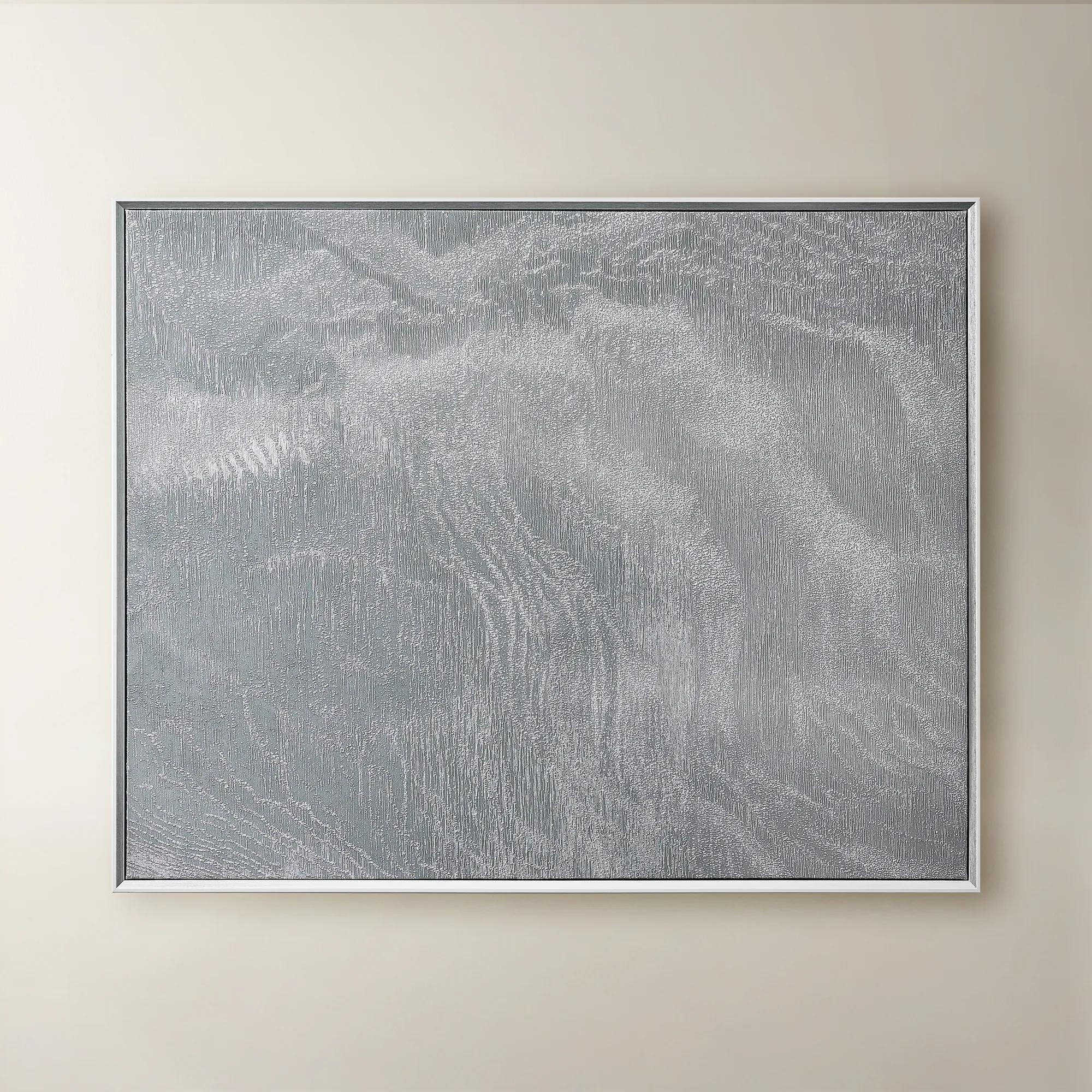 Slow Blue Morning Framed Silver Foil Wall Art 48" x 60"$599
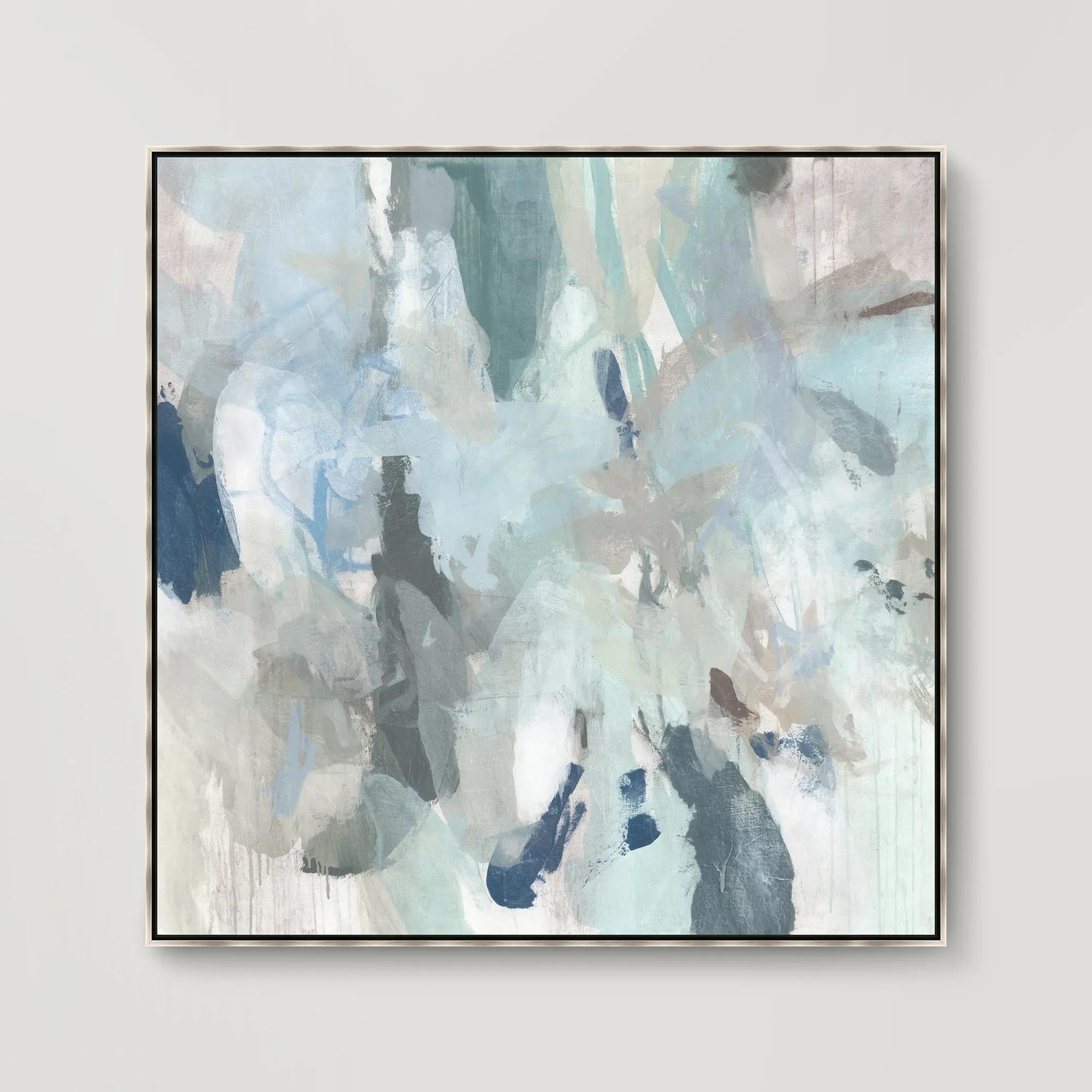
A serene powder blue abstract canvas with silver foil accents, framed in silver and white for modern elegance.
Add To Cart -
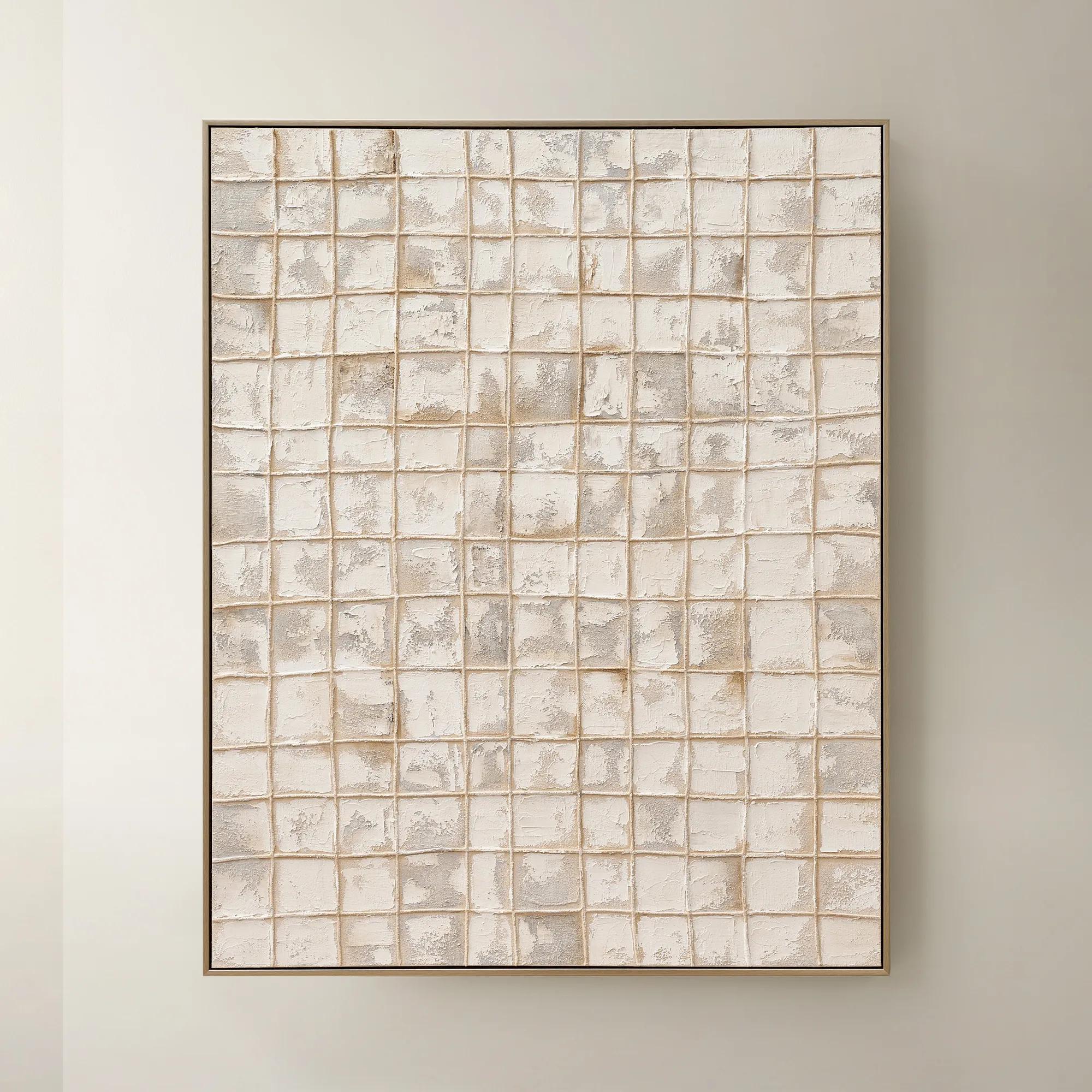
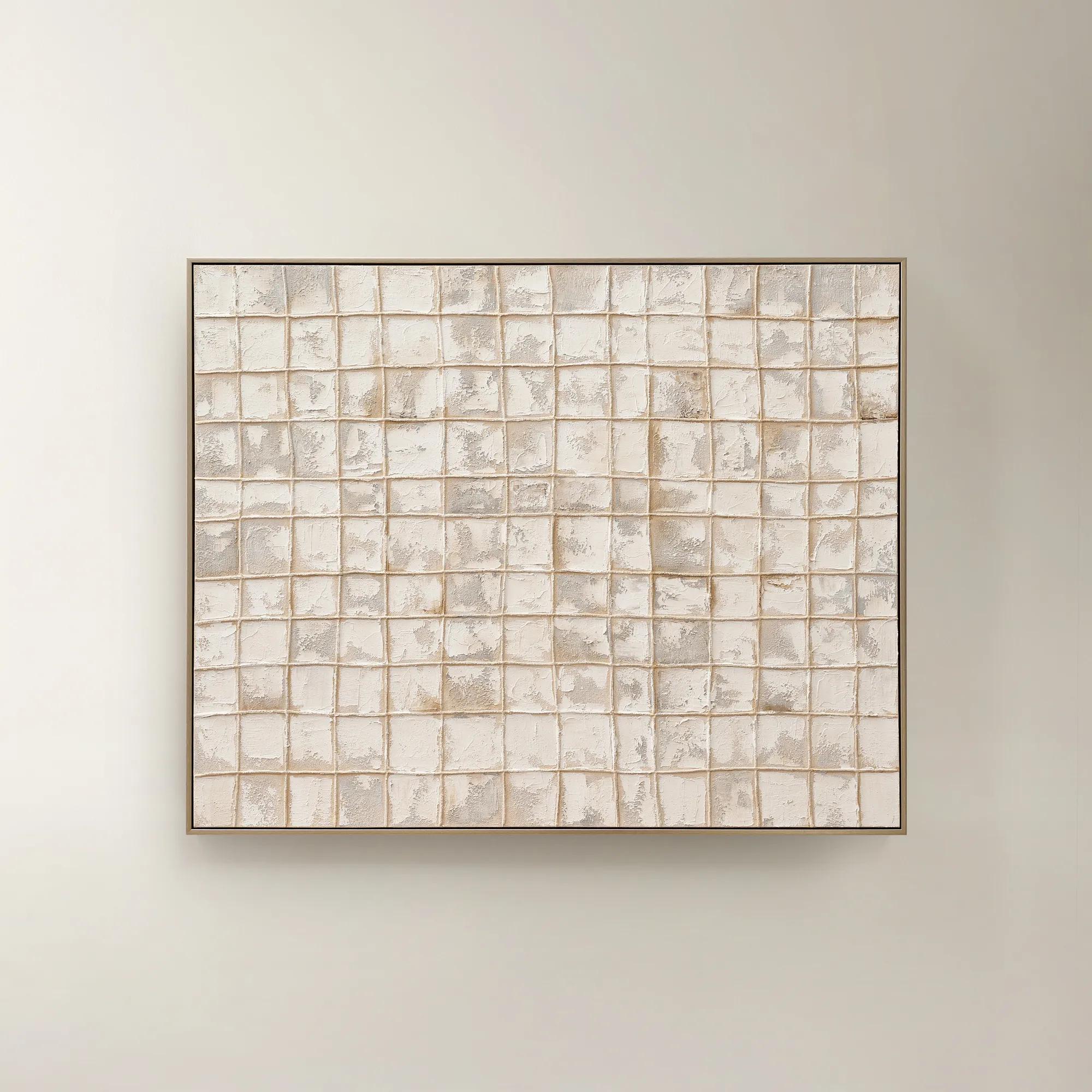 Painted Echos Framed Gold Leaf Wall Art 60" x 48"$699
A hand-painted abstract canvas with gold leaf accents and a champagne frame for modern, versatile display.
Add To Cart -
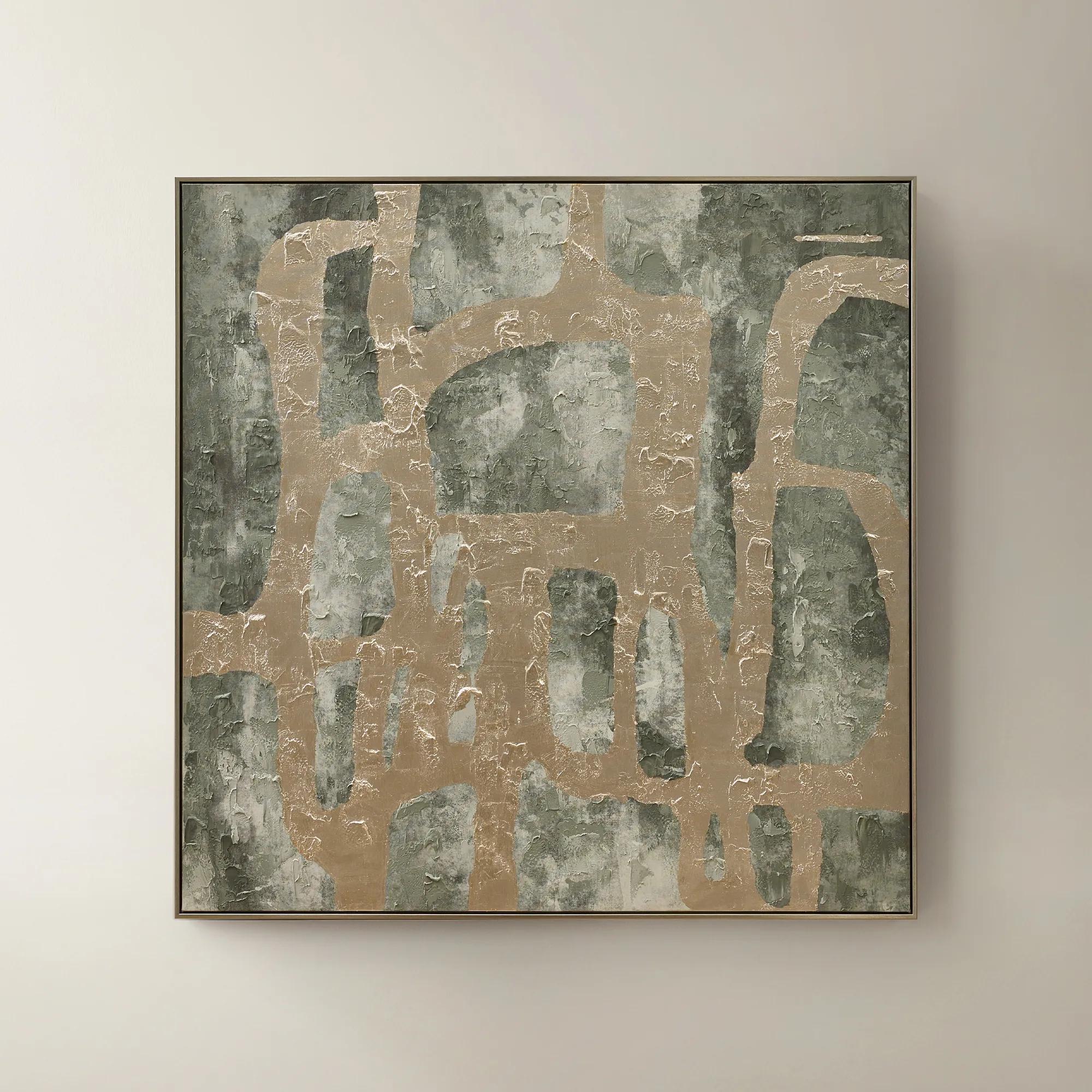 Illusions Framed Painted Wall Art 50" x 50"$599
A hand-painted canvas in sage and champagne tones with textural embellishments for modern, artful depth.
Add To Cart -
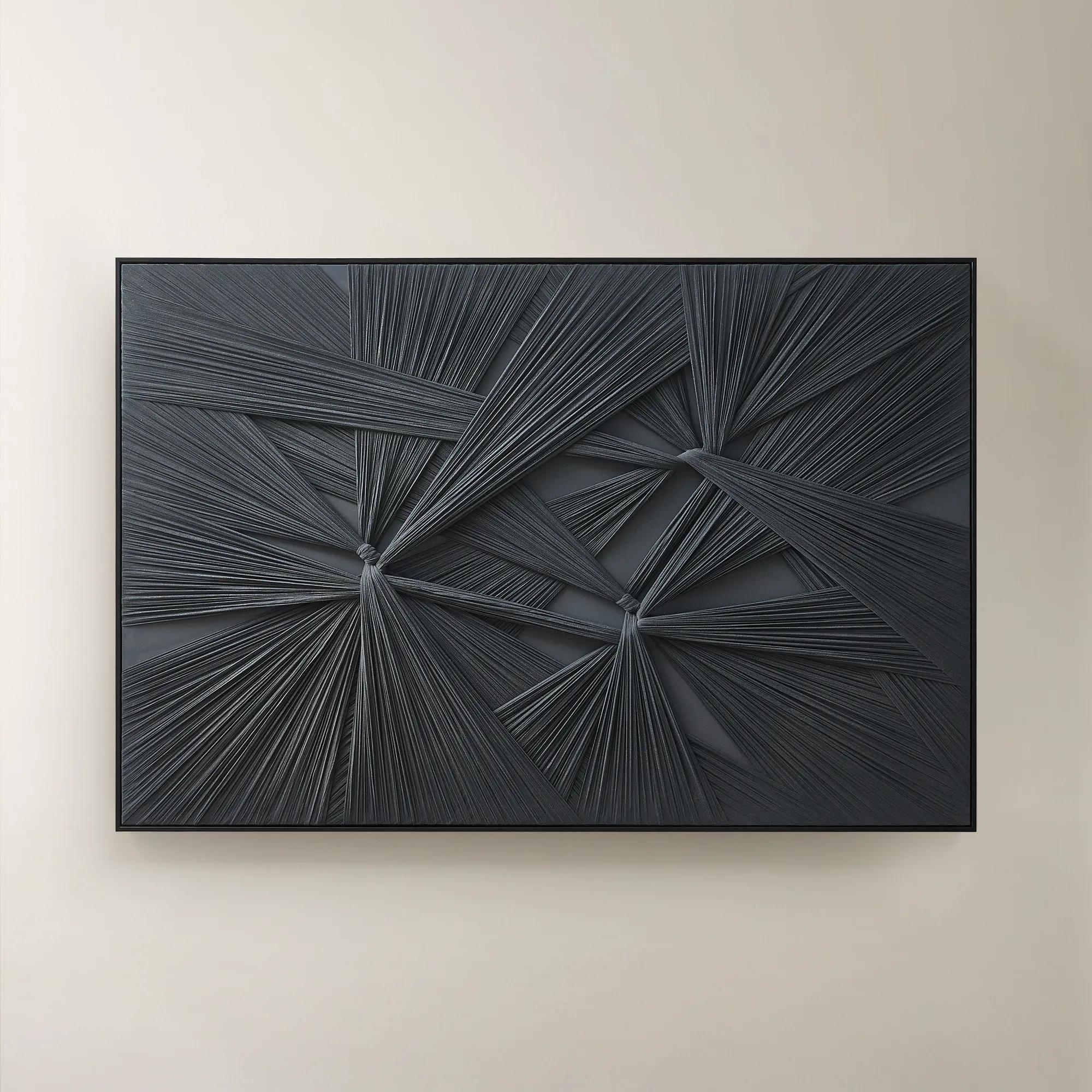 Grace in Dark Slate Hand-crafted Fabric Wall Art 70.75" x 47"$799
A hand-crafted textile wall art piece in dark slate, featuring sculptural texture and versatile display options.
Add To Cart -
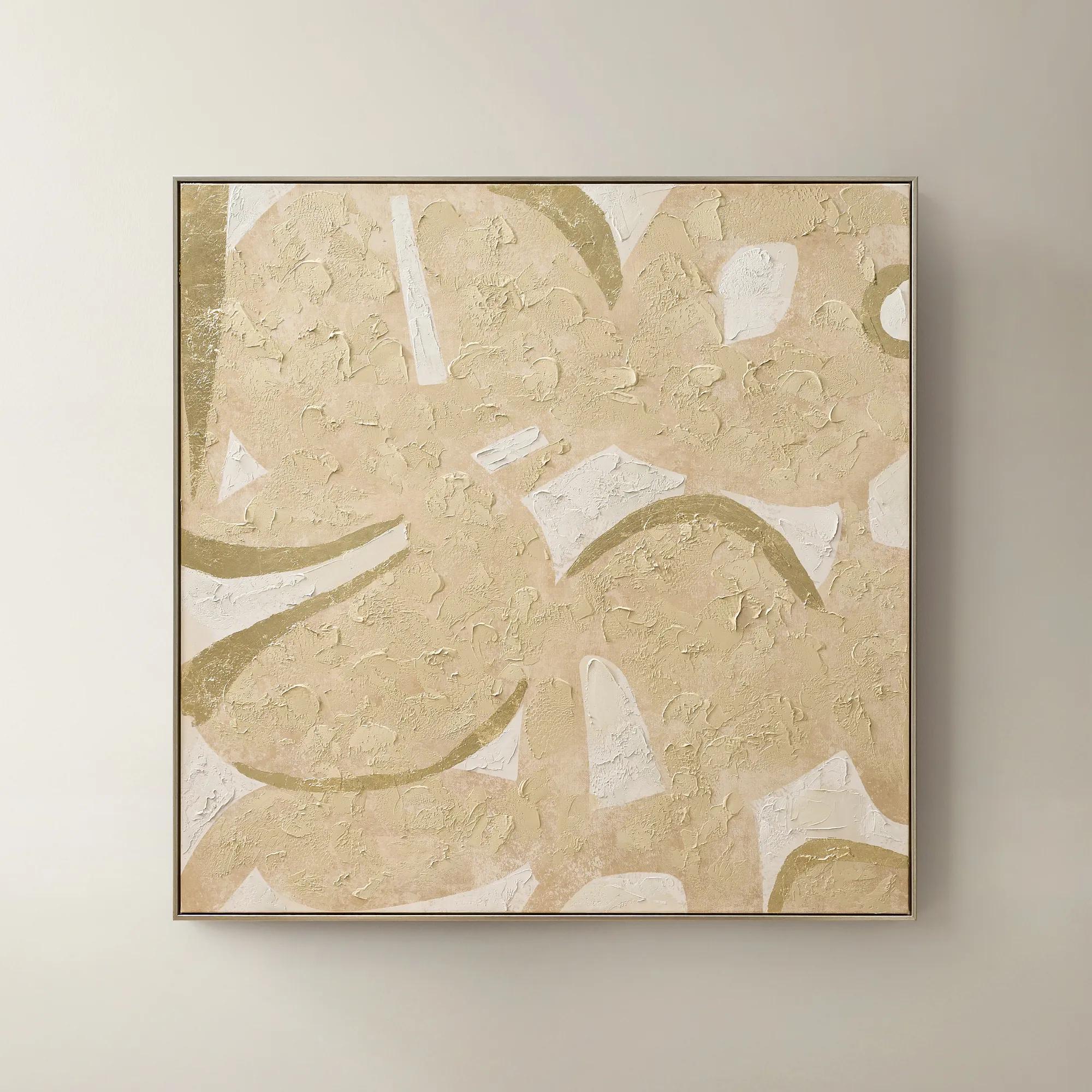
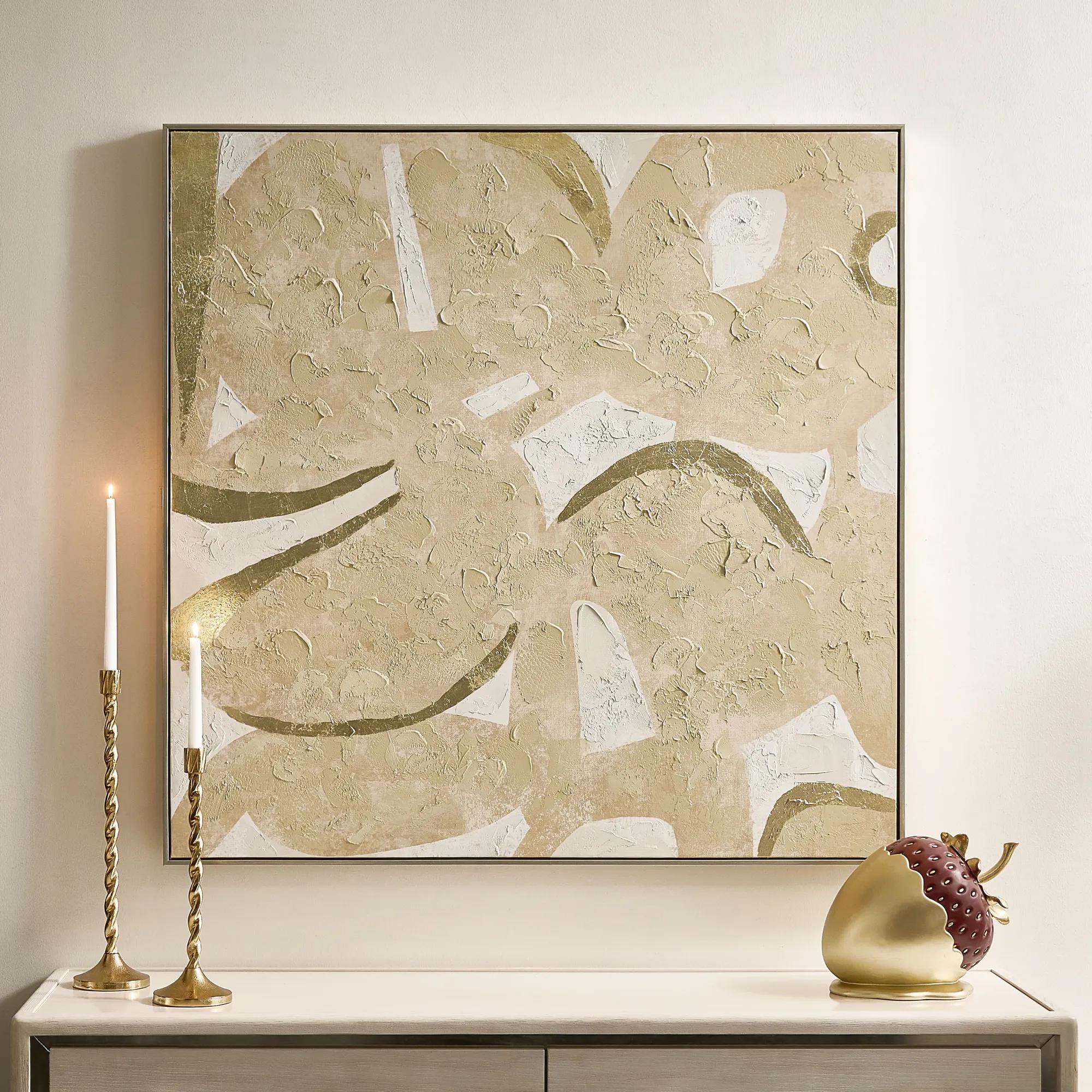 Golden Maize Framed Painted Wall Art 48" x 48"$399
A hand-painted canvas with champagne leafing and butter cream tones adds warmth and modern sophistication.
Add To Cart -
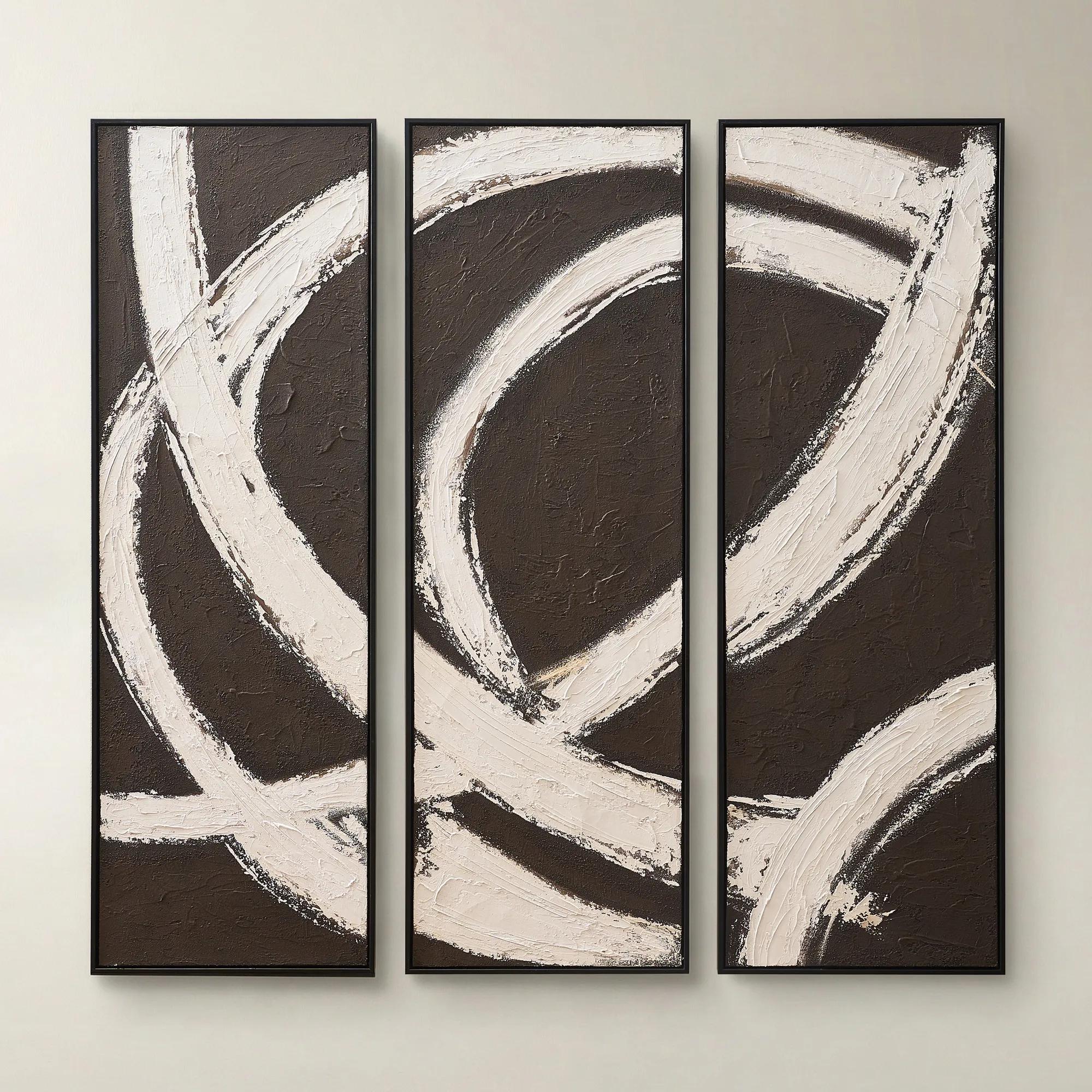
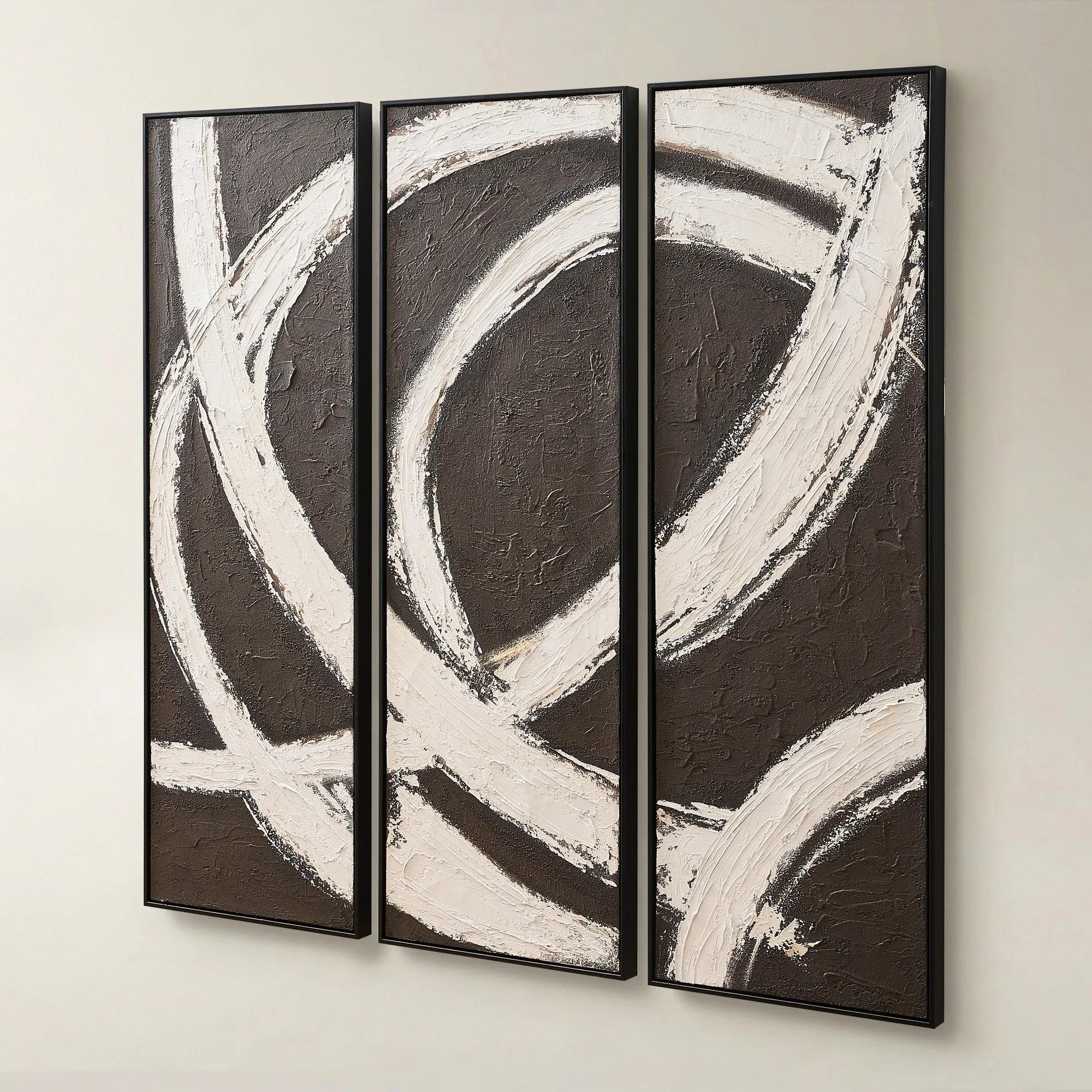 Spun in Coco Framed Painted Wall Art 20" x 60" Set of 3$499
A hand-painted triptych featuring dark chocolate and alabaster tones with rich texture and modern contrast.
Add To Cart -
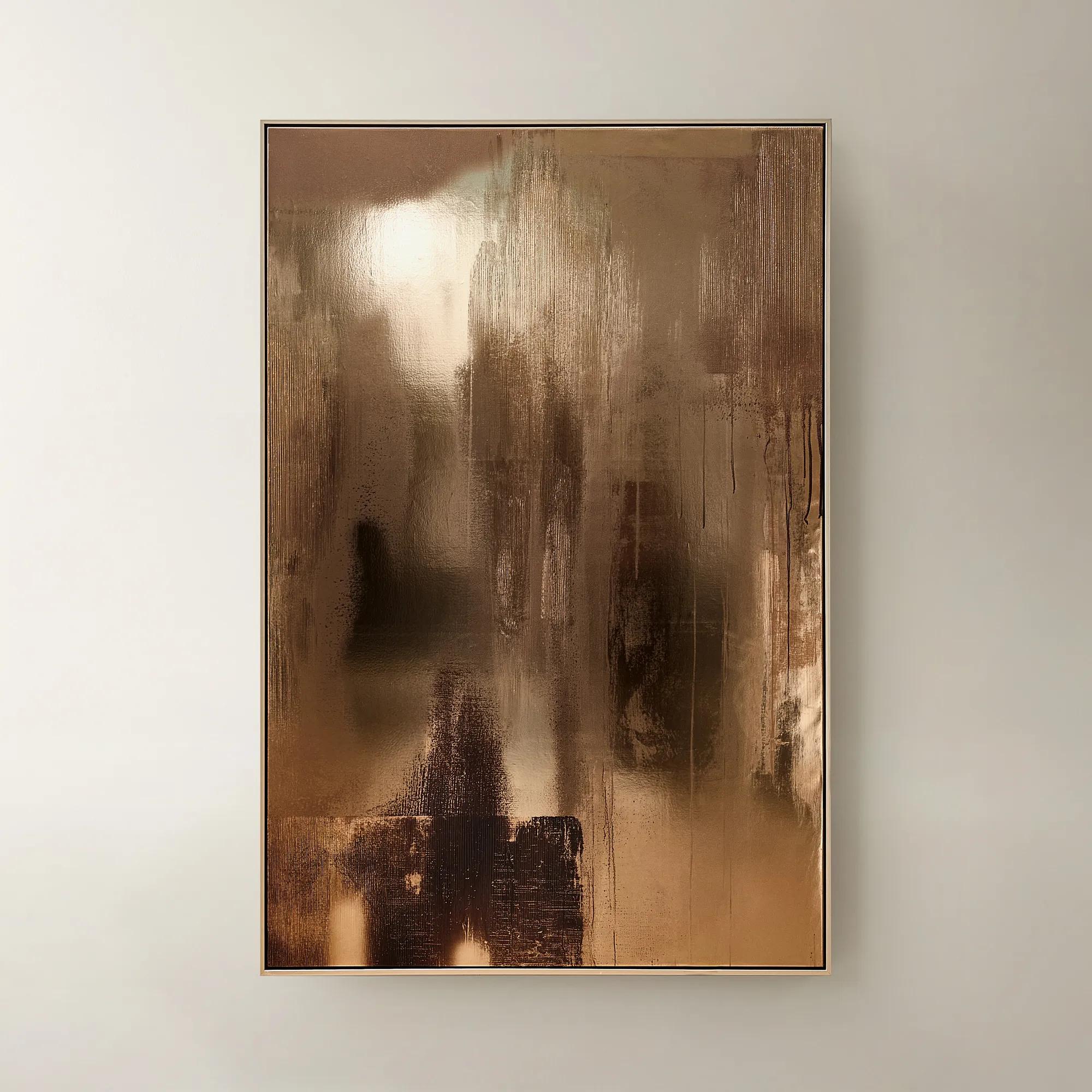
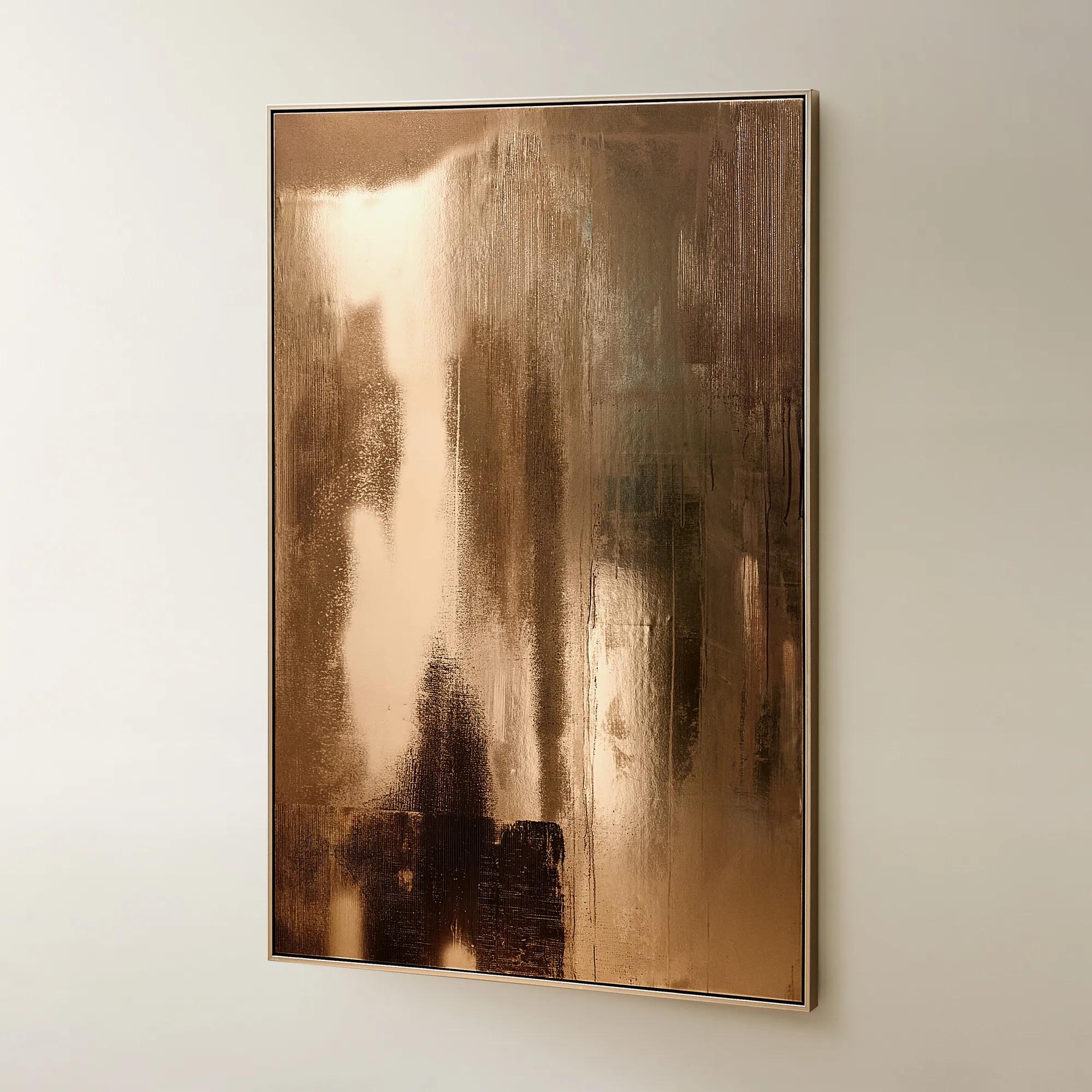 Bronze Reflective Framed Leather Painted Wall Art 40" x 60"$799
A hand-painted abstract wall art featuring reflective bronze faux leather and a warm champagne metallic frame.
Add To Cart -
-0.jpeg?w=1200&h=1200)
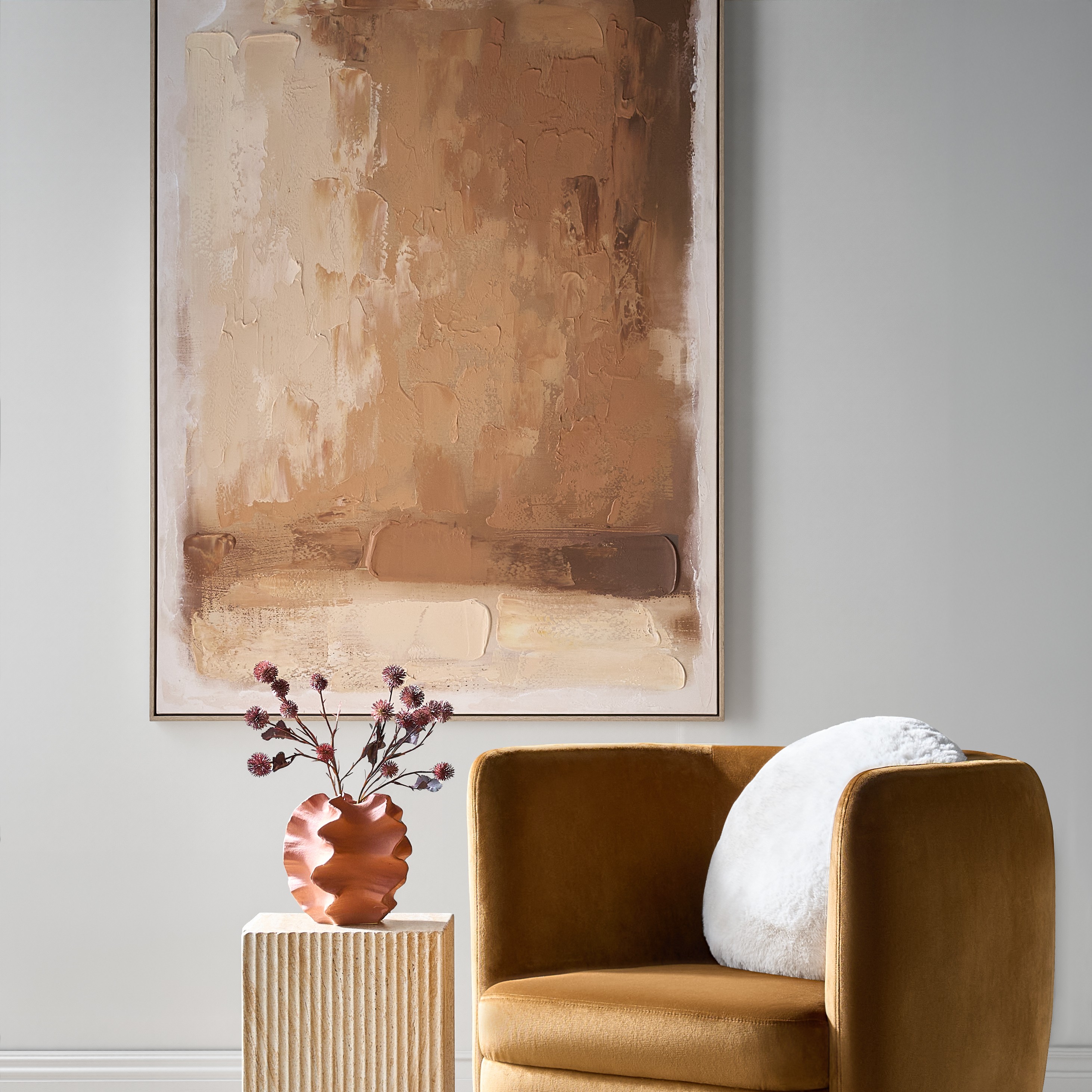 Ember Glow Framed Painted Wall Art 39.25" x 55"$499
A hand-painted abstract canvas blending ochre, terracotta, and golden clay hues in a light natural frame.
Add To Cart -
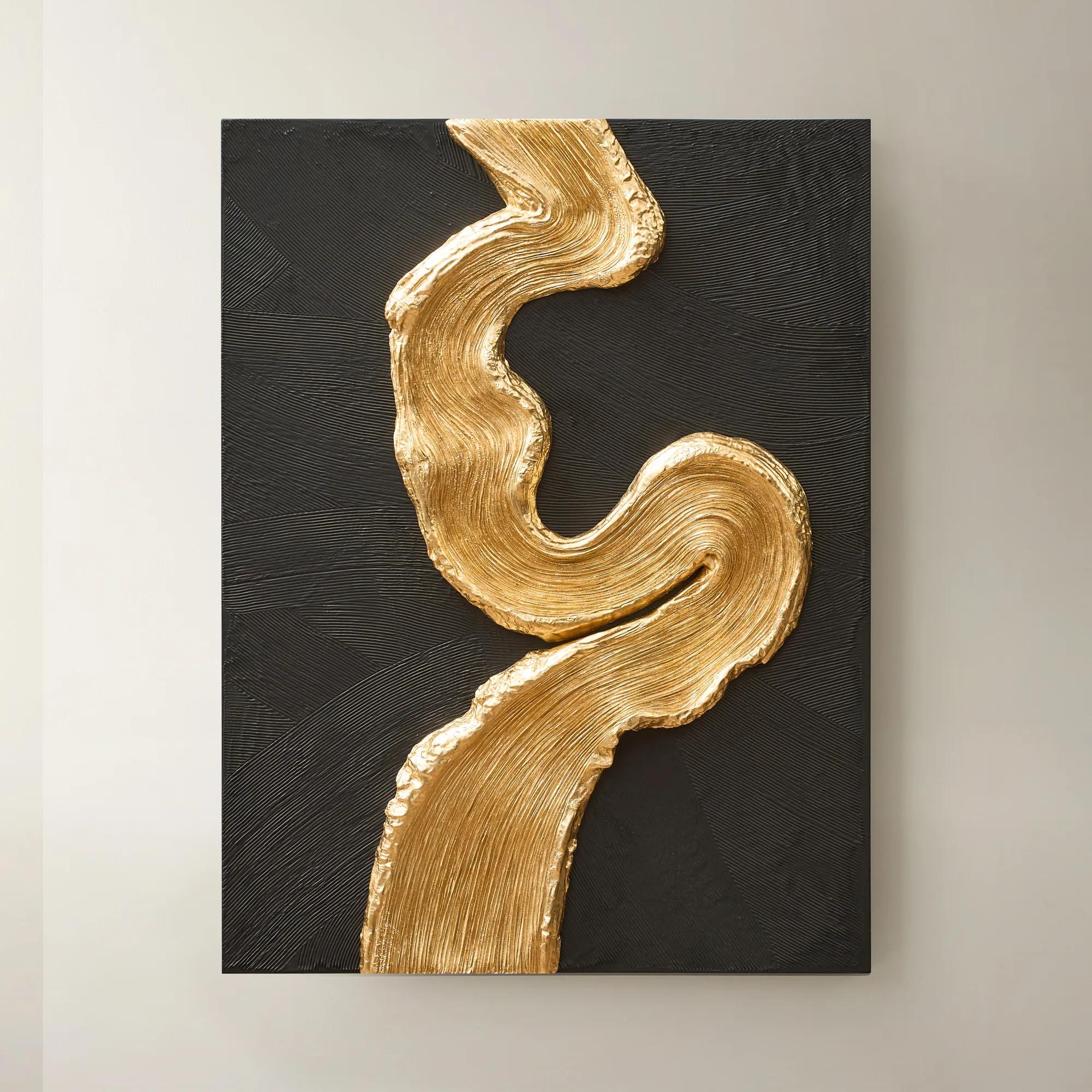
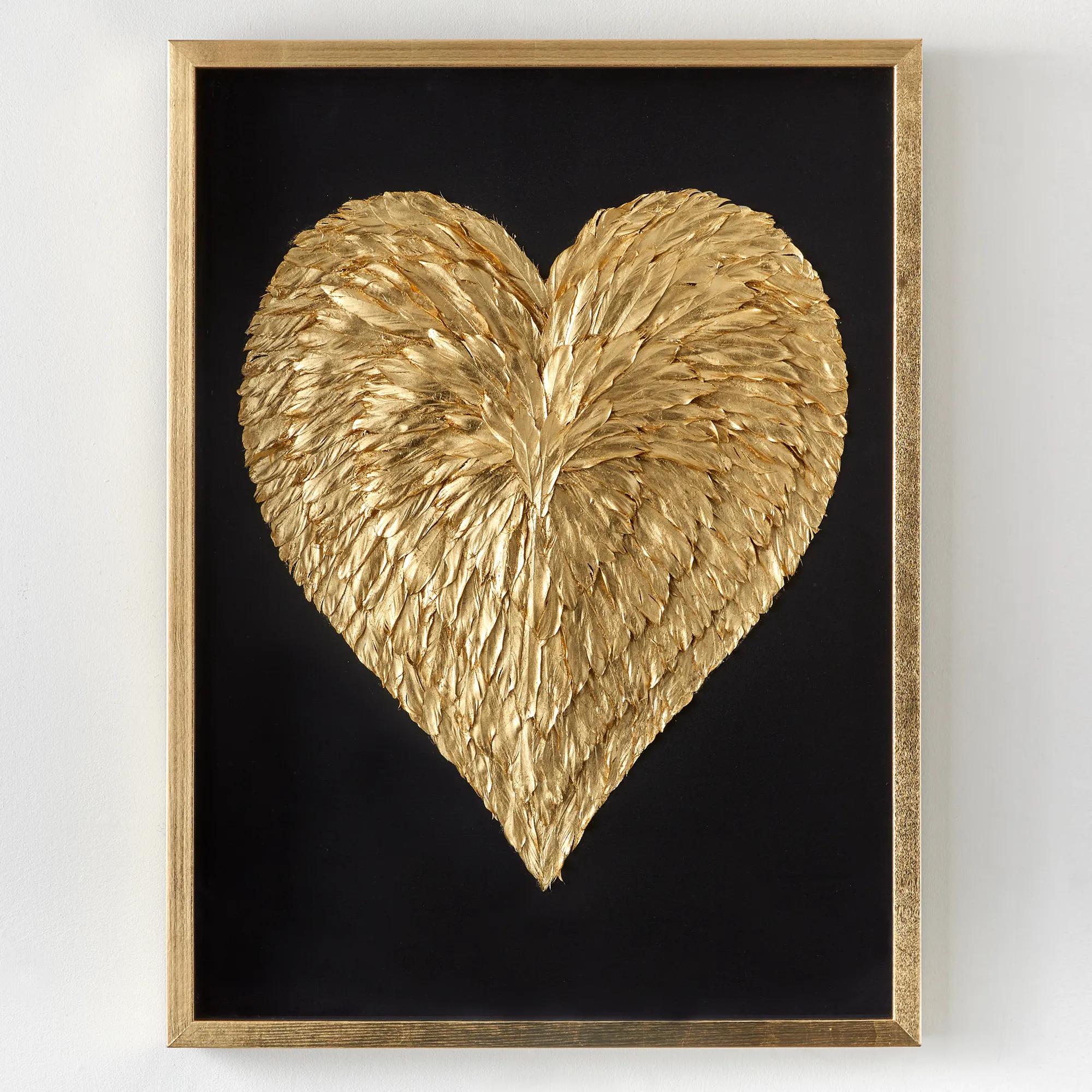
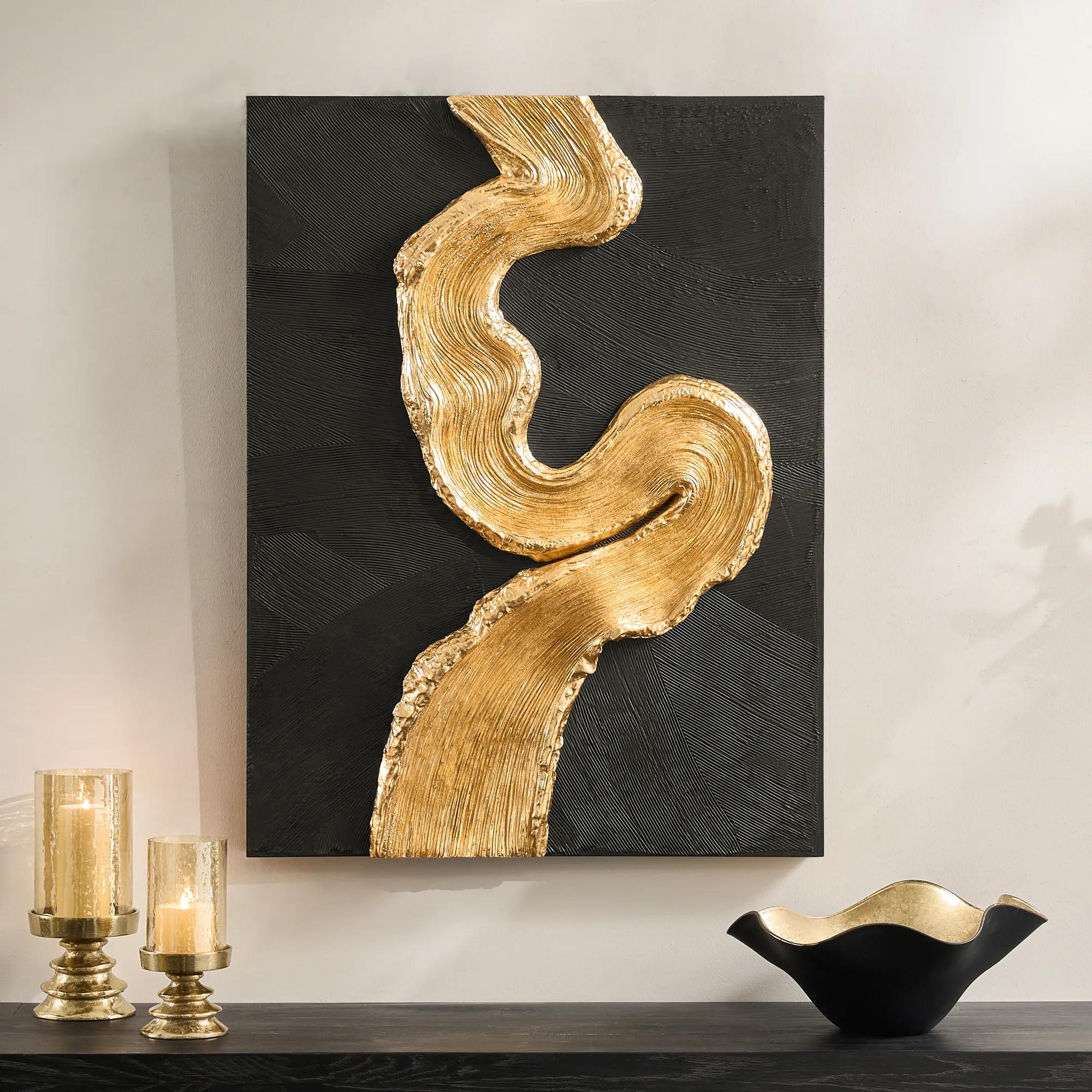 Gold Impasto Sculpted Resin Wall Panel 30" x 40"$499
A sculpted fiberglass resin wall panel featuring gold leaf detail and bold impasto texture on a black backdrop.
Add To Cart -
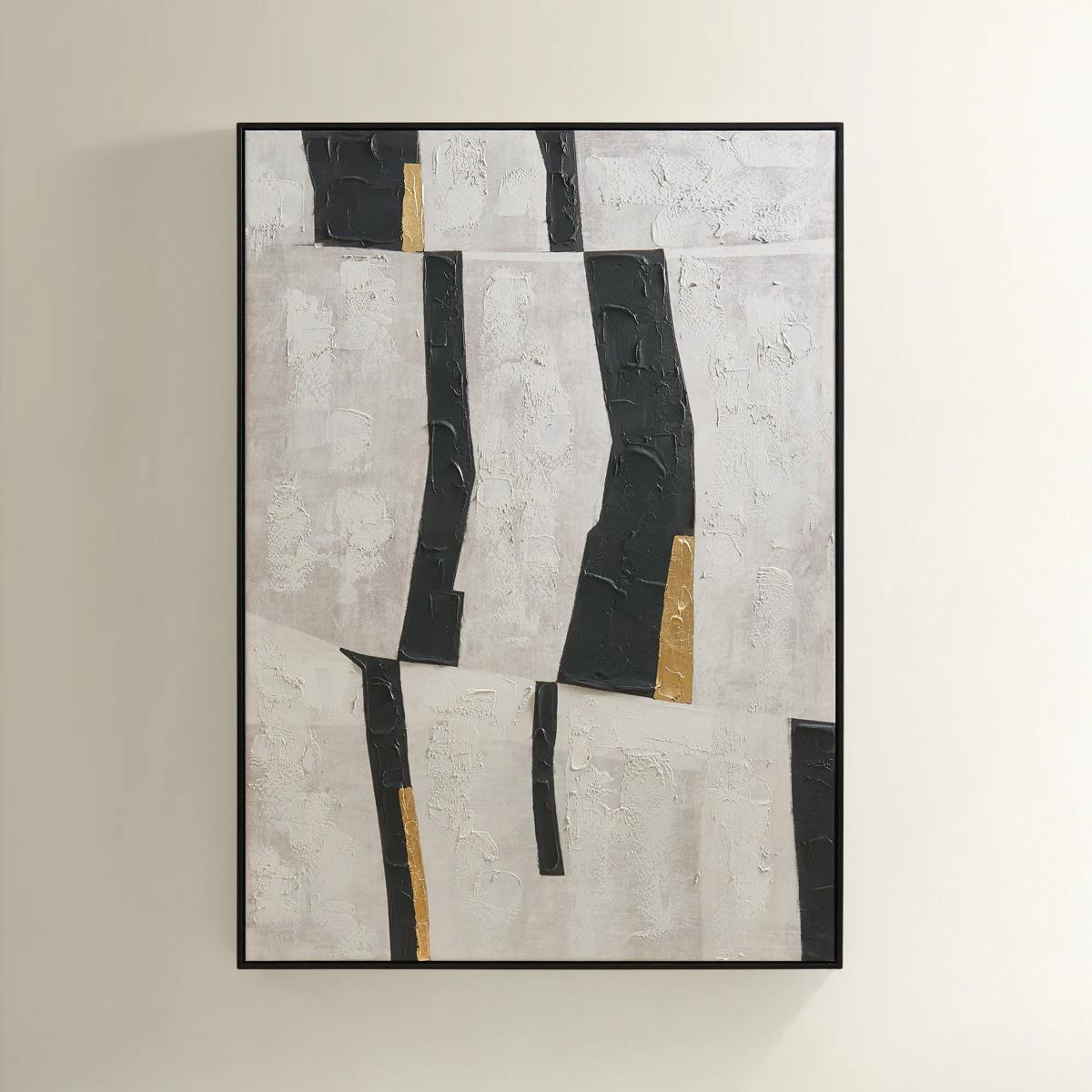
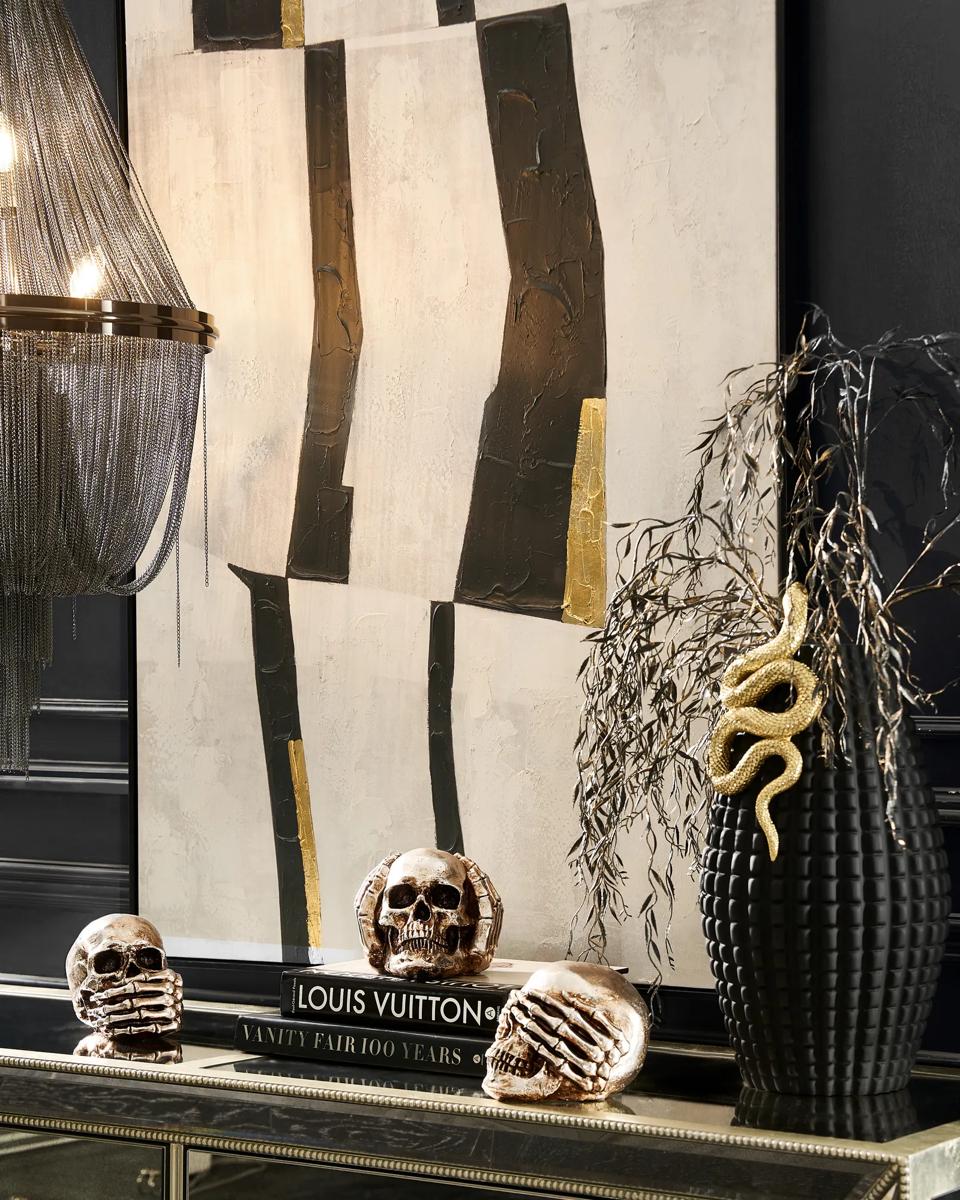 Into the Groove Painting$449
A modern abstract canvas featuring black, gray, and gold leaf accents in a sleek black floater frame.
Add To Cart -
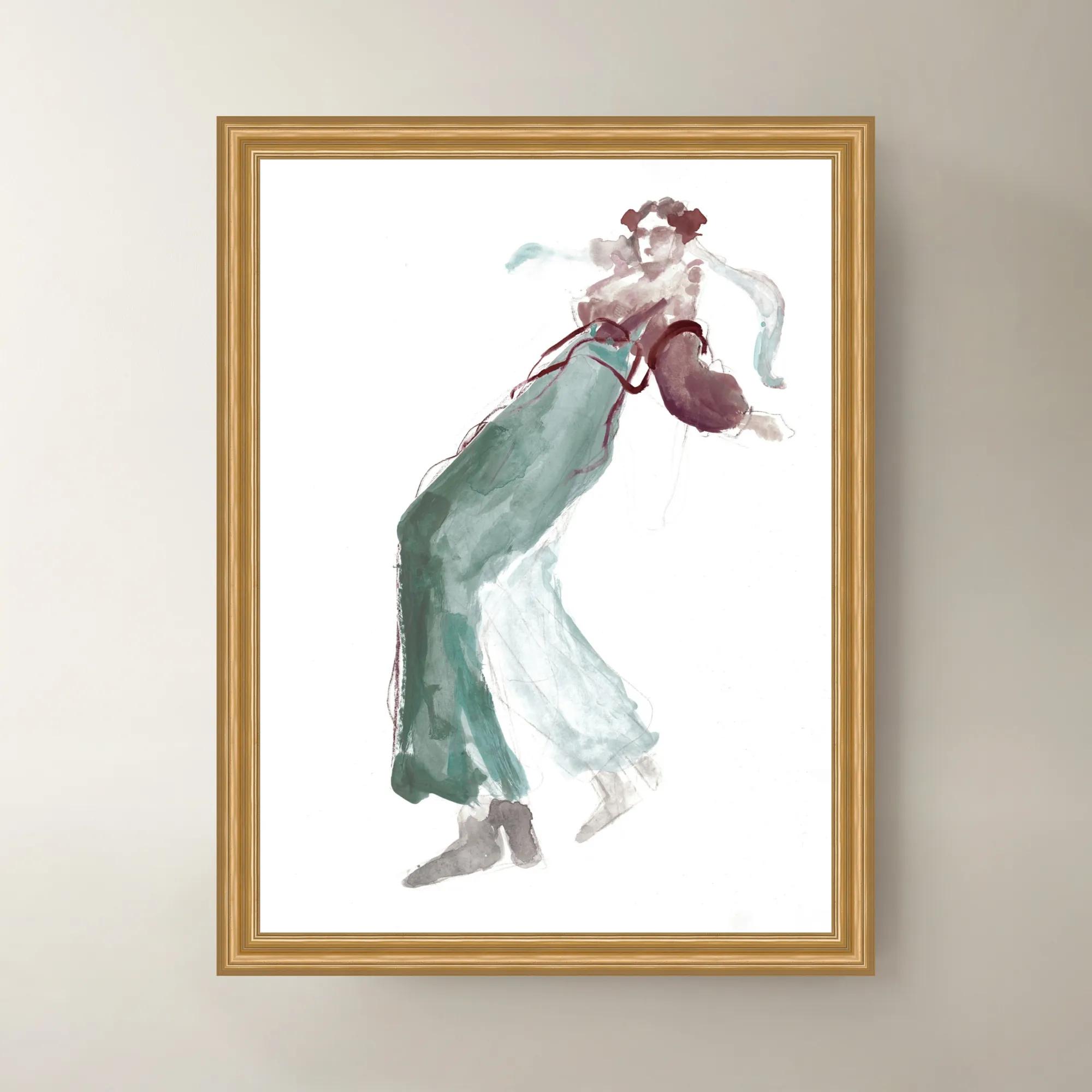
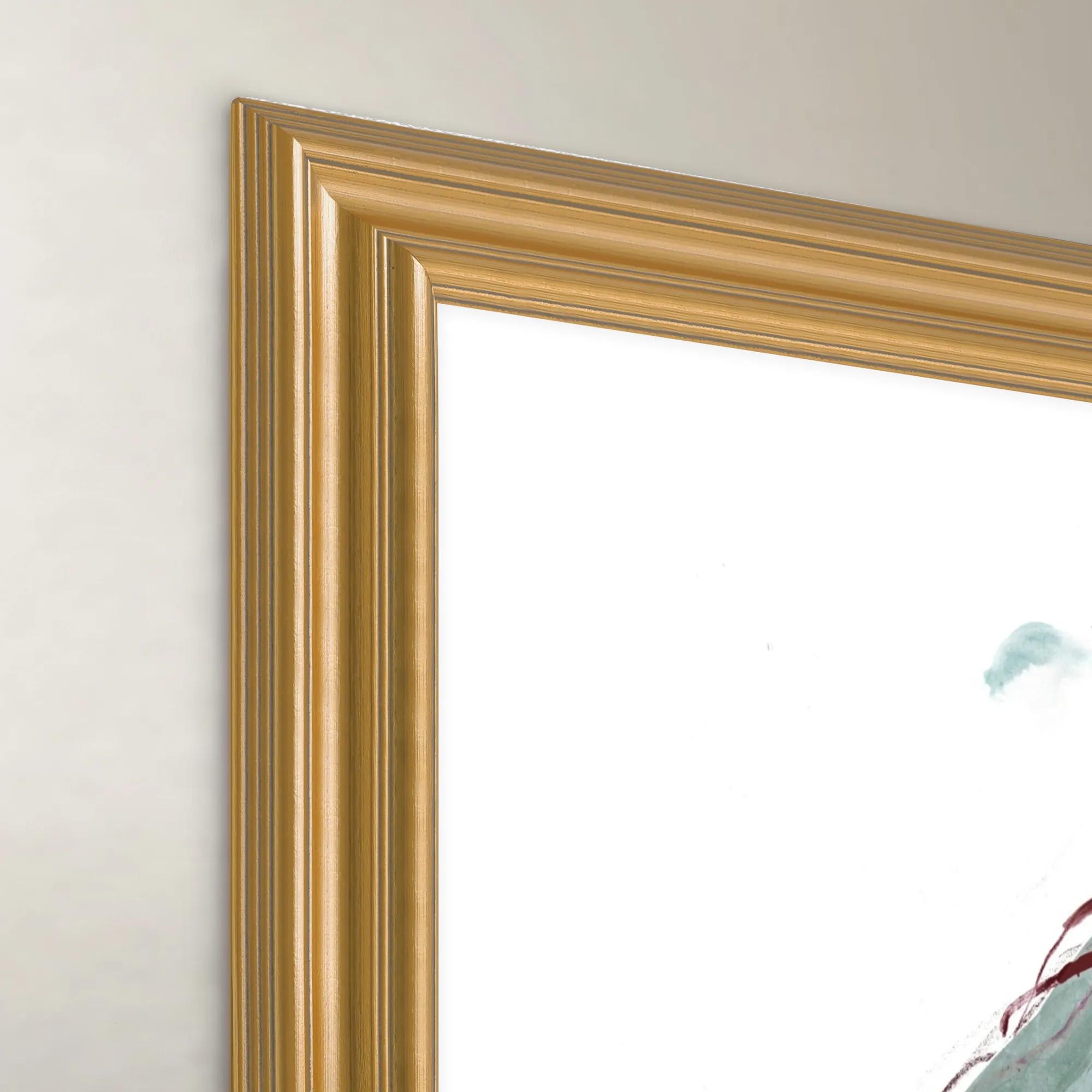 A Le Mode II Framed Wall Art 30" x 40"$799
A green canvas wall art piece presented in a sleek frame.
Add To Cart -
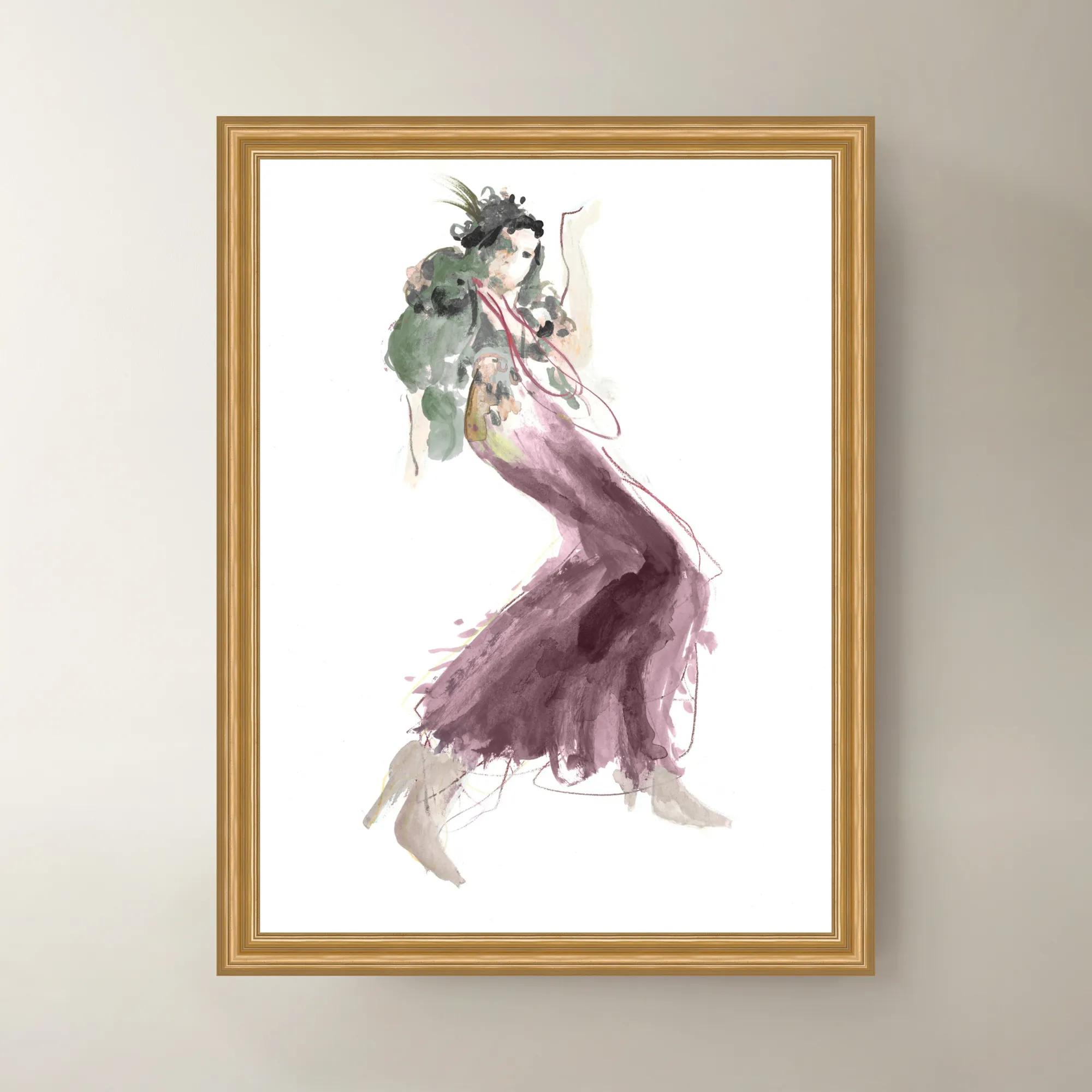
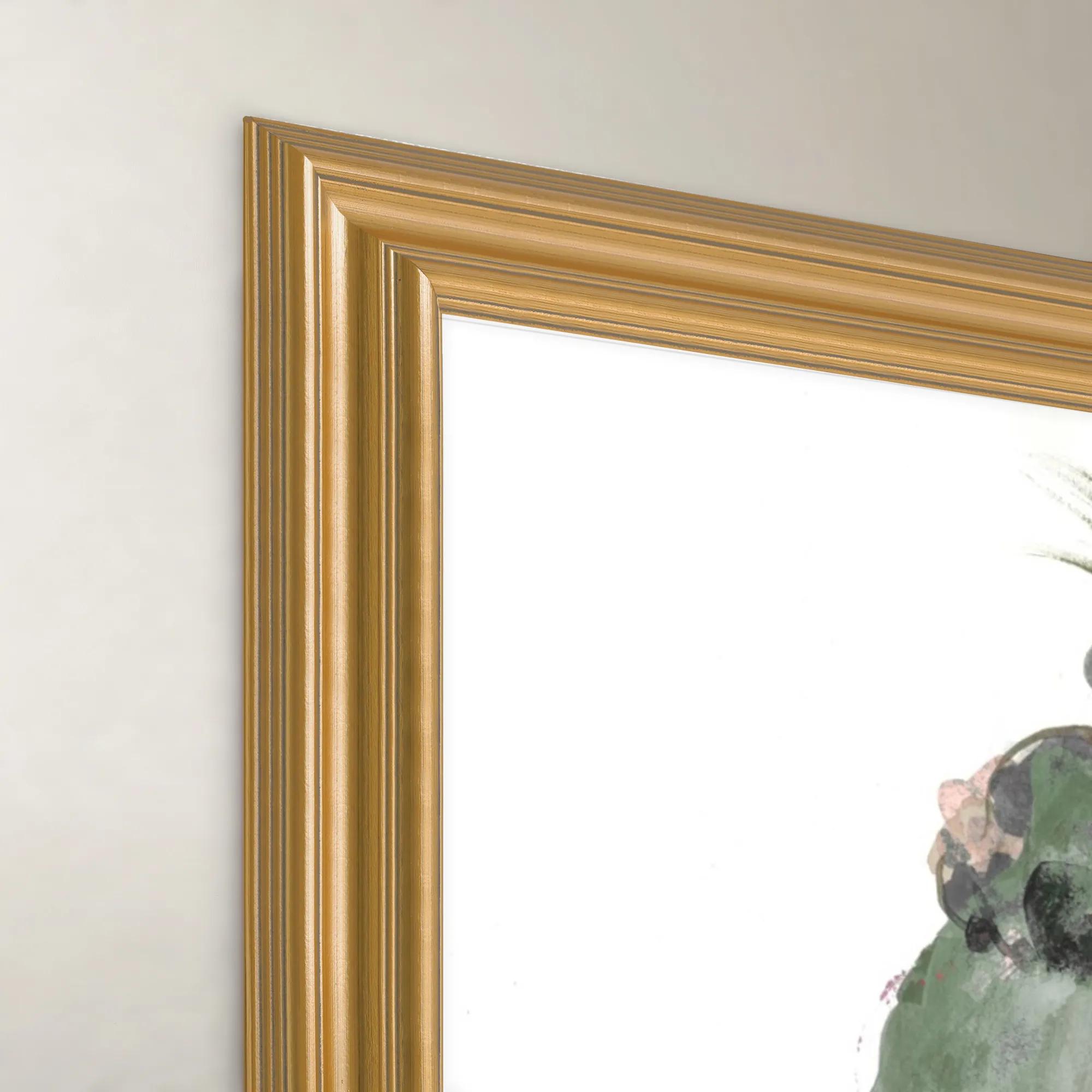 A Le Mode I Framed Wall Art 30" x 40"$799
A blue and purple framed canvas wall artwork bringing contemporary color and dimension to interior spaces.
Add To Cart -
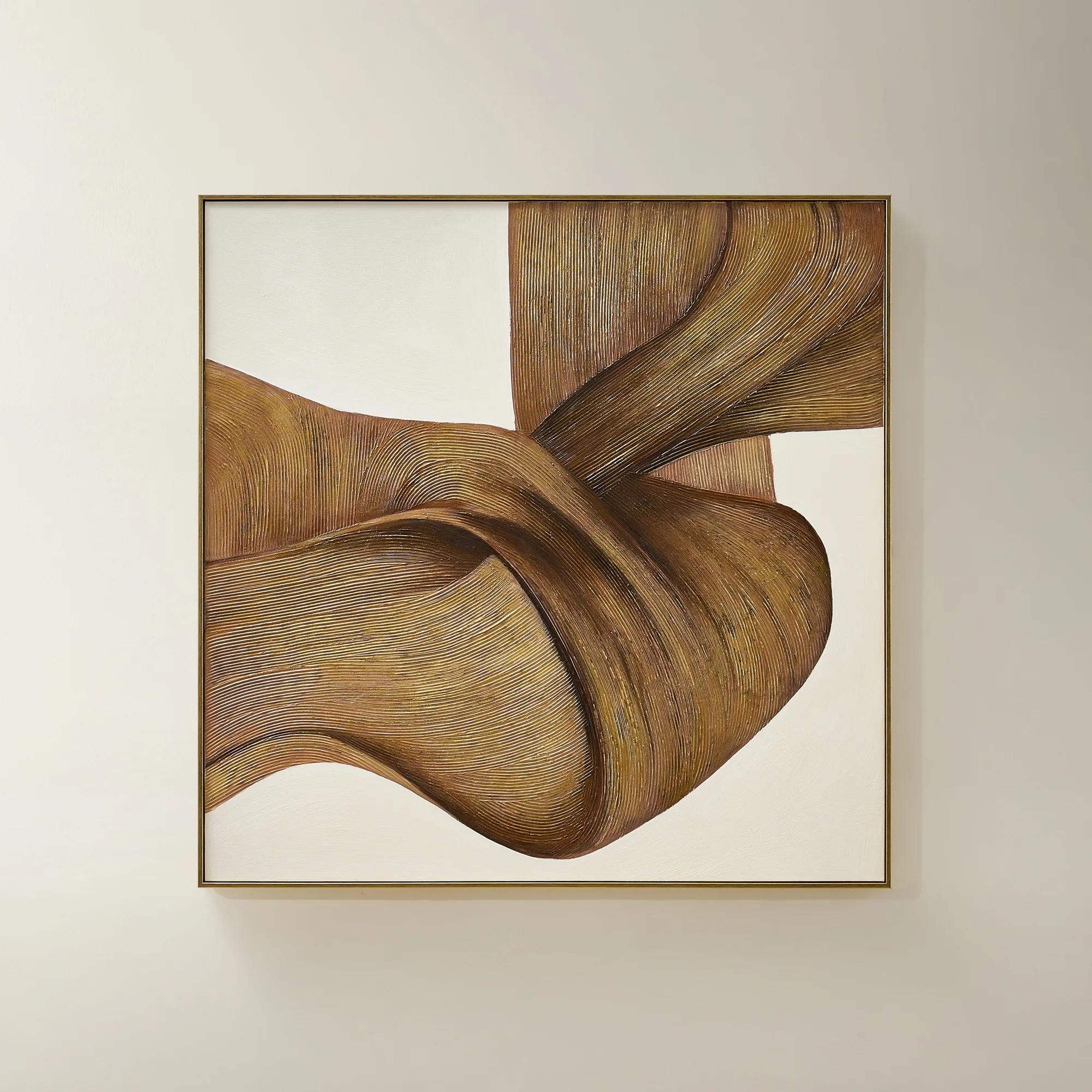
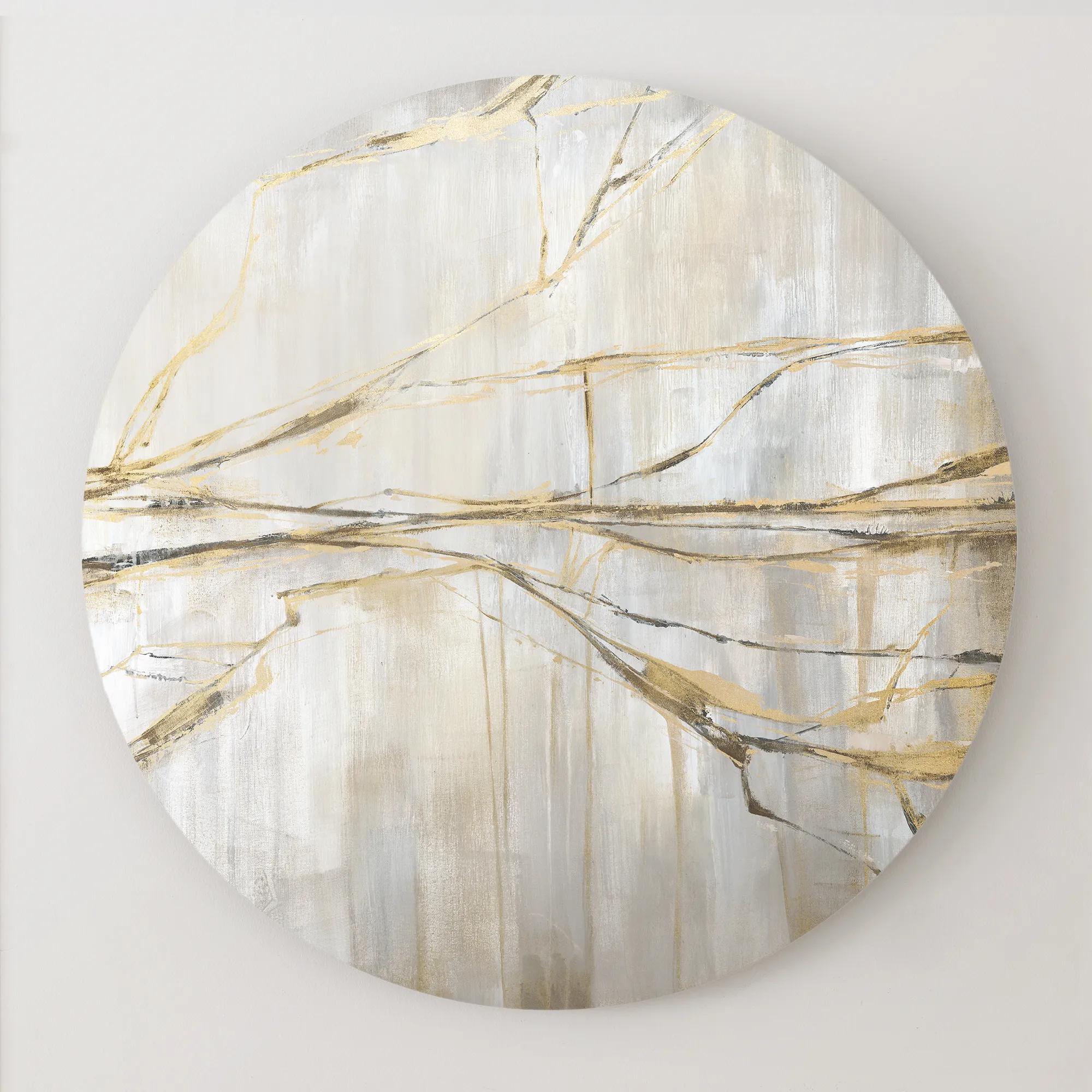
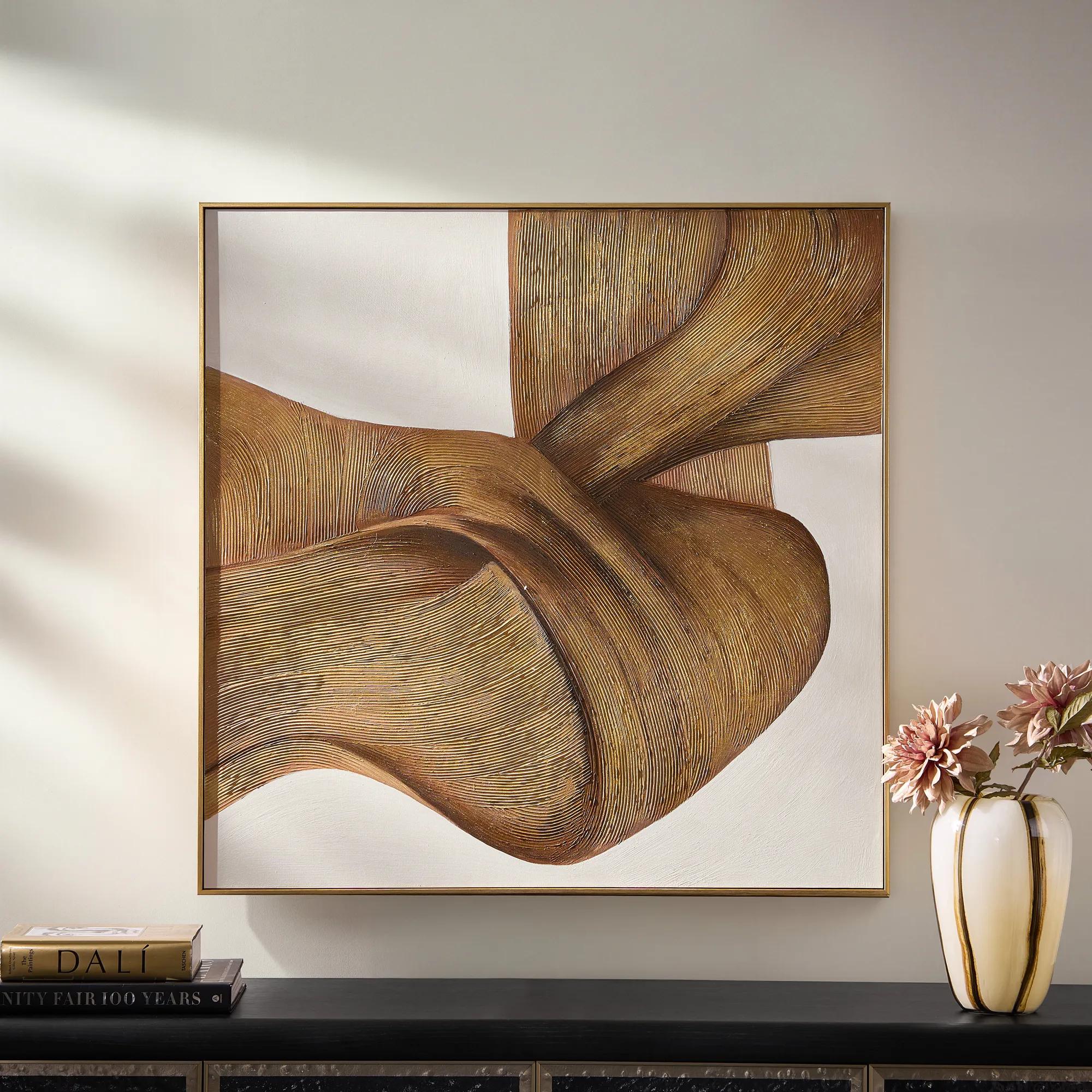 Latte Framed Gold Leaf Painted Wall Art 40" x 40"$499
A hand-painted canvas with fluid brown lines, luminous gold leafing, and a crisp black floater frame.
Add To Cart -
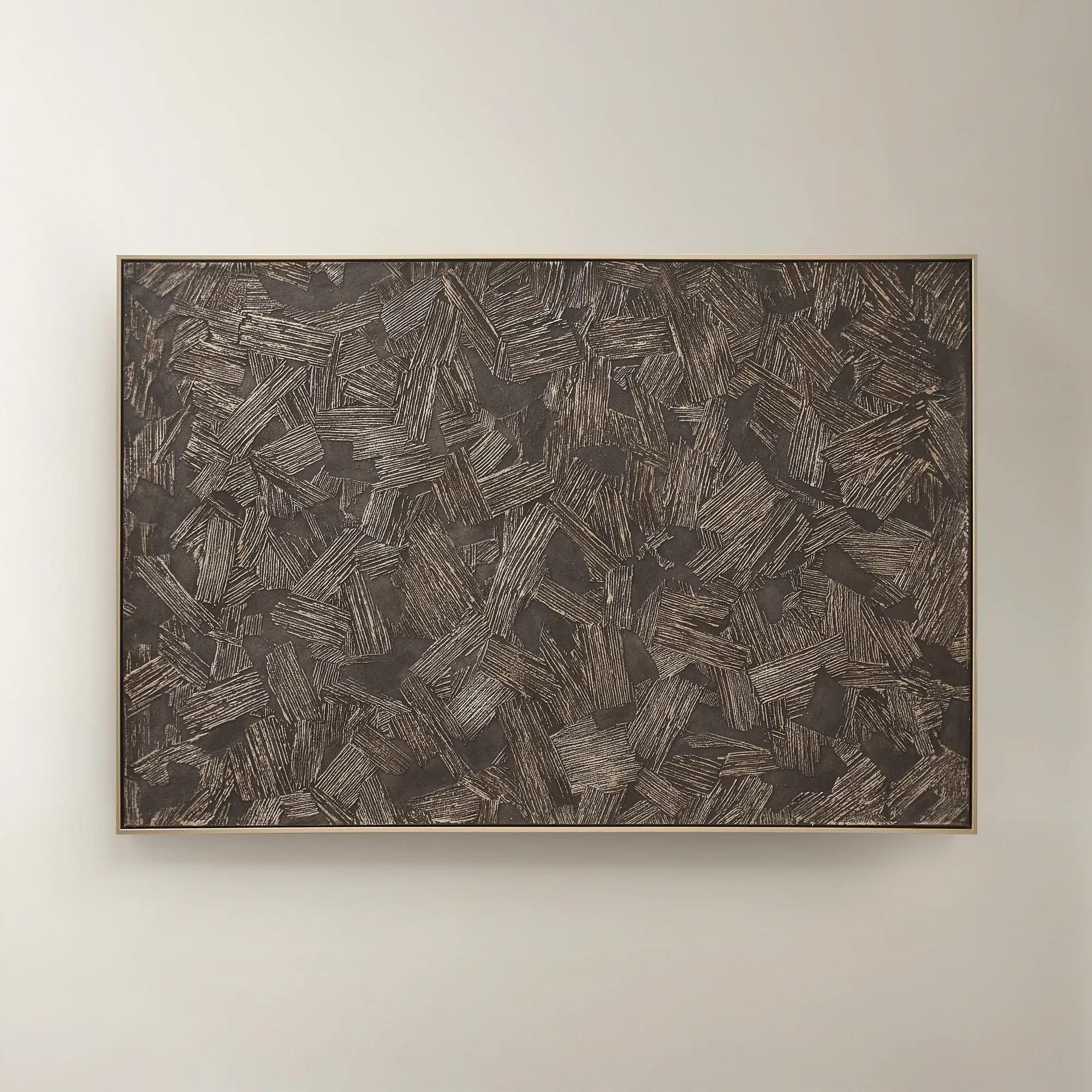
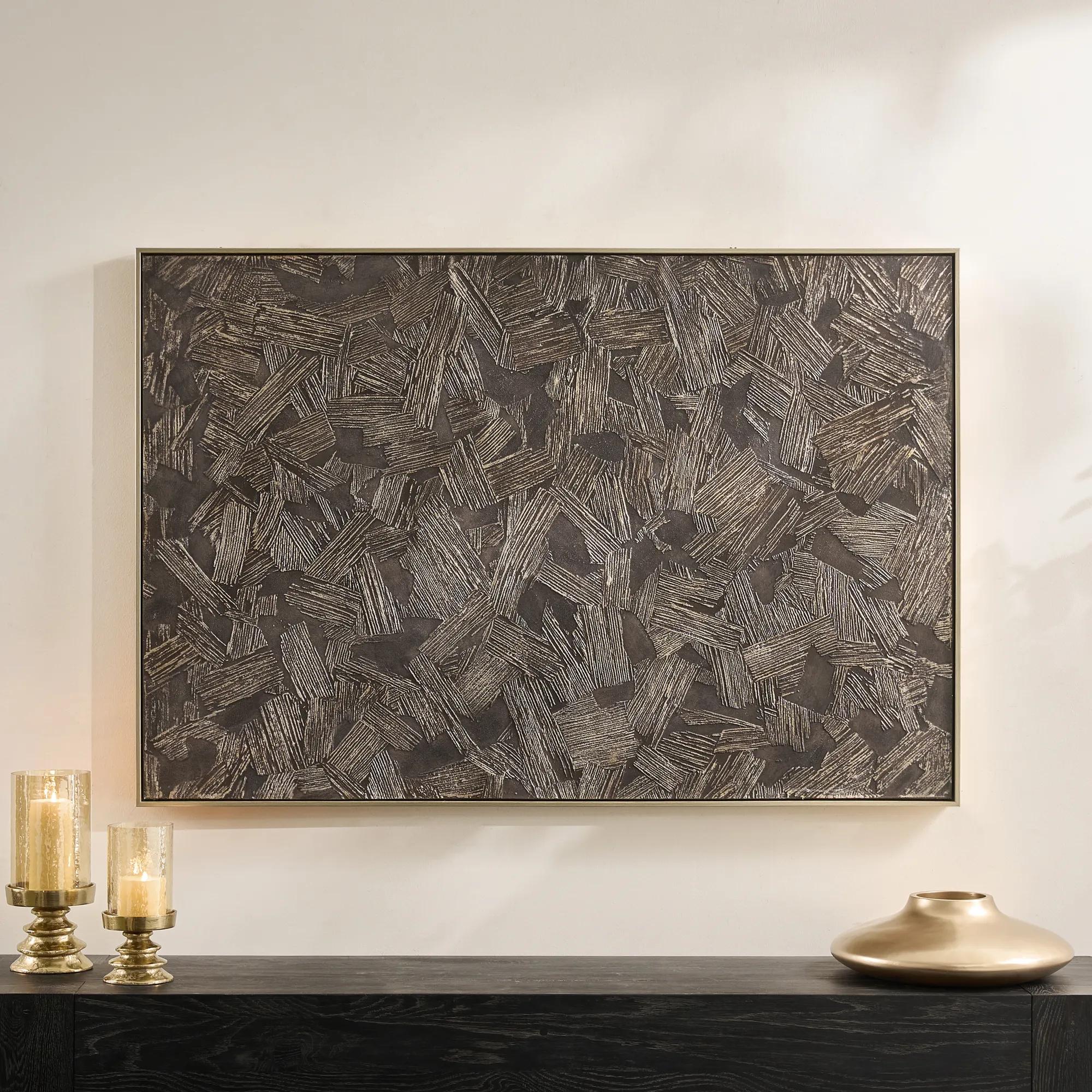 Etched in Darkness Dark Chocolate Wall Panel 53.5" x 36"$329
A hand-painted wrapped canvas features moody dark chocolate hues with champagne accents and a layered, textural finish.
Add To Cart -
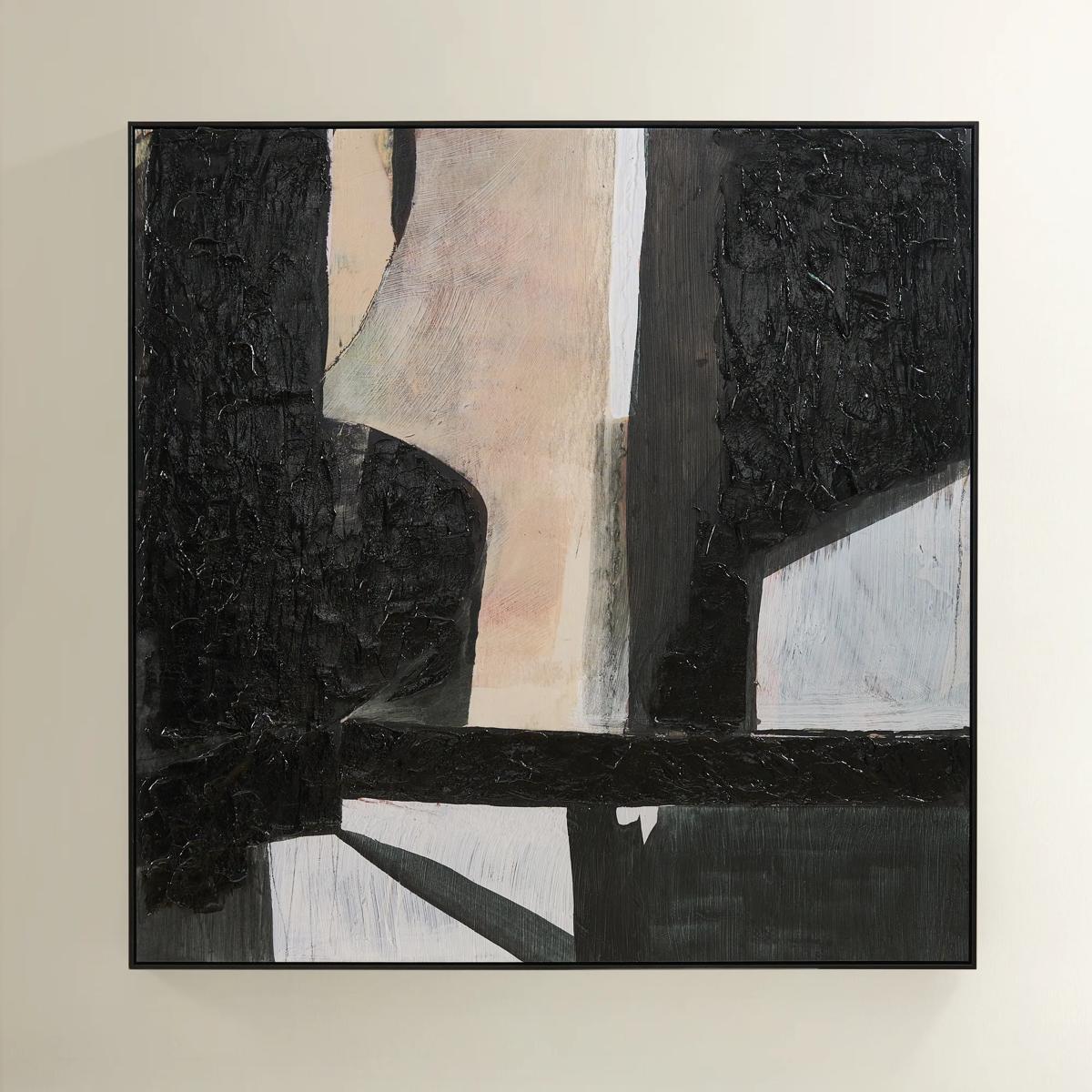 Grounded Painting$699
A hand-painted abstract canvas featuring black, cream, and earth tones in a sleek black floater frame.
Add To Cart -
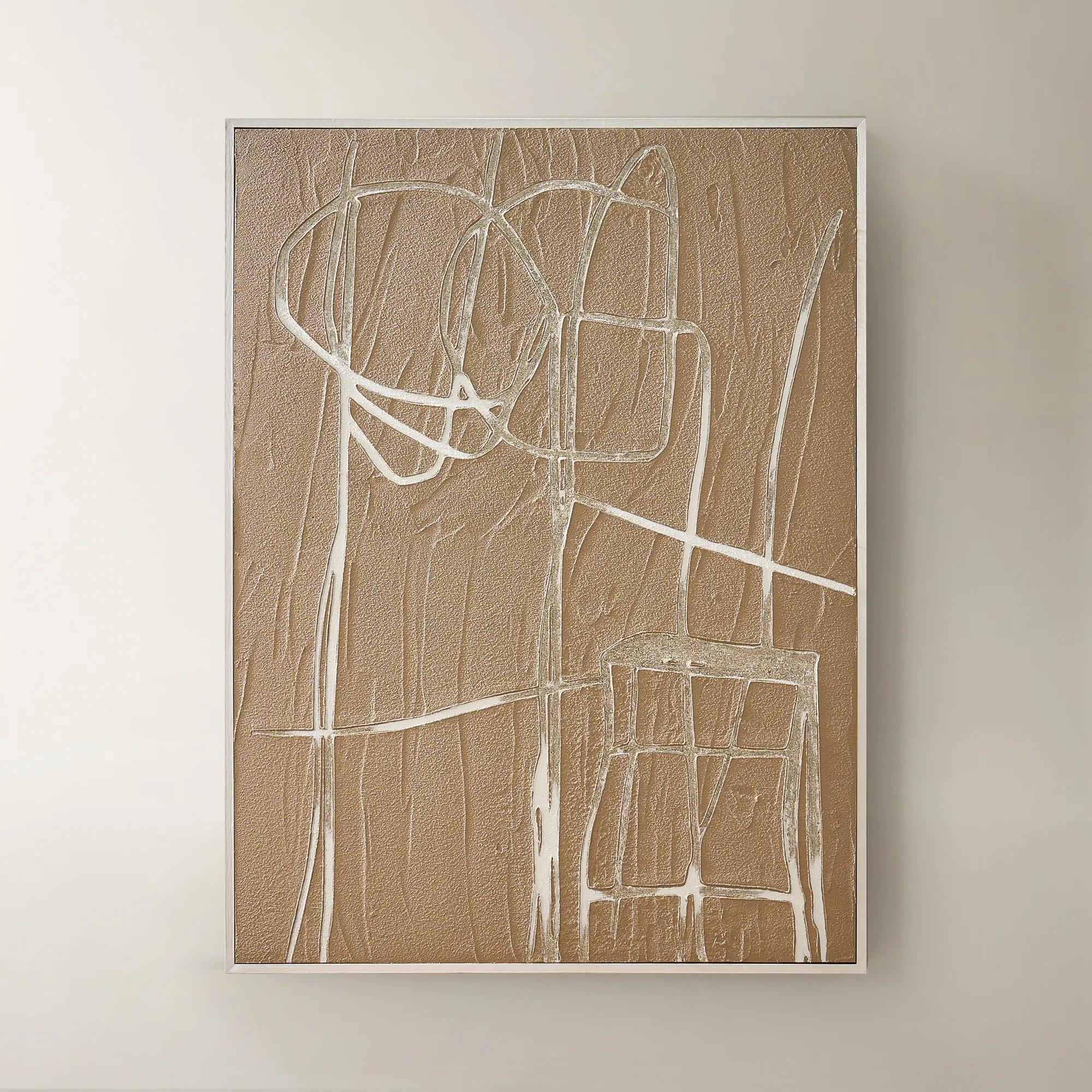
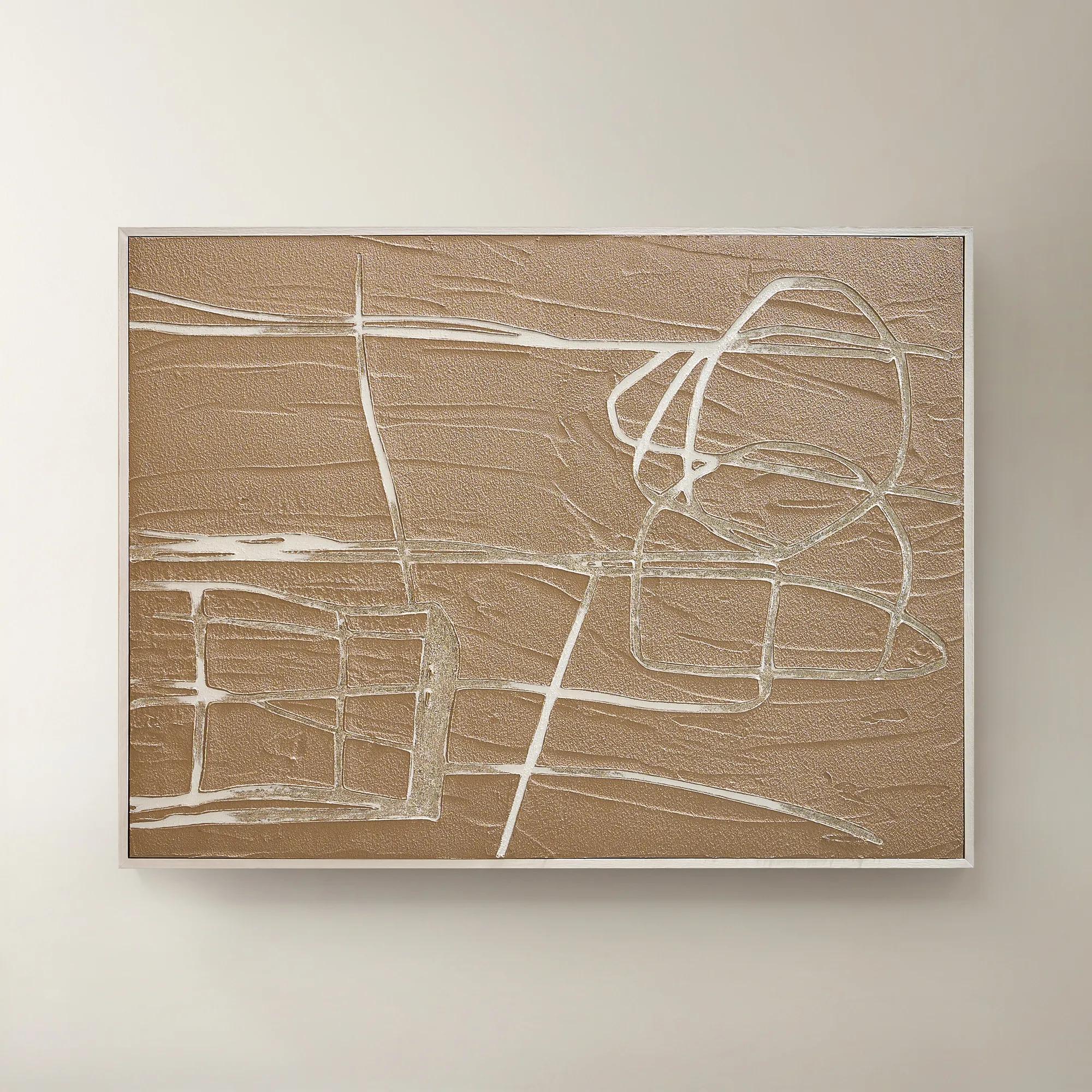 Linear Sand Framed Painted Wall Art 35" x 47"$369
A contemporary sand-toned painted canvas artwork framed for sophisticated modern interiors.
Add To Cart -
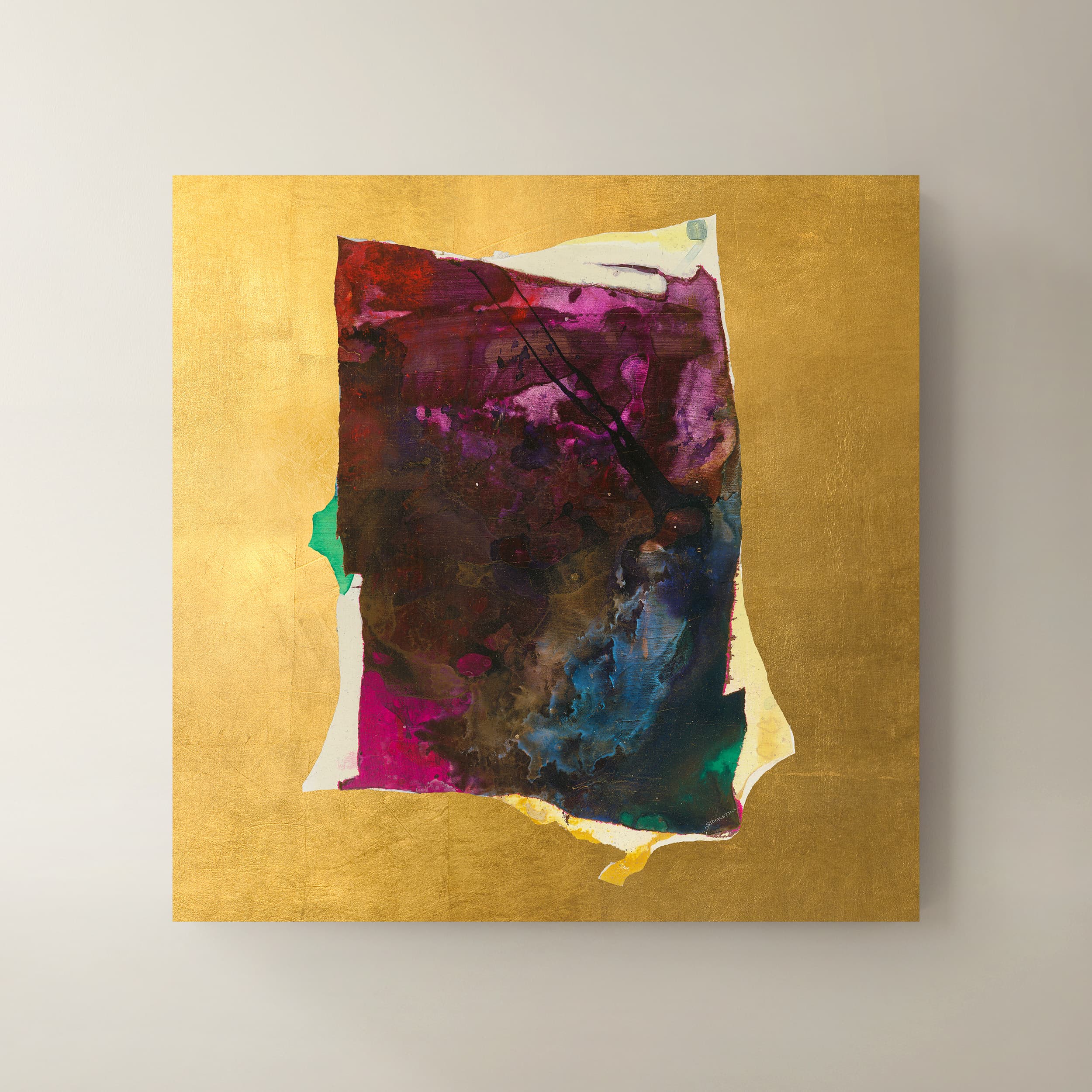 Supremo I Wall Art 40" x 40"$999
A multicolored canvas wall art piece adding contemporary visual interest to your interior.
Add To Cart -
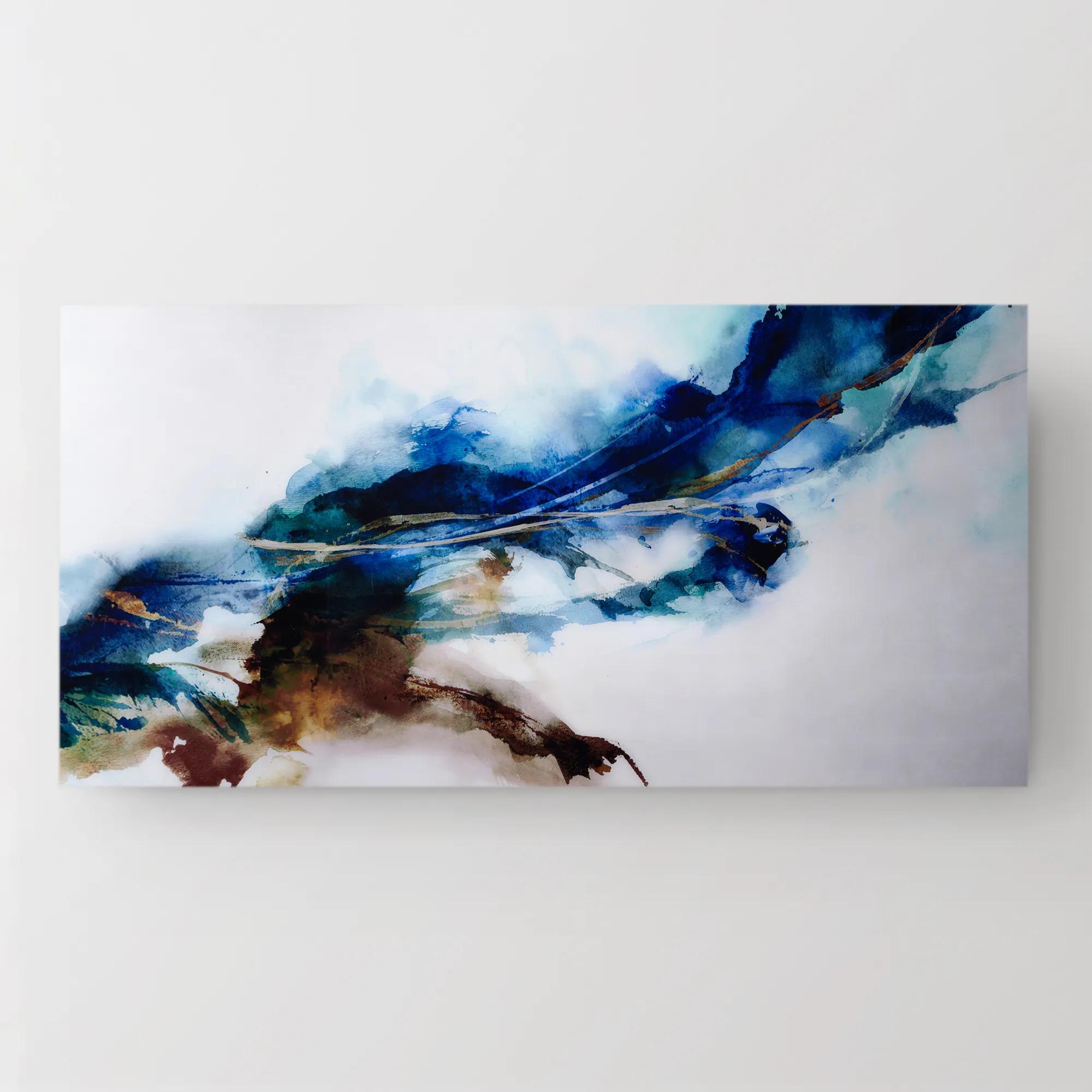 Cerulean Movement Acrylic Art 72" x 36"$1299
A vibrant abstract artwork printed on high-gloss acrylic, infusing your space with dynamic energy and movement.
Add To Cart -
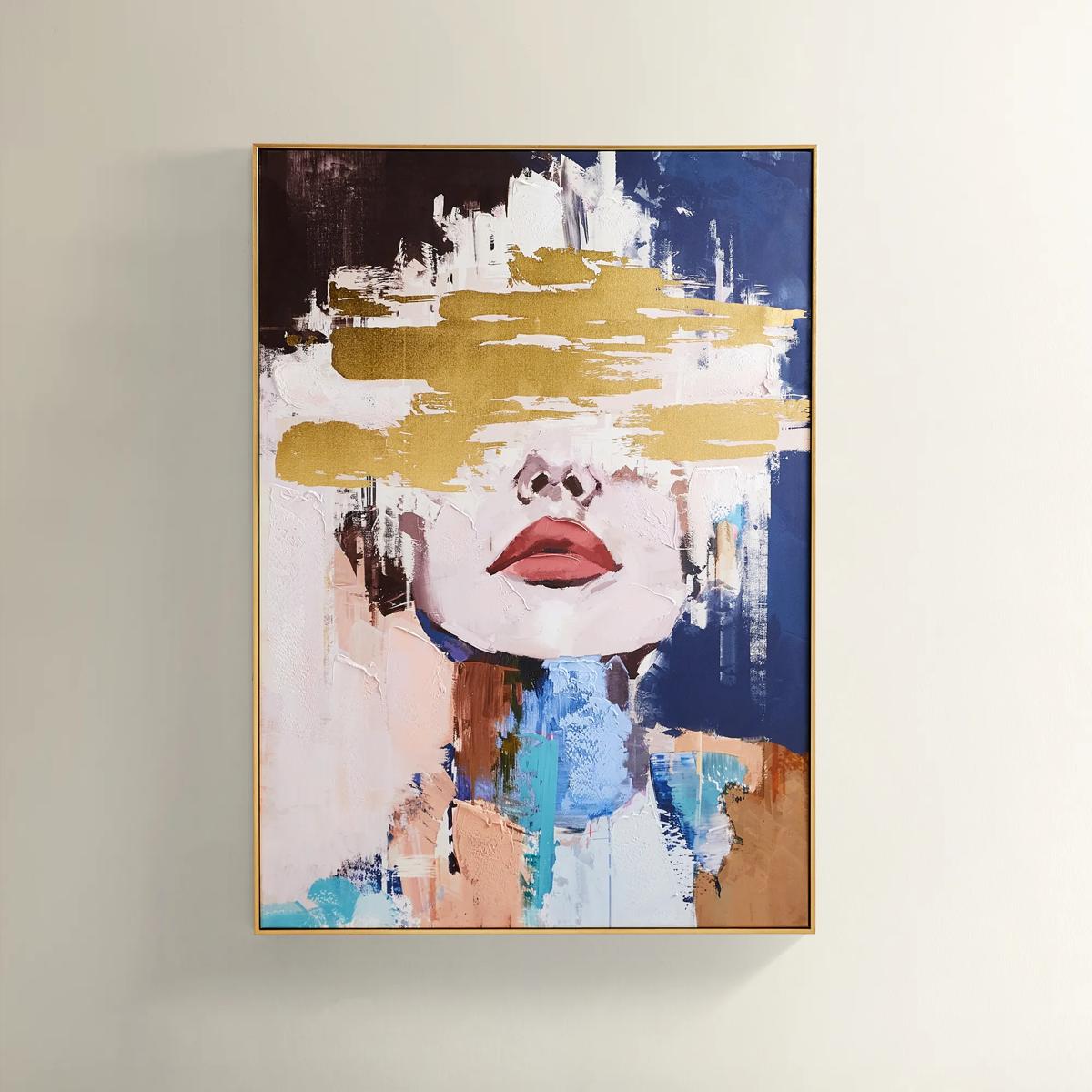
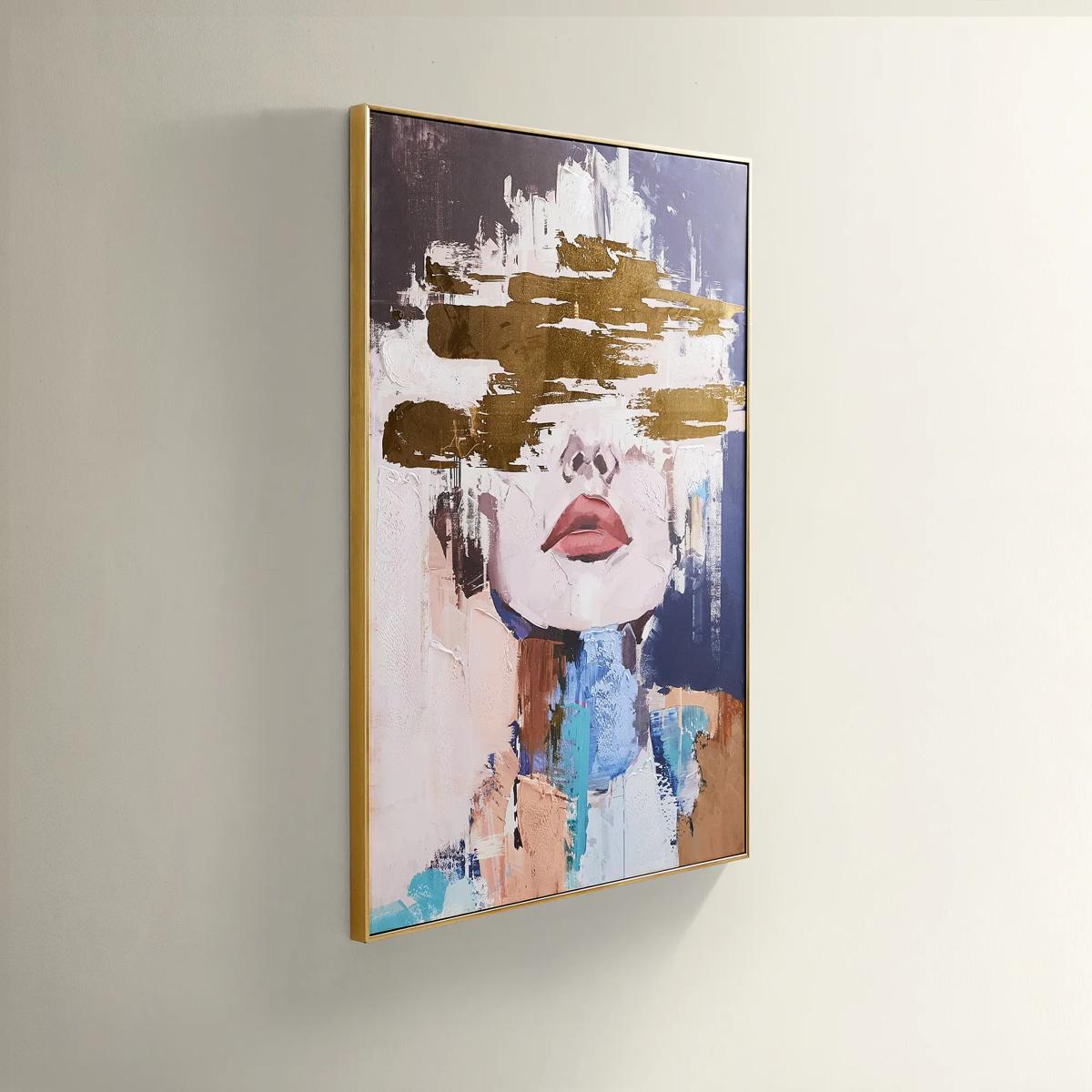 Waiting in Color Gold Foil Painted Wall Art 39.25" x 55"$499
A hand-painted abstract portrait in vivid blue, blush, and gold foil, framed in luxe gold.
Add To Cart -
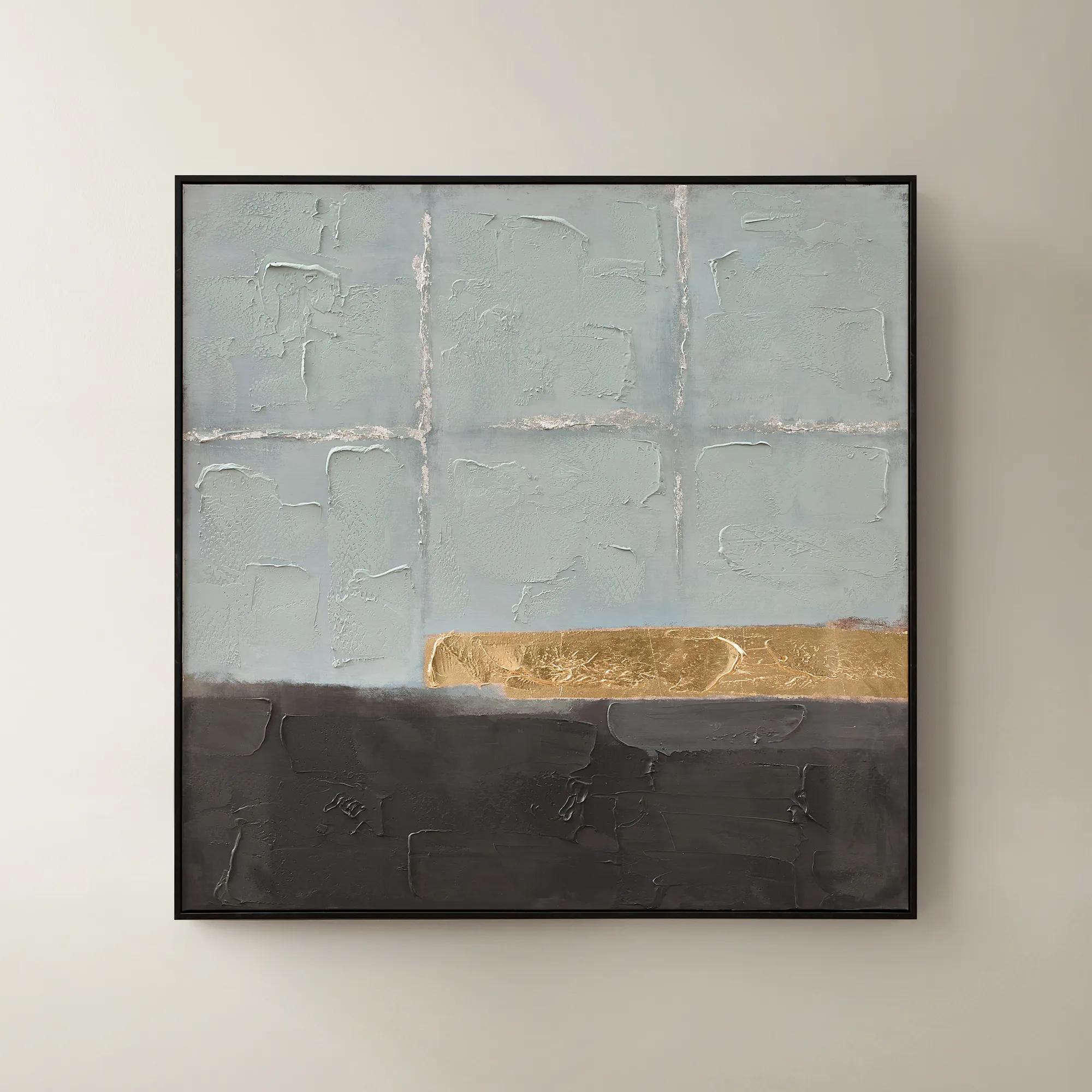
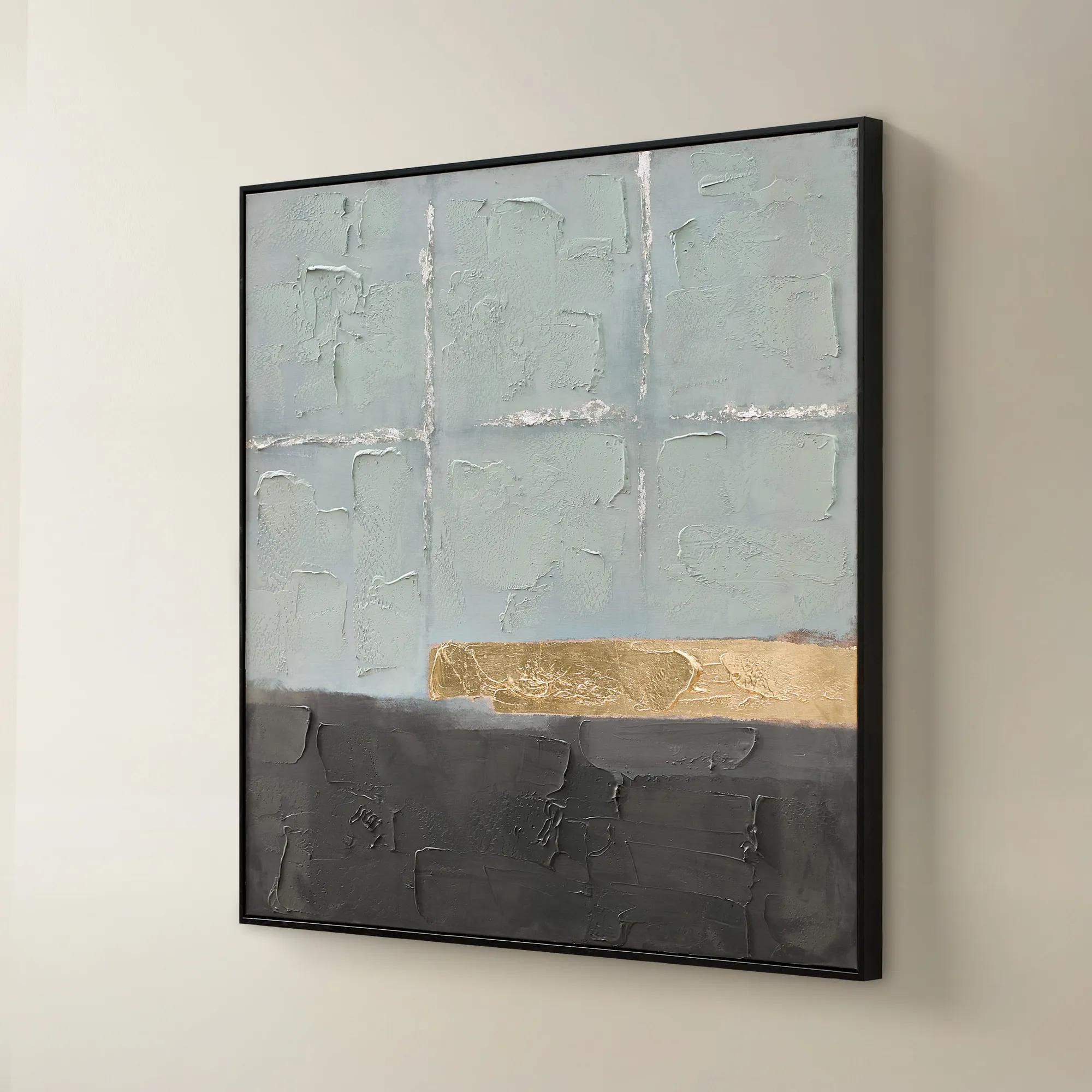 Jules Framed Gold Leaf Painted Wall Art 40" x 40"$299
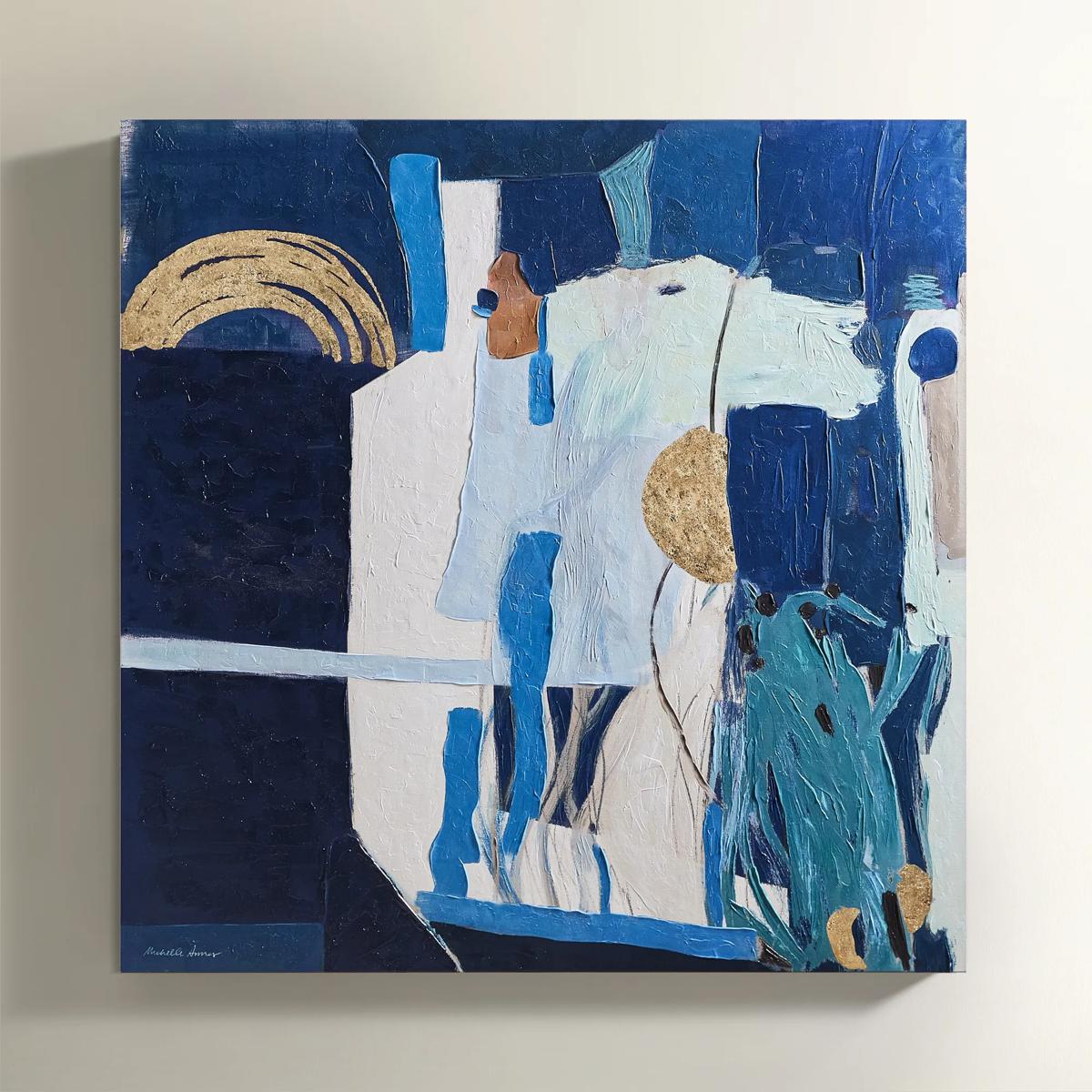
A hand-painted canvas in mineral blue with gold leaf accents and a sleek black frame for modern appeal.
Add To Cart

Contemporary Art For Dining Rooms
Contemporary art for dining rooms transforms every meal into a curated experience, inviting conversation and elevating ambiance with bold strokes and unexpected forms. Here, walls become galleries—each piece a statement of personal style, each canvas a catalyst for connection. Whether you crave abstract drama or sculptural intrigue, contemporary art infuses your dining space with energy and sophistication, turning everyday gatherings into moments of artistry and allure. Let your dining room reflect the extraordinary, where creative expression is always on the menu.
Contemporary art for dining rooms transforms the place where meals are served into a setting with presence, personality, and a touch of theatricality. Rather than treating the walls as an afterthought, consider them part of the dining experience: a sweeping abstract composition can create a dramatic focal point above a sideboard, while expressive figurative art can introduce a sense of narrative to a room where conversation naturally unfolds. Line art, monochromatic studies, sculptural forms, and richly layered color fields each establish a distinct mood. A restrained black-and-white work lends architectural polish to a dining room with gleaming finishes, while saturated jewel tones can bring warmth and movement to a palette of neutral upholstery and dark wood. Metallic details, dimensional surfaces, and painterly gestures catch the glow of pendant lighting and candlelight, allowing the artwork to shift subtly from a crisp daytime accent to an intimate backdrop during the cooler months. The most successful choice is not necessarily the loudest piece, but the one that gives the room a point of view. Look for artwork that echoes one or two existing tones in the space—perhaps the smoky gray of an upholstered chair, the burnished warmth of the table, or the deep color found in ceramics—without matching every element too literally. This creates harmony while preserving the sense of discovery that makes contemporary interiors feel collected rather than predictable. For a dining room that opens into another entertaining space, artwork can also help carry the visual story beyond the table. A related composition in the adjacent room, including Contemporary Living Room Wall Art, can establish continuity while allowing each area to retain its own character.
Scale is the foundation of a confident dining room arrangement. As a starting point, choose a single artwork or a grouped composition that measures roughly two-thirds the width of the dining table or the console beneath it; this proportion feels substantial without overwhelming the furniture. Oversized art is especially effective in rooms with generous walls or high ceilings, where a smaller piece might lose its impact, while a collection of several coordinated works can bring rhythm to a narrower wall. When hanging art above a buffet or sideboard, leave approximately 6 to 10 inches between the bottom of the frame and the top of the furniture so the arrangement feels connected rather than adrift. For open wall space, position the center of the artwork roughly 57 to 60 inches from the floor, adjusting slightly when the room is designed to be viewed primarily from a seated position. In a dining room, comfort and sightlines matter: the piece should remain visible across the table without competing with guests, serving dishes, or the sculptural silhouette of a light fixture. A salon-style grouping can add collected glamour, but keep the spacing intentional and use a shared visual thread—similar framing, a repeated color, or a common artistic language—to keep the display composed. Before committing to placement, mark the dimensions with painter’s tape or cut paper templates and observe the arrangement from the entryway, the table, and neighboring rooms. This simple step reveals whether the artwork has enough breathing room and whether its proportions complement the architecture. Warm accent lighting, generally around 2700K to 3000K, can bathe the artwork in a flattering glow and heighten the atmosphere for evening gatherings. Aim the light carefully, avoid harsh glare, and protect art from prolonged direct sunlight to help preserve its color and finish.
Contemporary dining room art is made for homes that treat ordinary rituals as occasions worth remembering. It gives a refined setting to a quiet breakfast, adds energy to a lively dinner with friends, and creates a memorable backdrop for celebrations that linger well past dessert. Abstract art can be an inspired choice for a host who enjoys changing linens, flowers, and table settings, since its shapes and colors can accommodate an evolving palette without feeling tied to a single season. Figurative or narrative work may appeal to someone who wants the dining room to feel more personal, offering guests a visual detail to discover while conversation gathers around the table. Art is also a thoughtful housewarming gift for a new homeowner, a newlywed couple, or anyone furnishing a first dining space, particularly when the work reflects the recipient’s taste rather than prescribing a complete decorating scheme. If selecting a gift, consider adaptable dimensions, versatile tones, and framing that can transition between interiors. For your own home, think beyond the formal dining room: a dramatic piece can lend distinction to a breakfast nook, elevate a bar area, or bring a gallery-like finish to a dining space that doubles as a home office or gathering room. During the warmer seasons, brighter compositions can amplify natural light and an open, effortless mood; as the weather cools, deeper hues and tactile finishes create a more enveloping atmosphere for long dinners and candlelit evenings. Whether you favor a single commanding statement or a carefully layered gallery wall, contemporary art allows the dining room to become more than a place to sit. It becomes a canvas for hospitality, self-expression, and the luminous details of daily life.
FAQs
Contemporary art infuses your dining room with personality, drama, and a sense of curated sophistication. By selecting pieces that reflect your style—whether bold abstracts or subtle modern compositions—you set the mood for every gathering. Art draws the eye, sparks conversation, and transforms your dining space into a visual feast that lingers long after the meal.
To achieve a harmonious look, echo elements from your furniture and lighting in your art selection. For example, if your space features art deco dining room chairs or an antique nickel contemporary chandelier, choose artwork with complementary metallic tones or geometric motifs. Layering textures and finishes can also create a cohesive, gallery-inspired atmosphere.
Absolutely. Contemporary art makes a memorable and thoughtful gift for housewarmings, weddings, anniversaries, or milestone celebrations. It offers recipients the opportunity to personalize their dining room and serves as a lasting reminder of the occasion, bringing artistry and inspiration to their everyday life.
Mixing styles can create a dynamic, curated look that reflects your unique taste. Pairing bold abstracts with minimalist pieces, or combining different mediums and frames, adds visual interest and depth. The key is to maintain a sense of balance—consider a unifying color palette or theme to ensure the overall composition feels intentional and cohesive.
Lighting plays a crucial role in showcasing your art. Position statement lighting, such as an antique nickel contemporary chandelier, to cast a warm, inviting glow across your chosen pieces. Accent lighting or adjustable spotlights can be used to highlight textures and colors, ensuring each artwork becomes a focal point that enhances the entire dining experience.
.jpeg?w=4217&h=4217)