Oversized Wall Art For Dining Rooms
Oversized Wall Art For Dining Rooms
-
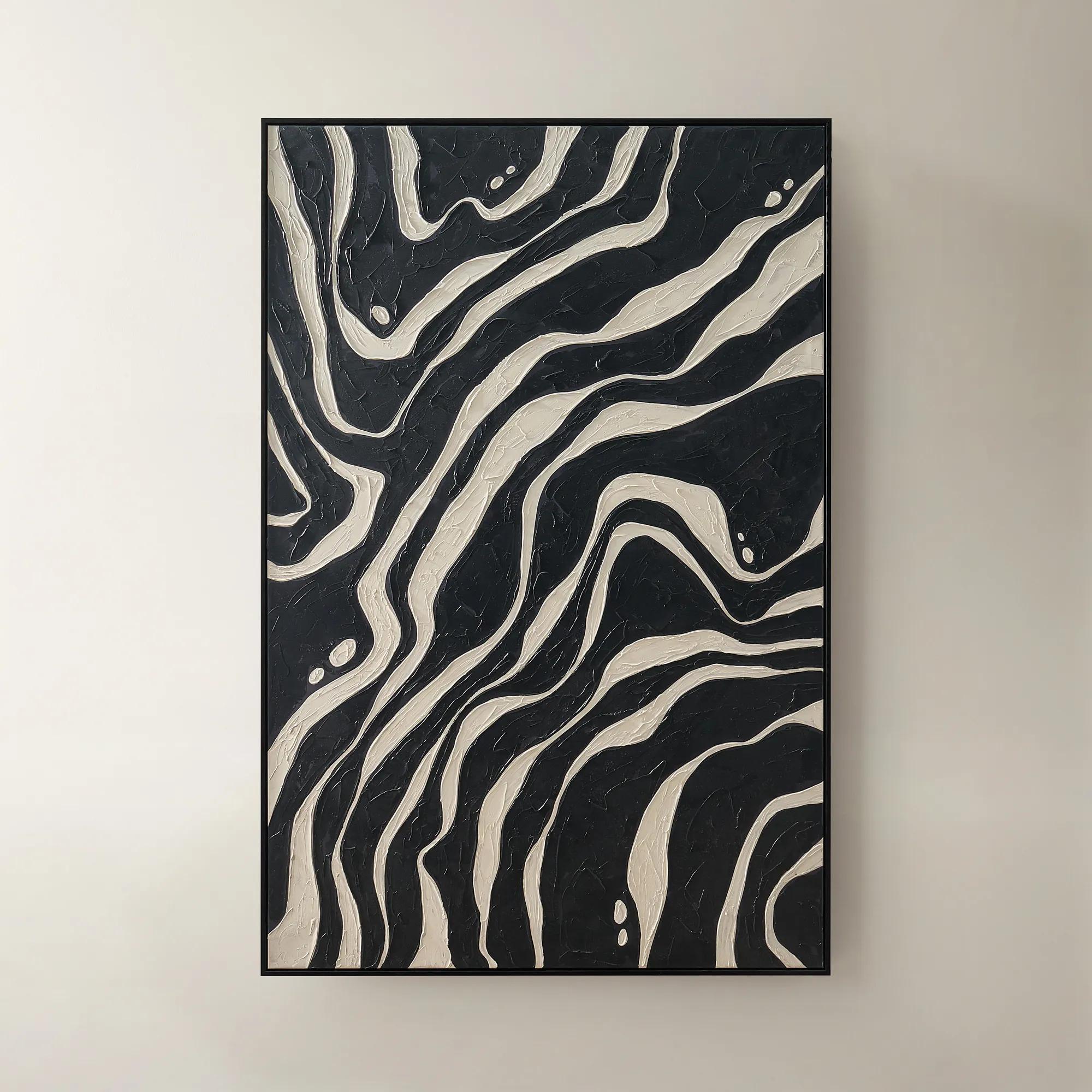
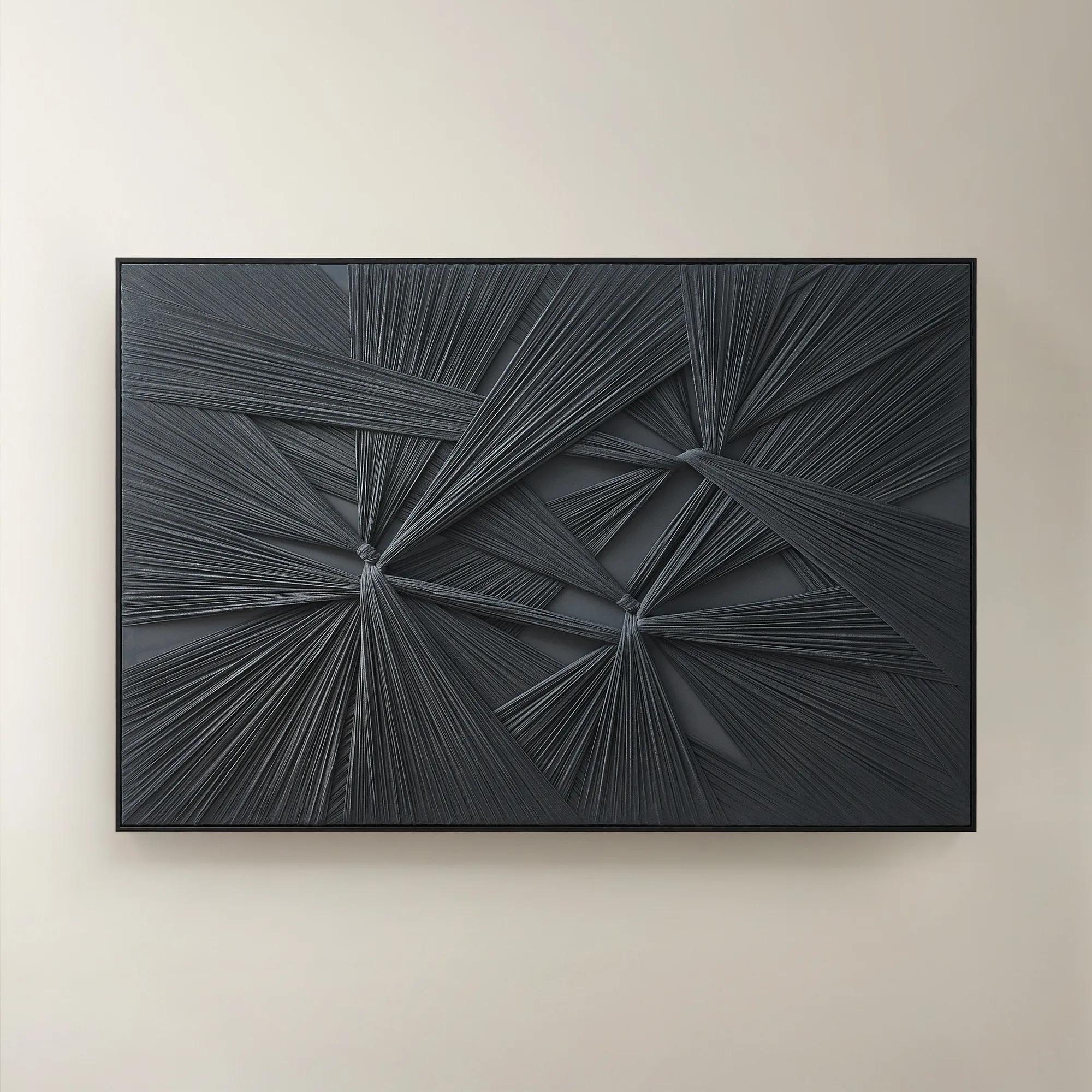
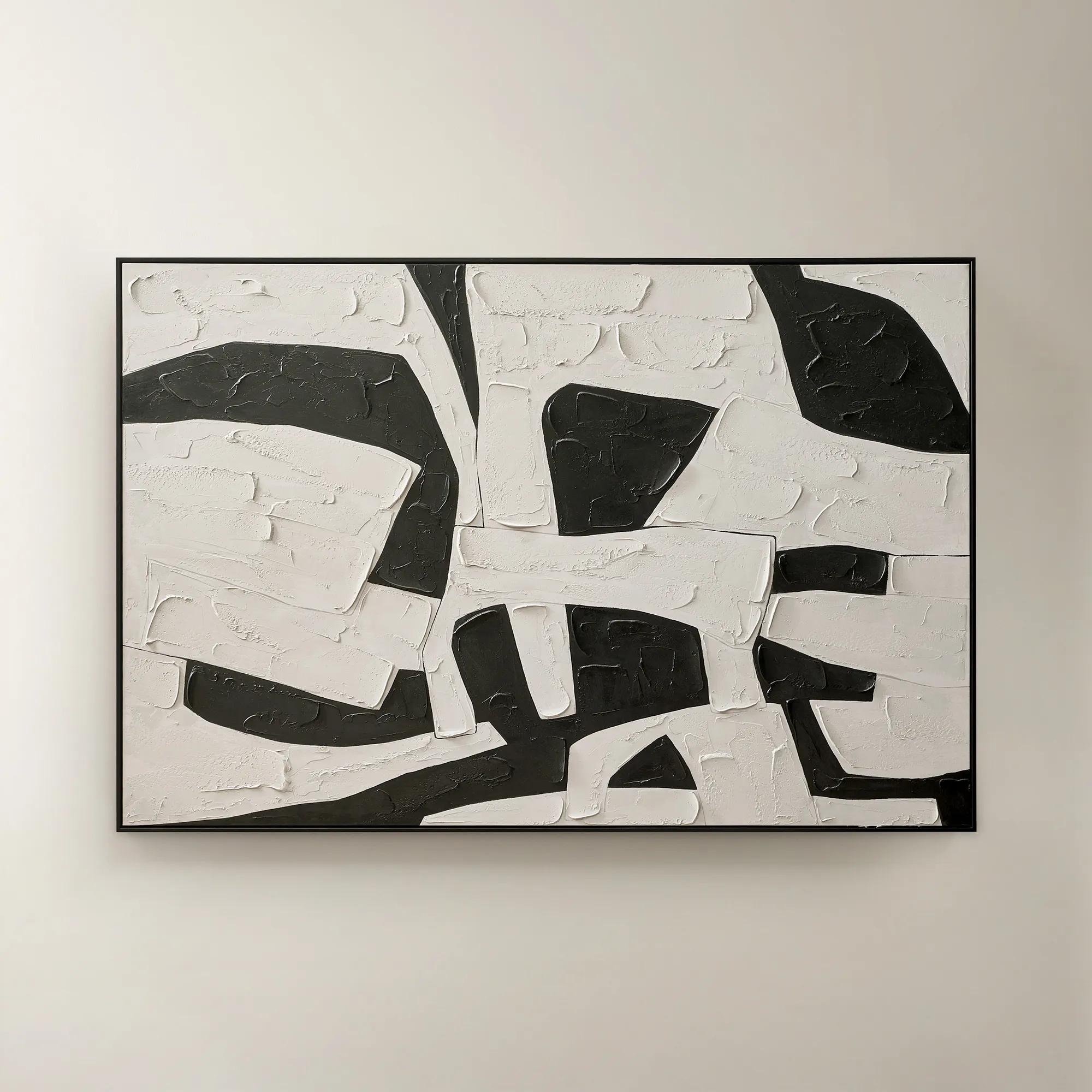 Space Between Shadows Framed Painted Wall Art 72" x 48"$799
A hand-painted abstract canvas featuring bold alabaster and black geometric forms in a sleek black frame.
Add To Cart -
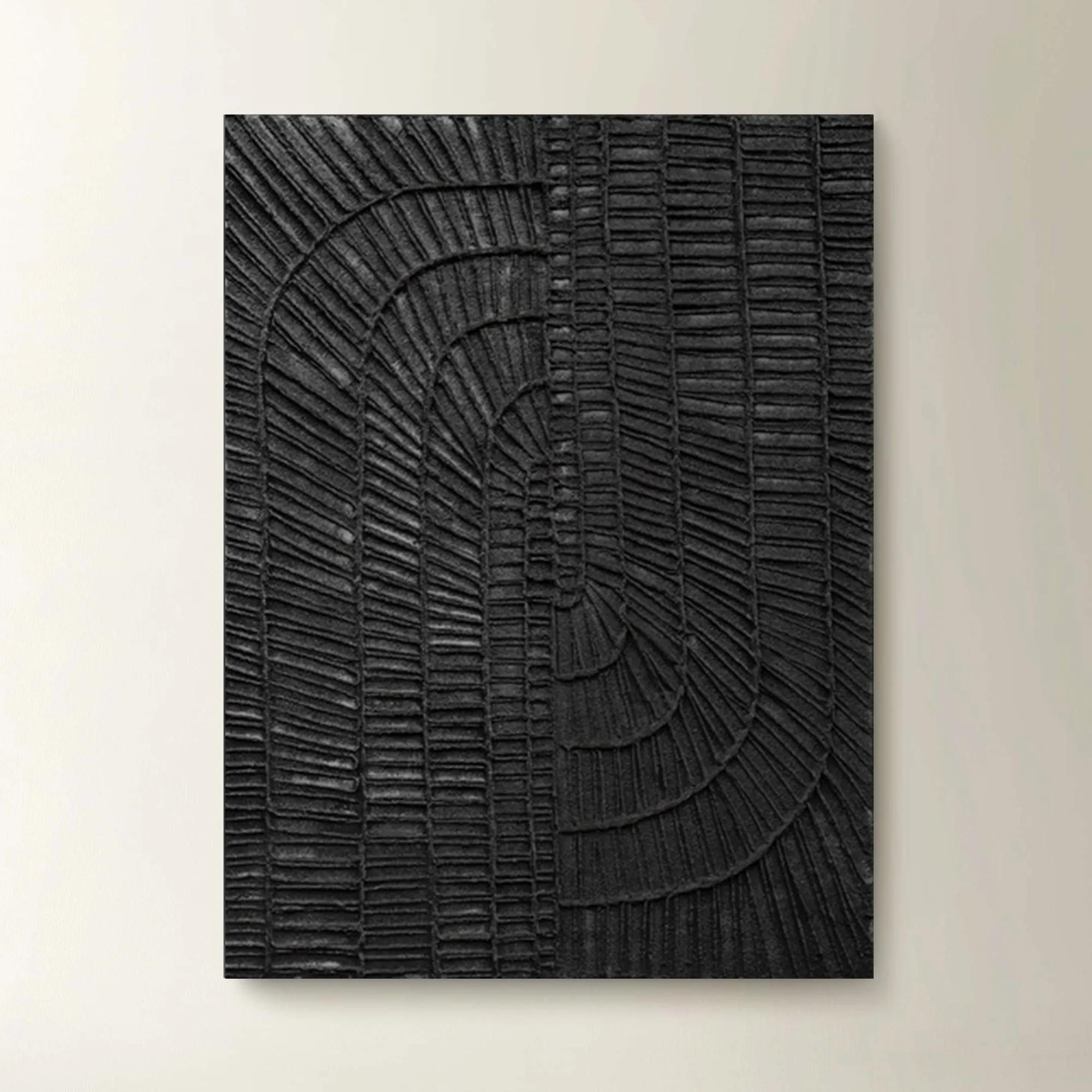
 Grace in Dark Slate Hand-crafted Fabric Wall Art 70.75" x 47"$799
A hand-crafted textile wall art piece in dark slate, featuring sculptural texture and versatile display options.
Add To Cart -
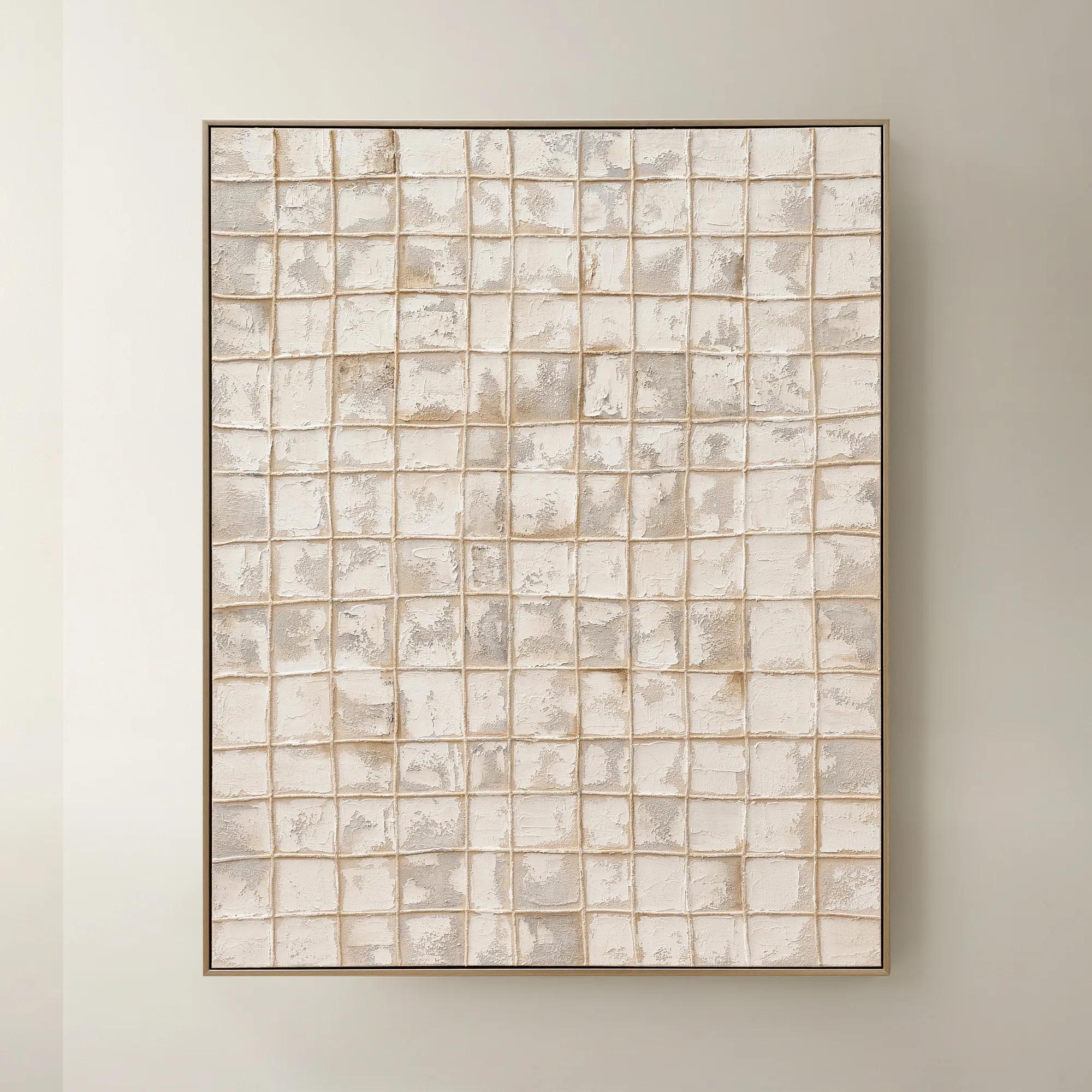
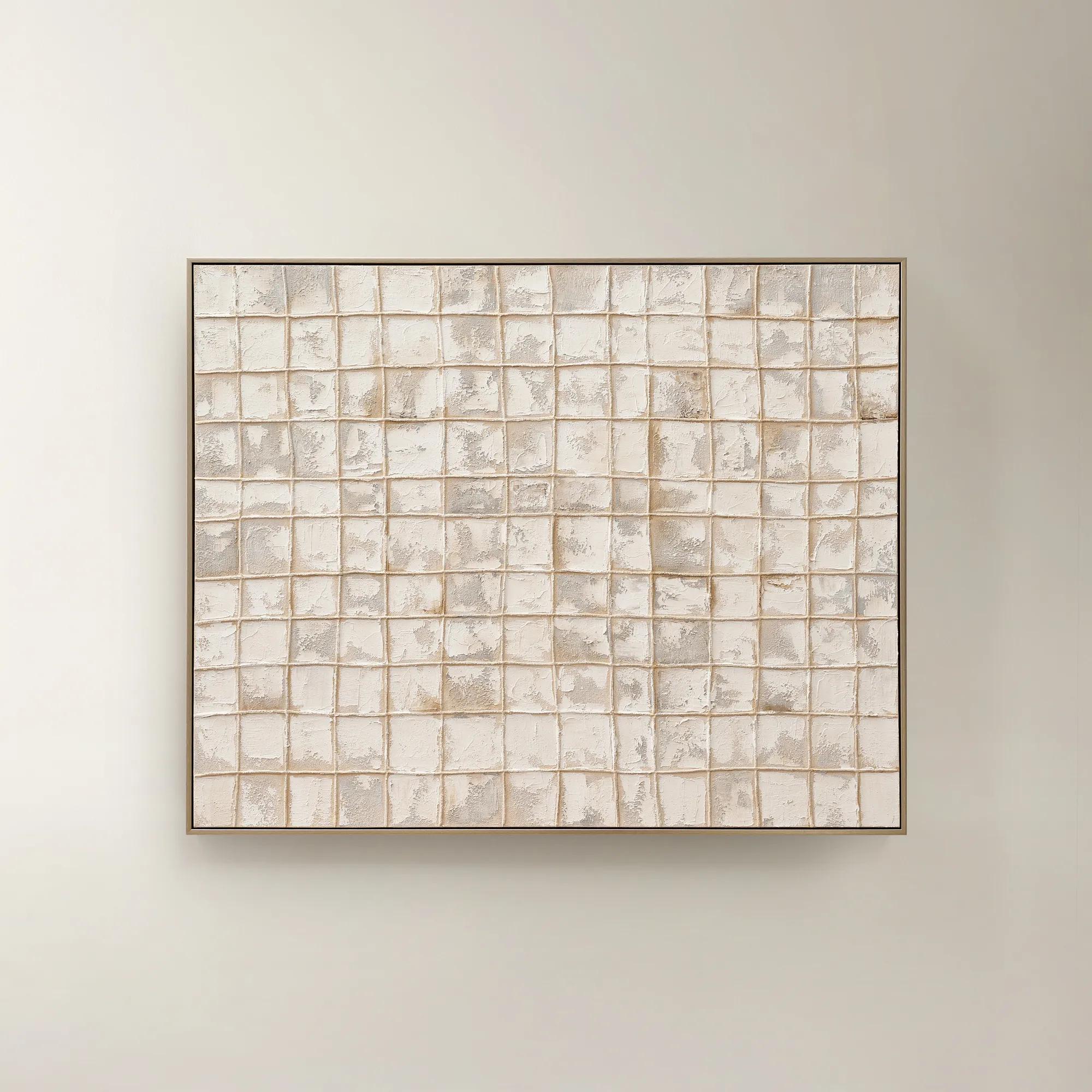 Painted Echos Framed Gold Leaf Wall Art 60" x 48"$699
A hand-painted abstract canvas with gold leaf accents and a champagne frame for modern, versatile display.
Add To Cart -
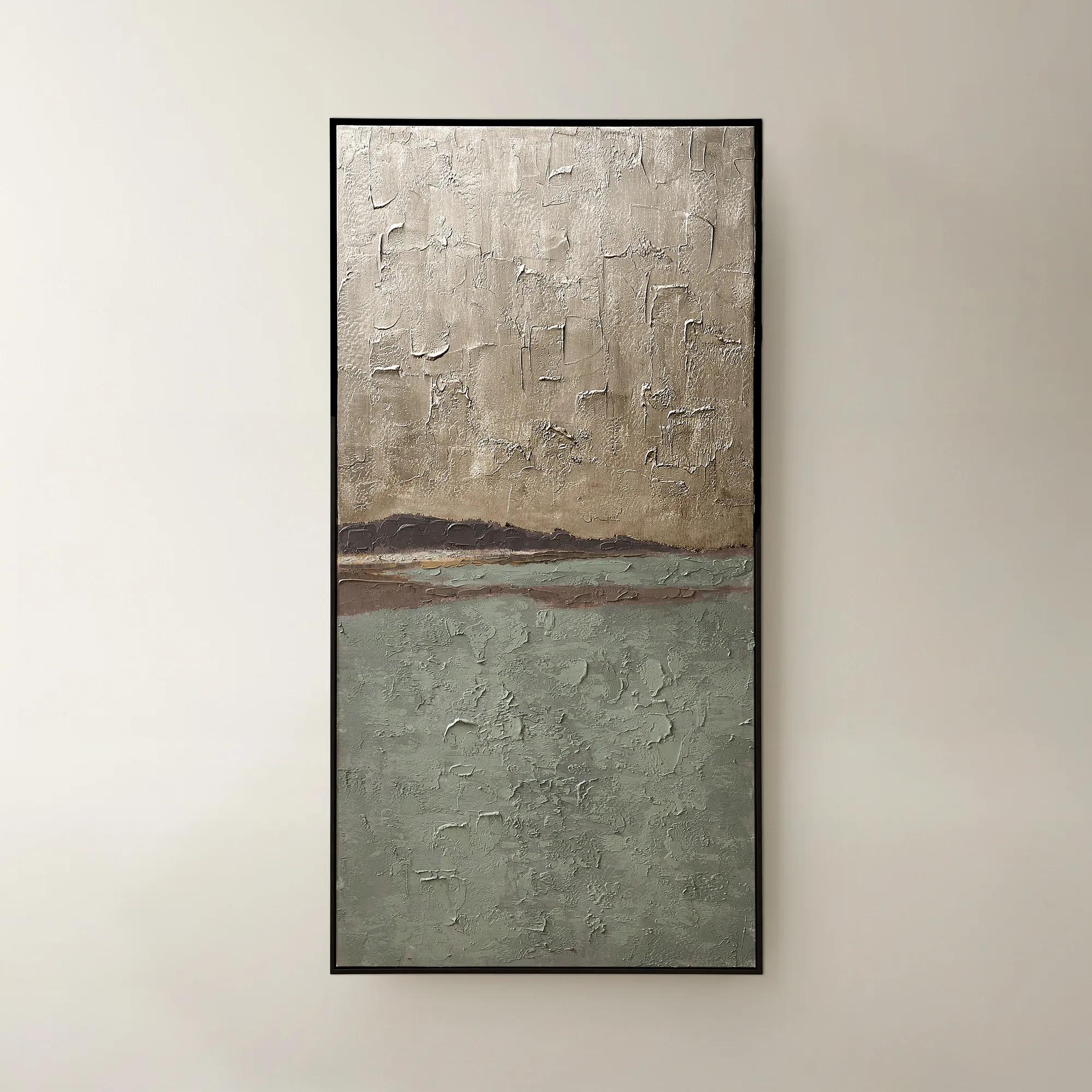
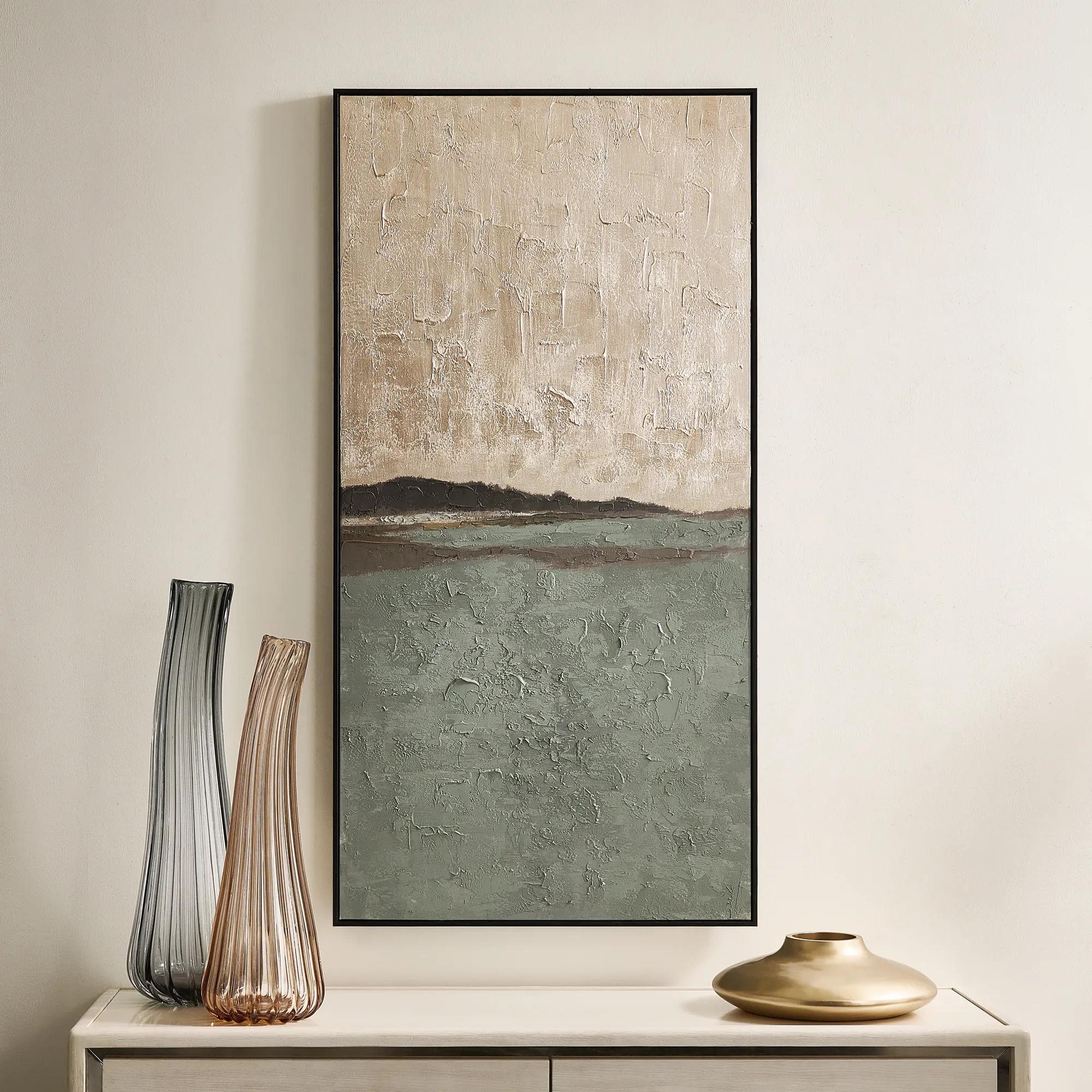 Fields of Gold Framed Painted Wall Art 60" x 30"$399
A hand-painted sage and champagne abstract canvas with a black frame, offering versatile vertical or horizontal display.
Add To Cart -
 Bella Champagne Draped Leather Wall Panel 50" x 40"$699
A sculptural wall panel featuring cascading black, champagne, and ivory leather over a fabric-wrapped MDF foundation.
Add To Cart -

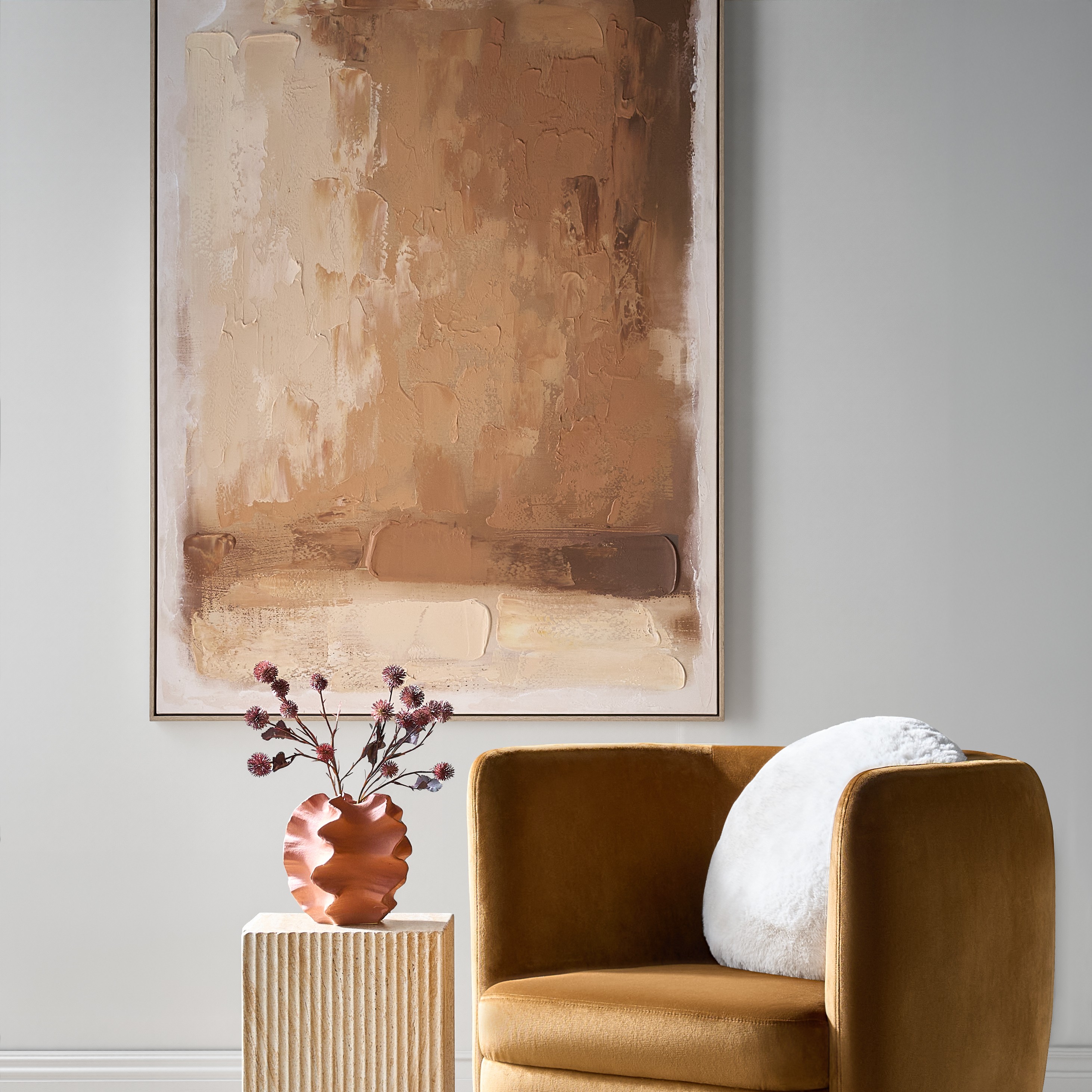 Ember Glow Framed Painted Wall Art 39.25" x 55"$499
A hand-painted abstract canvas blending ochre, terracotta, and golden clay hues in a light natural frame.
Add To Cart -
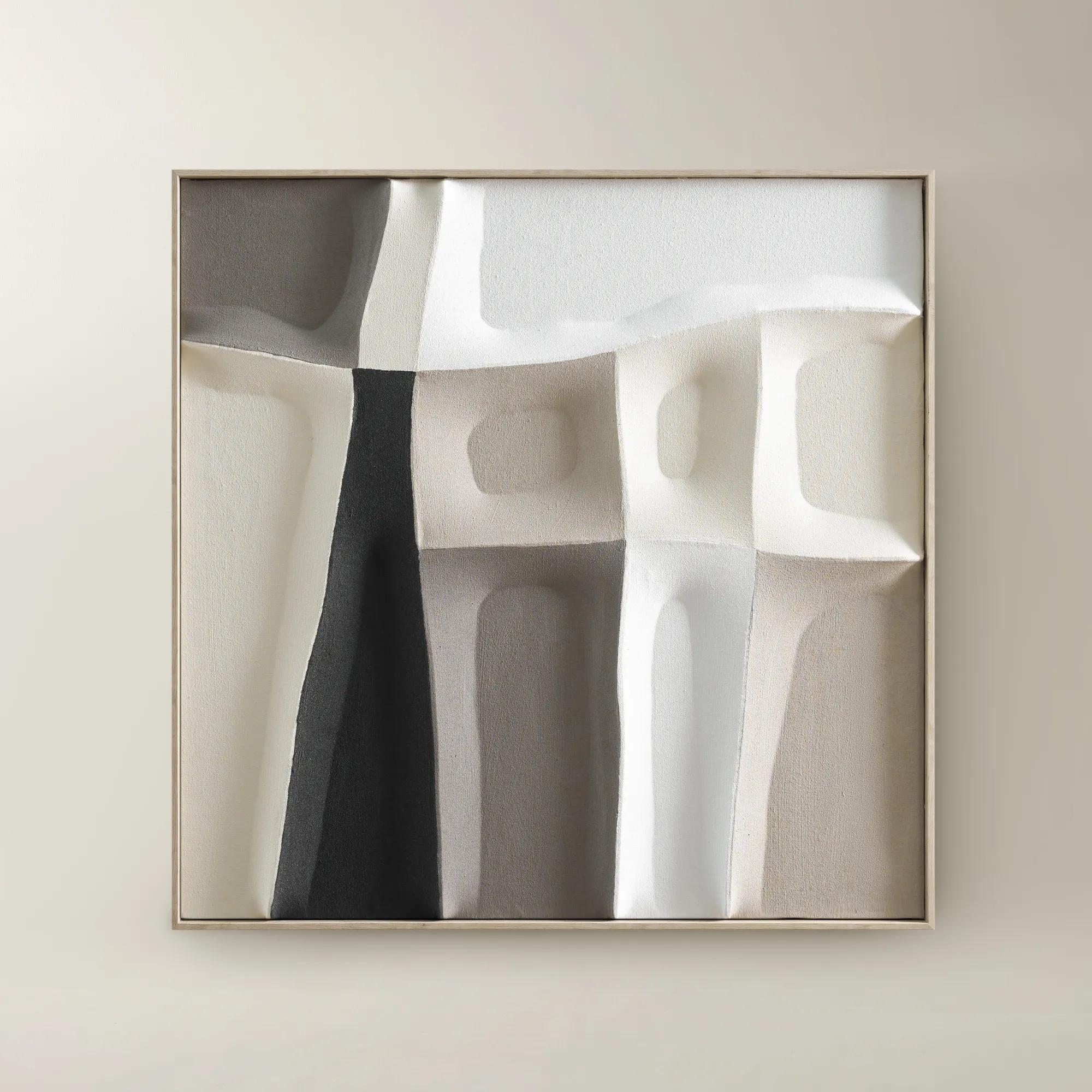
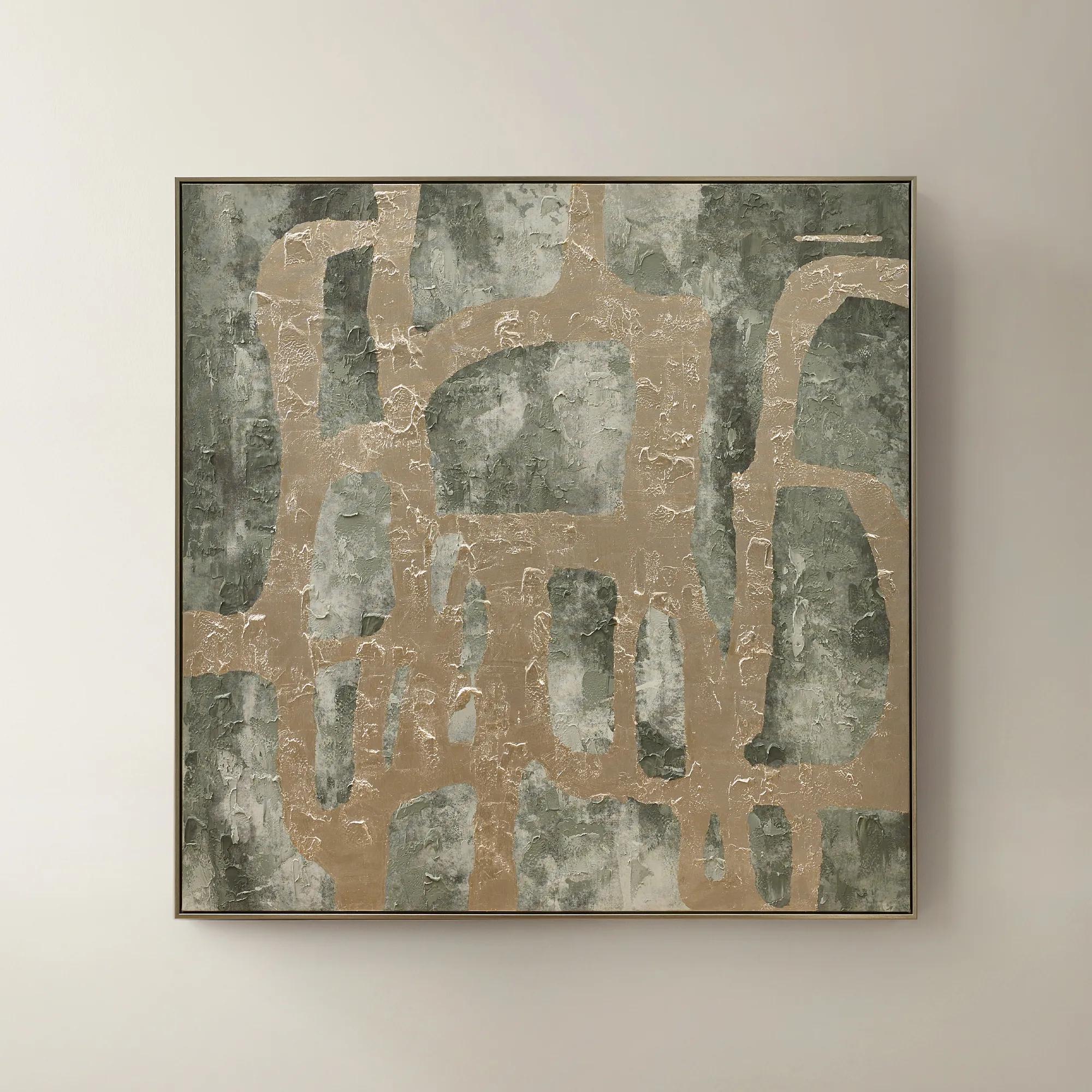 Illusions Framed Painted Wall Art 50" x 50"$599
A hand-painted canvas in sage and champagne tones with textural embellishments for modern, artful depth.
Add To Cart -
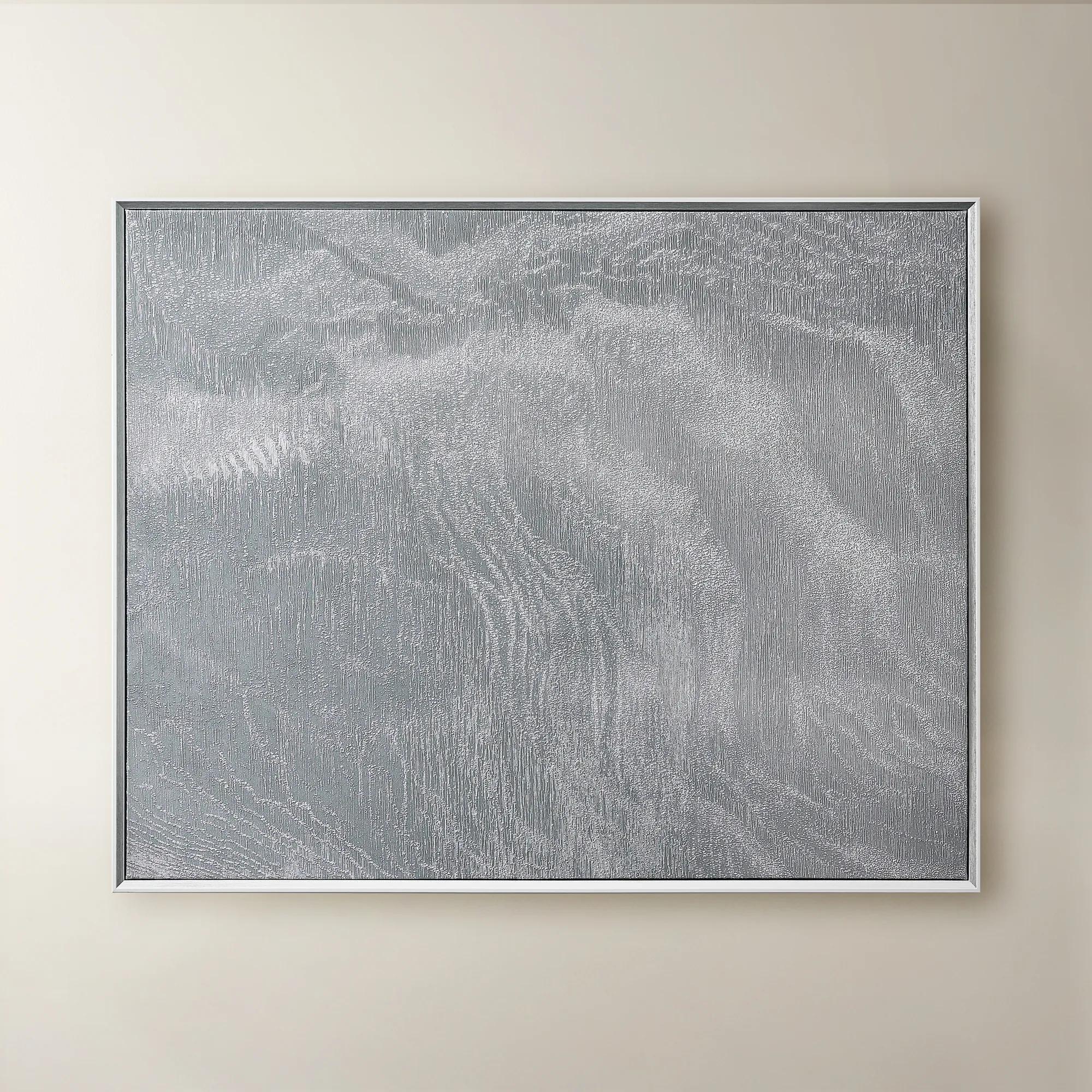 Slow Blue Morning Framed Silver Foil Wall Art 48" x 60"$599
A serene powder blue abstract canvas with silver foil accents, framed in silver and white for modern elegance.
Add To Cart -
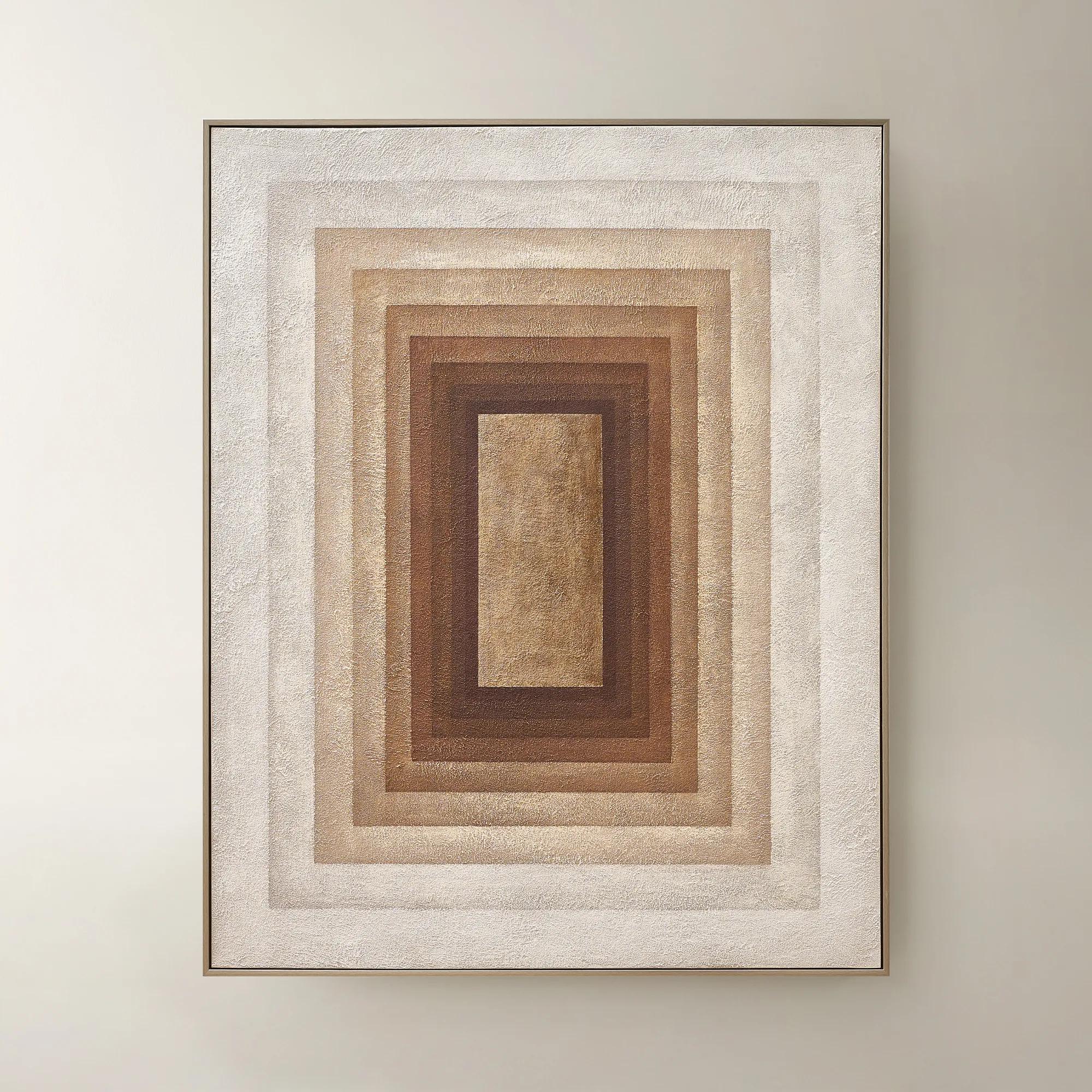 Monochrome Drift Framed Painted Wall Art 60" x 48"$699
A hand-painted abstract canvas with champagne leafing, featuring cocoa and gold tones in modern geometric design.
Add To Cart -
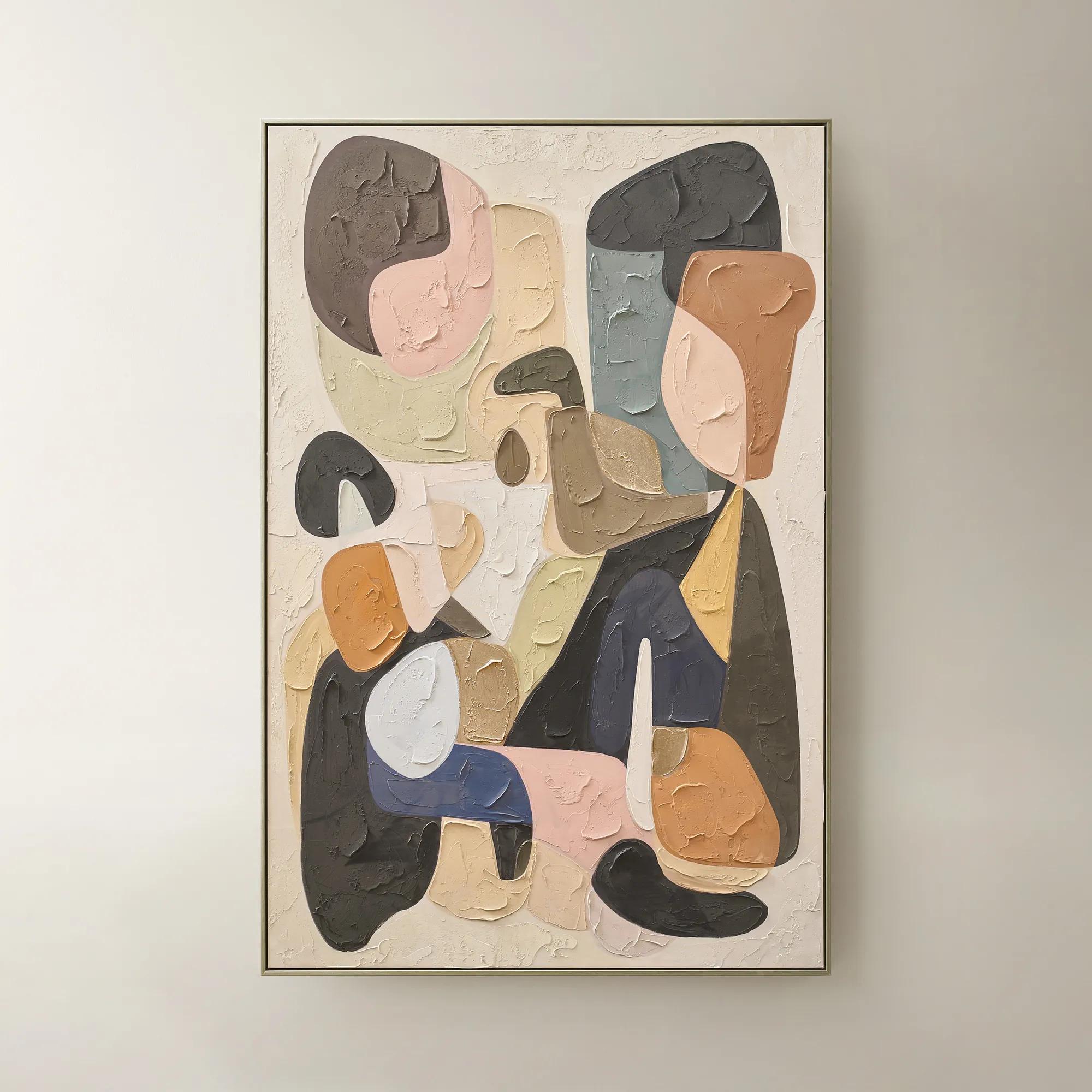 Chromatic Bloom Framed Painted Wall Art 40" x 60"$519
A hand-painted abstract canvas featuring a vibrant multi-color palette and shimmering champagne detailing.
Add To Cart -
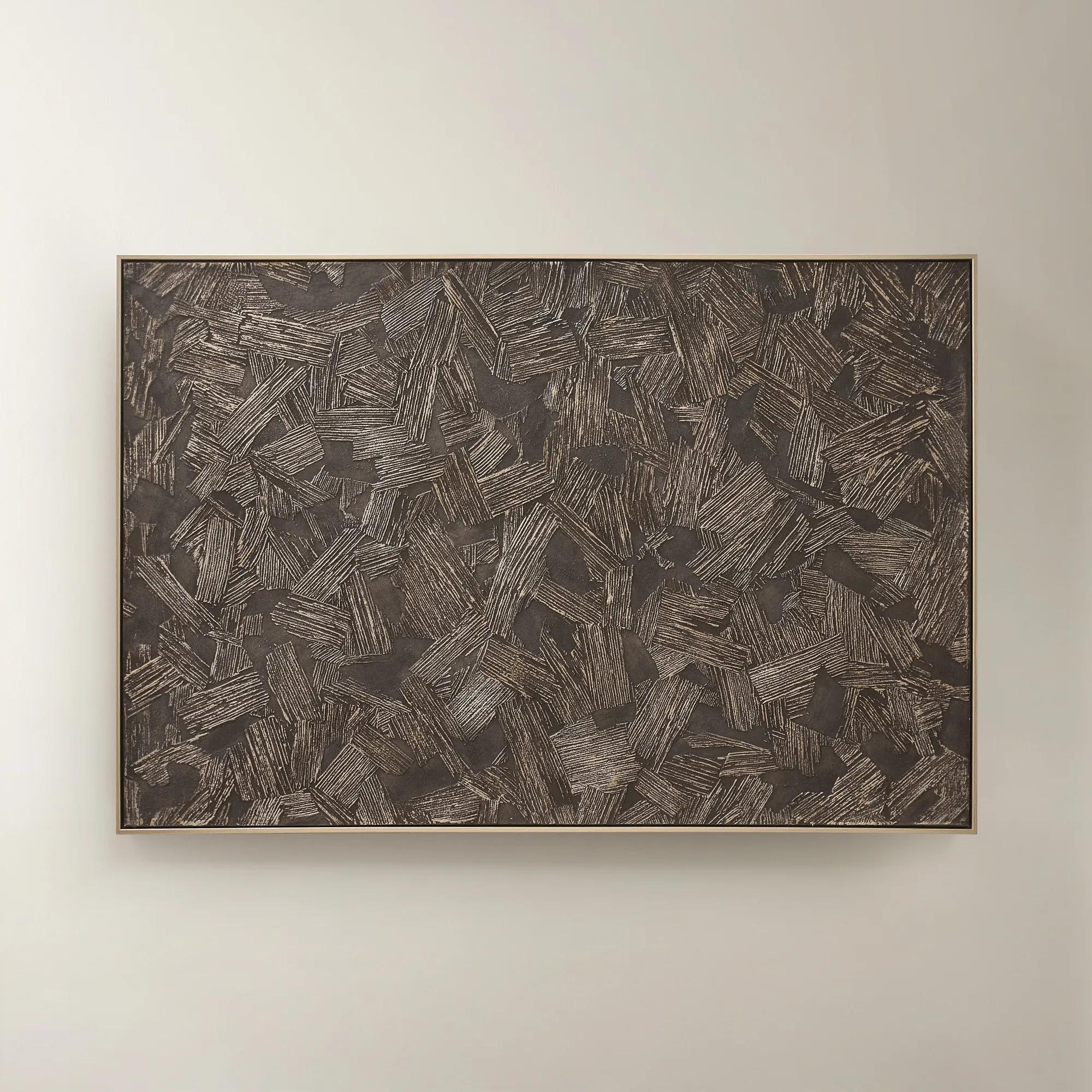
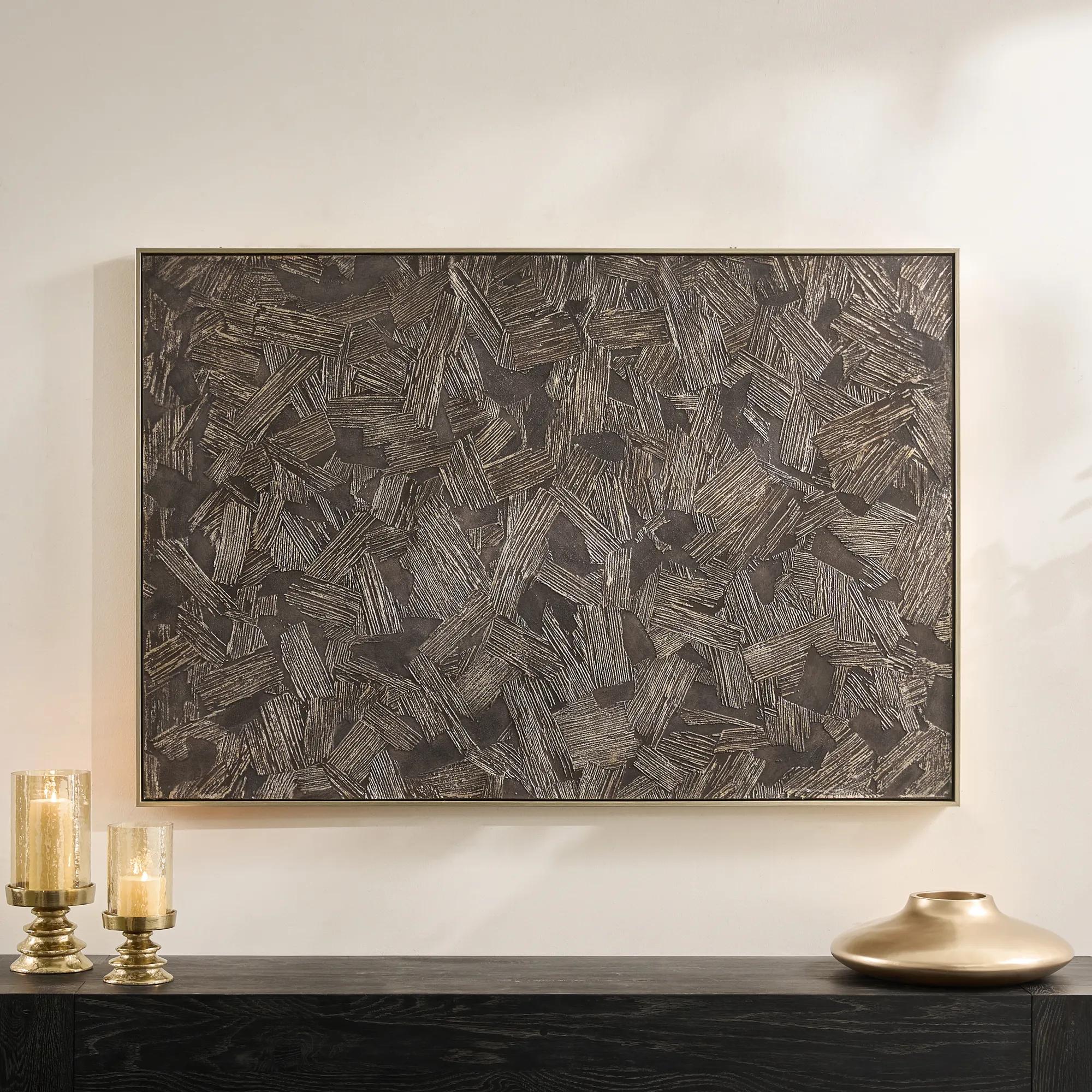 Etched in Darkness Dark Chocolate Wall Panel 53.5" x 36"$329
A hand-painted wrapped canvas features moody dark chocolate hues with champagne accents and a layered, textural finish.
Add To Cart -
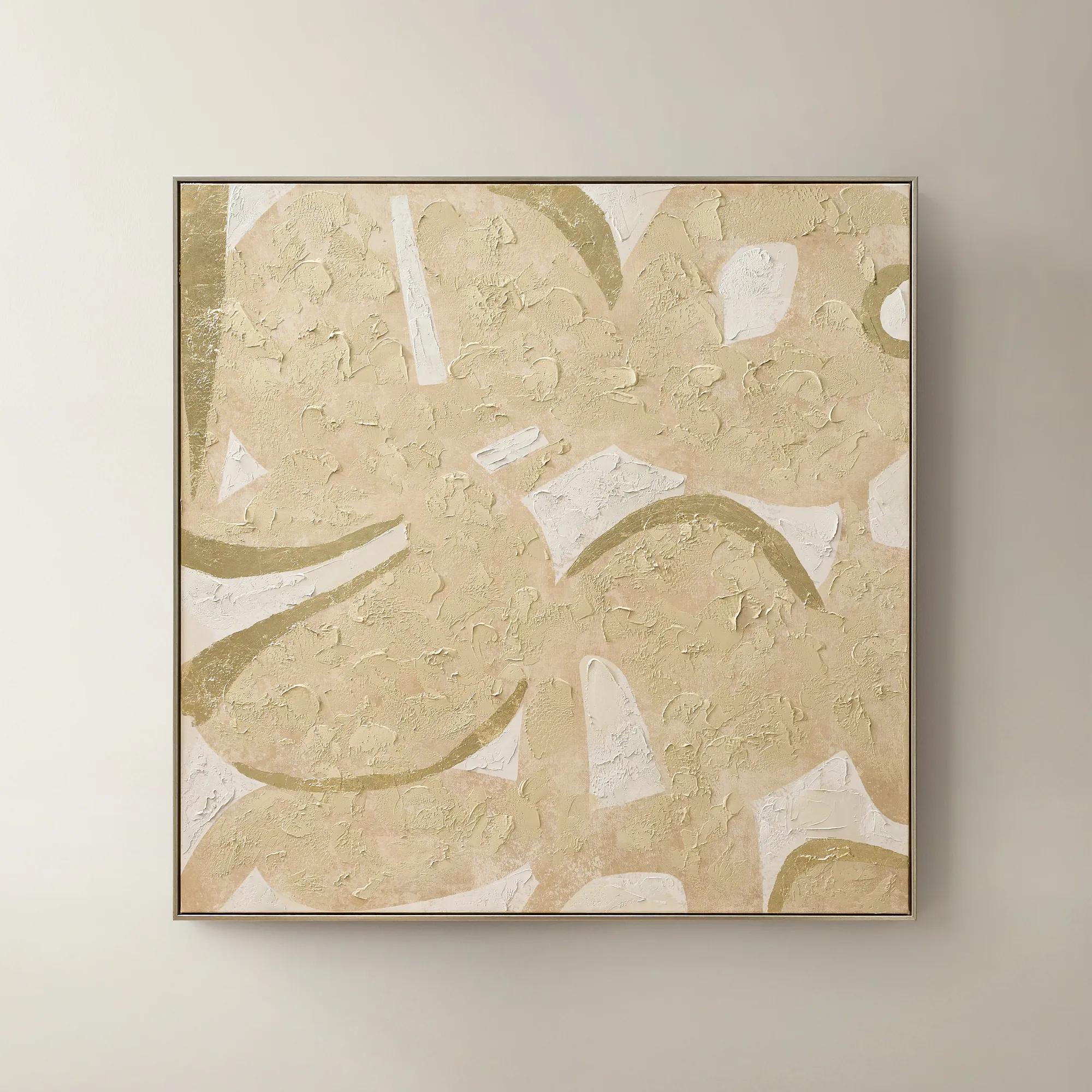
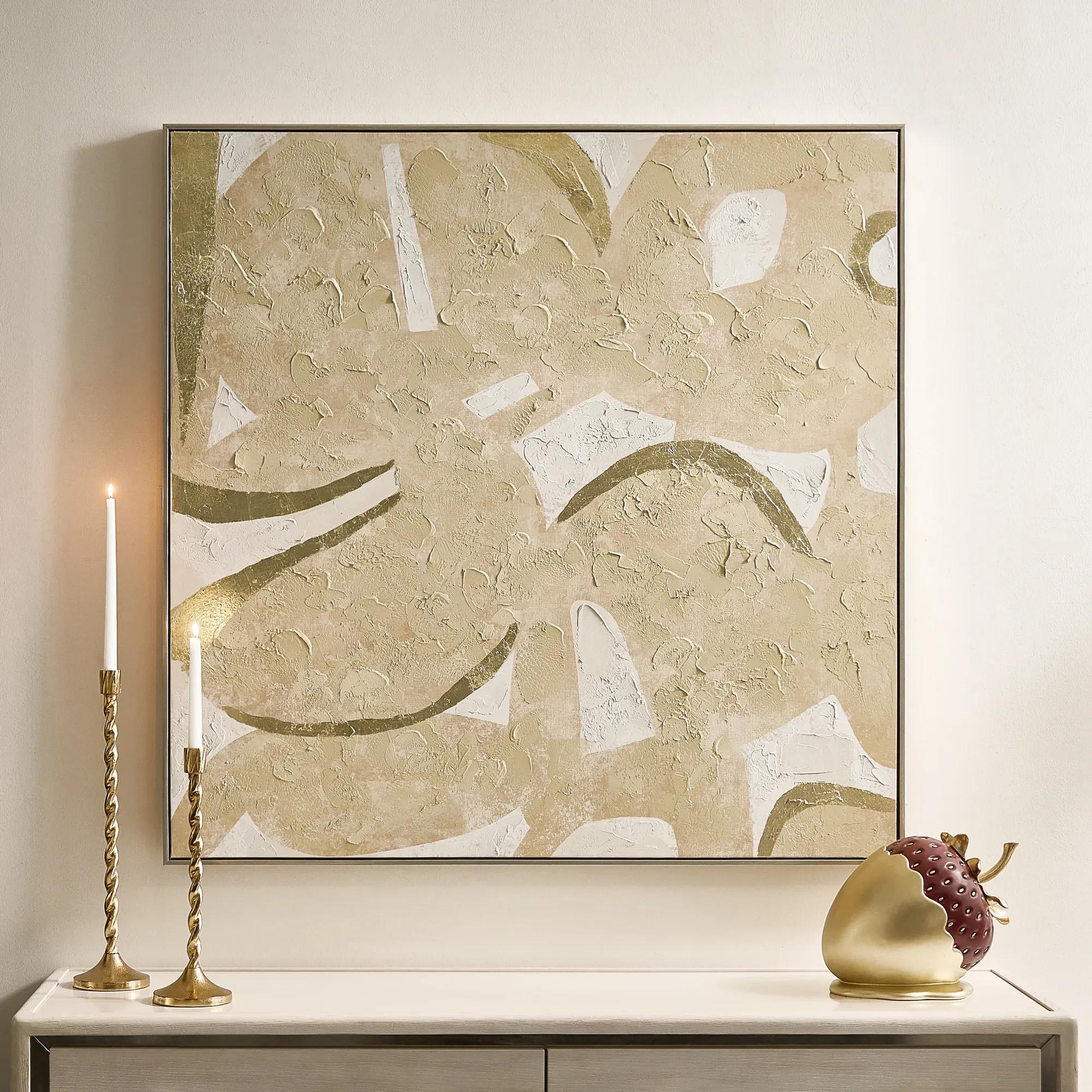 Golden Maize Framed Painted Wall Art 48" x 48"$399
A hand-painted canvas with champagne leafing and butter cream tones adds warmth and modern sophistication.
Add To Cart -
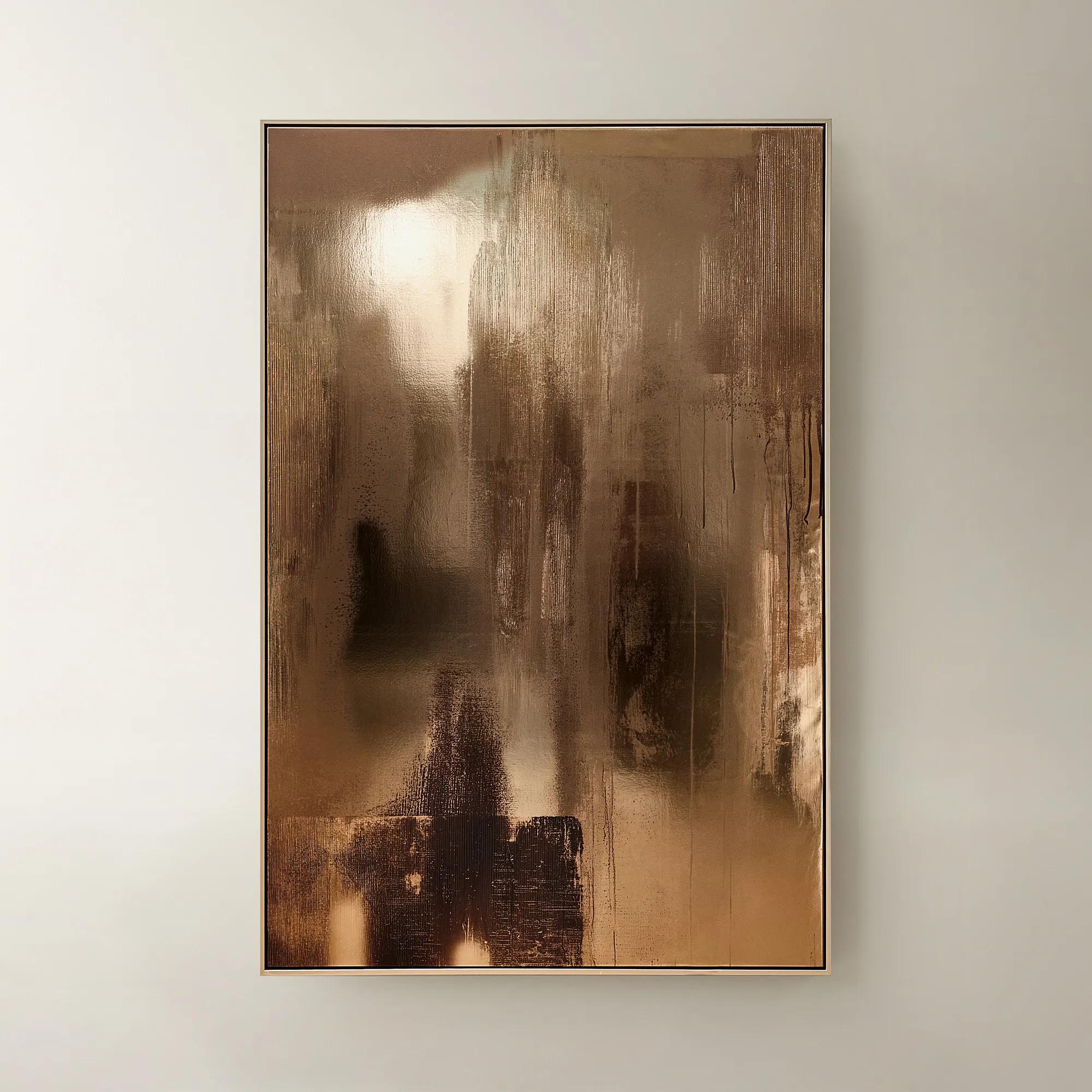
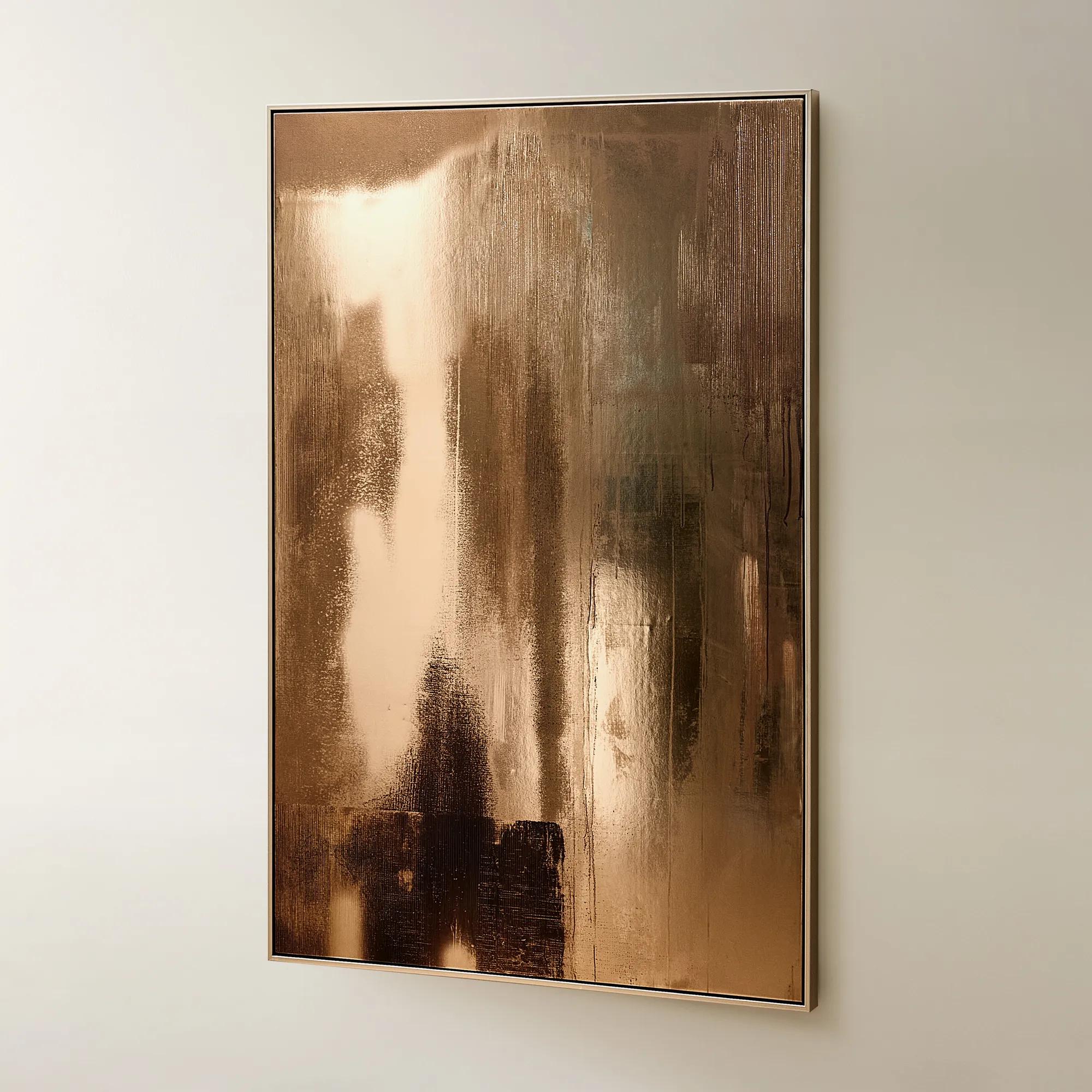 Bronze Reflective Framed Leather Painted Wall Art 40" x 60"$799
A hand-painted abstract wall art featuring reflective bronze faux leather and a warm champagne metallic frame.
Add To Cart -
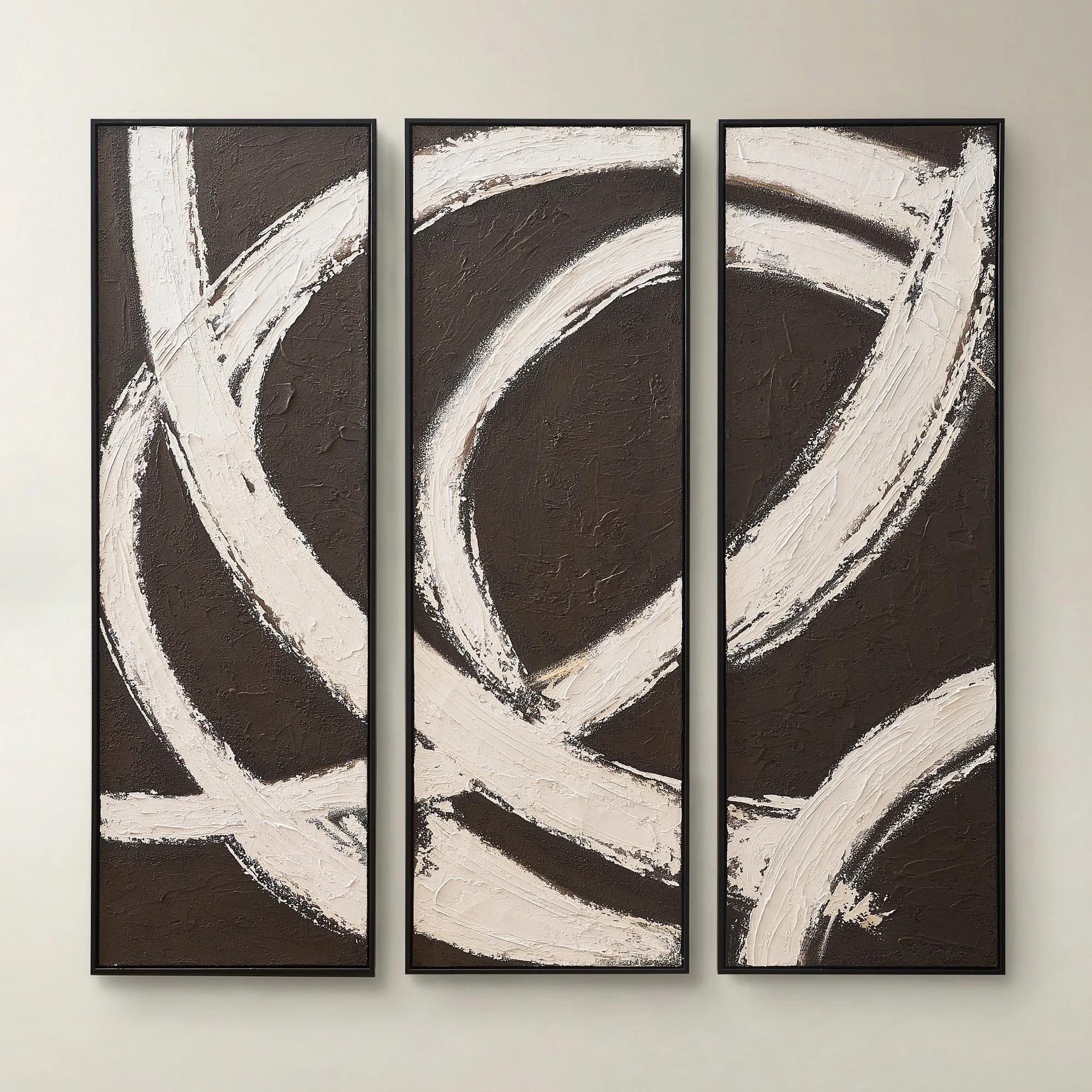
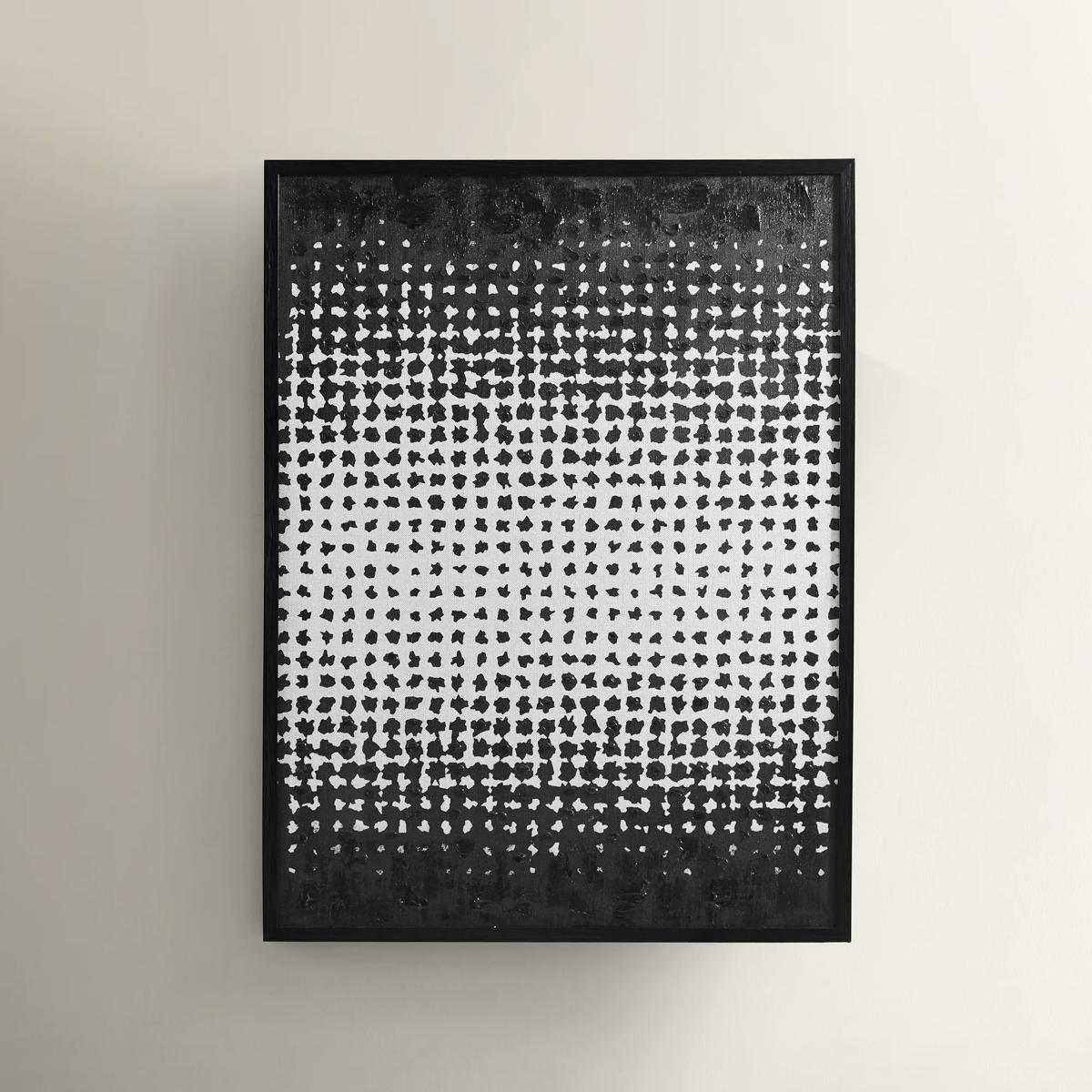
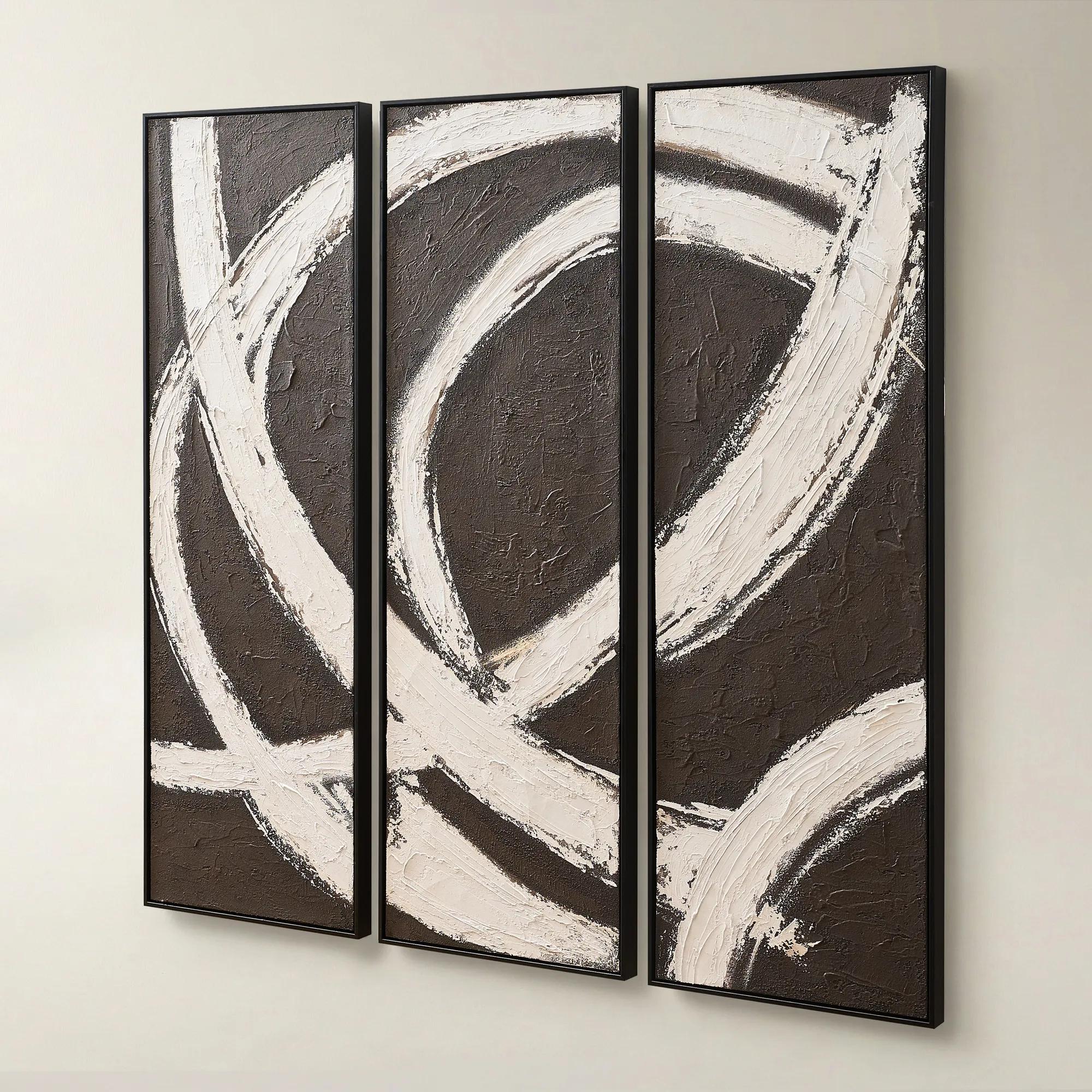 Spun in Coco Framed Painted Wall Art 20" x 60" Set of 3$499
A hand-painted triptych featuring dark chocolate and alabaster tones with rich texture and modern contrast.
Add To Cart -
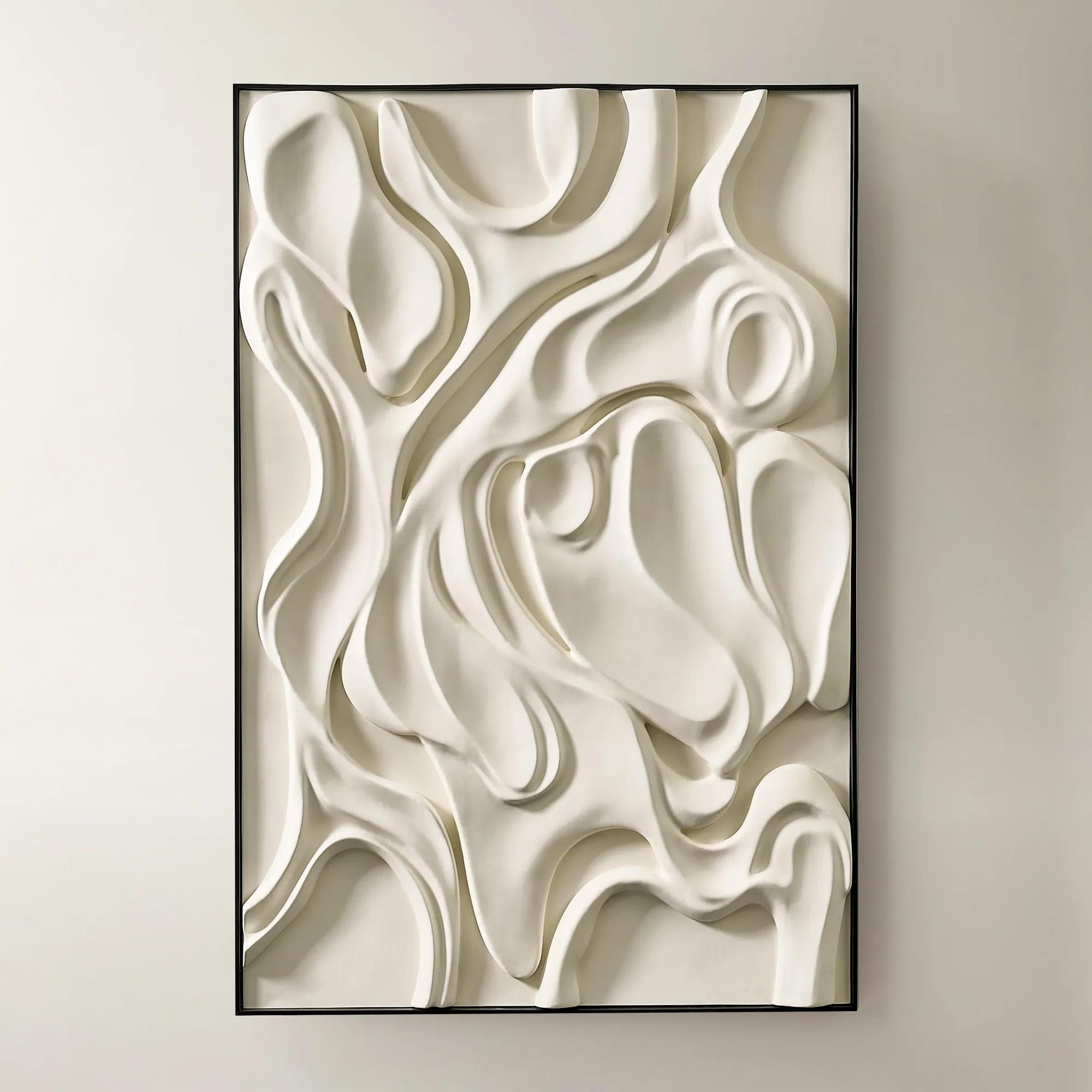 Overflow Alabaster Sculpted Resin Wall Panel 40" x 60"$699
An alabaster fiberglass resin wall panel with sculptural texture and a versatile black frame for modern spaces.
Add To Cart -
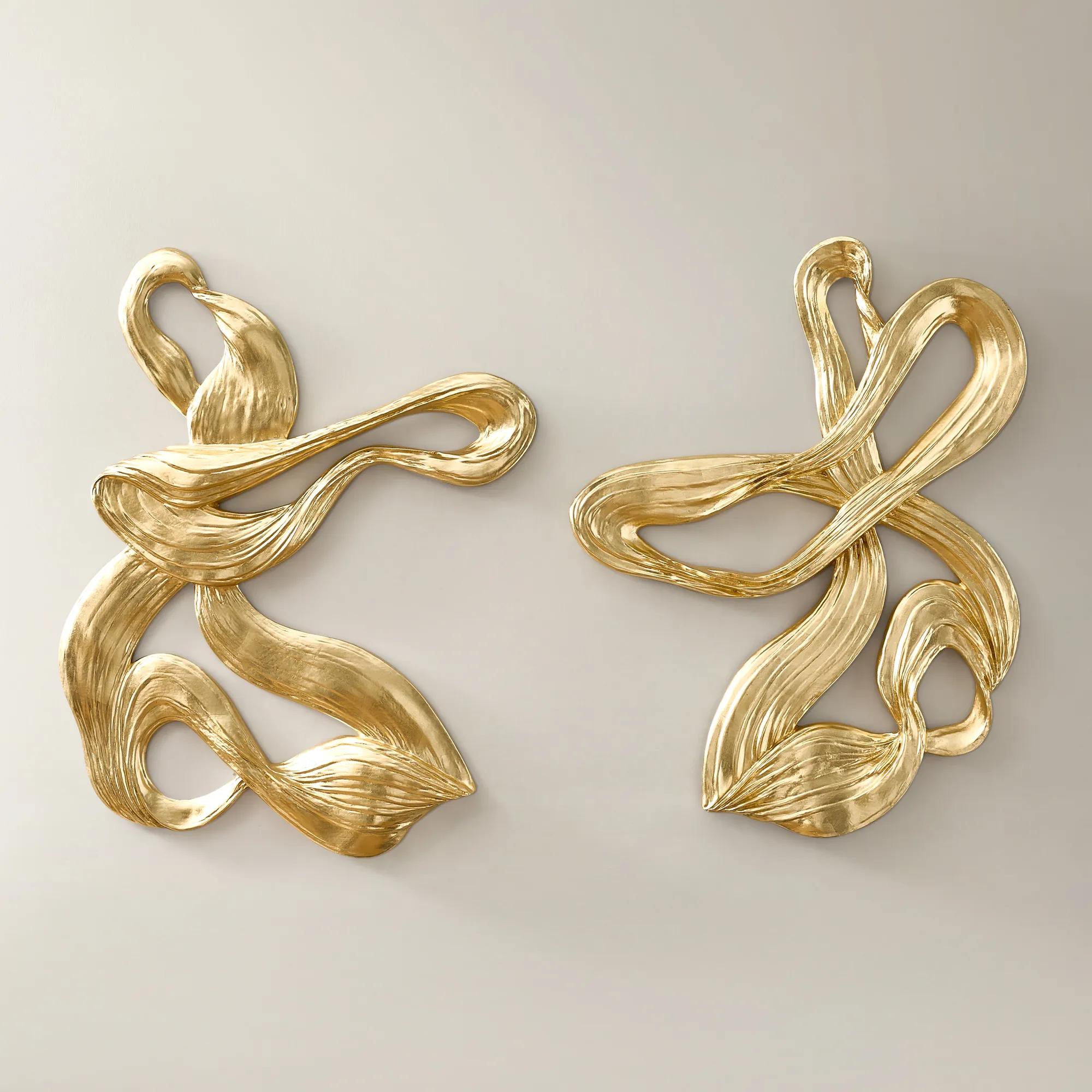
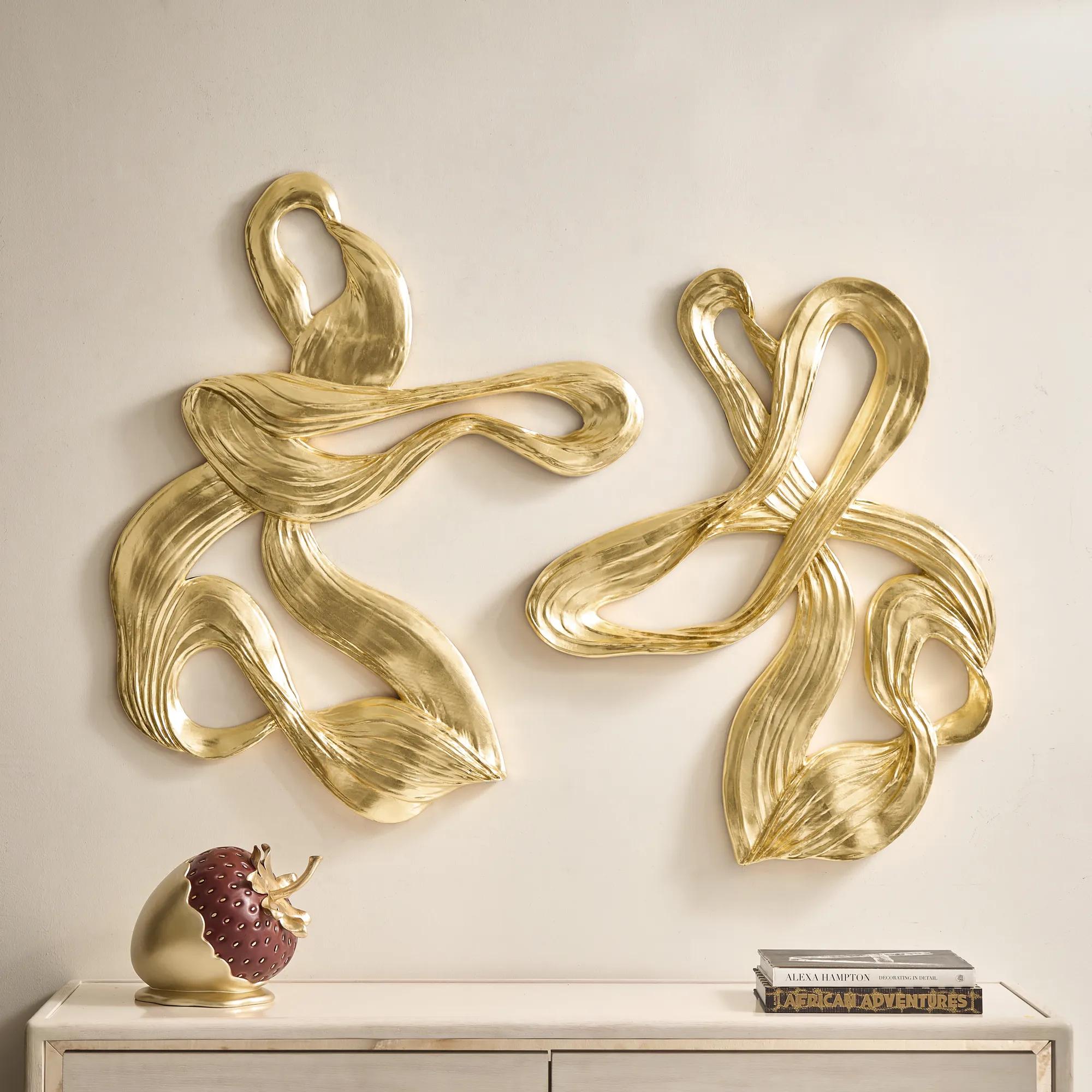 Vela Gold Leaf Sculpted Resin Wall Decor 30.5" x 39.25" Set of 2$699
A set of two resin wall sculptures featuring abstract loop designs and soft gold leafing for modern elegance.
Add To Cart -
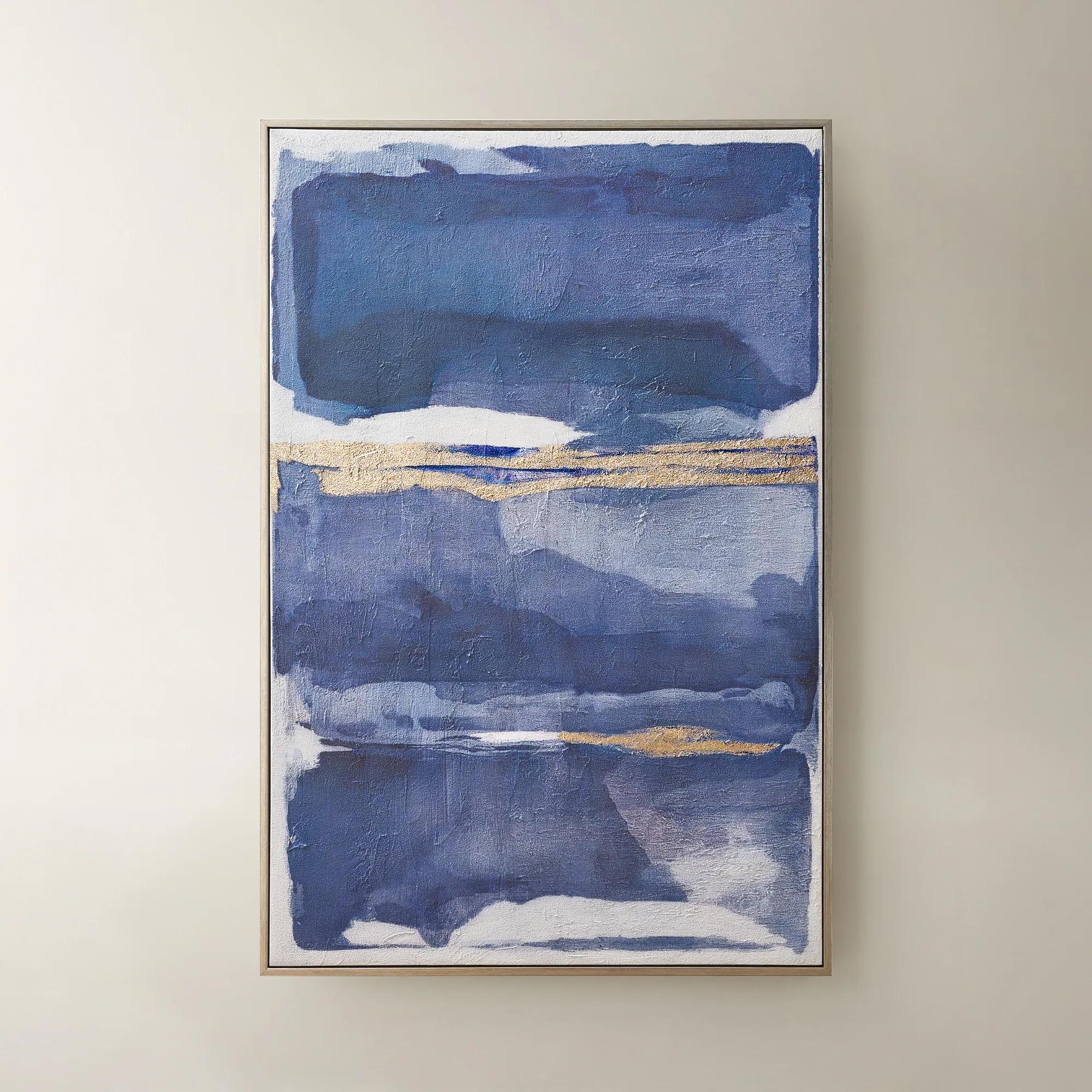
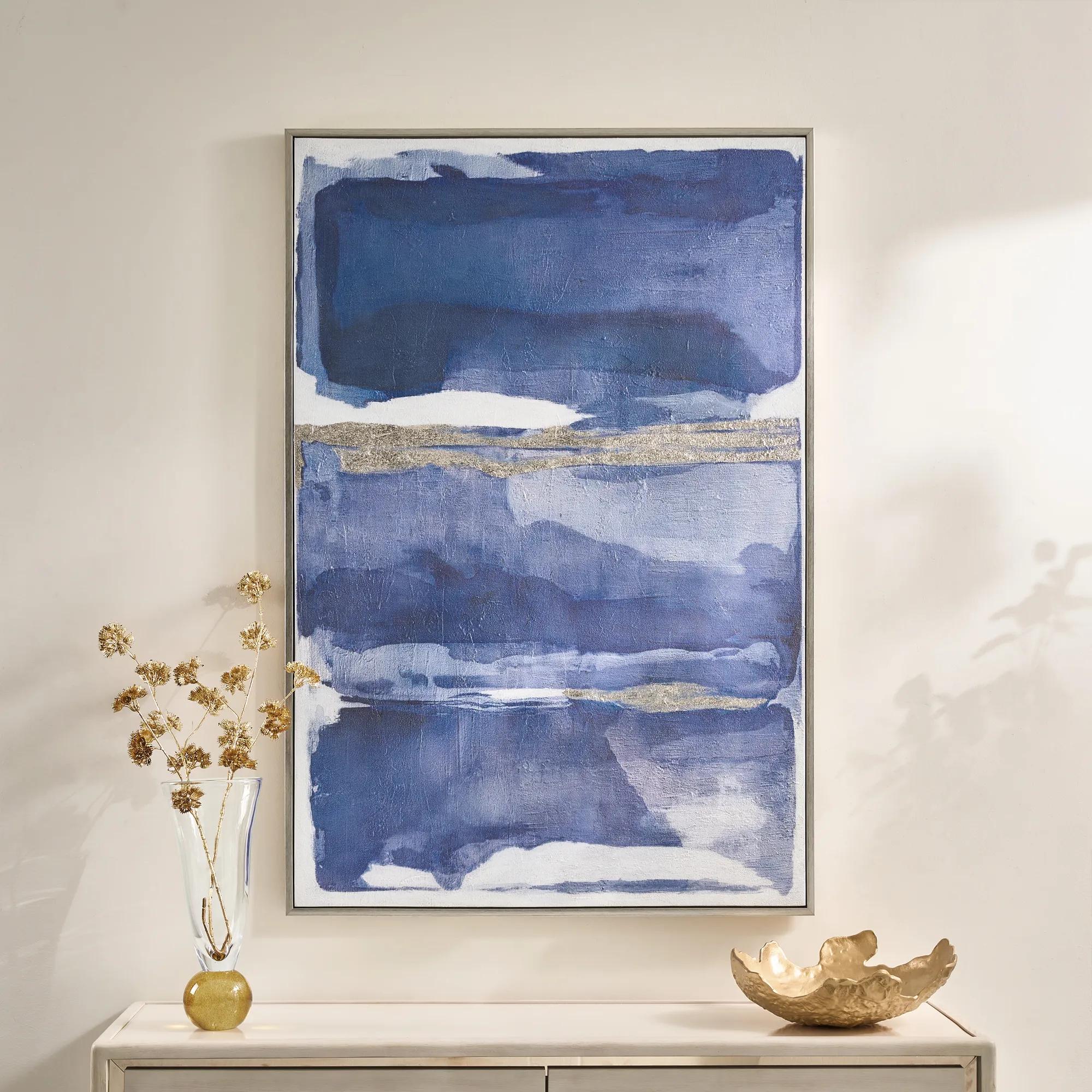 Memories in Blue Framed Painted Wall Art 40" x 60"$499
A hand-painted canvas in deep ink blue with champagne leafing for a sophisticated, gallery-inspired look.
Add To Cart -
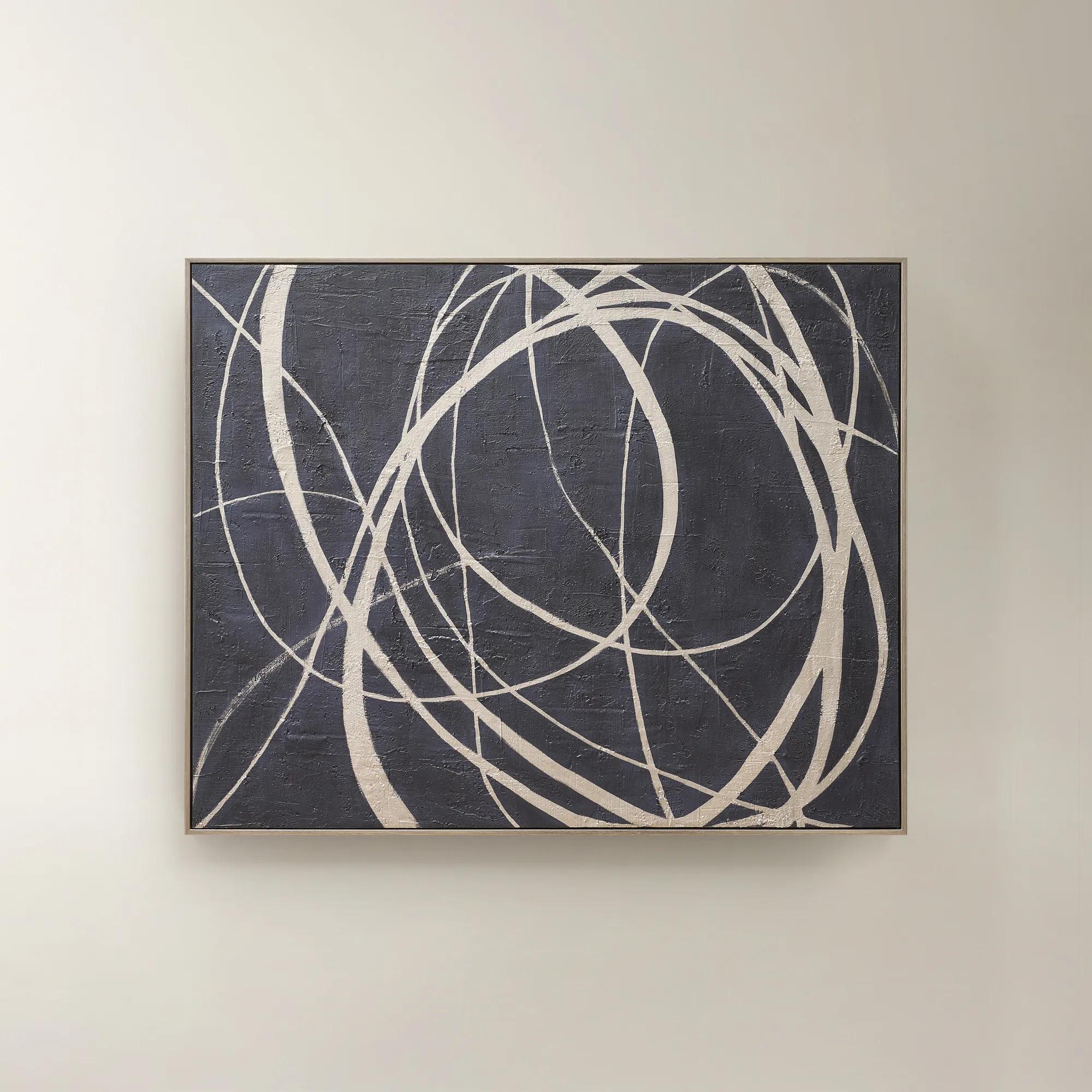 Wandering Framed Painted Wall Art 48" x 60"$699
An expressive hand-painted canvas in deep ink blue with champagne accents for a bold, sophisticated statement.
Add To Cart -
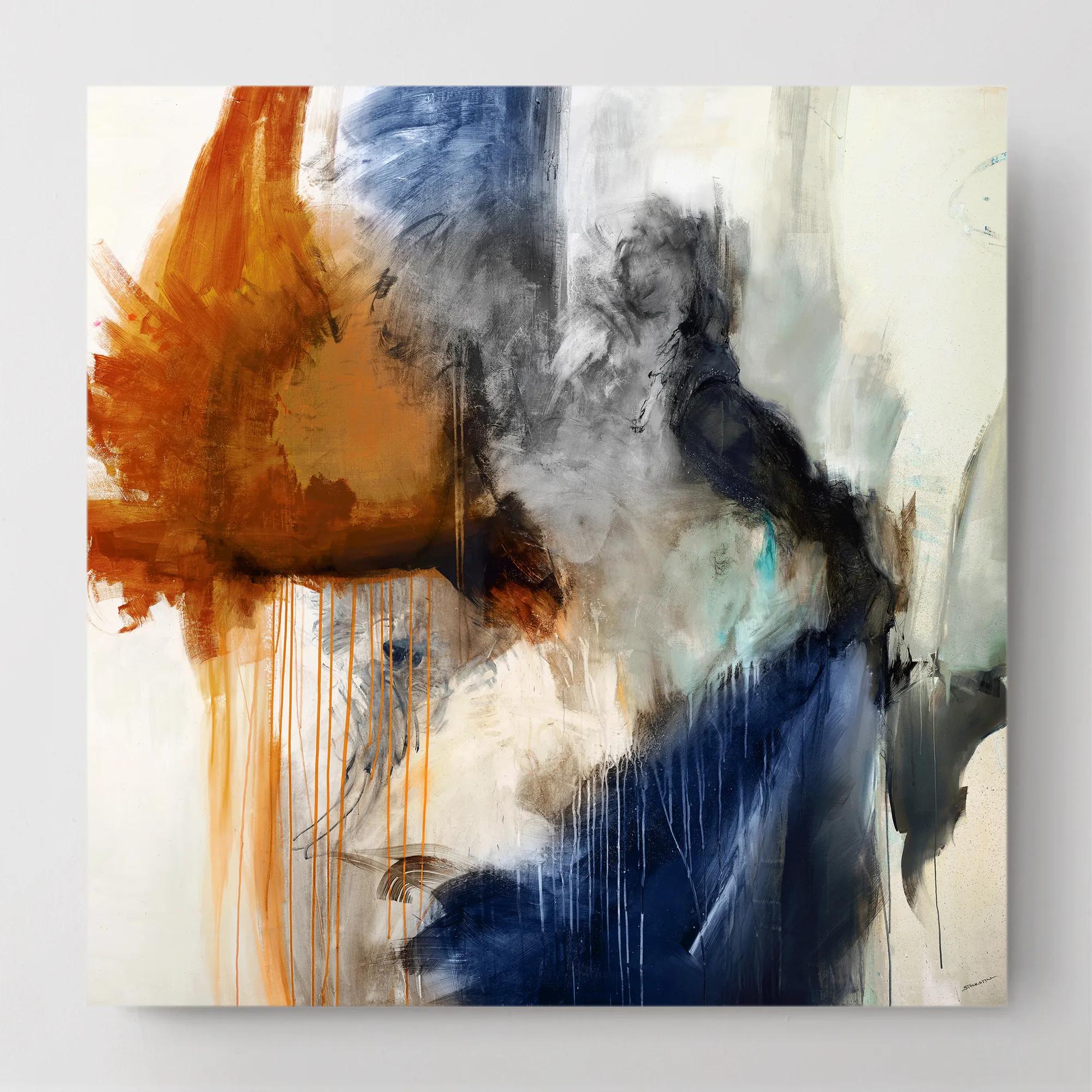
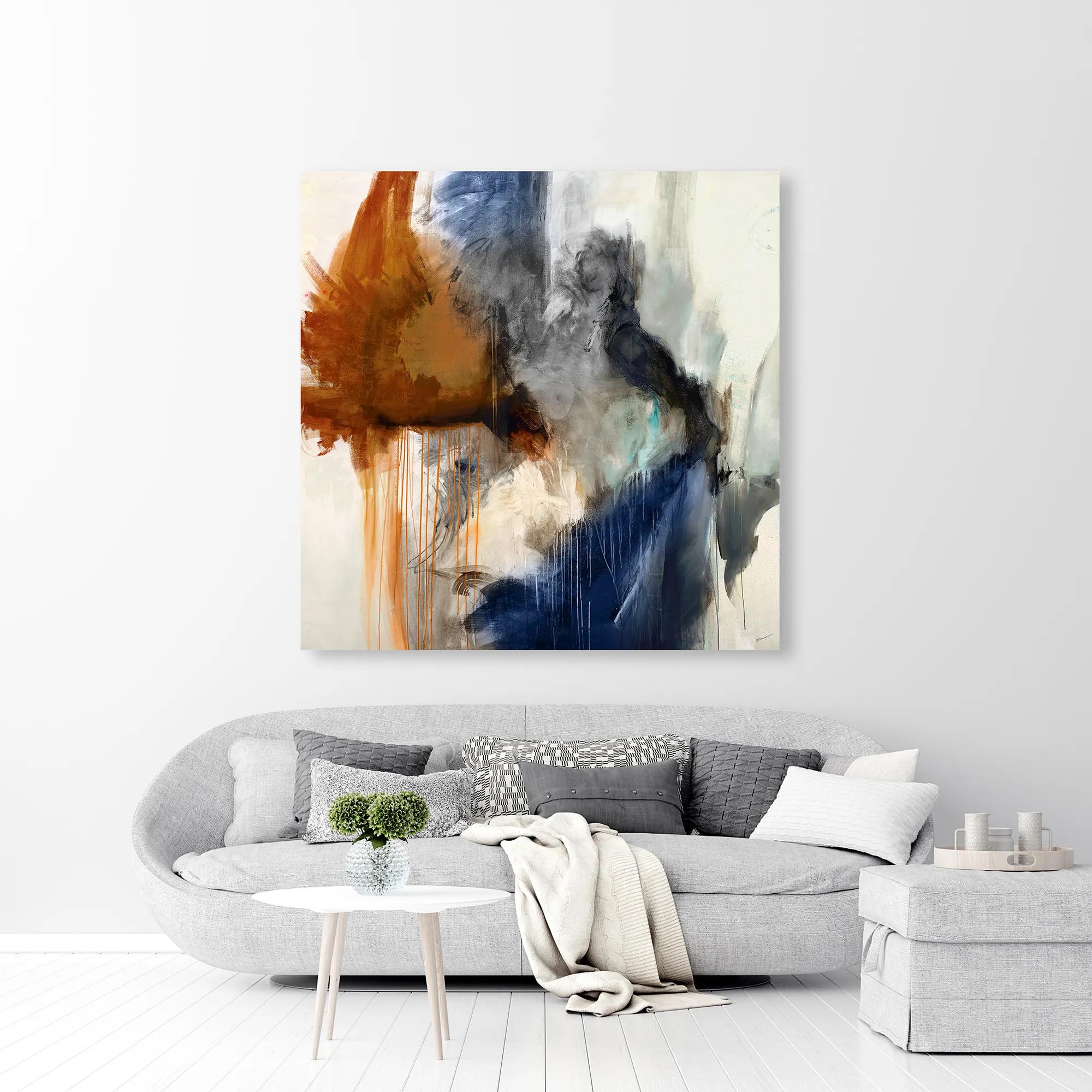 Swoon 6 Wall Art 54" x 54"$899
A gallery-wrapped canvas featuring a hand-applied image brush gel finish for a textured, artistic look.
Add To Cart -
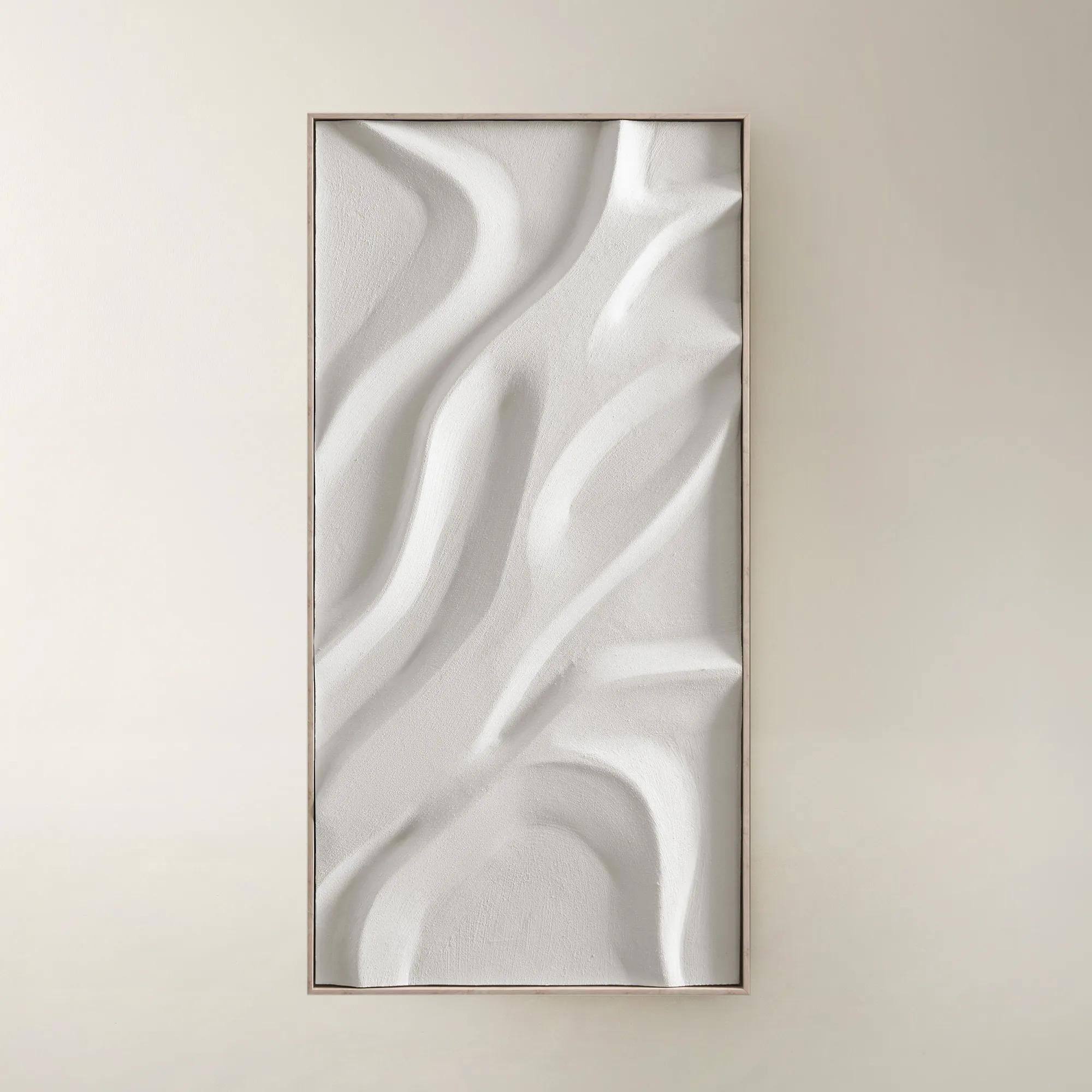
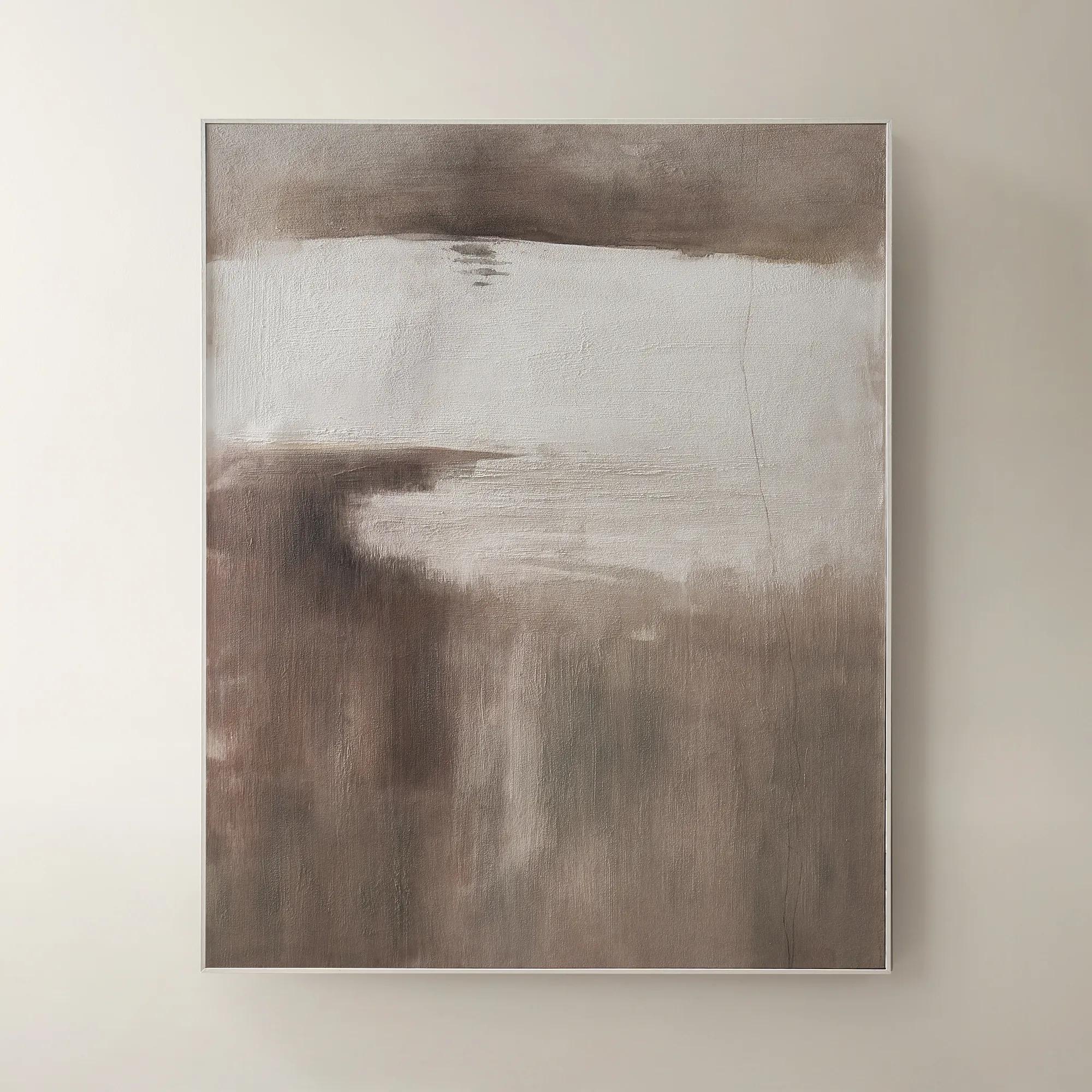
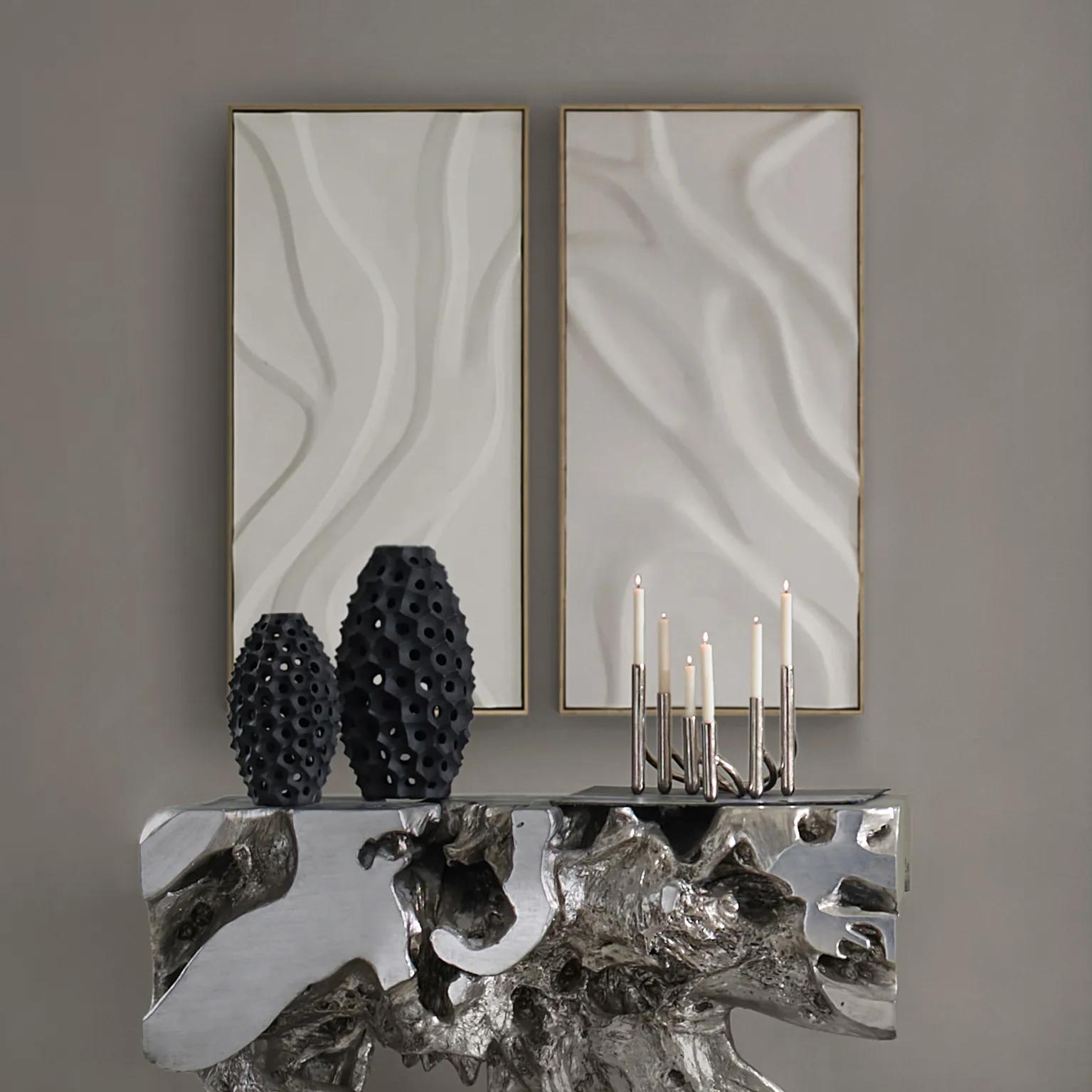 Au Lait Framed Painted Wall Art II 47.2" x 23.6"$199
A serene hand-painted canvas in beige, set in a warm whitewash floater frame for modern interiors.
Add To Cart -
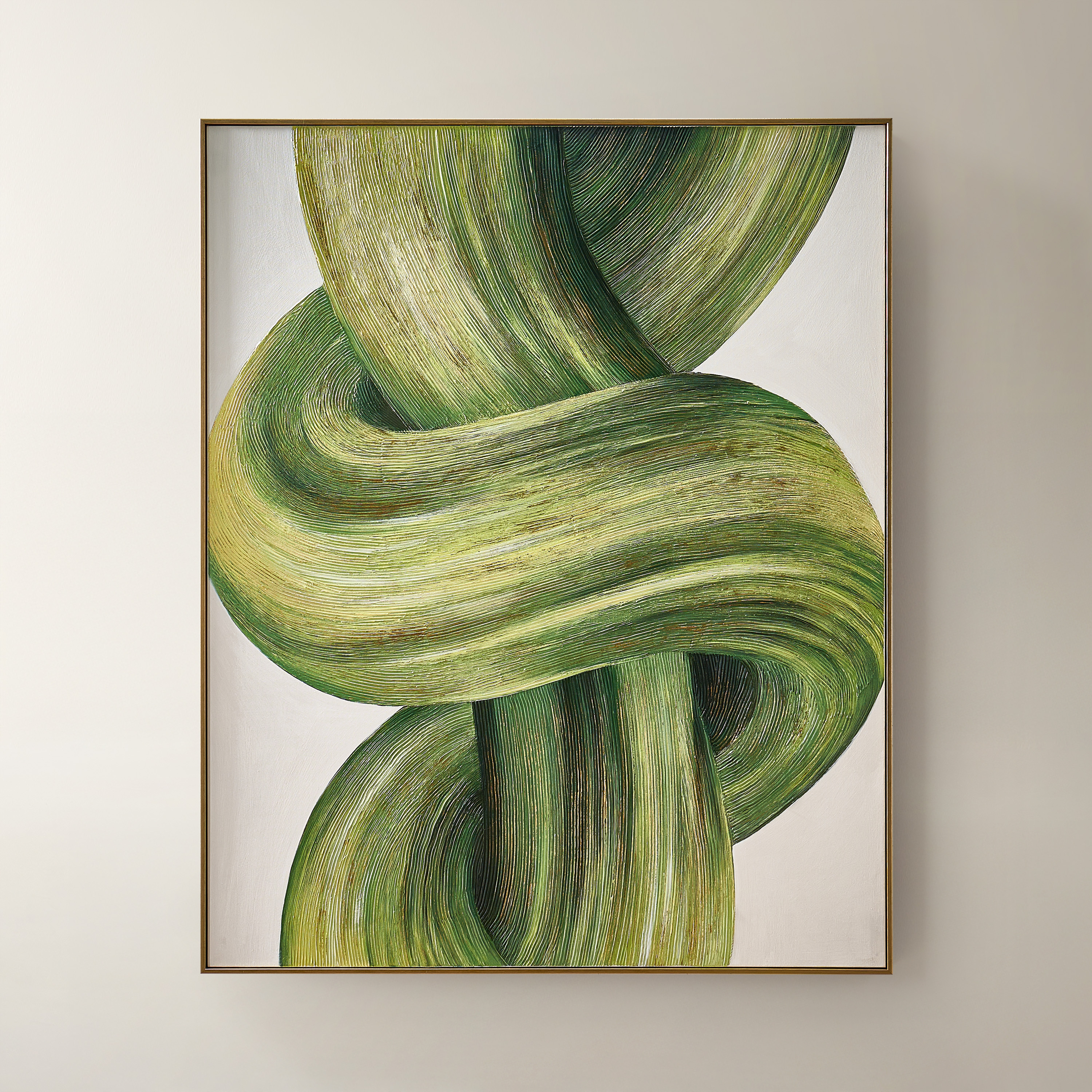
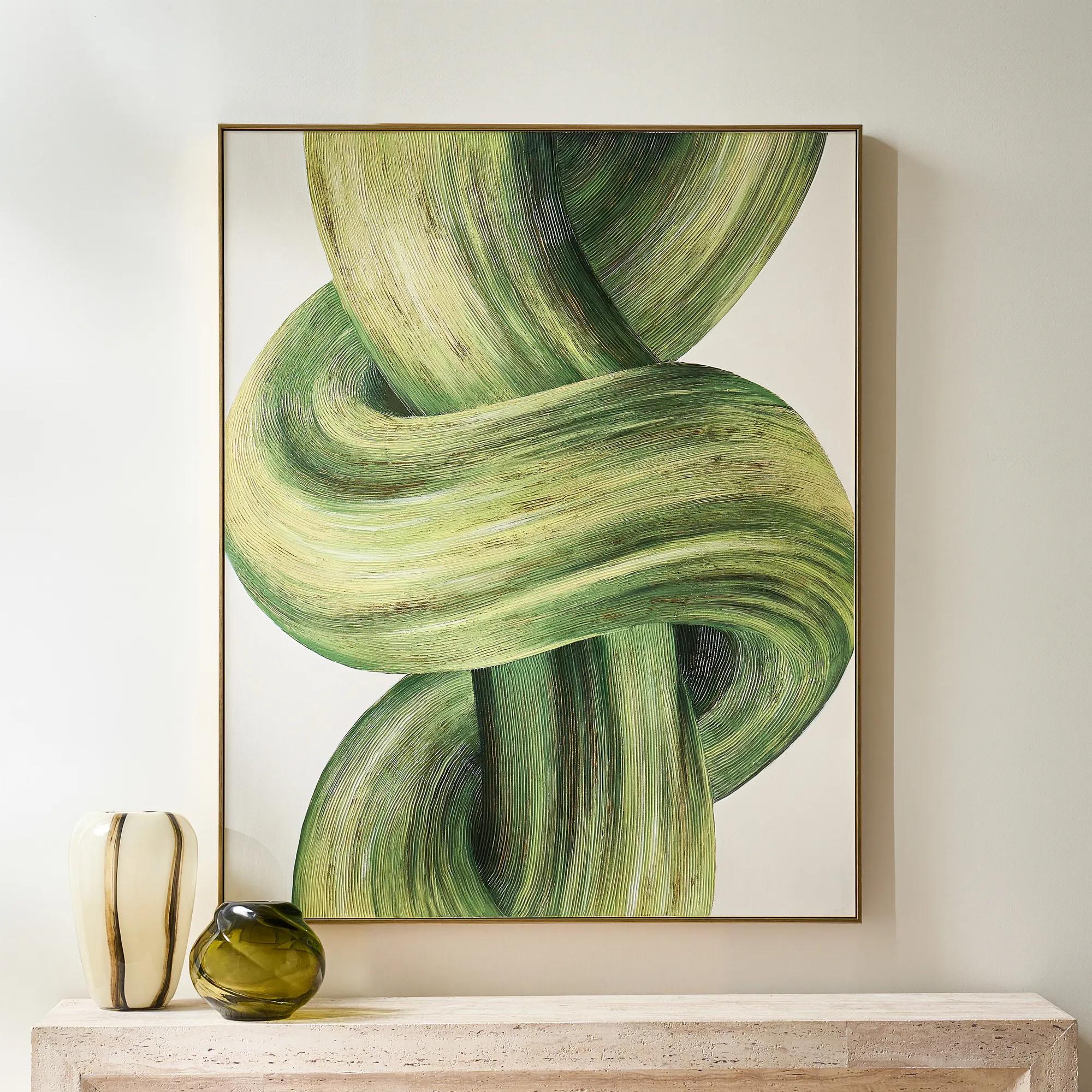 Knotted Framed Gold Leaf Painted Wall Art 40" x 50"$599
A hand-painted green and citron canvas with gold leafing, finished in a sleek PS floater frame.
Add To Cart -
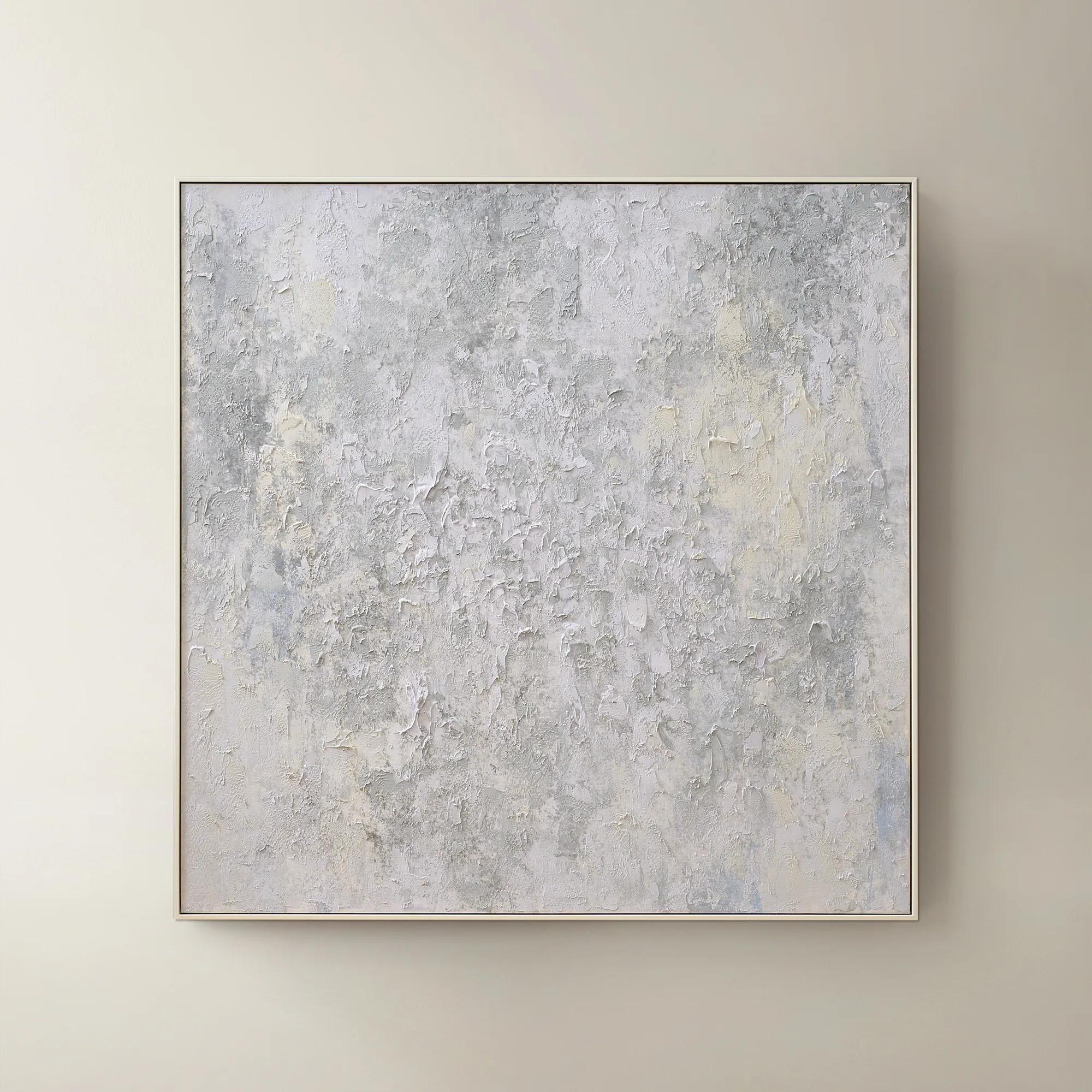
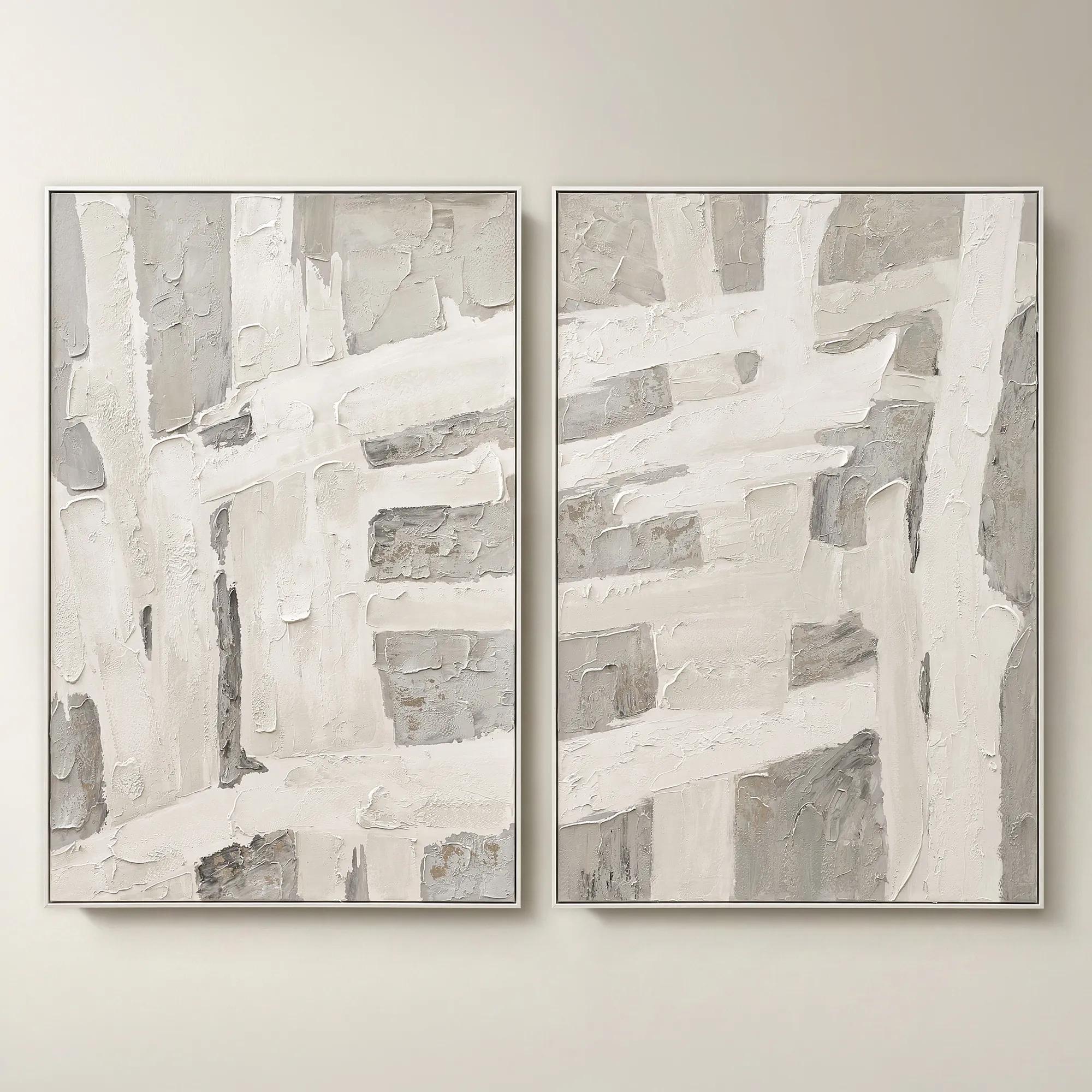 Traverse Framed Painted Wall Art 40" x 60" Set of 2$799
A hand-painted abstract diptych features champagne accents and soft grey, pearl, and alabaster tones in white frames.
Add To Cart -
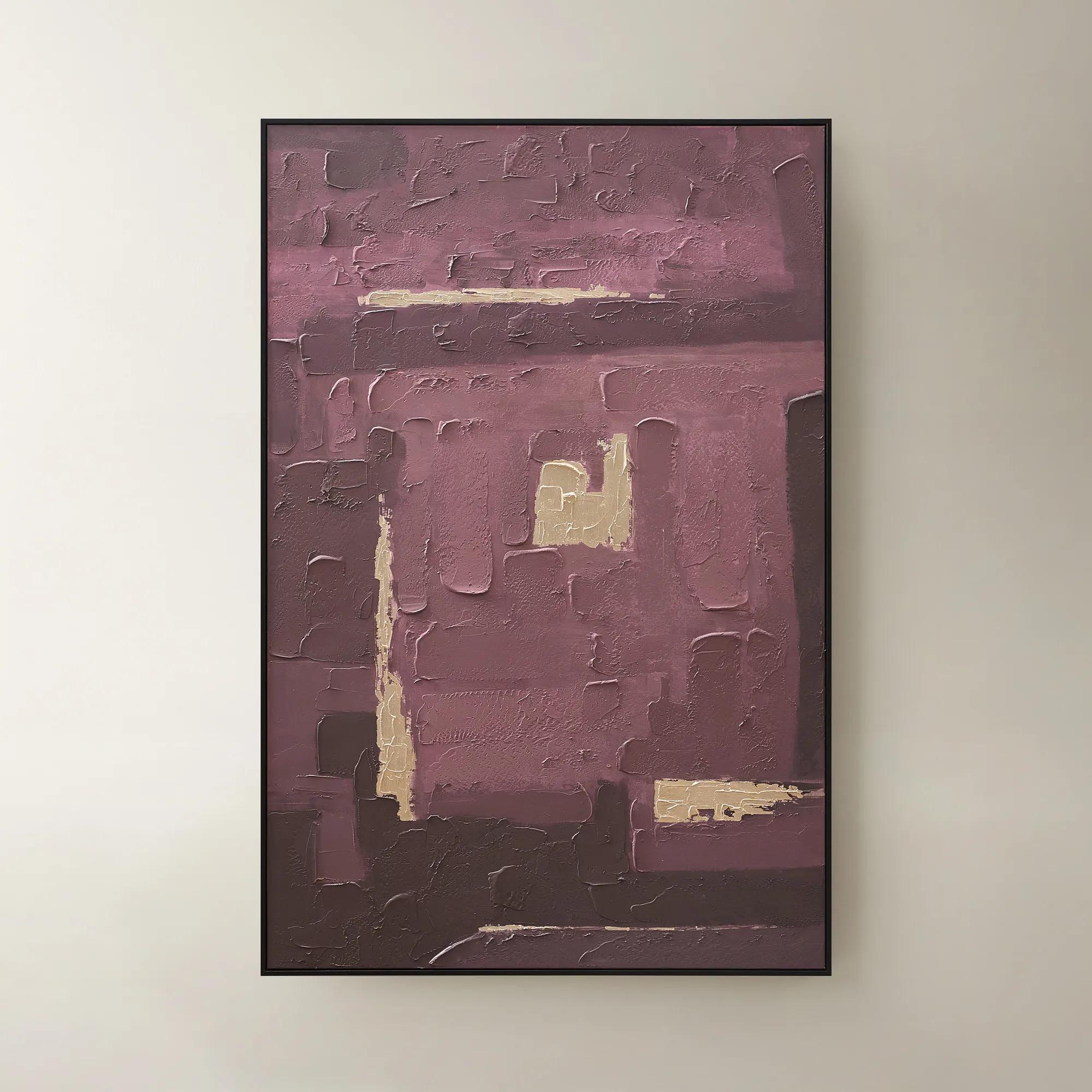
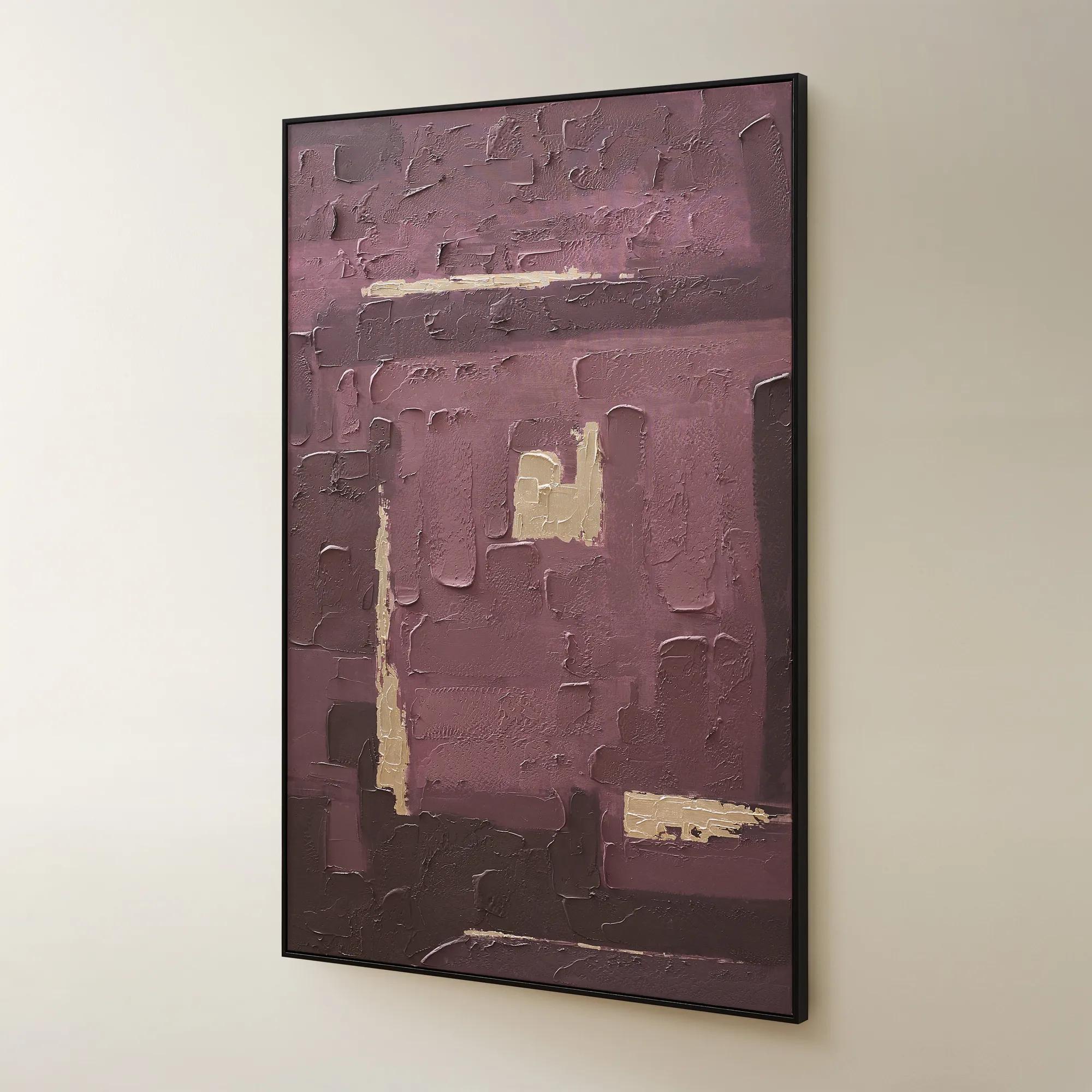 Fallback Framed Painted Wall Art 60" x 40"$499
A hand-painted abstract canvas in rich fig hues with champagne accents, set in a sleek black frame.
Add To Cart -
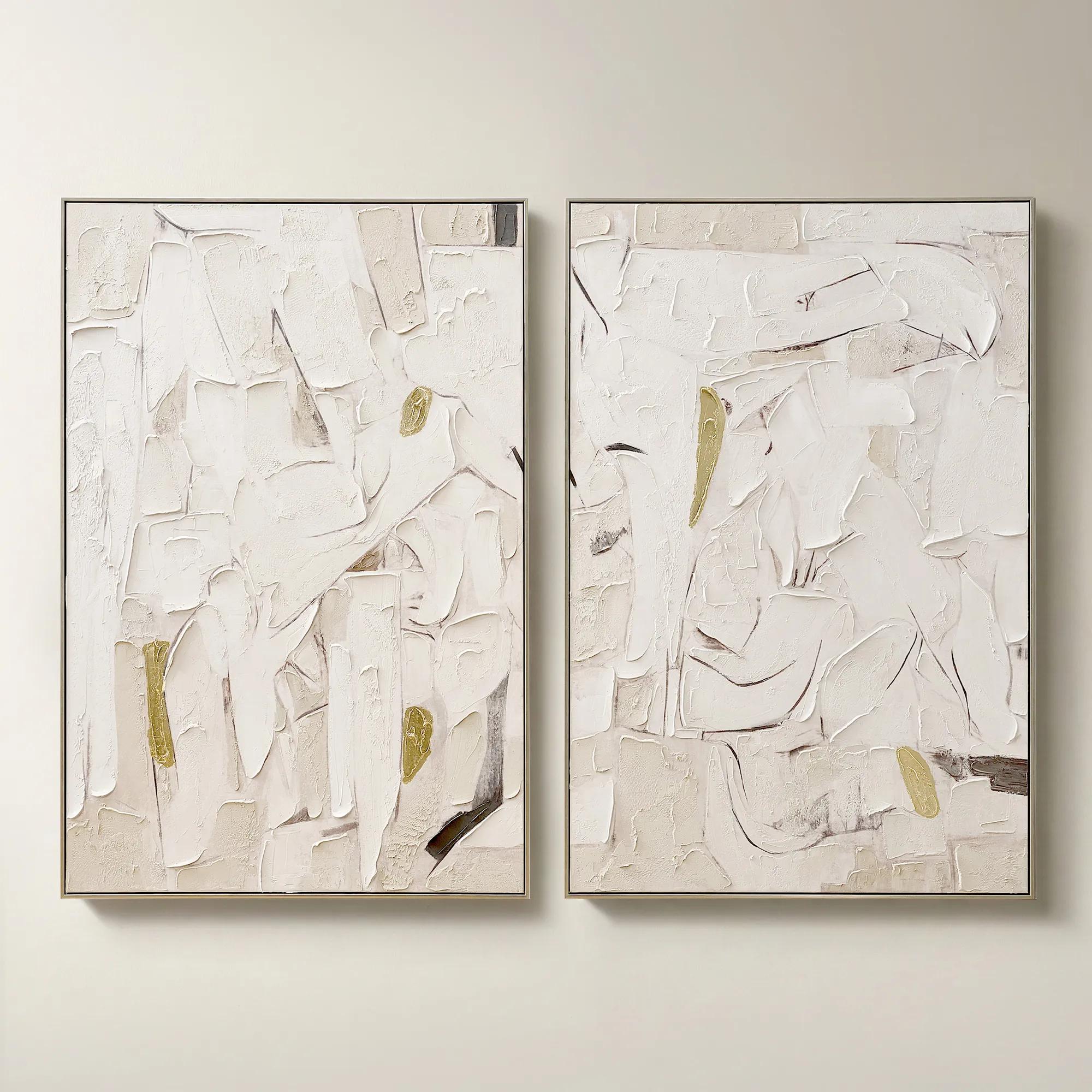 Beneath the Surface Framed Gold Leaf Painted Wall Art 40" x 60" Set of 2$799
A hand-painted abstract diptych featuring gold detailing and layered texture in alabaster and tawny hues.
Add To Cart

Oversized Wall Art For Dining Rooms
Oversized wall art for dining rooms transforms every meal into a grand affair, framing your gatherings with a gallery-worthy sense of drama and allure. These commanding canvases are more than decoration—they are conversation starters, captivating the eye and setting the tone for unforgettable evenings. Whether you crave abstract expression or bold photography, each piece becomes a statement in scale and sophistication, inviting you to dine amid artistry. Elevate your dining space from the expected to the extraordinary, where every wall tells a story as sumptuous as the feast before you.
Oversized wall art for dining rooms anchors the dining table, creates a commanding focal point, and gives the space a distinct visual identity. A generously scaled composition can bring the same sense of occasion to an intimate dinner as it does to a table set for twelve. Above a sideboard, expansive artwork draws furniture, lighting, and decorative accents into a cohesive arrangement; on an uninterrupted wall, it introduces depth without occupying valuable floor space. The effect depends as much on the composition as its dimensions. Sweeping abstract gestures lend energy to tailored furniture, while atmospheric landscapes establish a quieter, more contemplative backdrop for conversation. Architectural photography brings graphic precision, and richly textured compositions invite a closer look between courses. Black-and-white artwork can sharpen a room filled with warm wood and soft upholstery, while luminous neutrals create subtle movement against a richly colored wall. For a more expressive interior, saturated blues, burnished gold tones, or dramatic charcoal passages can give the dining area a confident signature. The strongest connection does not require every color in the artwork to match the room. A single shared undertone, a repeated curve, or a frame finish that echoes the chandelier can create harmony without making the space feel overly coordinated. In an open-plan home, oversized dining room wall art also helps distinguish the dining area from adjoining seating spaces, giving it a presence beyond the table itself. In a dedicated dining room, it can transform an otherwise reserved wall into the room’s most memorable feature. One expansive piece offers a continuous visual statement, while a diptych or triptych introduces rhythm through deliberate spacing. Each approach suits a different architectural setting: a broad horizontal composition complements the sweep of a long table, while a vertical work can emphasize ceiling height or give a narrow wall a more substantial presence. Scale becomes part of the atmosphere, allowing the room to feel expressive even when the tabletop remains uncluttered.
Proportion is what allows oversized artwork to feel intentional rather than overwhelming. Above a buffet or sideboard, a composition measuring roughly two-thirds to three-quarters of the furniture’s width is a useful starting point, though the surrounding wall, ceiling height, and frame all influence the final balance. For multiple panels, that overall width includes the spaces between them. A few inches of breathing room on either side helps preserve the relationship between the artwork and the furniture beneath it. Hanging height matters just as much in a dining room, where art is experienced both standing and seated. Artwork above a sideboard often sits comfortably with its lower edge approximately six to ten inches above the surface, provided tall lamps, sculptural vessels, or other accents do not obscure the composition. An open wall allows more flexibility, but the work should still connect visually with the dining arrangement rather than appear suspended near the ceiling. Materials add another layer of character. Canvas offers a woven surface that can lend softness and dimension to expressive brushwork or printed imagery. Works on paper behind glazing bring crisp detail and a more formal presentation, while dimensional surfaces introduce shadows that change with the room’s lighting. A slim metal frame can create a precise, architectural outline; a substantial wood frame adds visual weight and warmth. Metallic finishes catch light beautifully, especially when they relate to nearby hardware without repeating it everywhere. Protective glazing can help shield paper artwork from dust and handling, and UV-filtering options can reduce light exposure, though no artwork benefits from prolonged direct sunlight. Reflections deserve attention as well: a glossy surface opposite a window or chandelier may reveal more glare than a matte finish. The most compelling choice balances visual drama with the realities of the room, including wall dimensions, sightlines from the entry, and the space needed to move dining chairs comfortably.
Oversized dining room art is intended to be lived with, not simply admired from the doorway. Its colors appear beside flowers, glassware, serving pieces, and the changing arrangements of everyday life, so a composition with depth can remain engaging across many table settings. A restrained abstract may reveal delicate layers when paired with crystal and polished metal, while a bold photographic image can hold its own against patterned chairs or a sculptural dining table. Lighting helps reveal those details without competing with them. A well-positioned picture light or adjustable ceiling fixture can illuminate the surface, while the chandelier provides ambient light for the broader setting. Neither should cast distracting glare across the image or conceal its most interesting passages in shadow. Practical care protects that visual impact over time. Frames generally benefit from gentle dusting with a soft, dry cloth, while canvas, paper, and textured surfaces require care appropriate to their construction. Cleaning sprays should never be applied directly to artwork, and the maker’s care instructions should take precedence over general cleaning habits. In dining areas adjoining a kitchen, placement away from cooking splatter, steam, and persistent moisture helps protect finishes and surfaces. Substantial pieces also require hardware rated for their weight and appropriate to the wall; heavier frames or awkward installations may warrant professional assistance. These considerations make large-scale artwork especially rewarding for homeowners refining a formal dining room, apartment dwellers defining an open dining corner, or hosts who want their gathering space to reflect a more individual point of view. As a housewarming or wedding gift, an oversized work is most thoughtful when the recipient’s taste and available wall space are already understood. For interiors where dining and lounging share a sightline, Large Wall Art For Living Rooms offers a complementary direction for carrying color, scale, and artistic character into the adjoining space. The result is a dining room with presence: expressive enough to make an entrance memorable, yet composed enough to let the people around the table remain the center of the evening.
FAQs
Dining rooms come alive with oversized wall art in a variety of styles, from bold abstracts that spark conversation to lush landscapes that invite calm. Metallic finishes, dramatic florals, and textured panels add depth and intrigue, while black-and-white photography or modern graphic prints can set a sophisticated, contemporary mood. The best style is one that reflects your personal taste and complements the atmosphere you wish to create.
Oversized wall art acts as a visual anchor, transforming the dining room into a curated, gallery-inspired space that elevates every meal. It sets the tone for gatherings, inspires conversation, and creates a sense of occasion—whether you’re hosting a grand dinner party or enjoying a quiet family meal. The right piece can make the room feel more inviting, memorable, and uniquely yours.
Absolutely. Large dining room art makes a thoughtful and lasting gift for new homeowners, newlyweds, or anyone celebrating a special milestone. It’s a statement piece that instantly personalizes a space, offering both beauty and a sense of permanence. Choose a piece that reflects the recipient’s style or complements their new home for a gift that will be cherished for years.
Yes, oversized wall art pairs beautifully with other decor elements such as sculptural lighting, statement mirrors, or curated tabletop accents. Layering textures and finishes—like pairing a bold canvas with gleaming metallics or plush textiles—creates a rich, multidimensional look. Just ensure the art remains the focal point, allowing supporting pieces to enhance rather than compete.
Large paintings for dining rooms offer remarkable versatility in mood-setting. Choose vibrant abstracts for energy and conversation, serene landscapes for a calming, grounded feel, or expressive florals for romance and warmth. The artwork you select becomes the emotional centerpiece of the room, shaping the ambiance for every gathering and celebration.