Oversized Wall Art For High Ceilings
Oversized Wall Art For High Ceilings
-
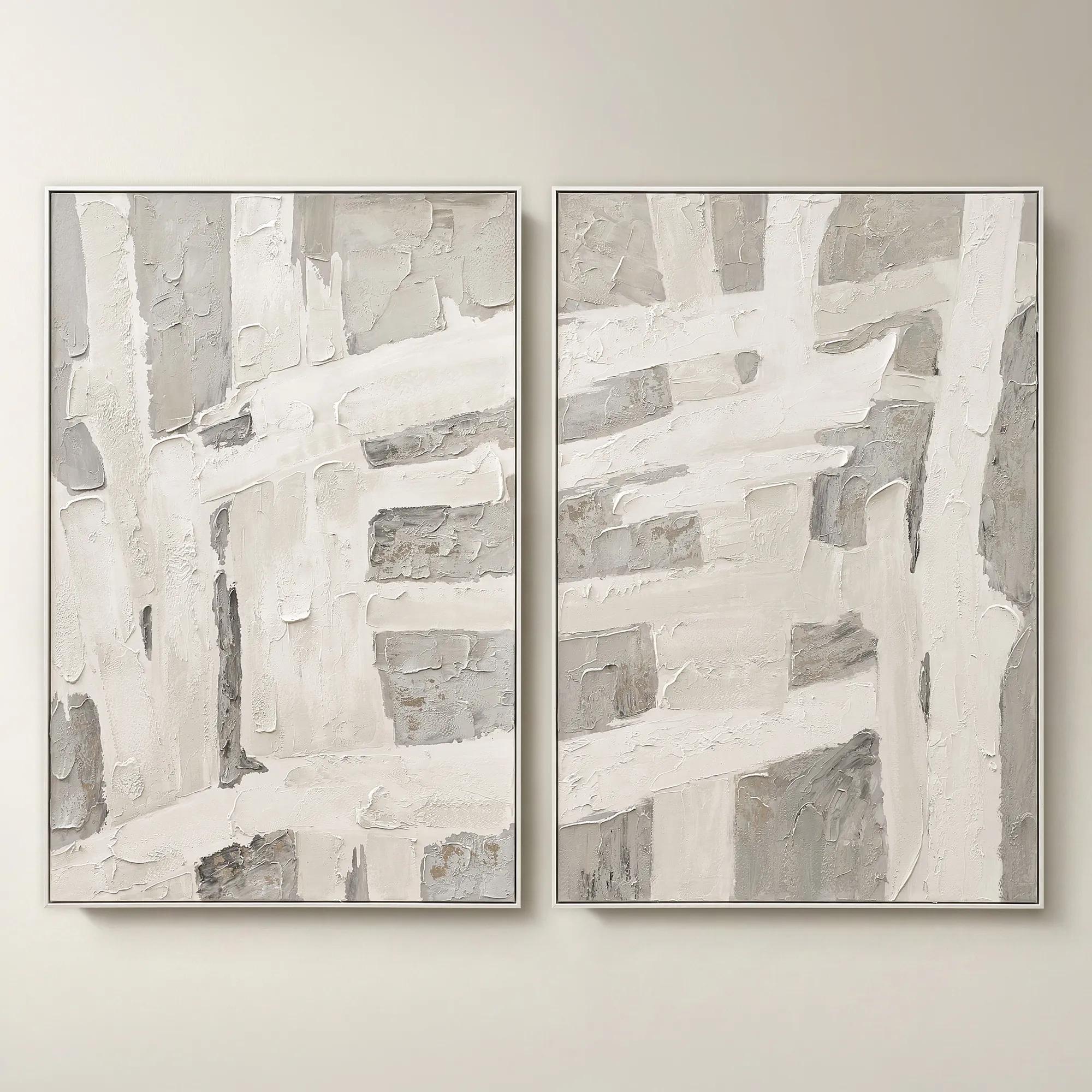 Traverse Framed Painted Wall Art 40" x 60" Set of 2$799
A hand-painted abstract diptych features champagne accents and soft grey, pearl, and alabaster tones in white frames.
Add To Cart -
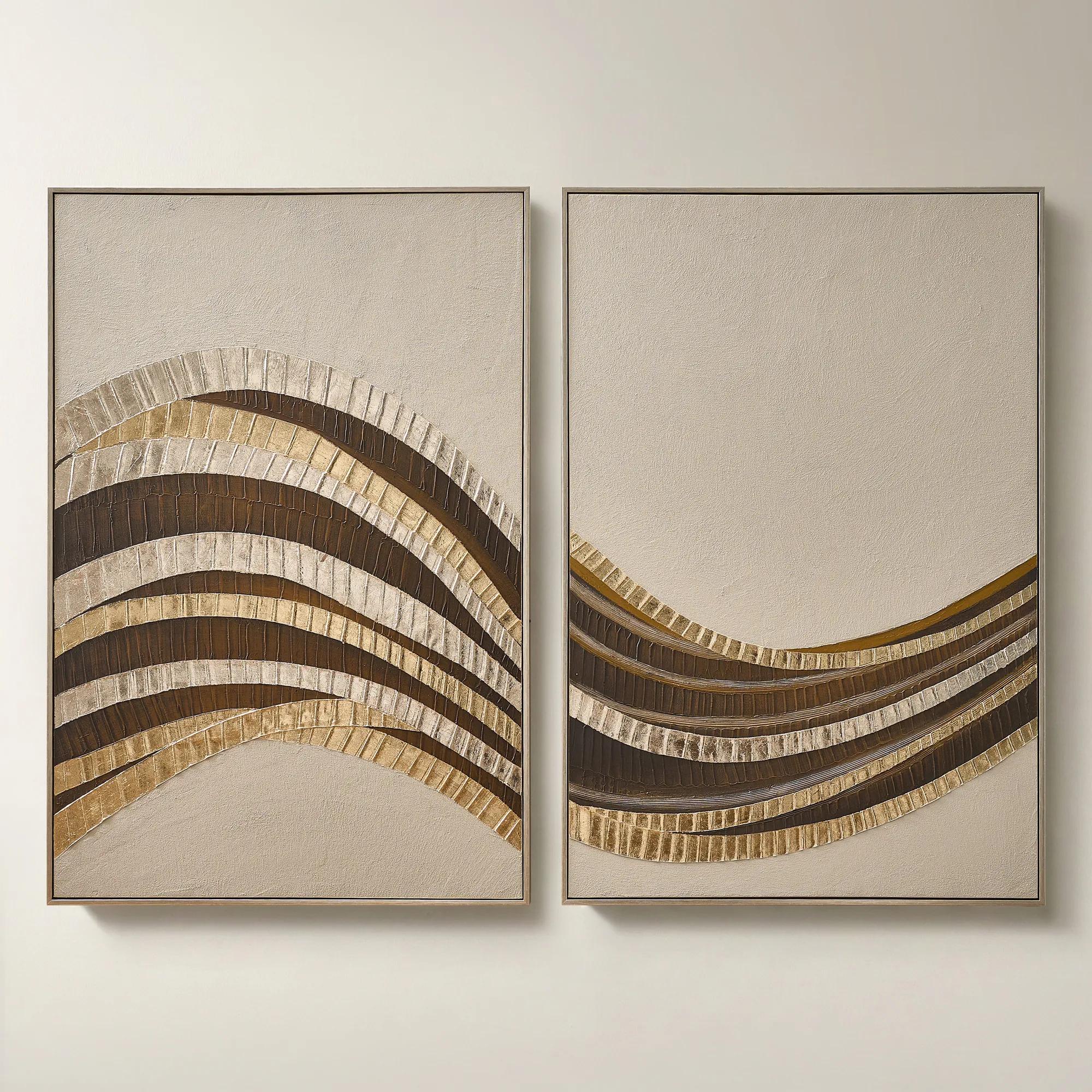 Stillness in Motion Framed Gold Leaf Painted Wall Art 40" x 60" Set of 2$899
A hand-painted abstract diptych with gold leaf accents, textured surface, and brushed champagne frames.
Add To Cart -
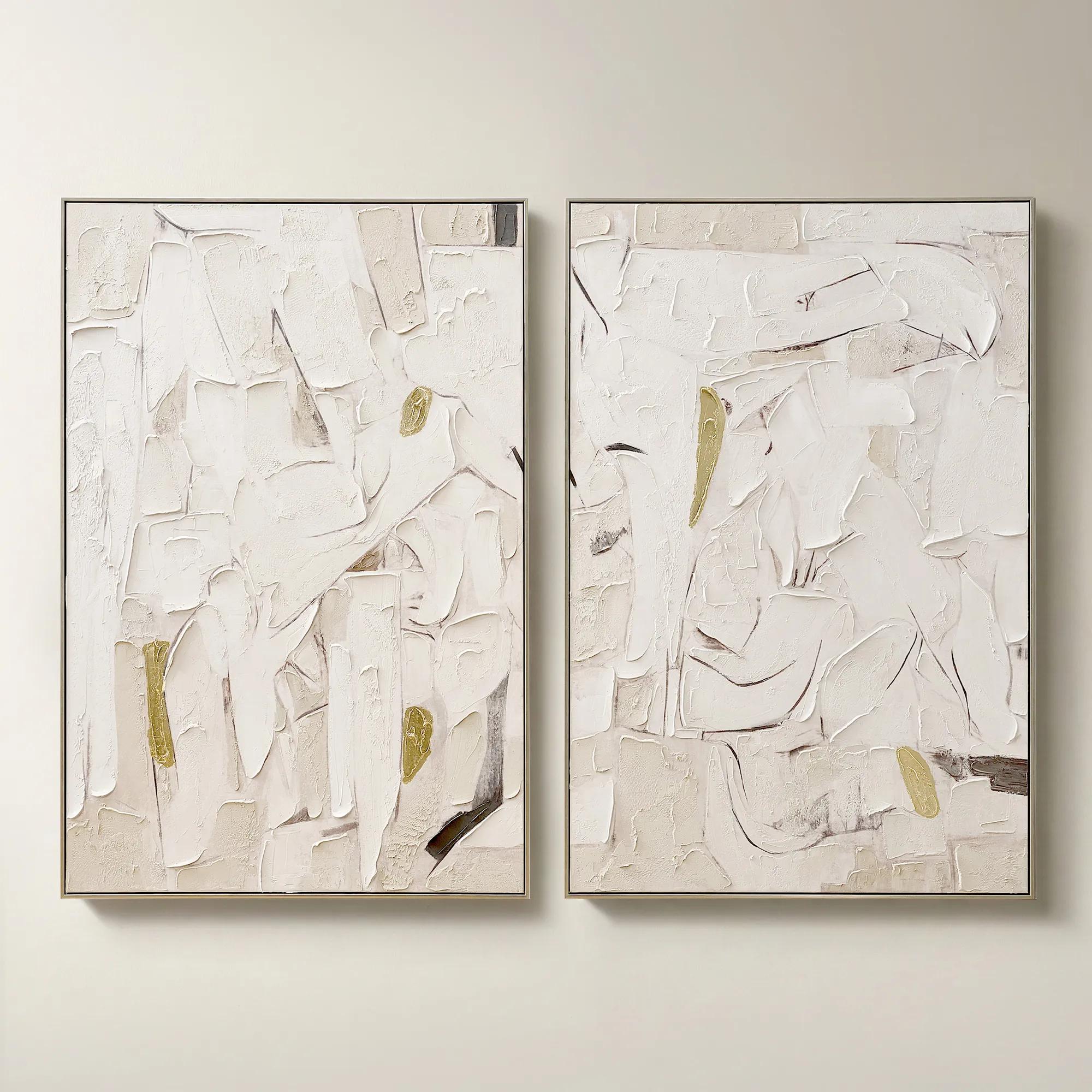 Beneath the Surface Framed Gold Leaf Painted Wall Art 40" x 60" Set of 2$799
A hand-painted abstract diptych featuring gold detailing and layered texture in alabaster and tawny hues.
Add To Cart -
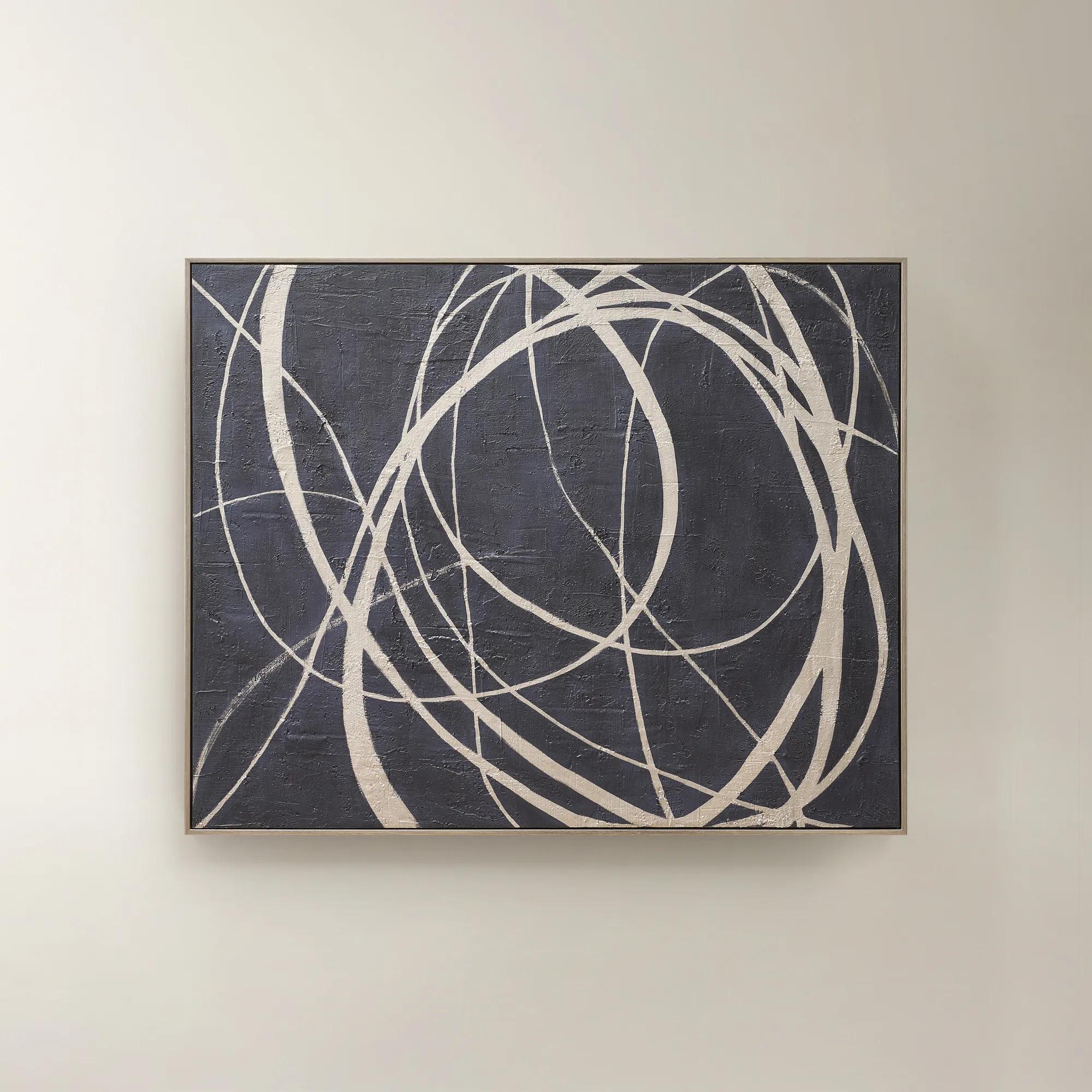 Wandering Framed Painted Wall Art 48" x 60"$699
An expressive hand-painted canvas in deep ink blue with champagne accents for a bold, sophisticated statement.
Add To Cart -

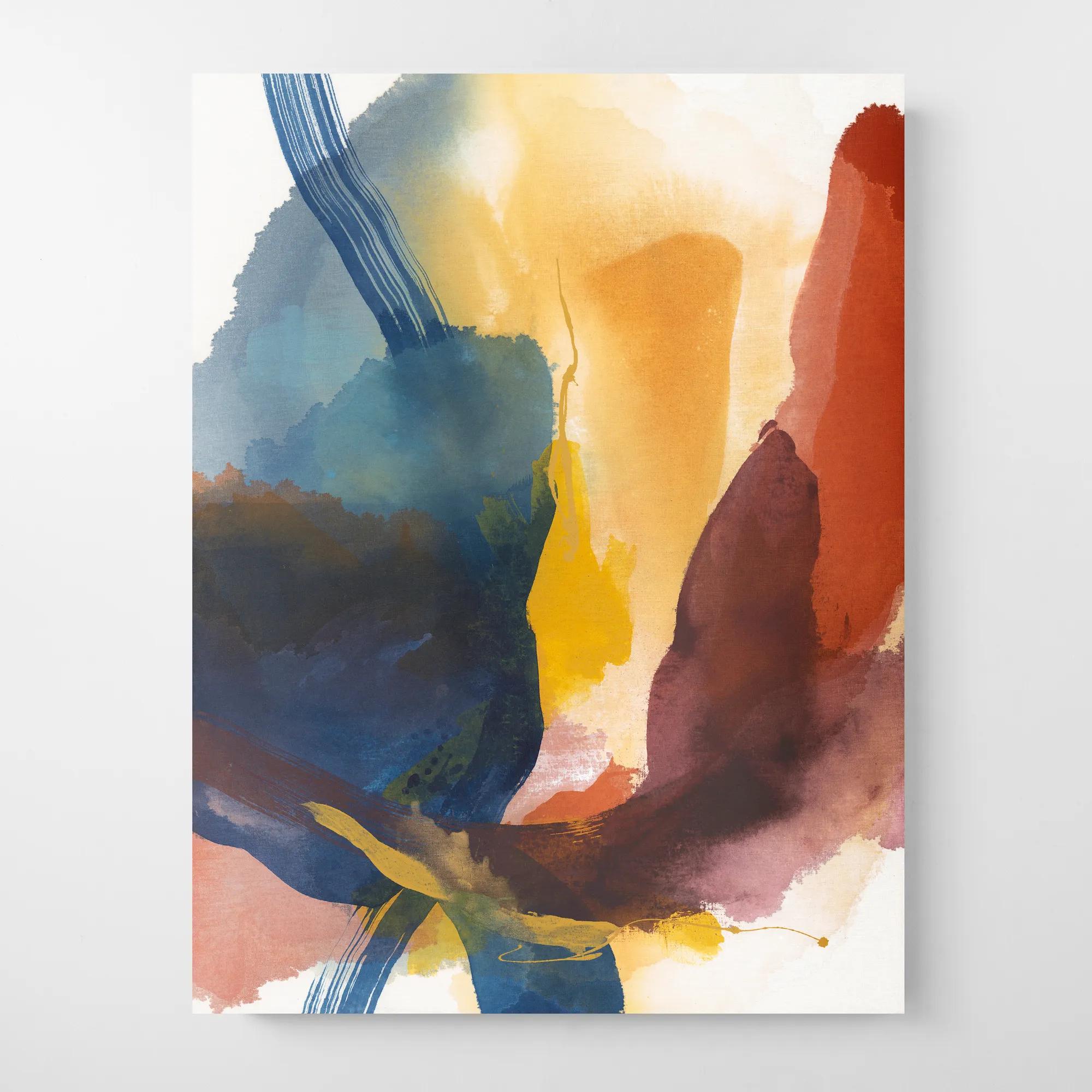
 Blooming in Her Own Time Framed Wall Art 40" x 50"$1029
A vibrant multicolored canvas wall artwork featuring an expressive botanical-inspired design in a framed presentation.
Add To Cart -
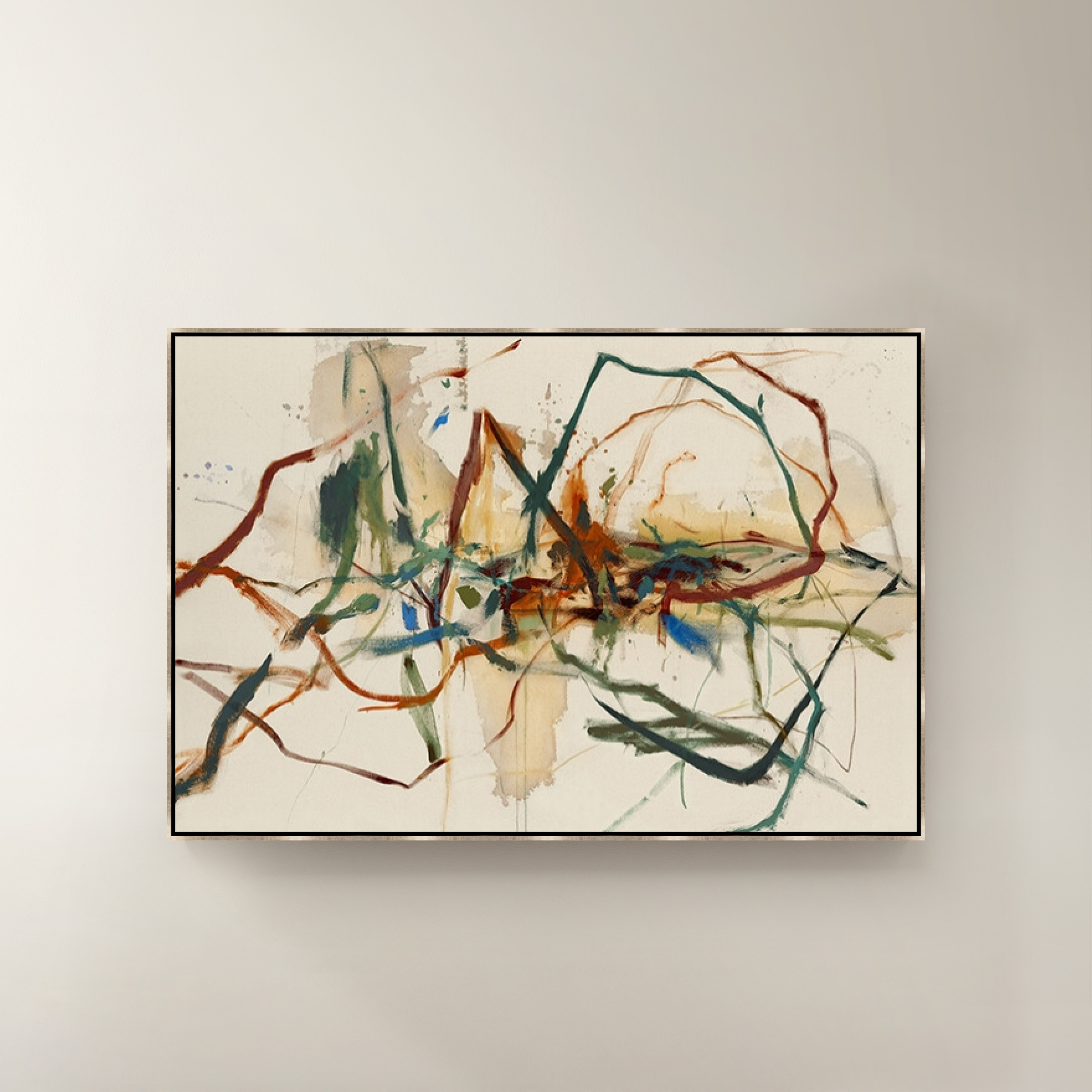
 Chrono Crisis Framed Wall Art 60" x 40"$1099
A vibrant multicolored canvas wall artwork presented in a striking frame for contemporary interiors.
Add To Cart -
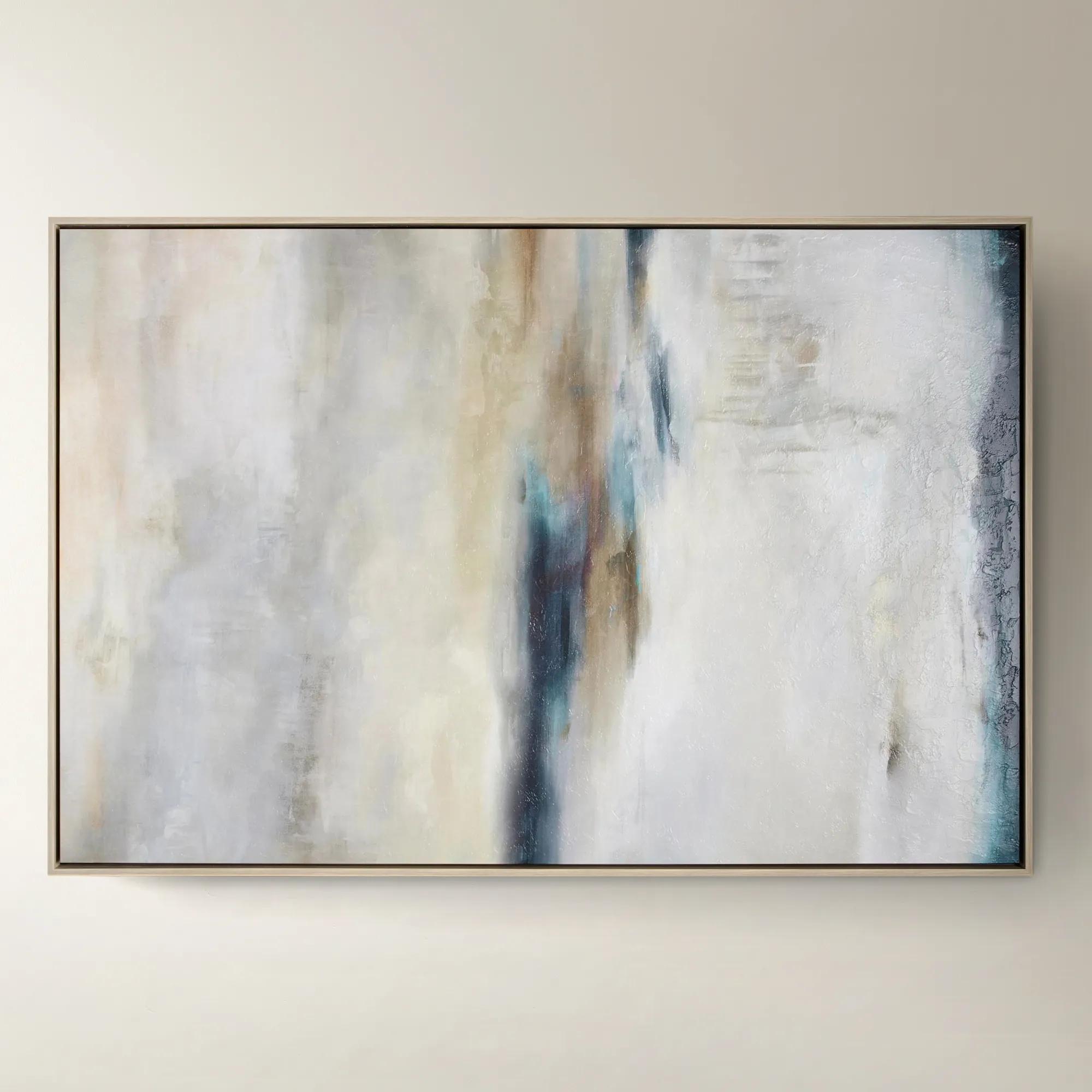
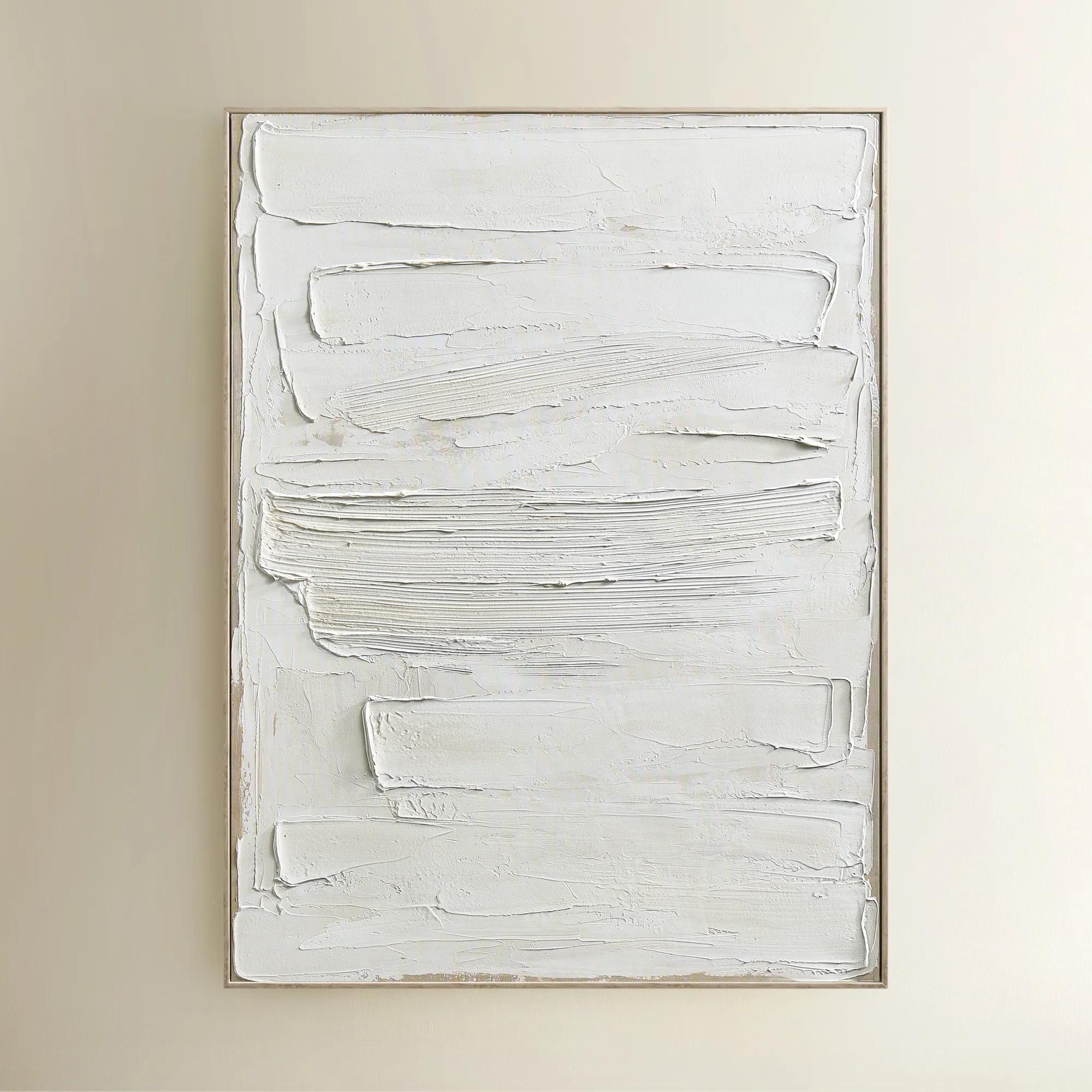
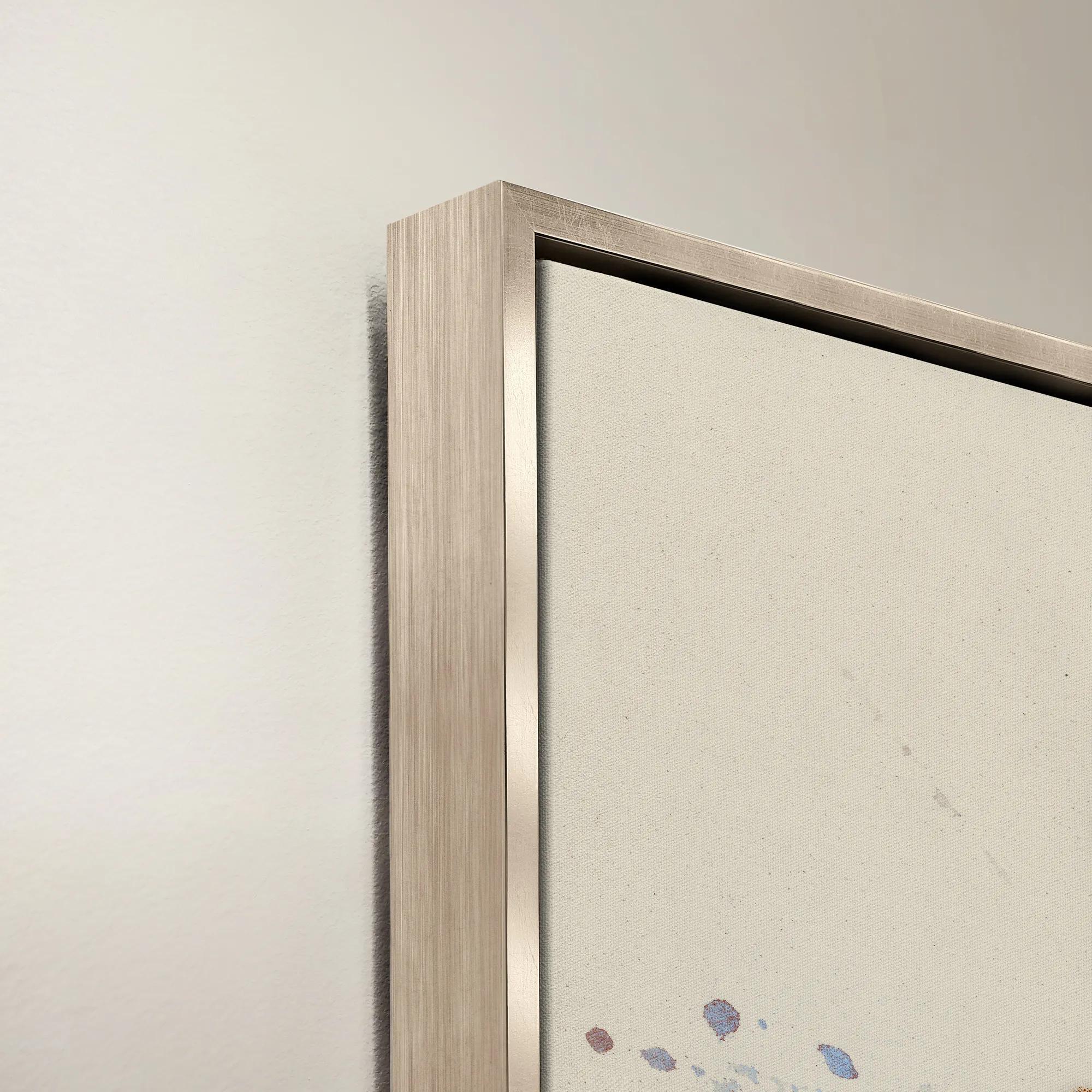
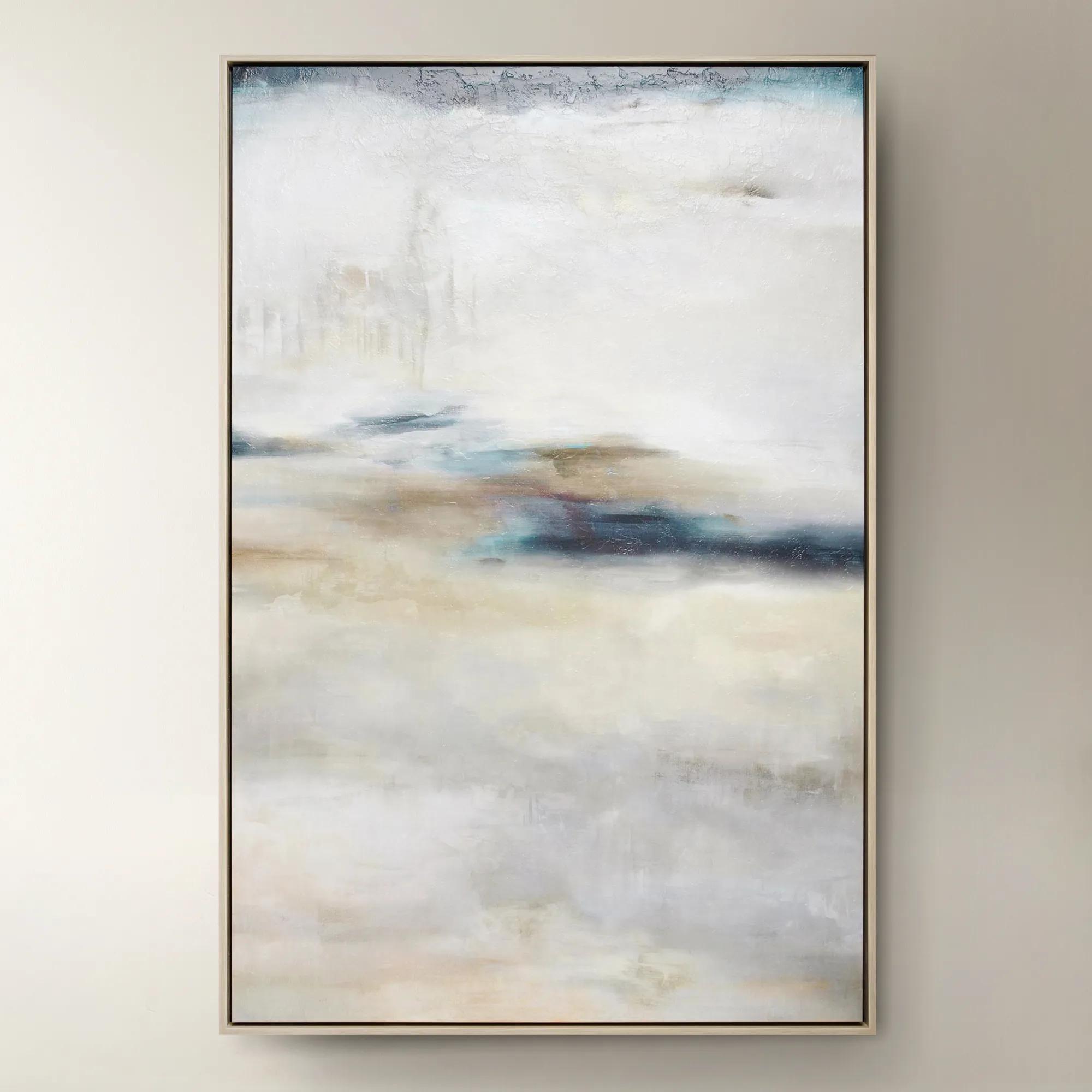 Forward Looking$1299
A softly layered abstract canvas print with a gel finish, set in a natural-hued floater frame.
Add To Cart -
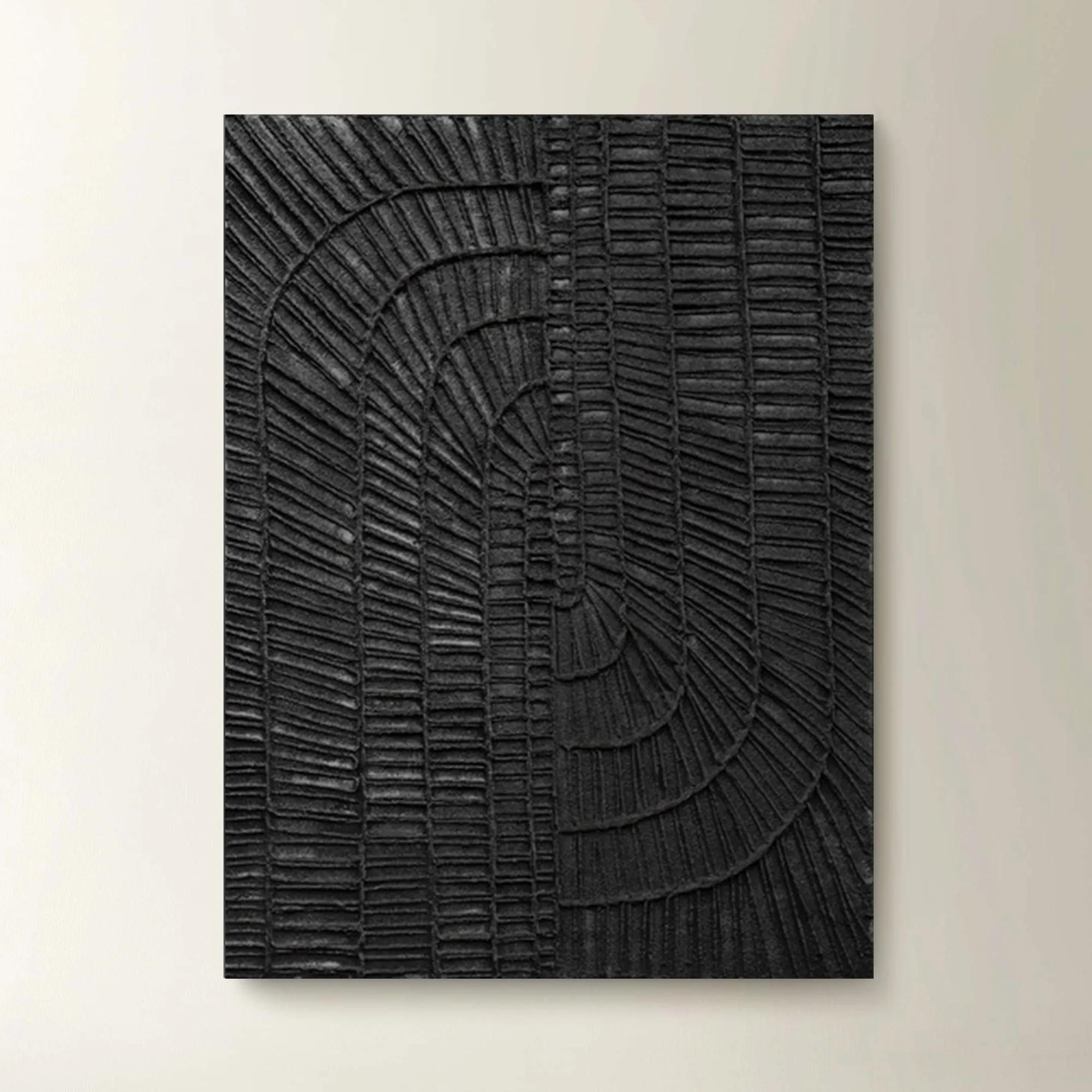
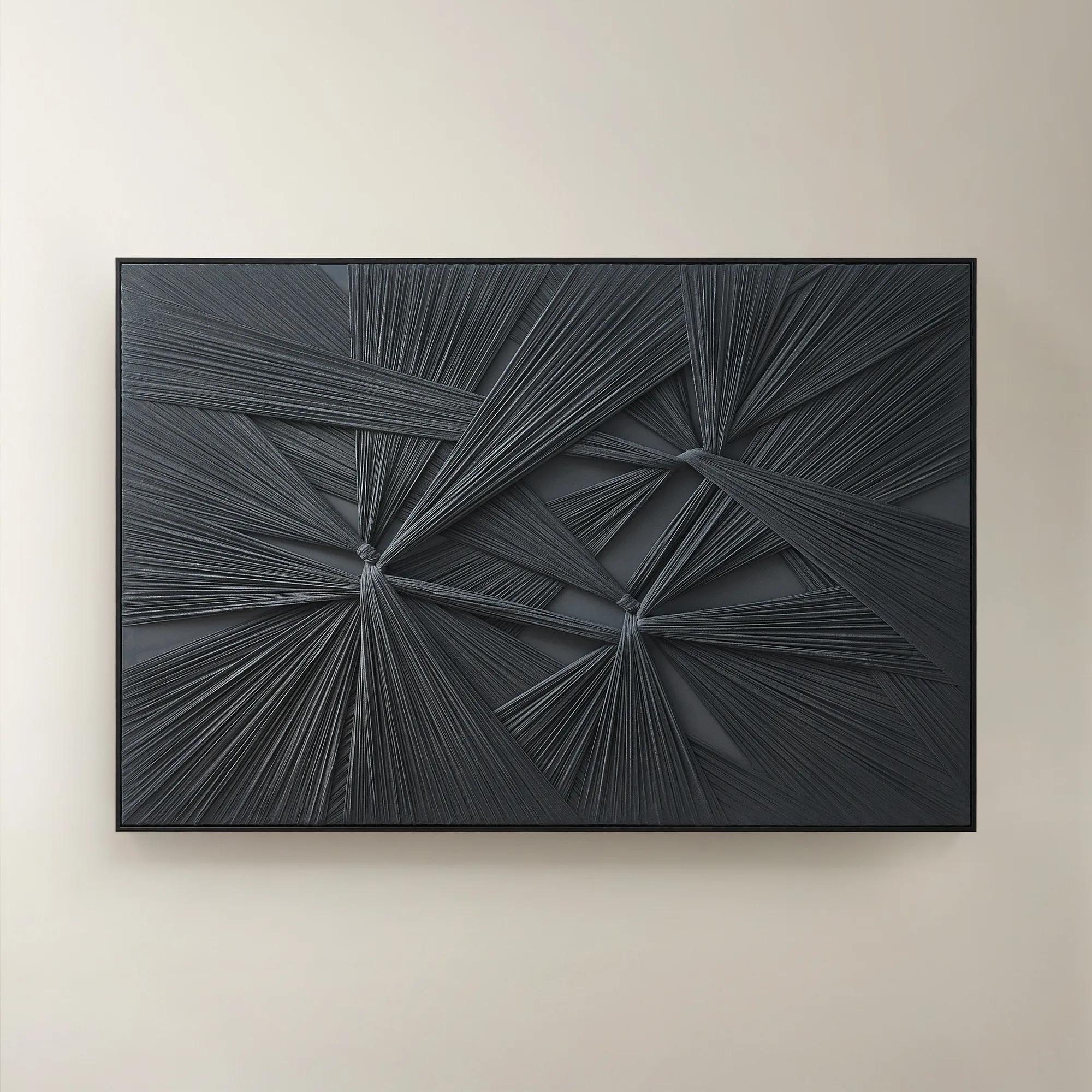 Grace in Dark Slate Hand-crafted Fabric Wall Art 70.75" x 47"$799
A hand-crafted textile wall art piece in dark slate, featuring sculptural texture and versatile display options.
Add To Cart -
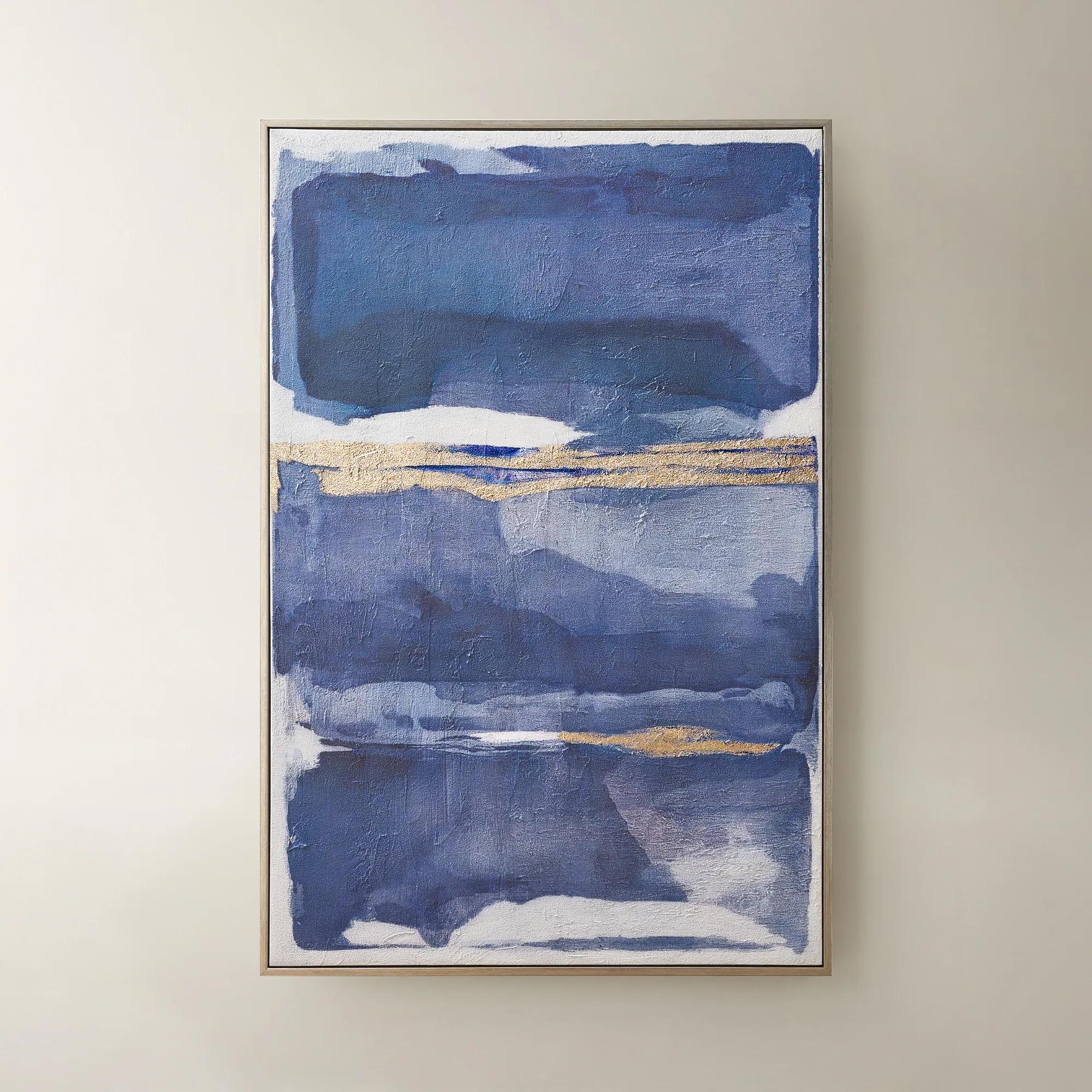
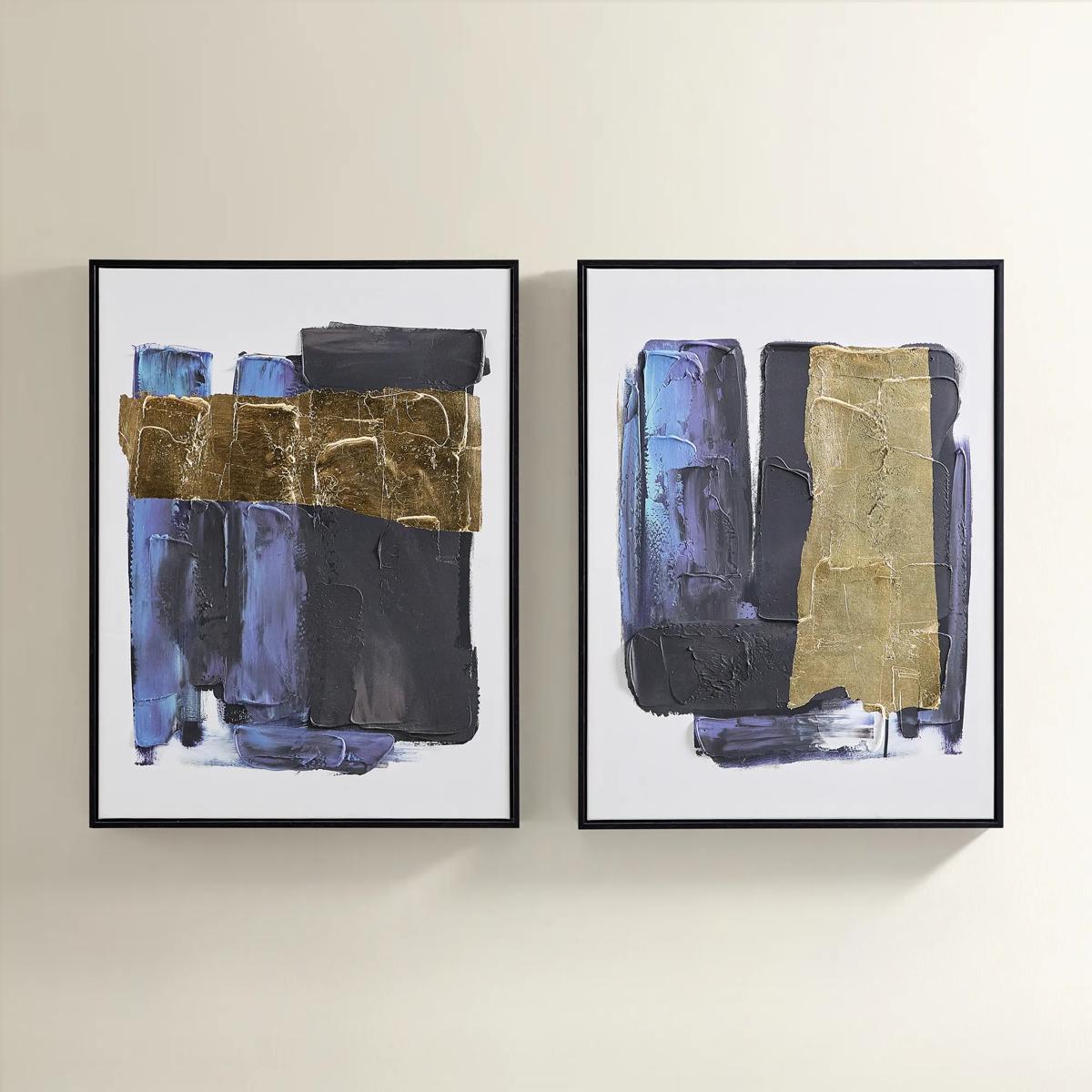
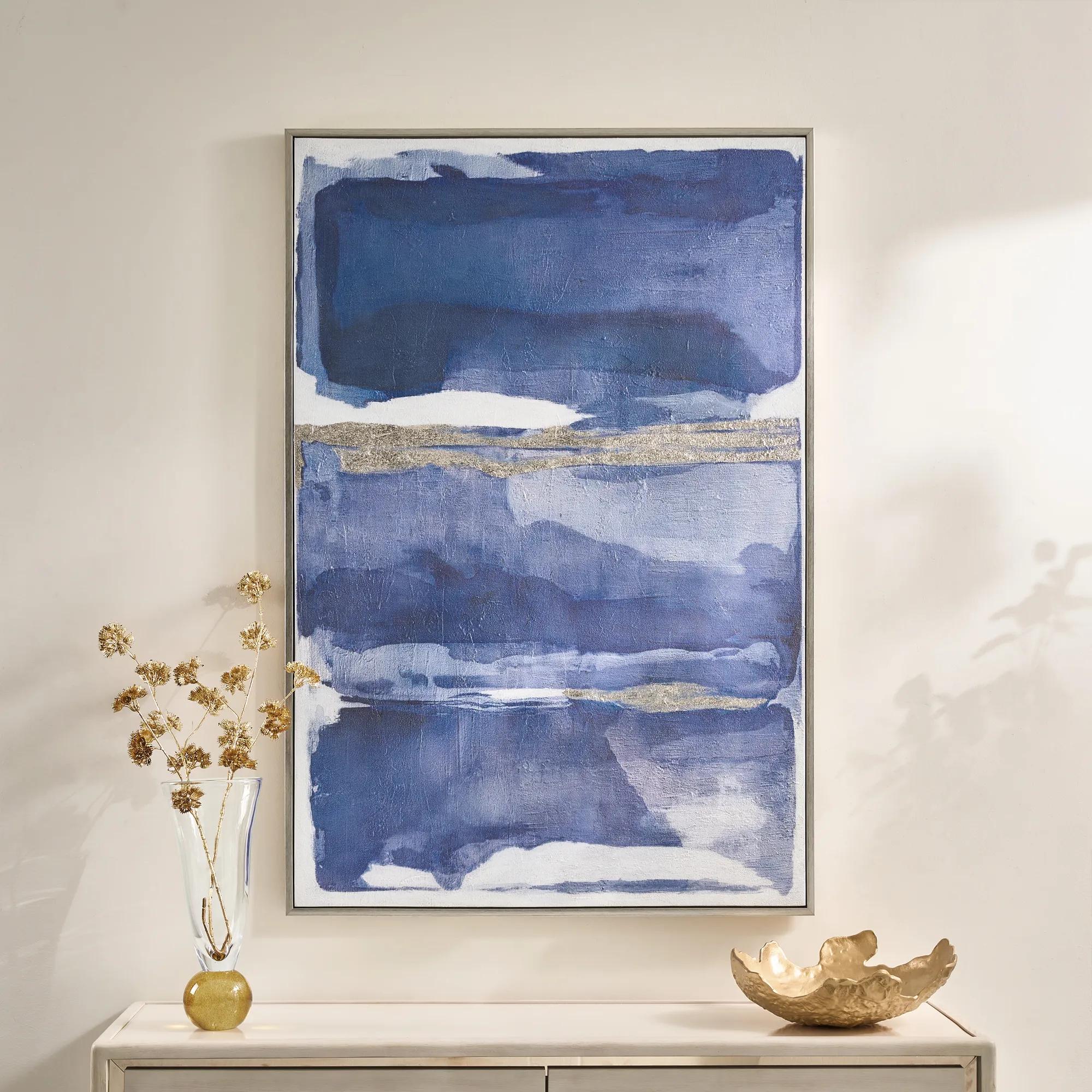 Memories in Blue Framed Painted Wall Art 40" x 60"$499
A hand-painted canvas in deep ink blue with champagne leafing for a sophisticated, gallery-inspired look.
Add To Cart -
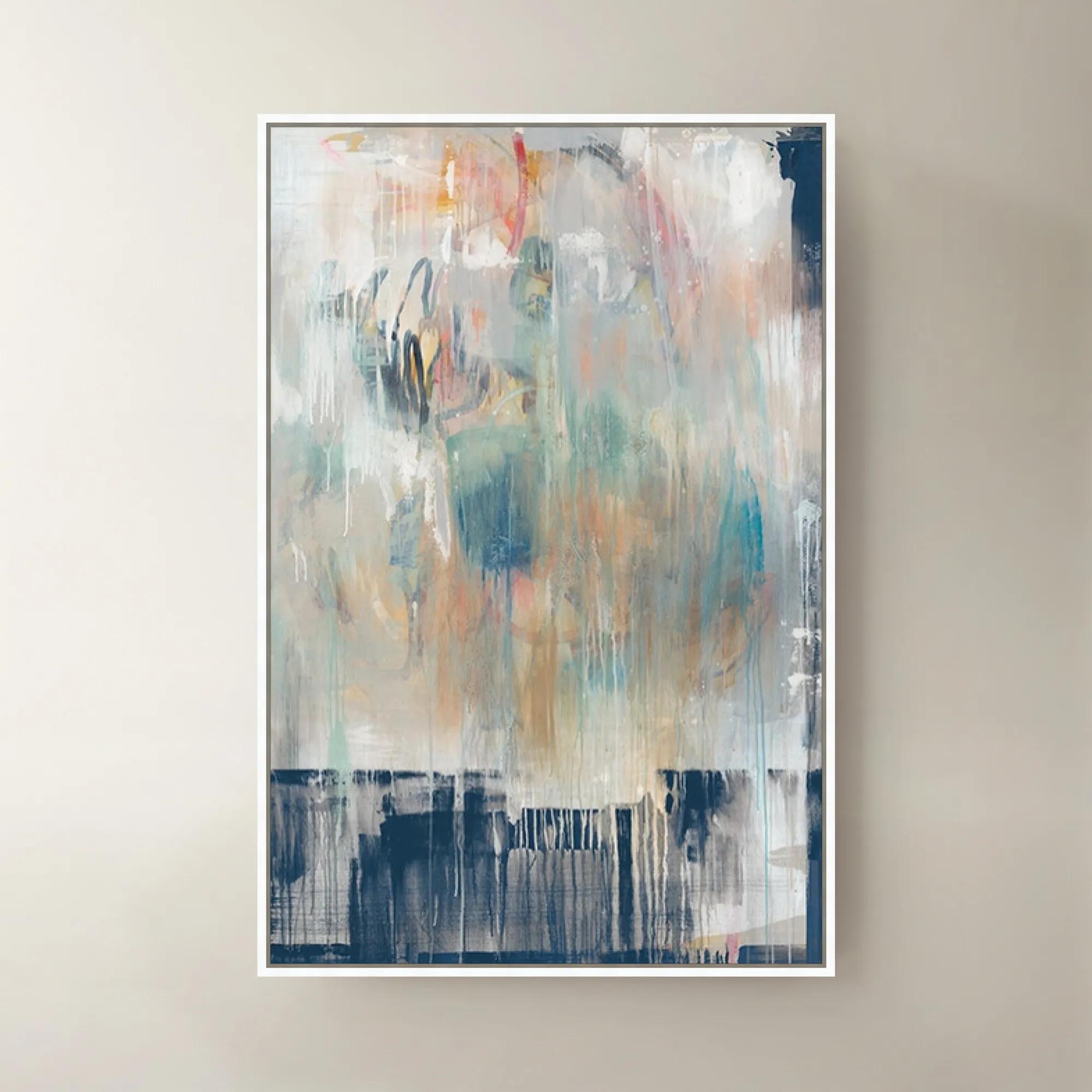
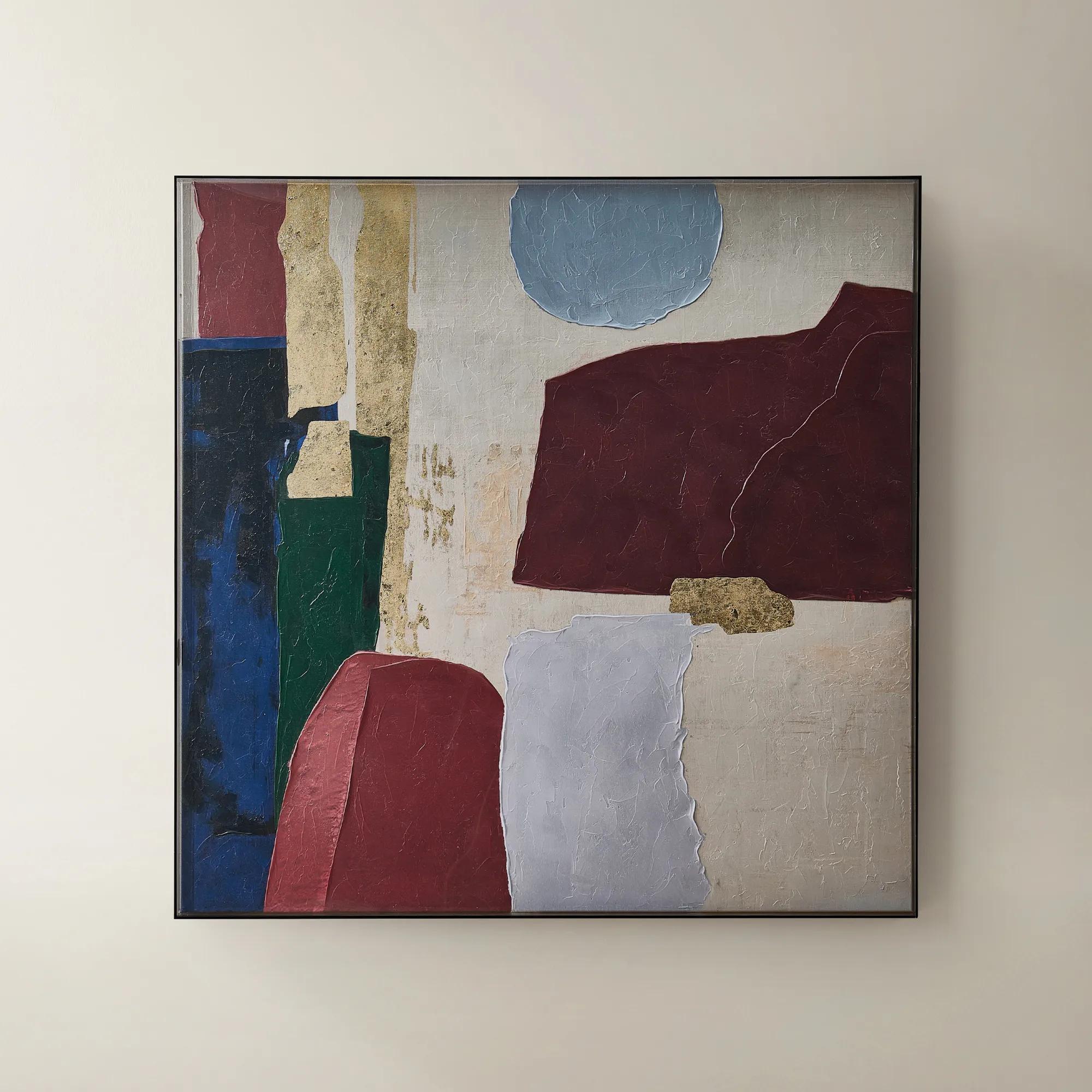
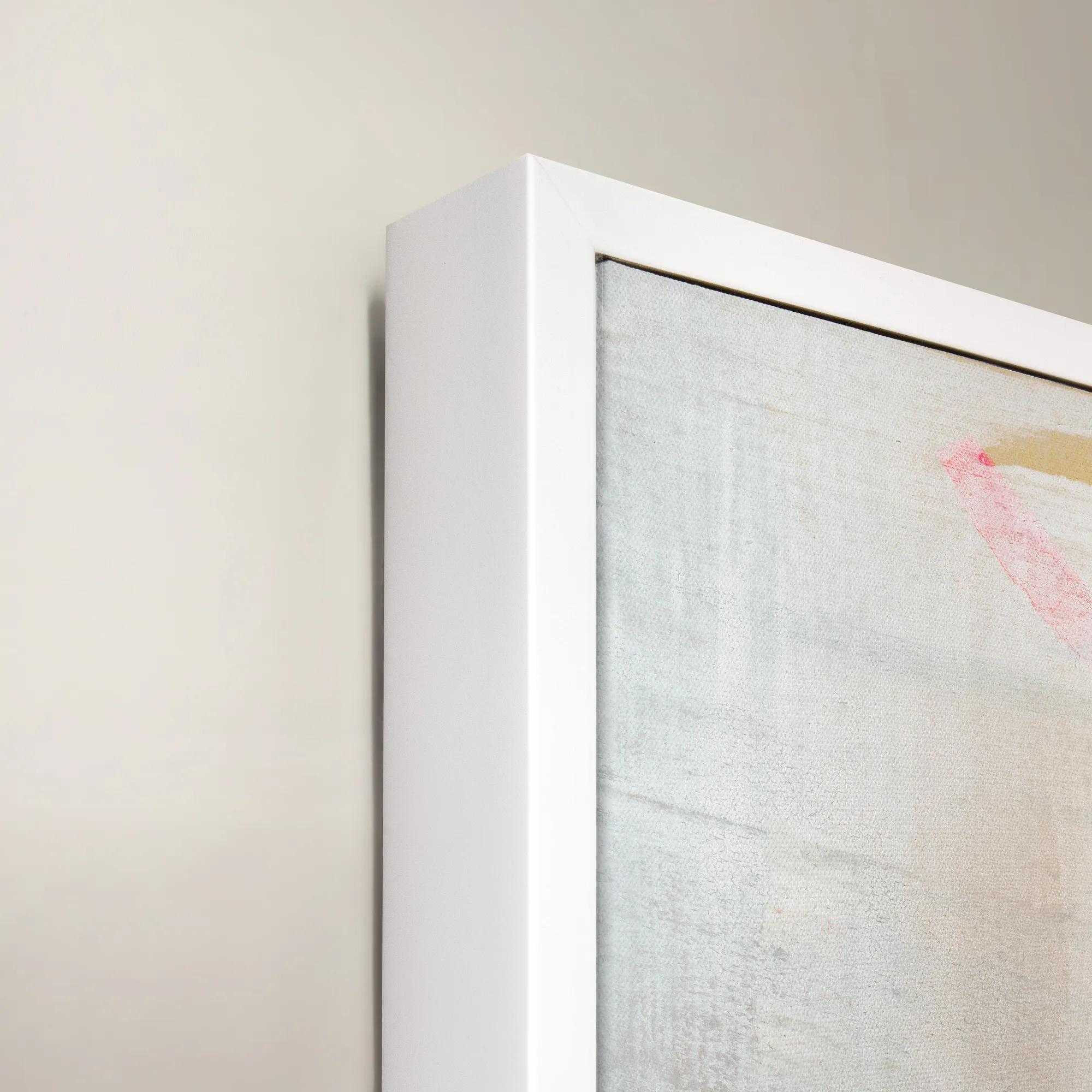 Disrepair III Framed Wall Art 40" x 60"$1099
A multicolored canvas wall artwork in a framed presentation, bringing expressive contemporary character to interiors.
Add To Cart -
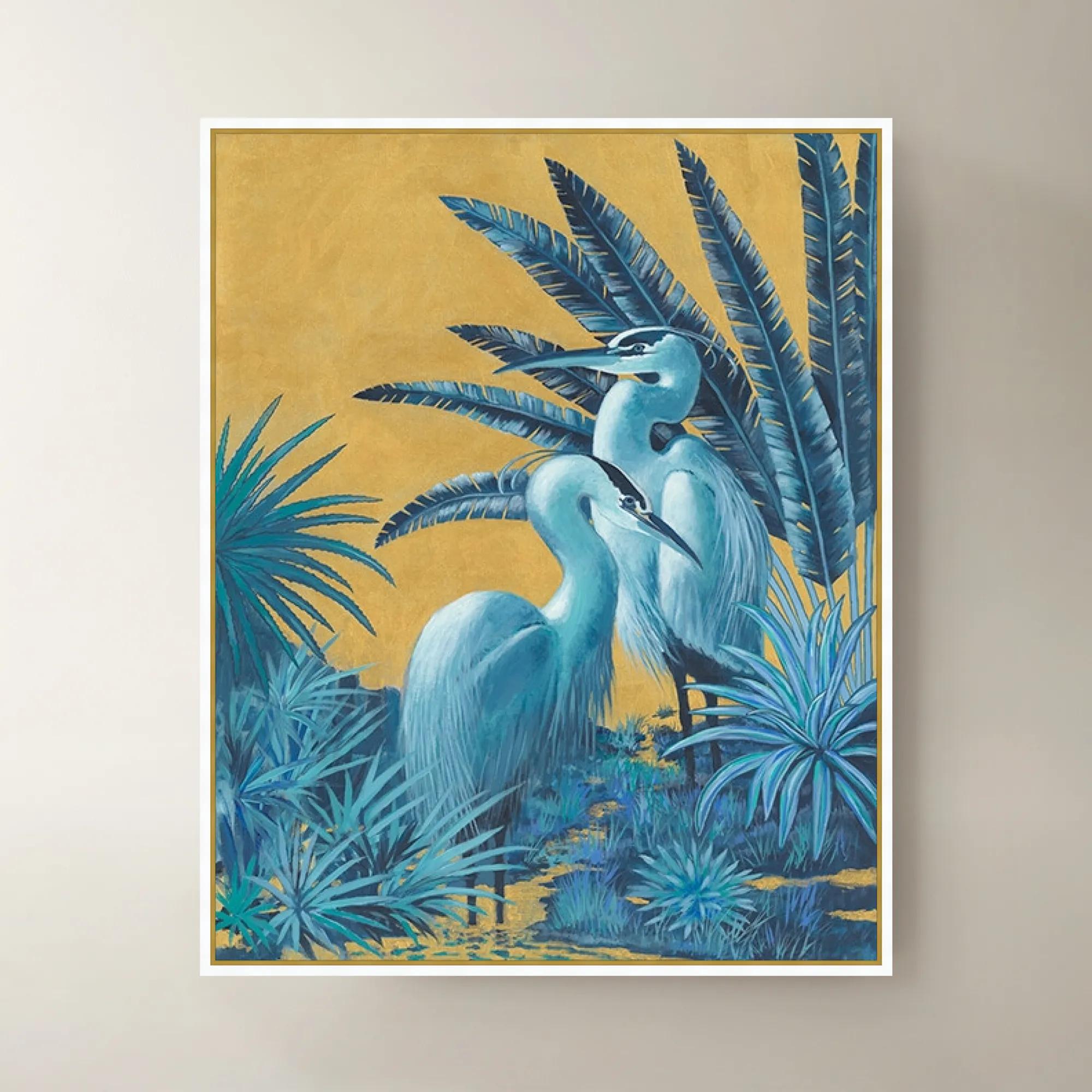
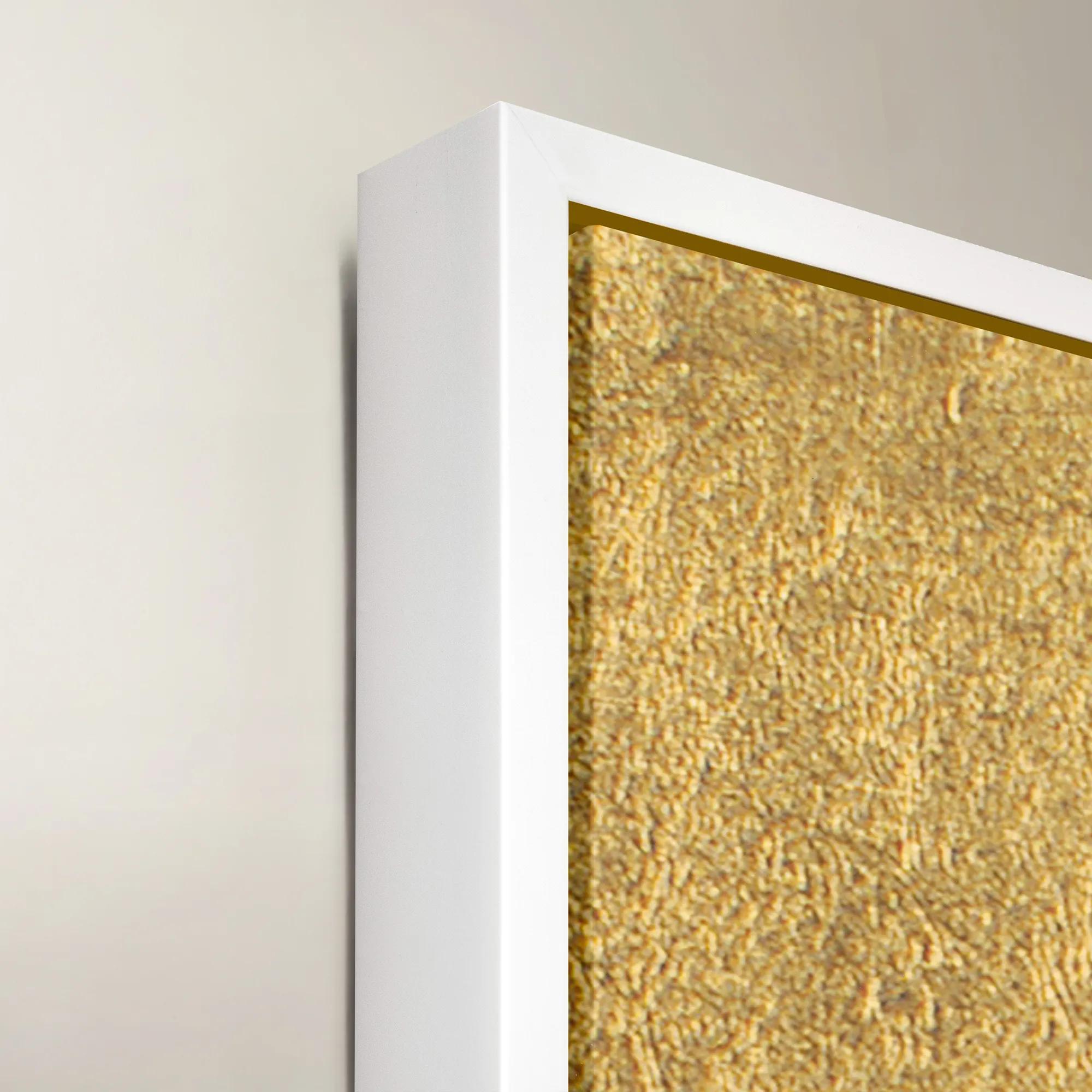 Blue Gold Herons Framed Wall Art 40" x 50"$1199
A striking blue and gold framed canvas artwork featuring elegant herons for sophisticated wall display.
Add To Cart -
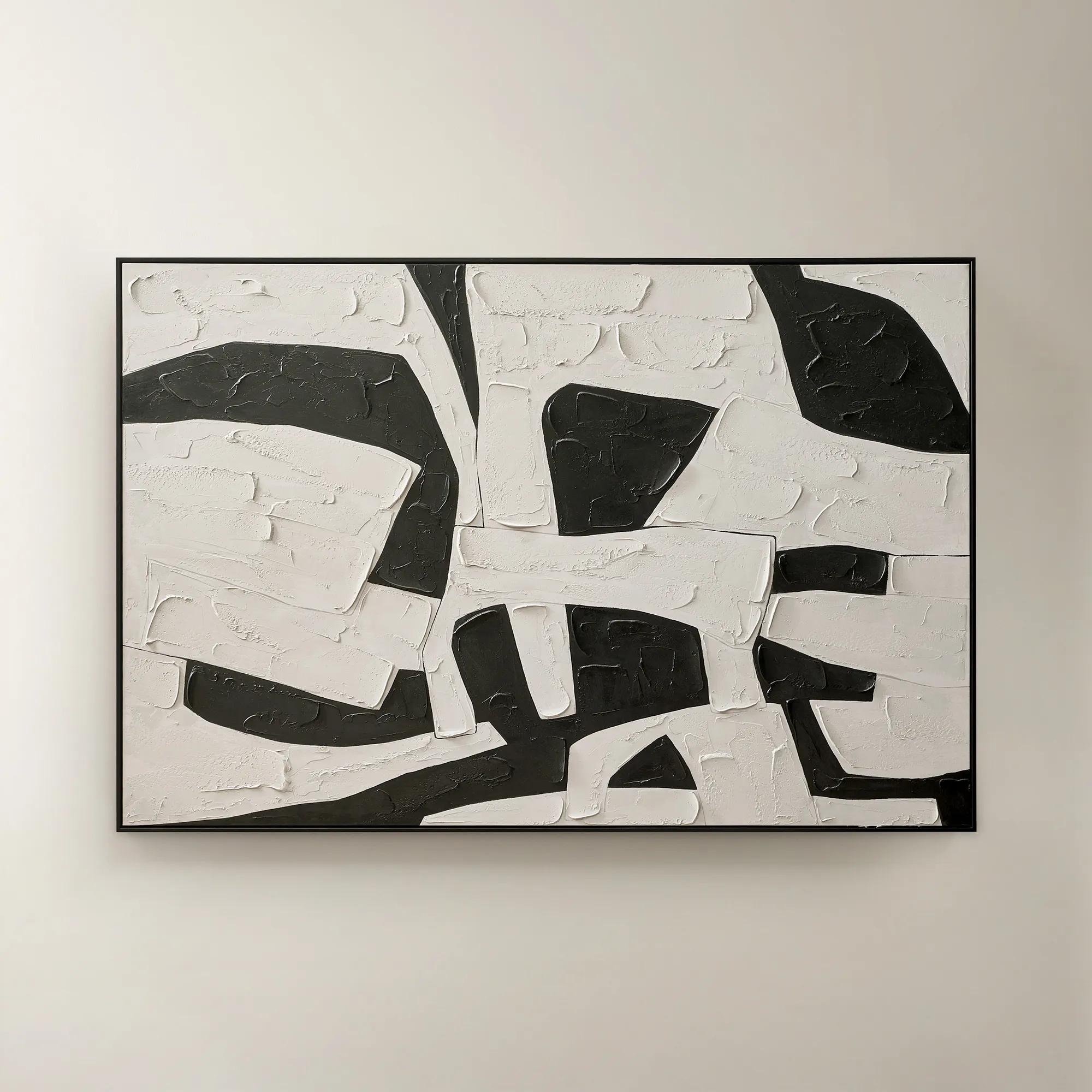 Space Between Shadows Framed Painted Wall Art 72" x 48"$799
A hand-painted abstract canvas featuring bold alabaster and black geometric forms in a sleek black frame.
Add To Cart -
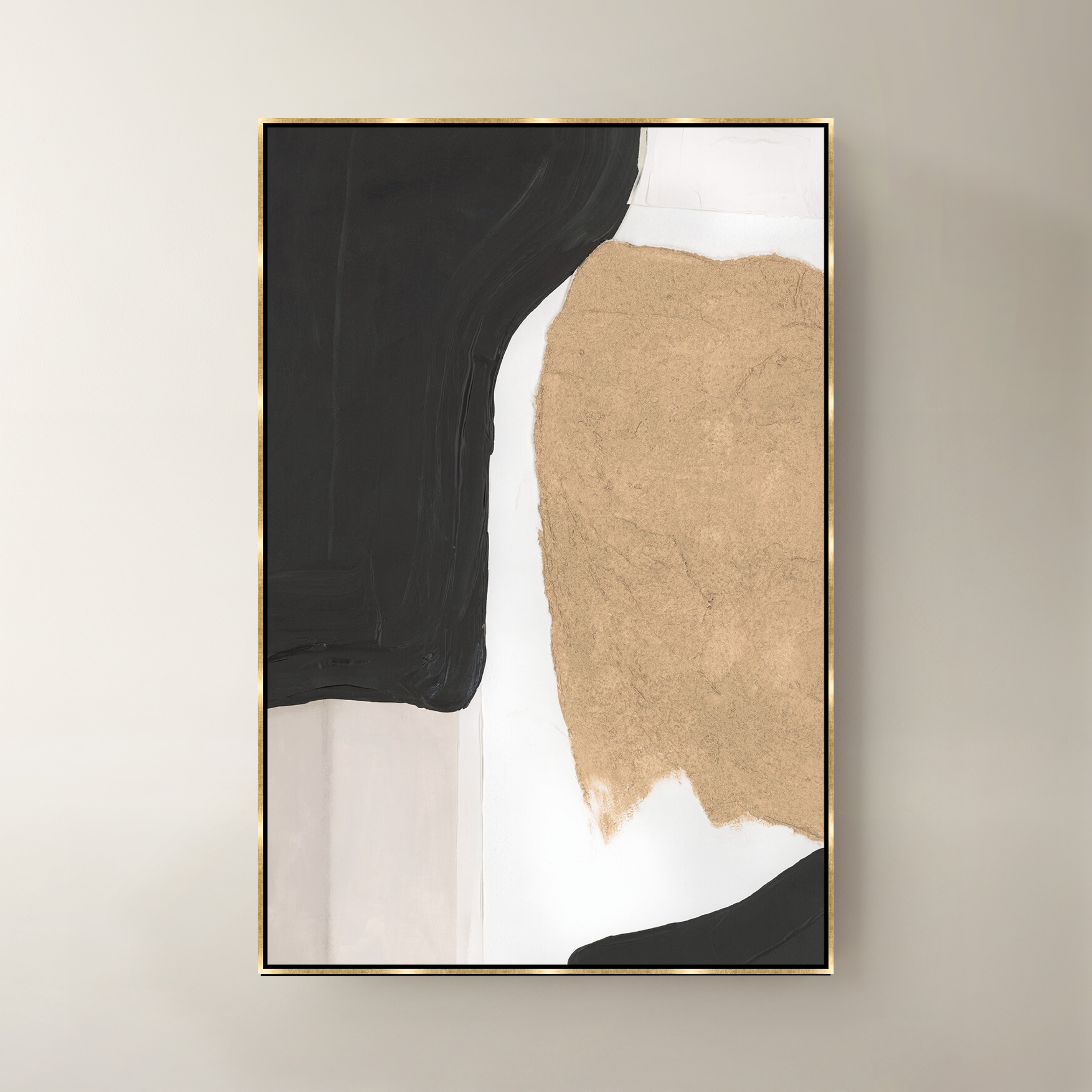
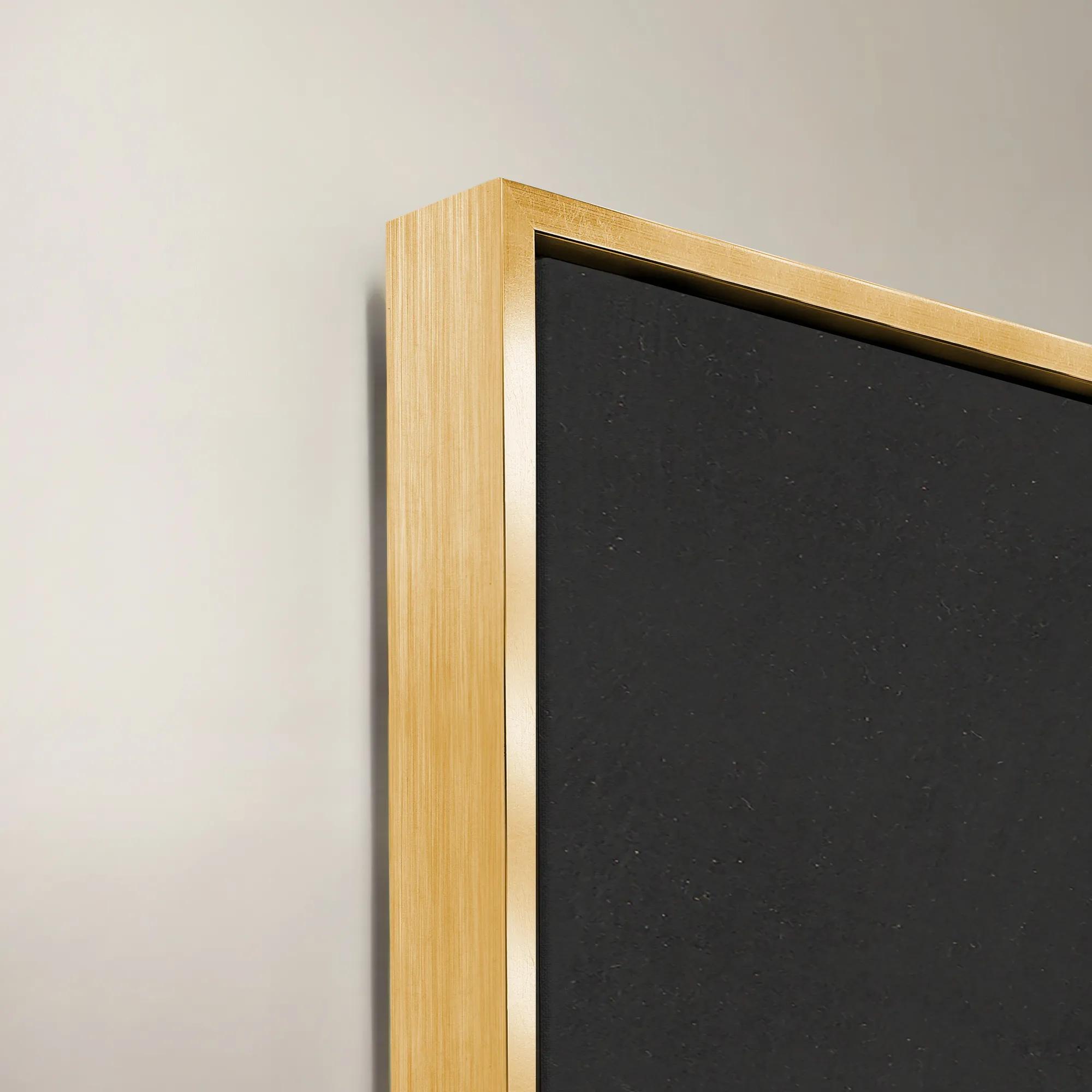 Noir I Framed Wall Art 40" x 60"$1299
A multicolored canvas wall artwork presented in a striking frame for modern interior styling.
Add To Cart -
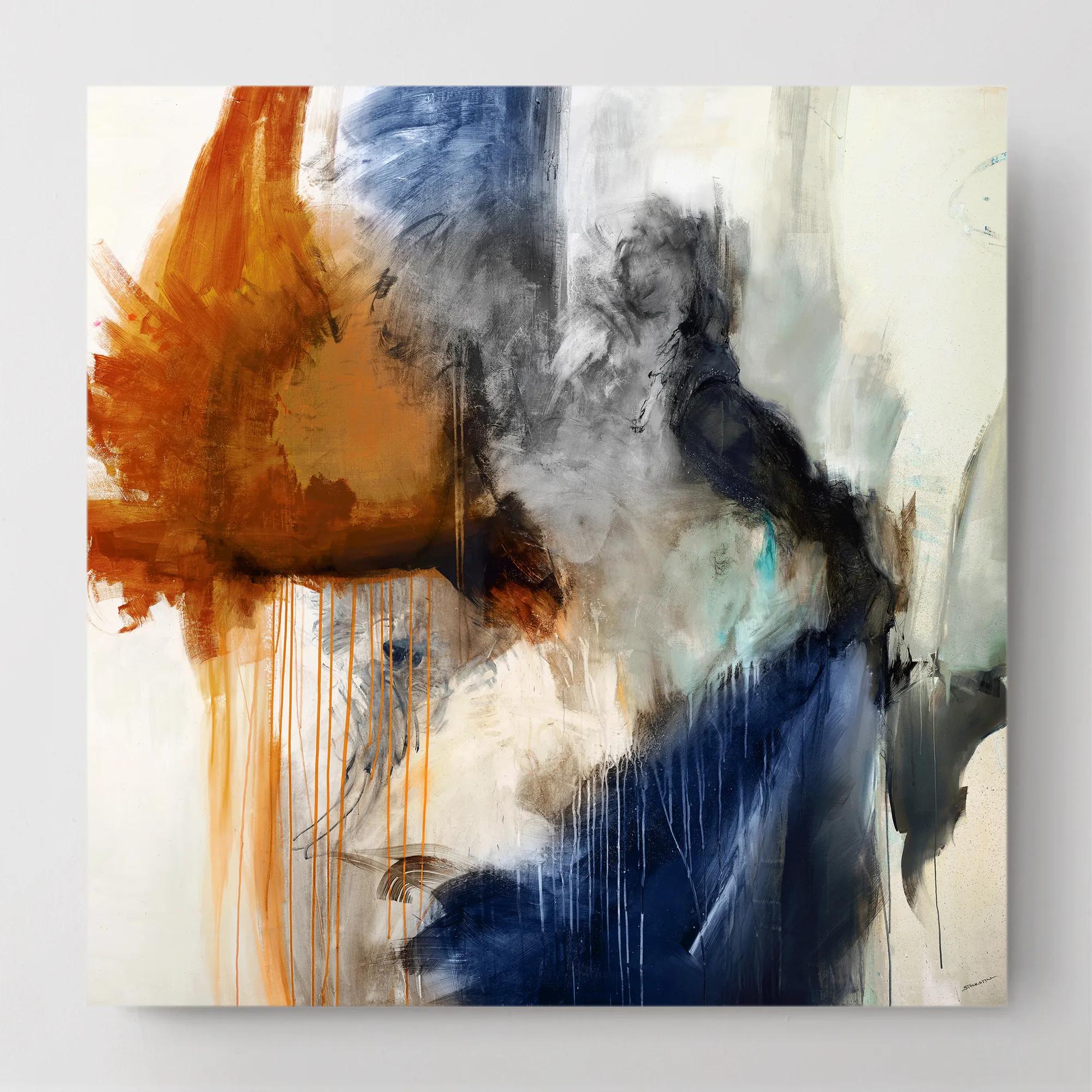
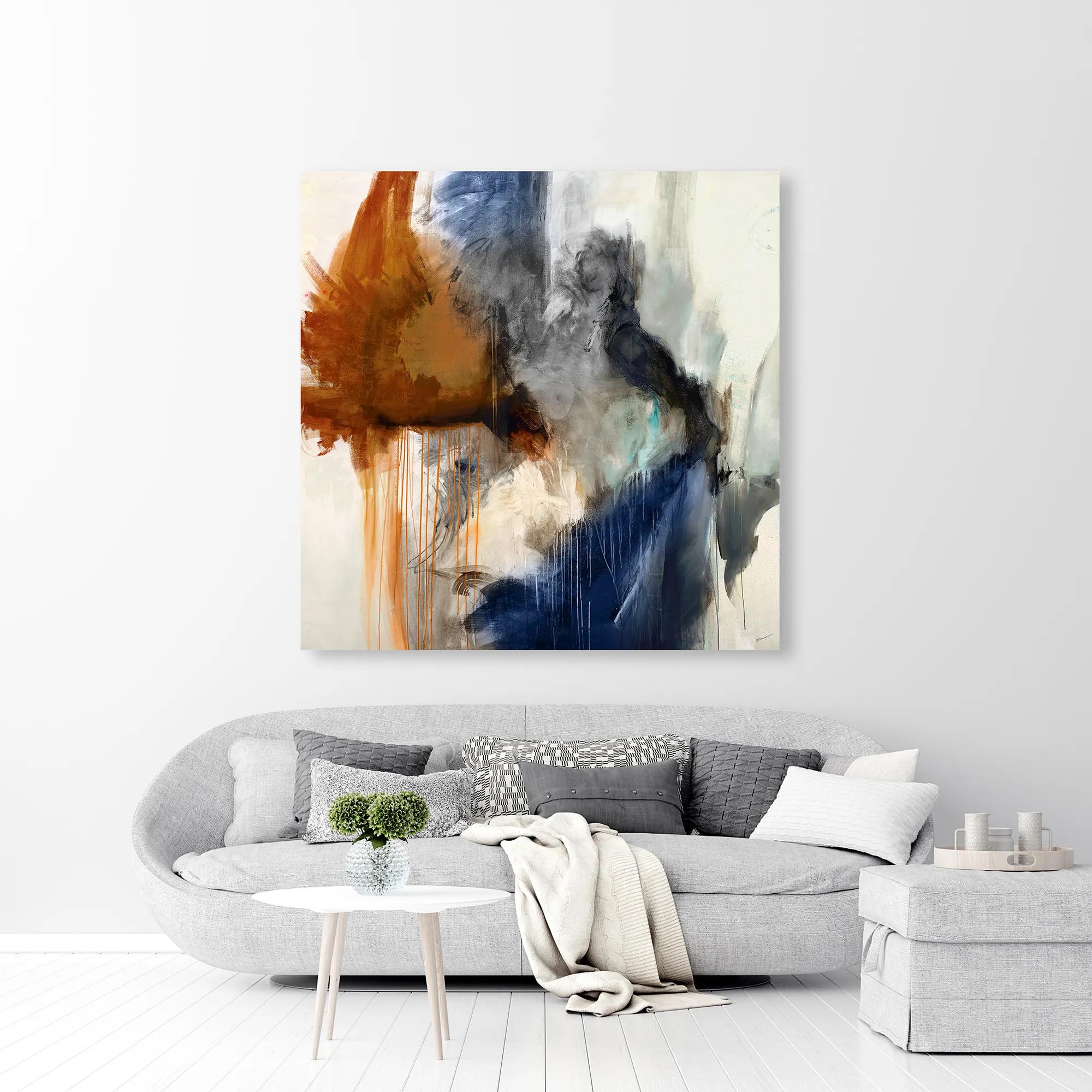 Swoon 6 Wall Art 54" x 54"$899
A gallery-wrapped canvas featuring a hand-applied image brush gel finish for a textured, artistic look.
Add To Cart -
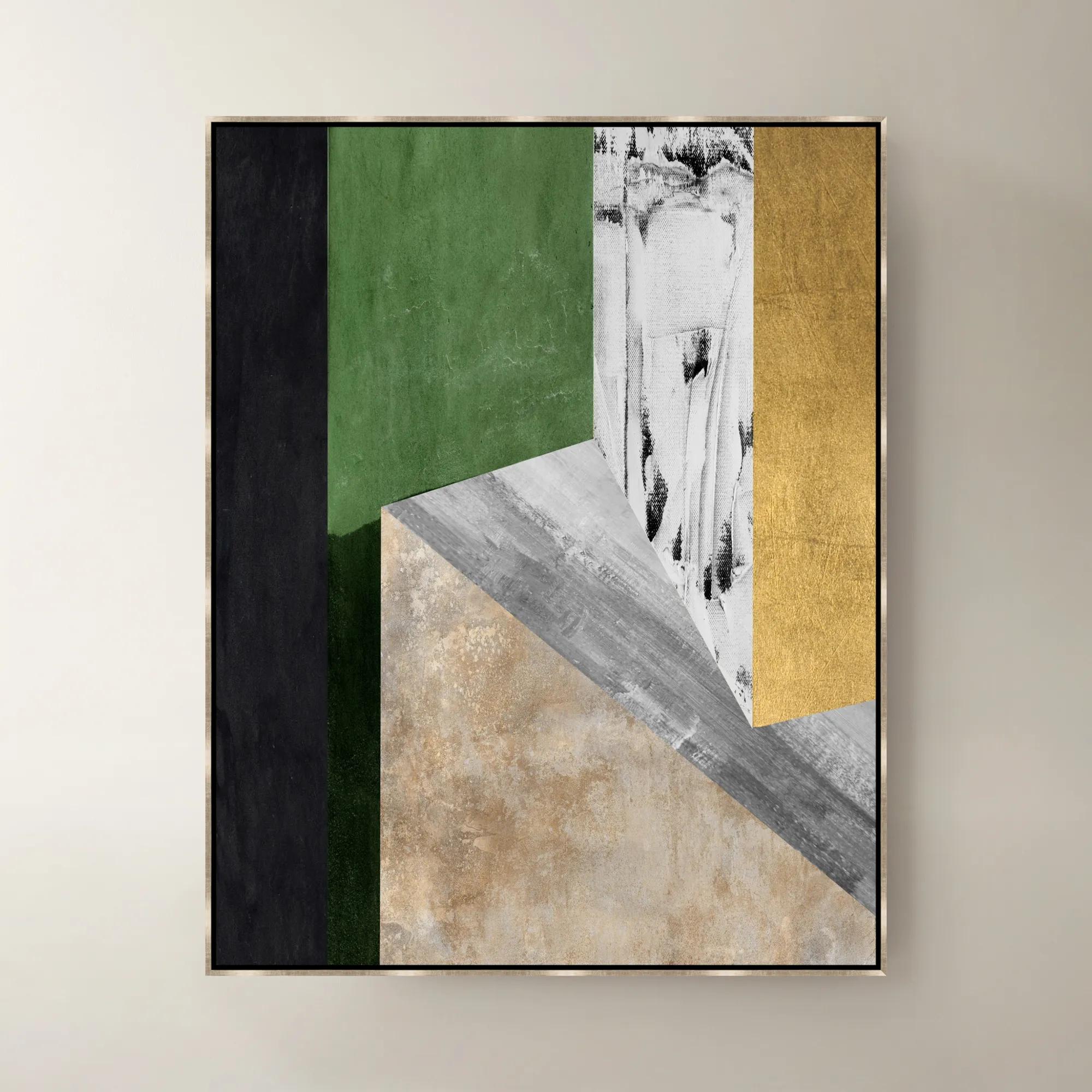
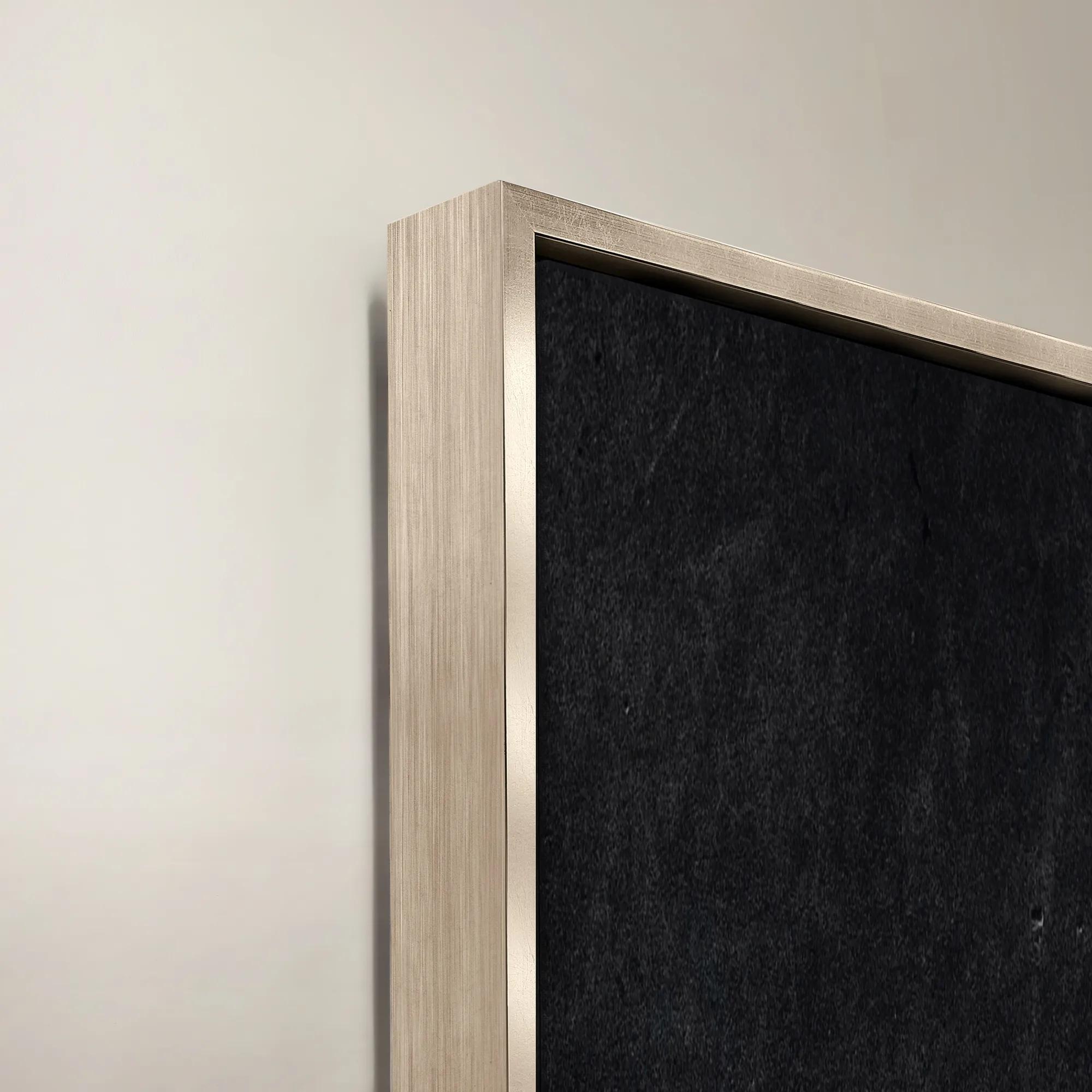 Blocked III Framed Wall Art 42" x 50"$1199
A striking abstract art piece featuring bold geometric shapes and modern design by Nikki Chu.
Add To Cart -

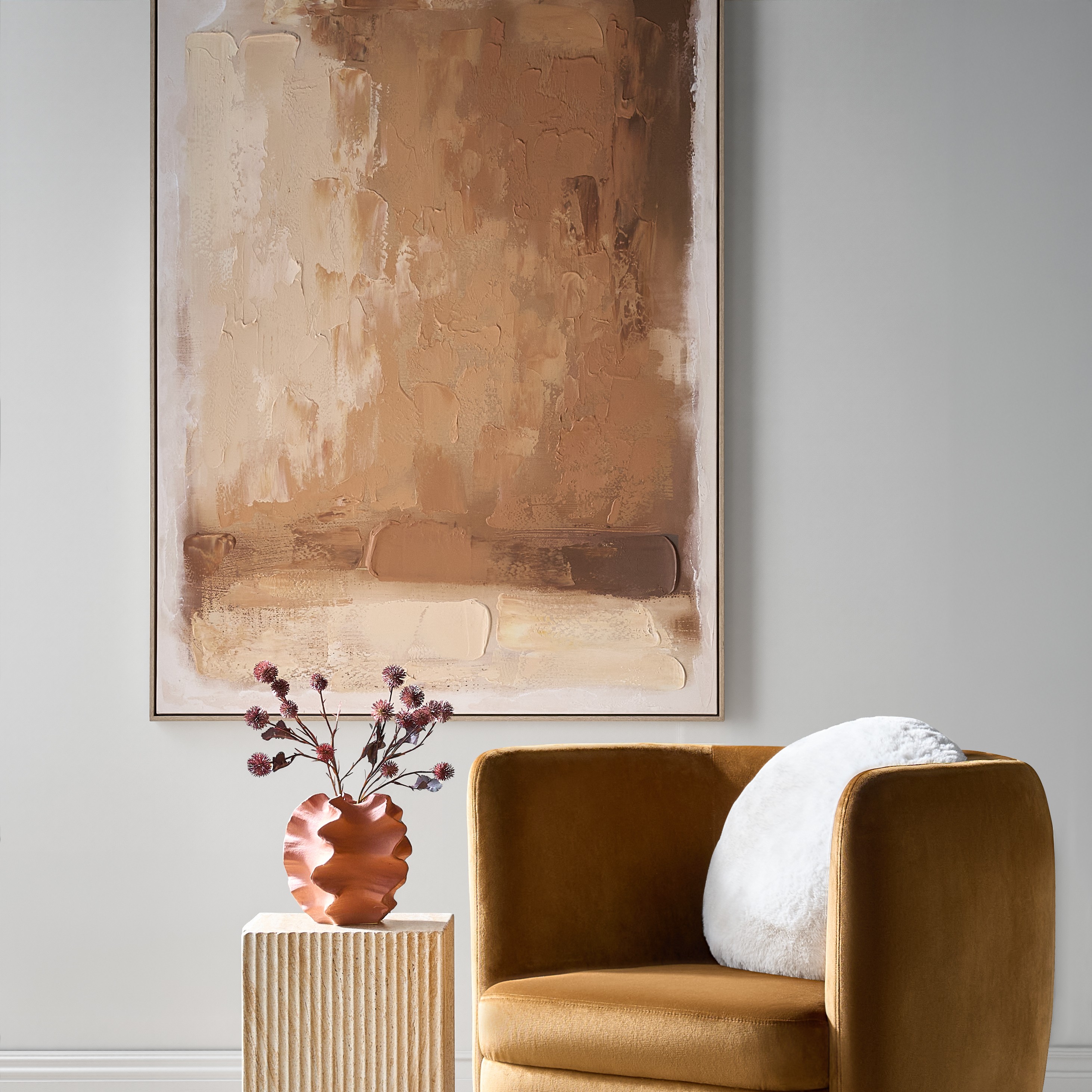 Ember Glow Framed Painted Wall Art 39.25" x 55"$499
A hand-painted abstract canvas blending ochre, terracotta, and golden clay hues in a light natural frame.
Add To Cart -
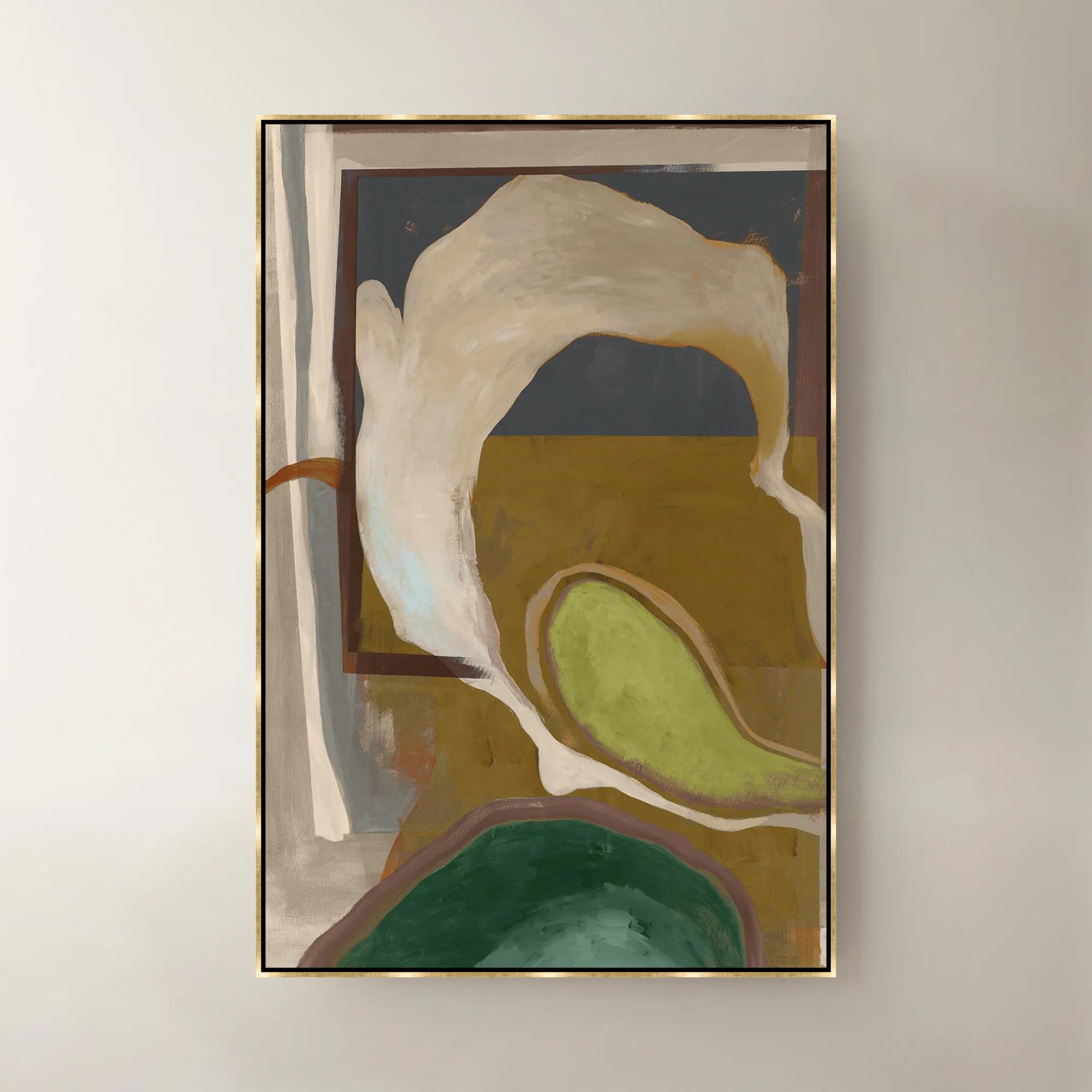 Olive Pearl Framed Wall Art 40"W x 60"$1099
A sophisticated green framed canvas artwork bringing layered color and modern elegance to your walls.
Add To Cart -

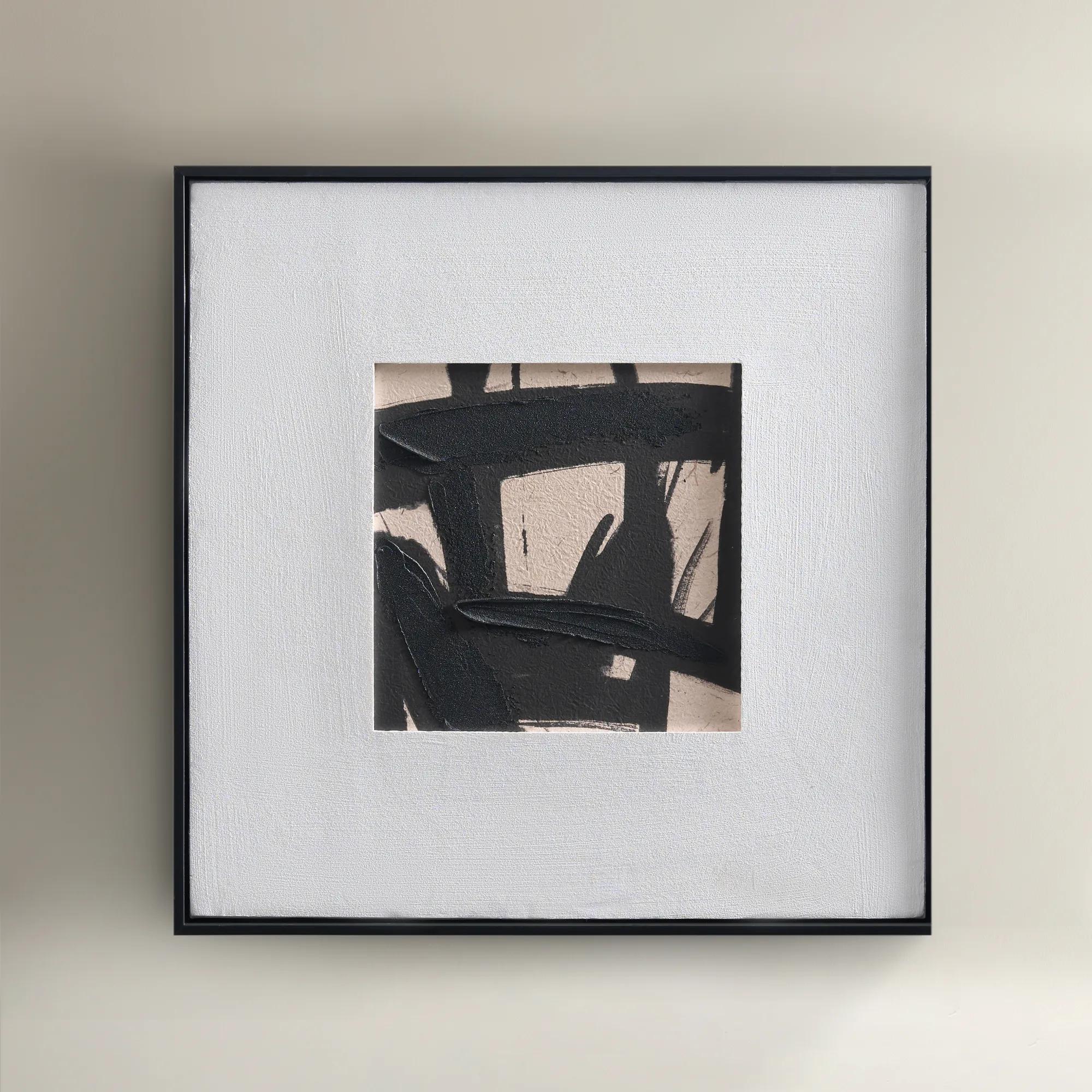
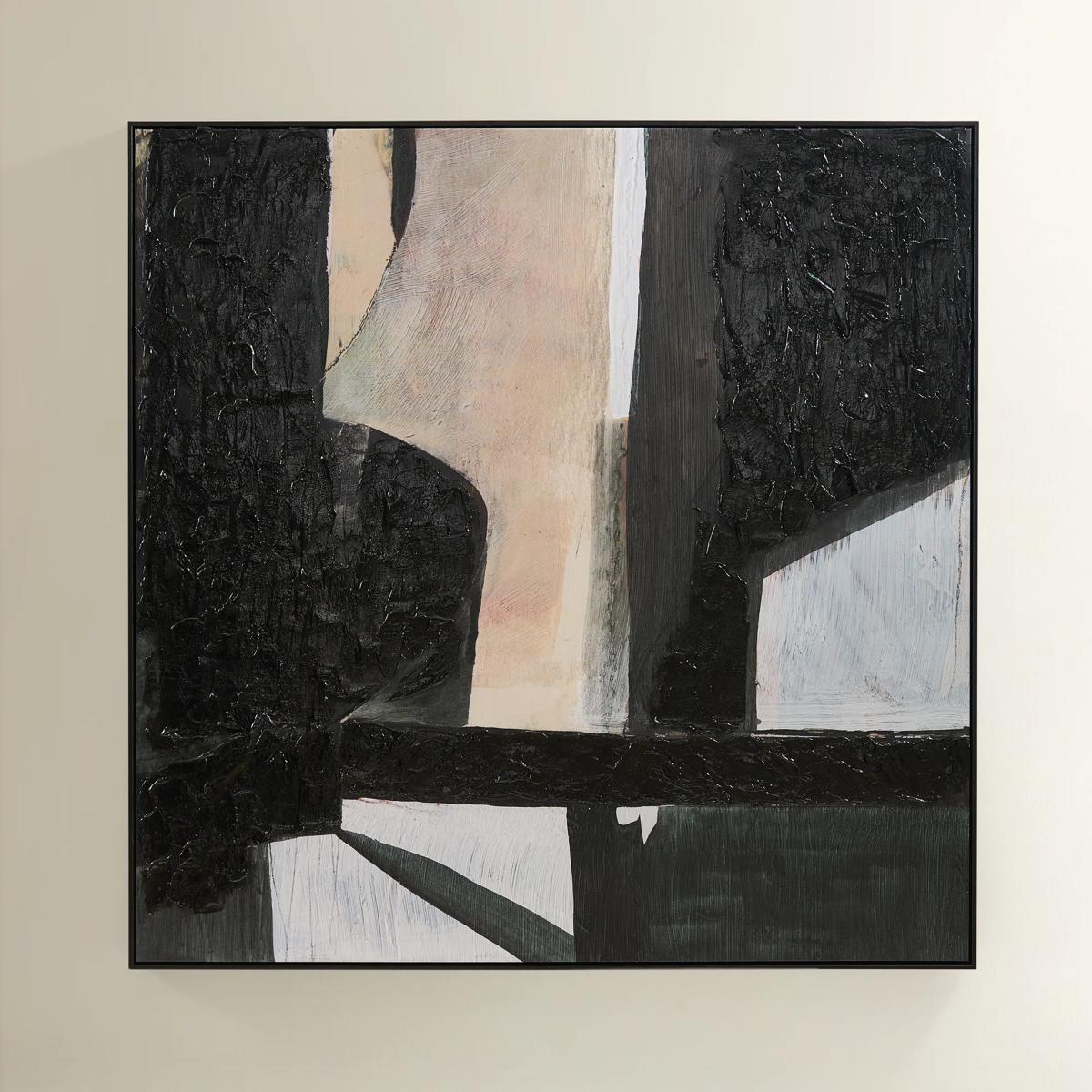
 Shift Framed Painted Wall Art 39.4" x 59"$499
A hand-painted canvas featuring bold black and beige contrasts with textured layers in a sleek black frame.
Add To Cart -
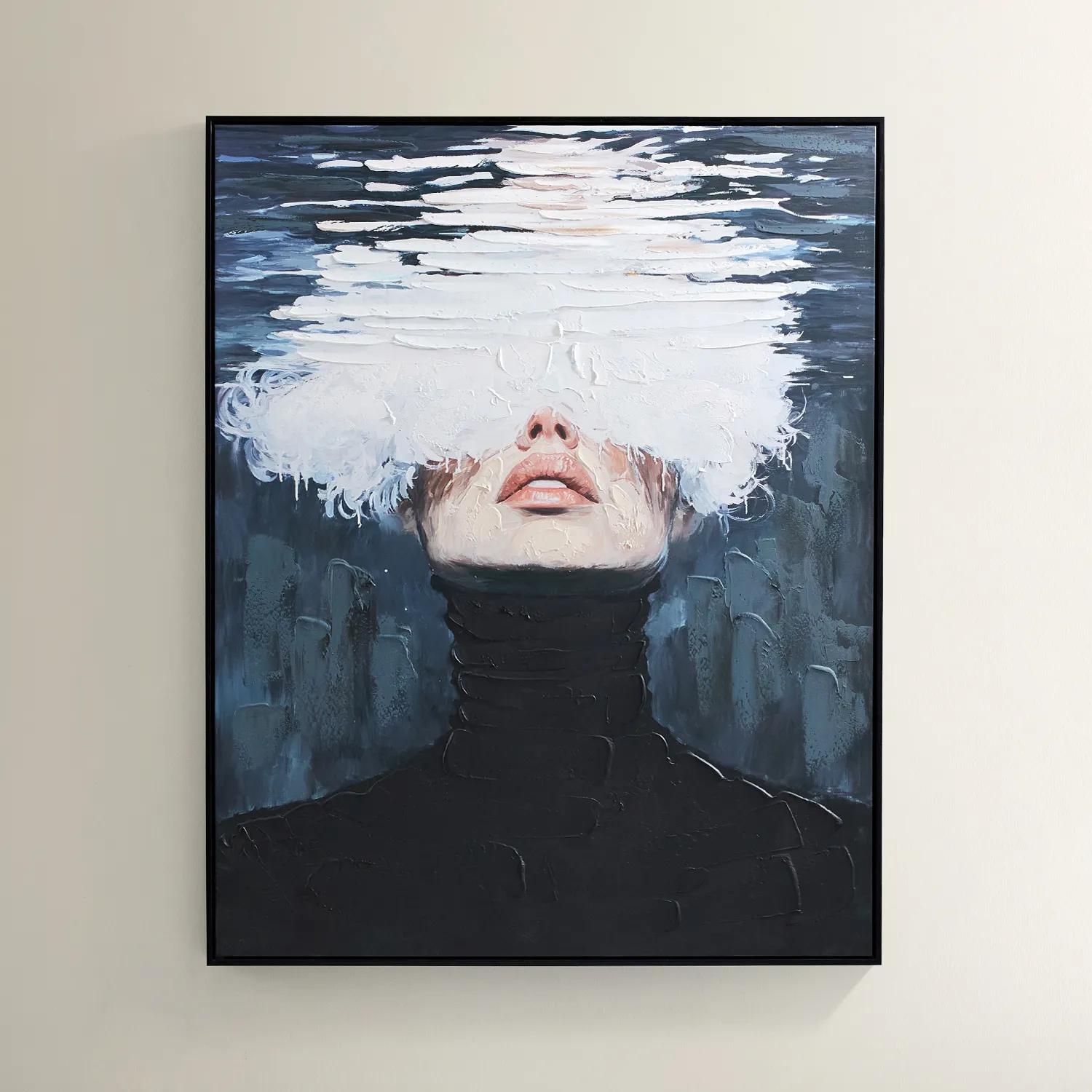
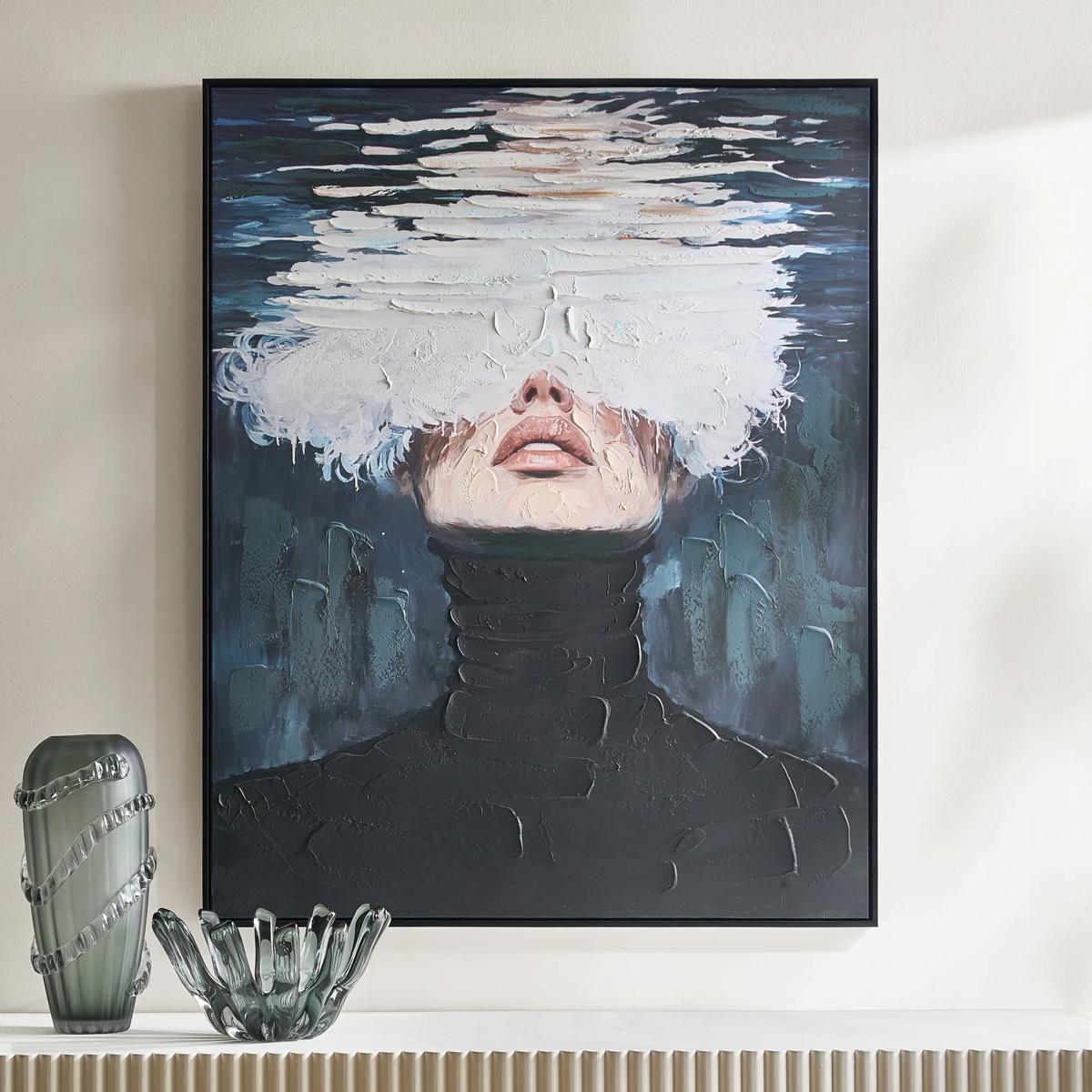 Submerged Framed Painted Wall Art 40" x 50"$599
A hand-painted canvas featuring a surreal portrait in black, blue, and white with a black floater frame.
Add To Cart -
 Bella Champagne Draped Leather Wall Panel 50" x 40"$699
A sculptural wall panel featuring cascading black, champagne, and ivory leather over a fabric-wrapped MDF foundation.
Add To Cart -
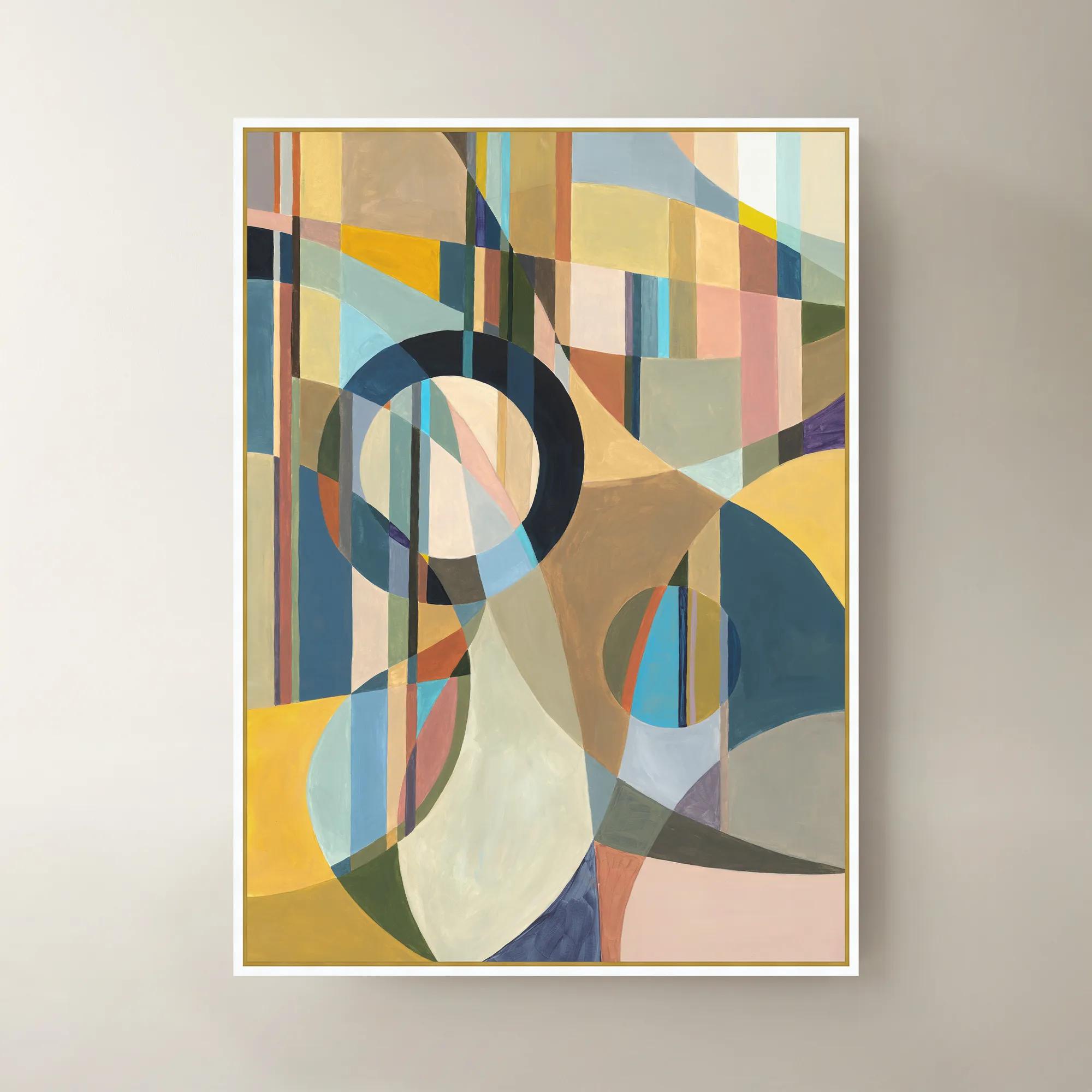
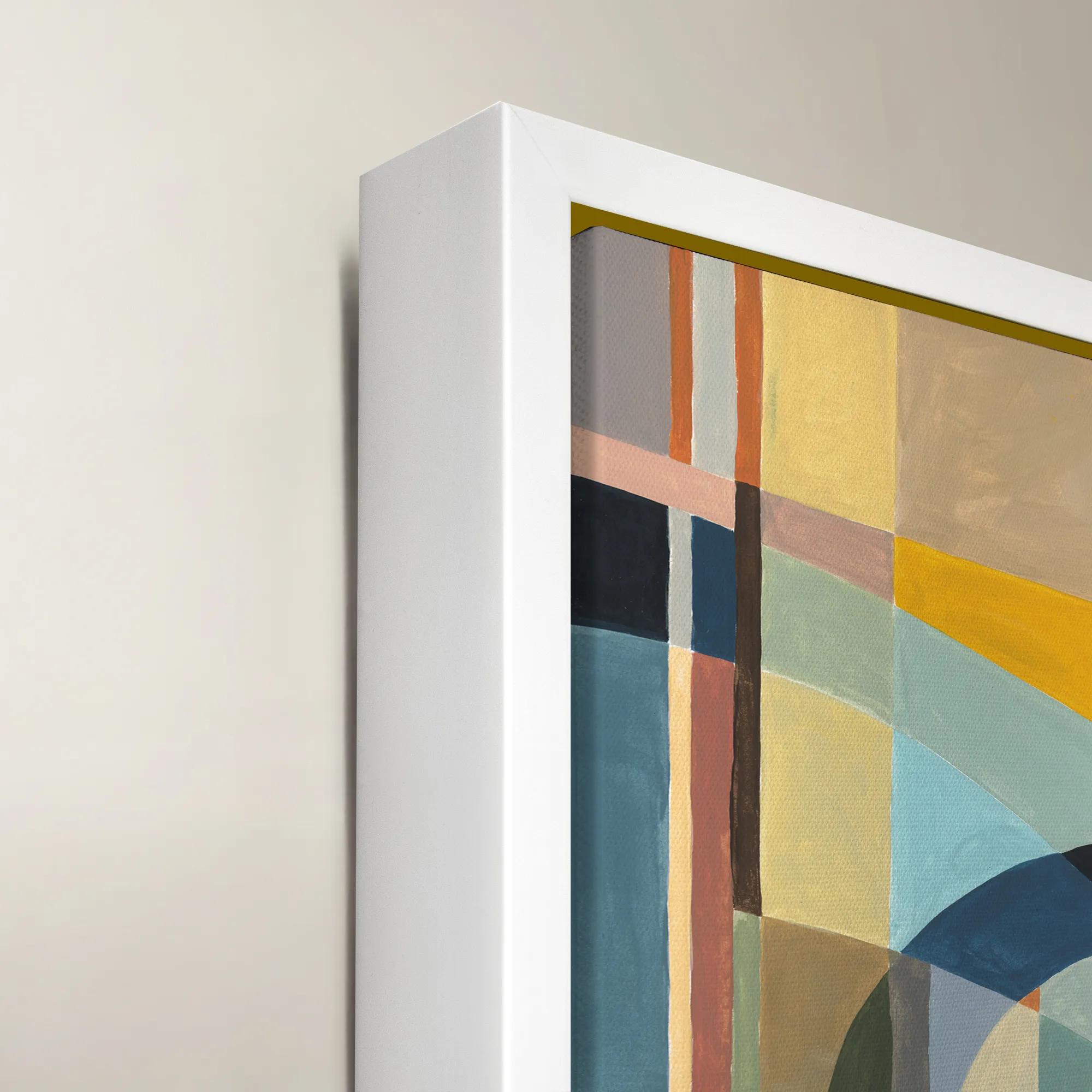 Happy Mistake Framed Wall Art 40" x 54"$1099
A vibrant multicolored framed canvas artwork adding expressive style to modern interiors.
Add To Cart -
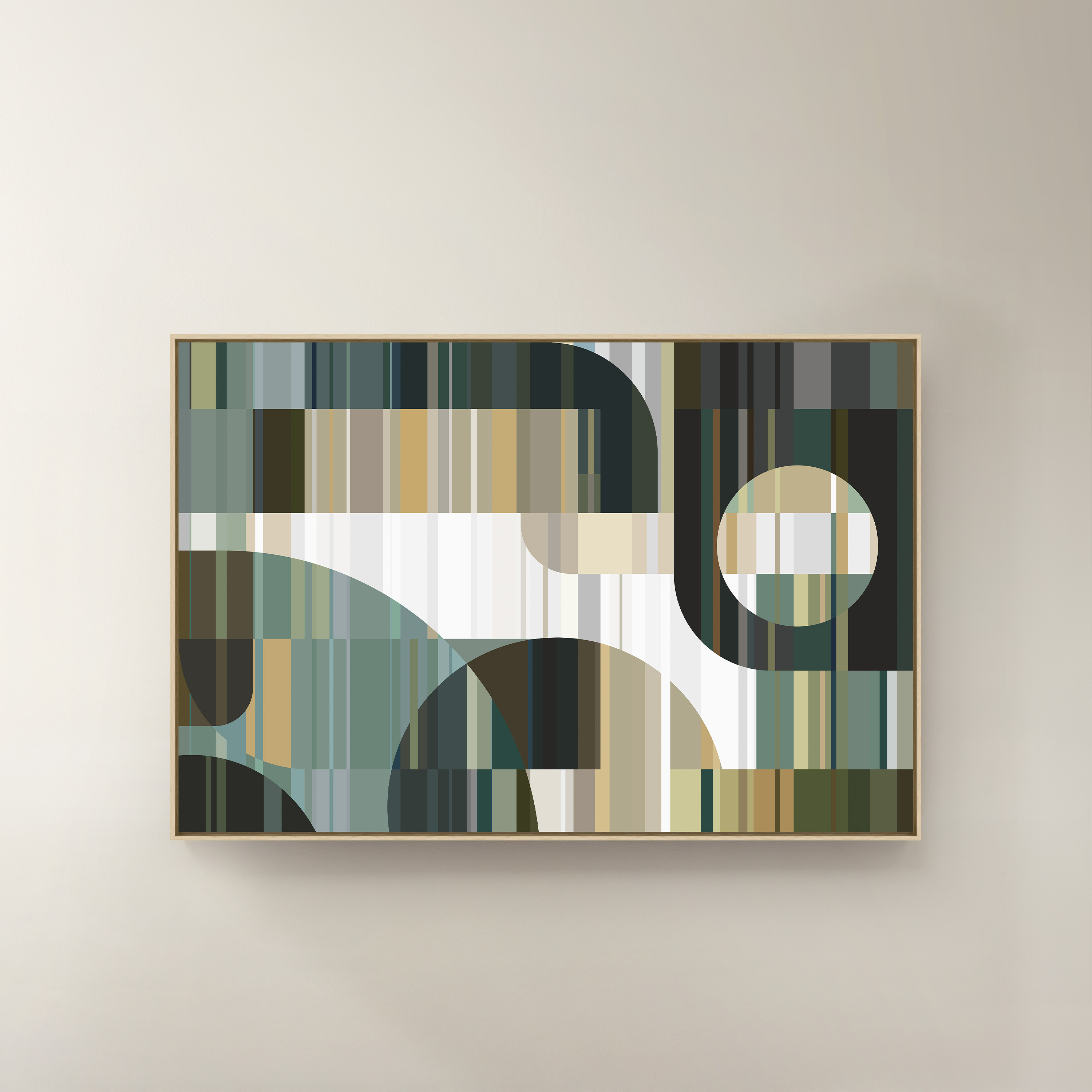
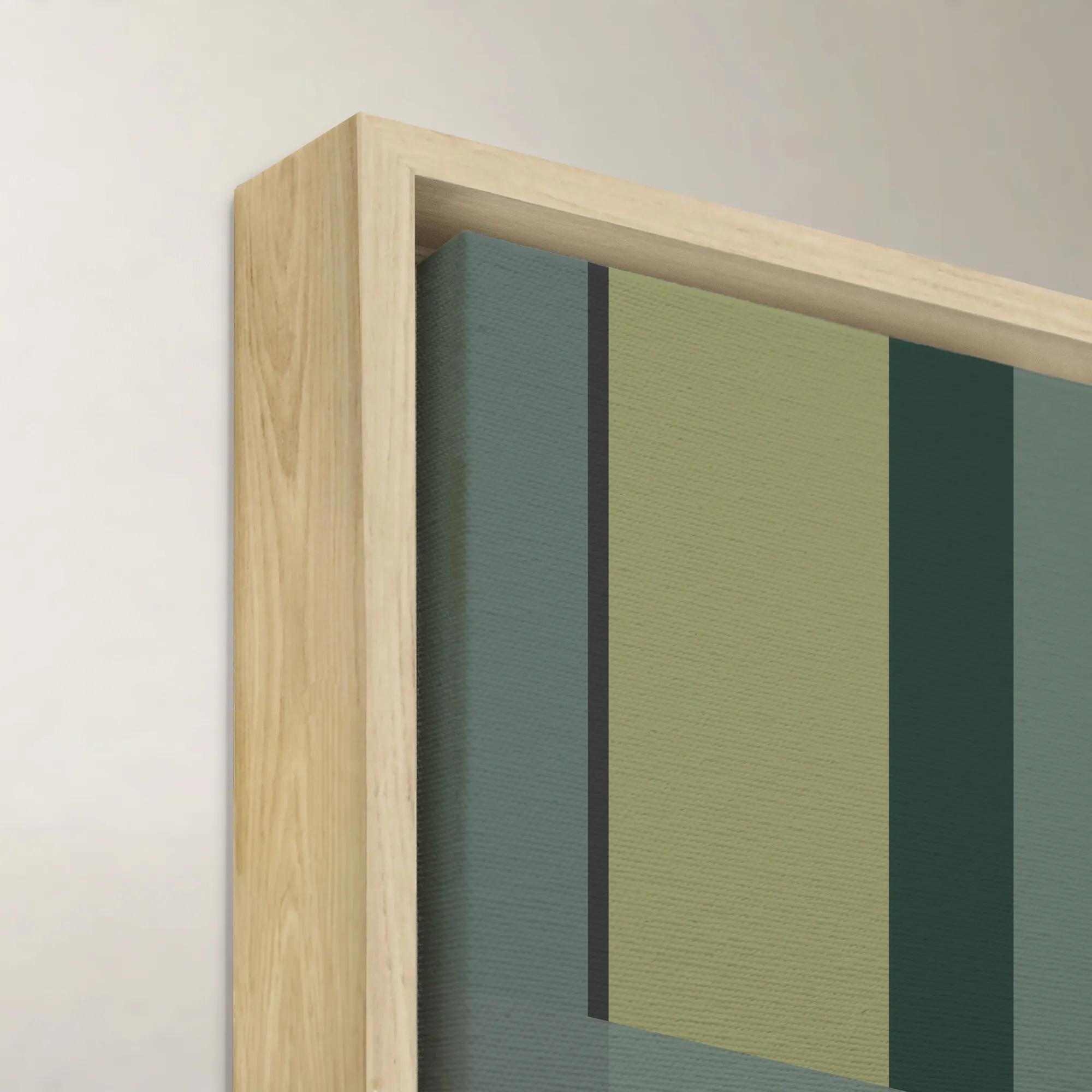 Cool Intersecting Forms II Framed Wall Art 60" x 40"$1099
A framed canvas wall artwork featuring cool-toned intersecting forms in a multicolored abstract composition.
Add To Cart -
 Gilt Collage Gold Hand Crafted Wood Dimensional Wall Panel 30" x 60"$799
A glamorous gilt-finished collage wall panel bringing sculptural dimension and contemporary elegance to your decor.
Add To Cart -

 Escape Path III Framed Wall Art 30" x 50"$799
A captivating blue and purple canvas artwork adding contemporary movement and layered dimension to your walls.
Add To Cart

Oversized Wall Art For High Ceilings
Oversized wall art for high ceilings transforms grand spaces into breathtaking galleries, inviting the eye upward and filling every inch with expressive allure. In rooms where walls soar and ceilings seem endless, larger-than-life artwork becomes both anchor and exclamation—a bold declaration of style that elevates your décor from the ordinary to the extraordinary. Whether you crave sweeping abstracts awash in color or dramatic portraits that command attention, these statement pieces infuse your home with a sense of scale, sophistication, and unapologetic artistry. Let each canvas become a conversation starter, turning vast vertical expanses into curated moments of wonder.
Oversized wall art for high ceilings gives expansive rooms a focal point with enough presence to hold its own against soaring architecture. In a double-height living room, an open stairwell, or an entry framed by tall windows, generous artwork turns an uninterrupted wall into an expressive part of the interior. Scale matters more than ceiling height alone: the width of the wall, the furniture beneath it, and the distance from which the artwork will be seen all shape the effect. A canvas measuring at least 48 inches in height or width can be a useful starting point, although a particularly broad or tall wall may call for substantially larger dimensions or a coordinated arrangement. Elongated vertical artwork emphasizes the lift of a narrow wall, while a wide horizontal composition gives a substantial sofa or console a visually grounded backdrop. Above furniture, artwork spanning roughly two-thirds to three-quarters of the furniture’s width often creates a balanced relationship, with room for adjustment around lamps, architectural details, and adjacent pieces. Positioning the bottom edge approximately 8 to 10 inches above a sofa or console can keep the composition connected to the furnishings rather than suspended in the upper reaches of the room. Tall ceilings do not automatically require artwork to hang unusually high; a statement piece feels more inviting when its imagery remains visible from the seating area. A single monumental canvas offers uninterrupted impact, while a diptych or triptych introduces rhythm across a generous expanse. In a multi-panel arrangement, the overall dimensions include the spaces between panels, so consistent spacing helps separate elements read as one composition. The result can be quietly commanding or richly theatrical: a sweeping abstract above a velvet sectional, a luminous landscape across from an open doorway, or a vertical composition that gives a stair landing its own distinct identity. These are pieces for rooms where architecture already makes an entrance and the art deserves an equally confident voice.
Material and surface bring another layer of expression to large-scale wall decor, especially when the artwork is visible from several angles. Canvas lends imagery a woven texture that can soften the visual weight of a substantial piece, while a gallery-wrapped edge carries the presentation around the sides for a finished appearance without an additional outer frame. Framed canvas adds definition, allowing a slim dark border or gleaming metallic finish to establish a deliberate outline against the wall. Paper-based art behind glazing offers a different character, with matting and framing contributing depth and a more tailored presentation. Protective glazing varies: acrylic is generally lighter than glass and more resistant to shattering, though its surface can scratch and requires appropriate care. Hand-applied texture, where present, catches light across raised marks and makes an abstract composition feel especially animated at close range. The sculptural presence of Large Dimensional Wall Art adds another possibility, introducing relief and shifting shadows rather than relying on imagery alone. In a room with high ceilings and broad, smooth surfaces, that physical depth can create a compelling contrast with upholstered furniture, polished tables, and crisp architectural lines. Color determines how boldly the artwork announces itself. Ivory, charcoal, and warm neutral compositions can deliver substantial presence through gesture and texture, while saturated blue, emerald, or plum creates a more vivid focal point. Metallic accents introduce flashes of light, particularly when echoed sparingly in nearby lighting or accessories. An artwork does not need to repeat every color in the room; a connection to one upholstery tone, a rug detail, or a frame finish can be enough to make the composition feel intentional. For spaces seen from a long hallway or an adjoining dining area, broad shapes and clear contrasts tend to remain legible at a distance. More intricate marks reward closer viewing, giving a grand room an intimate layer of discovery without diminishing its dramatic scale.
A successful fit also depends on the practical details behind the finished presentation. Overall measurements should account for the frame, not just the image, and dimensional pieces require attention to depth as well as height and width. In a stairwell or along a circulation path, projecting elements need enough clearance to avoid contact as people pass. For loft living rooms, vaulted bedrooms, and expansive dining spaces, a paper template marked to the artwork’s full dimensions can make its relationship to doors, windows, and furniture easier to judge before installation. Delivery access matters with oversized pieces, particularly around stair turns, narrow doorways, and elevators. Hanging requirements depend on the artwork’s weight, its attachment points, and the wall’s construction; drywall, masonry, and plaster may require different hardware. Manufacturer instructions and appropriately rated supports are essential, and professional installation is worth considering for heavy pieces or locations that require working at height. Once installed, thoughtful placement helps preserve the finish. Prolonged direct sunlight can fade some pigments and prints, while moisture and fluctuating humidity may affect canvas, paper, wood frames, or metal components. A location away from splashes, steam, and direct heating or cooling airflow generally offers a more stable setting. Routine care is usually restrained: gentle dusting with a clean, soft cloth or brush, following the material’s care instructions, helps prevent buildup without disturbing delicate surfaces. Cleaning liquid should never be sprayed directly onto artwork, and textured paint, metallic finishes, and acrylic glazing may each need a different approach. Construction quality, secure mounting, and suitable care all contribute to lasting enjoyment, especially for art intended to anchor a room for years. For a housewarming or significant milestone, oversized artwork can also be a meaningful gift when the recipient’s taste, wall dimensions, and installation needs are already understood. Its appeal lies in more than filling an empty surface. The right scale, material, and composition give a high-ceilinged interior a sense of intention, bringing the grandeur of the architecture into conversation with the life unfolding beneath it.
FAQs
Oversized wall art is especially impactful in spaces with high ceilings, expansive walls, and open floor plans—such as grand entryways, living rooms, dining areas, or modern lofts. These pieces create a sense of scale and drama, anchoring large rooms and drawing the eye upward to accentuate architectural features.
Oversized wall art sets the emotional tone of a space, whether you seek vibrant energy, serene tranquility, or sophisticated glamour. The artwork’s color palette, subject matter, and texture all contribute to the ambiance, transforming blank walls into expressive focal points that reflect your unique style and create a memorable atmosphere.
Absolutely. Oversized wall art makes a striking and thoughtful gift for housewarmings, weddings, anniversaries, or milestone celebrations—especially for recipients who appreciate bold design or have recently moved into a new home with generous wall space. Selecting a piece that resonates with their aesthetic ensures your gift will be cherished for years to come.
To create a gallery wall with oversized art, use the large piece as your anchor and build around it with smaller works, mirrors, or sculptural accents. This approach creates visual balance and allows the oversized piece to shine while still showcasing a curated collection of styles and mediums.
Popular materials and finishes for oversized wall art include hand-painted canvases, metallic foils, acrylics, mixed media, and high-gloss or matte surfaces. These luxurious treatments add depth, catch the light, and enhance the artwork’s presence, making each piece a true statement in your home.