Contemporary Blue Framed Arts
Contemporary Blue Framed Arts
-
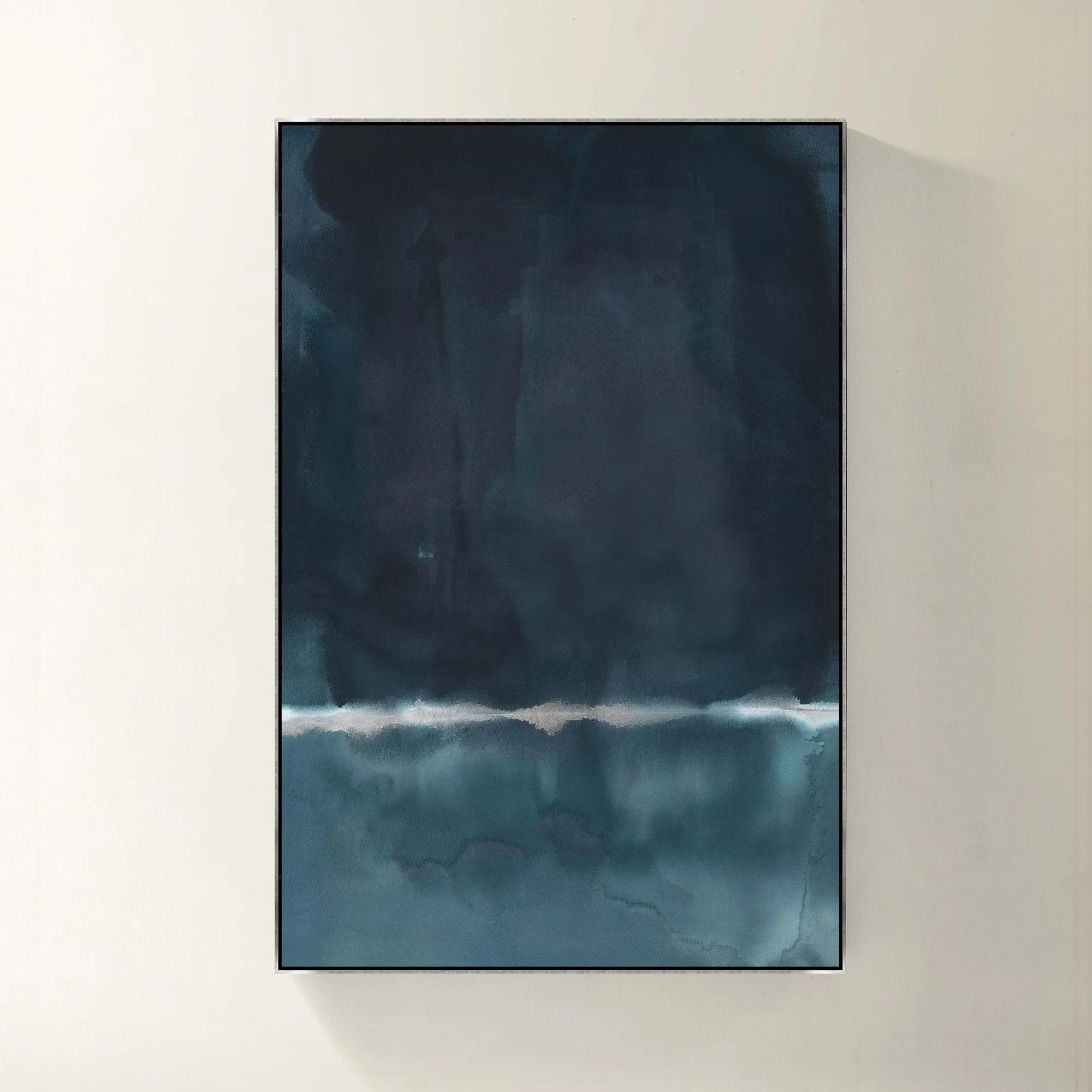 Blue Monday Framed Wall Art 40" x 60"$1119
A gallery-wrapped blue canvas with hand-embellished silver accents in a sleek silver floater frame.
Add To Cart -
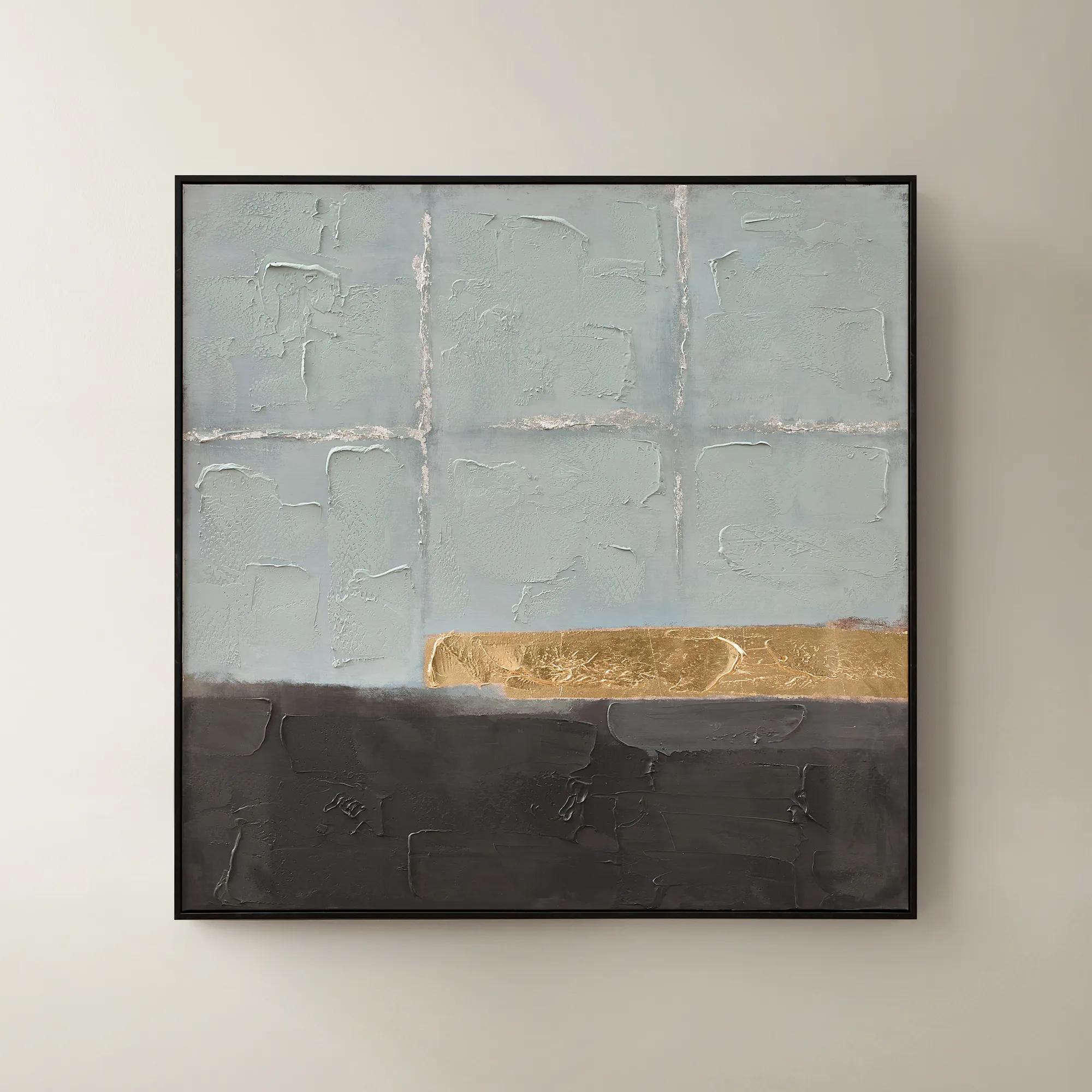
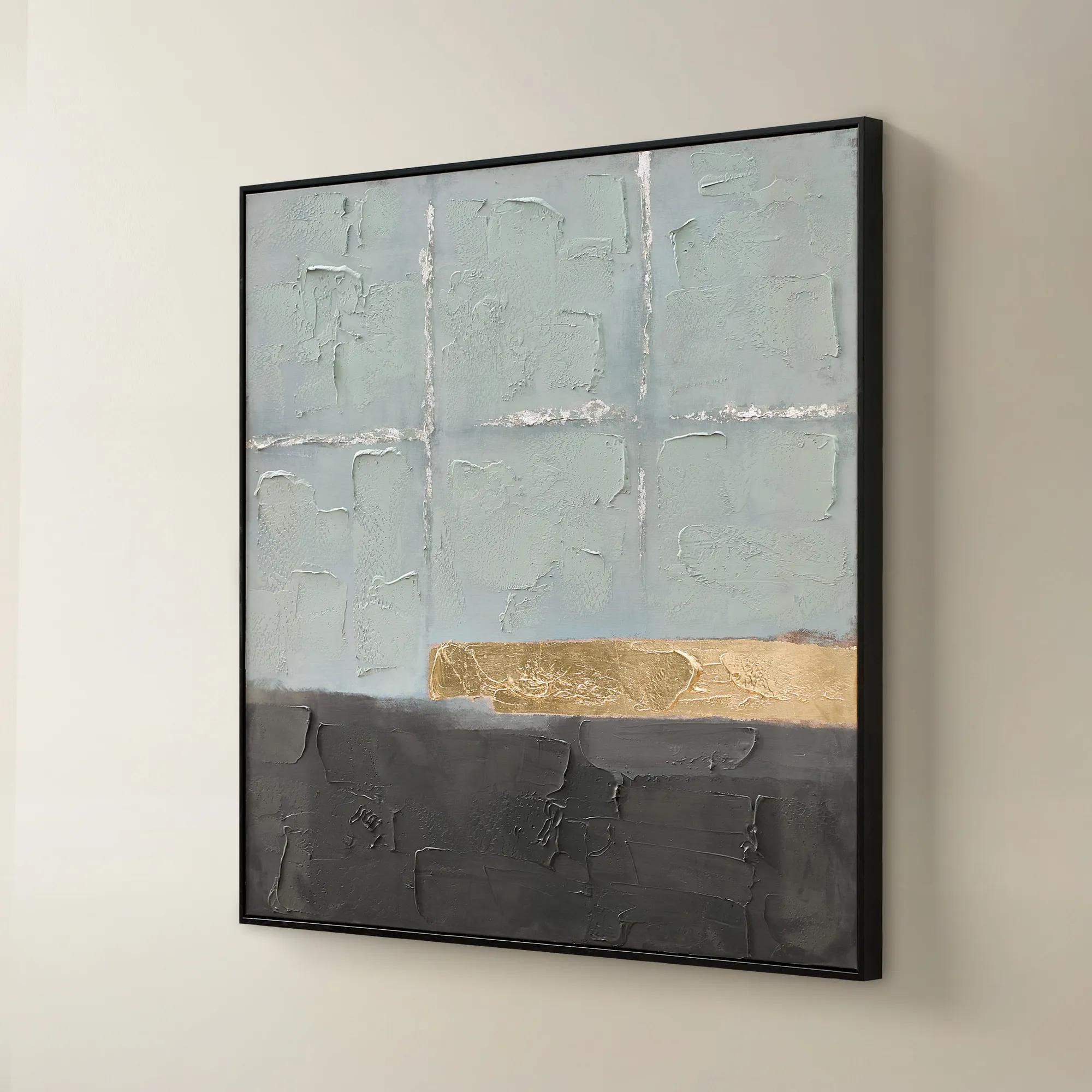 Jules Framed Gold Leaf Painted Wall Art 40" x 40"$299
A hand-painted canvas in mineral blue with gold leaf accents and a sleek black frame for modern appeal.
Add To Cart -
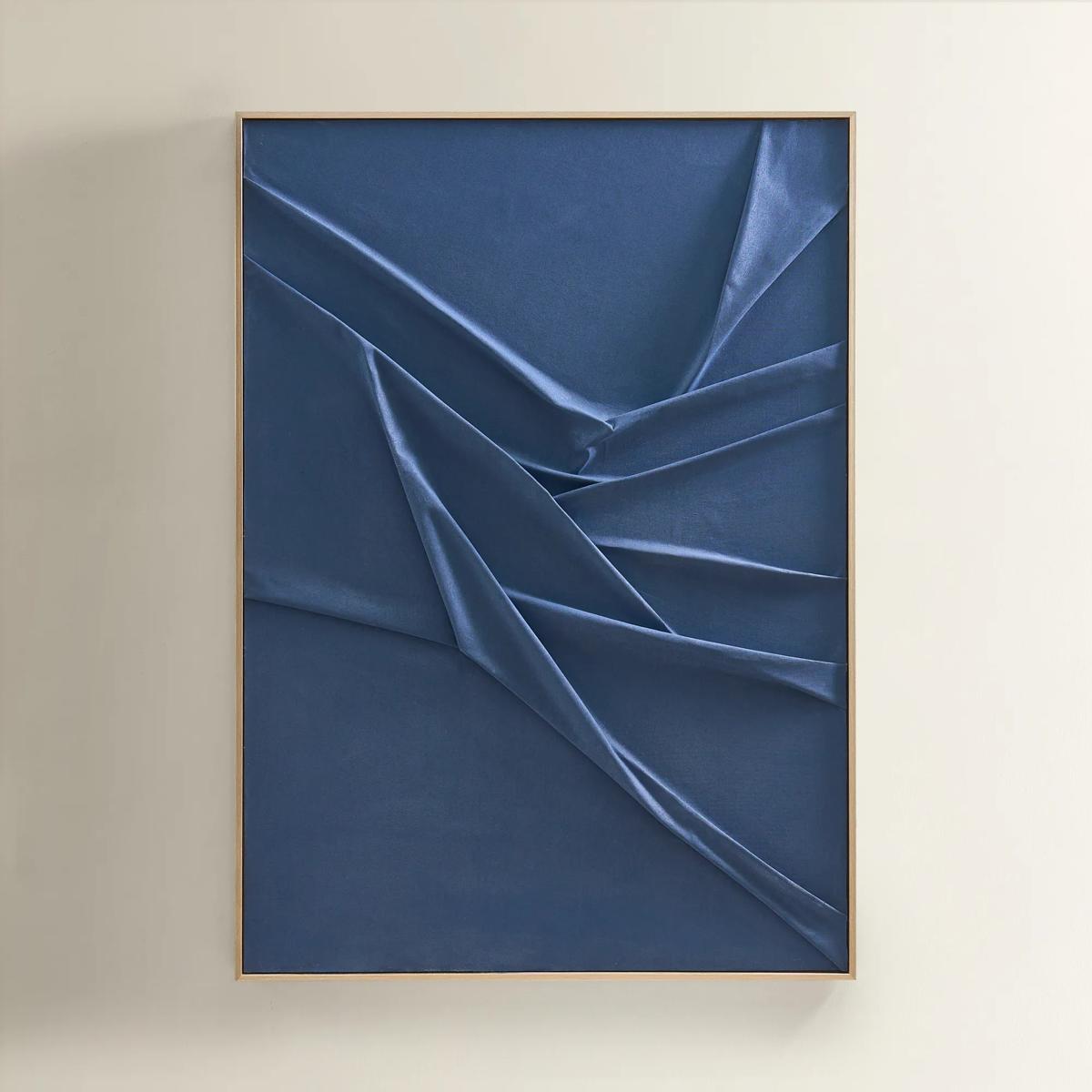 Deep Sea Painting$599
A hand-sculpted navy canvas with dimensional folds, framed in soft champagne for modern, serene elegance.
Add To Cart -
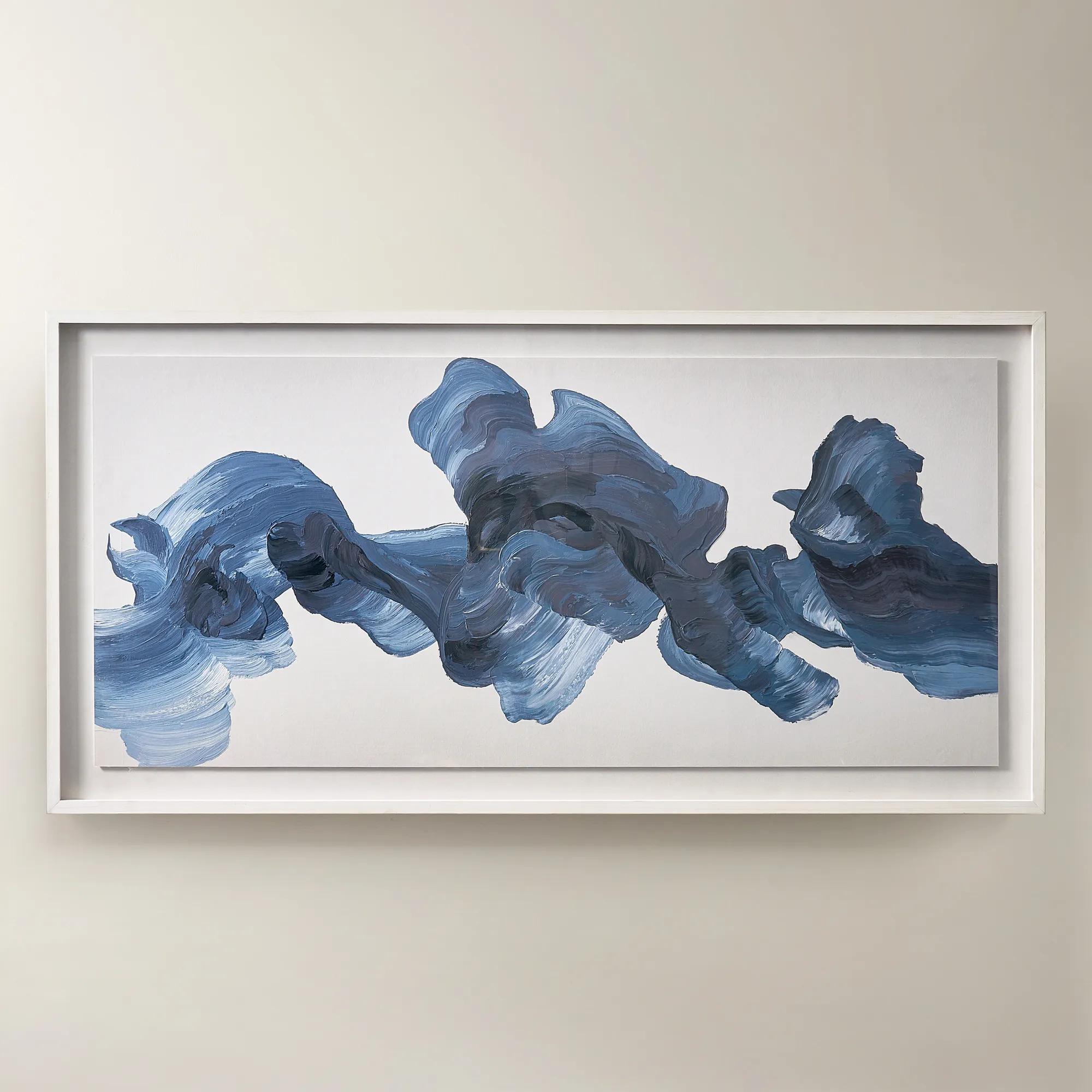
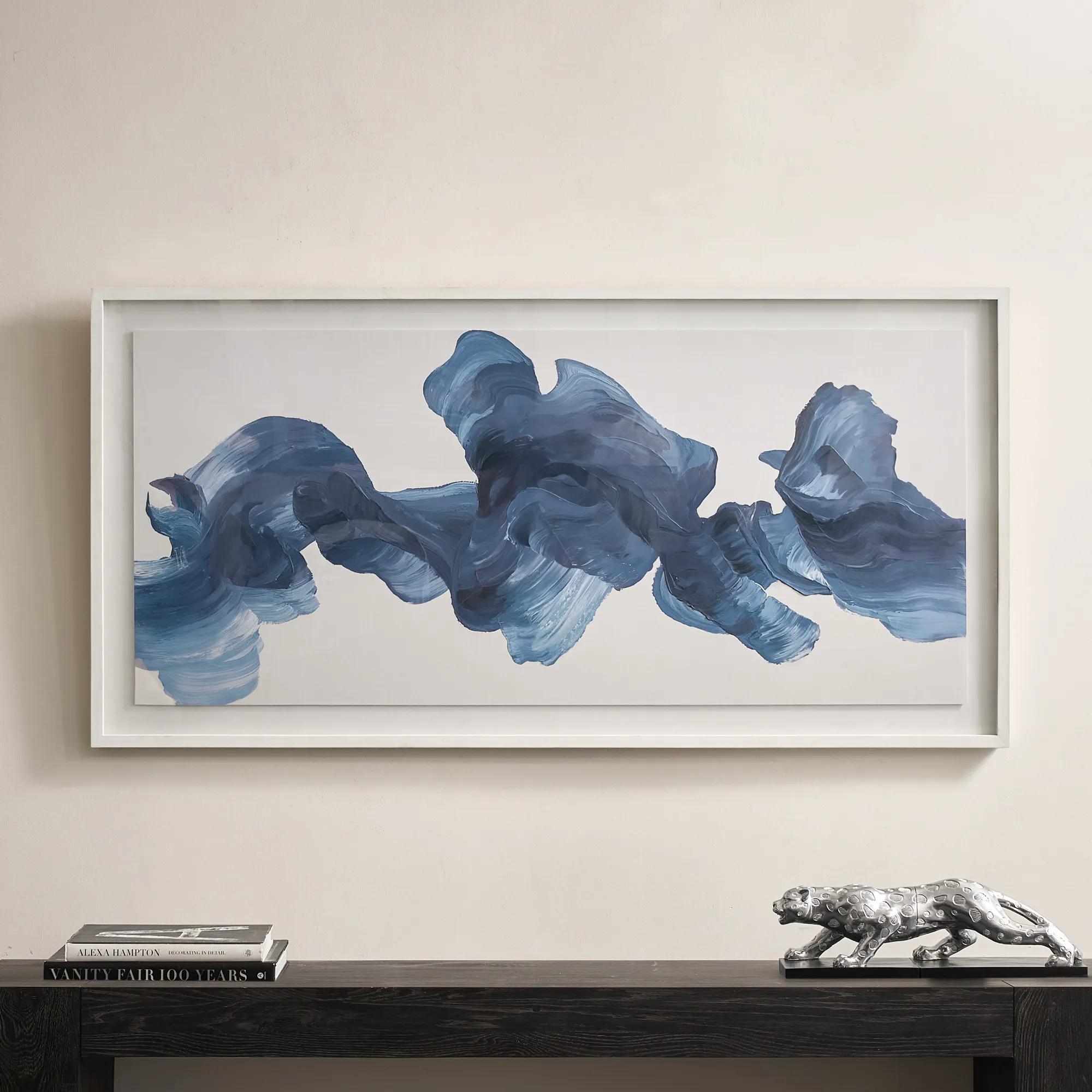 Blue Theory Framed Painted Wall Art in Acrylic 60" x 30"$499
A hand-painted canvas in deep ink blue, framed under acrylic with a whitewashed wood frame.
Add To Cart -
.jpeg?w=1200&h=1200)
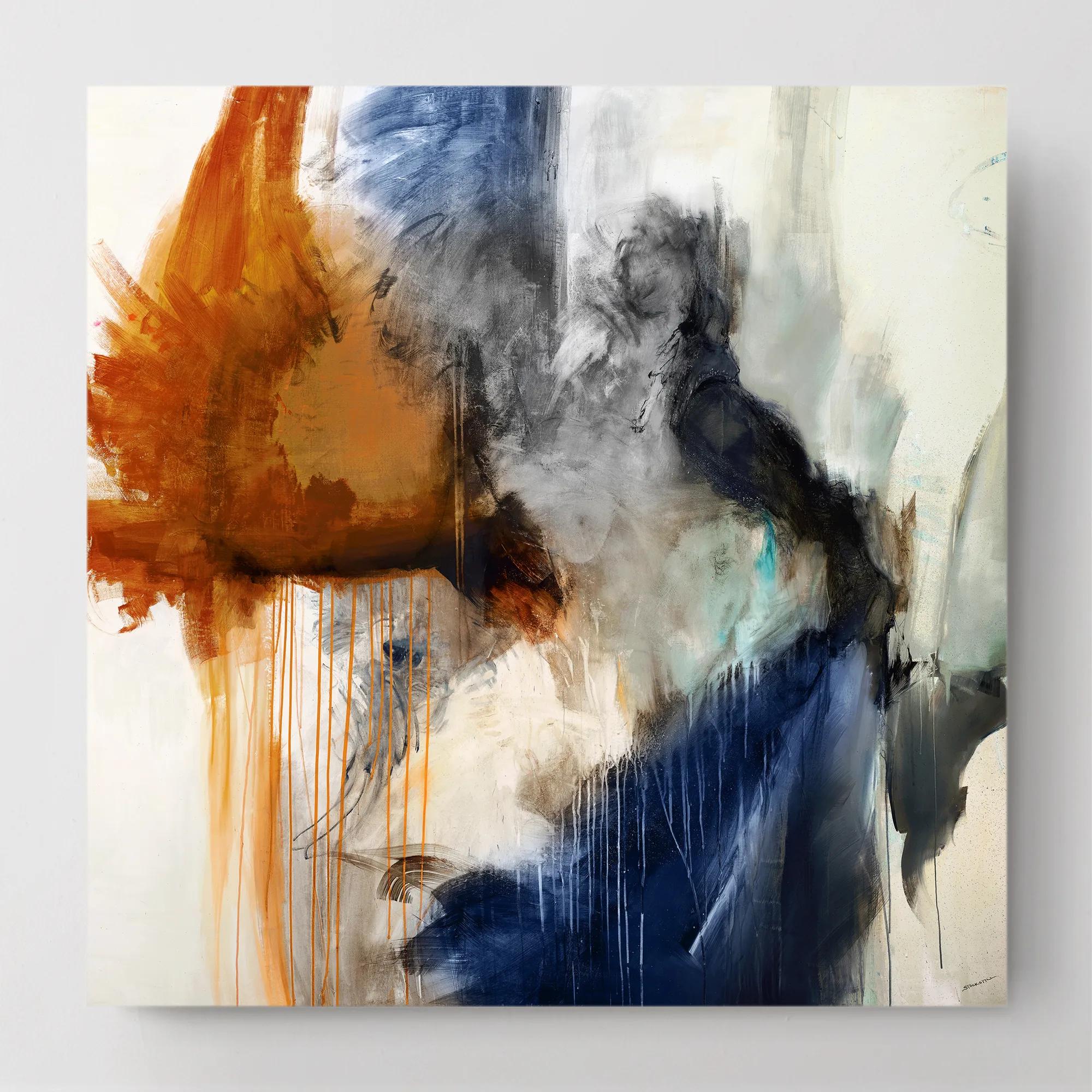
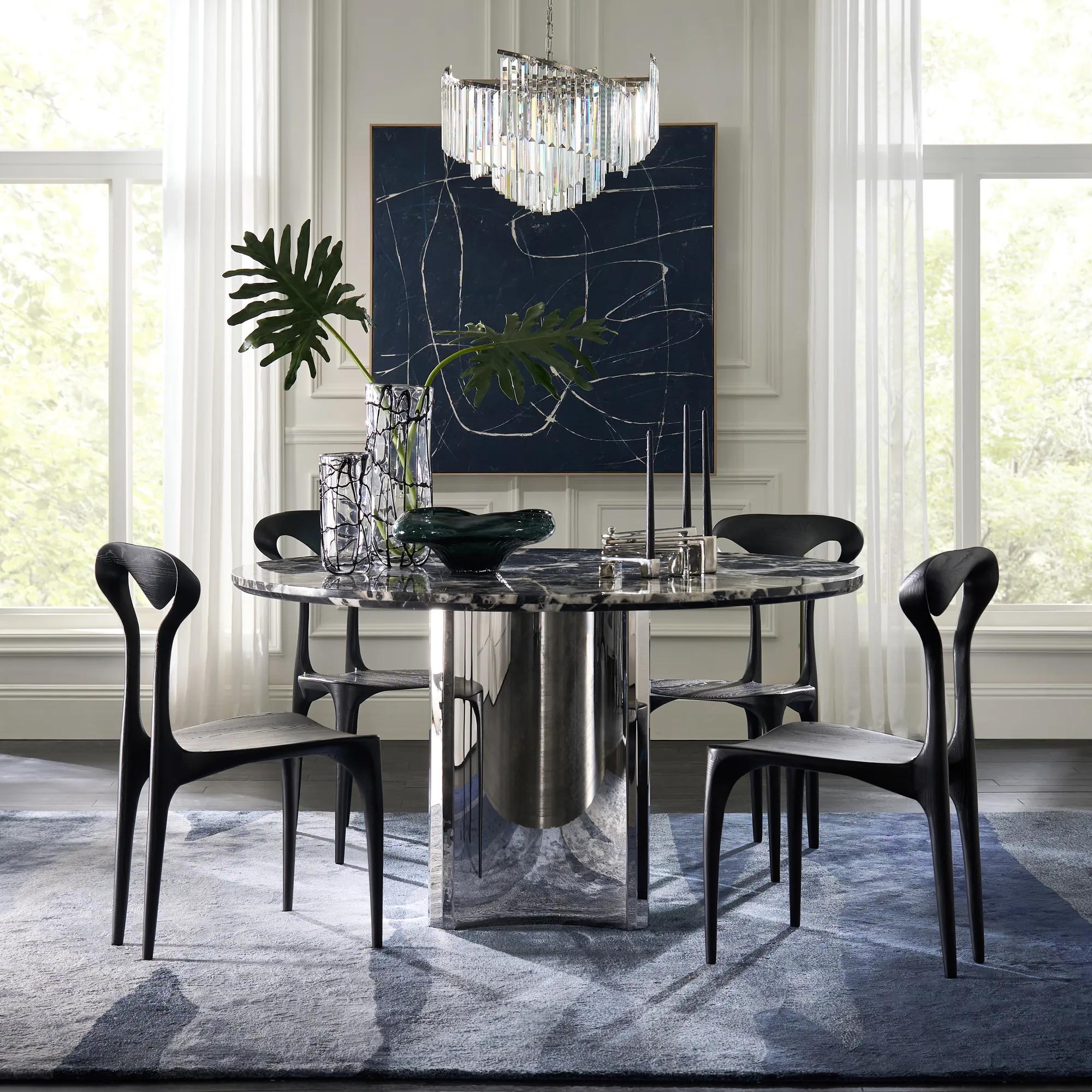 Almost Midnight Painting - Blue$439
A hand-painted canvas featuring bold blue and black tones with delicate white lines in a light wood frame.
Add To Cart -
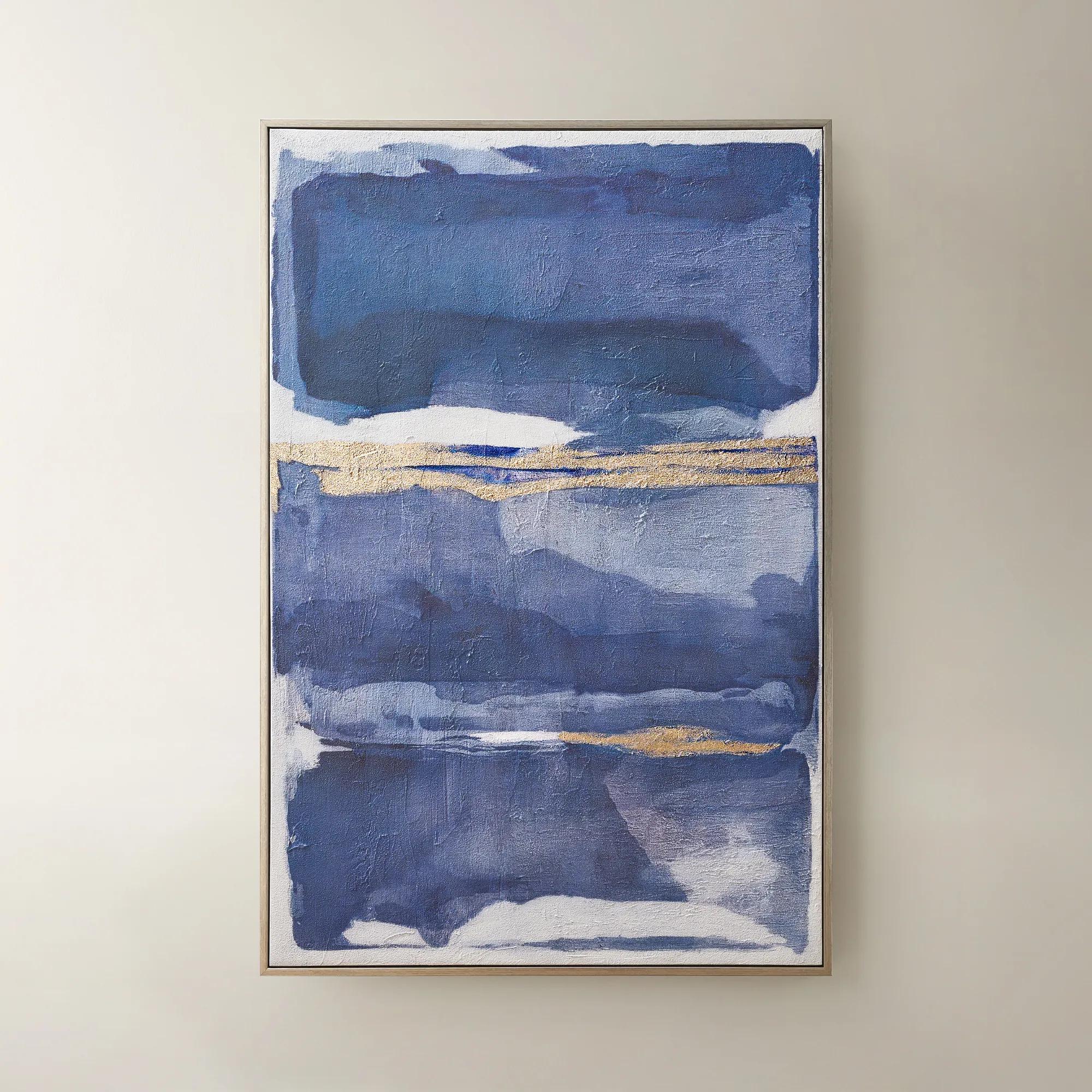
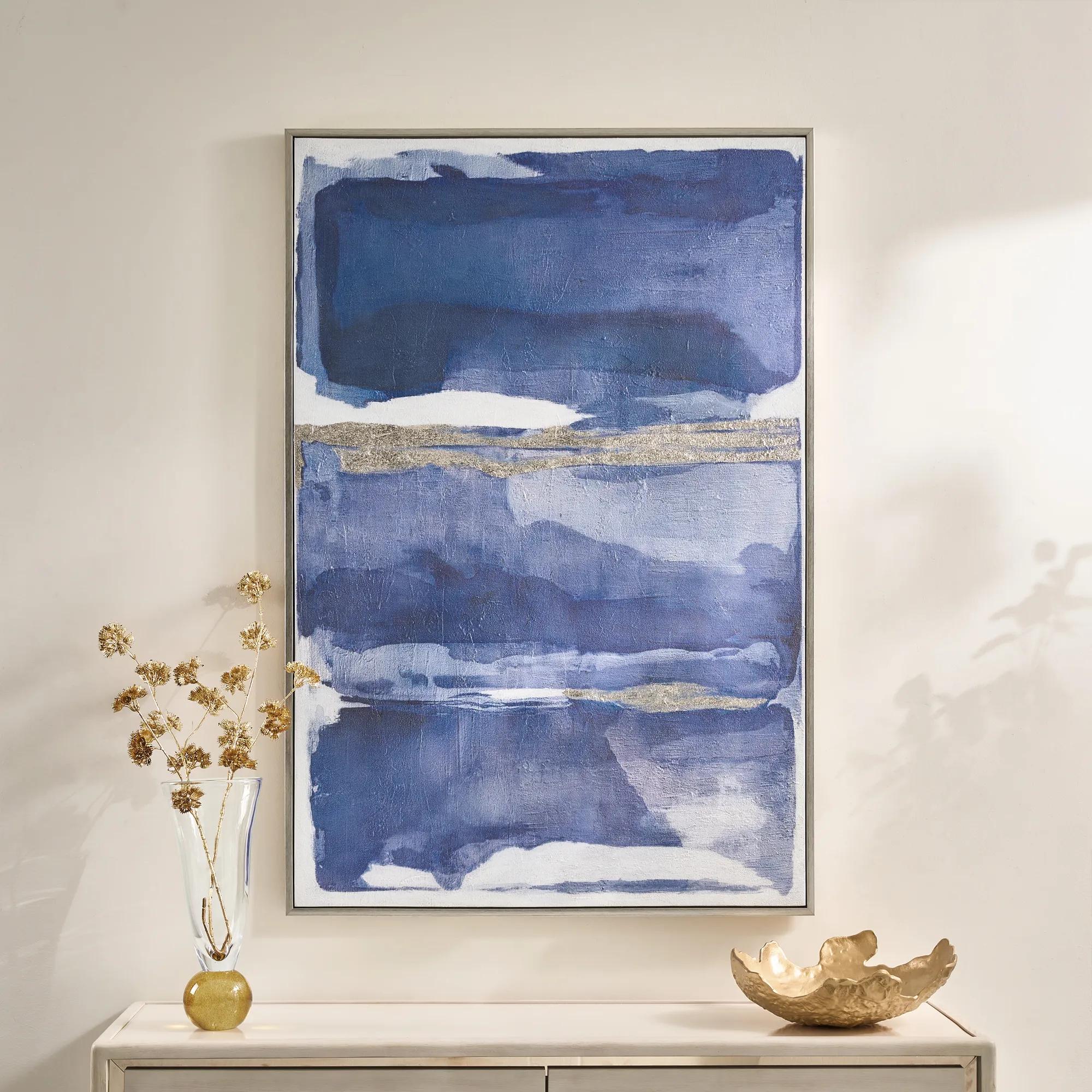 Memories in Blue Framed Painted Wall Art 40" x 60"$499
A hand-painted canvas in deep ink blue with champagne leafing for a sophisticated, gallery-inspired look.
Add To Cart -
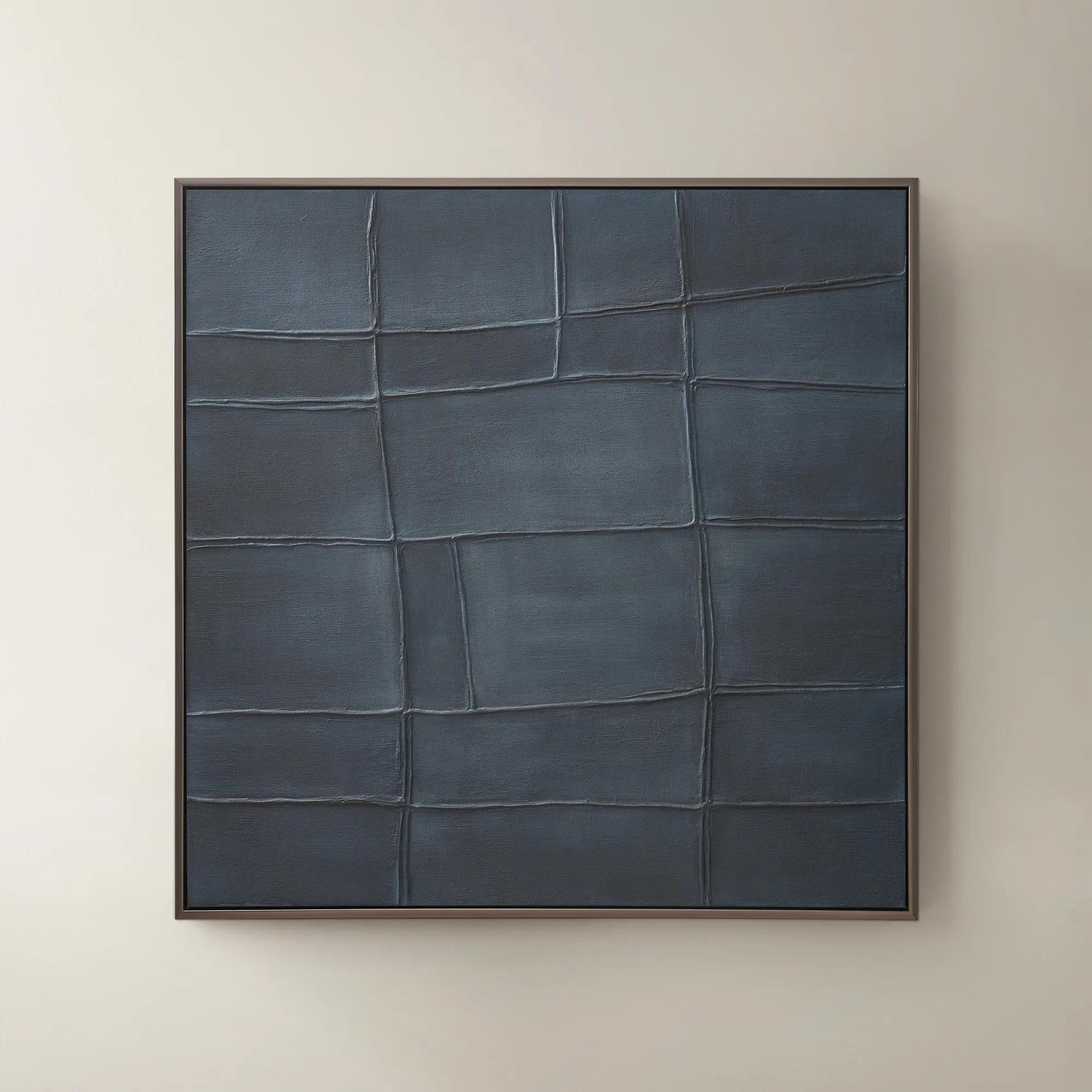
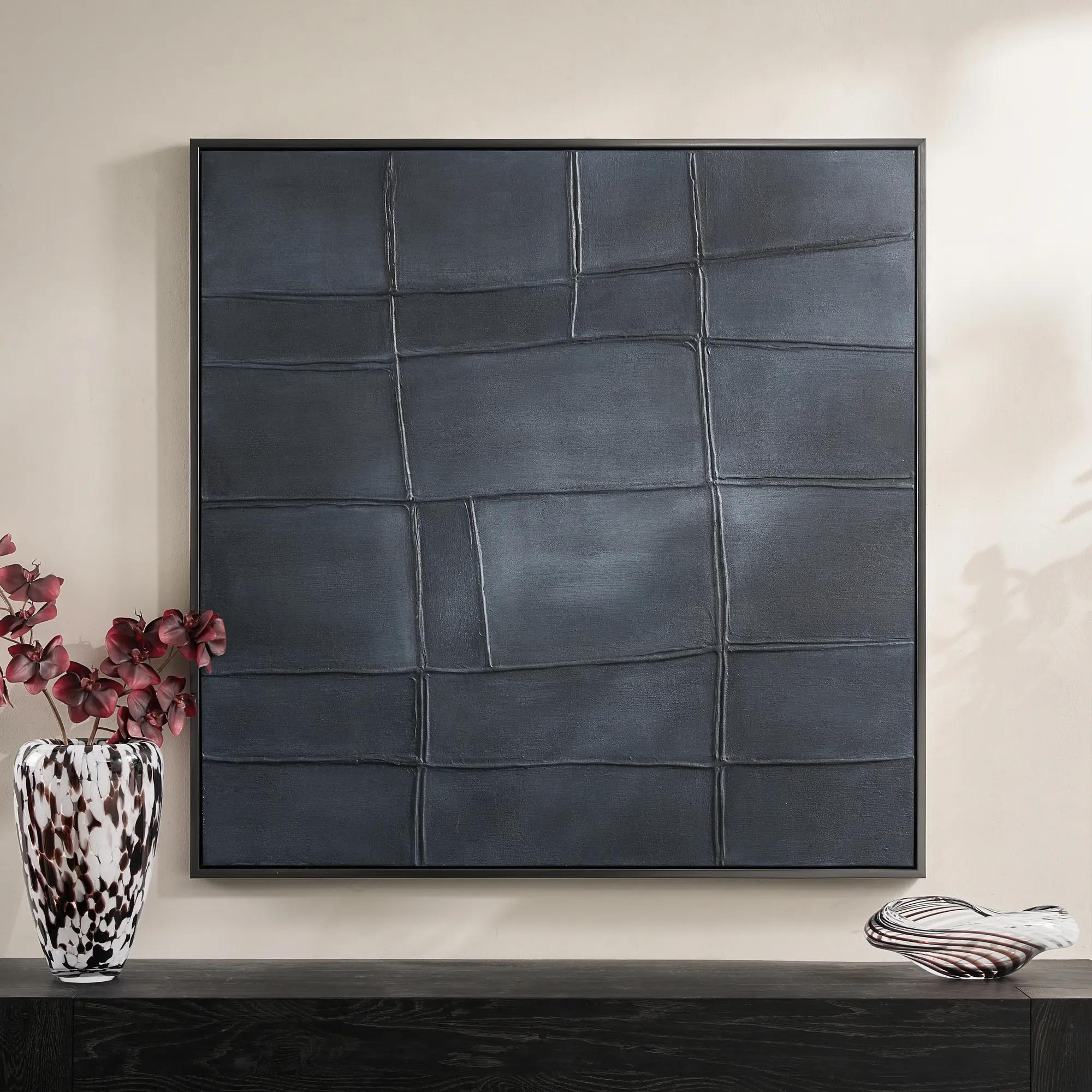 Ink Blue Interval Framed Painted Wall Art 48" x 48"$599
A hand-painted abstract canvas in deep ink blue, finished with a sleek gunmetal frame for modern appeal.
Add To Cart -
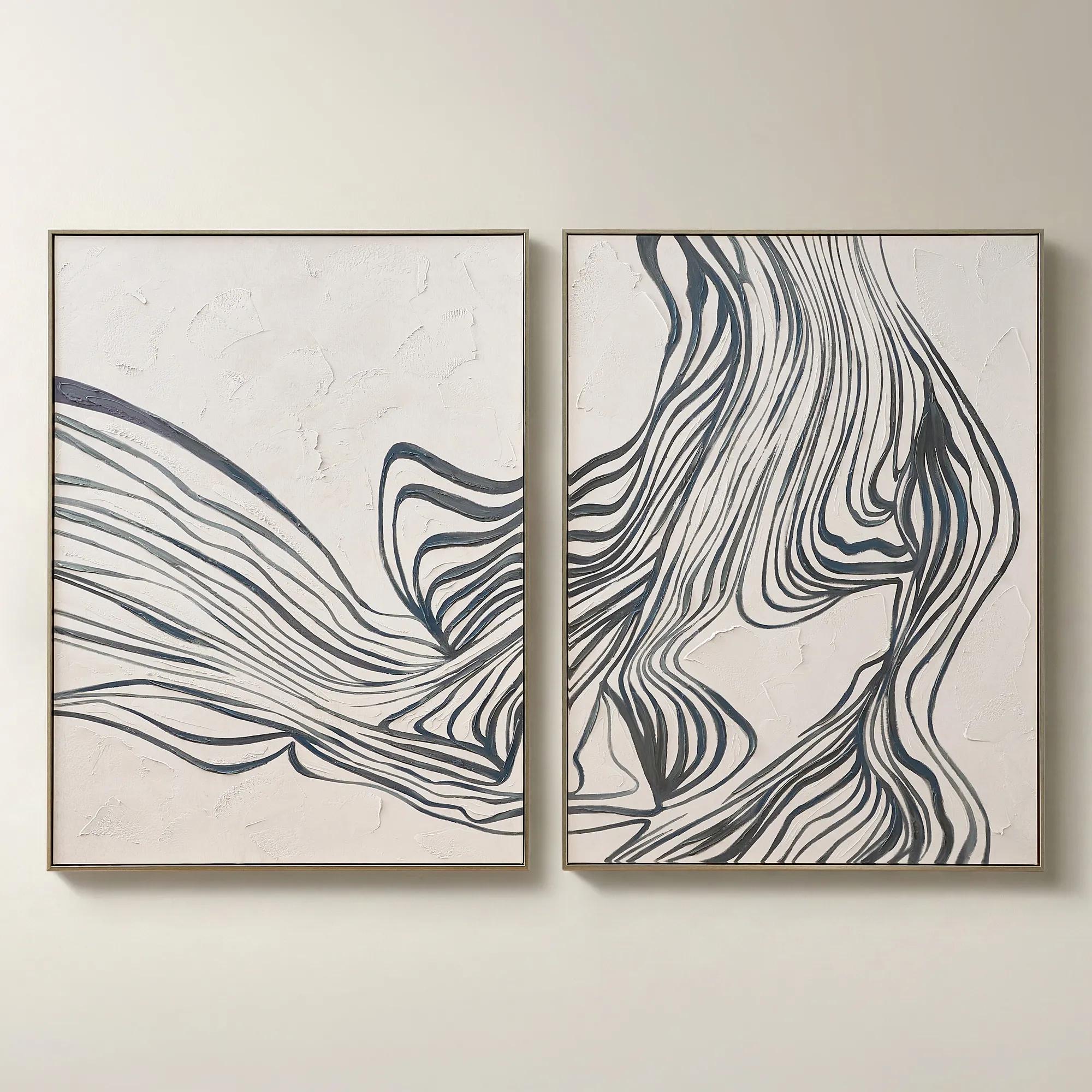
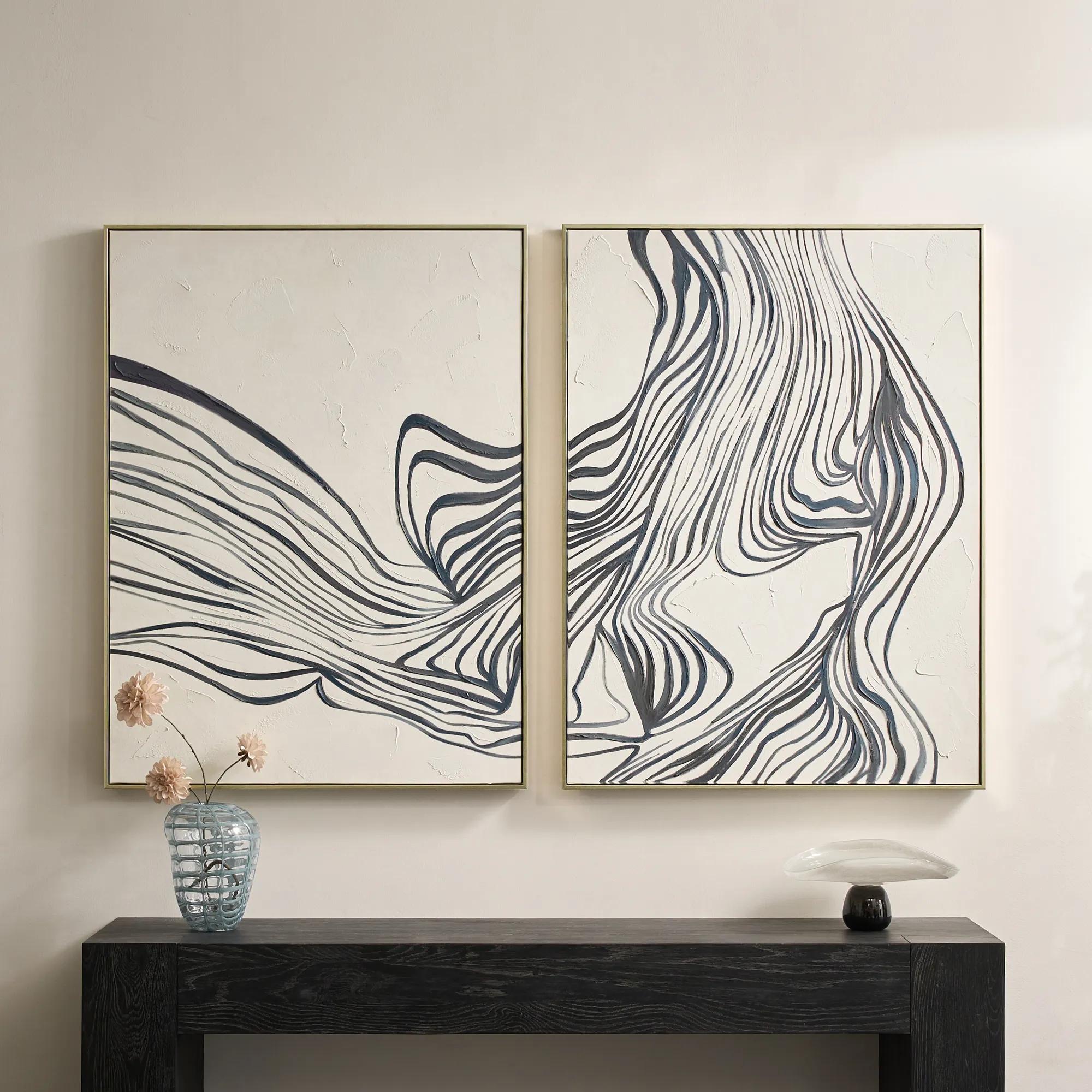 Rhythmic Framed Painted Wall Art 36" x 48" Set of 2$599
A hand-painted diptych featuring bold abstract stripes in dark slate and dusty blue with champagne frames.
Add To Cart -
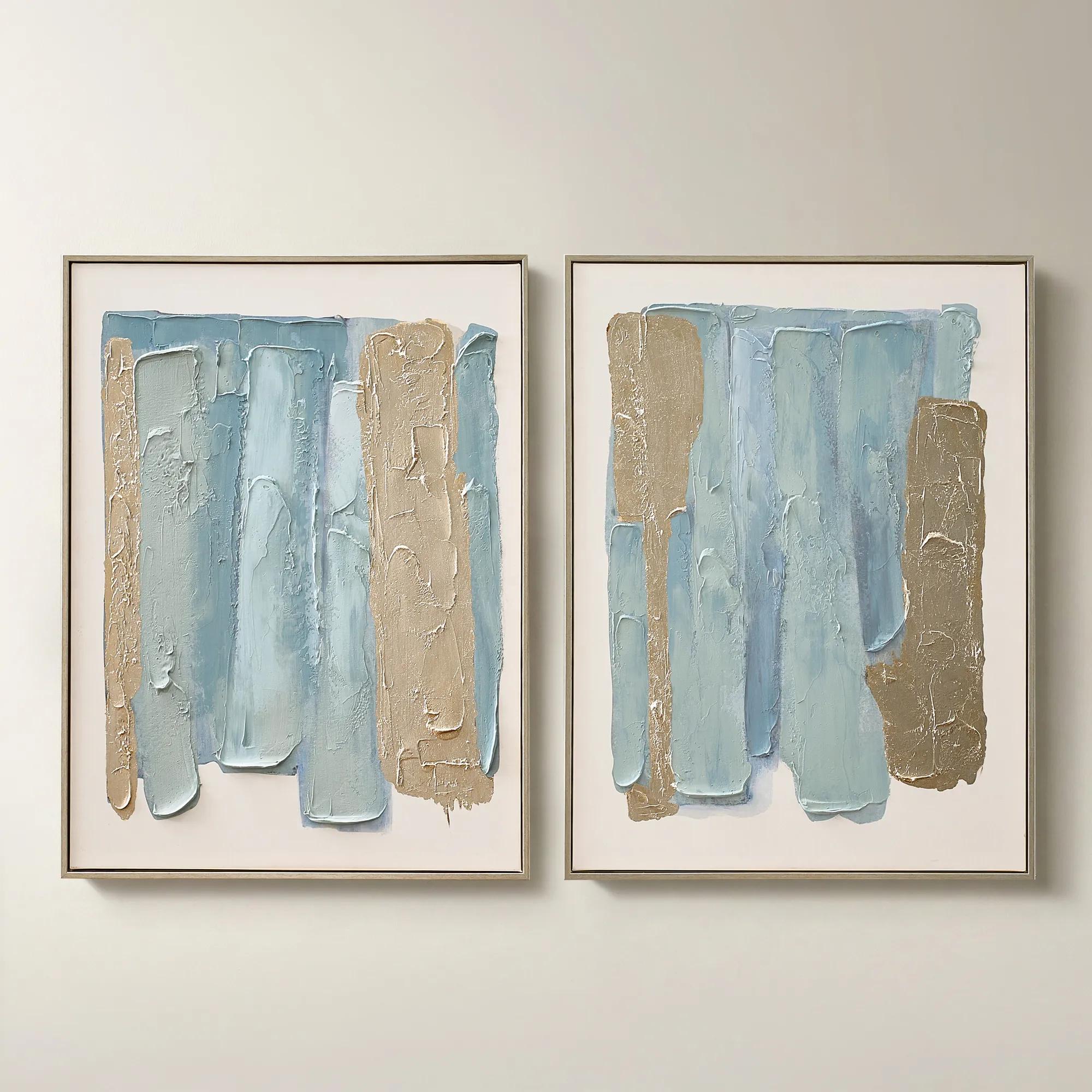
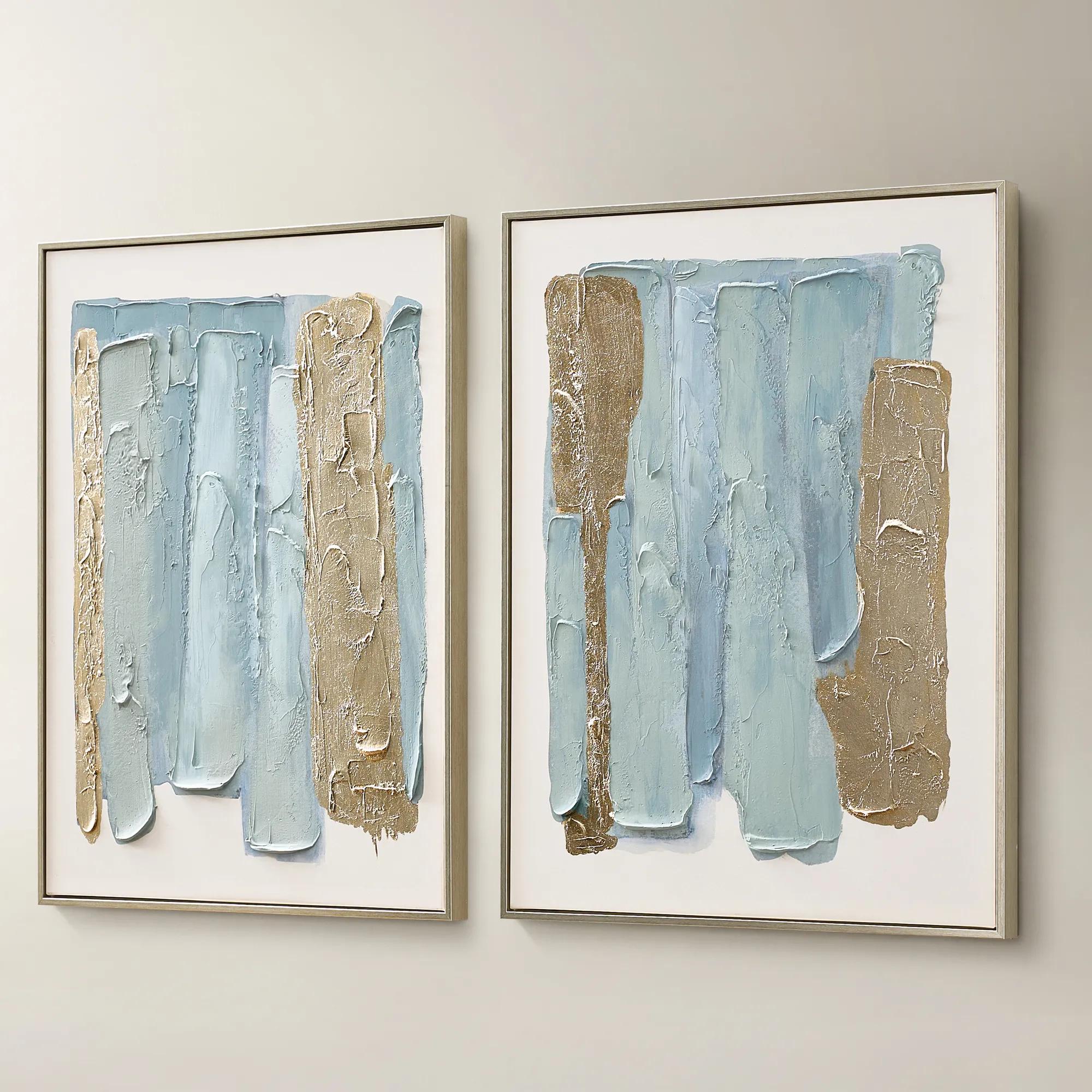 Blue Drift Framed Champagne Painted Wall Art 24" x 32" Set of 2$199
A set of two hand-painted canvases in dusty blue with champagne leafing and modern abstract movement.
Add To Cart -
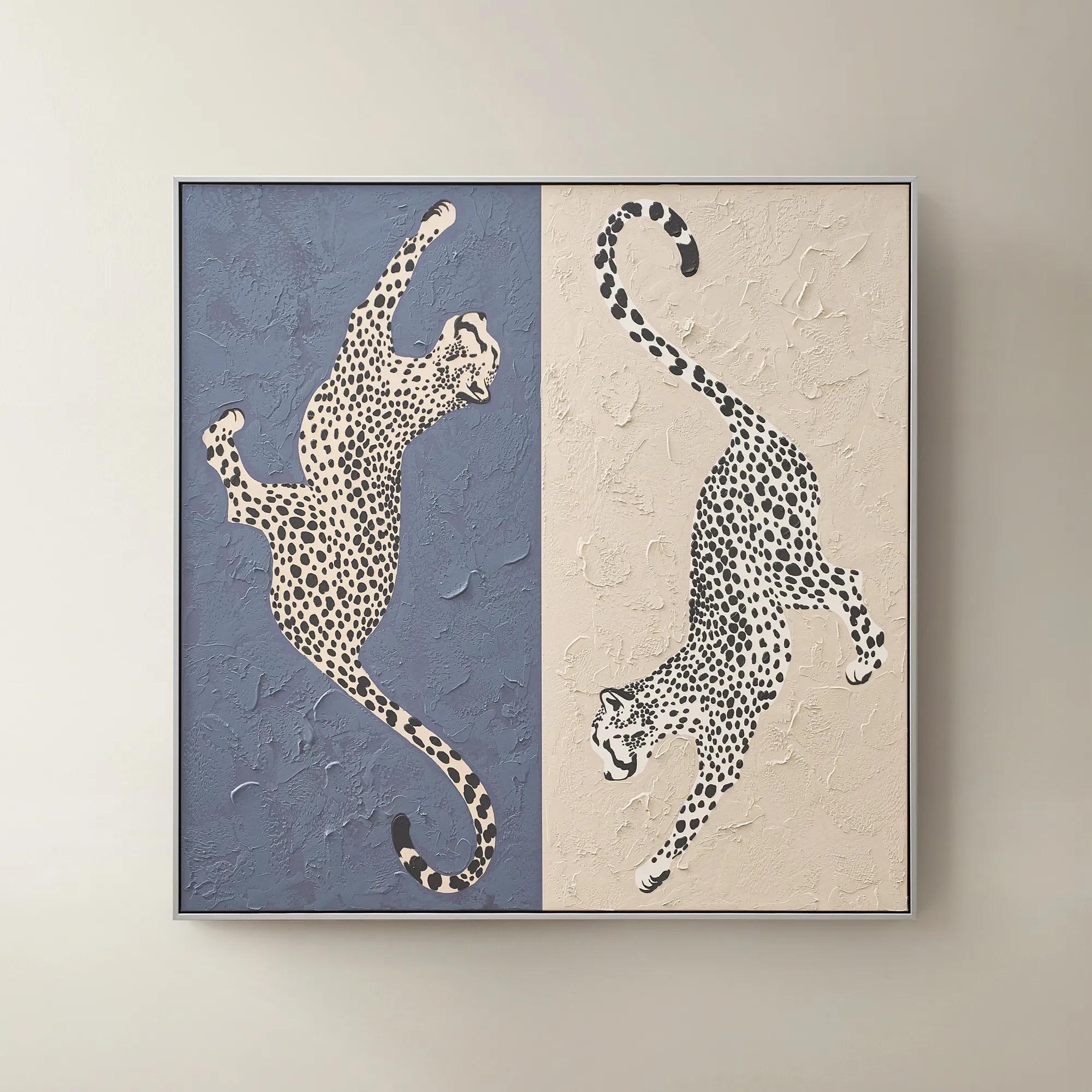 Leopard At Play Framed Painted Wall Art 40" x 40"$299
A hand-painted canvas in ink blue and taupe features playful leopard-inspired art with a silver-black frame.
Add To Cart -
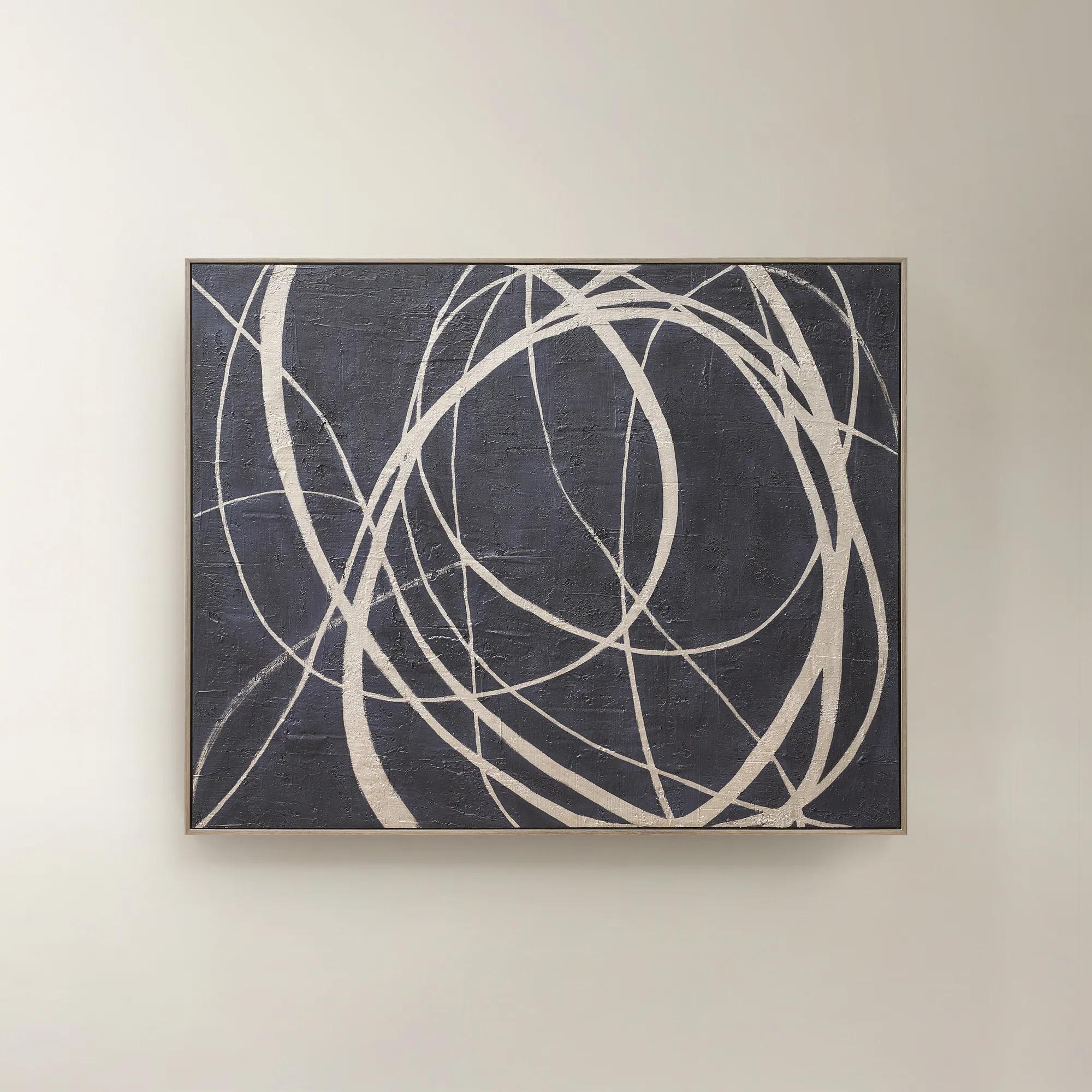 Wandering Framed Painted Wall Art 48" x 60"$699
An expressive hand-painted canvas in deep ink blue with champagne accents for a bold, sophisticated statement.
Add To Cart -
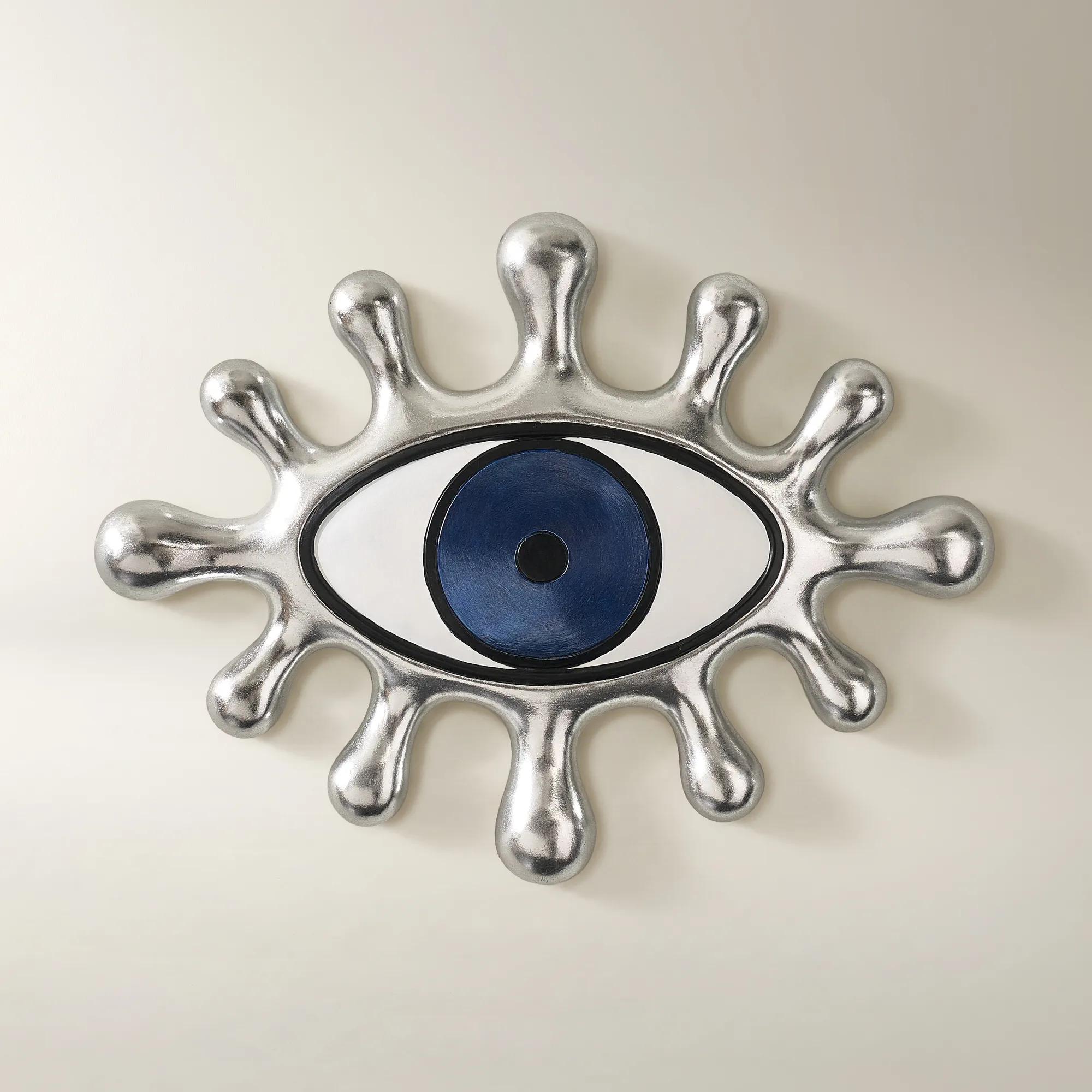 Grand Eye Ink Blue And Silver Resin Wall Decor 18" x 13.5"$79
An exaggerated eye motif in ink blue and silver brings playful, sculptural texture to any wall.
Add To Cart -
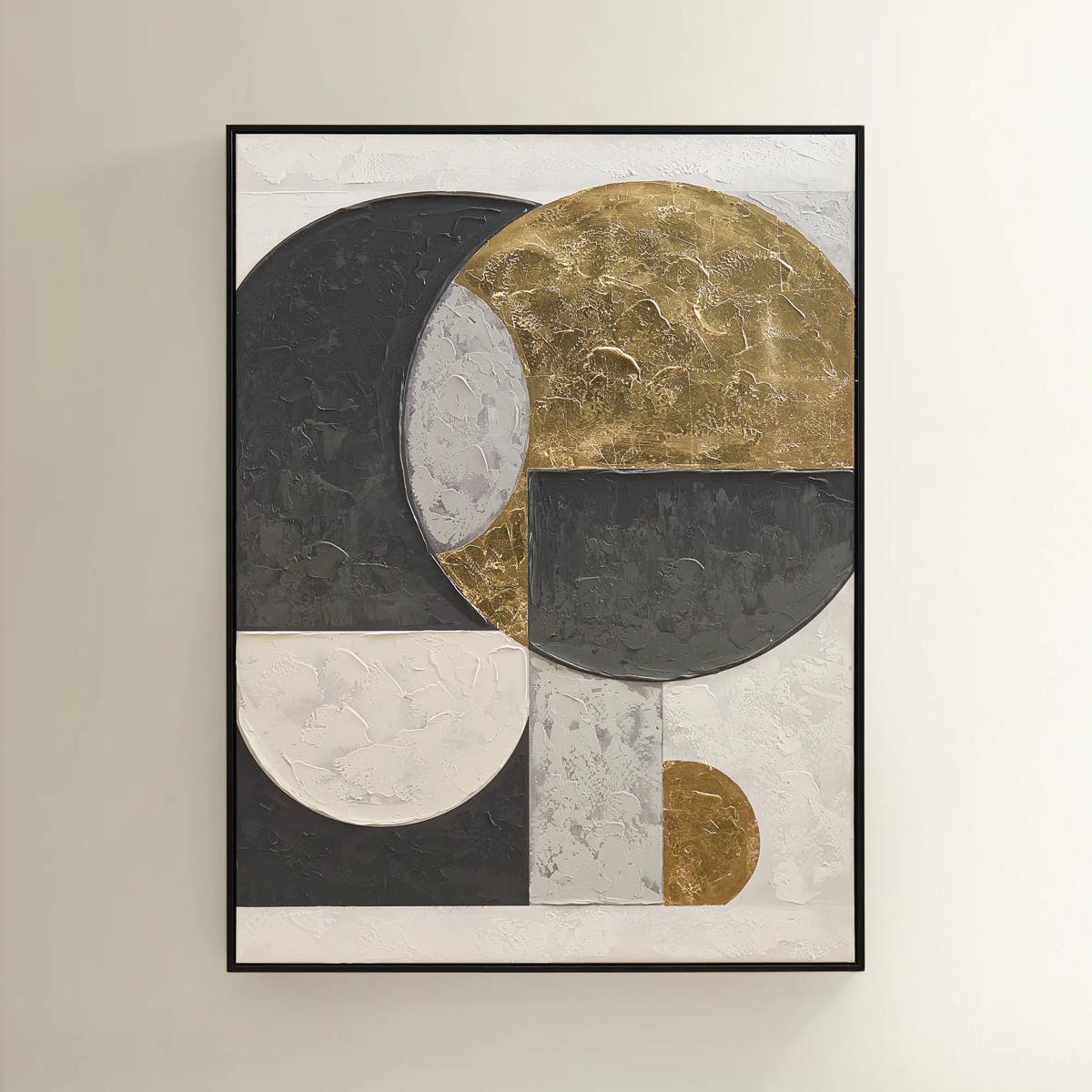
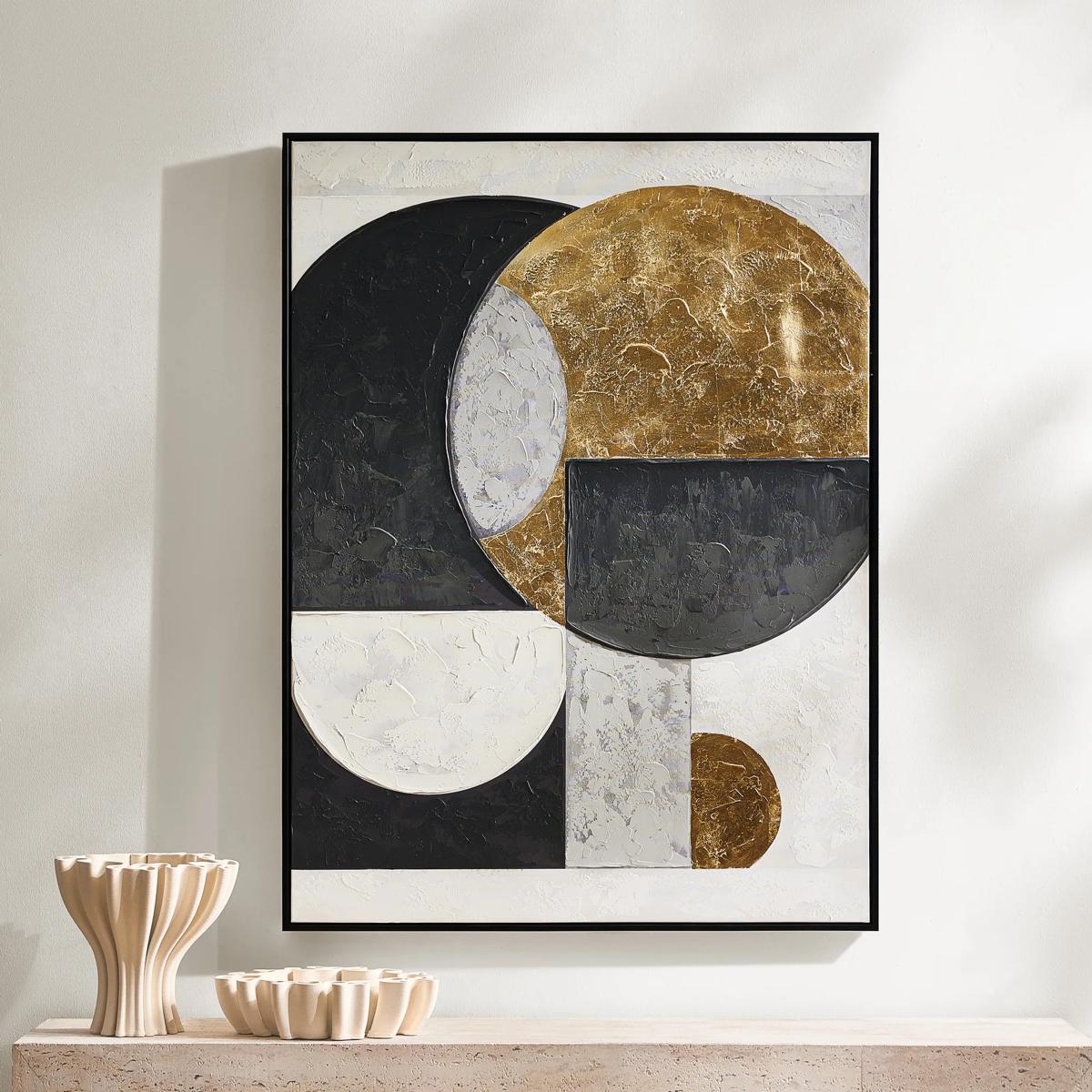 Eclipse Framed Gold Leaf Painted Wall Art 35.25" x 47.25"$449
A hand-painted canvas featuring bold black, grey, and gold geometric shapes with shimmering gold leaf accents.
Add To Cart -
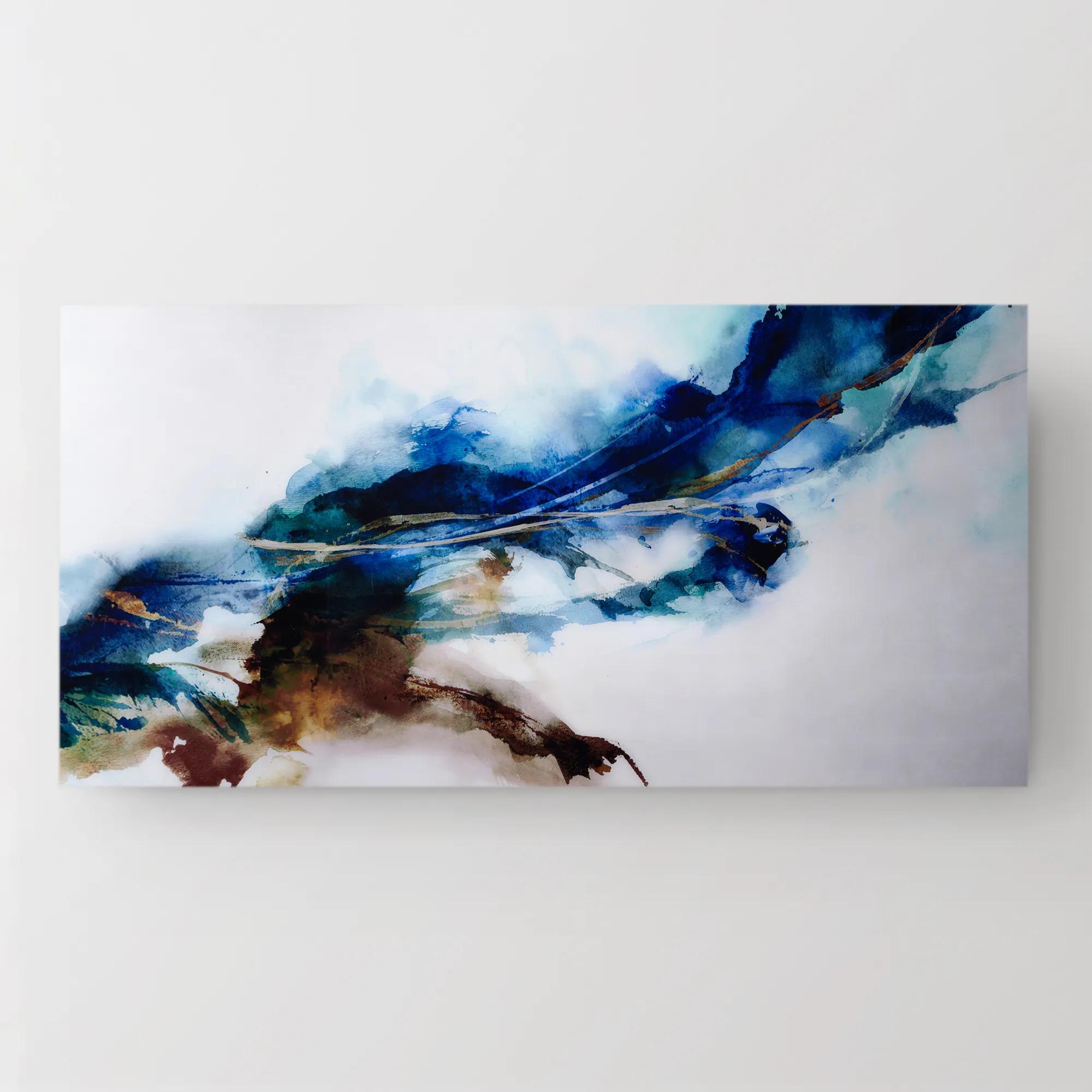 Cerulean Movement Acrylic Art 72" x 36"$1299
A vibrant abstract artwork printed on high-gloss acrylic, infusing your space with dynamic energy and movement.
Add To Cart -
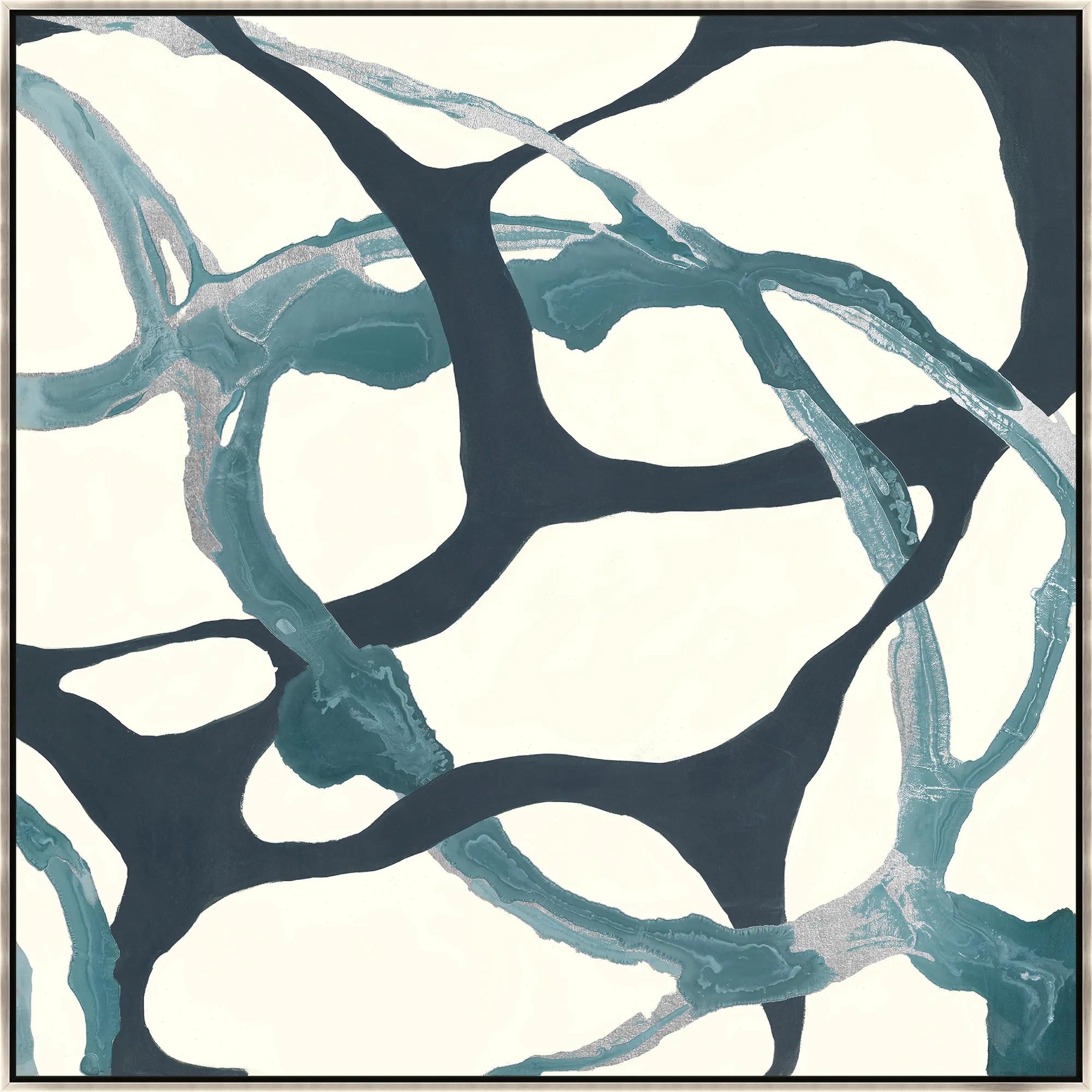
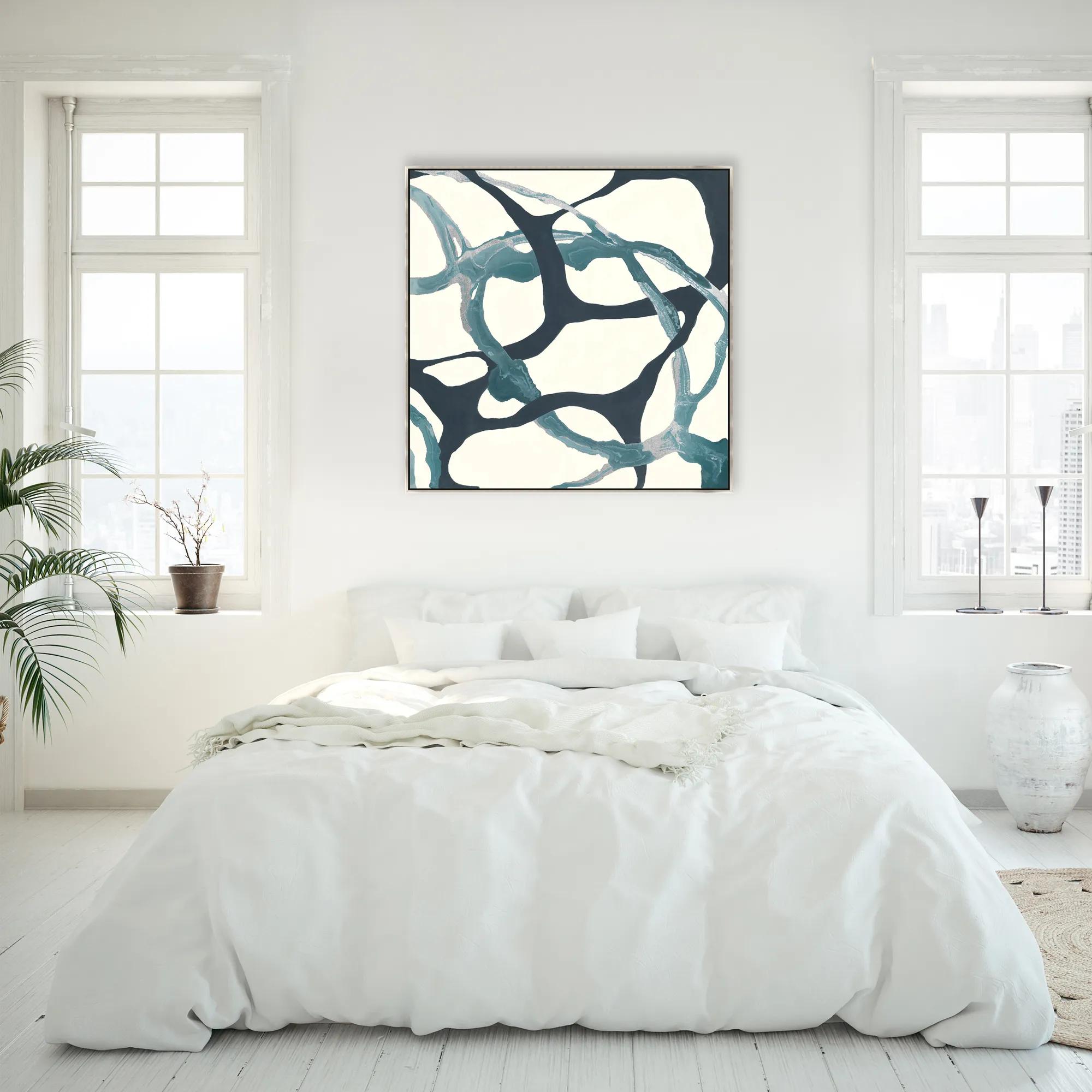 Alignments II Framed Wall Art 40" x 40"$899
A gallery-wrapped canvas featuring gilded silver accents and hand-applied brush gel in a silver floater frame.
Add To Cart -
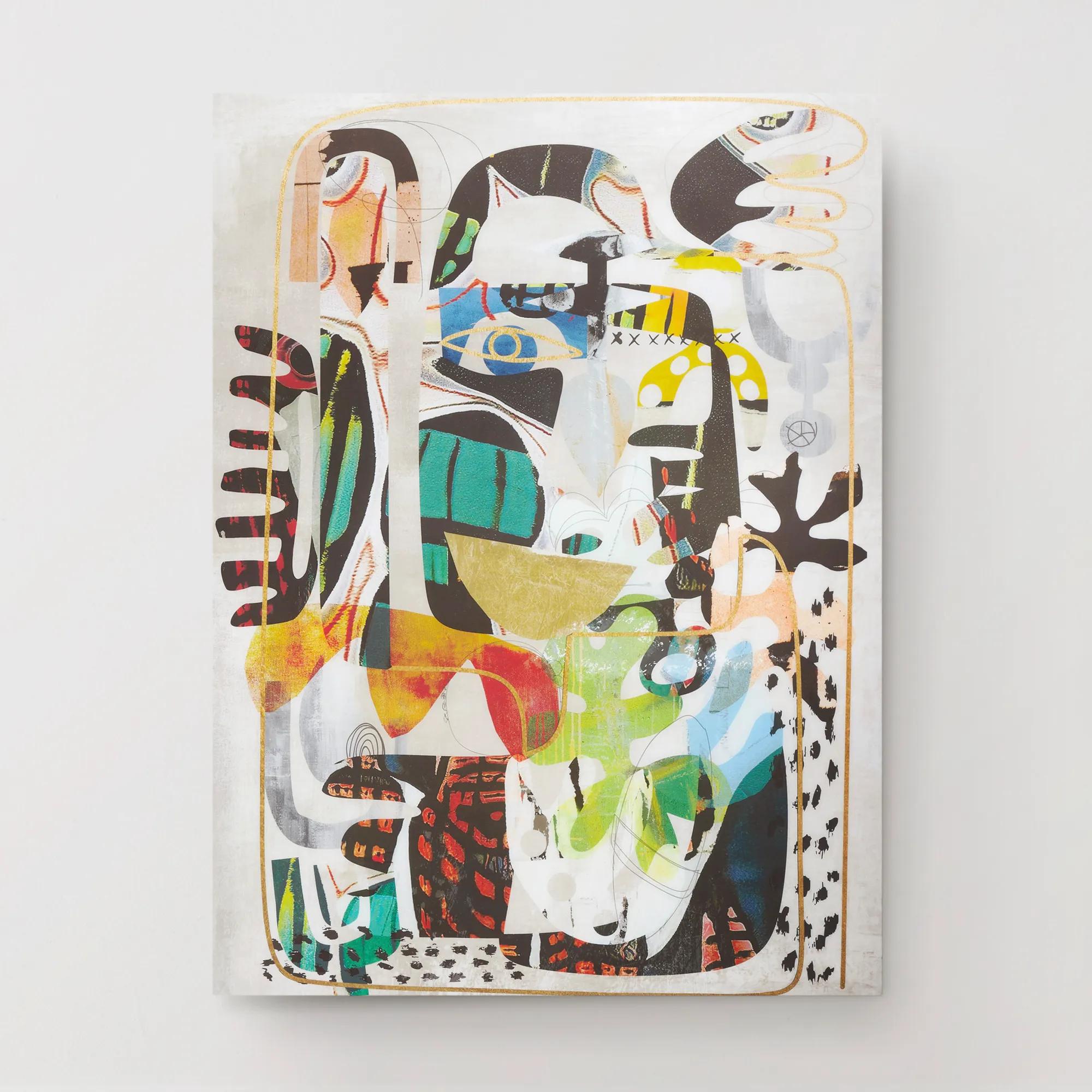
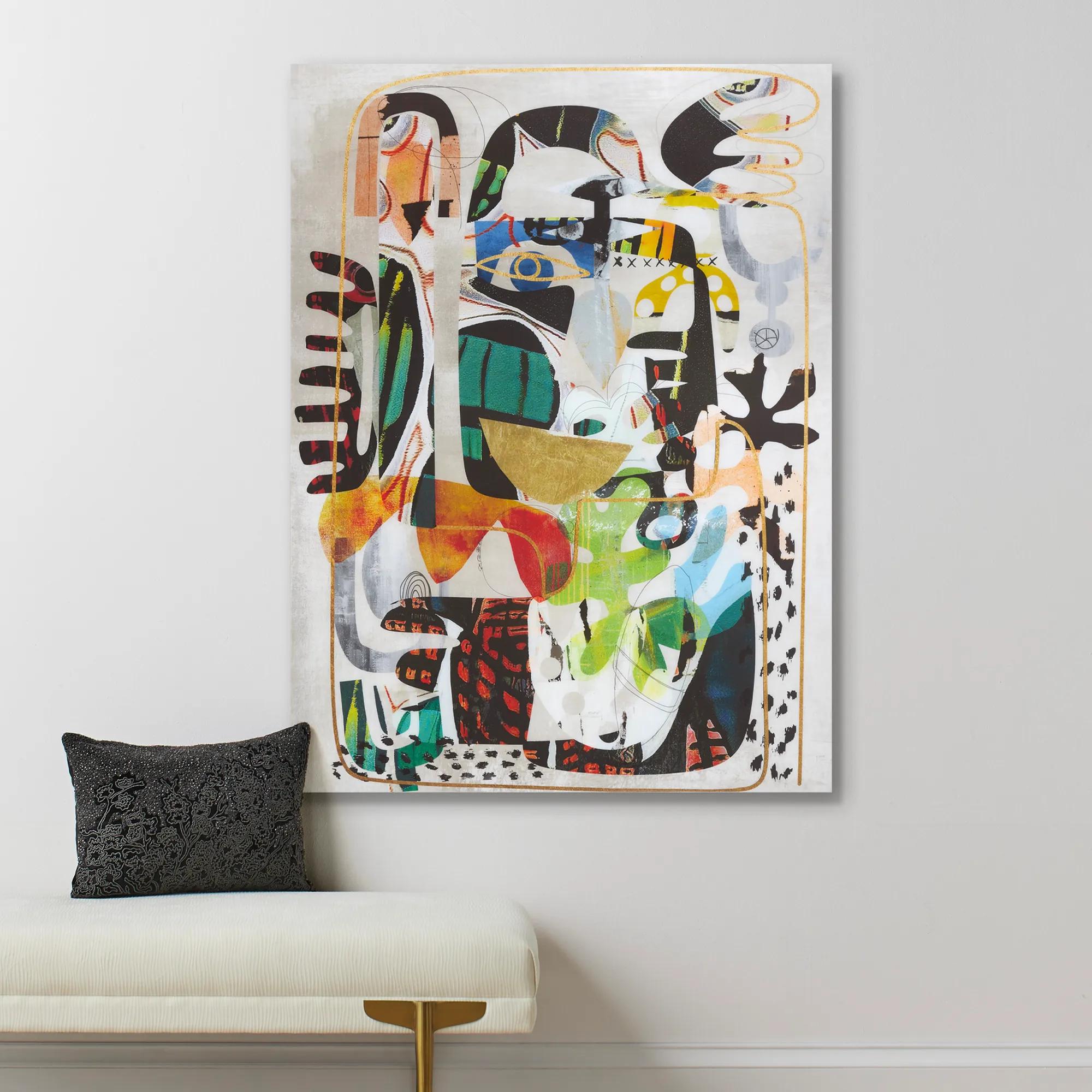 Nikki Chu Masked Wall Art 40" x 54"$899
A vibrant giclee print on canvas featuring a hand-applied glossy finish for a modern statement.
Add To Cart -
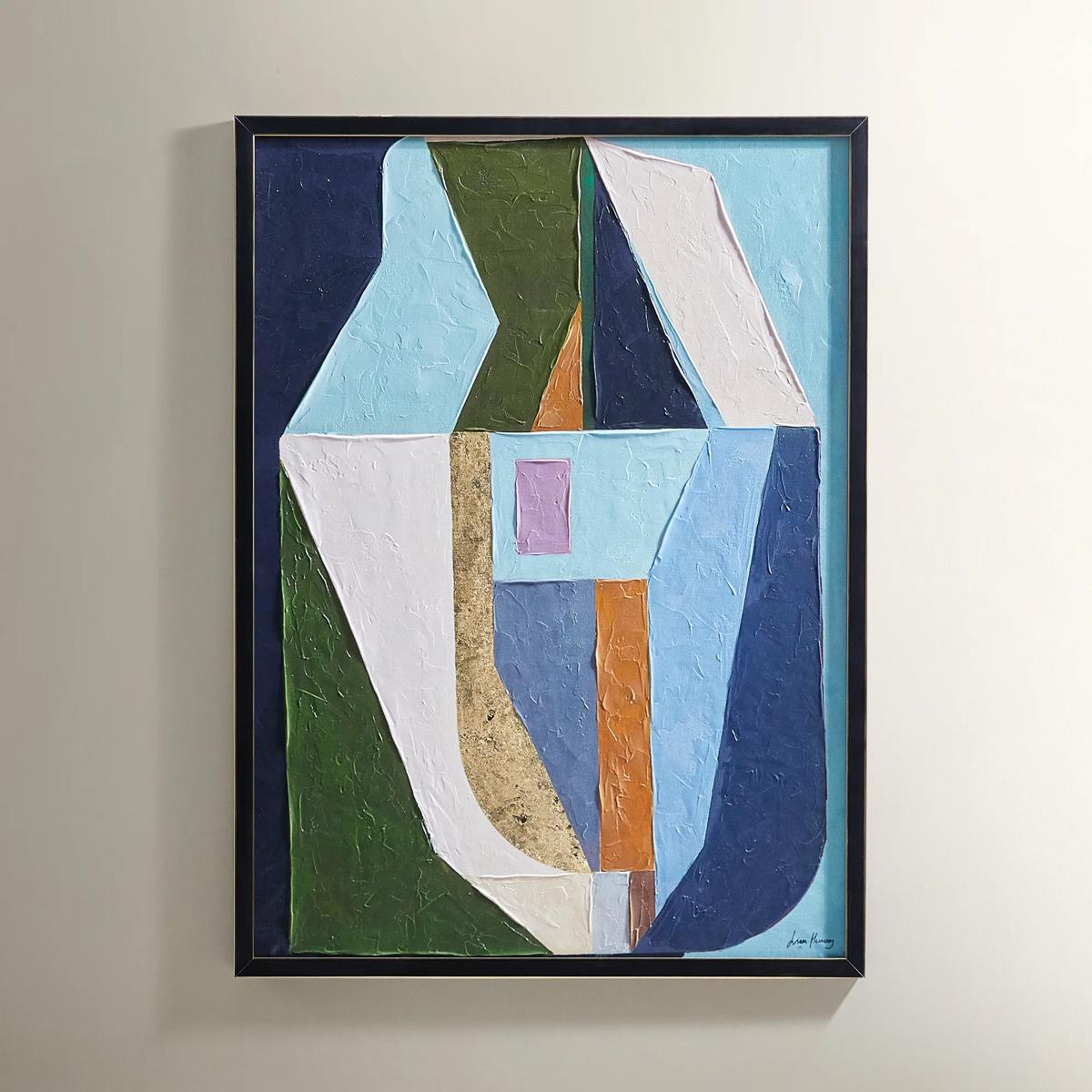 Thought Provoking Painting 2$249
A hand-embellished canvas artwork featuring textured strokes in deep blue, olive green, and gold accents.
Add To Cart -
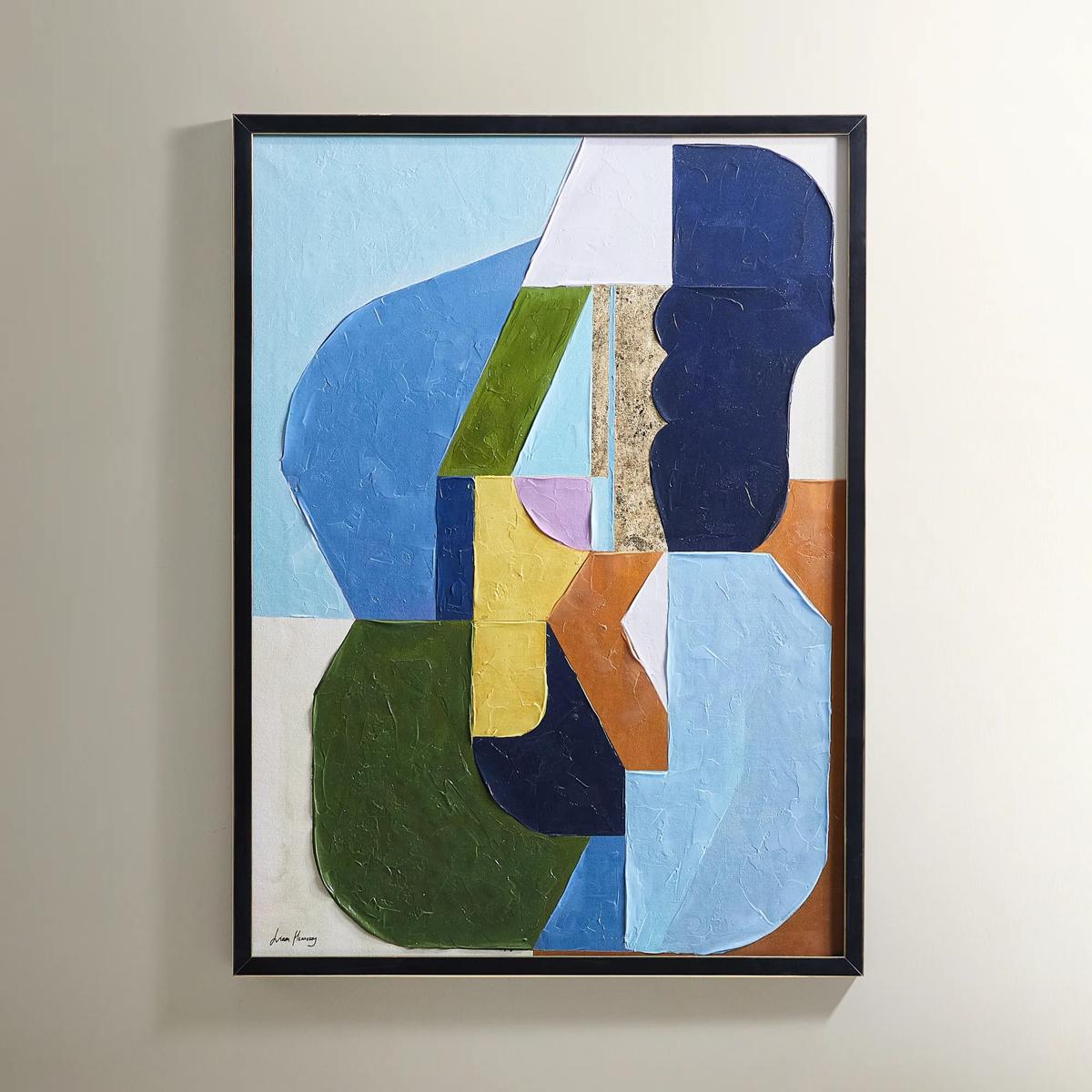
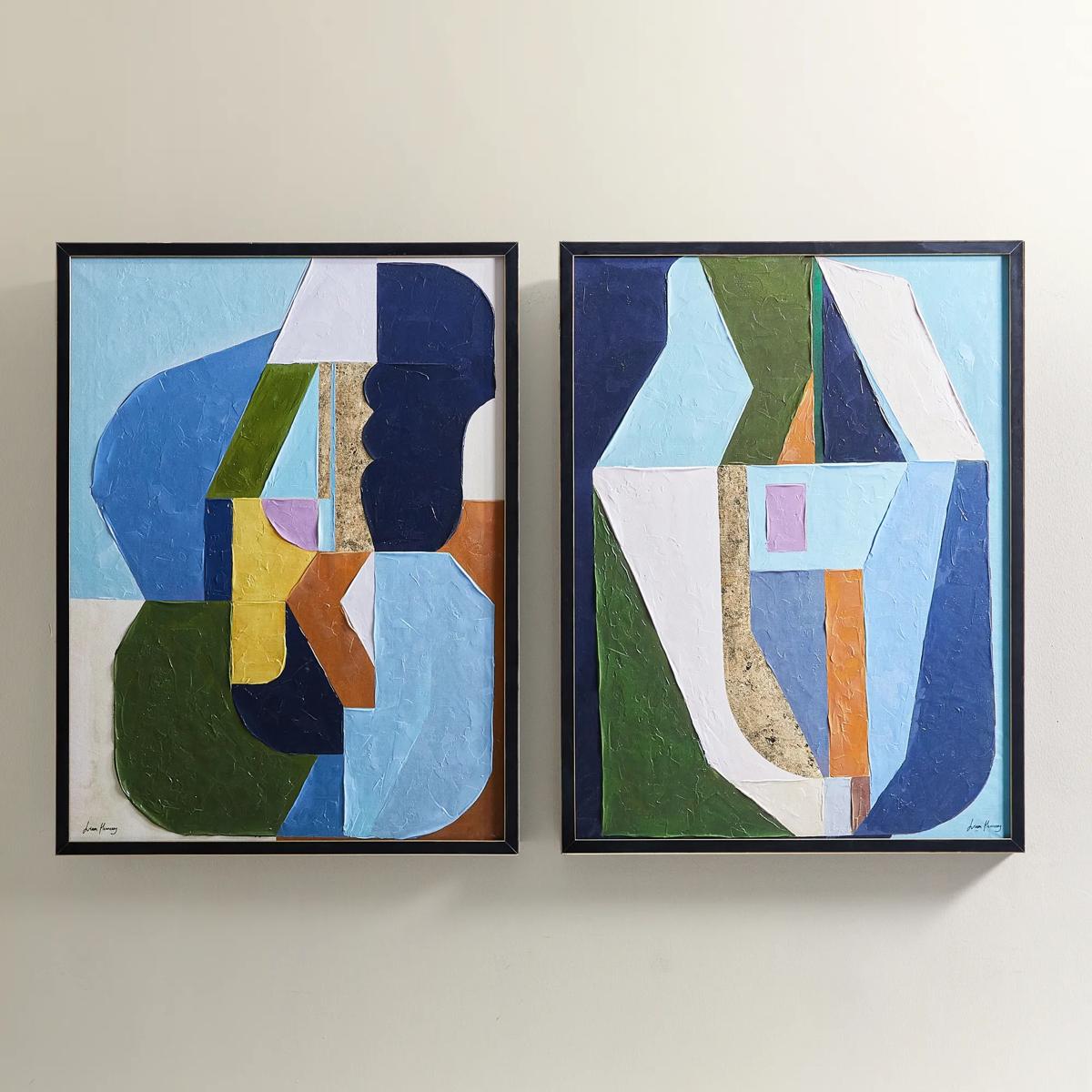 Thought Provoking Painting 1$249
A hand-embellished canvas artwork featuring textured strokes in deep blue, olive green, and gold accents.
Add To Cart -
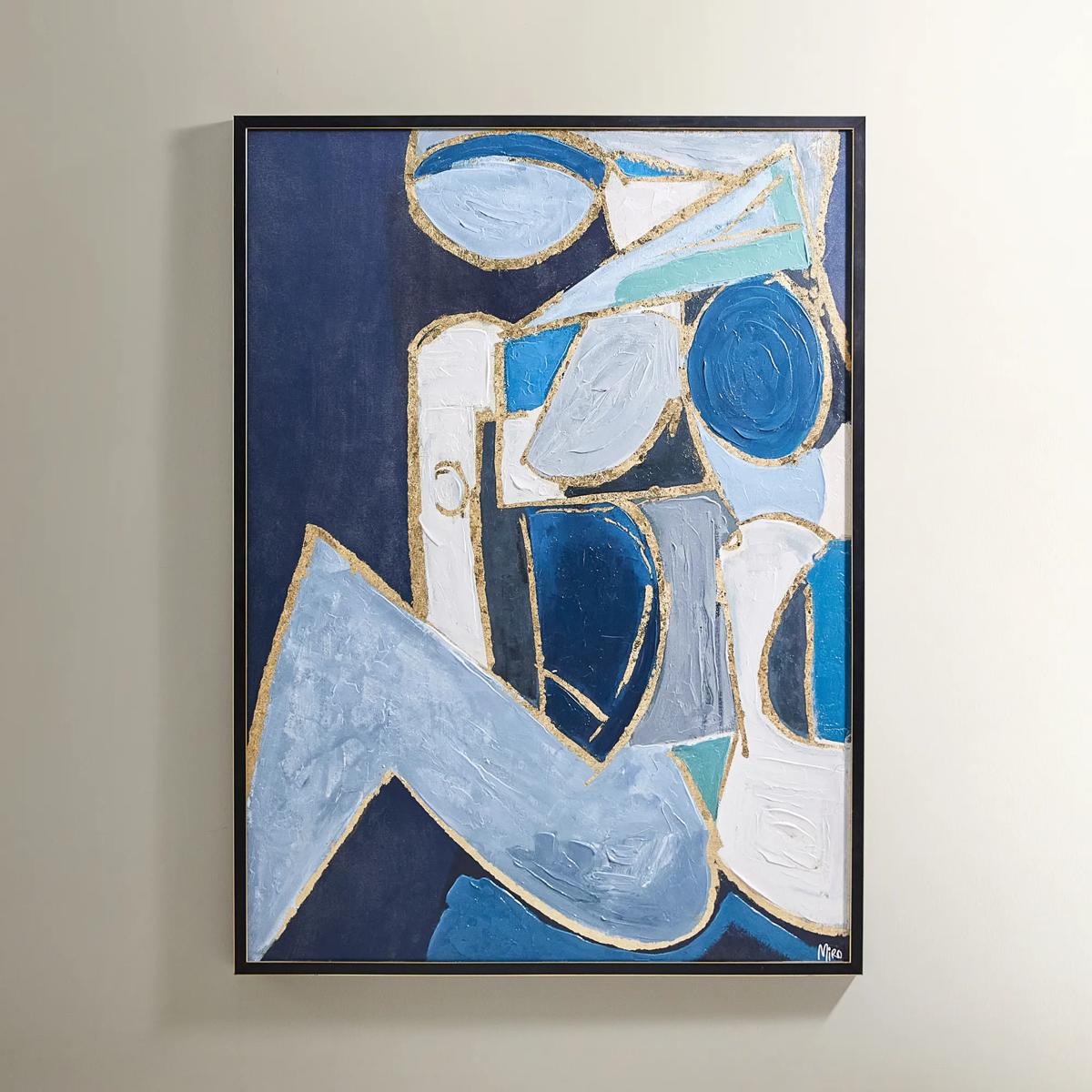
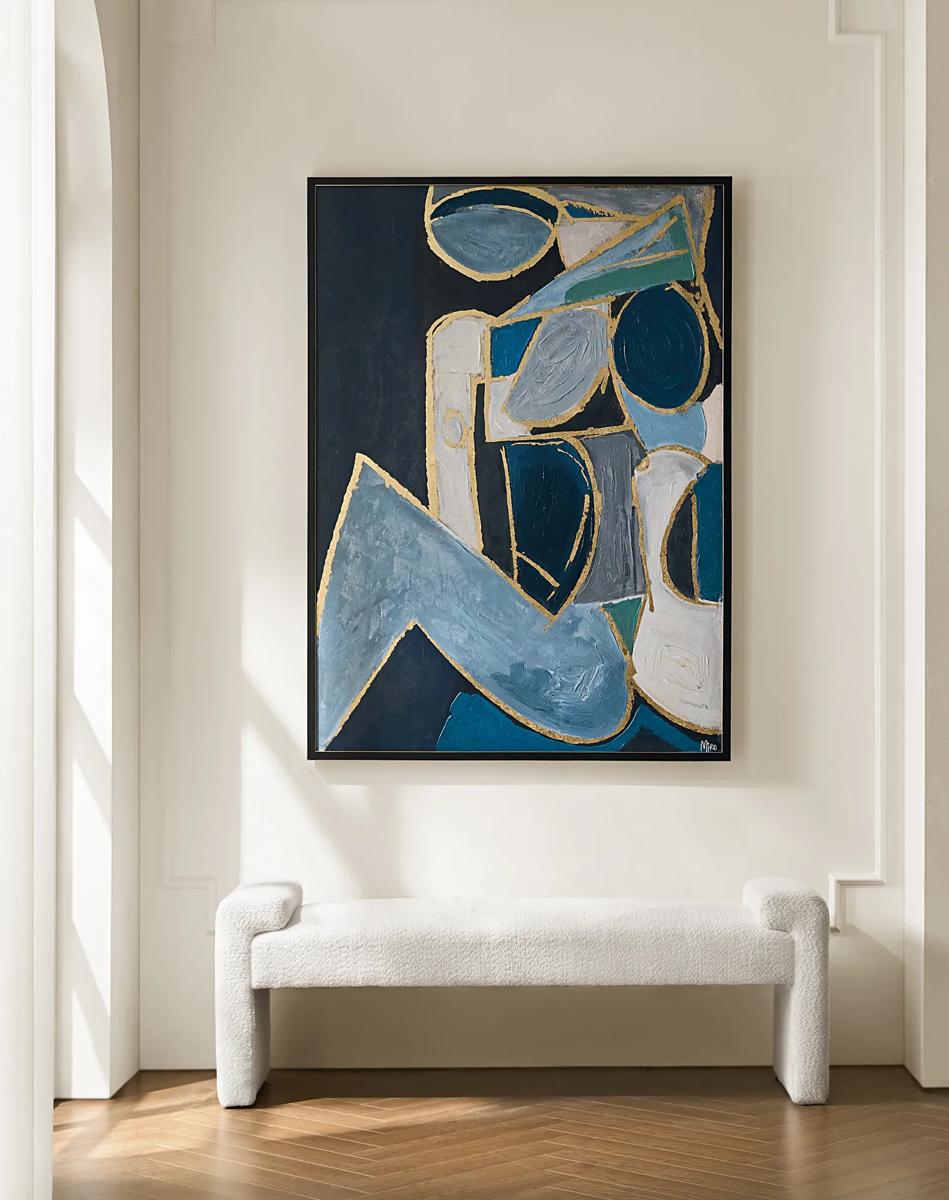 Figure in Cubism Painting$599
A hand-embellished canvas artwork featuring blue, gold, and white hues with elegant silver foil accents.
Add To Cart -
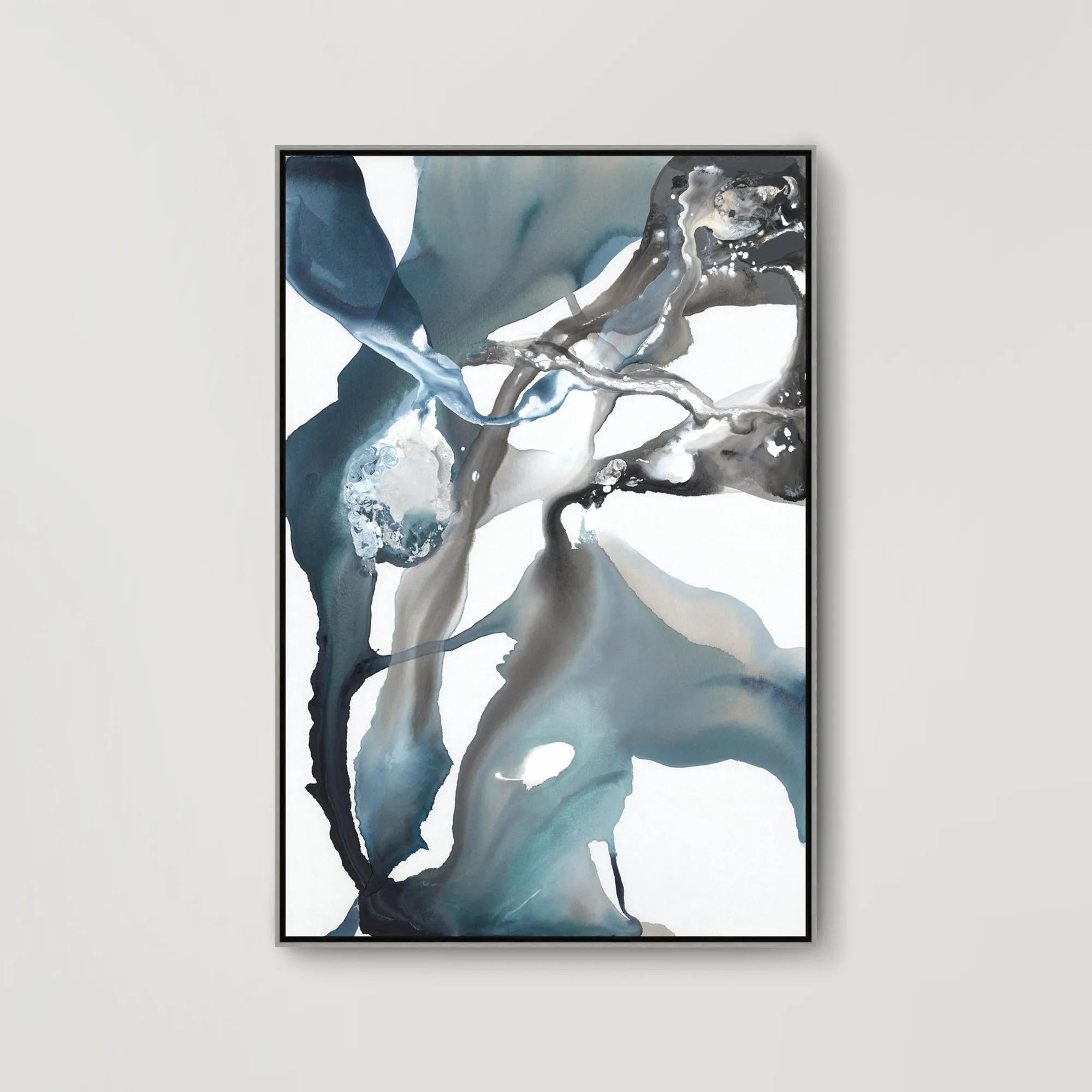
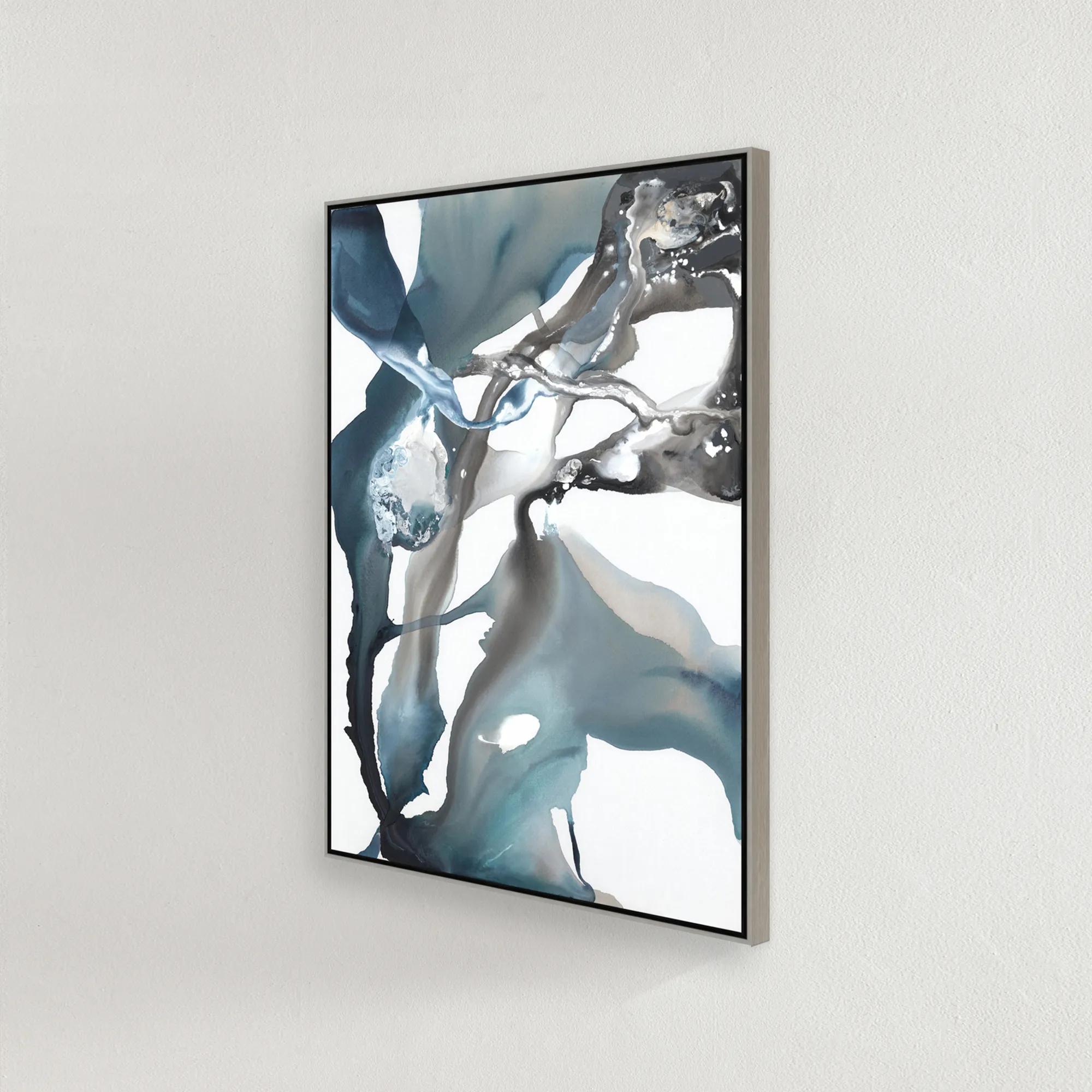 Cool Cascade Framed Wall Art 37.5" x 55.5"$849
A gallery-wrapped canvas artwork featuring expressive colors, hand-applied brush gel, and a gunmetal floater frame.
Add To Cart -
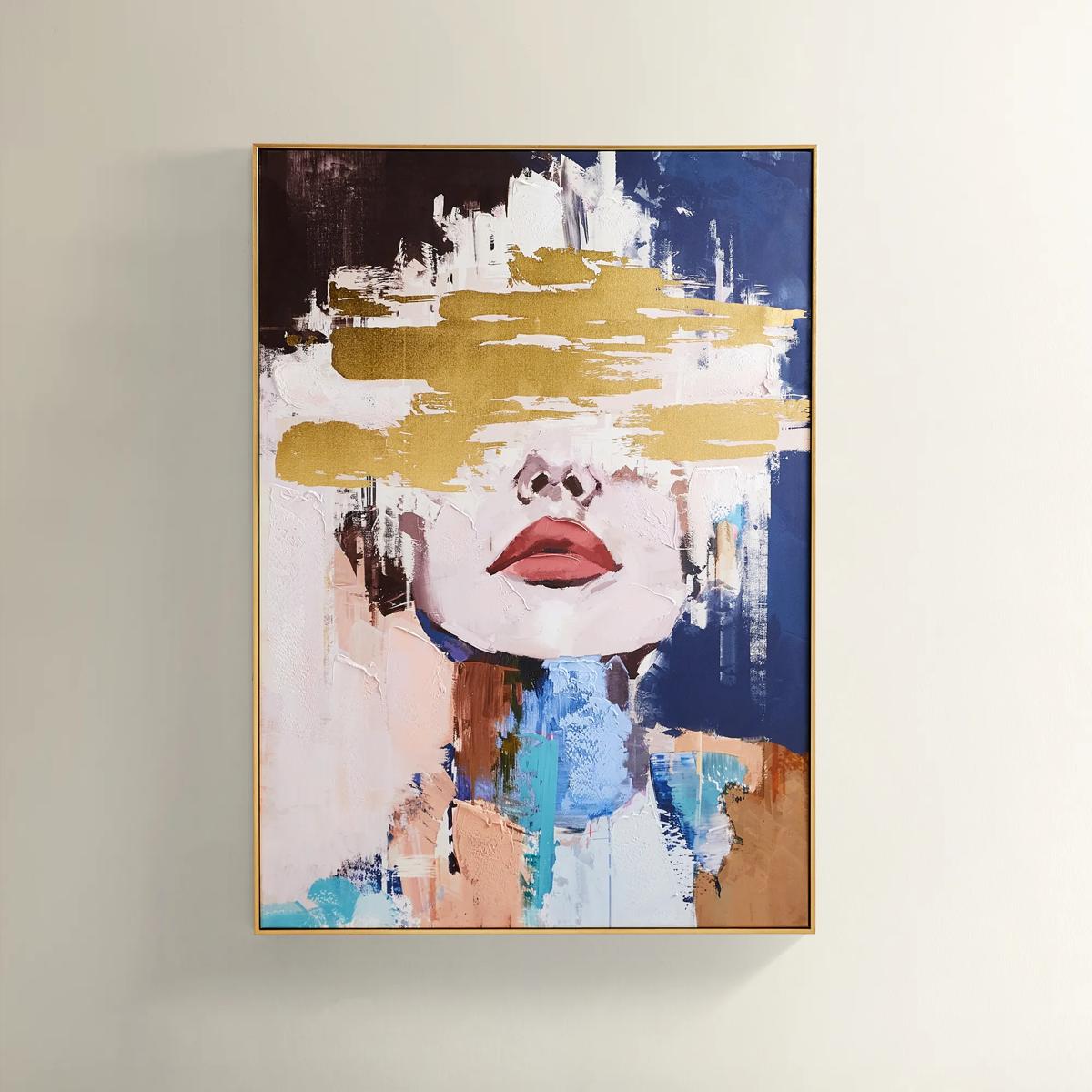
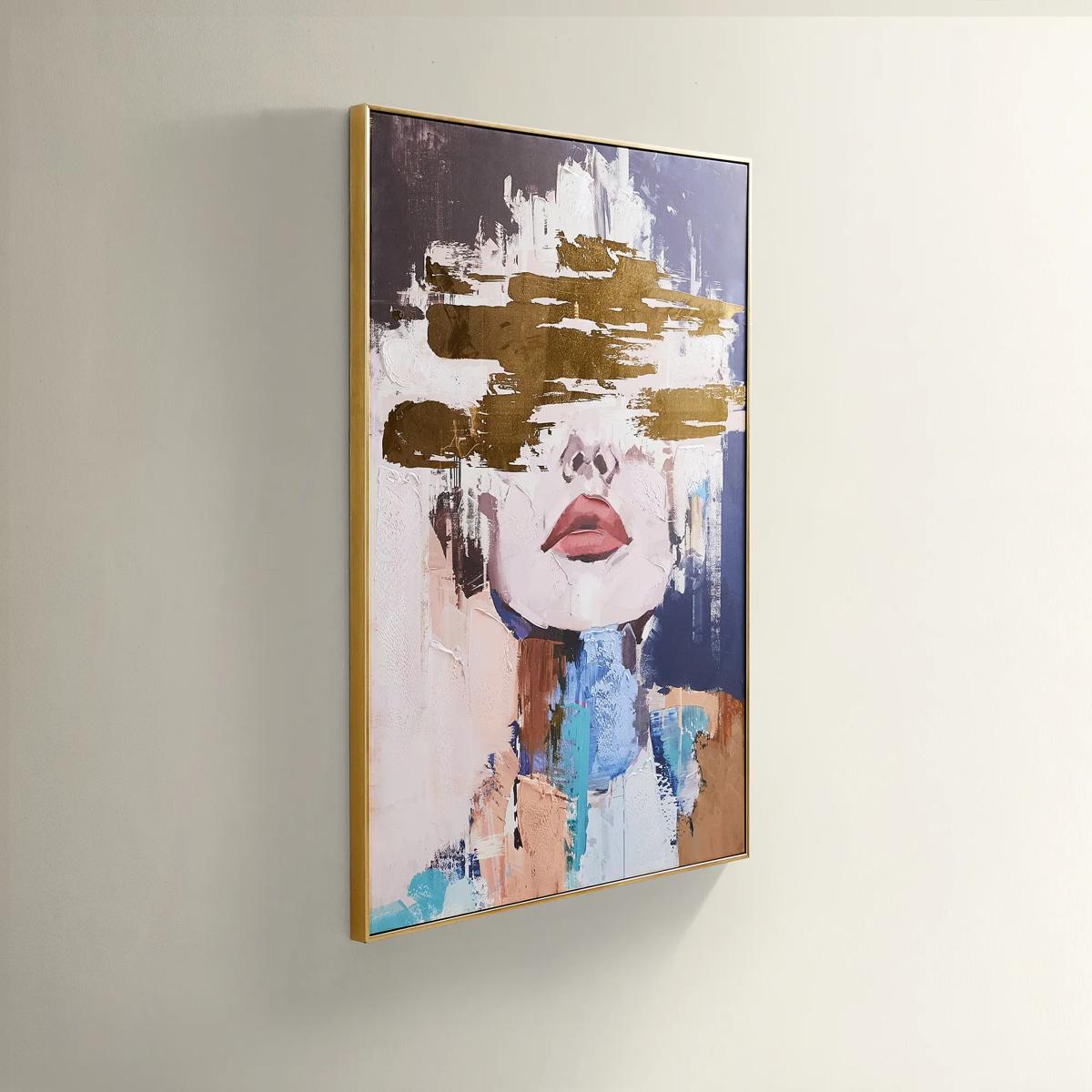 Waiting in Color Gold Foil Painted Wall Art 39.25" x 55"$499
A hand-painted abstract portrait in vivid blue, blush, and gold foil, framed in luxe gold.
Add To Cart -
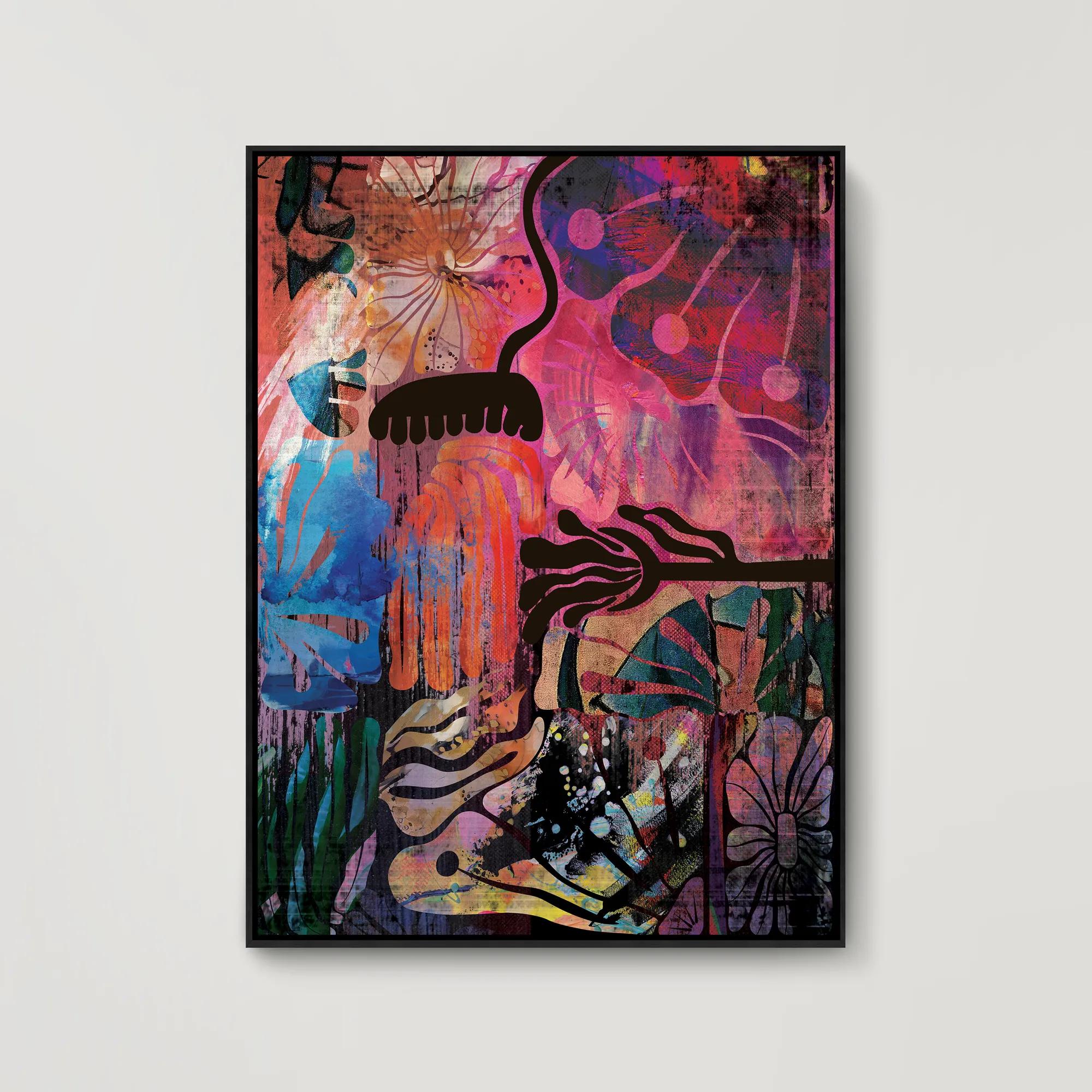
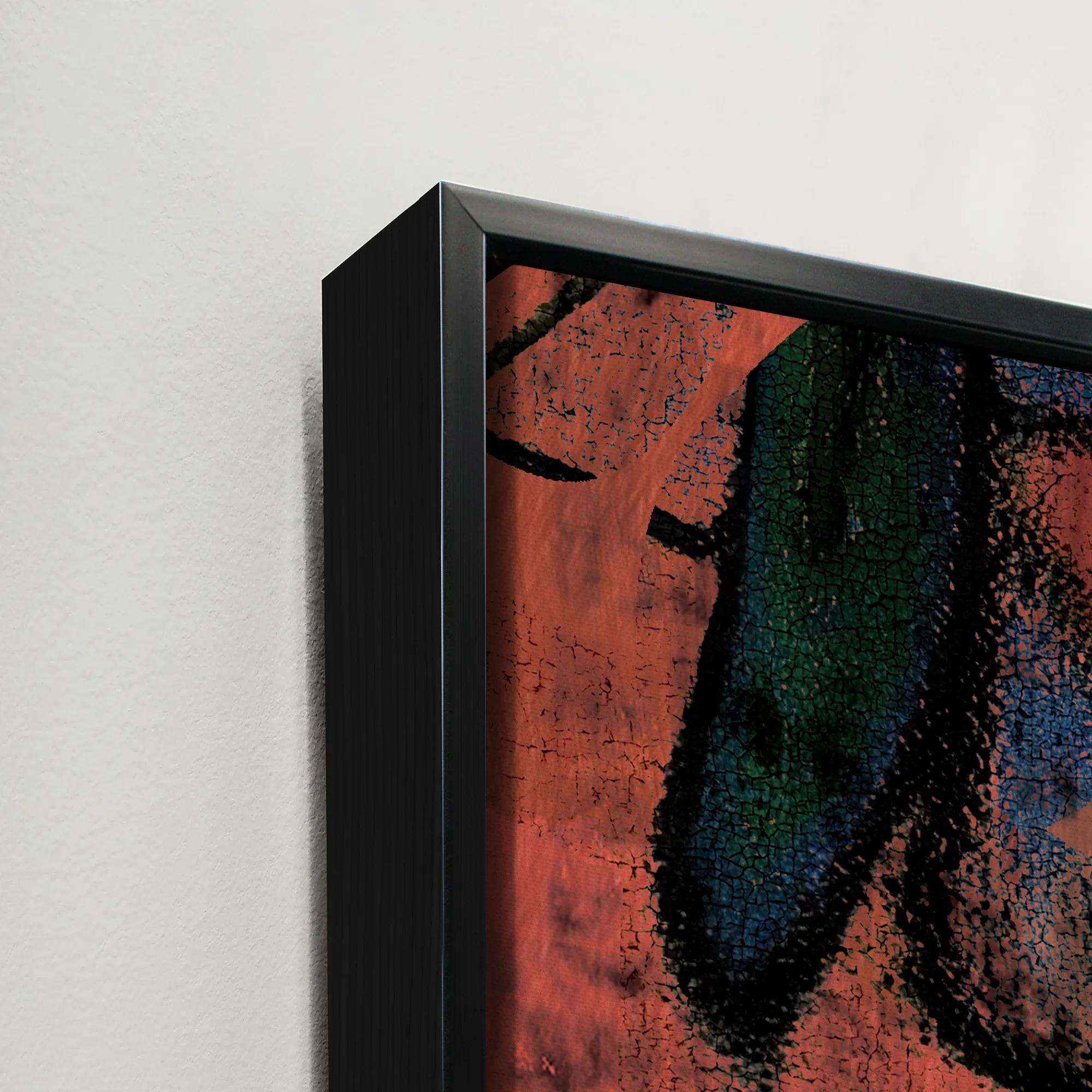 Nikki Chu - Flower Blocks$1399
A gallery-wrapped canvas artwork featuring bold floral blocks, finished with high gloss and a black floater frame.
Add To Cart -
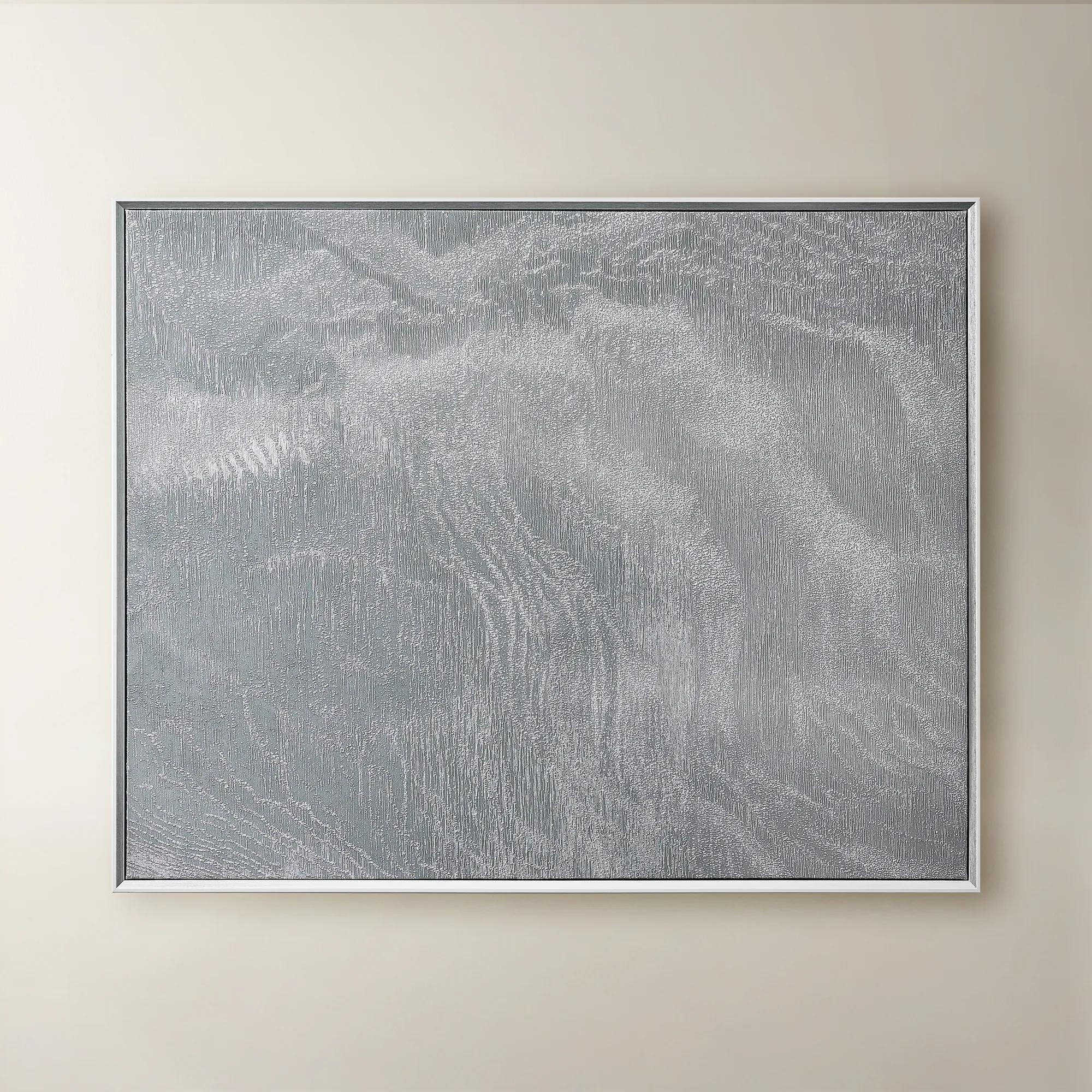 Slow Blue Morning Framed Silver Foil Wall Art 48" x 60"$599
A serene powder blue abstract canvas with silver foil accents, framed in silver and white for modern elegance.
Add To Cart -
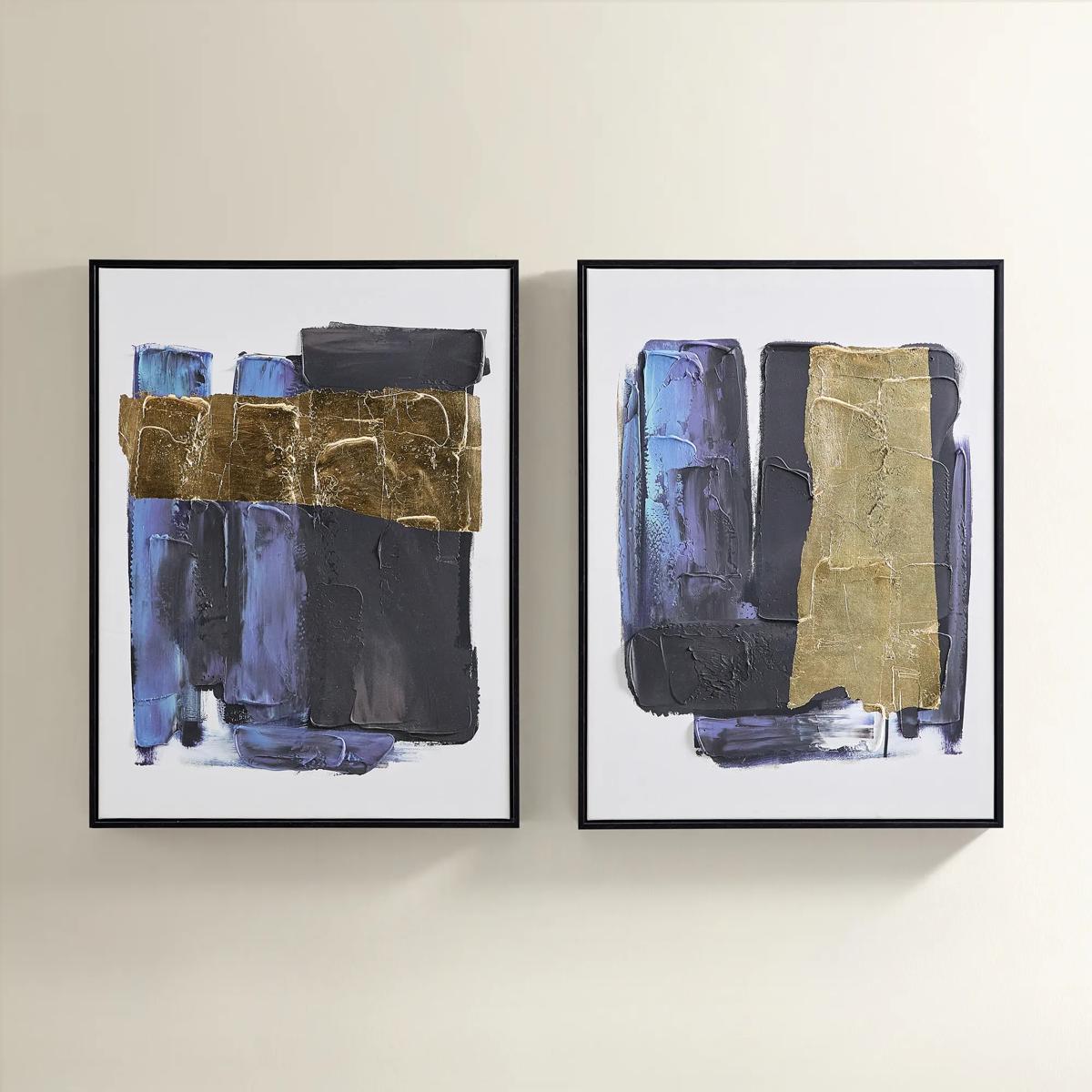
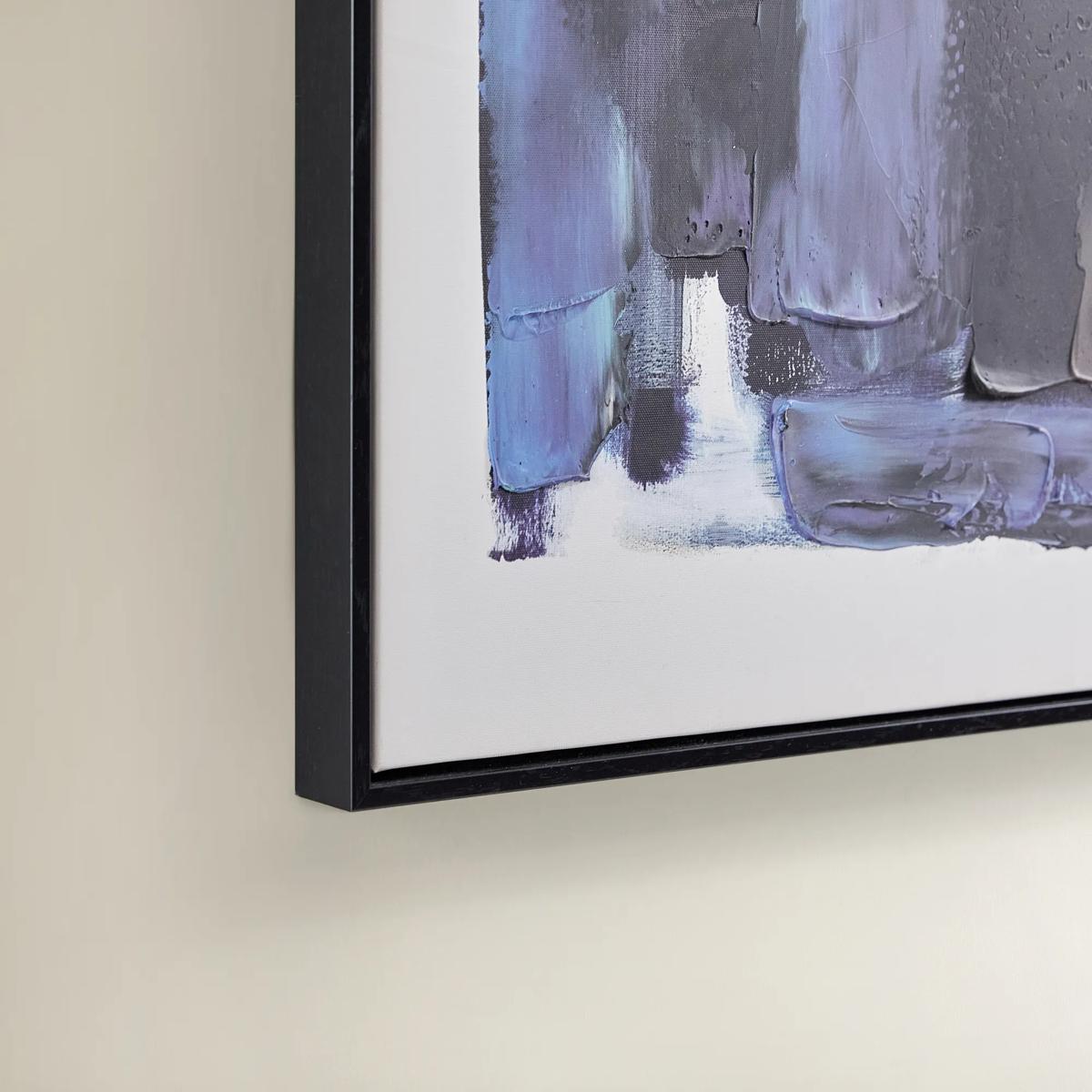 Deep Thoughts Gold Leaf Painted Wall Art Set of 2$199
A set of two hand-painted abstract canvases in blue and gold leaf, framed in sleek black.
Add To Cart

Contemporary Blue Framed Arts
Immerse your walls in a symphony of cool sophistication with contemporary blue framed arts—a curated celebration of color, form, and modern allure. Each piece is a visual crescendo, where rich indigos and tranquil ceruleans dance within bold frames, transforming blank spaces into daring statements. Whether you crave the drama of abstract brushstrokes or the serene elegance of minimalist design, these artworks invite you to express your unique vision. Elevate your interiors with pieces that evoke both calm and confidence—because at Z Gallerie, every wall deserves its own moment in the spotlight.
Contemporary blue framed art brings expressive color, modern composition, and a finished architectural edge to a room. The category encompasses blue-toned abstract artwork, geometric designs, atmospheric landscapes, and botanical interpretations presented within a frame, with effects ranging from softly layered washes to saturated fields of navy, cobalt, and indigo. Blue is the unifying color, but its presence can be remarkably varied: an inky composition creates depth against an ivory wall, while pale blue brushwork introduces a quieter rhythm beside richly upholstered furniture. Contemporary design leaves room for both gestures. Broad strokes, unexpected cropping, open space, and fluid lines give familiar subjects a fresh perspective, allowing framed wall art to feel expressive without depending on a literal scene. For a living room built around a sculptural sofa, a large blue abstract can establish the visual center of the seating area. In a dining room, a more structured composition can echo the lines of a table or chandelier, giving the space a deliberate sense of balance. Bedrooms often suit diffused color and less densely worked imagery, while a home office can carry the sharper contrast of blue, white, and charcoal. The most compelling choice responds to the mood of the room rather than matching every accessory. A trace of cobalt in a painting might converse with a glass vase across the room; a deeper navy passage can lend definition to pale upholstery without requiring another dark furnishing. Blue also has an elegant relationship with texture. Against velvet, it reads as sumptuous and enveloping; near polished metal or clear glass, it feels more graphic and luminous. For interiors with marble, warm wood, or sculpted ceramics, contemporary blue wall art offers a color connection that does not compete with the character of those materials. Its appeal lies in that range: enough drama for an expressive interior, enough nuance for a room where individual details deserve space to be seen.
The frame, surface, and presentation influence how blue artwork reads as strongly as the image itself. Paper prints can offer crisp detail and subtle tonal transitions, especially when a mat gives the composition breathing room. A generous white or ivory mat introduces a measured pause between image and frame, making even energetic brushwork feel composed. Canvas has a woven surface that can bring visible texture to an image, while a floating frame leaves a narrow reveal around the canvas for a more dimensional presentation. Printed texture and physically raised paint are different effects, so descriptions of medium and finish matter when a tactile surface is part of the desired look. Frame materials may include wood, metal, or engineered materials, each with its own profile, finish, and care requirements. A slim black frame sharpens the boundary of a pale blue composition; a warm wood finish softens graphic lines; a metallic finish adds a glint that connects the artwork to lighting and decorative objects. A substantial molding can give a restrained image more presence, while a narrow profile keeps attention on the composition. For a layered arrangement that introduces another color story, Contemporary Gold Framed Arts can create a rich counterpoint to blue, particularly when the works share a similar visual rhythm or frame treatment. Glazing deserves attention as well. Glass and acrylic both help protect works on paper, but their weight, reflectivity, and resistance to breakage or scratching differ. Acrylic is generally lighter and more shatter-resistant than glass, though its surface can scratch more easily. UV-filtering and low-reflection properties should be confirmed in the product details rather than assumed. In a room with a large window opposite the artwork, reflections may obscure delicate shades, making placement especially important. The best presentation preserves the distinctions within the blue palette, from near-black edges to translucent-looking washes, while bringing the artwork into conversation with the room.
Scale turns an appealing image into a convincing part of the interior. Measurements should account for the full framed dimensions, not only the printed image or canvas, particularly above a sofa, headboard, or narrow console. An artwork or grouping spanning roughly two-thirds to three-quarters of the furniture beneath it is a useful starting point, though surrounding architecture and the composition’s visual weight may call for a different proportion. A dark, densely patterned piece can command attention at a smaller size, while a pale, spacious image may need a broader format to hold its own. Horizontal artwork often settles naturally above long furniture; a vertical composition can emphasize height beside a doorway or on a slender wall. Pairs and coordinated groupings introduce rhythm, especially when their spacing remains consistent and their combined width is considered as one arrangement. Paper templates make it easier to judge the footprint before installing hardware. In a hallway or open wall area, placing the center near eye level often feels comfortable; above furniture, the relationship to the furnishing matters more than following a fixed height. Secure installation depends on the artwork’s weight, the wall construction, and suitable hanging hardware, with heavier glazed pieces requiring particular care. Long-term beauty also depends on placement and gentle maintenance. Direct sunlight can fade artwork, while excess humidity and abrupt environmental changes can affect paper, canvas, and frames, making sheltered interior walls preferable to damp or exposed locations unless a piece is specifically rated otherwise. Dust frames with a soft, dry cloth, avoid pressing on canvas, and follow the stated cleaning instructions for glazing. Cleaner should never be sprayed directly onto framed artwork, where liquid could seep beneath the frame; acrylic also requires products safe for its surface. These considerations make blue framed artwork a lasting choice for living spaces, bedrooms, and offices, as well as a thoughtful housewarming or milestone gift for someone whose taste and wall space are familiar. A beautifully judged composition gives color a permanent place in the room, creating a focal point with enough character to remain meaningful as the surrounding decor evolves.
FAQs
Contemporary blue framed art harmonizes beautifully with a range of interiors, from modern and minimalist spaces to eclectic and transitional rooms. Its cool, versatile palette enhances coastal, urban, and even classic settings, adding a refined touch of color and sophistication without overwhelming the existing decor.
Blue framed artwork is renowned for its tranquil, soothing qualities. Placing these pieces in areas meant for relaxation—such as bedrooms, reading nooks, or living rooms—can evoke a sense of peace and serenity. Pair with soft textures and warm lighting to amplify the calming effect.
Blue framed wall mirrors offer the best of both worlds: they serve as stunning focal points while reflecting light to make spaces feel larger and brighter. Their decorative blue frames introduce a pop of color and artistic flair, making them both practical and visually captivating.
Absolutely. Blue framed art pieces are universally appealing and make exceptional gifts for housewarmings, weddings, or milestone celebrations. Their timeless color and modern aesthetic ensure they suit a variety of tastes and interiors, making them a cherished addition to any home.
To curate a gallery wall, blend various shades of blue framed art with complementary tones and diverse textures. Mix abstract and figurative pieces, and consider incorporating a blue framed wall mirror for added dimension. Arrange artworks at eye level and maintain consistent spacing for a polished, harmonious display.