Contemporary Moody Wall Arts
Contemporary Moody Wall Arts
-
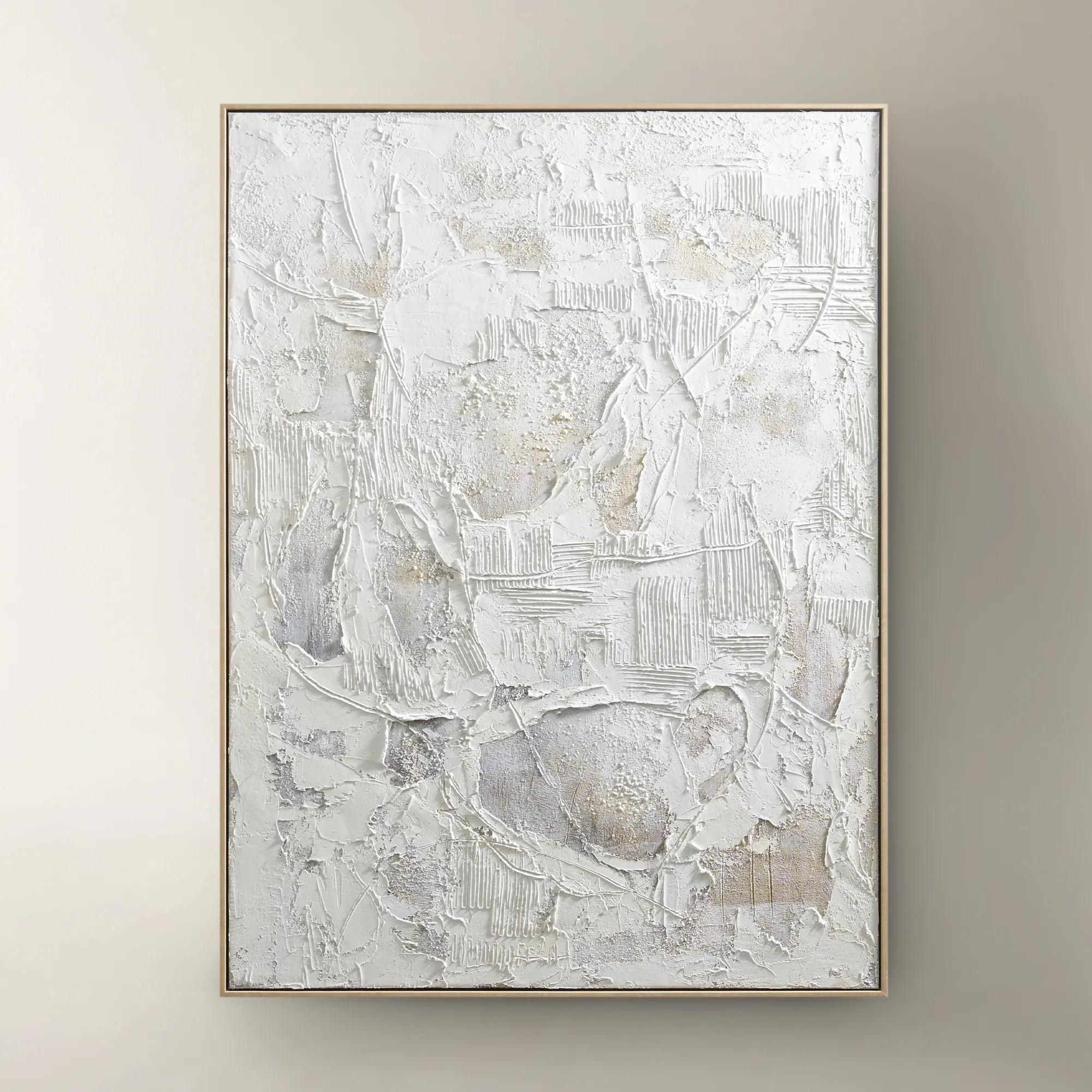
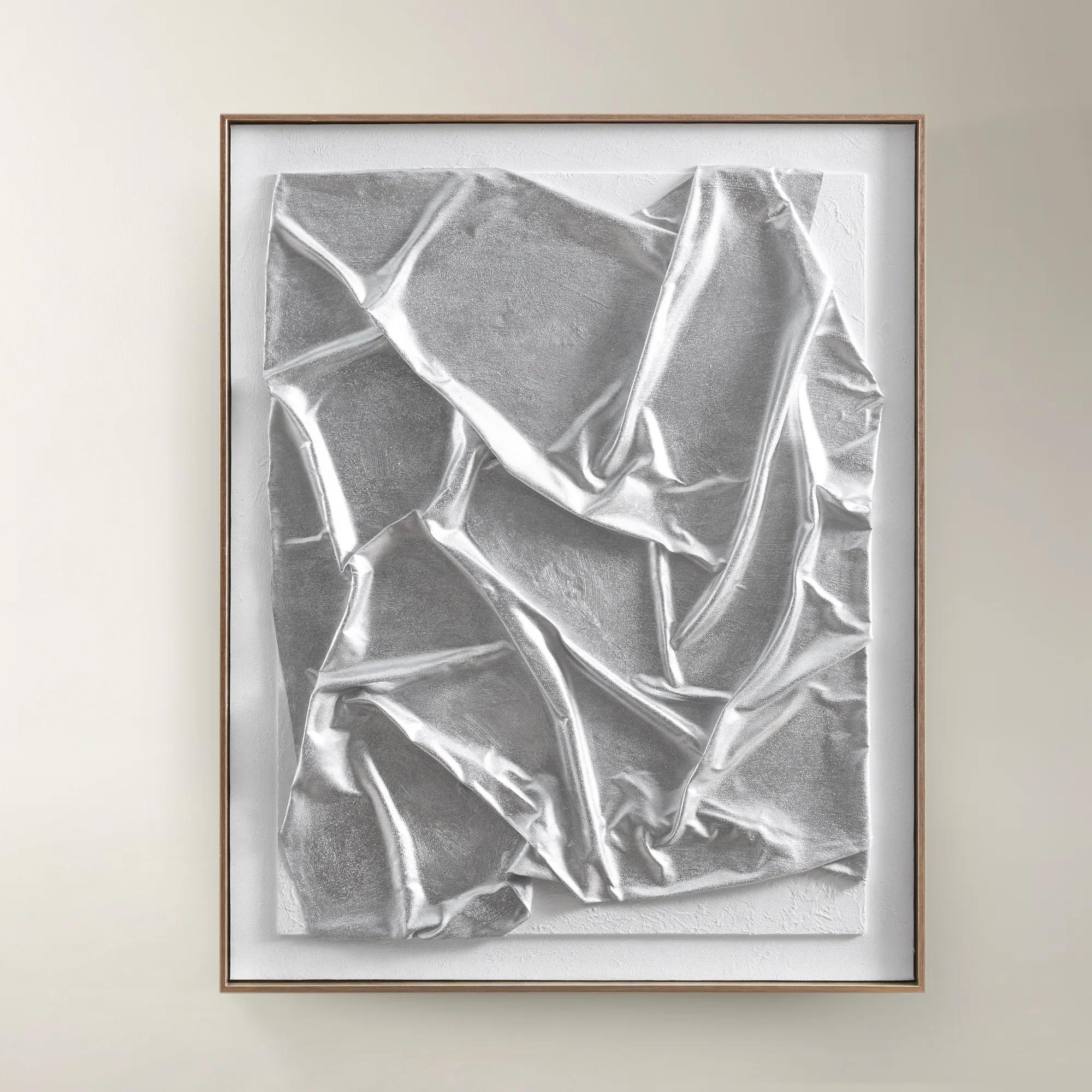 In the Mood Framed Painted Wall Art 31.5" x 39.5"$199
A hand-painted abstract canvas in shimmering silver tones, set in a warm champagne floater frame.
Add To Cart -
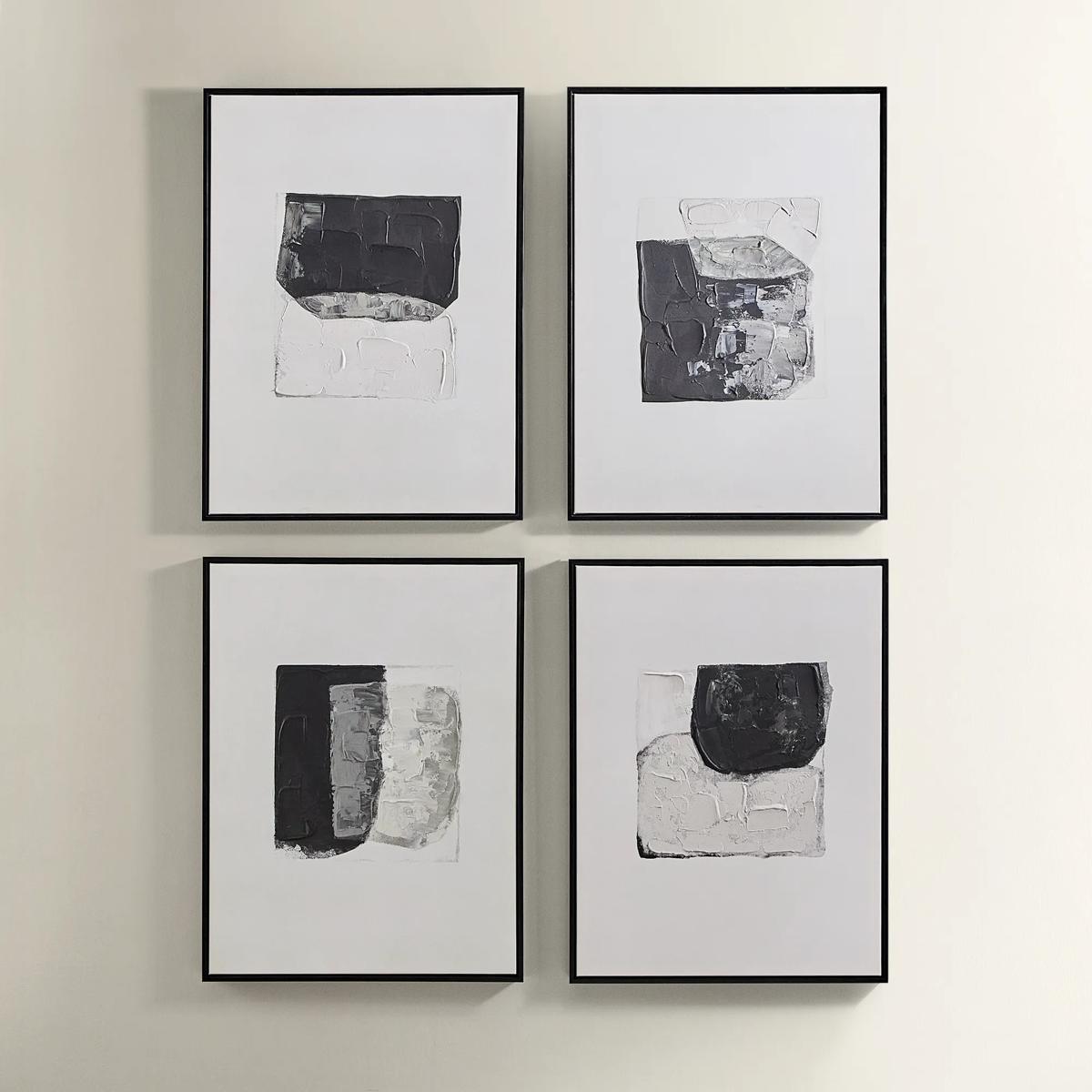
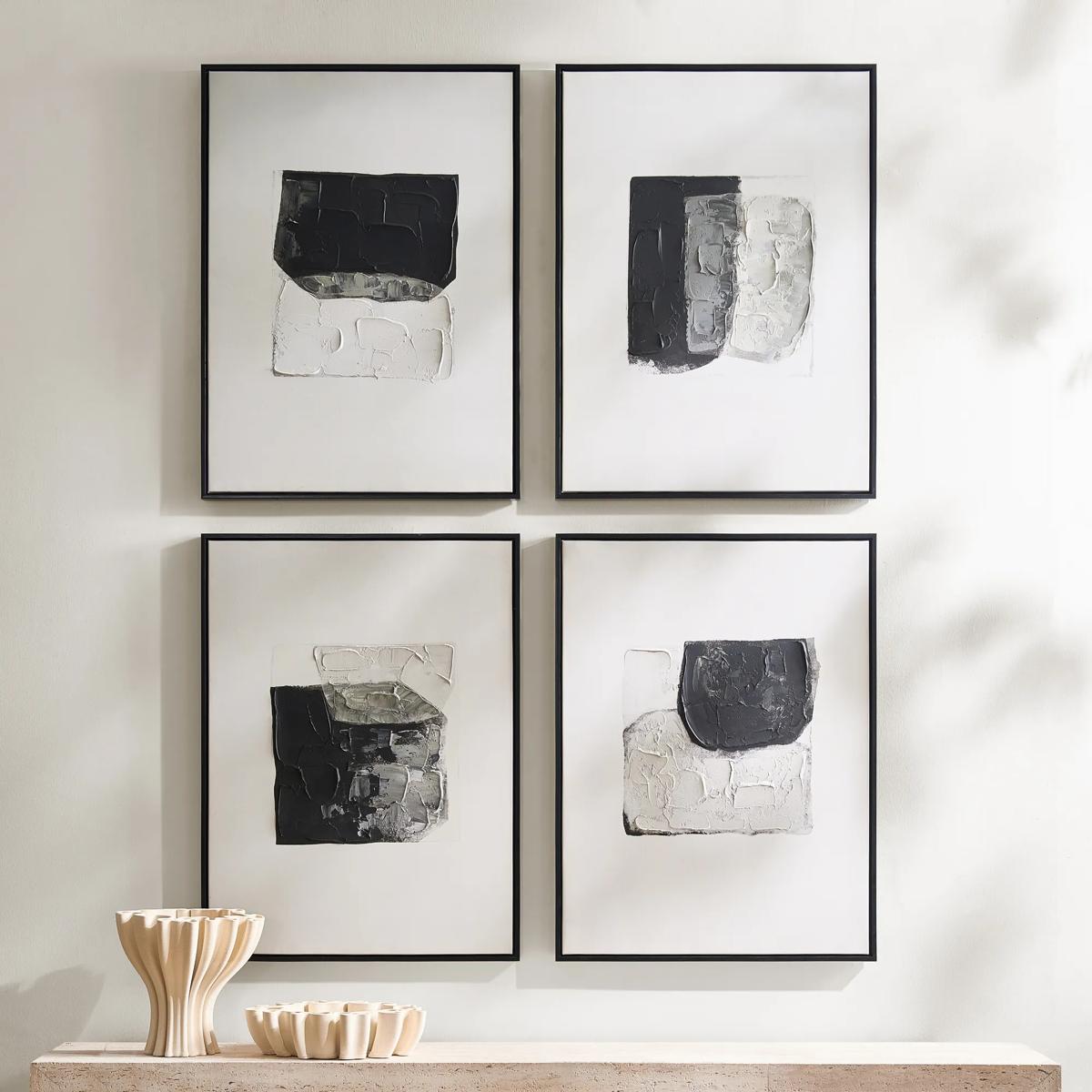 Shadows Framed Painted Wall Art Set of 4$299
A set of four hand-painted abstract canvases featuring black, white, and gold accents in black frames.
Add To Cart -
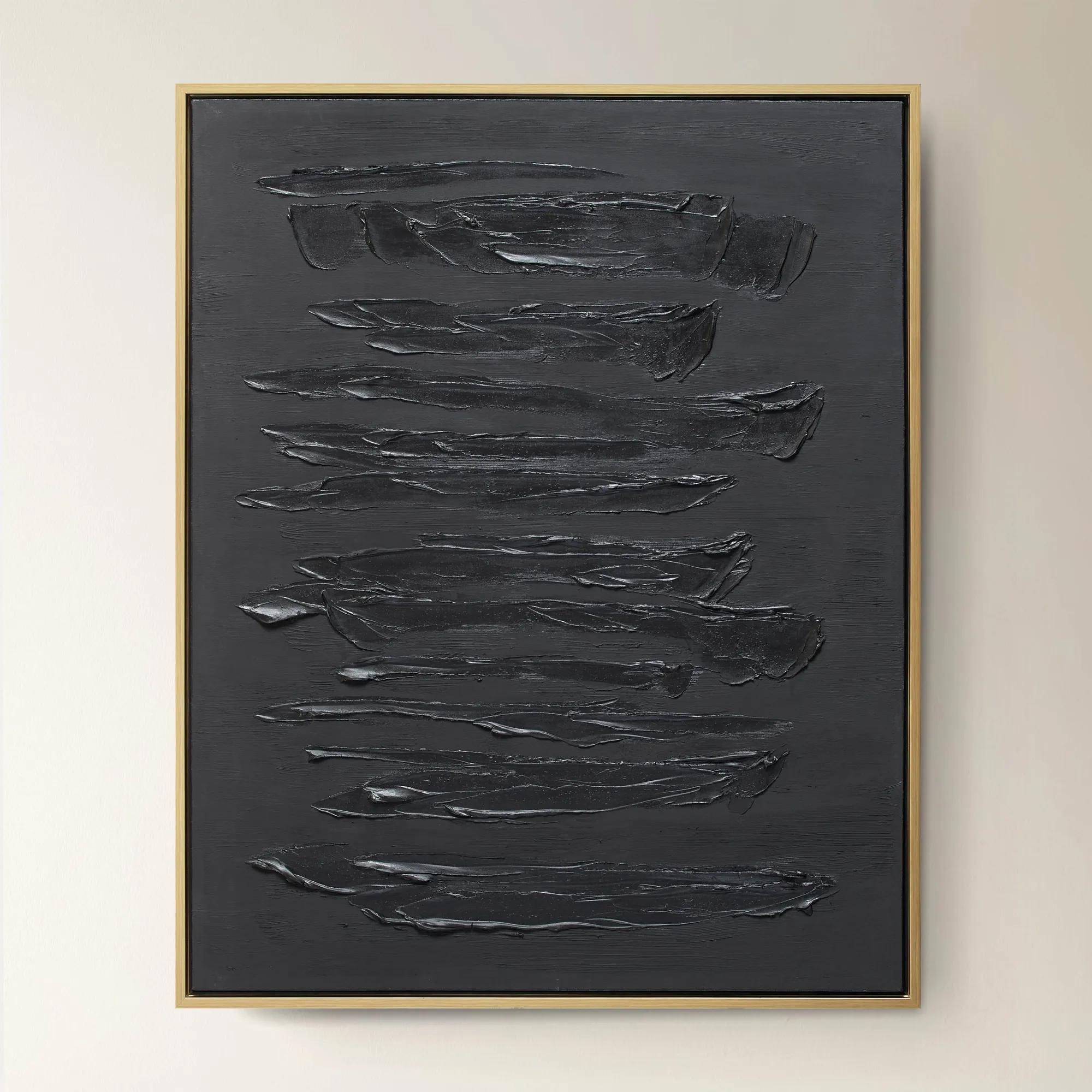
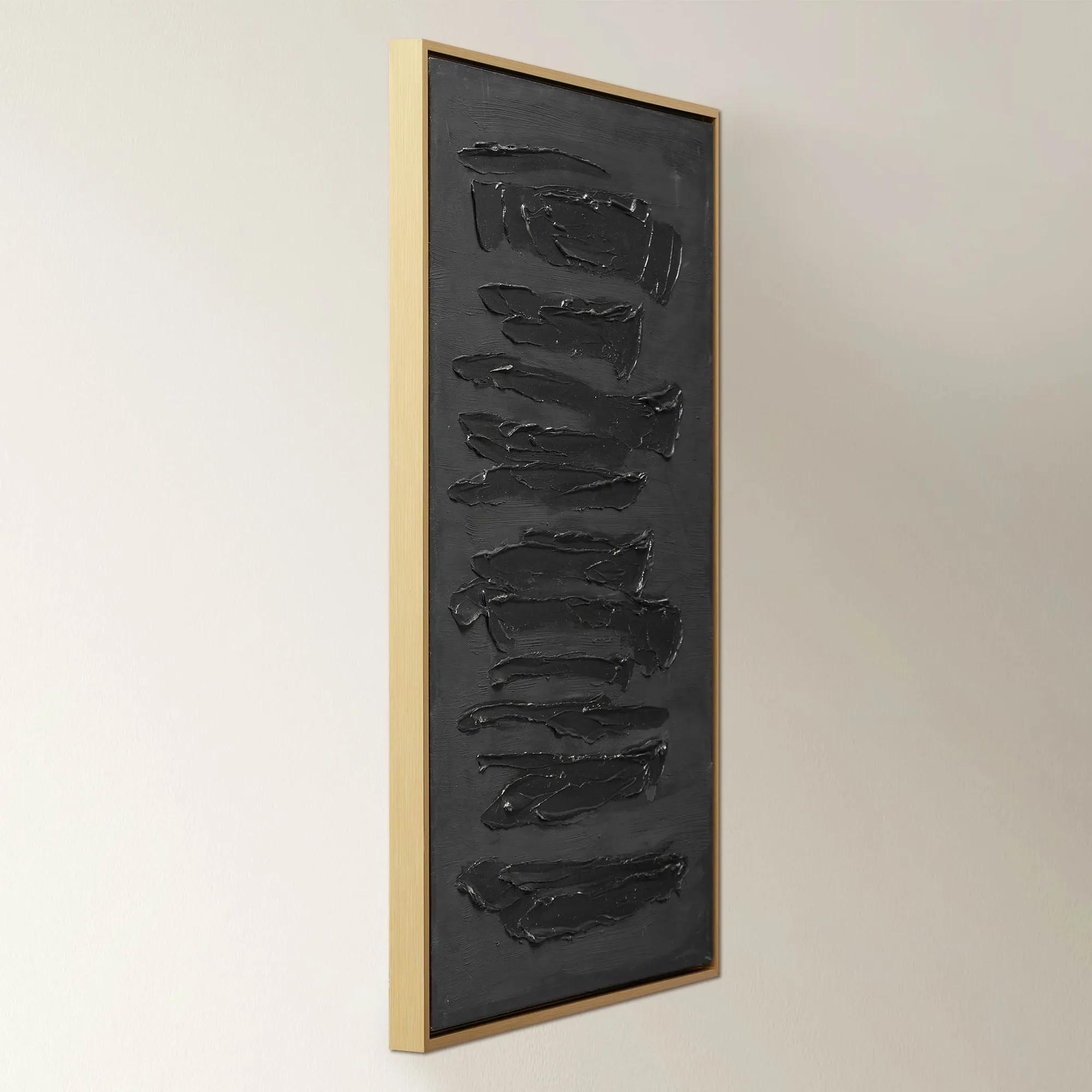 Nocturne$599.95
A dramatic abstract artwork featuring bold, dark brushstrokes on hand-painted canvas in a gold floater frame.
Add To Cart -
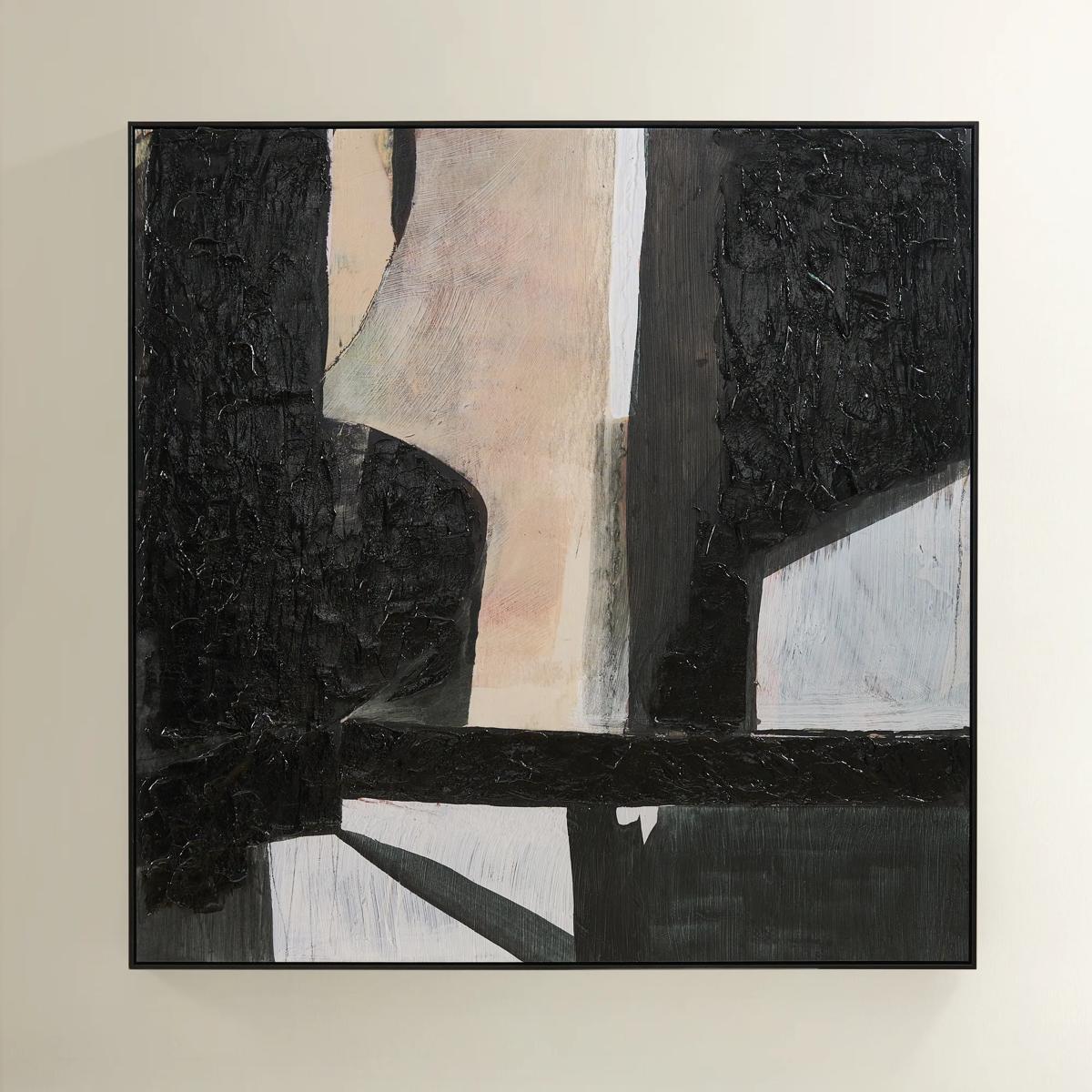 Grounded Painting$699
A hand-painted abstract canvas featuring black, cream, and earth tones in a sleek black floater frame.
Add To Cart -
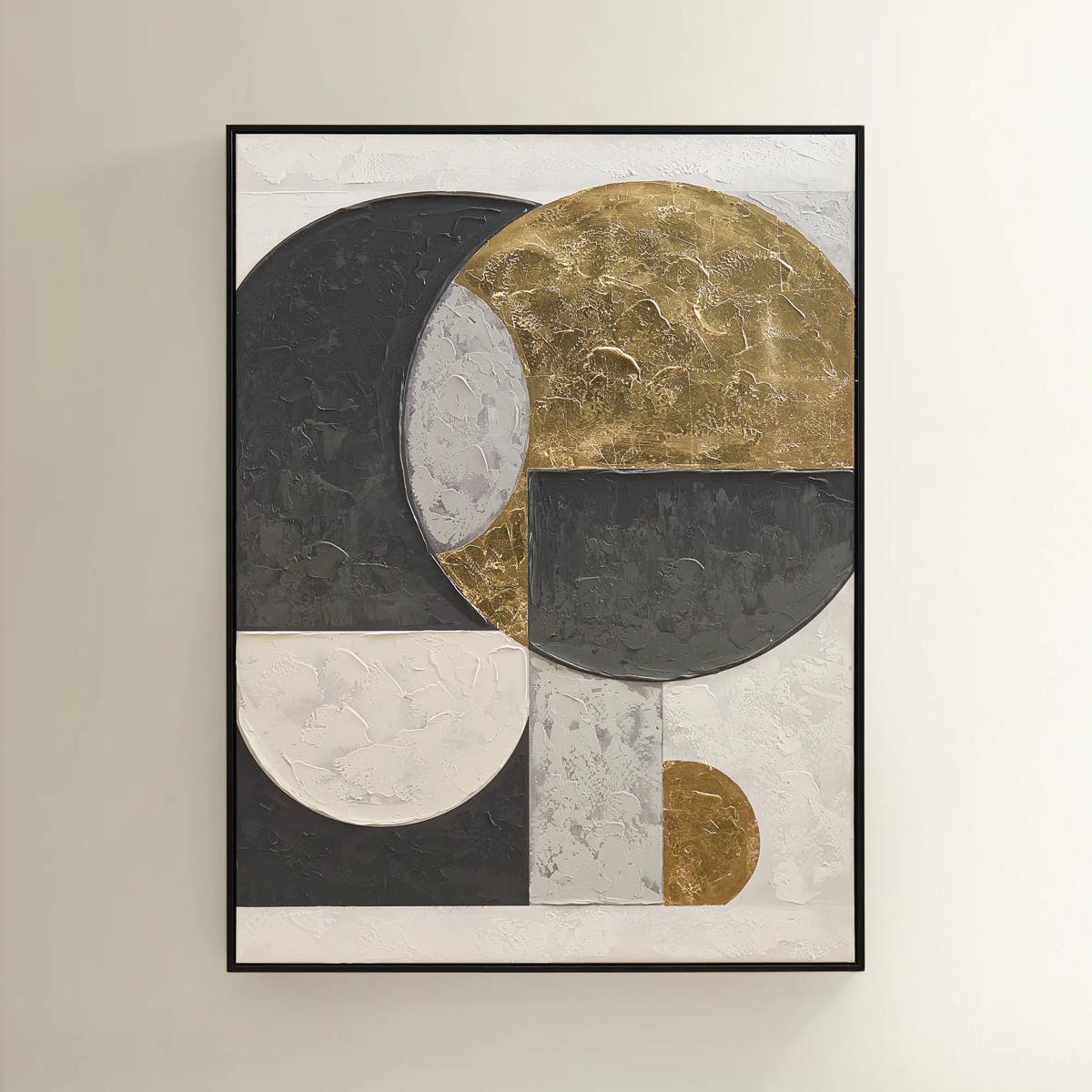
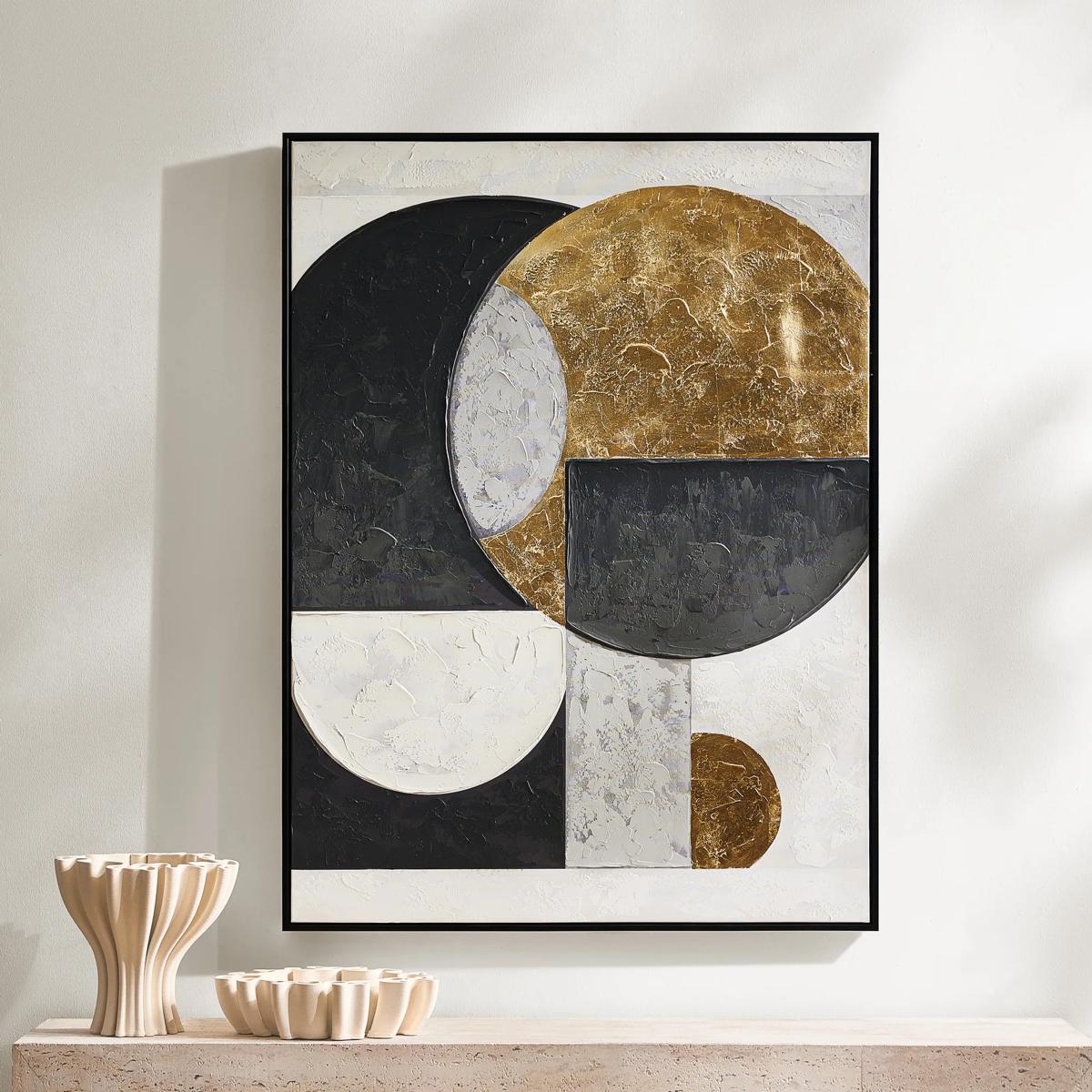 Eclipse Framed Gold Leaf Painted Wall Art 35.25" x 47.25"$449
A hand-painted canvas featuring bold black, grey, and gold geometric shapes with shimmering gold leaf accents.
Add To Cart -
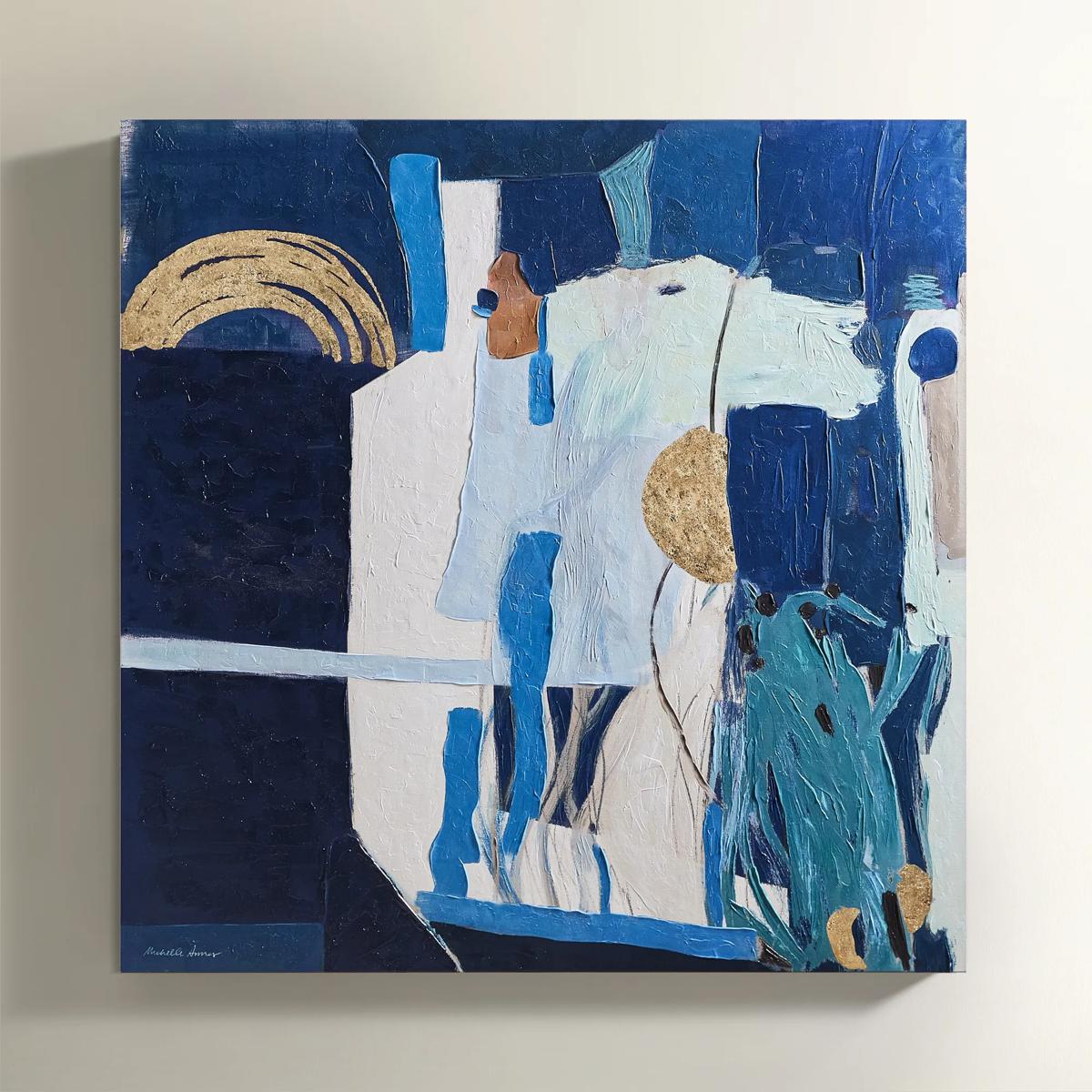
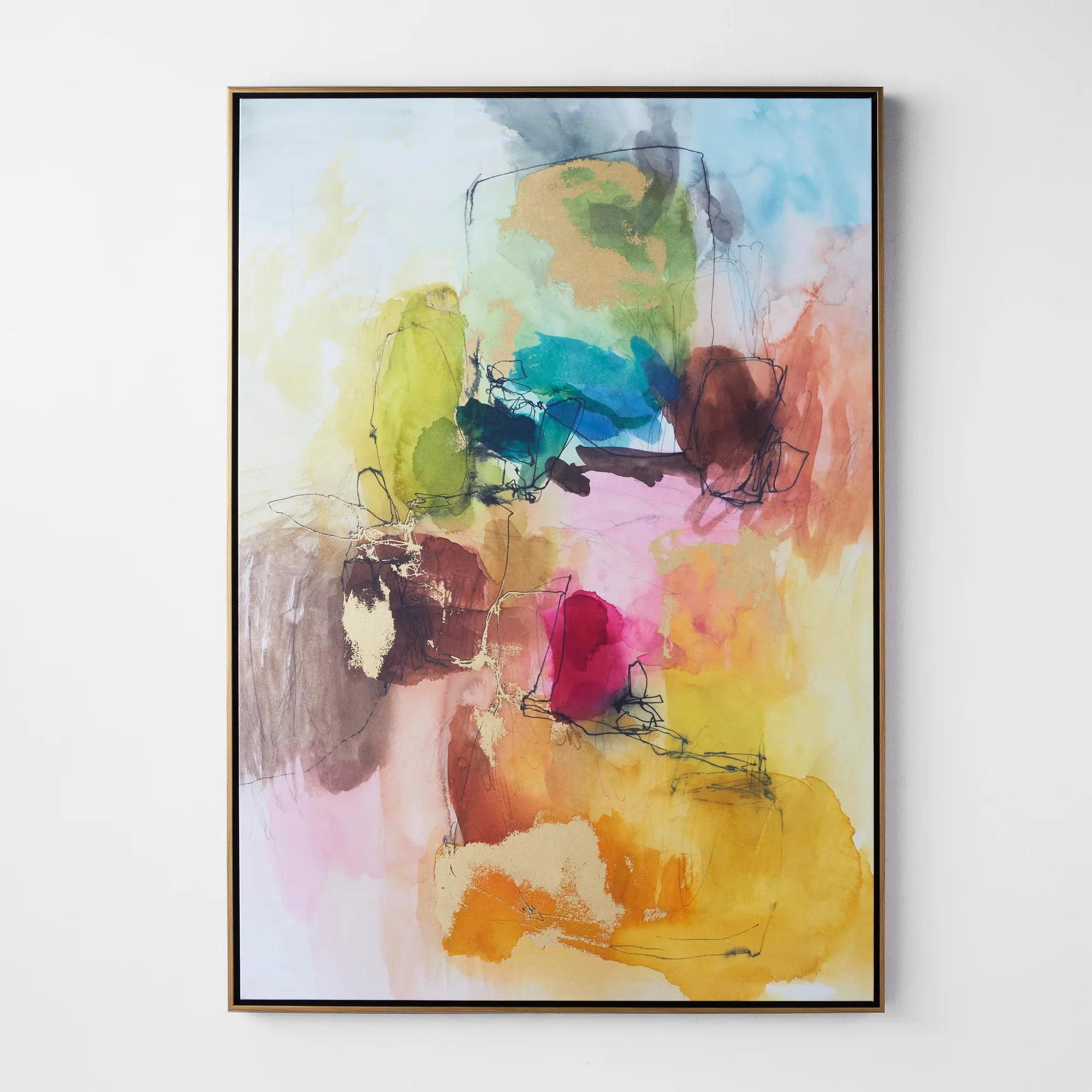
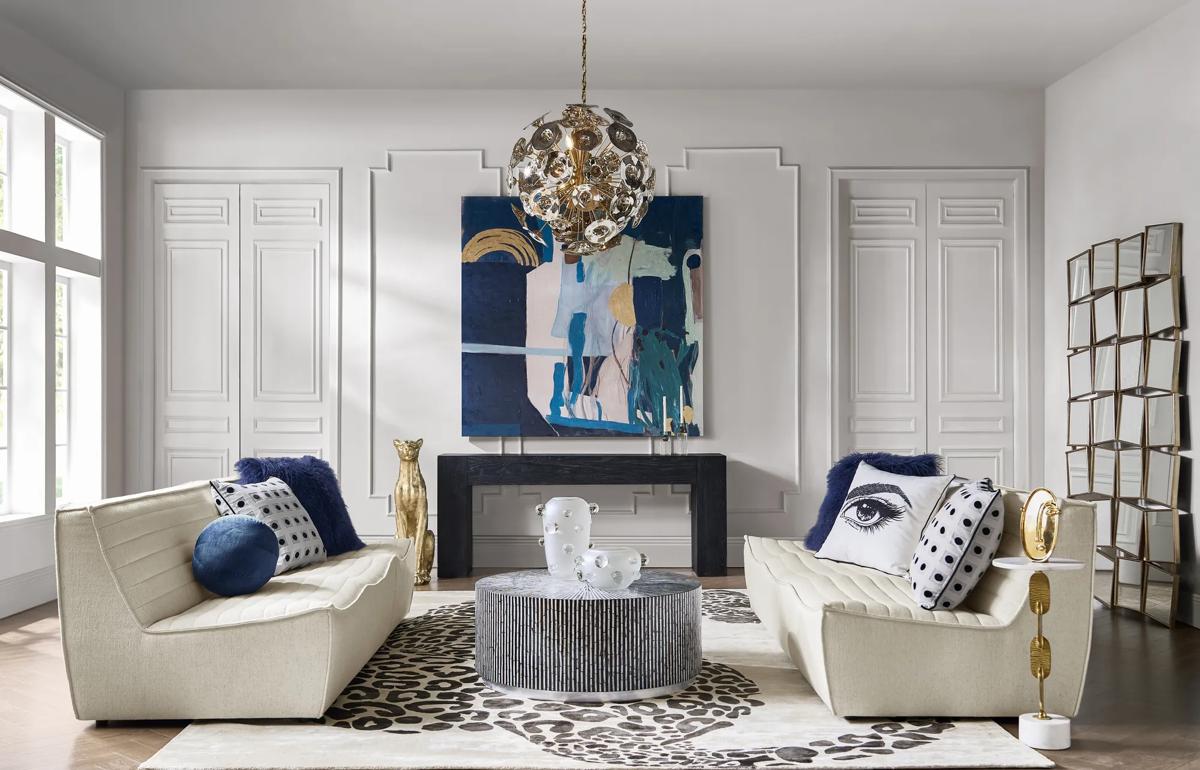 In Flux Painting$699
A hand-embellished canvas artwork featuring deep teal, green, ivory, and gold in a black Art Deco frame.
Add To Cart -
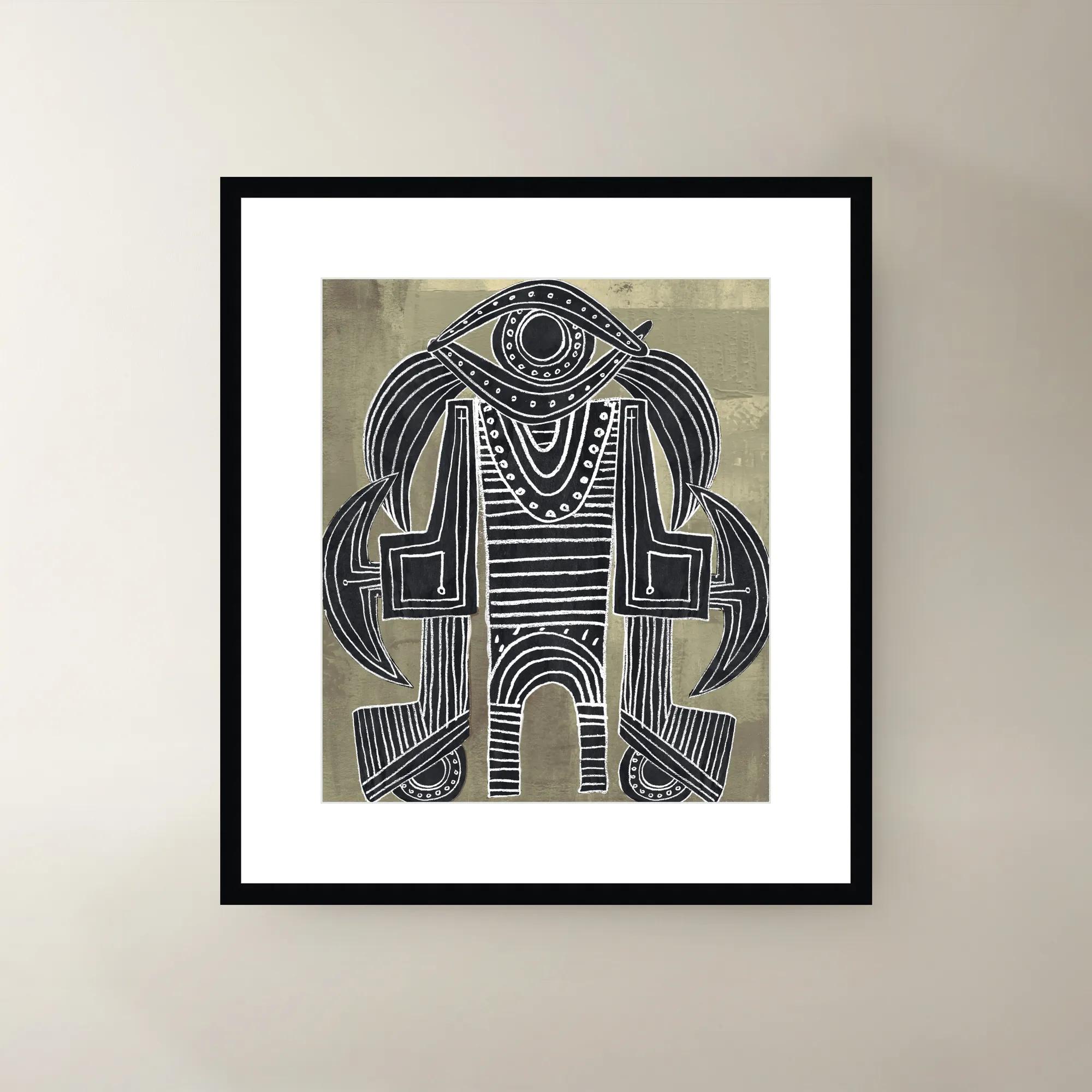
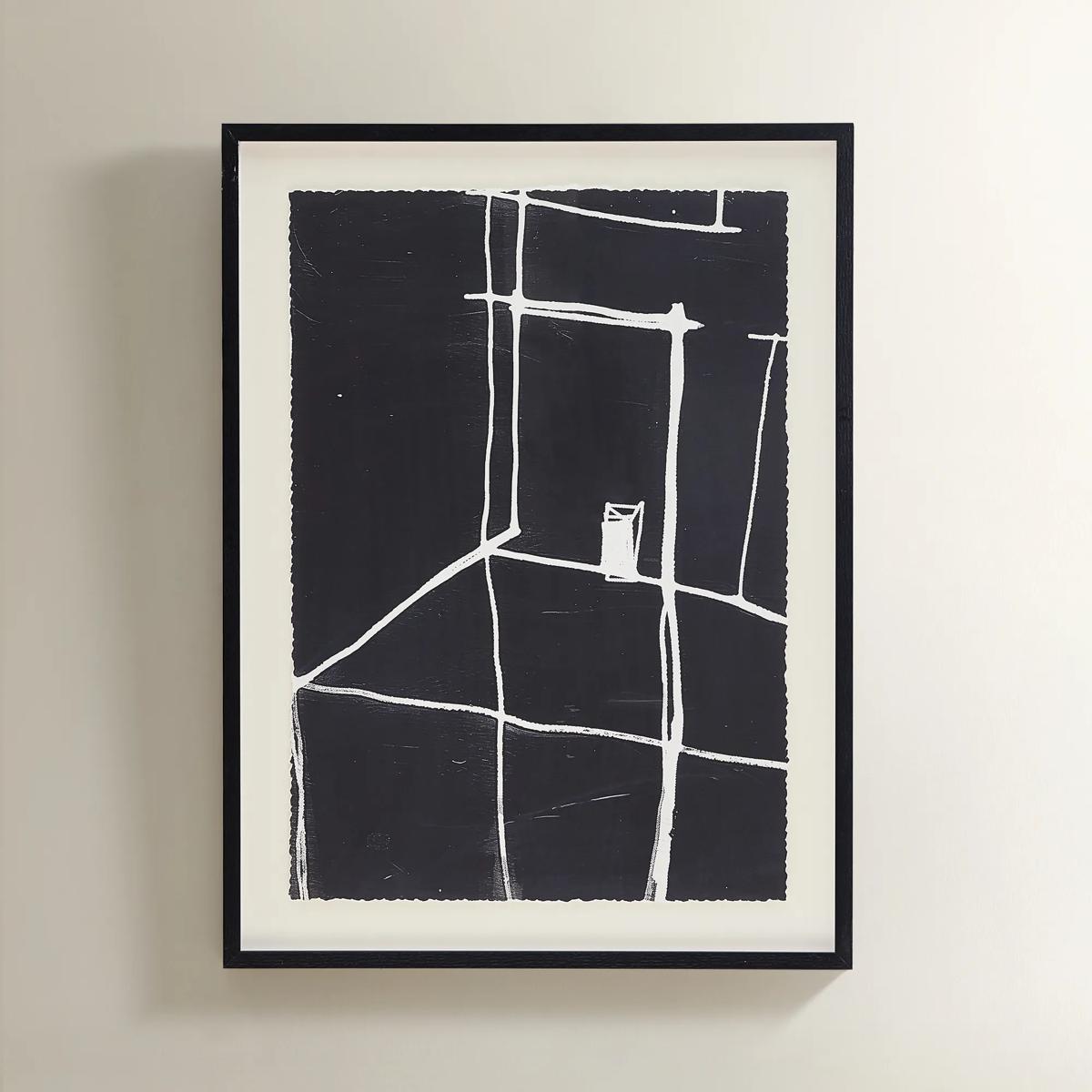 Solitude Art$269
A minimalist black-and-white abstract print featuring bold white lines in a sleek black polyresin frame.
Add To Cart -
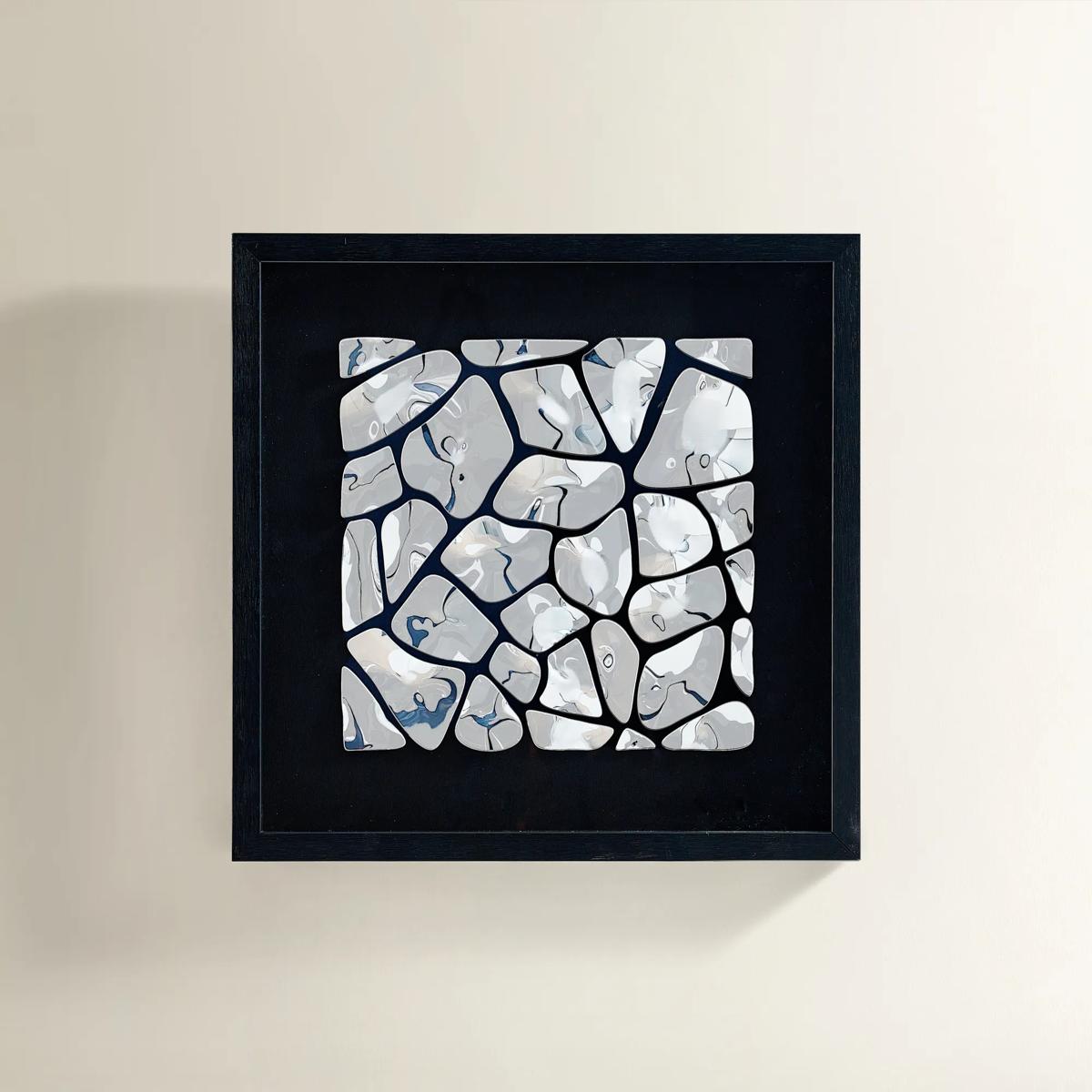 Reflect Silver And Black Shadowbox Art I$189
A dimensional metal wall art piece featuring polished silver and black forms in a sleek black frame.
Add To Cart -
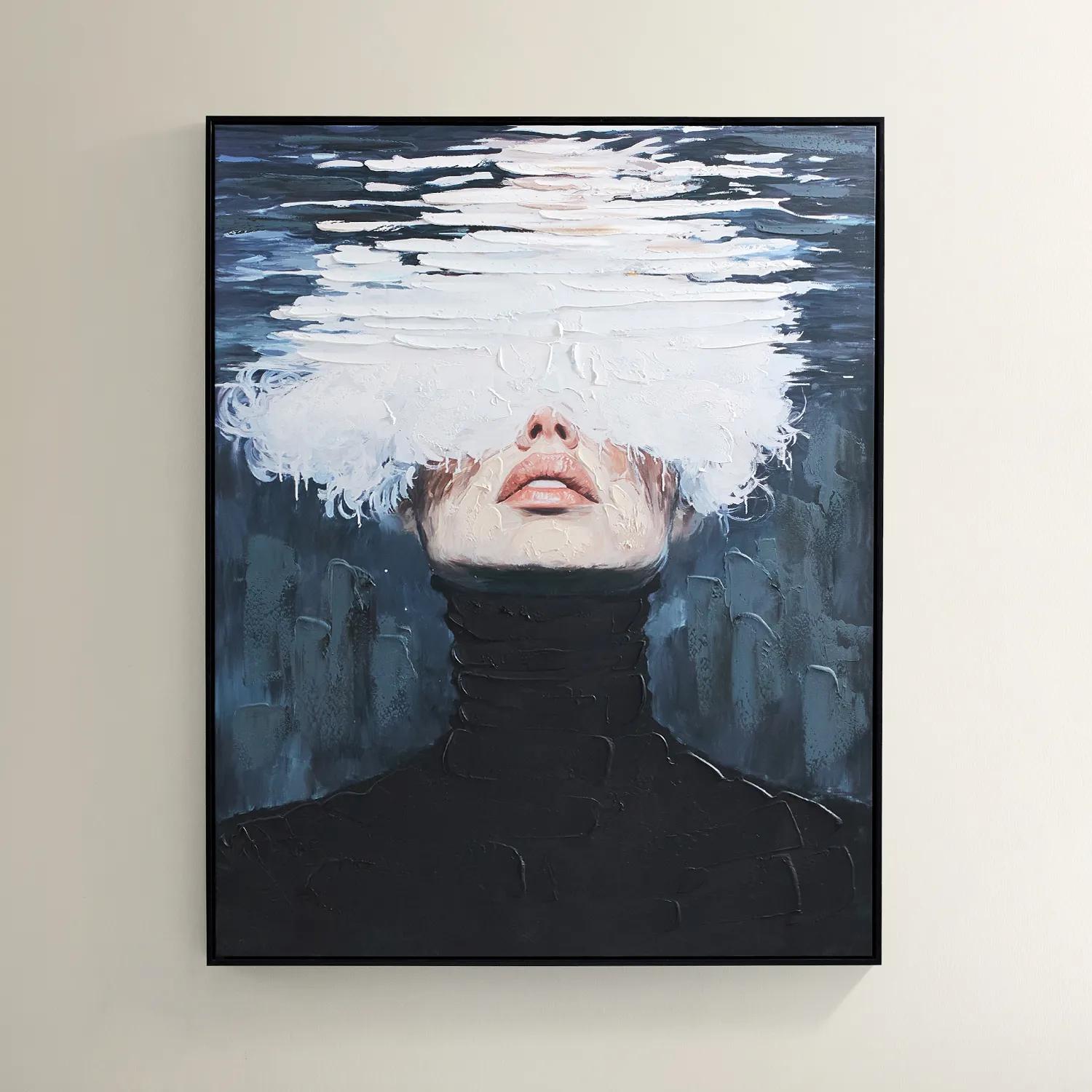
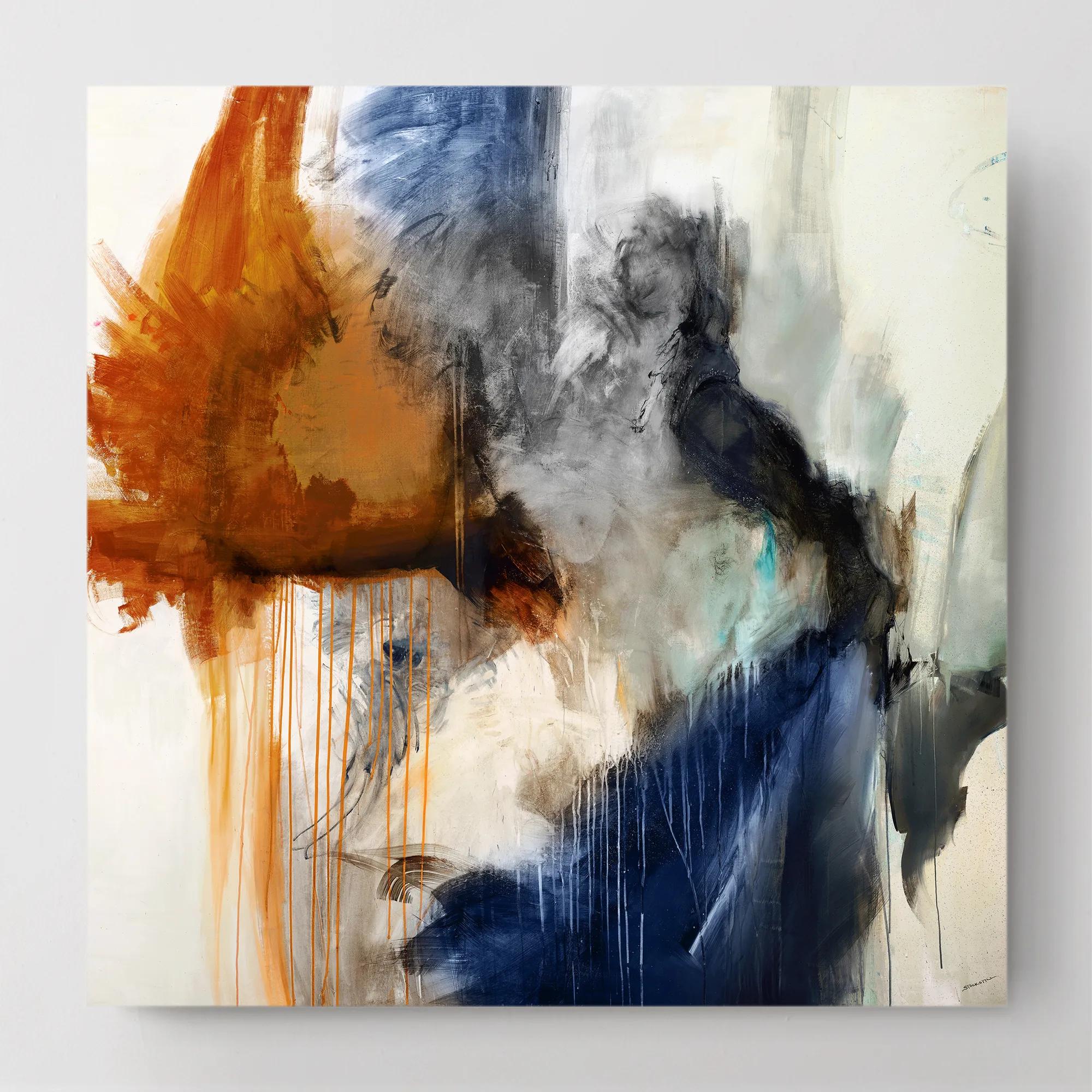
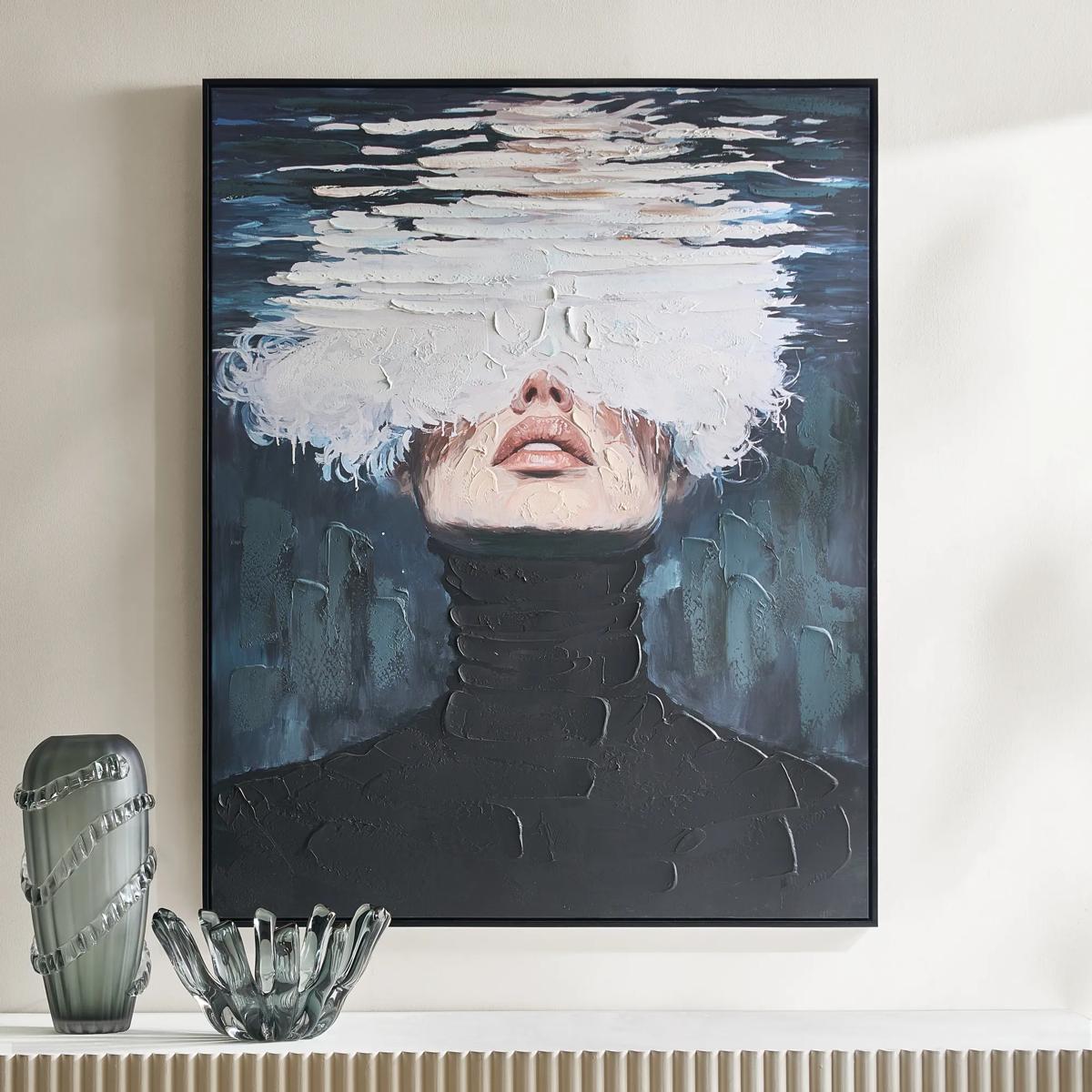 Submerged Framed Painted Wall Art 40" x 50"$599
A hand-painted canvas featuring a surreal portrait in black, blue, and white with a black floater frame.
Add To Cart -
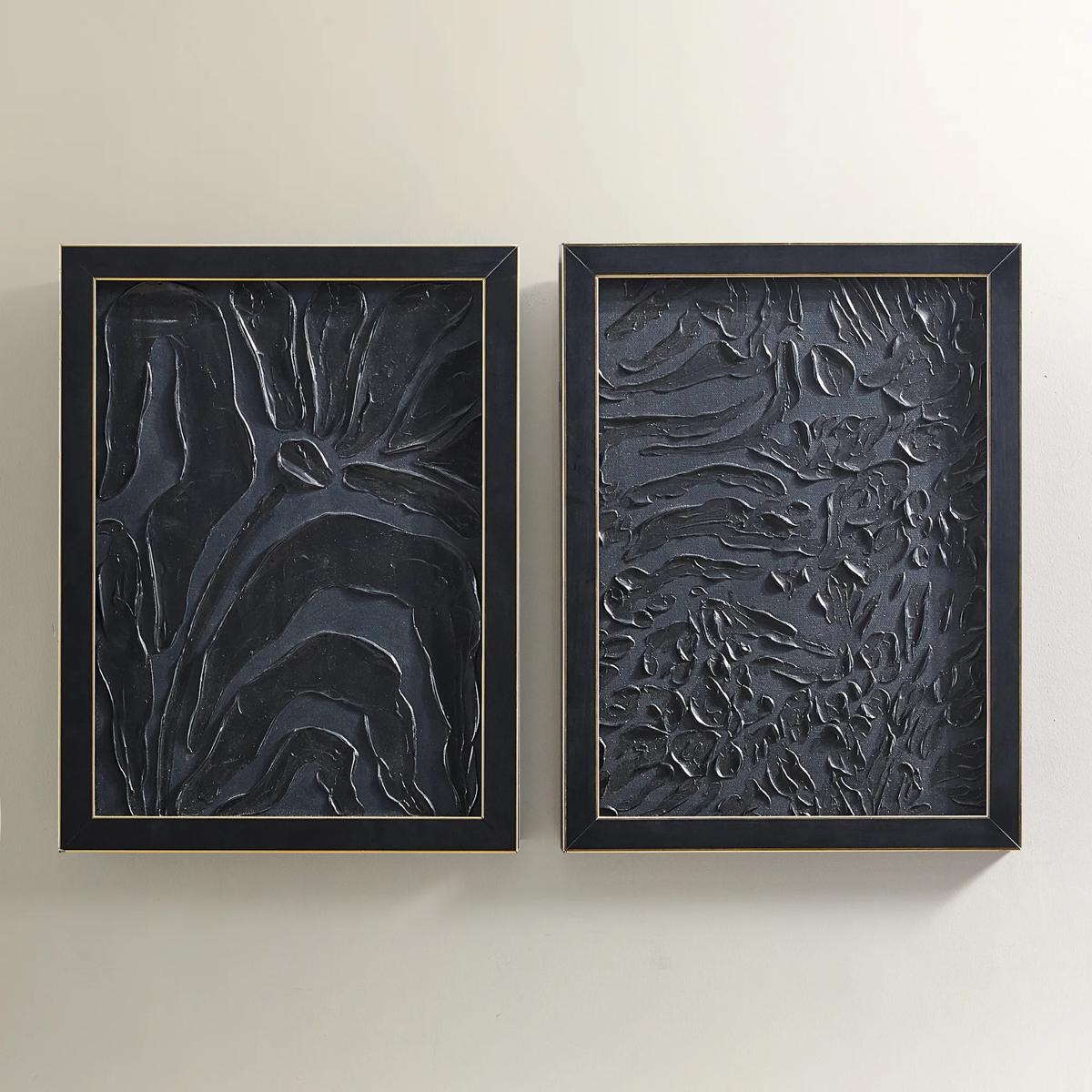
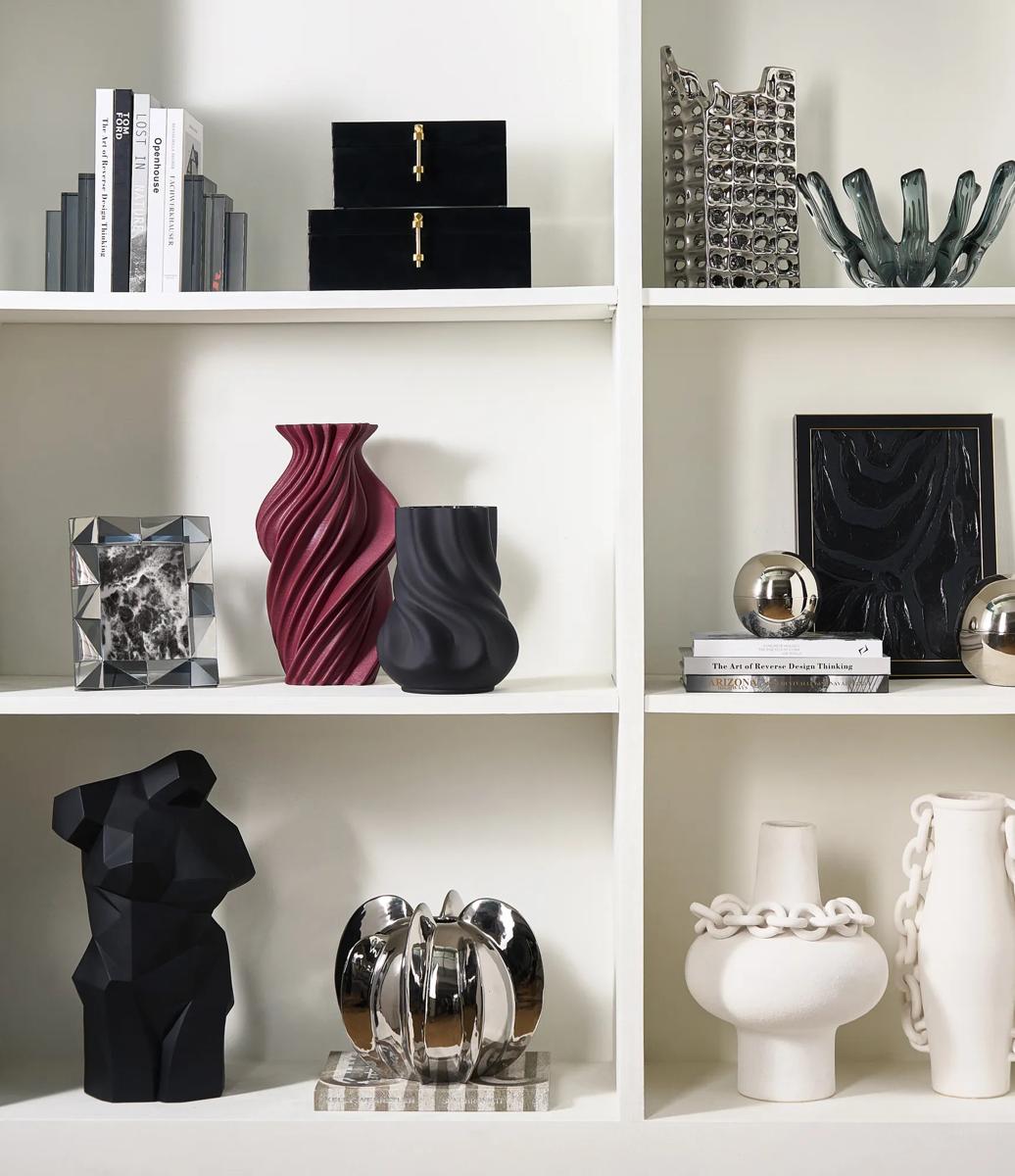 Midnight Animal Painting - Set of 2$119
A set of hand-embellished canvas artworks in black and gold frames, adding depth and warmth to interiors.
Add To Cart -
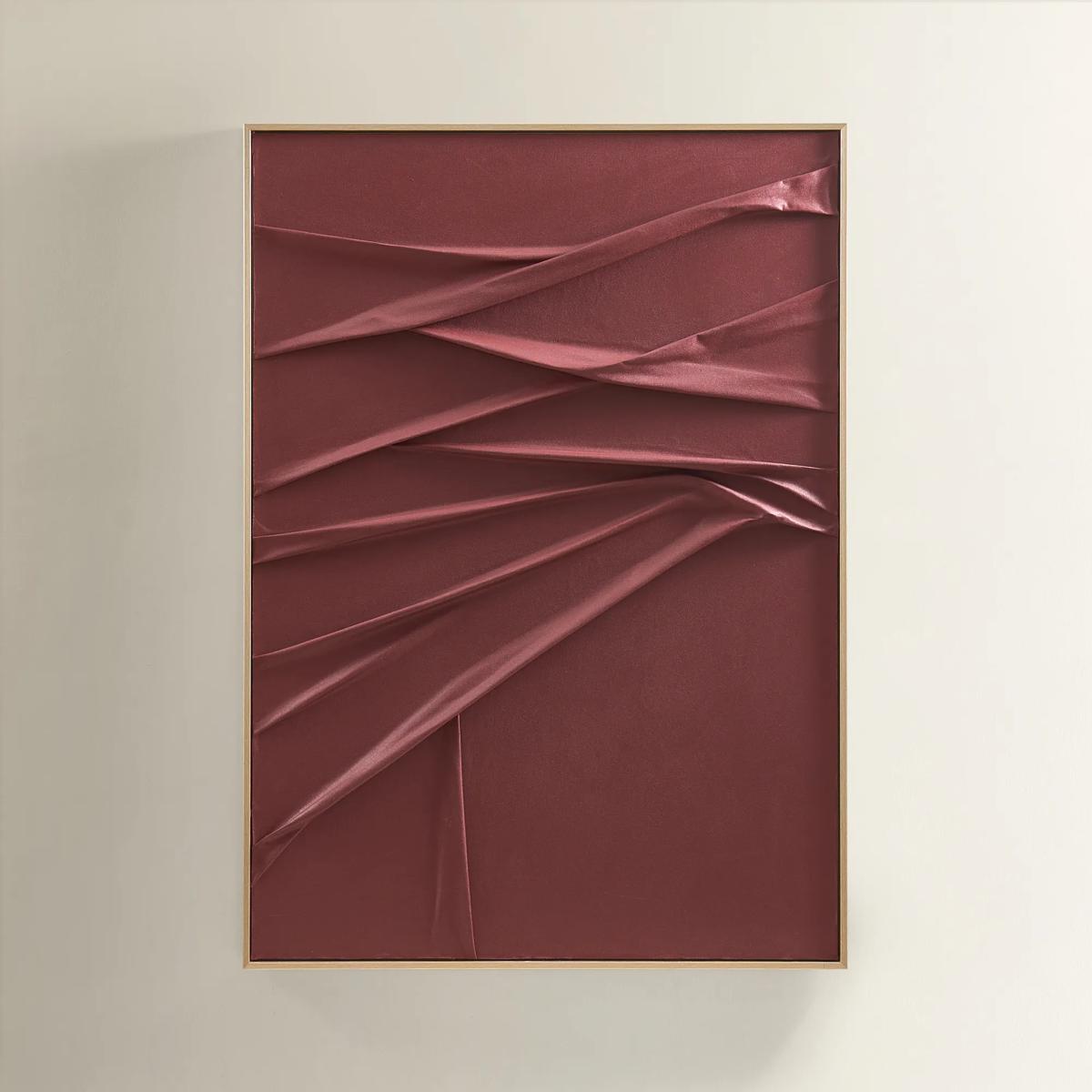
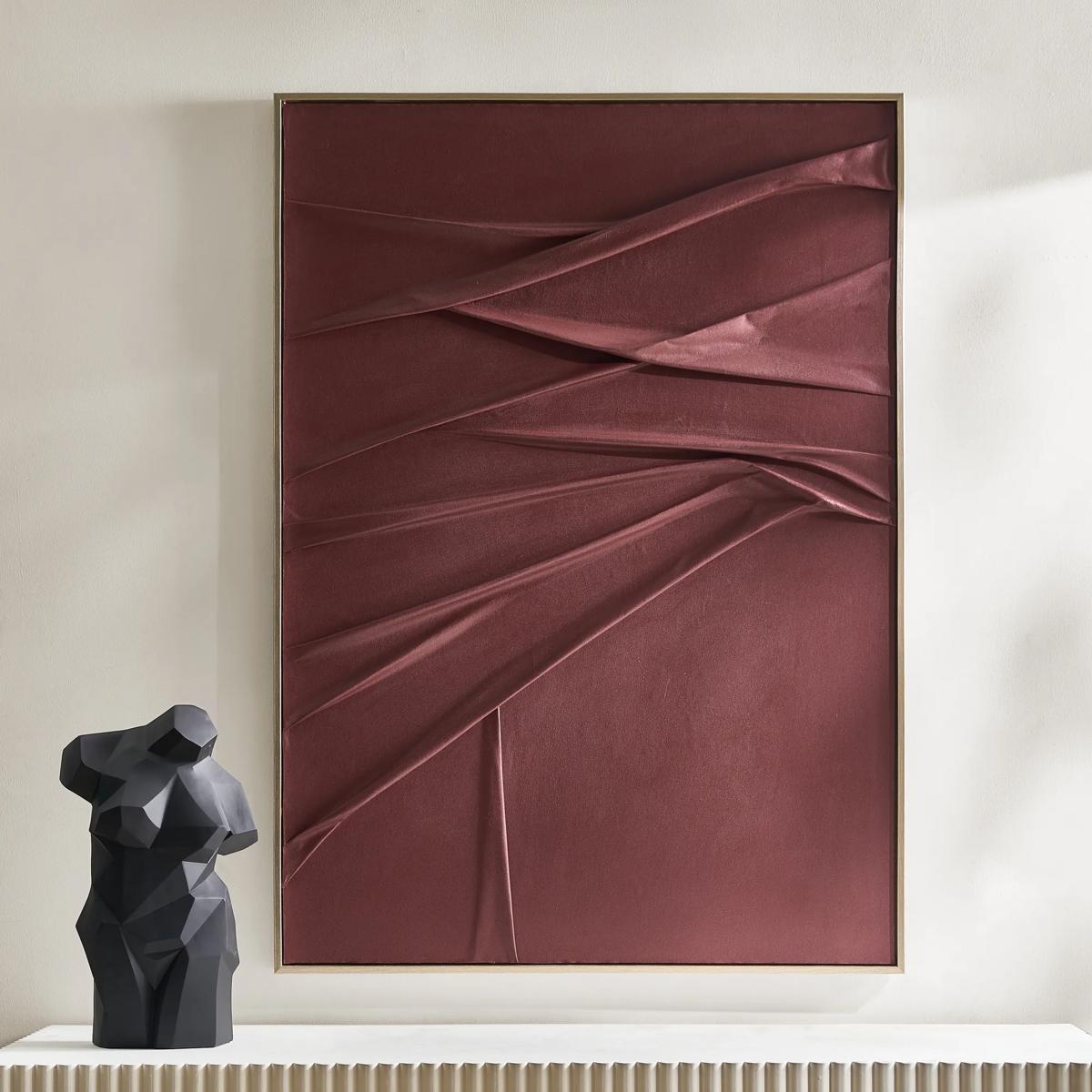 Crimson Painting$599
A handcrafted burgundy canvas artwork with sculptural folds, framed in champagne for a dramatic, textured effect.
Add To Cart -
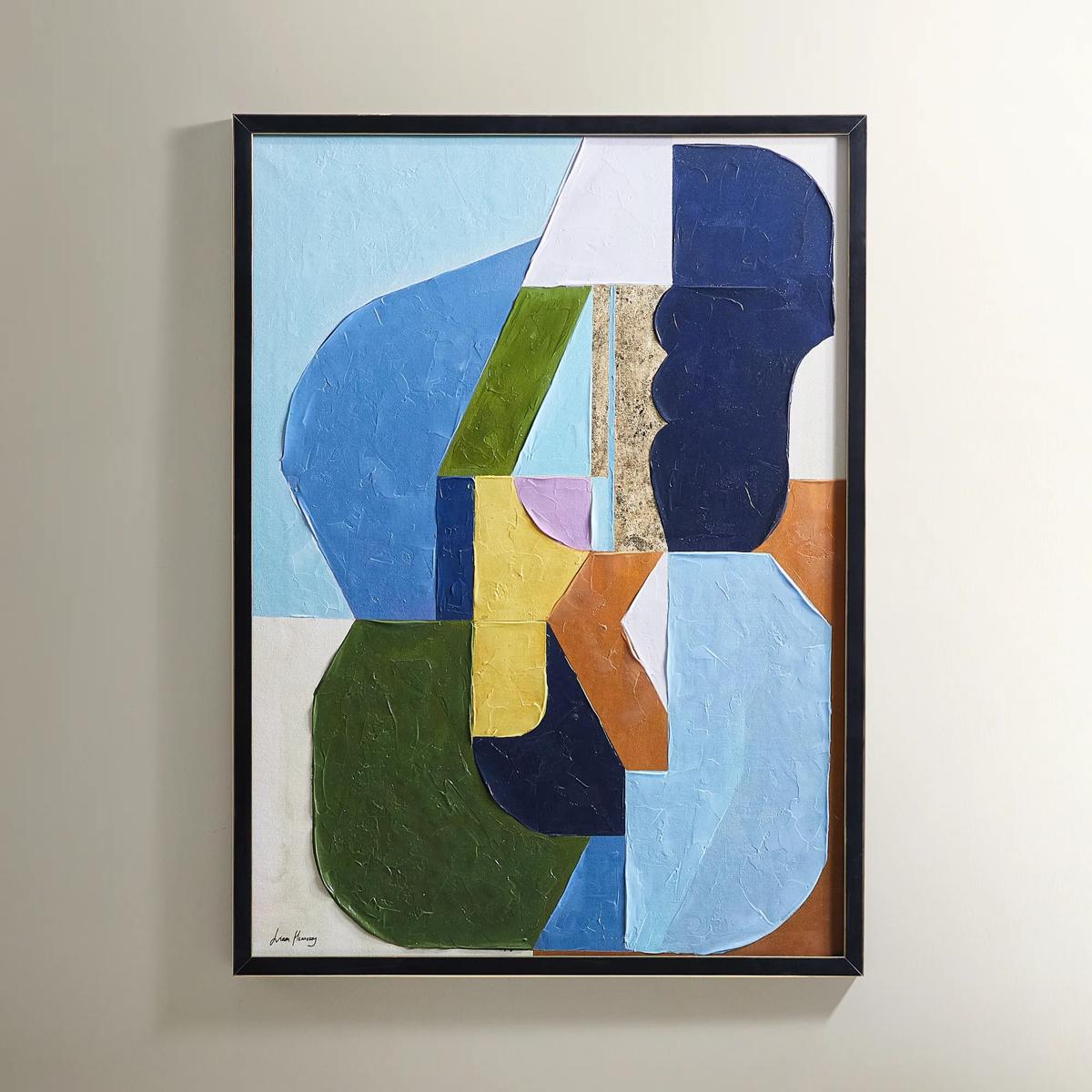
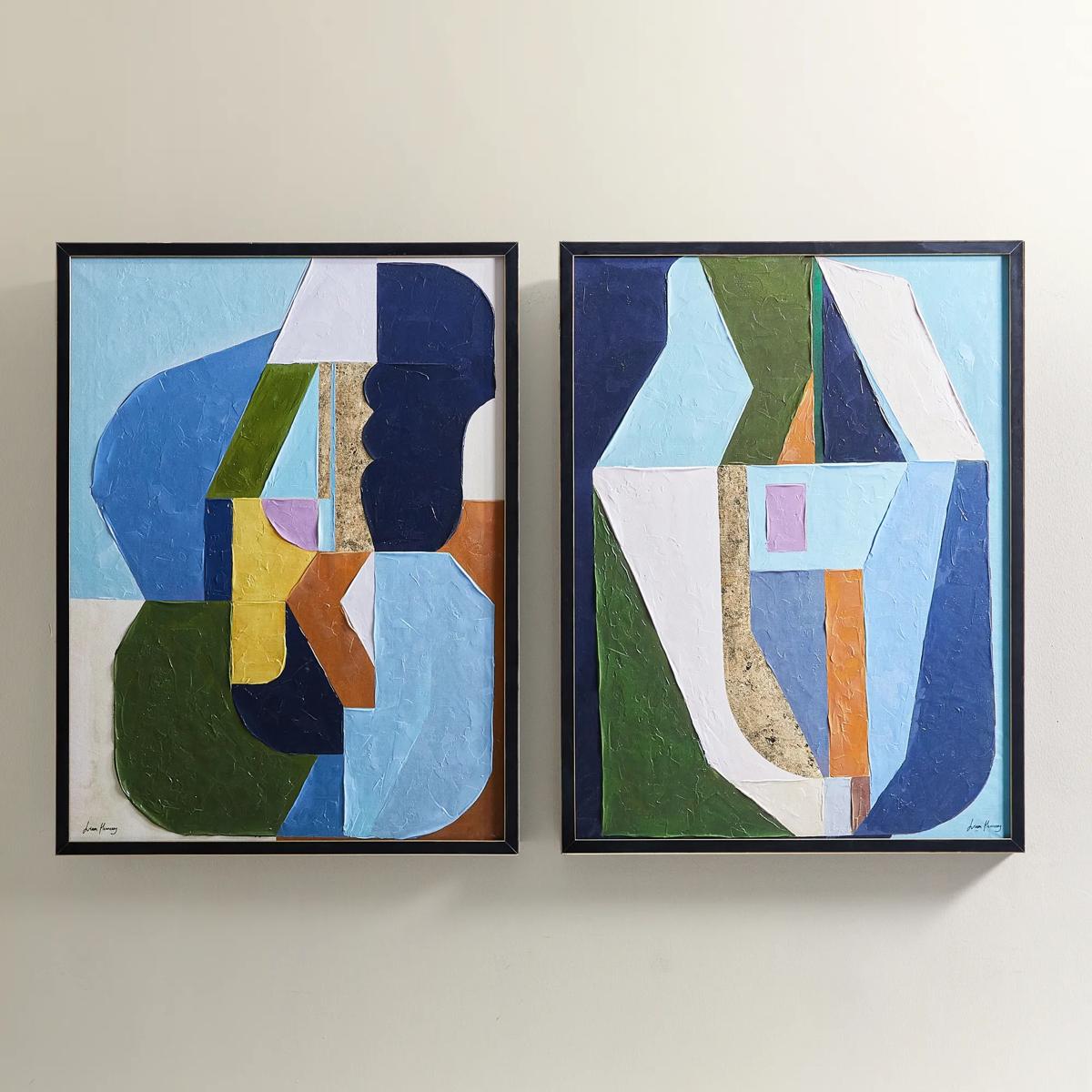 Thought Provoking Painting 1$249
A hand-embellished canvas artwork featuring textured strokes in deep blue, olive green, and gold accents.
Add To Cart -
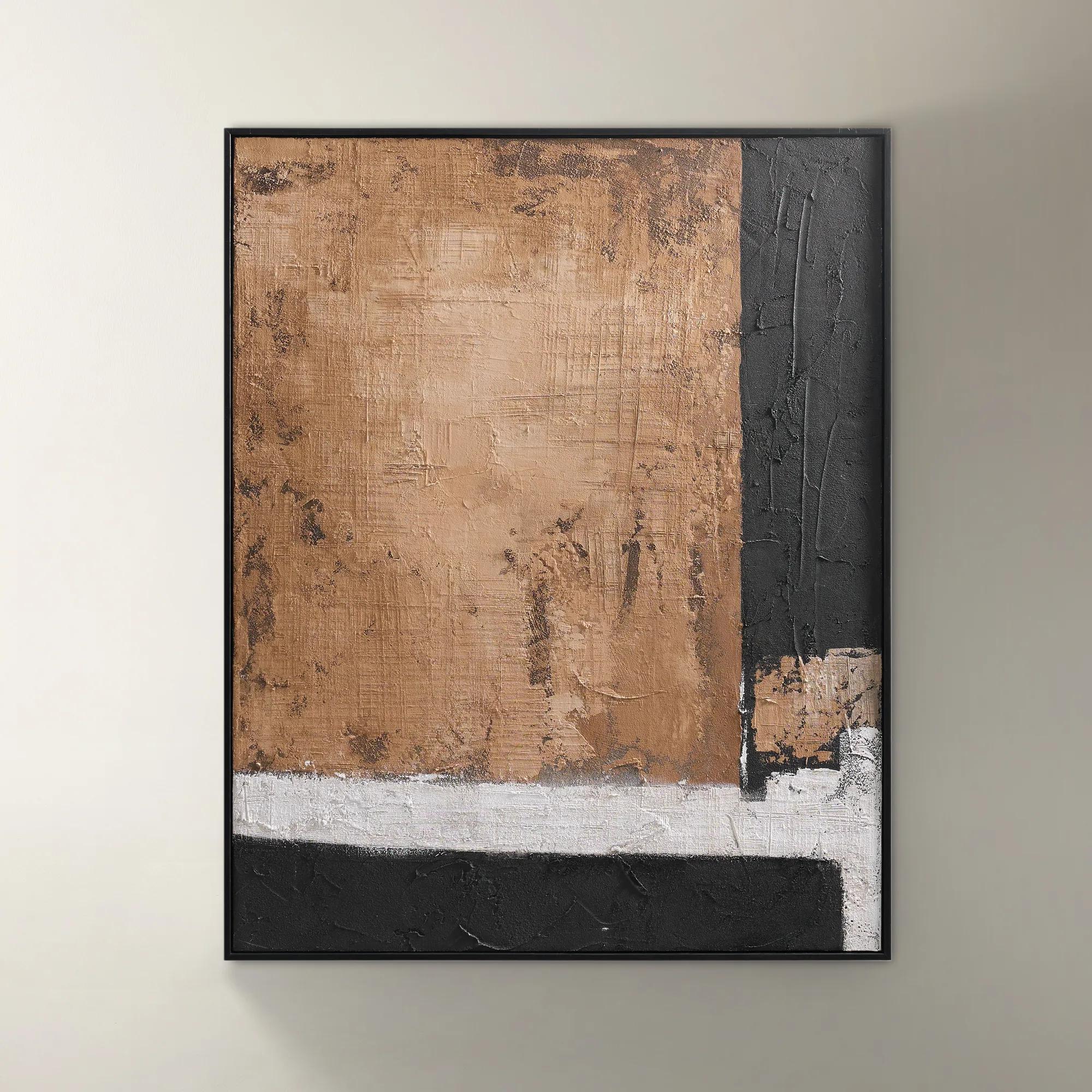 Drift Framed Painted Wall Art I 39.4" x 31.5"$299
A bold hand-painted abstract artwork featuring layered brown tones in a sleek black floater frame.
Add To Cart -
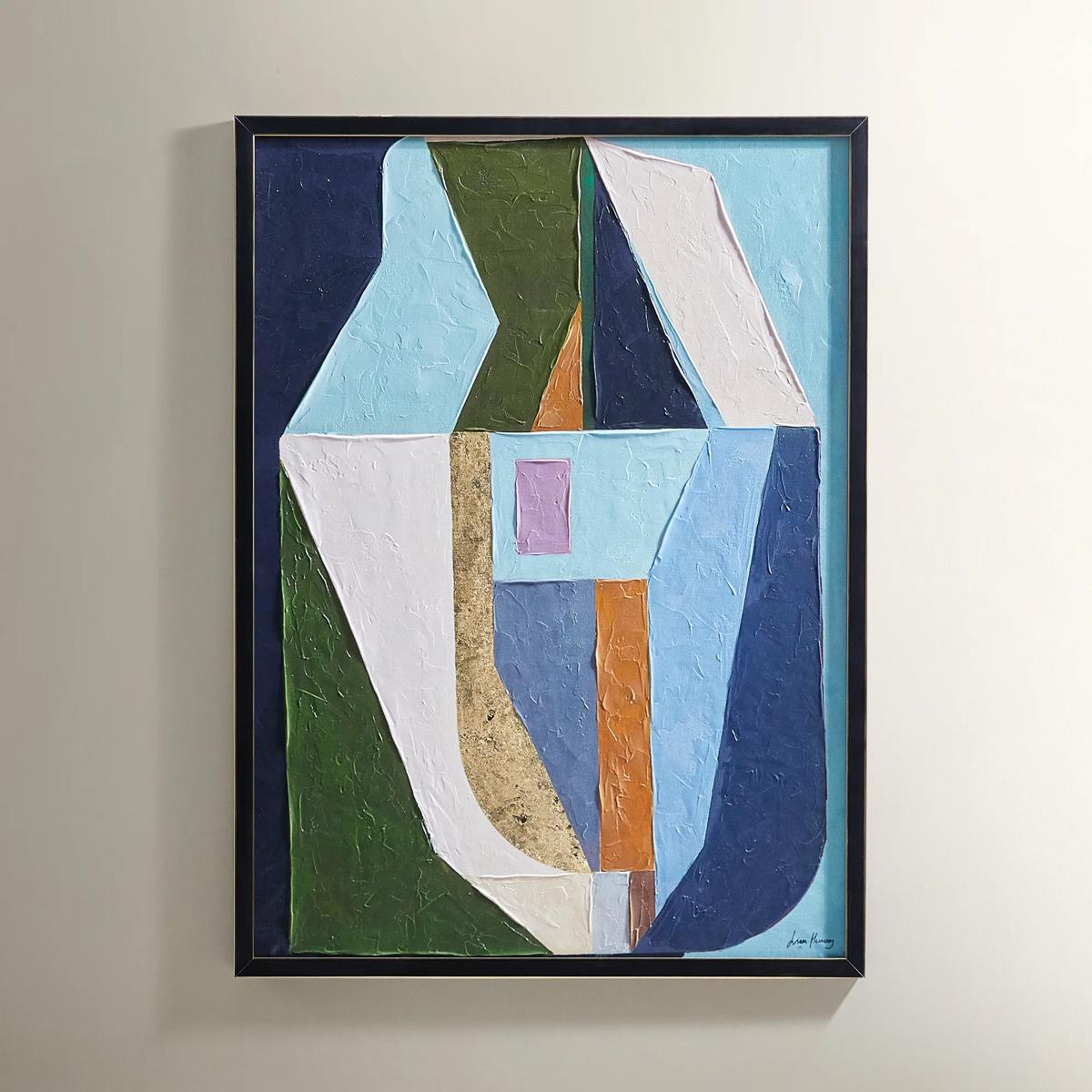 Thought Provoking Painting 2$249
A hand-embellished canvas artwork featuring textured strokes in deep blue, olive green, and gold accents.
Add To Cart -
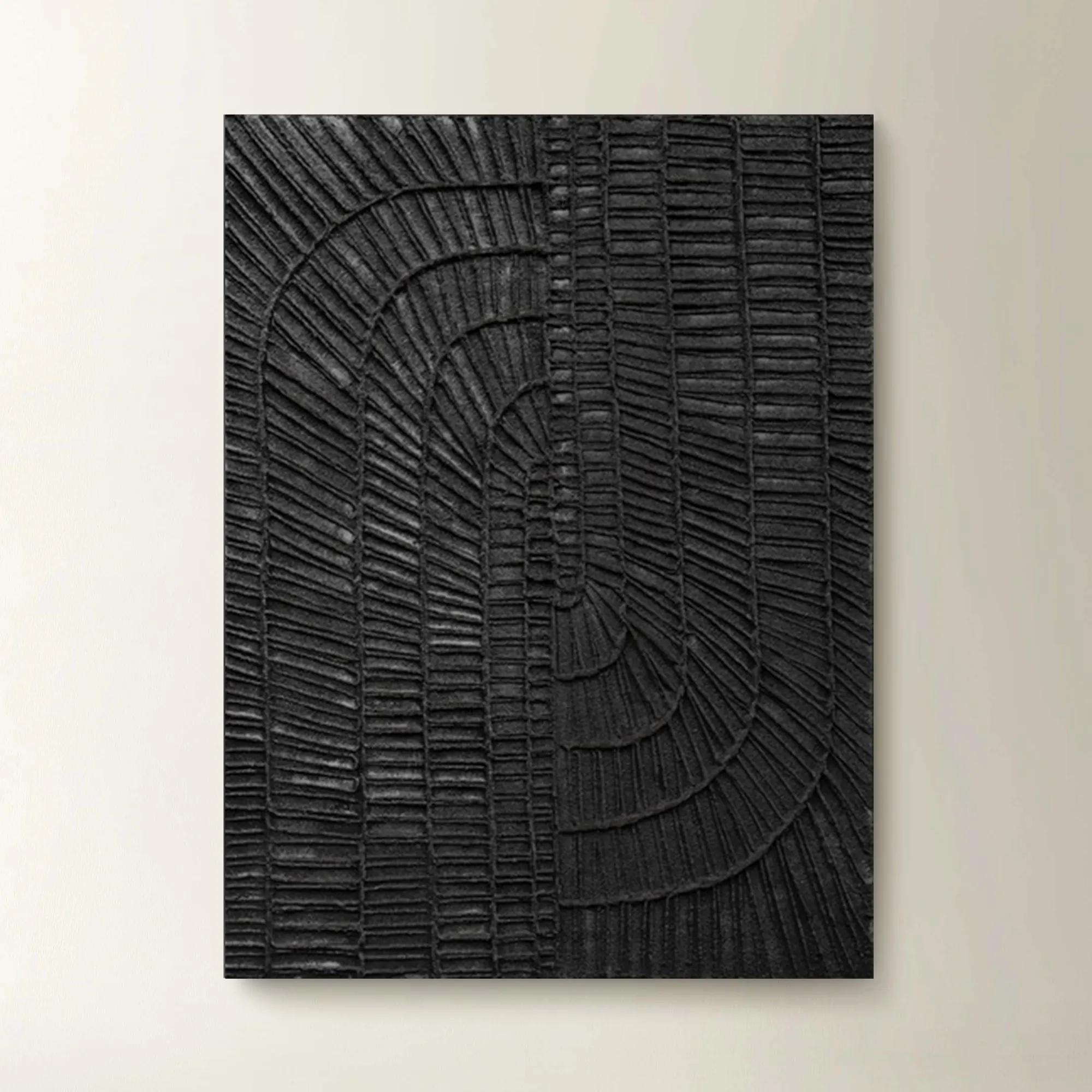 Textured Haze Black II Painted Wall Art 26" x 35"$499
A striking hand-painted black artwork featuring textured details for versatile vertical or horizontal display.
Add To Cart -
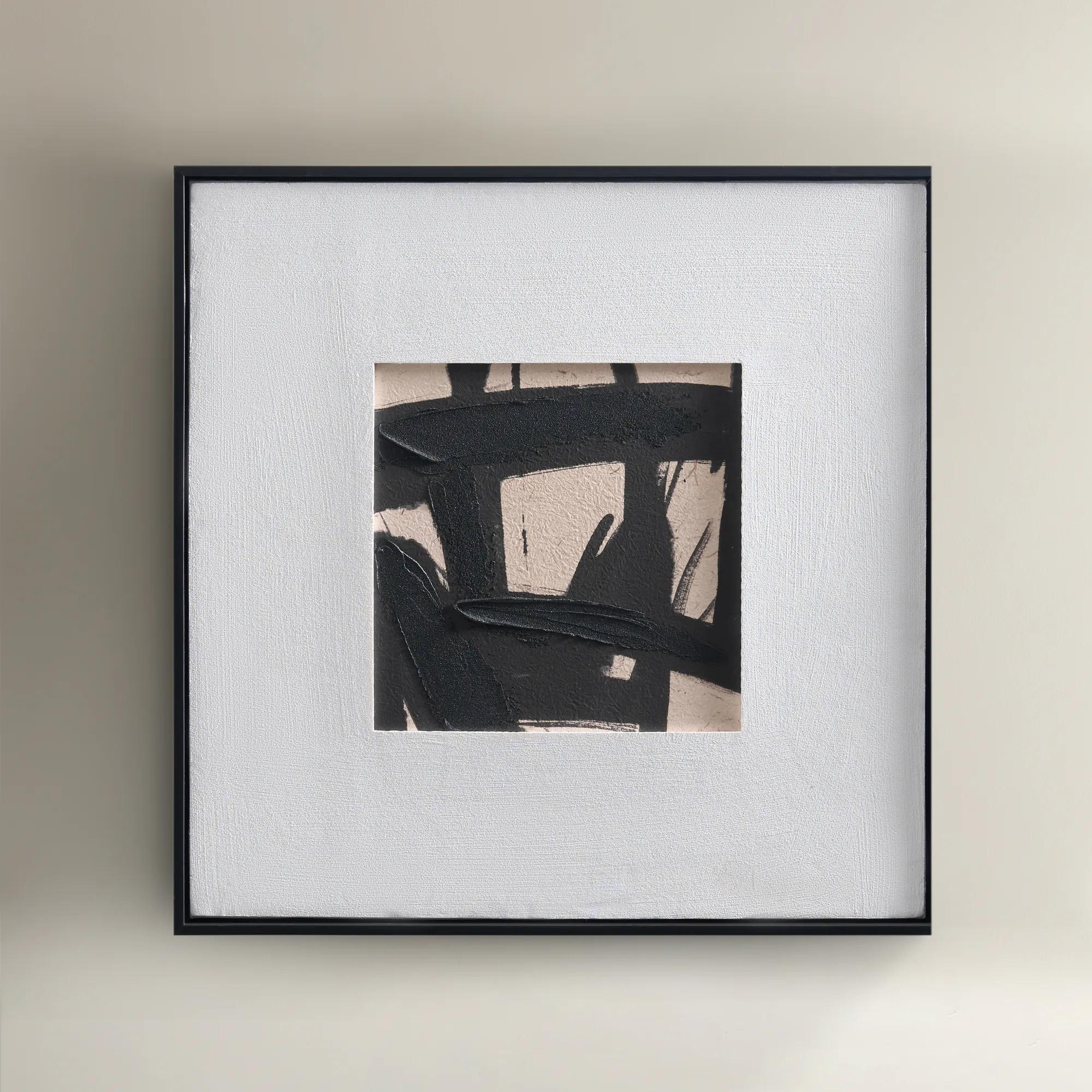
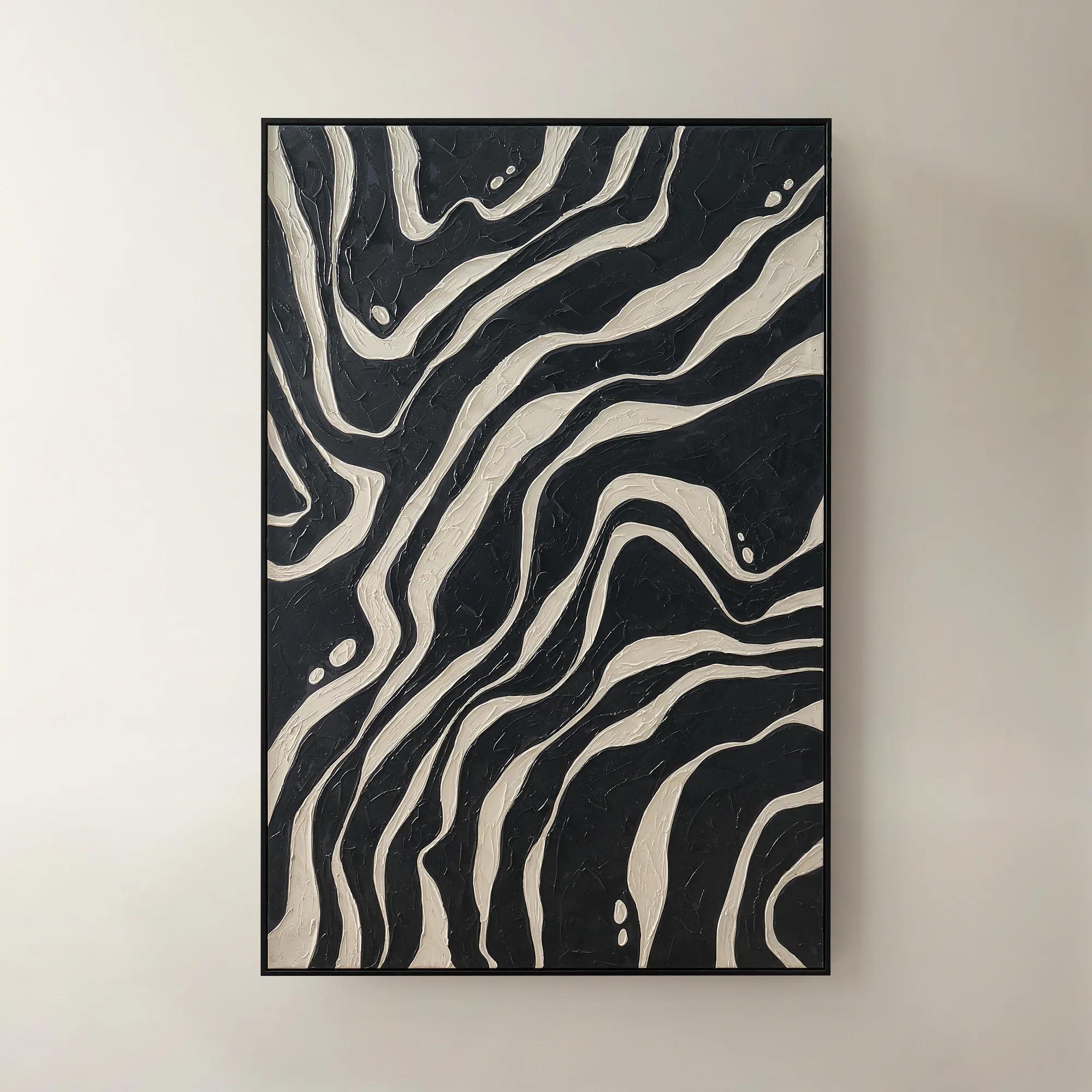
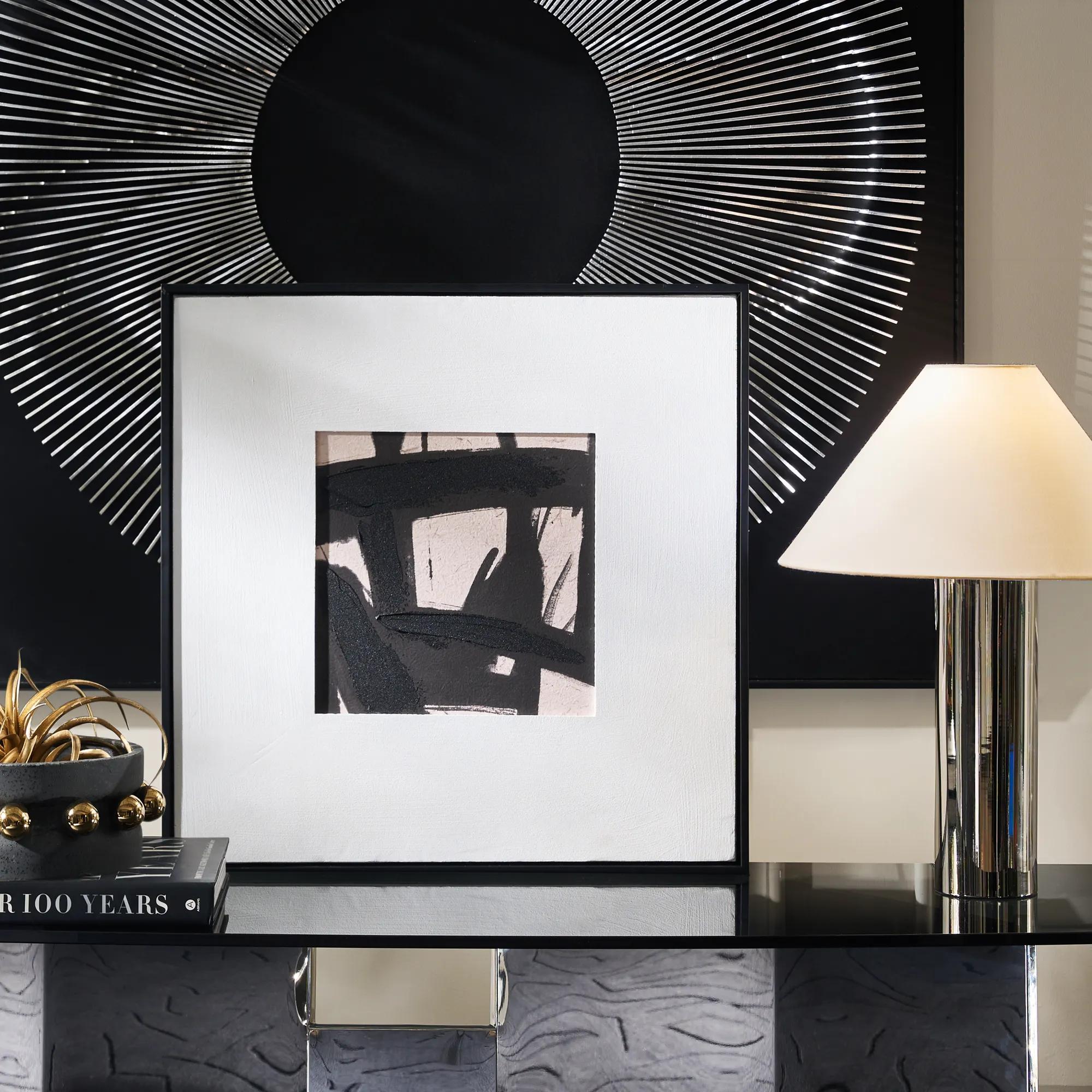 Ink Maze Painting$89
A hand-painted canvas featuring bold black and beige contrasts, set in a sleek black floater frame.
Add To Cart -
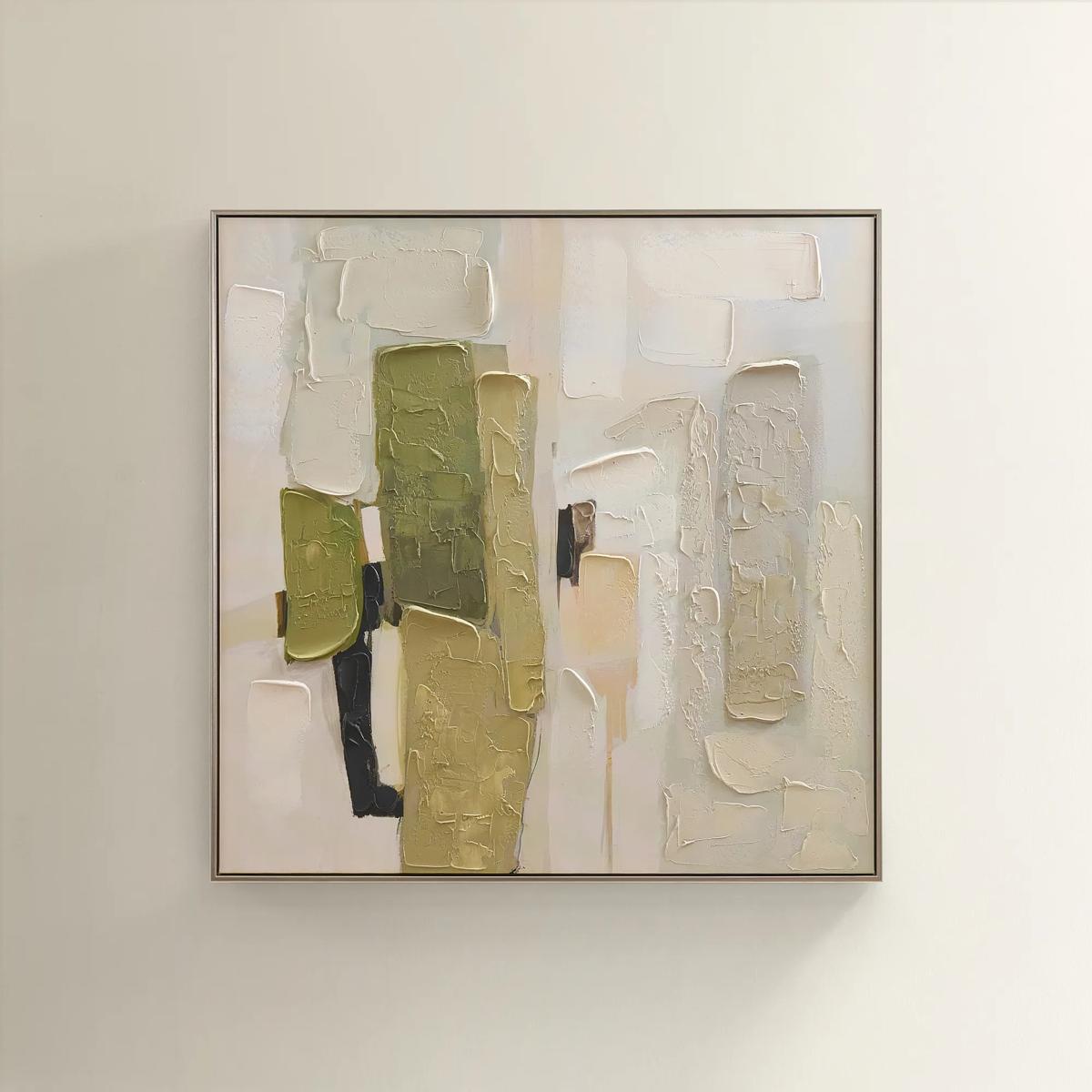 Verde Crush Framed Painted Wall Art 39.25" x 39.25"$349
A hand-painted abstract canvas featuring rich green tones, layered neutrals, and a champagne floater frame.
Add To Cart -
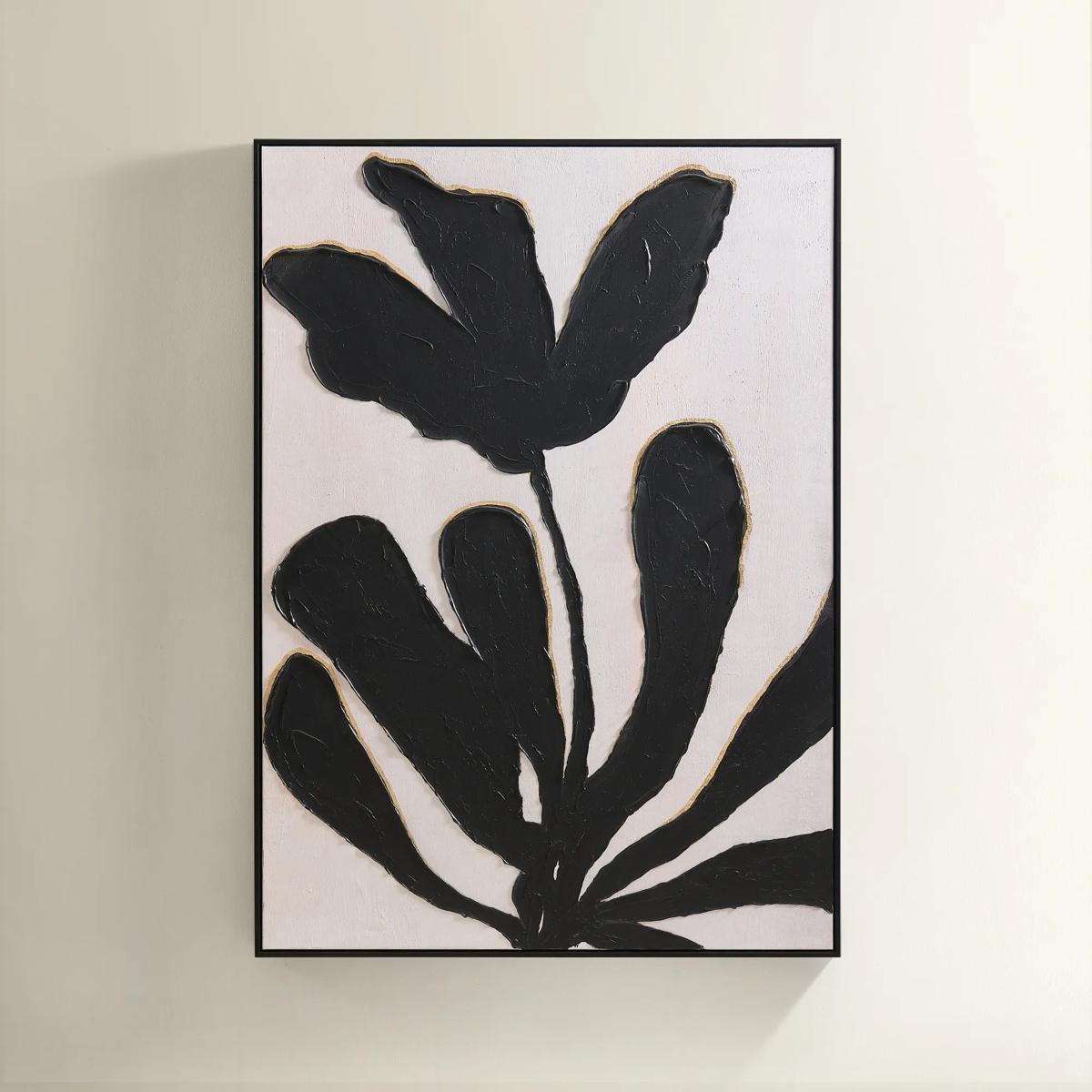
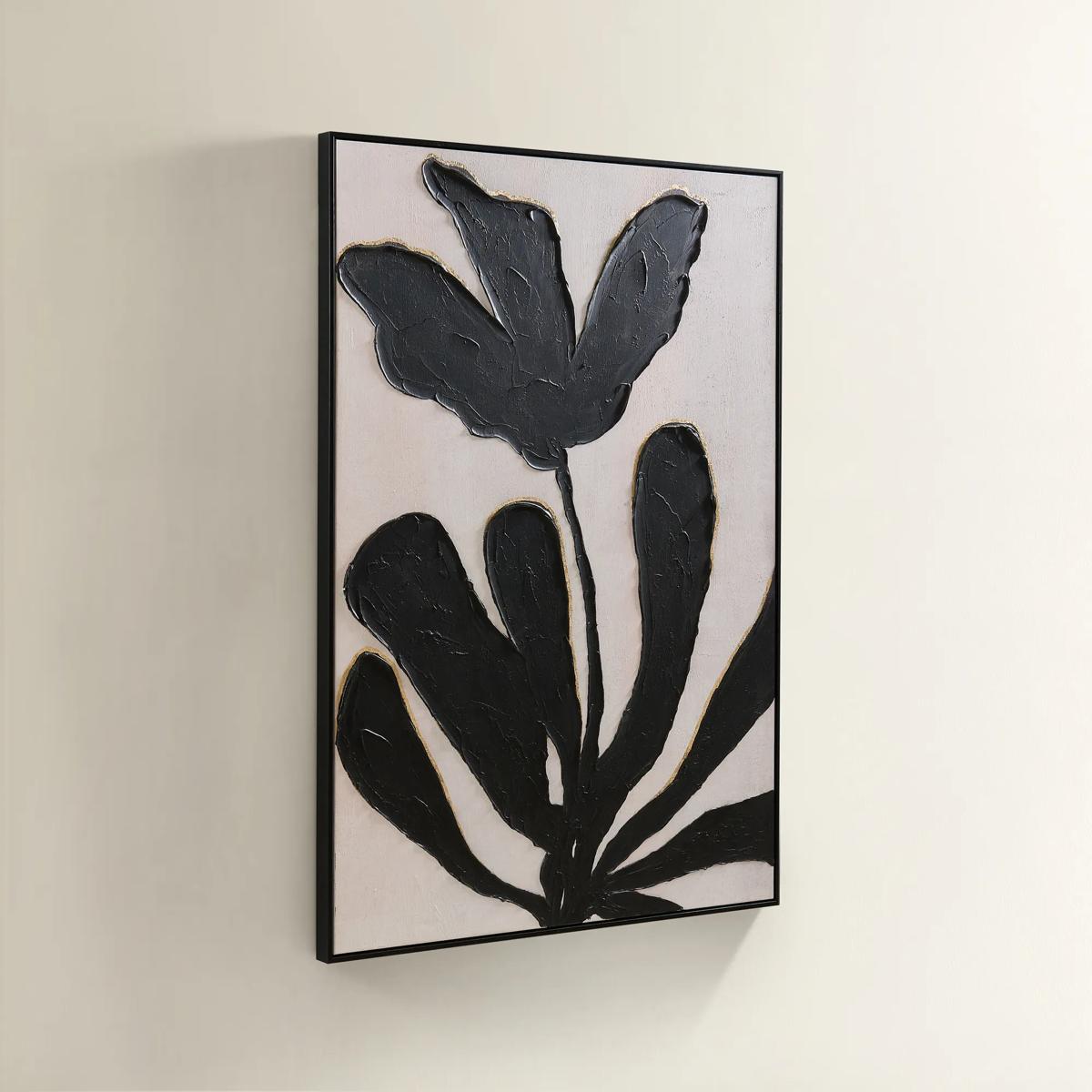 First Bloom Framed Painted Wall Art 39.25" x 55"$499
A hand-painted canvas featuring black abstract leaves and gold leafing on an ivory background in a black frame.
Add To Cart -
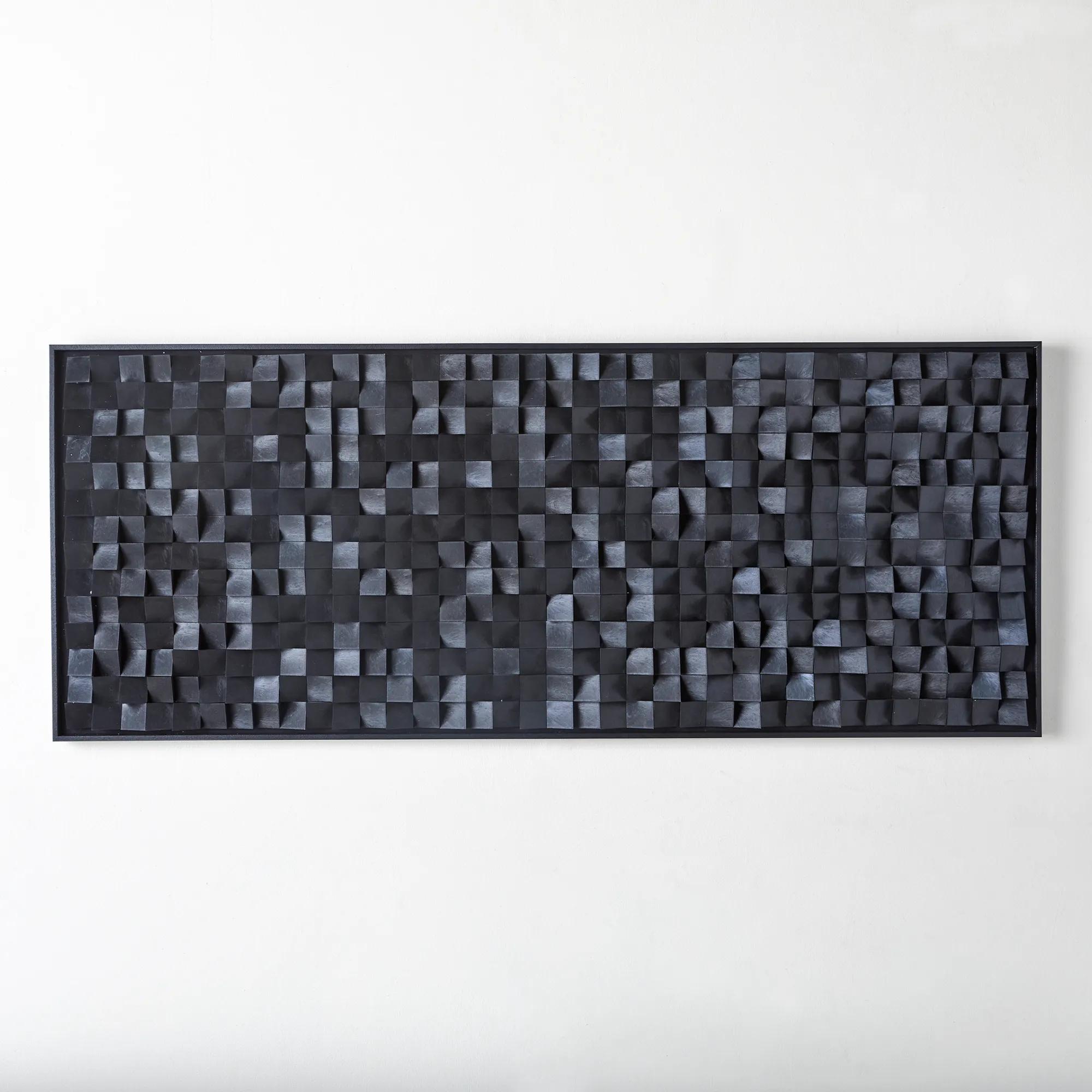 Nightfall Black Wood Dimenisonal Wall Panel 59" x 23.5"$599
An abstract wall art piece featuring cut black blocks in a sleek, low-profile black frame.
Add To Cart -
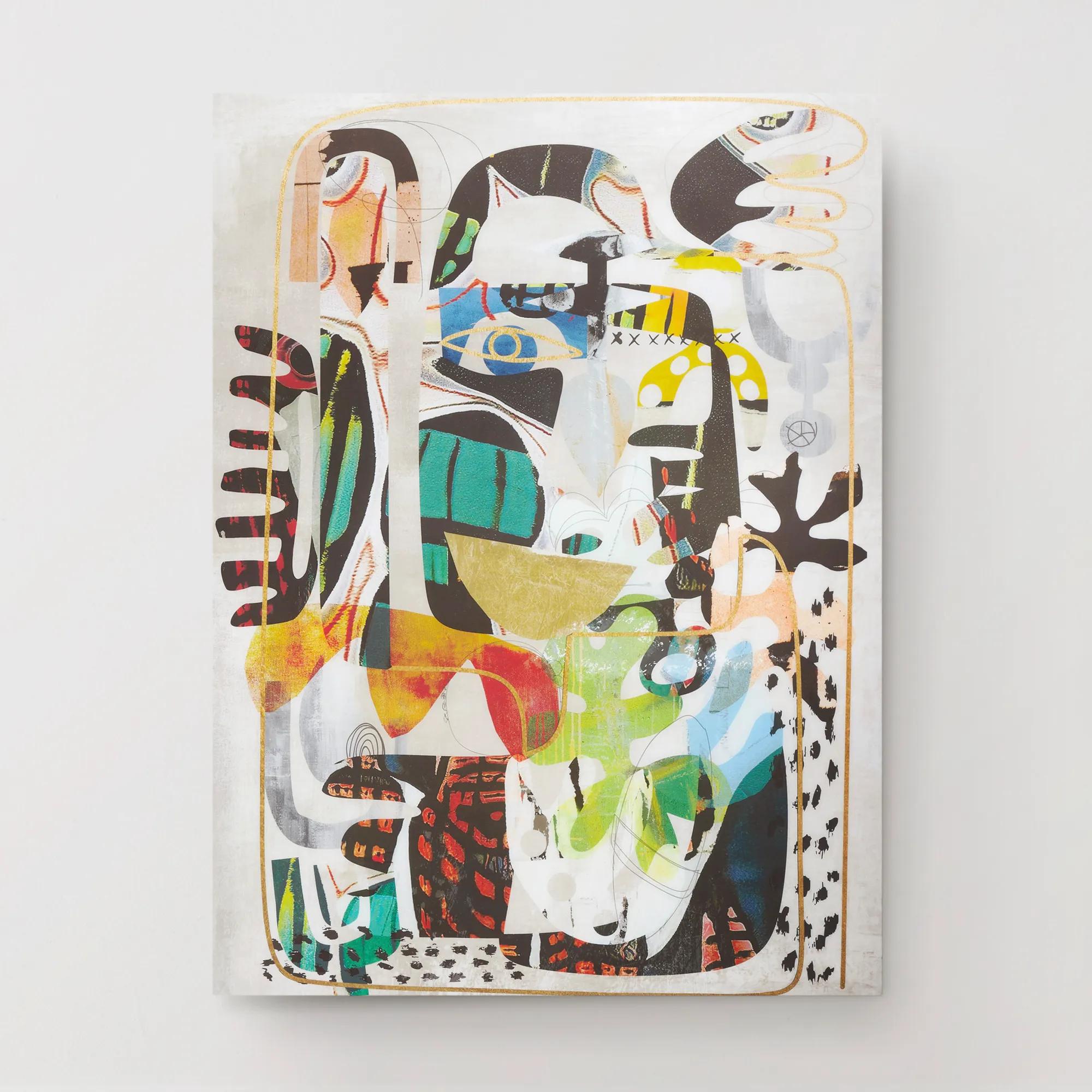
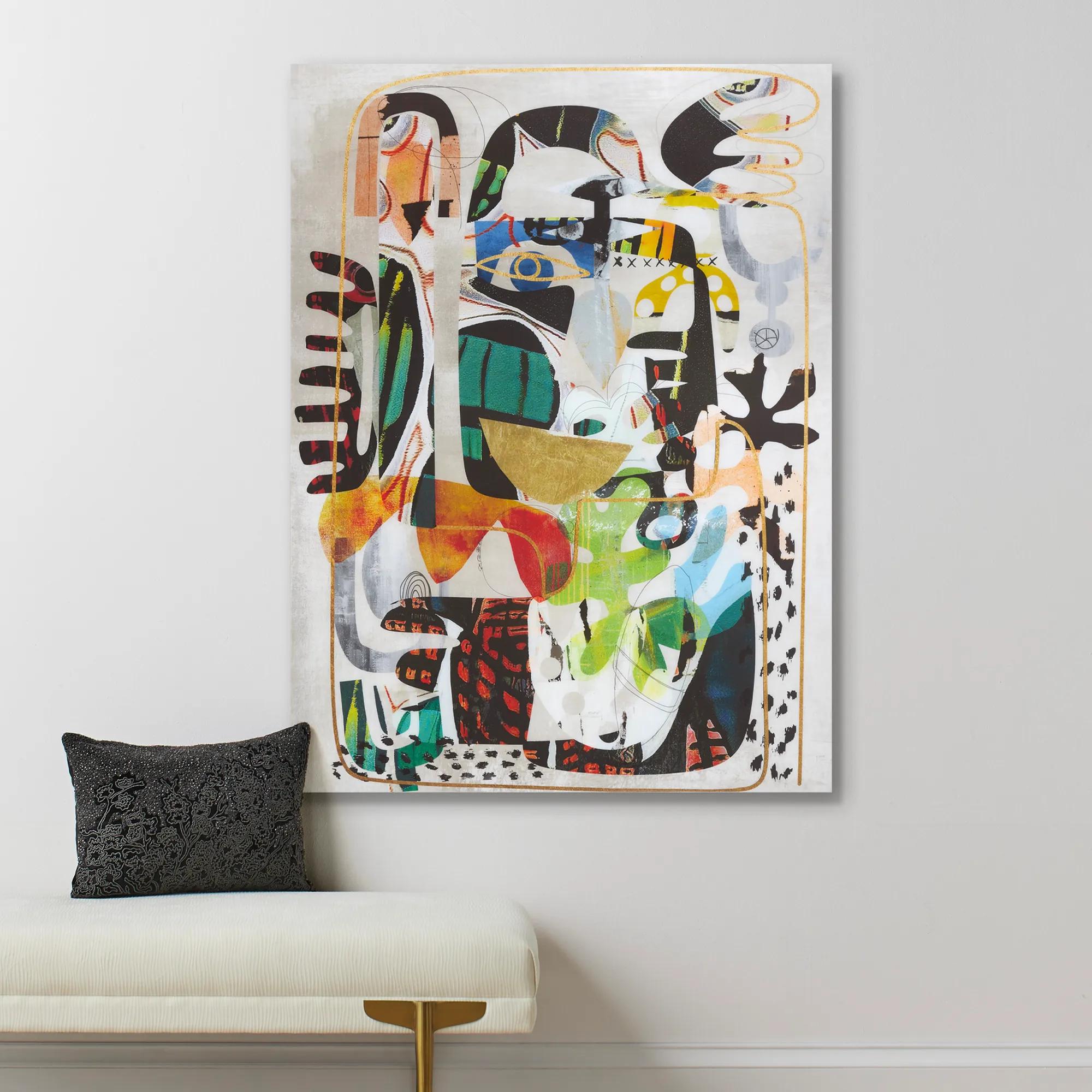 Nikki Chu Masked Wall Art 40" x 54"$899
A vibrant giclee print on canvas featuring a hand-applied glossy finish for a modern statement.
Add To Cart -
.jpeg?w=1200&h=1200) Fossil Painting$299
Fossil Painting$299A bold hand-painted abstract artwork featuring textured black shades in a sleek black floater frame.
Add To Cart -
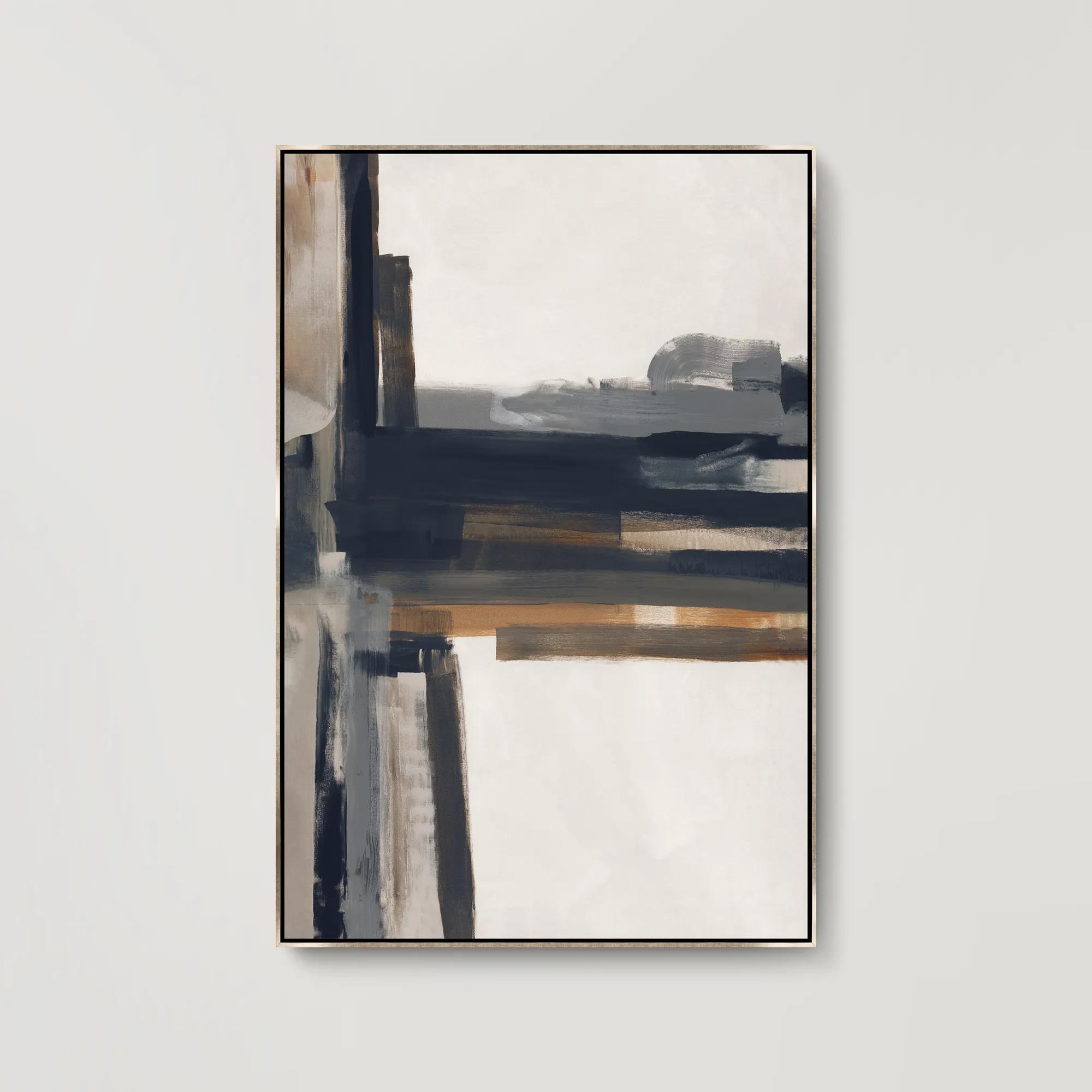
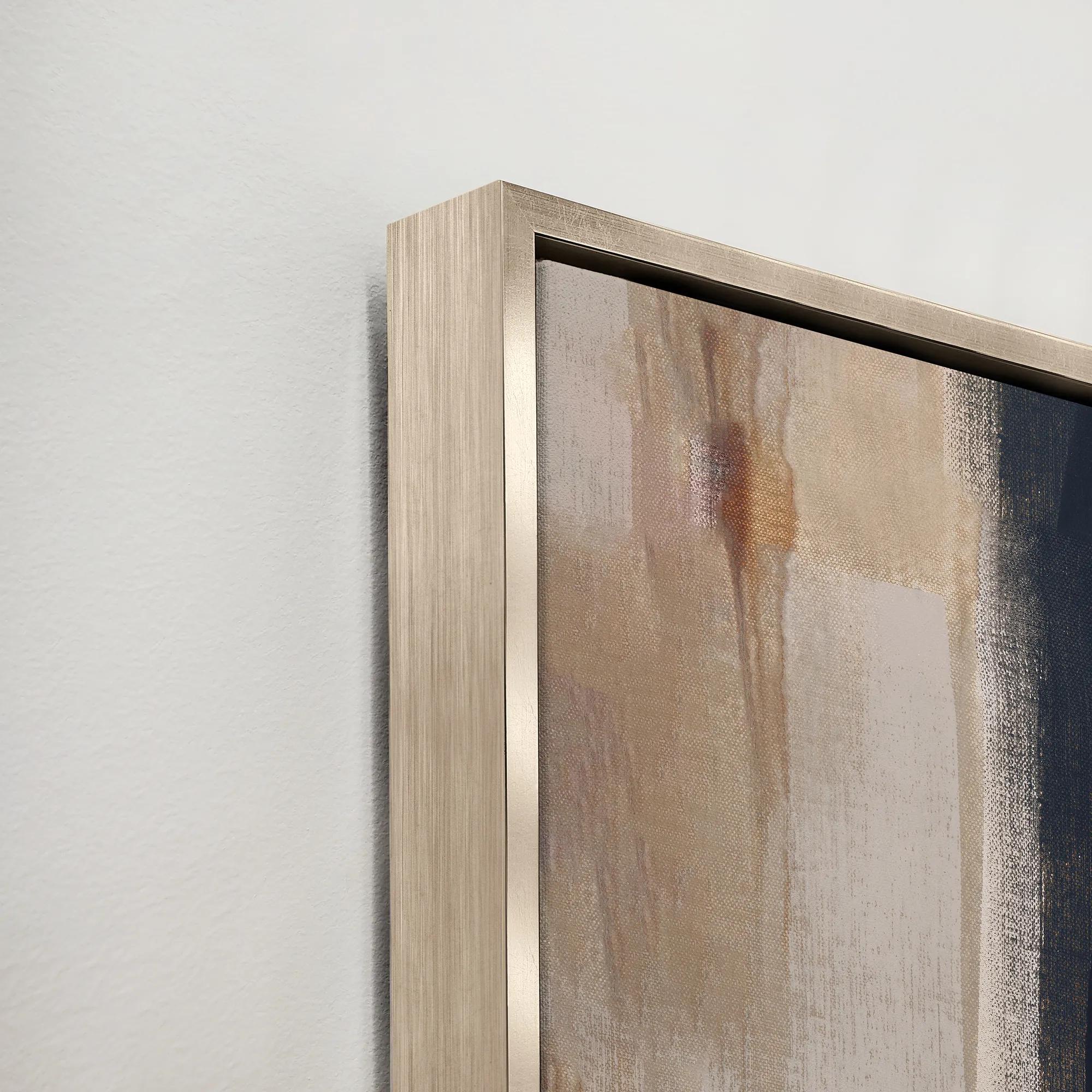 Imposing Construct I Framed Wall Art 41.5" x 61.5"$949
A gallery-wrapped abstract canvas featuring hand-applied brush gel and set in a sleek silver floater frame.
Add To Cart -
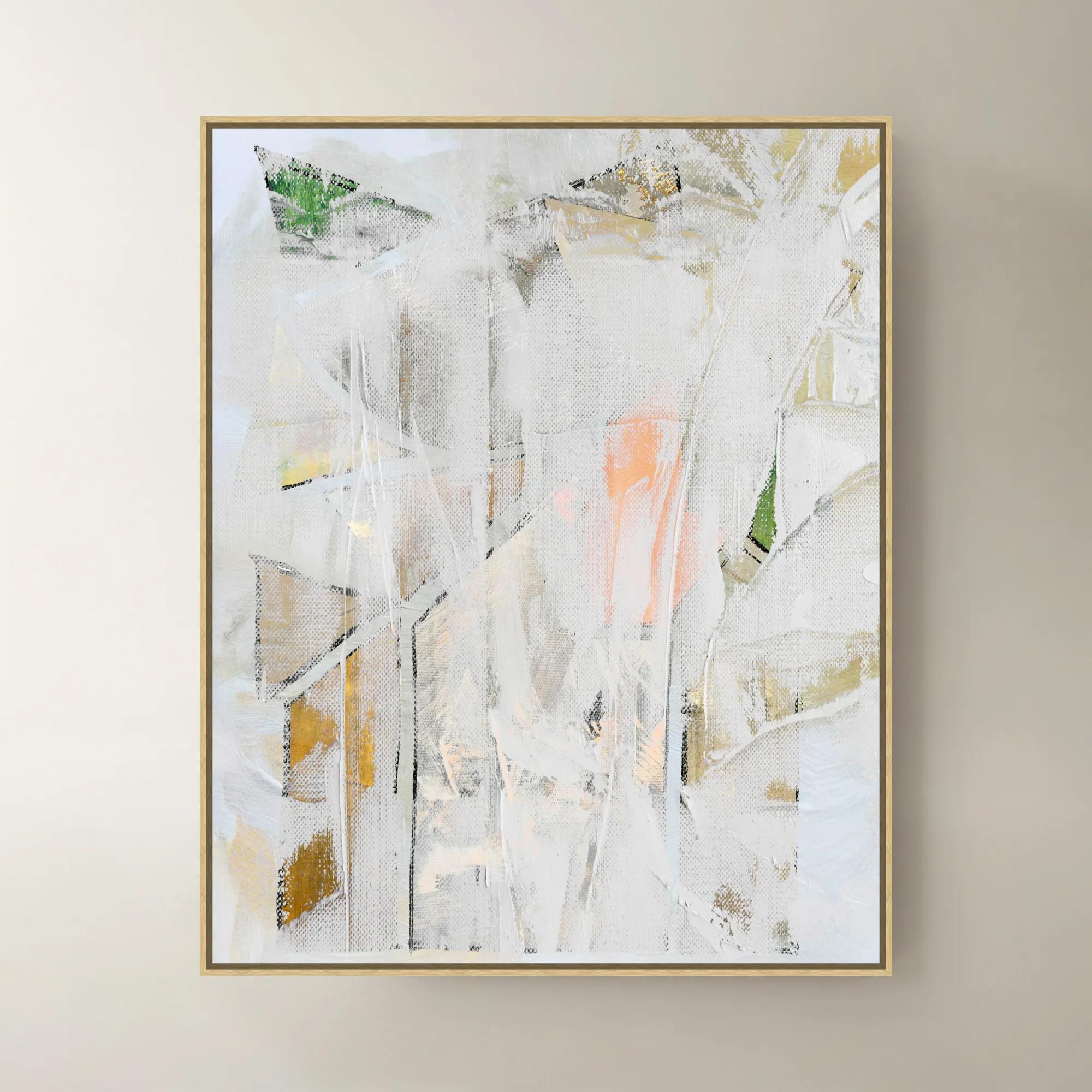
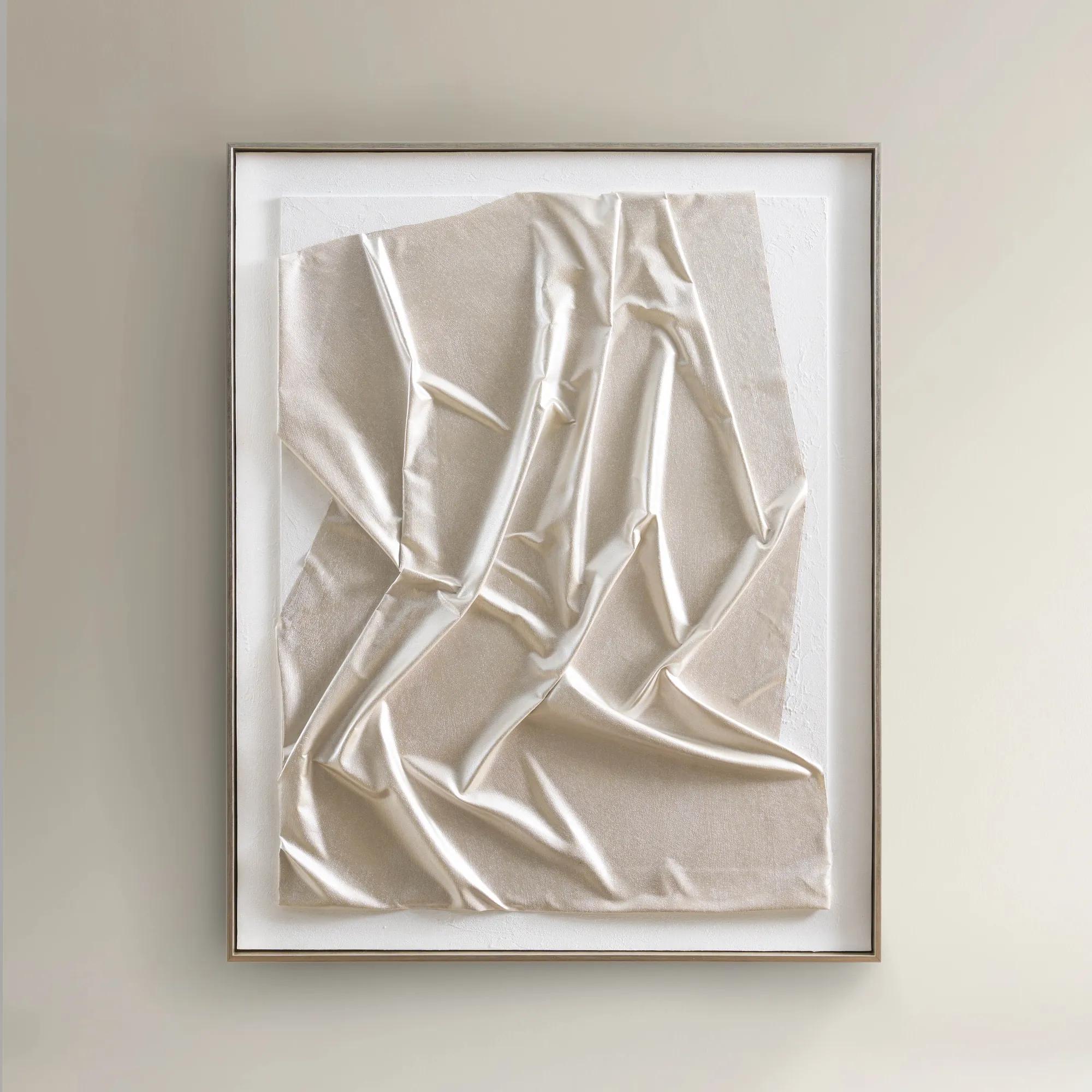 In the Mood Framed Painted Wall Art 31.5" x 39.5"$199
A hand-painted gold canvas artwork featuring textured surfaces and fluid forms in a champagne floater frame.
Add To Cart -
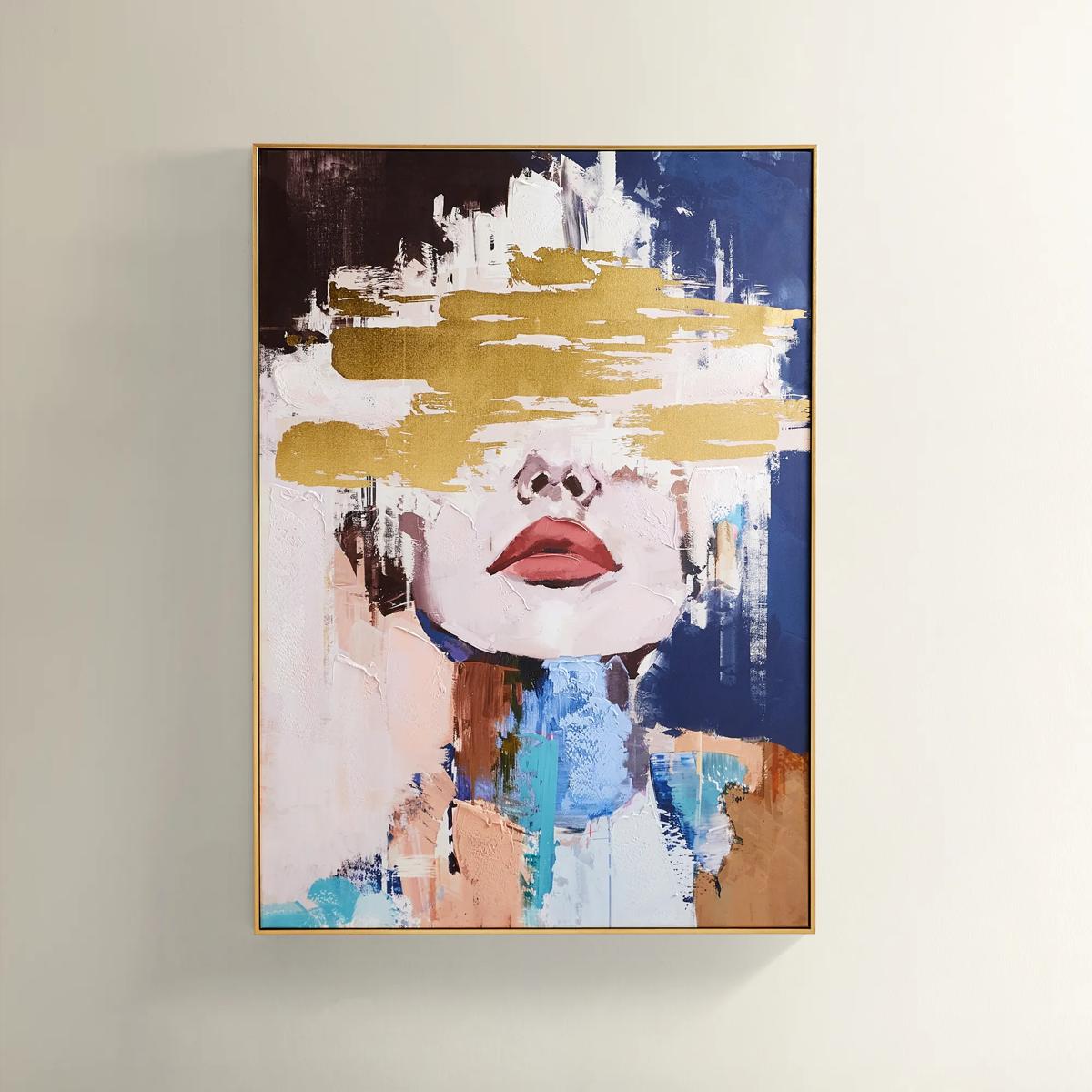
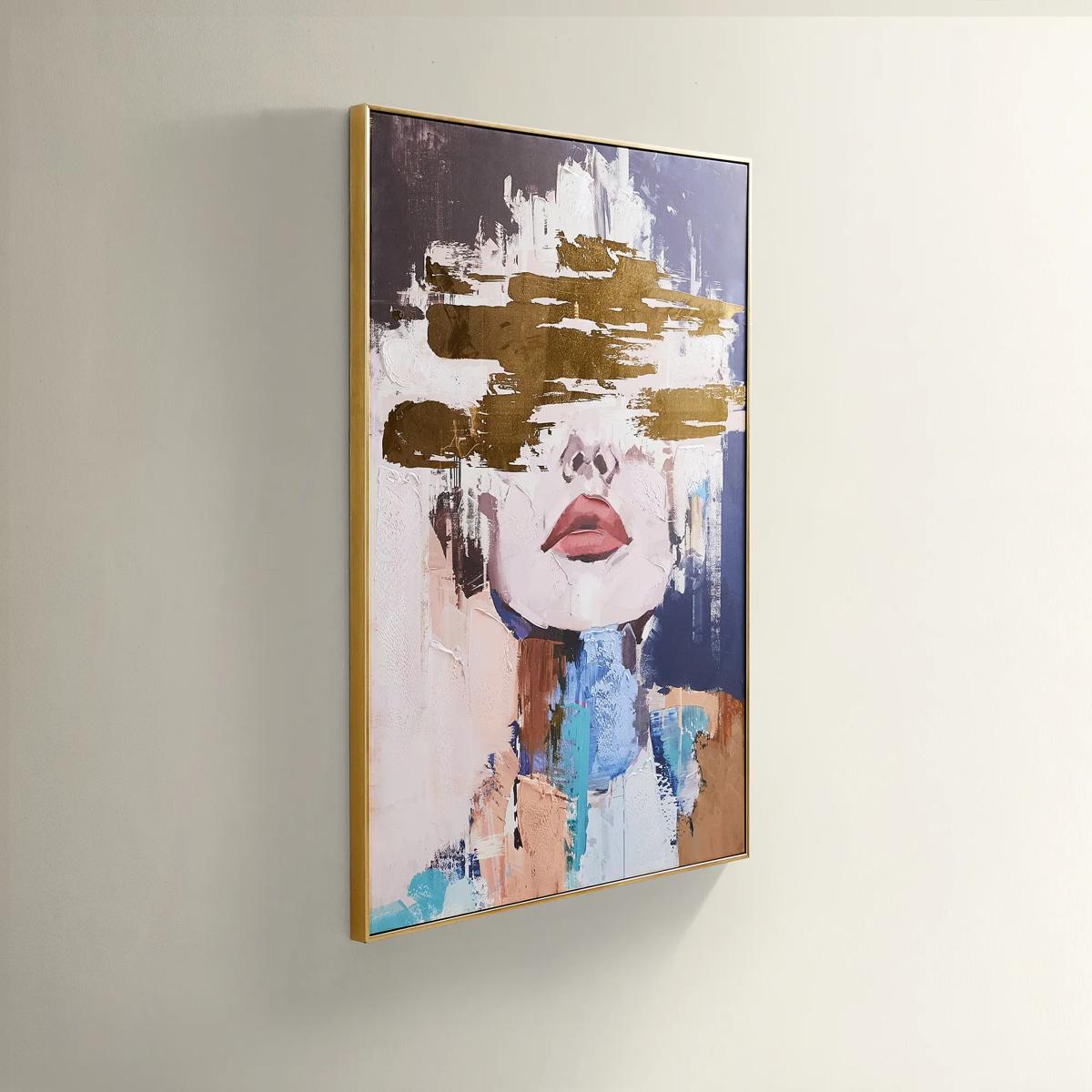 Waiting in Color Gold Foil Painted Wall Art 39.25" x 55"$499
A hand-painted abstract portrait in vivid blue, blush, and gold foil, framed in luxe gold.
Add To Cart

Contemporary Moody Wall Arts
Contemporary Moody Wall Arts transform your walls into a canvas of intrigue and allure, inviting you to embrace the unexpected. Each piece pulses with depth and drama, layering shadow and light to create an atmosphere that is both enigmatic and undeniably chic. These works are more than mere decoration—they are statements of bold self-expression, designed for those who dare to surround themselves with artistry that sparks conversation and stirs emotion. Let your space revel in moody sophistication, where every glance reveals a new facet of modern glamour.
Contemporary moody wall art brings depth, shadow, and expressive color to an interior, turning an open wall into a richly layered focal point. Defined by dark or muted palettes, atmospheric subjects, and deliberate contrasts between light and shade, this artwork creates drama without depending on vivid color. Charcoal, ink blue, forest green, smoky plum, and earthy umber give the look its intensity, while passages of ivory, silver, or soft gold keep the composition luminous. The effect can be enveloping and serene or strikingly theatrical, depending on the image, its scale, and the room around it. Moody abstract wall art often features sweeping gestures, blurred edges, or layered marks that suggest movement rather than a recognizable scene. Dark landscape art takes a different approach: a mist-covered hillside, a turbulent sea, or a horizon dissolving into dusk can lend a contemporary room a sense of distance and quiet grandeur. Shadow-rich photography and painterly botanical imagery offer equally compelling interpretations, particularly when a single illuminated detail emerges from a deep background. Although these works share a darker sensibility, moody does not have to mean somber. A sweep of pale pigment against midnight blue can feel expansive; a smoky woodland can make a bedroom feel sheltered. This is artwork for interiors with presence, whether the surrounding furnishings are sculptural and glamorous or tailored and restrained. Above a velvet sofa, a large dark composition can anchor the seating area and echo the fabric’s sumptuous depth. In a dining room, an atmospheric landscape gives candlelit gatherings a more intimate backdrop. In a home office, an abstract in graphite and muted bronze introduces visual richness without the constant stimulation of a brighter palette. The strongest connection often comes from a subtle repeat: a trace of olive that relates to an accent chair, a warm gray that complements stone, or a luminous highlight that catches the spirit of nearby metallic finishes. Those relationships make the artwork feel integral to the room rather than simply placed upon its walls.
Materials and presentation shape how contemporary moody wall art is experienced, especially because dark compositions reveal differences in texture, reflection, and illumination. Canvas has a woven surface that can soften the appearance of an image and give broad areas of color a tactile quality. A stretched canvas may suit a generous wall where the composition needs to read clearly from across the room, while a framed canvas adds a defined architectural edge. Prints on paper offer another expression, with the paper surface, printing method, mat, and glazing all influencing the finished effect. A broad ivory mat can create a luminous interval around a shadowy image, allowing its darker tones to feel intentional rather than visually compressed. A slim black frame sharpens the silhouette; a warm metallic frame introduces a gleaming contrast that can be especially evocative beside walnut, velvet, or smoked glass. Surface texture deserves a closer look in the description of any artwork: an image of thick brushstrokes is not necessarily a physically textured surface, and a printed finish will interact with light differently from raised paint or applied embellishments. Dimensions matter just as much as medium. Overall framed measurements, rather than image size alone, determine whether a piece will fit between sconces, above a console, or within a narrow stretch of wall. Over a sofa or sideboard, an arrangement roughly two-thirds to three-quarters the furniture’s width is a useful starting proportion, though generous architecture may call for a bolder scale. A modest print can feel jewel-like in an intimate reading corner, while a large composition gives distant viewing points something substantial to hold. Pairs and coordinated groupings introduce rhythm, particularly when their palettes relate without repeating every detail. For a room that needs a brighter counterpoint, Contemporary White Wall Arts offers a complementary direction, allowing pale and shadow-rich compositions to share a palette through contrasting proportions of light. That balance is especially effective in an open living space, where the artwork can distinguish individual areas while preserving a cohesive visual story.
The atmosphere of dark wall art changes throughout the day, making intended placement an important part of its appeal. On a pale wall, an inky abstract reads as a confident silhouette; against deep paint, its lighter passages and frame may become the defining features. Warm, diffused accent lighting can reveal subtle color shifts and create an inviting evening setting, but overly amber light may alter cool blues and greens. Adjustable picture lighting or carefully positioned ceiling fixtures can help illuminate the surface without placing a bright reflection across the image. In a room with expansive windows, the angle of glazed artwork deserves consideration, since glare may obscure the very shadows and fine details that give it character. A bedroom often benefits from softer transitions and spacious compositions, while an entryway can carry a more assertive gesture that establishes the home’s aesthetic at first glance. Smaller works lend intimacy to a bookshelf or console vignette, provided they are securely supported and protected from passing hands or unstable objects. For long-term beauty, construction and environment matter more than darkness of palette: a sturdy frame, secure mounting, and materials suited to the setting support durability. Most indoor artwork is best kept away from persistent humidity, heat sources, and direct sunlight, which can affect paper, pigments, canvas, and framing materials over time. A steamy bathroom or a position close to a working fireplace may be less suitable than a dry hallway or sheltered living room wall. Care should follow the artwork’s material-specific instructions; canvas generally calls for gentle dry dusting rather than liquid cleaners, while glazing should be cleaned without allowing moisture to seep beneath the frame. Hanging hardware must suit both the artwork’s weight and the wall construction, particularly for substantial framed pieces above furniture. As a housewarming or wedding gift, atmospheric wall art can be a deeply personal choice for someone drawn to expressive interiors, especially when their preferred colors and available wall space are known. Whether chosen for a private retreat or a room made for entertaining, its enduring appeal lies in the interplay of shadow, texture, and light—a composition that rewards a passing glance and a longer moment of attention.
FAQs
Moody contemporary wall art is characterized by its bold use of shadow, dramatic contrasts, and evocative color palettes—often featuring deep hues, abstract forms, and expressive textures. Unlike traditional styles, which may focus on realism or historical motifs, moody contemporary pieces embrace modern artistry and emotional resonance, transforming any space into a sophisticated, artful retreat.
Moody contemporary wall art can be seamlessly integrated by using it as a focal point or as part of a layered gallery wall. Pair these pieces with luxe textures like velvet, metallics, and sculptural accents to enhance their dramatic impact. Consider echoing the artwork’s color palette with complementary accessories—such as pillows or vases—to create a cohesive and elevated look.
Moody contemporary wall art makes a memorable gift for anyone who values expressive design and sophisticated ambiance. It’s especially fitting for new homeowners, newlyweds, artists, or those celebrating a milestone who appreciate unique, statement-making decor that tells a story and adds a touch of drama to their living space.
Moody contemporary wall art thrives in spaces where ambiance and atmosphere are key—think living rooms, bedrooms, dining areas, and entryways. These pieces can also add inspiration to creative studios or home offices, infusing the space with depth and character that encourages reflection and creativity.
Absolutely. Mixing moody contemporary wall art with lighter or brighter pieces—such as those found in the <a href="https://zgallerie.com/o/contemporary-white-wall-arts">Contemporary White Wall Arts</a> collection—creates visual contrast and dynamic interest. This approach allows you to balance drama with lightness, crafting a curated space that feels both intentional and artfully unexpected.