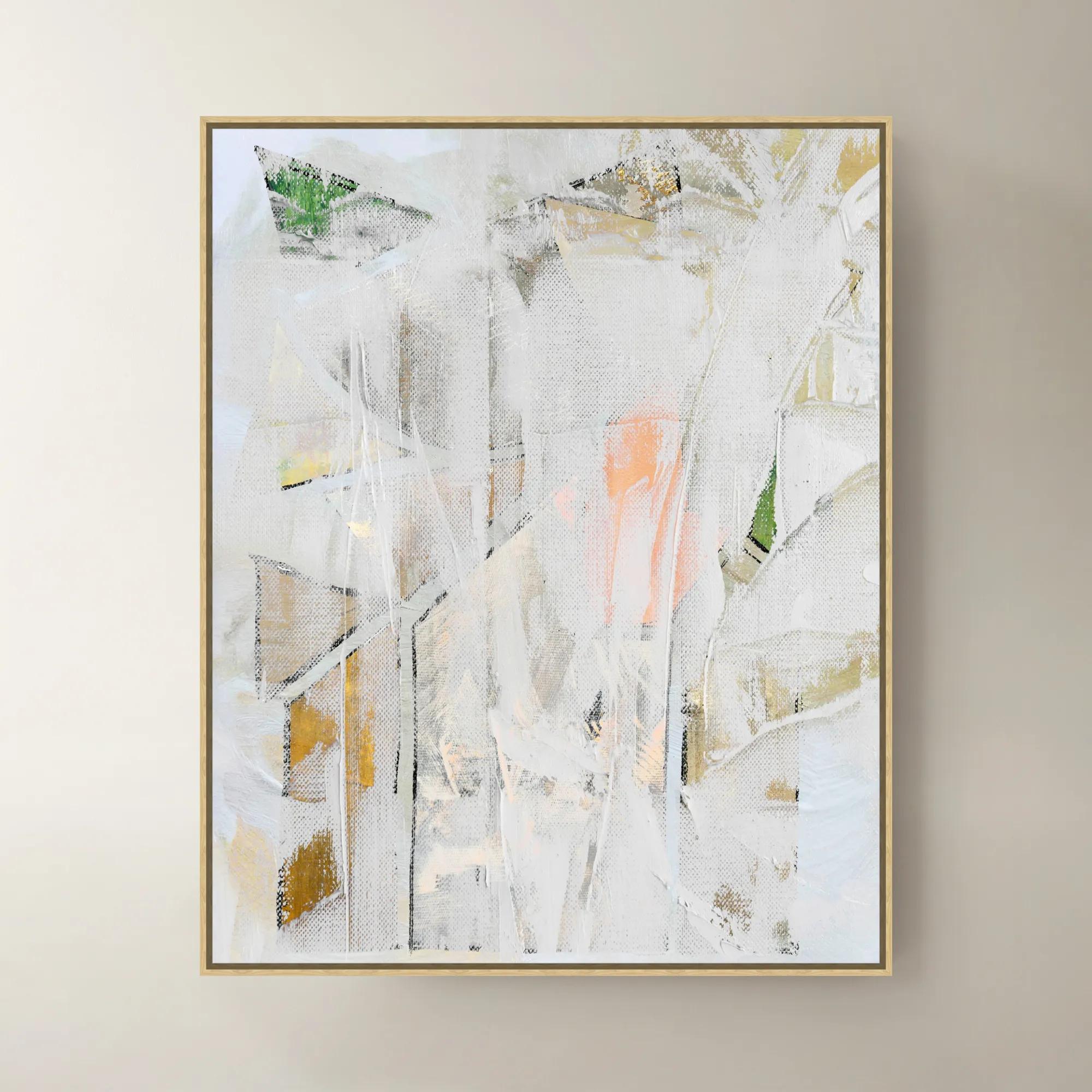
Large Moody Wall Arts
Large Moody Wall Arts
-
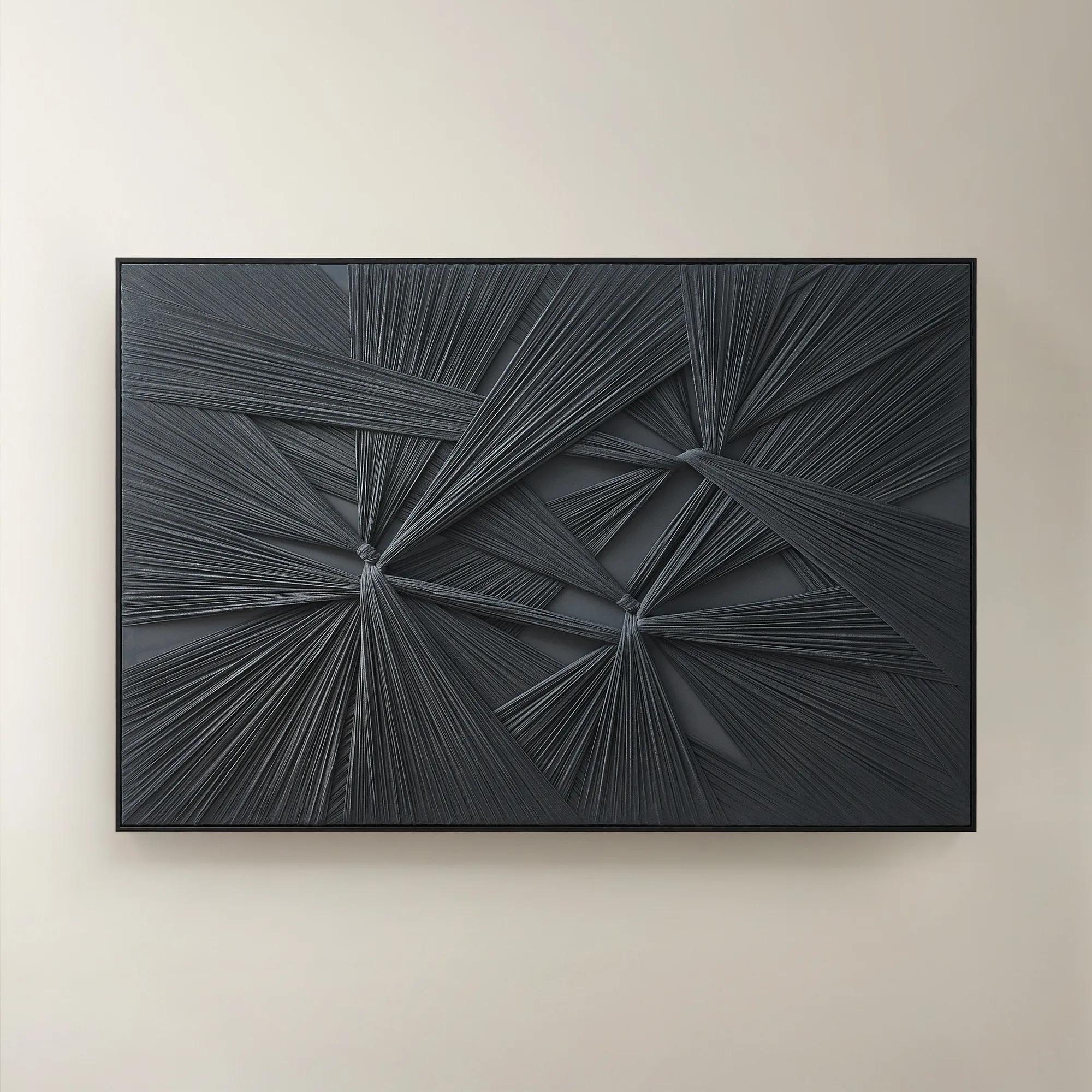 Grace in Dark Slate Hand-crafted Fabric Wall Art 70.75" x 47"$799
A hand-crafted textile wall art piece in dark slate, featuring sculptural texture and versatile display options.
Add To Cart -
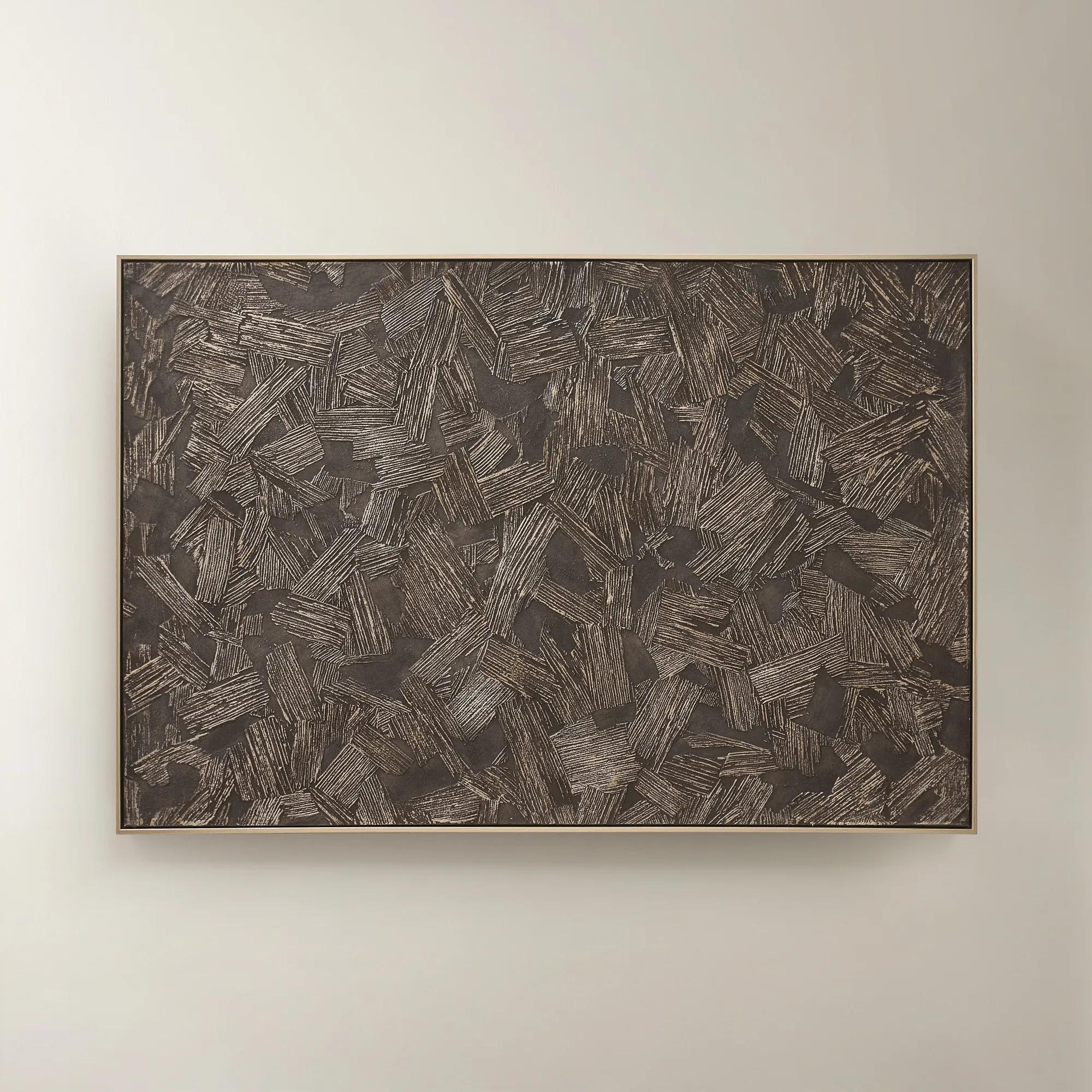
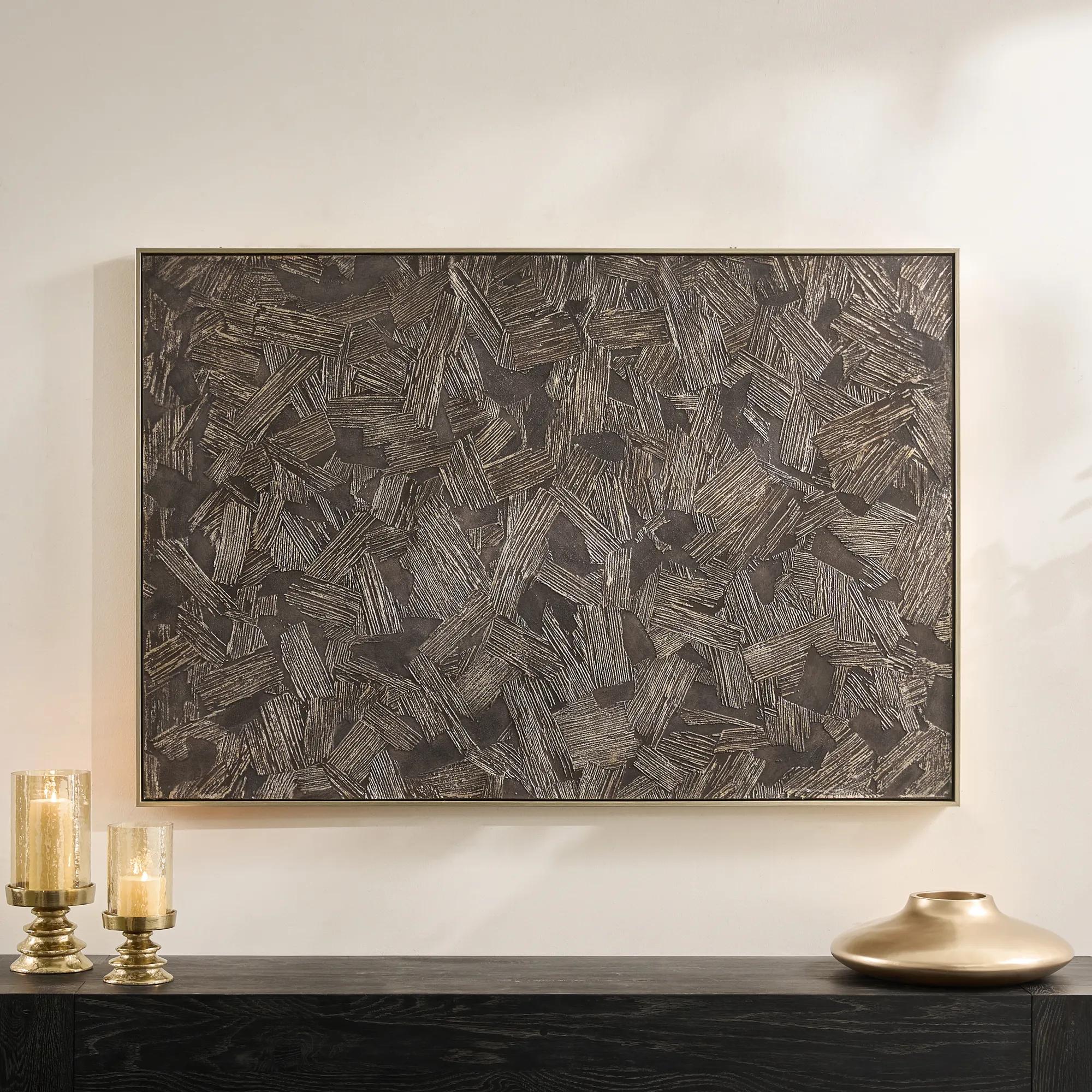 Etched in Darkness Dark Chocolate Wall Panel 53.5" x 36"$329
A hand-painted wrapped canvas features moody dark chocolate hues with champagne accents and a layered, textural finish.
Add To Cart -
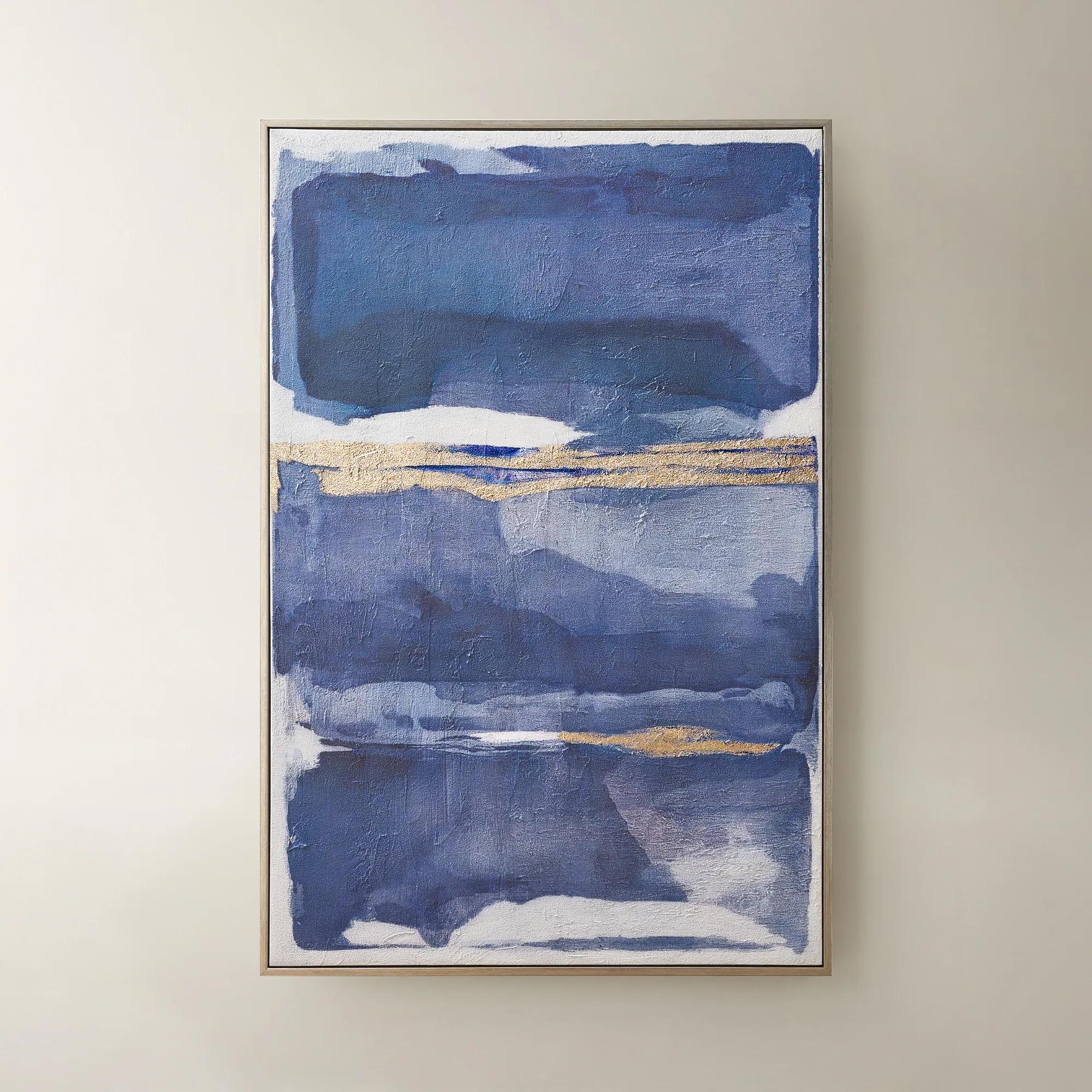
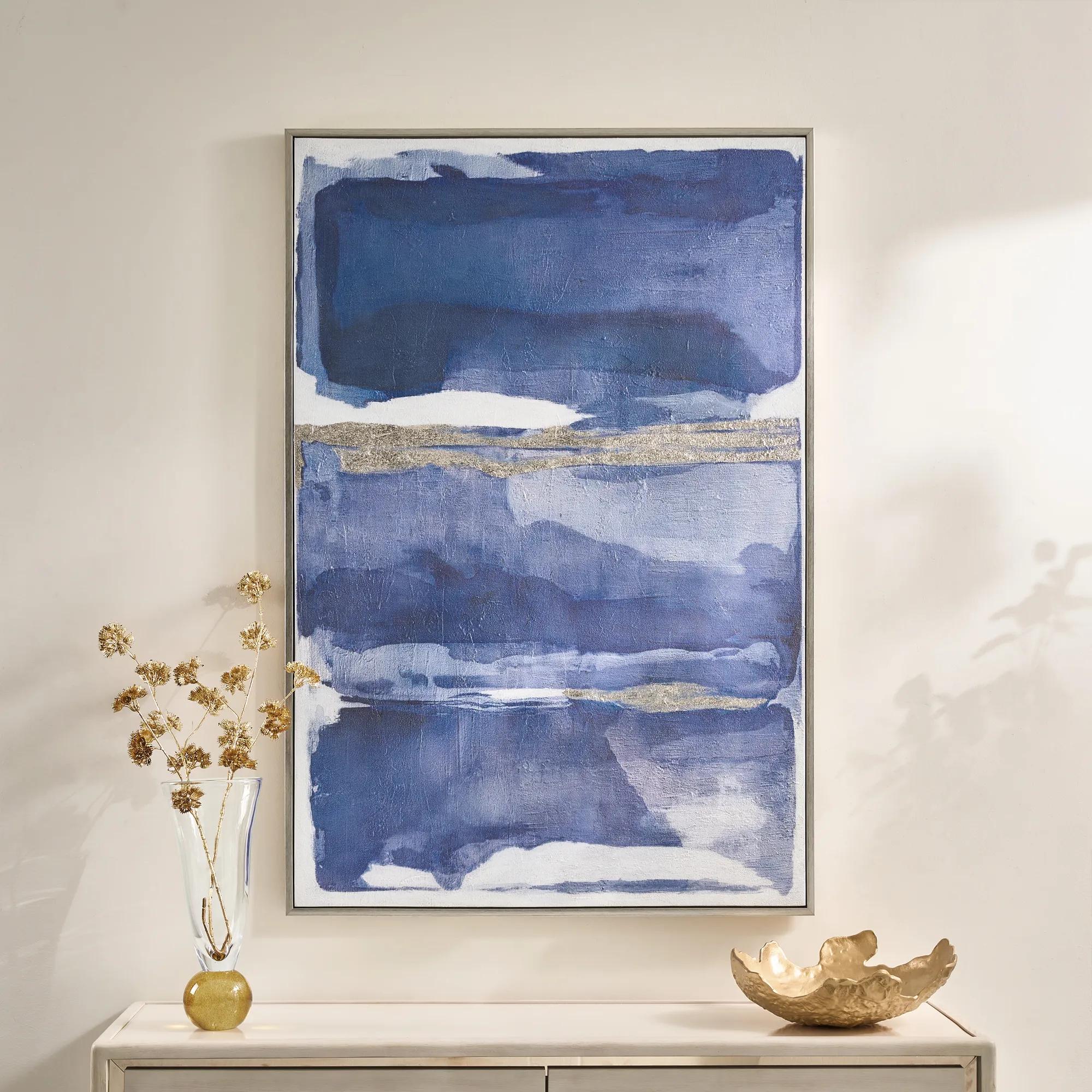 Memories in Blue Framed Painted Wall Art 40" x 60"$499
A hand-painted canvas in deep ink blue with champagne leafing for a sophisticated, gallery-inspired look.
Add To Cart -
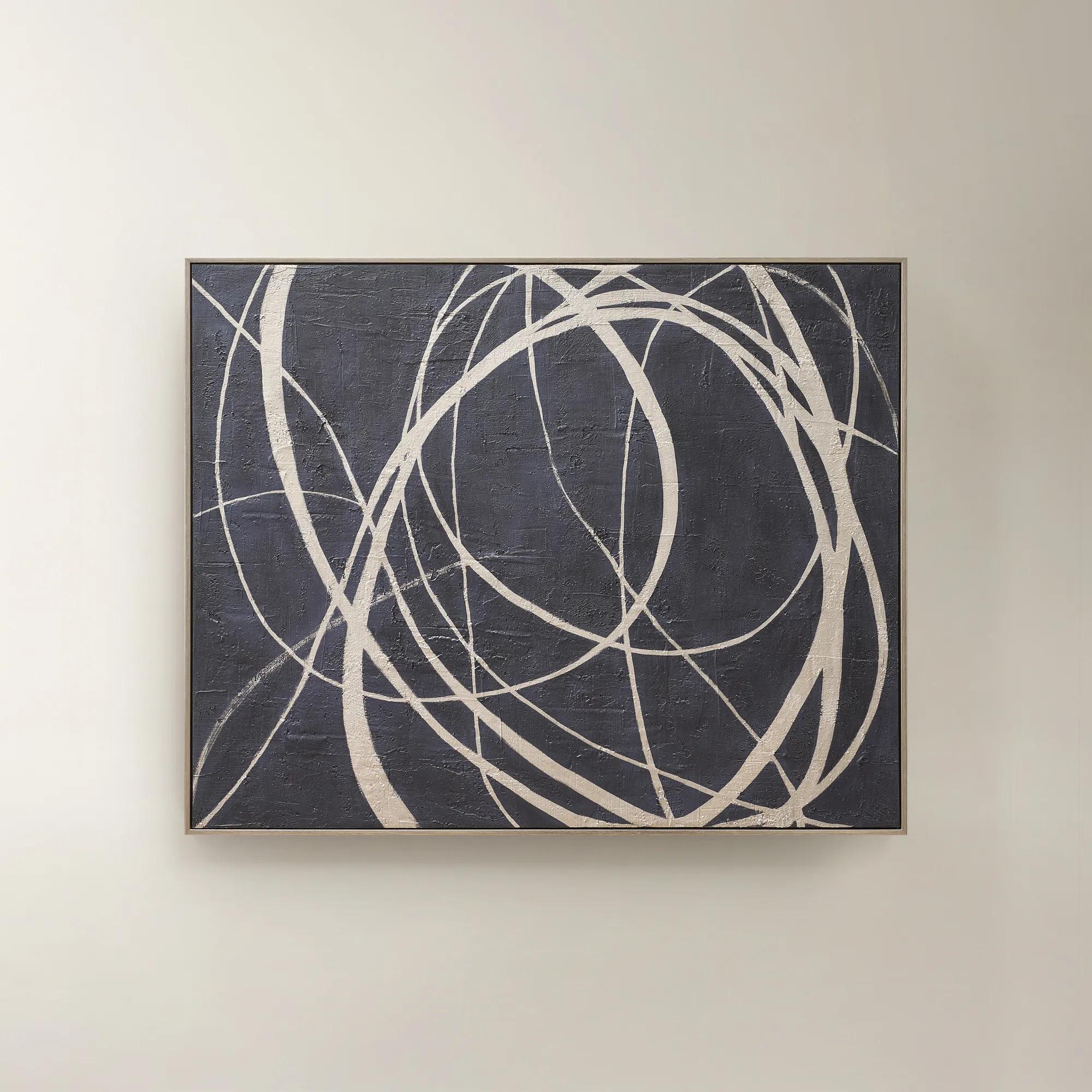 Wandering Framed Painted Wall Art 48" x 60"$699
An expressive hand-painted canvas in deep ink blue with champagne accents for a bold, sophisticated statement.
Add To Cart -
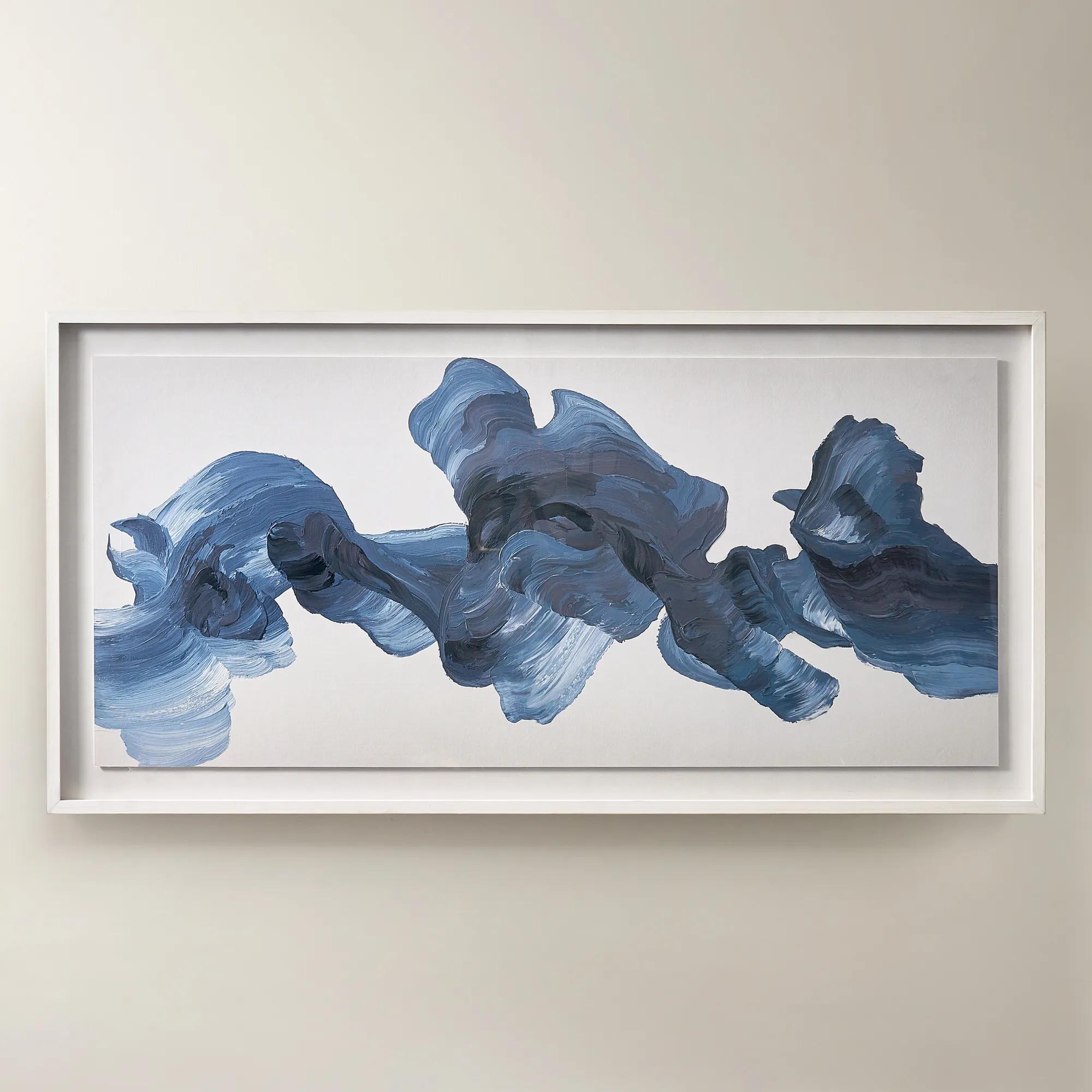
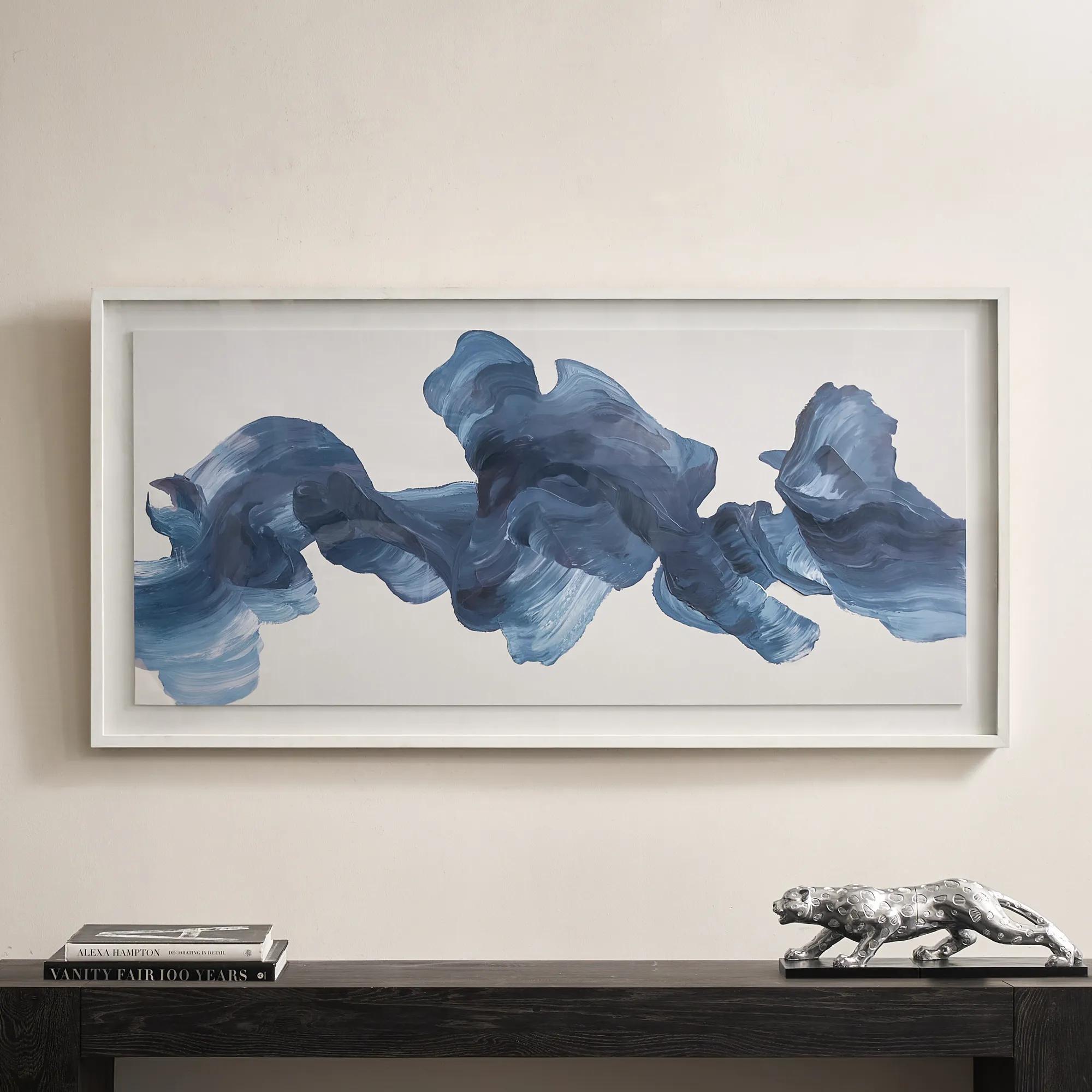 Blue Theory Framed Painted Wall Art in Acrylic 60" x 30"$499
A hand-painted canvas in deep ink blue, framed under acrylic with a whitewashed wood frame.
Add To Cart -
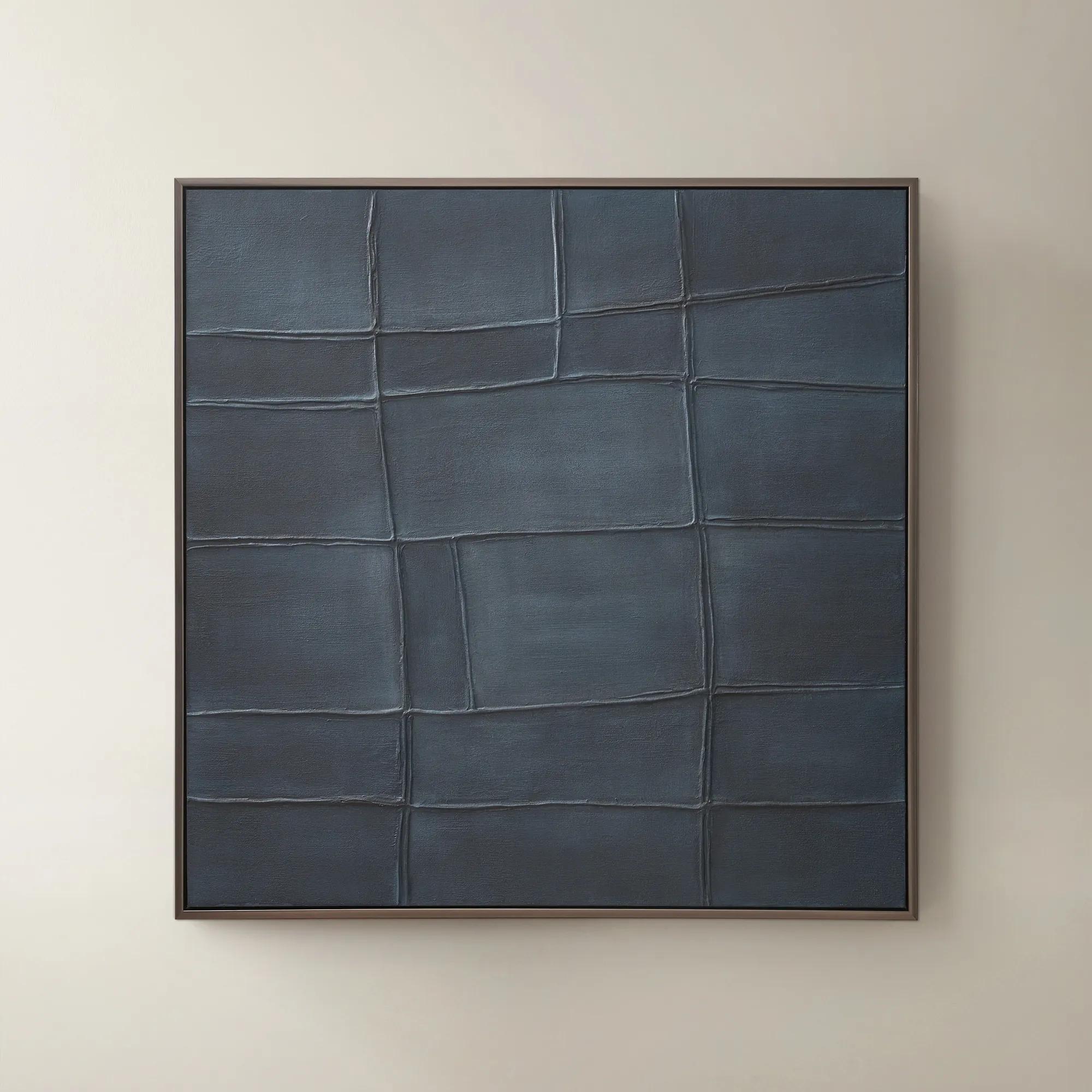
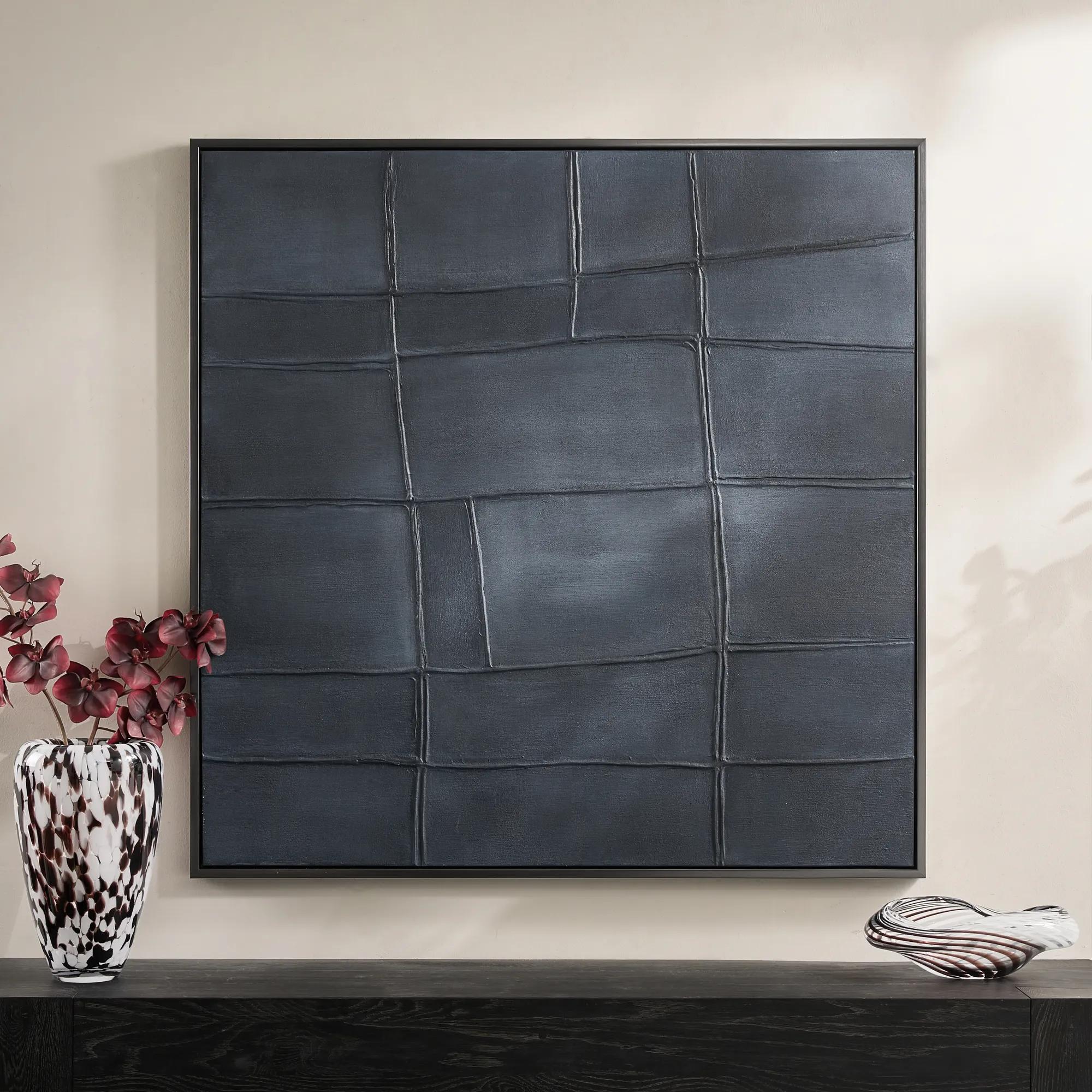 Ink Blue Interval Framed Painted Wall Art 48" x 48"$599
A hand-painted abstract canvas in deep ink blue, finished with a sleek gunmetal frame for modern appeal.
Add To Cart -
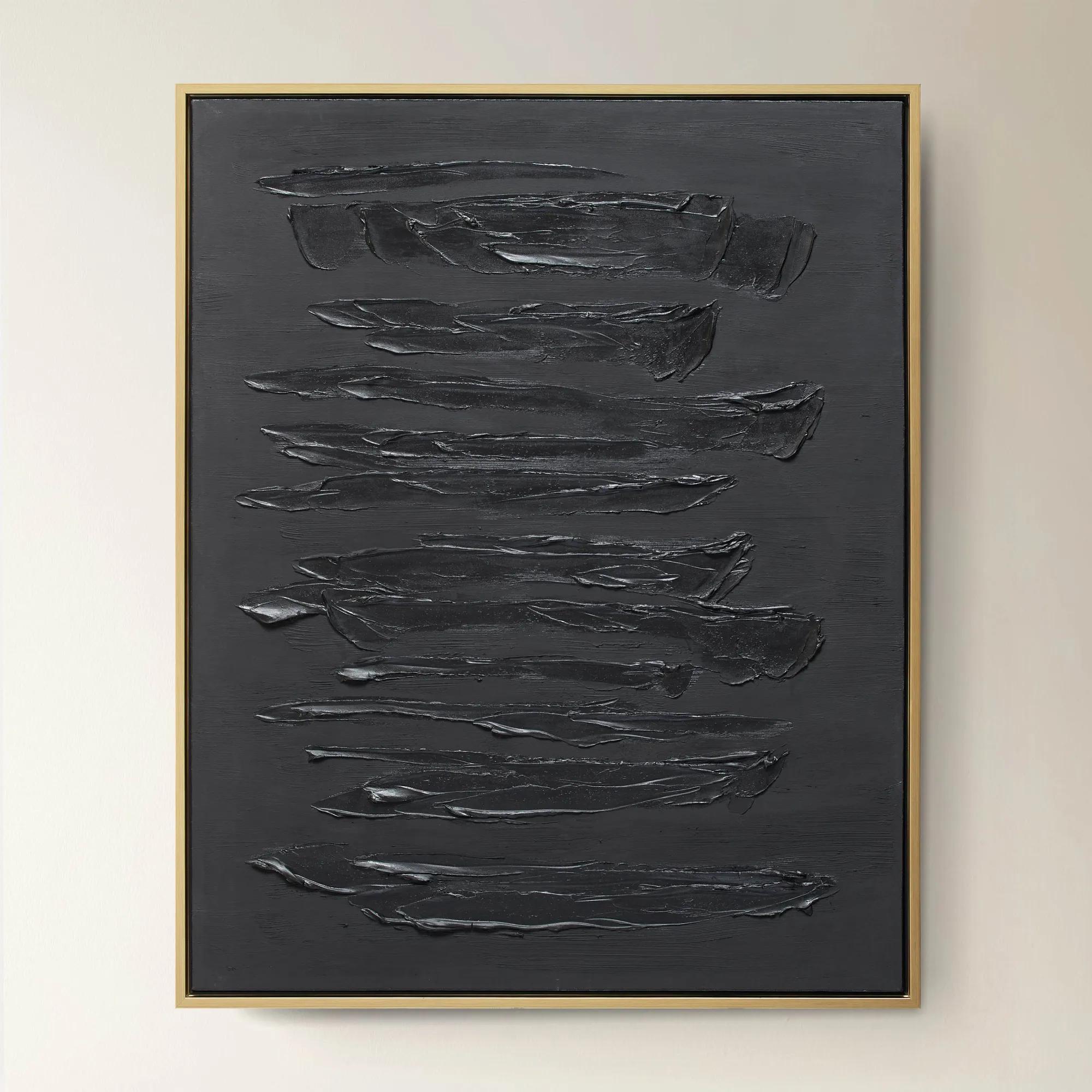
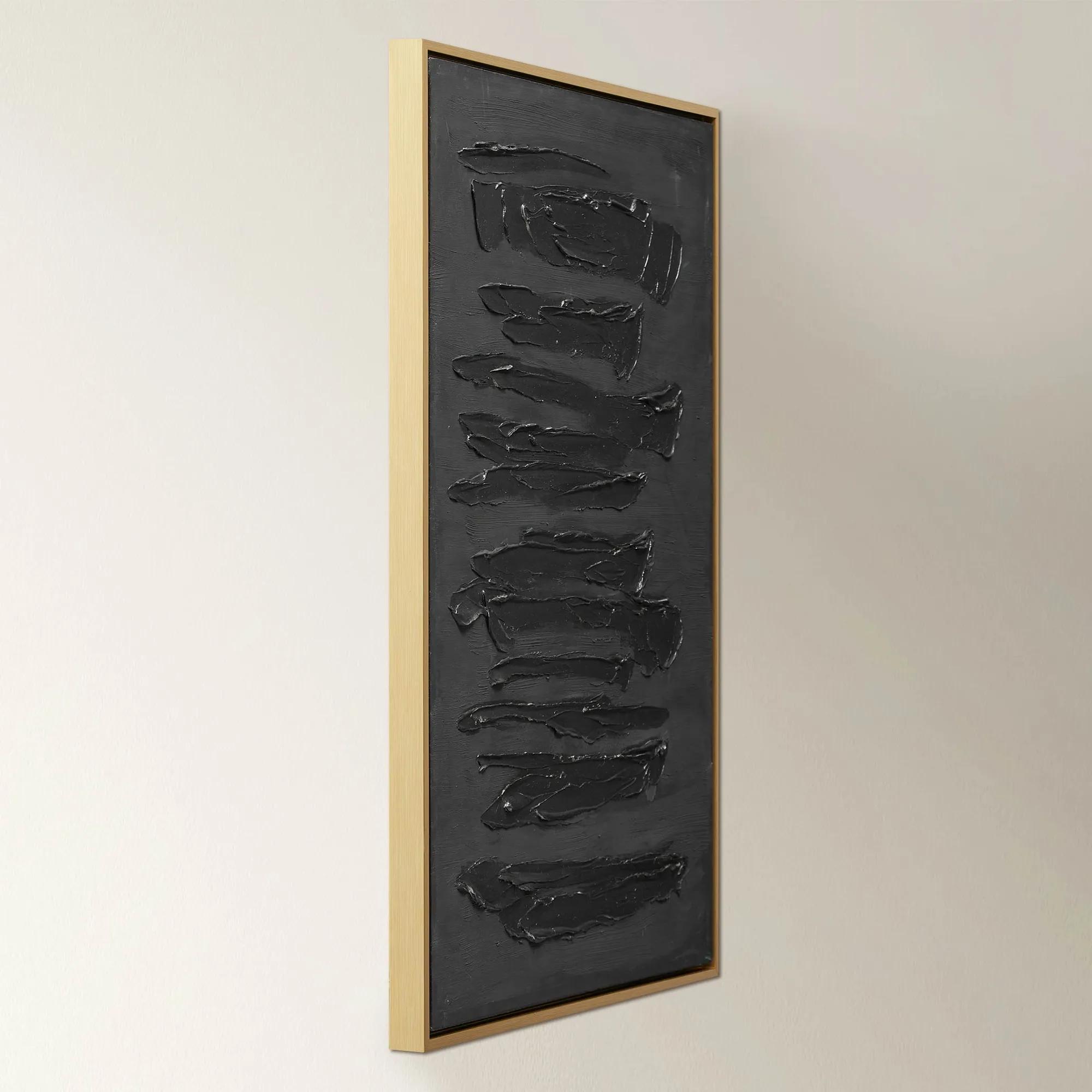 Nocturne$599.95
A dramatic abstract artwork featuring bold, dark brushstrokes on hand-painted canvas in a gold floater frame.
Add To Cart -
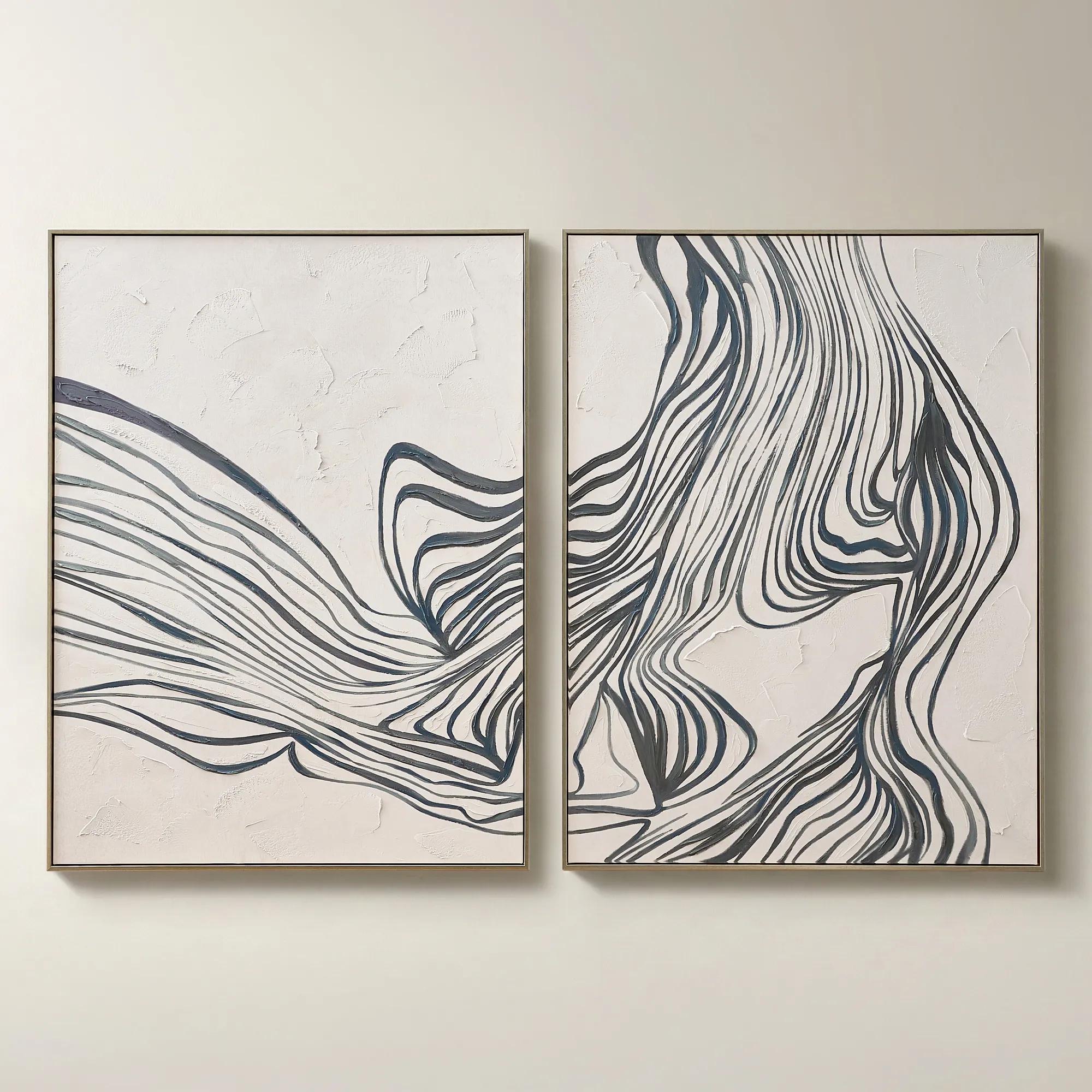
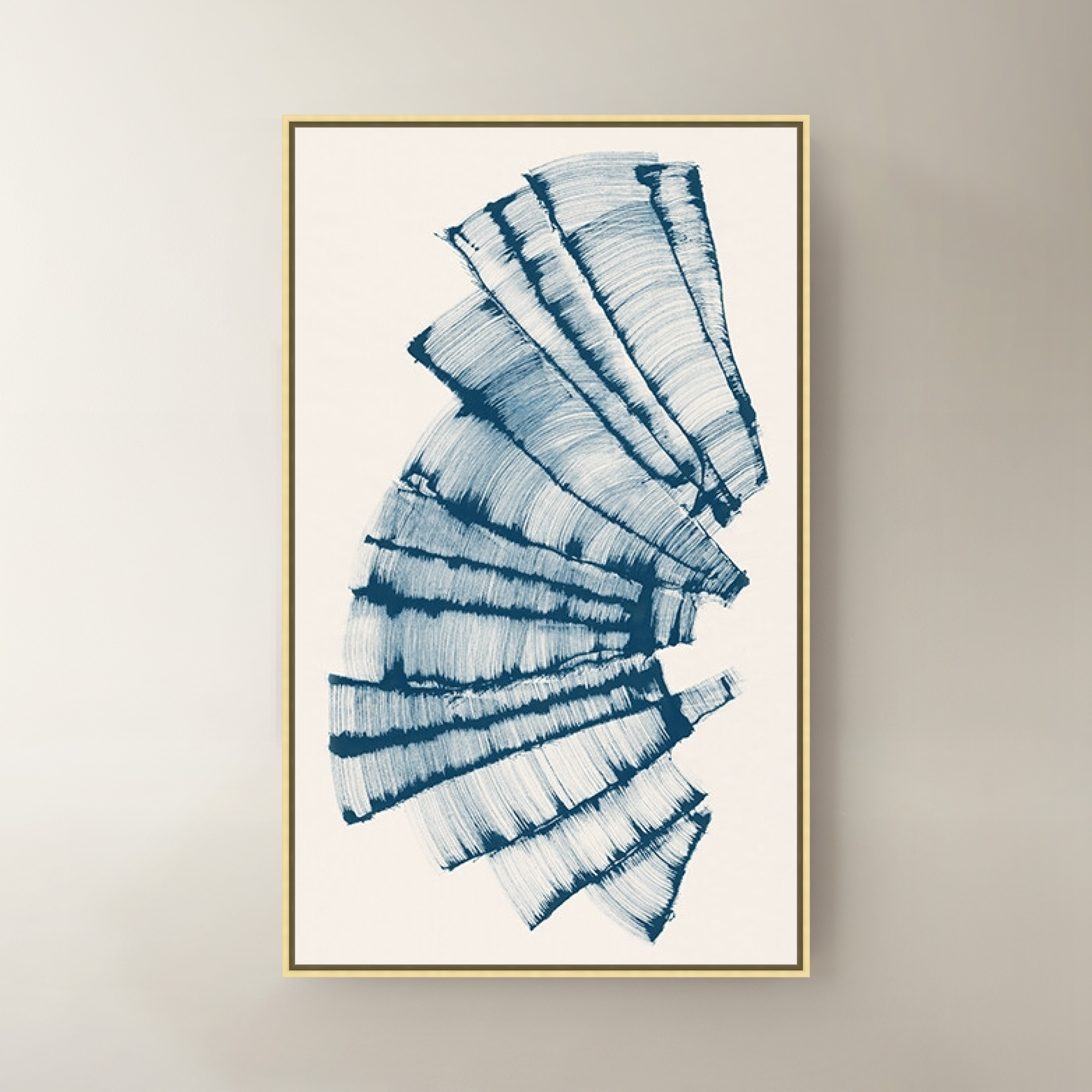
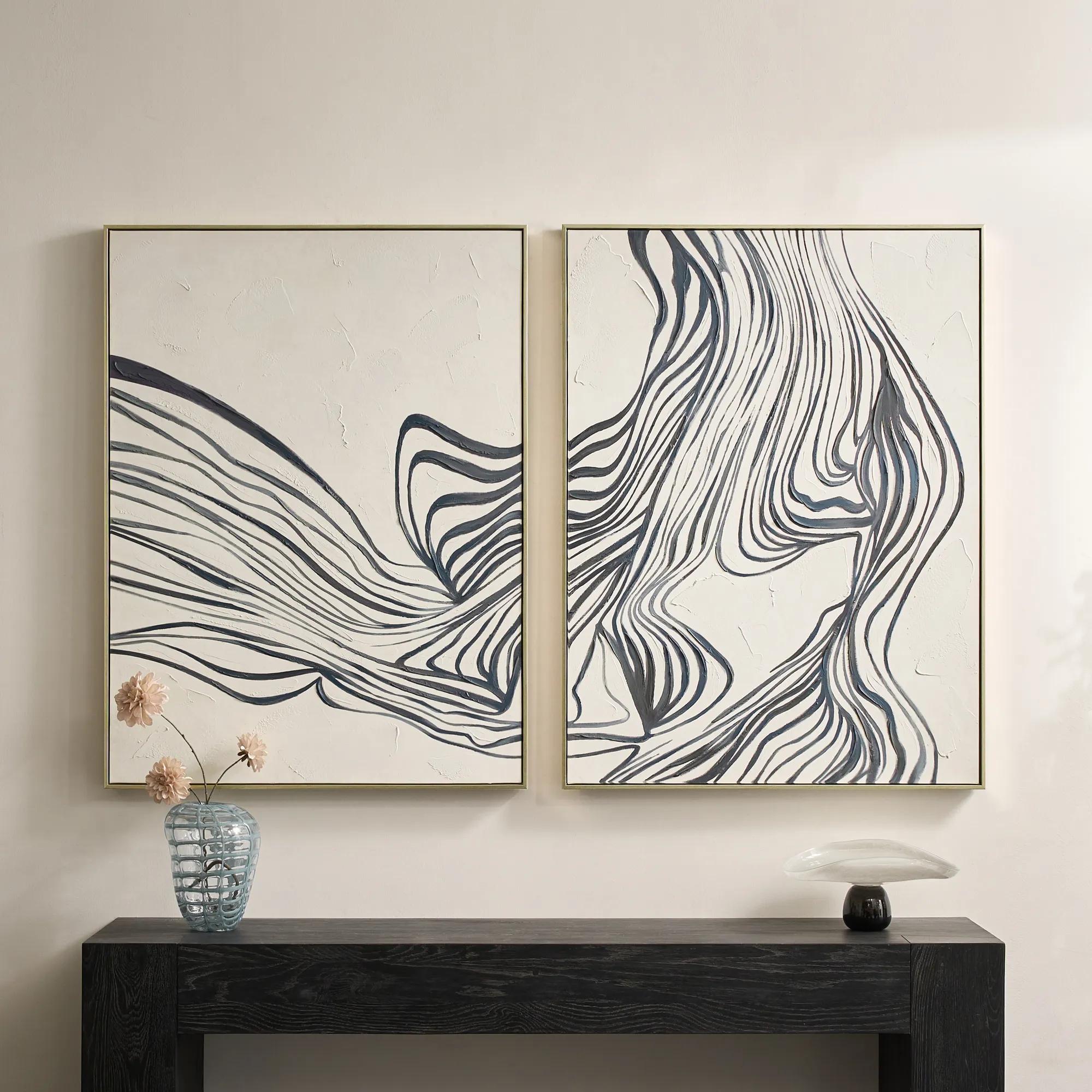 Rhythmic Framed Painted Wall Art 36" x 48" Set of 2$599
A hand-painted diptych featuring bold abstract stripes in dark slate and dusty blue with champagne frames.
Add To Cart -
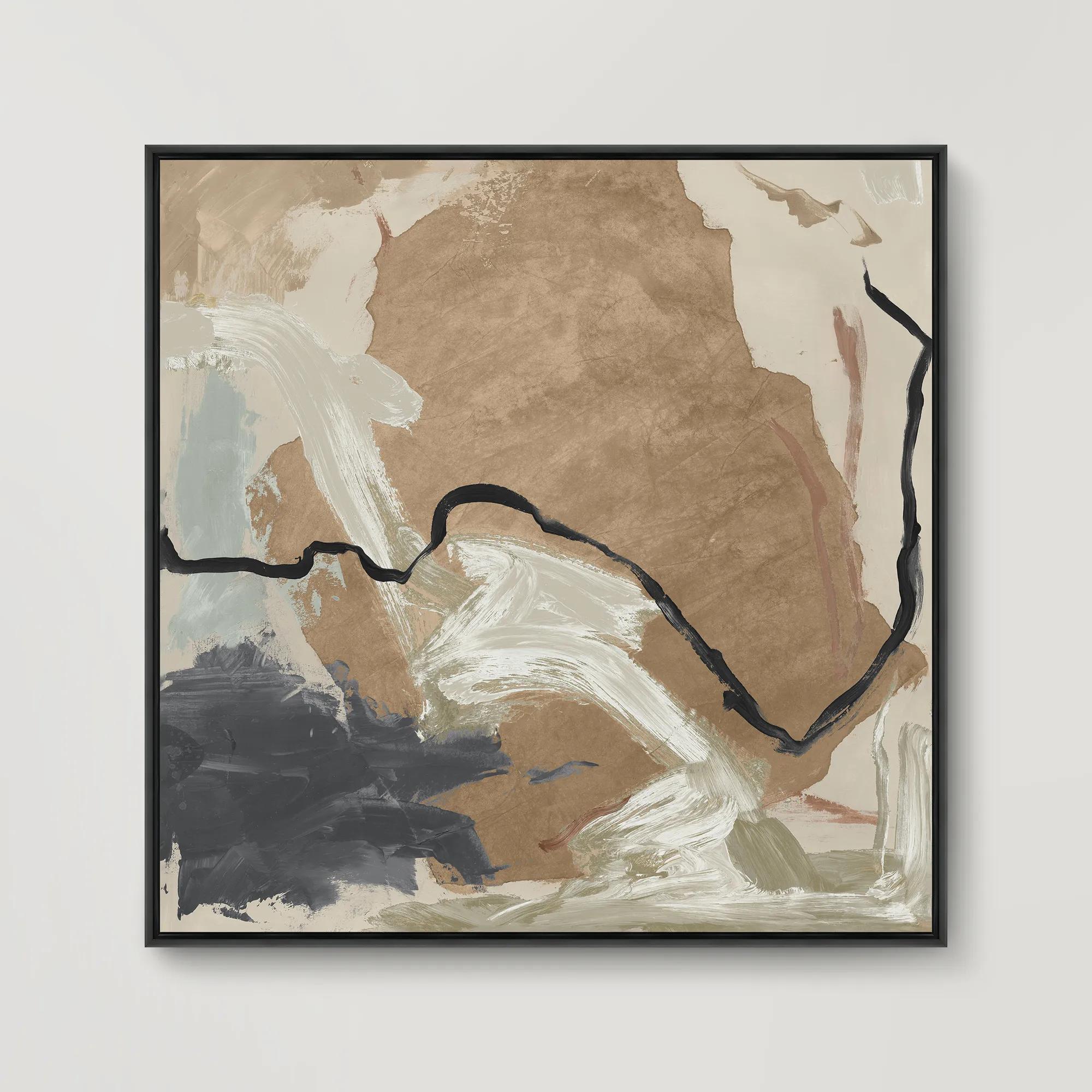
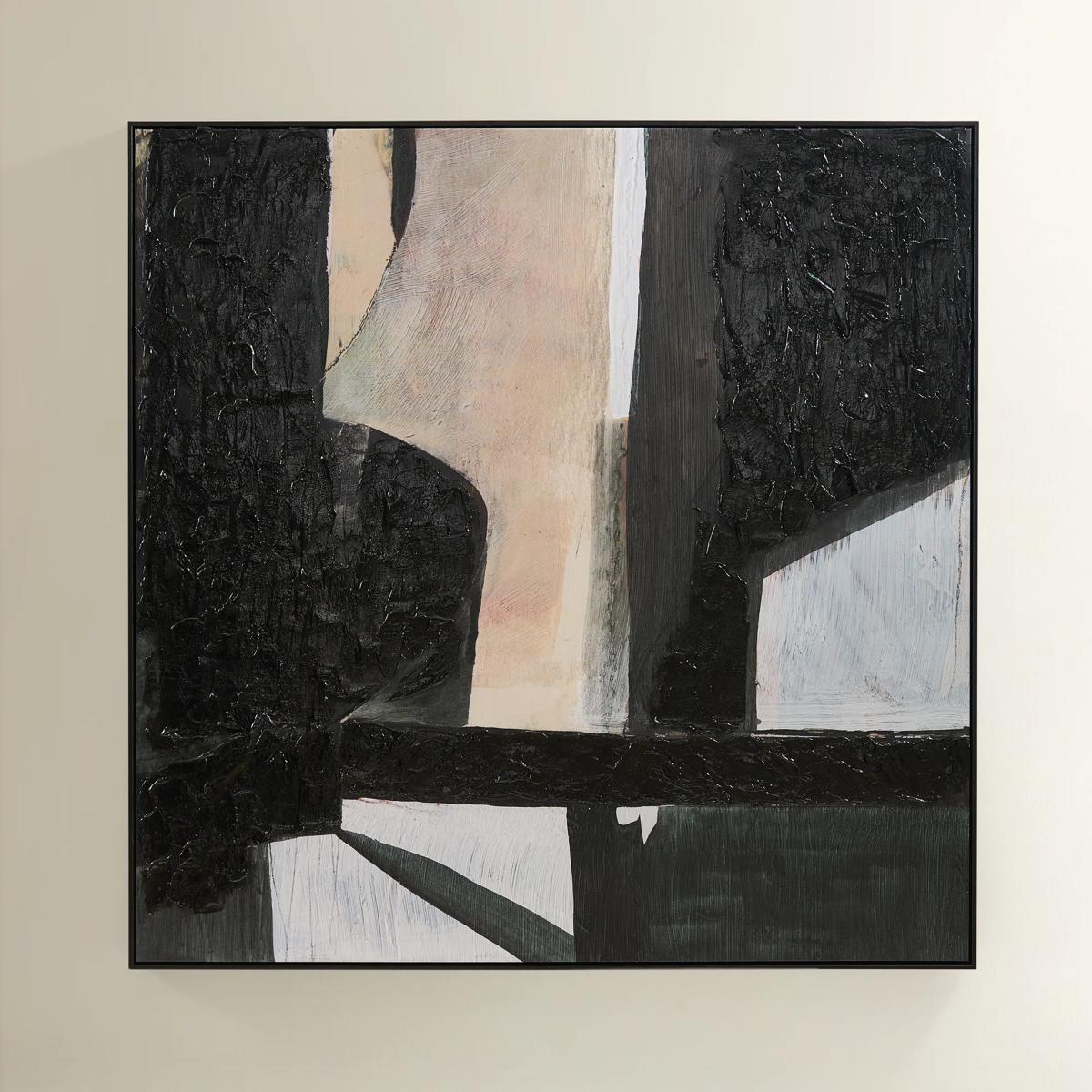 Grounded Painting$699
A hand-painted abstract canvas featuring black, cream, and earth tones in a sleek black floater frame.
Add To Cart -
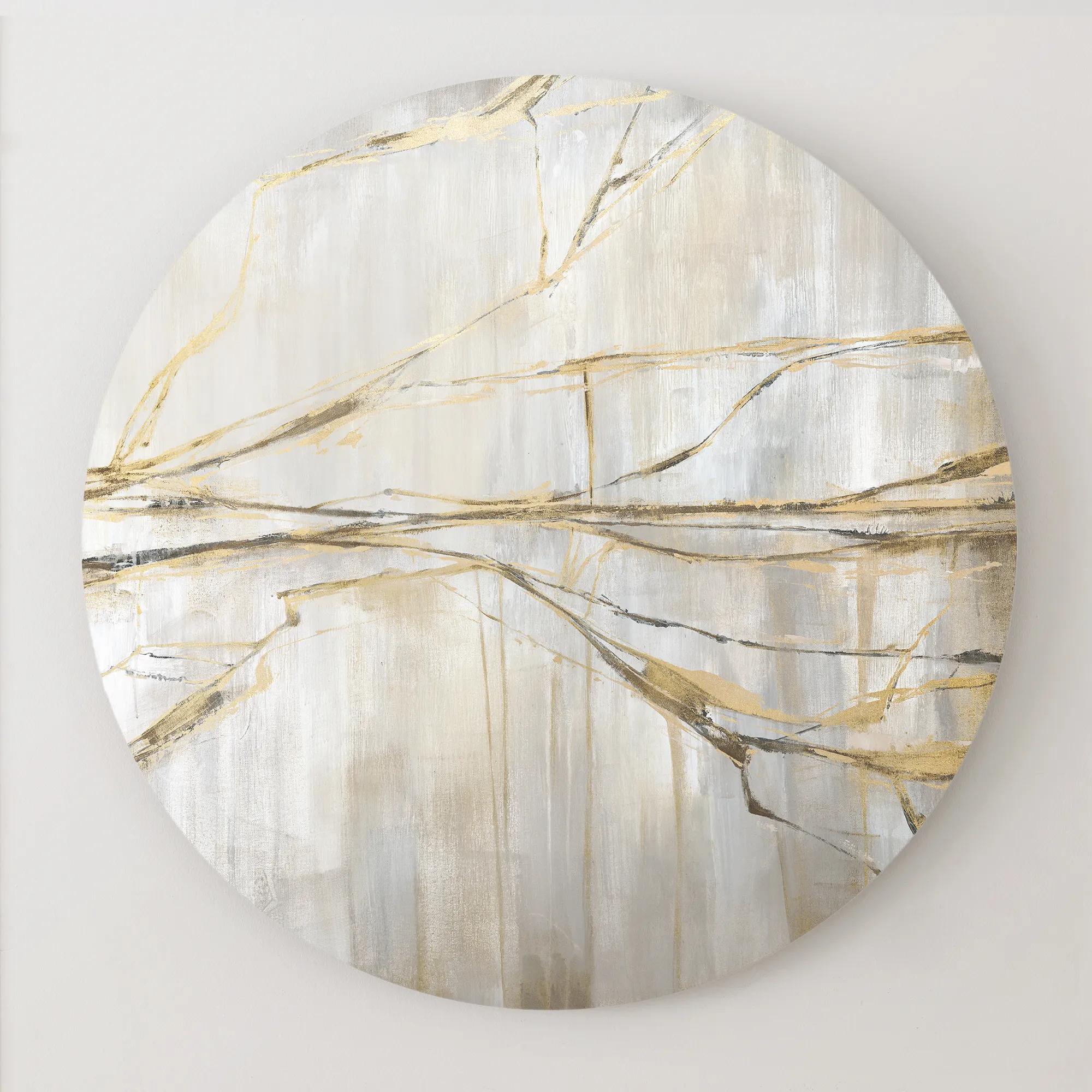
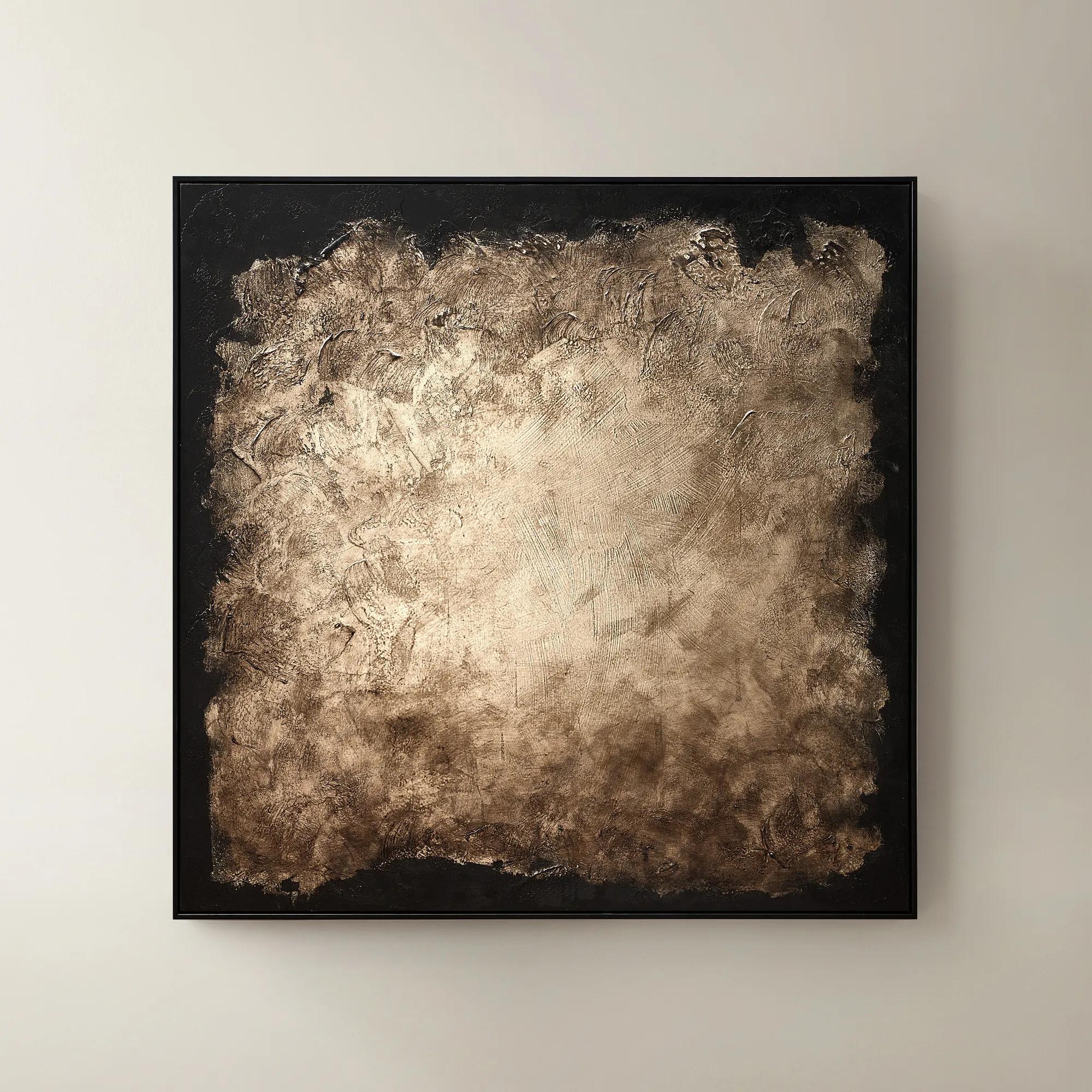 Edge of Knowing Framed Gold Leaf Painted Wall Art 50" x 50"$599
A hand-painted abstract canvas featuring gold leaf accents and a smoked champagne and black palette in a black frame.
Add To Cart -
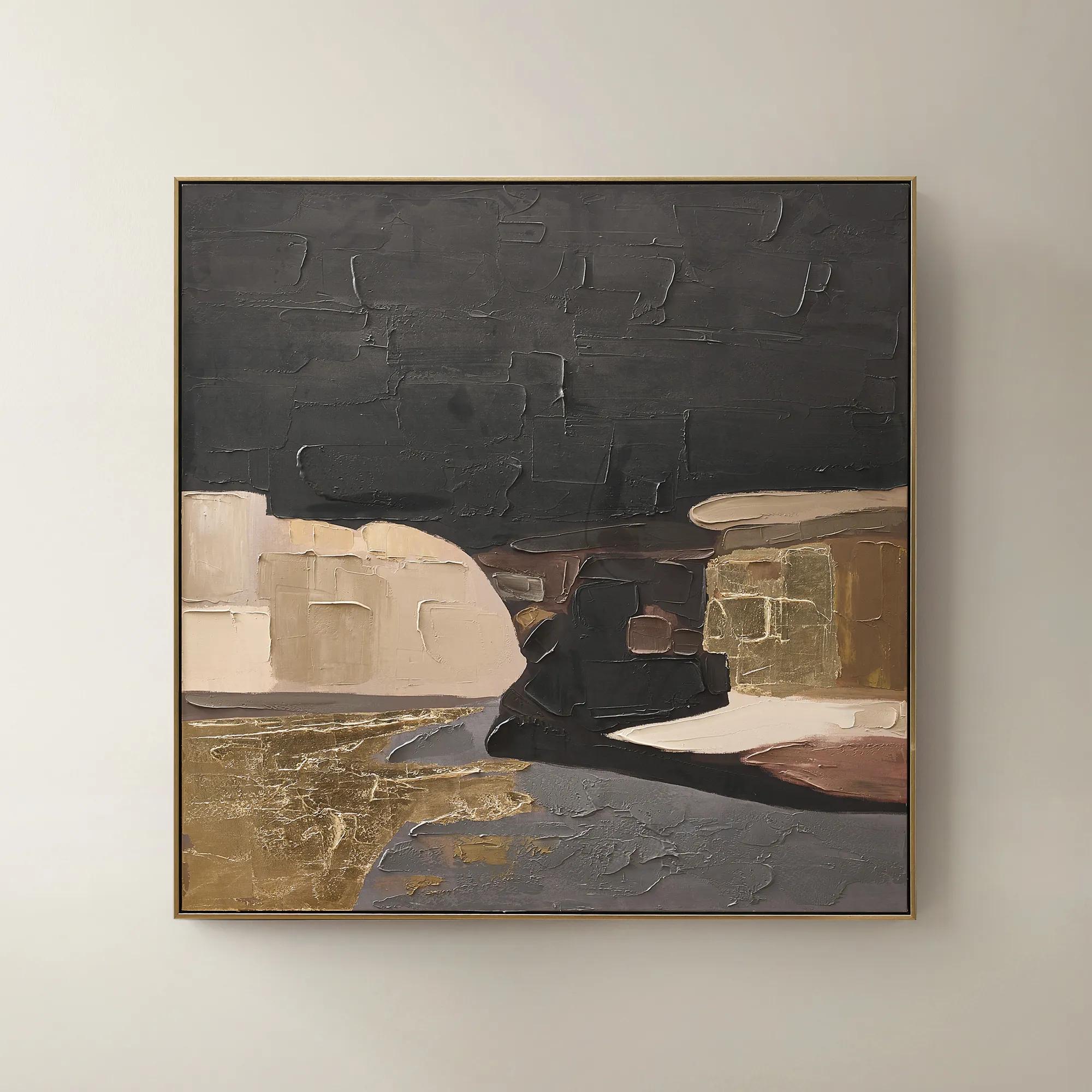 Obscured Light Framed Gold Leaf Painted Wall Art 48" x 48"$499
A hand-painted canvas with gold leaf accents and a black-gold frame in dramatic neutral tones.
Add To Cart -
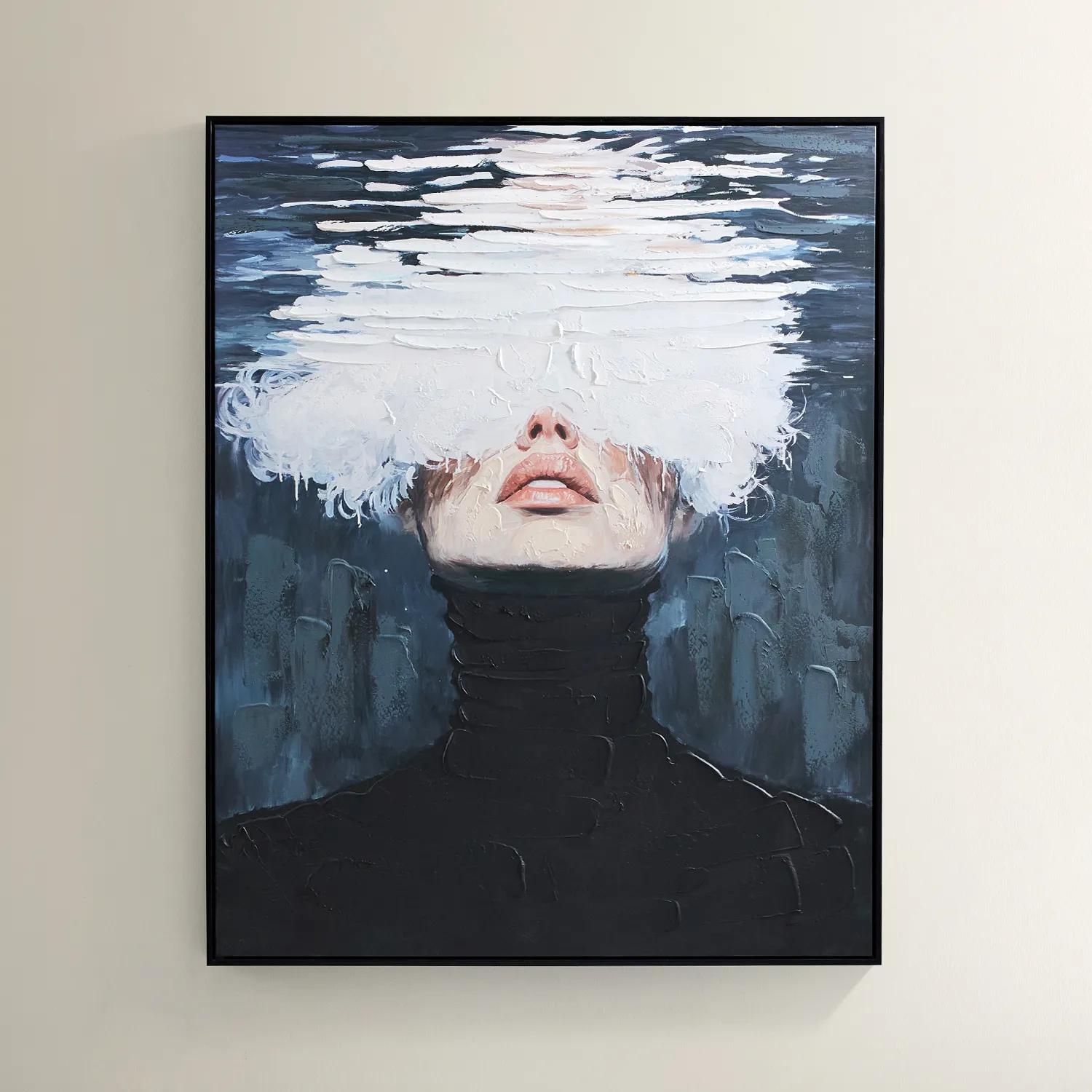
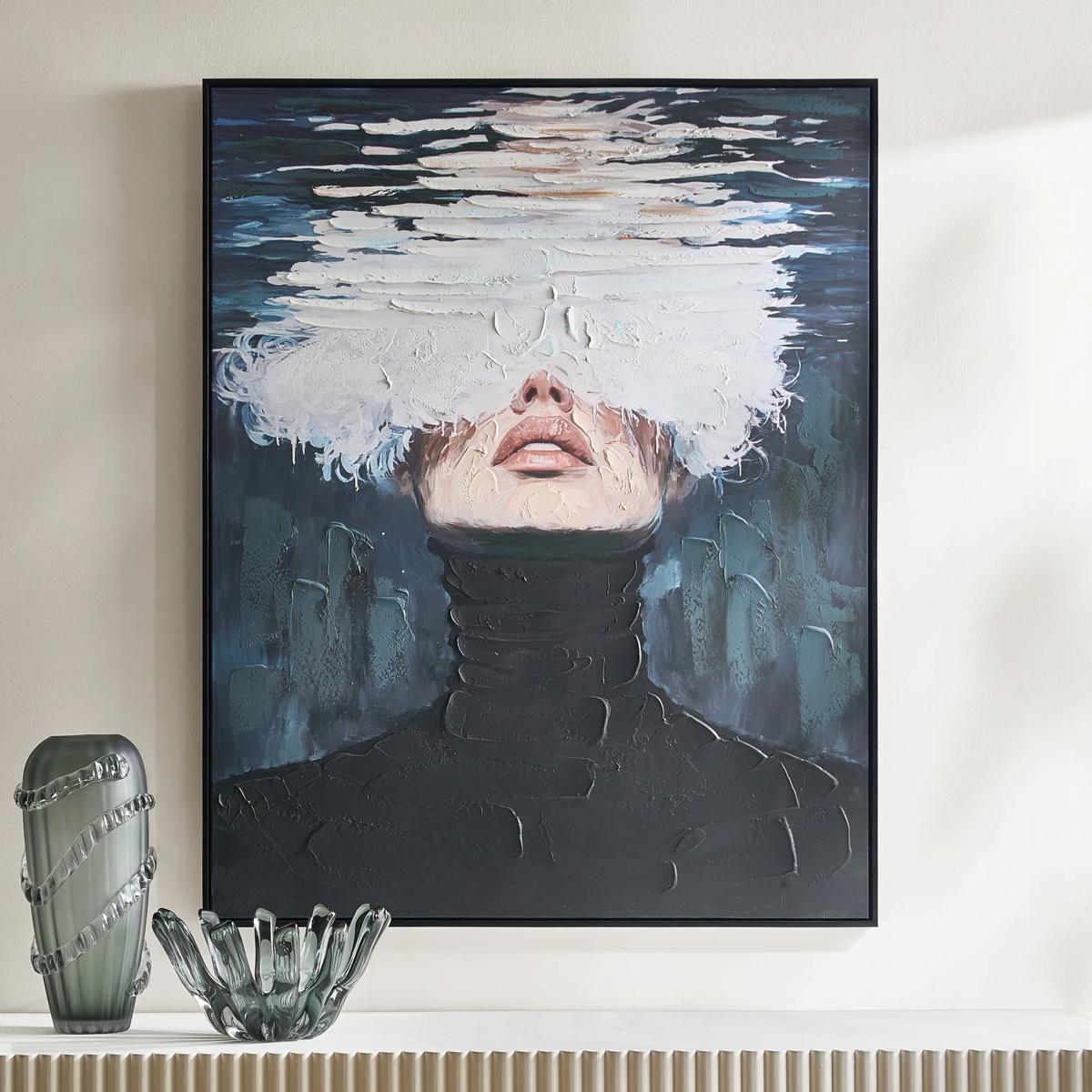 Submerged Framed Painted Wall Art 40" x 50"$599
A hand-painted canvas featuring a surreal portrait in black, blue, and white with a black floater frame.
Add To Cart -
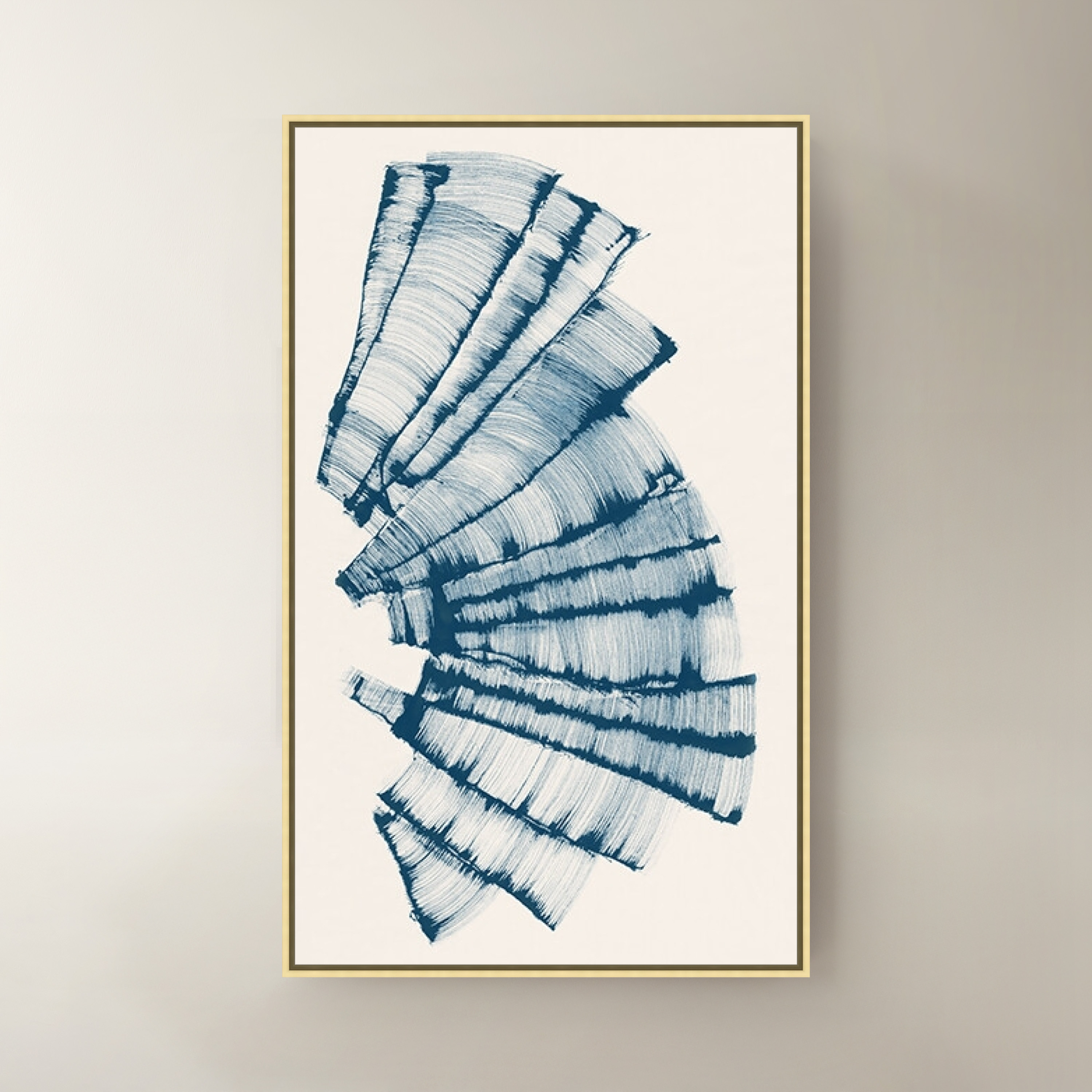
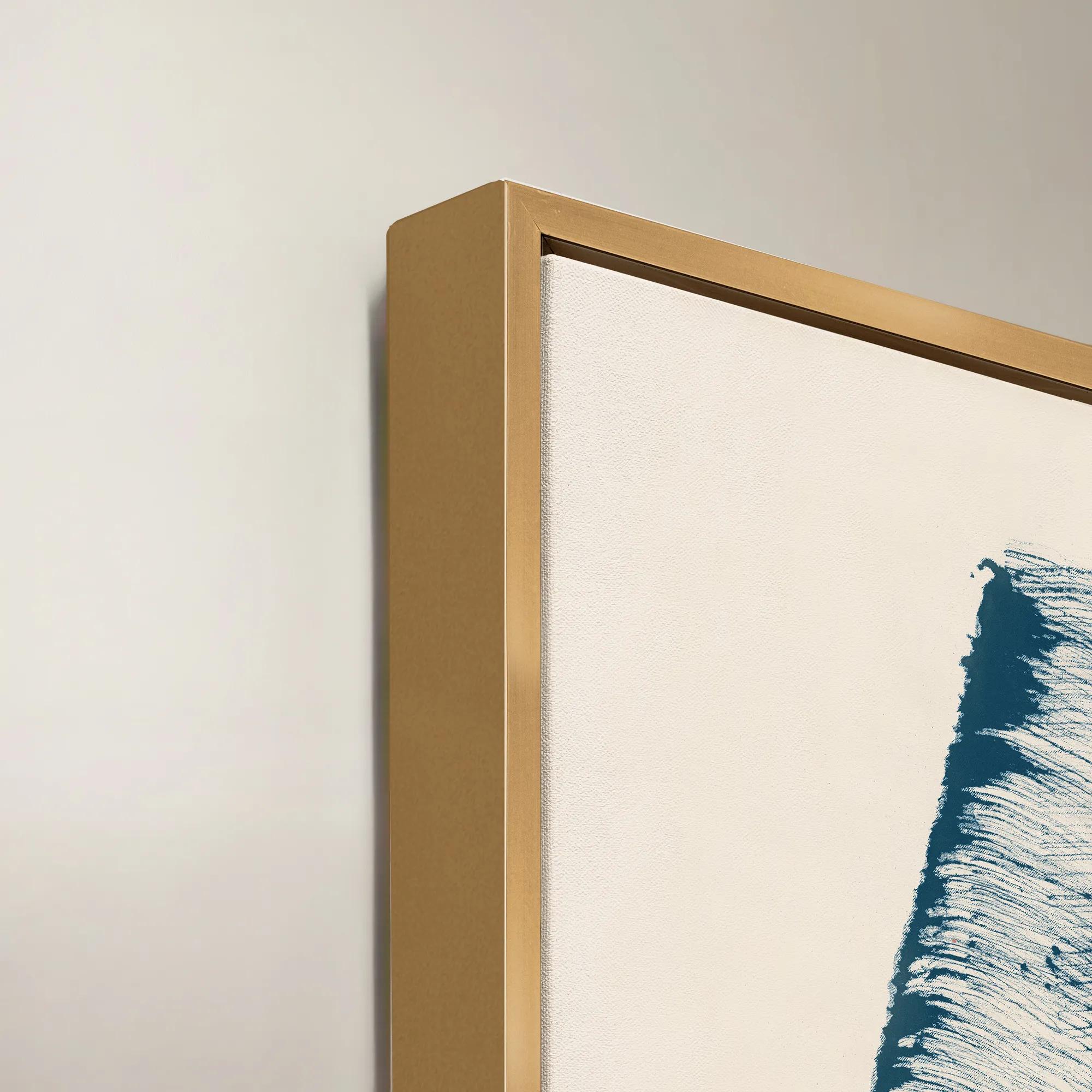 Escape Path IV Framed Wall Art 30" x 50"$799
A blue and purple canvas wall artwork presented in a sophisticated frame for modern interiors.
Add To Cart -

 Escape Path III Framed Wall Art 30" x 50"$799
A captivating blue and purple canvas artwork adding contemporary movement and layered dimension to your walls.
Add To Cart -

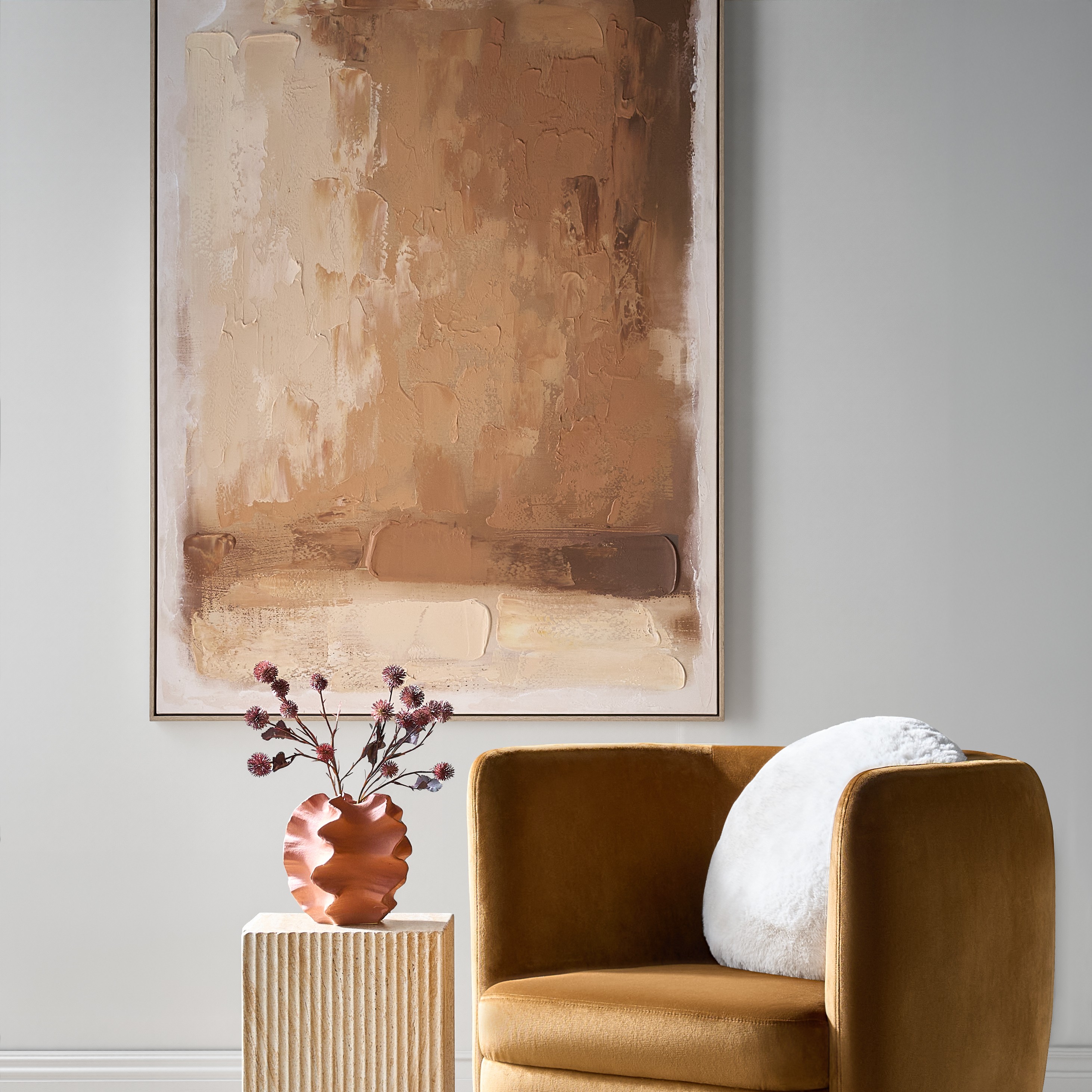 Ember Glow Framed Painted Wall Art 39.25" x 55"$499
A hand-painted abstract canvas blending ochre, terracotta, and golden clay hues in a light natural frame.
Add To Cart -

 Rosebud Framed Painted Wall Art 40" x 60"$1599
A framed painted canvas artwork featuring elegant gold tones for sophisticated modern interiors.
Add To Cart -
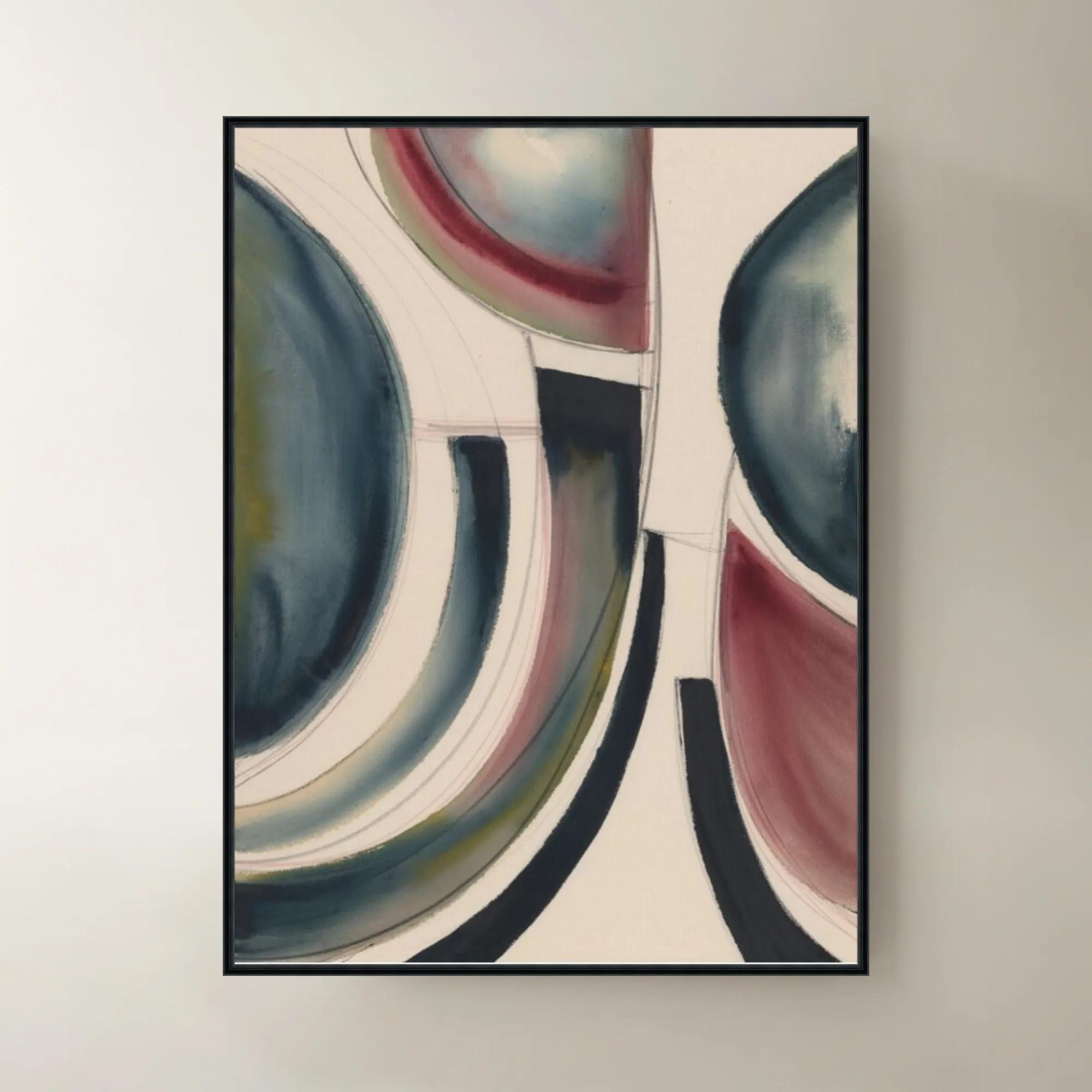
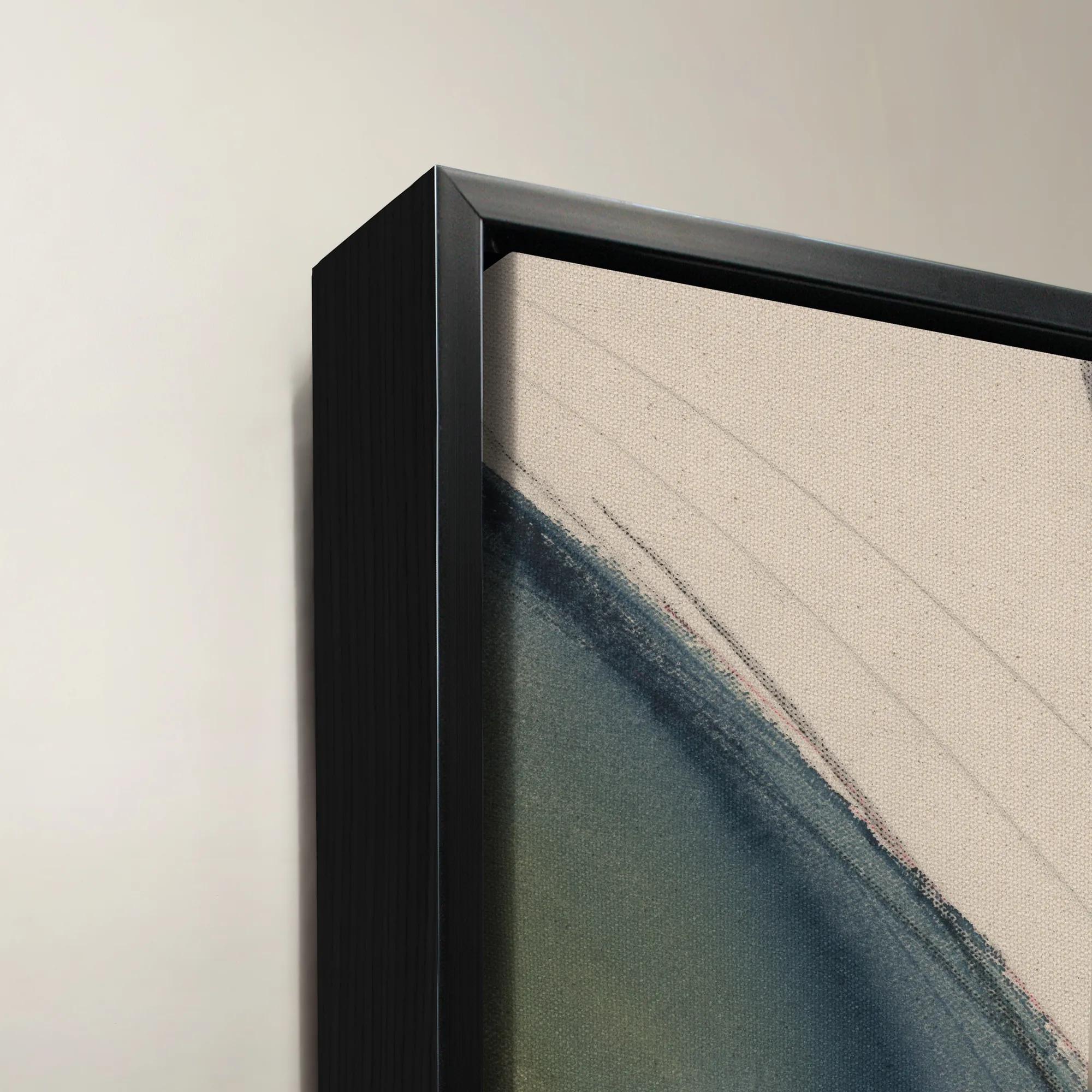 Dreamsicle Framed Wall Art 40" x 54"$1199
A vibrant multicolored canvas wall artwork presented in an elegant frame for contemporary interiors.
Add To Cart -
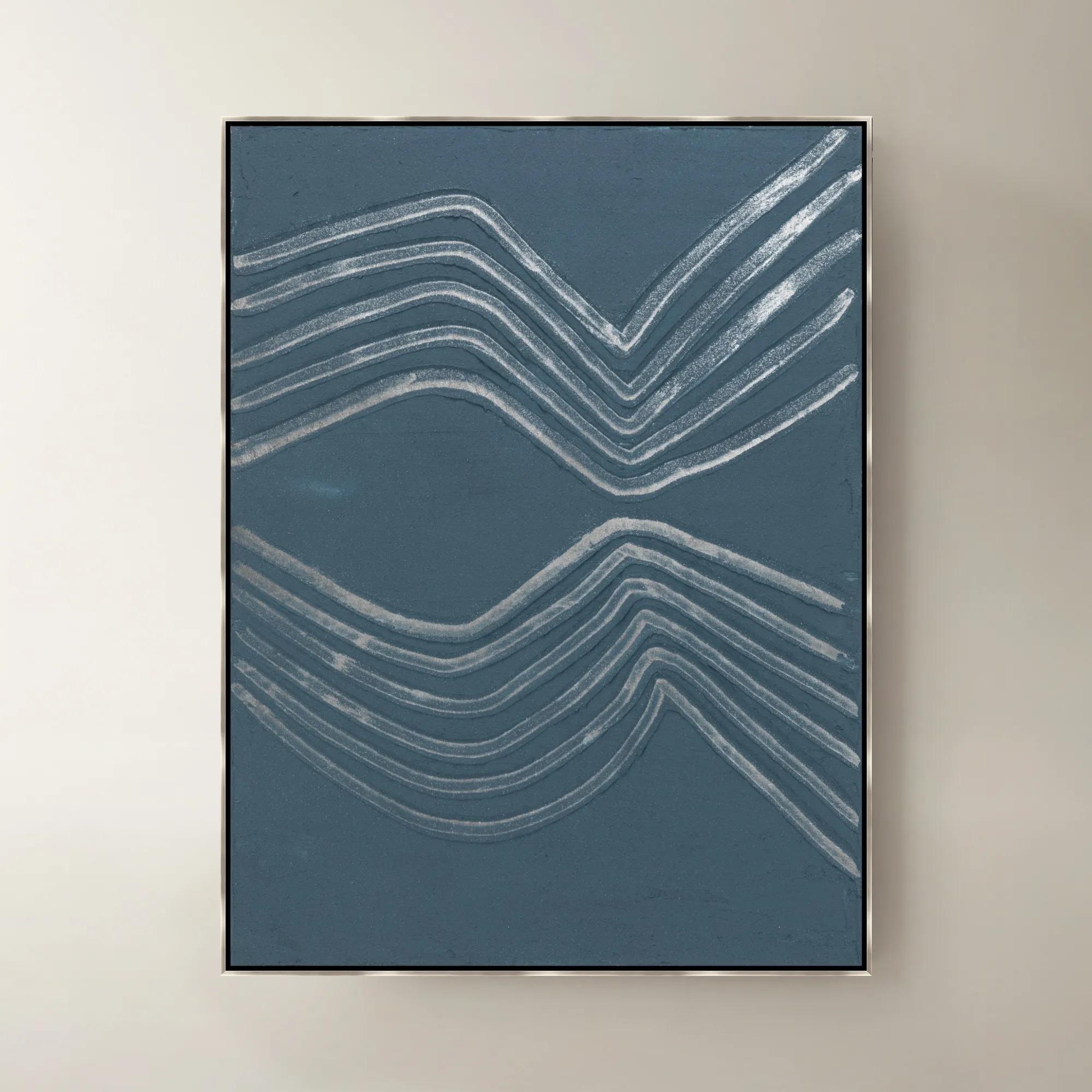
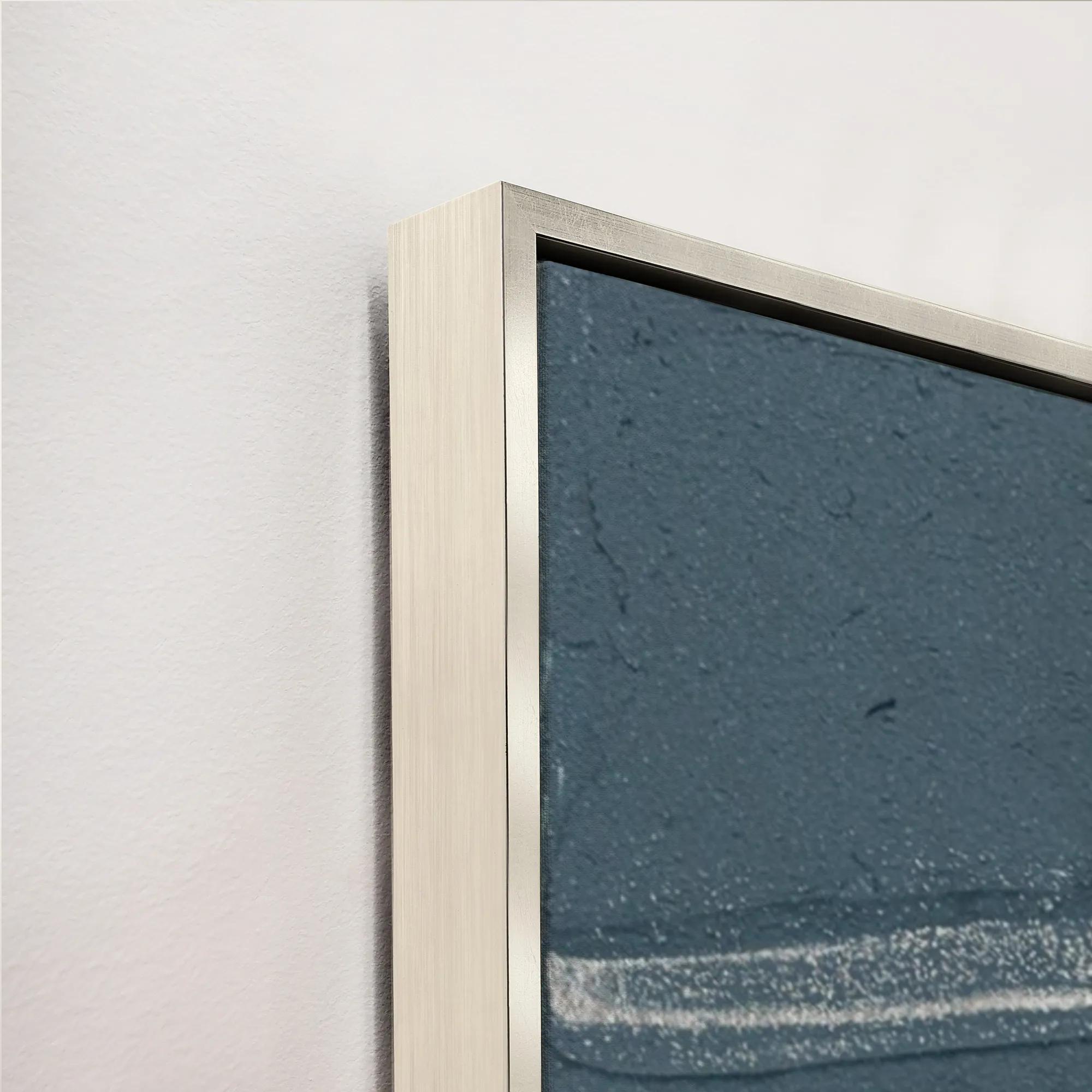 Gilded Waves VI Framed Painted Wall Art 40" x 53"$1399
A framed painted canvas artwork featuring sweeping gilded waves in rich blue and purple tones.
Add To Cart -
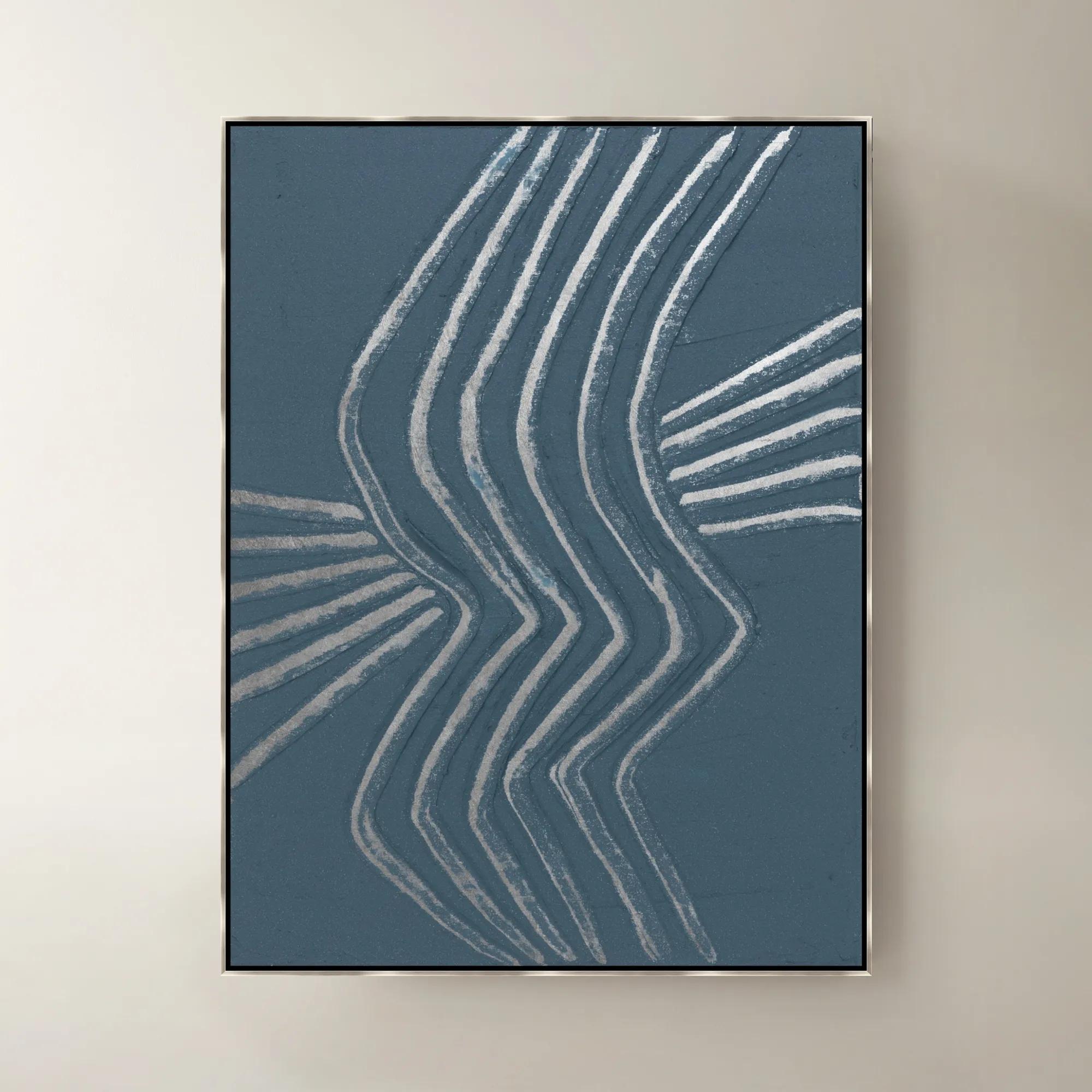
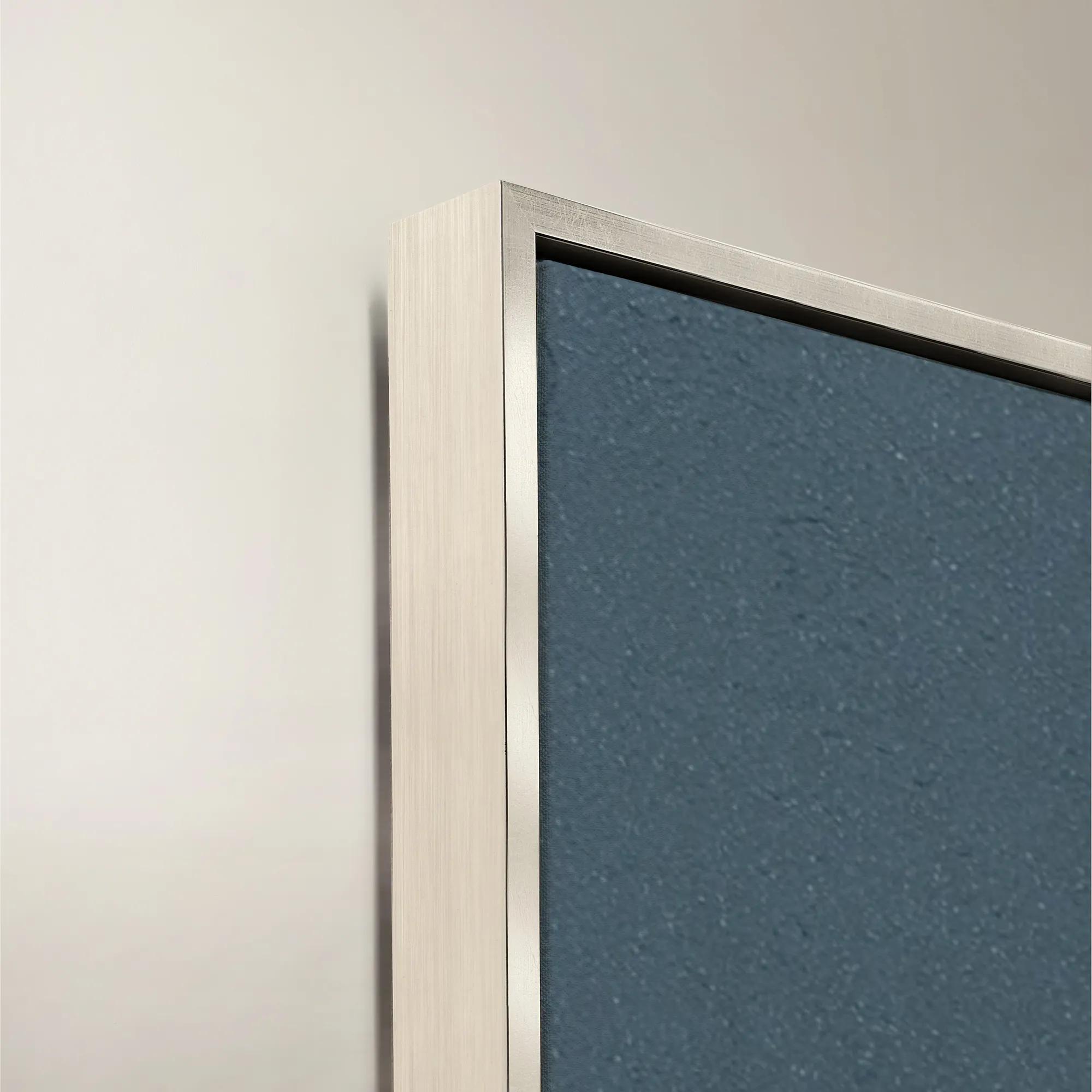 Gilded Waves IV Framed Painted Wall Art 40" x 53"$1399
A framed painted canvas artwork featuring flowing gilded waves in soothing blue and purple tones.
Add To Cart -
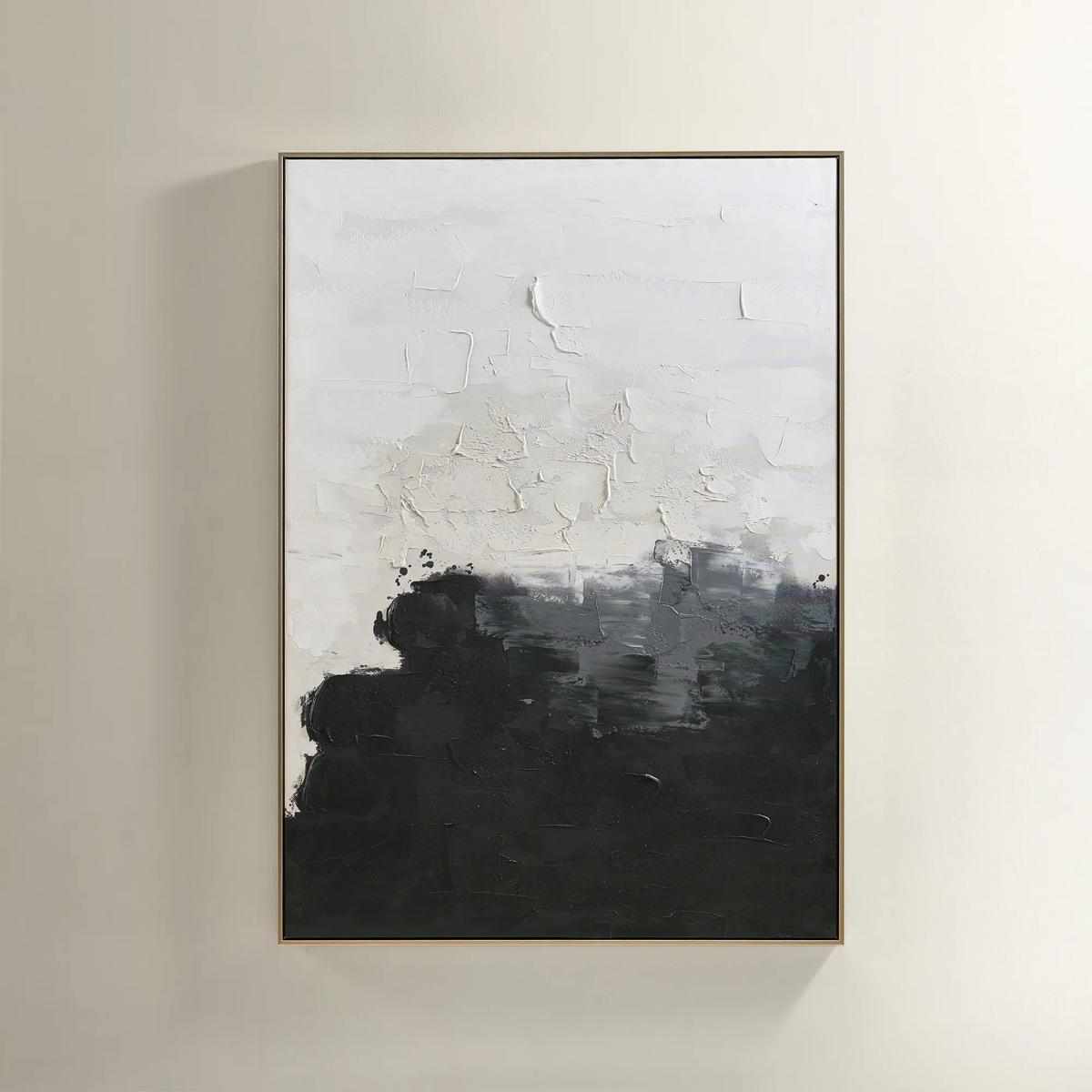
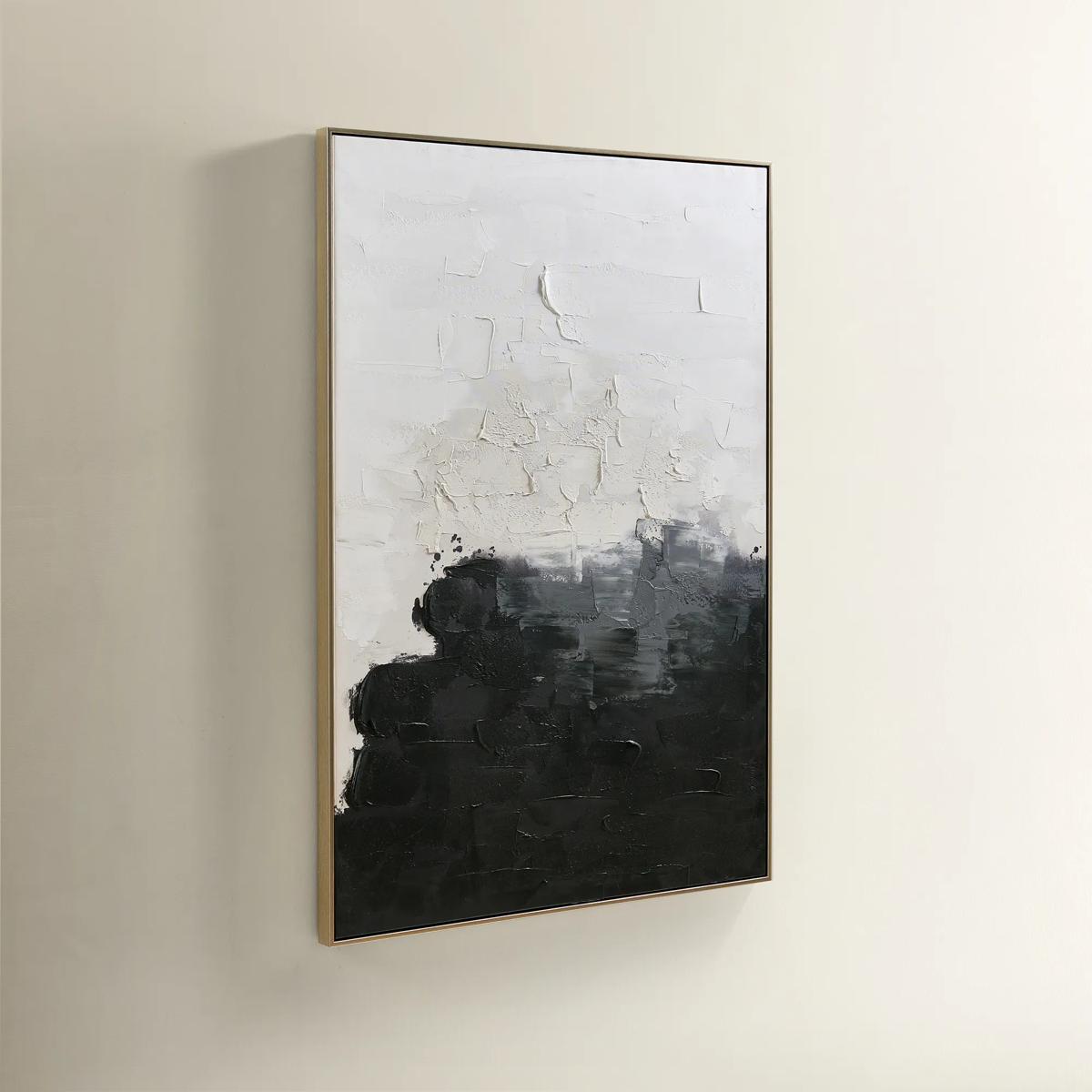 No Rush Painted Wall Art 39.25" x 55"$499
A hand-painted canvas featuring textured strokes of white, ivory, and charcoal in a natural wood frame.
Add To Cart -
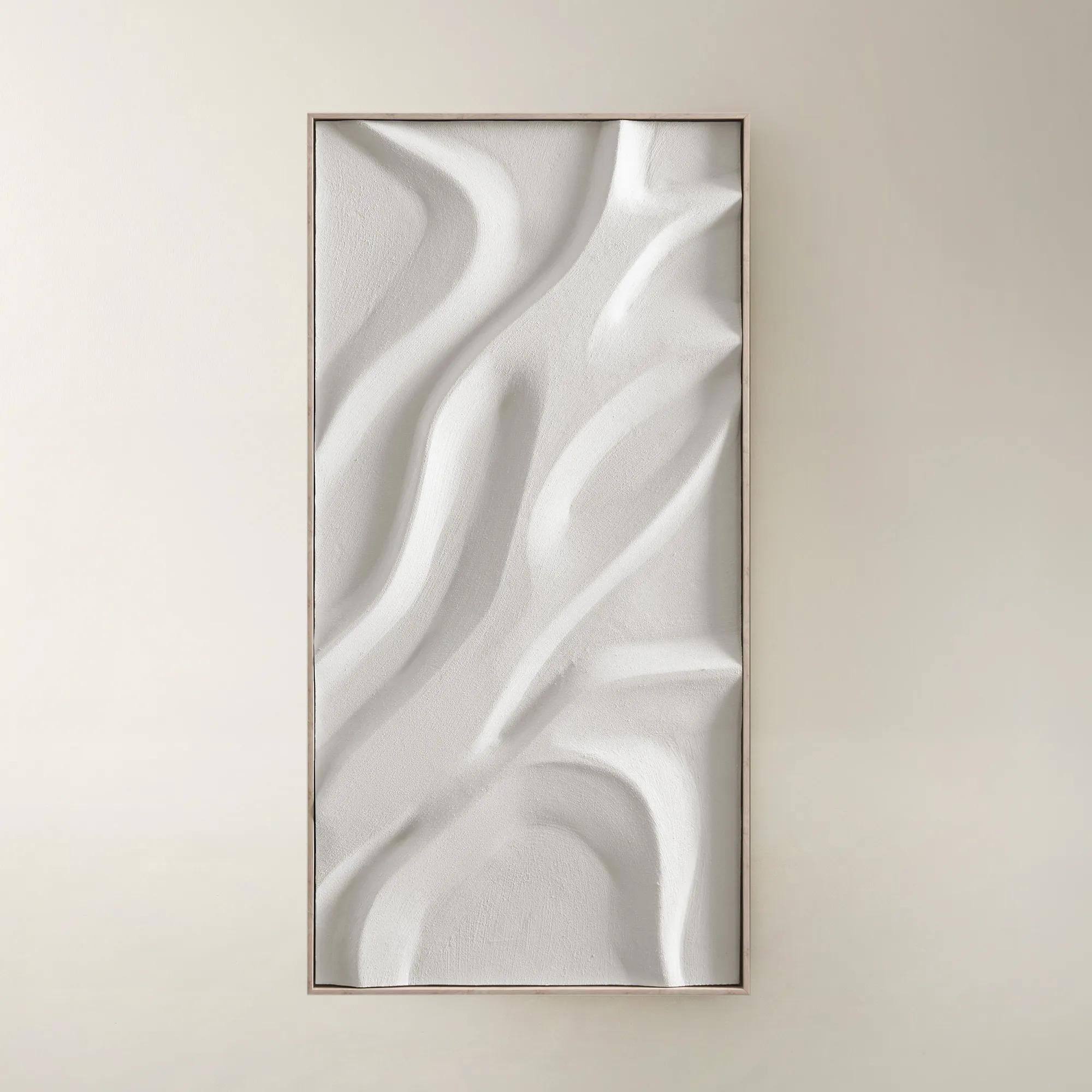
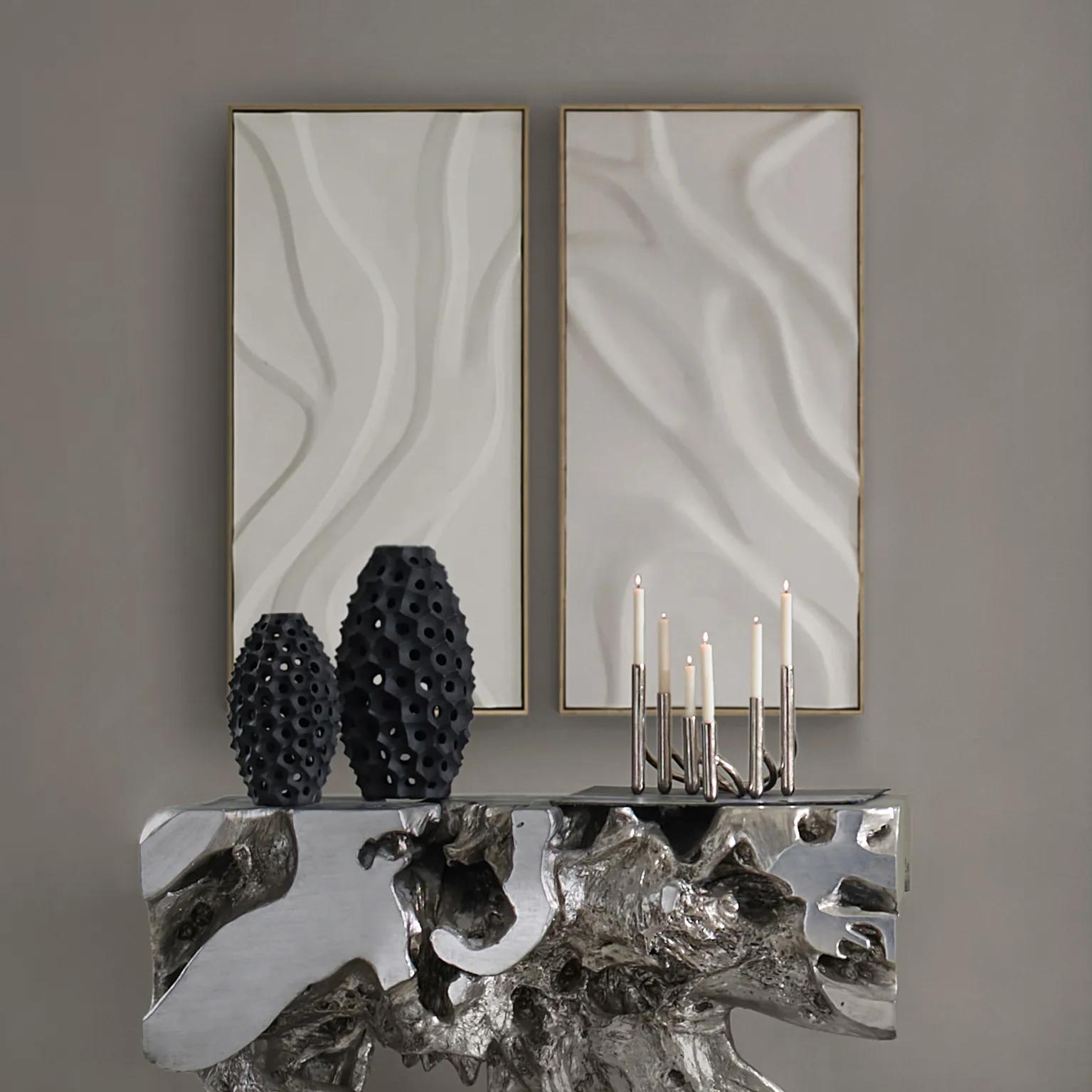 Au Lait Framed Painted Wall Art II 47.2" x 23.6"$199
A serene hand-painted canvas in beige, set in a warm whitewash floater frame for modern interiors.
Add To Cart -
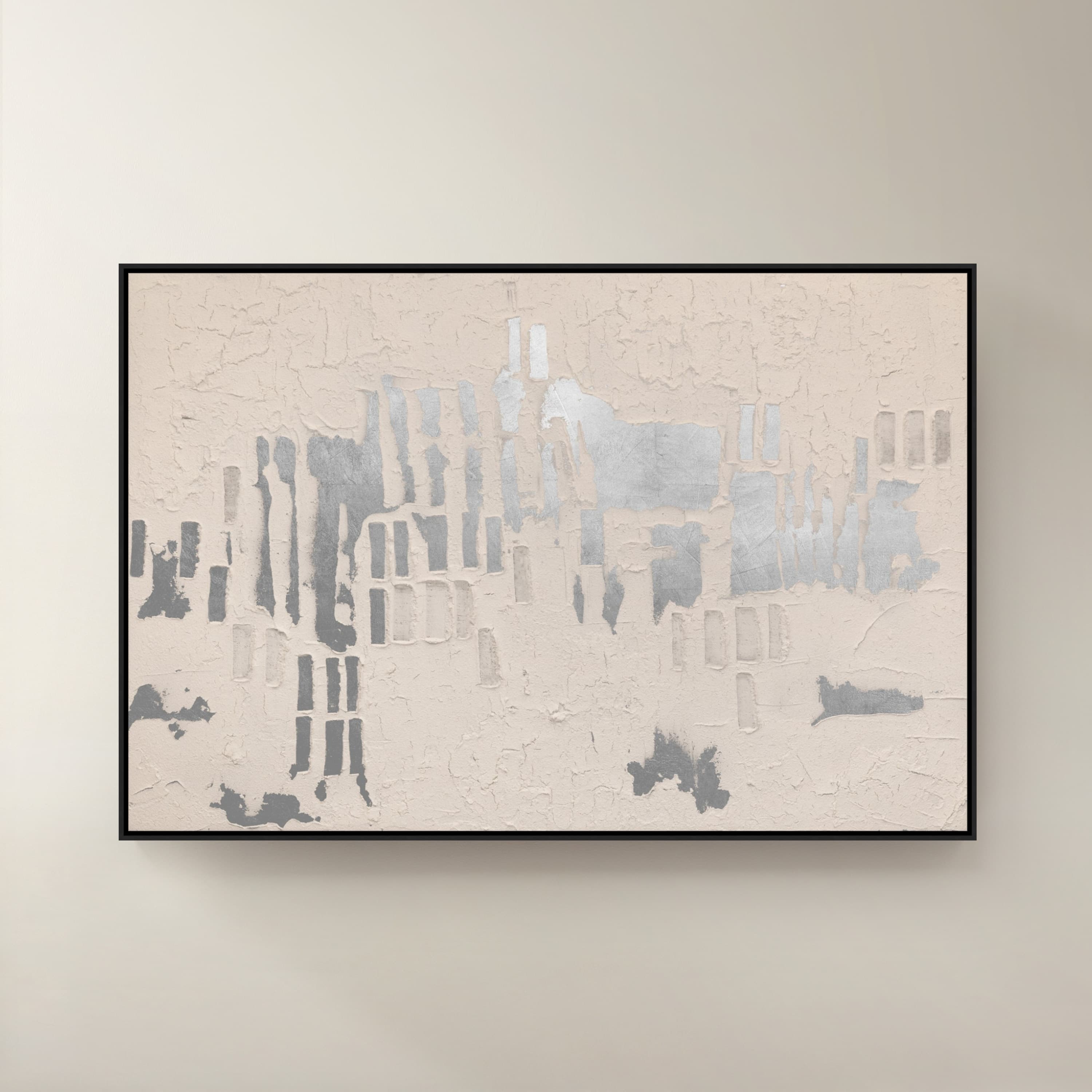
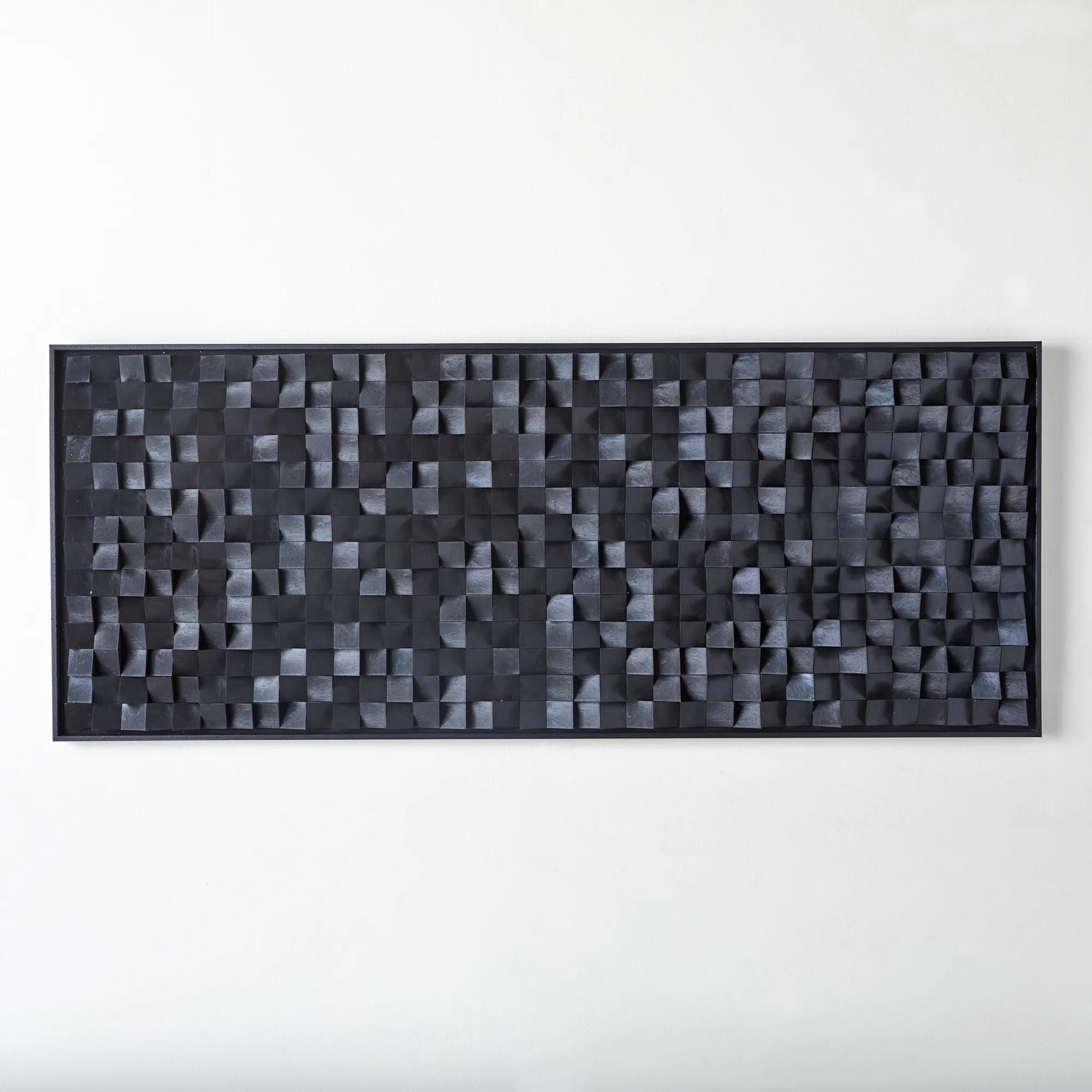 Nightfall Black Wood Dimenisonal Wall Panel 59" x 23.5"$599
An abstract wall art piece featuring cut black blocks in a sleek, low-profile black frame.
Add To Cart -

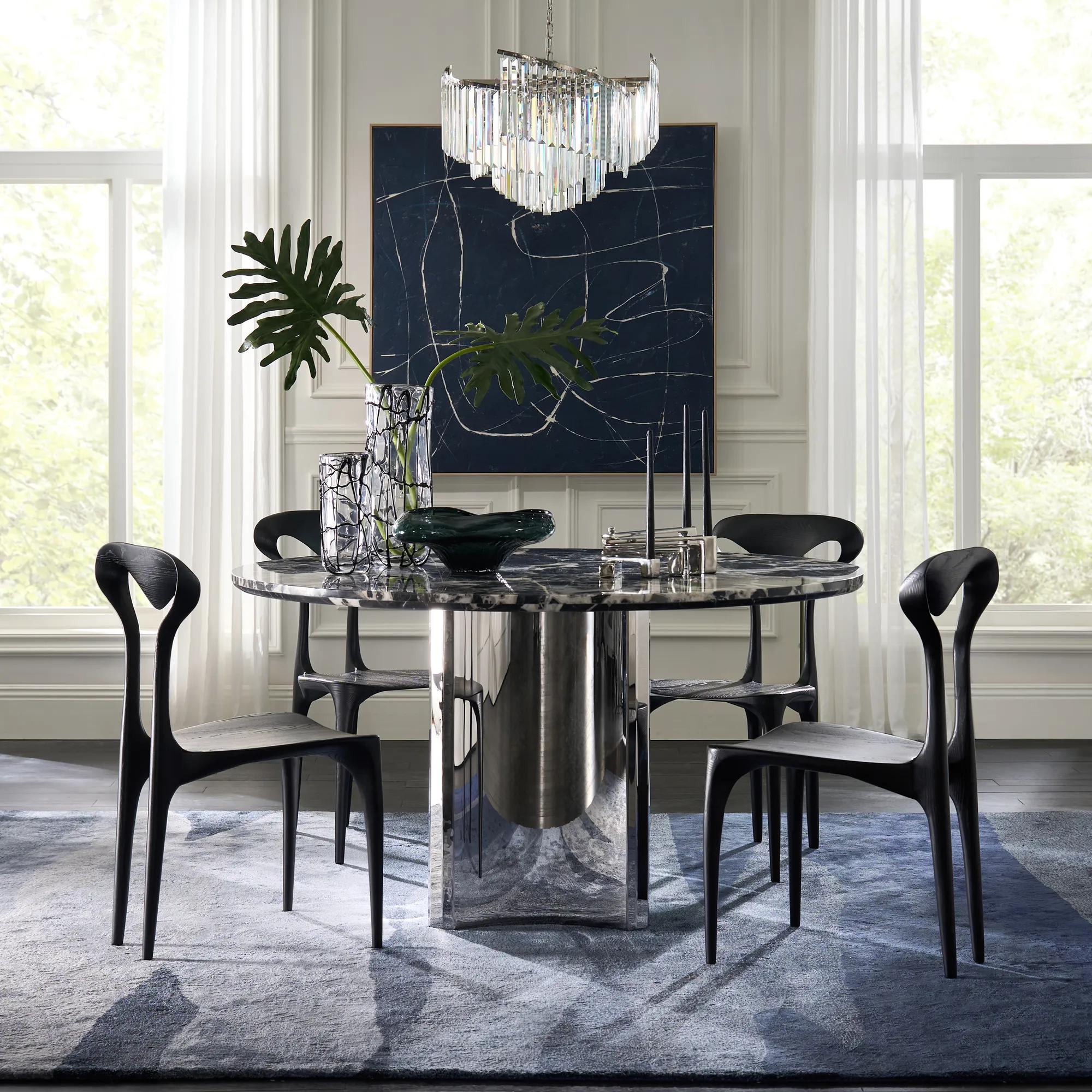 Almost Midnight Painting - Blue$439
A hand-painted canvas featuring bold blue and black tones with delicate white lines in a light wood frame.
Add To Cart -
 Gilt Collage Gold Hand Crafted Wood Dimensional Wall Panel 30" x 60"$799
A glamorous gilt-finished collage wall panel bringing sculptural dimension and contemporary elegance to your decor.
Add To Cart

Large Moody Wall Arts
Large Moody Wall Arts transform your walls into immersive masterpieces, conjuring a sense of intrigue and sophistication that lingers long after the first glance. Each piece is a bold narrative—layered in shadow, depth, and drama—designed to captivate the eye and stir the imagination. Whether you crave a statement backdrop for lavish entertaining or a soulful accent that whispers of mystery, these commanding works promise to envelop your space in artistry and allure. Paint your home with emotion; let Large Moody Wall Arts become the heart of your next unforgettable interior moment.
Large moody wall art brings depth, drama, and a sense of intimacy to an interior through generous scale, saturated color, and expressive contrast. Charcoal, ink black, espresso, deep green, and muted plum create a rich foundation, while passages of ivory, bronze, or softened gold give the eye somewhere to linger. The effect is not simply dark; it is layered, with details that reveal themselves across the room and at closer range. Moody abstract wall art can suggest movement through broad brushwork, blurred edges, and concentrated fields of pigment. Atmospheric landscapes draw attention toward distant horizons and shadowed terrain, while dark floral compositions turn petals, stems, and leaves into sculptural studies against richly colored backgrounds. Vintage-inspired portraits and architectural imagery introduce a different kind of presence, lending rooms an intriguing sense of history without requiring traditional furnishings. These visual qualities make oversized moody artwork especially compelling in living rooms, bedrooms, dining rooms, and private studies, where a single composition can establish the emotional character of the space. Above a pale sofa, a dark abstract creates a confident counterpoint to soft upholstery. Against a deep-colored wall, a tonal landscape feels more immersive, allowing the frame and the lightest marks within the image to emerge. In a dining room with polished metal accents and richly grained wood, an expansive floral composition adds softness without losing its theatrical edge. Moody does not have to mean somber, and it does not require an entirely dark room. A luminous detail, an open stretch of background, or a finely drawn silhouette can give even the deepest palette a remarkable sense of air. For interiors built around expressive furniture and collected objects, large-scale artwork provides a visual anchor, bringing separate textures and finishes into a deliberate composition. Its appeal lies in that balance: enough presence to command attention, with enough nuance to remain rewarding long after the first impression.
Scale shapes that experience as much as subject matter. A large horizontal composition can echo the length of a sofa, headboard, or dining room credenza, while a tall vertical work gives a narrow wall or high-ceilinged entry a more intentional focal point. Formats such as 30 by 60 inches or 36 by 48 inches offer useful reference points, although the right fit depends on the wall, surrounding furniture, and the artwork’s proportions. Above furniture, artwork spanning roughly two-thirds to three-quarters of its width often creates a balanced relationship without making the arrangement feel crowded. Leaving approximately 6 to 10 inches between the furniture and the bottom of the frame can keep the composition visually connected, with adjustments for unusually tall headboards, lamps, or decorative objects. Overall framed dimensions matter more than image dimensions alone, particularly in rooms where moldings, sconces, or doorways define the available space. A single oversized canvas gives the eye one uninterrupted field, making subtle tonal changes feel expansive. A coordinated pair or multipanel composition introduces rhythm, with the spaces between panels becoming part of the arrangement. The expressive scale associated with Large Wall Art Pieces is particularly striking in moody palettes, where an enlarged brushstroke or delicate highlight can become an essential architectural detail. Framing further shapes the mood: a slender black frame sharpens the edges of an abstract, a warm wood finish softens a dark landscape, and a metallic finish can pick up the gleam of nearby lighting. A floater frame leaves a visible gap around a stretched canvas, emphasizing its dimensional presence without covering its edges. Lighting deserves equal consideration. An adjustable picture light or carefully directed accent light can reveal darker passages, while positioning artwork away from harsh reflections helps preserve its visual depth. A quiet margin of wall around a dramatic piece allows the composition to hold attention without competing with every decorative object nearby.
Materials and surface treatments determine how large moody wall decor feels up close, as well as how it lives in a room over time. Stretched canvas has a woven surface that can soften an image’s appearance and lend broad color fields a tactile quality. Printed canvas reproduces artwork on that textured foundation, while hand-painted or hand-embellished surfaces may introduce visible brushwork, raised details, and variations that respond differently to light. Paper-based prints often emphasize fine lines and delicate tonal transitions, with matting and protective glazing adding structure to the presentation. Glass and acrylic each affect weight, reflection, and handling, so the complete framed construction deserves attention alongside the image itself. Dark artwork benefits from thoughtful illumination, but direct sunlight can fade pigments and discolor some materials over time; placement away from prolonged sun exposure helps protect its richness. Stable indoor conditions also matter, especially for canvas, paper, and wood frames that may respond to excessive humidity or abrupt environmental changes. A bathroom or a wall close to cooking steam requires more careful consideration than a dry living room or bedroom. Routine care should follow the artwork’s material-specific instructions, with gentle dusting where permitted and no cleaning products applied directly to painted, printed, or embellished surfaces. Glazing should be cleaned with a suitable product applied to a cloth, keeping moisture away from frame joints and image edges. Secure installation is equally important: hardware should suit both the artwork’s weight and the wall construction, and substantial framed pieces may warrant professional hanging. For design enthusiasts, new homeowners, or someone creating a personal office or reading room, a large moody composition can make an especially meaningful gift when its palette, dimensions, and subject reflect the recipient’s taste. Abstract imagery offers room for personal interpretation, while a landscape or botanical subject can connect to a lasting interest. Whether placed above a velvet sofa or given an entire wall of its own, the most compelling piece brings more than darkness to a room. It gives shadow a shape, color a greater intensity, and the surrounding furnishings a richer context.
FAQs
Large moody wall art complements a variety of interior styles, from glamorous contemporary spaces to eclectic, maximalist rooms. These pieces elevate modern, transitional, and even classic settings by introducing depth, drama, and a sense of sophistication. Whether your home features metallic finishes, rich velvets, or sculptural furnishings, moody artwork creates a striking focal point and enhances the narrative of your décor.
Strategic lighting can amplify the allure of moody wall art. Positioning picture lights or adjustable track lighting above or beside your piece will highlight its textures and tones, while soft ambient lighting—like table lamps or sconces—can create a warm, inviting glow that deepens the artwork’s dramatic effect. Experiment with dimmers to adjust the mood throughout the day and evening.
Absolutely. Large moody wall art makes a memorable and meaningful gift, especially for those who appreciate expressive design and bold statements in their living spaces. It’s an inspired choice for housewarmings, milestone celebrations, or as a gesture to mark a new chapter in someone’s life. The emotional resonance and visual impact of these pieces ensure your gift will be cherished for years to come.
Yes, moody wall art can be transformative in smaller spaces. A large, dramatic piece can actually make a room feel more expansive by drawing the eye upward and outward. In compact settings, select artwork with rich contrasts and intriguing details to create a sense of depth and sophistication, turning even the coziest corner into a captivating focal point.
Consider the existing tones and textures in your room. Moody wall art often features deep blues, charcoals, plums, and metallic accents, which can harmonize with or boldly contrast your furnishings. If your space is neutral, a richly hued artwork adds drama and intrigue. For more colorful rooms, choose a piece that echoes or complements your palette for a cohesive, curated look.