Canvas Art For Modern Interiors
Canvas Art For Modern Interiors
-
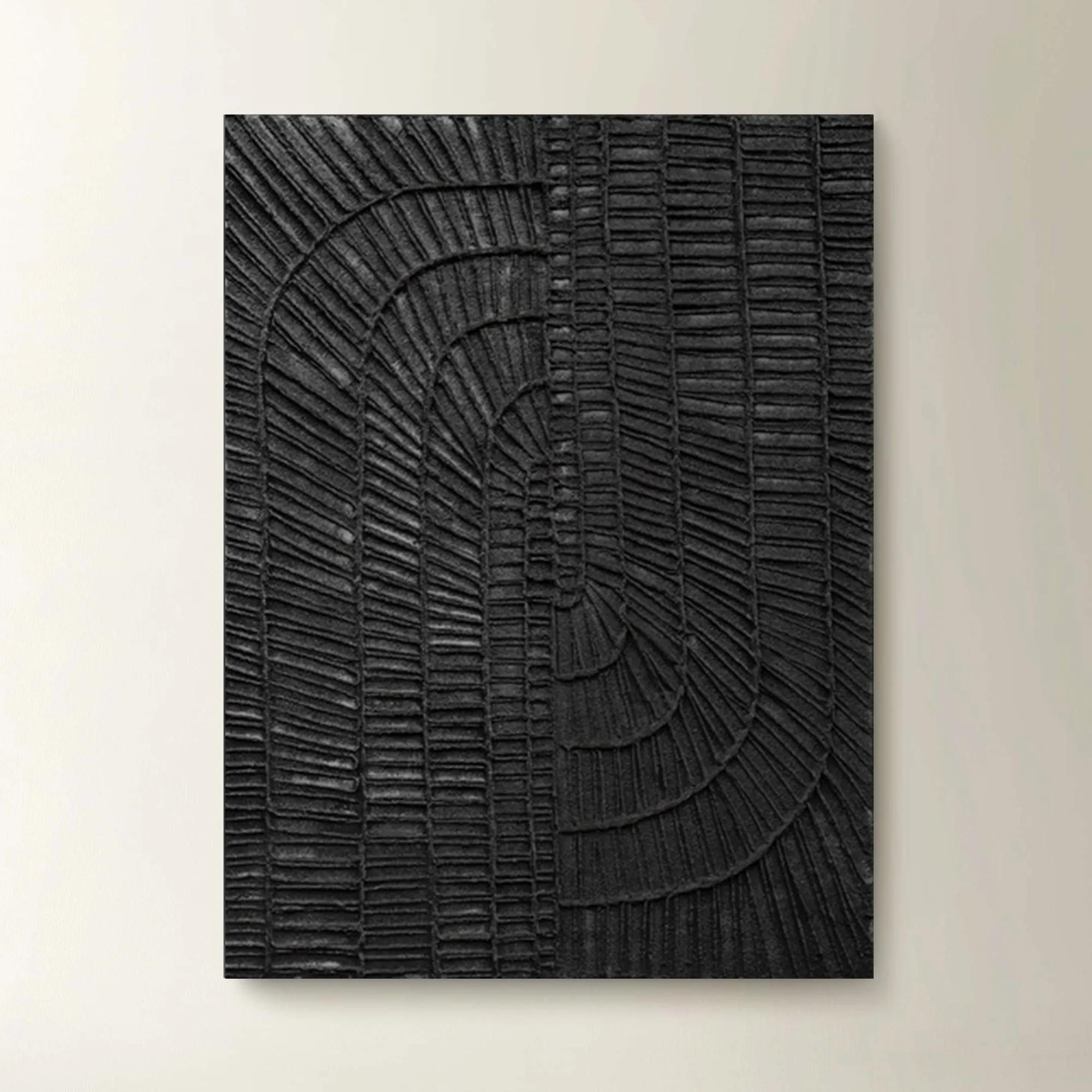
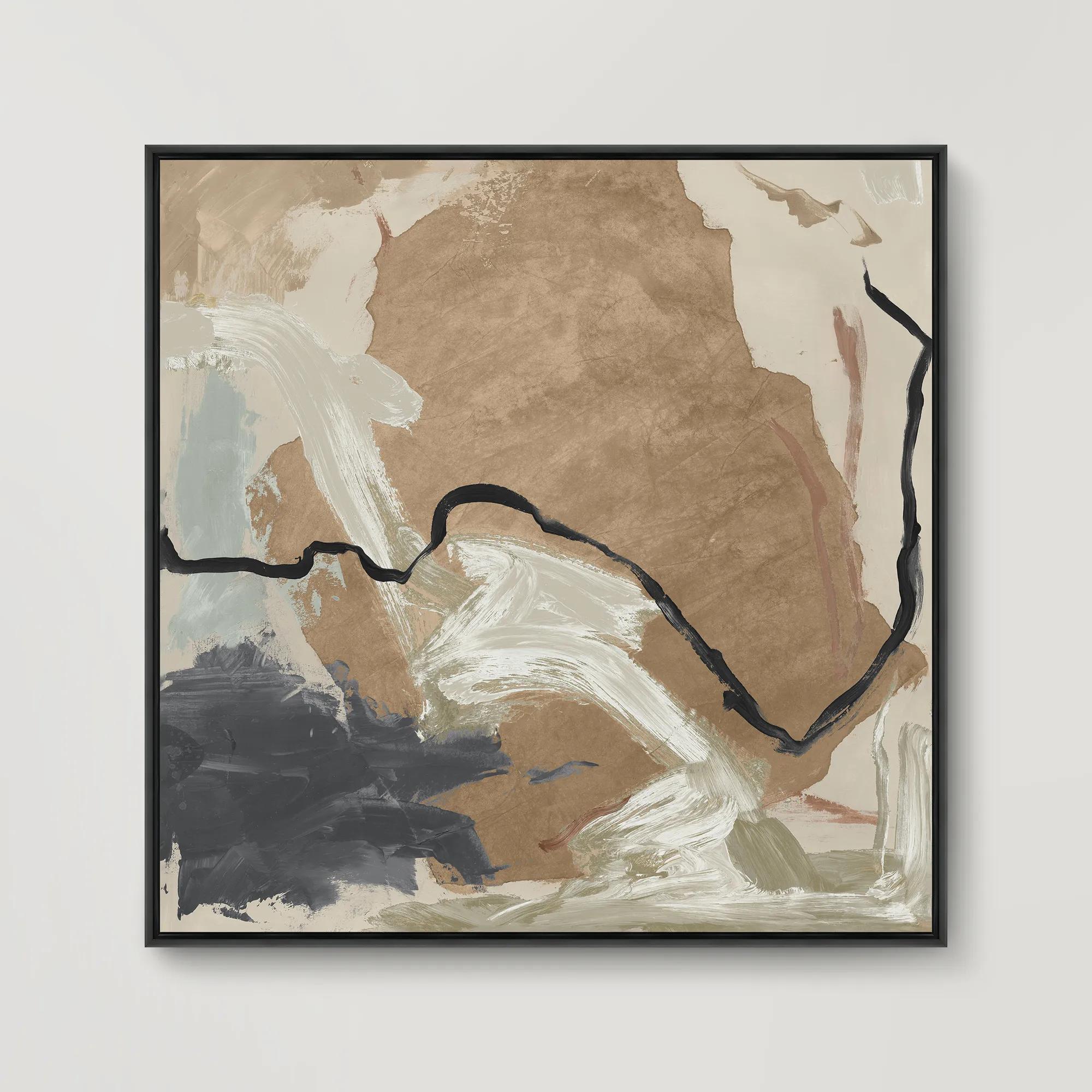
 Into the Groove Painting$449
A modern abstract canvas featuring black, gray, and gold leaf accents in a sleek black floater frame.
Add To Cart -

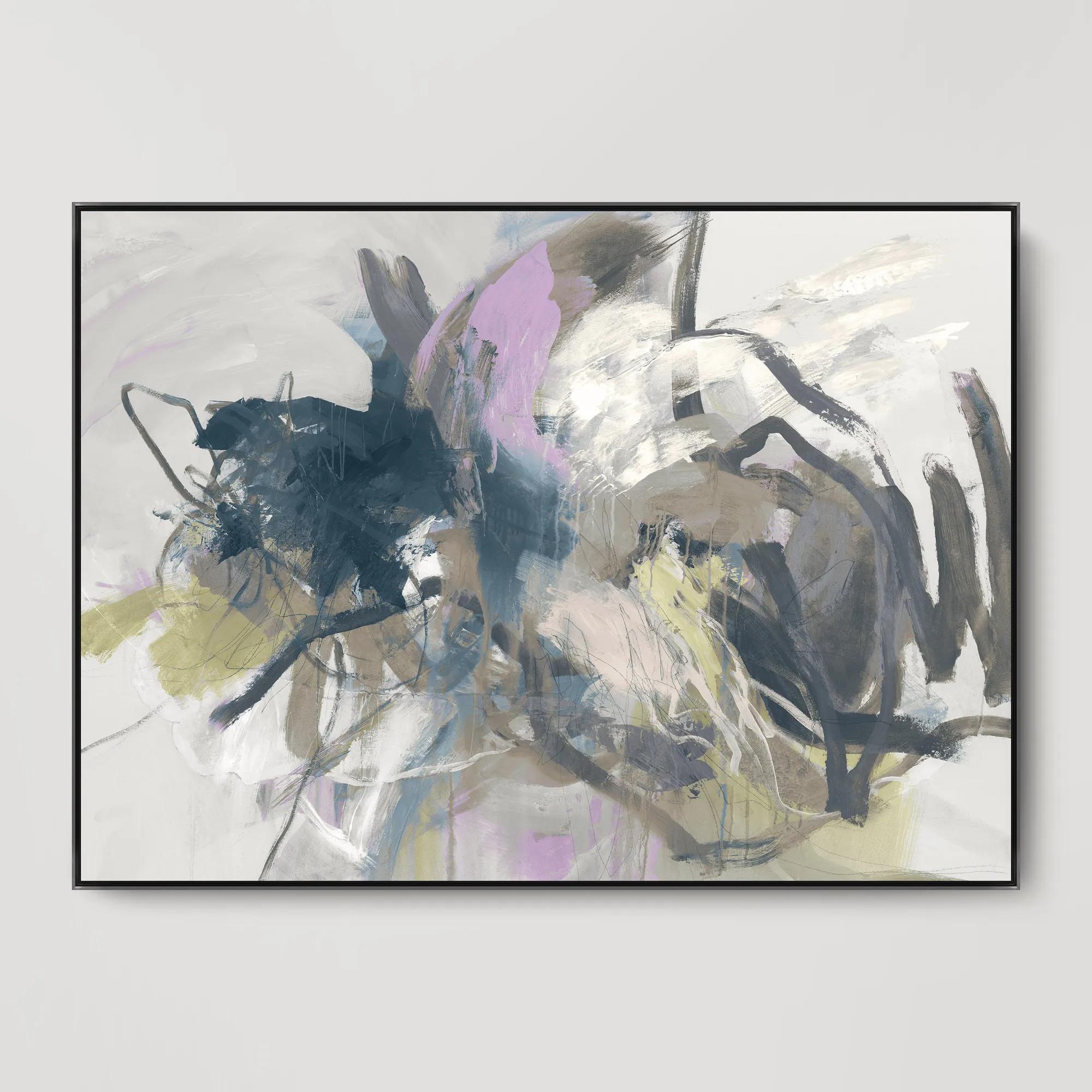
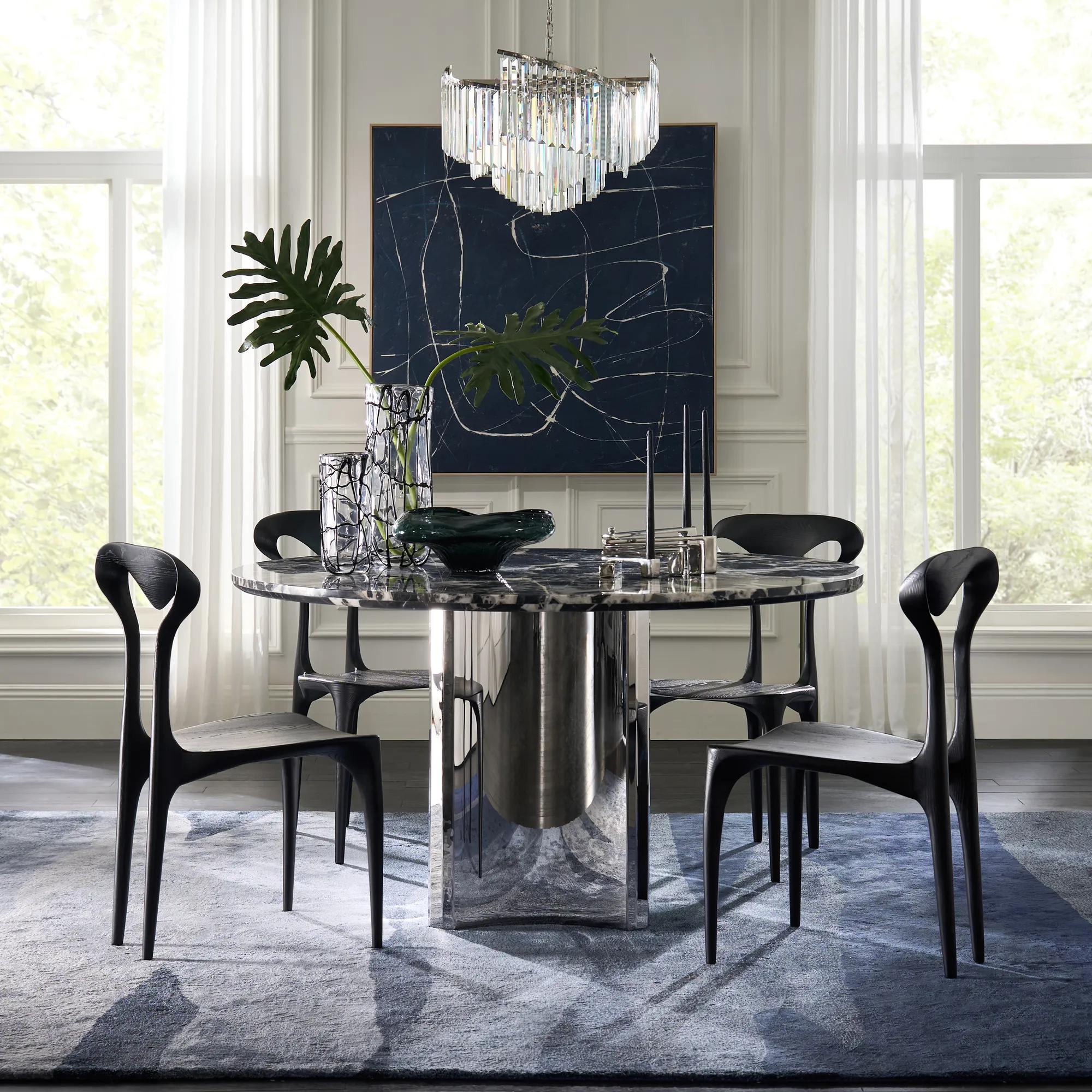 Almost Midnight Painting - Blue$439
A hand-painted canvas featuring bold blue and black tones with delicate white lines in a light wood frame.
Add To Cart -
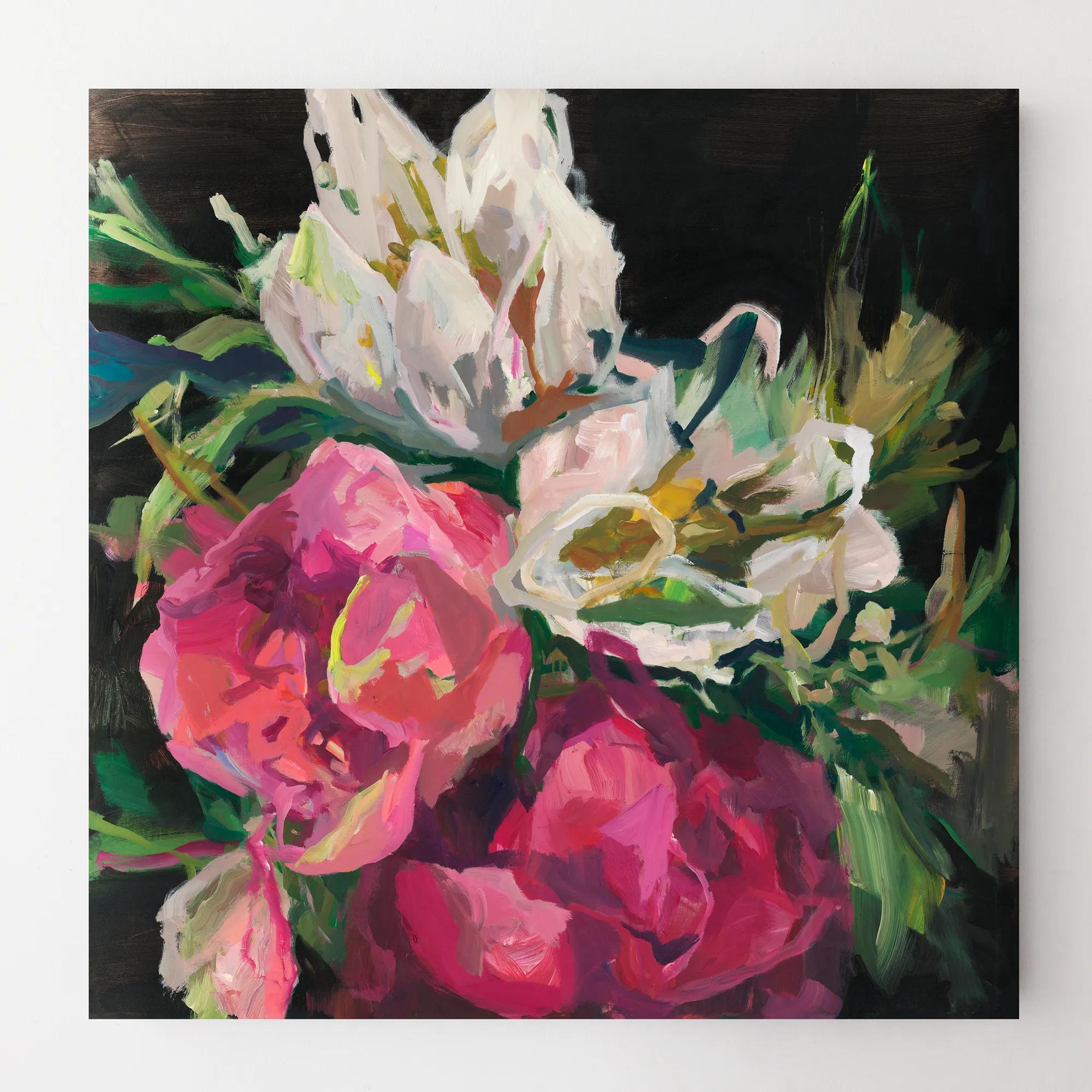
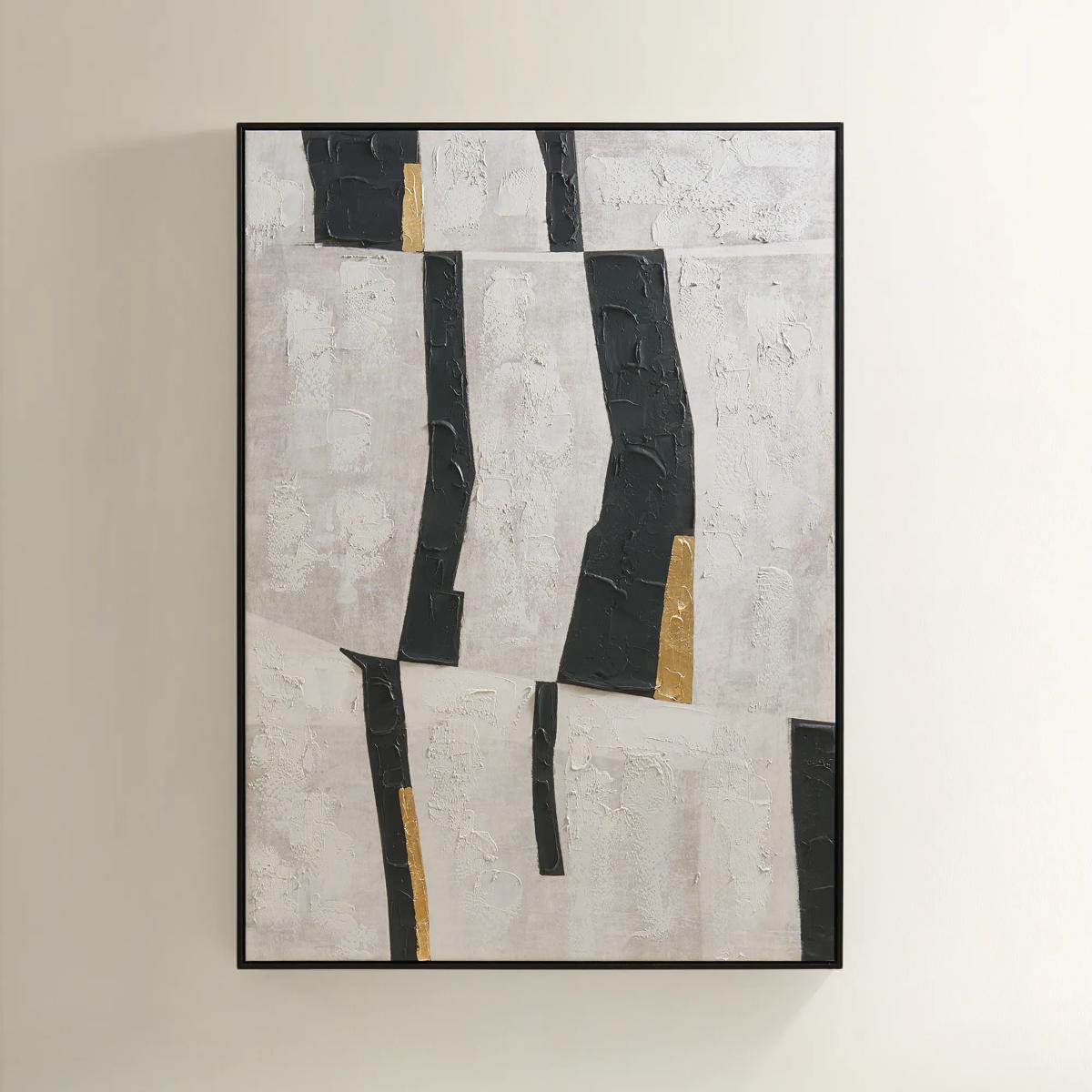
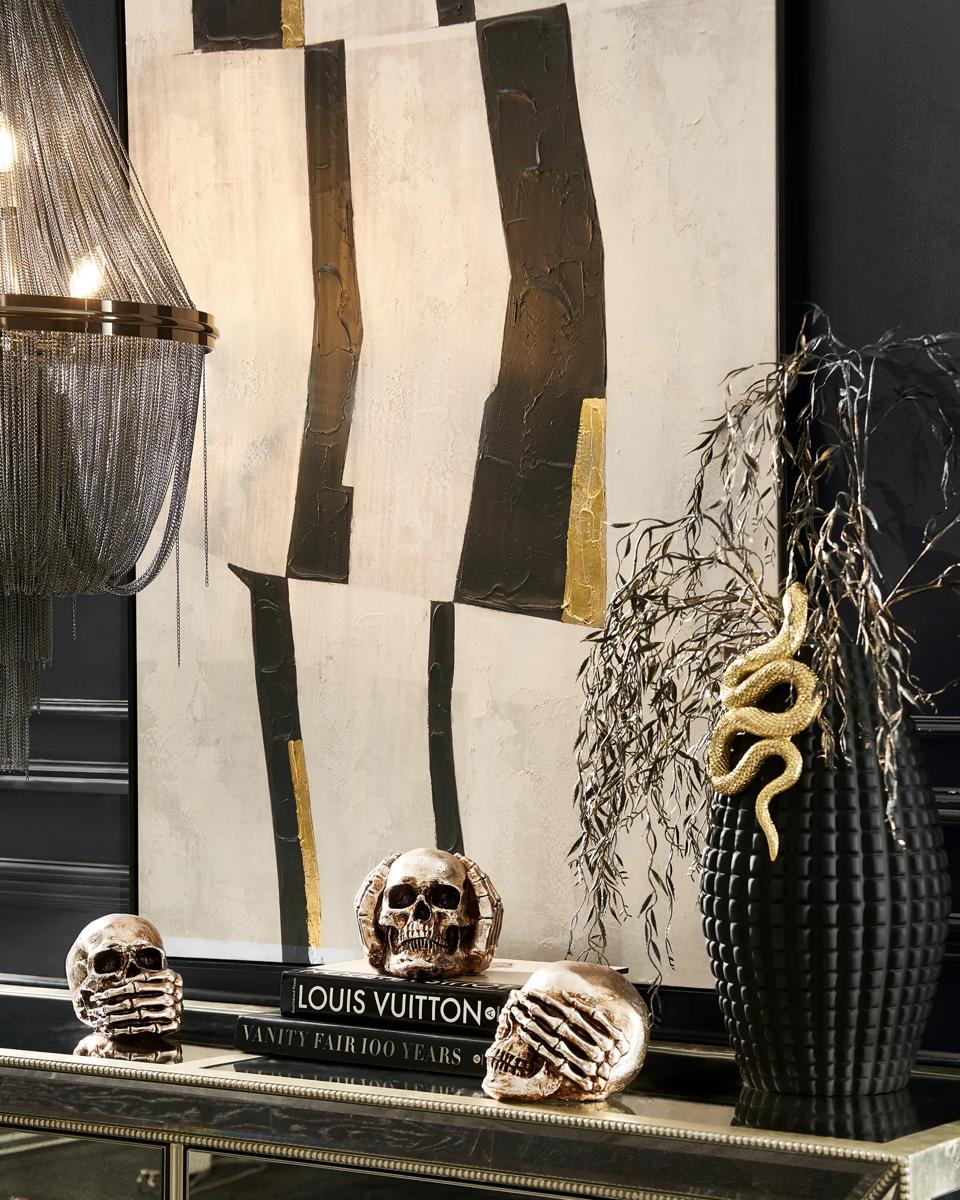
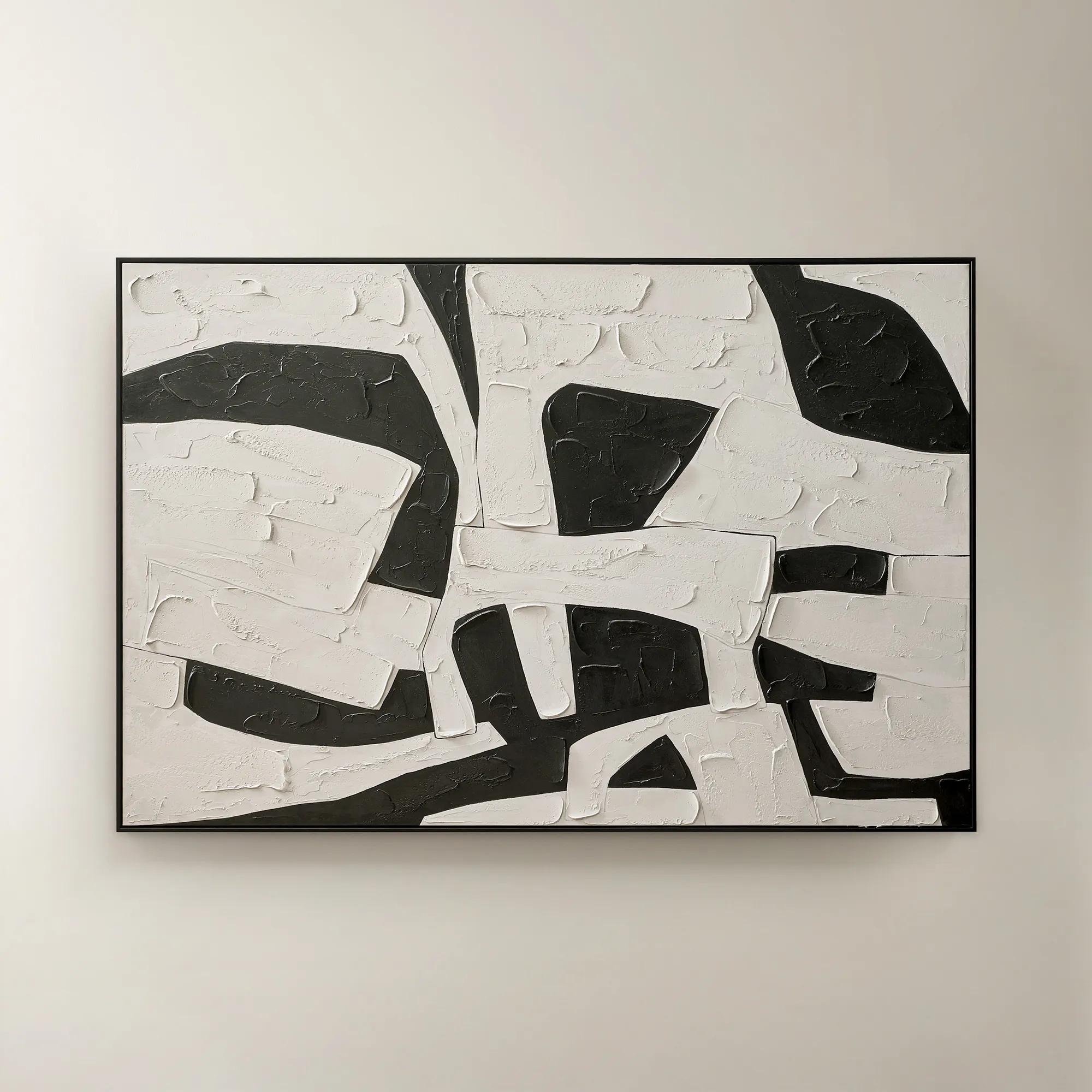 Space Between Shadows Framed Painted Wall Art 72" x 48"$799
A hand-painted abstract canvas featuring bold alabaster and black geometric forms in a sleek black frame.
Add To Cart -
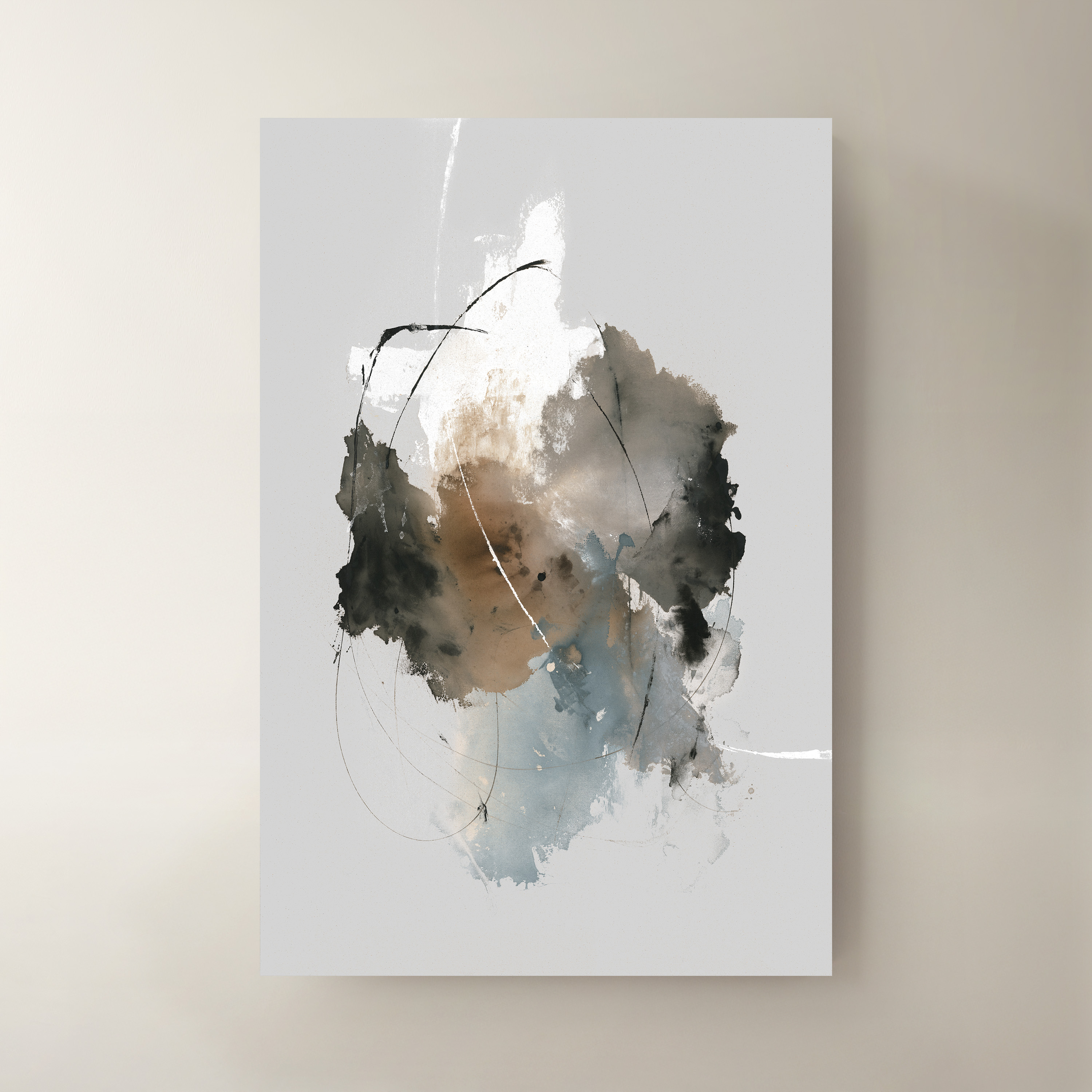
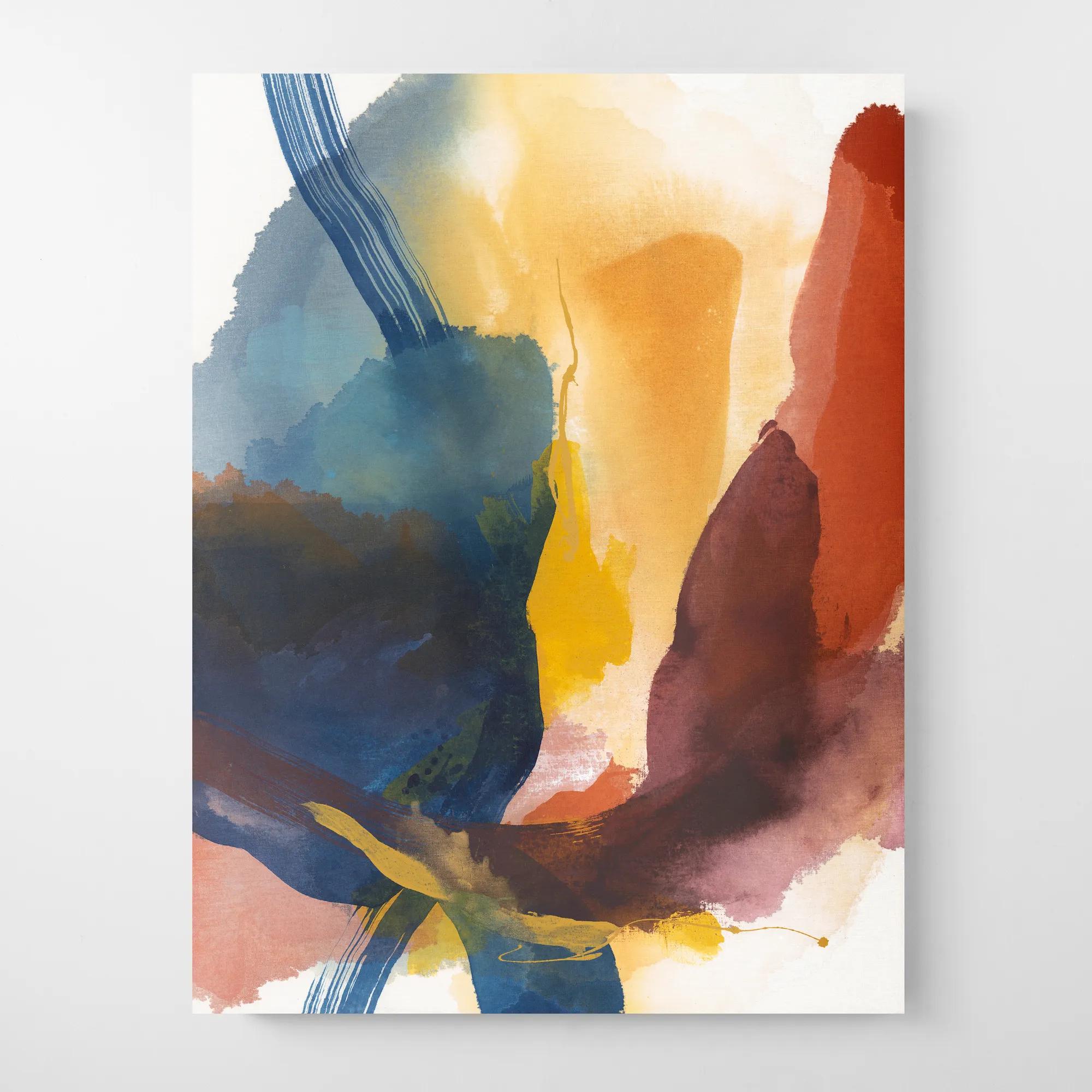
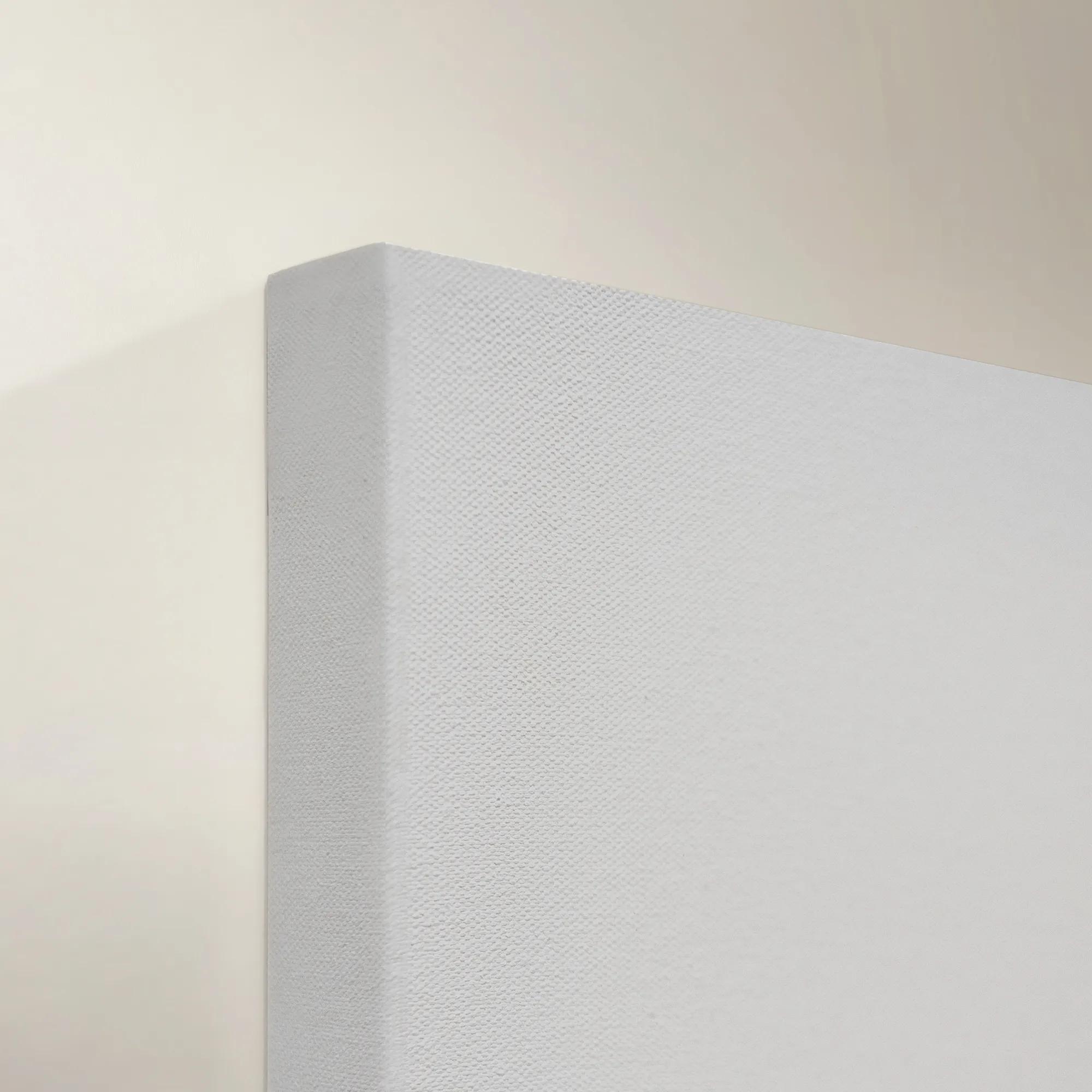 Time IV Wall Art 40" x 60"$999
A striking multicolored canvas artwork bringing contemporary visual interest to modern interiors.
Add To Cart -
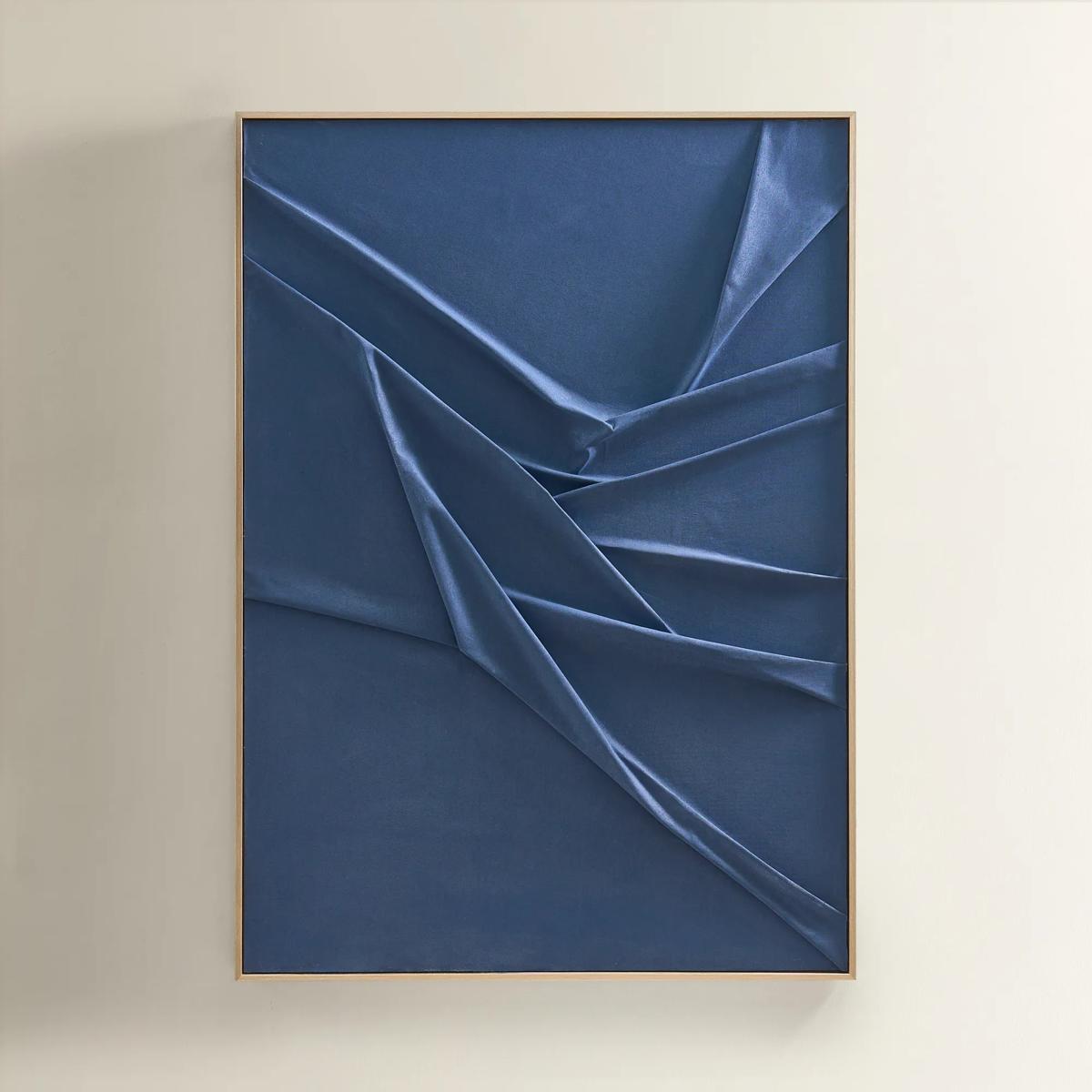 Deep Sea Painting$599
A hand-sculpted navy canvas with dimensional folds, framed in soft champagne for modern, serene elegance.
Add To Cart -
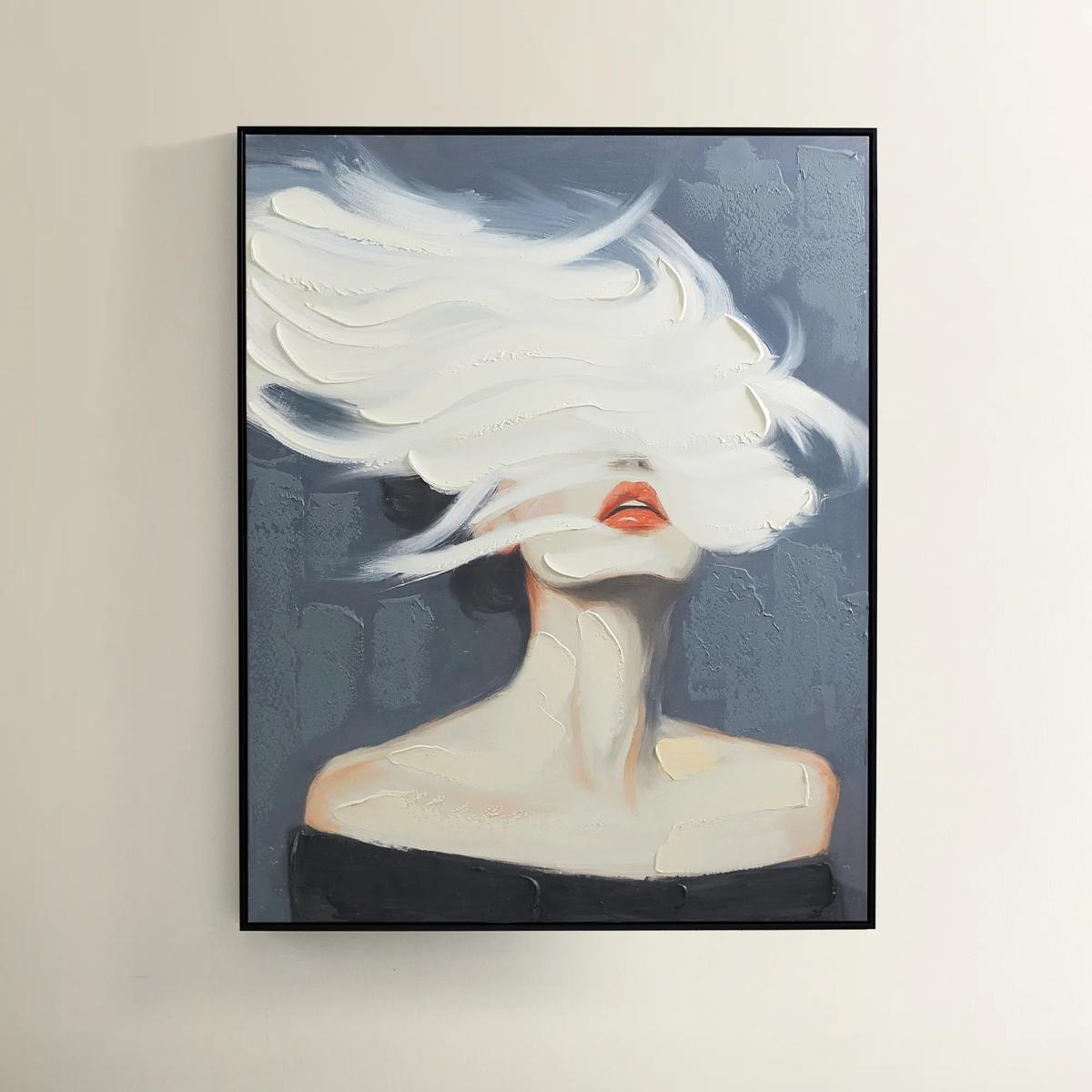
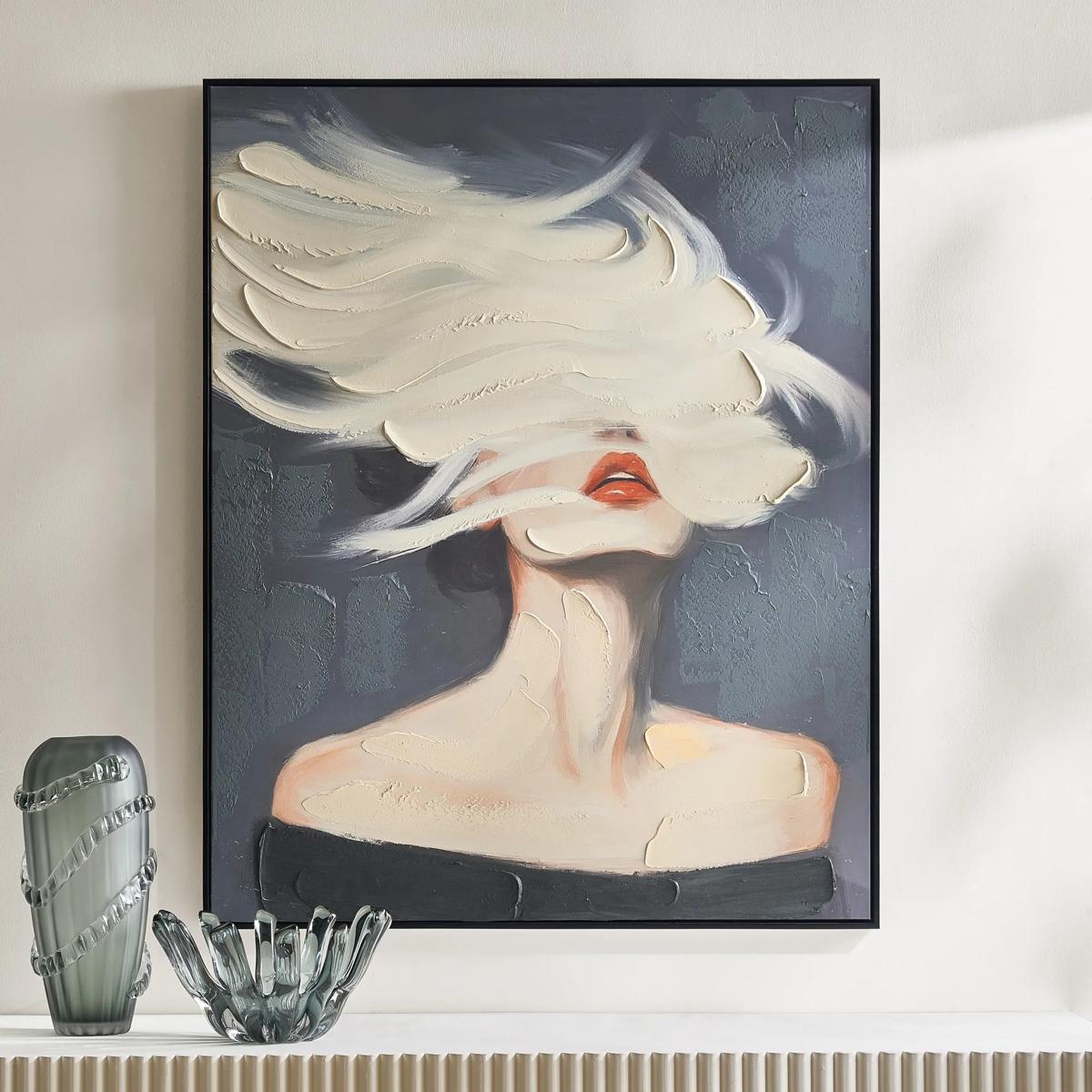 Daydreamer Painting$599
A hand-painted canvas portrait with sculptural white brushstrokes, bold red lips, and a sleek black frame.
Add To Cart -
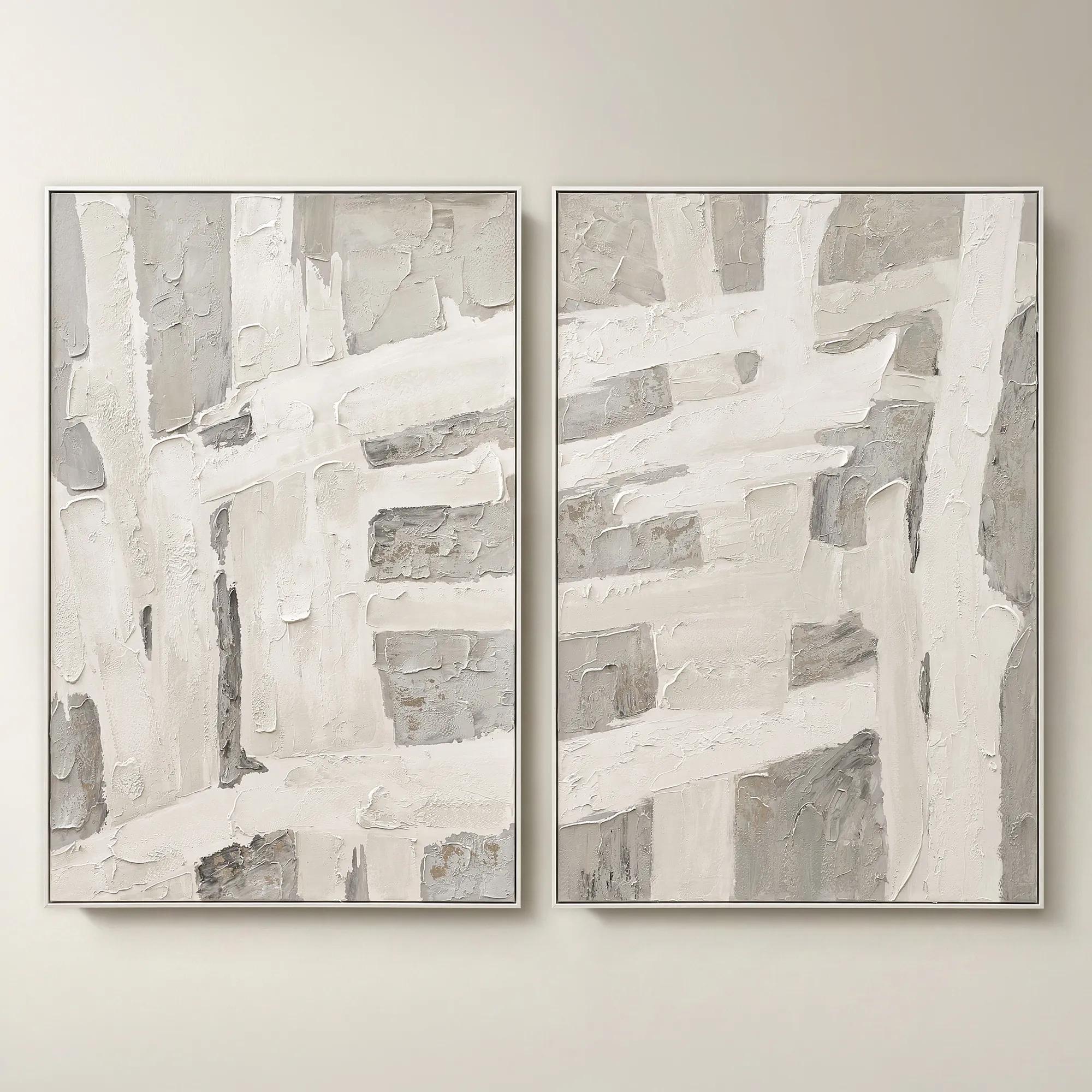 Traverse Framed Painted Wall Art 40" x 60" Set of 2$799
A hand-painted abstract diptych features champagne accents and soft grey, pearl, and alabaster tones in white frames.
Add To Cart -
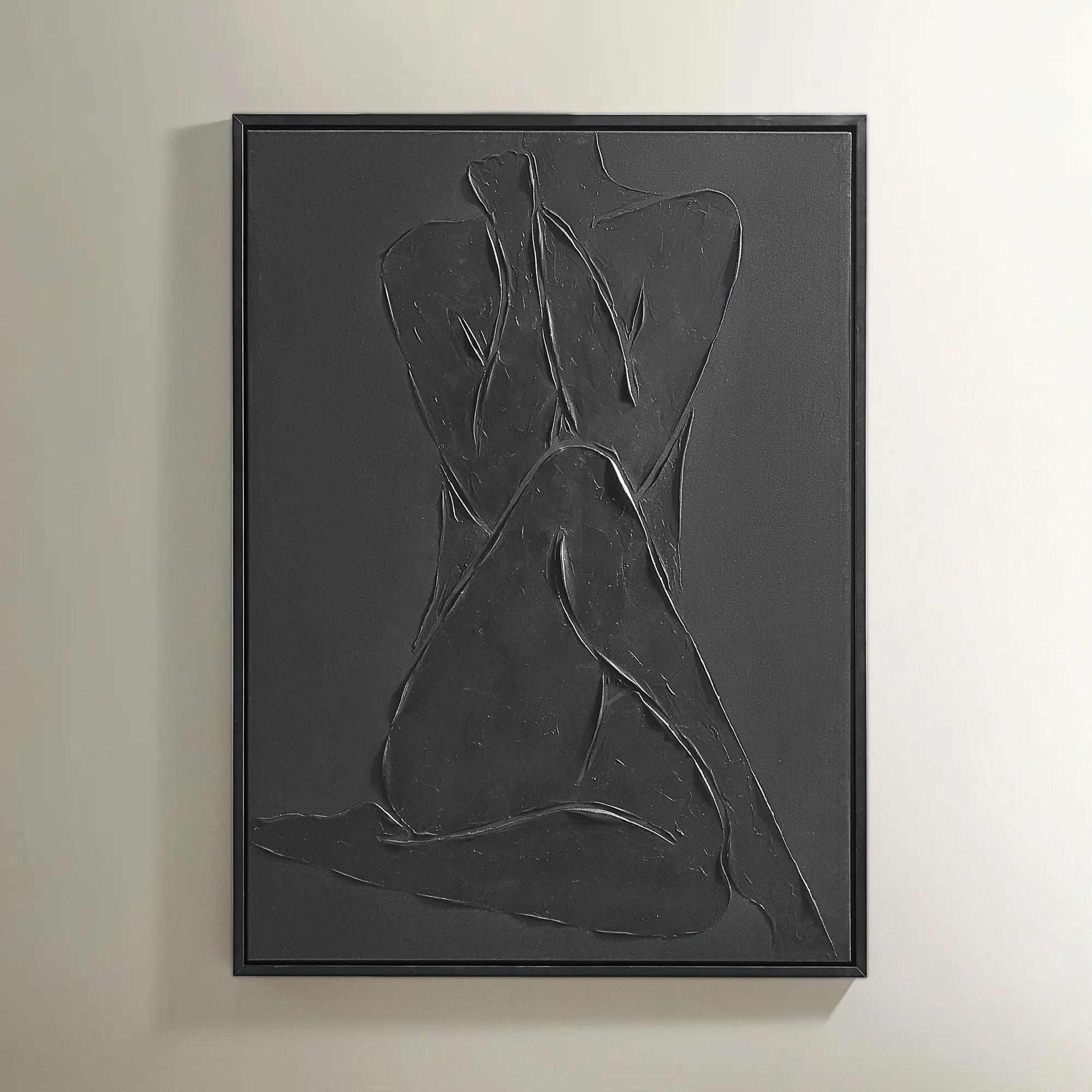 Modern Elegance Nude Black Framed Painted Wall Art 35.5" x 47.25"$599
A hand-embellished canvas artwork featuring textured strokes and vibrant hues in a black and gold Art Deco frame.
Add To Cart -
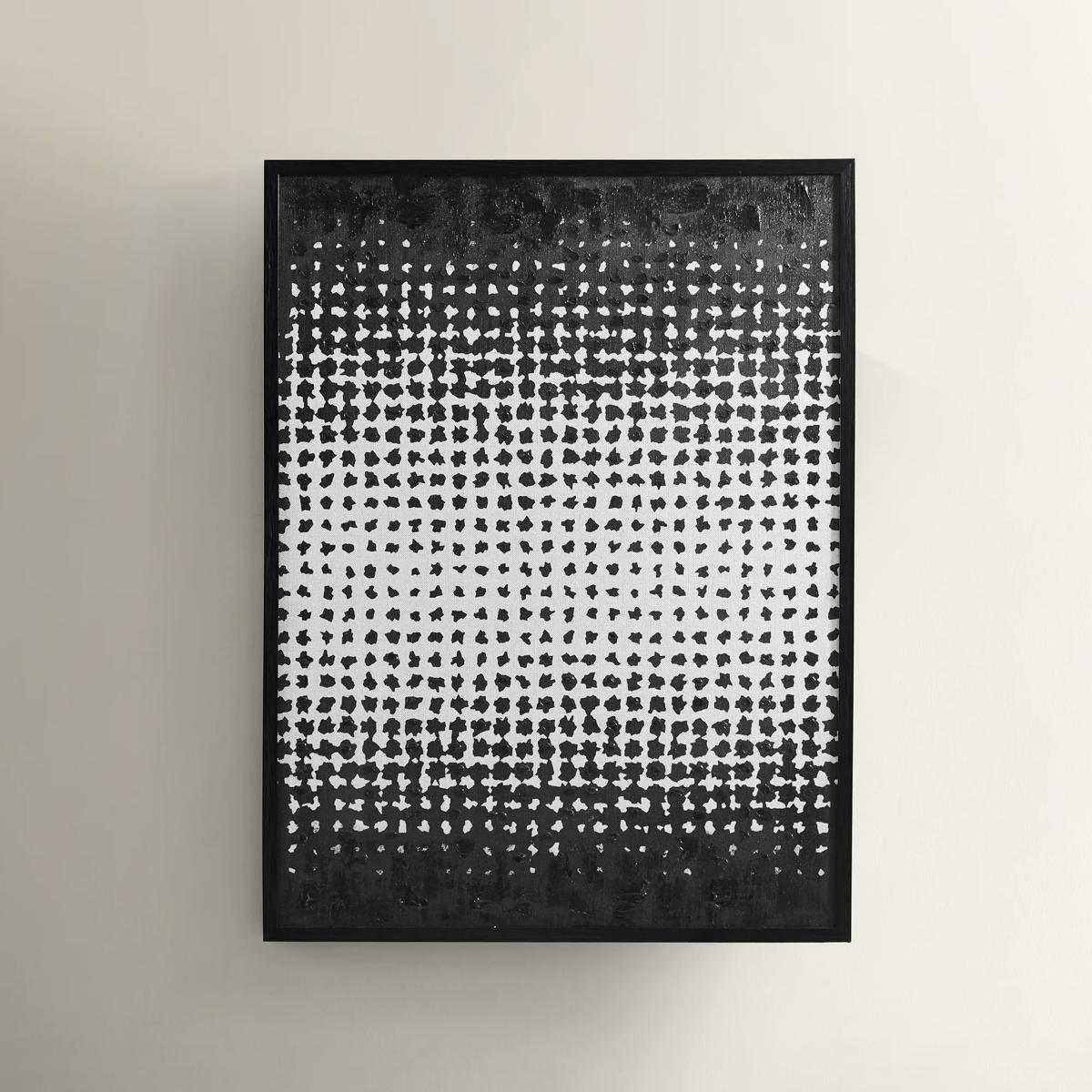
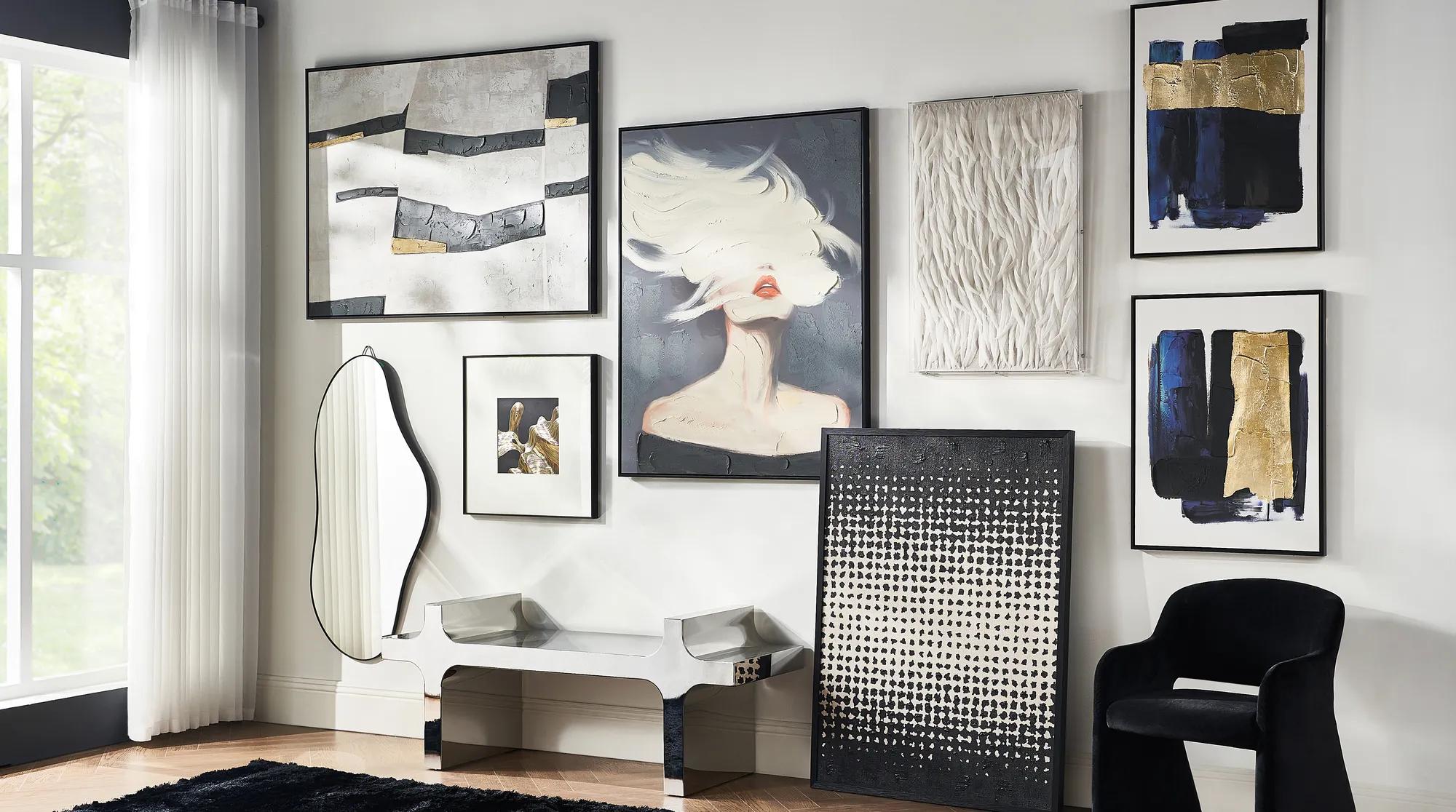 In Time Painting$399
A hand-painted linen canvas featuring cream and black dots in a modern, minimalist geometric pattern.
Add To Cart -
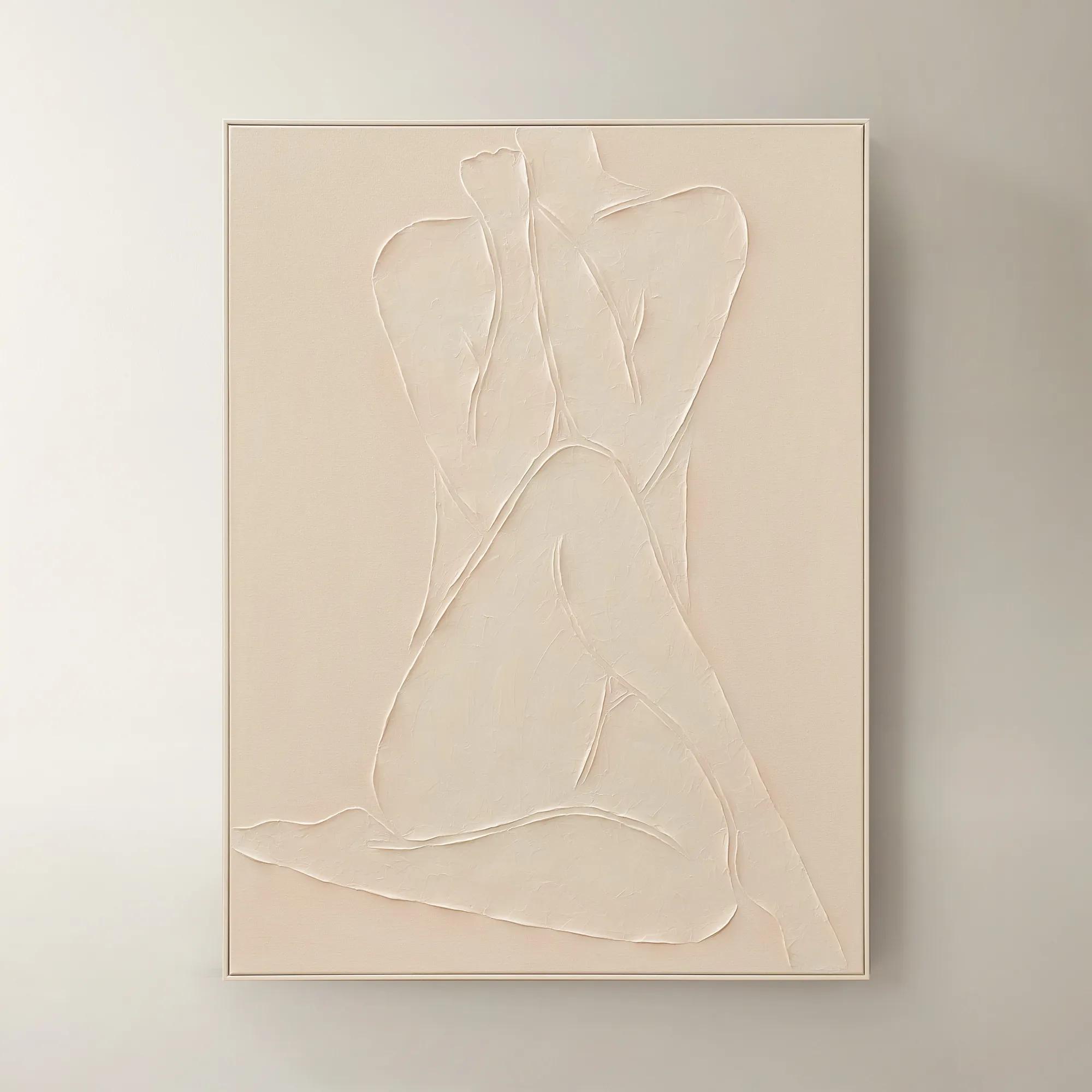
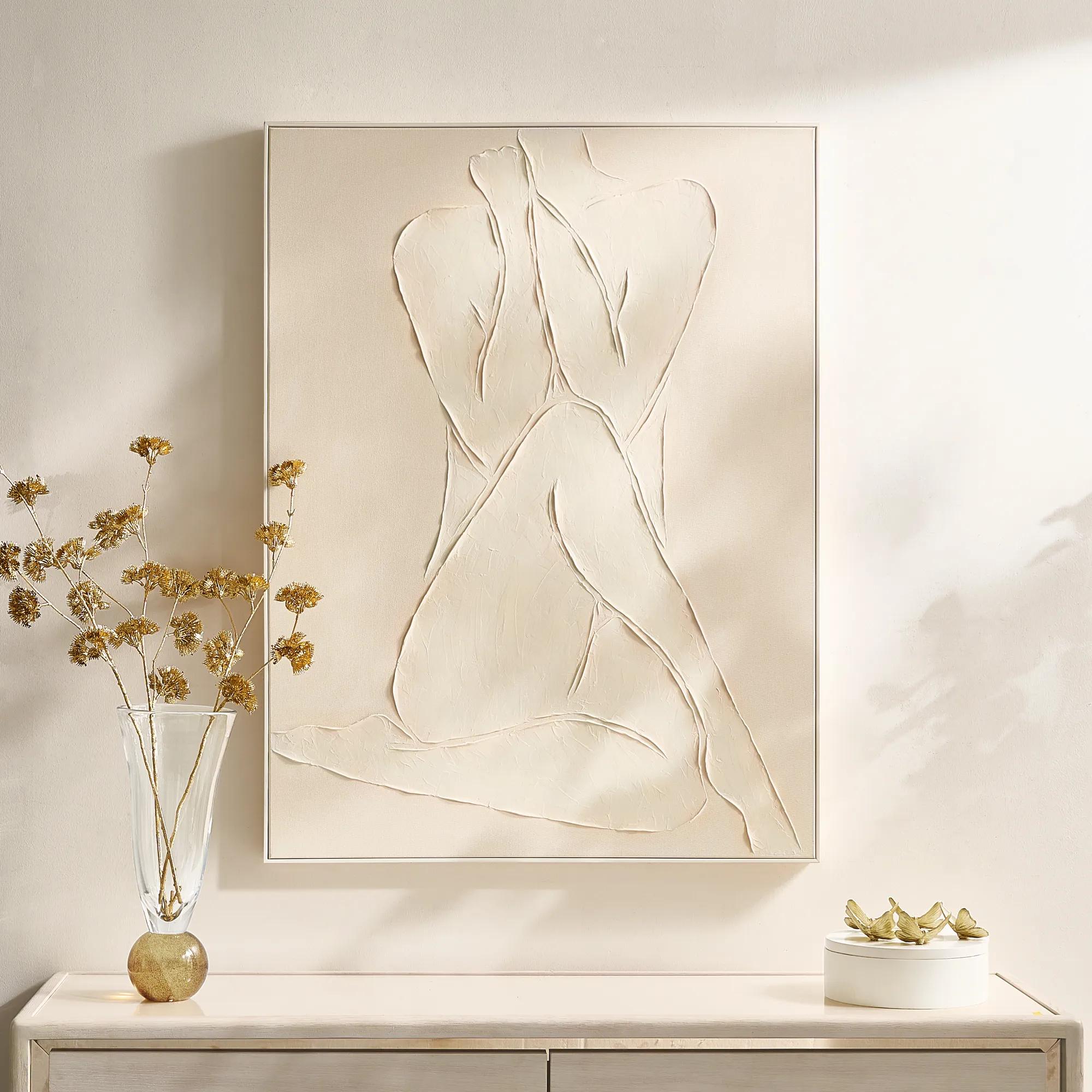 Modern Elegance Nude Ivory Framed Painted Wall Art 35.5" x 47.25"$599
A hand-painted ivory canvas in a white frame brings serene, modern artistry to any space.
Add To Cart -
 Remix Art$699
A vibrant multicolored canvas artwork adding contemporary visual interest to modern interiors.
Add To Cart -
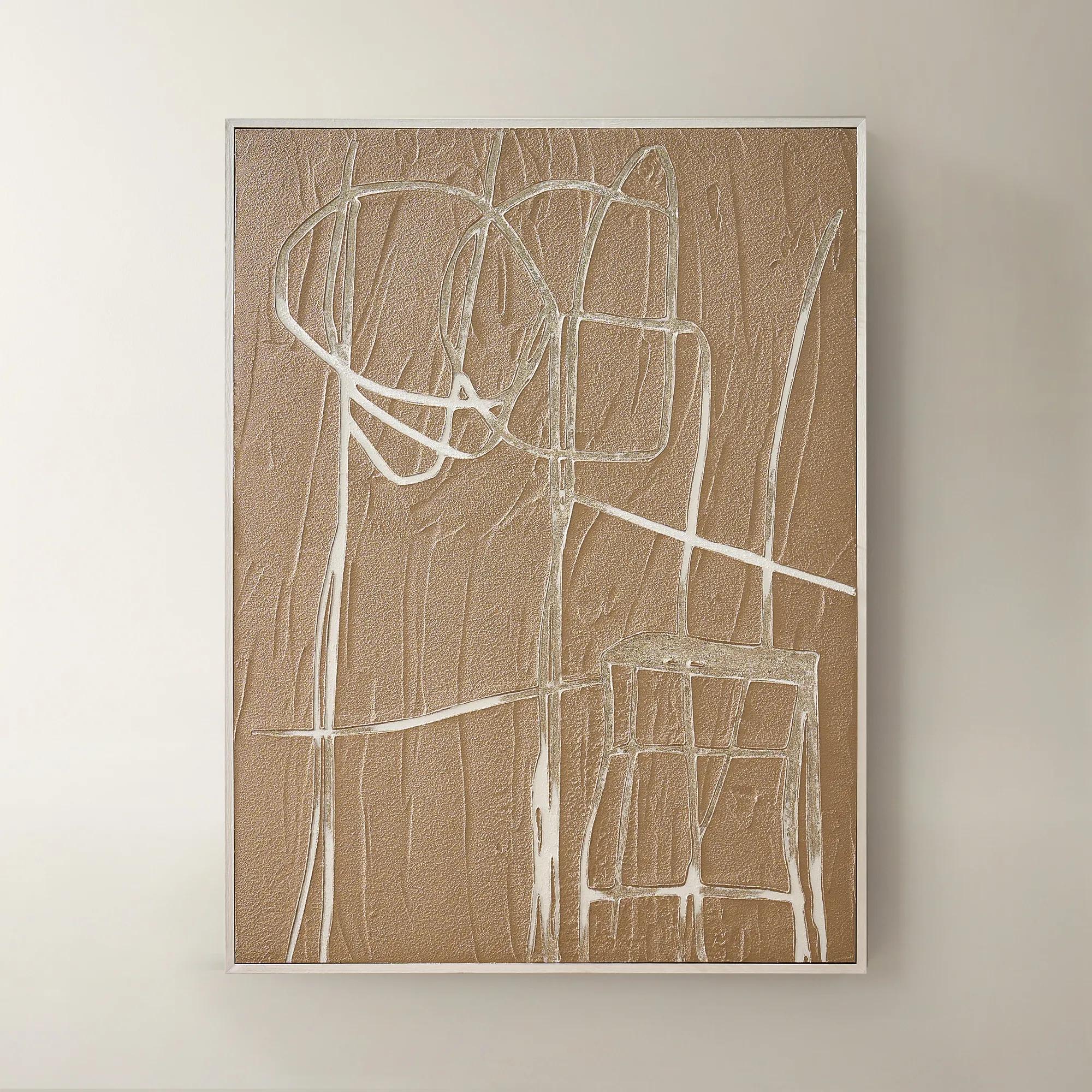
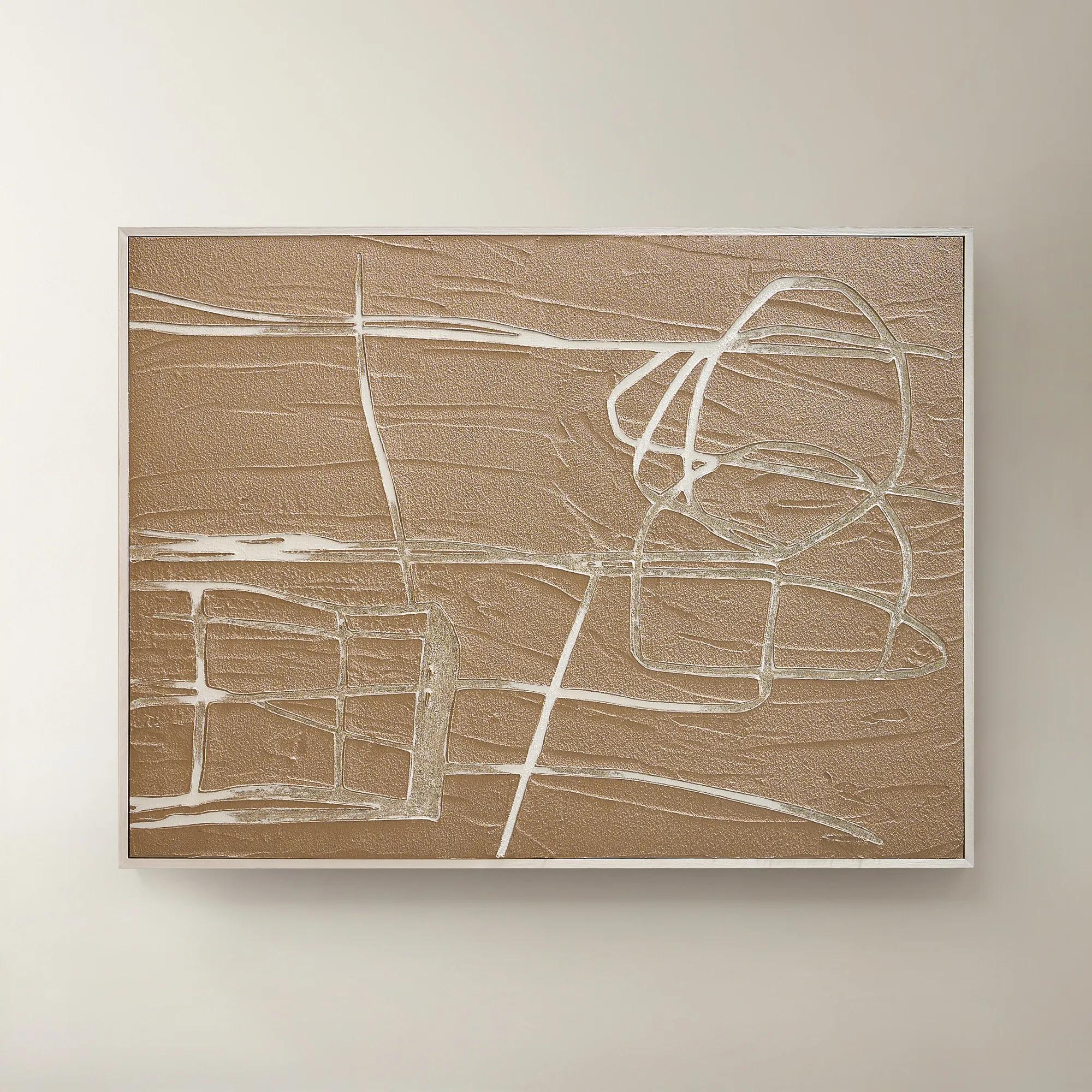 Linear Sand Framed Painted Wall Art 35" x 47"$369
A contemporary sand-toned painted canvas artwork framed for sophisticated modern interiors.
Add To Cart -
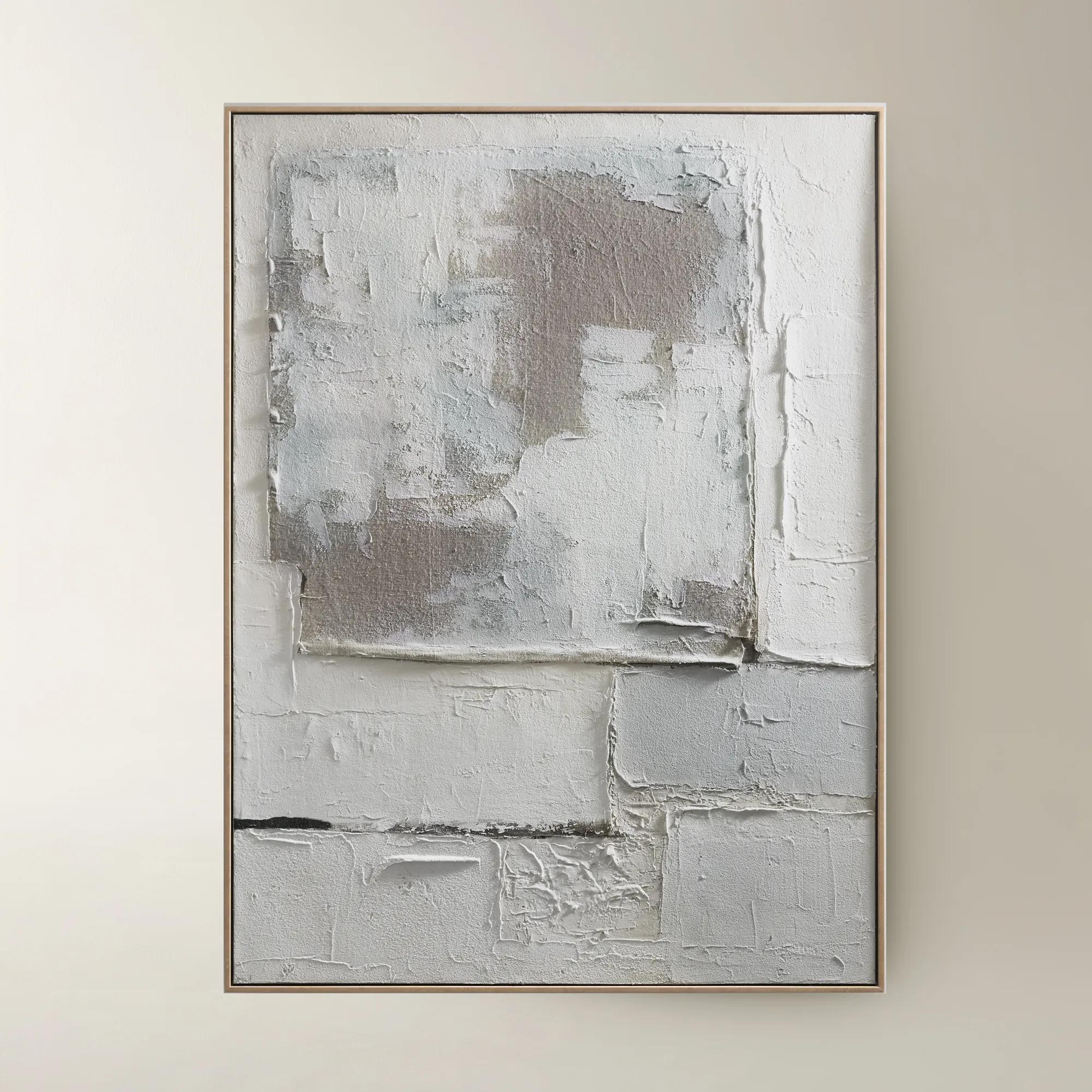
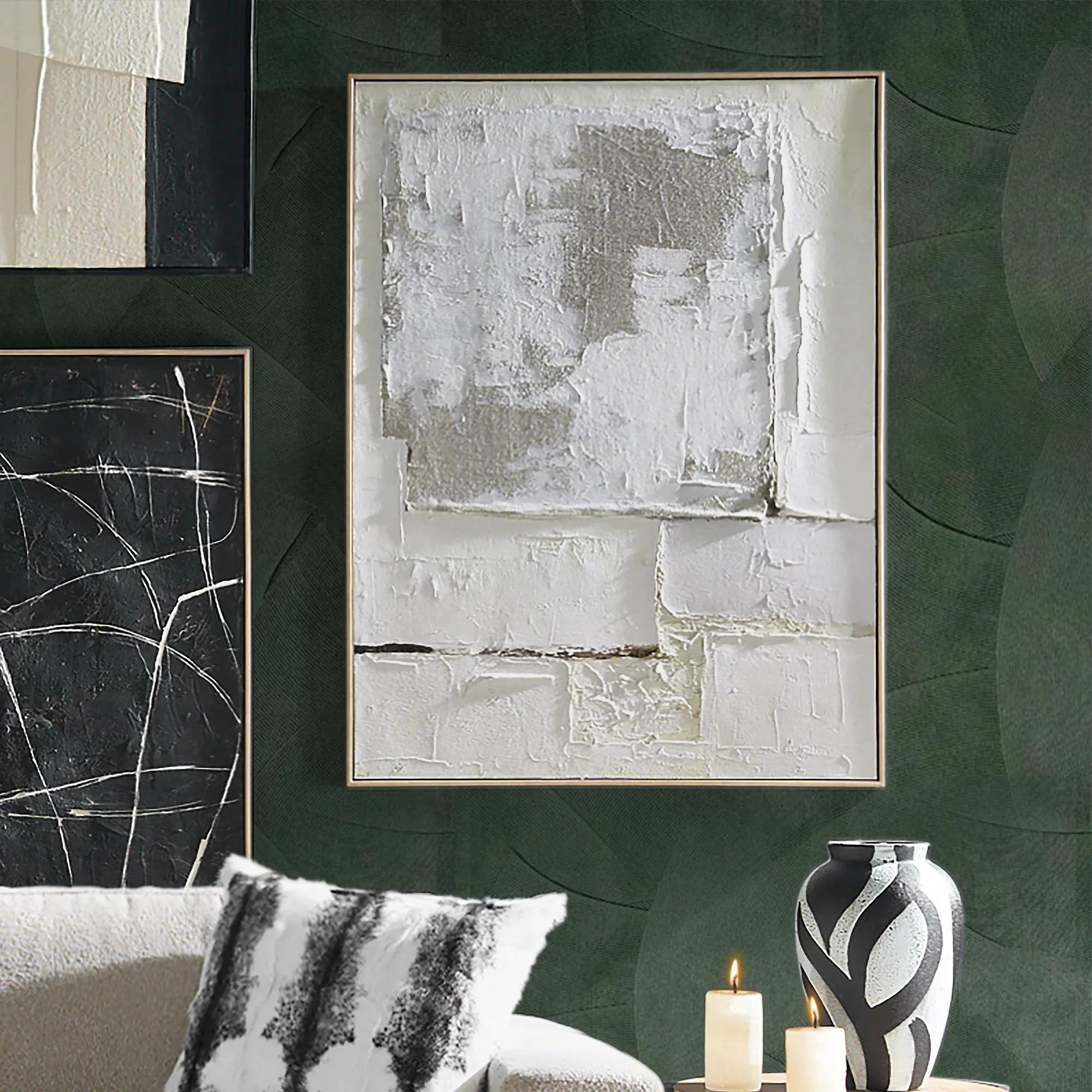 Marrow Painting$399
A hand-painted abstract canvas in subtle beige hues, elegantly framed in a warm beech wood floater.
Add To Cart -
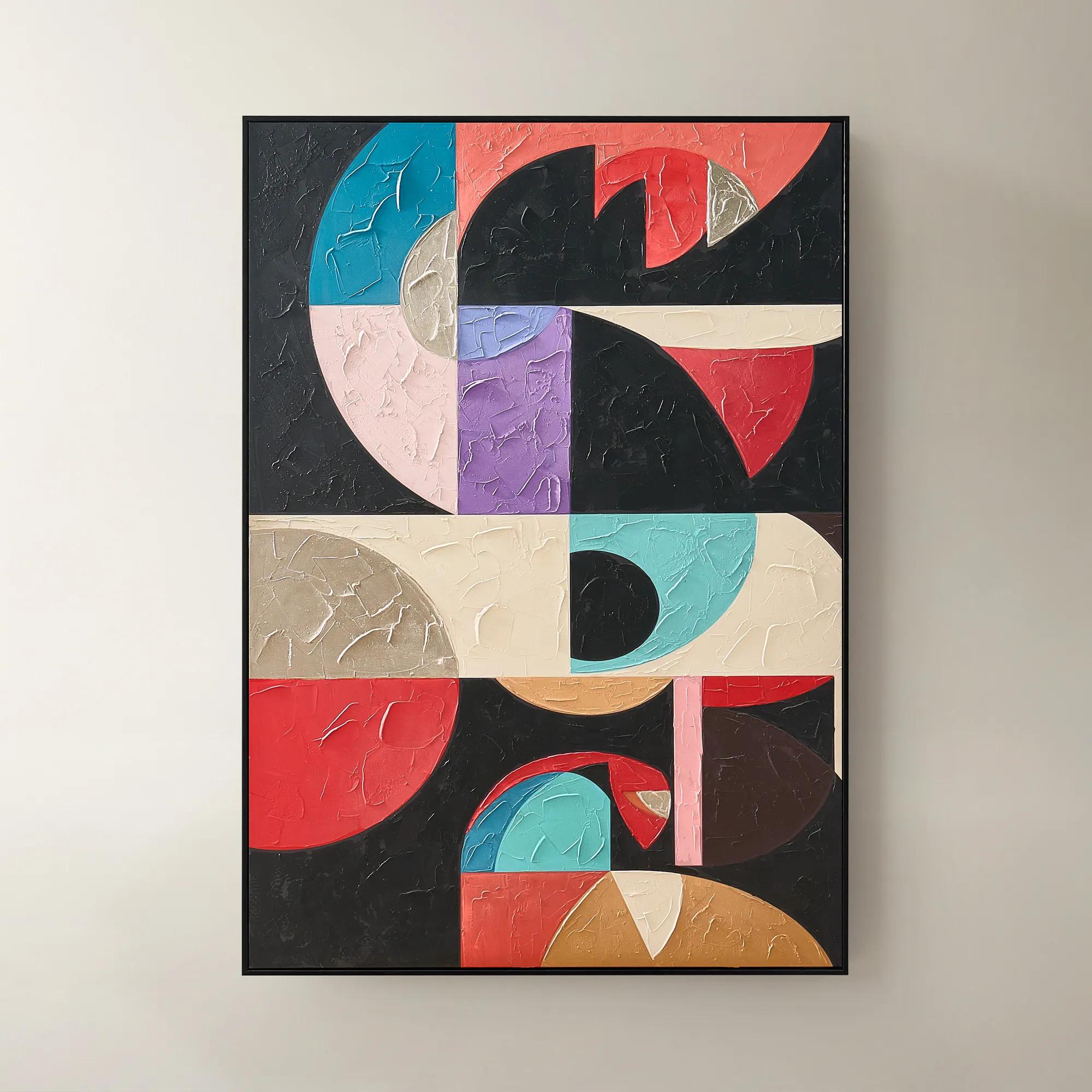
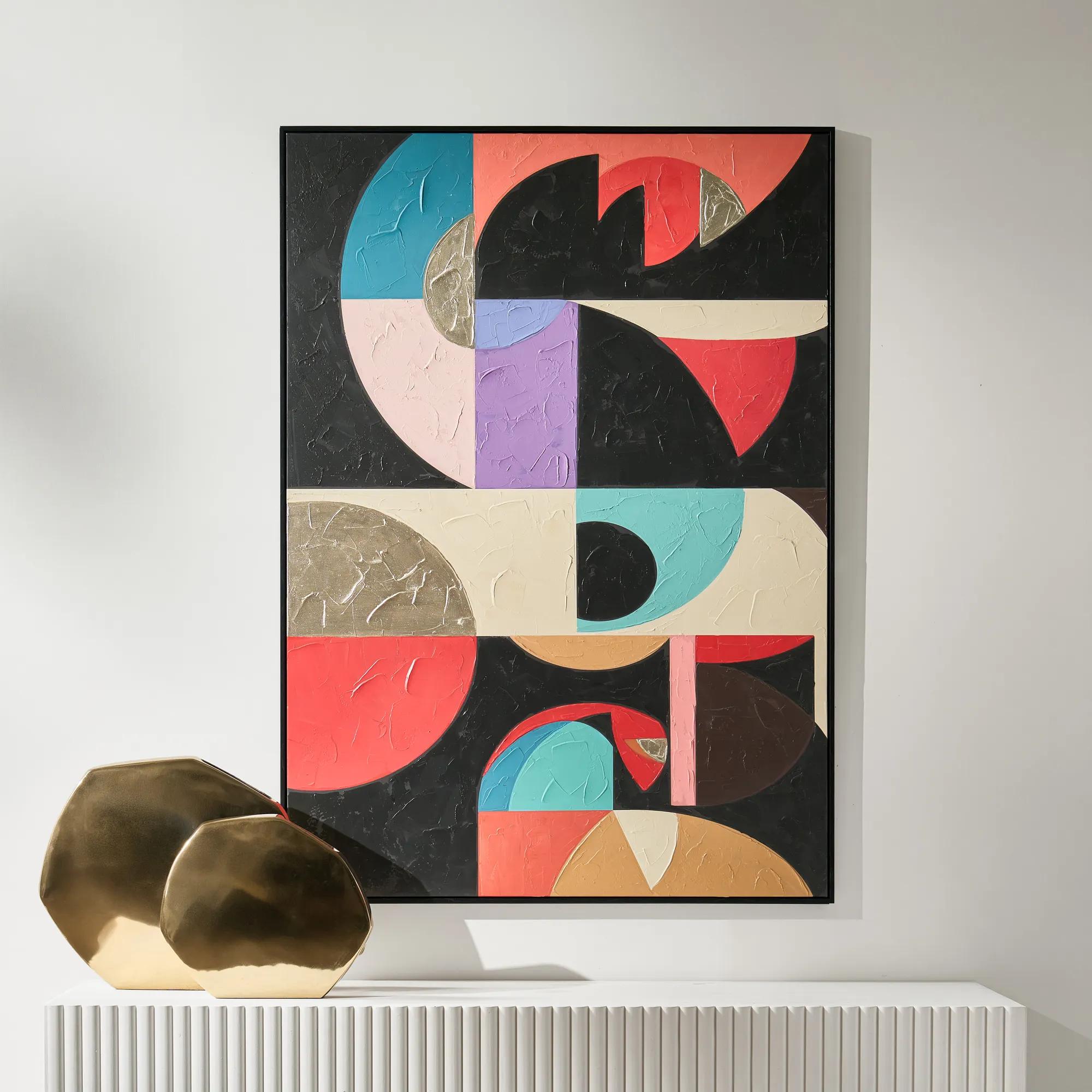 Labyrinth Art$499
A striking multicolored canvas artwork adding contemporary dimension to modern interiors.
Add To Cart -
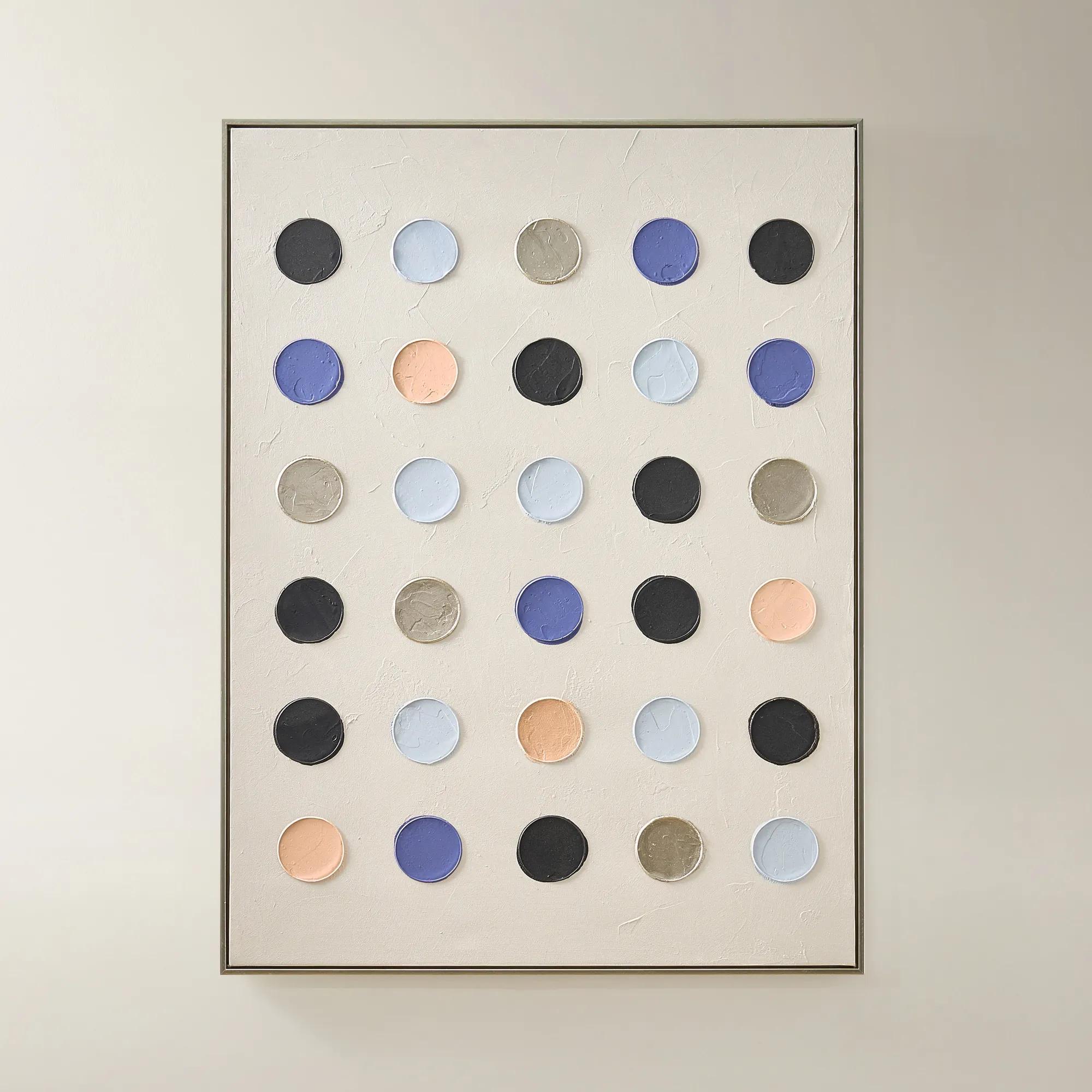
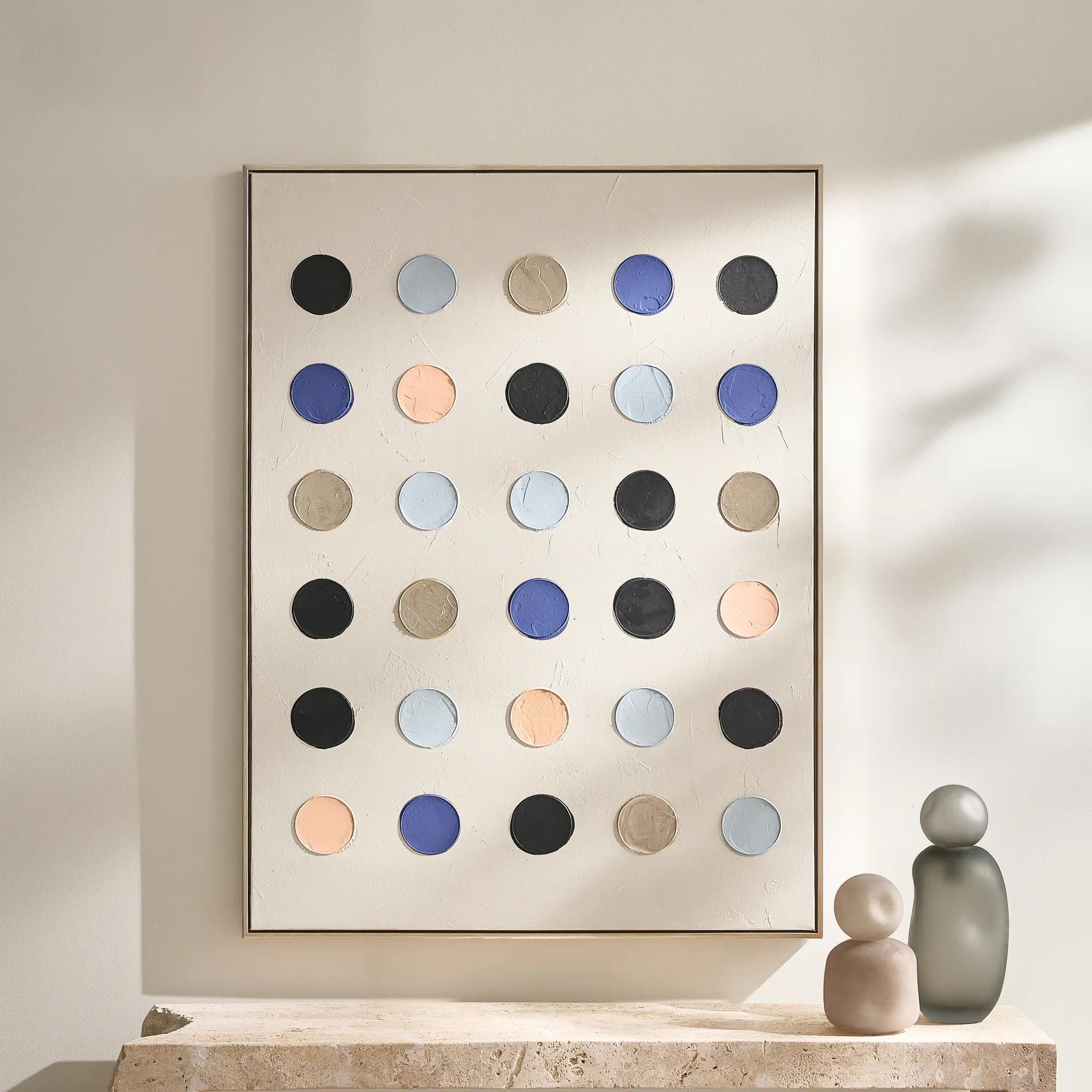 Polka Dot Framed Painted Wall Art 35" x 47"$299
A multicolored polka dot painting on framed canvas, bringing playful modern artistry to your walls.
Add To Cart -
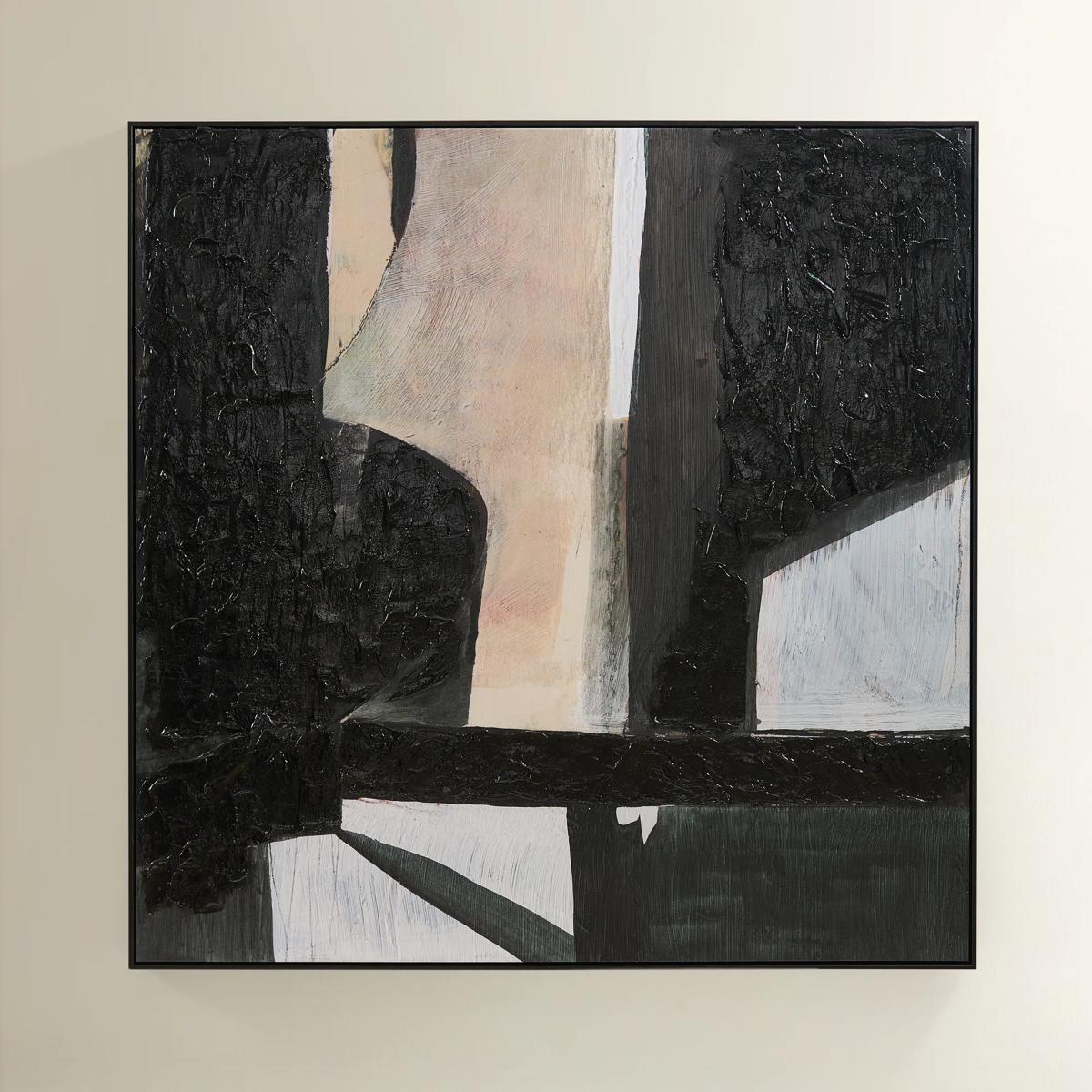 Grounded Painting$699
A hand-painted abstract canvas featuring black, cream, and earth tones in a sleek black floater frame.
Add To Cart -
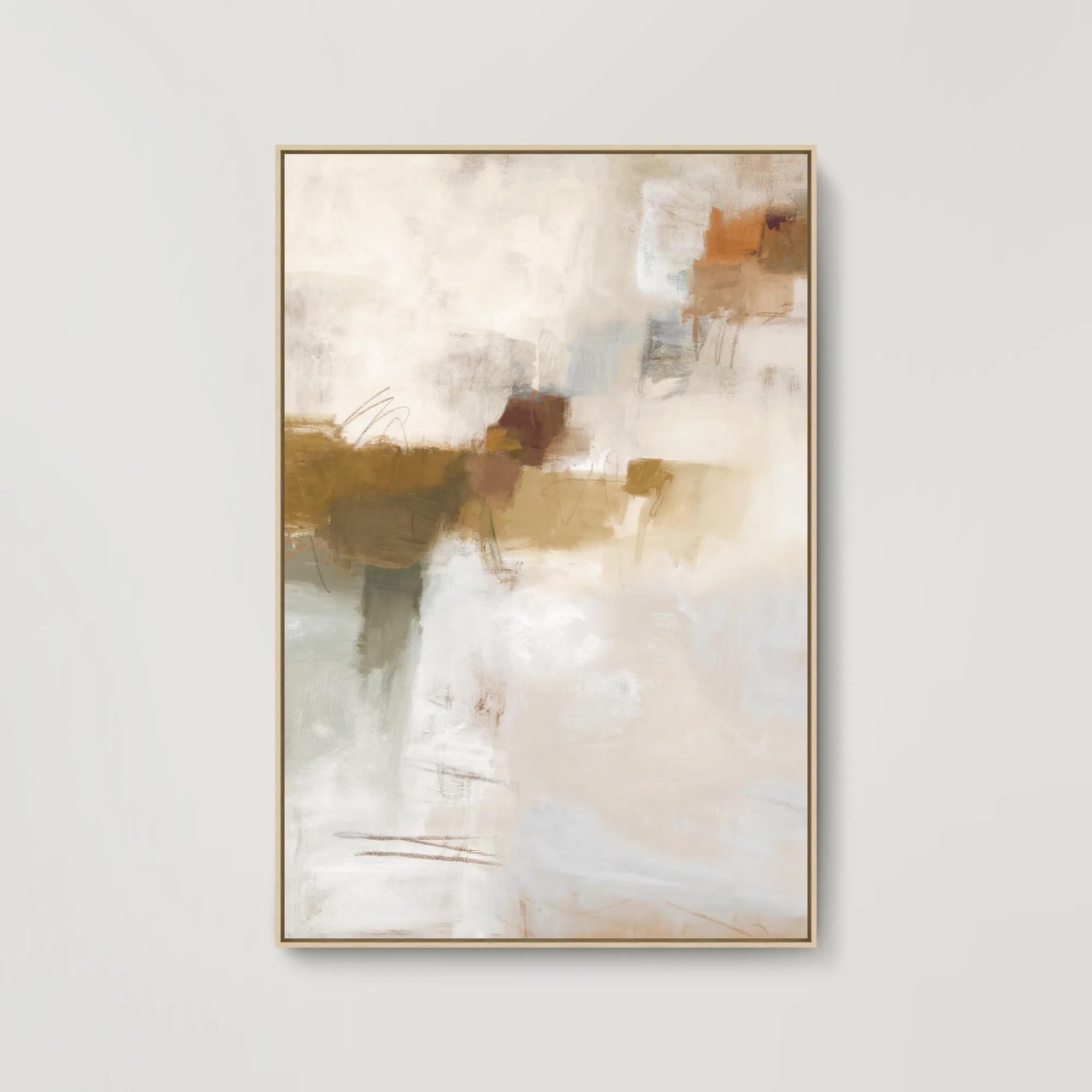
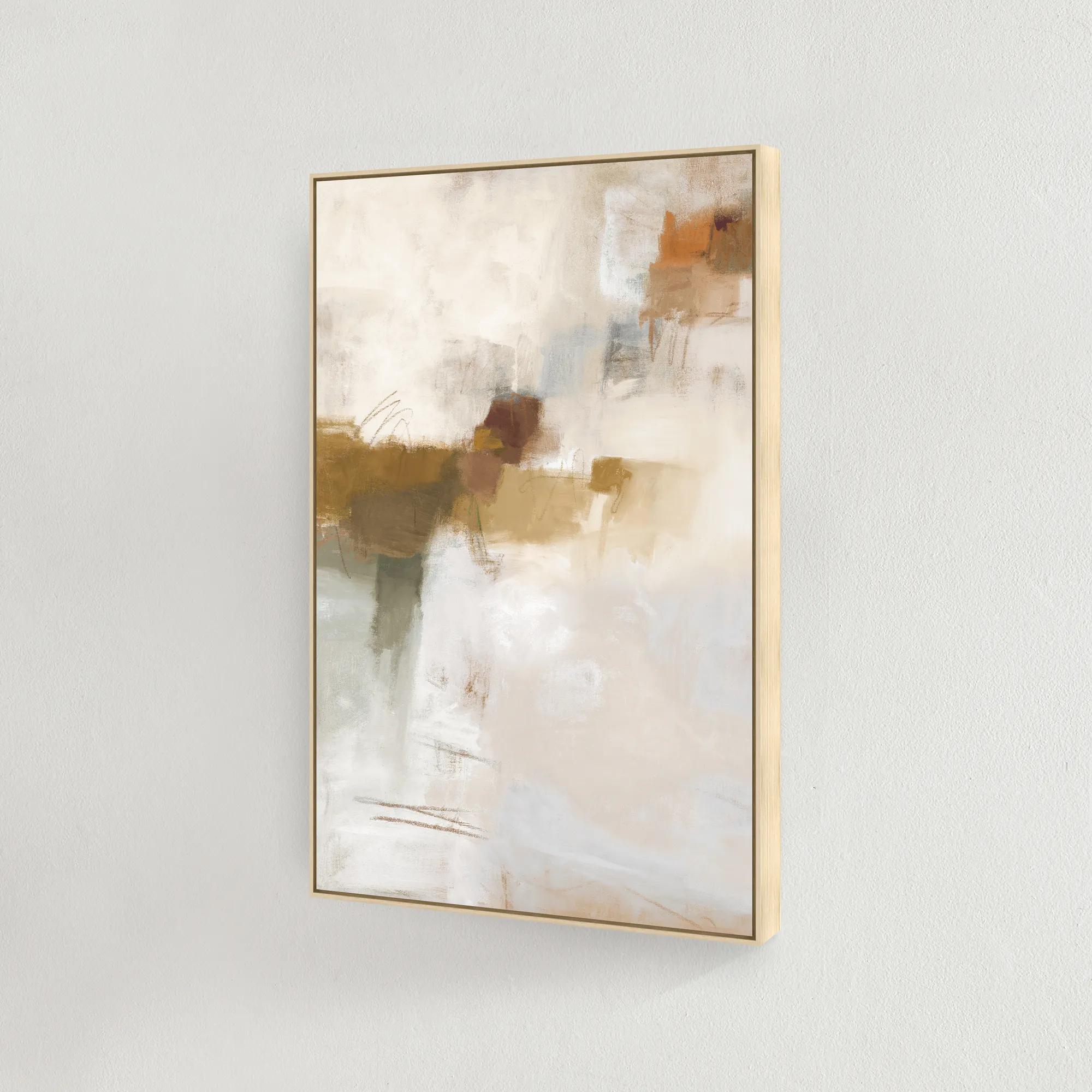 Lost I Framed Wall Art 41.5" x 61.5"$1199
A gallery-wrapped linen canvas art piece set in a natural floater frame for a modern touch.
Add To Cart -
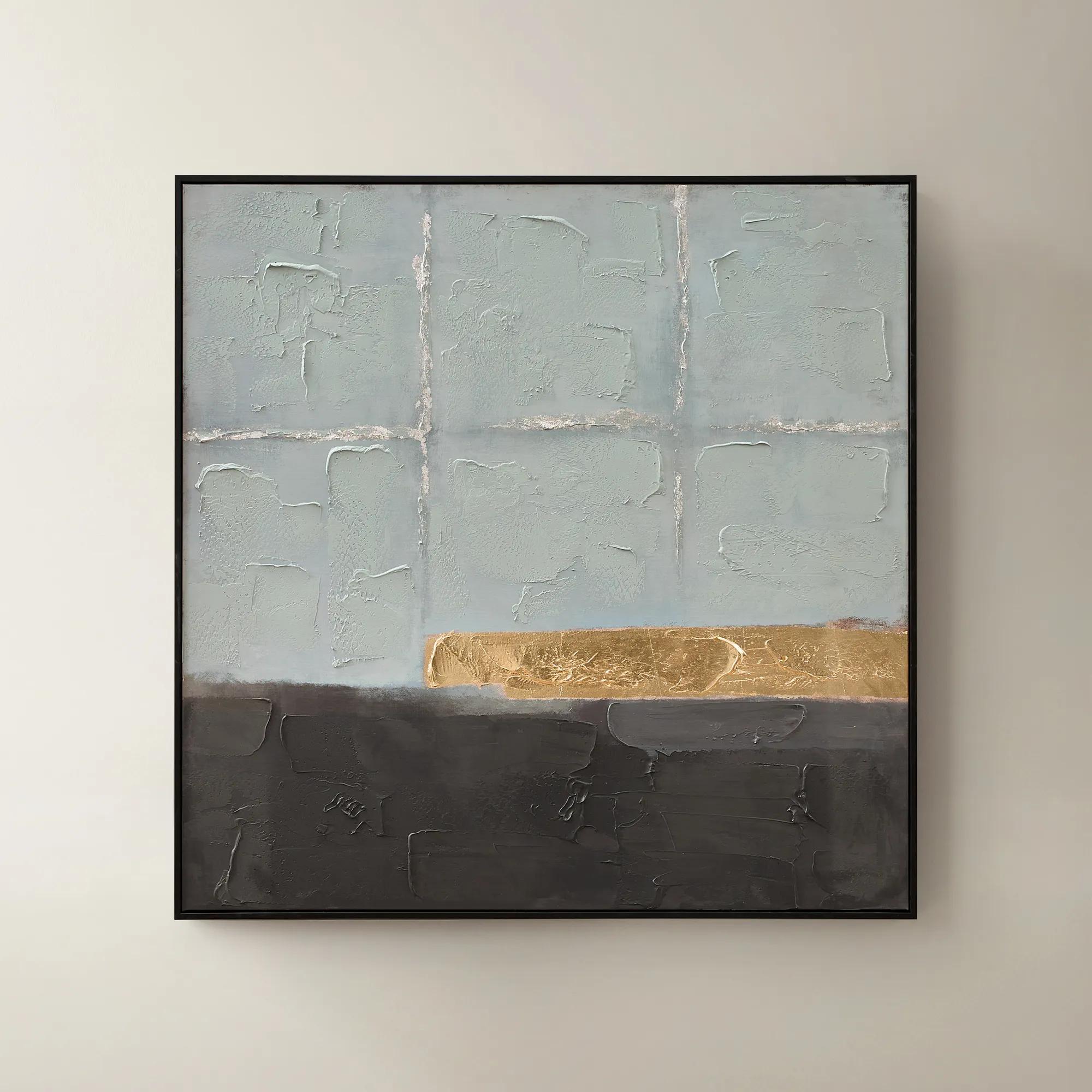
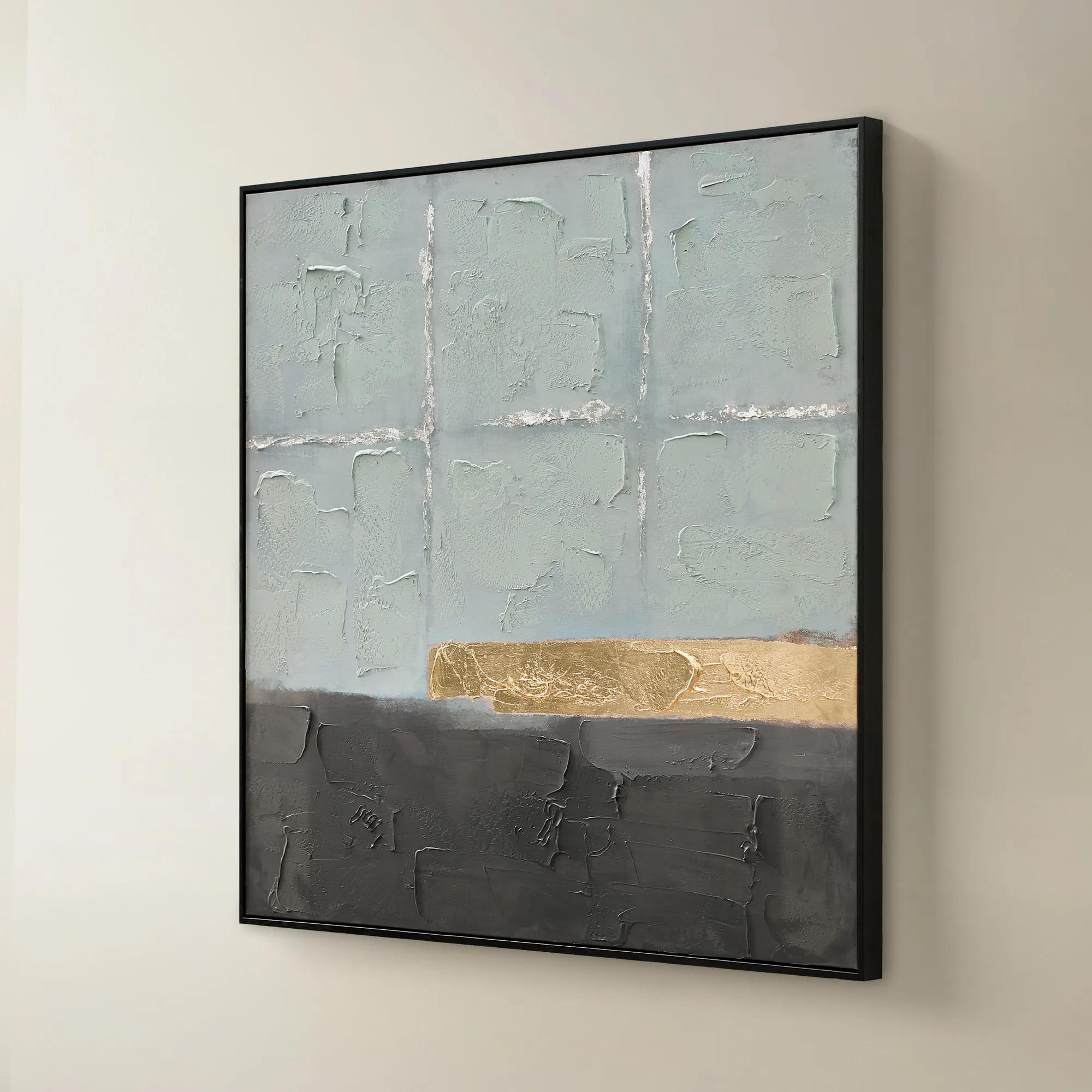 Jules Framed Gold Leaf Painted Wall Art 40" x 40"$299
A hand-painted canvas in mineral blue with gold leaf accents and a sleek black frame for modern appeal.
Add To Cart -
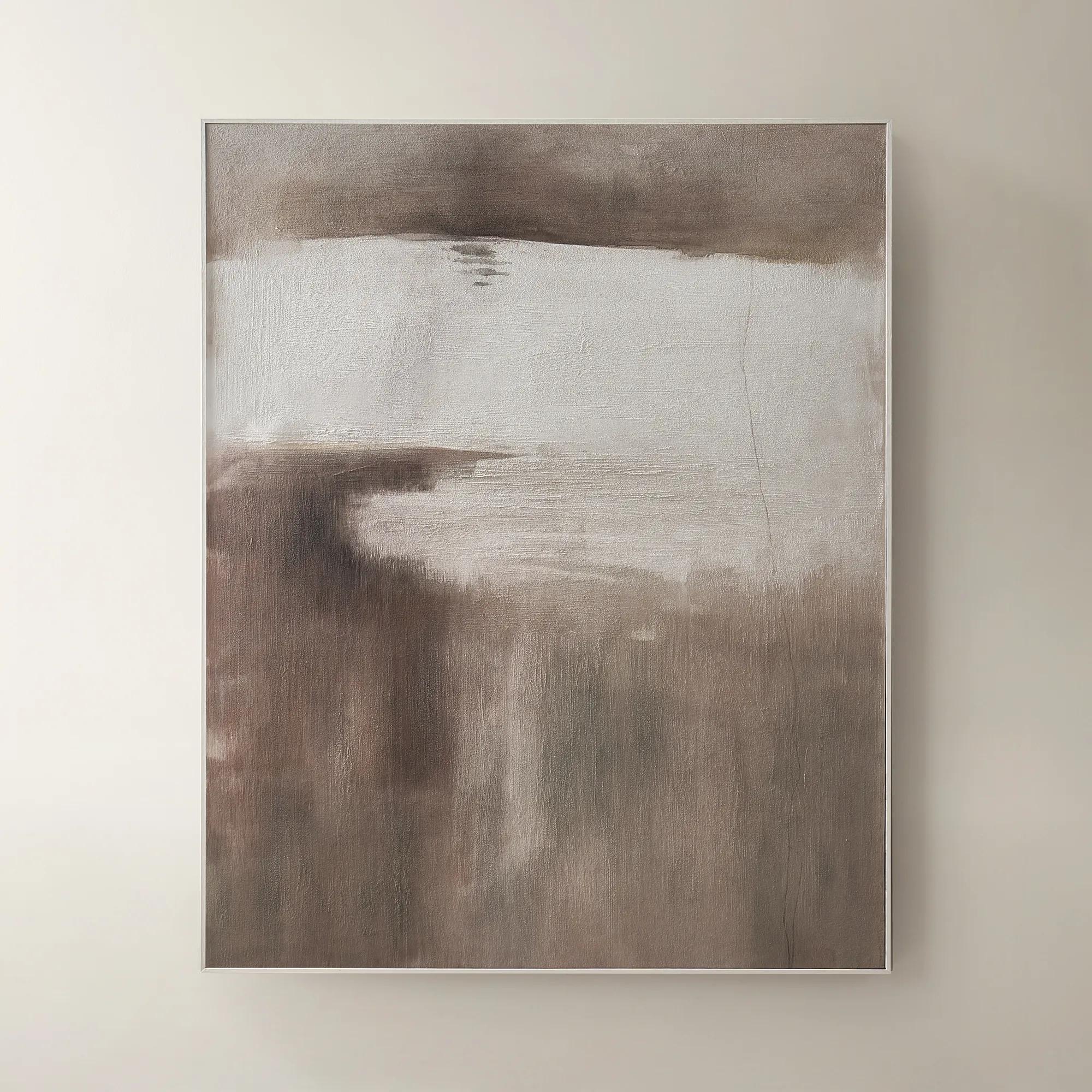 Desert Wind Art$599
A richly hued brown canvas artwork bringing warm, desert-inspired movement to modern interiors.
Add To Cart -
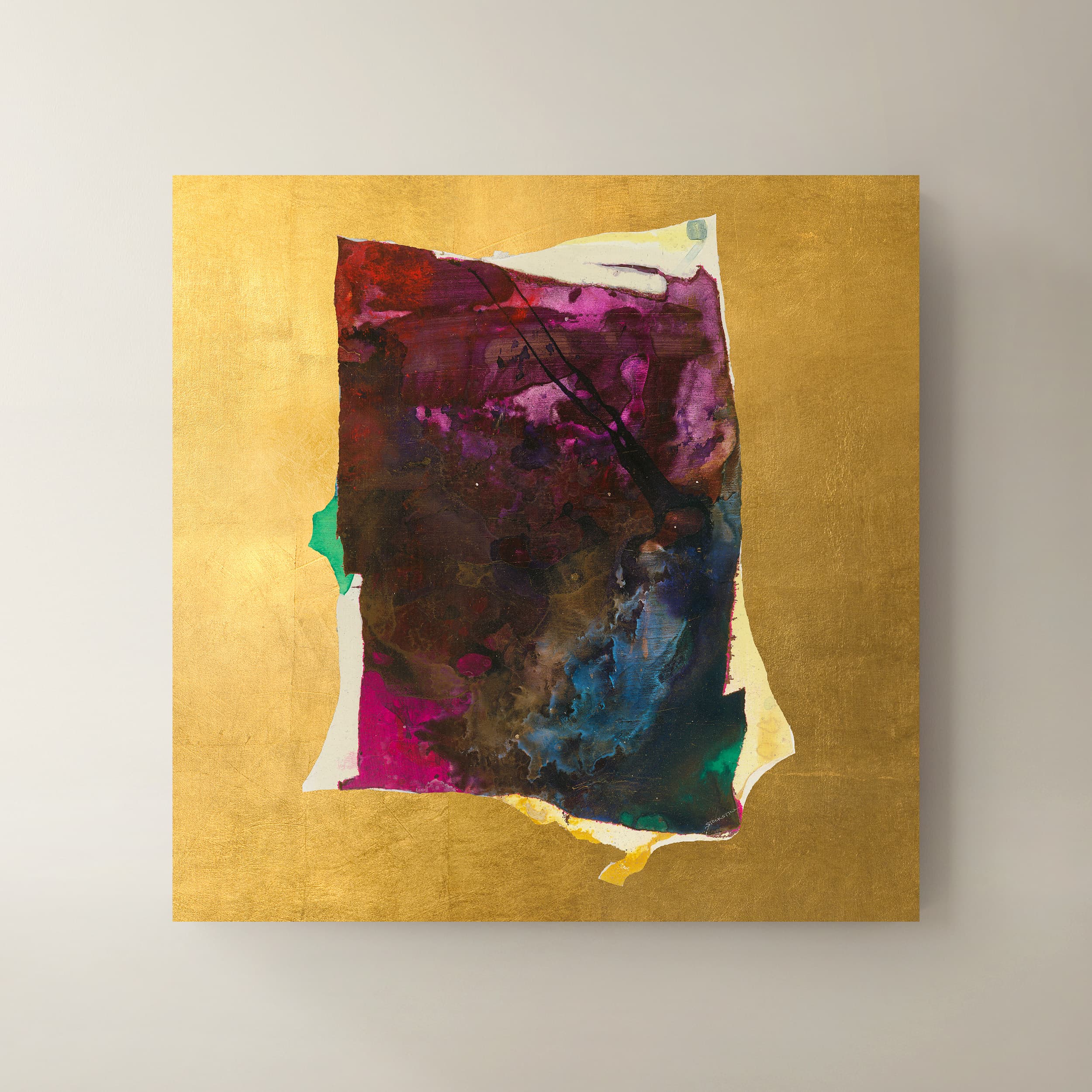 Supremo I Wall Art 40" x 40"$999
A multicolored canvas wall art piece adding contemporary visual interest to your interior.
Add To Cart -
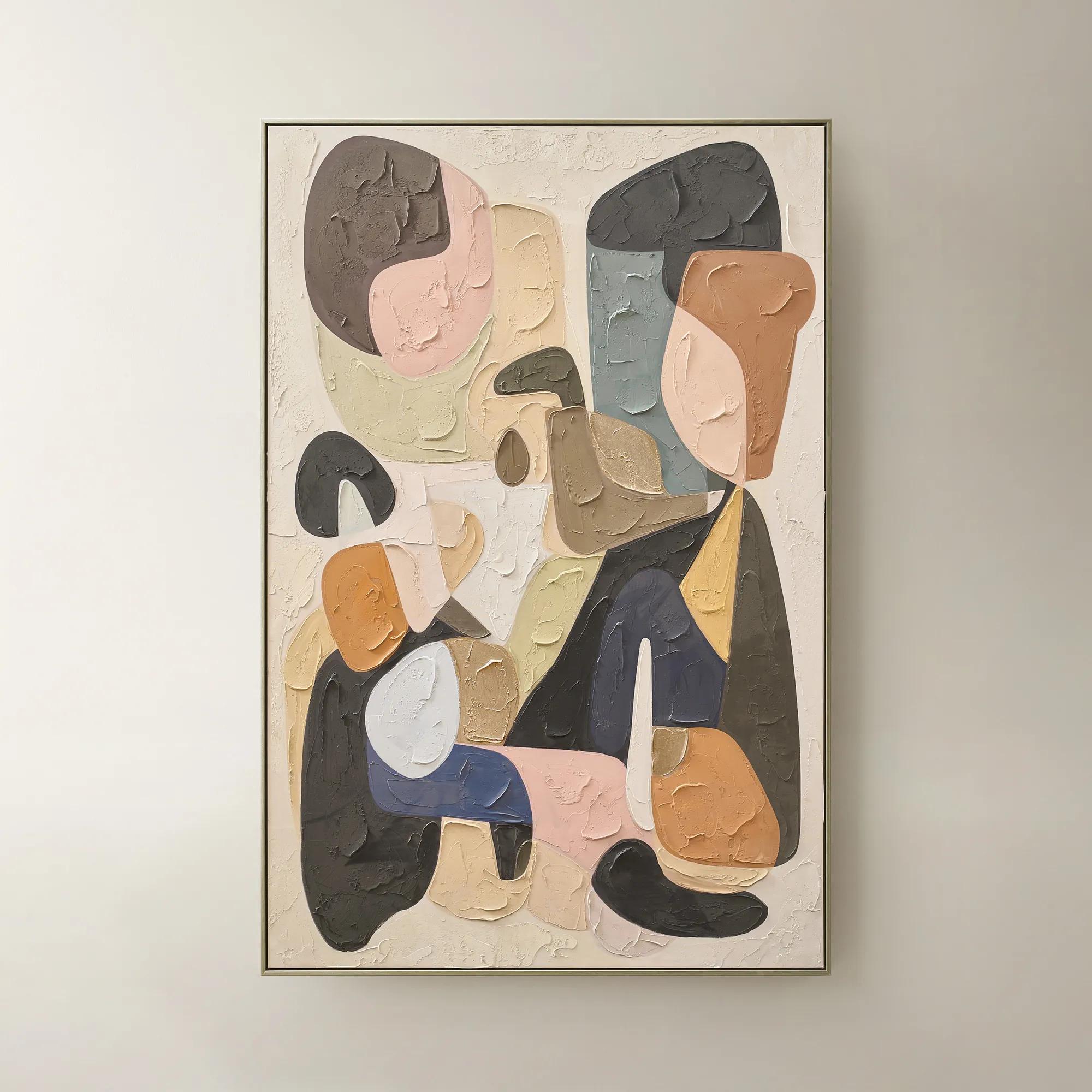 Chromatic Bloom Framed Painted Wall Art 40" x 60"$519
A hand-painted abstract canvas featuring a vibrant multi-color palette and shimmering champagne detailing.
Add To Cart -
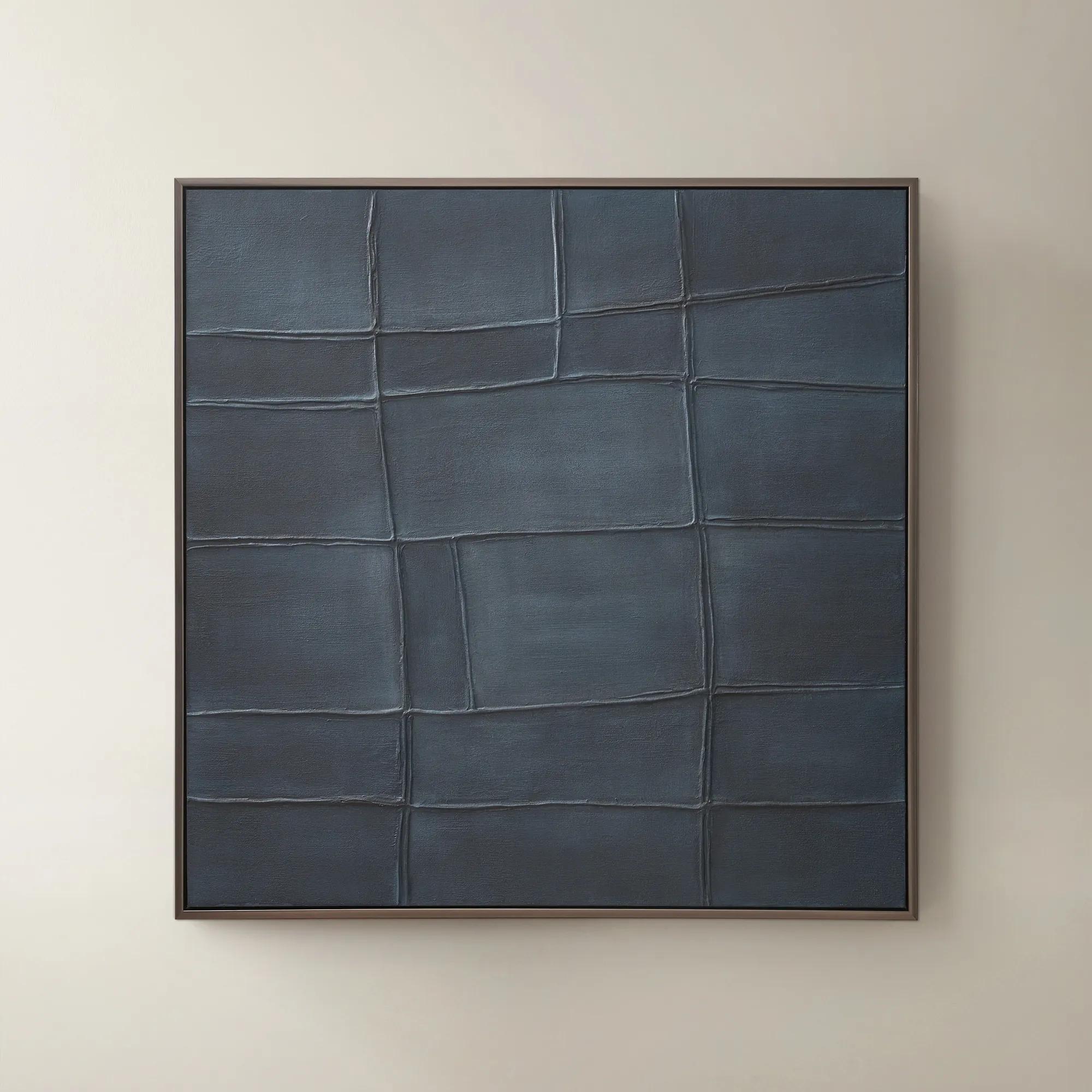
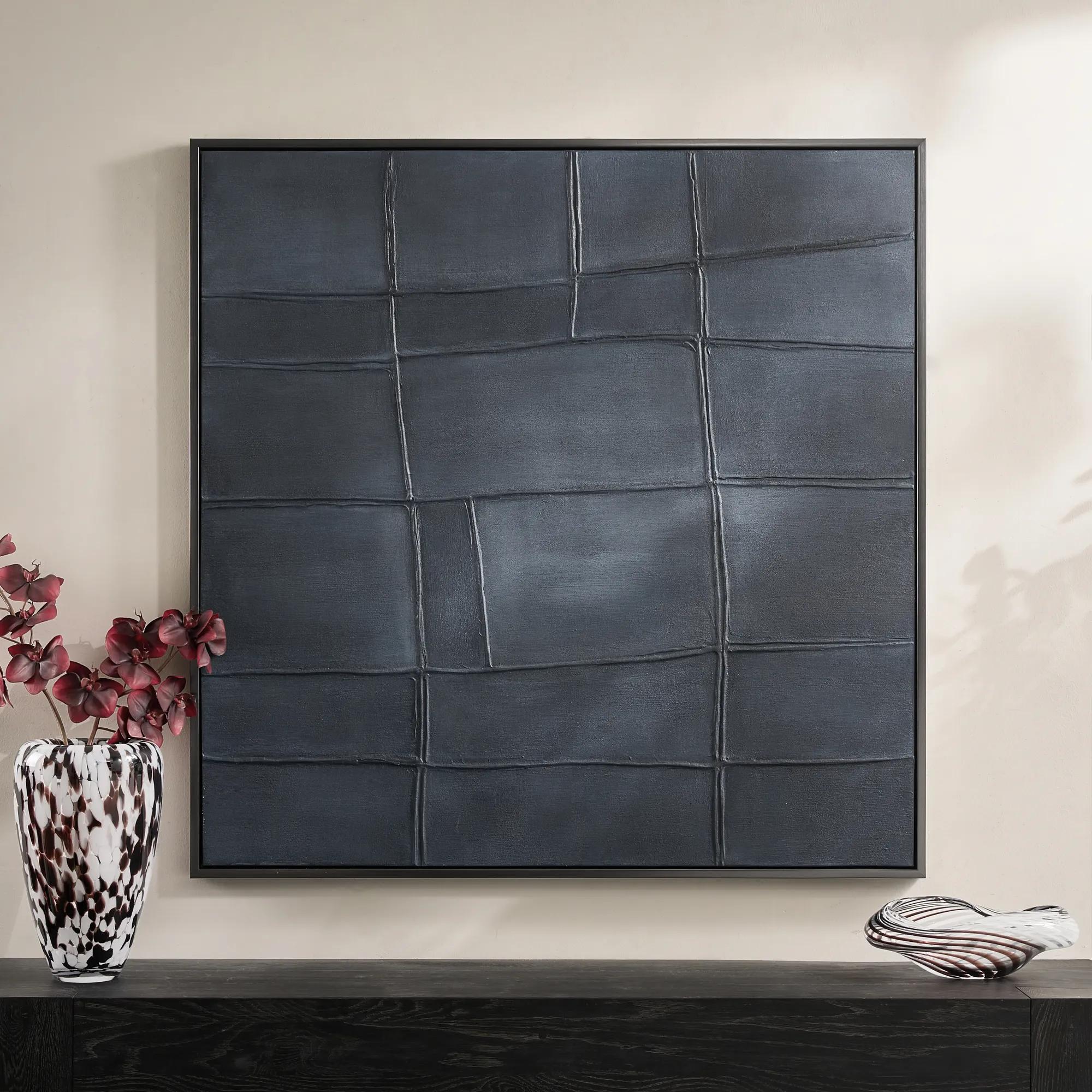 Ink Blue Interval Framed Painted Wall Art 48" x 48"$599
A hand-painted abstract canvas in deep ink blue, finished with a sleek gunmetal frame for modern appeal.
Add To Cart -

 Shift Framed Painted Wall Art 39.4" x 59"$499
A hand-painted canvas featuring bold black and beige contrasts with textured layers in a sleek black frame.
Add To Cart -
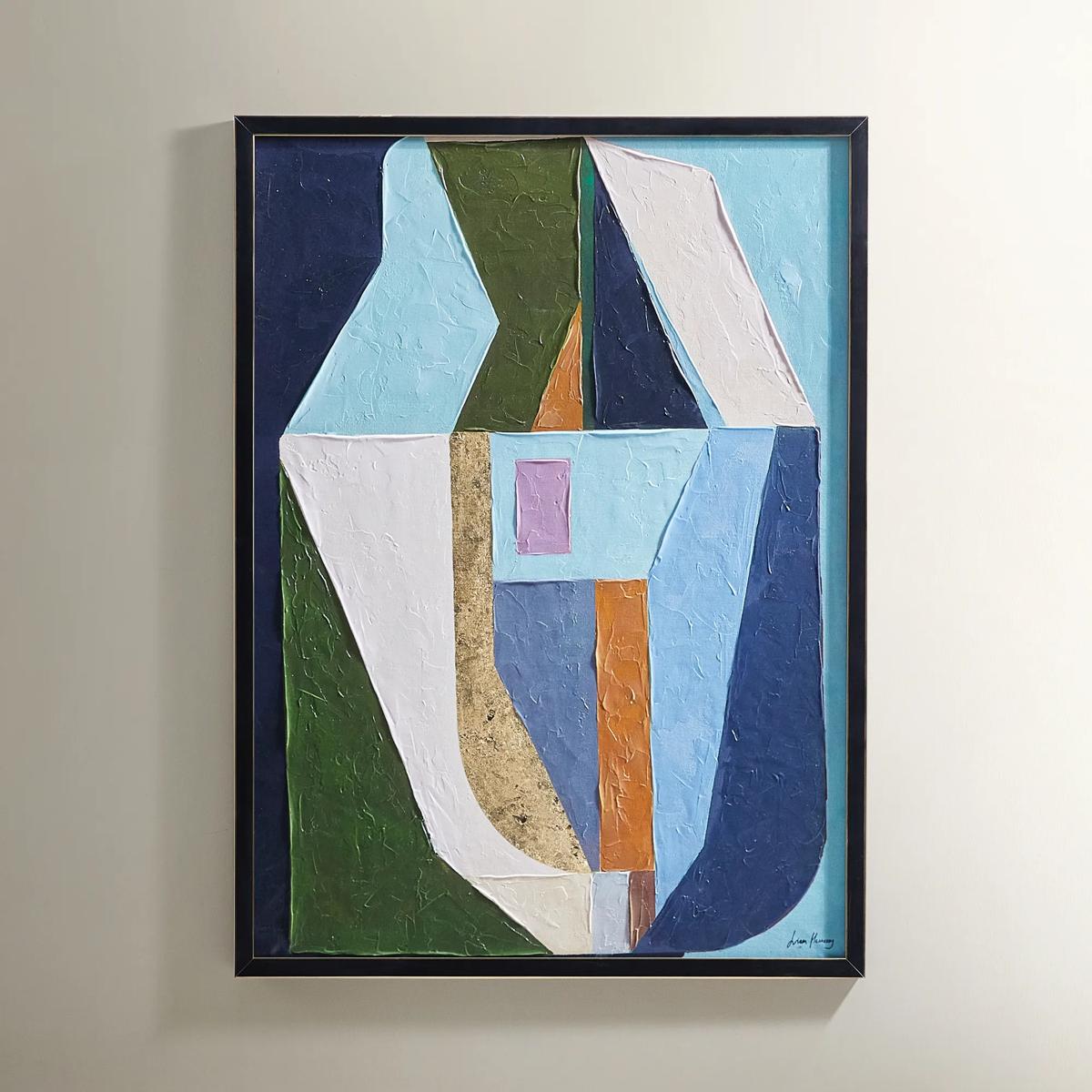 Thought Provoking Painting 2$249
A hand-embellished canvas artwork featuring textured strokes in deep blue, olive green, and gold accents.
Add To Cart

Canvas Art For Modern Interiors
Canvas art for modern interiors is more than mere decoration—it is the heartbeat of a room, infusing walls with energy, personality, and a sense of curated drama. Each piece transforms blank space into a living gallery, where bold brushstrokes and striking compositions invite conversation and awaken the senses. Whether you crave abstract allure or graphic intensity, canvas art for modern interiors sets the stage for moments of inspiration, anchoring your home in creativity and unapologetic style. Let your walls become a canvas for self-expression—where every glance is an invitation to dream bigger, live louder, and celebrate the extraordinary.
Canvas art for modern interiors brings abstract compositions, sculptural geometry, expressive brushwork, and layered neutrals to contemporary rooms, giving clean architectural lines a more personal, artful presence. Its appeal lies in the balance between image and surface: the woven canvas lends visual softness, while color, movement, and scale establish the mood. An expansive black-and-white composition can lend a living room graphic confidence; washes of ivory, taupe, and warm gray create a quieter atmosphere without sacrificing depth. For interiors that welcome drama, saturated blues, jewel-toned accents, or sweeping dark forms can turn an open wall into the room’s defining gesture. Modern canvas wall art encompasses several distinct visual directions. Geometric arrangements bring structure through repeated shapes and precise relationships, while organic abstracts introduce fluid contours that soften angular furniture. Mid-century-inspired compositions often combine confident color with rounded forms, lending warmth to streamlined settings. Tonal artwork draws attention more subtly, using shifts in shade and the suggestion of texture to reward a closer look. These approaches can complement one another when a shared palette or recurring shape gives the room a sense of continuity. Above a sumptuous sofa, a broad abstract can echo the upholstery’s undertone while introducing a contrasting stroke of charcoal or bronze. In a dining room, rhythmic forms can create a lively backdrop for conversation without competing with a sculptural chandelier. A bedroom may call for gentler movement and more open space within the composition, especially when bedding and window treatments already carry rich pattern. The strongest choice need not reproduce every color in the room. Repeating a single accent from a rug, a ceramic vessel, or a velvet chair is often enough to make the artwork feel connected. Canvas becomes especially expressive alongside contrasting finishes: its matte, tactile character can temper gleaming metal, polished stone, and mirror-finish surfaces, adding dimension to an interior that might otherwise feel overly reflective.
Scale, proportion, and placement determine whether canvas artwork feels fully integrated into a modern interior. A large canvas can give an expansive wall a clear focal point, while a coordinated pair or multi-panel arrangement introduces rhythm across a longer stretch of space. Above a sofa or console, a useful starting point is artwork spanning roughly two-thirds to three-quarters of the furniture’s width, adjusted for surrounding architecture and the visual weight of the composition. A dark, densely worked image may feel more substantial than a pale composition of identical dimensions, so measurements tell only part of the story. Leave enough breathing room around the edges for the artwork to register as a deliberate feature rather than a tight fit. In an entryway with a narrow console, a vertical canvas can draw the eye upward and emphasize ceiling height; over a low sideboard, a horizontal format often reinforces the furniture’s elegant line. For a grouping, consider the total width, including the spaces between canvases, before deciding where it belongs. Paper templates on the wall make it easier to judge placement from the doorway and from the seat where the artwork will most often be viewed. A center point near eye level is a practical starting reference, but furniture, ceiling height, and seated sightlines should shape the final position. The edge treatment also changes the effect. Gallery-wrapped canvas carries the image or a finished color around the sides for a clean silhouette, while a frame adds a defined border and another opportunity to connect with surrounding finishes. A slender dark frame can sharpen a pale abstract; a warm metallic finish can echo lighting or decorative accents without requiring an exact match. For a more architectural presentation, Modern Luxury Framed Canvas Prints bring the canvas surface into a distinctly outlined composition. Whether framed or unframed, the artwork should feel proportionate to its setting and visible without forcing the room’s other expressive details into the background.
Materials and construction deserve the same attention as the image, particularly when canvas art will anchor a frequently used living room, home office, or dining space. Canvas may be made from cotton, linen, polyester, or blended fibers, with each substrate offering its own weave and surface character. A printed image can reproduce intricate tonal transitions and brushstroke effects, but depicted texture is not necessarily raised texture; hand-applied paint or other dimensional embellishments create a different physical surface. Descriptions of materials and finish help clarify that distinction, especially when the artwork will hang where side lighting reveals every contour. Stretched canvas is typically supported by an internal frame, and even tension, sound corner construction, and appropriate support help it retain its shape. Larger formats may need additional bracing, while an outer decorative frame contributes definition rather than replacing secure mounting. Always match hanging hardware to the artwork’s weight and the wall material, following the supplied instructions rather than assuming every canvas uses the same attachment method. Intended placement matters for longevity, too. Indoor canvas art generally belongs away from direct sunlight, persistent humidity, splashes, and concentrated heat unless specifically designed for those conditions. A steamy bathroom, an exposed outdoor wall, or a position close to a heat source may place unnecessary stress on the fabric, image, or frame. For routine care, follow the maker’s directions; gentle dusting with a clean, soft, dry cloth is commonly appropriate, while cleaning sprays, abrasive tools, and moisture can damage some finishes. Handle artwork by its supported edges and avoid pressing against the canvas face. Consider lighting as part of the display: diffuse illumination can reveal nuanced color, while a carefully positioned picture light can accentuate surface detail without overwhelming it. For a housewarming, wedding, or milestone gift, canvas artwork can offer a lasting expression of the recipient’s taste when its dimensions, palette, and subject suit their home. A graceful tonal abstract may appeal to someone building a layered neutral interior, while bold geometry suits a collector of sculptural furnishings. Chosen with that personal context, modern canvas art gives a room more than color—it gives its surrounding textures, shapes, and treasured objects a compelling visual relationship.
FAQs
Selecting canvas art for a modern space is all about embracing bold choices and expressive design. Consider the existing color palette, textures, and architectural details in your room. Opt for pieces that create contrast or echo key elements—think luminous abstracts for a sleek, contemporary living room or serene botanicals to soften a minimalist bedroom. Let your personality guide you, and don’t be afraid to make a statement with large-scale z gallerie canvas art that serves as the centerpiece of your décor.
Canvas art thrives in both solitary grandeur and curated clusters. Hang a dramatic piece above a fireplace or sofa to anchor the room, or create a gallery wall by mixing various sizes and styles for an artful tableau. For extra dimension, layer canvases with mirrors or metallic sculptures, or lean pieces against a wall atop a console for a relaxed, editorial look. The versatility of interior canvas art allows you to refresh your arrangement with the seasons or as your style evolves.
Absolutely—canvas art is a thoughtful and memorable gift, perfect for housewarmings, weddings, anniversaries, or milestone celebrations. Choose a piece that reflects the recipient’s taste or evokes a shared memory, such as a cityscape for a travel enthusiast or an abstract for someone who loves modern design. Gifting z gallerie art canvas is a way to offer not just décor, but a lasting impression that enhances their living space.
Canvas art has the power to set the emotional tone of any space. Vibrant, energetic compositions can invigorate and inspire, while softer, more muted pieces create a sense of calm and sophistication. The texture and finish of z gallerie canvas art add depth and richness, transforming ordinary walls into dynamic backdrops that reflect your unique sense of style and create a welcoming ambiance for guests.
Z Gallerie canvas art stands apart through its commitment to artistry, craftsmanship, and bold design. Each piece is curated to evoke drama and luxury, often featuring striking color palettes, metallic accents, or innovative textures. The collection is designed for those who see their home as a canvas for self-expression, offering artworks that are as unique and daring as the individuals who display them.