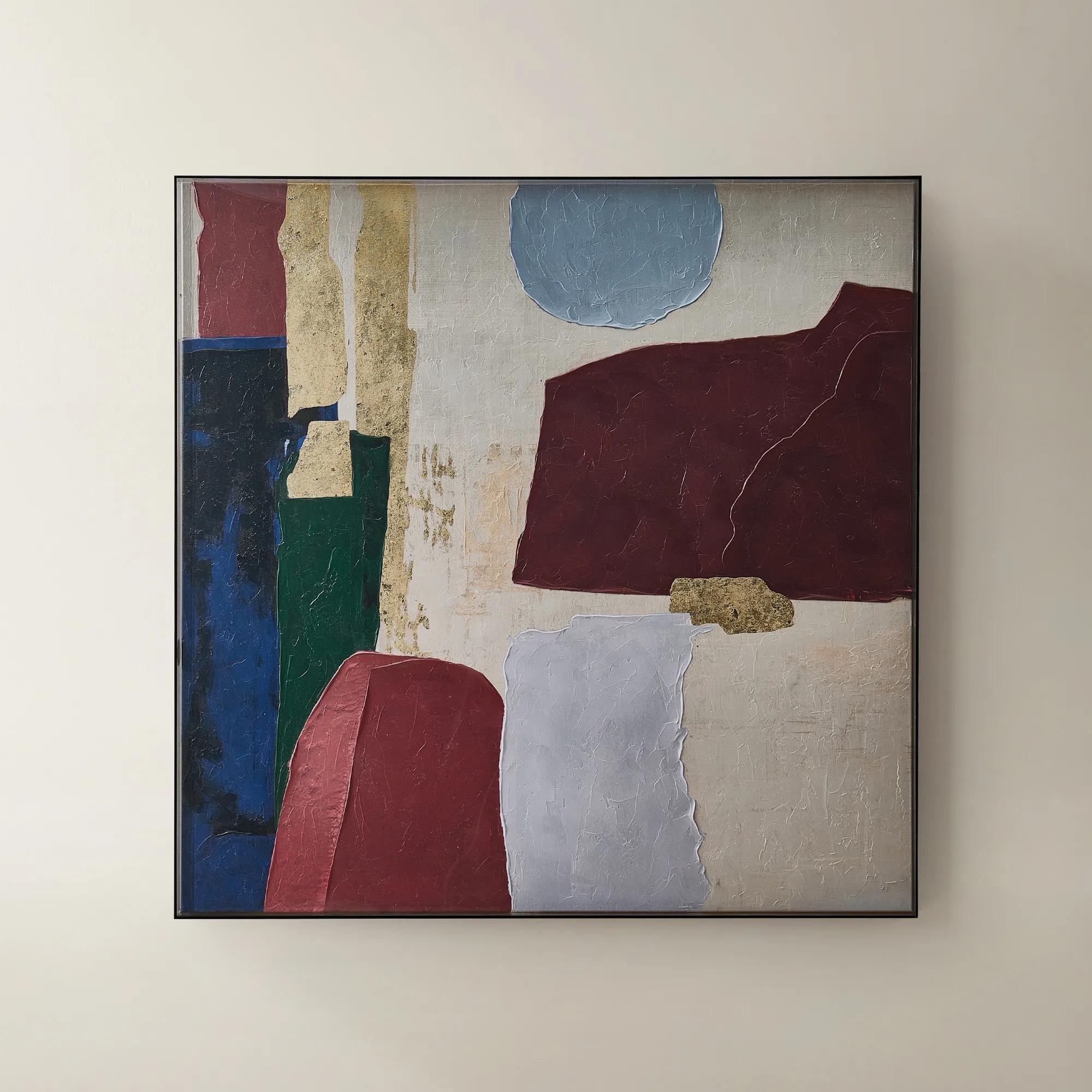
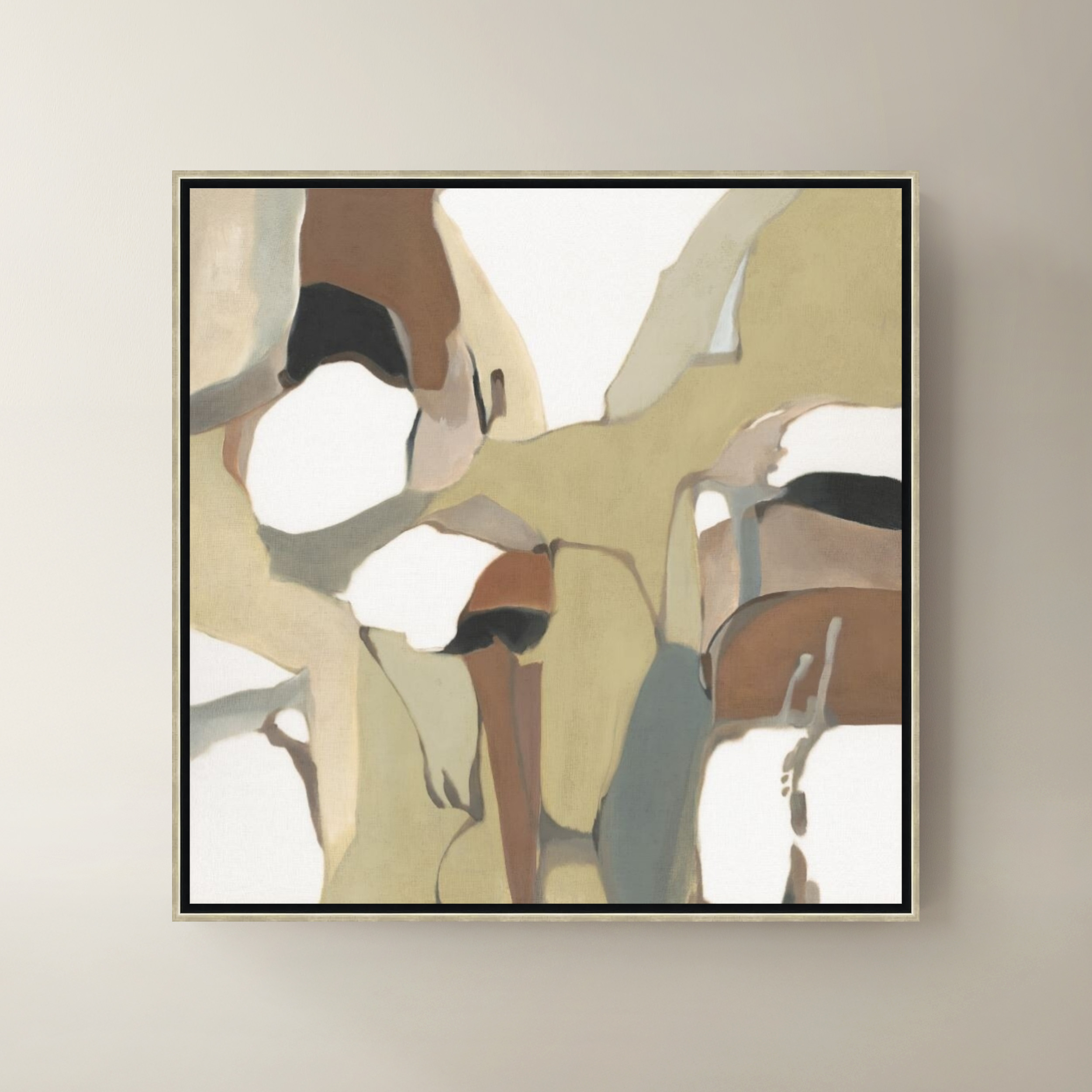
Modern Art Wall Panels
Modern Art Wall Panels
-
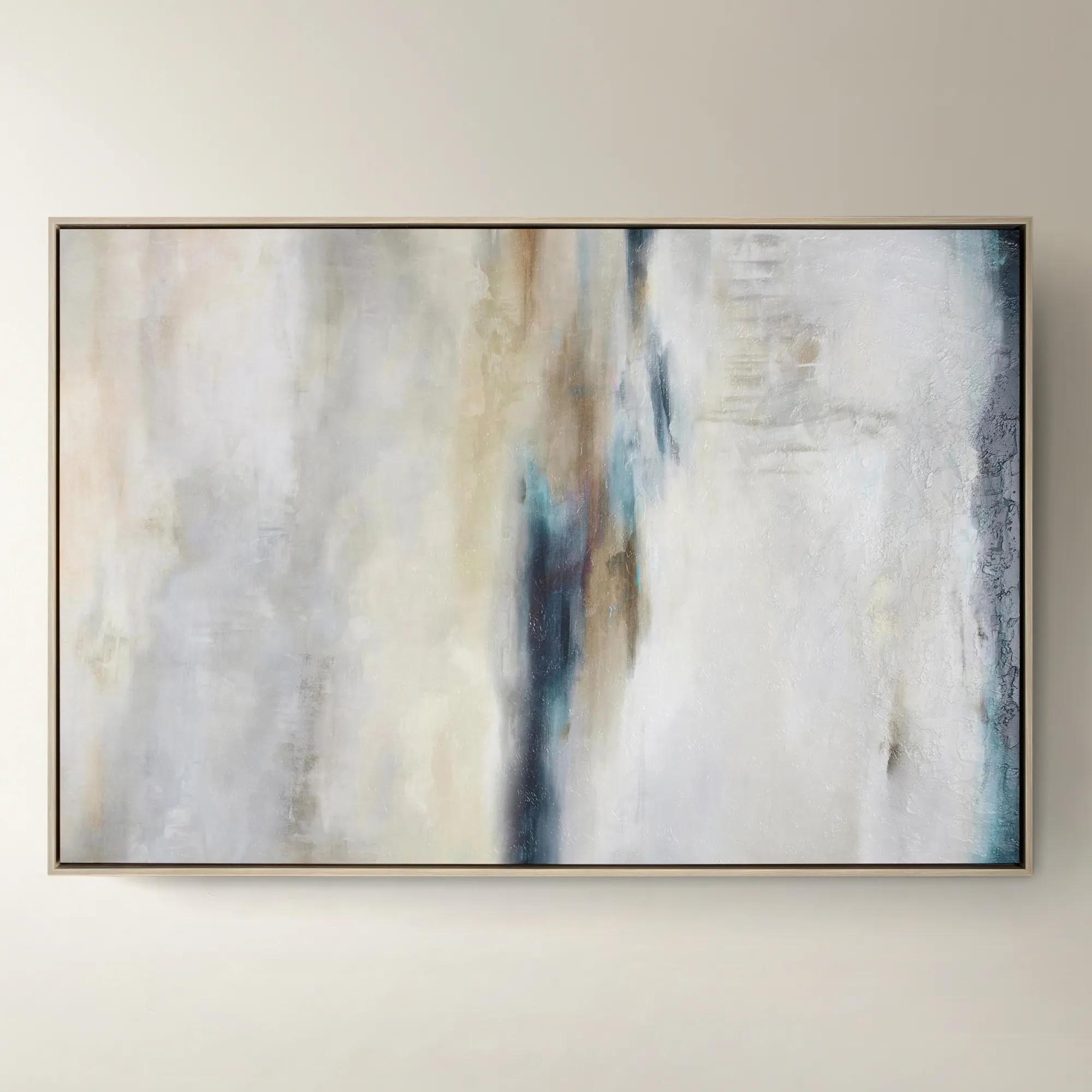
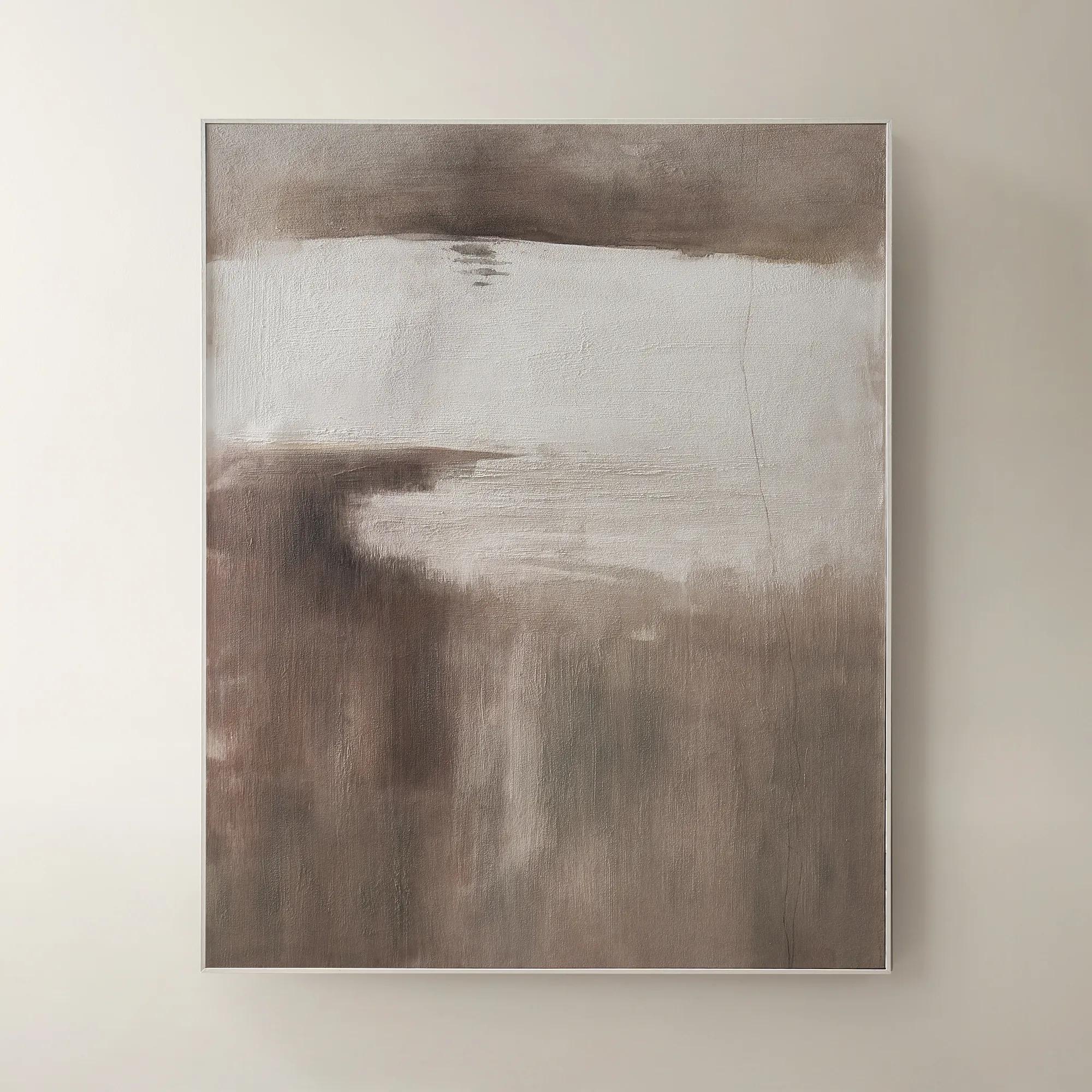
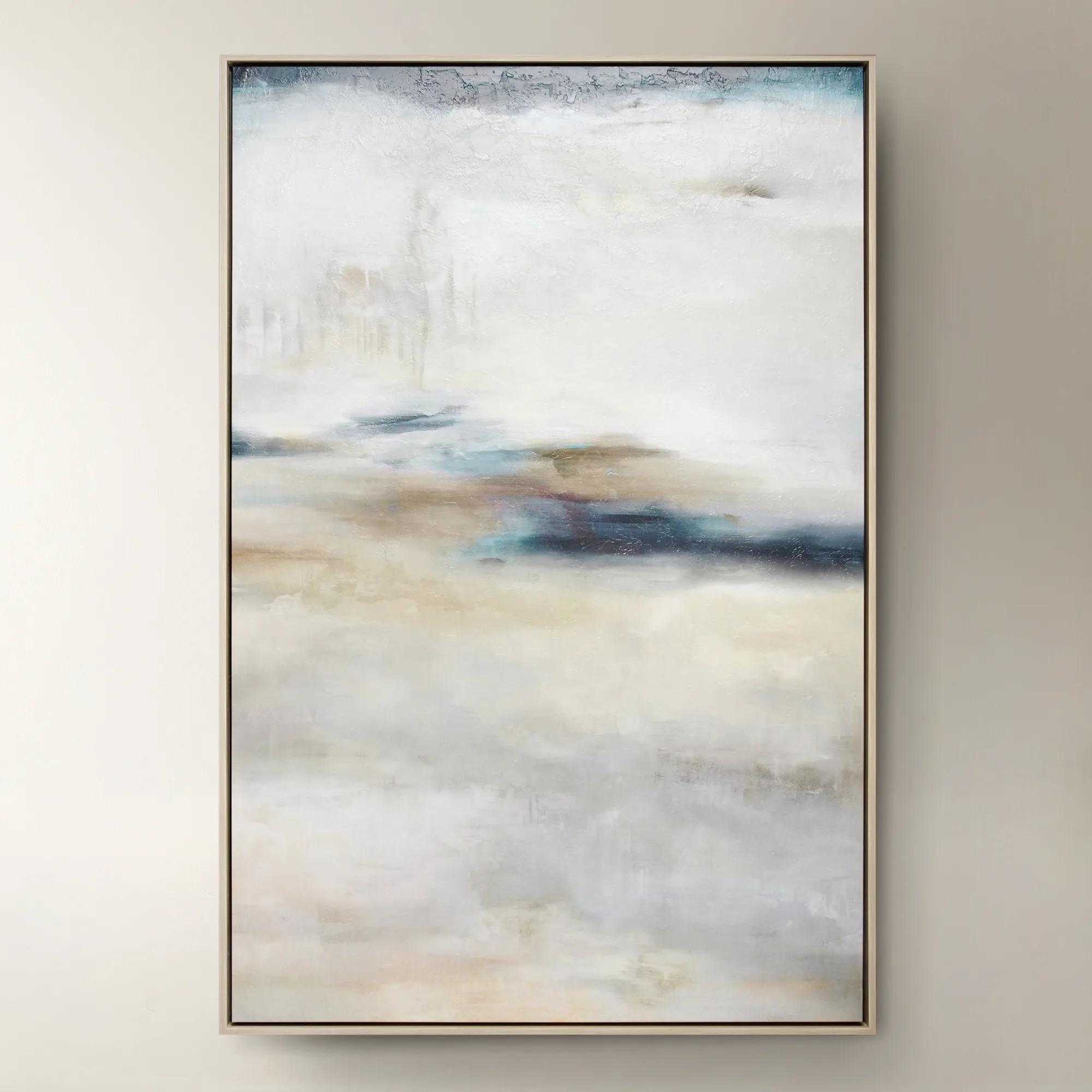 Forward Looking$1299
A softly layered abstract canvas print with a gel finish, set in a natural-hued floater frame.
Add To Cart -
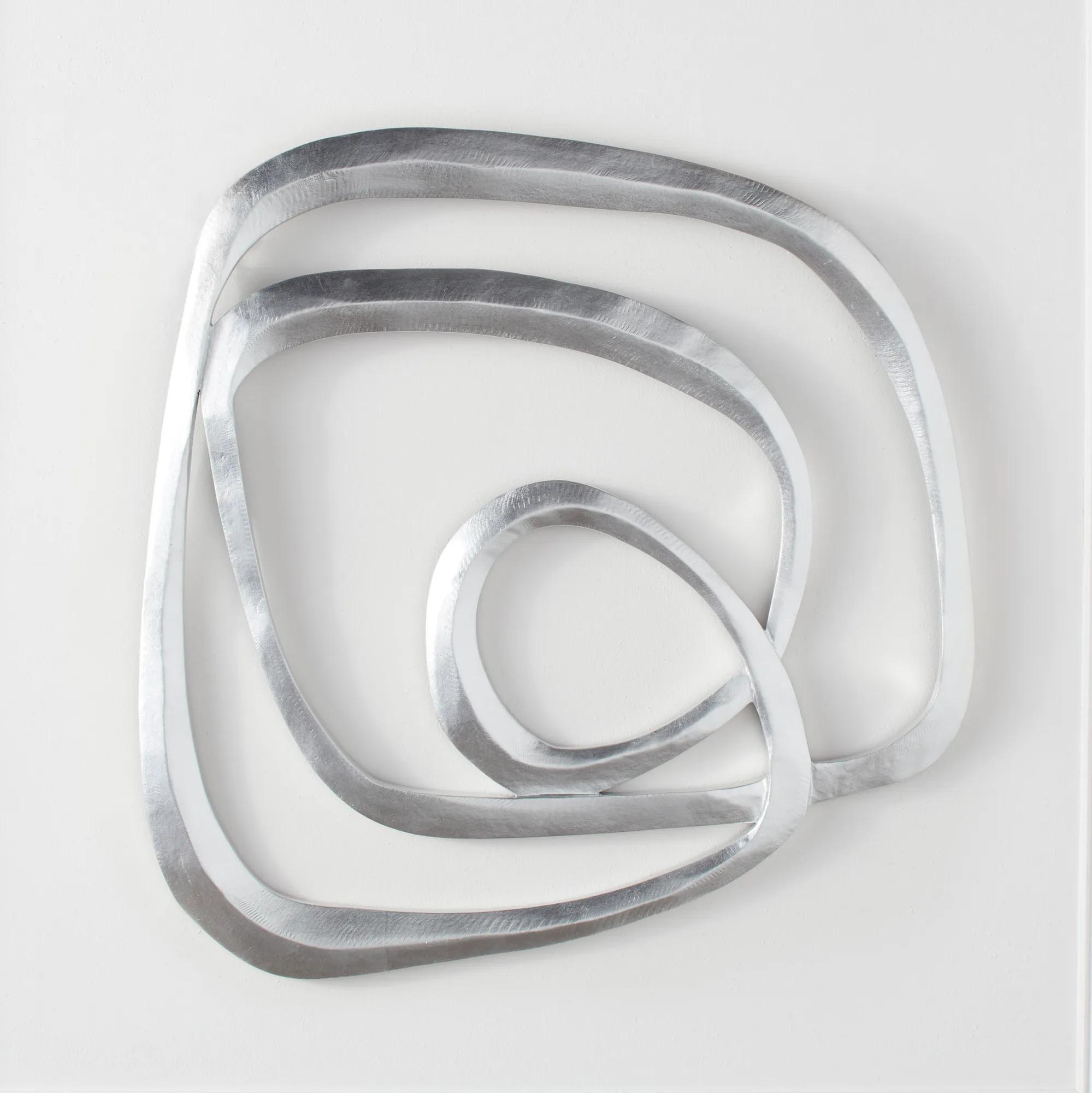 Infinity Silver Leaf Wood Wall Decor I 31.5" x 31.5"$299
A swirling wooden wall sculpture featuring a striking metallic silver finish for modern visual impact.
Add To Cart -
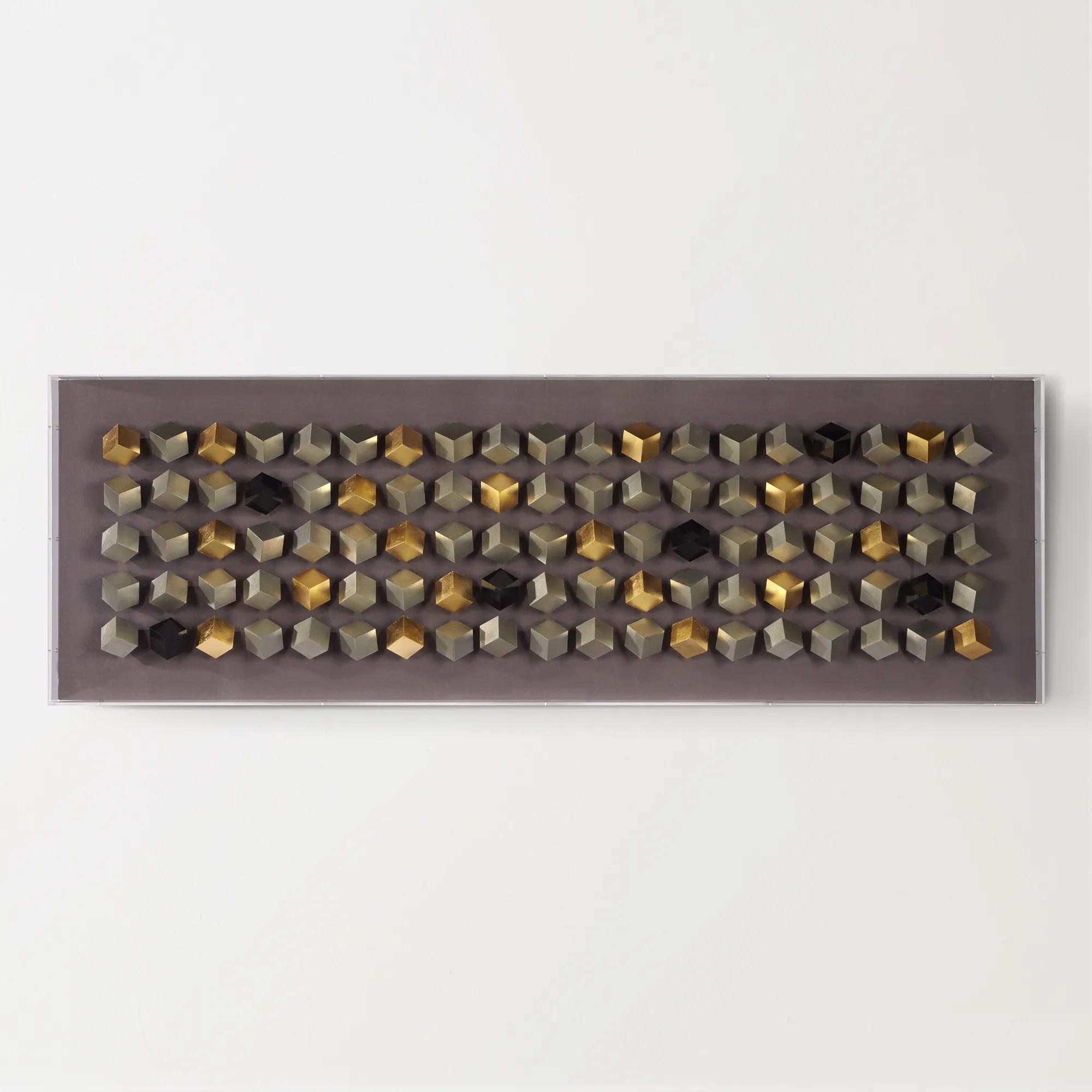
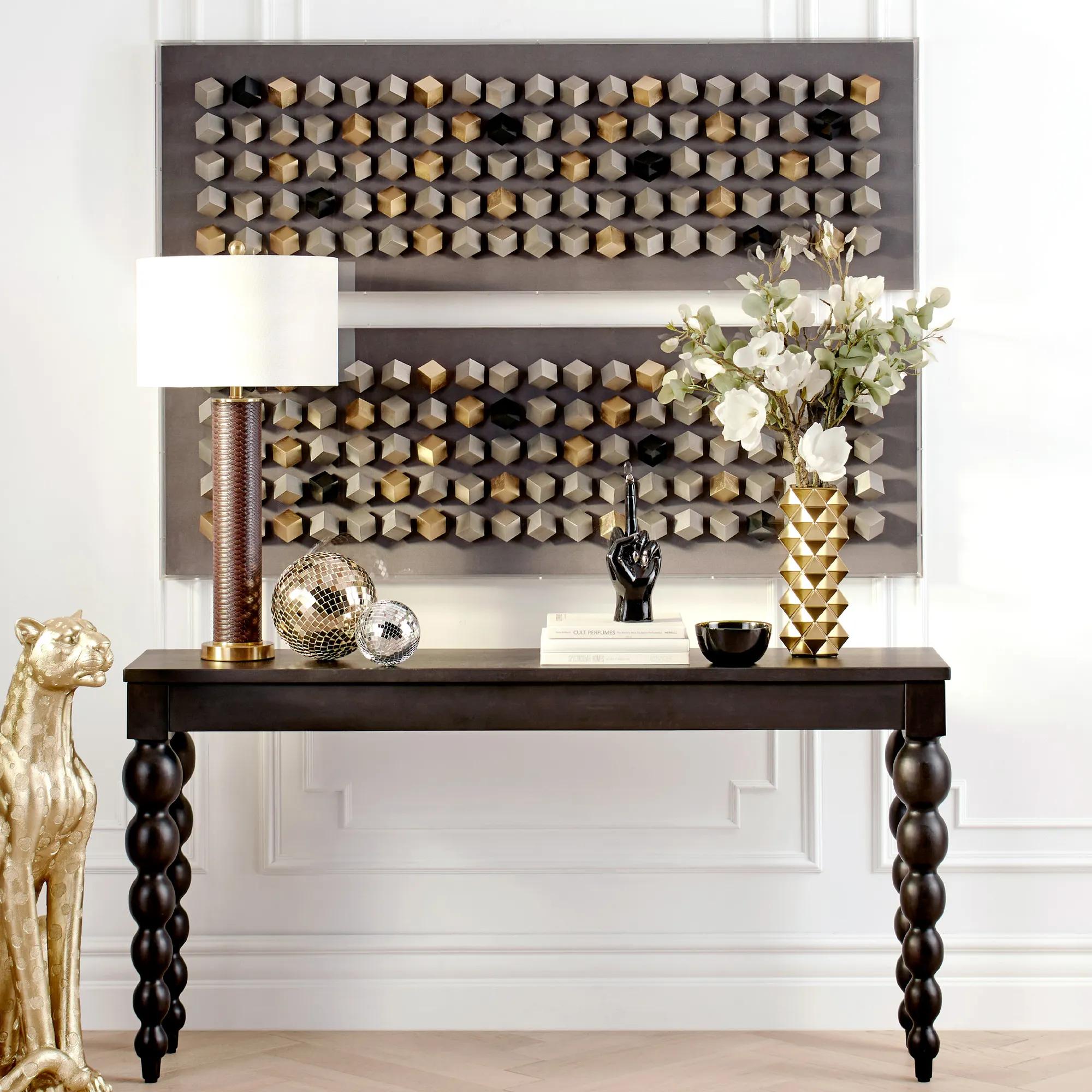 Cubic Array Dimensional Wall Decor in Acrylic 59" x 19.75"$599
A striking shadowbox wall art featuring a cubic, dimensional design with a tri-tone metallic finish.
Add To Cart -
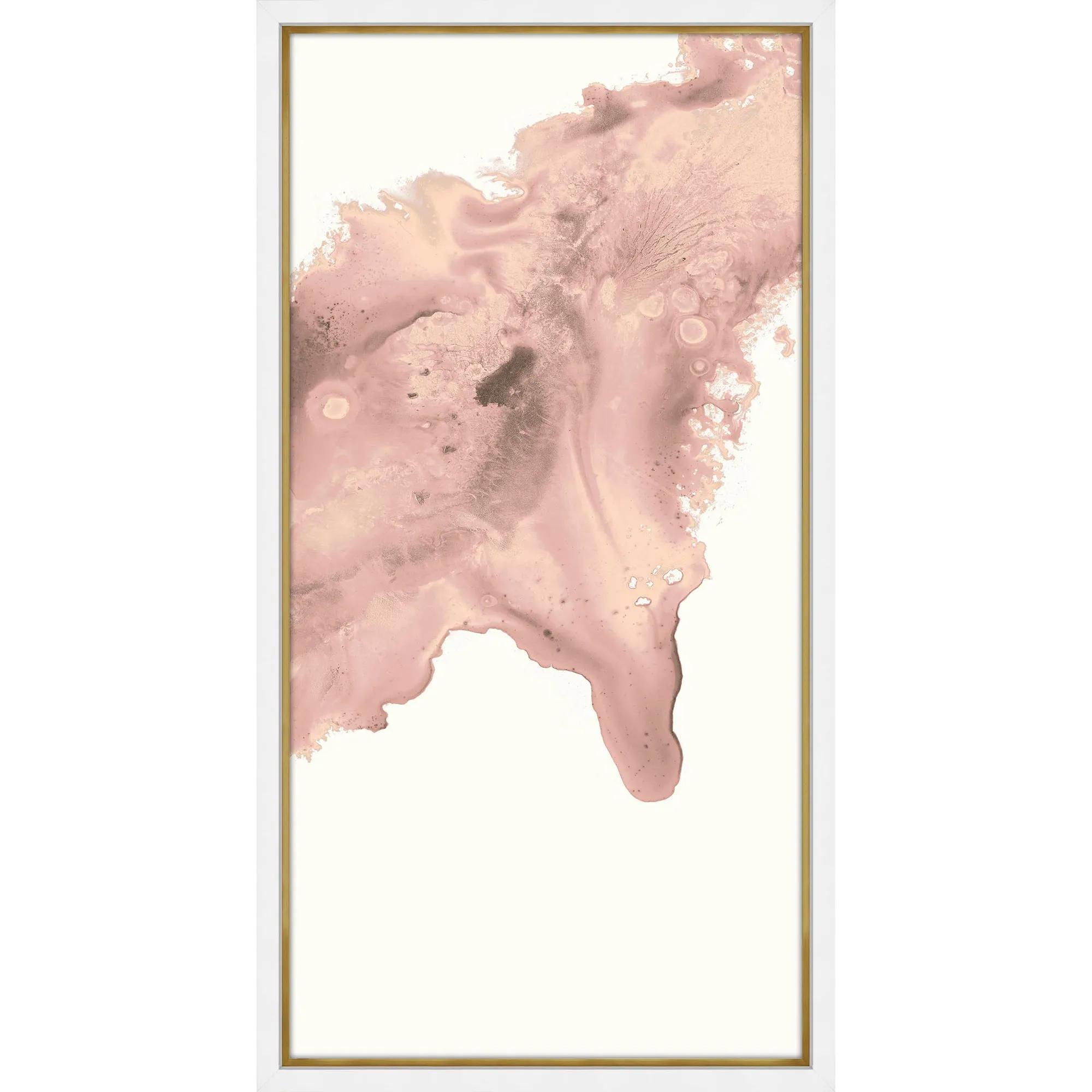
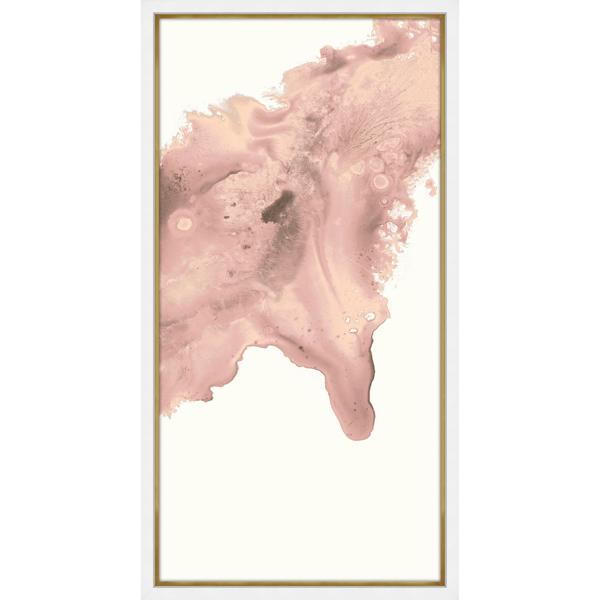 Blush Conduit 2 Framed Wall Art 24" x 48"$849
A striking abstract print on pearl paper, elegantly framed in gold and matte white for modern appeal.
Add To Cart -
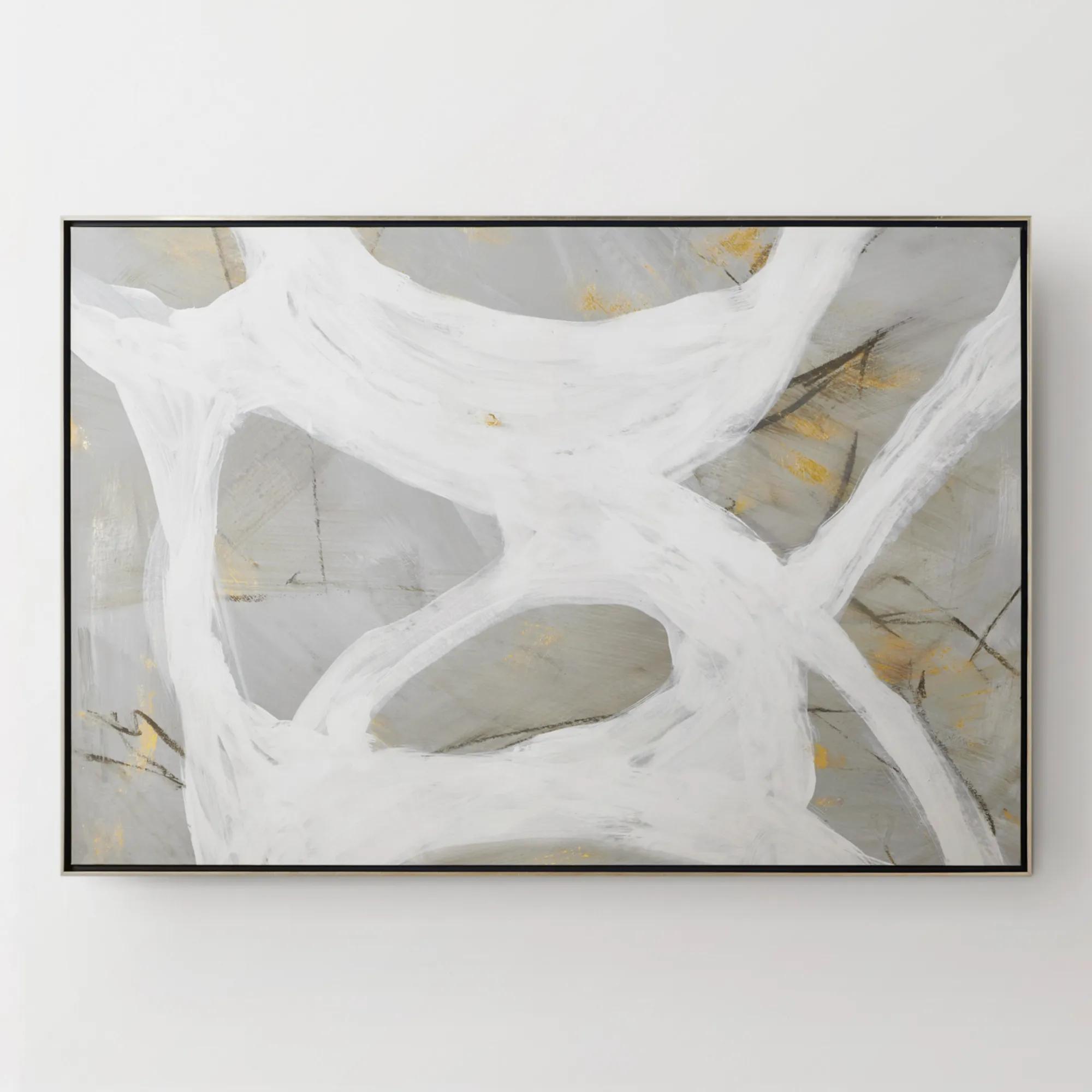
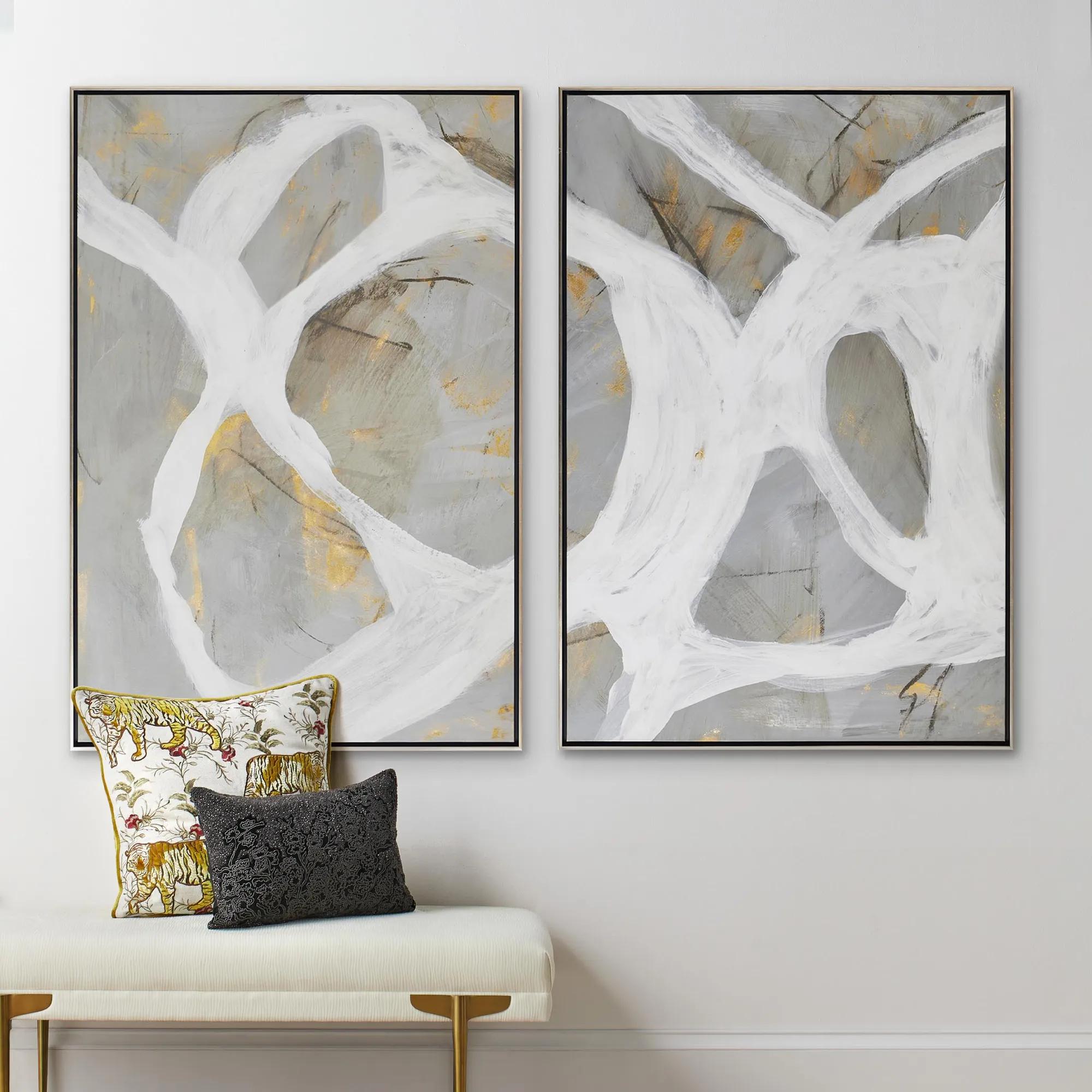 Les Series Framed Painted Wall Art II 61" x 41"$1099
An abstract canvas artwork featuring bold brushstrokes, hand-applied gold accents, and a silver floater frame.
Add To Cart -
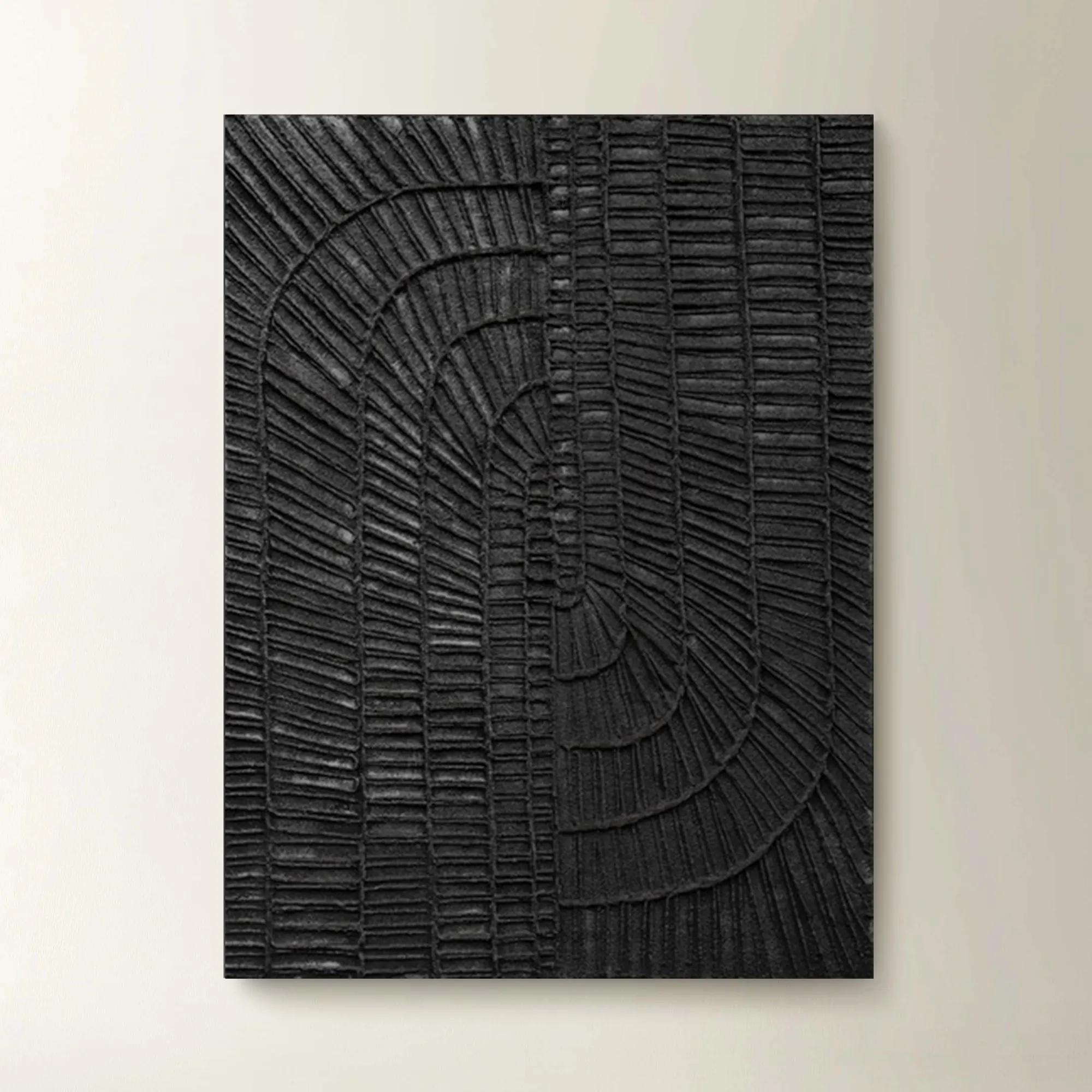 Textured Haze Black II Painted Wall Art 26" x 35"$499
A striking hand-painted black artwork featuring textured details for versatile vertical or horizontal display.
Add To Cart -
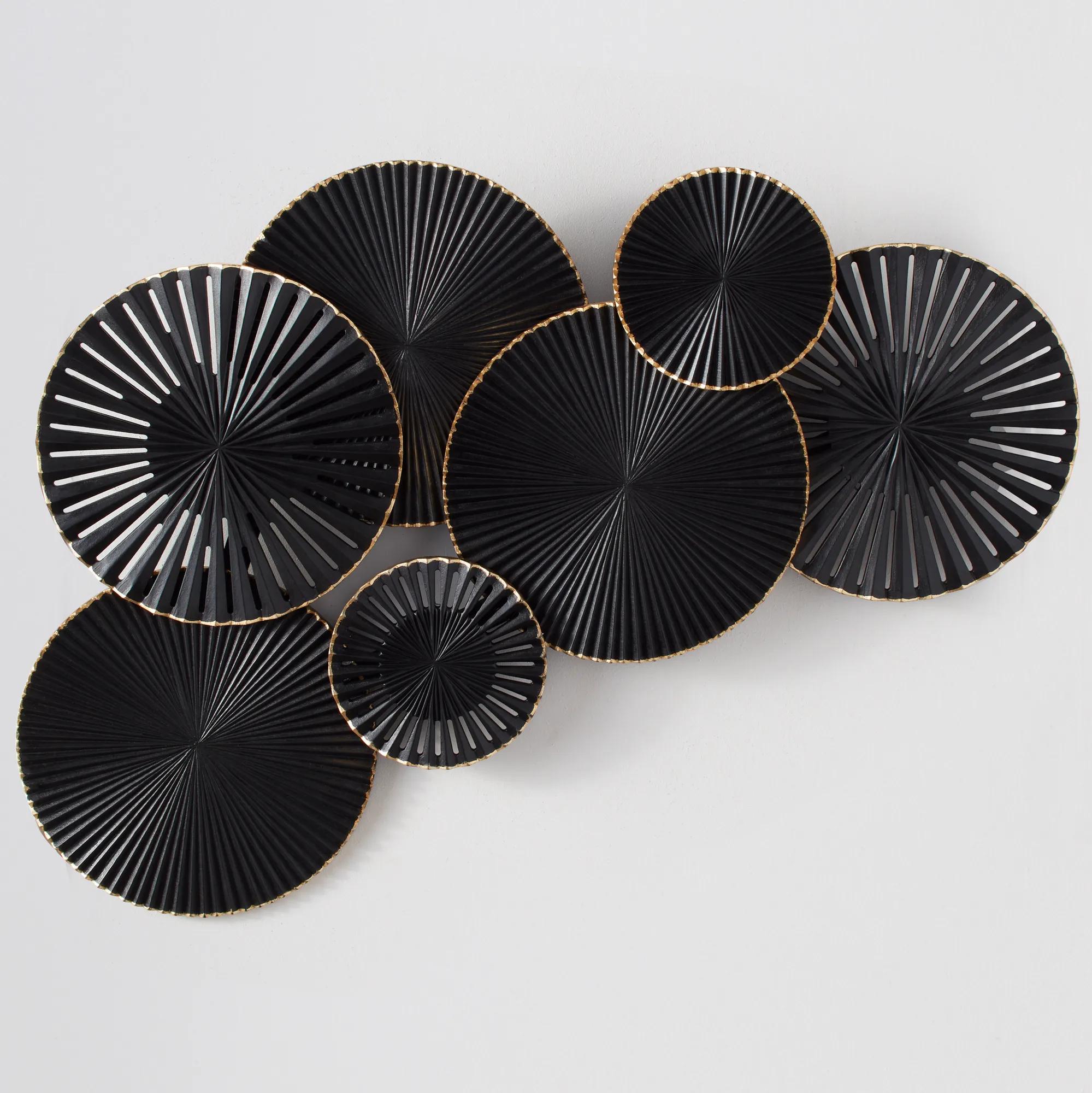
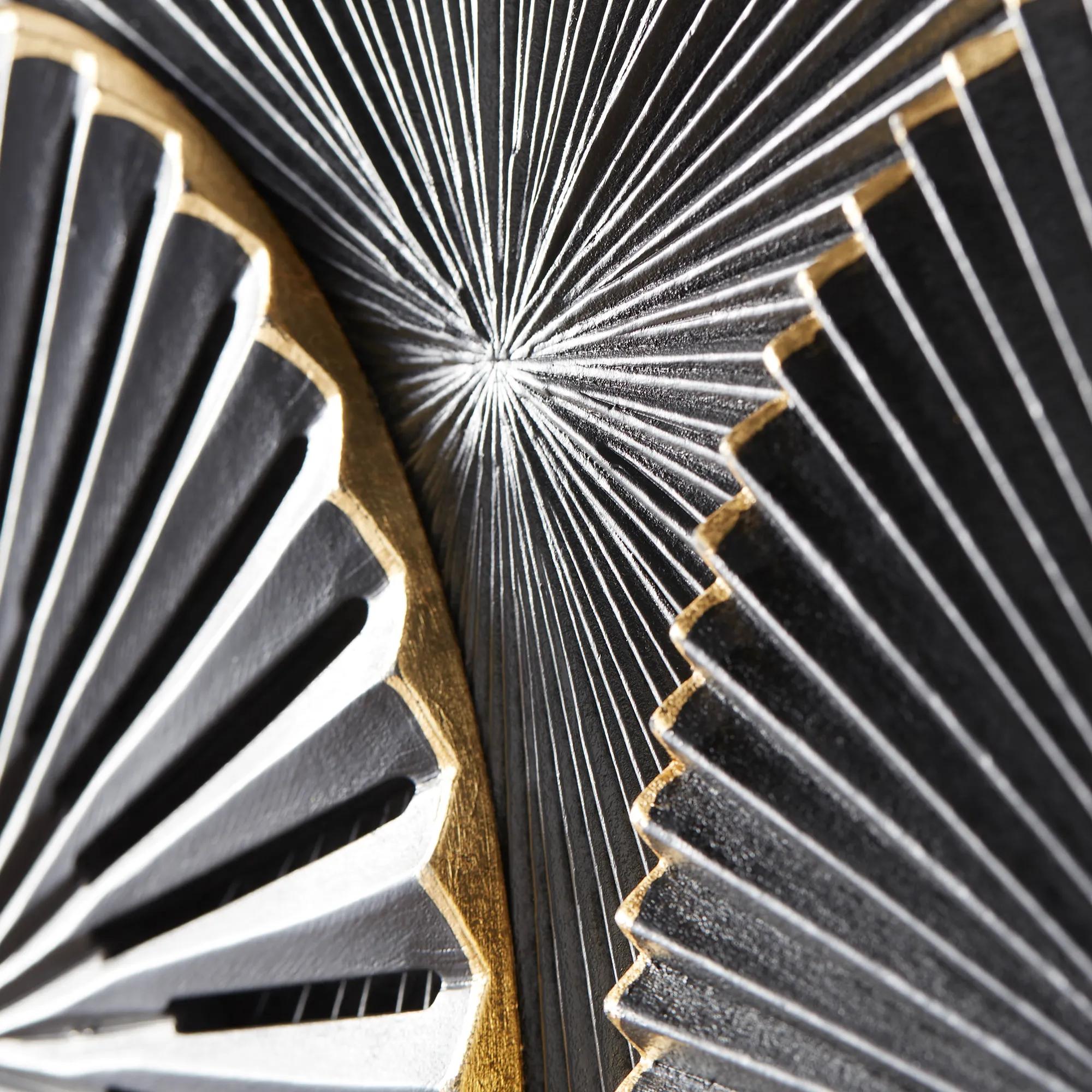 Circa Black Carved Wood Dimensional Wall Panel 47.25" x 27.5"$499
A carved wood wall art panel in black and gold that adds abstract intrigue to any room.
Add To Cart -
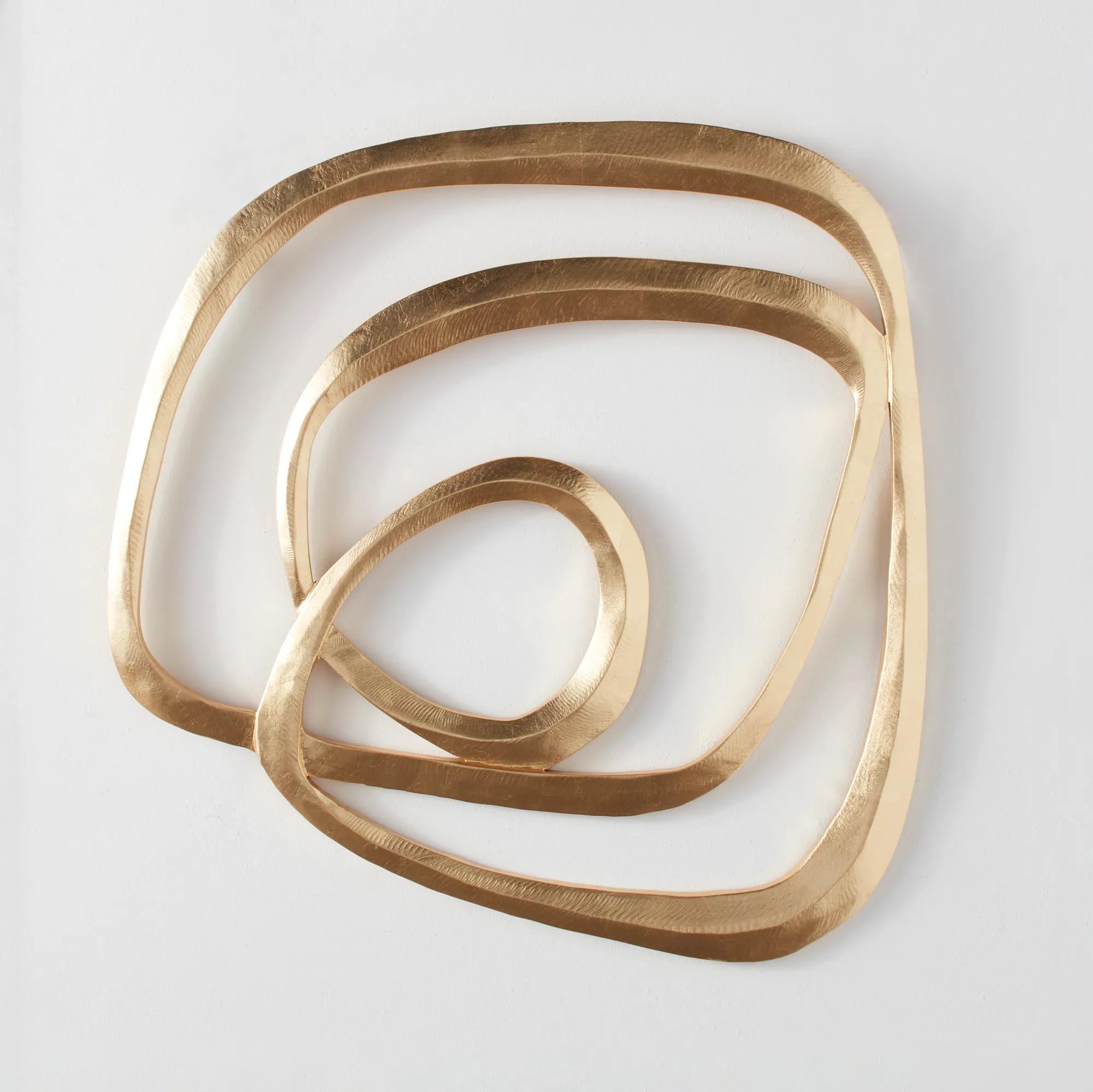 Infinity Gold Leaf Wood Wall Decor II 31.5" x 31.5"$299
A swirling wooden wall sculpture featuring a striking metallic gold finish for a modern statement.
Add To Cart -
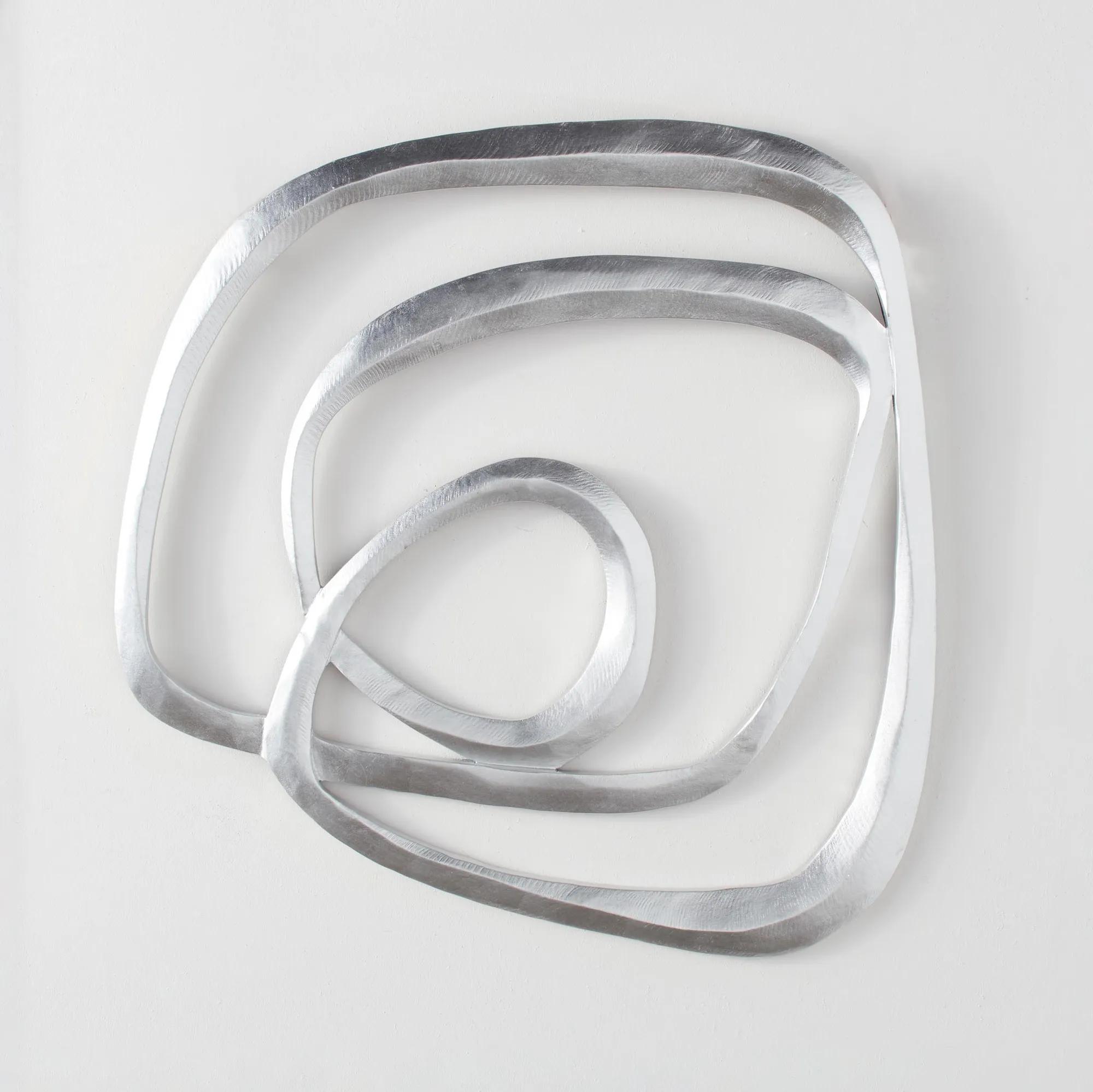 Infinity Silver Leaf Wood Wall Decor II 31.5" x 31.5"$299
A swirling wooden wall sculpture featuring a striking metallic silver finish for modern visual impact.
Add To Cart -
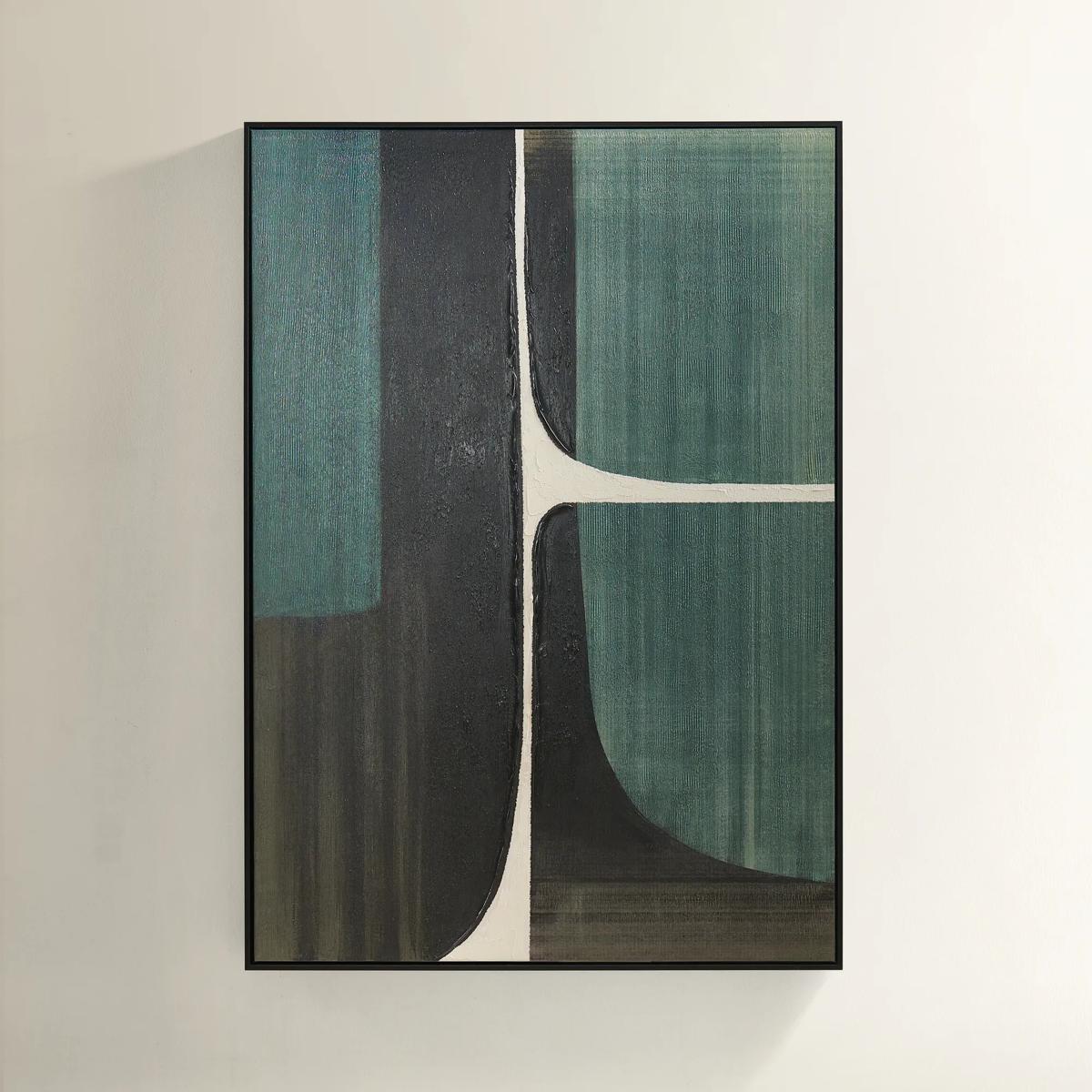 Plains Framed Painted Wall Art 39.25" x 55"$499
A hand-painted abstract canvas in forest green, ivory, and black with a sleek black floater frame.
Add To Cart -
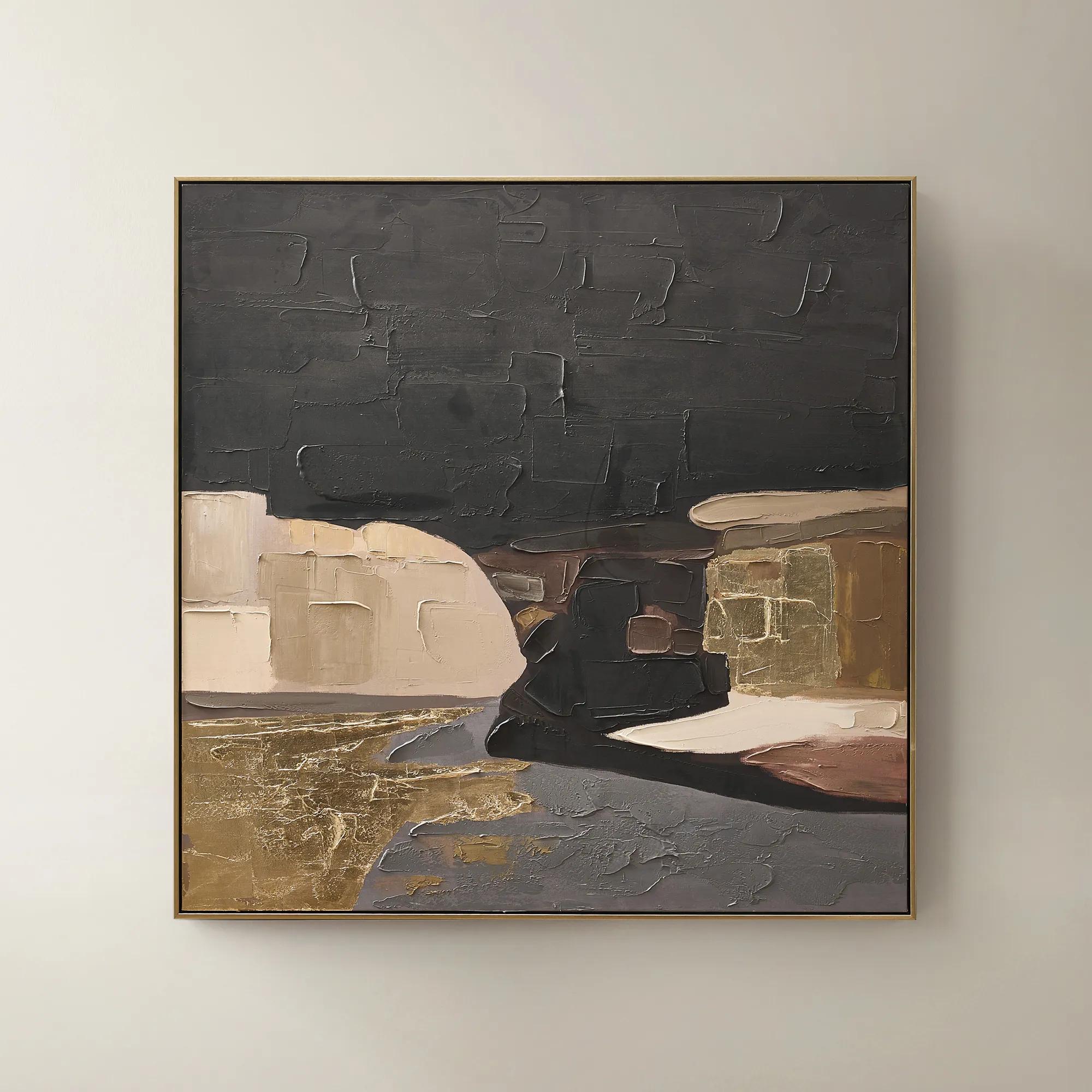 Obscured Light Framed Gold Leaf Painted Wall Art 48" x 48"$499
A hand-painted canvas with gold leaf accents and a black-gold frame in dramatic neutral tones.
Add To Cart -
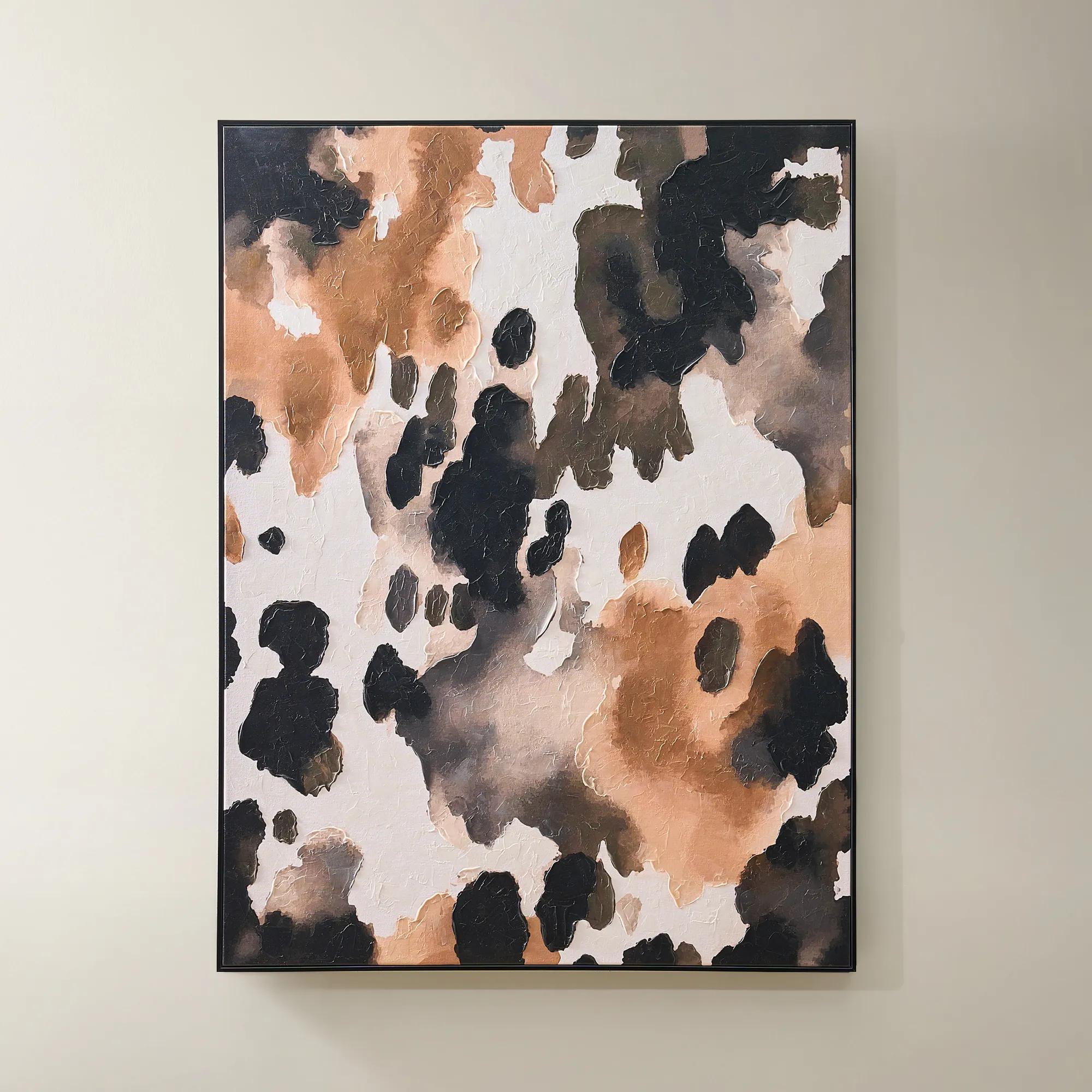
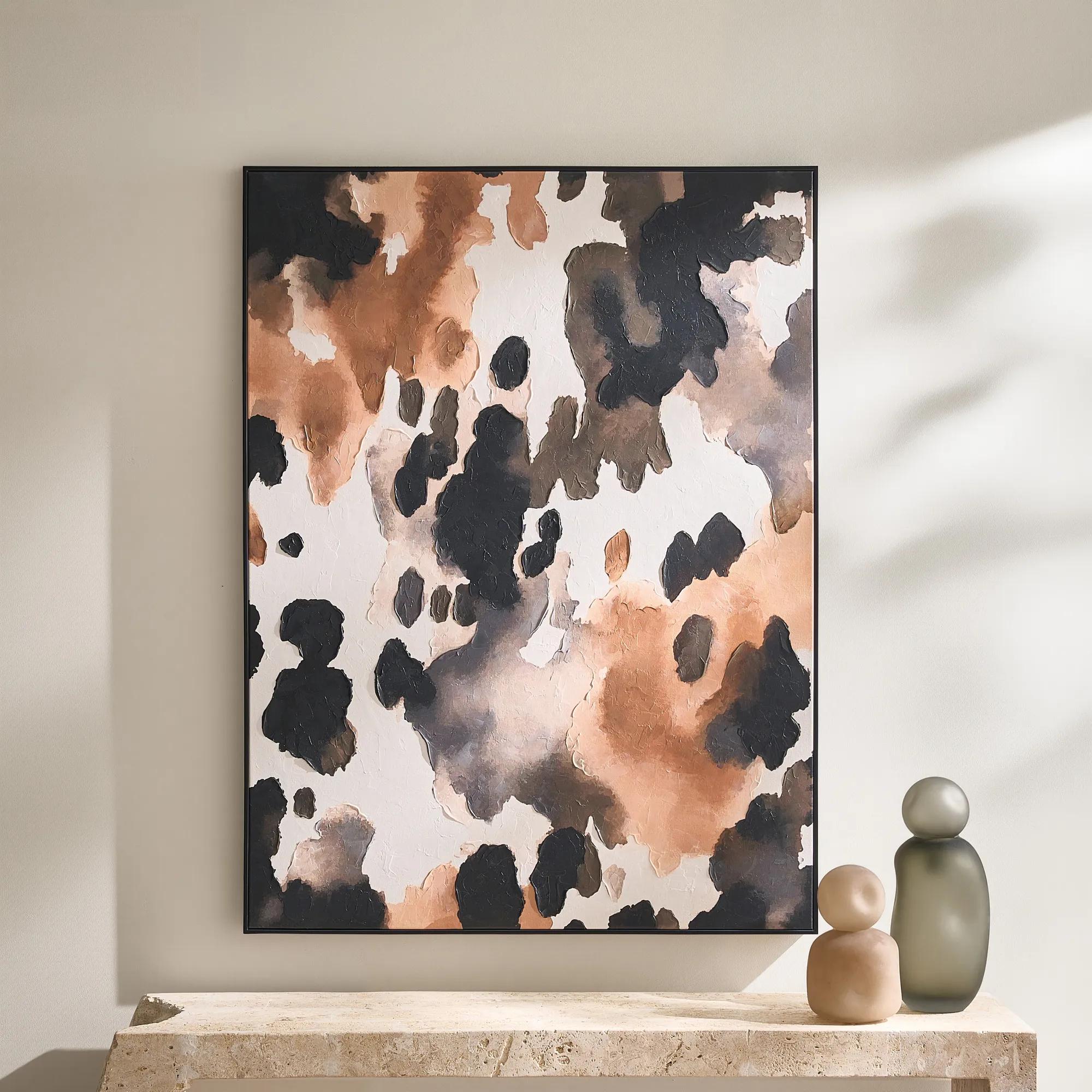 Wilder Framed Painted Wall Art 36" x 48"$499
An abstract hand-painted canvas featuring inky black, taupe, ivory, and coral hues in a sleek black frame.
Add To Cart -
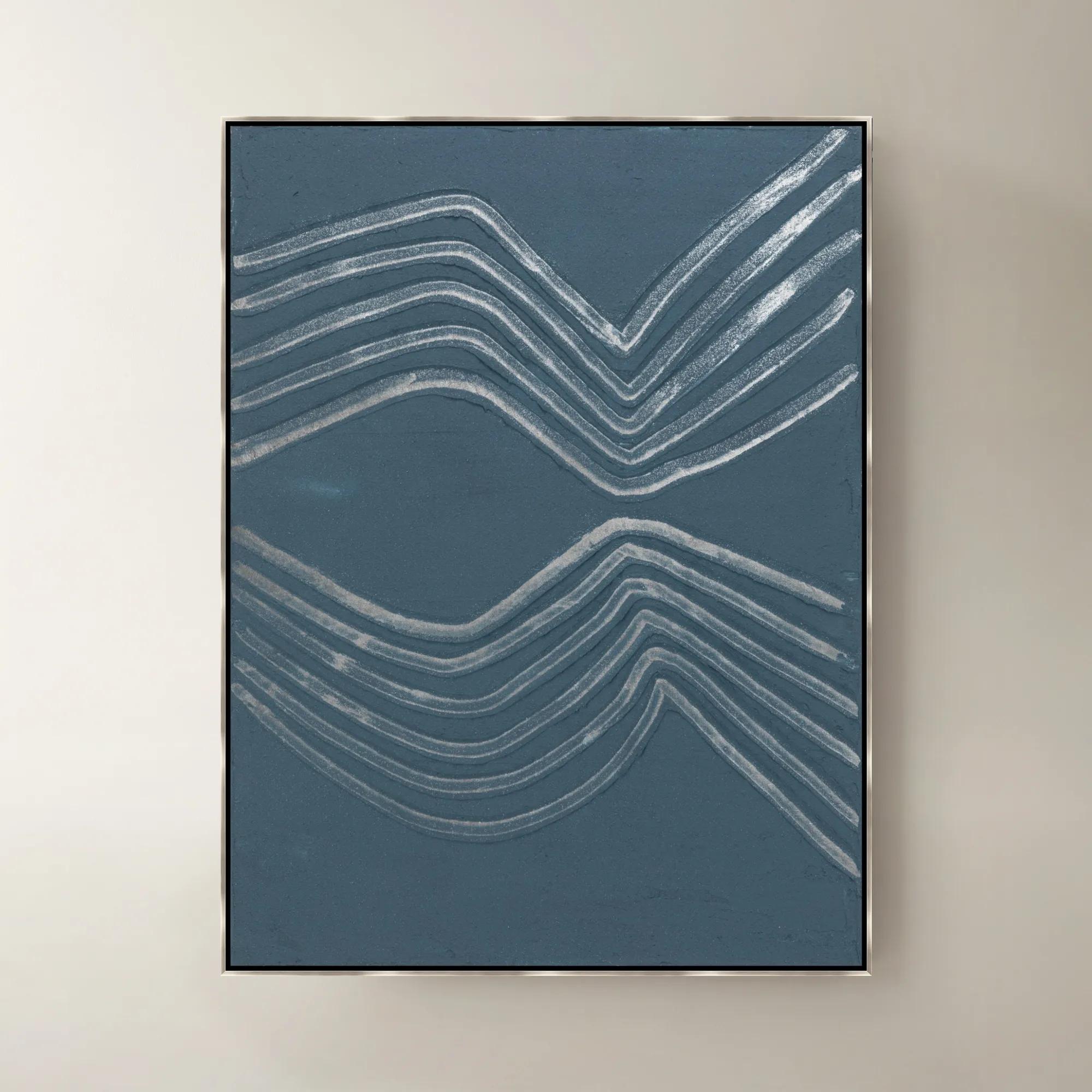
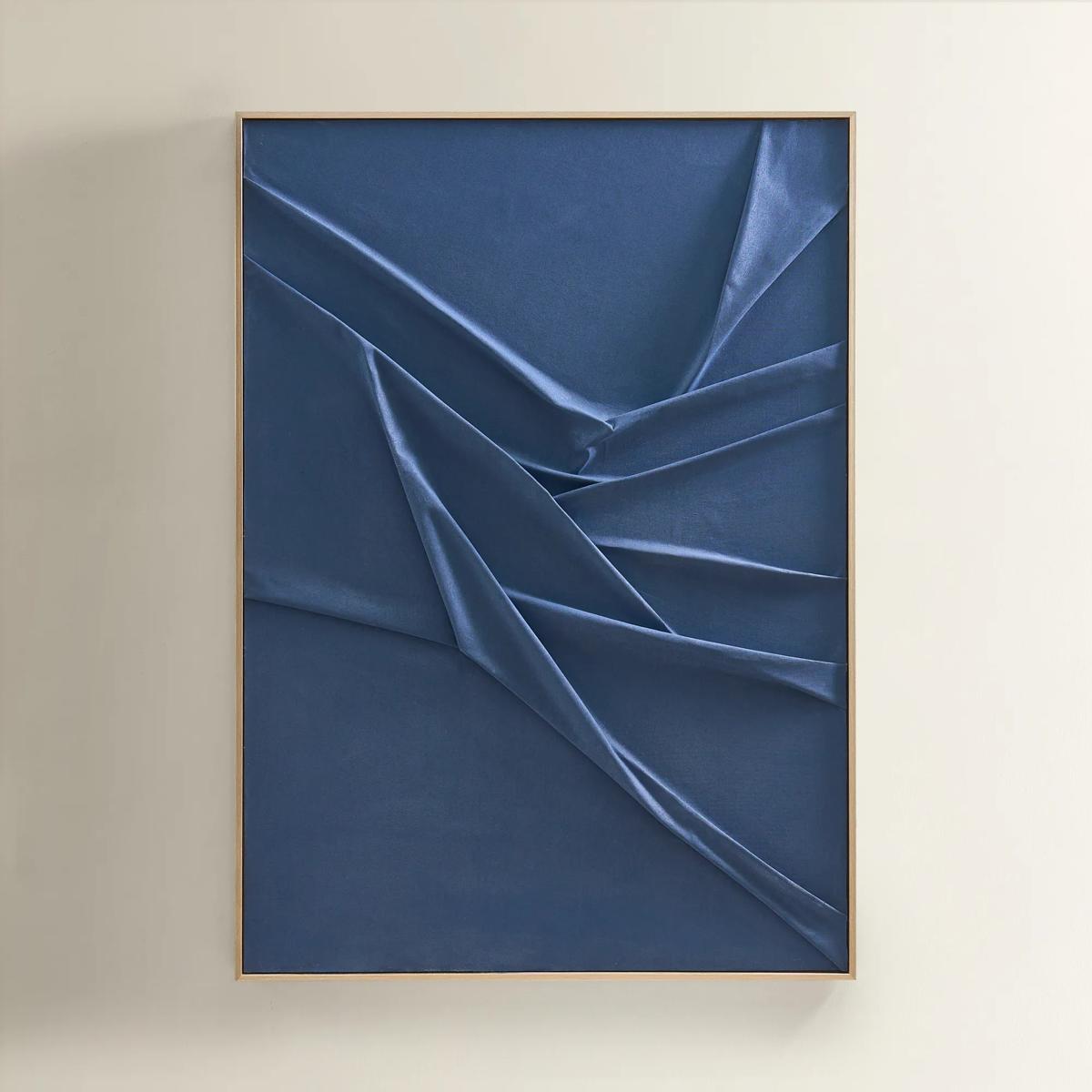 Deep Sea Painting$599
A hand-sculpted navy canvas with dimensional folds, framed in soft champagne for modern, serene elegance.
Add To Cart -
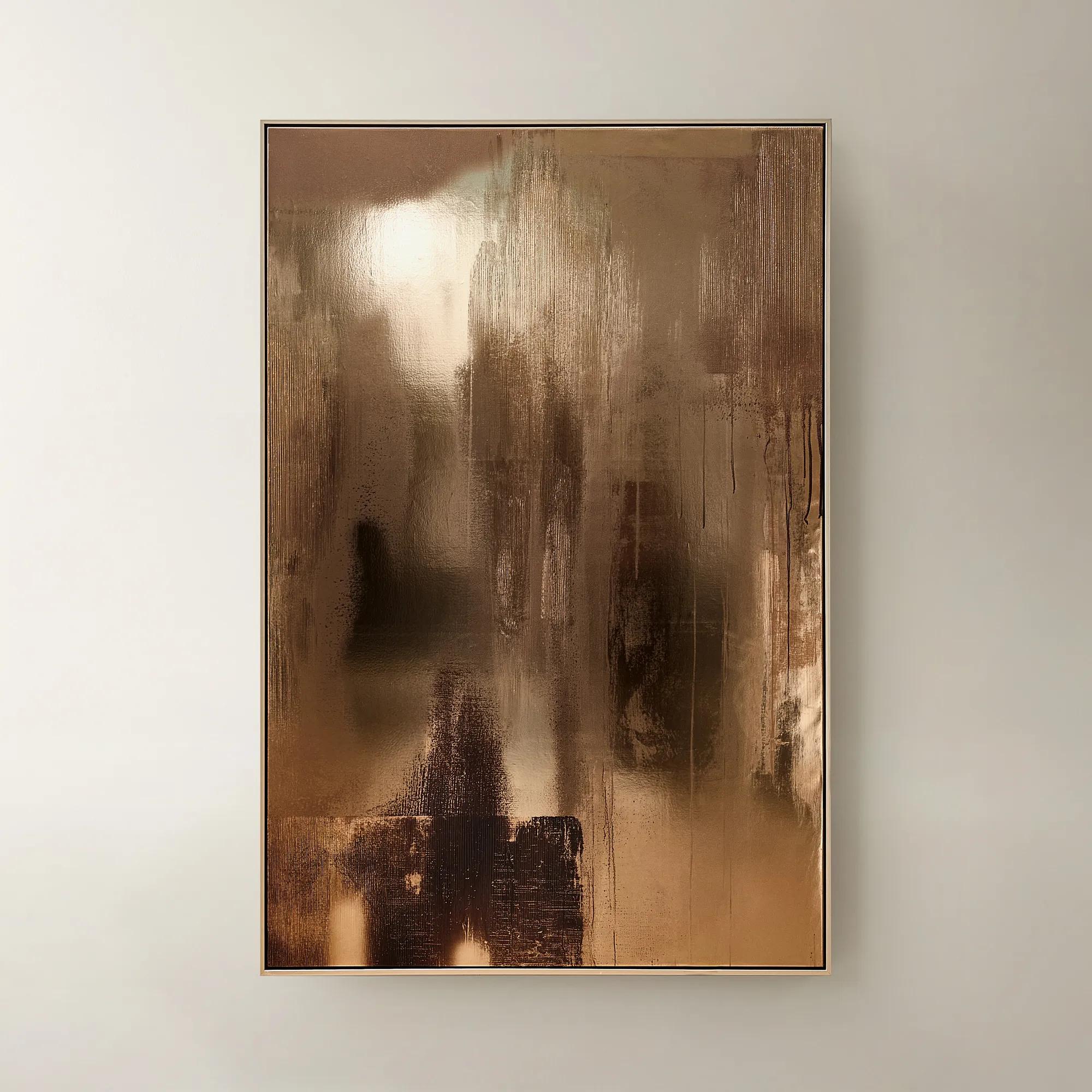
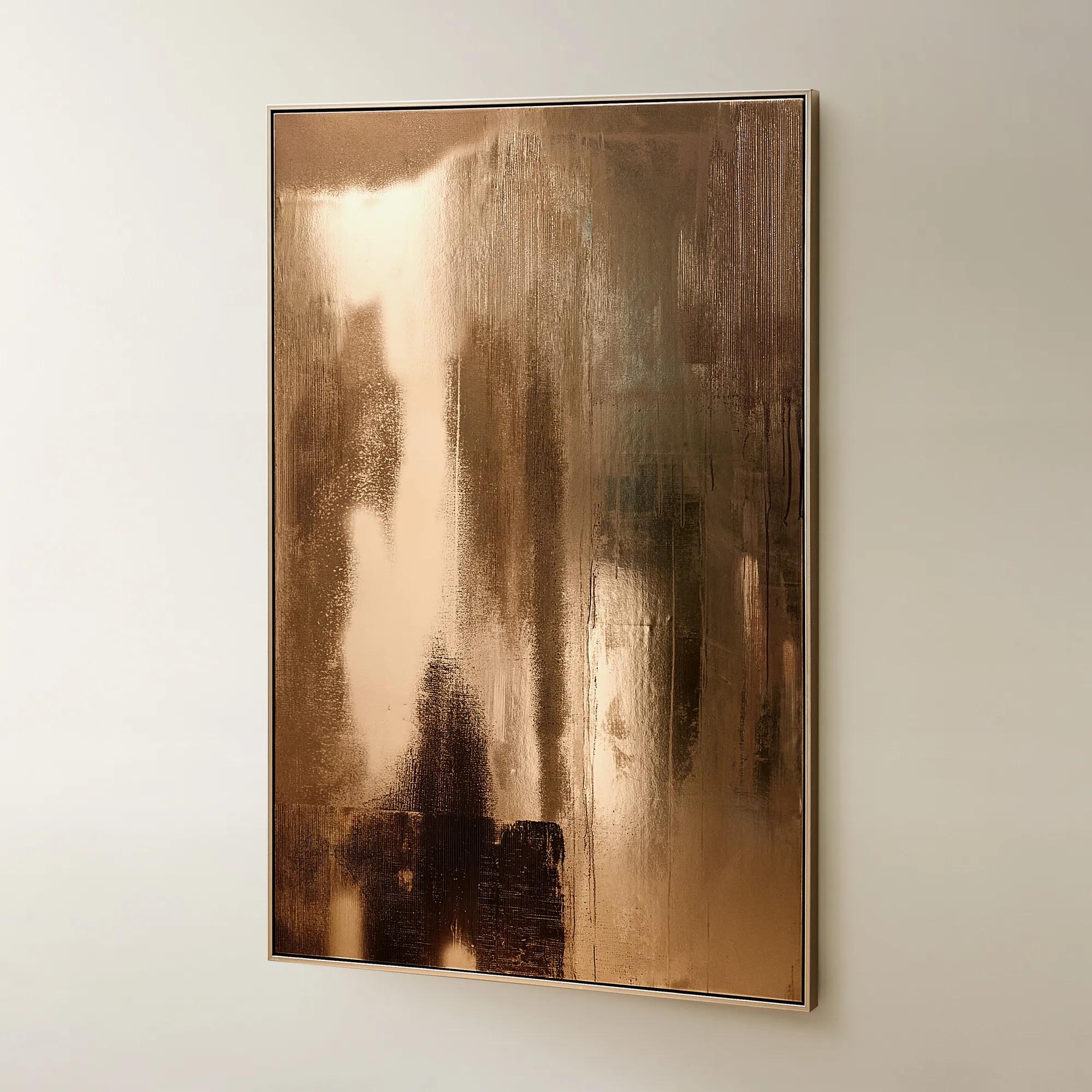 Bronze Reflective Framed Leather Painted Wall Art 40" x 60"$799
A hand-painted abstract wall art featuring reflective bronze faux leather and a warm champagne metallic frame.
Add To Cart -
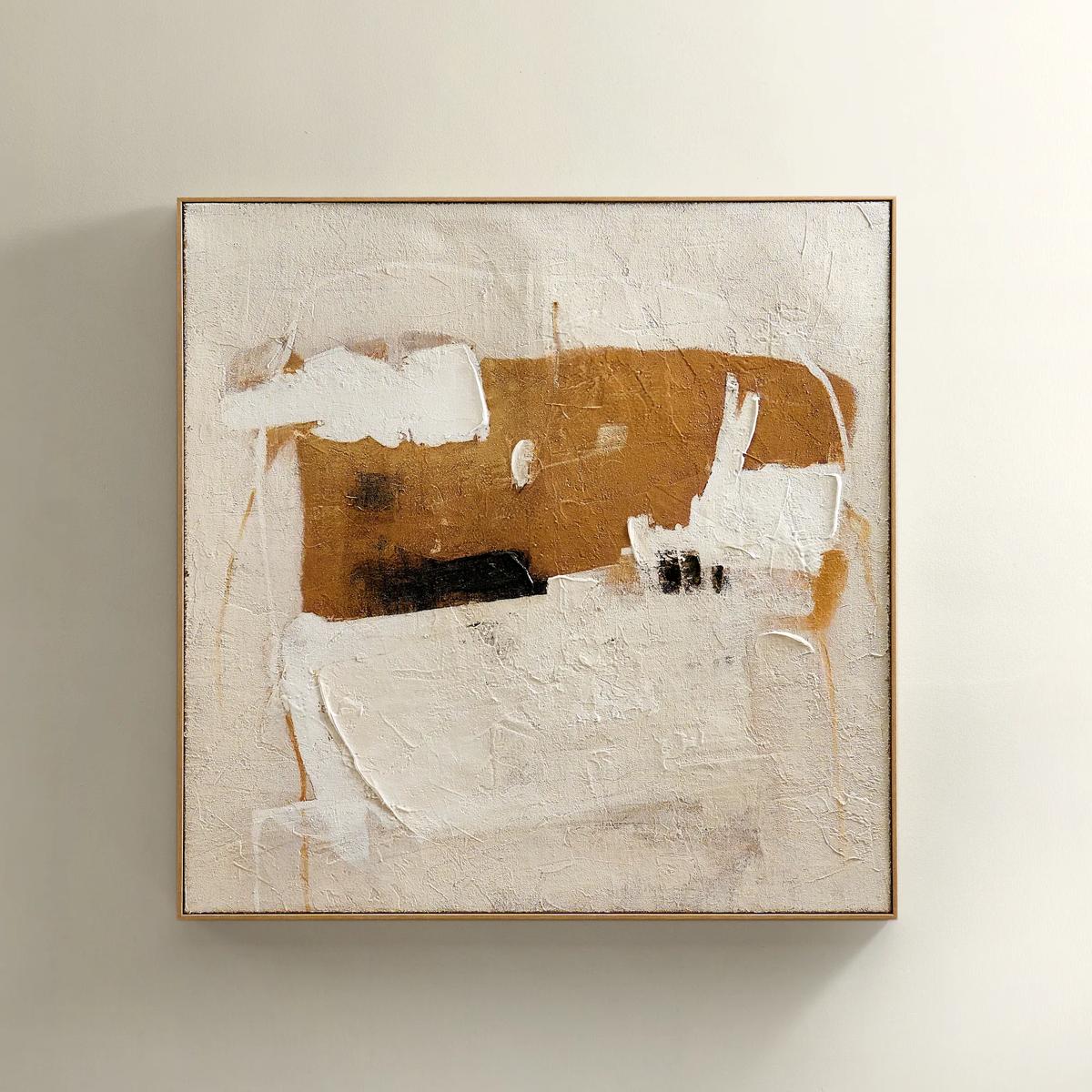 Instinct Framed Painted Wall Art 39.25" x 39.25"$349
An abstract hand-painted artwork featuring warm neutrals and black strokes on hessian with a light natural frame.
Add To Cart -
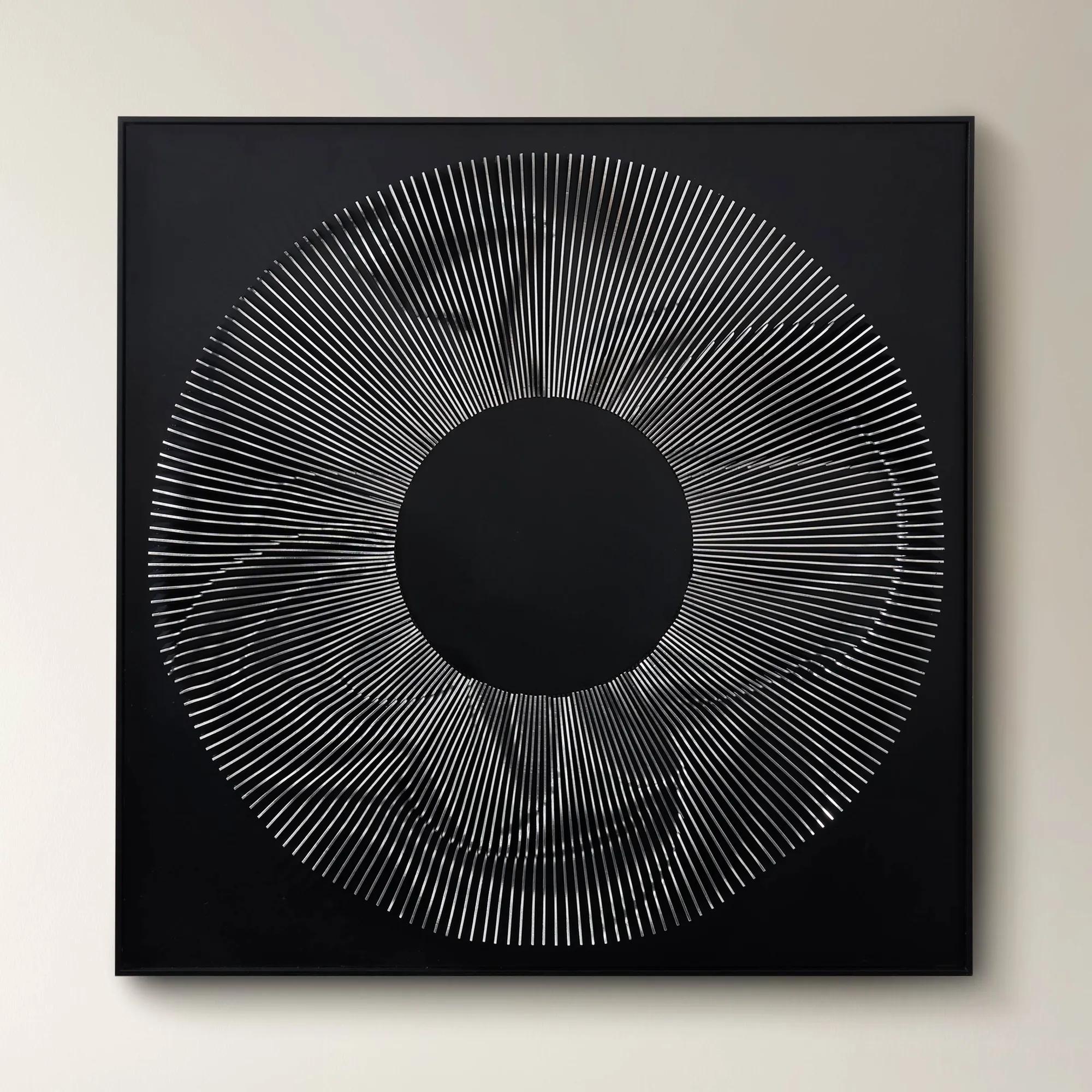 Efflorescence Wood Carving$799
A three-dimensional pine wood panel features a flowing carved motif in a striking silver finish.
Add To Cart -
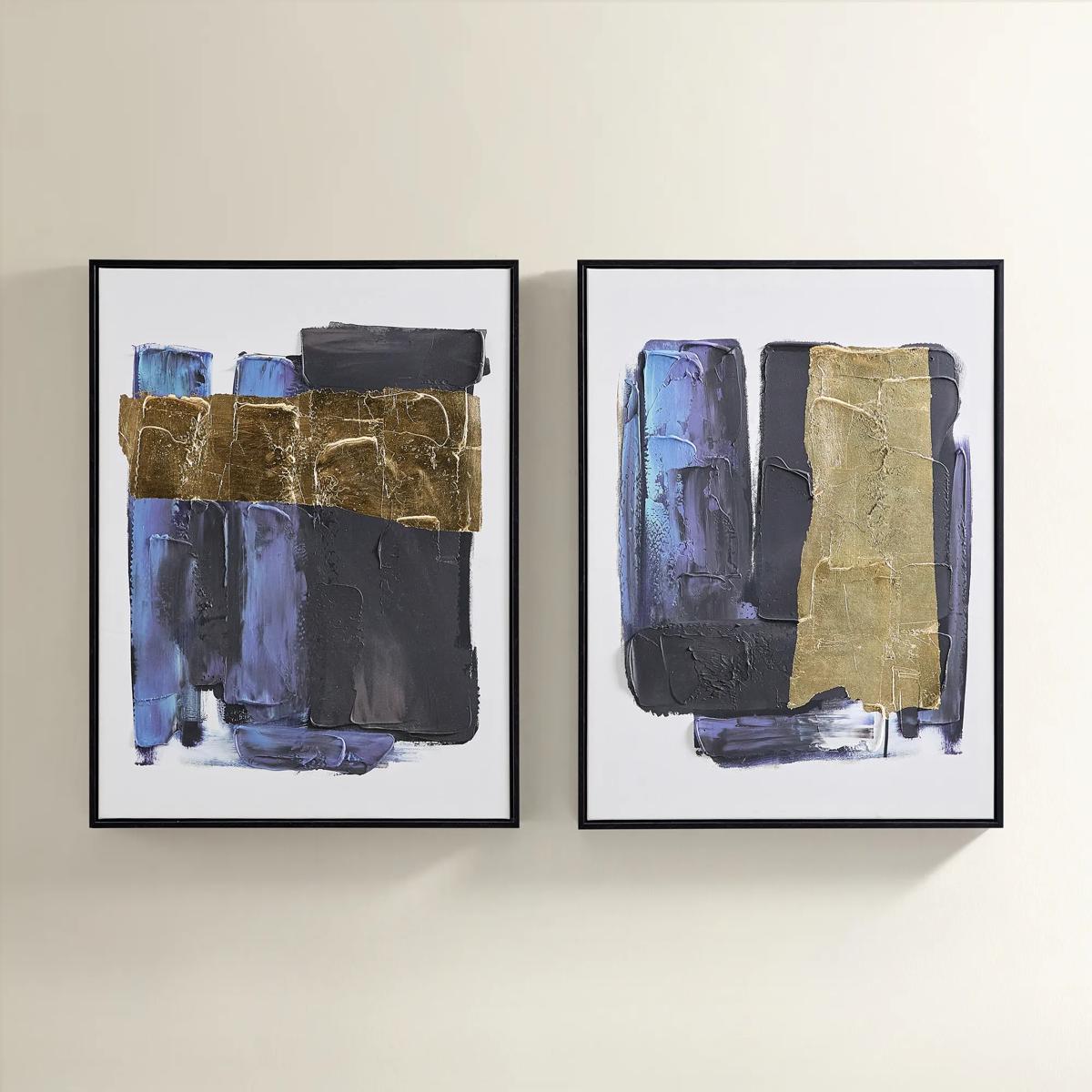
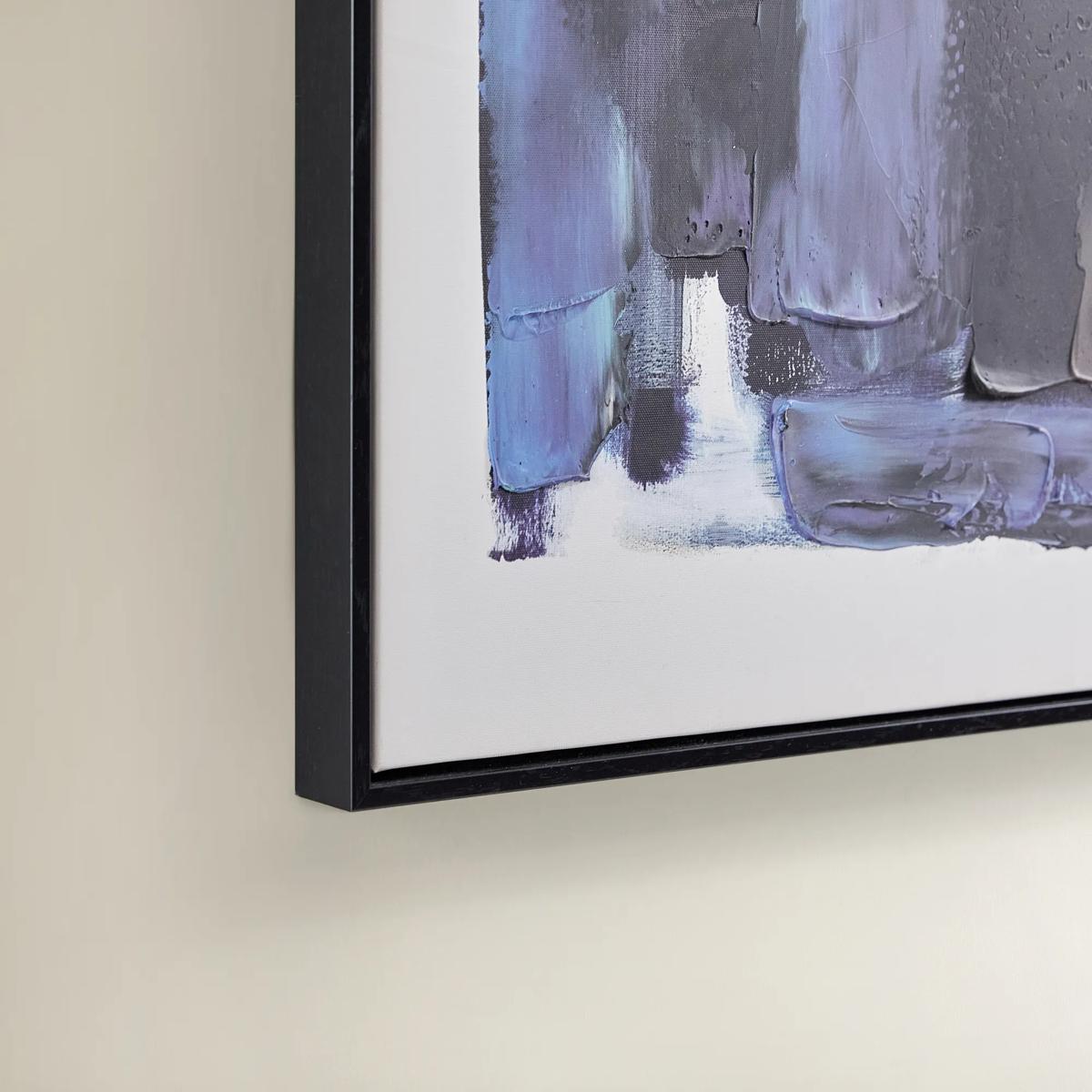 Deep Thoughts Gold Leaf Painted Wall Art Set of 2$199
A set of two hand-painted abstract canvases in blue and gold leaf, framed in sleek black.
Add To Cart -
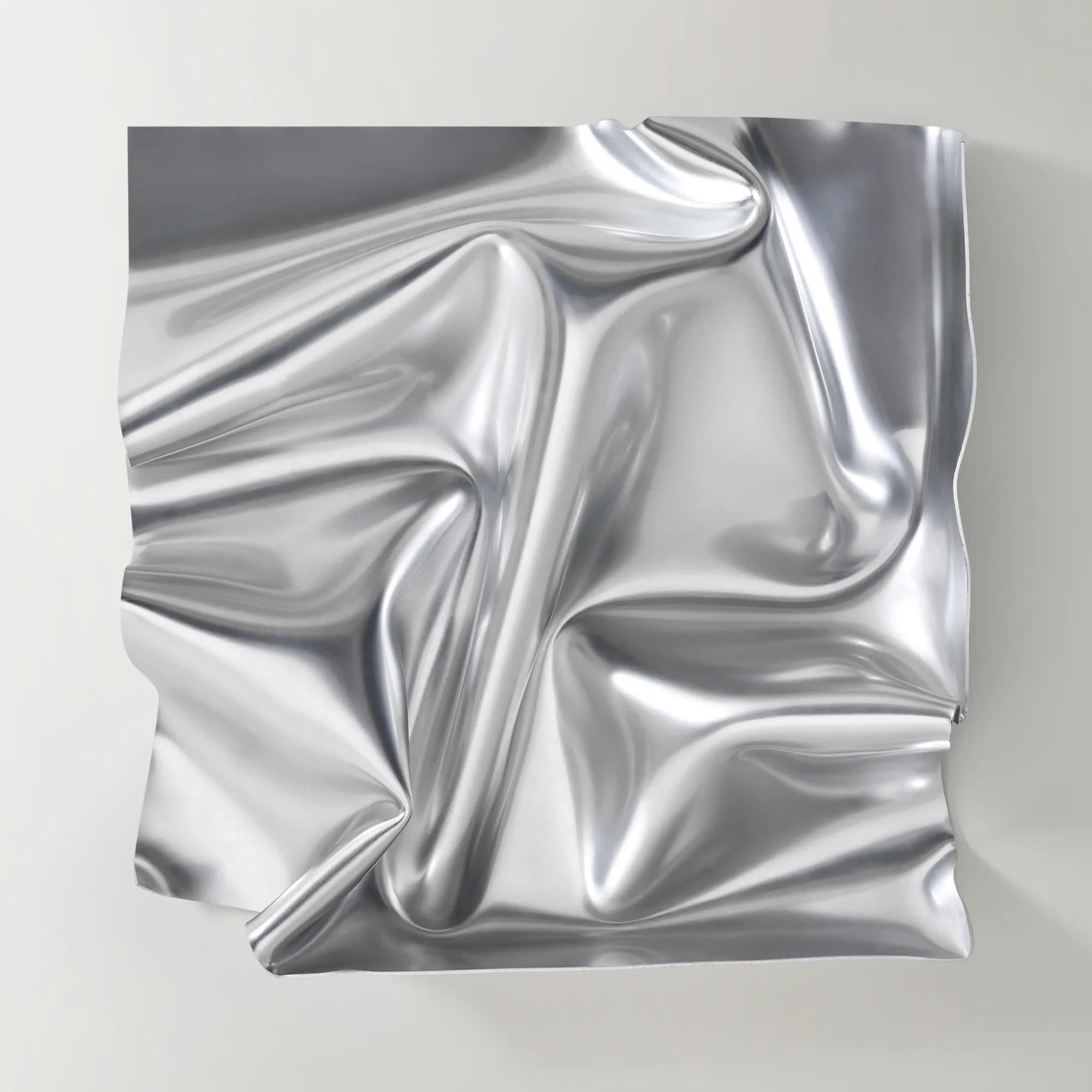
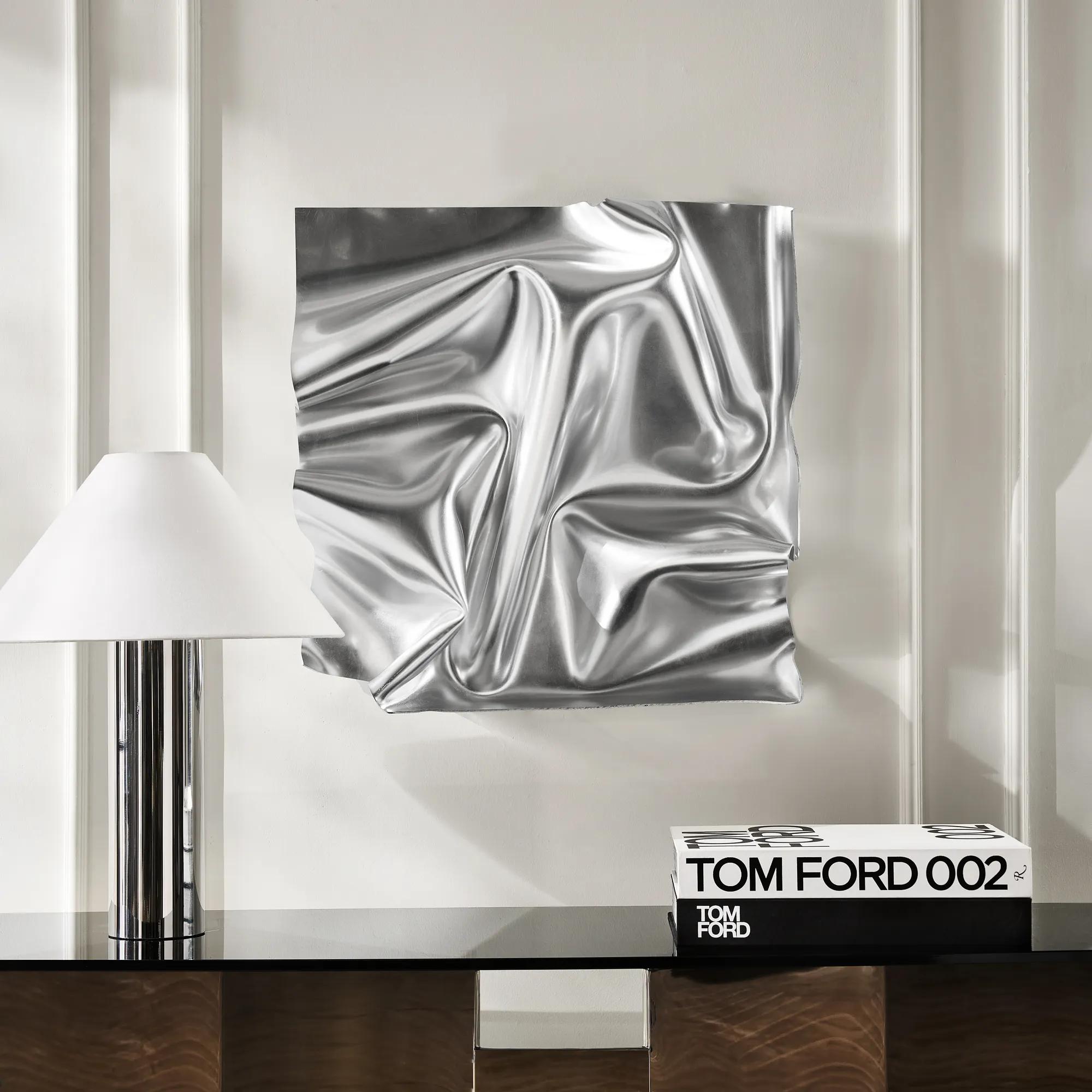 Surface Sculpted Silver Leaf Acrylic Wall Decor 23.6" x 23.6"$189
A striking acrylic wall piece featuring fluid, reflective silver shapes for dramatic, modern visual impact.
Add To Cart -
.jpeg?w=1200&h=1200)
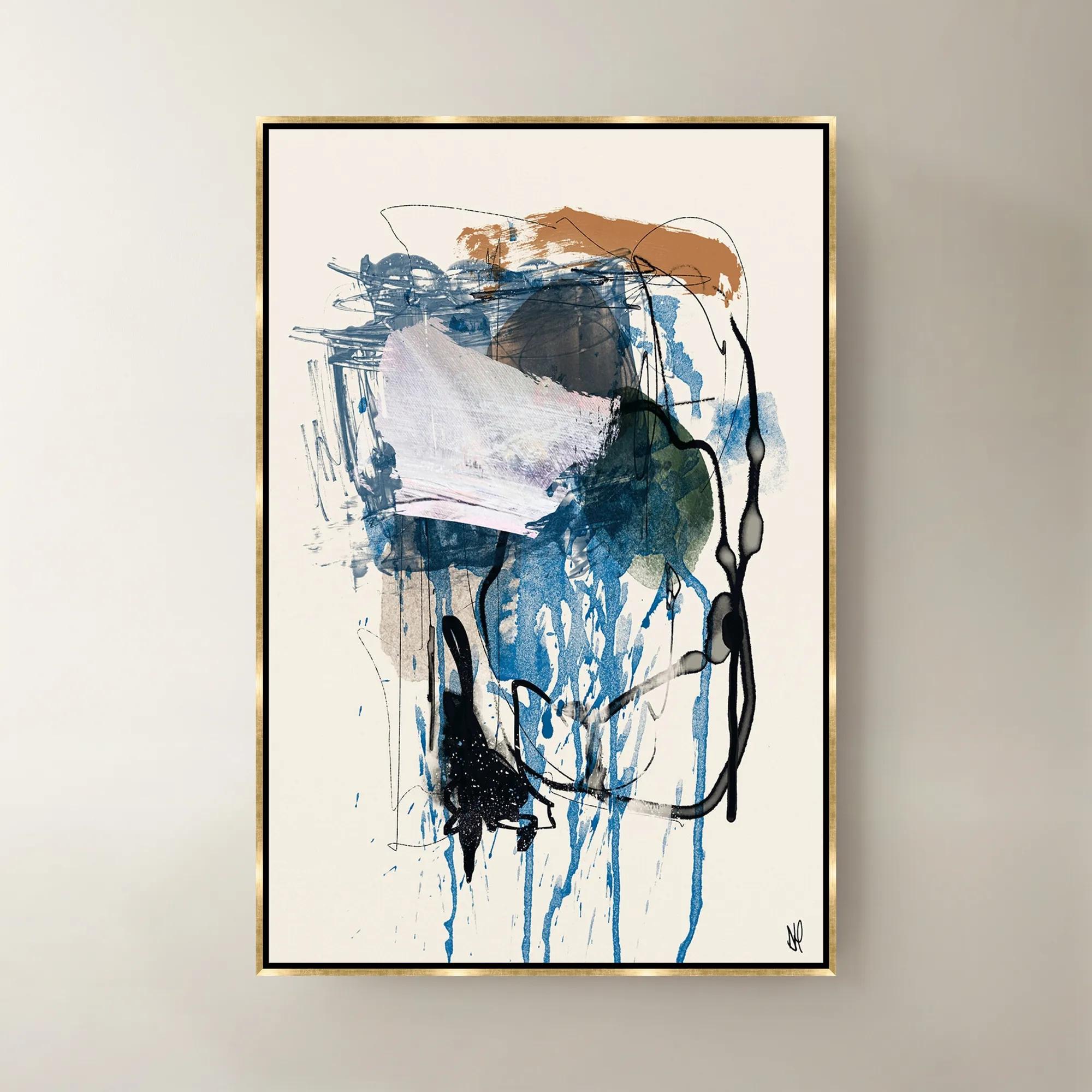
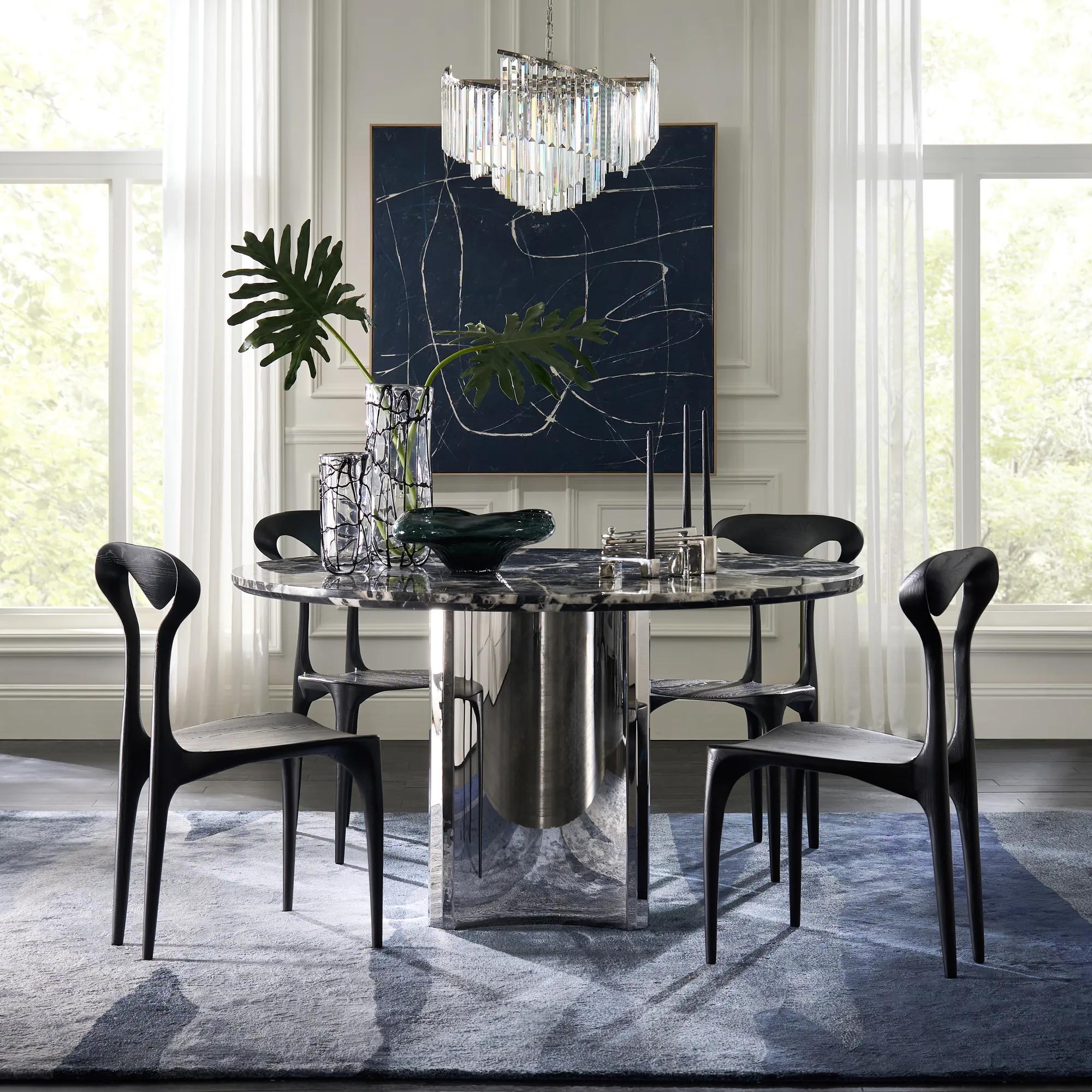 Almost Midnight Painting - Blue$439
A hand-painted canvas featuring bold blue and black tones with delicate white lines in a light wood frame.
Add To Cart -
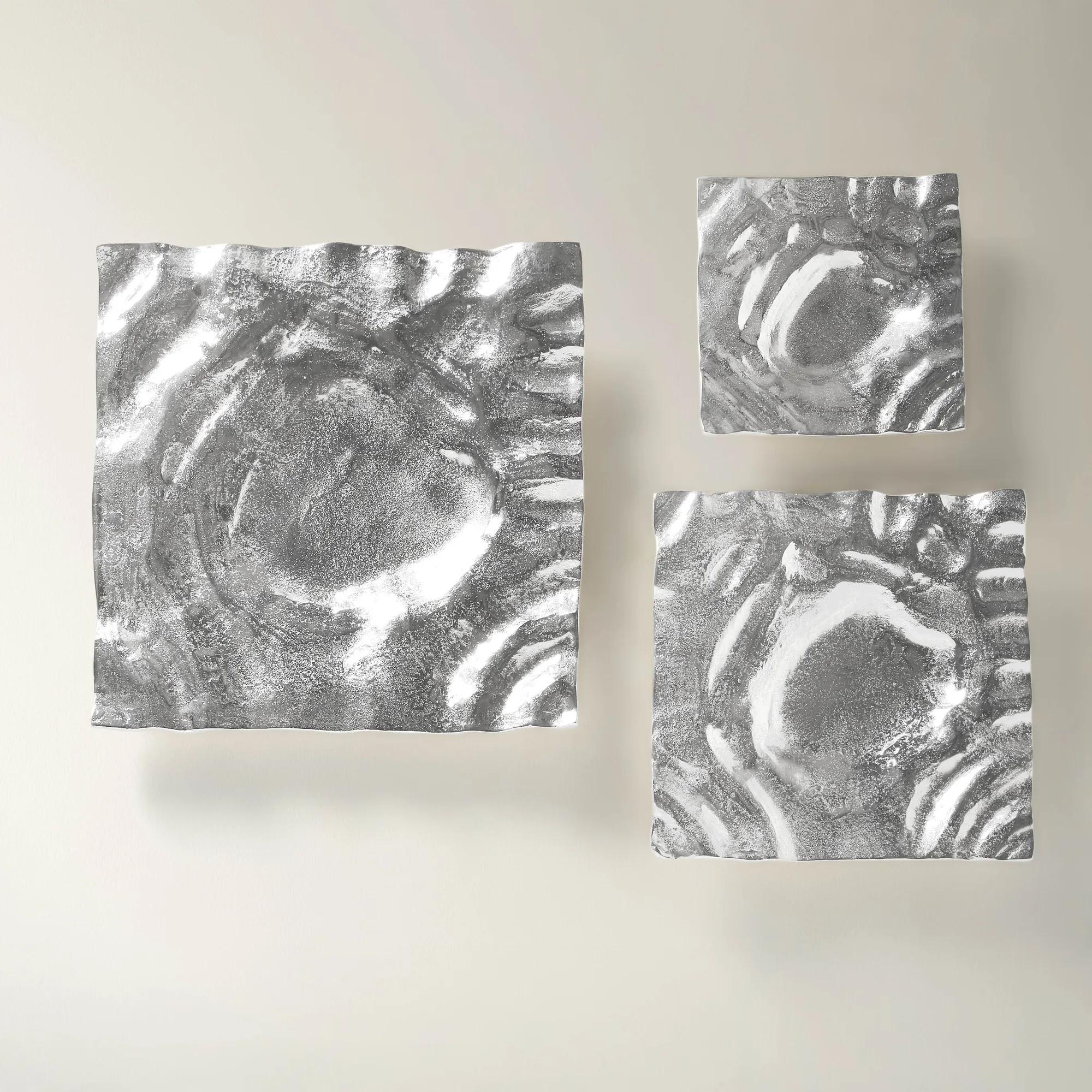
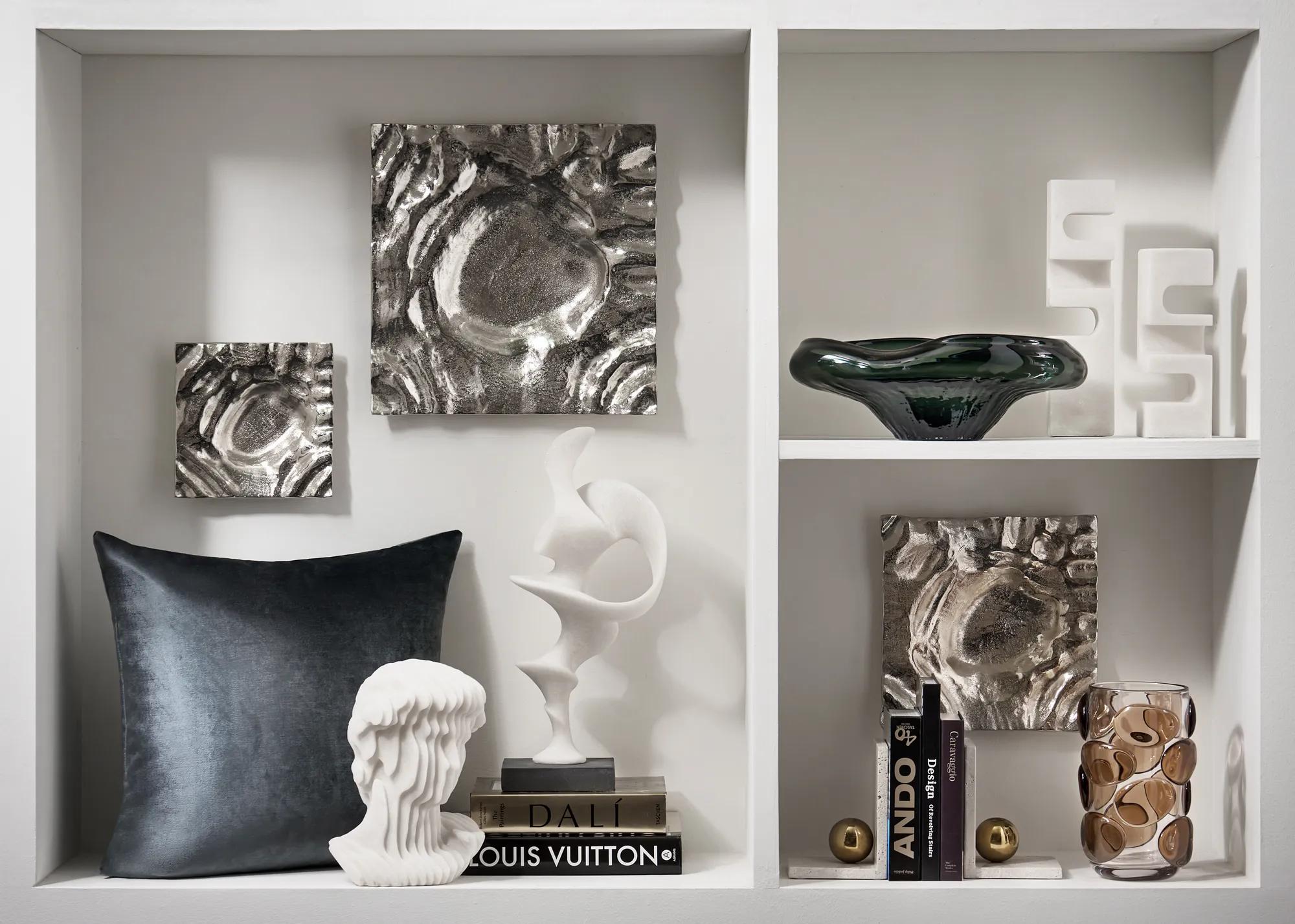 Cascade Wall Art - Set of 3$119
A set of three silver aluminum wall art pieces featuring textured surfaces that reflect and play with light.
Add To Cart -
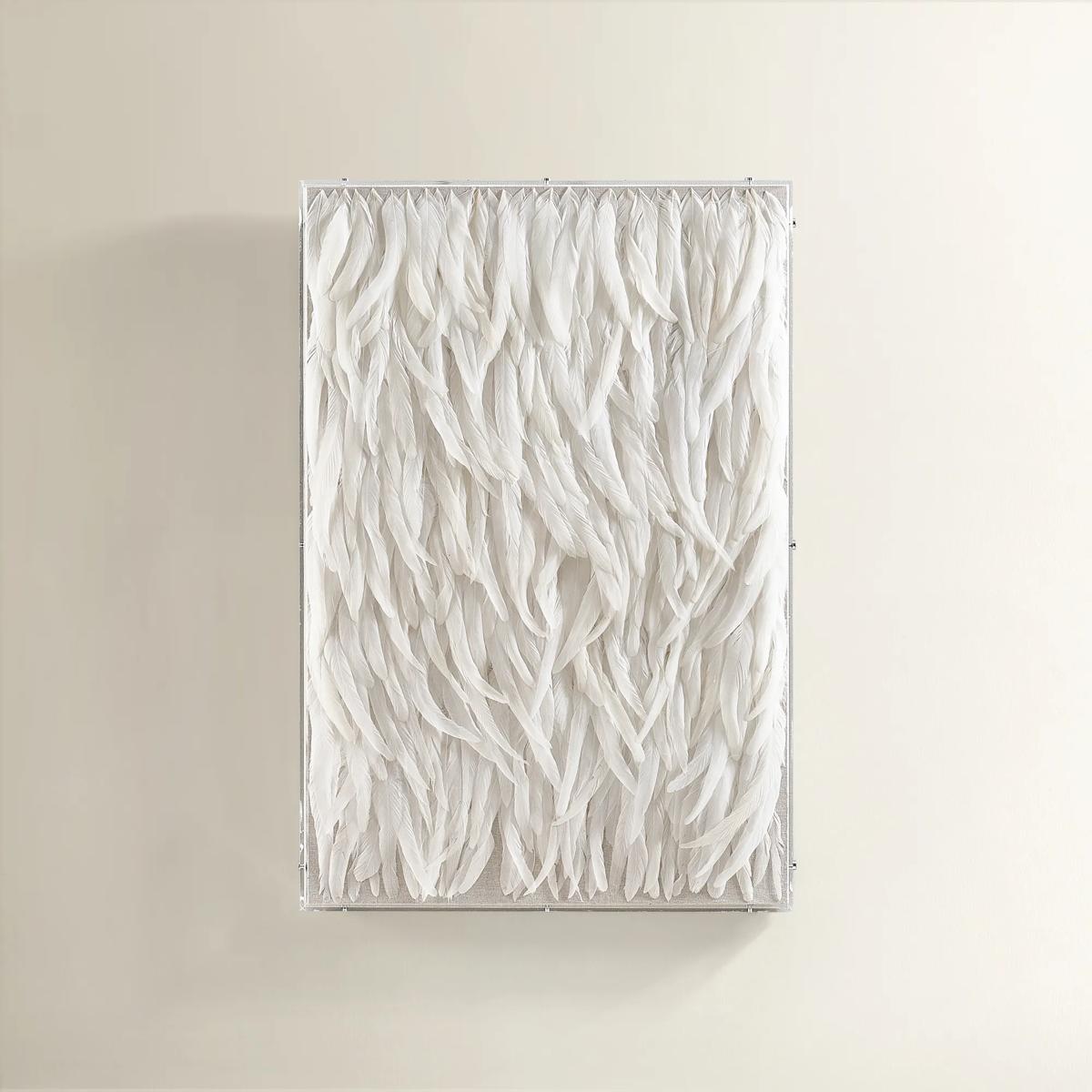 Swoon White Feather Wall Decor in Acrylic 23.5" x 35.5"$399
An ethereal wall art piece featuring layered white feathers encased in a crystal-clear acrylic shadow box.
Add To Cart -
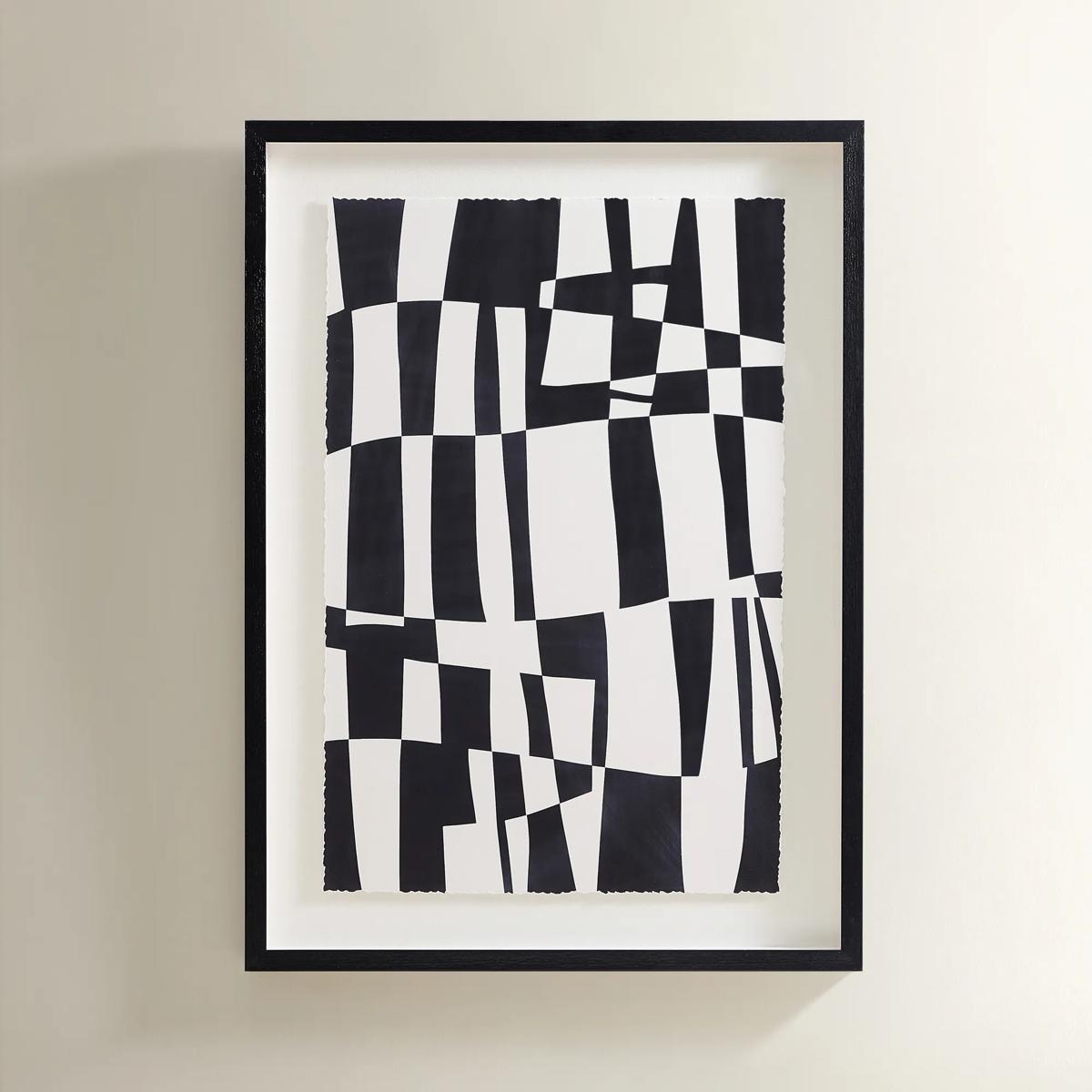 Matrix Art$369
A striking black and white abstract grid print set in a sleek black polyresin frame.
Add To Cart -
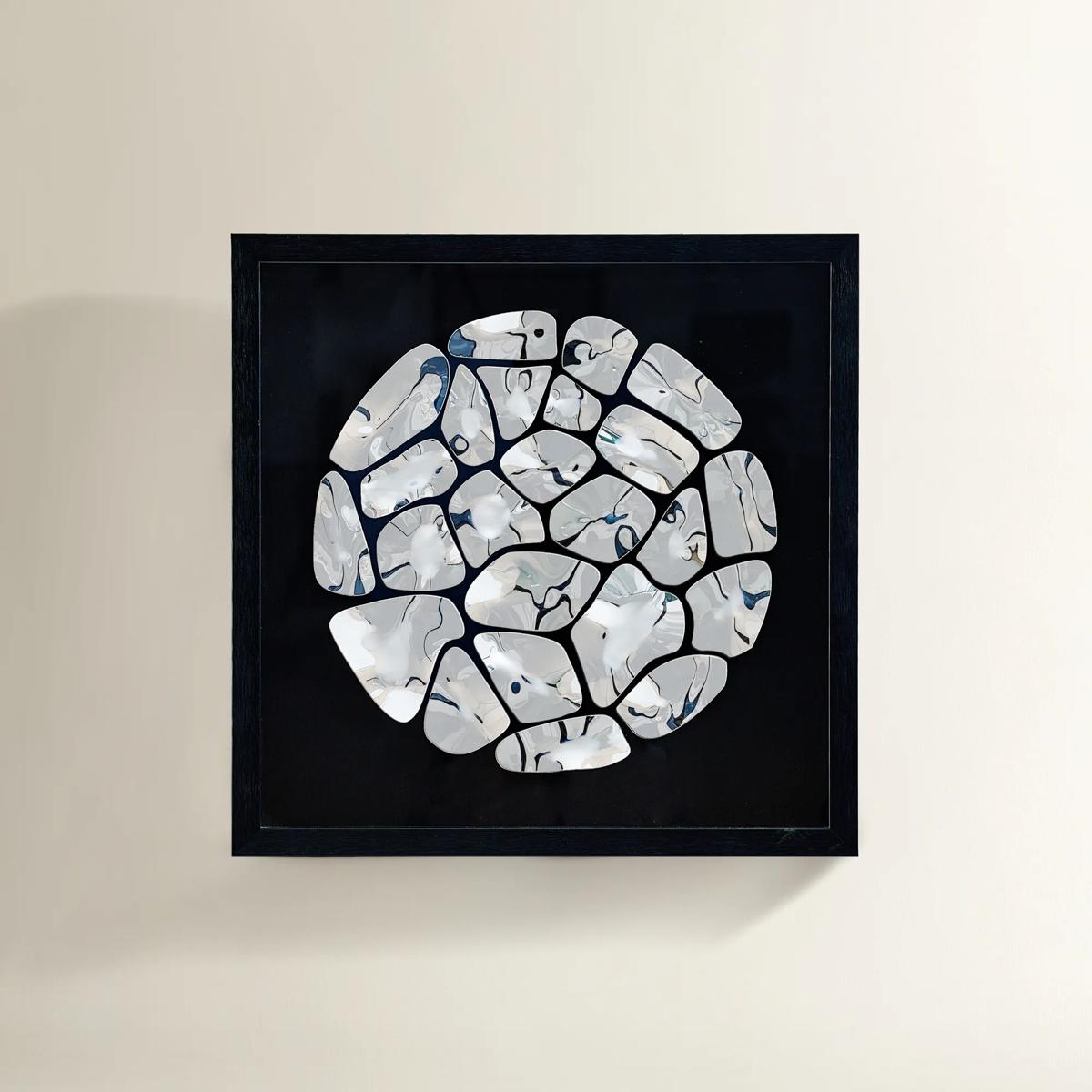
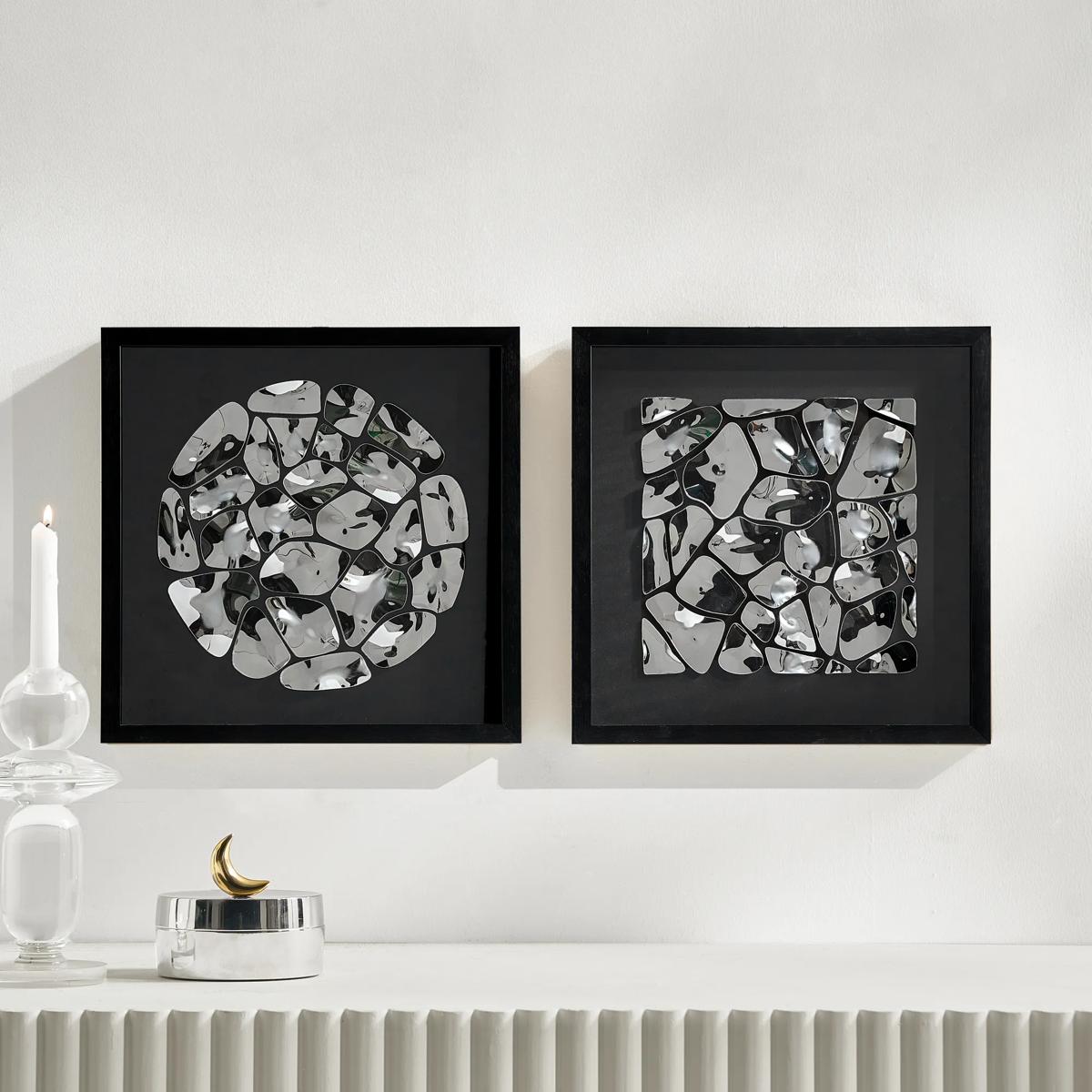 Reflect Silver And Black Shadowbox Art II$189
A dimensional metal wall art piece featuring polished silver and black forms in a sleek black frame.
Add To Cart -
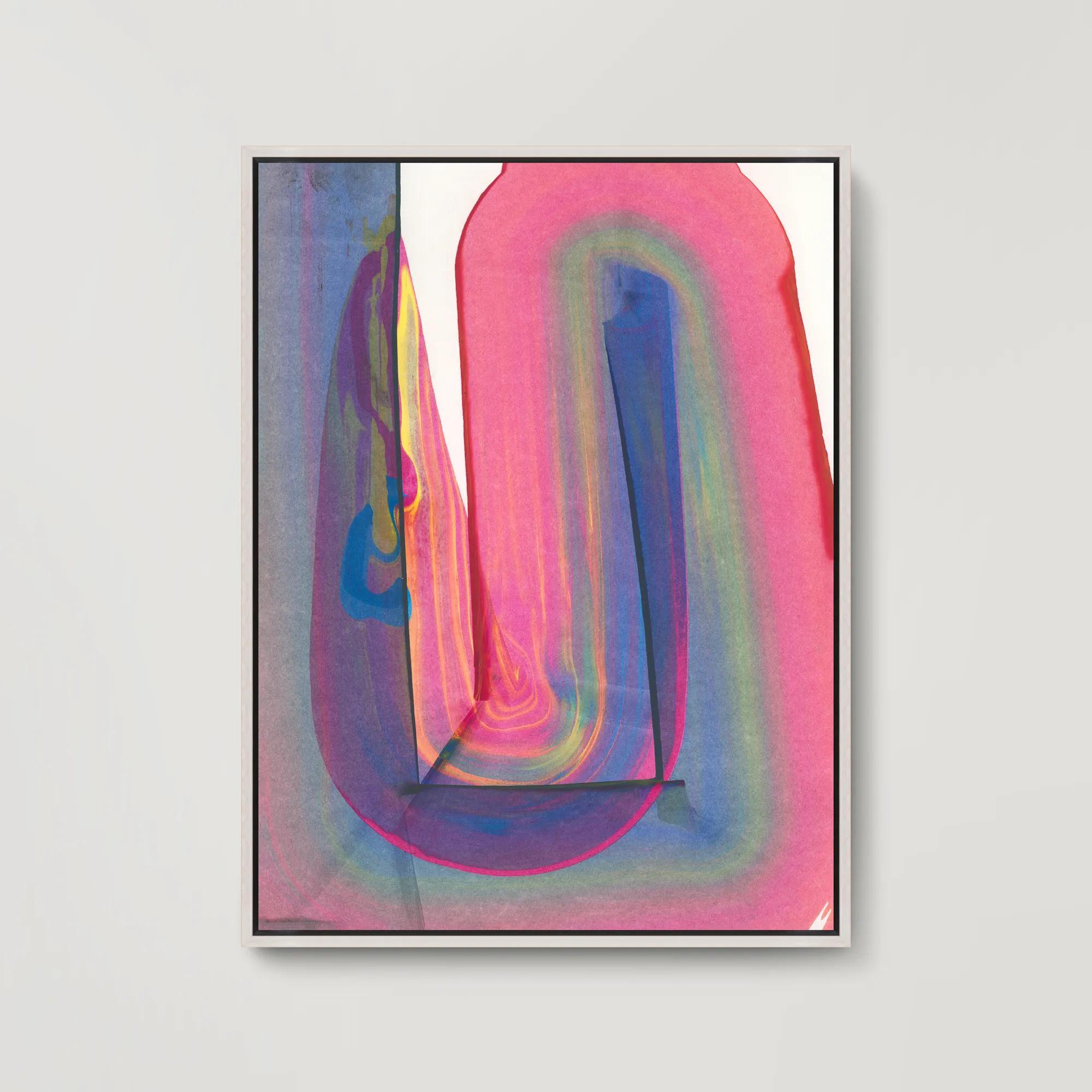
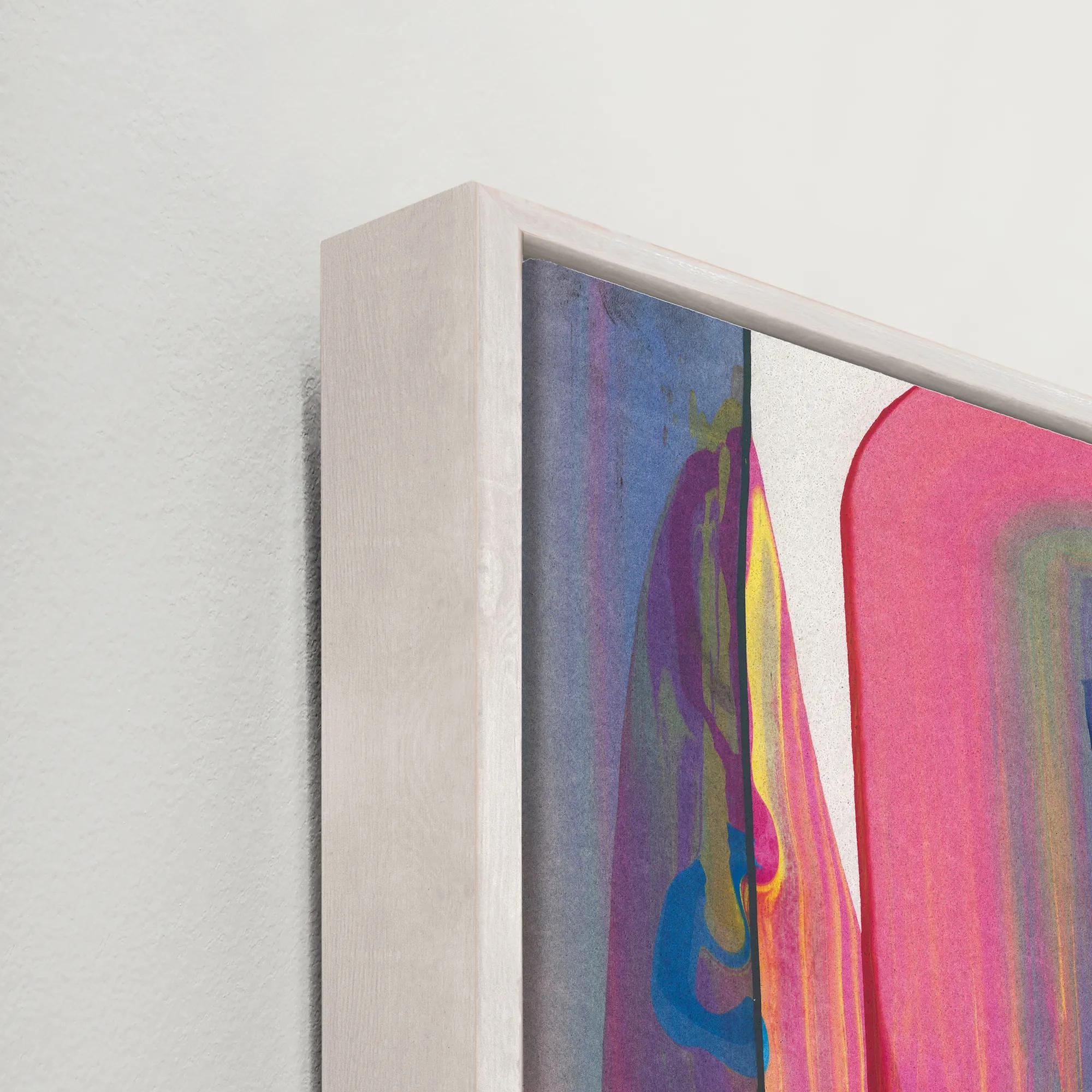 Color In Motion Framed Wall Art 31.5" x 41.5"$699
A gallery-wrapped abstract artwork featuring layered translucent paint and expressive brushstrokes in a white floater frame.
Add To Cart

Modern Art Wall Panels
Modern Art Wall Panels are the ultimate invitation to transform your walls into a living gallery—where color, texture, and form collide in breathtaking harmony. Each piece is a bold declaration of taste, capturing the essence of contemporary artistry and infusing your space with unapologetic drama. Whether you crave geometric intrigue or sweeping abstract expression, these panels awaken the senses and set the tone for a room that’s anything but ordinary. Elevate your interiors with sculptural masterpieces that reflect your vision—because with Modern Art Wall Panels, your home becomes a canvas, painted boldly.
Modern art wall panels are decorative wall pieces that use relief, geometric composition, layered materials, or sculptural surfaces to bring depth to contemporary interiors. Unlike a flat print, a dimensional panel changes subtly with the light: a raised curve casts a slender shadow, a brushed metallic plane catches a gleam, and carved channels give an otherwise quiet wall an architectural presence. The category spans individual statement pieces, coordinated multipanel arrangements, and modular designs intended to form larger compositions. Ready-to-hang art panels generally function as individual artworks, while architectural tiles and slat systems may require a more involved installation. That distinction matters when choosing between a dramatic focal point above a console and an expansive treatment across an entire wall. Materials shape the effect as much as the design itself. Carved wood introduces grain, warmth, and tactile contrast; plaster and gypsum reliefs emphasize contour and shadow; molded resin can support intricate shapes, with weight varying by construction. Metal brings crisp edges and reflective detail, while glossy acrylic and glass create luminous color and polished depth. Mixed-media panels combine these qualities, setting smooth surfaces against textured ones for a composition that feels richly layered rather than merely decorative. A pale sculptural relief can have as much presence as a vivid abstract arrangement, especially when its contours are allowed to catch directional light. For interiors with velvet upholstery, lacquered furniture, or gleaming accents, dimensional art introduces another surface to the conversation without requiring every finish to match. Wood slat panels offer a distinctly linear look, although sound absorption should be expected only from systems specifically designed and rated for acoustic performance. Decorative texture alone does not make a panel soundproof. Whether the desired mood is serene and gallery-like or expressive and theatrical, the most compelling choice gives the room a clear visual center. Its shape, finish, and depth should feel connected to the surrounding furnishings while retaining enough individuality to hold attention.
Scale determines whether modern art wall panels read as a considered composition or disappear into the background. Above a sofa, a generous horizontal piece or coordinated set can establish a strong relationship with the seating below; beside a tall cabinet, a vertical arrangement can echo the furniture’s proportions without competing with its silhouette. A narrow entryway might call for shallow relief, allowing texture to make an impression without projecting into the walking path. In a dining room, an expansive abstract panel can provide a striking backdrop to a table setting, while a quieter sculptural design above a bedroom dresser brings dimension without overwhelming the space. Consider the total outer measurements of a multipanel arrangement, including the gaps between pieces, rather than judging each panel in isolation. Consistent spacing allows separate elements to read as one artwork, while sufficient open wall around the composition gives its edges definition. A paper template can help reveal whether the intended placement feels balanced before mounting begins. Depth deserves equal attention: projecting corners, nearby doors, lamps, and frequently used seating all affect how comfortably a piece fits. Color can connect the artwork to a single accent already in the room—a smoky blue chair, a warm brass lamp, or a dark marble tabletop—without repeating the entire palette. Within the broader category of Decorative Wall Art Panels, modern compositions are especially suited to creating this dialogue between art and architecture. Lighting completes the effect. Light arriving from the side emphasizes ridges and carved details, while direct illumination may create distracting glare on glossy acrylic, glass, or polished metal. An adjustable fixture offers greater control over the balance of shine and shadow. Placement should also suit the panel’s mounting requirements: wall construction, artwork weight, and supplied hardware determine the appropriate support. Heavier pieces or complex installations may warrant professional installation. Adhesive-mounted architectural panels are a different commitment from hanging artwork, particularly on textured walls or in rented homes where surface alterations may be restricted. The finished arrangement should feel effortless, even when careful measurement and secure mounting are what make that impression possible.
Lasting beauty depends on matching the material to its setting and treating the surface with care. Most modern art wall panels are intended for indoor display, and suitability for bathrooms, covered outdoor spaces, or other moisture-prone locations should be confirmed in the product specifications rather than assumed from appearance. Wood can respond to changes in humidity; unsealed plaster and gypsum may be vulnerable to moisture and chipped edges; metal durability depends in part on its finish and the surrounding conditions. Acrylic is often lighter than comparable glass but can scratch, while glass requires thoughtful handling and secure support. These differences make construction details worth considering alongside color and composition. Check the stated weight, frame or backing material, mounting method, and any restrictions on placement. In a busy household, shallow profiles and locations away from frequent contact can help preserve delicate relief work. Above an entry console, leave room for tall decorative objects without allowing them to brush the artwork; behind a dining chair, account for the chair’s movement rather than measuring only the wall. Care should follow the manufacturer’s directions, with gentle dusting appropriate for many surfaces and finish-specific cleaning reserved for materials that permit it. A soft, dry cloth may suit smooth finishes, while recessed details may require a soft brush; abrasive pads, harsh solvents, and excess moisture can compromise decorative coatings or textured surfaces. Direct sunlight may fade certain pigments or affect some materials, so placement away from prolonged exposure can help protect the intended appearance. For collectors, design enthusiasts, or someone furnishing a first home, a wall panel can be a memorable housewarming or milestone gift when the recipient’s taste, wall space, and installation preferences are known. A sculptural neutral may complement an established interior, while a bold geometric composition suits someone who welcomes a more expressive focal point. Ultimately, these pieces offer more than color on a wall. They introduce changing shadows, deliberate rhythm, and a tangible sense of artistry, giving a living room, entry, dining space, or bedroom a presence that feels distinctly personal.
FAQs
Modern art wall panels often showcase a dynamic mix of materials, including hand-painted canvas, sculpted metals, mirrored glass, resin, and wood. These combinations create rich layers of texture and visual depth, allowing each piece to make a statement that is both tactile and visually striking.
Modern art wall panels have the power to completely transform the mood of a space. Whether you desire a dramatic focal point that sparks conversation or a serene backdrop that grounds your décor, the interplay of color, form, and texture in these panels creates an immersive environment that reflects your personal style and elevates the everyday.
Absolutely—modern art wall panels are remarkably versatile. They can bring drama to entryways, add sophistication to dining rooms, infuse bedrooms with tranquility, or inspire creativity in home offices. Their adaptability ensures they can complement and enhance a wide range of interior styles and settings.
Yes, layering wall panels with mirrors, framed art, or decorative sconces can create a curated, gallery-like effect. This approach adds dimension and allows you to play with contrasts, colors, and shapes, resulting in a space that feels thoughtfully collected and uniquely yours.
Gifting a modern art wall panel is a gesture of lasting impact. These pieces offer a blend of artistry and individuality, making them ideal for housewarmings, weddings, or milestone celebrations. Each panel becomes a memorable centerpiece that recipients will cherish for years to come.