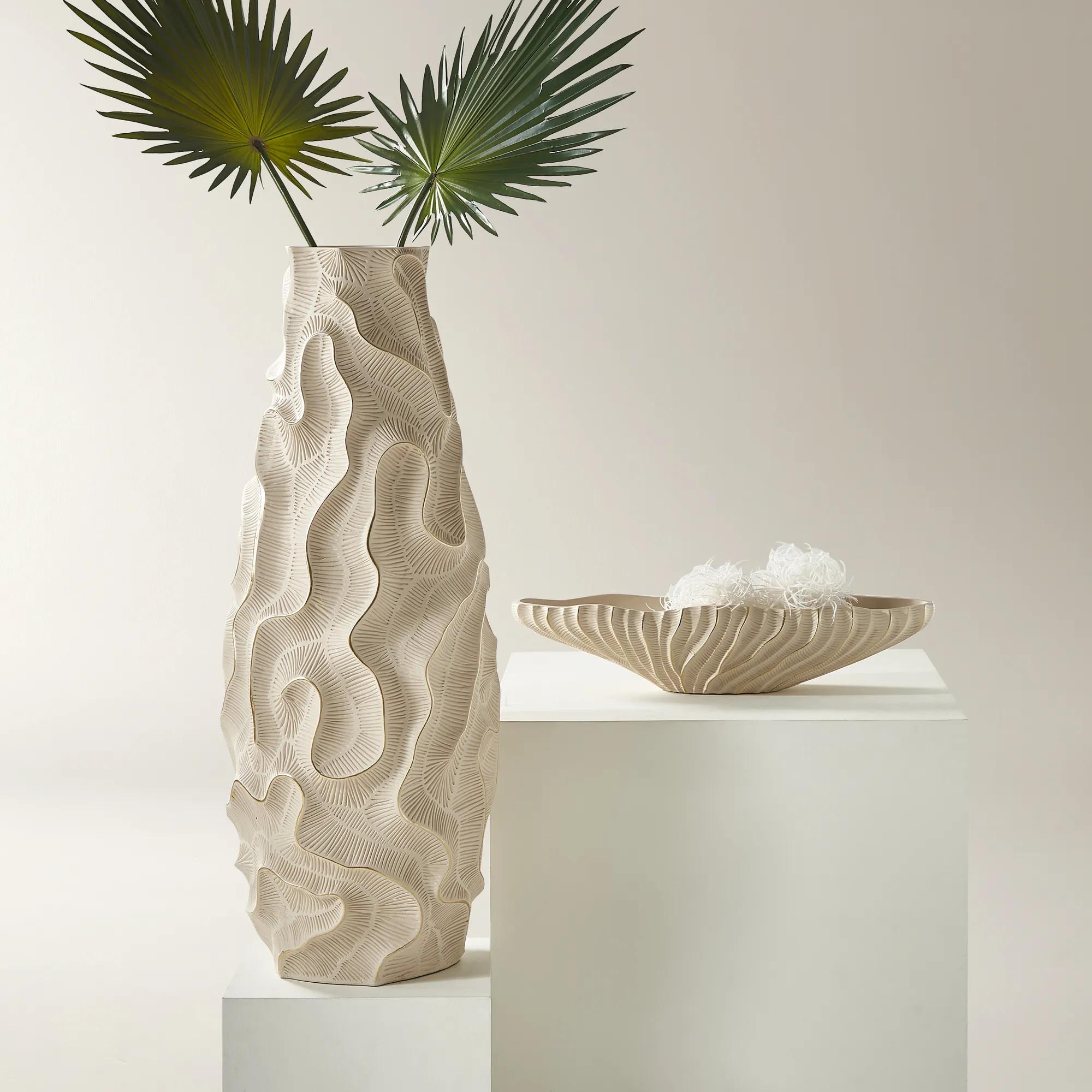
Decorative Glass Art Pieces
Decorative Glass Art Pieces
-
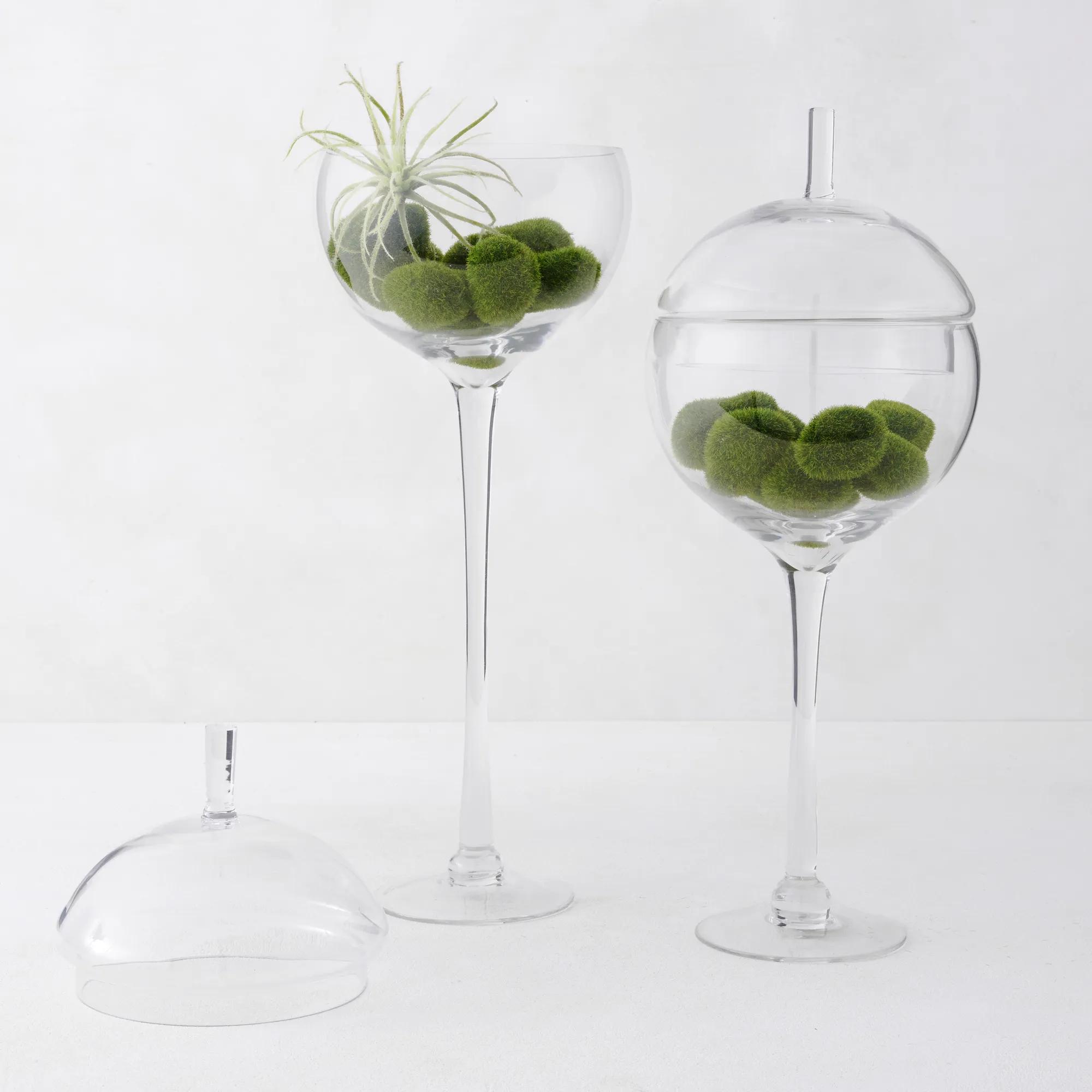 Jules Glass Decorative Canisters$99
A shapely mouthblown glass canister perfect for displaying cherished objects as decorative art.
Add To Cart -
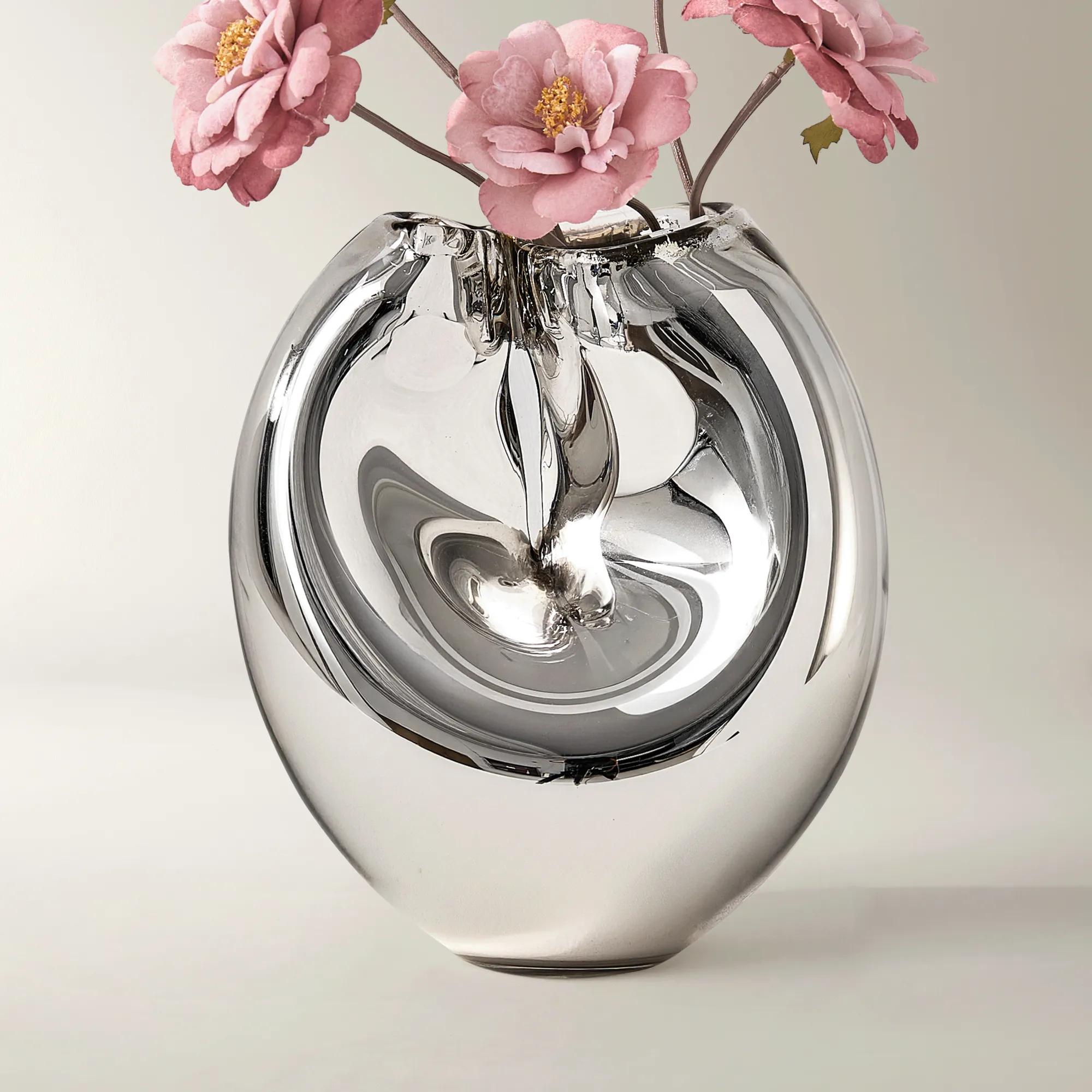 Ono Mouth Blown Mirrored Silver Glass Vase 7.75"$79
A handblown glass vase with a mirrored finish and organic silhouette for modern, artful display.
Add To Cart -
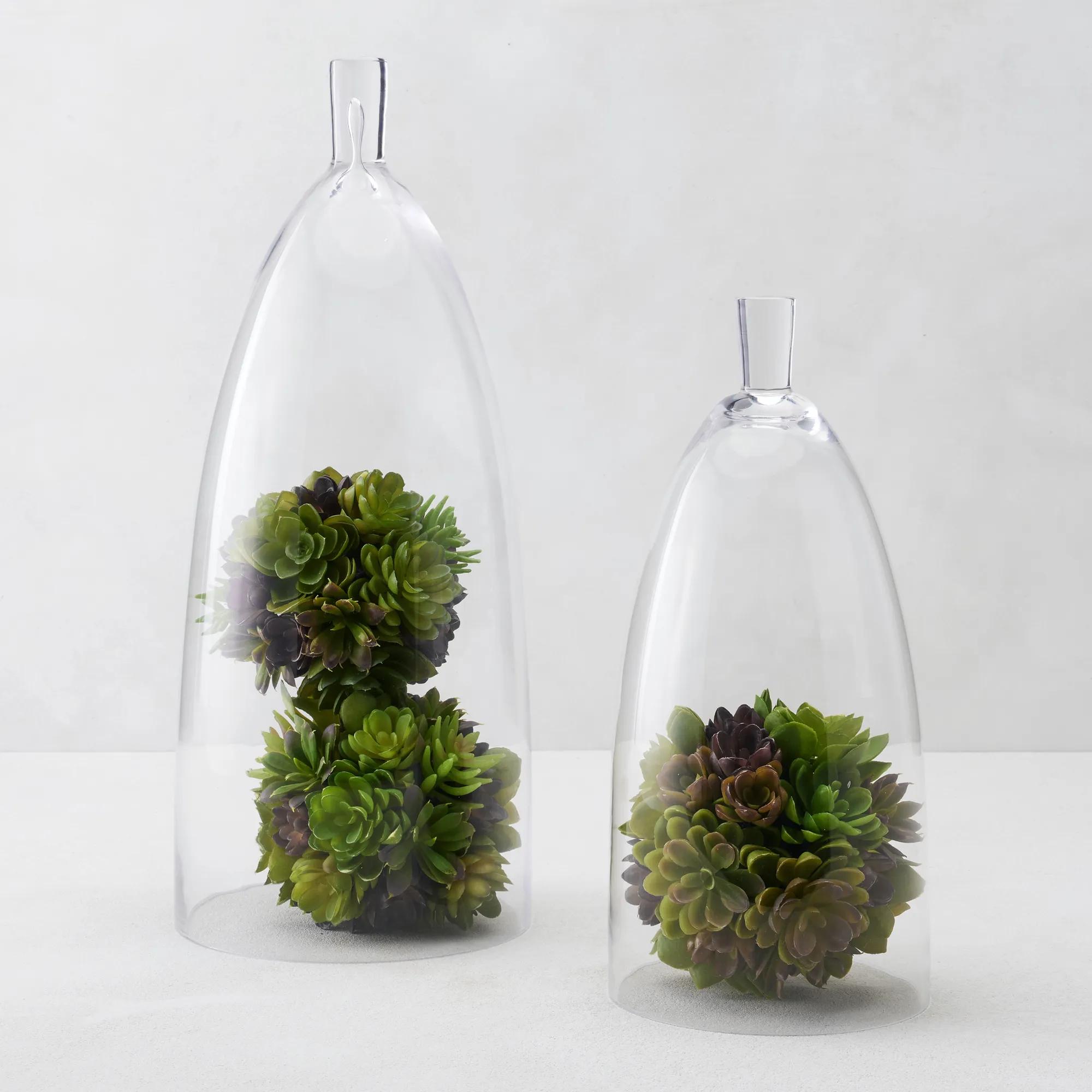 Jules Glass Decorative Cloches$79
A mouthblown glass terrarium perfect for showcasing cherished objects as unique decorative art.
Add To Cart -
 Calla Mouth Blown Blue Glass Decorative Bowl 15.35" x 5.7"$79
A handblown blue glass bowl featuring unique curves and translucent artistry for striking decorative appeal.
Add To Cart -
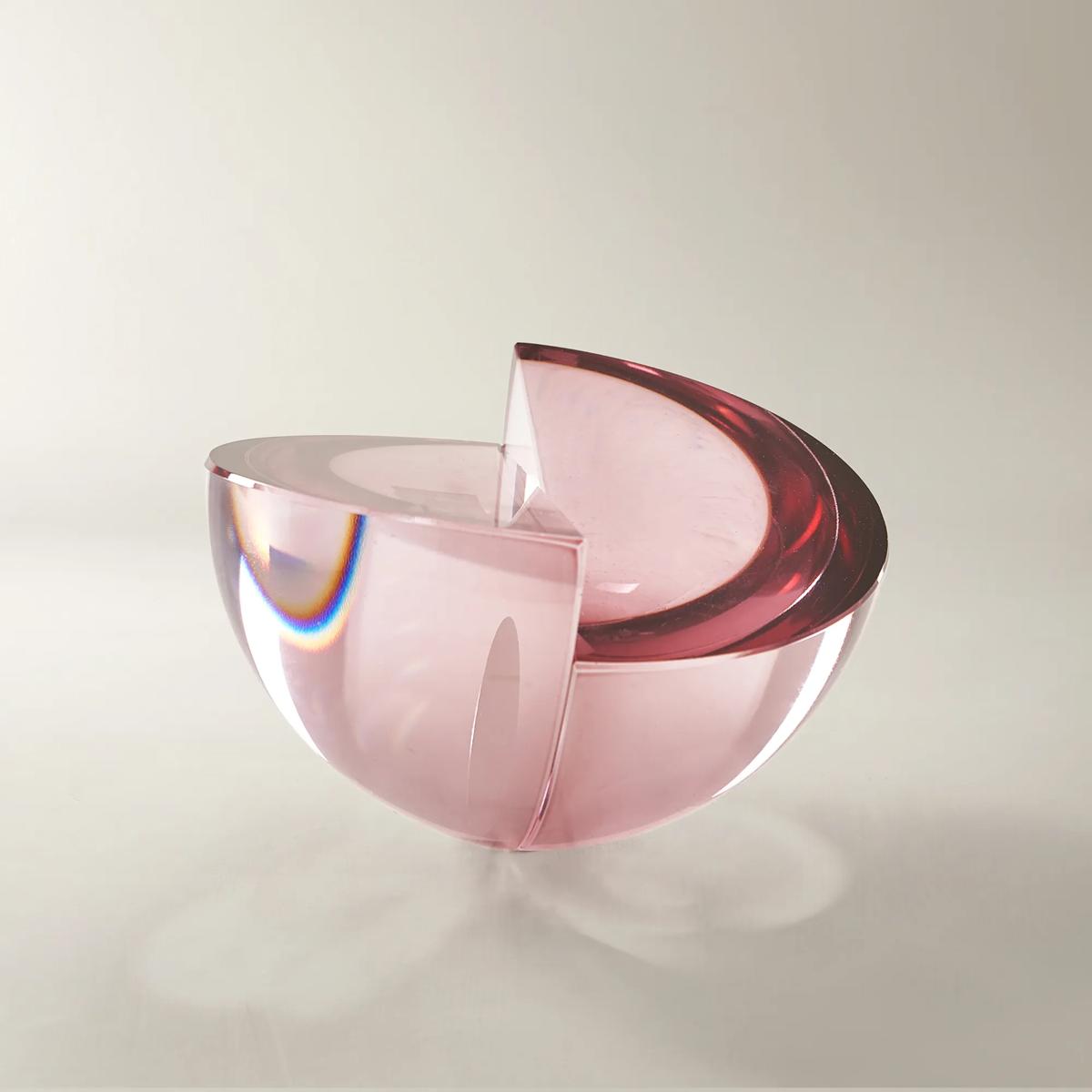 Rose' Crystal Glass Decorative Object 3.25"$79
A sculptural accent crafted from rich purple crystal glass, reflecting light with modern elegance and intrigue.
Add To Cart -
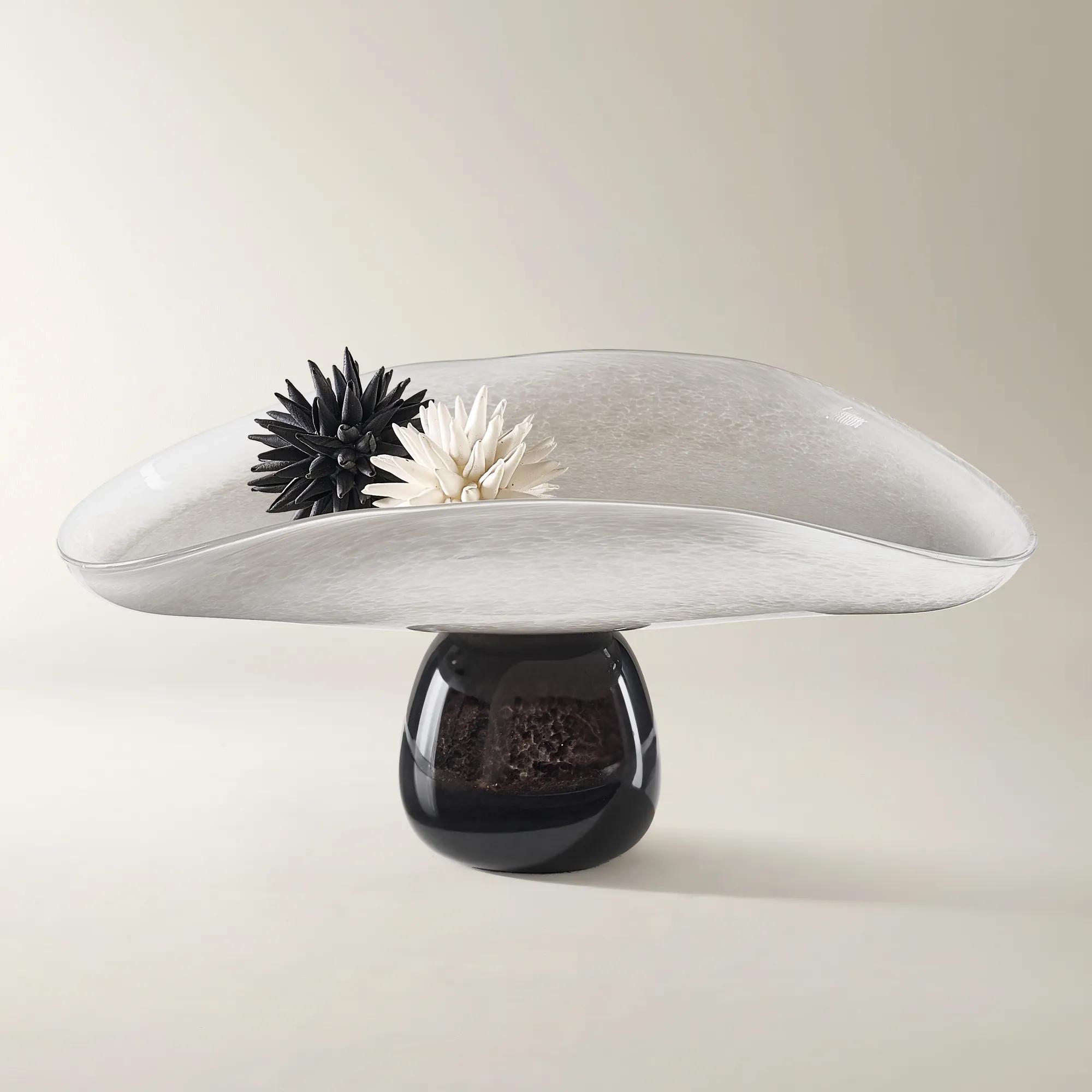 Elois Mouth Blown White Black Pedestal Bowl 14.5" x 7"$149
A handblown glass pedestal bowl featuring striking black and white contrast for a sculptural, modern accent.
Add To Cart -
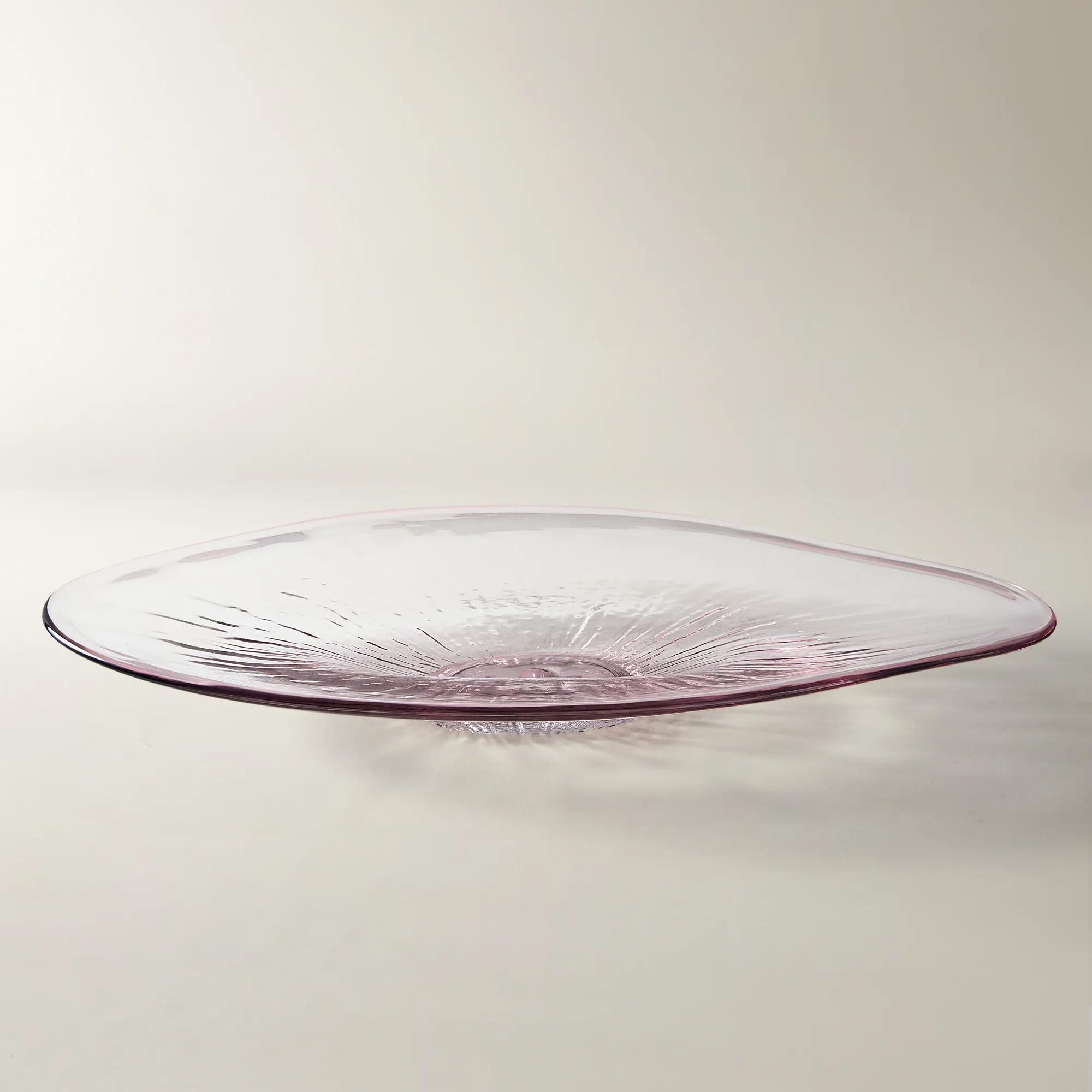 Cortina Decorative Bowl$129
A handblown glass bowl in an ethereal pink hue that brings artistic flair to modern interiors.
Add To Cart -
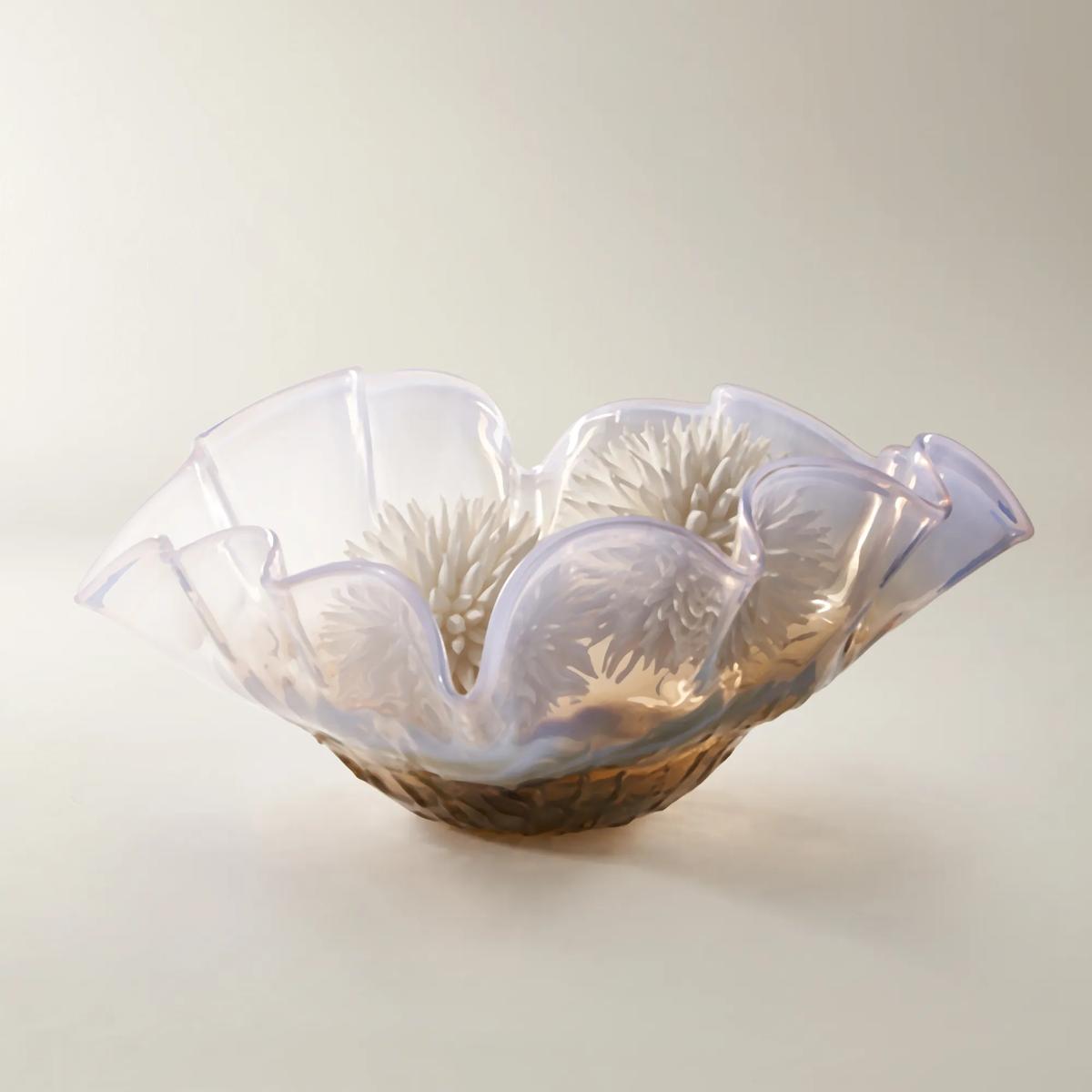
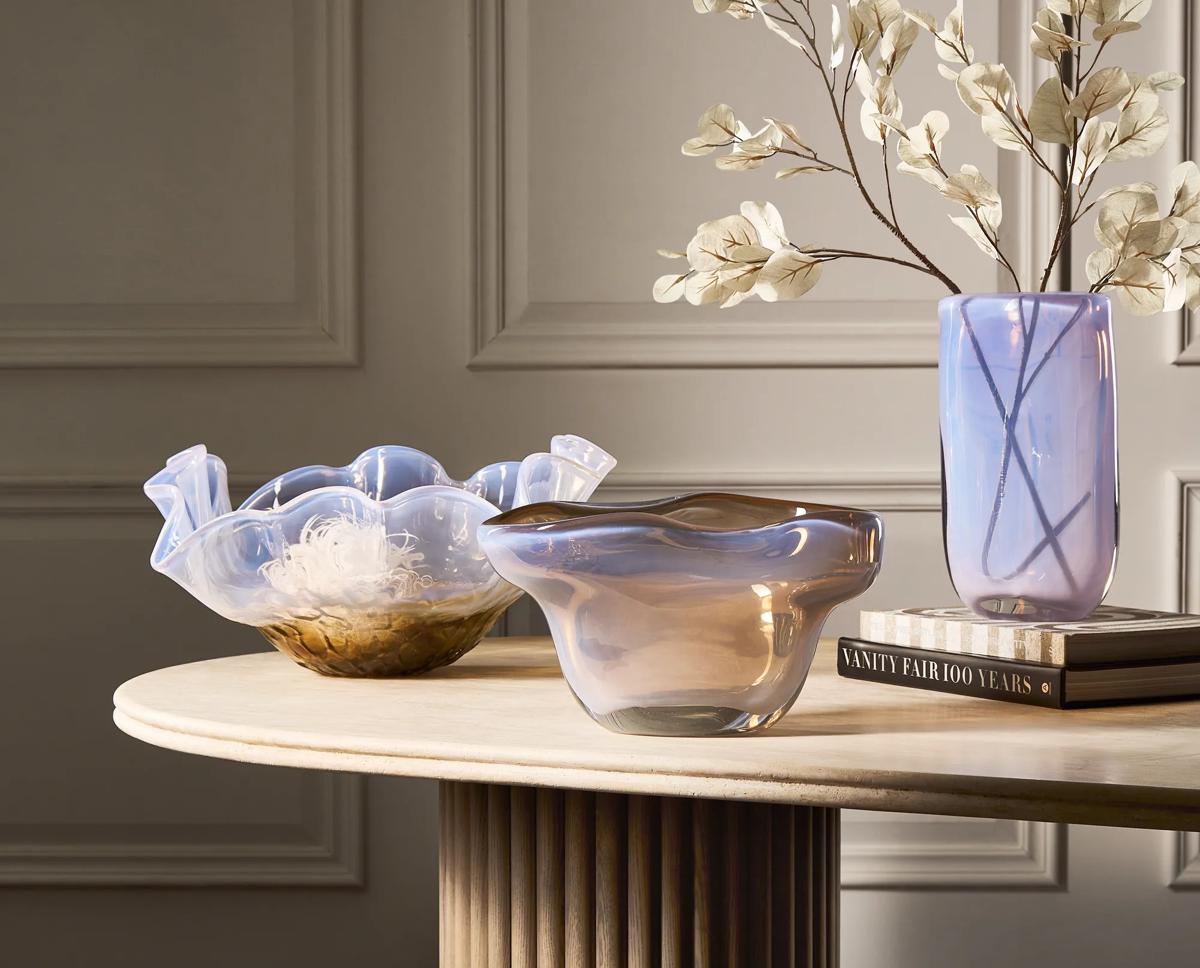 Glacier Glass Bowl$269
A hand-blown glass bowl featuring scalloped edges and swirling lavender and amber hues for artistic elegance.
Add To Cart -

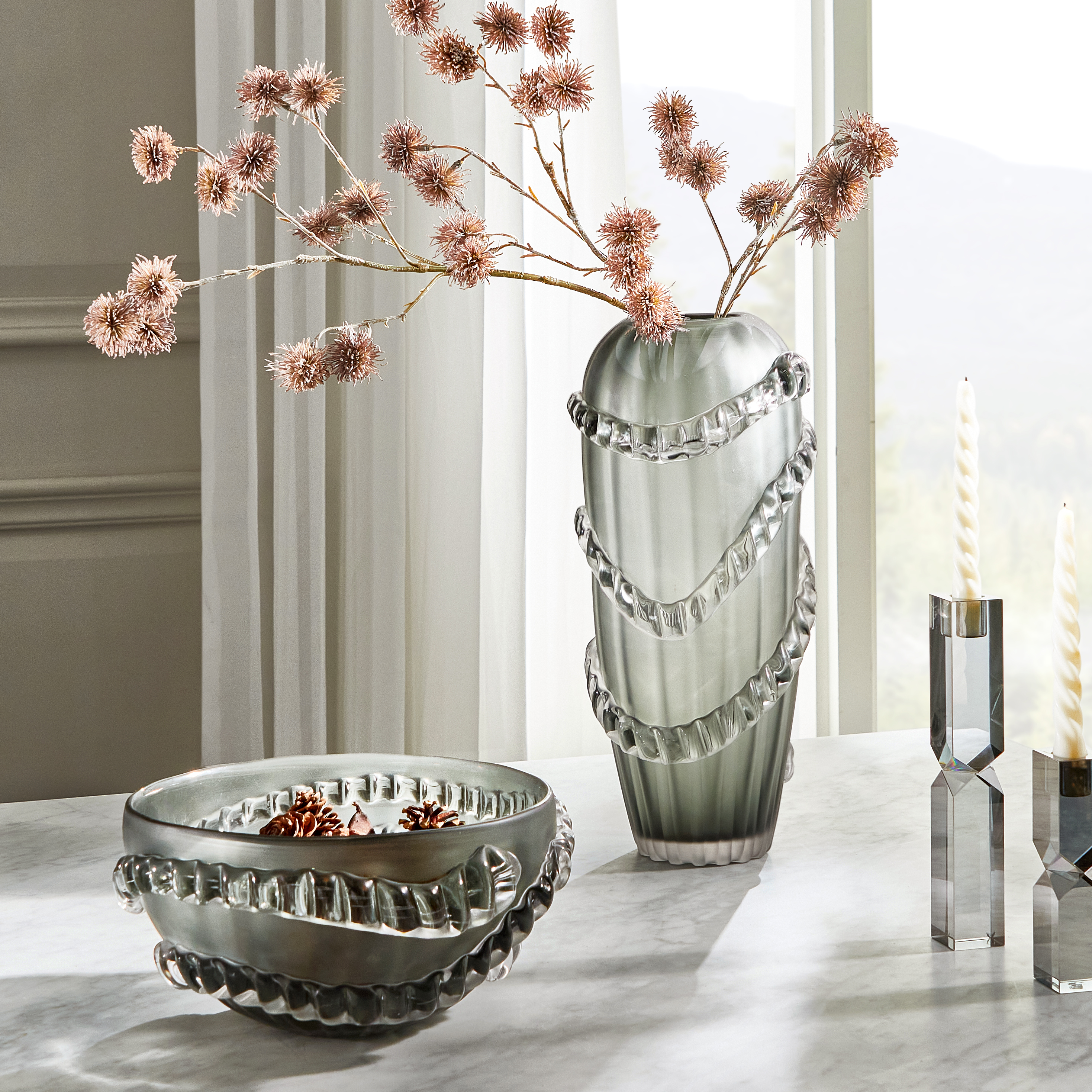 Helix Glass Collection$139
A hand-blown dark gray glass piece featuring fluted bodies and rippling sculptural ribbons for modern decor.
Add To Cart -
 Cherry Mouth Blown Antique Mauve Glass Decorative Object 13.75"$99
A handblown glass cherry in antique mauve brings playful sculptural charm and romantic color to any space.
Add To Cart -
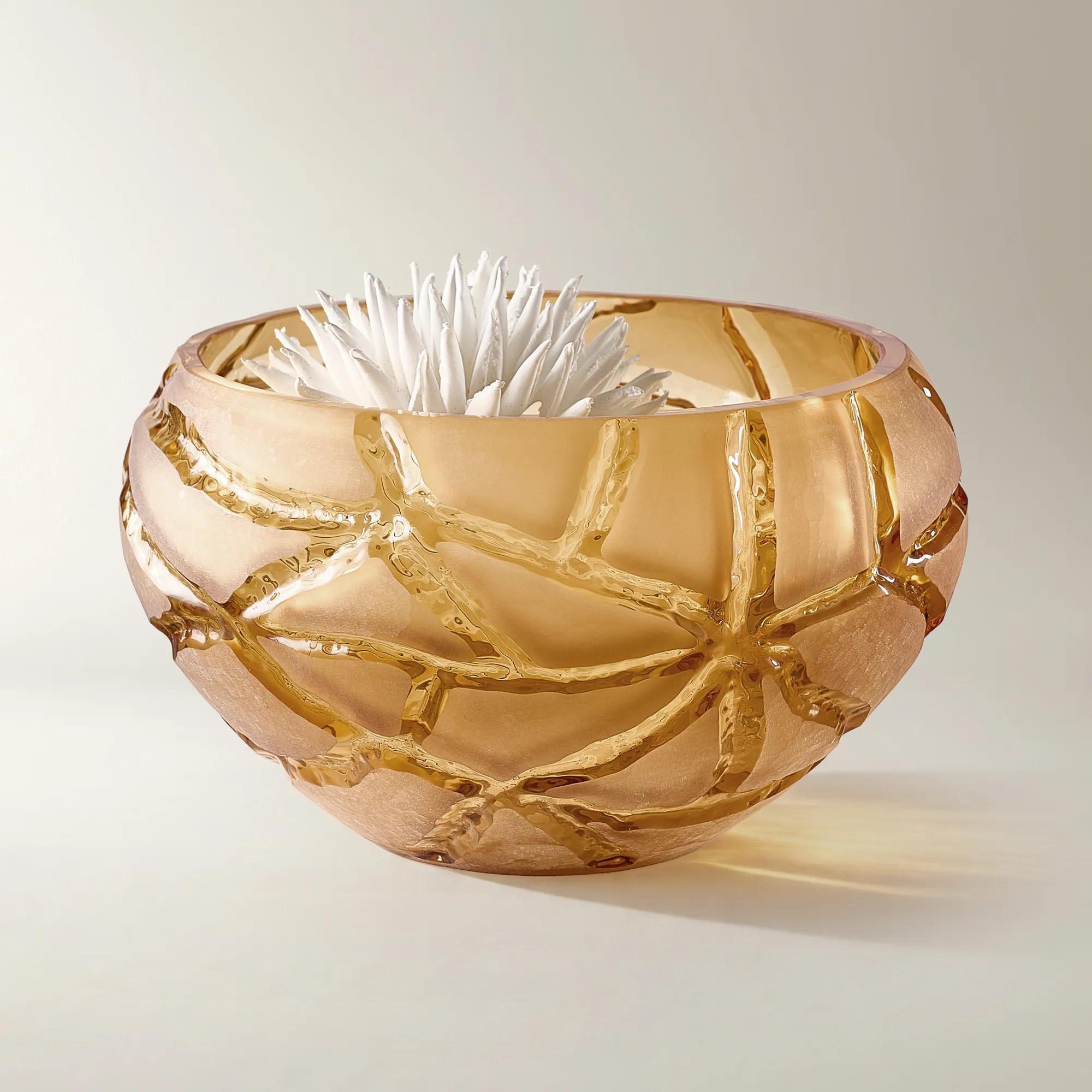 Rowen Mouth Blown Honey Gold Glass Decorative Bowl 11" x 6.25"$129
A handblown glass bowl in honey gold with a textured surface for a luminous, sculptural accent.
Add To Cart -
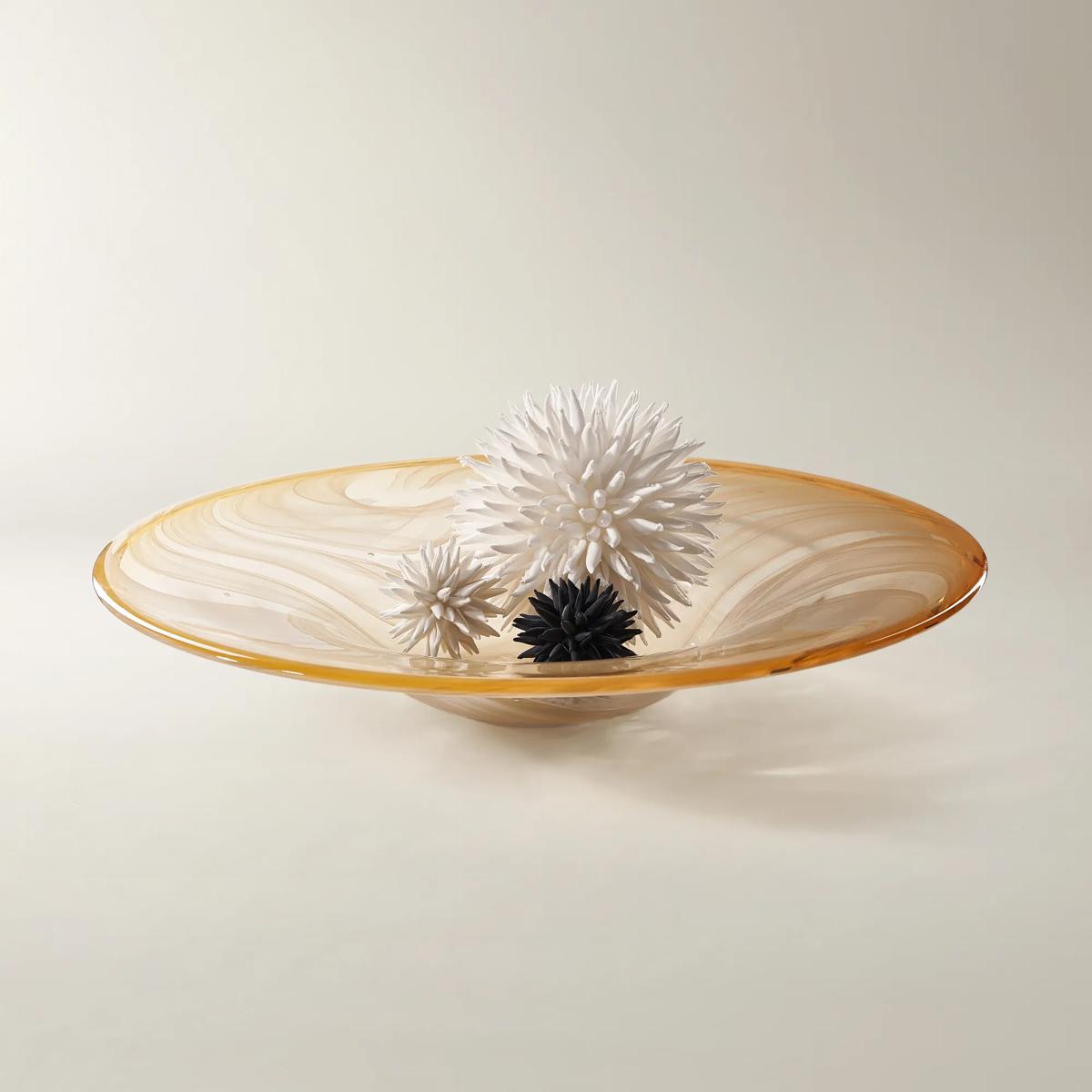
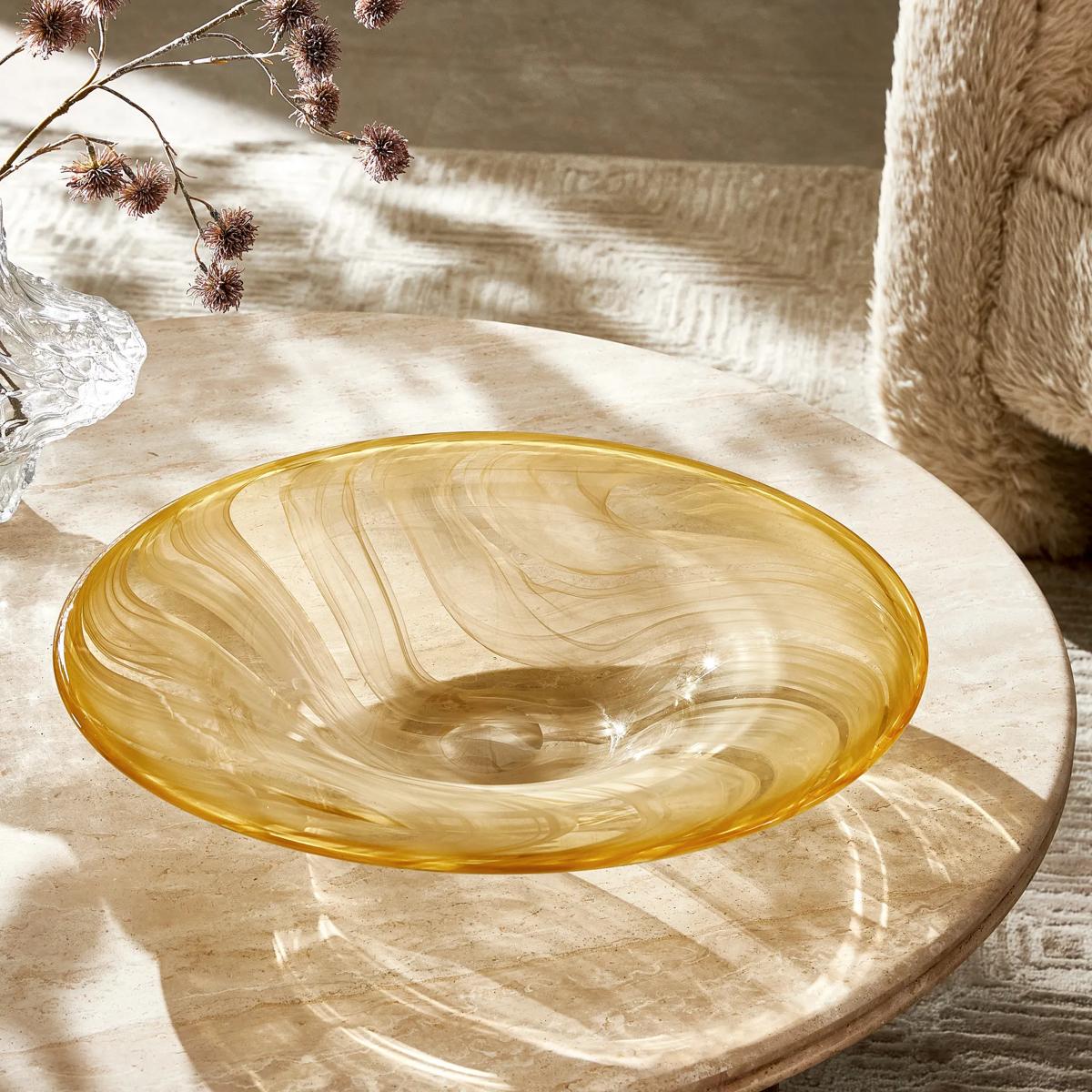 Paradis Glass Plate$239
A hand-blown amber glass plate featuring a swirling, organic design for a radiant decorative accent.
Add To Cart -
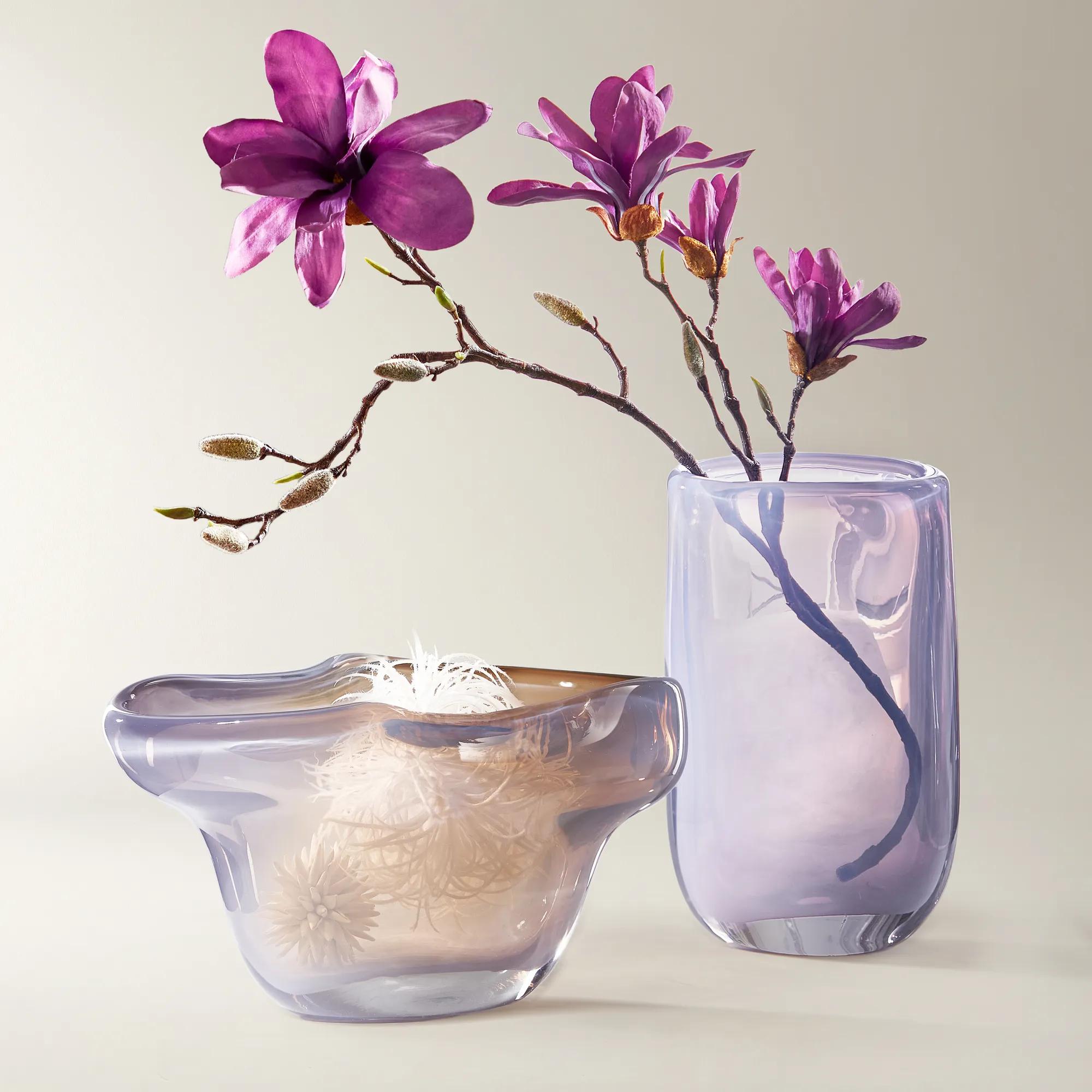
 Aura Collection$189
A hand-blown glass accent in dreamy lavender, showcasing fluid curves and modern sculptural artistry.
Add To Cart -
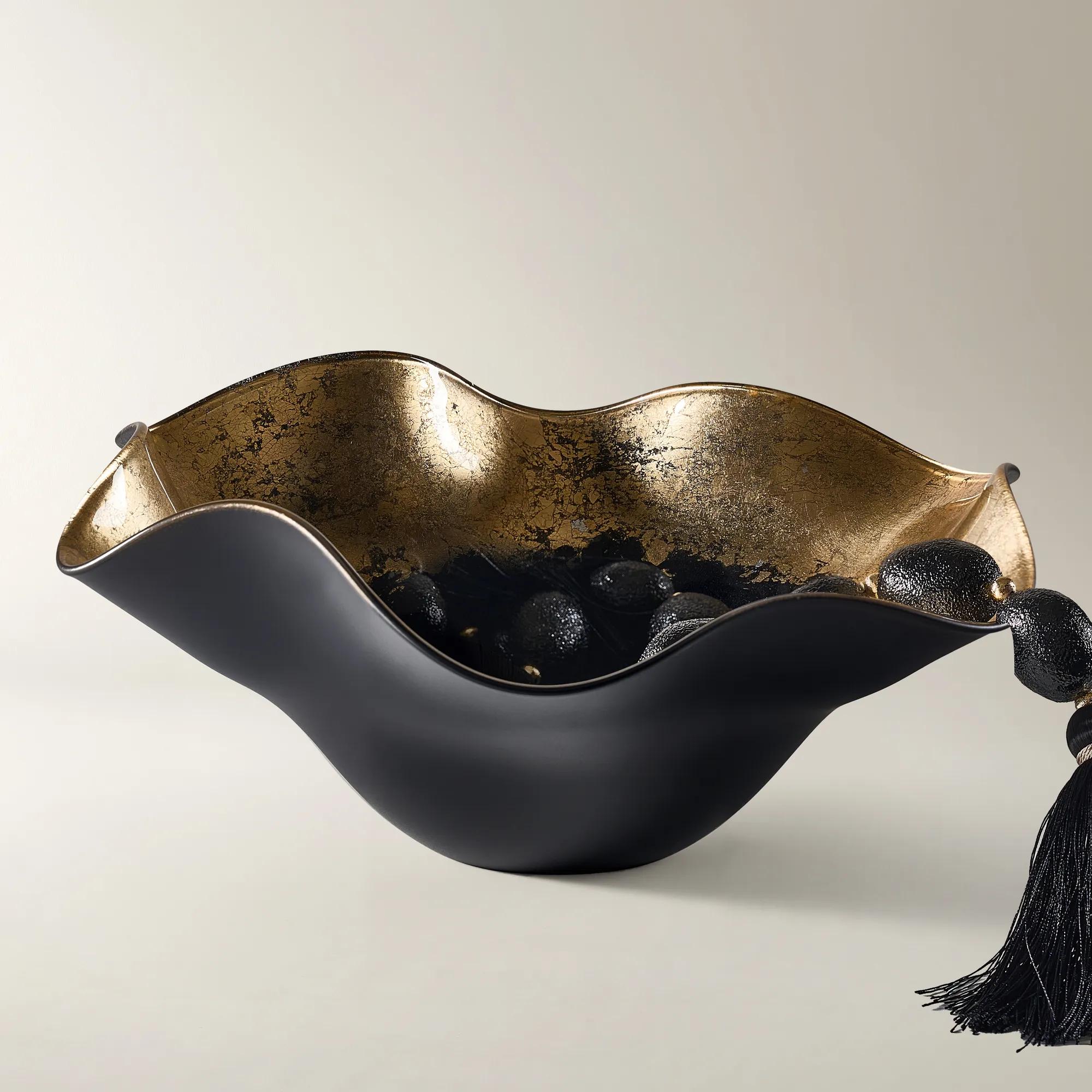
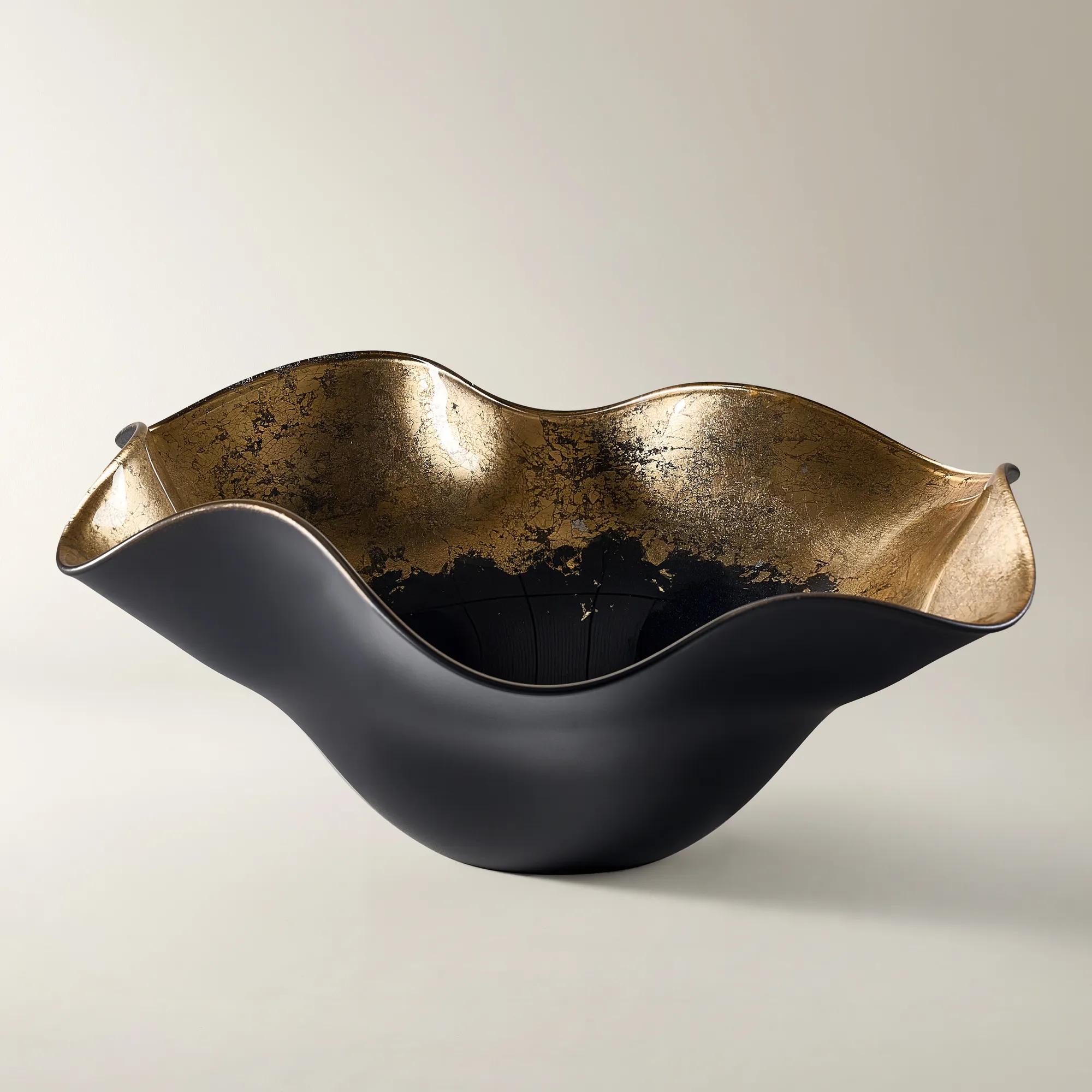 Goldie Mouth Blown Gold Black Glass Decorative Bowl 15.5" x 8.75"$199
A handblown glass bowl in soft gold and black with an organic, sculptural silhouette for modern decor.
Add To Cart -
 Ripple Eggshell Blue Handblown Glass Vase 10.25"$89
A handblown eggshell blue glass vase adding sculptural elegance to modern decor.
Add To Cart -
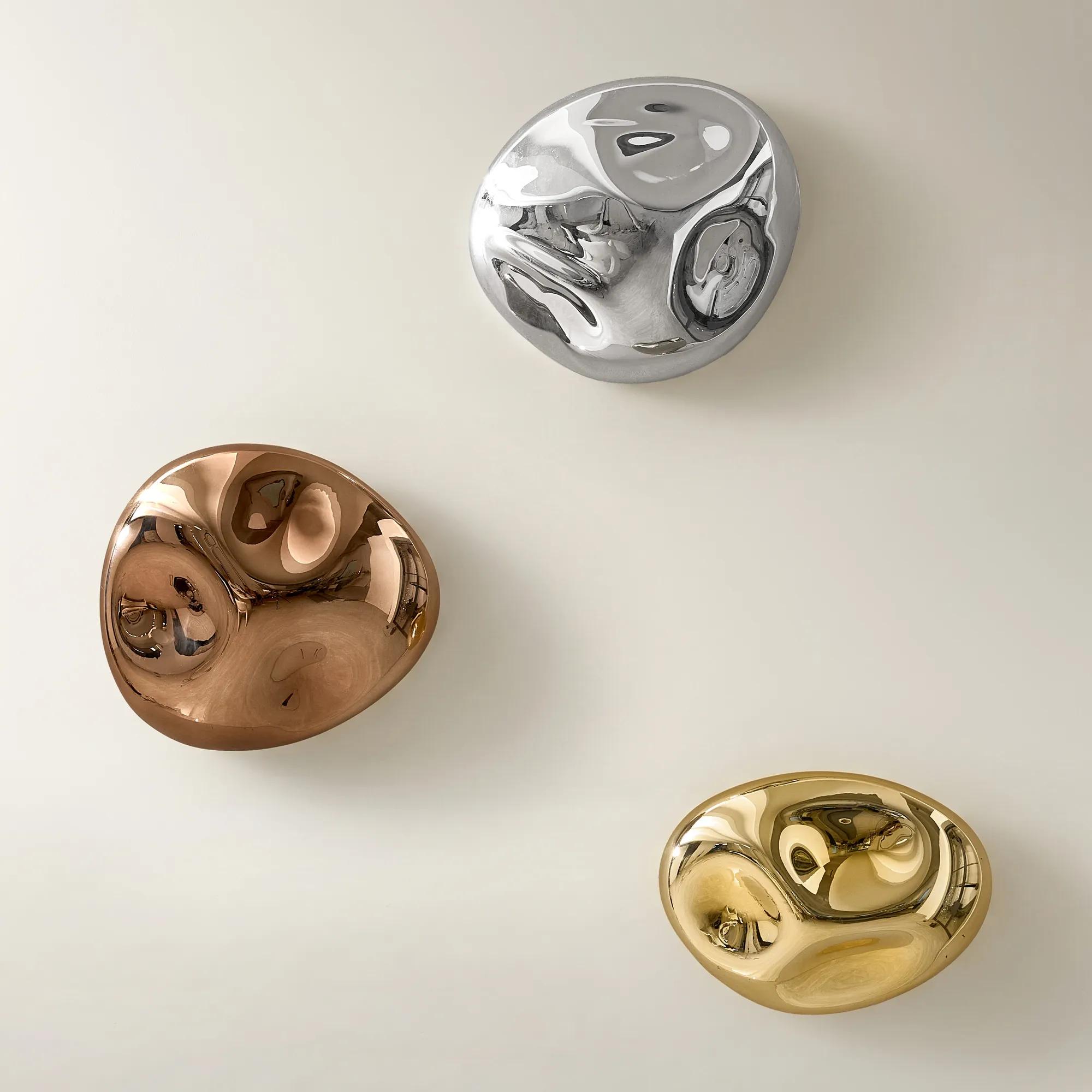
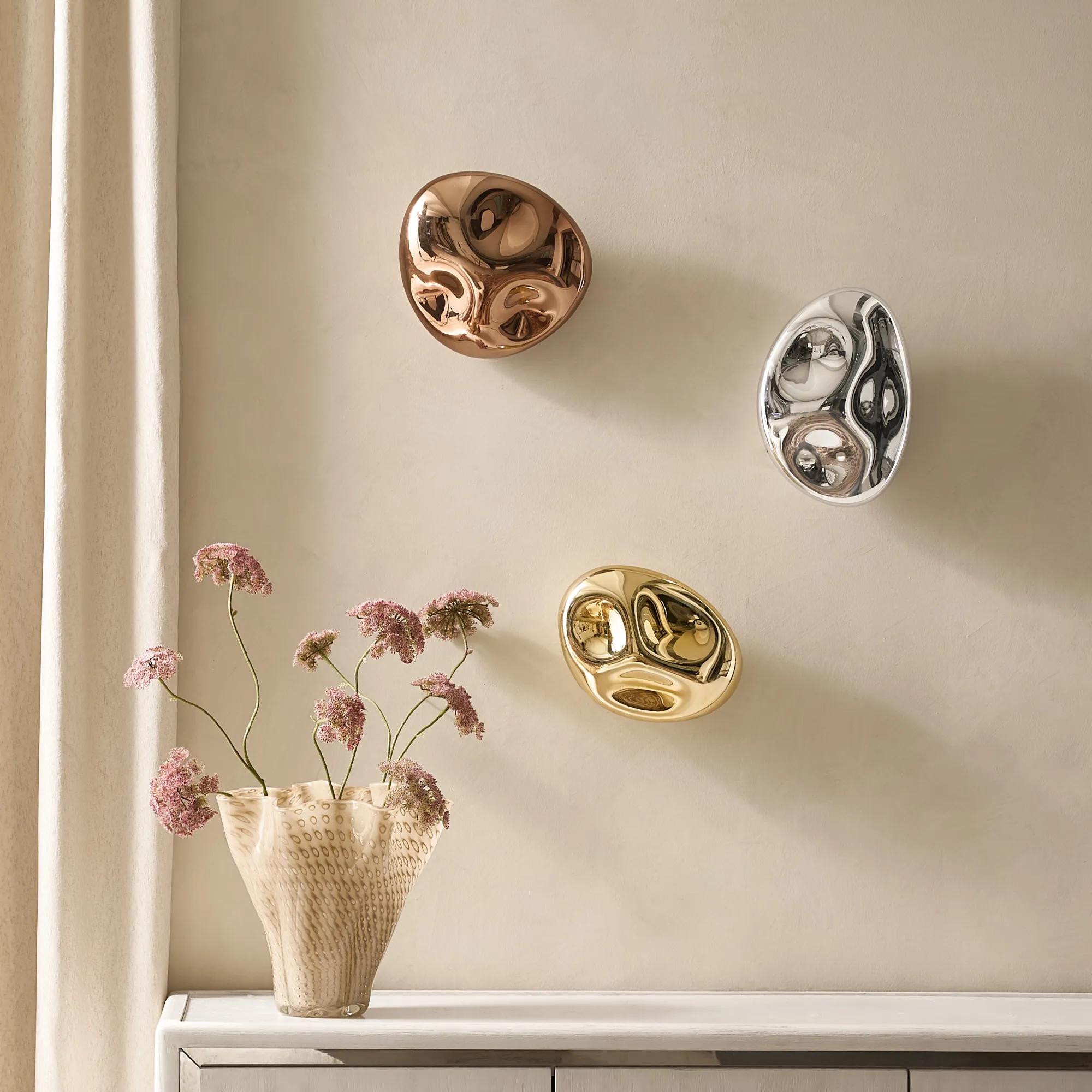 Nebula Electroplated Metallic Glass Wall Decor Set of 3$279
A set of three electroplated glass wall sculptures in polished silver, soft gold, and bronze tones.
Add To Cart -
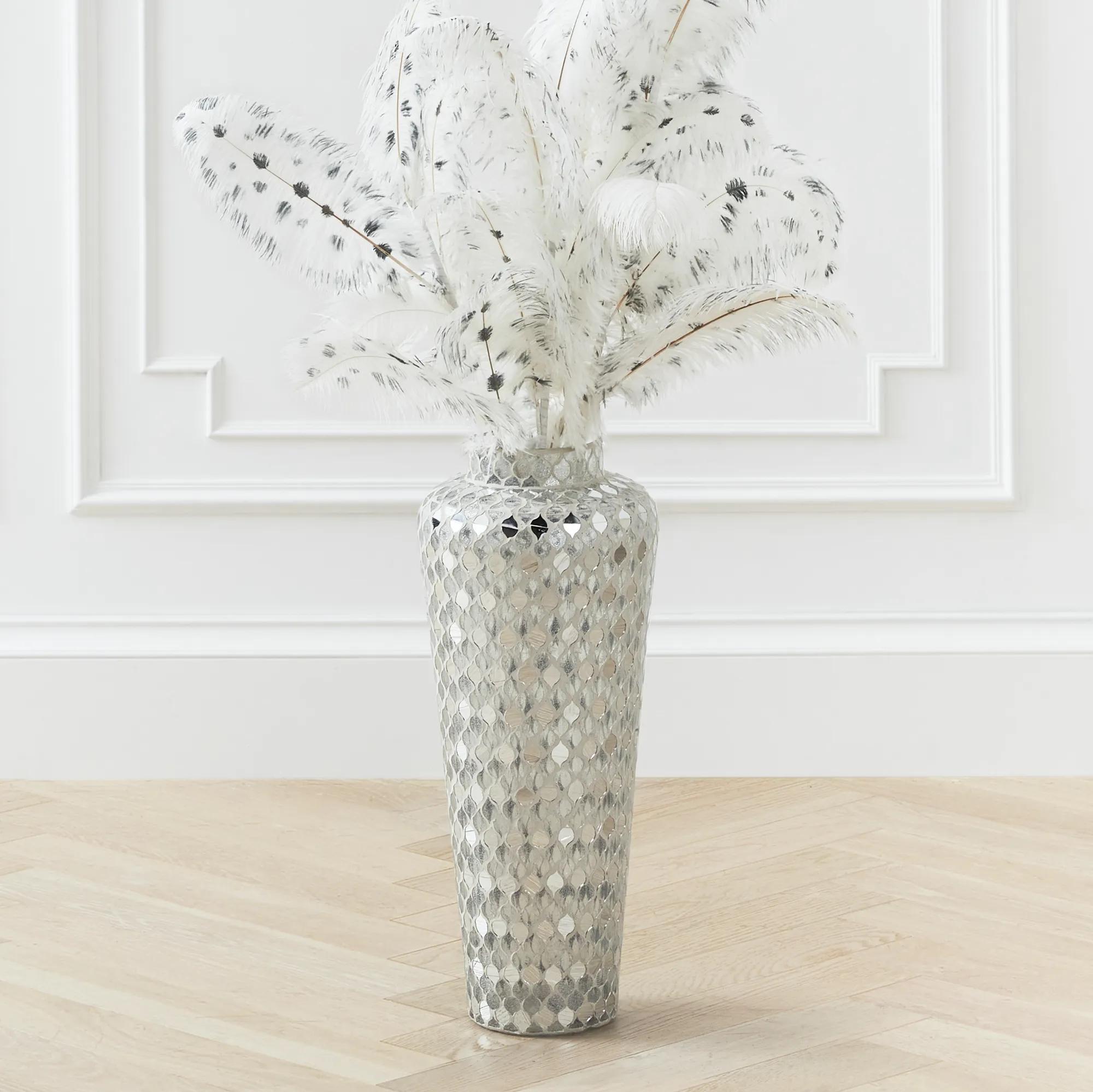 Fez Vase$139
A dazzling glass vase adorned with iridescent mirror and clear tiles for a glamorous decorative accent.
Add To Cart -
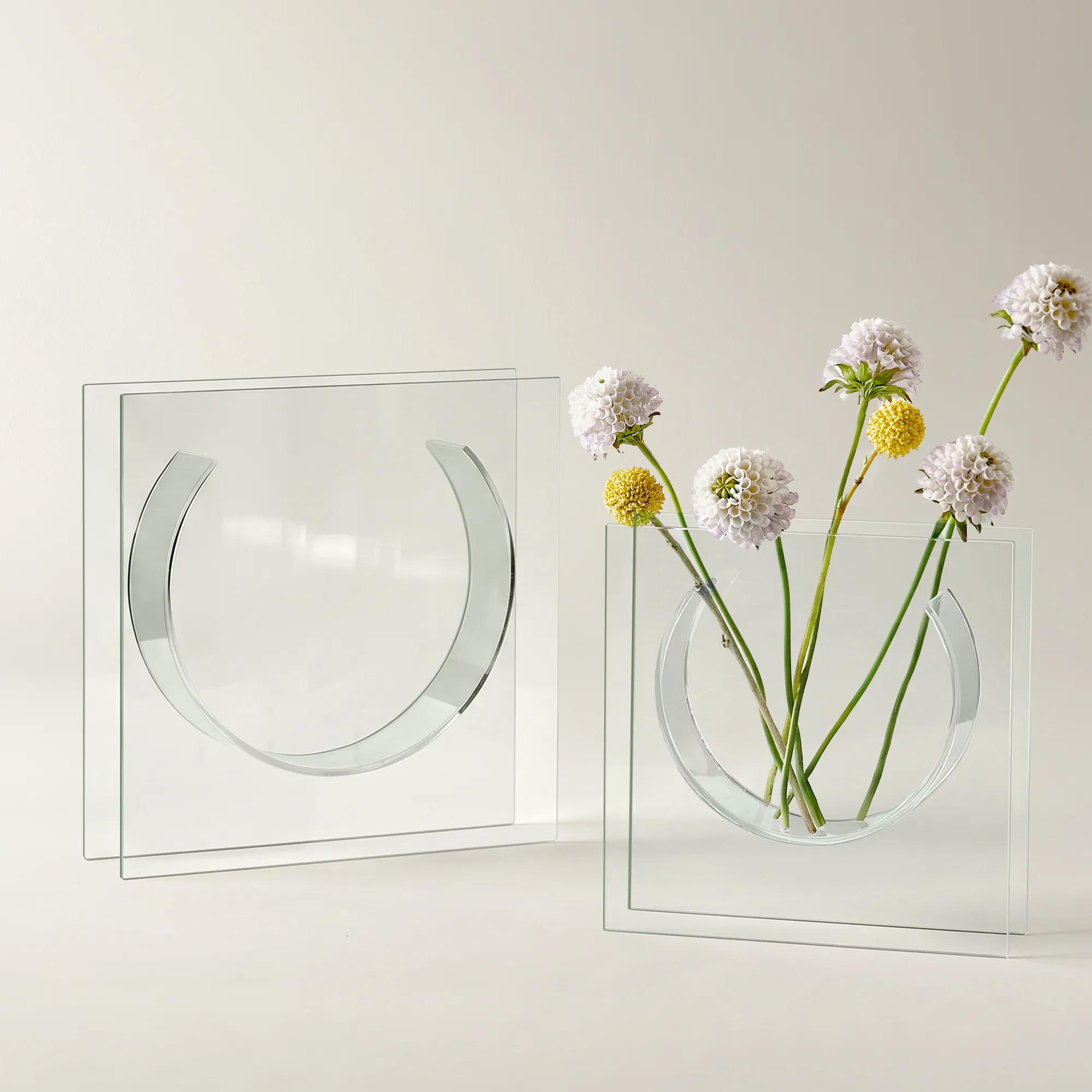
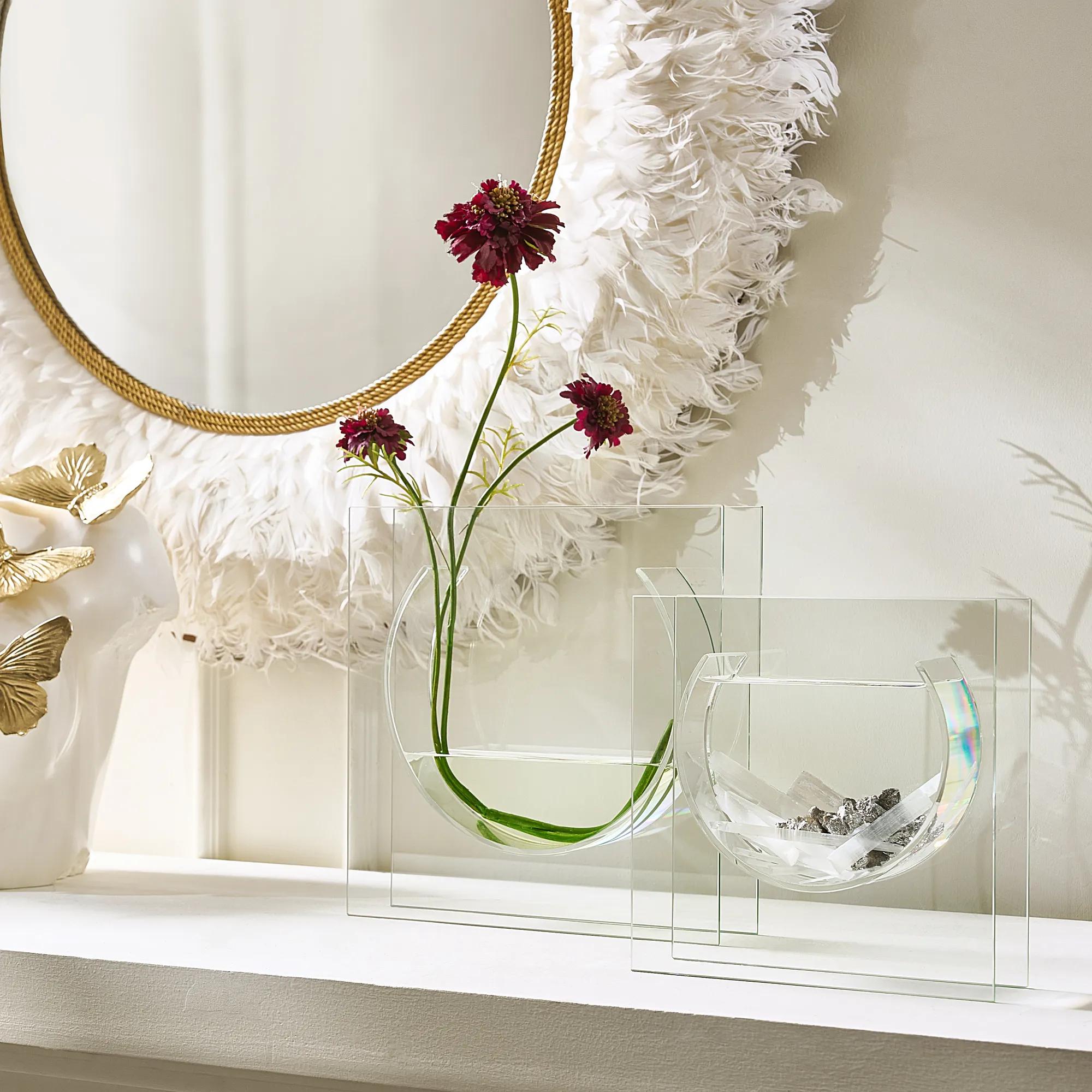 Solaris Clear Glass Vases$39
A bold modern vase crafted from clear glass with an elliptical bowl between two sleek glass panels.
Add To Cart -
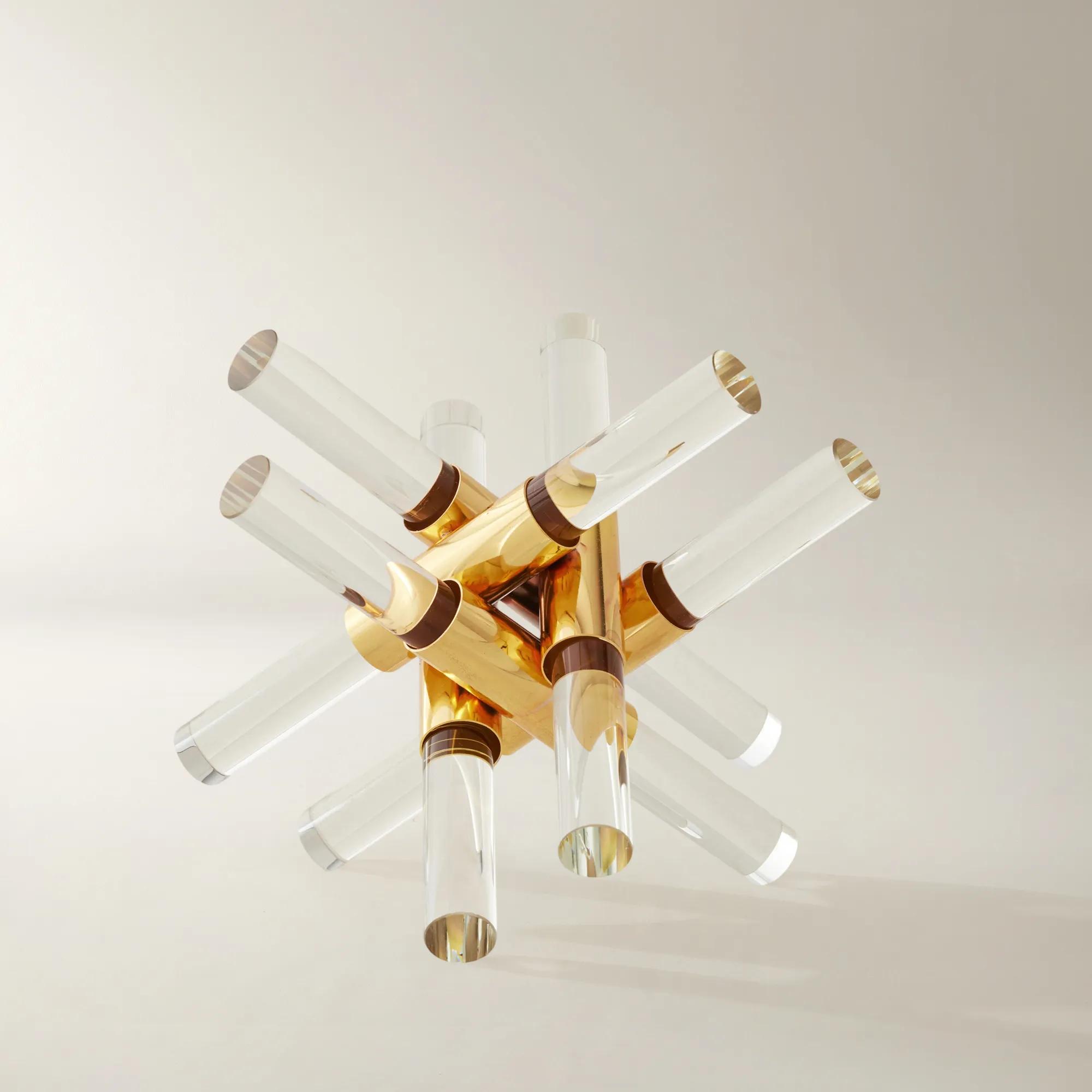
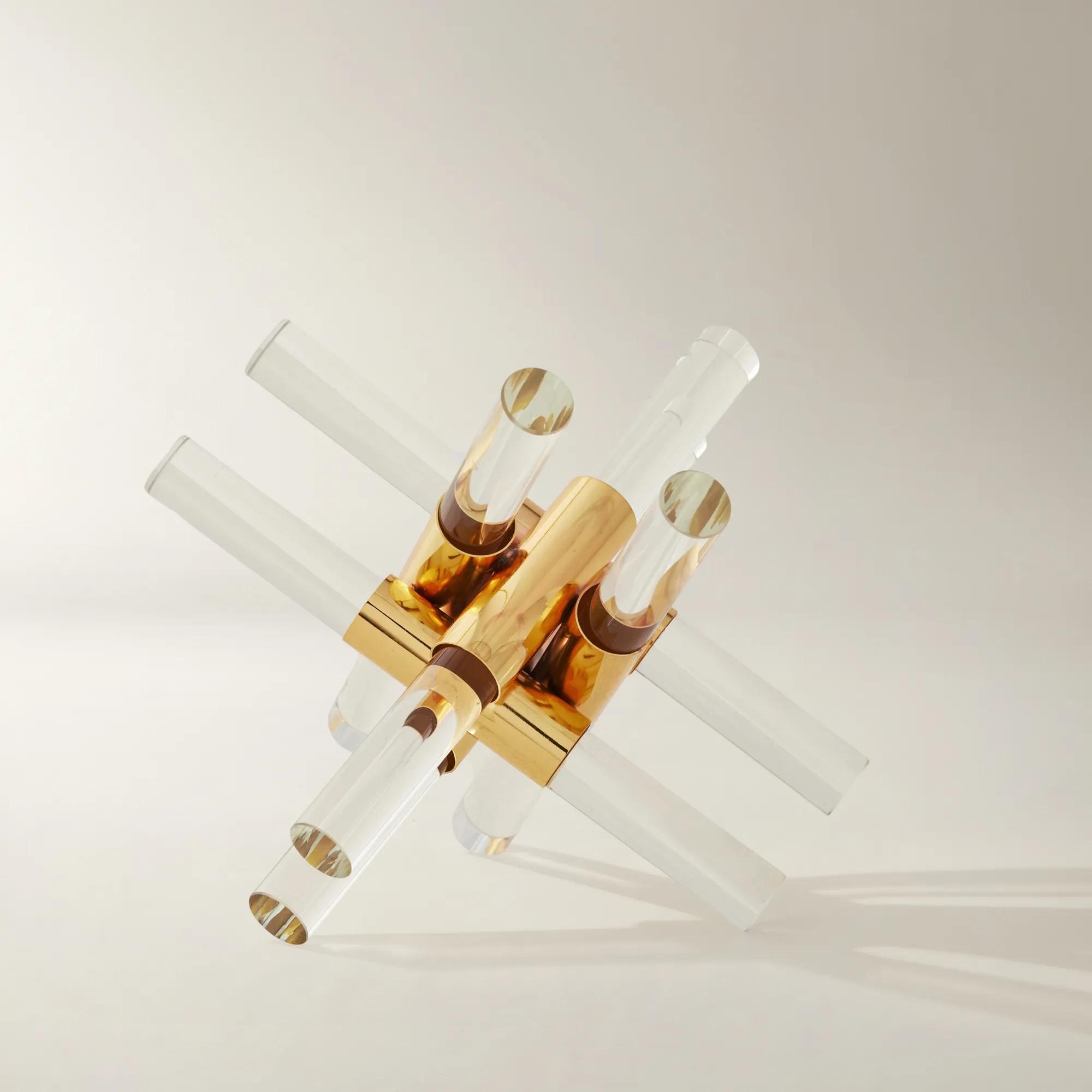 Crystal Glass And Gold Metal Decorative Object 8"$59
A striking decorative accent featuring clear glass rods and gold metal detailing for modern elegance.
Add To Cart -
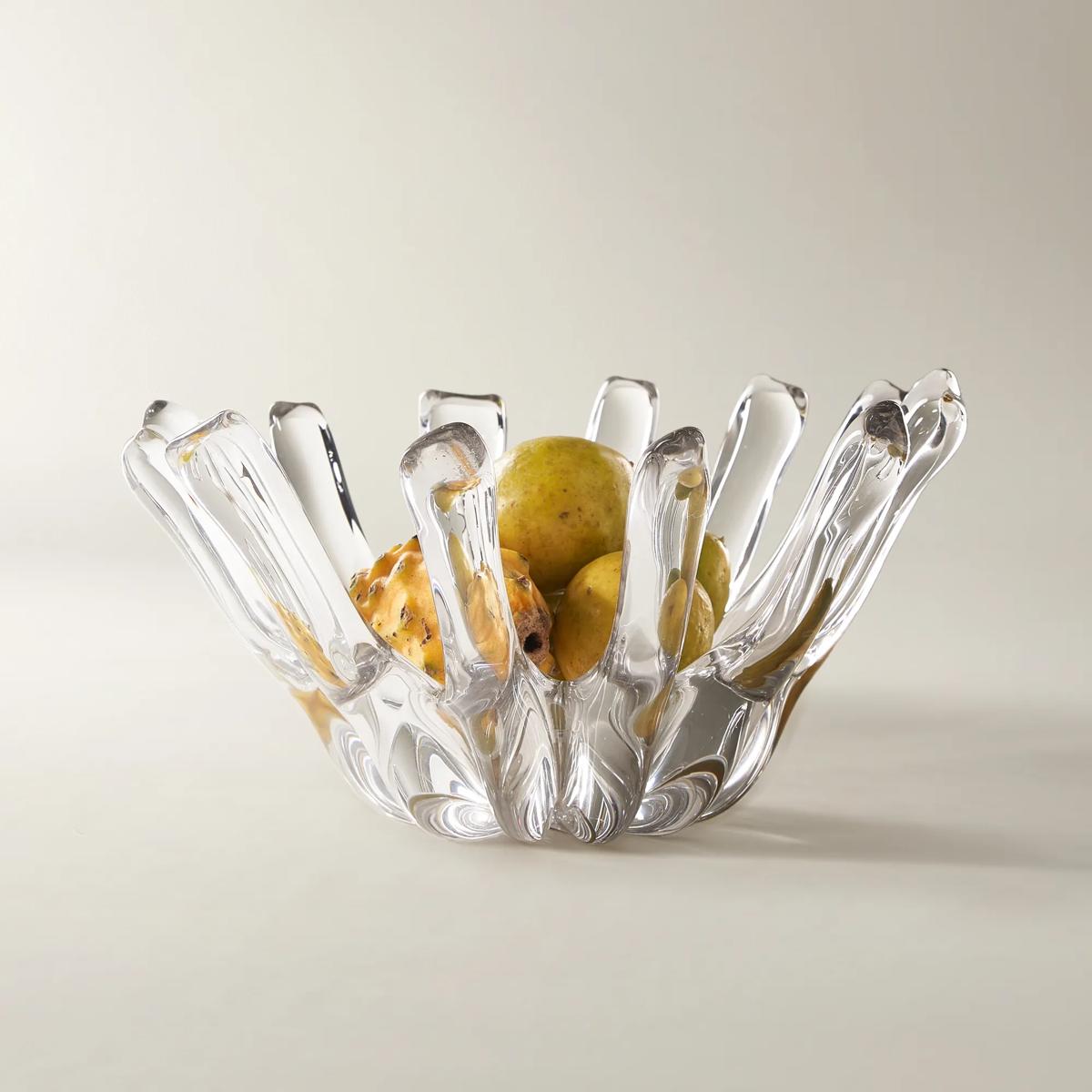
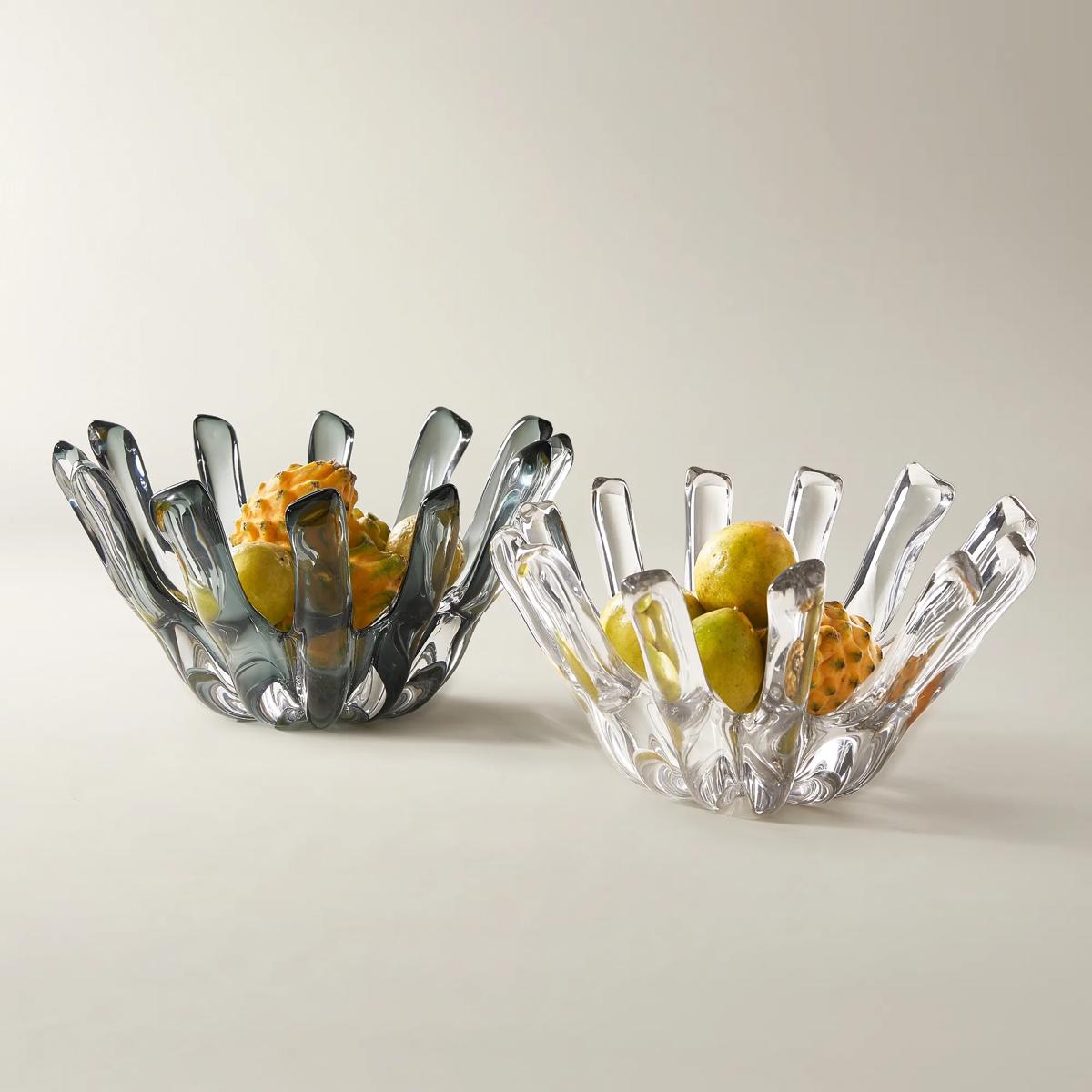 Bossa Clear Handblown Glass Decorative Bowl 13" x 7"$129
A hand-blown clear glass bowl featuring an expressive, sculptural form for modern decorative displays.
Add To Cart -

 Angelica Soft Nude Handblown Glass Canister 9.25"$59
A soft nude handblown glass canister adding artisanal elegance to modern décor.
Add To Cart -
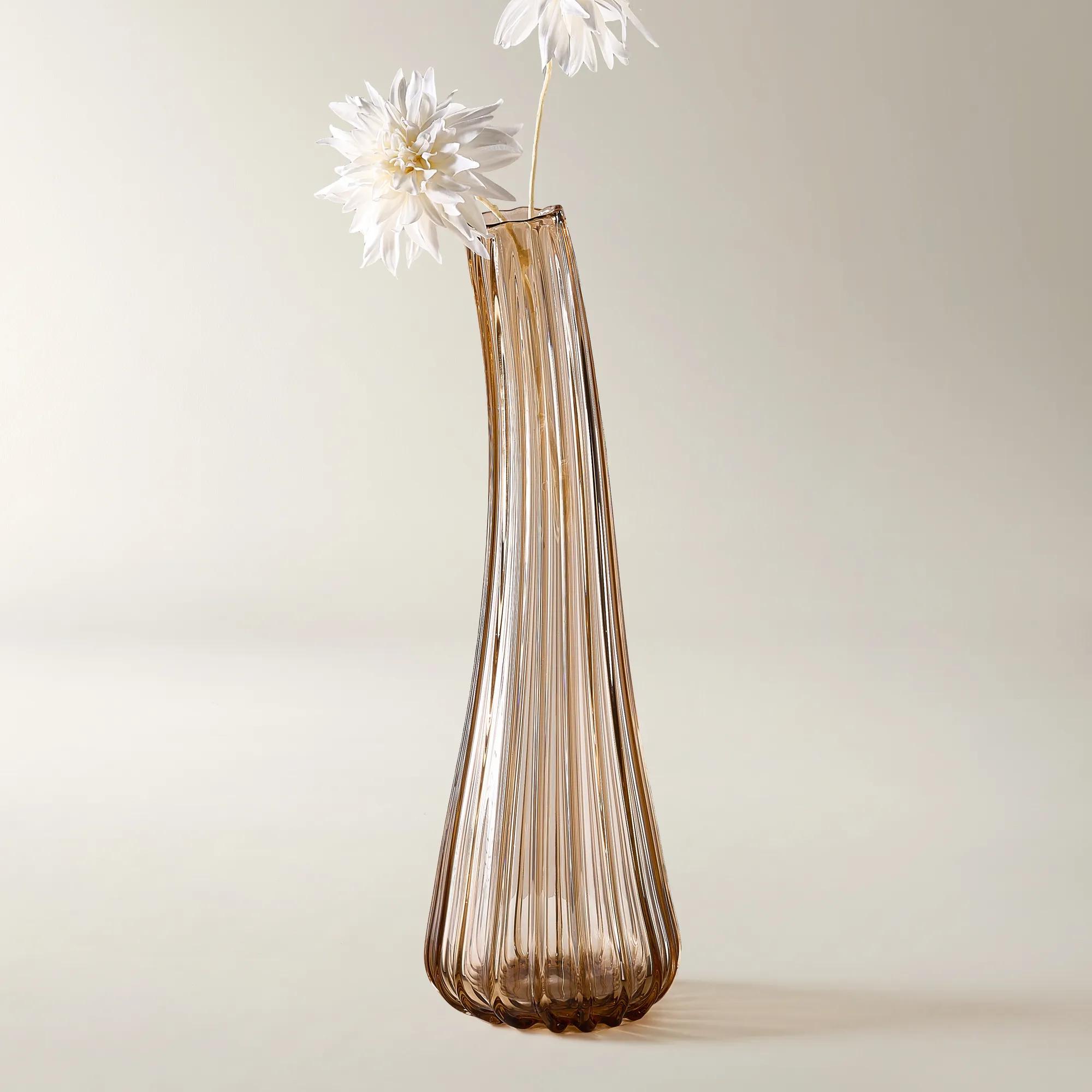
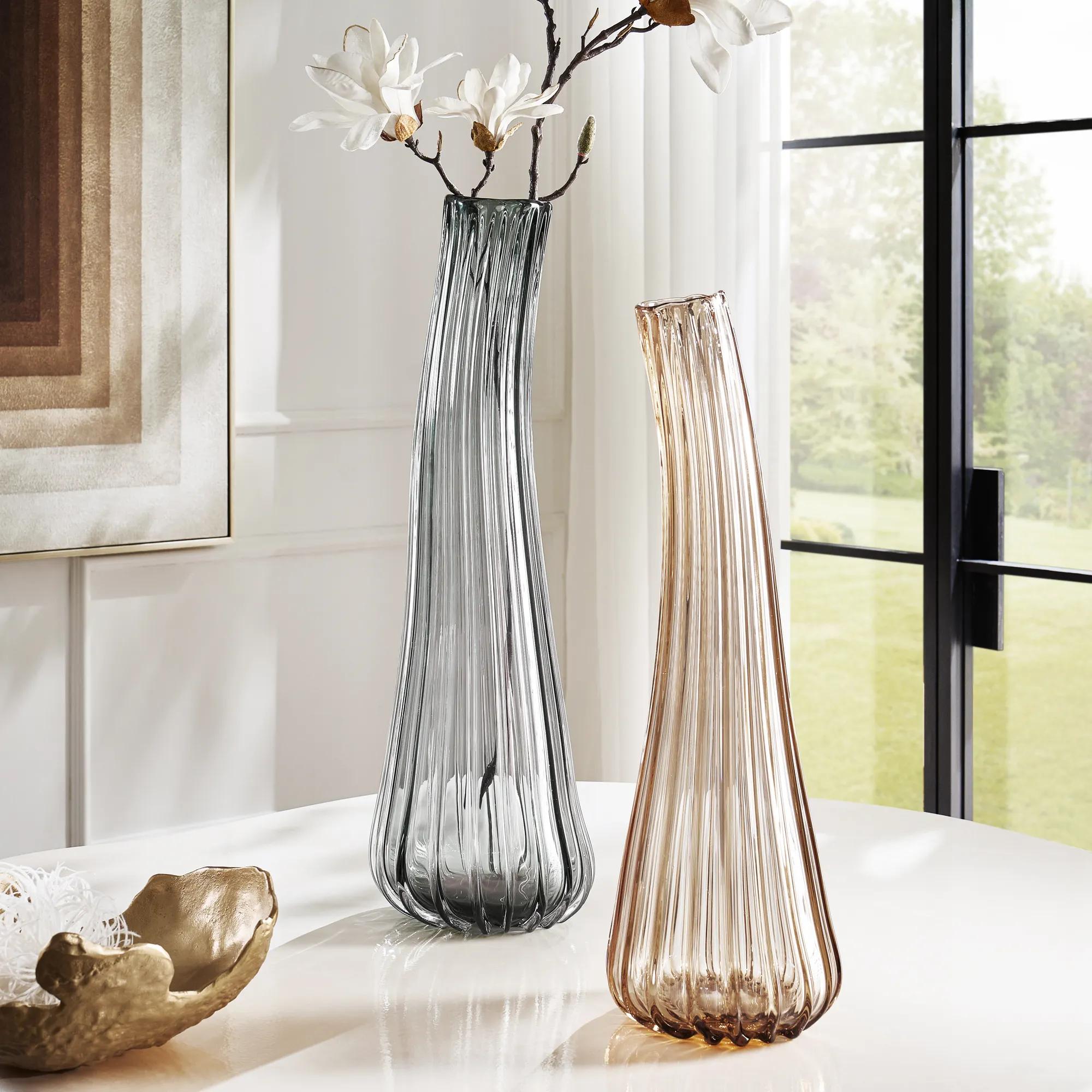 Tango Mouth Blown Soft Amber Vase 24.75"$179
A handblown glass vase in a soft amber finish with a textured, sculptural centerpiece design.
Add To Cart -
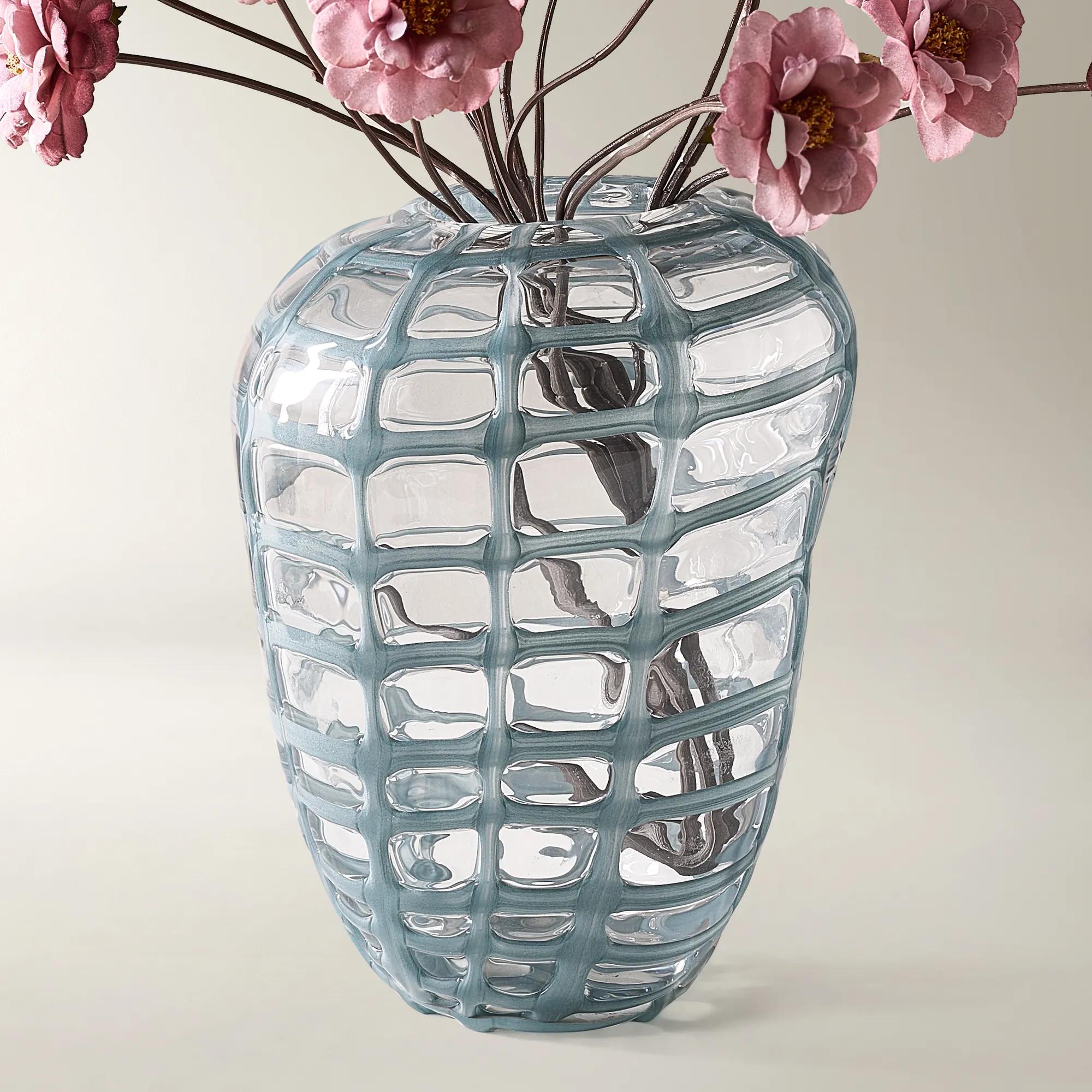 Contra Mouth Blown Dusty Blue Grid Glass Vase 10.25"$79
A handblown dusty blue glass vase featuring a graphic grid pattern and softly organic silhouette.
Add To Cart -
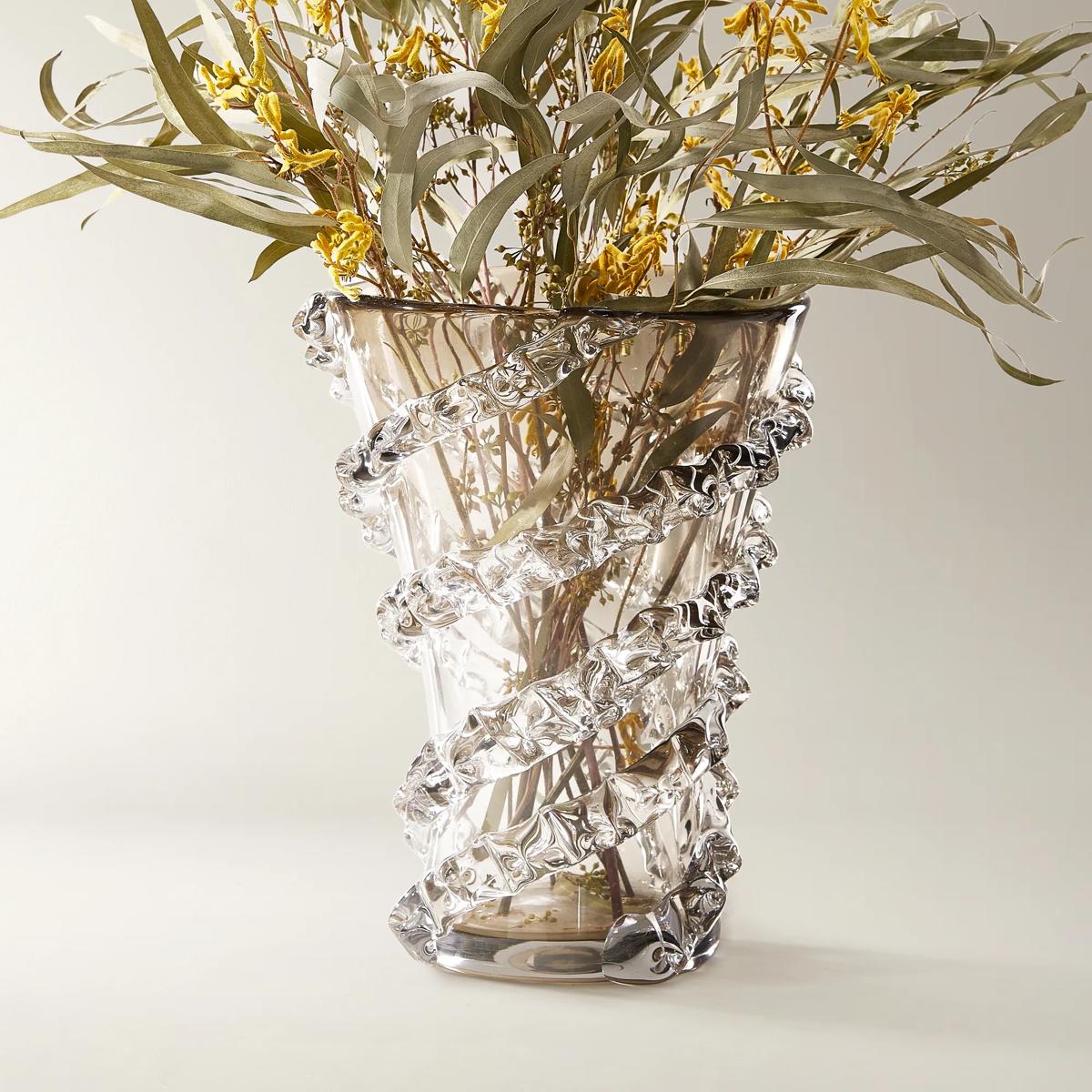
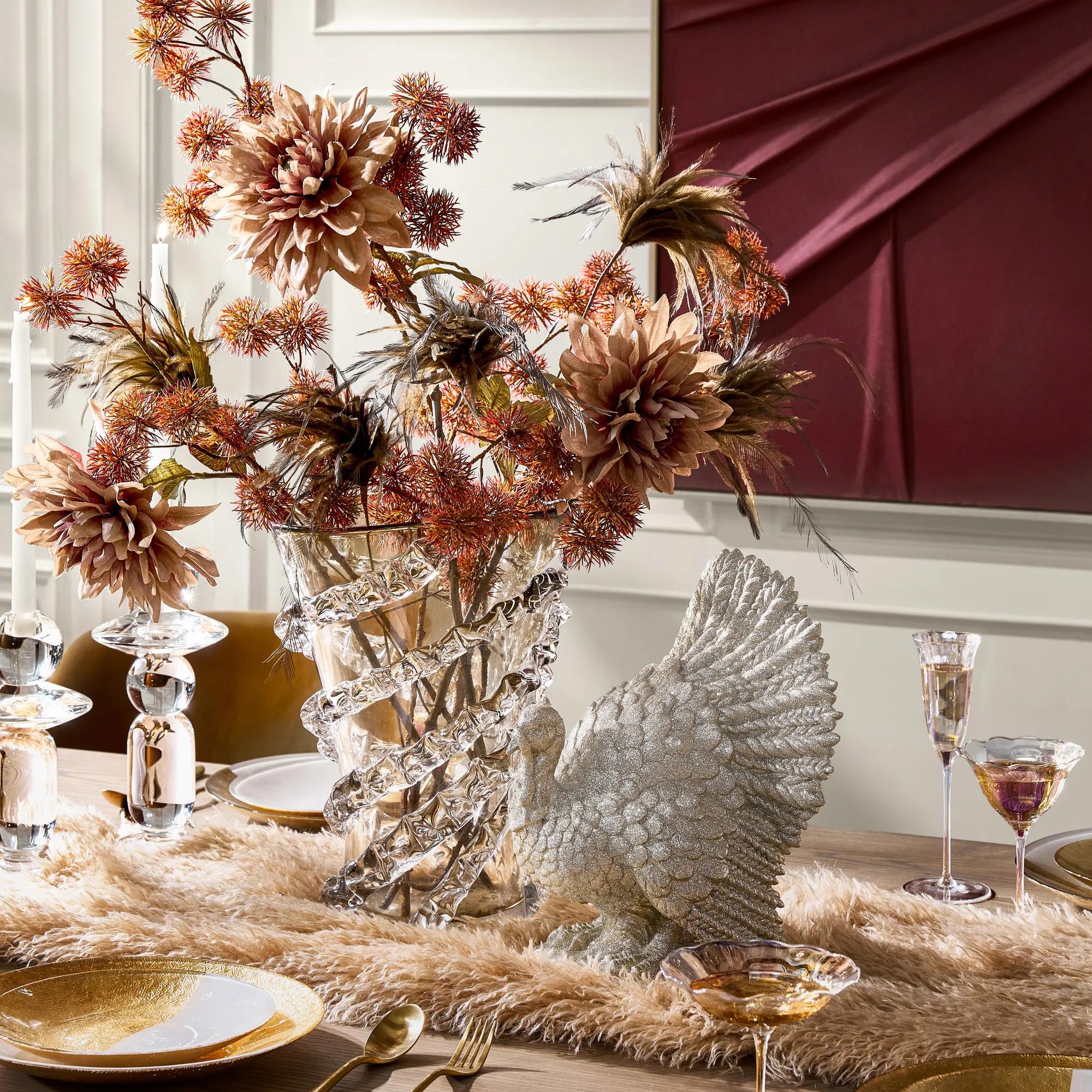 Reyna Glass Vase$299
A hand-blown glass vase featuring a sculptural swirl design and a smoky grey-brown finish.
Add To Cart

Decorative Glass Art Pieces
Explore decorative glass art pieces that bring sculptural presence and luminous detail to shelves, consoles, and tabletops. Consider shape, scale, and how each piece interacts with light when choosing an accent that complements your room’s palette. Give it space to stand alone as a focal point, or layer it into a display for added dimension and drama.
Decorative glass art pieces are ornamental objects that use glass, color, and sculptural form to bring visual interest to a room. The category encompasses handblown sculptures, cast-glass objects, fused-glass panels, artistic vessels, and decorative bowls, with designs ranging from translucent curves to richly colored, opaque forms. Their appeal lies in the relationship between substance and light: a clear silhouette can seem almost weightless, while a saturated blue or amber surface gives a display depth and presence. Unlike a framed image, a freestanding glass sculpture changes character as it is viewed from different angles, revealing overlapping contours, suspended bubbles, or unexpected concentrations of color. The making process helps shape that character. Blown glass is formed by inflating and shaping molten glass, often creating fluid profiles and hollow interiors. Cast glass takes shape in a mold and can lend itself to substantial, architectural forms. Fused glass is made by heating compatible glass elements until they bond, allowing layered color and dimensional compositions. These techniques describe different approaches to glassmaking, not a guarantee that every decorative object is handmade. Where handcrafting is part of the design, subtle differences in dimensions, pattern, and color placement can contribute to an individual expression. Material and finish also influence the effect. Transparent glass lets surrounding colors remain visible through the object; translucent glass softens them; opaque glass emphasizes the silhouette itself. Polished surfaces produce crisp reflections, while frosted or textured treatments give light a quieter, more diffused presence. Iridescent finishes introduce shifting color that becomes especially expressive against a restrained backdrop. A piece does not need elaborate ornament to feel dramatic: a single sweeping curve, a folded rim, or a deep pool of color can command attention. For interiors built around expressive detail, glass art offers something distinctive: a medium with visual delicacy that can still hold its own beside sumptuous upholstery, gleaming metal, and richly patterned surfaces. Its impact comes as much from the space around it as from the object itself.
Scale, placement, and the surrounding palette determine how decorative art glass belongs in a room. A tall, narrow sculpture can introduce a vertical accent to a broad console, while a low, expansive form gives a coffee table presence without interrupting conversation across the seating area. An entryway offers an opportunity for a confident first impression: glass with a strong outline can stand against a painted wall, its curves contrasting with the straight lines of the furniture beneath it. On shelving, an open silhouette allows the background to become part of the composition, while a denser form creates a visual pause between books and other collected objects. Actual measurements matter more than a photograph’s apparent scale, particularly when an irregular shape extends beyond its base. Shelf depth, overhead clearance, and the footprint of neighboring objects all influence whether a display feels composed or crowded. The open profiles of decorative glass bowls offer another expression of the medium, bringing sculptural edges and concentrated color to dining tables, sideboards, and generous consoles. An empty bowl can be a complete composition, especially when its interior reveals a spiral, layered pigment, or an expressive surface treatment. Color can connect the piece to an existing room without matching every detail. A smoky neutral can echo the veining in stone; a jewel-toned vessel can draw a single accent from artwork or upholstery into a new part of the room. Contrast is equally compelling. Clear glass against dark wood emphasizes contour, while opaque glass against a pale wall makes the profile unmistakable. Lighting adds another dimension, but it should flatter rather than overwhelm the piece. Diffused illumination often reveals color and texture more comfortably than a harsh beam. A nearby mirror may extend the composition, provided the reflection adds depth rather than visual clutter. Leaving breathing room around a distinctive form allows its craftsmanship and proportions to register, giving even a compact tabletop display the authority of a considered collection.
Decorative glass is best understood as art with practical requirements, whether it becomes a personal signature at home or a thoughtful gift for someone with an expressive eye. Sculptural objects are generally intended for display; vessels and bowls may have additional uses only when their construction and care information support them. A vase-shaped artwork is not automatically suitable for holding water, and a decorative bowl should not be treated as food-safe unless it is identified for that purpose. Applied finishes, interior treatments, openings, and surface textures can all affect how a piece may be used and cleaned. Glass can retain its beauty for years with careful handling, but it remains vulnerable to impact, chips, and scratches. A broad, stable base and a level display surface are especially valuable for substantial forms, and shelves must be rated to support the object’s weight. In active households, placement away from table edges, narrow walkways, and areas accessible to children or pets helps protect both the artwork and its surroundings. Pieces are best lifted from a secure, substantial section rather than a delicate rim or projecting detail. Routine care usually begins with gentle dusting using a clean, soft, lint-free cloth; any damp cleaning should follow the maker’s instructions, particularly for painted, metallic, frosted, or iridescent surfaces. Abrasive pads and strong cleaners can compromise a finish, and dishwasher cleaning is appropriate only when expressly permitted. Protective pads, where suitable for the base and furniture finish, can help prevent surface scratches without becoming part of the visual composition. For gifting, glass art offers a personal gesture without requiring a complete room redesign. A housewarming, wedding, or anniversary can be marked with a form that reflects the recipient’s taste, whether that means restrained translucence or unapologetic color. Manageable proportions and straightforward care make the gesture easier to live with. Ultimately, the most compelling decorative glass art feels intentional: an object whose shape, finish, and placement bring a distinct point of view to the room.
FAQs
Decorative glass art transforms glass into an expressive accent, emphasizing form, color, and the interplay of light. From fluid silhouettes to bold sculptural shapes, these pieces bring an artistic focal point to an interior. Think of them as visual punctuation: a deliberate detail that gives a room personality and presence.
Give a distinctive glass piece room to command attention rather than surrounding it with competing accents. On a console, balance its silhouette with a stack of art books or a framed work. On a bookshelf, alternate artful groupings with open space so each curve and contour feels intentional.
Decide whether you want a harmonious accent or a daring contrast. Glass art that echoes a hue in your artwork or upholstery creates a considered connection, while a contrasting color introduces a striking focal point. Clear or softly tinted glass can add visual intrigue while allowing the surrounding palette to remain prominent.
Pair decorative glass art with contrasting textures to create a richly layered vignette. A tactile ceramic accent can emphasize the glass’s smooth surface, while metallic details introduce a gleaming counterpoint. Keep a shared color or recurring shape across the arrangement to unite the mix without making every element match.
Choose a visual thread—such as a color family, curved silhouette, or angular form—then introduce variation within it. A collection feels expressive when the pieces relate without repeating one another exactly. Arrange them with breathing room so individual details remain visible and the grouping reads as a composed artistic statement.