
Decorative Glass Plates
Decorative Glass Plates
-
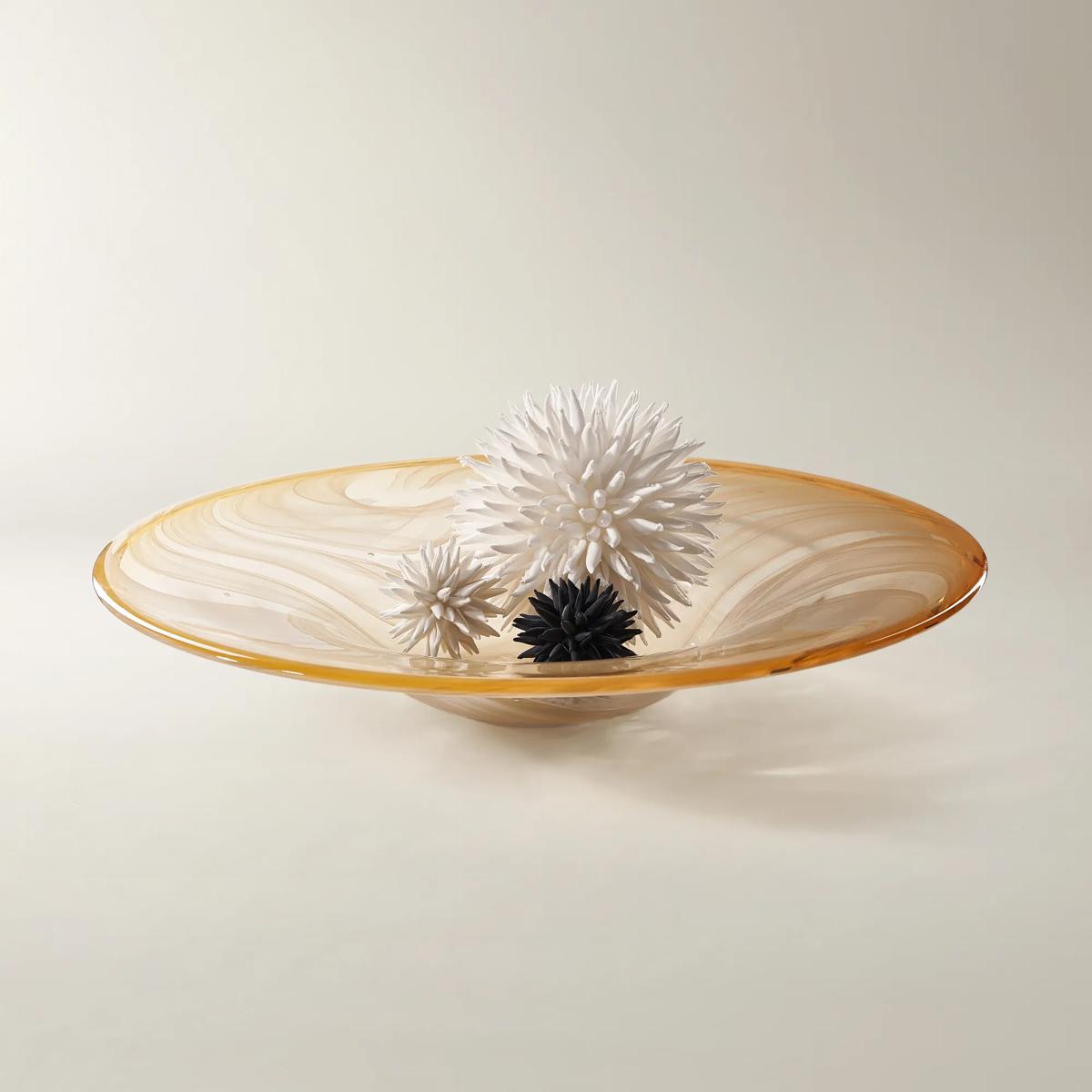
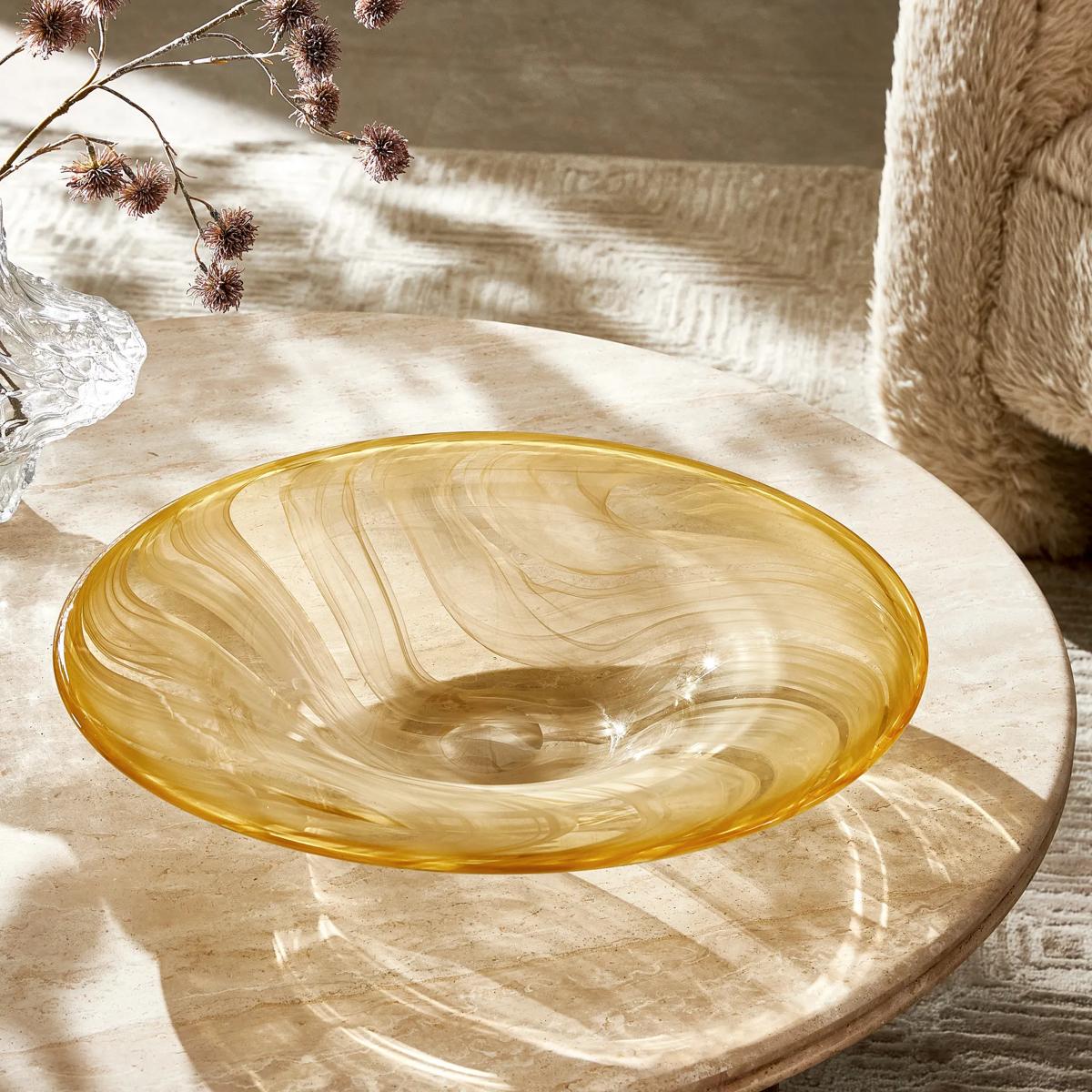 Paradis Glass Plate$239
A hand-blown amber glass plate featuring a swirling, organic design for a radiant decorative accent.
Add To Cart -
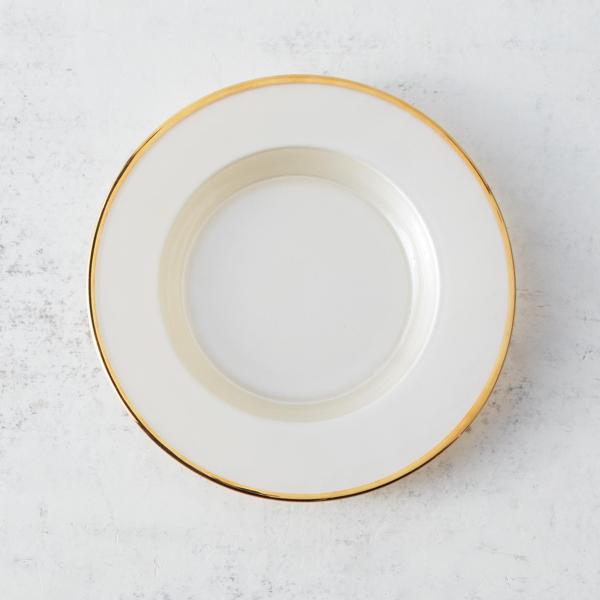
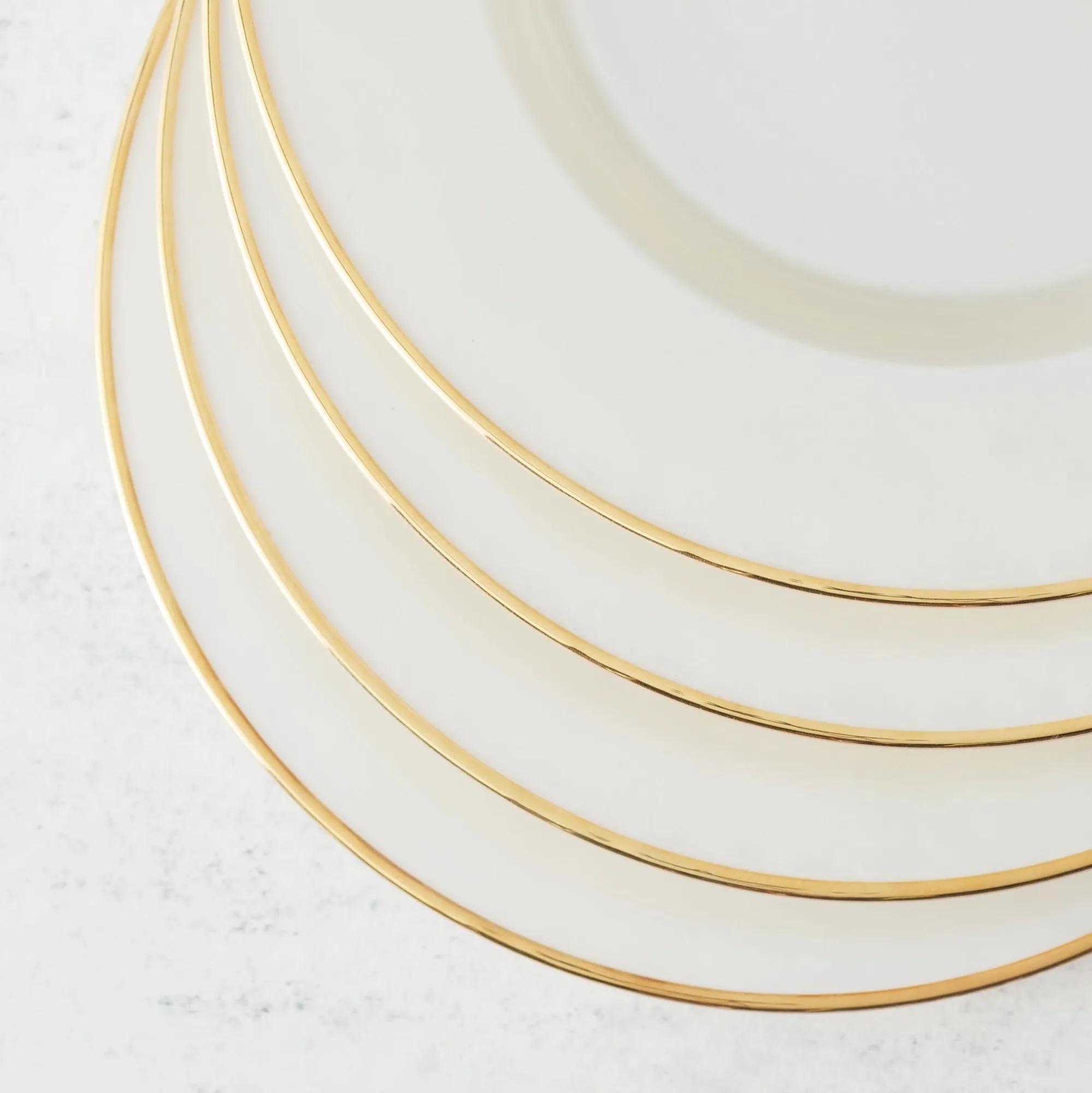 Paramount Dinnerware Sets$59.8
A sophisticated glass dinnerware set featuring a dreamy metallic finish in Alabaster, Champagne, or Gold.
Add To Cart -
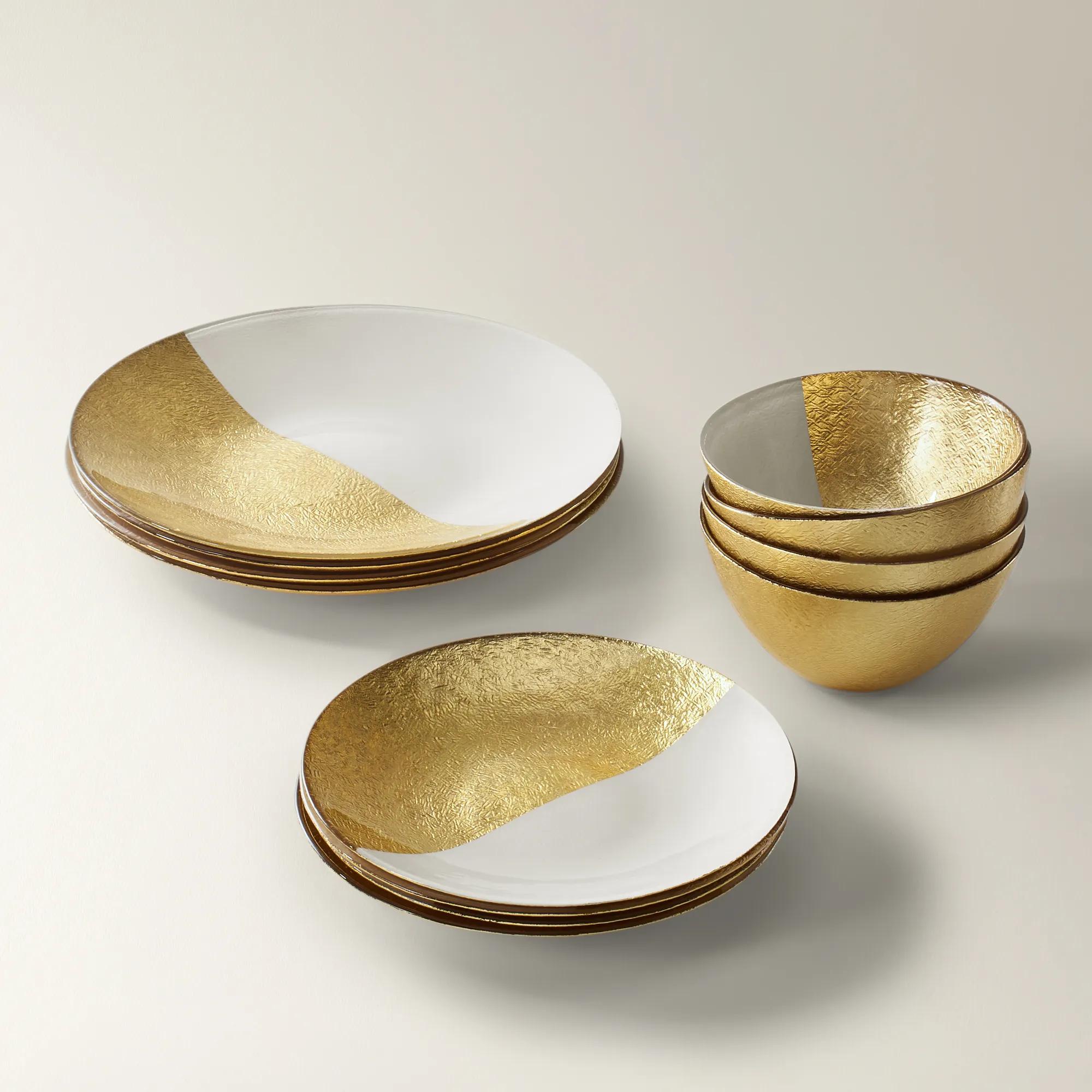
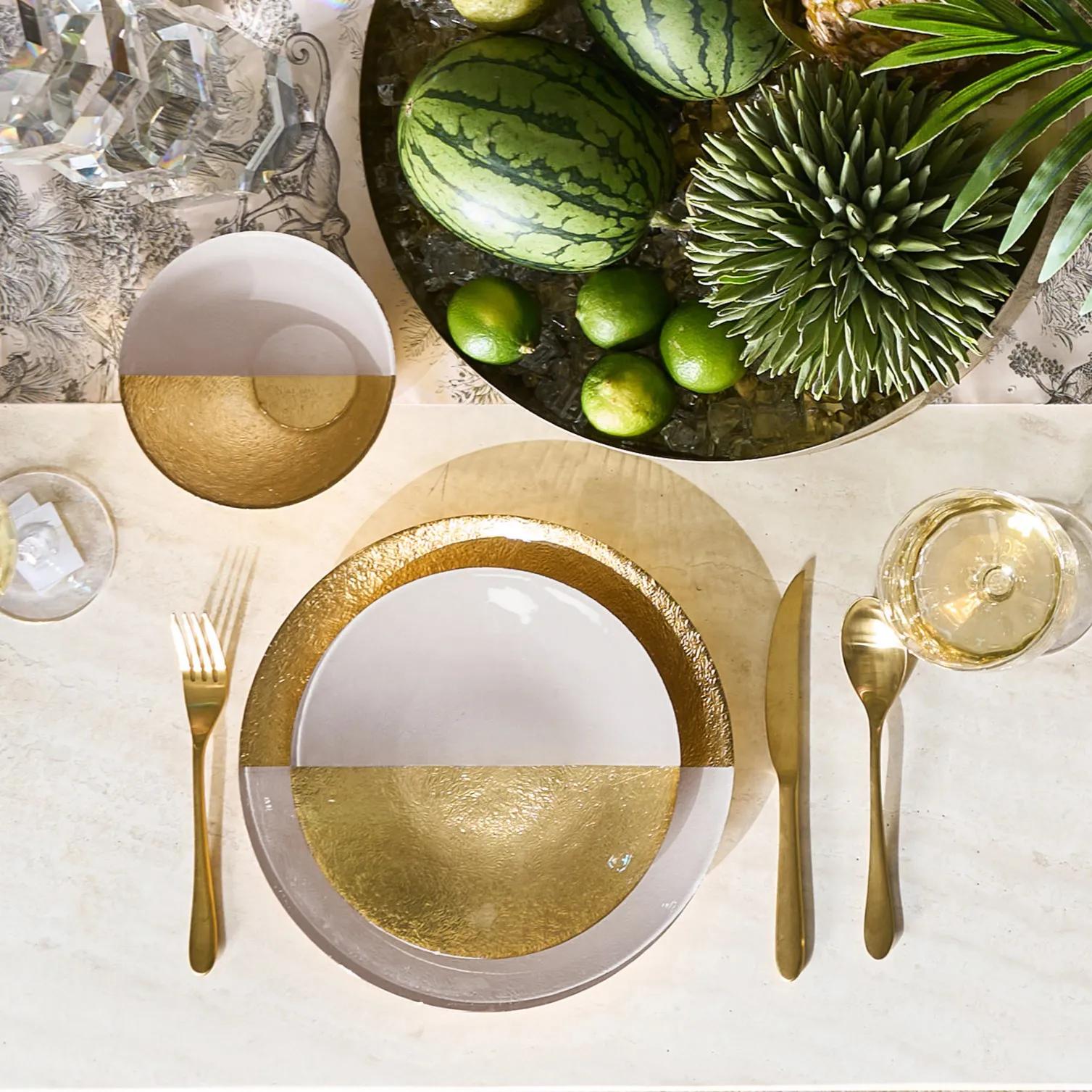 Gemini White and Gold Leaf Dinnerware Sets$59
A sophisticated glass dinnerware set featuring a sleek two-toned white and gold design.
Add To Cart -
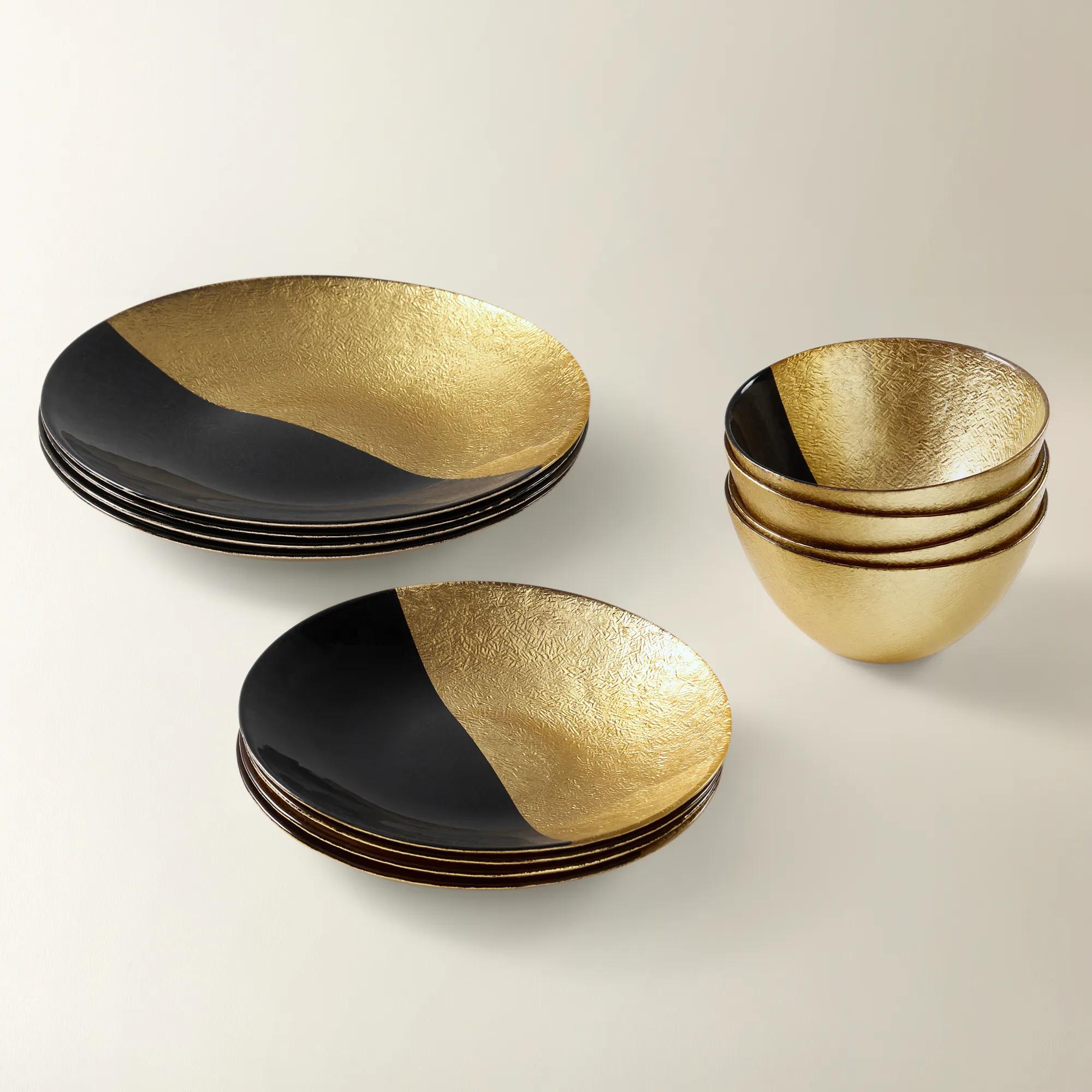 Gemini Black and Gold Leaf Dinnerware Sets$59
A striking set of black and gold glass dinnerware that brings modern elegance to any table.
Add To Cart -
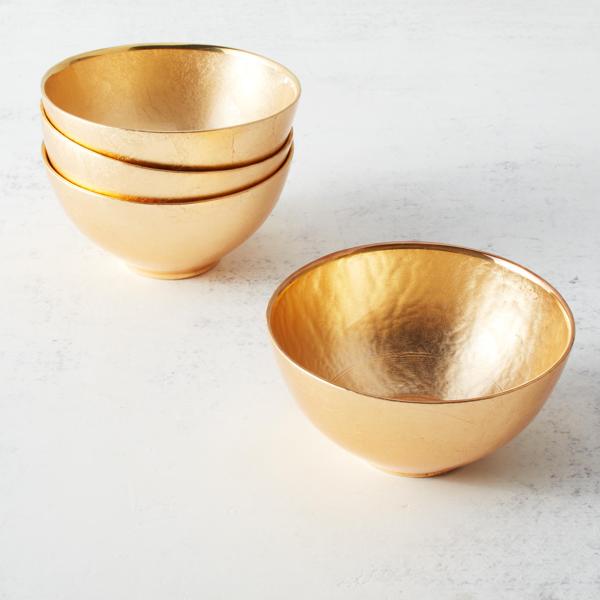
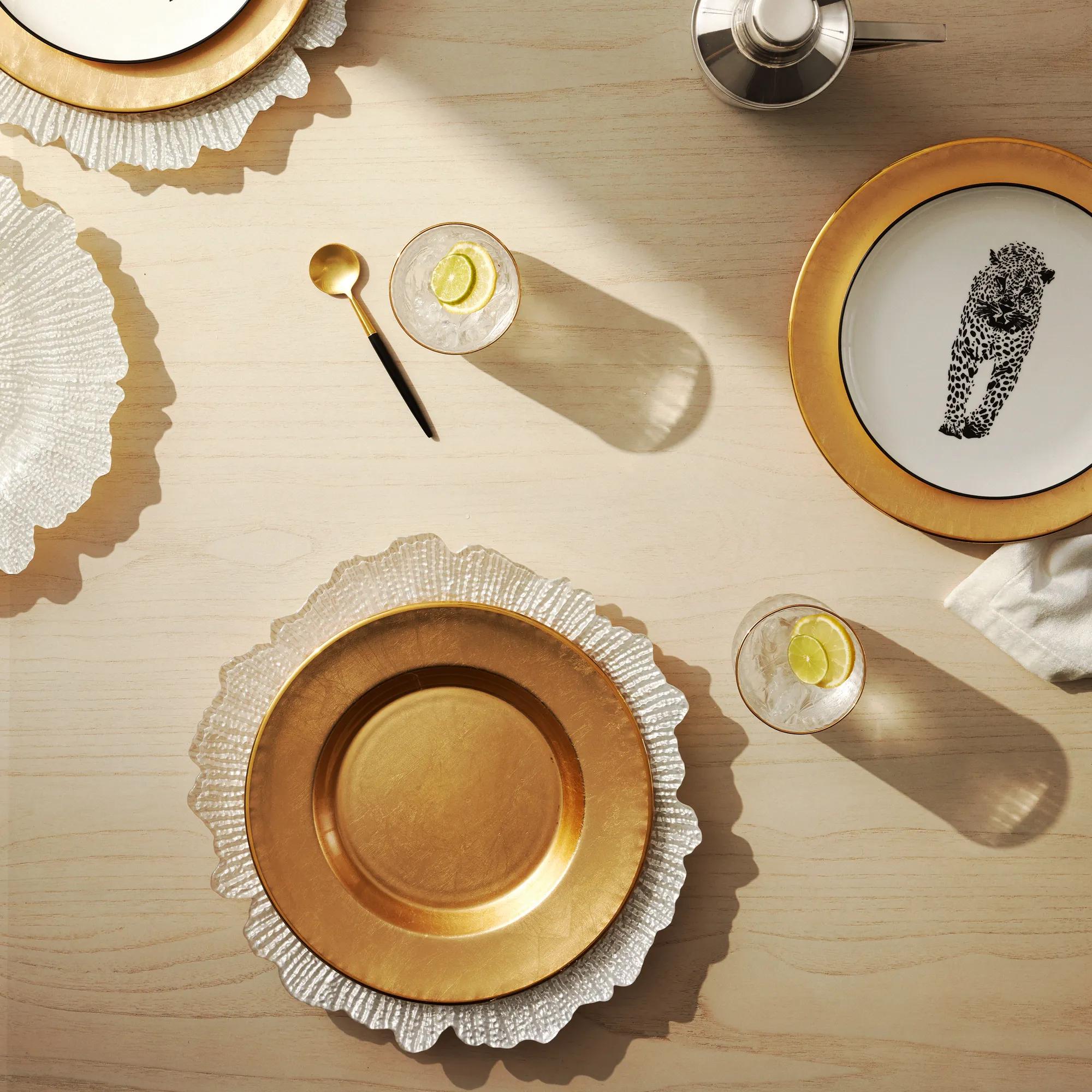 Paramount Dinnerware Sets$59.8
An opalescent soda glass dinnerware set featuring metallic finishes in Alabaster, Champagne, or Gold.
Add To Cart -
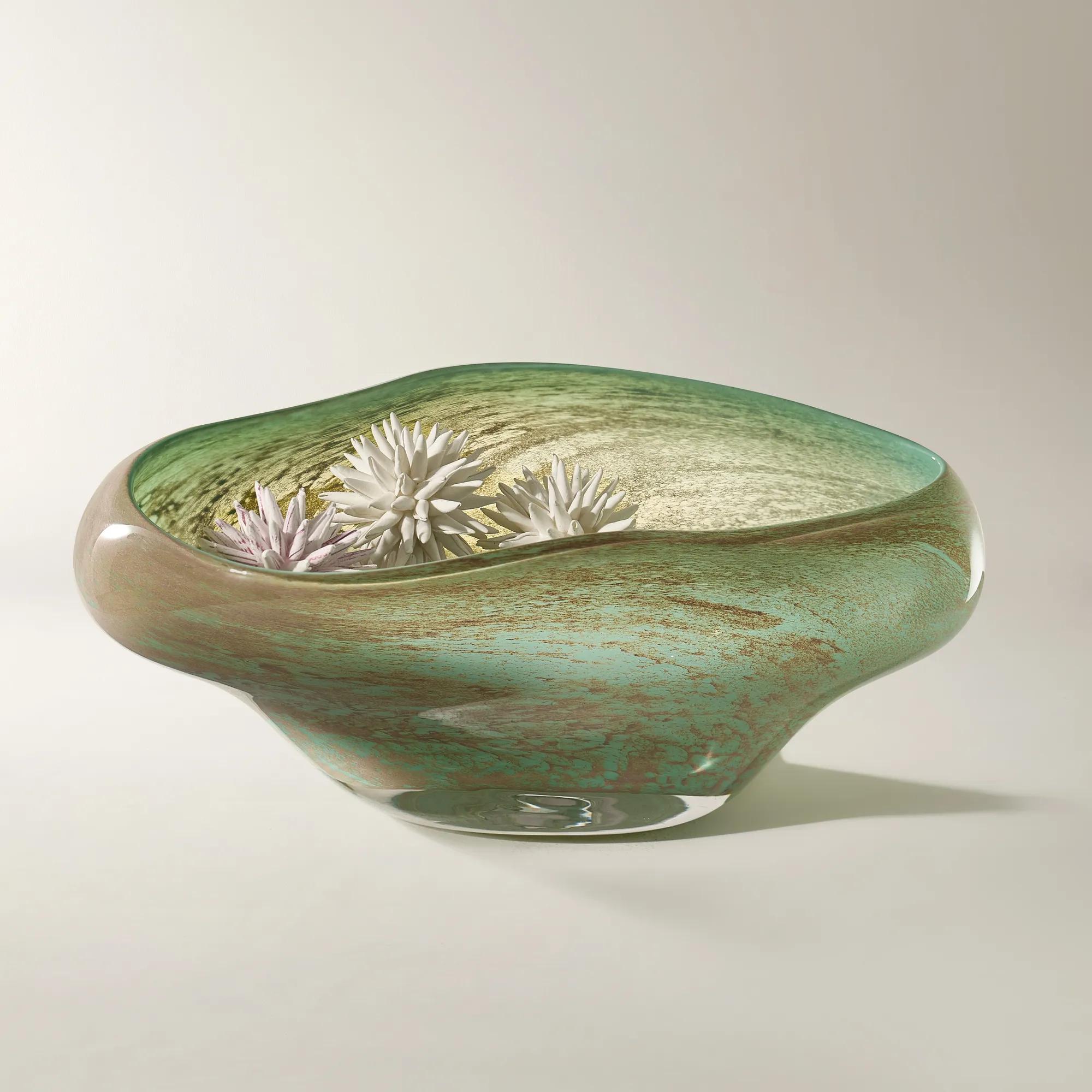
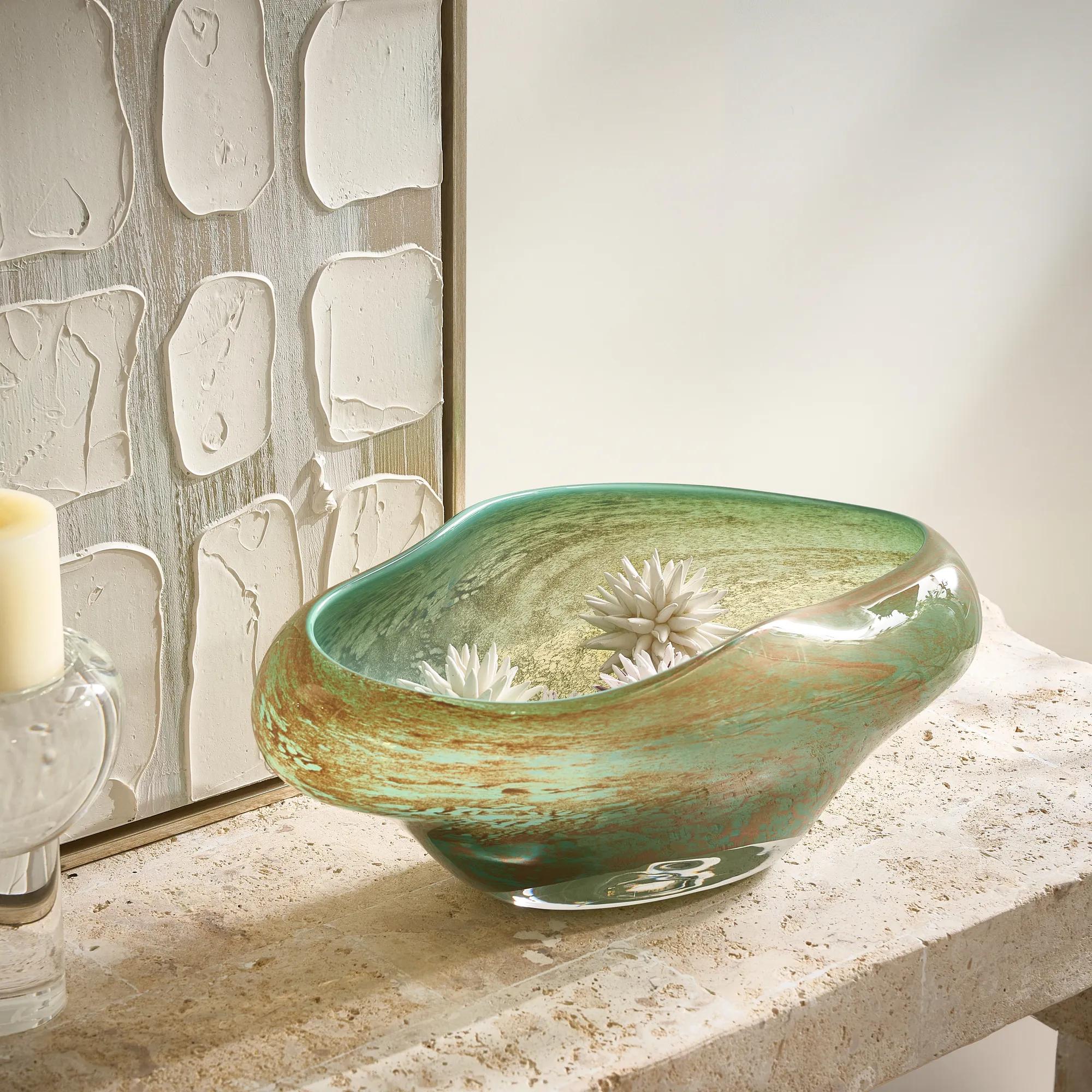 Green Mist Glass Bowl$179
A green glass bowl adding modern elegance to decorative displays.
Add To Cart

Decorative Glass Plates
Decorative Glass Plates are the ultimate expression of artistry and allure, transforming tabletops into curated showcases of style. Each plate is a canvas for light and color, refracting brilliance with every glance and inviting conversation with every detail. Whether displayed as a centerpiece or layered into an opulent tablescape, these pieces evoke a sense of modern glamour and refined drama. Elevate your dining experience and let Decorative Glass Plates set the stage for unforgettable moments, where every meal becomes a celebration of beauty and imagination.
Decorative glass plates are ornamental accents designed to bring color, texture, and reflected light to a room, whether displayed on a tabletop, supported by a plate stand, or mounted as wall art with suitable hardware. Unlike everyday dinnerware, their primary purpose is visual: a shallow silhouette becomes a canvas for luminous color, sculptural edges, and intricate surface detail. Some designs also serve as jewelry holders, decorative trays, or serving pieces, but those uses depend on the plate’s construction, finish, and stated care requirements. The appeal begins with glass itself. Clear glass creates an airy, light-catching presence, while richly colored glass introduces depth without the visual weight of an opaque object. Frosted surfaces soften reflections; glossy finishes sharpen them. Metallic accents can add a gilded shimmer, and textured glass can scatter light across a console or mantel. Different glassmaking techniques create distinct effects. Pressed or molded glass may feature repeating relief patterns, while fused glass joins glass elements through controlled kiln heat, producing layered compositions and expressive variations in color. Hand-painted decoration adds another dimension, from delicate linework to broad, abstract gestures. These techniques describe different styles of decorative glass rather than a single standard of quality; craftsmanship, finishing, and suitability for the intended placement remain important. A plate with an irregular outline can feel like a small sculpture, while a balanced circular form brings order to a more elaborate arrangement. Botanical motifs lend organic movement, geometric patterns create crisp rhythm, and swirling color can echo the energy of an abstract painting. For interiors with velvet upholstery, polished metal, or richly grained wood, glass offers a compelling contrast: brilliant yet visually light, decorative without requiring a large footprint. Its shallow form makes it especially useful where a room needs an artistic accent rather than another tall object. The result is a detail that rewards a closer look, turning an otherwise quiet surface into a considered expression of personal style.
Scale and placement shape the effect of decorative glass plates as much as color or pattern. A broad plate can anchor a dining table or spacious console, while a smaller form brings a concentrated flash of detail to a bedside table, dresser, or bookshelf. Diameter matters, but so do depth, edge profile, and the space required by a display stand. A plate that appears compact when laid flat may need considerably more room when tilted upright, particularly beneath a shelf or beside a lamp. On a narrow entry console, an upright display preserves surface space and presents the design at eye level; on a generous coffee table, a low arrangement keeps conversation and sightlines open. The surrounding materials influence the mood. Clear or pale glass can reveal the grain of a dark wood surface underneath, while saturated color becomes especially vivid against a restrained backdrop. A gleaming metallic rim can connect with nearby brass or chrome details without requiring every accessory to match. Strong patterns benefit from breathing room, allowing the plate’s artistry to remain legible rather than disappearing into a crowded arrangement. Groupings feel intentional when they share a color, finish, or visual rhythm, even if their shapes differ. Pairing plates with Decorative Glass Bowls introduces a pleasing contrast between shallow planes and deeper silhouettes, giving a tabletop composition dimension without relying on height alone. Glass plates can also bring detail to a dressing area, where a smooth, appropriately finished surface may hold rings or other small accessories if the piece is intended for that use. Raised decoration and textured surfaces deserve consideration around delicate jewelry, which can catch or rub against uneven details. For wall displays, the plate’s weight, shape, and mounting compatibility are essential; a secure hanger or purpose-designed system should support the piece without putting pressure on fragile edges. Whether displayed alone or within a larger vignette, a decorative plate has the strongest presence when its most expressive feature remains visible: a luminous center, an intricate border, or a dramatic sweep of color.
The beauty of decorative glass also calls for thoughtful handling. Glass can retain its clarity and visual richness with appropriate care, but it remains vulnerable to chips, scratches, impact, and sudden temperature changes. A substantial feel does not necessarily mean a plate is shatter-resistant, and decorative finishes may be more delicate than the glass beneath them. Smooth edges, a stable base, and a surface free of visible cracks are practical considerations, especially for pieces placed where they may be handled frequently. Secure positioning matters on busy consoles and low tables, particularly in homes with children or pets. Protective pads may help prevent direct contact between a plate and a furniture surface when compatible with the piece, while a properly sized stand should hold an upright display securely without wobbling. Cleaning instructions should guide care: abrasive scrubbers, harsh cleaners, and dishwasher cycles can damage painted, metallic, or applied decoration. When the finish permits, gentle cleaning with a soft cloth and mild soap, followed by careful drying, helps preserve the plate’s appearance. Avoid soaking pieces with attached embellishments or hardware unless the care instructions allow it. Intended use is equally important. A decorative glass plate is not automatically food-safe, even when serving only dry foods; direct food contact should be limited to pieces explicitly designated for that purpose. Likewise, use beneath candles requires a plate identified as suitable for candle use and the heat involved, rather than assuming that any glass surface offers adequate protection. Decorative plates also make expressive gifts for housewarmings, weddings, anniversaries, or a host who appreciates artful interiors. Their appeal is personal without requiring the recipient to rearrange an entire room. A restrained palette may complement a collector’s existing display, while a richly patterned design can delight someone drawn to bold color and sculptural detail. Attention to the recipient’s space, preferred finishes, and display habits makes the gesture feel considered. Beautifully chosen, a glass plate offers more than ornament: it brings artistry into daily view, catching light and giving a familiar corner a distinctive presence.
FAQs
Decorative glass plates bring an elevated sense of artistry and occasion to any dining table. Their reflective surfaces and intricate designs create a visually stunning backdrop for your culinary creations, enhancing both presentation and ambiance. Whether used for everyday meals or special gatherings, these plates infuse each setting with a sense of celebration and style.
Beyond the table, decorative glass plates can be showcased as wall art, layered on open shelving, or incorporated into curated vignettes atop consoles and coffee tables. Grouping plates of varying colors and textures creates a dynamic focal point, while a single statement plate can add a touch of glamour to a bookshelf or entryway.
Absolutely. Decorative glass plates make exquisite gifts for housewarmings, weddings, anniversaries, or milestone celebrations. Their timeless appeal and versatility ensure they will be cherished by recipients who appreciate thoughtful design and expressive décor.
To preserve the brilliance of decorative glass plates, gently hand wash them with mild soap and water, and dry with a soft cloth to prevent water spots. Avoid abrasive cleaners or harsh scrubbing to protect delicate finishes, metallic accents, or hand-painted details.
Yes, mixing and matching decorative glass plates with other tableware is a wonderful way to create a personalized and visually captivating tablescape. Pair them with complementary colors, metallic chargers, or textured linens to highlight their unique features and express your individual style.


