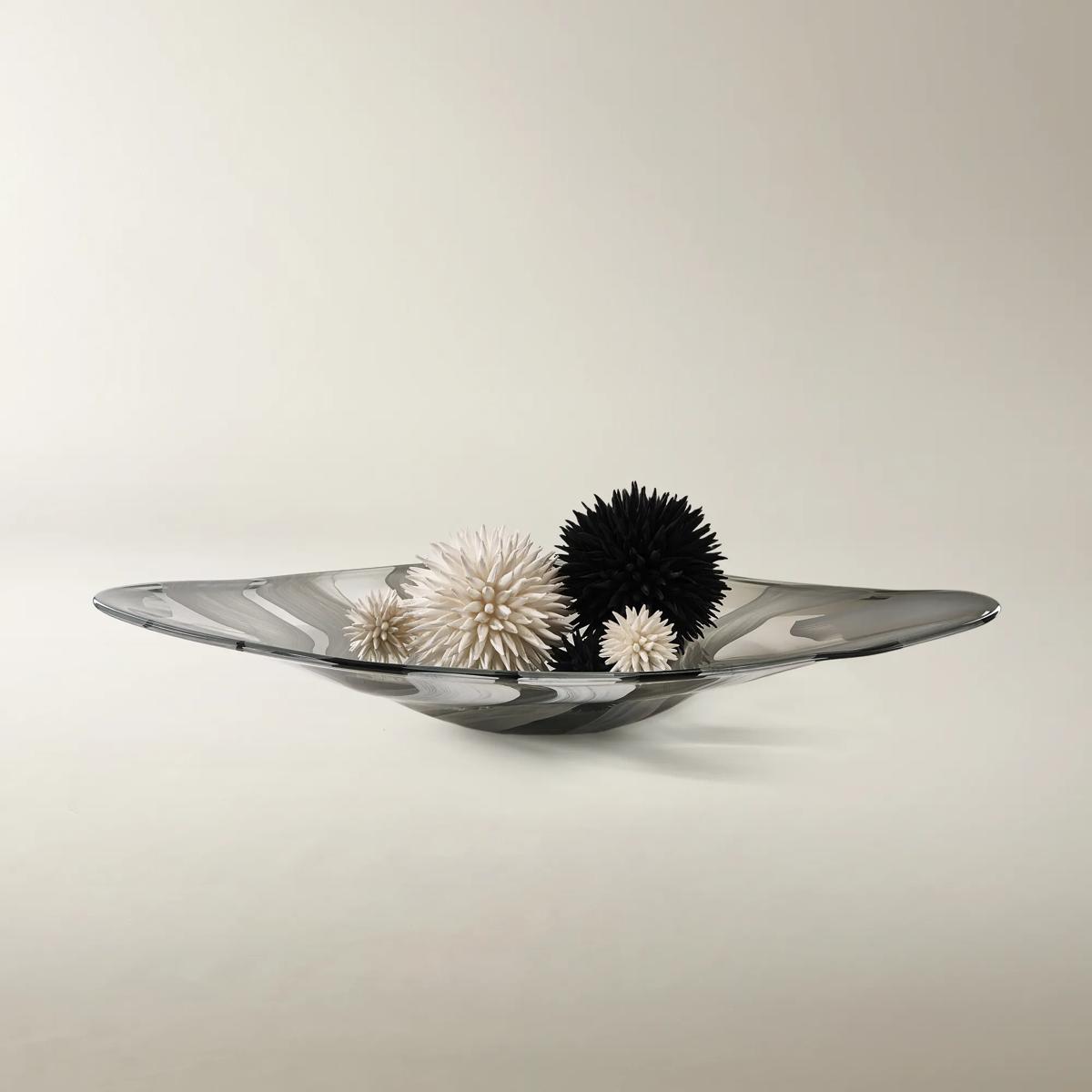
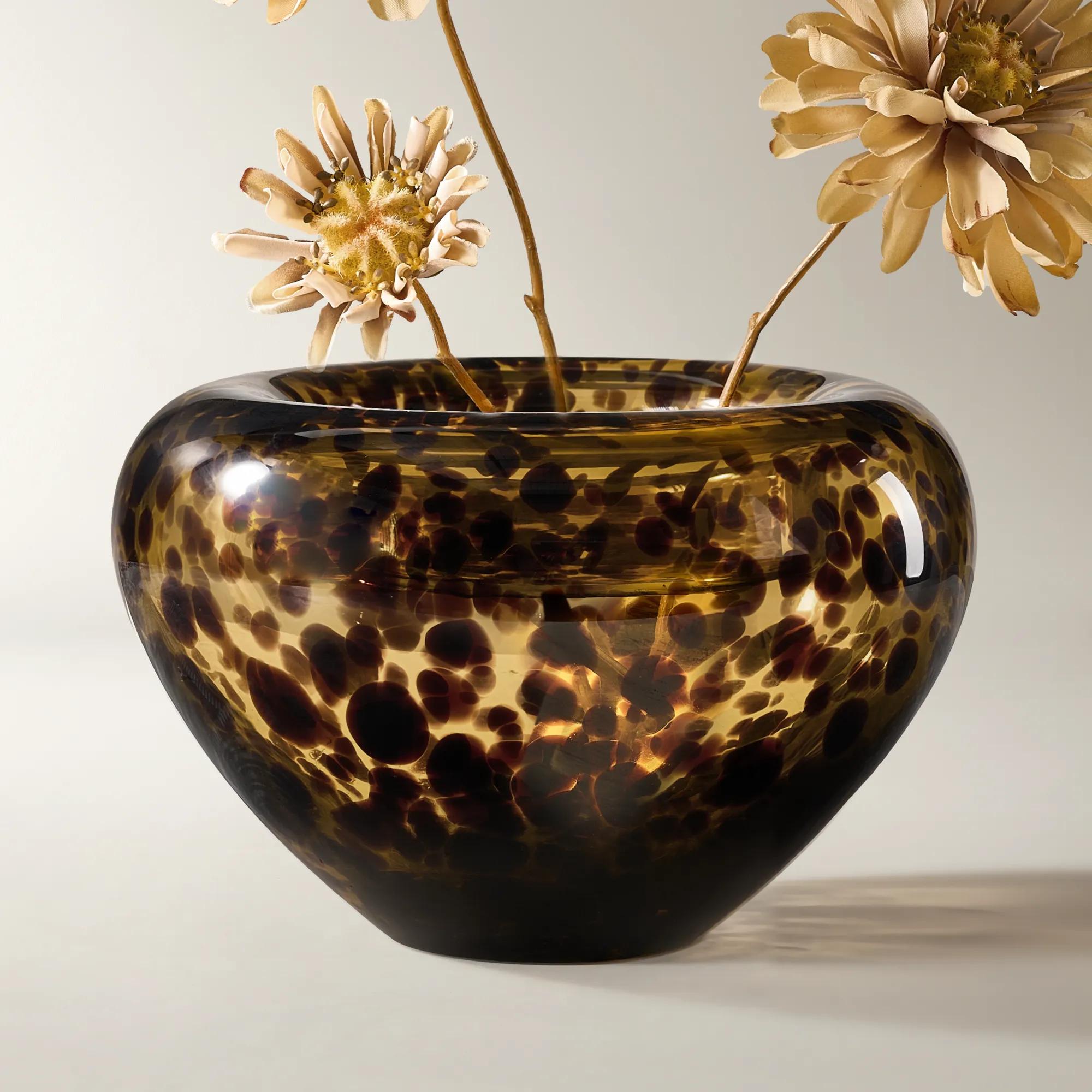
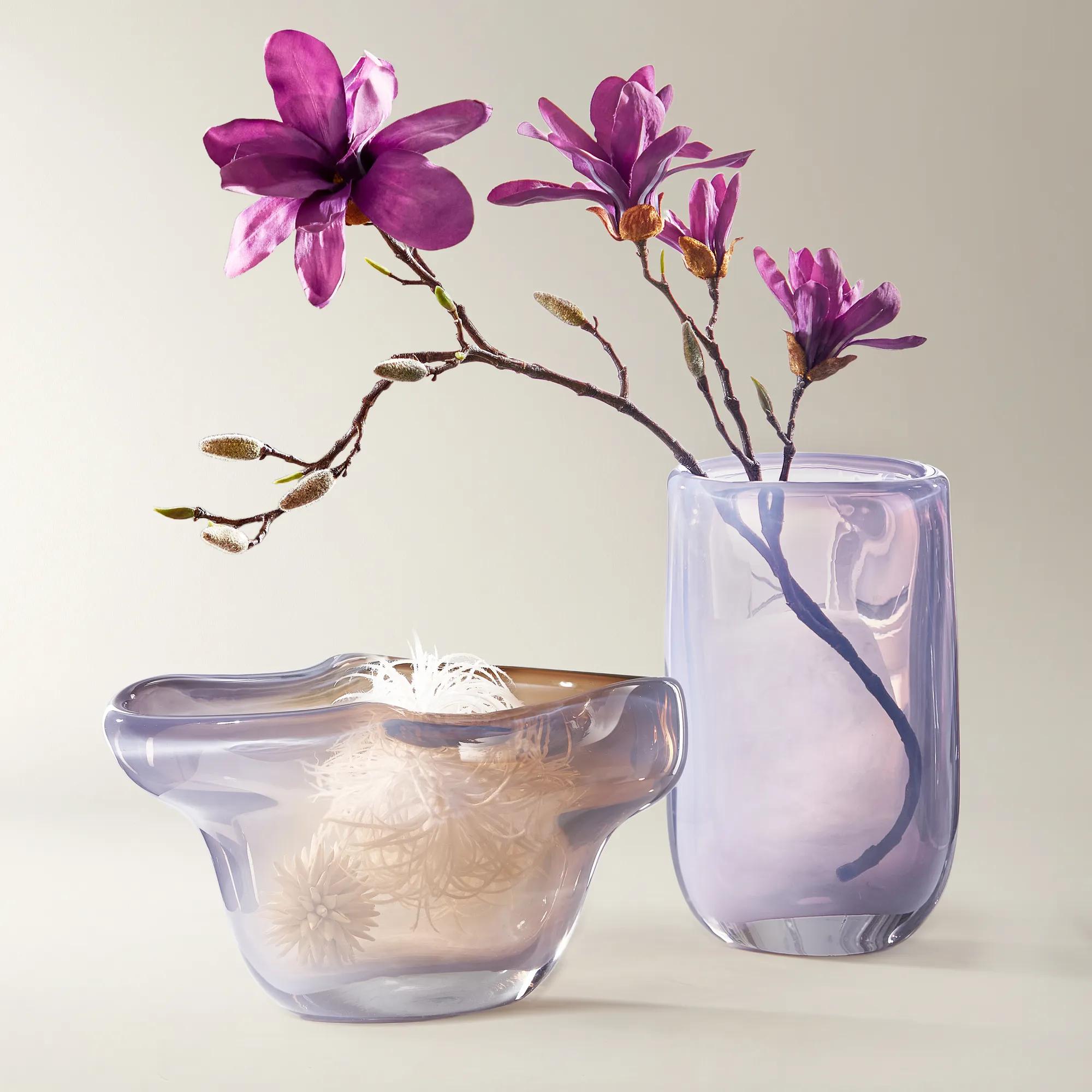
Decorative Plates For Coffee Tables
Decorative Plates For Coffee Tables
-
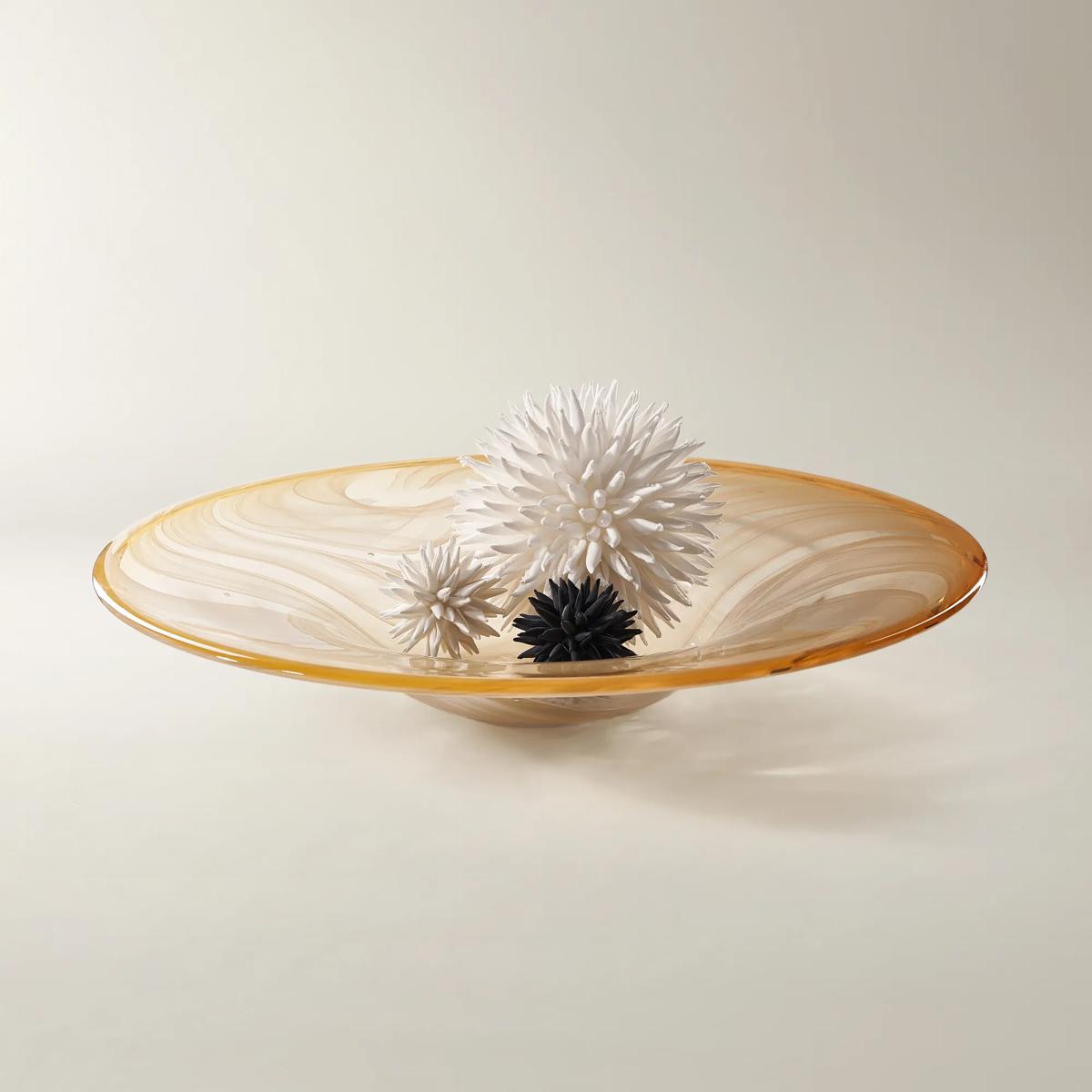
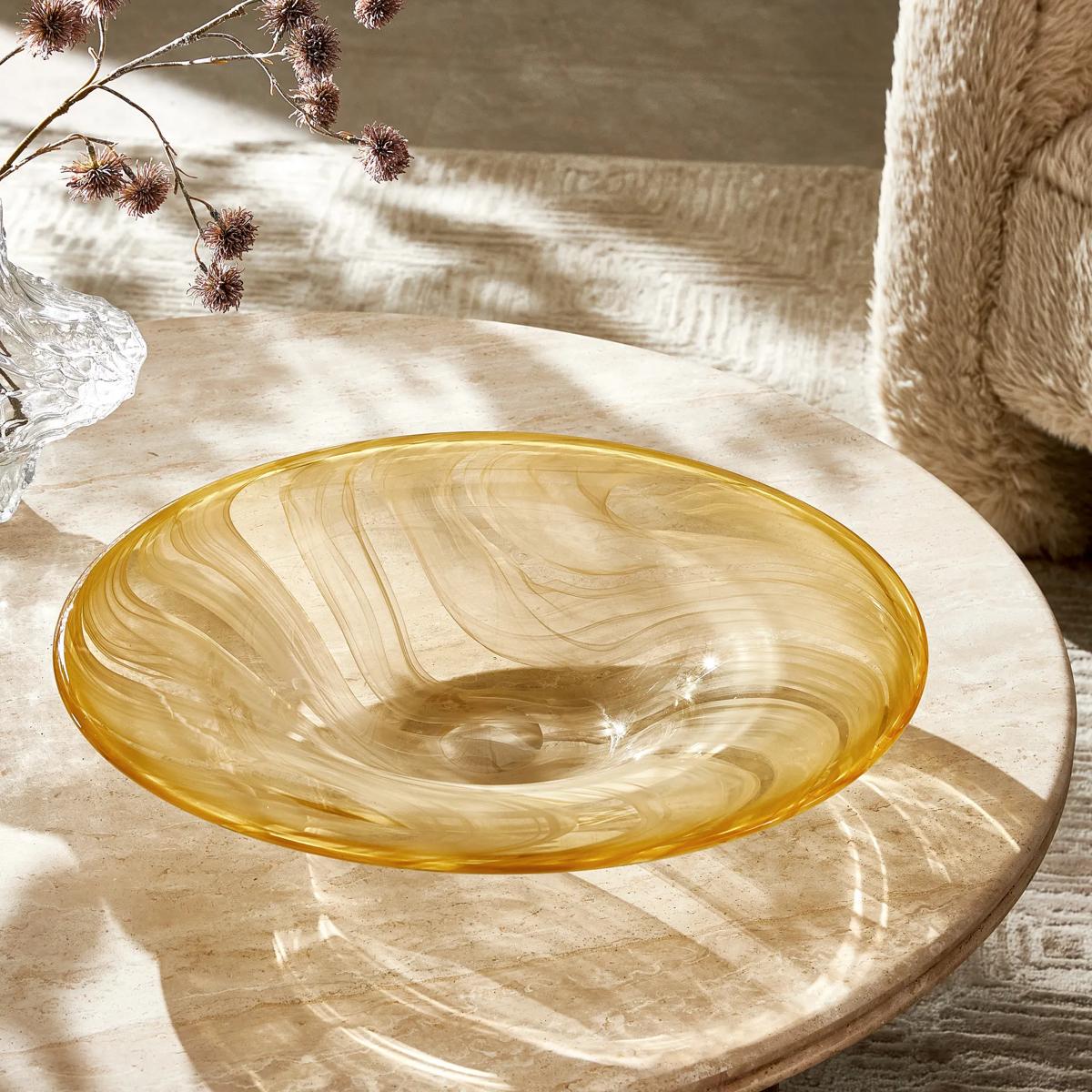 Paradis Glass Plate$239
A hand-blown amber glass plate featuring a swirling, organic design for a radiant decorative accent.
Add To Cart -
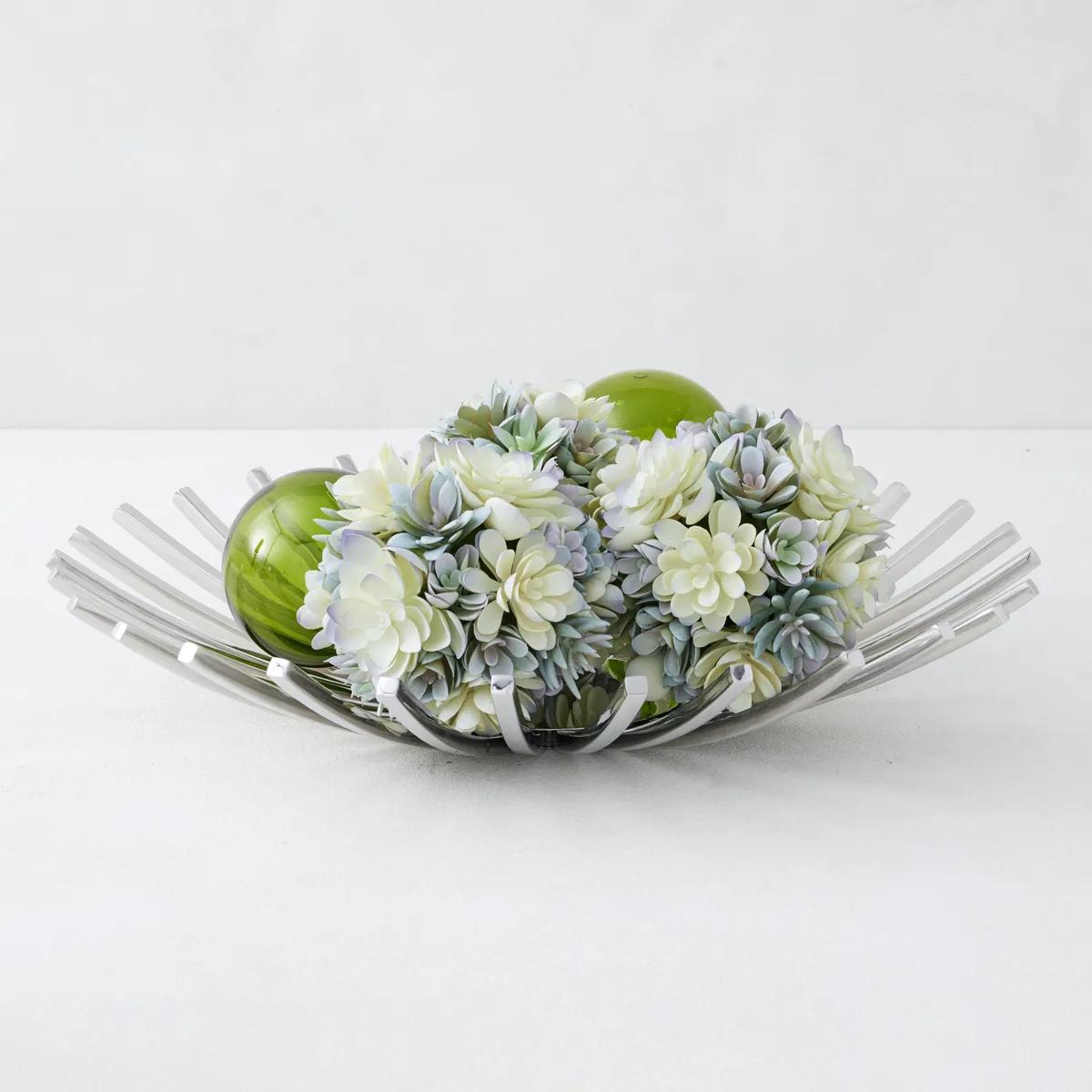
 Jupiter Plate$129
A polished stainless steel plate that adds modern brightness to any contemporary decor arrangement.
Add To Cart -
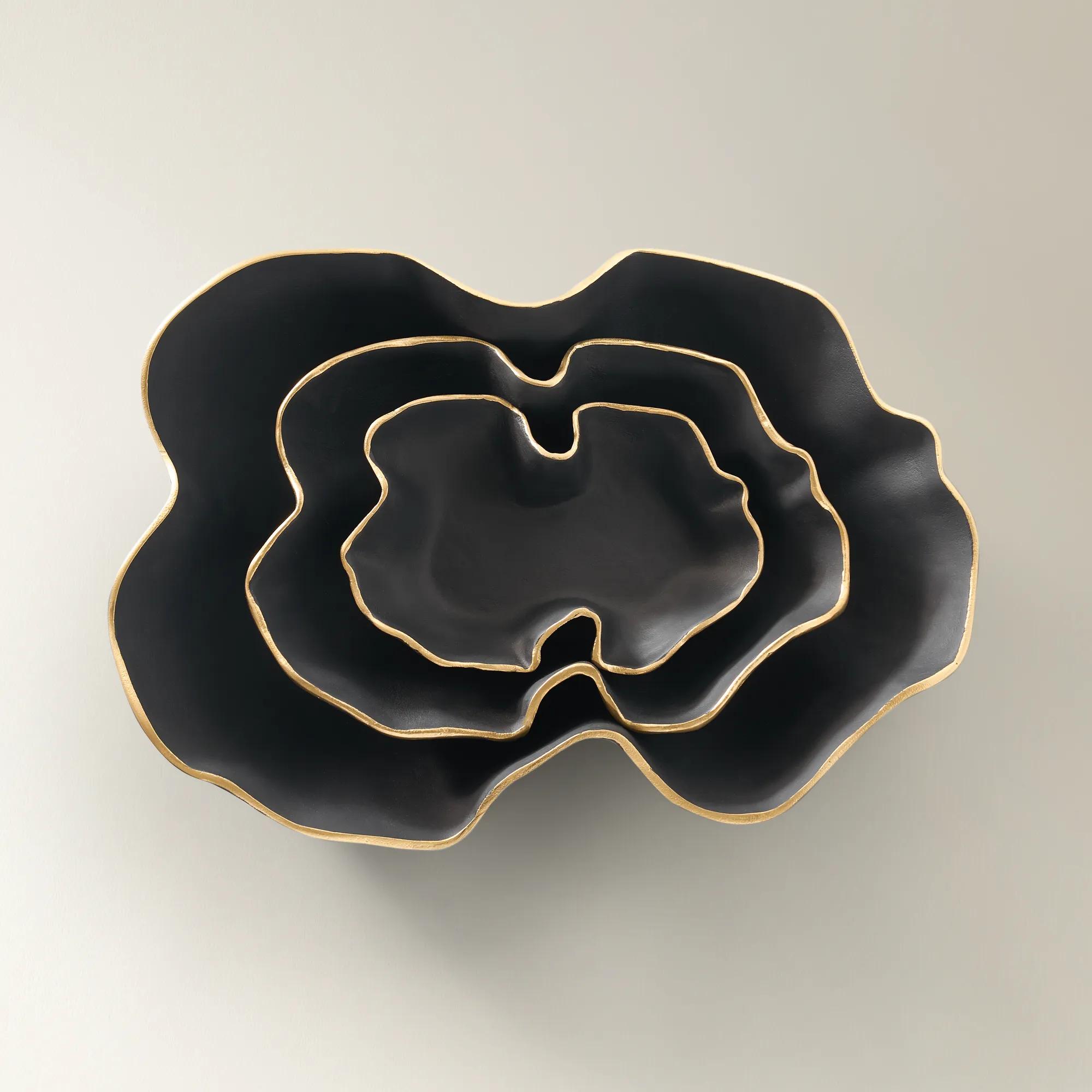
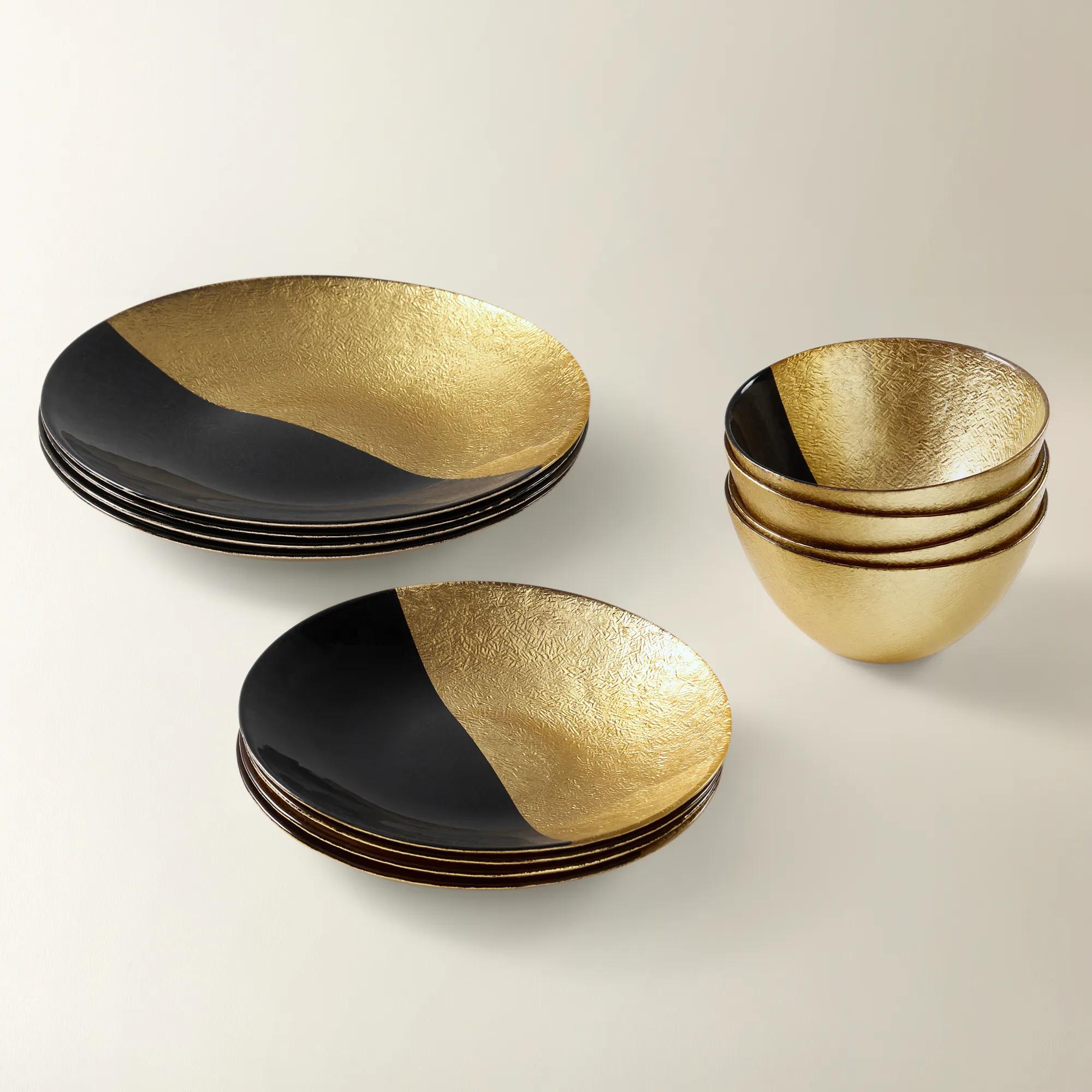 Gemini Black and Gold Leaf Dinnerware Sets$59
A striking set of black and gold glass dinnerware that brings modern elegance to any table.
Add To Cart -
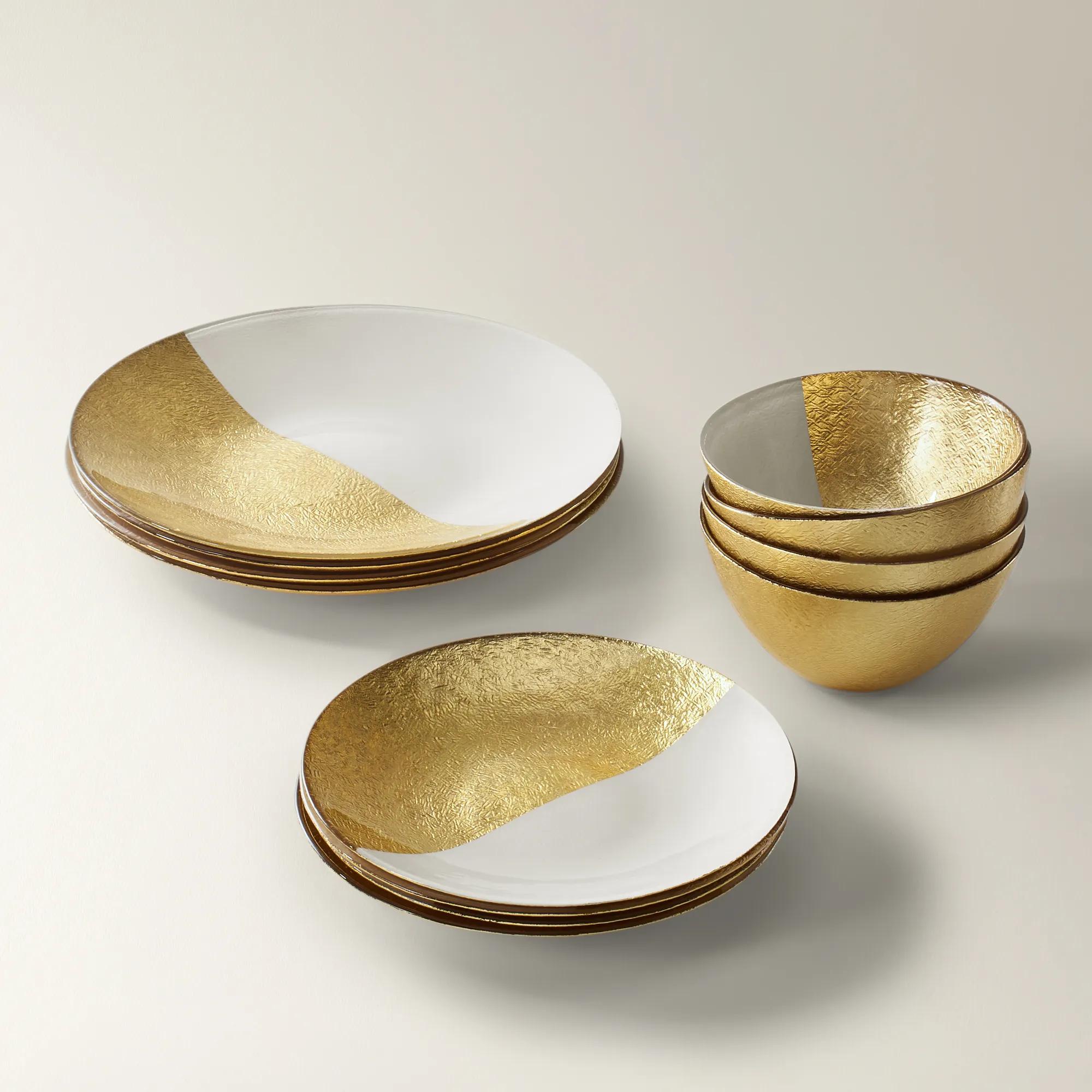
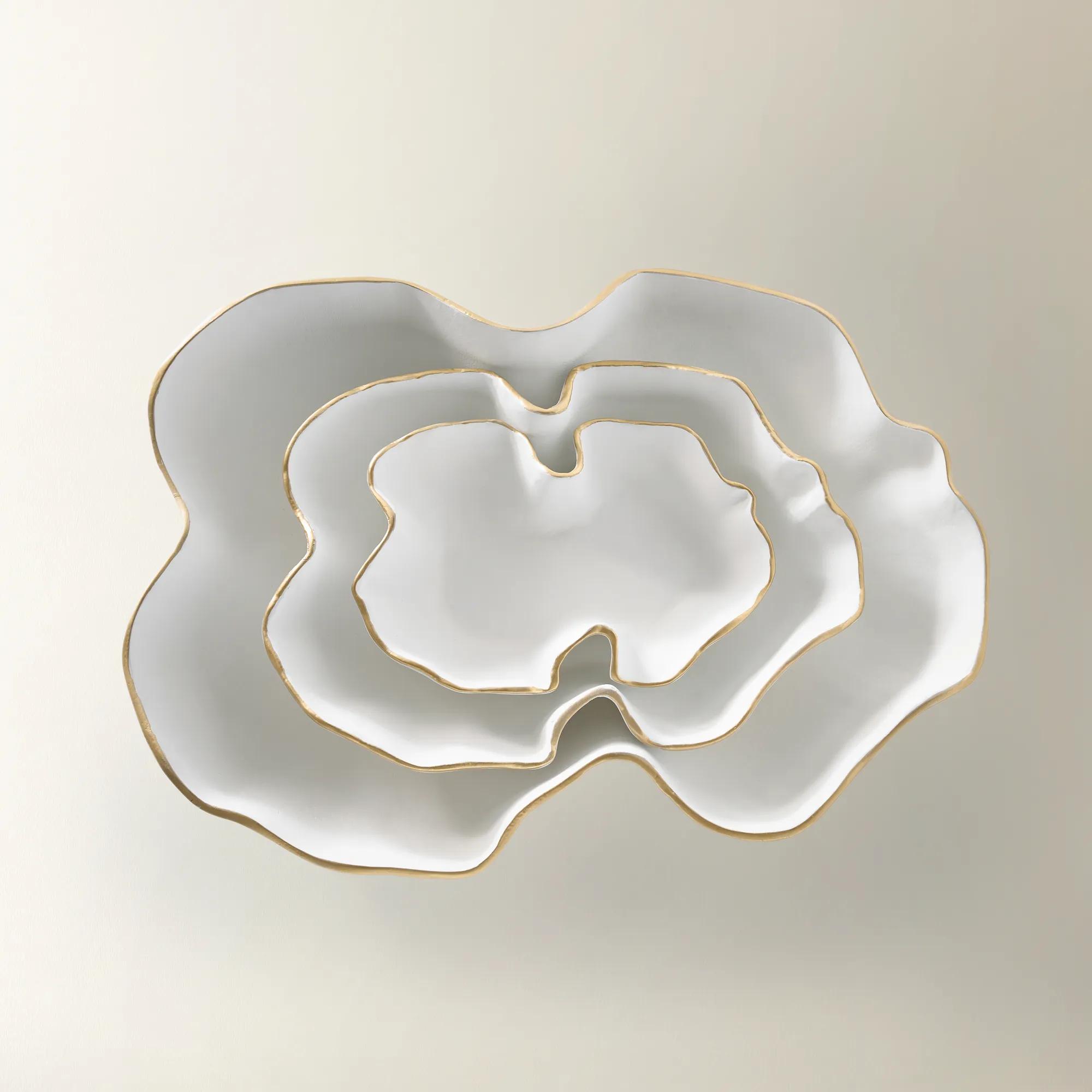
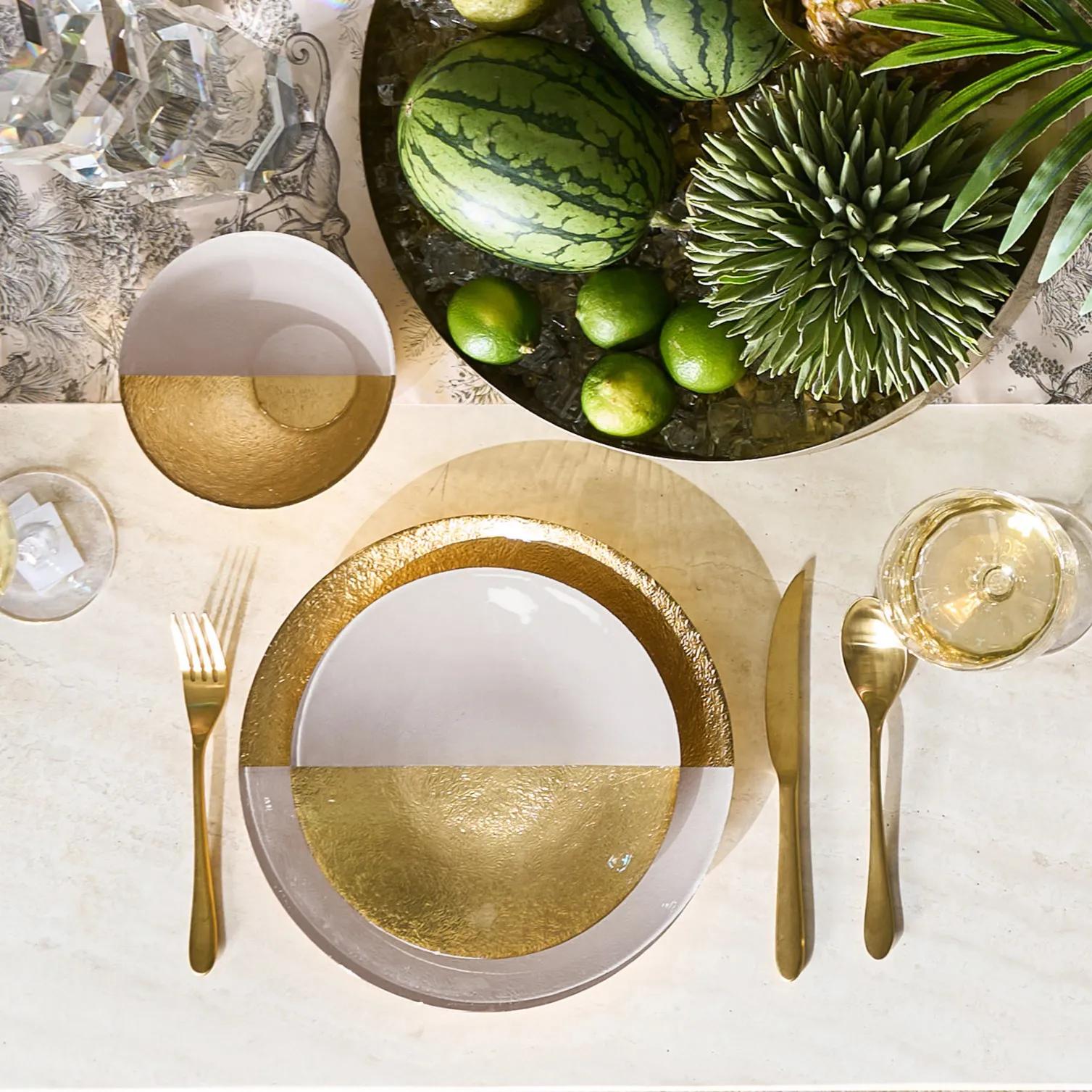 Gemini White and Gold Leaf Dinnerware Sets$79
A sophisticated glass dinnerware set featuring a sleek two-toned white and gold design.
Add To Cart

Decorative Plates For Coffee Tables
Decorative Plates For Coffee Tables transform the ordinary into the extraordinary, inviting artistry and intrigue to take center stage in your living room. Each plate is more than an accent—it’s a curated statement, designed to spark conversation and capture the imagination. Whether layered atop a stack of fashion tomes or gleaming solo on a mirrored tray, these pieces infuse your space with opulent detail and undeniable drama. Let your coffee table become a gallery, where every curve, color, and finish tells a story of elevated taste and unapologetic self-expression.
Decorative plates for coffee tables are display accents that gather smaller objects, introduce texture, and create a focal point on wood, glass, stone, or upholstered surfaces. Unlike dinner plates, their primary purpose is visual: a generous curve, a gleaming finish, or an unexpected silhouette gives an arrangement its own sense of place. A shallow dish can frame a sculptural object, corral small essentials, or stand alone as an expressive centerpiece. The appeal lies in the contrast between a broad horizontal surface and a detail that rewards a closer look—an irregular rim, translucent glass, or a glaze with subtle shifts in tone. Round decorative plates soften the straight lines of a rectangular coffee table, while oval and elongated shapes can echo its proportions without making the arrangement feel rigid. Square designs introduce architectural definition; organic forms bring movement to a room with tailored upholstery and crisp geometry. Scale matters as much as shape. A plate should feel substantial enough to belong on the table while leaving comfortable space for drinks, books, and everyday use. Its footprint includes both the dish itself and anything displayed inside it, so a wide rim or sweeping sculptural edge deserves room to be appreciated. On a compact table, a single distinctive plate can carry the composition without competing with other accents. On a larger surface, it can anchor one grouping while an open area preserves the table’s function. A low profile keeps sightlines clear across a conversation area, whereas a raised pedestal or deeper bowl-like form creates a more pronounced centerpiece. For arrangements that need a broader base or more space for several objects, Large Decorative Trays for Coffee Tables offer a related approach with a more expansive footprint. Decorative plates tend to emphasize shape and surface artistry; trays often lend themselves to grouping multiple accessories, though either can establish a beautifully composed focal point.
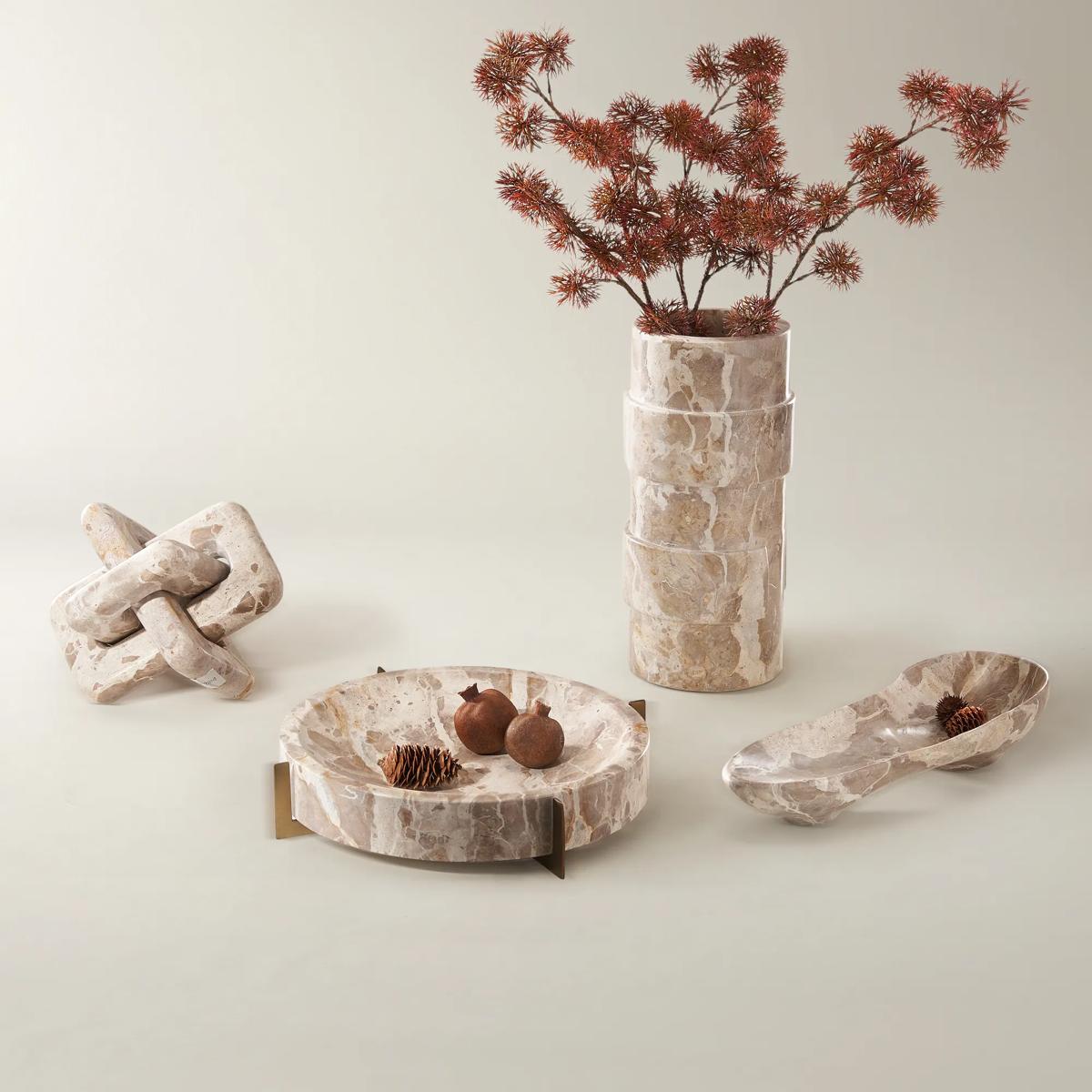
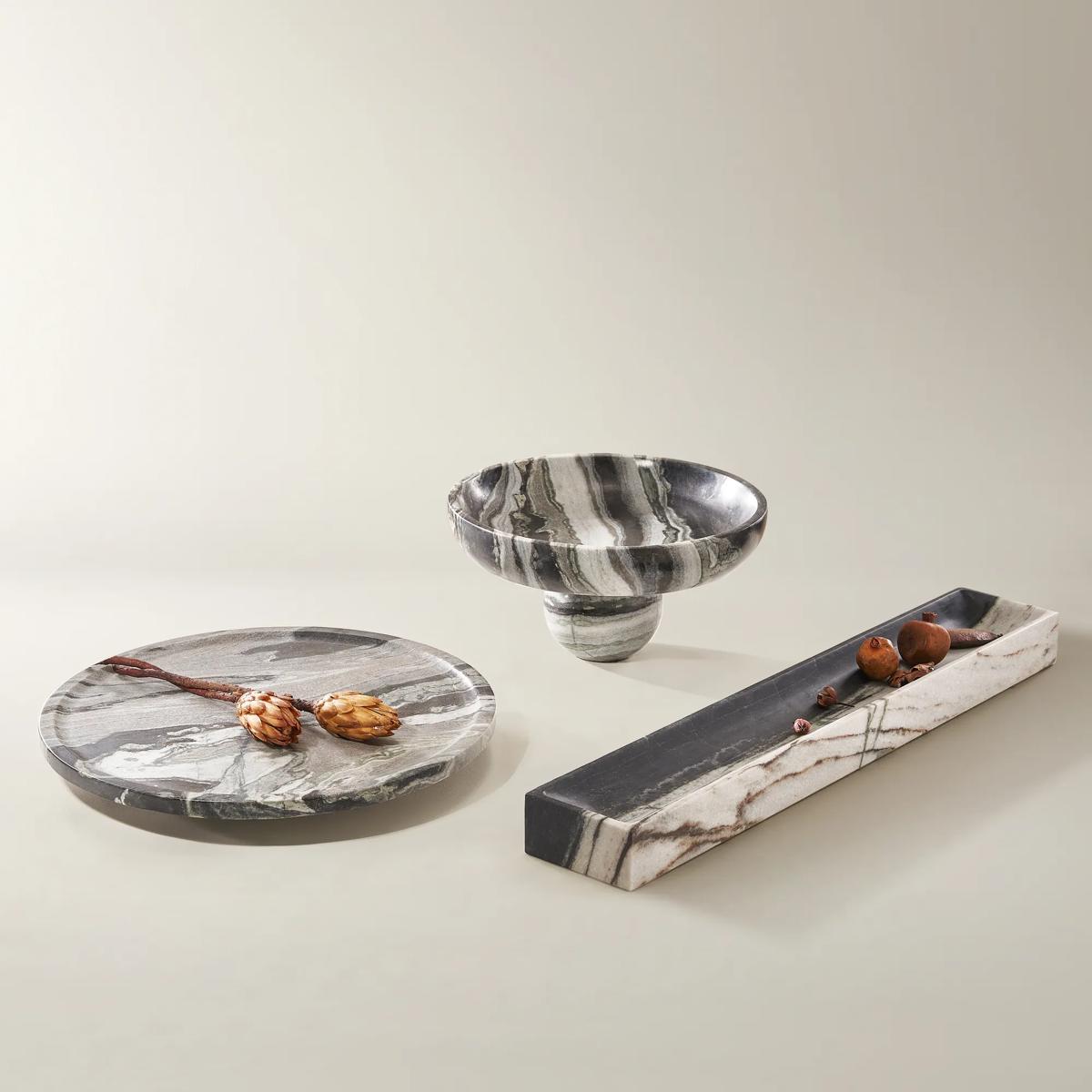
Material gives a decorative coffee table plate its character, weight, and relationship to the surrounding room. Glazed ceramic can bring saturated color, dimensional texture, or a softly luminous surface that looks especially rich against dark wood. Porcelain often offers a refined finish, although the durability of any ceramic piece depends on its construction, glaze, and handling rather than its appearance alone. Glass introduces lightness to a substantial arrangement: clear glass lets the table’s surface remain visible, while colored or textured glass adds depth and catches light along its contours. Mirrored finishes create a more theatrical effect, reflecting nearby objects and amplifying their presence without adding height. Metal plates can contribute warm gold tones, cool silver tones, or darker patinated character, with polished finishes delivering brilliance and brushed surfaces offering a quieter sheen. Marble and other natural stone bring visual weight through veining and tonal variation; wood adds expressive grain and warmth among glossy finishes and upholstered seating. These materials are not interchangeable in daily use. Stone can be heavy and may be vulnerable to staining or etching, particularly from acidic spills. Ceramic and glass can chip at exposed edges, while metal finishes may scratch or react poorly to abrasive cleaners. Wood benefits from protection against standing moisture and prolonged direct sunlight, and any painted, plated, or lacquered surface requires care appropriate to its finish. Manufacturer care instructions should determine cleaning methods, whether that means gentle dusting, wiping with a soft cloth, or another recommended treatment. Decorative pieces should not be assumed to be dishwasher-safe or suitable for soaking. A stable base and a smooth underside are especially important on a polished coffee table; suitable protective pads can help reduce surface scratches when kept clean and free of grit. On an upholstered ottoman, a broad, stable tray generally provides a firmer foundation than a narrow-footed plate. The most satisfying material choice balances the desired visual drama with the way the room is actually used.
The beauty of a decorative plate is its ability to make a small arrangement feel intentional without turning the coffee table into a display that cannot be touched. A luminous dish holding one sculptural accent has a different presence from a textured plate gathering a few treasured objects, yet both give the eye a clear place to settle. Variations in height make that horizontal foundation more expressive: a low object and a taller accent can create dimension while leaving some of the plate’s surface visible. Three objects can form a balanced grouping, but their proportions and spacing matter more than following a fixed number. An intricate plate may need very little company, especially when its rim, pattern, or reflective finish is the feature. A simpler form can support a more layered composition alongside a small stack of books, with enough separation to keep each element distinct. In a frequently used living room, a plate can provide an elegant landing place for a remote or other small essentials, provided its size and finish suit that purpose. In a sitting room devoted to conversation, it may function purely as an artful accent. Intended use deserves attention: a decorative plate is not necessarily food-safe, and unwrapped snacks should only touch surfaces explicitly identified as suitable for food contact. Likewise, an ornamental dish should not be treated as a candle holder unless its construction and care guidance support that use; burning candles require appropriate holders and a stable, heat-resistant setting. Homes with young children or lively pets may benefit from sturdier forms positioned away from table edges, while substantial stone pieces deserve particular care when lifted or moved. As a housewarming, wedding, or host gift, a decorative plate offers a thoughtful balance of artistry and versatility, especially when its scale and palette reflect the recipient’s home. Whether chosen for a richly layered living room or a space defined by a few dramatic accents, it brings color, contour, and a distinctly personal point of view to the center of the room.
FAQs
Decorative plates infuse your coffee table with personality and visual interest, acting as artistic focal points that draw the eye and create a sense of curated luxury. Whether used to display candles, seasonal accents, or cherished keepsakes, these plates add dimension and a touch of drama, transforming an ordinary surface into a striking showcase of your style.
Decorative table plates are remarkably versatile and can complement a range of design aesthetics—from glamorous Hollywood Regency and modern minimalism to eclectic bohemian and timeless classic. Choose plates with bold metallic finishes for a luxe vibe, organic textures for a natural feel, or abstract patterns to introduce artistic flair into your living space.
Absolutely. A decorative plate for table display makes a thoughtful and elegant gift for housewarmings, weddings, anniversaries, or holidays. Their timeless appeal and artistry make them cherished keepsakes, perfect for anyone who appreciates unique home accents and expressive design.
Styling multiple decor plates for table arrangements is an opportunity to play with layering, height, and contrast. Combine plates of varying shapes, finishes, or motifs to create a dynamic, collected look. Anchor your arrangement with a statement piece and complement it with smaller accents or fresh florals for a balanced, gallery-worthy display.
Decorative table plates are perfect for seasonal updates. Swap in plates with wintry motifs or shimmering finishes during colder months, then transition to lighter hues and botanical patterns as spring approaches. This flexibility allows you to keep your coffee table decor fresh and attuned to the mood of each season.