
Designer Trays For Coffee Tables
Designer Trays For Coffee Tables
-
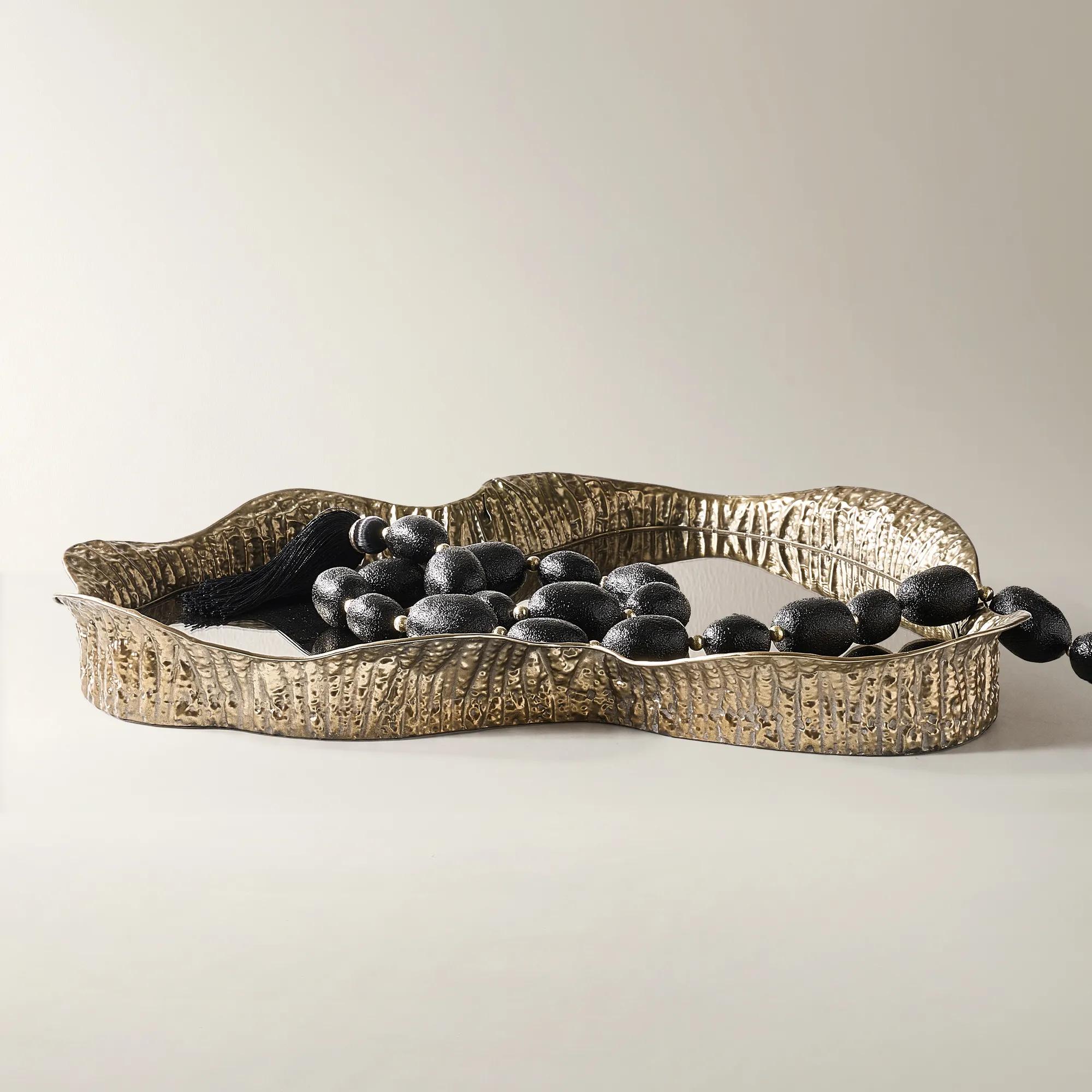 Cara Antique Gold Hand-Forged Iron Organic Shaped Amber Mirror Decorative Tray 21" x 23.5"$319
An antiqued gold iron tray with a bronze-tinted mirror surface for elegant, decorative display.
Add To Cart -
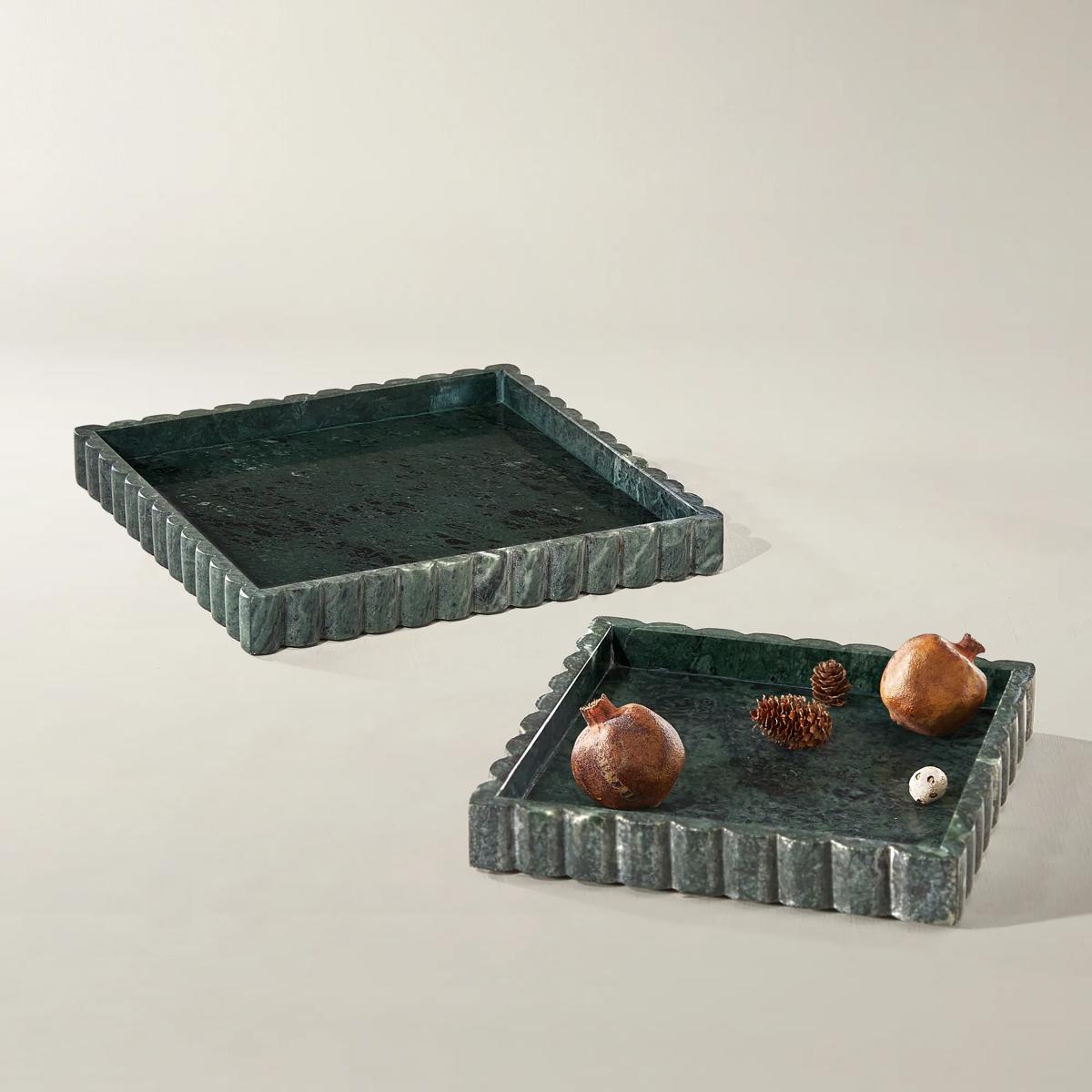
 Scallop Tray - Emerald Marble$69
A handcrafted Baroda green marble tray featuring unique veining and elegant scalloped edges for decorative display.
Add To Cart -
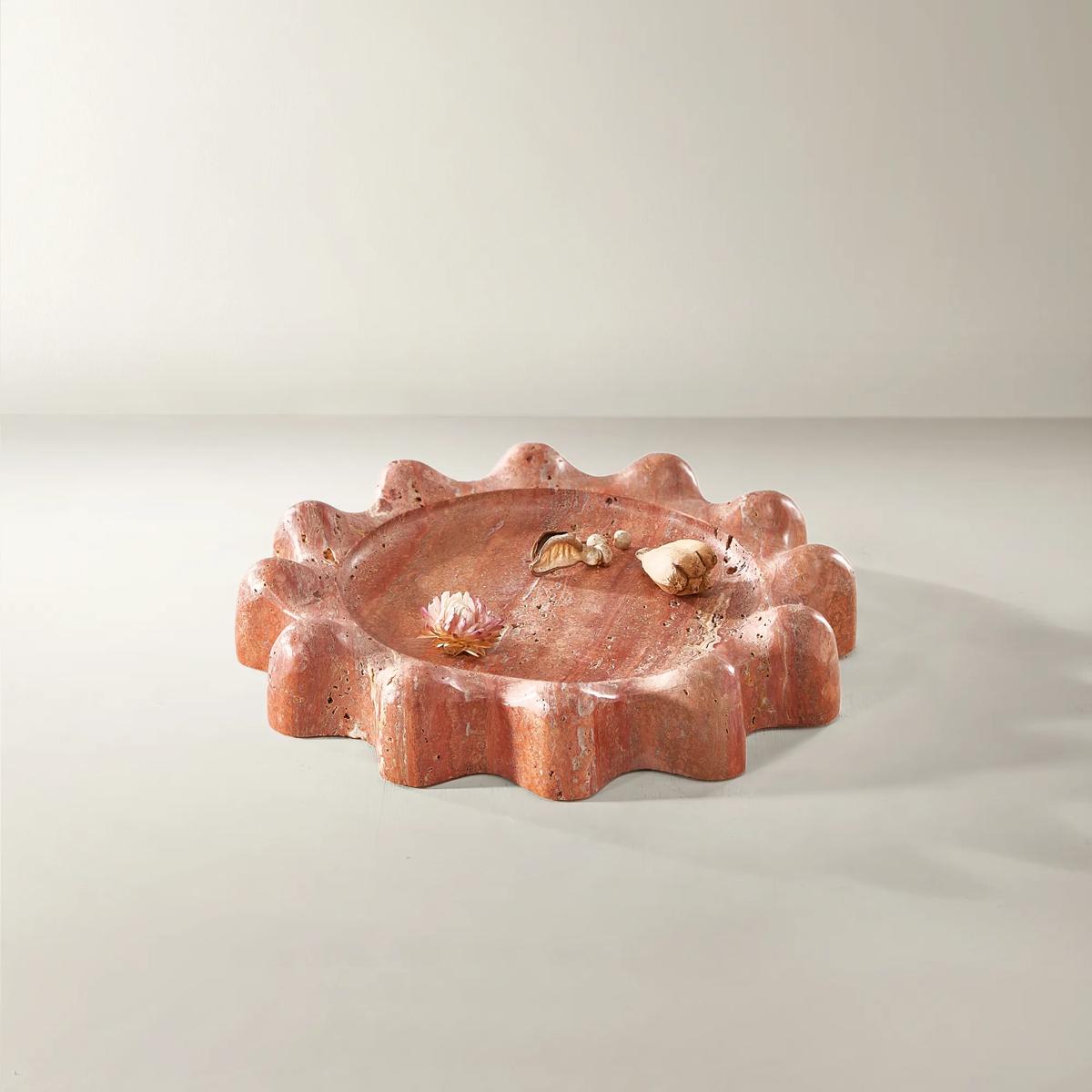 Flora Marble Catchall - Large$159
A hand-carved red travertine catchall with unique veining and undulating, flower-inspired edges.
Add To Cart -
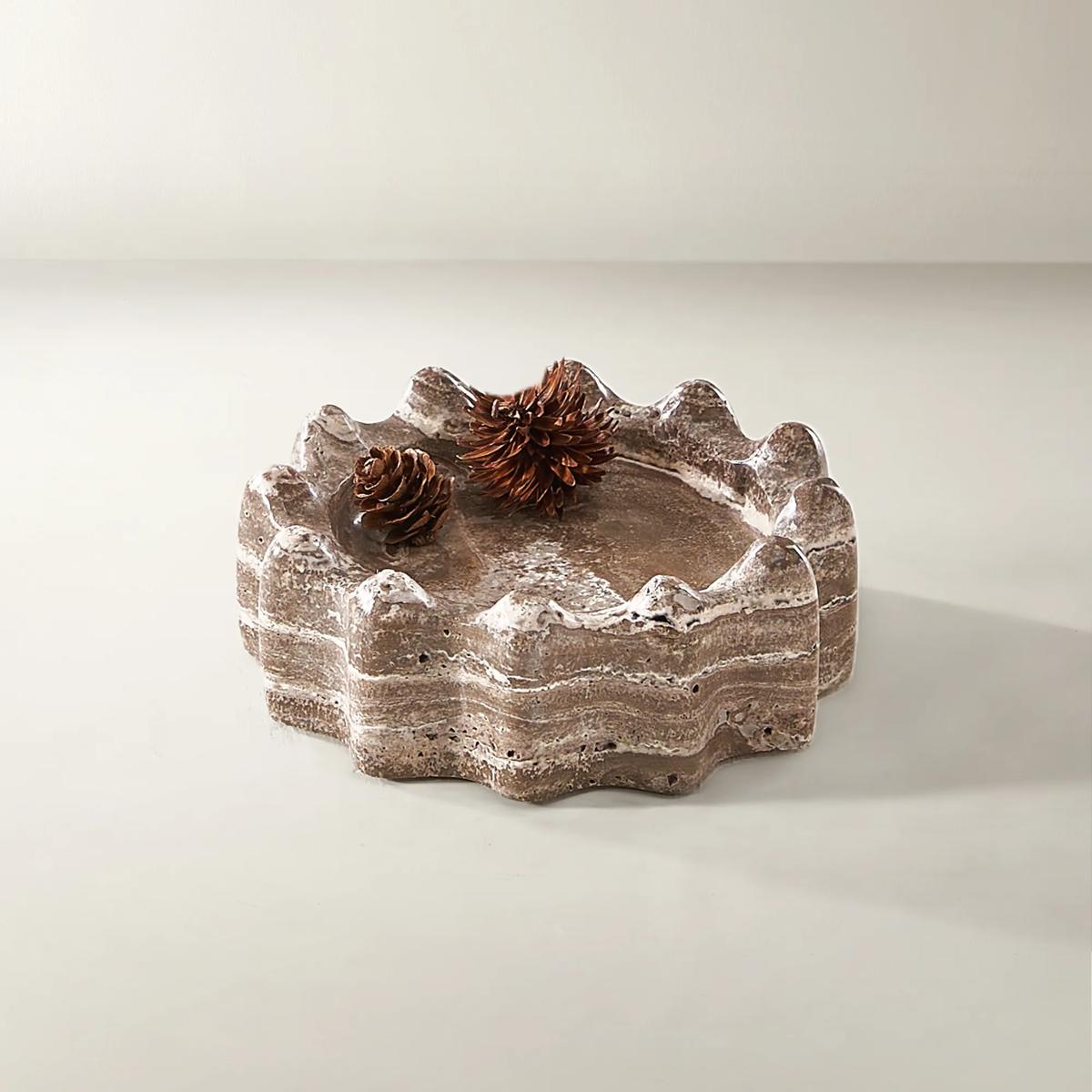 Flora Marble Catchall - Small$89
A hand-carved sand travertine catchall featuring unique veining and undulating, flower-inspired edges.
Add To Cart -
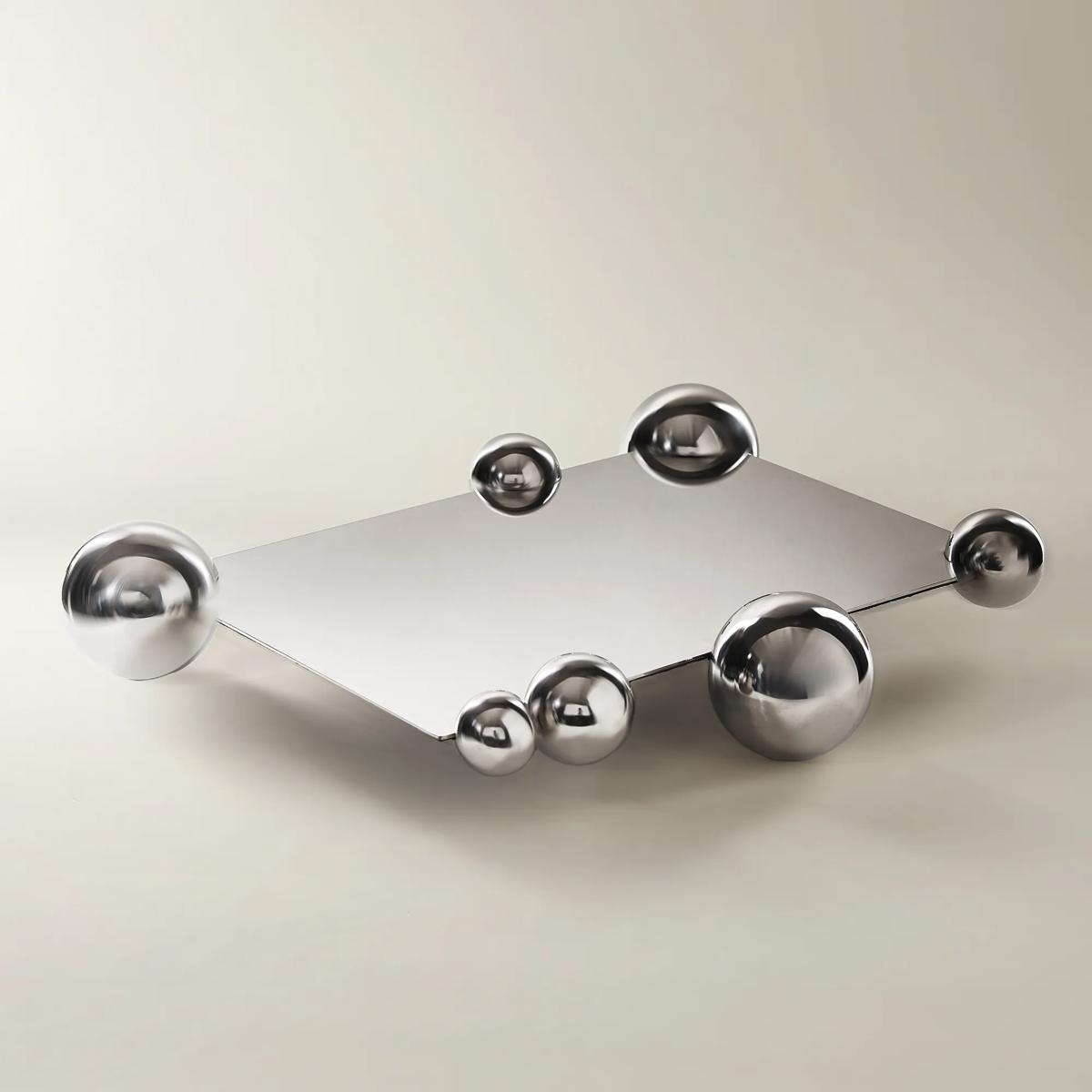 Chrome Bubble Silver Stainless Steel Serving Tray 13.25" x 3.25"$139
A polished stainless steel tray with sculptural bubble accents for a playful, modern entertaining statement.
Add To Cart -
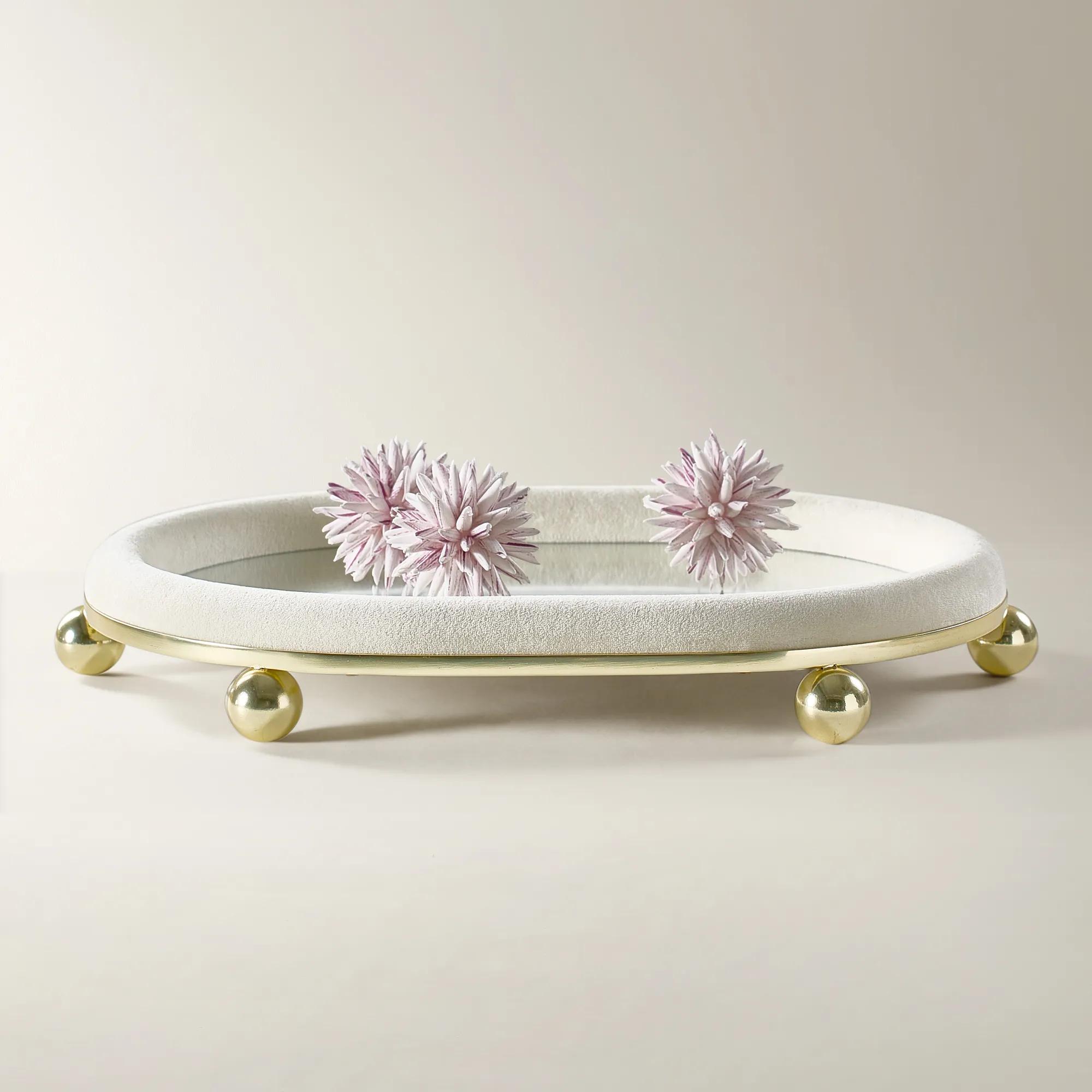
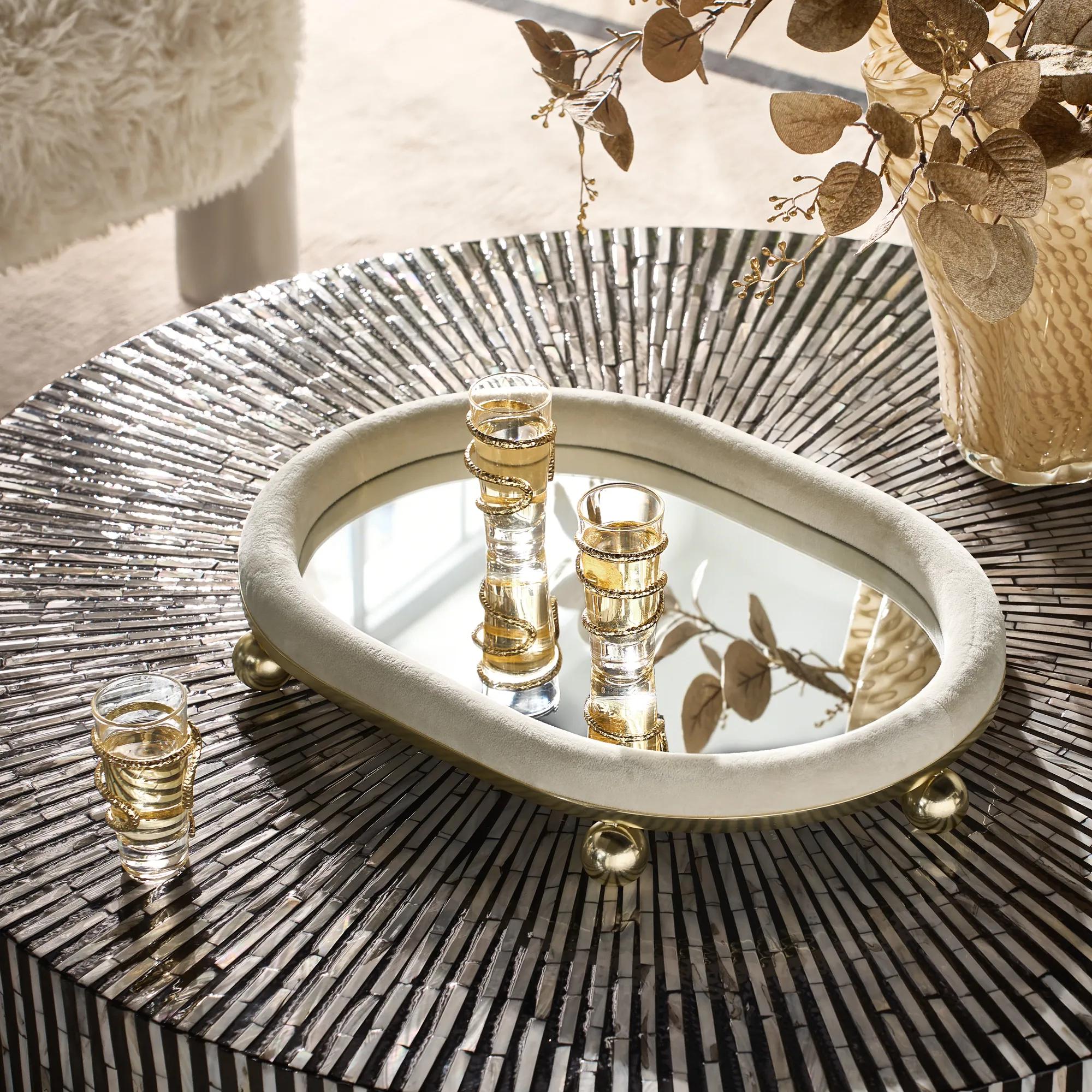 Capri Vanity Ivory Soft Gold Velvet Mirror Tray 17.75" x 2.25"$99
A soft gold iron tray with a mirrored base, velvet accents, and playful bauble details for chic display.
Add To Cart -
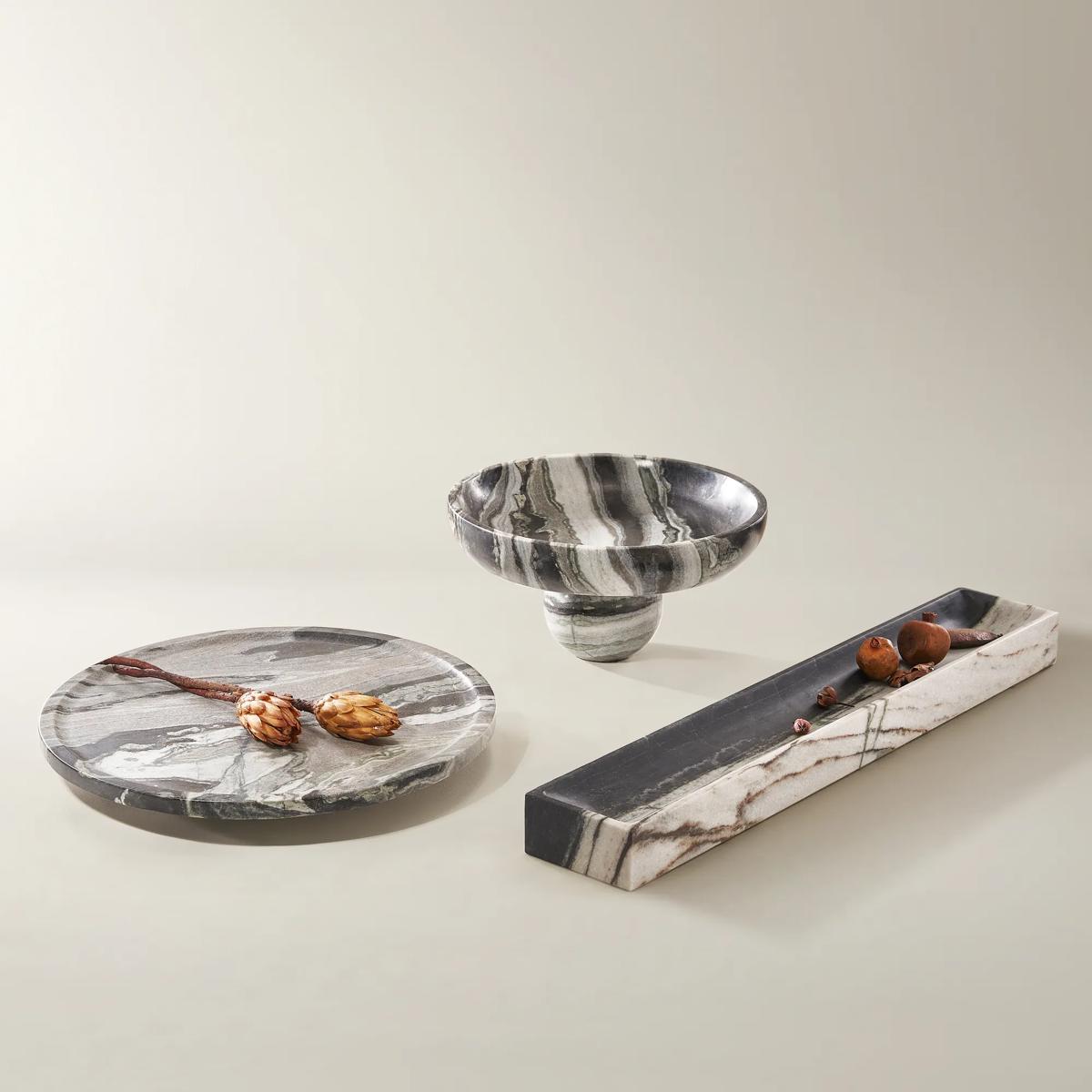
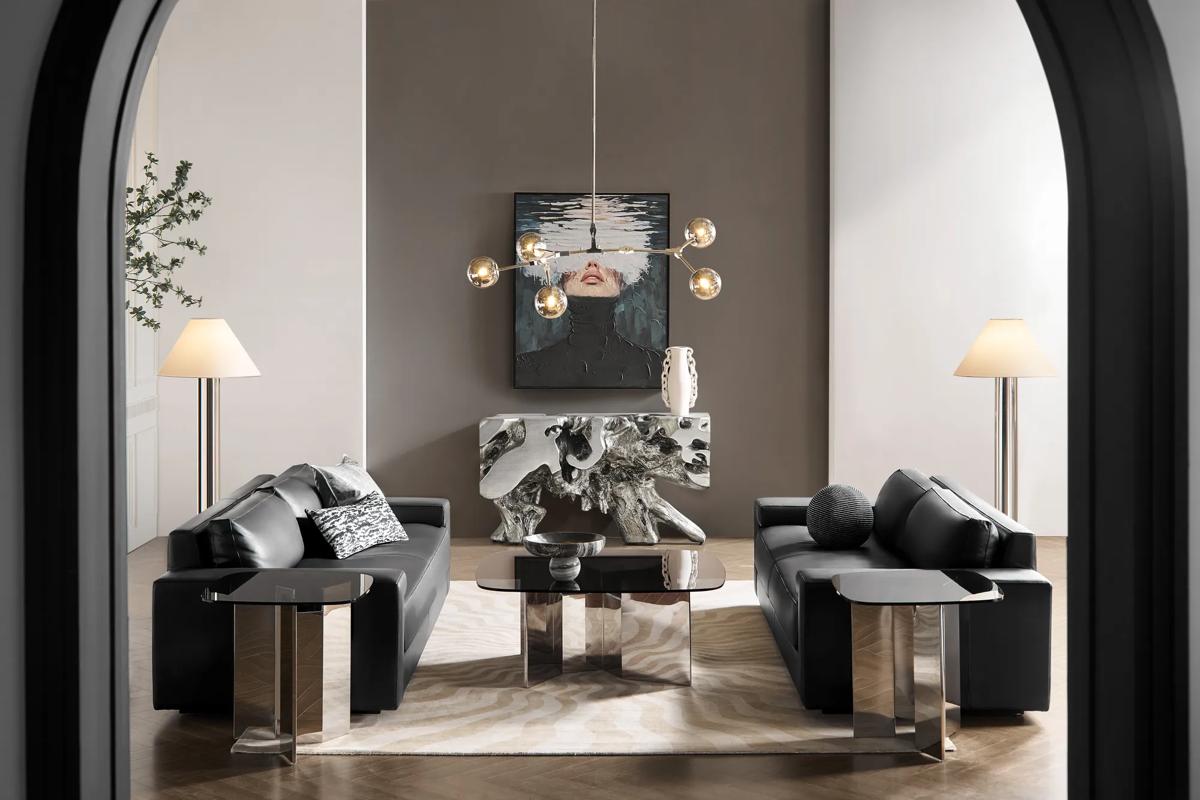 Luxe Marble Collection$169
A striking black marble décor collection featuring unique veining and elegant footed bowl, tray, and riser.
Add To Cart

Designer Trays For Coffee Tables
Designer trays for coffee tables are the unsung heroes of curated living—inviting artistry, order, and a touch of spectacle to your most lived-in spaces. Each tray becomes a stage for your favorite objets d’art, transforming everyday essentials into a captivating tableau. Whether you’re drawn to gleaming metallics or sculptural silhouettes, these trays promise to elevate your coffee table from functional to fabulous. Indulge in expressive design and let every detail reflect your distinctive sense of style—because with Z Gallerie, even the smallest accents are destined for the spotlight.
Designer trays for coffee tables bring decorative objects, everyday essentials, and a room’s material palette into one composed arrangement. A tray gives remotes and coasters a defined place while creating a striking setting for a sculptural vase, a favorite art book, or a small collection of meaningful objects. Its appeal comes from the relationship between function and finish: a gleaming rim can sharpen the outline of a glass tabletop, while a richly textured surface adds depth against smooth upholstery. Materials shape that effect. Lacquered trays offer saturated color and a polished surface that feels especially expressive beside velvet or metallic accents. Marble and other natural stone introduce substantial weight, cool texture, and distinctive veining, with variations that make each surface visually individual. Metal trays can lend a luminous accent through polished, brushed, or hammered finishes; mirrored glass reflects the objects above it and catches light from nearby lamps. Wood offers warmth and visible grain, while resin allows for sculptural forms, marbled effects, and dimensional textures. The most compelling choice does not need to match every finish in the room. A silver-toned tray can create a deliberate contrast with warm wood, just as an ivory tray can give dark decorative accessories a crisp backdrop. Shape adds another layer of expression. Rectangular trays establish tailored lines, round trays soften angular furniture, and oval silhouettes offer a graceful middle ground. Scalloped edges, raised borders, and openwork details can make the tray itself the focal point rather than simply a base for other objects. For a quieter composition, a restrained profile lets a dramatic centerpiece command attention. For an exuberant room, a richly detailed tray can hold its own among patterned textiles, reflective furniture, and oversized artwork. Designer coffee table trays are especially effective where several small accessories might otherwise appear scattered: their shared boundary makes the arrangement feel intentional without sacrificing personality. Even a modest grouping gains presence when its colors, textures, and proportions have a distinct frame.
Scale determines whether a decorative coffee table tray feels integrated with the furniture or overwhelms it. The tray should leave enough exposed tabletop for a guest to set down a drink, reach for a book, or use the surface comfortably from the sofa. Measuring both the table and the tray’s full exterior dimensions helps account for projecting handles, broad rims, and decorative edges that may extend beyond the usable interior. A large rectangular coffee table can accommodate an elongated arrangement, while a compact round table often benefits from a smaller tray that preserves the curve of the surface. Pairing unlike shapes can be equally elegant: a round tray on a square table breaks up rigid lines, and a rectangular tray on a generous circular table introduces an architectural contrast. Height matters as much as footprint. A low rim keeps frequently used objects accessible, while a taller border gives an assortment of smaller accessories a more enclosed appearance. Handles can make repositioning easier, although secure construction, balanced weight, and the intended use determine whether a tray is appropriate for carrying refreshments. For a stronger emphasis on entertaining, Designer Serving Trays extend the decorative possibilities beyond a stationary arrangement; food-contact suitability and carrying capacity should always be confirmed for the individual design. A decorative tray is not automatically intended for direct contact with food, hot dishes, or moisture. On an upholstered ottoman, a rigid tray can create a more defined resting area, but the base must sit level without rocking or sinking unevenly into the fabric. Broad, stable designs are generally better suited to this setting than narrow pieces with a top-heavy arrangement. In a living room used daily, the most successful composition also leaves room for real routines. A beautiful covered container can conceal small necessities, a stack of coasters keeps them within reach, and one expressive object supplies drama without turning the entire tray into an obstacle. Leaving part of the interior open makes the display easier to use and allows the tray’s finish to remain visible.
Durability depends on the tray’s construction, finish, and the demands placed on it, not simply on how substantial it looks. Natural stone can be weighty and durable in everyday decorative use, yet edges may chip if struck, and some stones are vulnerable to acidic spills or staining. Metal can withstand regular handling, though particular finishes may scratch, tarnish, or react to abrasive cleaners. Lacquer, mirrored glass, wood, and resin each have their own care requirements, so the manufacturer’s instructions should govern cleaning and placement. A soft cloth is often the gentlest starting point for removing dust; excess water, harsh chemicals, and rough scrubbers can compromise decorative surfaces. Spills deserve prompt attention, especially around seams, handles, and inset panels where moisture may collect. Coasters beneath drinks and suitable protection beneath vases help keep condensation away from the tray, while a smooth, clean underside helps protect the coffee table below. Any added protective pads should be compatible with both surfaces, particularly on delicate lacquer, glass, or polished stone furniture. These practical details matter in homes where the coffee table serves as a gathering place for conversation, reading, and relaxed entertaining. Households with children or pets may prefer lighter materials, rounded edges, and low arrangements positioned away from the table’s perimeter. Someone who enjoys changing decorative accents may value a versatile neutral finish, while a collector of bold objects might gravitate toward sculptural edges or a striking metallic surface. A thoughtfully chosen tray can also make a distinctive housewarming or wedding gift, particularly when its proportions and palette reflect the recipient’s space. Unlike an accessory that demands a permanent display, it can move between a coffee table, console, or dresser as needs evolve, provided the surface and intended use are appropriate. Its lasting appeal lies in that balance of adaptability and expression: a functional object with enough character to anchor a room’s smallest composition, keeping daily essentials close while giving treasured details the attention they deserve.
FAQs
Designer trays for coffee tables span a spectrum of styles, from gleaming chrome finishes that add a touch of modern drama to organic ceramic pieces that evoke artisanal craftsmanship. Marble, lacquer, and mirrored trays are also beloved for their ability to infuse a space with luxury and light. Woven and wooden trays bring natural texture, while sculptural and uniquely shaped trays create an instant statement.
A coffee table tray is the perfect foundation for a curated vignette. Begin with a statement object—such as a decorative candle or sculptural piece—then layer in a stack of art books, a small vase of fresh flowers, or a bowl of decorative accents. Vary heights and textures to create visual interest, and let the tray anchor your arrangement so it feels intentional and artful.
A designer coffee table tray makes an exceptional gift for anyone who delights in home décor, from the consummate entertainer to the design aficionado. It’s an inspired choice for housewarmings, weddings, birthdays, or as a thoughtful gesture for someone who loves to refresh their living space with expressive accents.
Luxury coffee table trays are crafted from a variety of materials, each offering its own distinctive appeal. Marble and stone trays exude timeless elegance, while mirrored and chrome trays bring a modern, reflective glamour. Ceramic trays highlight artisanal techniques, and wood or rattan trays introduce warmth and texture for a more organic look.
A large decorative tray not only organizes essentials—like remotes, coasters, or reading materials—but also creates a cohesive focal point for your coffee table. It allows you to showcase personal treasures or seasonal décor while ensuring everything feels unified and intentional. The right tray adds both visual drama and practical beauty to your living room.


