Decorative Glass Art Pieces
Decorative Glass Art Pieces
-
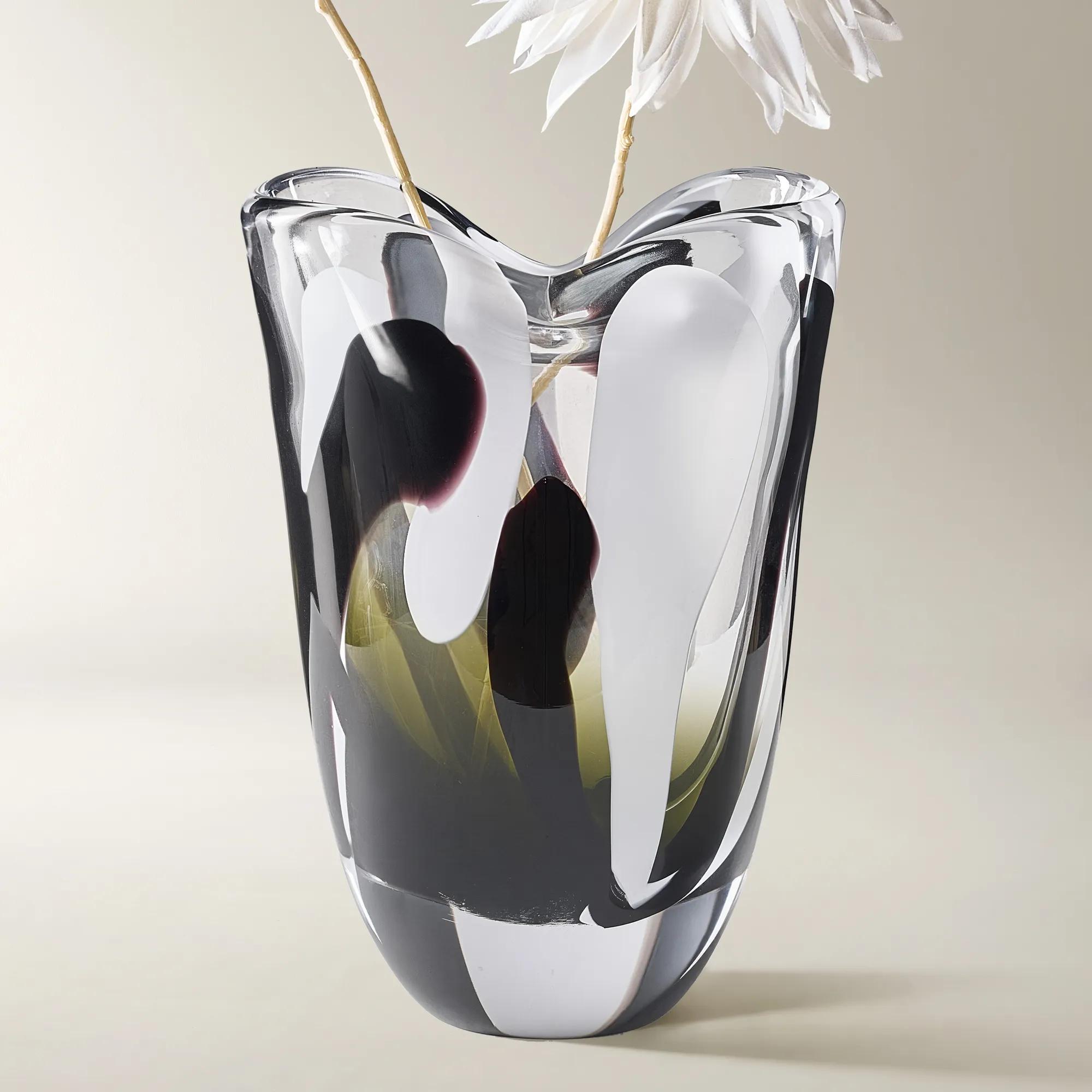 Melrose Mouth Blown Black White Glass Vase 11.25"$109
A handblown glass vase featuring a bold black and white abstract animal pattern for modern appeal.
Add To Cart -
 Bree Brown Black Glass Vase 15.75"$129
A smoky brown-black sodalime glass vase featuring a dramatic tortoise pattern and flared neck.
Add To Cart -
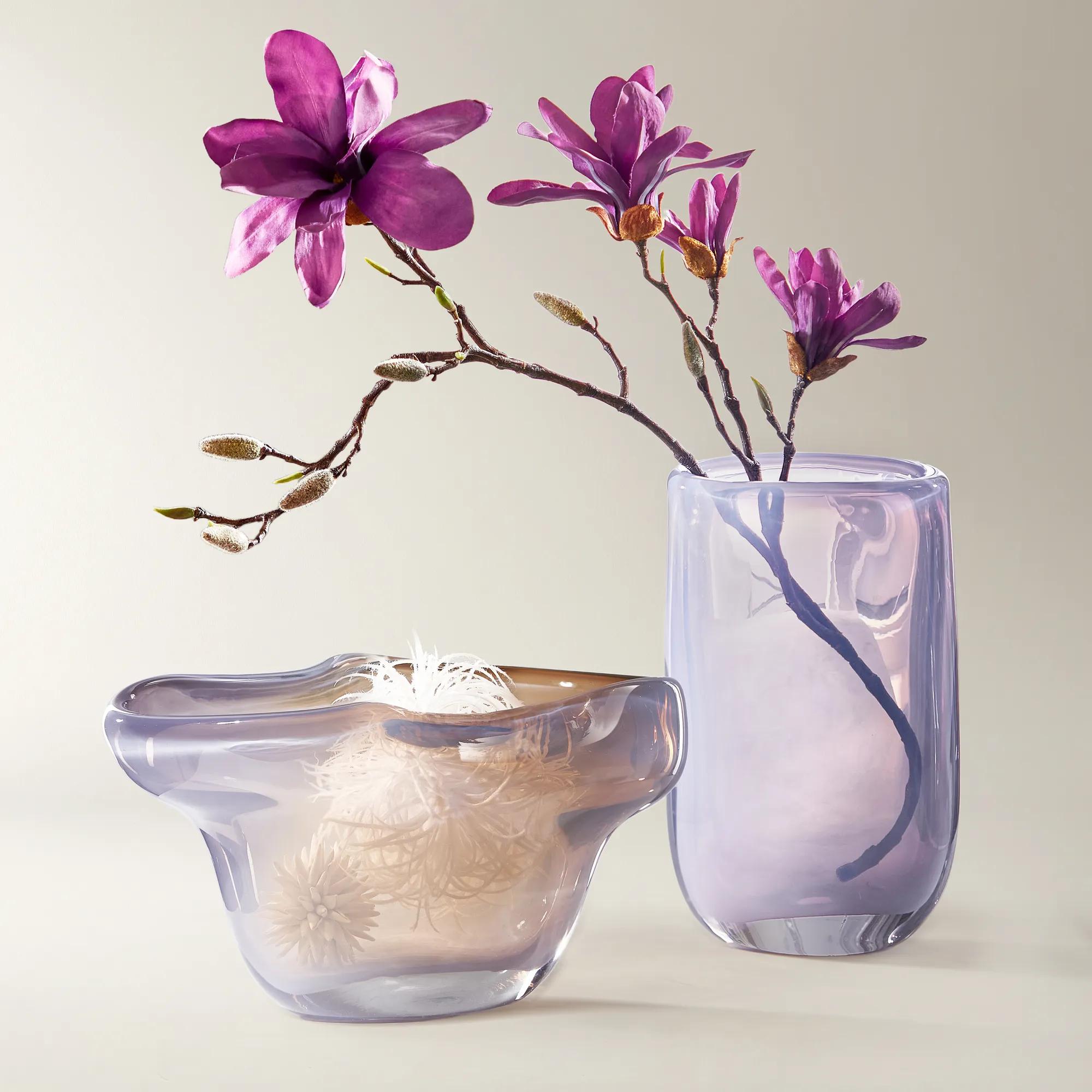
 Aura Collection$189
A hand-blown glass accent in dreamy lavender, showcasing fluid curves and modern sculptural artistry.
Add To Cart -
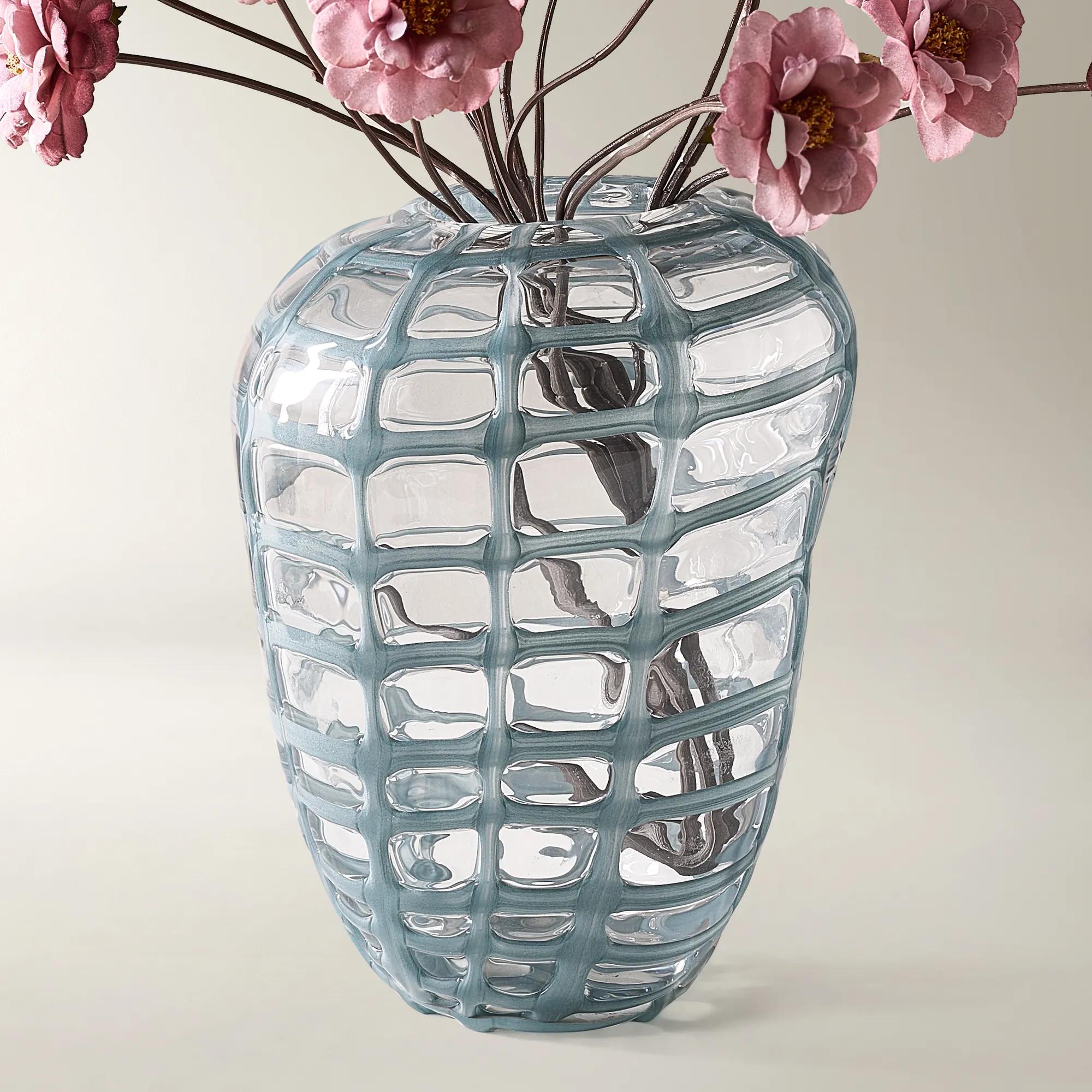 Contra Mouth Blown Dusty Blue Grid Glass Vase 10.25"$79
A handblown dusty blue glass vase featuring a graphic grid pattern and softly organic silhouette.
Add To Cart -
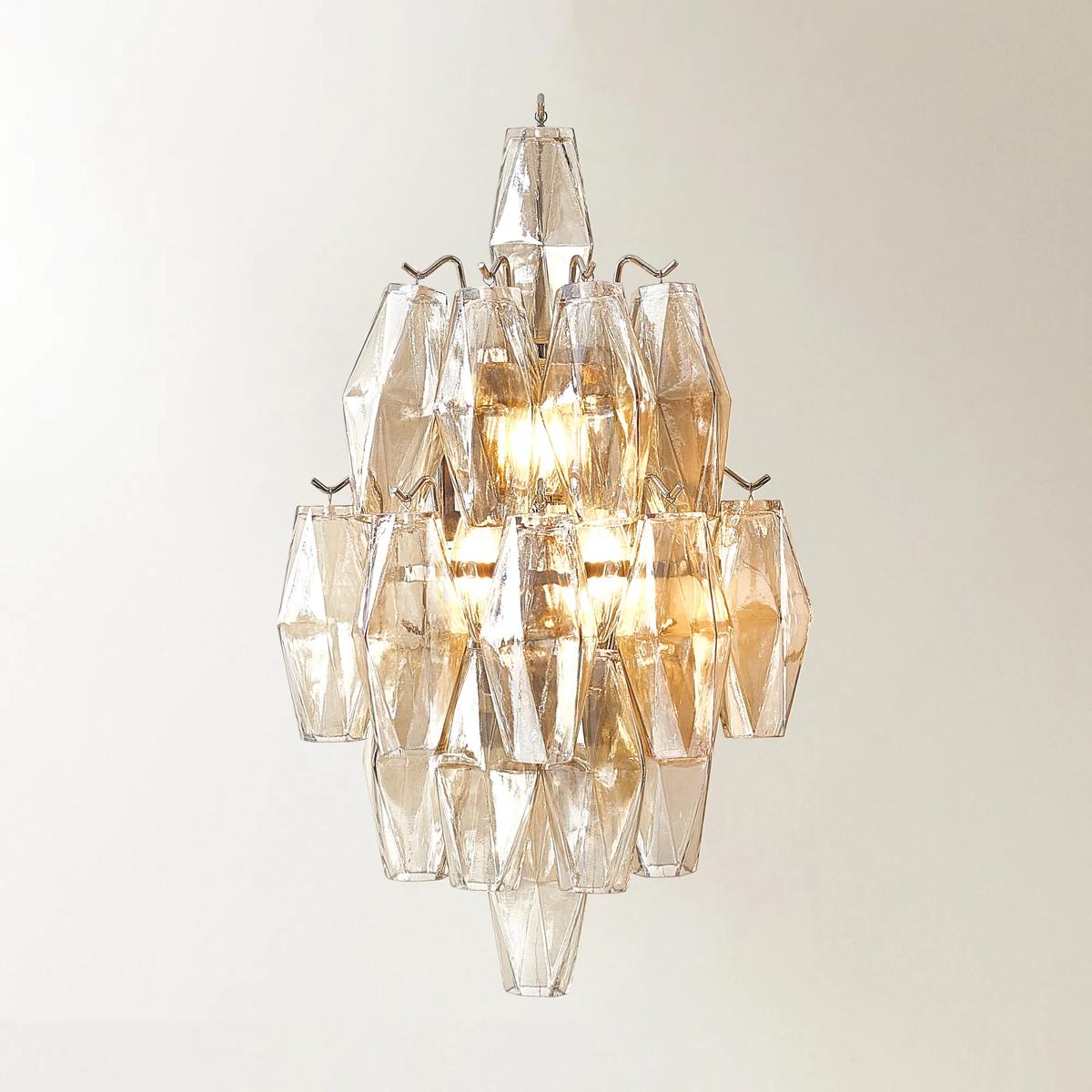
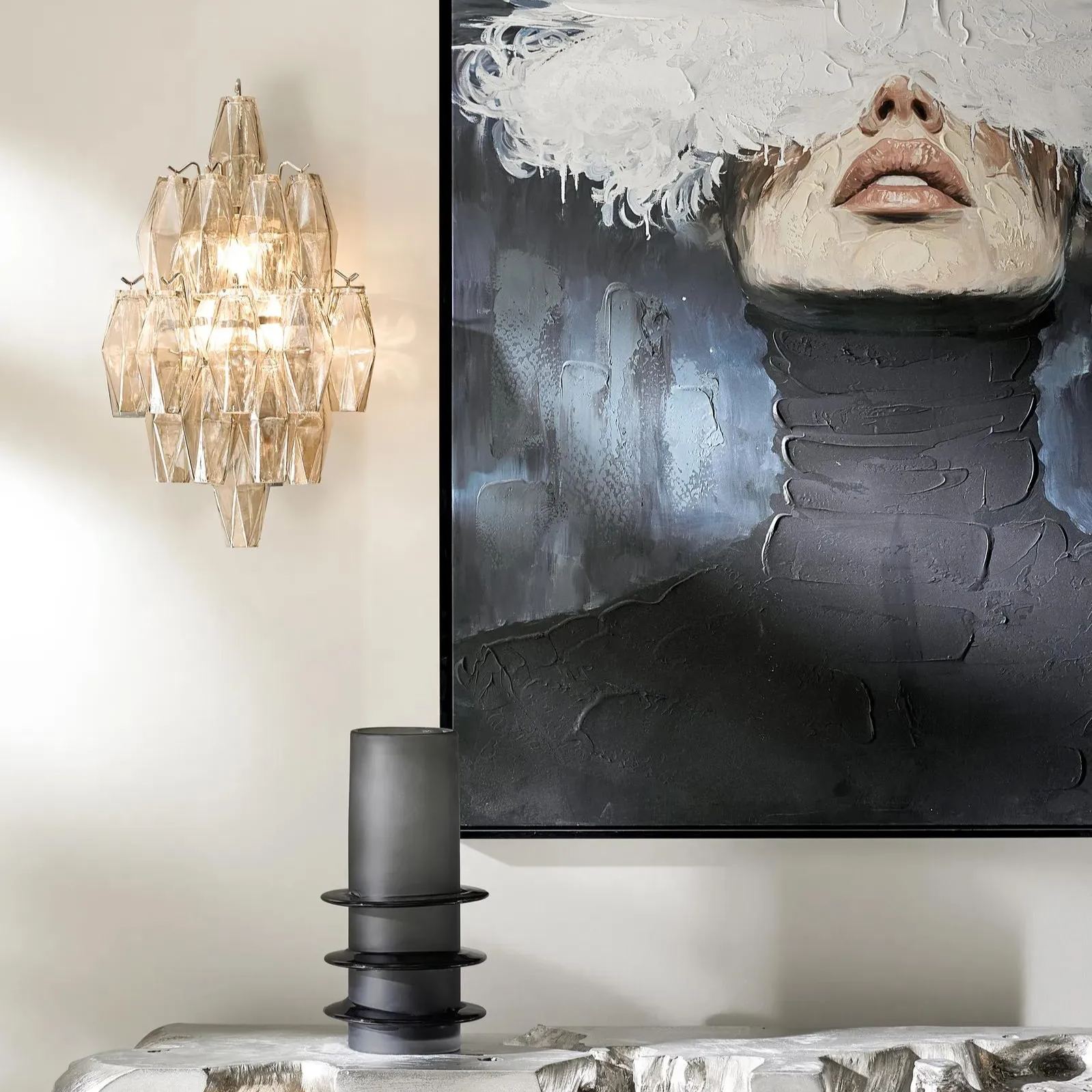 Cosima Champagne Hand-Blown Glass Electric Wall Sconce 19.75"$299
A cascading wall sconce featuring hand-blown champagne glass and a polished nickel backplate for elegant ambiance.
Add To Cart -
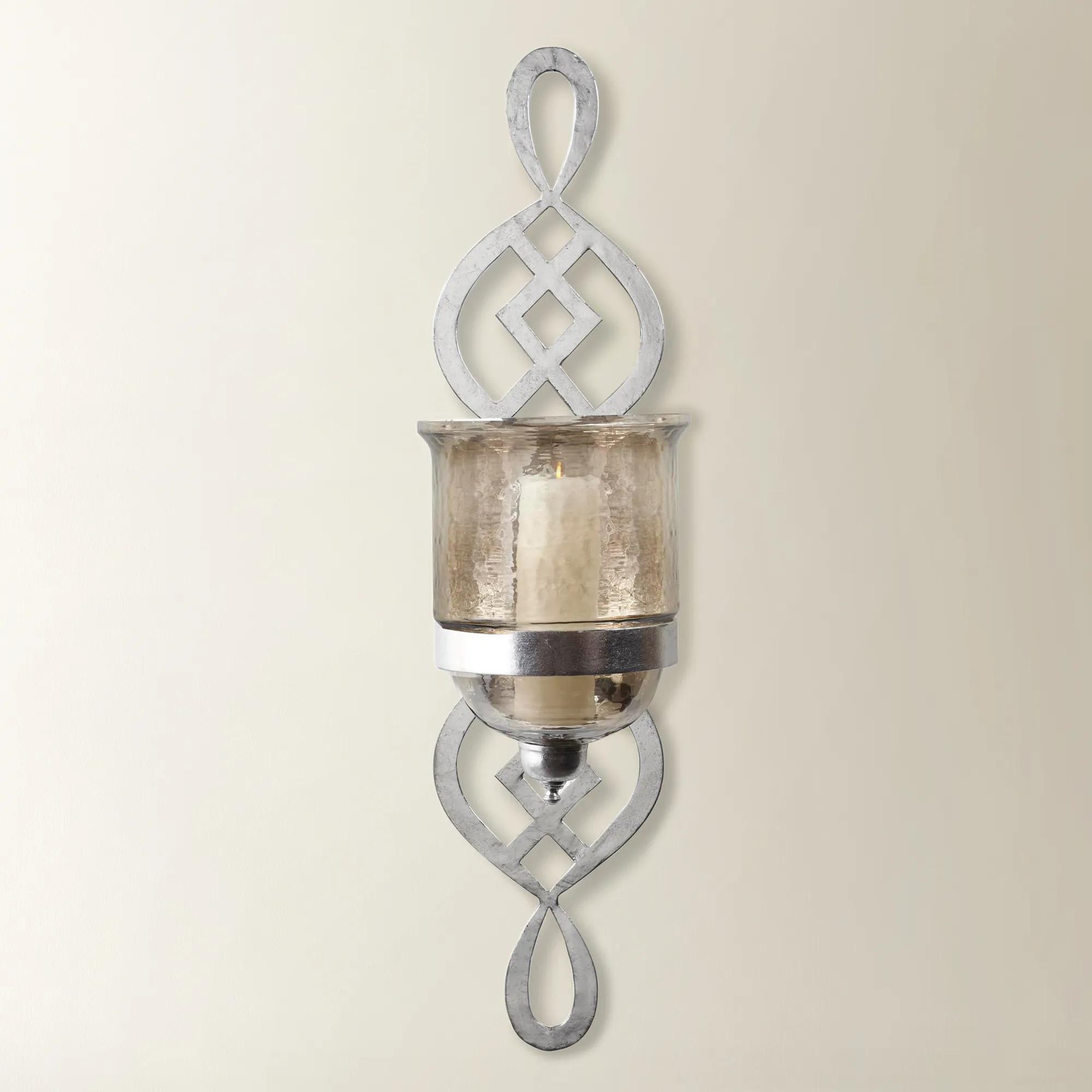 Beverton Wall Sconce$219
A striking wall sconce featuring a hand-finished stainless steel iron frame and hammered amber glass shade.
Add To Cart -
 Lana Mouth Blown Dusty Blue Taper Holders$59
A handblown dusty blue glass holder featuring a sculptural chain link silhouette for artful candle displays.
Add To Cart -
 Joliet LED Linear Hand Painted Swirl Glass Chandelier 47"$499
A contemporary LED linear chandelier featuring hand-painted swirl glass for sculptural, ambient illumination.
Add To Cart -
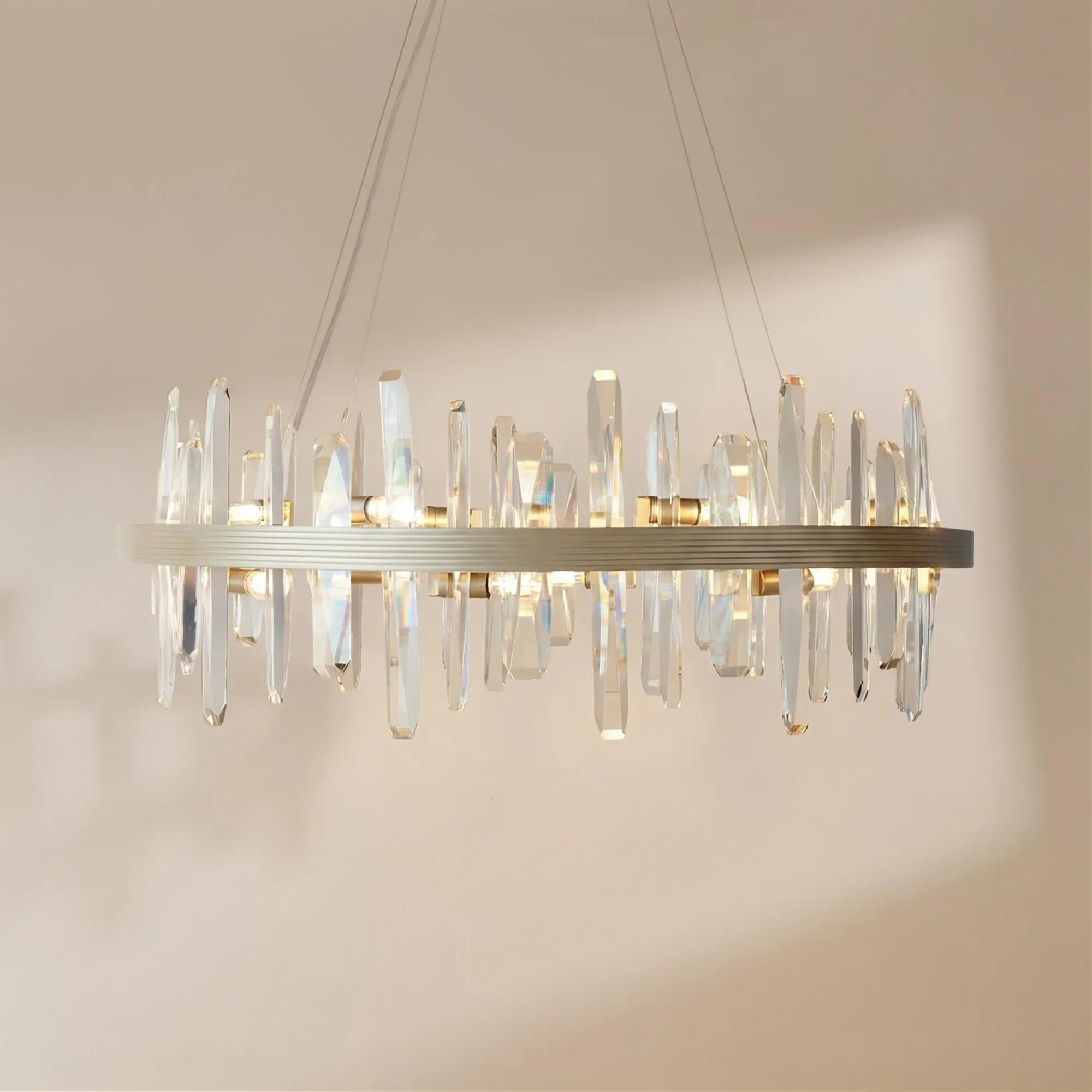
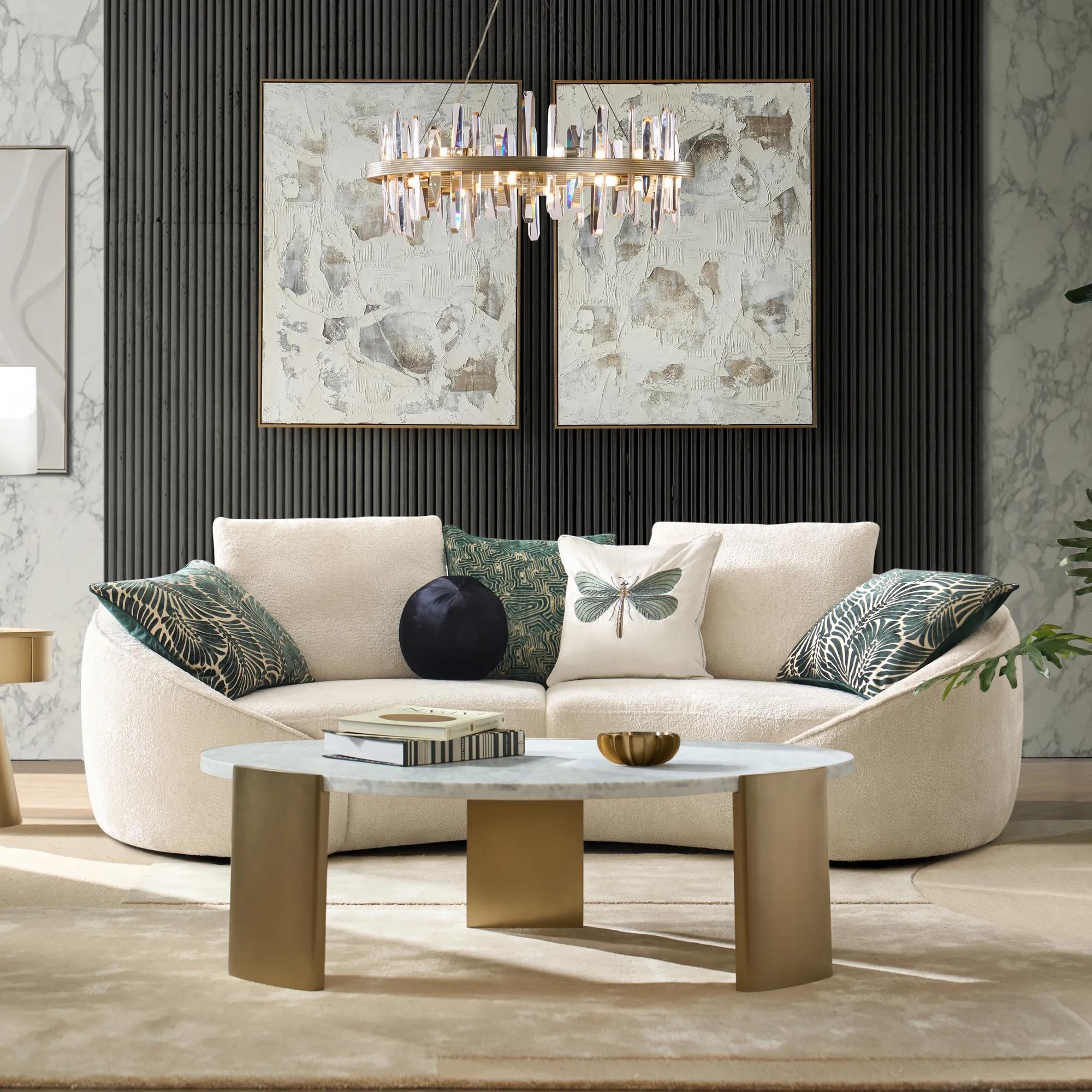 Lumi Clear Beveled Glass Chandelier 31.5"W$929
A deco-inspired chandelier with beveled glass daggers and a champagne-finished iron frame for radiant illumination.
Add To Cart -

 Marni Teal Crystal Glass Perfume Bottle 4.25" x 5.5"$89
A blue decorative perfume bottle adding an elegant accent to modern interiors.
Add To Cart -
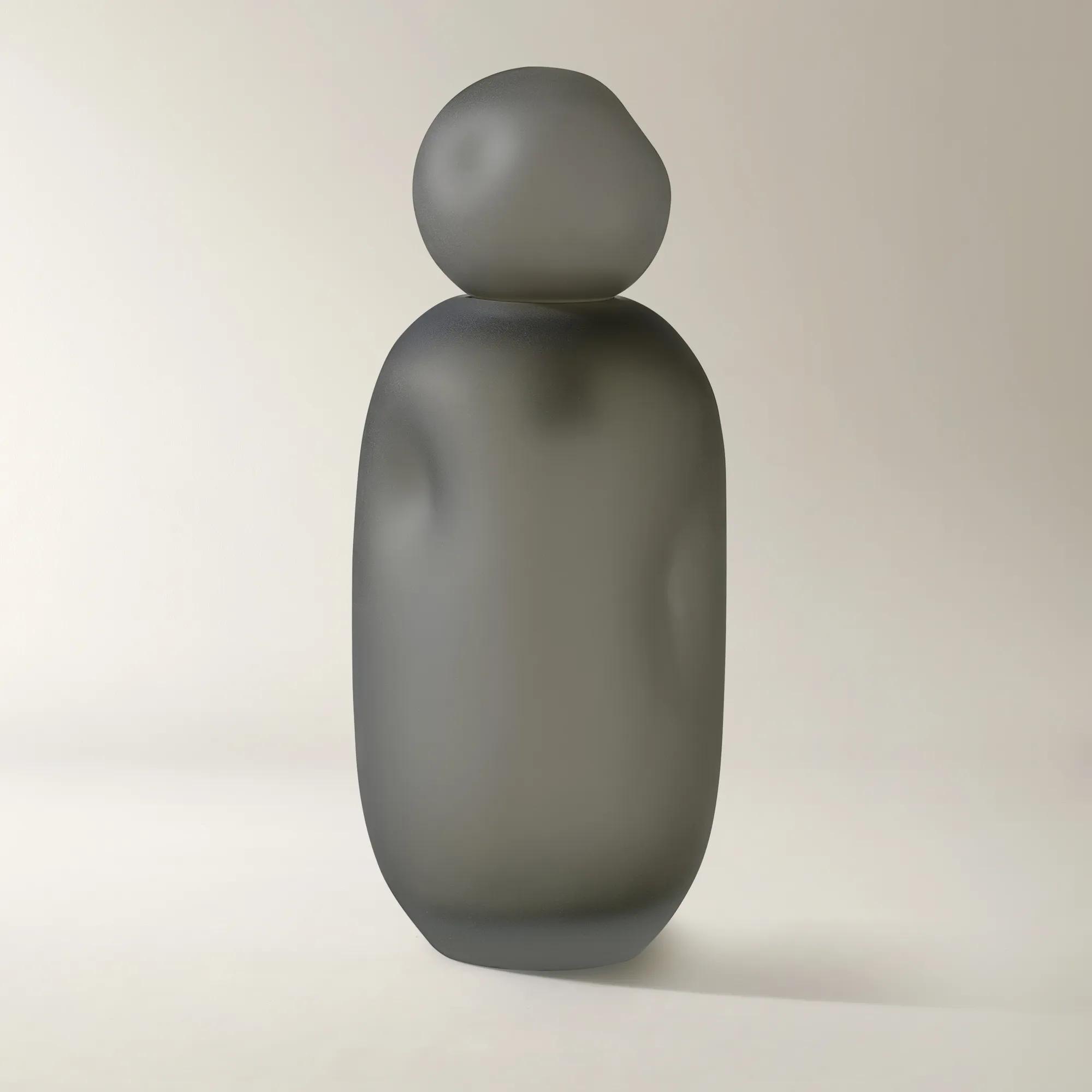 Angelica Charcoal Handblown Glass Canister 14.25"$79
A charcoal handblown glass canister offering an elegant accent for modern decorative displays.
Add To Cart -

 Anora Glass Vase - Amber$99
An amber glass vase adding sculptural warmth to modern décor.
Add To Cart -
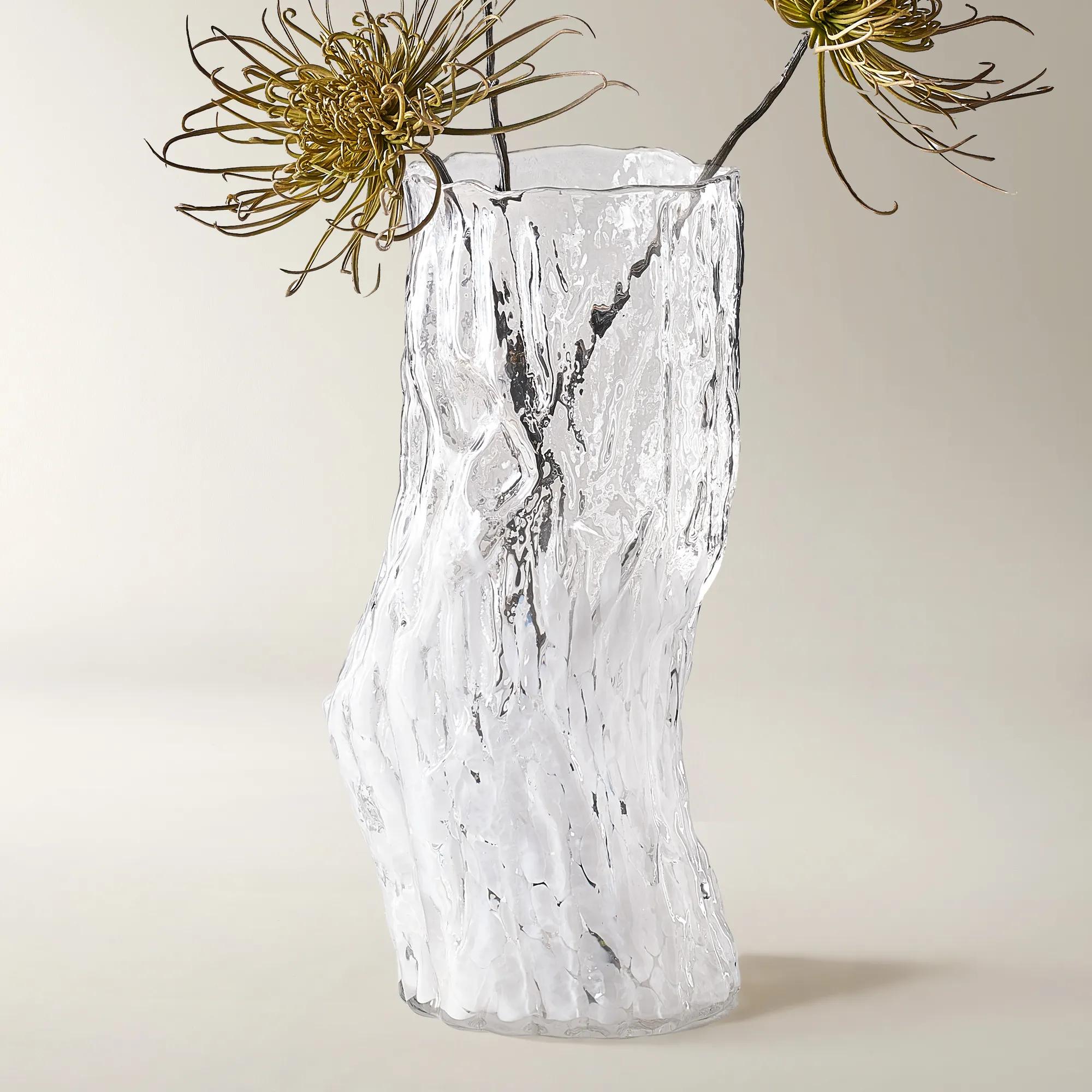
 Gavin Mouth Blown Brown Glass Vase 12"$119
A sculptural brown glass vase adding modern elegance to decorative displays.
Add To Cart -
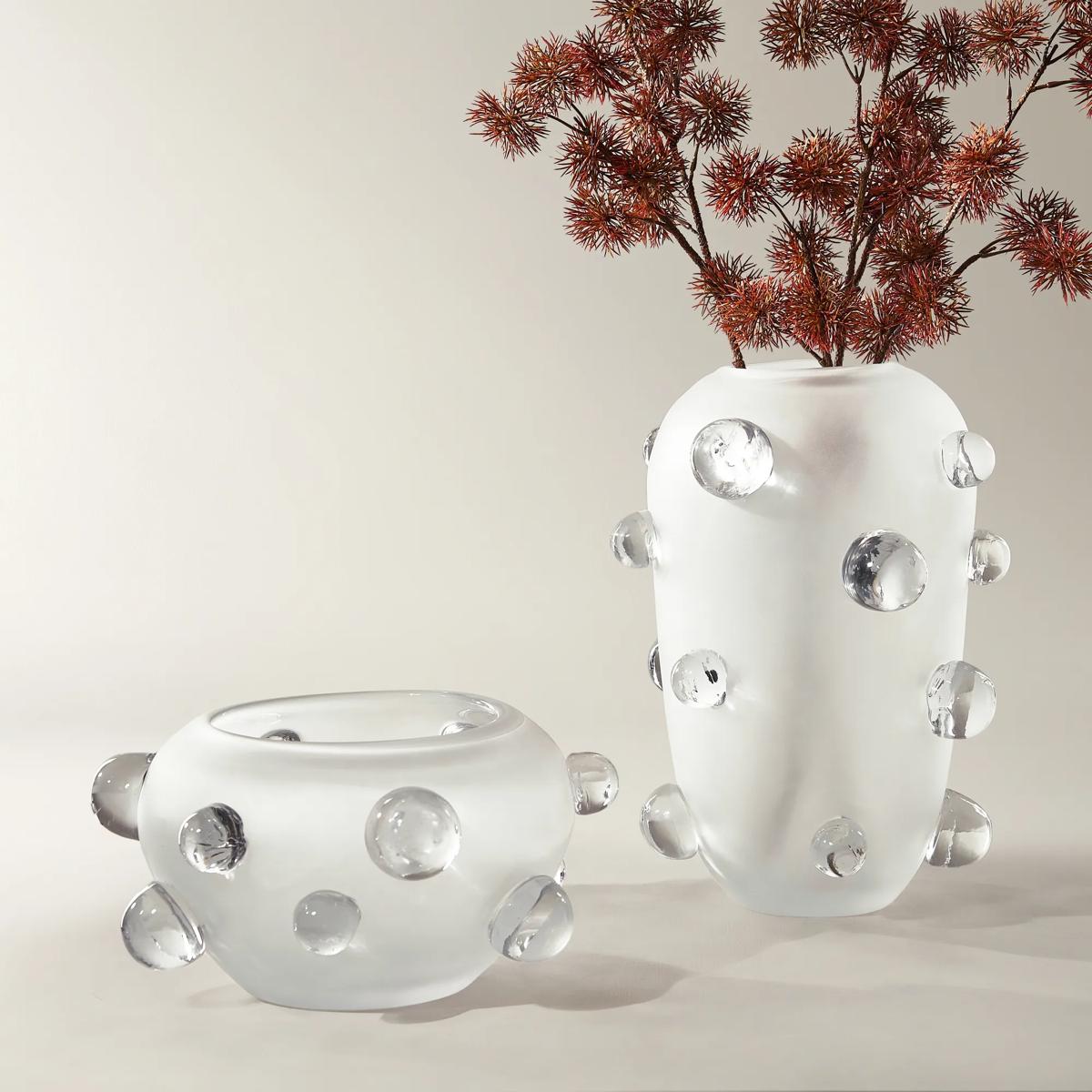 Cielo Clear Handblown Glass Vases$119
A hand-blown clear glass vase adorned with spherical orbs for a whimsical, modern decorative accent.
Add To Cart -
 Lucca Crystal Vase - Mirrored Amber$129
A geometric mirrored crystal glass vase in warm amber, reflecting light for a sculptural, modern statement.
Add To Cart -
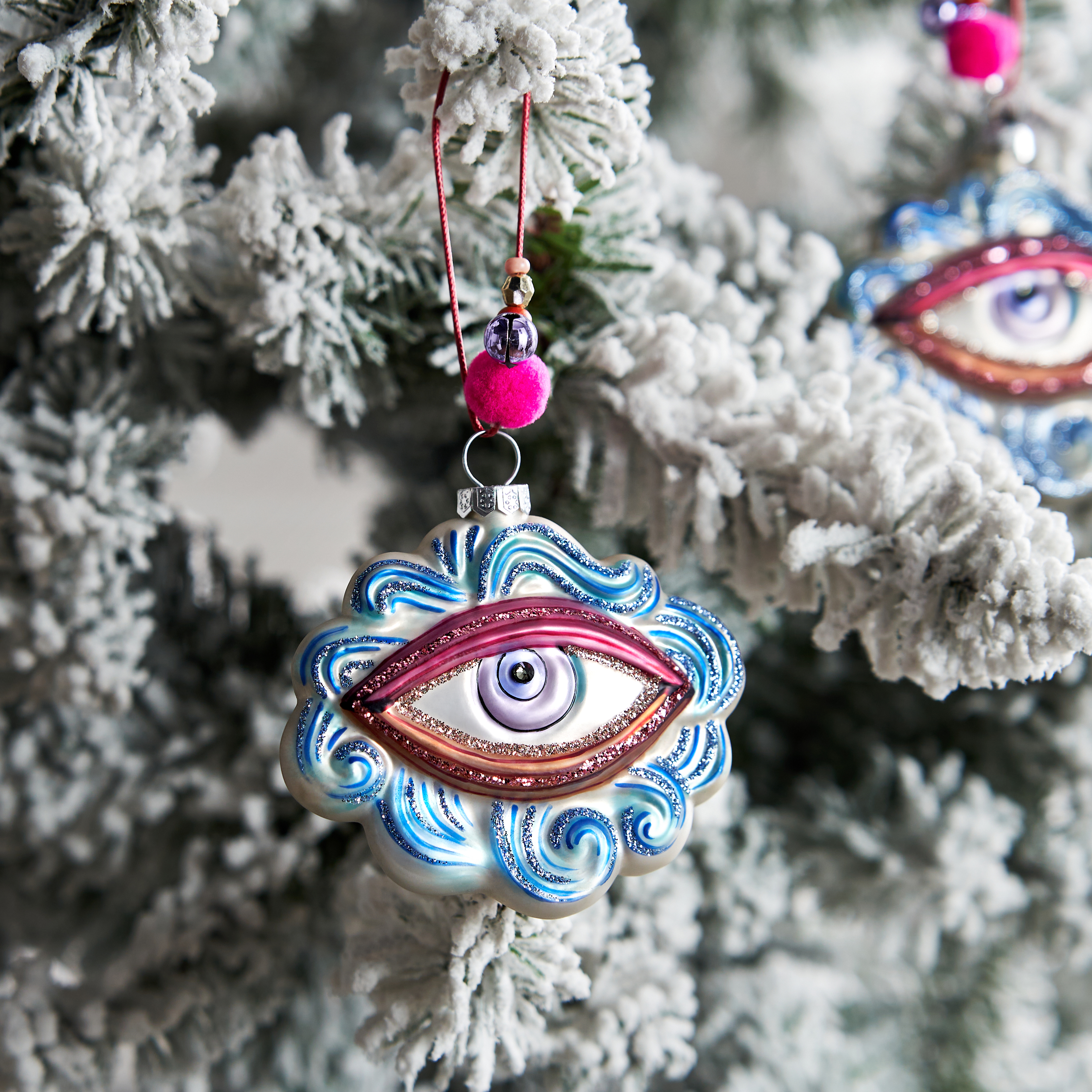
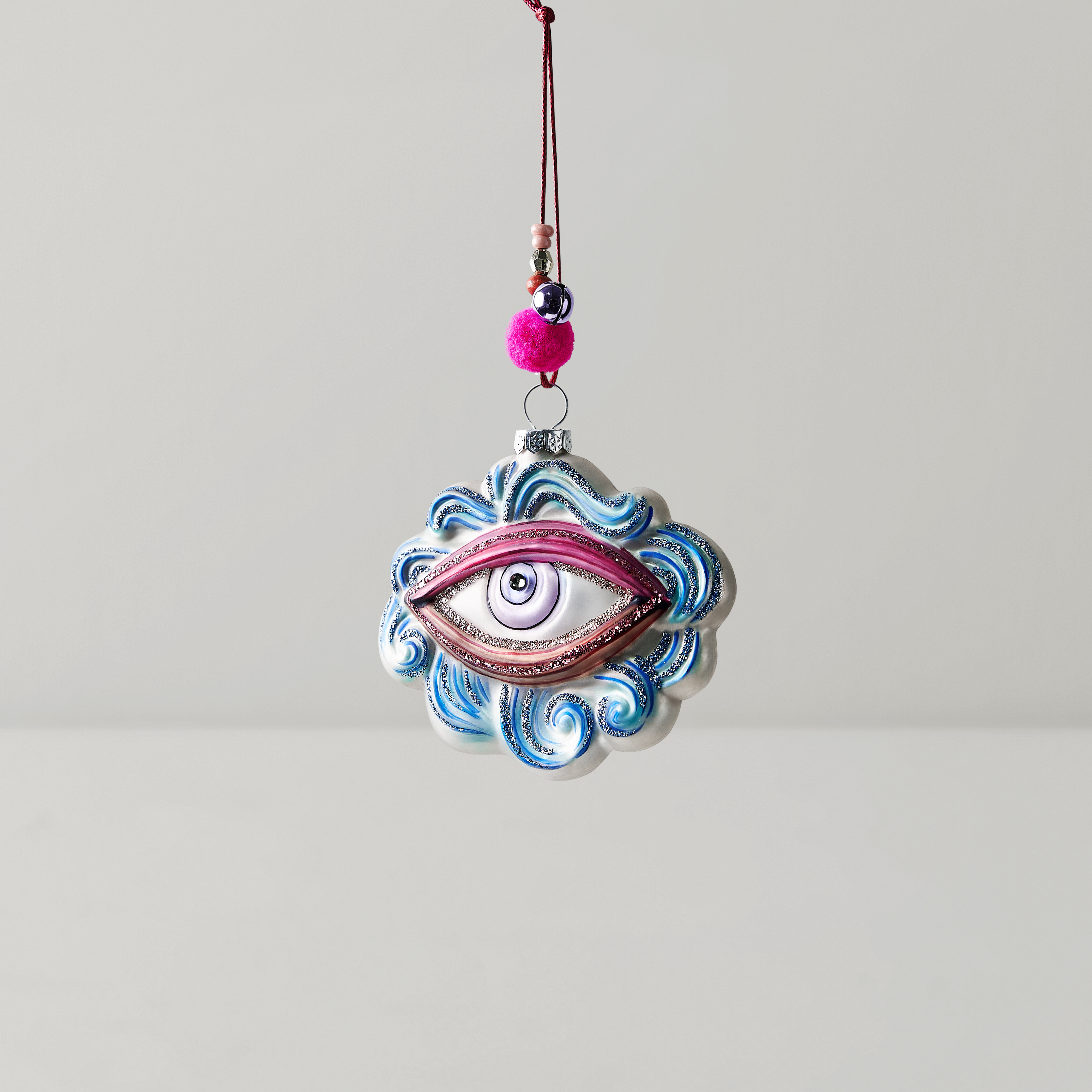 Ethereal Eye Ornament$36
An enchanting glass ornament featuring a mystical eye design for a unique holiday tree accent.
Add To Cart -
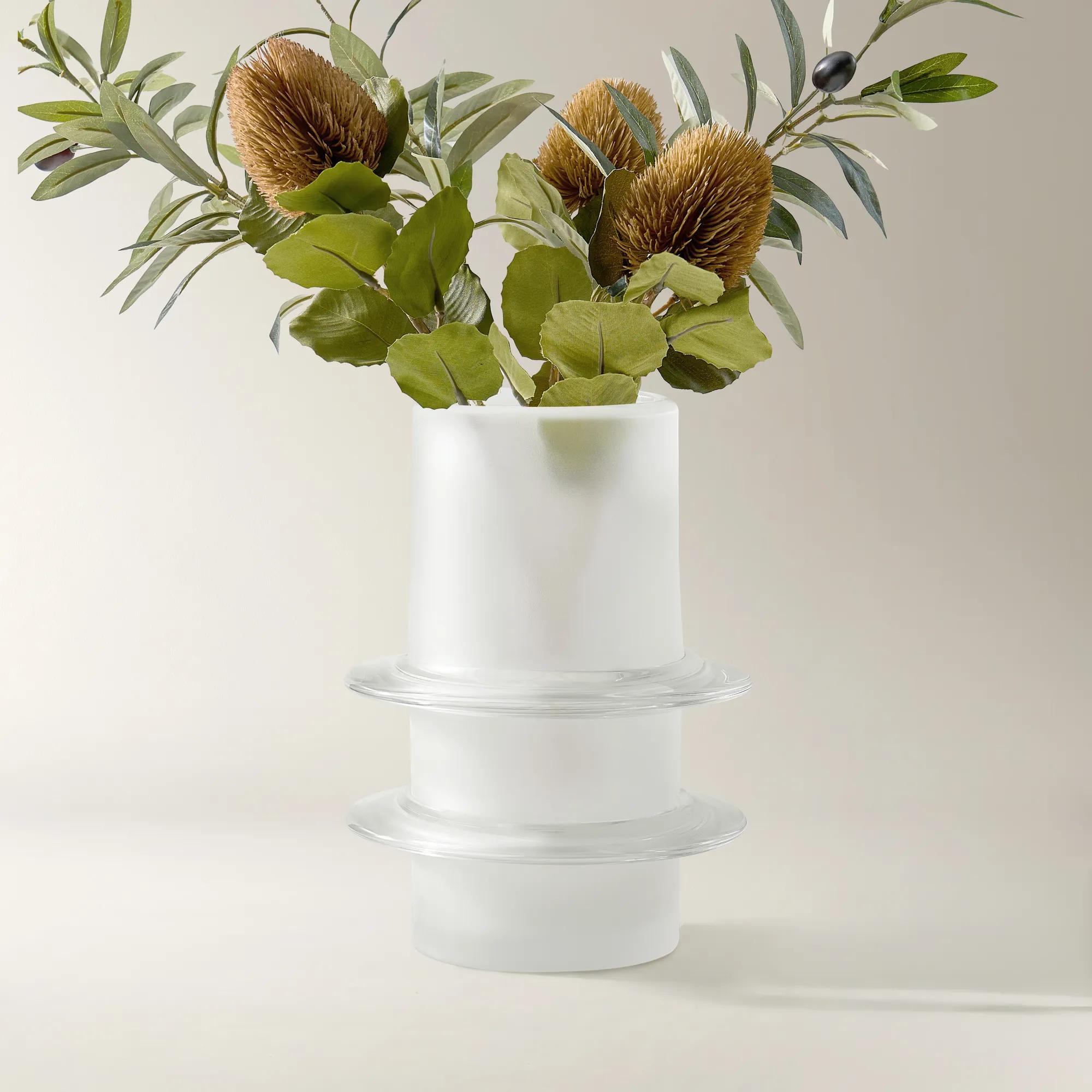
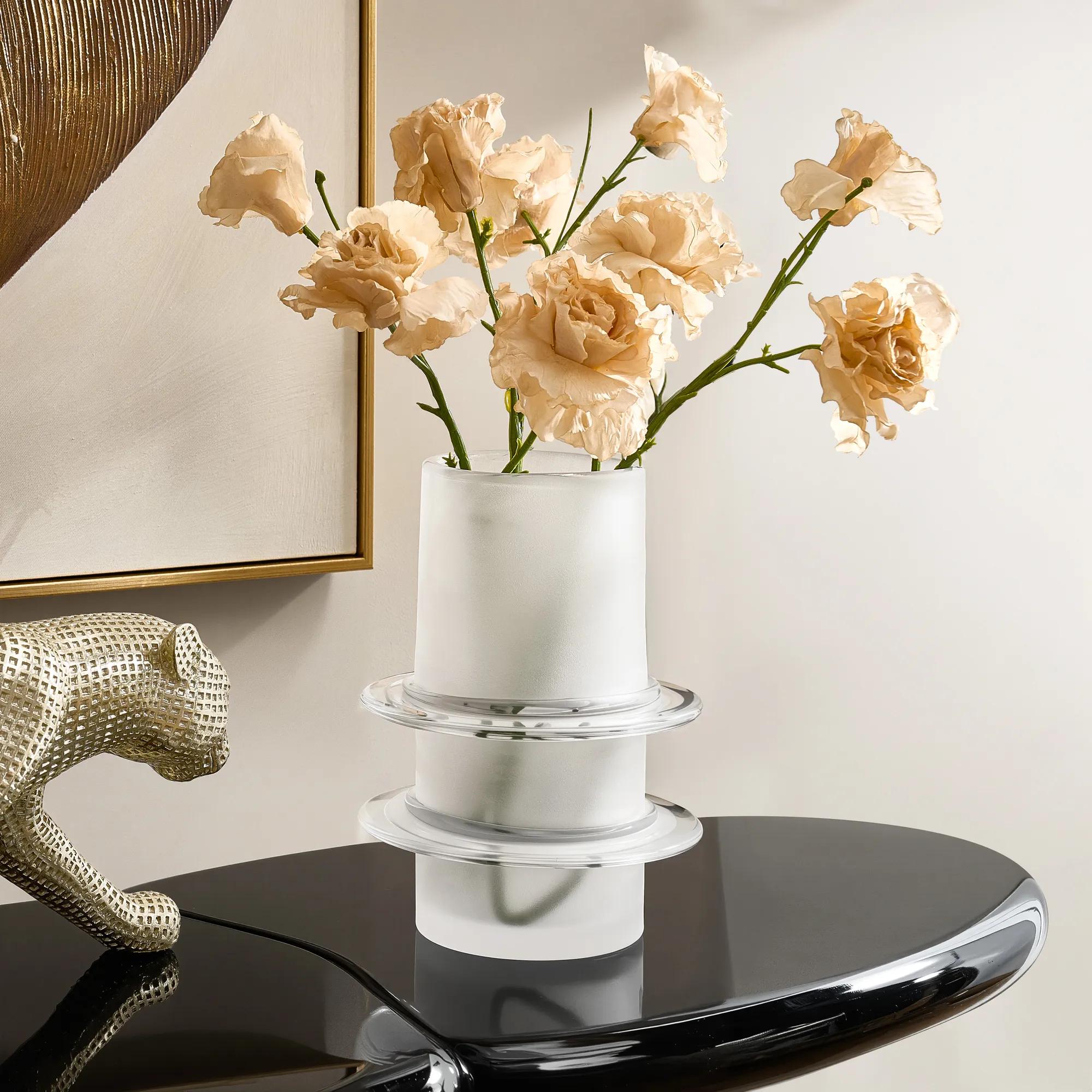 Pierre Glass Vase - Frosted White$99
A frosted white glass vase adding modern elegance to any décor.
Add To Cart -
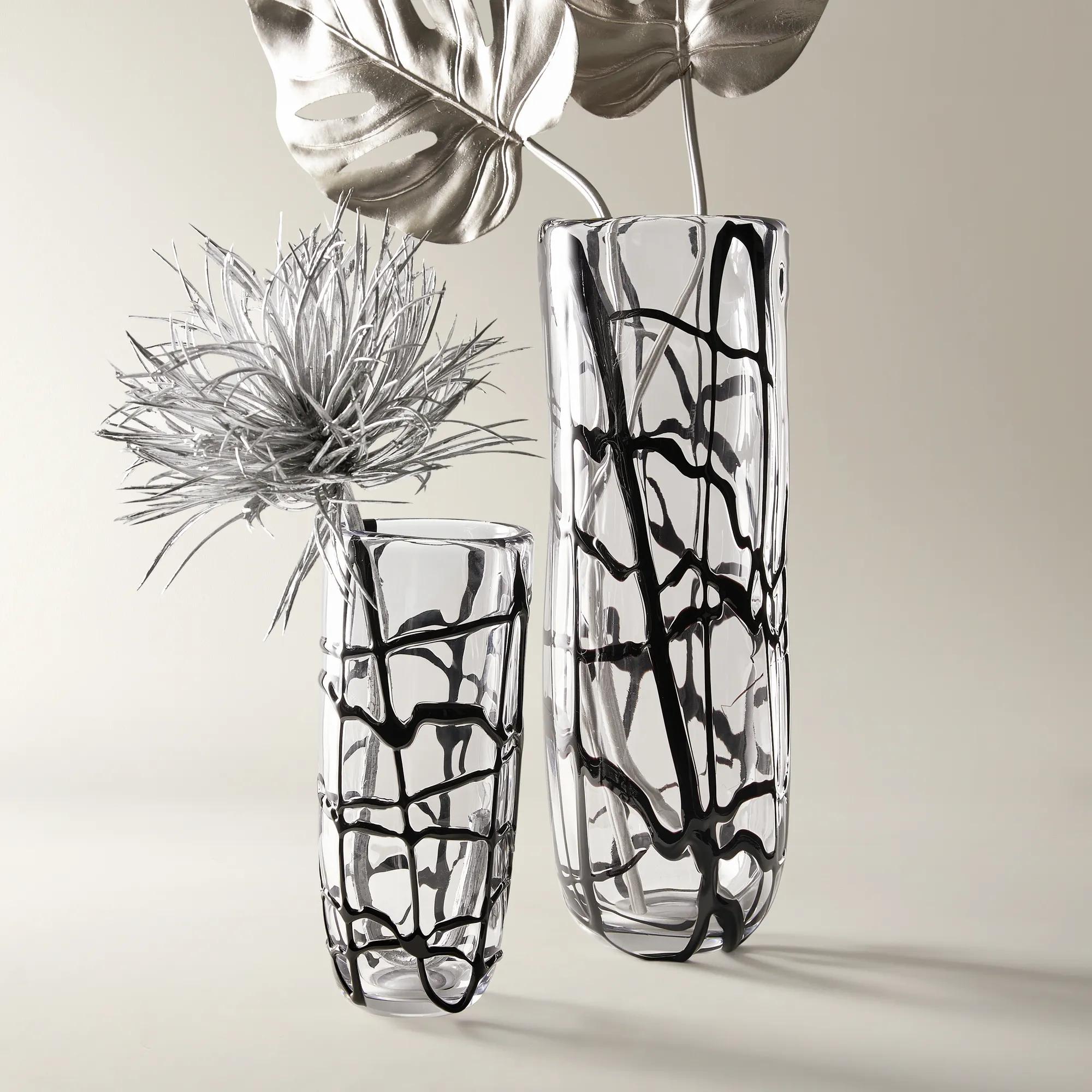 Torino Glass Vase$89
A hand-blown glass vase featuring a dramatic black design and a sleek cylindrical silhouette.
Add To Cart -
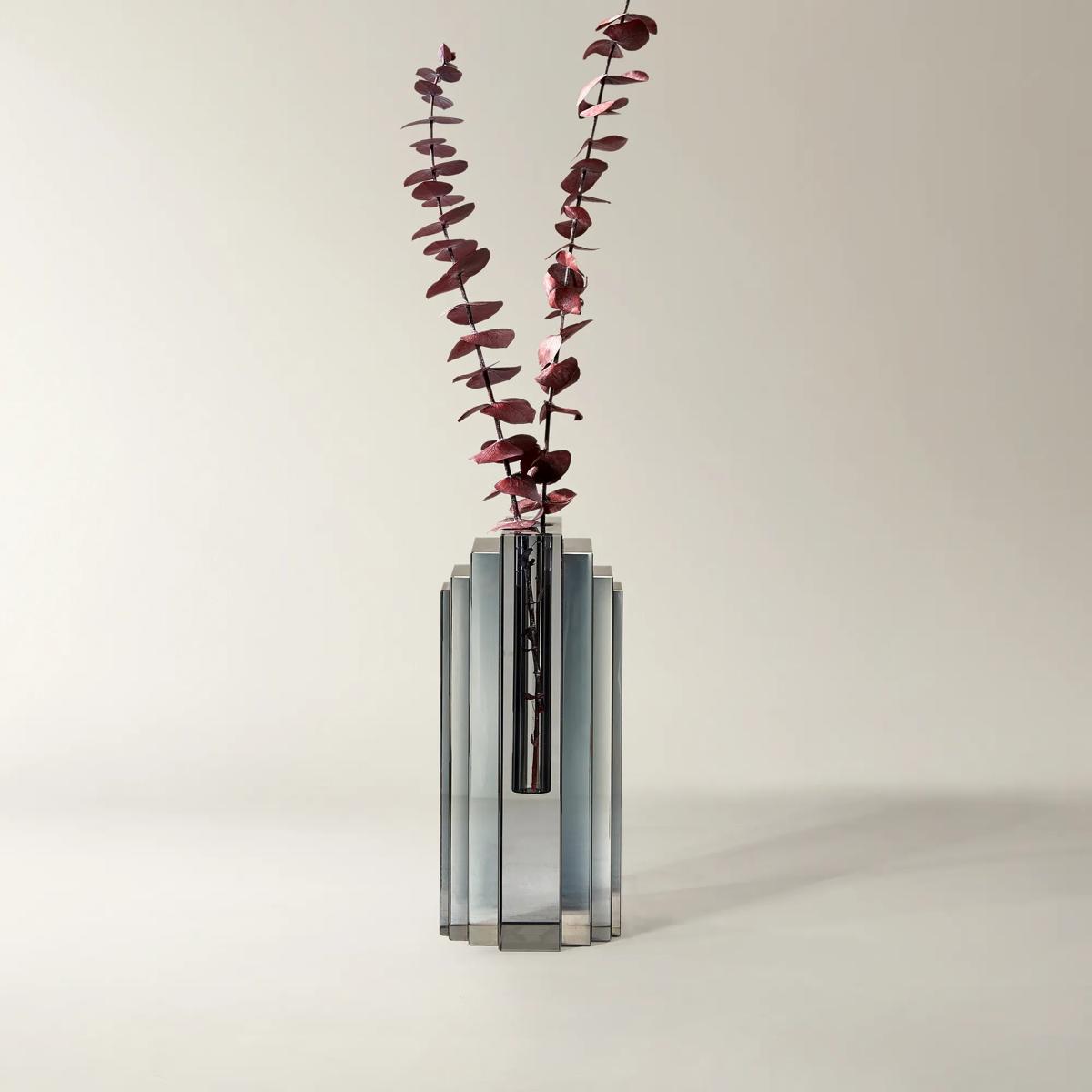 Lucca Crystal Vase - Mirrored Graphite$109
A mirrored graphite crystal vase with a multifaceted geometric design that reflects light for sculptural brilliance.
Add To Cart -
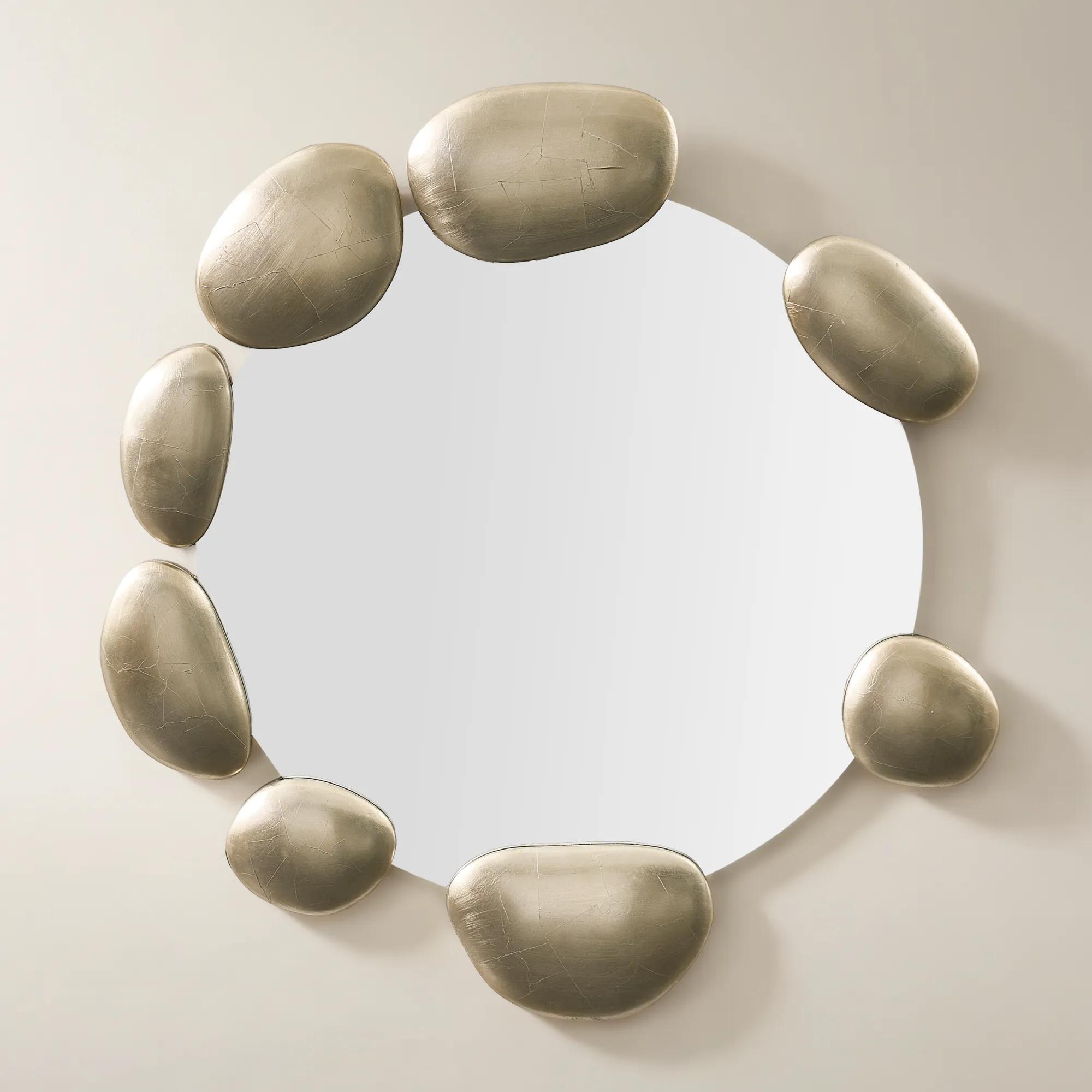 Pebbled Champagne Leaf Resin Round Wall Mirror 40"$599
A round wall mirror featuring a sculptural resin frame with champagne leafing and playful pebbled accents.
Add To Cart -
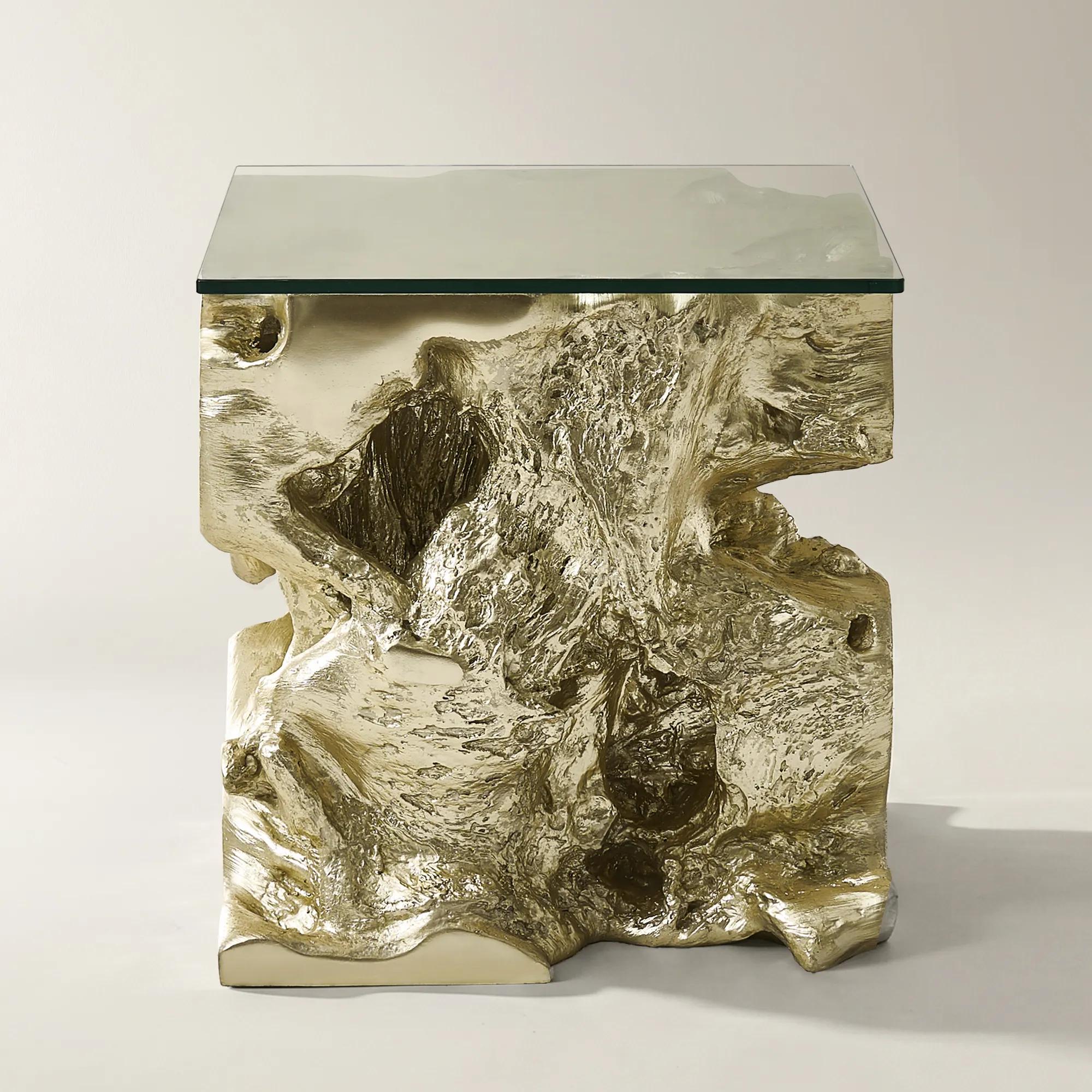 Sequoia Champagne Gold Resin End Table With Glass Top (22")$999
A sculptural resin end table with a champagne gold leaf finish and a clear tempered glass top.
Add To Cart -

 Oliver Glass Tealight Candle Holder$49
A glass tealight candle holder bringing elegant illumination to modern spaces.
Add To Cart -
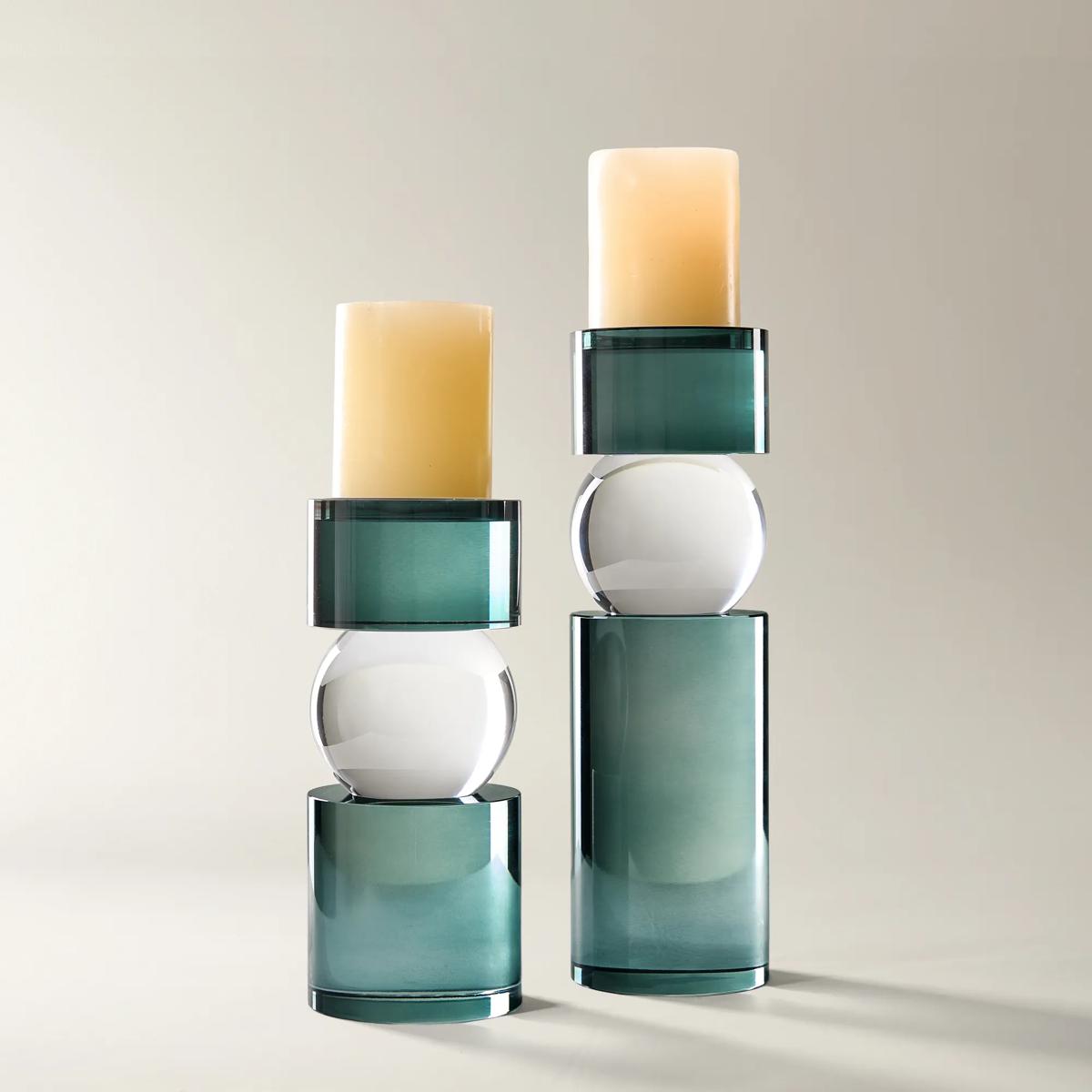 Leroy Teal Crystal Pillar Holder Large 12.5"$139
A stacked teal and clear crystal holder offering bold sculptural depth and instant ambiance to any space.
Add To Cart


Decorative Glass Art Pieces
Explore decorative glass art pieces that bring sculptural presence and luminous detail to shelves, consoles, and tabletops. Consider shape, scale, and how each piece interacts with light when choosing an accent that complements your room’s palette. Give it space to stand alone as a focal point, or layer it into a display for added dimension and drama.
Decorative glass art pieces bring sculptural presence and luminous depth to an interior, turning a console, bookshelf, or coffee table into a composition worth lingering over. Their appeal lies in the interplay of form, color, and light: a translucent silhouette can soften a bold arrangement, while an opaque form creates a more defined visual anchor. As you explore glass sculptures, art glass vases, and decorative glass bowls, consider the atmosphere you want to create rather than choosing by color alone. Sweeping curves lend a sense of movement, angular shapes introduce architectural tension, and saturated hues can draw an accent color through the room. For a dramatic focal point, choose a scale that feels intentional beside your furniture, with enough surrounding space to appreciate the outline. A single substantial glass art piece can command a generous surface, while a smaller design can add an intriguing layer to a curated shelf. The goal is not simply to fill an empty spot, but to give your room a distinctive artistic signature. Styling decorative glass art is an exercise in contrast, proportion, and restraint—even in an interior that embraces extravagance. Position glass home decor where ambient light can reveal its contours, and consider the background: a richly colored wall may emphasize a clear silhouette, while a quieter backdrop allows vivid art glass to hold attention. On a console table, vary the heights of neighboring accents so each shape remains visible; on a coffee table, keep the composition low enough to preserve conversation and sightlines. Groupings feel more deliberate when they share a color story or a recurring curve without matching in every detail. Leave breathing room between pieces to prevent their outlines from competing, and place delicate accents on stable surfaces away from busy edges. Before using a decorative glass vessel for flowers, water, or candles, confirm that it is designed for that purpose and follow its care instructions. Thoughtful placement lets decorative glass art deliver both visual drama and lasting enjoyment, creating a home that feels expressive, layered, and unmistakably yours.
FAQs
Decorative glass art transforms glass into an expressive accent, emphasizing form, color, and the interplay of light. From fluid silhouettes to bold sculptural shapes, these pieces bring an artistic focal point to an interior. Think of them as visual punctuation: a deliberate detail that gives a room personality and presence.
Give a distinctive glass piece room to command attention rather than surrounding it with competing accents. On a console, balance its silhouette with a stack of art books or a framed work. On a bookshelf, alternate artful groupings with open space so each curve and contour feels intentional.
Decide whether you want a harmonious accent or a daring contrast. Glass art that echoes a hue in your artwork or upholstery creates a considered connection, while a contrasting color introduces a striking focal point. Clear or softly tinted glass can add visual intrigue while allowing the surrounding palette to remain prominent.
Pair decorative glass art with contrasting textures to create a richly layered vignette. A tactile ceramic accent can emphasize the glass’s smooth surface, while metallic details introduce a gleaming counterpoint. Keep a shared color or recurring shape across the arrangement to unite the mix without making every element match.
Choose a visual thread—such as a color family, curved silhouette, or angular form—then introduce variation within it. A collection feels expressive when the pieces relate without repeating one another exactly. Arrange them with breathing room so individual details remain visible and the grouping reads as a composed artistic statement.