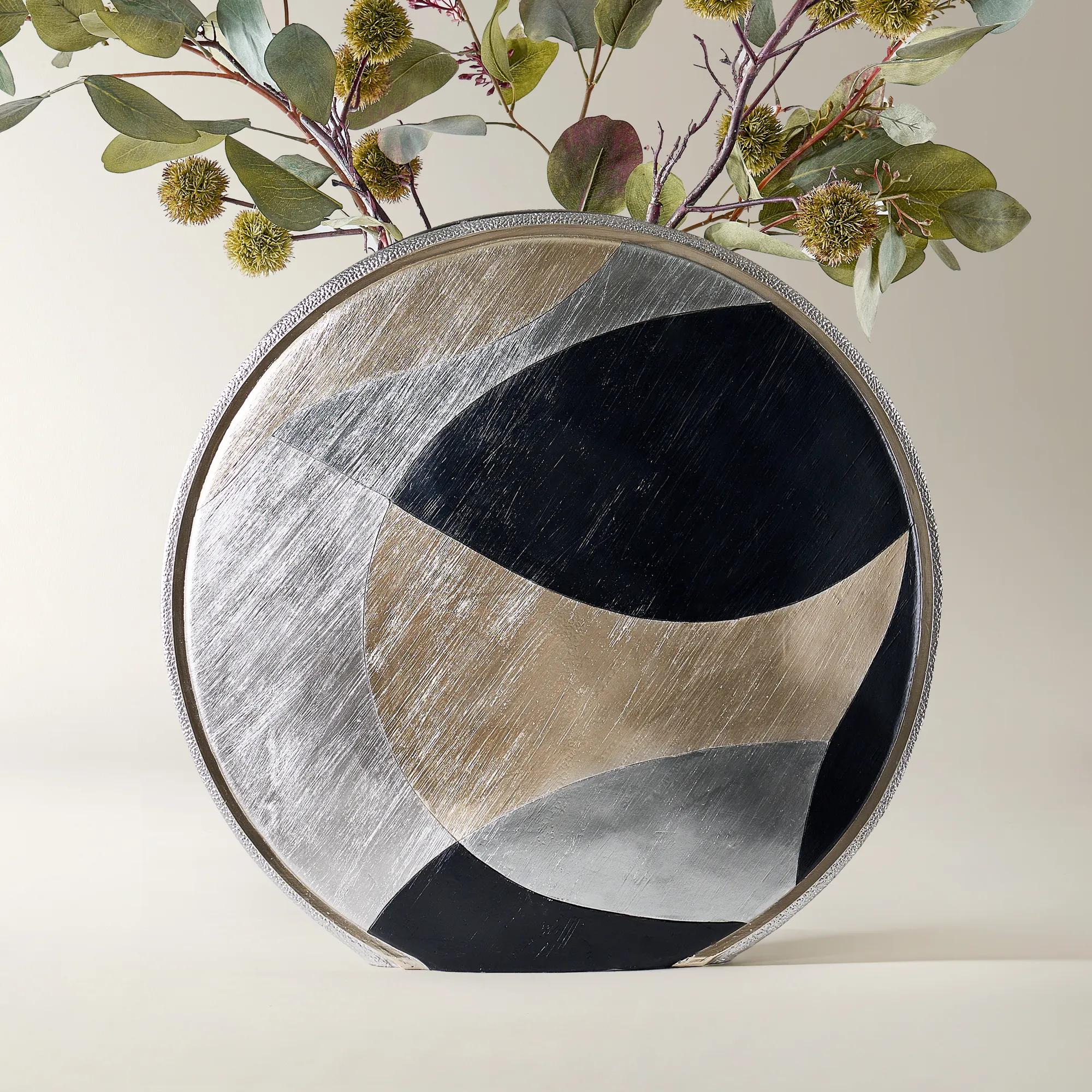
Glass Accent Pieces
Glass Accent Pieces
-
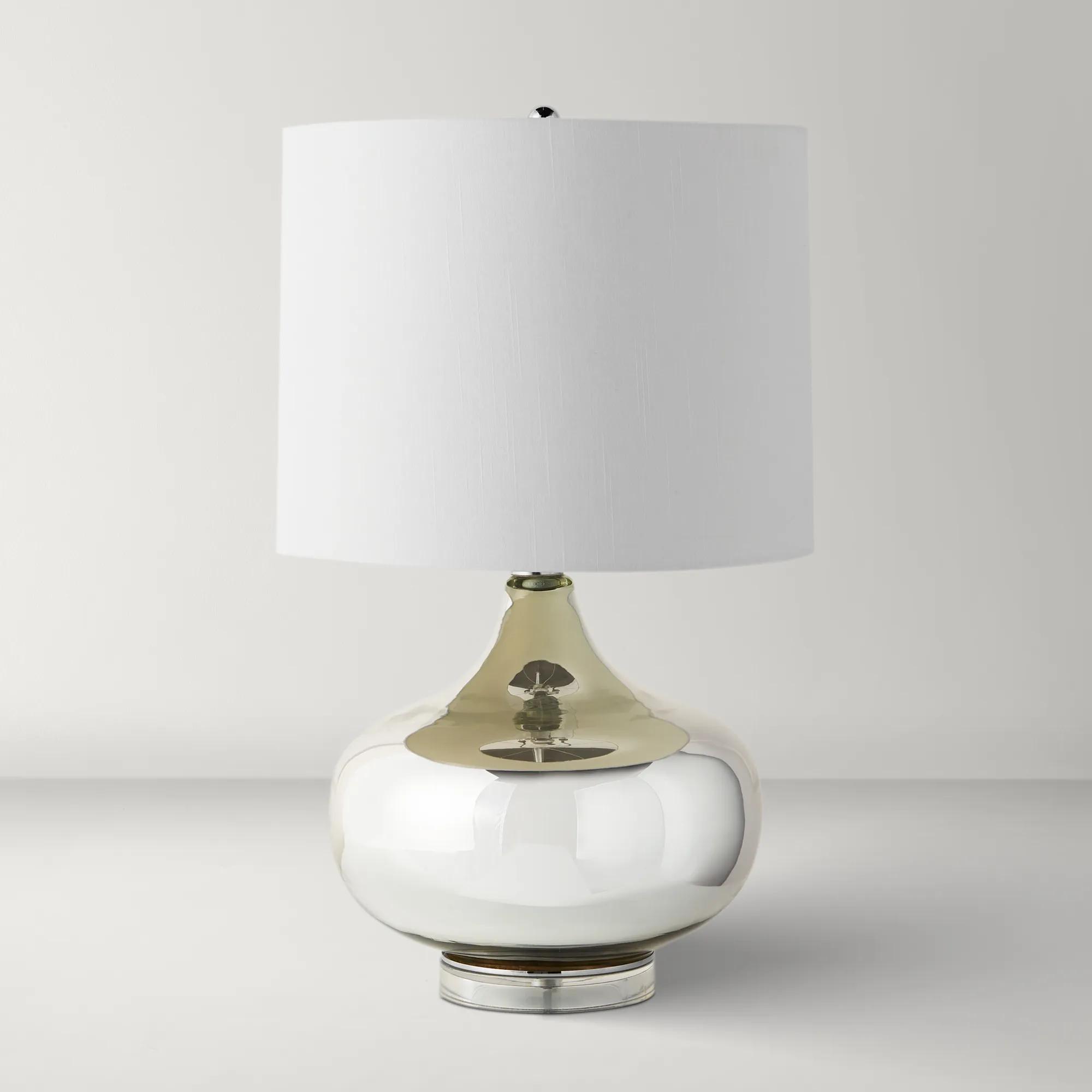 Sabrina Mirrored Silver Glass Table Lamp 27.5"$199
A contemporary lamp featuring a silver mirrored glass base, clear acrylic accents, and a white fabric shade.
Add To Cart -
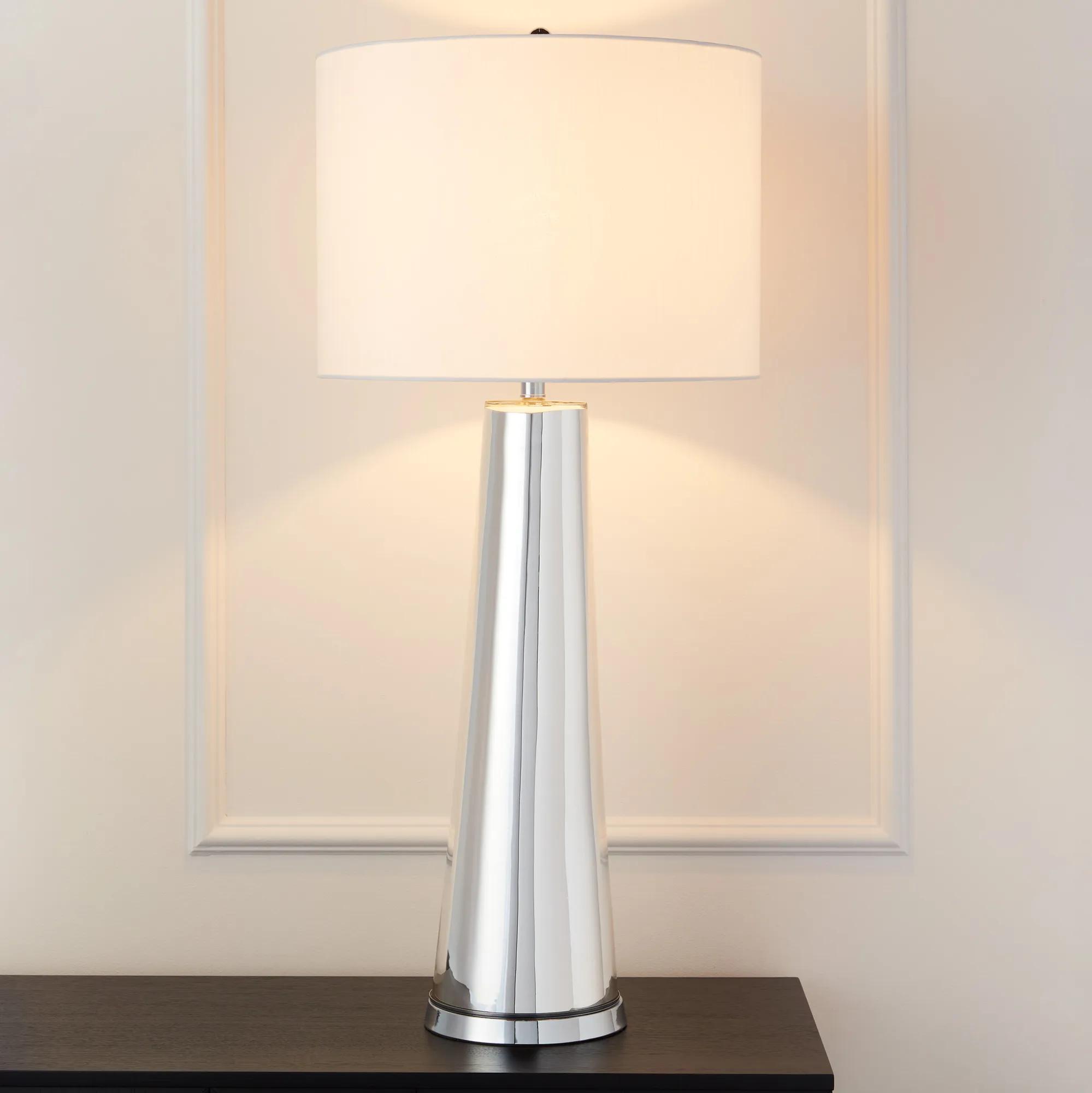 Century Silver Mirrored Glass Table Lamp 40"$299
A modern table lamp featuring a mirrored glass base and white drum shade with brushed chrome accents.
Add To Cart -
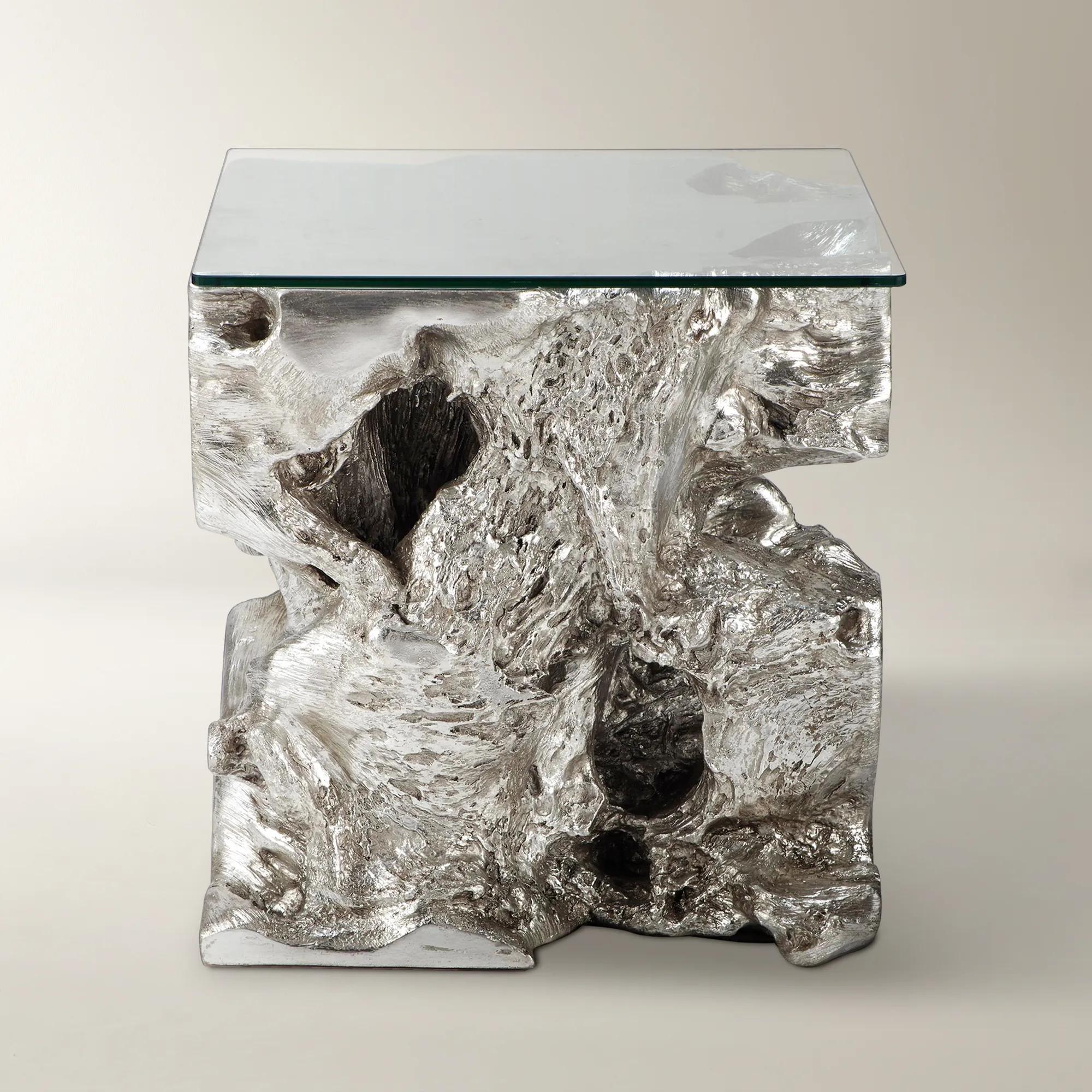 Sequoia Silver Resin End Table With Glass Top (22")$999
A sculptural end table featuring a silver leaf resin base and tempered glass top for modern elegance.
Add To Cart -
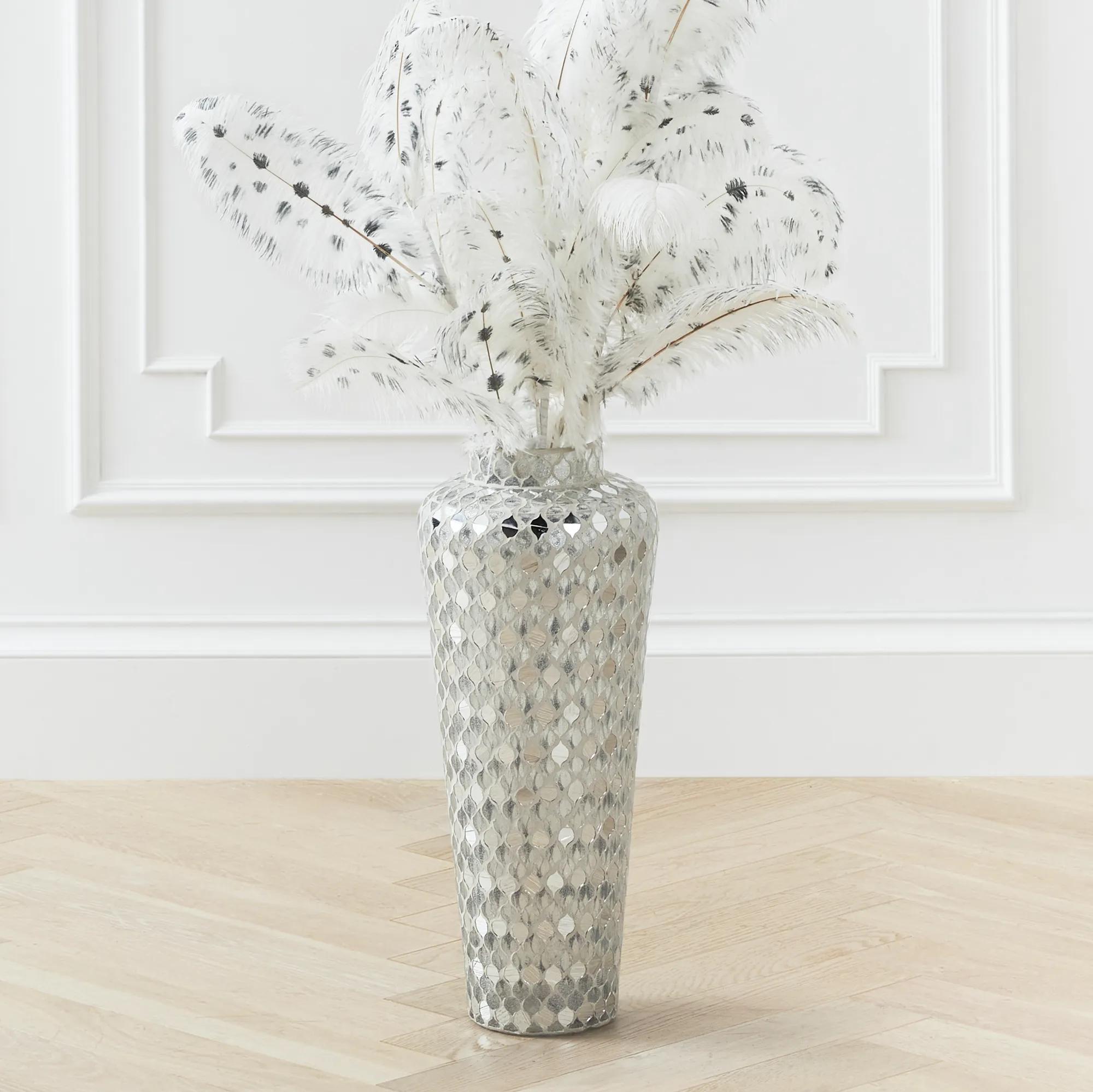 Fez Vase$139
A dazzling glass vase adorned with iridescent mirror and clear tiles for a glamorous decorative accent.
Add To Cart -
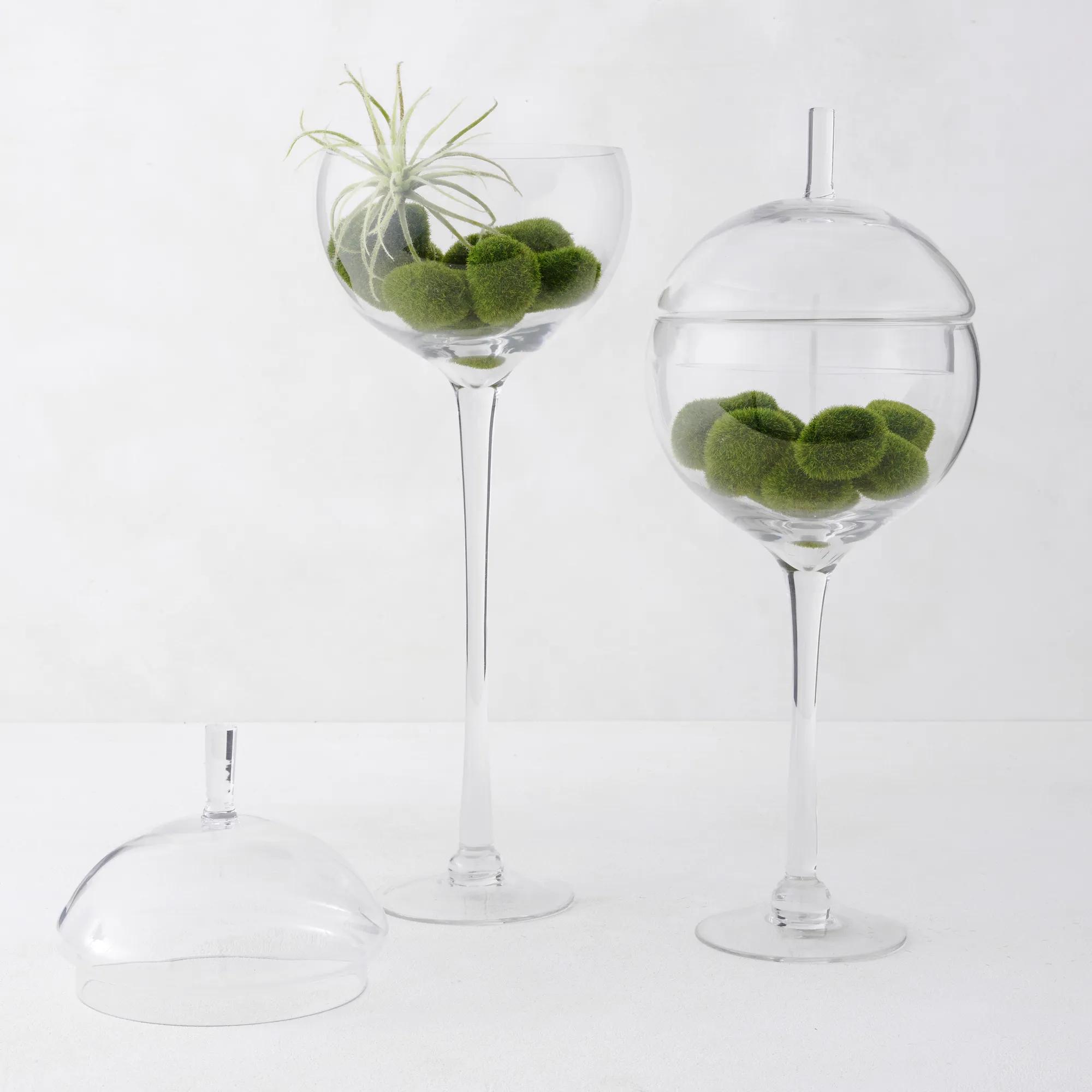 Jules Glass Decorative Canisters$89
A mouthblown glass terrarium perfect for showcasing decorative objects or cherished keepsakes.
Add To Cart -
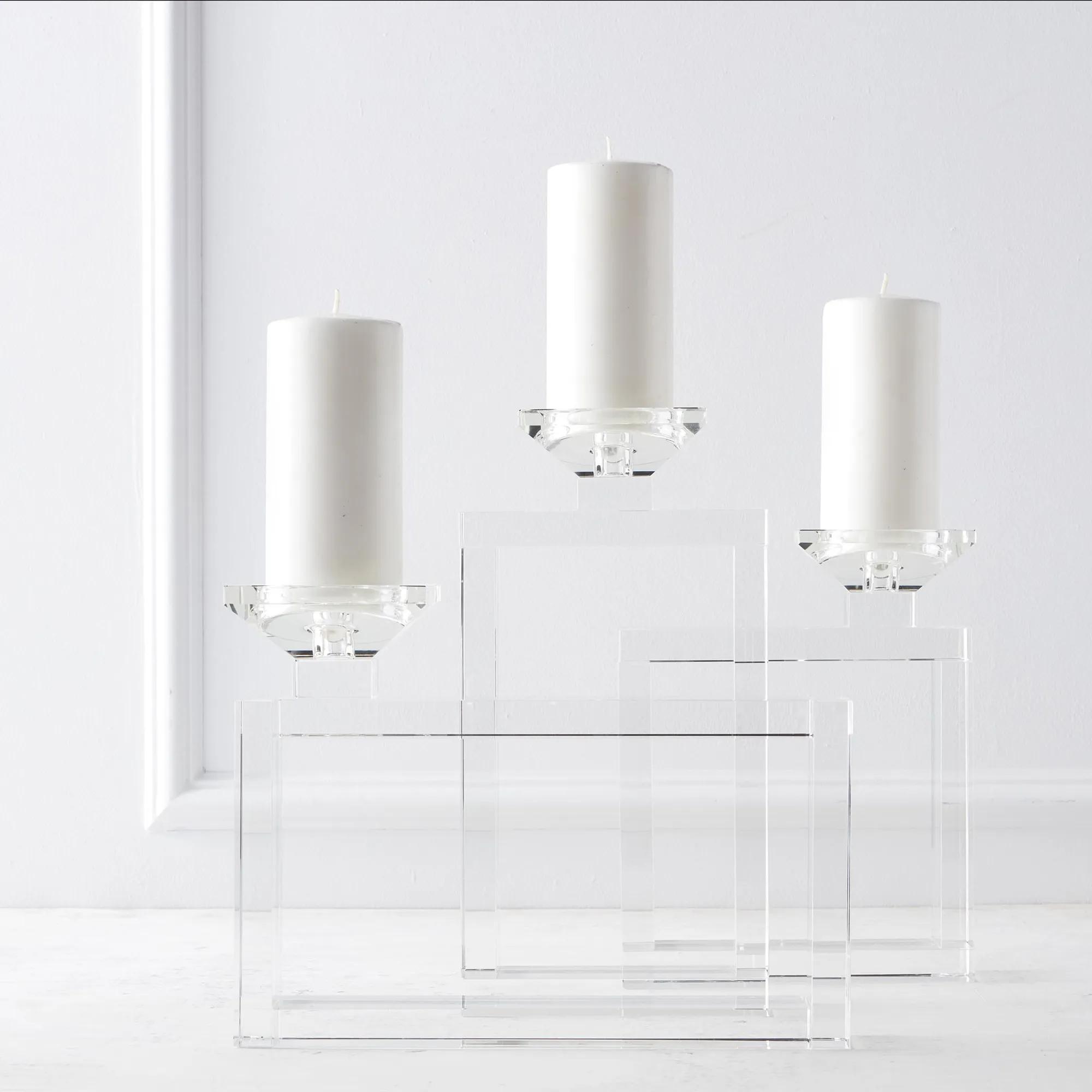
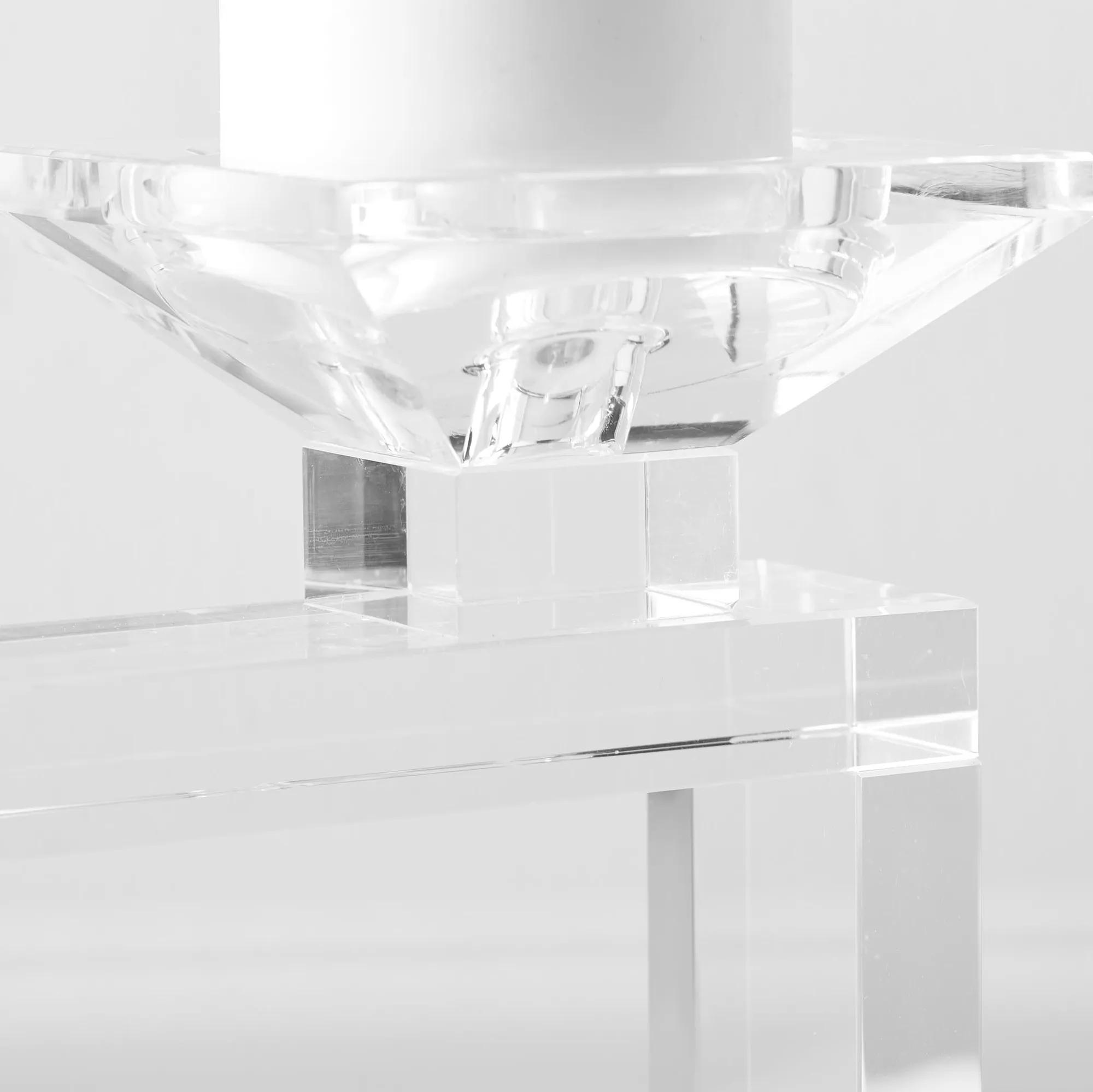 Linx Clear Crystal Glass Pillar Holders$119
A sparkling clear crystal glass holder with an open geometric base for standard pillar candles.
Add To Cart -
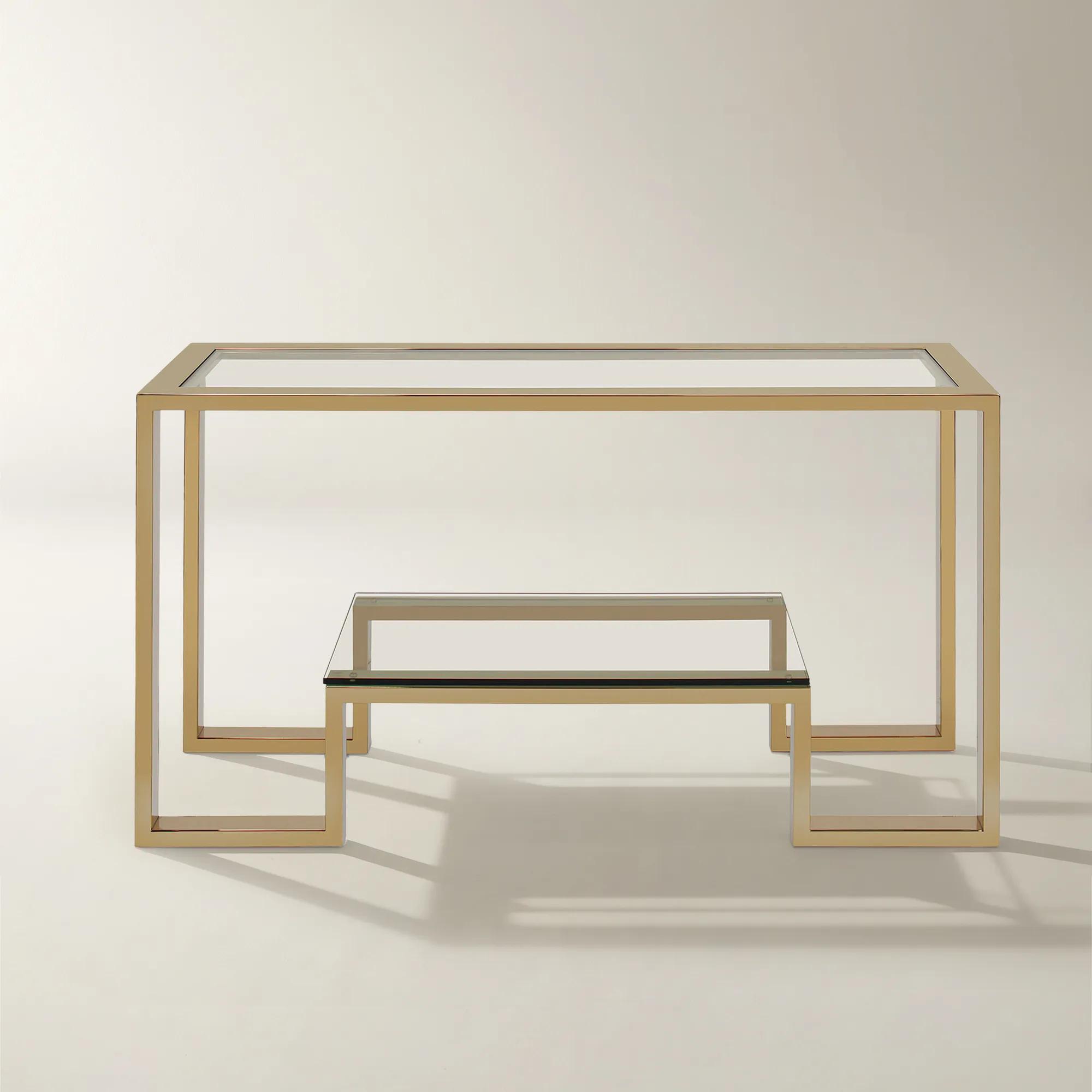
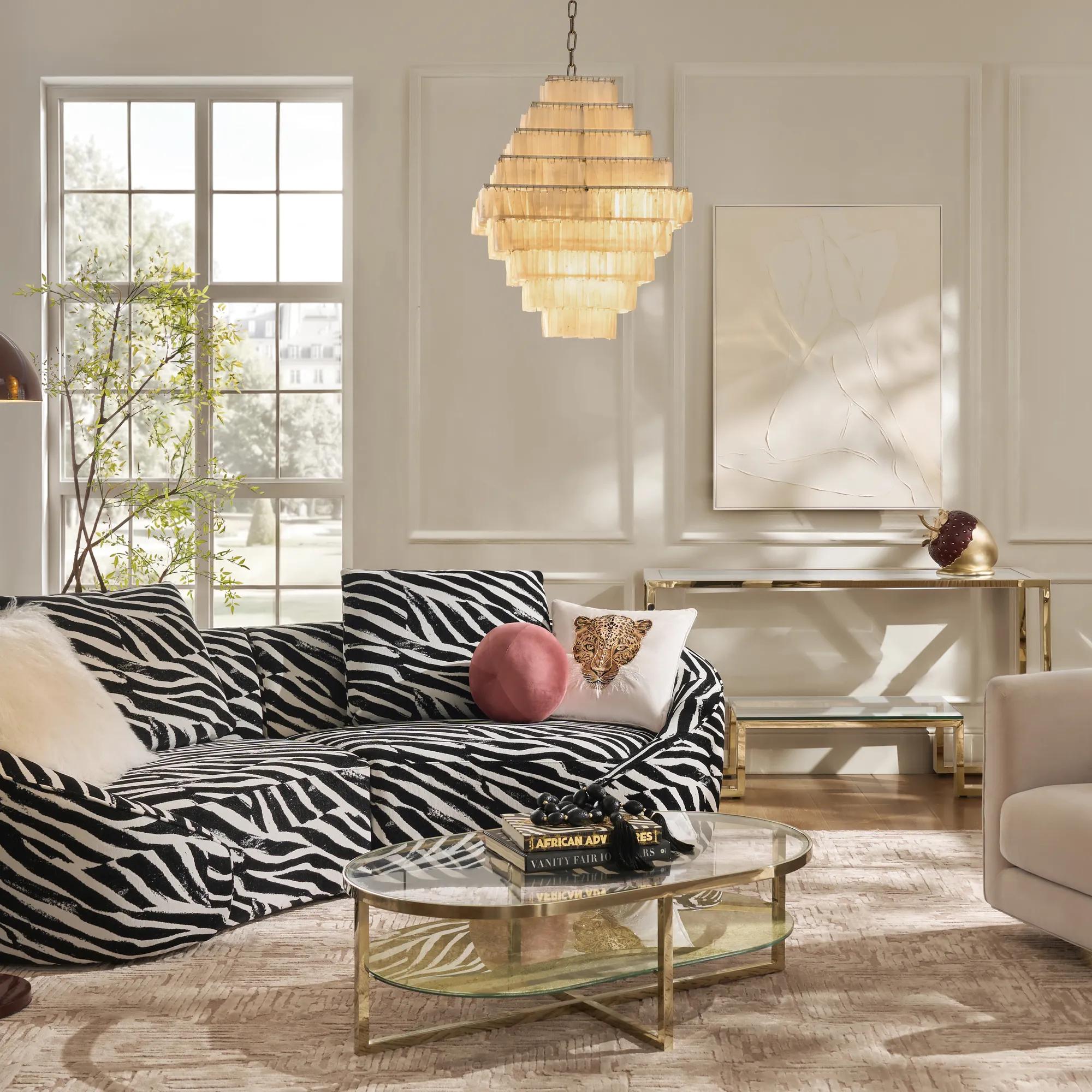 Duplicity Rectangular Gold Stainless Steel Console Table With Glass Top (59")$1399
A modern console table crafted from stainless steel and tempered glass with a floating bottom shelf.
Add To Cart -
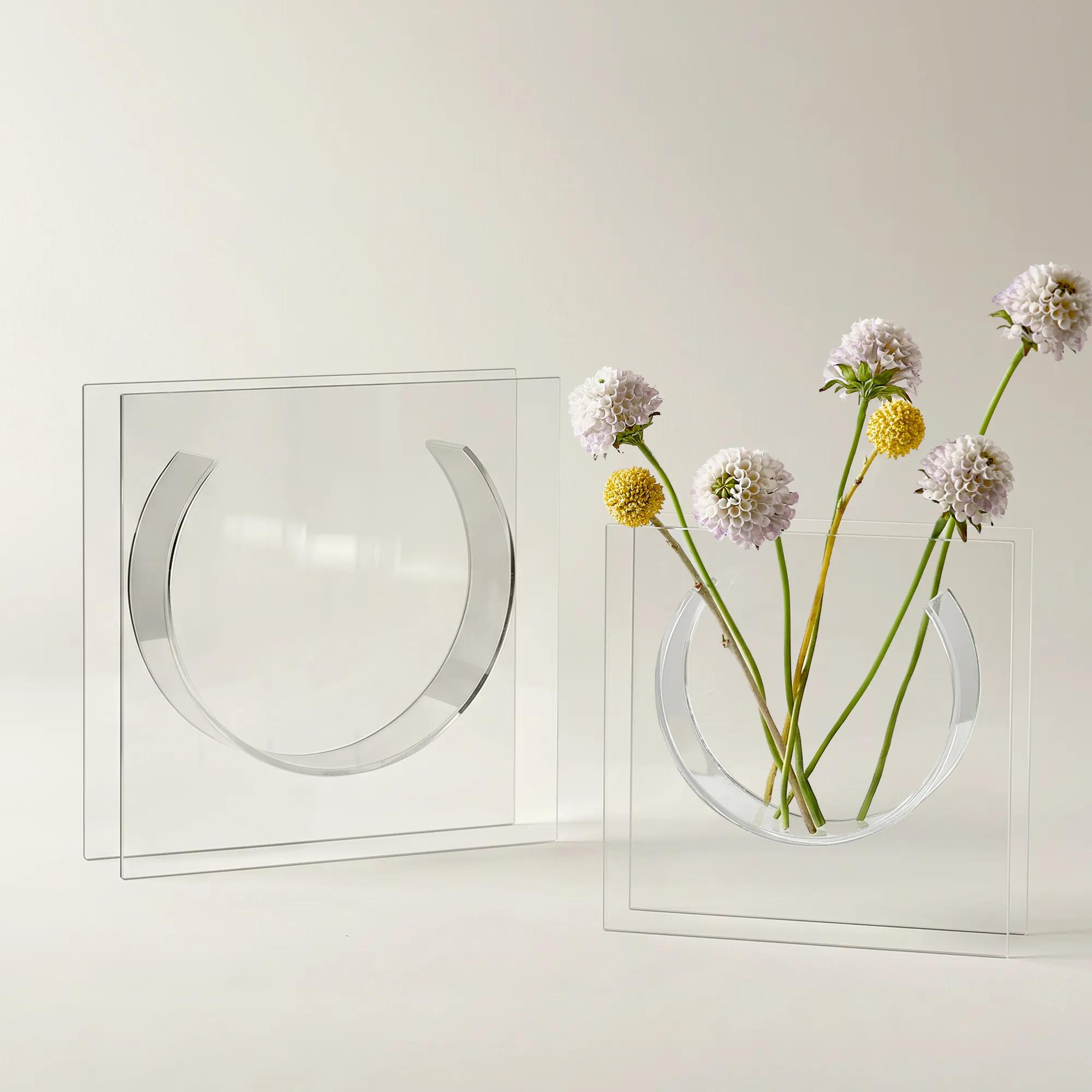
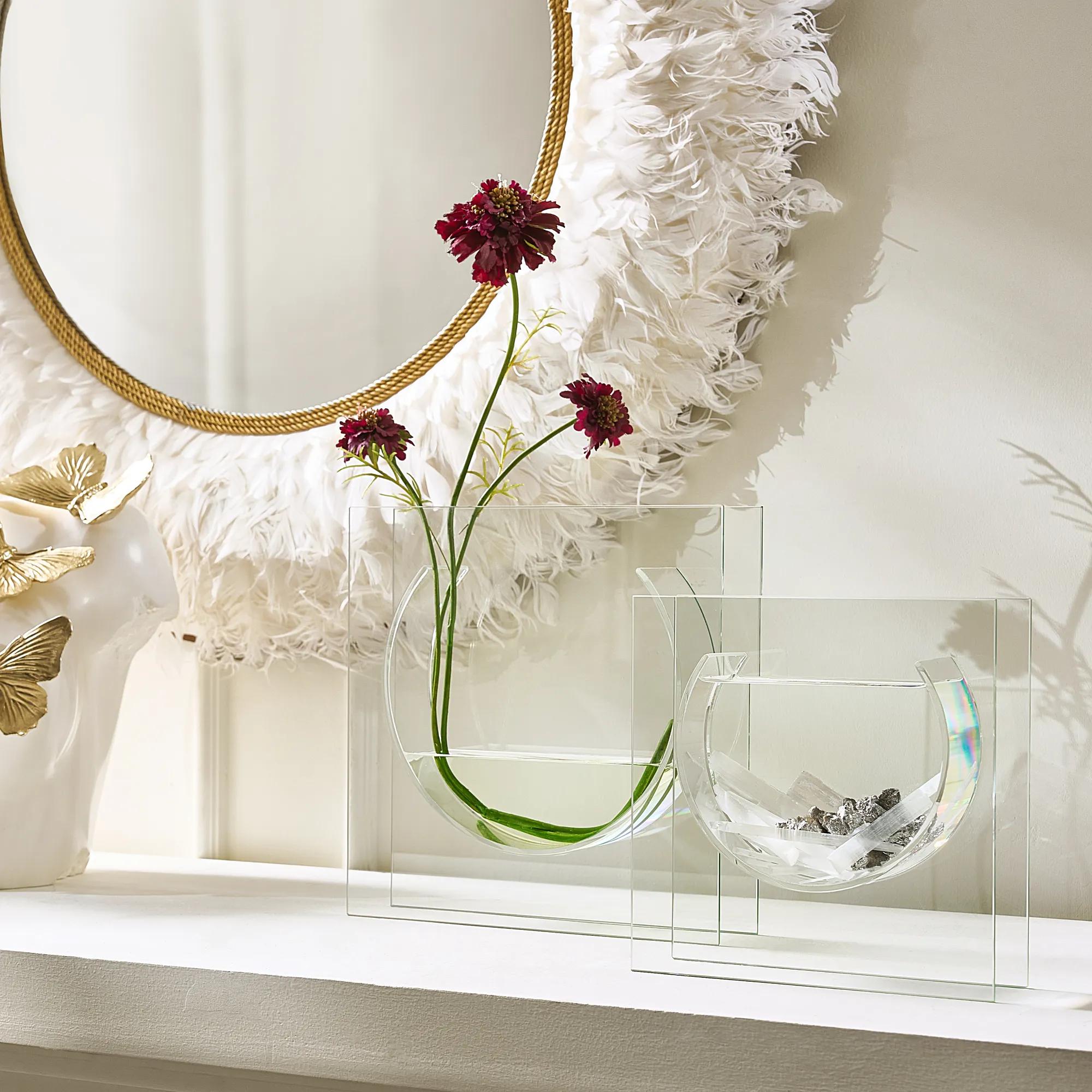 Solaris Clear Glass Vases$29
A clear glass vase with an elliptical bowl and bold modern design between two glass panels.
Add To Cart -
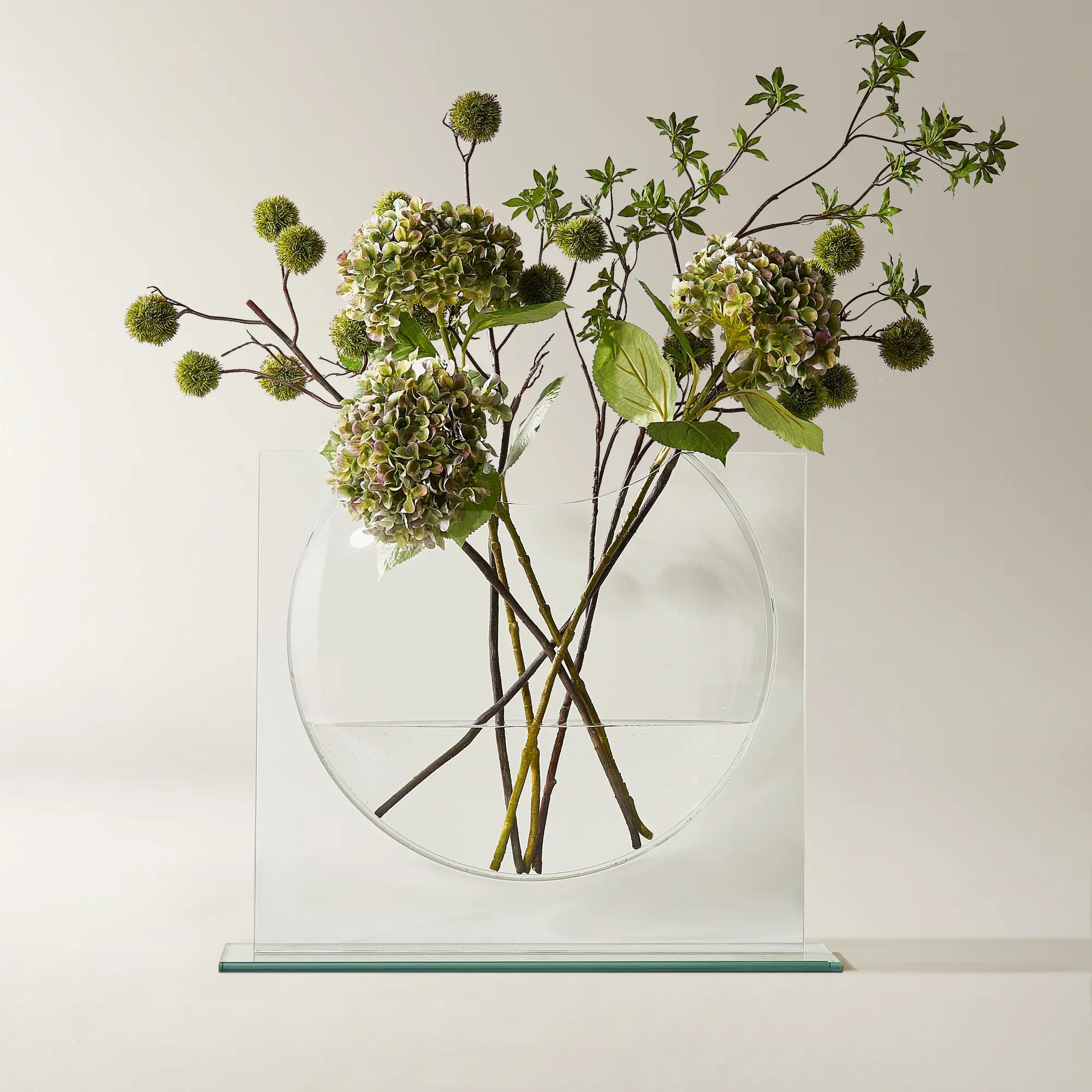
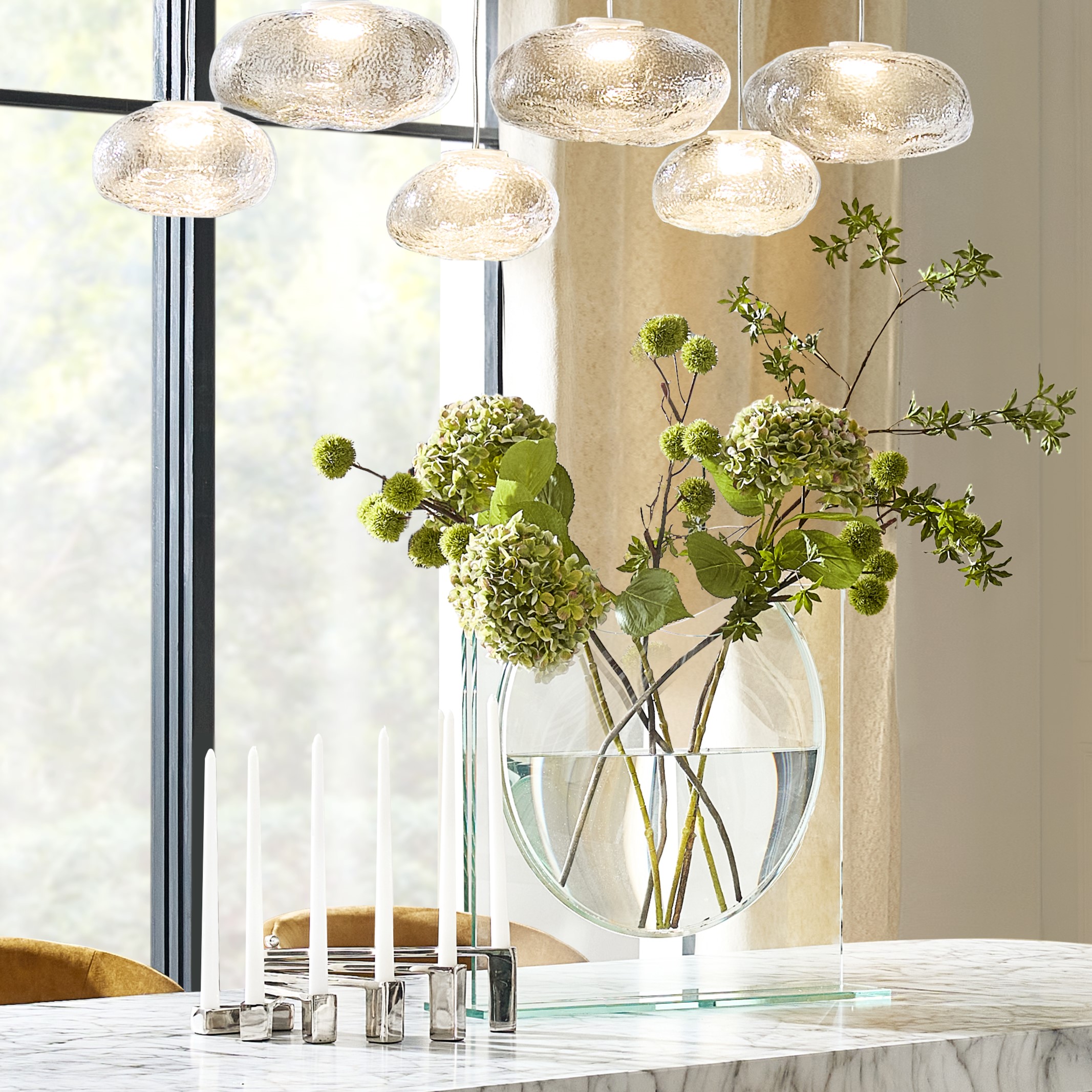 Ellipse Clear Glass Vase 20"$259
A sleek elliptical glass vase offering a modern, functional accent for fresh floral arrangements.
Add To Cart -
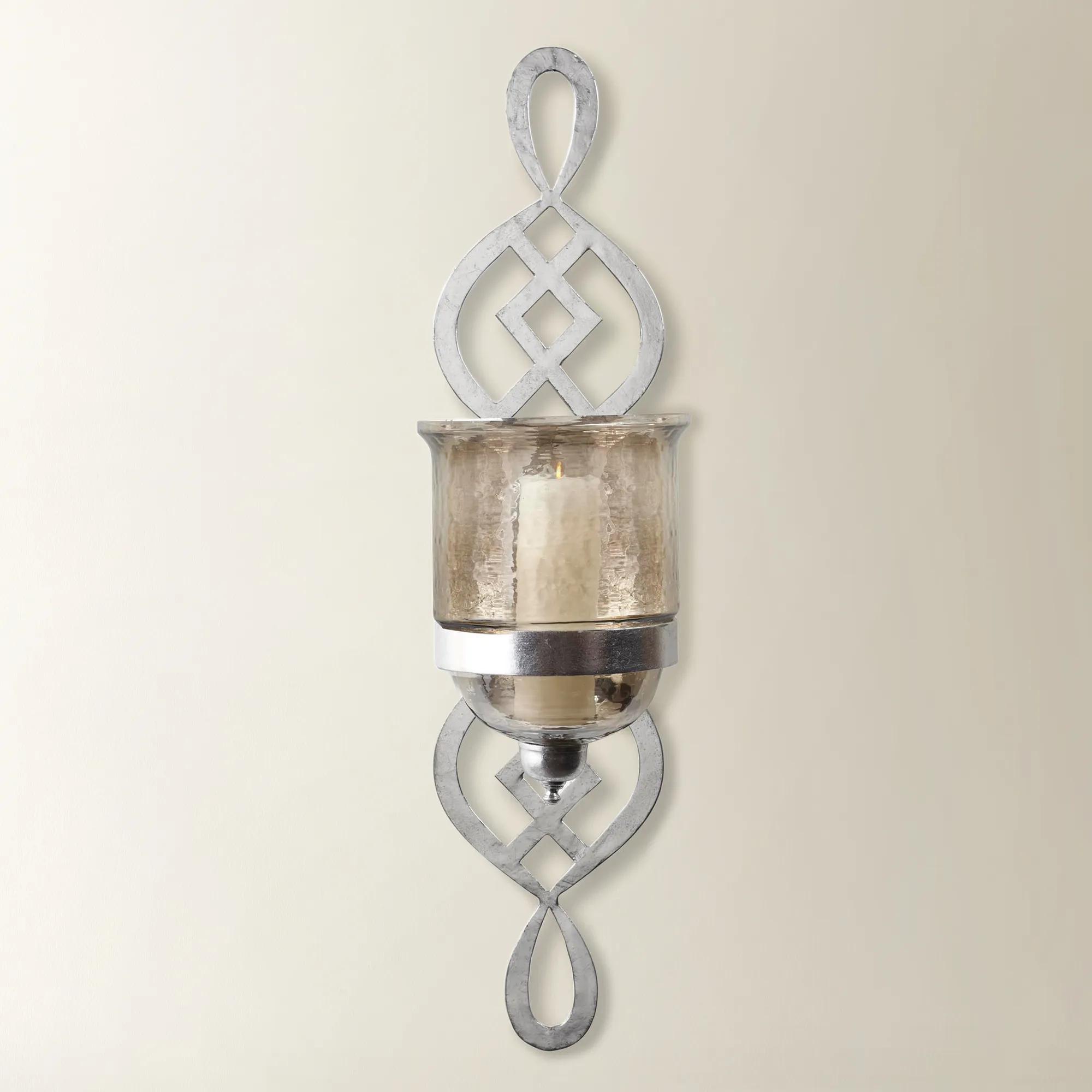 Beverton Wall Sconce$219
A striking wall sconce featuring a hand-finished stainless steel iron frame and hammered amber glass shade.
Add To Cart -
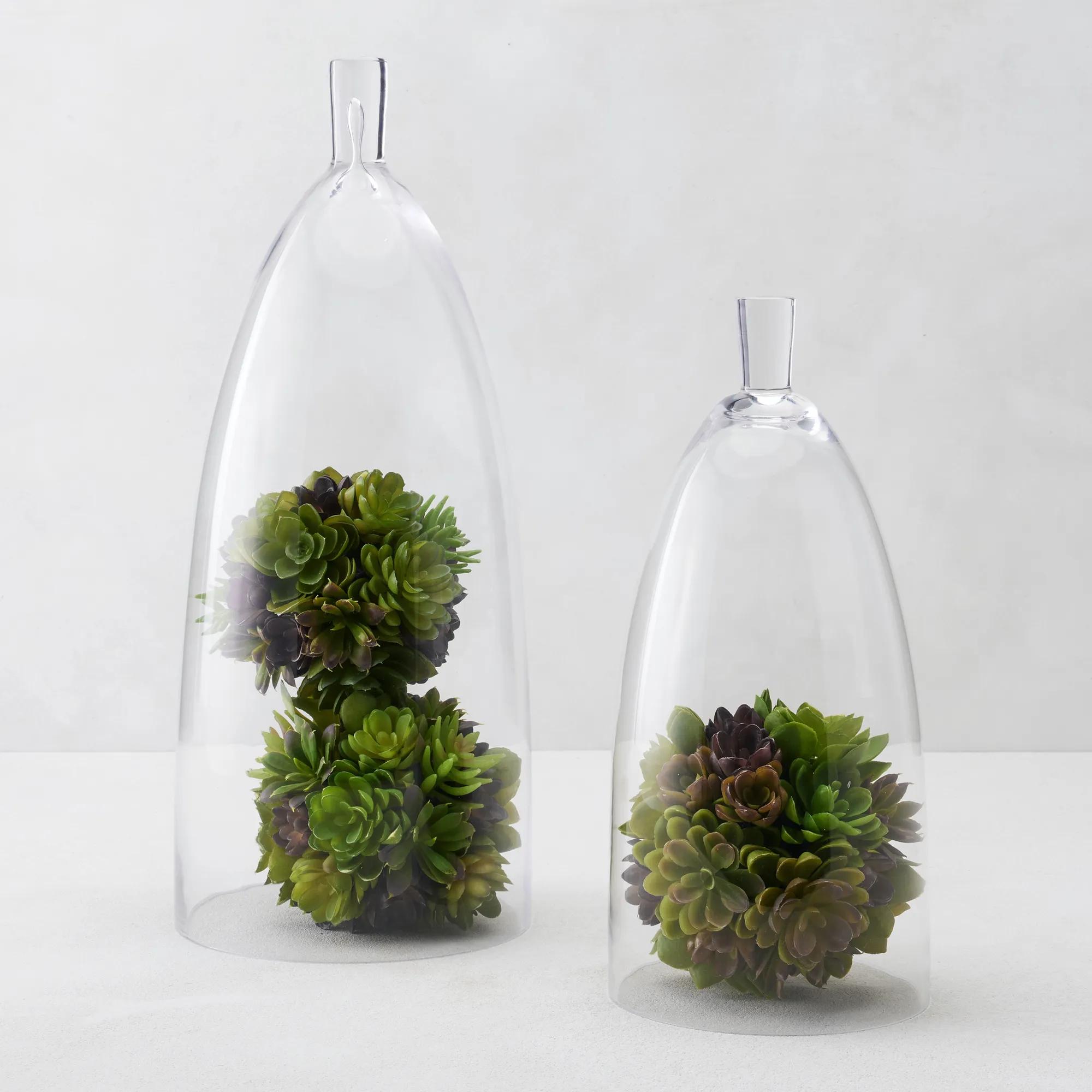 Jules Glass Decorative Cloches$59
A mouthblown glass terrarium perfect for showcasing cherished objects as unique decorative art.
Add To Cart -
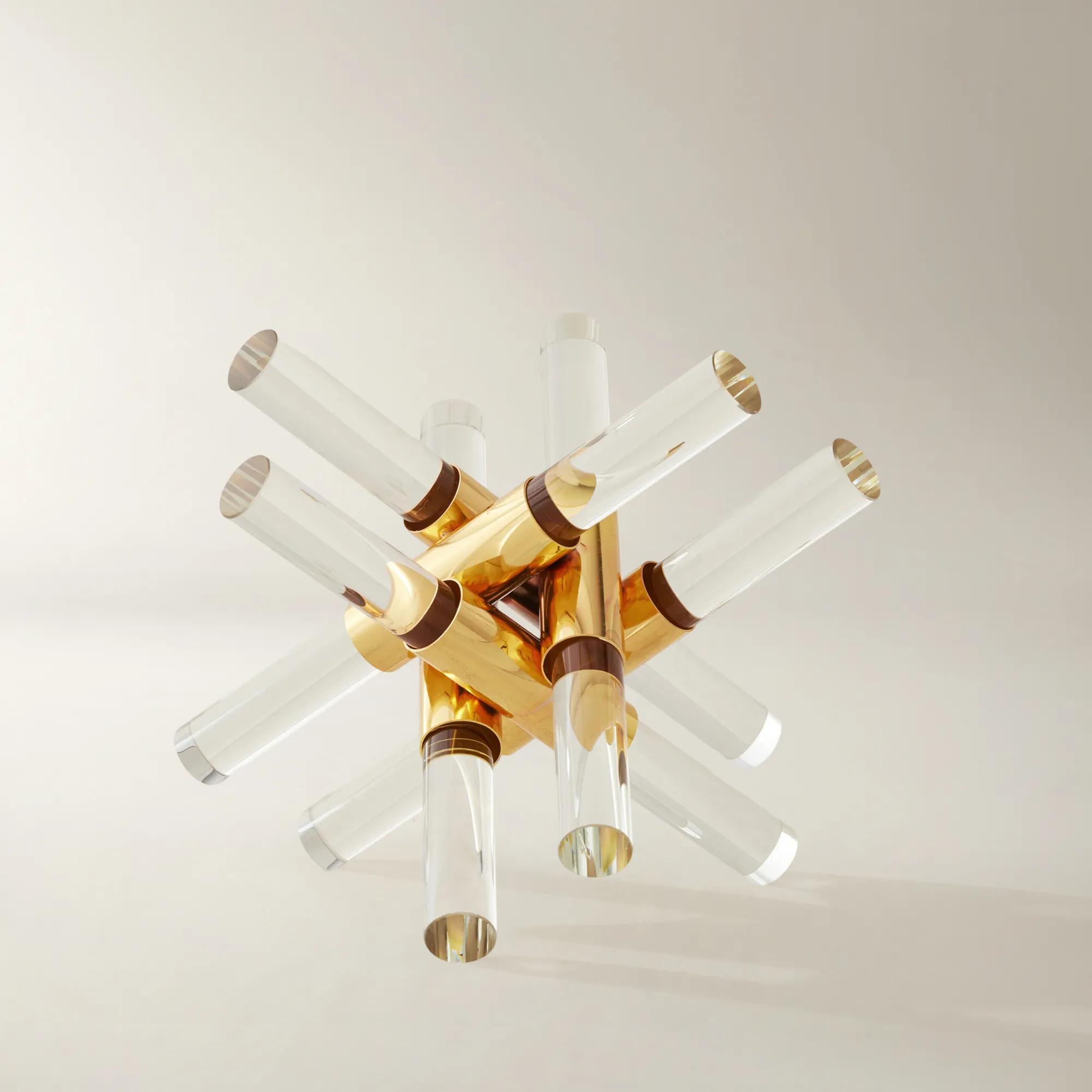
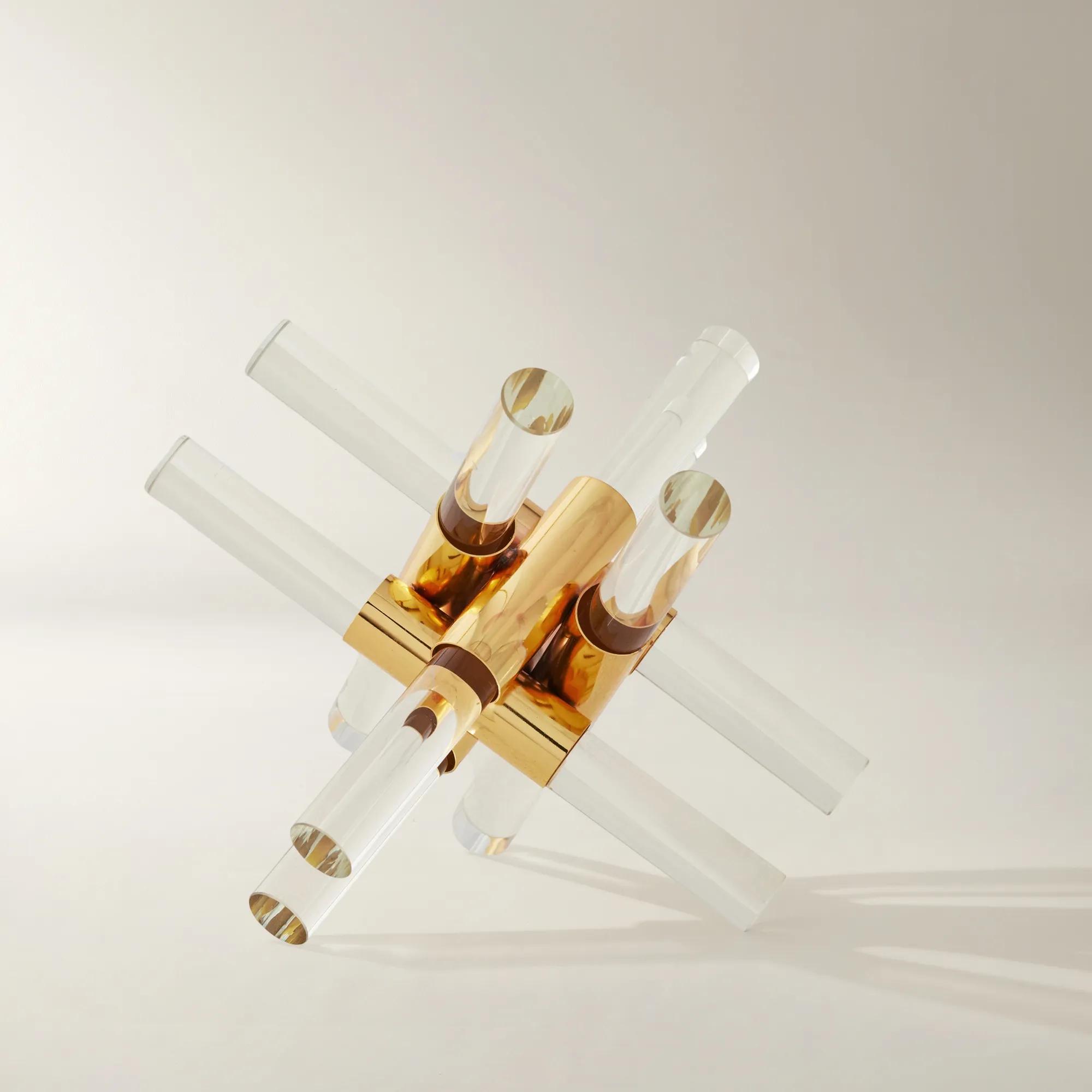 Crystal Glass And Gold Metal Decorative Object 8"$59
A striking decorative accent featuring clear glass rods and gold metal detailing for modern elegance.
Add To Cart -
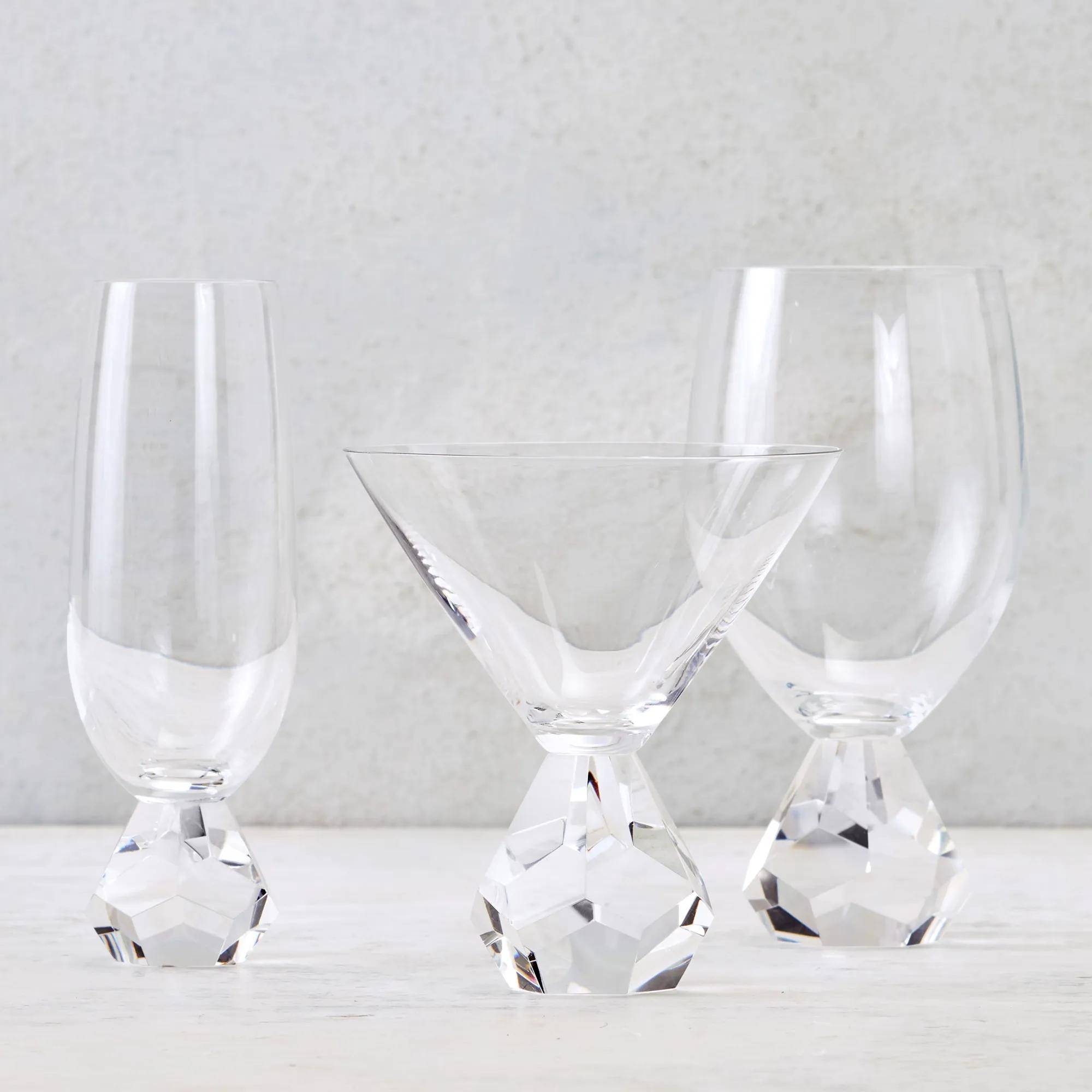 Dioptre Mouthblown Clear Glass Stemware Sets$79
A mouthblown clear glass set featuring a prism base for a sophisticated, light-catching tabletop accent.
Add To Cart -
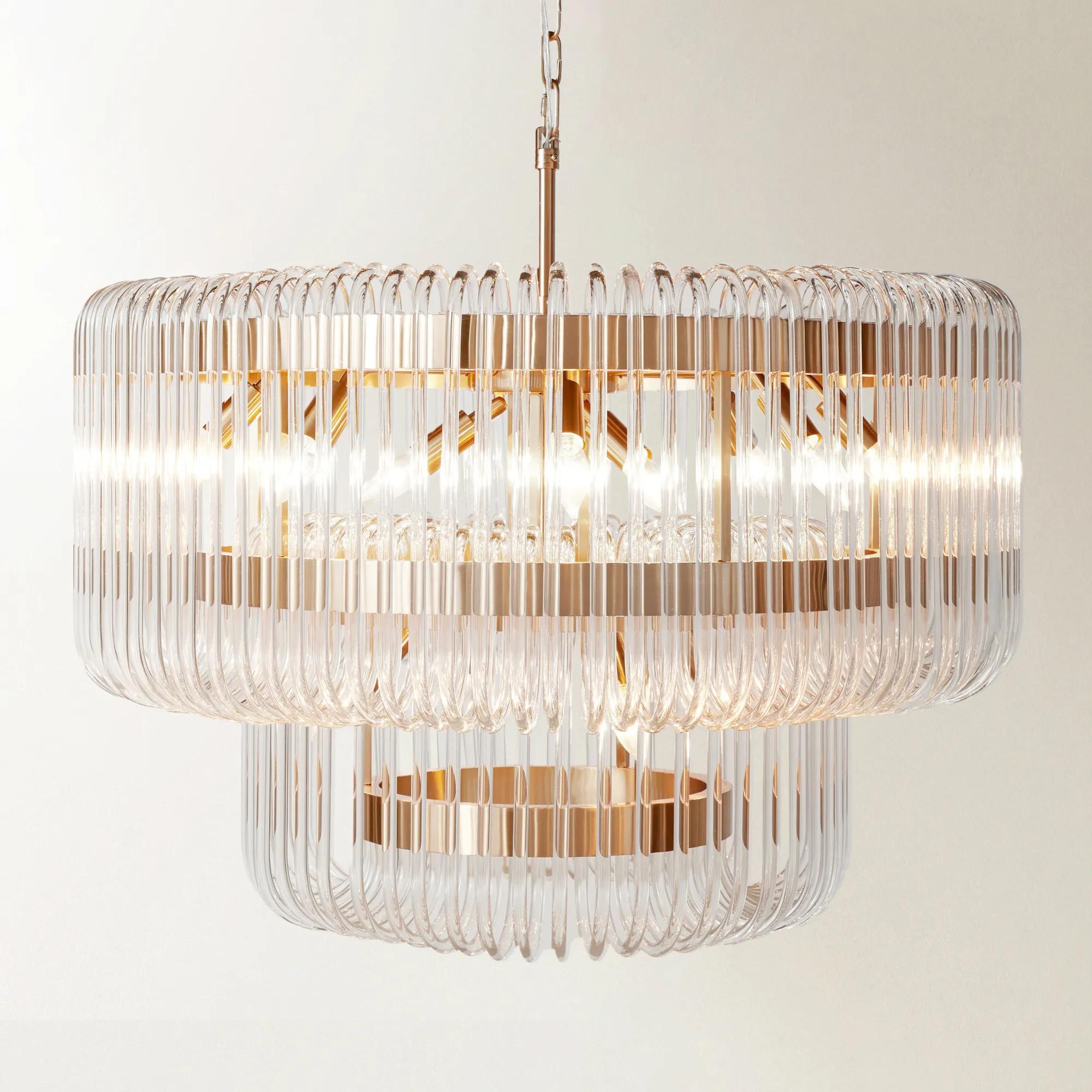 Allure Clear Curved Glass Chandelier 31.5"D x 27.75"H$1499
A dramatic chandelier featuring over 150 clear blown glass rods and brushed brass-finished iron rings.
Add To Cart -
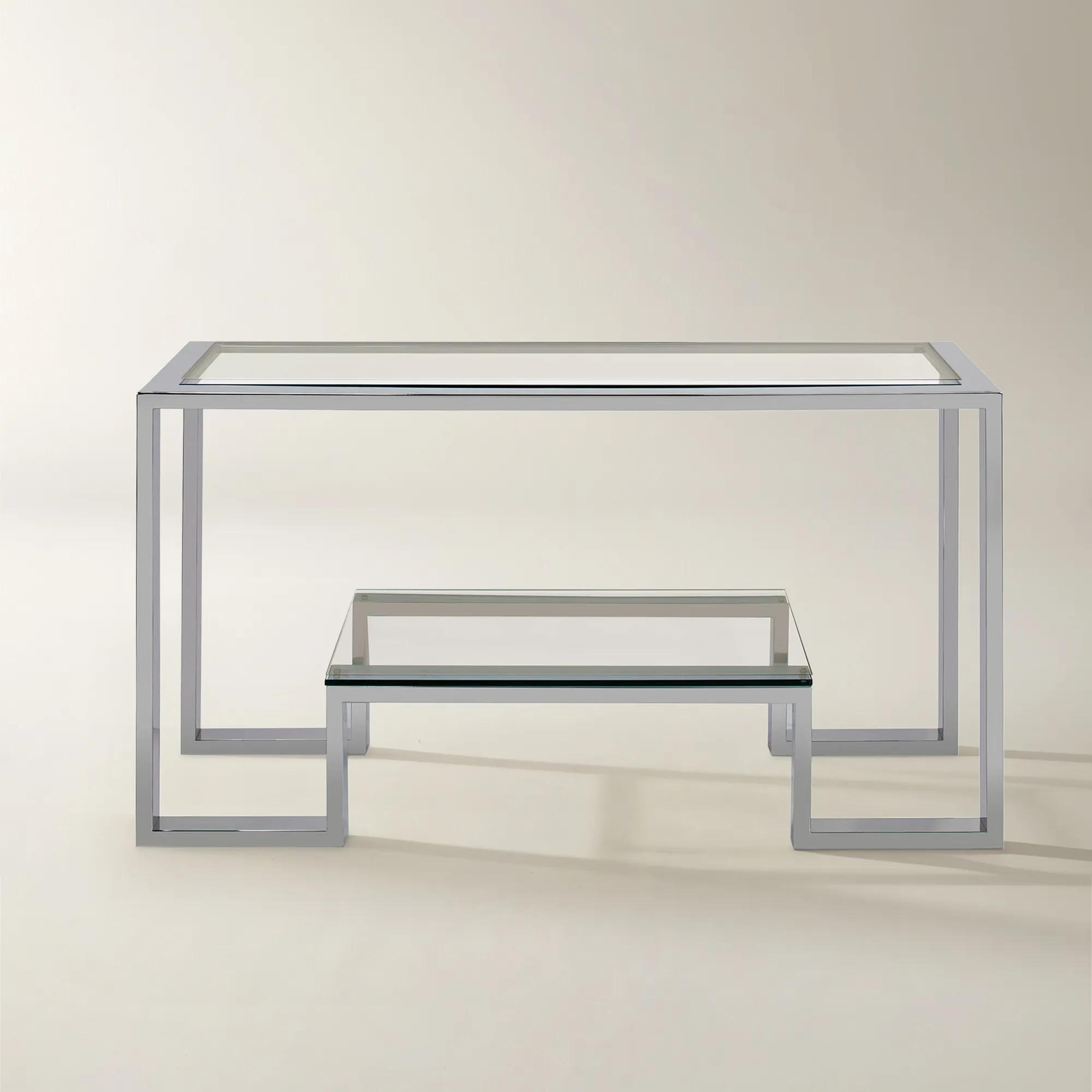
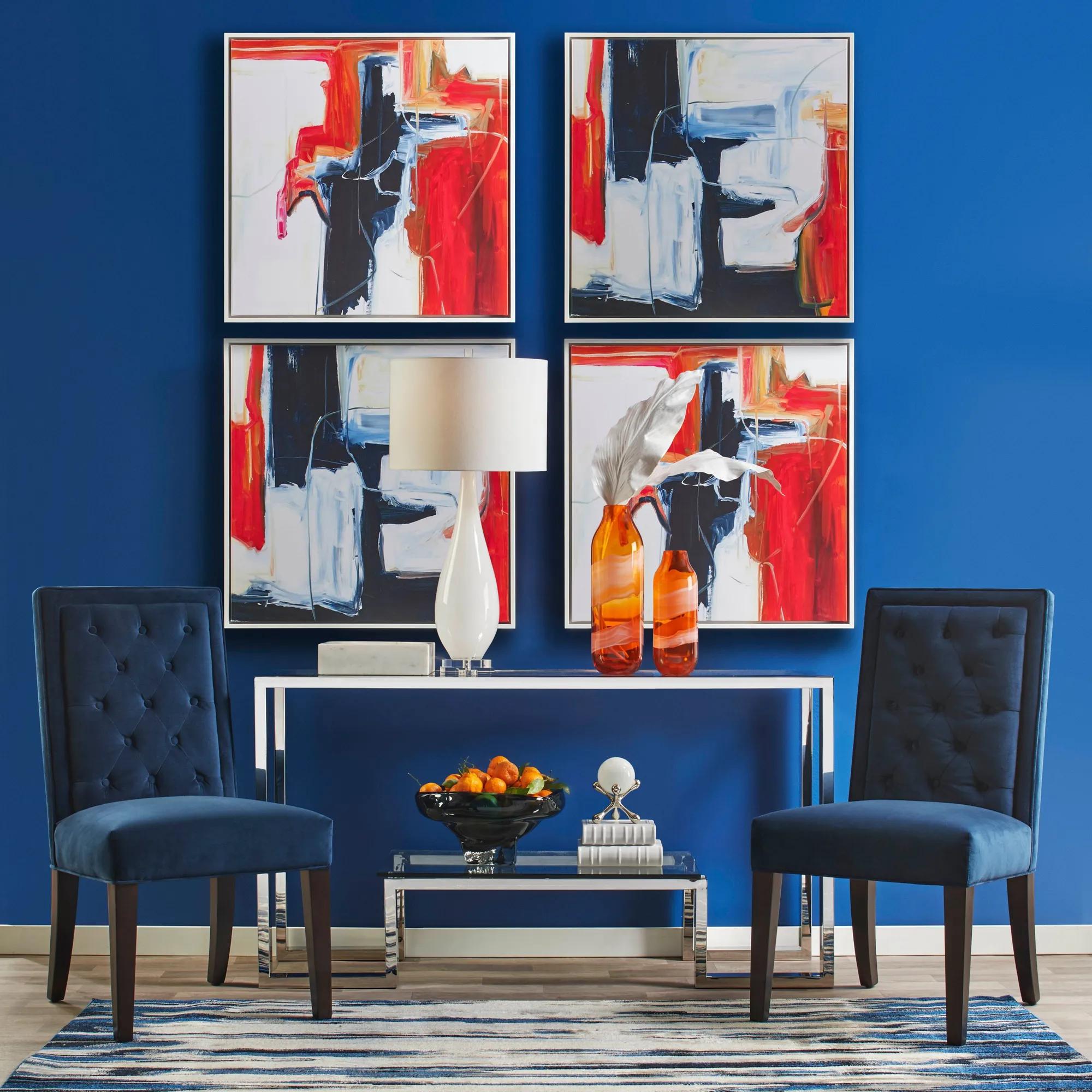 Duplicity Rectangular Silver Stainless Steel Console Table With Glass Top (59")$1399
A modern console table crafted from stainless steel and tempered glass with a floating bottom shelf.
Add To Cart -
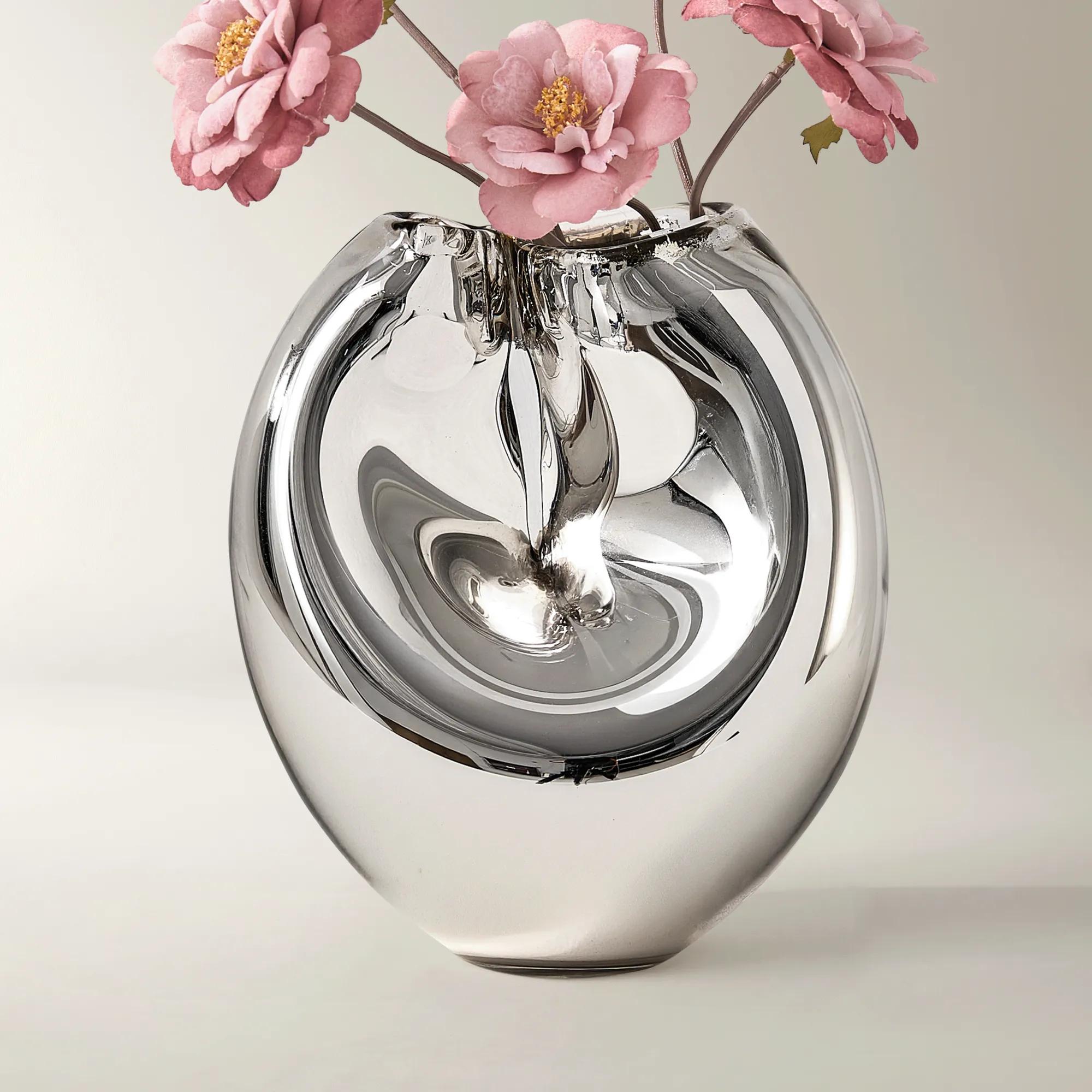 Ono Mouth Blown Mirrored Silver Glass Vase 7.75"$79
A handblown glass vase with a mirrored finish and organic silhouette for modern, artful display.
Add To Cart -
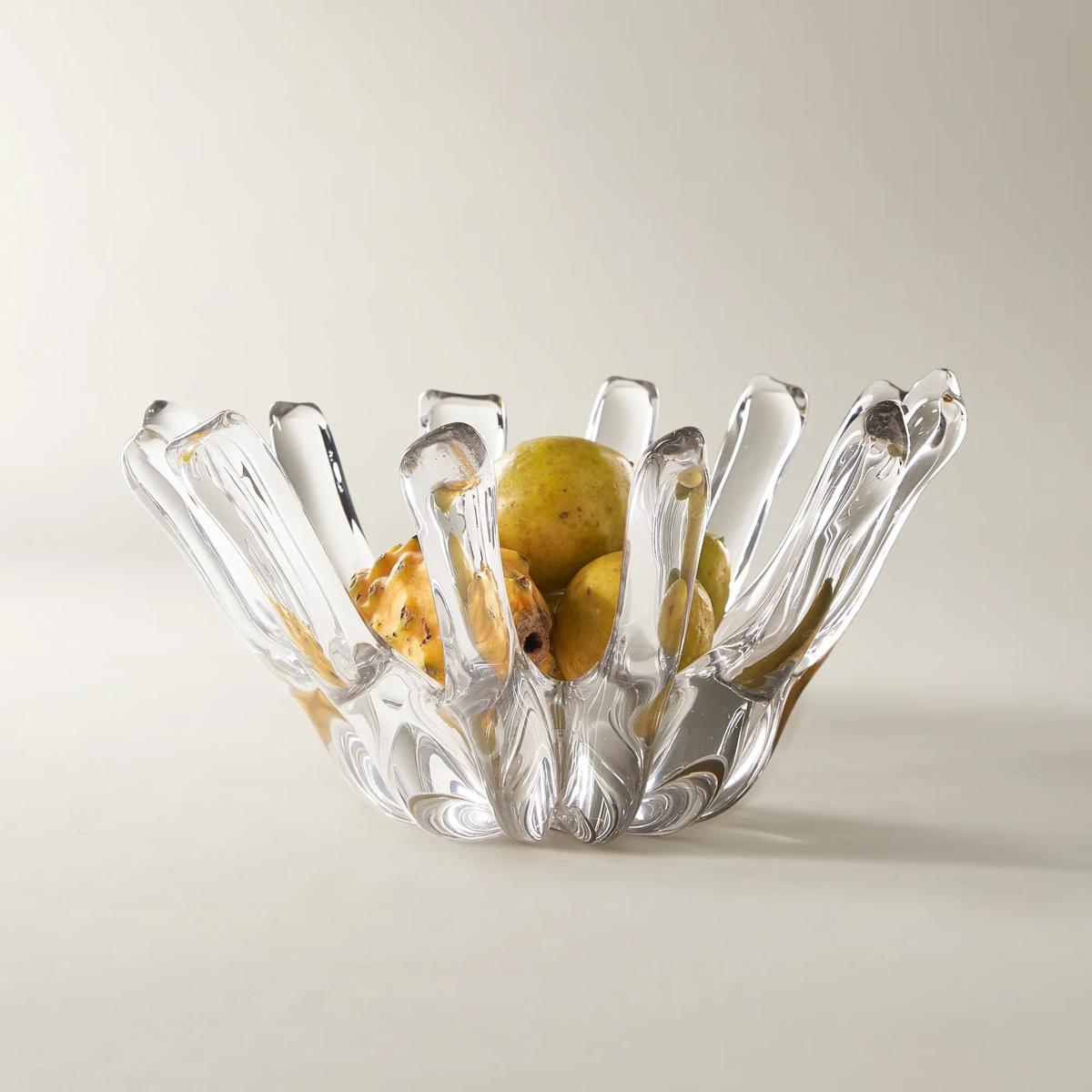
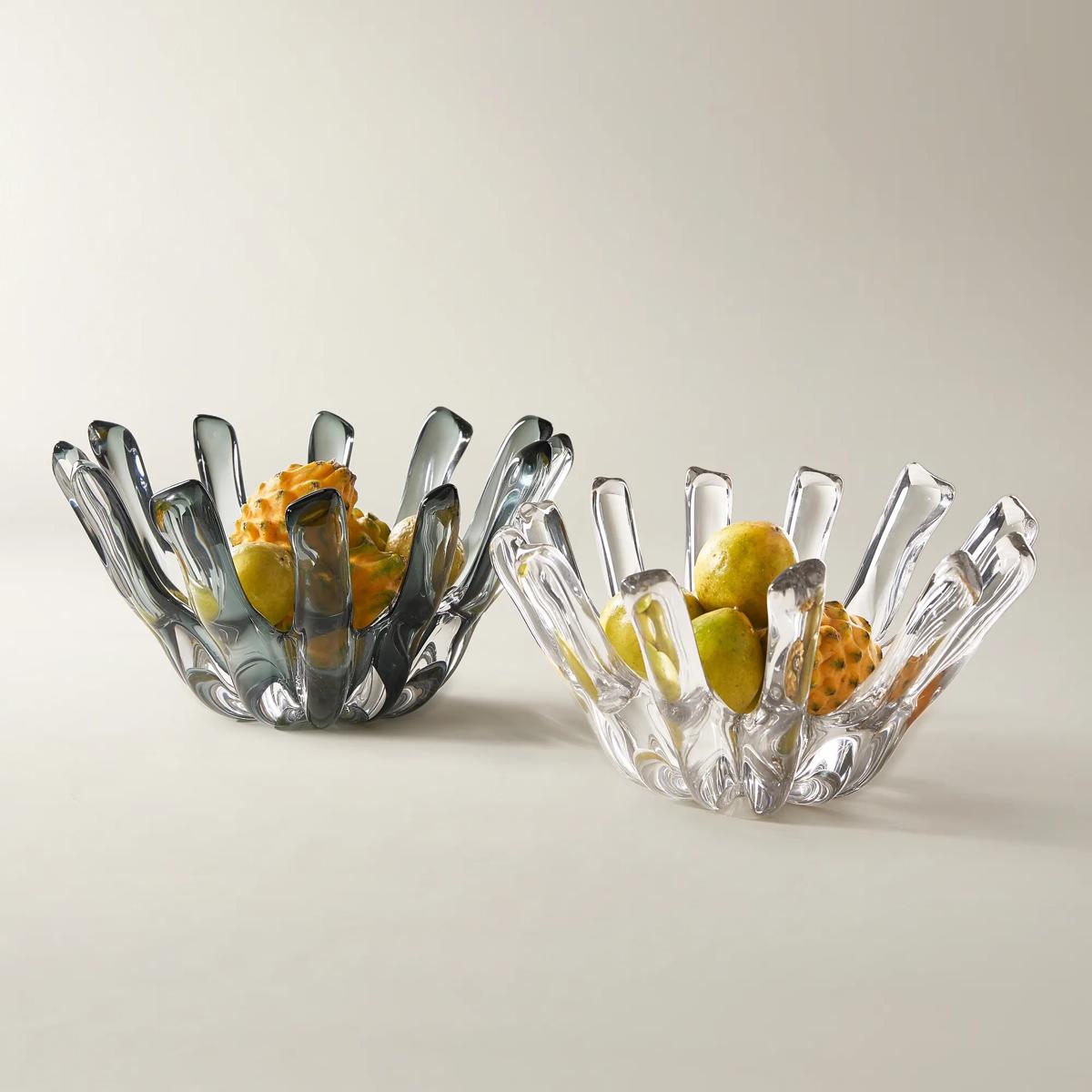 Bossa Clear Handblown Glass Decorative Bowl 13" x 7"$129
A hand-blown clear glass bowl featuring an expressive, sculptural form for modern decorative displays.
Add To Cart -
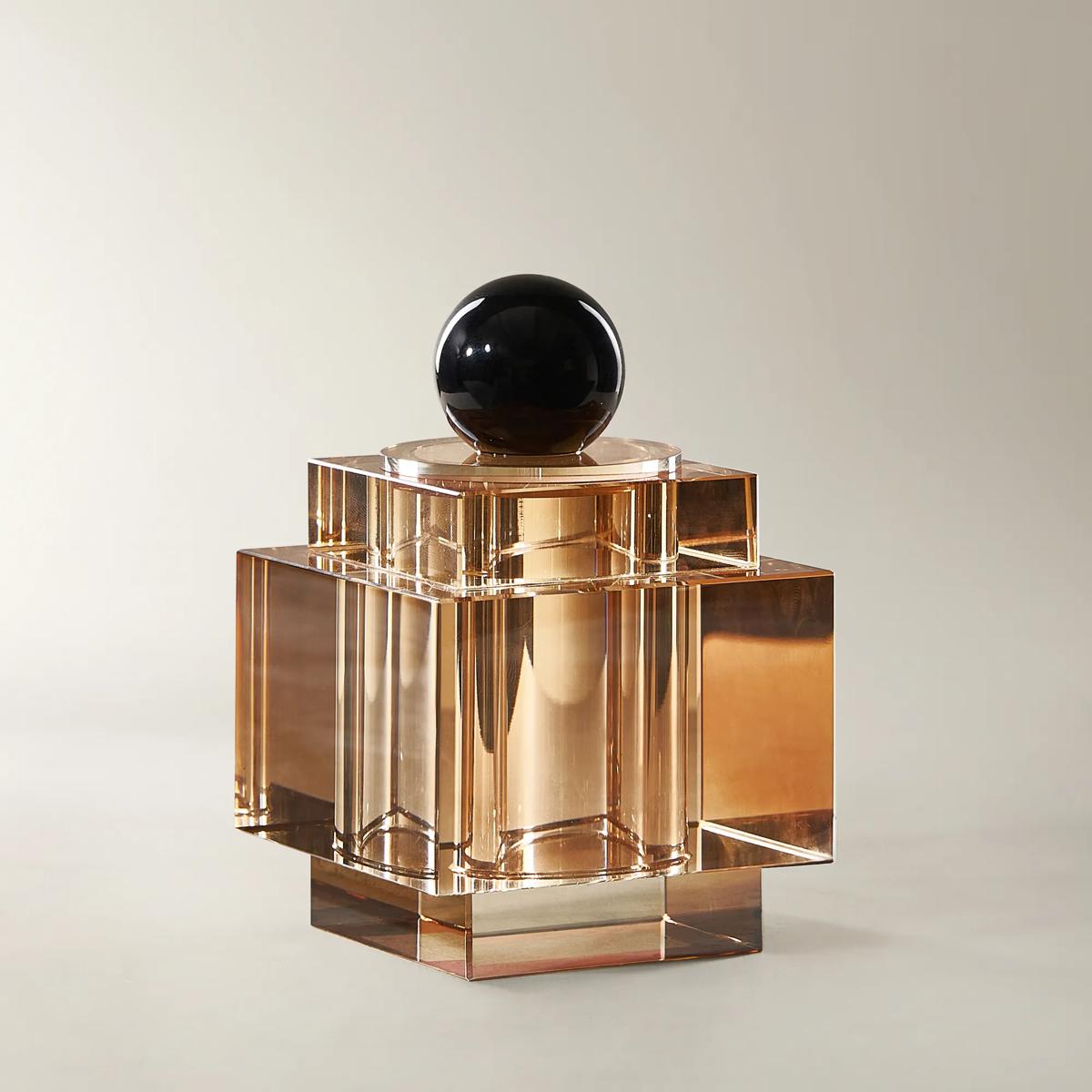
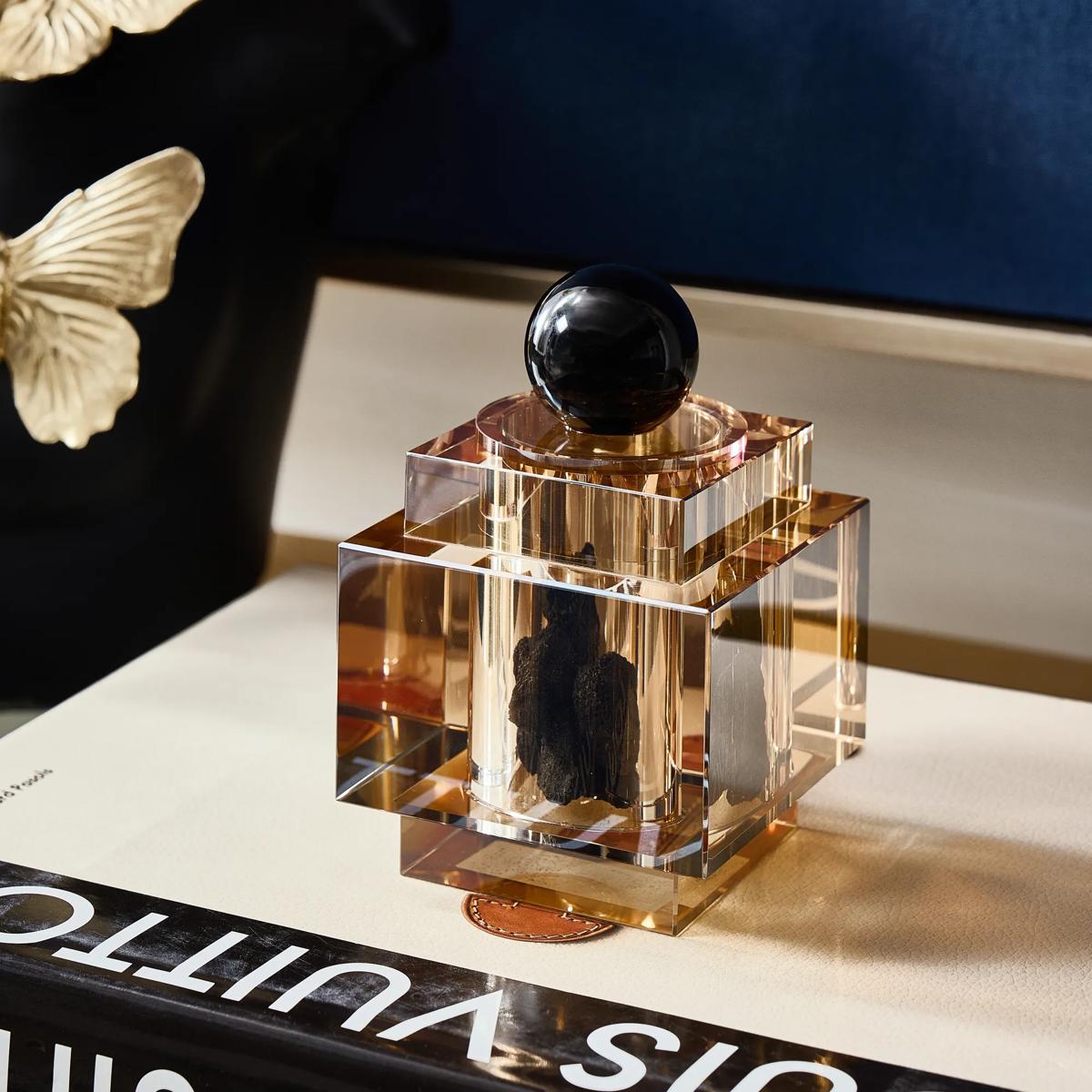 Deco Amber Crystal Glass Perfume Bottle$89
A faceted amber crystal glass accent topped with a glossy black sphere for vintage-inspired glamour.
Add To Cart -
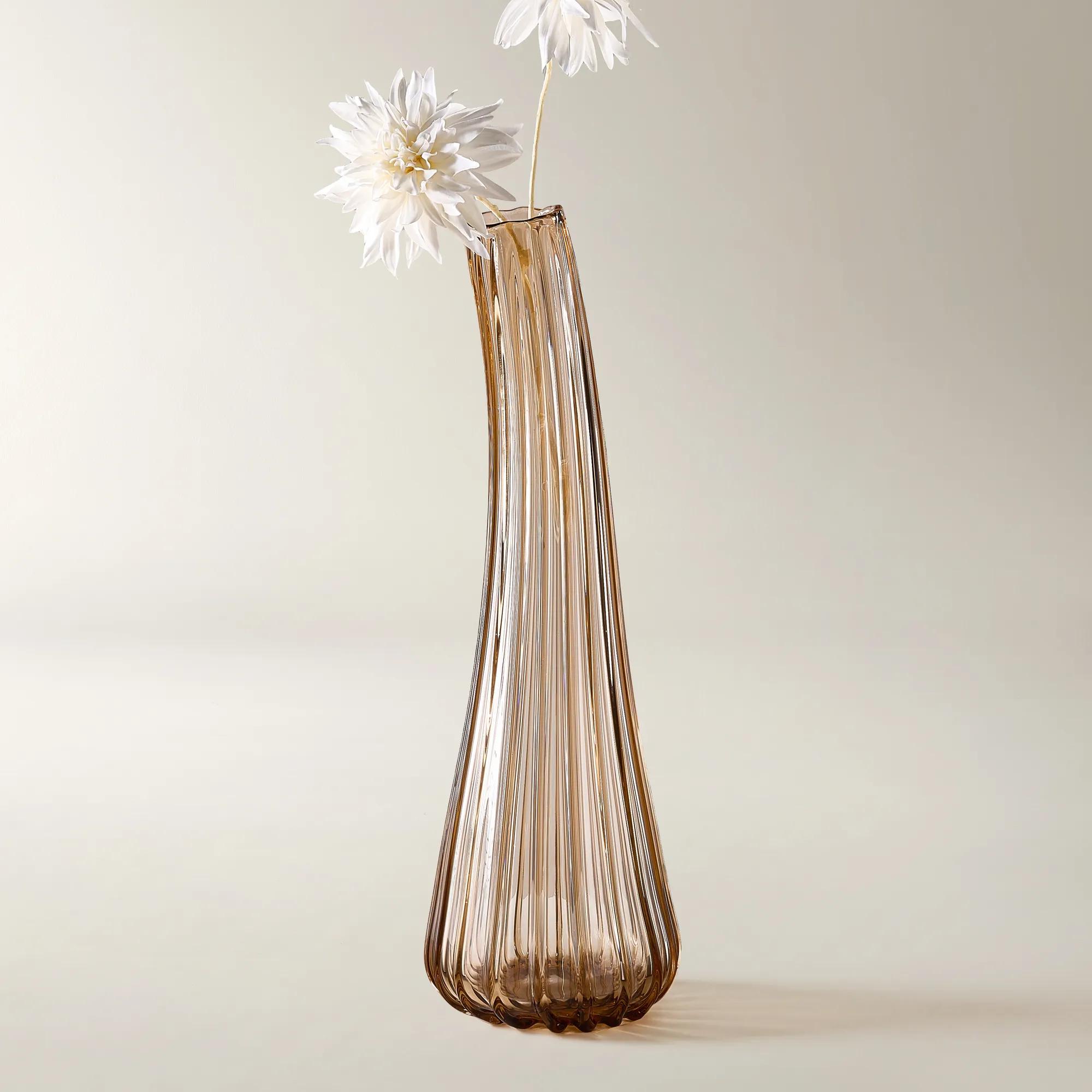
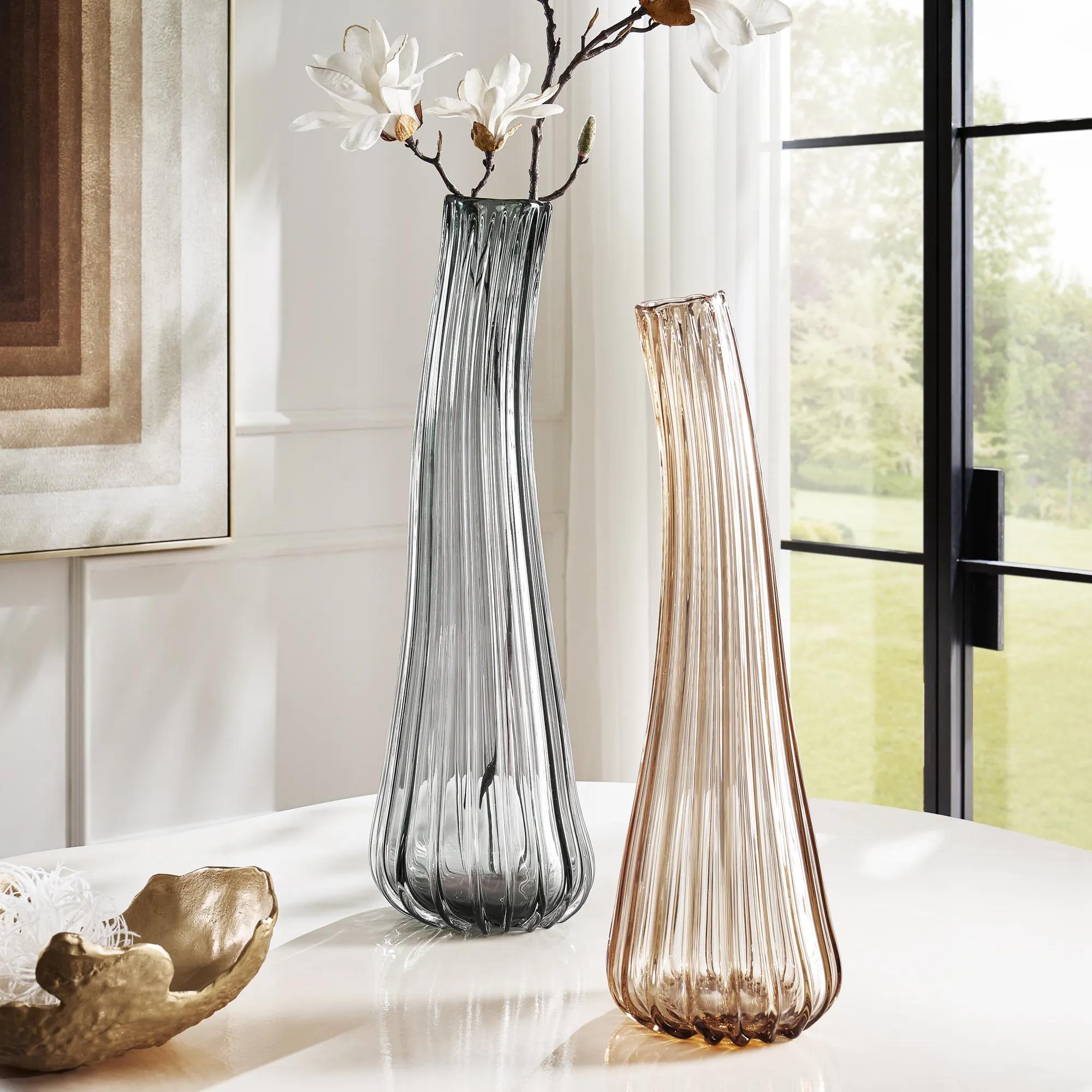 Tango Mouth Blown Soft Amber Vase 24.75"$179
A handblown glass vase in a soft amber finish with a textured, sculptural centerpiece design.
Add To Cart -
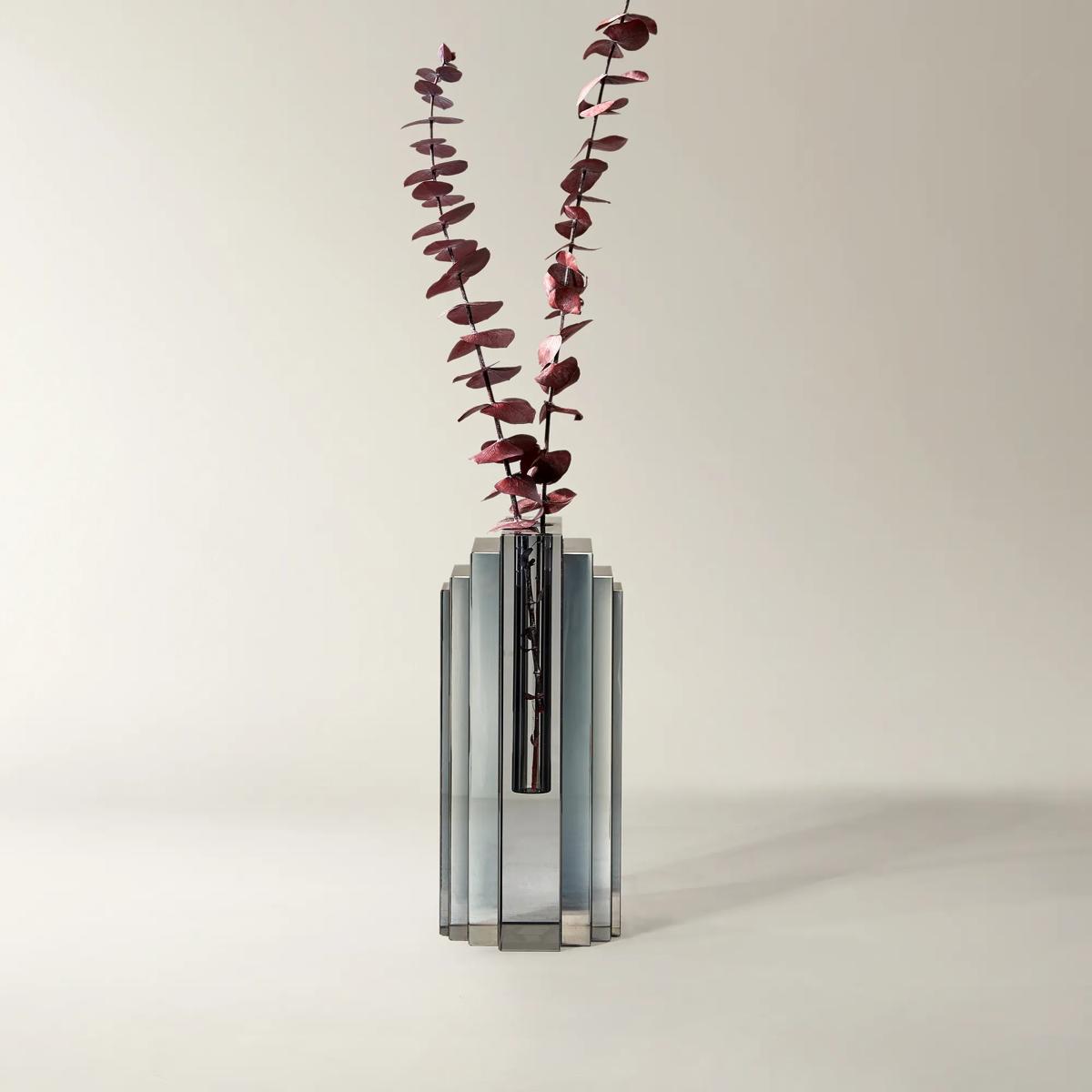 Lucca Crystal Vase - Mirrored Graphite$109
A mirrored graphite crystal vase with a multifaceted geometric design that reflects light for sculptural brilliance.
Add To Cart -
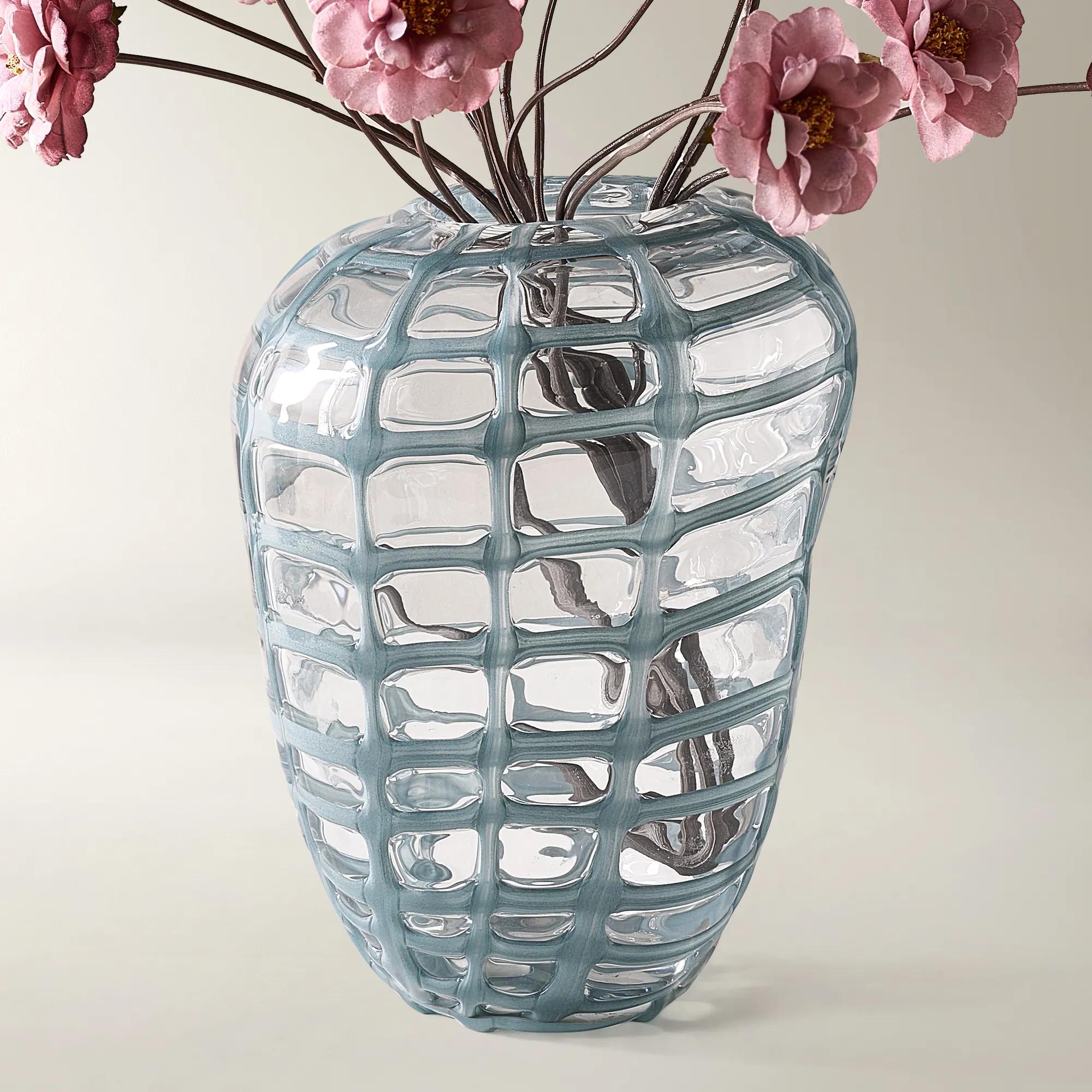 Contra Mouth Blown Dusty Blue Grid Glass Vase 10.25"$79
A handblown dusty blue glass vase featuring a graphic grid pattern and softly organic silhouette.
Add To Cart -
.jpeg?w=1200&h=1200)
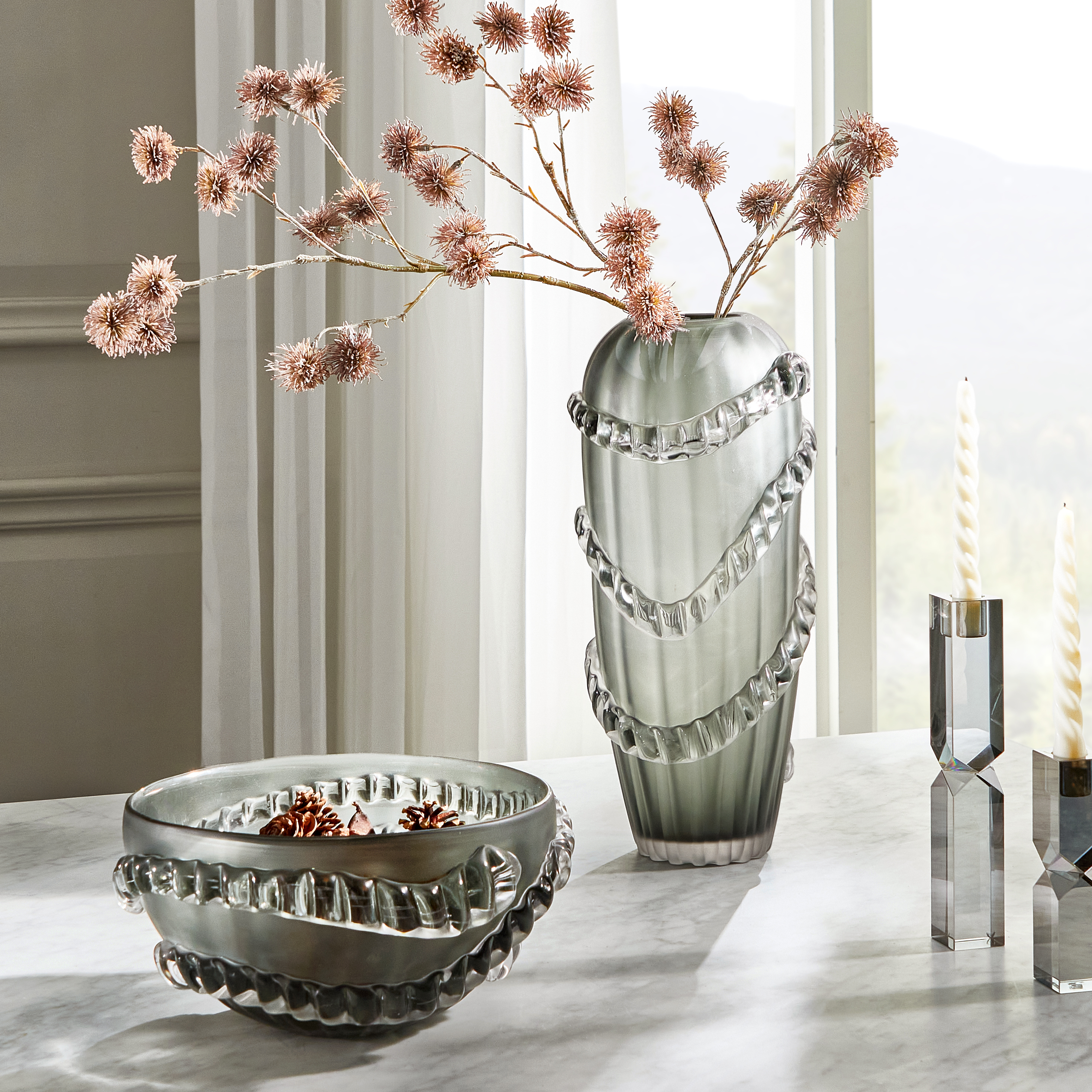 Helix Glass Collection$129
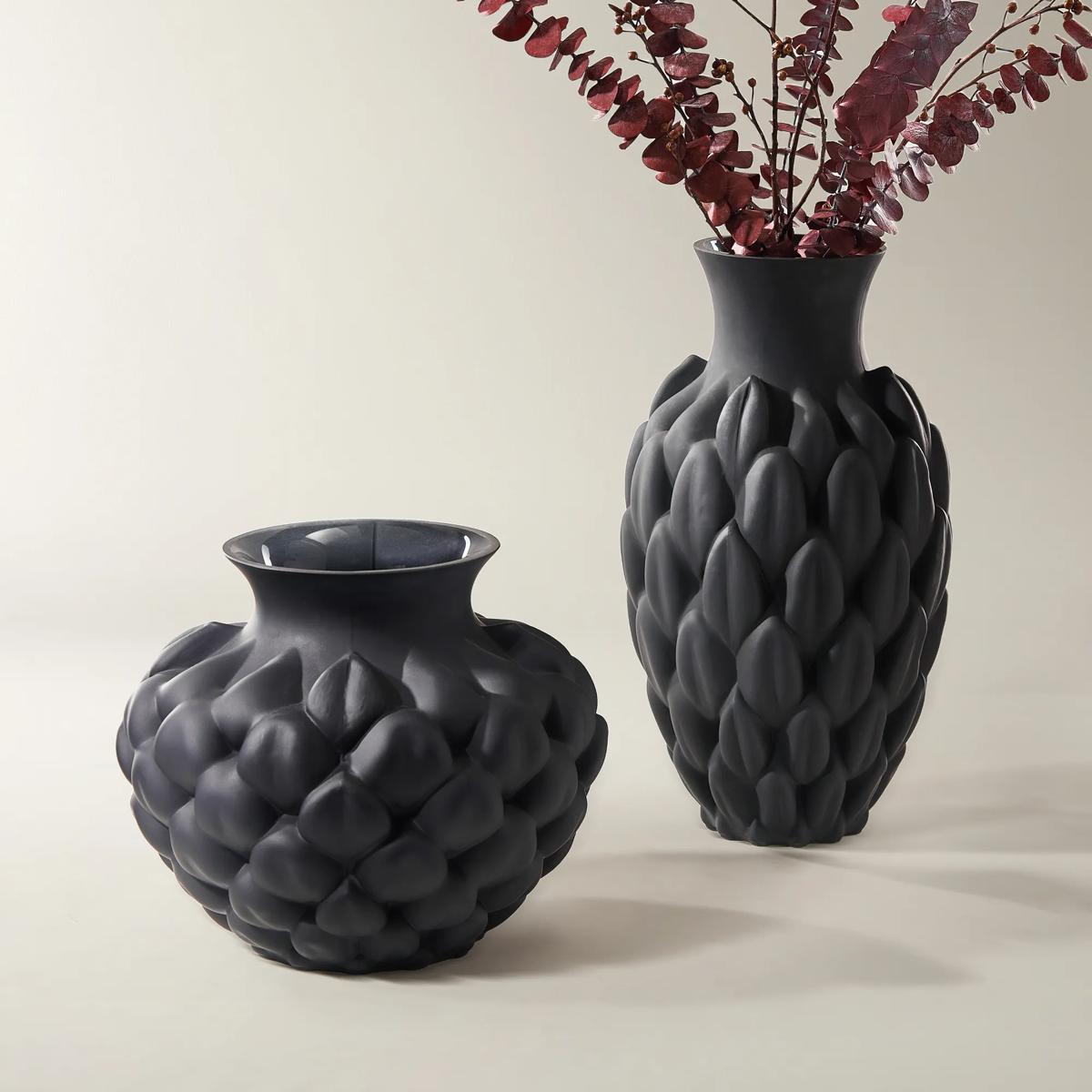
A hand-blown dark gray glass piece featuring fluted bodies and rippling sculptural ribbons for modern elegance.
Add To Cart -
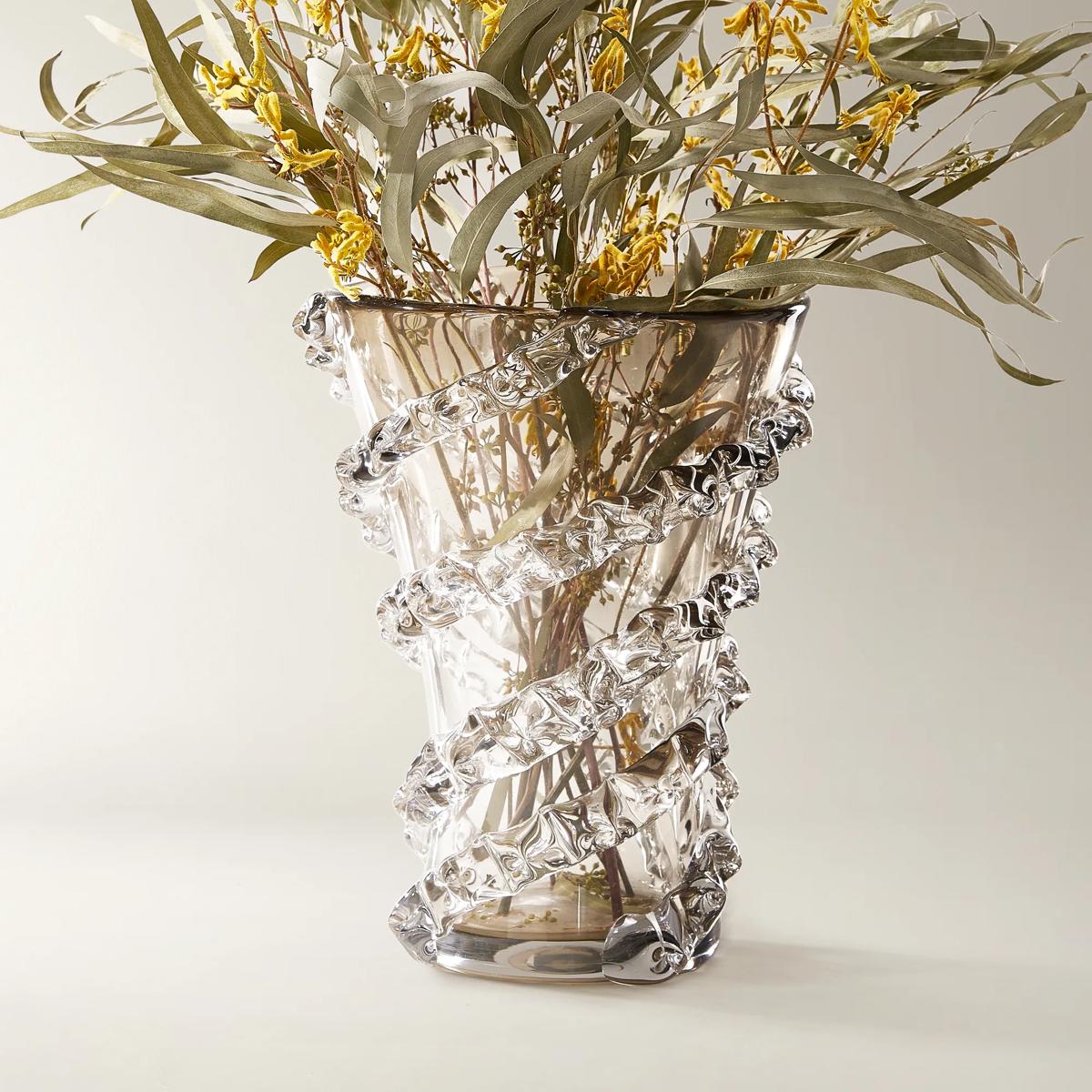
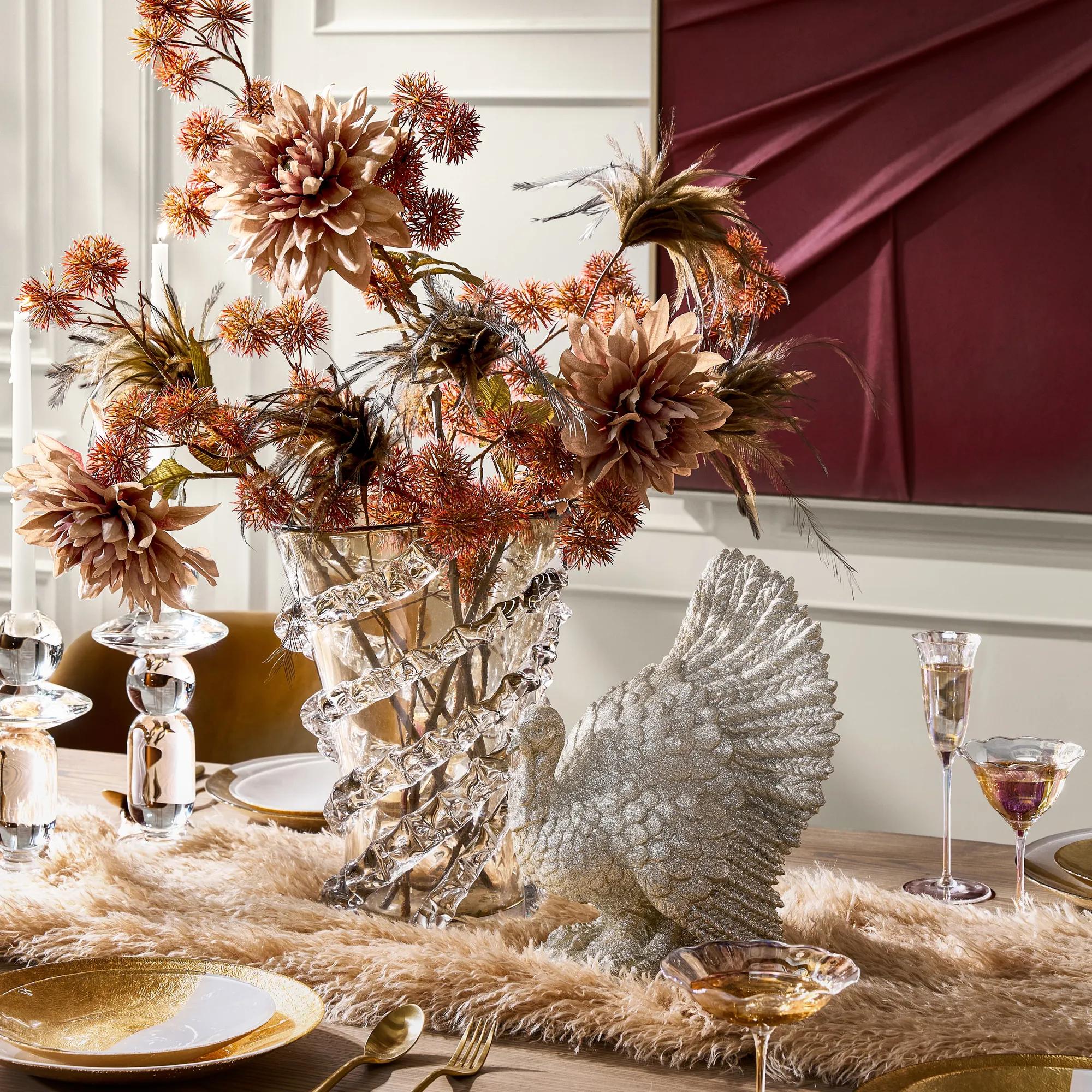 Reyna Glass Vase$299
A hand-blown glass vase featuring a sculptural swirl design and a smoky grey-brown finish.
Add To Cart -
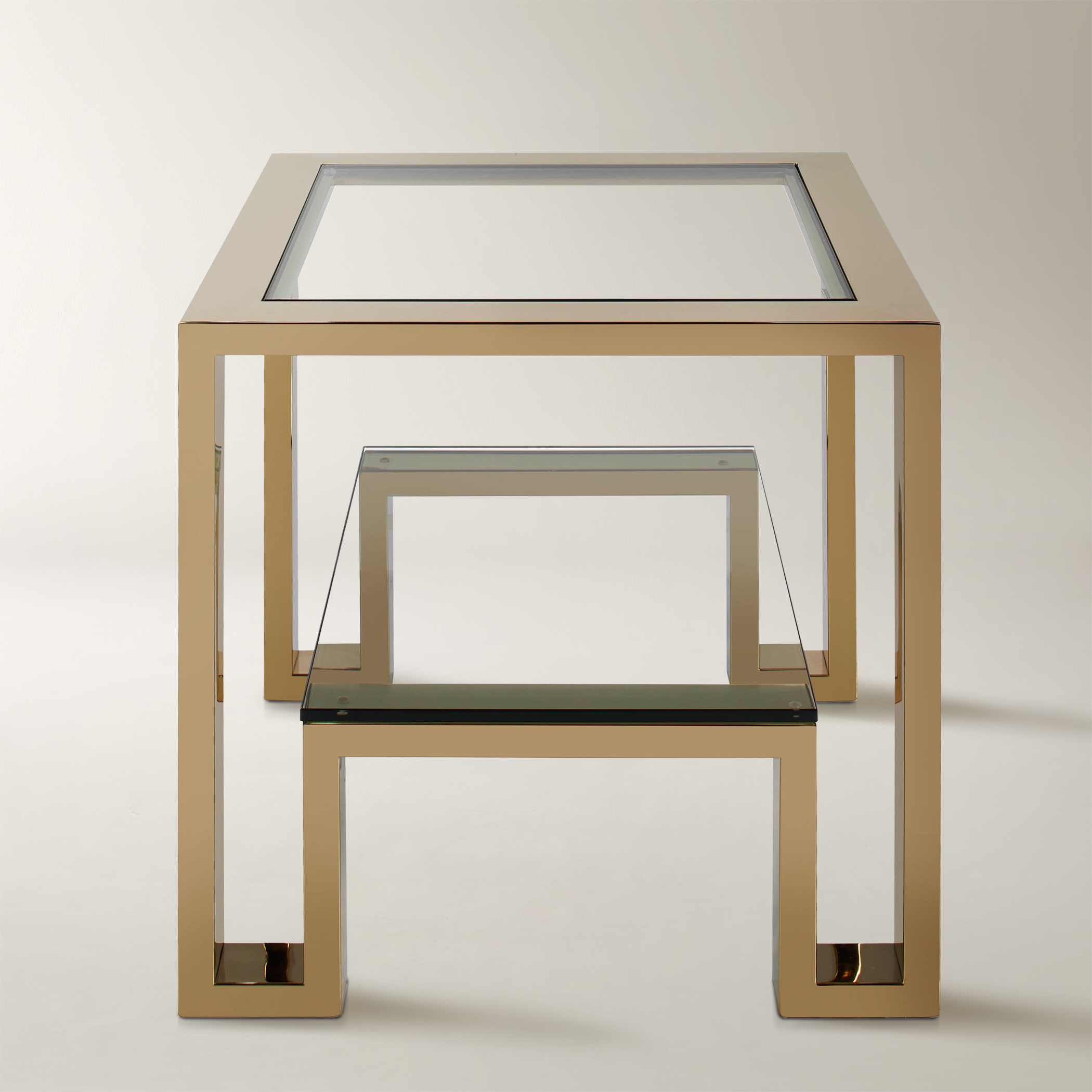 Duplicity Square Gold Stainless Steel End Table With Glass Top (24")$749
A modern end table crafted from stainless steel and tempered glass with a floating bottom shelf.
Add To Cart

Glass Accent Pieces
Glass Accent Pieces are the secret to transforming any space into a gallery of light and allure. Each piece catches the eye with its sculptural silhouette, reflecting sophistication in every curve and contour. Whether poised on a mantel or gracing a dining table, these luminous treasures invite intrigue and amplify your home’s artistry. Let your interiors shimmer with personality as Glass Accent Pieces cast a spell of elegance, turning everyday moments into extraordinary displays of style.
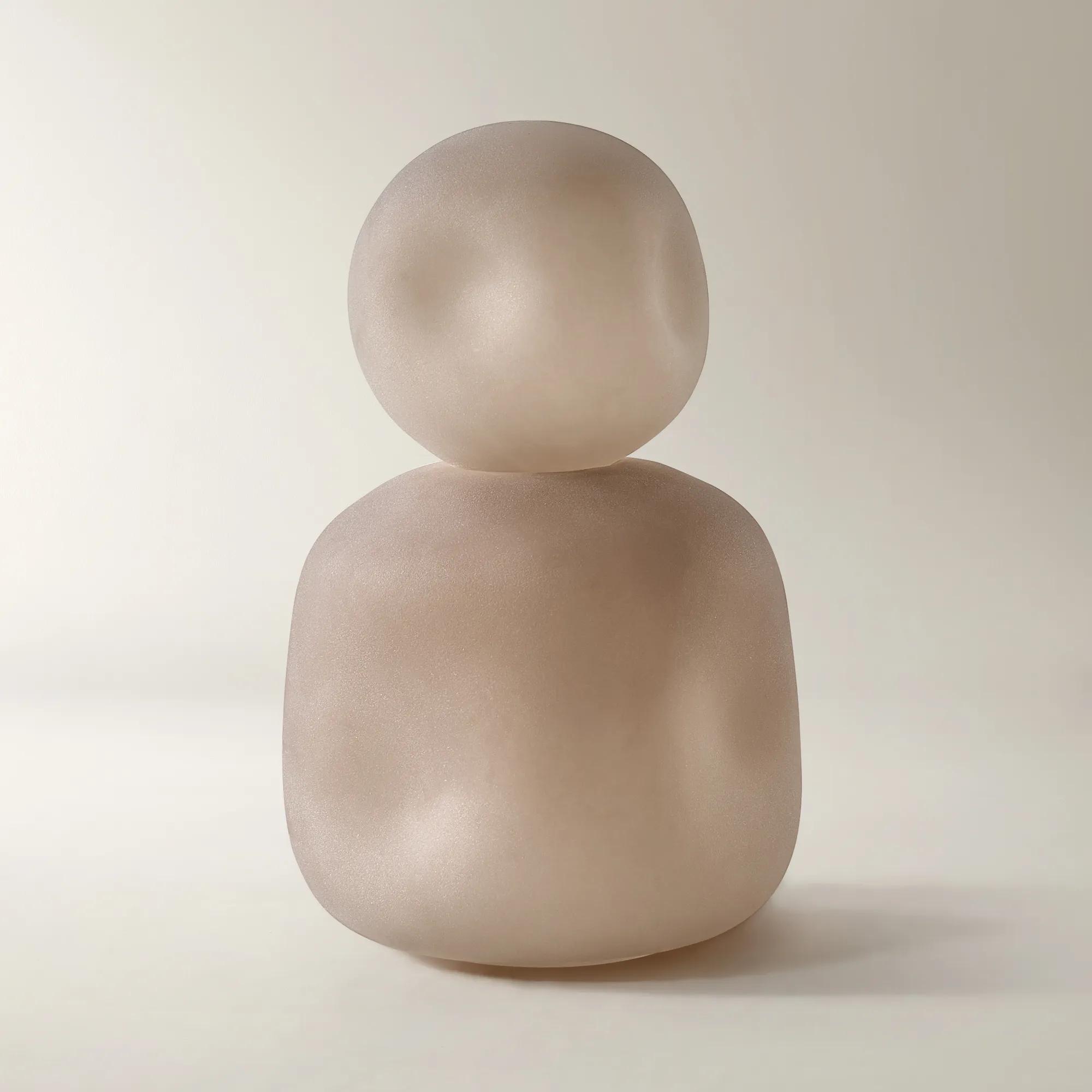
Glass accent pieces are decorative objects made primarily from glass, chosen for the way their shape, color, and finish bring dimension to a room. The category includes tabletop sculptures, decorative orbs, abstract knots, vases, bowls, and sculptural centerpieces, ranging from delicate shelf accents to substantial focal points. Their appeal lies in a distinctive balance: glass can feel luminous and weightless, yet command attention through a saturated hue, an unexpected curve, or a boldly scaled silhouette. Clear glass lets the surrounding palette remain visible, while amber, smoke, jewel tones, and milky finishes introduce varying degrees of color and opacity. Polished surfaces catch sharp highlights; frosted glass softens them into a quieter radiance. Ribbed, rippled, or faceted surfaces break up reflections, giving even a single-color object a richly articulated presence. Depending on how an accent is made, color may be incorporated into the glass itself or applied as a surface treatment, a distinction that matters for both appearance and care. Blown glass is shaped with air, while molded glass takes its form from a mold; either method can produce expressive decorative work. Handcrafted glass may show small variations in contour, bubbles, or color distribution, though those characteristics alone do not establish quality or craftsmanship. An intentional curve, balanced proportions, and a well-finished base contribute just as much to the overall impression. For an interior built around velvet upholstery, polished metal, or richly grained wood, glass offers a compelling counterpoint without introducing another heavy visual layer. Against a dark wall, a translucent accent gains definition from the contrast; on pale stone, colored glass creates a more pronounced focal point. The result is decoration with an almost architectural role, shaping how the eye moves across a surface and where it pauses. These accents suit anyone drawn to expressive interiors, whether the desired effect is a restrained flash of brilliance or a composition with the presence of a small gallery installation.
Scale and placement determine whether glass home decor feels purposeful or simply occupies a surface. A broad coffee table can accommodate a generous bowl or rounded sculpture, especially when balanced by a low stack of art books or a textured tray. A narrow shelf calls for a smaller footprint and enough clearance to lift the object without striking the shelf above. Check height, width, depth, and weight rather than relying on a photograph: a tall, slender form and a low, wide form can make very different demands on the same console. In an entryway, sculptural glass introduces a polished first impression, but it should sit beyond the everyday sweep of handbags, keys, and coat sleeves. For a dining table, a low arrangement preserves conversation across the surface, while a taller centerpiece may be better suited to a sideboard where its silhouette can stand uninterrupted. Pairing glass accents with Glass Accent Console Tables creates a layered play of transparency, particularly when a colored or frosted object provides enough contrast to remain distinct from the furniture beneath it. A mirrored tray intensifies reflections, while wood, linen, or matte ceramic gives the eye a resting place beside the gleam. Groupings feel more deliberate when they share one visual thread, such as color or curvature, rather than matching in every detail. A substantial rounded form beside a slender vessel creates tension through proportion; several equally sized objects can feel more formal and rhythmic. Leave visible space between accents so their outlines remain legible. Light deserves equal consideration: a nearby lamp can reveal the depth of a smoky finish or emphasize the ridges of textured glass without demanding elaborate styling. On a desk, keep decorative objects clear of the working area and trailing cords. In a living room shared with children or pets, a stable, protected display often makes more sense than a low tabletop edge. The most convincing arrangement allows beauty and daily movement to coexist.
Intended use is just as important as appearance when choosing decorative glass. A sculptural vessel is not necessarily watertight, a decorative bowl is not automatically food-safe, and an open glass form should never be assumed suitable for a candle. Check the stated purpose and care information before adding water, serving food, or exposing an accent to heat. For floral displays, confirm that the vessel is intended to hold water; otherwise, dry arrangements can provide height and movement without testing an unverified seal or finish. Glass can retain its clarity and color beautifully with appropriate handling, but it remains vulnerable to chips, scratches, and breakage. Thickness and weight affect how substantial an object feels, yet neither makes it shatterproof. A broad, level base supports stable placement, and a suitable protective pad may help prevent abrasion between the accent and the furniture beneath it. Lift rather than slide heavier objects, support them from the base, and avoid carrying sculptural forms by a narrow neck, loop, or projecting detail. Routine dusting with a soft, lint-free cloth helps preserve the finish; when more cleaning is needed, follow the maker’s instructions, particularly for metallic coatings, painted details, or attached components. Avoid abrasive pads, sudden temperature changes, and dishwasher cleaning unless specifically permitted. Careful drying can reduce water spots on washable glass, while gentle handling around rims and edges helps protect the areas most susceptible to damage. Consider light exposure as well as cleaning: keep spherical or lens-like clear glass out of direct sunlight, where it can concentrate rays and create a heat hazard. As gifts, glass decorative accents feel especially personal when their color and proportions reflect the recipient’s home. A housewarming gift might echo the tones of a favorite painting; a wedding or anniversary gift might favor a sculptural form that works across several rooms. For collectors and design enthusiasts, distinctive texture or an unusual silhouette can be more meaningful than sheer size. Chosen with that attention, a glass accent becomes more than a finishing touch: it gives a familiar room a new point of fascination.
FAQs
Glass accent pieces shine when layered thoughtfully throughout your space. Try grouping vases of varying heights on a mantel for a sculptural effect, or let a single, dramatic glass bowl anchor your coffee table. For added intrigue, pair glass objects with contrasting textures like velvet, marble, or metallics. Placing glass pieces near natural light sources will amplify their brilliance, casting captivating reflections and shadows that change throughout the day.
Glass accent pieces have an innate ability to capture and reflect light, instantly brightening a room and lending it an air of sophistication. Their luminous surfaces add depth and dimension, while their transparency keeps arrangements feeling airy and open. Whether you choose clear, colored, or mirrored glass, these accents introduce a sense of elegance and artistry that elevates both everyday living and special occasions.
Absolutely—glass accent pieces make thoughtful, memorable gifts for housewarmings, weddings, anniversaries, or milestone celebrations. Their timeless appeal and versatility ensure they complement a wide range of personal styles. Choose a piece that reflects the recipient’s taste, whether it’s a bold centerpiece for someone who loves to entertain or a delicate vase for a friend who appreciates subtle beauty.
Glass accent pieces come in a dazzling array of finishes, each offering its own unique charm. Popular options include clear and frosted glass for a classic, ethereal look; colored or tinted glass for a pop of personality; mirrored glass for added drama and reflection; and hand-blown or textured glass for artisanal appeal. Exploring different finishes allows you to curate a collection that feels both cohesive and full of character.
Glass accents are remarkably versatile and can complement virtually any decor style. In modern or minimalist spaces, opt for sleek, geometric glass objects to enhance clean lines. For eclectic or maximalist interiors, mix and match vibrant glass pieces with bold patterns and metallics. Traditional spaces benefit from classic silhouettes and subtle finishes, while glam-inspired rooms come alive with mirrored or faceted glass that amplifies light and luxury.