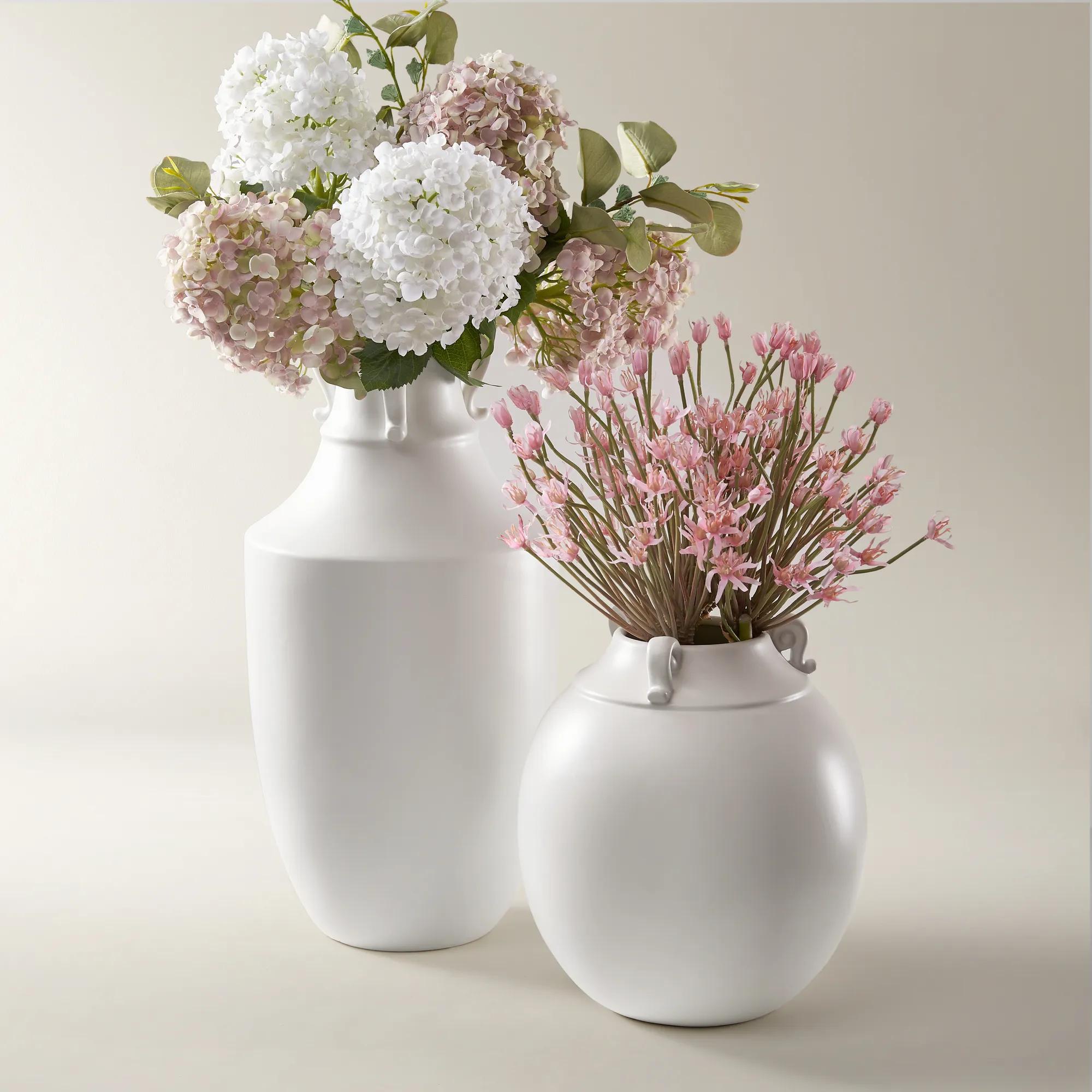
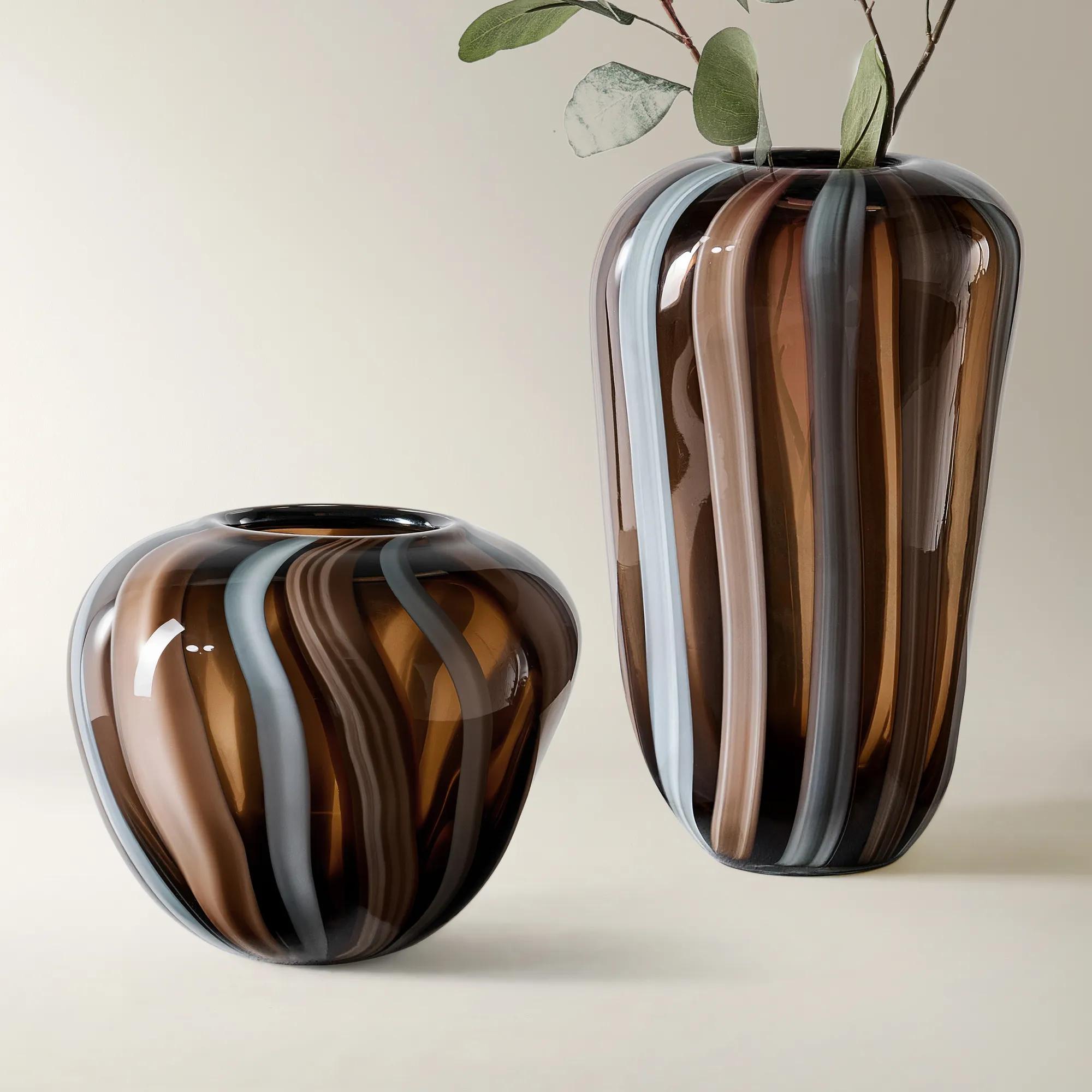
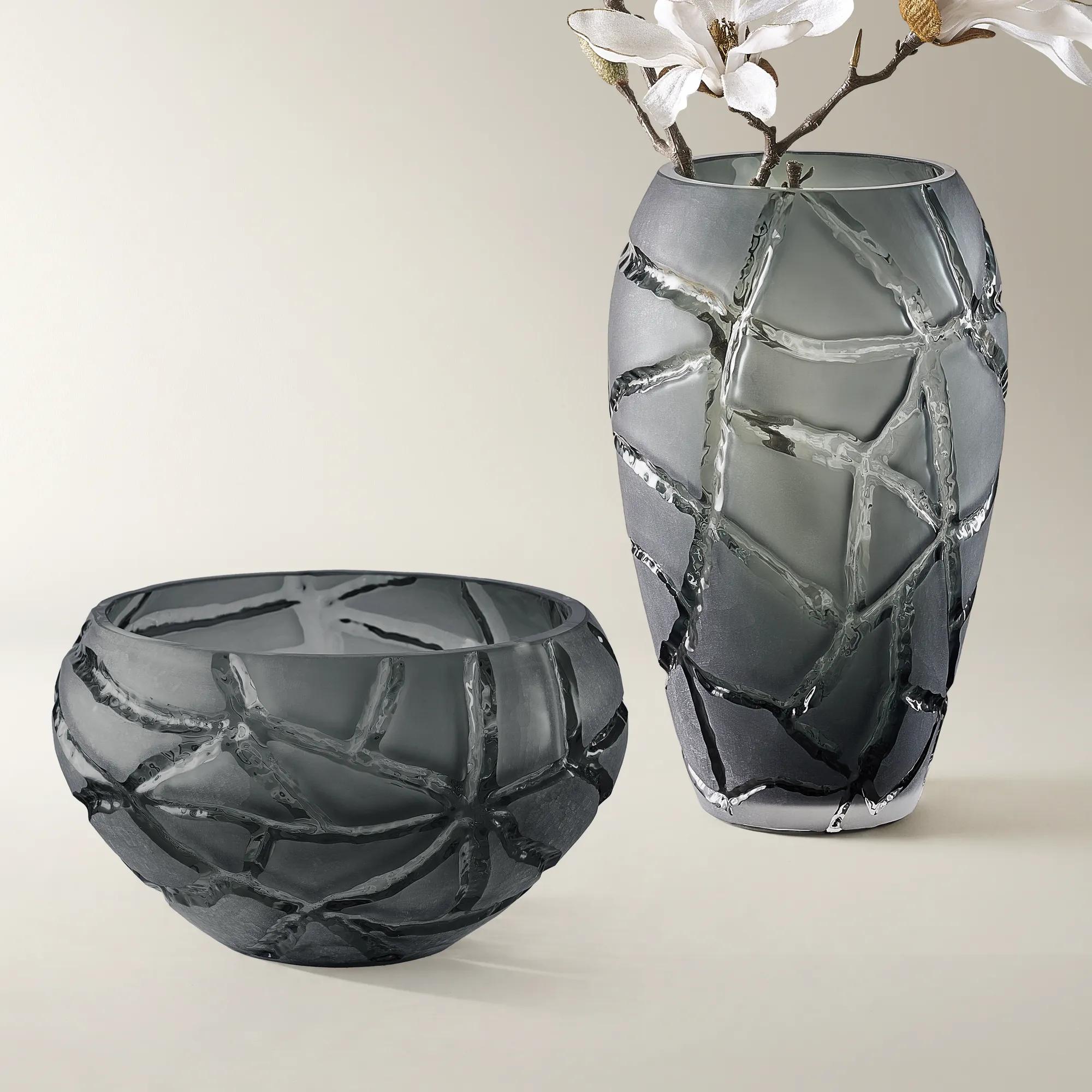
Small Glass Shelf Accents
Small Glass Shelf Accents
-

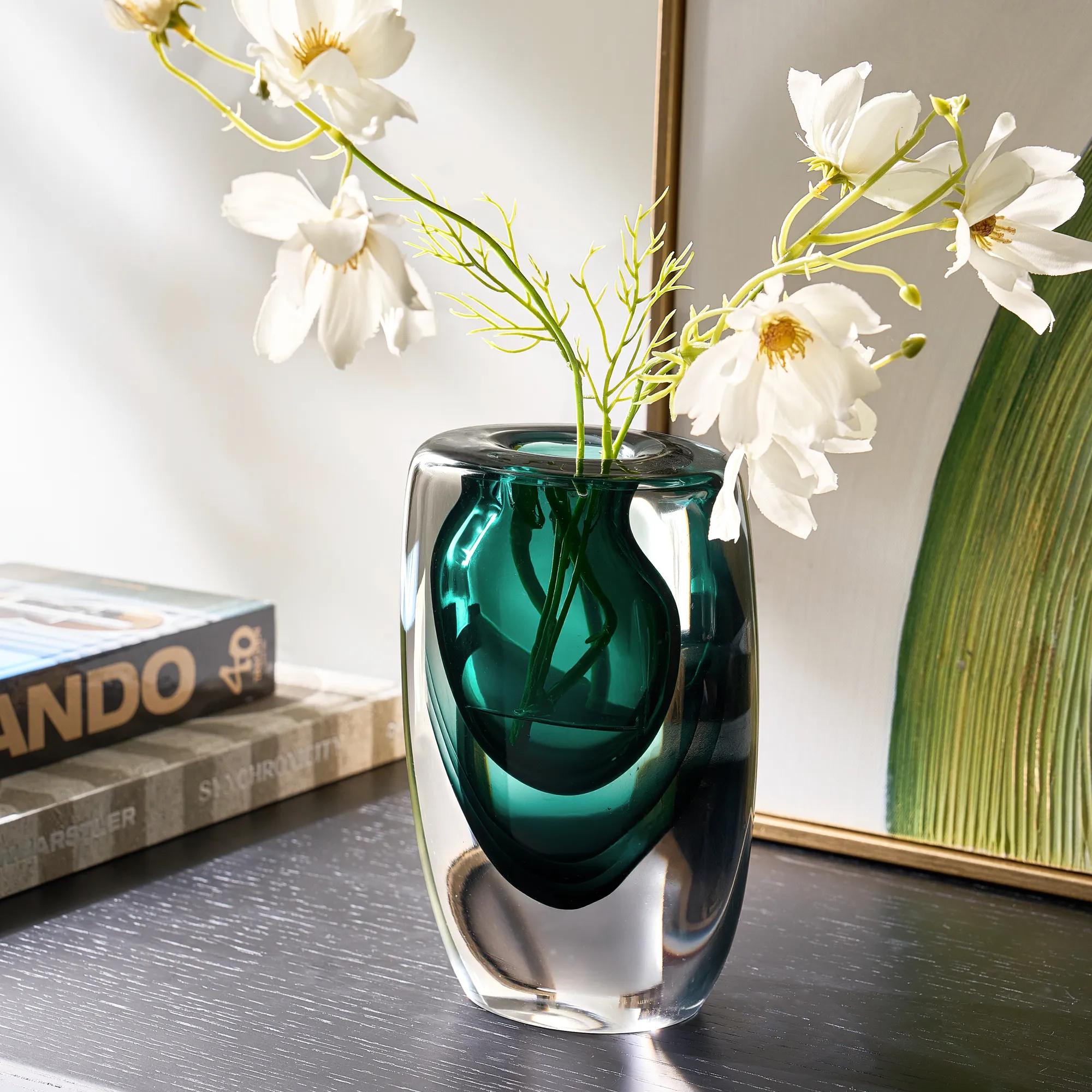 Monro Green Handblown Glass Vase 7.75"$149
A green handblown glass vase adding artisanal texture and modern elegance to curated interiors.
Add To Cart -
 Dylan Muted Olive Handblown Glass Vase 6.5"$129
A muted olive green handblown glass vase adding artisanal elegance to modern décor.
Add To Cart -
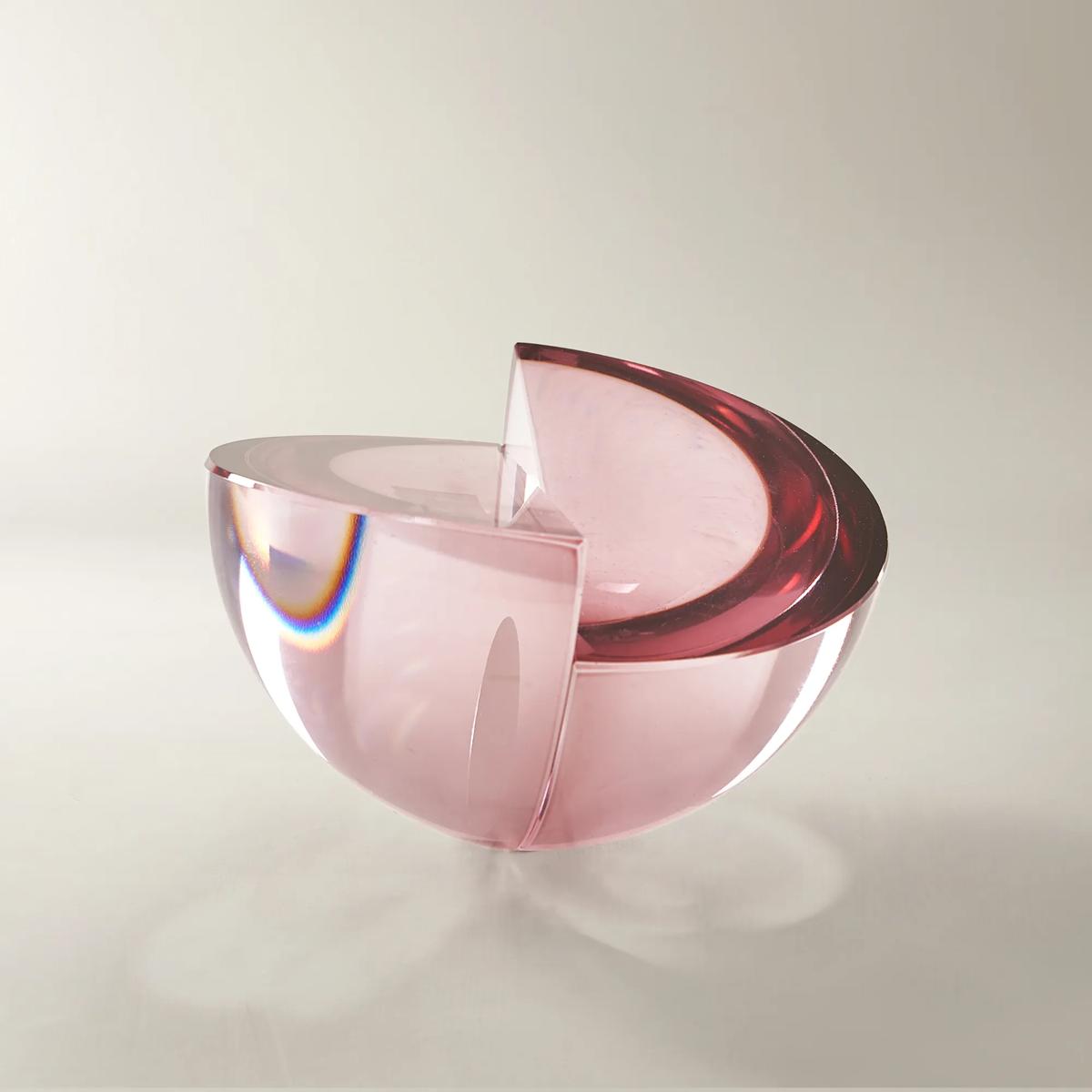 Rose' Crystal Glass Decorative Object 3.25"$79
A sculptural accent crafted from rich purple crystal glass, reflecting light with modern elegance and intrigue.
Add To Cart -
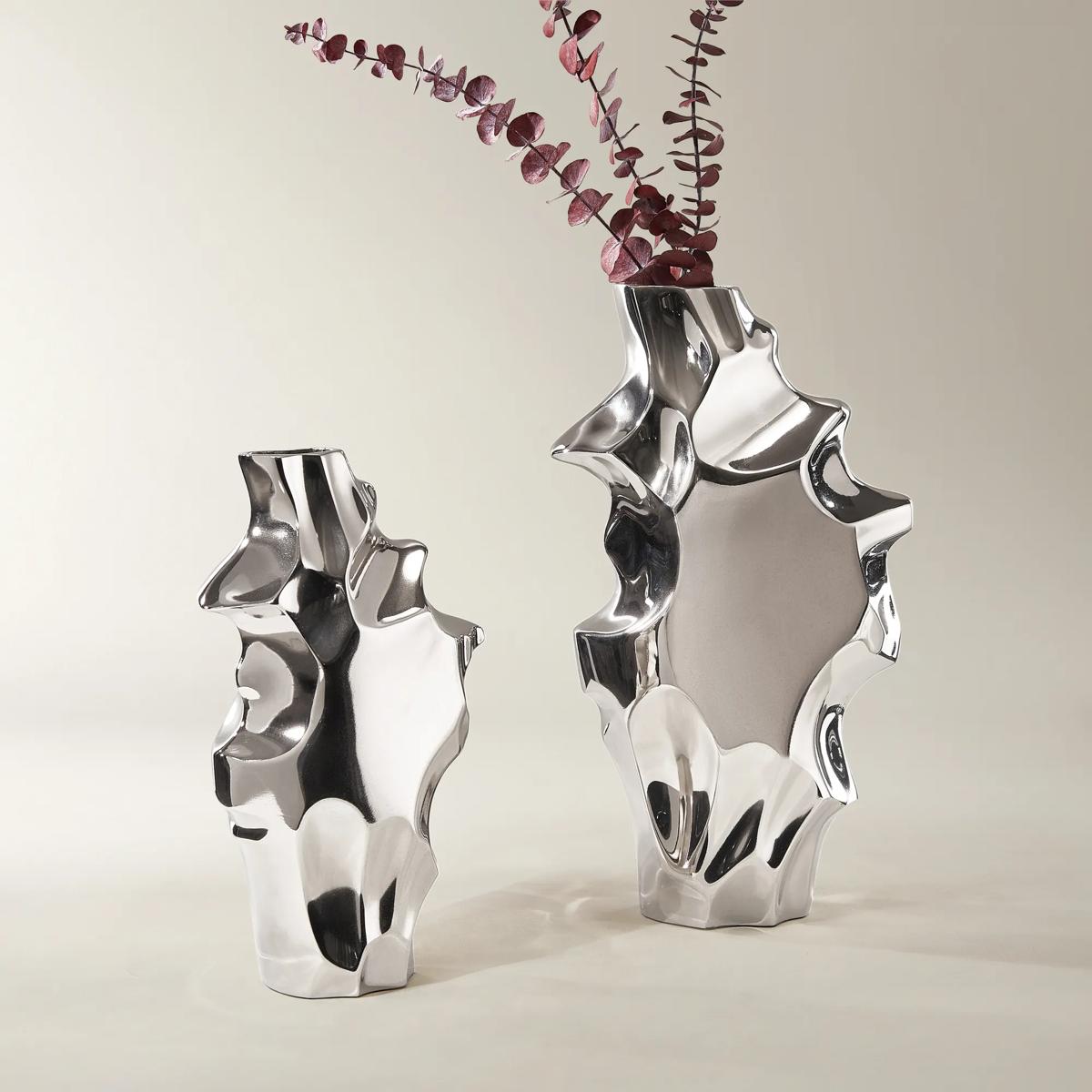
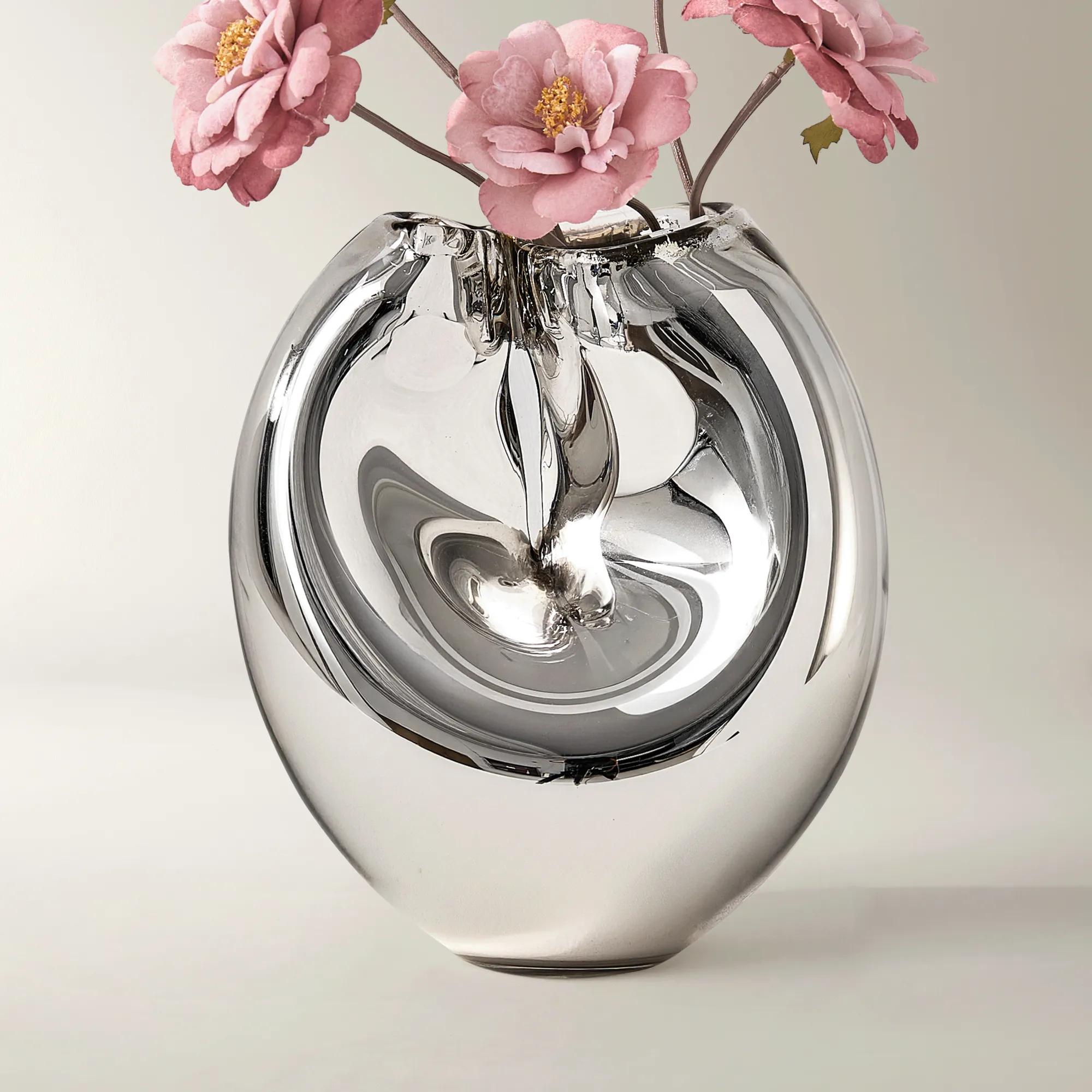 Ono Mouth Blown Mirrored Silver Glass Vase 7.75"$79
A handblown glass vase with a mirrored finish and organic silhouette for modern, artful display.
Add To Cart -
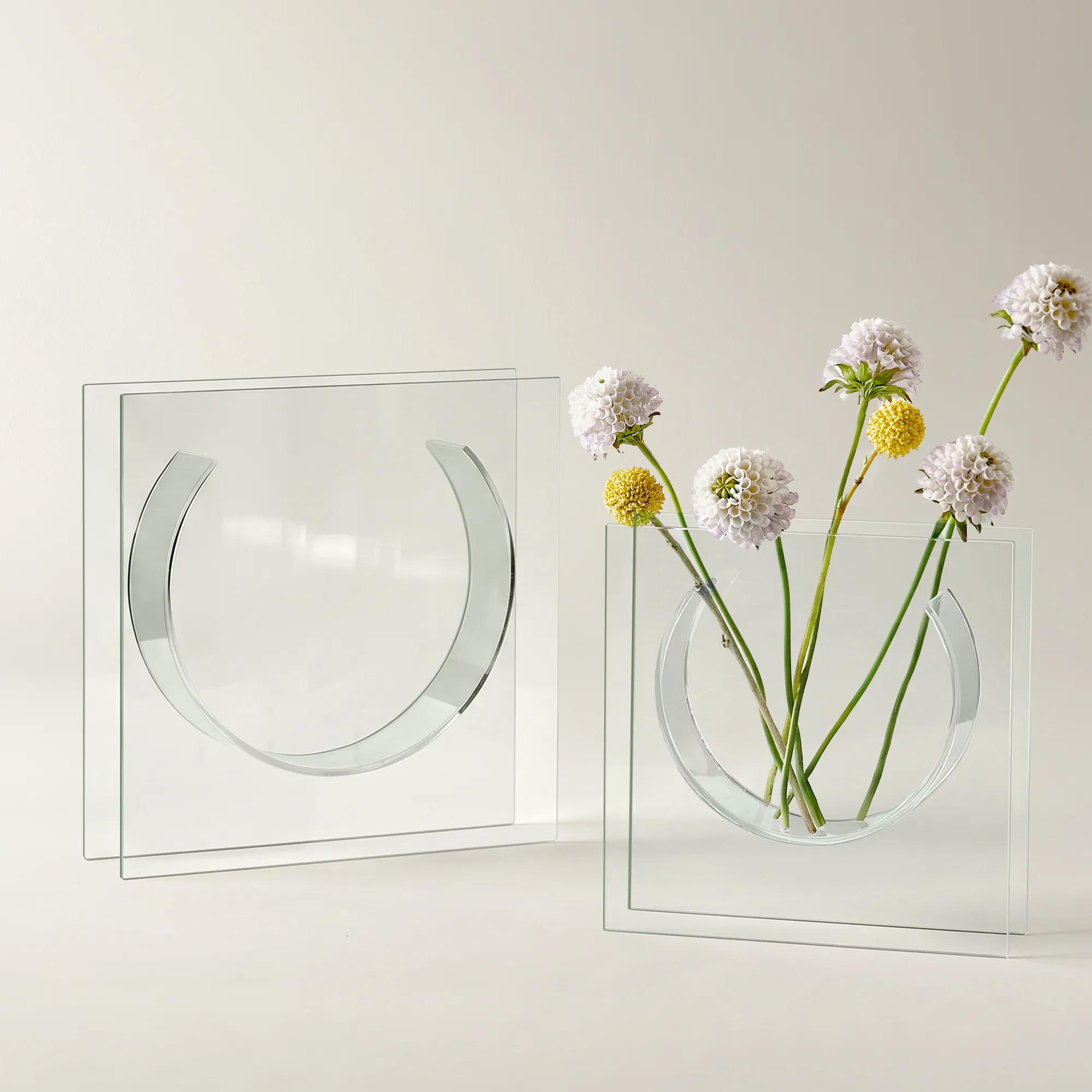
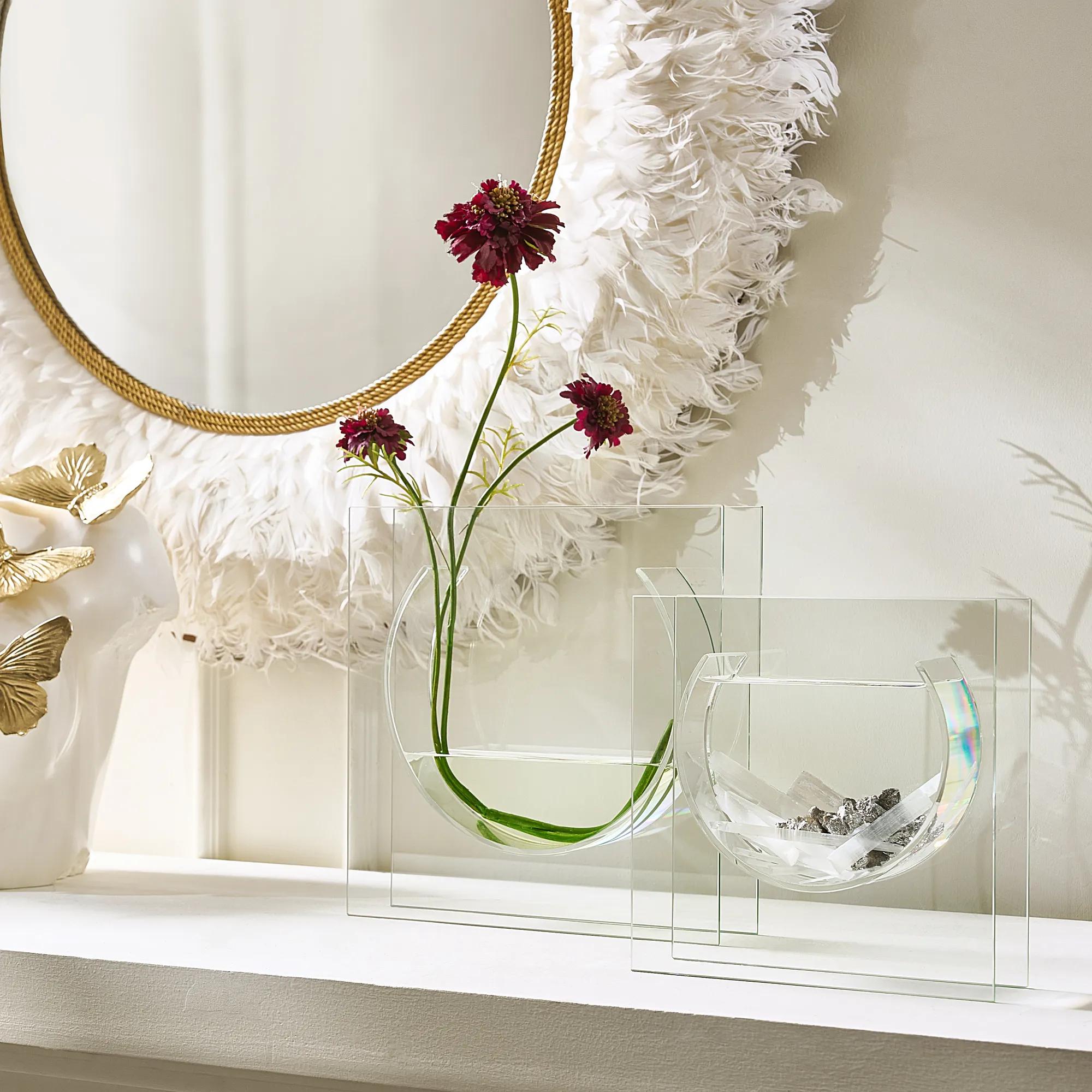 Solaris Clear Glass Vases$29
A clear glass vase with an elliptical bowl and bold modern design between two glass panels.
Add To Cart -
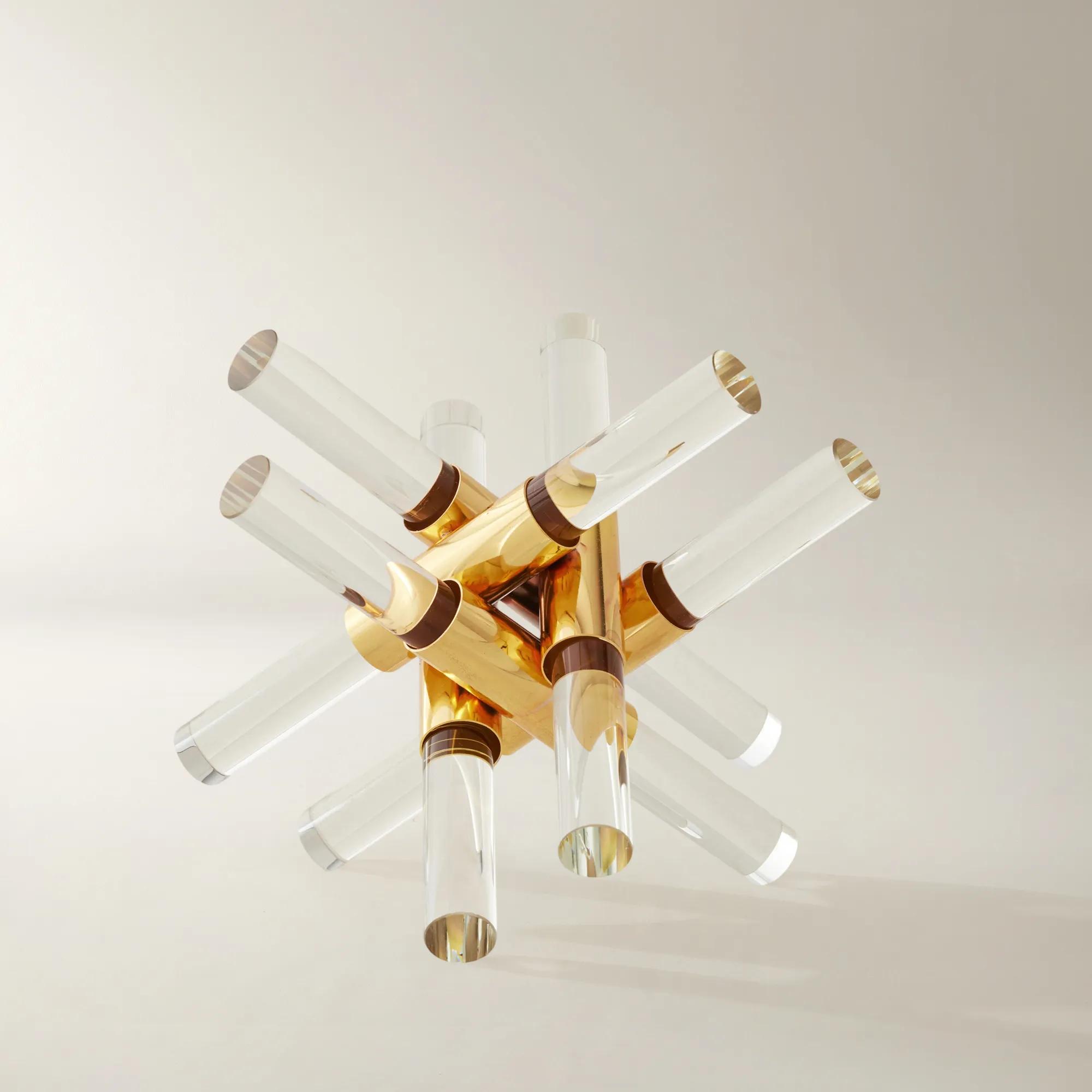
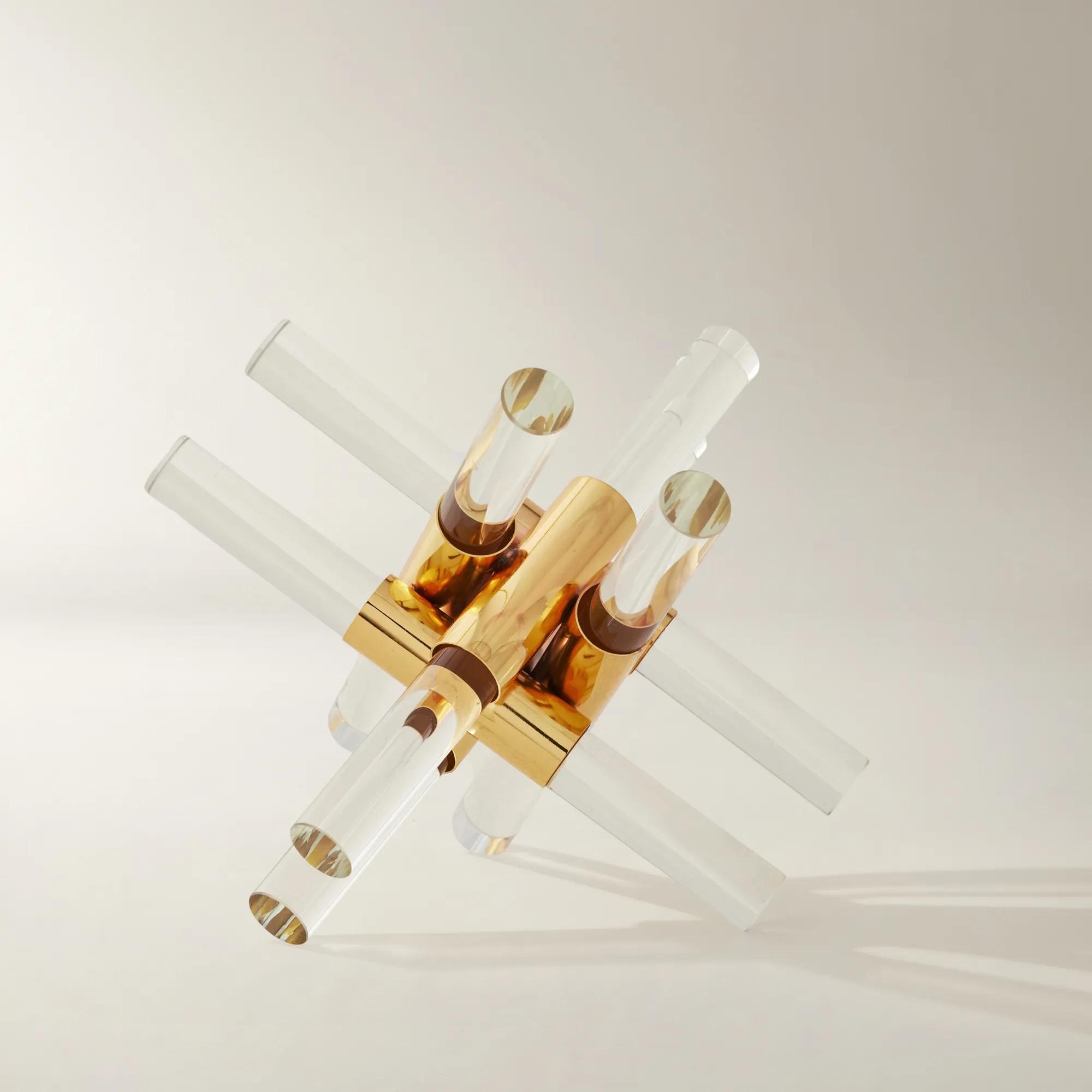 Crystal Glass And Gold Metal Decorative Object 8"$59
A striking decorative accent featuring clear glass rods and gold metal detailing for modern elegance.
Add To Cart -
 Camilla Mouth Blown Antique Mauve Blush Glass Canister 4.5"$39
A handblown glass canister in antique mauve and blush with playful bauble accent details.
Add To Cart -
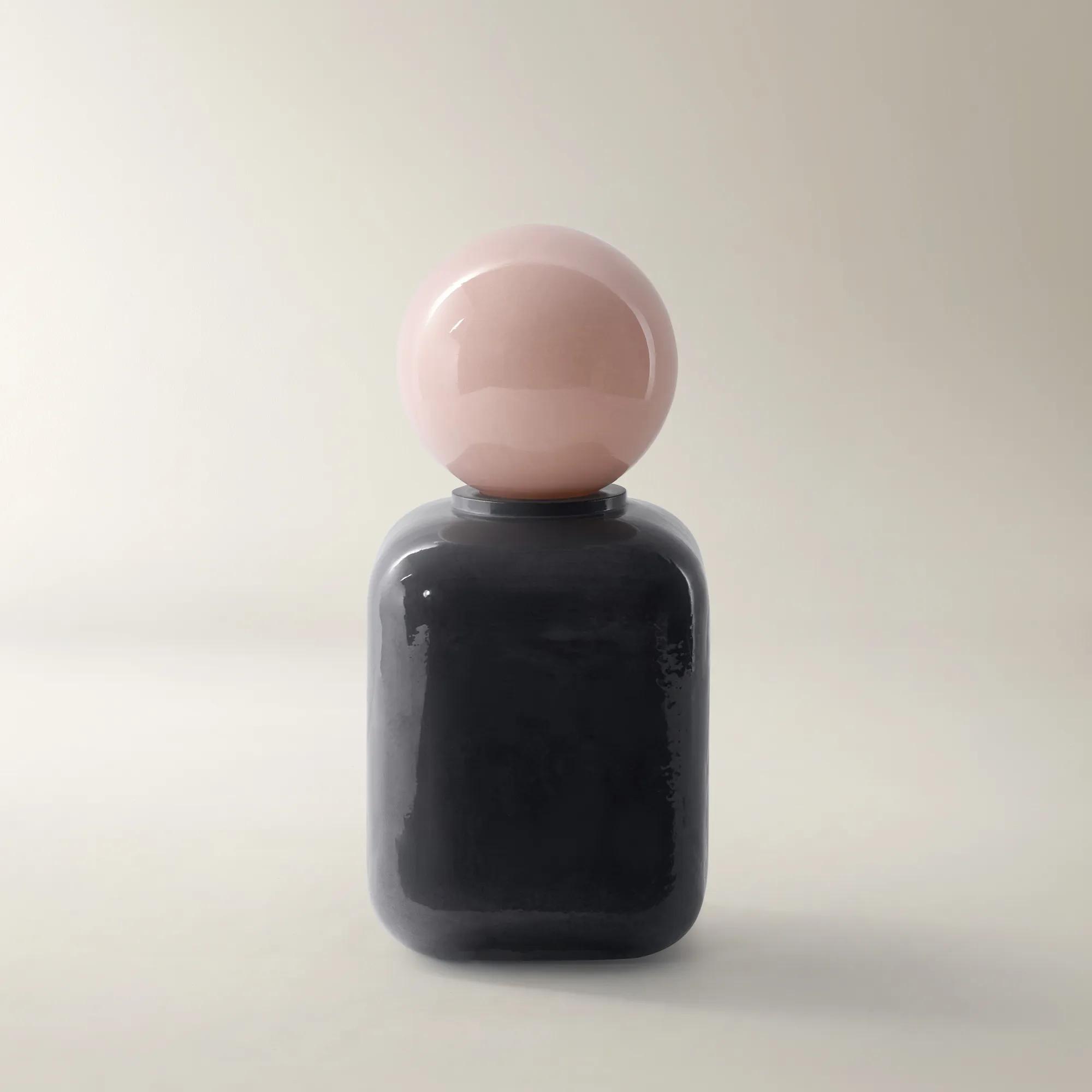 Camilla Mouth Blown Smoked Pearl Blush Glass Canister 6.5"$39
A handblown glass canister in smoked pearl and blush with playful bauble accents for decorative charm.
Add To Cart

Small Glass Shelf Accents
Glass shelf decor brings luminous color and sculptural detail to a beautifully composed display. Explore compact glass vases, decorative canisters, and expressive objects, with green as an artful starting point for complementary color and reflective finishes. Choose a distinctive silhouette to stand alone, or layer contrasting forms among books and artwork for a shelf with depth and personality.
Small glass shelf accents bring a particular kind of drama to a room: light caught within a curve, color suspended in a translucent form, a polished edge that flashes against dark wood. Their scale may be modest, but their presence can be striking. On a bookcase, an étagère, or a floating ledge, glass introduces luminosity without the visual weight of an opaque object. That quality makes it especially compelling in compact rooms, where a carefully chosen accent can give a shelf definition while preserving an open, airy composition. Clear glass offers crisp reflections and lets the surrounding palette remain visible; smoky, amber, or richly colored glass creates a more concentrated note of mood and depth. Frosted surfaces soften reflections, while ribbed, faceted, and textured finishes break light into intricate patterns. These differences shape how an accent feels in a room, from sleek and architectural to fluid and expressive. Glassmaking techniques also influence character. Molded glass can emphasize repeated contours and precise silhouettes, while hand-formed glass may reveal subtle variations in shape, color, or bubbles within the material. Such details can contribute to an individual piece’s appearance, although finish quality and condition still deserve attention. Decorative glass and crystal are not interchangeable terms, and composition, weight, and care requirements vary. A jewel-like appearance alone does not establish what a piece is made from. For a living room arranged around sculptural furniture, small glass accents offer a refined echo of larger curves and gleaming finishes. In a home office, they lend personality to shelves otherwise devoted to books and storage. In a bedroom, a softly tinted form can create a quieter expression of glamour, particularly beside linen-bound volumes or a framed photograph. The appeal lies in that versatility: glass can stand apart as a focal point or connect the colors and finishes already present, giving even a narrow shelf a sense of intention. Its transparency also allows the grain of a wood backing or the pattern of wallpaper to remain part of the composition.
Proportion determines whether a small accent feels deliberate or disappears into its surroundings. Height, width, depth, and the size of the base all matter, especially on shallow shelves or within bookcase compartments. A slender silhouette can bring lift to a low arrangement, while a rounded form introduces fullness beside the straight lines of stacked books. An accent does not need to fill the available space to make an impression; open space around its outline allows the shape and surface to register clearly. On a dark shelf, clear or pale glass can create a luminous contrast. Against a light background, saturated color or a smoky finish often gives the silhouette greater definition. Mirrored backing adds another consideration, multiplying reflections and making even a restrained arrangement appear more elaborate. A few distinct shapes tend to retain their individuality better than a tightly packed row of similarly sized objects. Differences in height and finish create rhythm, while a shared color note keeps the arrangement connected. Glass also gains richness through contrast with other materials. Brushed metal brings a soft gleam, polished stone contributes density and veining, and wood offers a warmer visual foundation. The tactile surfaces of Ceramic Decorative Shelf Accents can provide an especially expressive counterpoint, setting opaque texture against translucency. The result feels layered rather than matched. Practical fit remains essential beneath that visual polish. A decorative object should rest fully on a level surface, with enough clearance to be placed and removed without striking the shelf above. Its weight must fall within the shelf manufacturer’s stated limits, including the weight of everything else displayed there. This is particularly important for wall-mounted ledges and glass shelving. A substantial appearance does not necessarily mean an object has a broad, stable base, and a lightweight form is not automatically suitable for a narrow perch. Shelves near doors, busy walkways, or frequently reached-for storage benefit from arrangements that leave glass comfortably away from edges and everyday movement. The most successful display feels composed without making the room difficult to live in.
The lasting beauty of small glass shelf accents depends as much on thoughtful handling as on their initial finish. Glass is rigid but brittle, and delicate rims, slender projections, and applied details can be vulnerable to impact. Thicker walls or a heavier base may change how a piece feels in the hand, but neither makes it unbreakable. For regular upkeep, a clean, soft microfiber cloth can lift dust without introducing an abrasive texture; any additional cleaning should follow the maker’s instructions. Clear glass tends to reveal fingerprints, while grooves and textured surfaces can collect dust along their contours. Coated, painted, metallic, or iridescent finishes may need different treatment from uncoated glass, so household glass cleaner is not a universal solution. Spraying cleaner onto a cloth rather than directly onto an object can help control moisture when that method is permitted, and careful drying helps preserve a clear finish. Dishwasher use, soaking, abrasive pads, and sudden temperature changes should be avoided unless the care directions specifically allow them. An accent should also be lifted by its main body rather than a narrow neck or decorative attachment. For display surfaces prone to scratching, a suitable protective pad may help, provided it does not compromise stability or damage the finish beneath it. Intended use deserves the same attention. A decorative vessel is not necessarily food-safe, watertight, or designed to hold a burning candle; those uses require an explicit indication from the manufacturer. In households with young children or curious pets, an enclosed display cabinet or a secure location beyond easy reach may be more appropriate than a low, open shelf. These considerations also make glass accents thoughtful gifts when chosen with the recipient’s space and habits in mind. A design enthusiast may appreciate an unusual contour, while someone with a carefully edited interior may prefer a familiar color expressed through a new texture. Compact proportions make room for a personal gesture without demanding a complete redesign. Whether displayed alone or within a layered arrangement, a well-chosen glass accent brings artistry into focus through shape, reflection, and the beauty of a considered detail.
FAQs
Ivory, charcoal, and warm wood tones give green glass a richly layered backdrop. For a more expressive palette, introduce mauve or purple in a restrained accent. Repeating a green note from nearby artwork or textiles can connect the shelf to the rest of the room.
Yes. Clear glass provides visual contrast without introducing another hue, allowing colored pieces to take focus. Connect the arrangement through a shared curve or geometric line, then vary transparency for a more dimensional composition.
No. A vase with an expressive silhouette can be displayed as an art object. Leaving it unfilled draws attention to its contours, color, and transparency; adding stems shifts the emphasis toward a more botanical composition.
Use texture as the counterpoint to glass. Matte ceramics, fabric-covered books, and metallic details each create a distinct contrast with a luminous surface. Give one material or color the leading role so the arrangement feels intentional rather than visually competitive.
A well-chosen accent reflects the recipient’s taste without needing to define an entire room. Look to colors they already enjoy and decide whether their style favors fluid curves or crisp geometry. Explore more <a href="https://zgallerie.com/o/art-glass-housewarming-gifts">art glass housewarming gift inspiration</a> for a gesture with a personal, artistic point of view.