Decorative Sculptures Under $100
Decorative Sculptures Under $100
-
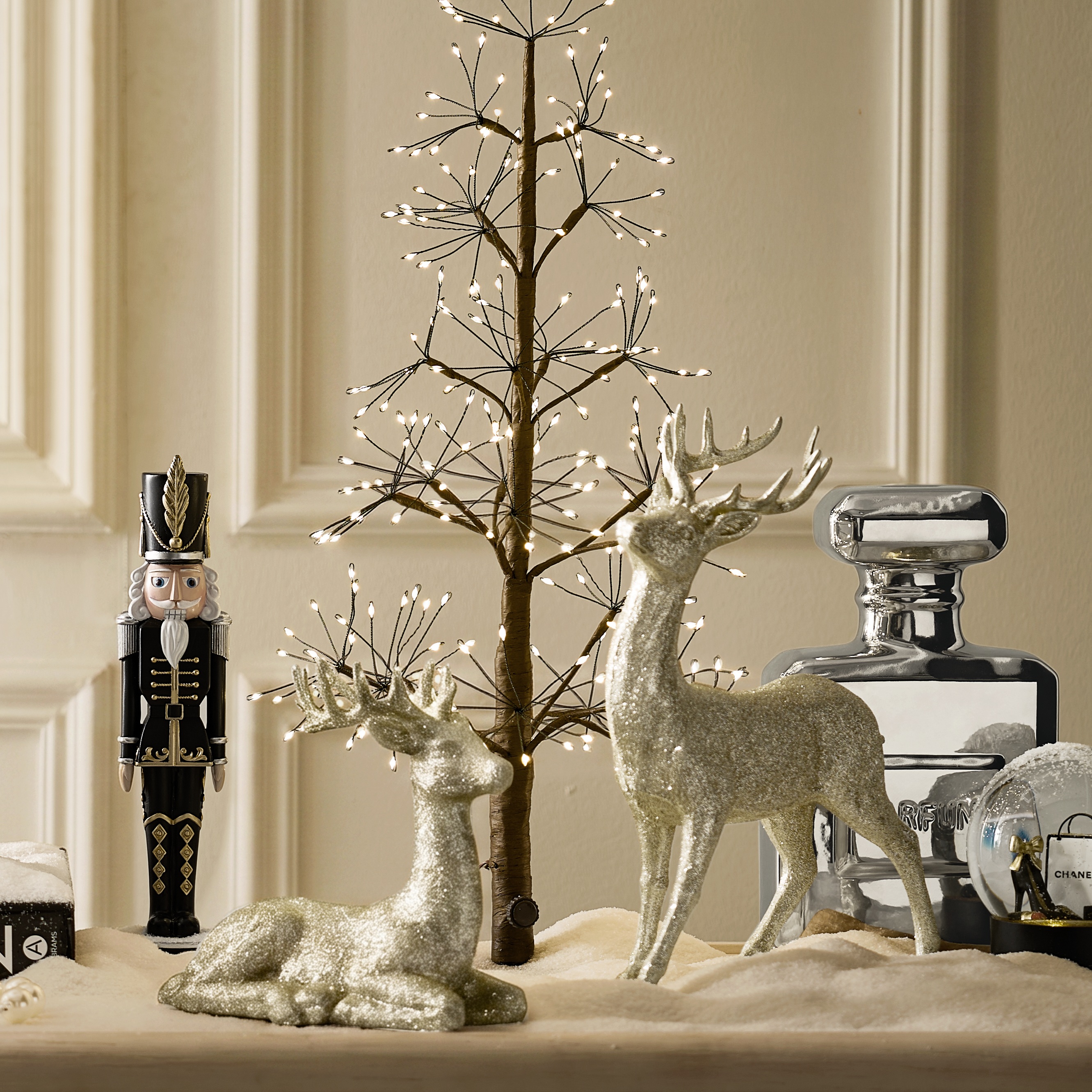 Majestic Deer Champagne Resin 14"$59
A pair of intricately detailed poly resin deer figures with a textured champagne metallic finish.
Add To Cart -
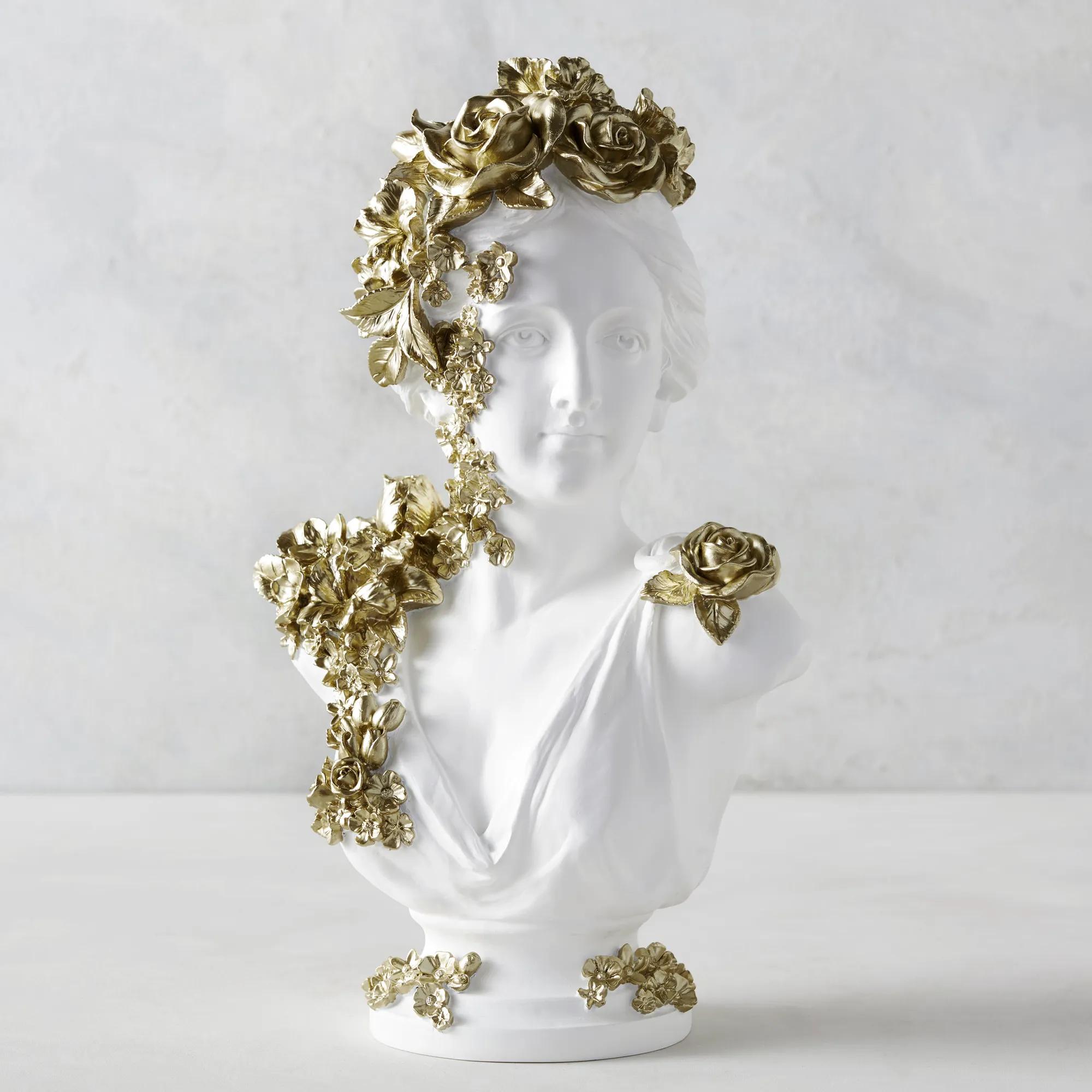 Gold Floral Bust Resin Decorative Object 16.5"$79
A striking resin bust adorned with intricate gold floral embellishments for a bold decorative accent.
Add To Cart -
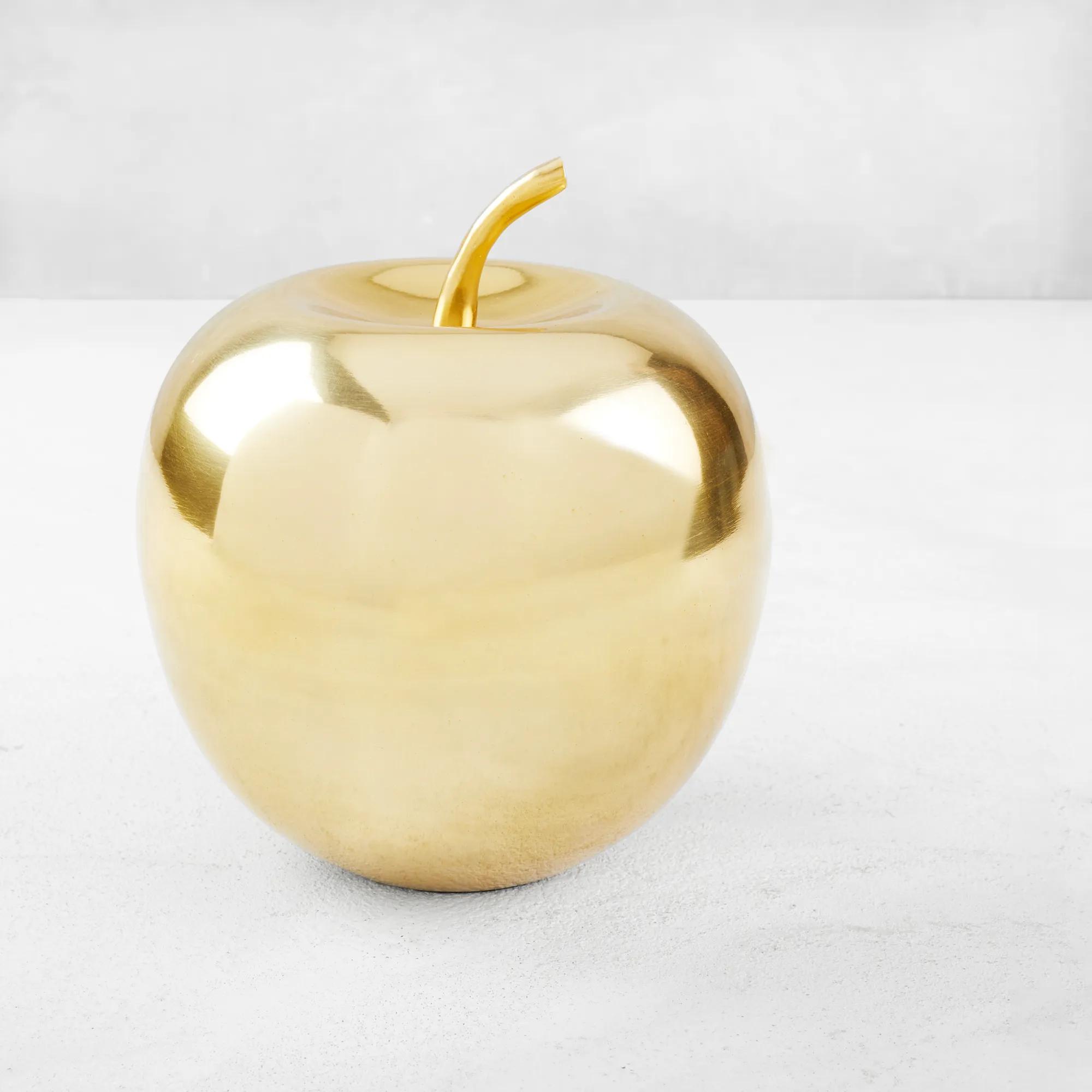
 Gold Oversized Apple Aluminum Decorative Object 7.5"$69
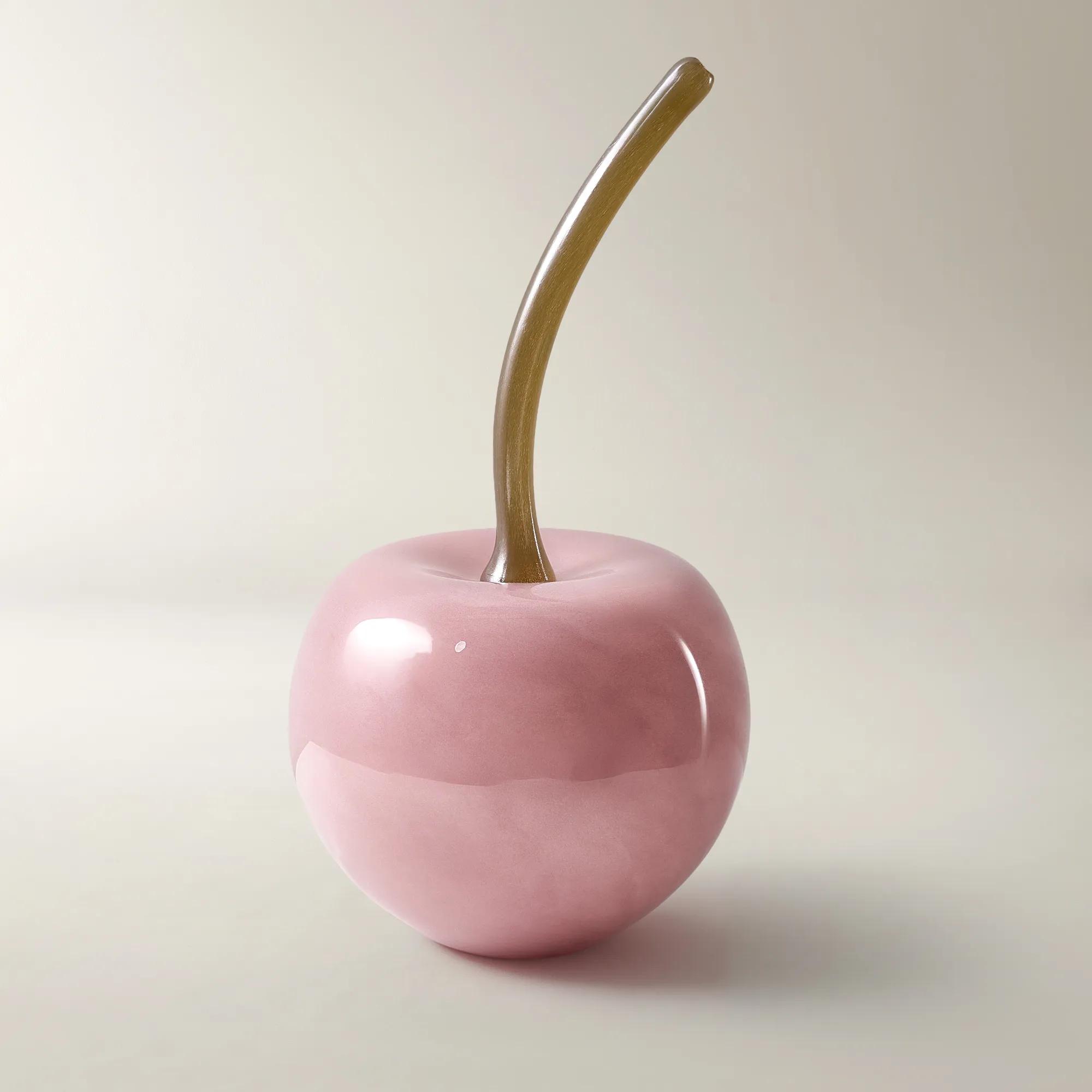
A glamorous gold aluminum apple that adds a sophisticated statement to any décor.
Add To Cart -
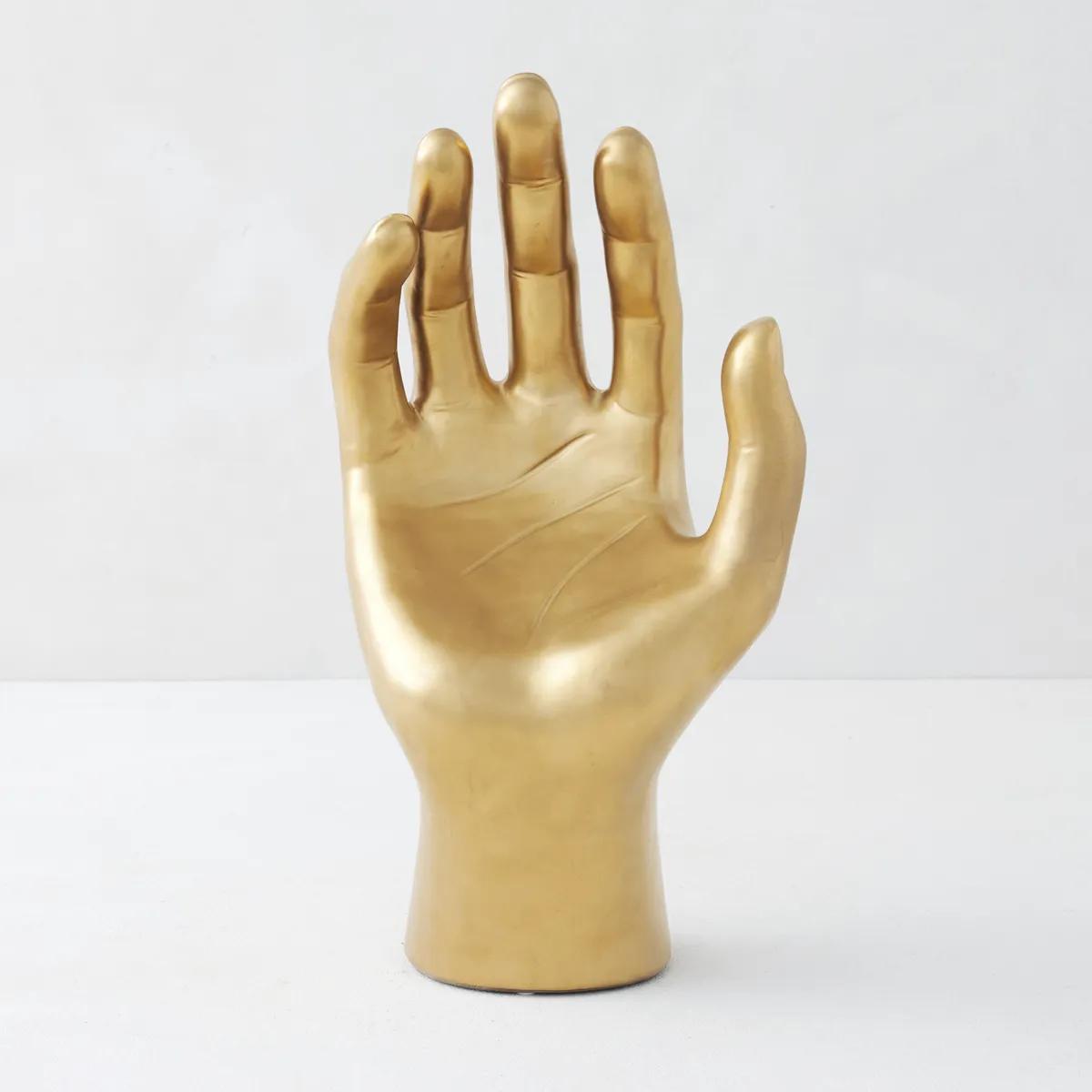
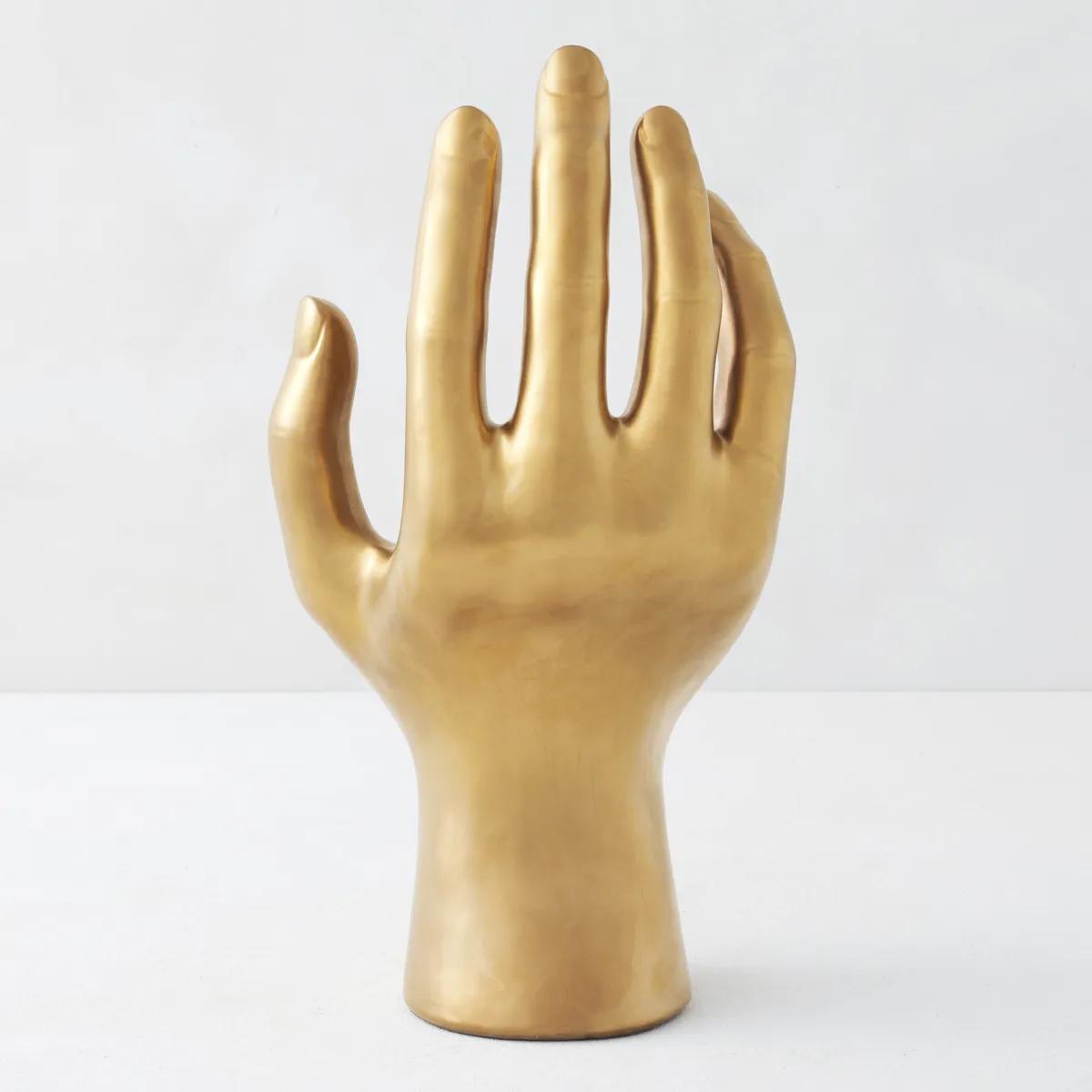 Ceramic Hand Metallic Gold Decorative Object 17.75"$69
A striking ceramic sculpture with a metallic gold finish, perfect for displaying jewelry or as decor.
Add To Cart -
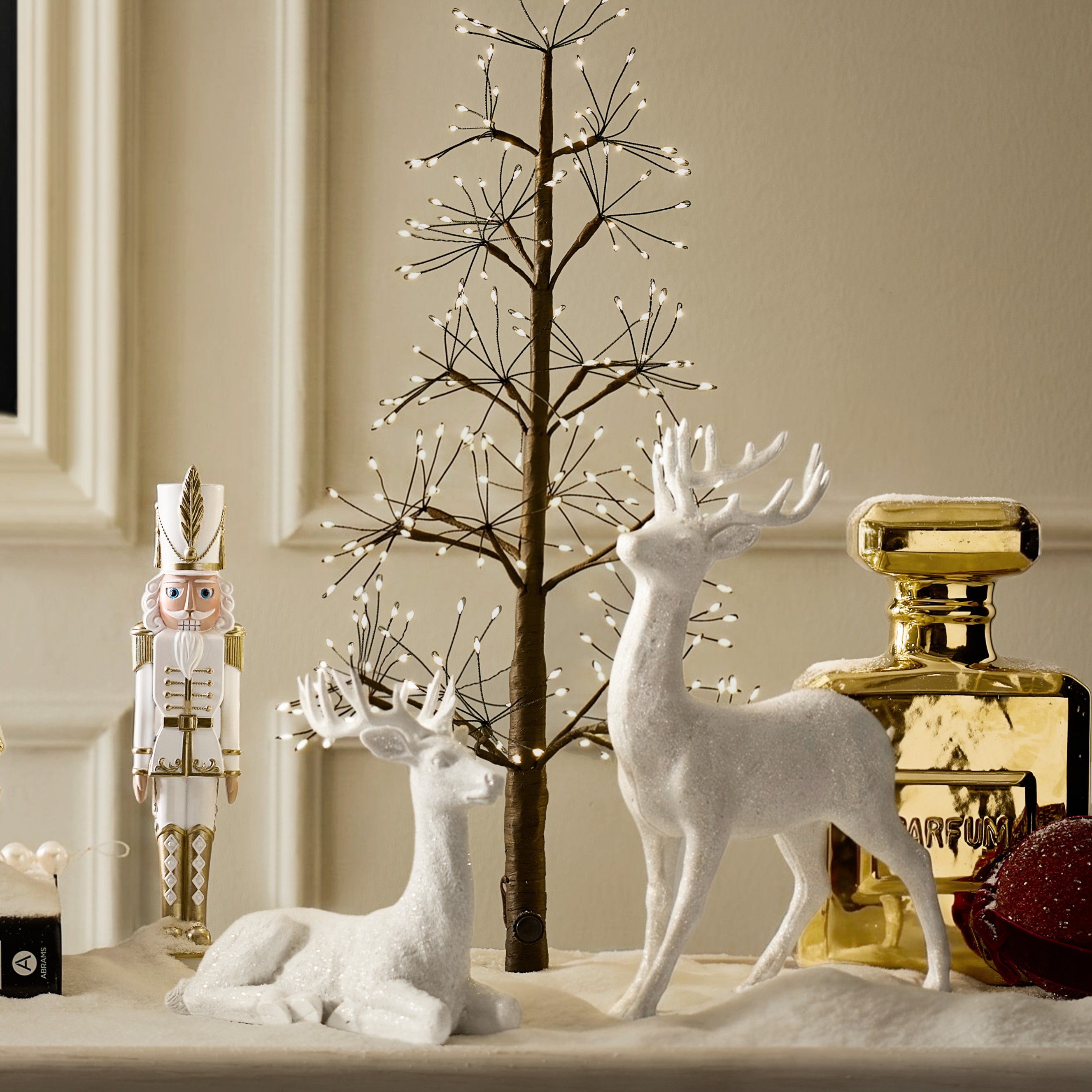 Majestic Deer White Resin 14"$59
A pair of intricately detailed white poly resin deer figures adorned with textured layers of glitter.
Add To Cart -
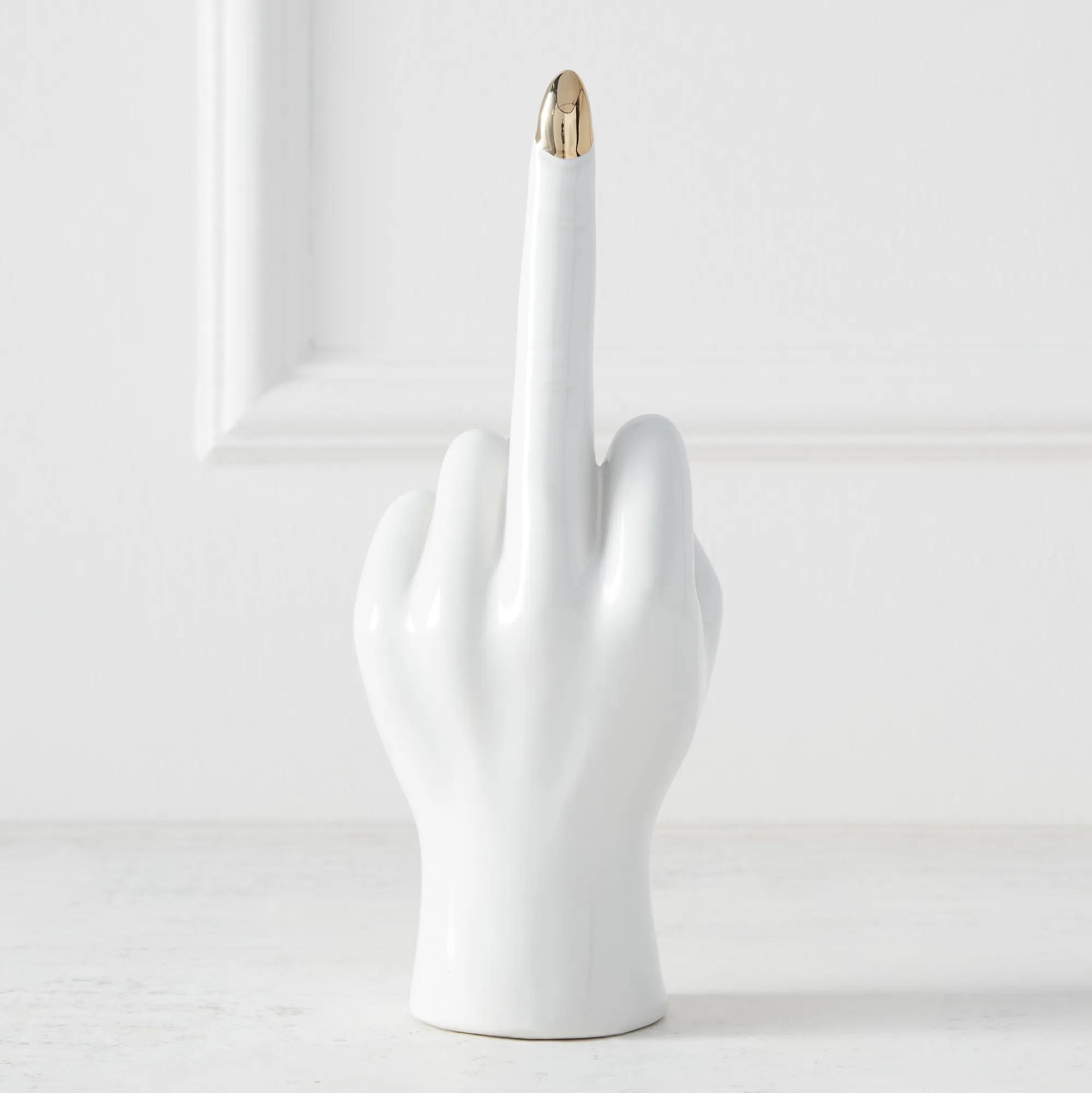
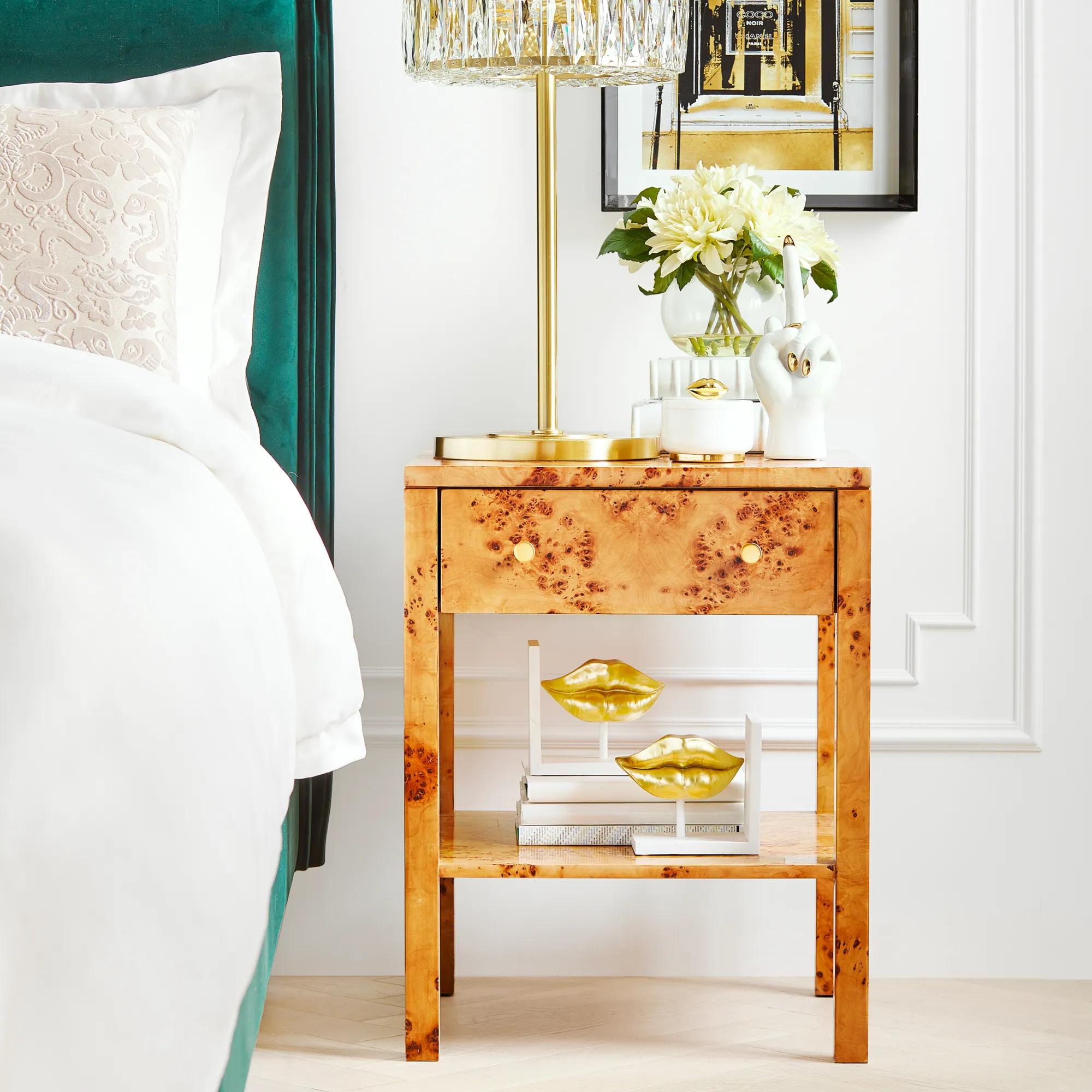 The Finger Hand$39
A glossy white and gold ceramic hand sculpture perfect for displaying jewelry or as a playful accent.
Add To Cart -
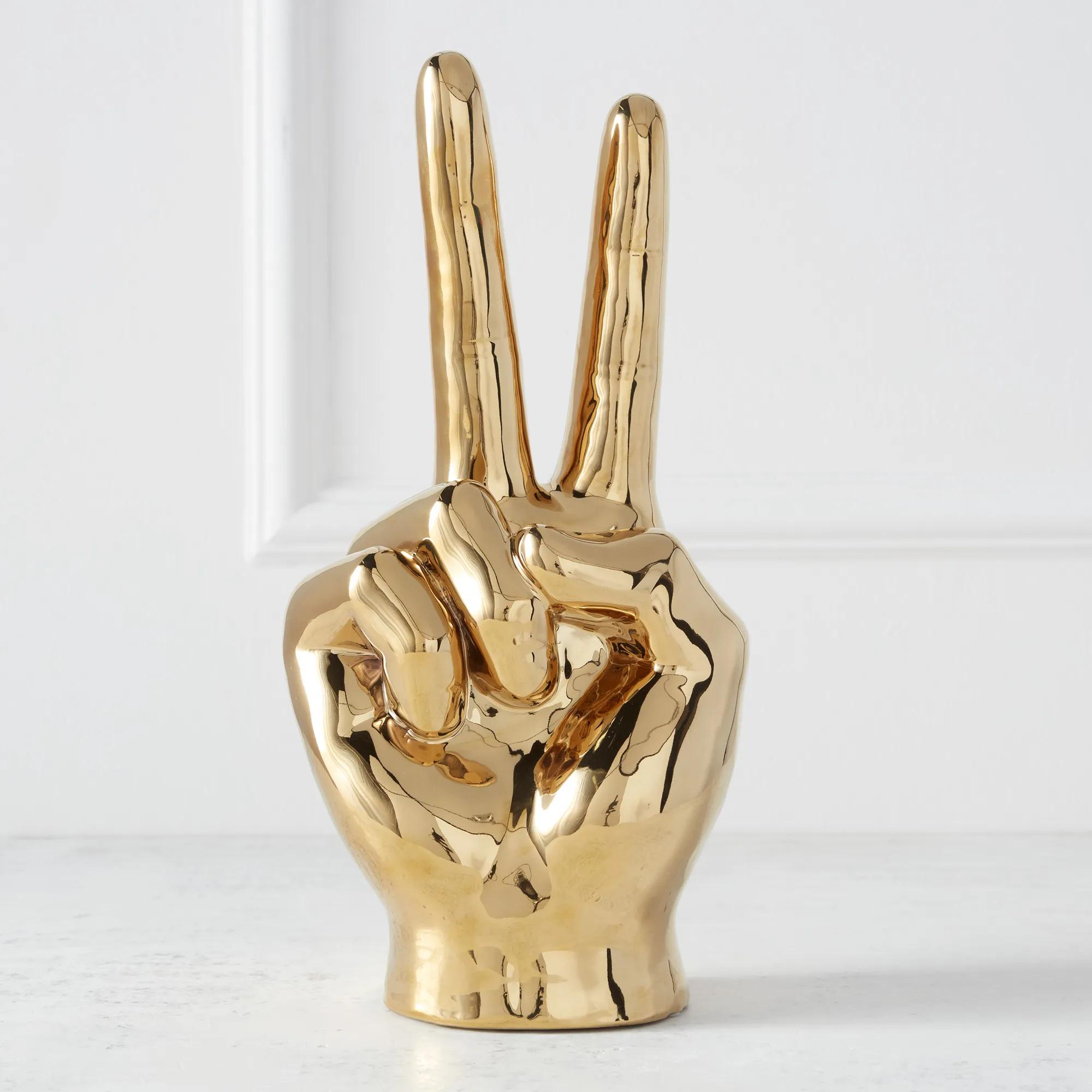 Peace Sign Gold Hand Ceramic Decorative Object 14"$49
A metallic gold ceramic hand sculpture perfect for displaying jewelry or as a decorative accent.
Add To Cart -
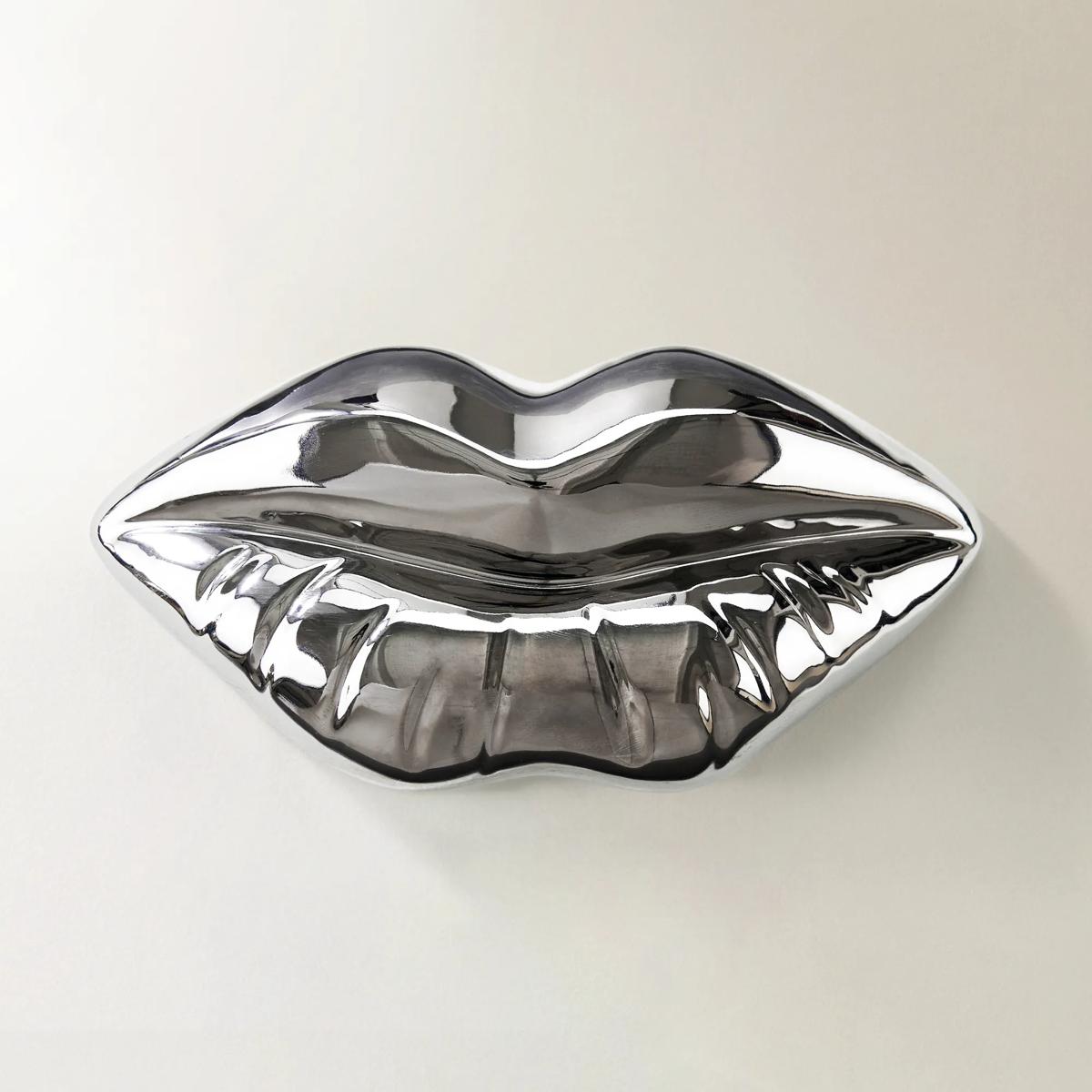 Chrome Lips Ceramic Decorative Object 5.25"$29
A high-shine silver ceramic sculpture that adds modern pop art flair and playful sophistication to any space.
Add To Cart -
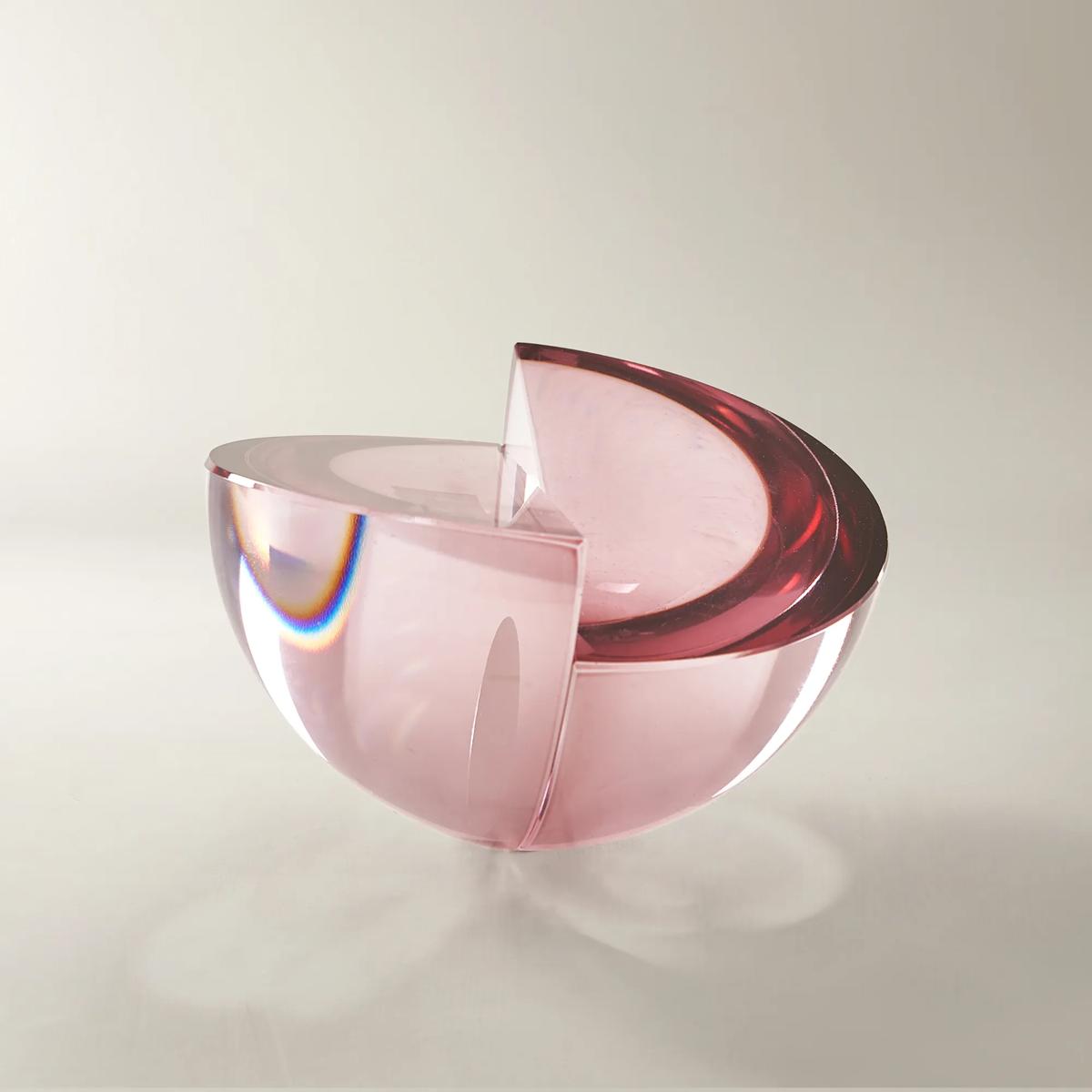 Rose' Crystal Glass Decorative Object 3.25"$79
A sculptural accent crafted from rich purple crystal glass, reflecting light with modern elegance and intrigue.
Add To Cart -
 Glossy Fig Stainless Steel Decorative Ball 7.75"$59
A glossy fig-hued stainless steel ball that adds modern warmth and sculptural shine to any display.
Add To Cart -
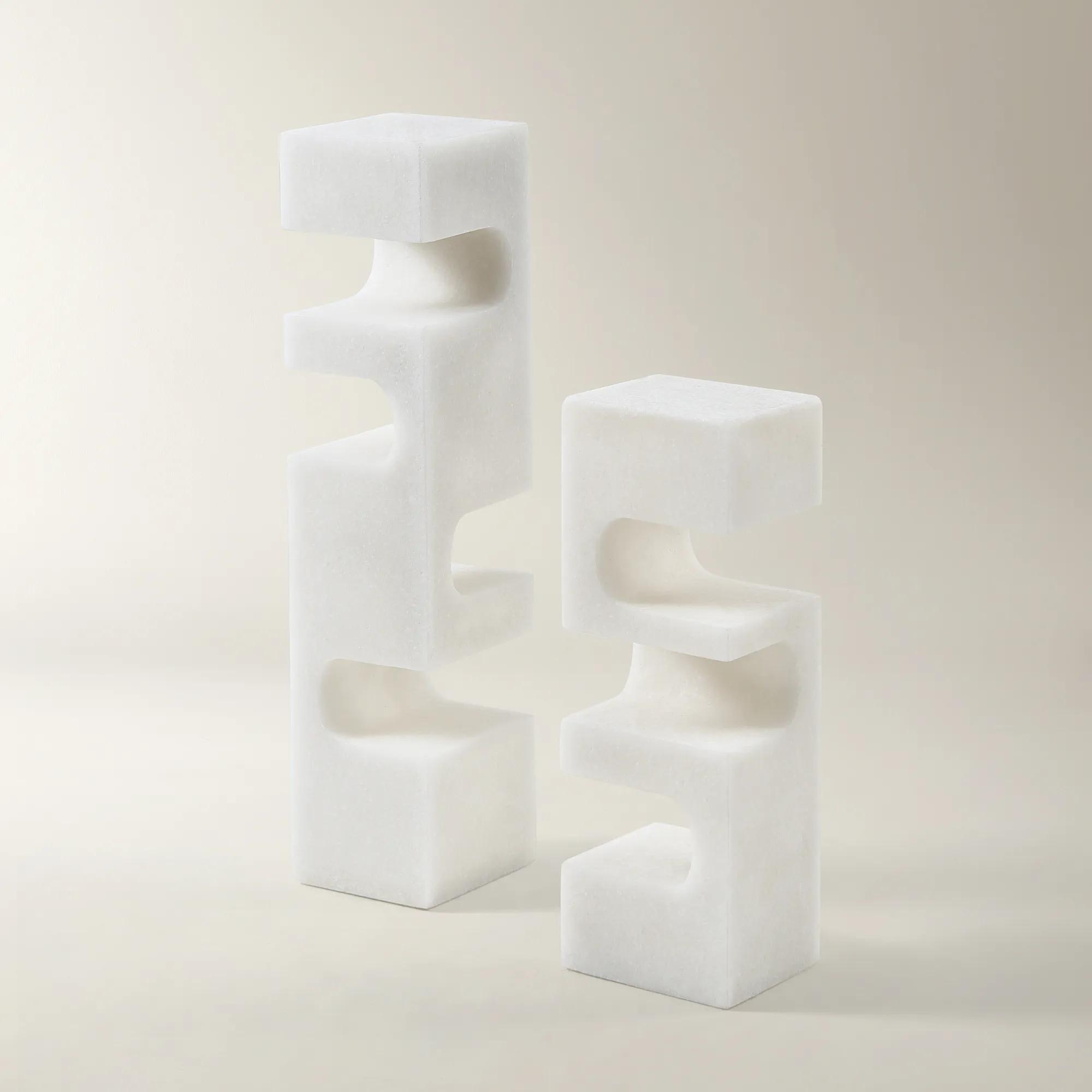
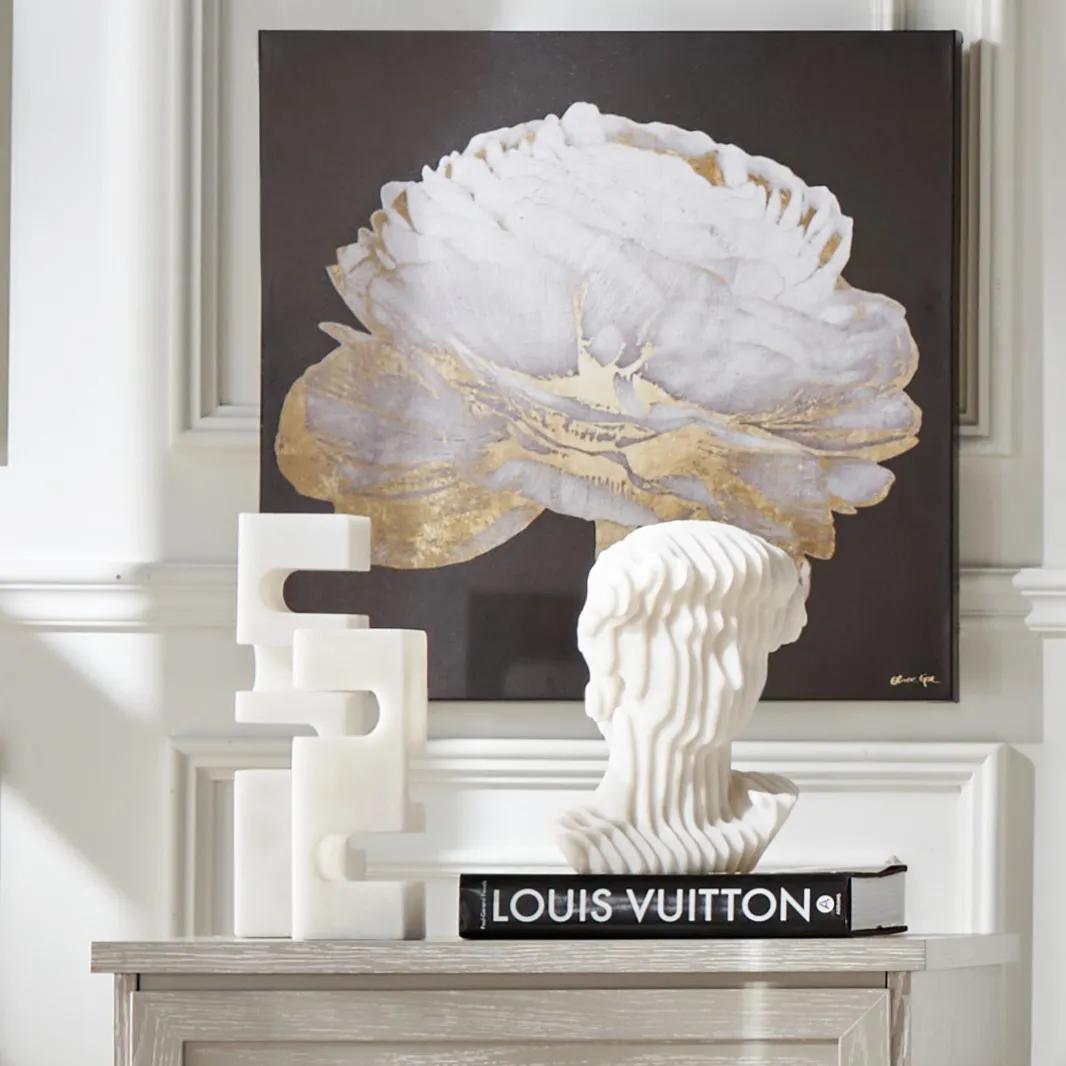 Enna Sculpture$49
A modern Cubist-inspired sculpture crafted from resin and stone powder with a textured white finish.
Add To Cart -
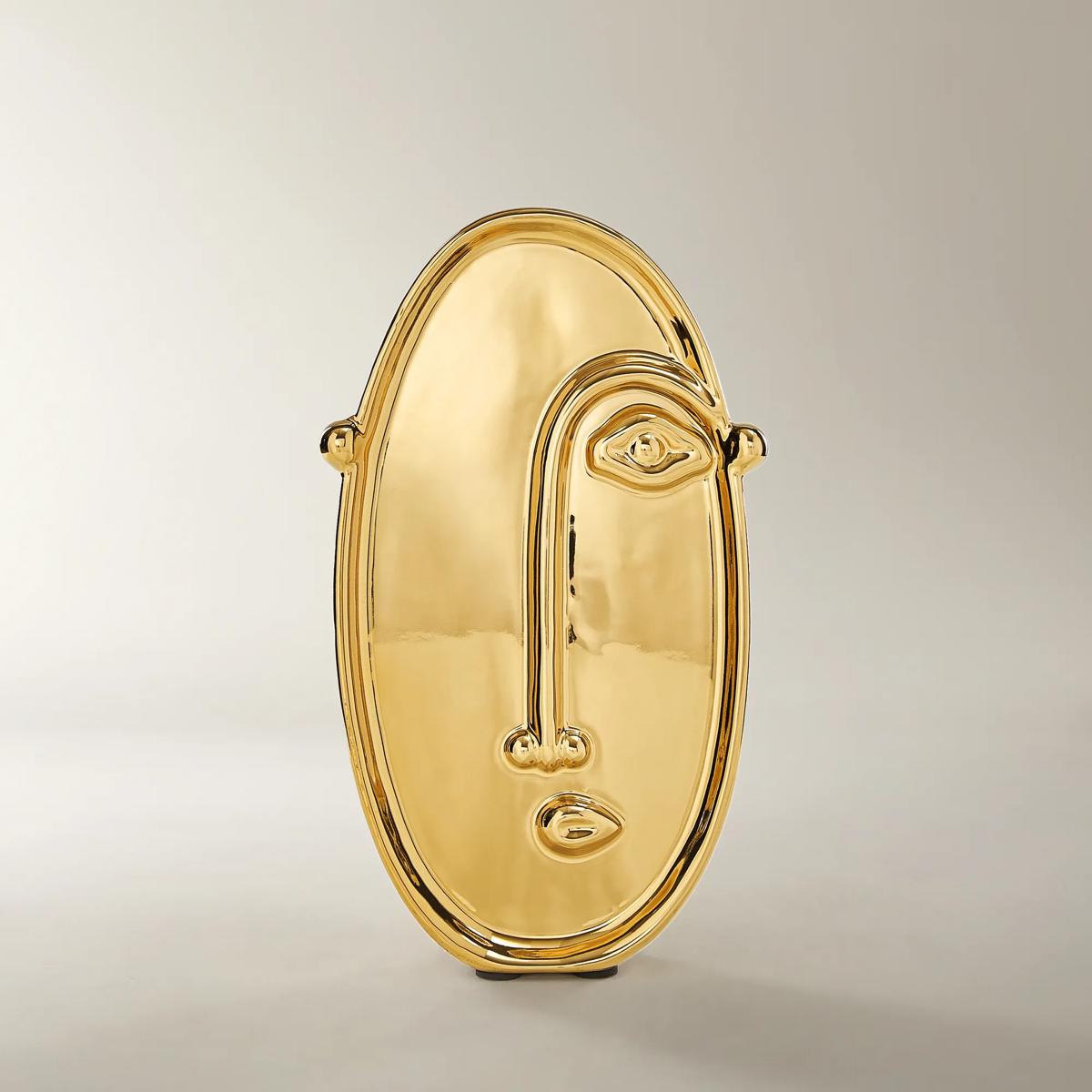
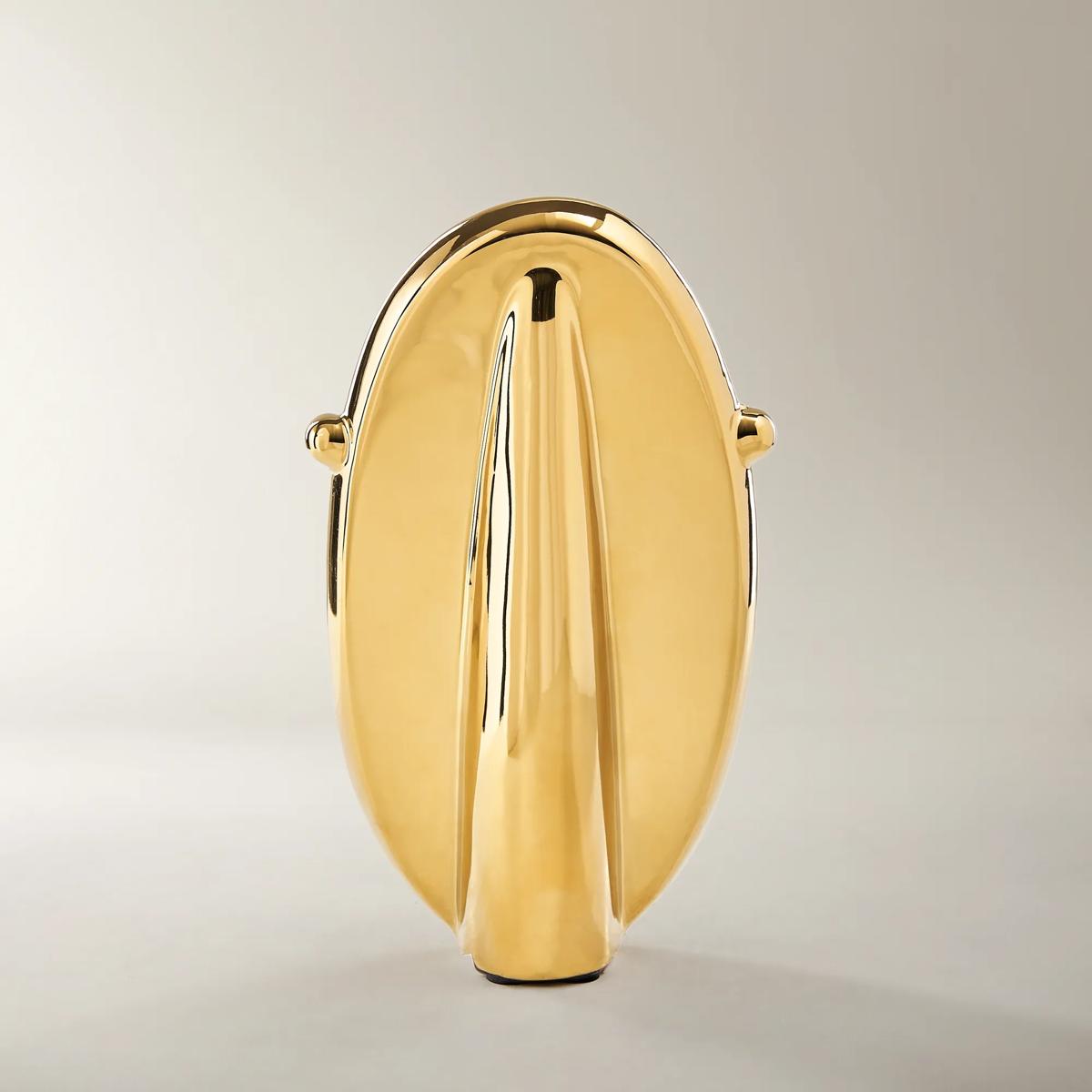 Golden Eye Ceramic Decorative Object 8"$39
A radiant gold ceramic sculpture featuring abstract, elongated facial details for a bold, modern accent.
Add To Cart -
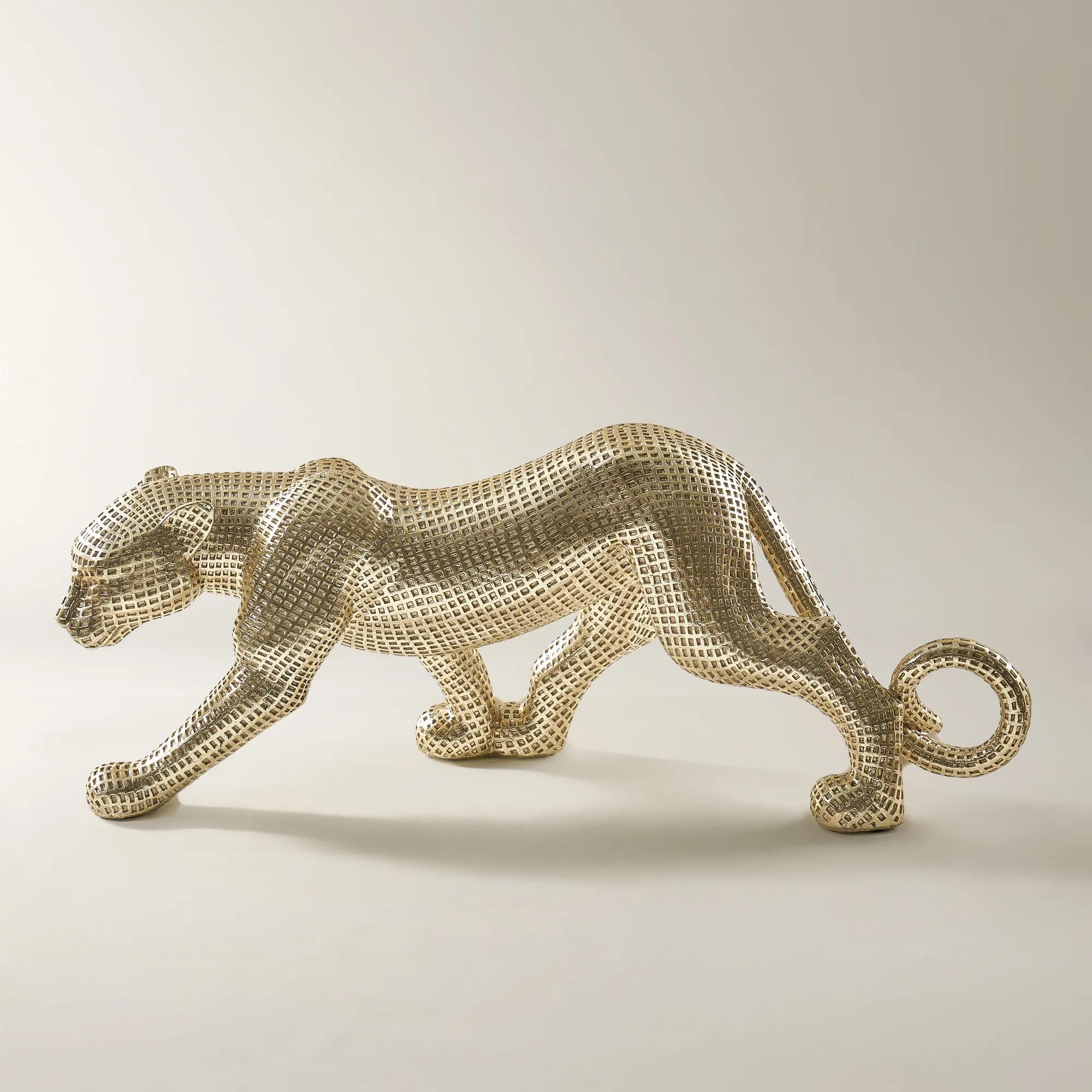
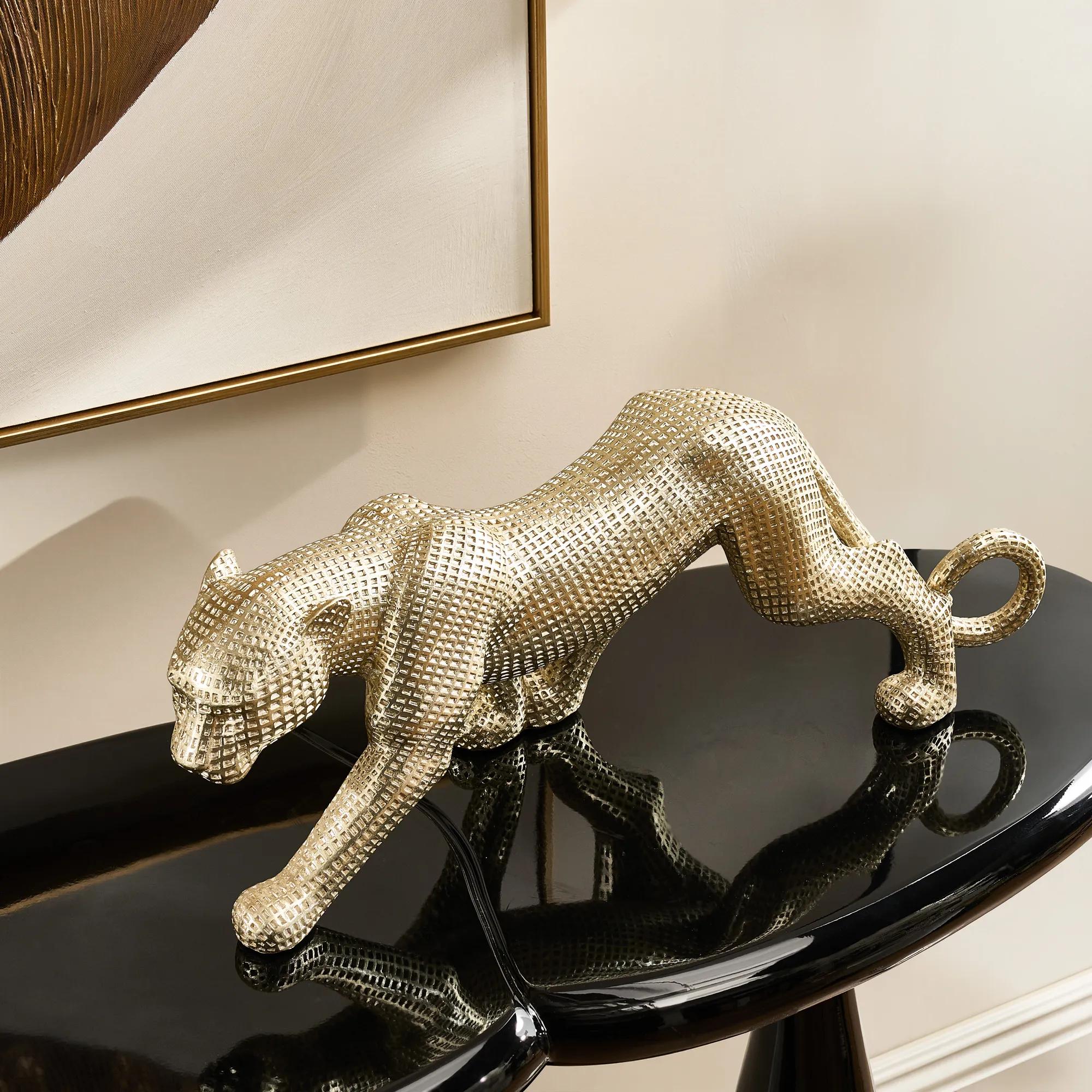 Pardus Champagne Resin Decorative Object 20.5" x 8"$79
A sculptural feline decor piece cast in champagne-finished resin with intricate grid texturing and sleek lines.
Add To Cart -
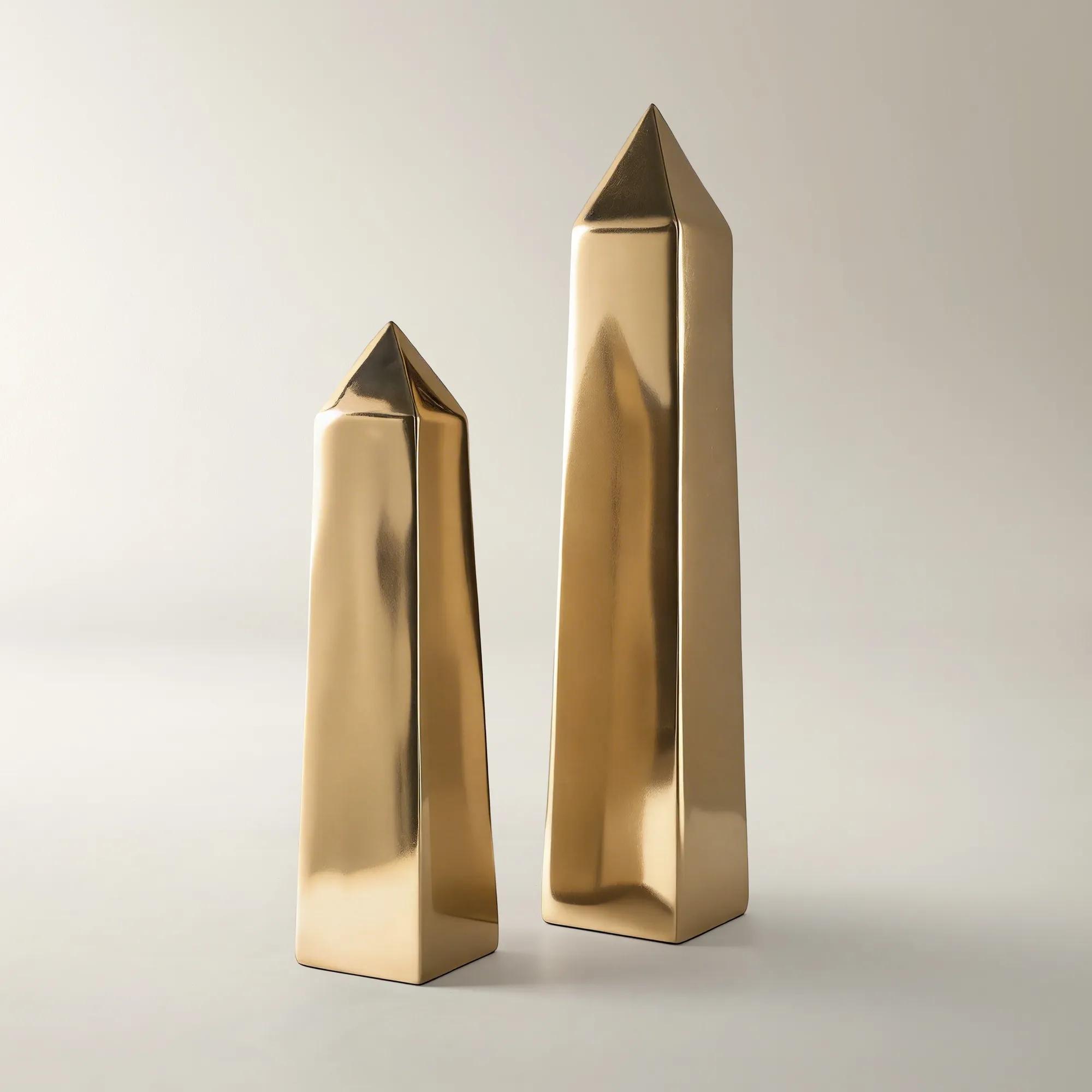
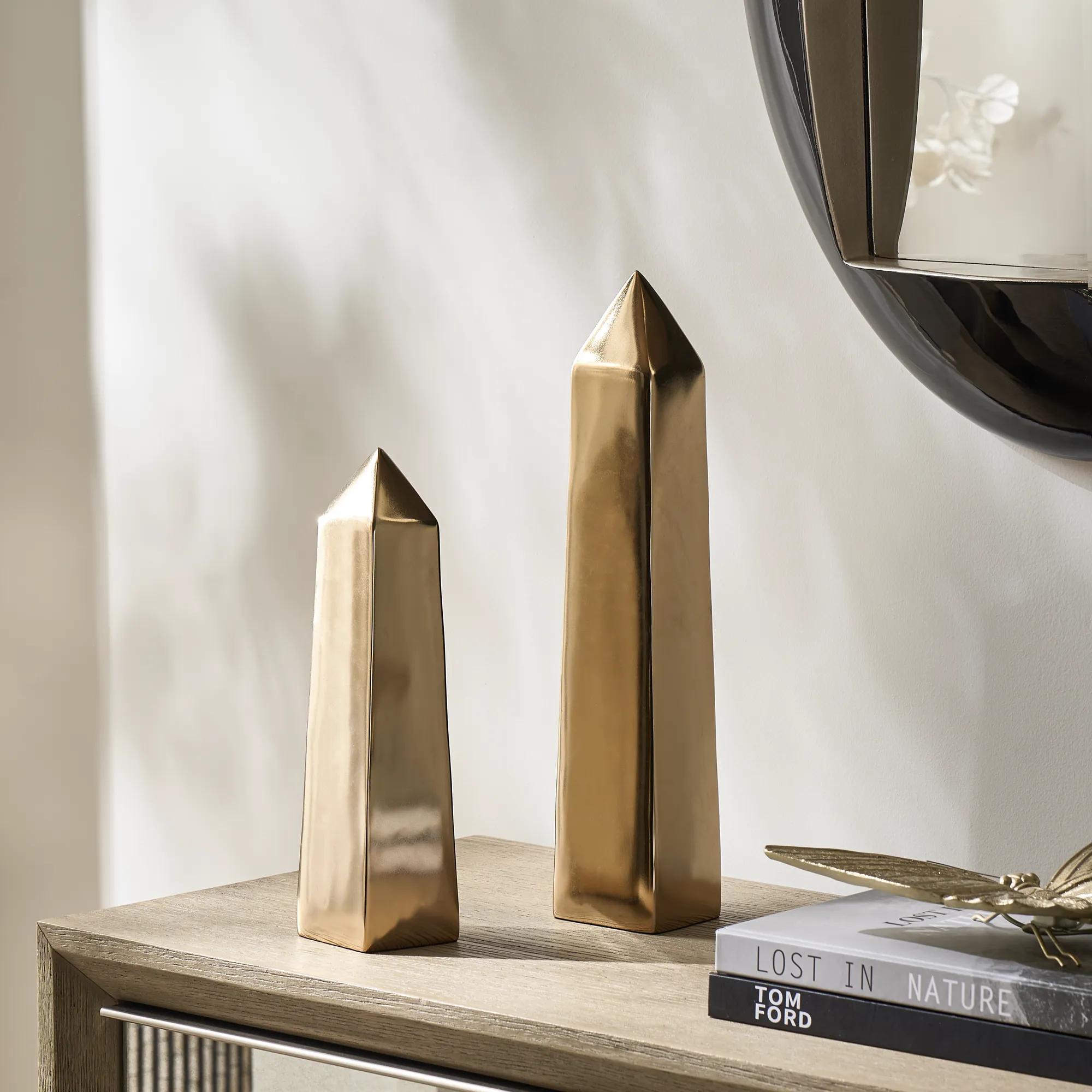 Golden Aluminum Obelisks$59
A sculptural aluminum accent in a soft gold finish that adds modern glamour and architectural drama.
Add To Cart -
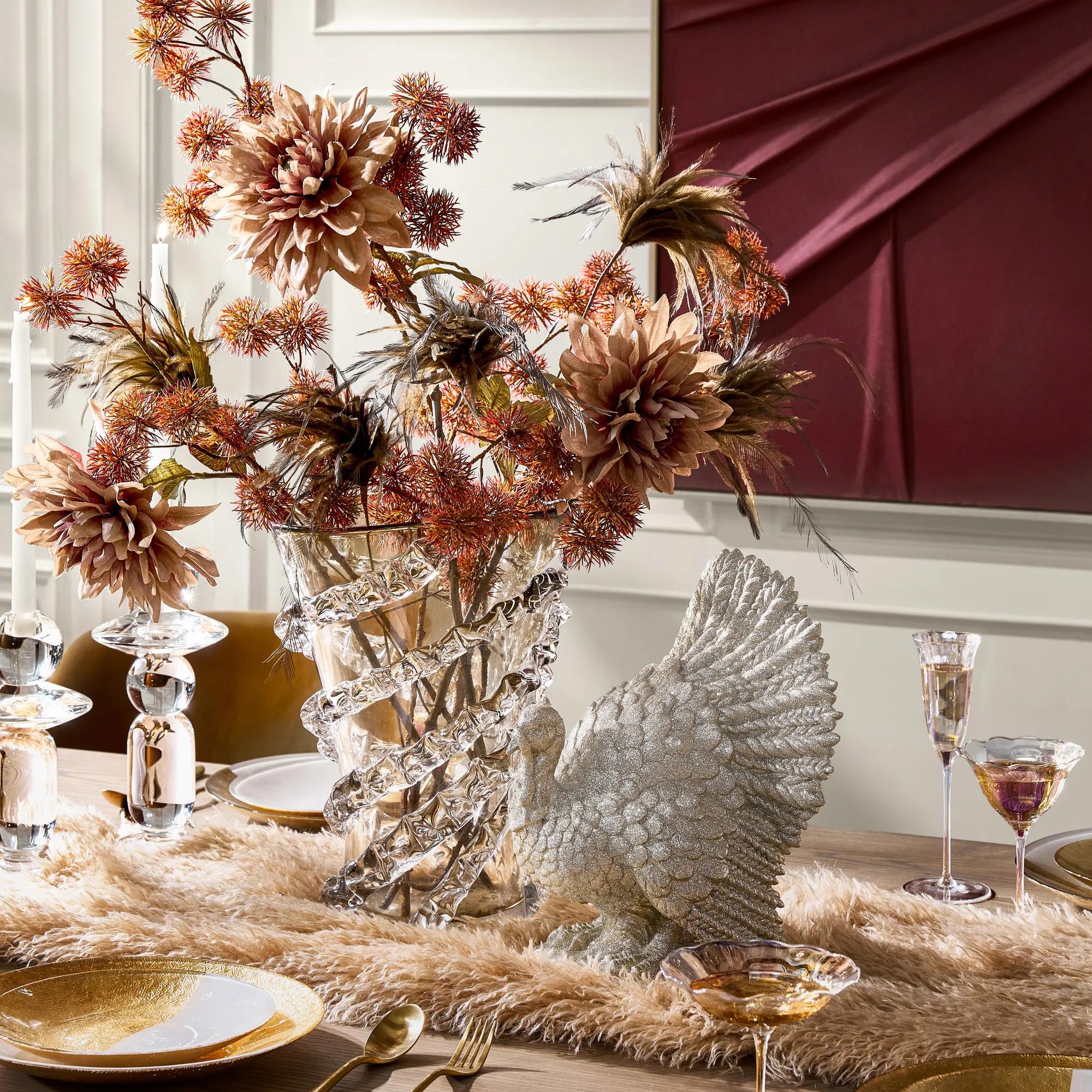
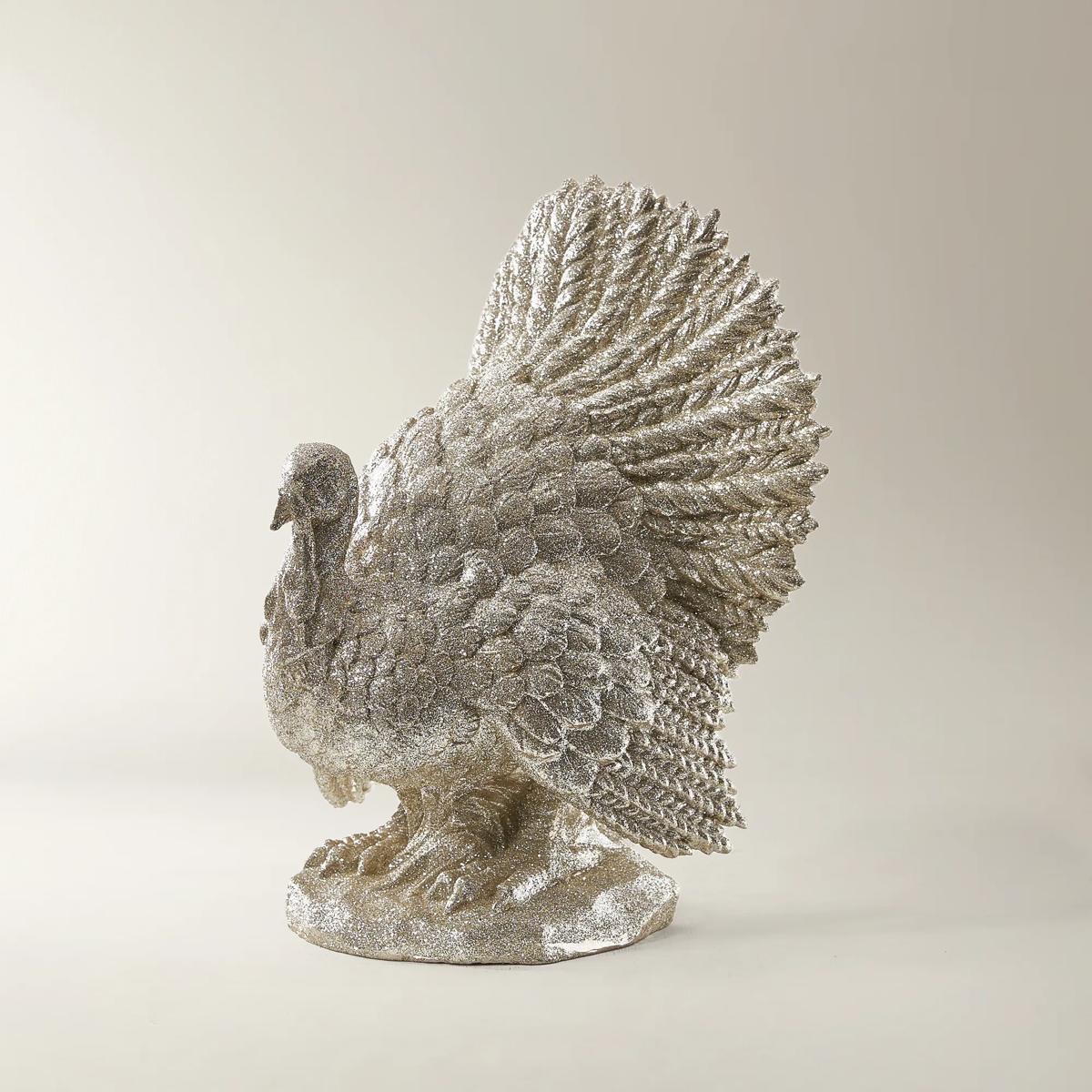 Turkey Champagne Glitter Resin Decorative Object 13"$69
A shimmering resin and stone powder turkey sculpture in champagne, perfect for elegant autumn or holiday décor.
Add To Cart -
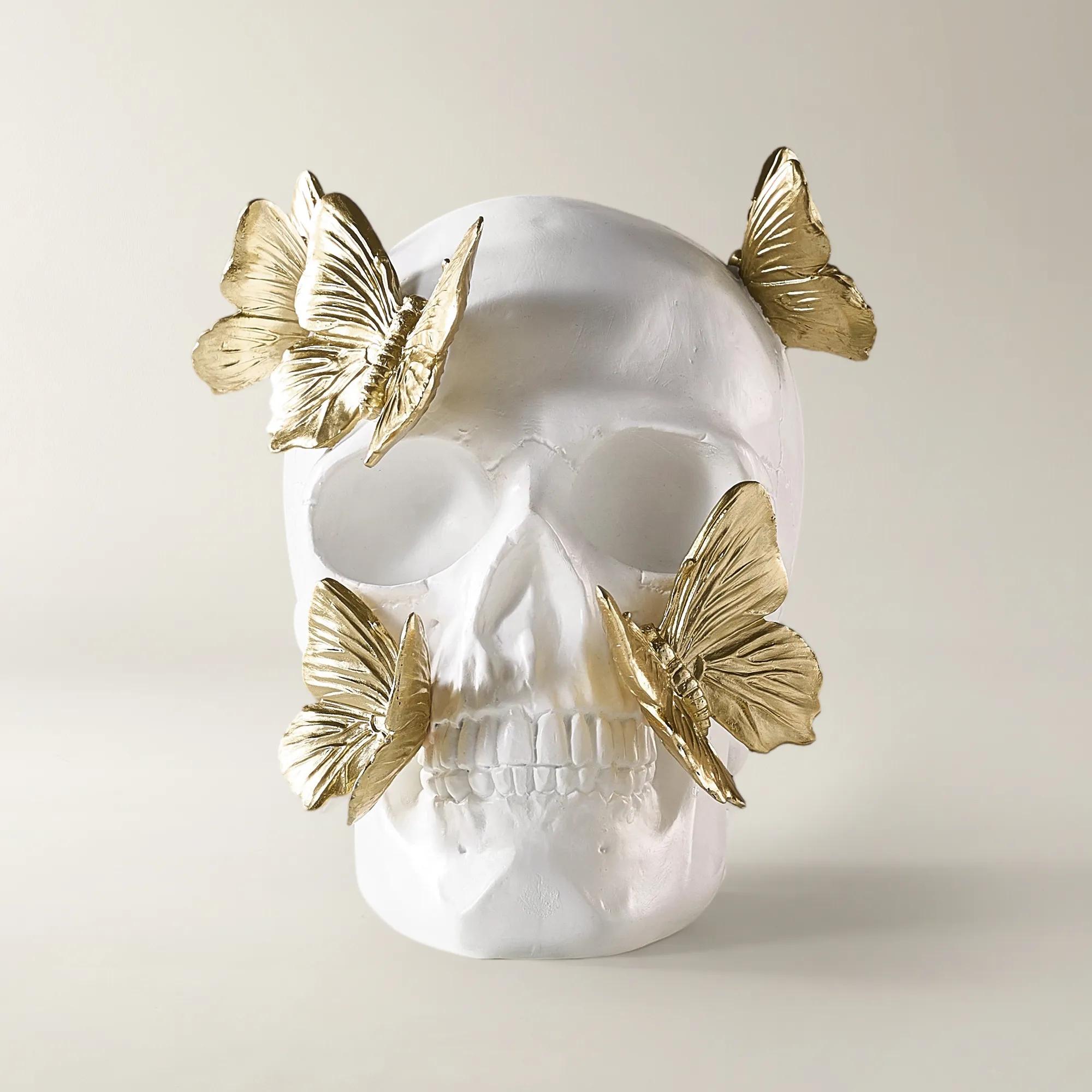 Butterfly Skull White/Gold Resin Decor 7.75"$59
A sculptural resin skull with butterfly detail, finished in white and gold for elegant, artistic flair.
Add To Cart -
Majestic Deer Champagne Resin 8"$49
A pair of intricately detailed poly resin deer figures with a textured champagne metallic finish.
Add To Cart -
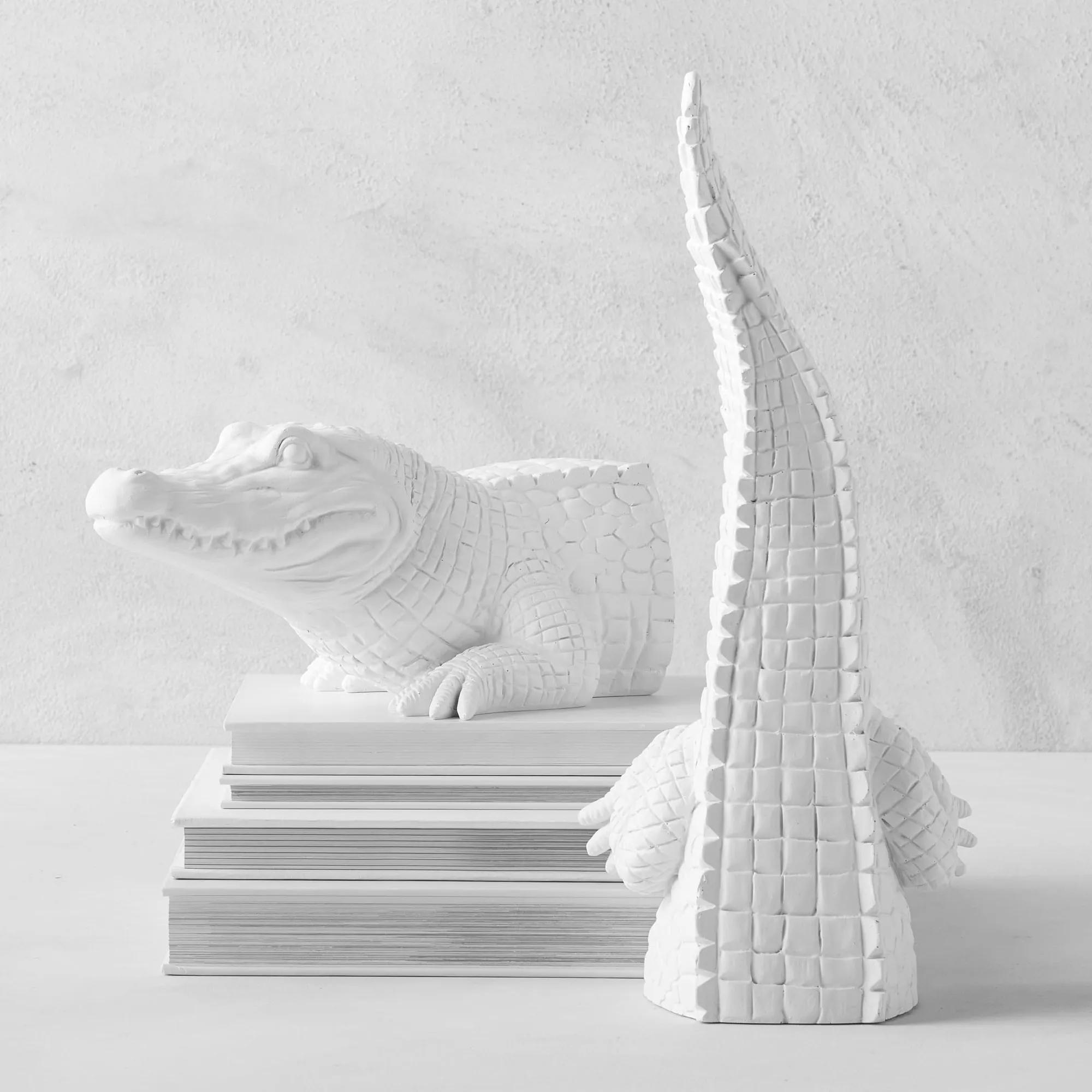
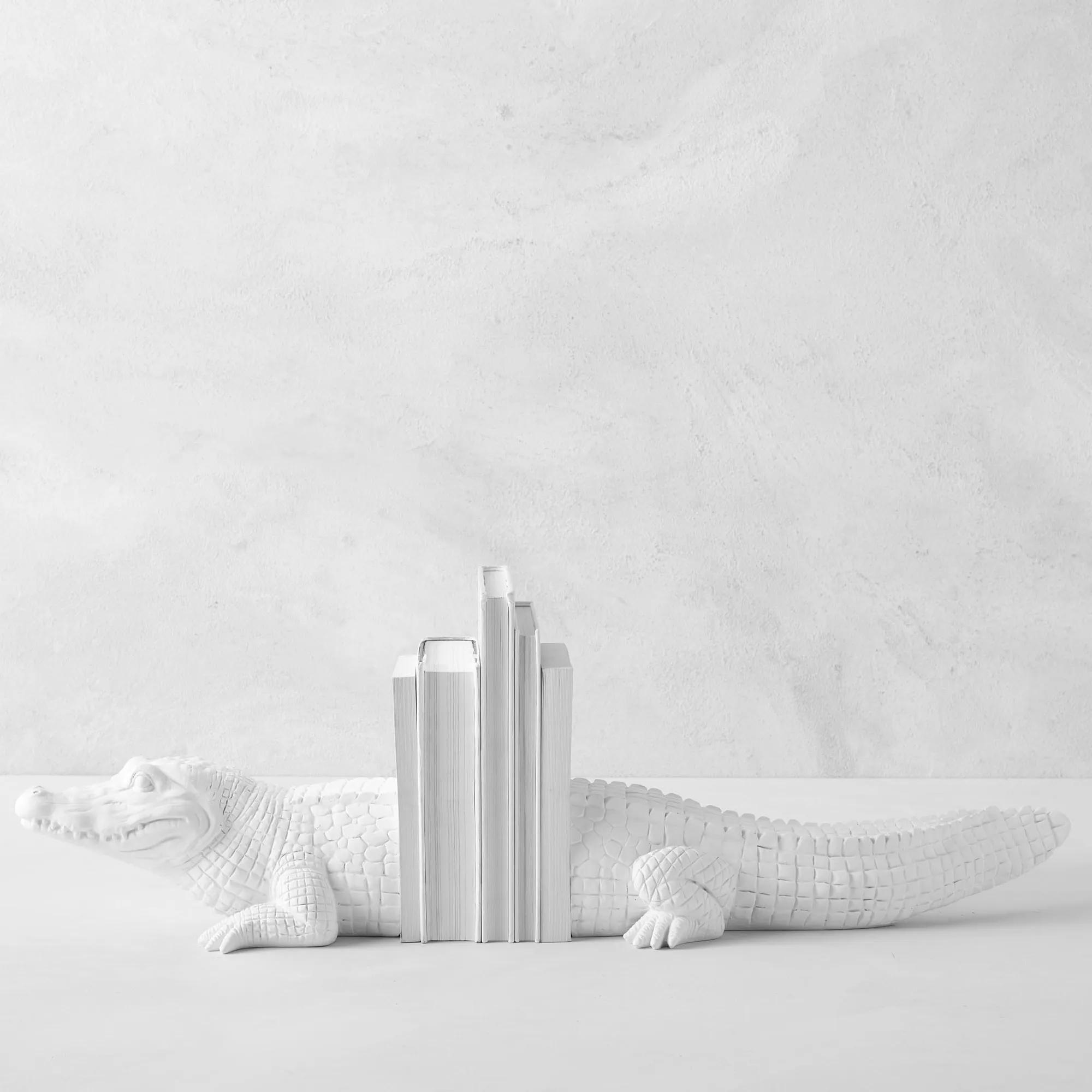 Alligator White Resin Bookends 6.5"$69
A pair of grinning polyresin bookends that add whimsical charm and secure your books in style.
Add To Cart -
Majestic Deer White Resin 8"$49
A pair of intricately detailed white poly resin deer figures adorned with textured layers of sparkling glitter.
Add To Cart -
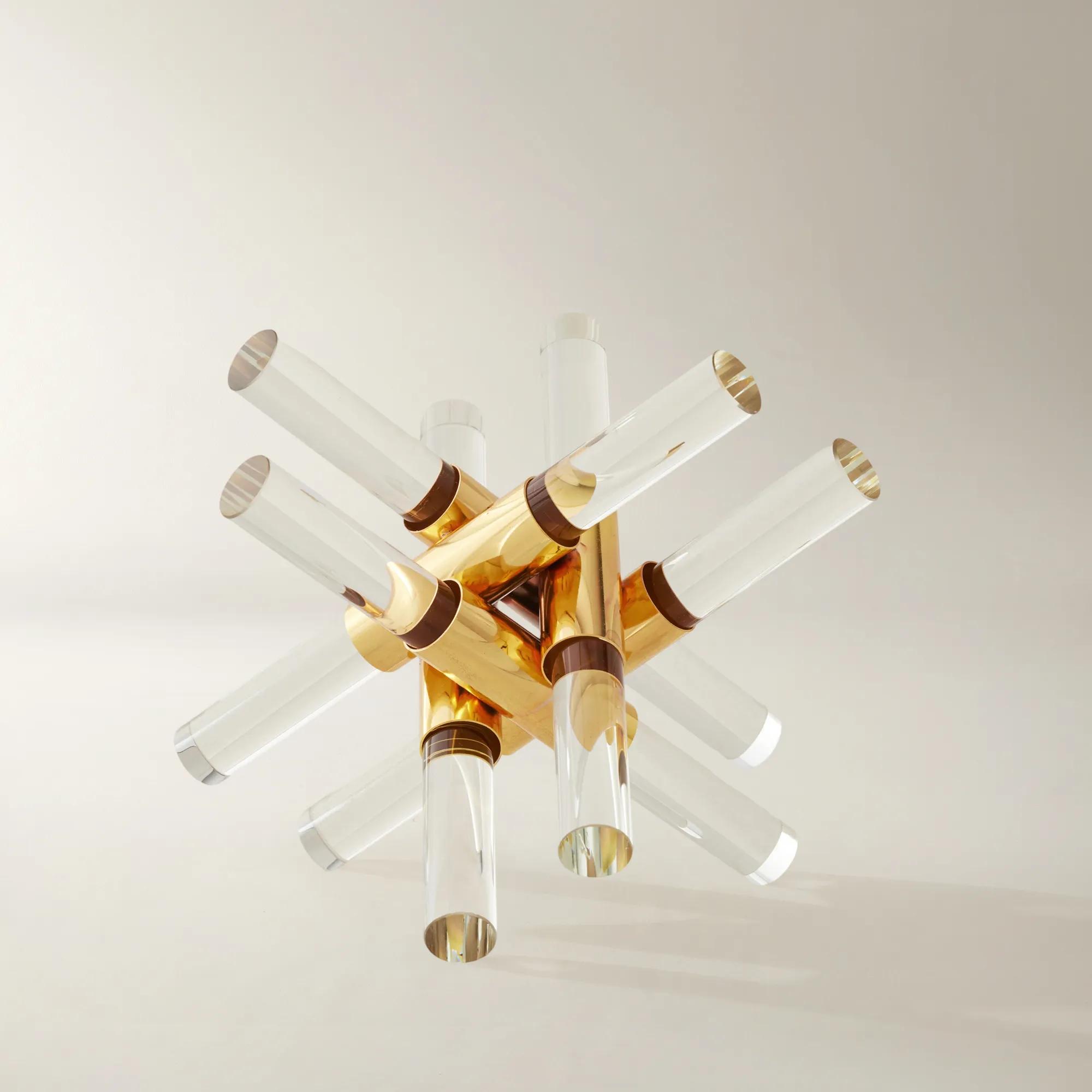
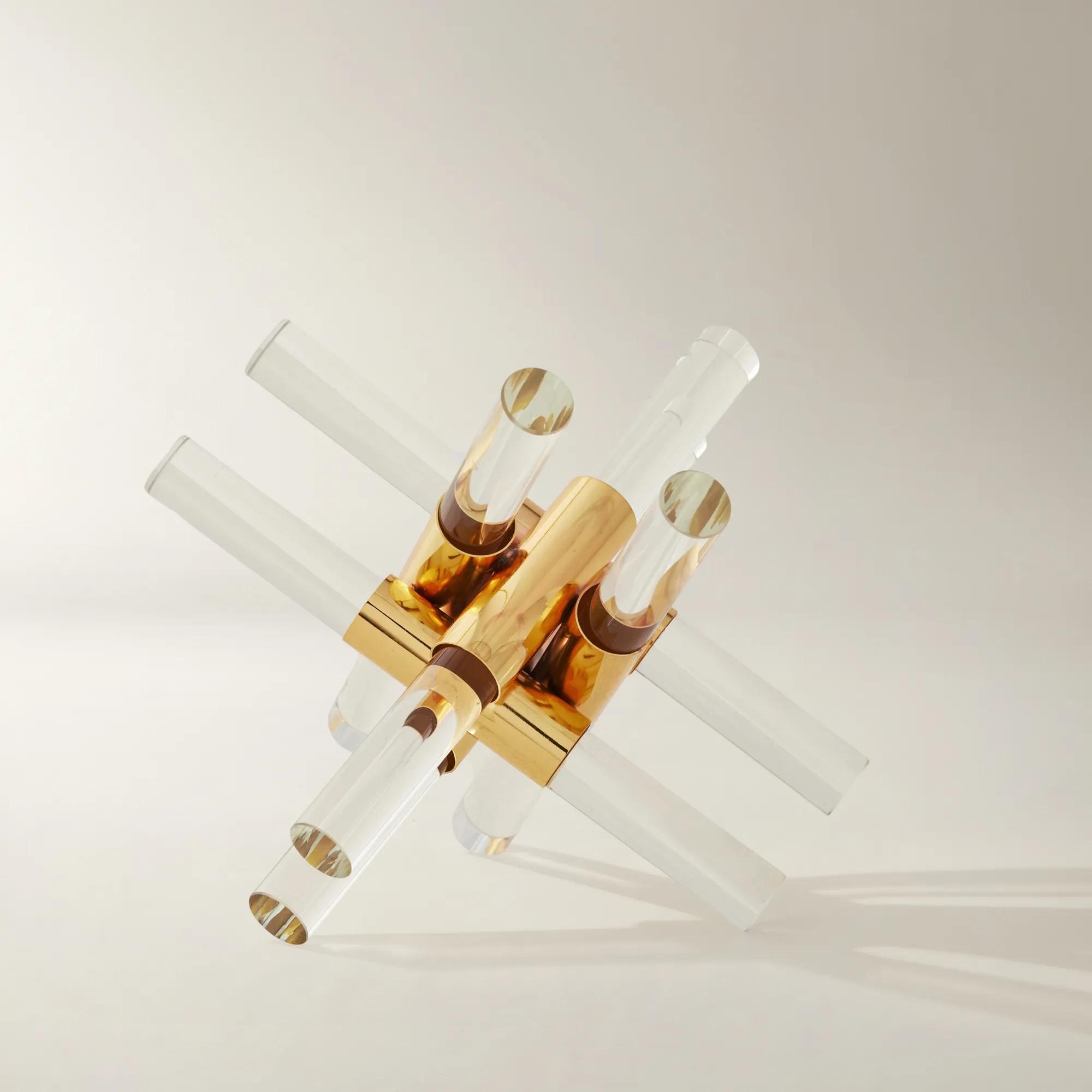 Crystal Glass And Gold Metal Decorative Object 8"$59
A striking decorative accent featuring clear glass rods and gold metal detailing for modern elegance.
Add To Cart -
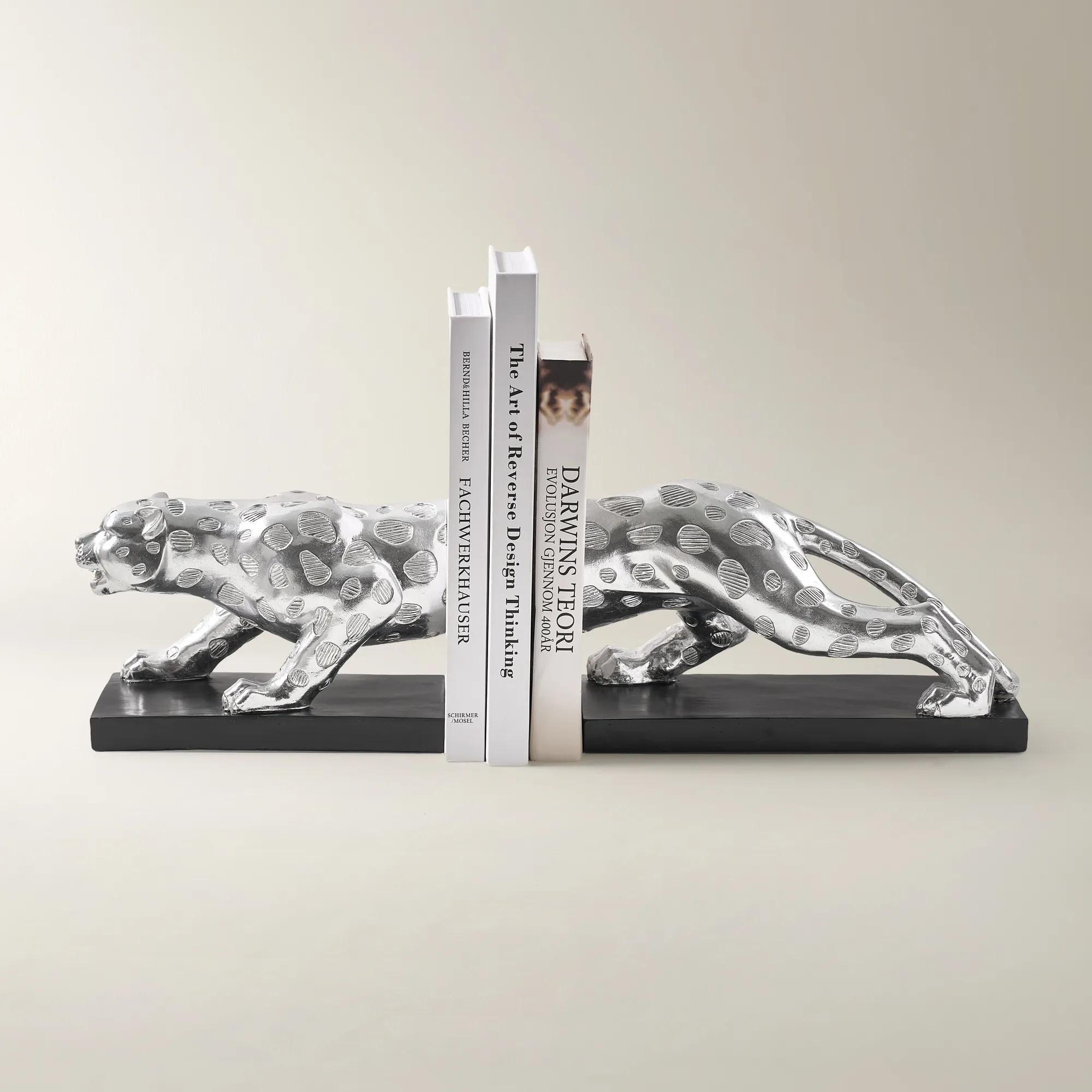 Pose Silver Resin Leopard Bookends$89
A sculptural pair of silver and black polyresin bookends inspired by Leopardo, adding modern glamour.
Add To Cart -
 Fashion Black Resin Glitter Globe 5.25"$59
A black water-filled globe with LED light, featuring sparkling glitter for a festive decorative touch.
Add To Cart -
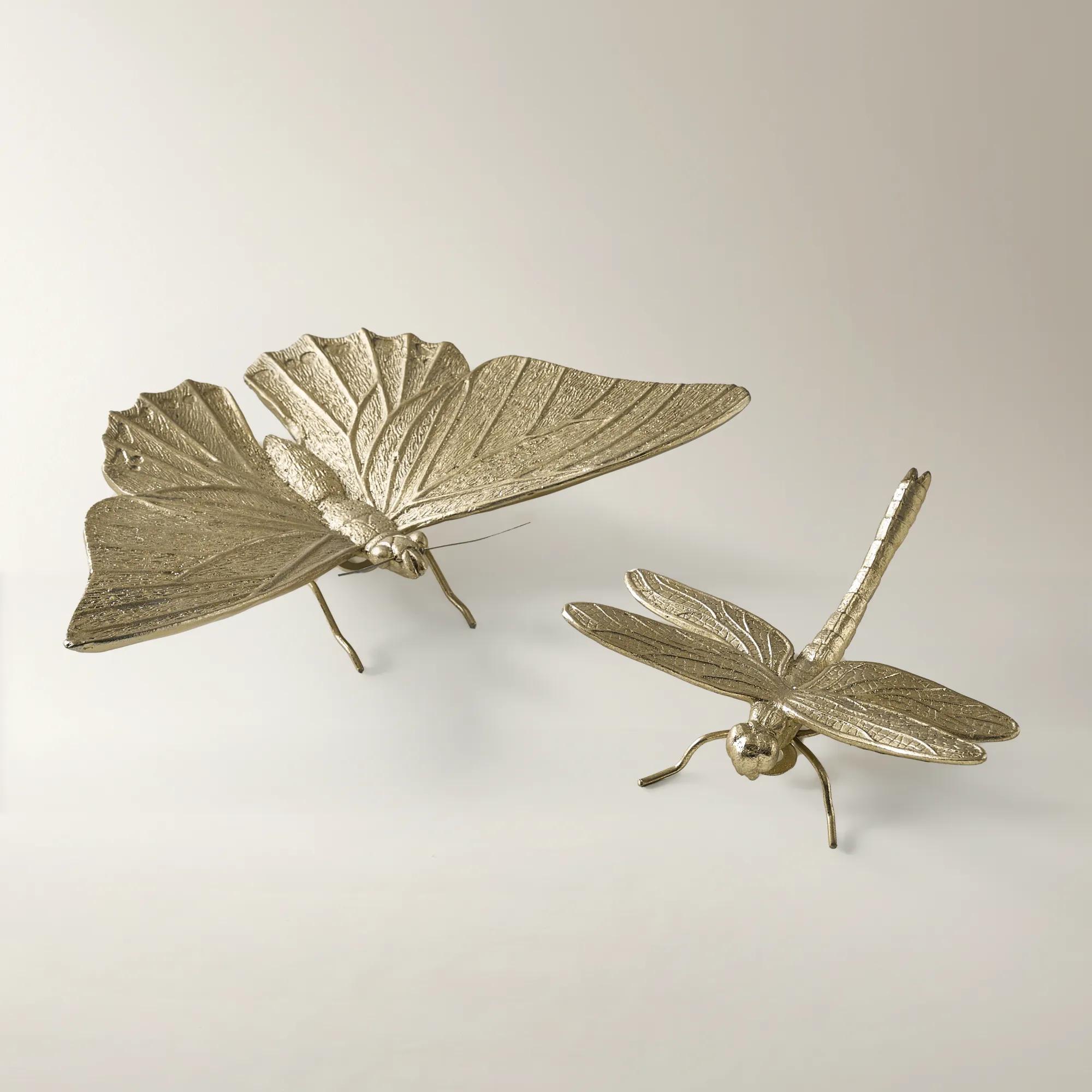 Gilt Champagne Resin Butterfly and Dragonfly Set of 2$99
A champagne-toned resin butterfly and dragonfly set adds sculptural shimmer to tabletops or walls.
Add To Cart -
 Handbag Silver Ceramic High Gloss Coin Bank Large$59
A glossy silver ceramic coin bank shaped like a designer handbag for a chic decorative accent.
Add To Cart

Decorative Sculptures Under $100
Explore decorative sculptures under $100 to bring an artful focal point to shelves, consoles, and tabletops. Compare scale and silhouette to find a sculptural accent that makes a statement on its own or adds dimension to a layered display, while keeping your budget in focus.
Decorative sculptures bring dimension, movement, and a distinct point of view to a room, turning an open shelf or tabletop into a deliberate design moment. Unlike framed artwork, a sculpture can be appreciated from several angles, revealing a different contour, reflection, or shadow as someone moves through the space. Abstract forms introduce rhythm through curves, angles, and unexpected openings, while figurative and nature-inspired silhouettes create a more recognizable focal point. The material shapes that impression as much as the subject. Ceramic can offer a smooth glazed surface or a softly textured finish; glass brings transparency, luminous color, and reflections that change with the light. Metal lends itself to crisp outlines and expressive shapes, with polished surfaces delivering gleam and brushed finishes creating a quieter luster. Resin and composite materials can accommodate intricate details and substantial-looking forms, although their weight and finish vary by construction. Stone contributes natural variation in veining and tone, making its surface part of the composition. These materials are not interchangeable in feel or performance: a delicate glass form creates a different presence from a dense stone accent, even when both occupy a similar footprint. Material descriptions, dimensions, and finish details help distinguish visual impact from physical weight. A metallic finish, for example, does not necessarily indicate solid metal, and a stone-look surface may be made from a composite rather than quarried stone. That distinction matters when selecting a piece for a narrow shelf, a frequently used tabletop, or a display that needs occasional rearranging. Color also changes the mood. A pale sculpture reads with clarity against dark cabinetry, while a deep-toned silhouette can give a light console striking definition. Reflective finishes catch nearby light and echo other metallic accents without requiring every finish in the room to match. The most compelling decorative objects contribute more than ornament: they establish contrast, express an artistic sensibility, and give familiar furniture a fresh sense of purpose. Their presence can be dramatic without overwhelming the surrounding furnishings.
Scale determines whether a decorative sculpture feels intentional or lost within its setting. Height alone tells only part of the story; width, depth, base size, and the space around a silhouette all influence its presence. A tall, slender form can introduce movement beside low accessories, while a broad, grounded shape can give a generous tabletop a stronger visual anchor. For compact consoles, bookcases, and bedside surfaces, Small Decorative Sculptures offer opportunities to introduce expressive detail without claiming the entire display area. A smaller footprint is especially useful in apartments, shared living spaces, or rooms where a surface must remain functional as well as beautiful. On an entry console, a sculpture can establish an artful welcome while leaving room for everyday essentials. Within a bookcase, an open form creates breathing room between rows of books; against a solid backing, its outline becomes particularly distinct. On a coffee table, a lower profile preserves conversation across the seating area and keeps the arrangement from competing with the room beyond it. Sculptures with interesting surfaces on every side are especially suited to tables viewed from multiple directions. Display depth deserves equal attention: a piece should sit fully supported, with its base comfortably inside the shelf or tabletop rather than balanced at an edge. Nearby doors, drawers, and walking paths need clearance, and frequently used surfaces benefit from stable forms that are easy to move safely. In homes with children or curious pets, weight, balance, and placement are practical considerations, particularly for fragile materials or narrow bases. A restrained grouping often gives a sculptural accent greater authority than a crowded arrangement. Pairing a gleaming surface with textured books or a matte vessel creates contrast, while repeating a curve or color elsewhere in the room makes the composition feel connected. Empty space is part of the effect, allowing a distinctive outline to remain legible. A sculpture need not dominate a room to give it character; a carefully proportioned accent can draw attention through its silhouette, texture, and relationship to the objects around it.
Decorative sculptures are generally intended for display rather than frequent handling, and their longevity depends on both construction and care. Hard materials can still chip, scratch, or break, especially at slender extensions, sharp corners, or points where separate elements connect. A substantial appearance does not guarantee impact resistance, just as a delicate outline does not reveal how much a piece weighs. Product care instructions should guide cleaning and placement, particularly for painted, plated, glazed, or mixed-material surfaces. Gentle dusting with a clean, soft cloth is often appropriate, but abrasive pads, strong cleaners, and unnecessary moisture can damage some finishes. Intricate recesses may benefit from a soft brush when the care directions permit it. Lifting a sculpture from its supported base or main body, rather than pulling on a projecting detail, helps protect vulnerable areas. A smooth, stable display surface reduces wobbling, and suitable protective pads can help prevent contact marks on furniture when compatible with both surfaces. Unless a piece is specifically described as suitable for outdoor use, indoor placement is the safer choice; decorative finishes and adhesives may not tolerate exposure to moisture or direct sunlight. Bathrooms and areas beside sinks also call for attention to material suitability. These practical details preserve the artistry that makes a sculpture worth displaying. Decorative objects also make thoughtful gifts for housewarmings, weddings, anniversaries, and hosts who enjoy expressive interiors. A recipient’s existing palette, available display space, and preference for abstract or recognizable forms provide more useful direction than choosing solely for visual impact. Smaller proportions can be easier to accommodate when the layout of a home is unfamiliar, while a distinctive texture can feel personal without imposing an entirely new decorating style. For someone building a first collection of decorative accents, a sculptural object offers an approachable way to bring three-dimensional art into everyday surroundings. For an experienced collector, it can add a contrasting finish or an unexpected contour. In either setting, the right piece feels considered: an object chosen for the way it catches the eye, rewards a closer look, and gives a room its own unmistakable expression.
FAQs
Give a decorative sculpture a starring role, then layer in art books or a distinctive vase to create an expressive vignette. Leave space between accents so each silhouette feels intentional, and repeat a color or finish to bring the arrangement together.
Abstract forms, fluid curves, and dramatic geometric shapes bring an artistic edge to glamorous interiors. For a richly layered look, contrast a crisp sculptural silhouette with sumptuous textiles and light-catching accents.
Look for a shared visual thread, such as a sweeping curve, recurring color, or angular motif. An abstract sculpture can echo the movement in a painting, while a figurative piece can introduce an intriguing contrast to graphic artwork.
An entryway console becomes a personal gallery with a sculptural accent, while a bedroom dresser gains an expressive finishing touch. In a home office or dining room, a thoughtfully placed sculpture adds an artful focal point that carries your style throughout the home.
Start with the forms that captivate you: fluid and organic, architectural and precise, or figurative and full of character. Choose a piece that speaks to that instinct, then connect it to your room through color, shape, or mood for a look that feels distinctly yours.