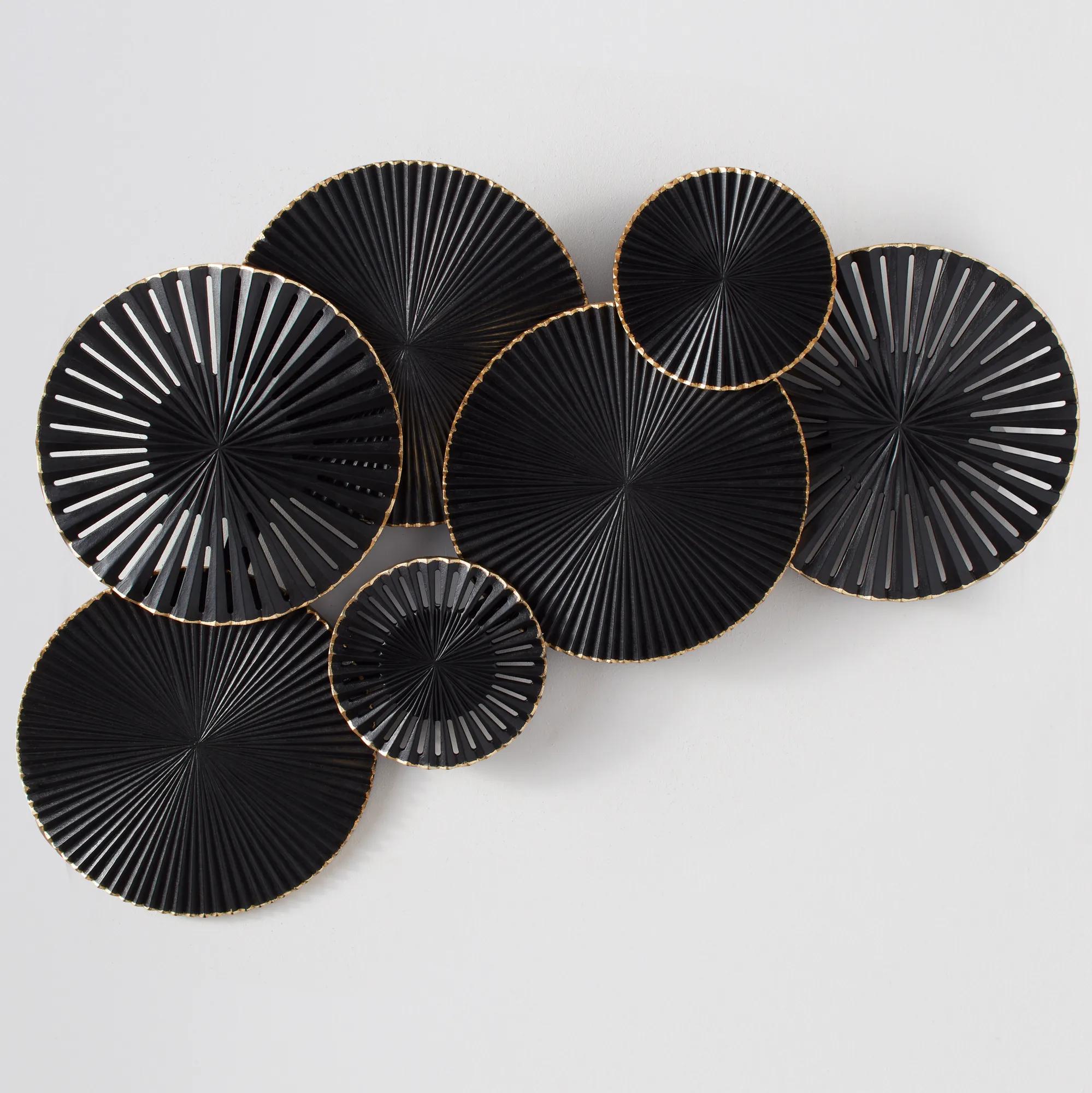
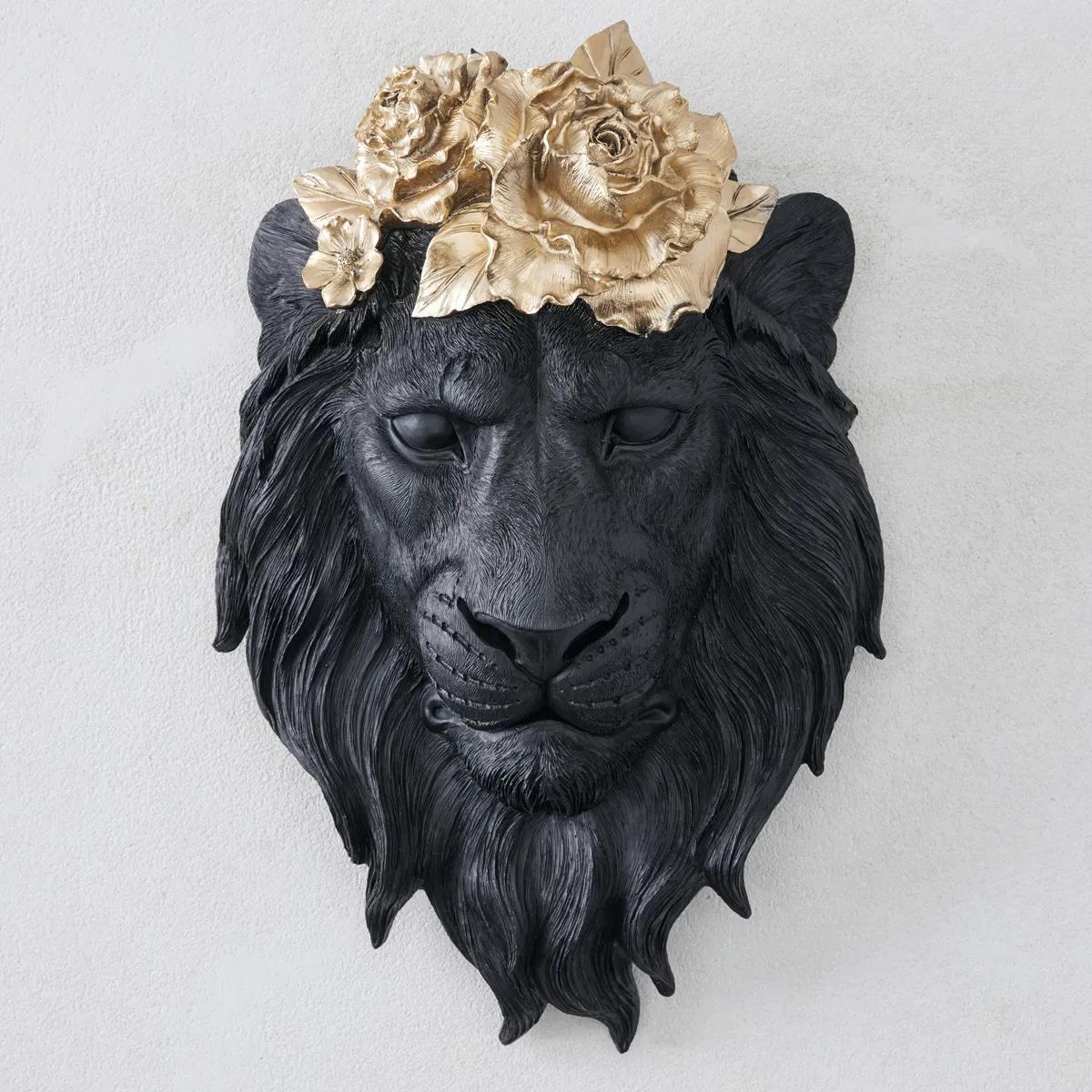
Modern Art Sculptures
Modern Art Sculptures
-
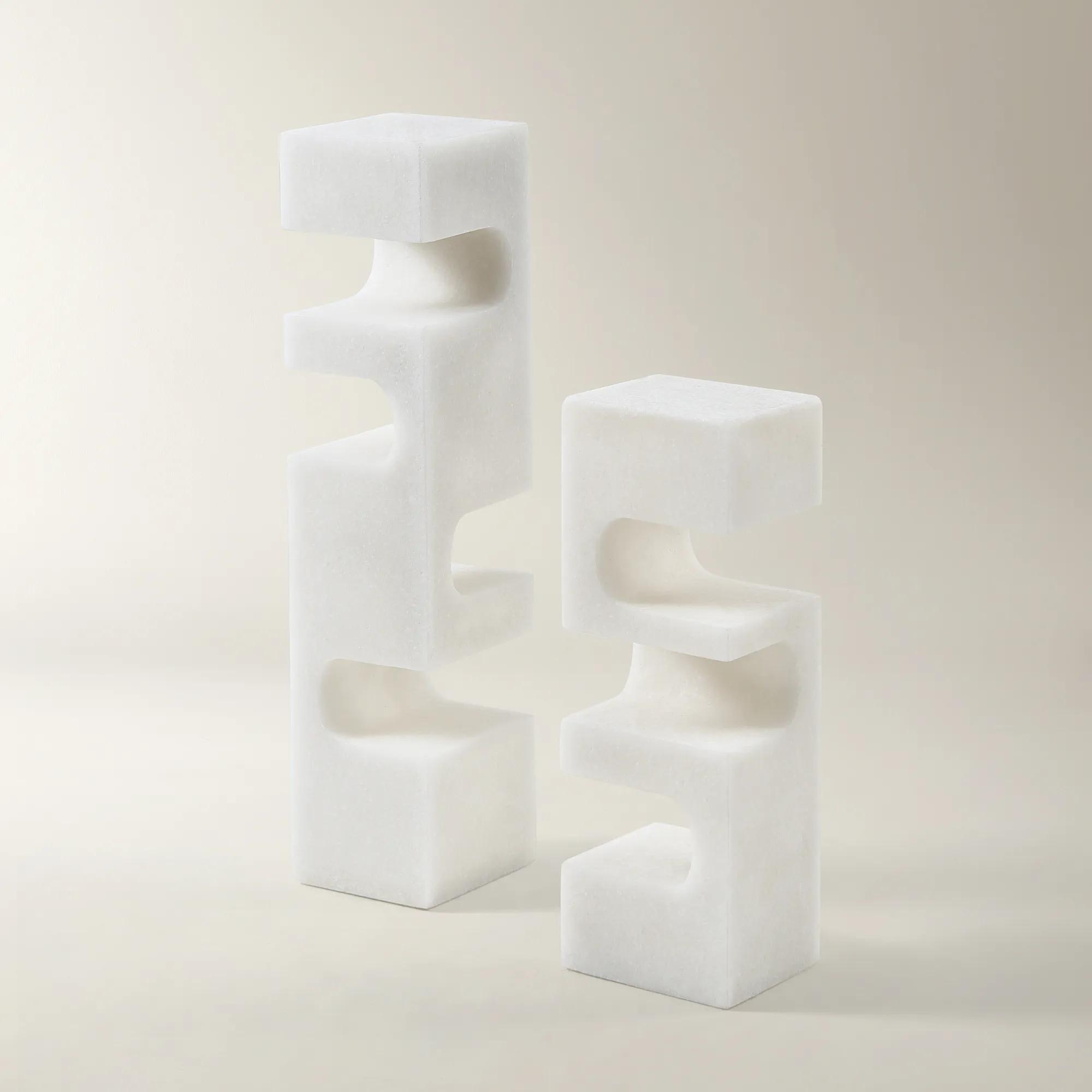
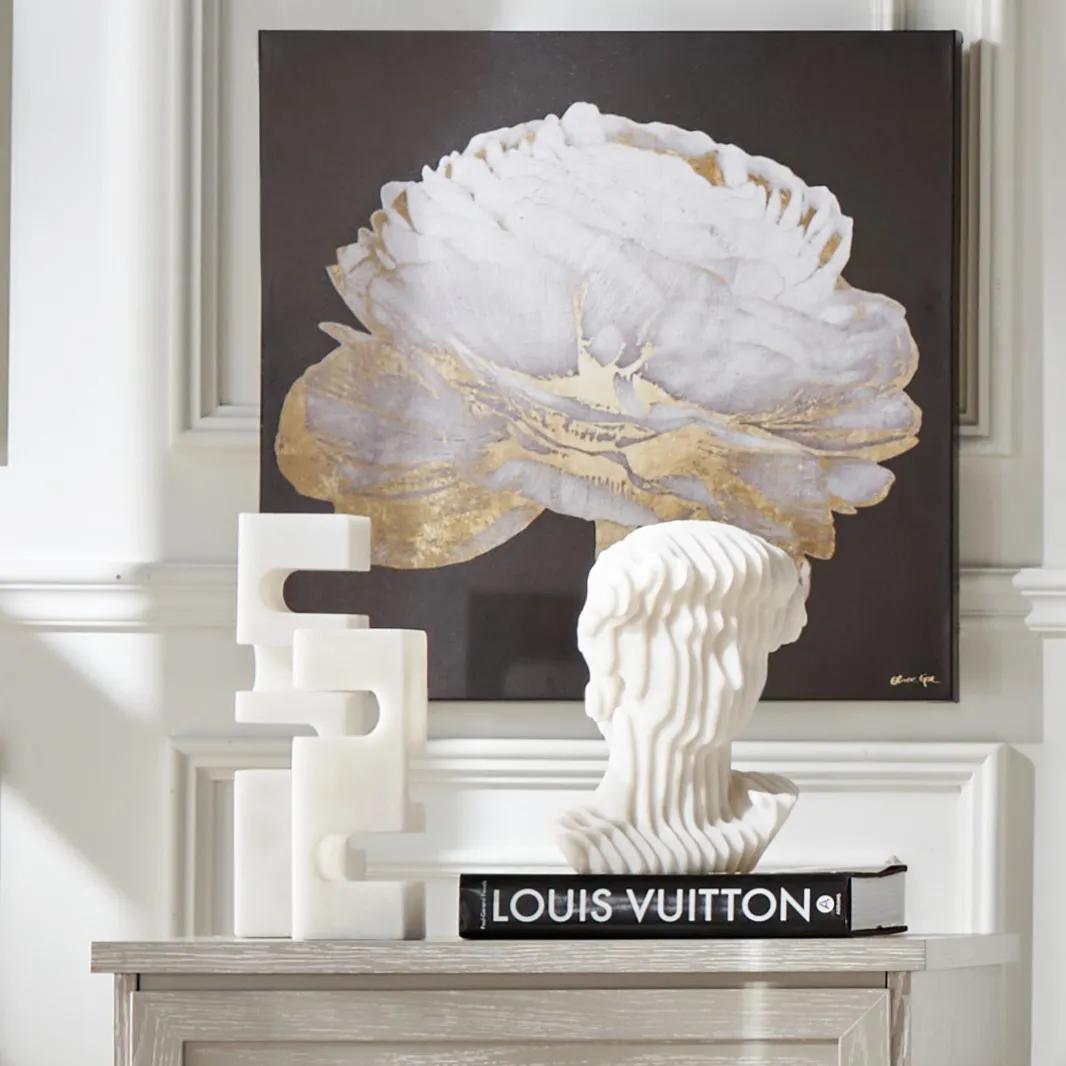 Enna Sculpture$39
A modern Cubist-inspired sculpture crafted from resin and stone powder with a textured white finish.
Add To Cart -
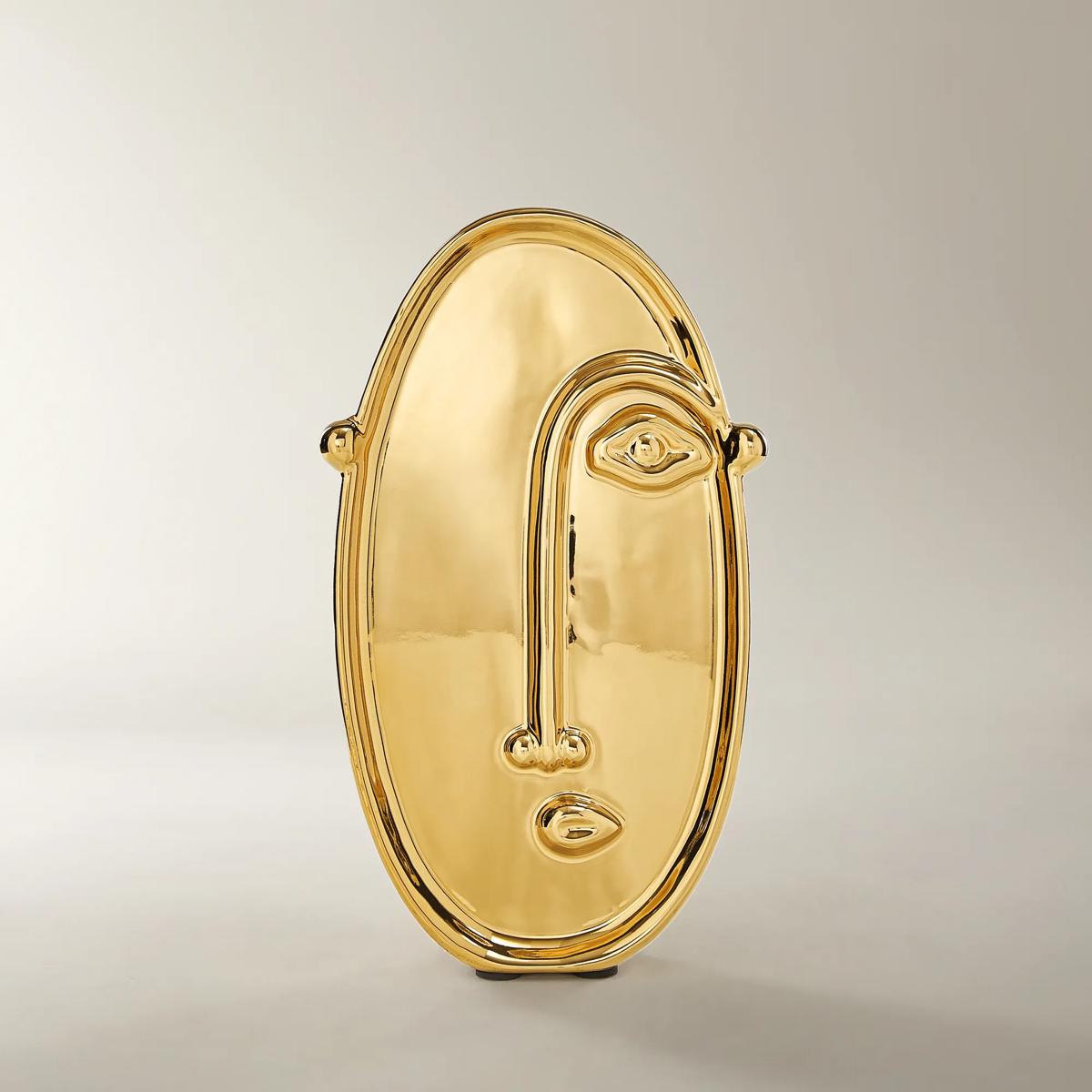
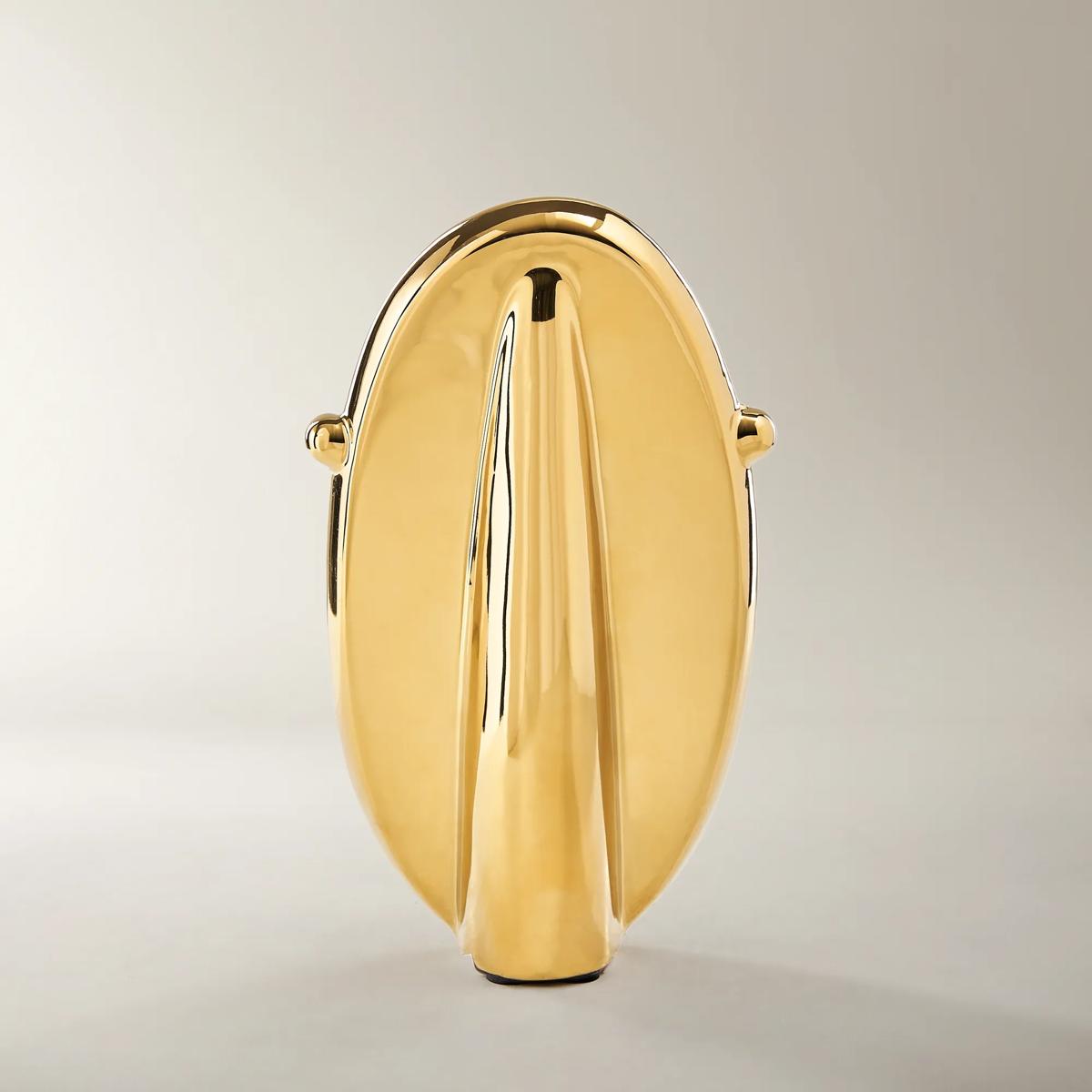 Golden Eye Ceramic Decorative Object 8"$39
A radiant gold ceramic sculpture featuring abstract, elongated facial details for a bold, modern accent.
Add To Cart -
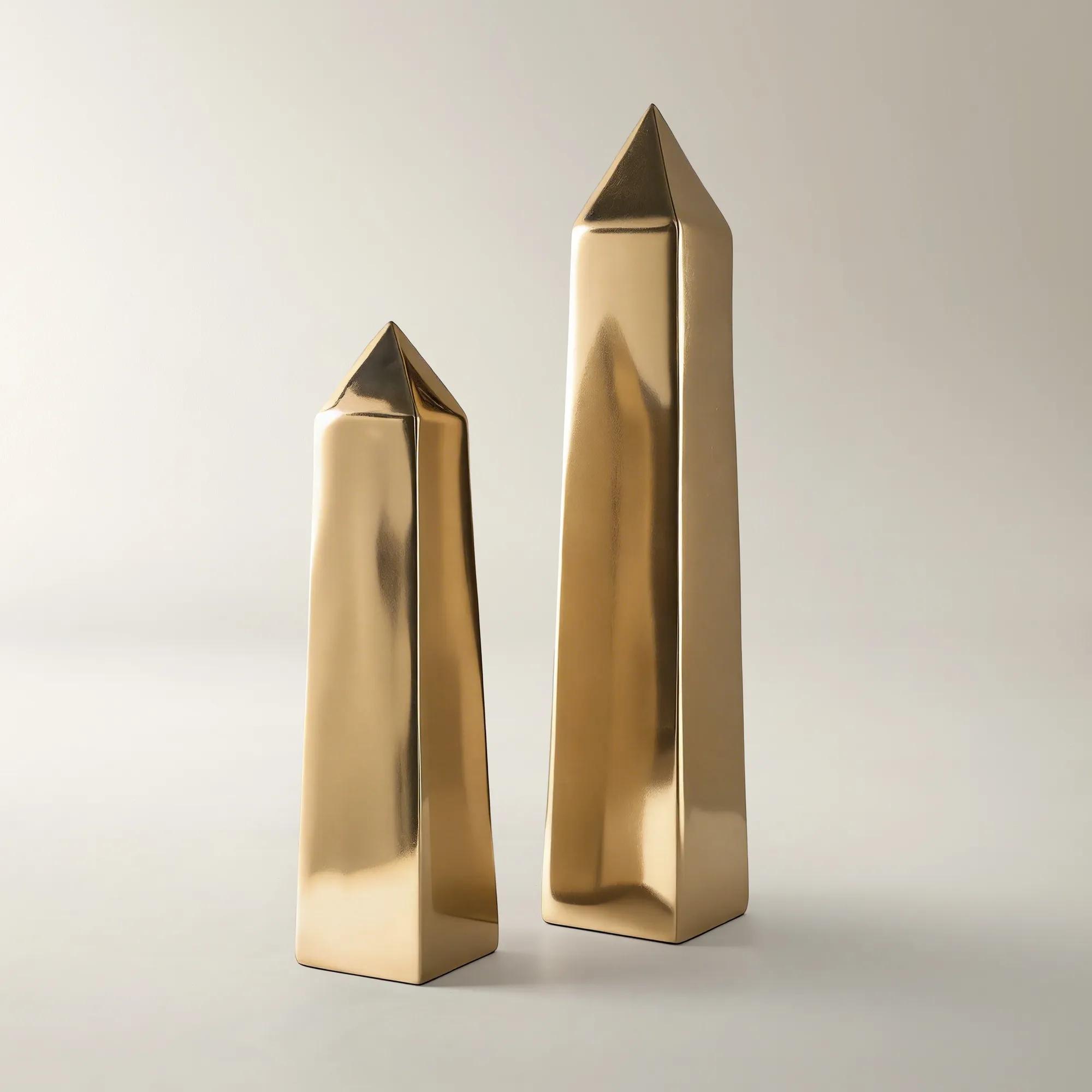
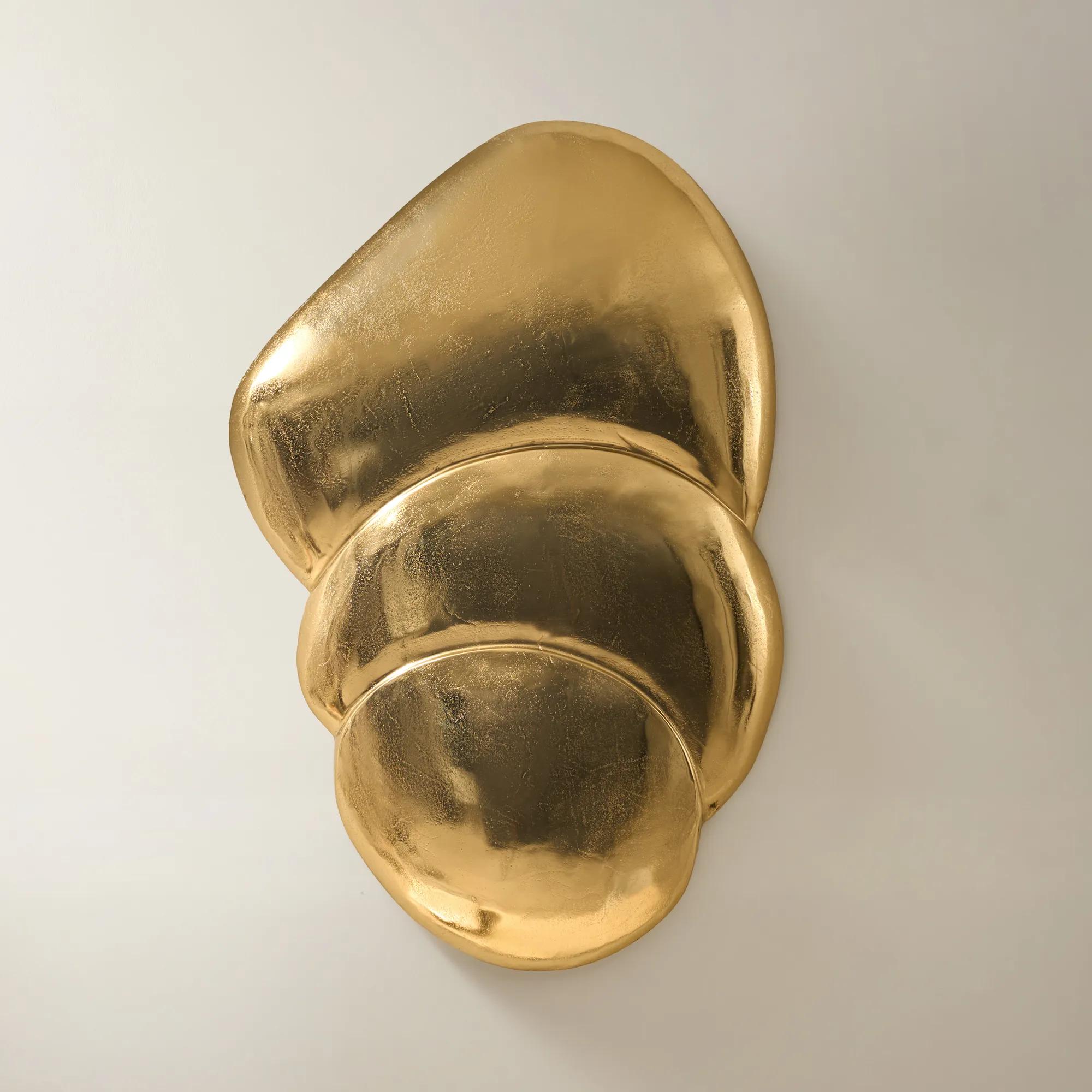
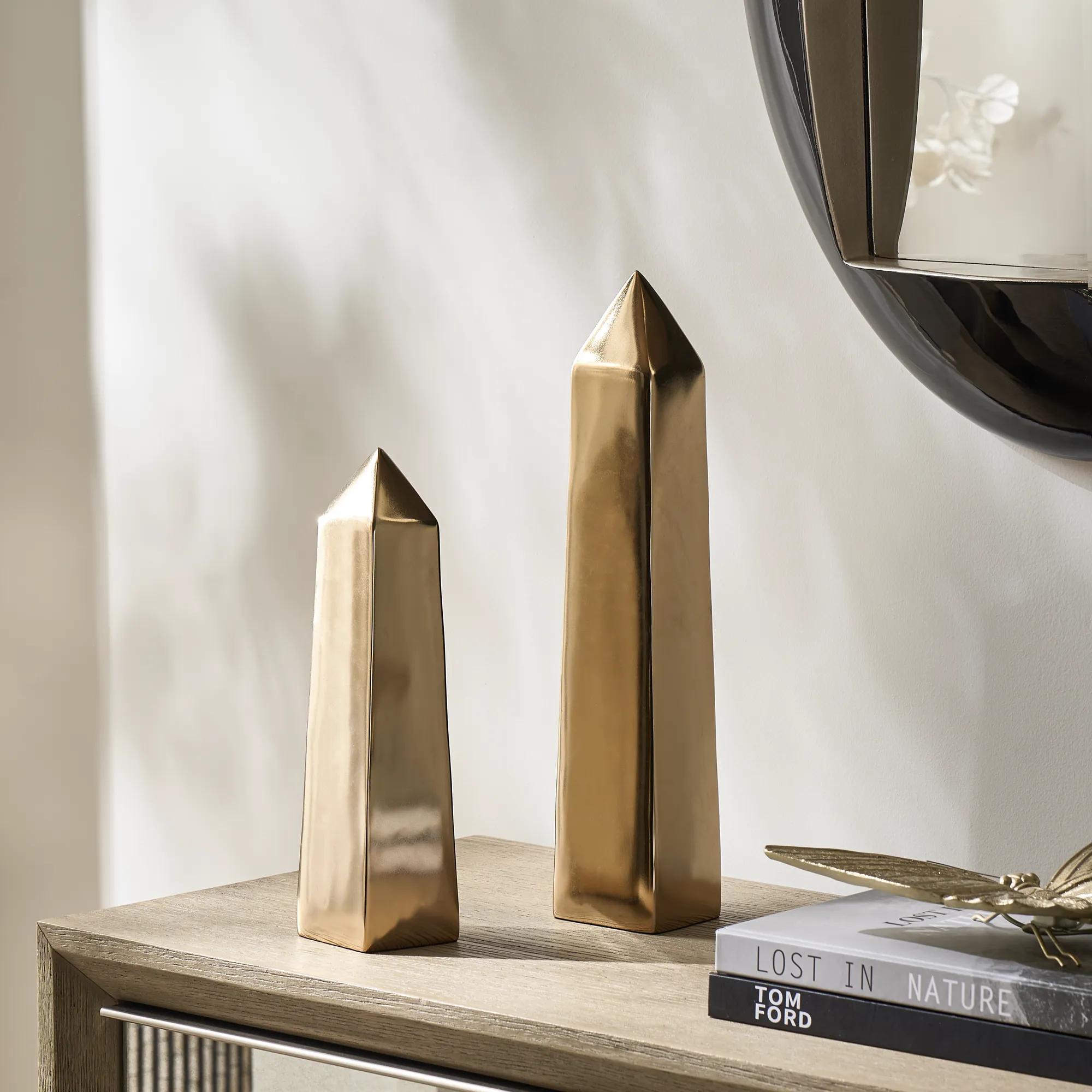 Golden Aluminum Obelisks$59
A sculptural aluminum accent in a soft gold finish that adds modern glamour and architectural drama.
Add To Cart -
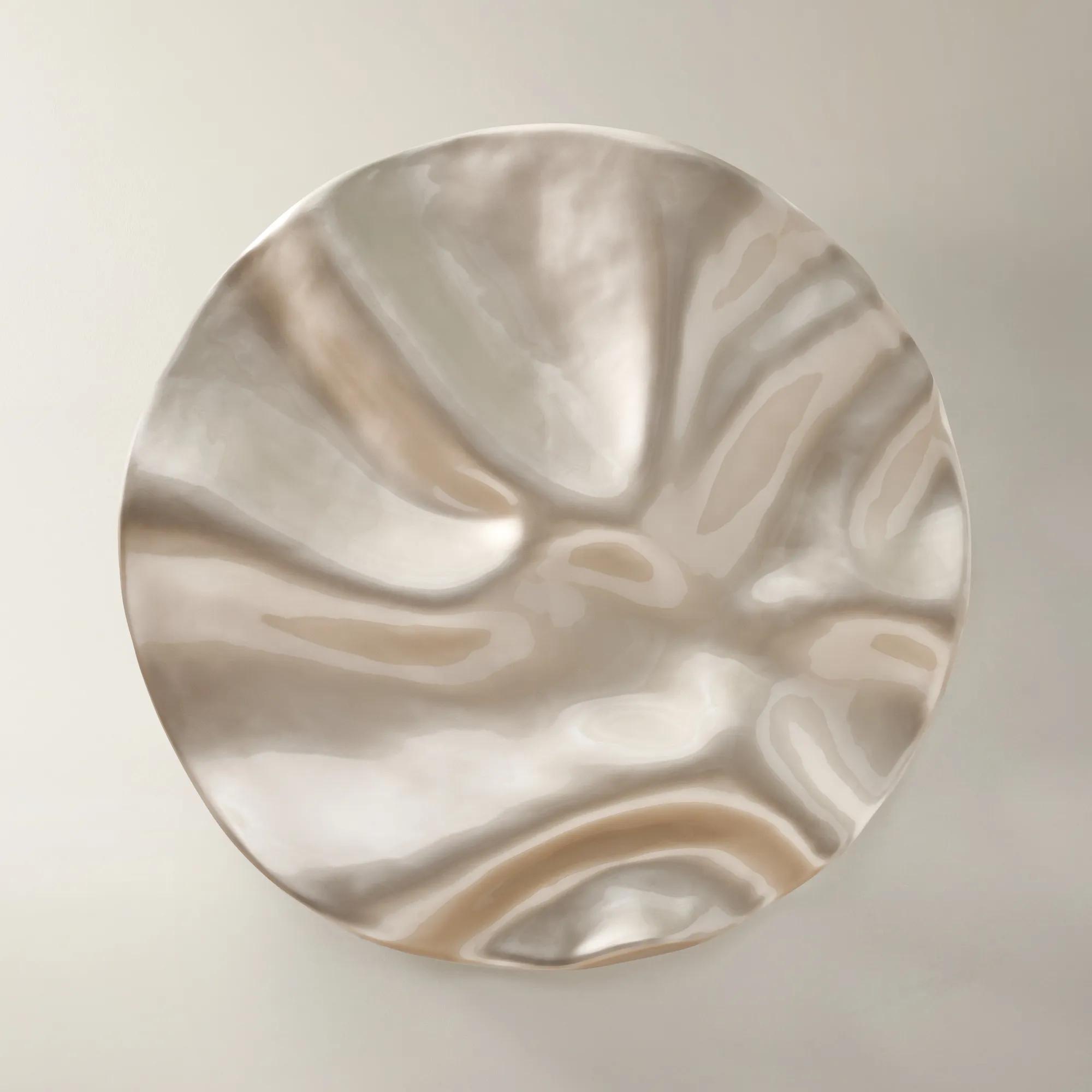
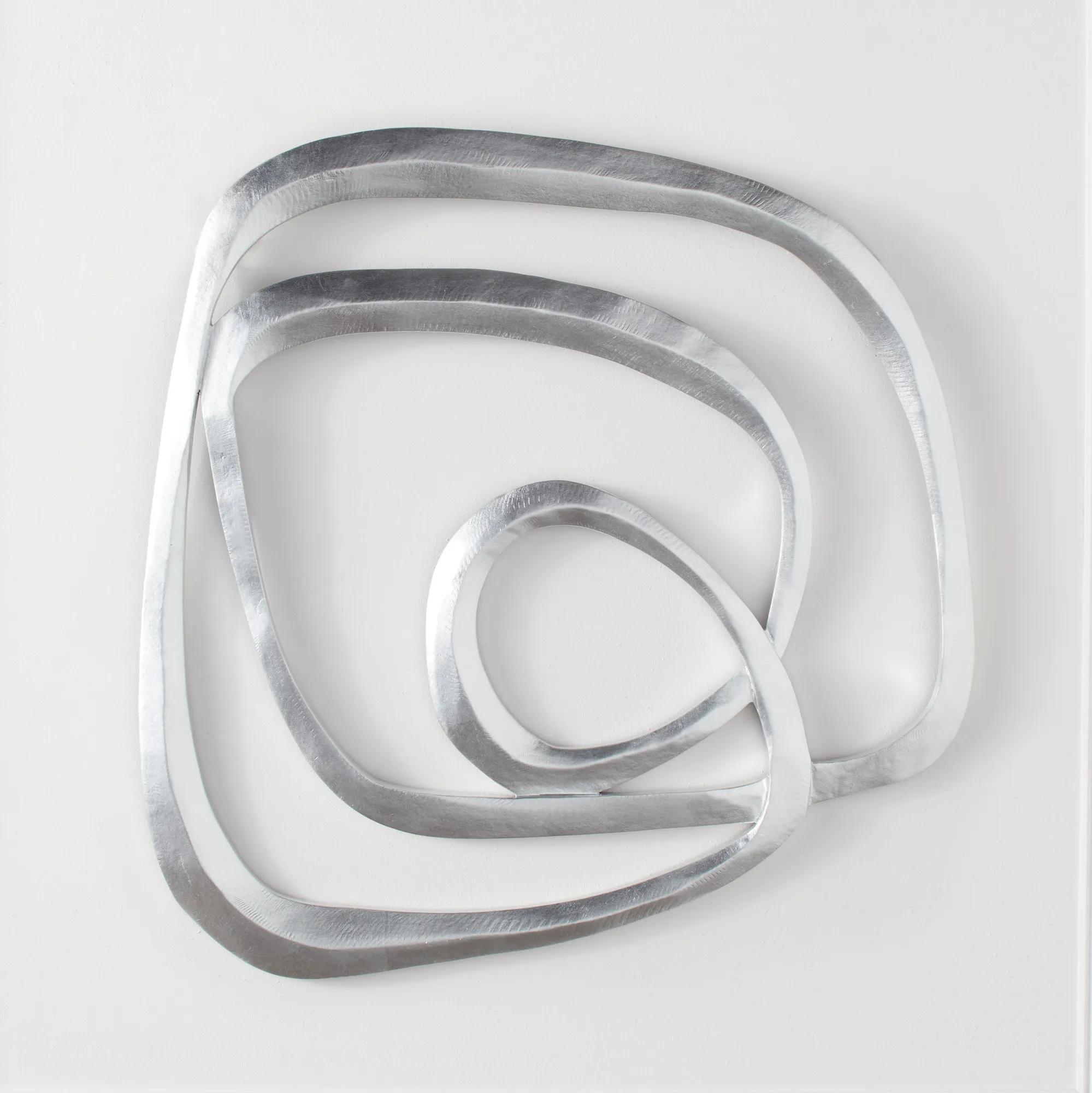 Infinity Silver Leaf Wood Wall Decor I 31.5" x 31.5"$299
A swirling wooden wall sculpture featuring a striking metallic silver finish for modern visual impact.
Add To Cart -
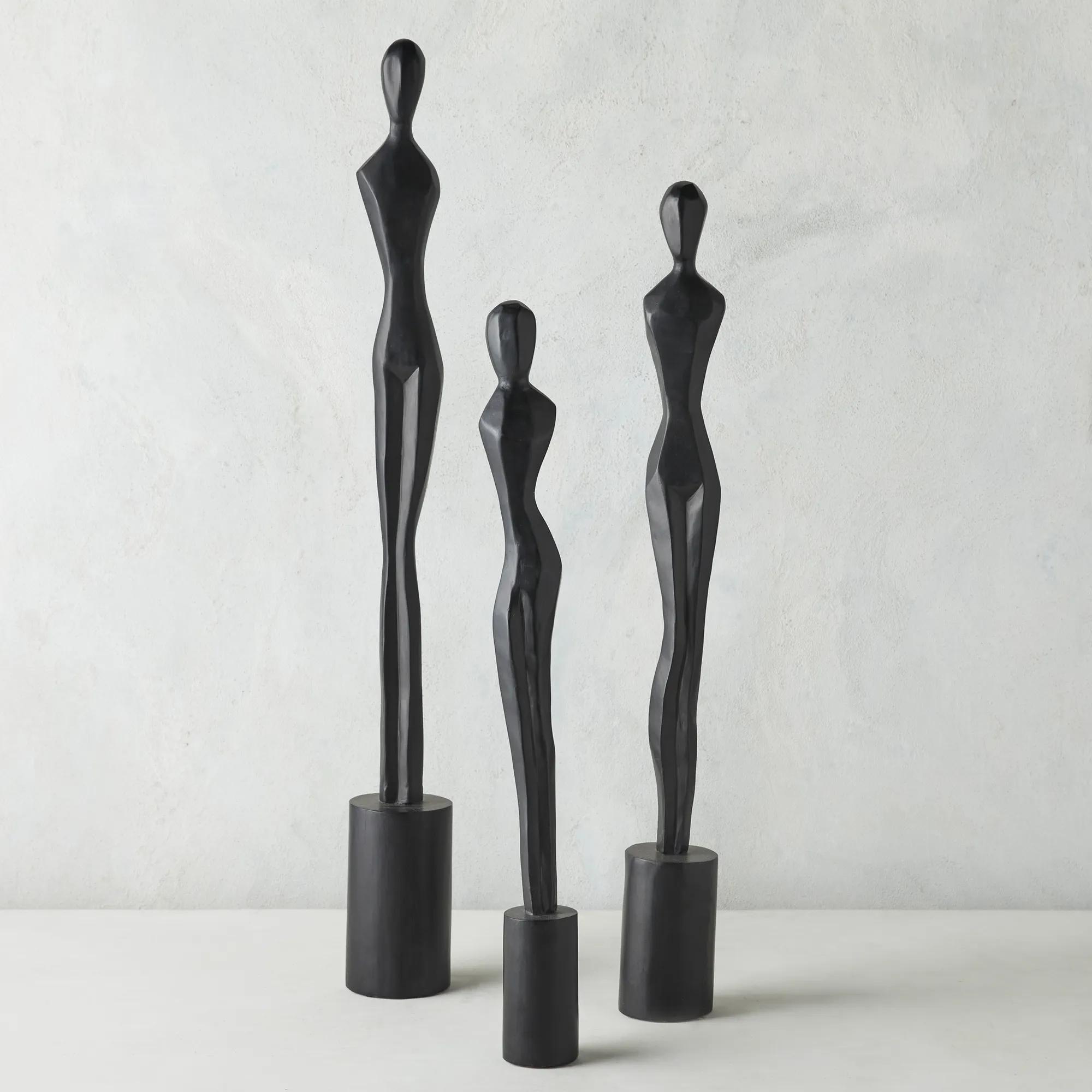
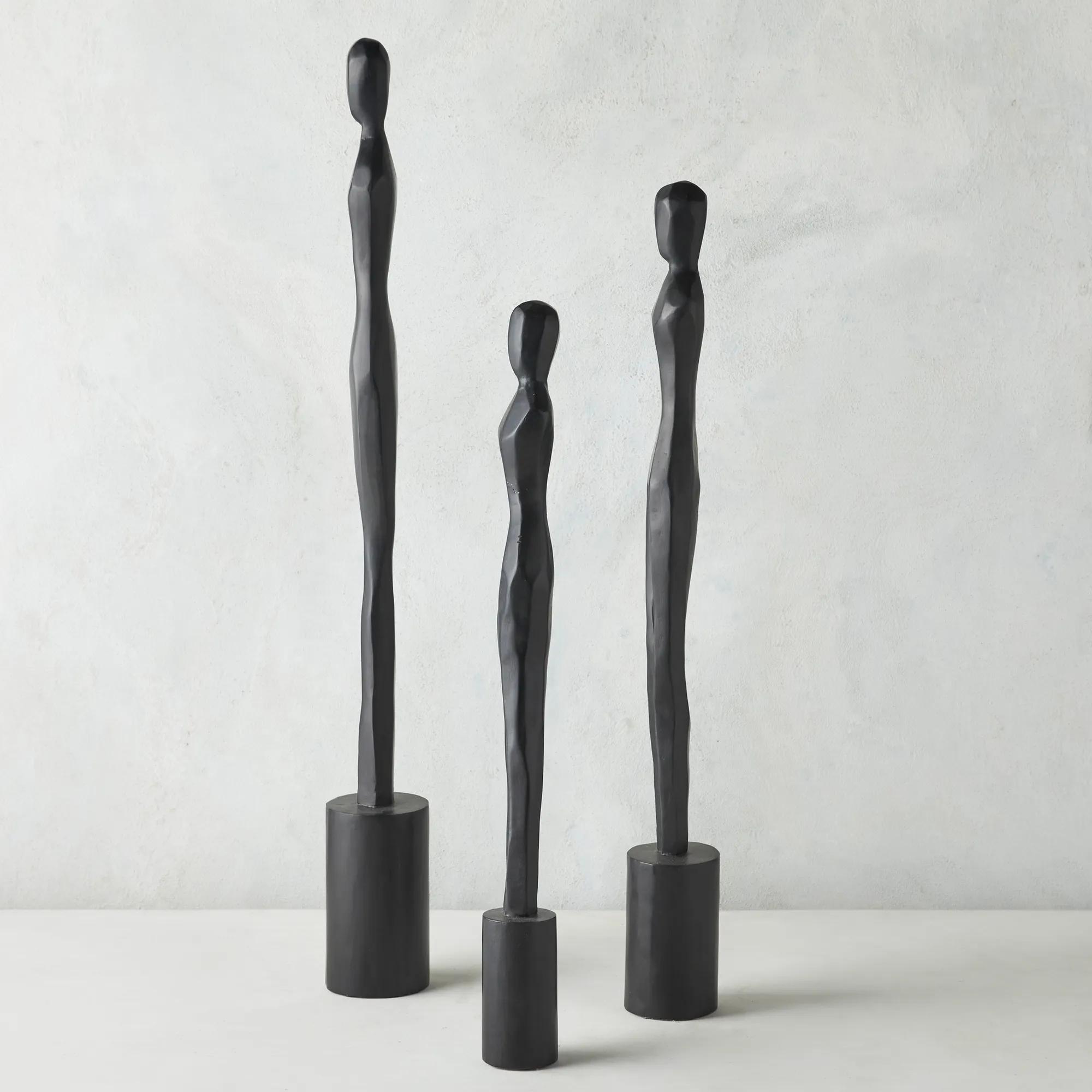 Nikki Chu Female Figure Black Wood Decorative Object Set of 3$129
A striking set of three black mango wood sculptures featuring graceful, elegant female silhouettes.
Add To Cart -
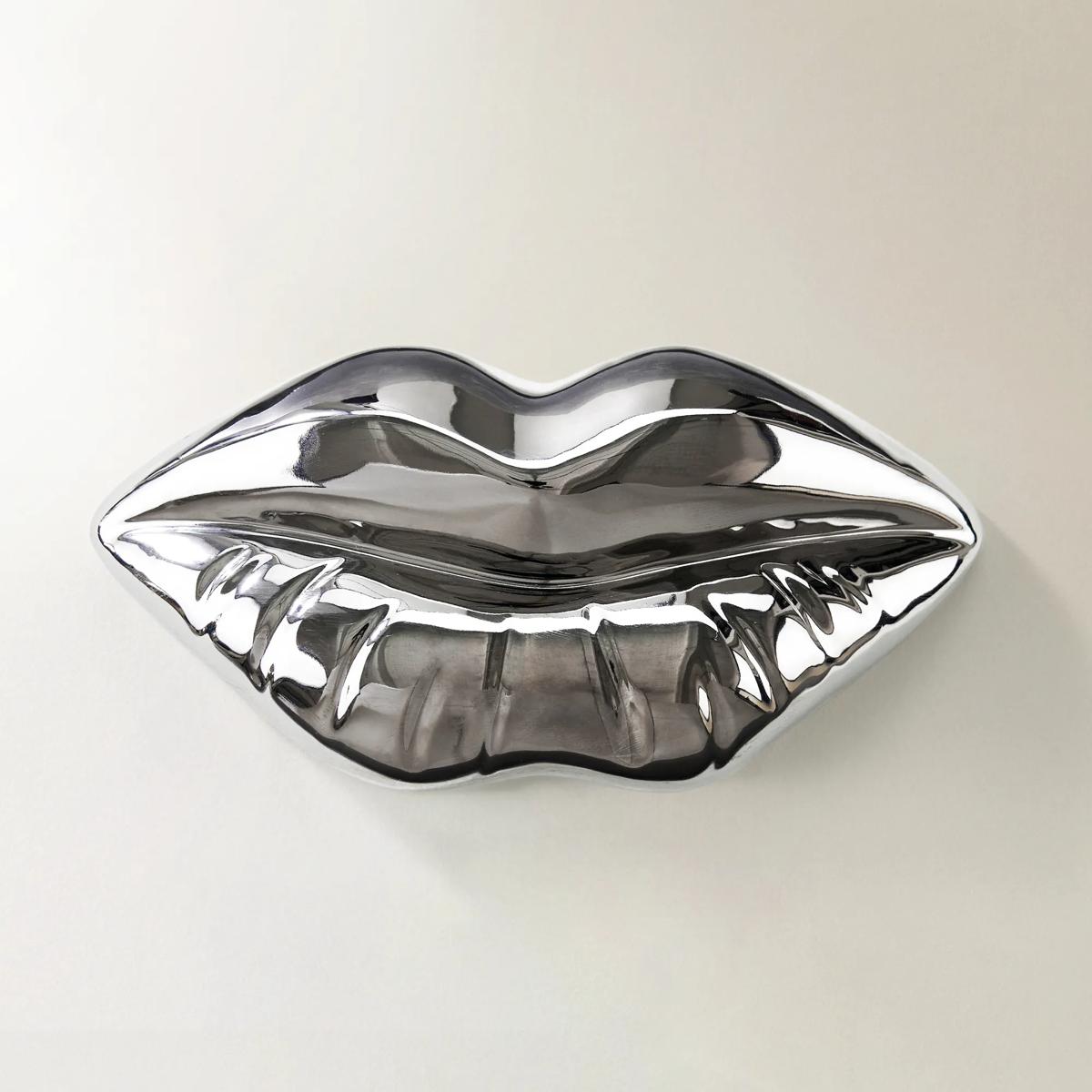 Chrome Lips Ceramic Decorative Object 5.25"$29
A high-shine silver ceramic sculpture that adds modern pop art flair and playful sophistication to any space.
Add To Cart -
 Cubism Black Resin Floor Totem 65"$329
A sculptural black resin totem with stacked geometric forms and brushed gold accents creates drama.
Add To Cart -
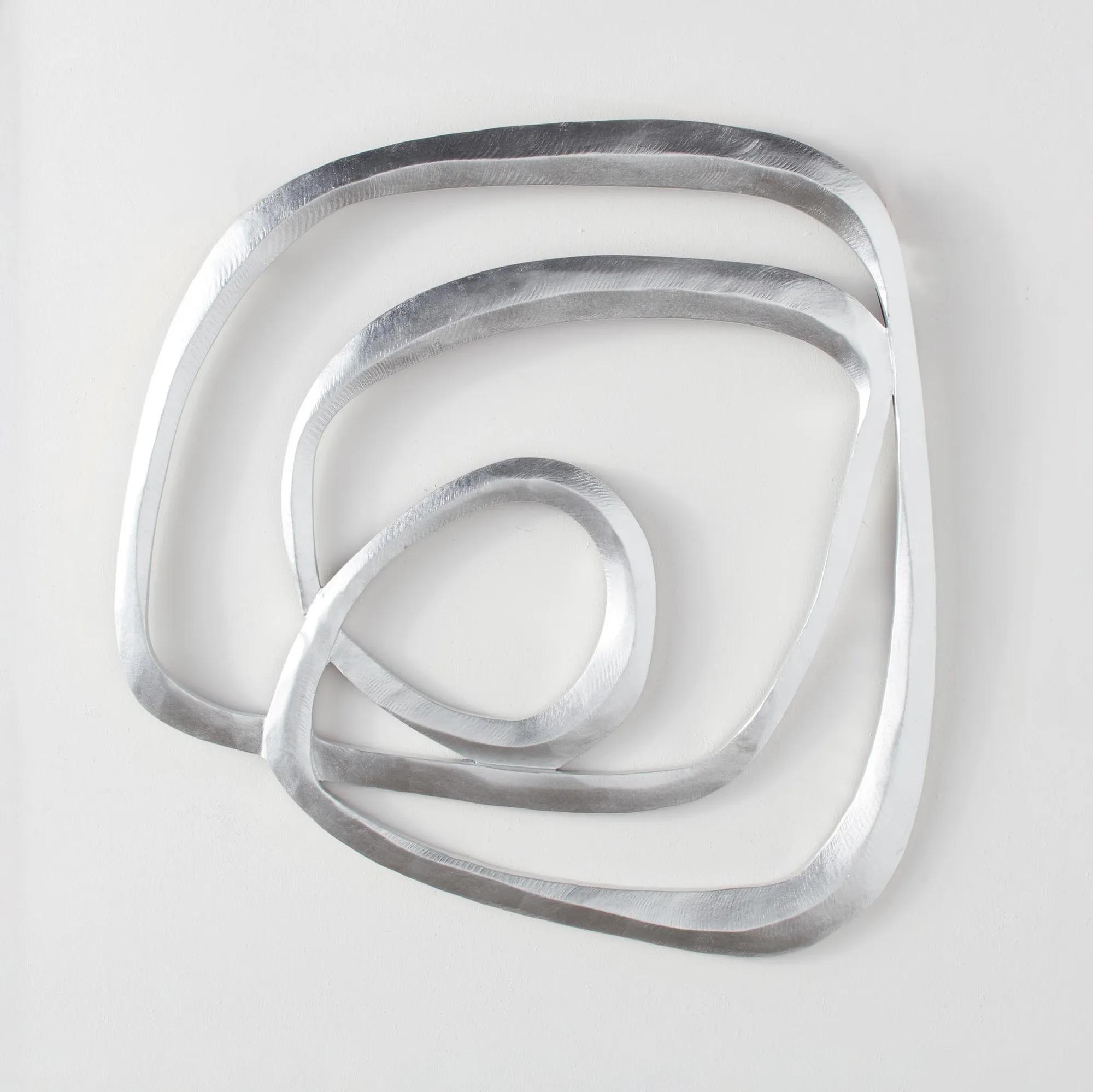 Infinity Silver Leaf Wood Wall Decor II 31.5" x 31.5"$299
A swirling wooden wall sculpture featuring a striking metallic silver finish for modern visual impact.
Add To Cart -
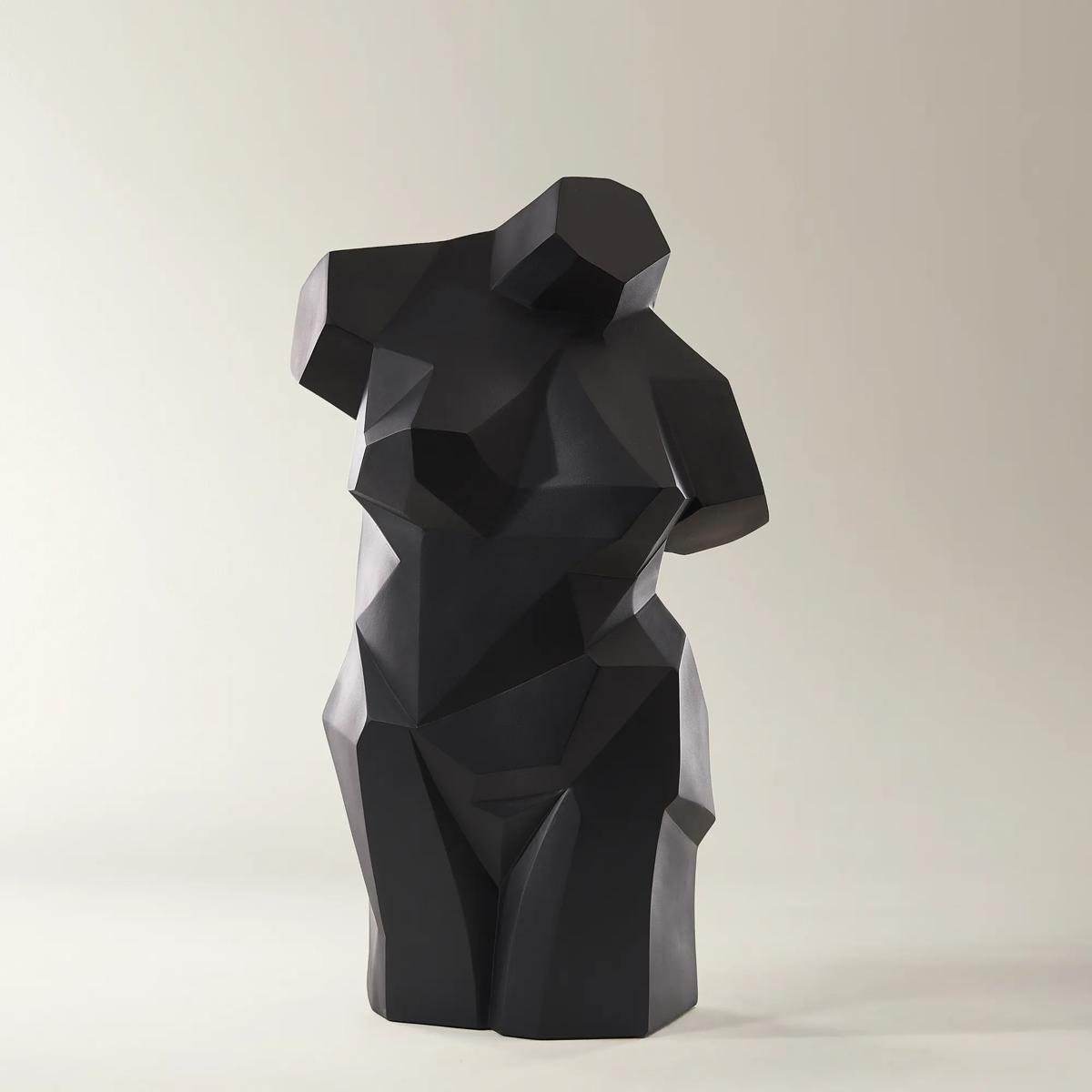
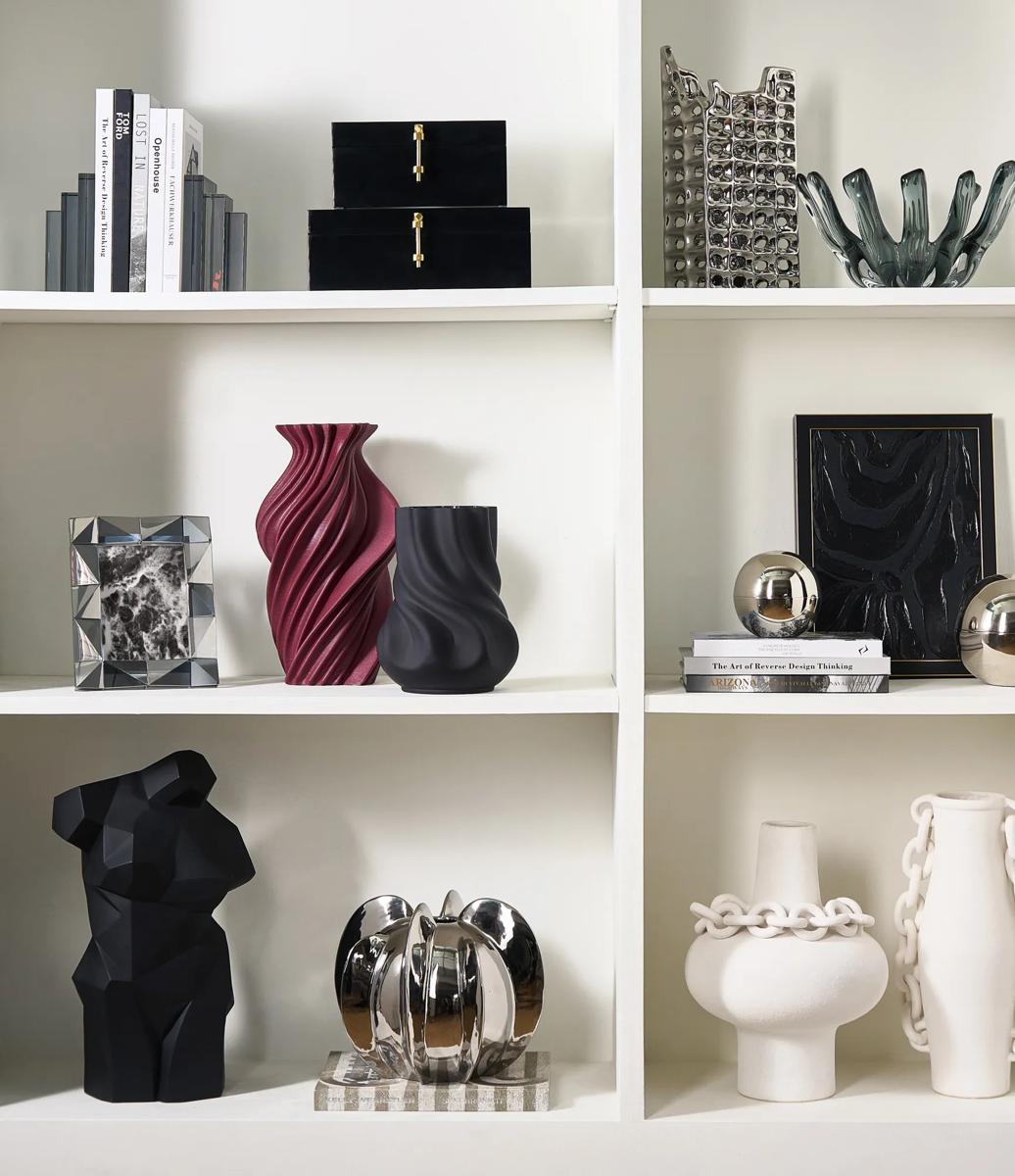 Pose Black Resin Decorative Object 19.75"$99
A sculptural matte black resin accent featuring a faceted geometric design and modern artistic appeal.
Add To Cart -
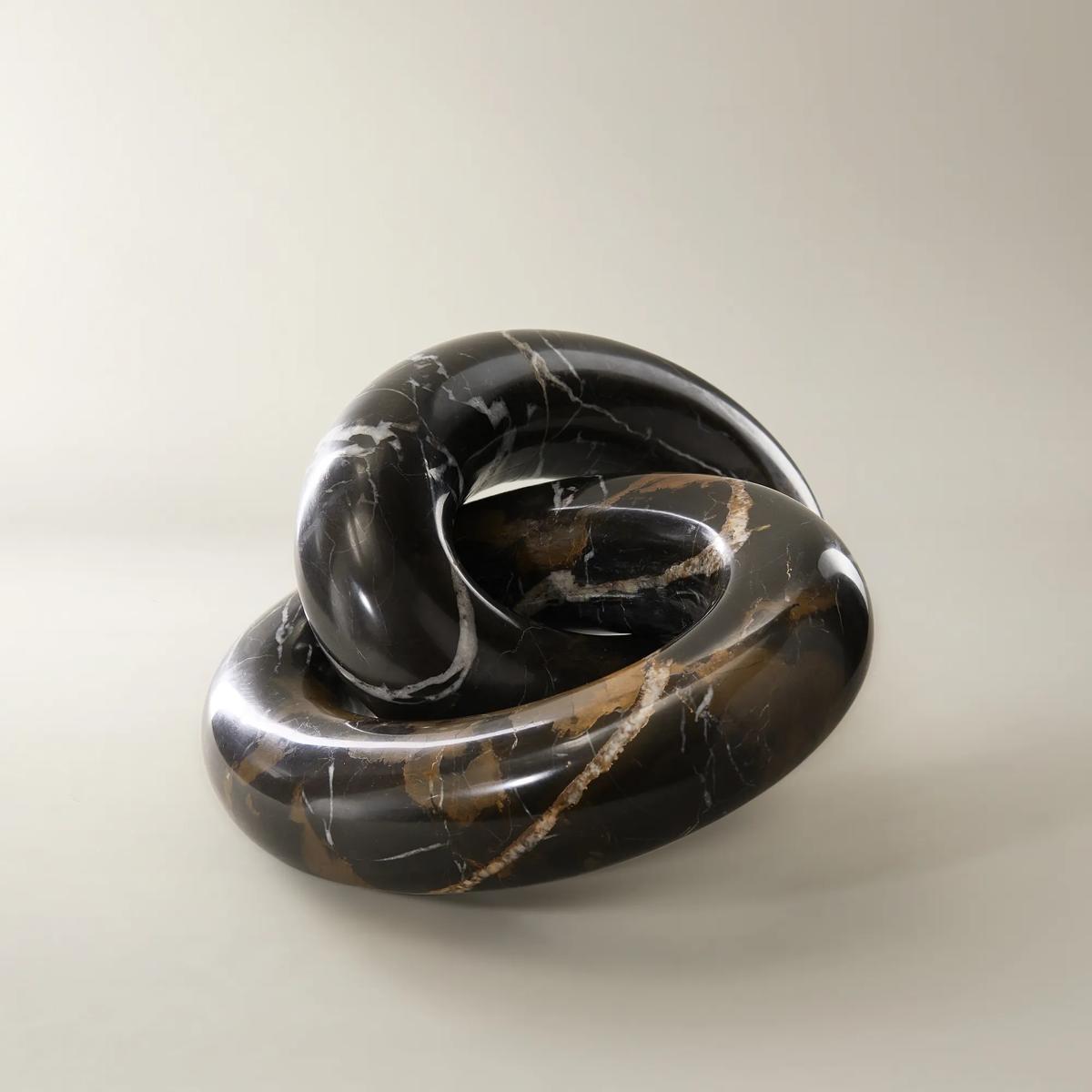 Marble Links Object - Brown$179
A sculptural accent featuring interlocking ovals carved from richly veined, one-of-a-kind brown marble.
Add To Cart -
 Modern David Bust White Resin Decorative Object 12"$99
A white resin and stone powder bust featuring a Cubist-inspired, contemporary take on a classic icon.
Add To Cart -

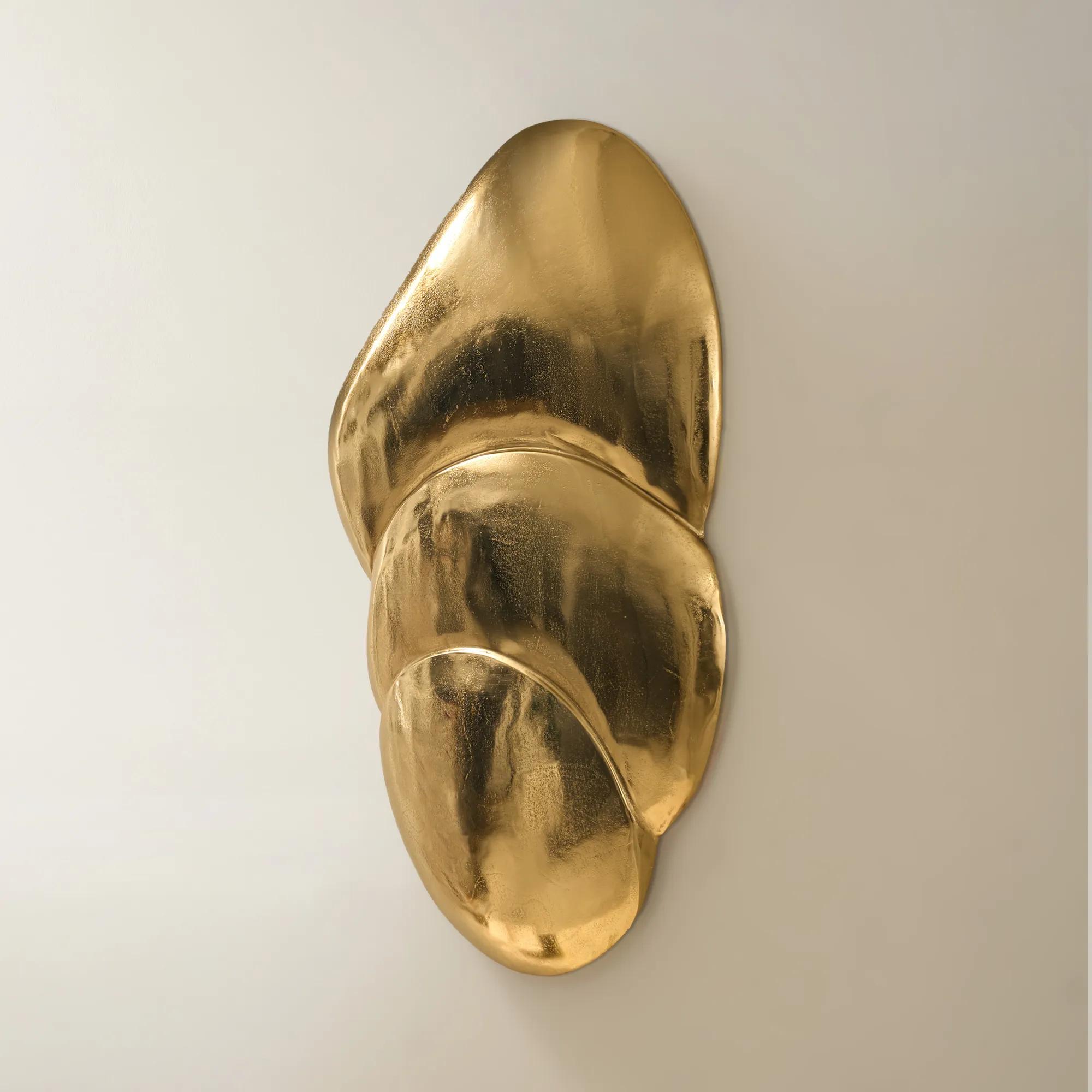 Echo Gold Handcrafted Aluminum Wall Decor 19" x 30"$169
A handcrafted gold aluminum wall sculpture with crisp definition and a polished, gallery-ready framed presentation.
Add To Cart -
 Grand Lips Gold Poly Resin Wall Decor 27.5" x 12.5"$99
A playful resin sculpture in radiant gold, perfect for adding bold artistic flair to any space.
Add To Cart -
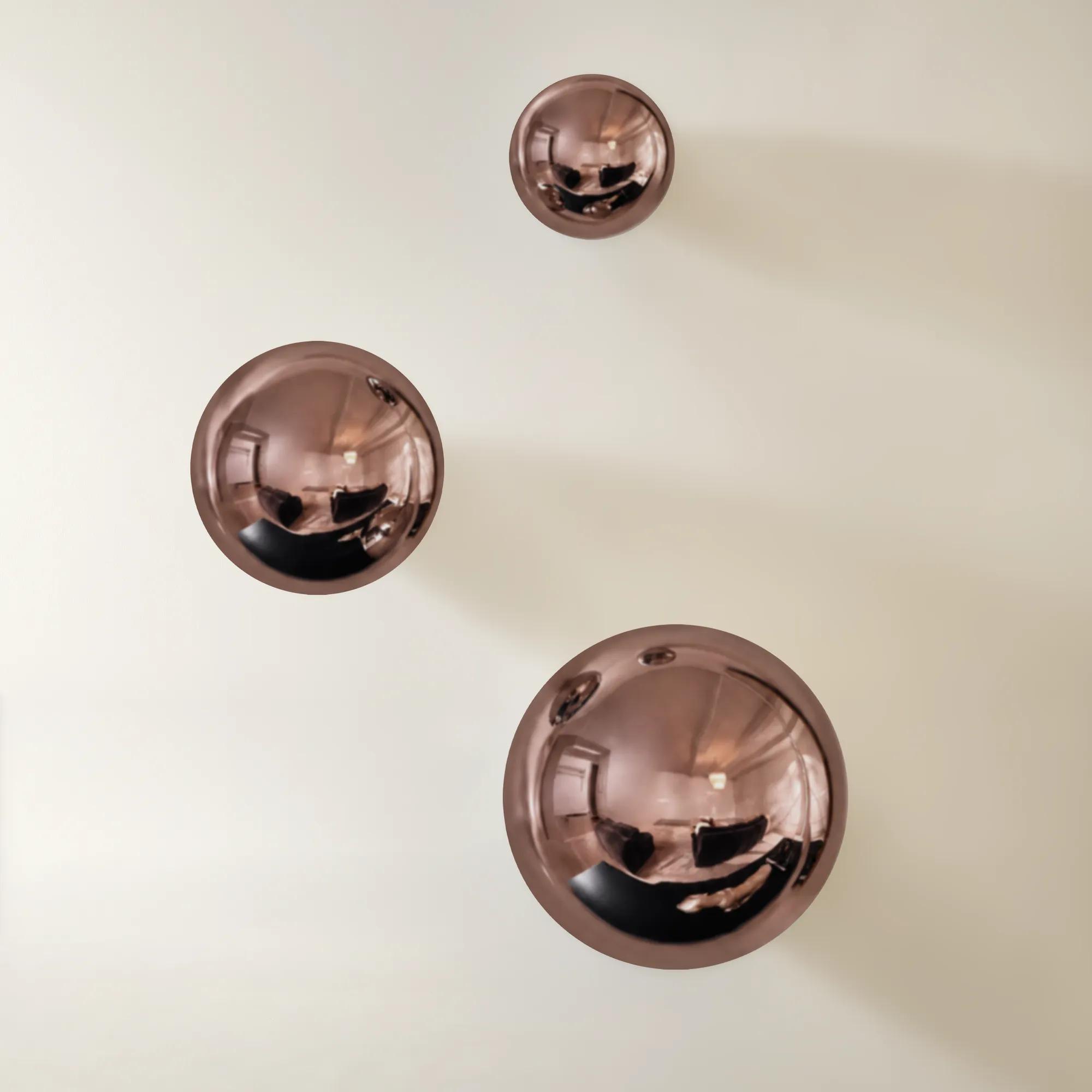
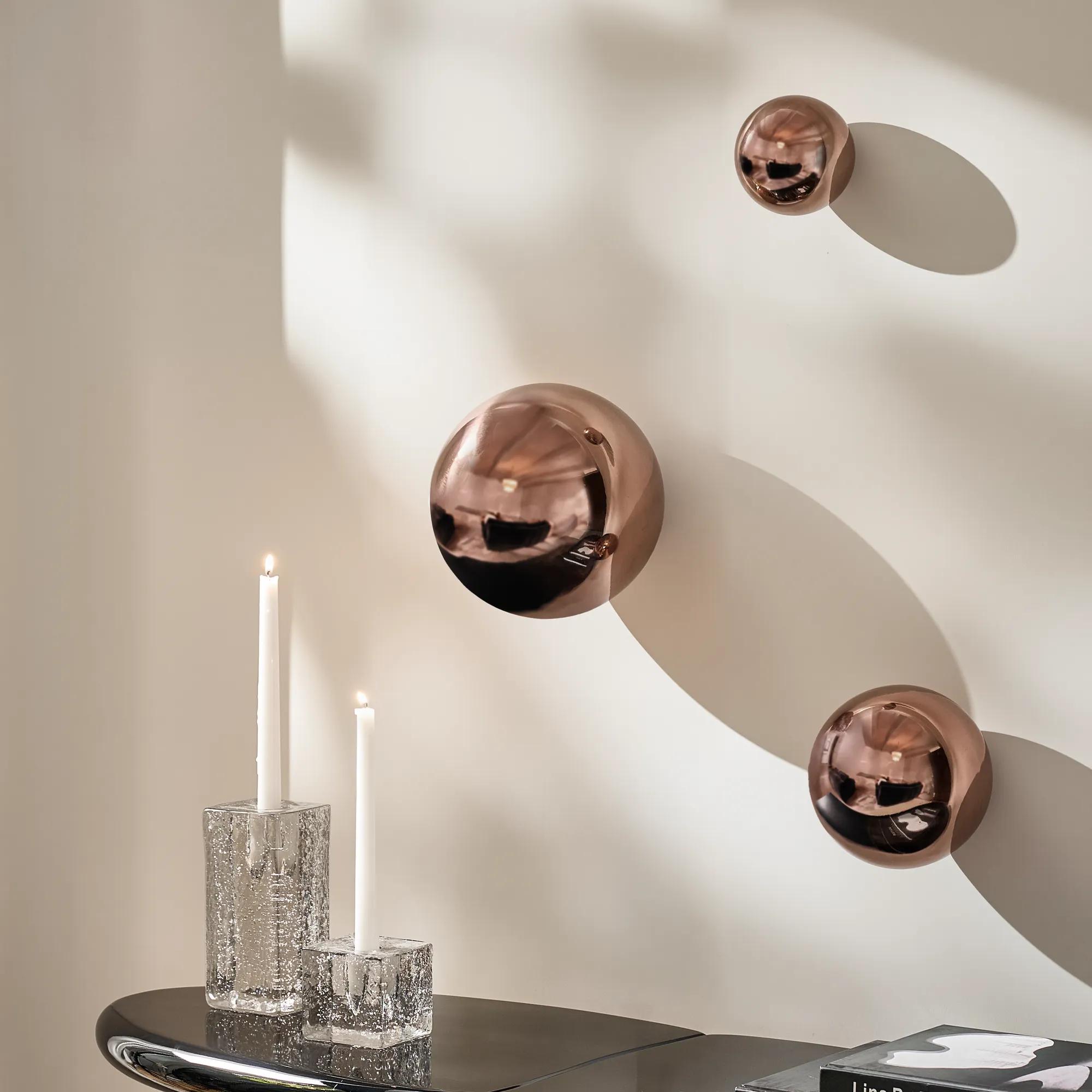 Bronze Spheres Stainless Steel Wall Decor Set of 3$129
A set of three polished bronze stainless steel spheres adds modern, sculptural shine to any wall.
Add To Cart -
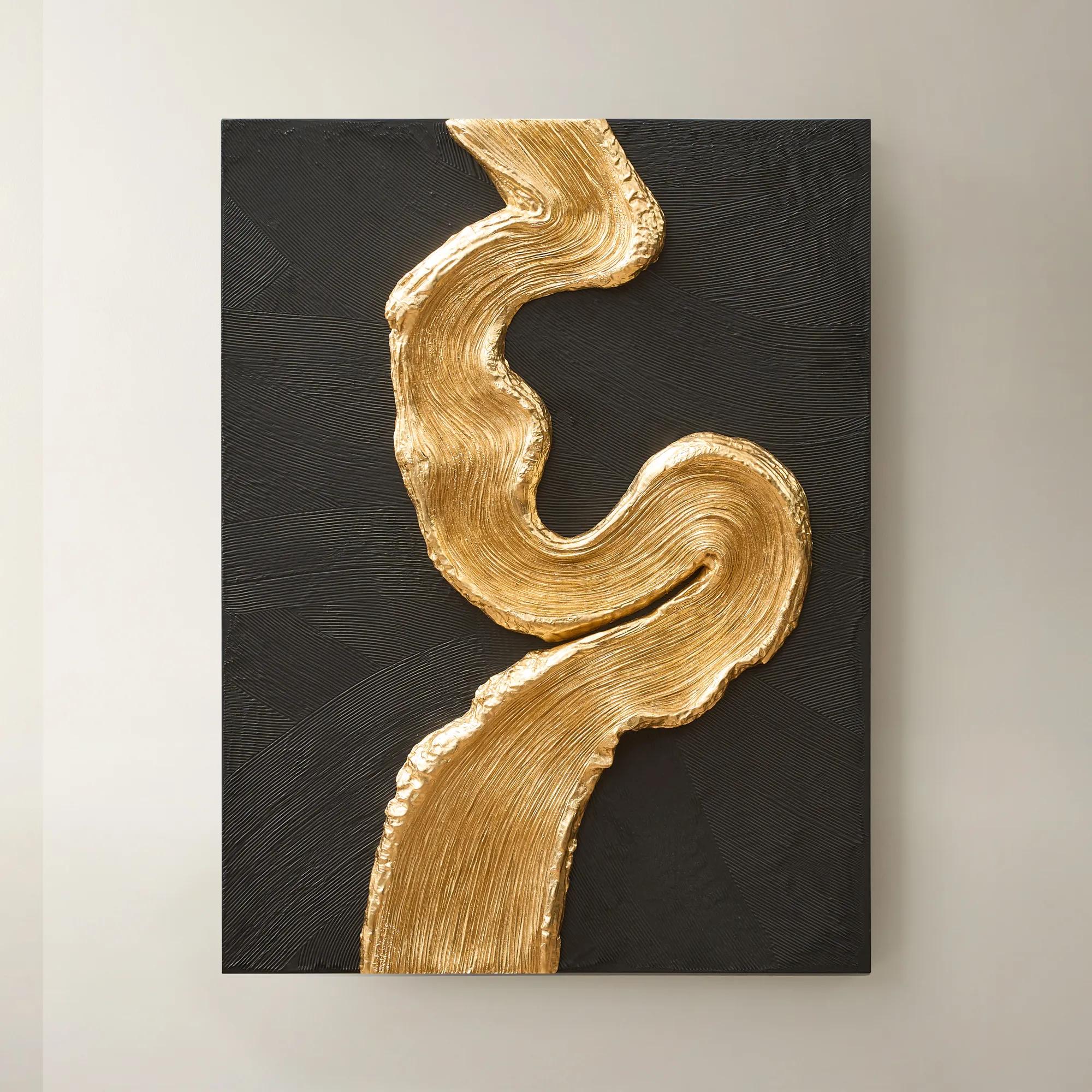
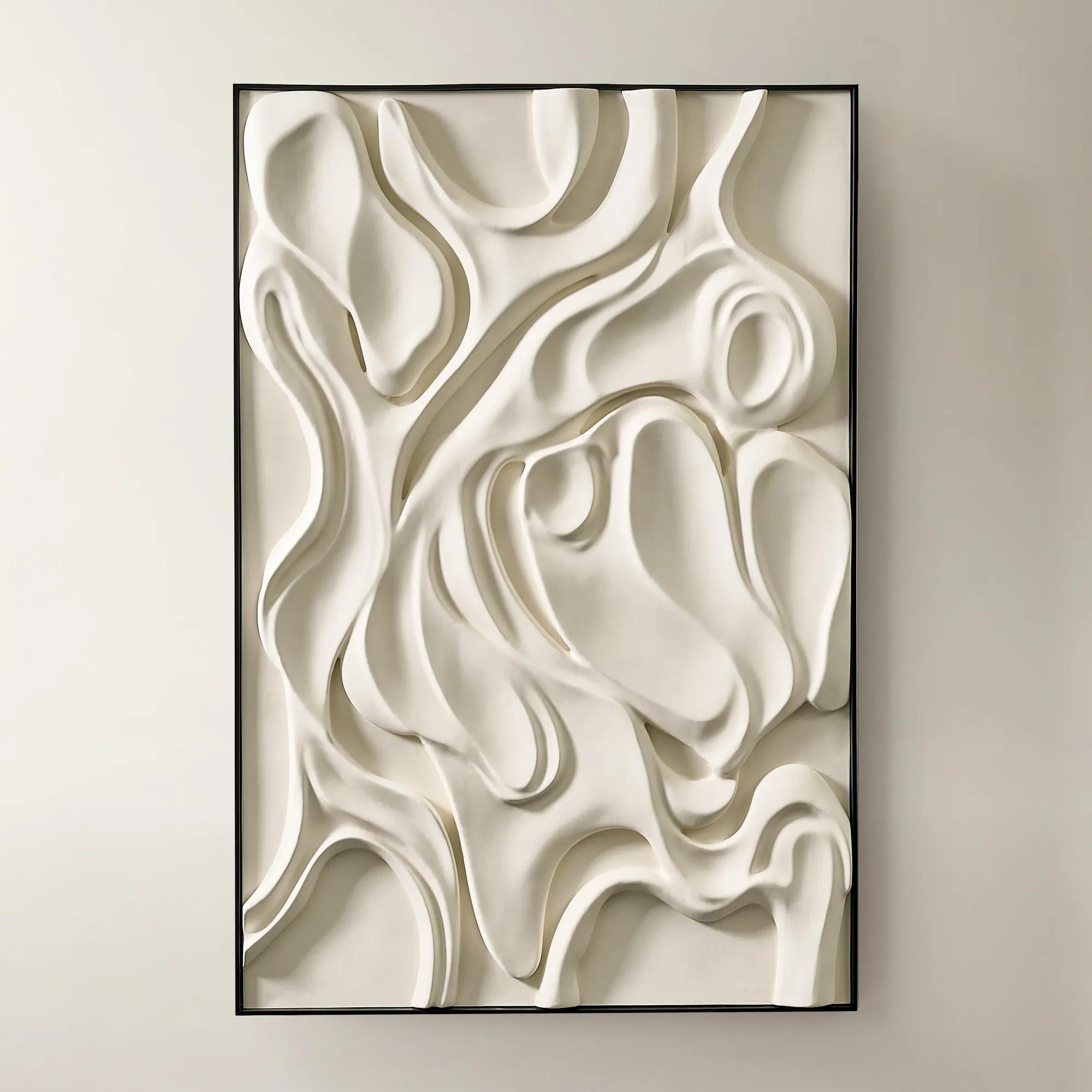
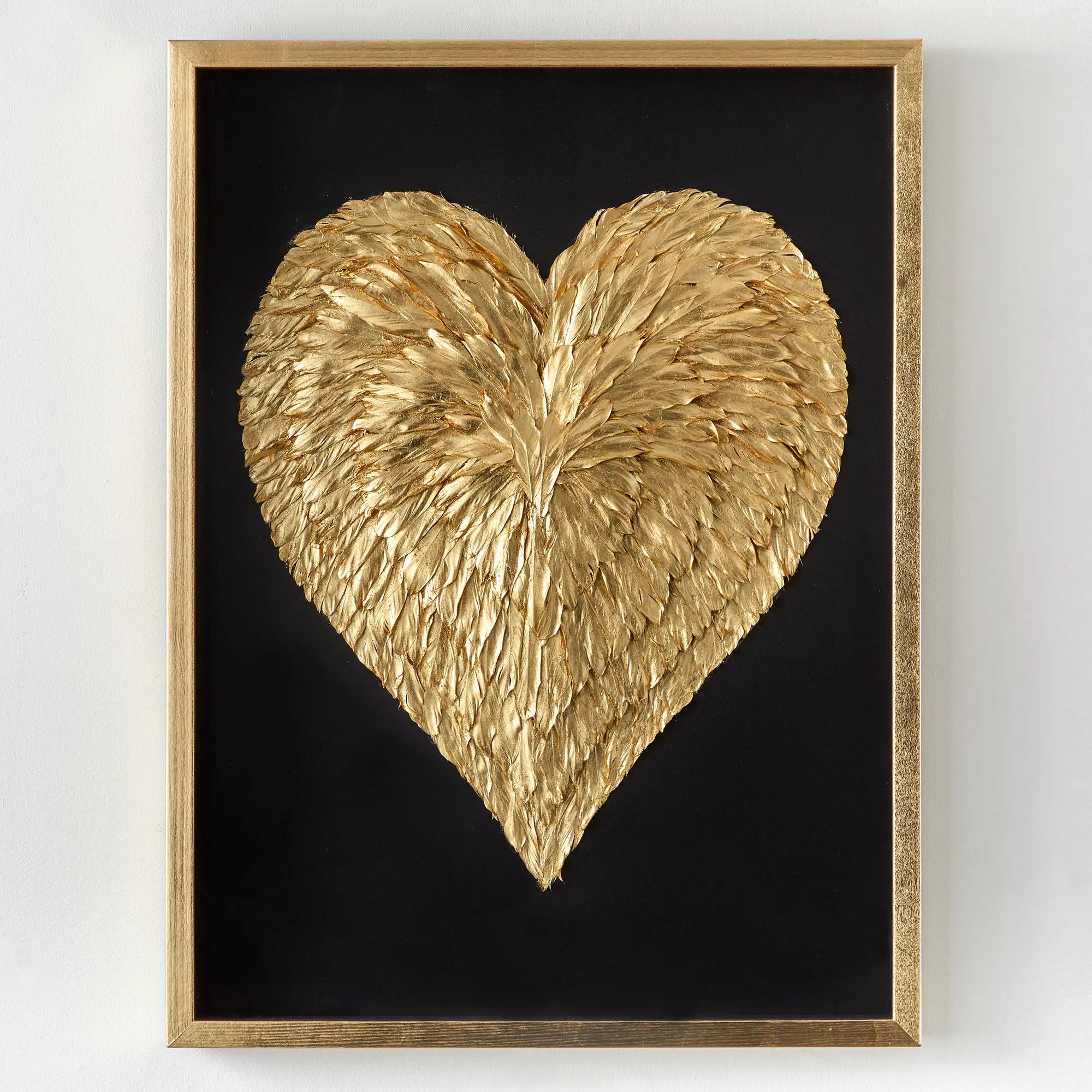
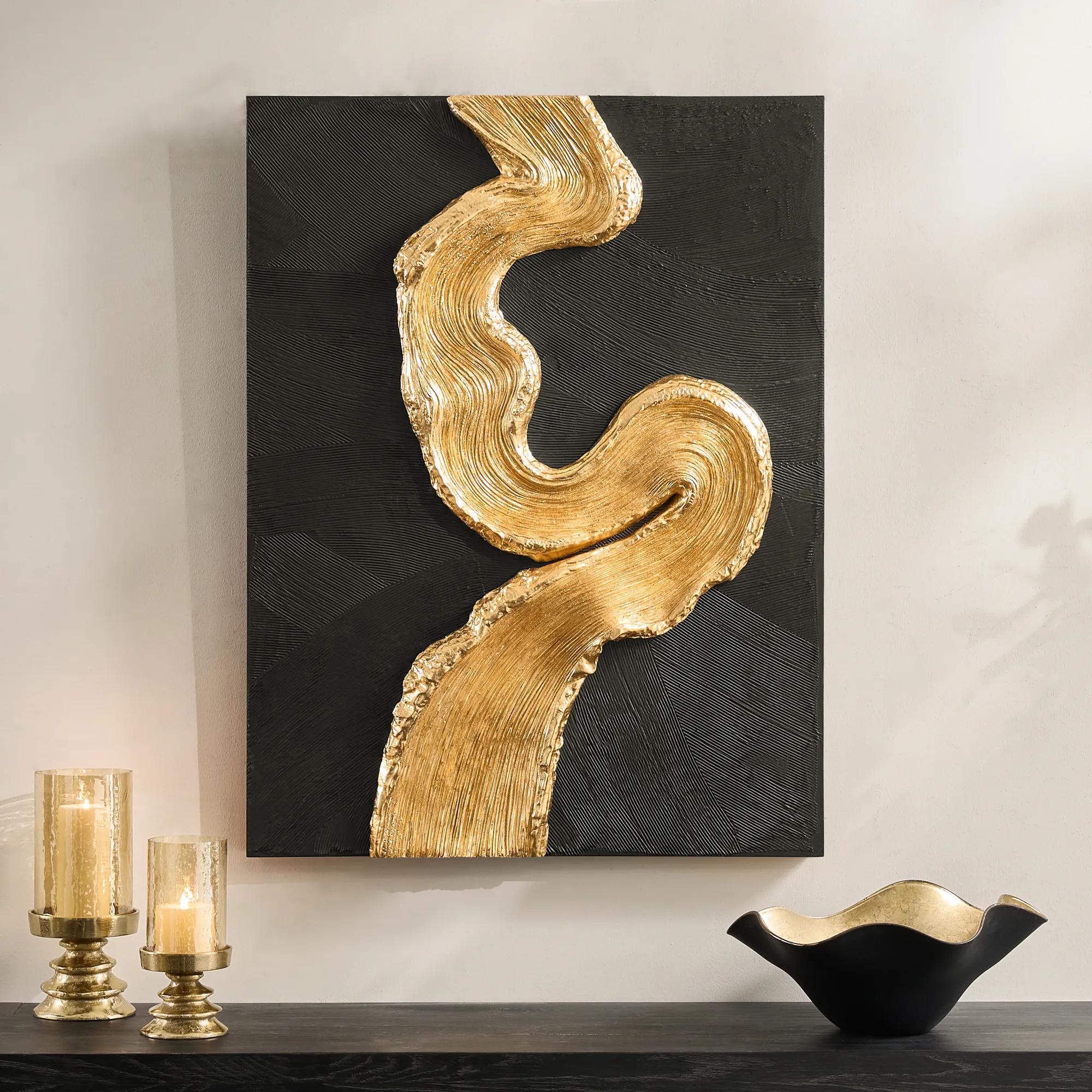 Gold Impasto Sculpted Resin Wall Panel 30" x 40"$499
A sculpted fiberglass resin wall panel featuring gold leaf detail and bold impasto texture on a black backdrop.
Add To Cart -

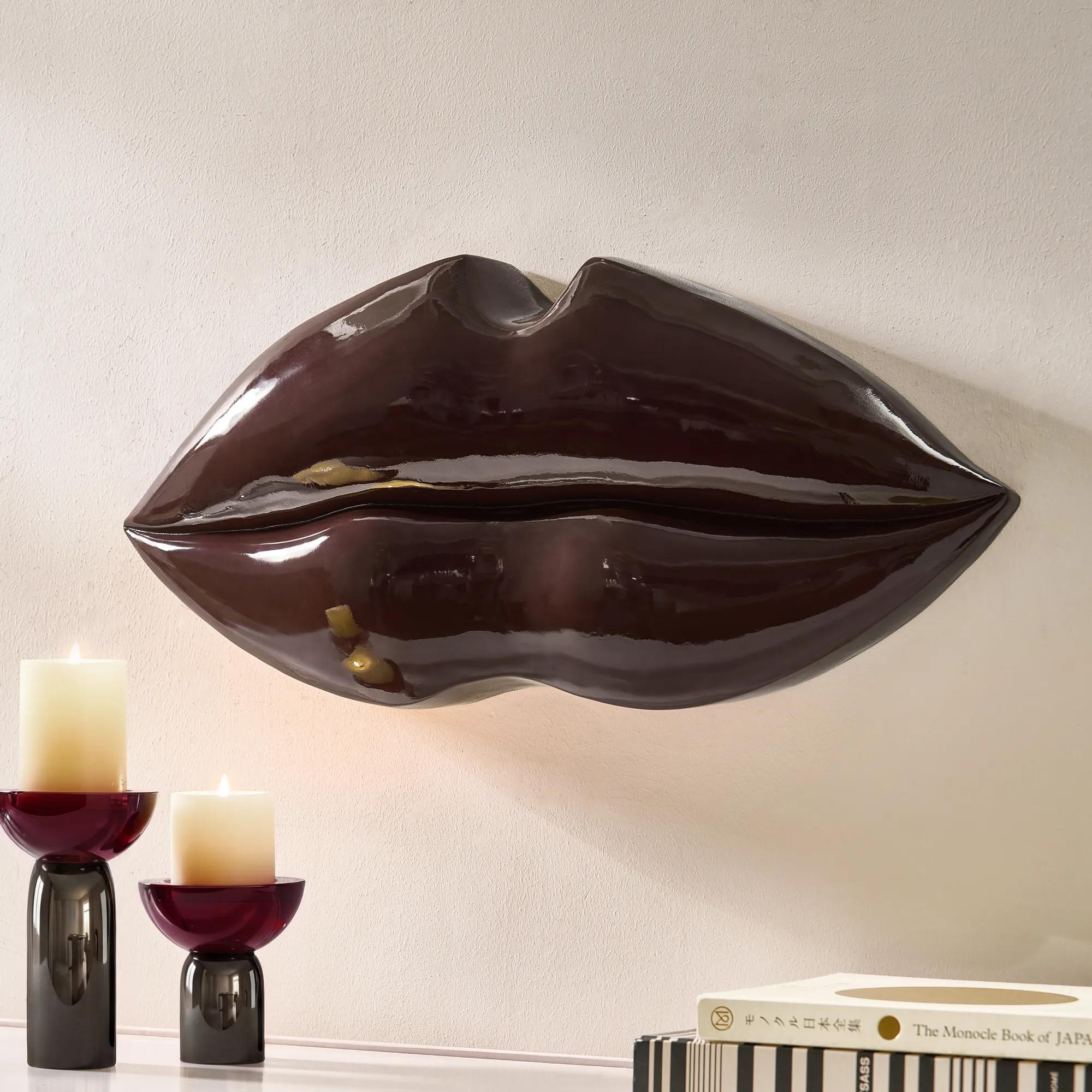 Grand Lips Fig Poly Resin High Gloss Wall Decor 27.5" x 12.5"$99
A bold polyresin wall sculpture in a rich fig hue, featuring an oversized, sculptural lips design.
Add To Cart -
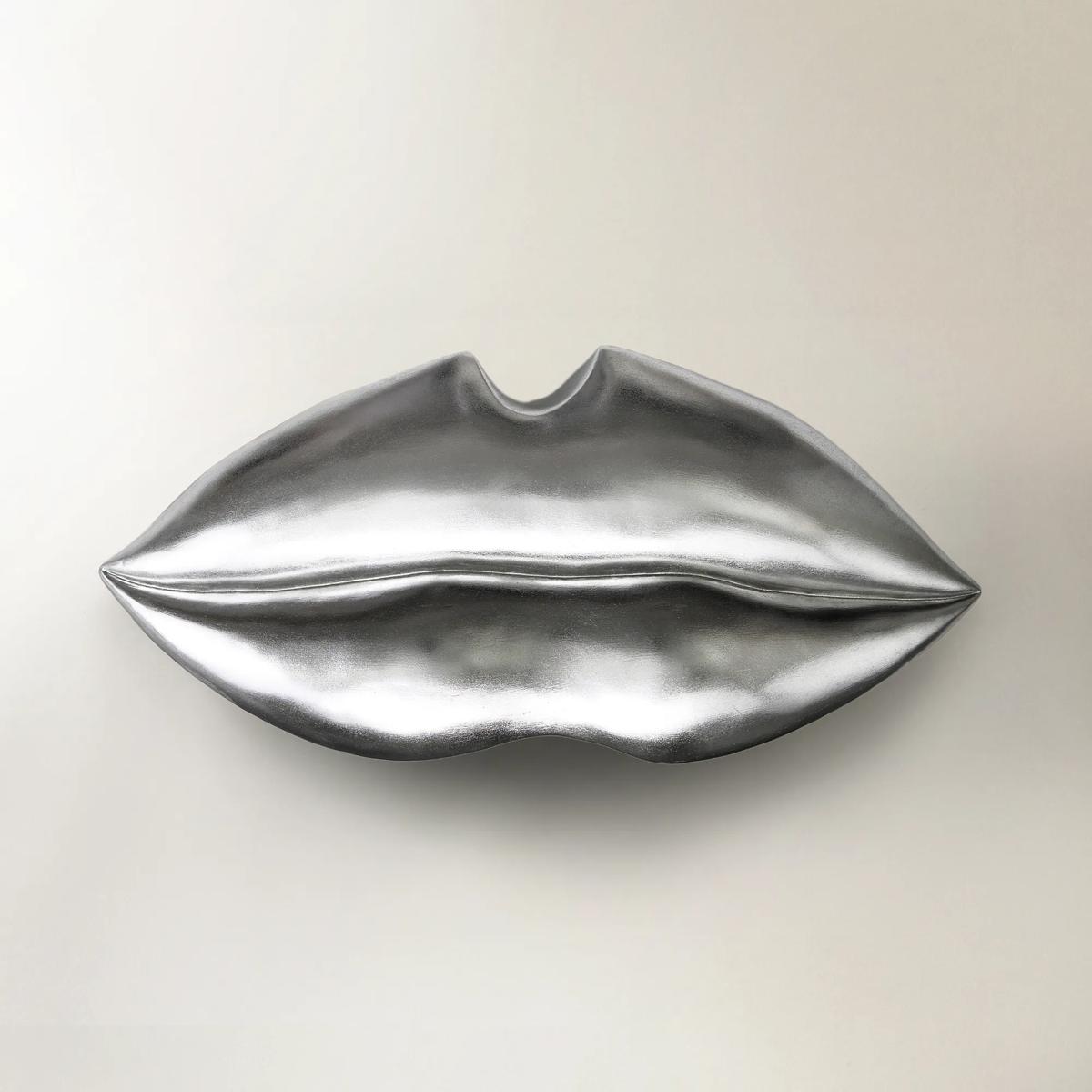 Grand Lips Silver Poly Resin Wall Decor 27.5" x 12.5"$99
A playful resin sculpture in sleek silver, perfect for adding modern flair to any space.
Add To Cart -
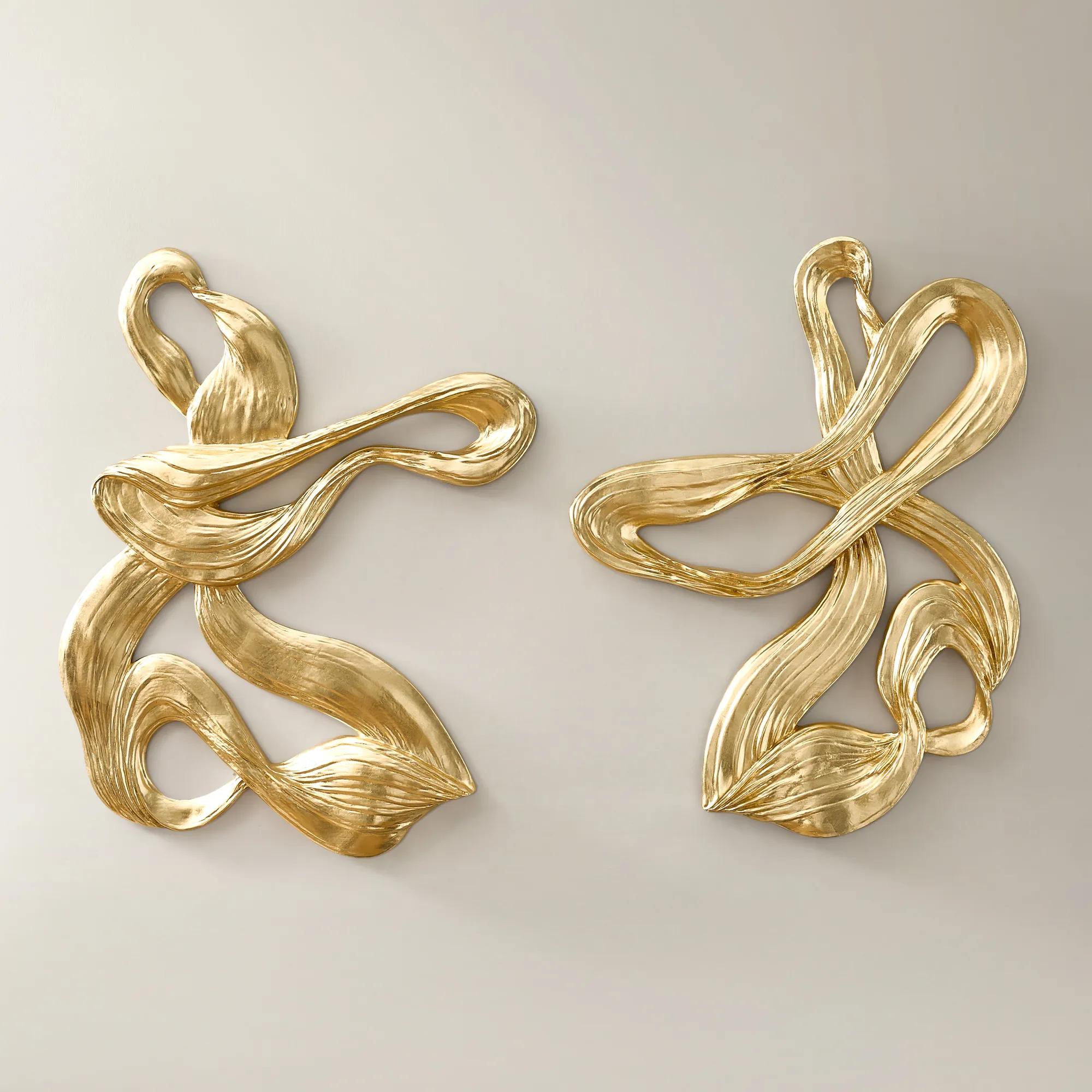
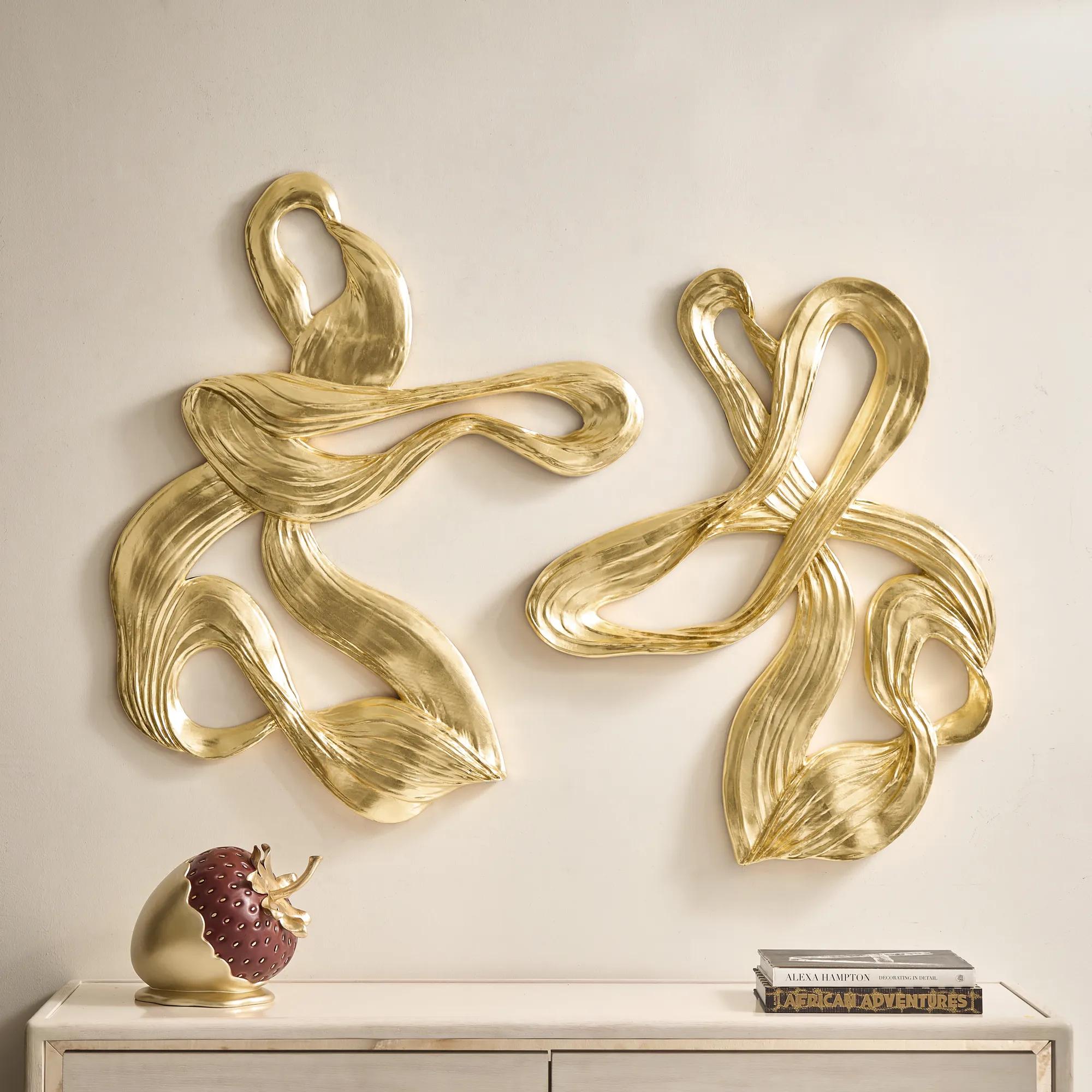 Vela Gold Leaf Sculpted Resin Wall Decor 30.5" x 39.25" Set of 2$699
A set of two resin wall sculptures featuring abstract loop designs and soft gold leafing for modern elegance.
Add To Cart -
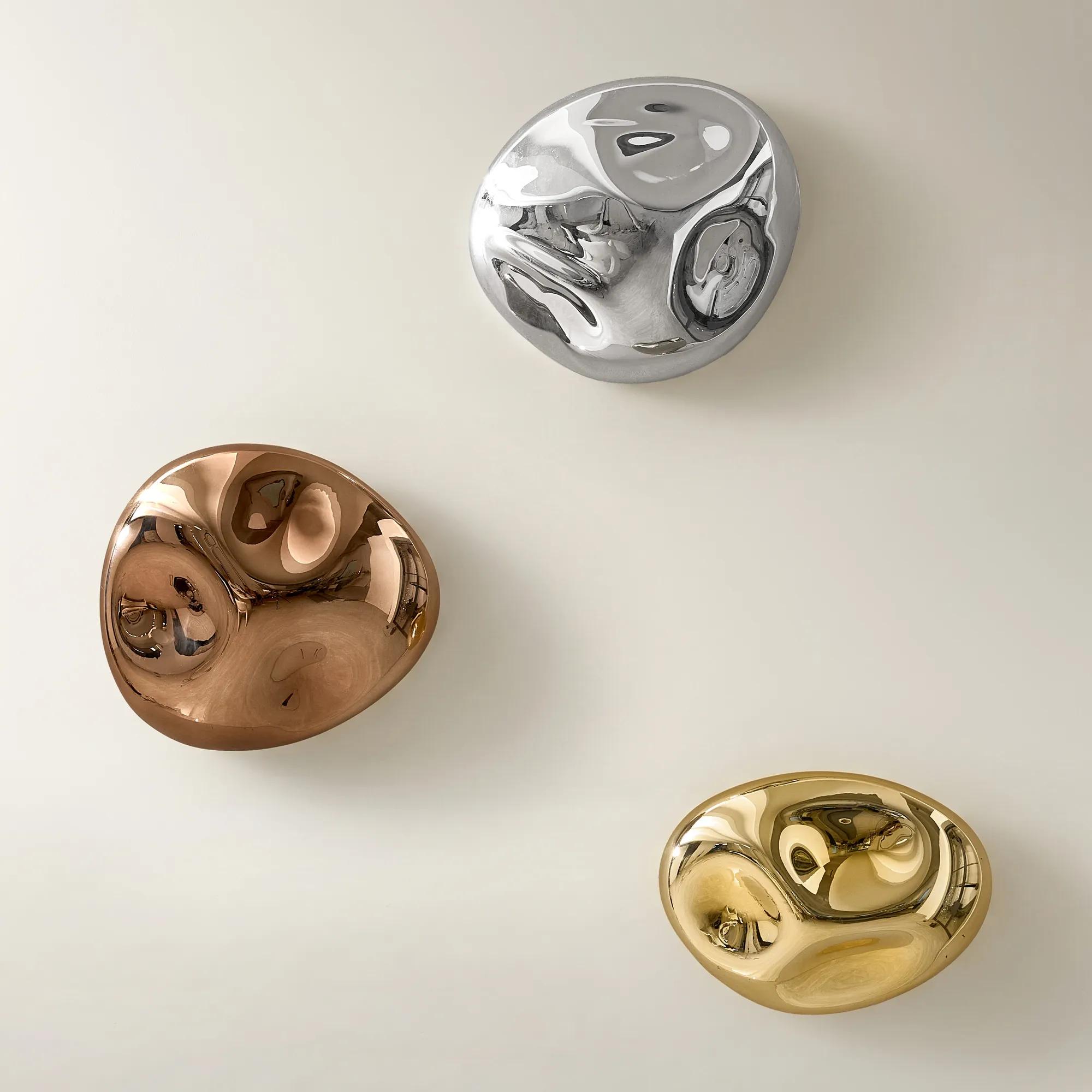
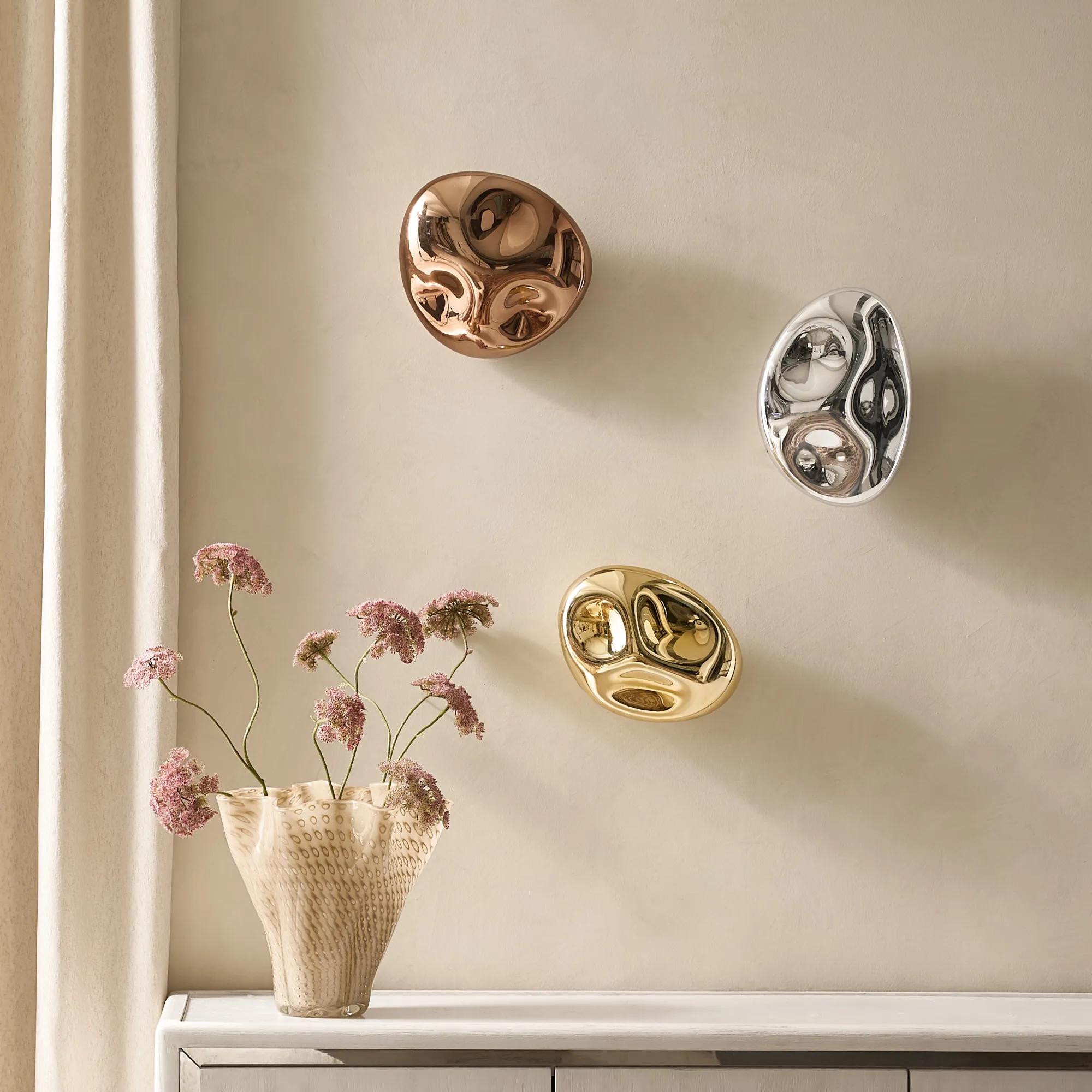 Nebula Electroplated Metallic Glass Wall Decor Set of 3$279
A set of three electroplated glass wall sculptures in polished silver, soft gold, and bronze tones.
Add To Cart -
 Etched in Gold$229
A hand-carved gold copper artwork set in a sleek black alloy frame for modern contrast.
Add To Cart -
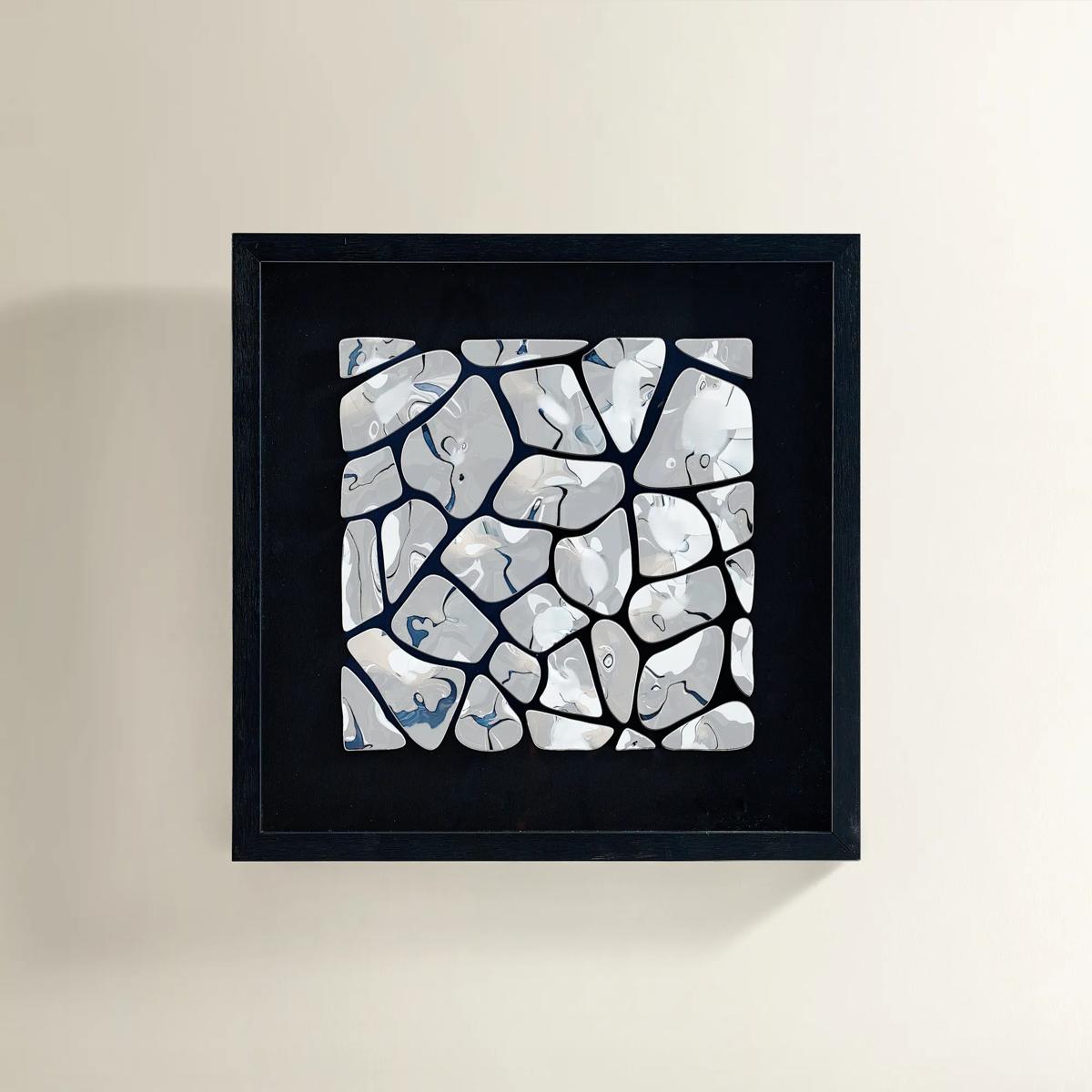 Reflect Silver And Black Shadowbox Art I$189
A dimensional metal wall art piece featuring polished silver and black forms in a sleek black frame.
Add To Cart -
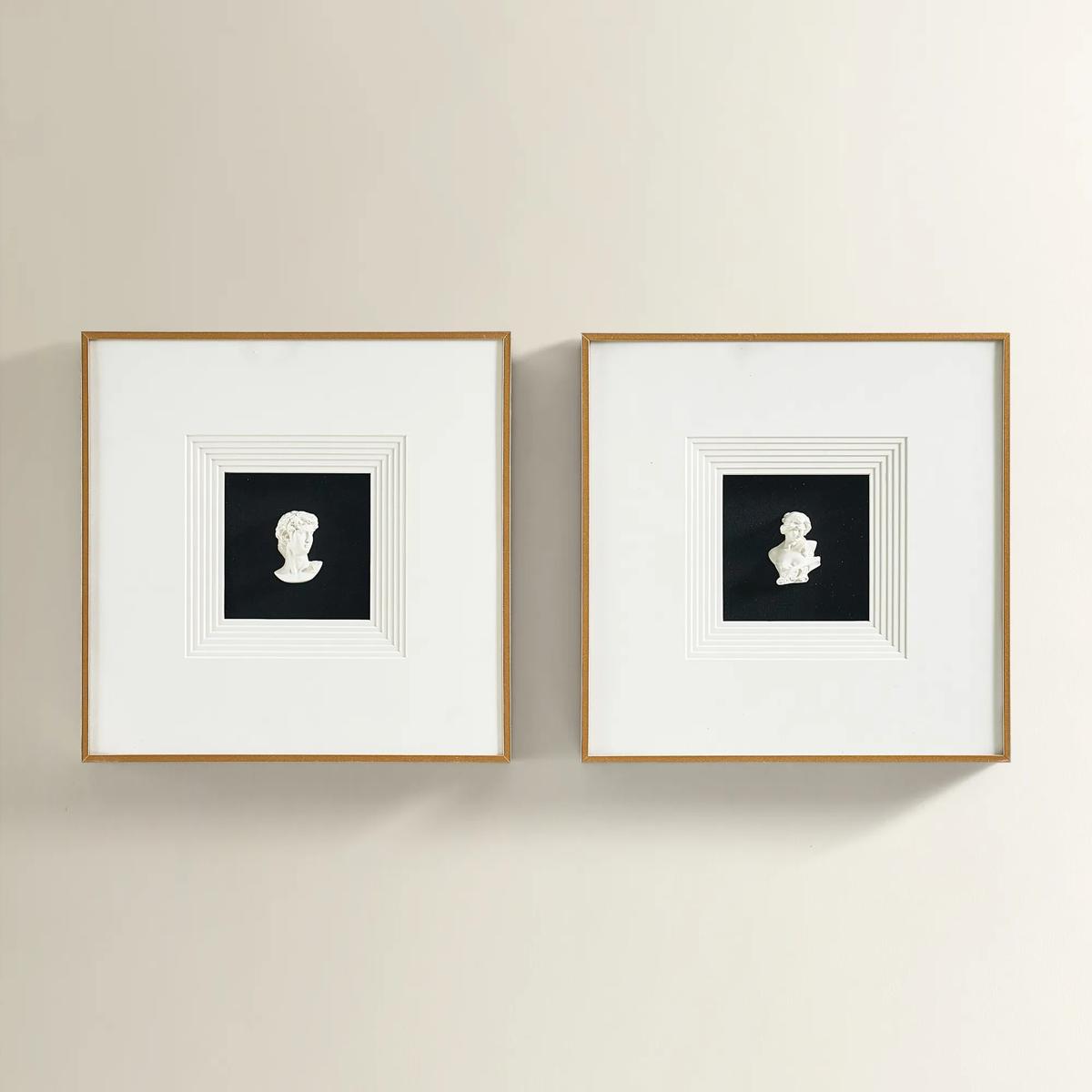
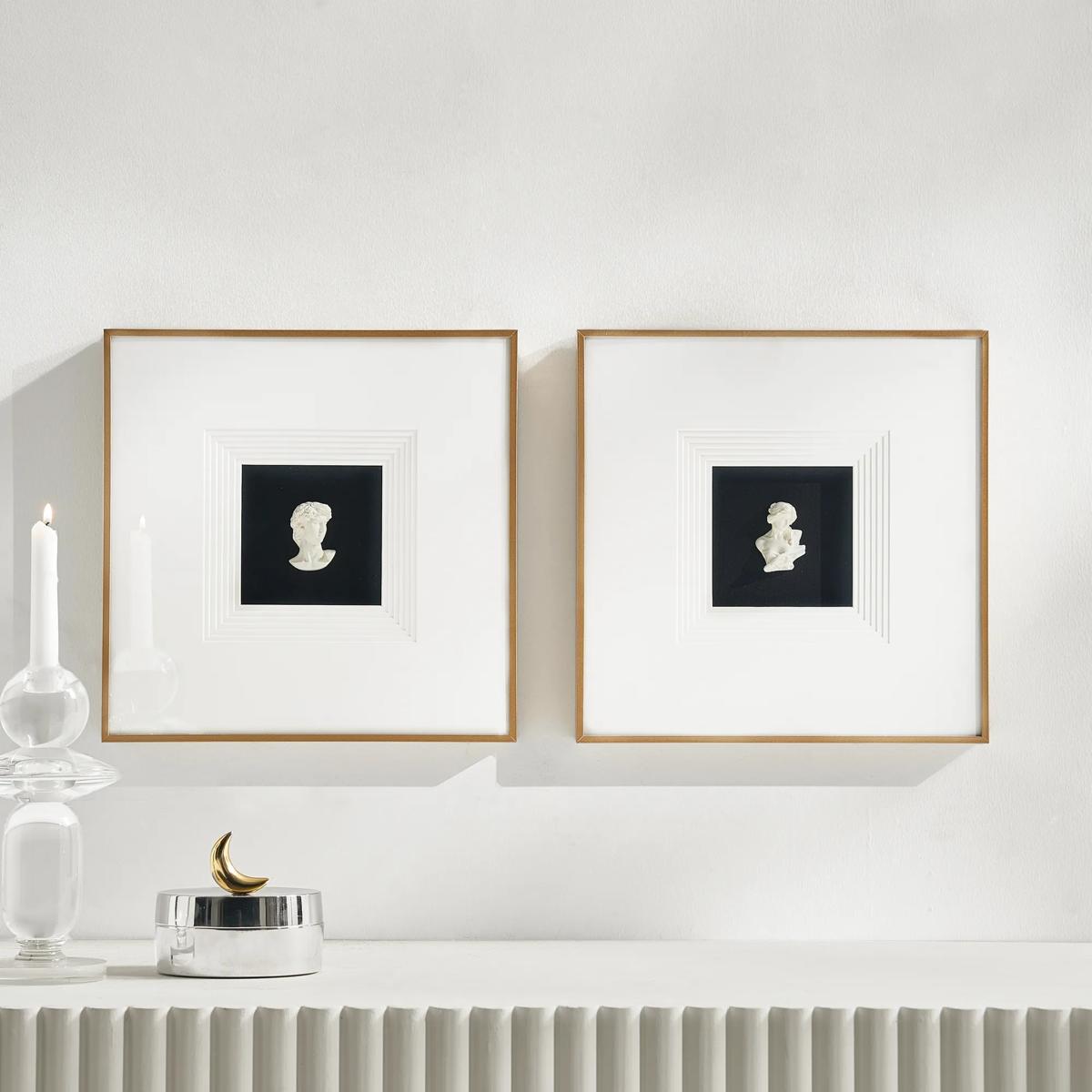 Classics Framed Plaster Wall Decor Set of 2$149
A set of two plaster portrait wall art pieces in black and ivory with sleek aluminum frames.
Add To Cart -
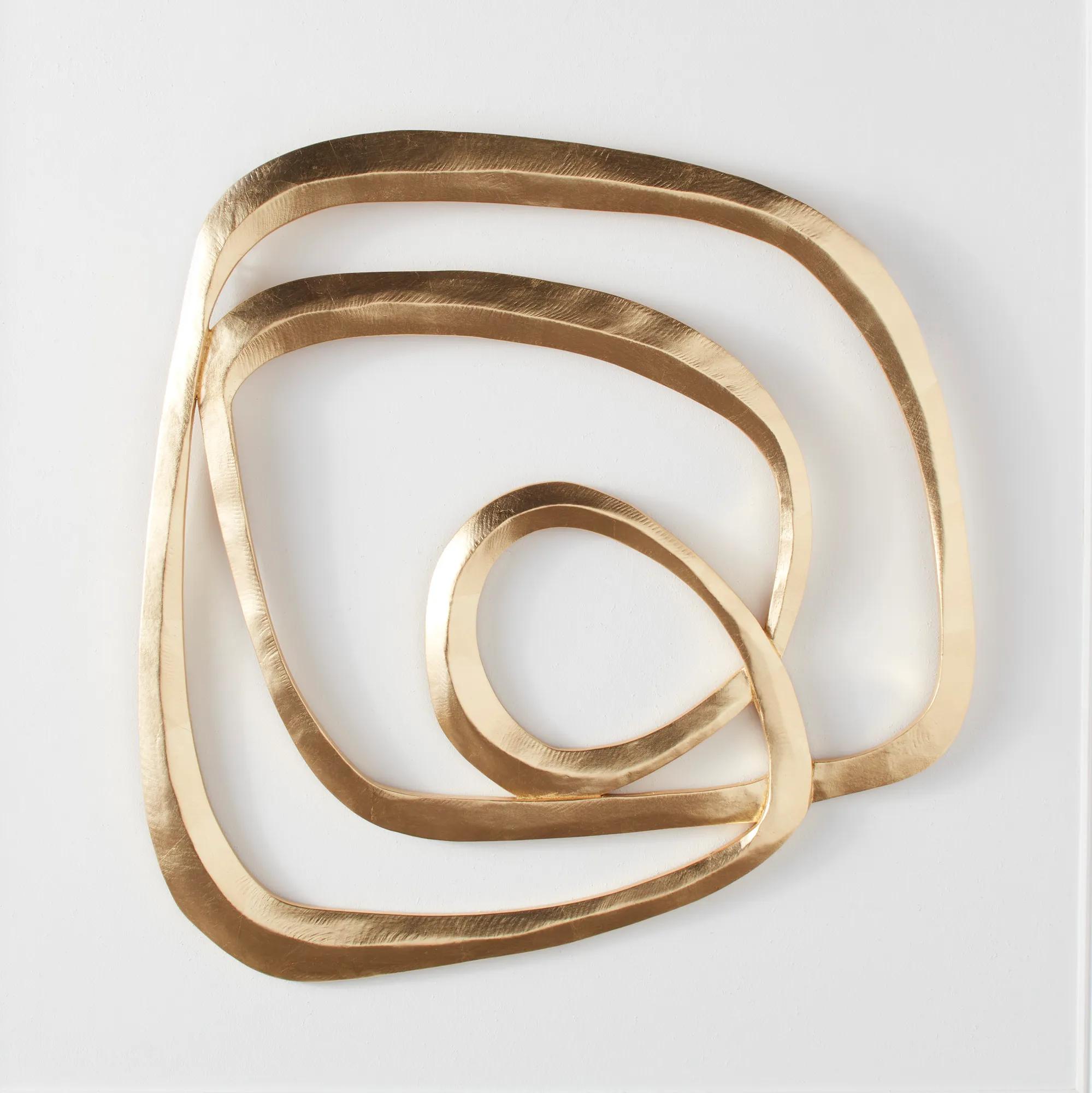 Infinity Gold Leaf Wood Wall Decor I 31.5" x 31.5"$299
A swirling wooden wall sculpture featuring a striking metallic gold finish for a bold decorative statement.
Add To Cart -
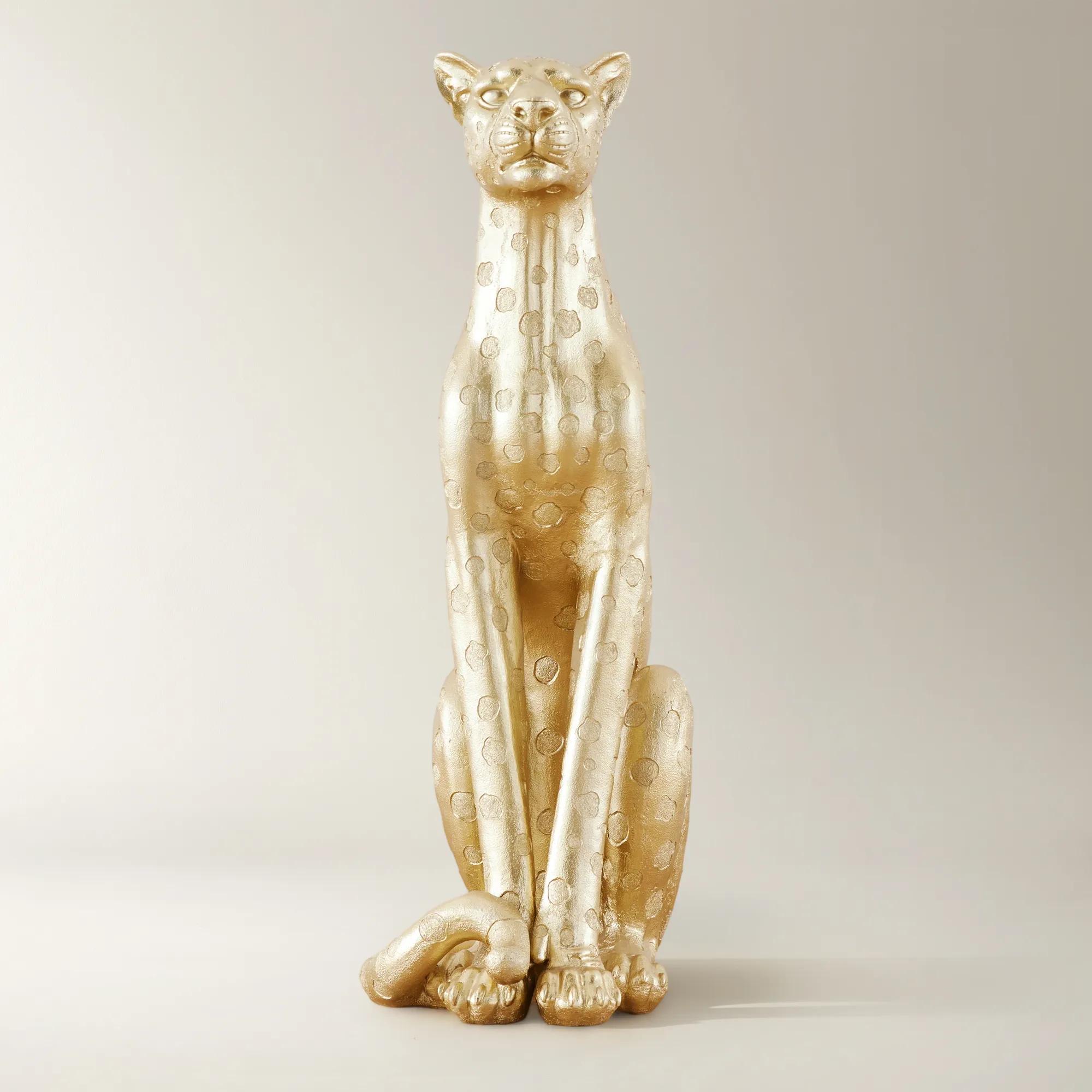 Leopardo Gold Resin Decorative Object 35"$329
A striking gold resin leopard statue that adds a touch of regal elegance to any space.
Add To Cart

Modern Art Sculptures
Explore modern art sculptures that bring expressive form and artistic dimension to your space. Contemporary sculptural accents can create a focal point on a console, shelf, or tabletop—consider scale and placement as you browse. Choose a silhouette that echoes your room’s lines for cohesion or introduces contrast for a more dramatic statement.
Modern art sculptures bring expressive form, texture, and dimension into a room, creating a focal point that changes as it is viewed from different angles. Rooted in a departure from traditional realism, modern sculpture often emphasizes abstraction, unconventional proportions, and the relationship between an object and the space around it. In home decor, that artistic spirit takes shape through sweeping curves, architectural forms, stylized figures, and compositions that make open space part of the design. A sculptural accent can introduce movement to a tailored interior, sharpen a sumptuous arrangement, or lend an unexpected silhouette to an otherwise quiet corner. The appeal is not limited to a single aesthetic: an elongated figure feels contemplative, an interlocking form suggests connection, and a bold abstract shape brings a sense of creative freedom. Materials deepen that expression. Polished metal reflects nearby light and color, while brushed or textured finishes offer a softer interplay of shadow and sheen. Glass can lend visual lightness, especially where transparent edges or translucent color allow light to pass through the form. Ceramic introduces surface variation and an earthy counterpoint to gleaming furnishings; stone offers weight, natural pattern, and a grounded presence. Resin can support intricate contours and dramatic shapes, with weight and surface character varying by construction. Wood brings grain and warmth to sculptural arrangements, balancing crisp lines with organic detail. These differences influence more than appearance. A dense stone form may feel substantial on a broad console, while an open metal composition can deliver drama without visually closing off the space behind it. The strongest choice has a clear relationship to its surroundings without disappearing into them. Against richly colored walls, a pale sculpture can read with striking clarity; against a light backdrop, a dark or metallic silhouette can become almost graphic. Modern decorative sculpture offers a way to introduce an individual point of view through a single, considered object rather than an abundance of accessories.
Scale and placement determine how that artistic presence unfolds. A modern sculpture needs enough room for its outline to remain legible, whether it sits on an entryway console, anchors a bookcase, or stands on a pedestal. Height alone does not tell the whole story: width, depth, base dimensions, and any projecting elements affect how comfortably a piece fits. On a narrow mantel, a compact footprint preserves breathing room; on an expansive sideboard, a broader form can hold its own beside large-scale wall art. An entryway arrangement feels especially composed when the sculpture has a clear backdrop and does not interrupt the practical space needed for keys or a lamp. In a living room, an open form can sit in front of framed artwork without concealing every detail, creating depth rather than a flat row of objects. A dining table calls for particular attention to sightlines, with a lower composition allowing conversation to remain effortless. Sculptures displayed on shelves benefit from a little separation from books and neighboring accents so their edges and shadows remain distinct. For a more architectural direction, explore Modern Geometric Sculptures, where angular silhouettes and dimensional relationships offer a crisp counterpoint to upholstered curves and flowing textiles. Rounded abstract forms, by contrast, can soften the visual rhythm of a room filled with straight lines. Repeating one finish elsewhere—a metallic note in a lamp or a dark accent in a frame—can connect the arrangement without making every detail match. Lighting brings another layer of expression. Gentle directional illumination can reveal a textured surface or cast a sculptural shadow, while strong glare may overwhelm a highly reflective finish. The view from the doorway matters, but so does the view from a favorite chair. A form that reveals a different contour from each position gives the room a sense of discovery, making sculpture feel integrated into everyday life rather than reserved for distant admiration.
Lasting enjoyment comes from matching the material and construction to the setting, then treating the surface with appropriate care. Decorative sculptures are intended primarily for visual display, not for use as toys, supports, or serving pieces unless specifically designed for those purposes. A stable, level surface is essential, particularly for tall forms, narrow bases, or compositions with an off-center profile. In homes with children or pets, placement away from busy edges and easily reached shelves deserves as much consideration as color or finish. Protective pads may help reduce contact marks on furniture, provided they are suitable for both surfaces and do not compromise stability. Material durability varies: stone can be substantial yet vulnerable at thin projections, glass and ceramic can chip or break, and coated metal may scratch if rubbed against abrasive objects. Resin should not automatically be assumed to be unbreakable, and decorative finishes can require more delicate handling than their appearance suggests. Manufacturer care instructions should take priority; routine dusting with a soft, dry cloth is often appropriate, while rough scrubbers and unapproved cleaners can damage surfaces. Lift a sculpture from its supported base rather than a slender extension, and avoid unnecessary exposure to moisture, direct sunlight, or heat when the material or finish is sensitive. Indoor decorative sculpture should remain indoors unless it is expressly designated for outdoor use. These practical considerations preserve the details that make a piece compelling: a clean contour, a luminous surface, an intricate texture. They also make sculpture a thoughtful gift for an art enthusiast, a design-minded couple, or someone celebrating a new home. A recipient with limited display space may appreciate a compact sculptural accent, while someone furnishing an expansive room may welcome a more commanding form. Chosen with attention to personal taste and surroundings, modern art sculpture becomes an enduring expression of character—an object with enough presence to shape a room and enough nuance to invite another look.
FAQs
Modern art sculptures explore form, movement, and expression through three-dimensional design. Abstract silhouettes, stylized figures, and unexpected geometry invite you to look beyond literal representation. In a thoughtfully composed interior, these pieces introduce an artistic point of view and turn an everyday setting into a personal gallery.
Abstract sculptures express ideas through shape, line, and composition rather than recognizable subjects. Figurative sculptures draw inspiration from people, animals, or other familiar forms, sometimes reimagined with dramatic stylization. Choose abstraction for visual intrigue or figurative art for a connection to a subject that resonates with you.
An entryway console, living room mantel, or thoughtfully edited bookshelf offers a compelling setting for modern sculpture. Choose a spot where the silhouette remains distinct against its backdrop. A restrained surrounding arrangement lets expressive curves or angular contours take the spotlight.
Give your sculpture a clear role within the composition, then layer in accents that echo or contrast its lines. Pair sculptural curves with crisply arranged art books, or balance angular forms with a flowing floral arrangement. Leave visual breathing room so each detail feels deliberate rather than crowded.
Yes. Modern art sculptures bring a daring counterpoint to ornate furnishings and classic architectural details. Connect the composition through a shared color or recurring shape, then let the contrast express your individuality. The result is a layered interior where heritage and artistic experimentation share the stage.