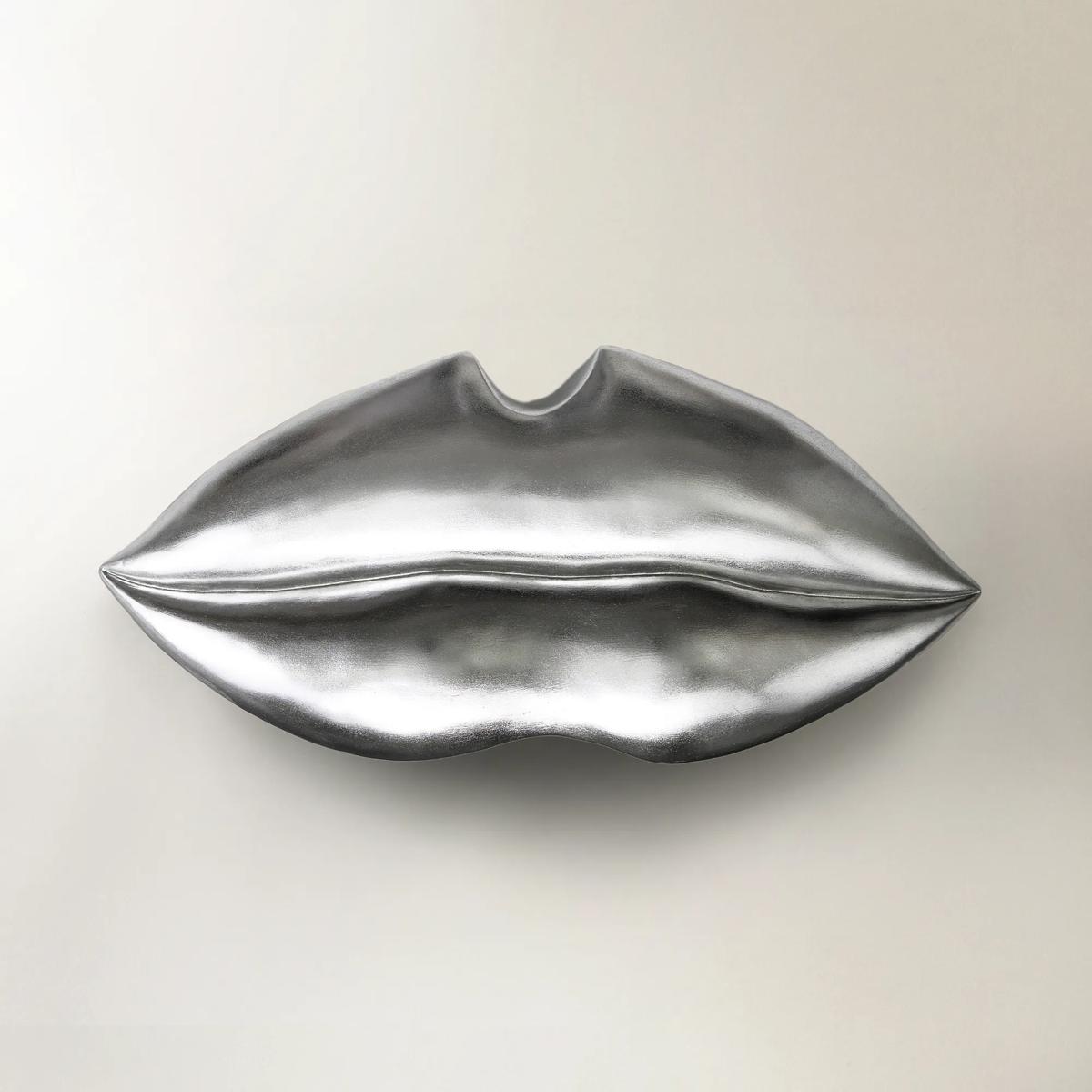
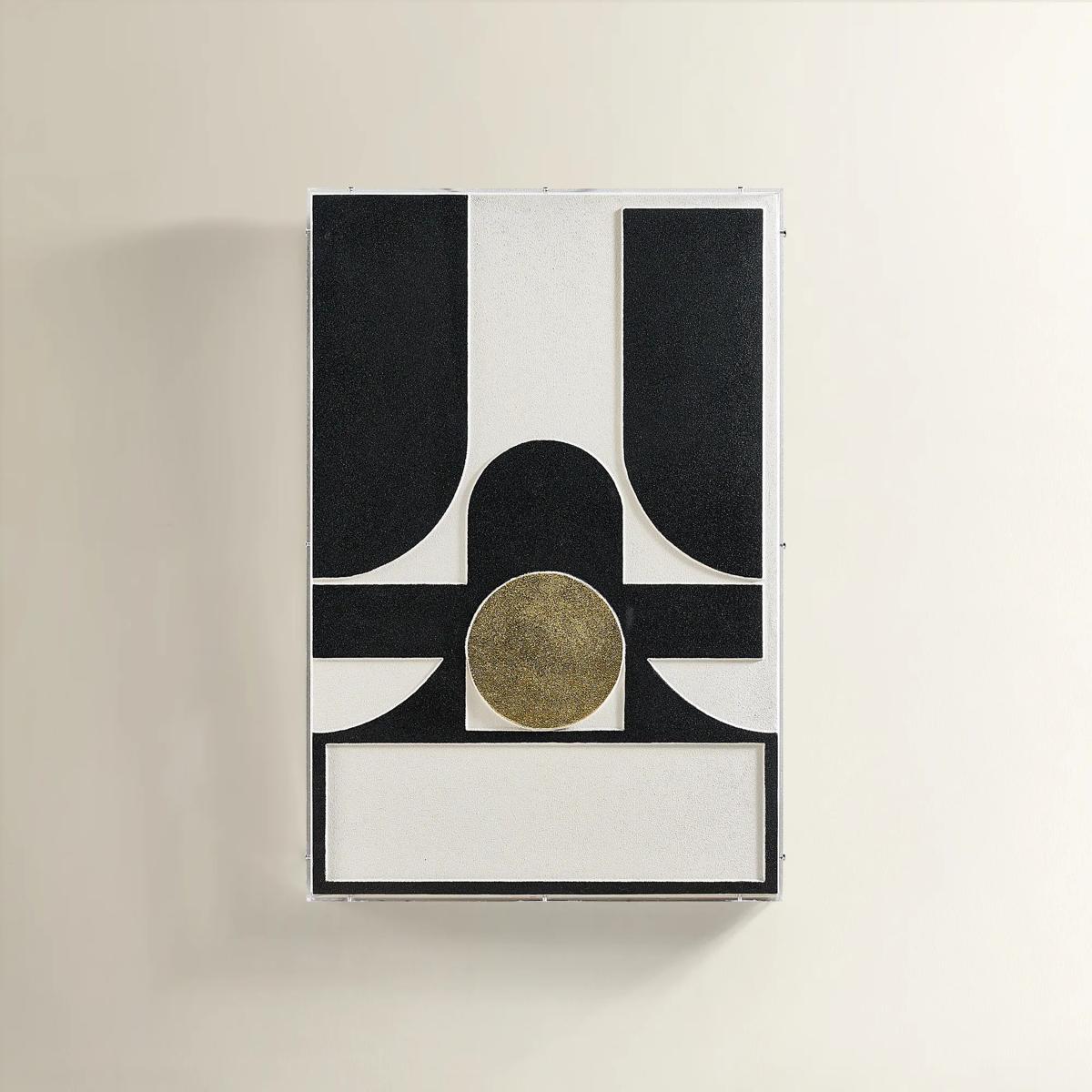
Modern Art With Sculptural Textures
Modern Art With Sculptural Textures
-
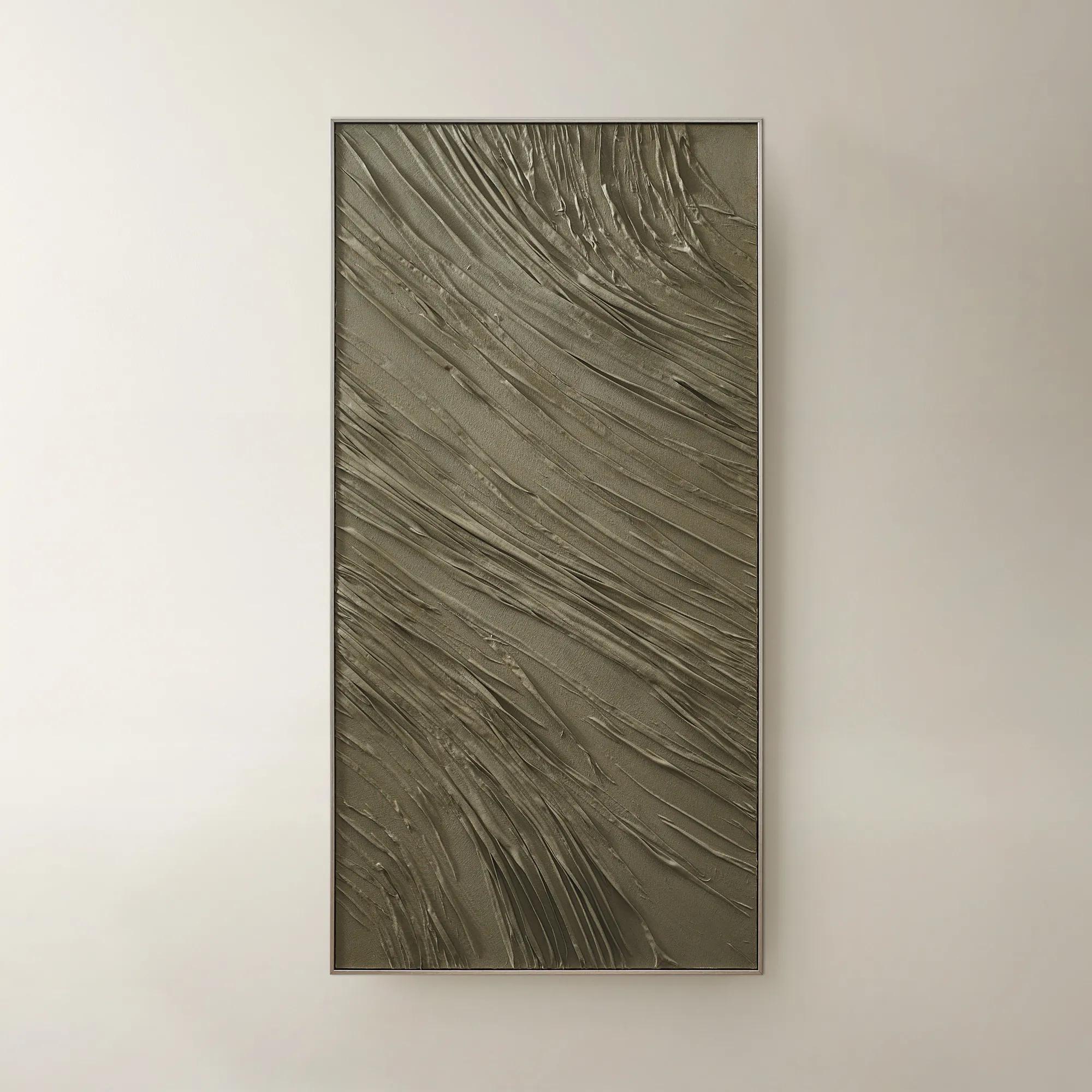
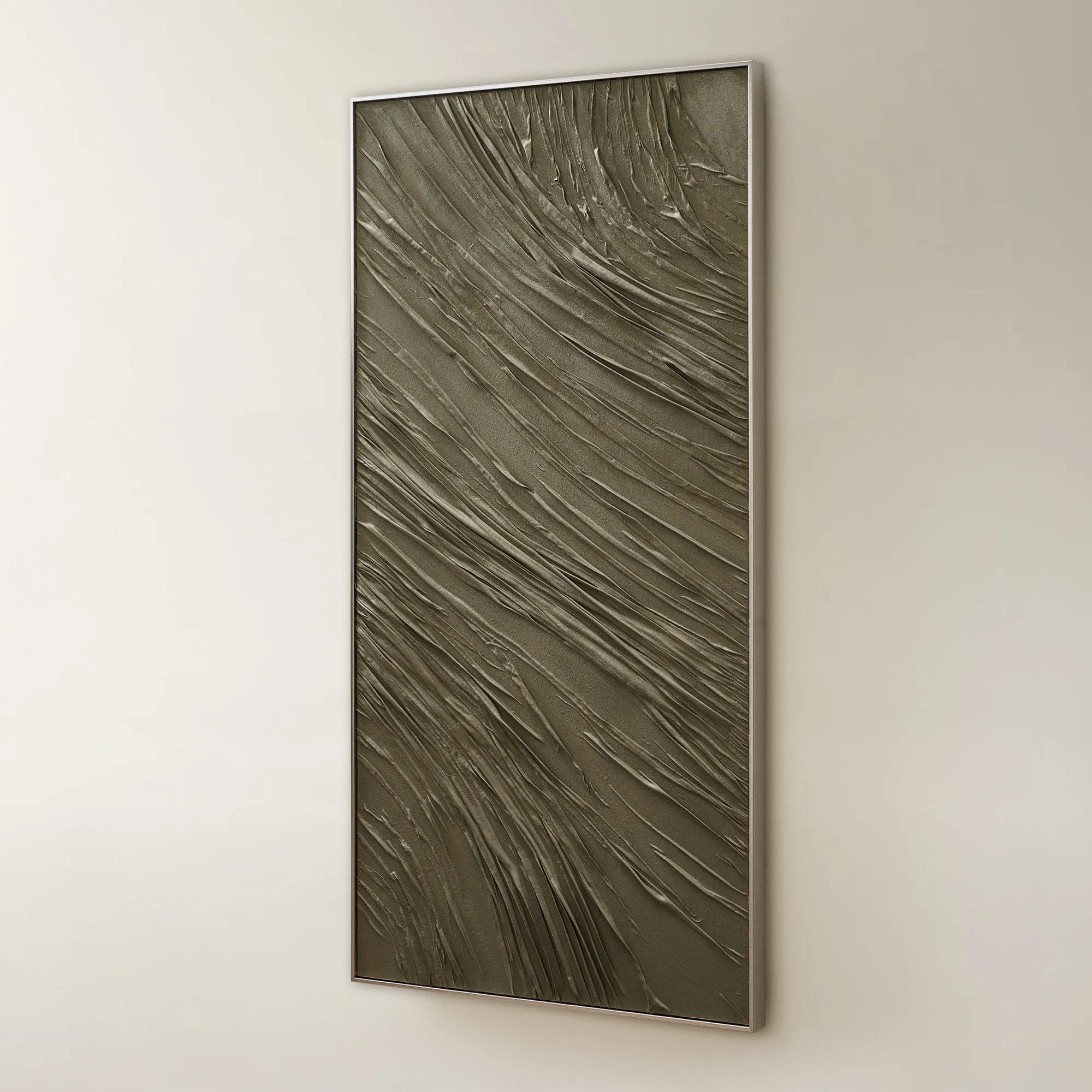 Grove Framed Hand-crafted Folded Fabric Wall Art 60" x 30"$349
A hand-crafted folded canvas in deep olive with a champagne frame for sculptural, modern wall art.
Add To Cart -
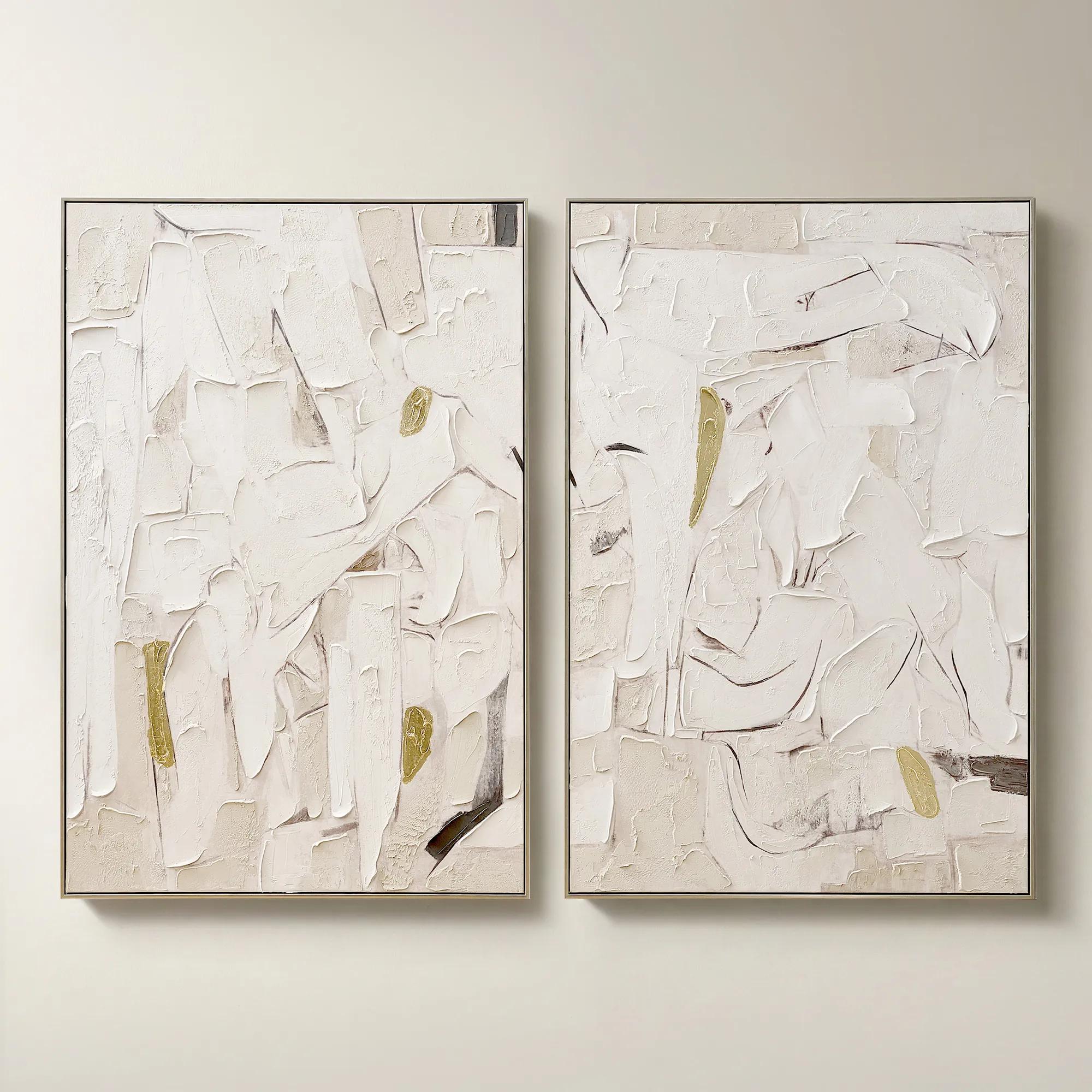 Beneath the Surface Framed Gold Leaf Painted Wall Art 40" x 60" Set of 2$799
A hand-painted abstract diptych featuring gold detailing and layered texture in alabaster and tawny hues.
Add To Cart -
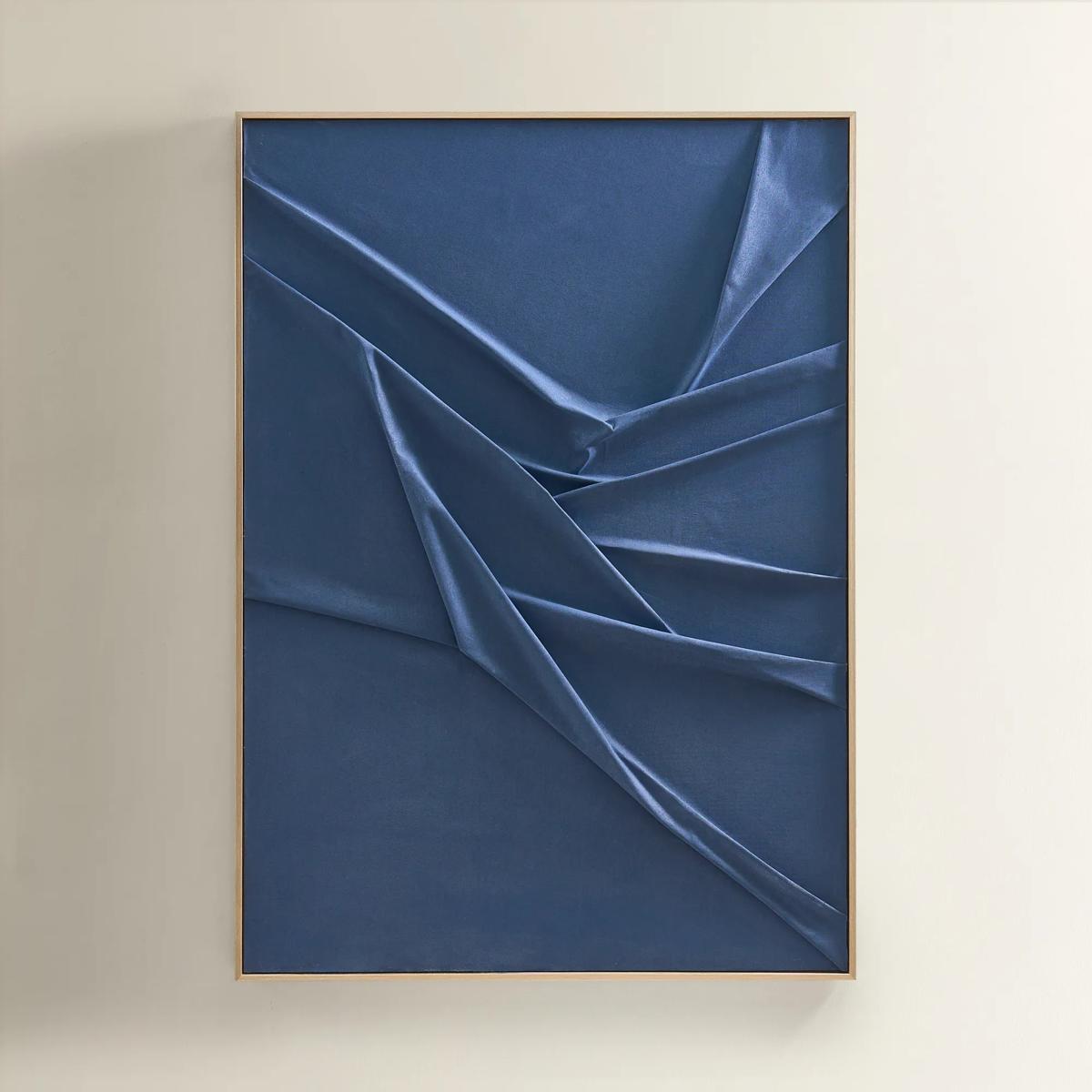 Deep Sea Painting$599
A hand-sculpted navy canvas with dimensional folds, framed in soft champagne for modern, serene elegance.
Add To Cart -
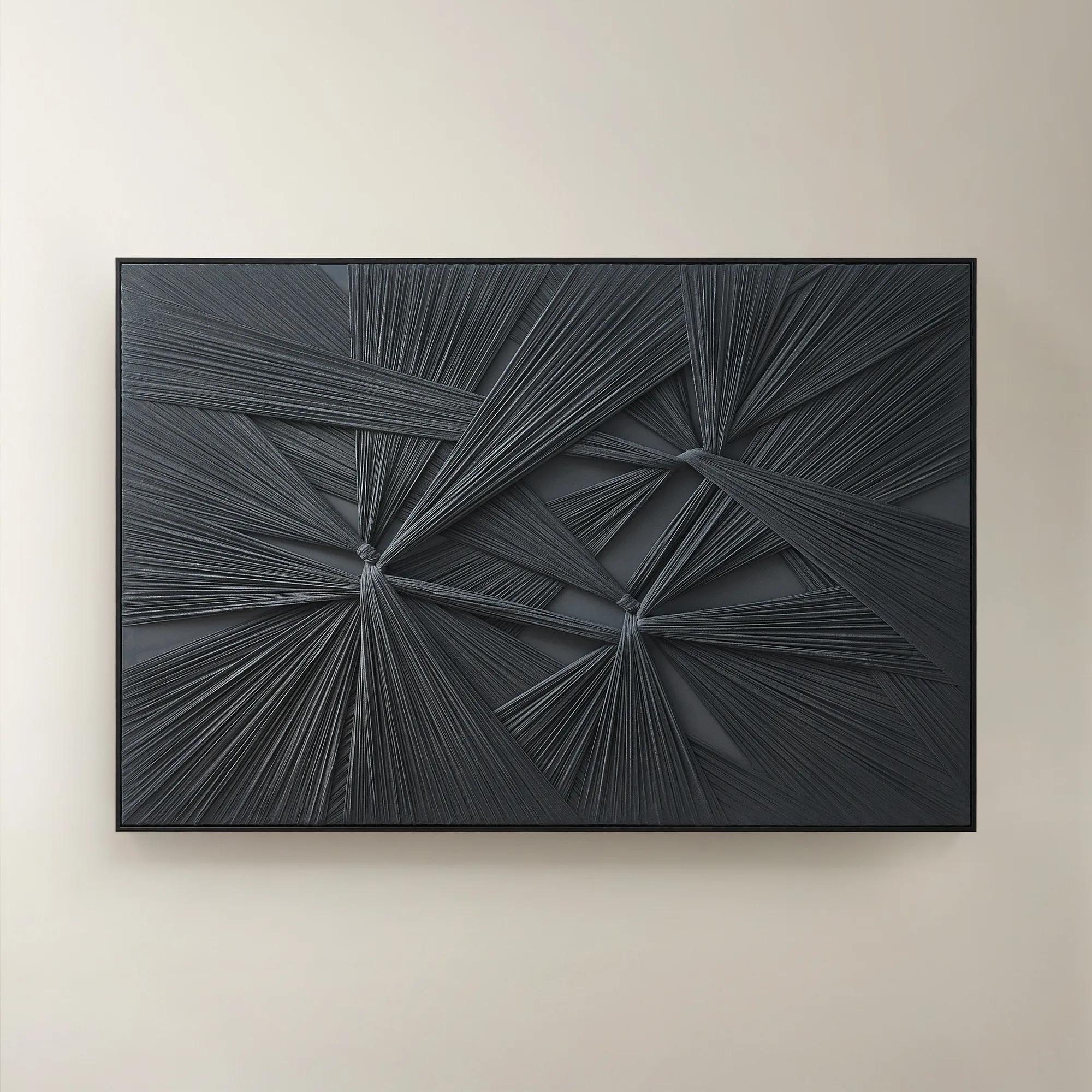 Grace in Dark Slate Hand-crafted Fabric Wall Art 70.75" x 47"$799
A hand-crafted textile wall art piece in dark slate, featuring sculptural texture and versatile display options.
Add To Cart -
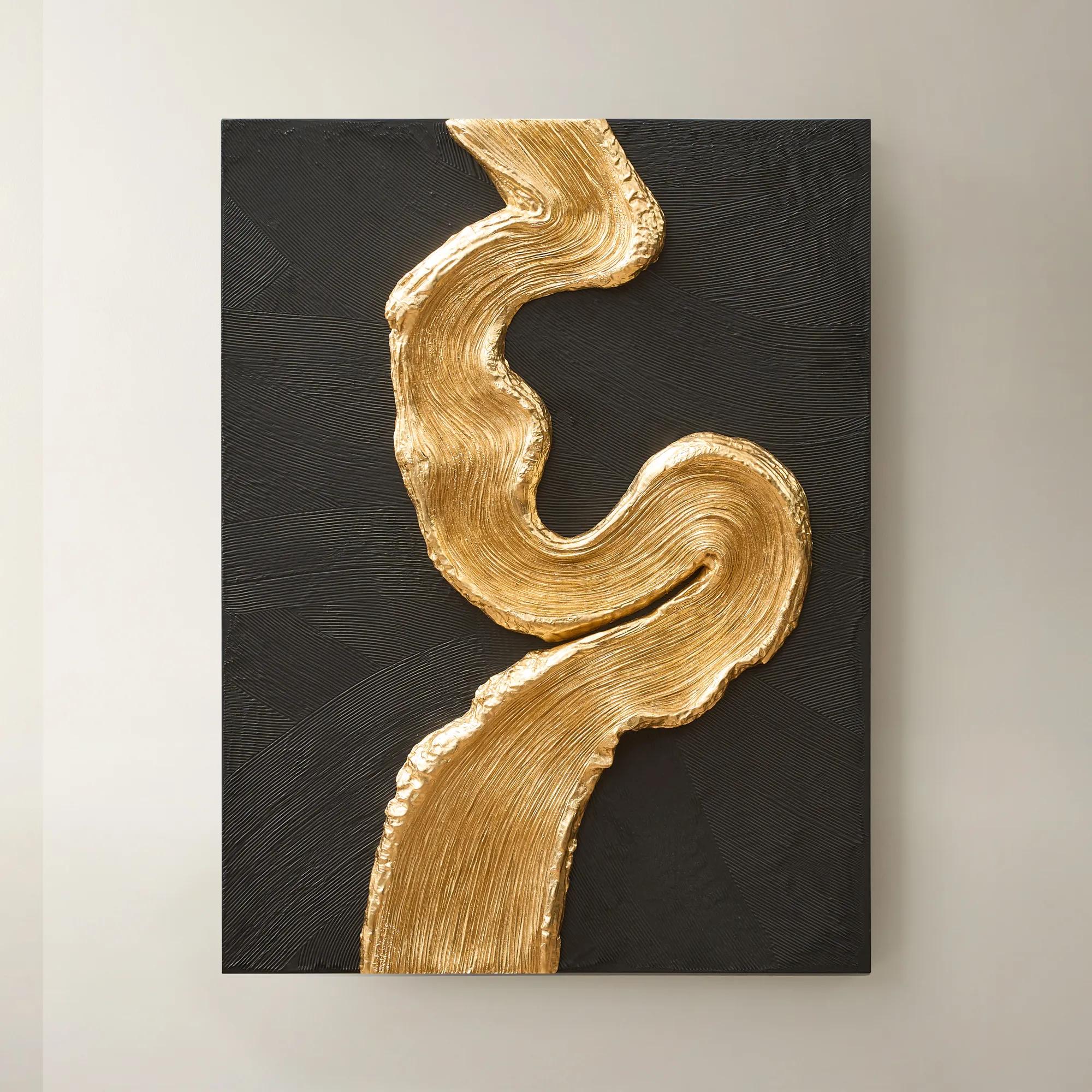
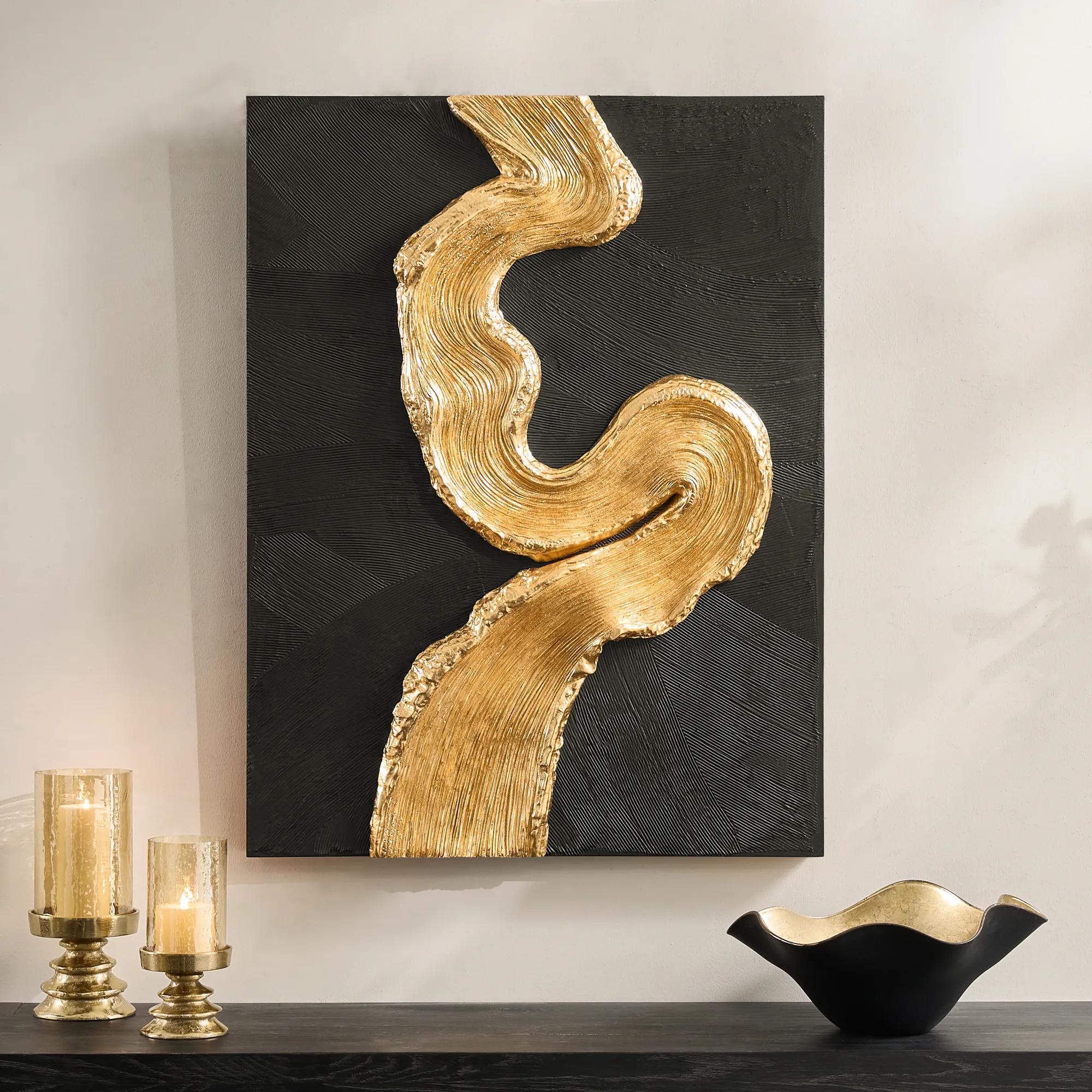 Gold Impasto Sculpted Resin Wall Panel 30" x 40"$499
A sculpted fiberglass resin wall panel featuring gold leaf detail and bold impasto texture on a black backdrop.
Add To Cart -
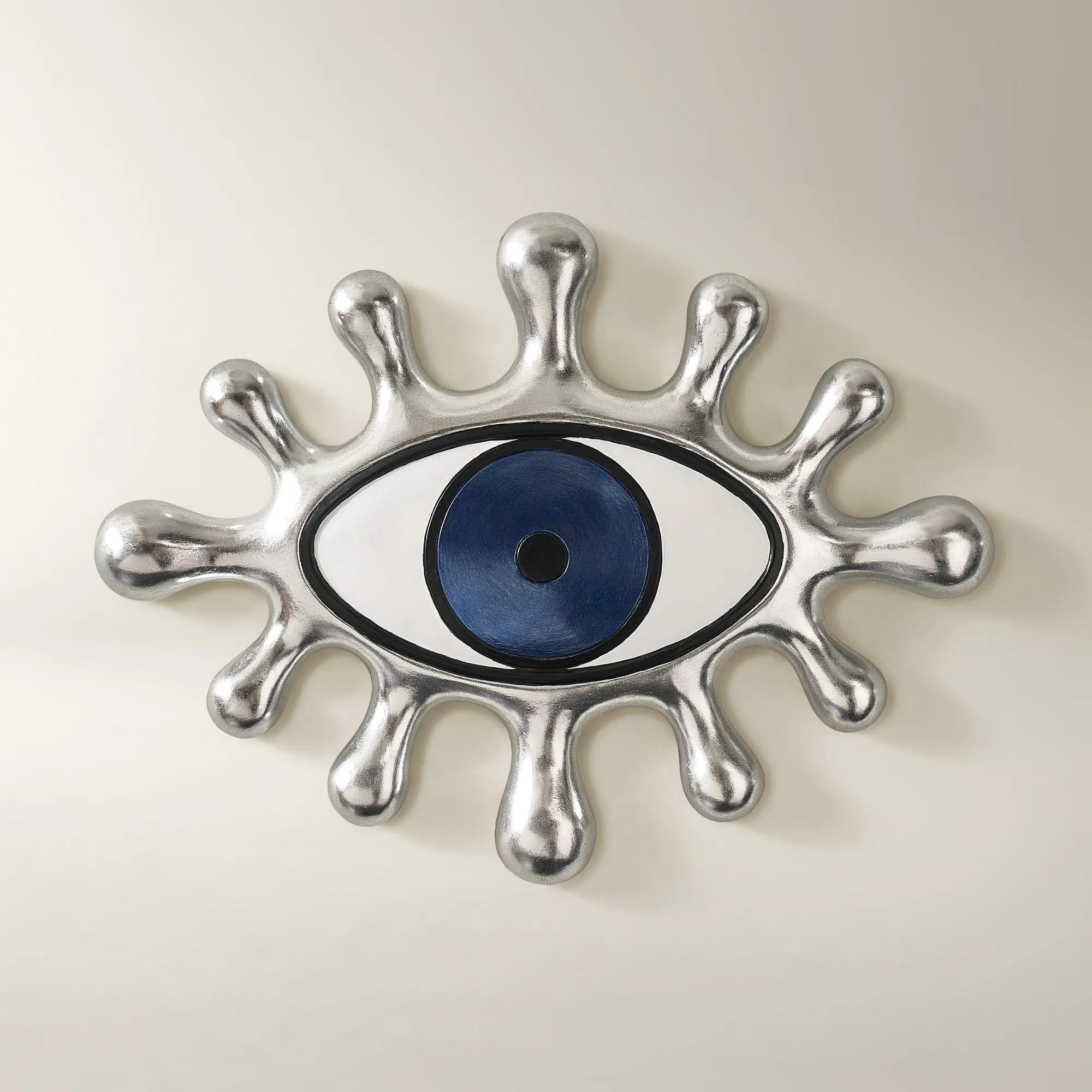 Grand Eye Ink Blue And Silver Resin Wall Decor 18" x 13.5"$79
An exaggerated eye motif in ink blue and silver brings playful, sculptural texture to any wall.
Add To Cart -
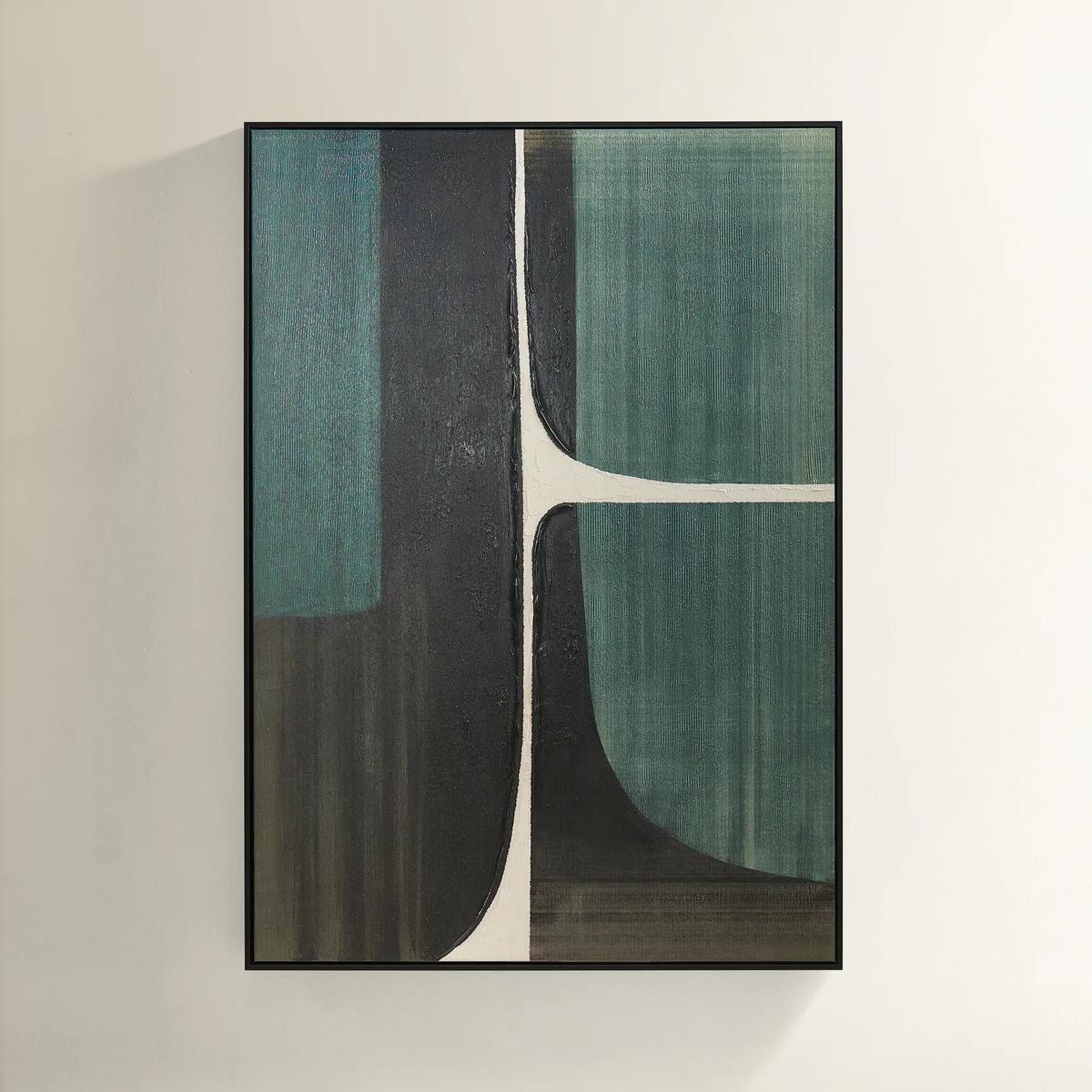 Plains Framed Painted Wall Art 39.25" x 55"$499
A hand-painted abstract canvas in forest green, ivory, and black with a sleek black floater frame.
Add To Cart -
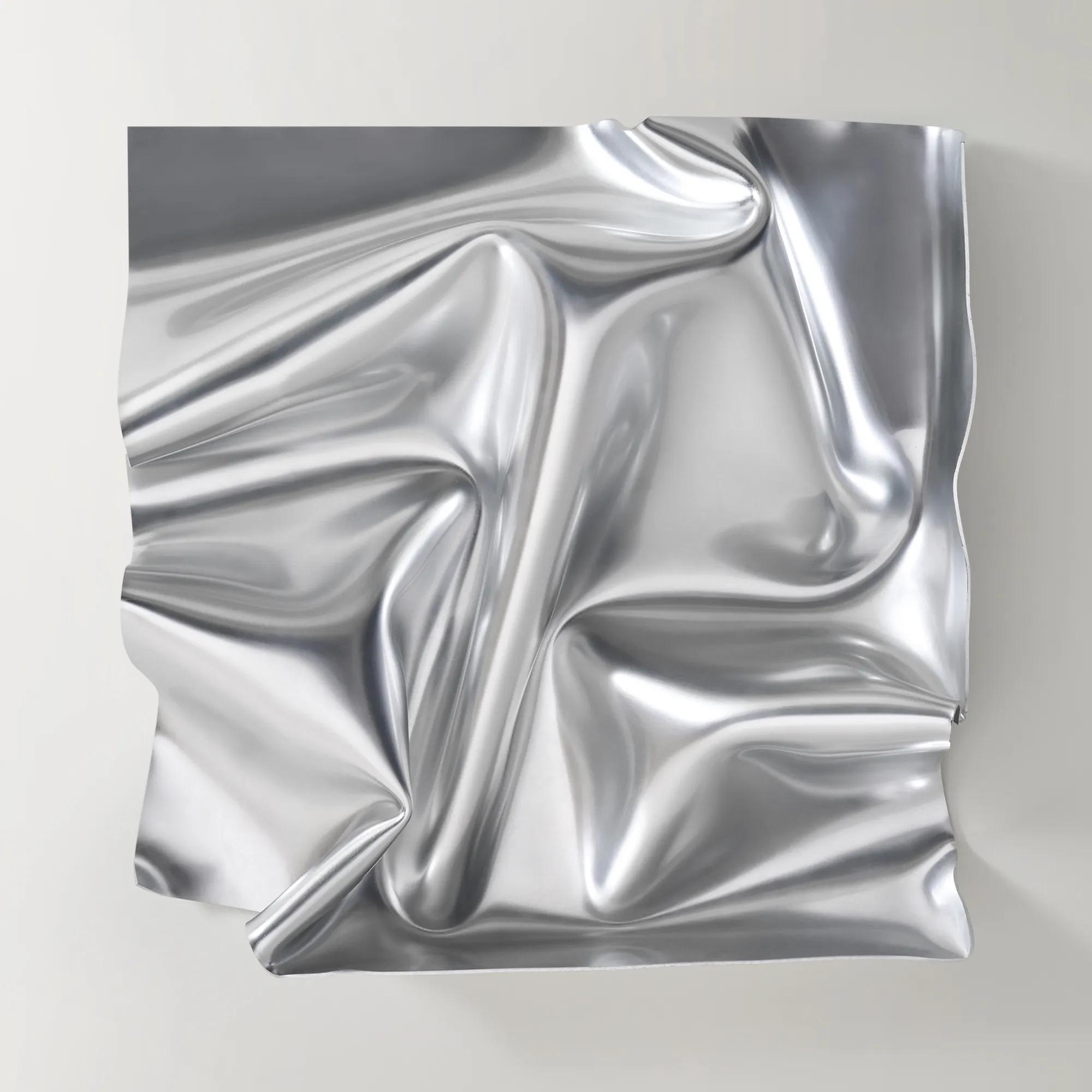
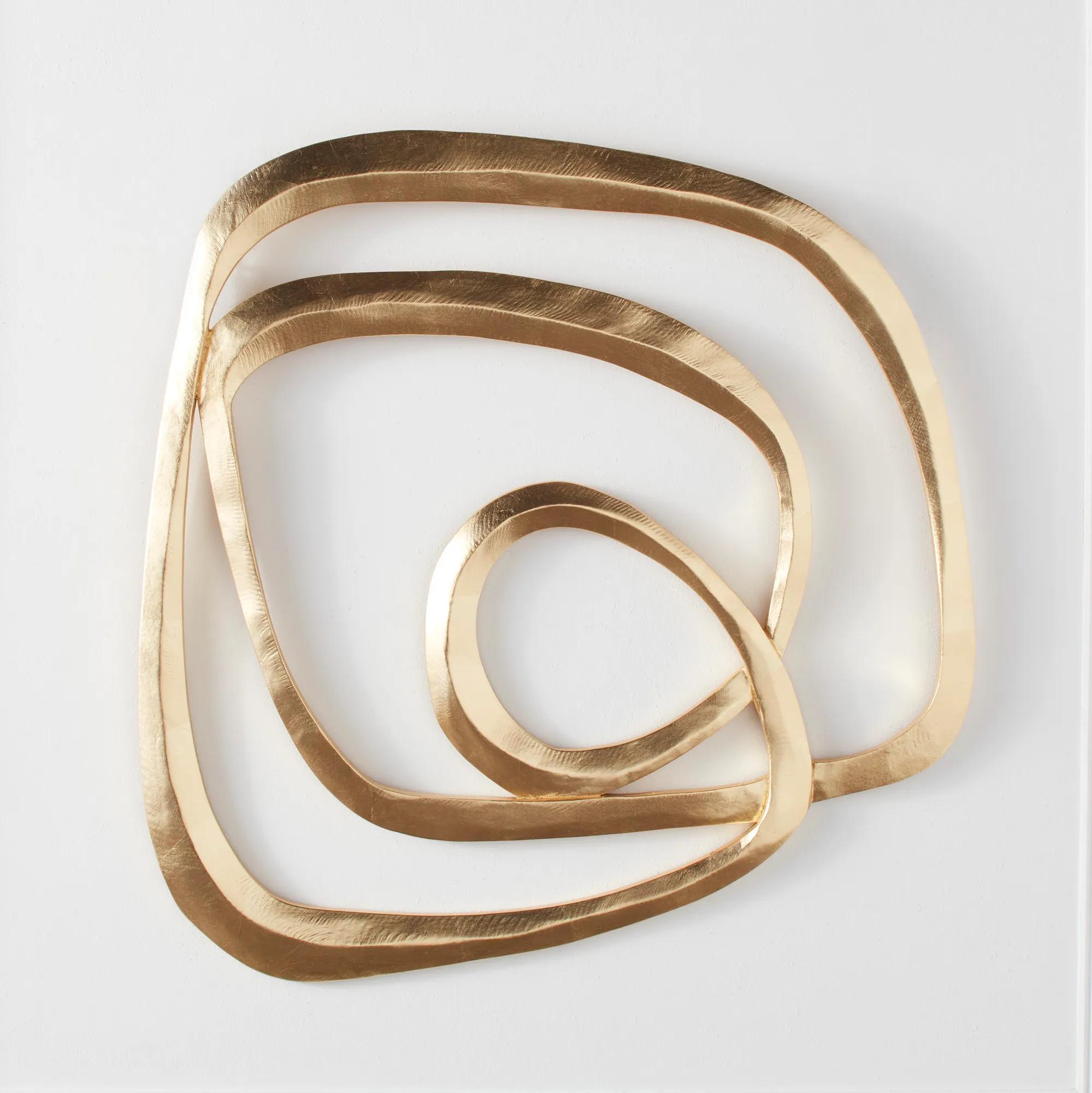
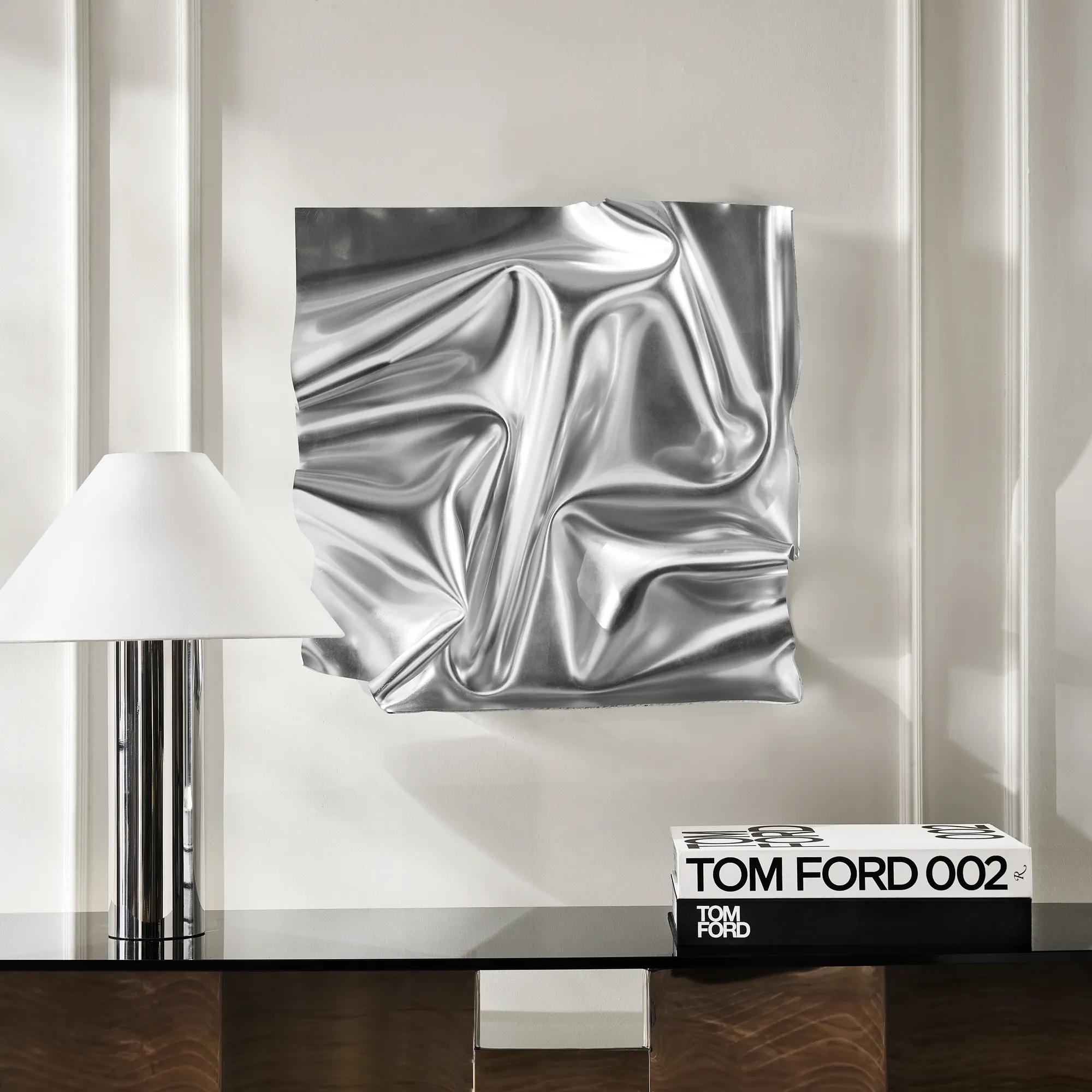 Surface Sculpted Silver Leaf Acrylic Wall Decor 23.6" x 23.6"$189
A striking acrylic wall piece featuring fluid, reflective silver shapes for dramatic, modern visual impact.
Add To Cart -
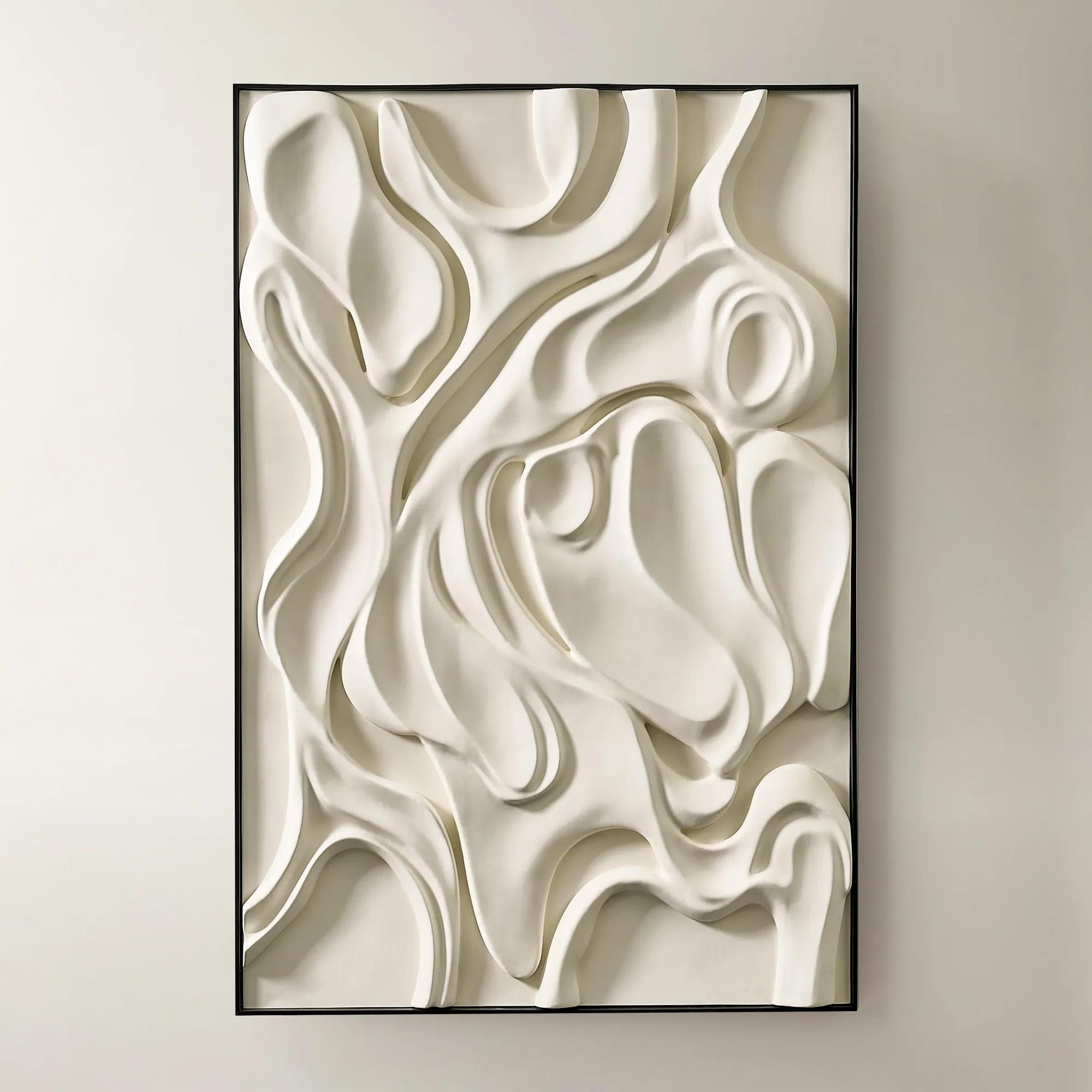 Overflow Alabaster Sculpted Resin Wall Panel 40" x 60"$699
An alabaster fiberglass resin wall panel with sculptural texture and a versatile black frame for modern spaces.
Add To Cart -
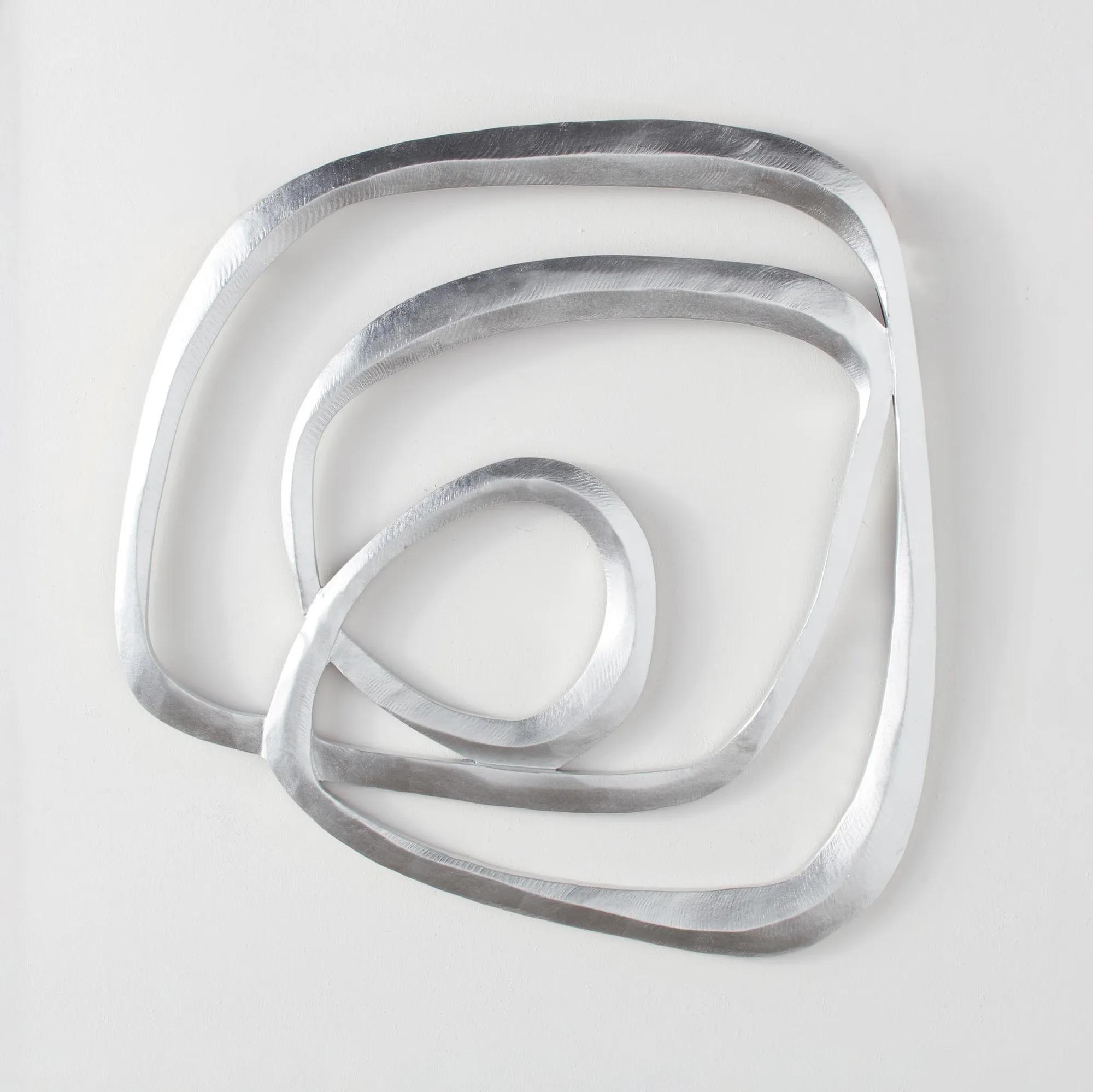 Infinity Silver Leaf Wood Wall Decor II 31.5" x 31.5"$299
A swirling wooden wall sculpture featuring a striking metallic silver finish for modern visual impact.
Add To Cart -
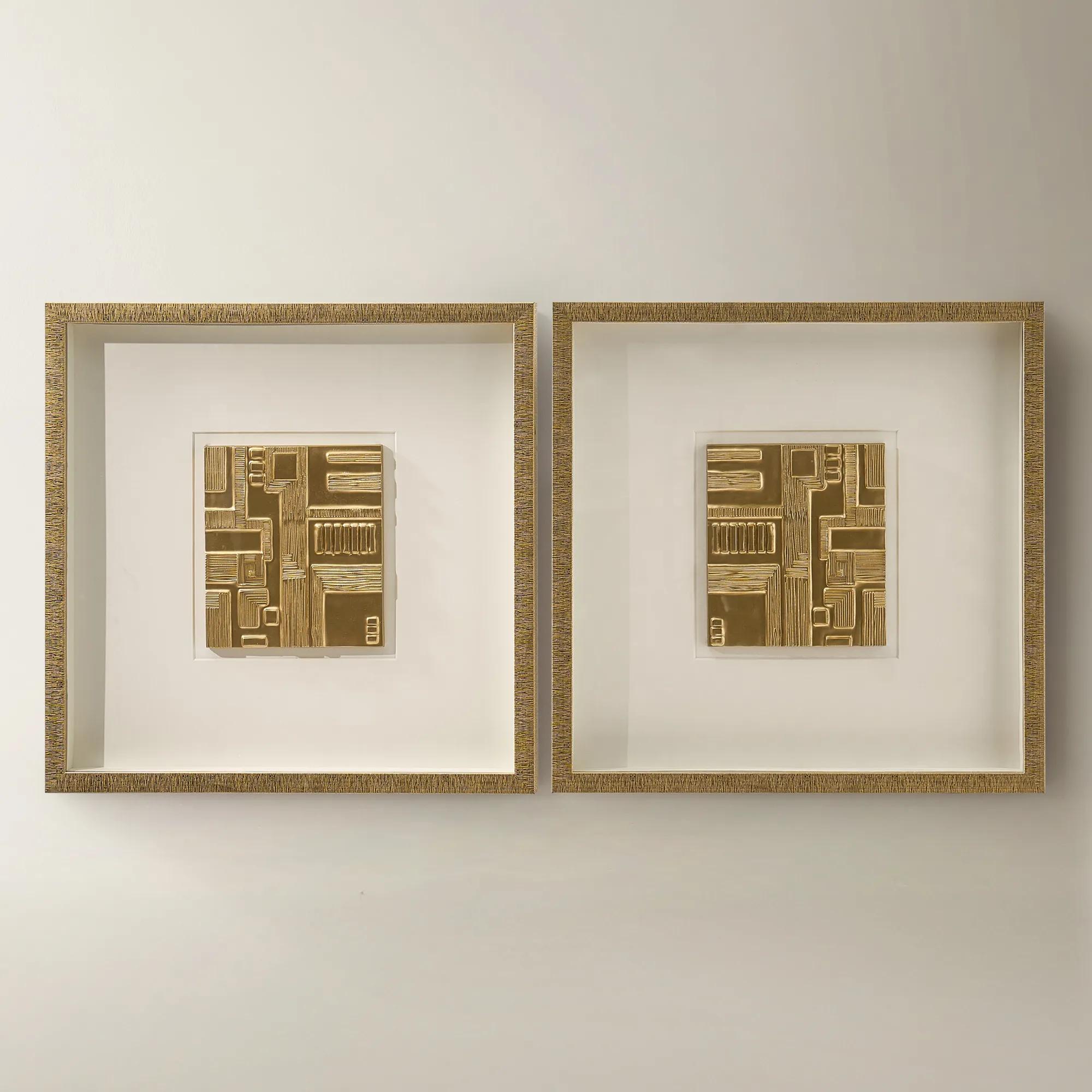
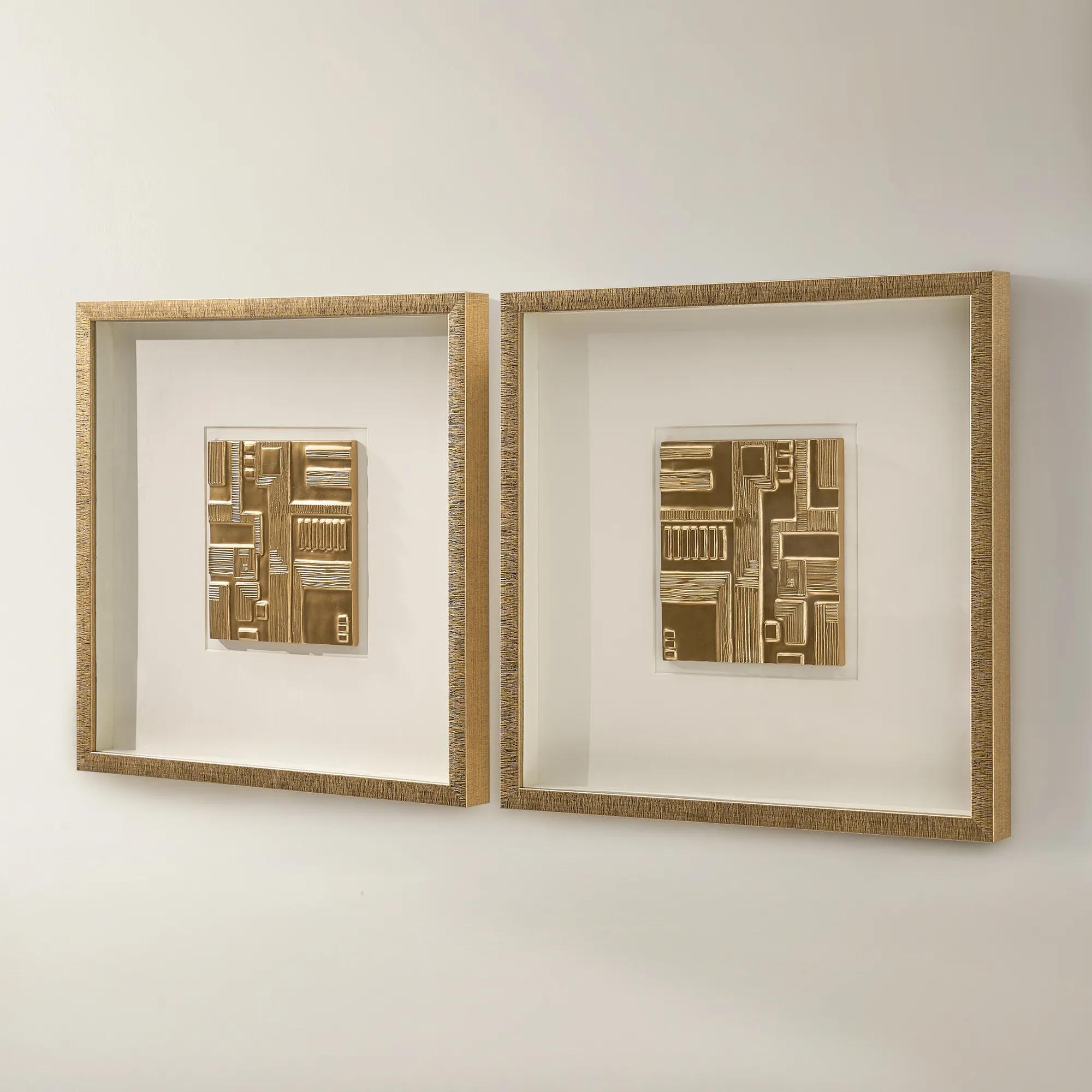 Ritual Framed Woodcarving Wall Decor Set of 2$329
A set of two gold-framed woodcarvings with ivory mats and dimensional relief for gallery-style wall decor.
Add To Cart -
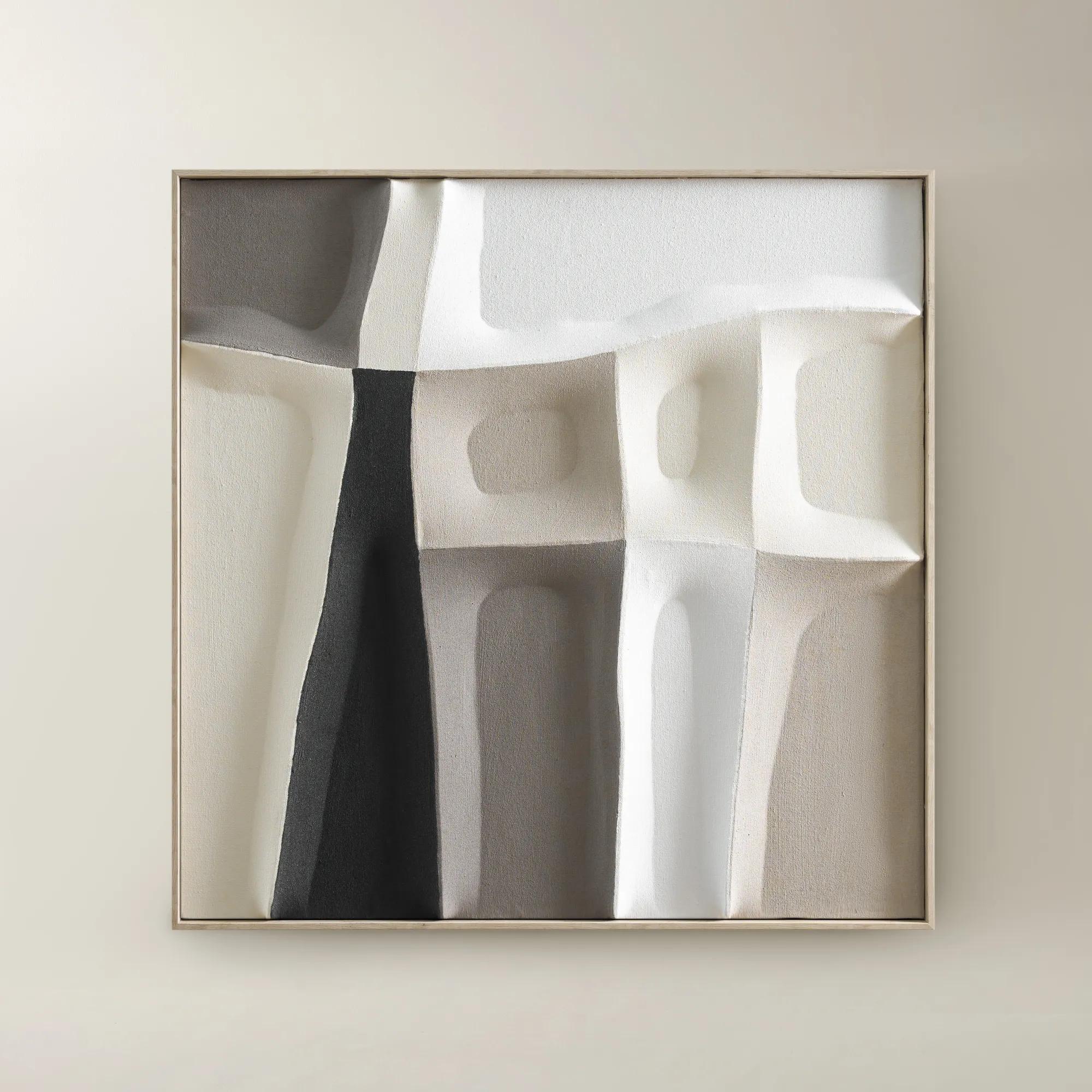 Shadow Painting 1$179
A hand-painted canvas featuring bold colors and sculptural textures in a warm whitewash floater frame.
Add To Cart -
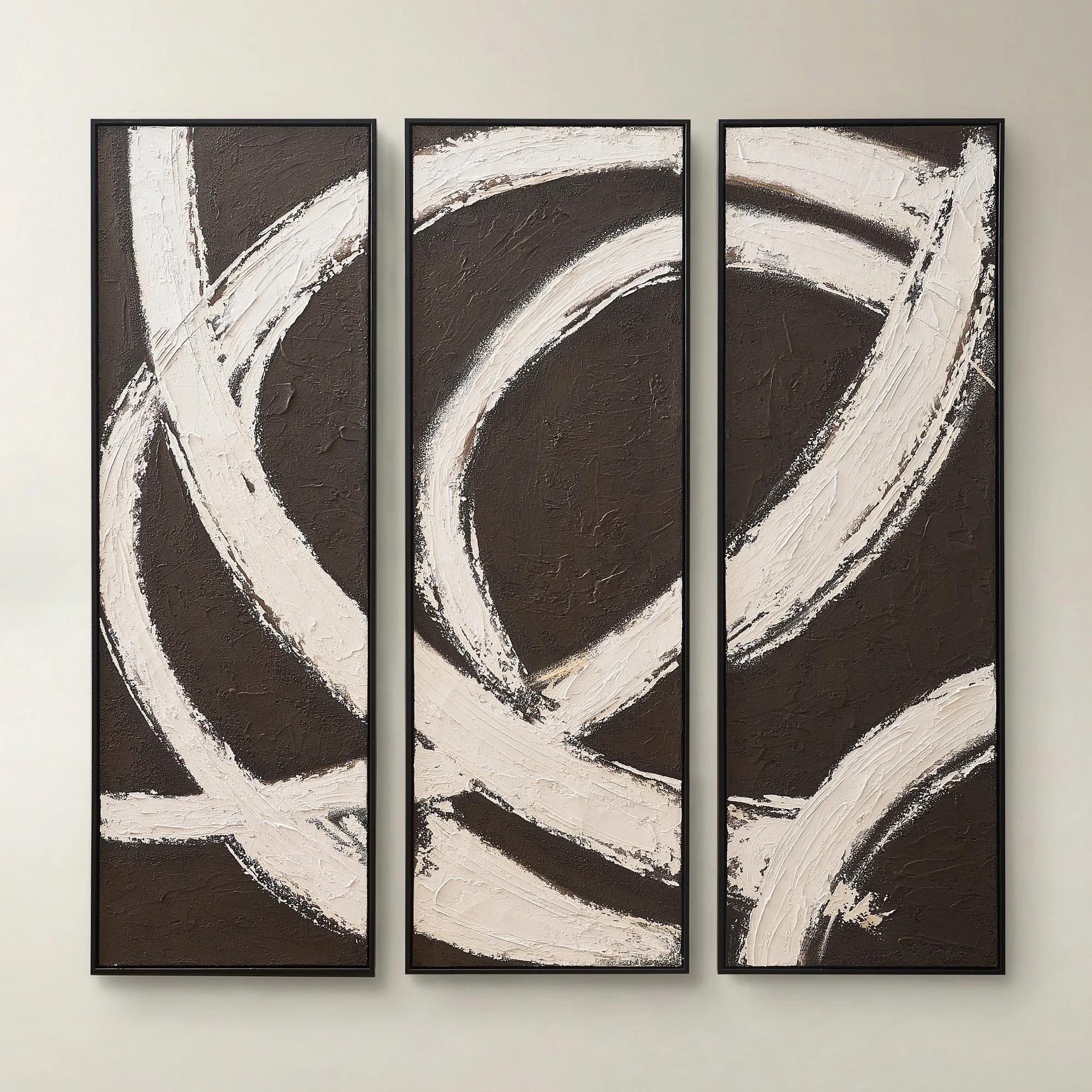
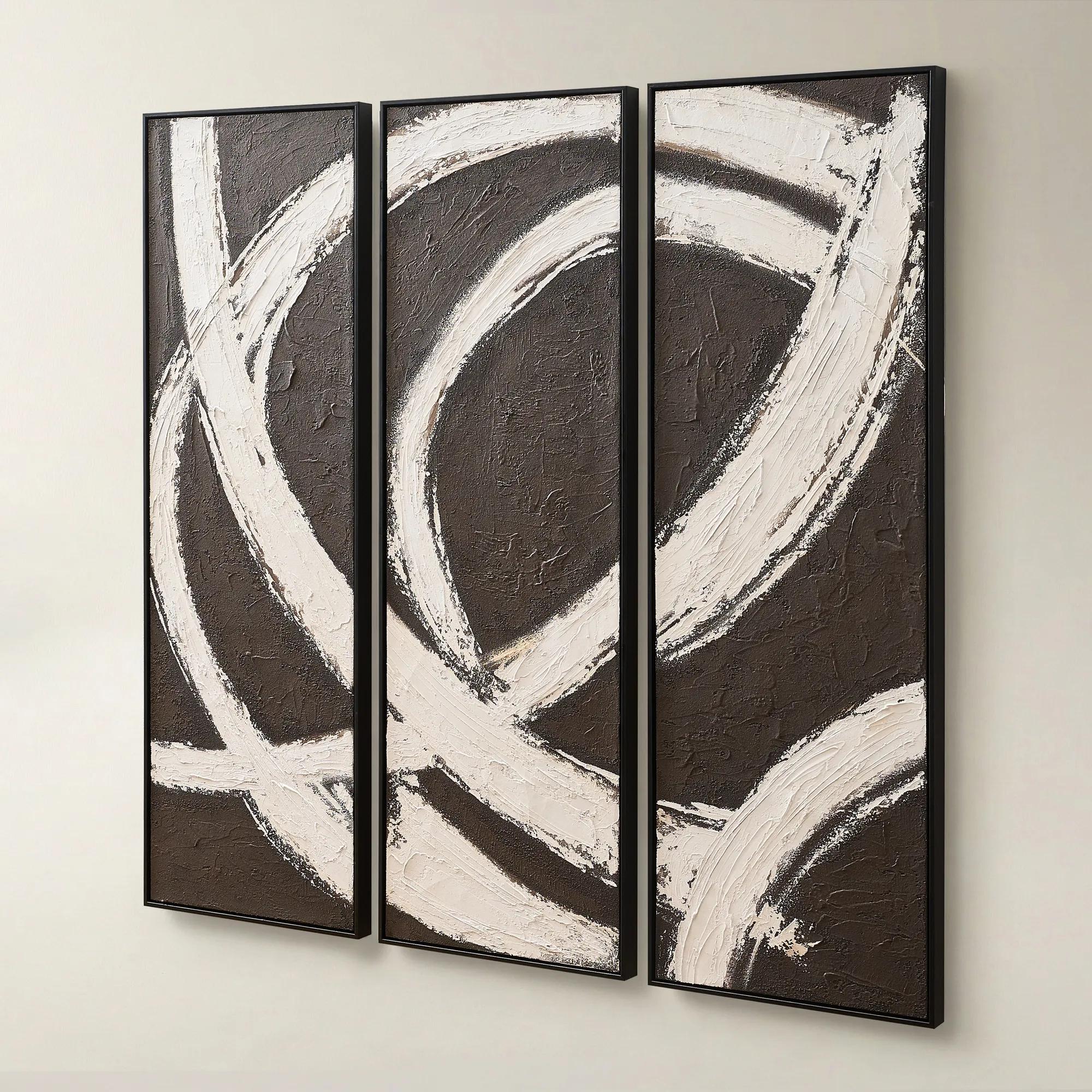 Spun in Coco Framed Painted Wall Art 20" x 60" Set of 3$499
A hand-painted triptych featuring dark chocolate and alabaster tones with rich texture and modern contrast.
Add To Cart -
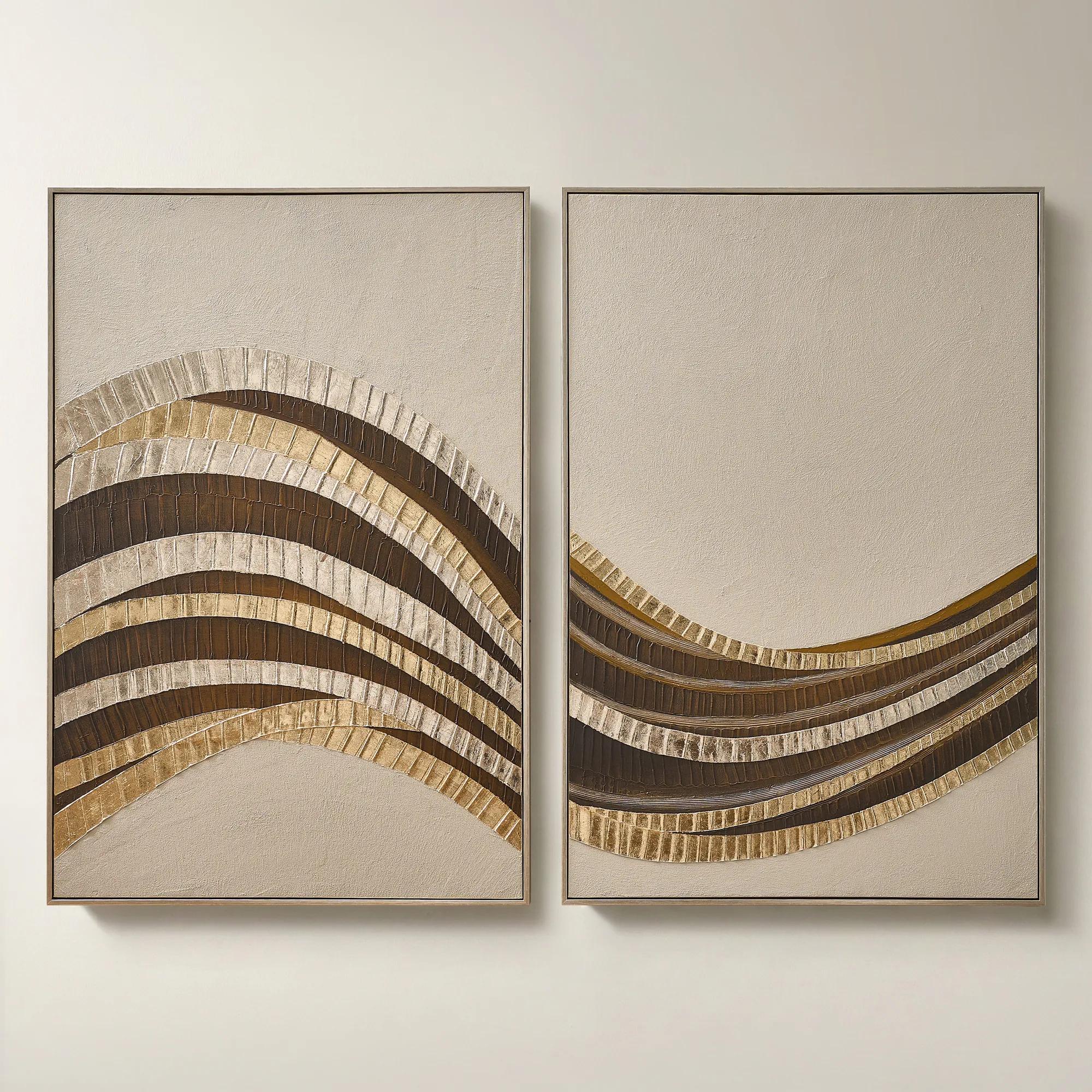 Stillness in Motion Framed Gold Leaf Painted Wall Art 40" x 60" Set of 2$899
A hand-painted abstract diptych with gold leaf accents, textured surface, and brushed champagne frames.
Add To Cart -
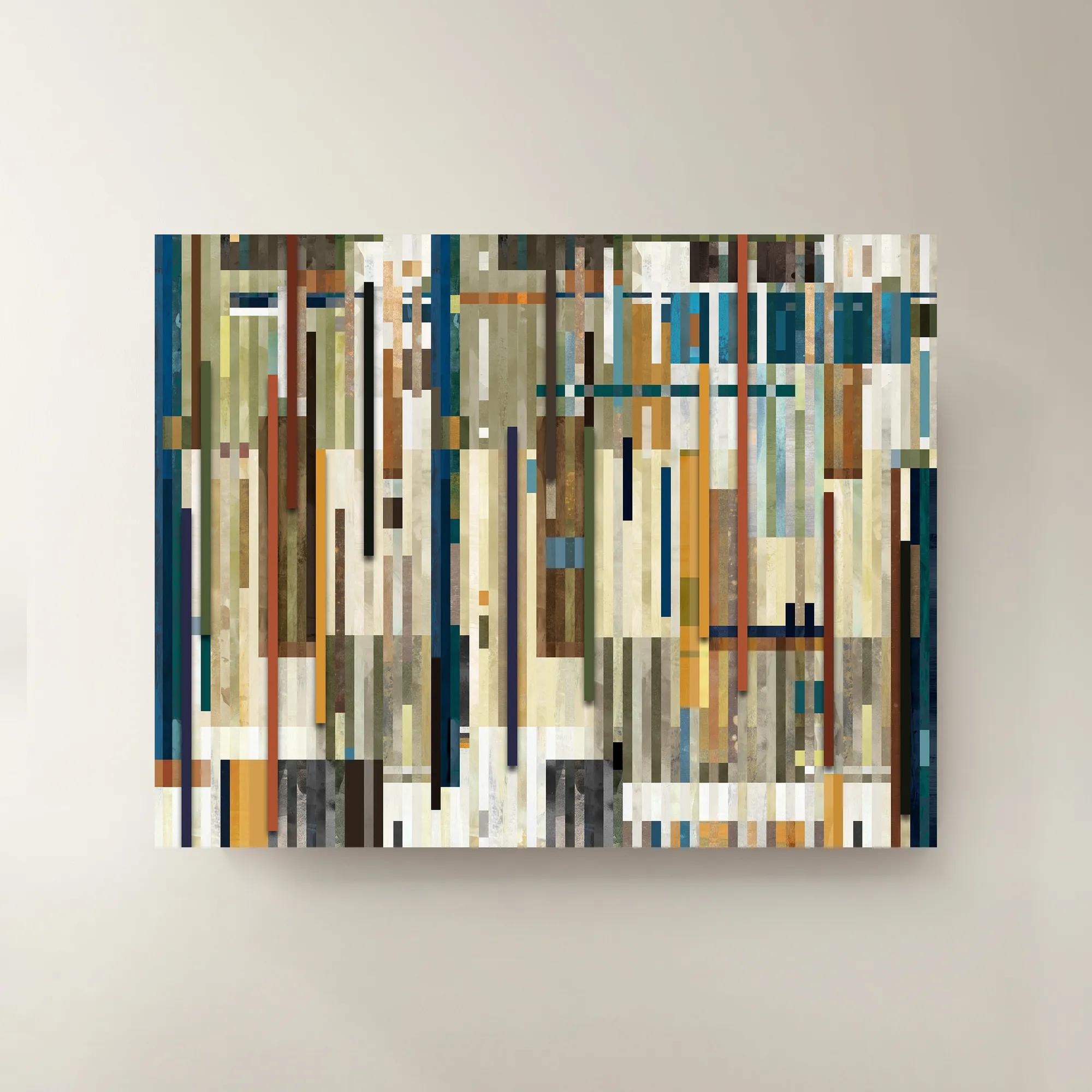
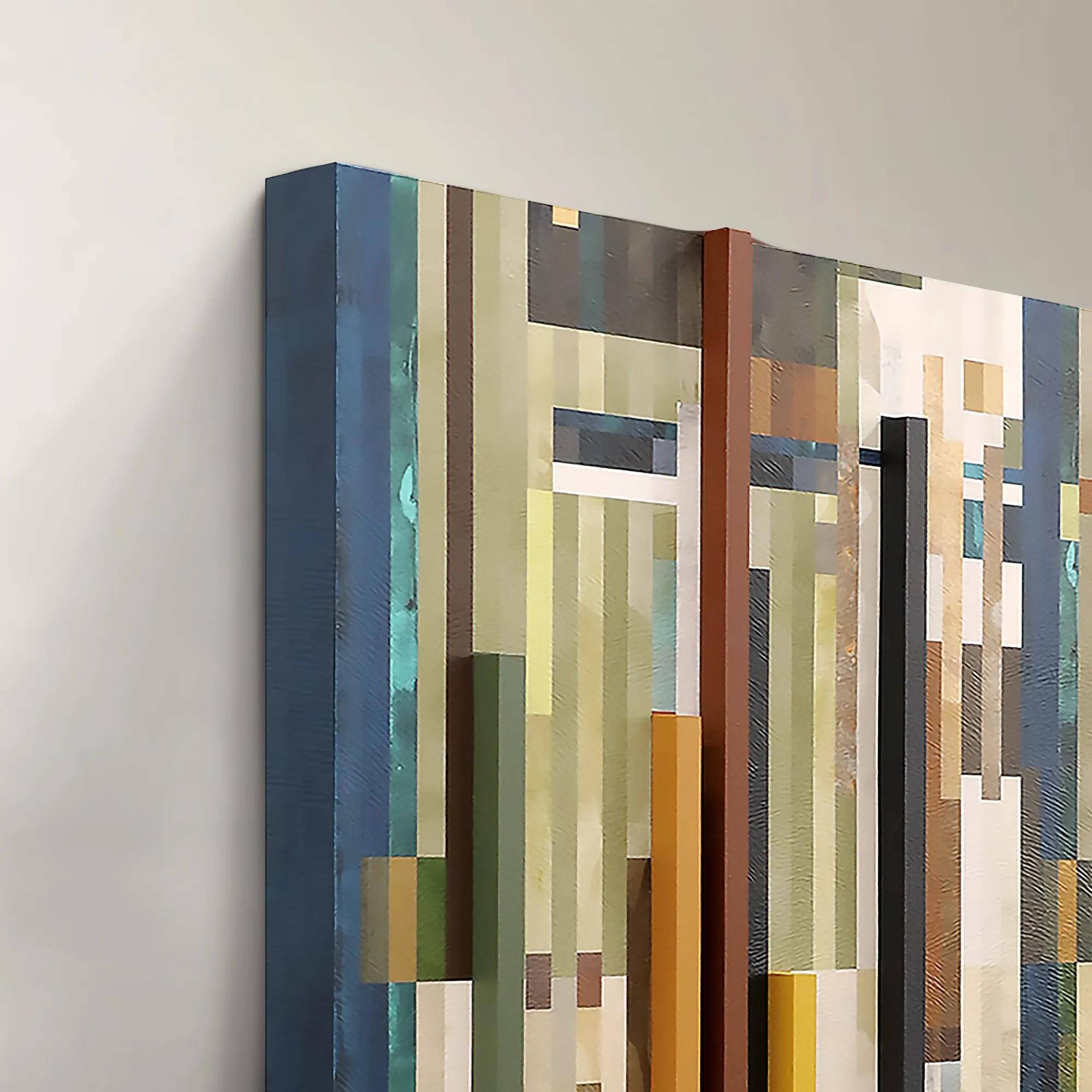 Chromatic Rhythms II Wall Art 60" x 47"$1899
A dynamic blue abstract canvas artwork featuring rhythmic geometric composition.
Add To Cart -
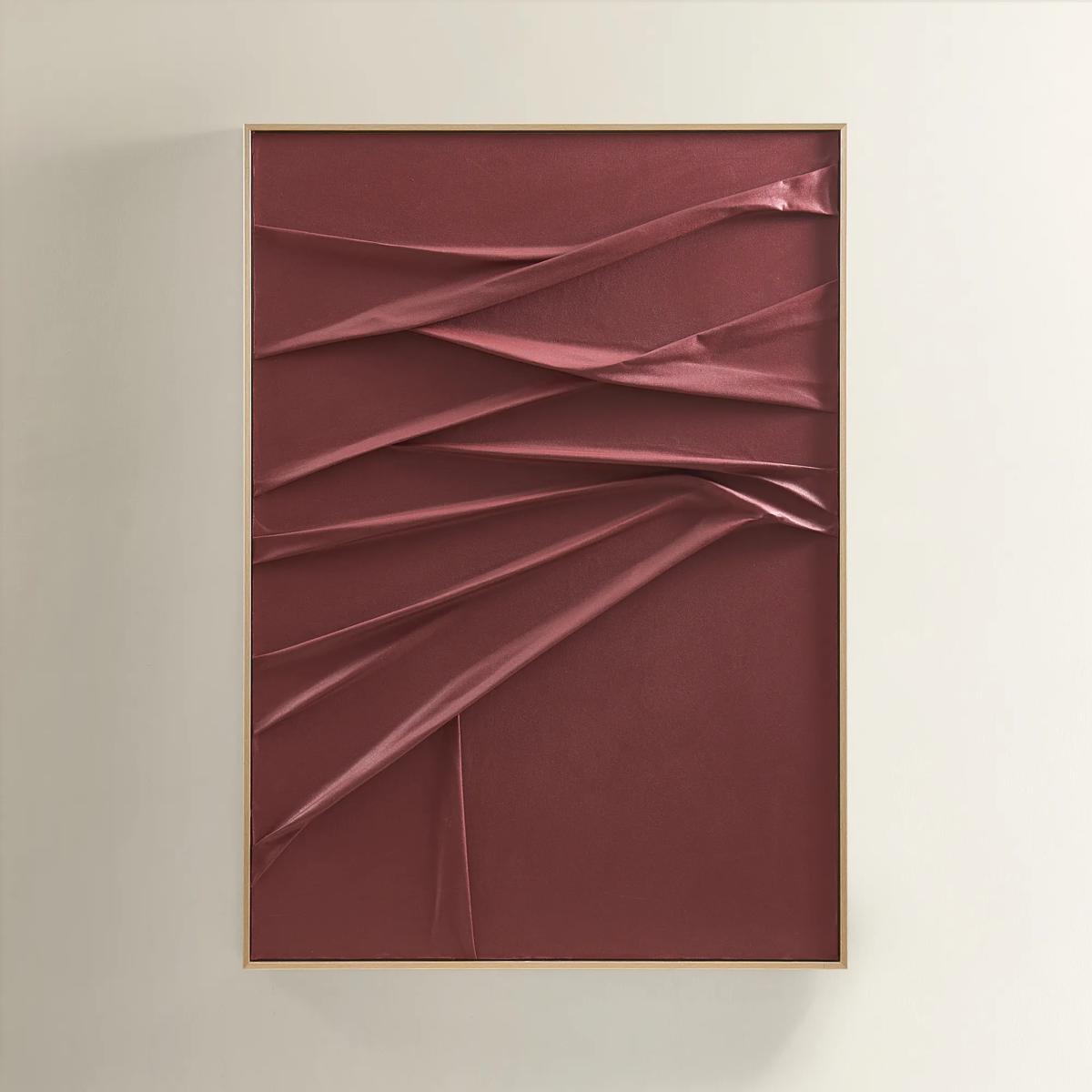
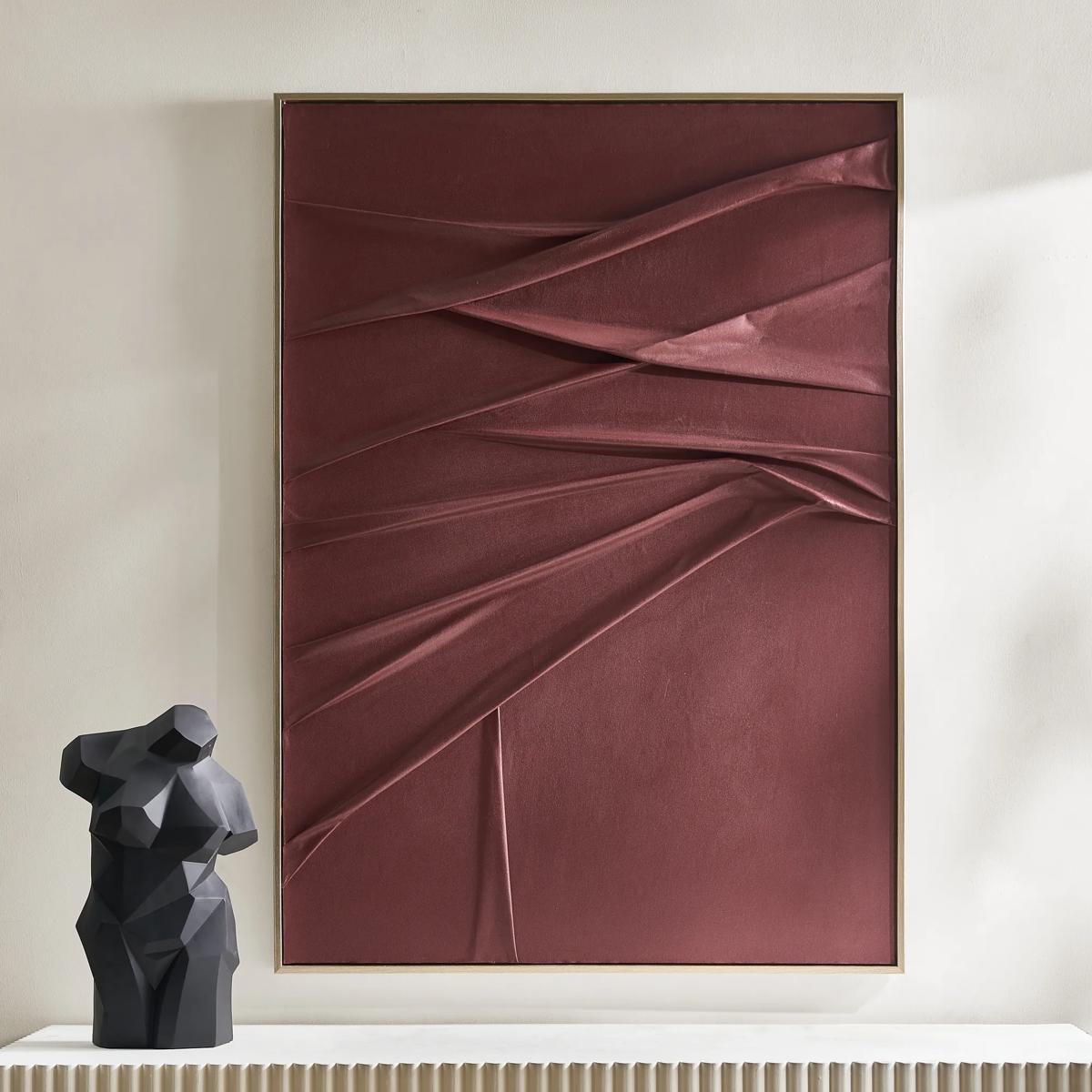 Crimson Painting$599
A handcrafted burgundy canvas artwork with sculptural folds, framed in champagne for a dramatic, textured effect.
Add To Cart -

 Shift Framed Painted Wall Art 39.4" x 59"$499
A hand-painted canvas featuring bold black and beige contrasts with textured layers in a sleek black frame.
Add To Cart -
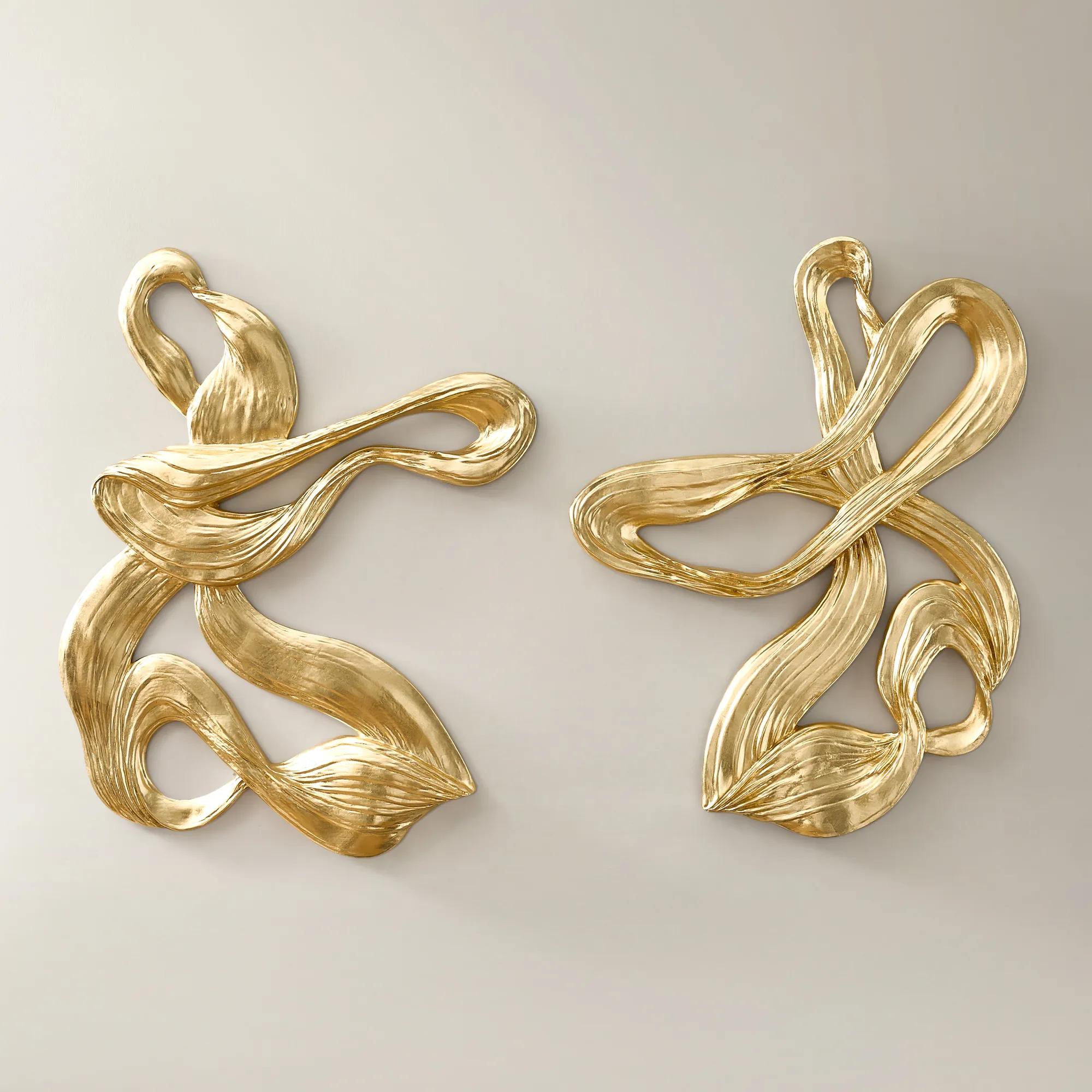
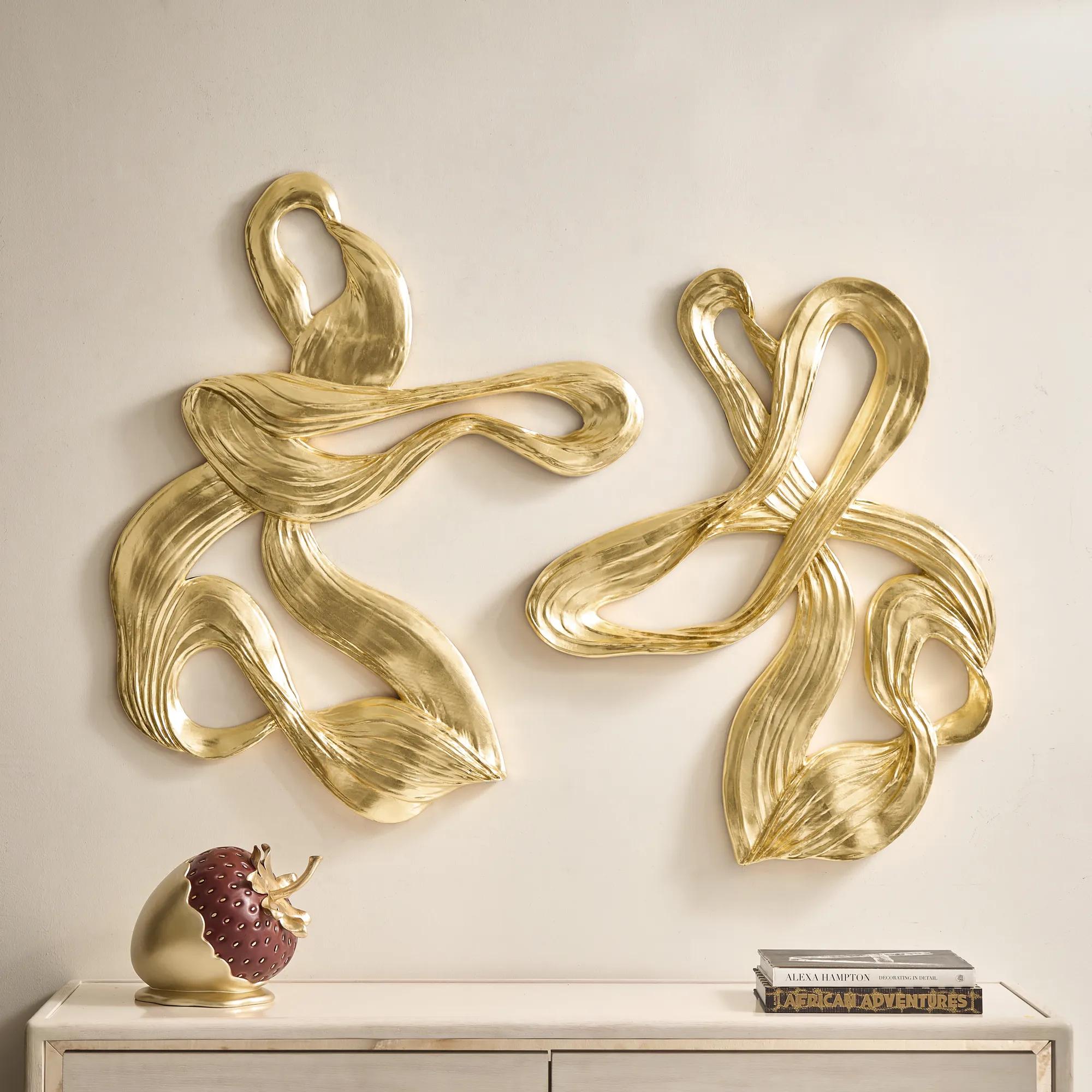 Vela Gold Leaf Sculpted Resin Wall Decor 30.5" x 39.25" Set of 2$699
A set of two resin wall sculptures featuring abstract loop designs and soft gold leafing for modern elegance.
Add To Cart -
 Jagged Black Leather Wall Decor in Acrylic 23.5" x 35.5"$329
A sculptural wall art piece featuring folded black leather strips encased in a clear acrylic shadow box.
Add To Cart -
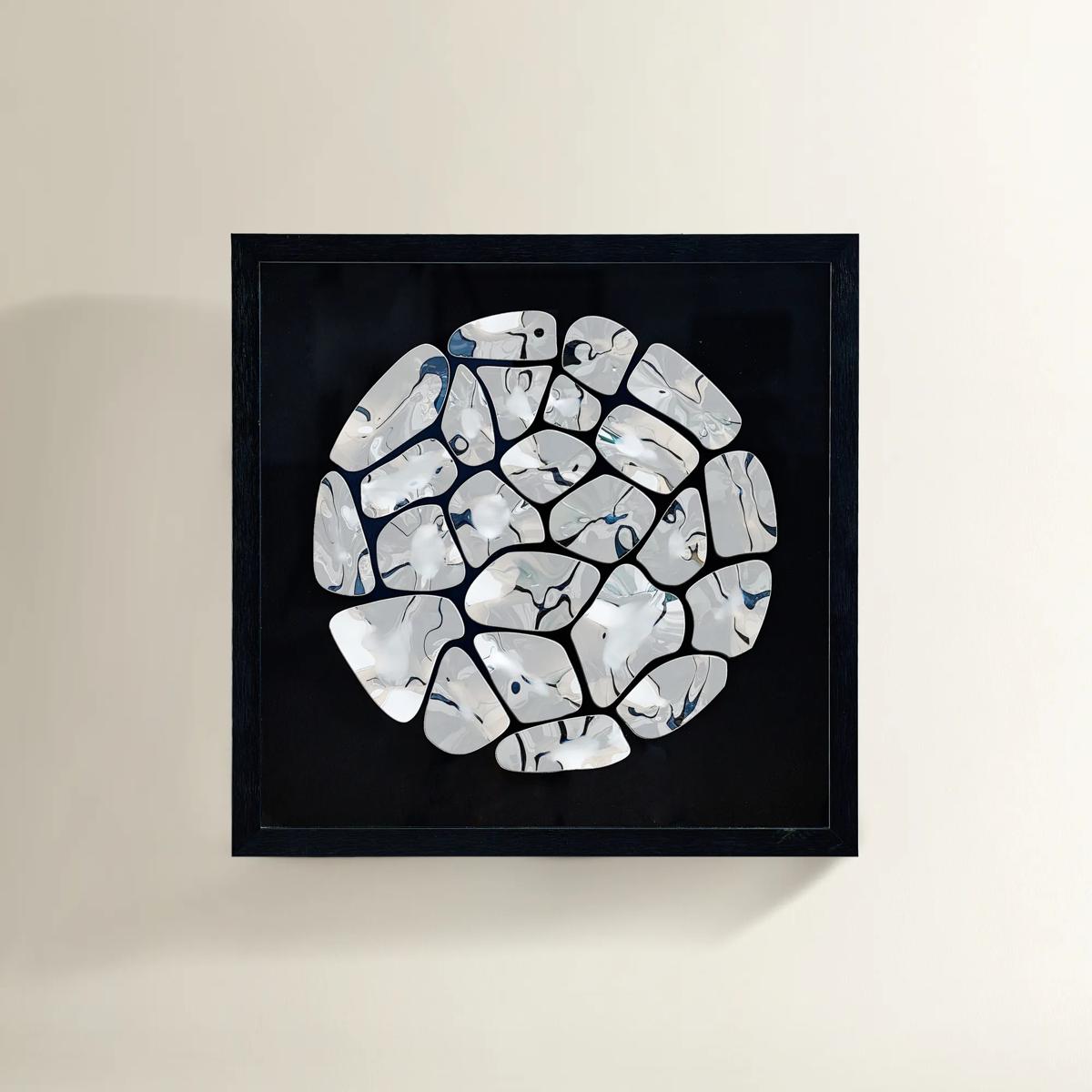
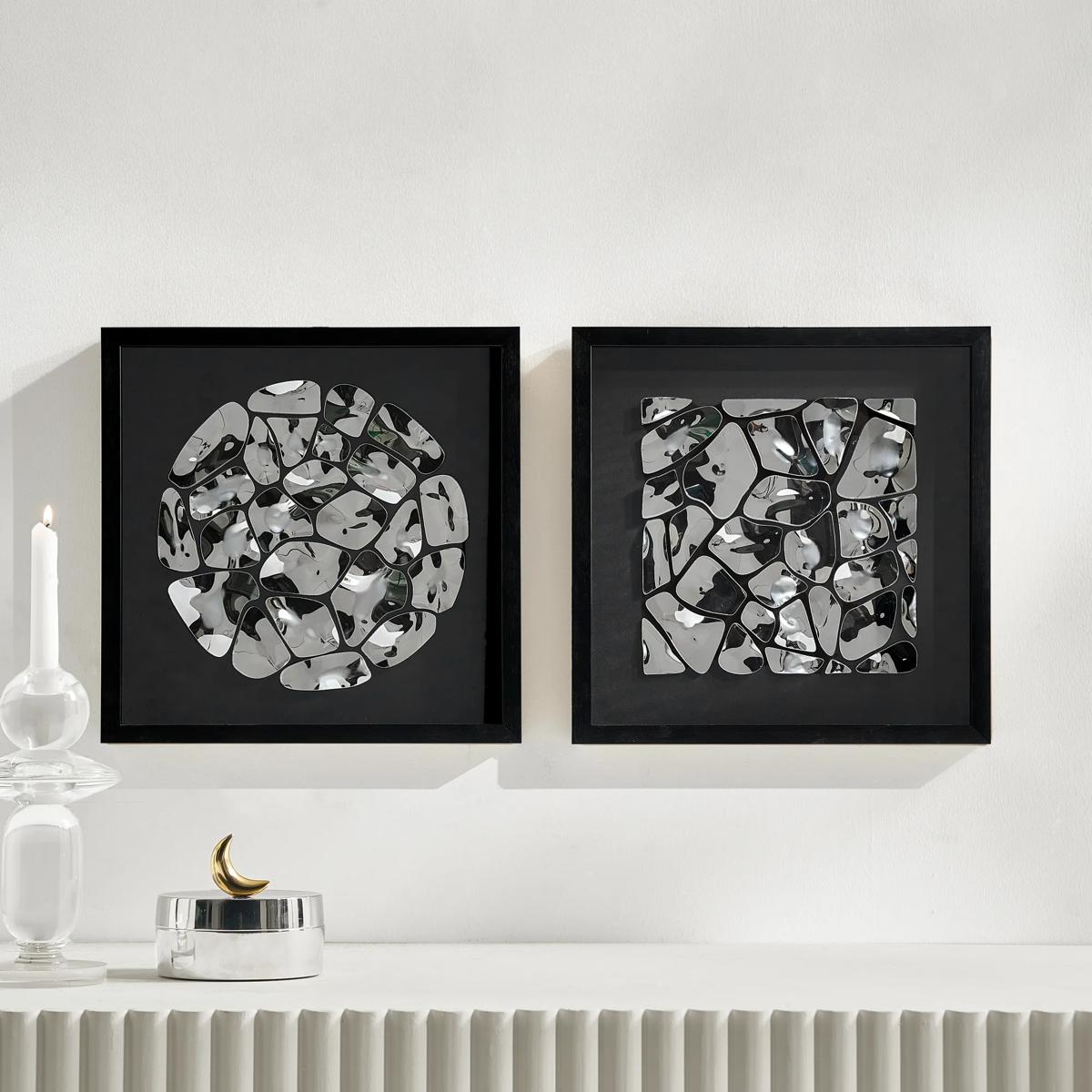 Reflect Silver And Black Shadowbox Art II$189
A dimensional metal wall art piece featuring polished silver and black forms in a sleek black frame.
Add To Cart -
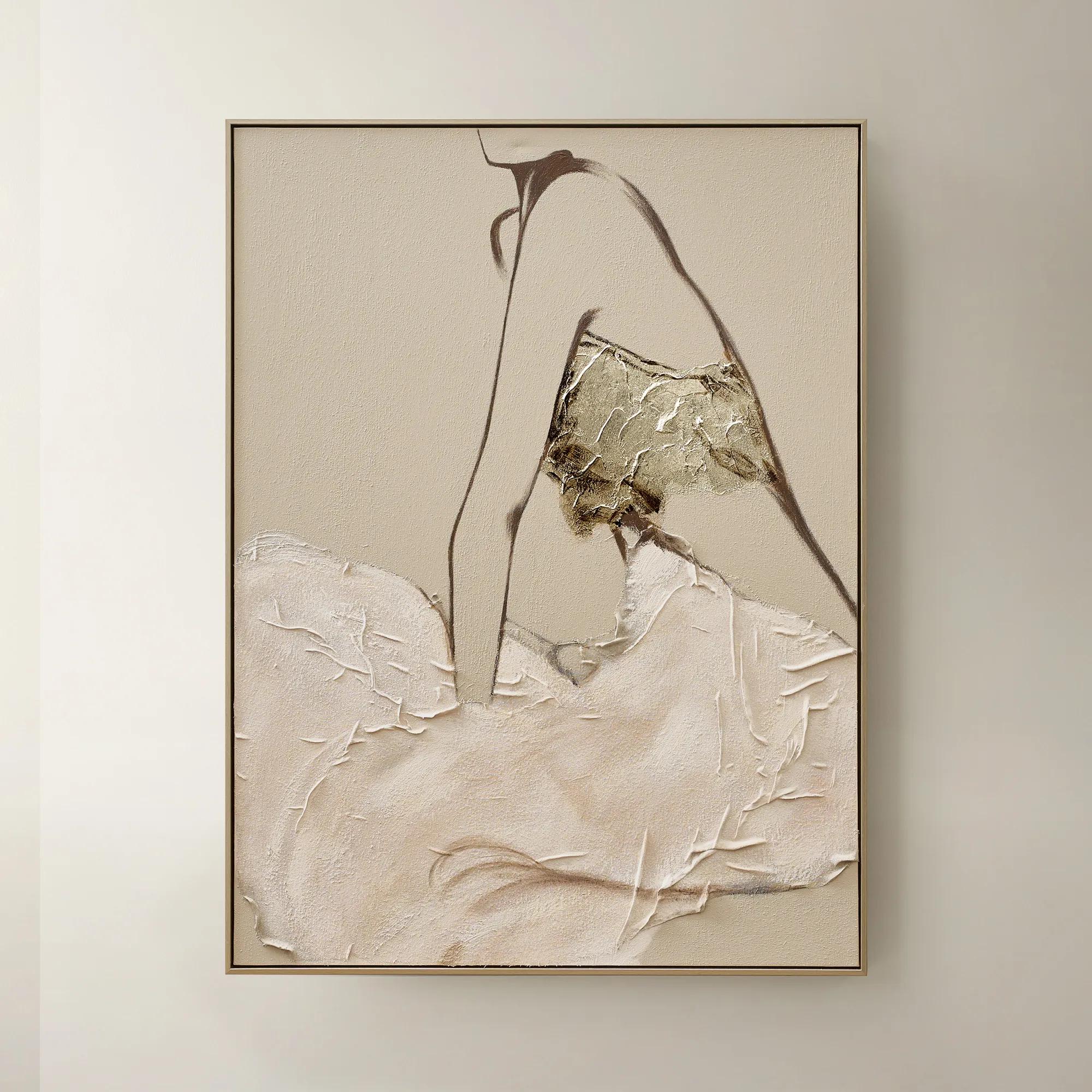 Quiet Pose Framed Painted Wall Art 36" x 48"$499
A hand-painted canvas in taupe and champagne tones features textural details and shimmering champagne leafing.
Add To Cart -
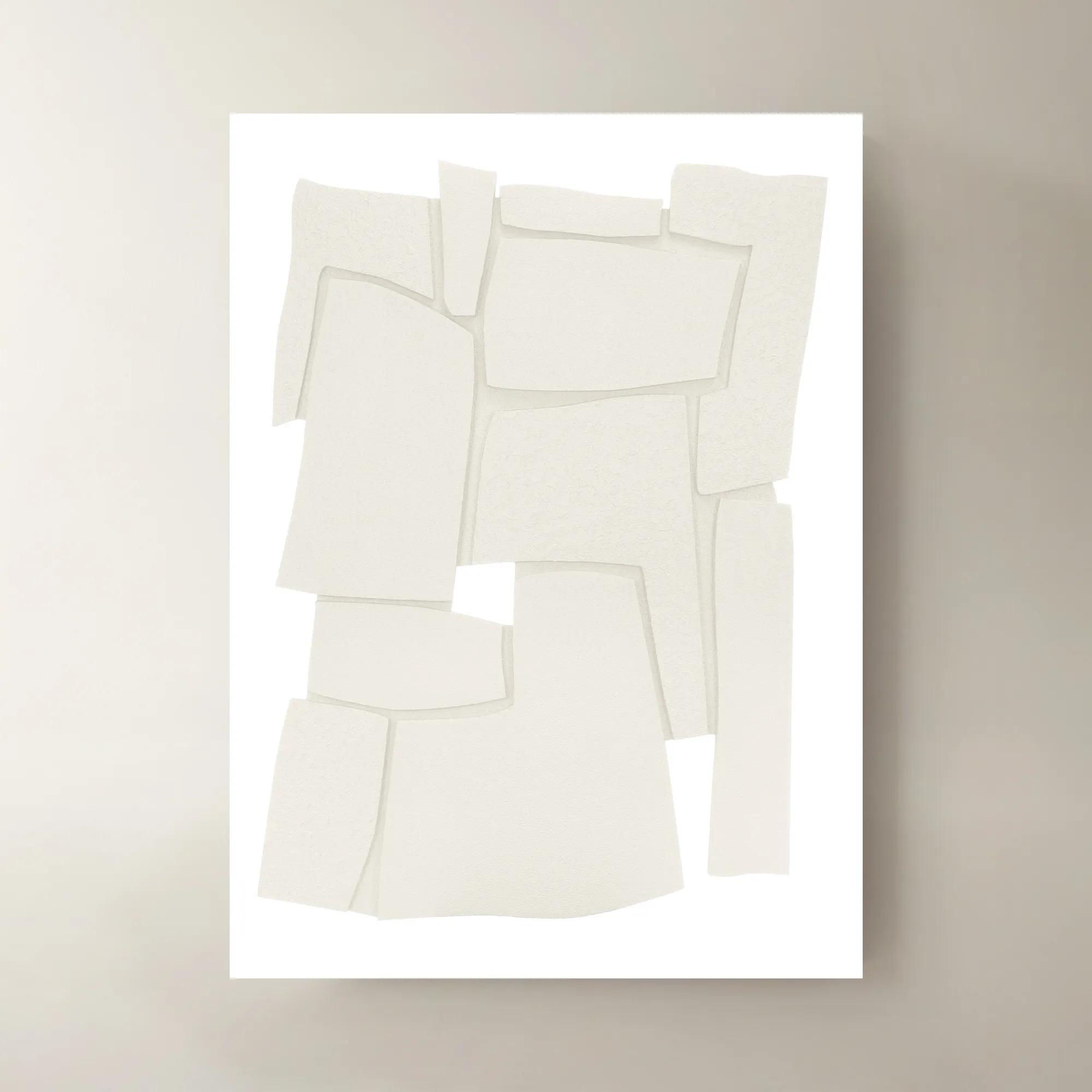
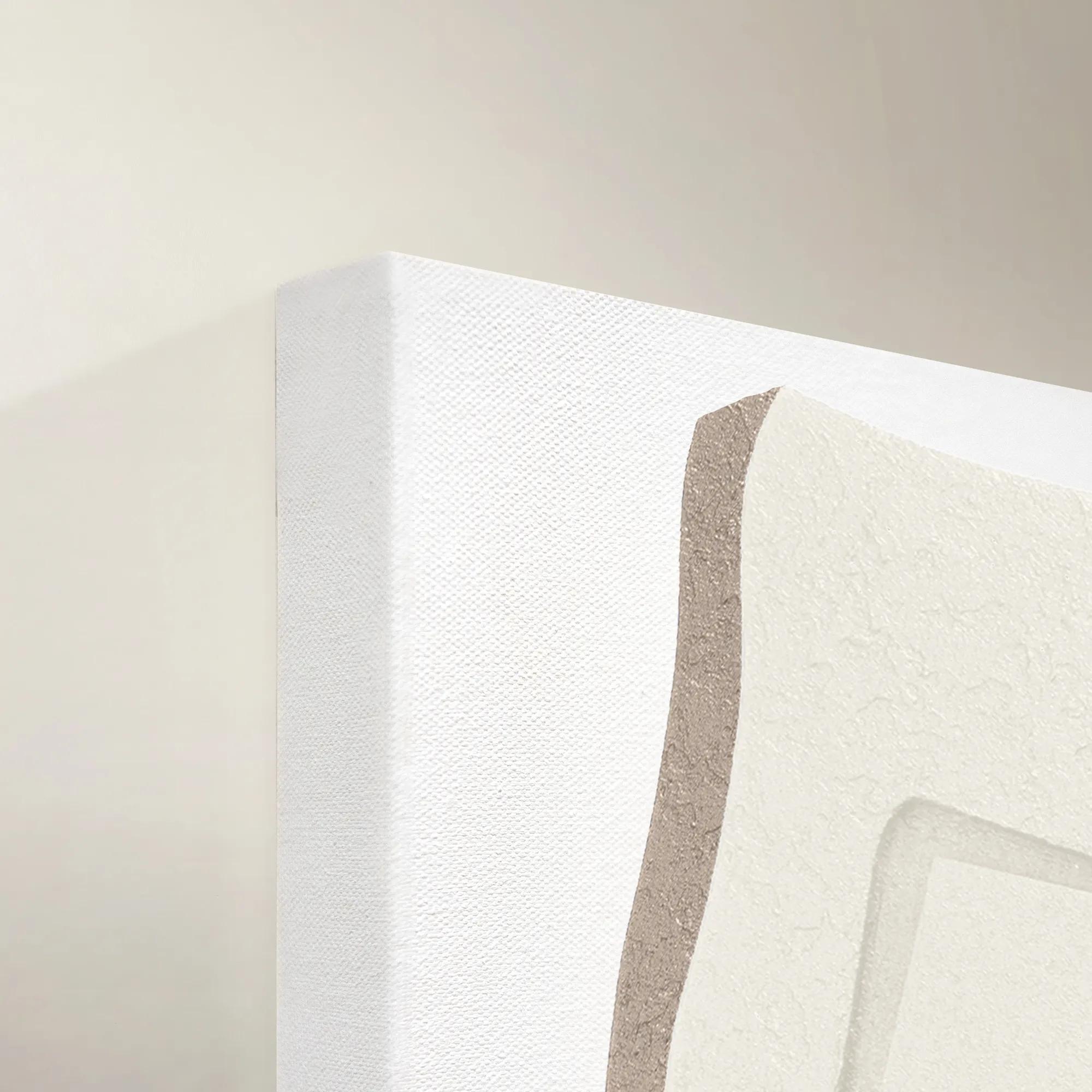 Wonder Maze III Wall Art 40" x 55"$1699
A contemporary canvas wall art piece featuring an intriguing abstract maze-inspired design.
Add To Cart -

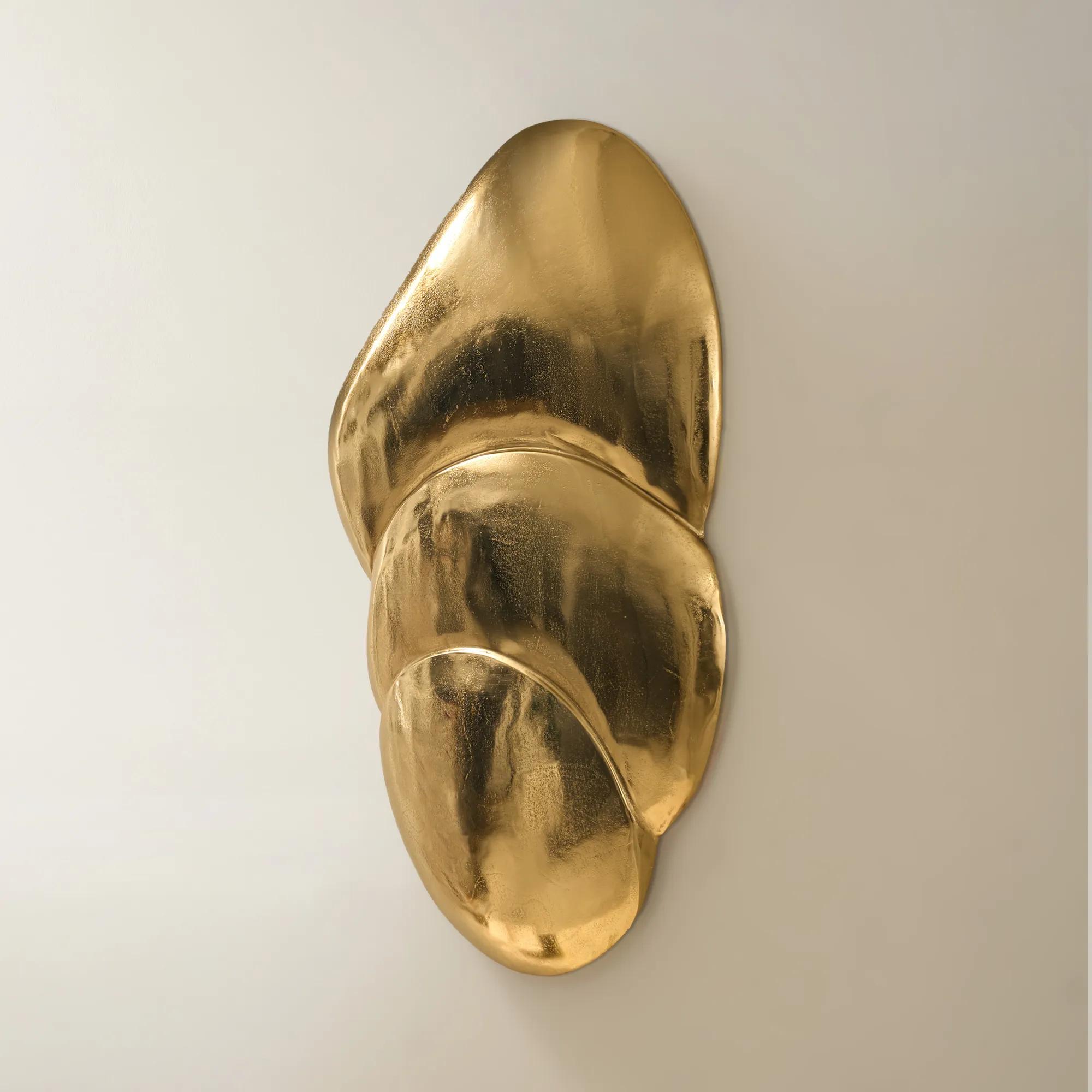 Echo Gold Handcrafted Aluminum Wall Decor 19" x 30"$169
A handcrafted gold aluminum wall sculpture with crisp definition and a polished, gallery-ready framed presentation.
Add To Cart -
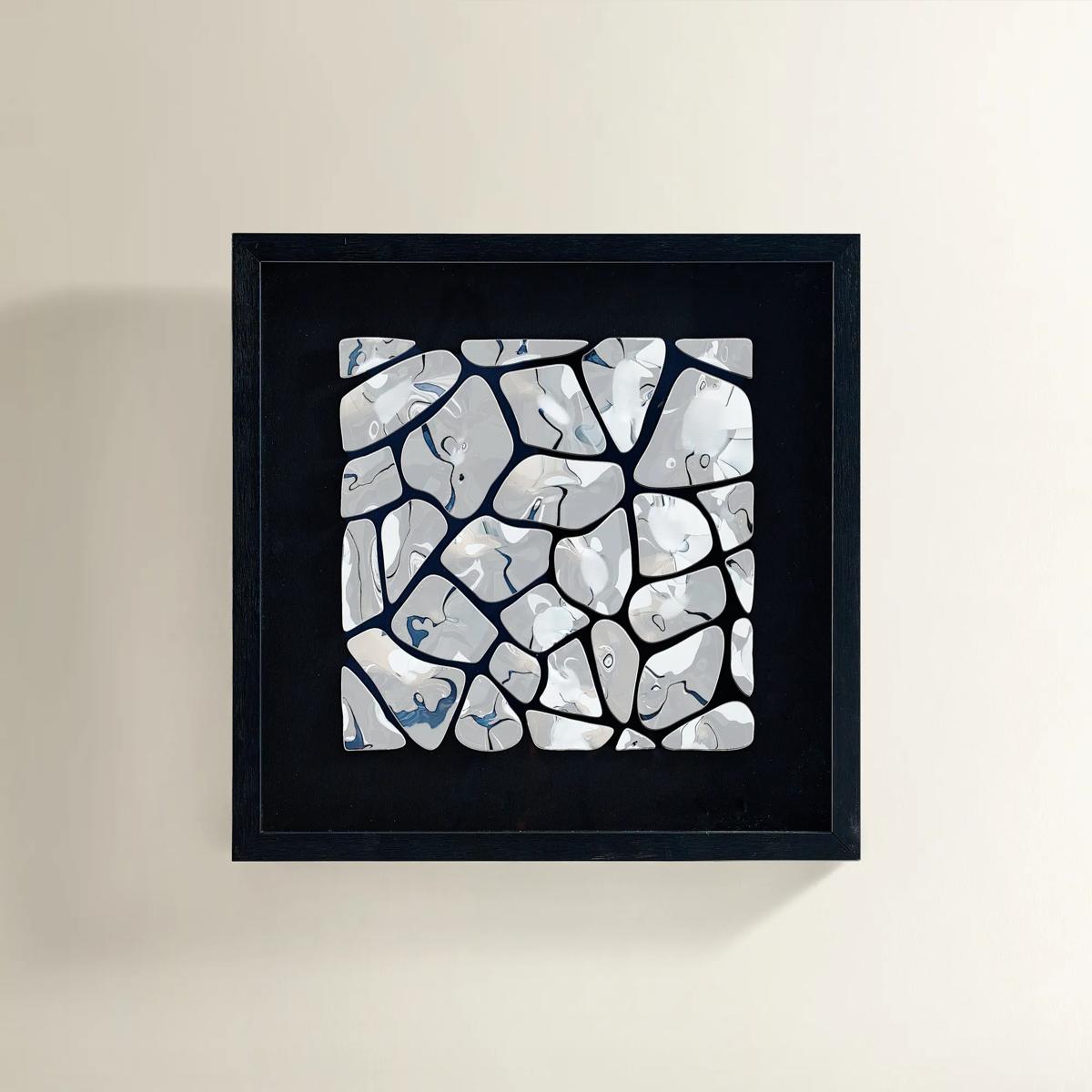 Reflect Silver And Black Shadowbox Art I$189
A dimensional metal wall art piece featuring polished silver and black forms in a sleek black frame.
Add To Cart

Modern Art With Sculptural Textures
Modern art with sculptural textures transforms any wall into a living gallery—where artistry leaps from the canvas and dares to be touched by light and shadow. Each piece is an invitation to indulge in tactile drama, layering your space with depth, dimension, and a sense of wonder that transcends the ordinary. These works are not mere decoration; they are bold statements, designed to captivate the eye and ignite conversation. Let your home become a showcase for expressive forms and sumptuous surfaces, where every glance reveals new intrigue and every detail celebrates the extraordinary.
Modern art with sculptural textures brings physical depth to the surface of an artwork, bridging the space between painting and sculpture. Raised ridges, recessed channels, layered shapes, and dimensional marks create relief that catches light and casts shadows, making the surface as expressive as its color or composition. Unlike a flat image that depicts texture, genuinely textured wall art projects outward, revealing different details from different viewing angles. The effect can be quietly architectural or boldly dramatic: broad, sweeping curves suggest movement, while tightly arranged planes create a deliberate rhythm. Materials contribute their own character. Thick paint applied in an impasto technique retains the gesture of a brush or palette knife; modeling paste and plaster can form pronounced peaks, folds, and valleys. Wood introduces grain and geometric structure, metal brings crisp edges and reflective highlights, and resin can support fluid contours or layered relief. Canvas often provides a familiar painterly foundation, while rigid panels can support more substantial dimensional compositions, depending on their construction. These differences shape the atmosphere of a room as much as the artwork itself. An ivory relief against a warm white wall can feel expansive and luminous, with shadows supplying the contrast that color might otherwise provide. Charcoal textures make a stronger architectural statement, especially beside polished stone or gleaming metallic accents. Saturated color adds another register of expression, allowing raised forms to feel energetic, theatrical, or richly enveloping. For interiors with sumptuous upholstery, mirrored surfaces, or finely grained wood, sculptural texture adds a compelling counterpoint rather than another layer of shine. It rewards a closer look without requiring a crowded composition. Even a restrained palette can carry extraordinary presence when the surface has depth, giving a living room, dining area, or entryway an artistic focal point that feels considered from across the room and revealing at closer range.
Scale and placement determine how that presence unfolds. A broad horizontal composition above a sofa can establish a generous visual anchor, while a tall relief brings emphasis to a narrow wall beside a console or along an open stair landing. The relationship between the artwork and the surrounding furniture matters more than dimensions alone: a substantial piece needs enough breathing room to reveal its silhouette, and a smaller work benefits from a setting where its surface detail remains visible. Projection deserves attention alongside height and width. Deeply sculpted wall art may be striking in a spacious entry but less comfortable beside a frequently used doorway or in a narrow passage where shoulders, bags, or moving furniture could brush against it. Weight, backing, and mounting requirements also vary considerably across canvas, wood, plaster, and metal, making the stated dimensions and installation instructions essential to a secure fit. Lighting gives these works another layer of expression. Light arriving from the side tends to emphasize ridges and recesses, while more frontal illumination can soften shadows and reveal the overall composition. Diffused daylight and thoughtfully positioned accent lighting allow dimensional details to emerge without relying on harsh glare. Reflective finishes require particular consideration, since a bright light source can compete with the artwork instead of illuminating it. In a dining room, a textured composition opposite a chandelier can balance sparkle with a more grounded surface; behind a velvet sofa, pale sculptural relief can sharpen the contrast between softness and structure. Grouped works bring rhythm to a larger wall, especially when their spacing allows each form to remain distinct. The visual language of Modern Abstract Decor Sculptures complements this approach, extending an interest in dimension from the wall to consoles, shelves, and tabletops. A freestanding form need not repeat the artwork literally. Shared curves, a related finish, or a similar sense of movement can create continuity while allowing each element its own moment of attention.
Material and finish also influence how sculptural art lives in a home over time. Raised surfaces naturally offer more places for dust to settle, and delicate edges can be vulnerable to knocks even when the underlying material feels substantial. Plaster and ceramic elements may chip on impact; wood can respond to changes in humidity; metal may show fingerprints or develop surface changes depending on its finish. Resin varies by formulation and coating, so its care and durability should not be assumed from appearance alone. Canvas deserves protection from pressure, punctures, and accidental contact with projecting details. Care instructions supplied with the artwork remain the most reliable reference, particularly for mixed-media compositions whose materials may require different treatment. Stable, sealed surfaces may permit gentle dusting with a clean, soft brush, while loose, powdery, or flaking surfaces call for professional attention rather than routine handling. Abrasive cloths, household cleaners, and moisture can damage some painted, gilded, or porous finishes. Direct sunlight, concentrated heat, and damp locations can also affect certain materials, making a protected interior wall a more suitable setting than a steamy bathroom or an exposed outdoor area unless the work is expressly designed for those conditions. For related sculptural vessels, decorative function does not necessarily mean watertight construction; fresh arrangements require confirmation that the vessel is intended to hold water or has an appropriate liner. These practical distinctions preserve the beauty of expressive surfaces without diminishing their drama. Textured modern art appeals to collectors drawn to material experimentation, homeowners seeking a distinctive focal point, and design enthusiasts who appreciate the interplay of light, form, and shadow. As a housewarming or wedding gift, a thoughtfully scaled work can offer lasting personal significance when its palette and proportions suit the recipient’s space. Its enduring appeal lies in the encounter between art and architecture: a surface that changes with the angle of light, a contour that invites closer attention, and a composition that gives the room a unmistakable sense of character.
FAQs
Modern art with sculptural textures transcends the flatness of traditional wall art by incorporating three-dimensional elements such as layered materials, raised surfaces, and tactile finishes. These works often feature mixed media—like plaster, metal, or textiles—creating a dynamic interplay of light, shadow, and form that brings visual and sensory depth to any space.
Sculptural pieces introduce a sense of drama and artistry, transforming rooms into curated environments that feel both luxurious and expressive. Their dimensional forms and rich textures reflect light in unexpected ways, adding intrigue and sophistication while also serving as bold focal points that spark conversation and admiration.
Absolutely. Sculptural designs mixing gold and silver textures offer remarkable versatility, seamlessly complementing both minimalist and maximalist interiors. The blend of metallic tones can elevate neutral palettes with a touch of opulence or harmonize with vibrant color schemes, making these pieces a striking addition to any aesthetic.
Artists crafting modern art with sculptural textures often experiment with materials such as resin, plaster, concrete, steel, glass, and textiles. These diverse mediums allow for bold shapes, intricate reliefs, and tactile surfaces, resulting in artworks that are as captivating to touch as they are to behold.
Modern sculptural art makes an unforgettable gift for those who appreciate design, creativity, and self-expression. Whether celebrating a milestone, a new home, or a special occasion, gifting a sculptural piece conveys thoughtfulness and a flair for the extraordinary—offering the recipient a lasting work of art that enriches their living space.