Decorative Accent Vases
Decorative Accent Vases
-
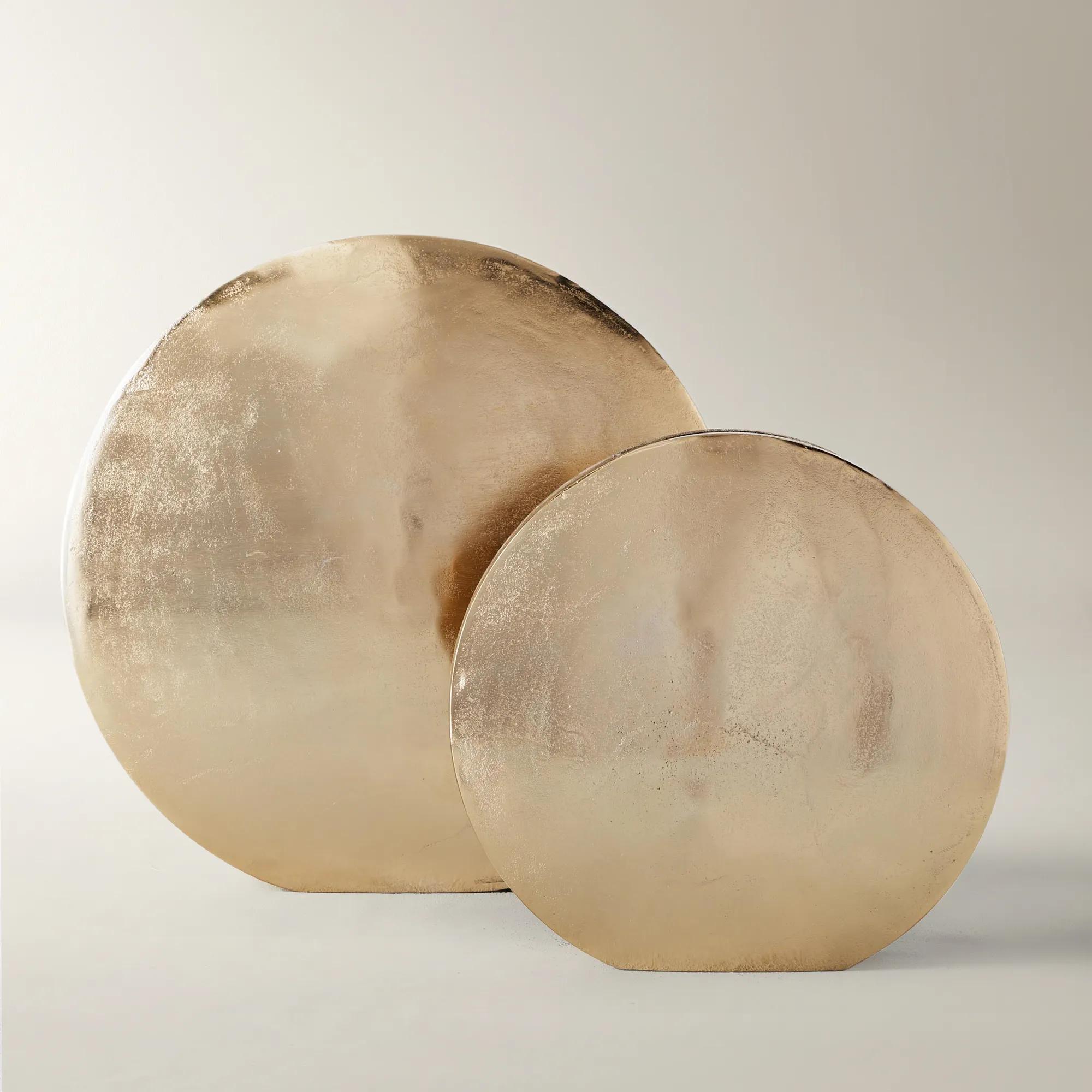
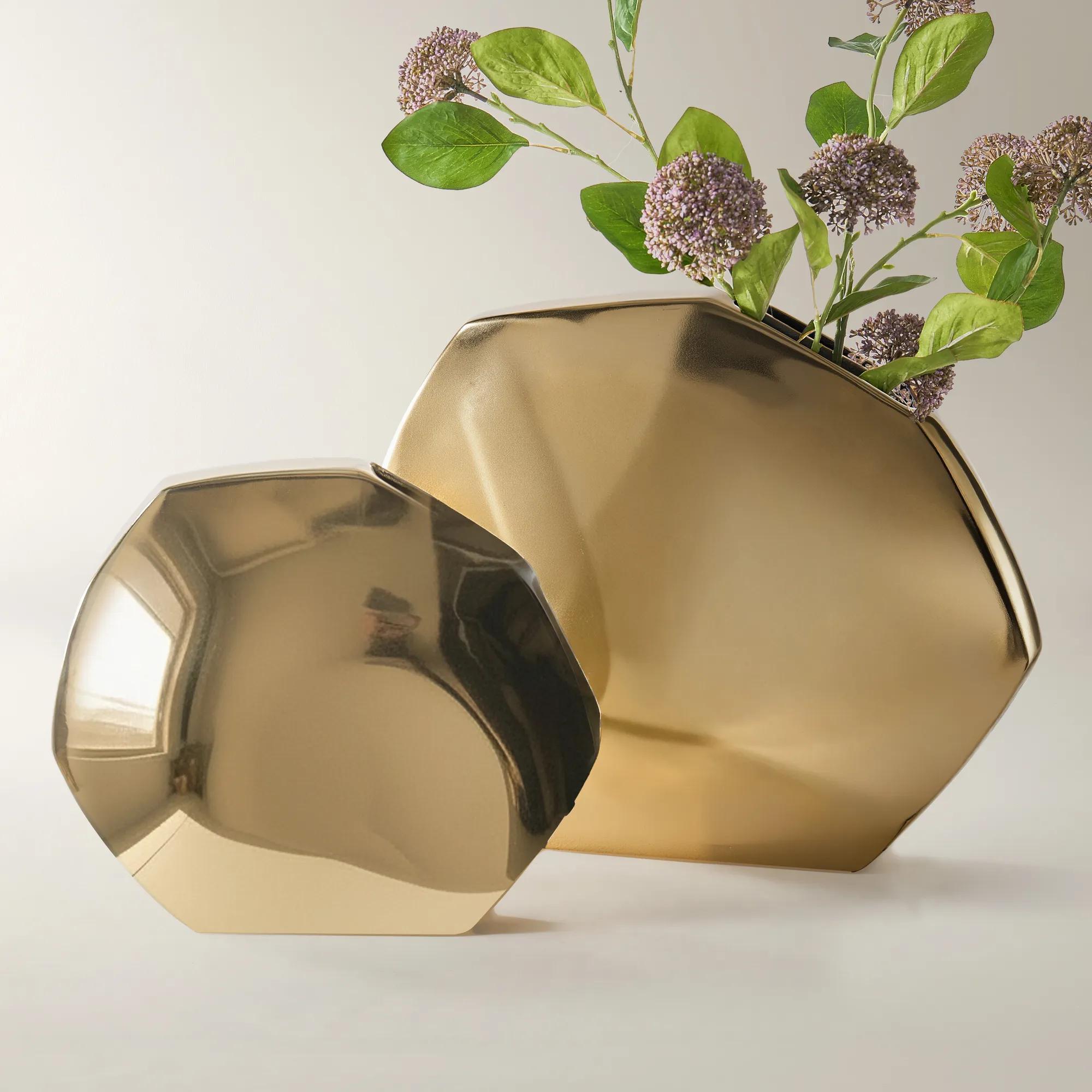
 Greer Gold Aluminum Vases$249
A striking gold aluminum disc vase perfect for showcasing dried blooms or as a decorative accent.
Add To Cart -

 Miami Gold Ceramic High Gloss Vase 11.75"$69
A contemporary gold ceramic vase designed for decorative use as a sculptural accent or with foliage.
Add To Cart -
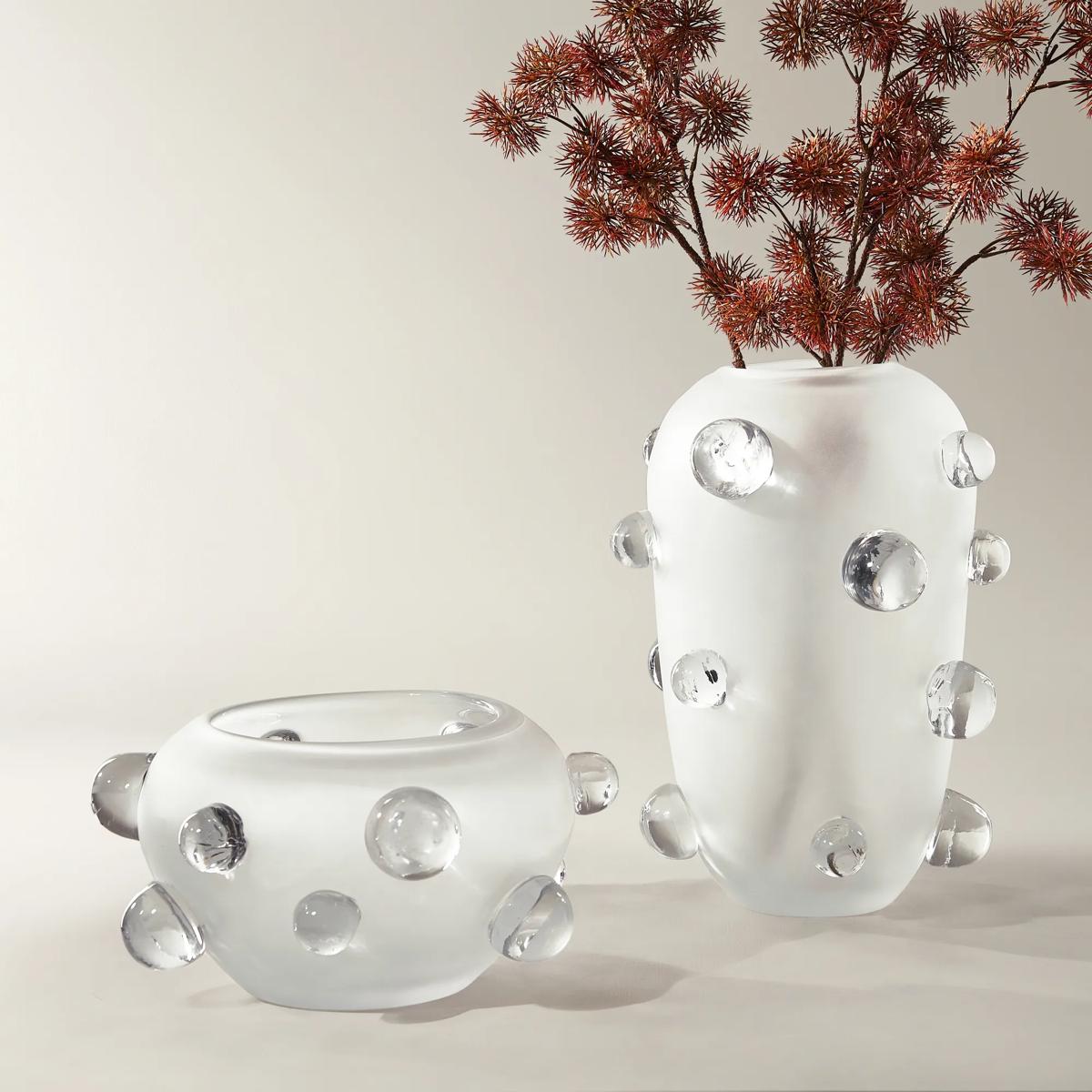 Cielo Clear Handblown Glass Vases$119
A hand-blown clear glass vase adorned with spherical orbs for a whimsical, modern decorative accent.
Add To Cart -
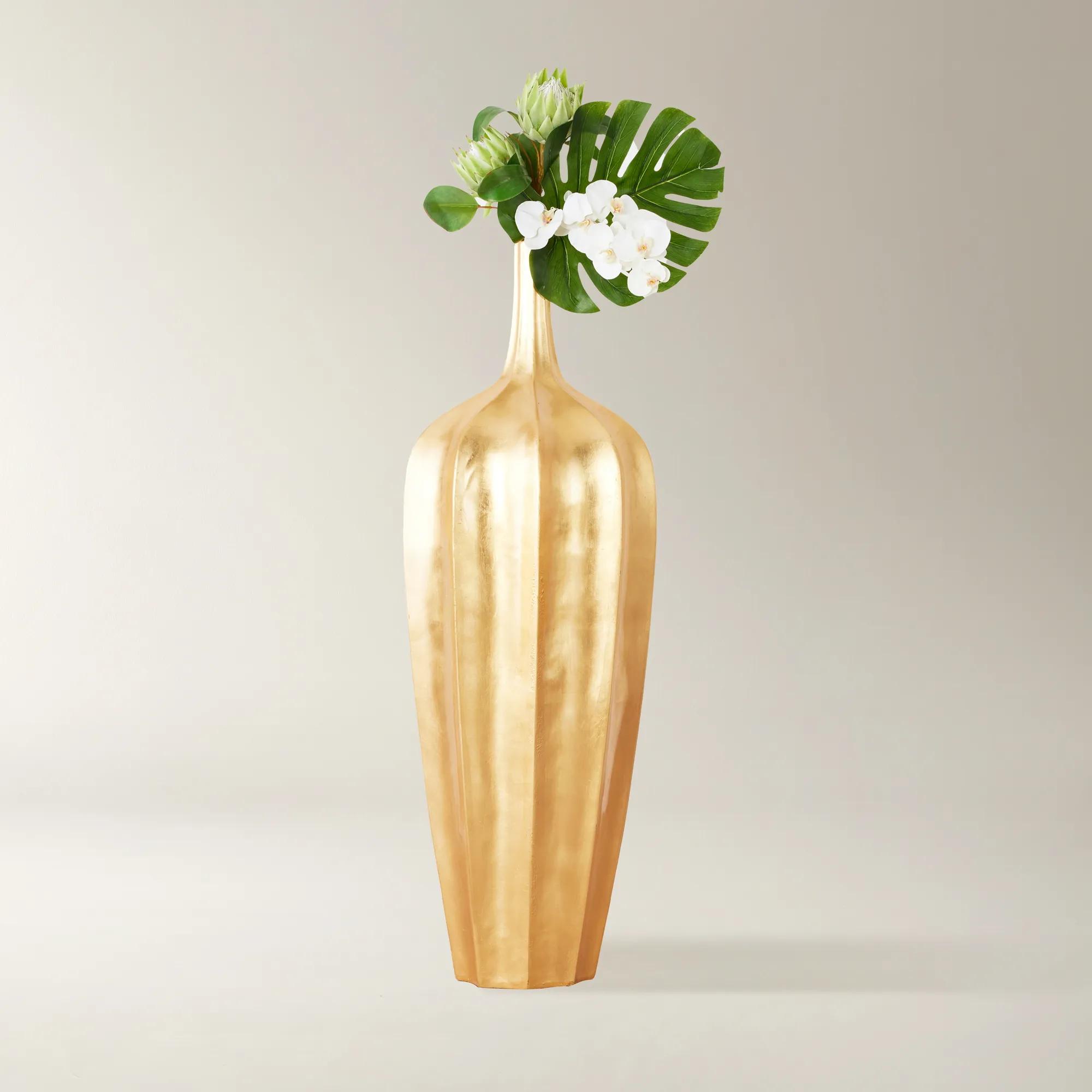 Accolade Gold Leaf Resin Floor Vase 48.75"$539
A fluted fiberglass vase featuring a lustrous gold foil finish for a striking decorative accent.
Add To Cart -
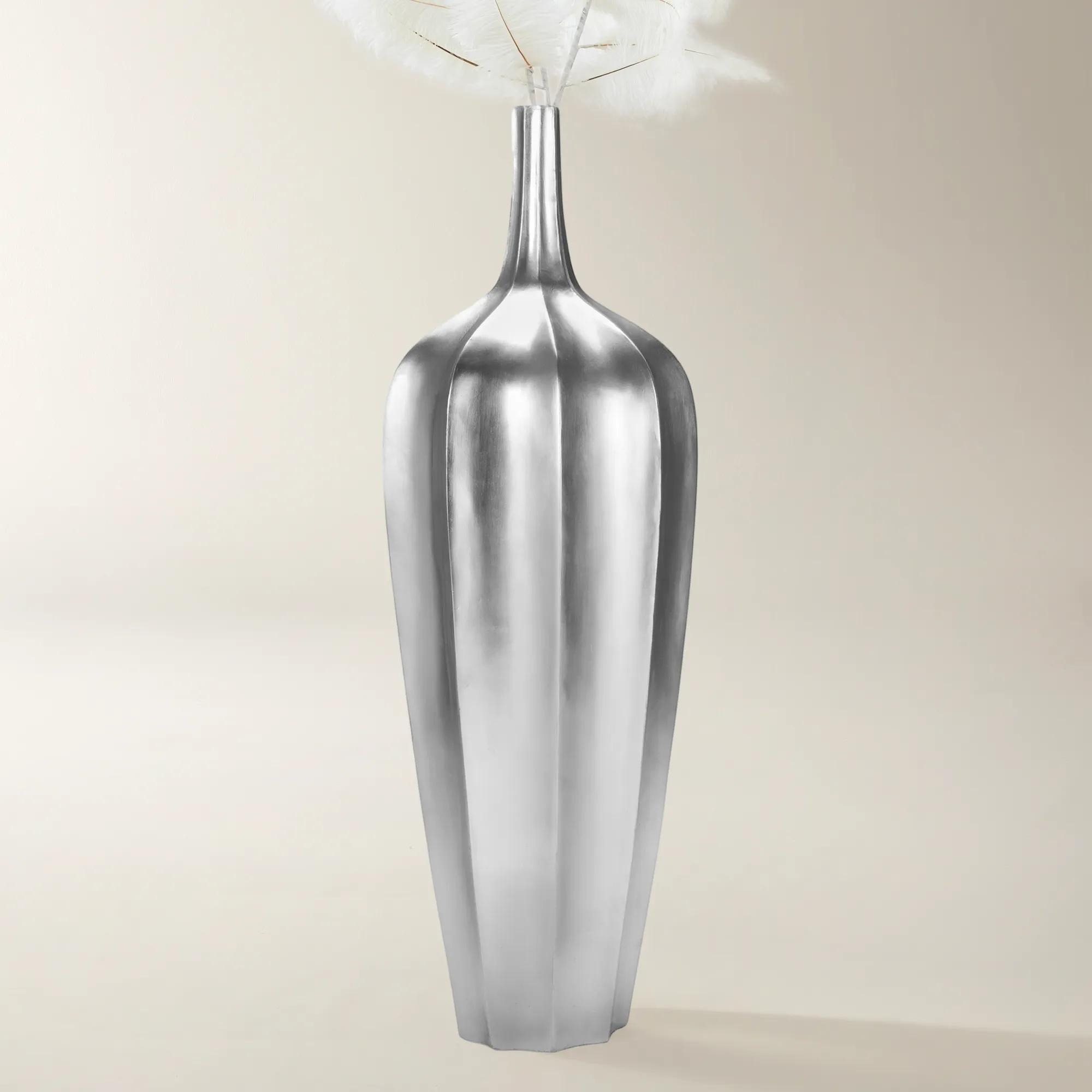
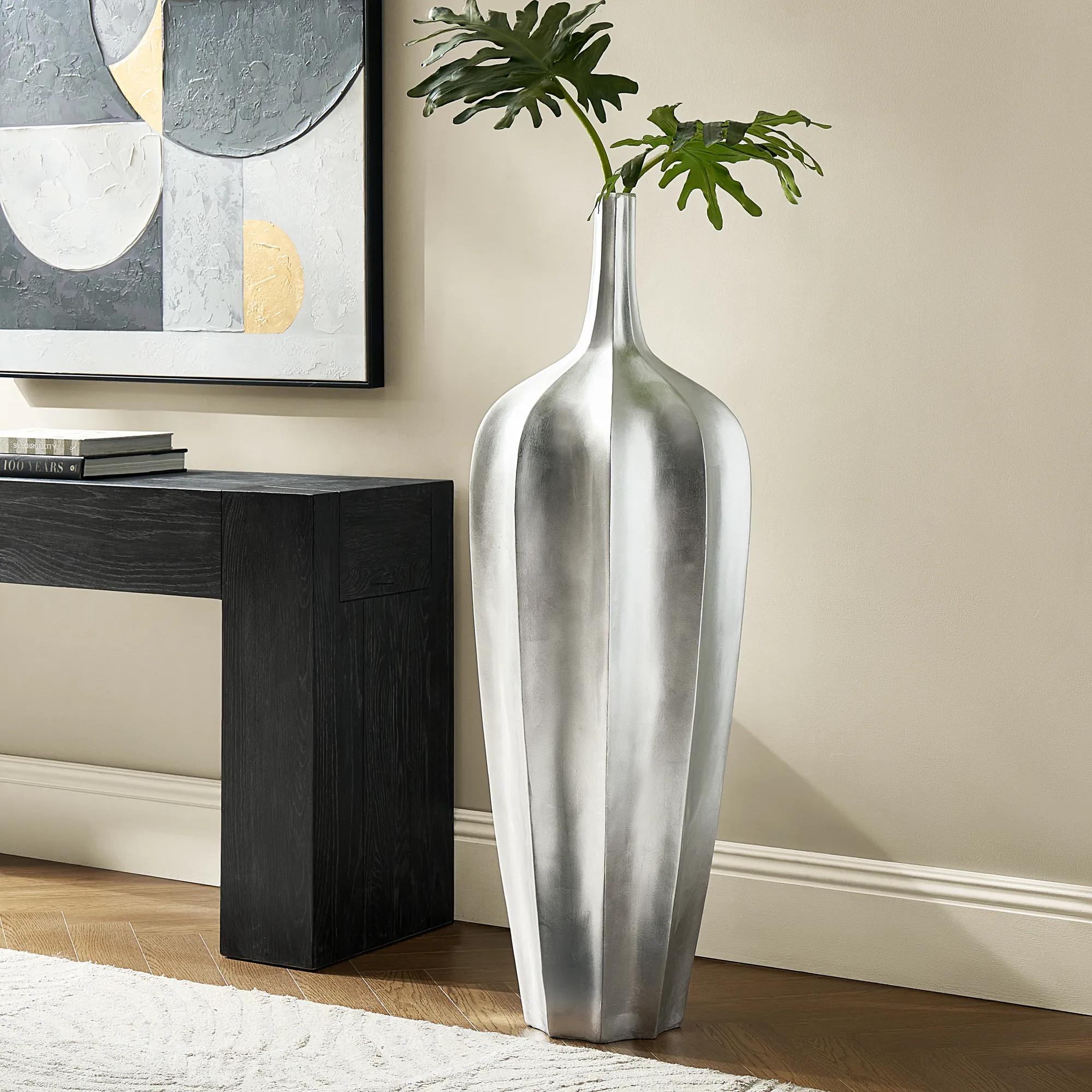 Accolade Silver Leaf Resin Floor Vase 48.75"$539
A fluted fiberglass vase featuring a lustrous metallic silver foil finish for a striking decorative accent.
Add To Cart -
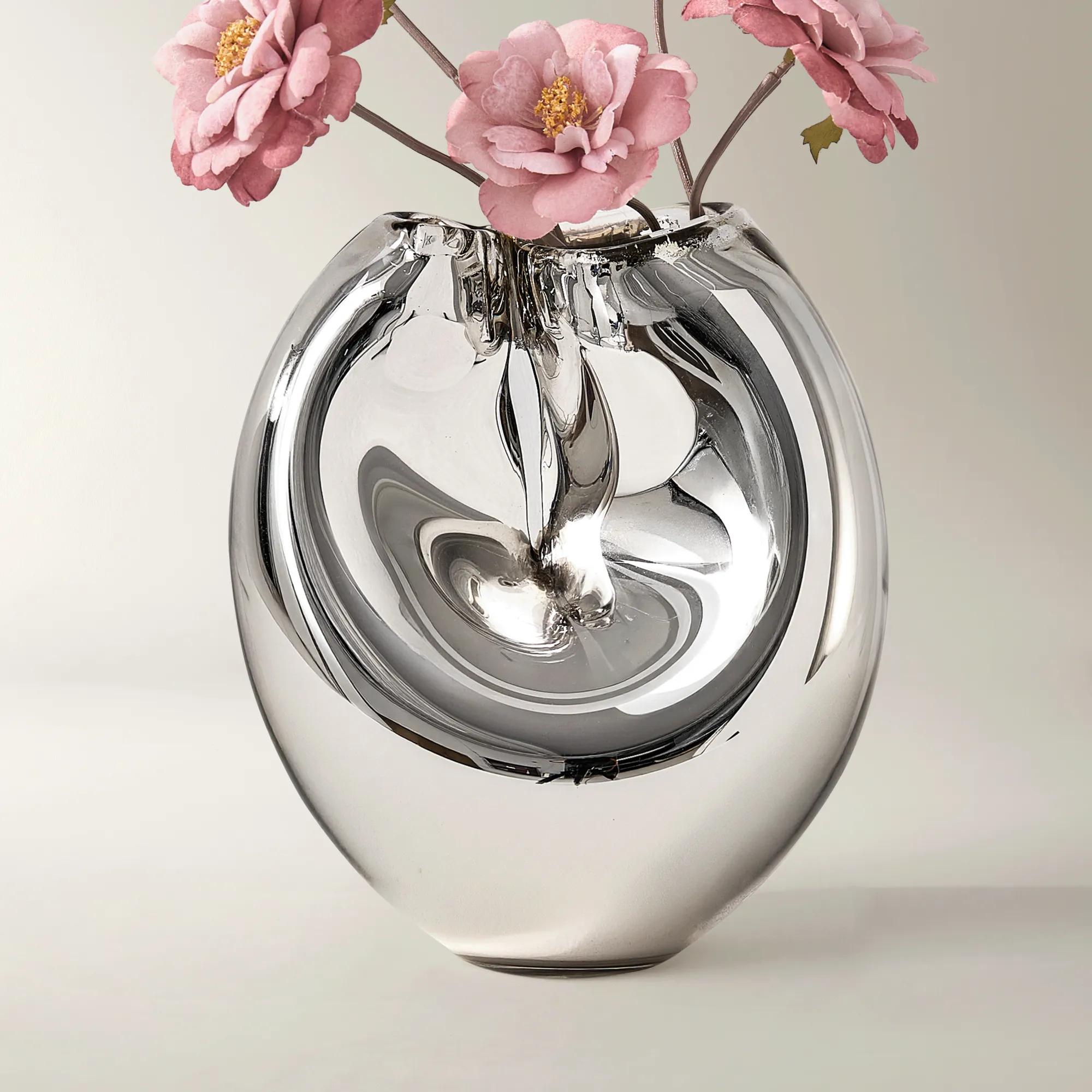 Ono Mouth Blown Mirrored Silver Glass Vase 7.75"$79
A handblown glass vase with a mirrored finish and organic silhouette for modern, artful display.
Add To Cart -
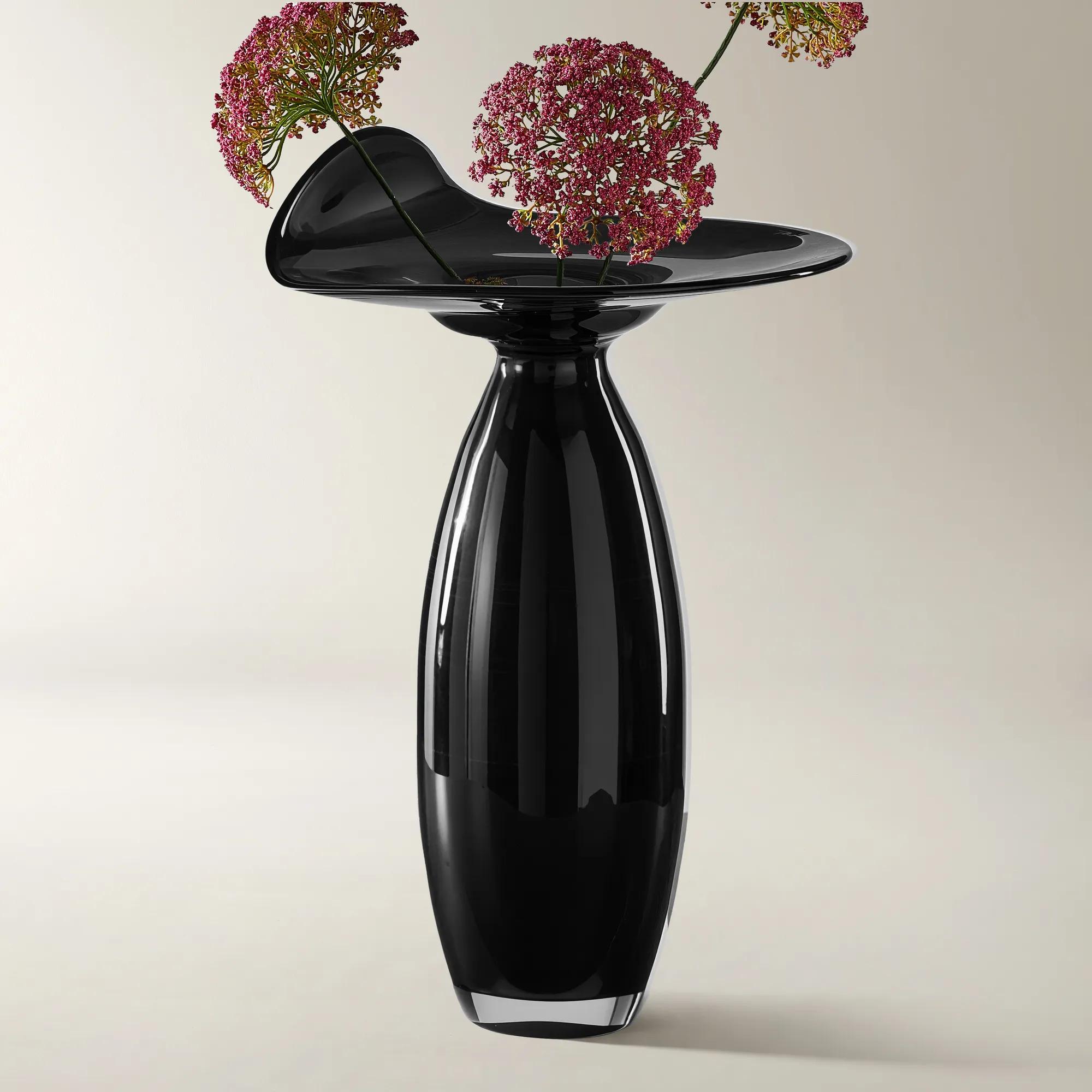 Folia Mouth Blown Glossy Black Glass Vase 22"$199
A handblown glass vase with a glossy black finish and organic sculptural silhouette for modern decor.
Add To Cart -
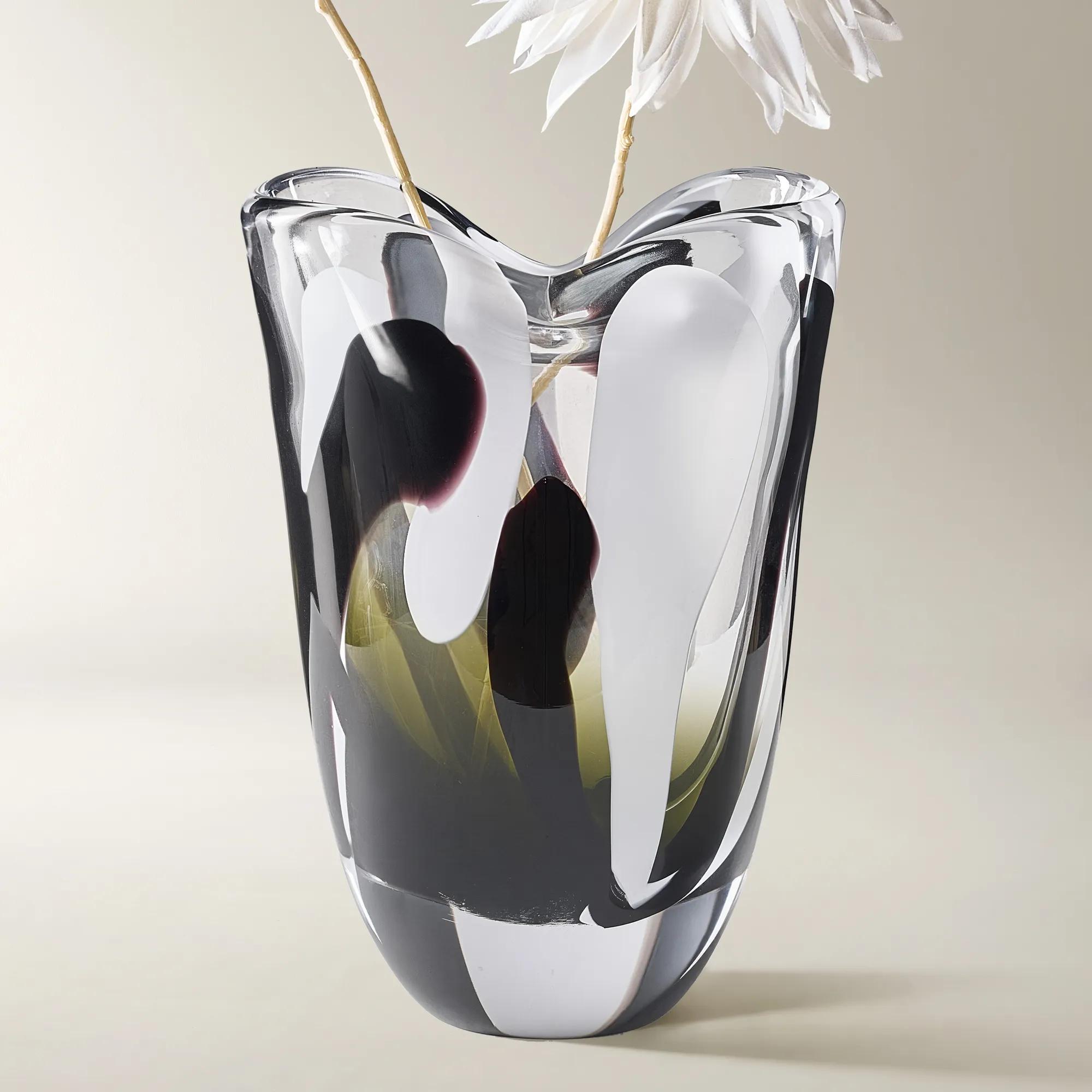 Melrose Mouth Blown Black White Glass Vase 11.25"$109
A handblown glass vase featuring a bold black and white abstract animal pattern for modern appeal.
Add To Cart -
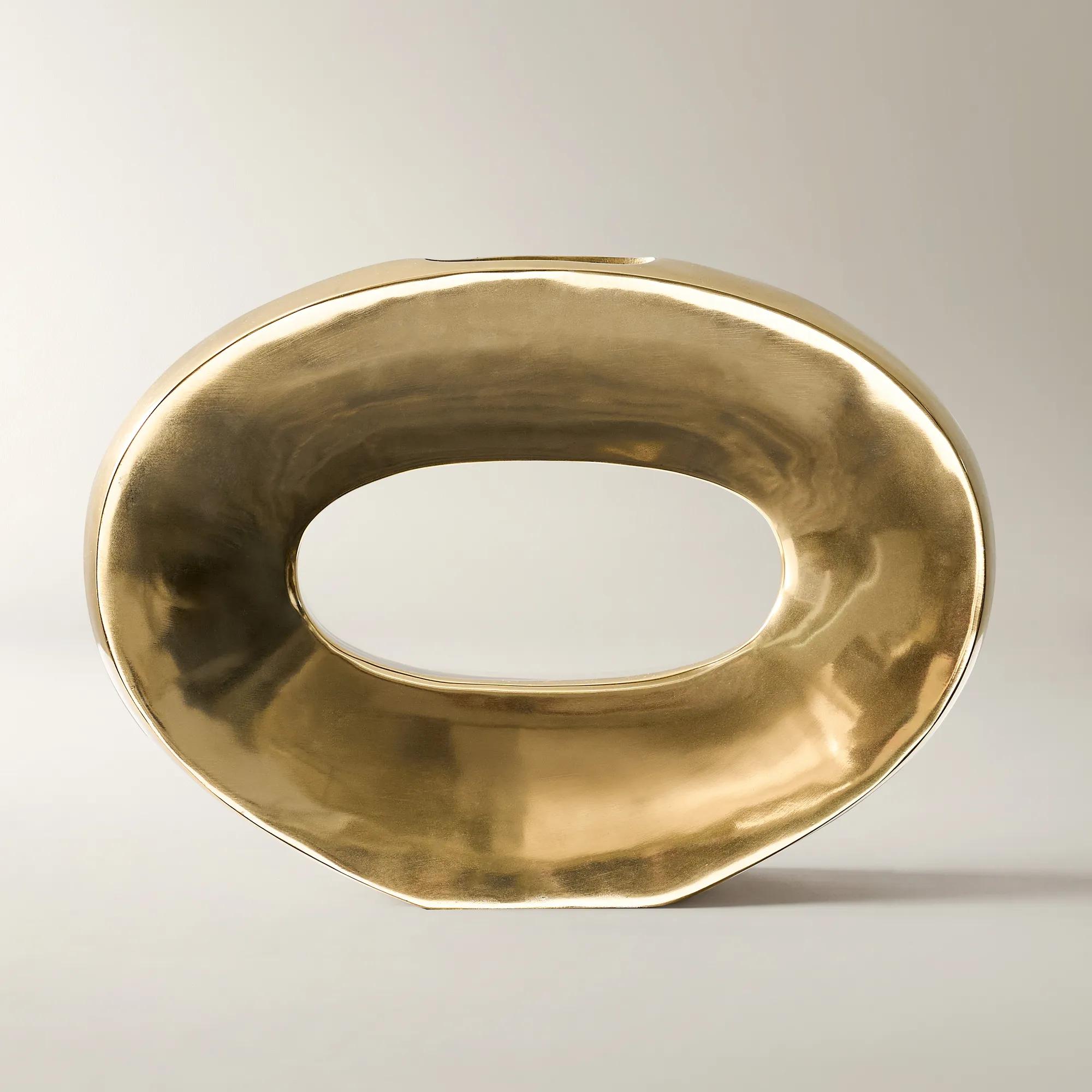
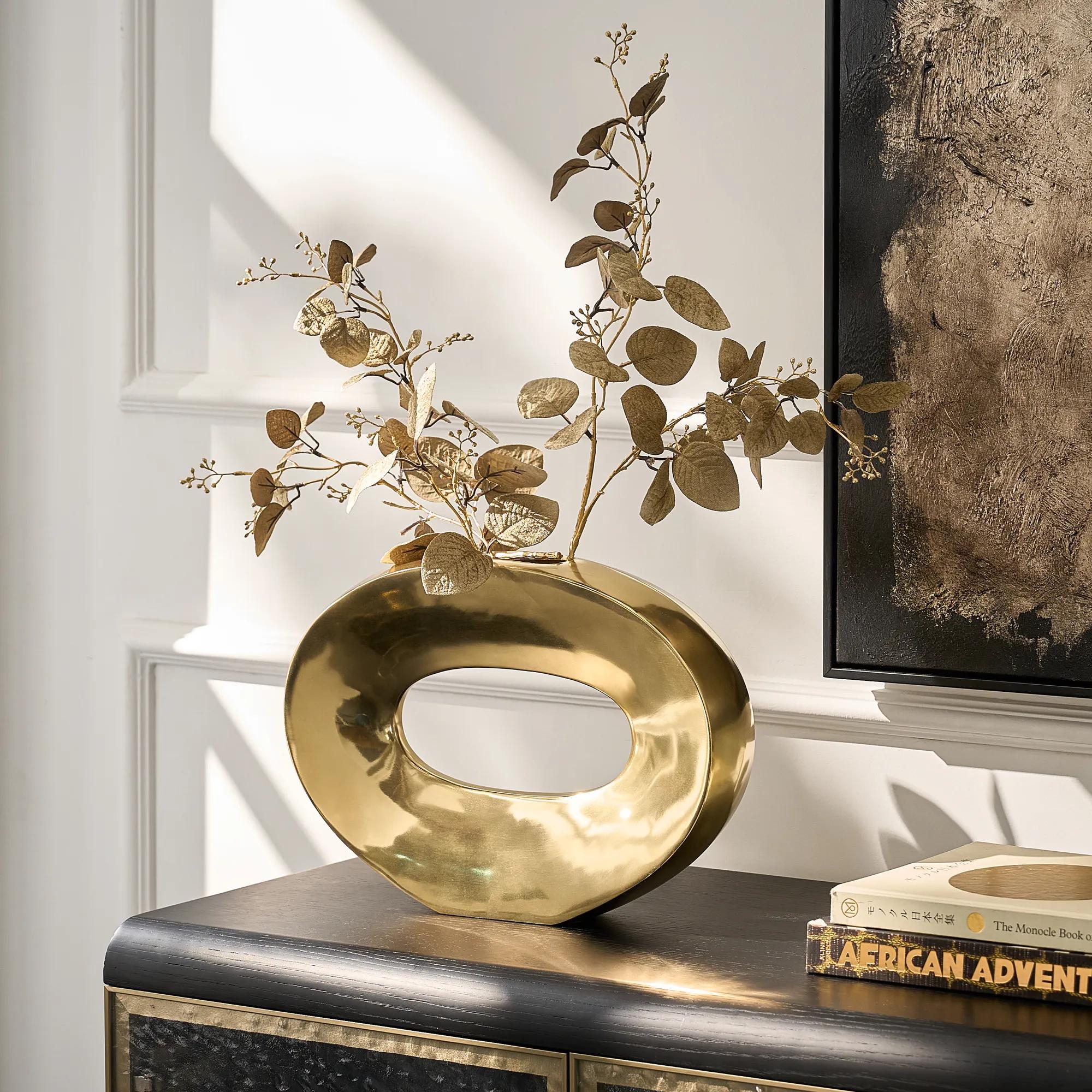 Hera Soft Gold Aluminum Vase 11.75"$169
A sculptural aluminum vase in a soft gold finish, offering modern glamour and architectural appeal.
Add To Cart -
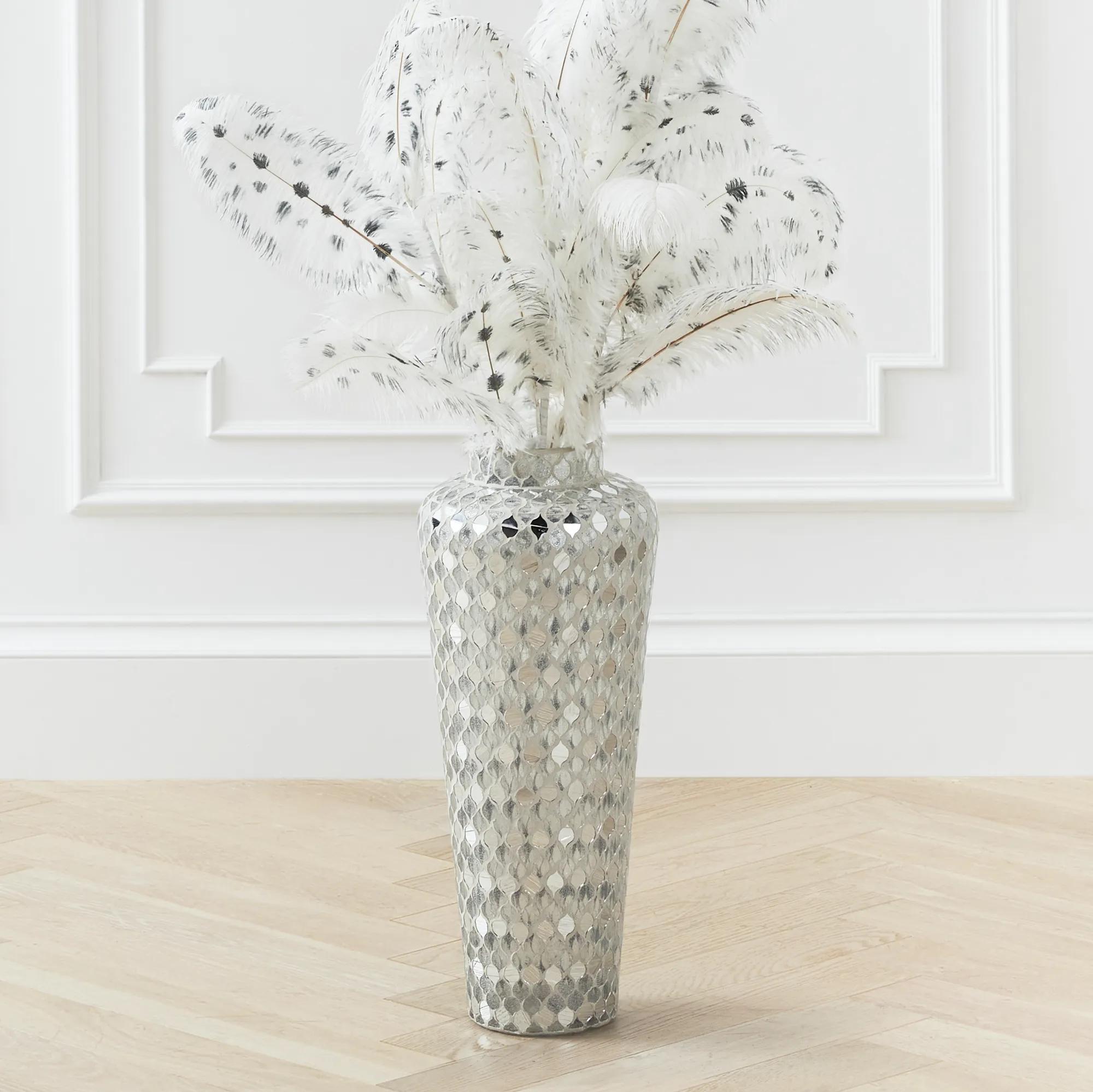 Fez Vase$139
A dazzling glass vase adorned with iridescent mirror and clear tiles for a glamorous decorative accent.
Add To Cart -
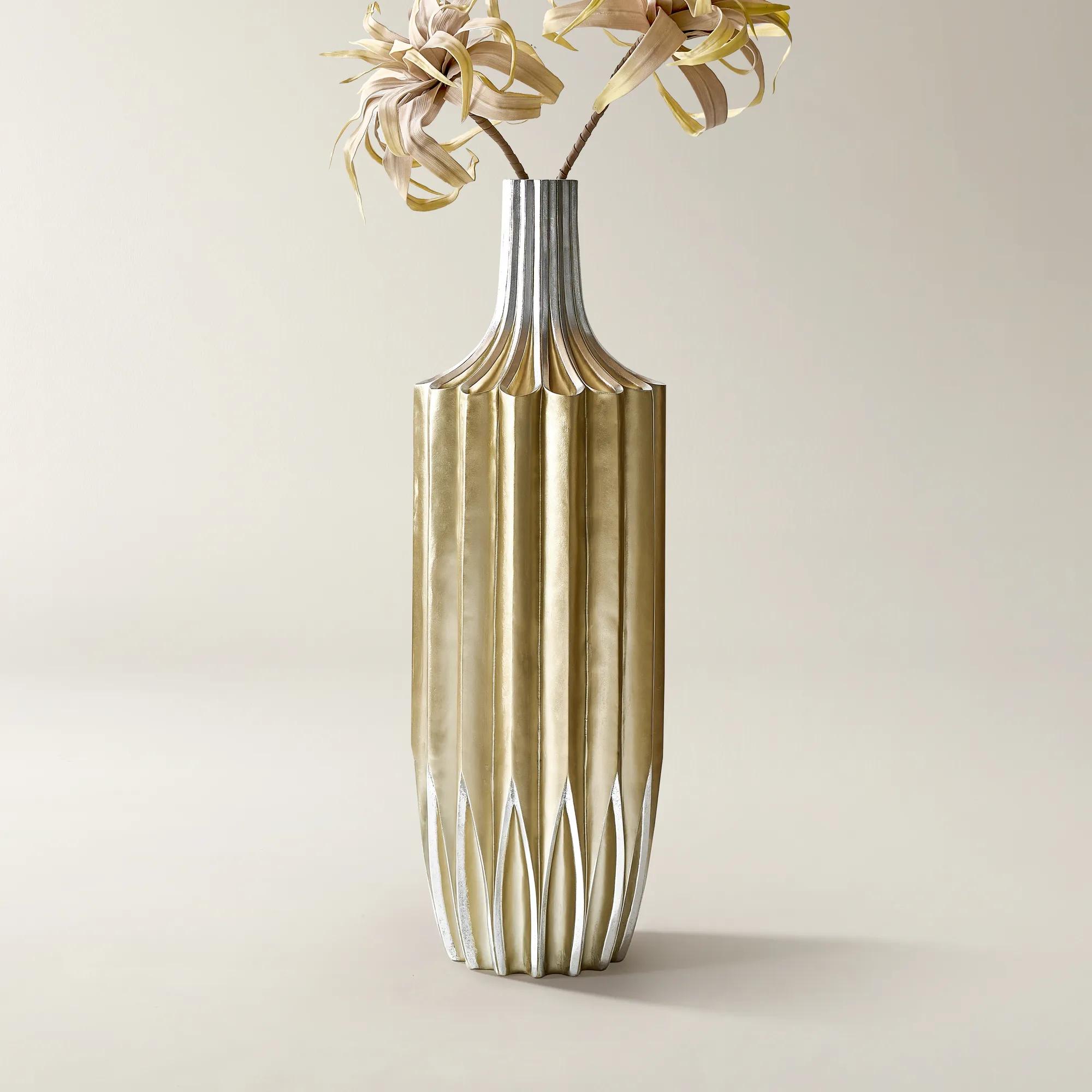
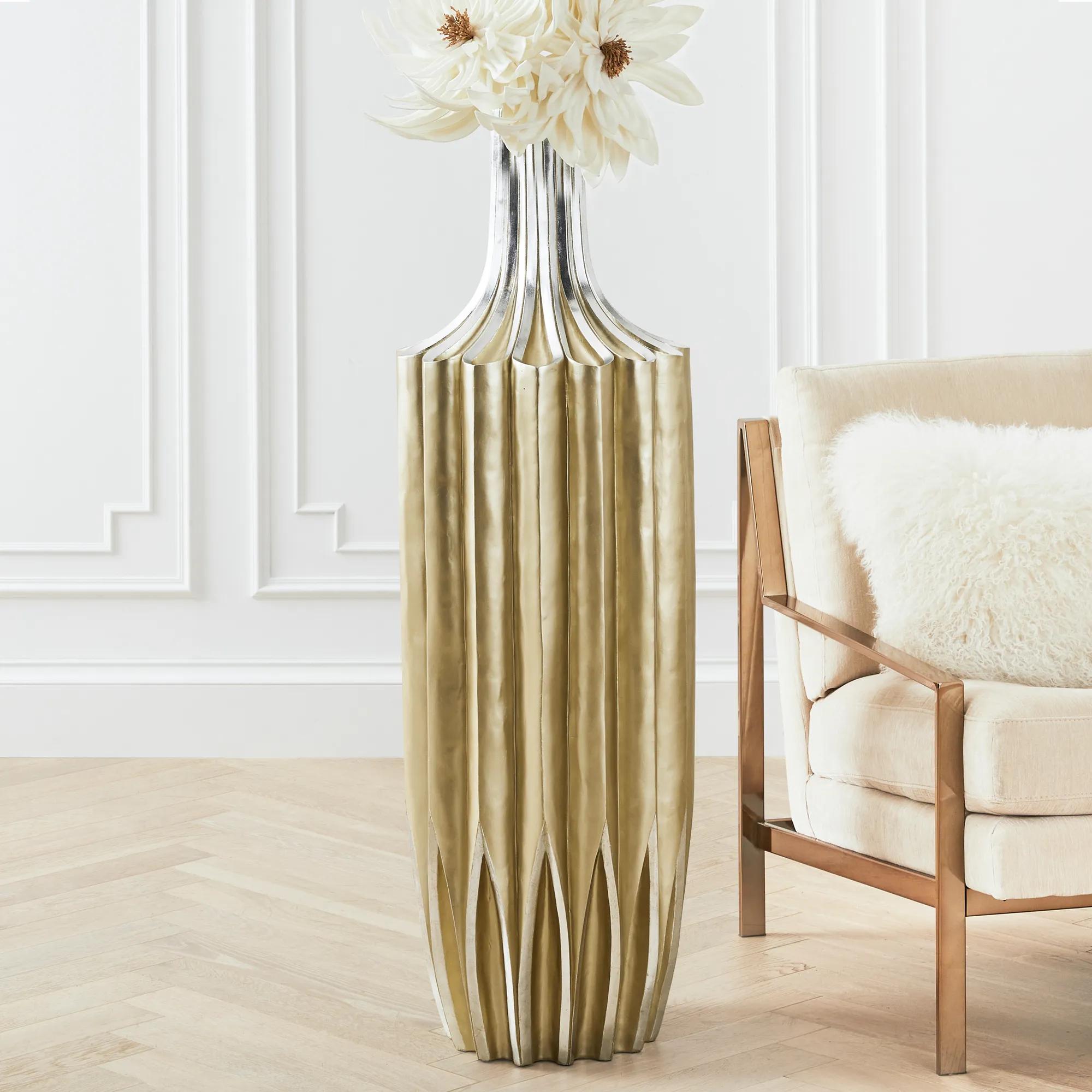 Savannah Gold Resin Floor Vase 48.75"$509
A sophisticated polyresin vase featuring sleek vertical curves for a modern decorative accent.
Add To Cart -
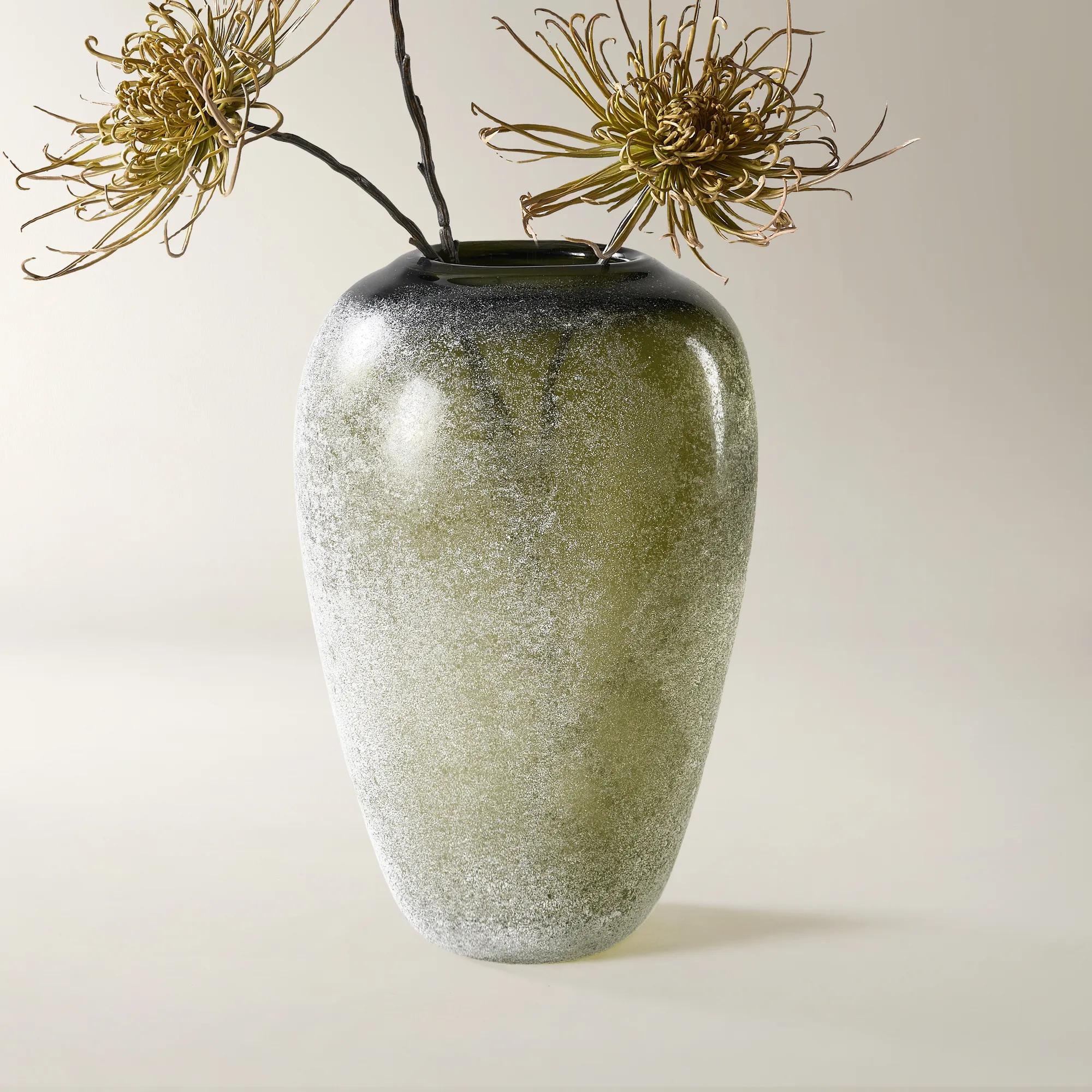 Linden Mouth Blown Pistachio Green Glass Vase 13.75"$129
A handblown glass vase in pistachio green adds a fresh, artful accent to any space.
Add To Cart -
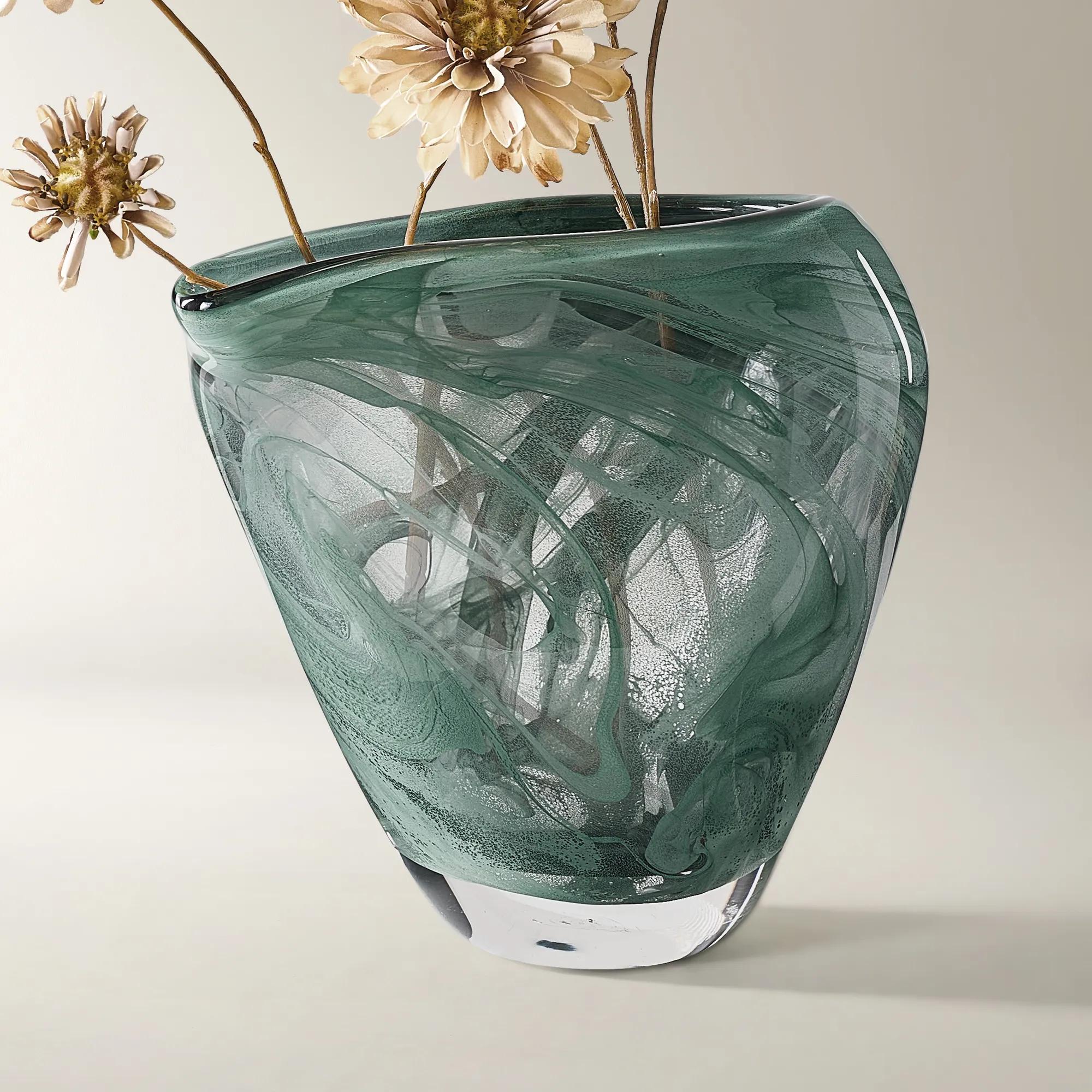 Flow Mouth Blown Sage Green Glass Vase 12.25"$199
A handblown glass vase in calming sage green with an organic, sculptural silhouette for modern decor.
Add To Cart -
 Speckled Mouth Blown Brown And White Glass Vase 14.75"$129
A handblown glass vase featuring a brown and white speckled pattern for modern, artful appeal.
Add To Cart -
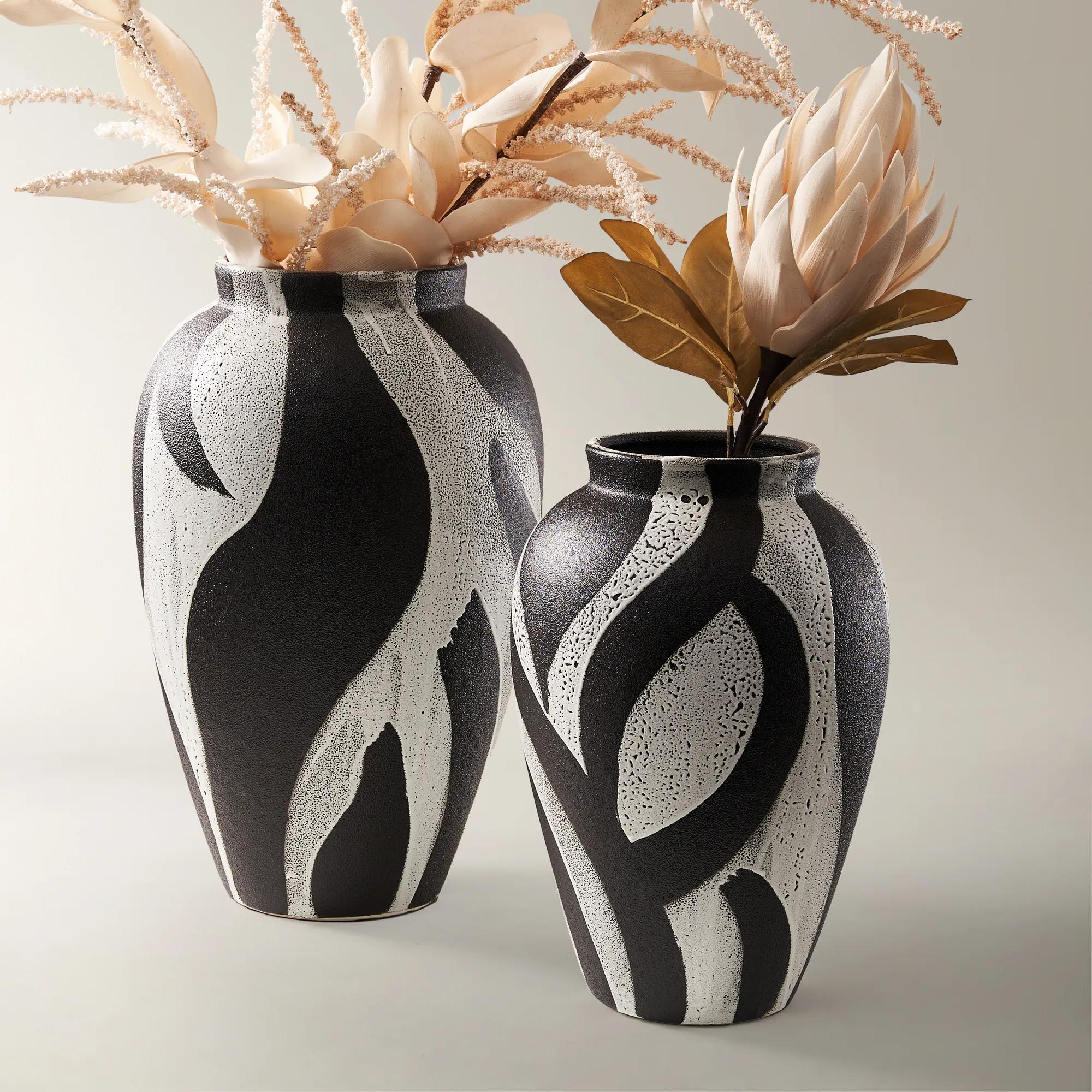 Montae Abstract Zebra Ceramic Vases$149
A ceramic vase featuring expressive black-and-white abstract zebra striping and a rounded, tapered silhouette.
Add To Cart -
 Lennon Champagne Resin Vase 5"$99
A sculptural polyresin and stone blend vase in a champagne finish with a bold, rounded silhouette.
Add To Cart -
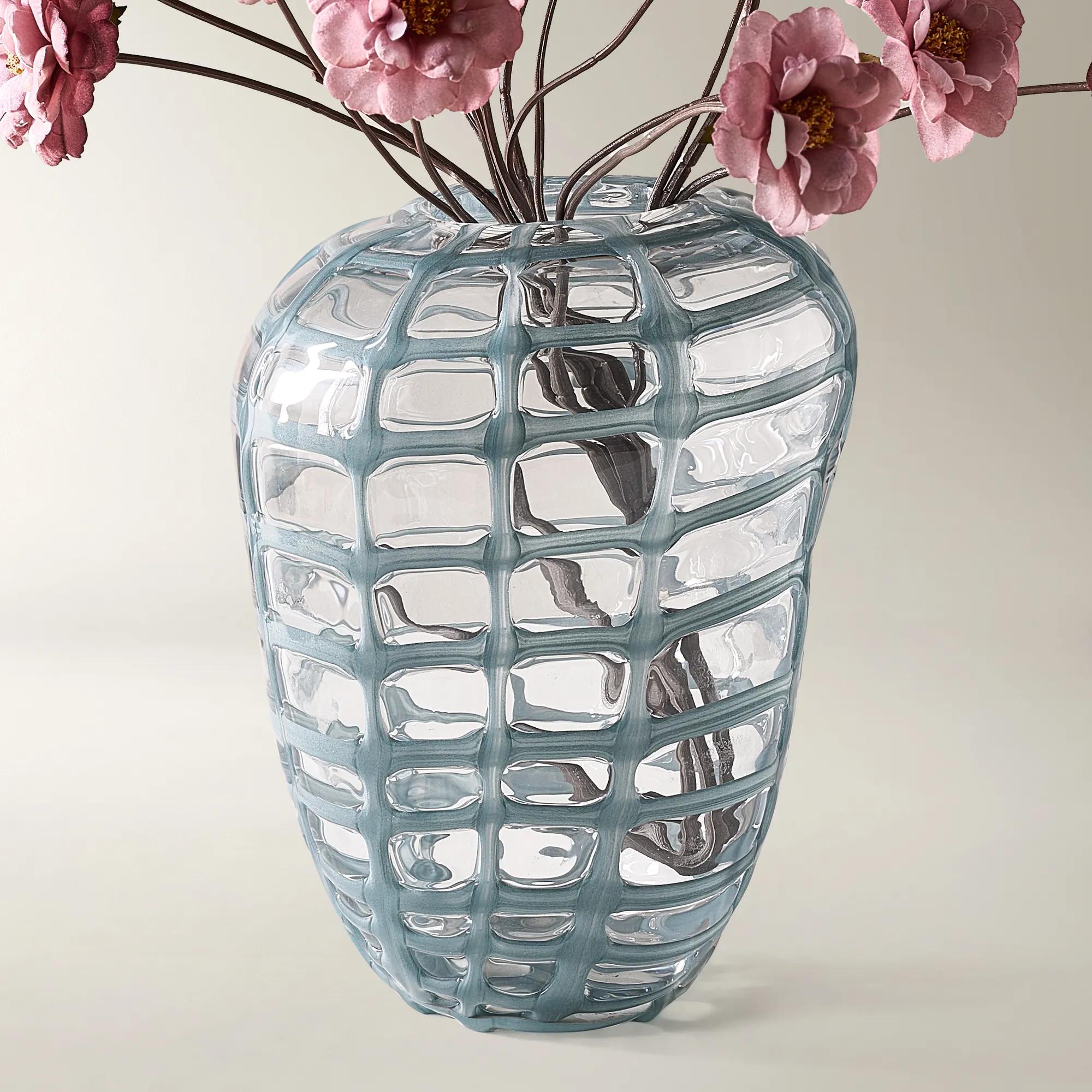 Contra Mouth Blown Dusty Blue Grid Glass Vase 10.25"$79
A handblown dusty blue glass vase featuring a graphic grid pattern and softly organic silhouette.
Add To Cart -
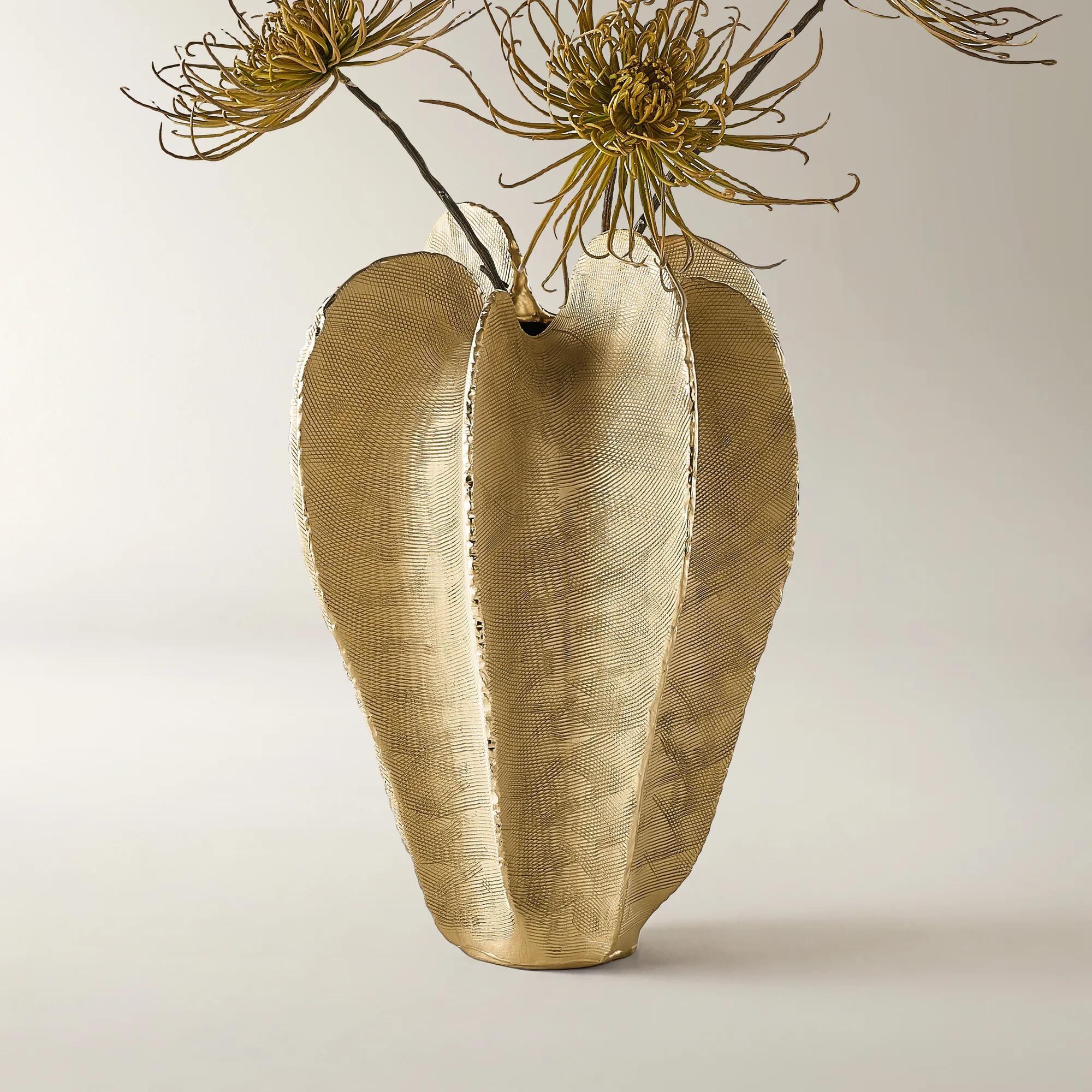 Kosta Soft Gold Textured Ceramic Vase 15.75"$129
A sculptural stoneware vase in a soft gold finish that adds artisanal texture and refined glamour.
Add To Cart -
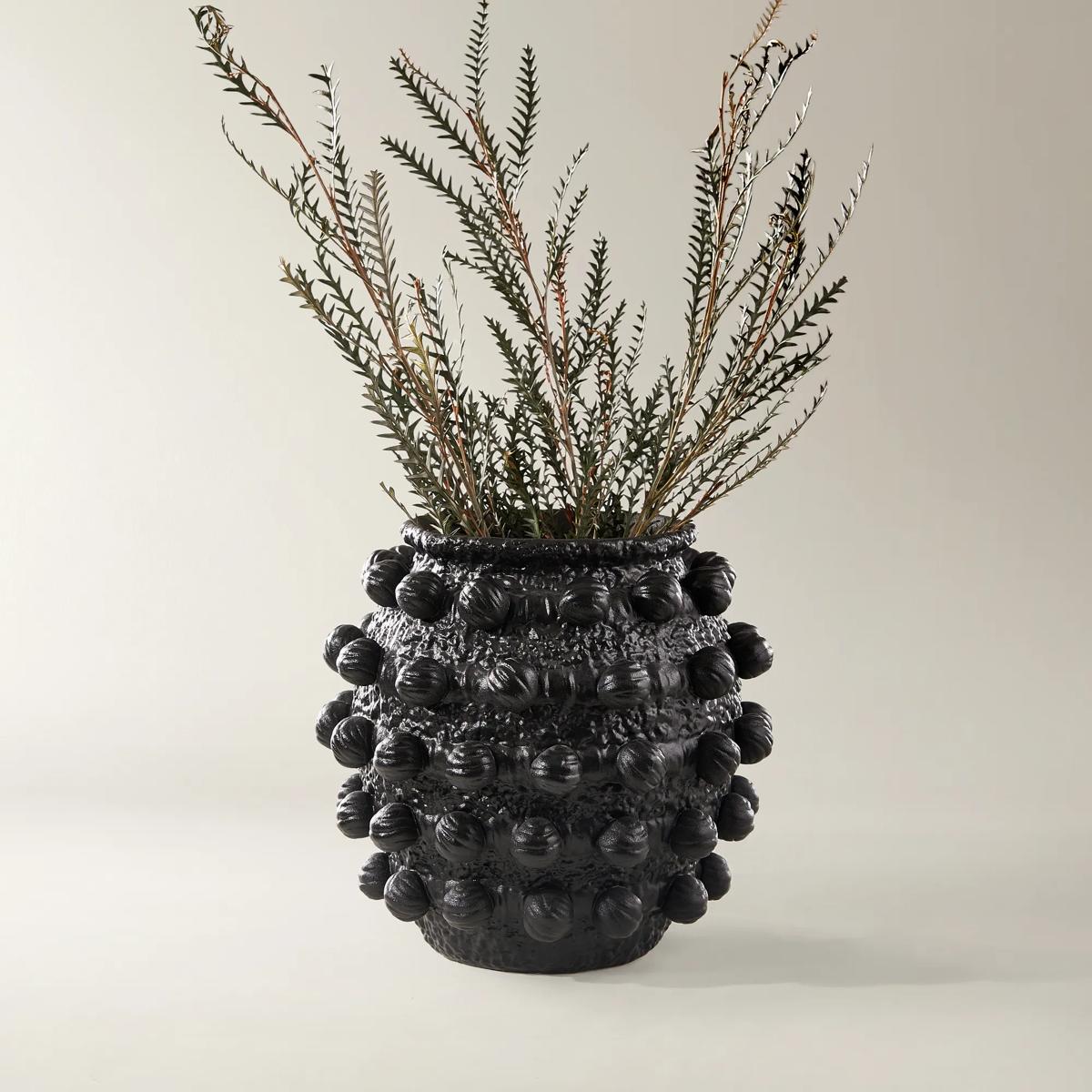
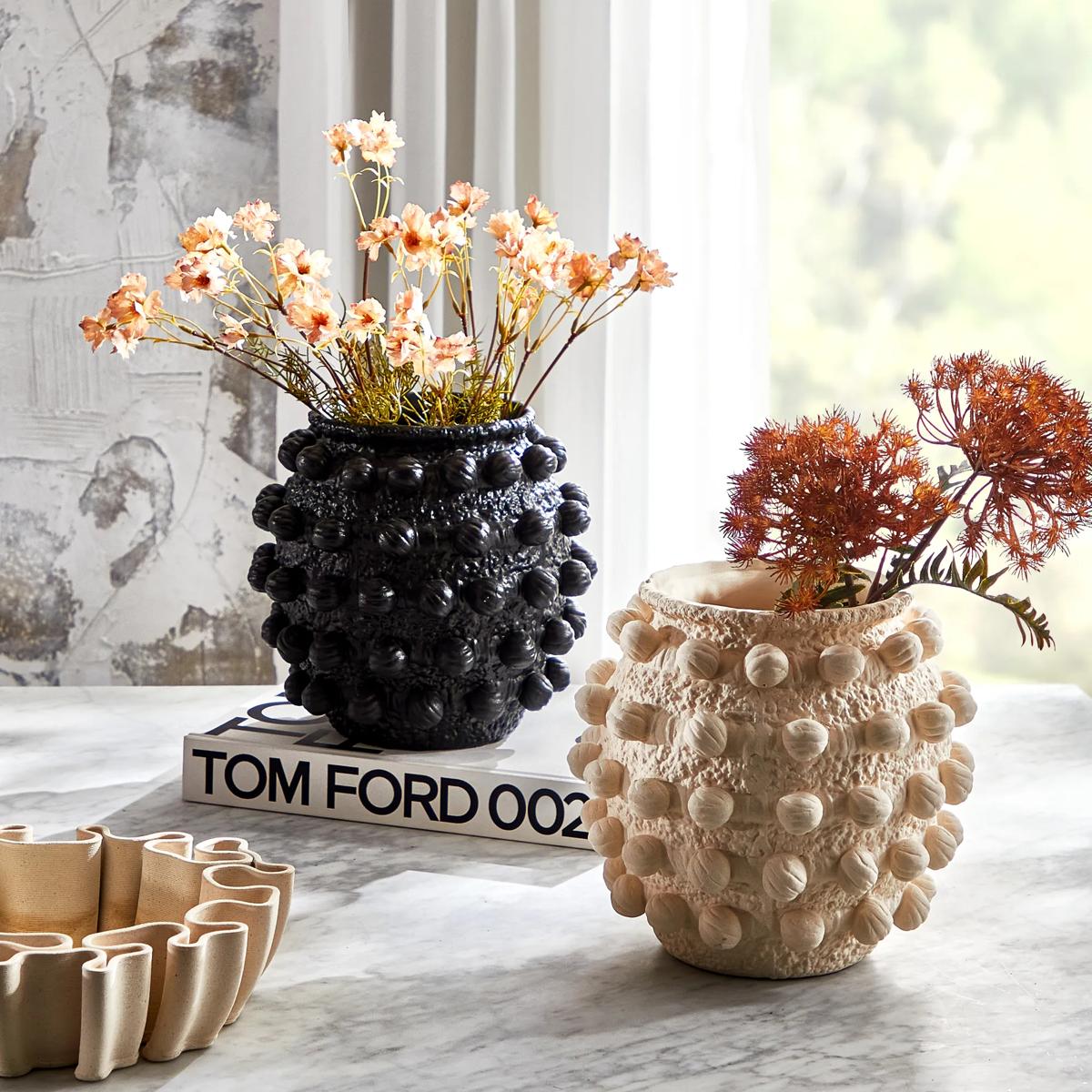 Pompa Vase - Black$119
A sculptural black porcelain vase featuring bold, rounded forms and a richly textured surface.
Add To Cart -

 Pierre Glass Vase - Charcoal$129
A charcoal glass vase offering sleek, modern decorative appeal.
Add To Cart -
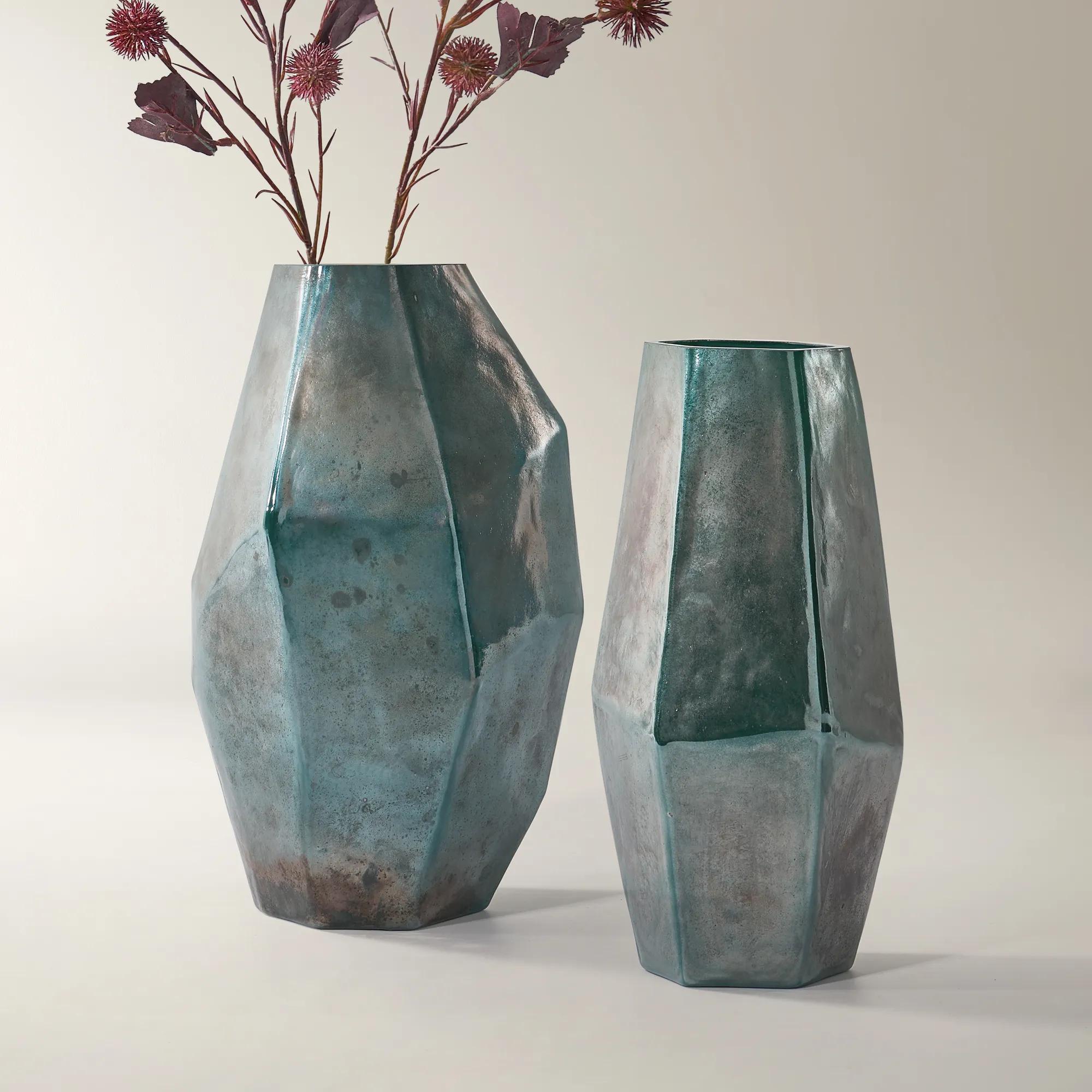
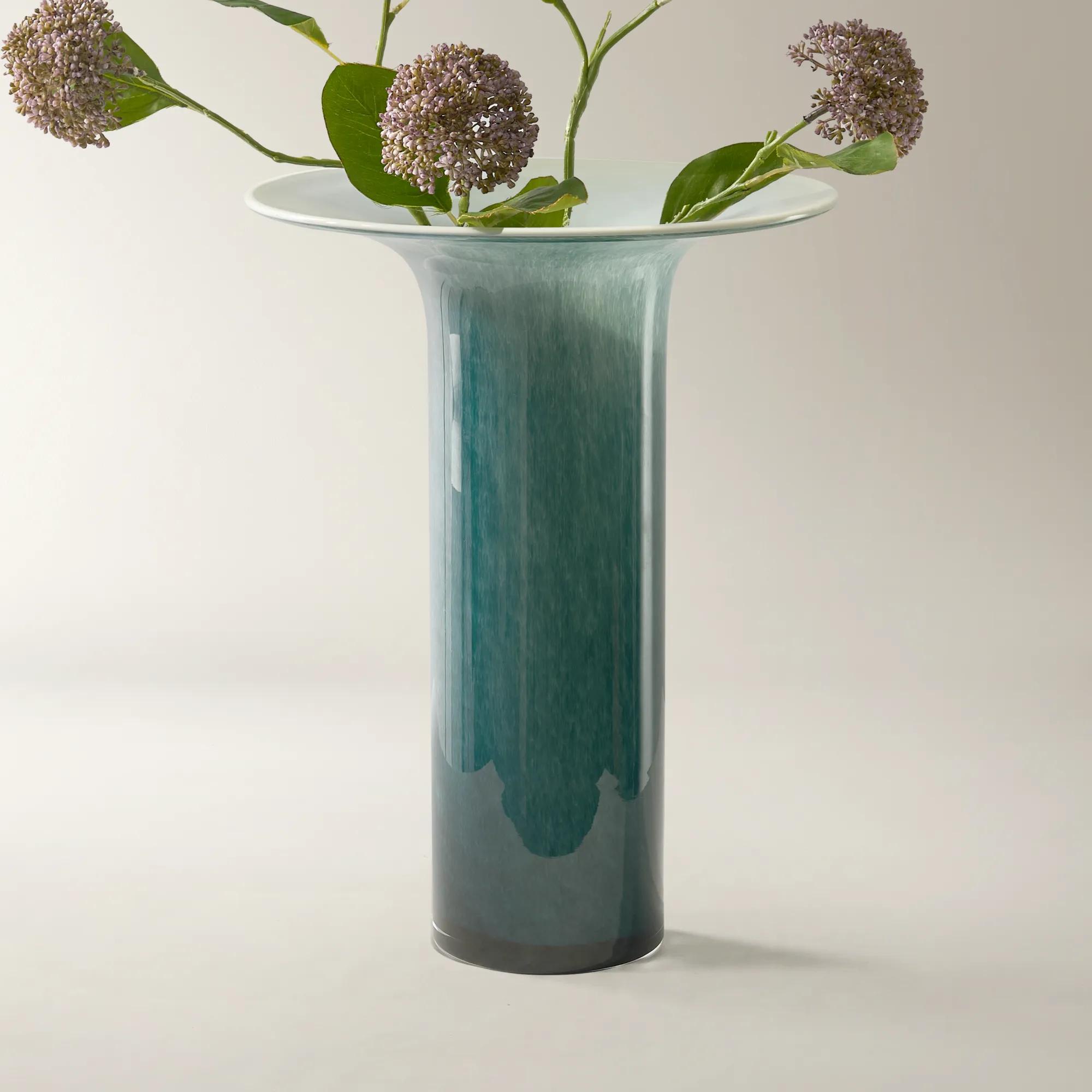 Loft Mouth Blown Deep Teal Glass Vase 15.75"$129
A handblown glass vase in deep teal with a sculptural column silhouette for bold, artful impact.
Add To Cart -
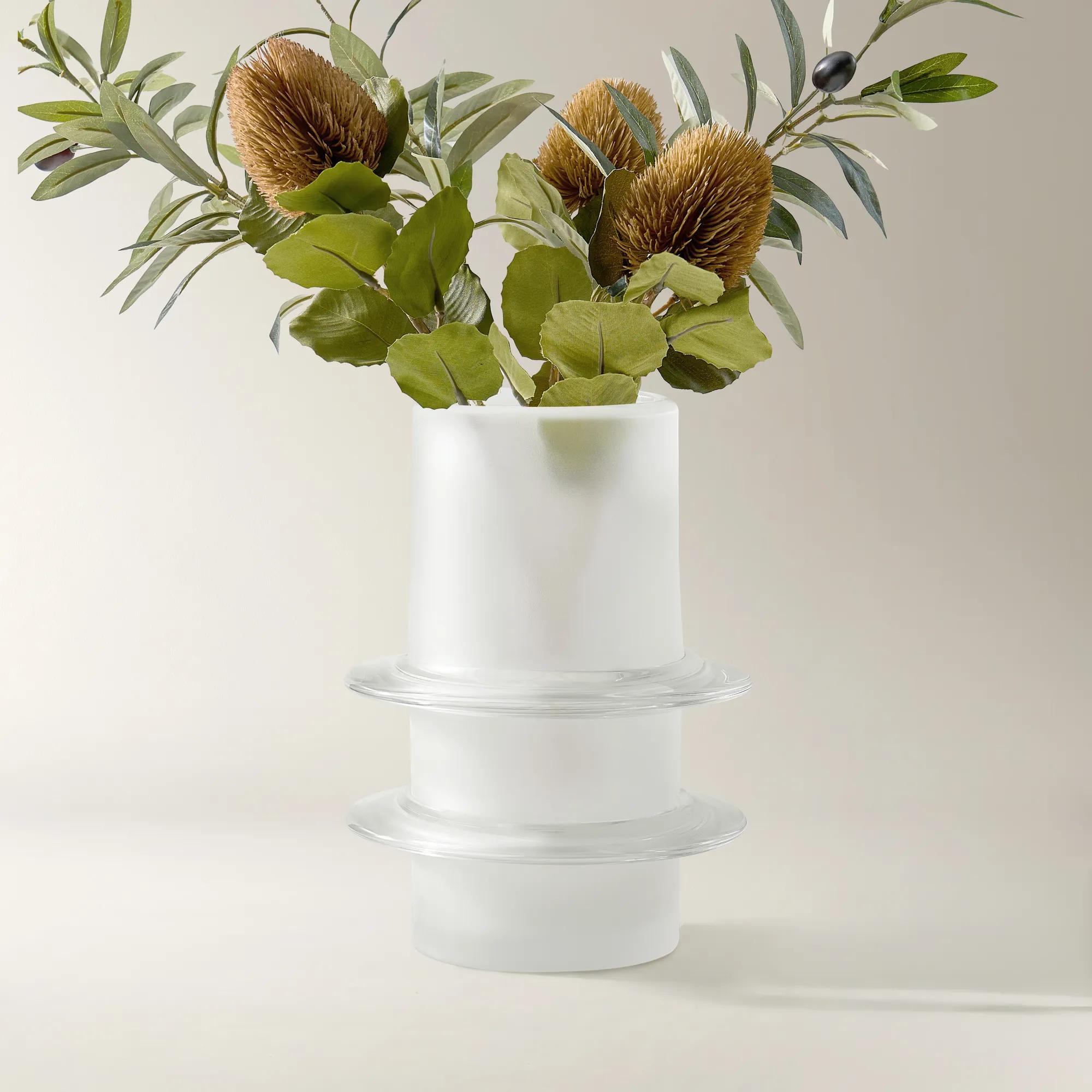
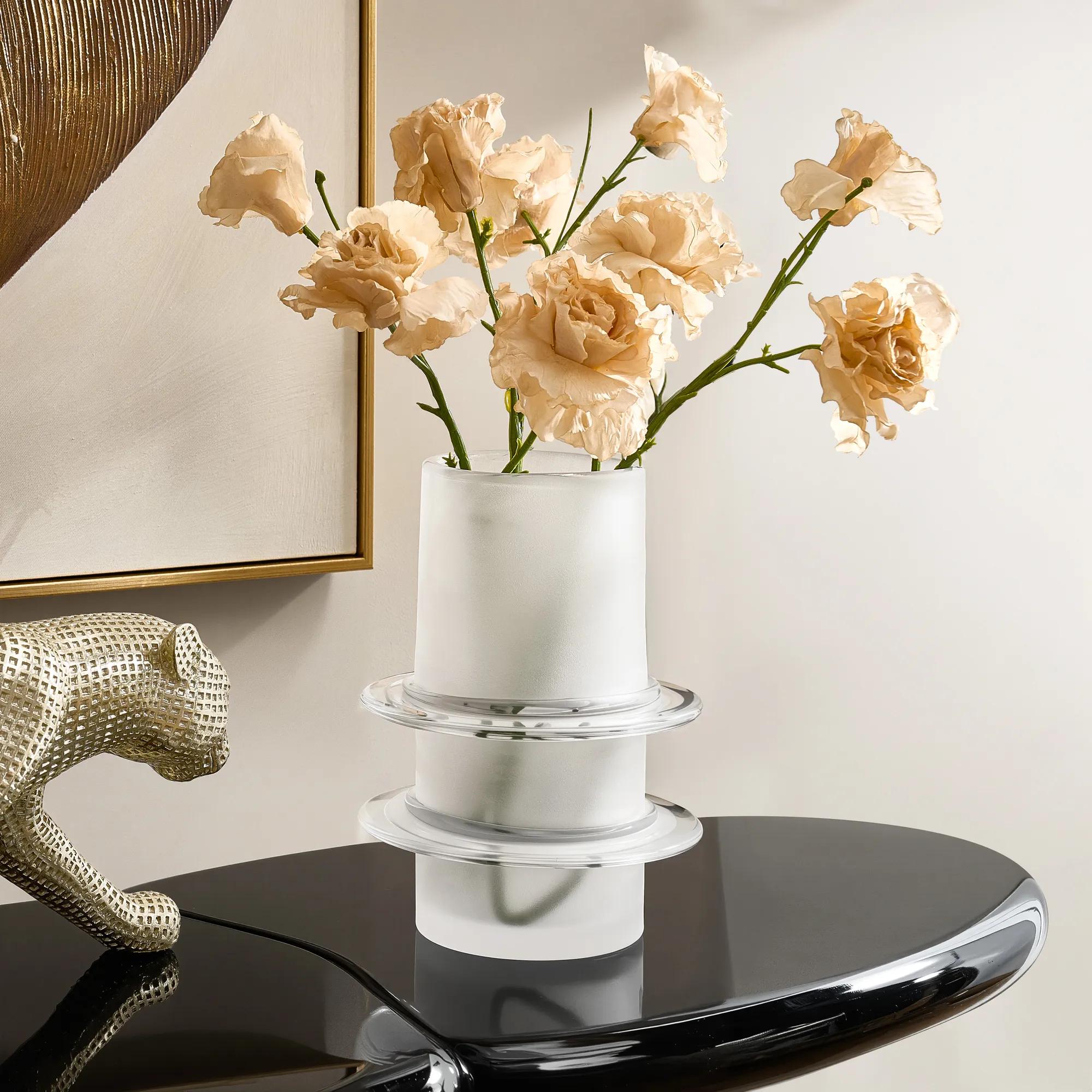 Pierre Glass Vase - Frosted White$99
A frosted white glass vase adding modern elegance to any décor.
Add To Cart -
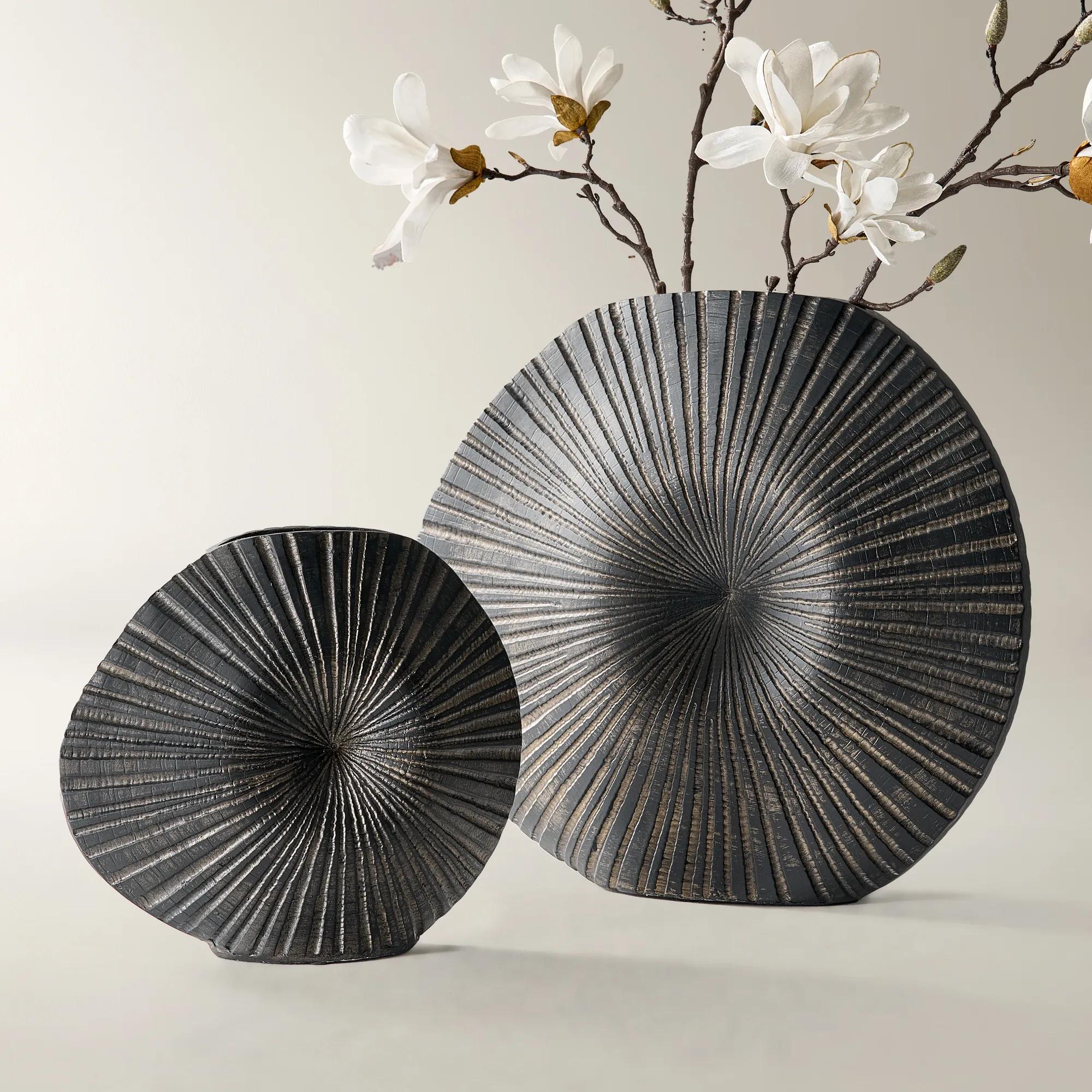
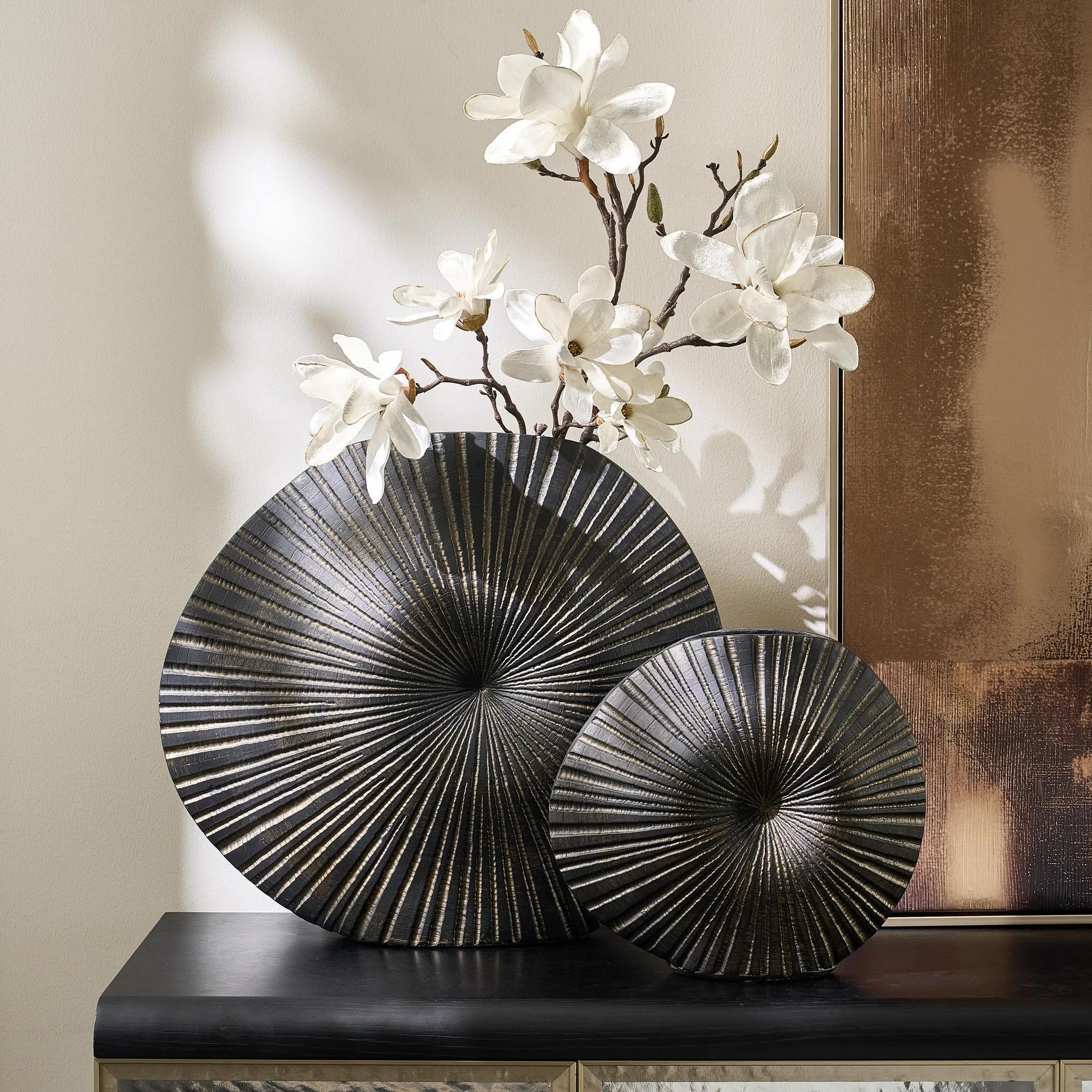 Stellar Black Champagne Resin Vases$169
A sculptural resin vase in black and champagne tones, offering modern glamour and artful visual depth.
Add To Cart -
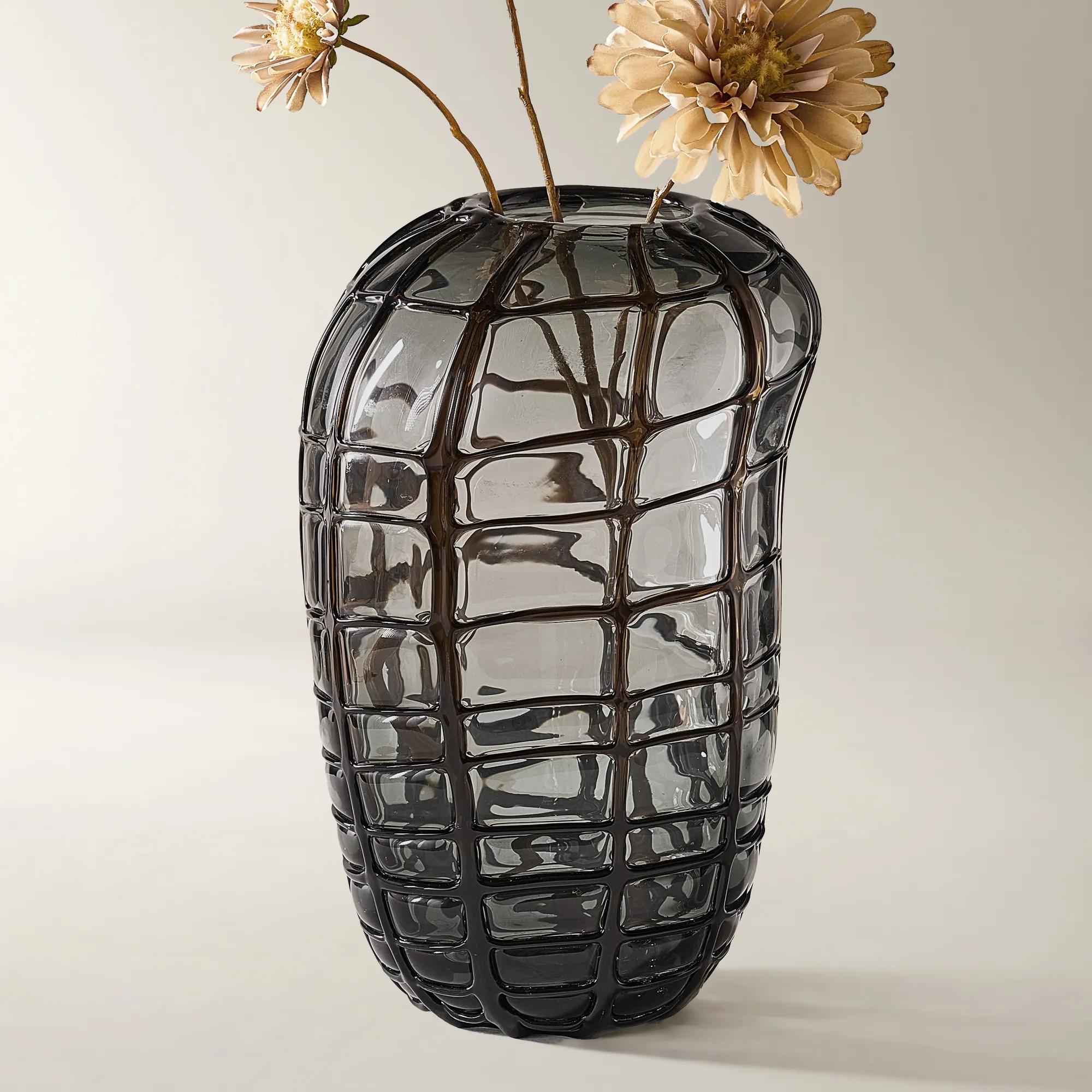 Contra Mouth Blown Black Grid Glass Vase 13"$89
A handblown black glass vase featuring a graphic grid pattern and an organically sculpted silhouette.
Add To Cart

Decorative Accent Vases
Decorative Accent Vases are the ultimate expression of artistry and allure—each one a sculptural masterpiece designed to captivate the eye and spark conversation. From gleaming metallic silhouettes to bold, hand-finished textures, these vases transform any surface into a curated gallery. Whether perched on a mantel or anchoring a dramatic tablescape, they invite you to play with color, scale, and form, turning everyday moments into extraordinary displays of personal style. Elevate your home’s narrative with pieces that don’t just hold flowers—they hold the spotlight.
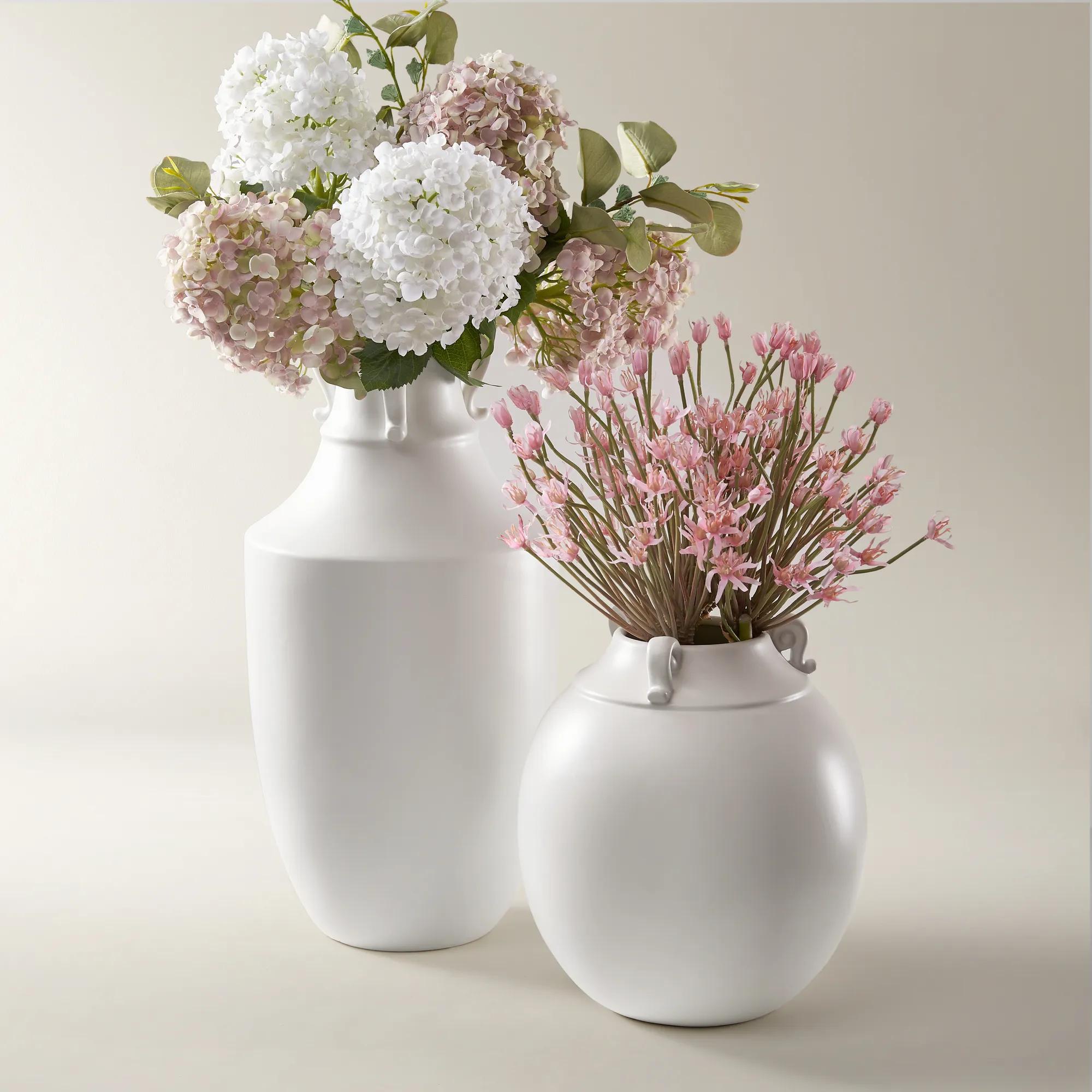
Decorative accent vases are ornamental vessels that bring shape, color, and texture to mantels, consoles, bookshelves, and tabletops, with or without flowers. Their appeal extends beyond holding a bouquet: a sweeping silhouette can soften a sharply tailored room, while a gleaming finish can draw light into a quiet corner. Ceramic, porcelain, glass, metal, and stone each offer a distinct visual character, making material as important as color when selecting a piece. Glazed ceramic lends depth and richness, from luminous ivory to saturated jewel tones, while matte finishes reveal the contours of a sculptural form. Porcelain can offer a more delicate appearance, particularly in slender profiles or finely detailed surfaces. Clear glass keeps stems visible and creates an airy composition; tinted, opaque, or textured glass places greater emphasis on the vessel itself. Metallic finishes introduce polished drama, reflecting nearby lamps and bringing definition to an otherwise tonal arrangement. Natural stone contributes weight and distinctive veining, although its finish and porosity affect how it should be used and maintained. Across these materials, rounded bodies, elongated necks, fluted walls, and asymmetric openings give decorative vases an expressive range that feels closer to sculpture than simple storage for stems. An ivory vessel against dark wood creates a crisp contrast, while smoky glass beside a mirrored tray offers a softer interplay of reflection and transparency. For interiors with richly patterned upholstery or expressive artwork, a vase in one confident color can provide visual balance without disappearing into the room. Where furnishings are restrained, pronounced texture or an unexpected outline supplies the detail that makes the setting memorable. The most compelling choice does not need to repeat every finish nearby. A subtle connection—a warm metallic accent, a curved line, a shared undertone—can make the composition feel intentional while leaving room for individuality. Even empty, a well-proportioned vase gives the eye somewhere to pause, allowing its rim, surface, and silhouette to become the decoration.
Scale determines whether an accent vase feels intimate, architectural, or somewhere in between. Small decorative vases bring concentrated detail to a side table or a bookshelf, especially when paired with a low stack of books or a framed photograph. Medium-size silhouettes can anchor an entry console, balance a table lamp, or lend presence to a dresser without crowding daily essentials. In a spacious entry or beside a substantial console, large accent vases offer a more commanding gesture, giving tall branches or an unfilled sculptural form the space to make an impression. Height alone does not determine fit: the widest part of the body, the footprint of the base, and the span of any arrangement all contribute to the finished proportions. A broad vessel may need more tabletop space than its narrow opening suggests, while tall stems can extend well beyond the vase itself. On a dining table, lower shapes preserve conversation and sightlines; on a mantel, a taller profile can create an elegant counterpoint to artwork without obscuring it. Shelving calls for enough clearance above the rim to keep the display from looking compressed. Floor placement works best where a stable vessel can sit clear of doors, walking paths, and active play areas. For grouped arrangements, differences in height and width give each silhouette definition. A tall, slender form beside a rounded vessel creates a more expressive rhythm than several pieces with identical proportions. Repeating a finish or color keeps that contrast composed rather than restless. A single vase can be equally persuasive when its outline is given breathing room, particularly against a textured wall or beneath a generous mirror. The opening also shapes the display: a narrow neck supports a few deliberate stems, while a wider mouth accommodates a fuller arrangement. Tall branches benefit from a sufficiently broad, stable base, with their height and weight kept in proportion to the vessel. These relationships allow the composition to feel dramatic without appearing crowded or precarious.
Intended use matters as much as appearance, because not every decorative vase is designed to hold water. Fresh flowers require a vessel specifically identified as watertight; a glazed exterior alone does not establish that an interior is sealed. Some porous ceramics, decorative metal vessels, and specialty finishes are better suited to dried botanicals, artificial stems, or display without a filling. Where the design permits, a properly fitted watertight insert can keep water separate from a decorative outer vessel, provided it sits securely and does not overflow. Delicate dried stems emphasize airy outlines, while broad leaves and generous artificial branches bring volume to larger forms without the maintenance of fresh flowers. Empty vessels offer another kind of richness, allowing a carved surface, a reflective glaze, or a boldly curved handle to remain fully visible. Everyday care should follow the material and finish instructions for each piece. A soft, dry cloth is often appropriate for routine dusting, while abrasive pads and harsh cleaners can scratch glass, dull metallic finishes, or damage decorative coatings. Textured surfaces may benefit from a soft brush that reaches into grooves without scouring them. Vases approved for fresh flowers need regular water changes and gentle interior cleaning to limit residue, with the exterior and base dried before returning them to furniture. A suitable protective pad beneath the base can help protect a polished tabletop from scratches, though it does not replace precautions against moisture. Durability varies by construction: ceramic and glass can chip or break on impact, metal may dent, and decorative finishes may be vulnerable to prolonged moisture or aggressive cleaning. Secure placement is especially important in homes with children or pets. For a housewarming, wedding, or anniversary gift, an accent vase offers lasting decorative presence without requiring a precise room layout. A versatile finish and manageable scale leave the recipient free to display it on a console, carry it into a dining arrangement, or let it stand alone—a personal detail with the presence to reshape an entire vignette.
FAQs
Decorative accent vases infuse your home with artistry and personality, catching the eye with their sculptural silhouettes and luxurious finishes. Whether displayed solo as a statement piece or arranged in a curated grouping, they add layers of texture, color, and intrigue to any room, transforming ordinary surfaces into moments of visual delight.
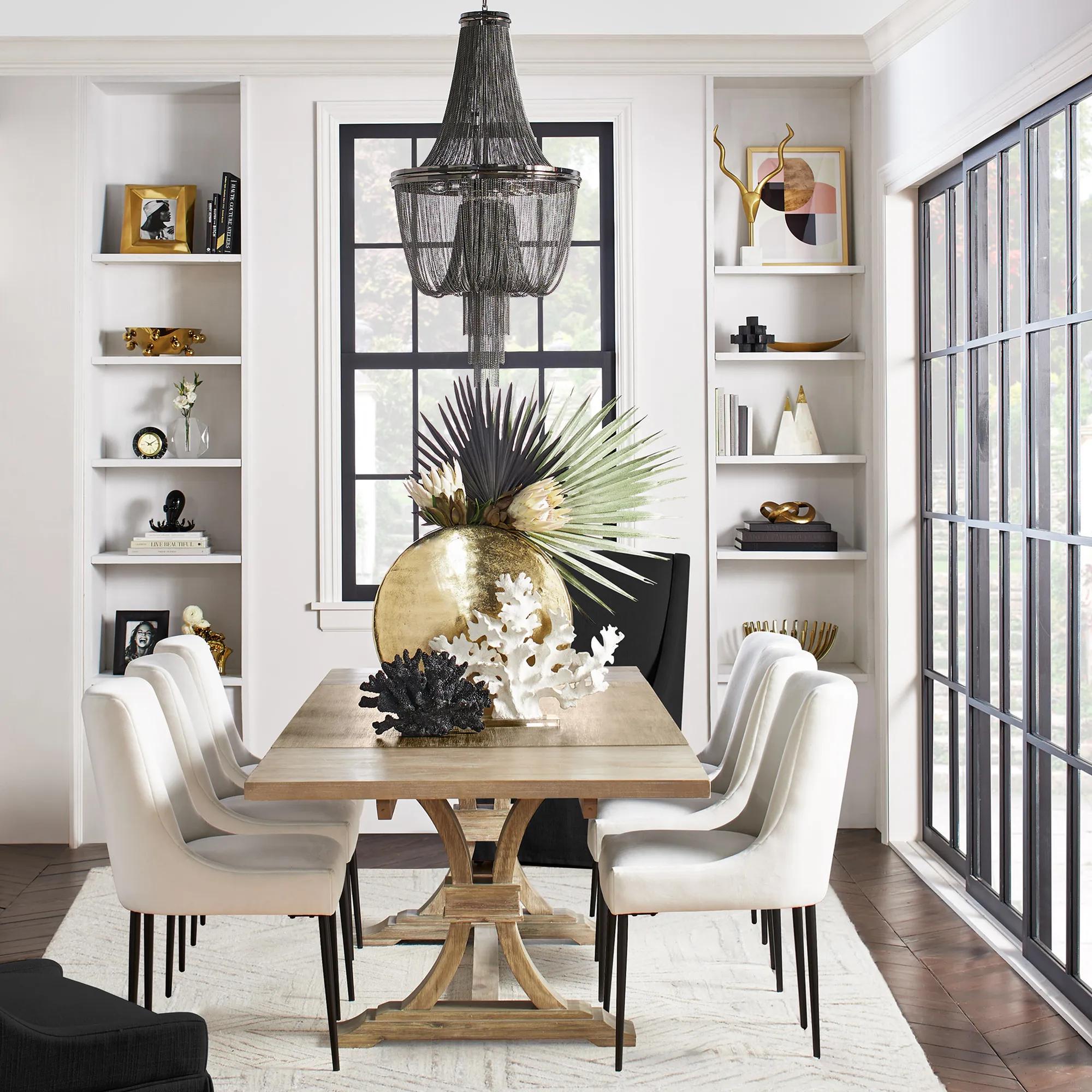
Accent vases shine in a variety of settings: line a series of slender vases along a mantel for a modern gallery effect, cluster different shapes and heights on a coffee table for dynamic interest, or use a single, dramatic vase as the centerpiece of your dining table. For added flair, fill them with seasonal botanicals, sculptural branches, or let their artistry stand alone.
Absolutely. A thoughtfully chosen accent vase makes a sophisticated and memorable gift for weddings, housewarmings, anniversaries, or birthdays. Its enduring beauty and versatility ensure it will be cherished and used in countless ways, making it a meaningful gesture that celebrates style and creativity.
Consider the atmosphere you wish to create: glass vases offer lightness and transparency, metal vases bring a touch of glamour and shine, while ceramic vases introduce artisanal texture and warmth. Match the material to your room’s color palette and overall mood for a harmonious, elevated look.
Many accent vases are designed to be works of art in their own right and look stunning displayed empty. Their unique forms, finishes, and details can command attention and add sophistication to a space, whether or not they are filled with florals or greenery.