Ceramic Vases For Accent Tables
Ceramic Vases For Accent Tables
-
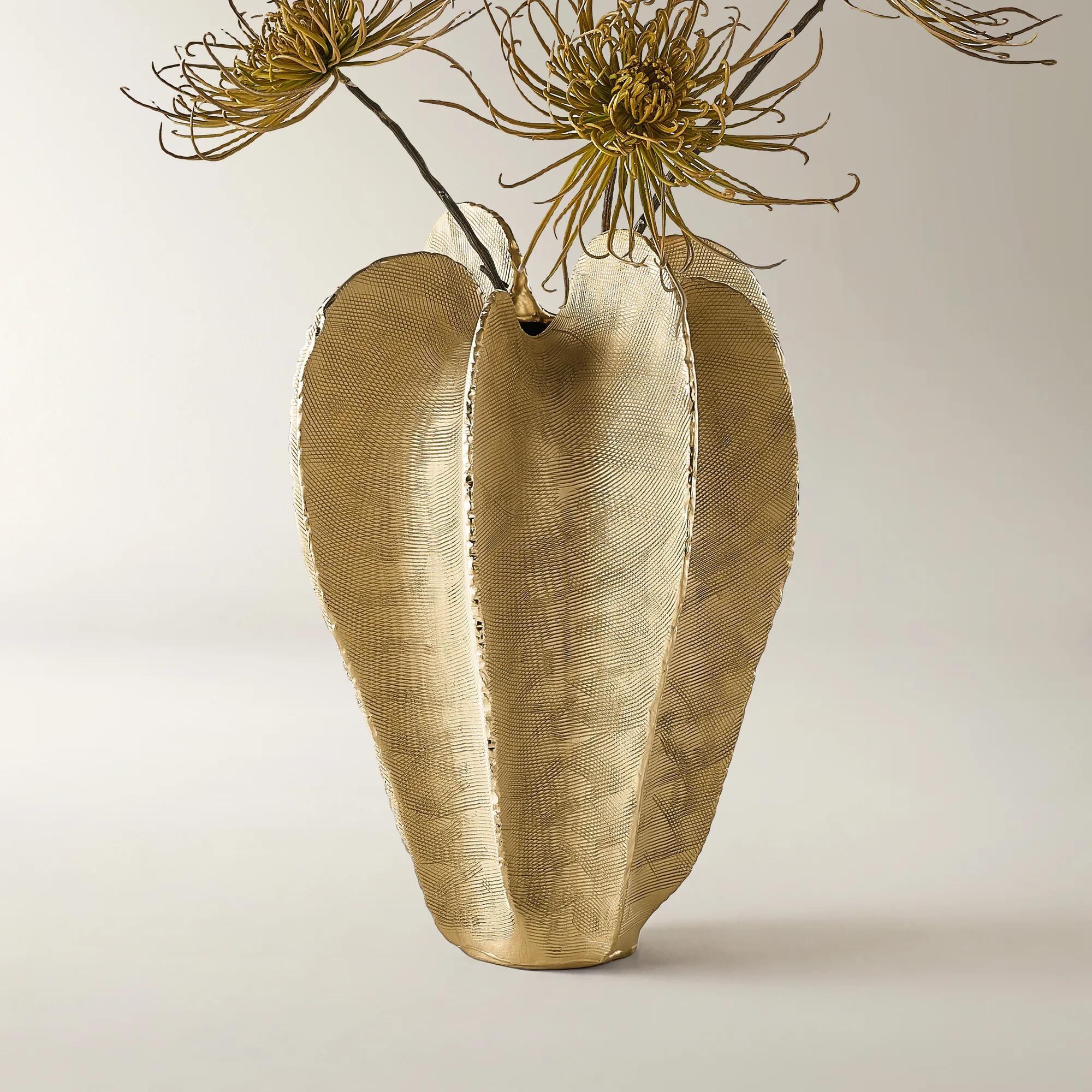 Kosta Soft Gold Textured Ceramic Vase 15.75"$129
A sculptural stoneware vase in a soft gold finish that adds artisanal texture and refined glamour.
Add To Cart -
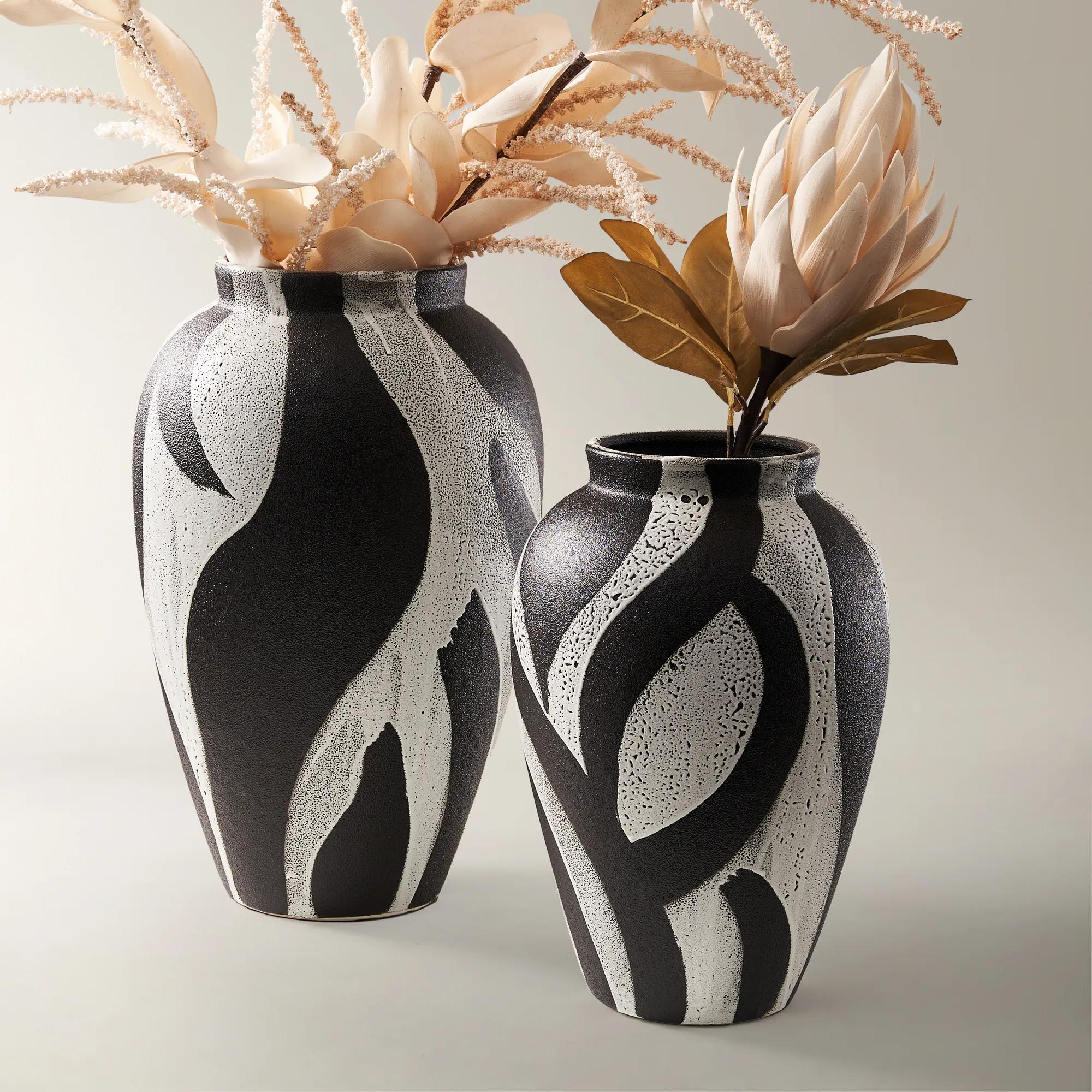 Montae Abstract Zebra Ceramic Vases$149
A ceramic vase featuring expressive black-and-white abstract zebra striping and a rounded, tapered silhouette.
Add To Cart -
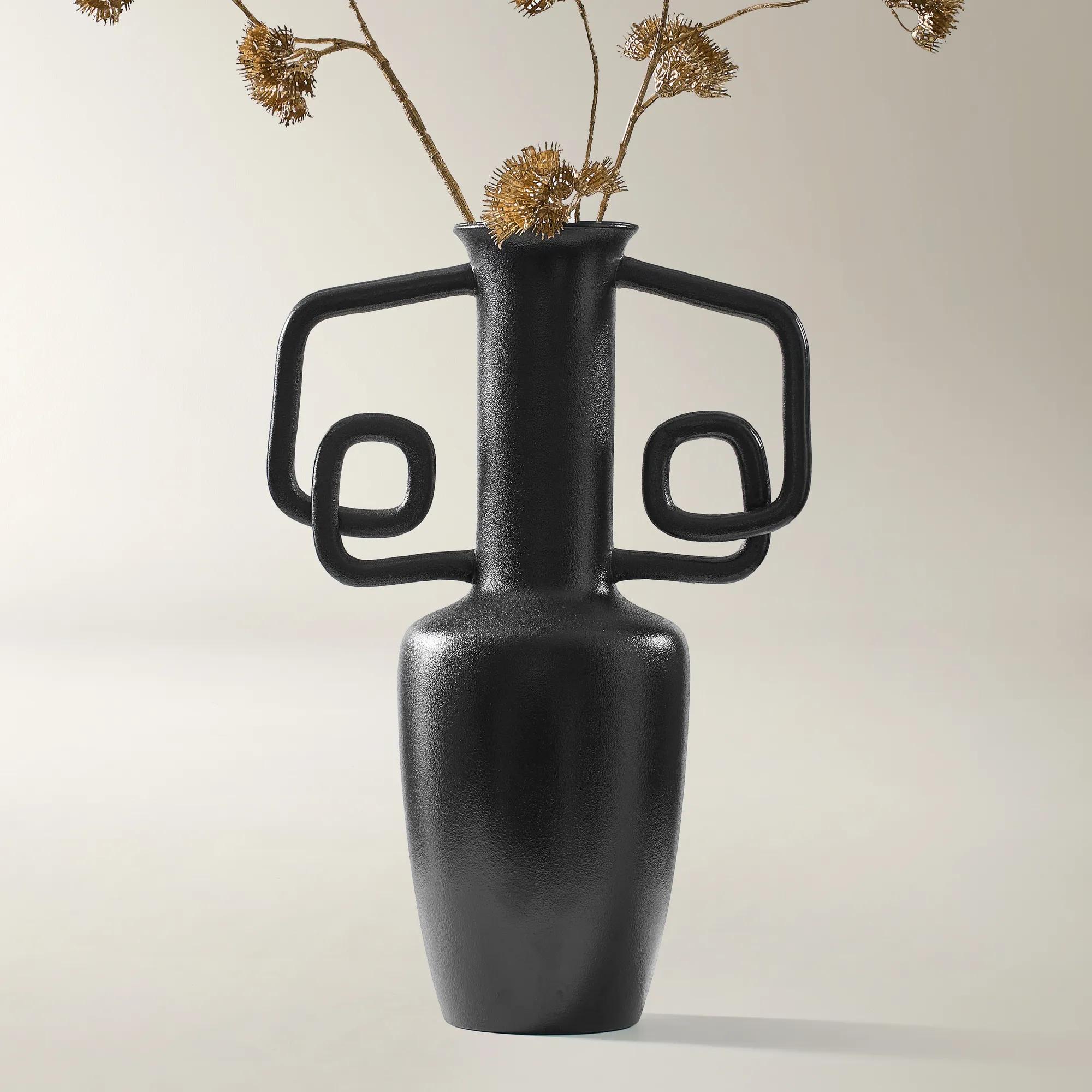 Cleo Handcrafted Black Porcelain Vase 19"$159
A sculptural black porcelain vase with exaggerated handles and a smooth, refined finish for modern decor.
Add To Cart -
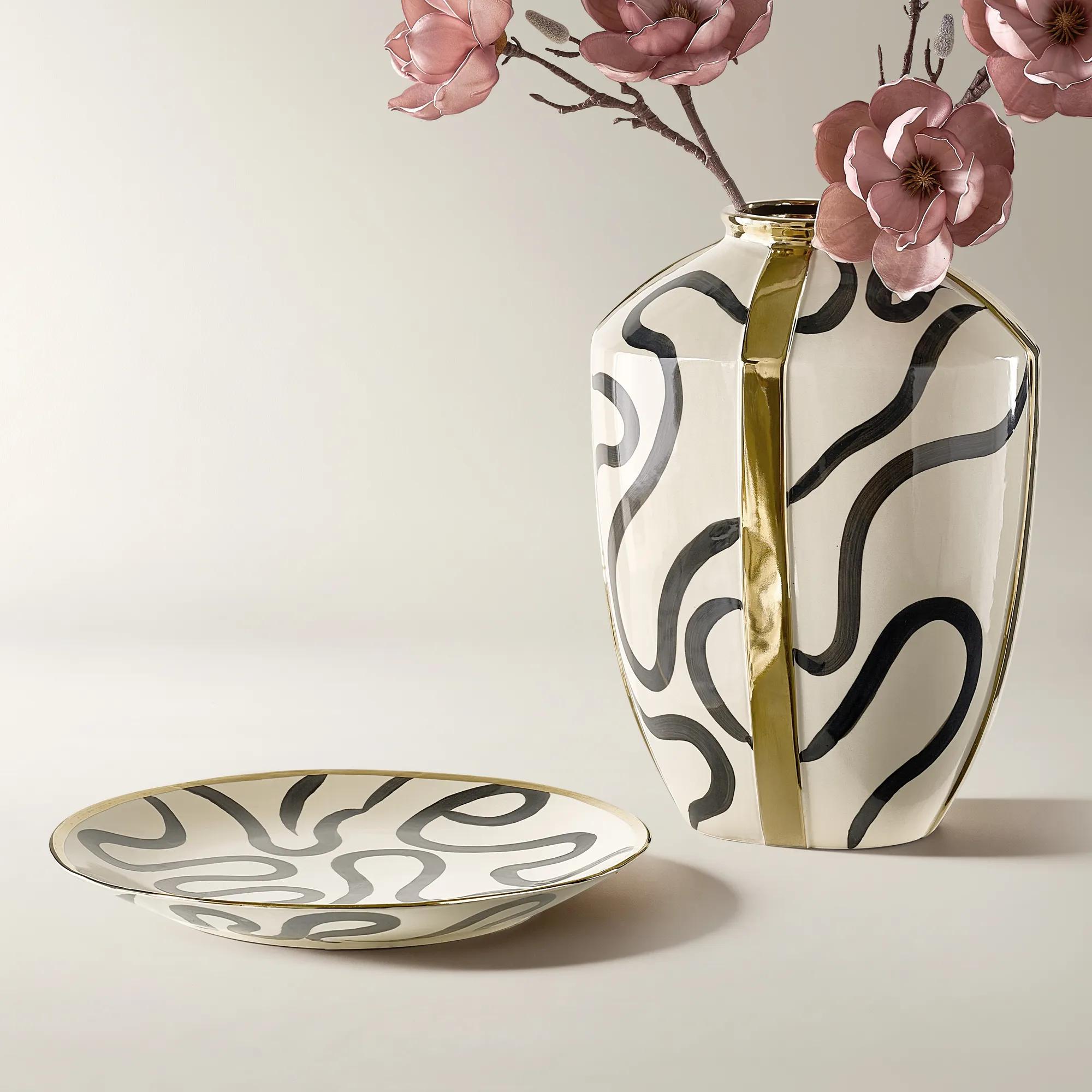
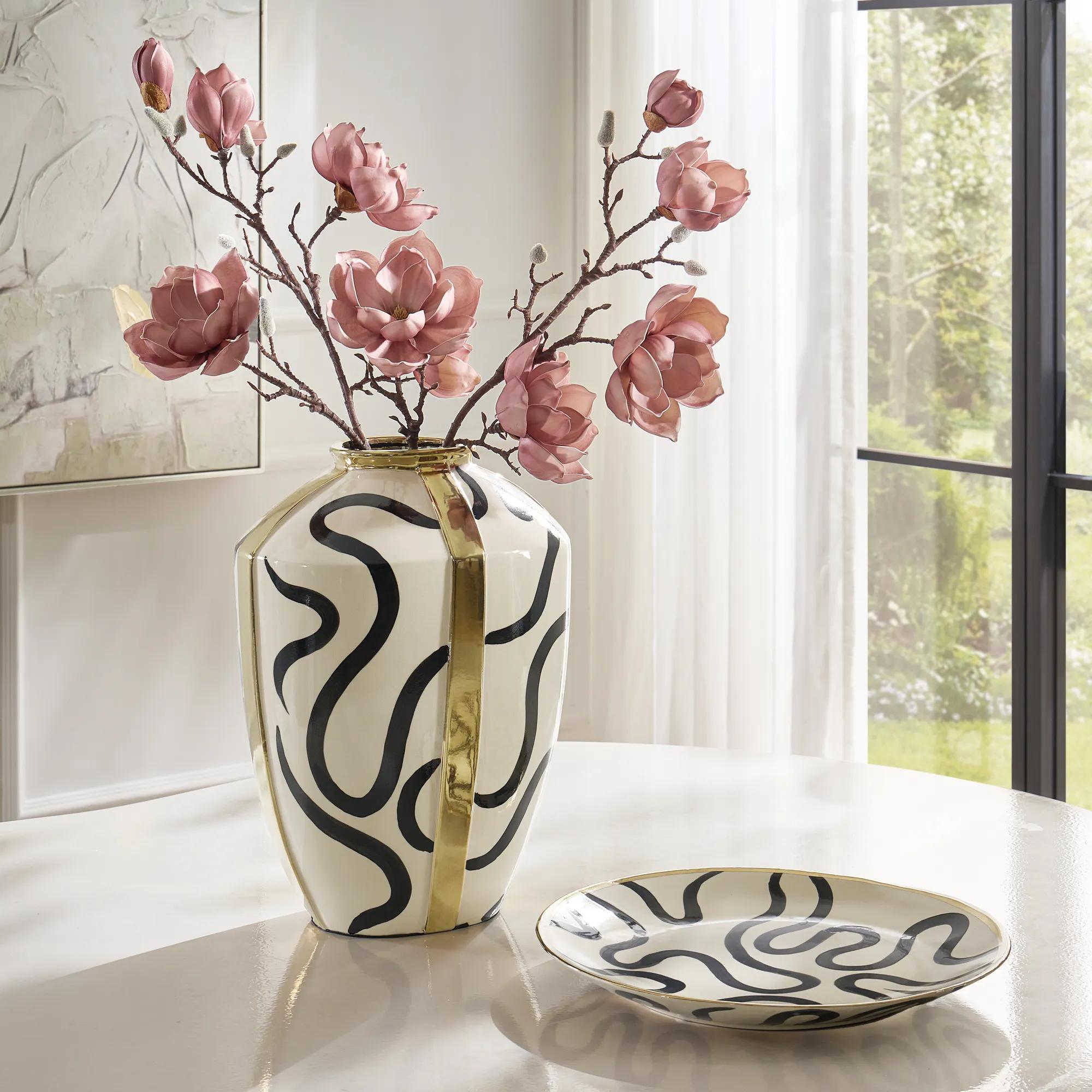 Sonder Soft Gold Black Ceramic Vase & Plate$149
A sculptural ceramic vase featuring interlacing wavy loops and soft gold, alabaster, and black accents.
Add To Cart -
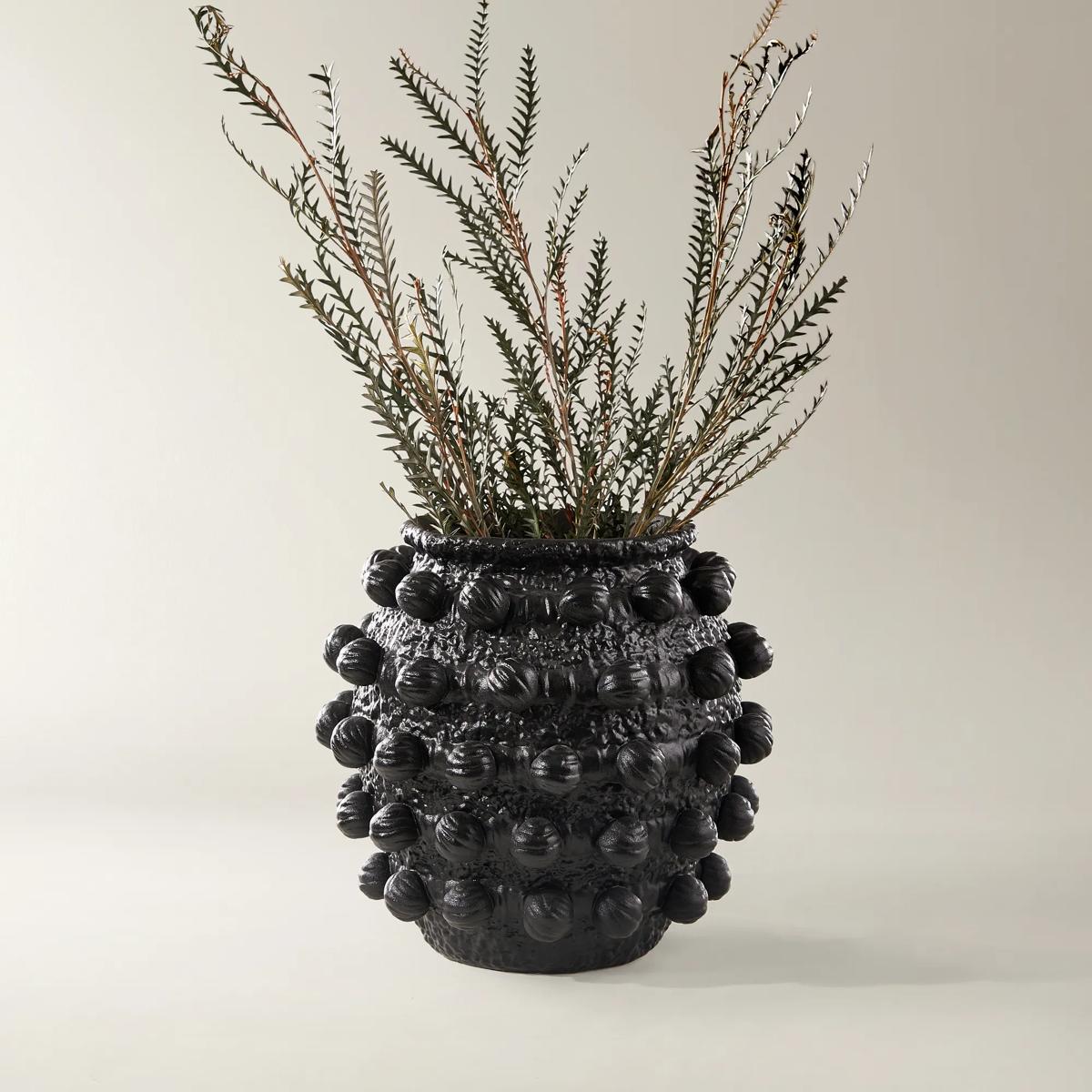
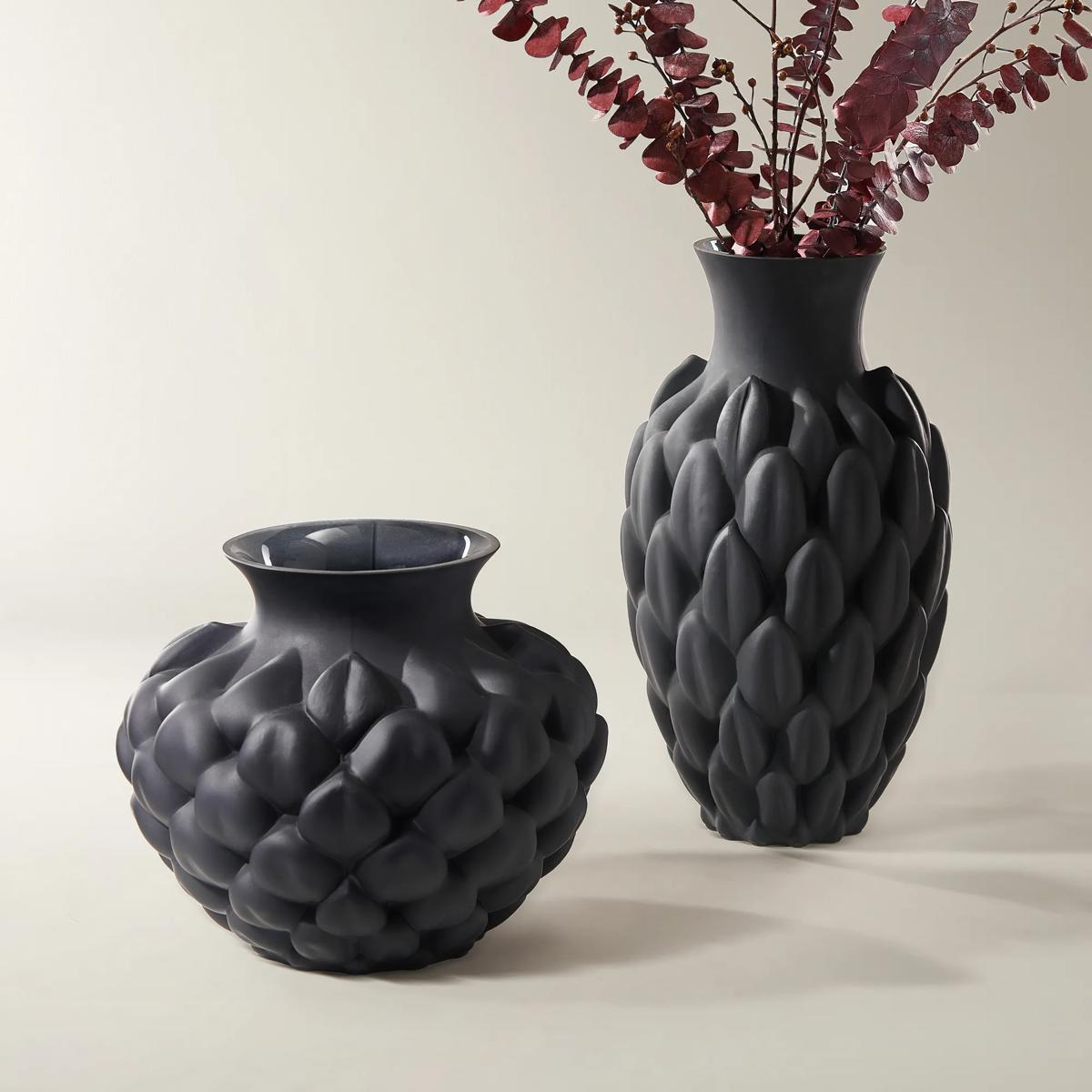
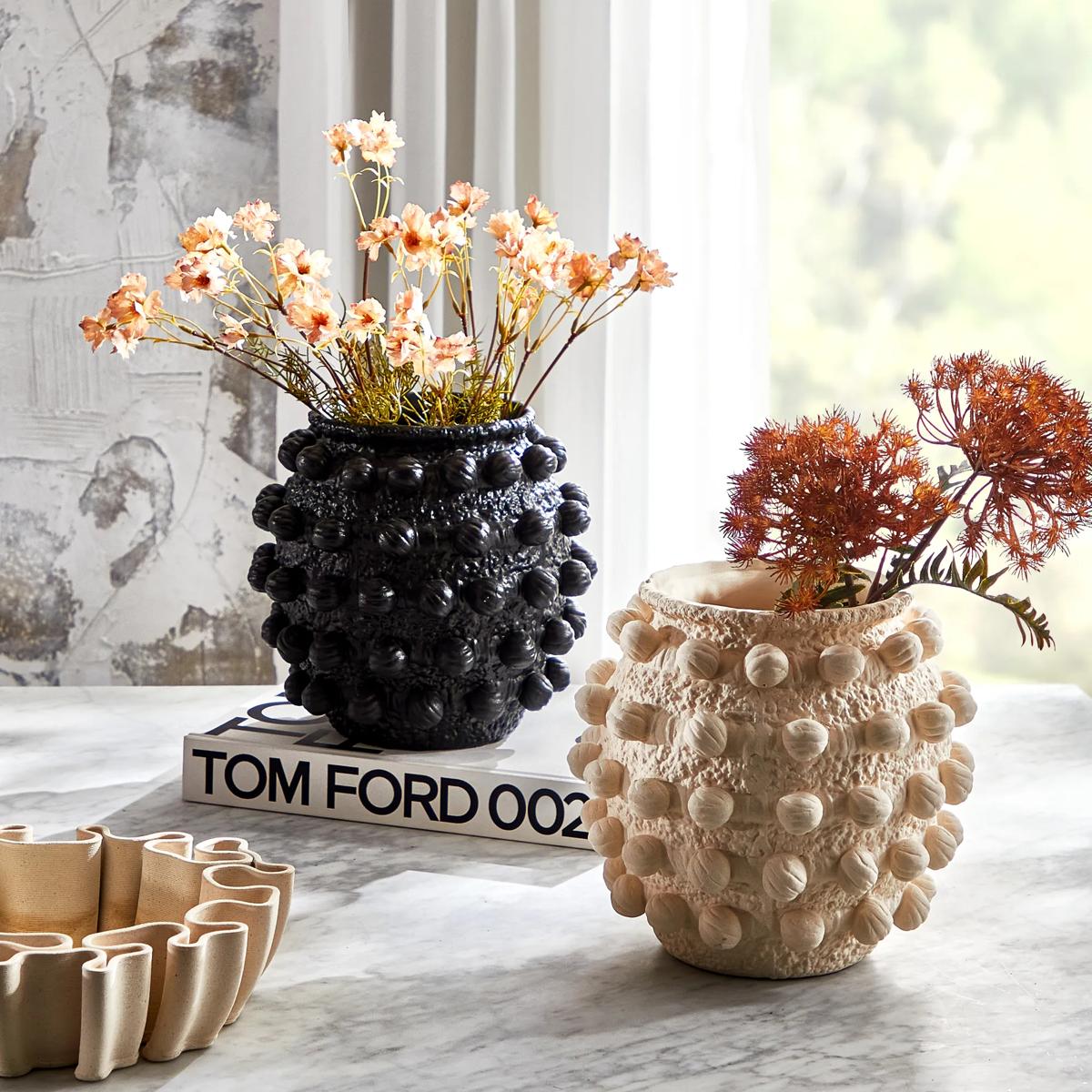 Pompa Vase - Black$119
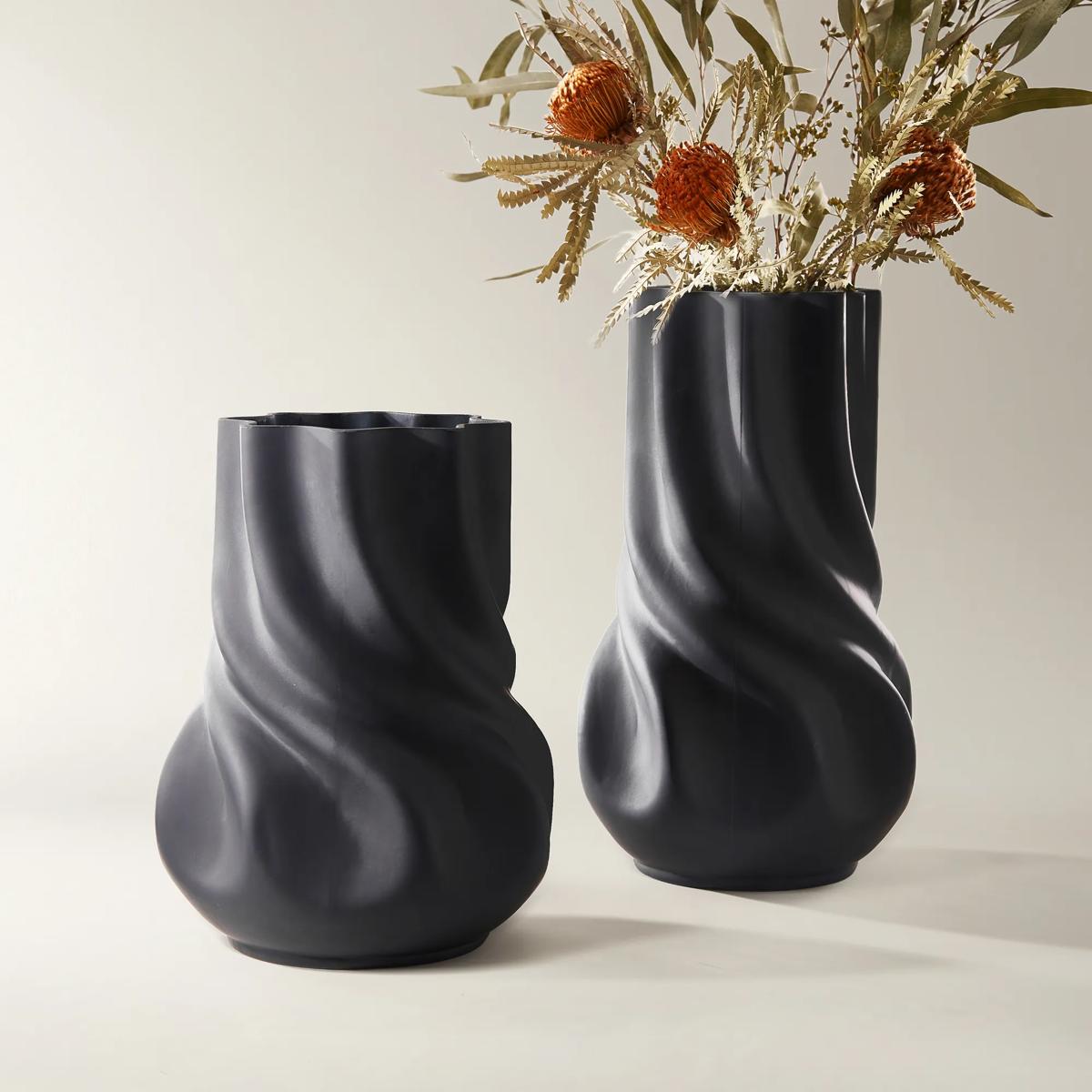
A sculptural black porcelain vase featuring bold, rounded forms and a richly textured surface.
Add To Cart -
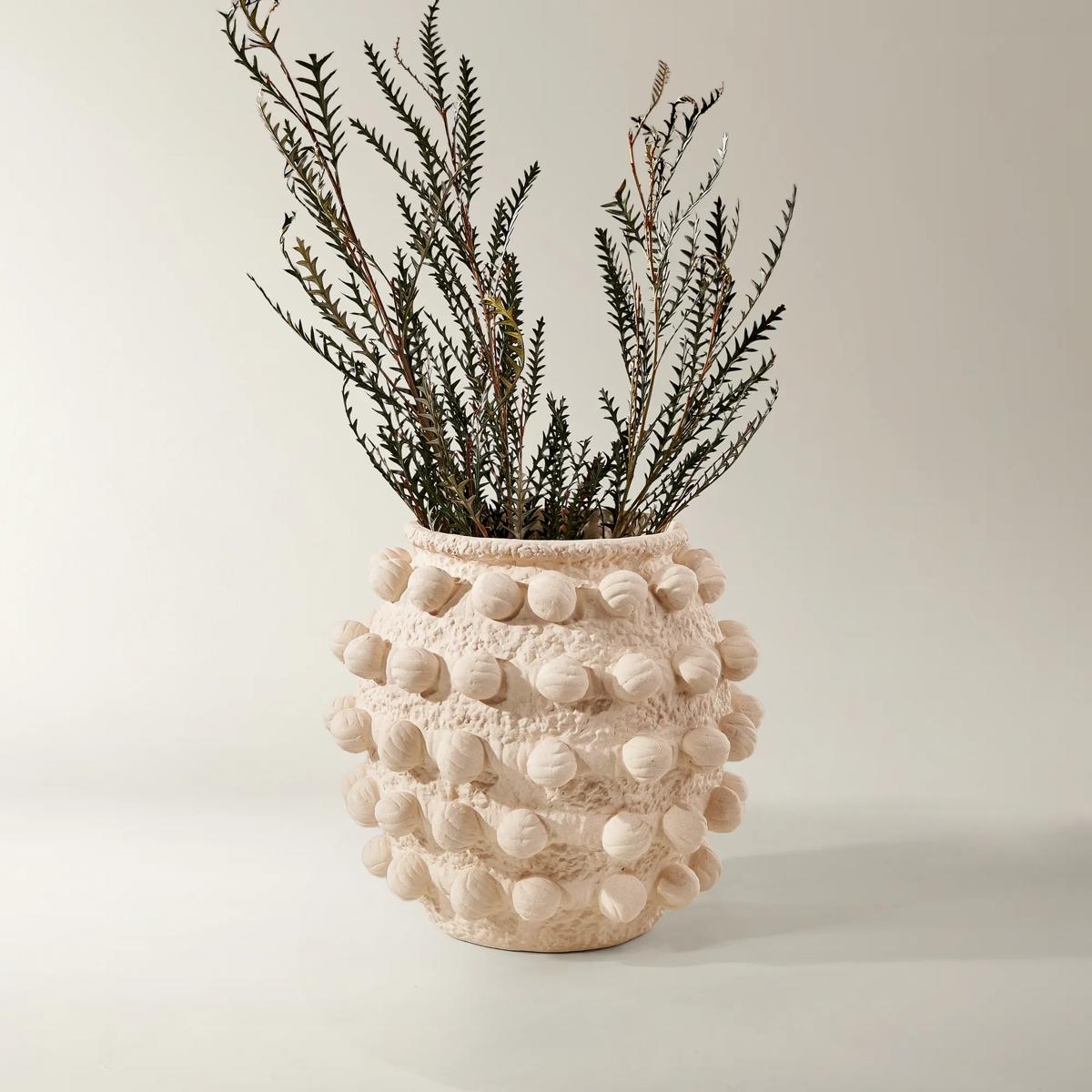 Pompa Vase - Ivory$119
An ivory porcelain vase featuring sculptural rounded forms and a richly textured, tactile surface.
Add To Cart -
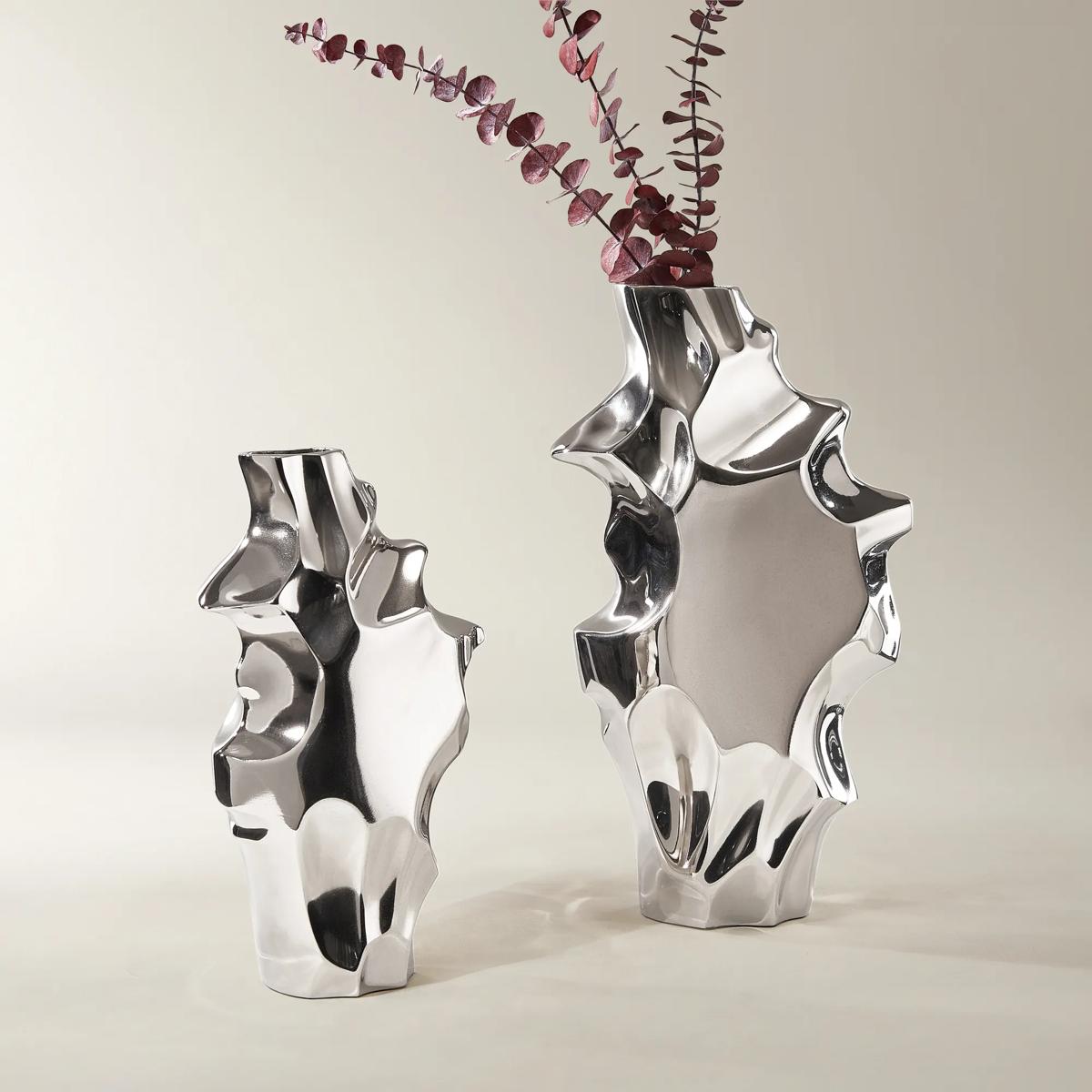
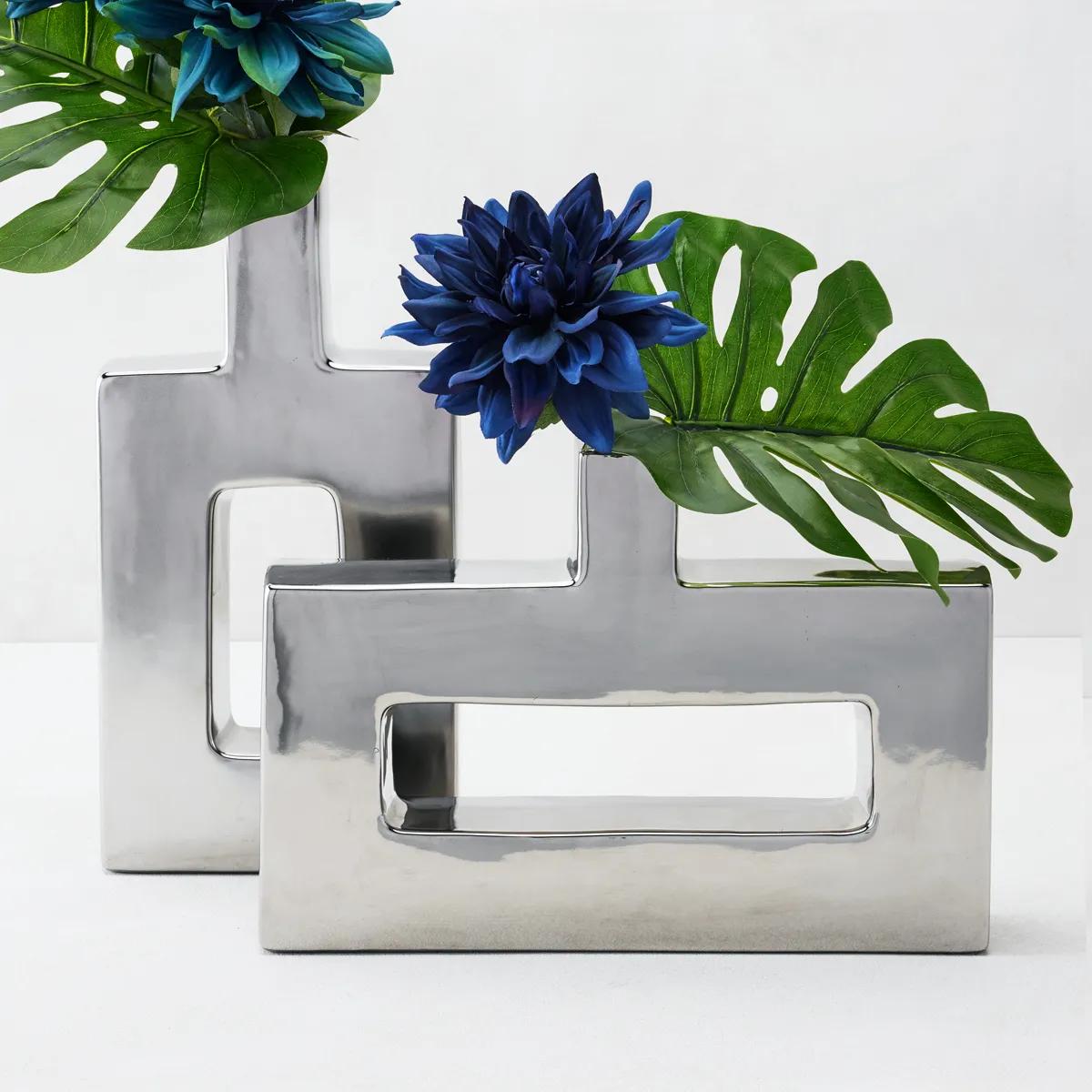 Miami Silver Ceramic High Gloss Vase 18.5"$69
A contemporary silver ceramic vase with a stylish gold glaze, perfect for decorative foliage or display.
Add To Cart -
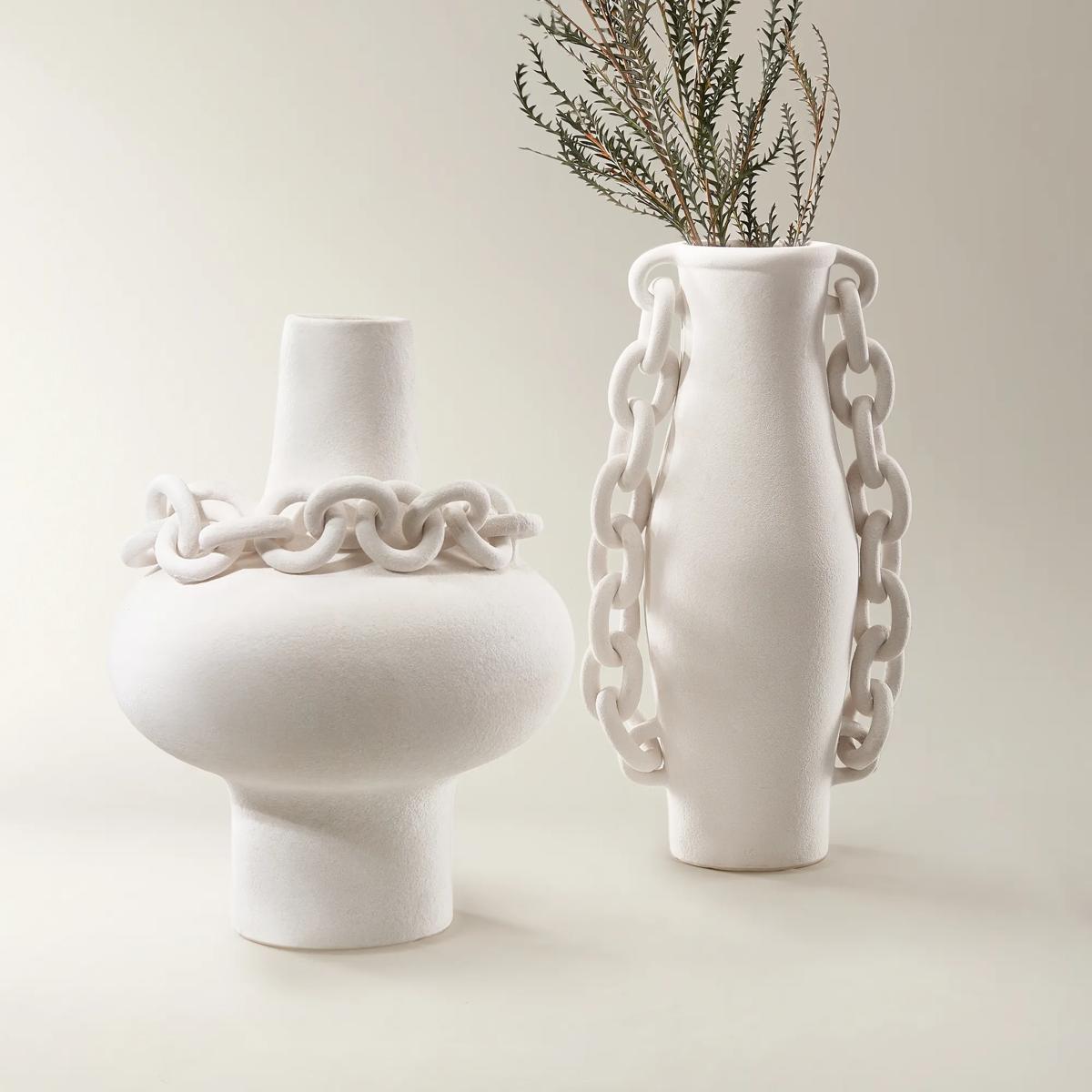
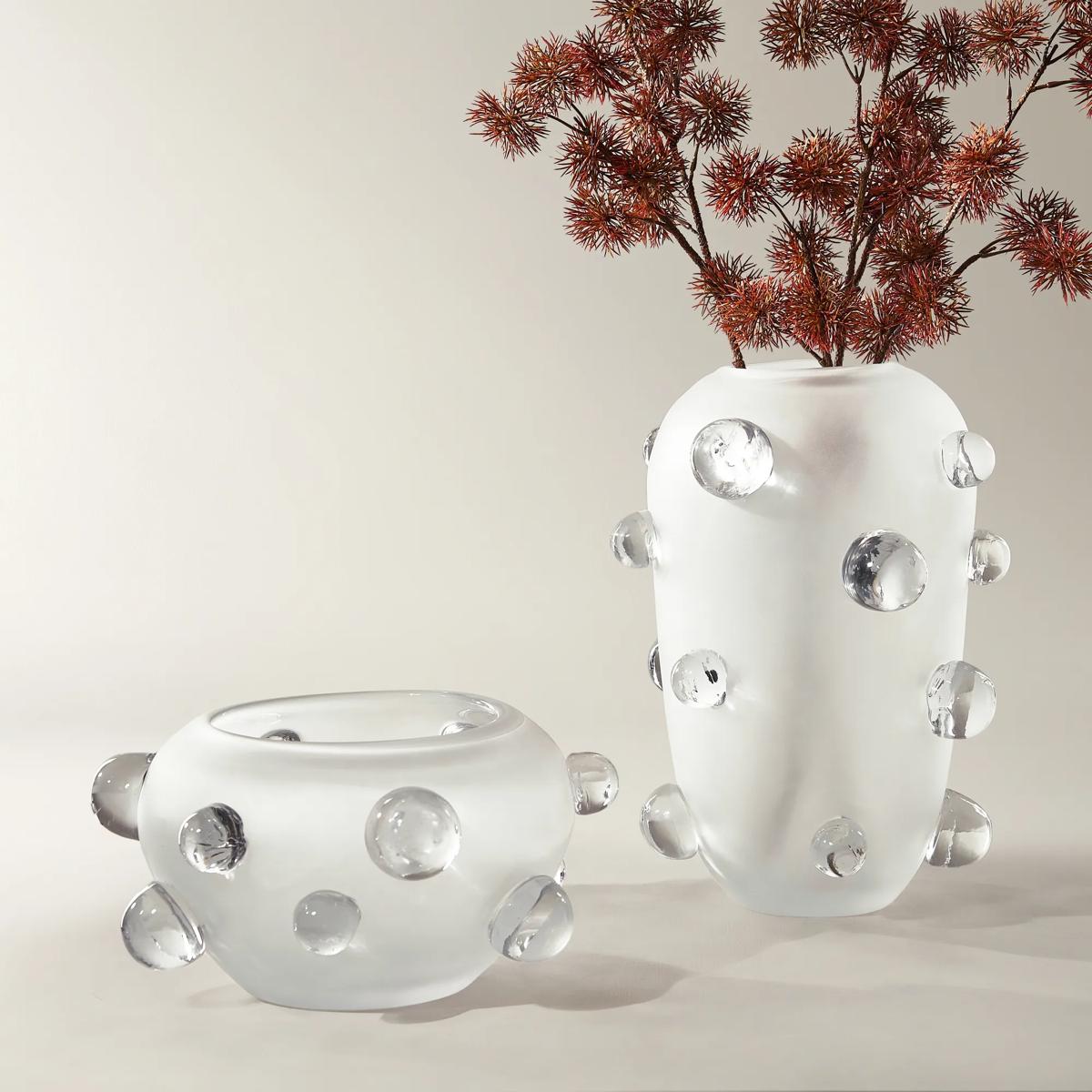
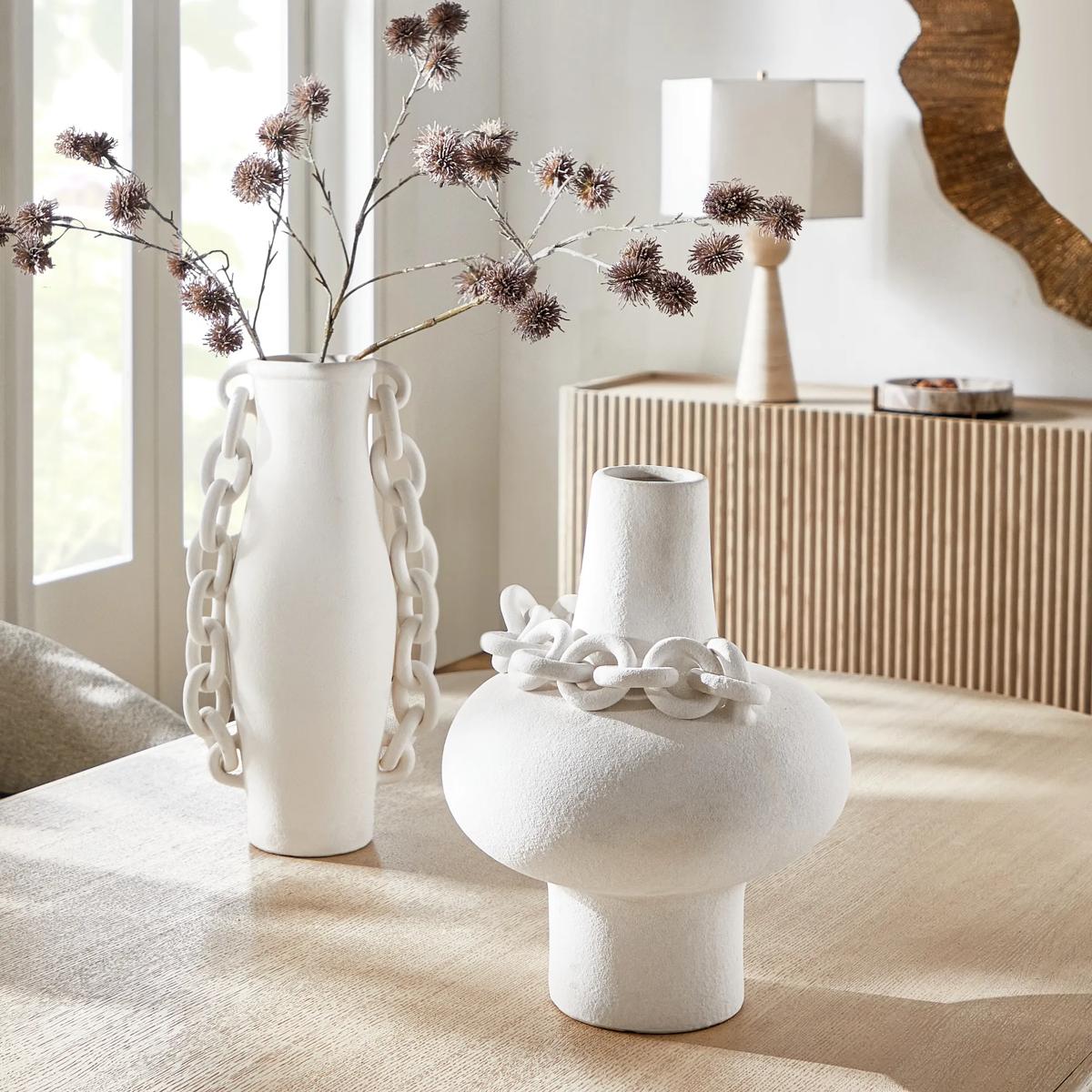 Links Stoneware Vases$119
A sculptural matte white stoneware vase featuring bold chain-link details for modern, artful texture.
Add To Cart -

 Miami Gold Ceramic High Gloss Vase 18.5"$69
A contemporary gold ceramic vase designed for decorative use or displaying faux foliage.
Add To Cart -
Miami Gold Ceramic High Gloss Vase 11.75"$69
A contemporary gold ceramic vase designed for decorative use as a sculptural accent or with foliage.
Add To Cart -
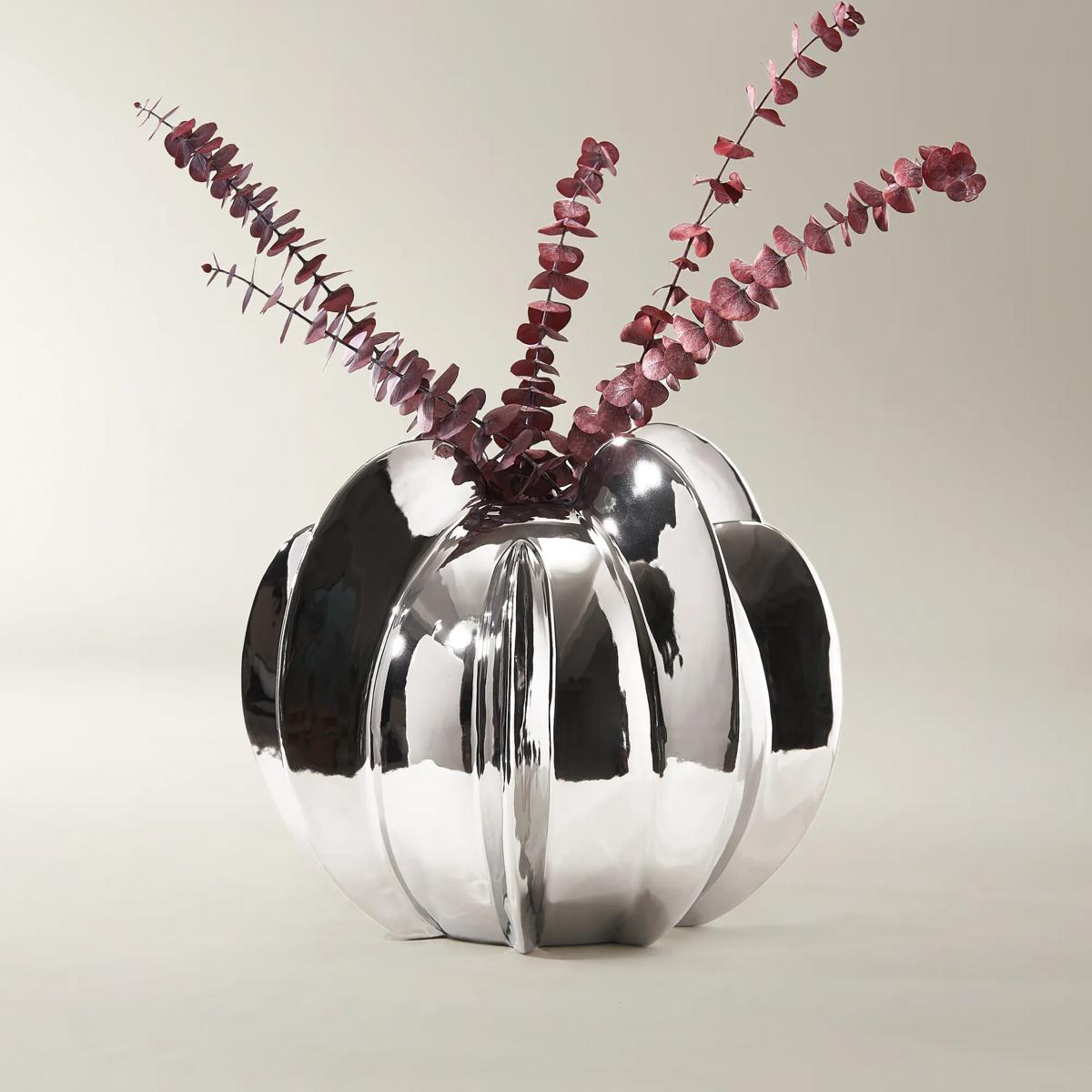
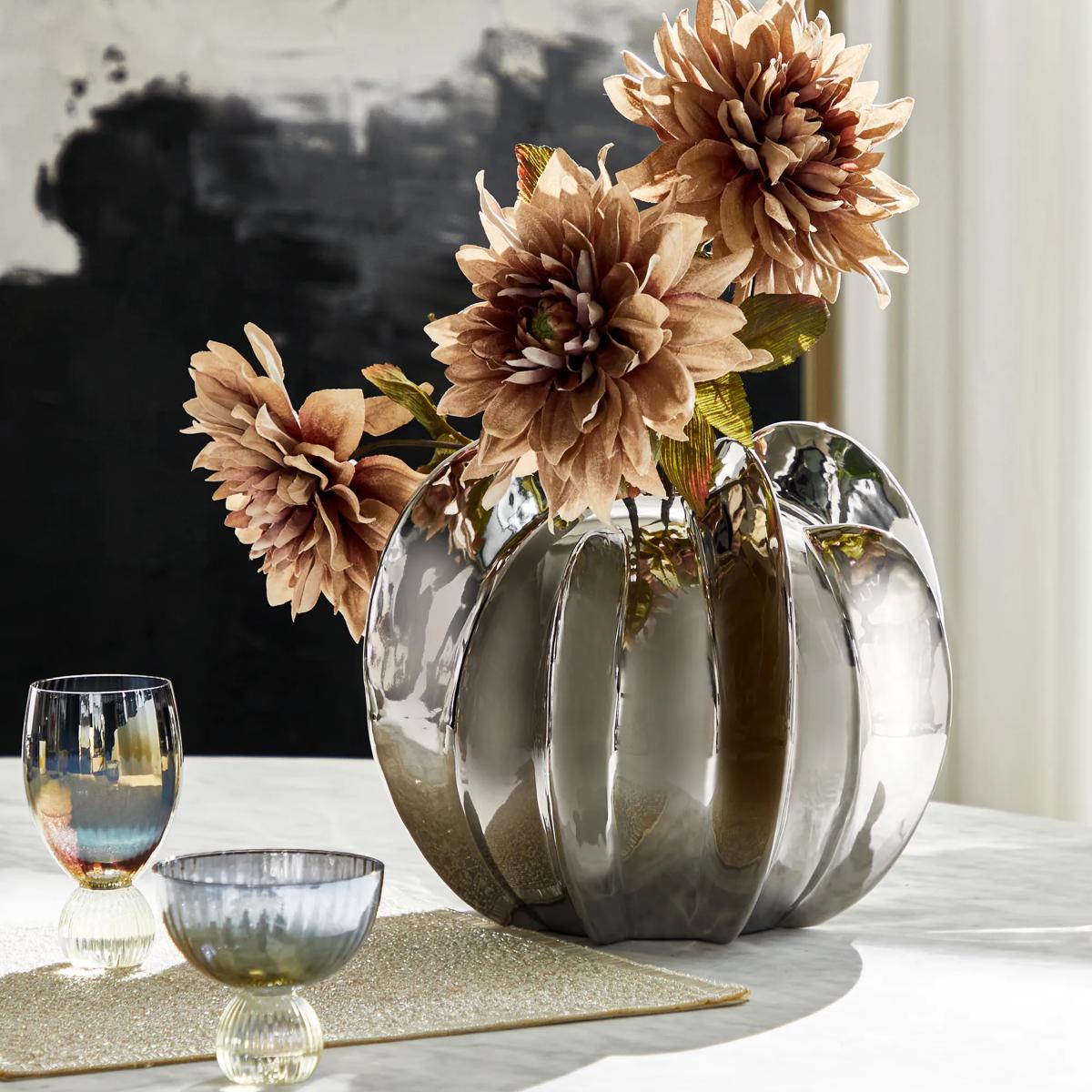 Voyage Vase$99
A reflective silver ceramic vase featuring a bold orb shape and dimensional vertical finned texture.
Add To Cart -
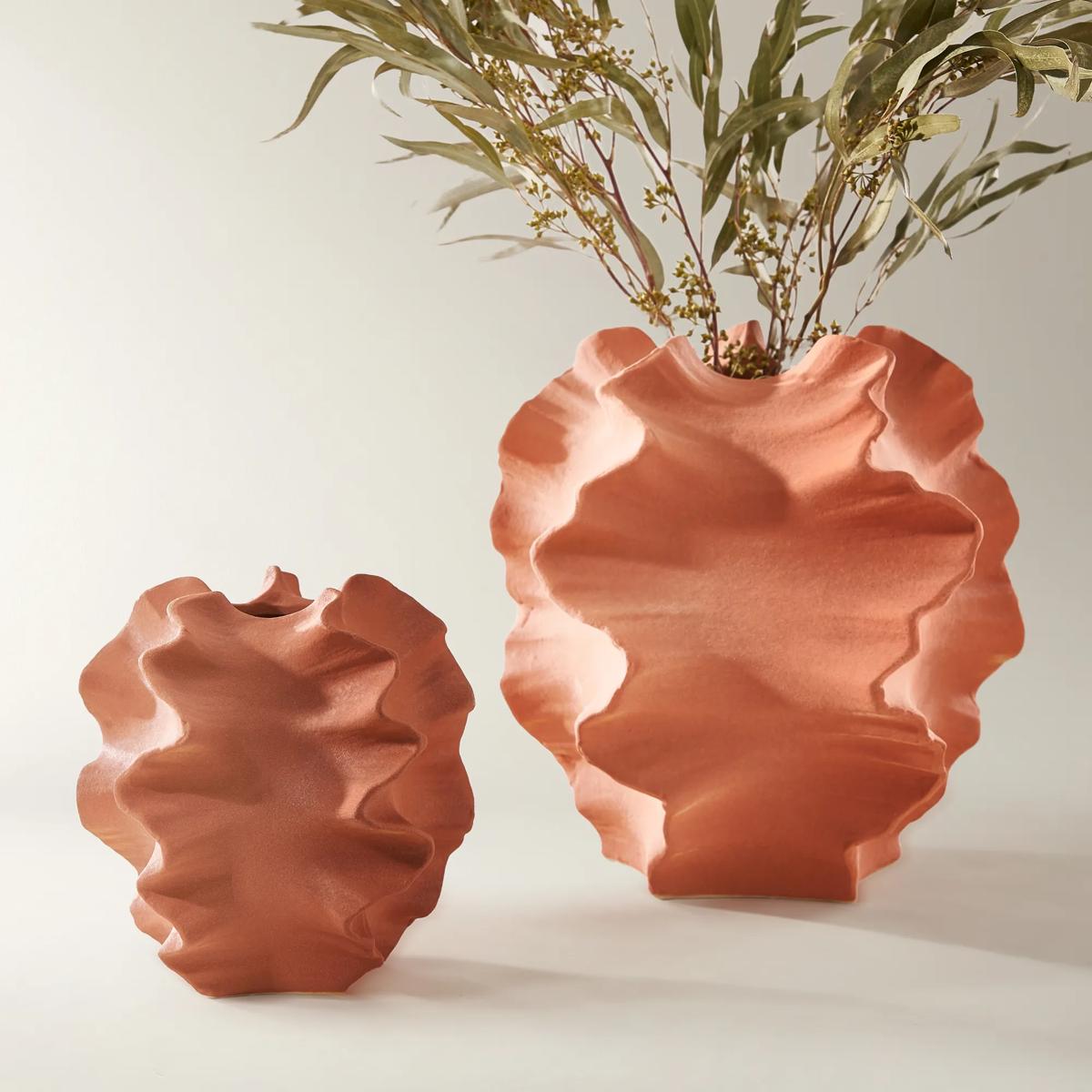
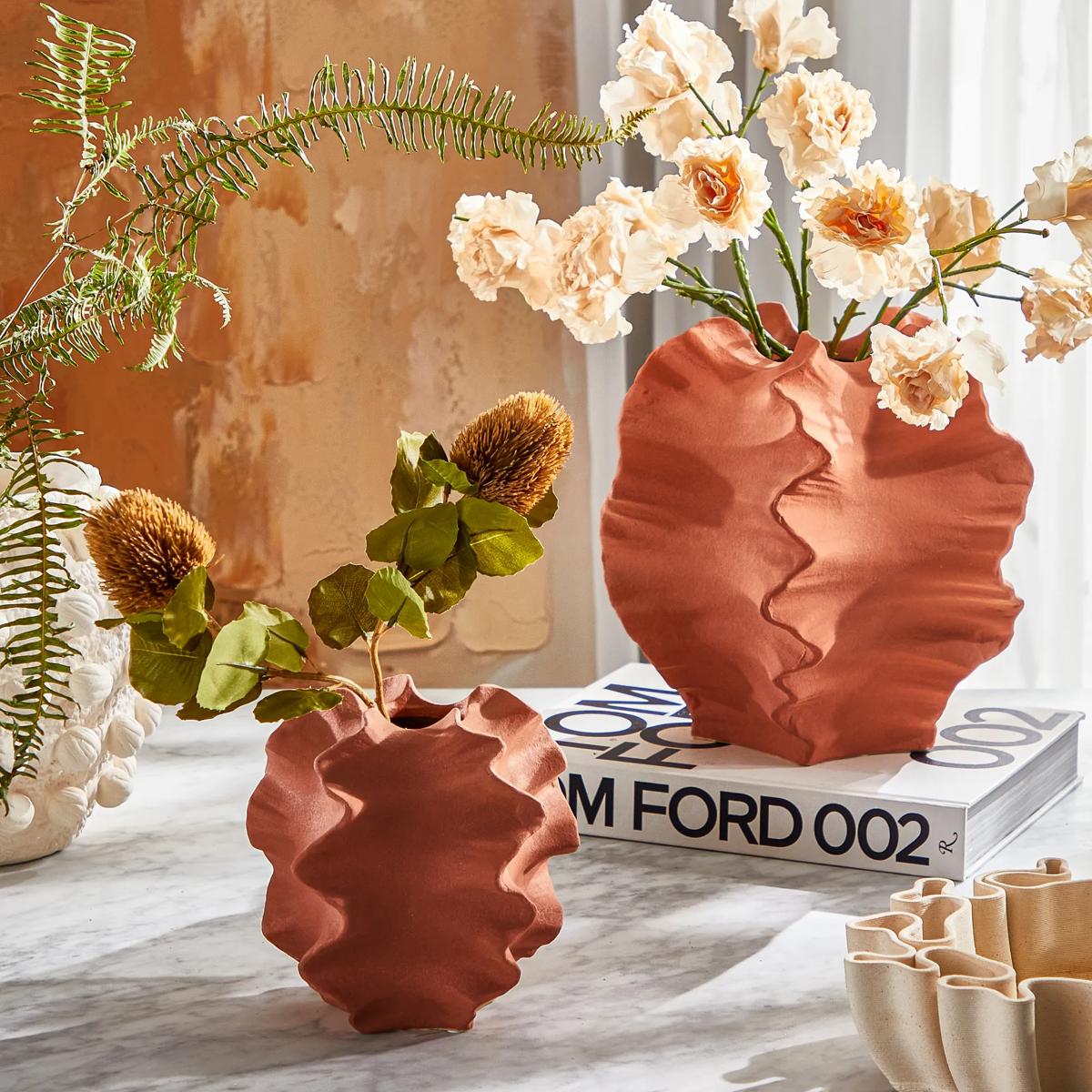 Morra Terracotta Sculptural Vases$79
A sculptural terracotta stoneware vase with rippling contours and a matte, earthy finish.
Add To Cart -
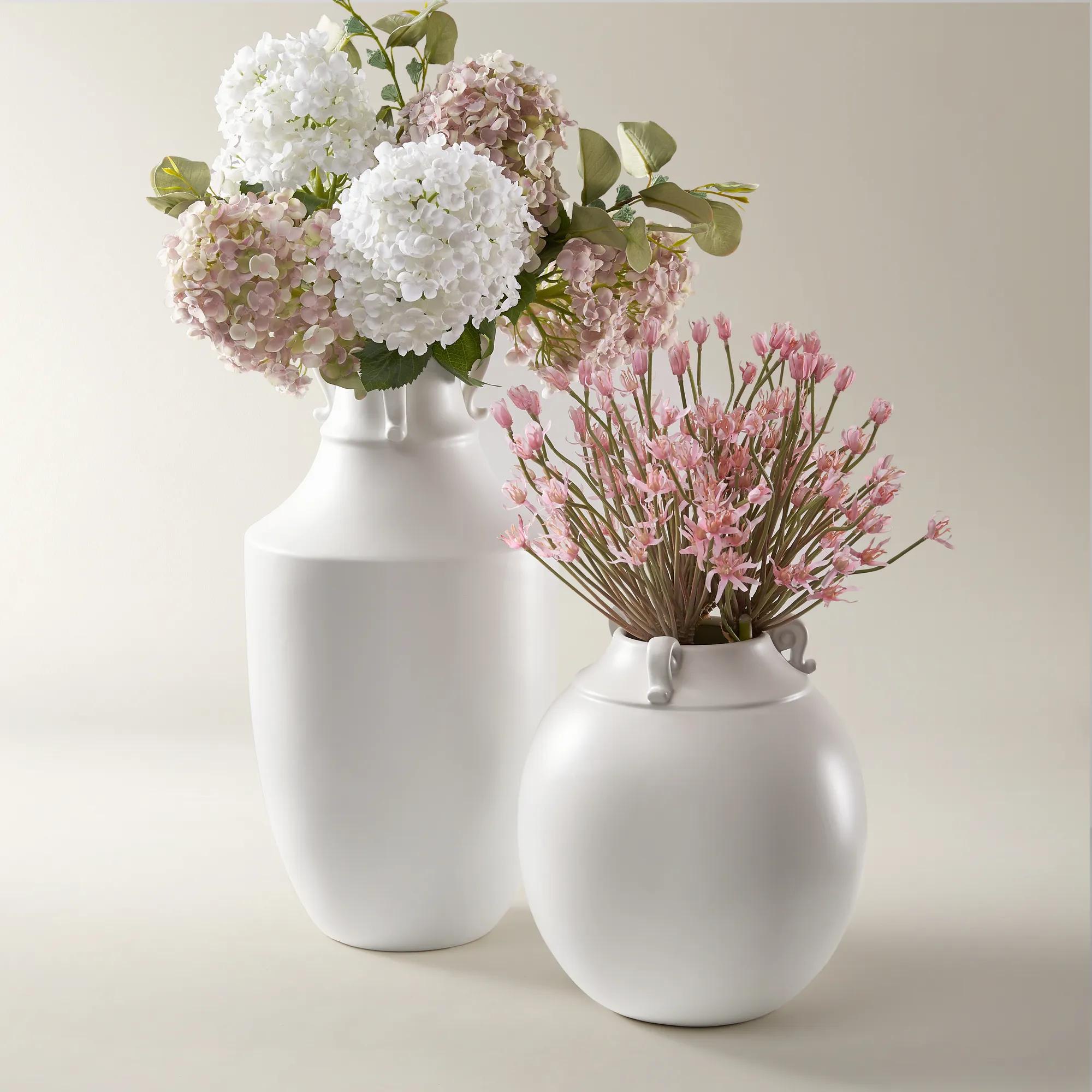 Amora Vase$119
A graceful white ceramic vase featuring smooth curves for a refined, contemporary accent to any space.
Add To Cart -
Miami Silver Ceramic High Gloss Vase 11.75"$69
A contemporary silver ceramic vase with a stylish gold glaze, perfect for decorative foliage or display.
Add To Cart -
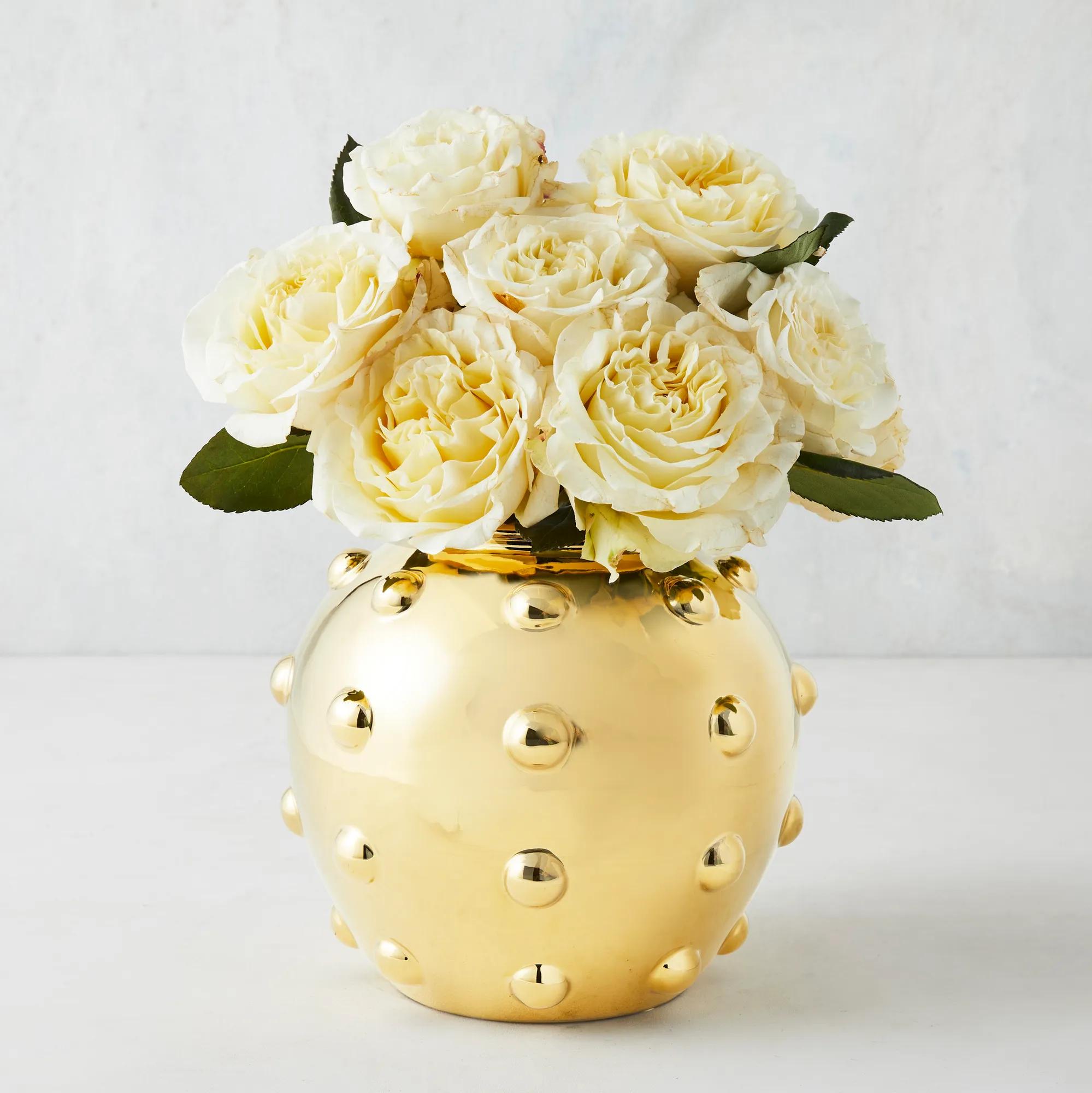
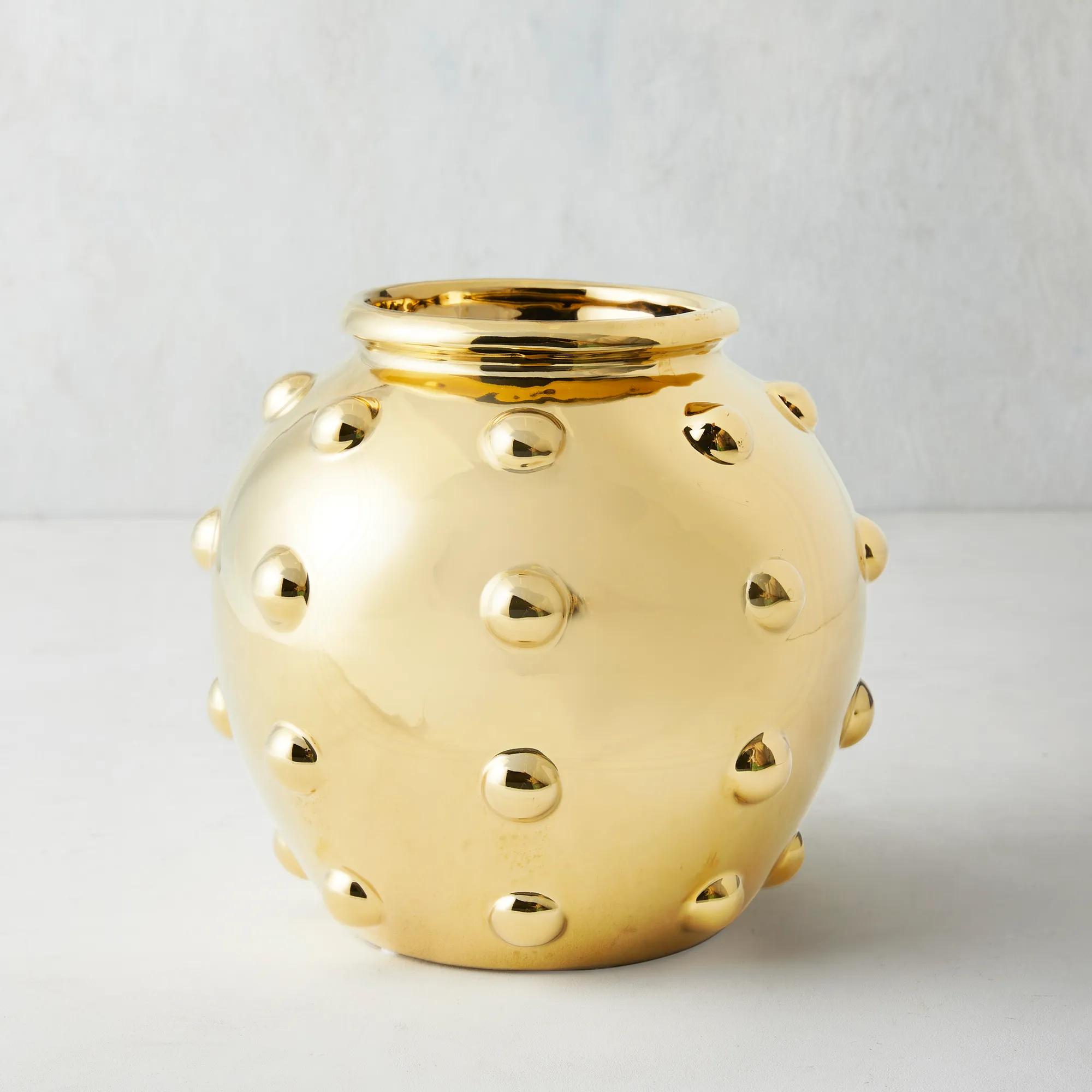 Orb Bauble Vase$59
A ceramic vase with a dimensional dot design and a gleaming gold finish for bold decor impact.
Add To Cart -
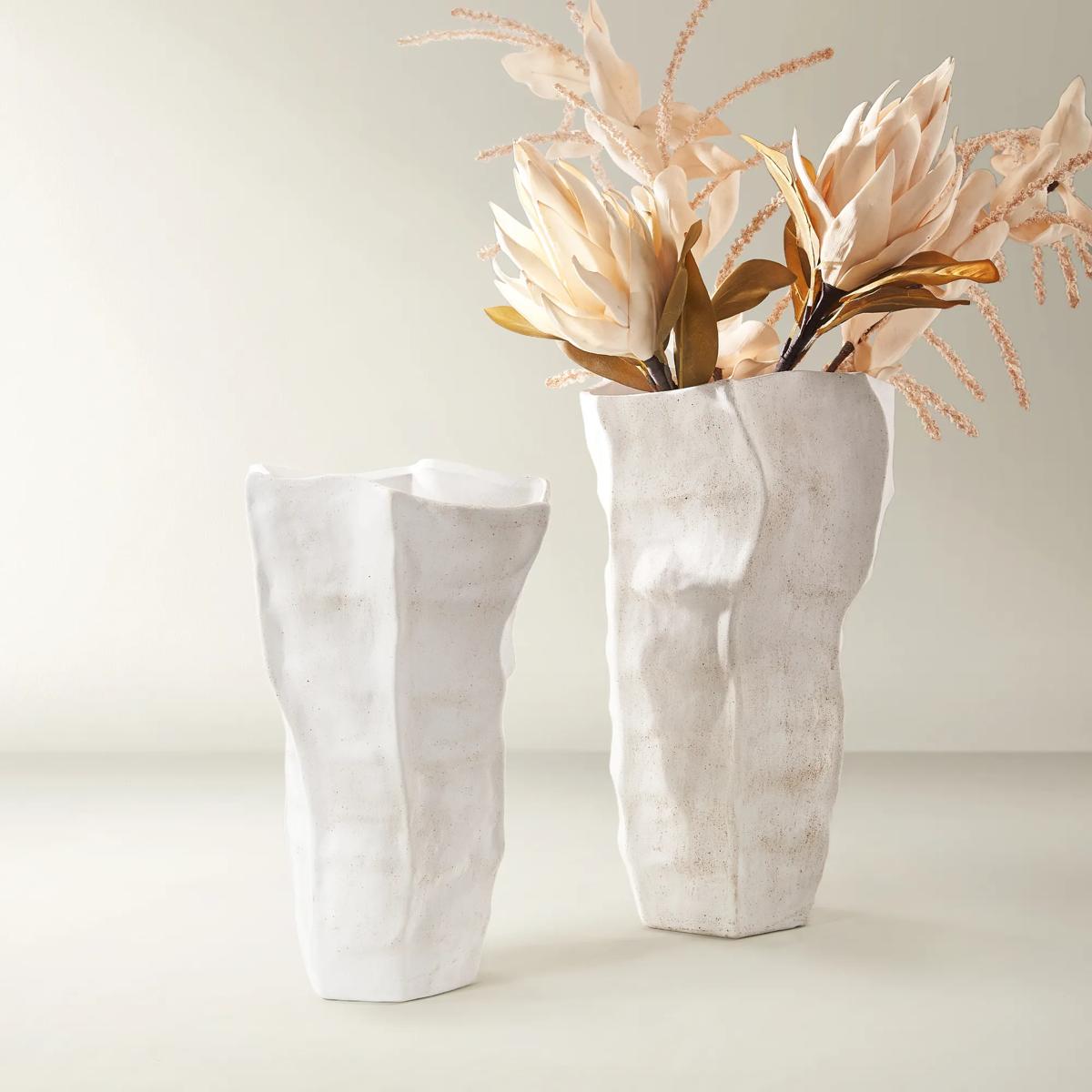 Kira Porcelain Vase$169
A sculptural matte white porcelain vase with a fluid, faceted design for modern, minimalist decor.
Add To Cart -
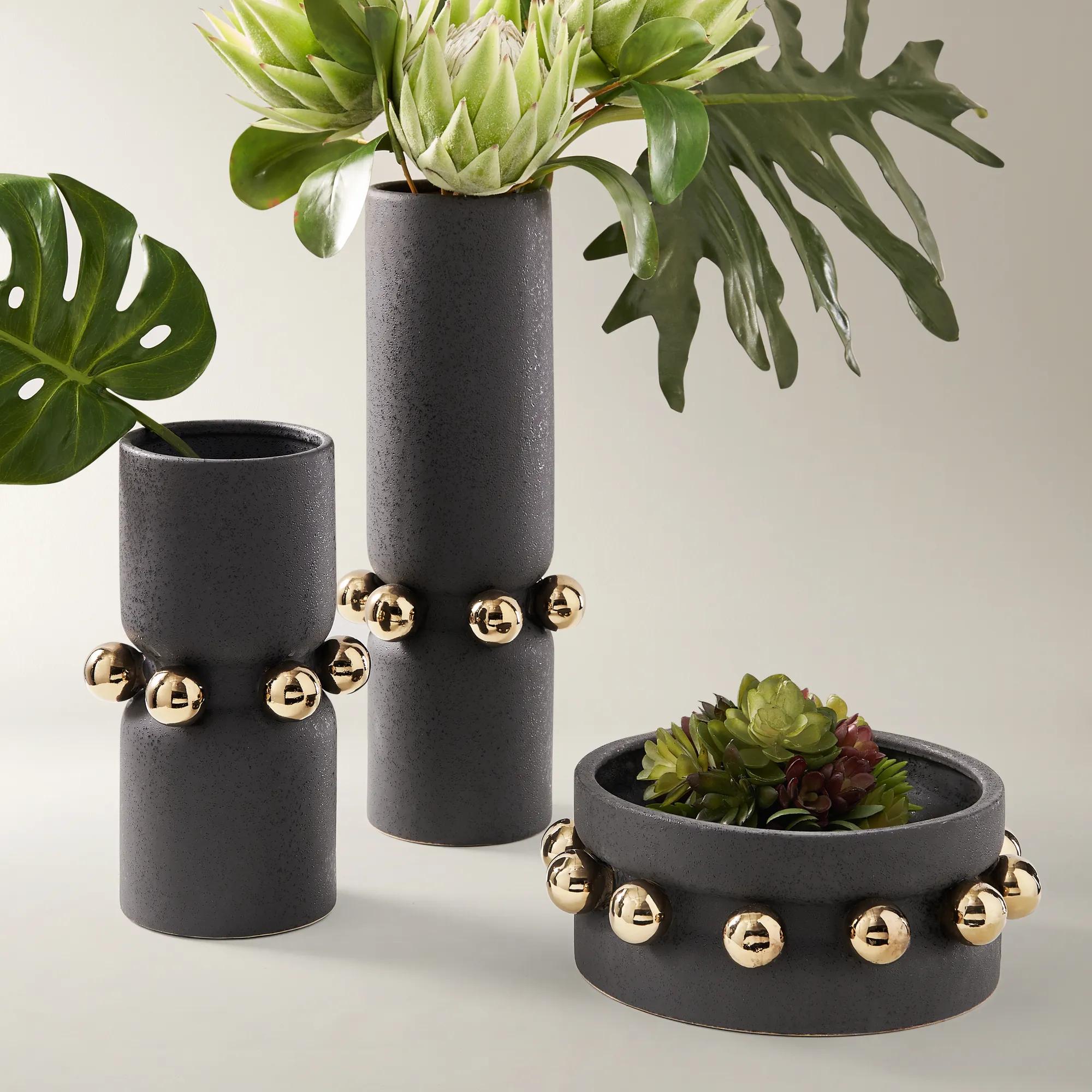
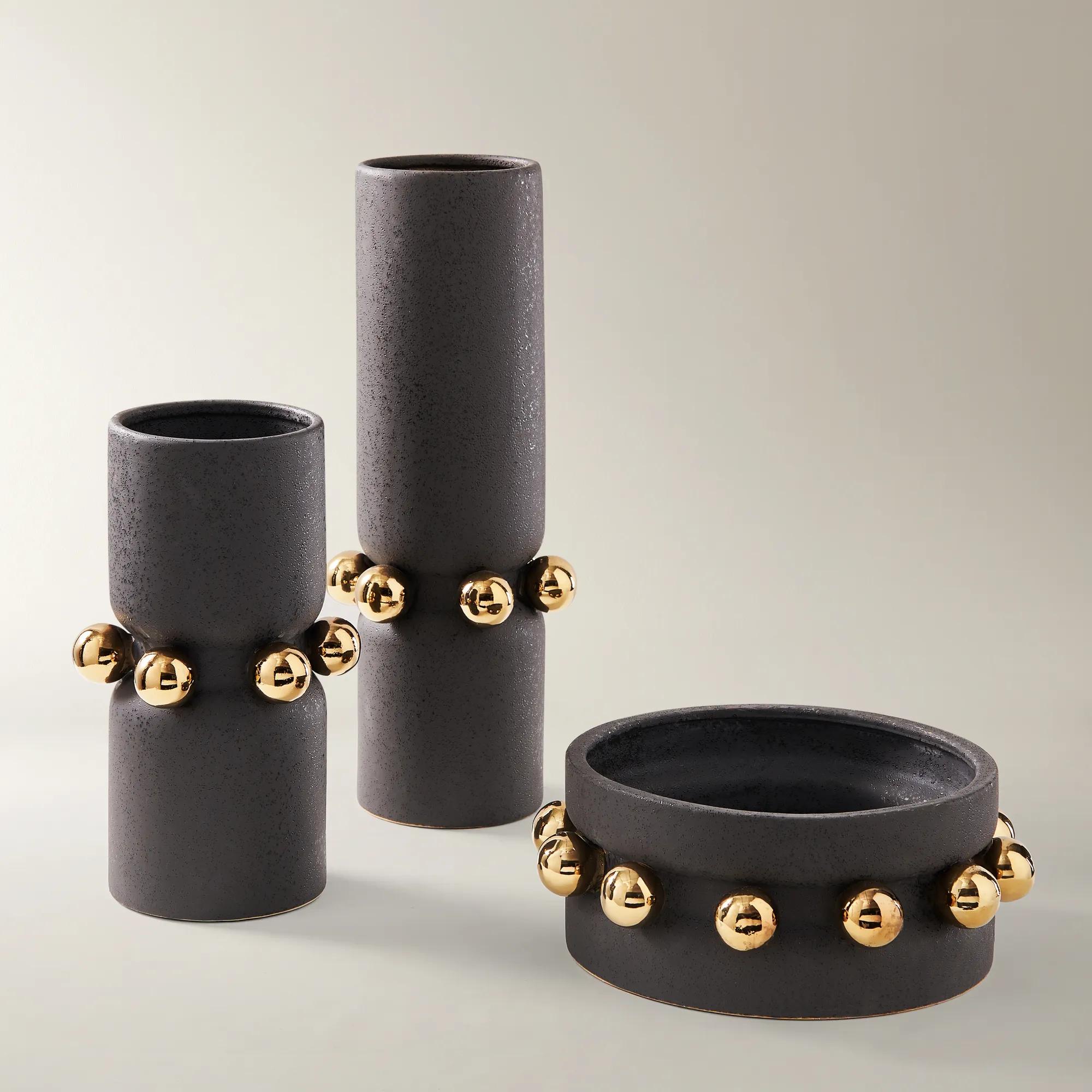 Zerra Vase$79
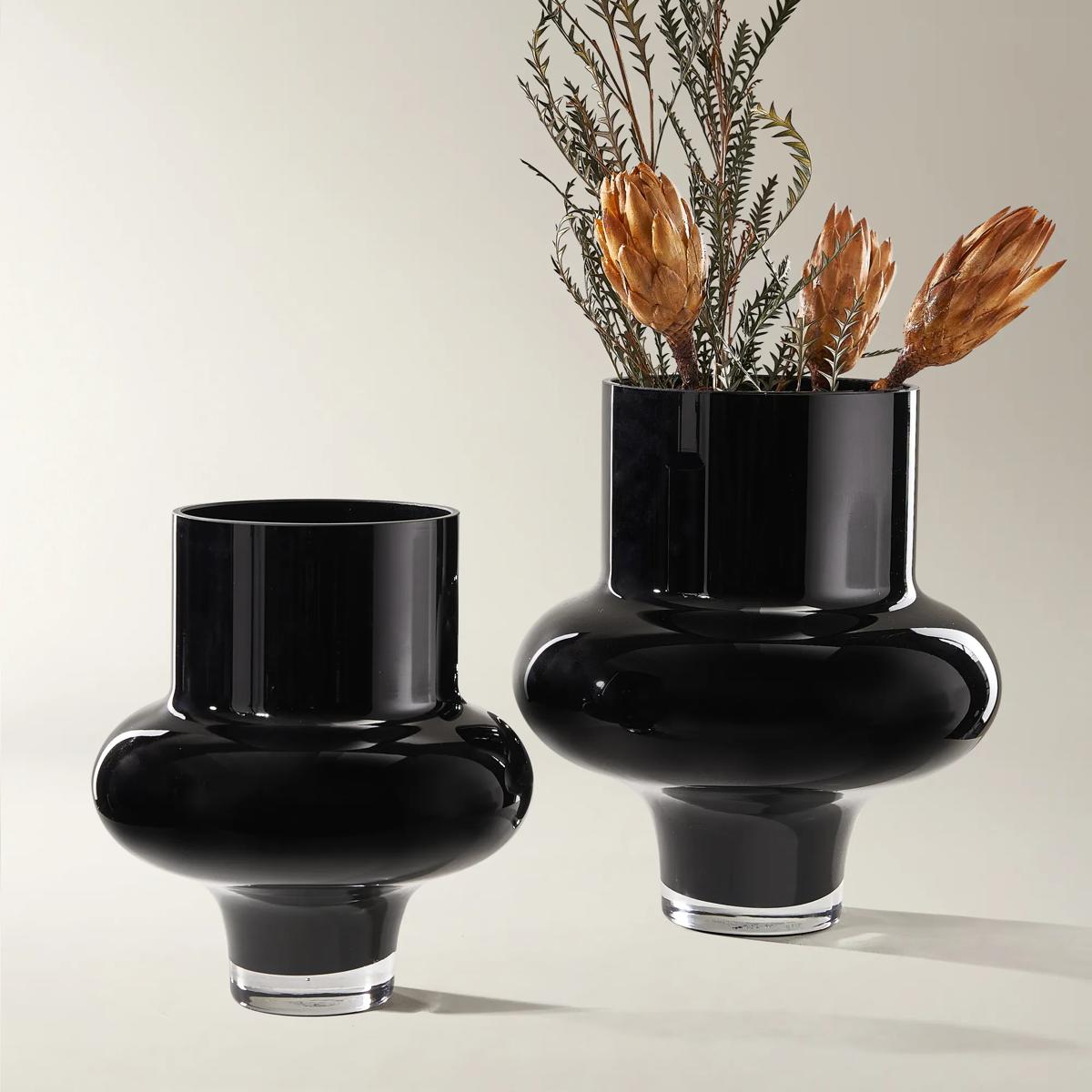
A ceramic vase featuring a striking matte black and shimmering gold contrast for bold, glamorous decor.
Add To Cart -
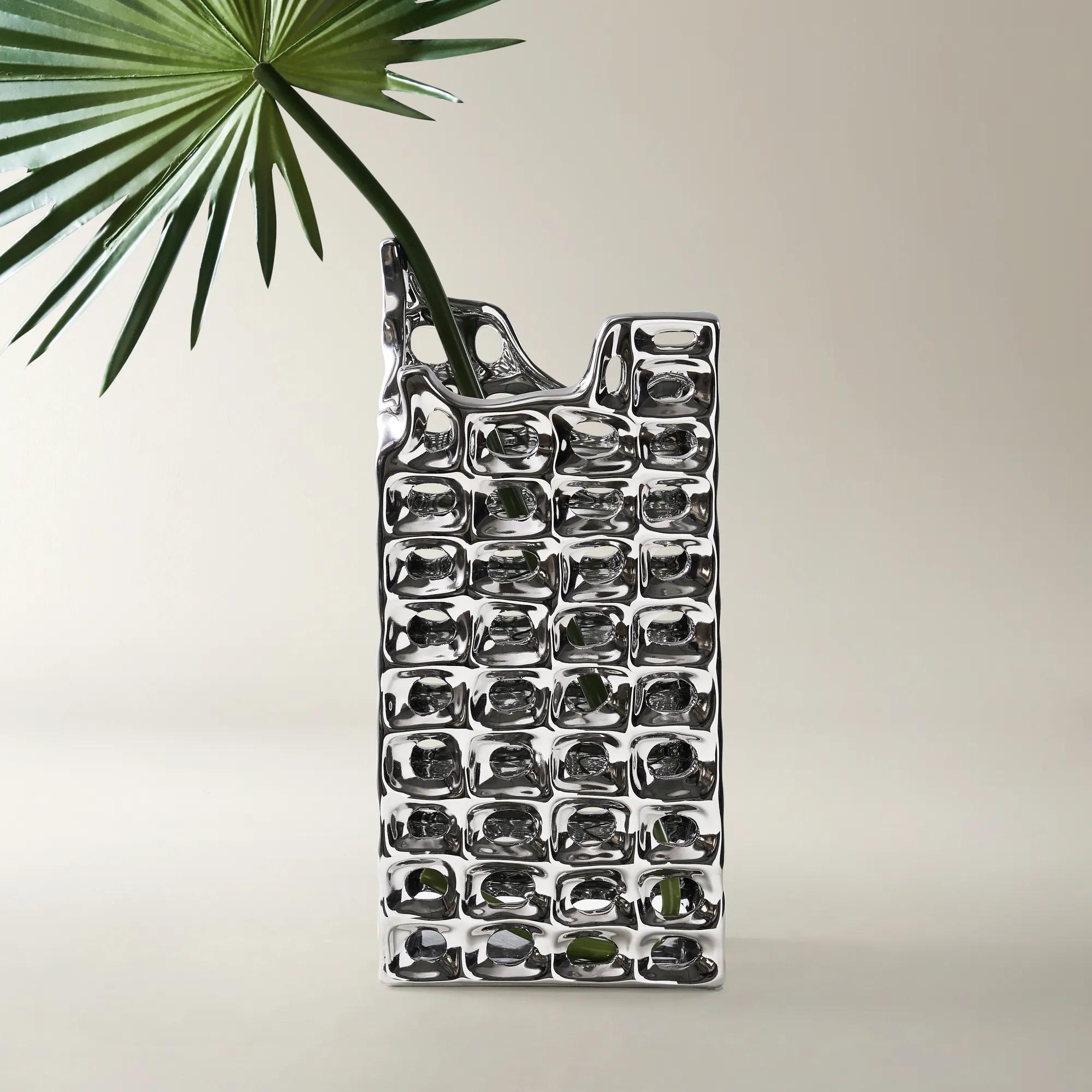
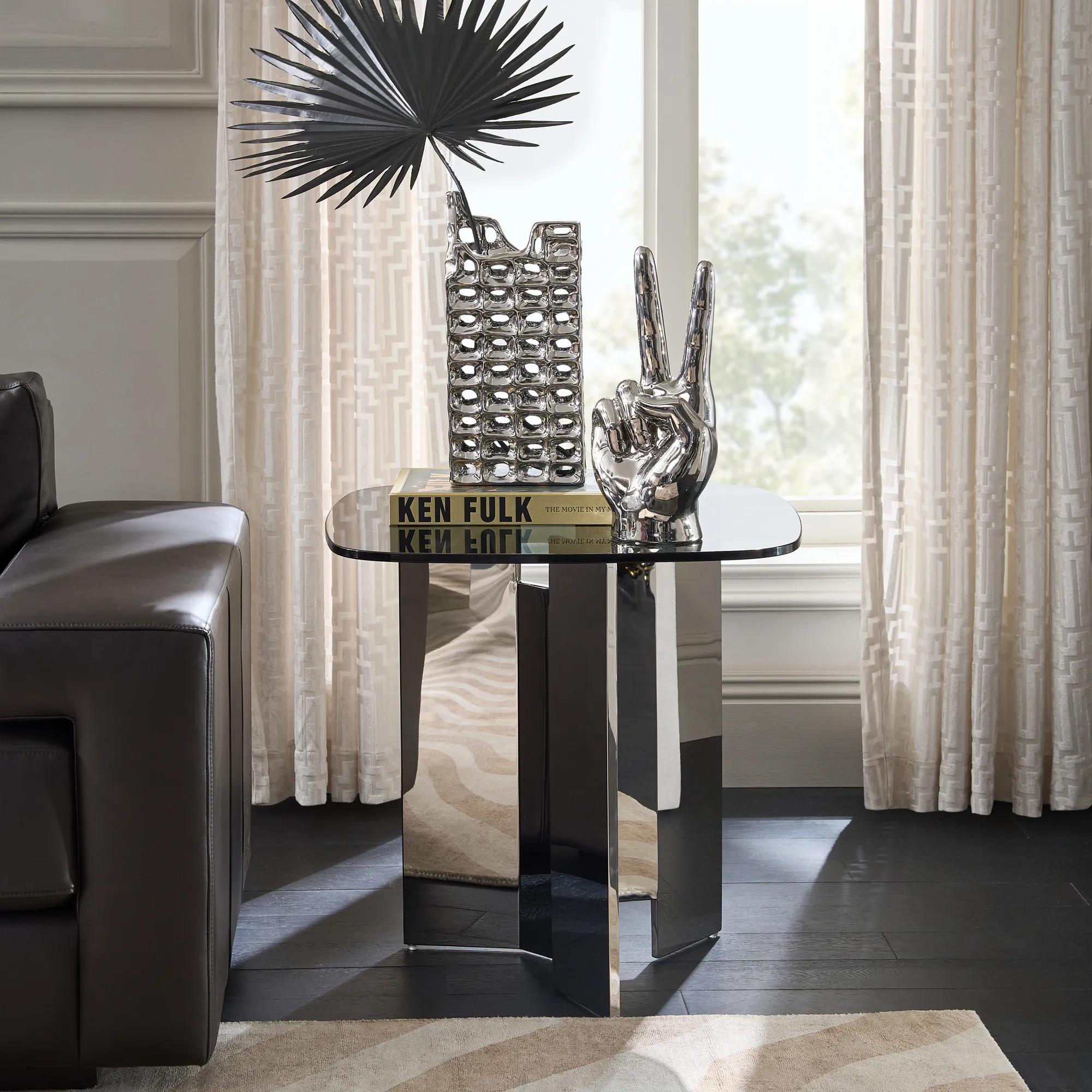 Pierce Vase$69
A ceramic vase with intricate facets and a gleaming silver finish for striking visual impact.
Add To Cart -

 Madre Handcrafted Ivory Porcelain Vases$149
A handcrafted ivory porcelain vase with cascading textured fronds and a sculptural matte finish.
Add To Cart -
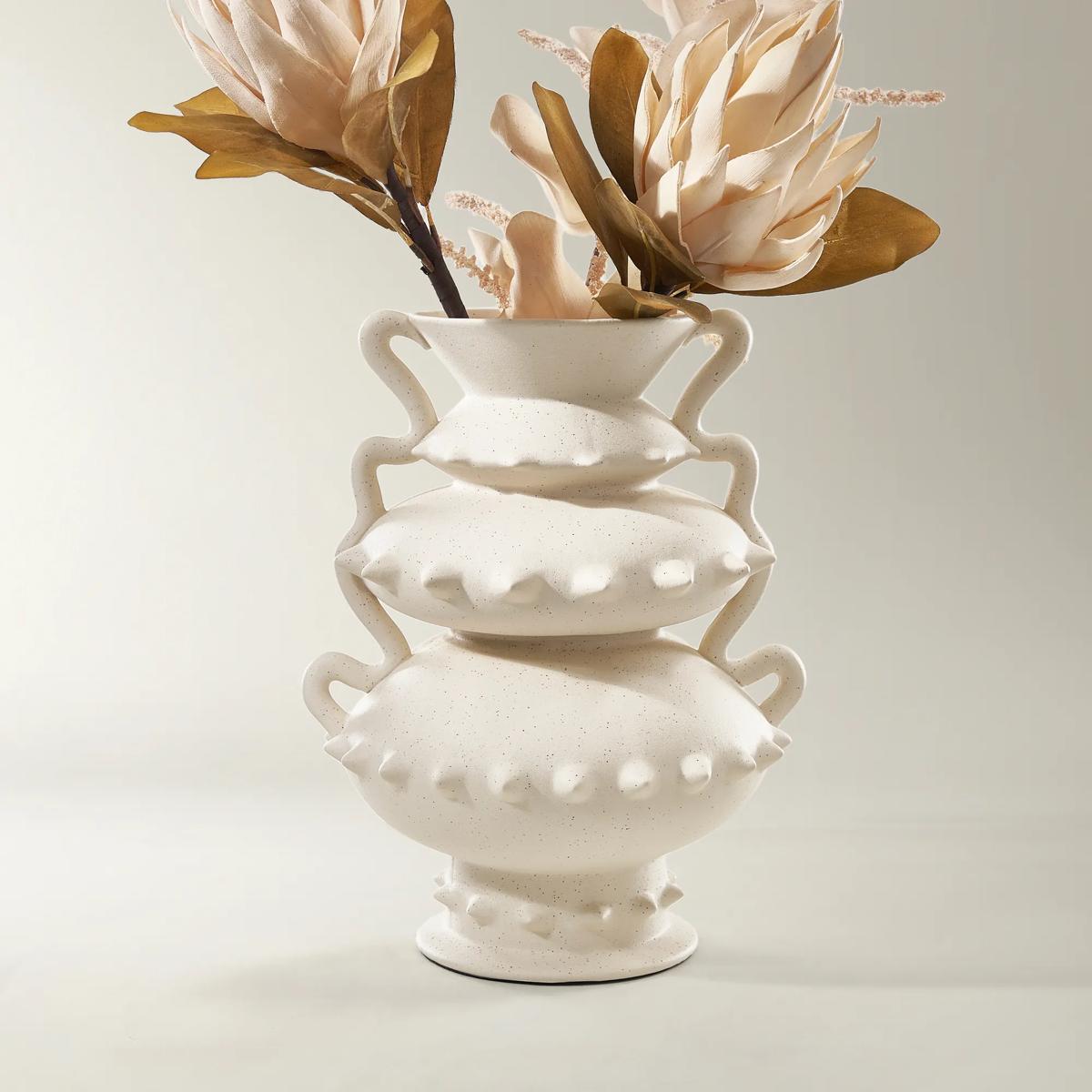 Savior Porcelain Vase - Ivory$189
An ivory porcelain vase featuring sculptural handles, tiered silhouette, and a matte, softly speckled finish.
Add To Cart -
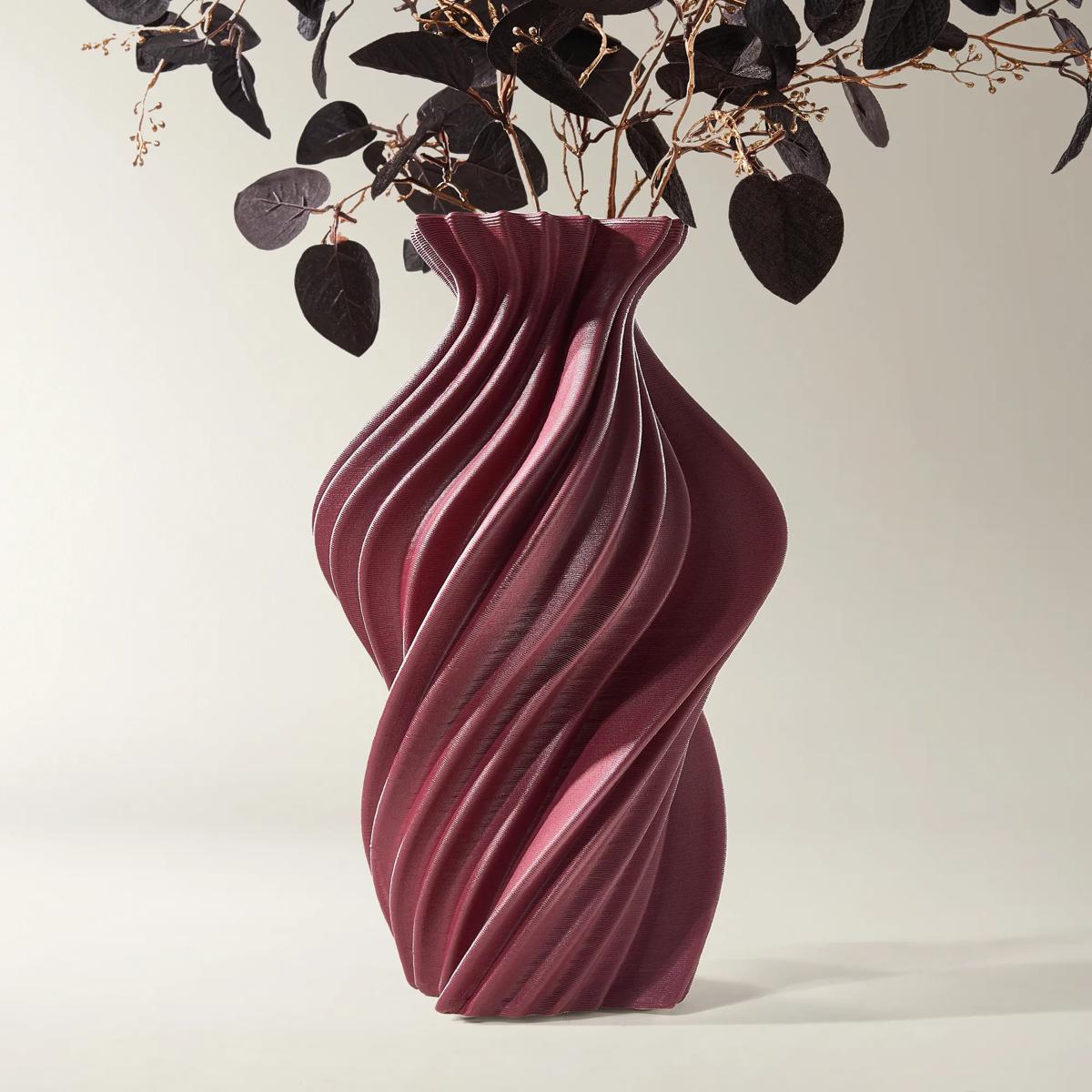
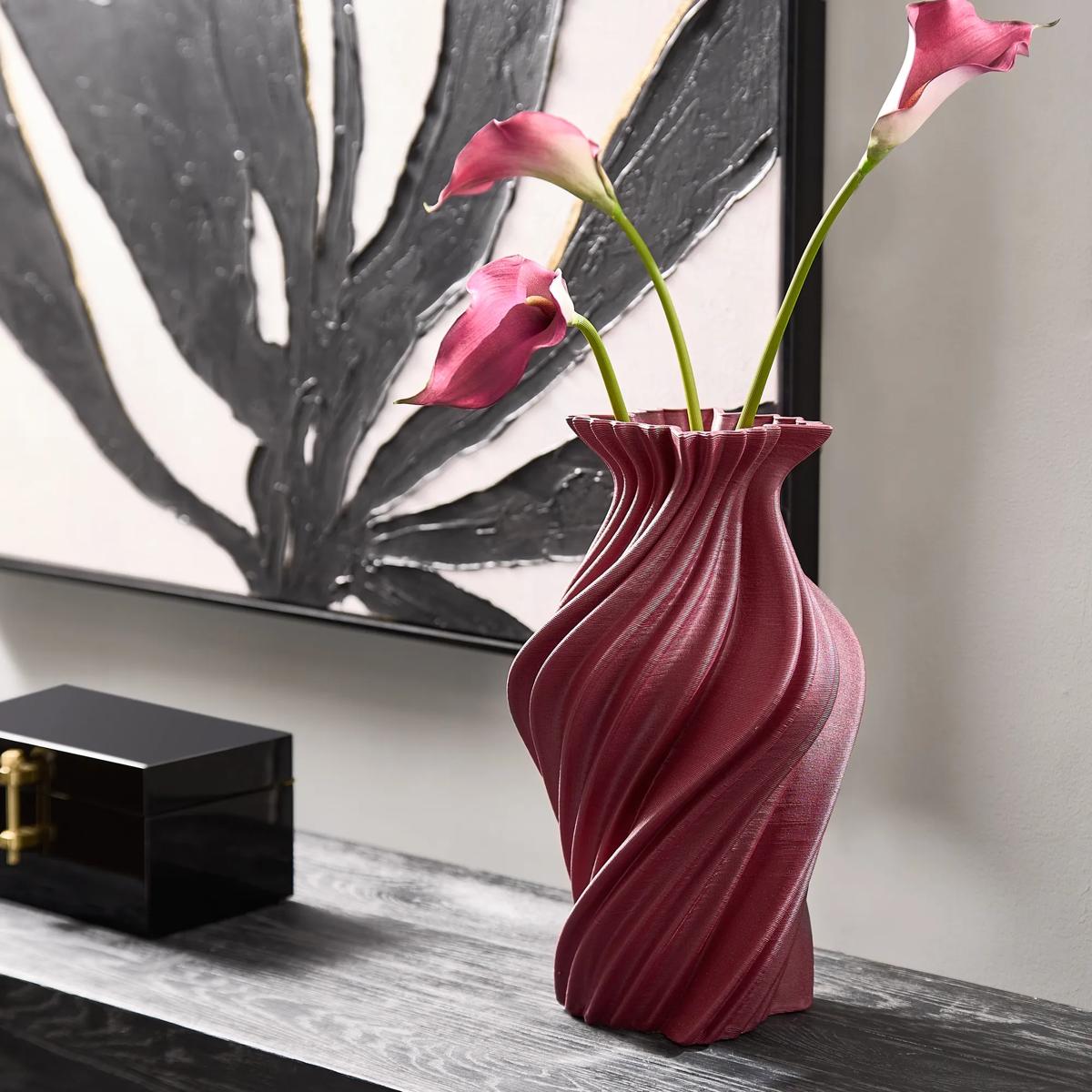 Flame Deep Red Porcelain Vase 16.25"$119
A sculptural porcelain vase in deep red with a dynamic, twisted silhouette inspired by flowing flames.
Add To Cart -
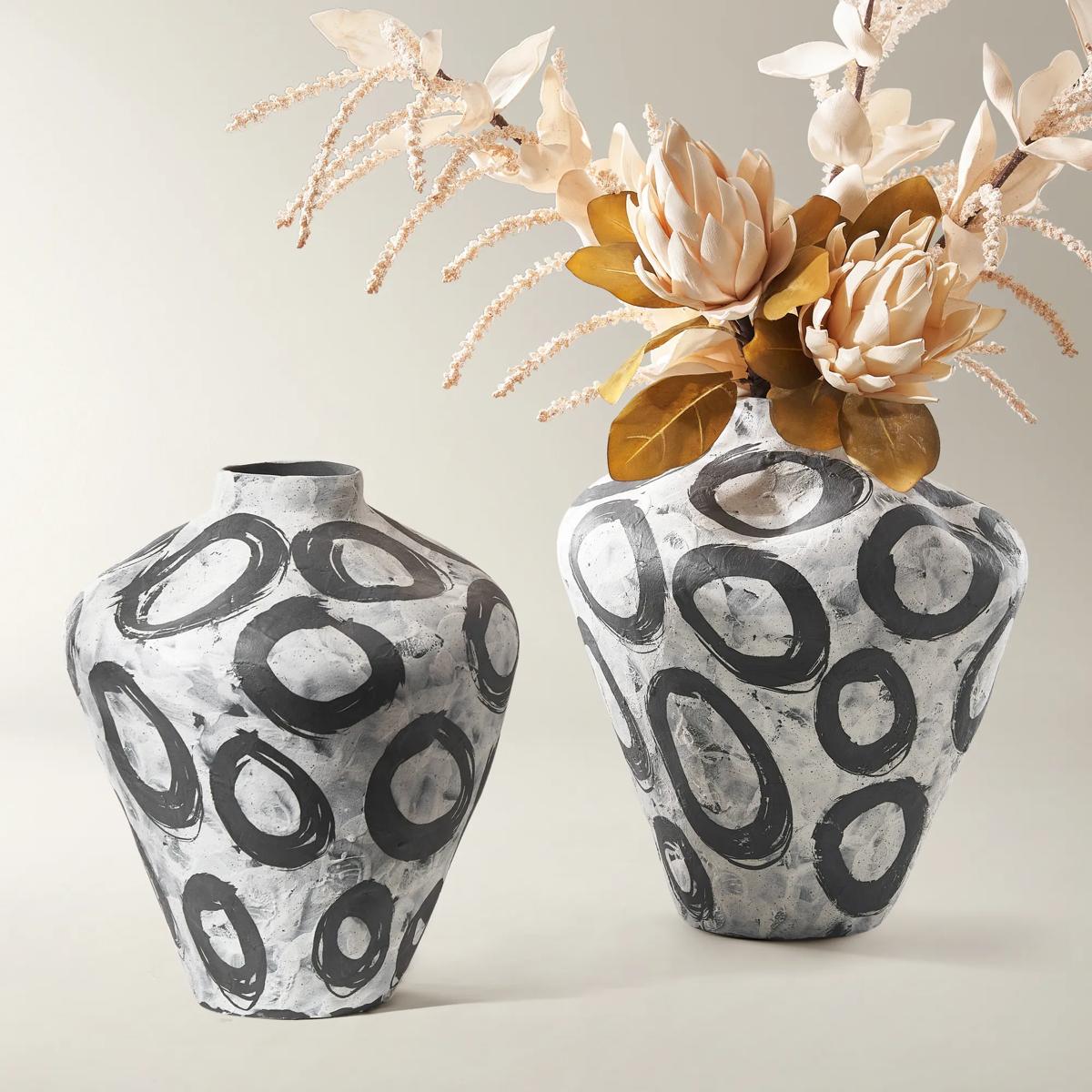
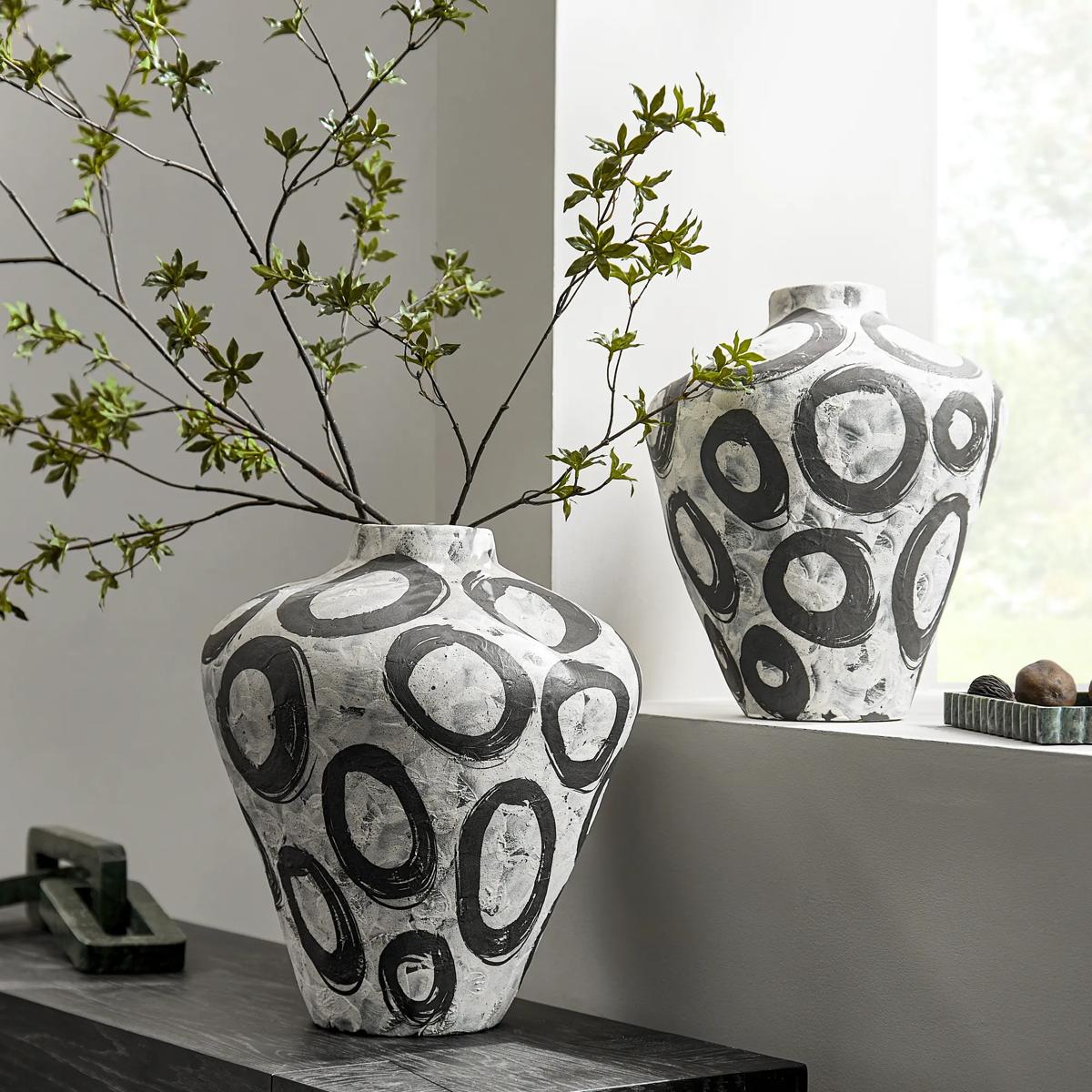 Stone Porcelain Vase$239
A sculptural porcelain vase featuring hand-painted black and white circular brushwork with a matte stone-like texture.
Add To Cart -
 Odessey Collection$159
A decorative porcelain accent in shiny gold, perfect for adding modern elegance to any space.
Add To Cart -

 Coral Ivory Porcelain Vase & Bowl$109
An ivory porcelain accent featuring flowing, coral-inspired curves for a modern, gallery-worthy display.
Add To Cart

Ceramic Vases For Accent Tables
Ceramic vases for accent tables are the secret to curating a space that feels artfully collected and unapologetically chic. Each vessel is more than a mere container—it’s a sculptural statement, casting shadows and catching light in ways that transform any tabletop into a gallery-worthy vignette. Whether poised solo or grouped in dramatic clusters, these pieces invite the eye to linger, infusing your living room, foyer, or bedroom with an air of curated sophistication. Discover how ceramic vases for accent tables can elevate every surface, turning everyday moments into extraordinary displays of personal style.
Ceramic vases for accent tables bring sculptural shape, expressive color, and tactile detail to the smaller surfaces that give a room its character. Designed to hold stems or stand alone as decorative objects, they can introduce a confident focal point beside a sofa, soften the geometry of a square end table, or lend an entryway pedestal a sense of ceremony. Their appeal begins with the relationship between form and finish: a rounded silhouette feels generous and grounded, while a slender neck draws the eye upward with quiet elegance. Ribbed surfaces catch light along their contours; hand-applied textures, where present, lend subtle variation that makes a display feel less uniform. Glossy glazes reflect nearby lighting, creating a luminous contrast against upholstered seating, while matte finishes offer a softer counterpoint to polished stone, glass, and mirrored furniture. Color changes the composition just as dramatically. White and ivory emphasize silhouette, deep charcoal creates a graphic accent, and blue-and-white treatments introduce movement without overwhelming surrounding furnishings. Ceramic is a broad material category that includes earthenware, stoneware, and porcelain, each with distinct characteristics shaped by its clay body, firing process, and finish. Earthenware may have a more porous body, stoneware is generally dense and substantial, and porcelain can support refined profiles and delicate-looking detail. None of these labels alone confirms that a vase is watertight or resistant to damage; the construction and intended use of the individual piece matter. For an accent table, the most compelling choice balances visual presence with the way that surface functions. A deeply textured vessel can supply all the ornament a restrained corner needs, while a smooth, boldly proportioned shape can hold its own alongside patterned upholstery or dramatic artwork. Whether the room leans toward tailored glamour, expressive contemporary design, or a layered mix of influences, ceramic offers a way to make an intimate vignette feel deliberate rather than simply decorated.
Scale gives ceramic accent table vases their sense of belonging. Both the widest point of the vessel and the size of its base deserve attention, especially on a narrow tabletop where an expansive silhouette may extend beyond the edge. A stable, level base is particularly important beside seating, in a busy entryway, or anywhere a sleeve or handbag could brush the display. On a sofa-side table, a compact vase leaves room for a lamp, a drink, and the small essentials of daily life; on a dedicated pedestal, a larger sculptural form can command the entire surface. Height works best in conversation with nearby furnishings. A vase beneath a broad lampshade should feel distinct from the lamp rather than disappear against it, and flowers should not obscure the light source or intrude into a seated guest’s view. A low, rounded vessel creates a composed silhouette near the arm of a chair, while a taller, narrow-necked shape can introduce a graceful vertical line against an open wall. The opening also influences the effect: a small mouth supports a few carefully chosen stems, whereas a wide opening accommodates a fuller arrangement that may need additional support. A palette centered on white ceramic vases for home accents makes these differences in proportion and texture especially visible, allowing shadow and contour to carry the drama. White ceramic against dark wood creates crisp contrast; against pale stone, it produces a tonal composition with a quieter richness. Pairings become more expressive when finishes differ. A matte vessel beside a gleaming metal lamp offers contrast without competing for attention, while a glazed vase on a textured wood table introduces a polished note. A small stack of books can add a horizontal element beside the vase, provided the arrangement remains stable and the tabletop retains breathing room. The goal is not to fill every inch, but to give each shape enough space to be appreciated.
Intended use matters as much as appearance, particularly when choosing between fresh flowers, dried botanicals, faux stems, and an unfilled sculptural display. Fresh arrangements require a vase explicitly suitable for holding water; a glazed exterior does not guarantee a sealed interior, and decorative ceramics may allow moisture to pass through. When permitted by the maker, a properly fitted, watertight liner can separate water from the ceramic body, though the surrounding surface still needs protection from drips and condensation. Dried and faux stems offer another way to emphasize a vase’s profile, but their height and weight should remain proportionate to the vessel so the arrangement does not become top-heavy. An empty vase can be equally striking, particularly when its opening, curves, or relief pattern are central to the design. Ceramic is rigid and can retain its beauty with thoughtful handling, but it can chip or crack if knocked against a hard surface or exposed to abrupt temperature changes. Lifting from the body rather than the rim or a decorative handle helps reduce unnecessary strain. For routine care, a soft, dry cloth is often sufficient for dusting; glazed surfaces may allow gentle wiping with a damp cloth when the care instructions permit. Abrasive cleaners and rough scrubbers can scratch finishes, while unglazed textures and metallic embellishments may require more specialized care. Protective felt beneath a clean, dry base can help safeguard a tabletop from scratches, although felt does not provide a moisture barrier. Placement away from an exposed table edge adds reassurance in homes with children or pets. These considerations also make ceramic vases thoughtful housewarming, wedding, or host gifts: a versatile shape can suit a recipient who enjoys fresh flowers, collects sculptural accents, or prefers a beautifully composed surface without an arrangement to maintain. Chosen with the recipient’s room and routines in mind, a ceramic vase becomes more than a finishing touch. It gives an everyday corner a distinct point of view, bringing artistry into the spaces seen and used most often.
FAQs
Ceramic vases introduce both artistry and dimension to accent tables, acting as sculptural focal points or understated complements to your existing décor. Their varied shapes, finishes, and colors allow you to create a personalized vignette—whether you’re aiming for dramatic flair or serene simplicity. By playing with scale, texture, and arrangement, ceramic vases can transform an ordinary table into a curated display that reflects your unique style.
Ceramic vases shine even when left unfilled, serving as standalone art objects. Consider grouping vases of different heights and finishes for a layered, gallery-inspired effect. You can also fill them with decorative branches, dried botanicals, or even elegant feathers for added visual intrigue. For a minimalist touch, let a single, striking vase command attention on its own, highlighting its sculptural beauty.
Absolutely—ceramic vases are versatile accents that adapt beautifully to every season. In winter, opt for vases in crisp whites, deep charcoals, or metallic glazes to evoke a sense of cozy sophistication. As the seasons shift, refresh your display with new arrangements or swap out vases in vibrant hues and playful shapes to mirror the changing mood of your home.
Ceramic vases make thoughtful and enduring gifts for a wide range of recipients. They’re ideal for anyone who enjoys interior design, entertaining, or collecting unique objects. Housewarmings, weddings, anniversaries, and birthdays are all perfect occasions to gift a ceramic vase—especially when you choose a style that reflects the recipient’s personality or complements their home.
Begin by considering your overall aesthetic: bold, graphic vases suit contemporary spaces, while organic, textured pieces work beautifully in bohemian or eclectic settings. Look for glazes and colors that harmonize with your palette, and don’t be afraid to mix shapes and sizes for added interest. Ultimately, choose a vase that resonates with you and feels like a natural extension of your personal style.