Bedroom Accent Benches
Bedroom Accent Benches
-
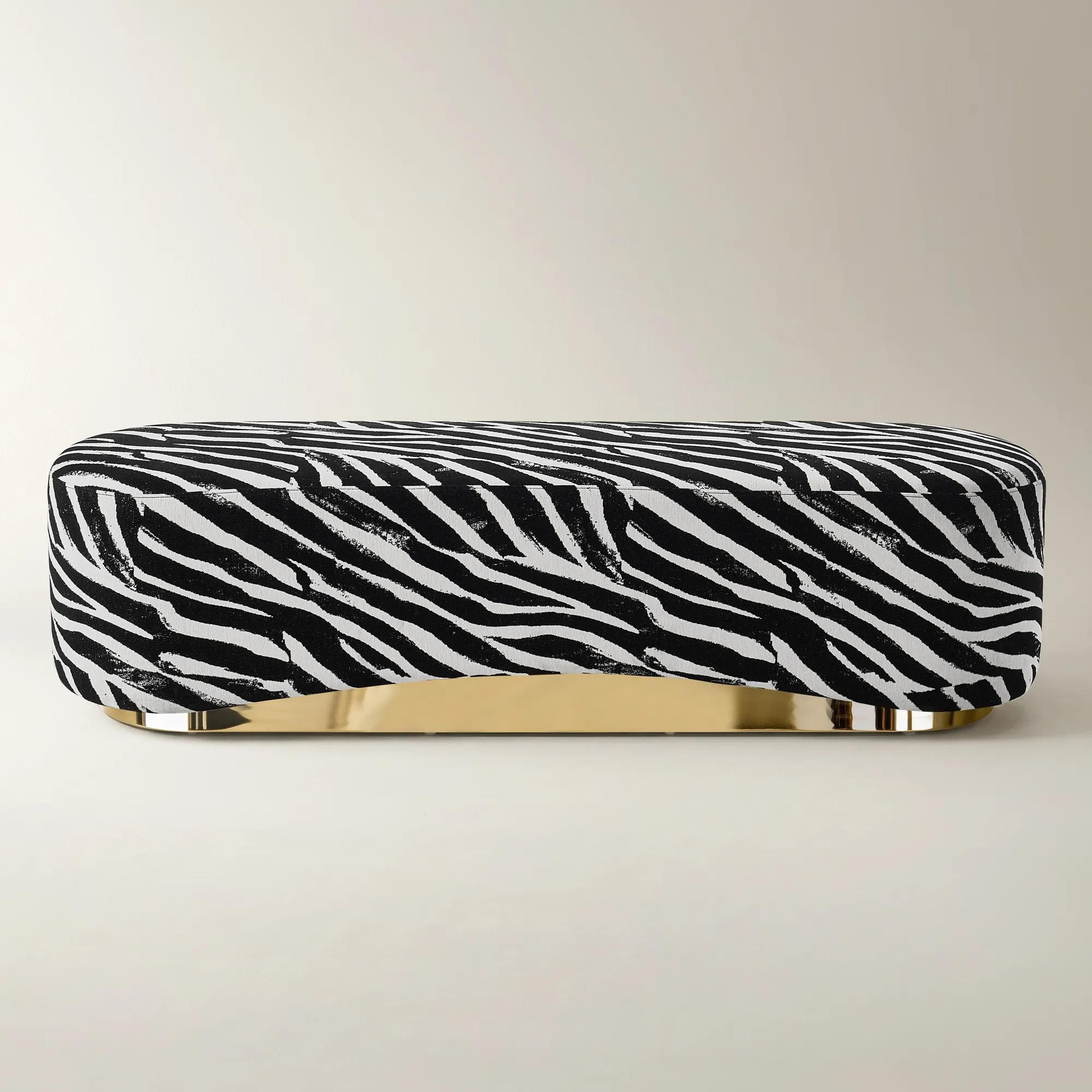
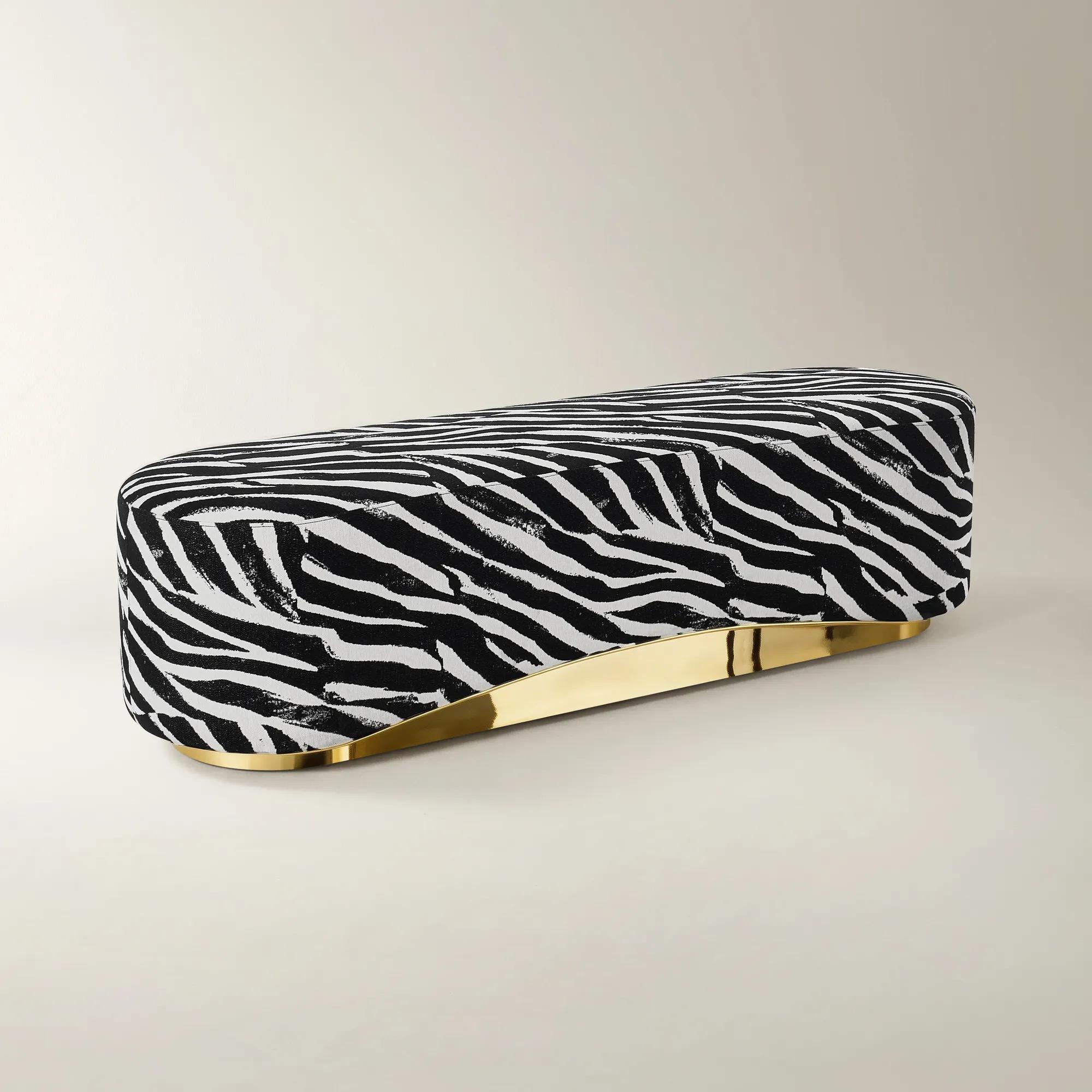 Kendra White/Black Performance Chenille Bench (70.47")$799
An elongated oval bench upholstered in white and black performance chenille with a polished gold stainless steel base.
Add To Cart -
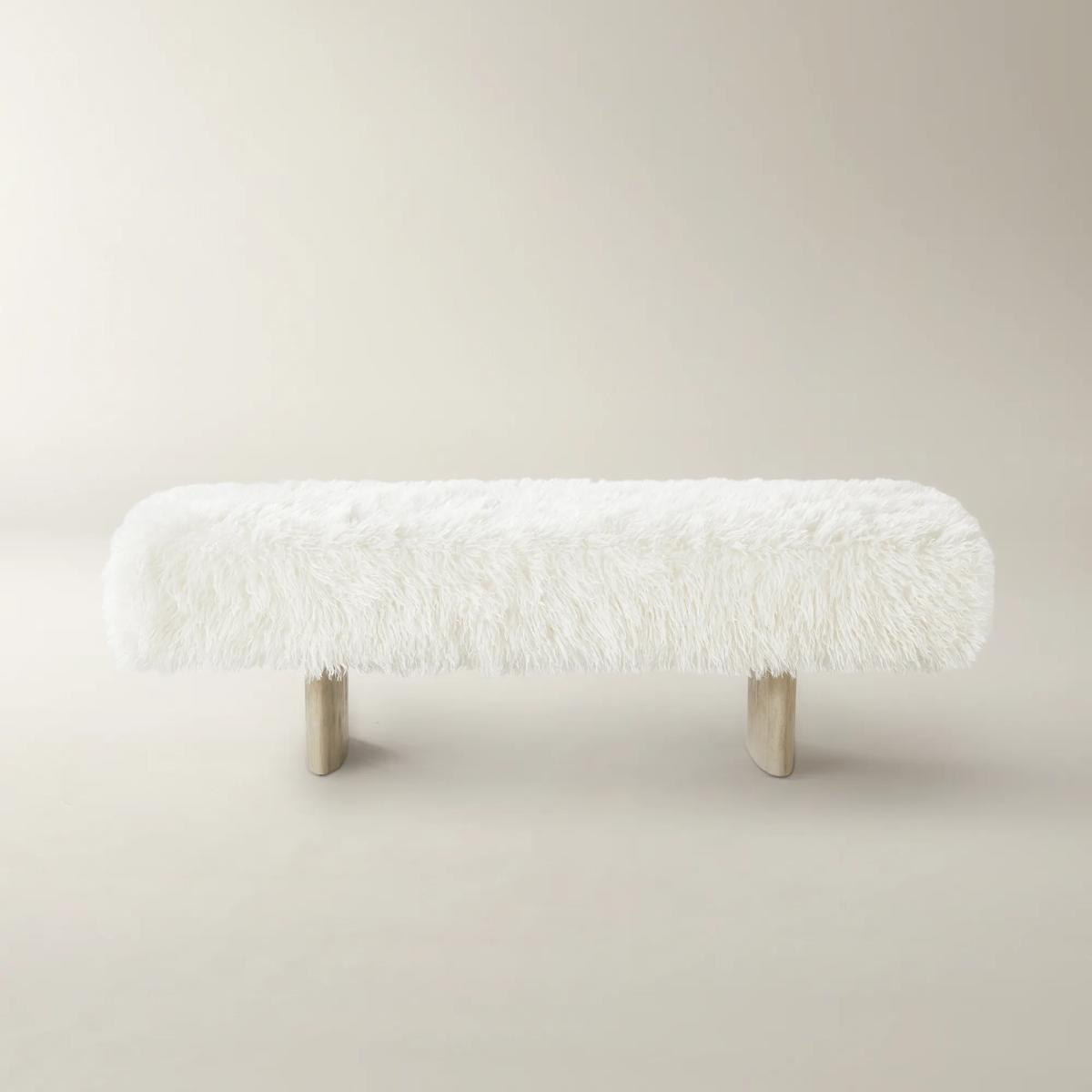 Micah Ivory Mongolian Faux Fur Bench With Rubberwood Legs (62.6")$699
An ivory faux Mongolian fur bench with high-density foam and sculptural solid rubberwood base for modern coziness.
Add To Cart -
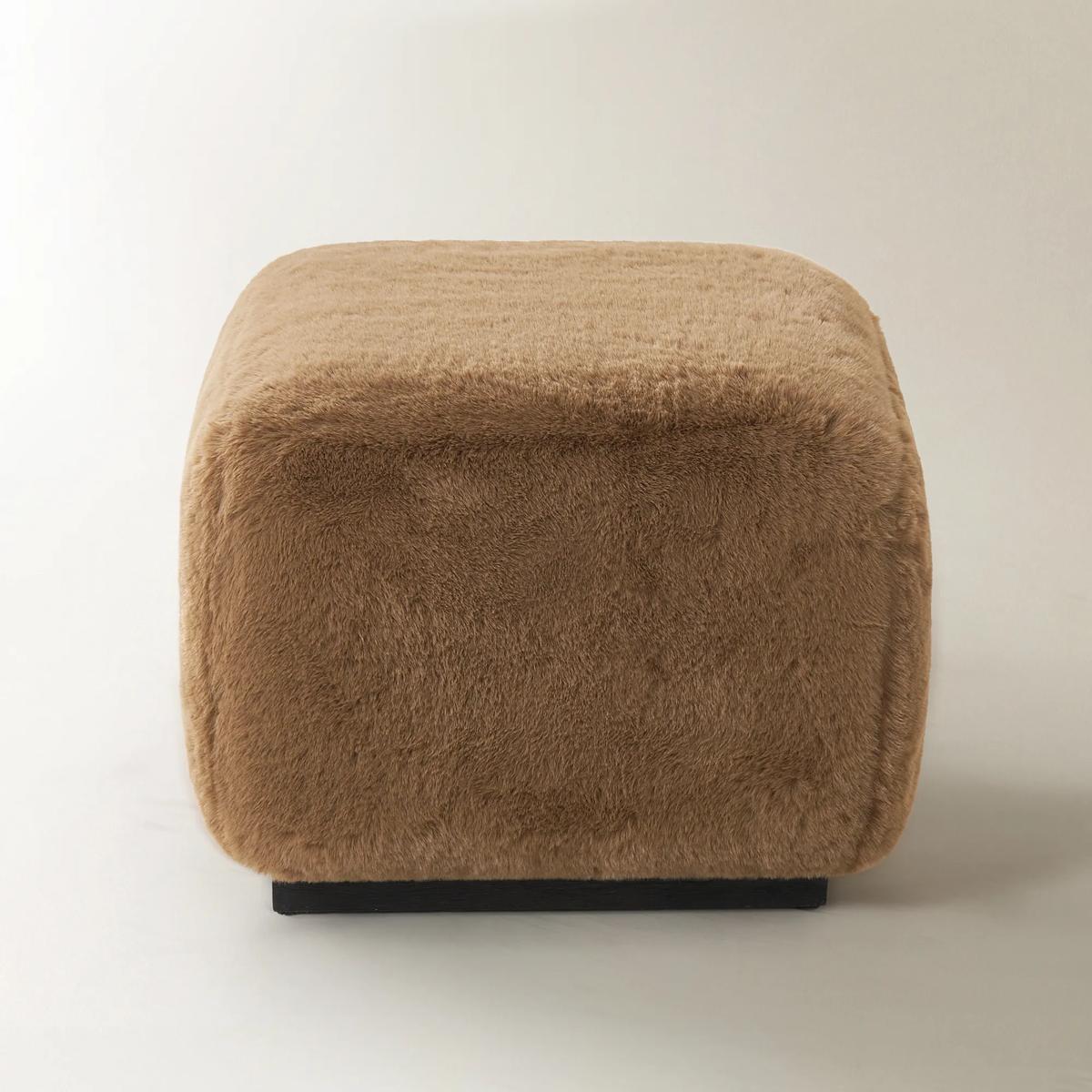
 Micah Tan Mongolian Faux Fur Bench With Rubberwood Legs (62.6")$699
A light brown faux fur bench with a curved rubberwood base and plush high-density foam cushion.
Add To Cart -
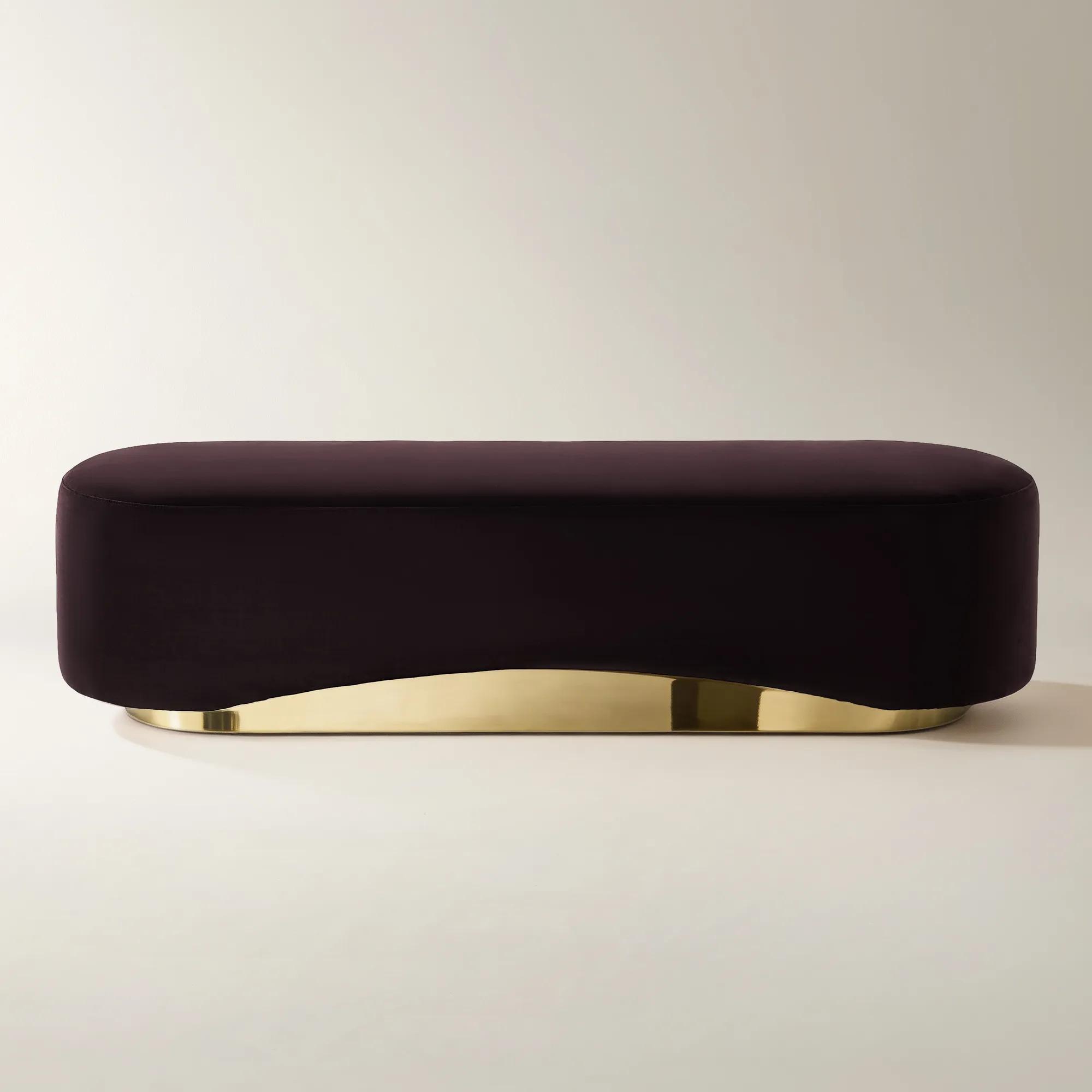 Kendra Fig Velvet Bench (70.47")$799
A plush fig velvet bench with an elongated oval silhouette and a polished gold stainless steel base.
Add To Cart -
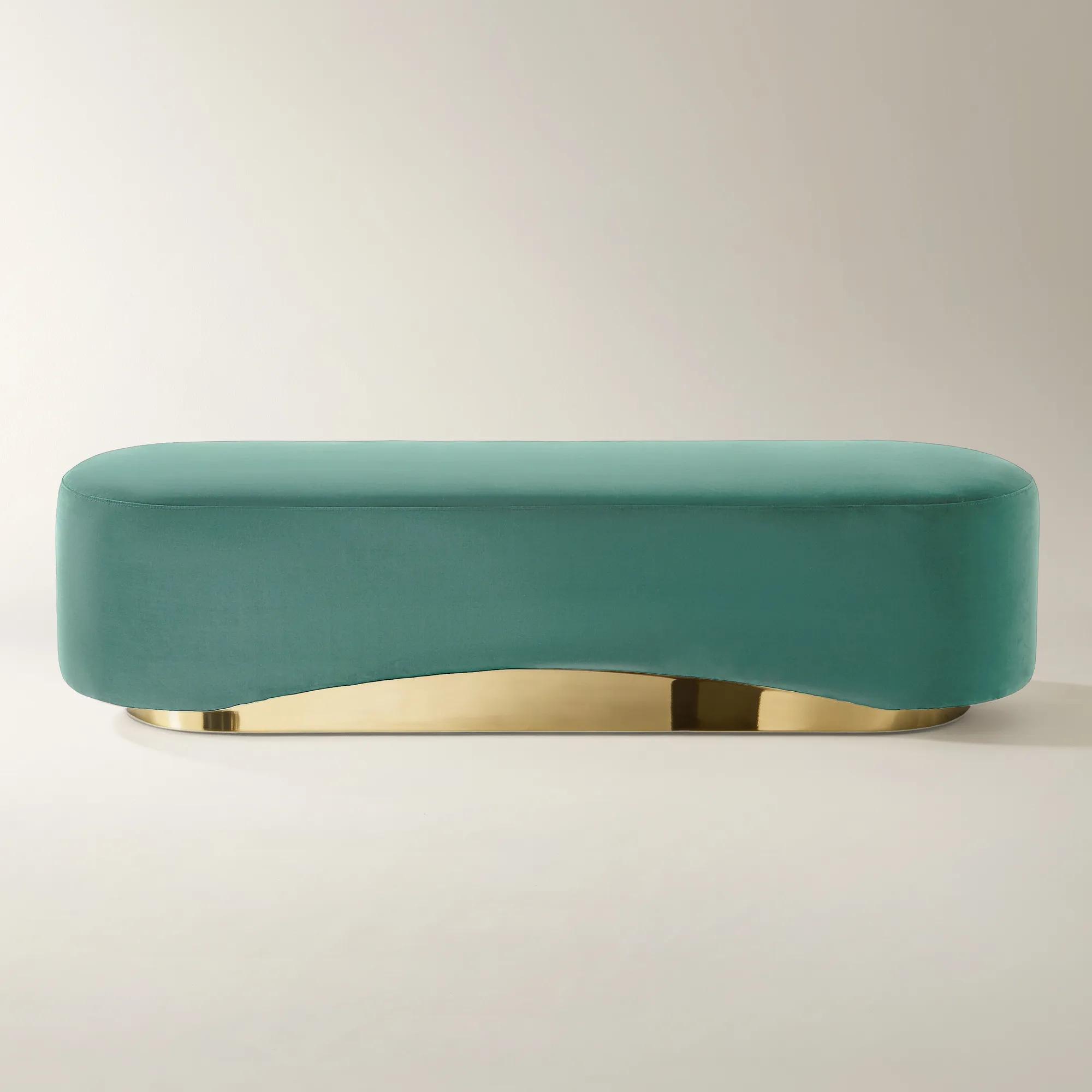 Kendra Ocean Teal Velvet Bench (70.47")$799
An elongated oval bench in ocean teal velvet with a plush seat and polished gold stainless steel base.
Add To Cart -
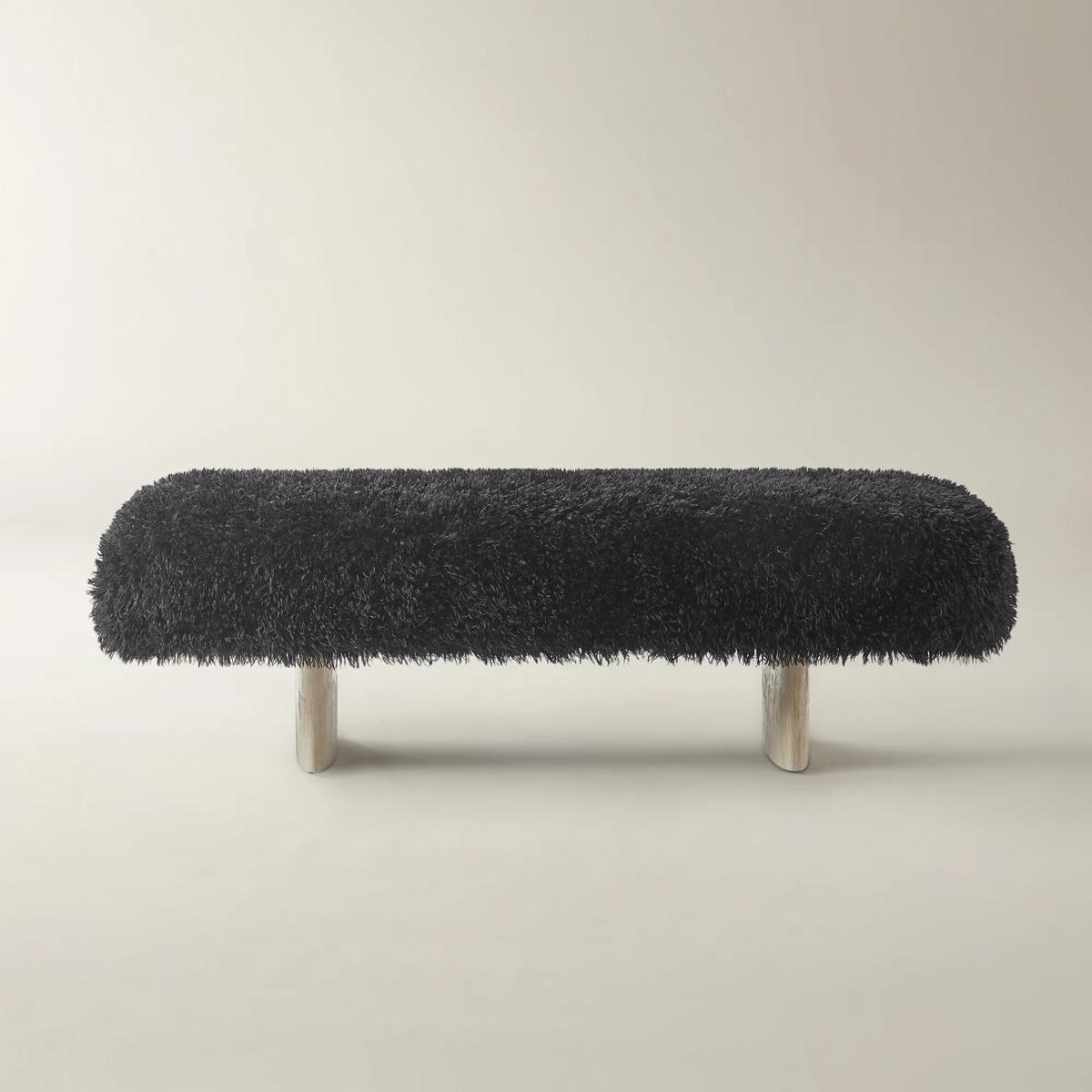 Micah Black Mongolian Fur Bench With Rubberwood Legs (62.6")$699
A striking black faux Mongolian fur bench with solid rubberwood legs for plush comfort and modern edge.
Add To Cart -
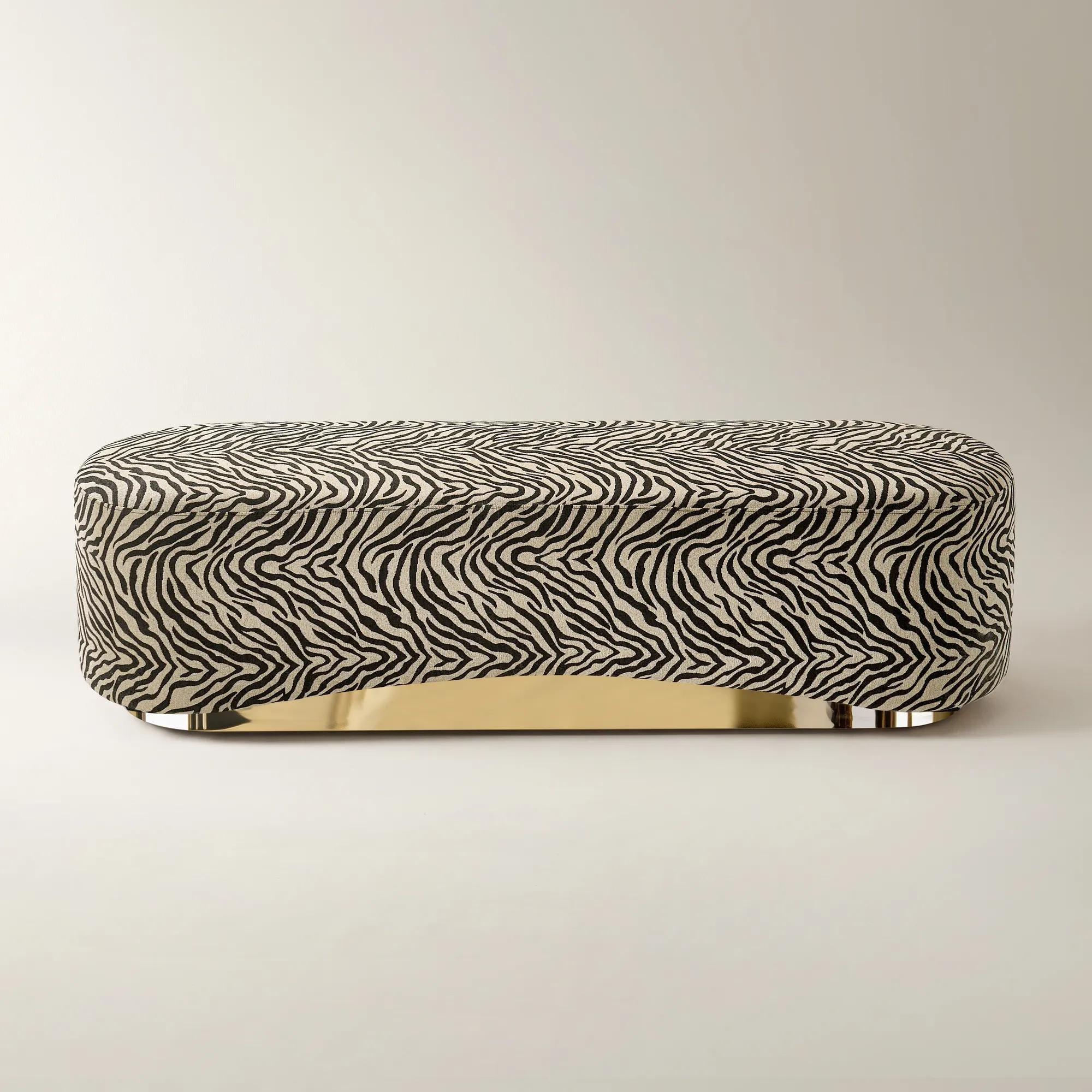
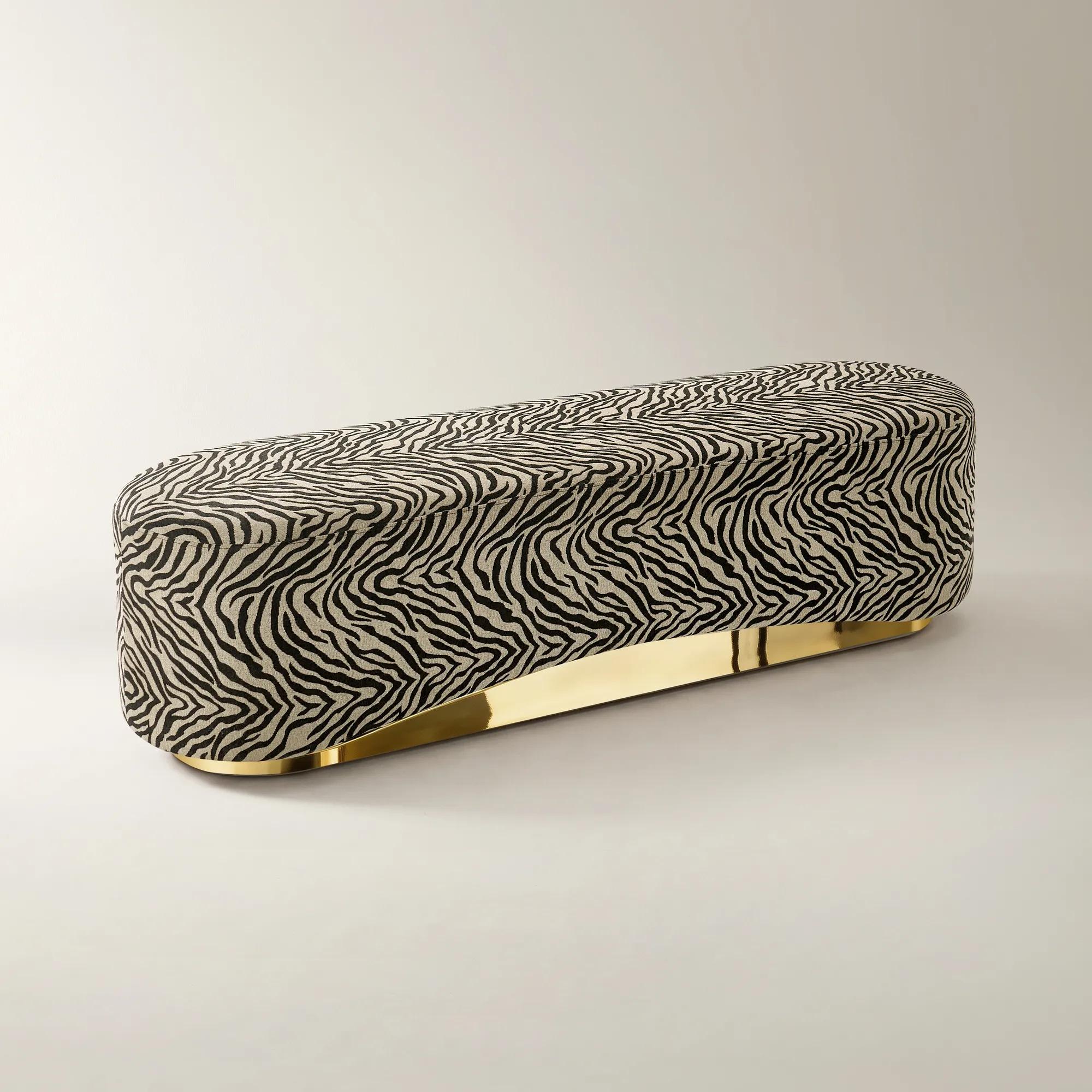 Kendra Zebra Performance Chenille Bench (70.47")$799
An elongated oval bench upholstered in textured zebra-pattern chenille with a polished gold stainless steel base.
Add To Cart -
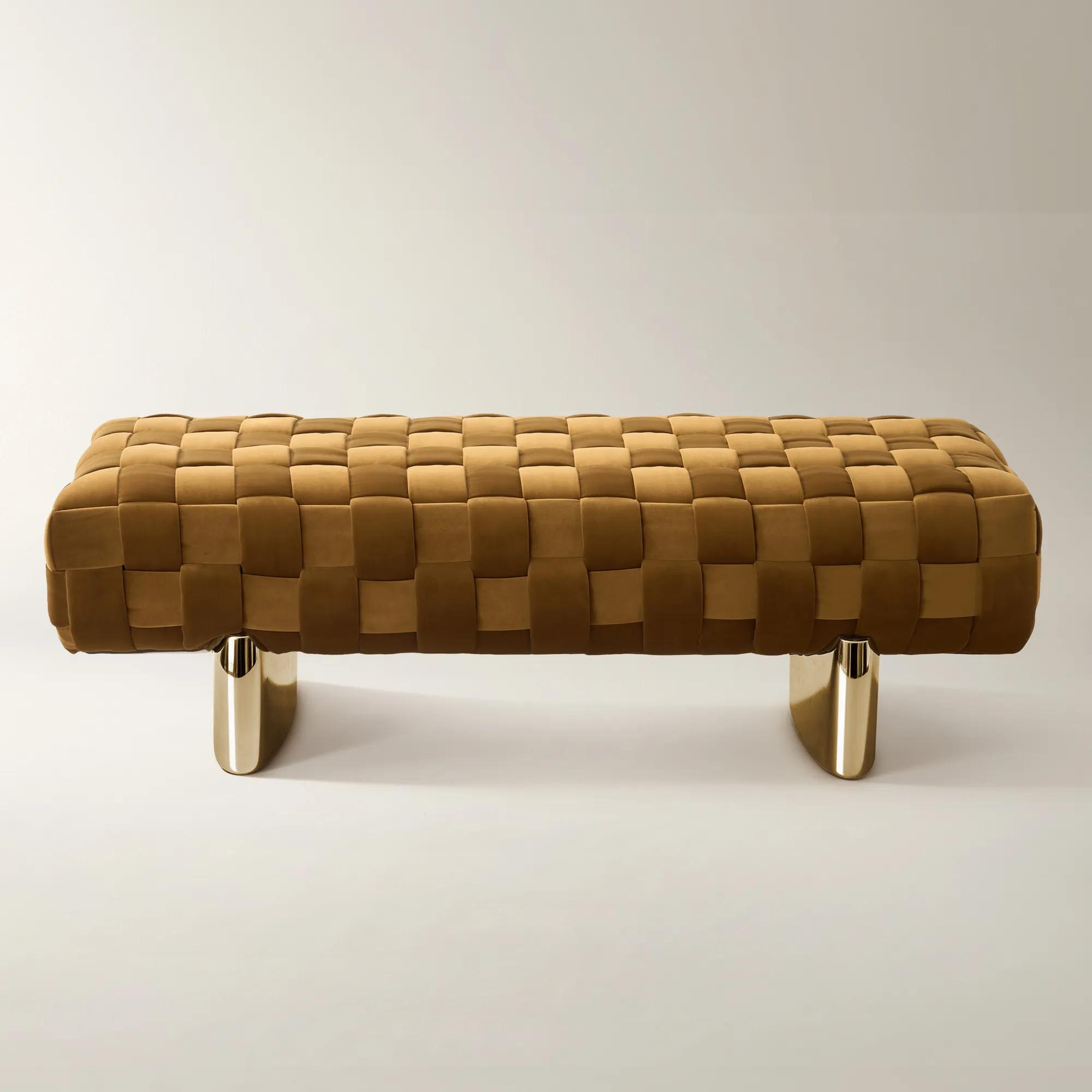
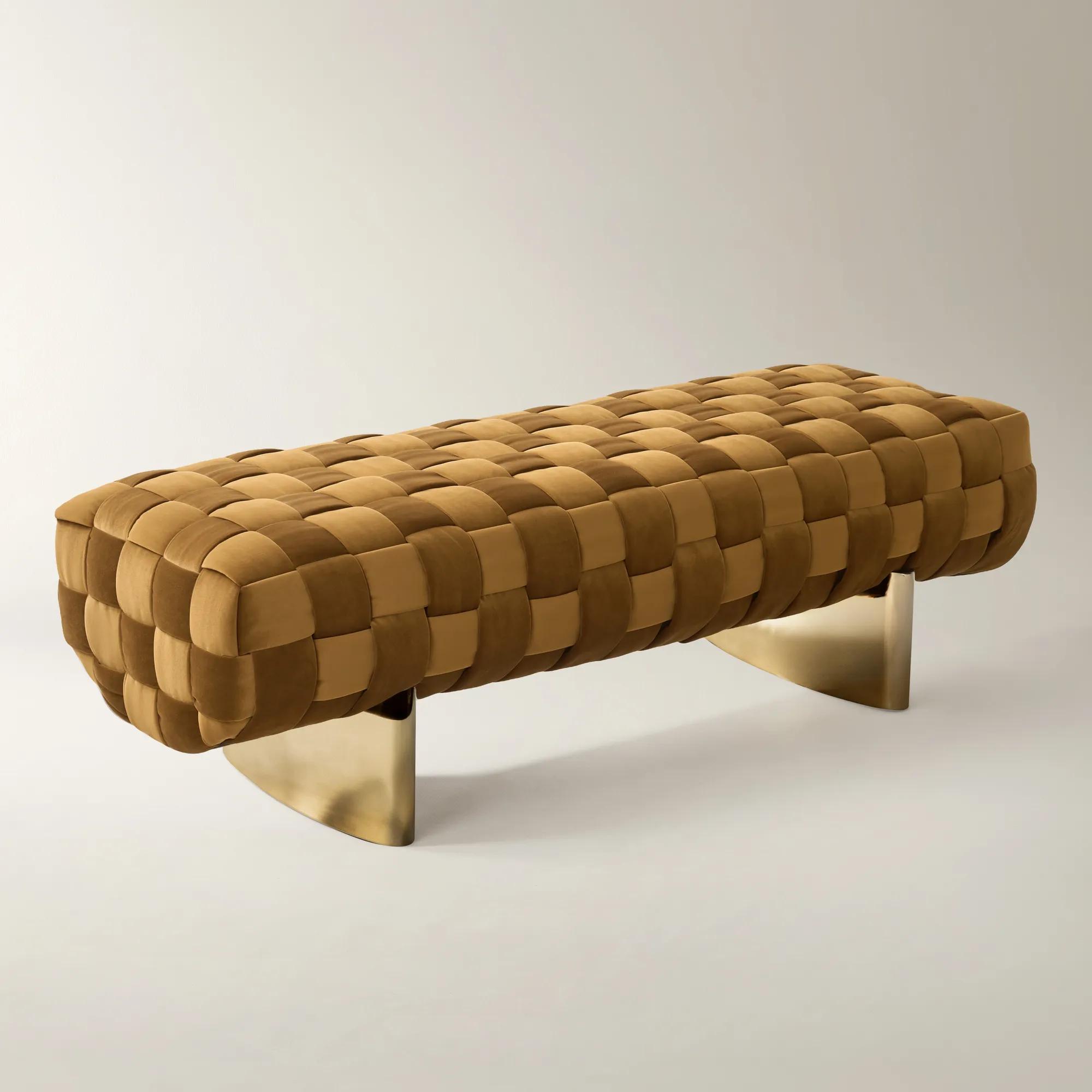 Dexter Woven Roasted Pecan Velvet Bench (64.2")$999
A woven roasted pecan velvet bench featuring plush upholstery and polished gold stainless steel legs for modern elegance.
Add To Cart -
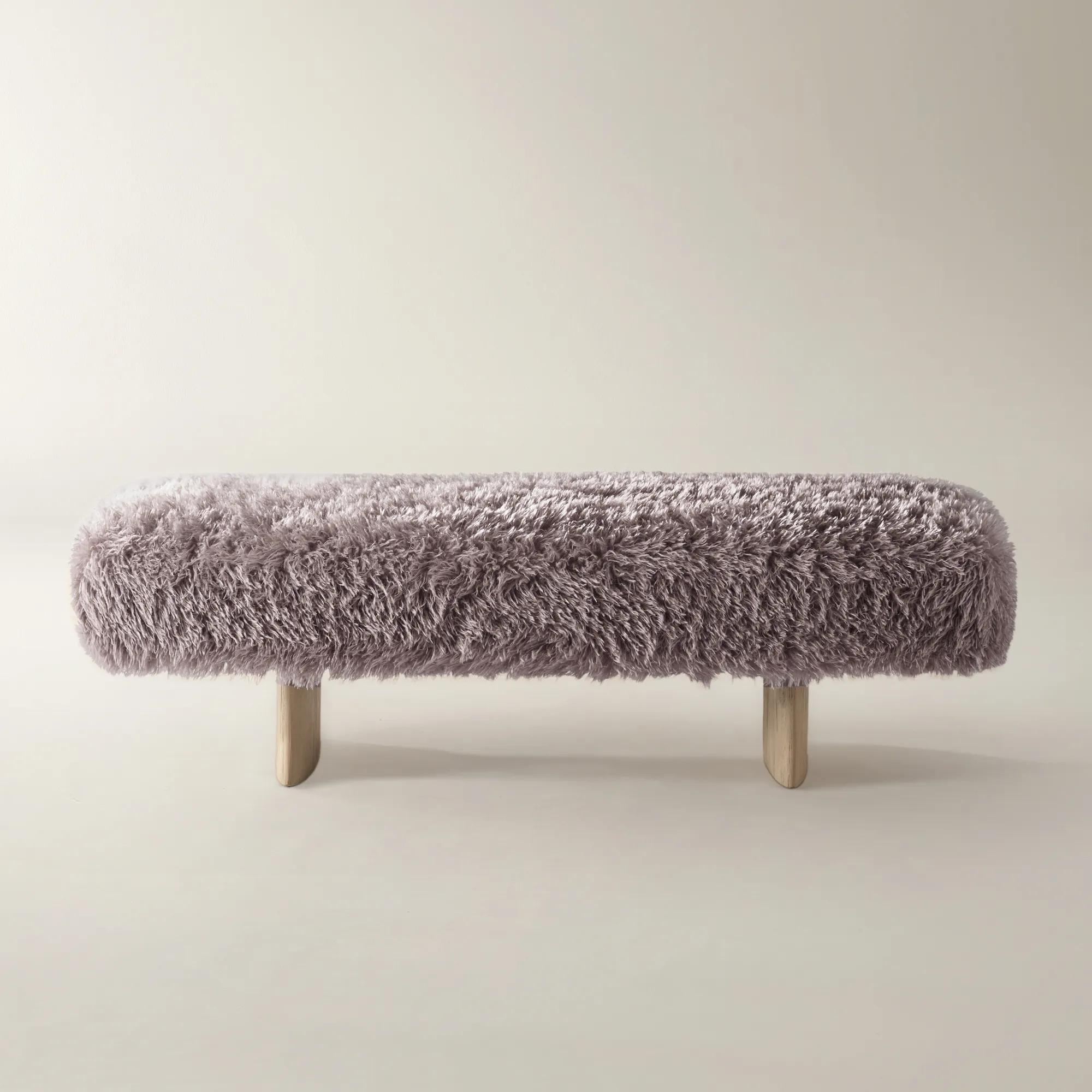
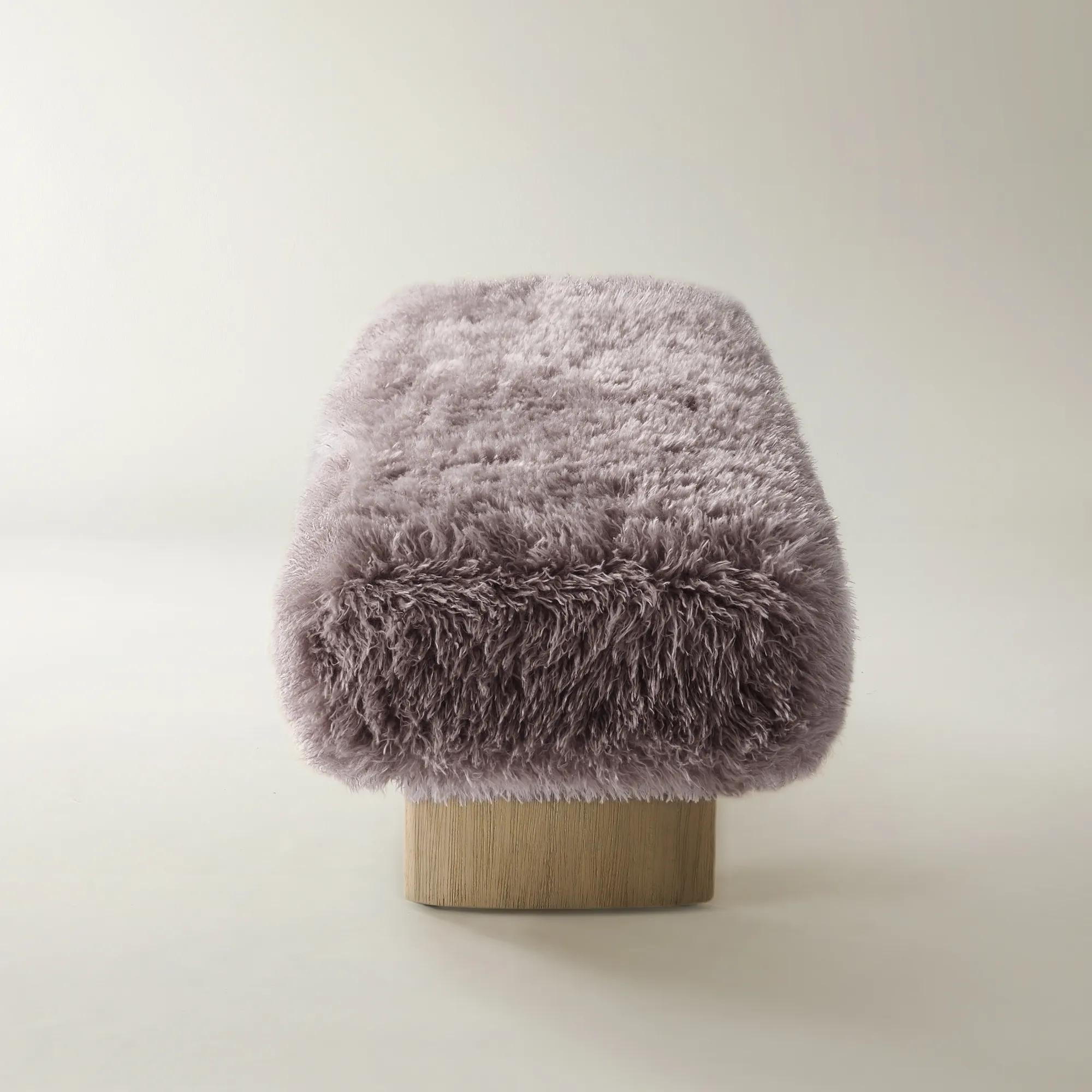 Micah Plum Truffle Mongolian Faux Fur Bench With Rubberwood Legs(62.6")$699
A sculptural bench featuring smoked plum Mongolian faux fur upholstery and warm solid rubberwood legs.
Add To Cart -
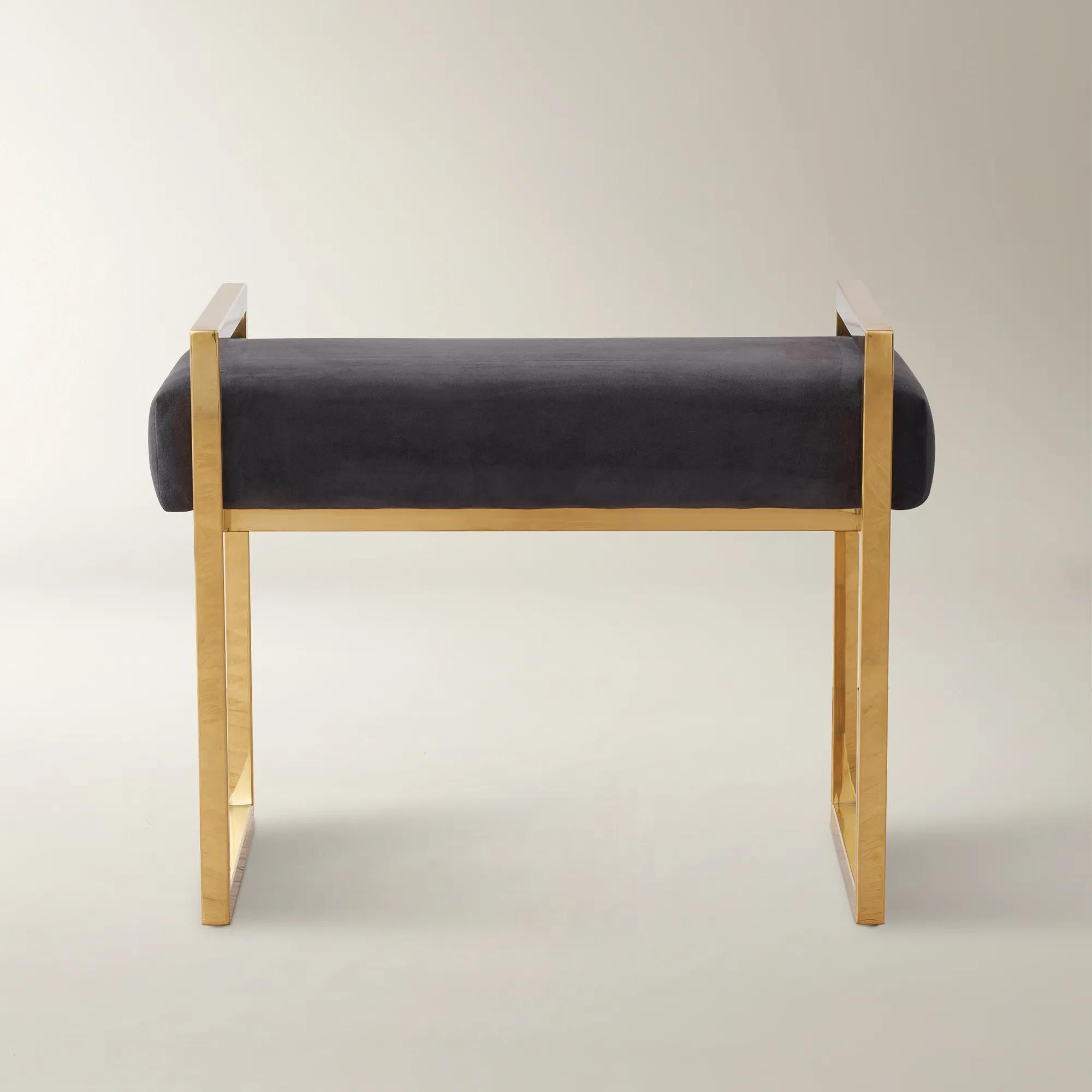
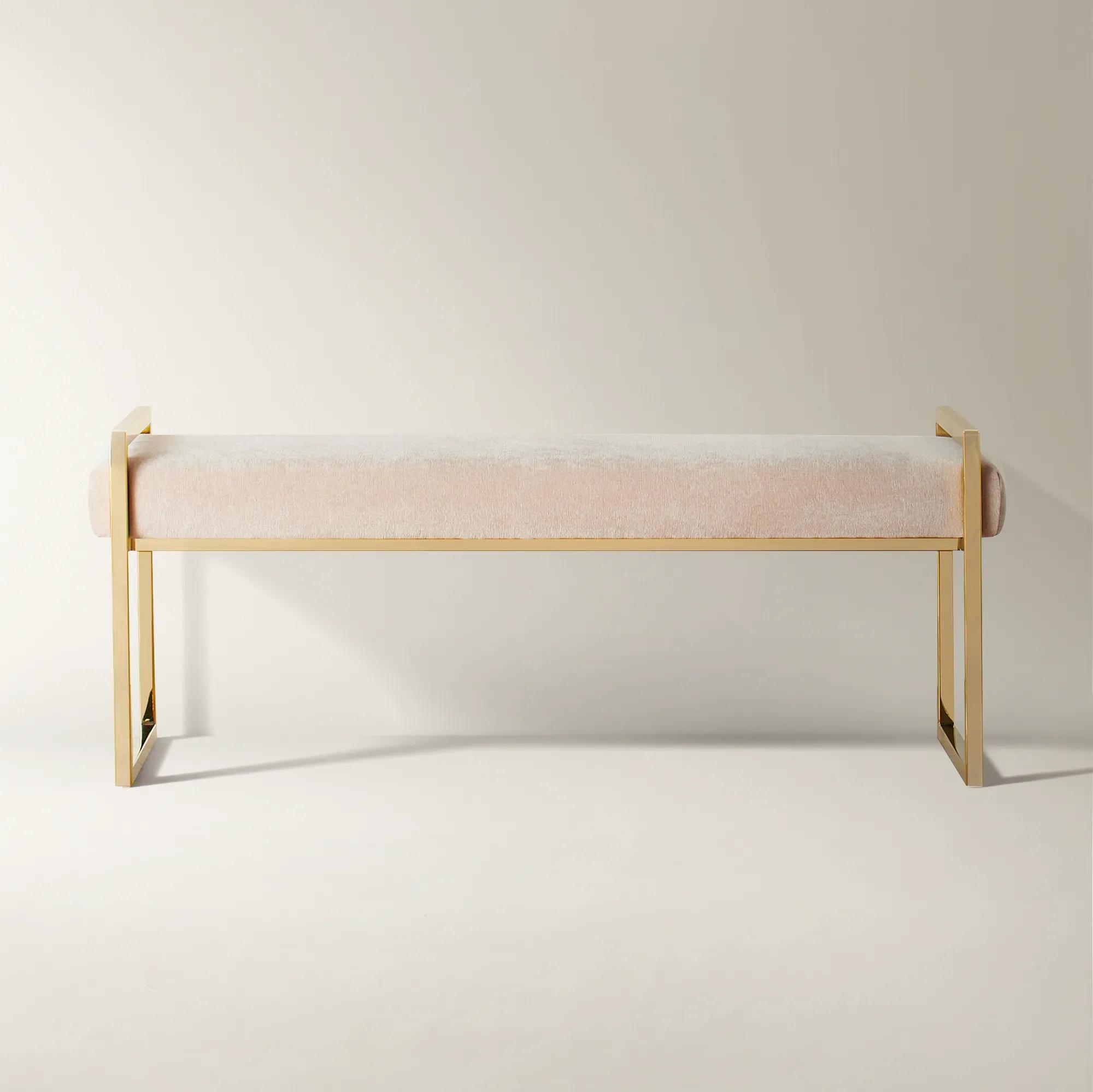 Clara Bench$699
A plush upholstered bench with a high-density foam seat and polished gold metal legs for modern elegance.
Add To Cart -
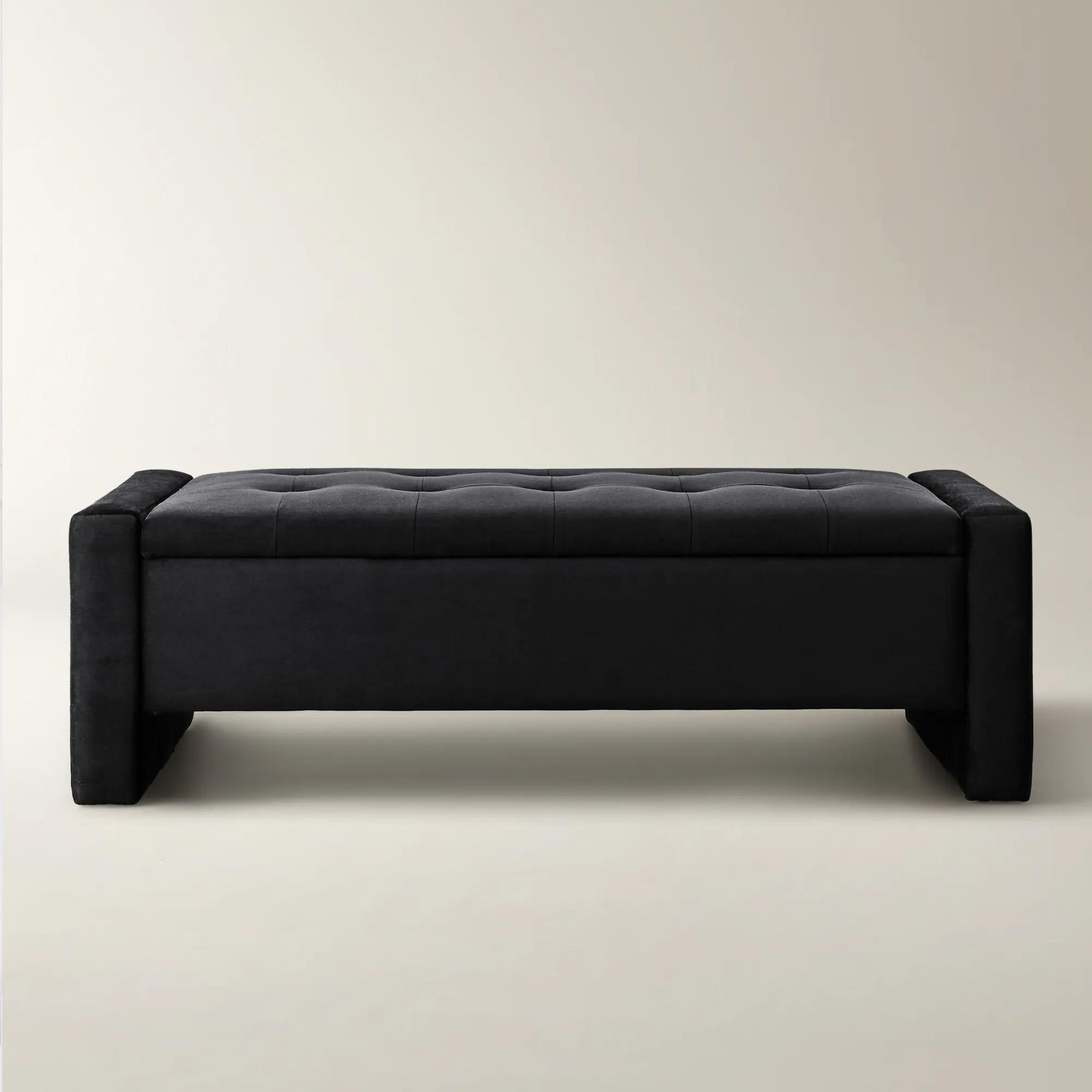
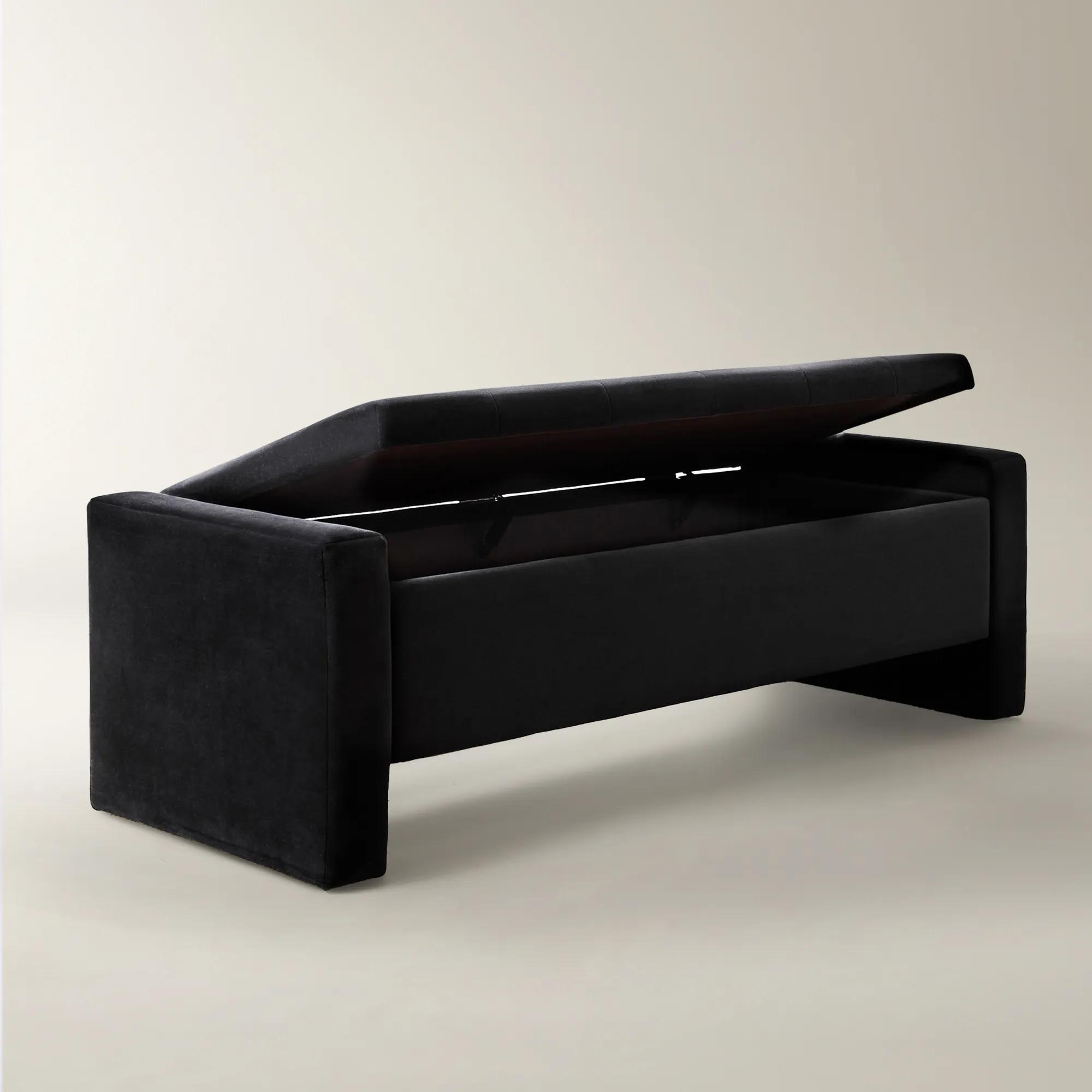 Maeve Storage Bench$849
A modern velvet-upholstered bench with hidden storage, kiln-dried hardwood frame, and soft-closing glides.
Add To Cart -
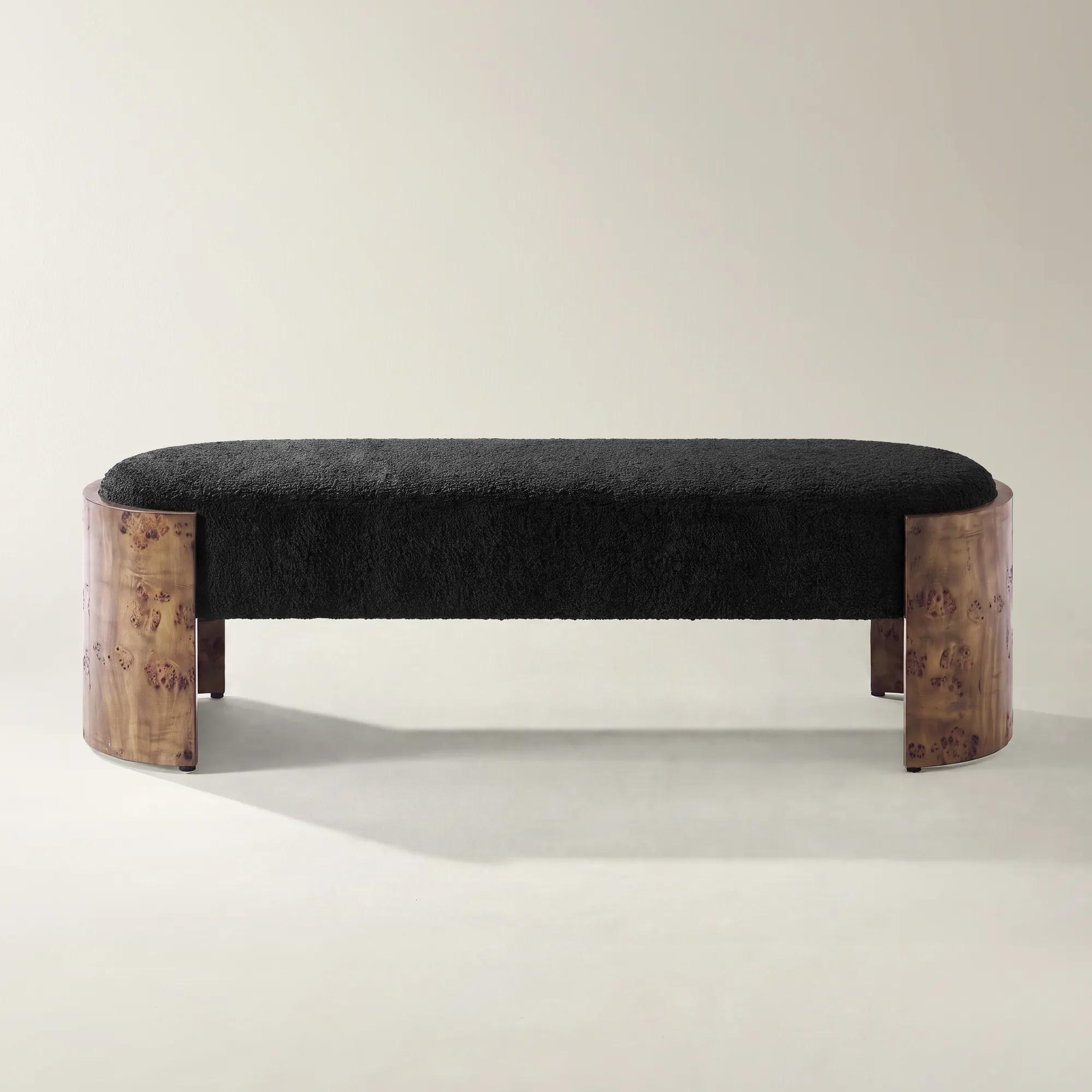 Cora Black Chenille With Ash Wood Bench (60.6")$999
A sculpted charcoal chenille bench featuring curved bookmatched ash burl panels and supportive foam cushioning.
Add To Cart -
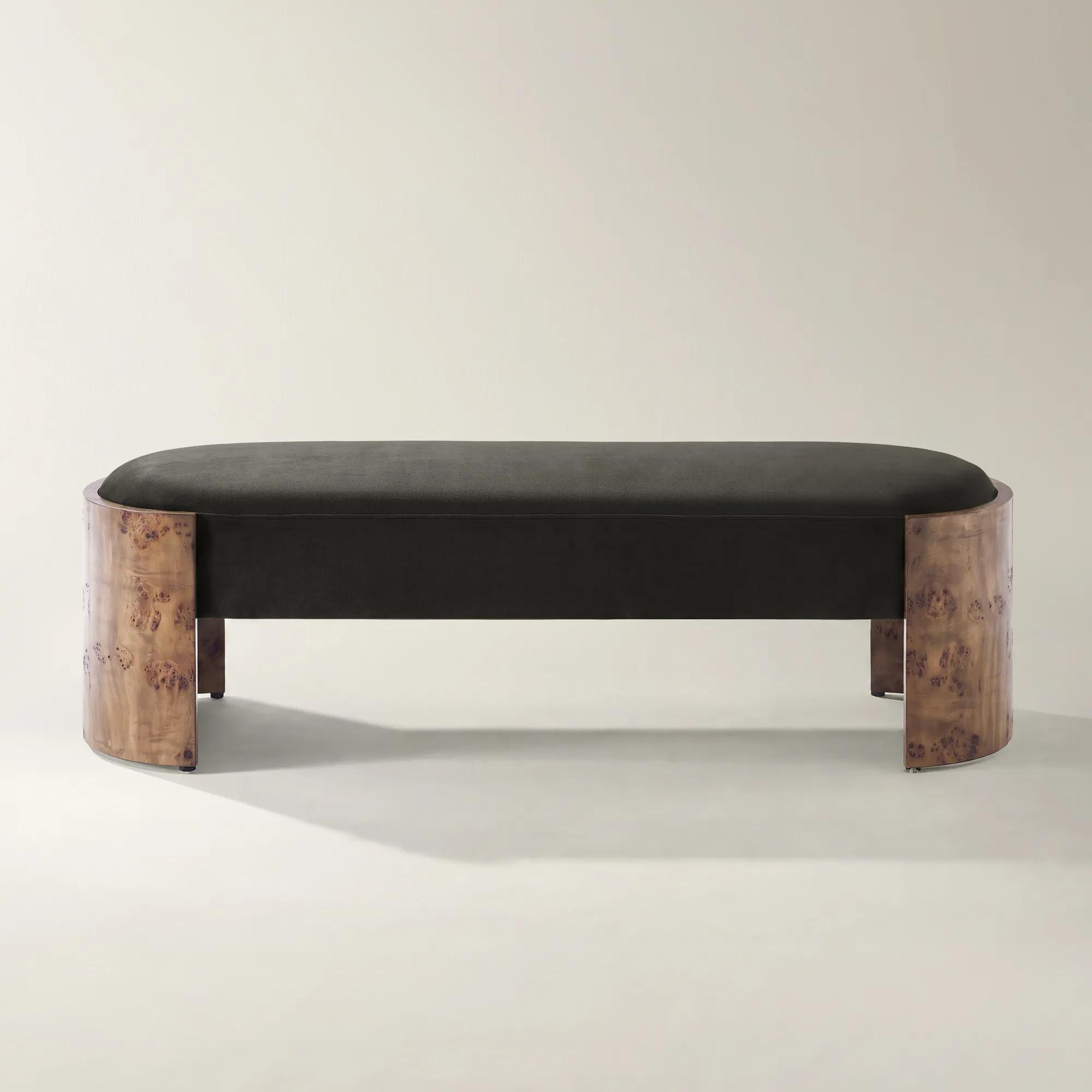
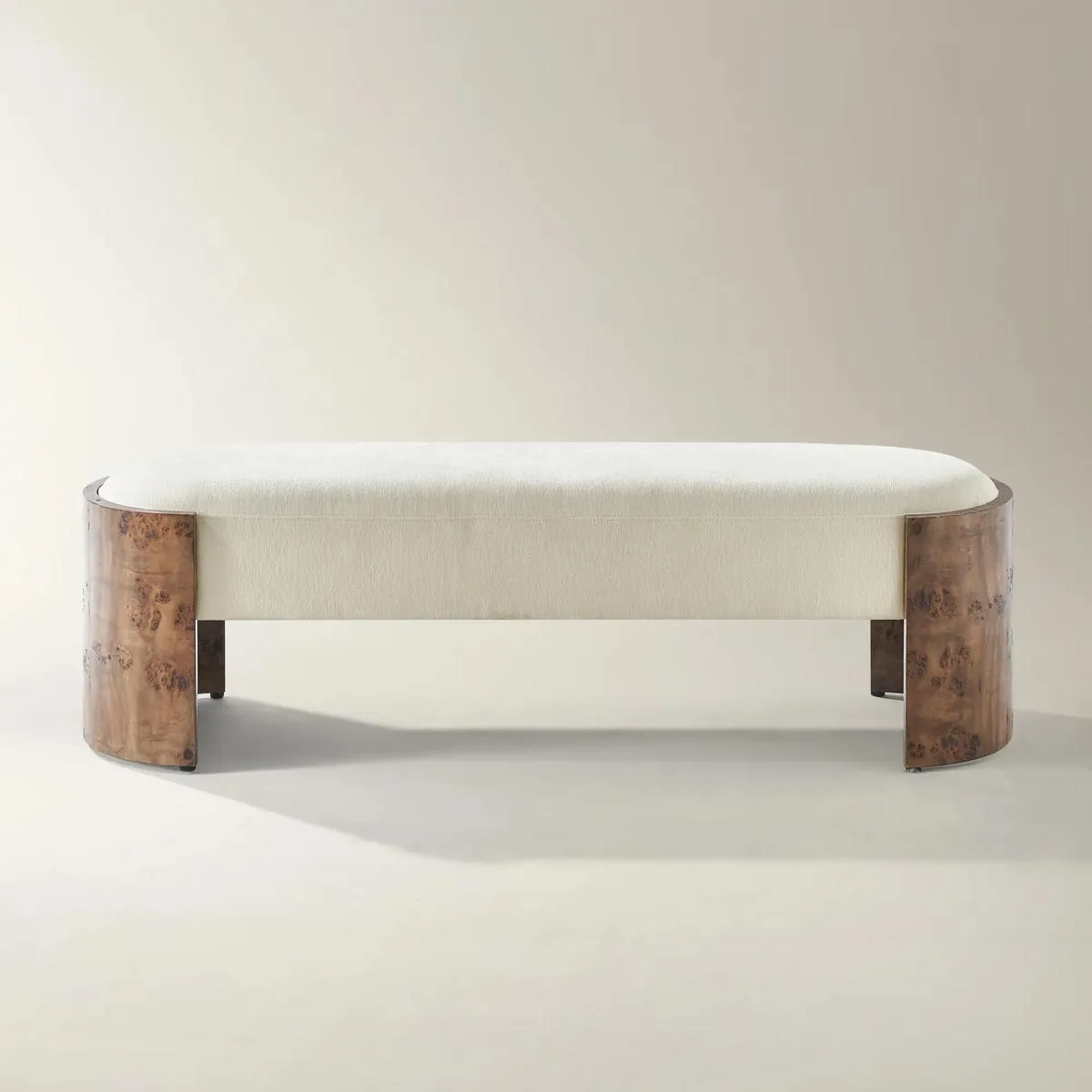 Cora Charcoal Velvet With Ash Wood Bench (60.6")$999
A sculpted charcoal velvet bench with curved bookmatched ash burl panels and supportive foam cushioning.
Add To Cart -
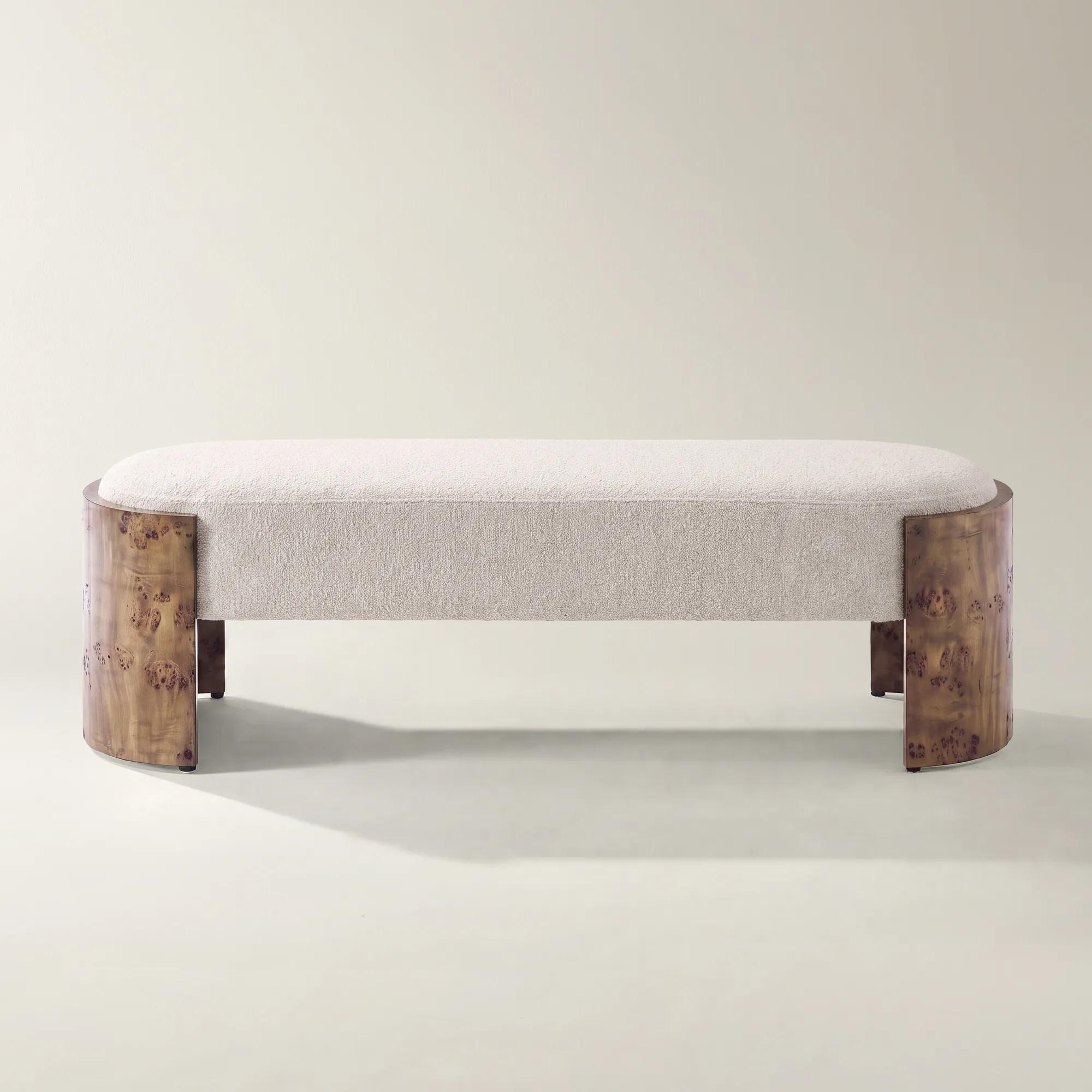 Cora Ivory Performance Boucle With Ash Wood Bench (60.6")$999
A sculpted ivory performance bouclé bench with curved bookmatched ash burl panels and supportive foam cushioning.
Add To Cart -
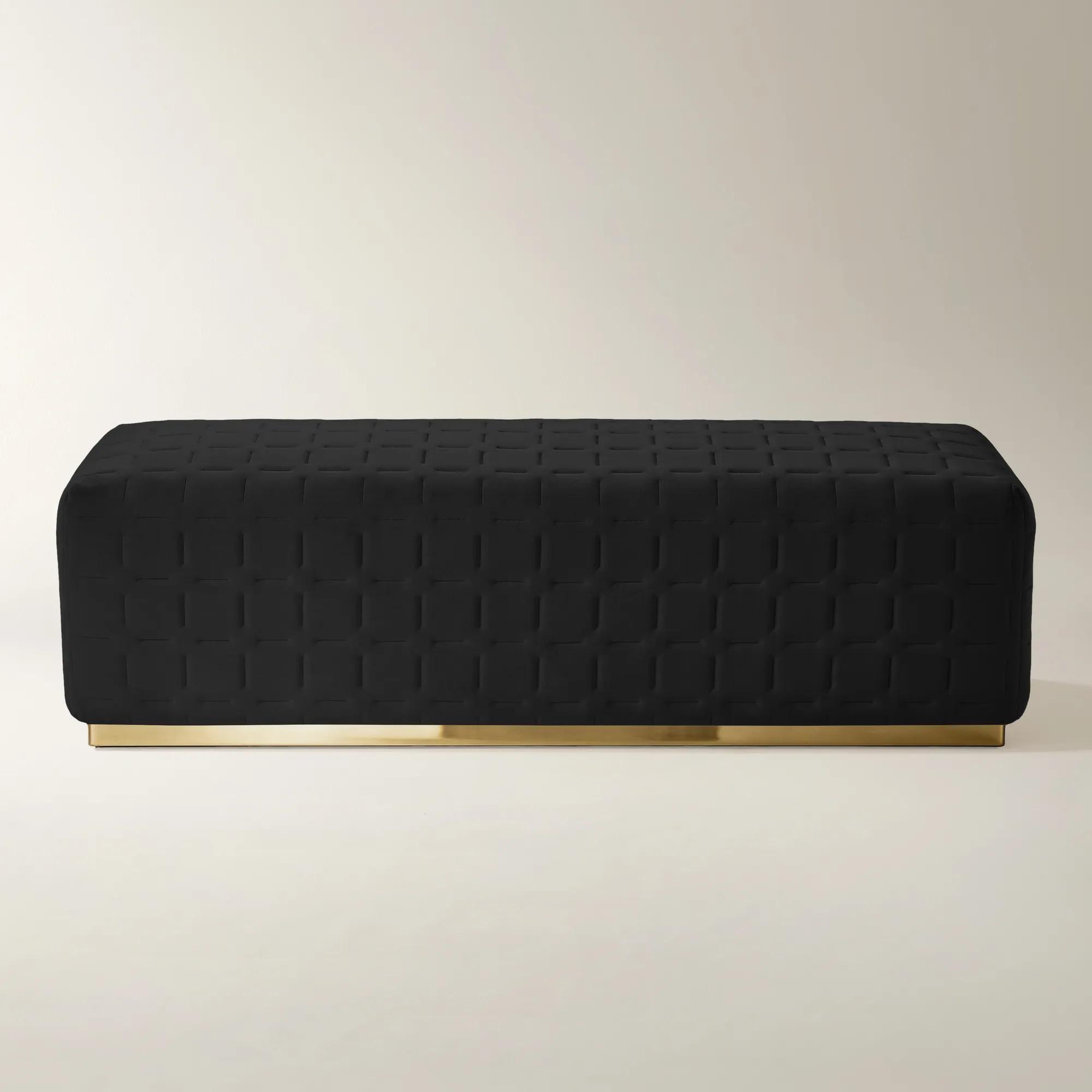 Vanta Quilted Charcoal Velvet Bench (64.6")$899
A charcoal velvet bench featuring checker quilted tufting and a gold stainless steel base for modern elegance.
Add To Cart -
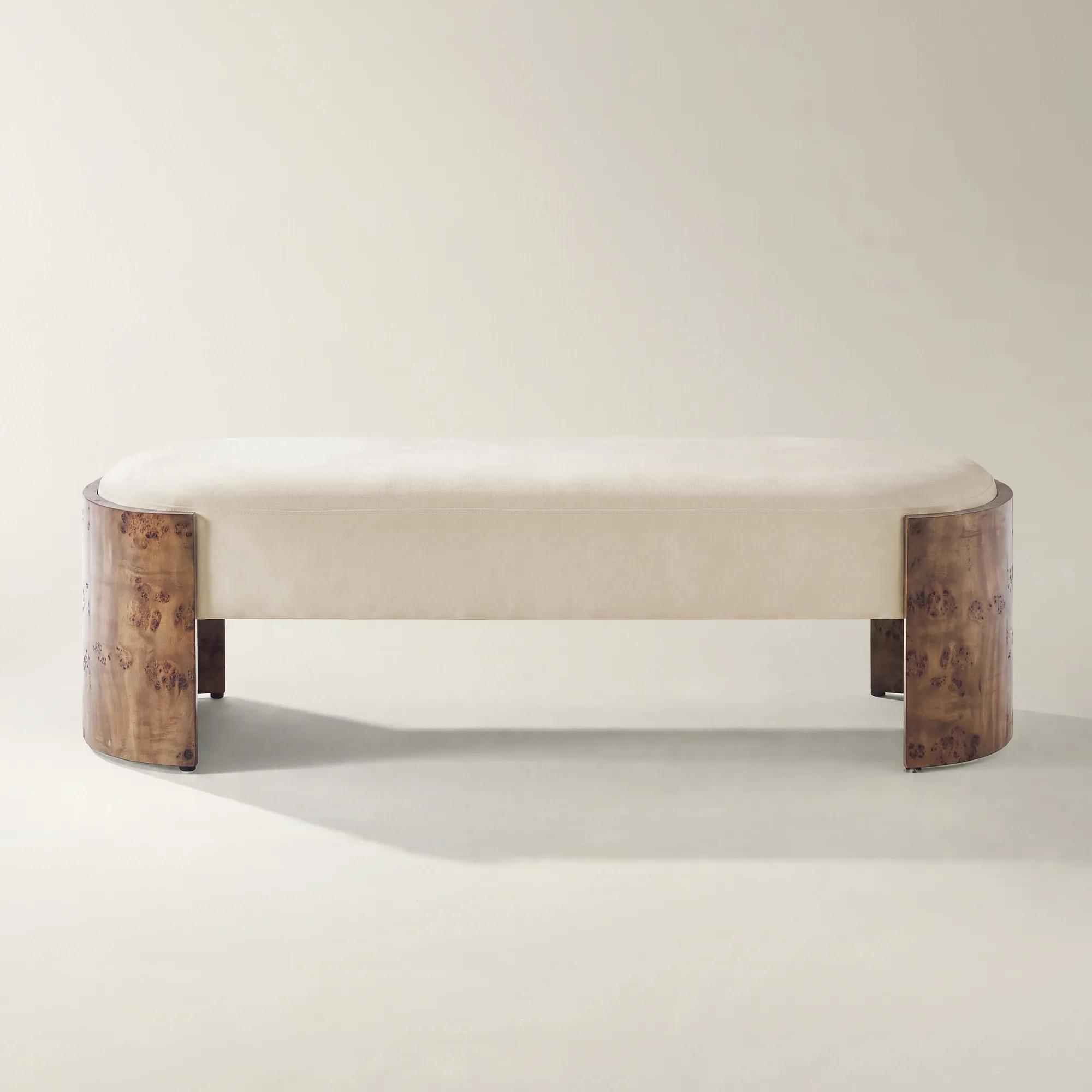 Cora Oatmeal Velvet With Ash Wood Bench (60.6")$999
A sculptural oatmeal velvet bench with curved ash burl wood panels and supportive foam cushioning.
Add To Cart -
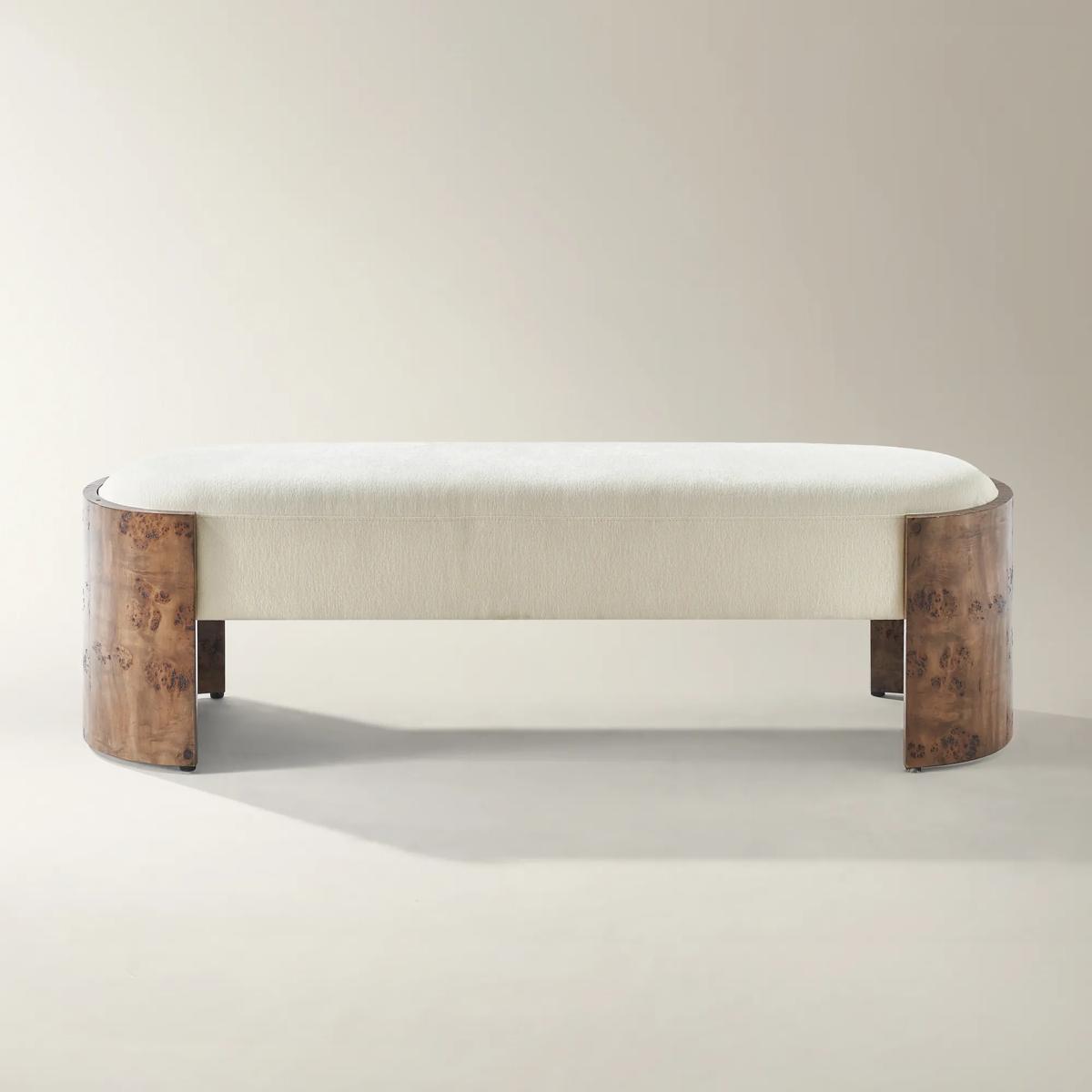 Cora Ivory Chenille With Ash Wood Bench (60.6")$999
An ivory chenille bench with curved ash burl veneer panels, blending plush comfort with striking wood artistry.
Add To Cart -
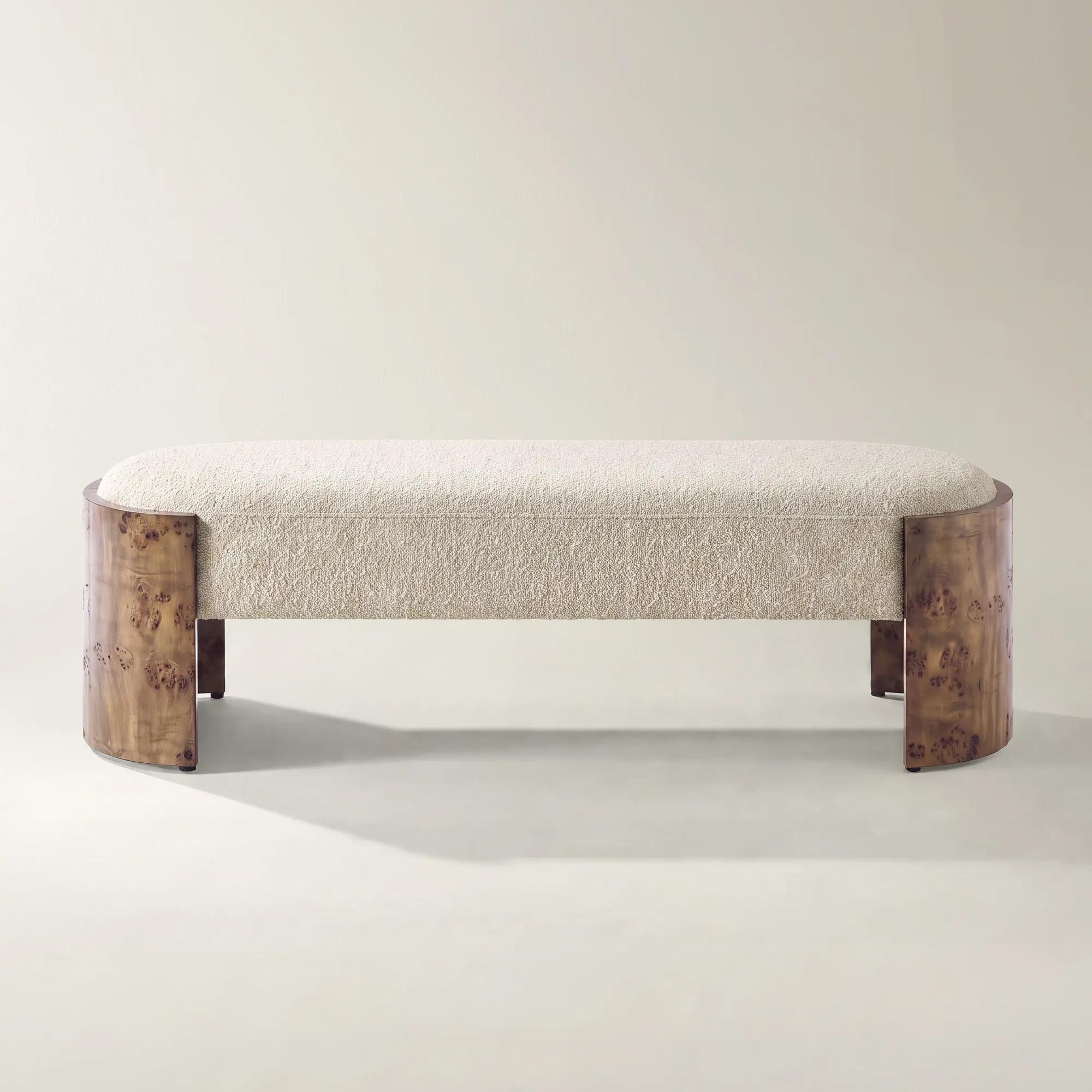 Cora Ivory Performance Boucle With Ash Wood Bench (60.6")$999
An ivory performance boucle bench with curved bookmatched ash burl panels and supportive foam cushioning.
Add To Cart -
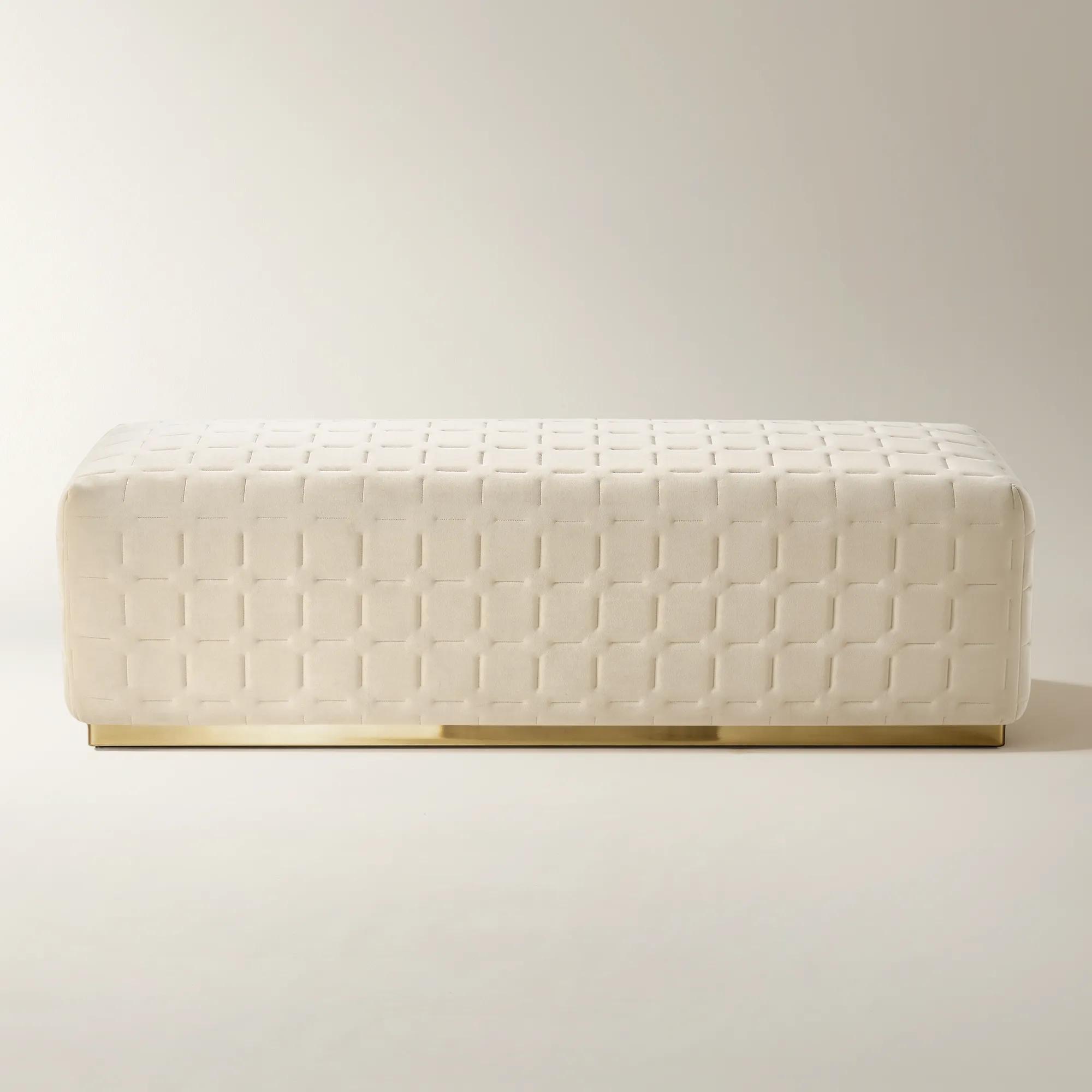
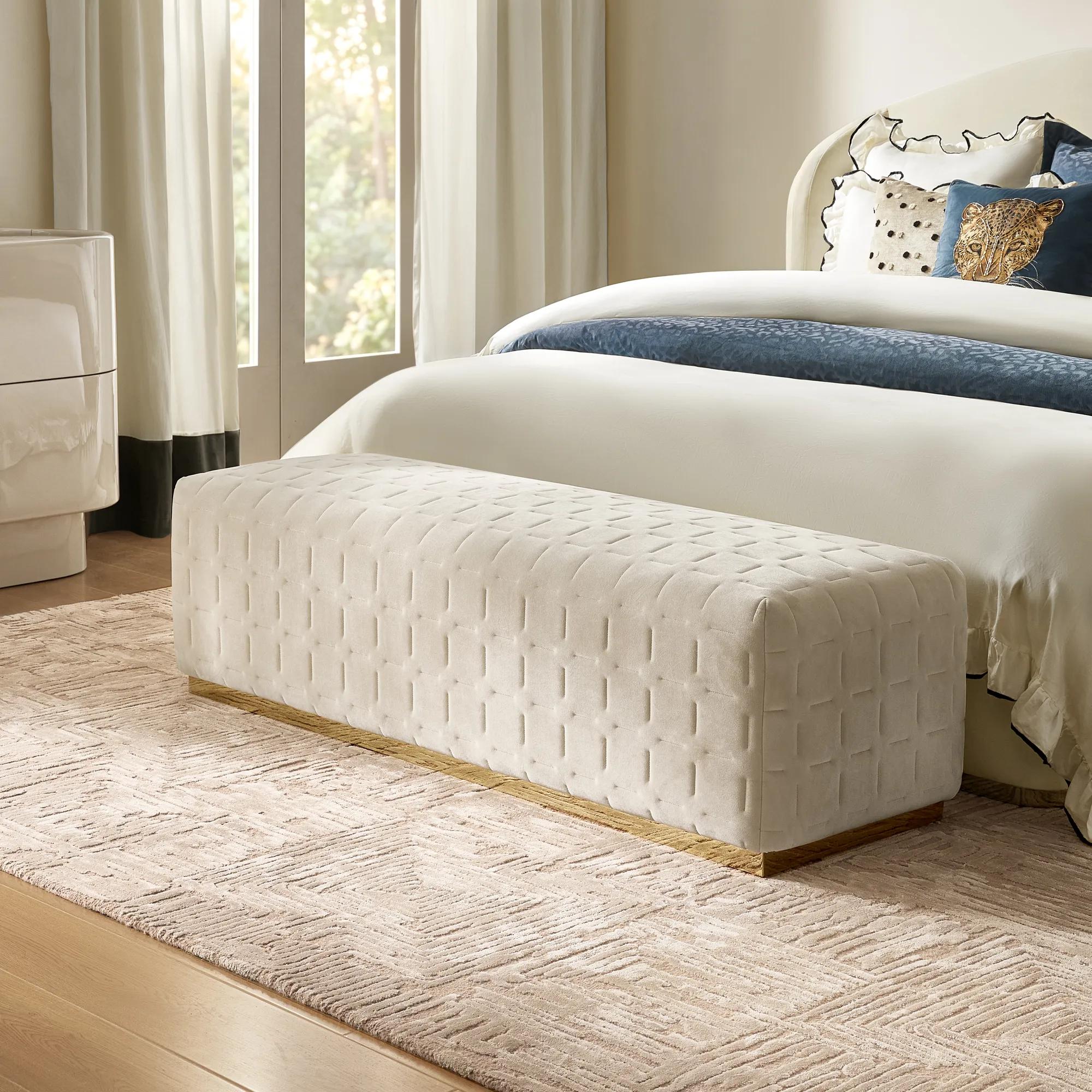 Vanta Quilted Oatmeal Velvet Bench (64.6")$899
A plush oatmeal velvet bench featuring checker quilted tufting and a sleek gold stainless steel base.
Add To Cart -
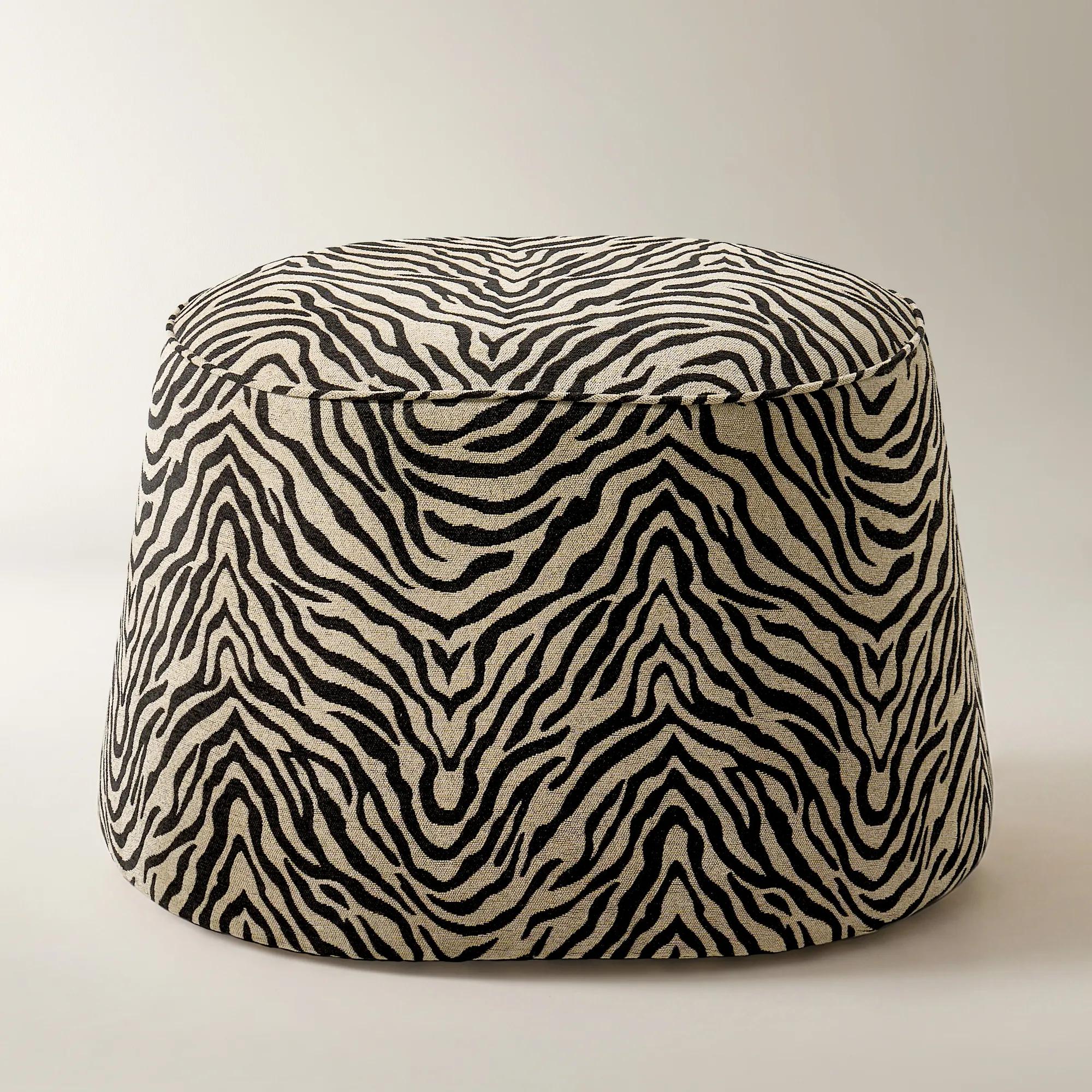
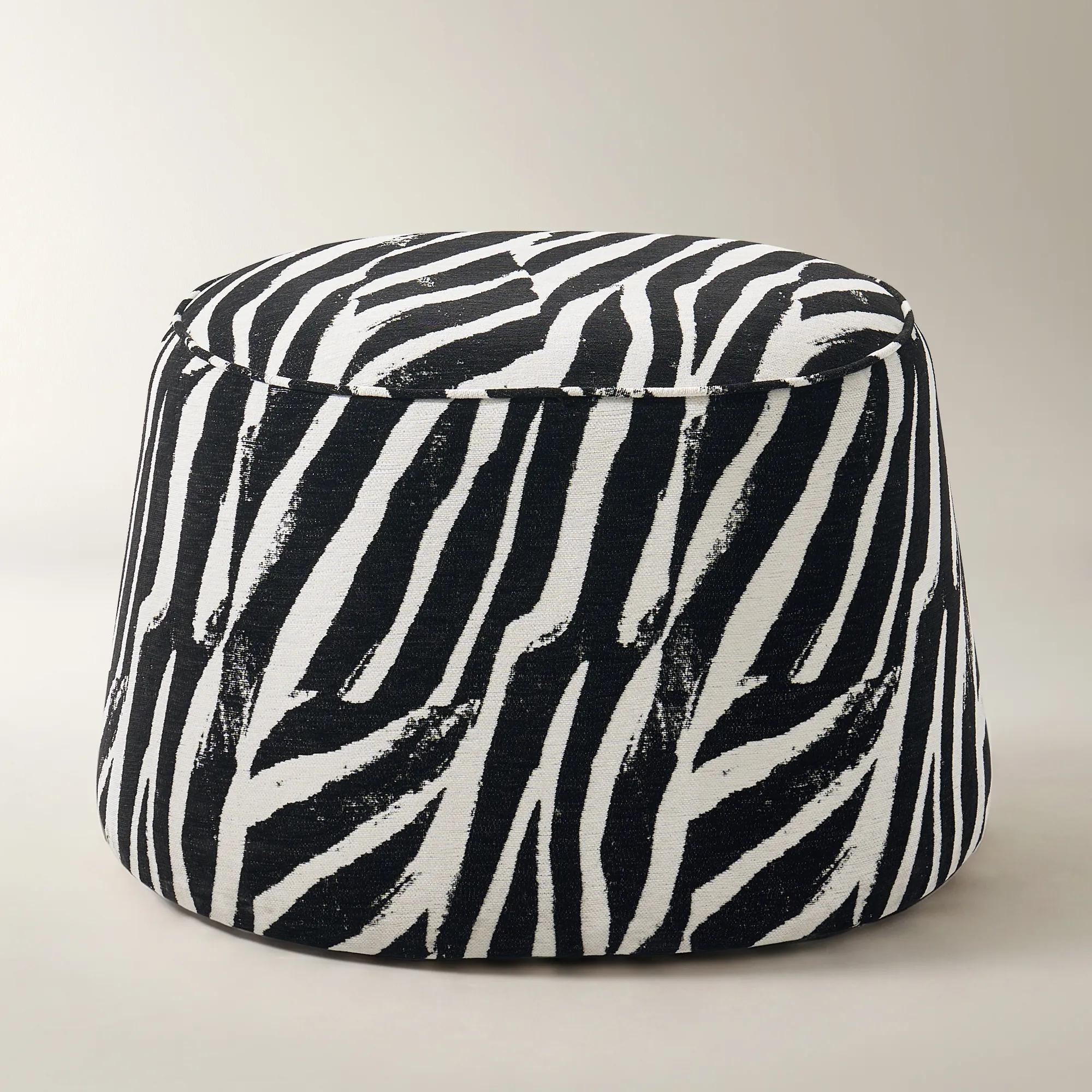 Avery White/Black Performance Chenille Stool$399
A sculpted drum accent stool in black and white performance chenille with an animal-inspired pattern.
Add To Cart -
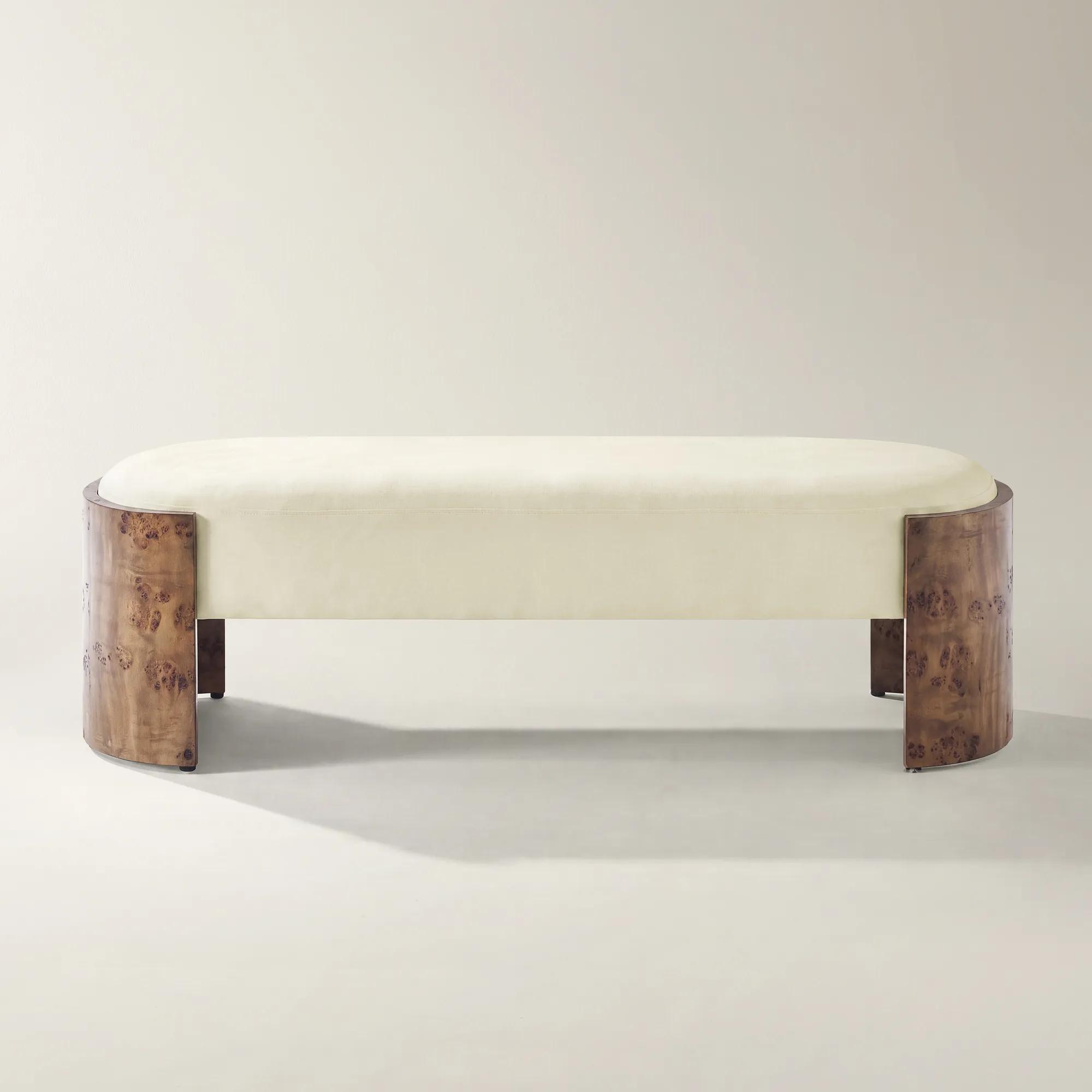 Cora Cloud Velvet With Ash Wood Bench (60.6")$999
A cloud velvet bench with bookmatched ash burl panels and supportive foam cushioning.
Add To Cart -
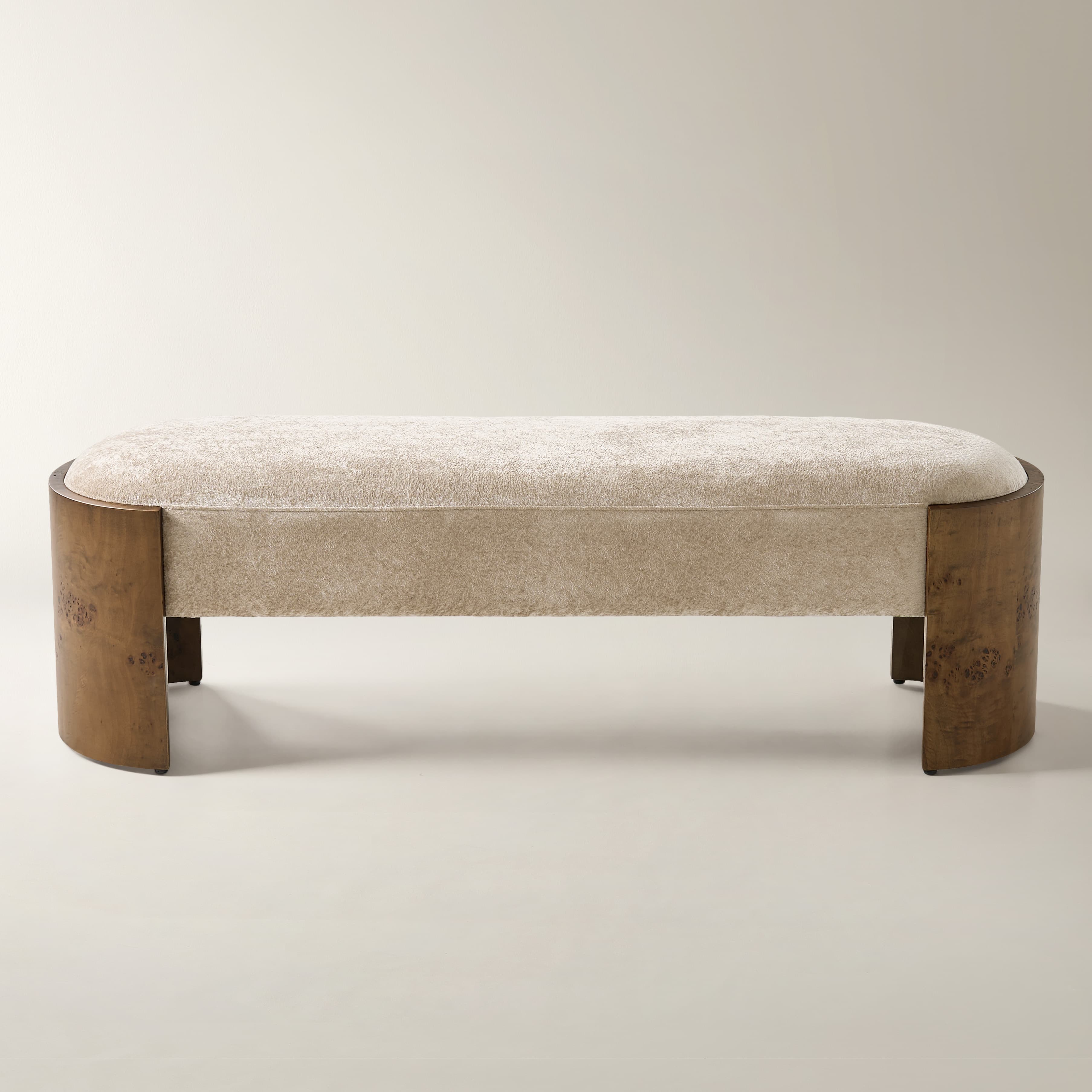 Cora Light Brown Chenille With Ash Wood Bench (60.6")$999
A light brown chenille bench with curved ash burl veneer panels, blending plush comfort and organic artistry.
Add To Cart -
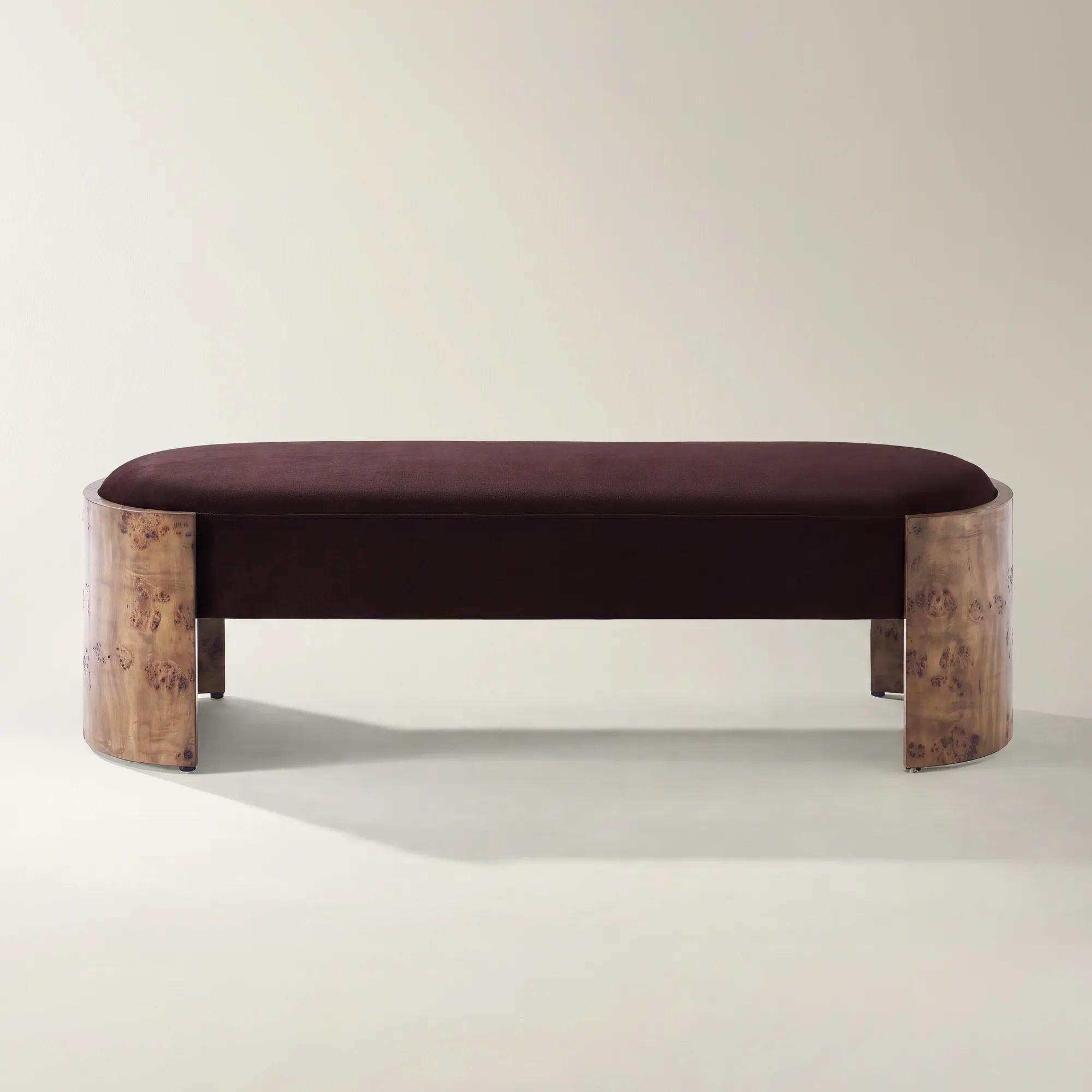 Cora Fig Velvet With Ash Wood Bench (60.6")$999
A sculptural bench with fig velvet upholstery, bookmatched ash burl panels, and supportive high-resiliency foam cushioning.
Add To Cart -
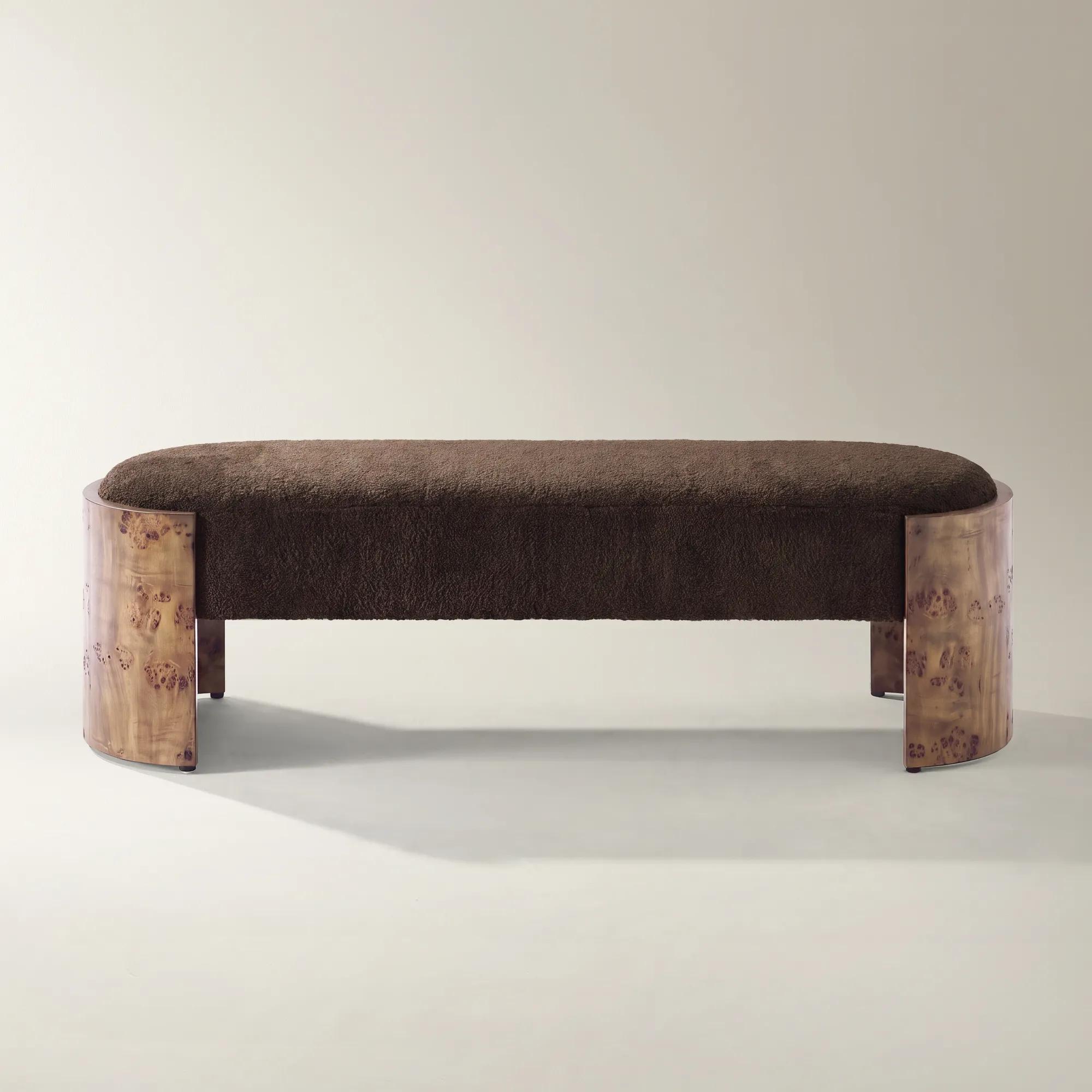 Cora Dark Chocolate Chenille With Ash Wood Bench (60.6")$999
A sculpted dark chocolate chenille bench with curved ash burl end panels and supportive foam cushioning.
Add To Cart

Bedroom Accent Benches
Explore bedroom accent benches for a polished end-of-bed arrangement or an inviting seat along an open wall. Look for a silhouette that complements your bed frame, compare dimensions to preserve comfortable walking space, and consider how color and texture can echo your bedroom’s palette or introduce a dramatic contrast.
Bedroom accent benches bring a finished, intentional presence to a room while creating a comfortable place to pause, dress, or set down a folded throw. Positioned at the foot of the bed, a bench extends the bedroom’s central composition, giving layered bedding and a dramatic headboard a graceful counterpoint. Along a wall, it can turn an overlooked stretch of space into a dressing area; beneath a window, it offers seating without the visual height of an armchair. The right proportions make these placements feel effortless. A useful starting point for an end-of-bed bench is roughly two-thirds to three-quarters of the mattress width, with enough space at either side to keep the arrangement from appearing crowded. For a queen mattress measuring 60 inches wide, a bench about 40 to 45 inches wide often feels balanced. For a standard king mattress measuring 76 inches wide, approximately 50 to 60 inches can work well, depending on the bed frame and surrounding furniture. These are starting points rather than fixed rules: a substantial upholstered bed may welcome a fuller silhouette, while a narrow room benefits from a more restrained footprint. Many bedroom benches have seat heights around 17 to 19 inches, although dimensions vary. A seat below the top of the mattress usually creates a pleasing visual step, and a comfortable sitting height matters when the bench becomes part of the daily dressing routine. Depth deserves equal attention. A generously padded seat feels inviting, but it should not interrupt the route to a dresser, closet, or bathroom. Leave enough clearance to walk naturally, open drawers fully, and move around the bed without turning sideways. In a compact bedroom, an open base and slender legs can preserve a sense of space, while a broader, grounded form can hold its own beneath oversized artwork or beside a richly upholstered bed. Measuring the available floor area, including projecting bed rails and drawer fronts, helps ensure that the bench enhances the room rather than competing with its everyday rhythms.
Material and silhouette give bedroom seating its expressive character. Velvet brings saturated color and a luminous surface that changes subtly as the pile catches the light, making it especially compelling against crisp bedding or a sculptural headboard. A softly textured woven upholstery creates a quieter contrast, adding depth without demanding another bold pattern. Bouclé introduces a tactile, dimensional surface, while smooth leather or leather-look upholstery offers a more tailored effect; the material composition and care requirements should always inform the choice. Each finish carries a different mood, from polished and architectural to sumptuous and enveloping. Tufting adds another layer of artistry, drawing the eye across a cushioned seat through a pattern of recessed details. The dimensional upholstery of Tufted Accent Benches For Bedrooms can echo the detail of an upholstered headboard or introduce a deliberate contrast beside a streamlined bed. Deep button tufting reads as richly decorative, while broader channels can emphasize length and give the foot of the bed a sculpted rhythm. Frame finishes shape the impression just as strongly. Gleaming metal legs introduce a reflective accent that relates beautifully to metallic lighting or decorative hardware. Wood adds grain, warmth, and a grounded presence, particularly in rooms with luminous textiles or mirrored surfaces. A bench does not need to match every surrounding finish to belong. Repeating one element, such as a warm metal tone, a curved profile, or an upholstery color drawn from the rug, creates cohesion without making the room feel overly coordinated. In a bedroom with patterned bedding, a solid upholstered bench gives the eye a place to settle. Against a quieter palette, a jewel-toned seat or expressive texture can become the defining gesture. Even a pale neutral feels dramatic when its shape, fabric, and detailing have enough presence.
Beyond its decorative role, a bedroom accent bench should suit the way the space is lived in. A firm, supportive seat is useful for putting on shoes, fastening a sandal, or laying out clothing before an evening out. In a shared bedroom, it offers somewhere to sit without disturbing freshly arranged bedding. In a guest room, it gives visitors a place to dress or briefly rest a bag, although delicate upholstery benefits from protection against rough suitcase wheels and hardware. Storage benches add concealed room for extra linens, decorative pillows, or a folded blanket, helping preserve the calm of an uncluttered bedroom. Interior dimensions matter as much as the outer footprint: thick cushioning and substantial framing can reduce the usable compartment. A hinged lid also needs adequate clearance to open without catching bedding or striking nearby furniture. For households with children, closure design and manufacturer safety guidance deserve particular attention. Open-base benches offer a different advantage, keeping the floor visible and making routine cleaning beneath the seat easier. For seating intended for frequent use, consider the frame construction, joint stability, upholstery performance information, and stated weight capacity rather than judging durability by appearance alone. A wide bench is not automatically designed for two adults, and decorative seating should never be treated as a step stool. Care should follow the upholstery label and the manufacturer’s directions, especially when fabrics, finishes, and trim require different treatment. Gentle vacuuming with an appropriate upholstery attachment can help remove dust from seams and tufting; spills are best addressed promptly by blotting rather than rubbing, using only approved cleaning methods. Velvet may show pressure marks or changes in pile direction, while textured weaves can catch on sharp jewelry or pet claws. Protecting upholstery from prolonged direct sunlight can help limit fading. With thoughtful proportions, suitable materials, and attentive care, an accent bench becomes a lasting part of the bedroom’s daily life: a practical seat, a richly considered detail, and a graceful finishing note at the foot of the bed.
FAQs
Sculptural silhouettes, tailored upholstery, and expressive finishes bring a modern bedroom into focus. A channel-tufted bench creates a polished, architectural mood, while curved forms introduce softness. For a more glamorous statement, consider bedroom accent benches with jewel-toned upholstery or gleaming metallic details.
Velvet, bouclé, and woven upholstery each create a distinct visual texture, from sumptuous sheen to dimensional softness. Wood frames introduce warmth, while metal details lend a jewelry-like accent. Pairing tactile upholstery with a striking frame gives a bedroom bench an artful, layered presence.
Draw inspiration from a detail already in the room, such as the headboard’s upholstery, a metallic lamp base, or a color within your artwork. Echo that element without matching every finish. An ivory bench against richly colored bedding, for example, creates a deliberate contrast that feels composed rather than predictable.
A bedroom accent bench can create a distinctive vignette beneath a window, along an open wall, or opposite a dressing table. Let the setting shape the mood: artwork above the bench creates a gallery-inspired composition, while drapery behind it adds a softly theatrical backdrop.
Drape a sumptuous throw over one end and add an accent pillow that draws a color or texture from the bedding. Leave part of the upholstery visible so the bench’s silhouette remains part of the composition. If the bench features dramatic tufting or sculptural details, let those elements take center stage.