Benches For Bedrooms
Benches For Bedrooms
-
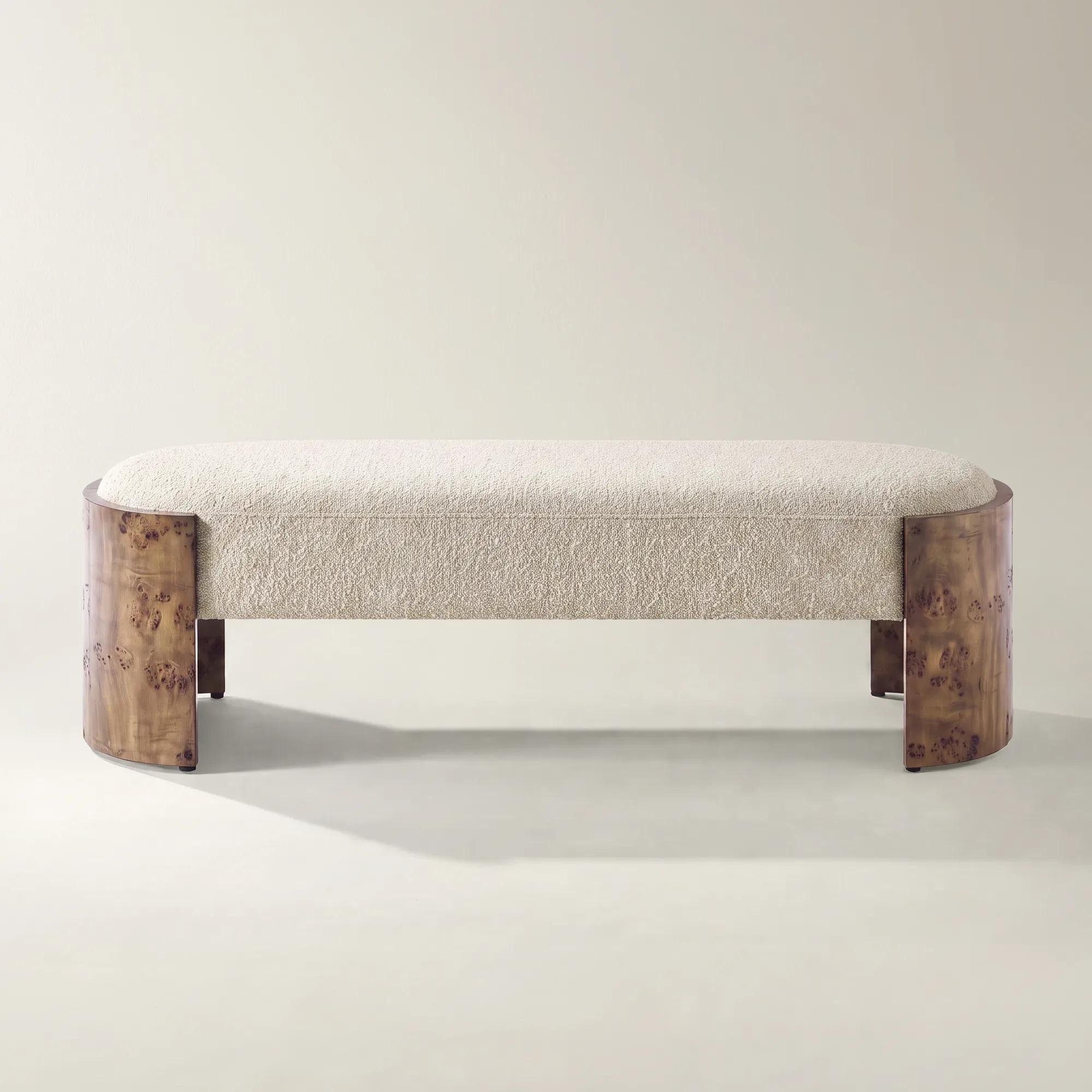
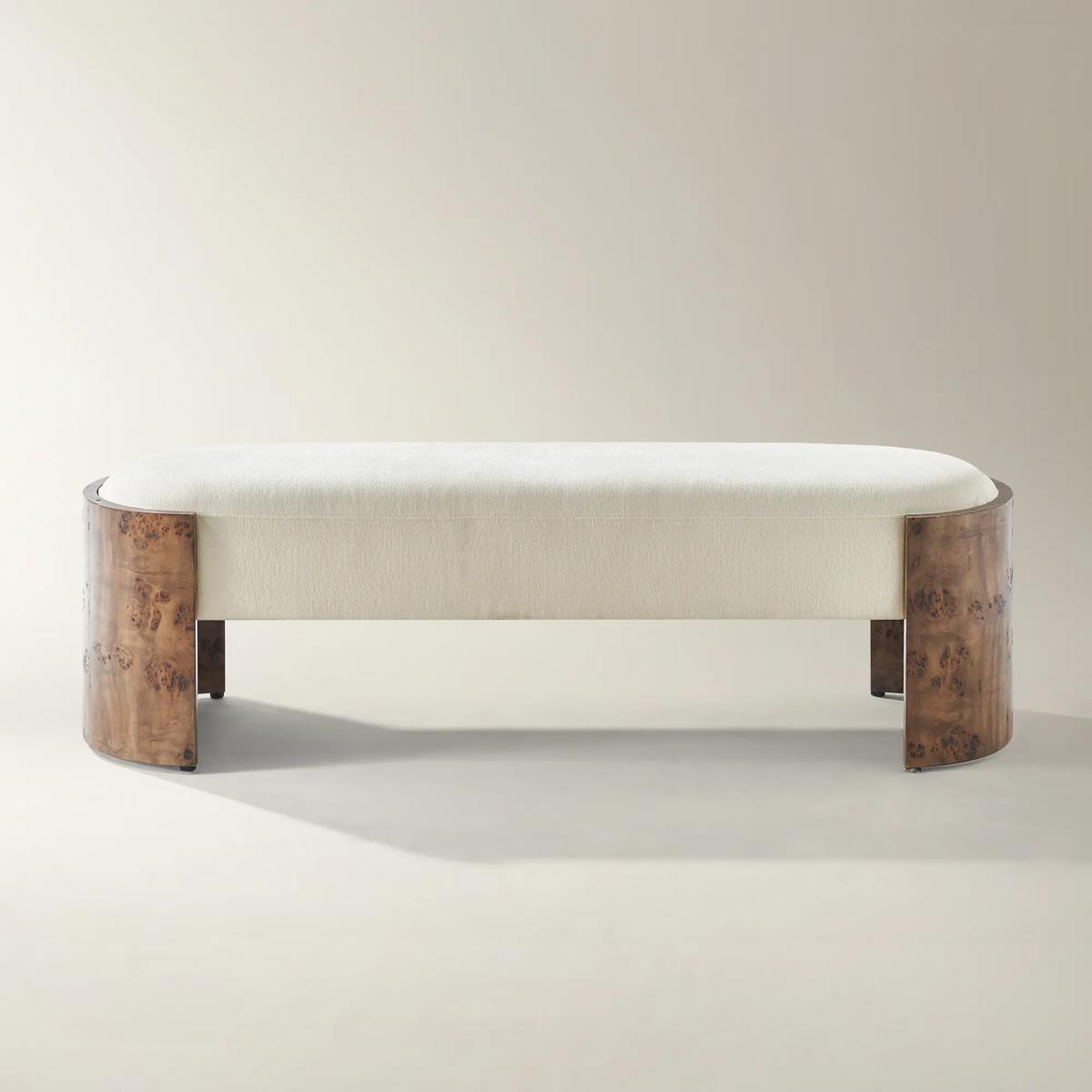 Cora Ivory Chenille With Ash Wood Bench (60.6")$999
An ivory chenille bench with curved ash burl veneer panels, blending plush comfort with striking wood artistry.
Add To Cart -
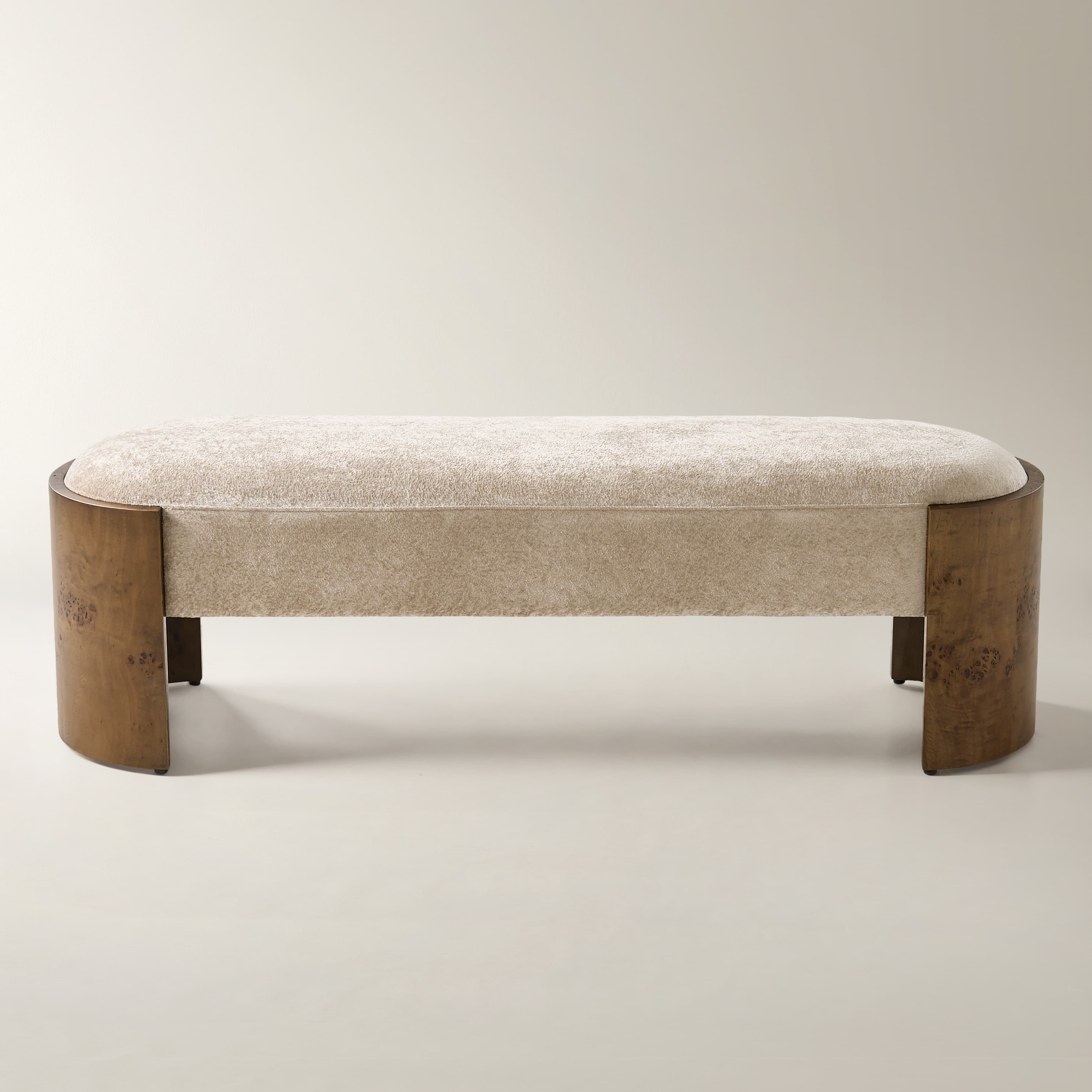 Cora Light Brown Chenille With Ash Wood Bench (60.6")$999
A light brown chenille bench with curved ash burl veneer panels, blending plush comfort and organic artistry.
Add To Cart -
.jpg?w=1200&h=1200) Micah Tan Mongolian Faux Fur Bench With Rubberwood Legs (62.6")$699
Micah Tan Mongolian Faux Fur Bench With Rubberwood Legs (62.6")$699A light brown faux fur bench with a curved rubberwood base and plush high-density foam cushion.
Add To Cart -
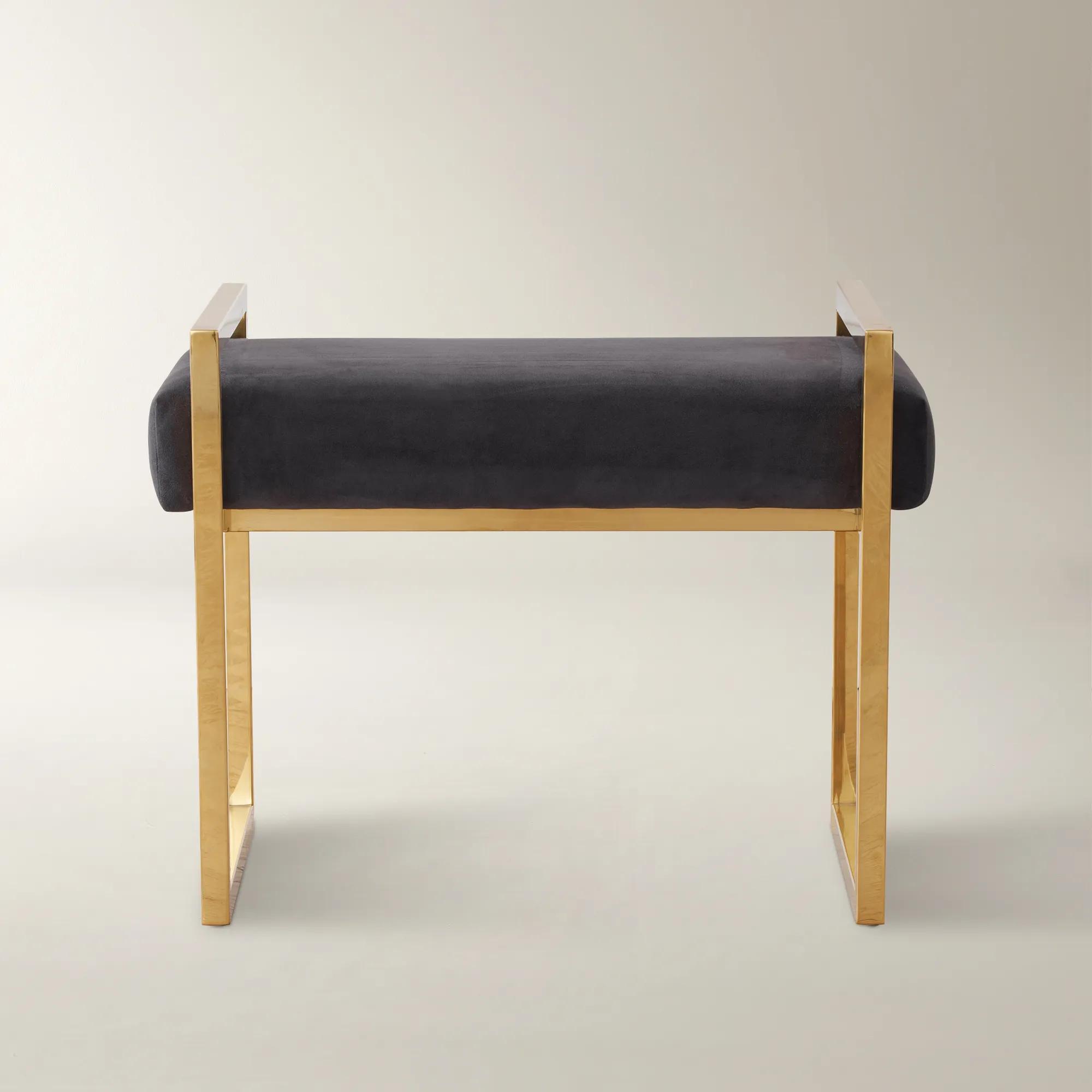
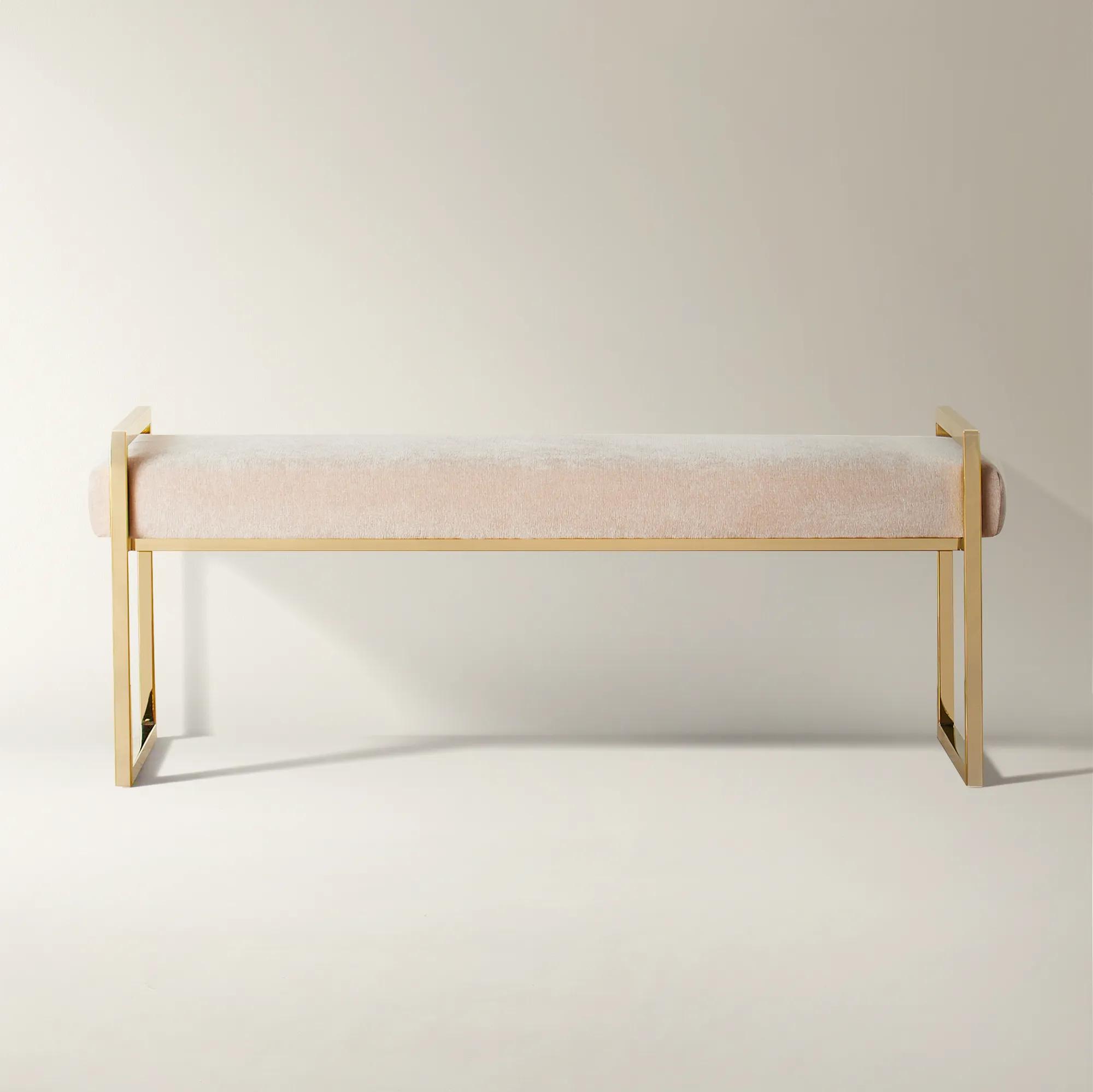 Clara Bench$699
A plush upholstered bench with a high-density foam cushion and polished gold metal legs for modern elegance.
Add To Cart -
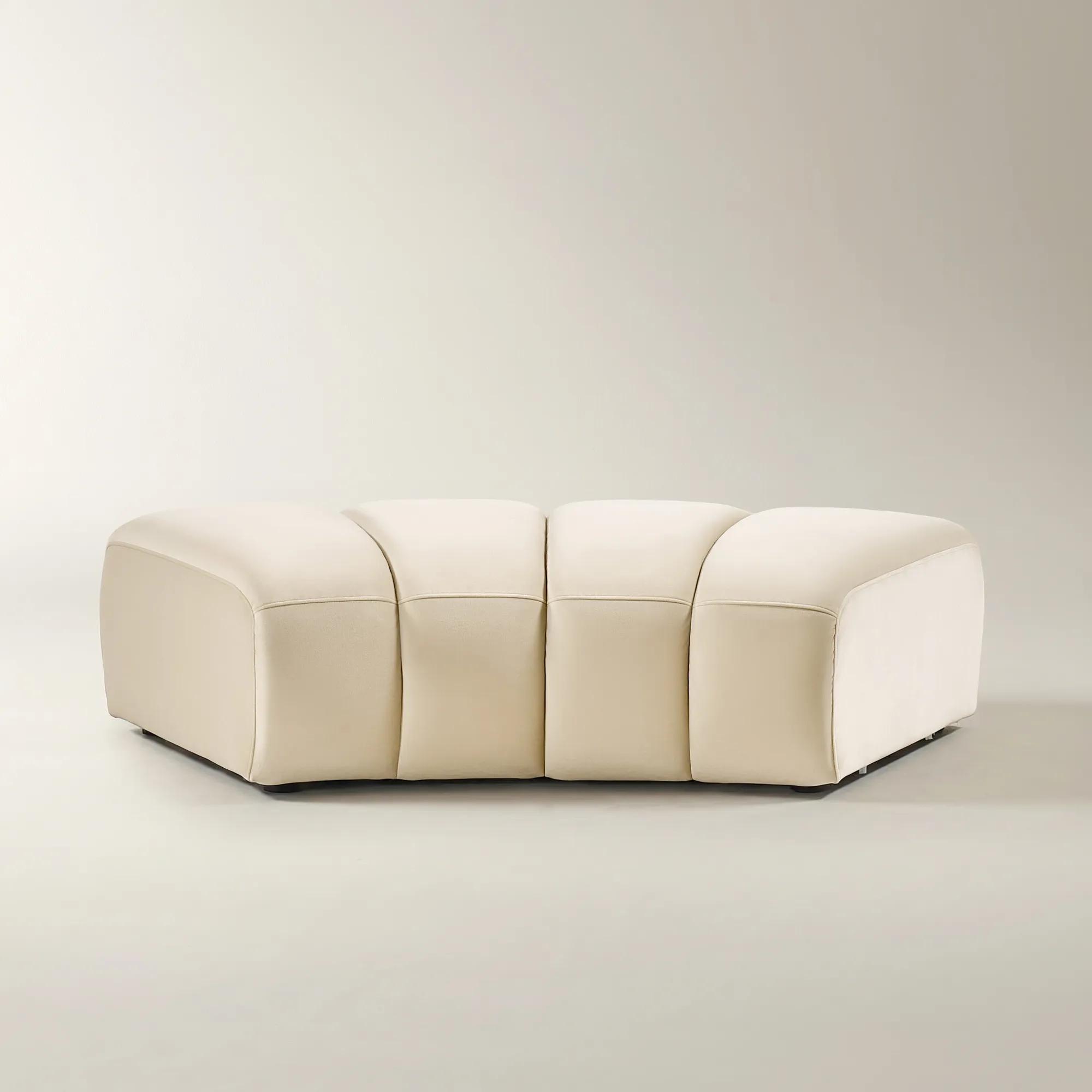
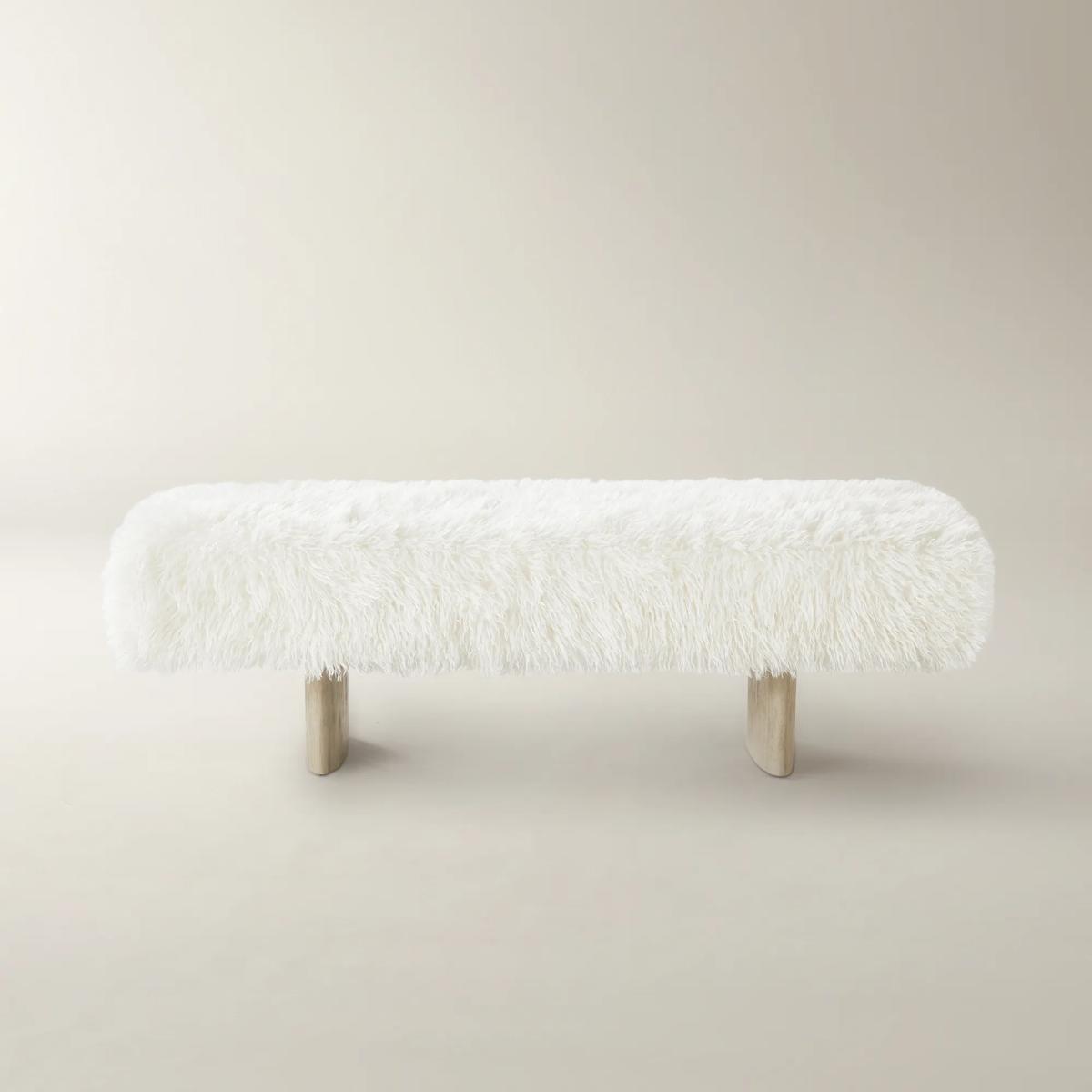 Micah Ivory Mongolian Faux Fur Bench With Rubberwood Legs (62.6")$699
An ivory faux Mongolian fur bench with high-density foam and sculptural solid rubberwood base for modern coziness.
Add To Cart -
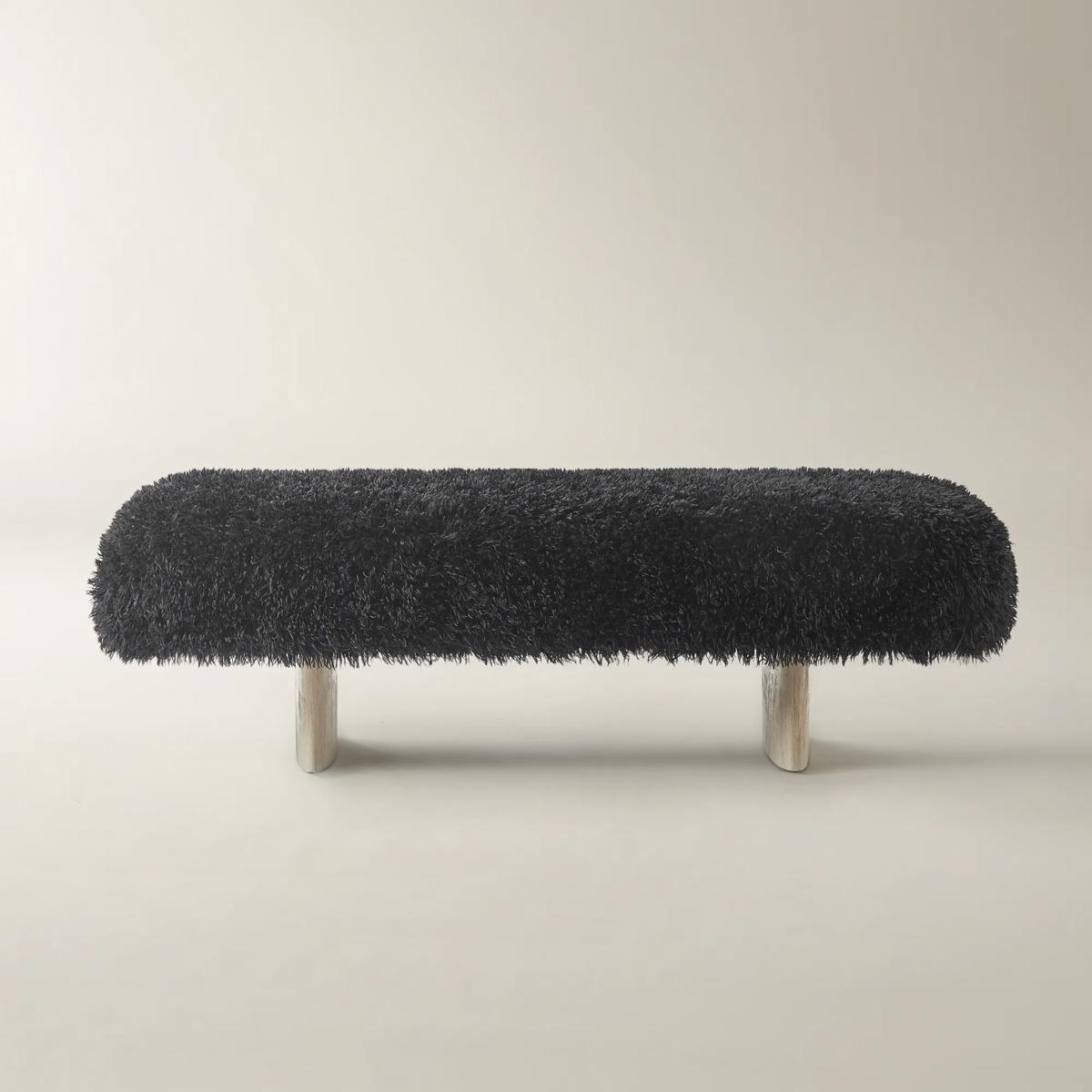 Micah Black Mongolian Fur Bench With Rubberwood Legs (62.6")$699
A striking black faux Mongolian fur bench with solid rubberwood legs for plush comfort and modern edge.
Add To Cart -
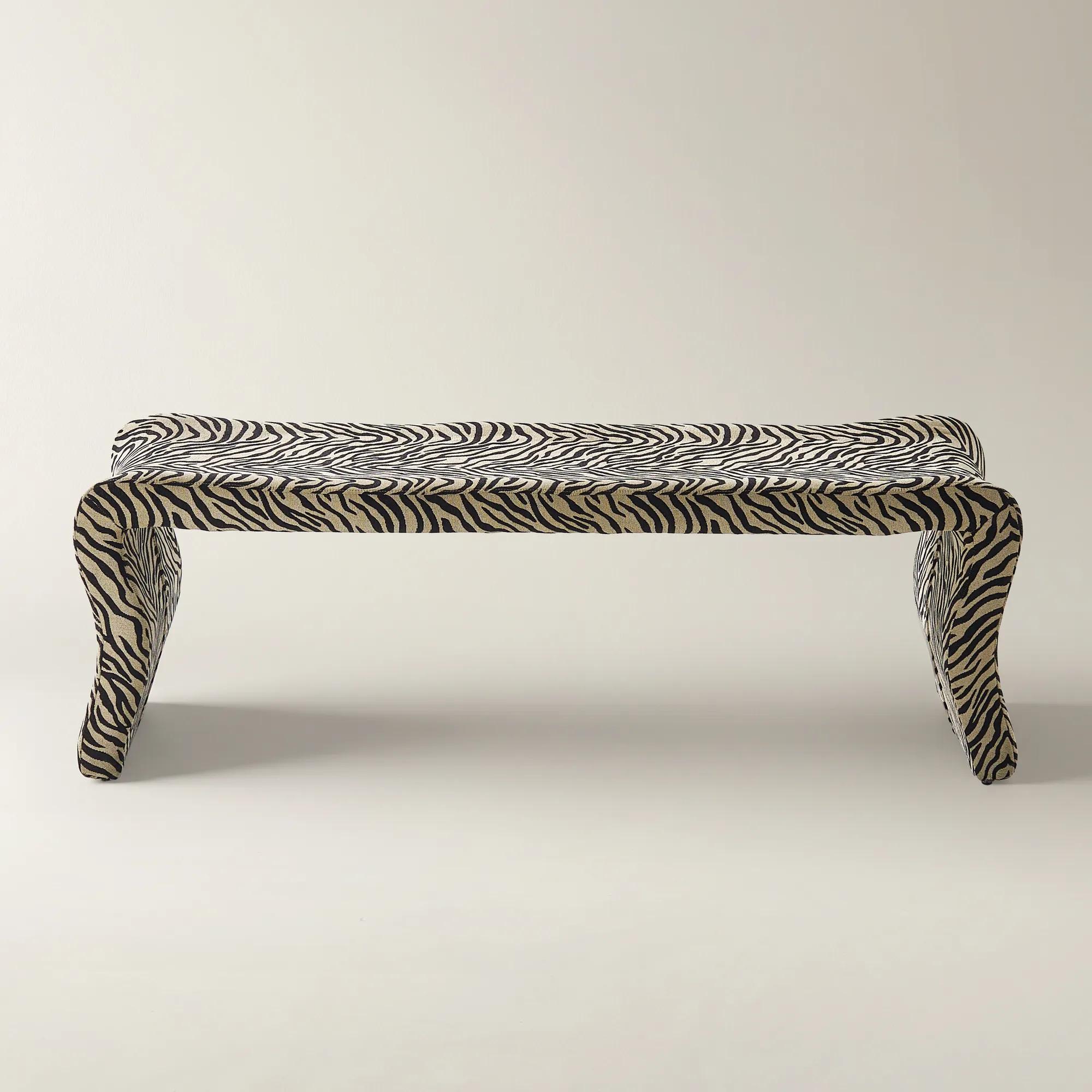 Romy Zebra Performance Chenille Bench (61.5")$899
A sculptural bench wrapped in zebra-patterned performance chenille with a wave-like silhouette and full foam construction.
Add To Cart -
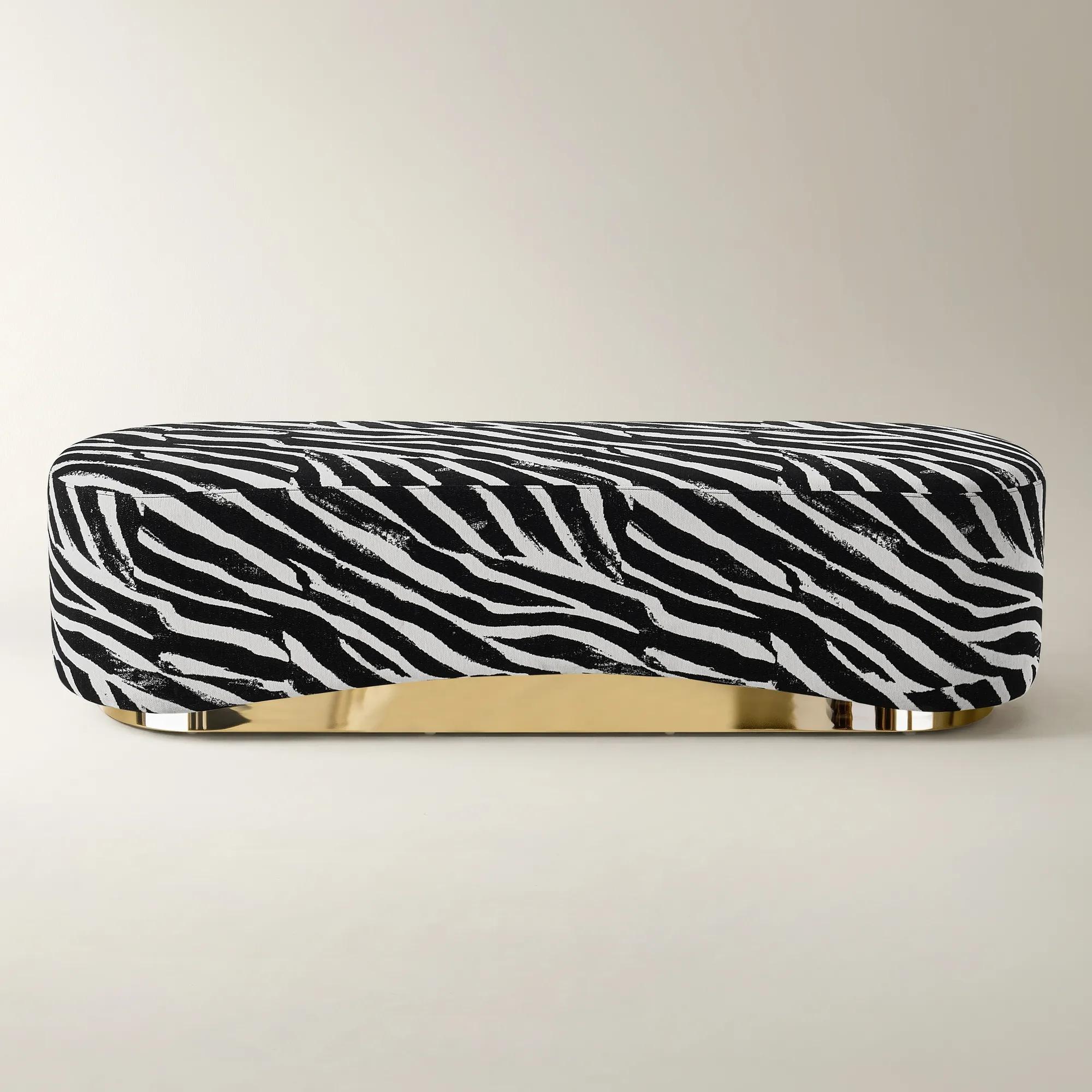
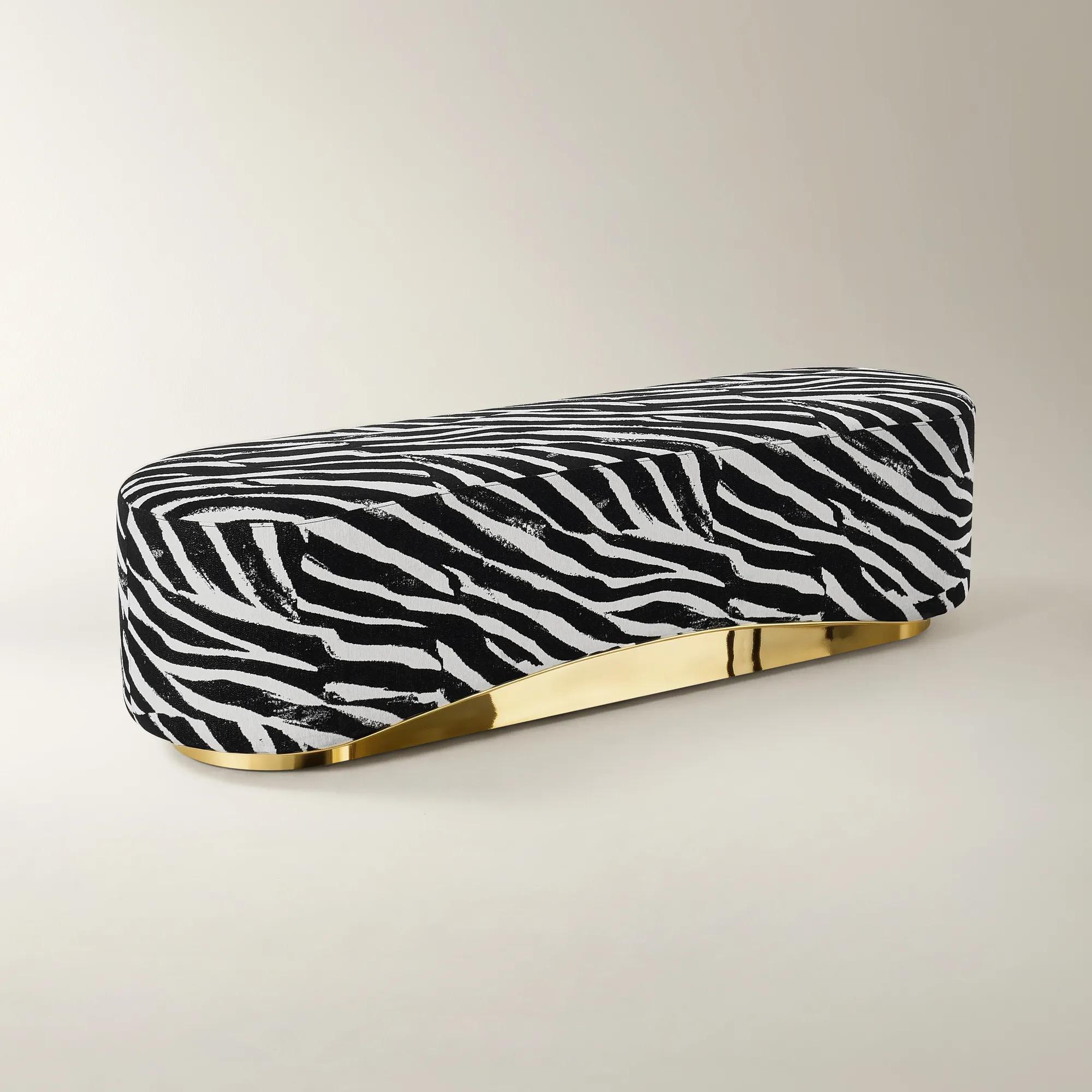 Kendra White/Black Performance Chenille Bench (70.47")$799
An elongated oval bench upholstered in white and black performance chenille with a polished gold stainless steel base.
Add To Cart -
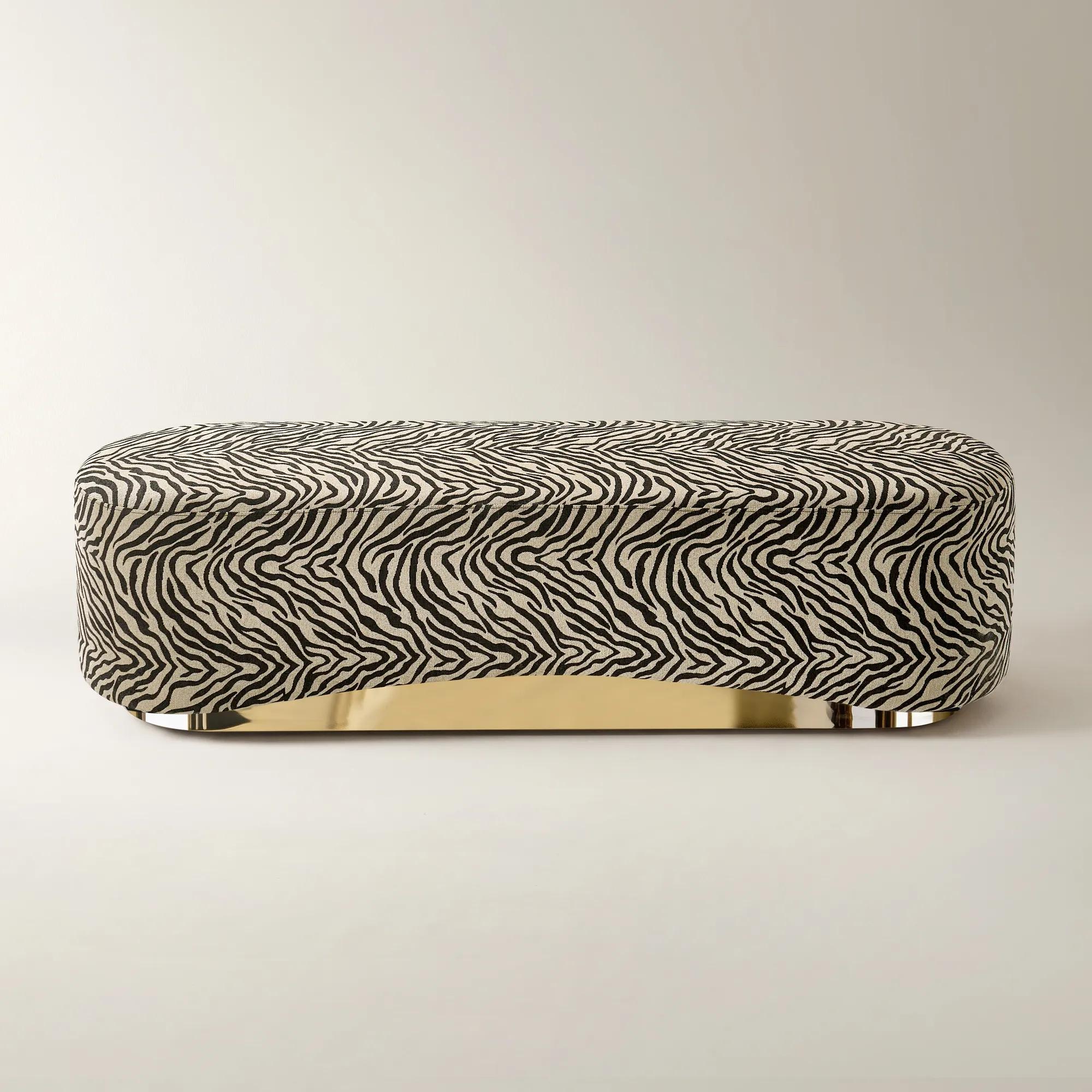
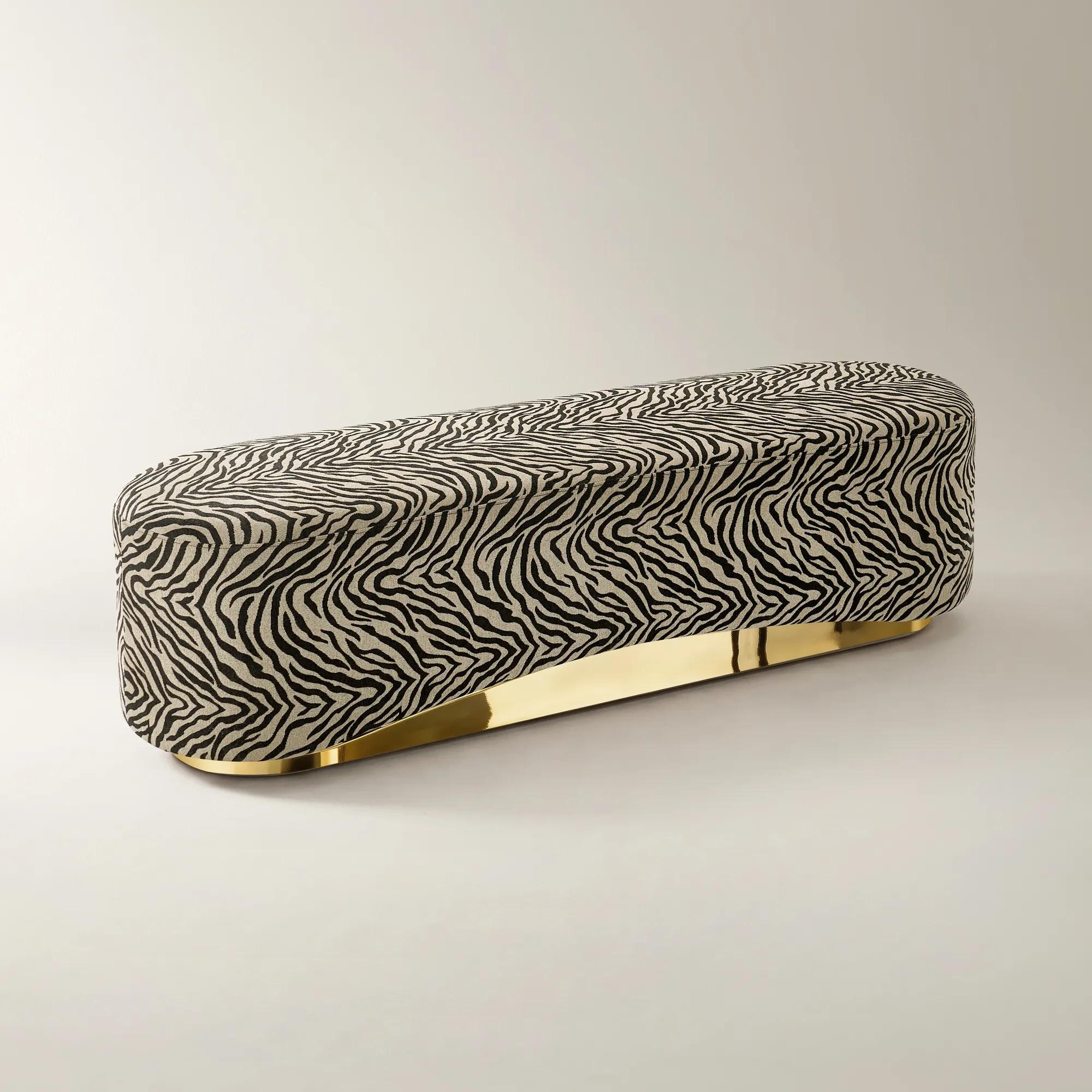 Kendra Zebra Performance Chenille Bench (70.47")$799
An elongated oval bench upholstered in textured zebra-pattern chenille with a polished gold stainless steel base.
Add To Cart -
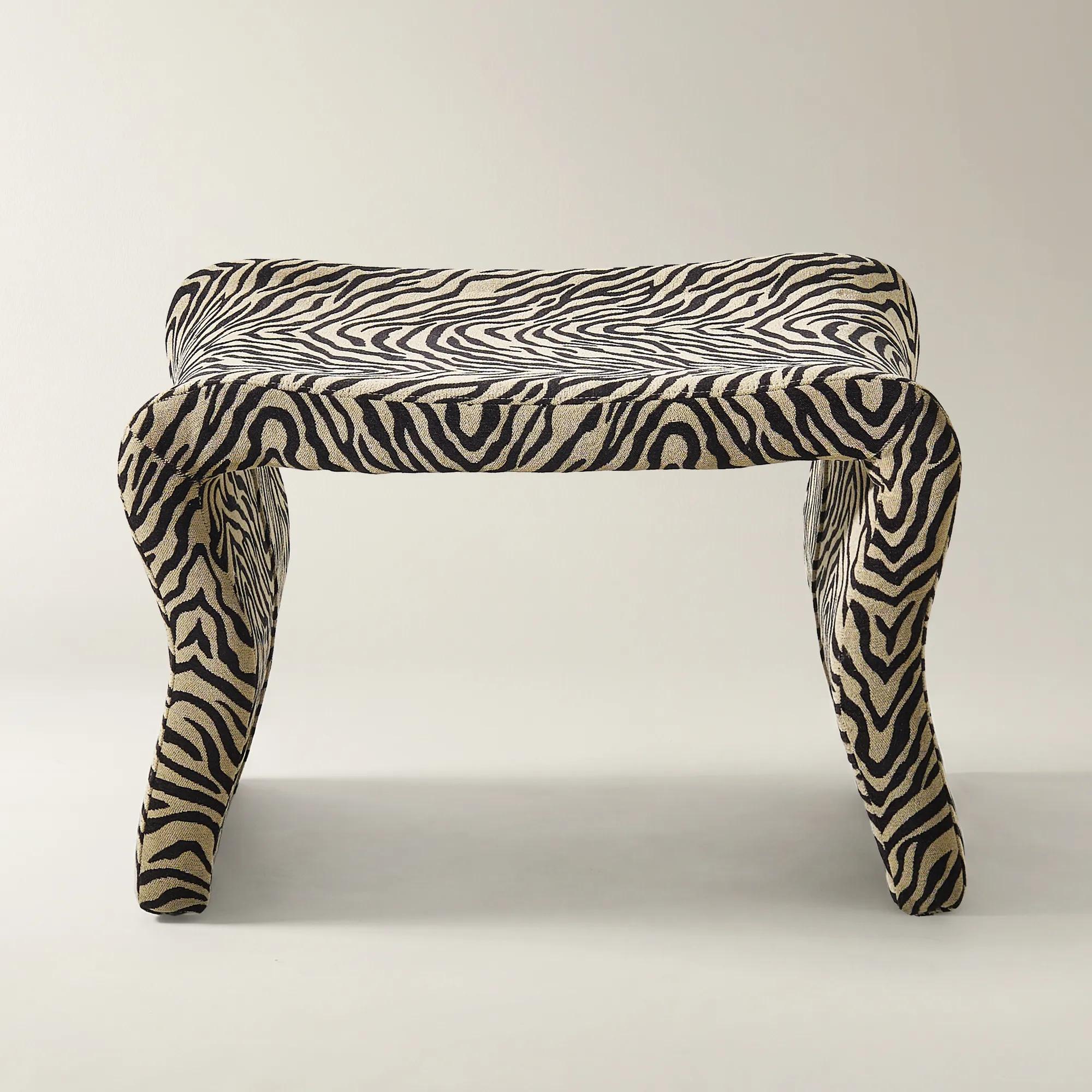
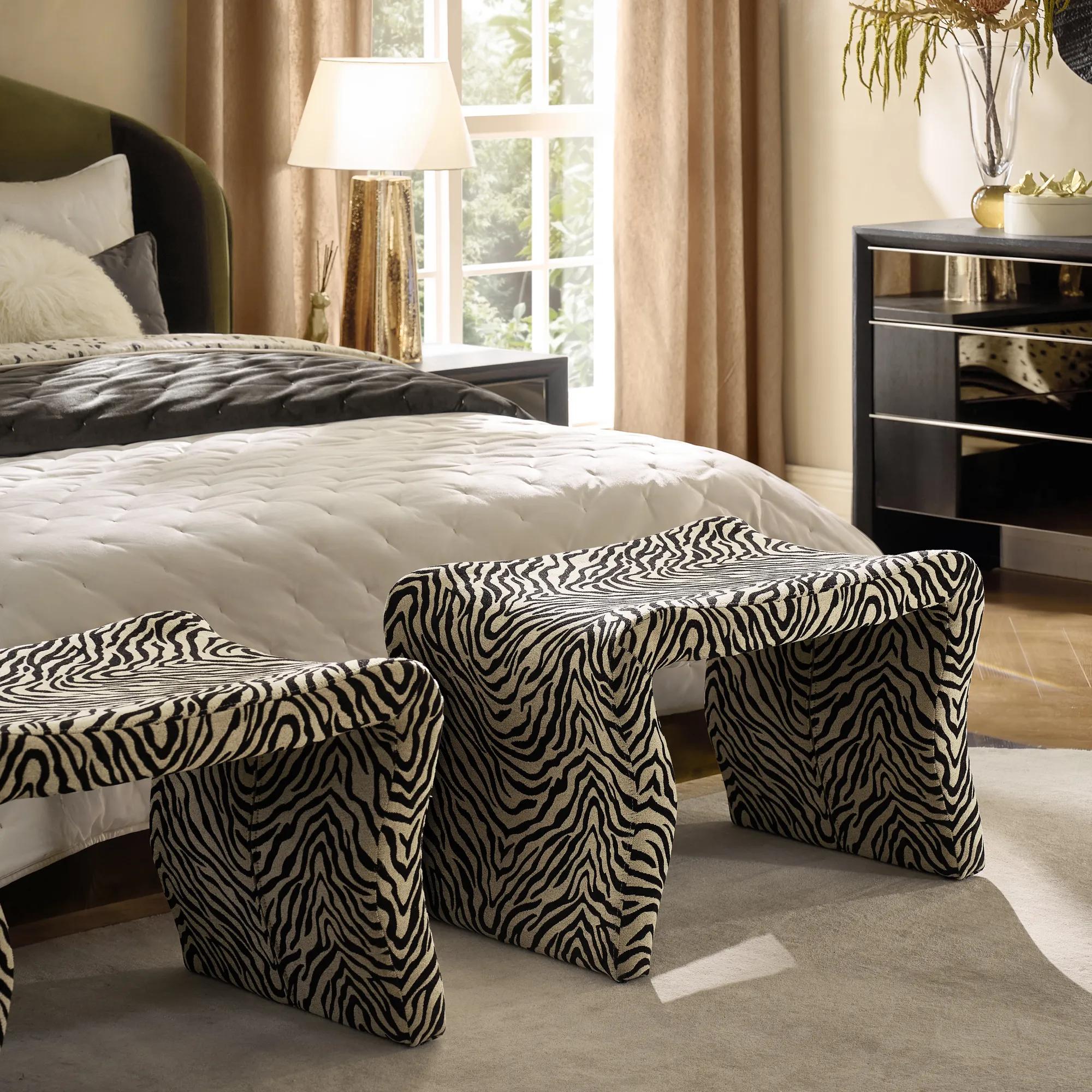 Romy Zebra Performance Chenille Bench (30.75")$499
A sculptural bench wrapped in zebra-patterned performance chenille with a wave-like silhouette and full foam construction.
Add To Cart -
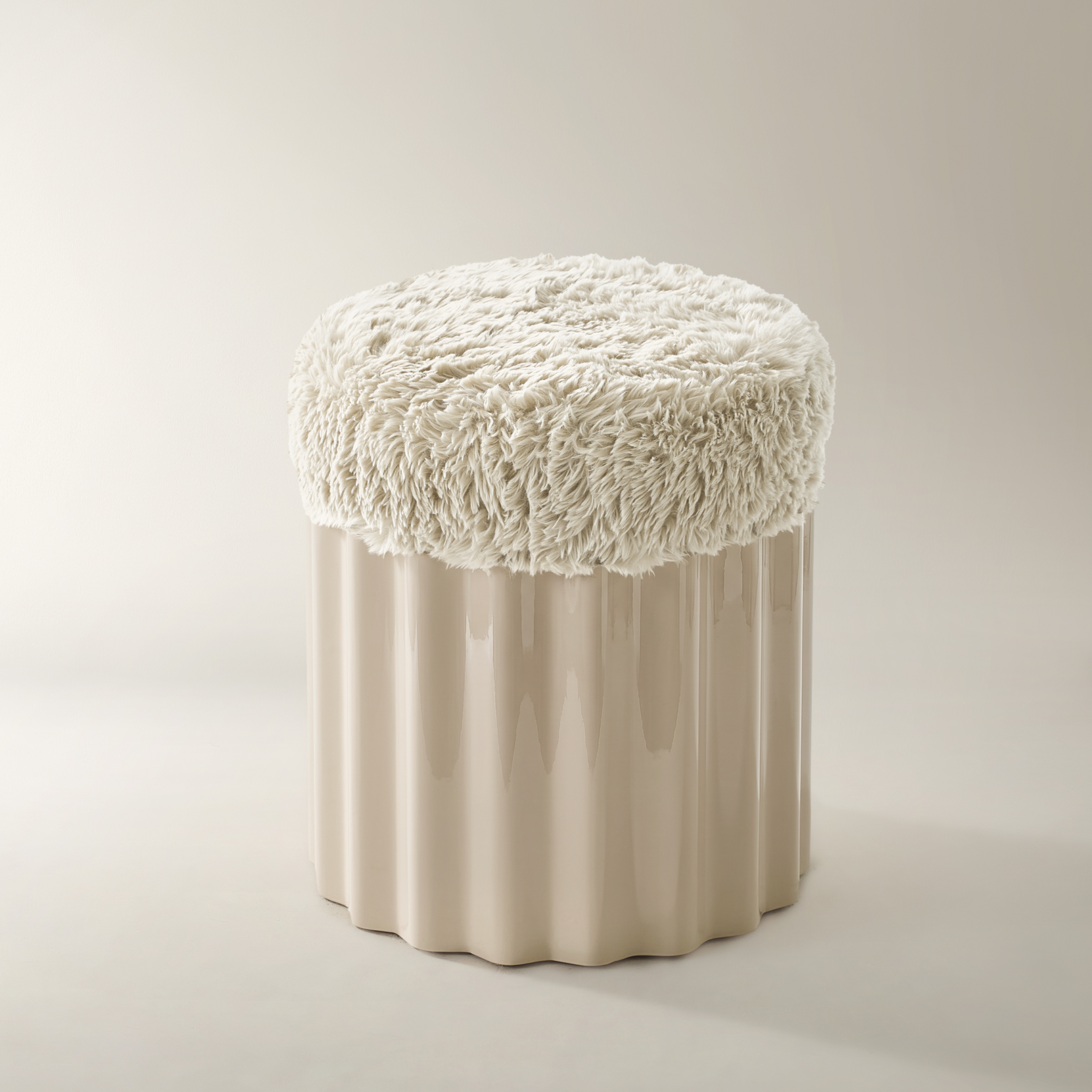
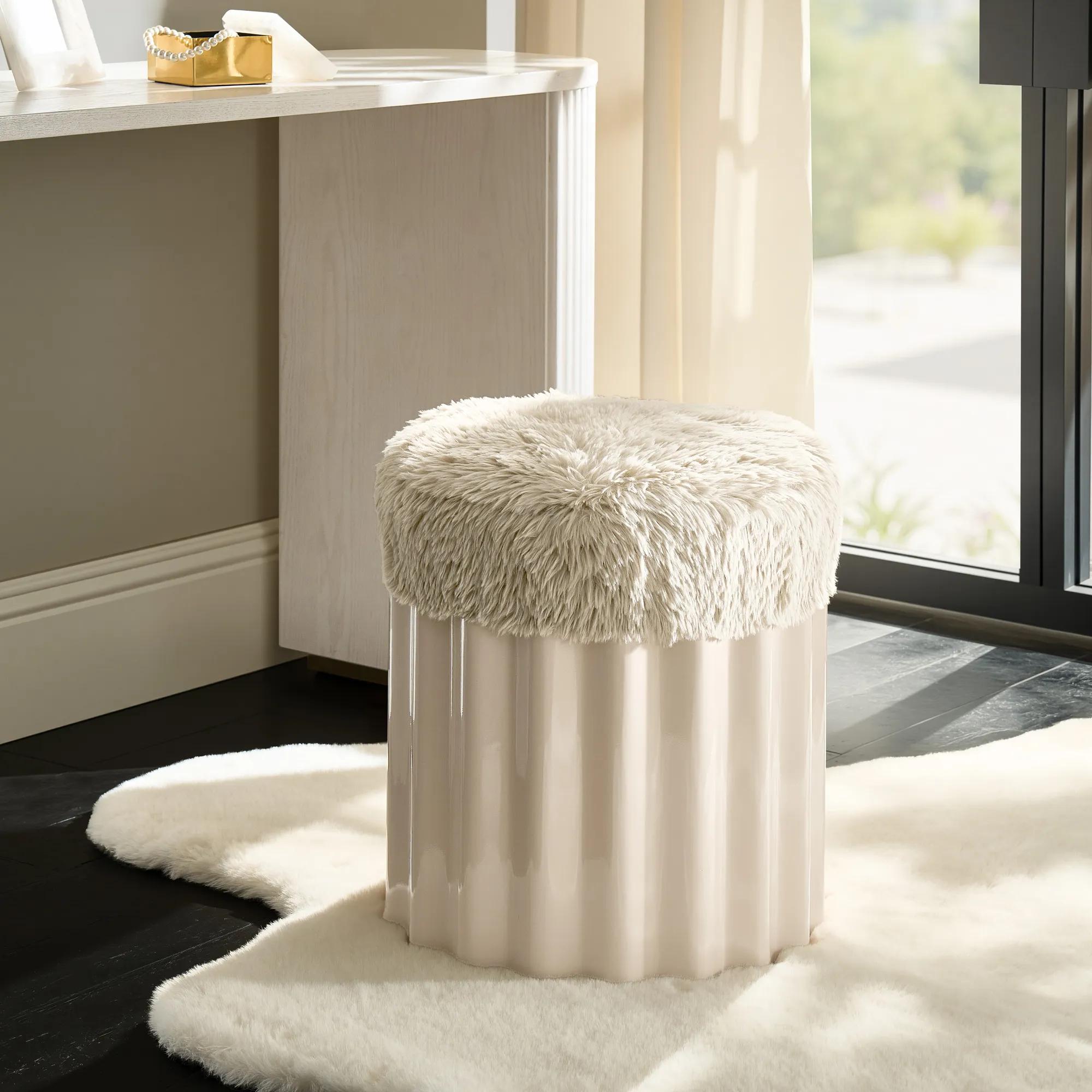 Nia Lacquered Turtle Dove Faux Fur Storage Stool$399
A sculptural fluted stool in warm turtle dove with plush faux fur seat and hidden storage compartment.
Add To Cart -
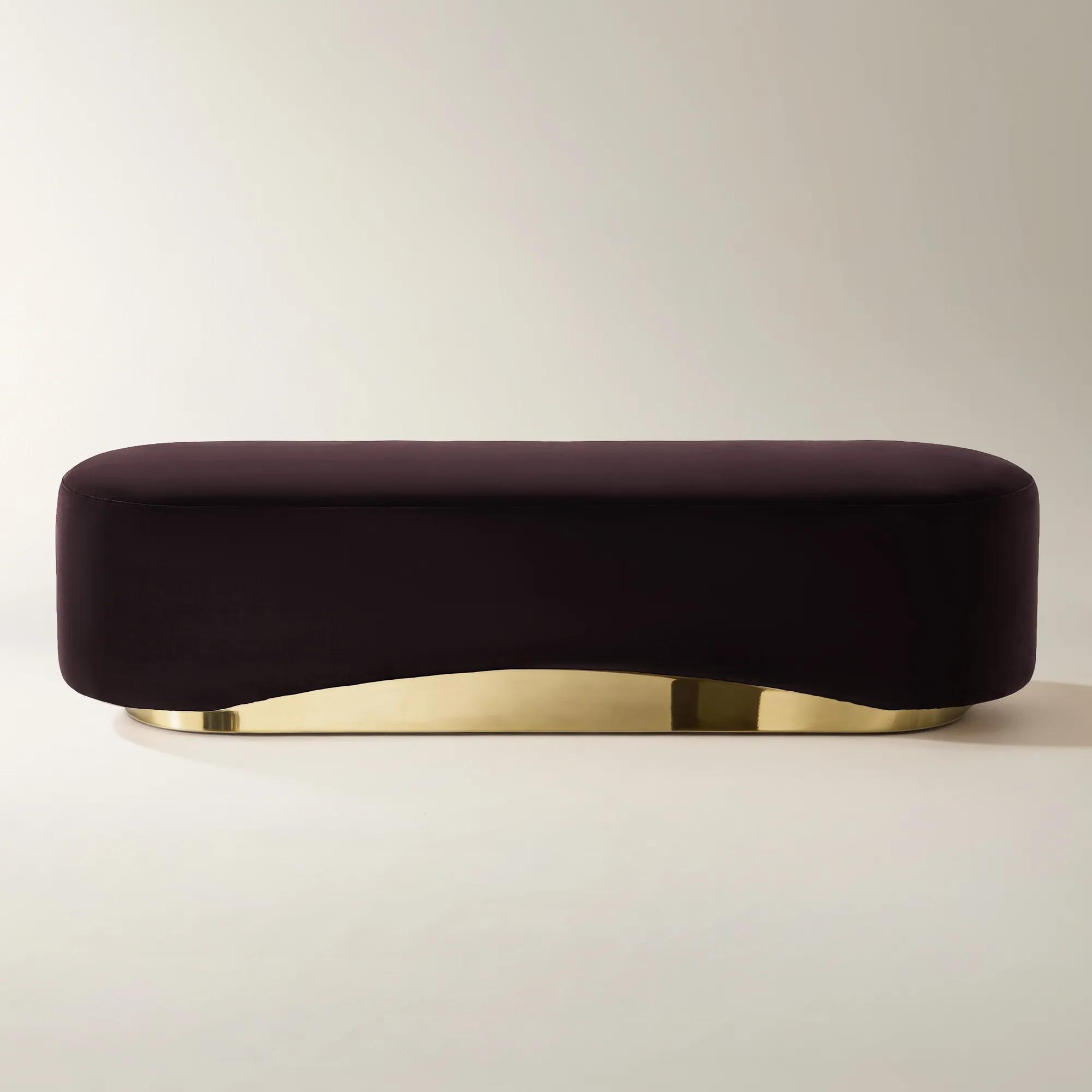 Kendra Fig Velvet Bench (70.47")$799
A plush fig velvet bench with an elongated oval silhouette and a polished gold stainless steel base.
Add To Cart -
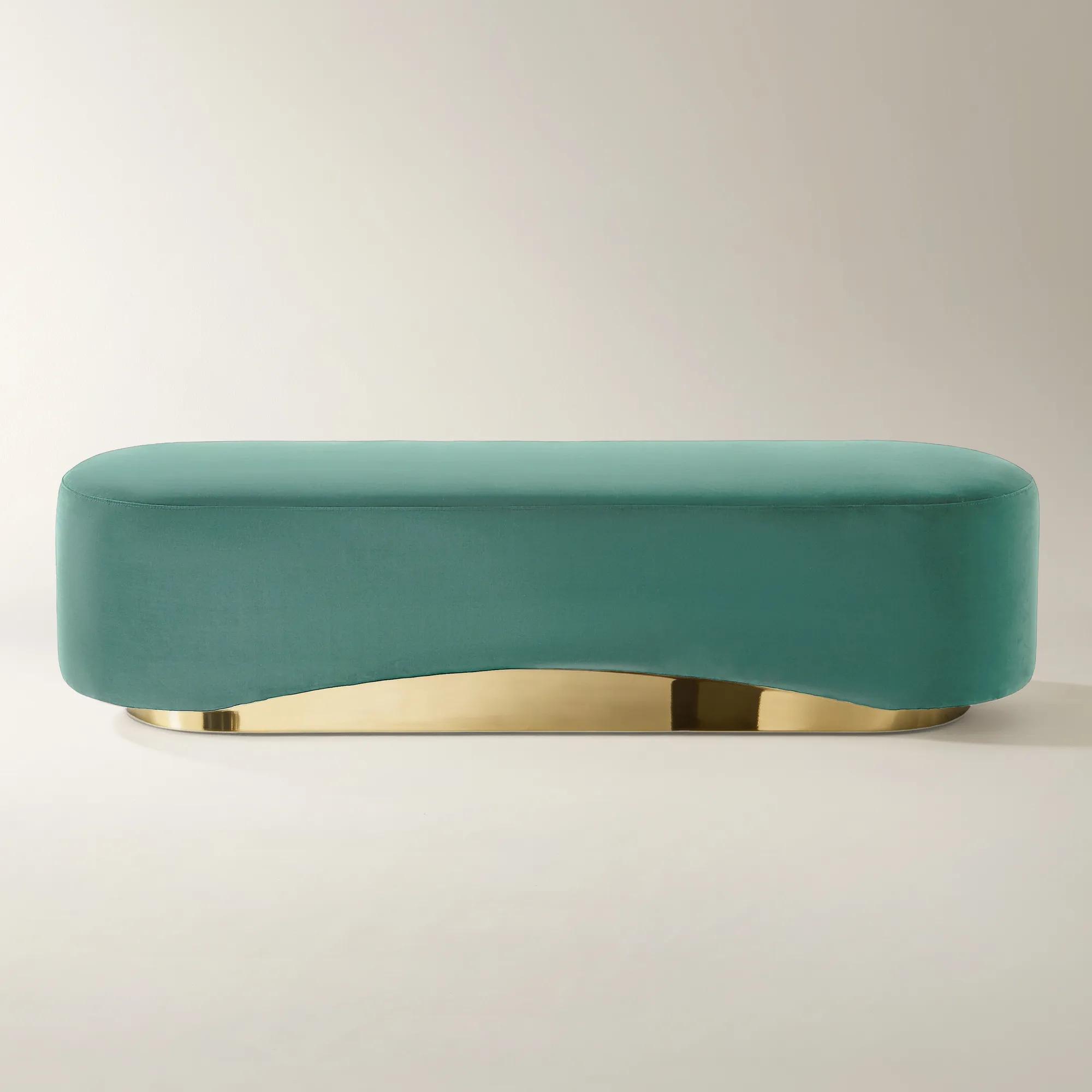 Kendra Ocean Teal Velvet Bench (70.47")$799
An elongated oval bench in ocean teal velvet with a plush seat and polished gold stainless steel base.
Add To Cart -
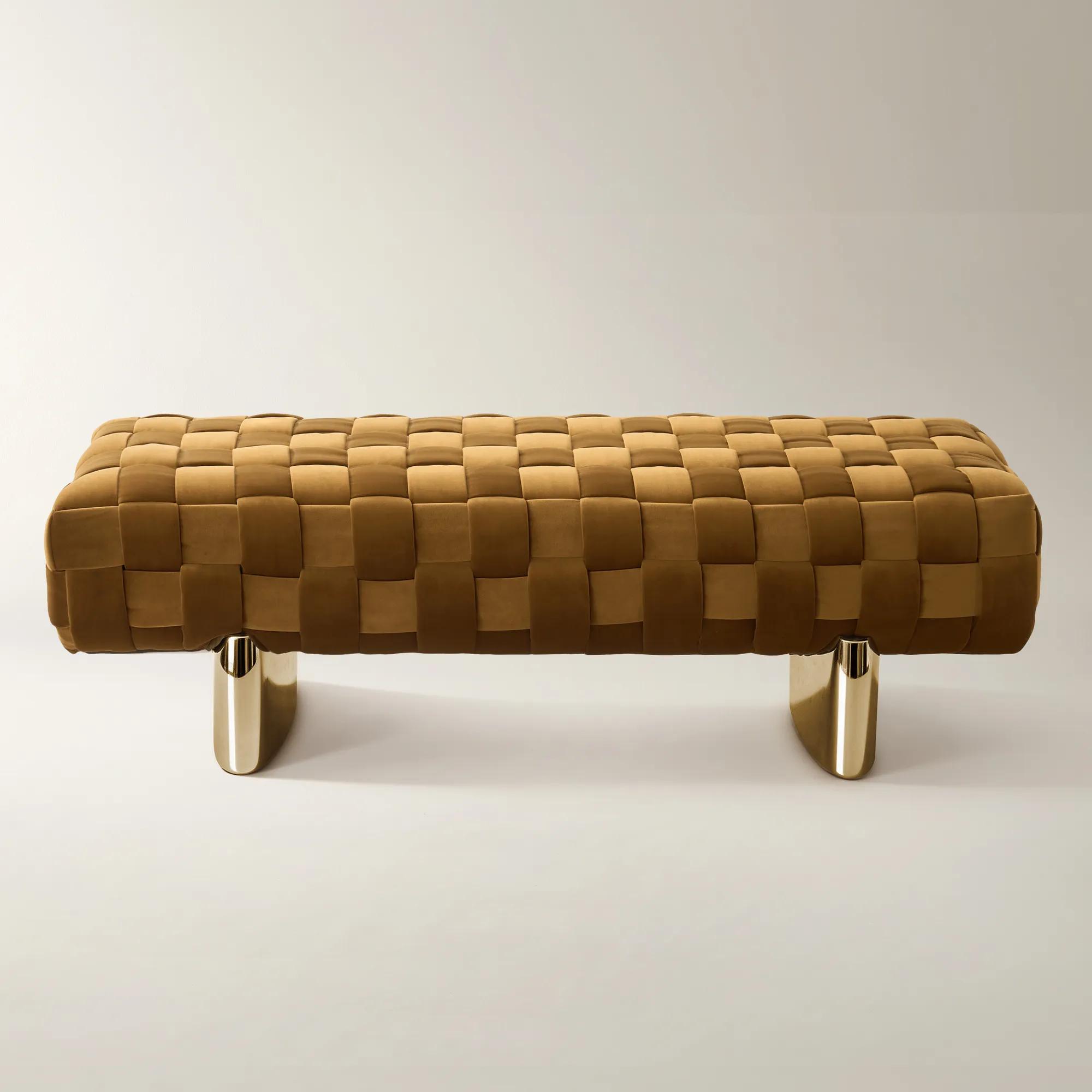
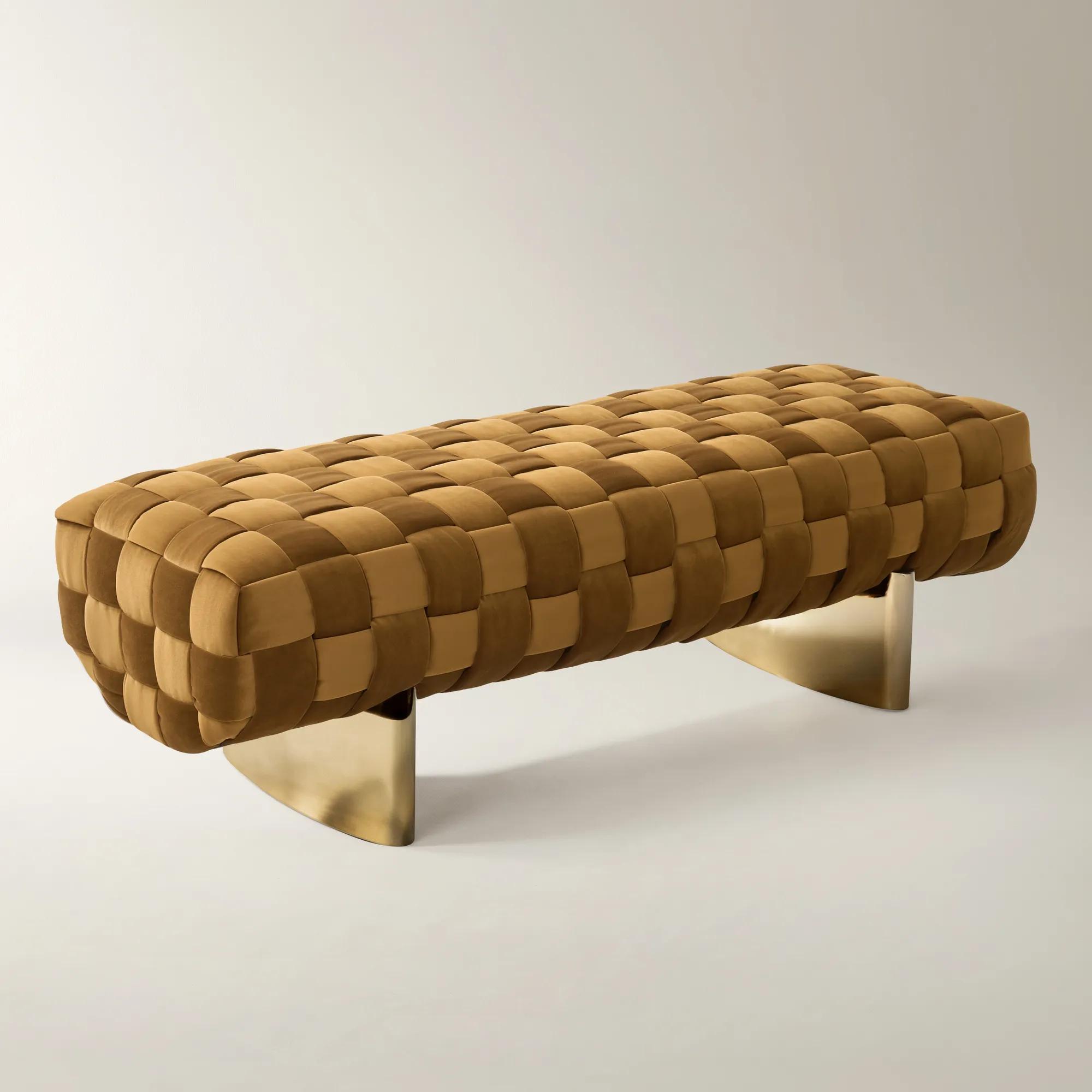 Dexter Woven Roasted Pecan Velvet Bench (64.2")$999
A woven roasted pecan velvet bench featuring plush upholstery and polished gold stainless steel legs for modern elegance.
Add To Cart -
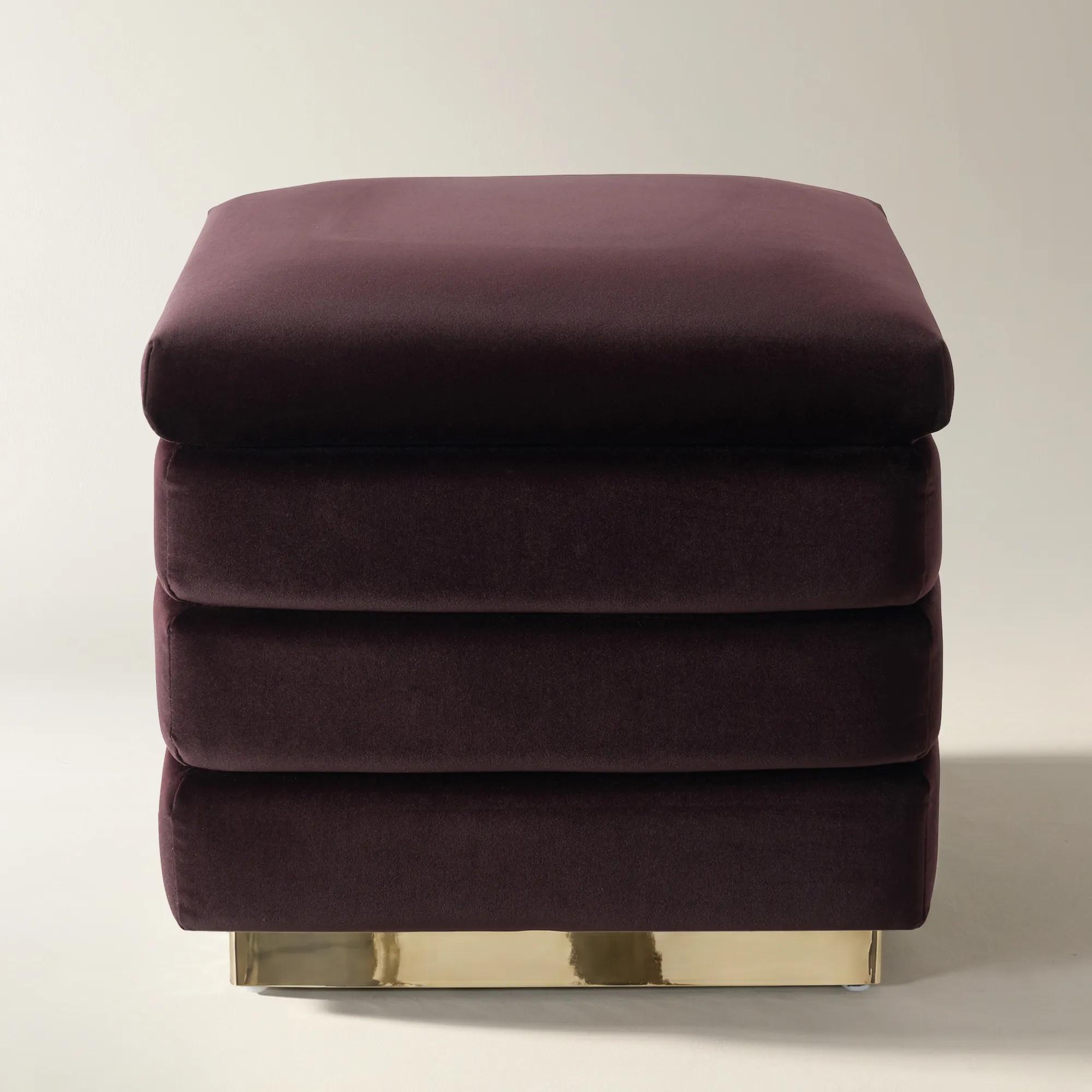
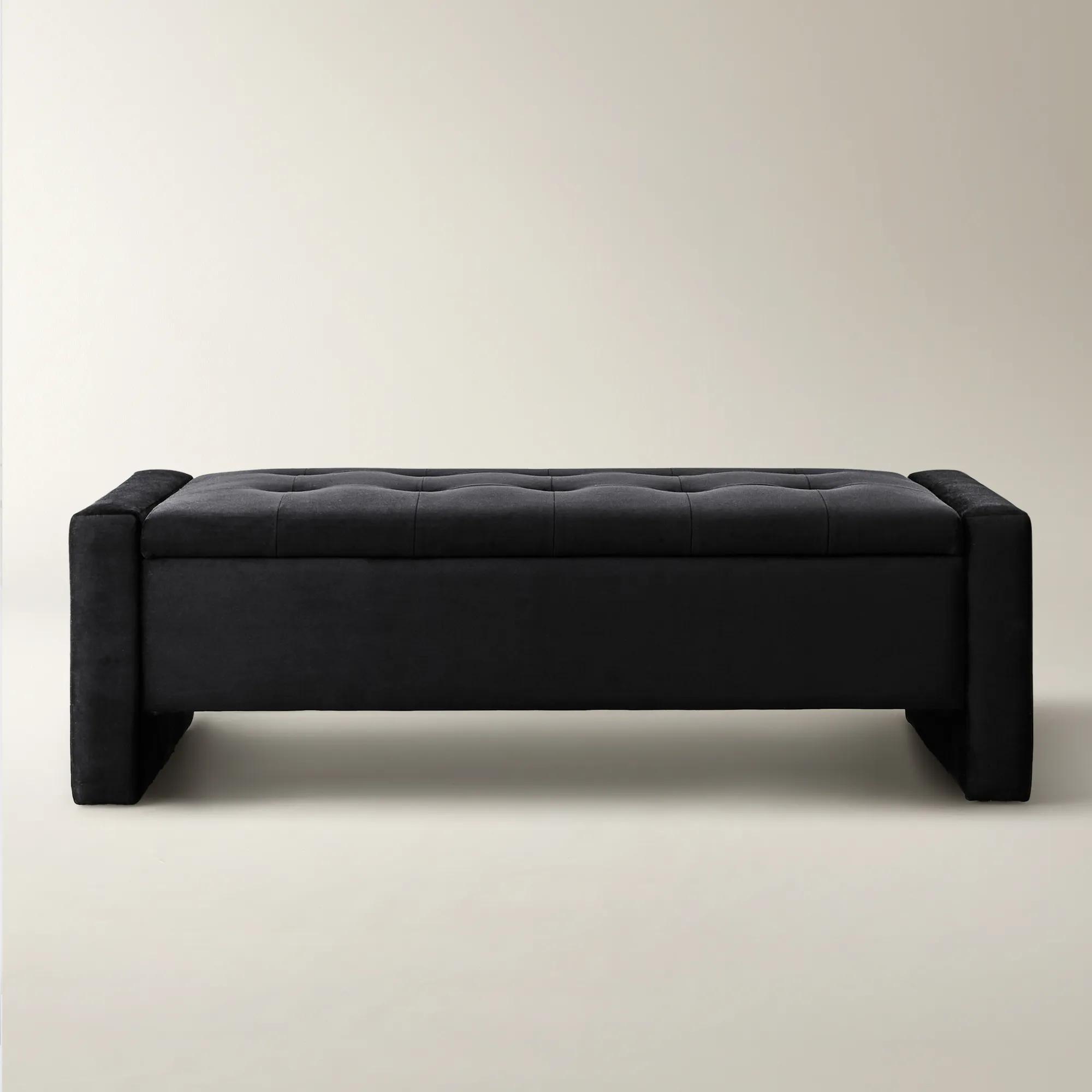
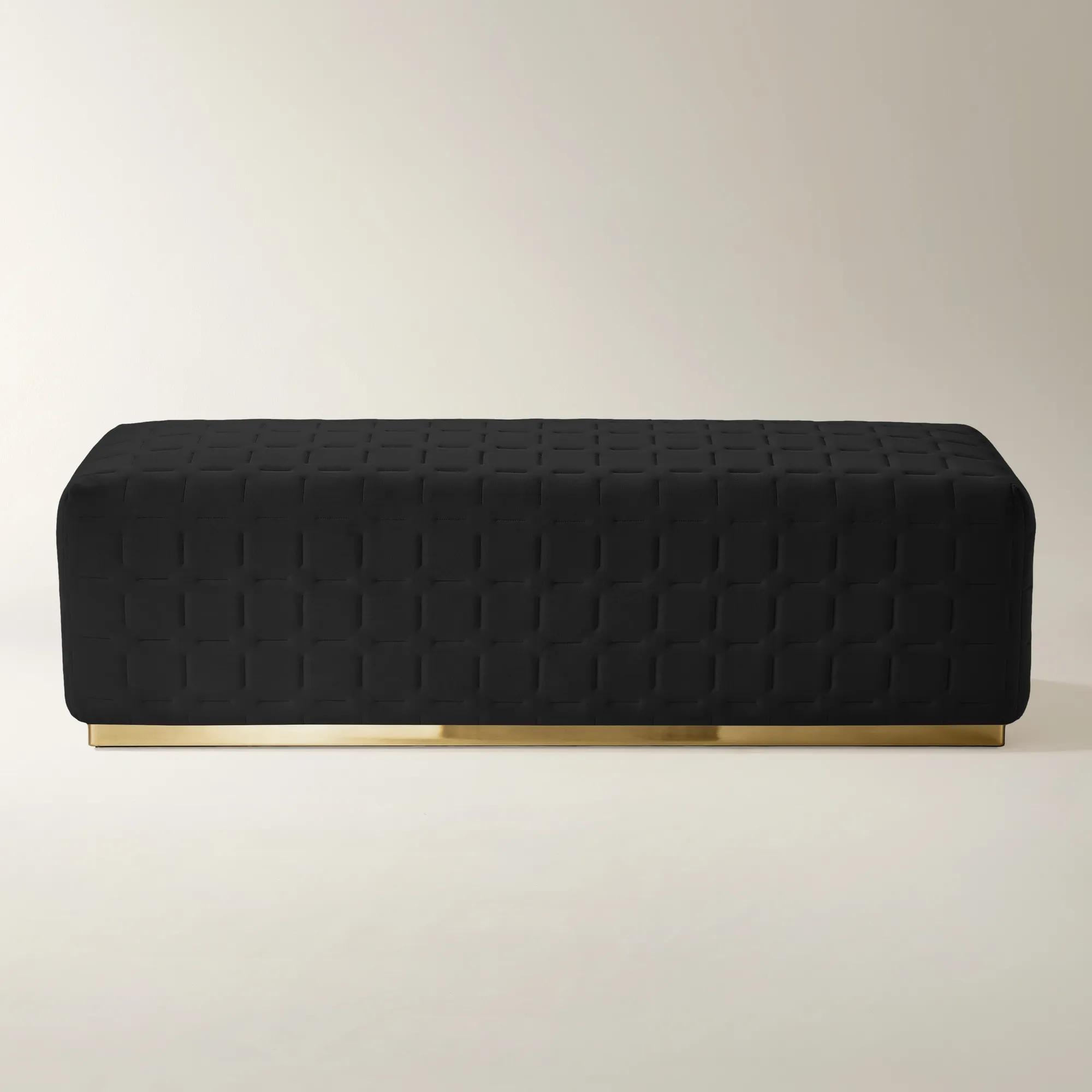 Vanta Quilted Charcoal Velvet Bench (64.6")$899
A charcoal velvet bench featuring checker quilted tufting and a gold stainless steel base for modern elegance.
Add To Cart -
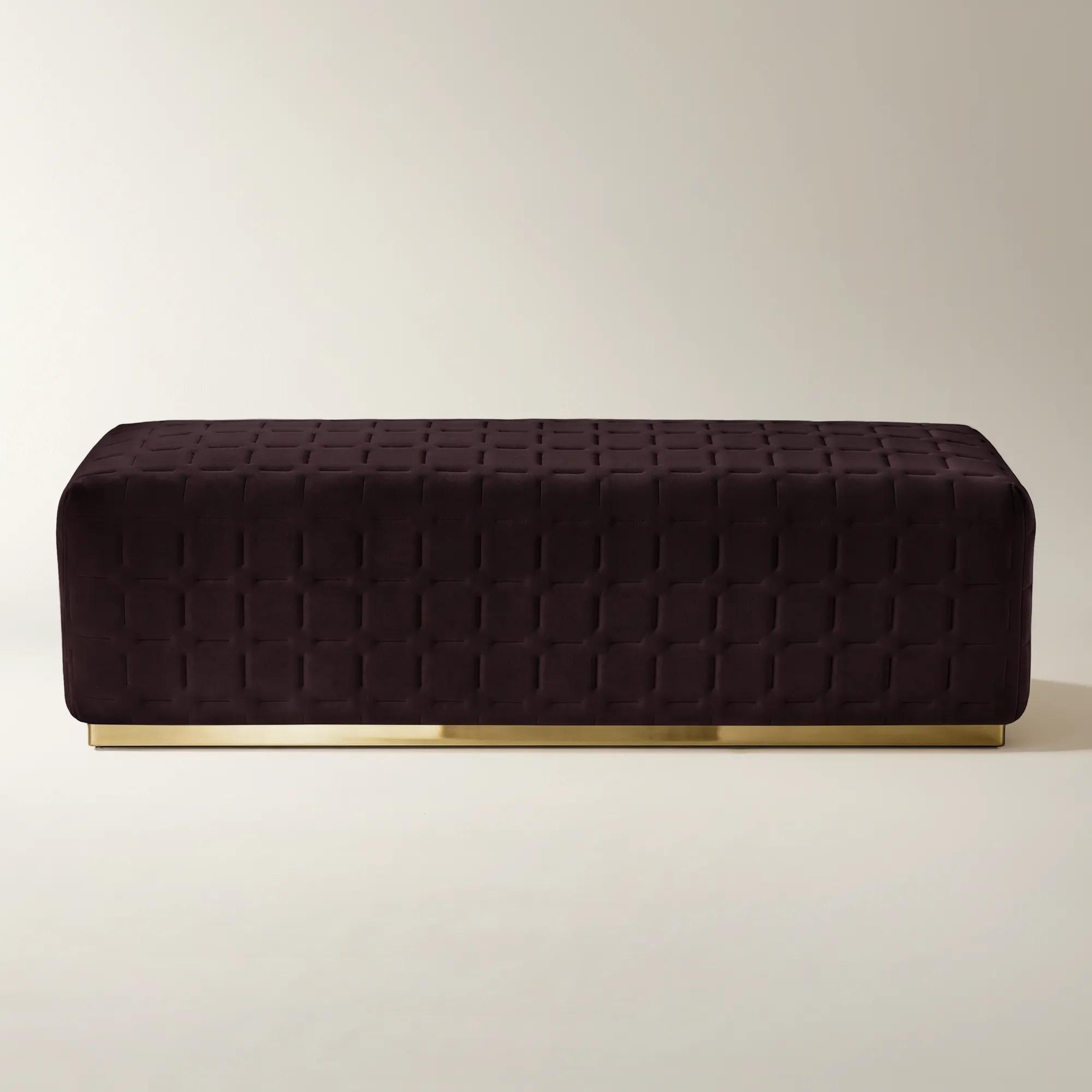
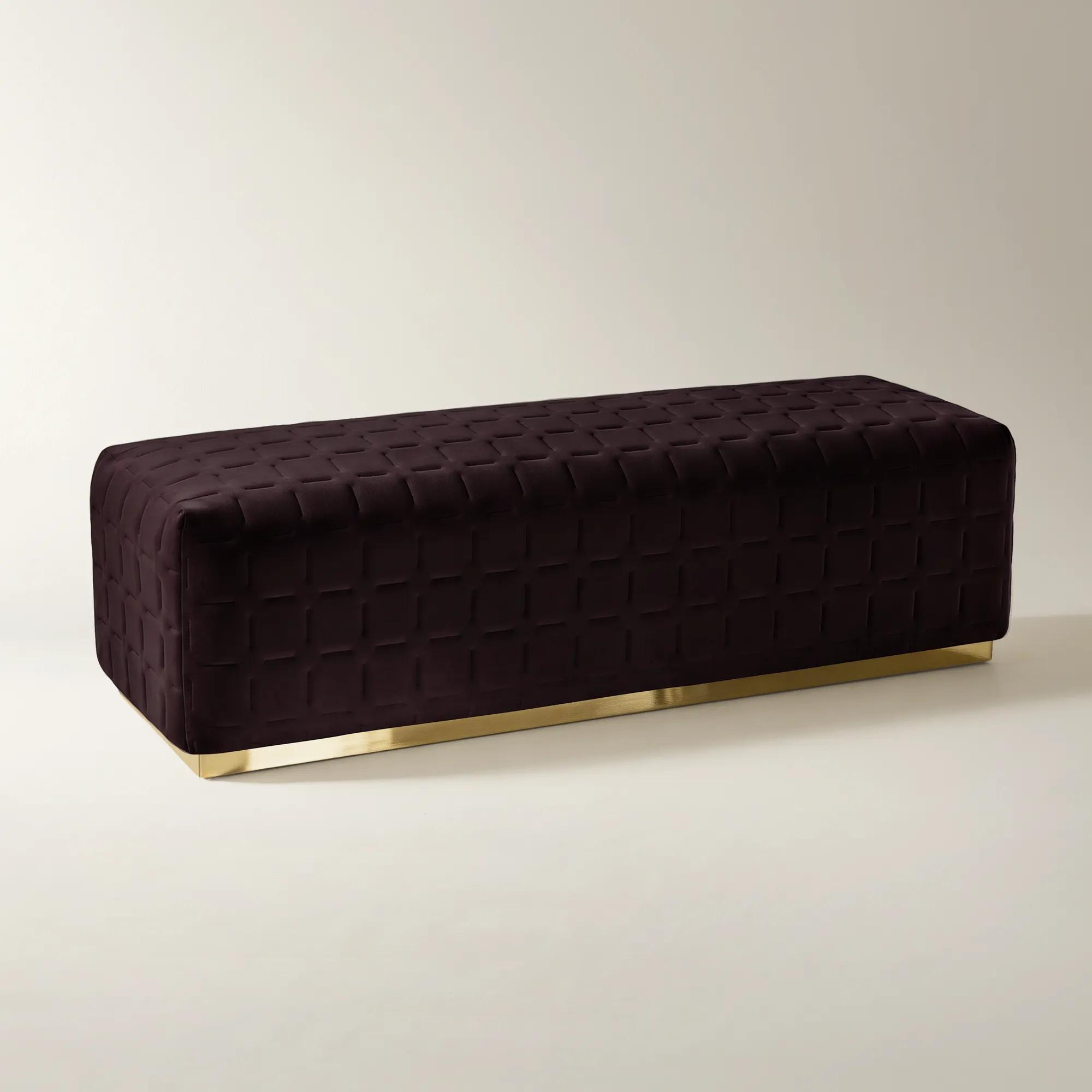 Vanta Quilted Fig Velvet Bench (64.6")$899
A plush fig velvet bench featuring checker quilted tufting and a sleek gold stainless steel base.
Add To Cart

Benches For Bedrooms
Benches for bedrooms are the ultimate flourish—an invitation to indulge in both style and sanctuary. Imagine the perfect perch at the foot of your bed, a sculptural accent that anchors the room with presence and panache. Whether draped in sumptuous fabrics or gleaming with metallic details, these pieces transform everyday routines into rituals of luxury. With benches for bedrooms, every detail is an opportunity to express your personal artistry, creating a space that dazzles by day and soothes by night. Let your bedroom become a stage for self-expression—where comfort meets couture, and every moment feels extraordinary.
Bedroom benches bring a sense of composition to the room, creating a graceful pause between the softness of the bed and the architecture around it. At the foot of a bed, a beautifully proportioned bench can frame layered bedding, echo the lines of a headboard, or introduce a striking contrast in texture and finish. Velvet against crisp cotton, sculptural wood beside a deeply upholstered bed, or a gleaming metal base beneath a plush seat gives the space another dimension without demanding a complete redesign. Benches for bedrooms also have an intimate, everyday purpose: a comfortable perch for fastening a shoe, a place to lay a robe before dressing, or a welcoming seat while talking with someone across the room. In a primary bedroom, that balance of presence and purpose makes the bench feel like part of a personal retreat rather than an afterthought. In a guest bedroom, it gives visitors somewhere to sit beyond the edge of the mattress and a convenient surface for arranging tomorrow’s clothes. The silhouette shapes the atmosphere as much as the upholstery. A low, tailored bench lets an ornate headboard remain the focal point, while rolled arms, channel detailing, or a curved seat can introduce a more expressive gesture. An open base allows the flooring or rug to remain visible, lending visual lightness to a room with substantial furniture. A fully upholstered form feels more grounded and can soften the geometry of nightstands, dressers, and bed frames. Color offers another way to establish a mood: ivory and warm taupe create a luminous foundation, charcoal adds definition, and saturated jewel tones lend depth to a quieter palette. Rather than matching every surface, a bedroom bench can repeat one considered element—a warm metallic finish, a curved profile, or a color drawn from artwork—to make the room feel deliberately composed. During the cooler months, a folded throw resting across one end adds softness while leaving enough exposed upholstery for the bench’s shape and detailing to register.
The most compelling materials offer more than a beautiful first impression; they suit the way a bedroom is lived in. Velvet upholstery catches light differently across its pile, creating subtle shifts in tone that make even a restrained silhouette feel richly dimensional. Those changes are part of its character, though smoothing or brushing should follow the fabric’s care instructions. Textured woven fabrics bring depth through their construction, while bouclé adds a tactile counterpoint to polished surfaces and smooth bedding. Looped textiles may need extra consideration in homes with pets whose claws can catch the fibers. Leather brings a distinct surface character, with aging and maintenance needs that vary by finish; faux leather has its own cleaning requirements and should not automatically receive the same treatment. Wood bases contribute warmth and visible grain, while metal frames can introduce a crisp outline or a flash of reflection beneath the seat. For a bench used daily, construction deserves as much attention as appearance. Secure joints, a stable base, appropriate seat support, and a stated weight capacity help establish whether a design is suited to regular sitting. Cushion firmness matters, too: a supportive seat can feel more comfortable when putting on shoes than an especially deep, yielding cushion. Tufting and decorative seams lend dimension, but their recesses may collect lint and require careful vacuuming with an appropriate upholstery attachment. Regular care generally begins with removing surface dust, blotting spills promptly rather than rubbing them, and following the manufacturer’s cleaning code before applying any product. Direct sunlight can affect some fabrics and finishes, making placement near a bright window worth considering. Metal and wood components also benefit from finish-specific care rather than a single cleaner used across every surface. A bench intended for seating should not be treated as a step stool, and its upholstery is better protected when sharp hardware, damp towels, and outdoor shoes stay off the cushion. These small distinctions help preserve both the bench’s elegance and its usefulness through daily dressing, changing bedding, and quiet moments at the end of the day.
Scale is what allows a bedroom bench to feel generous without interrupting the room’s rhythm. At the foot of the bed, a bench that sits within the width of the bed frame often creates a balanced outline, with breathing room at either end. The bed frame’s actual dimensions matter more than the mattress label alone, particularly when upholstered rails or an oversized footboard extend beyond the mattress. Height changes the relationship as well: a seat below the top of the mattress generally leaves the bedding visible and keeps the bench from competing with the bed. Depth determines how comfortably the piece fits into daily movement. A shallow profile may suit a narrow bedroom, while a deeper seat can bring a lounge-like quality to a larger suite. Beyond the bench itself, there needs to be comfortable passage to the dresser, closet, and doorway, including room for drawers and doors to open fully. Measuring the intended footprint on the floor makes those relationships easier to picture before introducing a substantial upholstered form. For rooms where the foot of the bed is already close to a wall, a bench beside a window or along an unused wall can create a separate dressing moment, provided it does not block vents or access. Storage benches offer another interpretation, concealing extra linens or seasonal throws behind a composed exterior. Their interior dimensions, lid clearance, and hinge design are important considerations, especially in households with children; a lift-top seat also needs enough space above it to open without disturbing nearby furniture. An open bench keeps the look lighter, while a shelf beneath the seat can hold neatly arranged textiles if the design permits. For a room taking on a new direction, Benches For Bedroom Makeovers can provide a focused continuation of that search. Whether chosen for a first apartment, a shared primary suite, or a thoughtfully appointed guest room, the right bedroom bench connects expressive design with familiar rituals, giving even the simplest act of getting ready a more beautiful setting.
FAQs
A bedroom bench introduces both visual intrigue and practical luxury, serving as a focal point that anchors your bed while adding texture, color, and personality. Whether you choose a bench with sculptural lines, plush upholstery, or gleaming metallic accents, it can infuse your room with a sense of artistry and elevate the ambiance from ordinary to extraordinary.
A bedroom bench can be styled with a lush throw, an artful arrangement of decorative pillows, or a curated tray featuring your favorite books and candles. For a touch of seasonal flair, drape a cozy knit blanket in autumnal hues or display a petite vase of fresh blooms to create a welcoming vignette that reflects your personal style.
A bedroom bench makes a thoughtful and luxurious gift for newlyweds, new homeowners, or anyone celebrating a milestone moment. Its blend of beauty and utility ensures it will be cherished, and it offers the recipient a versatile piece that can evolve with their style and needs over time.
Beyond its decorative appeal, a bench offers a convenient spot for putting on shoes, laying out outfits, or providing extra seating during gatherings. Many benches also feature hidden storage, making them ideal for tucking away extra linens, seasonal accessories, or keepsakes while keeping your space effortlessly chic.
For a truly luxe look, consider benches upholstered in velvet, faux fur, or rich linen, paired with details like tufting, nailhead trim, or mirrored surfaces. Metallic finishes such as gold, silver, or brushed brass can add a touch of glamour, while hand-carved wood or lucite legs lend an air of artistry and sophistication to the room.
.jpg?w=3930&h=3930)
.jpg?w=3000&h=3000)