Designer Benches For Bedrooms
Designer Benches For Bedrooms
-
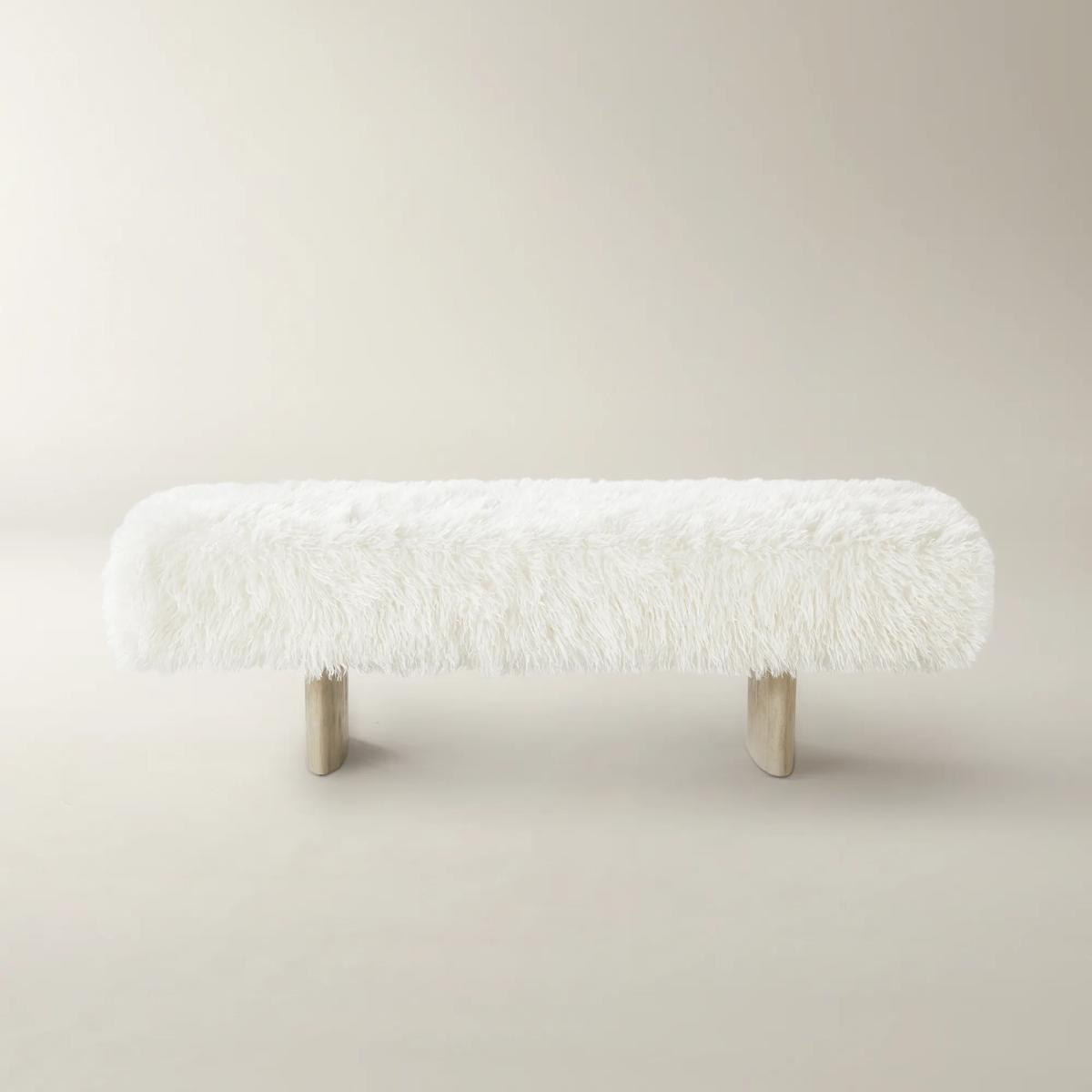 Micah Ivory Mongolian Faux Fur Bench With Rubberwood Legs (62.6")$699
An ivory faux Mongolian fur bench with high-density foam and sculptural solid rubberwood base for modern coziness.
Add To Cart -
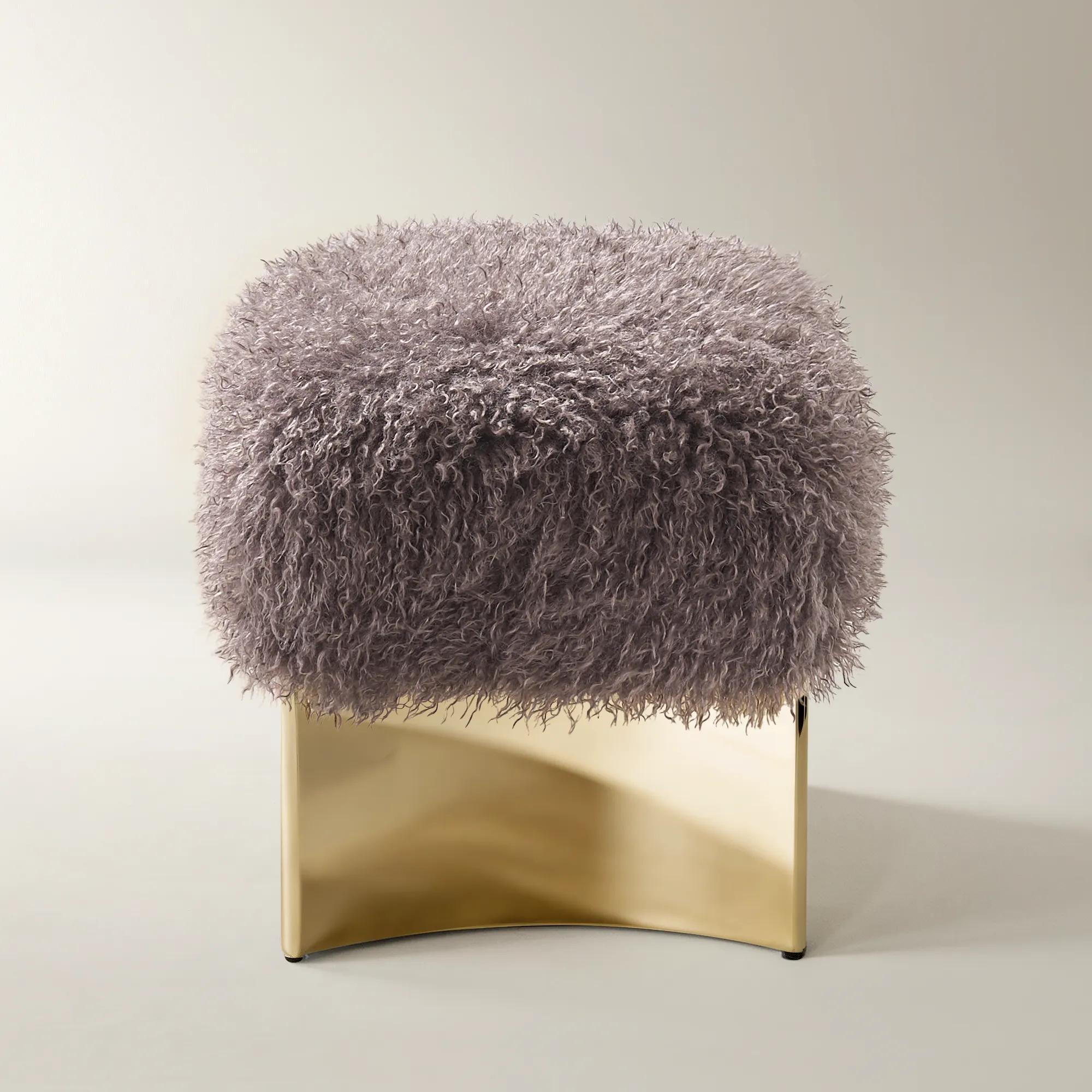
 Micah Tan Mongolian Faux Fur Bench With Rubberwood Legs (62.6")$699
A light brown faux fur bench with a curved rubberwood base and plush high-density foam cushion.
Add To Cart -
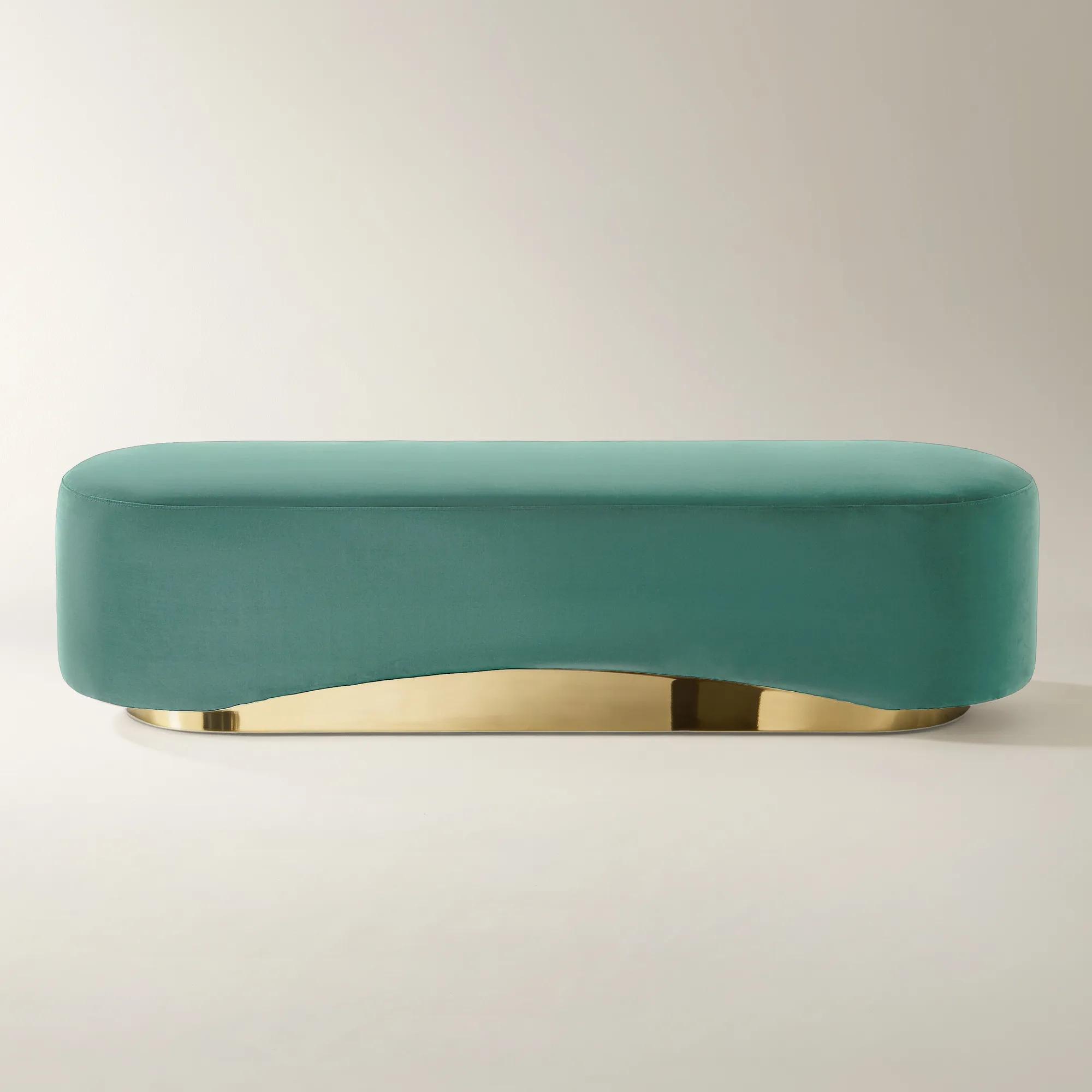 Kendra Ocean Teal Velvet Bench (70.47")$799
An elongated oval bench in ocean teal velvet with a plush seat and polished gold stainless steel base.
Add To Cart -
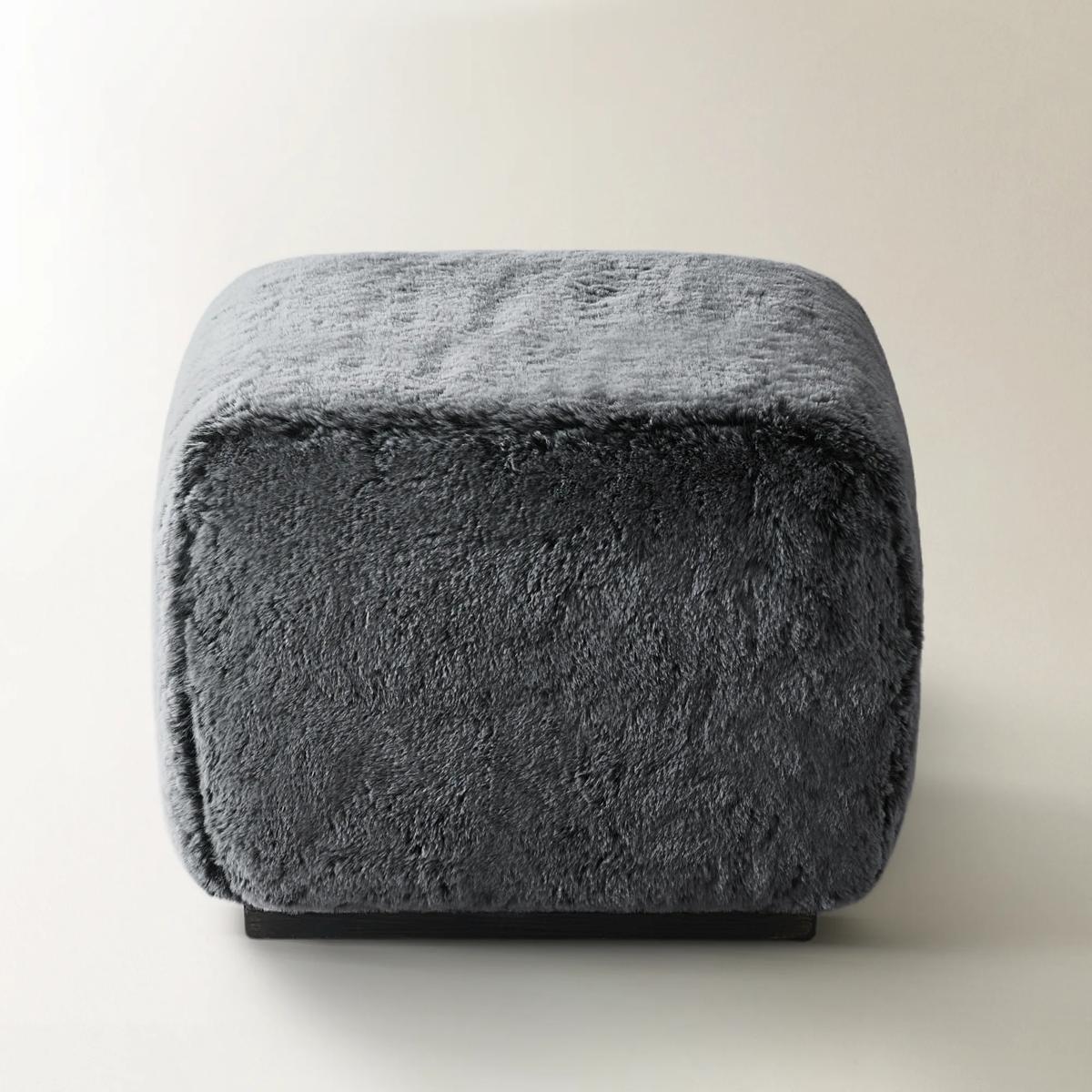
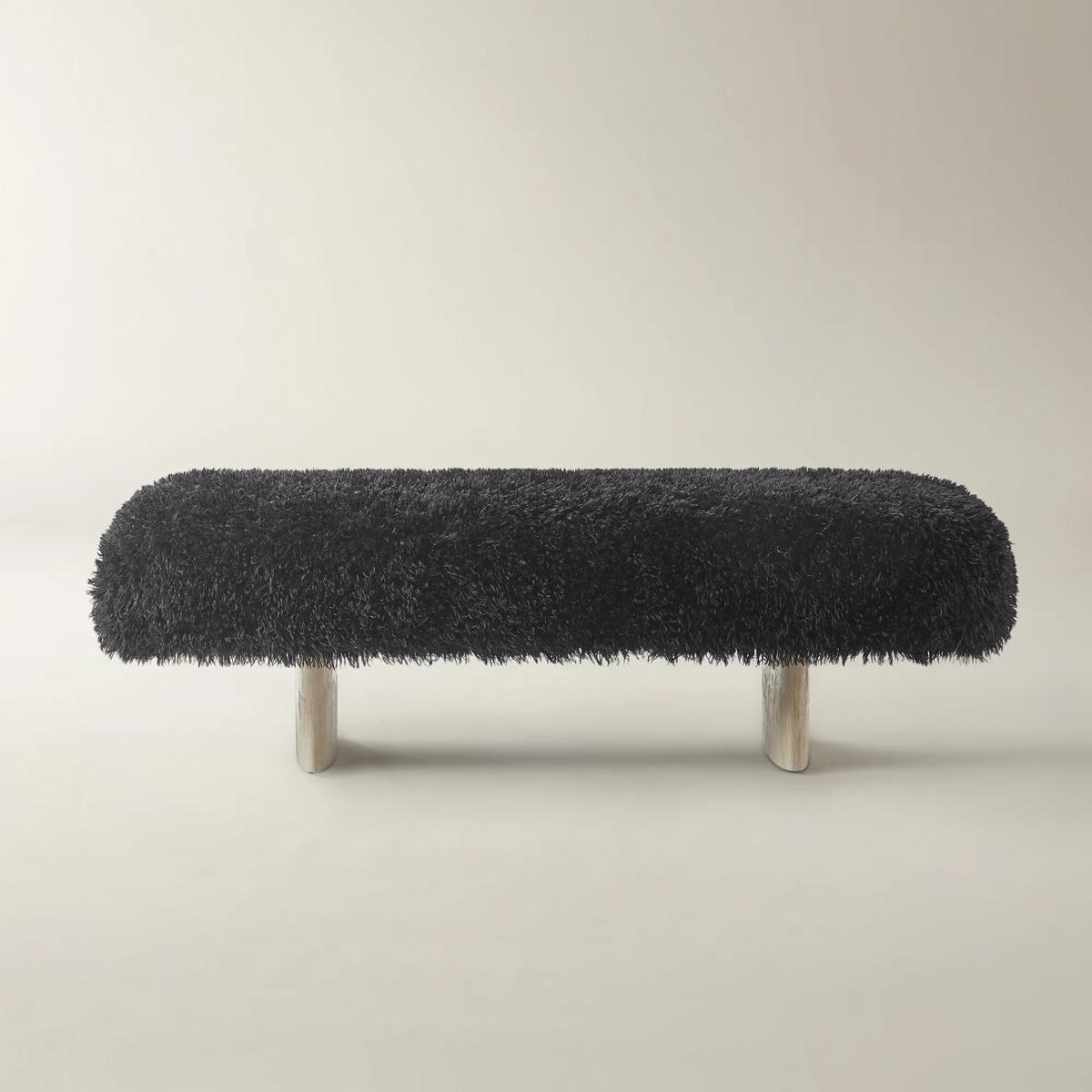 Micah Black Mongolian Fur Bench With Rubberwood Legs (62.6")$699
A striking black faux Mongolian fur bench with solid rubberwood legs for plush comfort and modern edge.
Add To Cart -
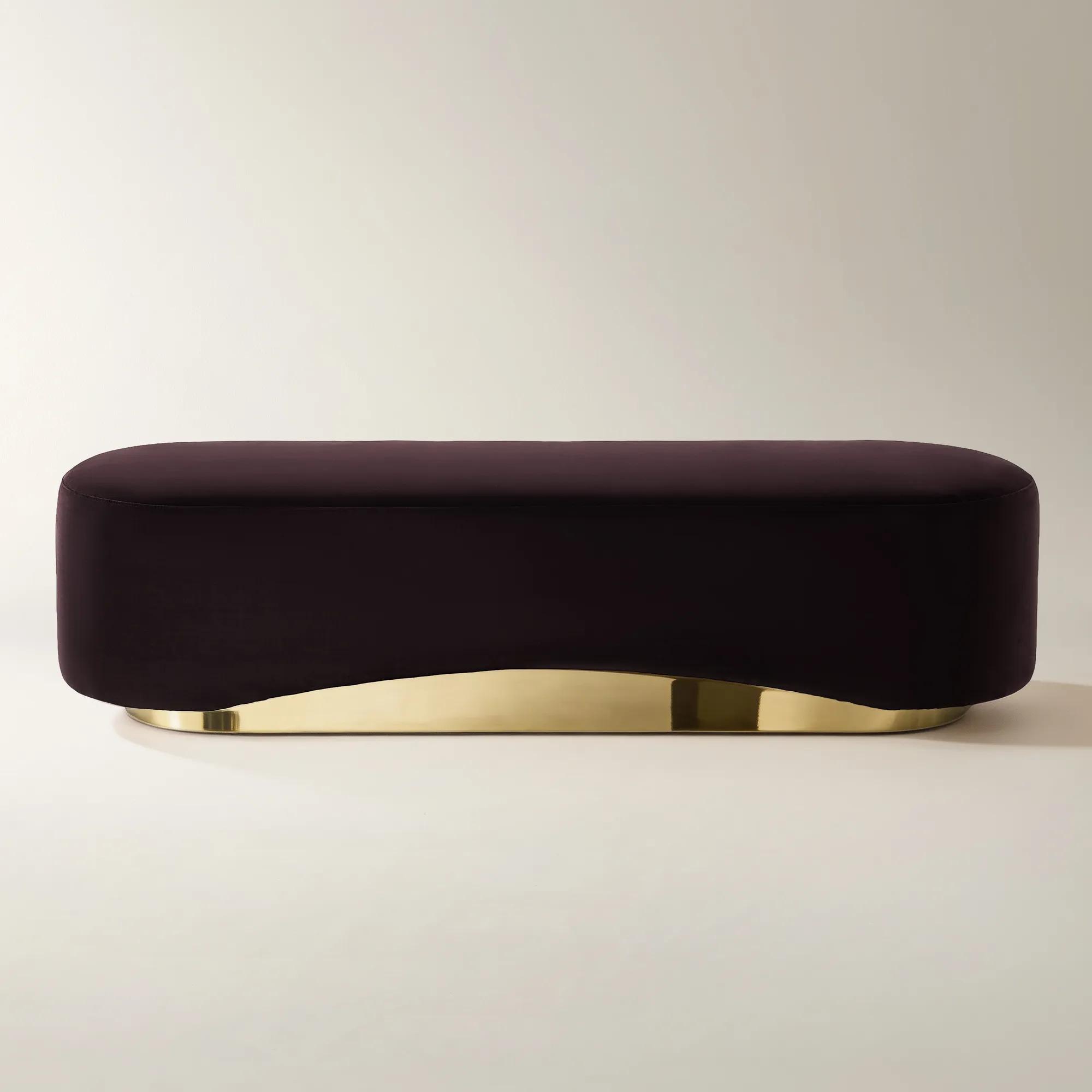 Kendra Fig Velvet Bench (70.47")$799
A plush fig velvet bench with an elongated oval silhouette and a polished gold stainless steel base.
Add To Cart -
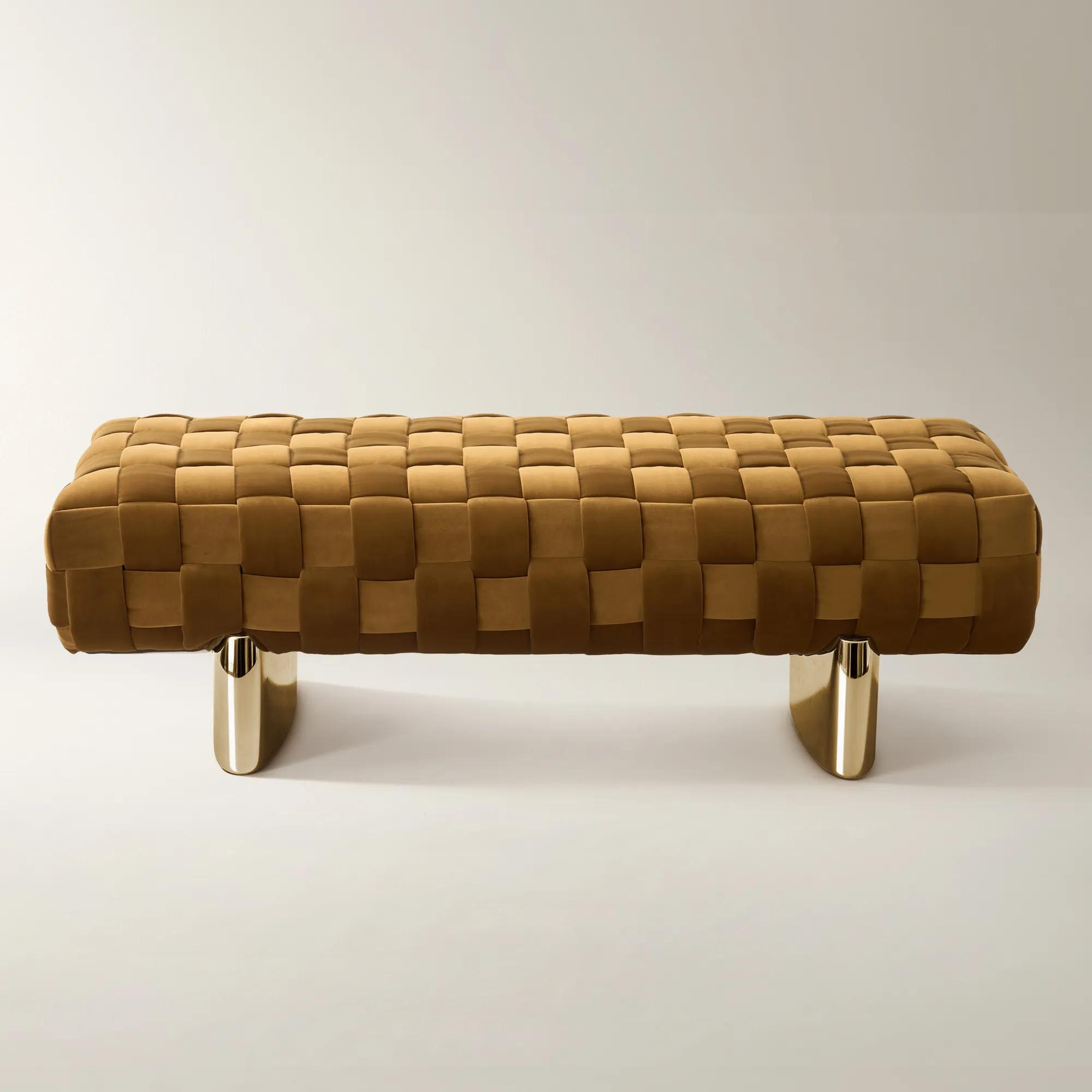
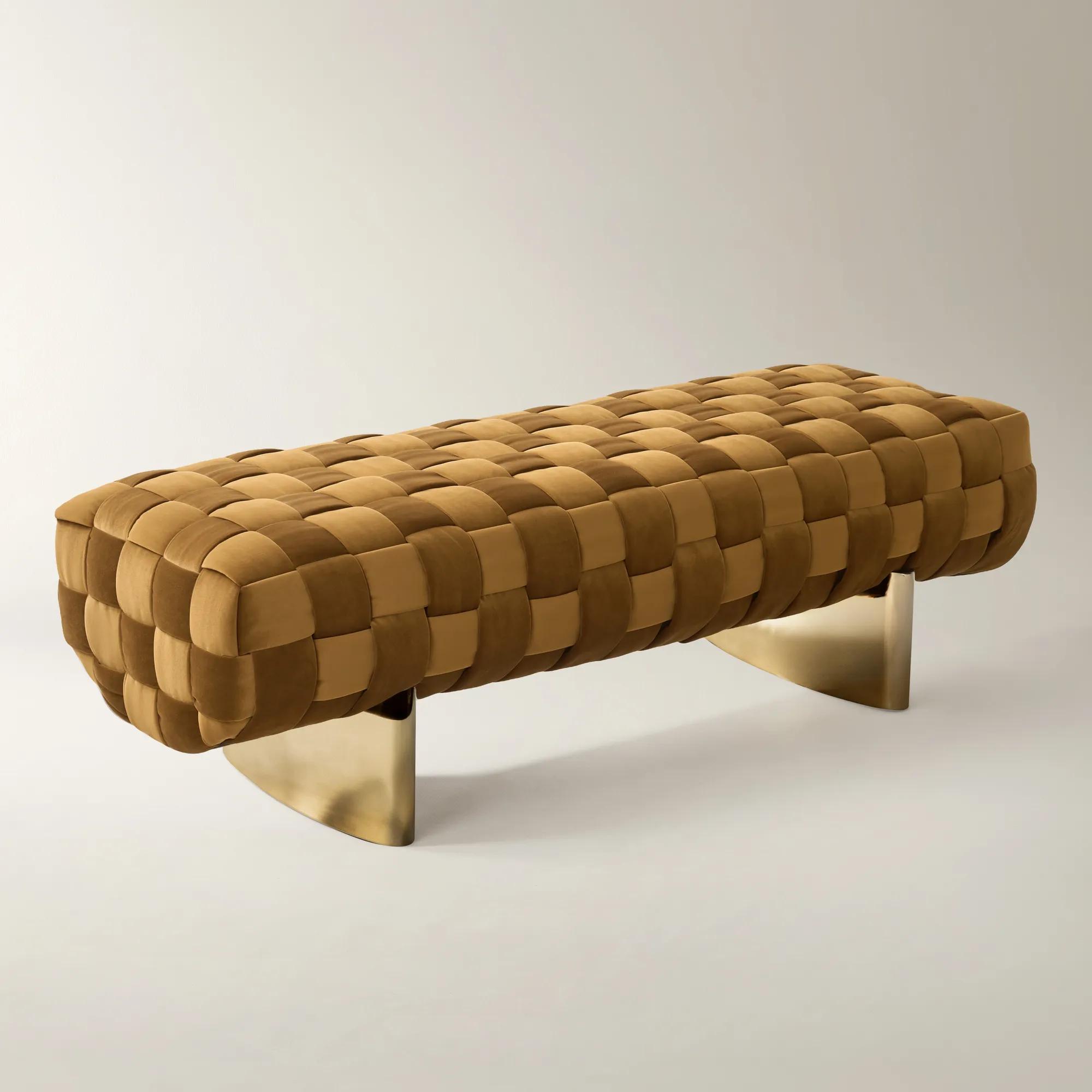 Dexter Woven Roasted Pecan Velvet Bench (64.2")$999
A woven roasted pecan velvet bench featuring plush upholstery and polished gold stainless steel legs for modern elegance.
Add To Cart -
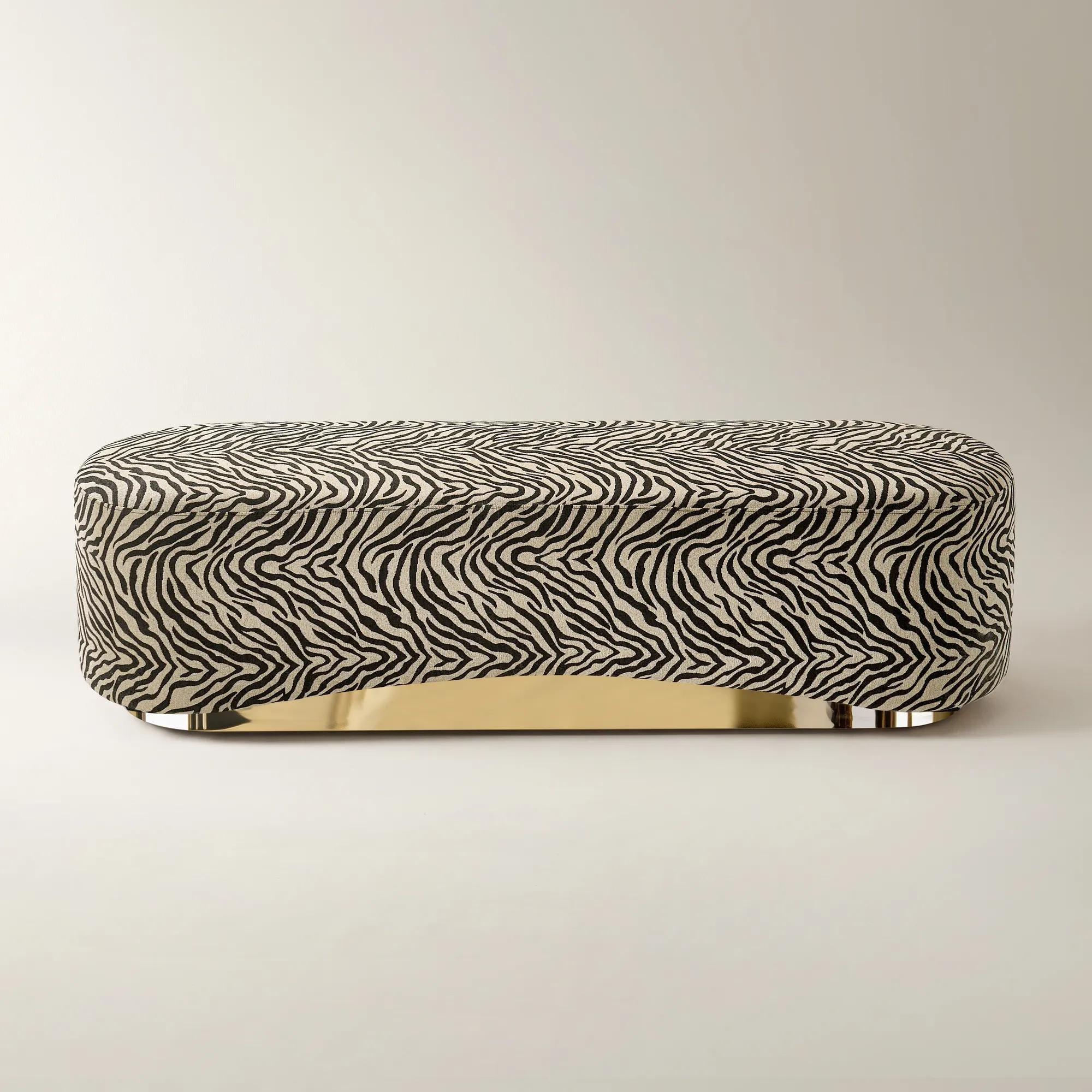
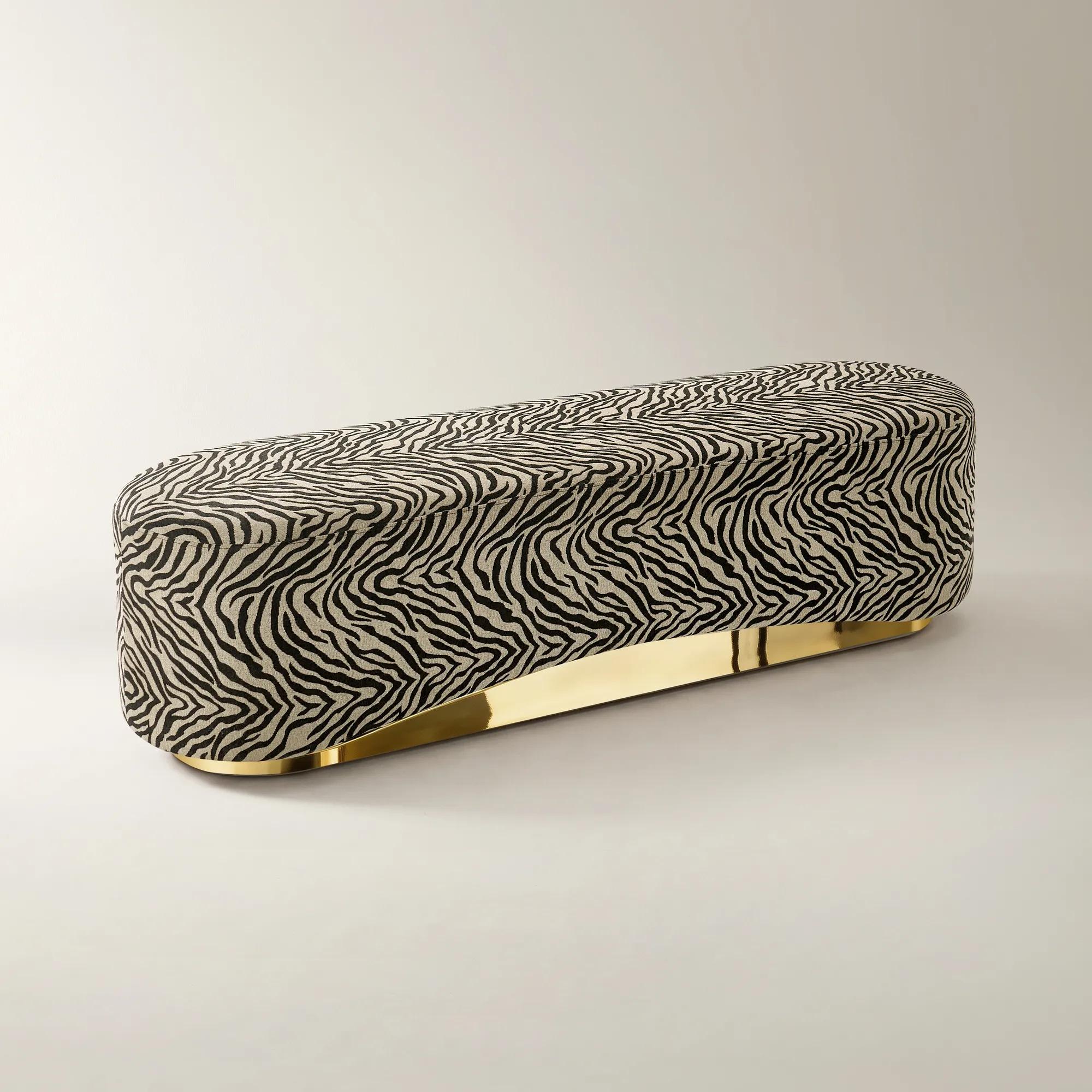 Kendra Zebra Performance Chenille Bench (70.47")$799
An elongated oval bench upholstered in textured zebra-pattern chenille with a polished gold stainless steel base.
Add To Cart -
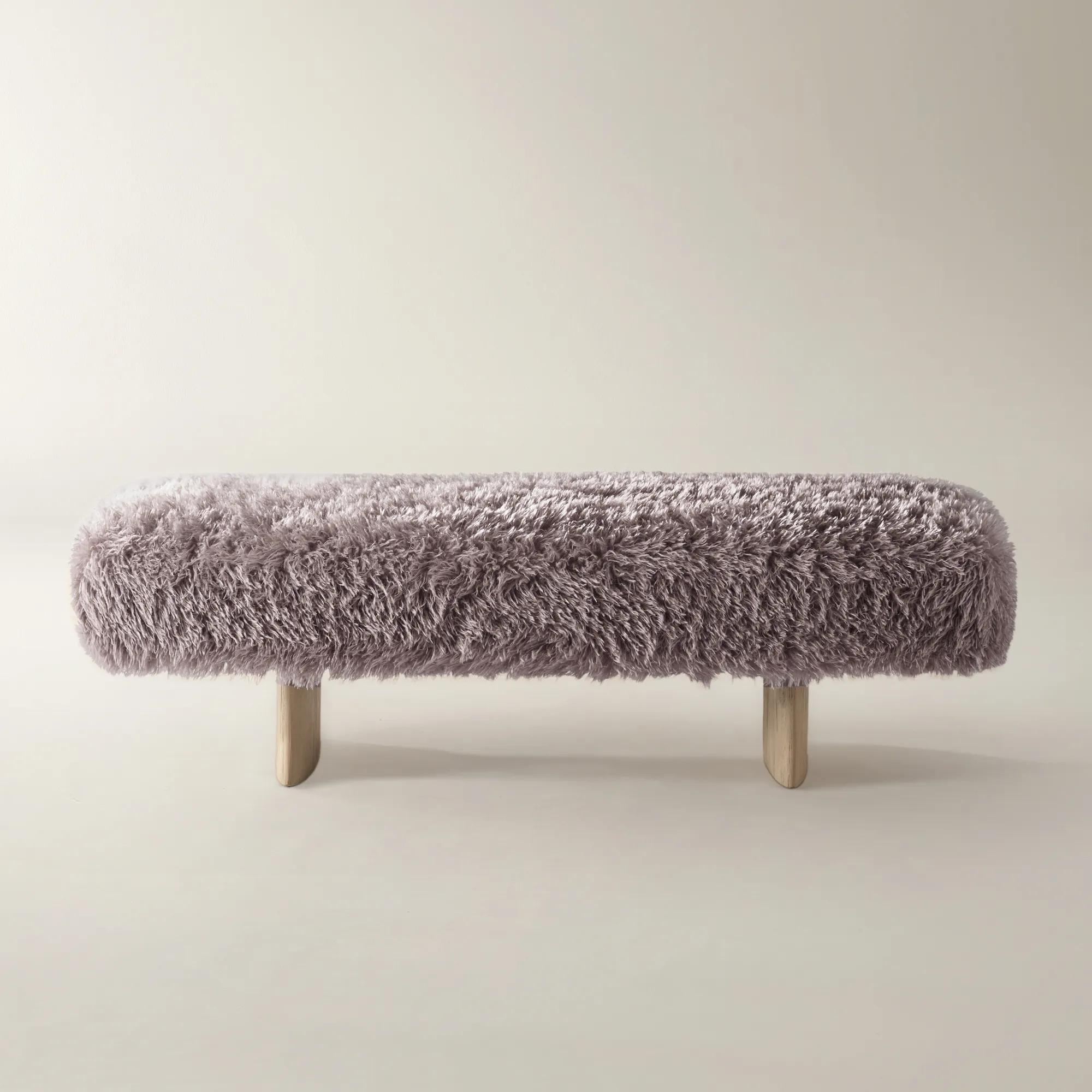
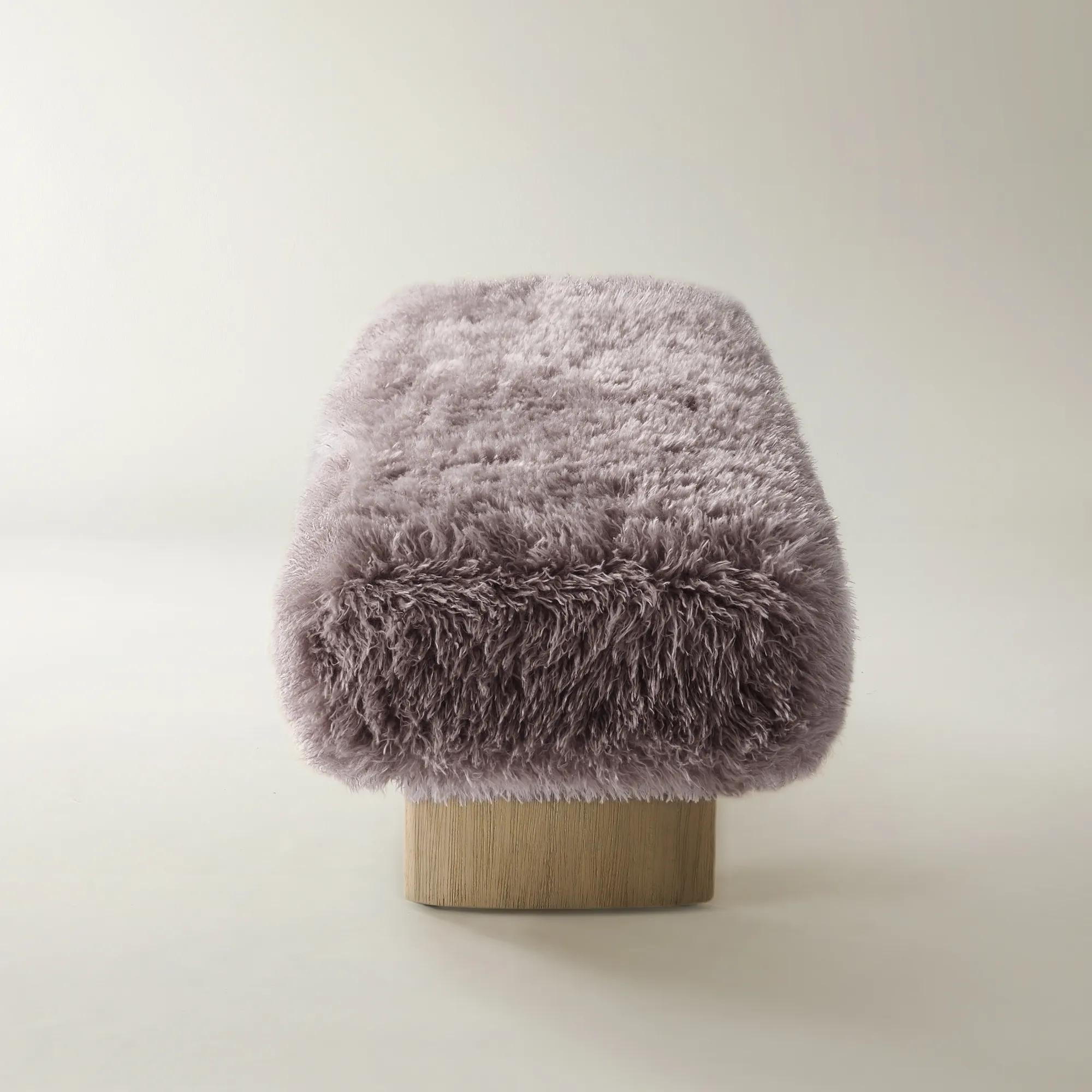 Micah Plum Truffle Mongolian Faux Fur Bench With Rubberwood Legs(62.6")$699
A sculptural bench featuring smoked plum Mongolian faux fur upholstery and warm solid rubberwood legs.
Add To Cart -
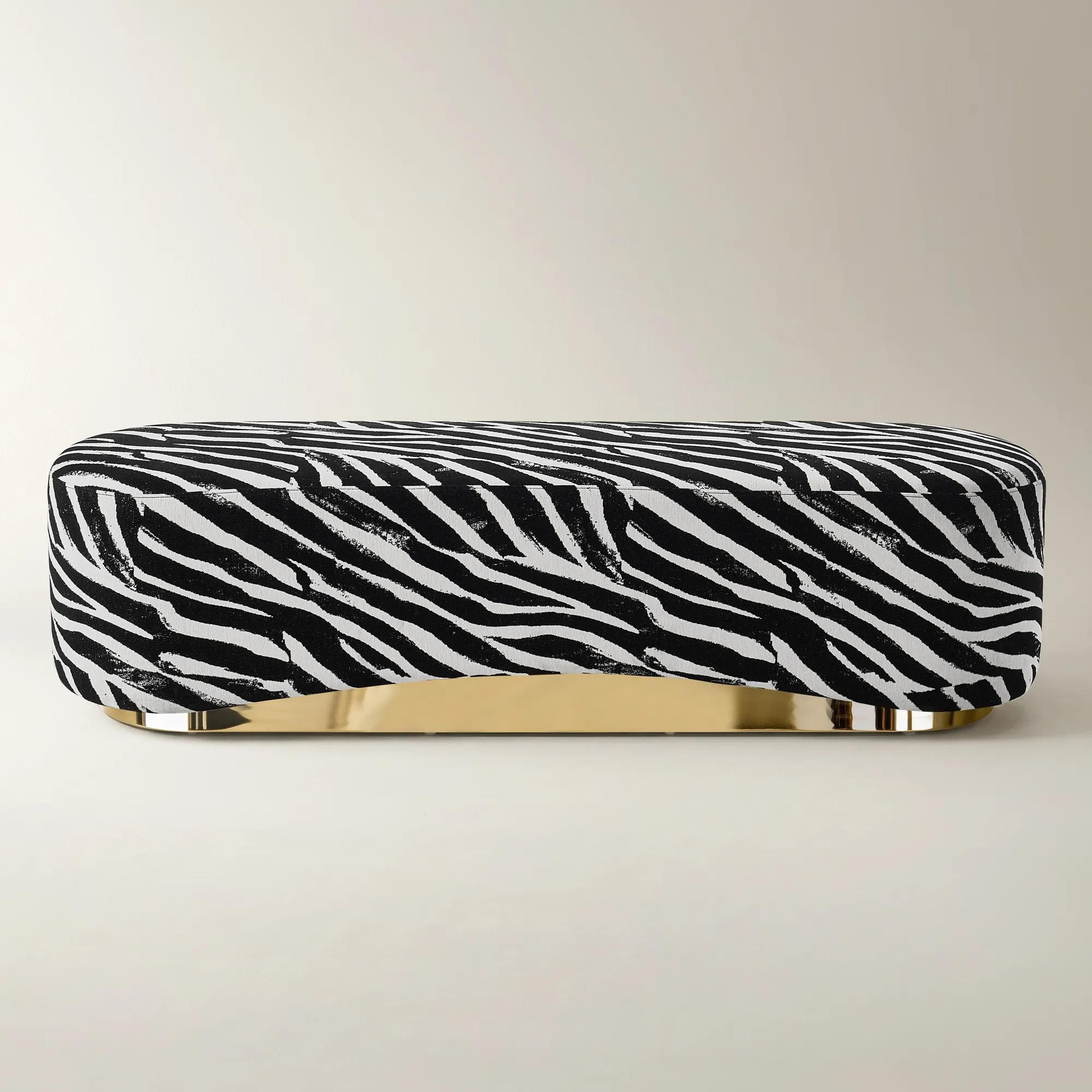
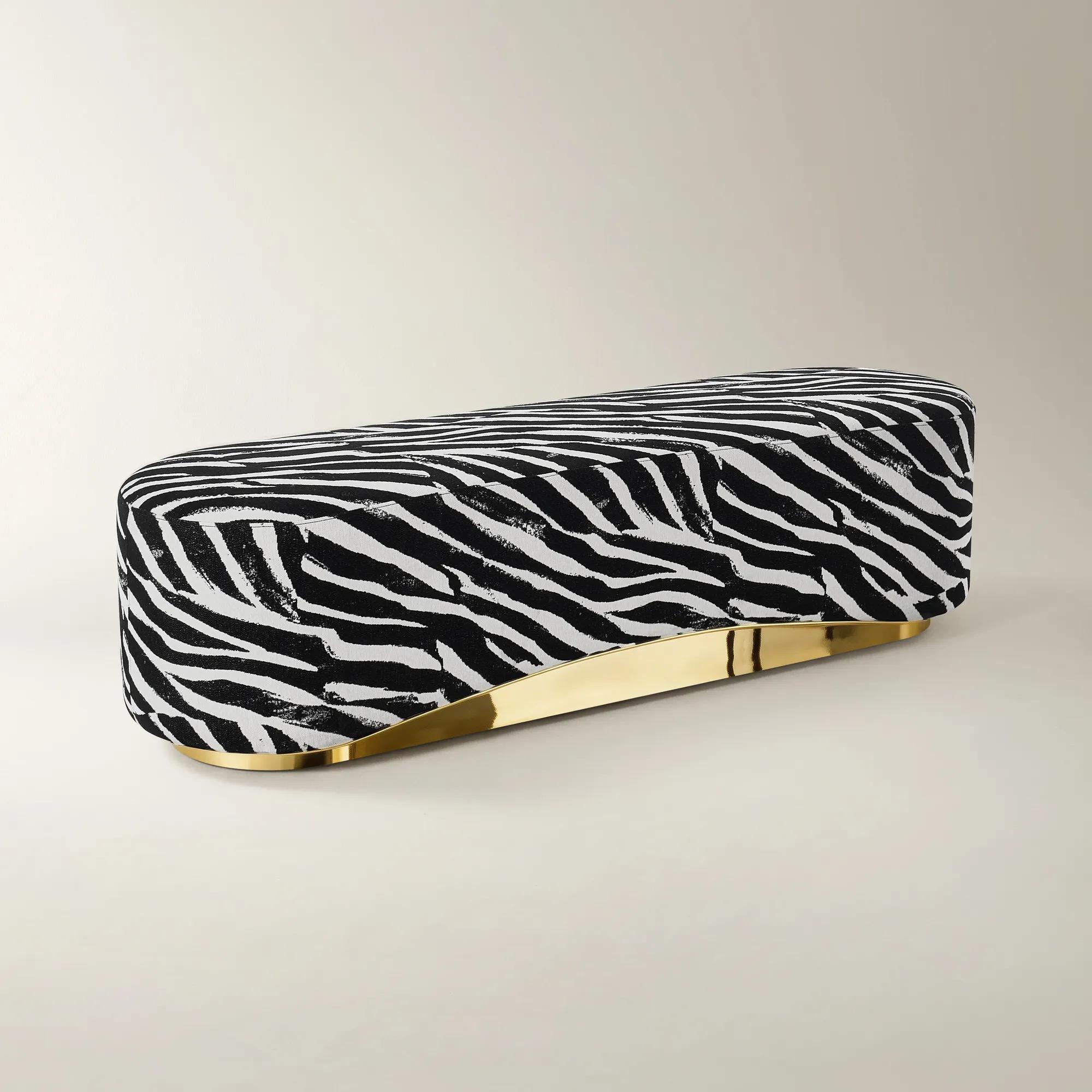 Kendra White/Black Performance Chenille Bench (70.47")$799
An elongated oval bench upholstered in white and black performance chenille with a polished gold stainless steel base.
Add To Cart -
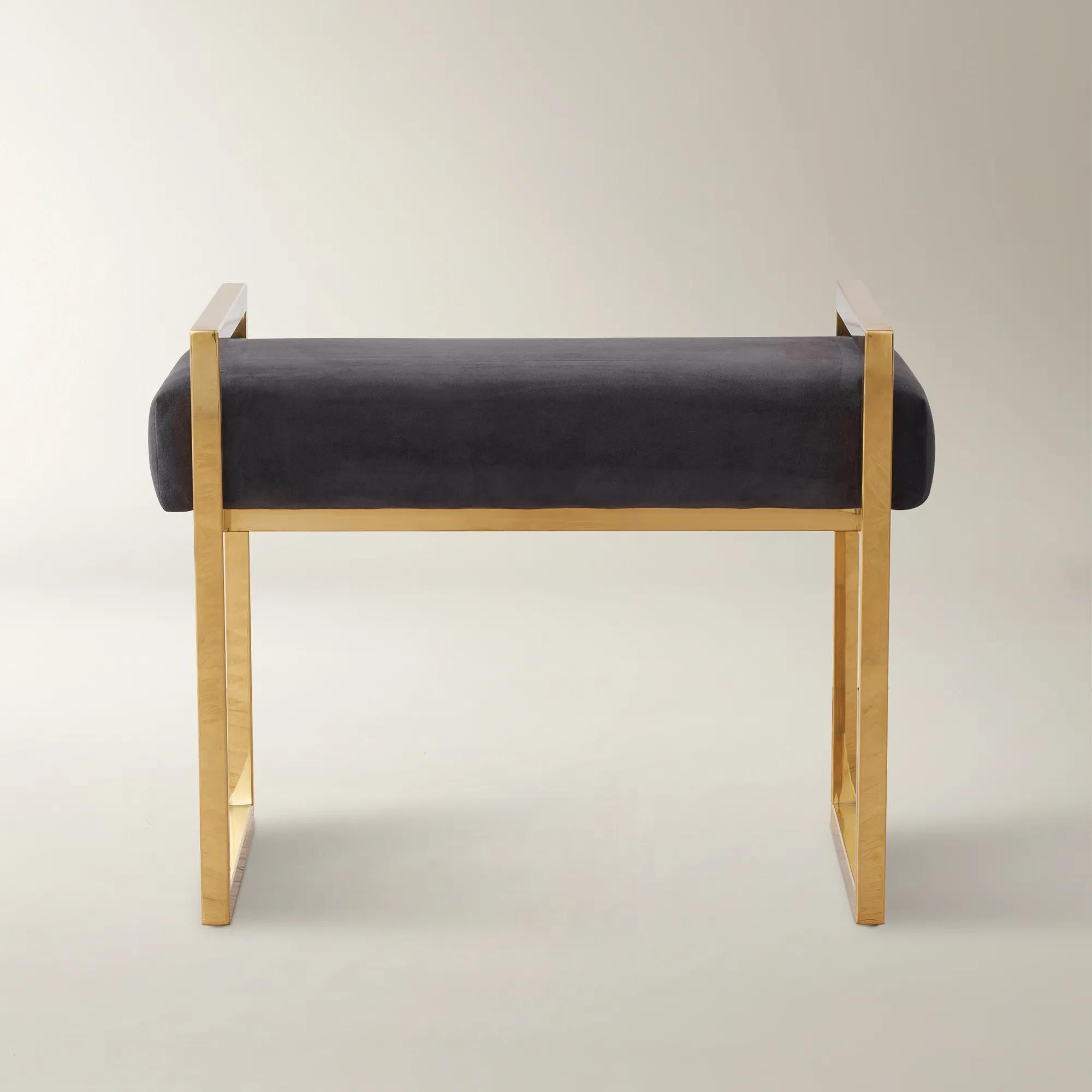
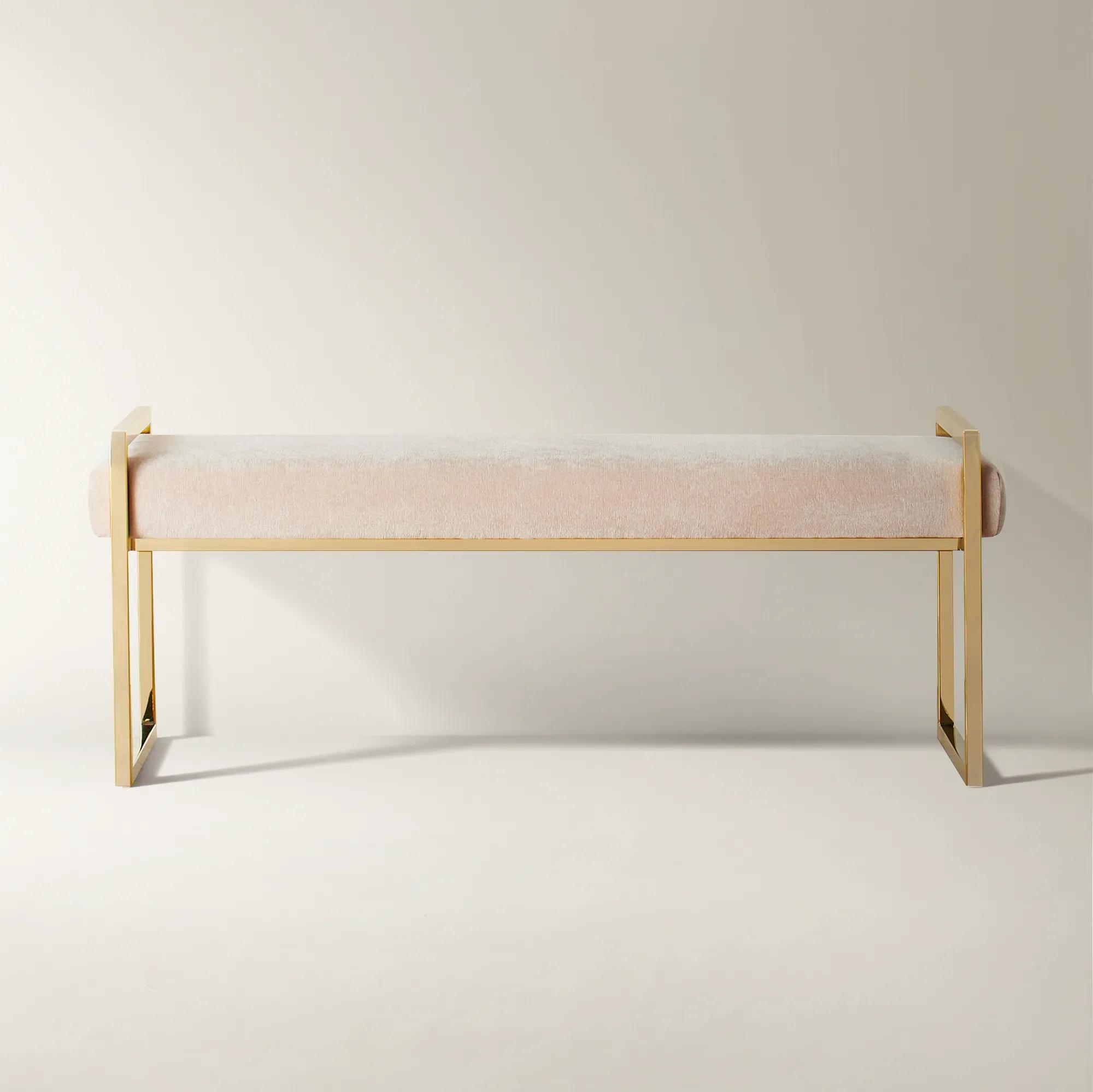 Clara Bench$699
A plush upholstered bench with a high-density foam seat and polished gold metal legs for modern elegance.
Add To Cart -
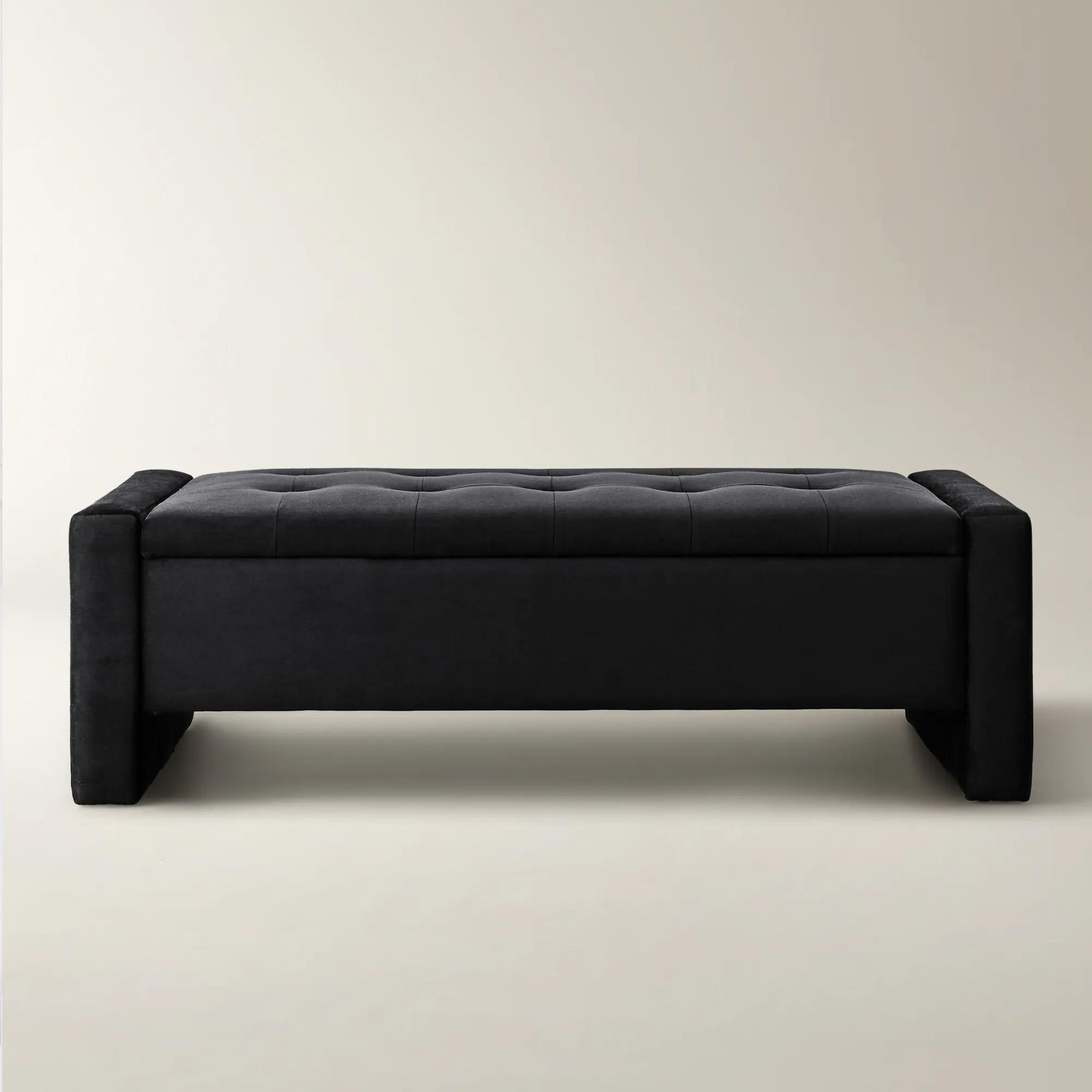
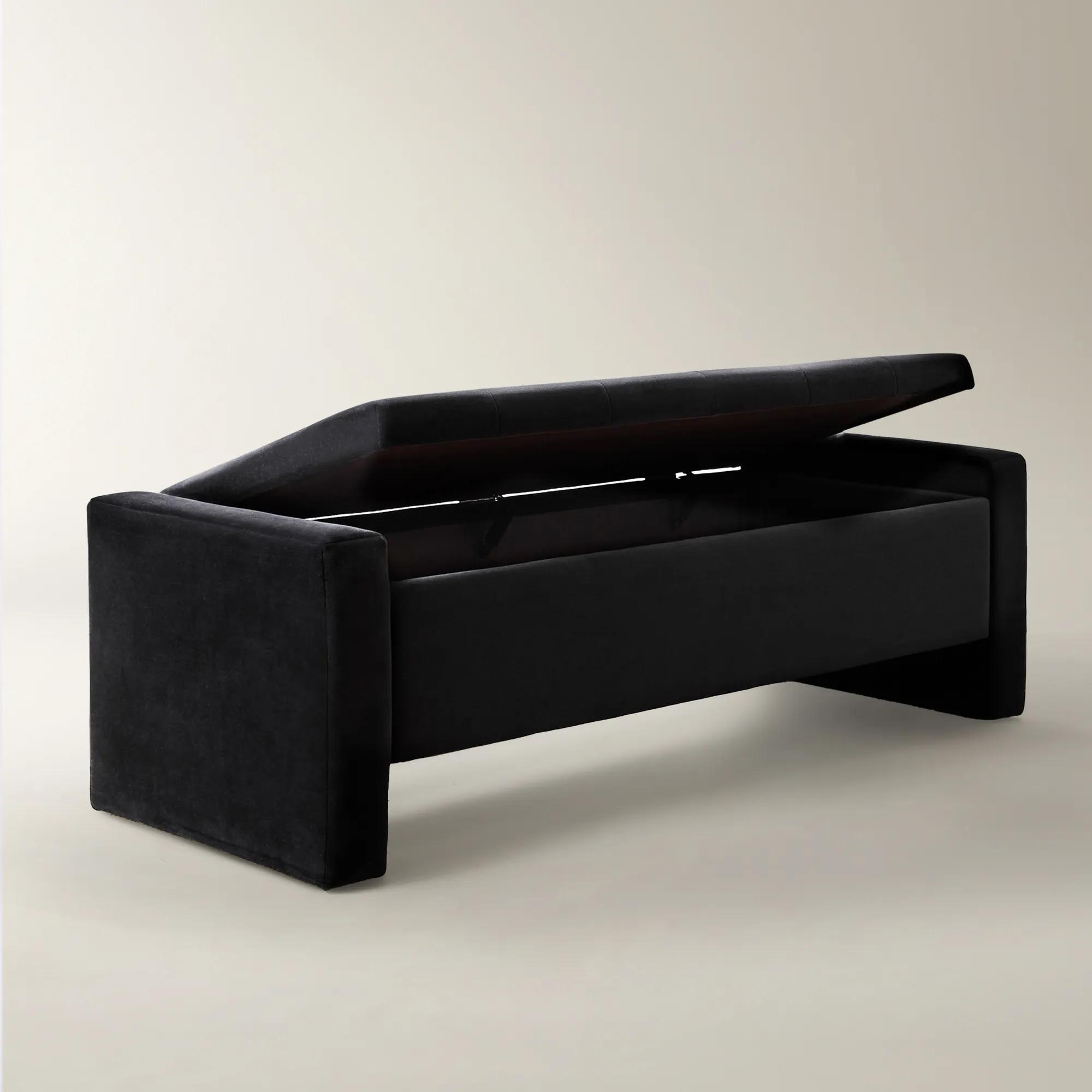 Maeve Storage Bench$849
A modern velvet-upholstered bench with hidden storage and a sturdy kiln-dried hardwood frame.
Add To Cart -
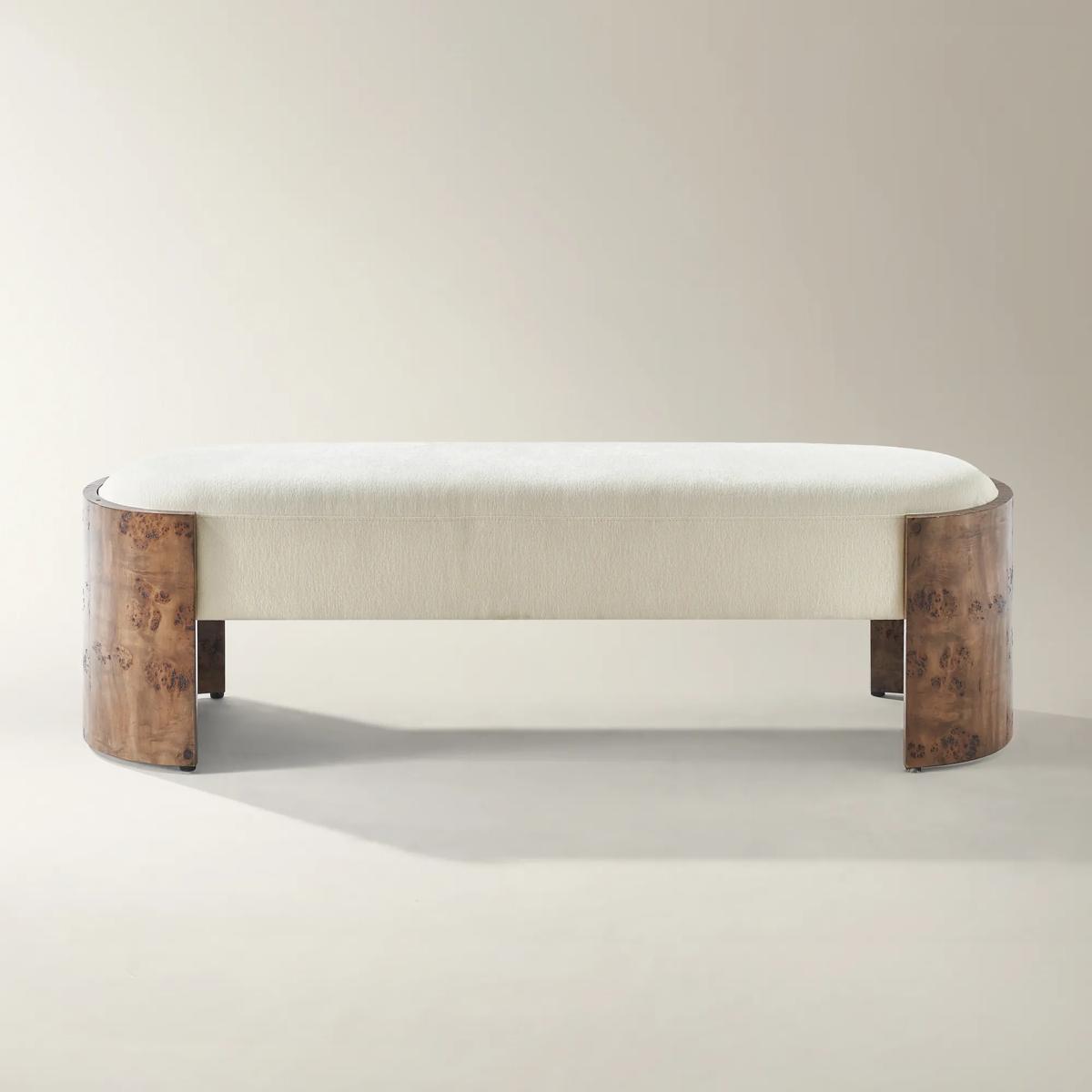 Cora Ivory Chenille With Ash Wood Bench (60.6")$999
An ivory chenille bench with curved ash burl veneer panels, blending plush comfort with striking wood artistry.
Add To Cart -
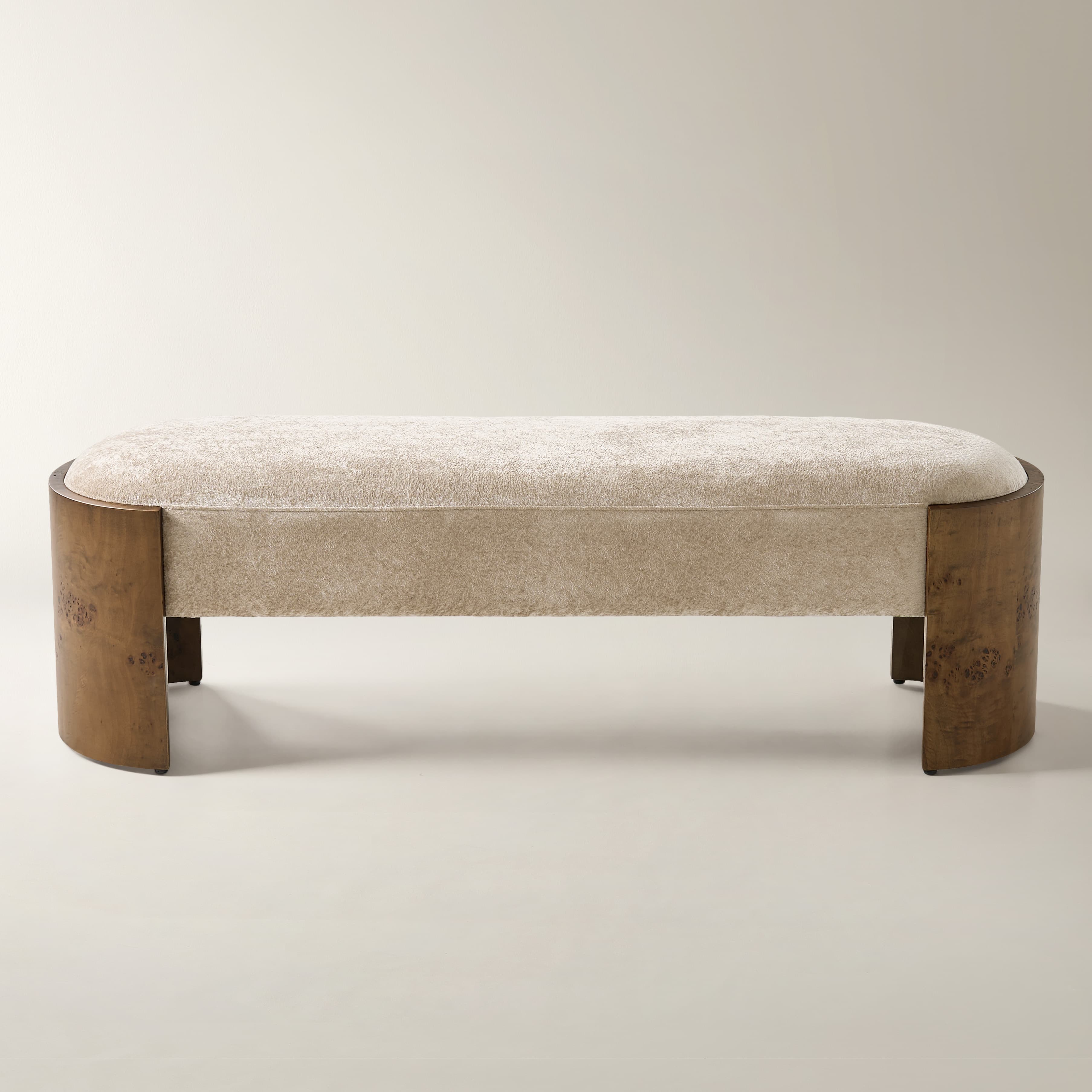 Cora Light Brown Chenille With Ash Wood Bench (60.6")$999
A light brown chenille bench with curved ash burl veneer panels, blending plush comfort and organic artistry.
Add To Cart -
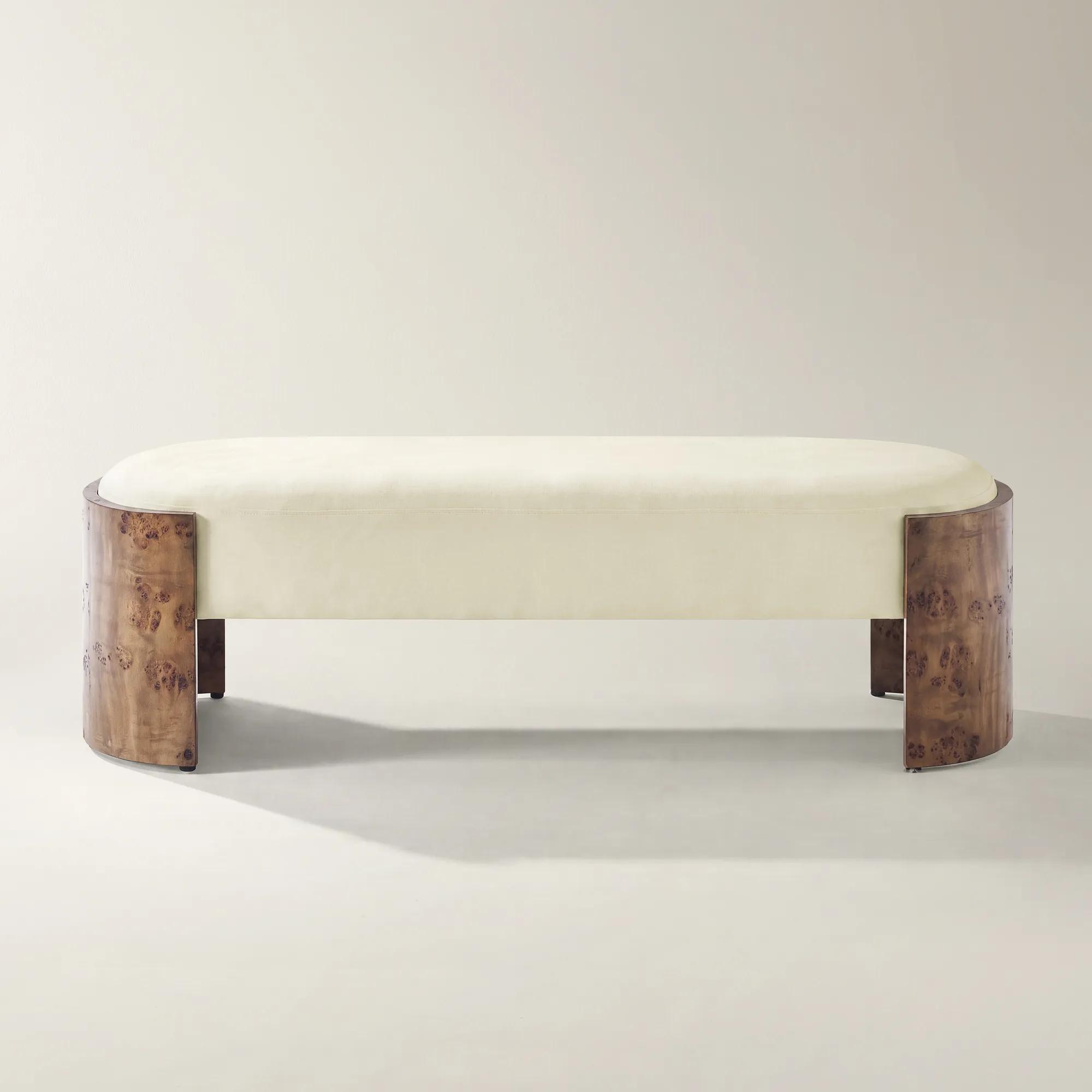
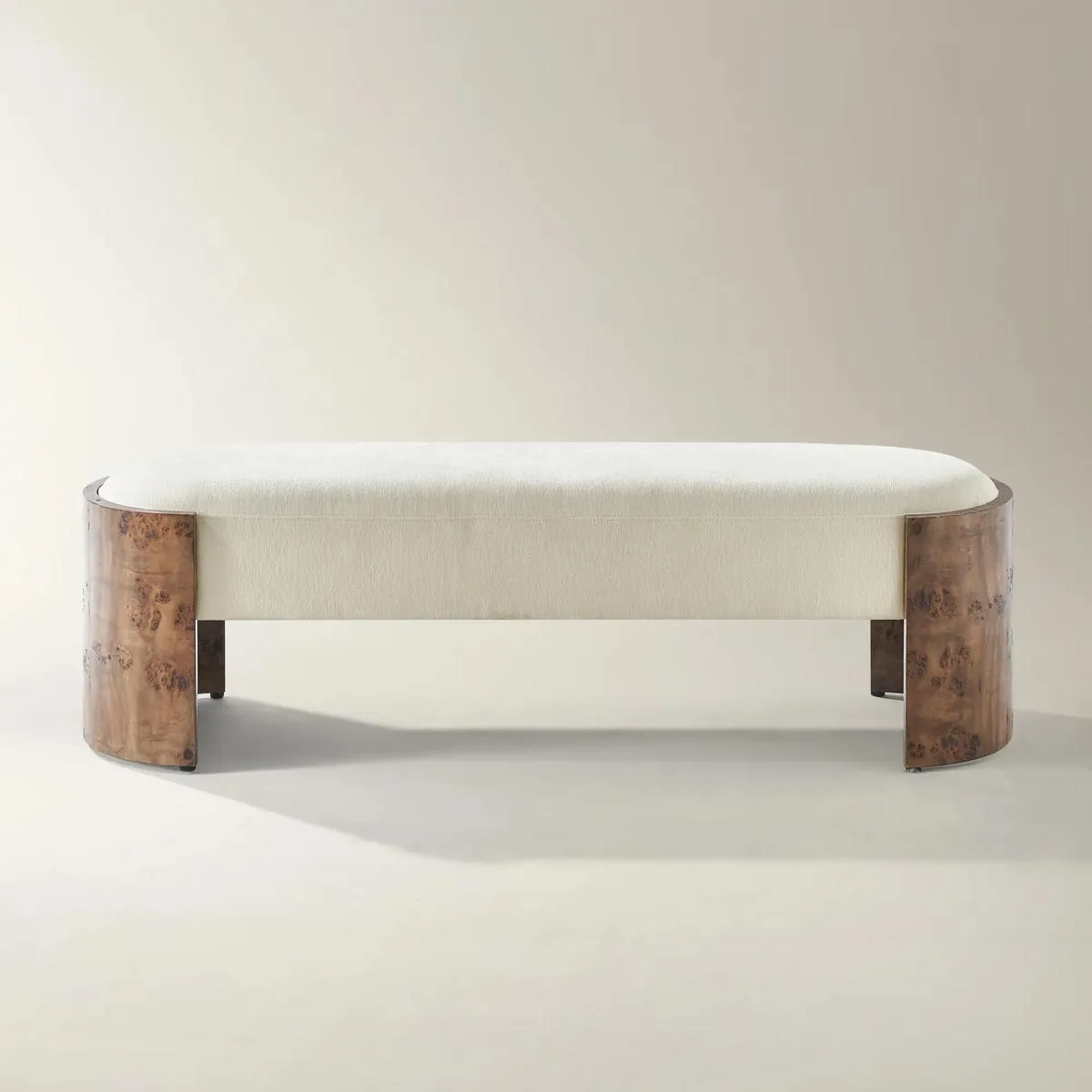 Cora Cloud Velvet With Ash Wood Bench (60.6")$999
A cloud velvet bench with bookmatched ash burl panels and supportive foam cushioning.
Add To Cart -
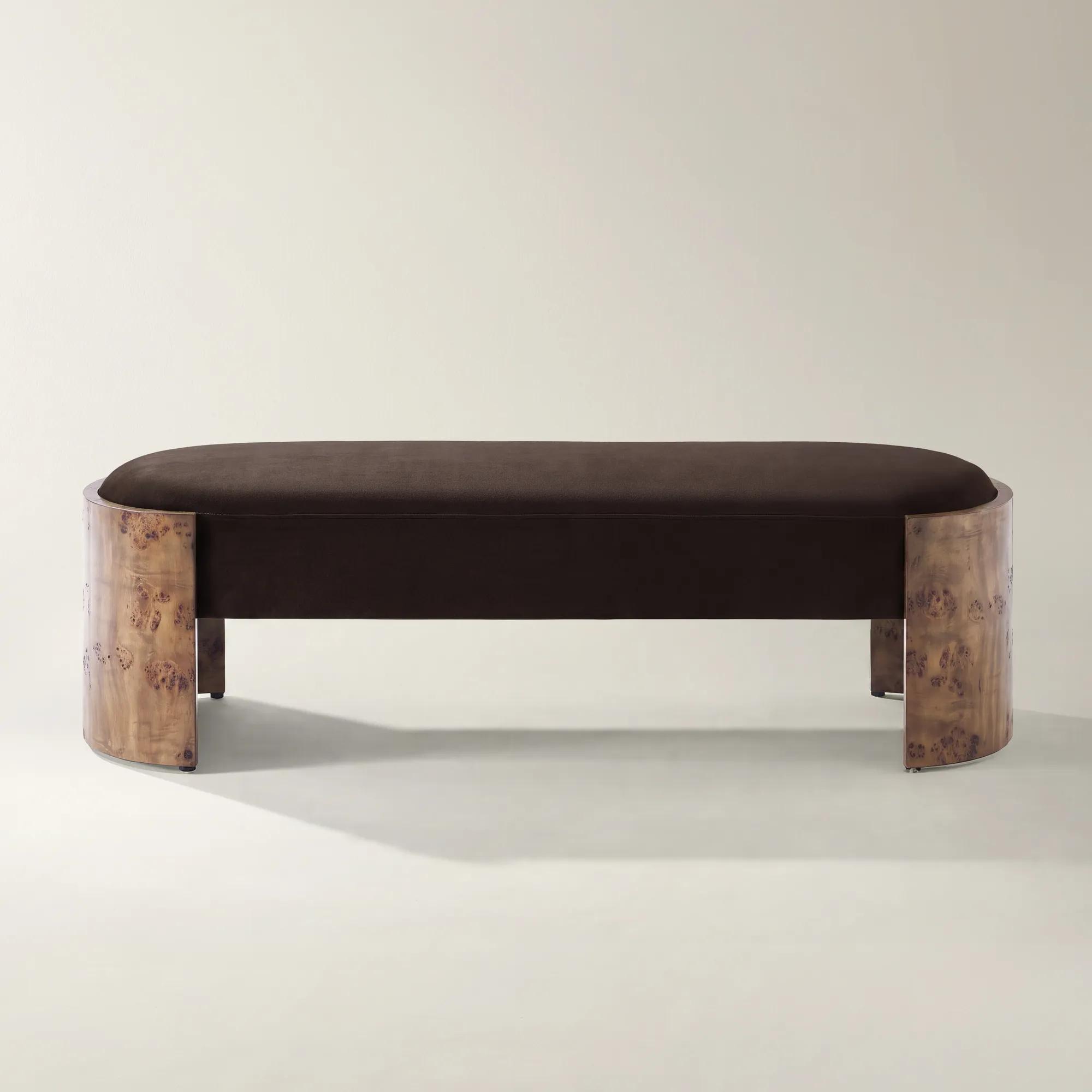 Cora Dark Chocolate Velvet With Ash Wood Bench (60.6")$999
A dark chocolate velvet bench with sculpted bookmatched ash burl end panels and high-resiliency foam cushioning.
Add To Cart -
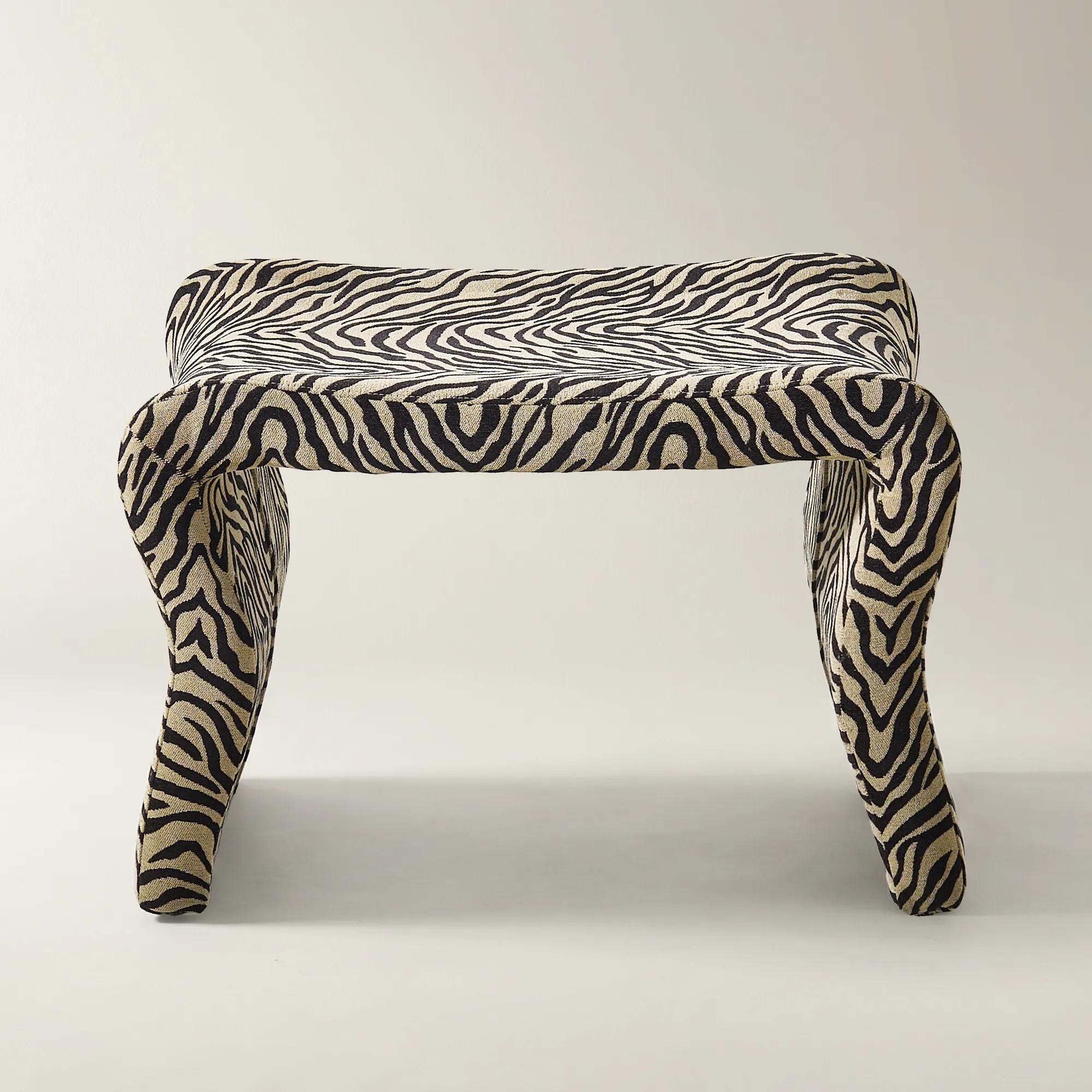
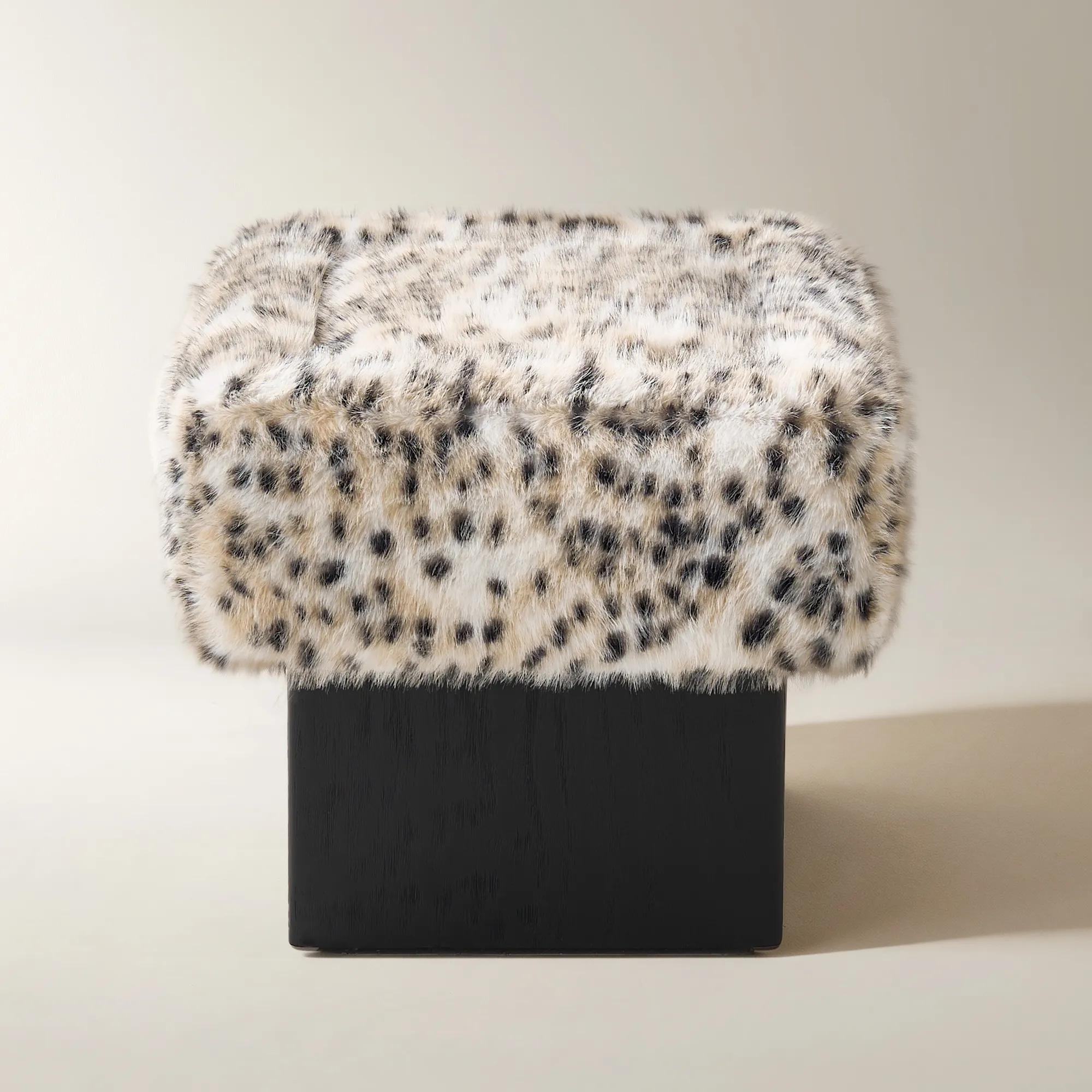
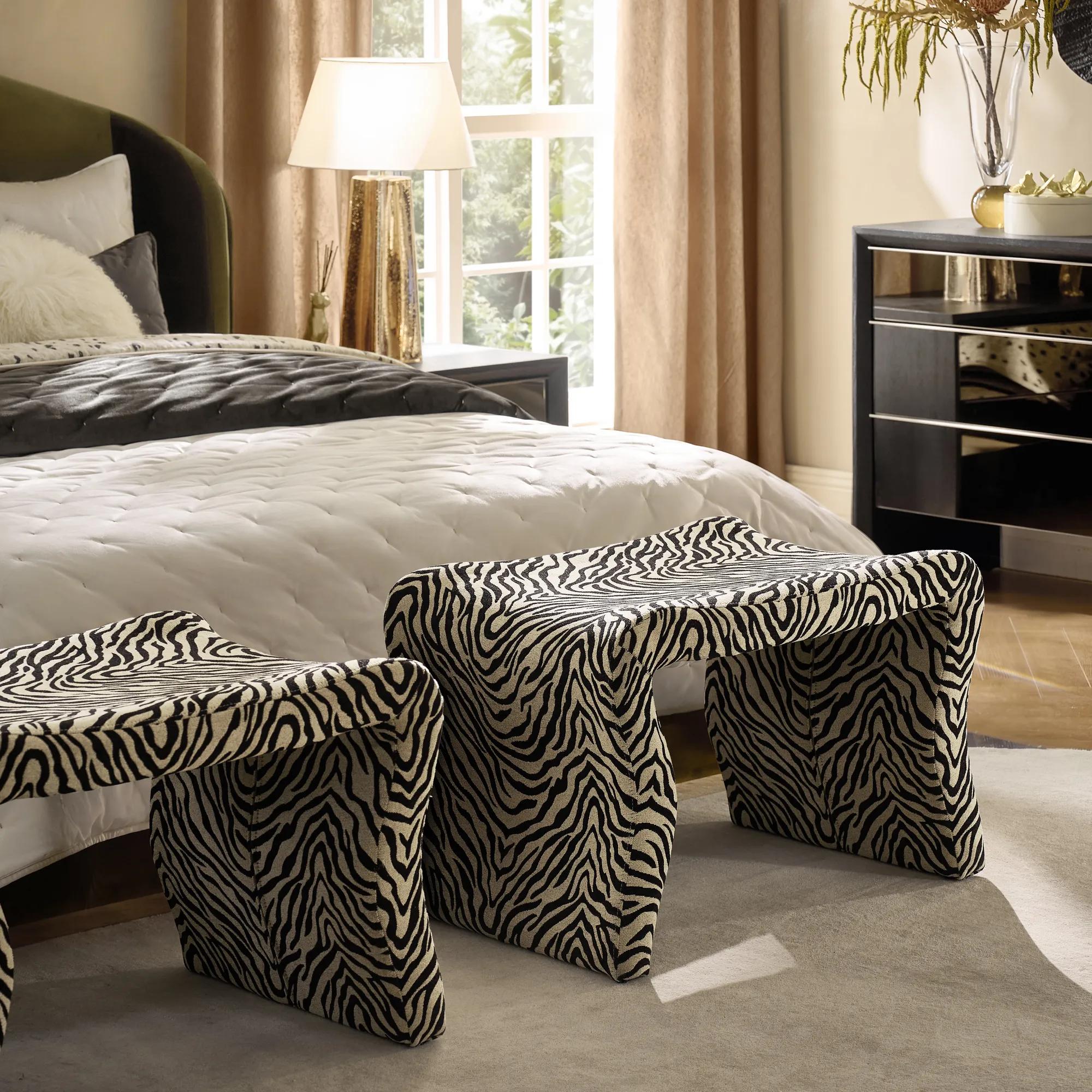 Romy Zebra Performance Chenille Bench (30.75")$499
A sculptural bench wrapped in zebra-patterned performance chenille with a wave-like silhouette and full foam construction.
Add To Cart -
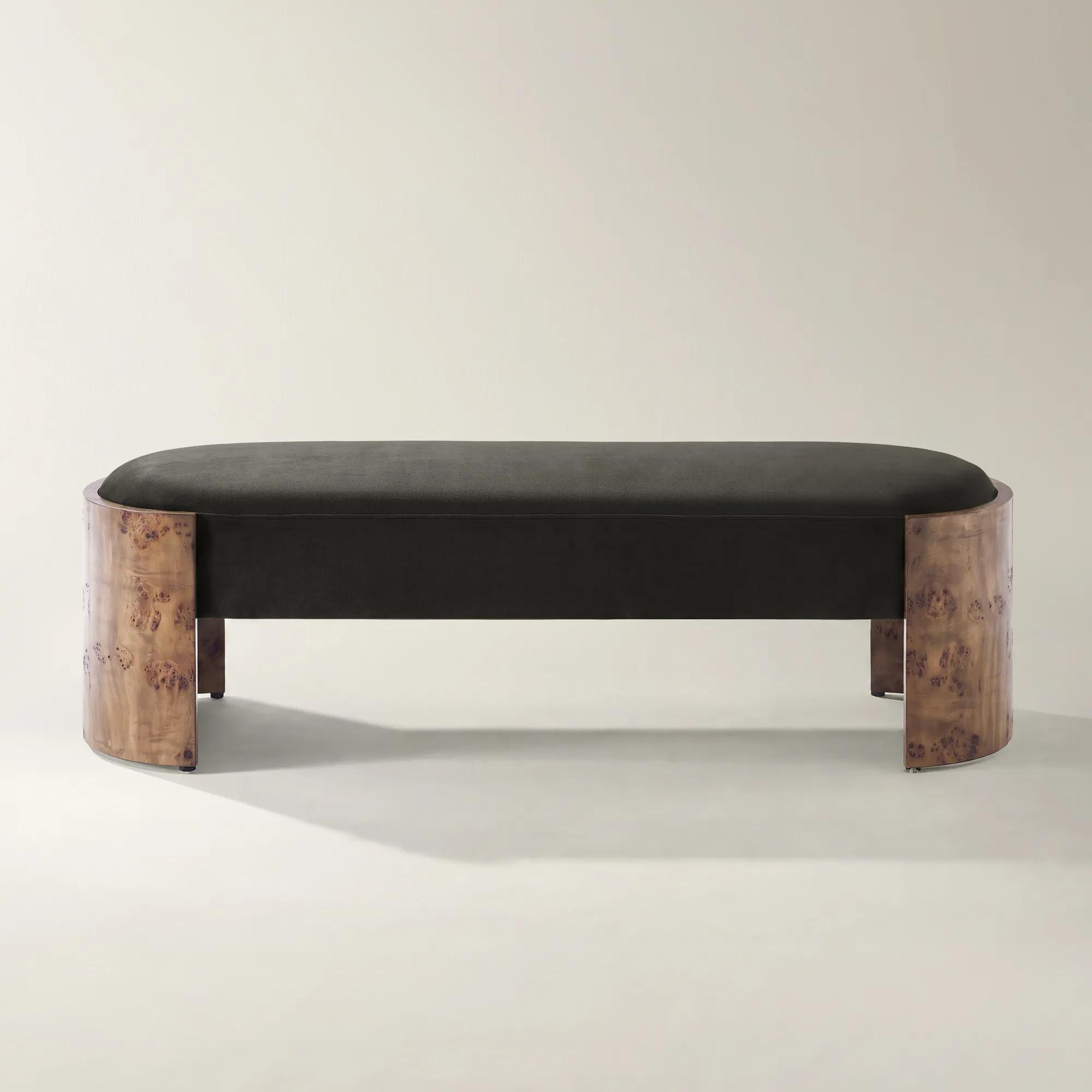 Cora Charcoal Velvet With Ash Wood Bench (60.6")$999
A sculpted charcoal velvet bench with curved bookmatched ash burl panels and supportive foam cushioning.
Add To Cart -
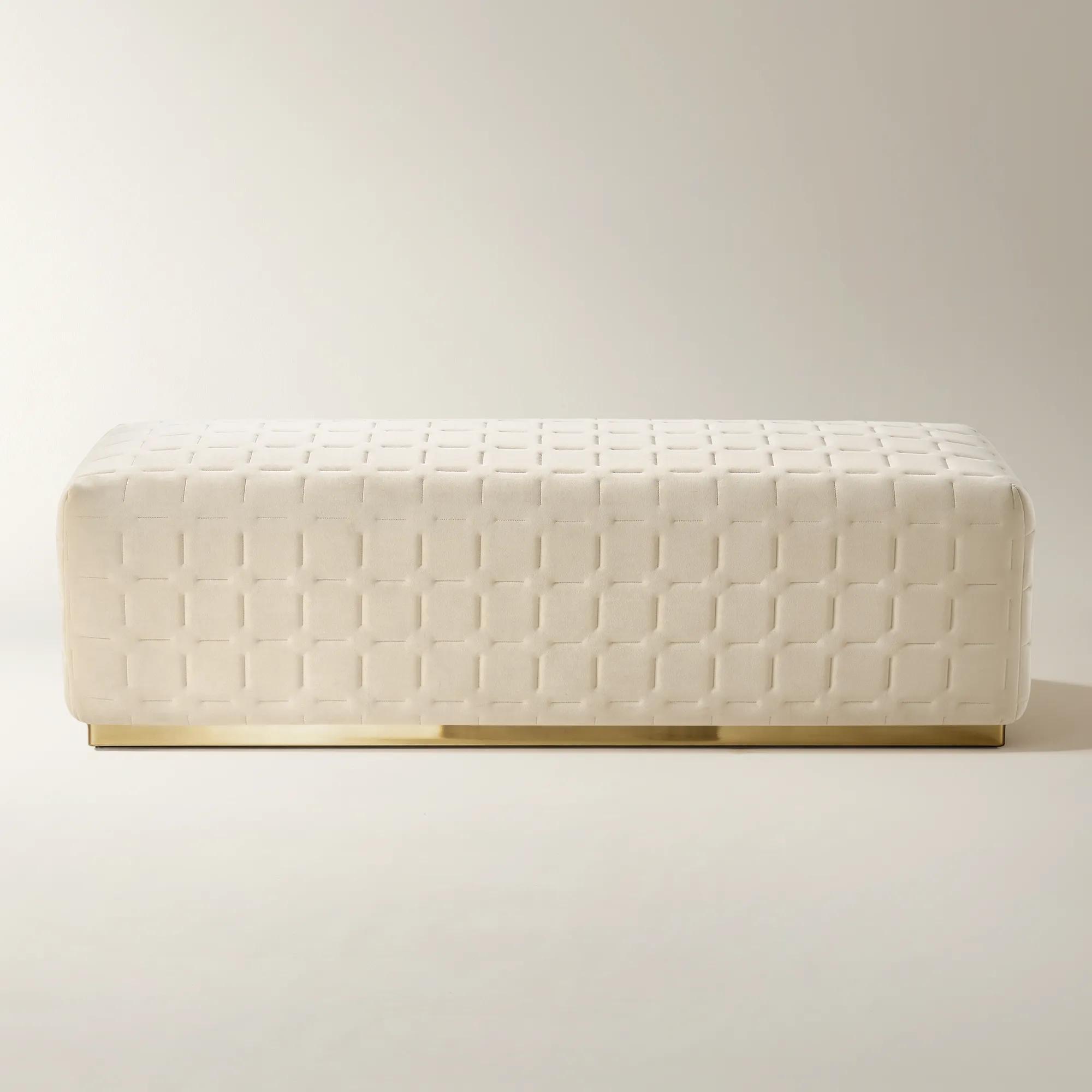
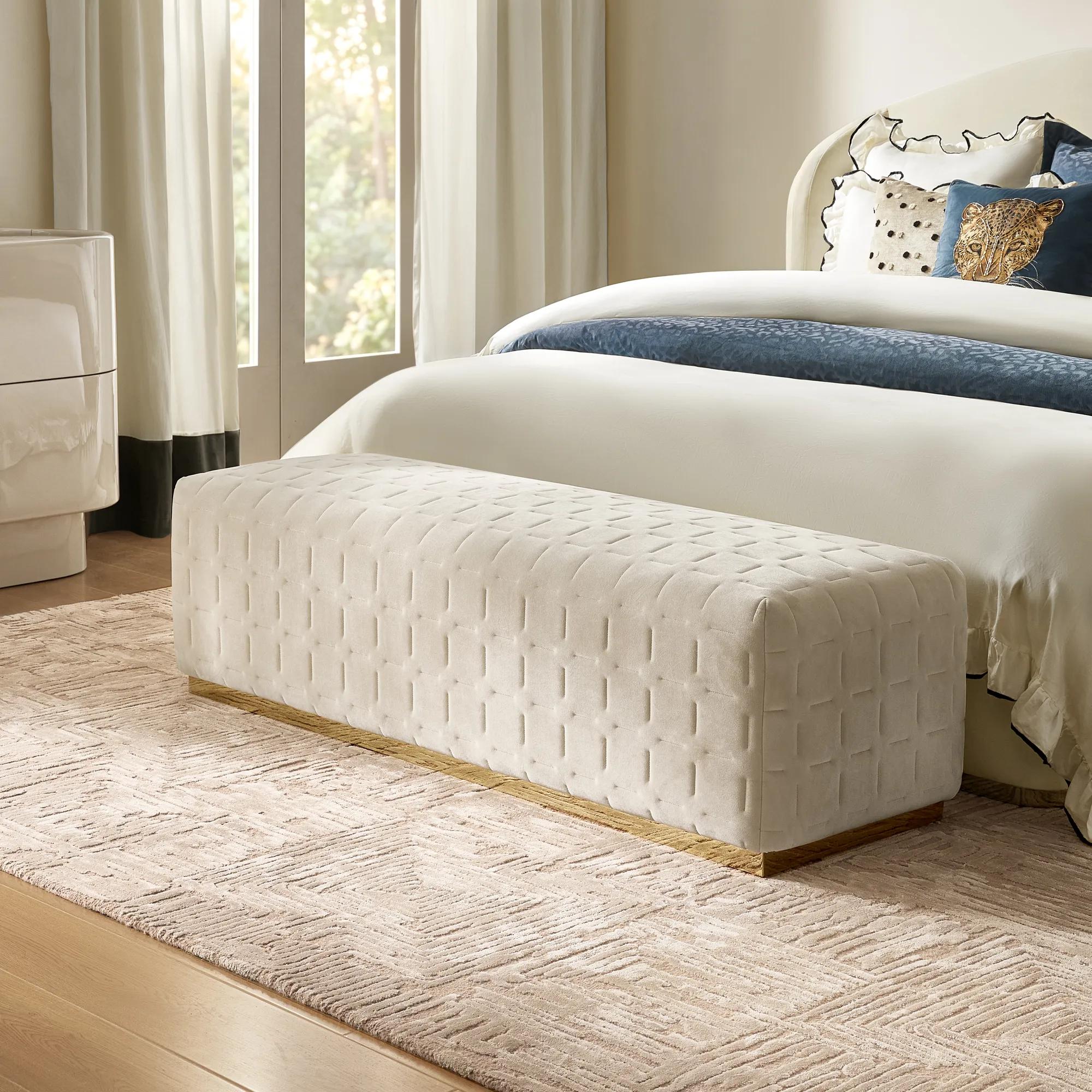 Vanta Quilted Oatmeal Velvet Bench (64.6")$899
A plush oatmeal velvet bench featuring checker quilted tufting and a sleek gold stainless steel base.
Add To Cart -
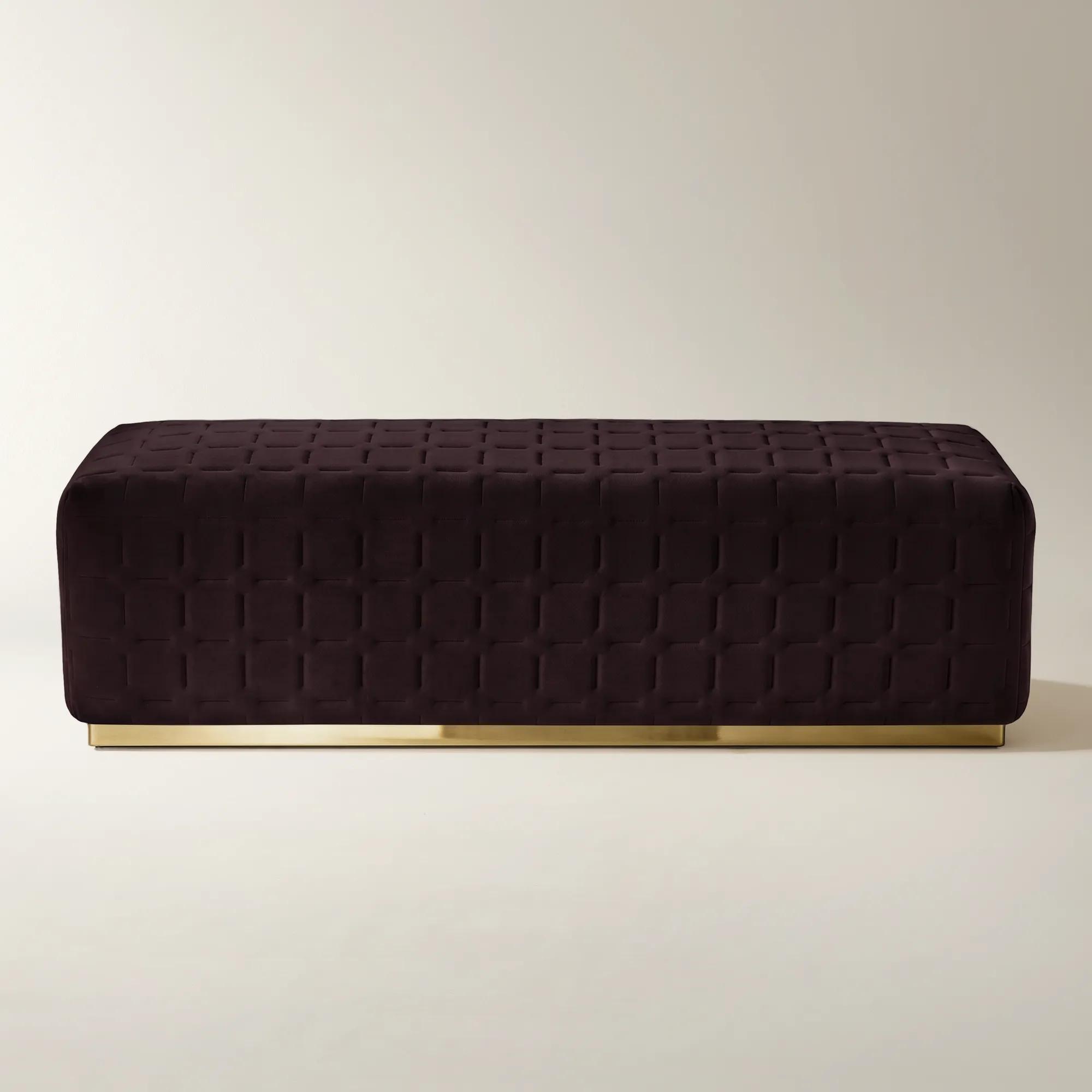
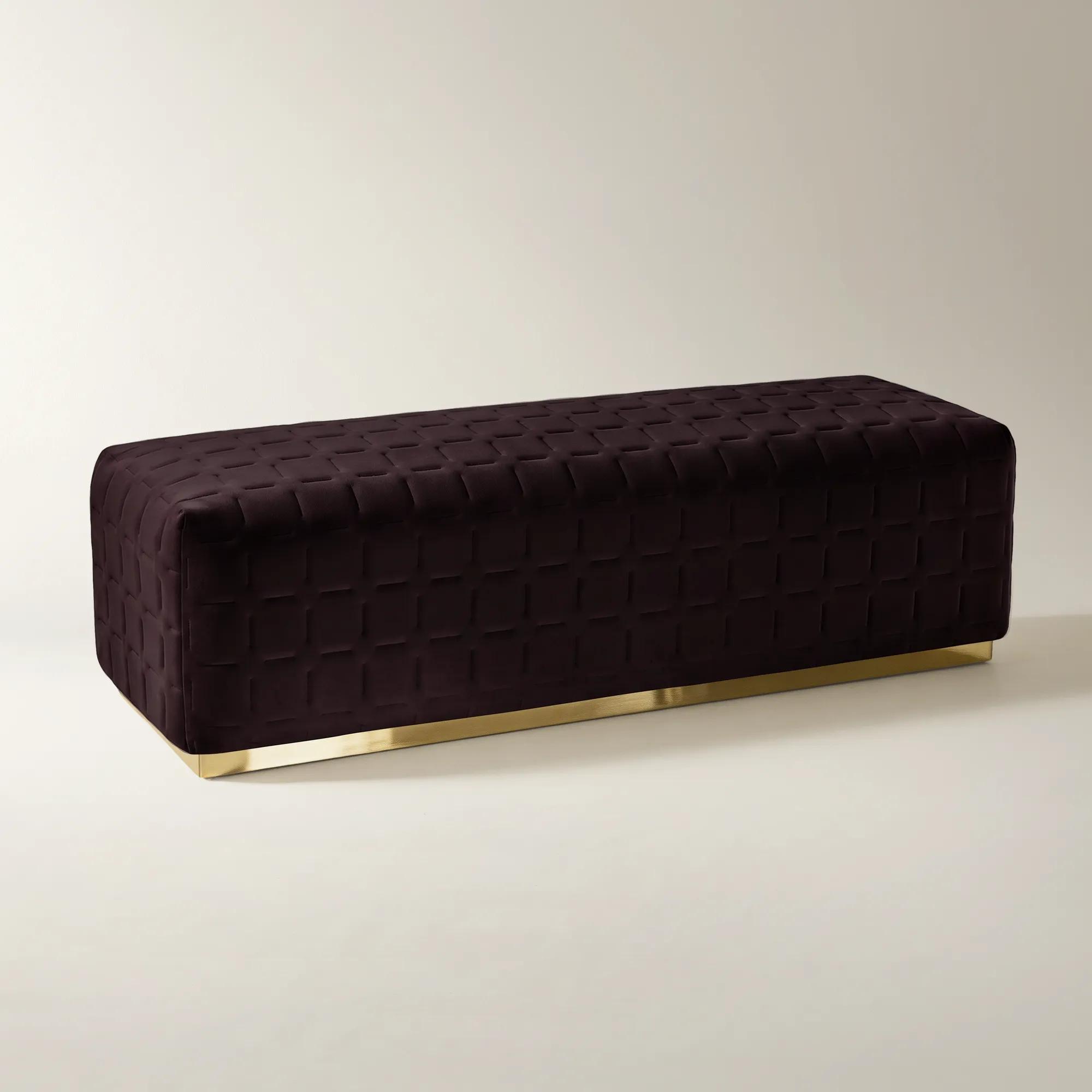 Vanta Quilted Fig Velvet Bench (64.6")$899
A plush fig velvet bench featuring checker quilted tufting and a sleek gold stainless steel base.
Add To Cart -
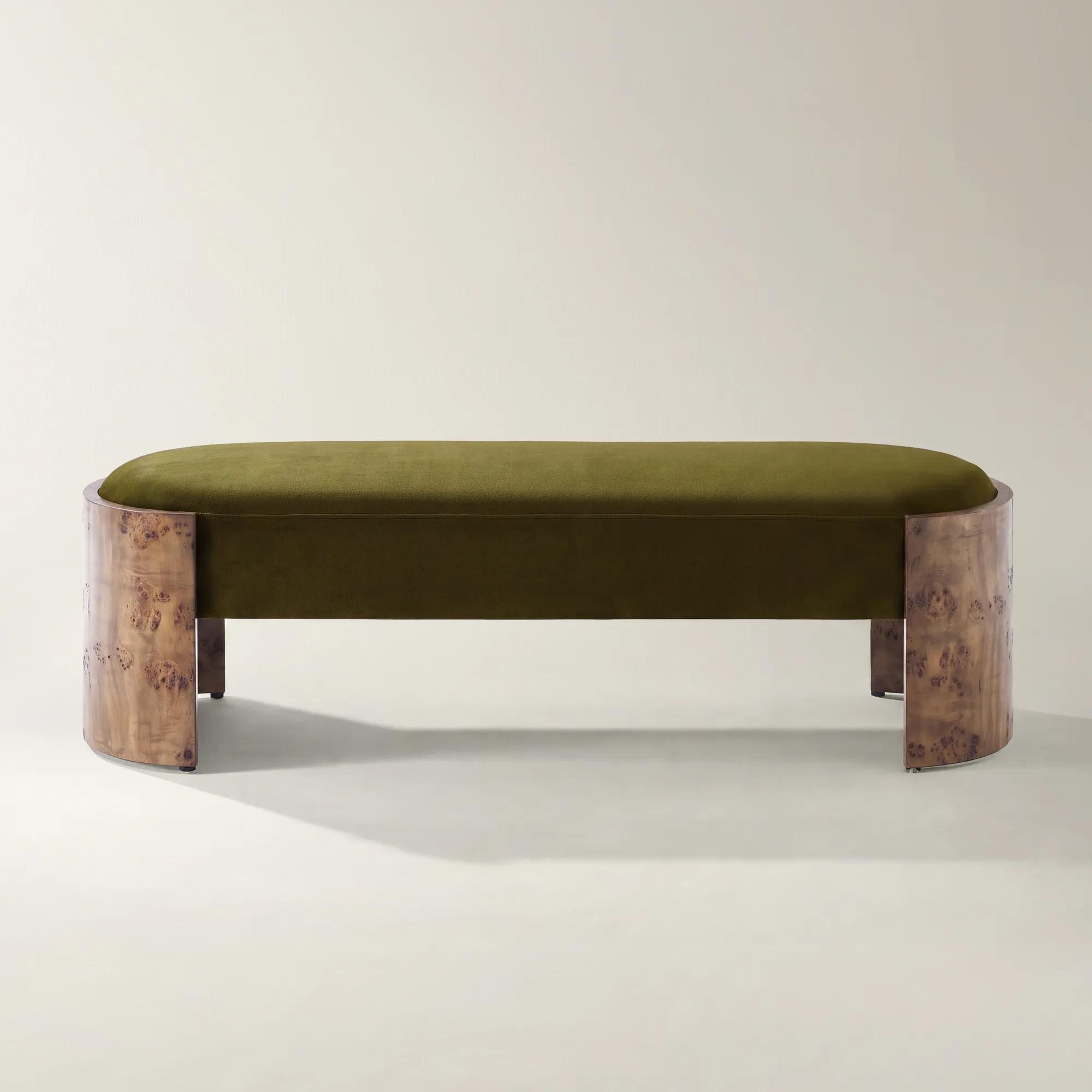 Cora Deep Olive Velvet With Ash Wood Bench (60.6")$999
A sculpted deep olive velvet bench featuring curved ash burl end panels and supportive foam cushioning.
Add To Cart -
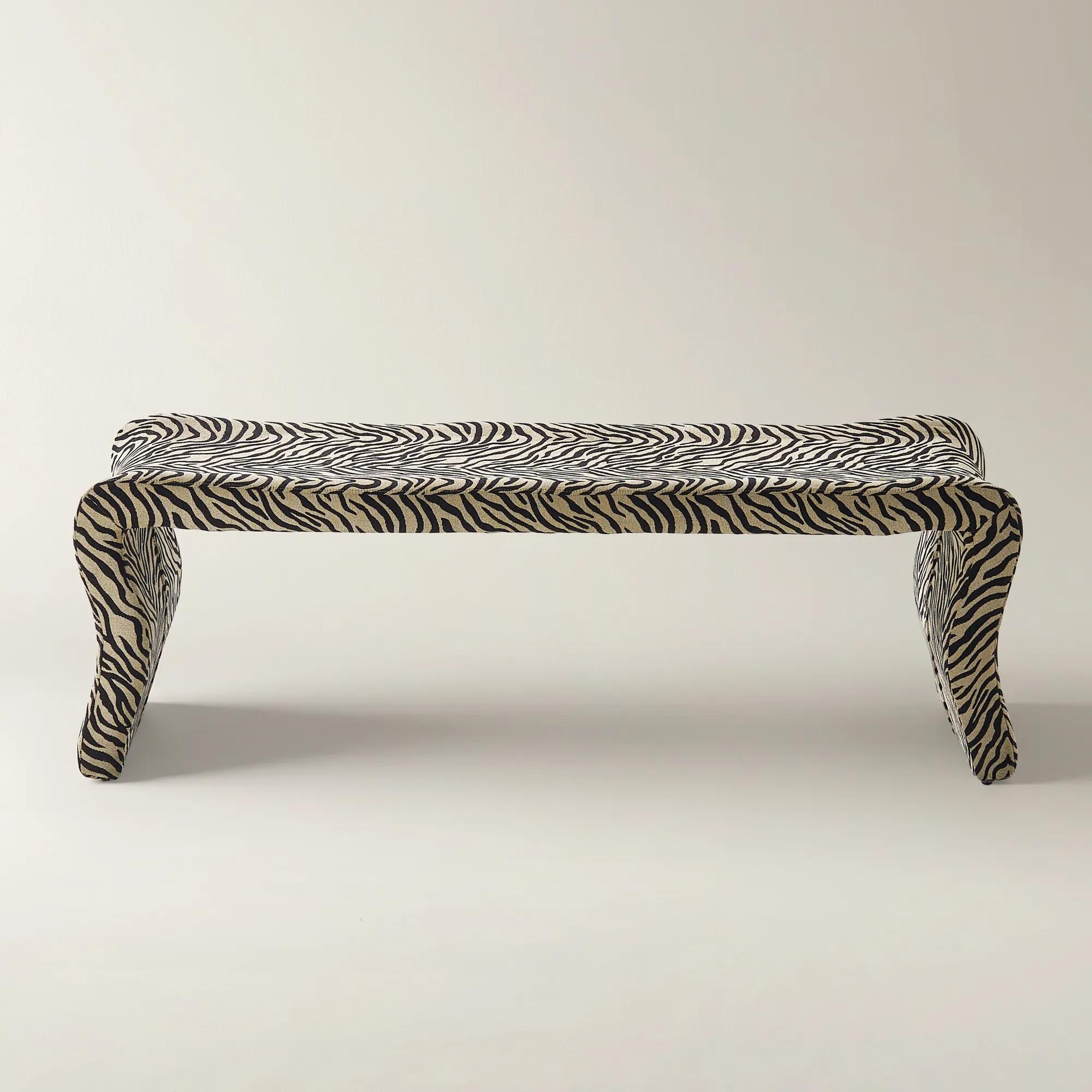 Romy Zebra Performance Chenille Bench (61.5")$899
A sculptural bench wrapped in zebra-patterned performance chenille with a wave-like silhouette and full foam construction.
Add To Cart -
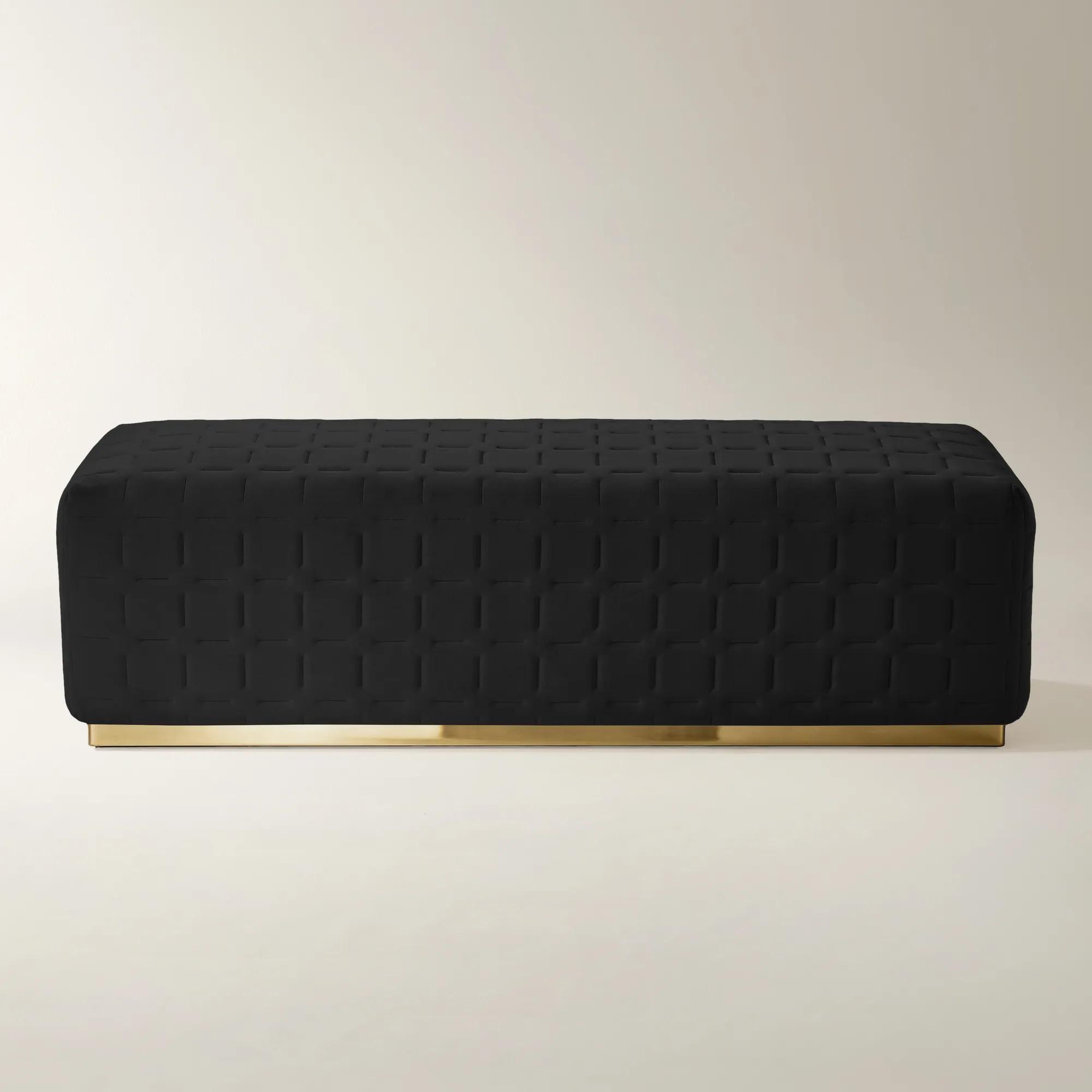 Vanta Quilted Charcoal Velvet Bench (64.6")$899
A charcoal velvet bench featuring checker quilted tufting and a gold stainless steel base for modern elegance.
Add To Cart -
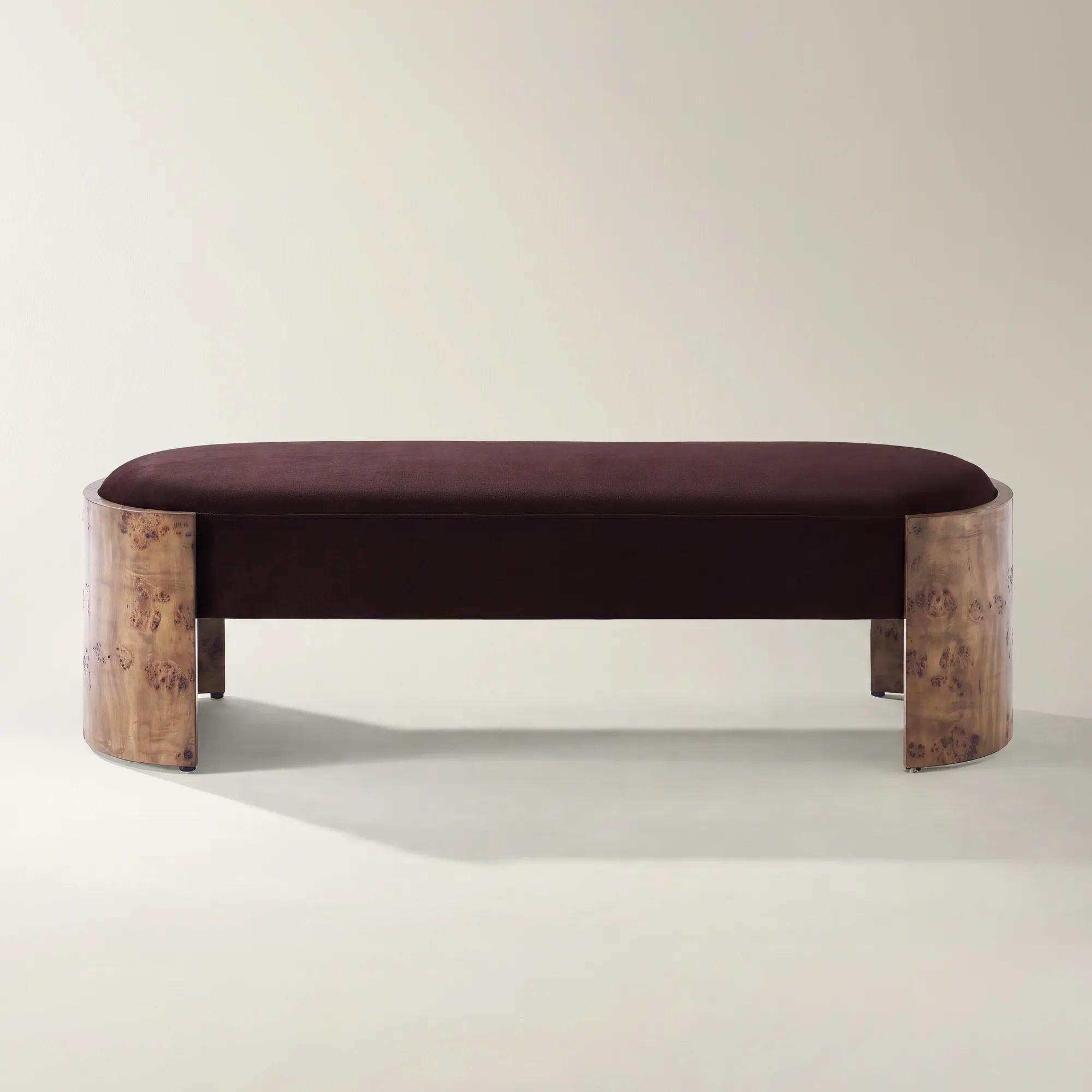 Cora Fig Velvet With Ash Wood Bench (60.6")$999
A sculptural bench with fig velvet upholstery, bookmatched ash burl panels, and supportive high-resiliency foam cushioning.
Add To Cart -
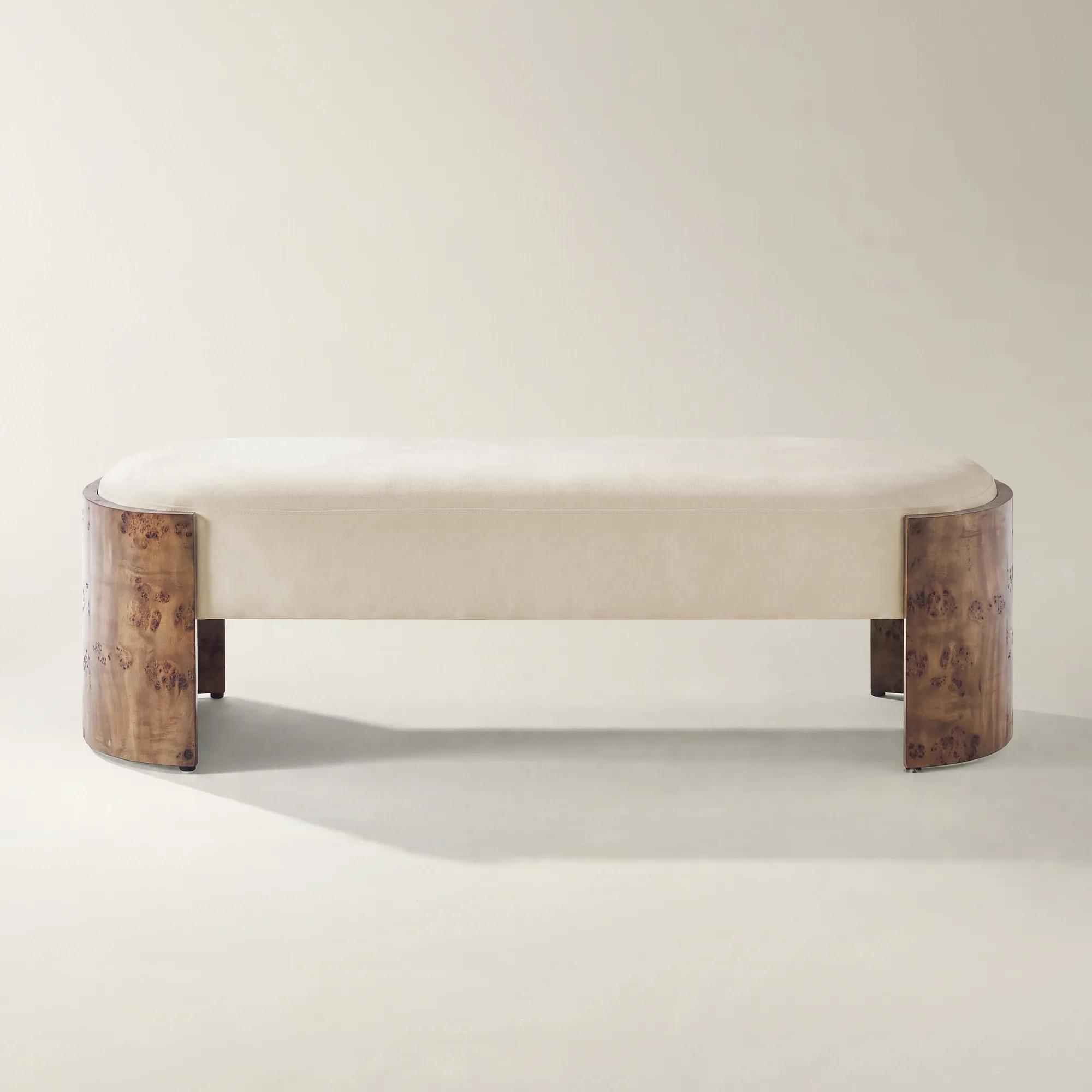 Cora Oatmeal Velvet With Ash Wood Bench (60.6")$999
A sculptural oatmeal velvet bench with curved ash burl wood panels and supportive foam cushioning.
Add To Cart

Designer Benches For Bedrooms
Designer benches for bedrooms are the ultimate invitation to indulge in both style and sanctuary. These sculptural accents transform the ordinary into the extraordinary, elevating your bedroom with a flourish of artistry and intent. Whether poised at the foot of your bed or gracing a sunlit corner, each bench becomes a statement—an ode to comfort, sophistication, and unapologetic self-expression. Discover how designer benches for bedrooms can infuse your personal retreat with drama, texture, and a touch of unexpected glamour.
Designer benches for bedrooms are accent seating pieces that bring comfort, visual balance, and a refined finishing touch to the foot of a bed, an accent wall, or a dressing area. More than a place to pause, a beautifully proportioned bench gives the room another layer of architecture: a low, sculptural line beneath sumptuous bedding, a gleaming frame against a richly colored wall, or a soft upholstered surface that makes a private retreat feel complete. Their appeal lies in the meeting of expressive design and everyday purpose. A bedroom bench offers a seat for fastening shoes, a convenient surface for arranging an outfit, or a resting place for a folded coverlet before settling into bed. Upholstery, silhouette, and base material each shape its presence. Velvet can lend saturated color and a luminous surface that changes with the direction of its pile, while textured woven fabric introduces depth through a quieter interplay of yarns. Leather offers a tailored effect, with care requirements and aging characteristics that depend on its finish. Tufting creates dimension and rhythm; channel stitching emphasizes clean lines; a smooth, tightly upholstered seat allows an expressive frame to take the lead. Curved ends soften the geometry of a substantial bed, while an open metal base lets more of the floor remain visible. Wood can add warmth and grain, and polished metal introduces a sharper flash of reflection. These elements need not match every surrounding finish. A bench with a warm metallic detail can echo a bedside lamp, while pale upholstery can draw a subtle thread from the bedding to the floor. The most convincing compositions feel connected rather than identical, with enough contrast to give each material its own presence. Whether the room favors a dramatic upholstered headboard, mirrored accents, or restrained architectural lines, a designer bedroom bench can establish a graceful transition between the bed and the rest of the space without competing for attention.
Scale determines whether that statement feels effortless or intrusive. At the foot of the bed, a bench generally looks balanced when it is narrower than the bed itself, leaving the bedding and frame visible on either side. A width of roughly two-thirds to three-quarters of the bed offers a useful visual reference, although the shape of the bench, the bed frame, and the room’s layout all influence the final relationship. Seat height matters just as much: a surface near or slightly below the top of the mattress often creates a harmonious line, while still needing to feel comfortable for the person using it. Depth deserves particular attention in bedrooms with a dresser opposite the bed. A generous upholstered seat may look inviting, but it should not crowd a walking route, prevent drawers from opening, or interfere with a closet door. Measuring the complete footprint, including projecting arms or curved legs, gives a more accurate sense of fit than considering seat dimensions alone. In a compact room, a slender profile and exposed base can preserve an airy view across the floor. In a larger suite, a broader silhouette can hold its own against an expansive bed and substantial nightstands. Placement beyond the bed creates other possibilities: a bench along an otherwise bare wall can anchor artwork, while one beside a dressing area provides a comfortable pause between wardrobe choices. A storage bench, when designed with an interior compartment, can help contain spare bedding or decorative pillows; the lid also needs enough clearance to open freely. For a shared bedroom, an accessible seat may make daily routines more comfortable, while a guest room gains a thoughtful place to sit without turning the bed into the only seating option. Explore Benches For Chic Bedrooms for another perspective on seating that balances expressive detail with a composed bedroom setting.
Lasting appeal depends on what sits beneath the beautiful surface as well as how that surface is maintained. Frame construction, secure joinery, leg attachments, cushioning, and upholstery quality all influence how a bedroom bench performs over time. A piece intended for regular seating should feel stable and carry a stated weight capacity appropriate to its use; decorative presence alone does not establish structural suitability. Cushion firmness is another personal consideration. A supportive seat can feel reassuring when putting on shoes, while a softer surface may suit brief moments of relaxation, provided the cushion retains its shape with normal use. Households with children or pets may place greater value on tightly woven upholstery, accessible cleaning instructions, and details that are less likely to catch on claws or clothing. Fabrics described as performance materials still require attention to the manufacturer’s guidance, since stain resistance does not mean every spill or cleaning solution is harmless. Routine care is often simple but material-specific: gentle vacuuming with an appropriate upholstery attachment can lift dust from seams, prompt blotting can help limit a spill’s spread, and avoiding vigorous rubbing can protect the fabric’s texture. Velvet may show pressure marks or shifts in shading, while leather may need care products suited to its particular finish. Wood and metal frames benefit from soft cleaning cloths and methods approved for their coatings, rather than abrasive products that can dull or scratch the surface. Prolonged direct sunlight may alter some upholstery colors and finishes, making placement part of preservation. Floor protectors suited to the flooring can help reduce marks, and lifting rather than dragging protects both the bench and its surroundings. Intended use remains important: bedroom seating is not a substitute for a step stool, and storage compartments should be used within their stated limits. With considered proportions, tactile materials, and appropriate care, a designer bench becomes an enduring part of the room’s daily rhythm—a useful seat, a striking silhouette, and a final flourish that makes the bedroom feel distinctly personal.
FAQs
Designer benches for bedrooms often showcase luxurious materials such as velvet, linen, and bouclé upholstery, paired with polished metals, acrylic, or hand-finished woods. These materials not only elevate the visual appeal but also add tactile richness, enhancing both comfort and sophistication in your space.
A designer bedroom bench acts as an anchor at the foot of the bed, adding dimension, texture, and a curated sense of style. It serves as a dramatic focal point, introduces new materials and finishes, and ties together other design elements in the room, transforming the bedroom into a cohesive, artful retreat.
Absolutely. Designer benches are available in a wide range of silhouettes and finishes, from sleek modern lines to ornate, tufted upholstery and metallic accents. Whether your bedroom is contemporary, classic, or glam, there is a designer bench that will complement and enhance your unique aesthetic.
Yes, many designer benches offer versatility beyond seating. They can be used as a stage for displaying decorative pillows, a convenient spot for laying out clothing or accessories, or even as a subtle storage solution if the design includes hidden compartments or shelving.
A designer bedroom bench makes a thoughtful and luxurious gift for design enthusiasts, newlyweds, new homeowners, or anyone who appreciates expressive interiors. Its blend of artistry and functionality ensures it will be cherished and used daily, making it a memorable addition to any bedroom.