Luxury Bench Seating For Bedrooms
Luxury Bench Seating For Bedrooms
-
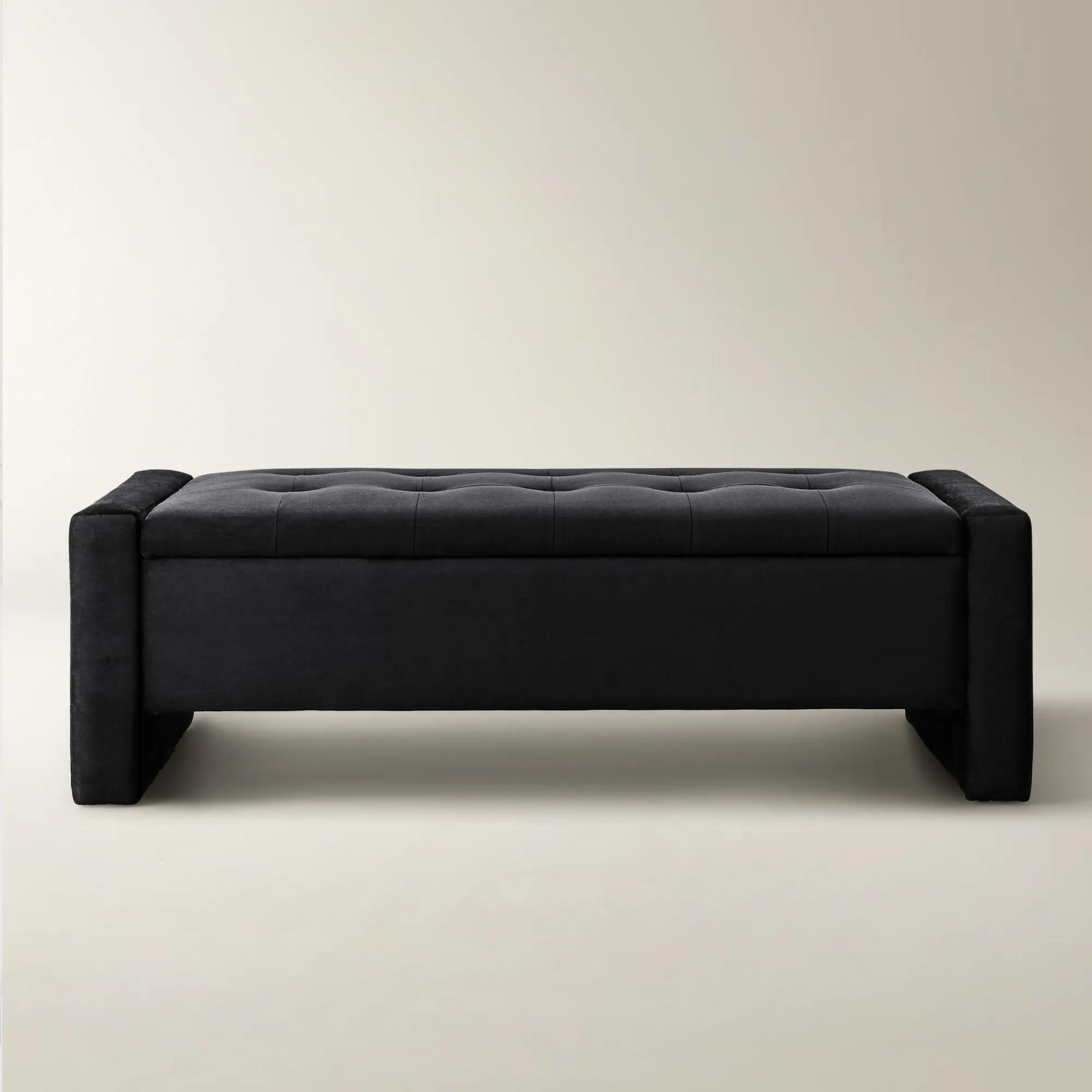
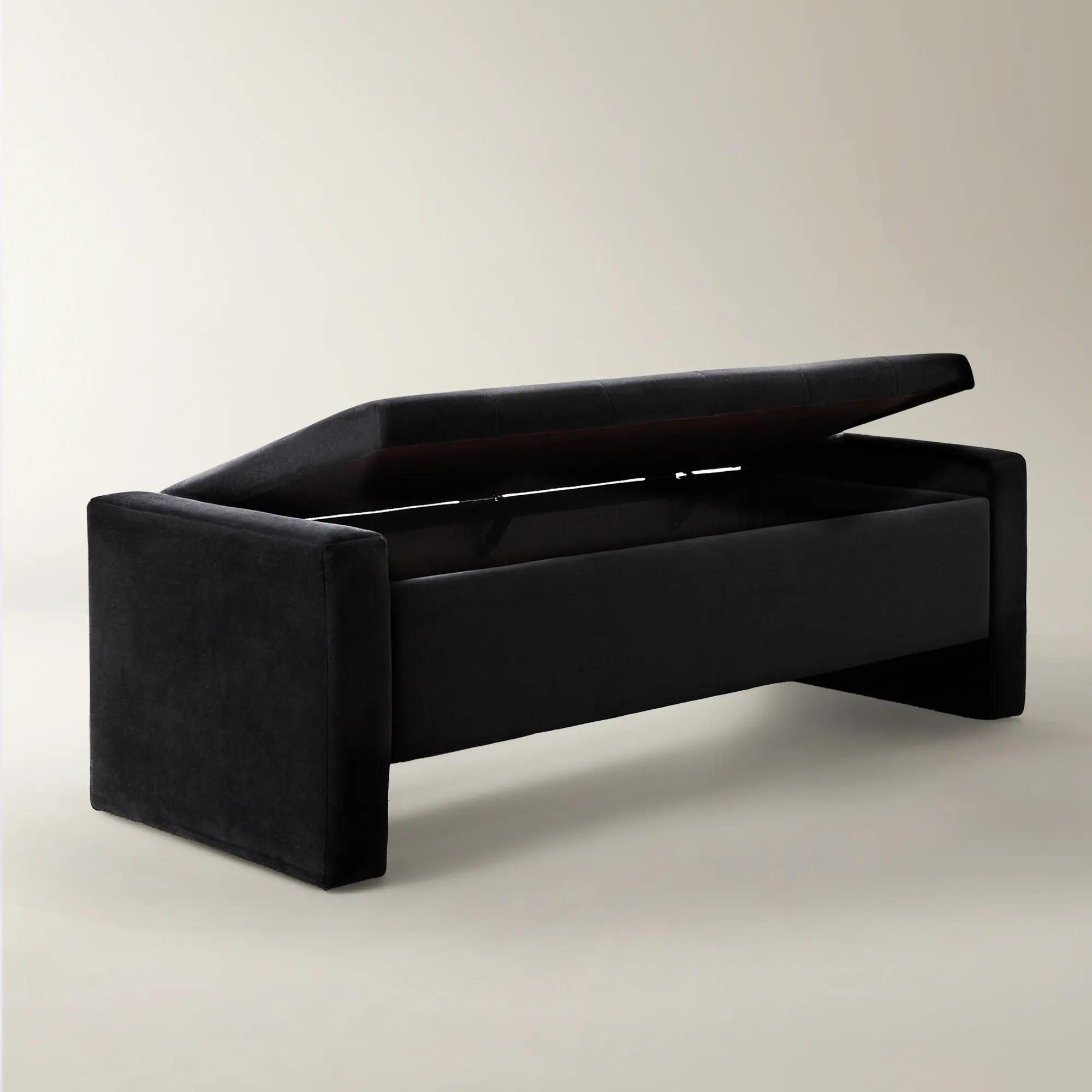 Maeve Storage Bench$899
A modern velvet-upholstered bench with hidden storage, kiln-dried hardwood frame, and soft-closing glides.
Add To Cart -
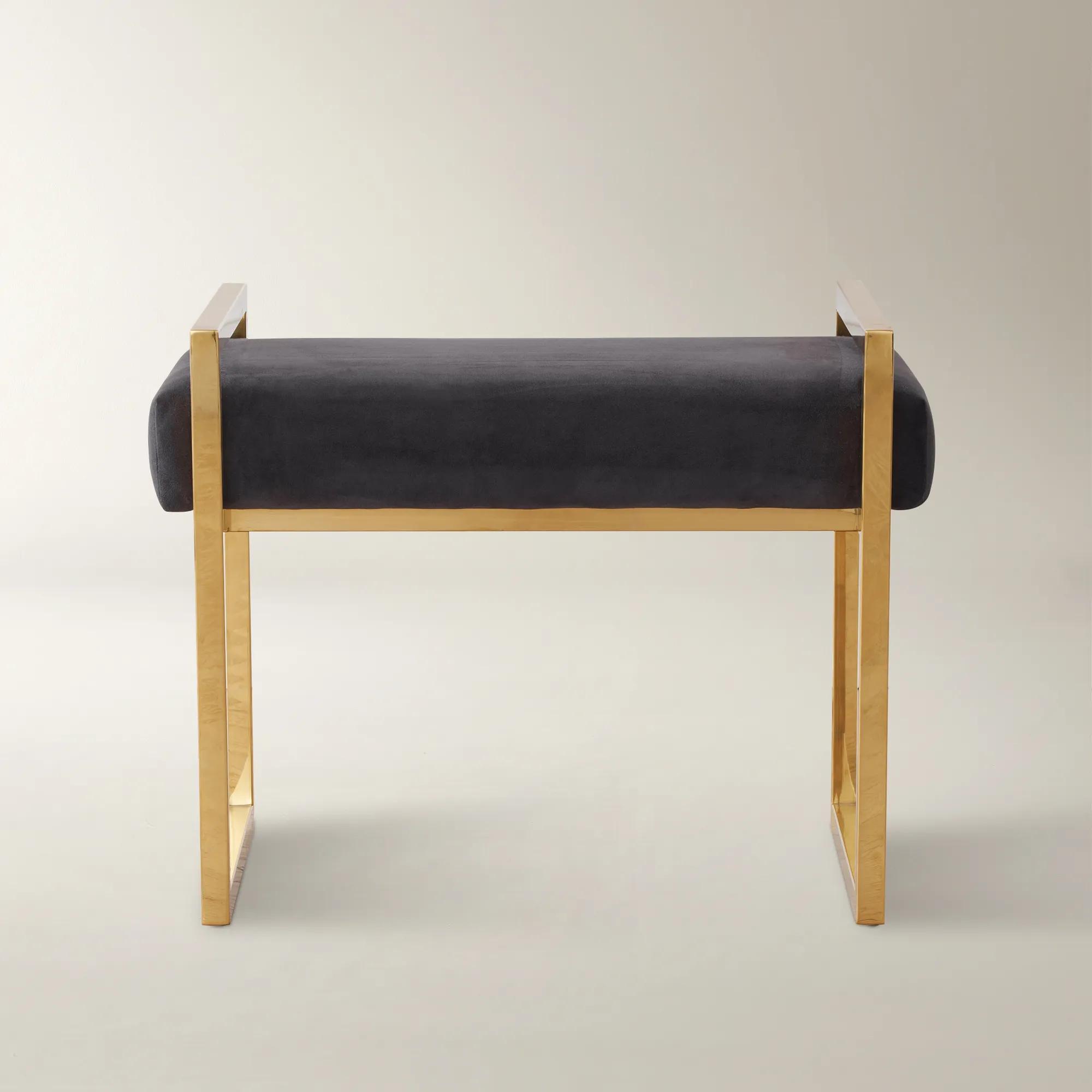
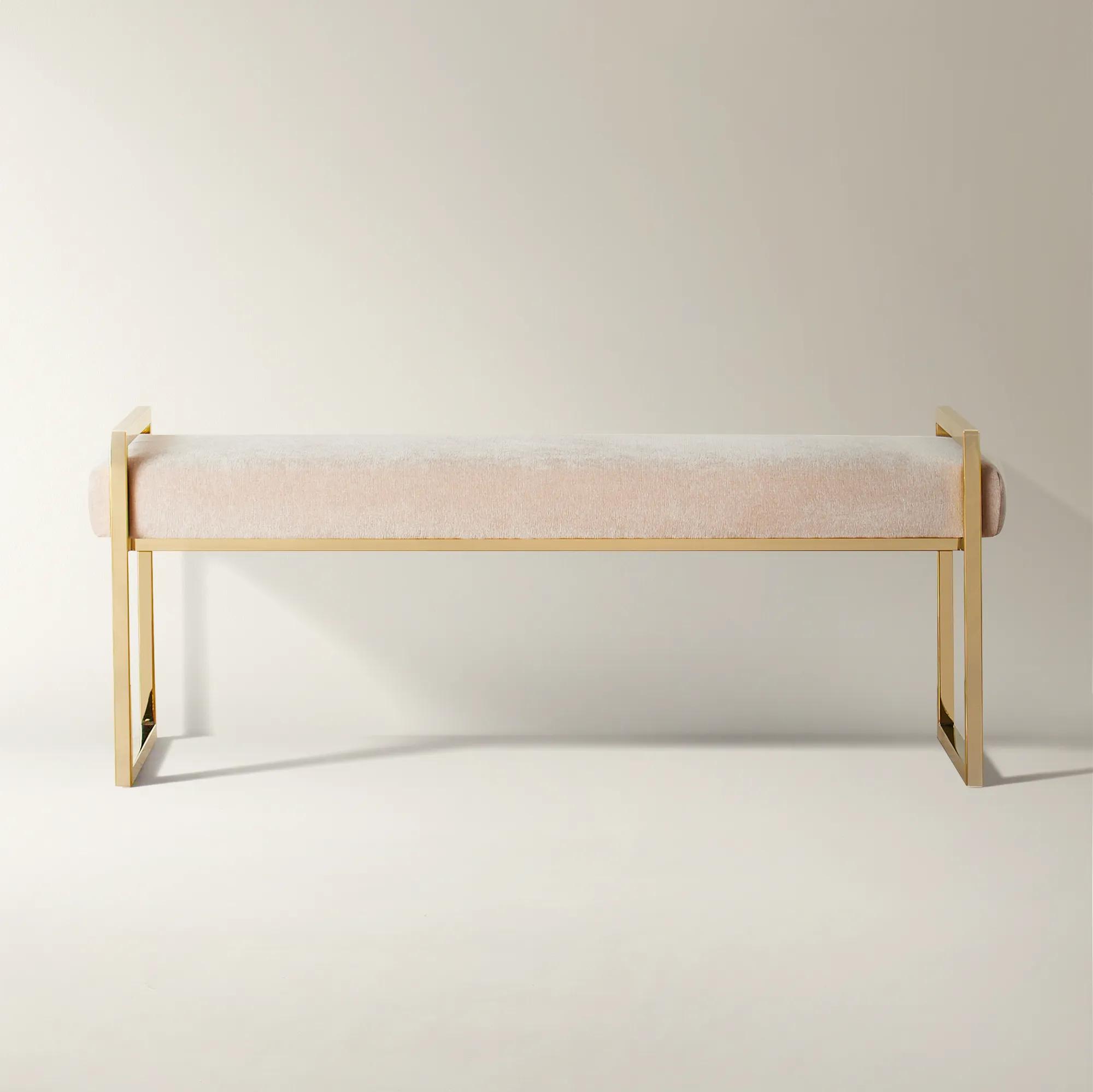 Clara Bench$699
A plush upholstered bench with a high-density foam seat and polished gold metal legs for modern elegance.
Add To Cart -
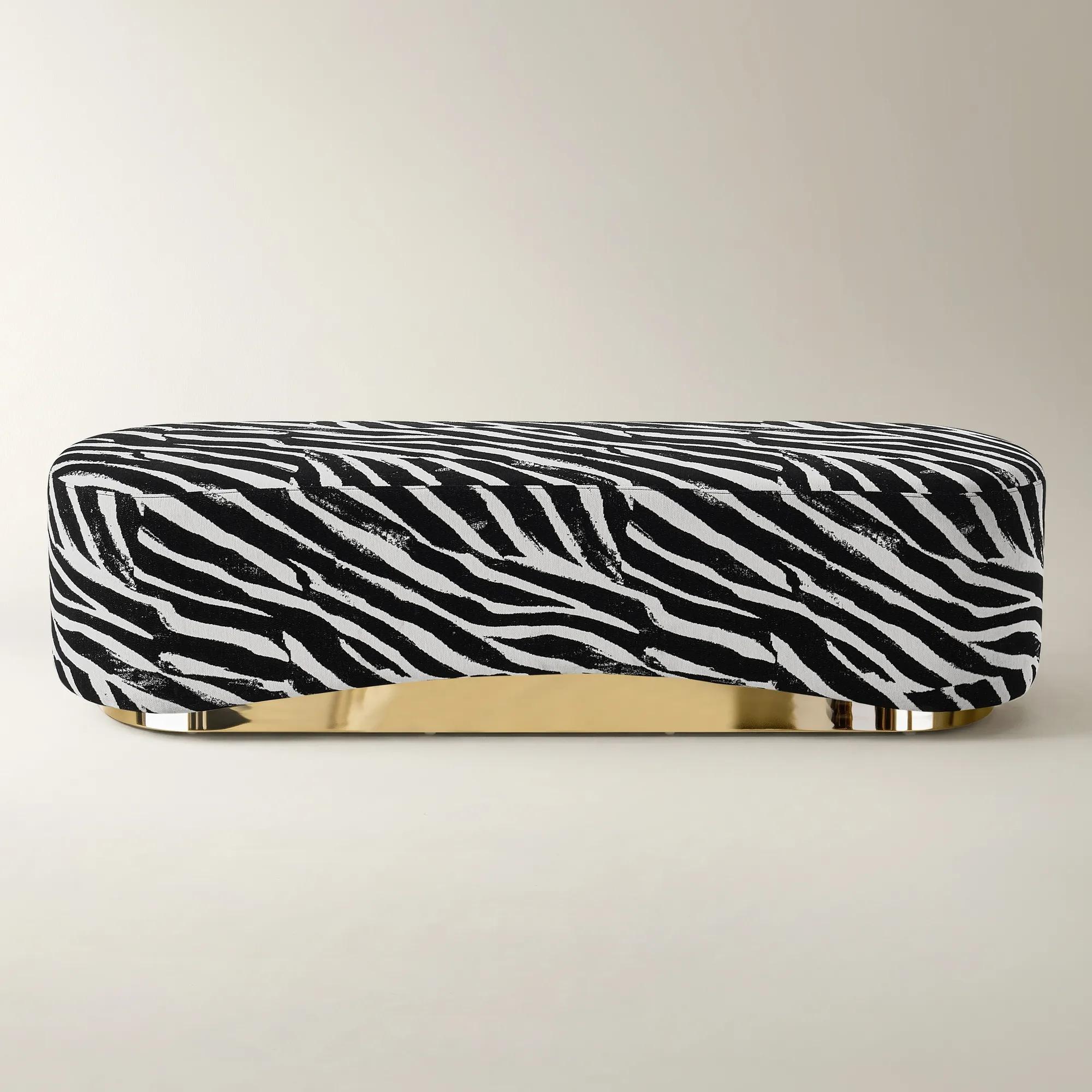
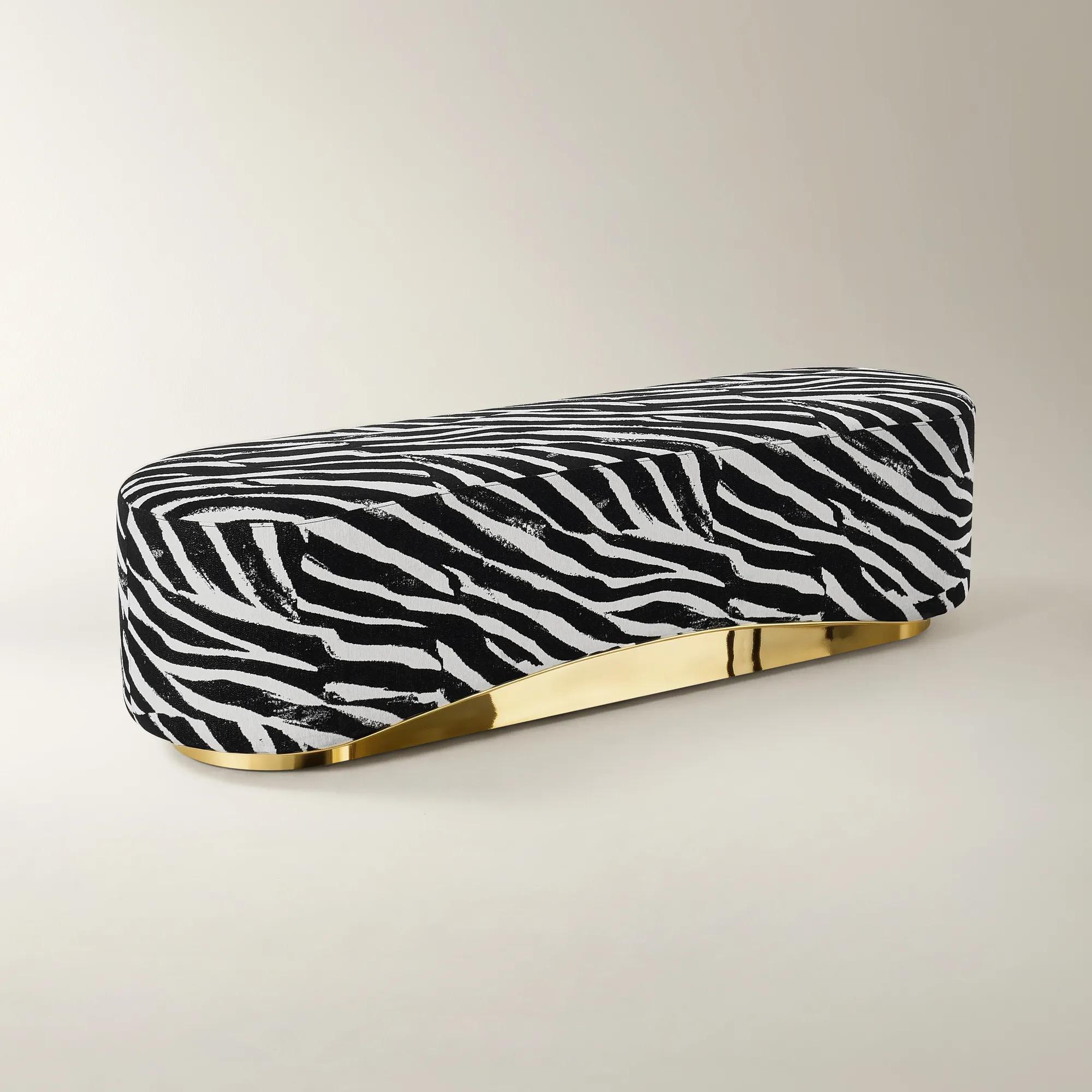 Kendra White/Black Performance Chenille Bench (70.47")$799
An elongated oval bench upholstered in white and black performance chenille with a polished gold stainless steel base.
Add To Cart -
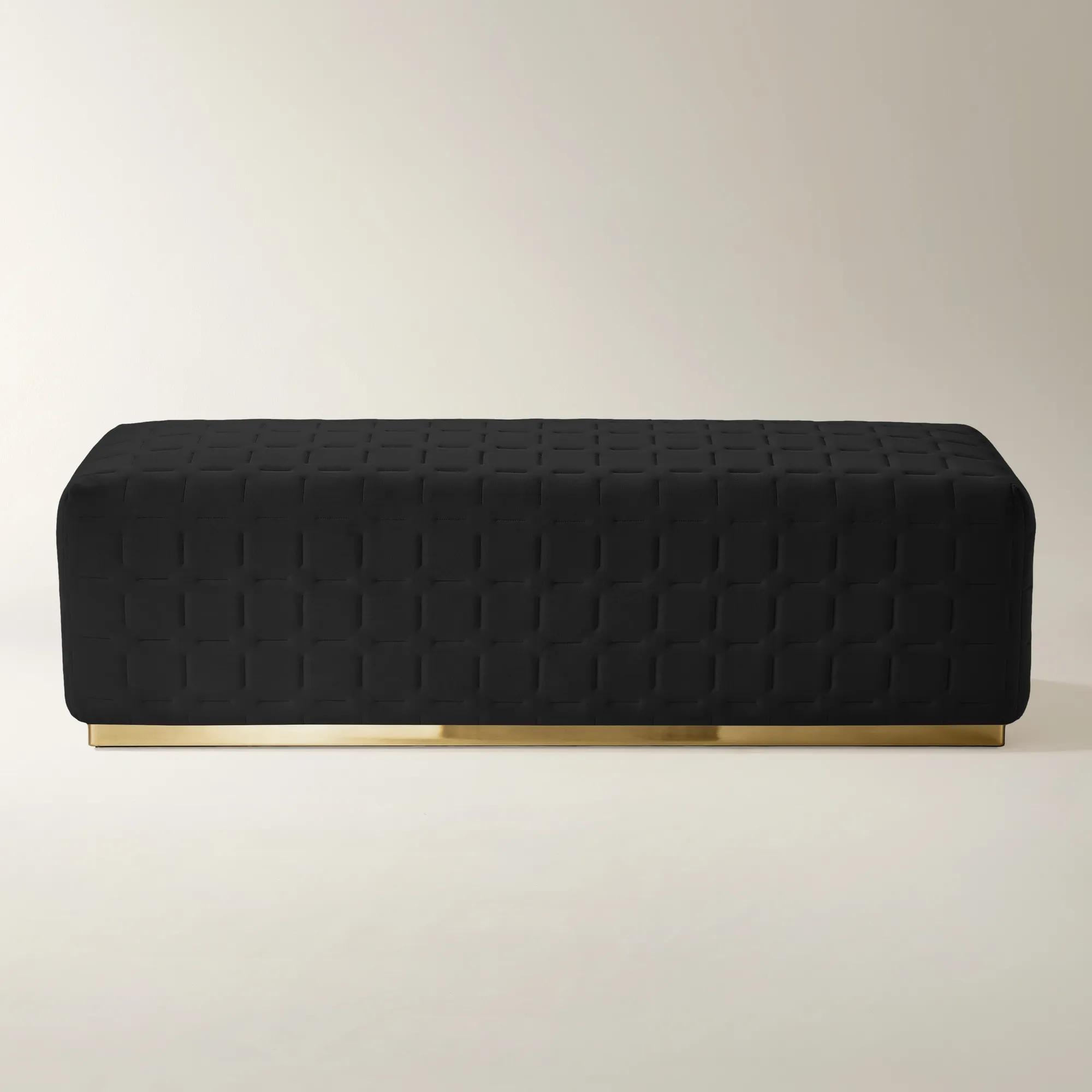 Vanta Quilted Charcoal Velvet Bench (64.6")$899
A charcoal velvet bench featuring checker quilted tufting and a gold stainless steel base for modern elegance.
Add To Cart -
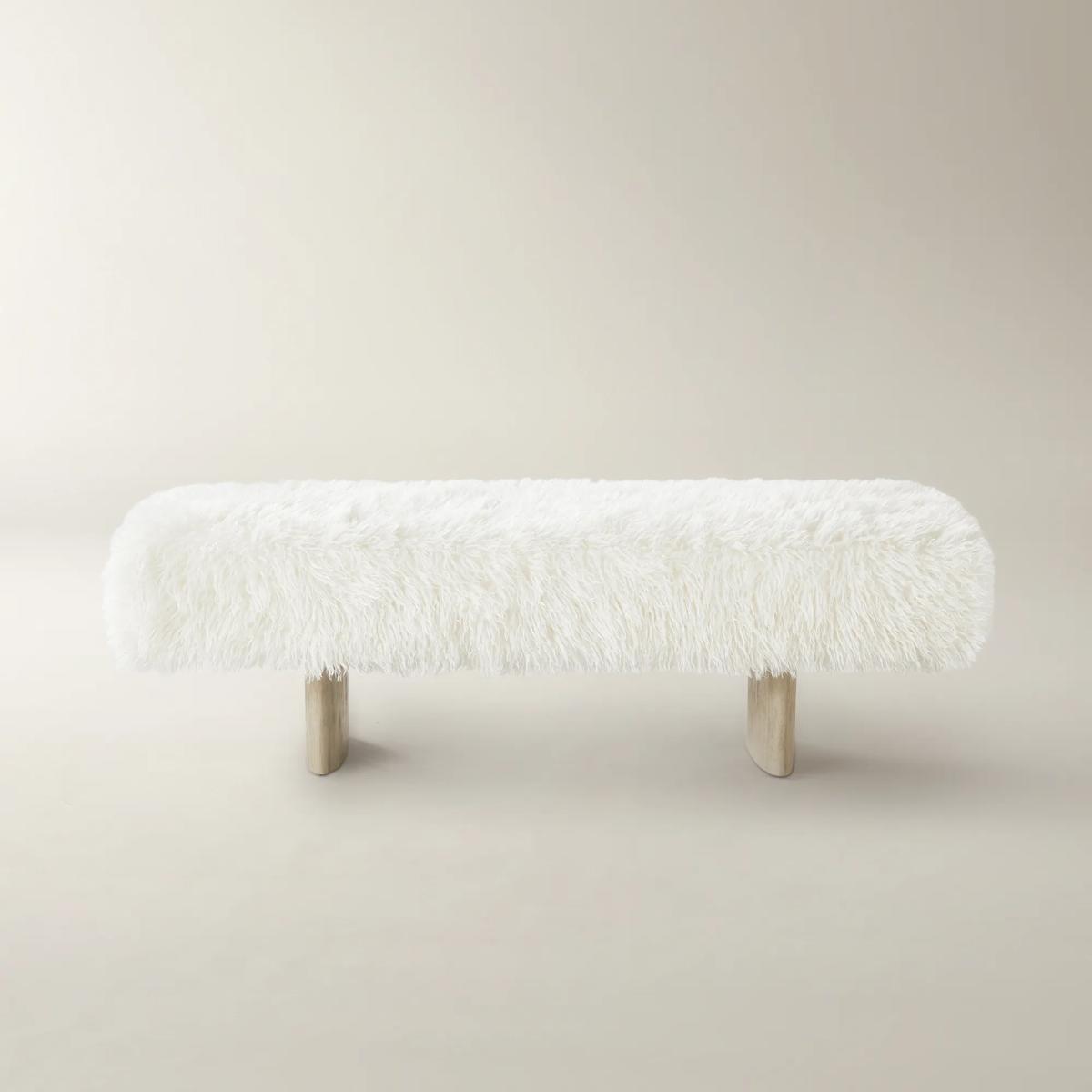 Micah Ivory Mongolian Faux Fur Bench With Rubberwood Legs (62.6")$699
An ivory faux Mongolian fur bench with high-density foam and sculptural solid rubberwood base for modern coziness.
Add To Cart -
.jpg?w=1200&h=1200) Micah Tan Mongolian Faux Fur Bench With Rubberwood Legs (62.6")$699
Micah Tan Mongolian Faux Fur Bench With Rubberwood Legs (62.6")$699A light brown faux fur bench with a curved rubberwood base and plush high-density foam cushion.
Add To Cart -
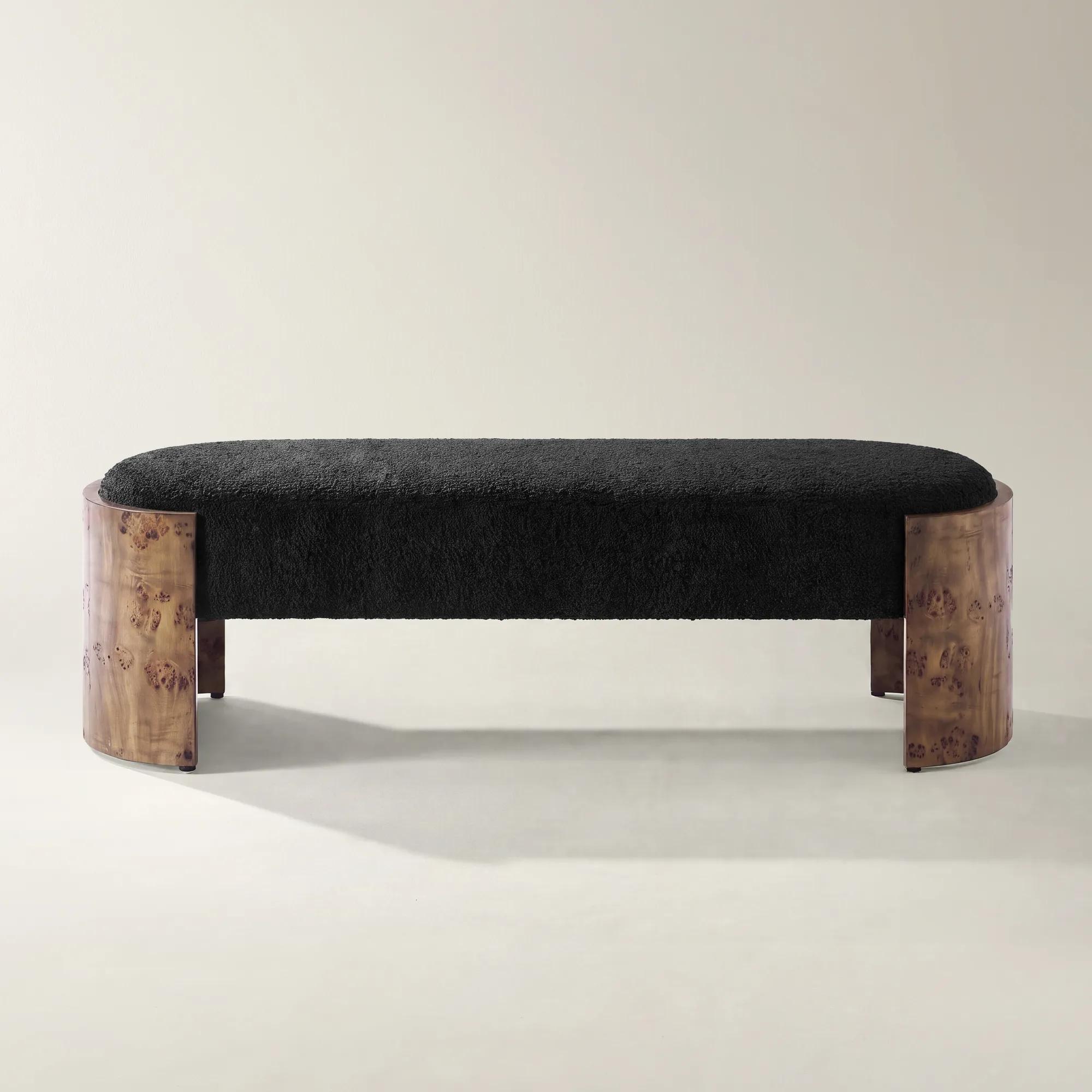
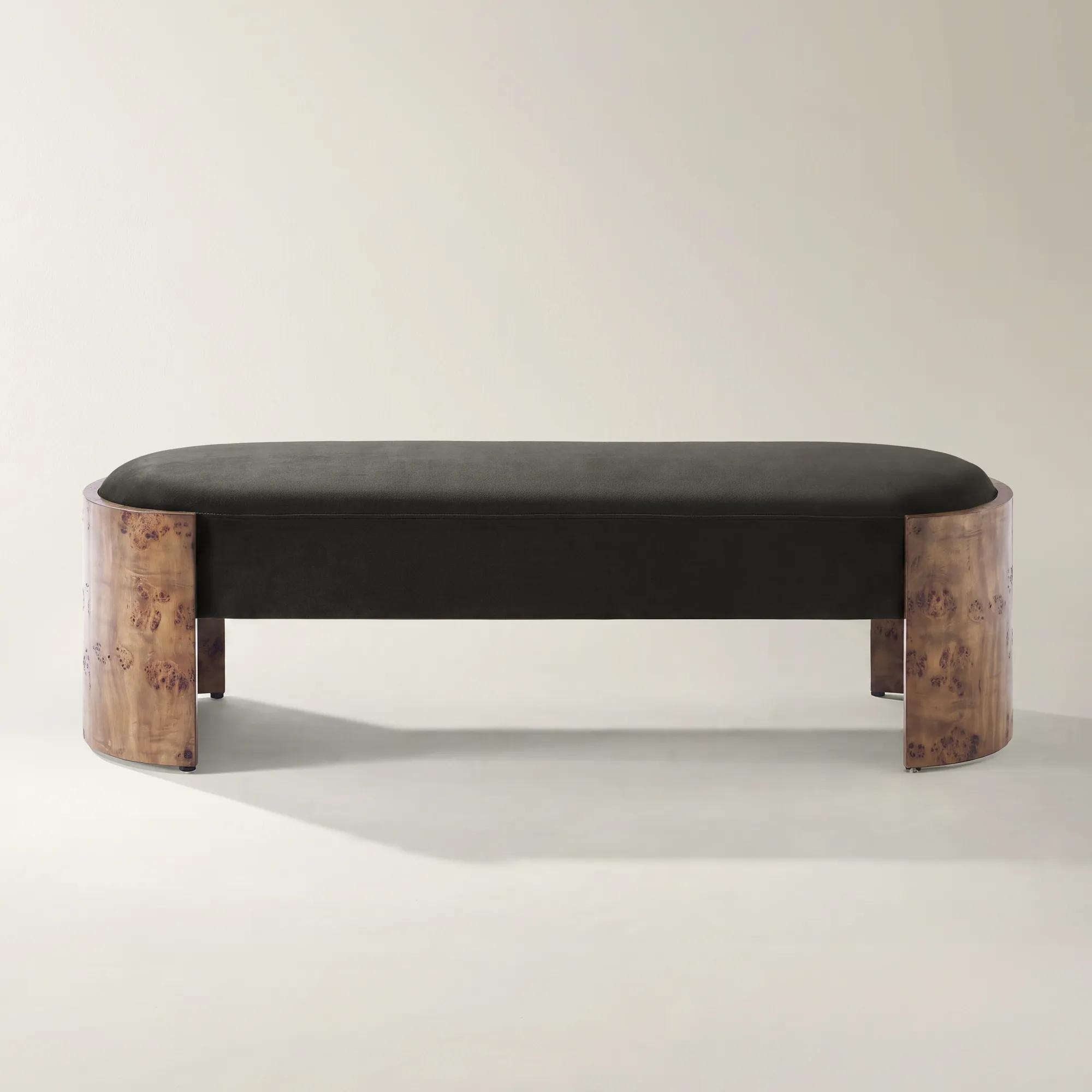
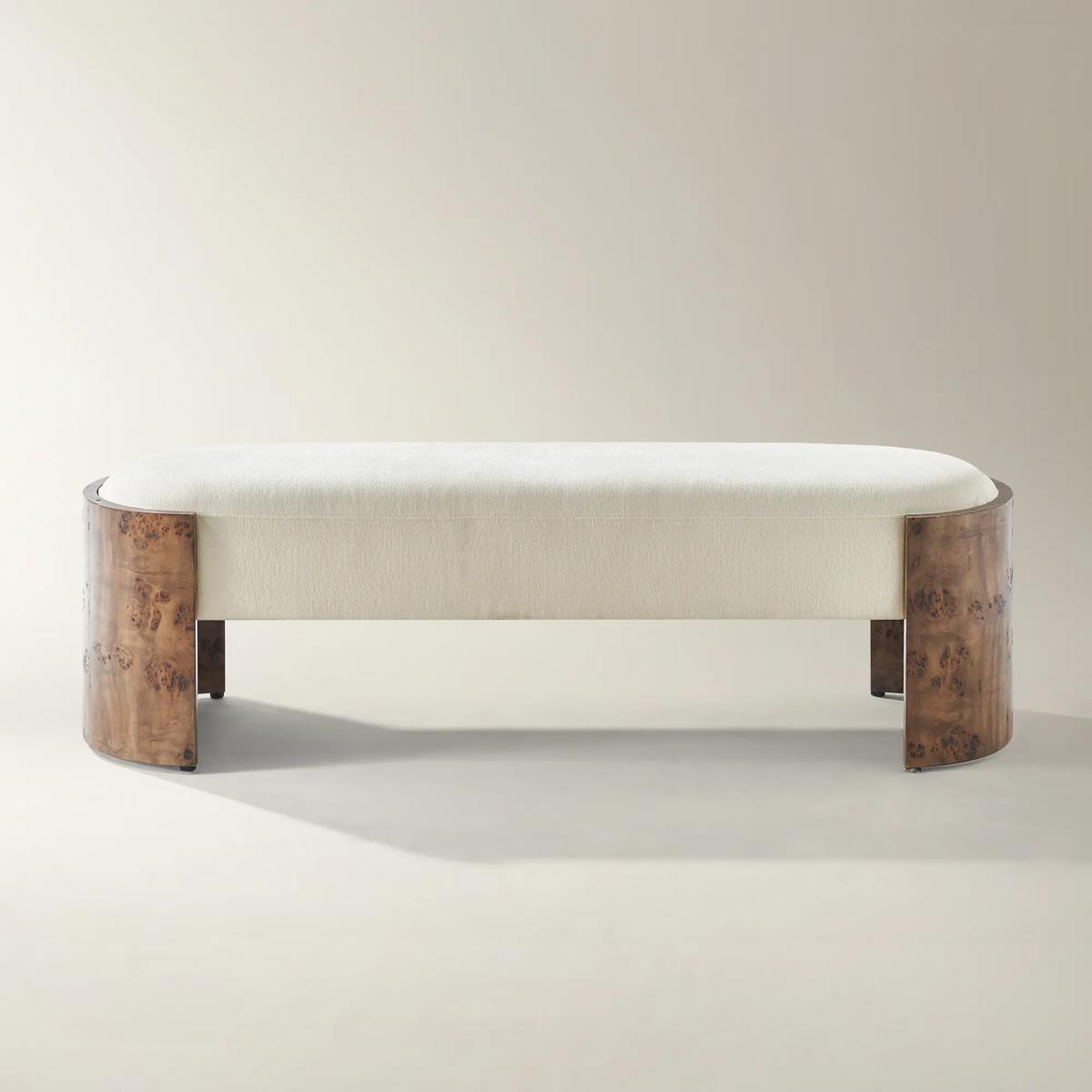 Cora Ivory Chenille With Ash Wood Bench (60.6")$999
An ivory chenille bench with curved ash burl veneer panels, blending plush comfort with striking wood artistry.
Add To Cart -
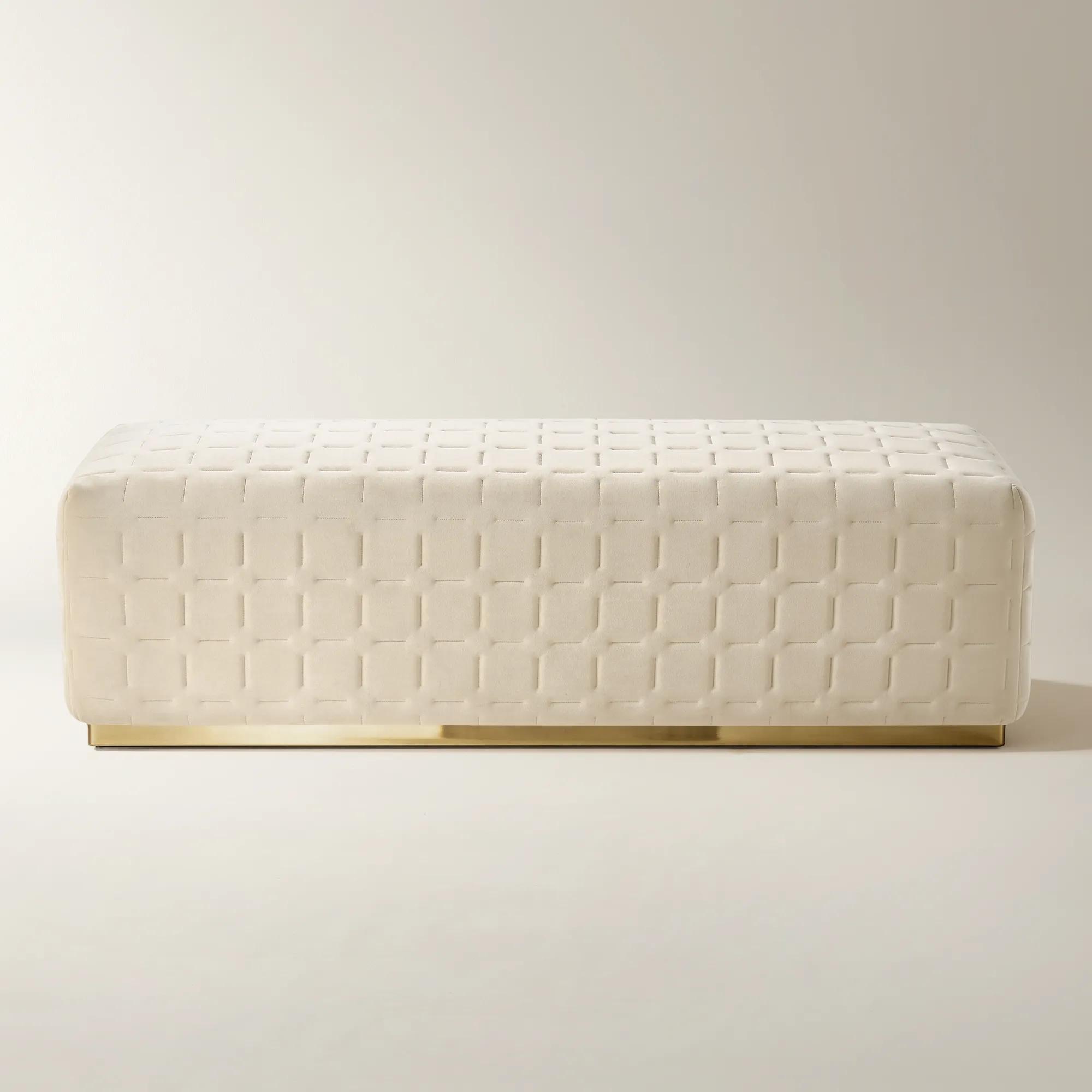
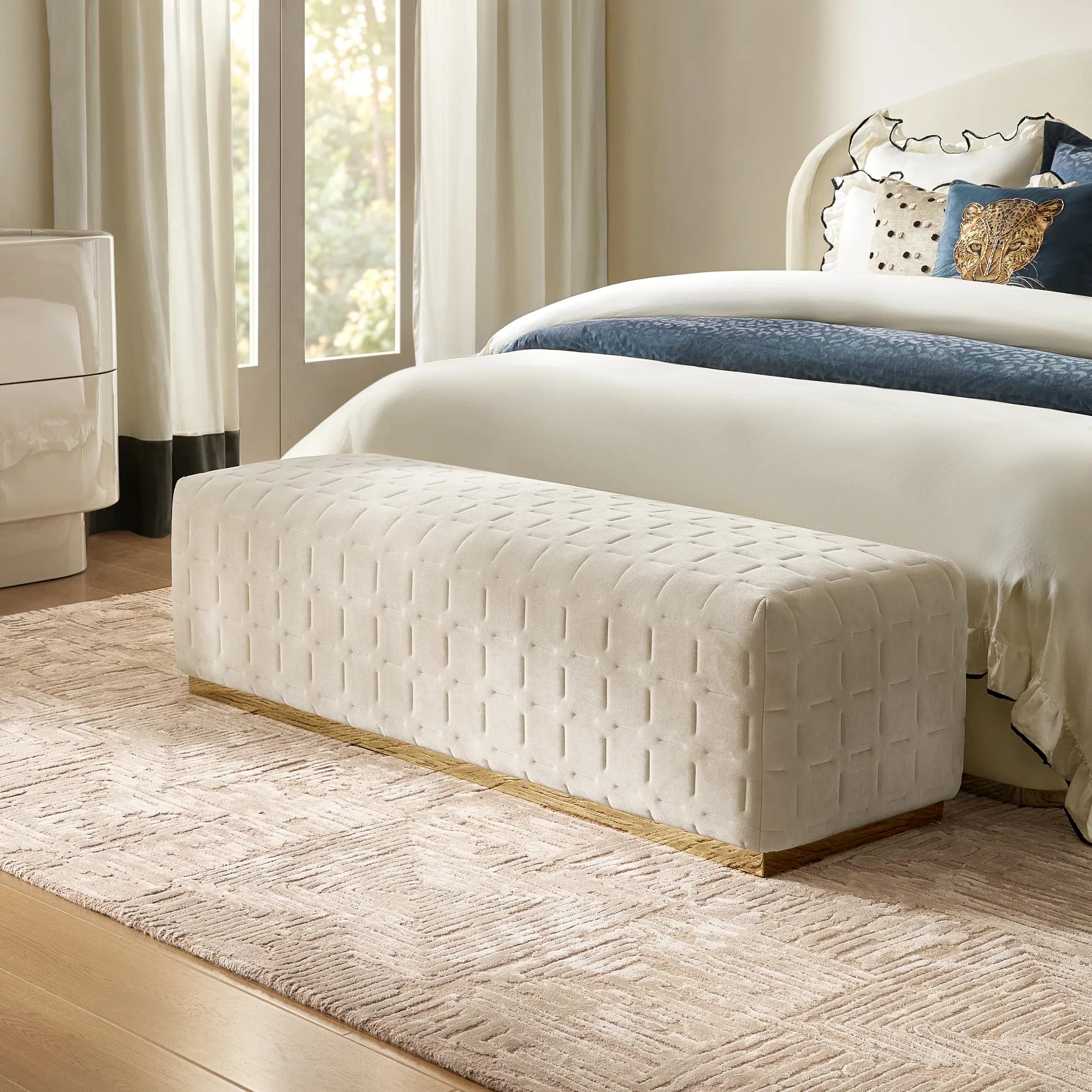 Vanta Quilted Oatmeal Velvet Bench (64.6")$899
A plush oatmeal velvet bench featuring checker quilted tufting and a sleek gold stainless steel base.
Add To Cart -
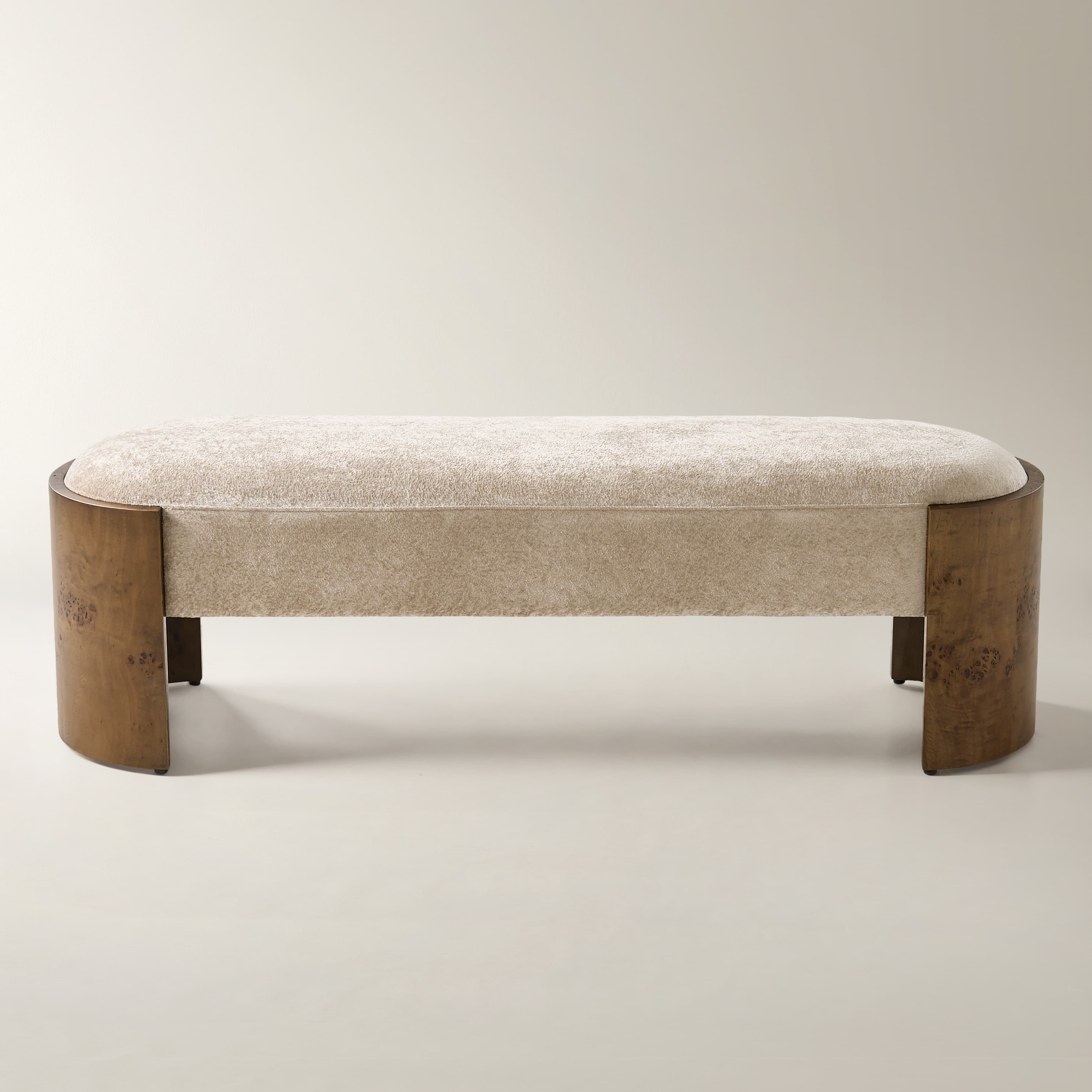 Cora Light Brown Chenille With Ash Wood Bench (60.6")$999
A light brown chenille bench with curved ash burl veneer panels, blending plush comfort and organic artistry.
Add To Cart -
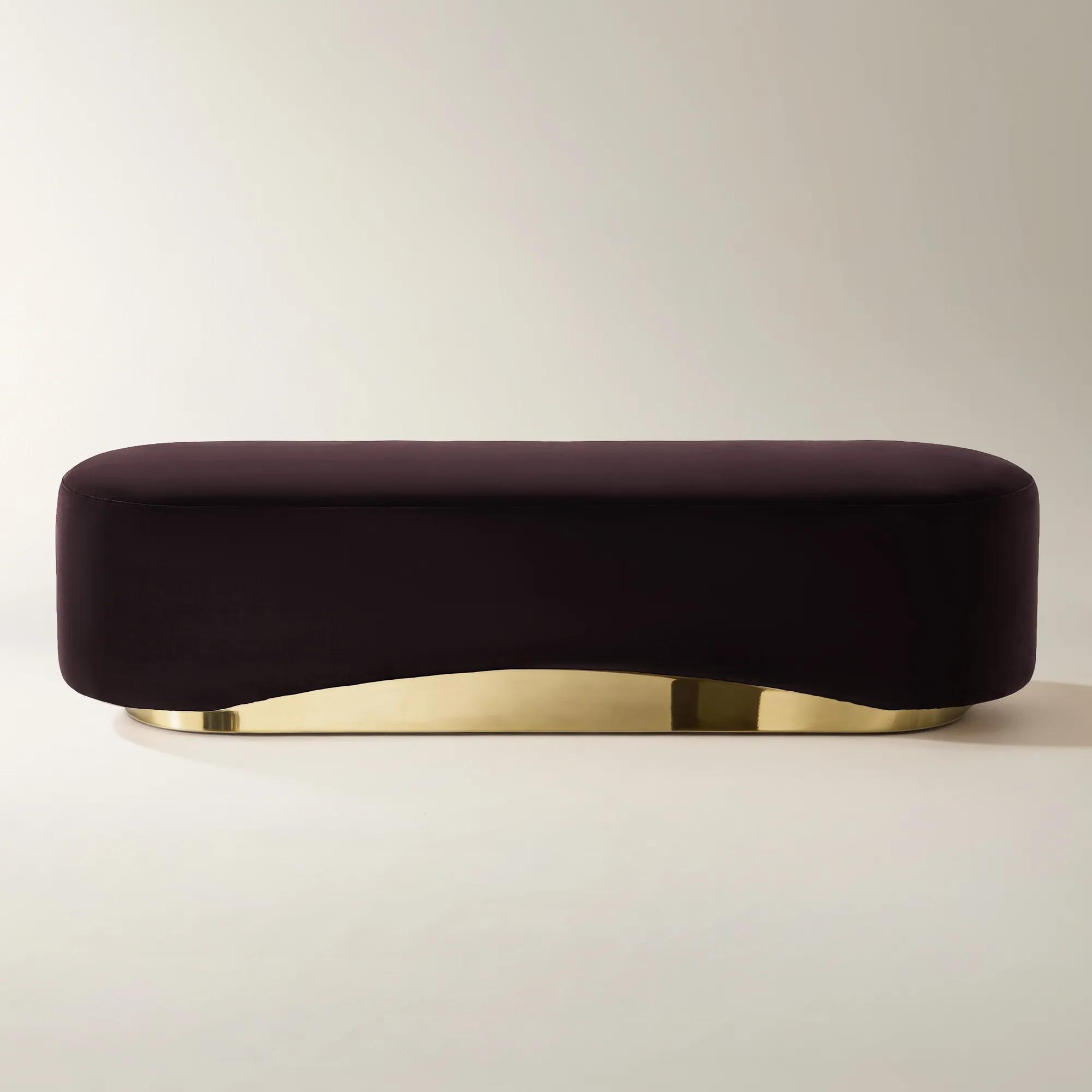 Kendra Fig Velvet Bench (70.47")$799
A plush fig velvet bench with an elongated oval silhouette and a polished gold stainless steel base.
Add To Cart -
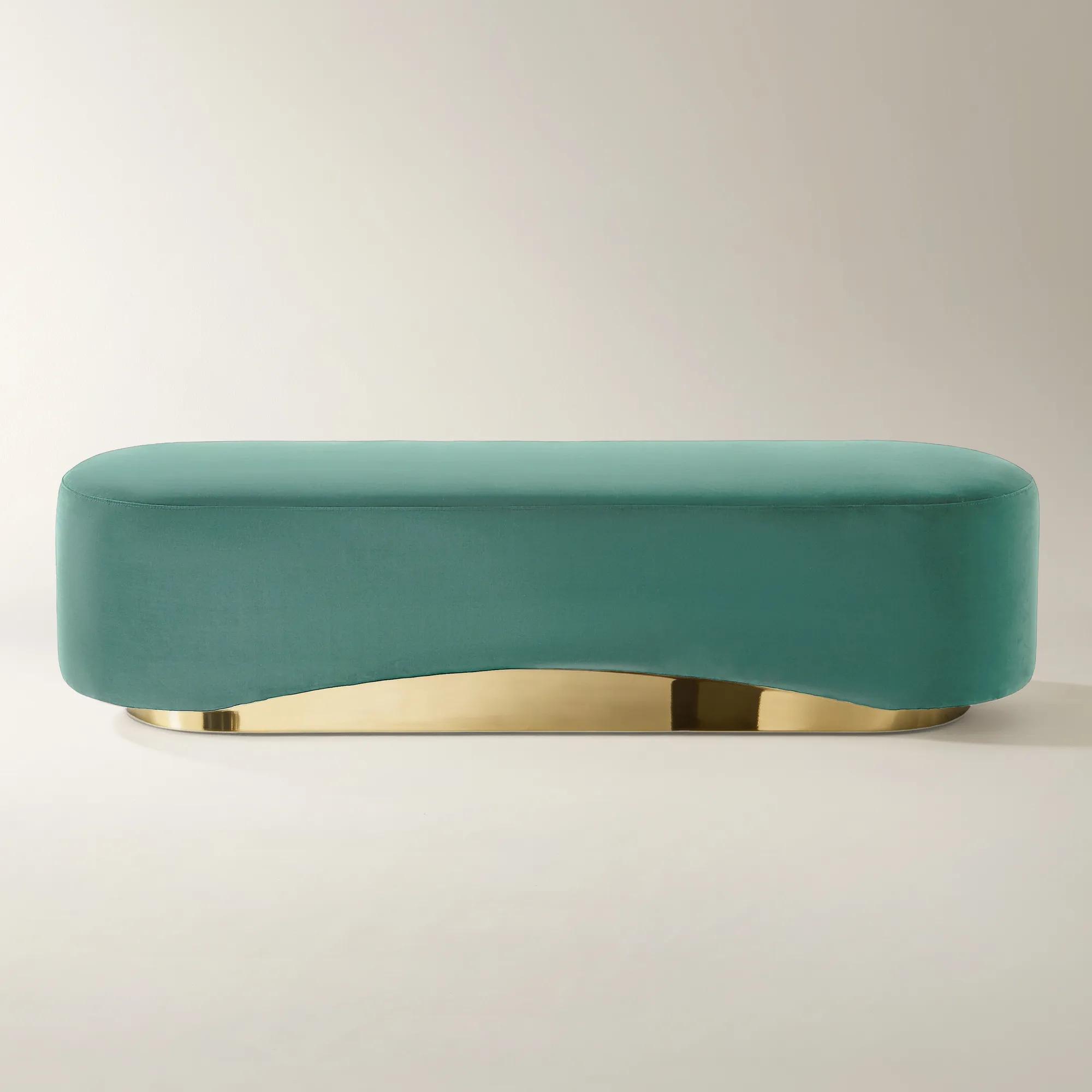 Kendra Ocean Teal Velvet Bench (70.47")$799
An elongated oval bench in ocean teal velvet with a plush seat and polished gold stainless steel base.
Add To Cart -
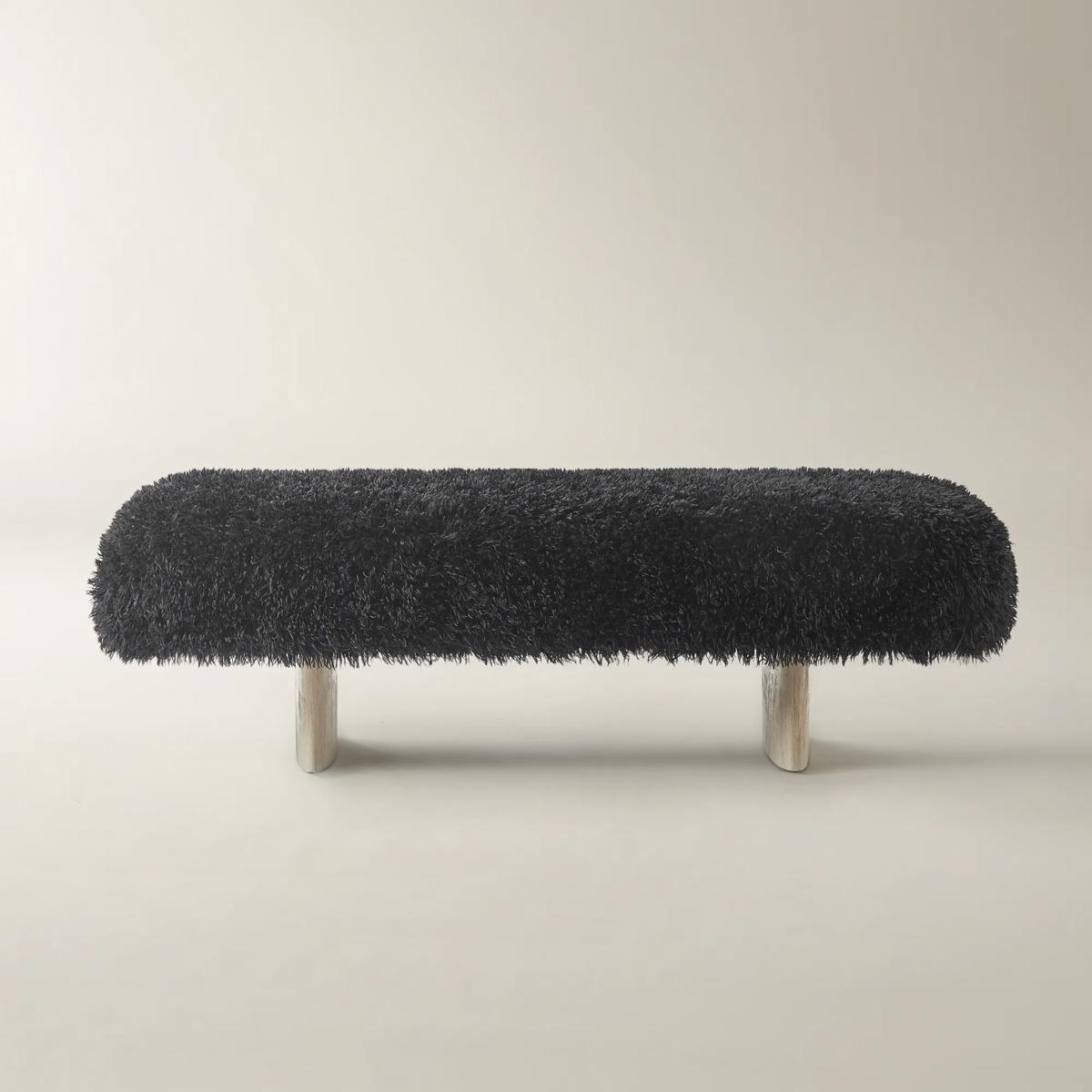 Micah Black Mongolian Fur Bench With Rubberwood Legs (62.6")$699
A striking black faux Mongolian fur bench with solid rubberwood legs for plush comfort and modern edge.
Add To Cart -
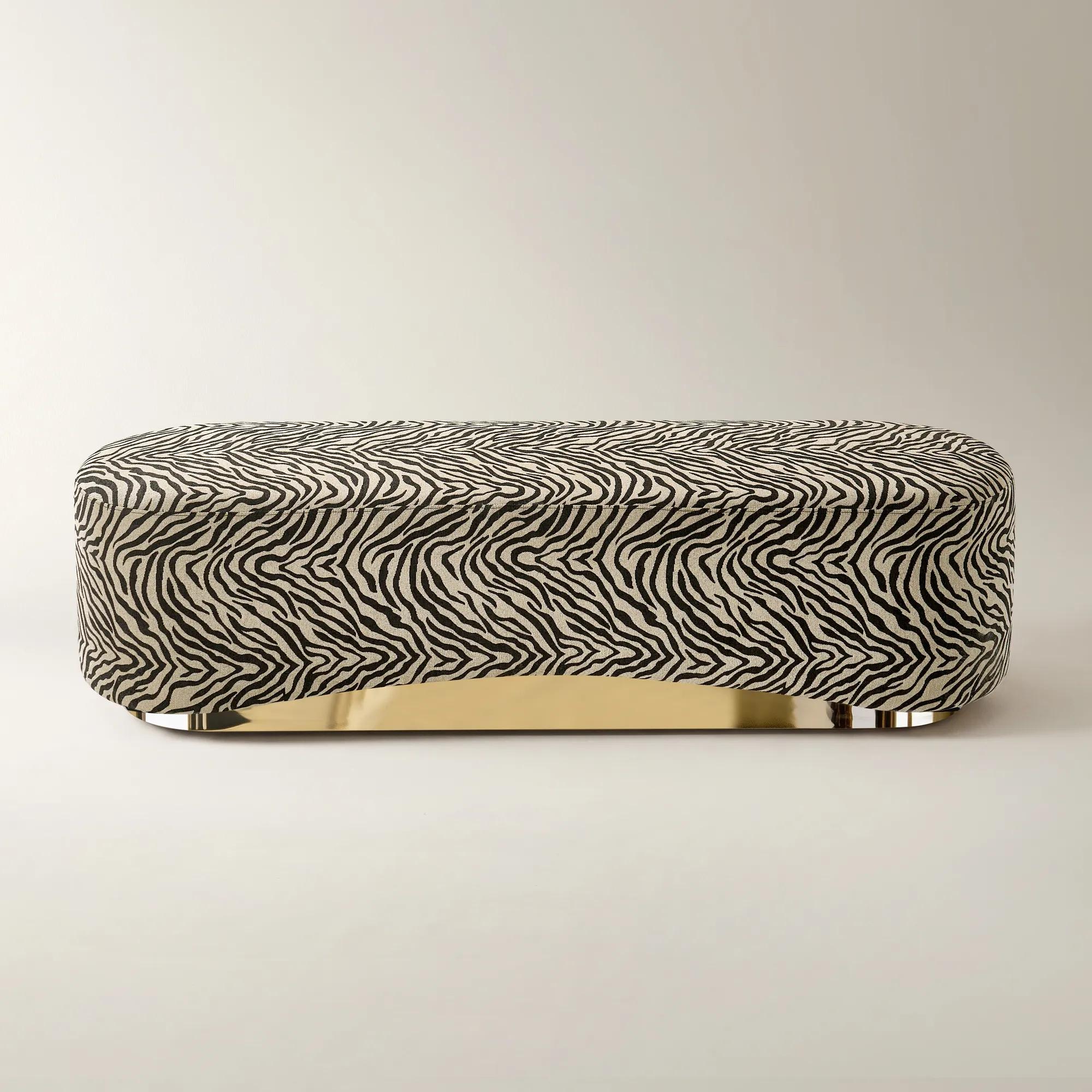
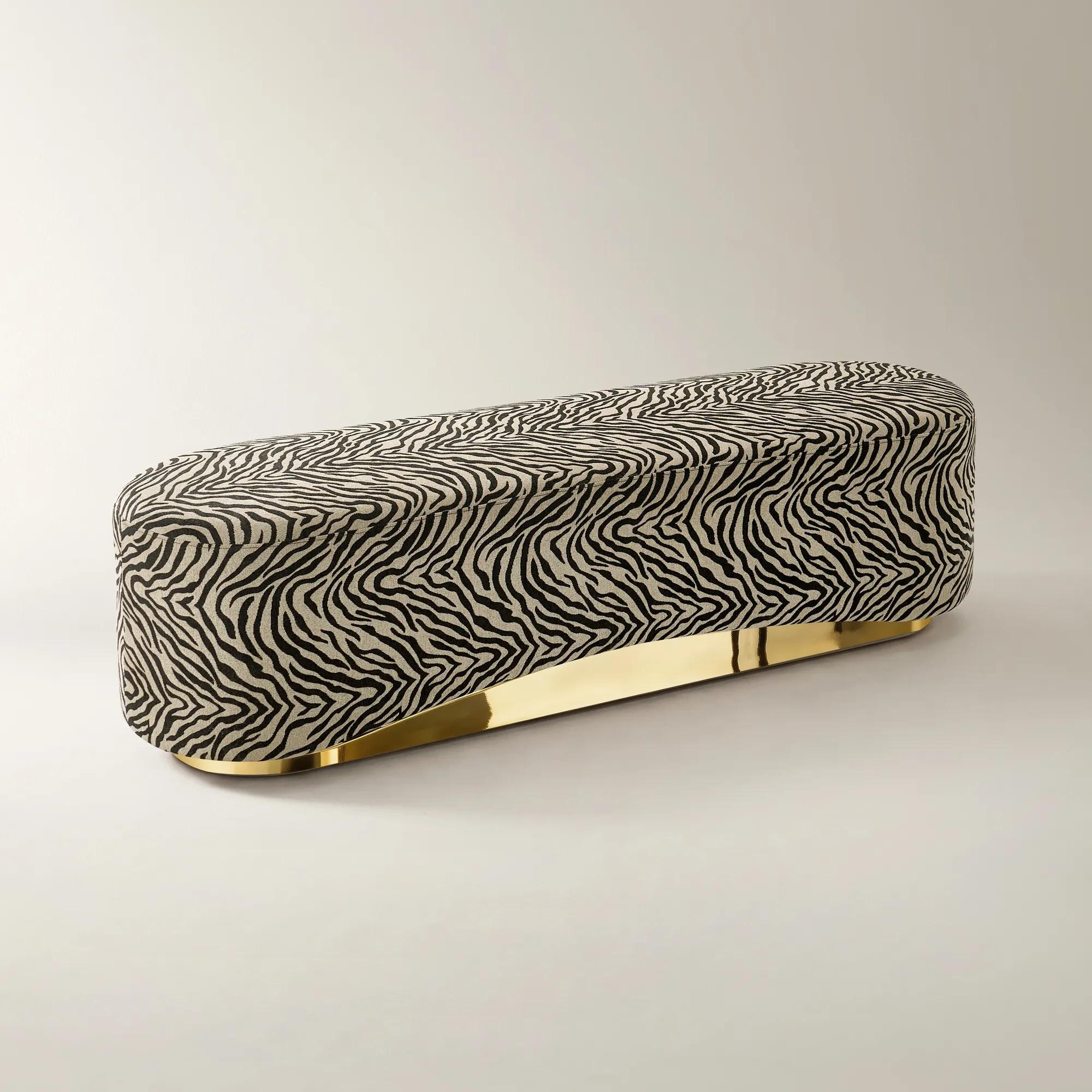 Kendra Zebra Performance Chenille Bench (70.47")$799
An elongated oval bench upholstered in textured zebra-pattern chenille with a polished gold stainless steel base.
Add To Cart -
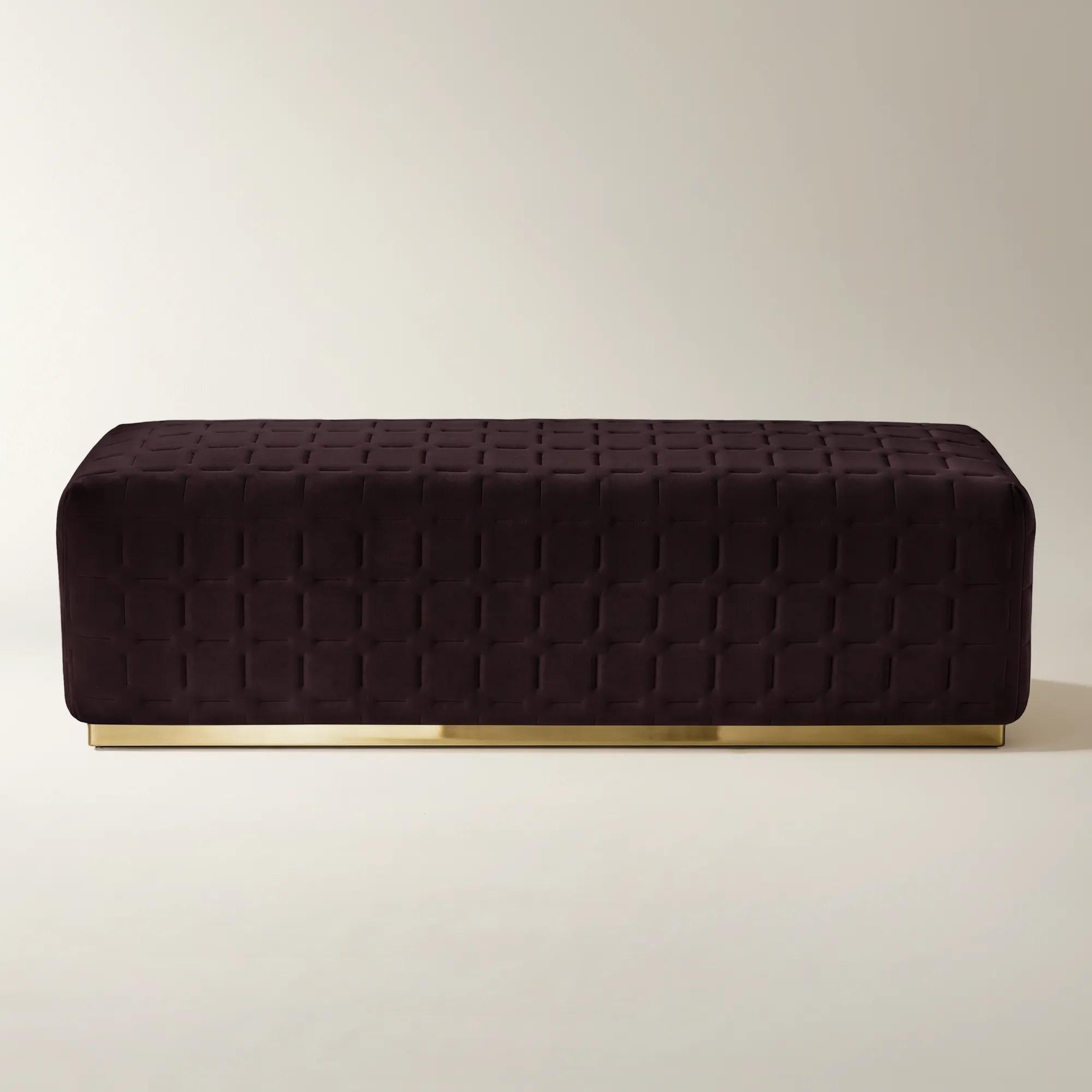
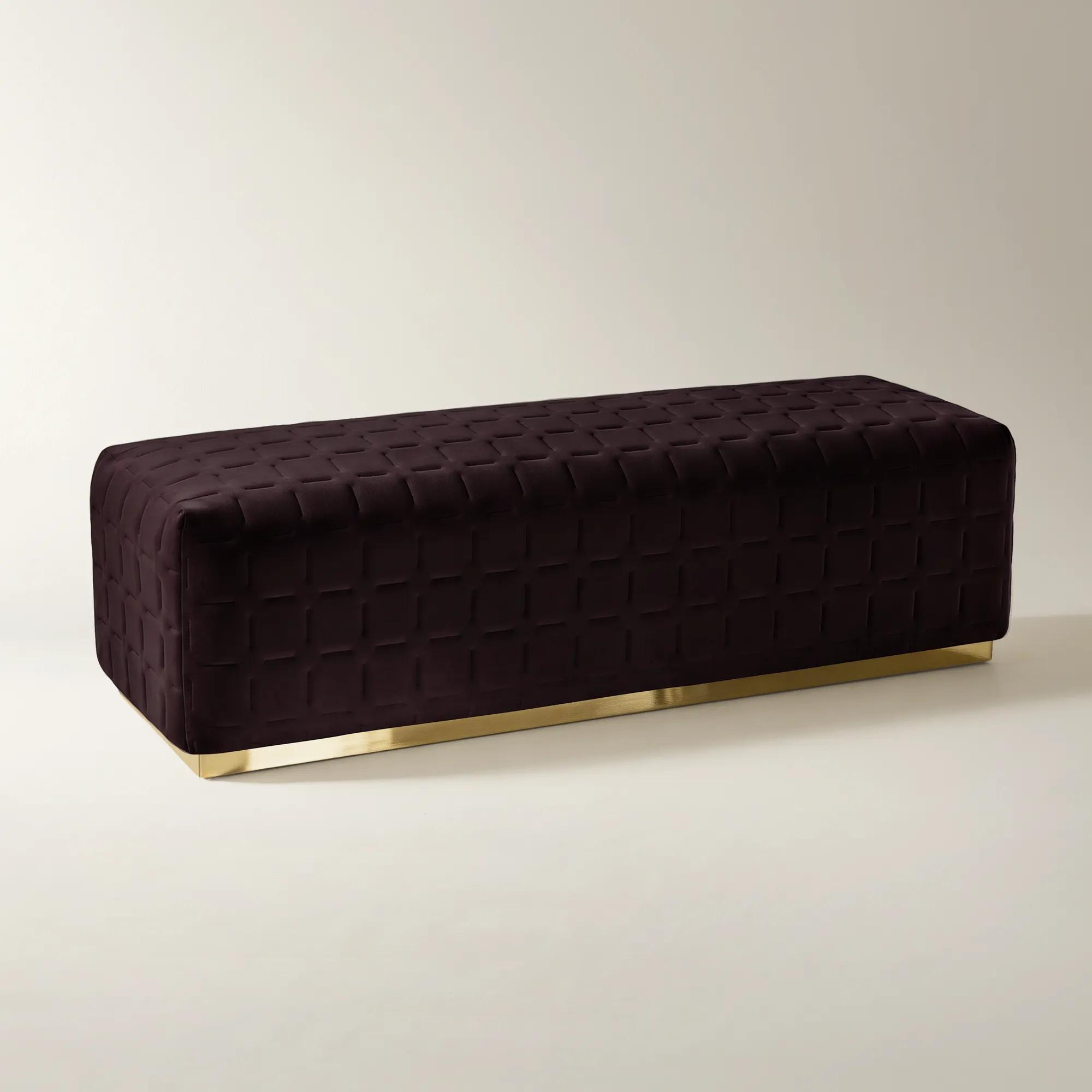 Vanta Quilted Fig Velvet Bench (64.6")$899
A plush fig velvet bench featuring checker quilted tufting and a sleek gold stainless steel base.
Add To Cart -
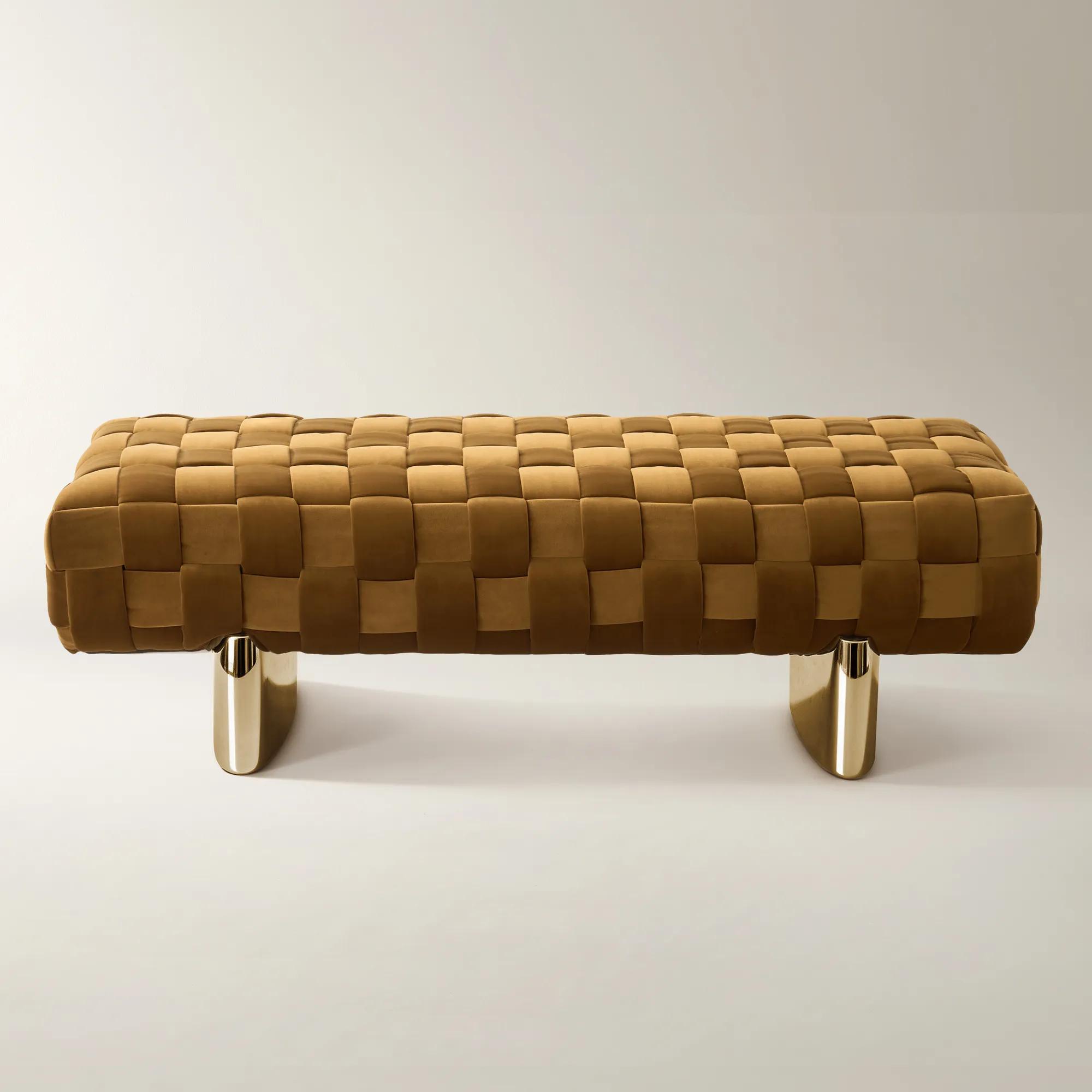
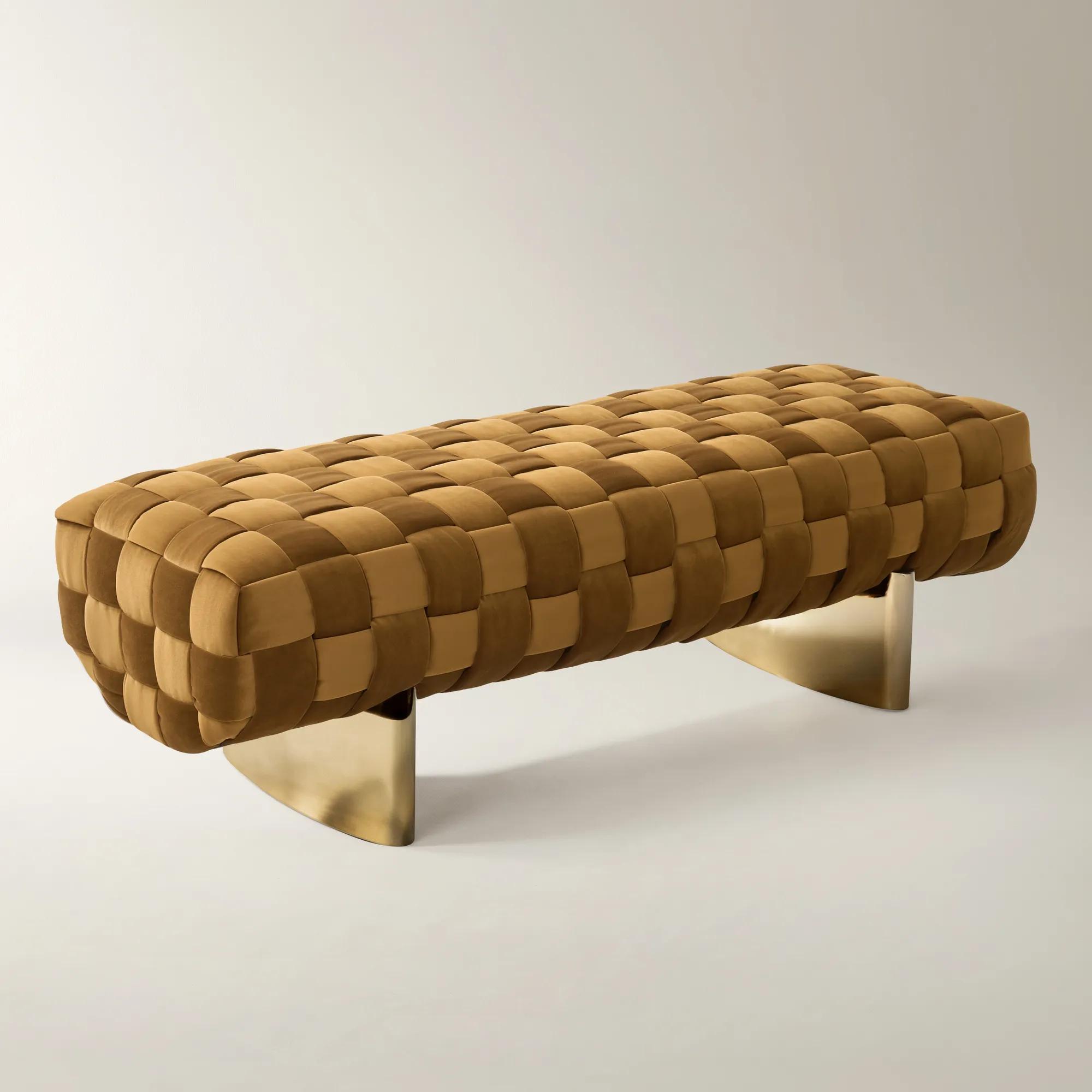 Dexter Woven Roasted Pecan Velvet Bench (64.2")$999
A woven roasted pecan velvet bench featuring plush upholstery and polished gold stainless steel legs for modern elegance.
Add To Cart -
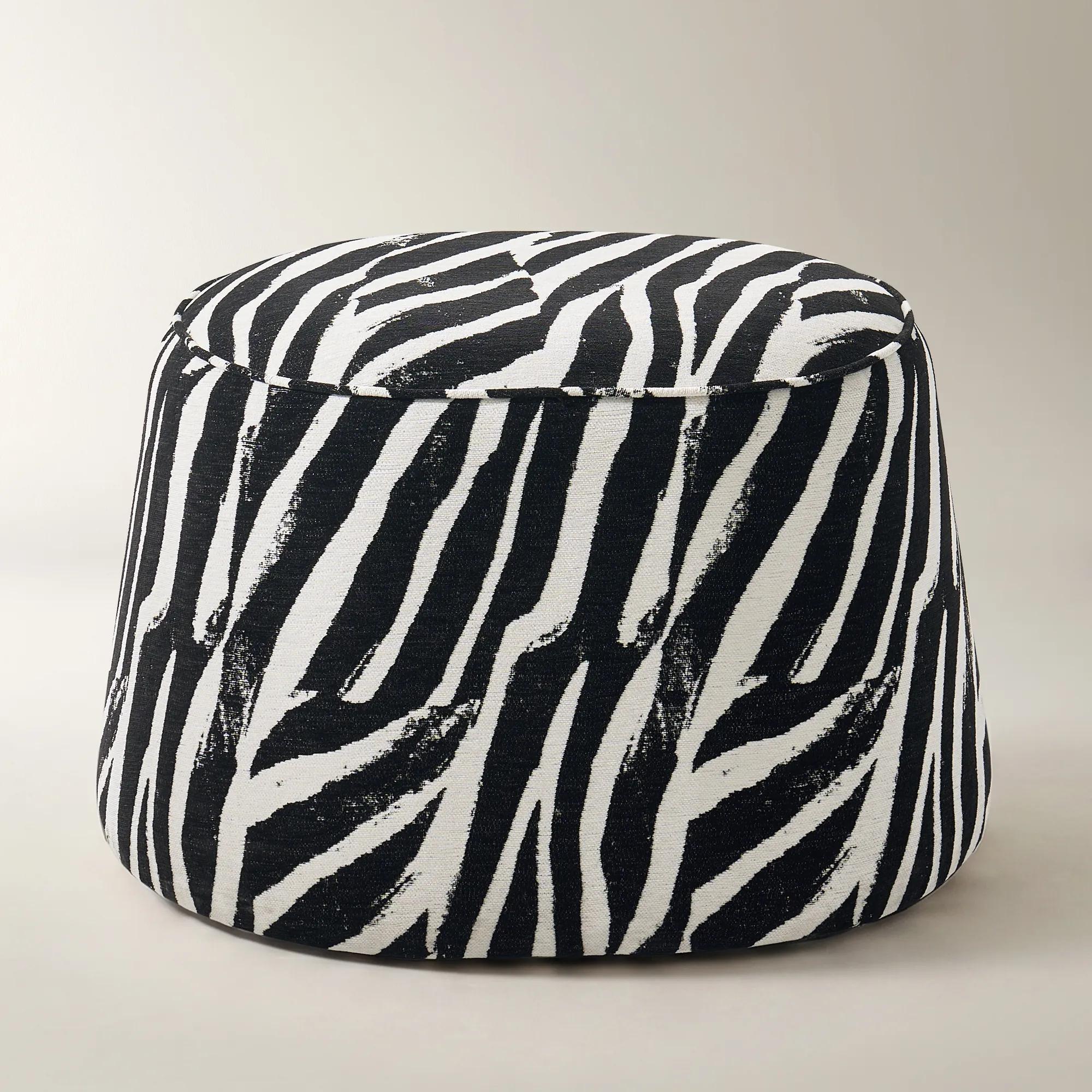
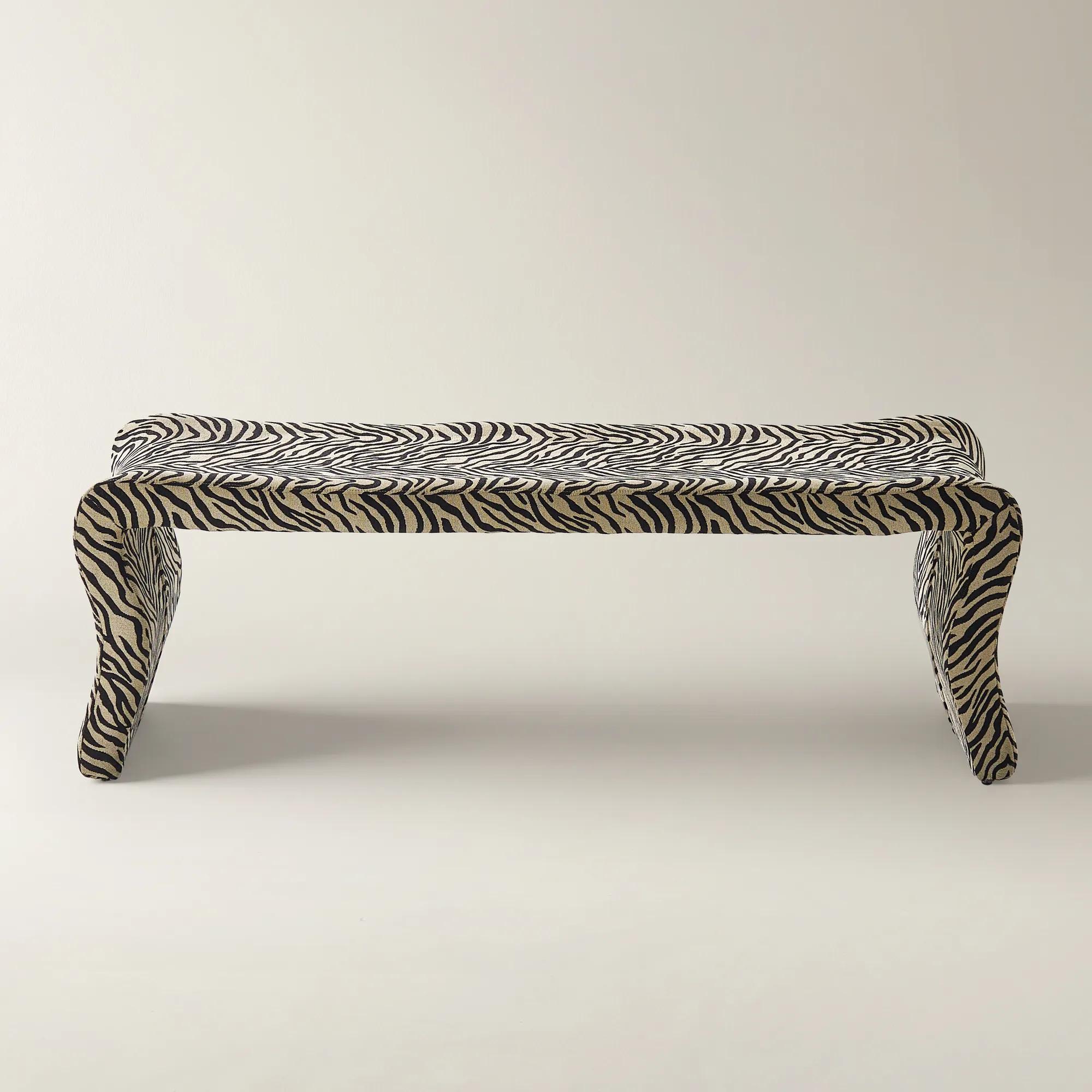 Romy Zebra Performance Chenille Bench (61.5")$799
A sculptural bench wrapped in zebra-patterned performance chenille with a wave-like silhouette and full foam construction.
Add To Cart -
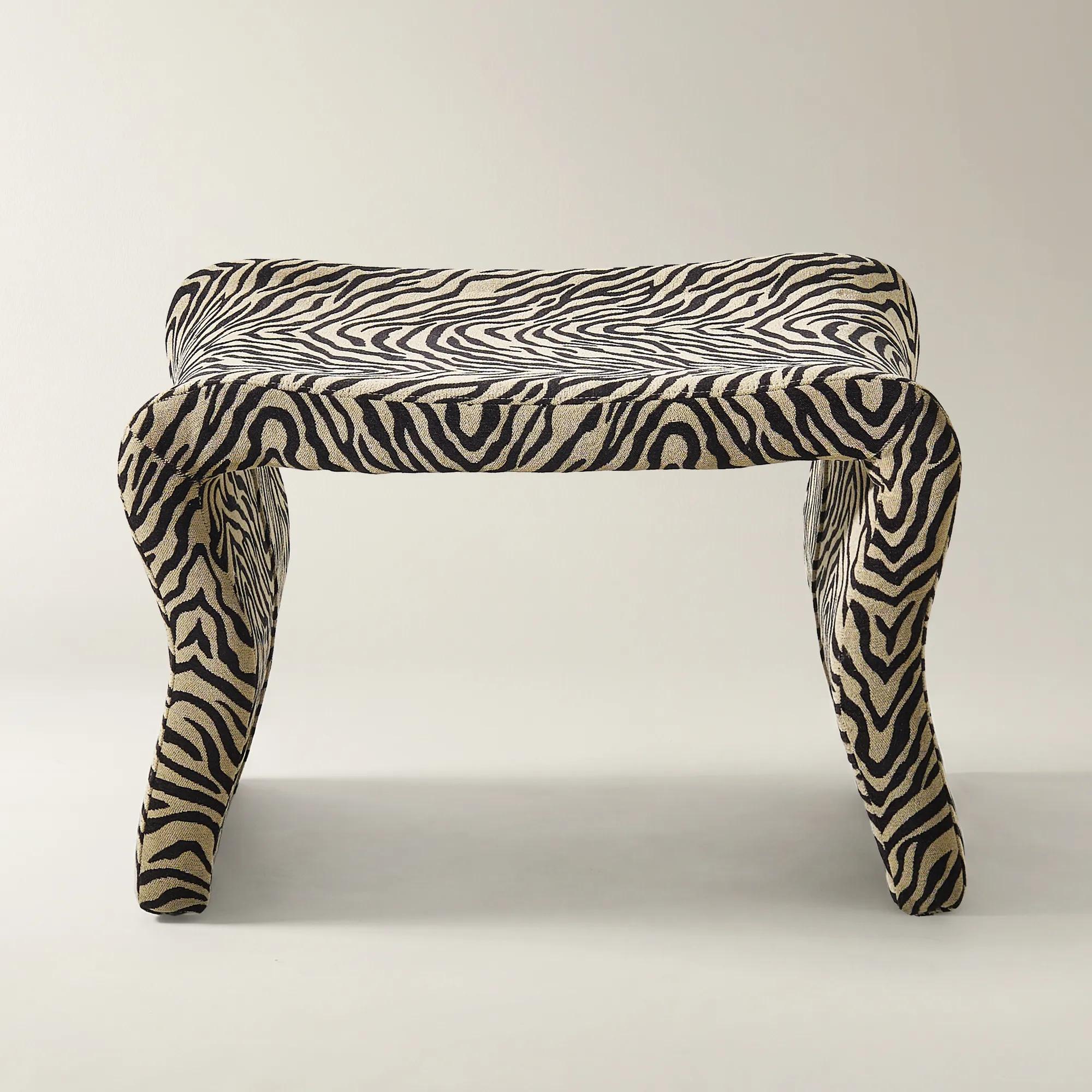
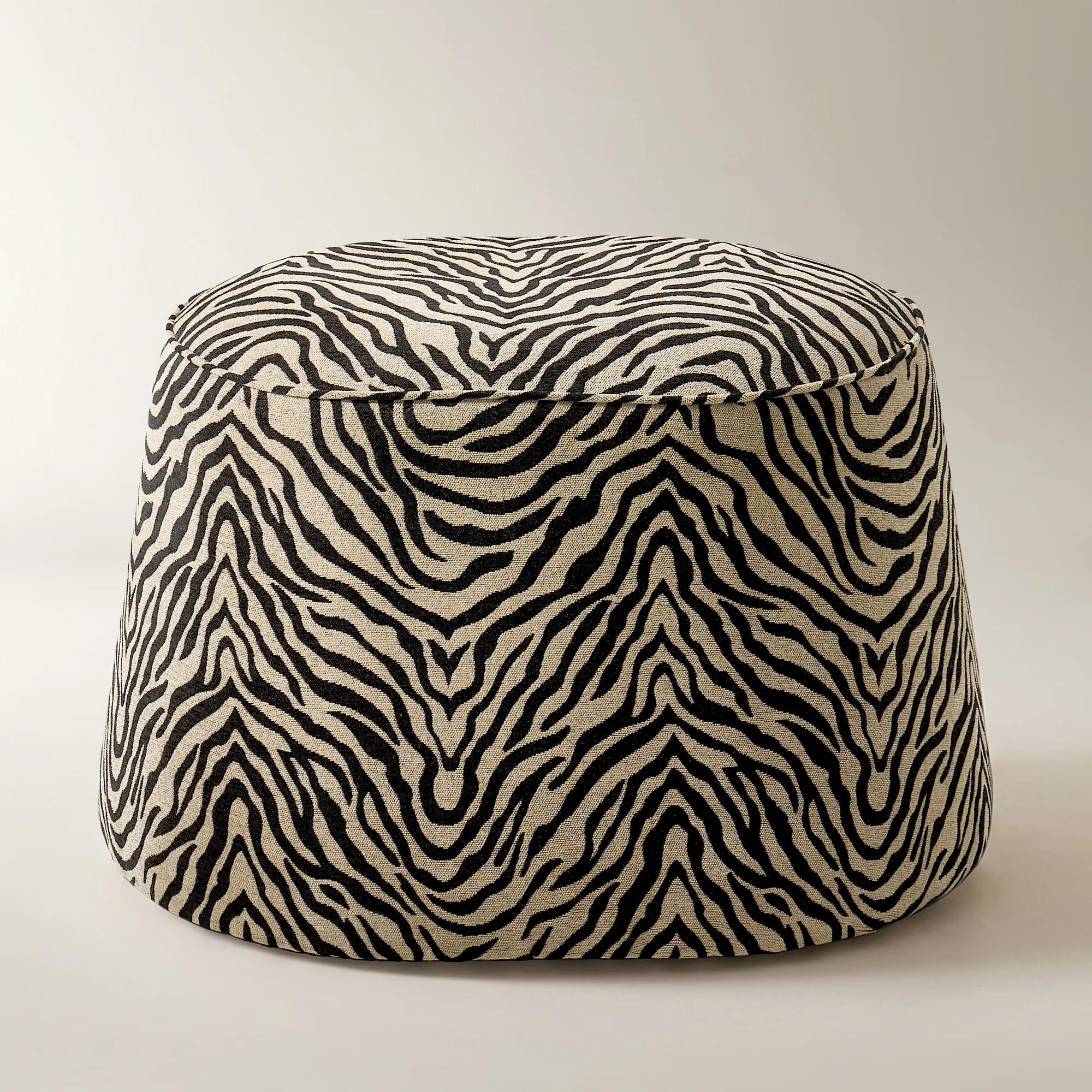
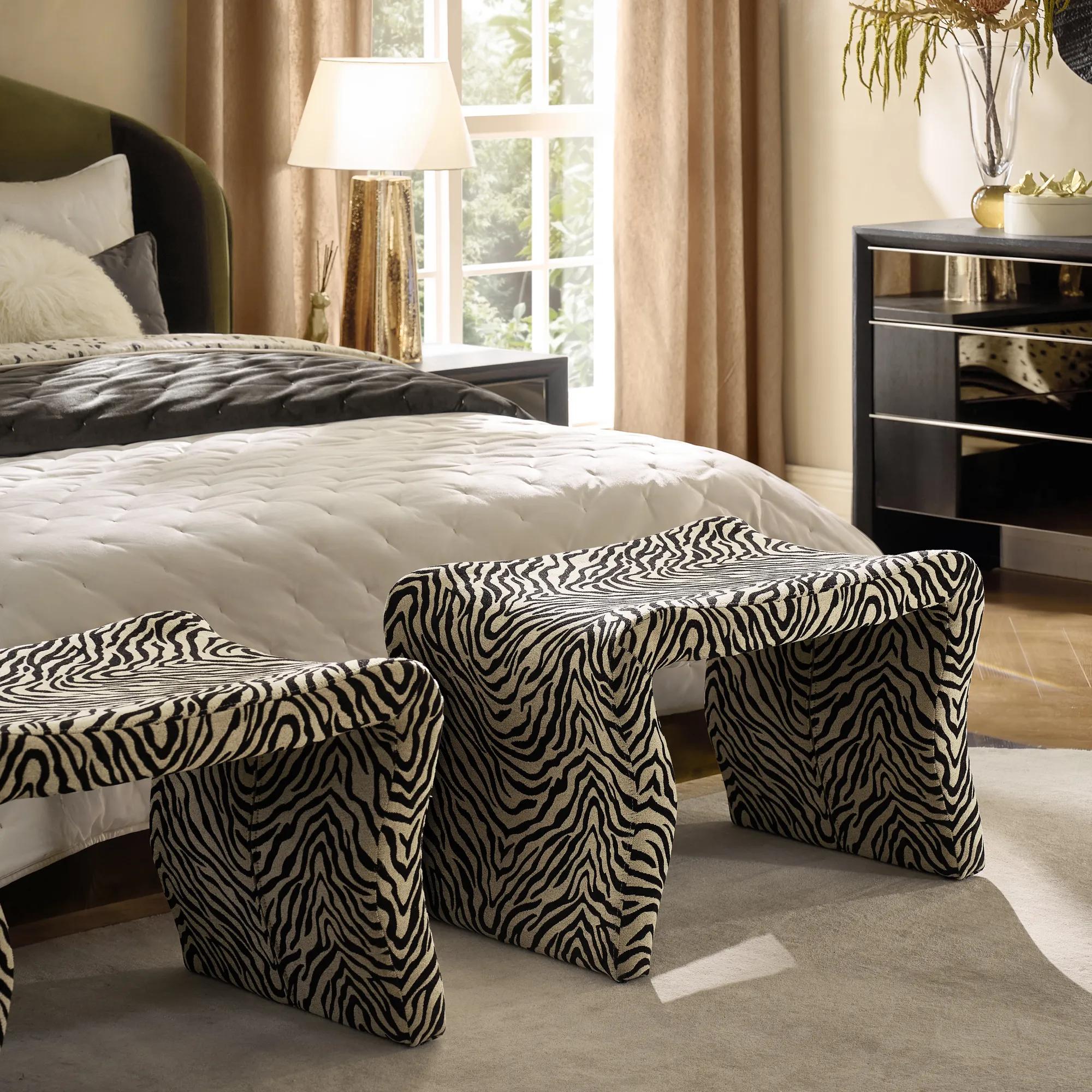 Romy Zebra Performance Chenille Bench (30.75")$399
A sculptural bench wrapped in zebra-patterned performance chenille with a wave-like silhouette and full foam construction.
Add To Cart -
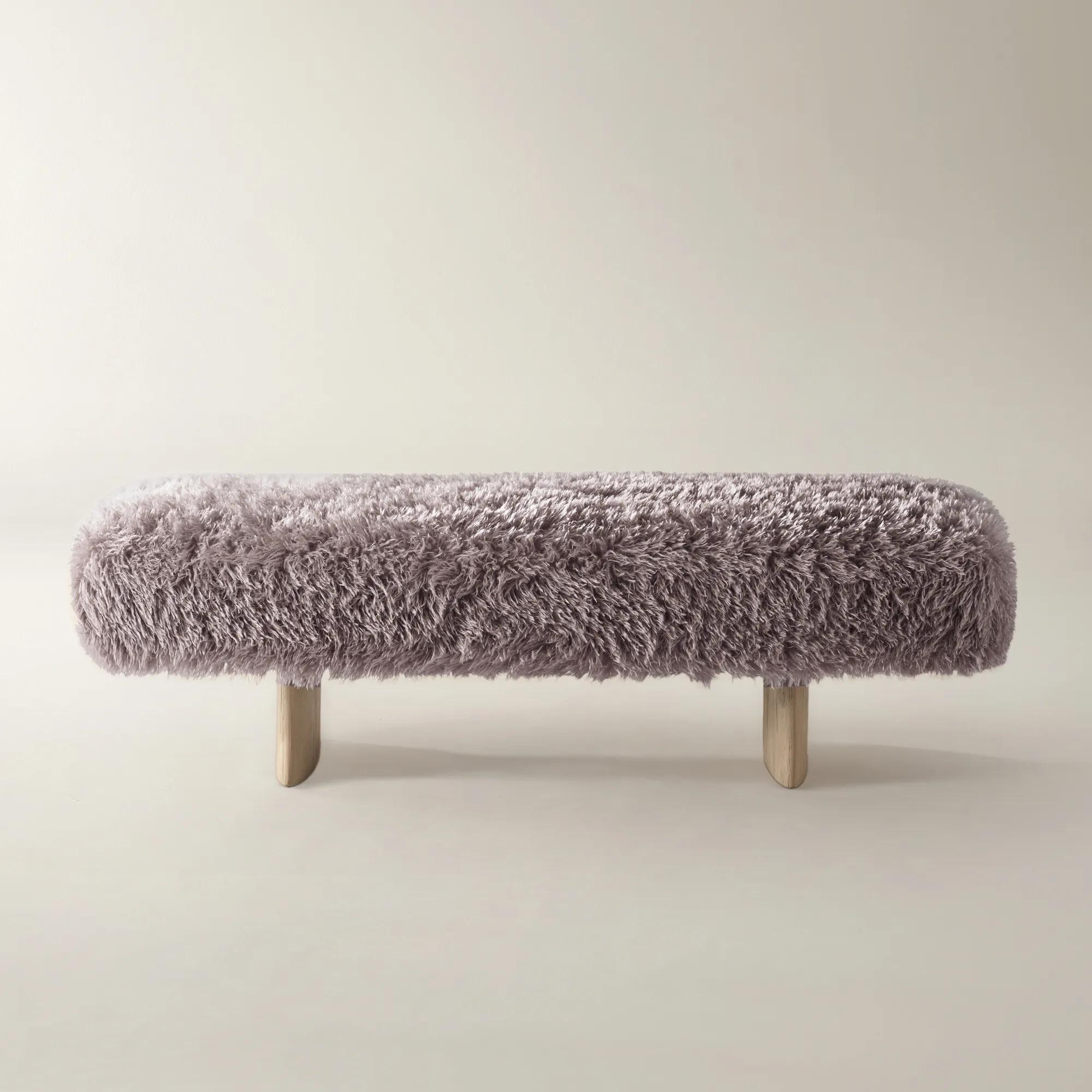
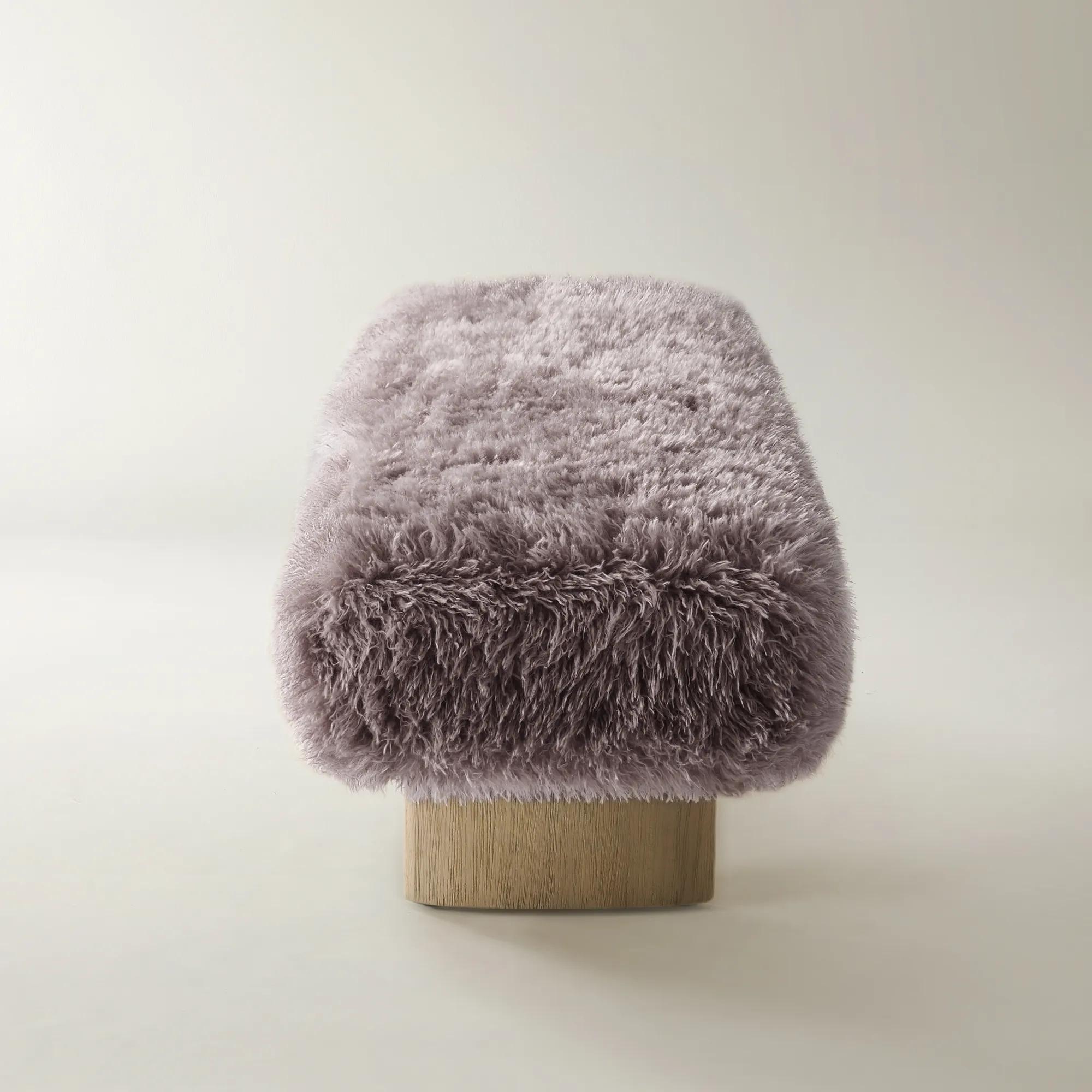 Micah Plum Truffle Mongolian Faux Fur Bench With Rubberwood Legs(62.6")$699
A sculptural bench featuring smoked plum Mongolian faux fur upholstery and warm solid rubberwood legs.
Add To Cart -
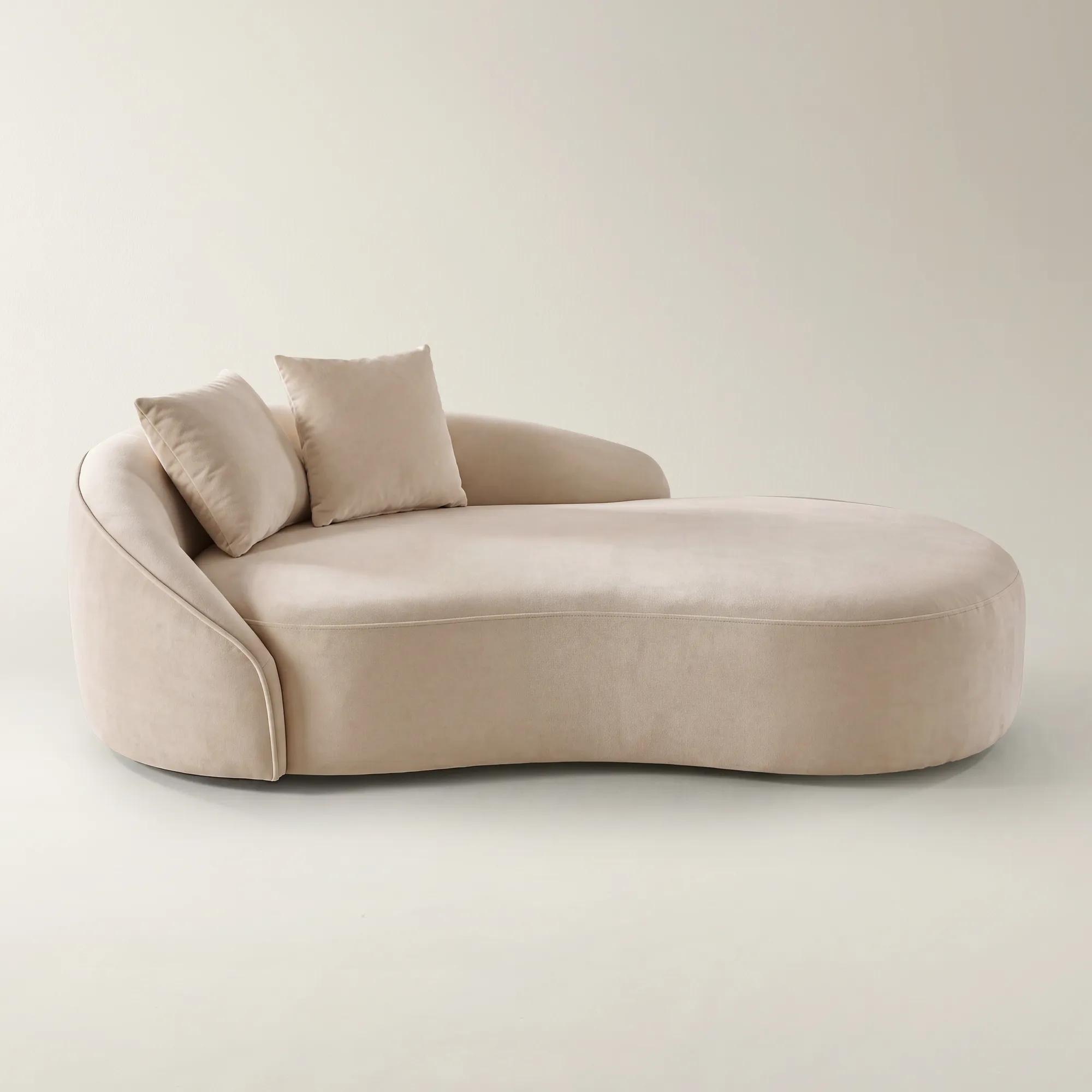 Irene Simply Taupe Velvet Chaise$1699
A sculptural taupe velvet chaise with hand-finished upholstery, high-resiliency foam, and included accent pillows.
Add To Cart -
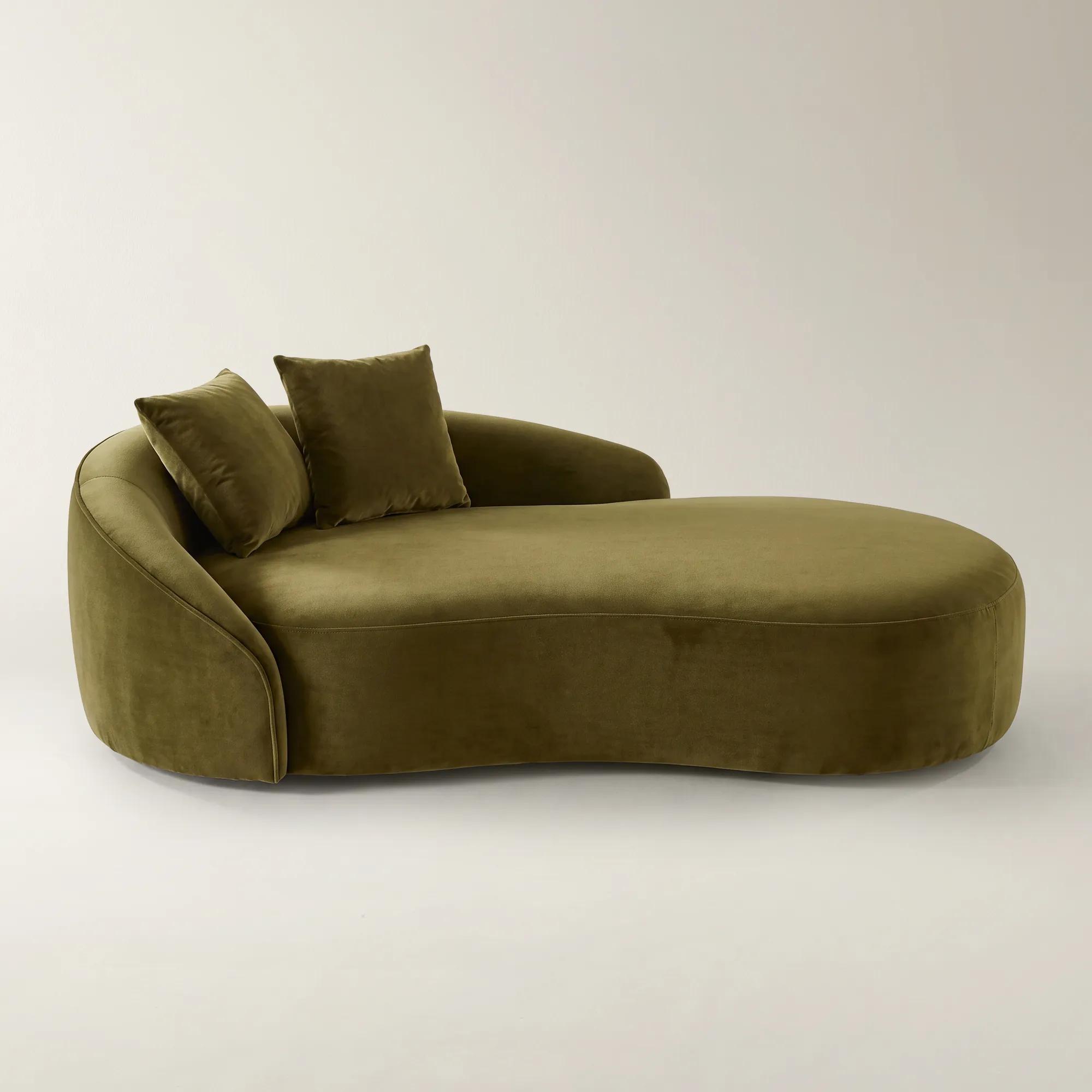
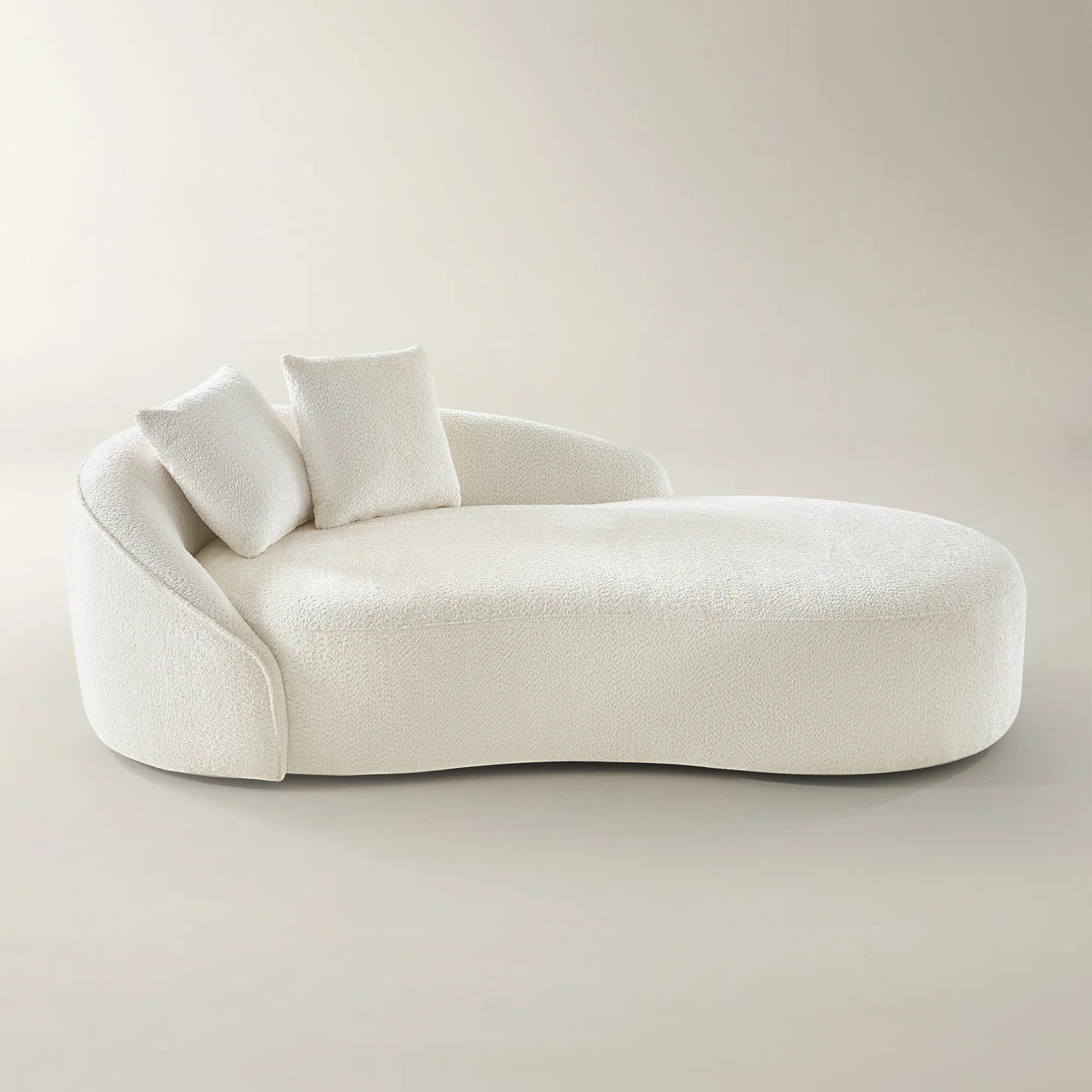 Irene Deep Olive Velvet Chaise$1699
A sculptural deep olive velvet chaise featuring high-resiliency foam cushions and artisan hand-finished upholstery.
Add To Cart -
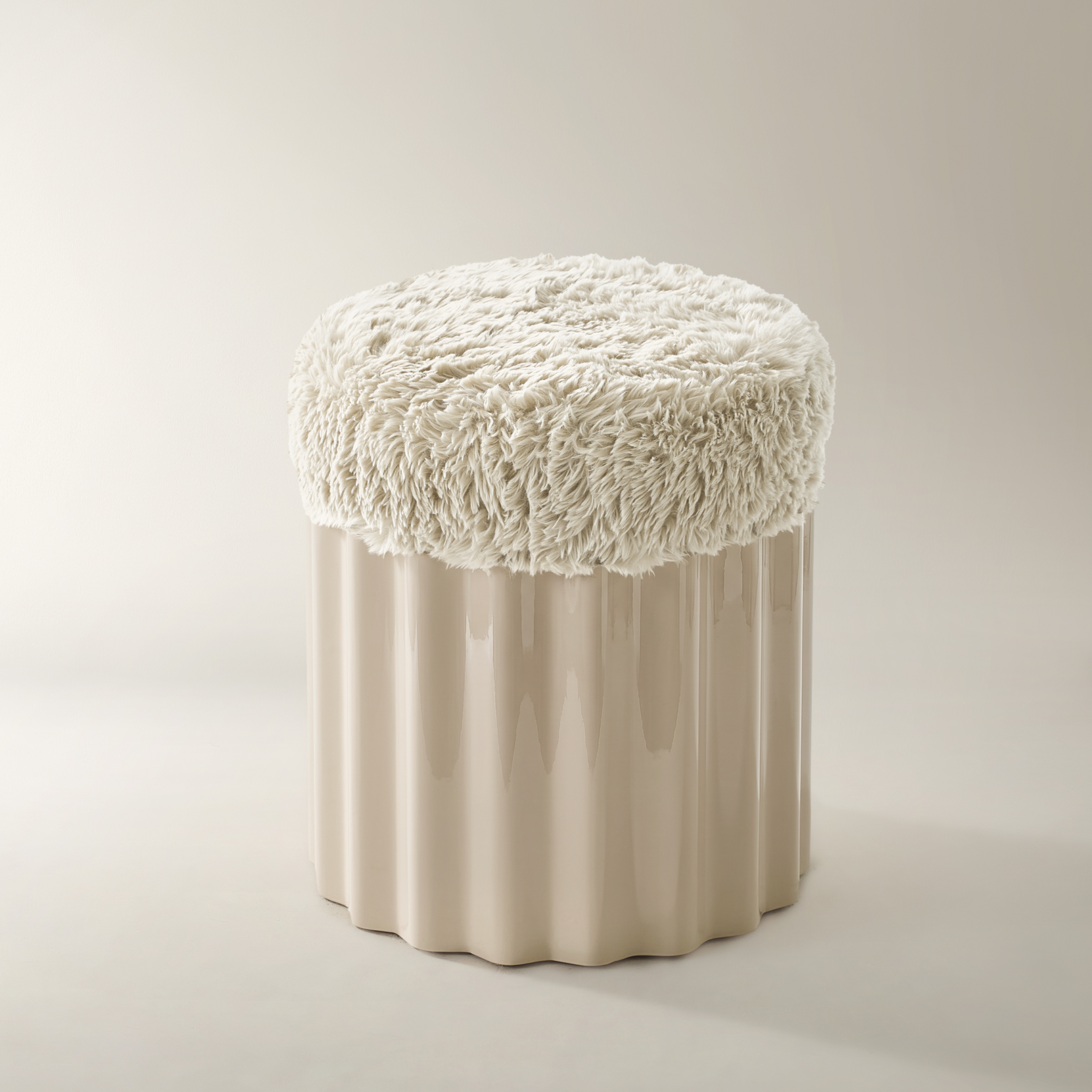
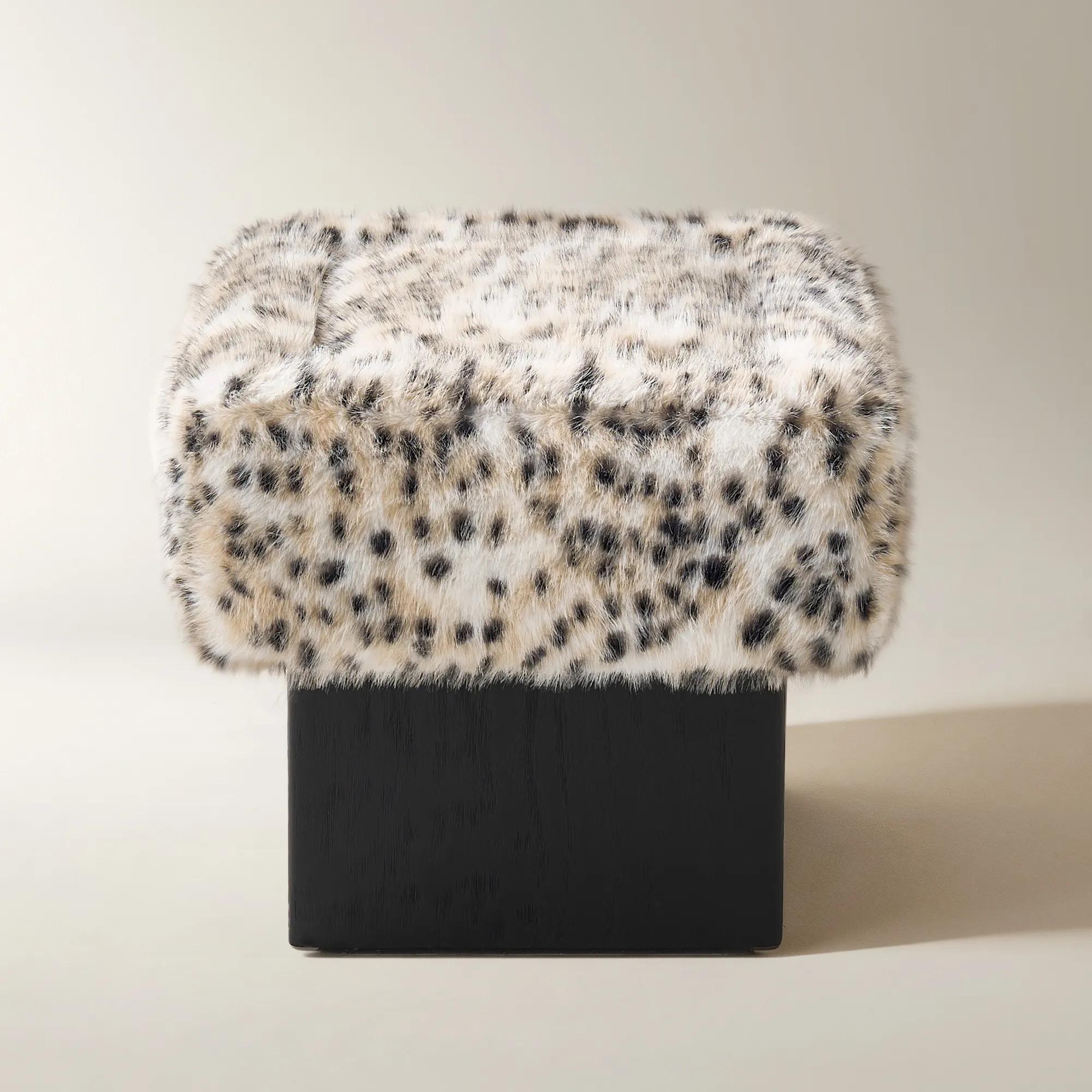
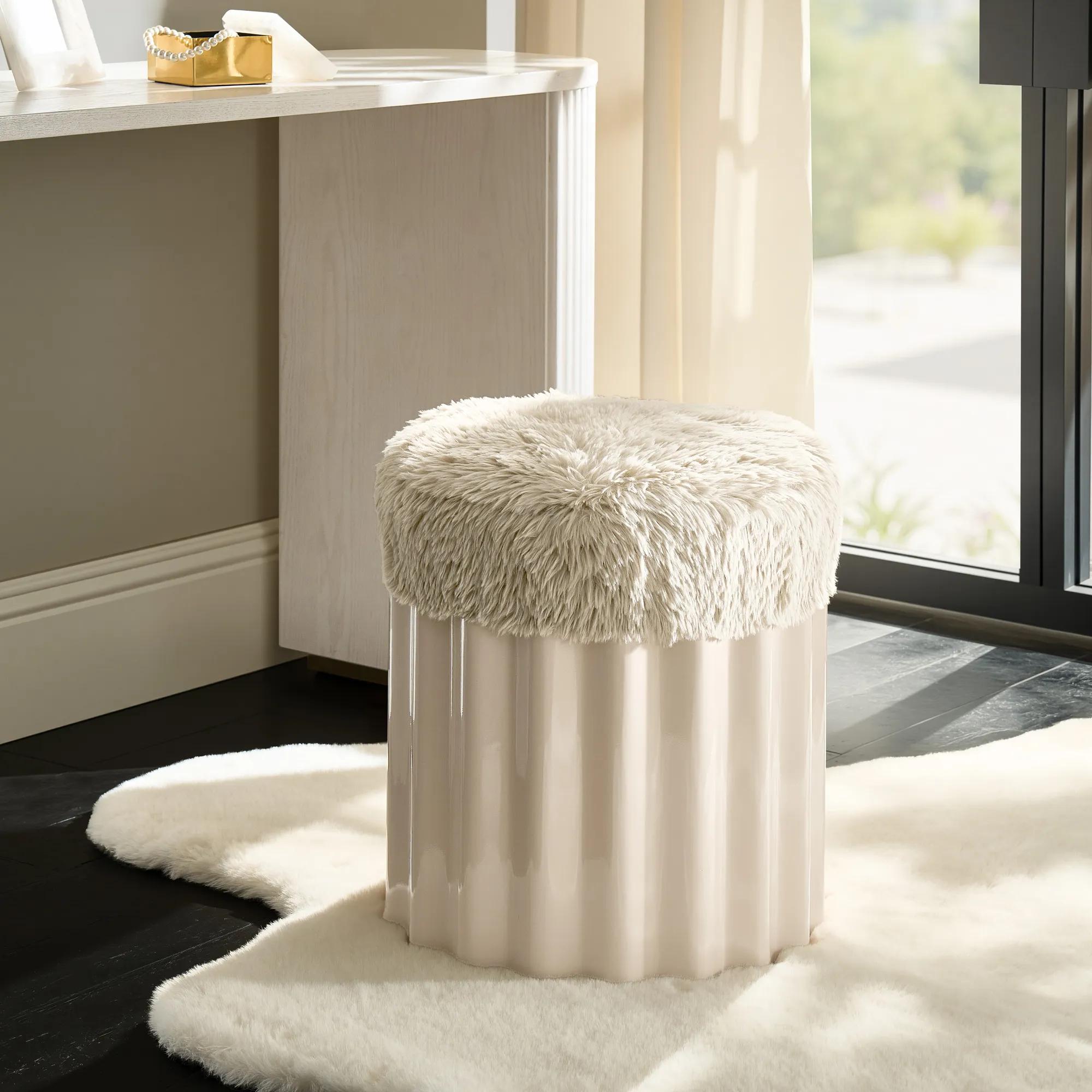 Nia Lacquered Turtle Dove Faux Fur Storage Stool$399
A sculptural fluted stool in warm turtle dove with plush faux fur seat and hidden storage compartment.
Add To Cart -
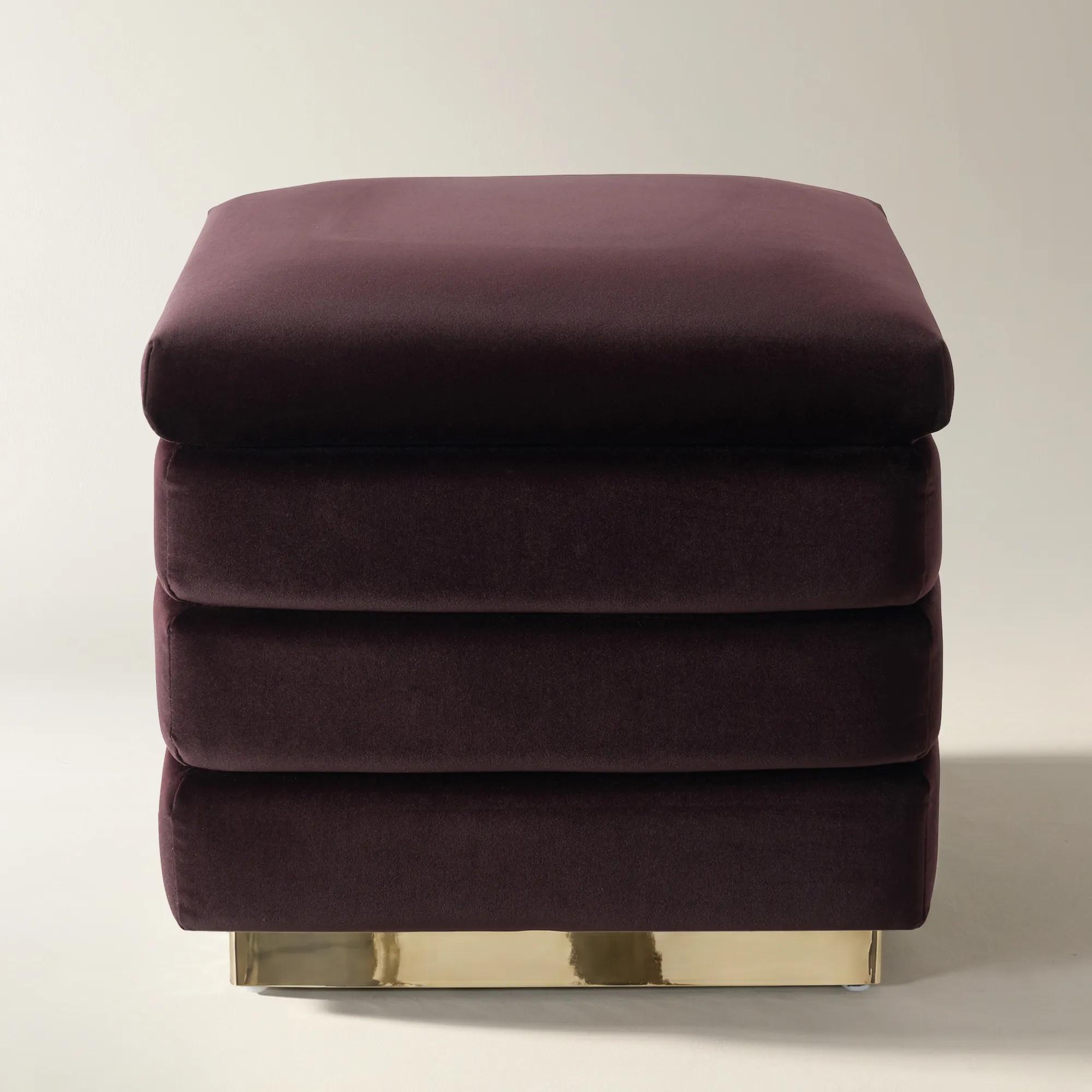
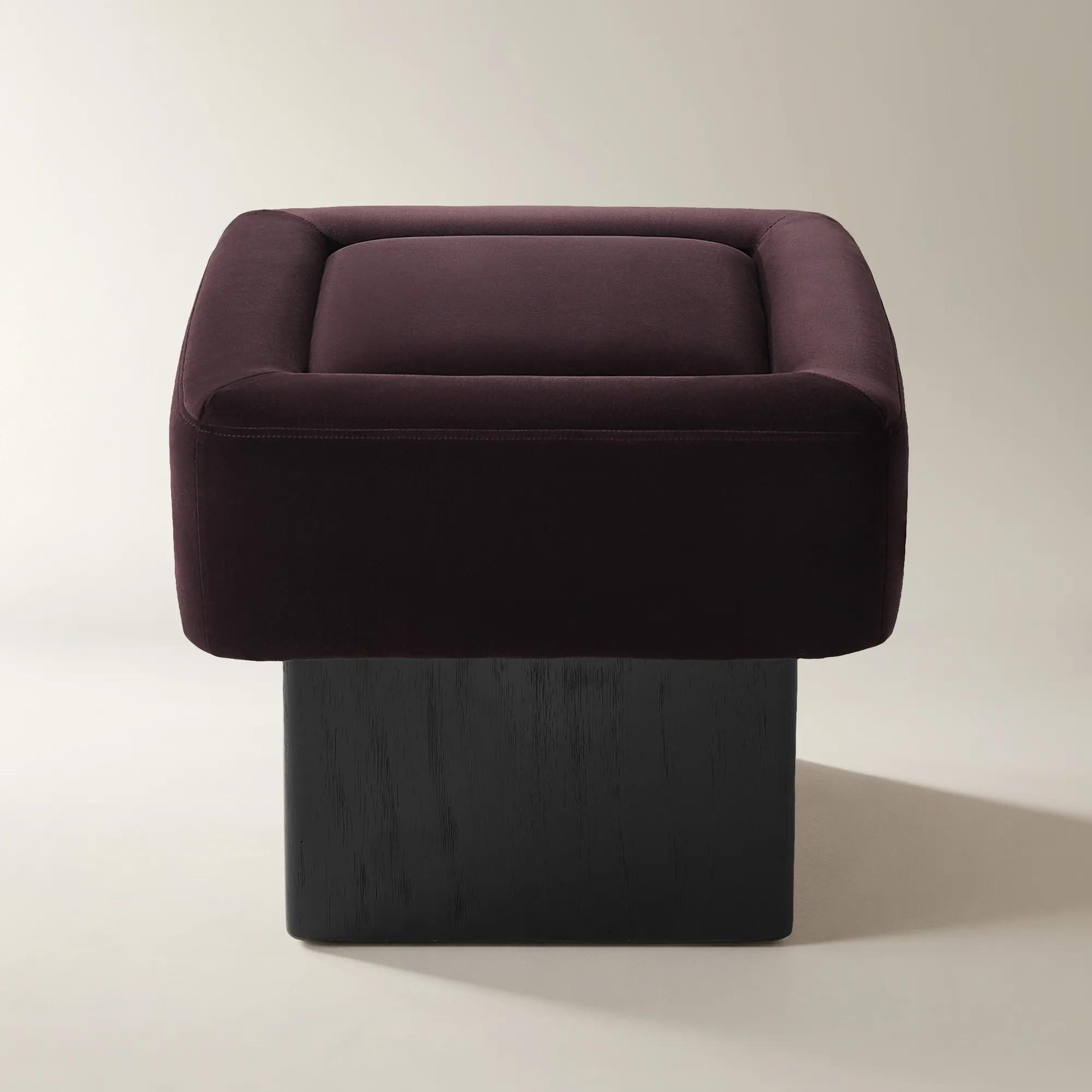 Reims Fig Velvet Stool$349
A plush fig-colored velvet stool featuring a sculpted cushion and a solid rubberwood base for modern contrast.
Add To Cart -
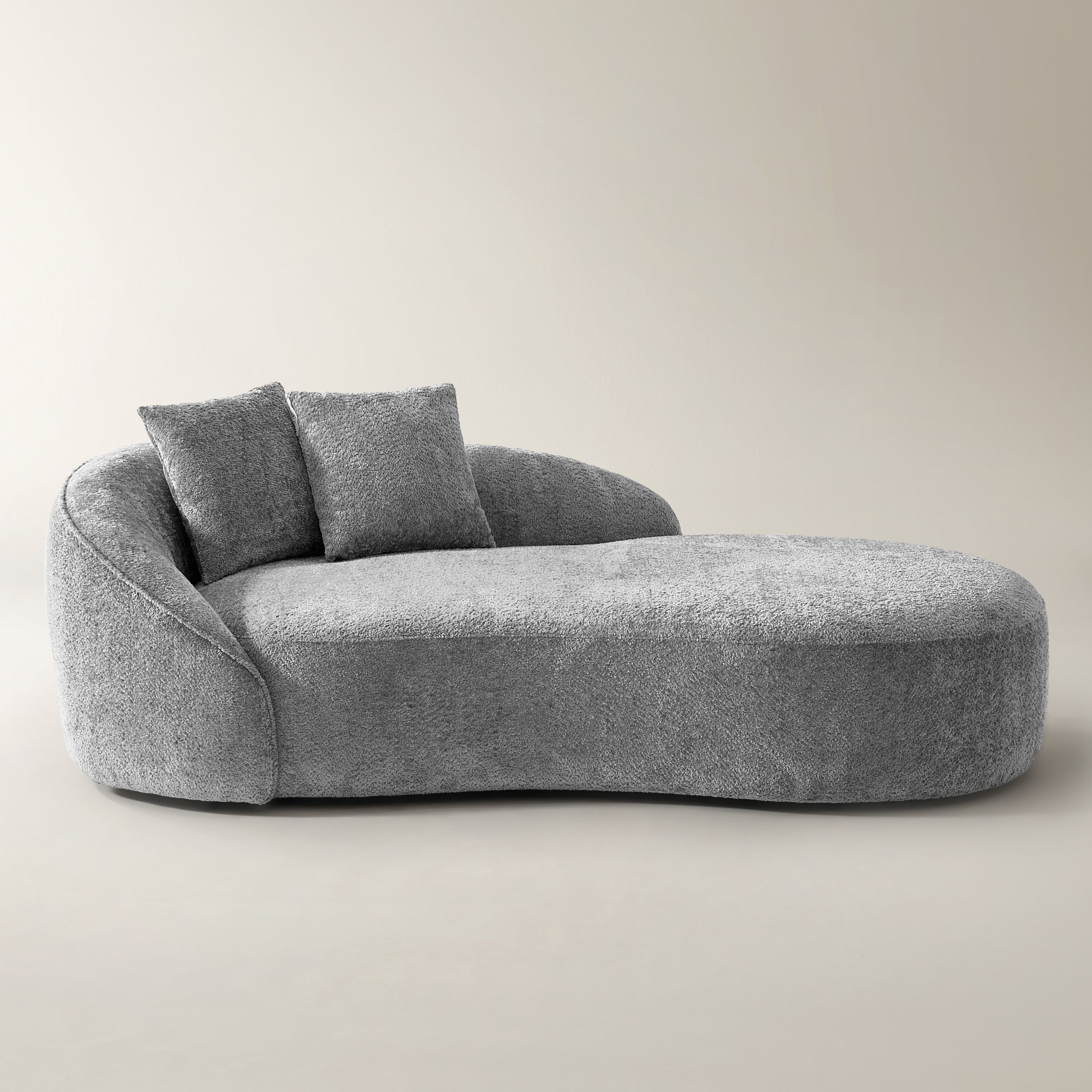 Irene Grey Chenille Chaise$1699
A sculptural chaise in light gray chenille with high-resiliency foam cushions and artisan hand-finished details.
Add To Cart -
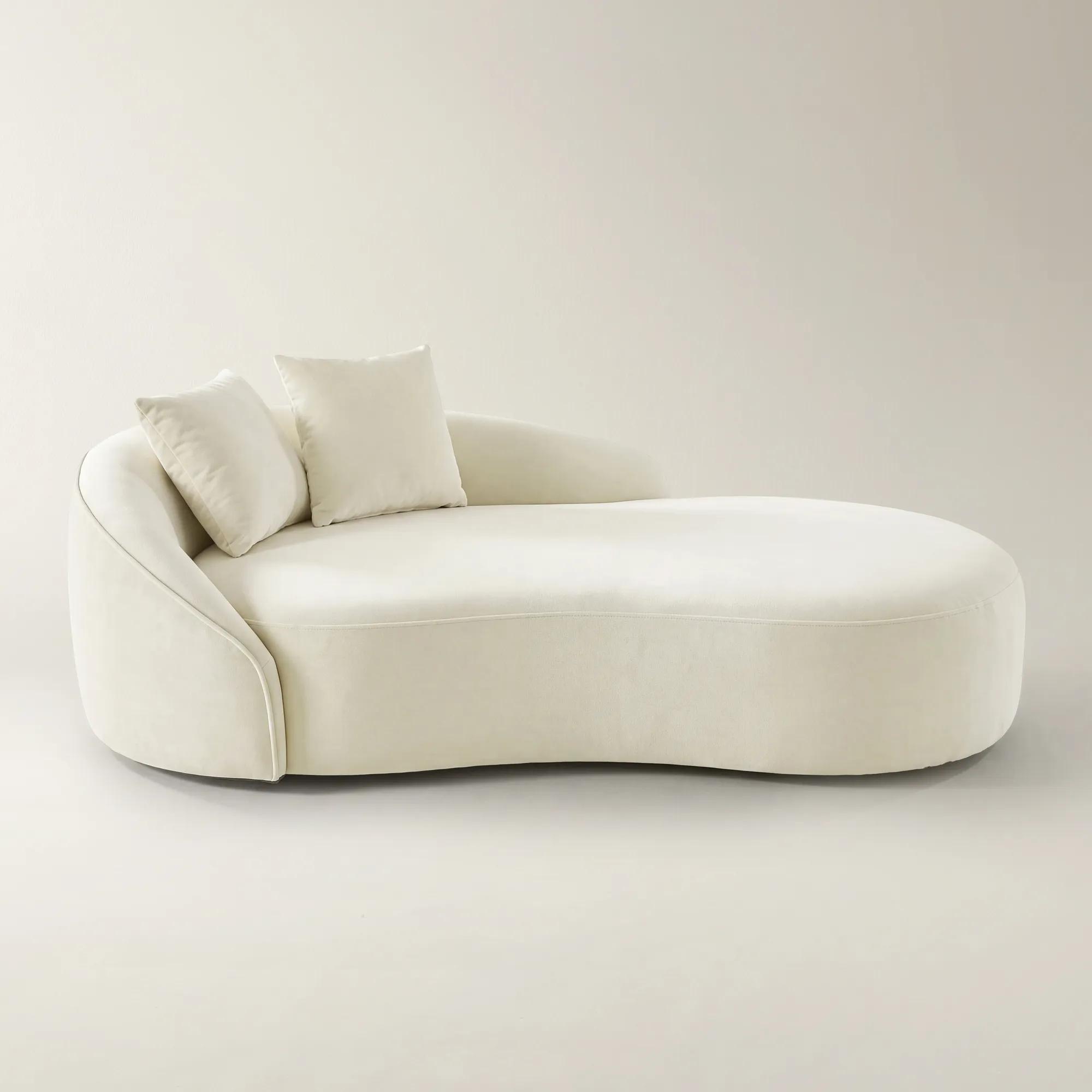 Irene Cloud Velvet Chaise$1699
A sculptural chaise in cloud velvet with high-resiliency foam cushions and hand-finished artisan upholstery.
Add To Cart

Luxury Bench Seating For Bedrooms
Luxury bench seating for bedrooms transforms the ordinary into the extraordinary, inviting you to indulge in moments of repose wrapped in style. More than mere function, each bench is a curated accent—an invitation to linger, to drape a silk robe, or to display your favorite coffee table book. These pieces are the punctuation marks of a thoughtfully designed sanctuary, adding sculptural presence at the foot of the bed or beneath a window awash with morning light. With every curve and finish, luxury bench seating for bedrooms becomes an artful expression, elevating your personal retreat into a stage set for serenity and sophistication.
Luxury bench seating for bedrooms brings upholstered comfort, sculptural form, and a deliberate finishing touch to the space around a bed. More than a place to rest a folded throw, a bedroom bench gives the room another dimension: a low, graceful silhouette that balances a tall headboard, a richly textured surface against smooth bedding, or a gleaming frame that catches the light beneath a sumptuous seat. At the foot of the bed, it creates a natural place to sit while fastening shoes, lay out an outfit, or set a decorative pillow aside before sleep. In a spacious primary suite, an elongated bench can help connect the sleeping area with a dressing space; in a guest bedroom, a compact upholstered seat offers a welcoming alternative to sitting on the mattress. The strongest designs feel expressive without interrupting the room’s rhythm. Deep tufting introduces shadow and dimension, while channel upholstery creates a more architectural effect. A curved seat softens the geometry of a bed frame, and an open metal base lets more of the floor remain visible, giving a substantial piece a lighter presence. Velvet lends color a particularly luminous quality, with its pile revealing subtle shifts in tone as the light moves across it. Bouclé brings a looped, tactile surface, chenille offers plush texture, and leather creates a smoother, more tailored impression. Wood adds depth through grain and finish, whether the silhouette is quietly substantial or dramatically carved. These materials can echo existing furnishings without matching every detail. A bench with warm metallic accents might pick up the glow of bedside lighting, while ivory upholstery can establish a luminous contrast against a dark headboard. For a room already rich in pattern, a solid fabric with an interesting weave gives the eye somewhere to settle. Where bedding and walls are restrained, saturated upholstery or a boldly shaped base can make the bench the room’s defining accent.
Scale is central to the appeal of an end-of-bed bench, because even exquisite upholstery loses its impact when the proportions feel crowded. A useful starting point is a bench approximately two-thirds to three-quarters the width of the bed frame, leaving the bed visibly wider on either side. For example, a frame measuring 64 inches across might pair comfortably with a bench around 43 to 48 inches wide, while an 80-inch-wide frame could suit a bench around 53 to 60 inches wide. These are visual proportions rather than fixed requirements; the actual bed frame, footboard, surrounding furniture, and walking routes should determine the fit. Seat height deserves equal attention. A bench that sits below the top of the mattress generally preserves a layered silhouette, while a seat around 17 to 19 inches high often works well for dressing, depending on the user’s height and mobility. A deep, low cushion may look indulgent but feel less convenient for someone who wants firm support when standing. Depth also affects how naturally the room functions. A shallower bench can preserve circulation in a narrow bedroom, whereas a deeper seat offers more room to settle in a generous suite. Around 30 to 36 inches of clear passage is a useful planning target where space permits, with additional room considered for mobility needs, doors, and drawers. Measuring from the bench’s outermost edge, rather than its legs, captures the space occupied by rounded upholstery or projecting arms. A taped outline on the floor can reveal whether a beautiful silhouette would interrupt the route to a closet or dresser. Placement need not be limited to the foot of the bed, either. Beneath a window, a bench can frame a view without the height of an armchair; along an unused wall, it can give a dressing area a polished focal point. In each setting, the piece should serve as seating rather than become an obstacle or a permanent landing place for clutter.
Materials and construction determine how well that visual drama holds up to everyday use. A bedroom bench intended for regular sitting benefits from a stable frame, secure joints, supportive cushioning, and upholstery suited to the household’s routines. Kiln-dried hardwood can contribute to dimensional stability, but the quality of joinery and overall construction matters as much as the material name. Metal frames should feel steady, and any stated seating capacity or weight limit should be checked rather than inferred from the bench’s appearance. Cushion firmness is another meaningful distinction: a plush top gives a softer initial feel, while a firmer seat can offer more consistent support for dressing. Fabric choices should reflect who shares the room. Looped textiles may catch on pet claws, velvet can show pressure marks or changes in pile direction, and pale upholstery may make marks more noticeable. Performance treatments vary, so care instructions and any documented stain or abrasion resistance are more useful than assuming that a luxurious fabric is automatically delicate or exceptionally durable. Gentle vacuuming with an appropriate upholstery attachment helps remove dust; spills generally call for prompt blotting rather than rubbing, followed by the cleaning method specified for the fabric. Leather, wood, and metal each require finish-appropriate care, and prolonged direct sunlight can alter some colors and surfaces. Storage adds another layer of purpose when extra bedding or decorative cushions need a discreet home. For that combination of concealed capacity and expressive design, luxury storage benches for master bedrooms bring the focus to seating that works beyond its visible silhouette. Interior dimensions determine whether a compartment accommodates a folded coverlet or only smaller accessories, while lid clearance affects placement near a footboard or wall. Supported or soft-close hinges can make operation more controlled, though fingers still need to stay clear of moving parts. Whether open beneath or thoughtfully enclosed, a well-chosen bedroom bench brings comfort, order, and artistry into the same gesture, completing the room with a piece that earns its place every day.
FAQs
Luxury bedroom benches often feature a curated mix of materials such as sumptuous velvet, buttery leather, and plush bouclé upholstery. Bases and frames may showcase gleaming metals like brass or chrome, sculpted acrylic, or richly grained woods, each chosen to create a sense of artistry and sophistication.
A well-chosen bench introduces both visual drama and functional elegance to a bedroom. It can serve as a sculptural focal point, a tactile layer of comfort, or a practical perch for morning routines. Whether draped in a throw or paired with decorative pillows, a bench elevates the space and invites moments of indulgence.
A luxury bedroom bench makes a thoughtful and memorable gift for design enthusiasts, newlyweds, homeowners, or anyone celebrating a special milestone. Its blend of style and utility ensures it will be cherished for years, becoming a centerpiece of daily rituals and a symbol of refined taste.
Absolutely. Many luxury benches are thoughtfully designed with slender profiles or open frames, making them ideal for compact bedrooms. Selecting a bench with storage capabilities can also maximize functionality without overwhelming the space, allowing even smaller rooms to enjoy a touch of opulence.
To echo the mood of each season, layer your bench with tactile accents: drape a faux fur or cashmere throw in winter for warmth, or opt for breezy linens and light-hued pillows in spring and summer. Switching up accessories allows your bench to remain a dynamic and expressive element in your bedroom year-round.