Upholstered Velvet Benches For Living Rooms
Upholstered Velvet Benches For Living Rooms
-
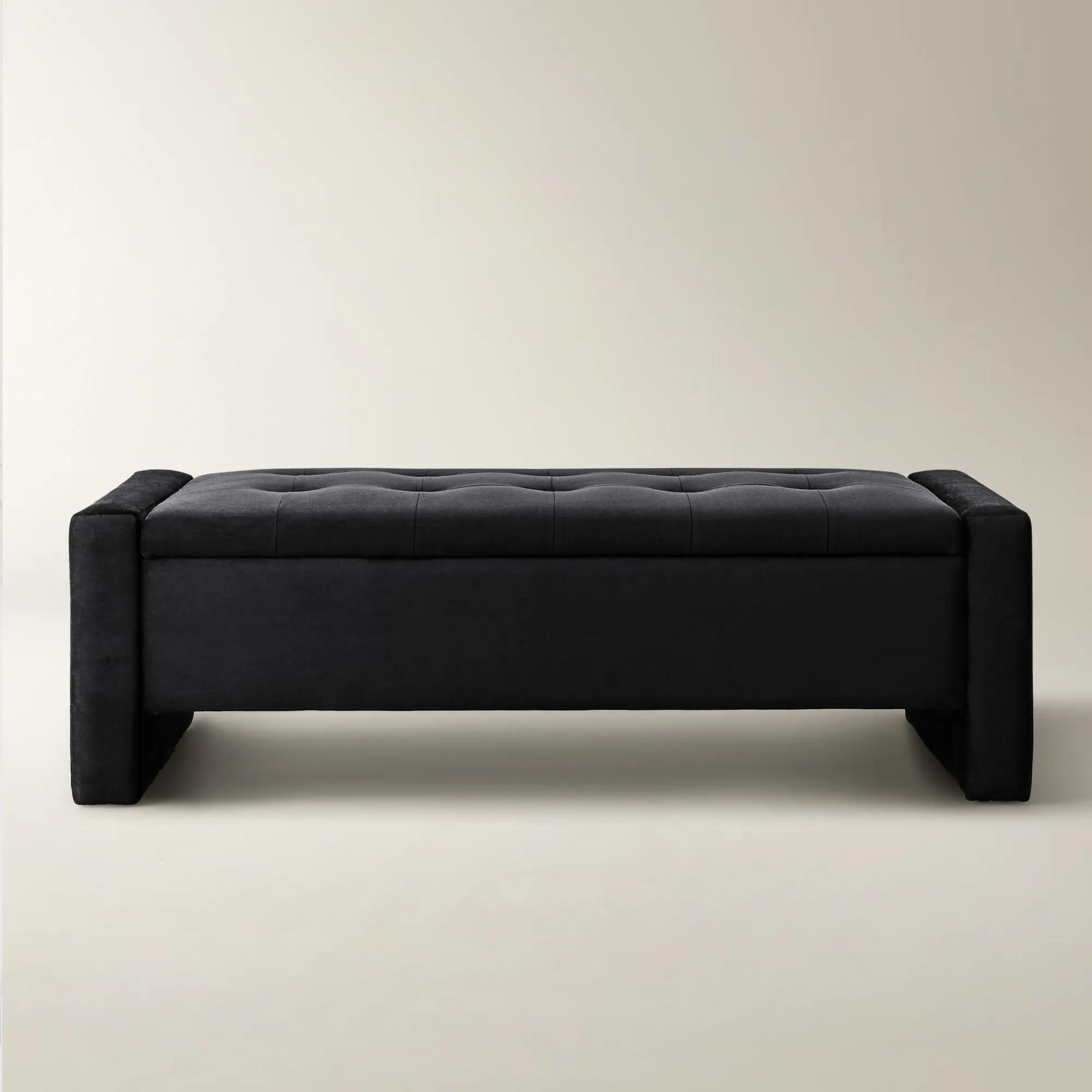
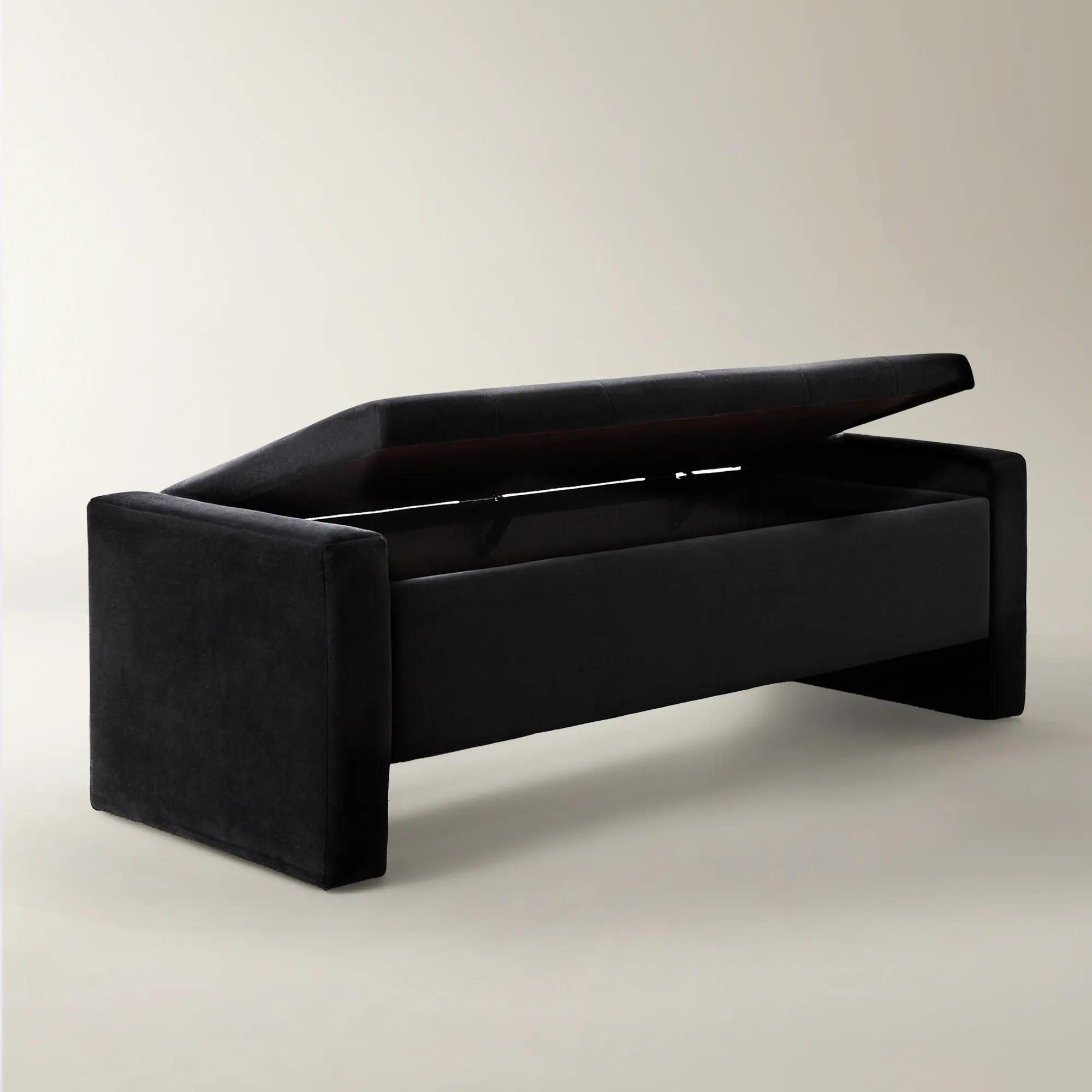 Maeve Storage Bench$1149
A modern velvet-upholstered bench with hidden storage, kiln-dried hardwood frame, and soft-closing glides.
Add To Cart -
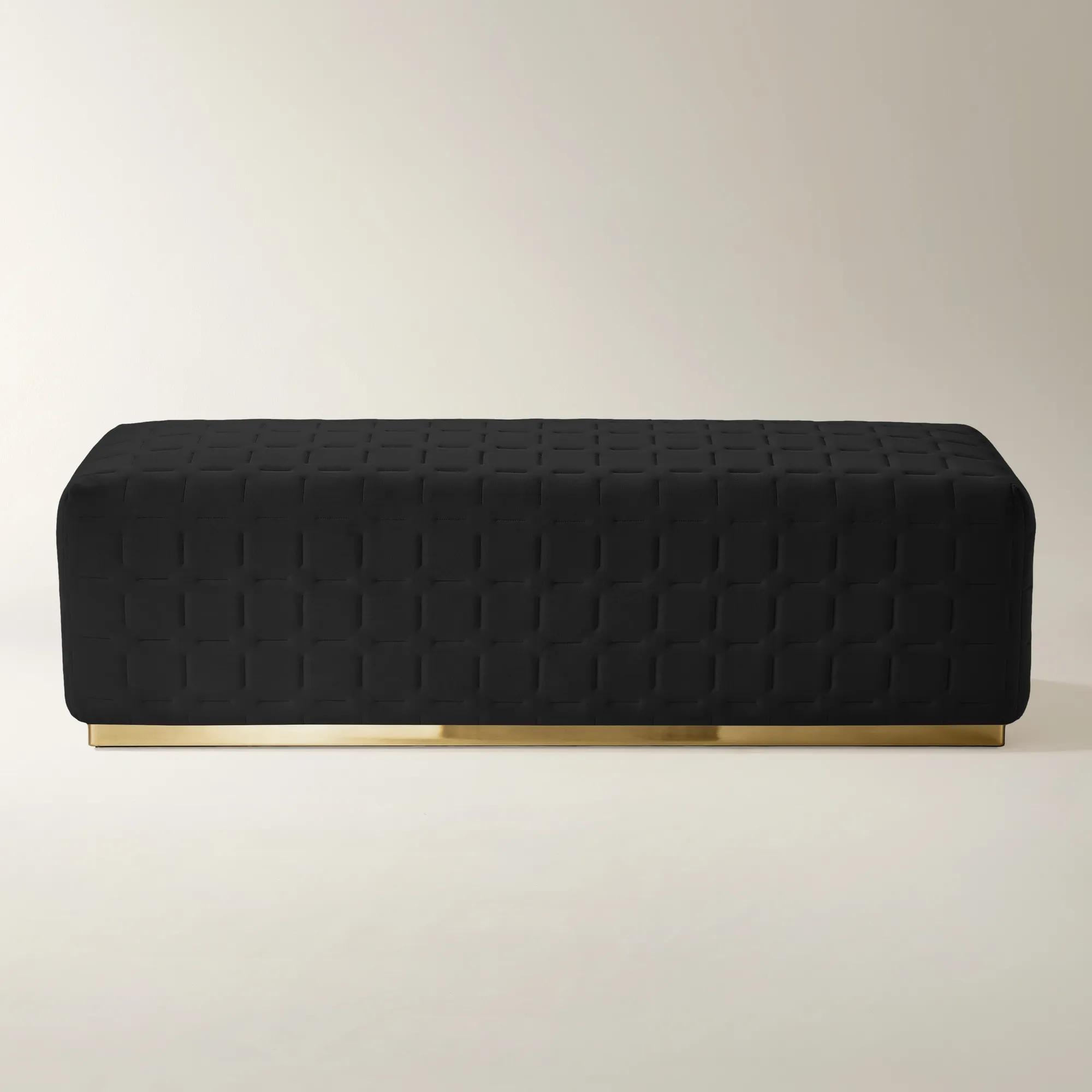 Vanta Quilted Charcoal Velvet Bench (64.6")$899
A charcoal velvet bench featuring checker quilted tufting and a gold stainless steel base for modern elegance.
Add To Cart -
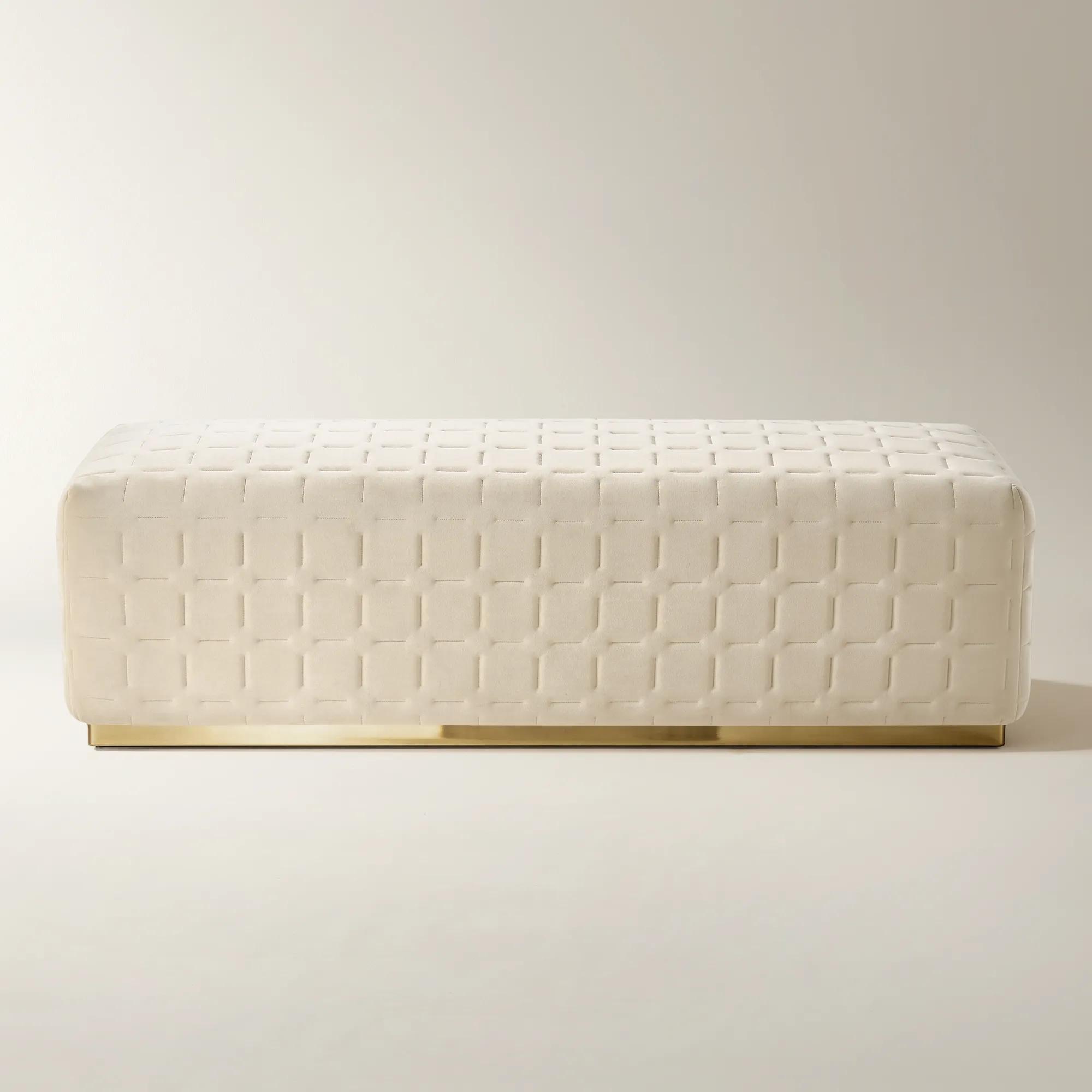
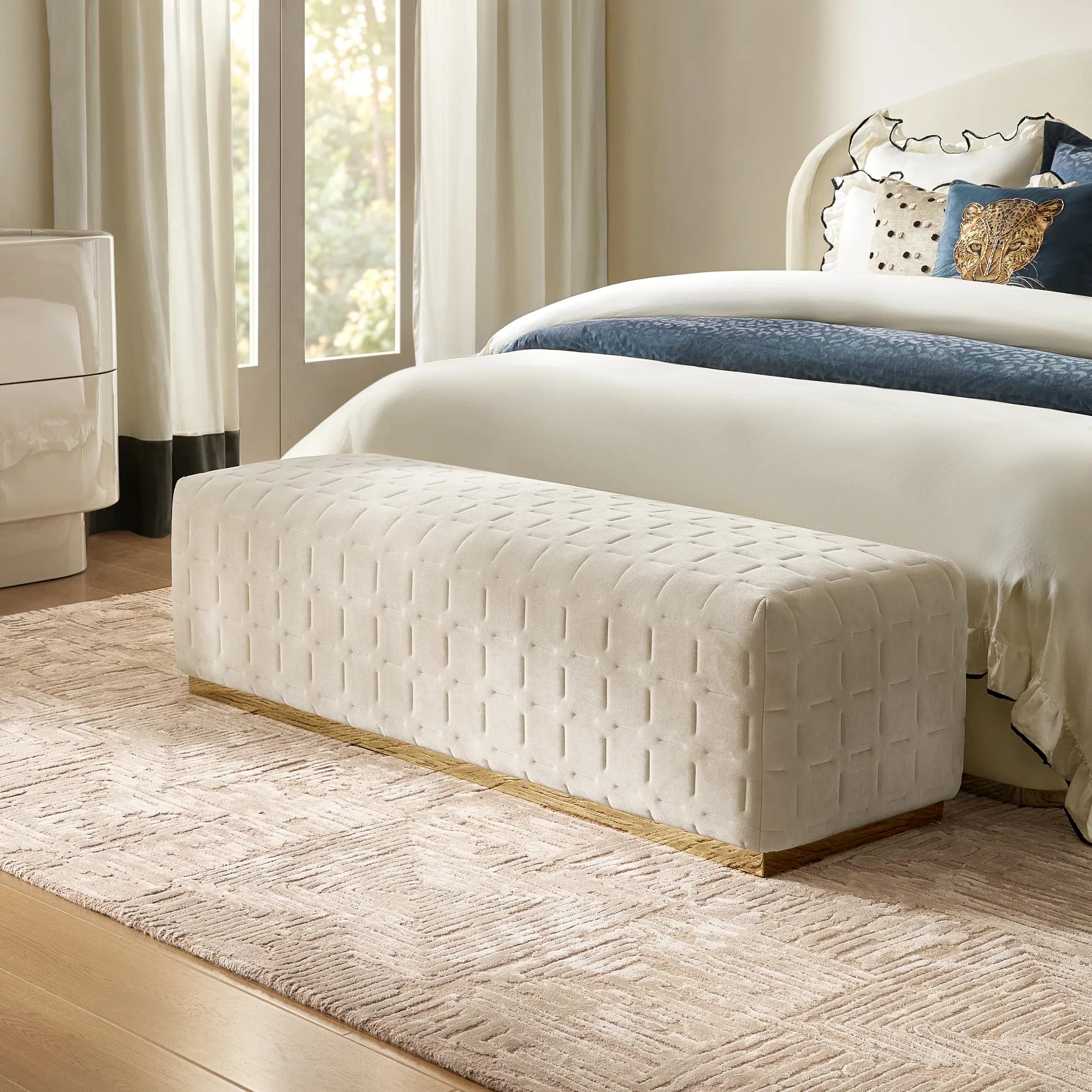 Vanta Quilted Oatmeal Velvet Bench (64.6")$899
A plush oatmeal velvet bench featuring checker quilted tufting and a sleek gold stainless steel base.
Add To Cart -
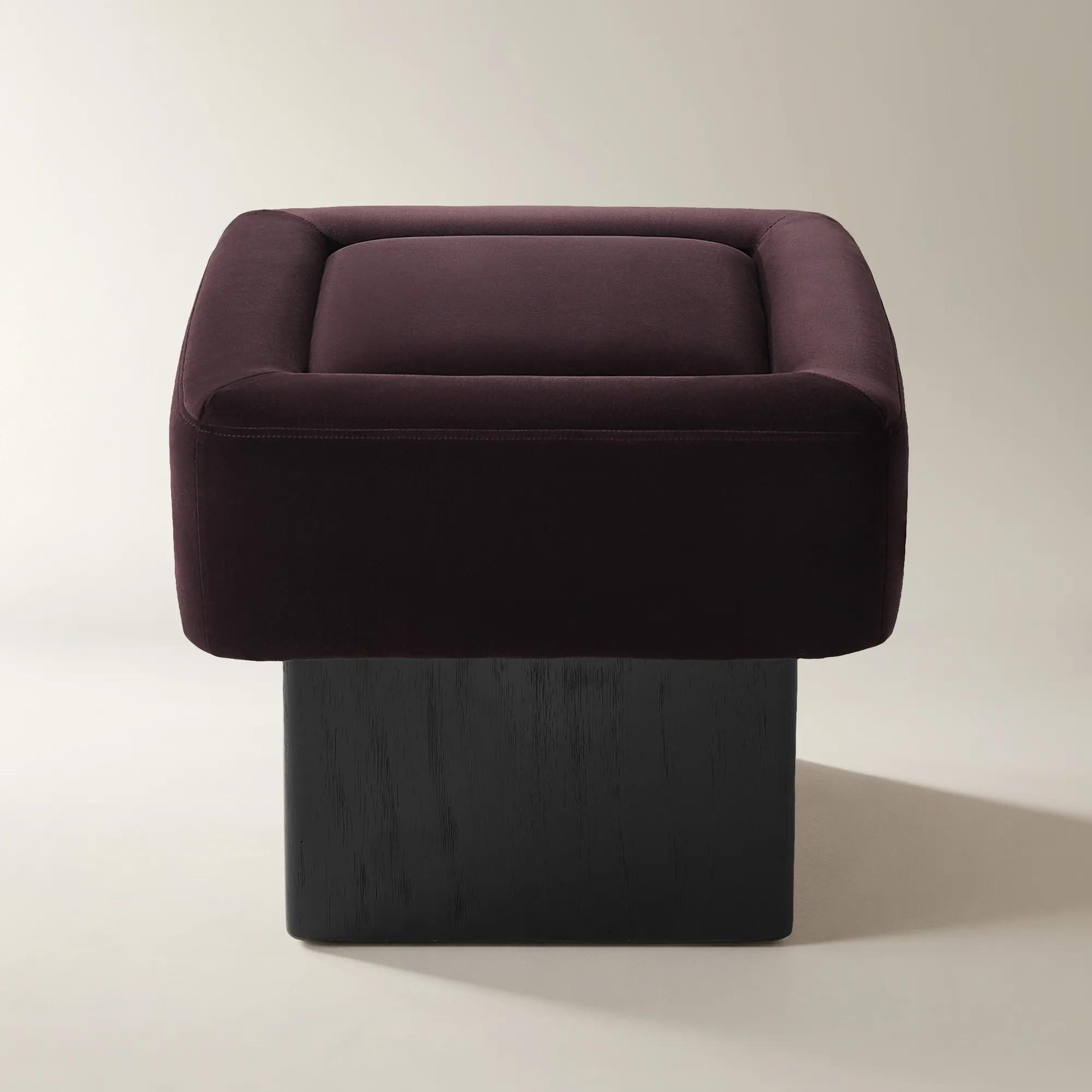 Reims Fig Velvet Stool$349
A plush fig-colored velvet stool featuring a sculpted cushion and a solid rubberwood base for modern contrast.
Add To Cart -
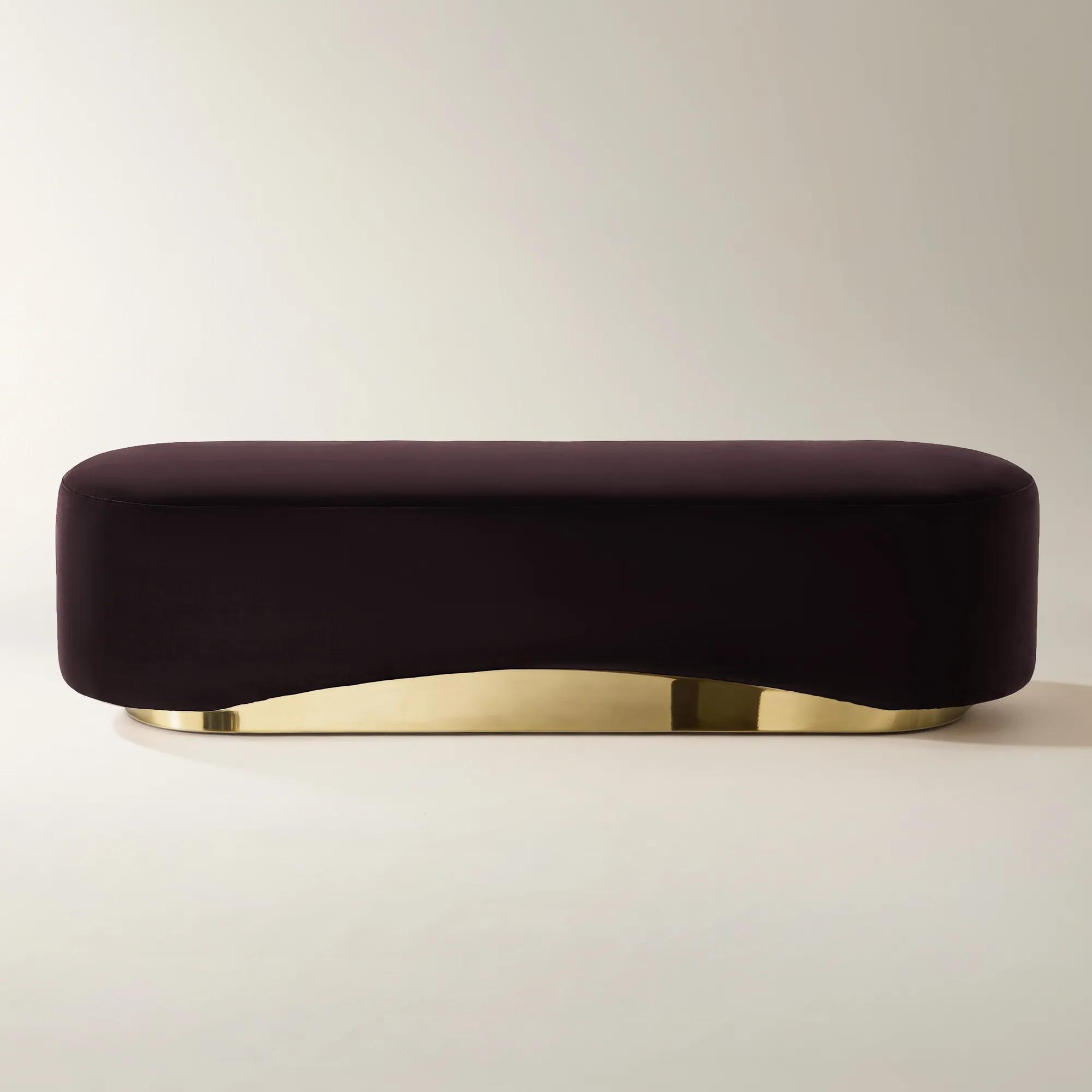 Kendra Fig Velvet Bench (70.47")$799
A plush fig velvet bench with an elongated oval silhouette and a polished gold stainless steel base.
Add To Cart -
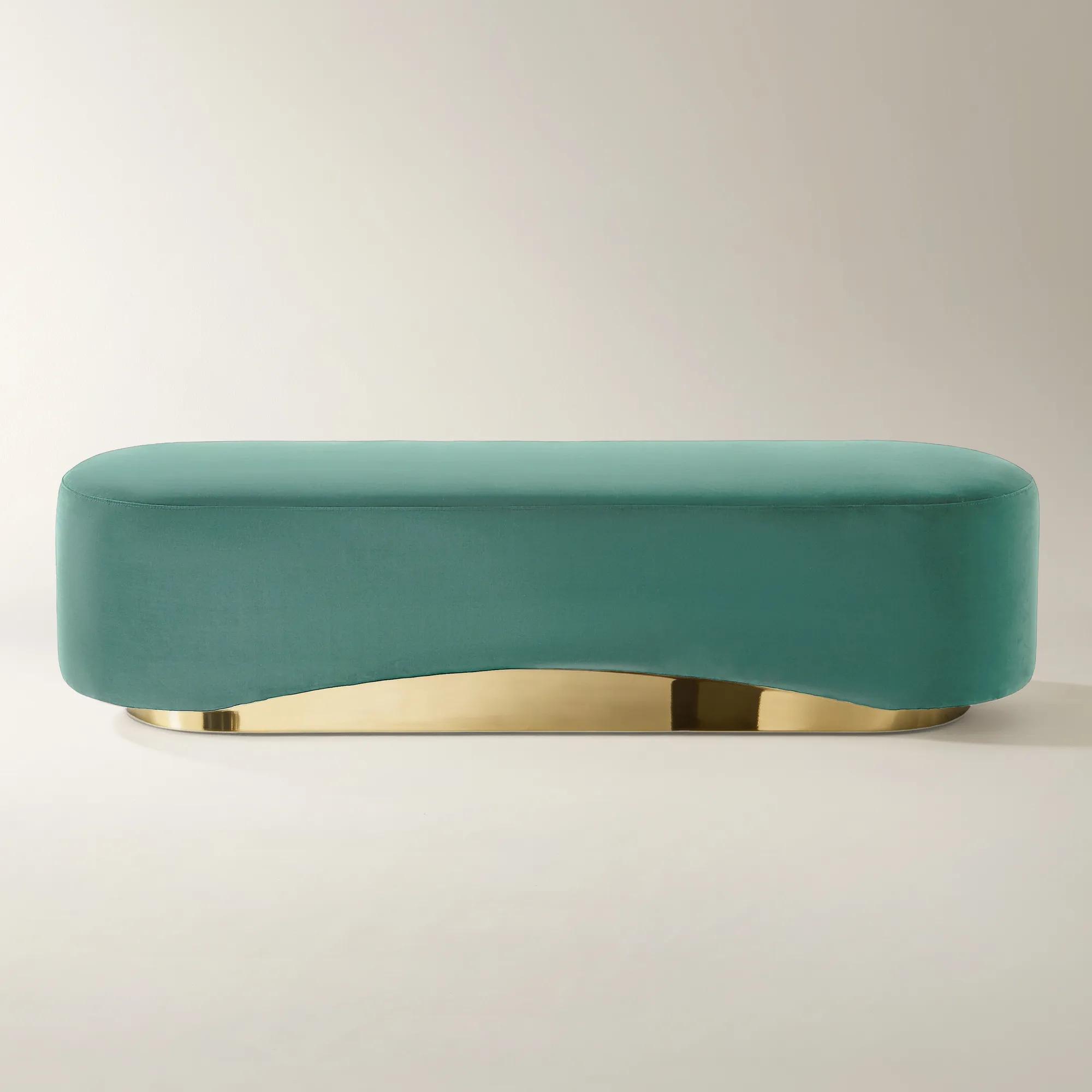 Kendra Ocean Teal Velvet Bench (70.47")$799
An elongated oval bench in ocean teal velvet with a plush seat and polished gold stainless steel base.
Add To Cart -
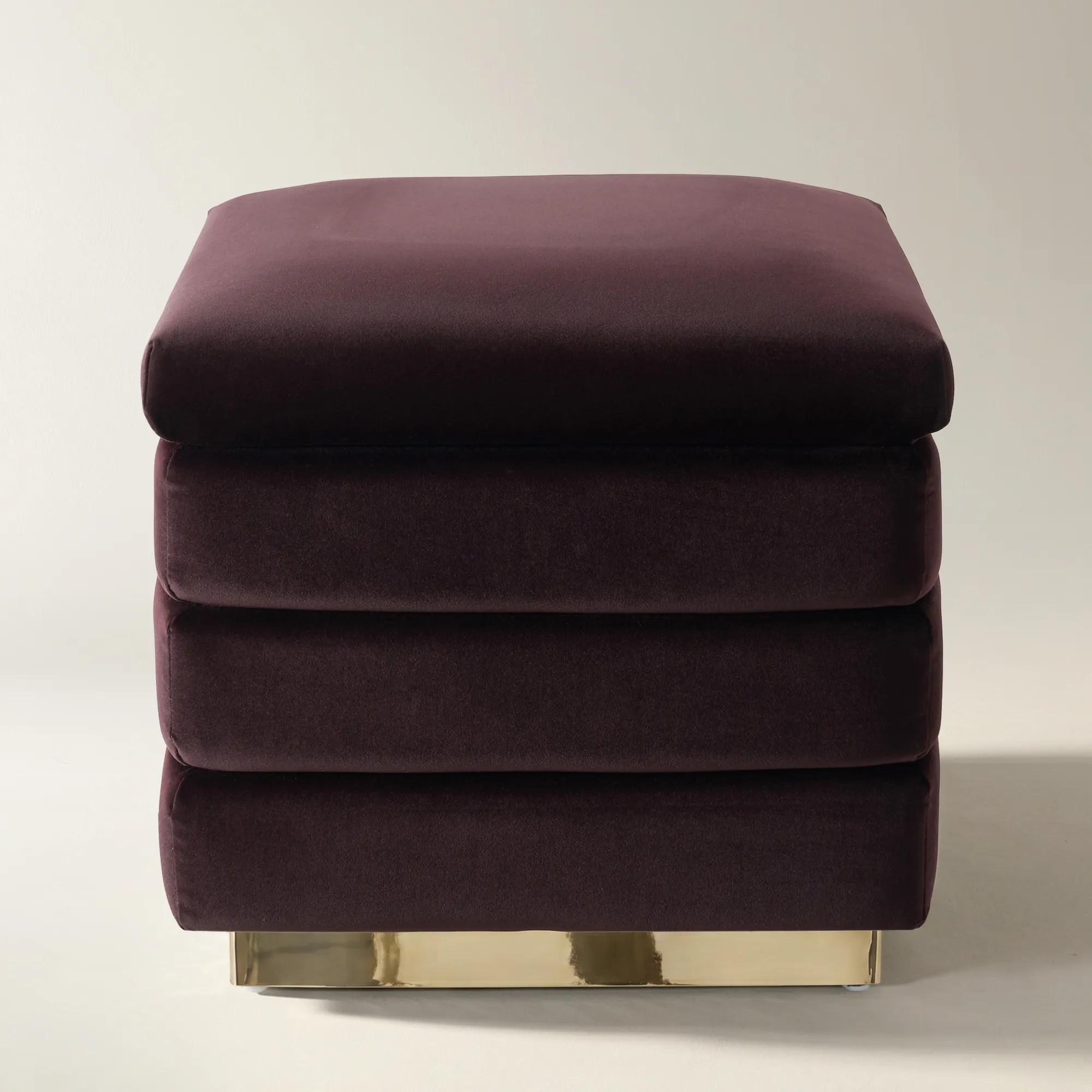
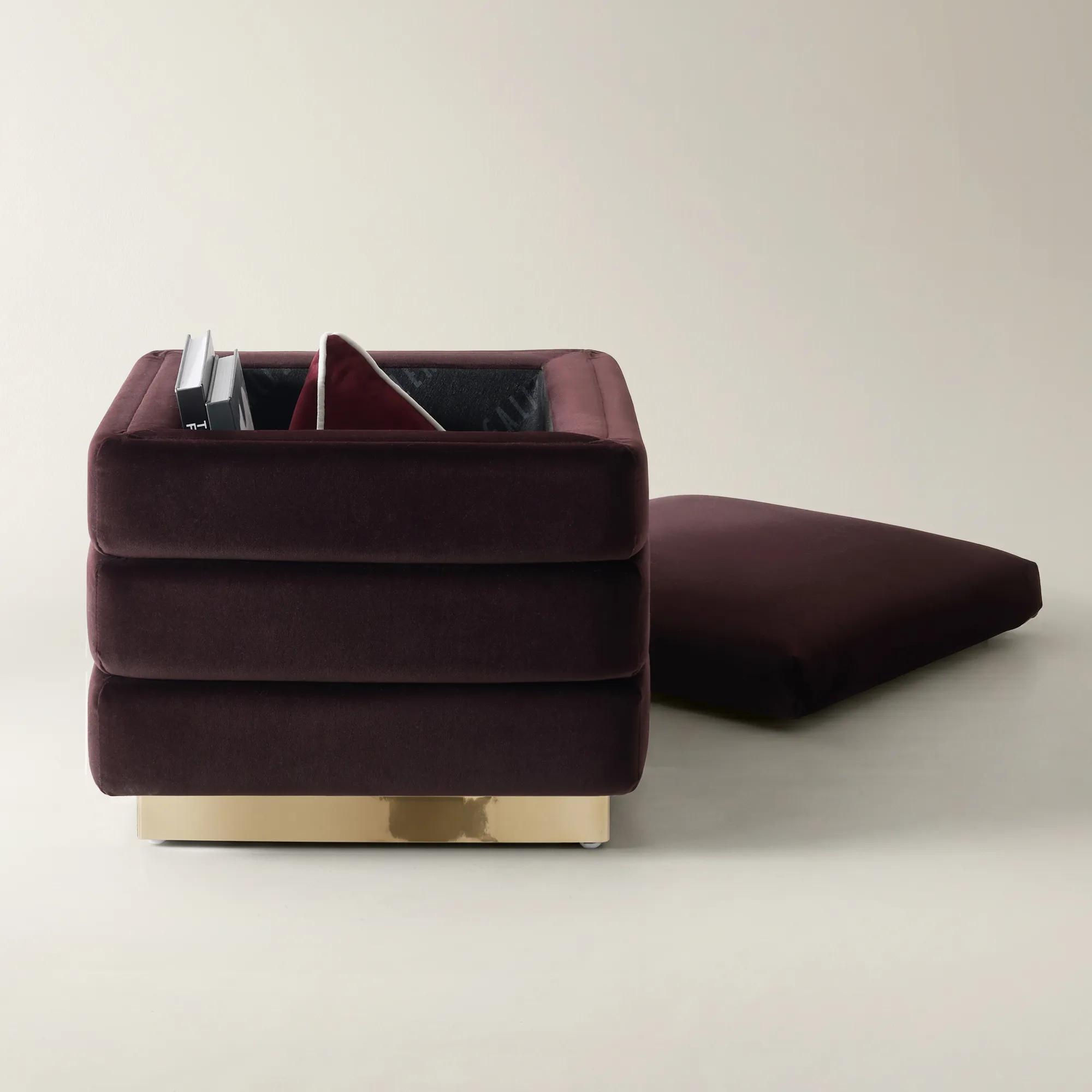 Gable Fig Chenille Storage Stool$399
A plush fig chenille stool with hidden storage, velvet upholstery, and a polished gold stainless steel base.
Add To Cart -
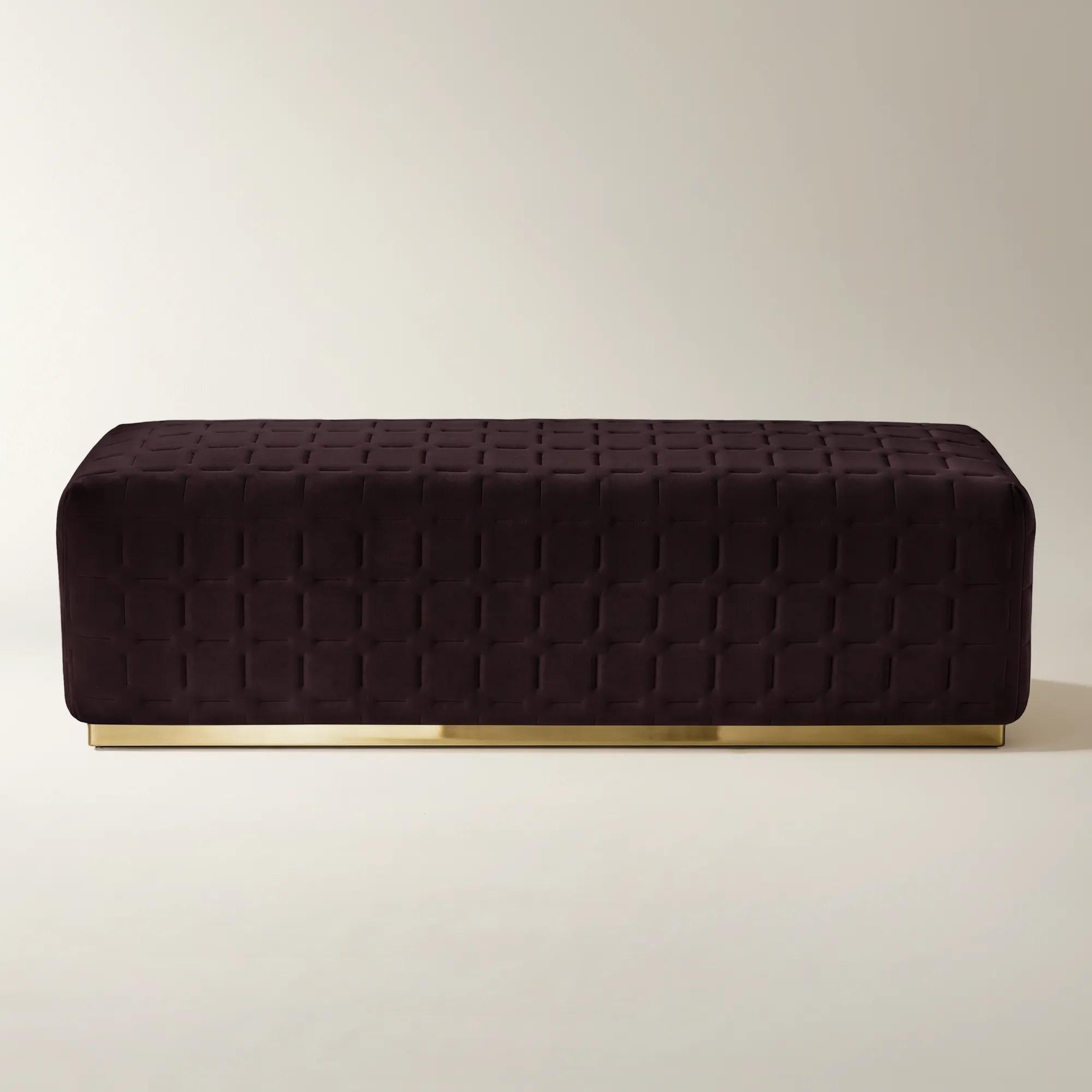
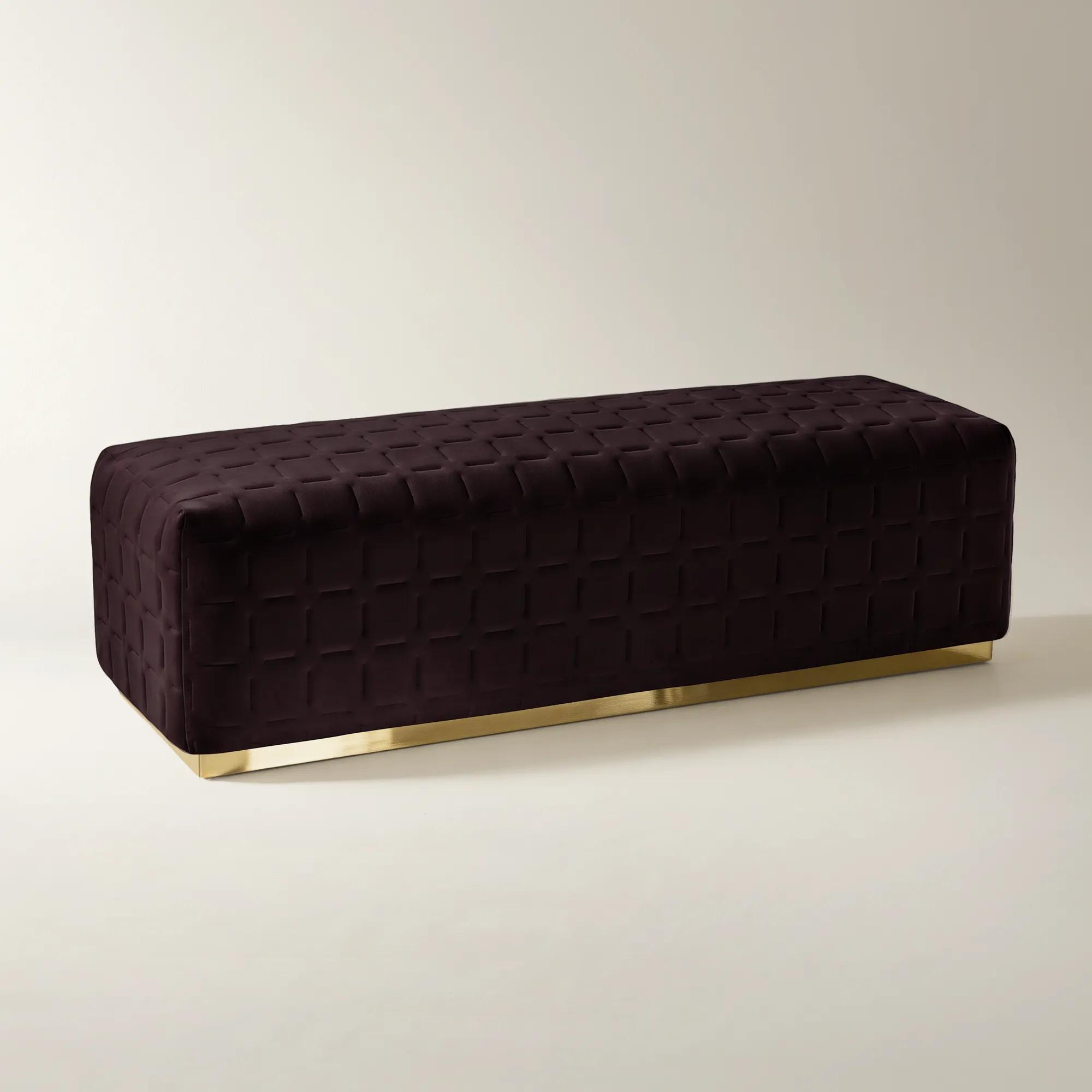 Vanta Quilted Fig Velvet Bench (64.6")$899
A plush fig velvet bench featuring checker quilted tufting and a sleek gold stainless steel base.
Add To Cart -
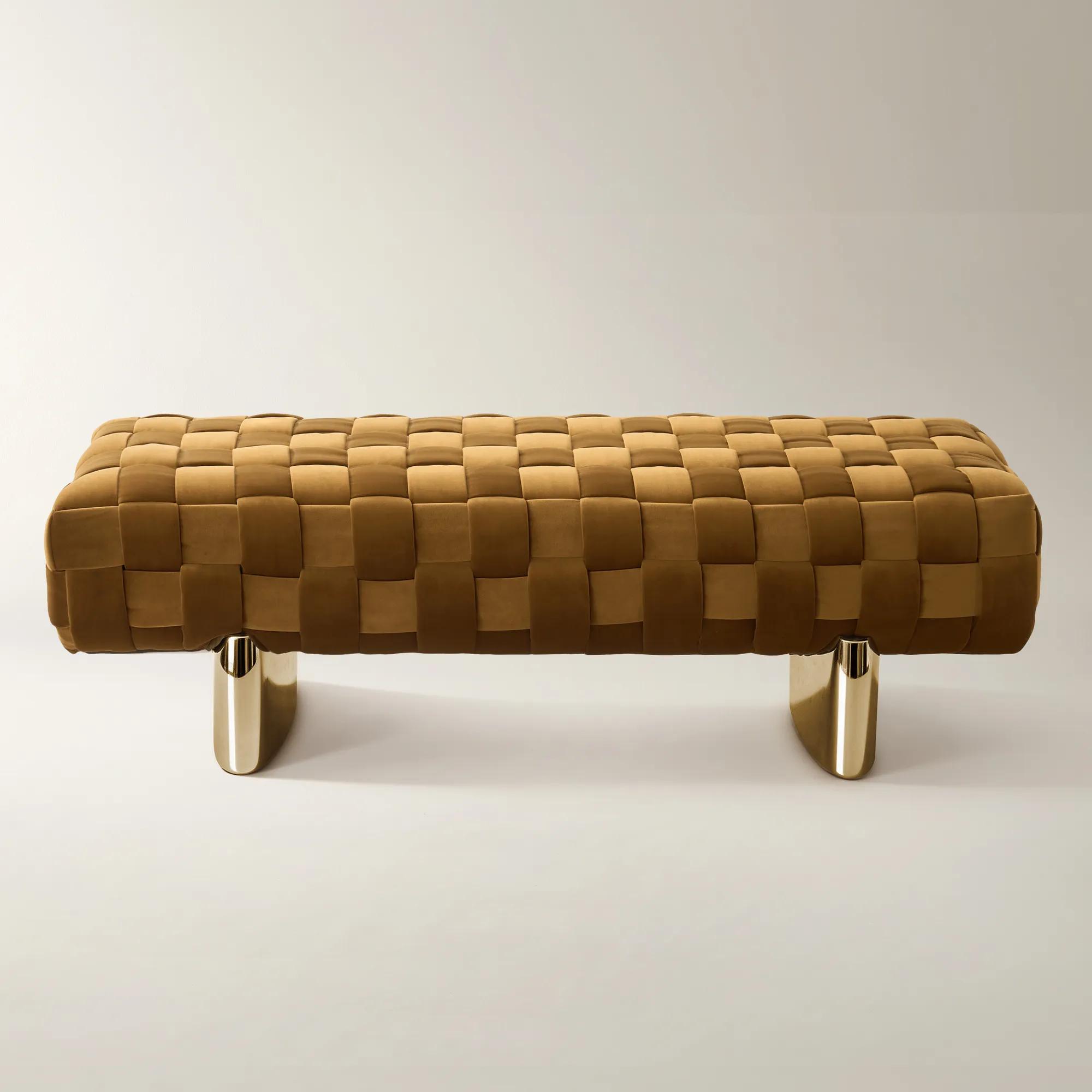
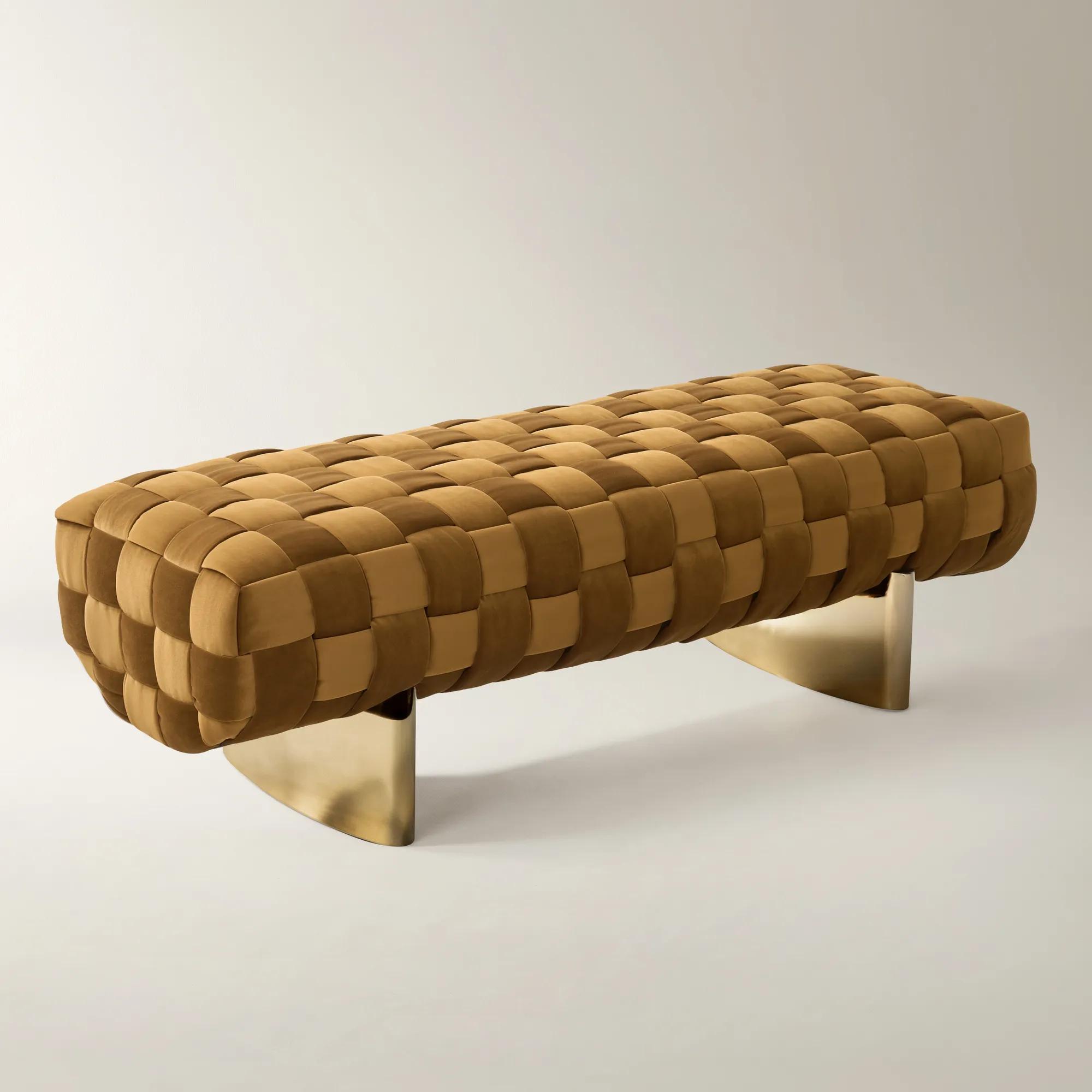 Dexter Woven Roasted Pecan Velvet Bench (64.2")$999
A woven roasted pecan velvet bench featuring plush upholstery and polished gold stainless steel legs for modern elegance.
Add To Cart -
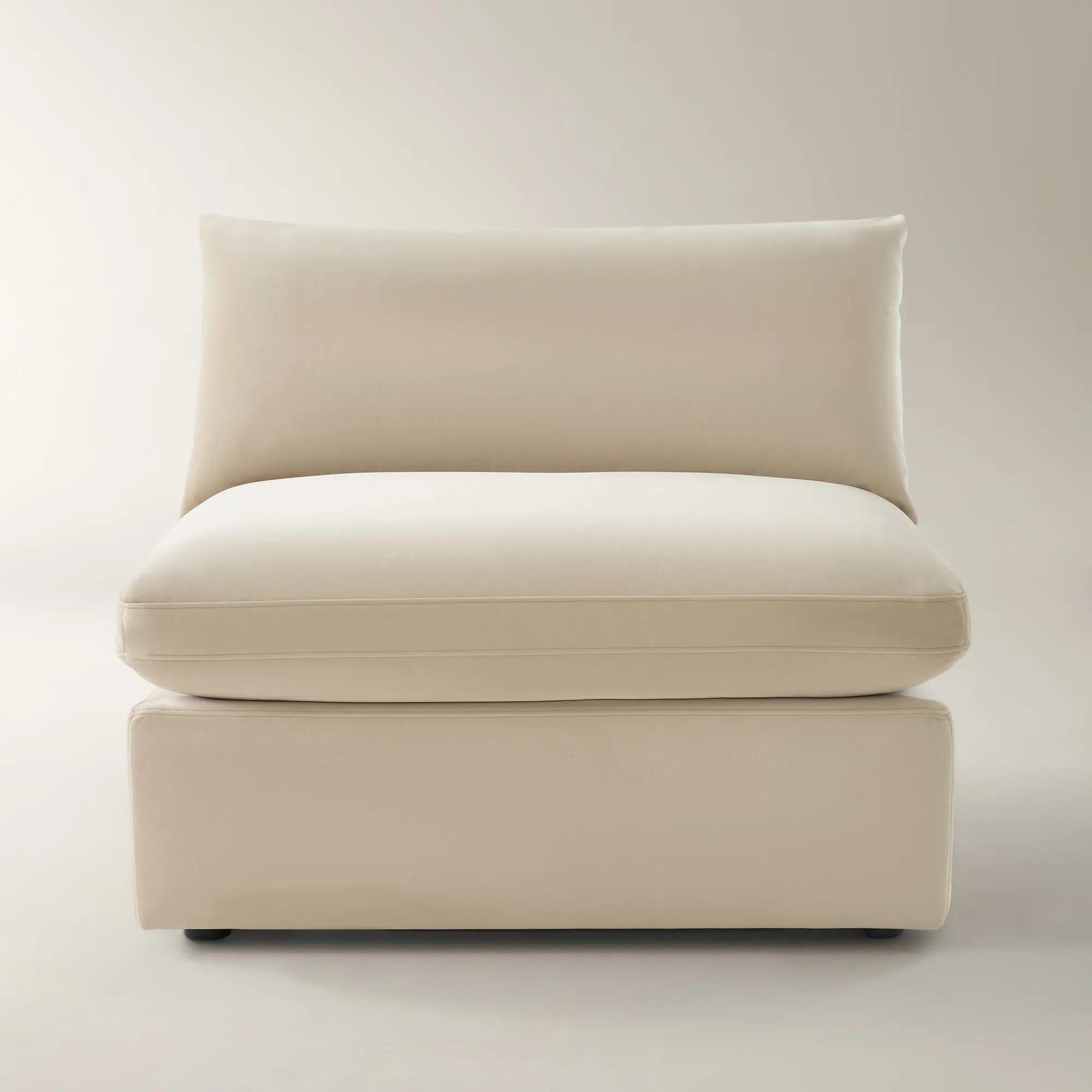
 Sabrina Oatmeal Velvet Armless Chair$999
A modular, curved seating piece in soft oatmeal velvet with plush feather-blend cushions and hand-built craftsmanship.
Add To Cart -
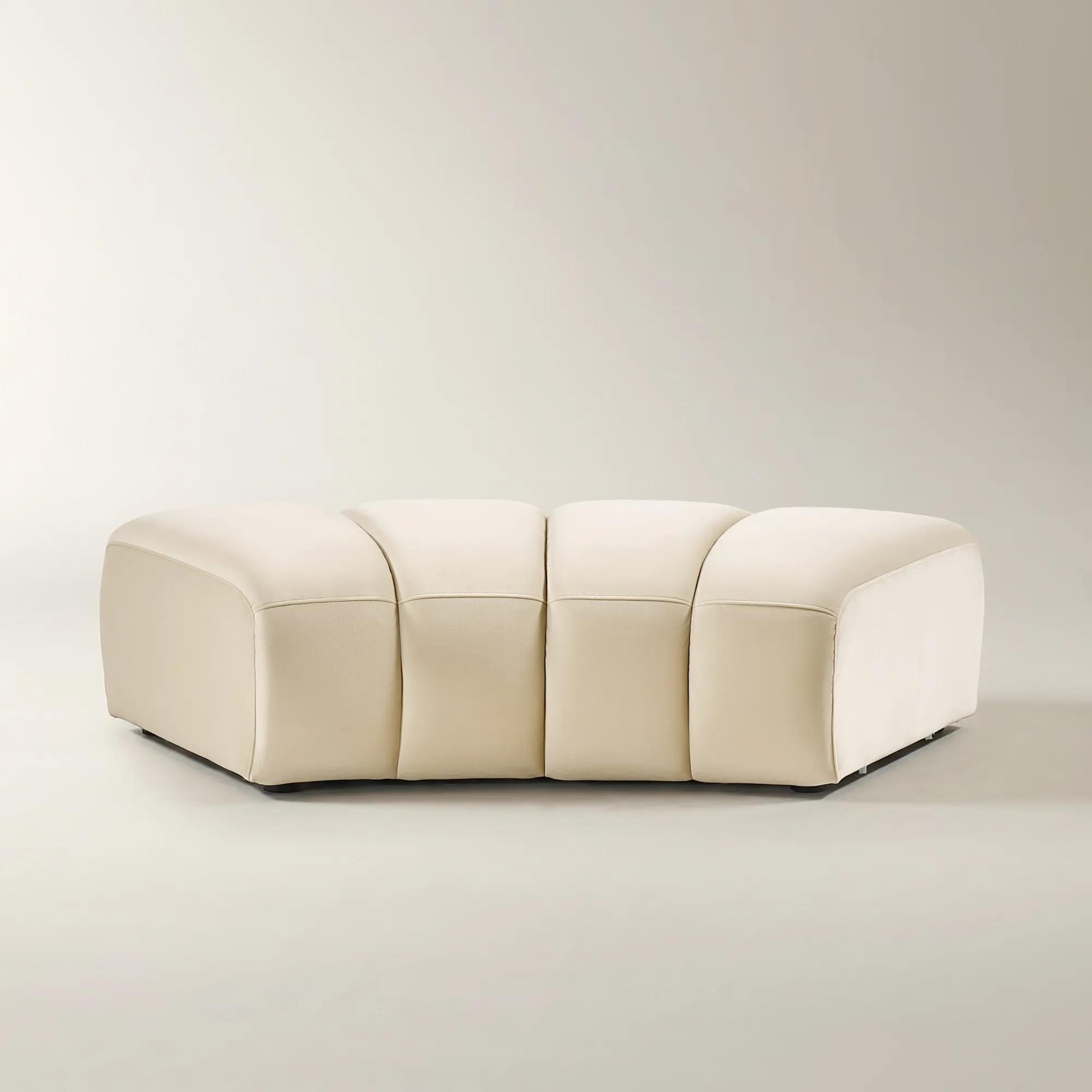 Jocelyn Channel-Tufted Oatmeal Velvet Ottoman$899
An oatmeal velvet ottoman featuring deep channel tufting, curved silhouette, and kiln-dried wood construction.
Add To Cart -
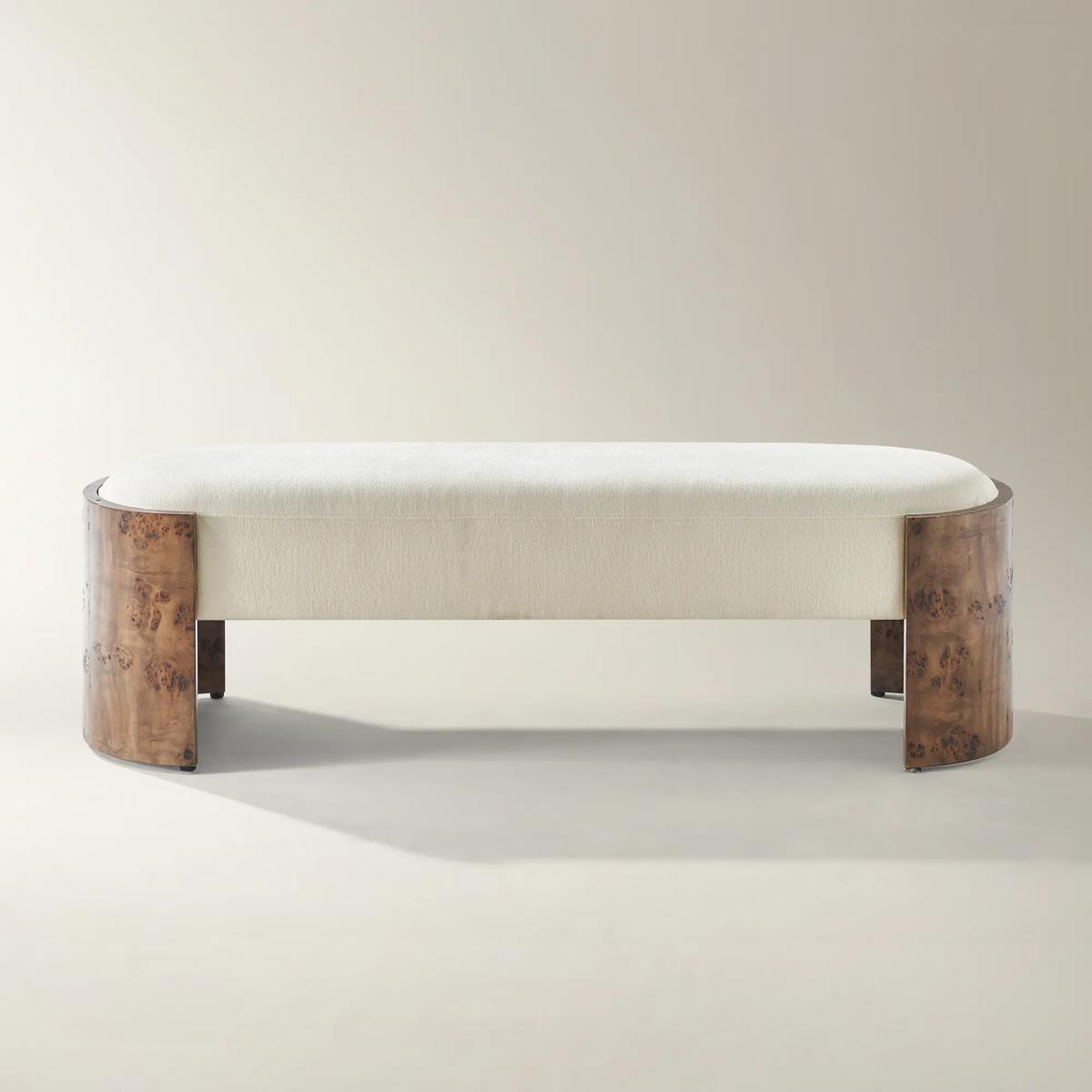
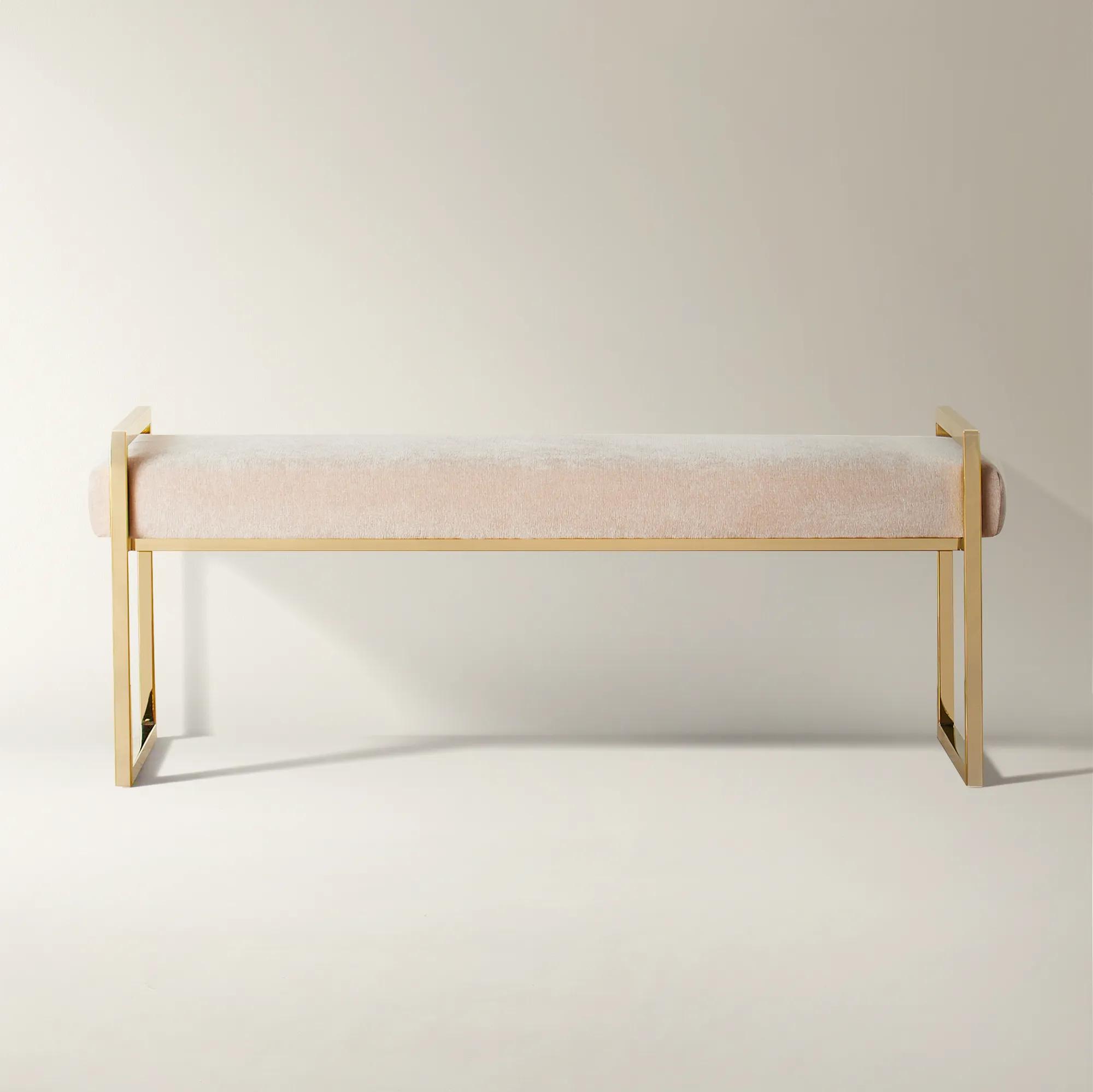 Clara Bench$699
A plush upholstered bench with a high-density foam seat and polished gold metal legs for modern elegance.
Add To Cart -
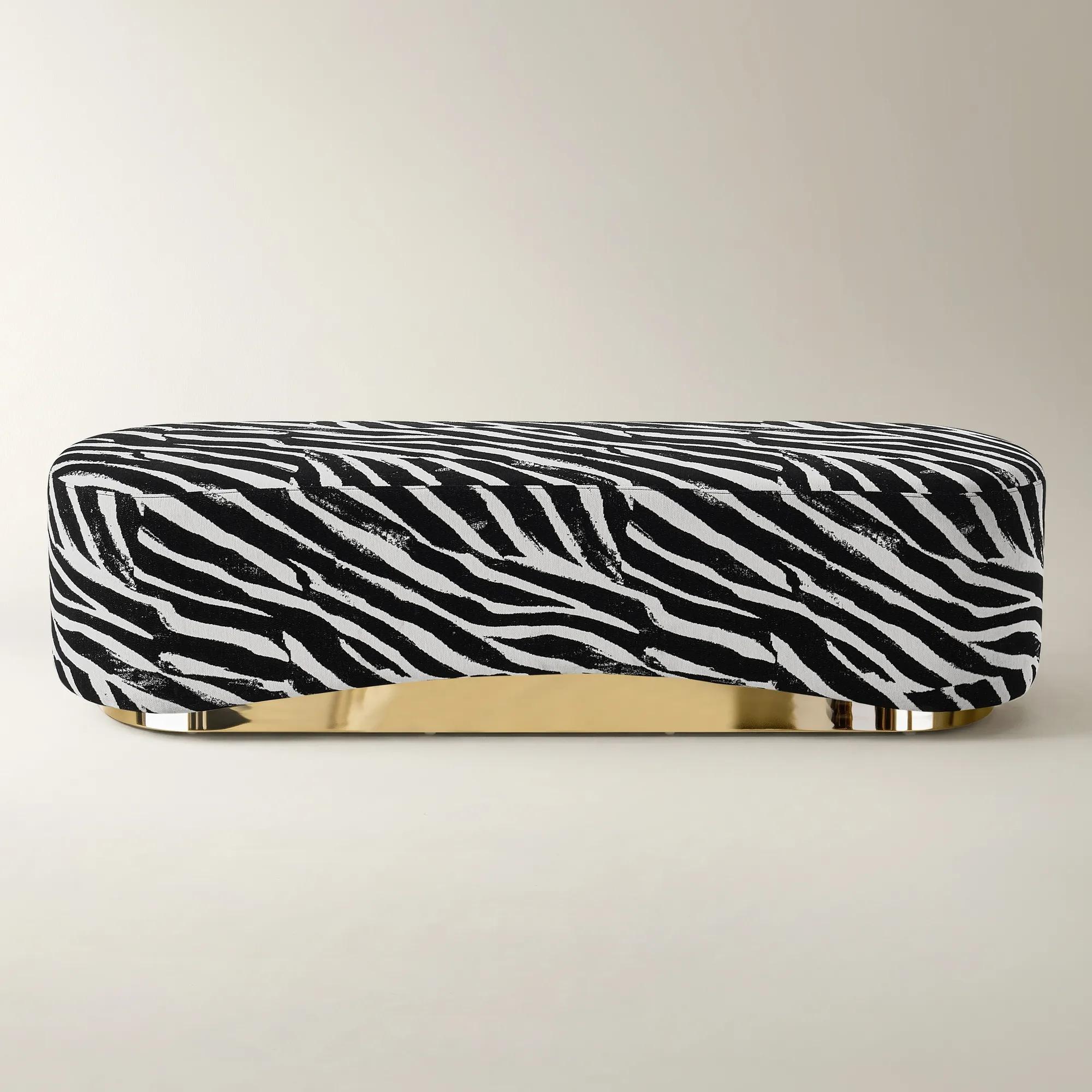
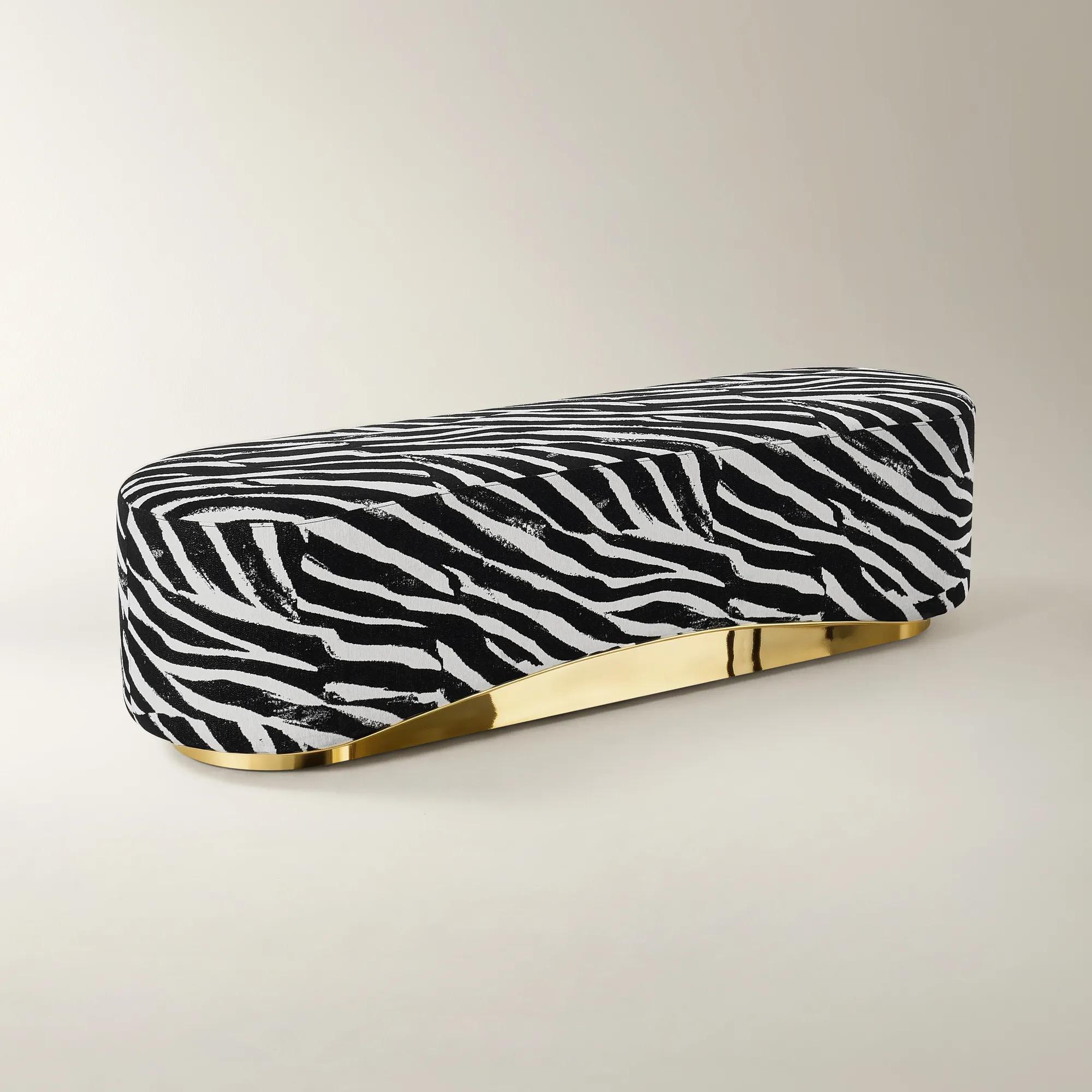 Kendra White/Black Performance Chenille Bench (70.47")$799
An elongated oval bench upholstered in white and black performance chenille with a polished gold stainless steel base.
Add To Cart -
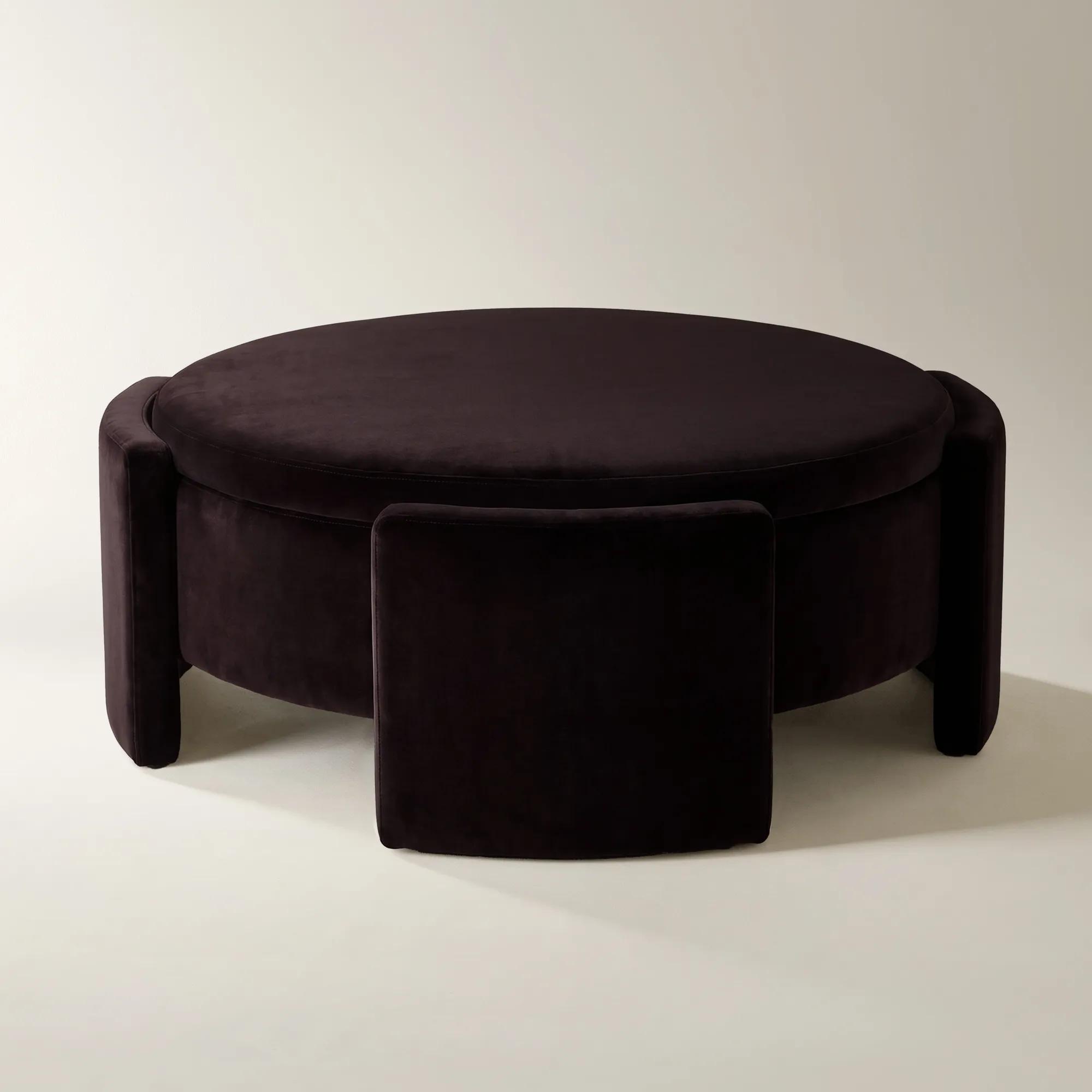
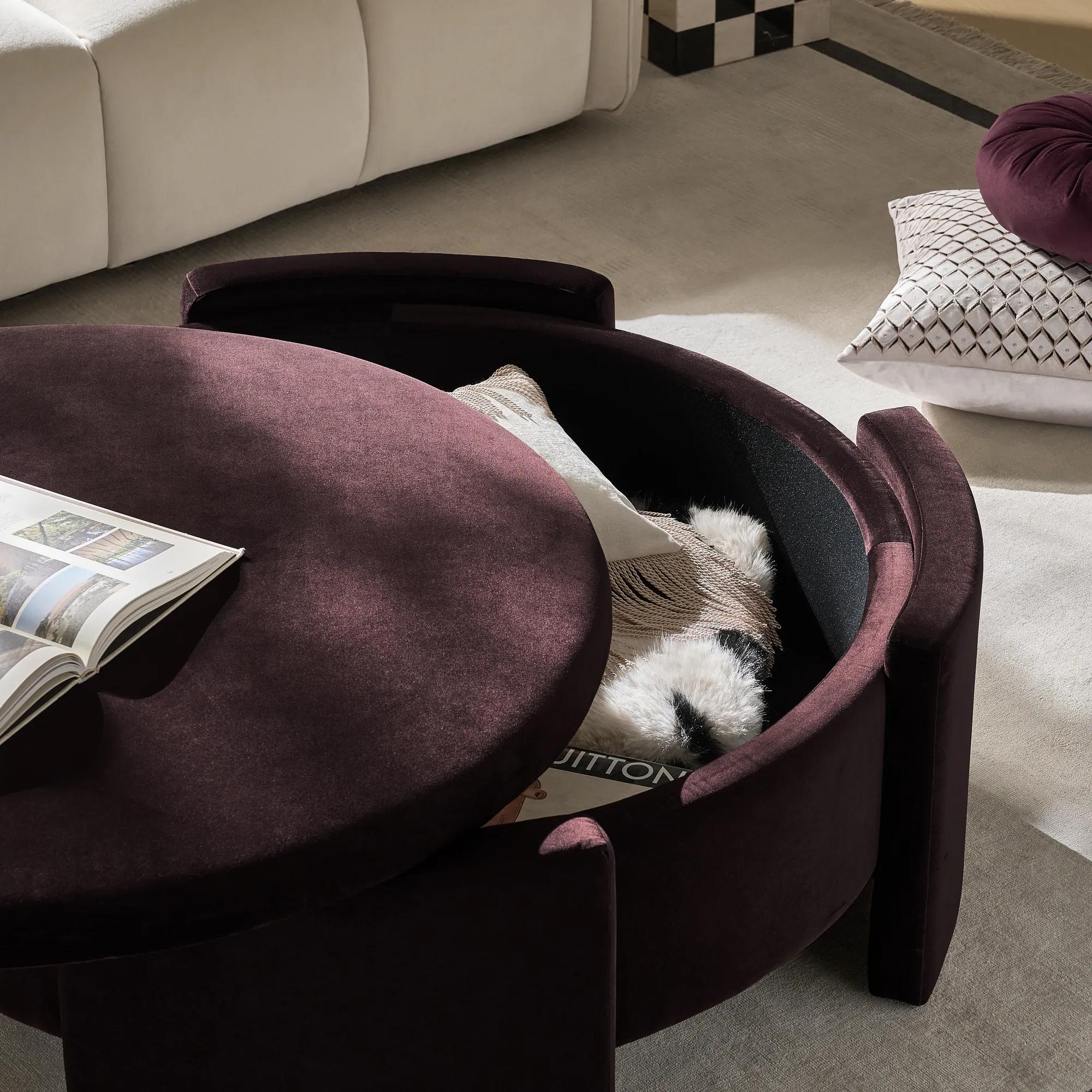 Jora Round Fig Velvet Storage Coffee Table With Reversible Tabletop (47.7")$799
A round fig velvet coffee table featuring a reversible wood tabletop and hidden interior storage.
Add To Cart -
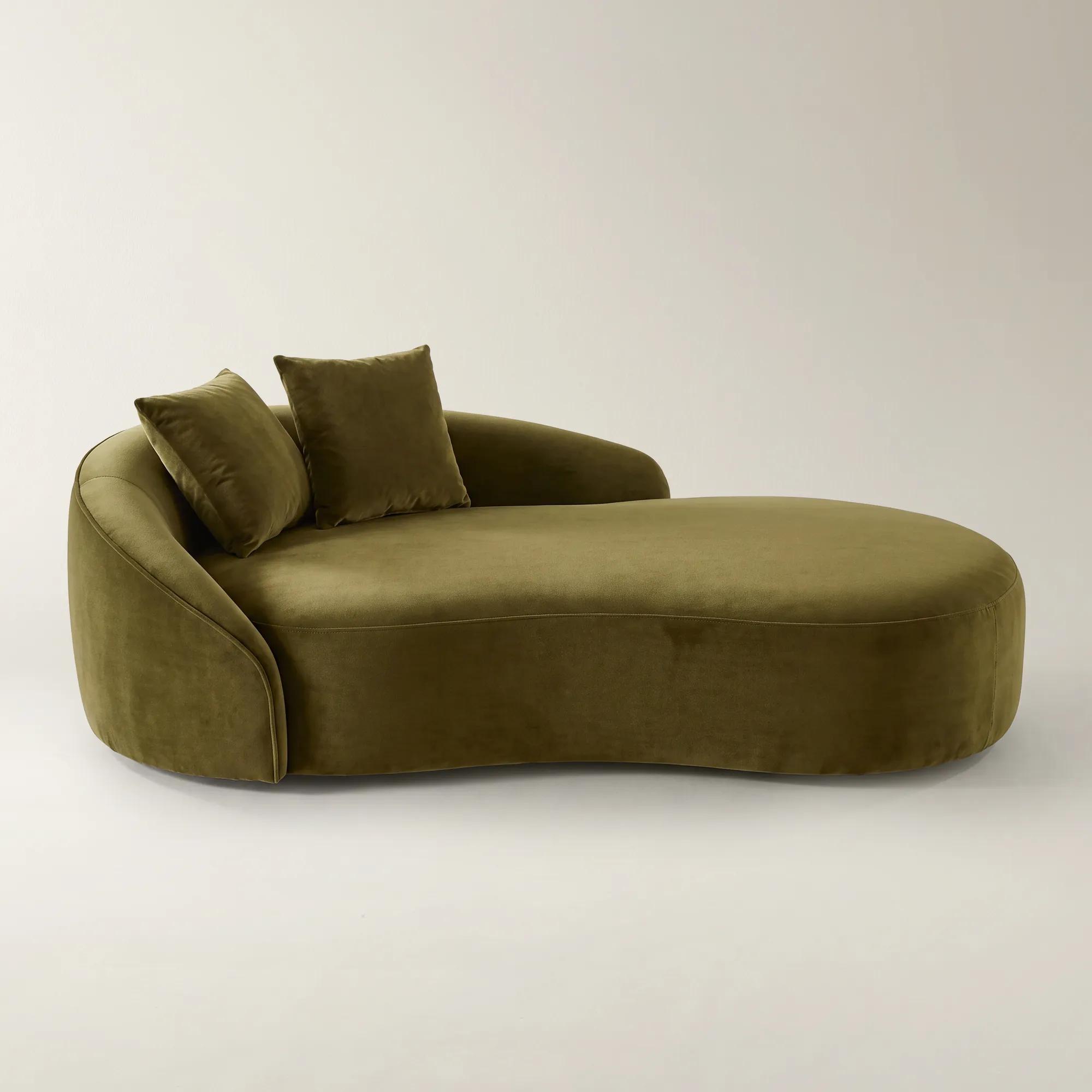
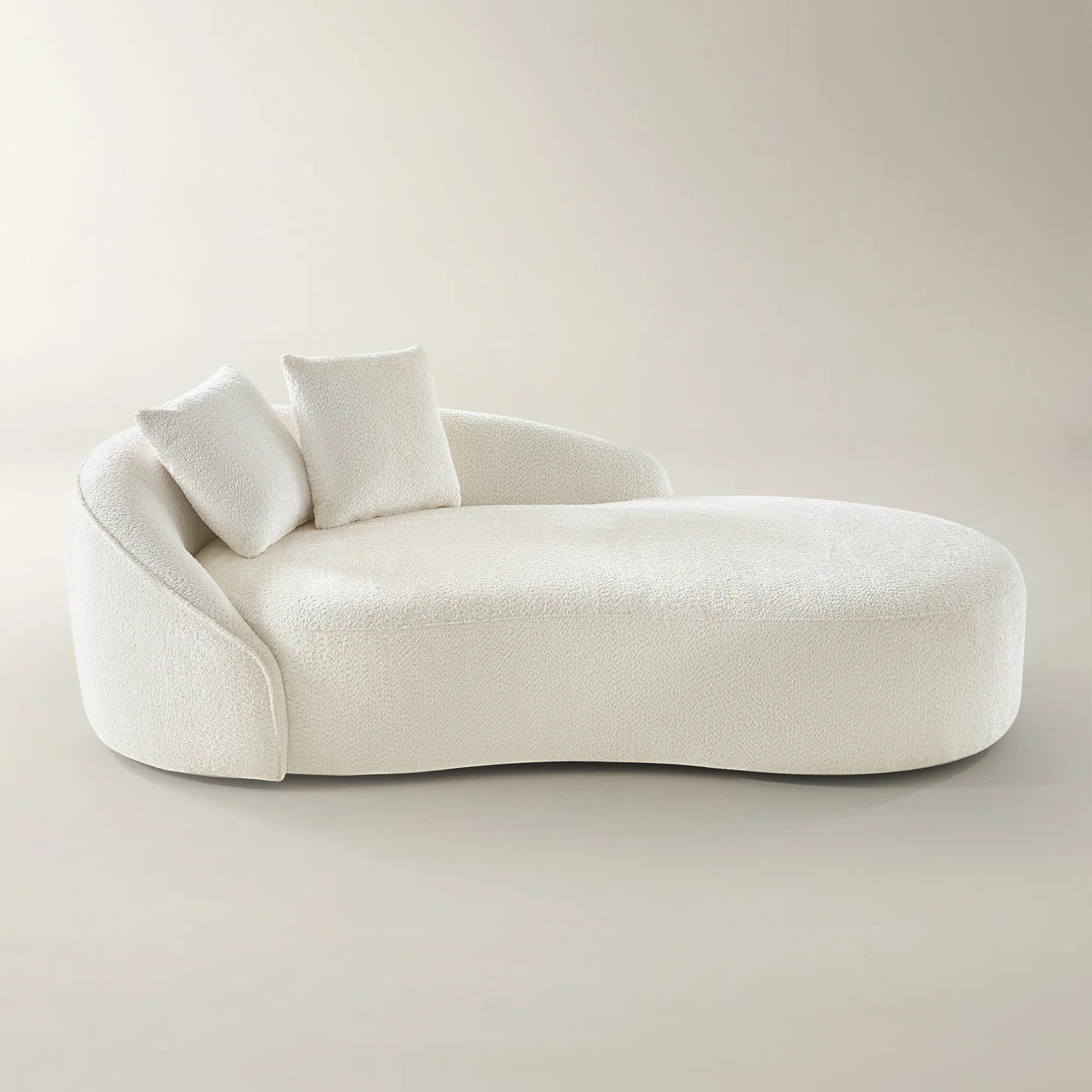 Irene Deep Olive Velvet Chaise$1699
A sculptural deep olive velvet chaise featuring high-resiliency foam cushions and artisan hand-finished upholstery.
Add To Cart -
.jpg?w=1200&h=1200)
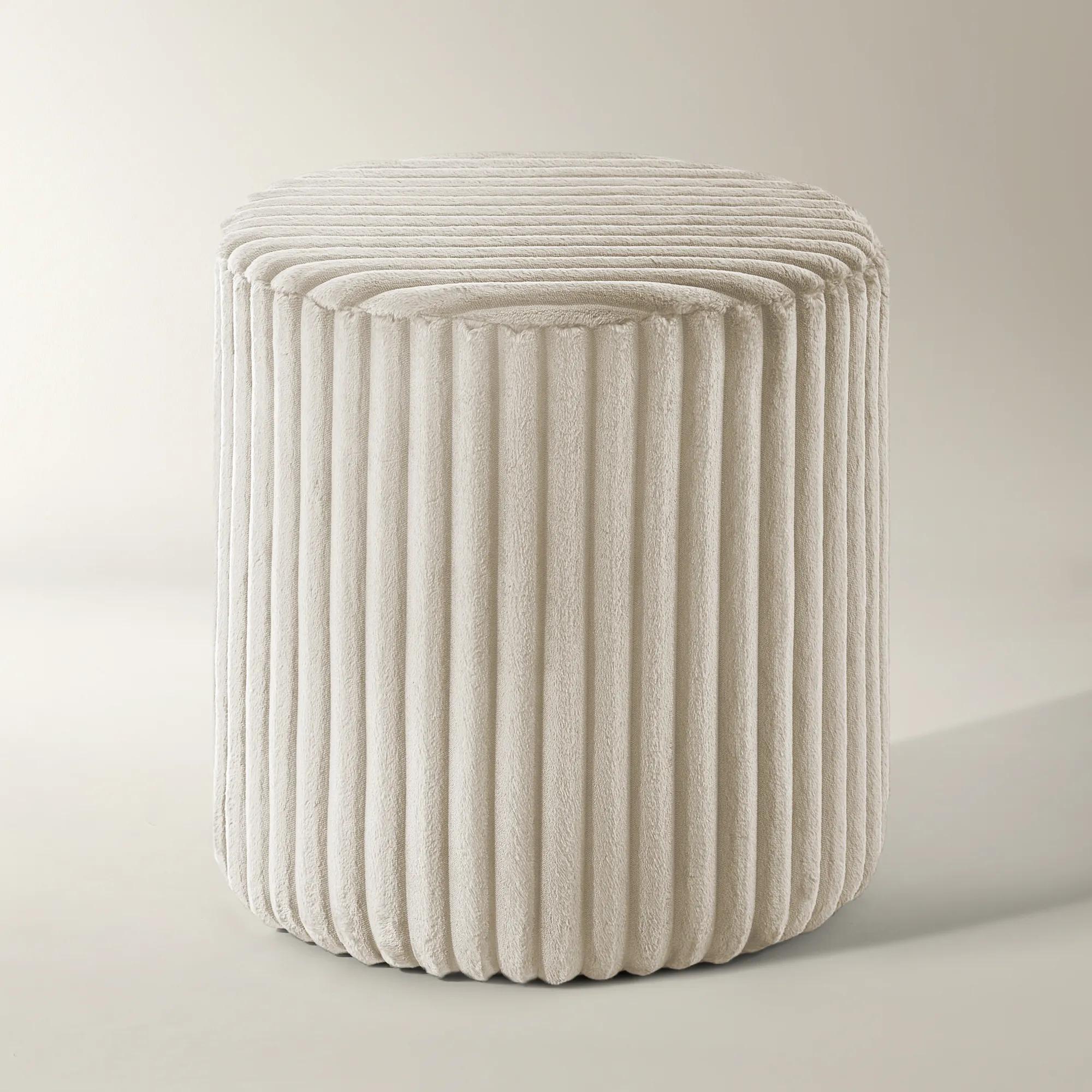 Fleece Fluted Ivory Velvet Stool (15.55'')$229
An ivory ribbed velvet stool offering cozy softness and versatile use as seating, footrest, or accent table.
Add To Cart -
.jpg?w=1200&h=1200) Fleece Fluted Gray Velvet Stool (15.55'')$229
Fleece Fluted Gray Velvet Stool (15.55'')$229A plush grey velvet stool with a unique ribbed texture, perfect for versatile, cozy seating or decor.
Add To Cart -
.jpg?w=1200&h=1200)
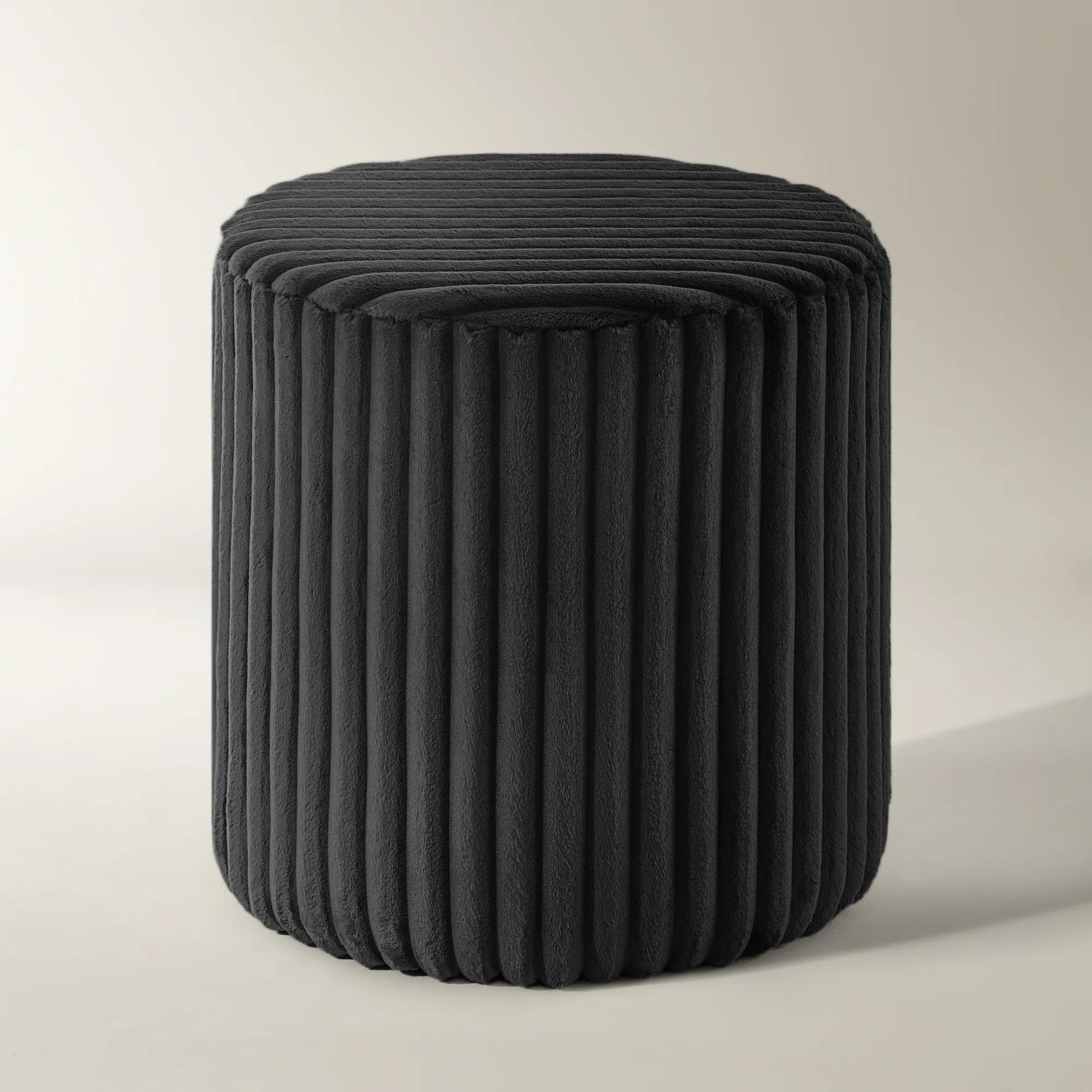 Fleece Fluted Black Velvet Stool (15.55'')$229
A plush black ribbed velvet stool offering versatile seating and cozy texture for any modern space.
Add To Cart -
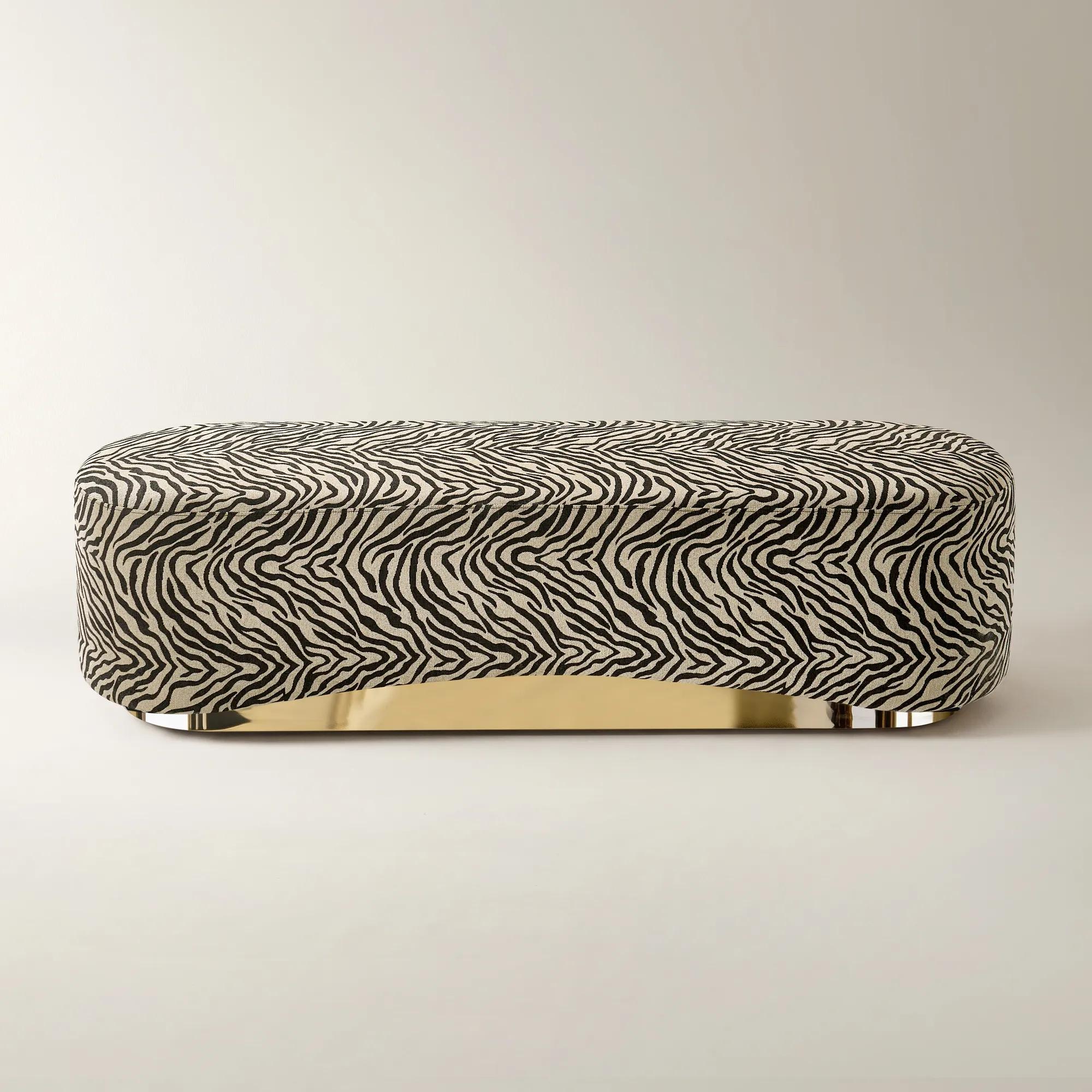
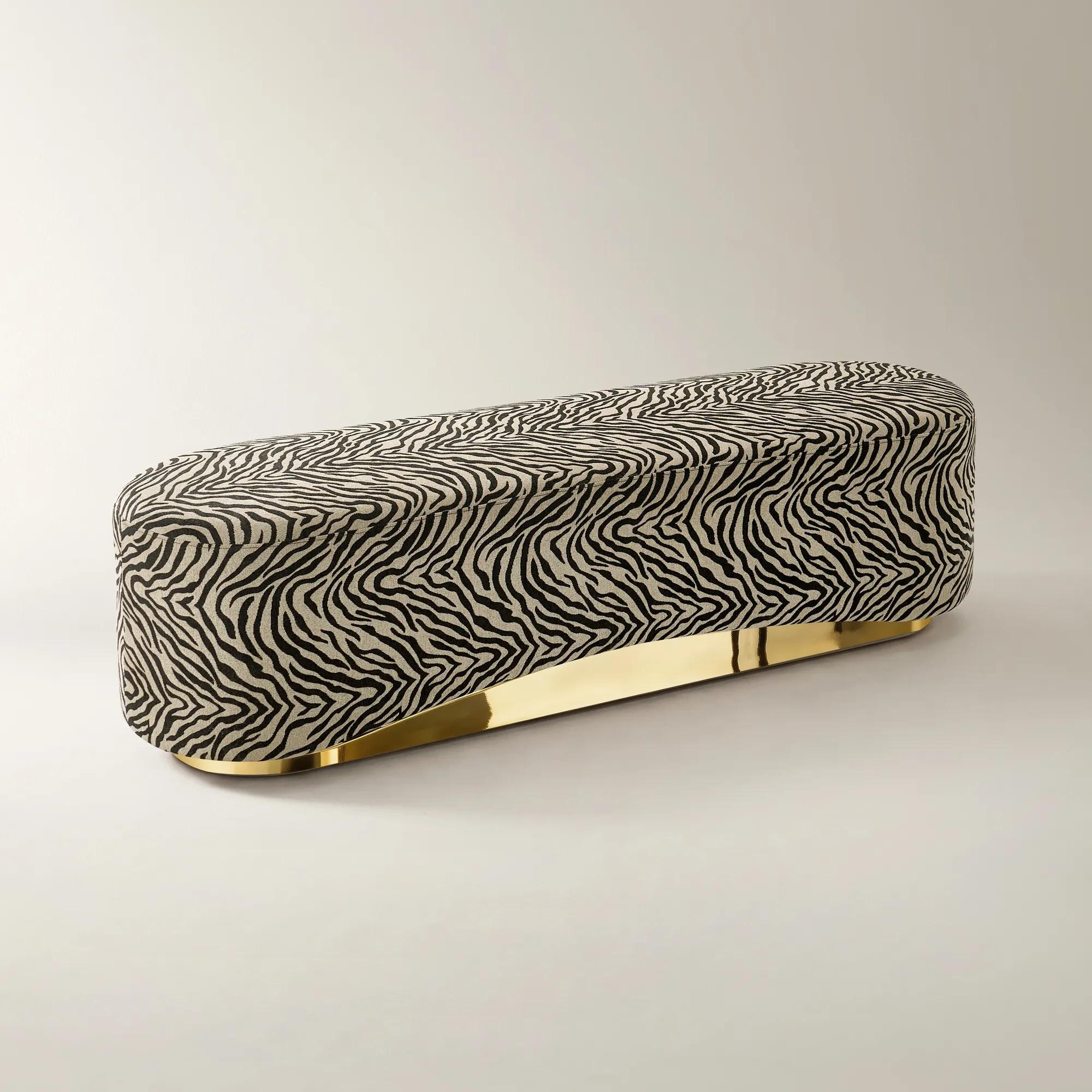 Kendra Zebra Performance Chenille Bench (70.47")$799
An elongated oval bench upholstered in textured zebra-pattern chenille with a polished gold stainless steel base.
Add To Cart -
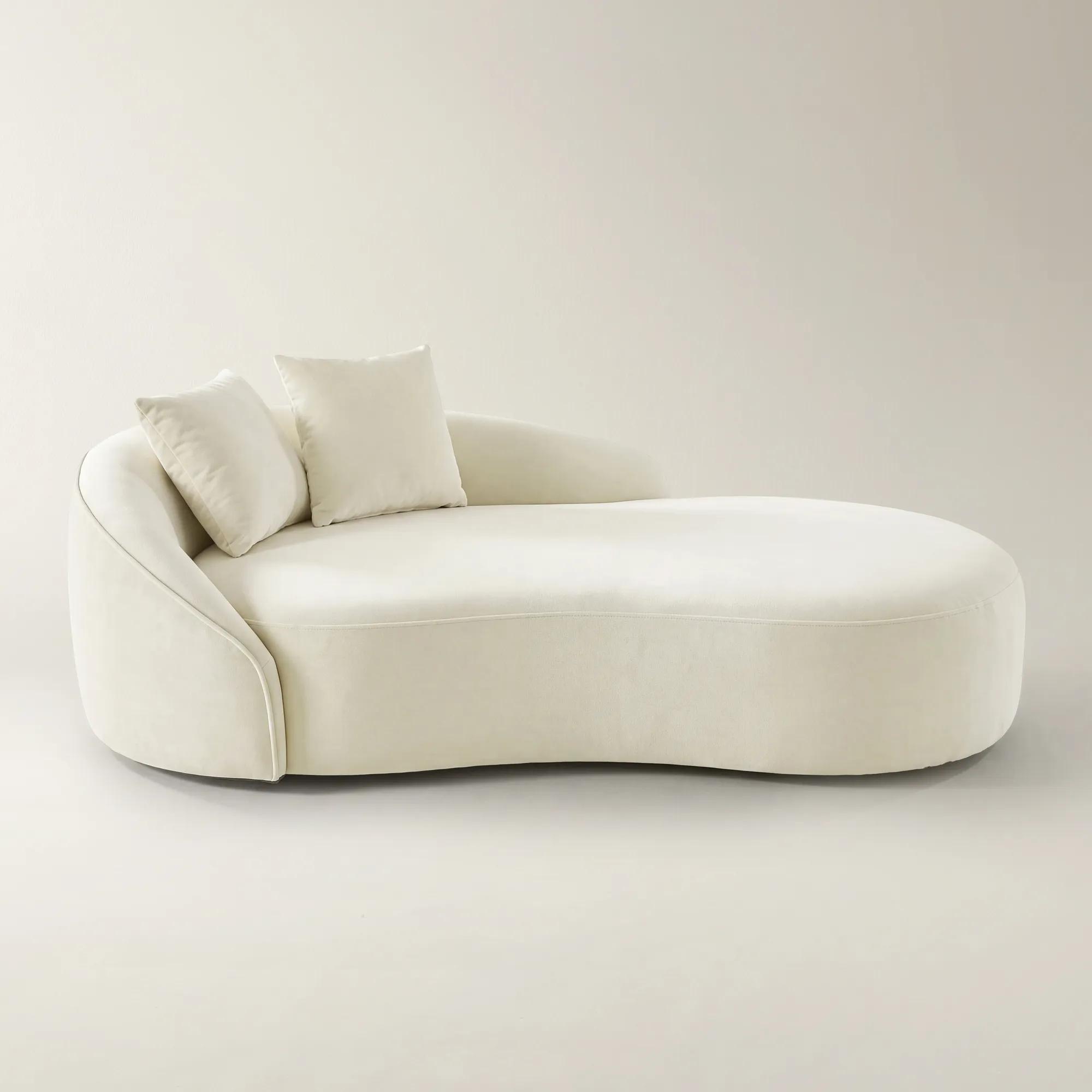 Irene Cloud Velvet Chaise$1699
A sculptural chaise in cloud velvet with high-resiliency foam cushions and hand-finished artisan upholstery.
Add To Cart -
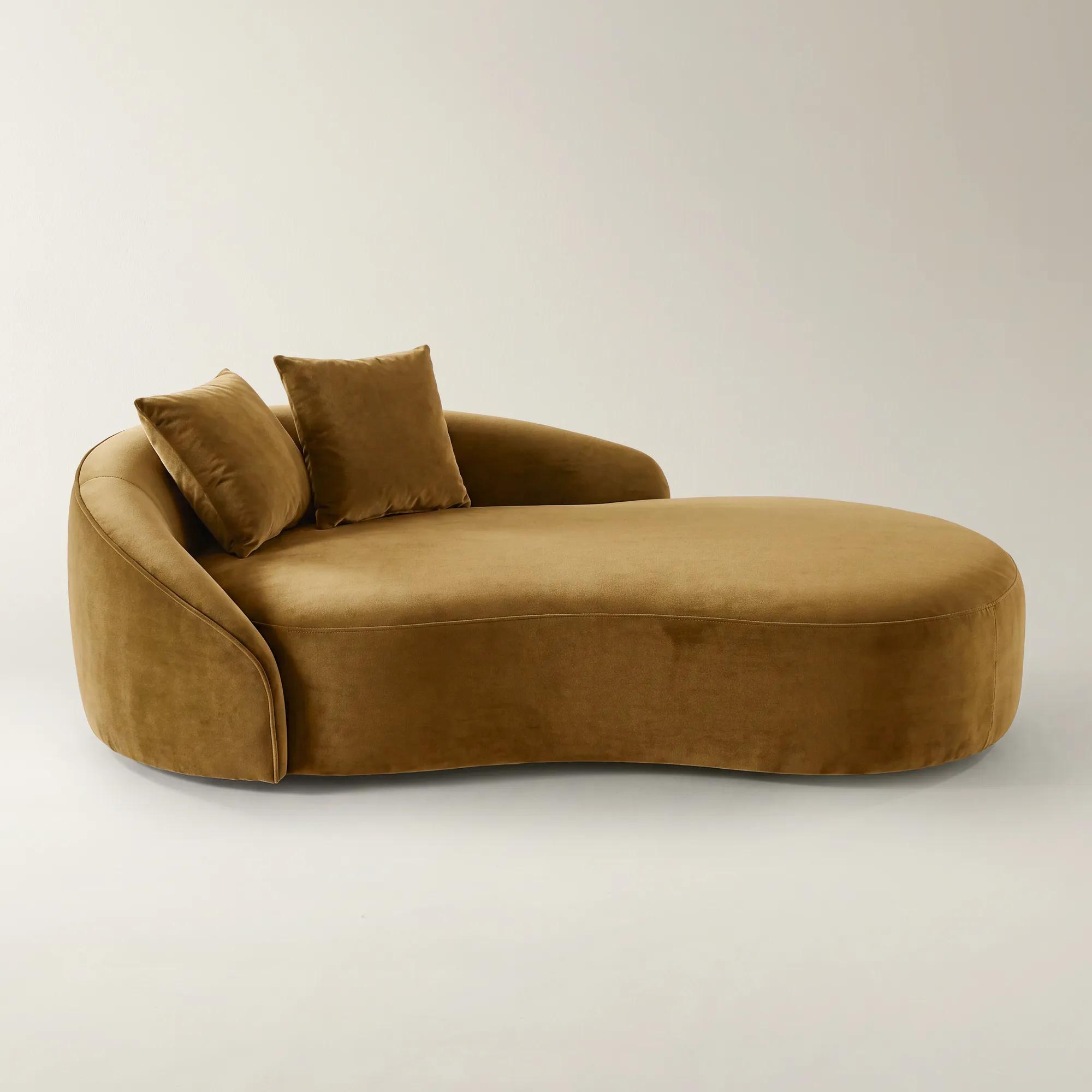 Irene Roasted Pecan Velvet Chaise$1699
A sculptural chaise in roasted pecan velvet, featuring hand-finished upholstery and high-resiliency foam cushions.
Add To Cart -
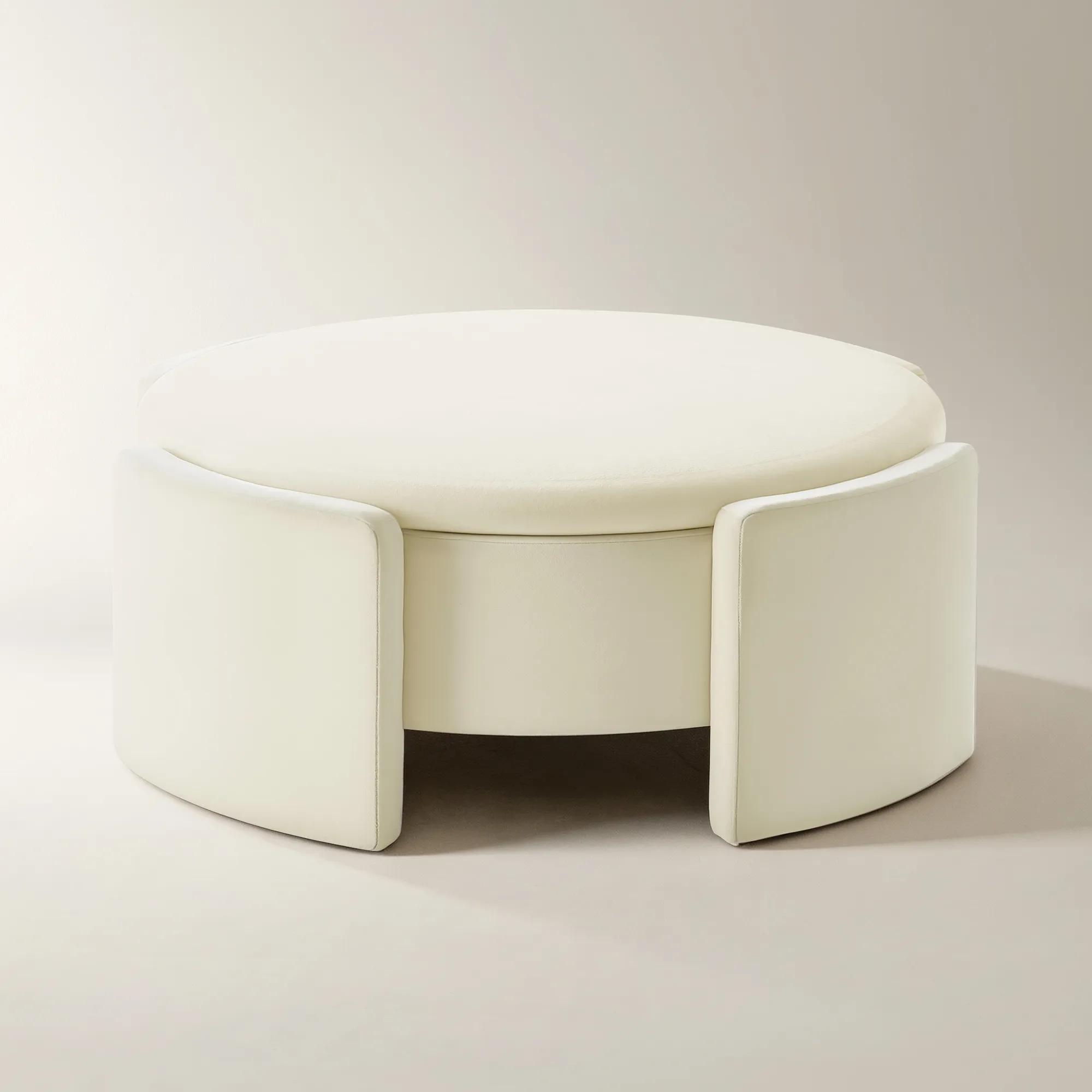
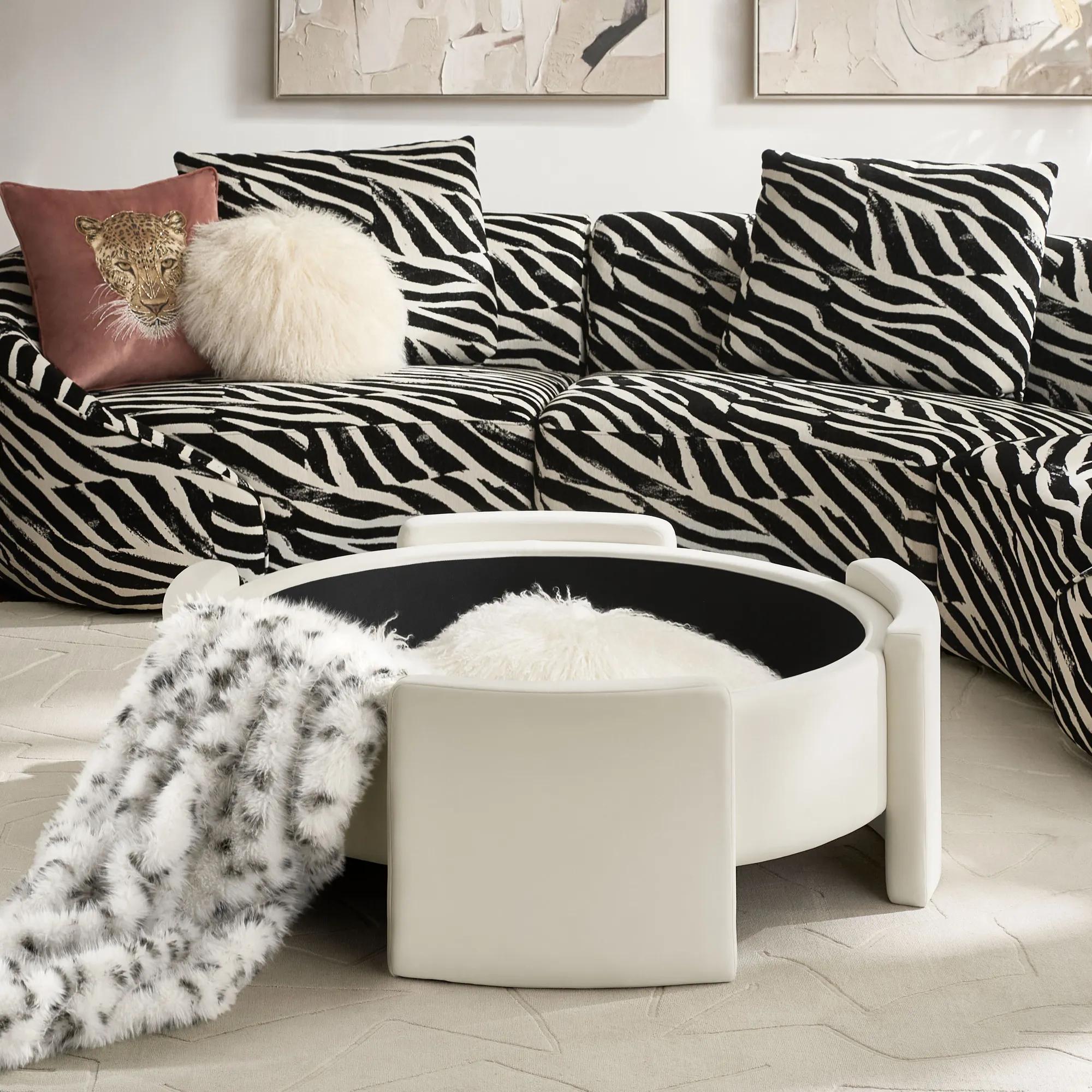 Jora Round Cloud Velvet Storage Coffee Table With Reversible Tabletop (47.7")$799
A round coffee table featuring plush velvet upholstery, reversible wood tabletop, and hidden interior storage.
Add To Cart -
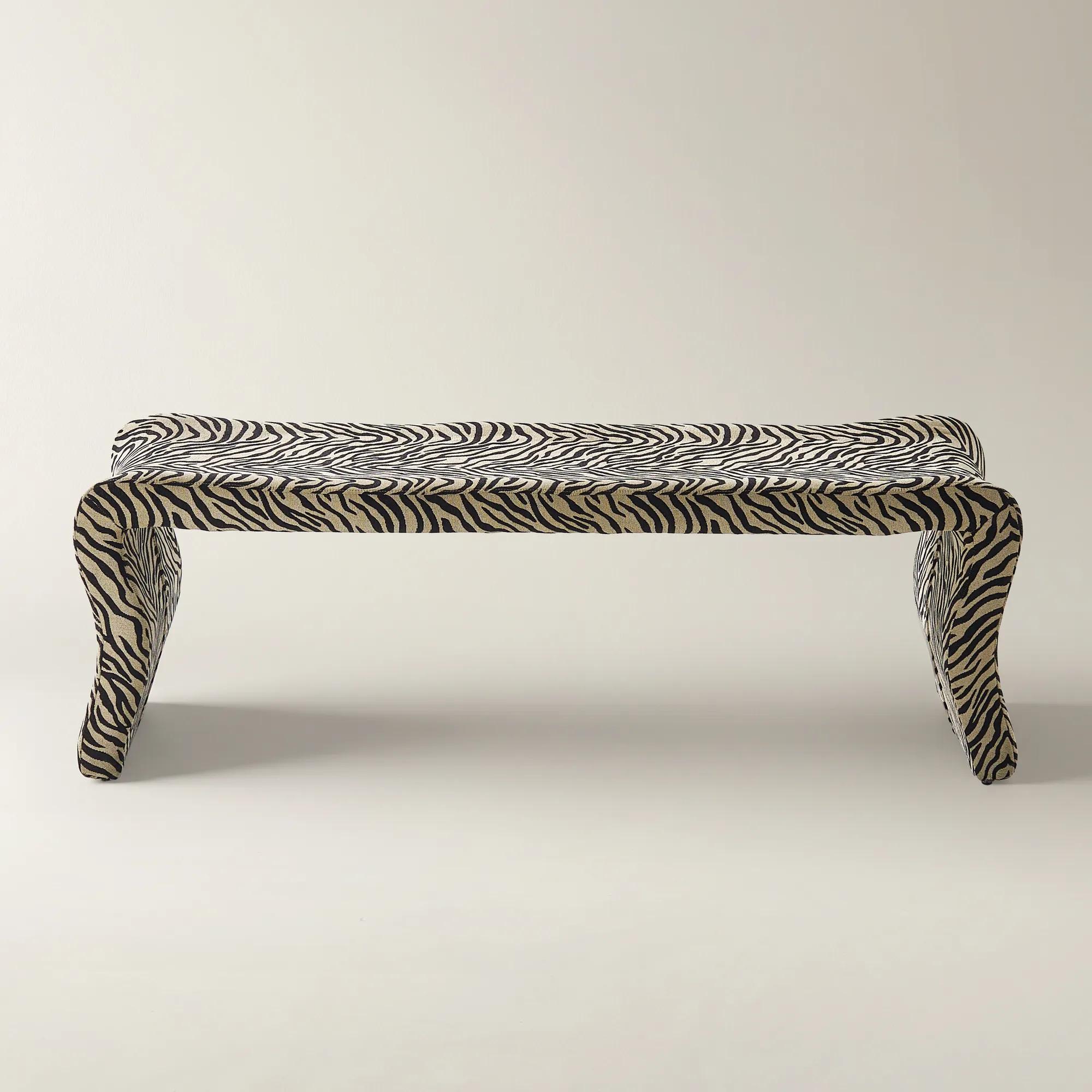 Romy Zebra Performance Chenille Bench (61.5")$799
A sculptural bench wrapped in zebra-patterned performance chenille with a wave-like silhouette and full foam construction.
Add To Cart -
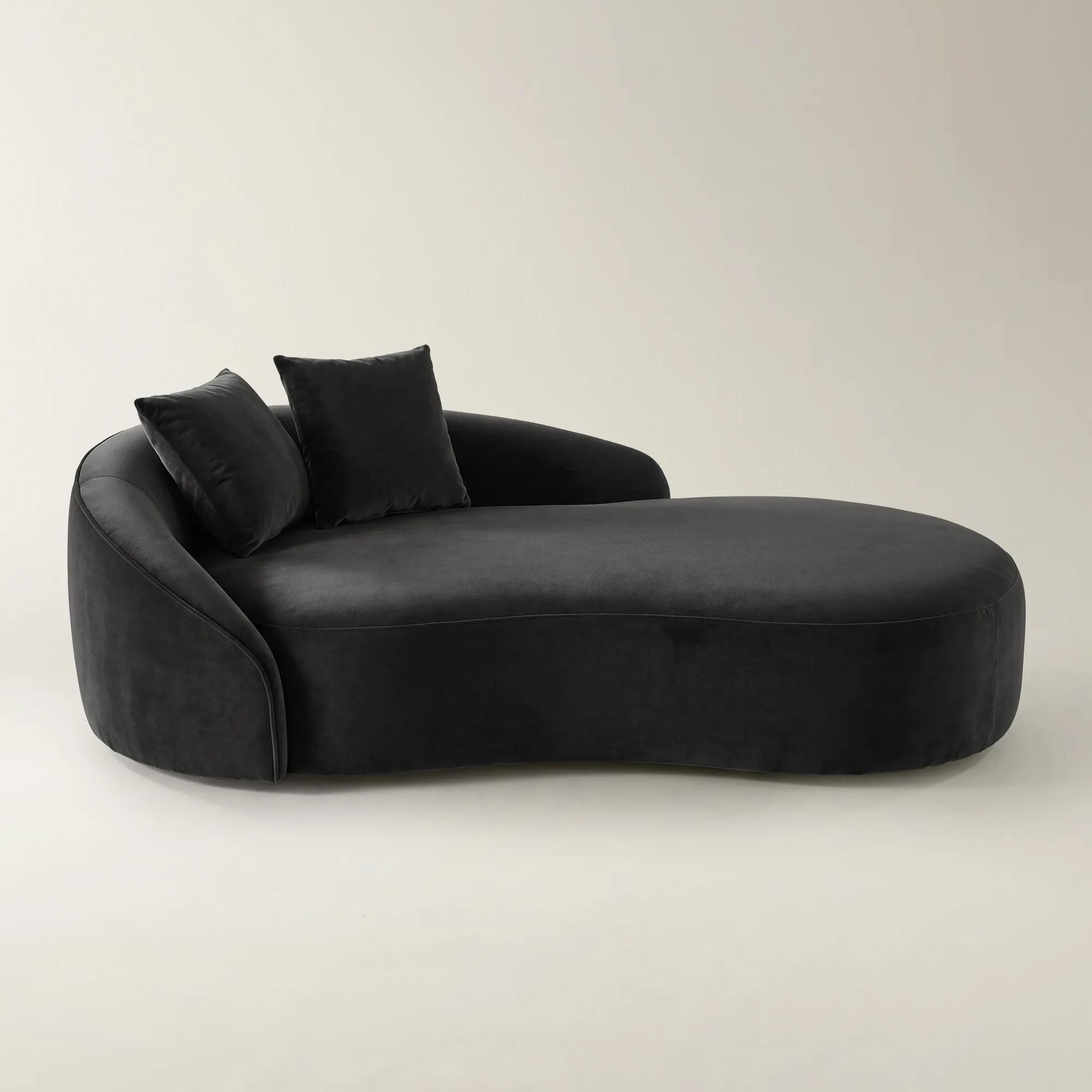 Irene Charcoal Velvet Chaise$1699
A sculptural chaise in charcoal velvet with high-resiliency foam cushions and artisan hand-finished upholstery.
Add To Cart

Upholstered Velvet Benches For Living Rooms
Upholstered velvet benches for living rooms are the ultimate invitation to indulge in comfort and drama. Each piece transforms mere seating into an experience—sumptuous, sculptural, and undeniably chic. Velvet’s luminous sheen captures the light, creating a sense of movement and allure that elevates any gathering space. Whether placed at the foot of a sofa or as a standalone statement, these benches offer more than function: they infuse your living room with plush sophistication and a dash of daring artistry. Let your décor speak volumes—choose a bench that turns every moment into a masterpiece.
Upholstered velvet benches for living rooms bring together expressive texture, flexible seating, and a silhouette that can feel as architectural as the furniture around it. Their appeal begins with the fabric: velvet’s dense, cut pile catches light differently across its surface, creating subtle shifts in color as the eye moves through a room. Deep sapphire can appear almost inky beside a sofa, while champagne or pearl upholstery introduces a softer luminosity against dark wood and polished metal. Unlike a full-size sofa or an enveloping accent chair, a backless bench offers a comparatively open profile, adding a place to sit without creating the same visual boundary. It can complete a conversation area opposite a sectional, bring definition to an otherwise empty wall, or rest beneath a substantial piece of art as part of a composed vignette. For people who entertain, that extra perch makes room for conversation without requiring another large upholstered piece. For a quieter living room, it offers a place to pause beside a bookcase or settle while selecting a record. Design details determine how confidently the bench holds that role. Deep tufting creates shadow and dimension, channel stitching introduces a rhythmic, tailored effect, and a smooth upholstered seat lets the color and contour command attention. Slender metal legs can add a gleaming contrast to the plush fabric; stained wood lends depth, while a fully upholstered base gives the piece a more sculptural presence. The most compelling choice has a clear relationship to its surroundings without repeating every finish. A velvet bench can echo the curve of an armchair, pick up a color from an abstract painting, or counterbalance a sharply angled coffee table. For another view of this richly textured seating category, explore luxury velvet benches for living rooms, where the emphasis is on the expressive possibilities of velvet within a thoughtfully furnished space.
Proportion matters as much as color when choosing a living room bench. Many seating-height benches fall around 17 to 19 inches tall, and lengths often range from compact designs near 40 inches to more expansive silhouettes beyond 50 inches, but dimensions vary considerably. Check the actual seat height, width, and depth rather than relying on a photograph, particularly when a thick cushion, curved ends, or projecting legs alter the usable space. A bench positioned across from a sofa should feel connected to the seating arrangement while leaving comfortable passage around the coffee table. About 18 inches between seating and a coffee table is a common starting point, while a main circulation route generally benefits from approximately 30 to 36 inches or more, depending on household needs and the layout. Marking the footprint on the floor makes these relationships easier to judge before committing to a size. Behind a floating sofa, a bench can provide an additional seating zone, provided it does not constrict the path through the room. Beneath a window, consider the sill height, access to window treatments, and exposure to direct sunlight, which may fade some upholstery over time. Intended use should shape the construction and proportions, too. A firm, supportive seat is generally better suited to regular conversation seating than an exceptionally soft cushion that sinks deeply. A bench used as an occasional footrest should sit at a comfortable height relative to the adjacent sofa and be designed to tolerate that use. Storage benches add another dimension, with lift-top compartments that may accommodate throws or smaller cushions; interior measurements, hinge design, and lid clearance deserve attention alongside the exterior silhouette. A decorative tray can provide a resting place for a book on a sufficiently stable seat, but upholstered surfaces are not substitutes for a rigid tabletop, especially for drinks. For households that gather frequently, verify the stated weight capacity and intended seating capacity rather than assuming that a long bench comfortably supports multiple adults.
The substance beneath the velvet determines whether the beauty remains convincing through everyday use. Velvet describes a fabric construction rather than a single fiber: upholstery may use polyester, cotton, viscose, blends, or other fibers, each with its own feel and care requirements. Polyester velvet is often selected for resilience and relatively straightforward maintenance, while cotton velvet can offer a rich, more matte appearance; viscose-containing fabrics may have a pronounced sheen and require particular caution around moisture. Fiber content alone does not establish durability, so fabric testing information, construction details, and the manufacturer’s care directions are more useful than softness by itself. Performance velvet may offer added resistance to certain stains or wear, but that designation does not mean every spill can be ignored or every cleaning method is safe. For a bench that sees daily seating, look for a sturdy frame, secure leg attachments, supportive cushioning, and neatly finished seams. Foam density, seat suspension where present, and the quality of the upholstery work all contribute to how well the bench retains its shape. Velvet’s nap can show pressure marks or shading where someone has been sitting; this characteristic is different from a stain and should be treated according to the fabric’s instructions. Routine care usually begins with gentle vacuuming using an appropriate upholstery attachment, subject to the manufacturer’s recommendations. Blot spills promptly with a clean, dry cloth rather than rubbing them into the pile, and check the upholstery cleaning code before applying any cleaner. Test permitted treatments in an inconspicuous area, avoid soaking the fabric, and do not assume that steaming or brushing is suitable for every velvet. In homes with children or pets, consider how often the bench will need attention, whether tufted recesses will collect crumbs or hair, and whether decorative trim suits the household’s daily habits. A carefully chosen velvet bench rewards that attention with more than a dramatic first impression: it provides a useful, tactile place within the living room, with enough presence to anchor the composition and enough versatility to remain part of it as surrounding furnishings evolve.
FAQs
Velvet benches bring a sense of luxury and drama to living room spaces, offering a tactile richness and luminous sheen that instantly elevates the atmosphere. Their sculptural forms and vibrant hues allow them to serve as both functional seating and a bold design statement, making them a favorite for those who appreciate expressive, artful interiors.
A velvet bench can adapt seamlessly to a variety of styles. For a modern look, pair a sleek velvet bench with metallic accents and abstract art. In classic or glam settings, opt for tufted or channel-stitched designs with mirrored or gold finishes. Layering with plush pillows or a faux fur throw can further enhance its visual impact and tie the piece into your room’s overall palette.
Many velvet benches are crafted with performance velvet, which is designed to resist stains and endure daily wear. This makes them a practical yet stylish option for lively households, allowing you to enjoy the lush feel and sophisticated look of velvet without worry.
Absolutely. Velvet benches are as versatile as they are beautiful. Use one as a coffee table alternative, a display platform for art books and decorative objects, or as a dramatic accent at the foot of a sofa. Some designs also offer hidden storage, perfect for keeping throws and living room essentials close at hand but out of sight.
In winter, style your velvet bench with rich, textured layers—think faux fur throws, metallic or jewel-toned accent pillows, and candlelight to amplify the bench’s natural sheen. These touches create a cozy, inviting vignette that celebrates the warmth and opulence of the season.
.jpg?w=3000&h=3000)
.jpg?w=4324&h=4324)