Velvet Benches For Dining Rooms
Velvet Benches For Dining Rooms
-
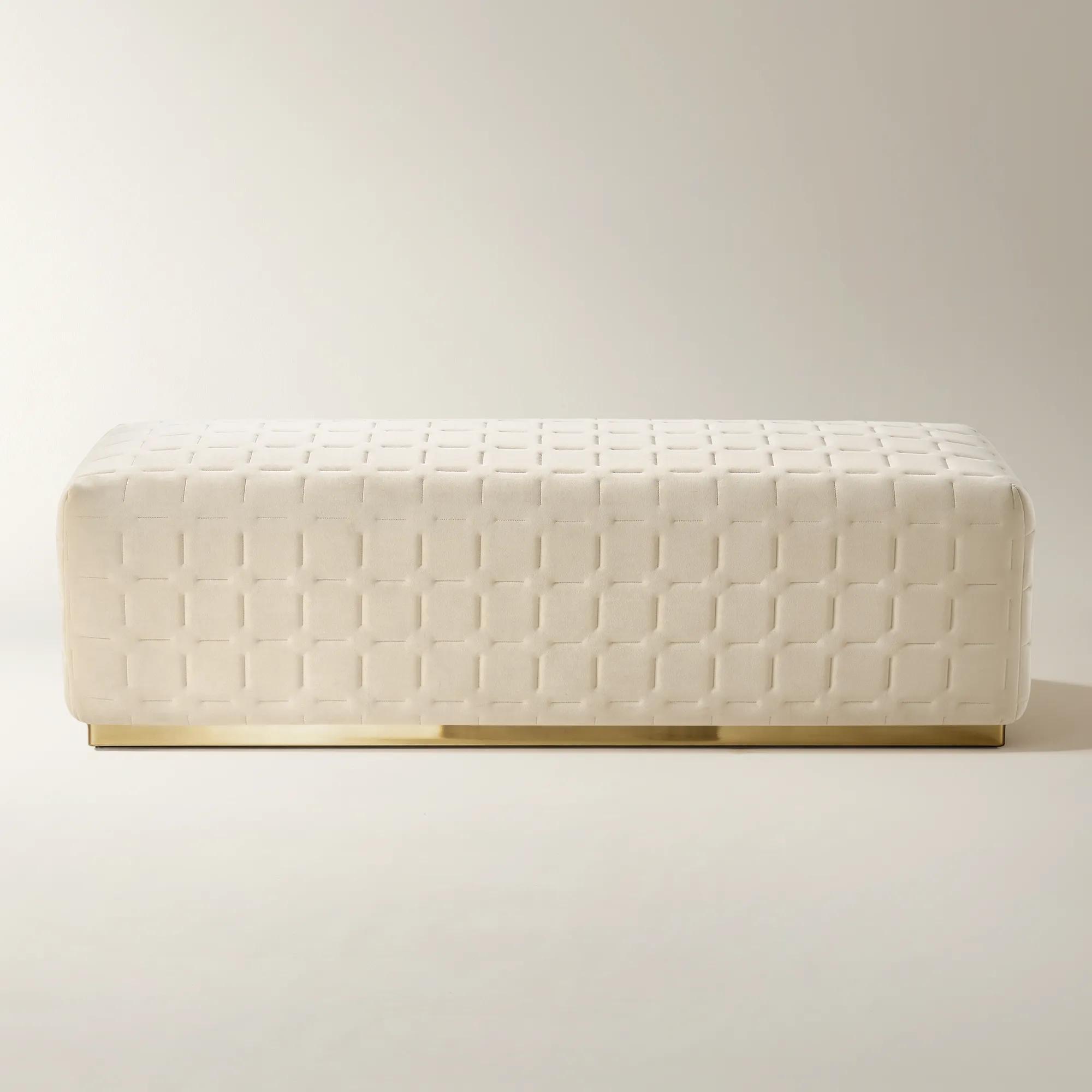
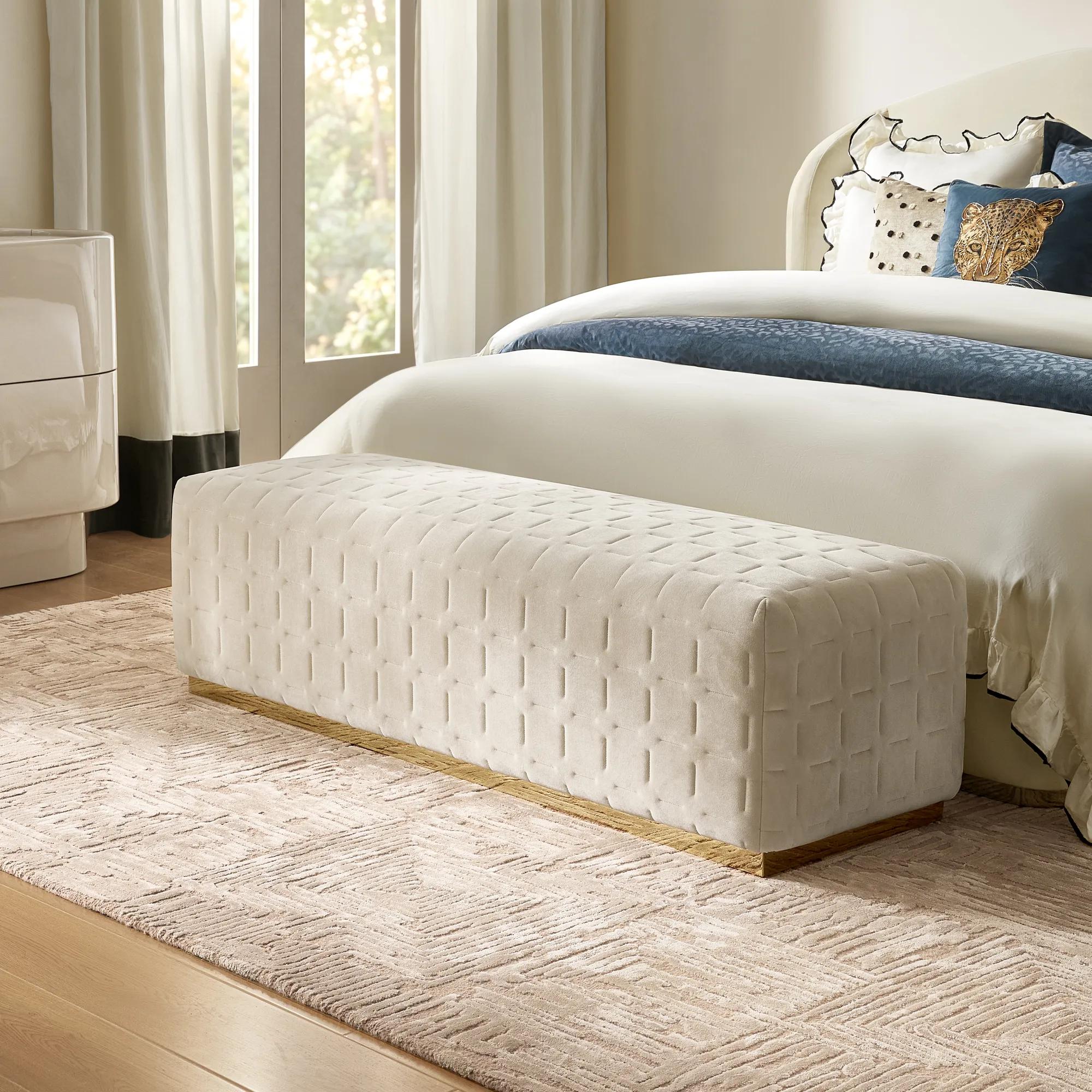 Vanta Quilted Oatmeal Velvet Bench (64.6")$899
A plush oatmeal velvet bench featuring checker quilted tufting and a sleek gold stainless steel base.
Add To Cart -
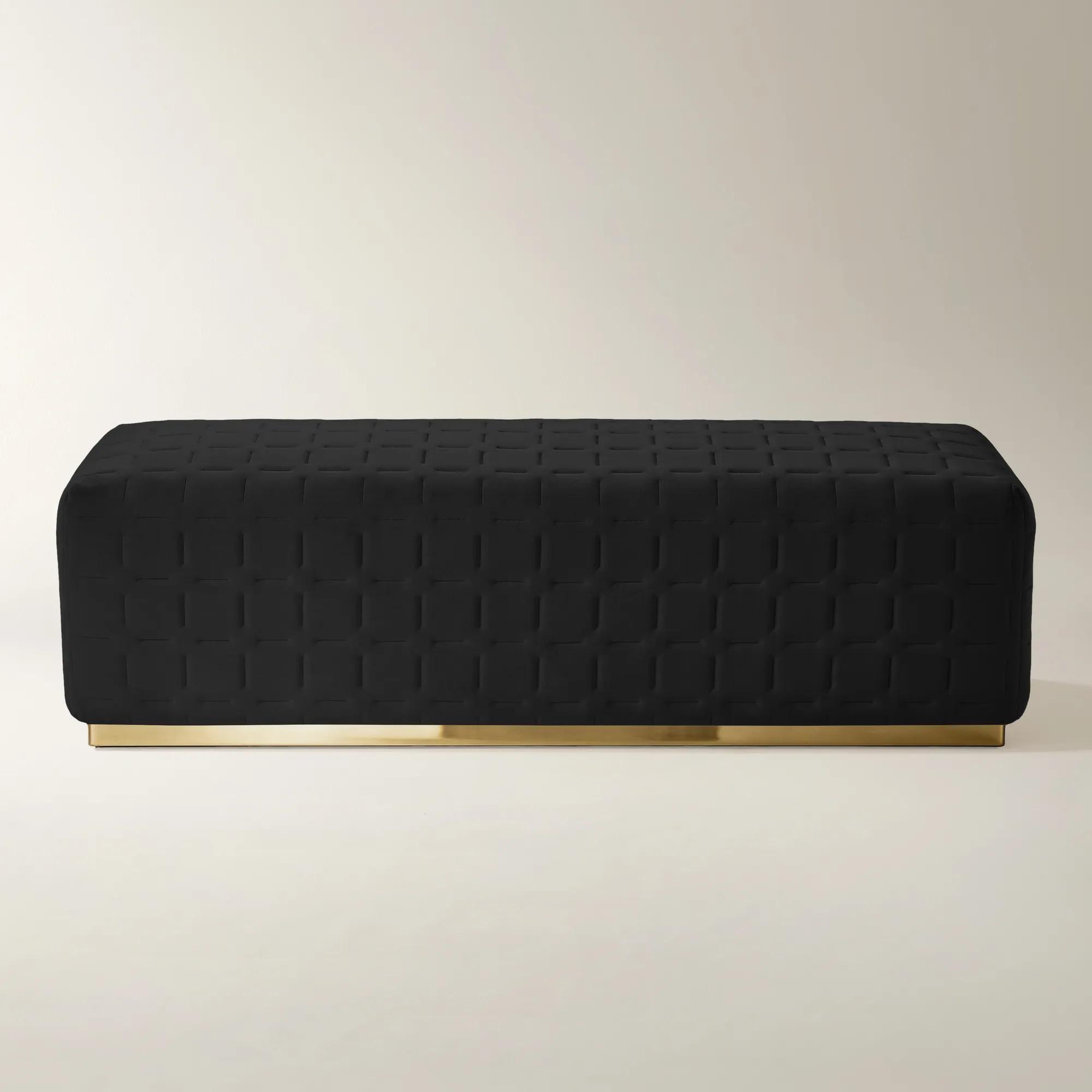 Vanta Quilted Charcoal Velvet Bench (64.6")$899
A charcoal velvet bench featuring checker quilted tufting and a gold stainless steel base for modern elegance.
Add To Cart -
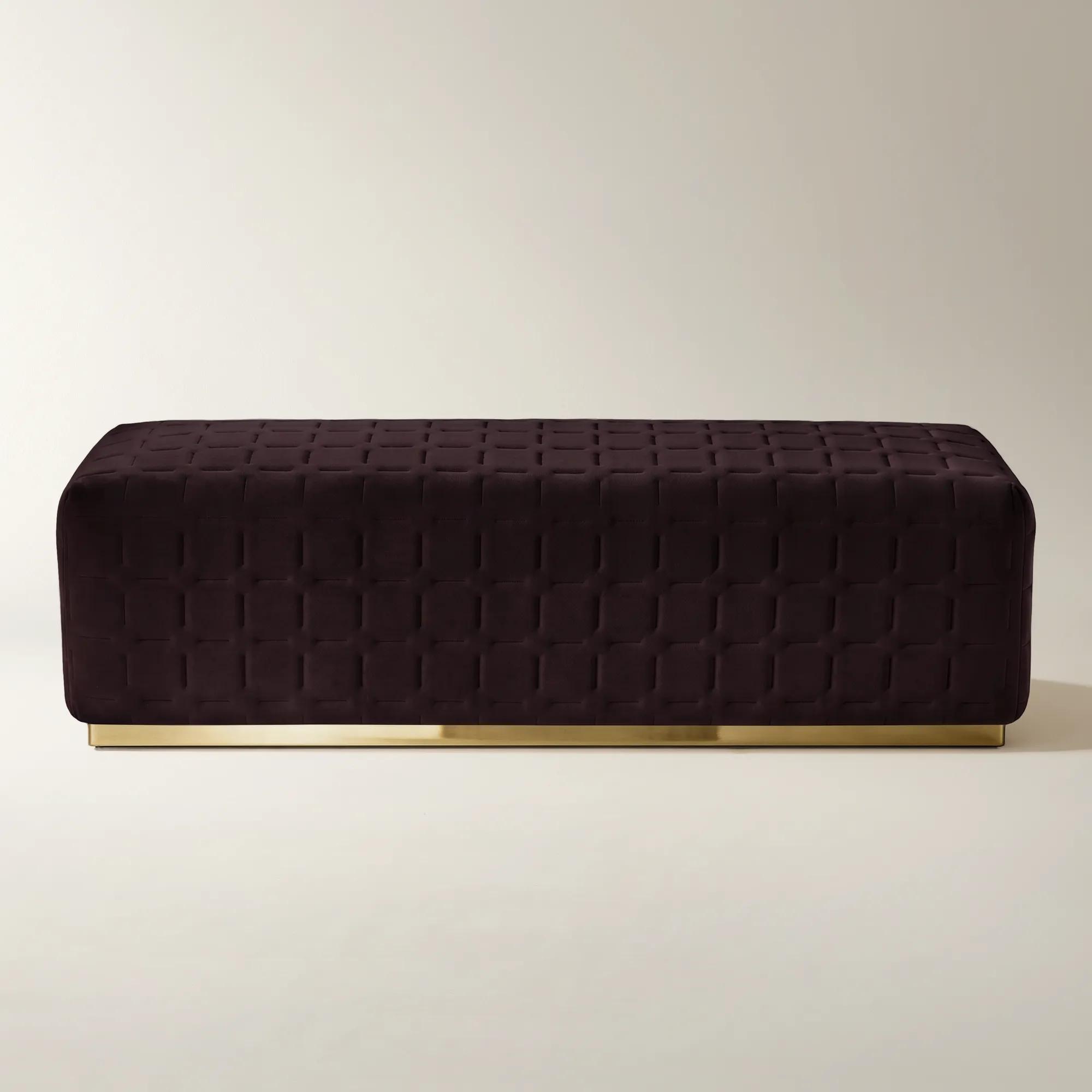
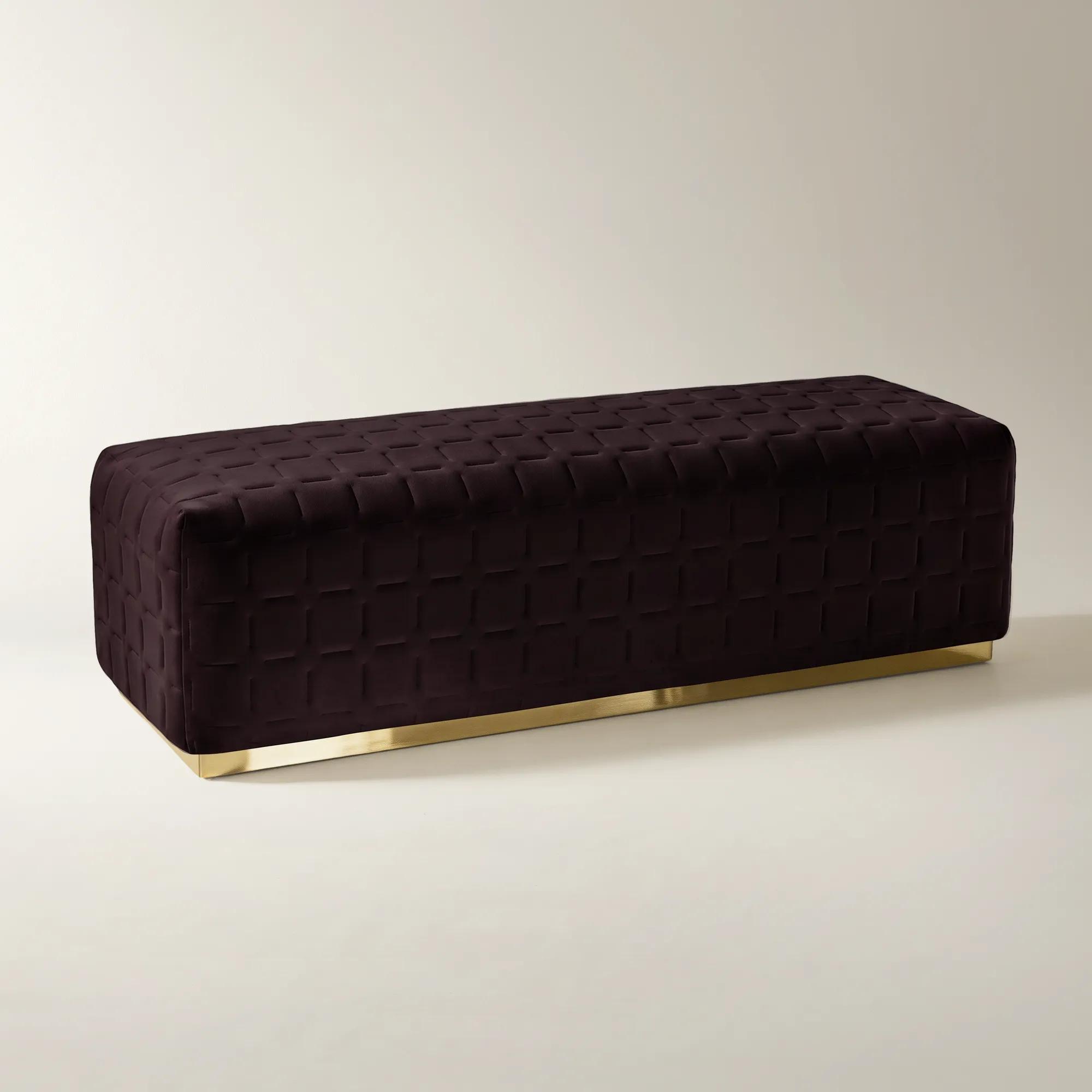 Vanta Quilted Fig Velvet Bench (64.6")$899
A plush fig velvet bench featuring checker quilted tufting and a sleek gold stainless steel base.
Add To Cart -
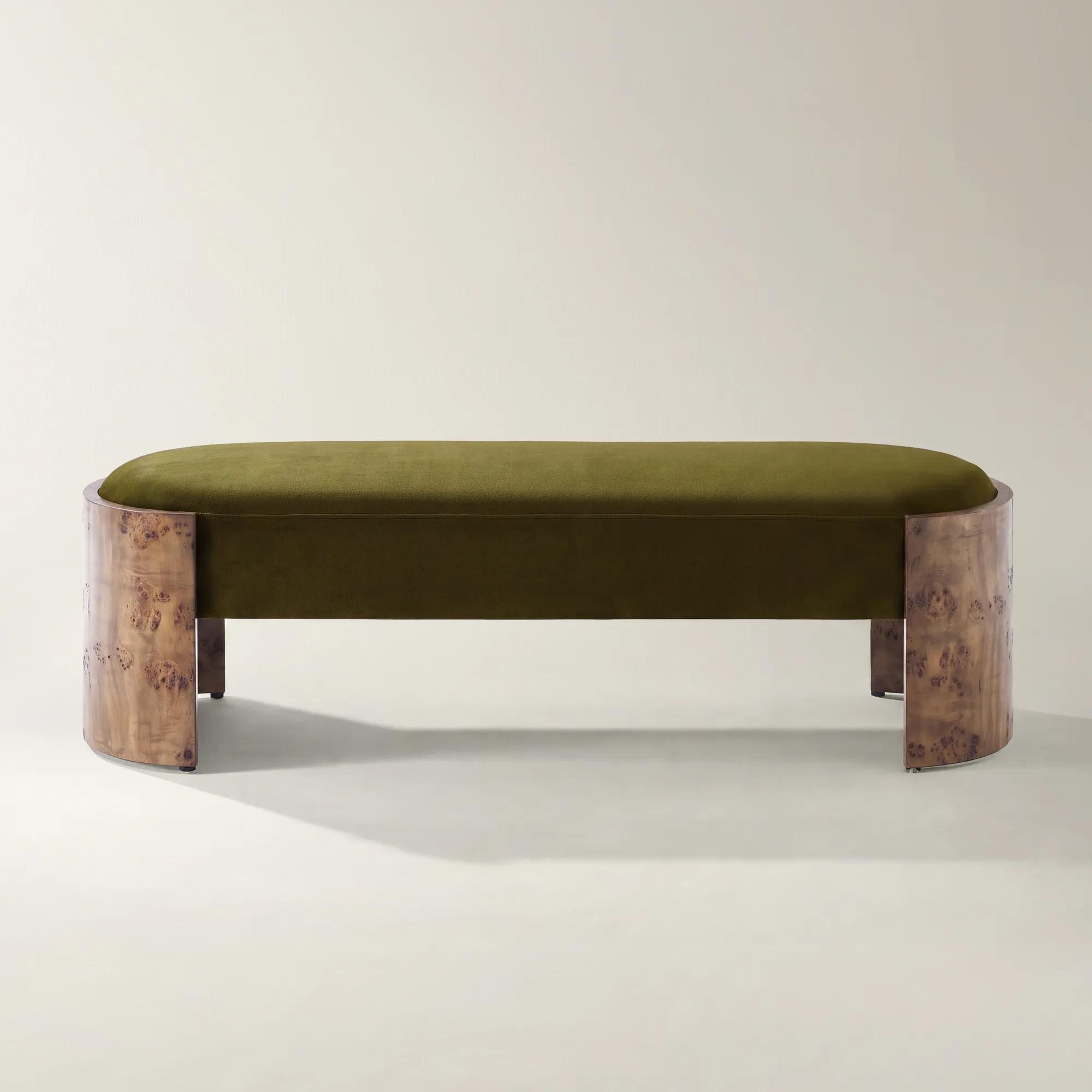
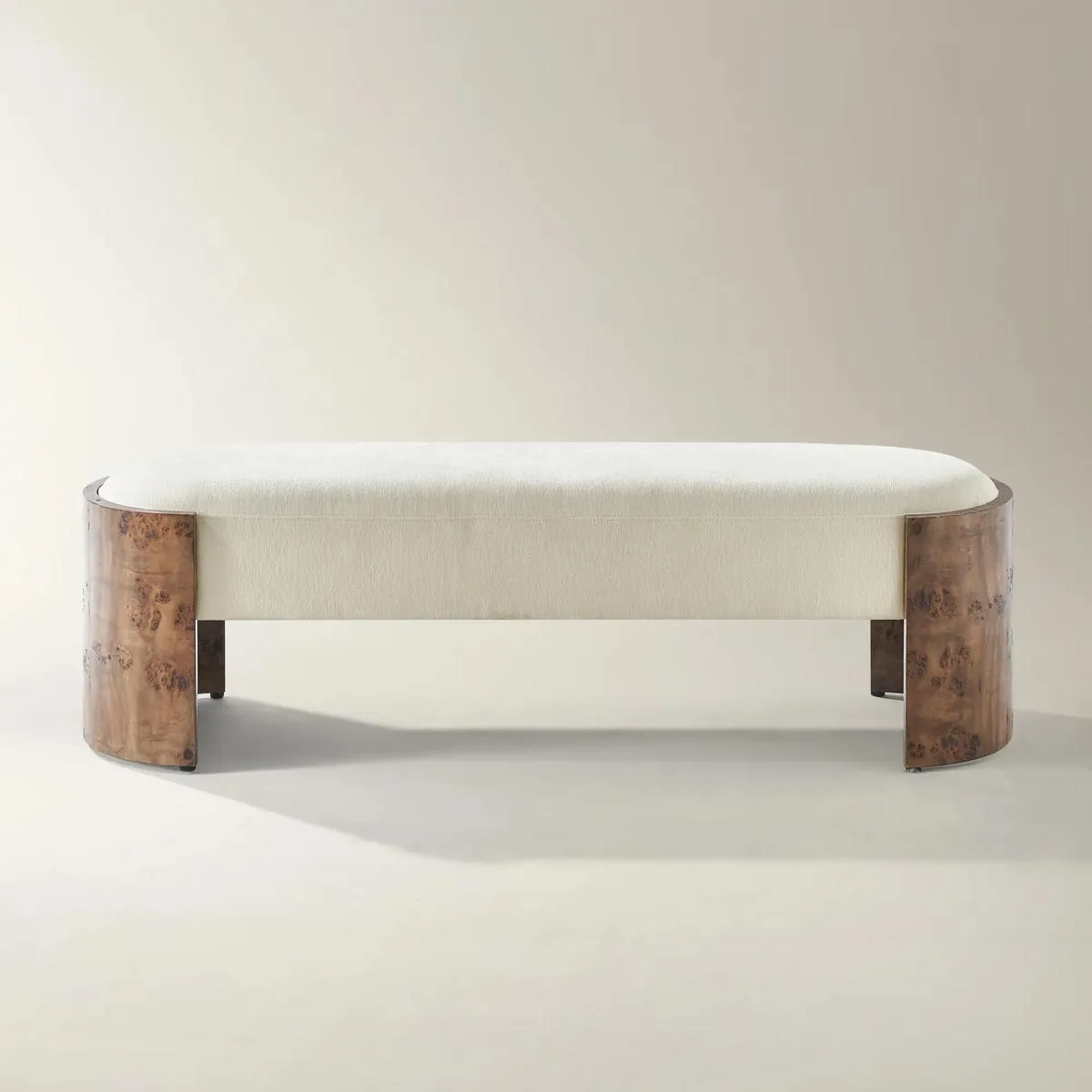 Cora Deep Olive Velvet With Ash Wood Bench (60.6")$999
A sculpted deep olive velvet bench featuring curved ash burl end panels and supportive foam cushioning.
Add To Cart -
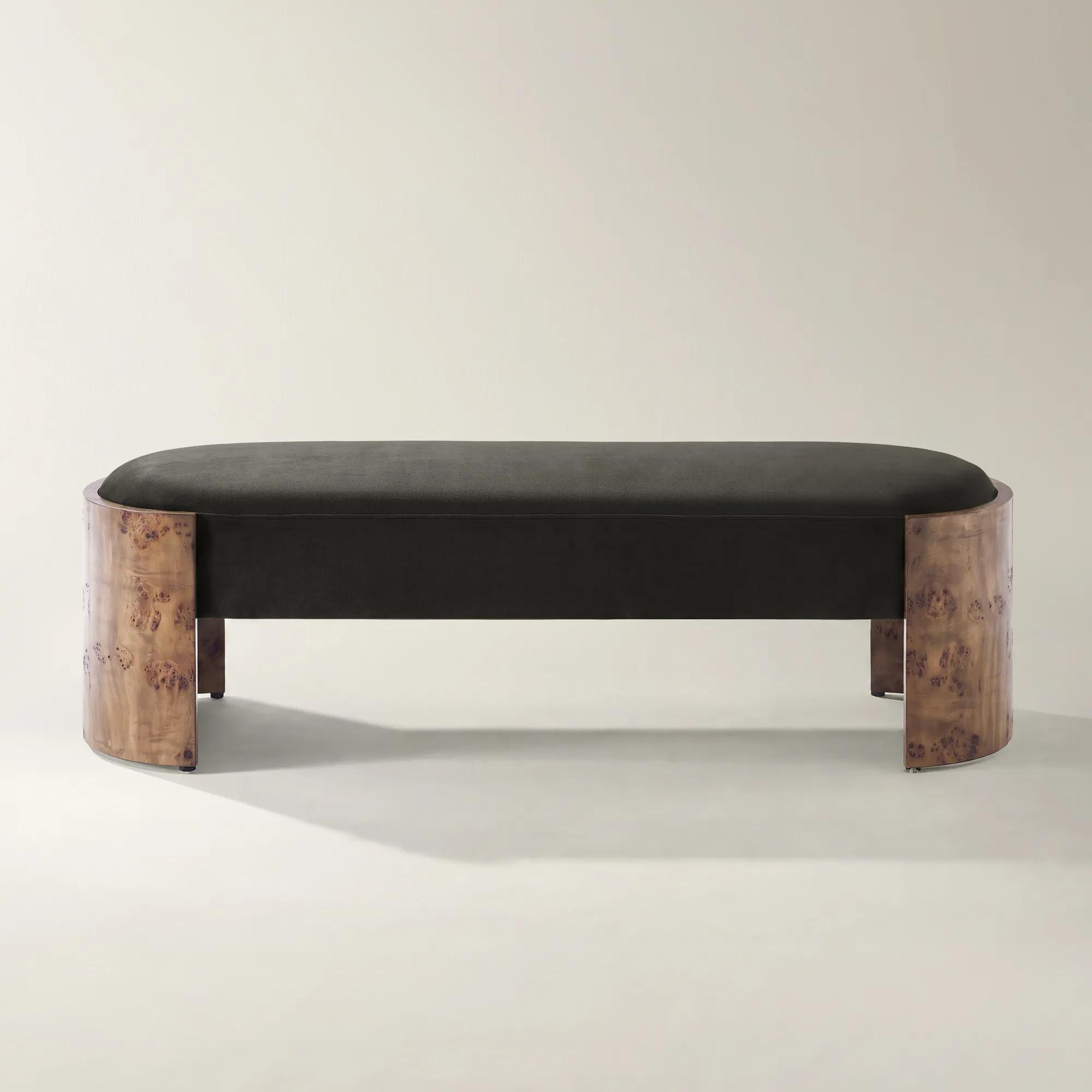 Cora Charcoal Velvet With Ash Wood Bench (60.6")$999
A sculpted charcoal velvet bench with curved bookmatched ash burl panels and supportive foam cushioning.
Add To Cart -
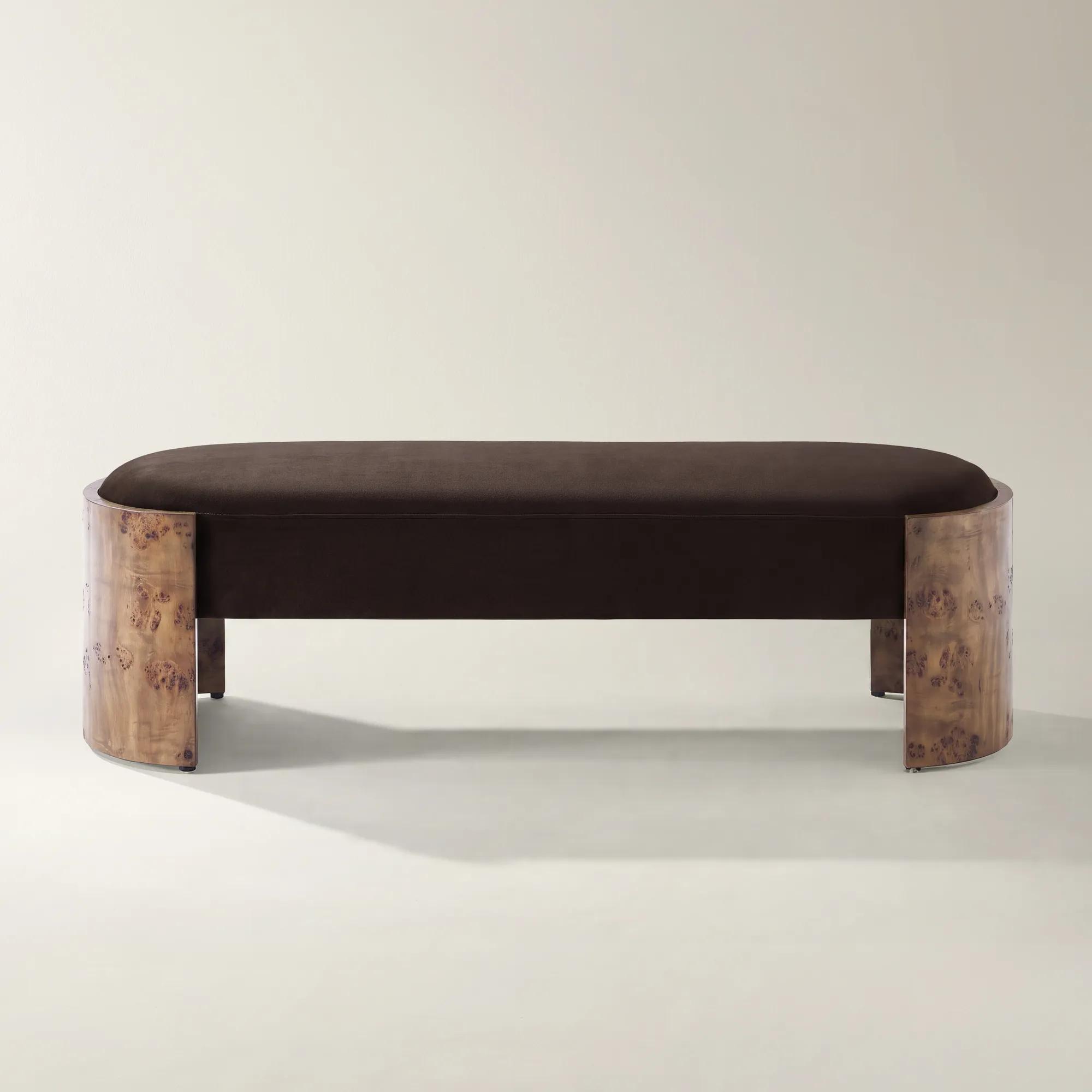 Cora Dark Chocolate Velvet With Ash Wood Bench (60.6")$999
A dark chocolate velvet bench with sculpted bookmatched ash burl end panels and high-resiliency foam cushioning.
Add To Cart -
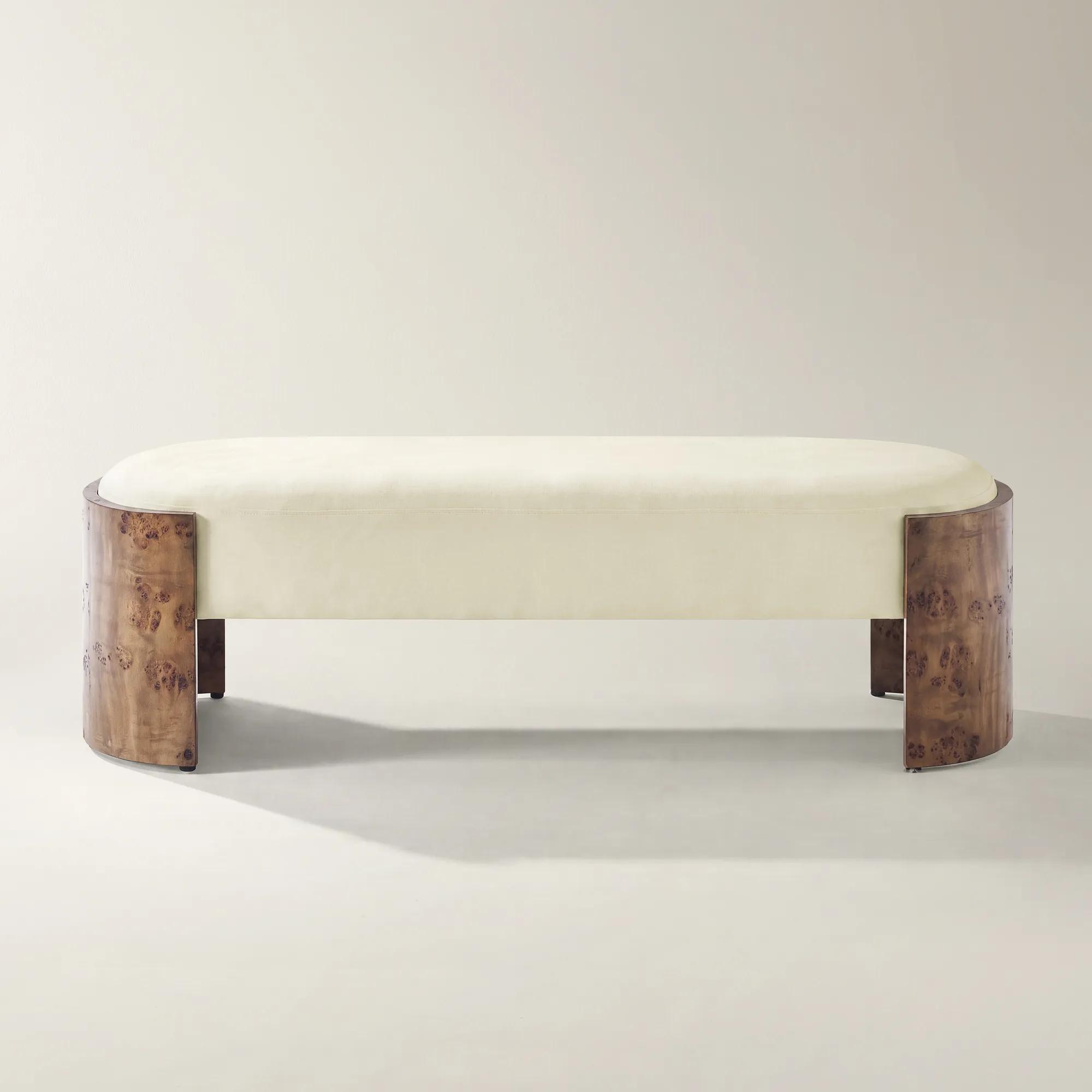 Cora Cloud Velvet With Ash Wood Bench (60.6")$999
A cloud velvet bench with bookmatched ash burl panels and supportive foam cushioning.
Add To Cart -
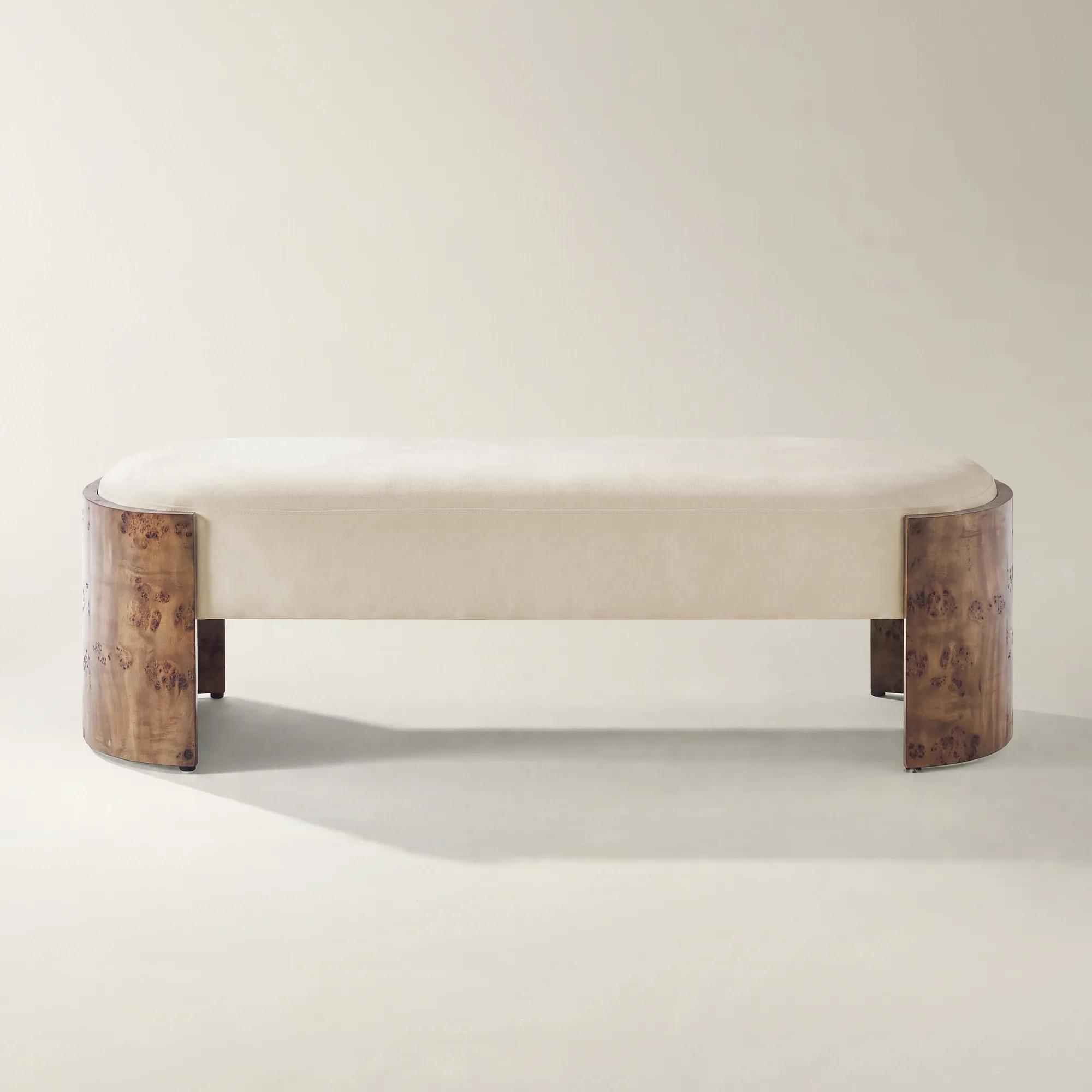 Cora Oatmeal Velvet With Ash Wood Bench (60.6")$999
A sculptural oatmeal velvet bench with curved ash burl wood panels and supportive foam cushioning.
Add To Cart -
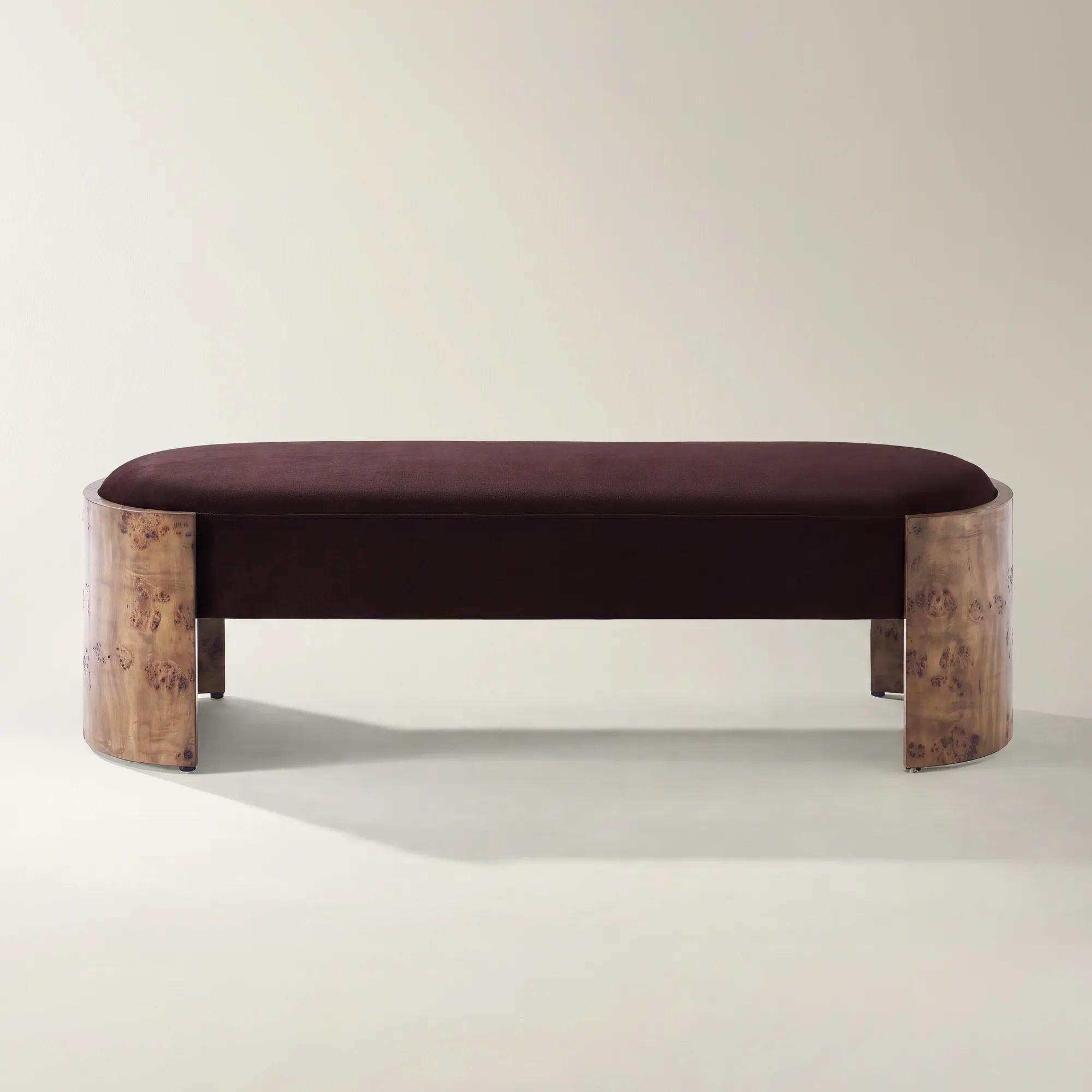 Cora Fig Velvet With Ash Wood Bench (60.6")$999
A sculptural bench with fig velvet upholstery, bookmatched ash burl panels, and supportive high-resiliency foam cushioning.
Add To Cart -
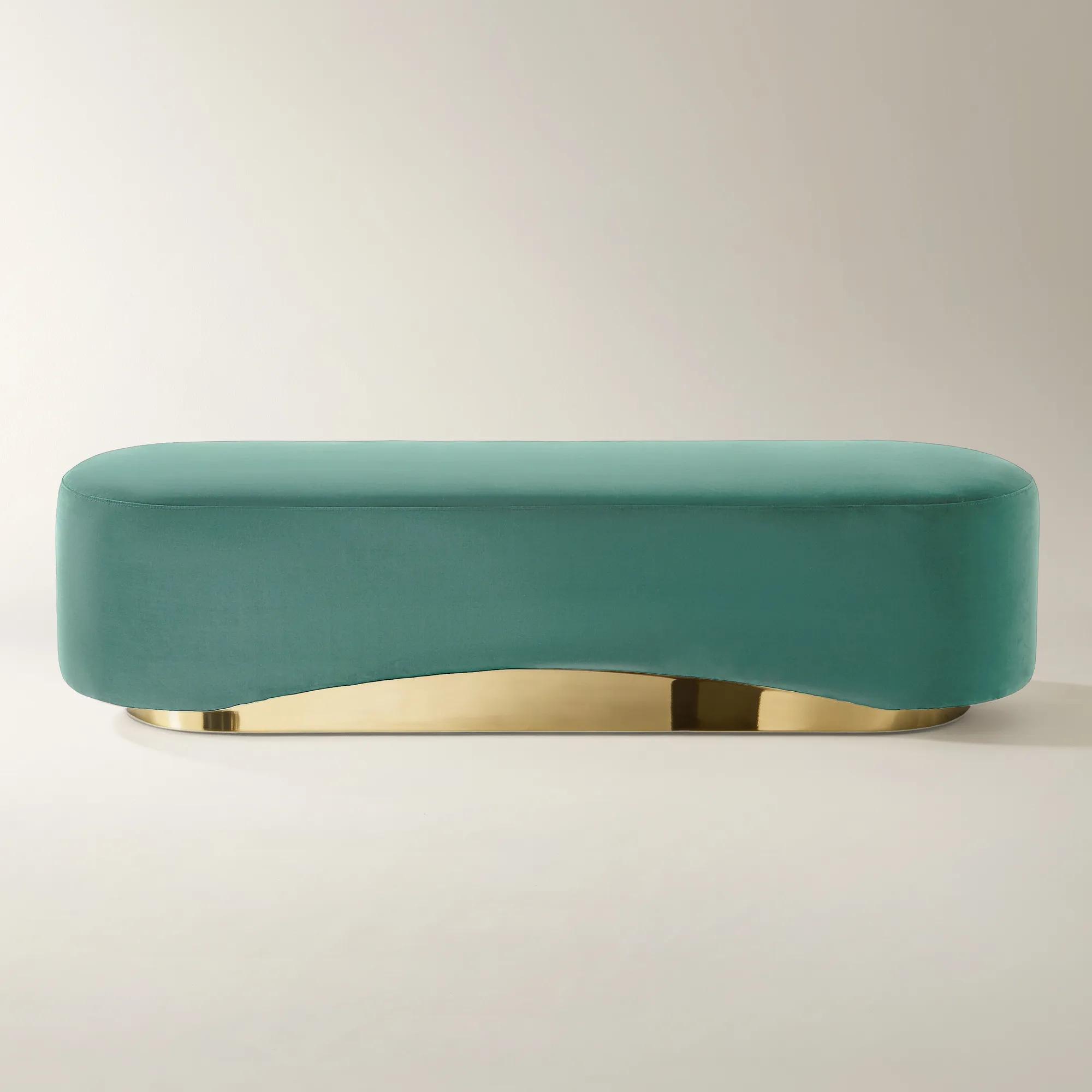 Kendra Ocean Teal Velvet Bench (70.47")$799
An elongated oval bench in ocean teal velvet with a plush seat and polished gold stainless steel base.
Add To Cart -
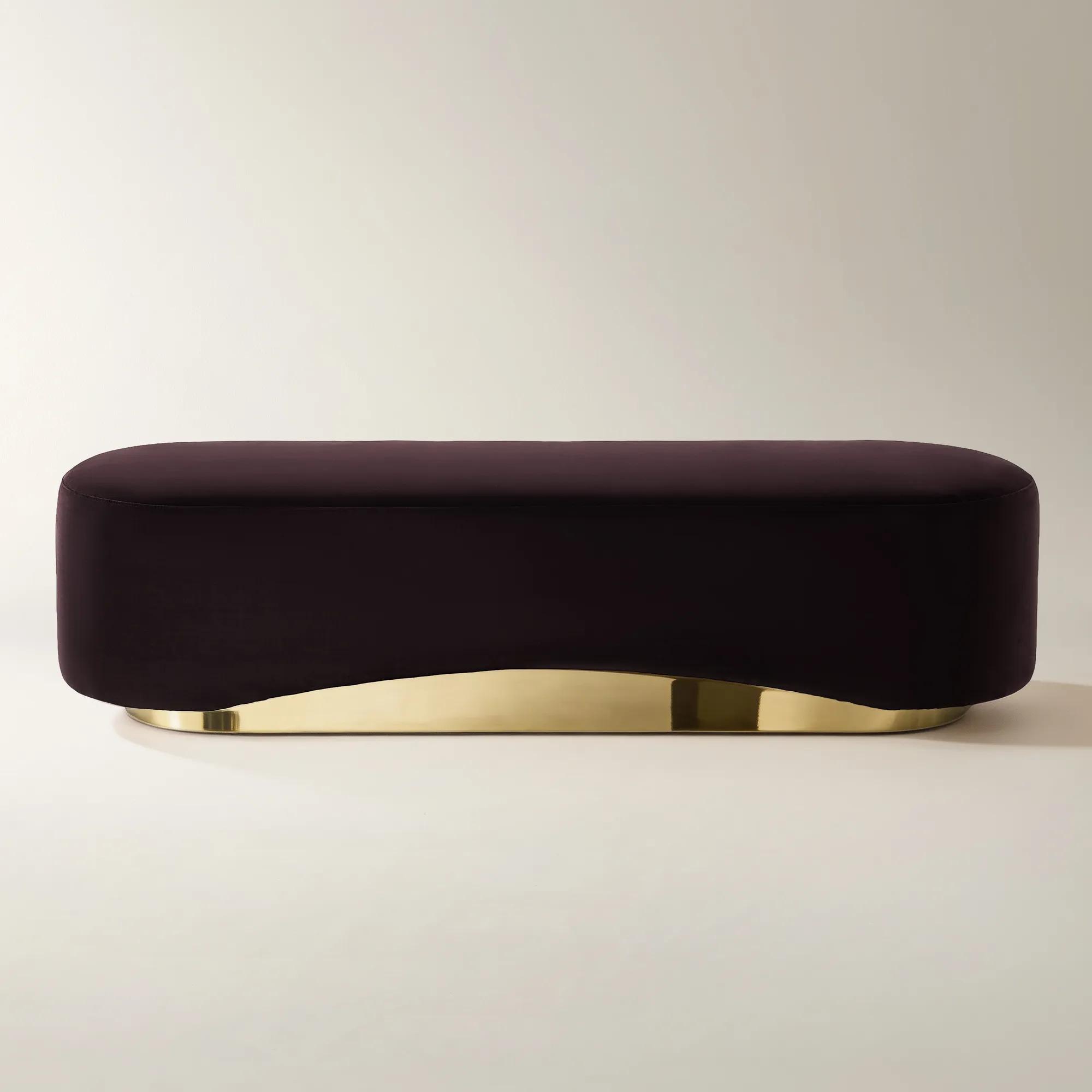 Kendra Fig Velvet Bench (70.47")$799
A plush fig velvet bench with an elongated oval silhouette and a polished gold stainless steel base.
Add To Cart -
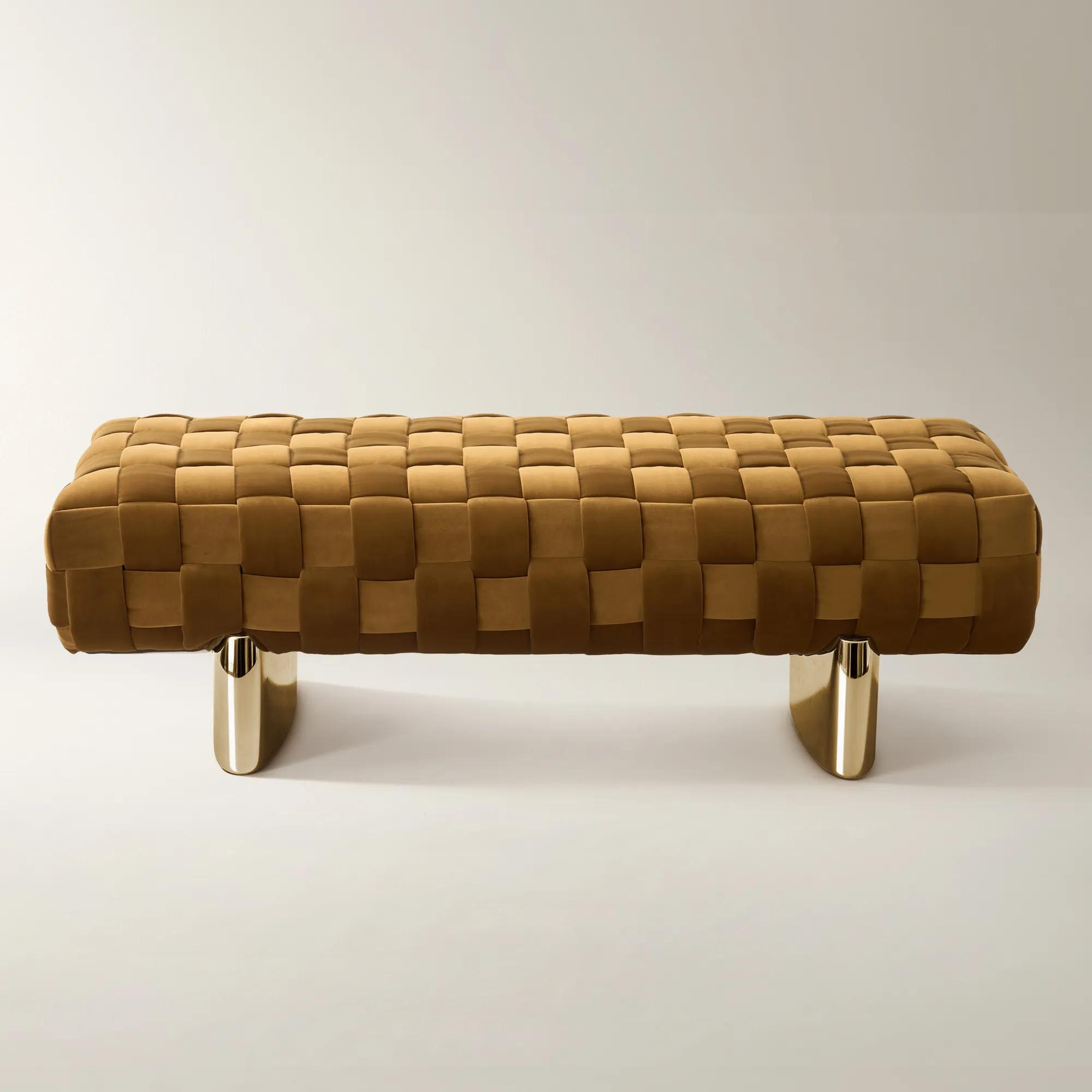
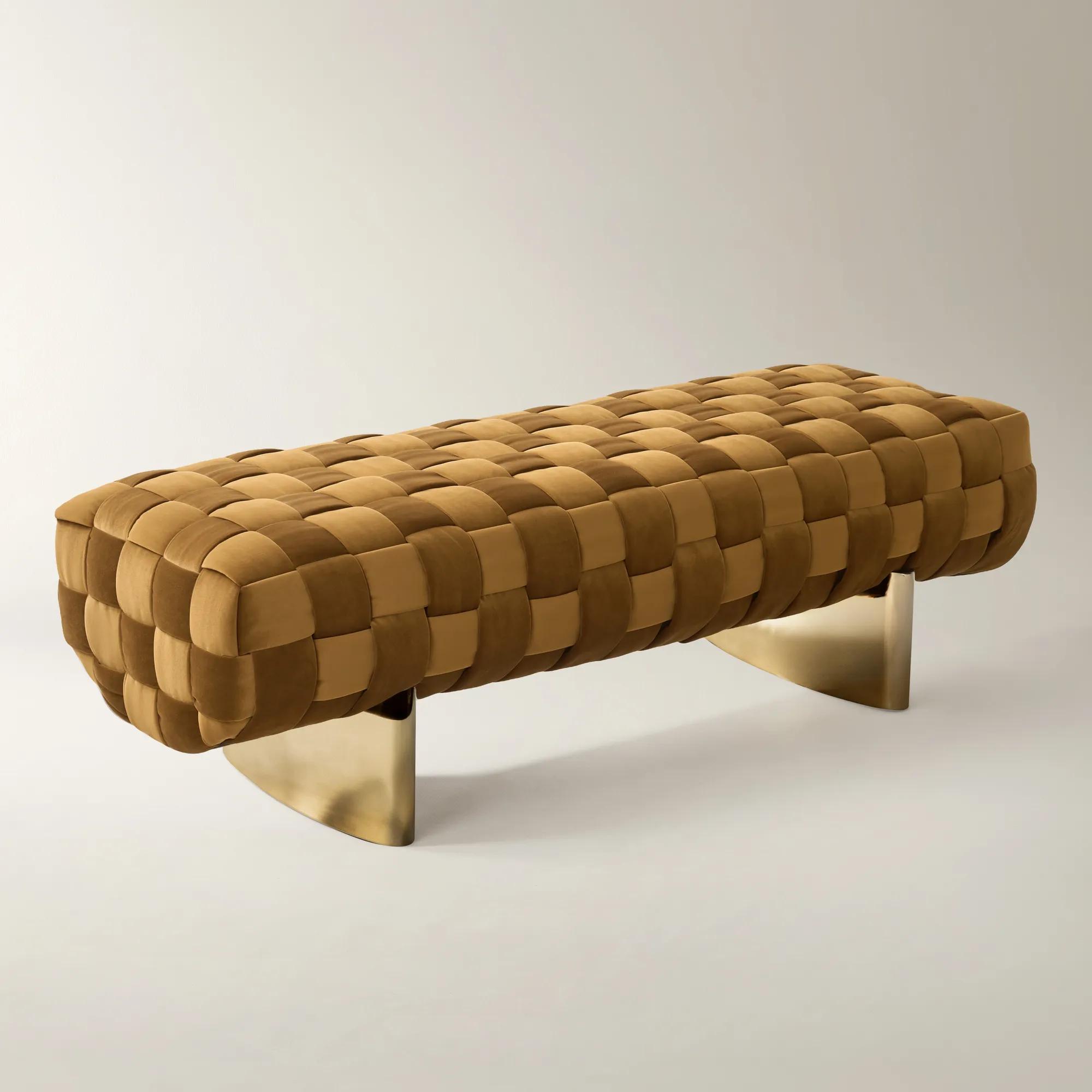 Dexter Woven Roasted Pecan Velvet Bench (64.2")$999
A woven roasted pecan velvet bench featuring plush upholstery and polished gold stainless steel legs for modern elegance.
Add To Cart -
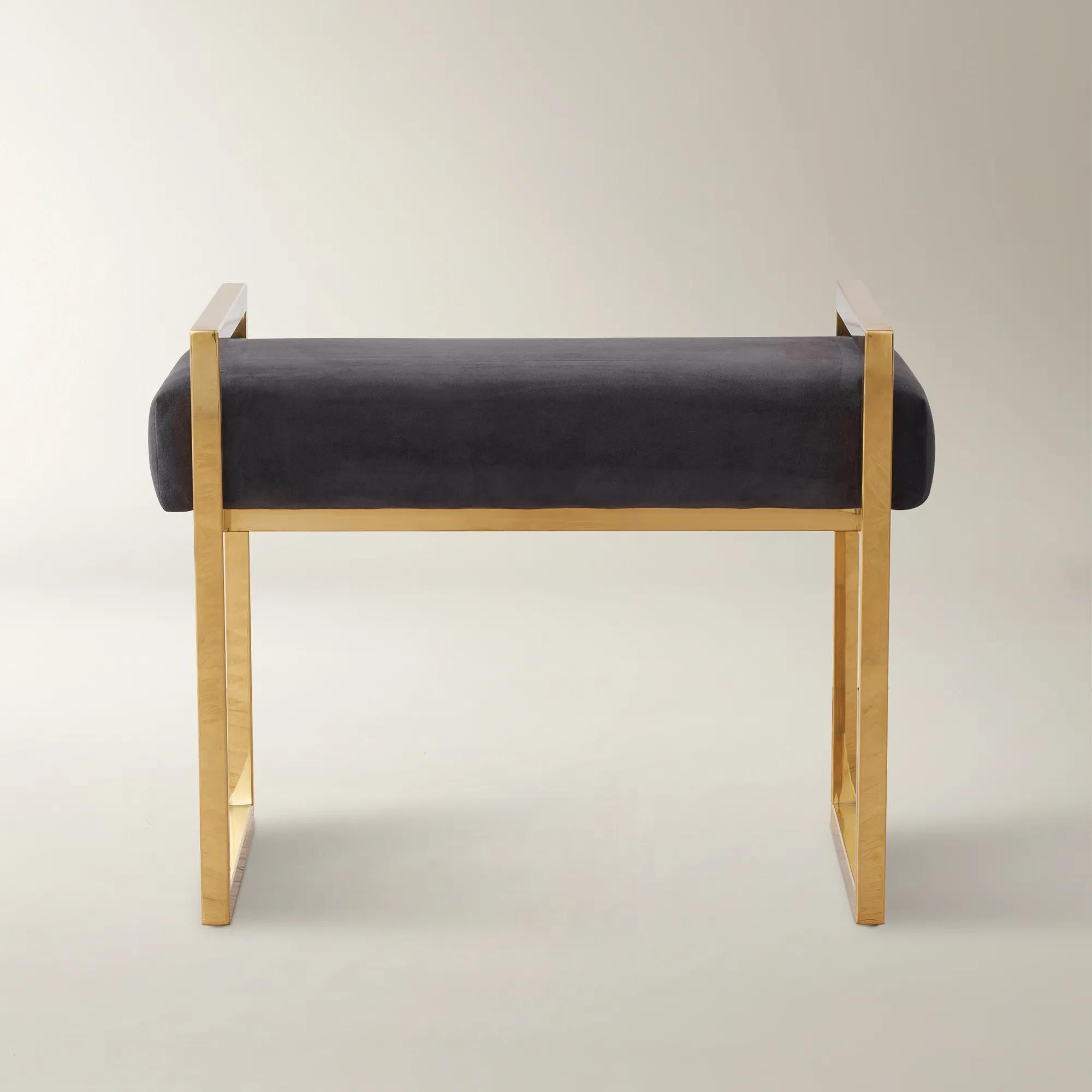
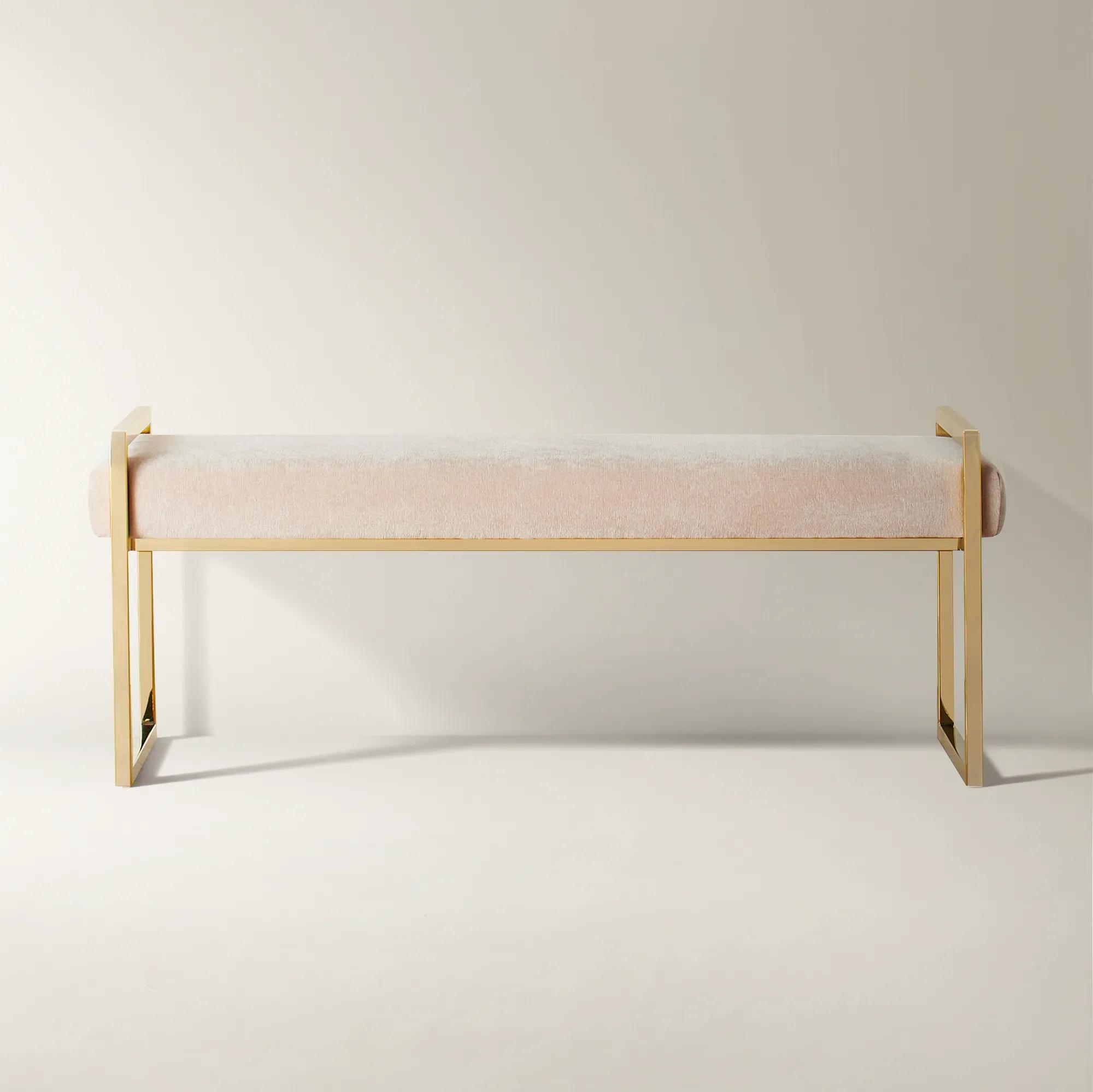 Clara Bench$699
A plush upholstered bench with a high-density foam seat and polished gold metal legs for modern elegance.
Add To Cart -
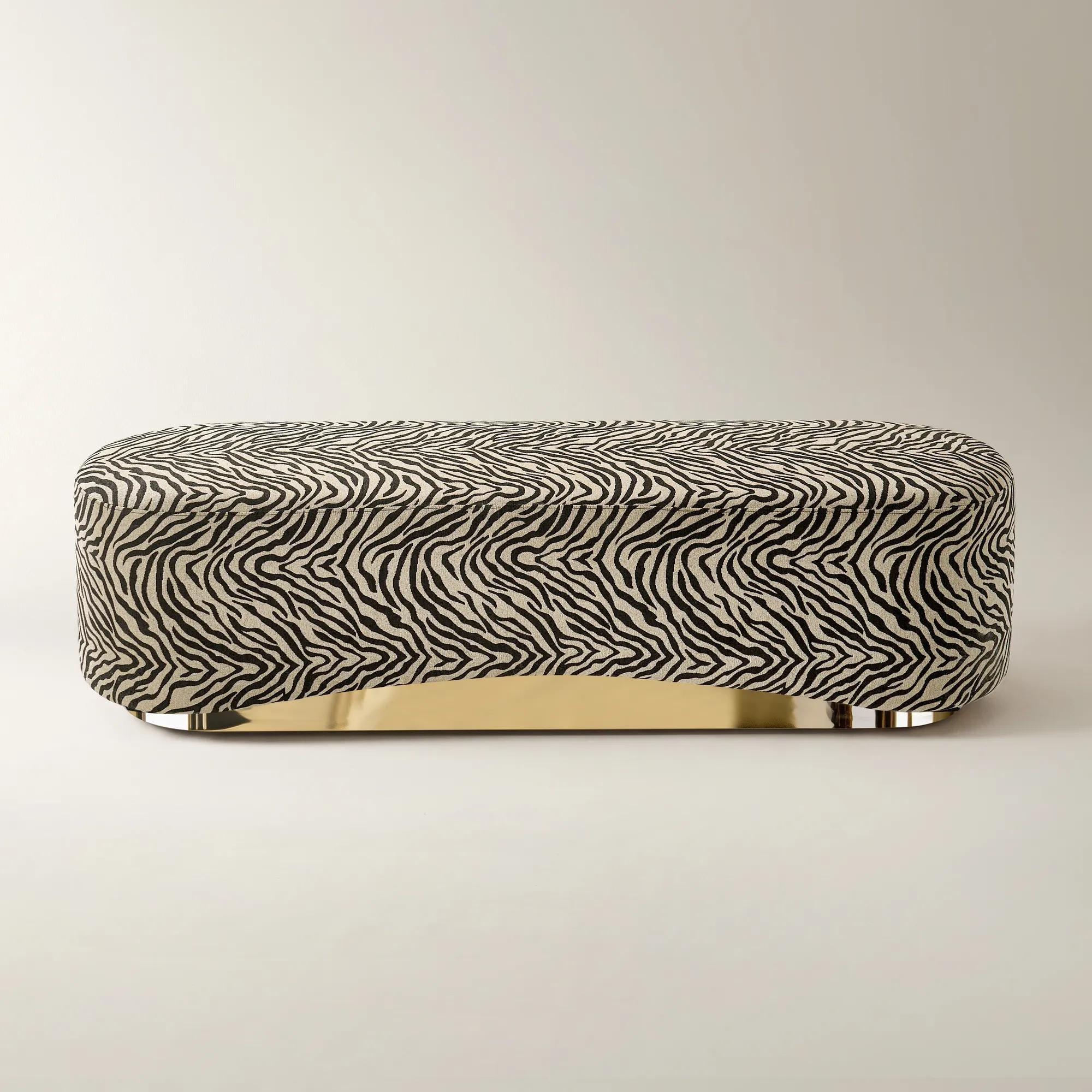
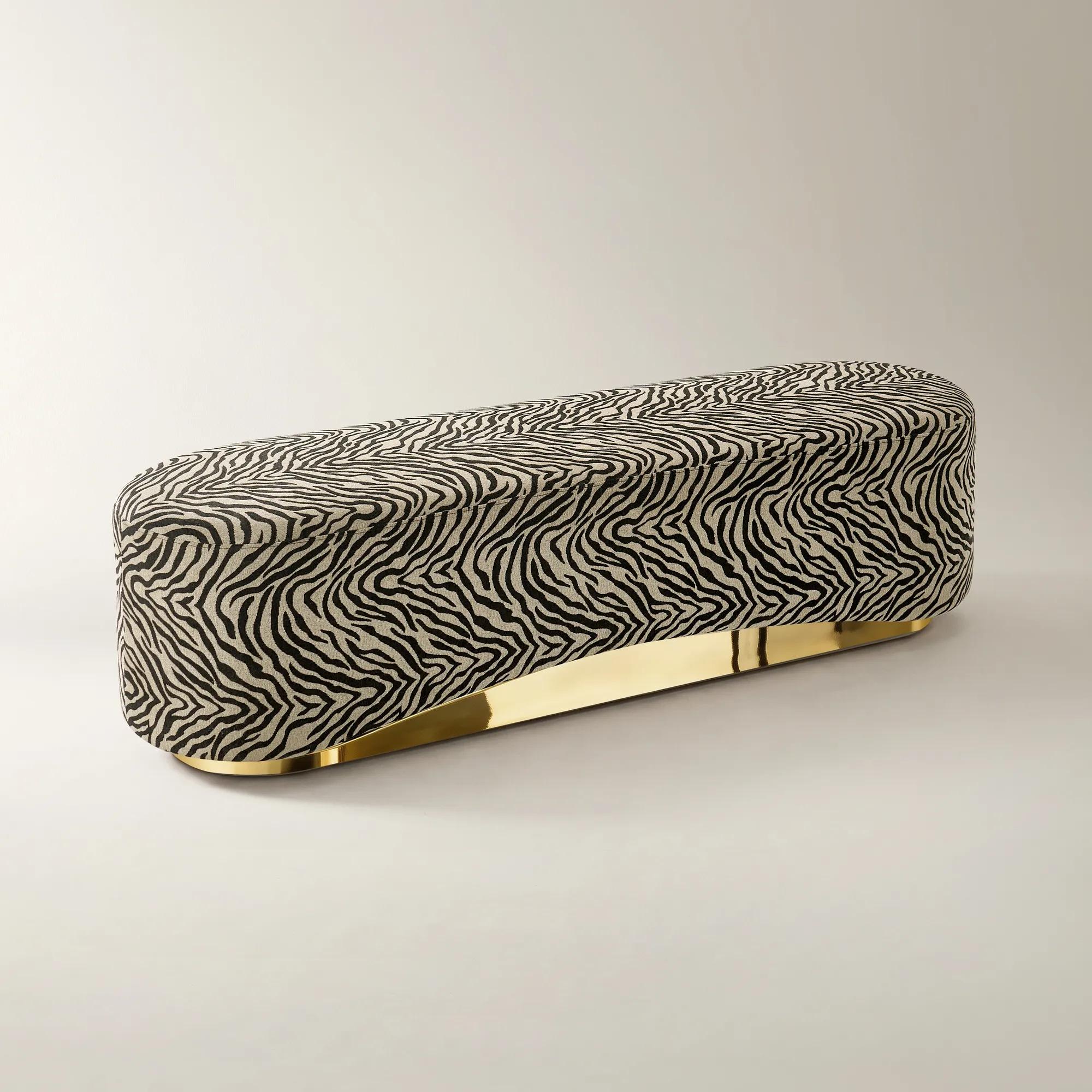 Kendra Zebra Performance Chenille Bench (70.47")$799
An elongated oval bench upholstered in textured zebra-pattern chenille with a polished gold stainless steel base.
Add To Cart -
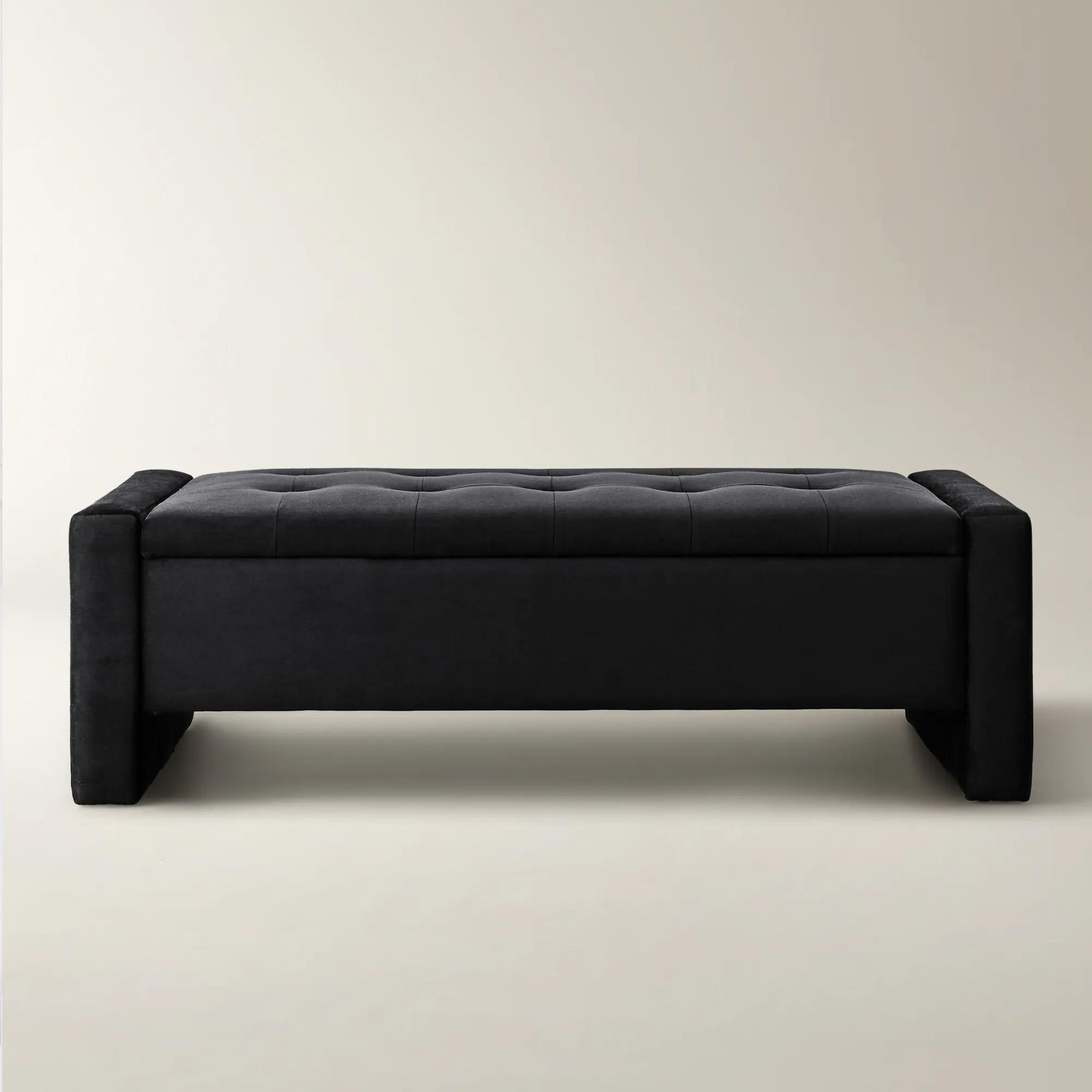
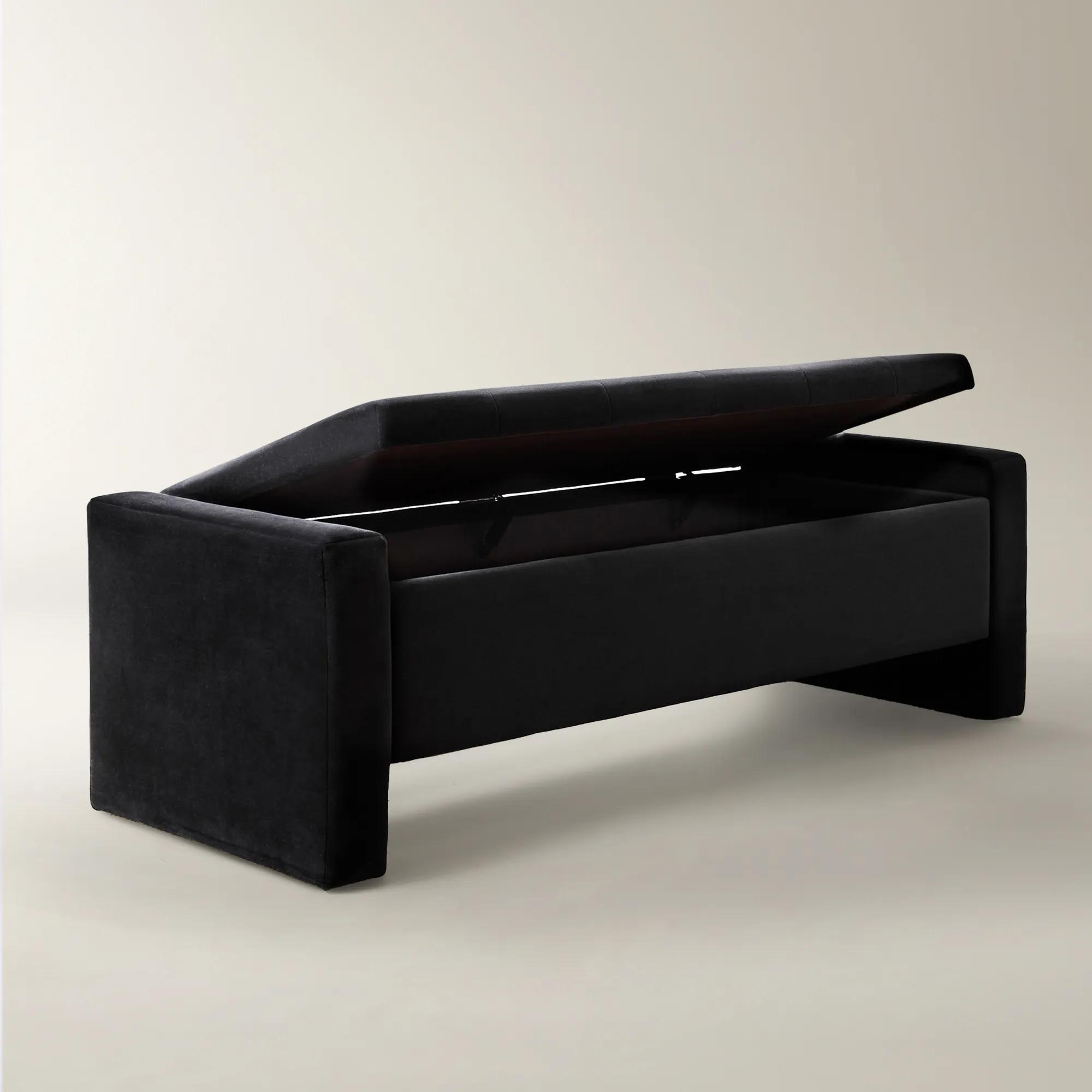 Maeve Storage Bench$849
A modern velvet-upholstered bench with hidden storage and a sturdy kiln-dried hardwood frame.
Add To Cart -
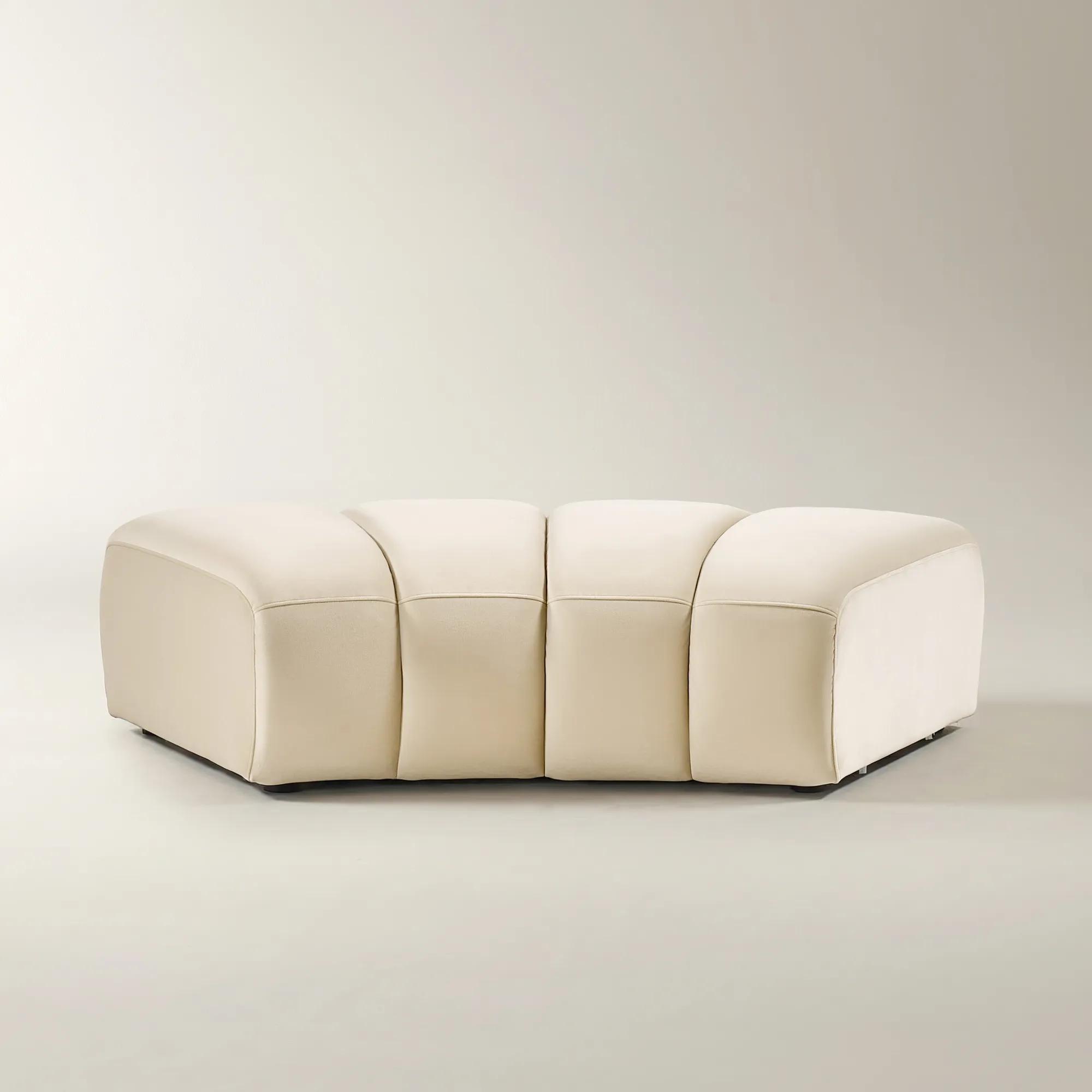
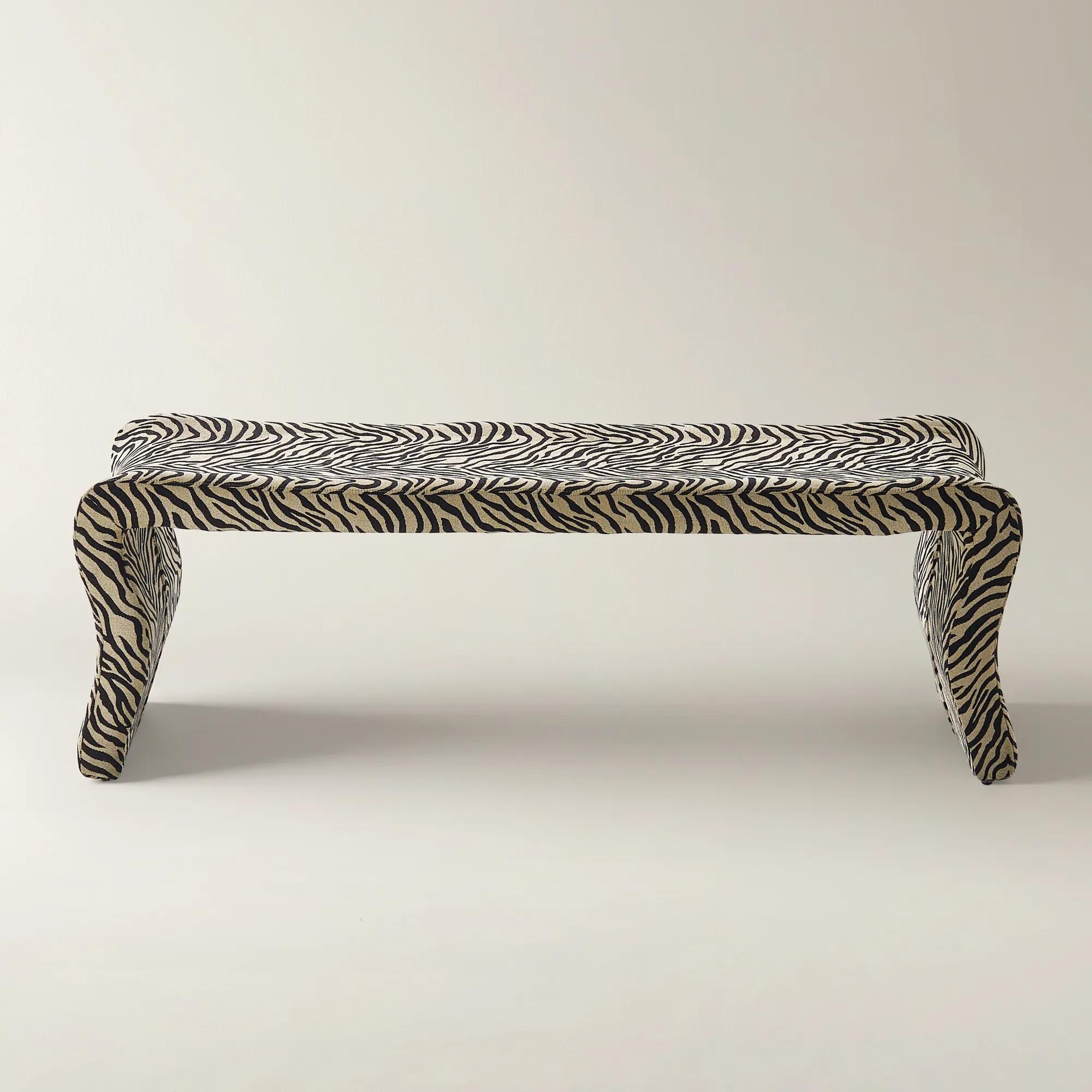 Romy Zebra Performance Chenille Bench (61.5")$899
A sculptural bench wrapped in zebra-patterned performance chenille with a wave-like silhouette and full foam construction.
Add To Cart -
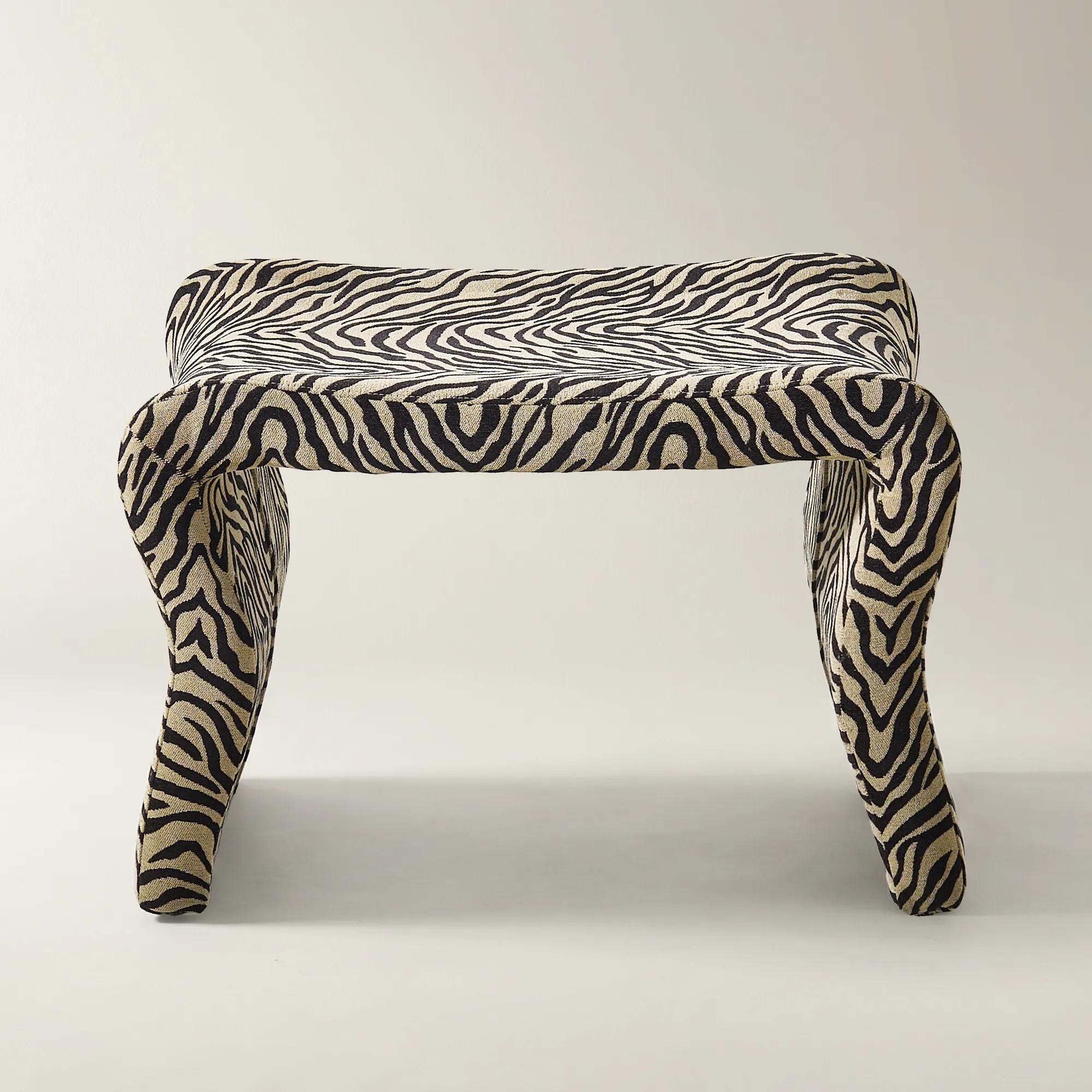
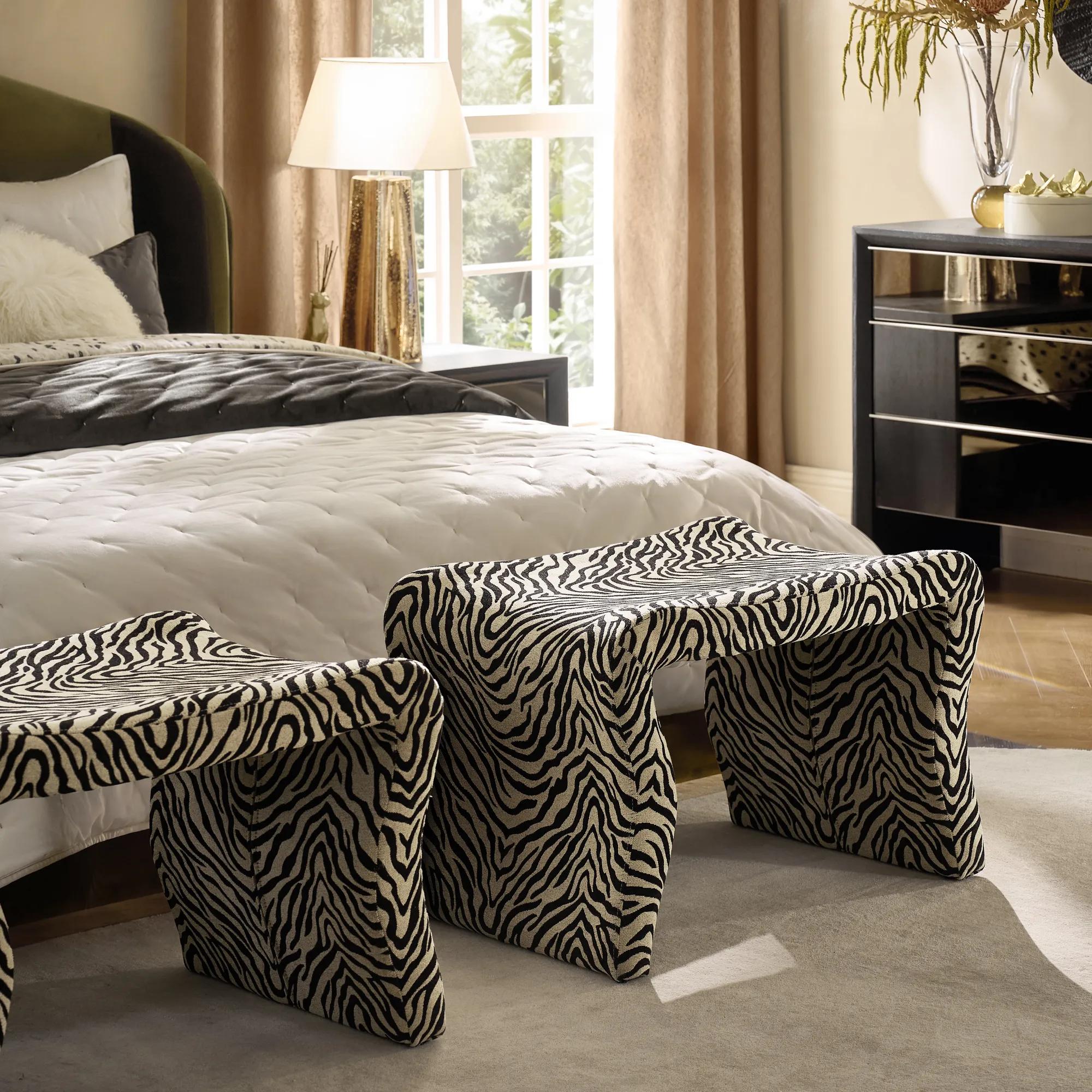 Romy Zebra Performance Chenille Bench (30.75")$499
A sculptural bench wrapped in zebra-patterned performance chenille with a wave-like silhouette and full foam construction.
Add To Cart

Velvet Benches For Dining Rooms
Velvet benches for dining rooms invite an air of decadent sophistication, transforming every meal into a lavish affair. Imagine plush, jewel-toned upholstery catching the light as guests gather, the tactile richness of velvet elevating both comfort and style. These benches offer more than seating—they set the stage for conversation, celebration, and unforgettable moments. With their dramatic silhouettes and sumptuous textures, velvet benches for dining rooms become the statement piece that anchors your space in artistry and allure. Indulge in the unexpected; let your dining room radiate with glamour and expressive design.
Velvet benches for dining rooms bring a sumptuous surface to the table, pairing shared seating with the visual richness of finely layered upholstery. The fabric’s dense pile catches light differently as its direction changes, giving even a single color remarkable depth. An ivory bench can soften the crisp geometry of a glass dining table, while deep blue, emerald, or charcoal creates a dramatic counterpoint to pale stone and polished metal. Against a richly grained wood table, velvet introduces a softer texture without competing with the natural pattern. The effect is expressive but grounded: a dining space that feels composed for conversation, not simply arranged for a meal. Backless velvet dining benches preserve open sightlines and let a sculptural tabletop remain prominent; upholstered benches with backs create a more enveloping seat and a stronger architectural presence. Tufting adds shadow and dimension, channel detailing draws the eye along the silhouette, and smooth upholstery gives saturated color uninterrupted space to shine. Rounded ends can soften an angular dining arrangement, while a tailored rectangular profile echoes the lines of a long table. The base matters just as much. A gleaming metal frame adds reflected light beneath the seat, whereas exposed wood contributes warmth and a more substantial visual foundation. Velvet itself describes a fabric construction rather than a single fiber: upholstery may use polyester, cotton, blends, or other fibers, each with different care requirements and performance characteristics. A silky appearance alone does not establish stain resistance or durability. For everyday dining, the most compelling choice balances that luminous finish with supportive cushioning and upholstery suited to regular use. These benches appeal to hosts who enjoy an intimate table, households seeking a shared seat for daily meals, and design lovers who want dining furniture with the presence of an upholstered accent piece. Paired with individual chairs, a velvet bench also introduces contrast without requiring every seat to match.
Proportion determines whether that beautiful silhouette feels equally inviting in use. Standard dining tables are commonly about 28 to 30 inches high, and many dining benches have seat heights around 18 to 19 inches, but the actual relationship between the two pieces matters more than either measurement alone. Aim for approximately 10 to 12 inches between the top of the seat and the underside of the tabletop, checking whether a low apron reduces usable legroom. Cushion compression can affect the seated height, so a deeply padded accent bench should not automatically be treated as dining seating. Seat depth matters, too: an unusually deep bench may position diners too far from the table or leave shorter guests without comfortable support. For width, allowing roughly 24 inches of usable seating per adult is a helpful starting point, with more space welcome for a generous place setting or broader silhouettes. Measure the clear distance between table legs rather than relying only on the tabletop length. A bench that looks proportionate beside the table may still catch on its supports when pushed inward. Backless styles can tuck beneath some tables, provided the seat, frame, and table apron allow sufficient clearance; high backs, arms, and winged sides require their own measurements. Consider the room beyond the furniture as well. Around 36 inches between the table edge and a wall or other obstruction is a common planning minimum, while 42 to 48 inches is more comfortable where people need to pass behind occupied seating. A pedestal table can simplify access, but its base should still leave room for feet. In a compact dining nook, a bench along one side can create a visually continuous line, though guests need a practical way to enter and leave their seats. For frequent entertaining, a bench with a supportive back may encourage lingering; for a room where an uninterrupted view is essential, a backless profile keeps the composition light. Always confirm the intended use, stated seating capacity, and weight limit rather than estimating from length or appearance.
A velvet dining bench should feel assured beneath its luxurious surface. A well-constructed wood or metal frame, secure joints, stable legs, and cushioning that maintains support all contribute to lasting comfort. Depending on the design, exposed hardware may need periodic checking according to the manufacturer’s instructions, especially when a bench is used daily. Protective pads appropriate for the flooring can help reduce marks, but the bench should still be lifted rather than dragged when repositioned. Upholstery performance deserves particular attention at the dining table, where crumbs, spills, and repeated contact are part of ordinary life. Some synthetic velvets or specifically designated performance fabrics may offer easier maintenance, but velvet is not inherently stainproof, waterproof, or resistant to every household mishap. Review the fabric’s cleaning code and care instructions before choosing a cleaning method. Gentle vacuuming with an appropriate upholstery attachment helps remove particles before they settle into the pile, including along seams and tufted details. Blot spills promptly with a clean, absorbent cloth instead of rubbing, which can spread moisture or disturb the surface. Avoid soaking the upholstery, and use cleaning products, brushing, or steam only when the manufacturer permits them. Test any approved treatment in an inconspicuous area first. Pressure and touch can leave temporary shading or impressions in velvet; these changes are not always stains, and their appearance varies by fiber and construction. Prolonged direct sunlight can also affect color, making placement worth considering in a bright dining room. For comparison with other fabric-covered silhouettes, explore Upholstered Benches For Dining Rooms while keeping the same priorities of scale, support, and care in view. With those details resolved, velvet becomes more than an ornamental flourish. It brings tactile depth to a breakfast nook, a gracious shared seat to a formal table, and a soft counterpoint to glassware, ceramics, and gleaming flatware. The result is dining furniture that participates fully in the room’s design while remaining ready for the meals and conversations that give it meaning.
FAQs
Velvet benches bring an unmistakable sense of luxury and comfort to dining rooms, offering plush seating that encourages guests to linger and connect. The tactile richness of velvet adds visual drama and warmth, transforming your dining space into an inviting setting for both everyday meals and special occasions.
A velvet bench can serve as a striking focal point or a harmonious complement to your current dining room style. Choose a hue that echoes your palette for a cohesive look, or opt for a bold shade—such as a black velvet dining bench or a blue velvet bench dining room accent—to introduce a layer of contrast and personality.
Absolutely. Velvet benches possess a timeless versatility, elevating formal dining rooms with their refined elegance while also softening the look of more casual, contemporary spaces. Their inviting texture and sculptural presence make them a perfect fit for any dining environment that values both comfort and artistry.
A velvet bench makes a thoughtful and memorable gift for design enthusiasts, newlyweds, new homeowners, or anyone seeking to refresh their dining space with a touch of glamour. It’s a meaningful gesture that combines style, comfort, and enduring appeal.
When choosing a velvet bench for your dining table, consider details such as tufted upholstery, sculptural or metallic legs, and distinctive silhouettes. These elements not only enhance the bench’s visual impact but also reflect your unique sense of style, ensuring your dining area feels curated and expressive.