Velvet Benches For Formal Spaces
Velvet Benches For Formal Spaces
-
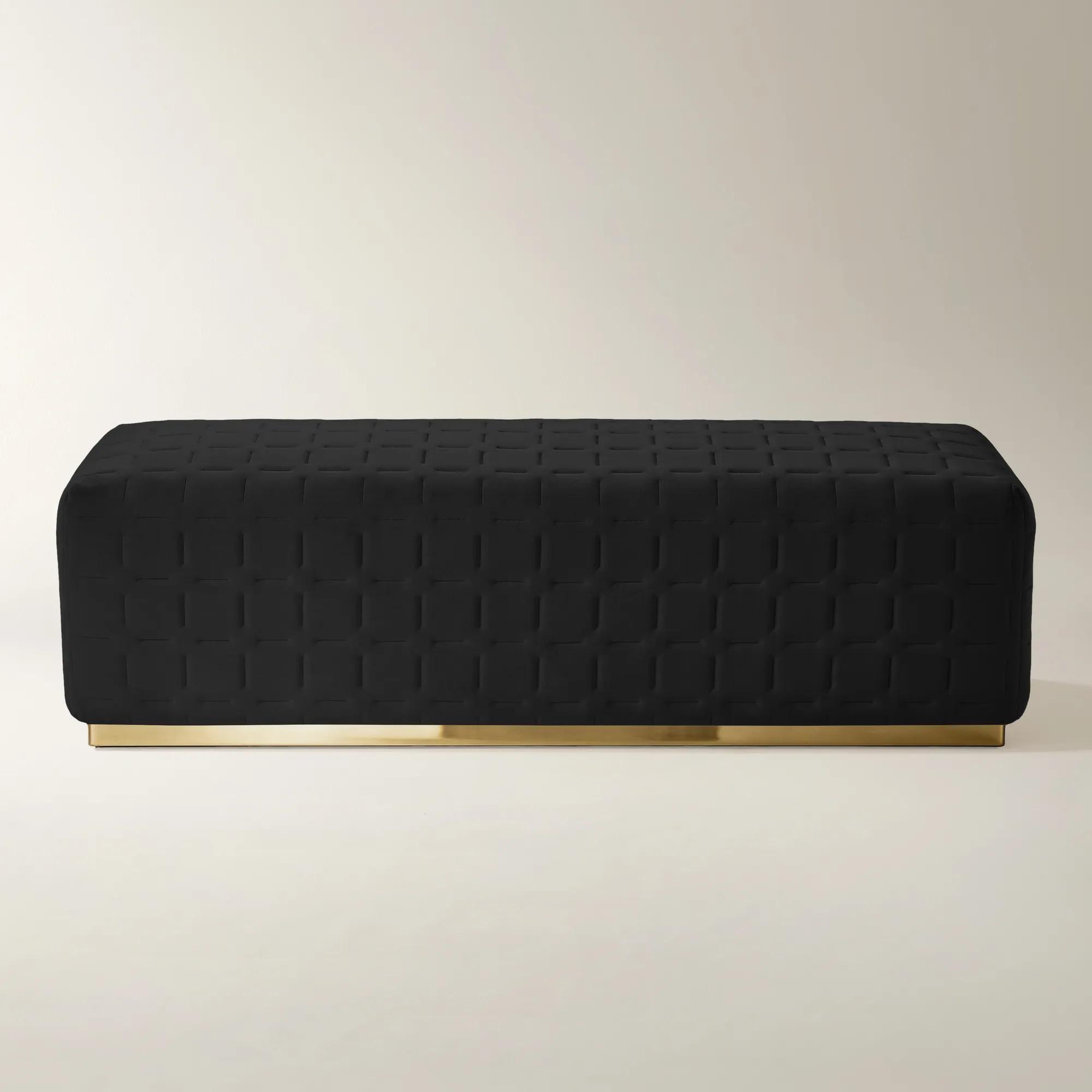 Vanta Quilted Charcoal Velvet Bench (64.6")$899
A charcoal velvet bench featuring checker quilted tufting and a gold stainless steel base for modern elegance.
Add To Cart -
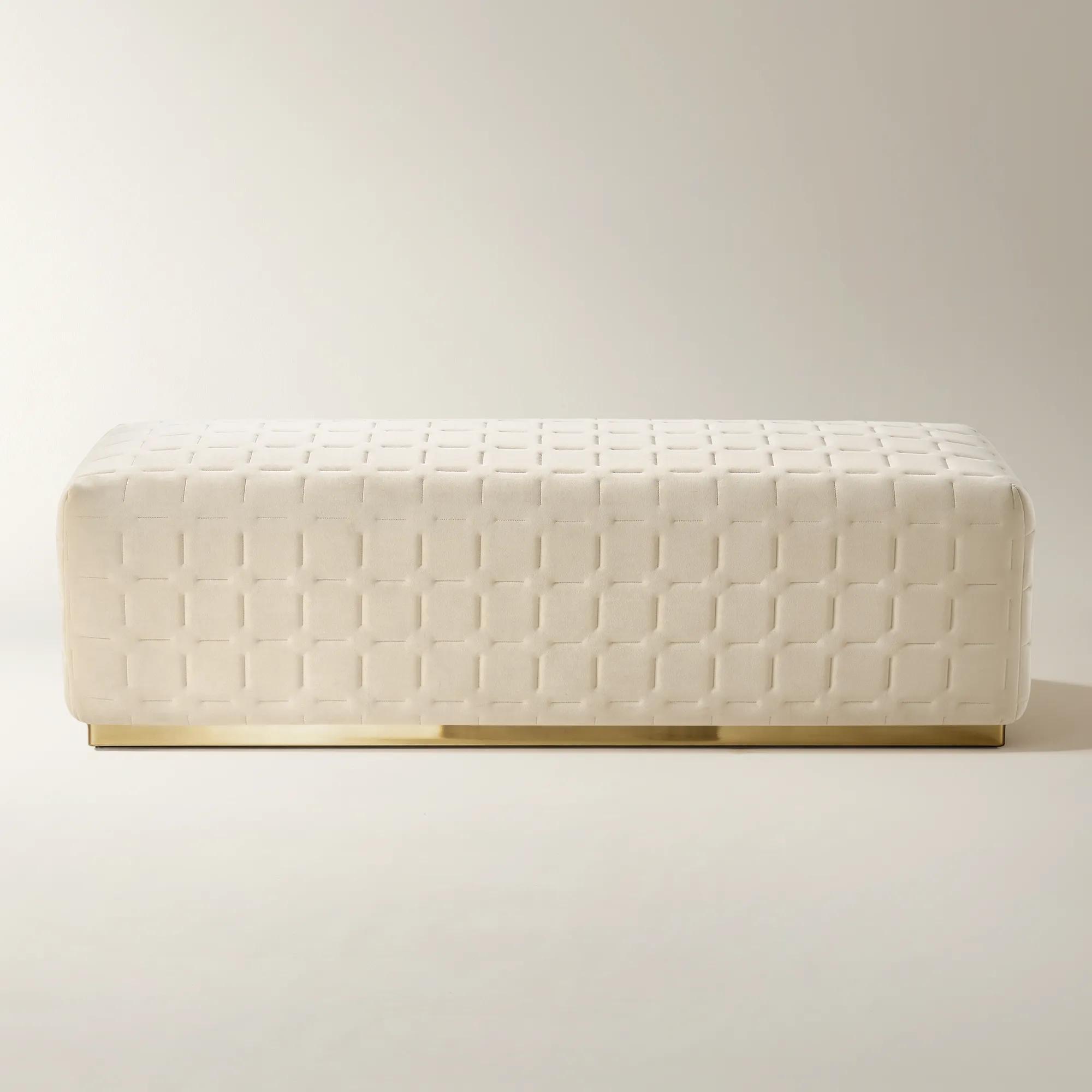
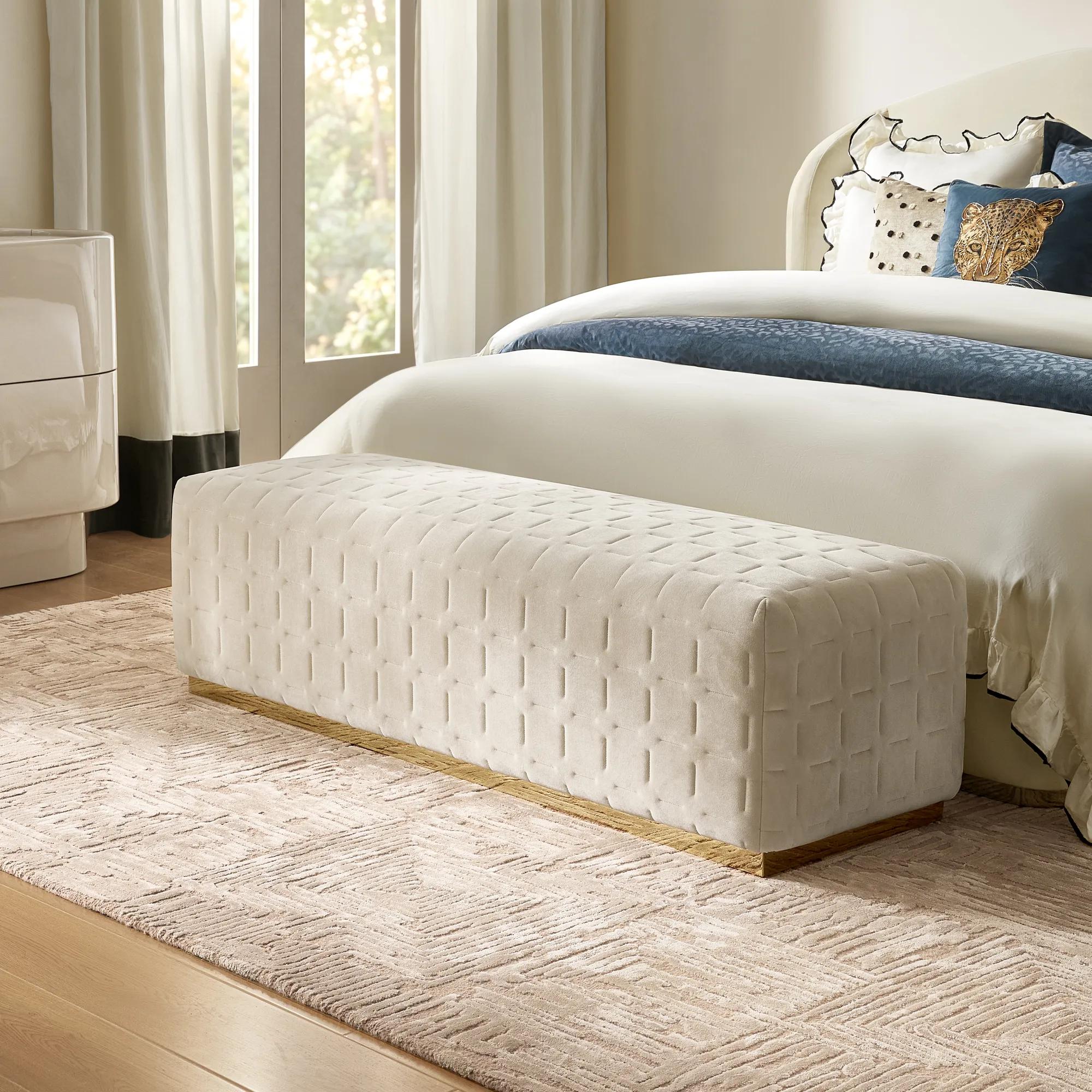 Vanta Quilted Oatmeal Velvet Bench (64.6")$899
A plush oatmeal velvet bench featuring checker quilted tufting and a sleek gold stainless steel base.
Add To Cart -
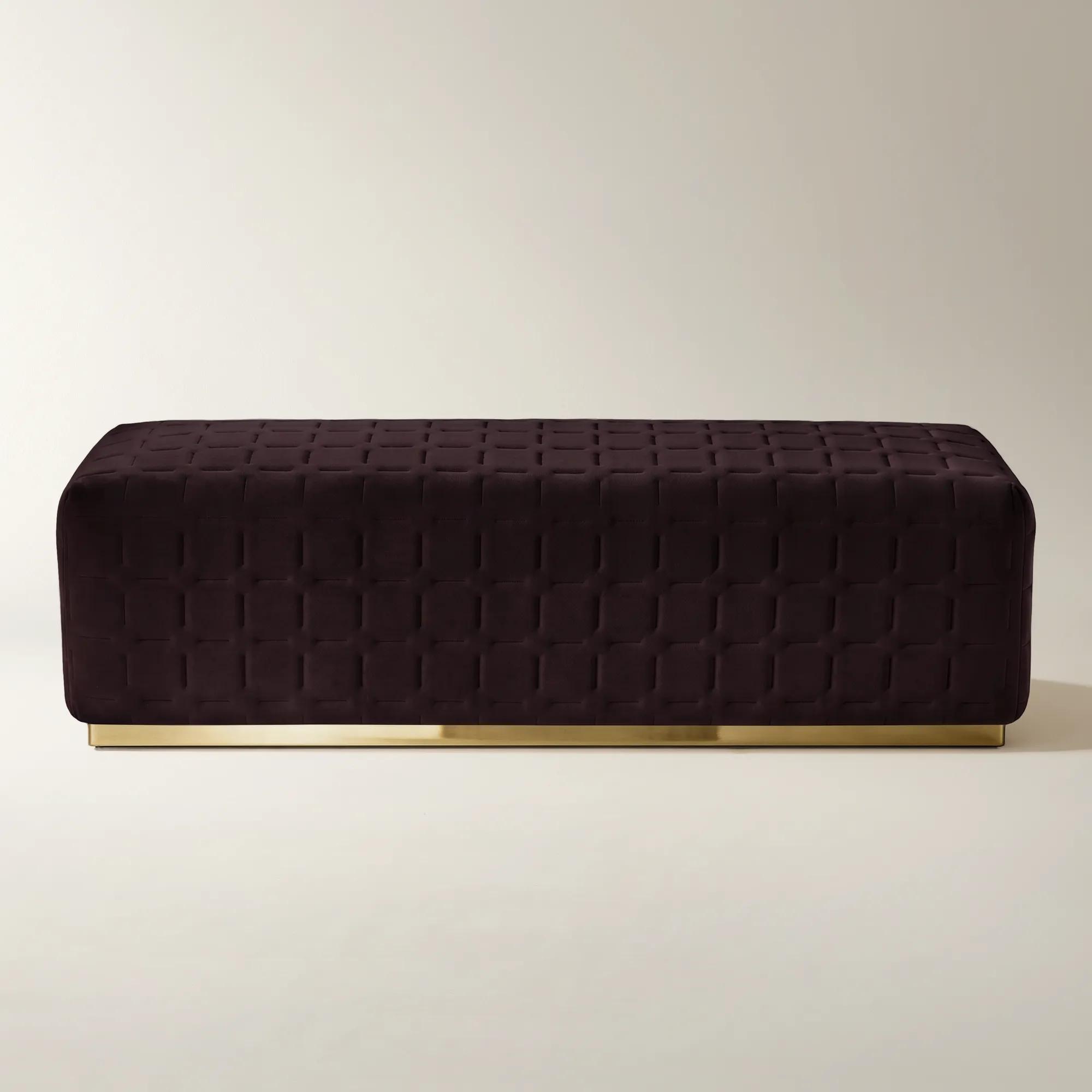
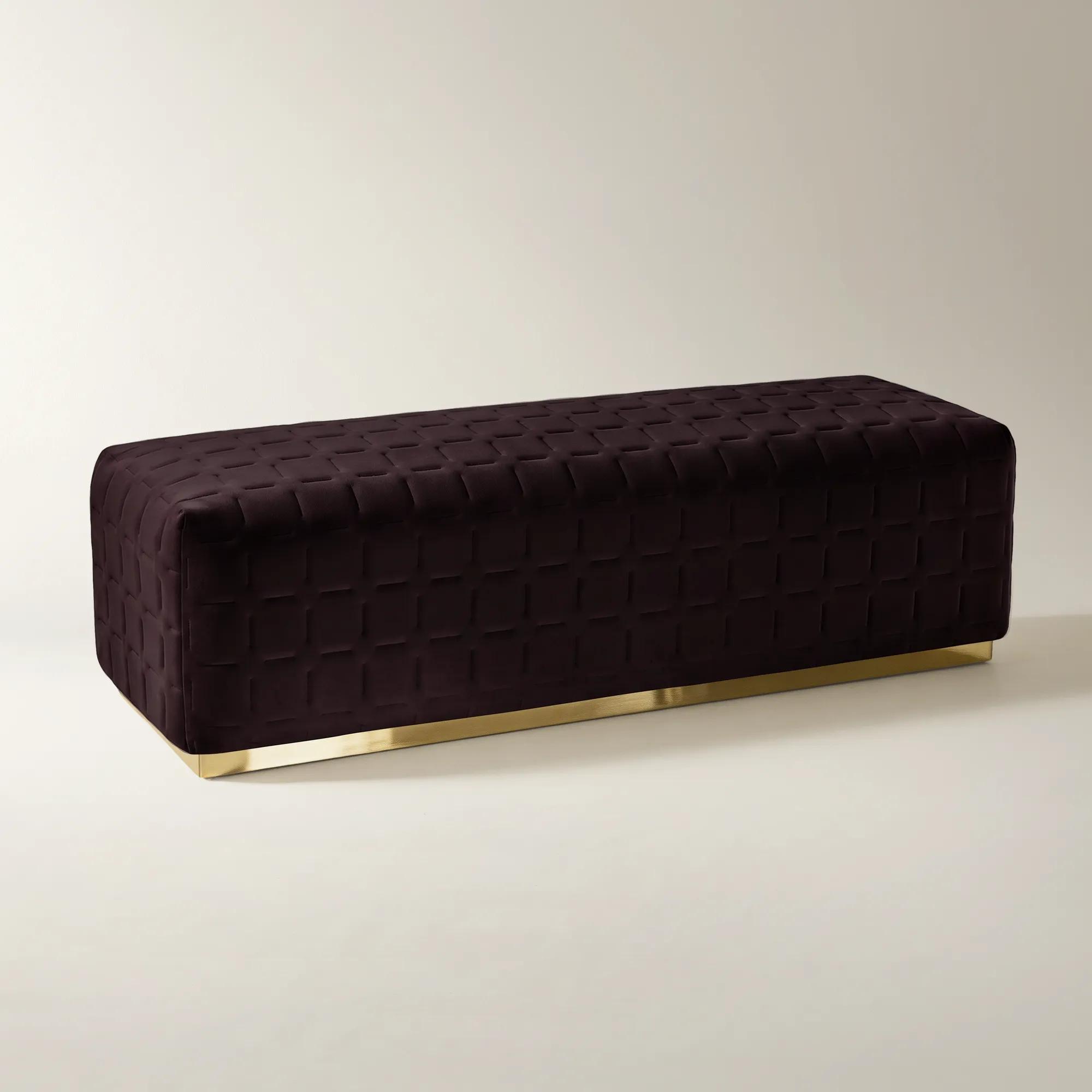 Vanta Quilted Fig Velvet Bench (64.6")$899
A plush fig velvet bench featuring checker quilted tufting and a sleek gold stainless steel base.
Add To Cart -
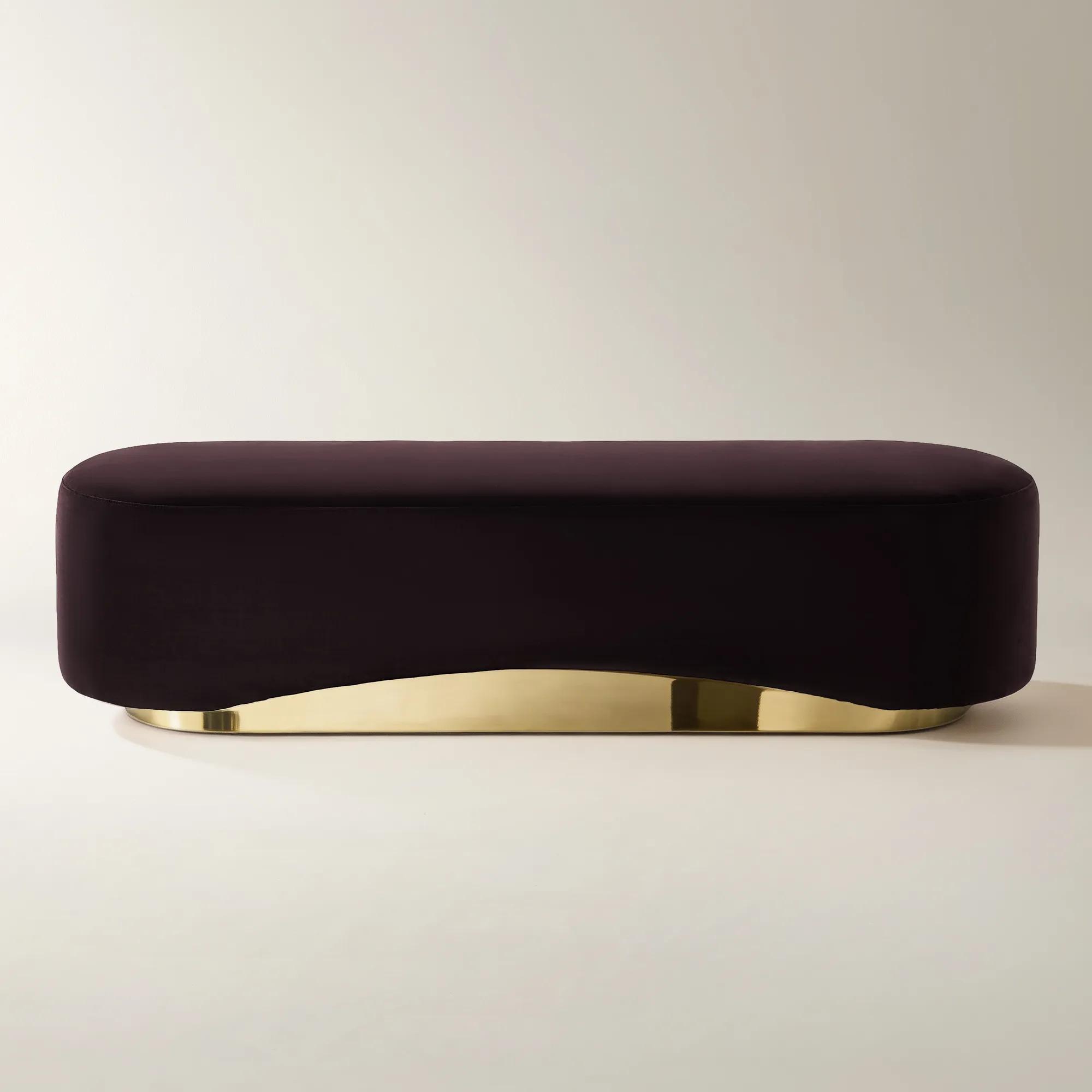 Kendra Fig Velvet Bench (70.47")$799
A plush fig velvet bench with an elongated oval silhouette and a polished gold stainless steel base.
Add To Cart -
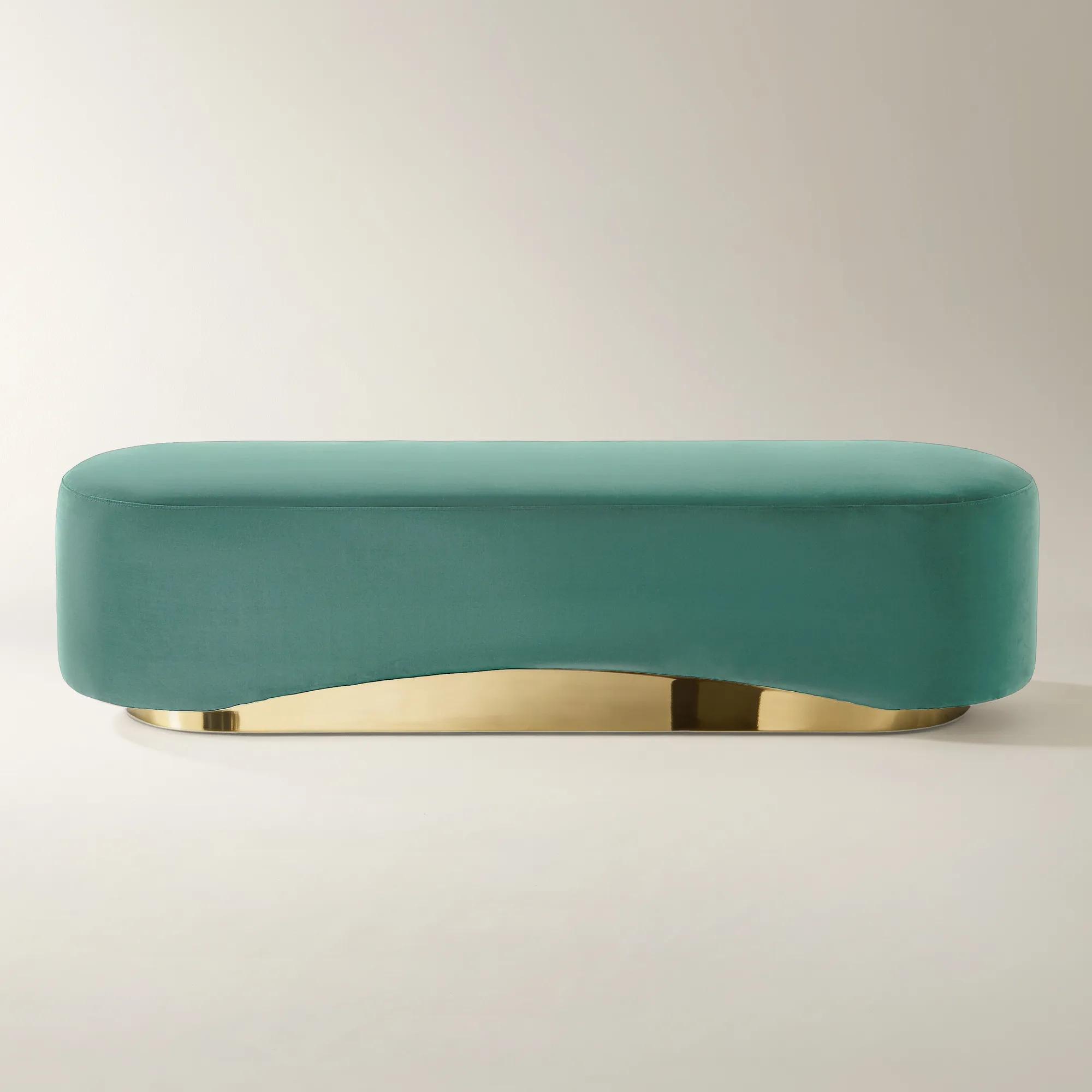 Kendra Ocean Teal Velvet Bench (70.47")$799
An elongated oval bench in ocean teal velvet with a plush seat and polished gold stainless steel base.
Add To Cart -
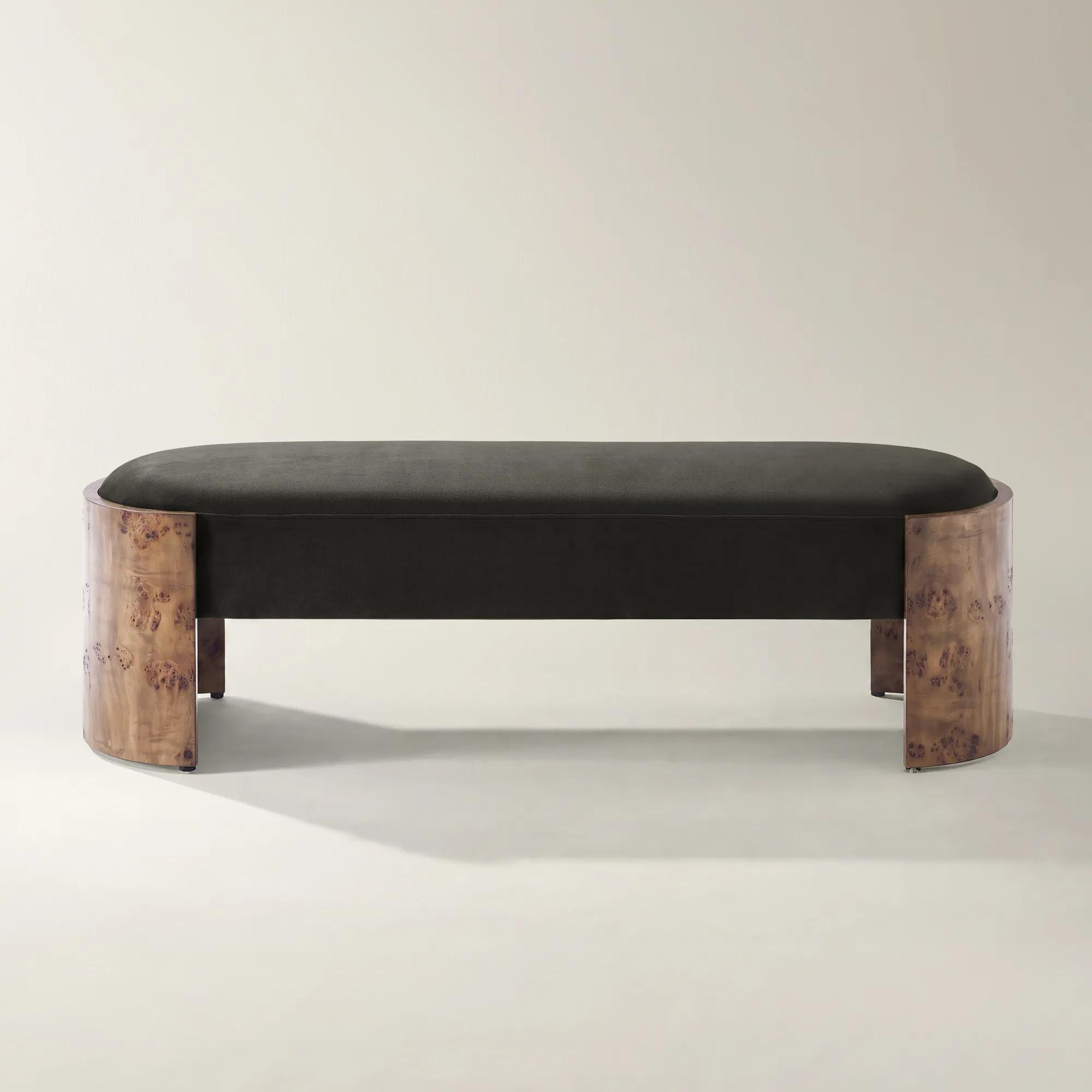
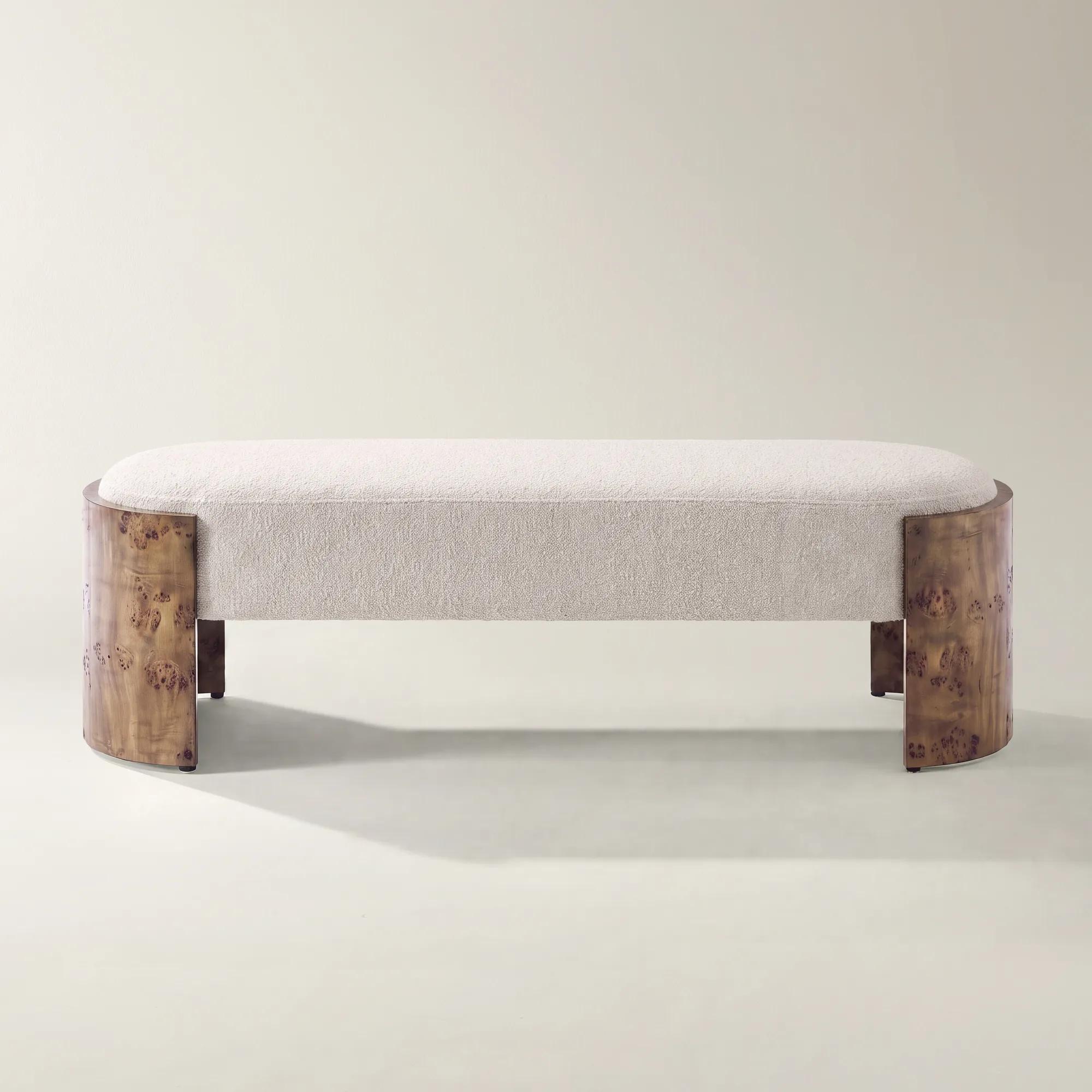
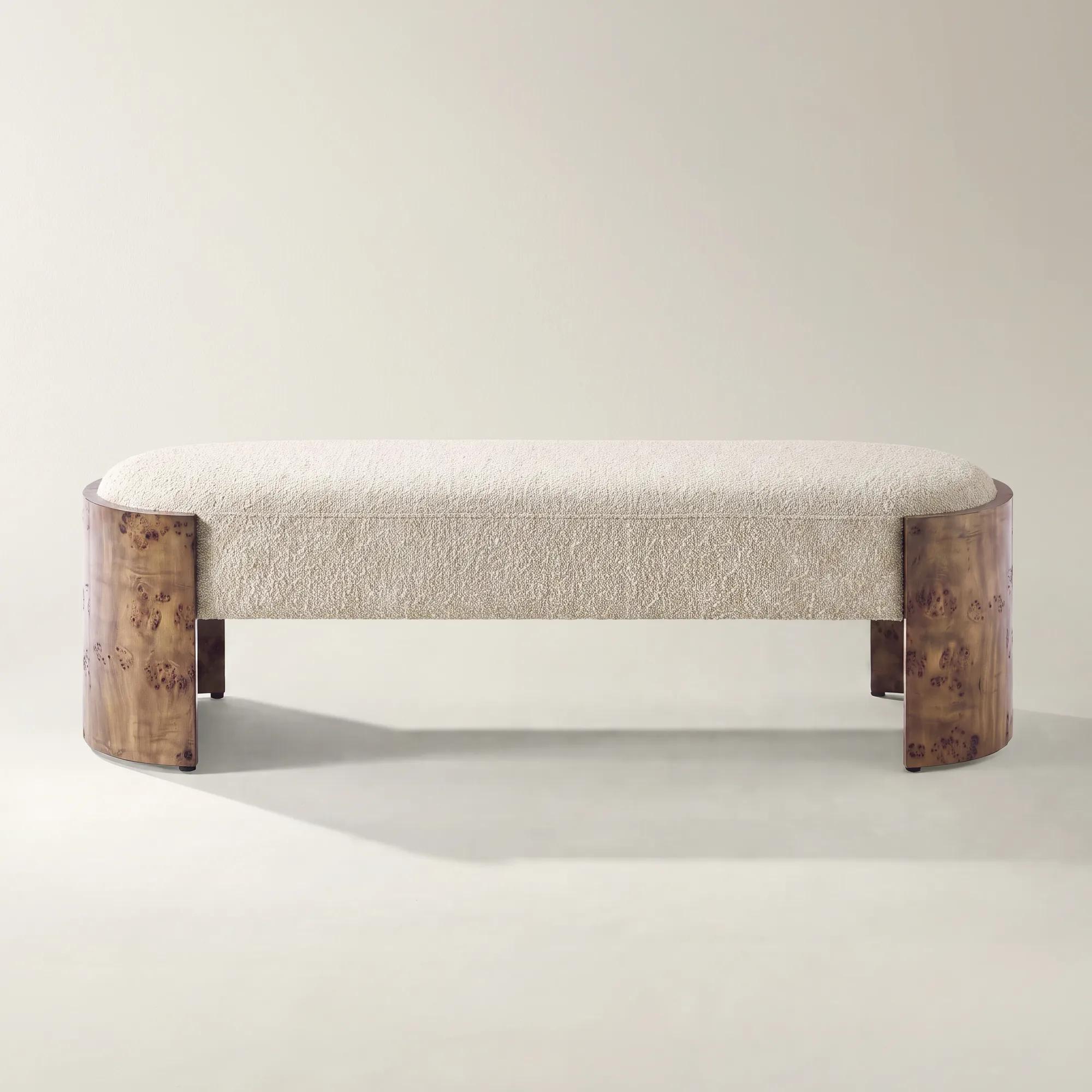
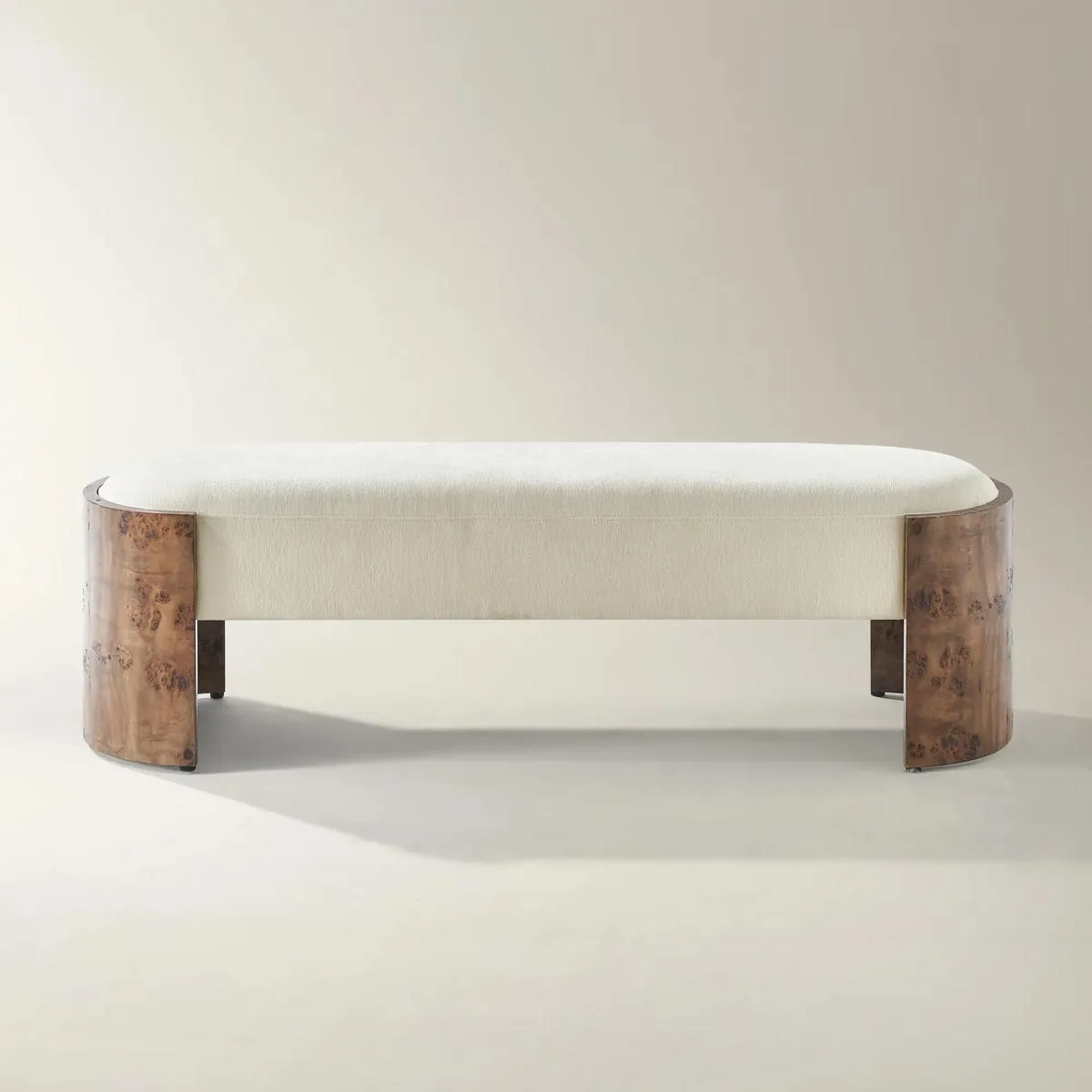 Cora Charcoal Velvet With Ash Wood Bench (60.6")$999
A sculpted charcoal velvet bench with curved bookmatched ash burl panels and supportive foam cushioning.
Add To Cart -
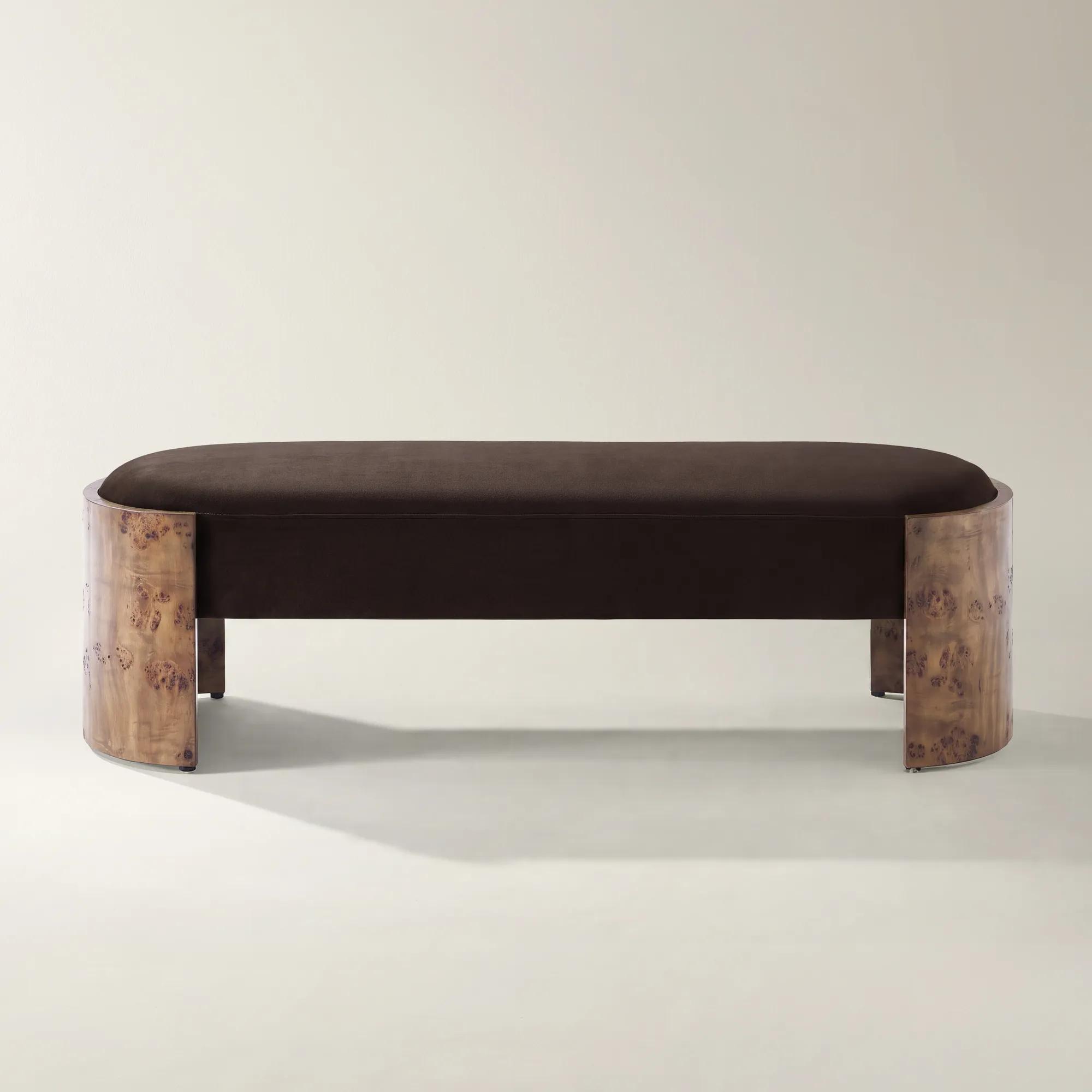 Cora Dark Chocolate Velvet With Ash Wood Bench (60.6")$999
A dark chocolate velvet bench with sculpted bookmatched ash burl end panels and high-resiliency foam cushioning.
Add To Cart -
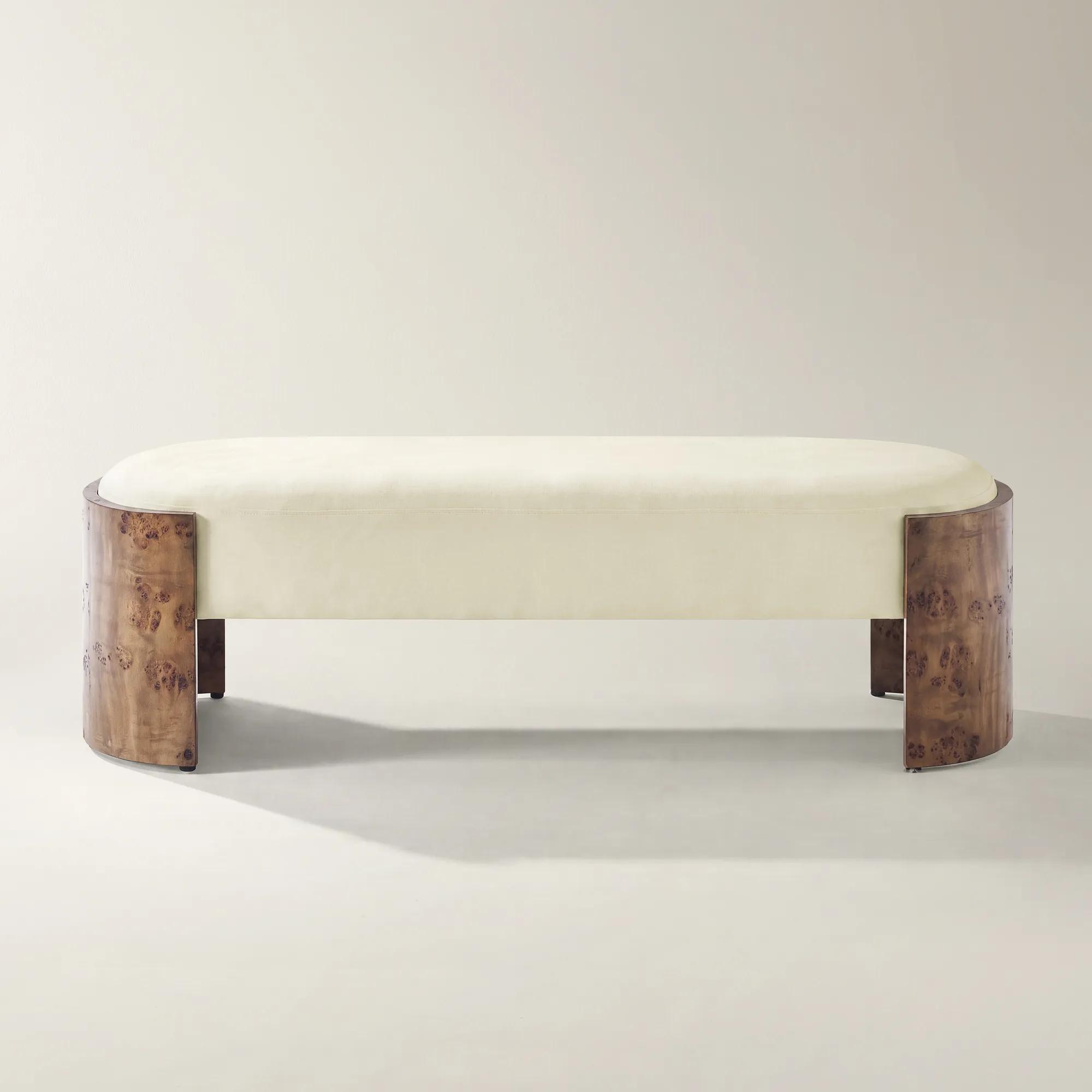 Cora Cloud Velvet With Ash Wood Bench (60.6")$999
A cloud velvet bench with bookmatched ash burl panels and supportive foam cushioning.
Add To Cart -
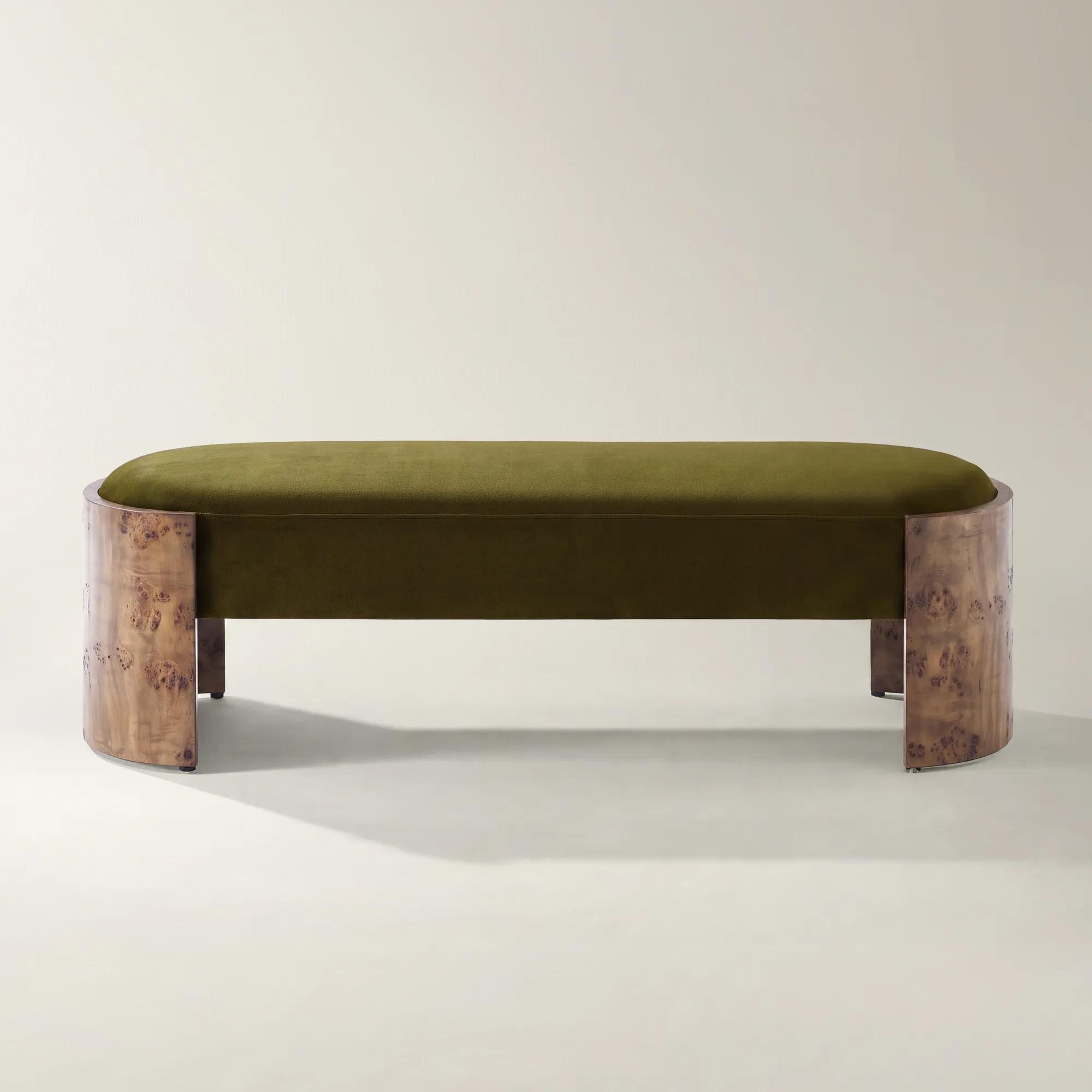 Cora Deep Olive Velvet With Ash Wood Bench (60.6")$999
A sculpted deep olive velvet bench featuring curved ash burl end panels and supportive foam cushioning.
Add To Cart -
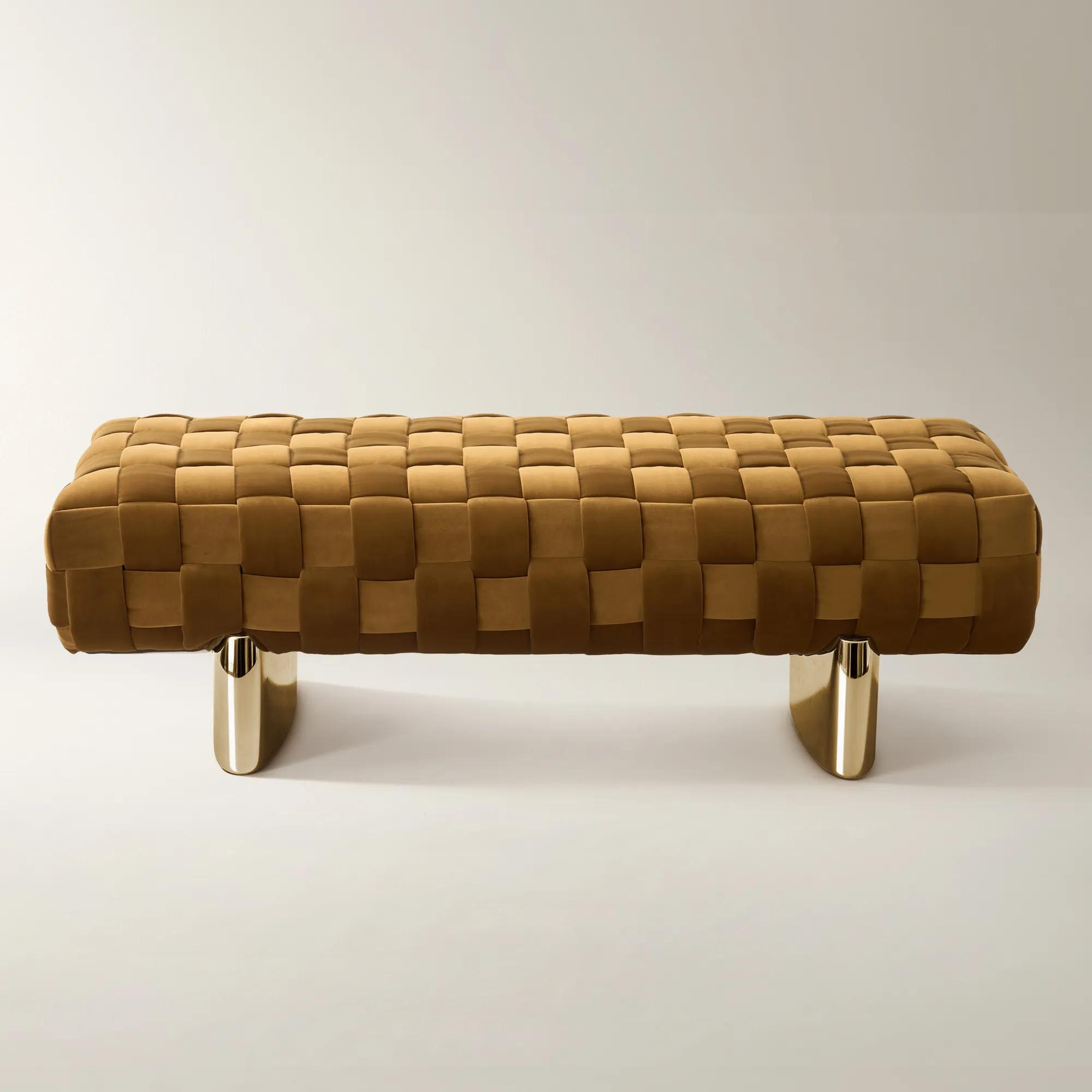
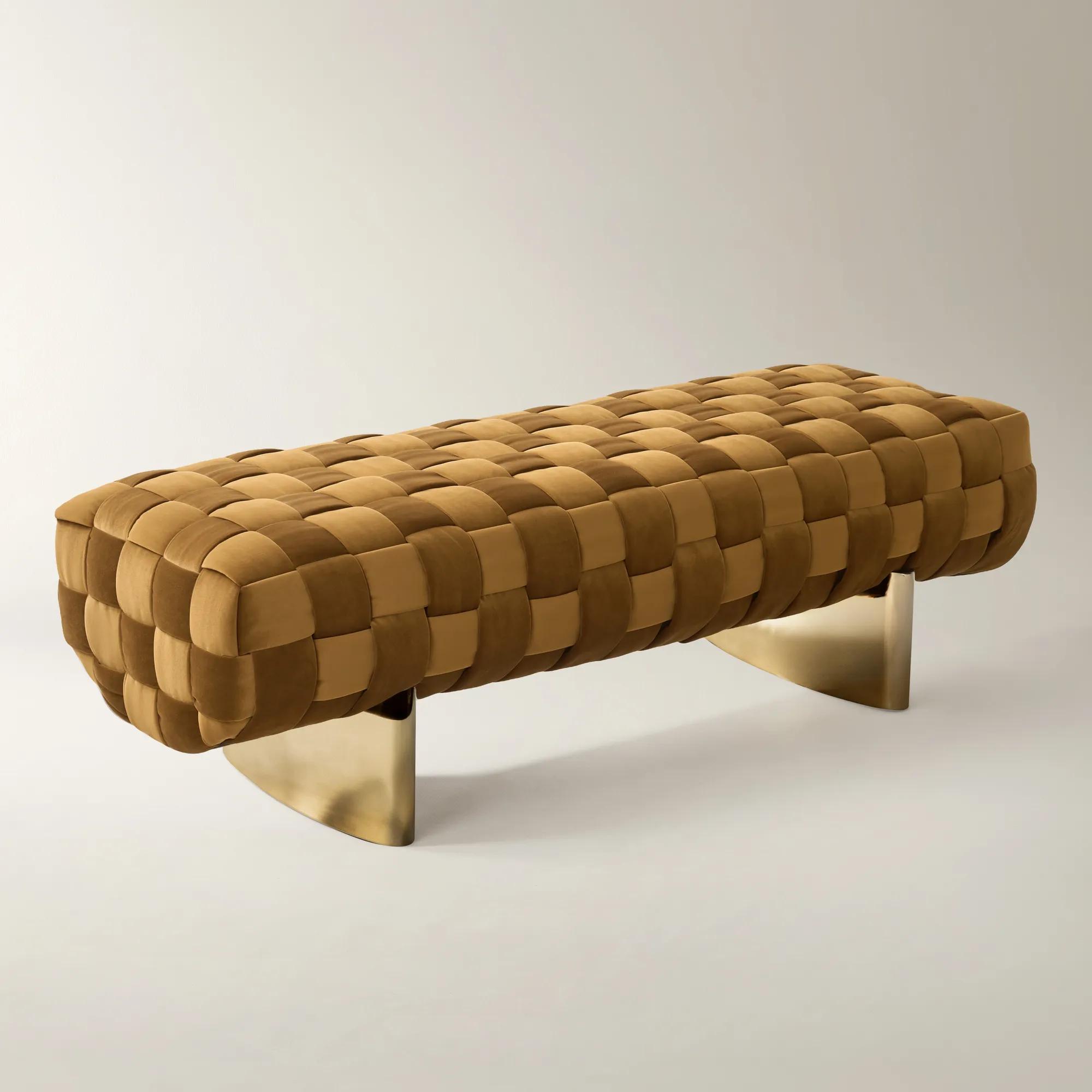 Dexter Woven Roasted Pecan Velvet Bench (64.2")$999
A woven roasted pecan velvet bench featuring plush upholstery and polished gold stainless steel legs for modern elegance.
Add To Cart -
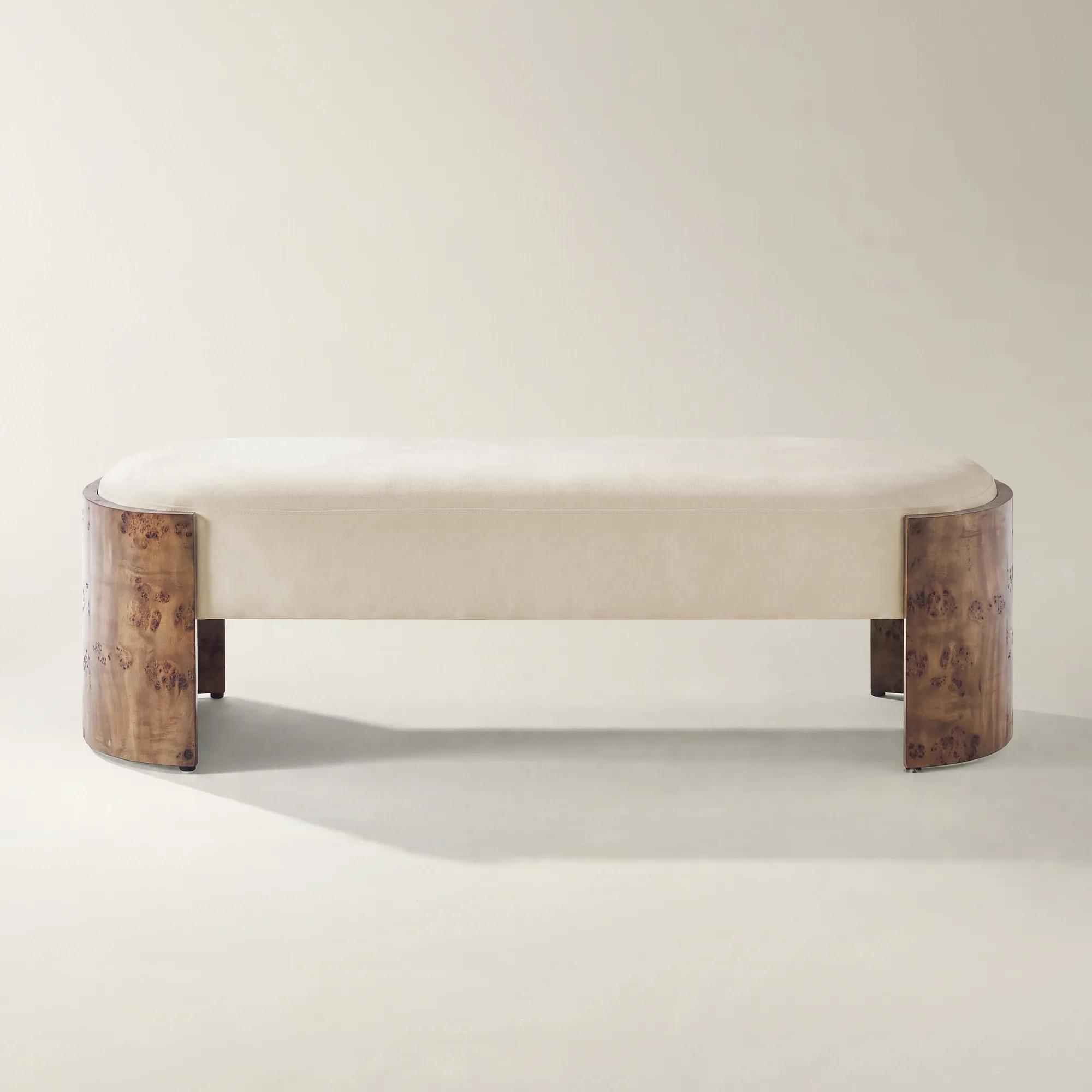 Cora Oatmeal Velvet With Ash Wood Bench (60.6")$999
A sculptural oatmeal velvet bench with curved ash burl wood panels and supportive foam cushioning.
Add To Cart -
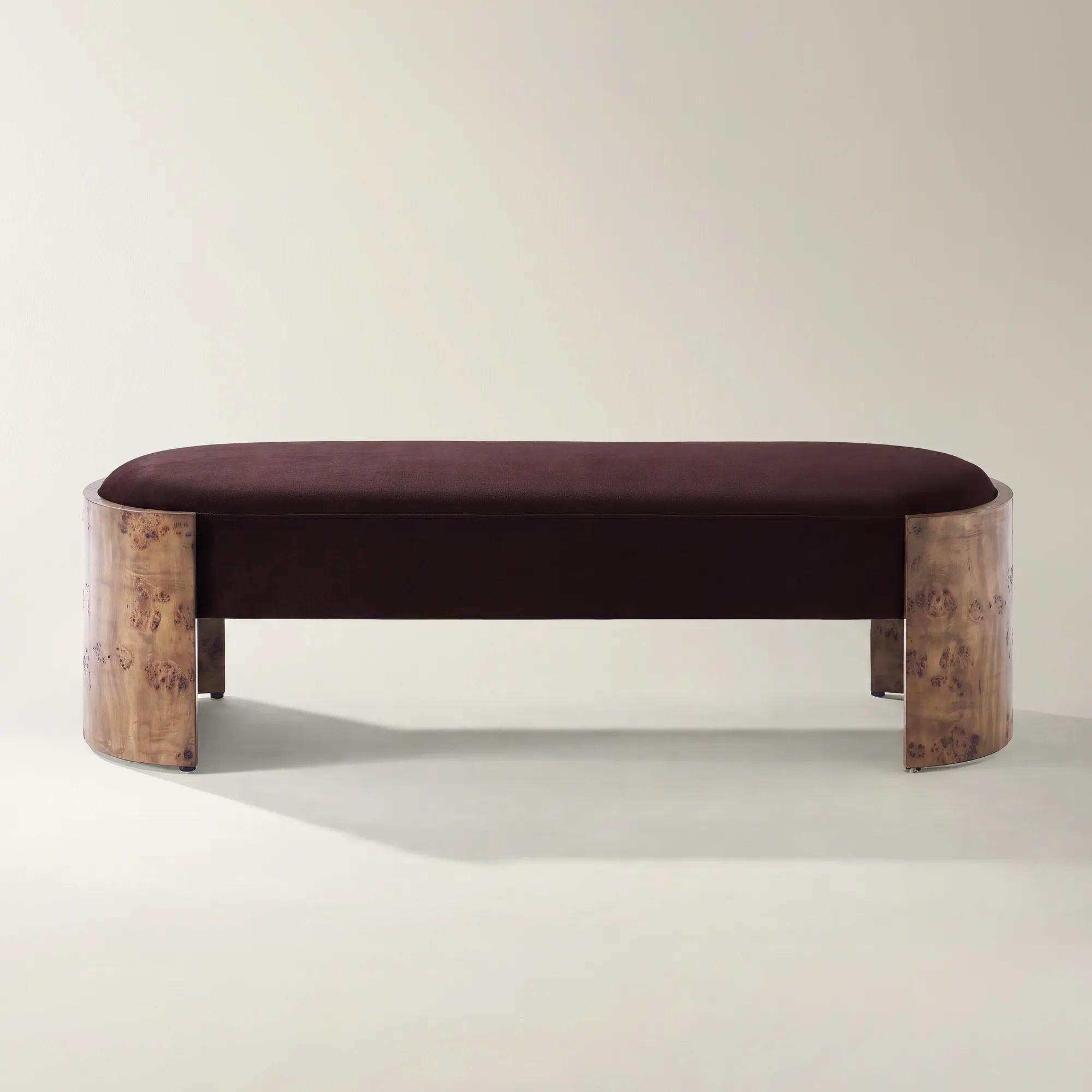 Cora Fig Velvet With Ash Wood Bench (60.6")$999
A sculptural bench with fig velvet upholstery, bookmatched ash burl panels, and supportive high-resiliency foam cushioning.
Add To Cart -
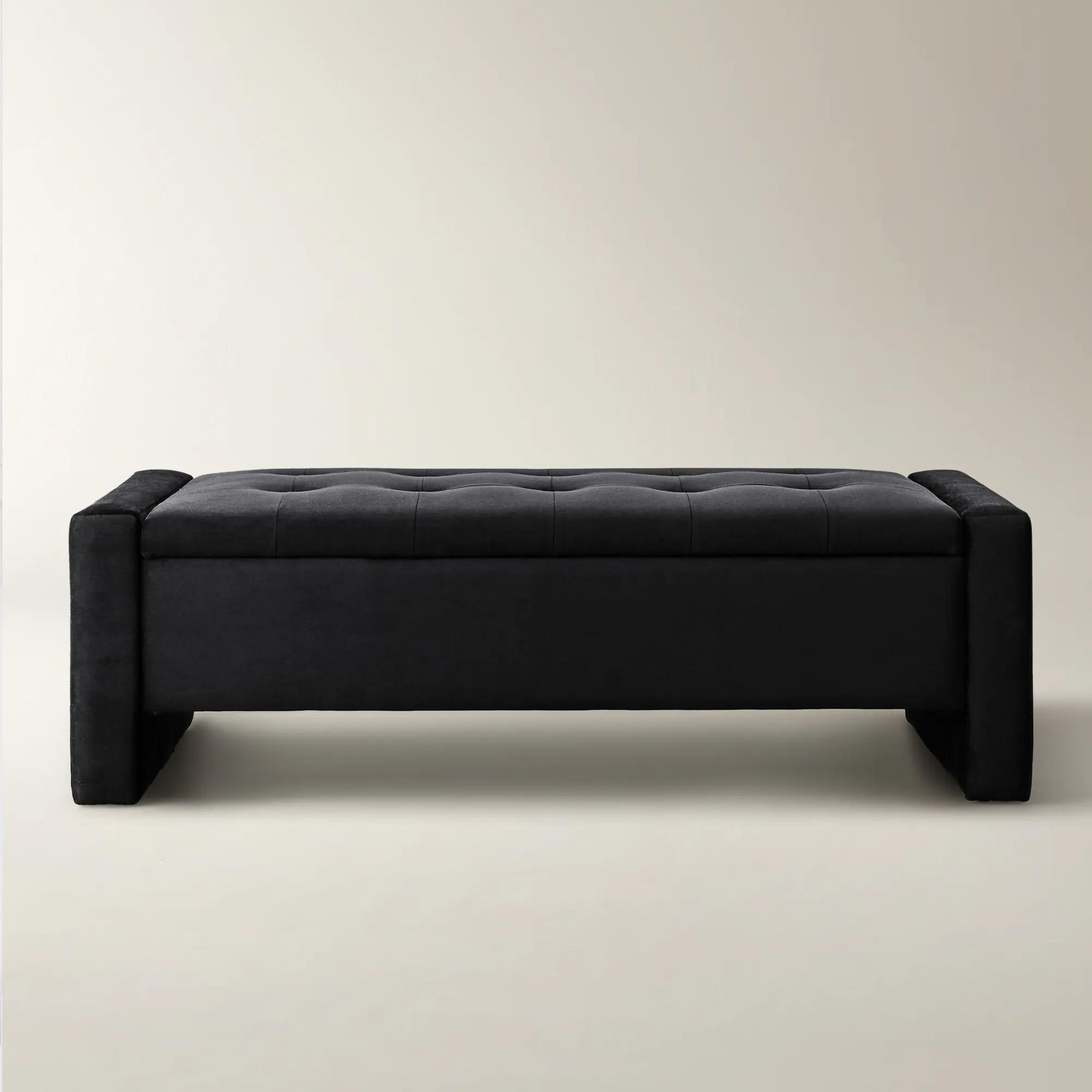
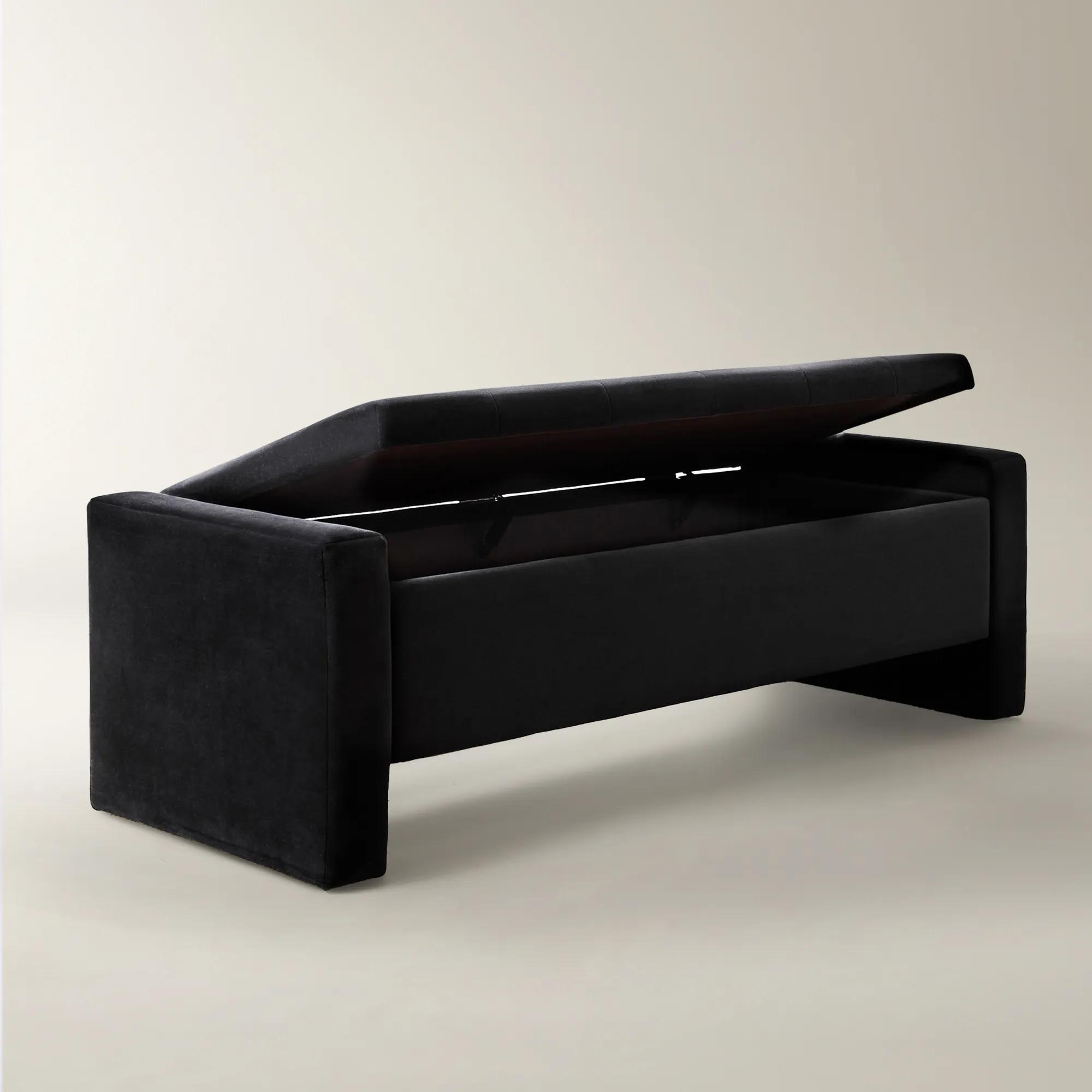 Maeve Storage Bench$899
A modern velvet-upholstered bench with hidden storage, kiln-dried hardwood frame, and soft-closing glides.
Add To Cart -
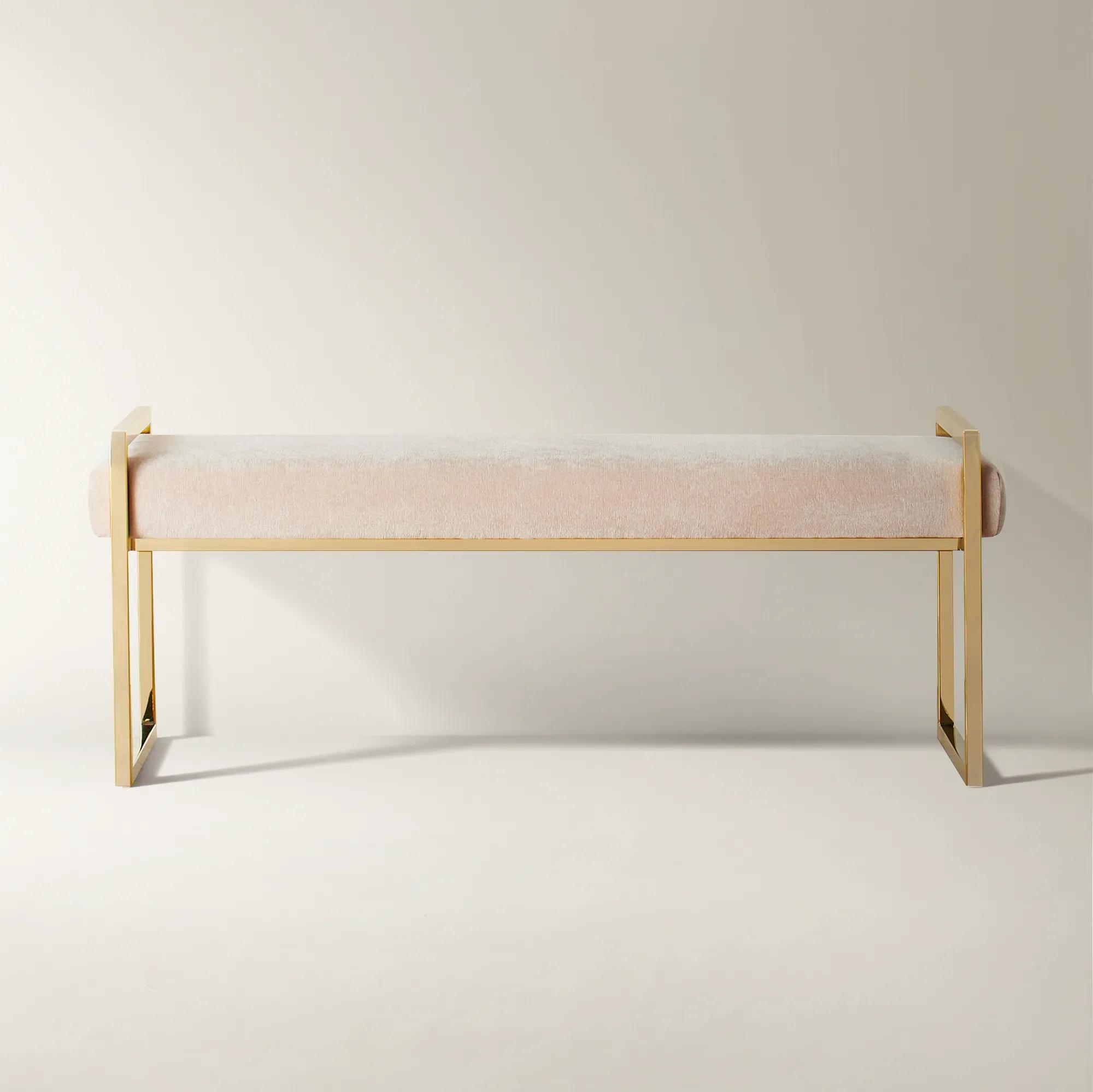 Clara Bench$699
A plush upholstered bench with a high-density foam seat and polished gold metal legs for modern elegance.
Add To Cart -
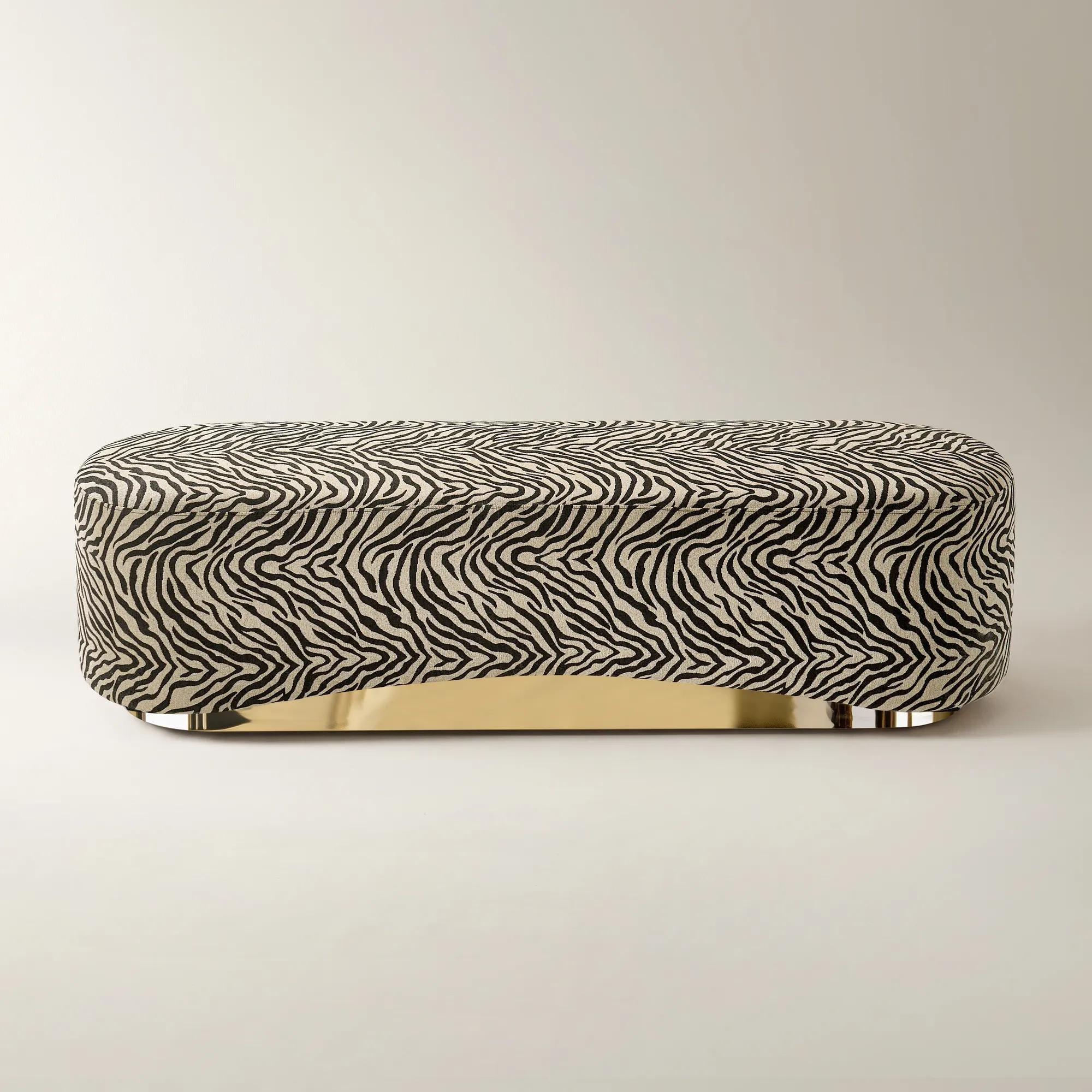
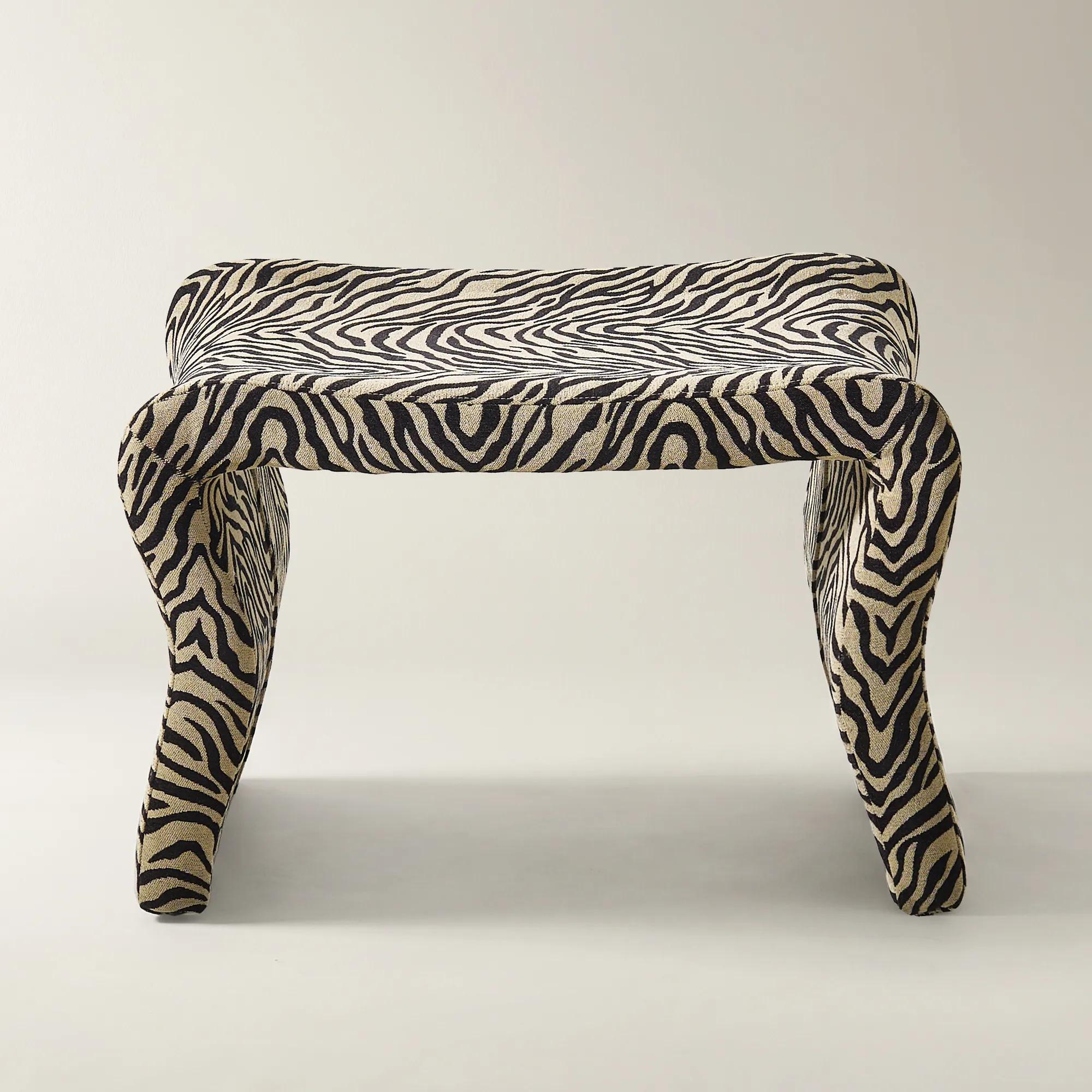
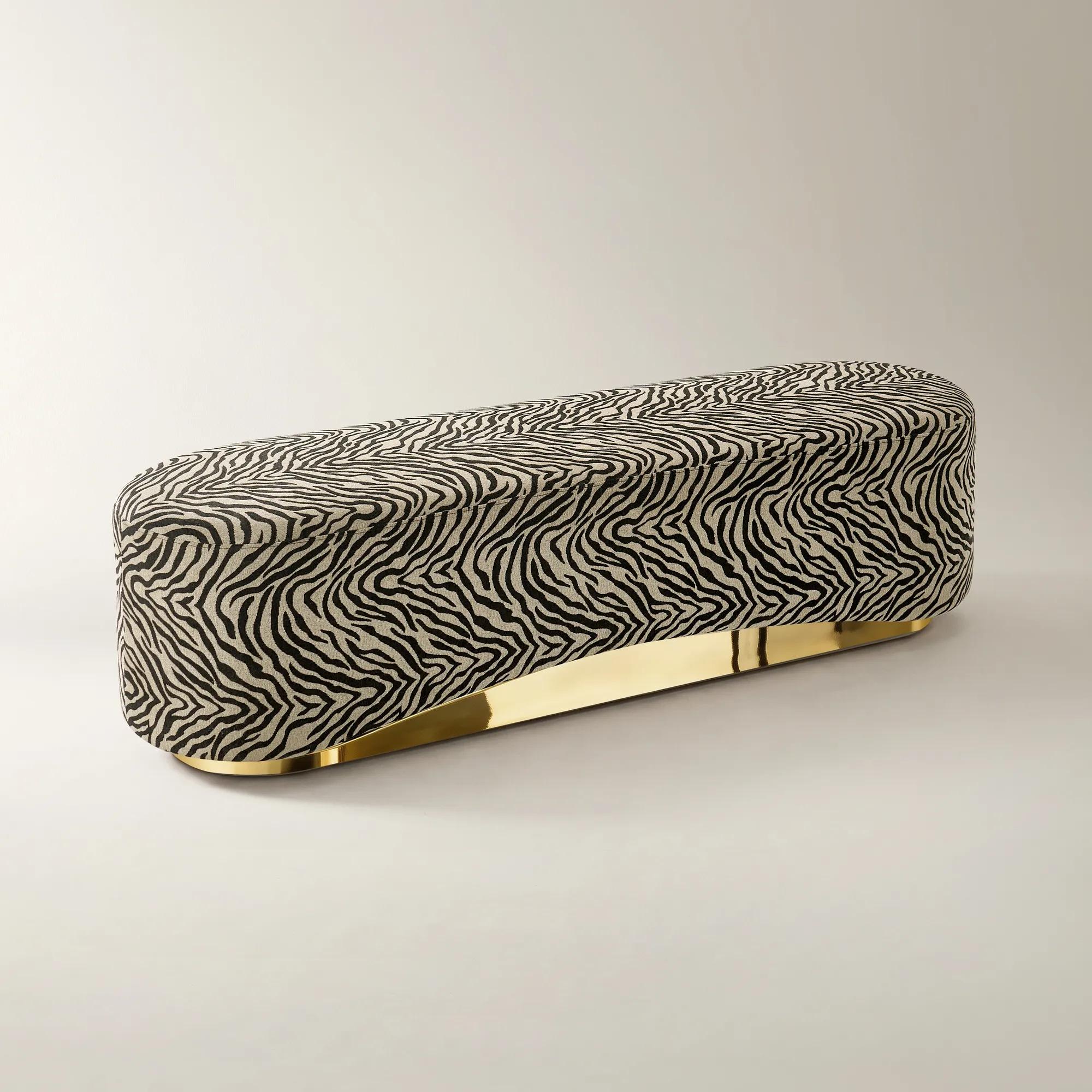 Kendra Zebra Performance Chenille Bench (70.47")$799
An elongated oval bench upholstered in textured zebra-pattern chenille with a polished gold stainless steel base.
Add To Cart -
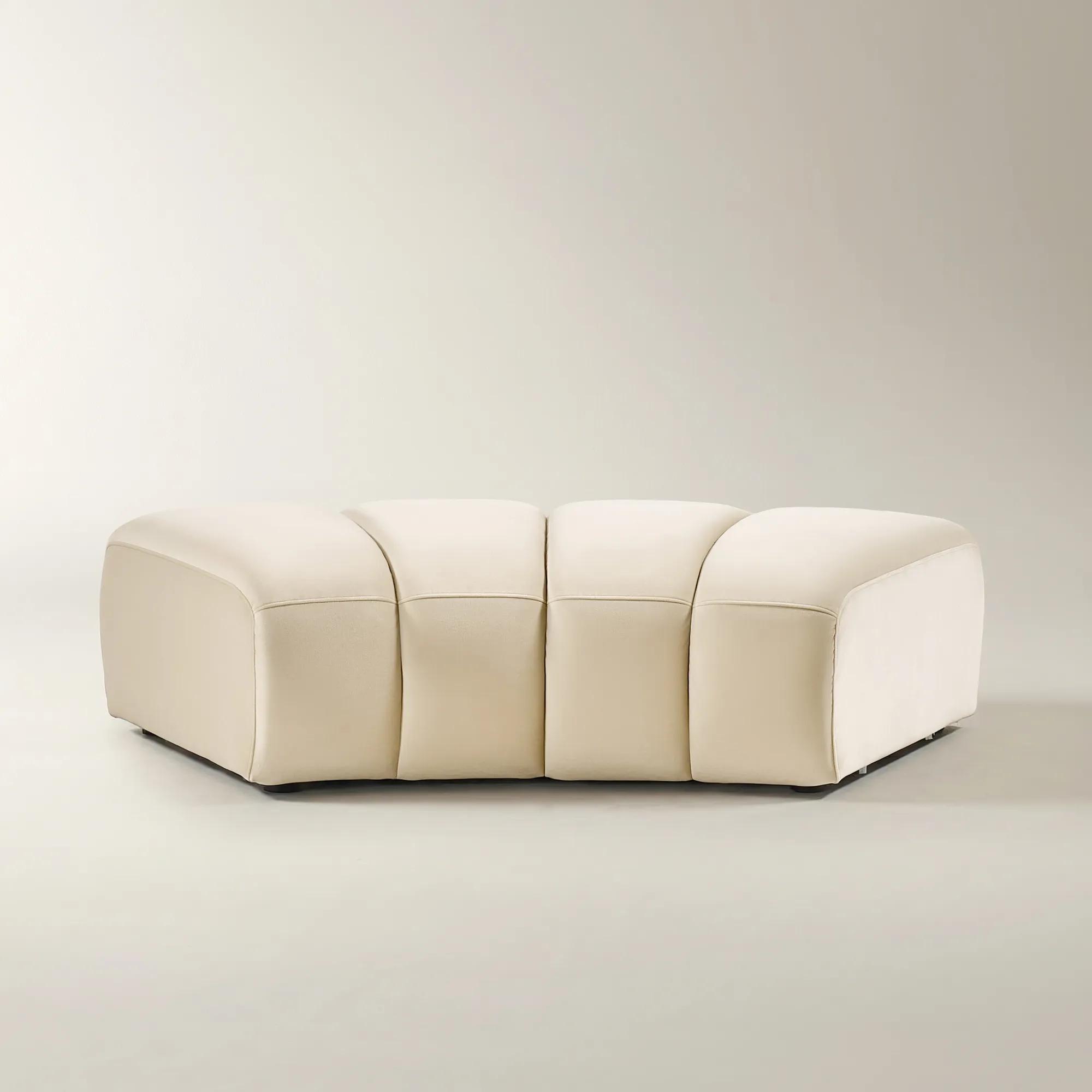 Jocelyn Channel-Tufted Oatmeal Velvet Ottoman$999
An oatmeal velvet ottoman featuring deep channel tufting, curved silhouette, and kiln-dried wood construction.
Add To Cart -
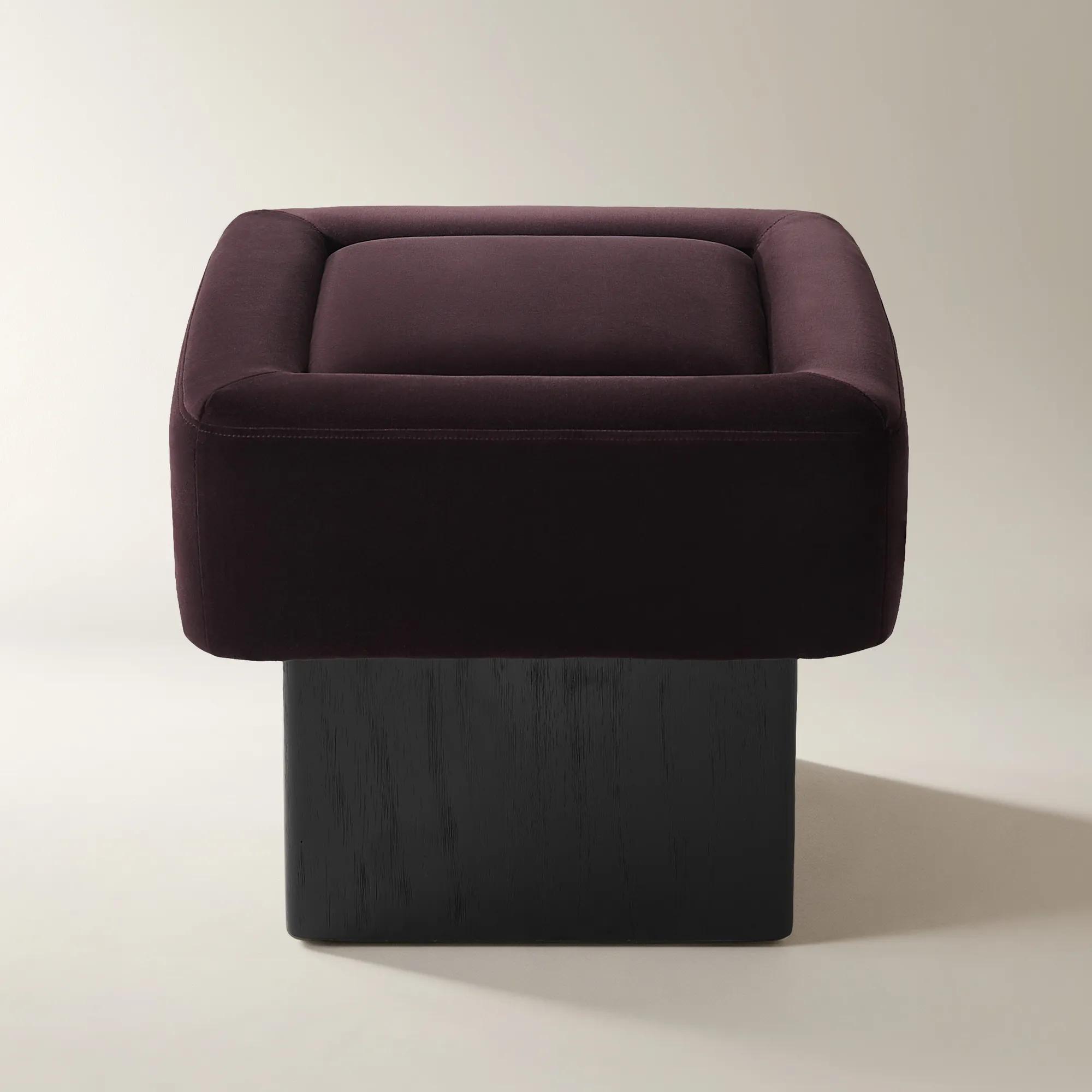 Reims Fig Velvet Stool$399
A plush fig-colored velvet stool featuring a sculpted cushion and a solid rubberwood base for modern contrast.
Add To Cart -

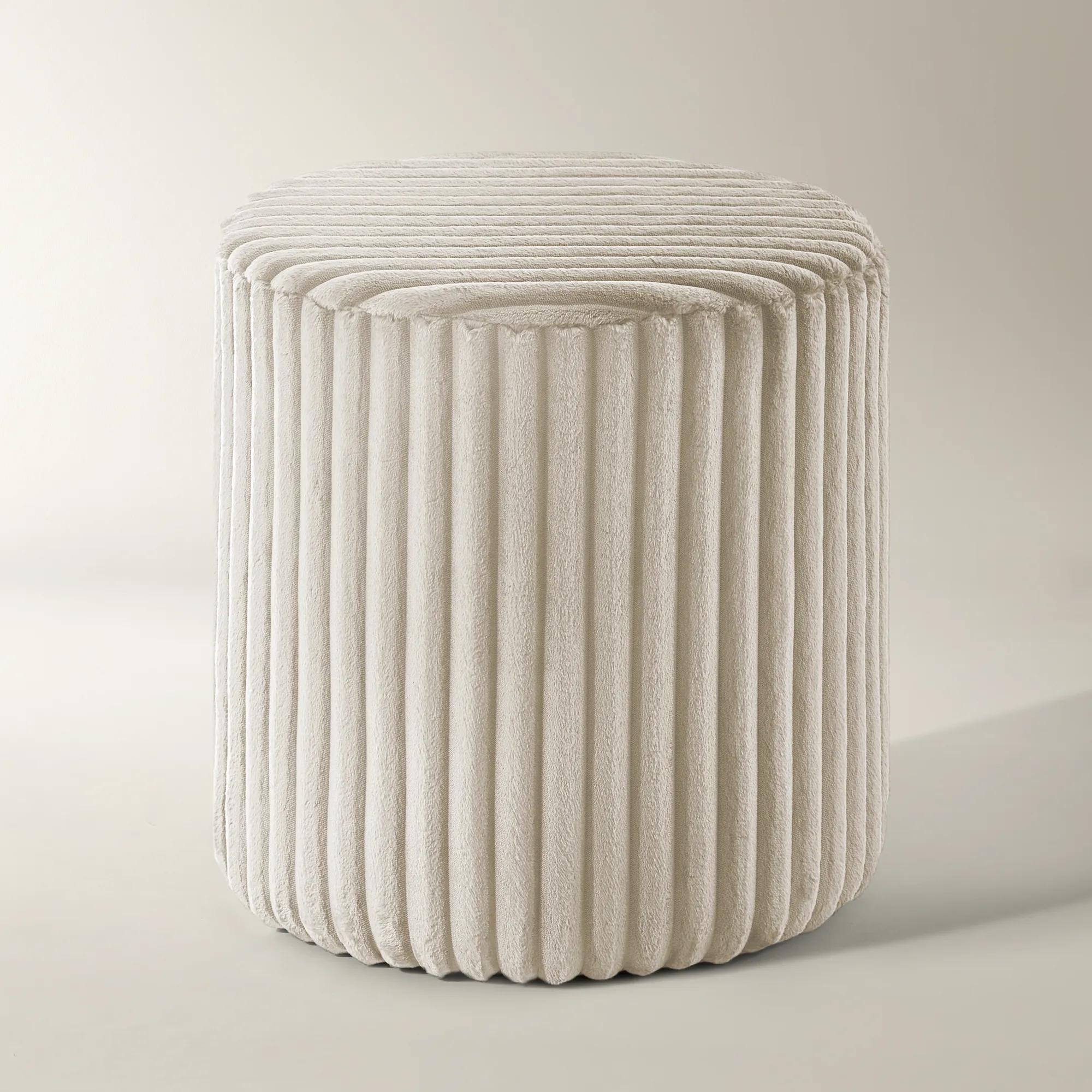 Fleece Fluted Ivory Velvet Stool (15.55'')$229
An ivory ribbed velvet stool offering cozy softness and versatile use as seating, footrest, or accent table.
Add To Cart -
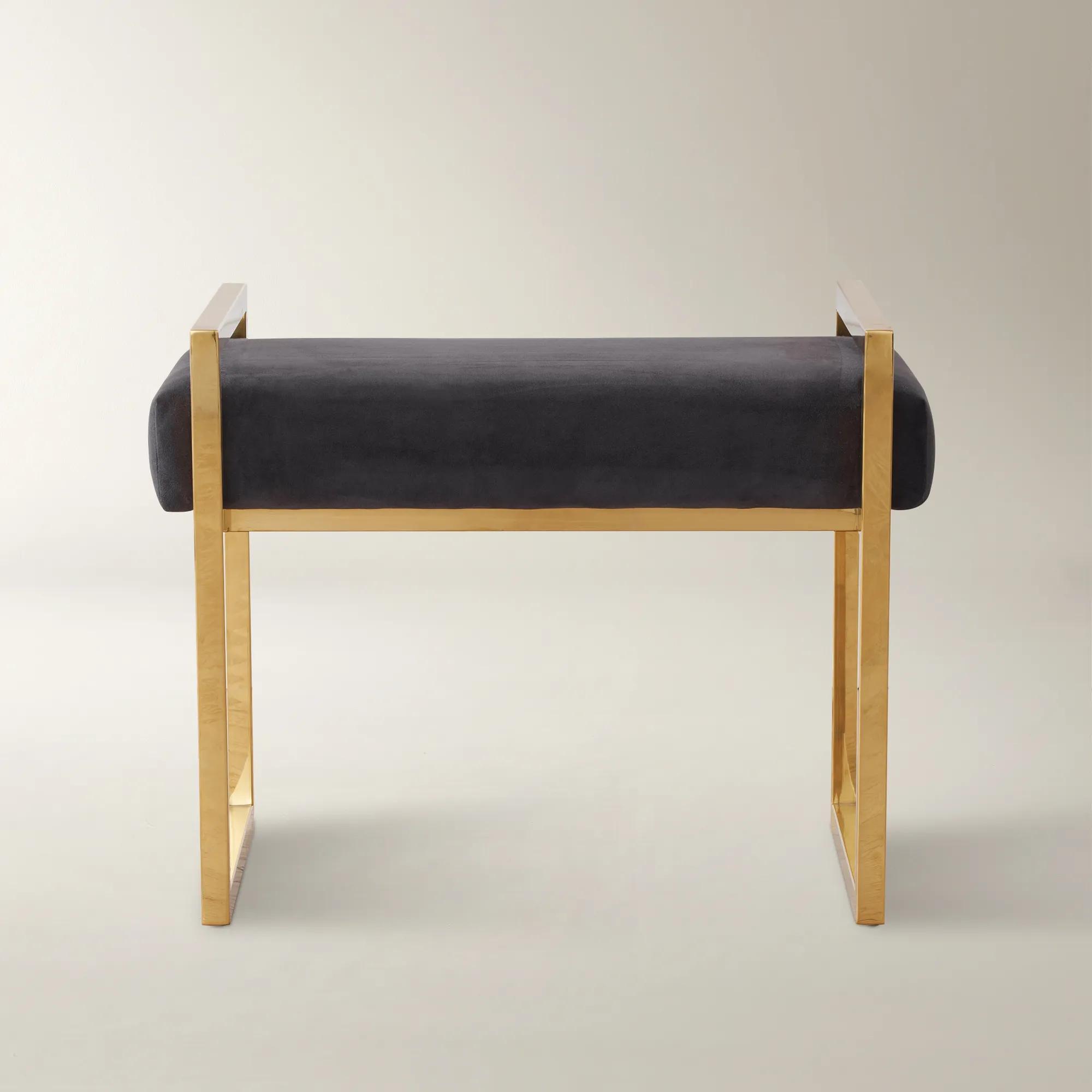
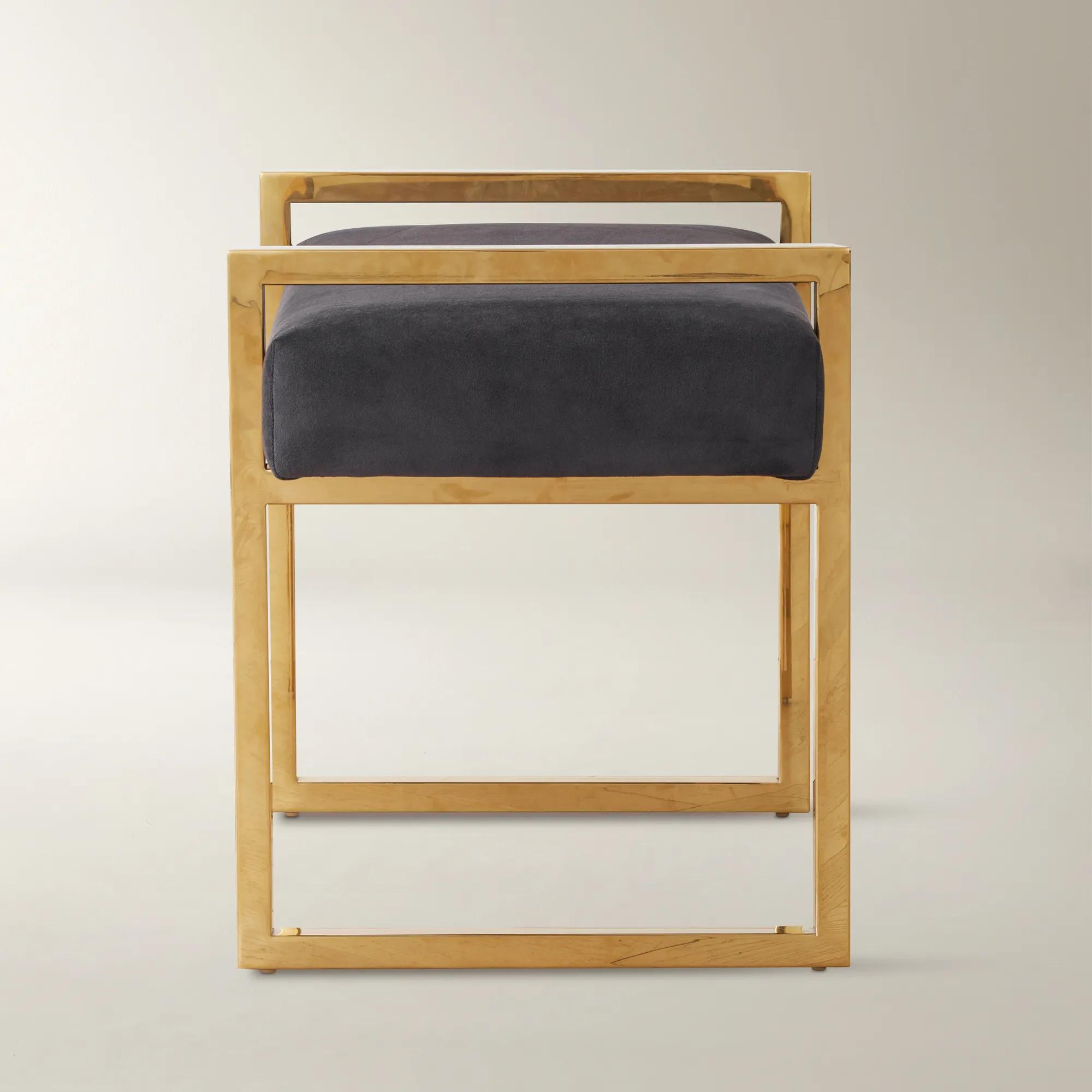 Clara Accent Stool$499
A plush black velvet stool with a high-density foam seat and polished gold metal legs.
Add To Cart -

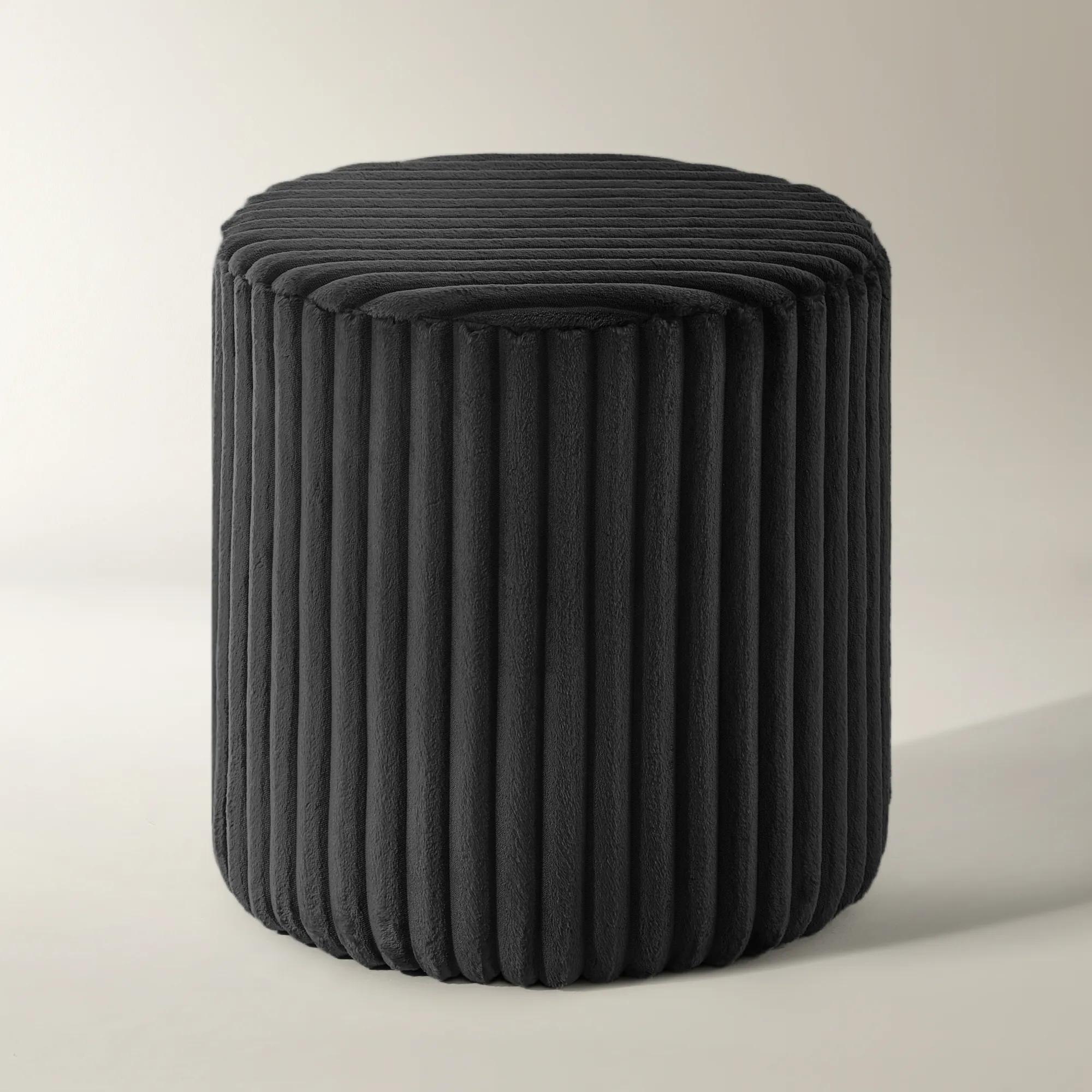 Fleece Fluted Black Velvet Stool (15.55'')$229
A plush black ribbed velvet stool offering versatile seating and cozy texture for any modern space.
Add To Cart -
 Fleece Fluted Gray Velvet Stool (15.55'')$229
A plush grey velvet stool with a unique ribbed texture, perfect for versatile, cozy seating or decor.
Add To Cart -
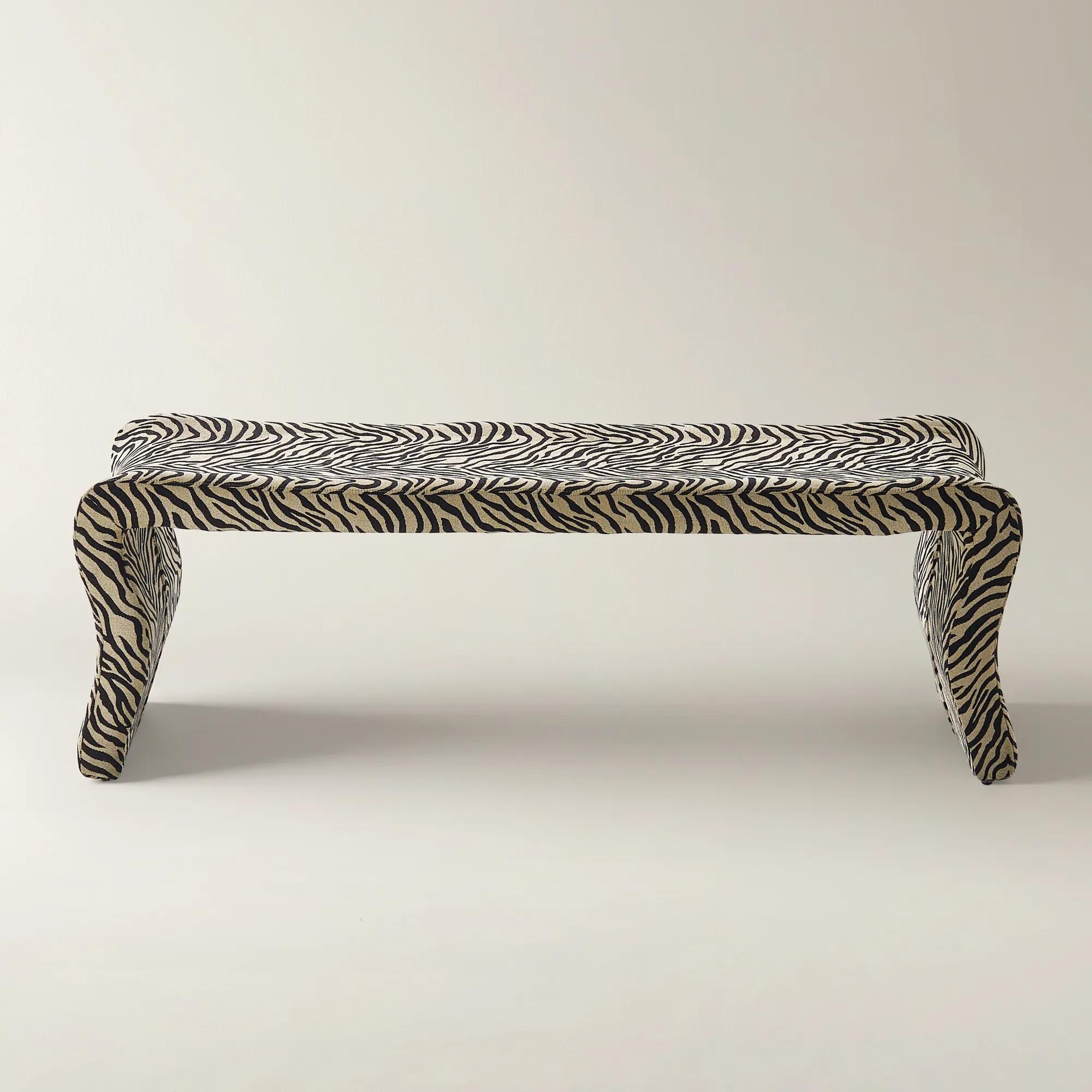 Romy Zebra Performance Chenille Bench (61.5")$899
A sculptural bench wrapped in zebra-patterned performance chenille with a wave-like silhouette and full foam construction.
Add To Cart -
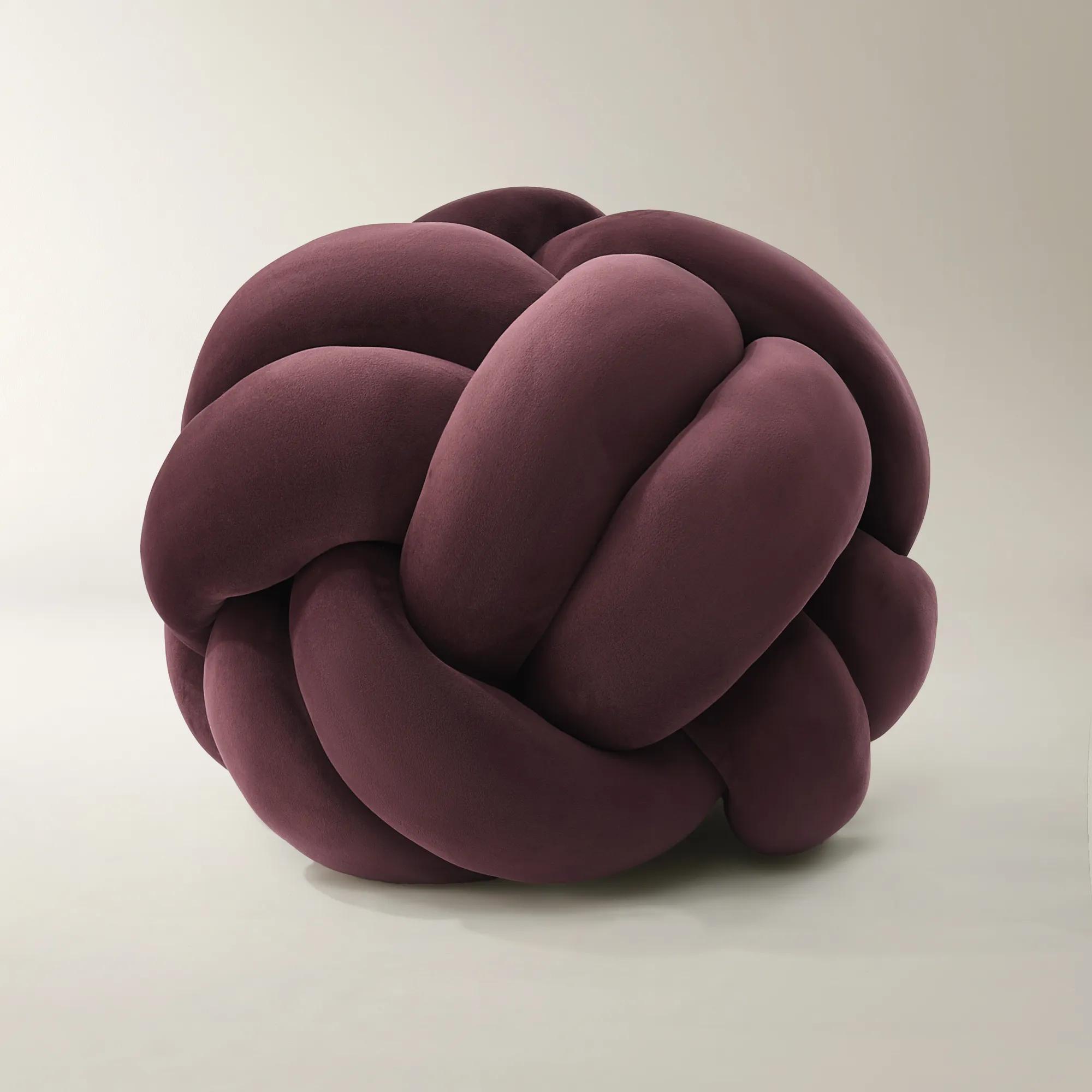
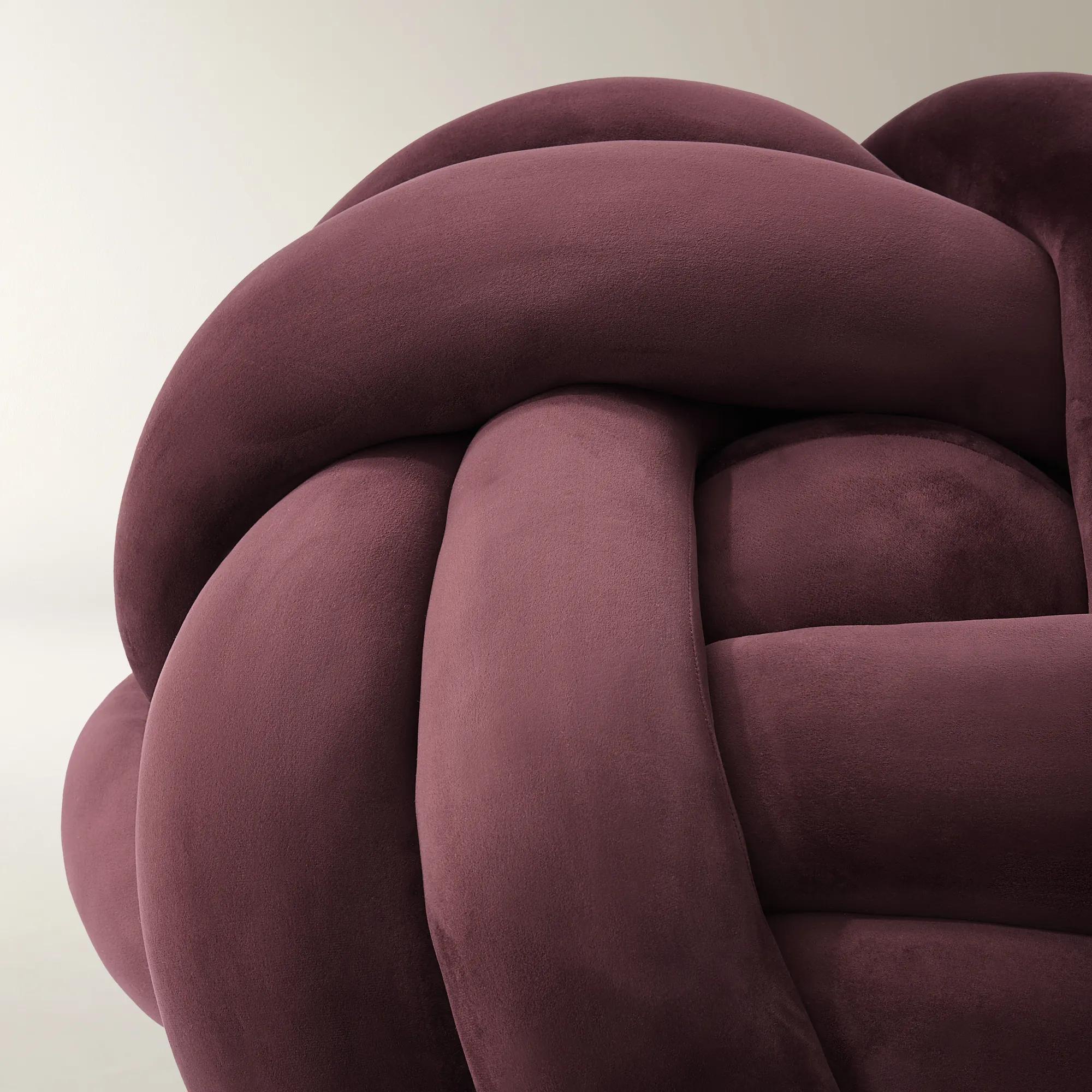 Loopie Fig Velvet Stool (34.5")$399
An oversized, knot-inspired stool hand-upholstered in plush fig velvet for bold sculptural appeal.
Add To Cart -
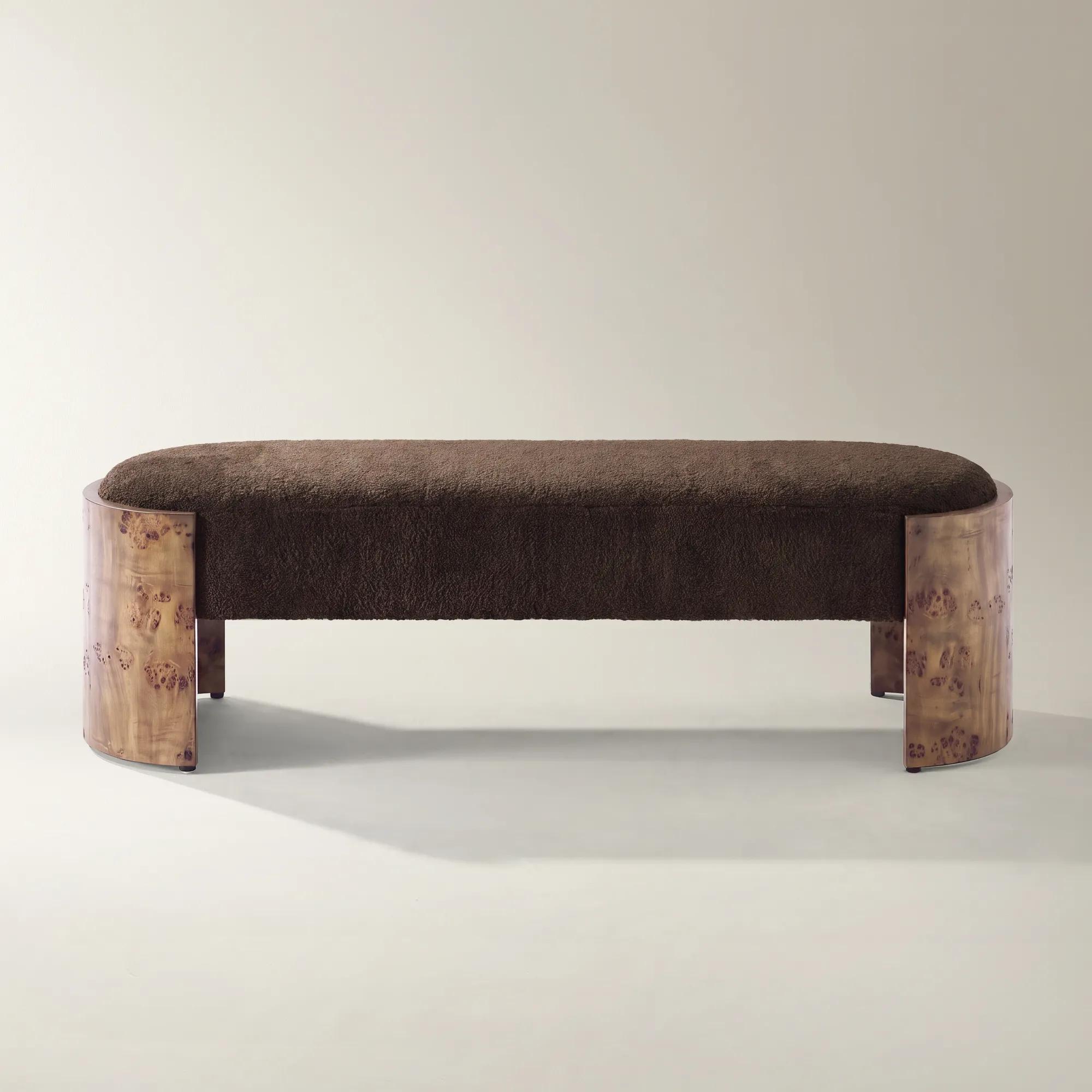 Cora Dark Chocolate Chenille With Ash Wood Bench (60.6")$999
A sculpted dark chocolate chenille bench with curved ash burl end panels and supportive foam cushioning.
Add To Cart

Velvet Benches For Formal Spaces
Velvet benches for formal spaces invite a world of intrigue and indulgence into your home, transforming everyday seating into an experience worthy of admiration. Imagine the sumptuous allure of velvet—its luminous sheen catching the light, its plush texture beckoning you closer—anchoring your grand entryway or elevating a sophisticated dining room. Each bench becomes more than a place to sit; it’s a statement of taste, an ode to drama and refinement. For those who revel in artistry and crave interiors that dazzle, velvet benches for formal spaces offer the perfect canvas for self-expression, imbuing every gathering with a sense of occasion and opulent flair.
Velvet benches for formal spaces bring plush texture and architectural definition to entryways, living rooms, dining rooms, and the foot of a primary bed. Their appeal lies in contrast: a softly upholstered seat can temper the crisp edges of a marble console, complement the sheen of a metal-framed mirror, or introduce depth beside polished wood. Velvet’s directional pile catches light differently across its surface, giving even a restrained silhouette a dimensional, almost luminous quality. In a formal entry, a bench beneath substantial artwork establishes a composed arrival while offering a place to sit before stepping out. In a living room, a backless profile provides additional seating without interrupting views of a fireplace or an artfully arranged conversation area. At the foot of a bed, an upholstered bench gives a tailored bedroom a graceful finishing line and a convenient seat for dressing. The most compelling choice responds to the room’s existing architecture rather than simply repeating every finish. Deep sapphire or emerald velvet can hold its own against paneled walls and dramatic artwork; ivory, champagne, or silver-gray upholstery creates a quieter interplay with reflective surfaces. Darker shades lend visual weight, while pale velvet emphasizes the bench’s shape and the subtle movement of its pile. Neither approach requires an entirely matching room. A warm wood base can bring balance to a space with abundant glass and metal, while slender brass-toned or polished metal legs introduce a gleaming accent beside substantial upholstery. Tufting adds a measured rhythm of shadow and detail; a smooth seat lets saturated color and sculptural proportions take the lead. Rolled ends suggest a more traditional formality, while clean-lined silhouettes suit interiors where contemporary art and expressive furnishings set the mood. Each detail changes the bench’s presence, from quietly tailored to deliberately theatrical. The result should feel intentional from every angle, especially when the bench sits away from a wall and its back, base, and upholstery remain fully visible.
Scale determines whether a velvet bench feels elegantly placed or merely fitted into an opening. Consider overall width, seat depth, seat height, and the space required to move comfortably around it, not just the length of the wall behind it. In an entryway, doors should open freely, and the bench should leave an unobstructed route through the room. In a formal living room, it should support conversation without crowding the distance between existing seating and a cocktail table. A bench used regularly for sitting deserves a comfortable relationship to neighboring chairs; an unusually low profile may look sculptural but feel less accommodating for guests who find standing from low seats difficult. At the foot of a bed, a bench narrower than the bed generally creates a balanced outline, with visible space at either side keeping the arrangement from feeling crowded. Allow enough clearance beyond it to walk past without turning sideways. Seat construction matters as much as dimensions. A firmer cushion can feel more supportive for putting on shoes or sitting through dinner, while a softer seat may suit brief pauses in a dressing area. Arms and raised ends create a framed silhouette, but they also reduce the usable sitting width. For seating around a table, velvet benches for dining rooms bring the same richness into a setting where proportions require particular attention. Measure the clearance between the seat and the tabletop, accounting for the table apron and any cushion compression. Table legs and pedestal bases also affect whether a bench can slide inward and whether diners have comfortable knee room. A long upholstered seat can create a beautifully continuous line along a rectangular table, but guests still need enough room to sit and rise without disturbing everyone beside them. For hosts who enjoy lingering conversation, comfort and access are essential parts of the atmosphere. A formal room feels more welcoming when its seating accommodates real movement as thoughtfully as it complements the décor.
The character and longevity of a velvet bench depend on more than the fabric’s initial luster. Velvet describes a pile construction rather than a single fiber, so upholstery may contain cotton, polyester, rayon, or blended fibers, each with different care requirements and performance characteristics. Synthetic blends may offer practical advantages in frequently used spaces, but durability and stain resistance should be confirmed in the fabric specifications rather than assumed from appearance. Performance treatments, where specified, do not make upholstery impervious to spills or wear. For a bench near an entry or at a dining table, consider how often it will encounter handbags, shoes, food, or daily friction. A decorative bedroom bench may face lighter use, while a seat used throughout an evening of entertaining needs construction suited to repeated sitting. A well-built frame, secure joints, stable legs, and supportive cushioning contribute to lasting comfort; upholstery alone cannot compensate for an unstable base. Check the stated weight capacity and intended use, particularly when more than one person may sit together. Velvet also has a distinctive surface that rewards informed care. Changes in pile direction can create light and dark areas, and regular contact may leave temporary impressions; these effects are not necessarily stains or defects. Gentle vacuuming with an appropriate upholstery attachment helps remove dust, while any brushing should follow the fabric manufacturer’s instructions. Attend to spills promptly by blotting with a clean, absorbent cloth rather than rubbing, which can spread moisture and disturb the pile. Cleaning methods must follow the upholstery’s care code, since water, solvents, steam, and household cleaners are not interchangeable solutions. Professional upholstery care may be appropriate for persistent marks or delicate fabrics. Positioning the bench away from prolonged direct sunlight can help limit fading, and keeping sharp hardware or pet claws from catching the surface helps protect its finish. With thoughtful placement and fabric-appropriate care, a velvet bench offers more than a luxurious accent: it gives a formal space a place to pause, gather, and enjoy the room’s artistry.
FAQs
Velvet benches exude an unmistakable air of luxury and sophistication, making them perfect for formal settings. Their plush upholstery, rich color saturation, and elegant silhouettes create a dramatic focal point that elevates the atmosphere of entryways, dining rooms, or living areas. The tactile allure of velvet invites guests to linger, while the bench’s refined presence enhances the overall aesthetic of any formal space.
A velvet bench can be seamlessly integrated into your décor by placing it in high-impact areas such as under a statement mirror in the foyer, at the foot of a bed, or alongside a dining table. To create a harmonious look, pair the bench with coordinating accents—think metallic finishes, glass surfaces, or complementary textiles. Velvet benches also work beautifully as a dramatic contrast in spaces with more subdued or minimalist elements, adding a touch of opulence and intrigue.
Absolutely. Velvet benches are a thoughtful and luxurious gift choice for housewarmings, anniversaries, or milestone celebrations. Their timeless elegance and versatility mean they can be cherished for years to come, serving as both a functional piece and a statement of personal style. Gifting a velvet bench is a way to honor someone’s taste and elevate their living space with a memorable, heirloom-quality piece.
Velvet benches are remarkably versatile, complementing a range of design styles from classic and traditional to modern glam and art deco. Their rich texture and bold colors make them a natural fit for spaces that celebrate drama and artistry. For a cohesive look, match the bench with other luxe materials like marble, brass, or crystal, or use it to introduce a pop of color and texture in a more neutral or contemporary setting.
To maximize the impact of a velvet bench, treat it as both a functional piece and a work of art. Layer it with decorative pillows or a faux fur throw to enhance its tactile appeal. Position the bench where it will command attention—such as beneath a chandelier, at the end of a grand hallway, or as a centerpiece in a formal sitting area. Accentuate its presence with dramatic lighting and curated accessories to create a scene that feels both intentional and extraordinary.