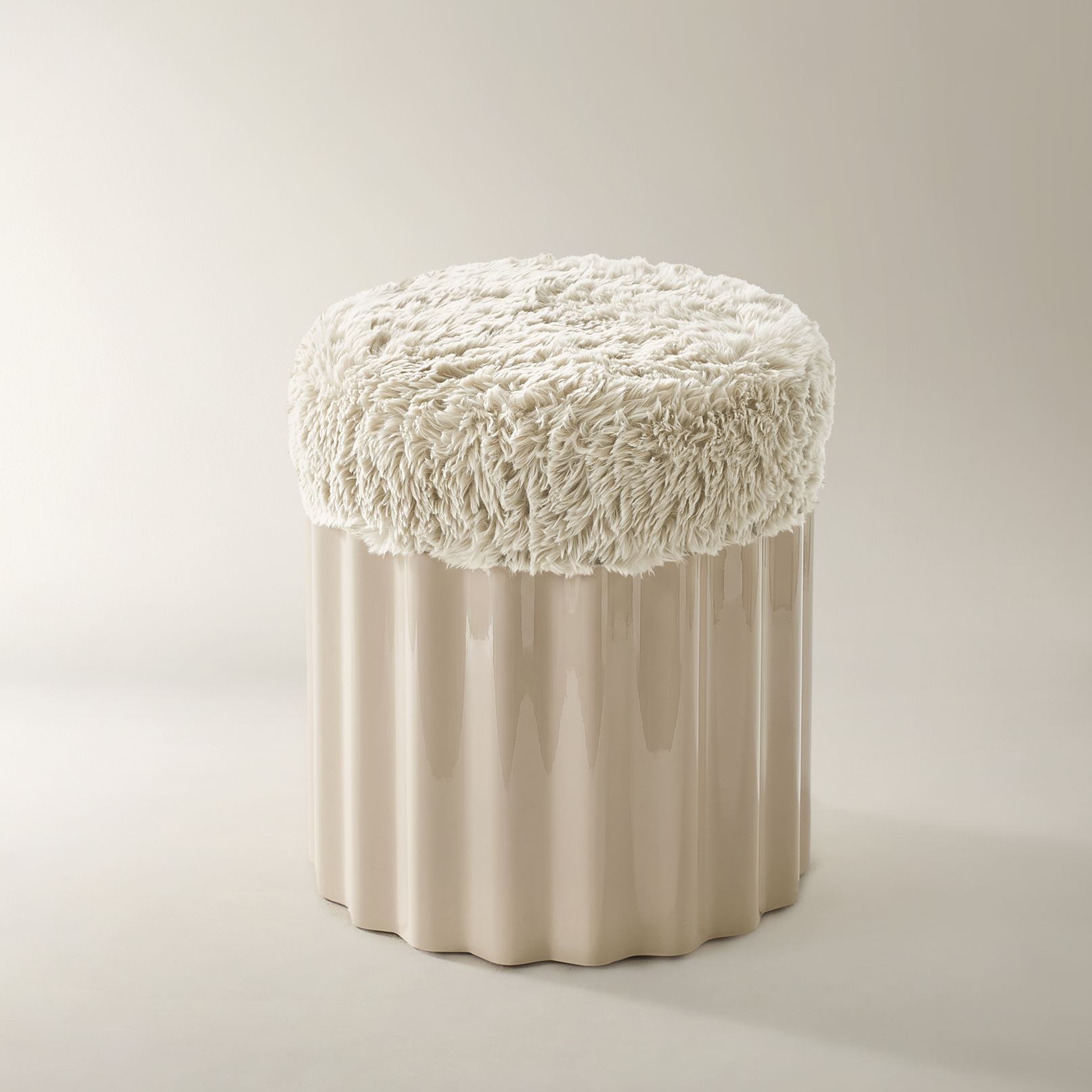
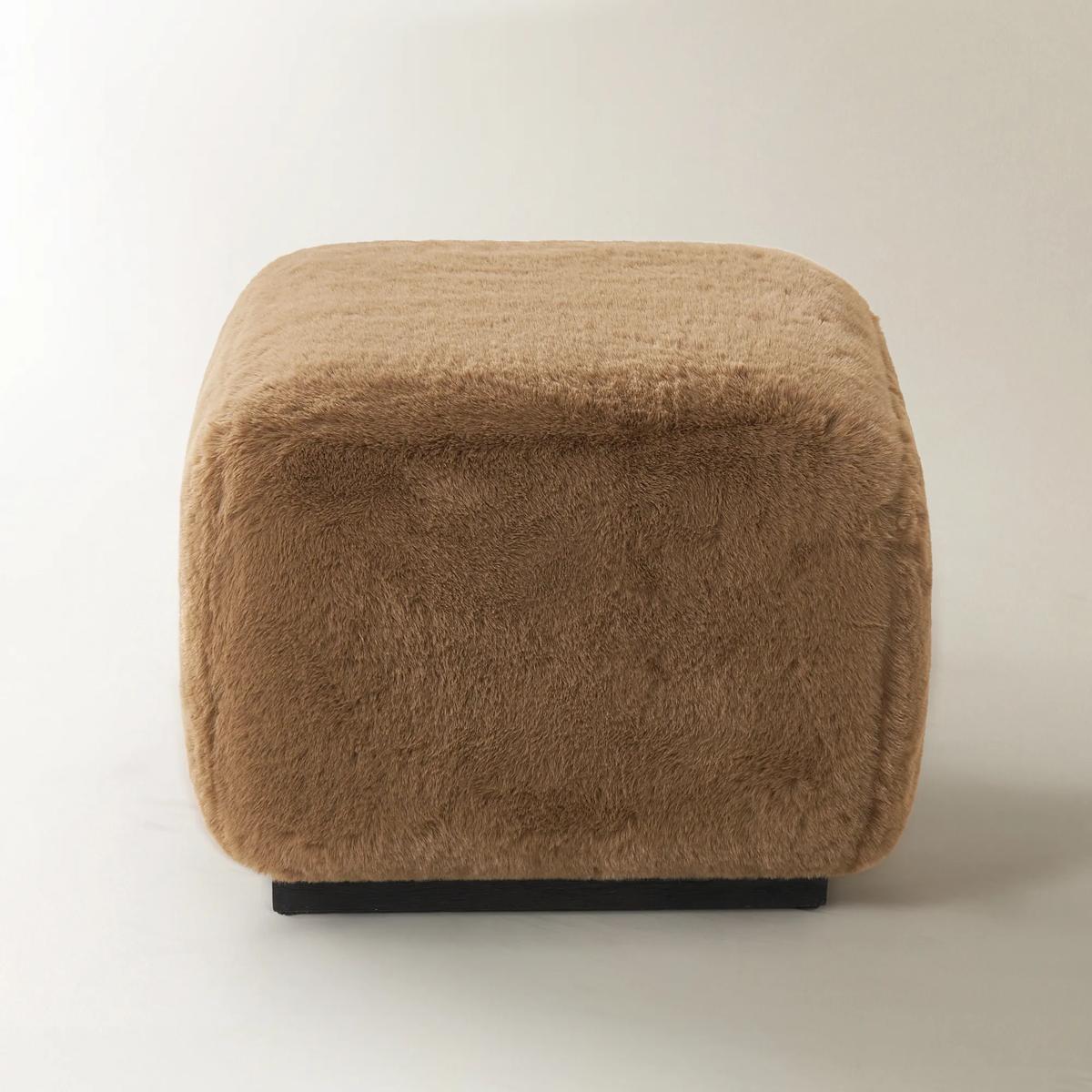
Benches For Family Rooms
Benches For Family Rooms
-
 Kendra White/Black Performance Chenille Bench (70.47")$799
An elongated oval bench upholstered in white and black performance chenille with a polished gold stainless steel base.
Add To Cart -
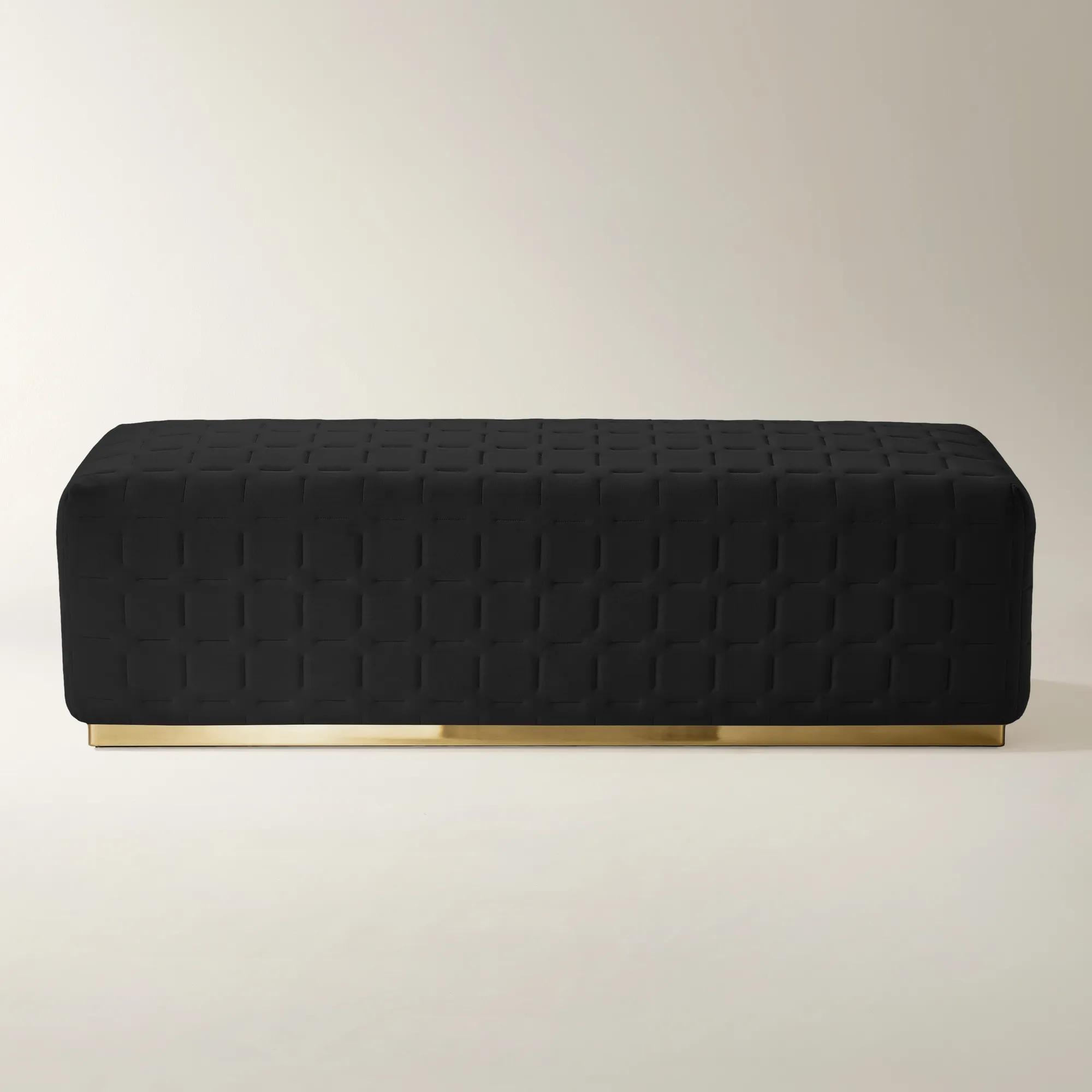 Vanta Quilted Charcoal Velvet Bench (64.6")$899
A charcoal velvet bench featuring checker quilted tufting and a gold stainless steel base for modern elegance.
Add To Cart -
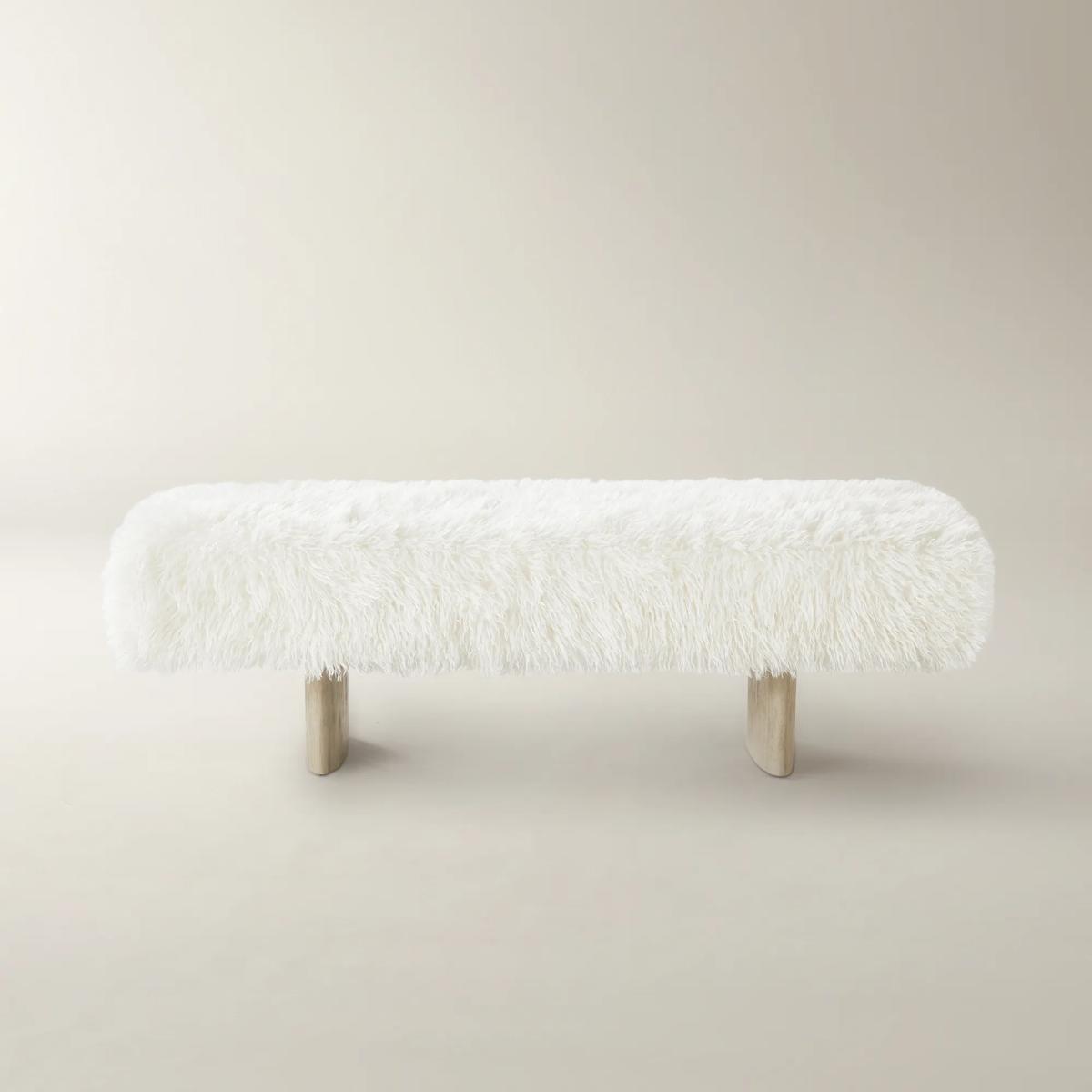 Micah Ivory Mongolian Faux Fur Bench With Rubberwood Legs (62.6")$699
An ivory faux Mongolian fur bench with high-density foam and sculptural solid rubberwood base for modern coziness.
Add To Cart -
.jpg?w=1200&h=1200) Micah Tan Mongolian Faux Fur Bench With Rubberwood Legs (62.6")$699
Micah Tan Mongolian Faux Fur Bench With Rubberwood Legs (62.6")$699A light brown faux fur bench with a curved rubberwood base and plush high-density foam cushion.
Add To Cart -
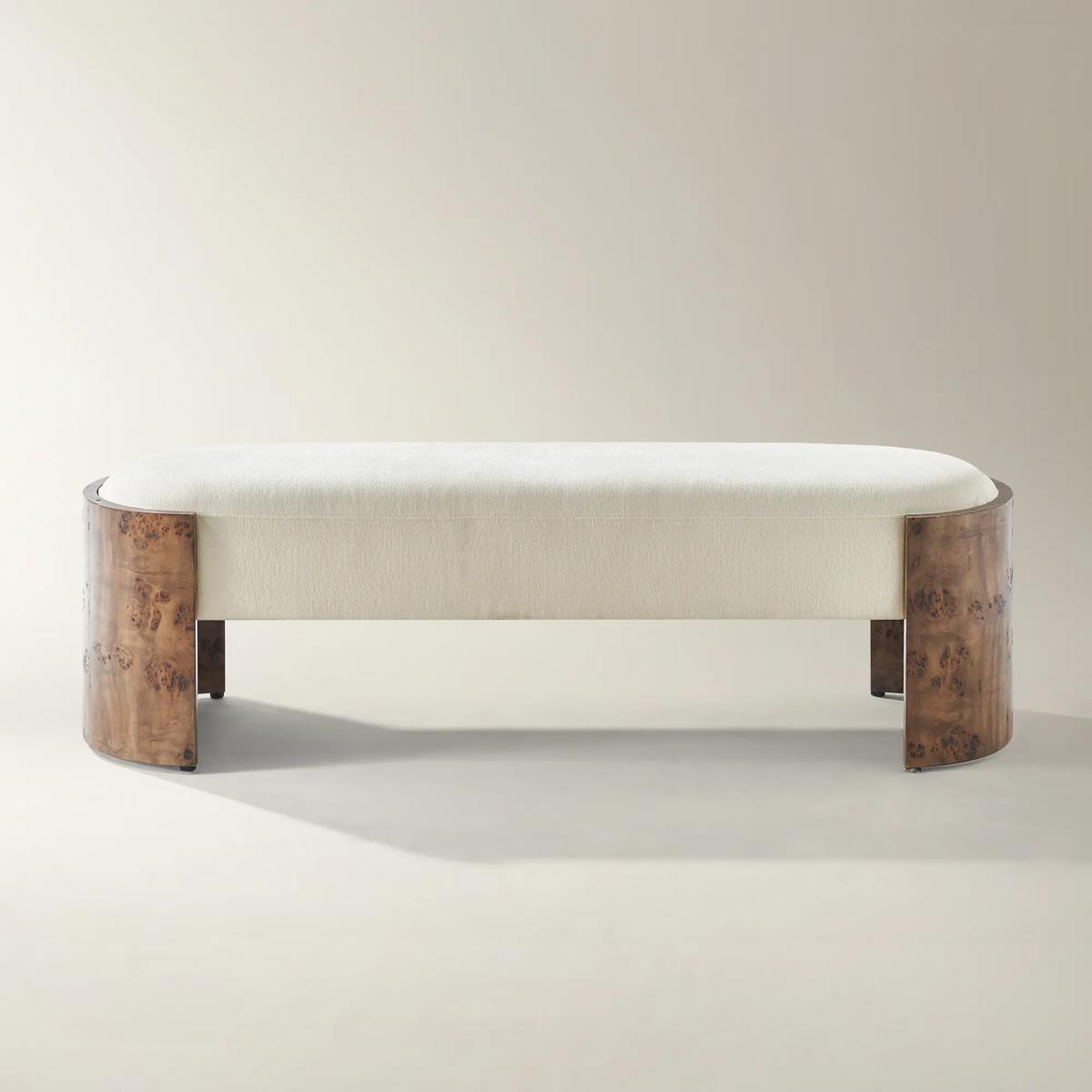 Cora Ivory Chenille With Ash Wood Bench (60.6")$999
An ivory chenille bench with curved ash burl veneer panels, blending plush comfort with striking wood artistry.
Add To Cart -
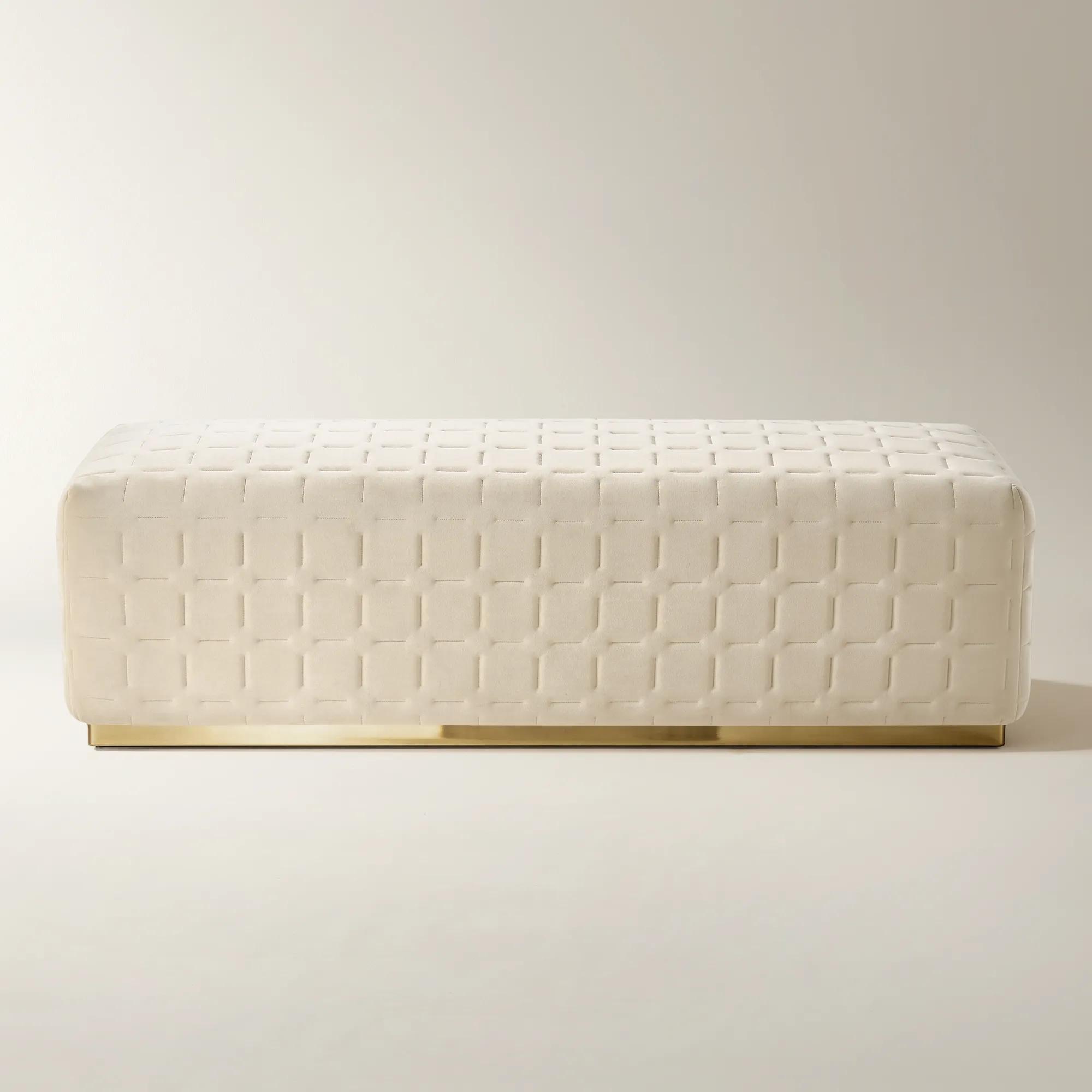
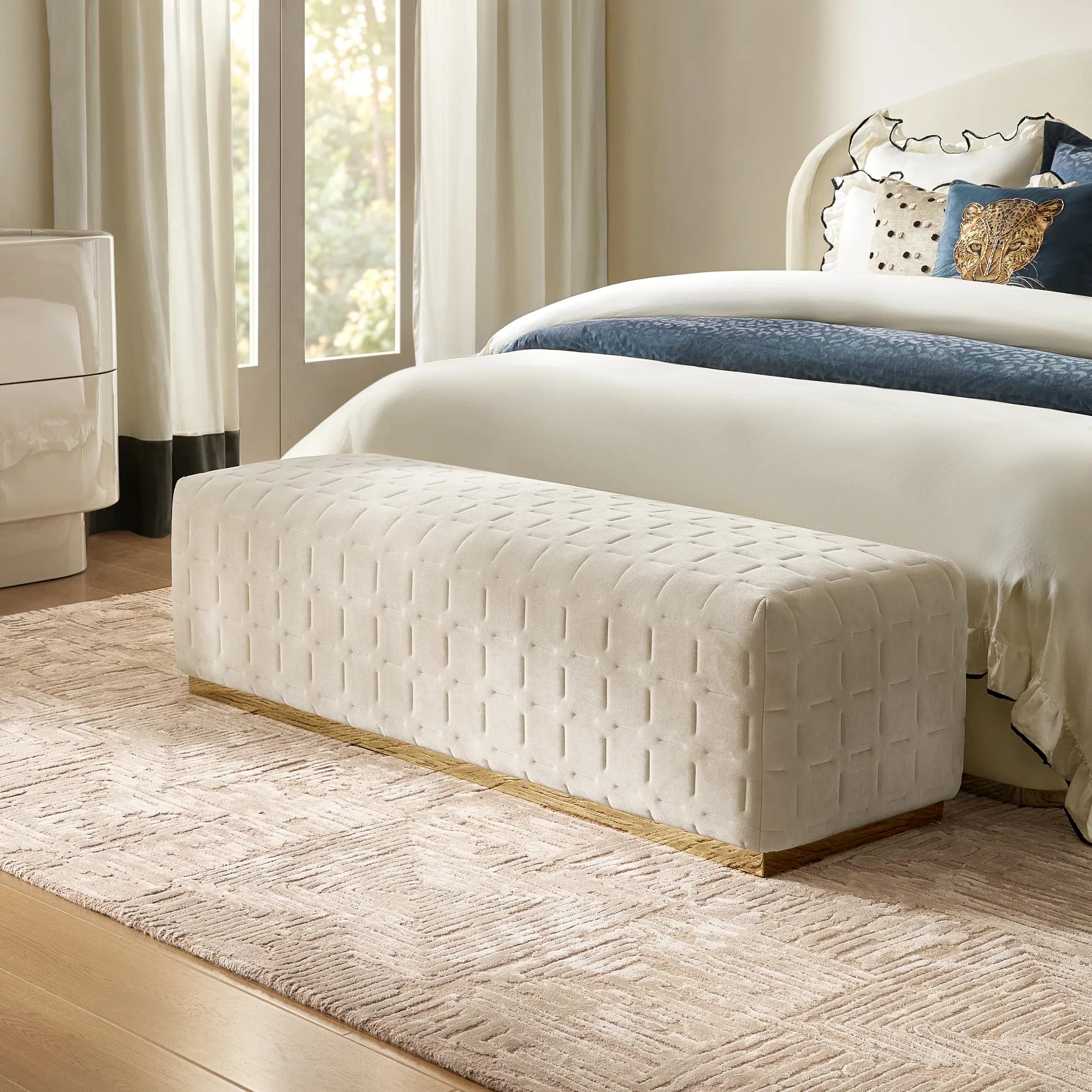 Vanta Quilted Oatmeal Velvet Bench (64.6")$899
A plush oatmeal velvet bench featuring checker quilted tufting and a sleek gold stainless steel base.
Add To Cart -
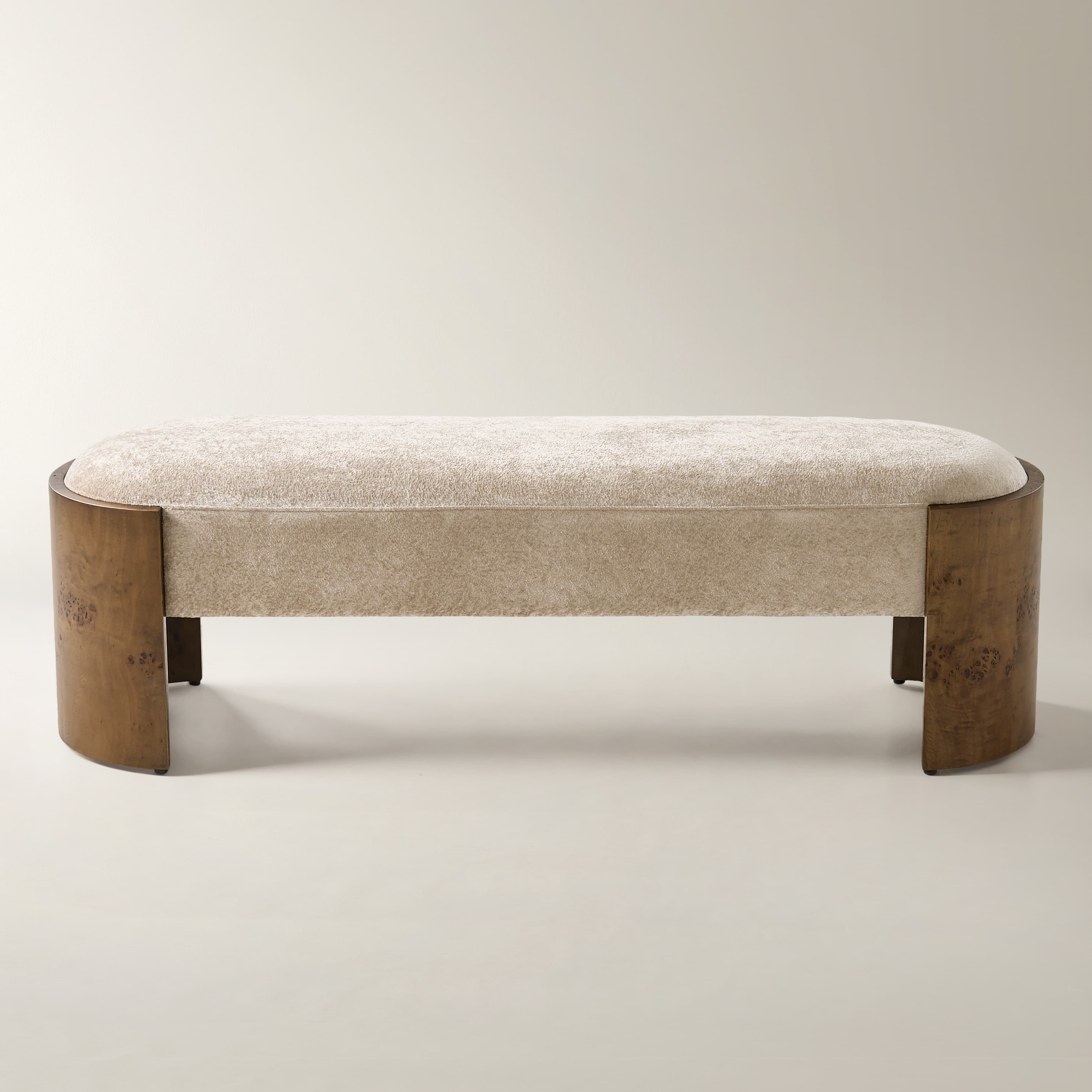 Cora Light Brown Chenille With Ash Wood Bench (60.6")$999
A light brown chenille bench with curved ash burl veneer panels, blending plush comfort and organic artistry.
Add To Cart -
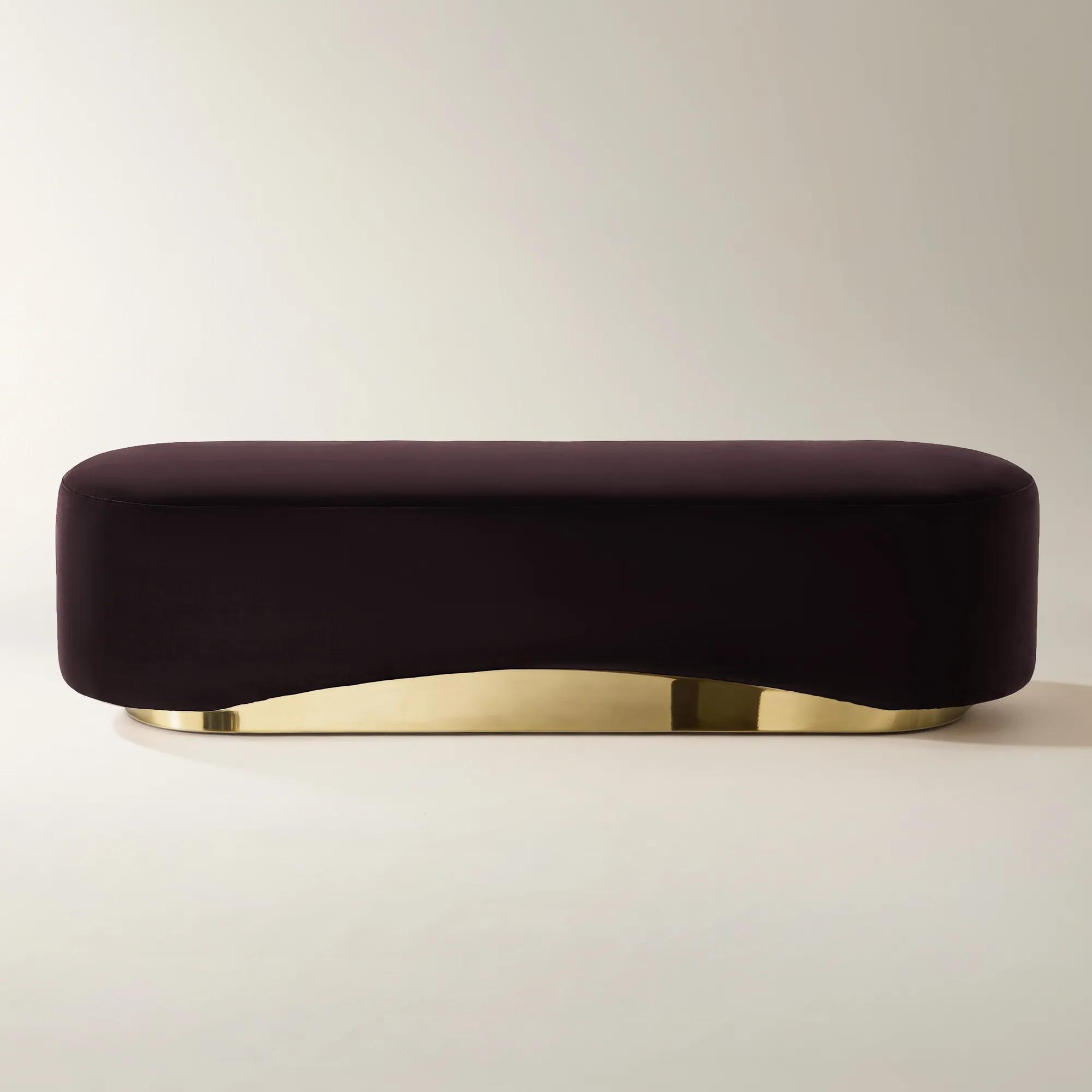 Kendra Fig Velvet Bench (70.47")$799
A plush fig velvet bench with an elongated oval silhouette and a polished gold stainless steel base.
Add To Cart -
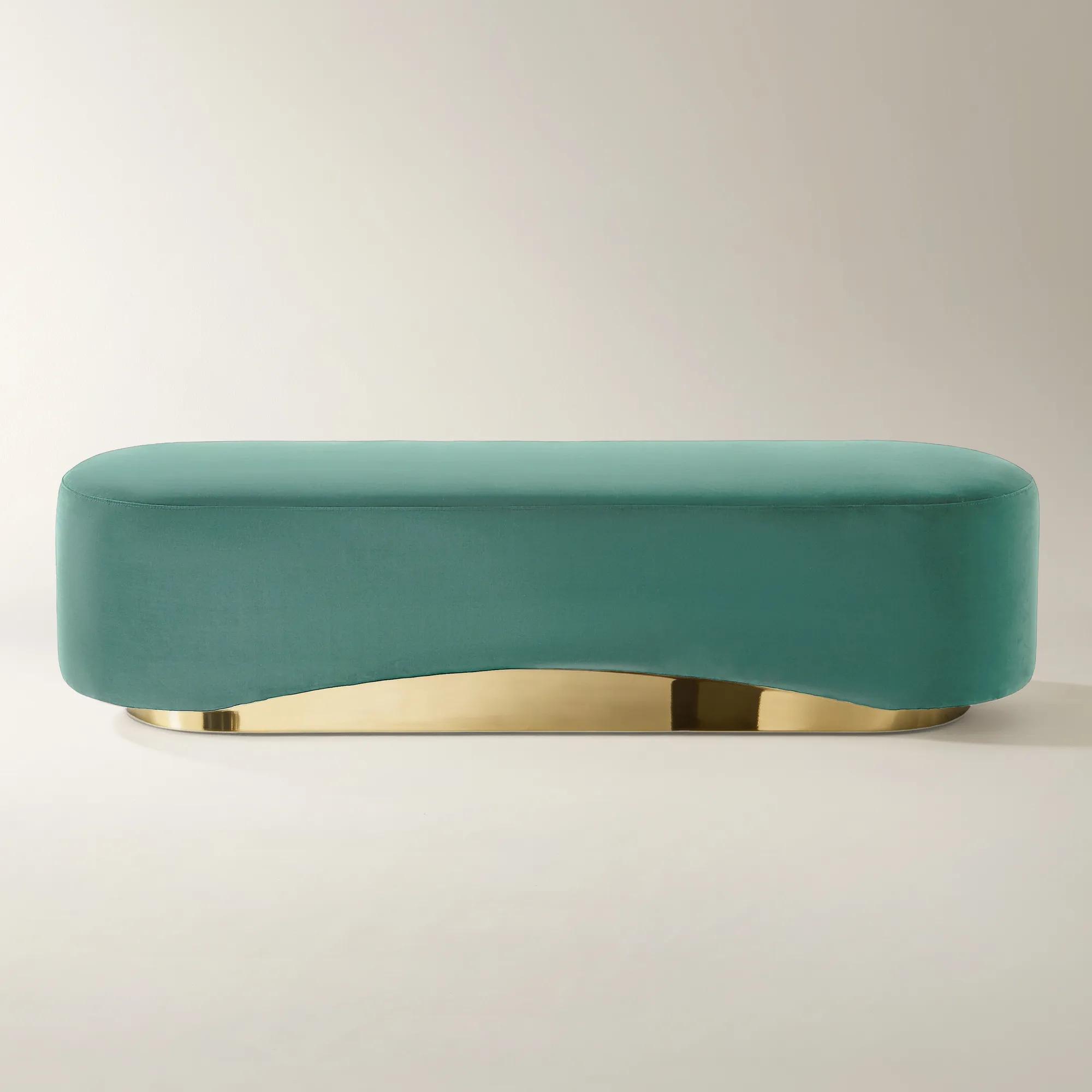 Kendra Ocean Teal Velvet Bench (70.47")$799
An elongated oval bench in ocean teal velvet with a plush seat and polished gold stainless steel base.
Add To Cart -
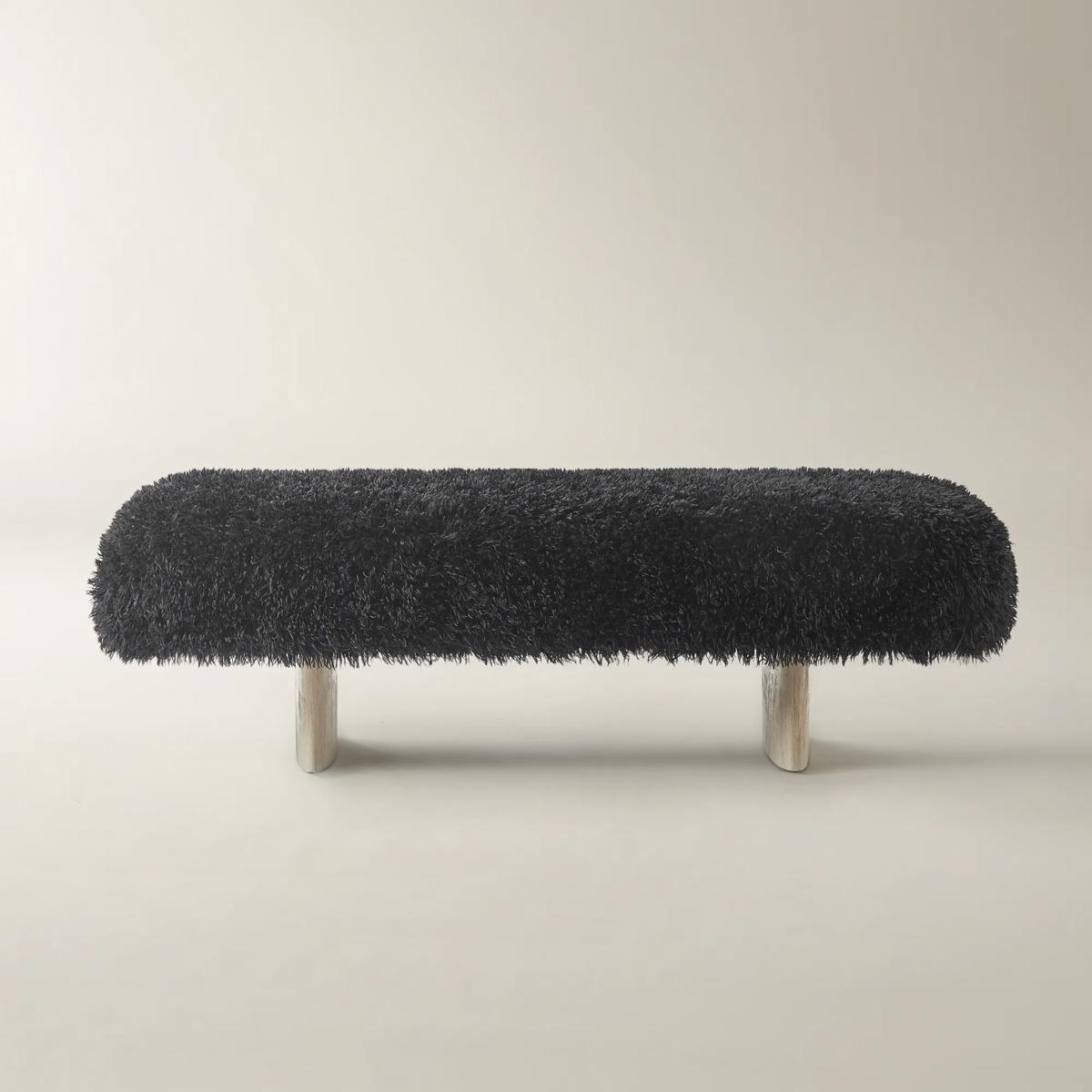 Micah Black Mongolian Fur Bench With Rubberwood Legs (62.6")$699
A striking black faux Mongolian fur bench with solid rubberwood legs for plush comfort and modern edge.
Add To Cart -
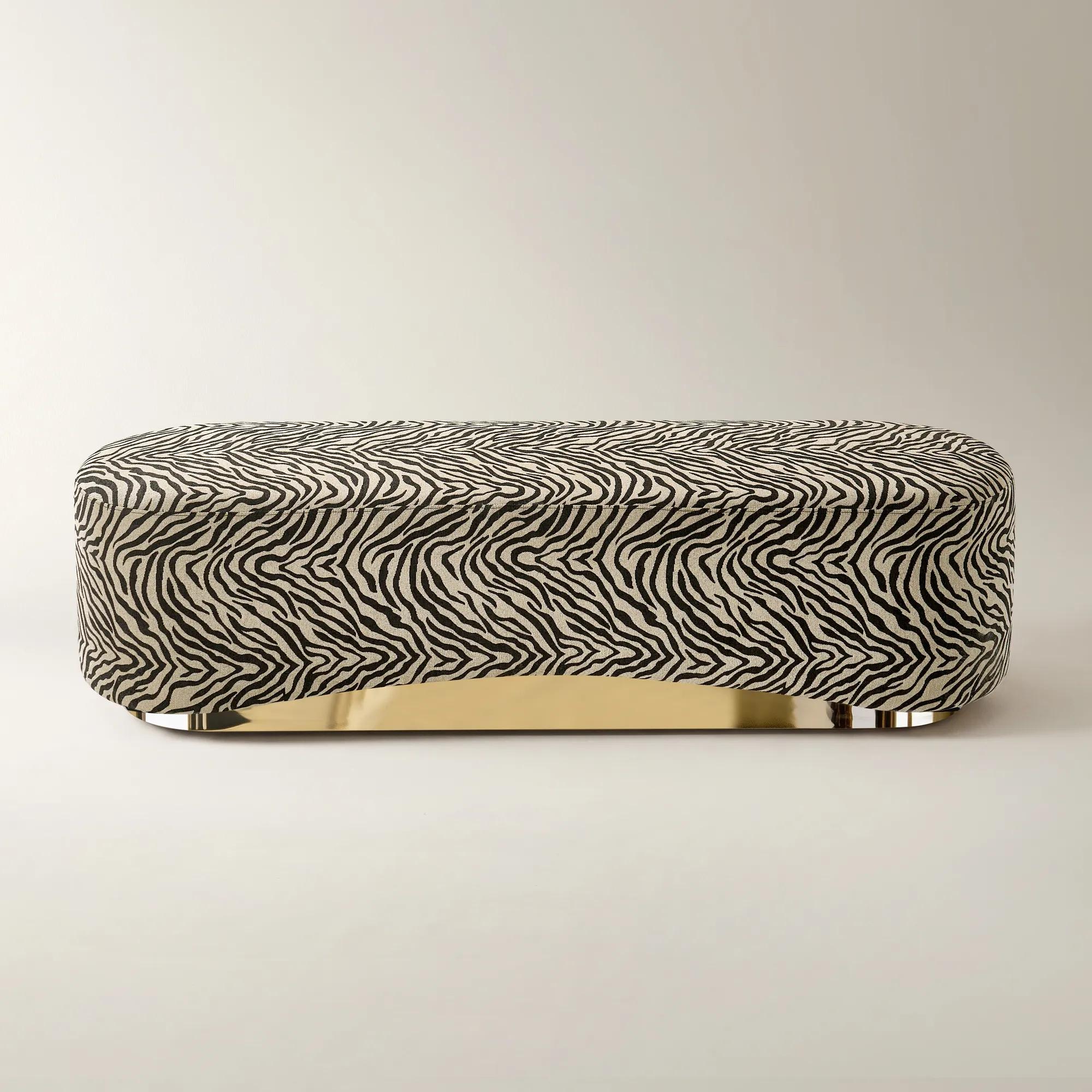
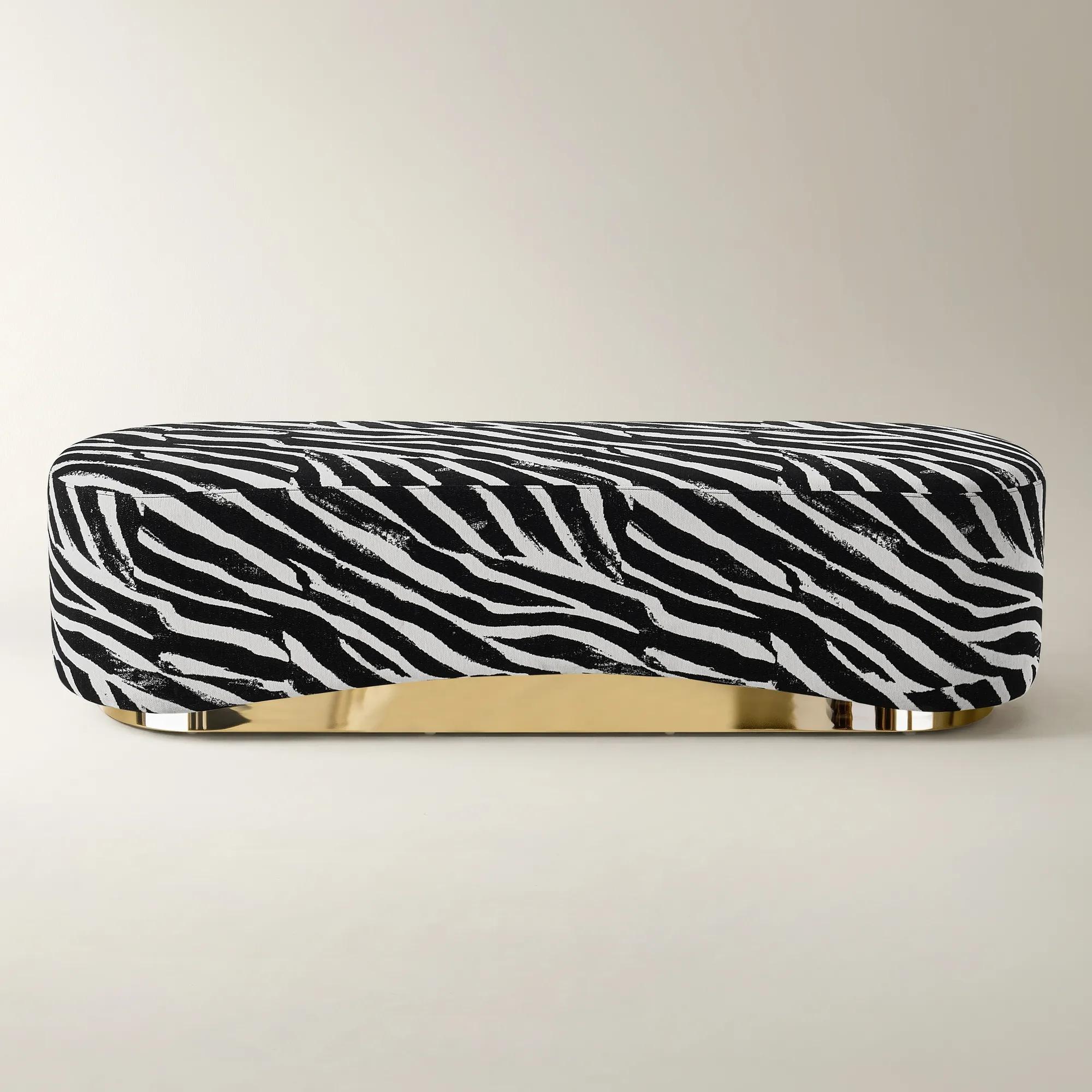
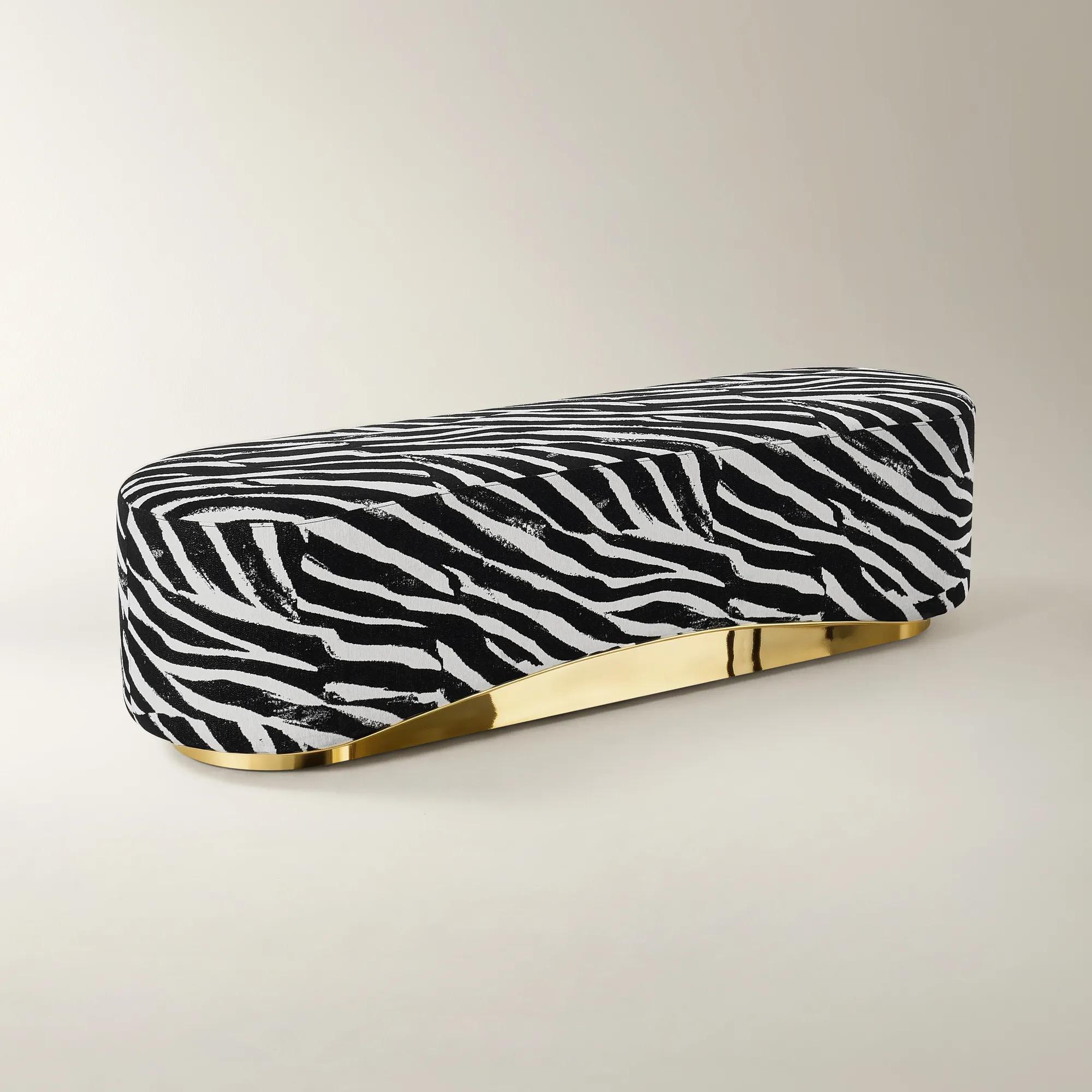
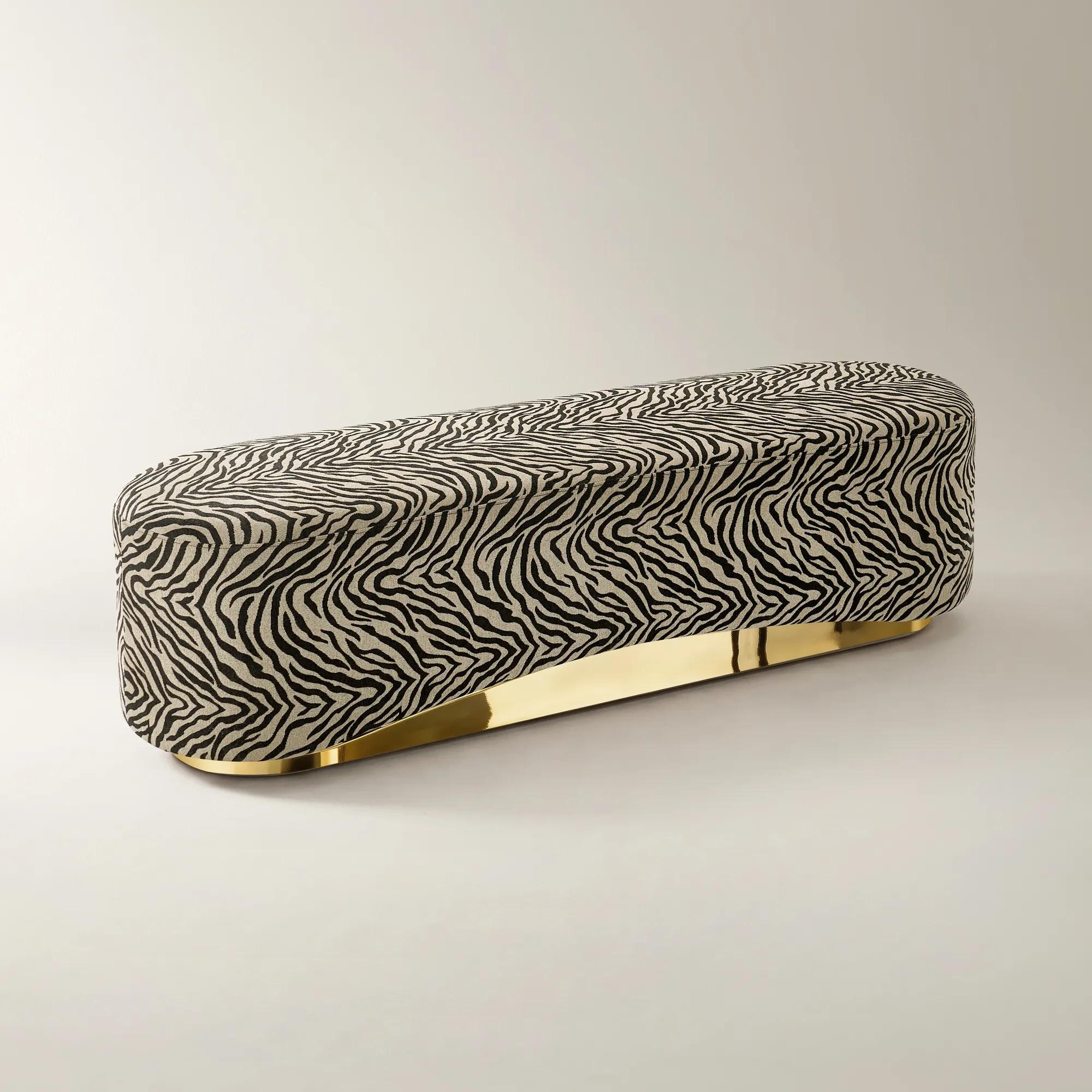 Kendra Zebra Performance Chenille Bench (70.47")$799
An elongated oval bench upholstered in textured zebra-pattern chenille with a polished gold stainless steel base.
Add To Cart -
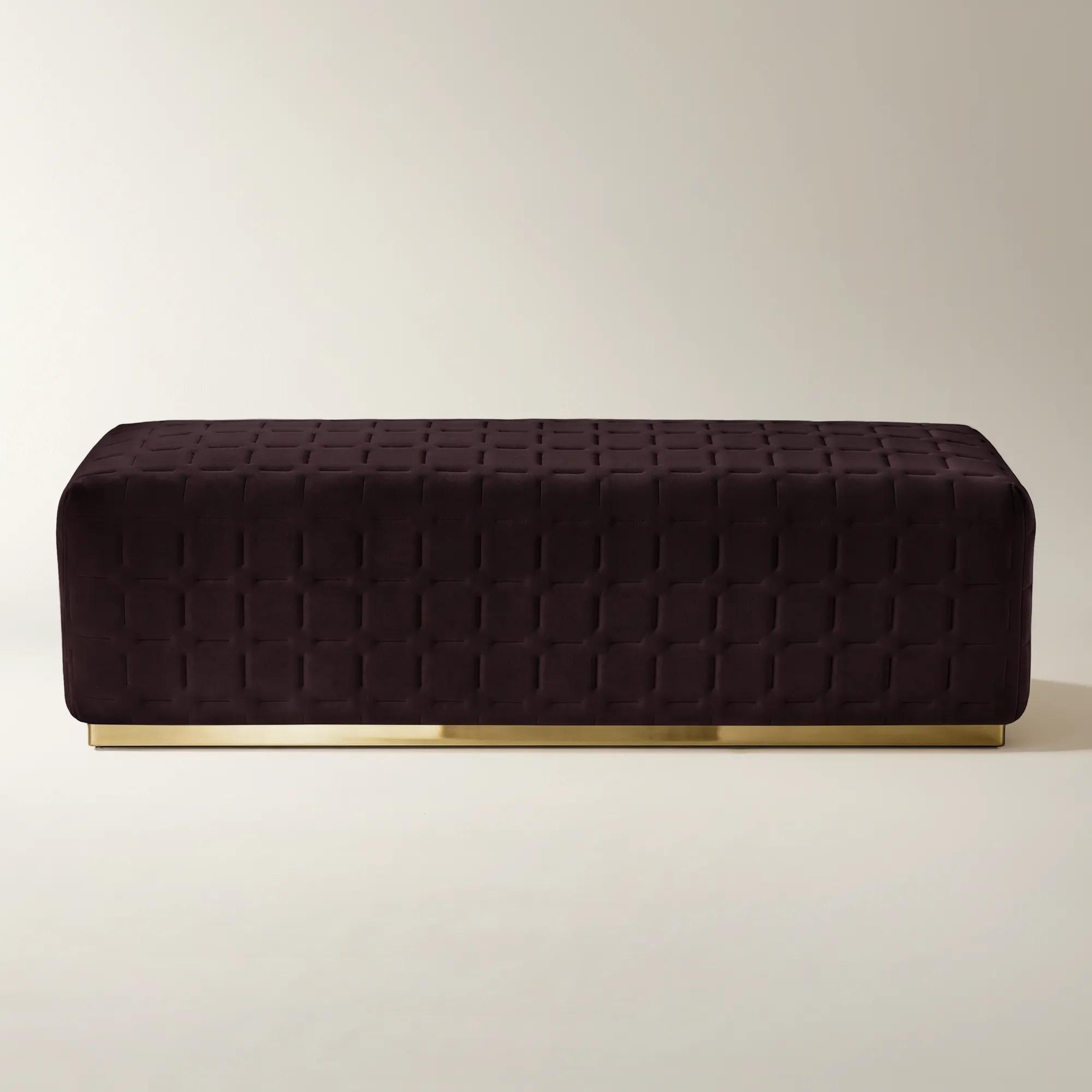
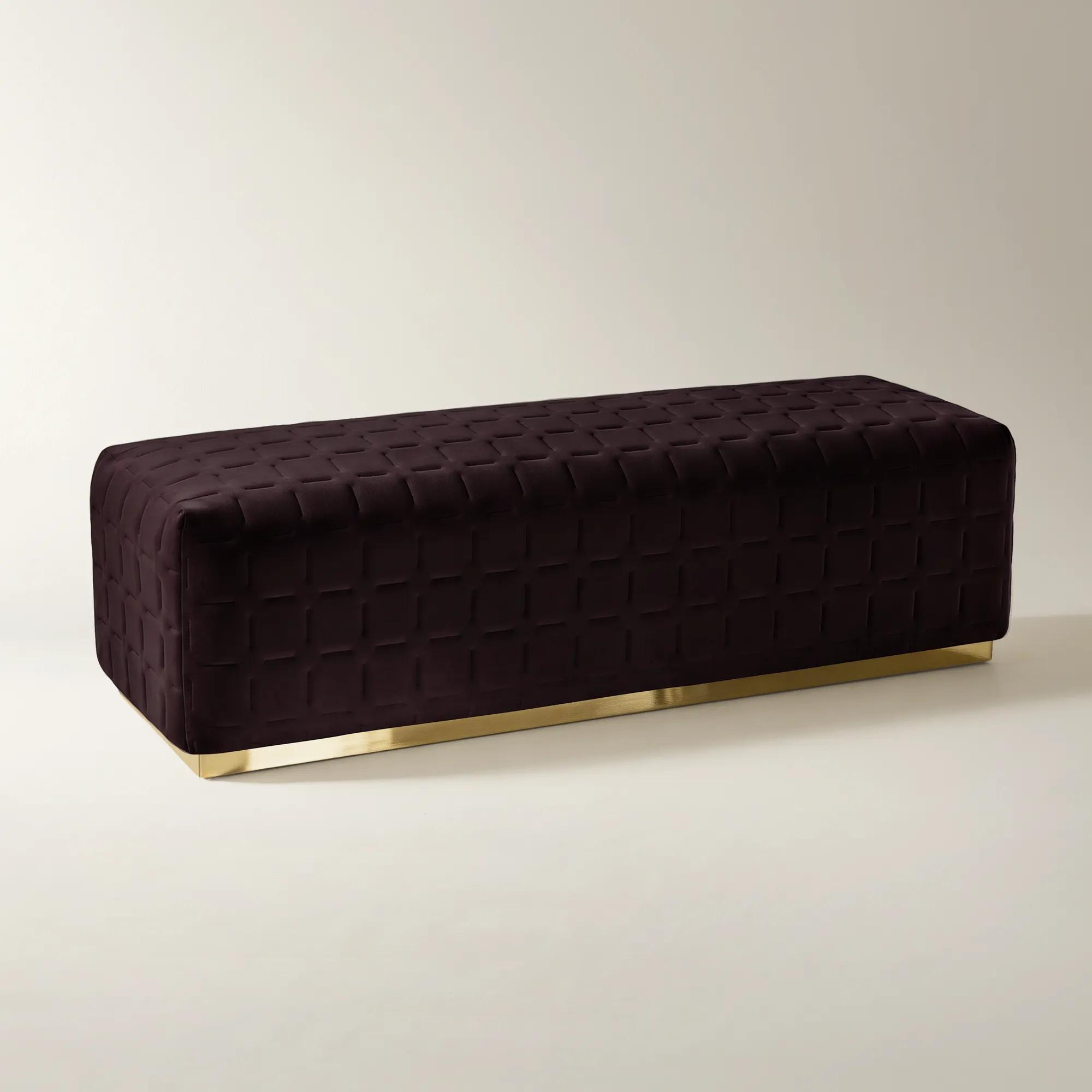 Vanta Quilted Fig Velvet Bench (64.6")$899
A plush fig velvet bench featuring checker quilted tufting and a sleek gold stainless steel base.
Add To Cart -
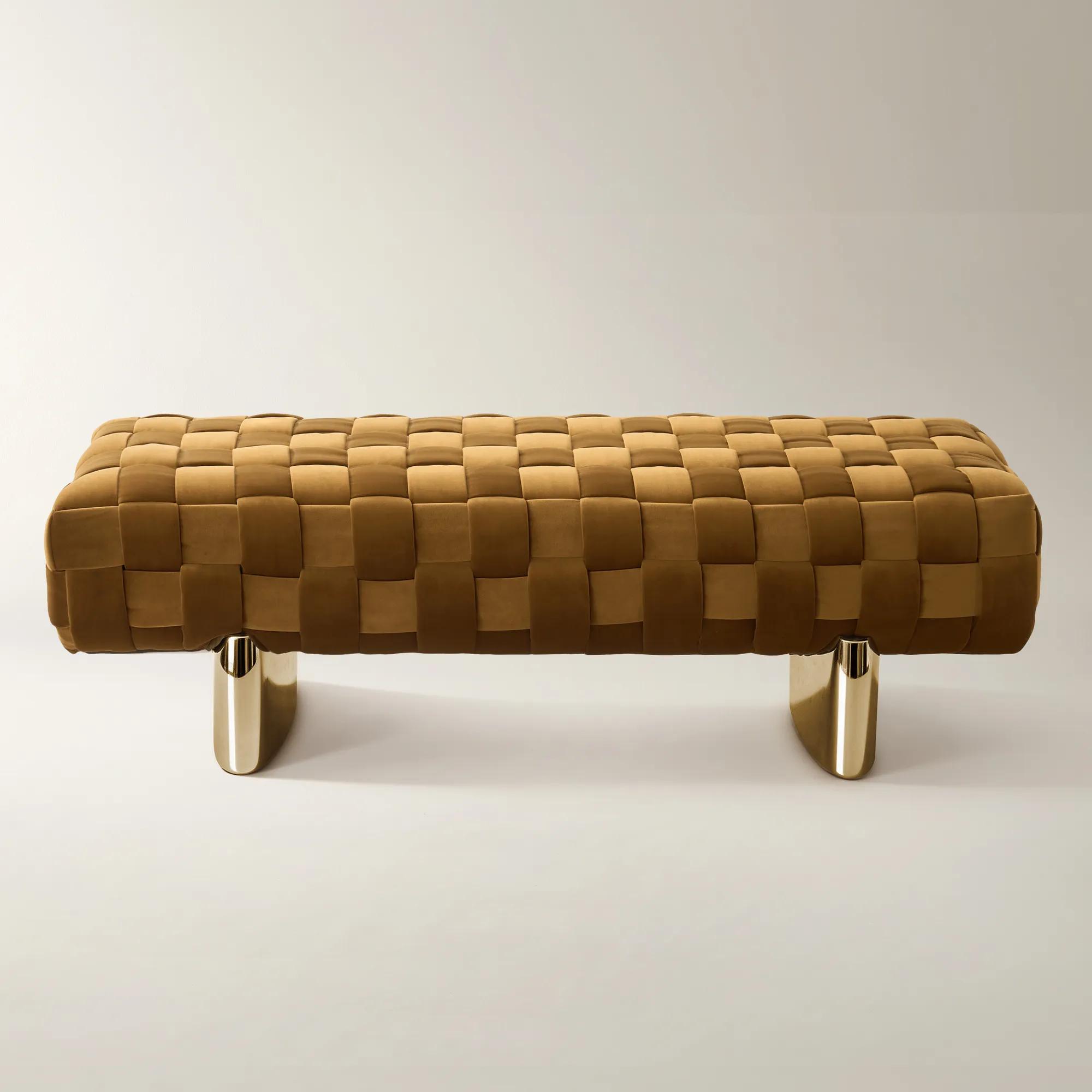
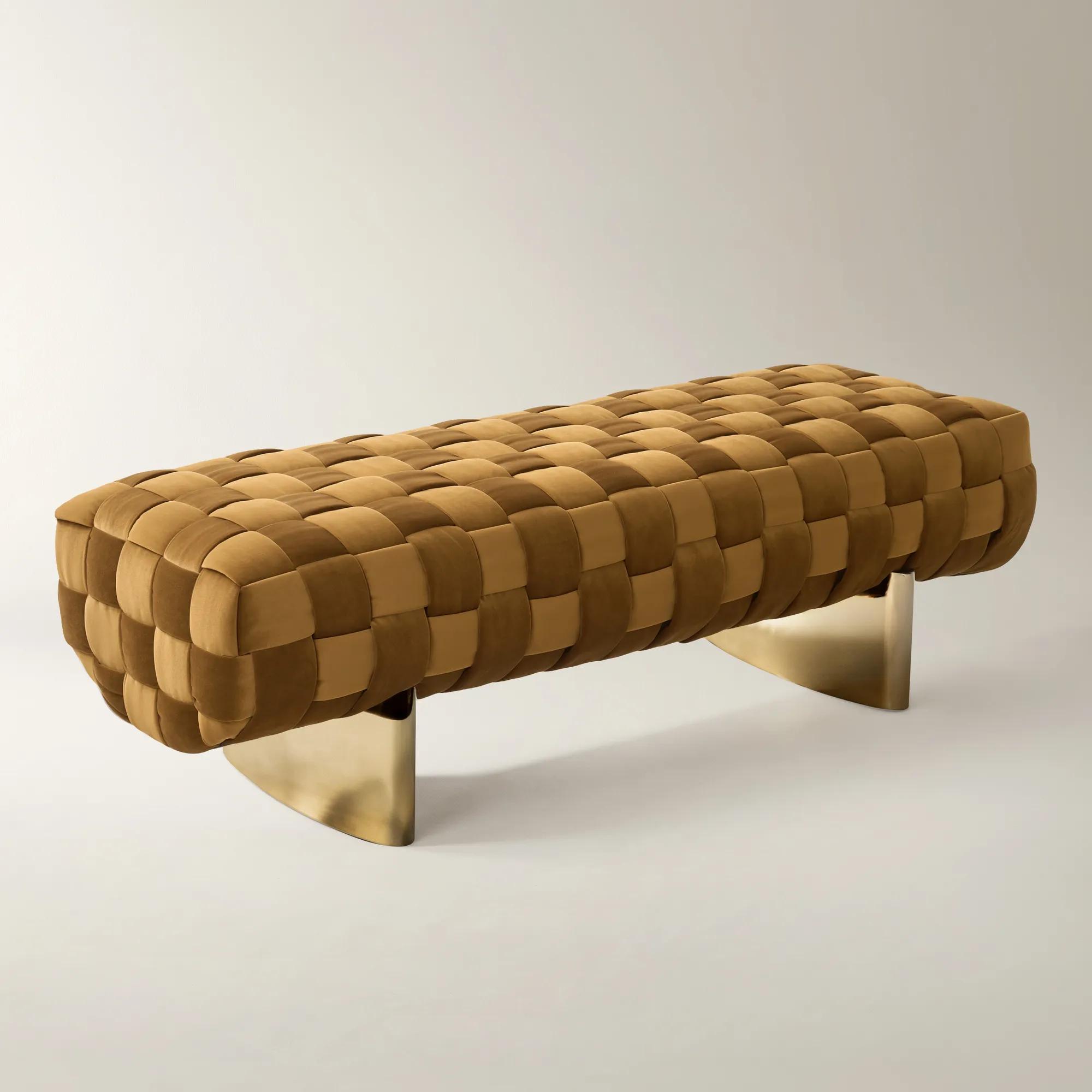 Dexter Woven Roasted Pecan Velvet Bench (64.2")$999
A woven roasted pecan velvet bench featuring plush upholstery and polished gold stainless steel legs for modern elegance.
Add To Cart -
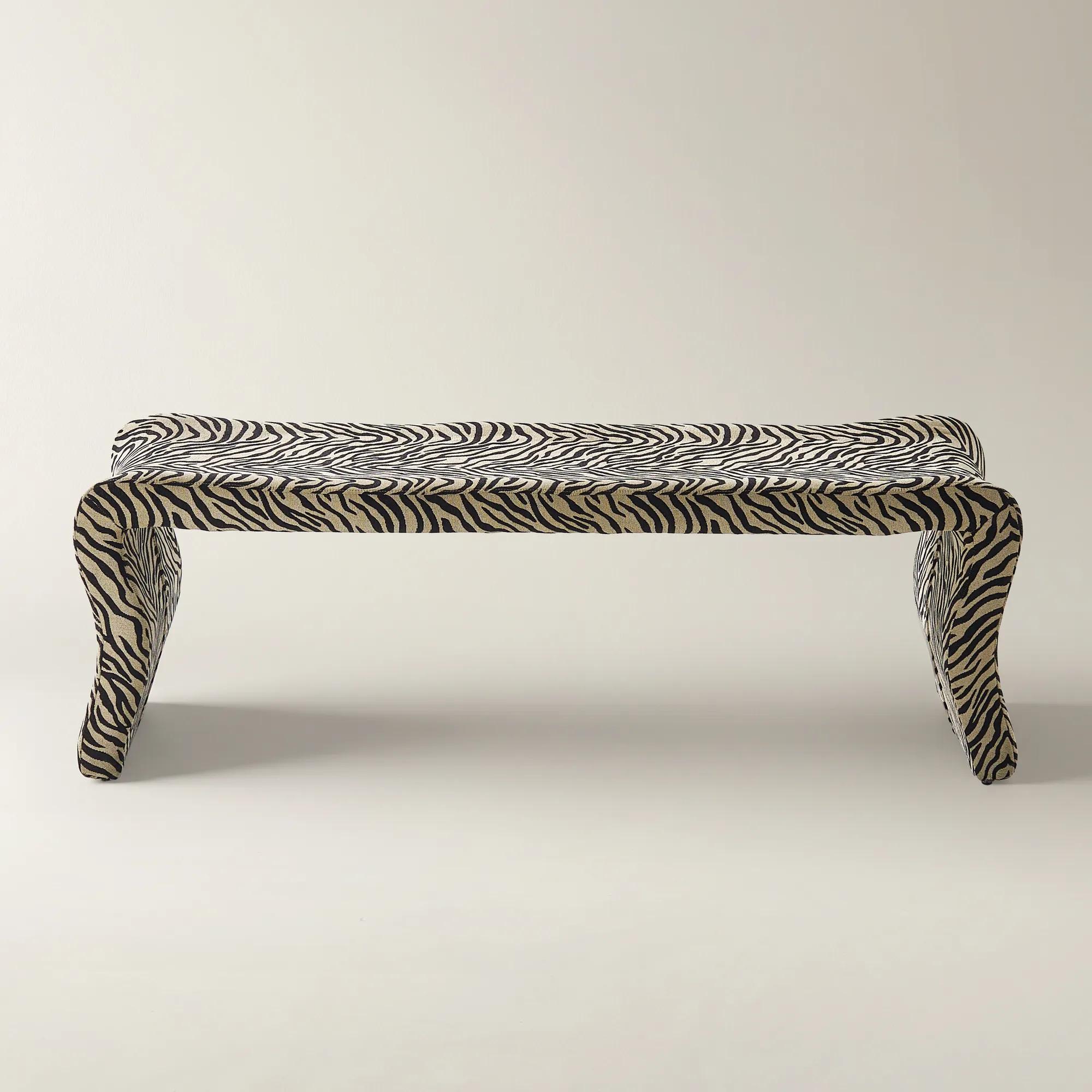 Romy Zebra Performance Chenille Bench (61.5")$799
A sculptural bench wrapped in zebra-patterned performance chenille with a wave-like silhouette and full foam construction.
Add To Cart -
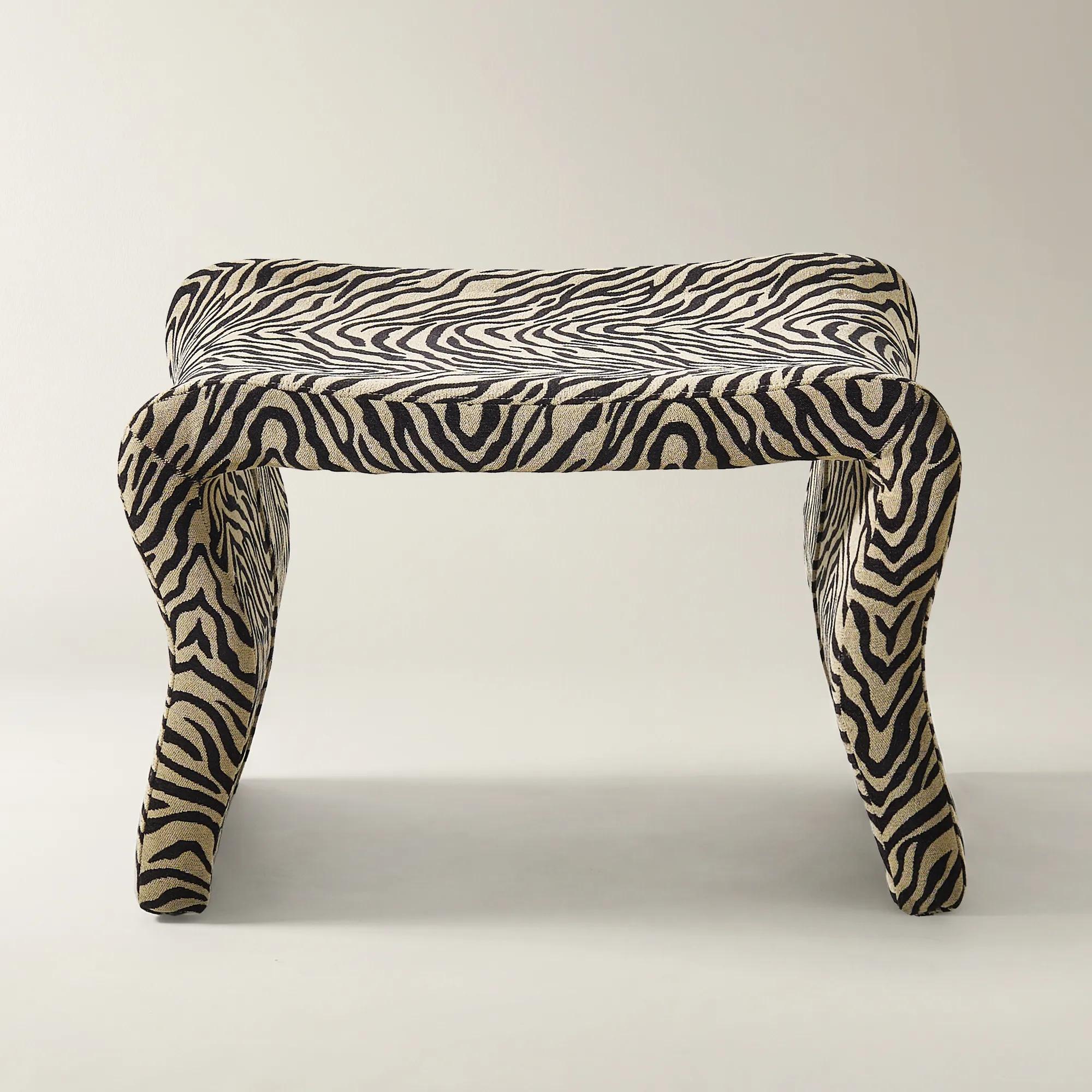
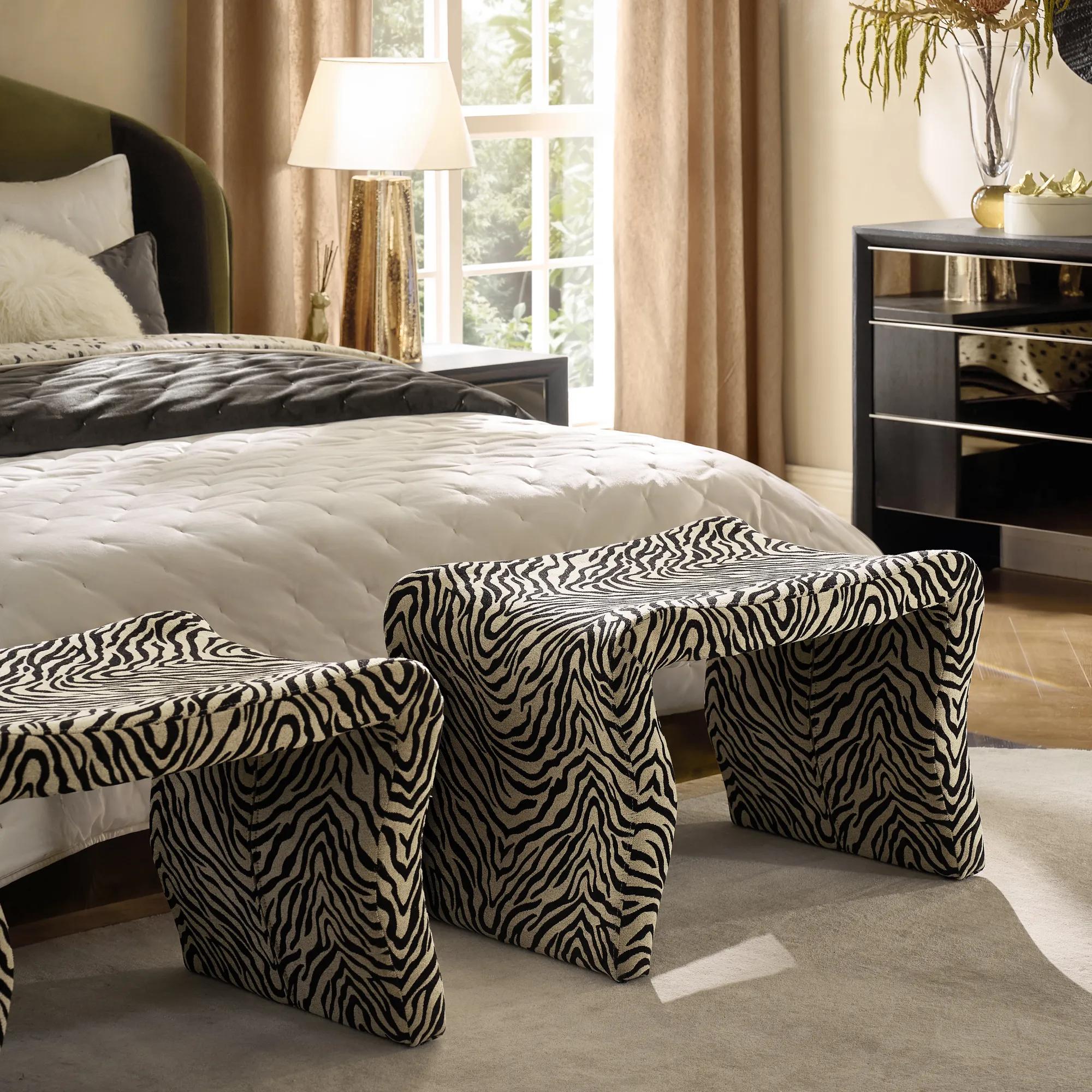 Romy Zebra Performance Chenille Bench (30.75")$399
A sculptural bench wrapped in zebra-patterned performance chenille with a wave-like silhouette and full foam construction.
Add To Cart -
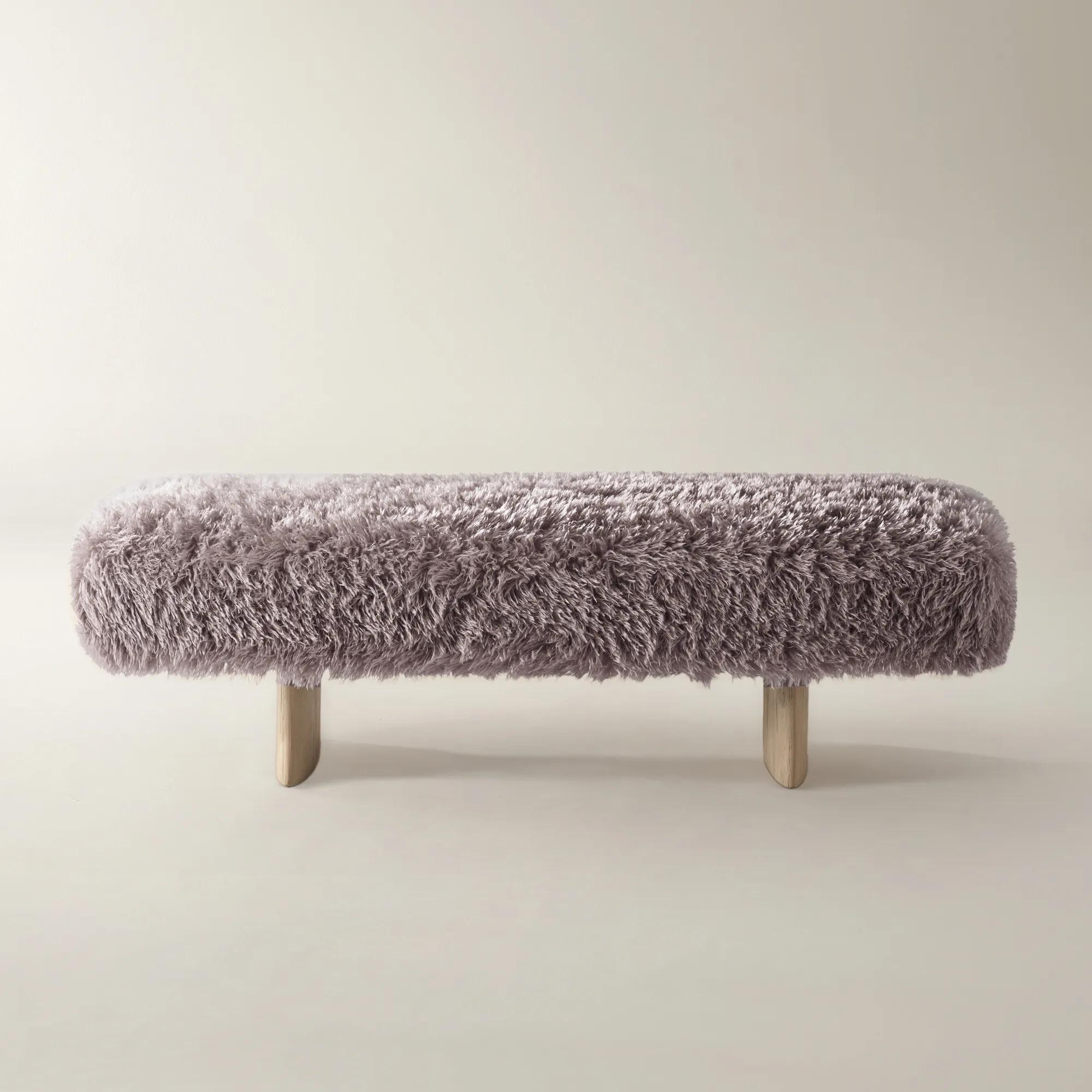
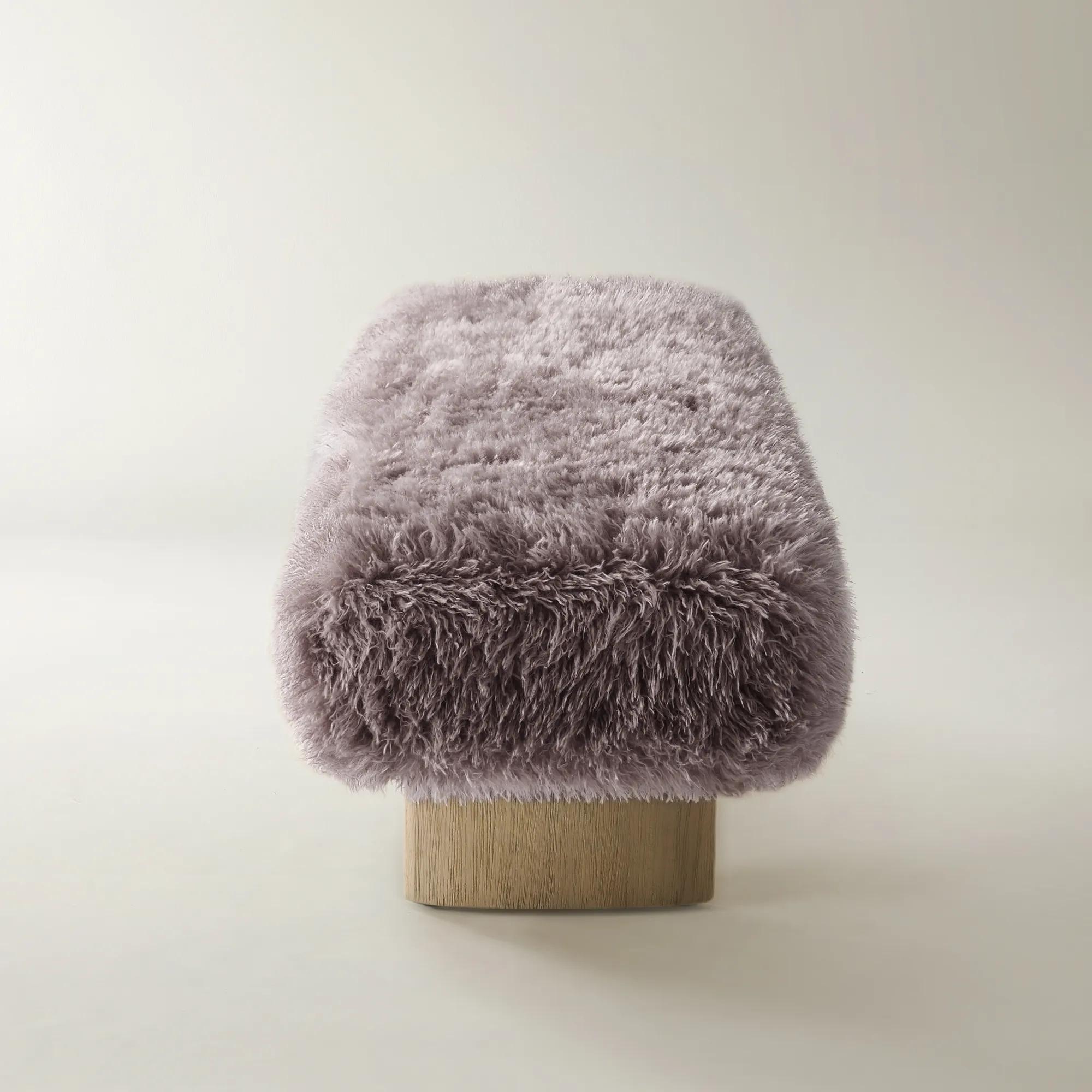 Micah Plum Truffle Mongolian Faux Fur Bench With Rubberwood Legs(62.6")$699
A sculptural bench featuring smoked plum Mongolian faux fur upholstery and warm solid rubberwood legs.
Add To Cart -
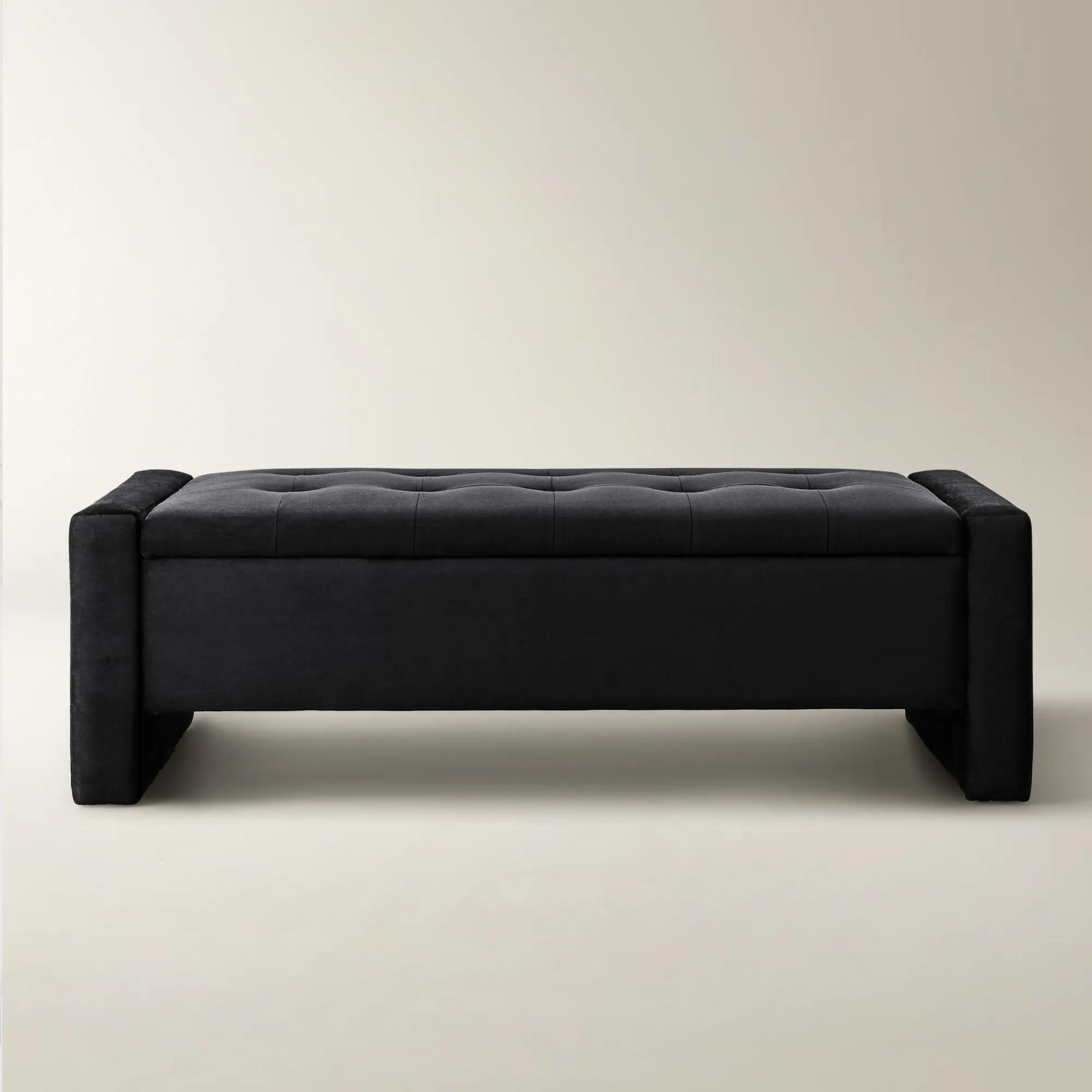
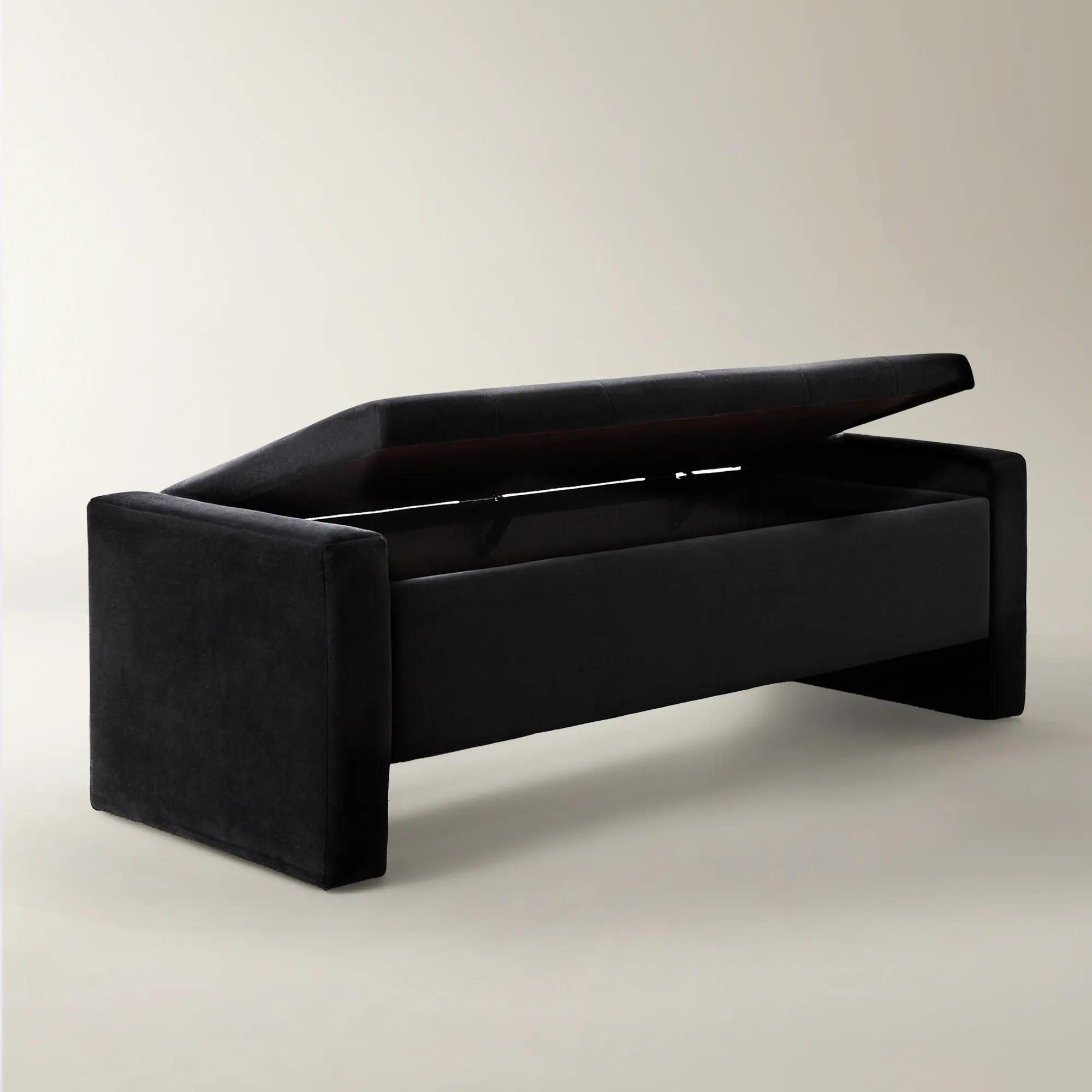 Maeve Storage Bench$849
A modern velvet-upholstered bench with hidden storage and a sturdy kiln-dried hardwood frame.
Add To Cart -
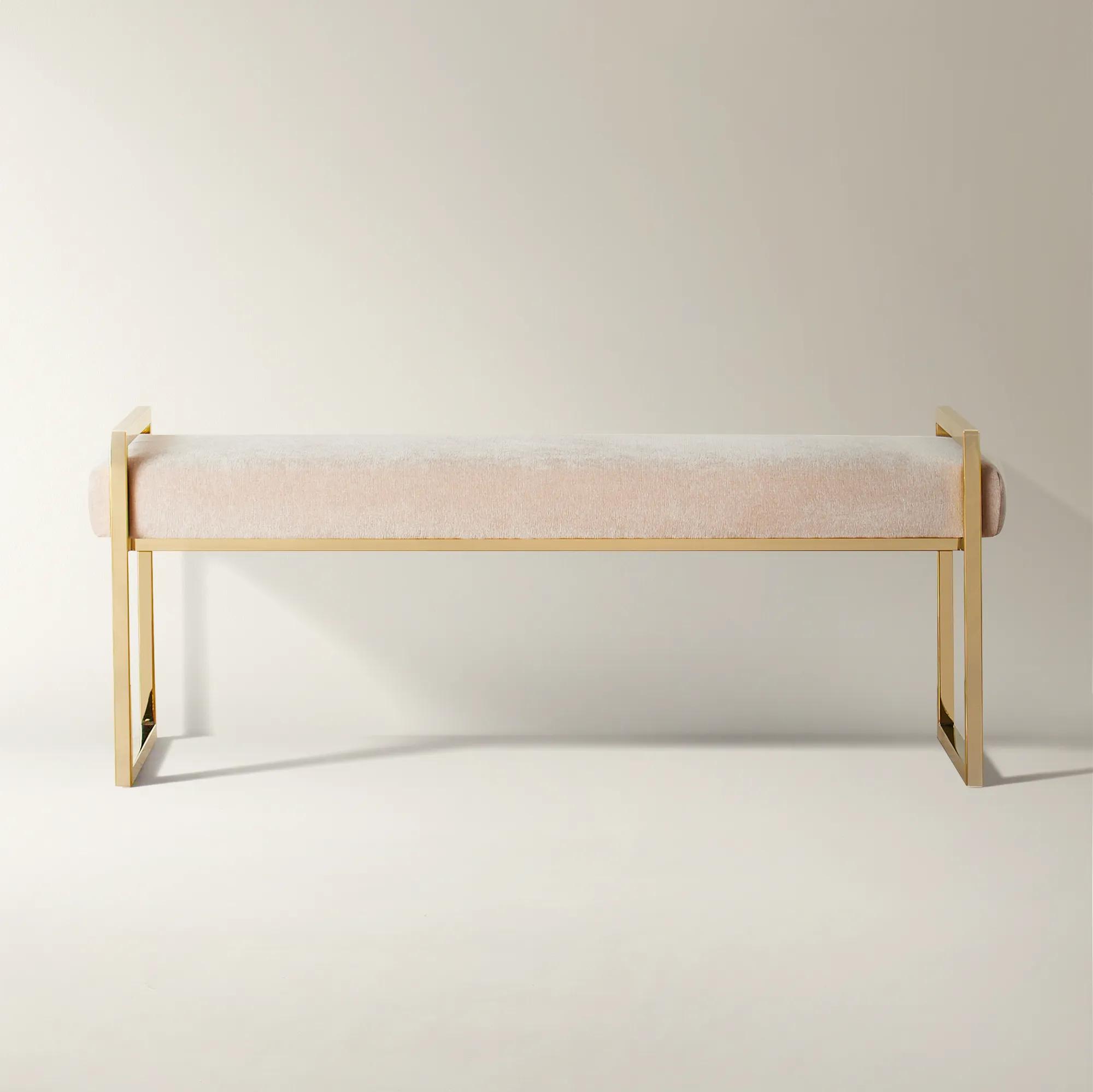 Clara Bench$699
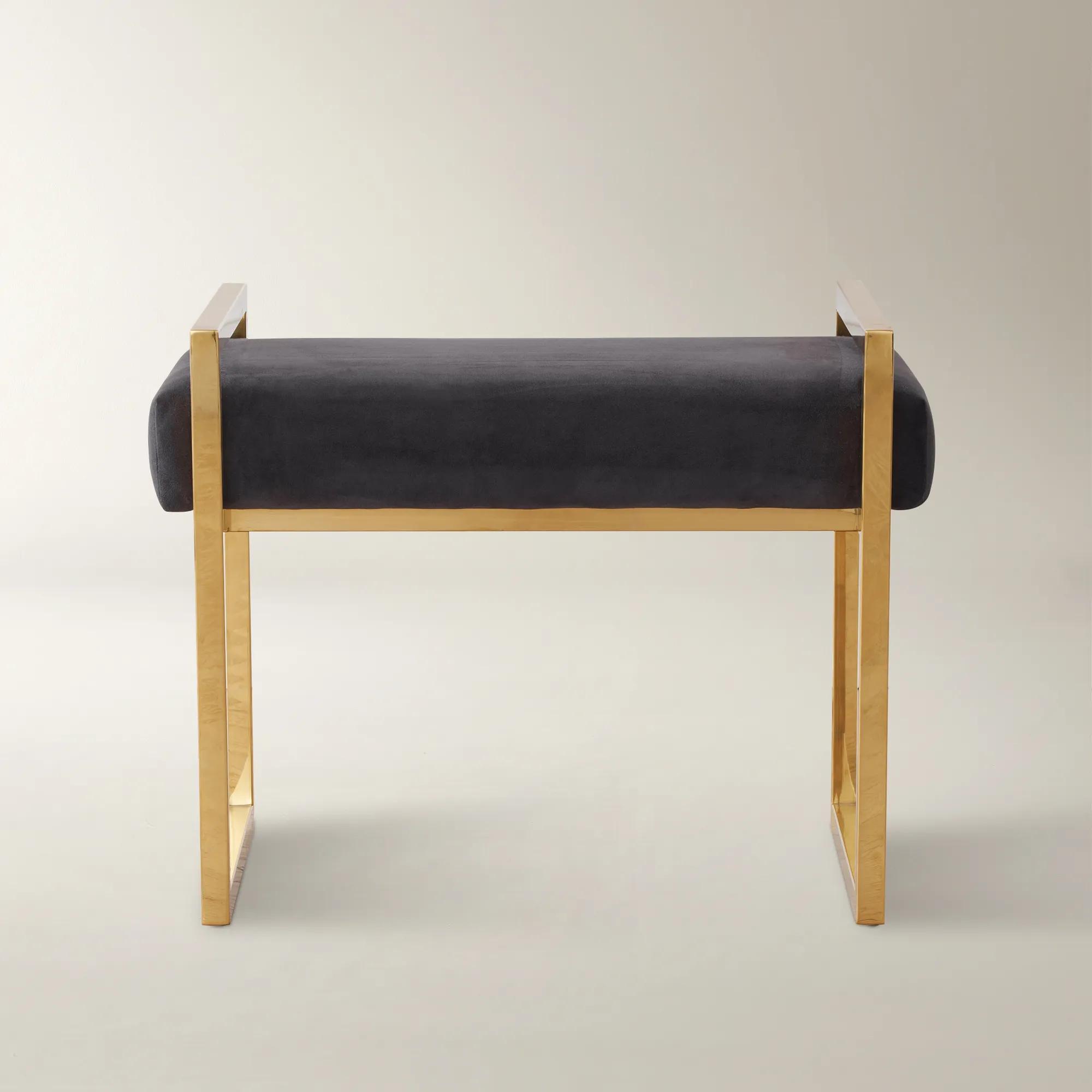
A plush upholstered bench with a high-density foam cushion and polished gold metal legs for modern elegance.
Add To Cart -
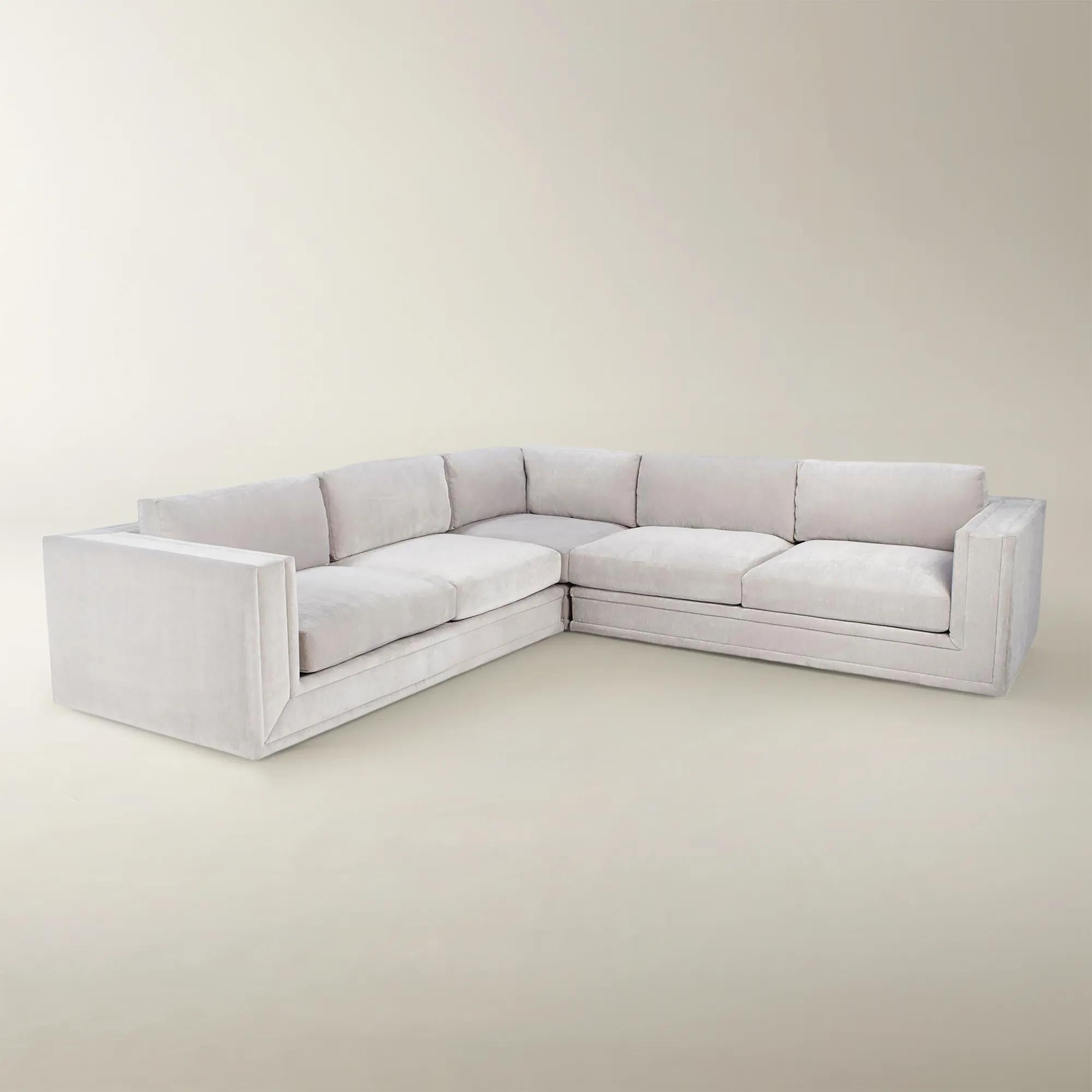 Luka 3-Piece Polar Chenille Sectional Sofa$4999
A modern corner sectional featuring deep seating, high-density foam cushions, and hand-upholstered opulent chenille fabric.
Add To Cart -
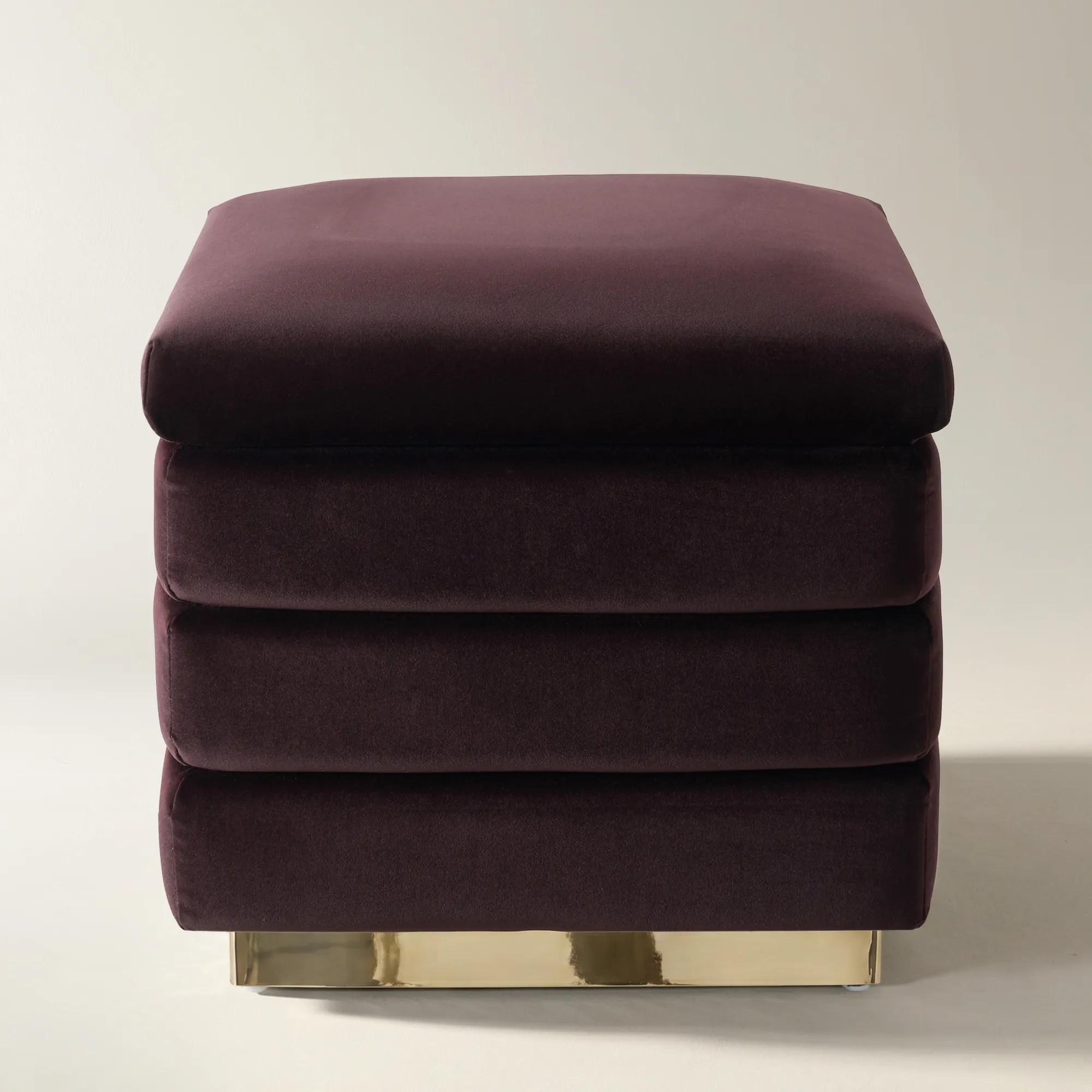
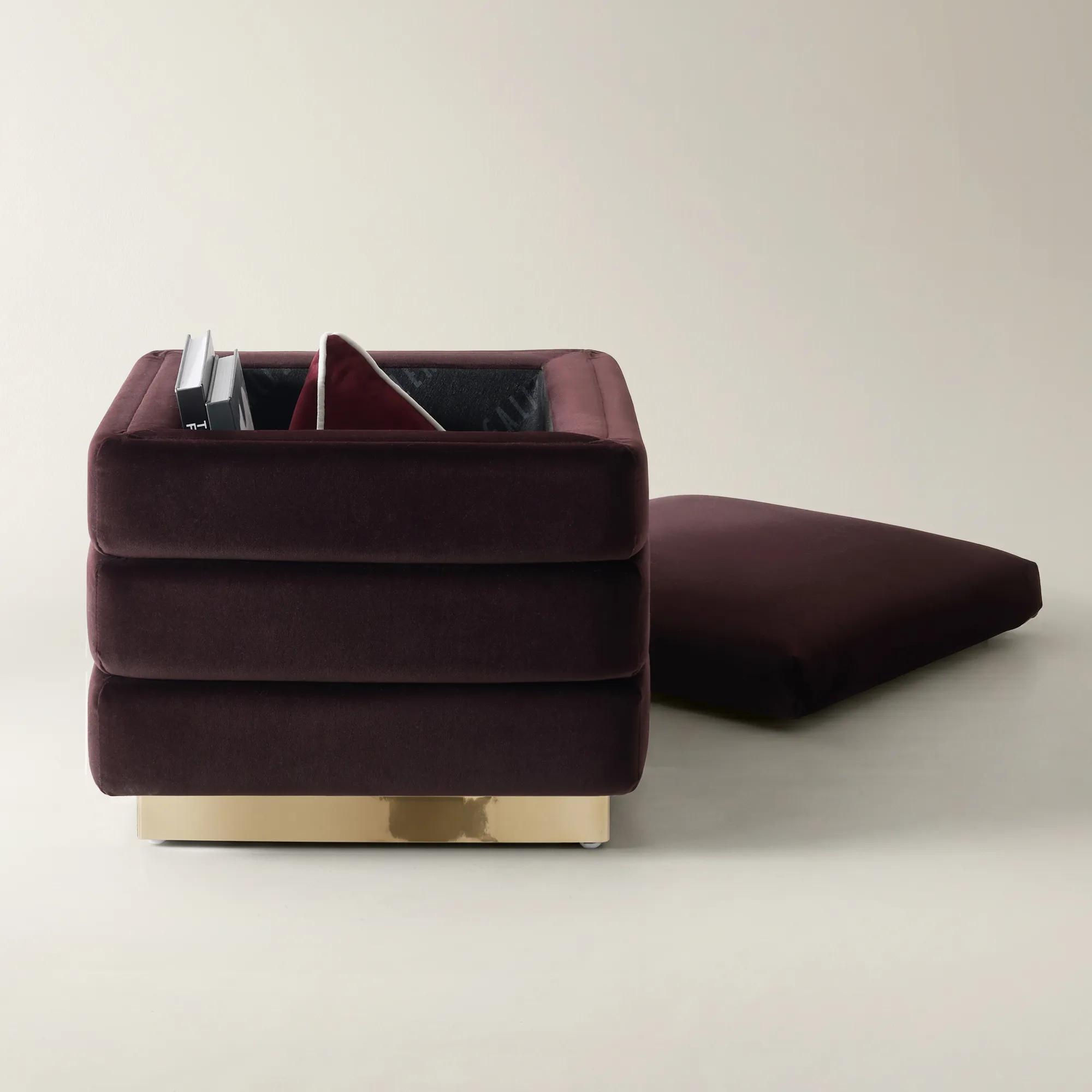 Gable Fig Chenille Storage Stool$399
A plush fig chenille stool with hidden storage, velvet upholstery, and a polished gold stainless steel base.
Add To Cart -
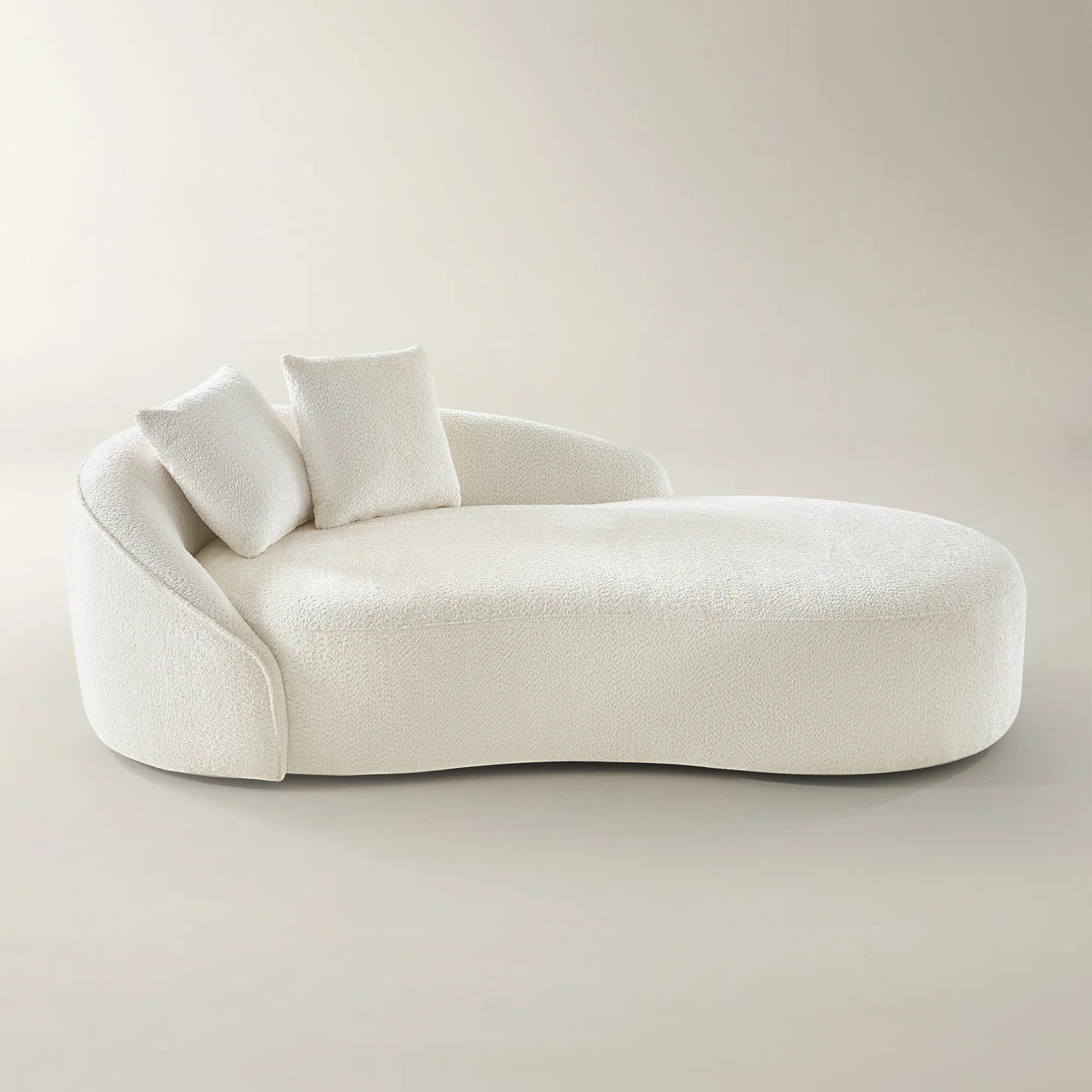 Irene Utopia Sand Chenille Chaise$1699
A sculptural chaise in creamy Utopia Sand chenille, featuring plush foam cushions and artisan hand-finished details.
Add To Cart -
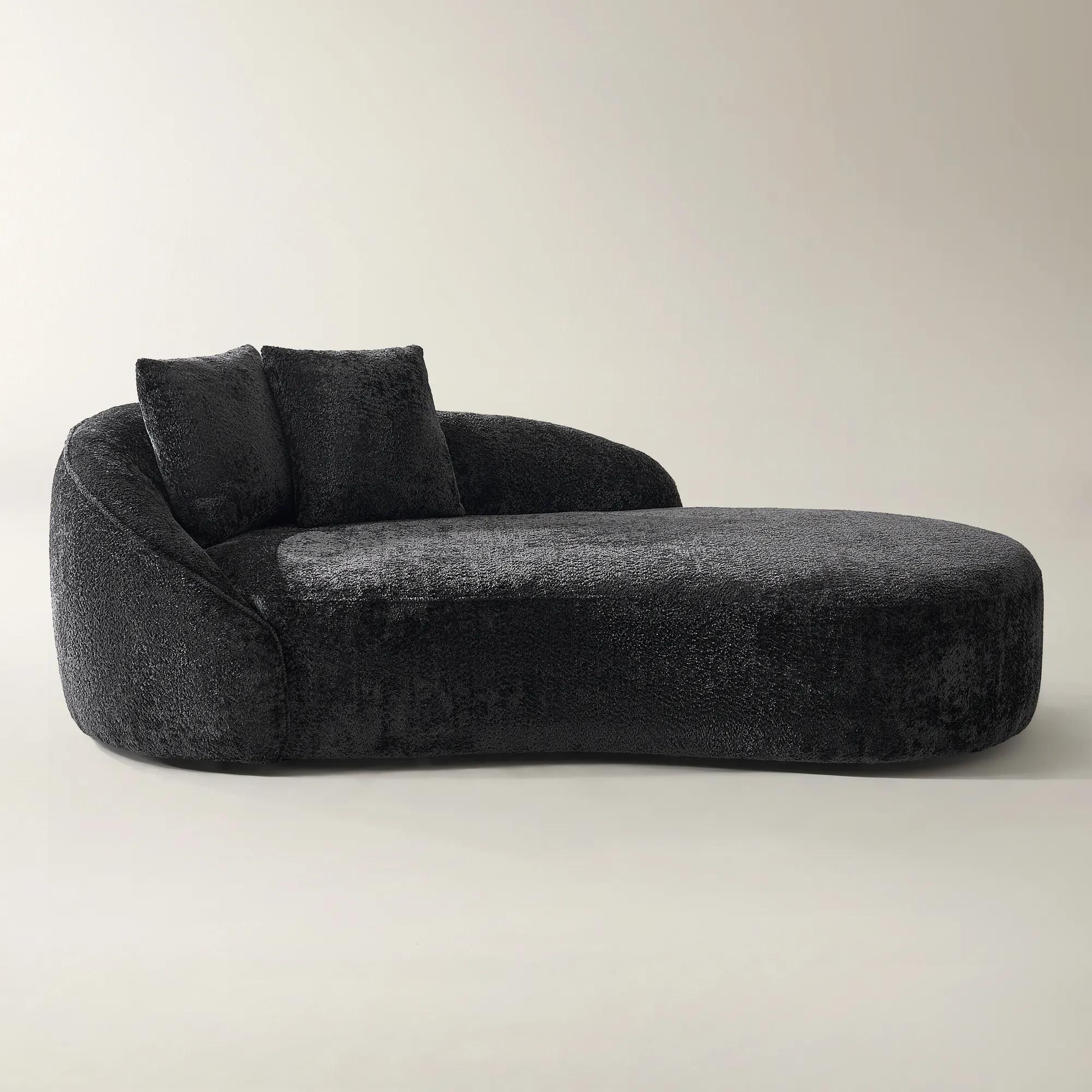 Irene Black Chenille Chaise$1699
A sculptural chaise in charcoal chenille with high-resiliency foam cushions and artisan hand-finished details.
Add To Cart -
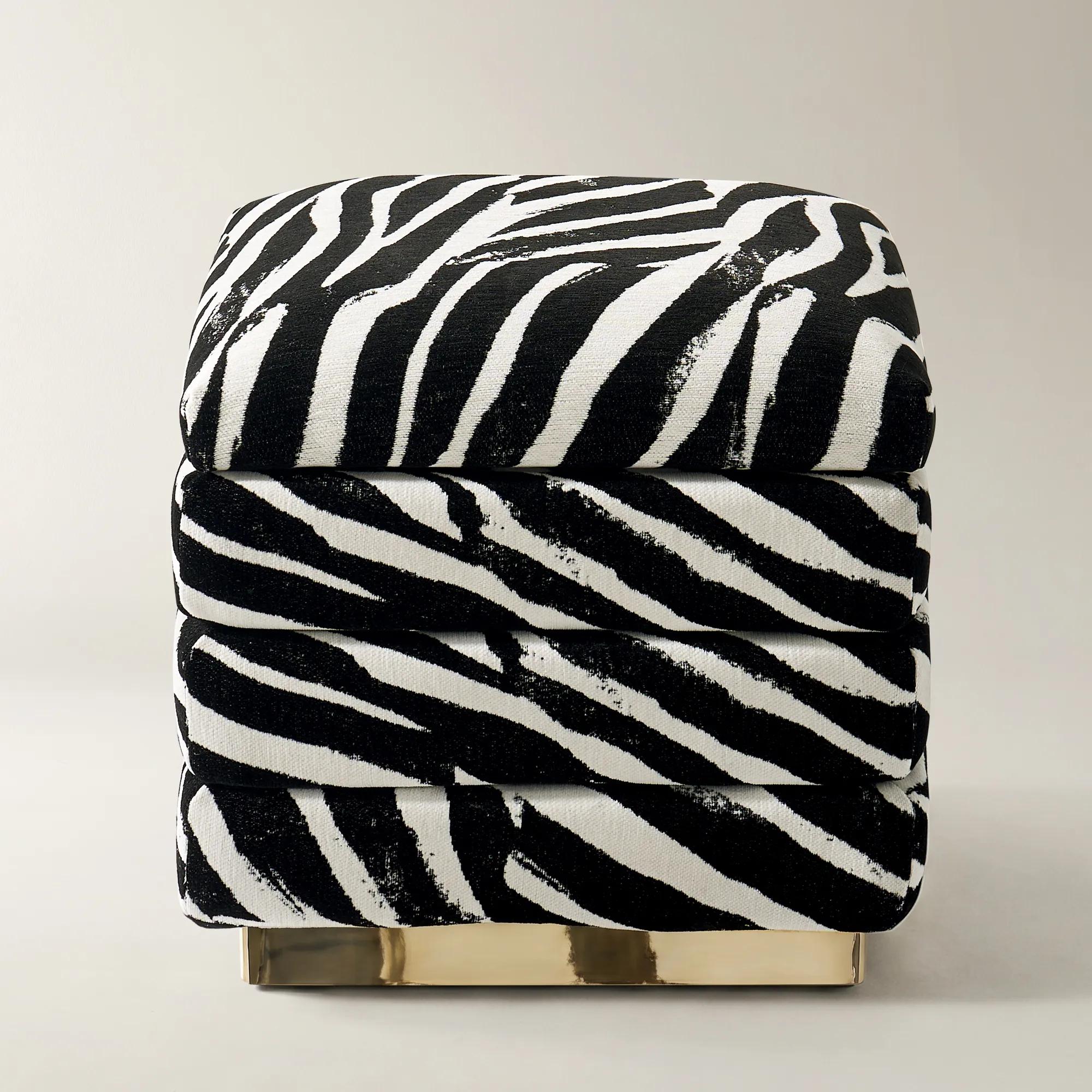
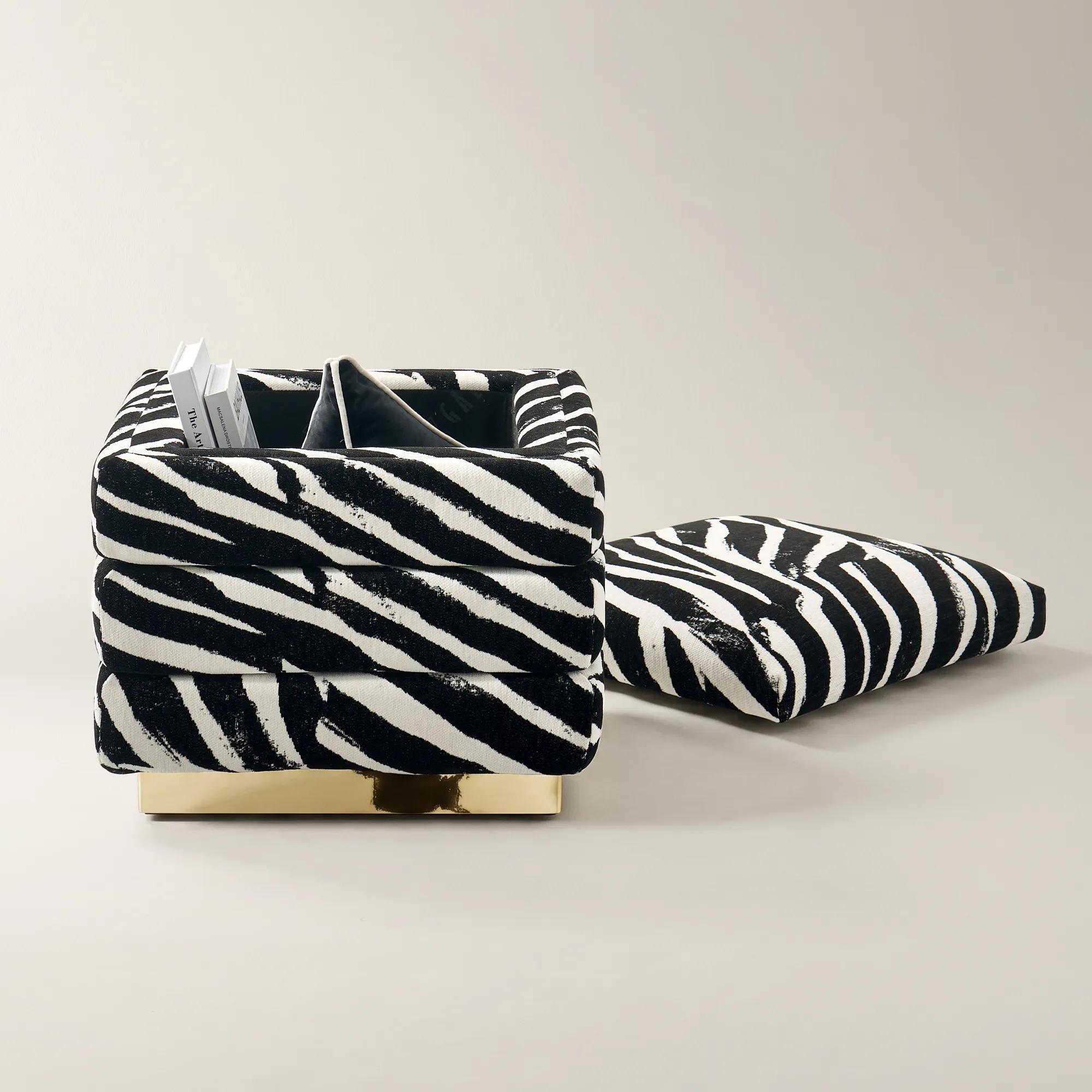 Gable White/Black Performance Chenille Stool$399
A plush white and black chenille stool with hidden storage and a polished gold stainless steel base.
Add To Cart -
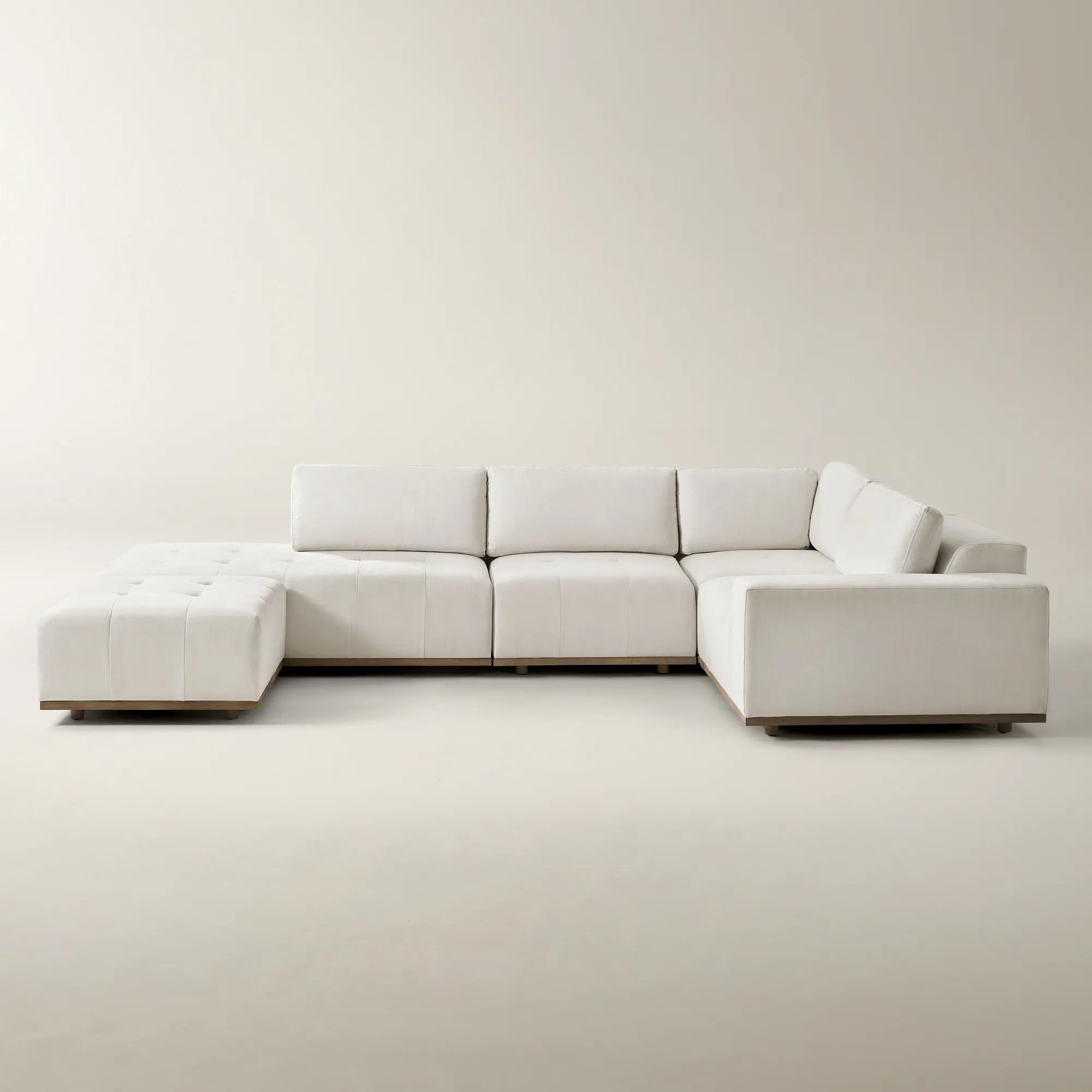
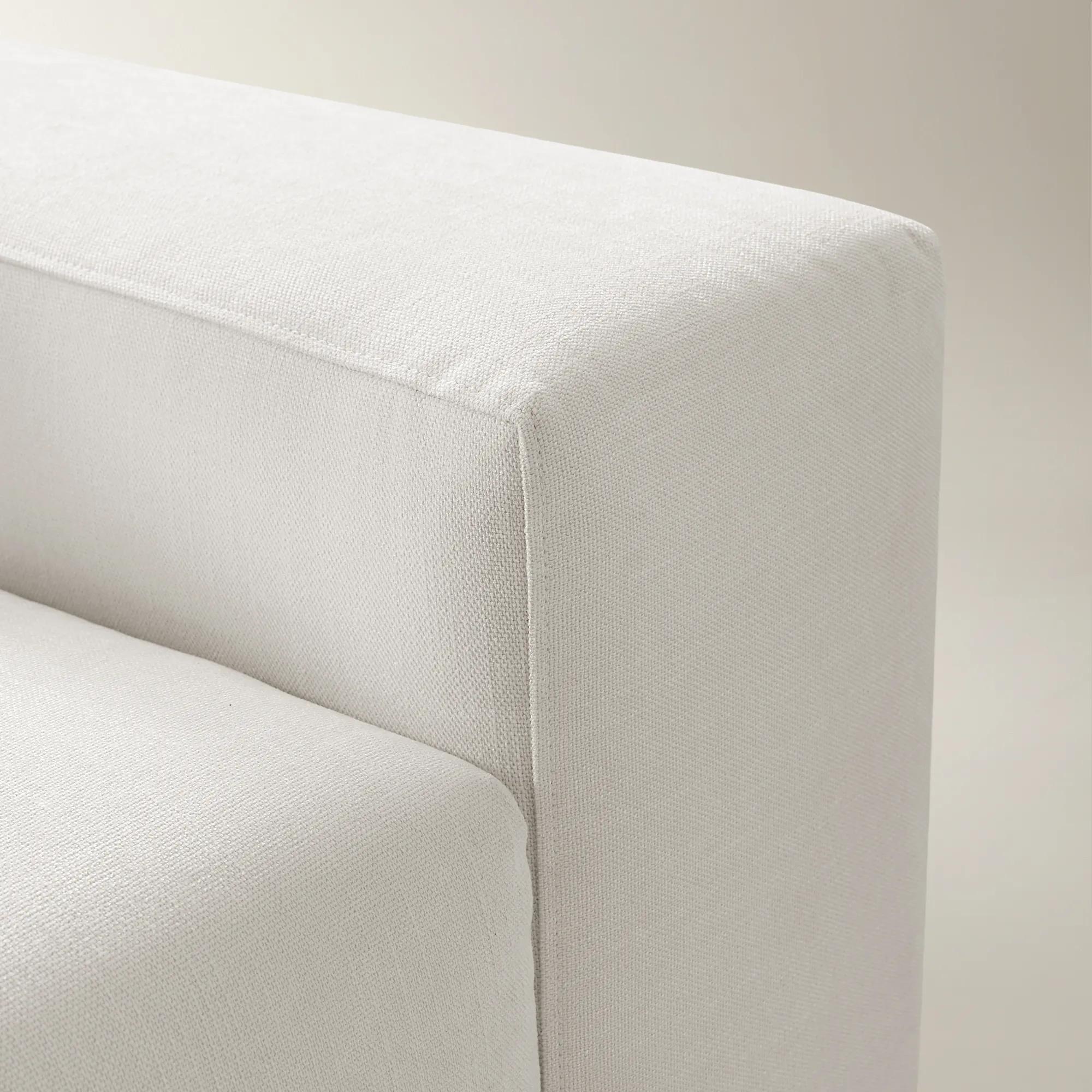 Carlos 5-Piece L-Shaped Oyster Linen Sectional Sofa$6849
A hand-tufted sectional with luxurious linen-blend upholstery and a kiln-dried rubberwood frame for refined comfort.
Add To Cart

Benches For Family Rooms
Benches for family rooms are the unsung heroes of versatile design, inviting togetherness while anchoring your space with undeniable flair. Imagine a piece that transforms daily gatherings into grand occasions—a sculptural silhouette that beckons guests to linger, laughter to echo, and style to take center stage. Whether nestled beneath a gallery wall or commanding attention at the heart of the room, these benches are more than mere seating; they are statements of artistry and intent. Elevate your family room with a bench that celebrates comfort, creativity, and the beauty of shared moments.
Benches for family rooms add flexible seating, a distinctive design accent, and, in storage styles, a place to conceal everyday essentials. Their elongated shape offers a graceful alternative to another armchair, creating room for guests without introducing a tall back that interrupts conversation or sightlines. An upholstered bench opposite a sofa can draw a seating arrangement together, while a sculptural wood design along an open wall gives an otherwise overlooked stretch of the room a deliberate purpose. In a space shared by children, adults, and visiting friends, that versatility matters: a bench might accommodate a brief conversation, provide a perch during a board game, or hold a folded throw until someone settles in for a movie. The silhouette sets the mood. Deep tufting brings dimension and a tailored sense of grandeur; a smooth, tightly upholstered seat feels polished and architectural. Curved ends soften the geometry of a sectional, while an exposed metal base introduces a gleaming counterpoint to generous upholstery. Color can make the bench an anchor or an accent. Ivory and warm gray allow texture and shape to take the lead, while saturated blue or a rich jewel tone can echo the colors of an oversized artwork. For a layered composition, repeat one element elsewhere in the room—a warm wood tone, a brushed metallic finish, or the subtle sheen of a pillow—rather than matching every surface. Intended use should guide the choice as much as appearance. A bench used mainly for additional seating benefits from a supportive cushion and a comfortable seat height; one positioned beneath a window may serve as a decorative resting place between gatherings. Backless designs preserve an airy view across the room, though they generally offer less support for extended lounging than a sofa or chair. The most compelling family room bench earns its place through both presence and purpose, bringing a expressive finishing touch to a room designed to be lived in.
Materials determine how a bench feels, how it wears, and how confidently it can become part of daily life. Upholstered family room benches offer a cushioned surface and an opportunity to introduce sumptuous texture, from the directional sheen of velvet to the intricate character of a woven fabric. Texture alone does not establish durability, however; fiber content, weave, upholstery construction, and the manufacturer’s care instructions deserve close attention. In a household where snacks, pets, and frequent gatherings are part of the rhythm, a fabric with clearly stated performance characteristics may be useful, but stain resistance should never be mistaken for stain immunity. Velvet can show pressure marks or changes in shading as its pile moves, while loosely woven fabrics may be more vulnerable to snagging. Leather brings depth and a smooth, substantial feel, although its response to spills, scratching, and conditioning depends on the finish. Wood benches introduce natural grain and a more structured seat, making them particularly appealing when a room already contains expansive upholstered furniture. Metal frames can create a slender, jewelry-like outline, with finish and joinery contributing to their lasting appearance. For any material, sturdy construction, secure connections, and a stated weight capacity appropriate to the intended users matter more than visual heft alone. A wide bench is not automatically designed to seat several adults, and a decorative lower shelf should not be treated as a step. Care is most effective when it is consistent and specific to the surface. Remove loose debris from upholstery with an appropriate vacuum attachment, blot spills promptly rather than rubbing, and follow the listed cleaning code before applying any product. Dust wood and metal with a soft cloth, protect finished surfaces from moisture, and avoid abrasive cleaners unless the manufacturer expressly recommends them. Sunlight can alter some fabrics and finishes over time, so placement deserves consideration alongside cleaning. These details help preserve the bench’s original character, allowing its silhouette, texture, and finish to remain part of the room’s appeal through repeated use.
Fit begins with the bench’s full dimensions, including any arms, projecting legs, or curved ends—not simply the length of the cushion. Marking its footprint on the floor can reveal whether the proportions feel elegant or intrusive before a seating arrangement is finalized. Check the seat height against nearby furniture, particularly if the bench will join a conversation area; a dramatically lower seat can feel disconnected from the surrounding chairs. Seat depth also affects comfort, and an especially deep backless bench may not suit someone who prefers to sit upright with feet firmly on the floor. Leave enough clearance for people to pass comfortably, open nearby cabinets, and move around the coffee table without turning sideways. A bench behind a floating sofa can define the seating area with a crisp horizontal line, provided it does not constrict the main walkway. Opposite a sectional, it can balance the room without the visual weight of another upholstered back. In more expansive layouts, Benches For Large Living Rooms offer a related direction for considering scale and seating arrangements. Storage benches bring another dimension of usefulness, concealing throws, game boxes, or spare pillow covers beneath a beautifully finished seat. Interior measurements matter here: generous exterior proportions do not always translate into enough usable space for bulky blankets. Lift-top designs also need room for the lid to open, while drawers require clear floor space in front. For households with young children, evaluate lid supports, hinges, and the manufacturer’s safety guidance carefully; storage compartments are not play spaces. Open shelves create a different effect, displaying a restrained arrangement of baskets or folded textiles while keeping frequently used belongings accessible. If a bench doubles as a surface for a tray, reserve that role for a suitably stable design and remove the tray when guests need a seat. Finish the arrangement with restraint: one richly textured throw can emphasize beautiful upholstery without obscuring its details. The result is additional seating that feels integral to the room—graceful enough to frame a bold interior and purposeful enough to participate in everyday life.
FAQs
Benches for family rooms often feature luxurious upholstery like velvet, linen, or performance fabrics, paired with sturdy wood or gleaming metal frames. These materials not only add visual drama and tactile richness but also stand up beautifully to daily use and gatherings.
A family bench becomes a statement piece when layered with plush throw pillows, cozy blankets, or a decorative tray. Consider placing it beneath a gallery wall, at the foot of a sectional, or flanked by sculptural floor lamps to create a vignette that reflects your personal style.
Absolutely. Storage benches offer a discreet and elegant solution for tucking away extra blankets, toys, or seasonal accents, helping maintain a polished and inviting atmosphere without sacrificing style or comfort.
Yes, a well-chosen bench is the epitome of versatility. It can provide extra seating during gatherings, serve as a coffee table alternative, or act as a stage for displaying books, art objects, or floral arrangements—adapting seamlessly to your family’s evolving needs.
Family benches are available in a spectrum of styles, from modern glam and mid-century chic to classic elegance and rustic charm. Choose a bench that echoes the artistic sensibility of your space, whether that means bold tufting, sculptural legs, or a sleek minimalist profile.
.jpg?w=4025&h=4025)