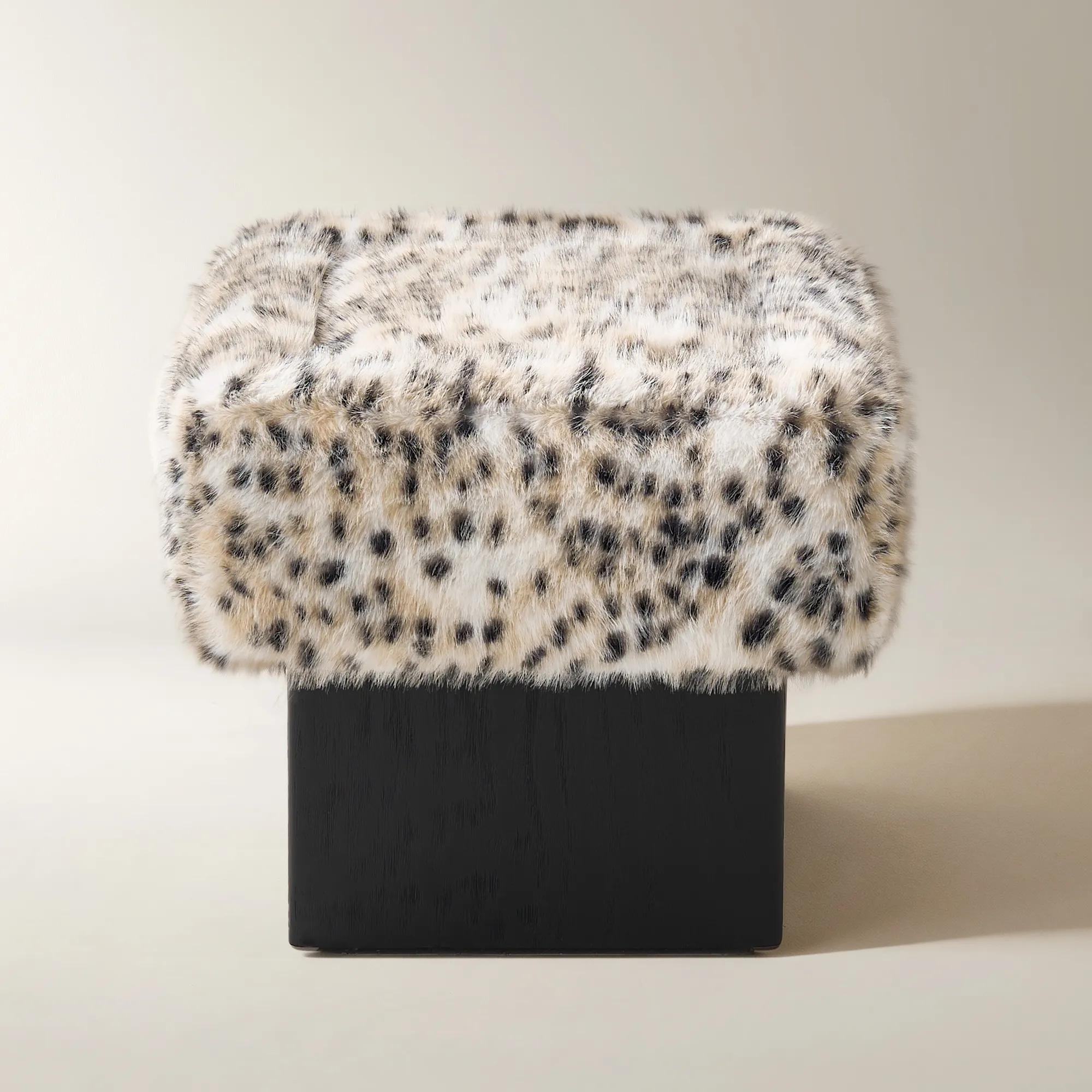
Comfortable Benches
Comfortable Benches
-
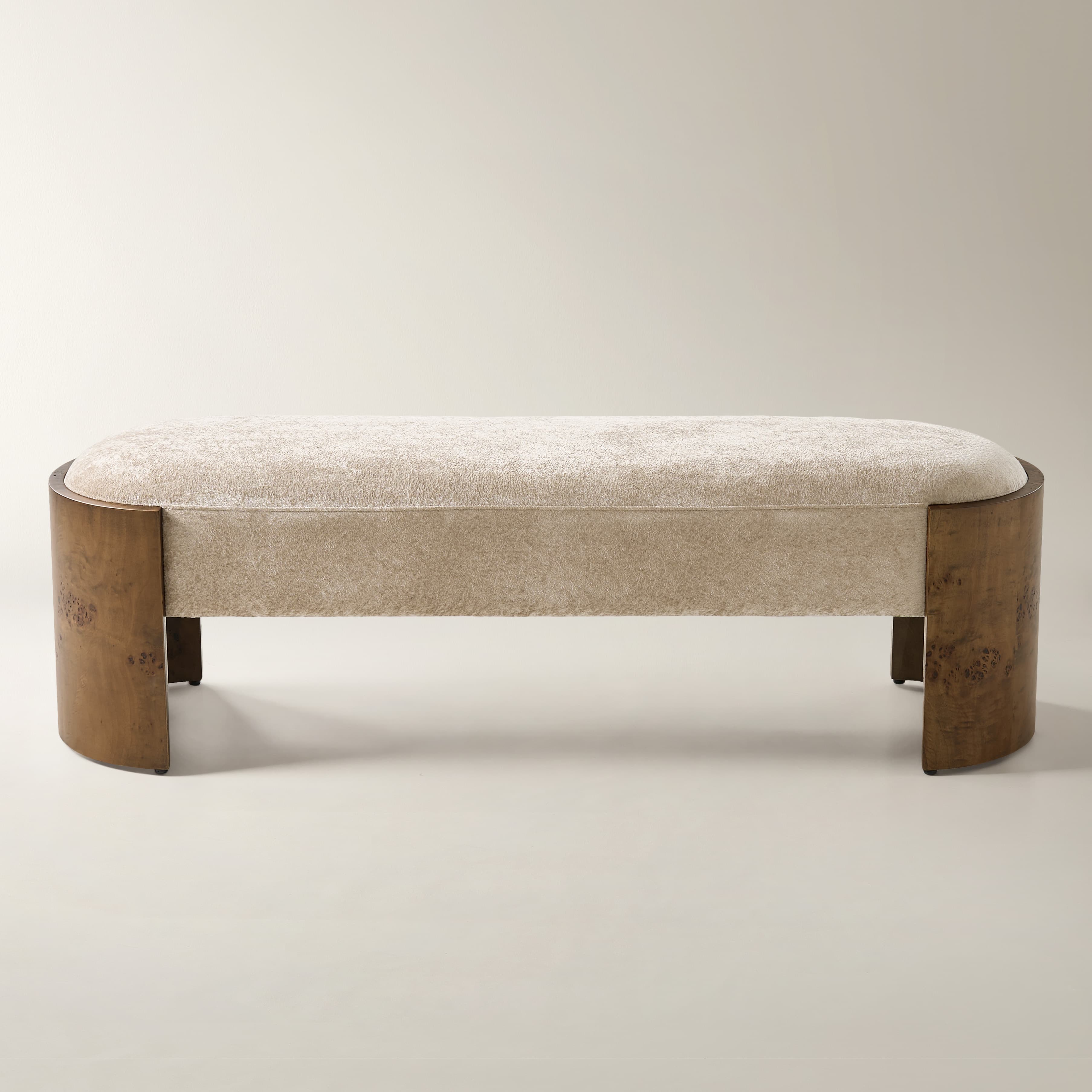 Cora Light Brown Chenille With Ash Wood Bench (60.6")$999
A light brown chenille bench with curved ash burl veneer panels, blending plush comfort and organic artistry.
Add To Cart -
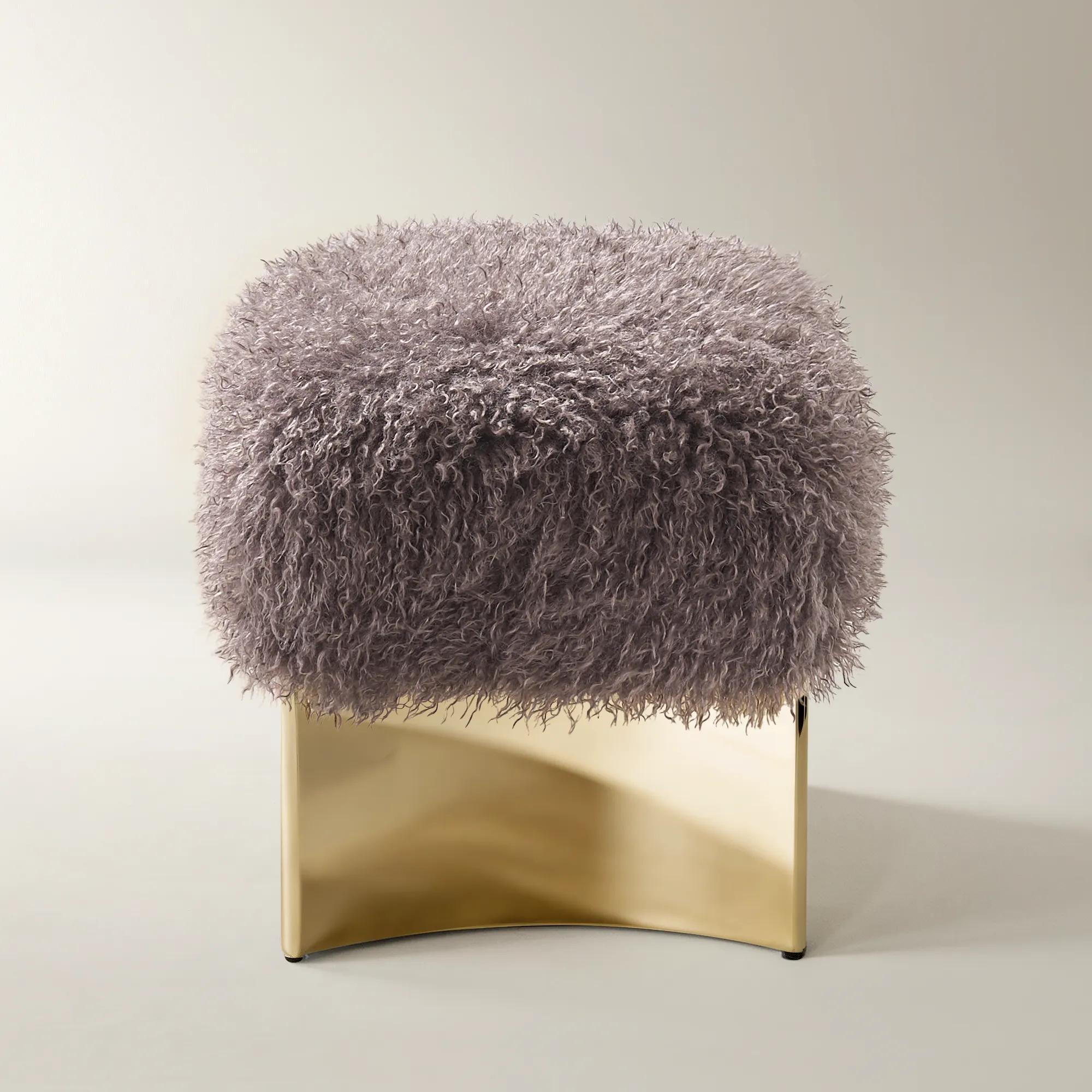
 Micah Tan Mongolian Faux Fur Bench With Rubberwood Legs (62.6")$699
A light brown faux fur bench with a curved rubberwood base and plush high-density foam cushion.
Add To Cart -
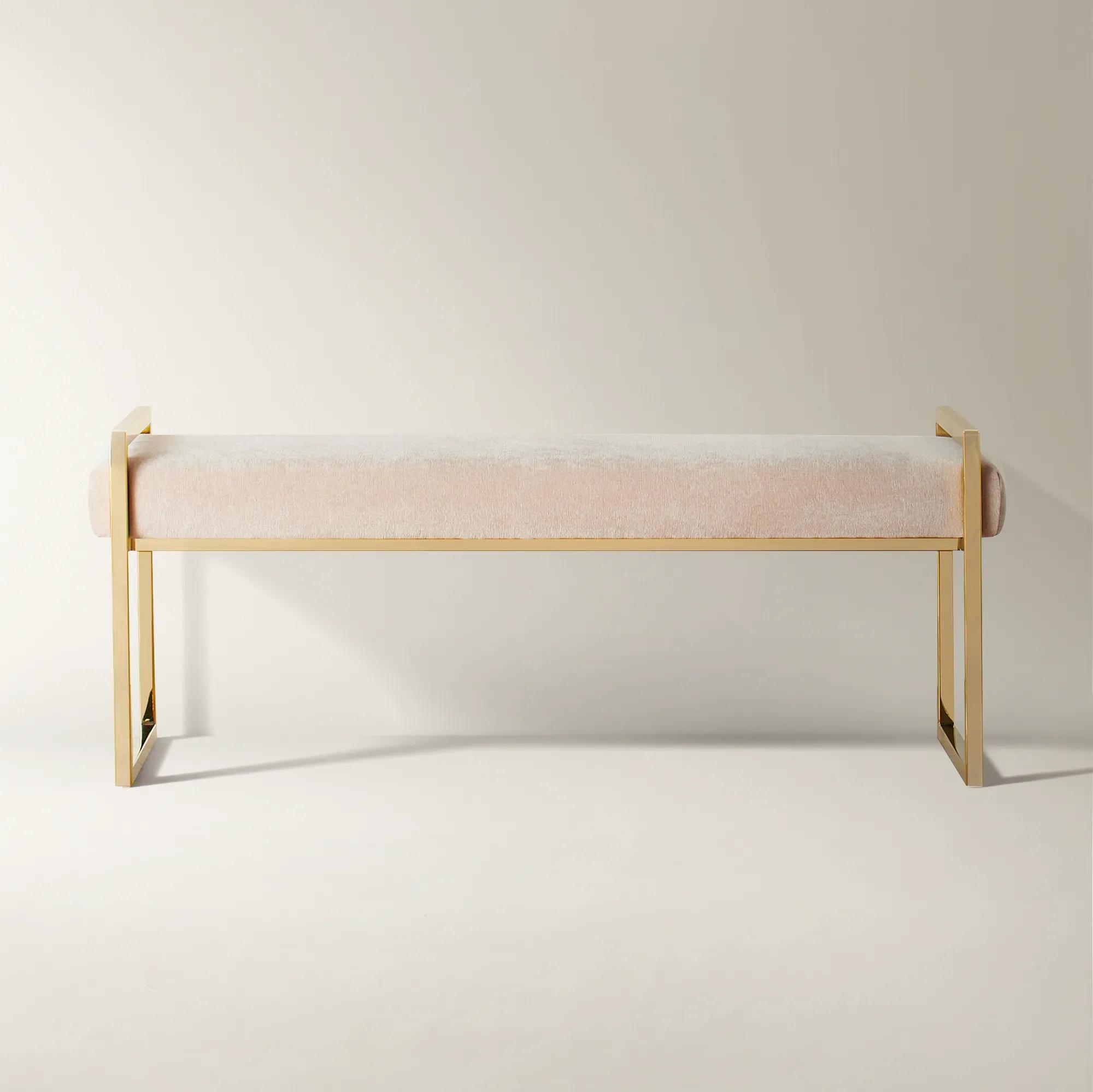 Clara Bench$799
A plush upholstered bench with a high-density foam seat and polished gold metal legs for modern elegance.
Add To Cart -
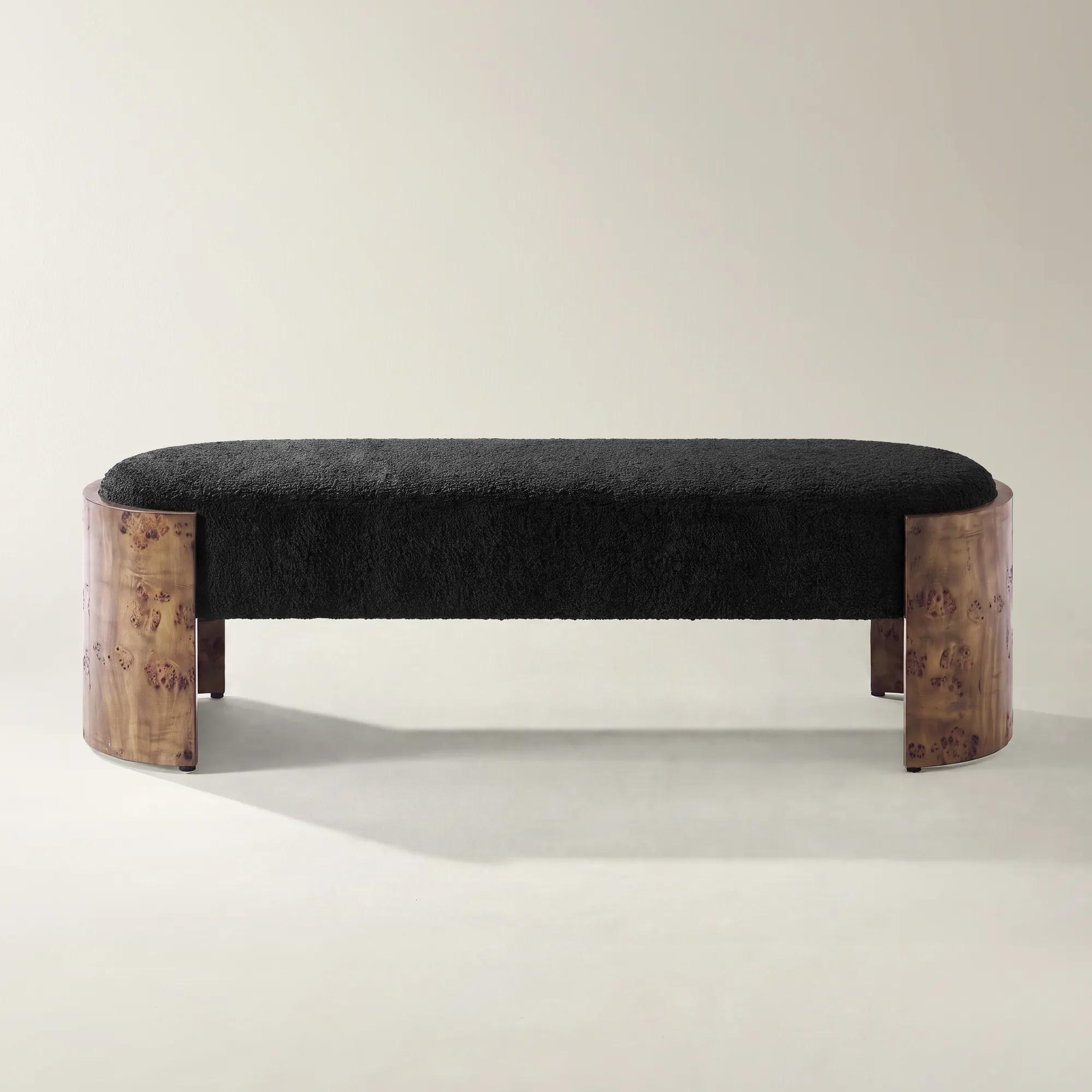 Cora Black Chenille With Ash Wood Bench (60.6")$999
A sculpted charcoal chenille bench featuring curved bookmatched ash burl panels and supportive foam cushioning.
Add To Cart -
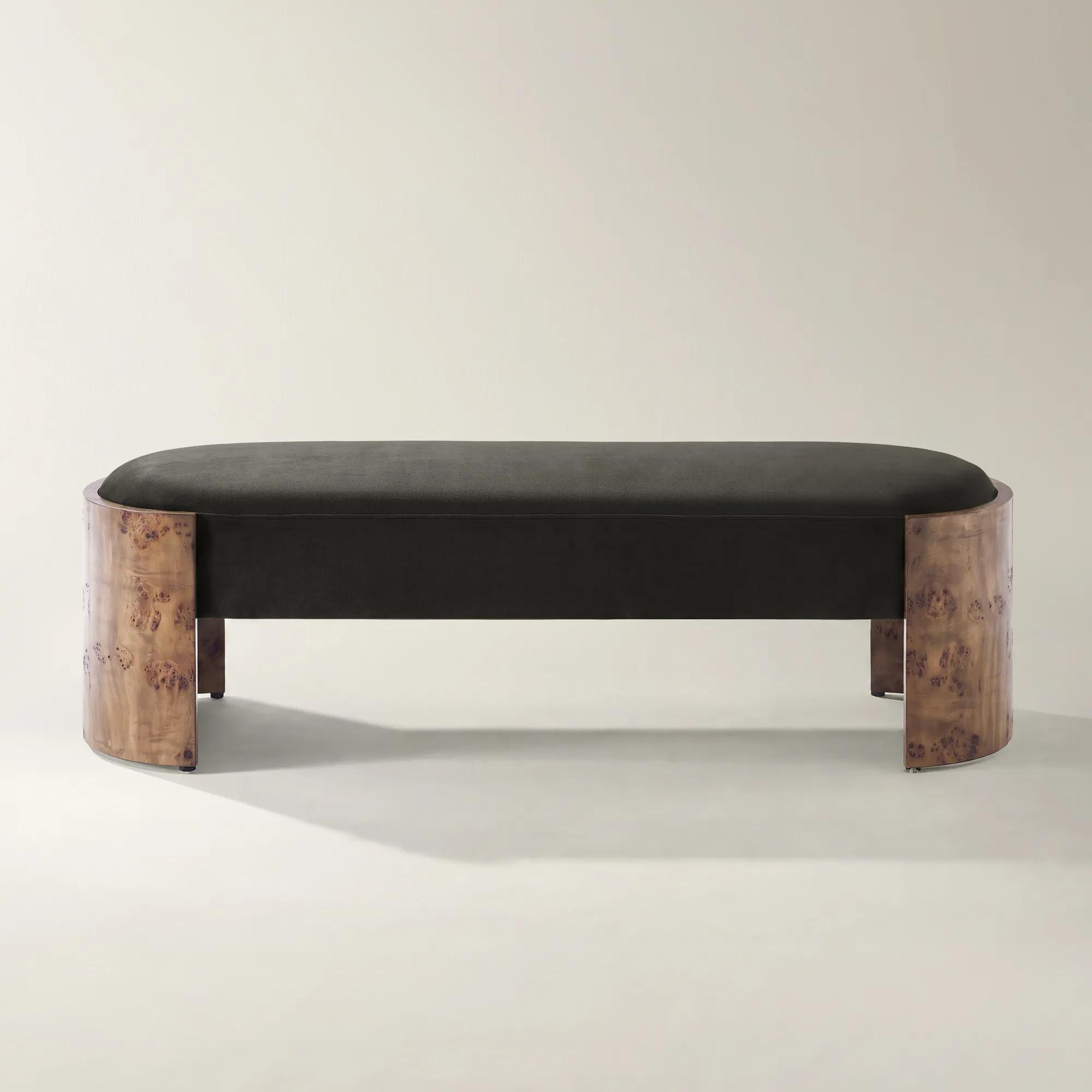
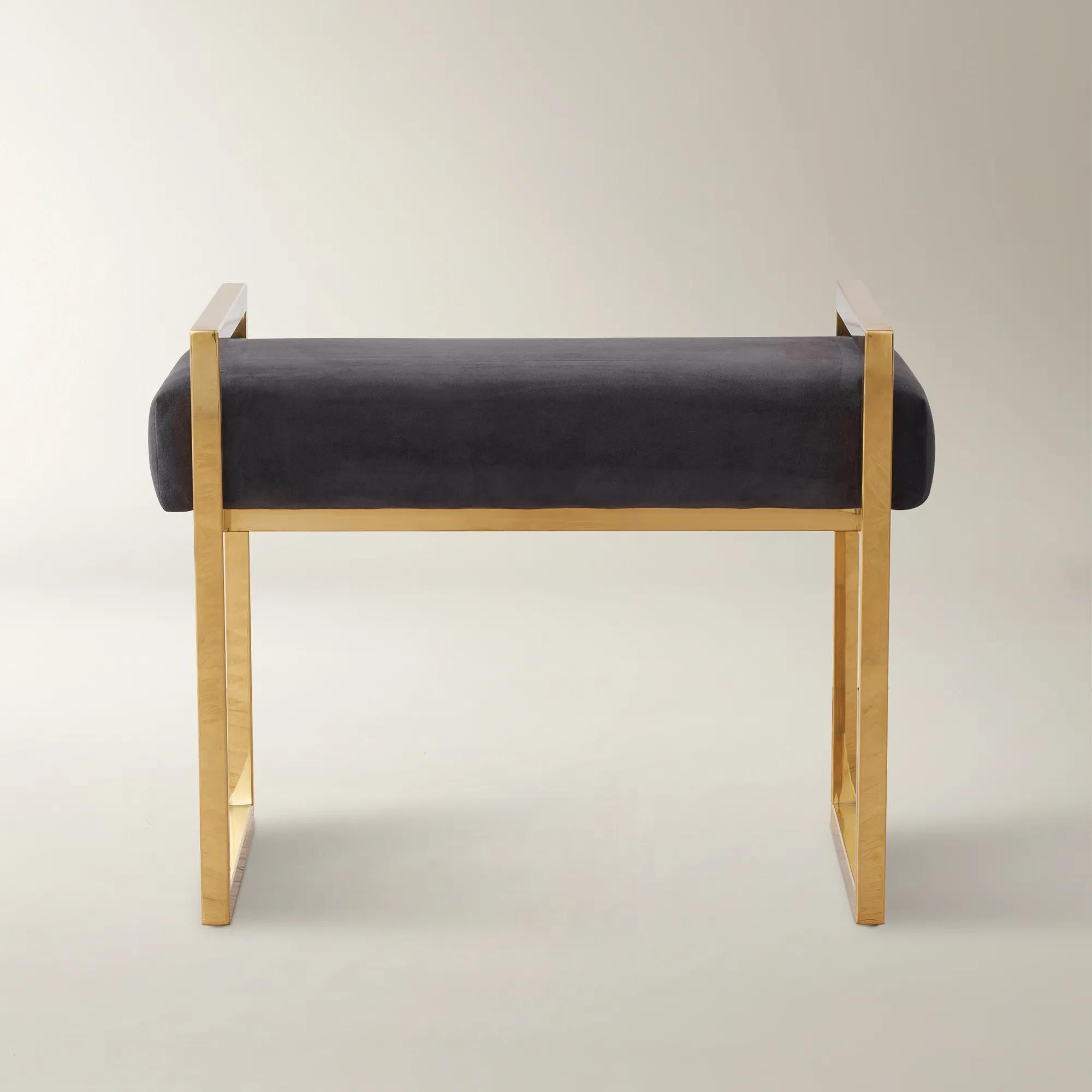
 Cora Charcoal Velvet With Ash Wood Bench (60.6")$999
A sculpted charcoal velvet bench with curved bookmatched ash burl panels and supportive foam cushioning.
Add To Cart -
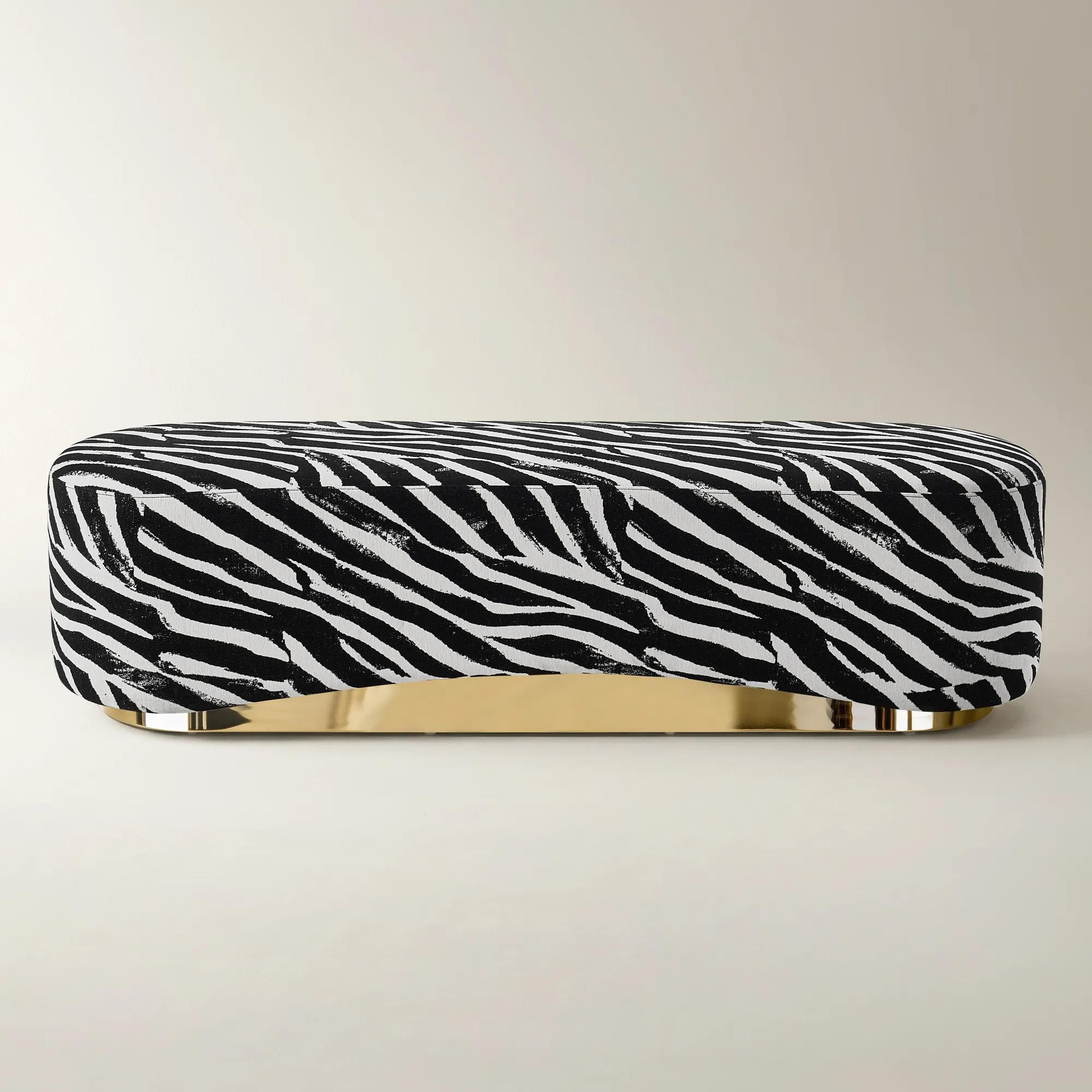
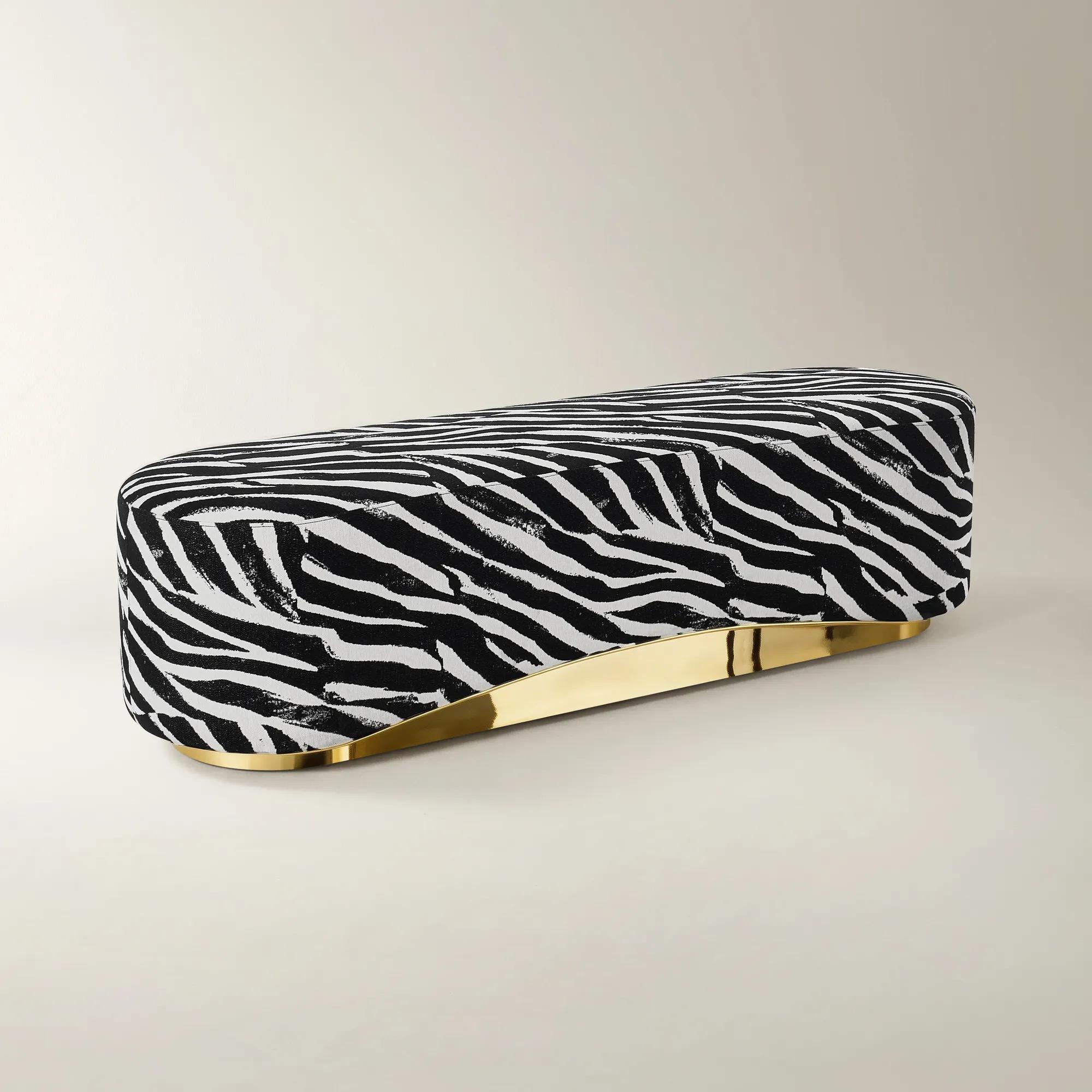 Kendra White/Black Performance Chenille Bench (70.47")$799
An elongated oval bench upholstered in white and black performance chenille with a polished gold stainless steel base.
Add To Cart -
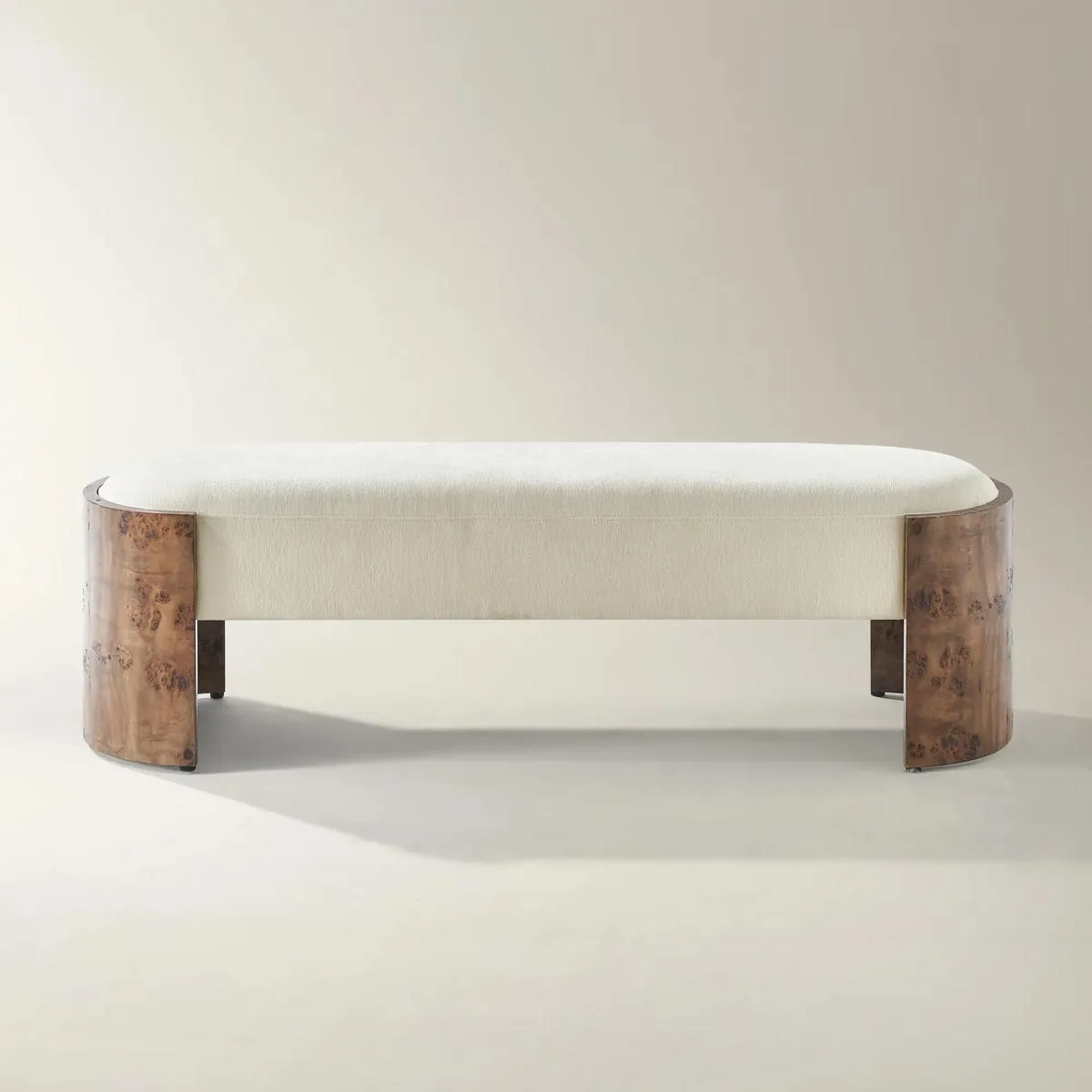
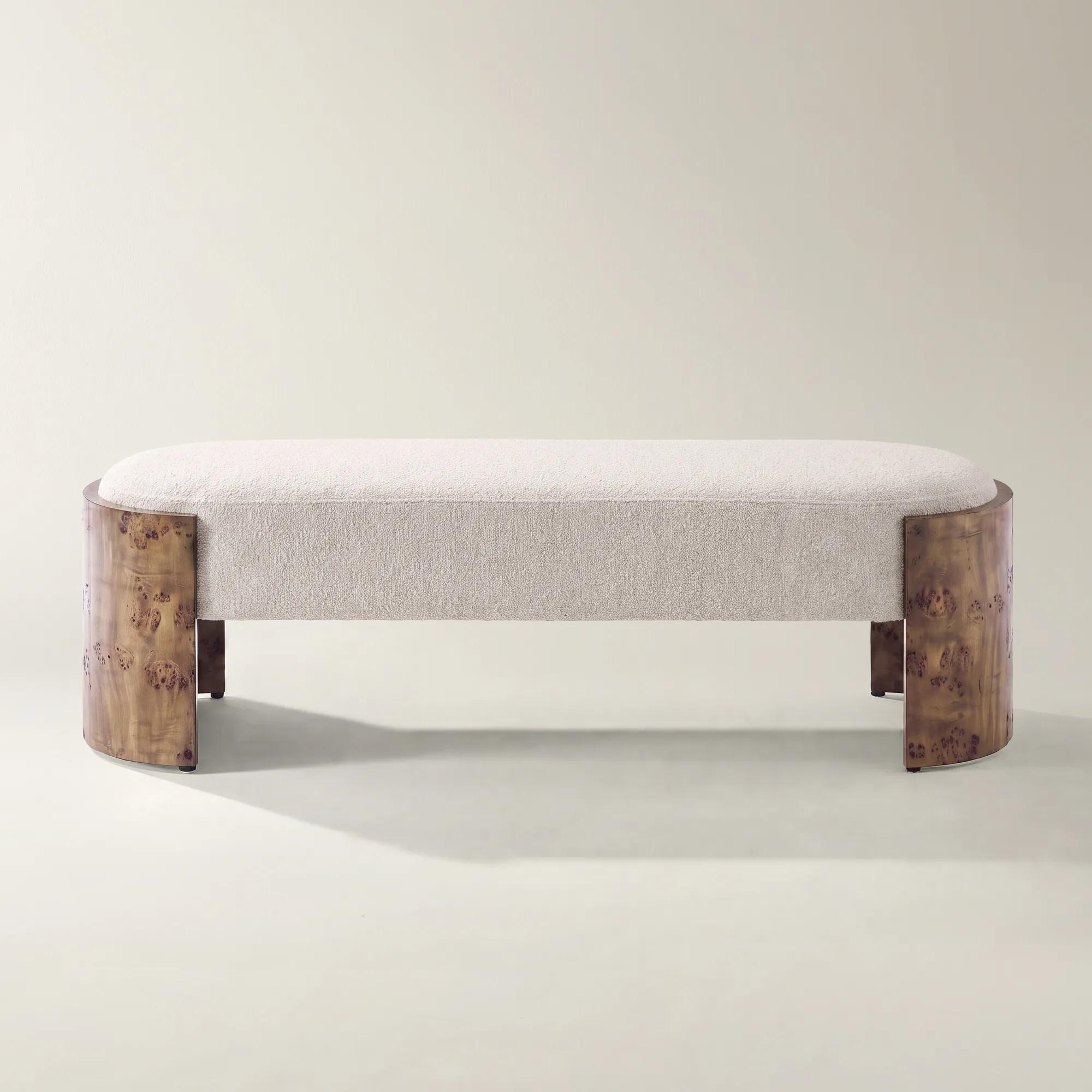 Cora Ivory Performance Boucle With Ash Wood Bench (60.6")$999
A sculpted ivory performance bouclé bench with curved bookmatched ash burl panels and supportive foam cushioning.
Add To Cart -
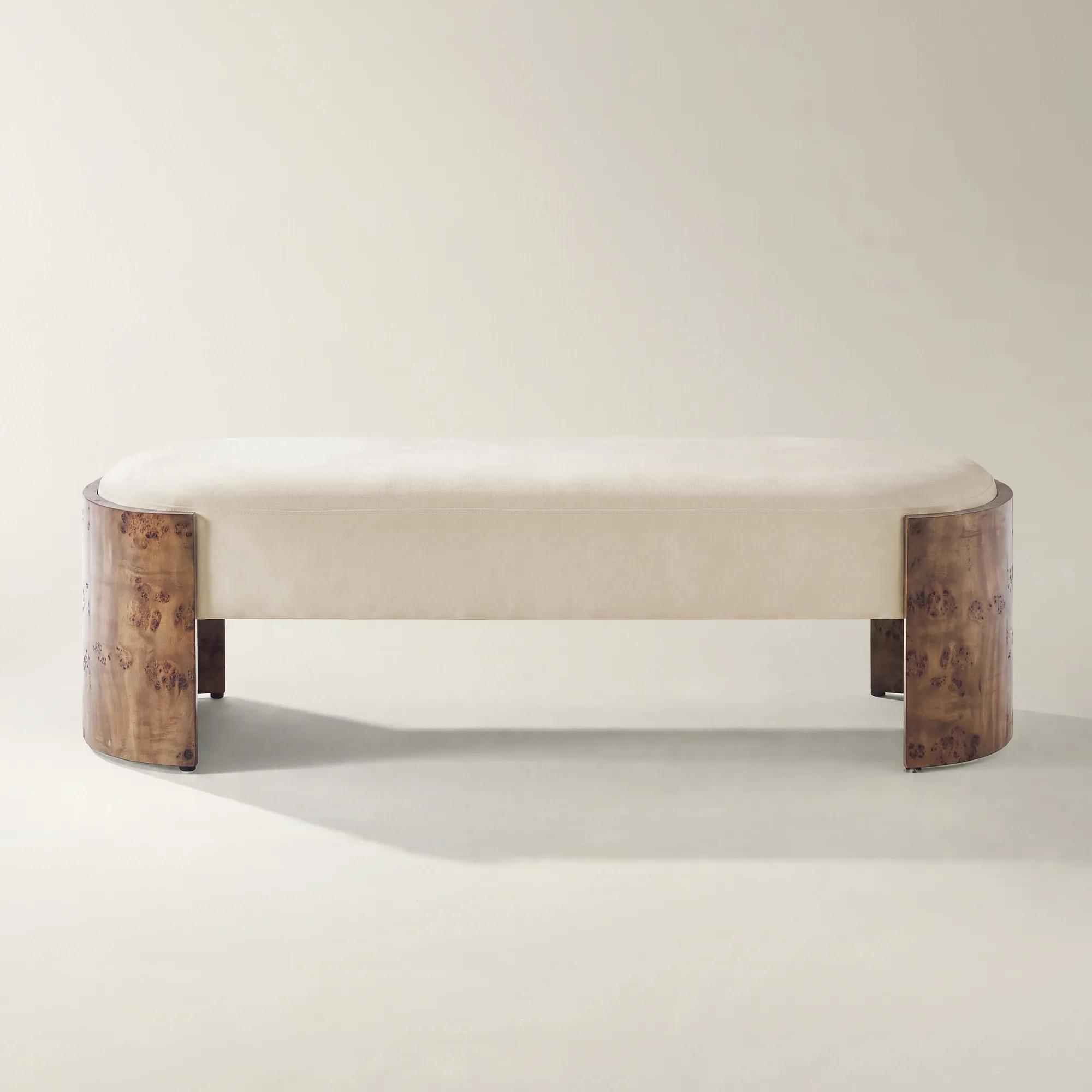 Cora Oatmeal Velvet With Ash Wood Bench (60.6")$999
A sculptural oatmeal velvet bench with curved ash burl wood panels and supportive foam cushioning.
Add To Cart -
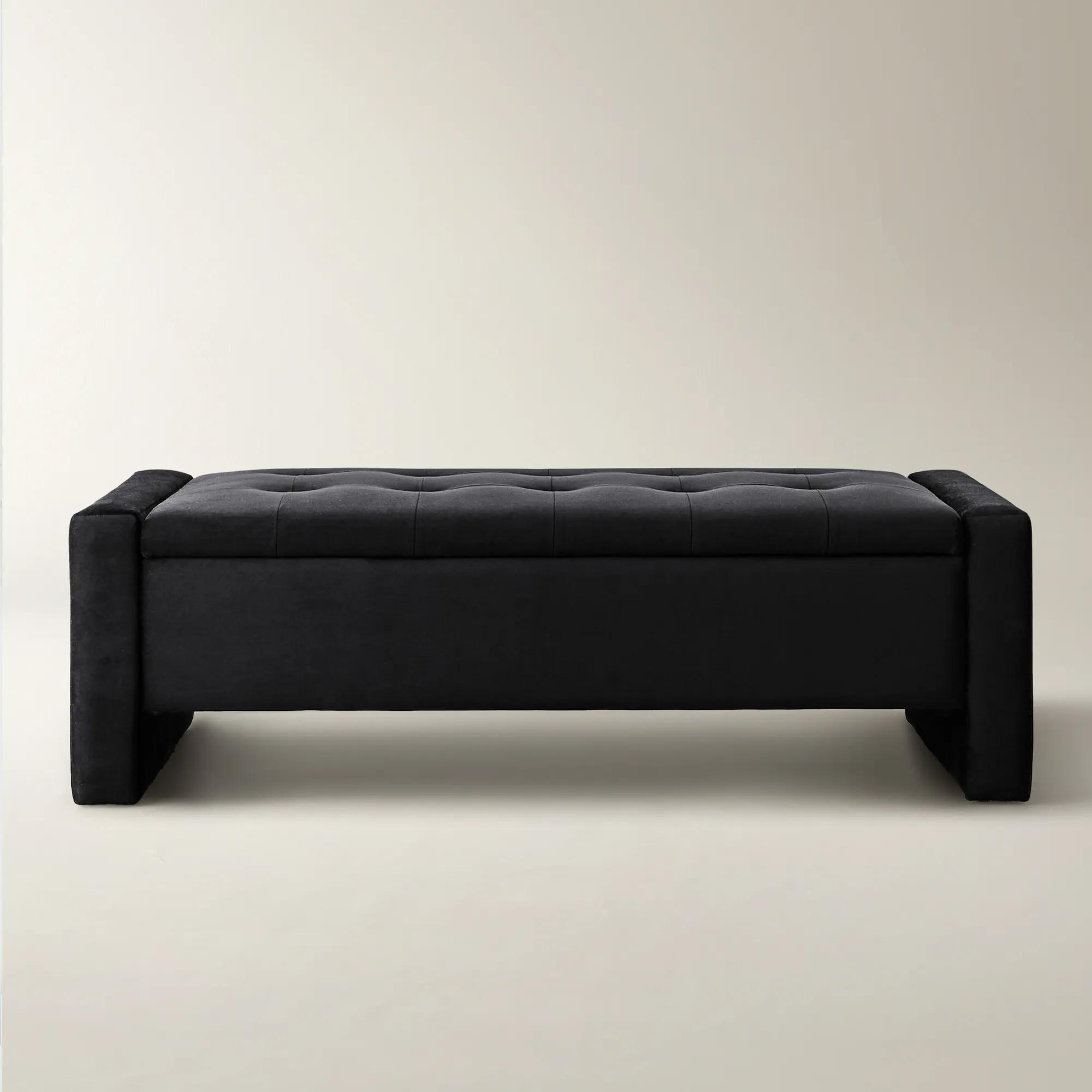
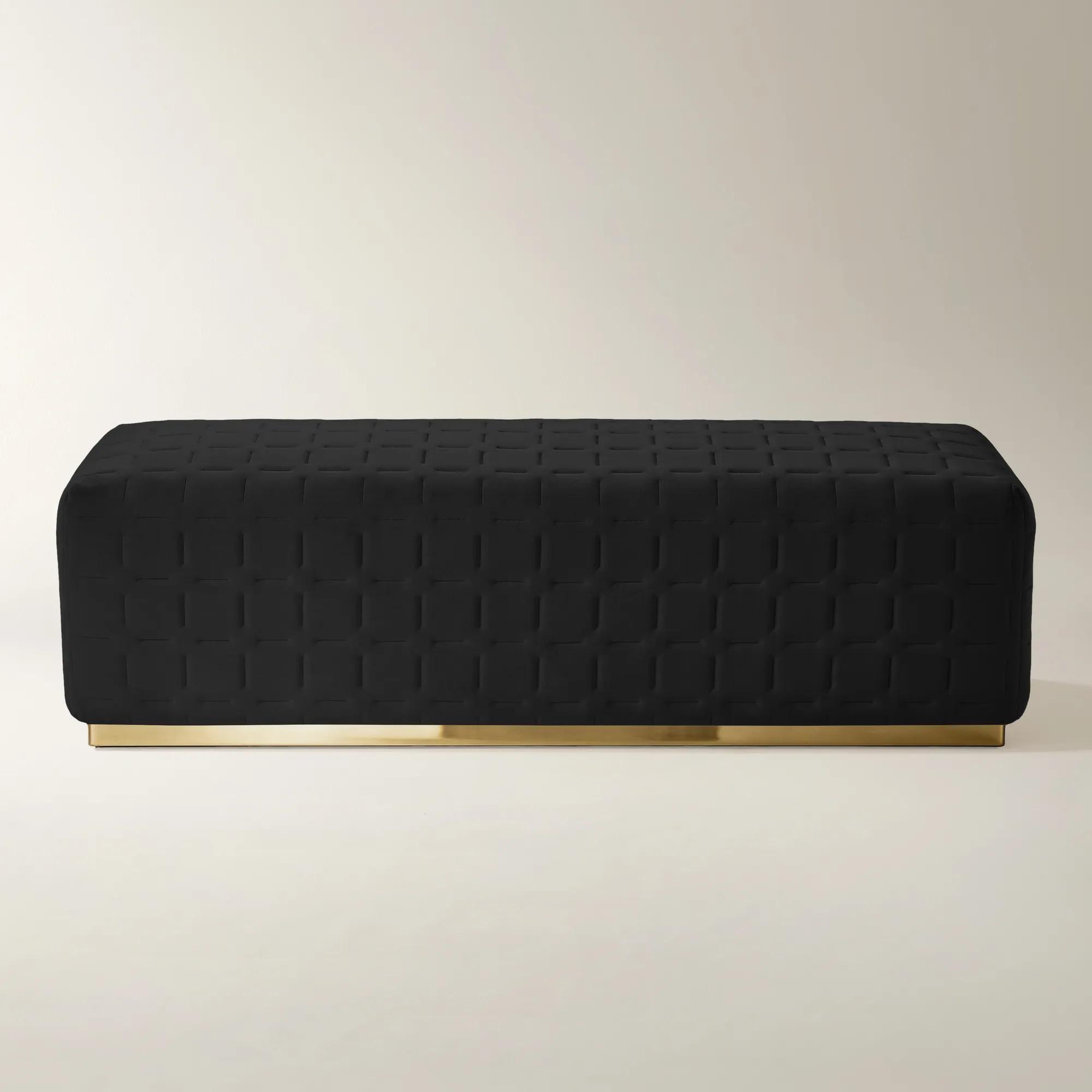 Vanta Quilted Charcoal Velvet Bench (64.6")$899
A charcoal velvet bench featuring checker quilted tufting and a gold stainless steel base for modern elegance.
Add To Cart -
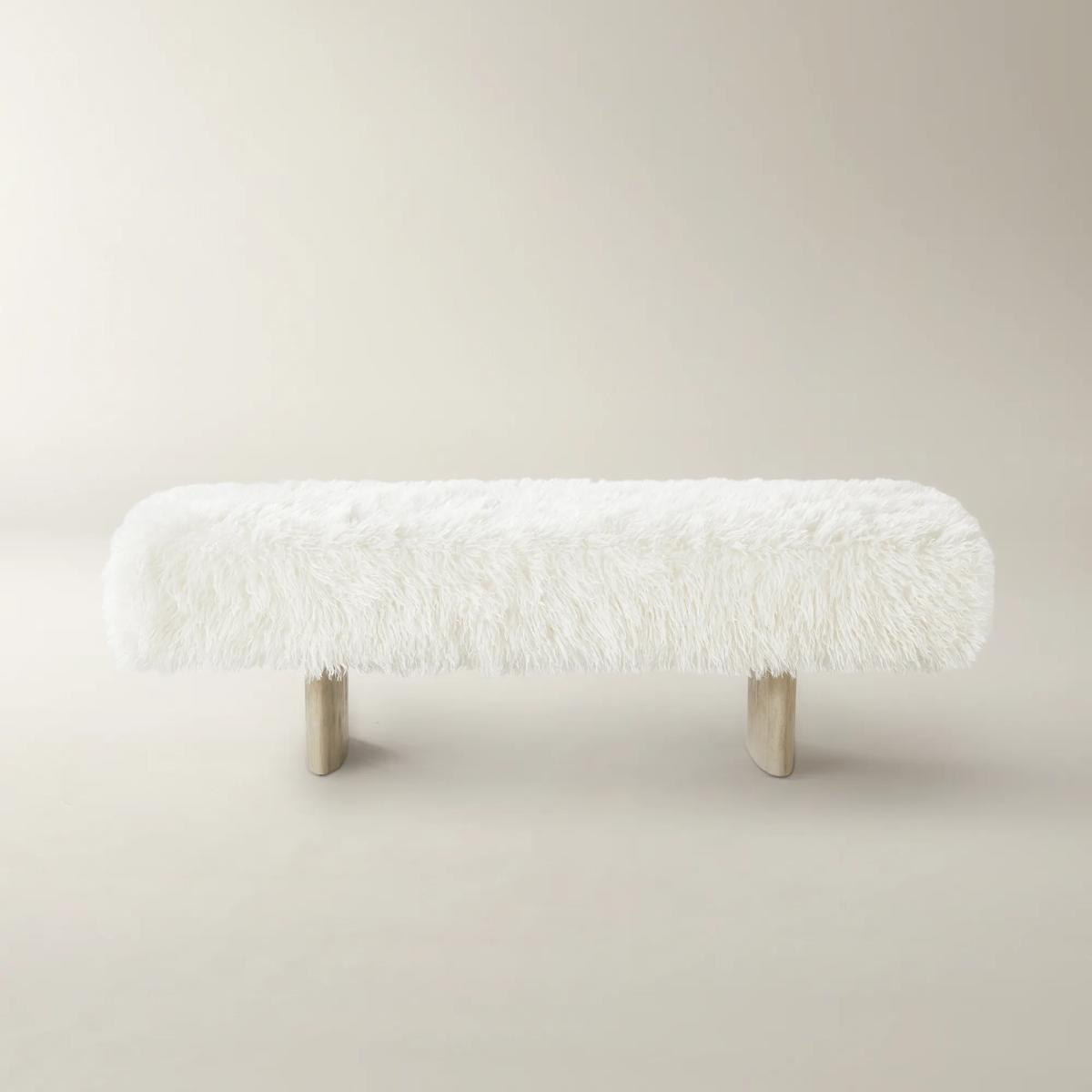 Micah Ivory Mongolian Faux Fur Bench With Rubberwood Legs (62.6")$699
An ivory faux Mongolian fur bench with high-density foam and sculptural solid rubberwood base for modern coziness.
Add To Cart -
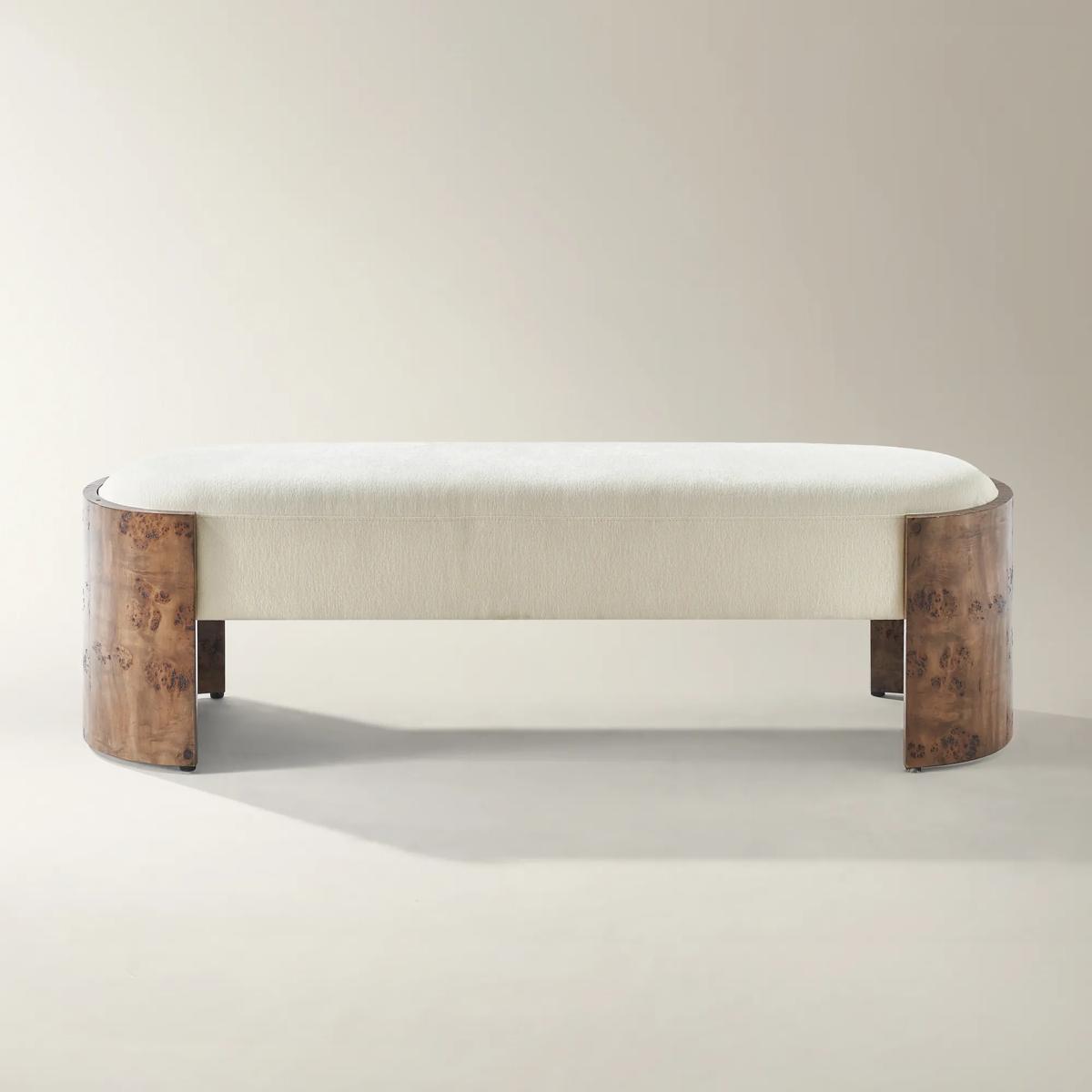 Cora Ivory Chenille With Ash Wood Bench (60.6")$999
An ivory chenille bench with curved ash burl veneer panels, blending plush comfort with striking wood artistry.
Add To Cart -
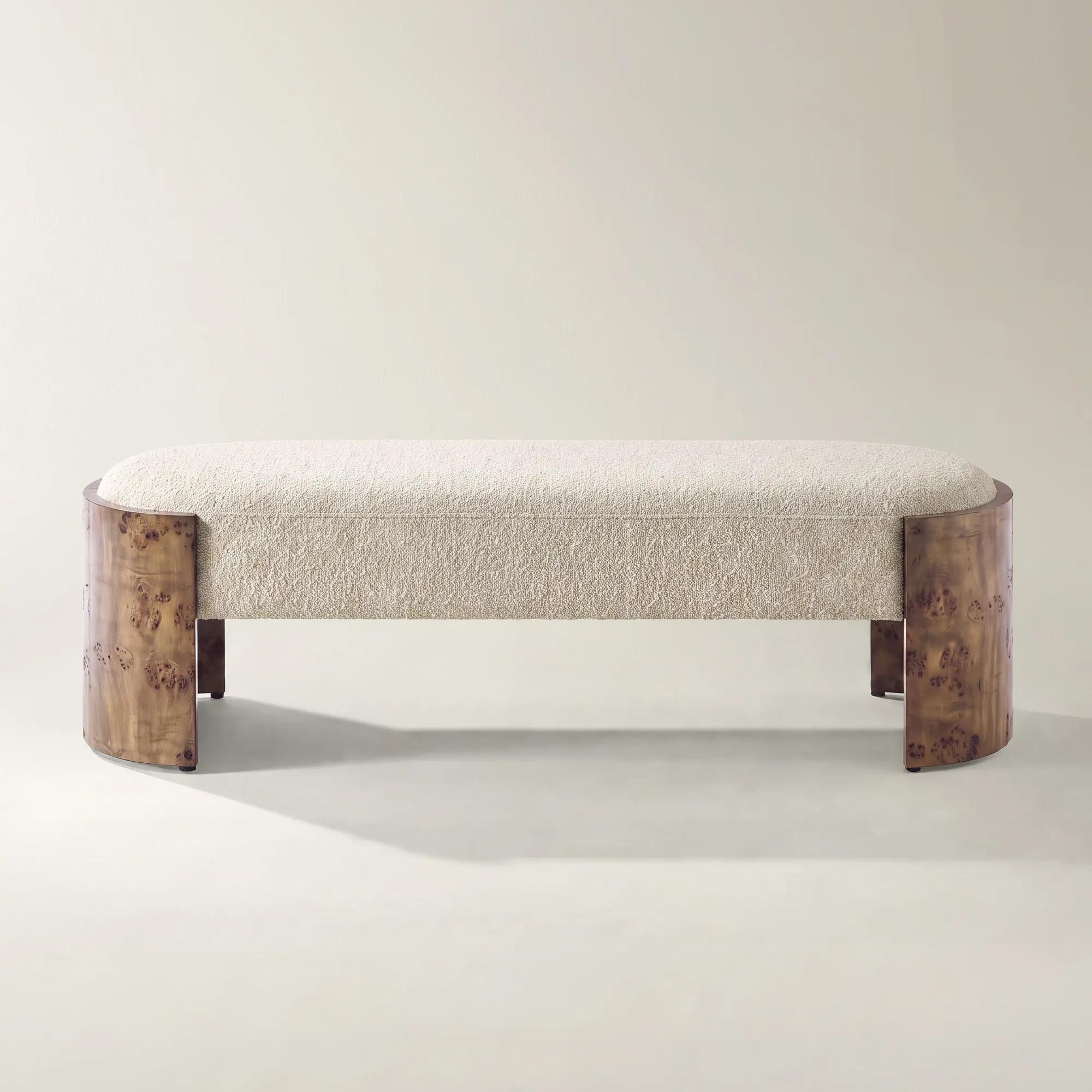 Cora Ivory Performance Boucle With Ash Wood Bench (60.6")$999
An ivory performance boucle bench with curved bookmatched ash burl panels and supportive foam cushioning.
Add To Cart -
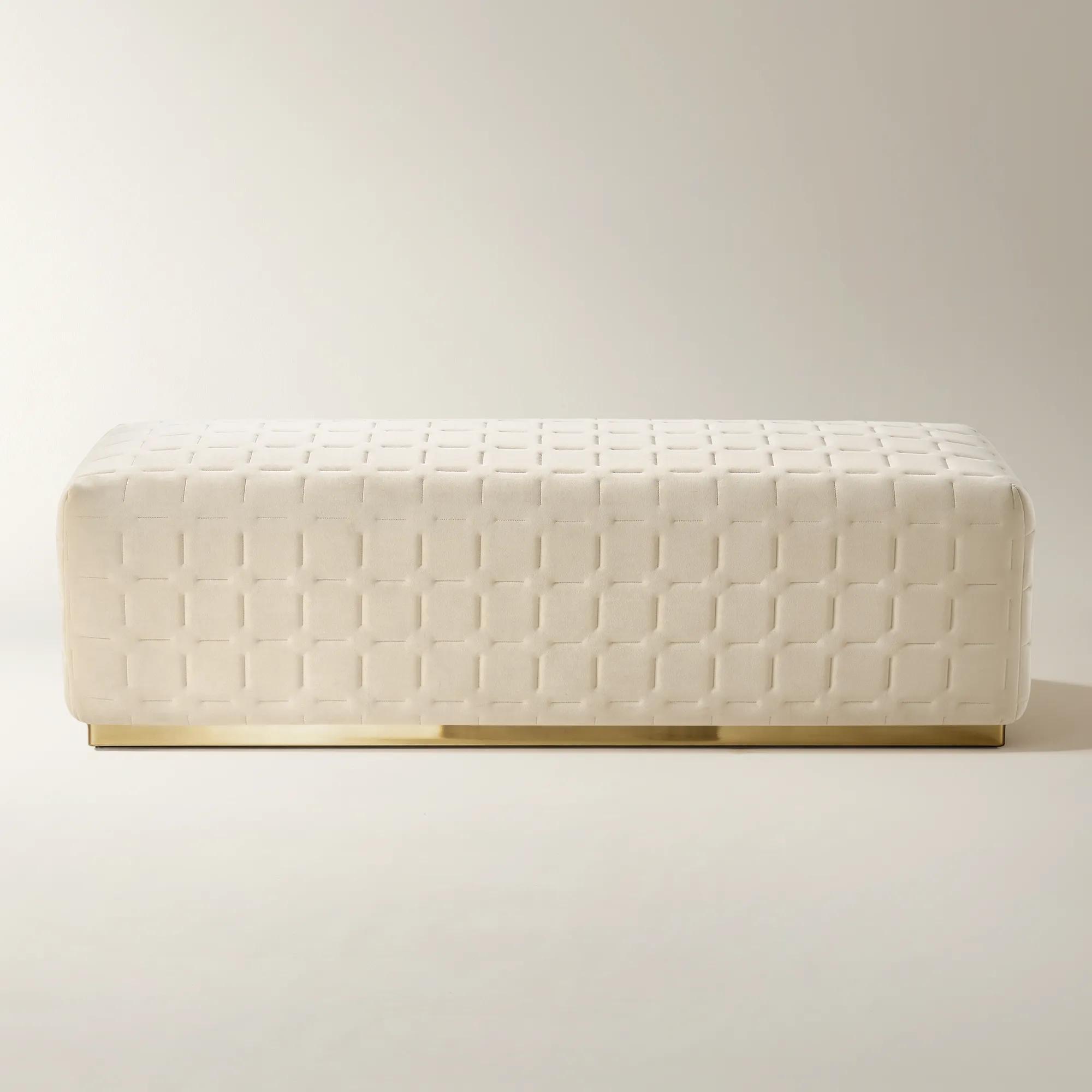
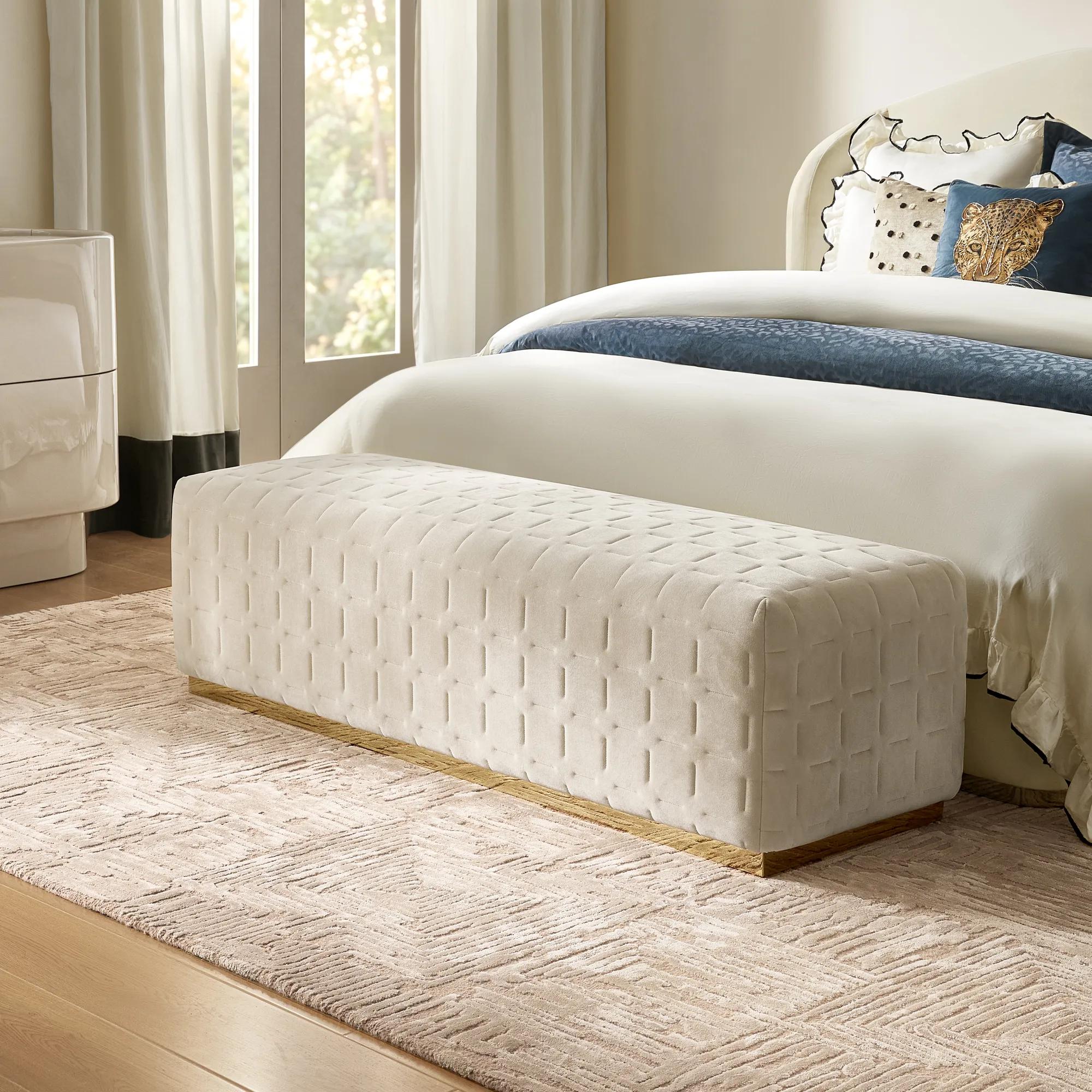 Vanta Quilted Oatmeal Velvet Bench (64.6")$899
A plush oatmeal velvet bench featuring checker quilted tufting and a sleek gold stainless steel base.
Add To Cart -
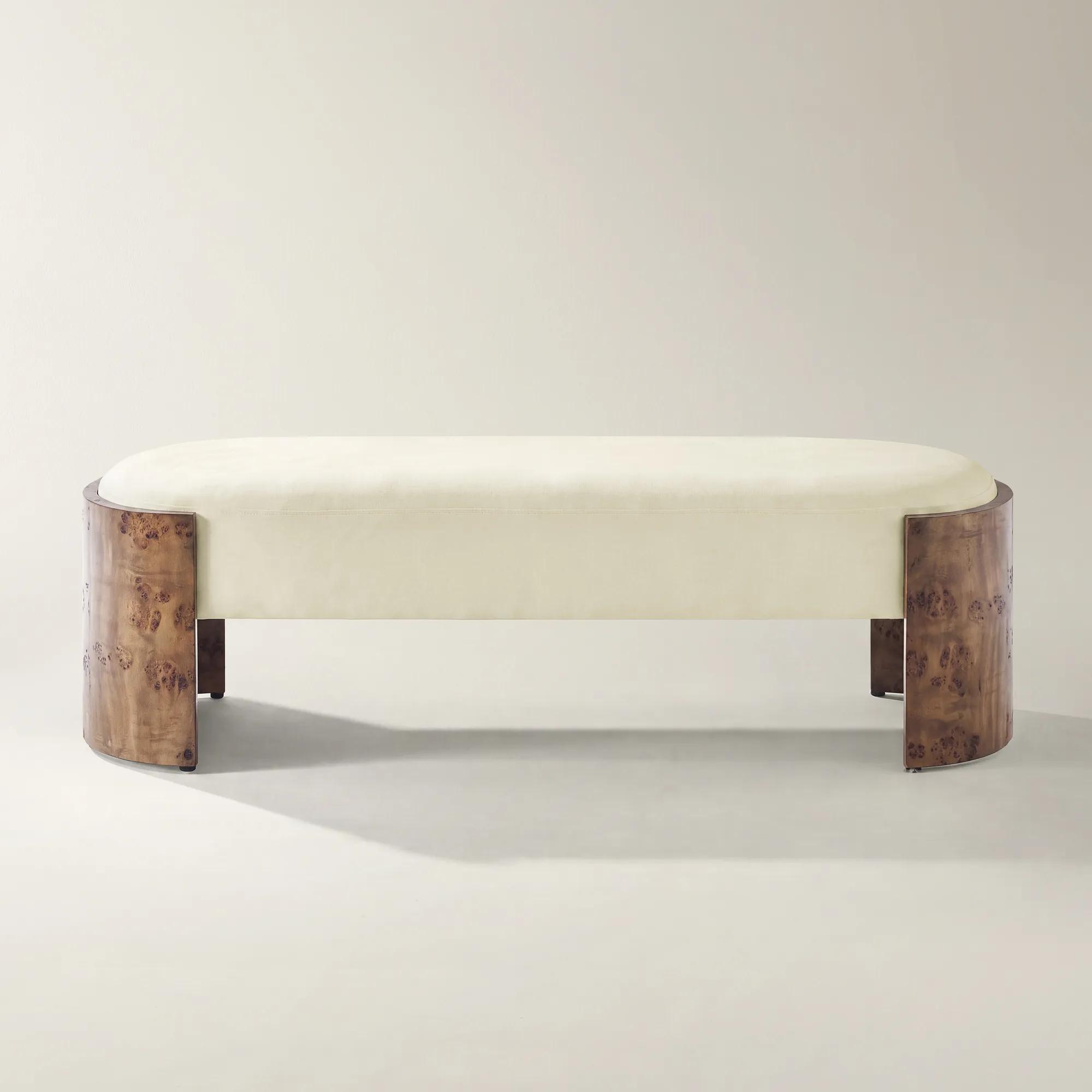 Cora Cloud Velvet With Ash Wood Bench (60.6")$999
A cloud velvet bench with bookmatched ash burl panels and supportive foam cushioning.
Add To Cart -
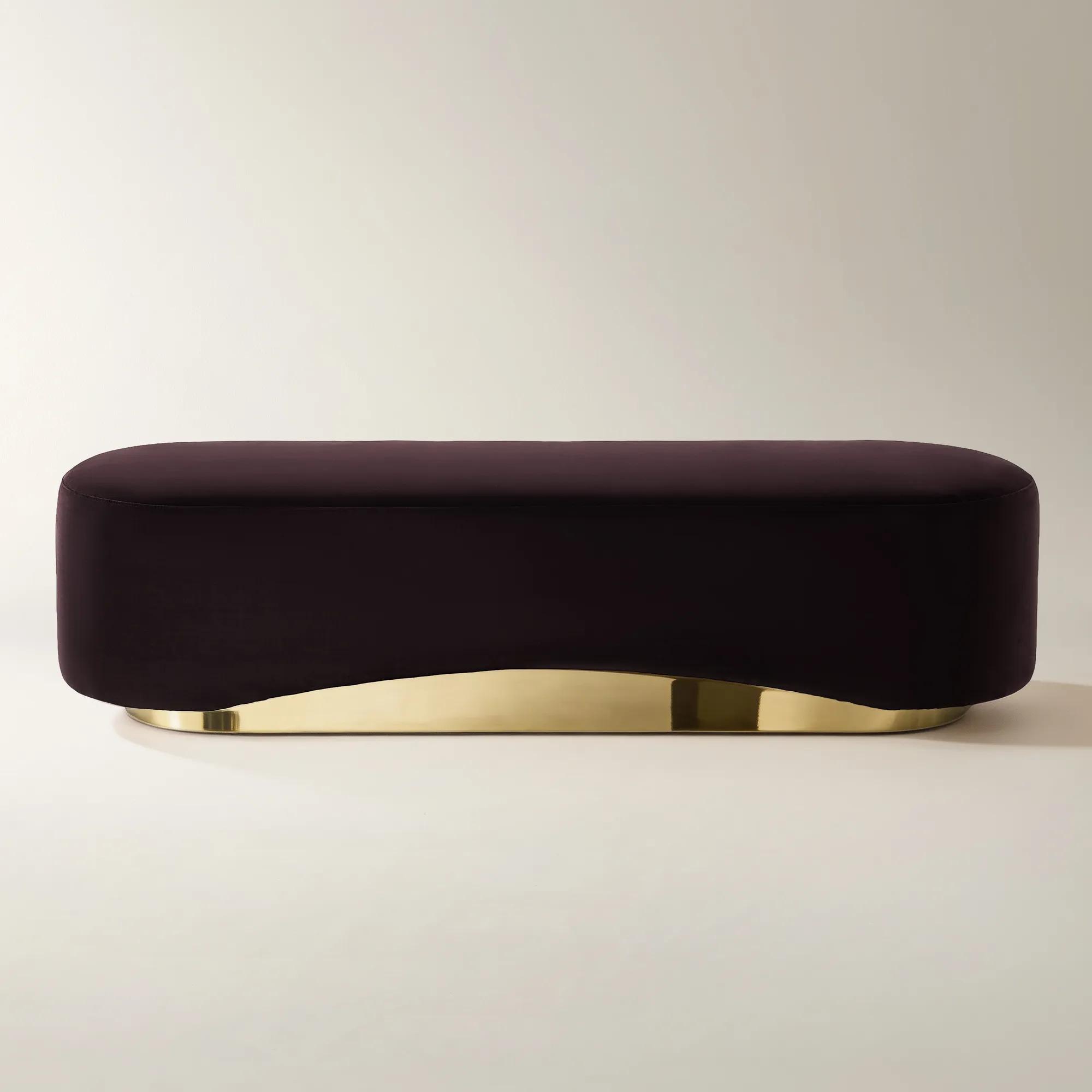 Kendra Fig Velvet Bench (70.47")$799
A plush fig velvet bench with an elongated oval silhouette and a polished gold stainless steel base.
Add To Cart

Comfortable Benches
Comfortable benches invite you to linger, transforming every corner into a destination of effortless elegance and relaxation. More than mere seating, these versatile pieces become sculptural statements—anchoring entryways with poise, elevating bedrooms with a whisper of luxury, or gathering guests in the glow of conviviality. Each bench is an invitation to pause, unwind, and revel in the art of living beautifully. With sumptuous silhouettes and a flair for drama, comfortable benches bring both style and sanctuary to the spaces you cherish most.
Comfortable benches combine supportive cushioning, well-proportioned seating, and an expressive silhouette, bringing a place to pause into rooms that deserve more than purely practical furniture. An upholstered bench at the foot of a bed gives a dressing area a graceful finishing note; a cushioned entryway bench offers a composed place to slip off shoes or set down a handbag. In a living room, a tailored bench can provide additional seating without the visual height of another armchair, preserving views across a conversational arrangement. The most inviting designs balance softness with structure: a seat should feel welcoming without sinking so deeply that standing becomes awkward. Upholstery shapes that experience as much as appearance. Velvet creates a rich, light-responsive surface that emphasizes curves and channels, while bouclé introduces a more dimensional texture with a sculptural presence. Linen and linen-blend fabrics lend upholstered benches a tailored character, although their texture, wrinkle resistance, and cleaning requirements vary by composition. Leather offers a distinctive hand and surface character, with care needs that depend on its finish. Beneath these coverings, cushioning and construction determine how the bench feels beyond its first impression. Foam provides structure, while fiber wraps or other cushioning layers can soften the initial contact; the balance matters more than thickness alone. A deeply padded seat is not automatically more comfortable than a slimmer, well-supported one. Tufting, channeling, and welted edges bring definition, but decorative details should complement the way the seat will be used. Someone sitting briefly to fasten a shoe may appreciate a firmer perch, while a bench intended for conversation benefits from enough depth and cushioning to remain inviting. For a bedroom retreat, sumptuous upholstery can echo the softness of bedding without matching every fabric. In an entry, a more tailored seat can create an elegant contrast with a substantial mirror or a sculptural console. Comfortable bench seating succeeds when its visual drama and everyday purpose feel equally considered.
Scale gives that comfort room to work. A bench can look beautifully proportioned in isolation yet feel cramped beside a bed, crowded beneath a dining table, or too deep for a narrow passage. Overall width, seat height, seat depth, and the space around the frame all deserve attention, particularly when arms, curved ends, or projecting legs extend beyond the usable cushion. At the foot of a bed, a bench that is narrower than the bed frame often creates a balanced composition, with enough clearance to walk comfortably around both ends. Doors, drawers, and nearby closets still need room to open. In a hallway, depth is especially important: the seating should offer a useful perch without forcing everyone to turn sideways to pass. An open base can make a substantial upholstered seat appear lighter, while a solid or enclosed base creates a more grounded presence. Seat height also influences ease of use. A low, lounge-like profile can feel relaxed in a living area, but it may be less convenient for someone who prefers a higher seat when sitting down or standing up. People with different heights and mobility needs will experience the same bench differently, so dimensions are more useful than appearance alone. A backless bench offers flexibility and can be approached from either side, while a backed design provides something to lean against during longer stretches of sitting. For meals, comfortable dining banquette benches bring these considerations into a setting where seat height, back support, and table clearance become especially important. The cushion should leave adequate room beneath the tabletop and apron, including after it compresses under weight. Pedestal bases and table legs affect where knees and feet can rest, and a bench tucked against a wall needs an accessible way in and out. A generous overall length does not always translate into equally generous seating, particularly when arms or shaped ends reduce the usable space. Matching the bench to the people and activities it will serve creates comfort that feels effortless rather than merely decorative.
Materials and maintenance help preserve that inviting character. A sturdy frame, secure joints, and a stable base matter whether a bench holds one person tying a shoe or several guests gathering near a conversation area. Solid wood, engineered wood, and metal can each play a role in furniture construction; the material name alone does not establish strength, and the stated weight capacity and intended use remain essential considerations. A bench designed for seating should not be treated as a step stool, and an upholstered surface should not be assumed suitable for outdoor use. For busy households, upholstery performance deserves the same attention as color. Tightly woven fabrics may be less prone to catching than loose, highly textured weaves, while looped textiles can require extra consideration around pet claws. Performance treatments may improve resistance to certain spills or stains, but they do not make every fabric impervious to damage. Cleaning instructions should guide care from the beginning. Gentle vacuuming with an appropriate upholstery attachment can help remove surface dust, and spills are generally best addressed promptly by blotting rather than rubbing, using only methods approved for the material. Velvet may show changes in pile direction that affect its shading; that light-and-dark movement is different from a stain. Leather requires products suited to its particular finish, and prolonged direct sunlight can affect many upholstery colors and surfaces. Storage benches add another useful dimension, concealing extra throws, accent pillows, or other belongings that might otherwise interrupt a polished room. Interior dimensions determine what fits, while lid clearance, hinge design, and manufacturer instructions influence convenient use. Frequent access is easier when the seat is not covered in elaborate styling. A single lumbar pillow can soften a backed bench, while a folded throw gives a bedroom bench texture without sacrificing its purpose. Gleaming metal legs, richly finished wood, or a sculpted upholstered base can connect the piece to surrounding furnishings without repeating them exactly. The result is seating with presence: an elegant pause at the entrance, a tactile counterpoint beneath artwork, or a finishing gesture that makes a bedroom feel fully composed.
FAQs
Comfortable benches often feature a blend of sumptuous upholstery—such as velvet, linen, or faux fur—paired with accents of gleaming metal, polished wood, or mirrored finishes. These materials are chosen not only for their tactile pleasure but also for their ability to elevate a space with visual intrigue and a sense of artistry.
A comfortable bench can be styled as a dramatic focal point at the end of a sofa, beneath a window to create a reading nook, or as flexible seating for gatherings. Layer it with plush throws and accent pillows to invite relaxation, and let its sculptural form enhance the overall mood and character of your living room.
Absolutely. A beautifully crafted bench is a thoughtful and lasting gift for housewarmings, weddings, or milestone celebrations. Its combination of elegance and utility ensures it will be treasured, offering both comfort and a bold design statement in any home.
In an entryway or foyer, a comfortable bench serves as both a welcoming gesture and a practical accent. It provides a chic spot for guests to pause, set down belongings, or slip on shoes, while also expressing your unique sense of style the moment someone steps inside.
Look for a bench that reflects your personal flair—whether that’s a tufted, velvet design for a touch of glamor, a sleek mirrored piece for modern sophistication, or a richly textured fabric for cozy warmth. Consider the bench’s silhouette, material, and color palette to ensure it complements your existing décor while making its own bold statement.