Upholstered Benches
Upholstered Benches
-
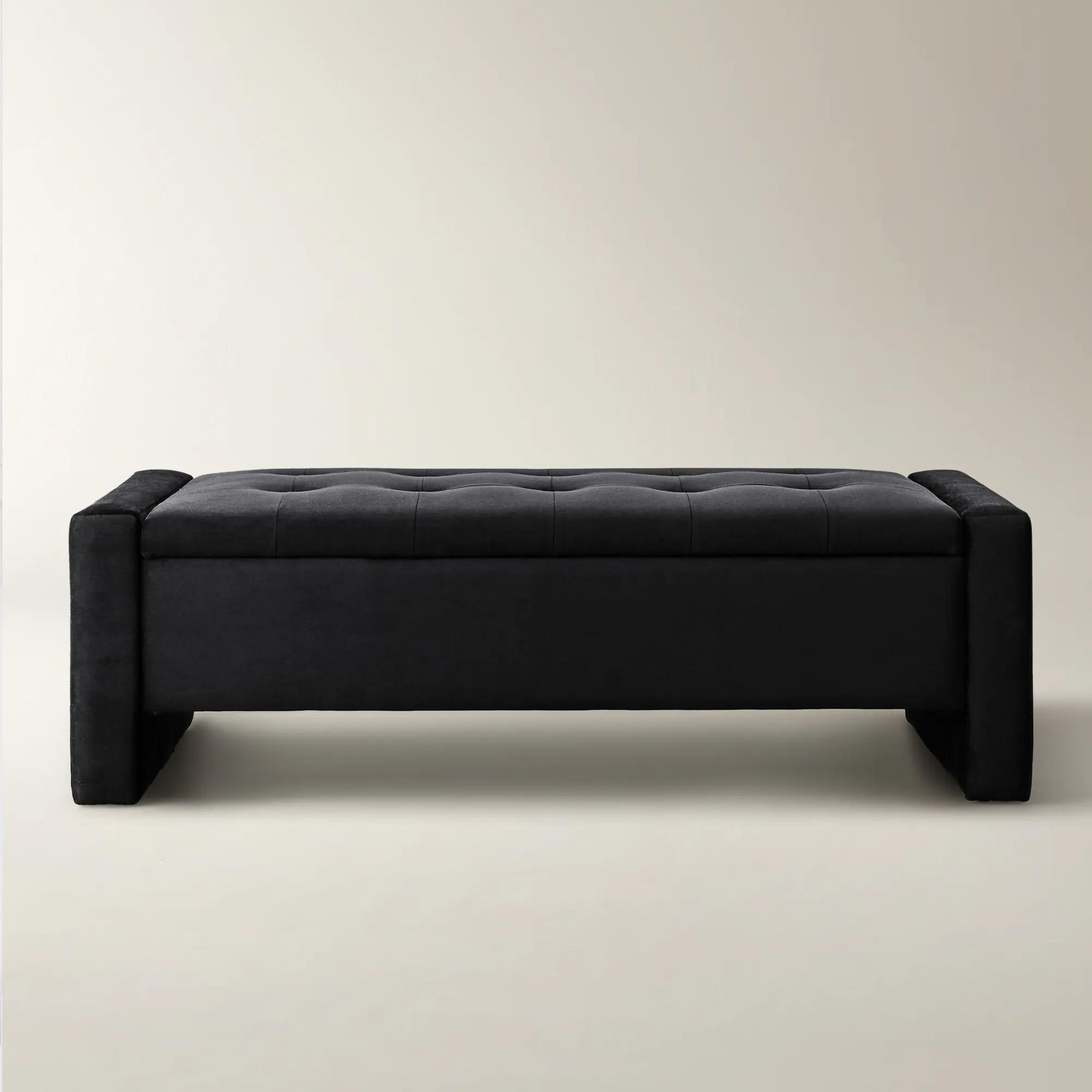
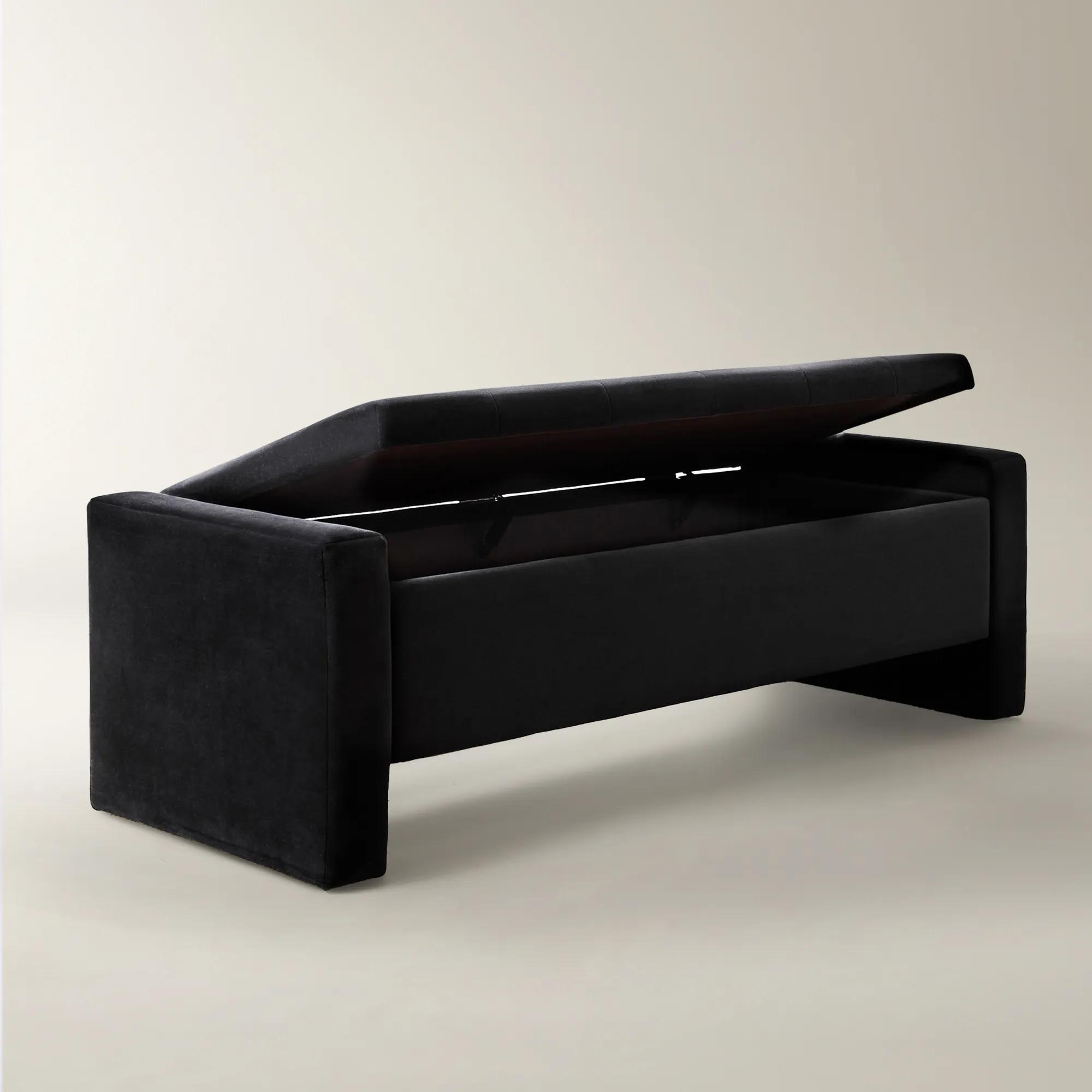 Maeve Storage Bench$899
A modern velvet-upholstered bench with hidden storage, kiln-dried hardwood frame, and soft-closing glides.
Add To Cart -
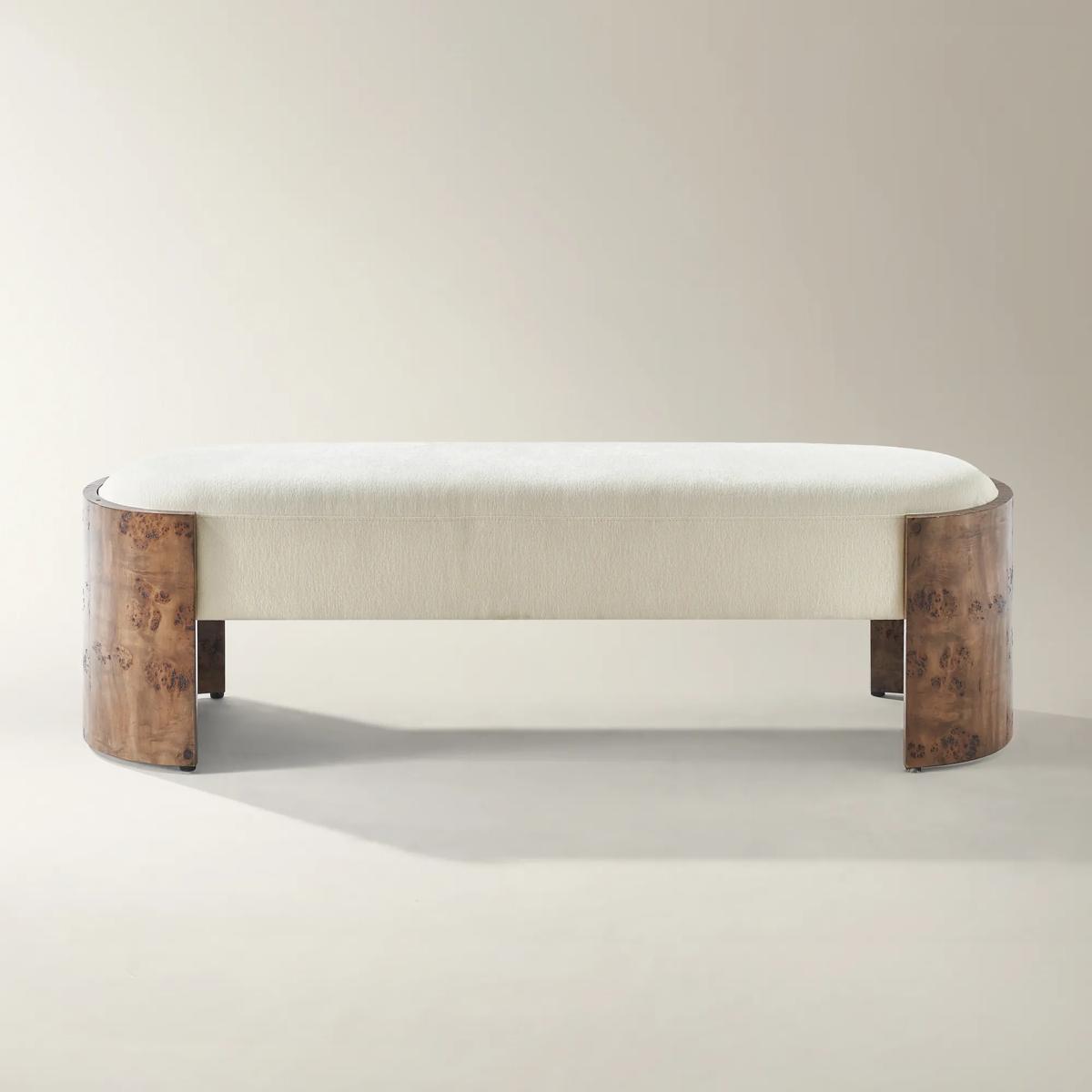 Cora Ivory Chenille With Ash Wood Bench (60.6")$999
An ivory chenille bench with curved ash burl veneer panels, blending plush comfort with striking wood artistry.
Add To Cart -
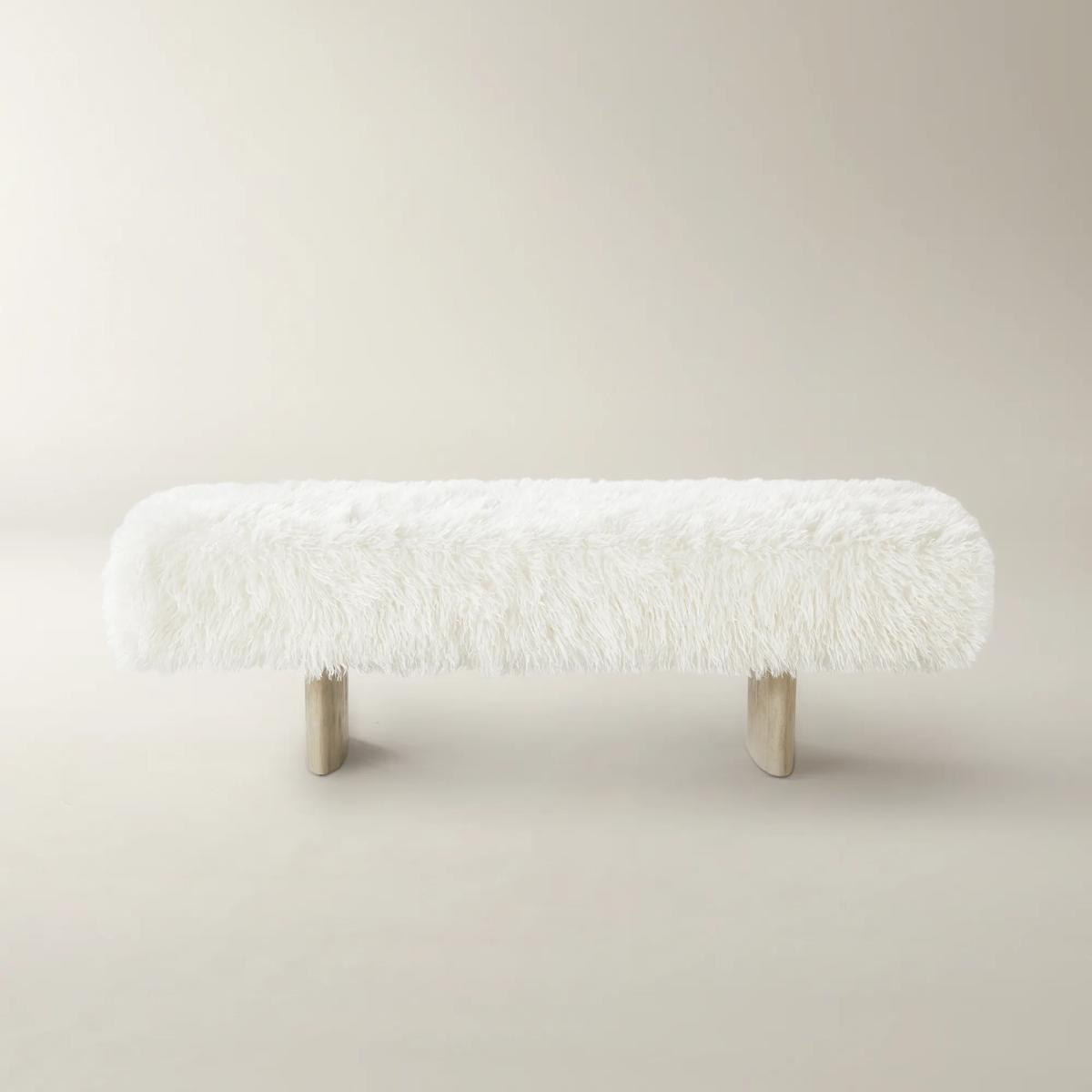 Micah Ivory Mongolian Faux Fur Bench With Rubberwood Legs (62.6")$699
An ivory faux Mongolian fur bench with high-density foam and sculptural solid rubberwood base for modern coziness.
Add To Cart -
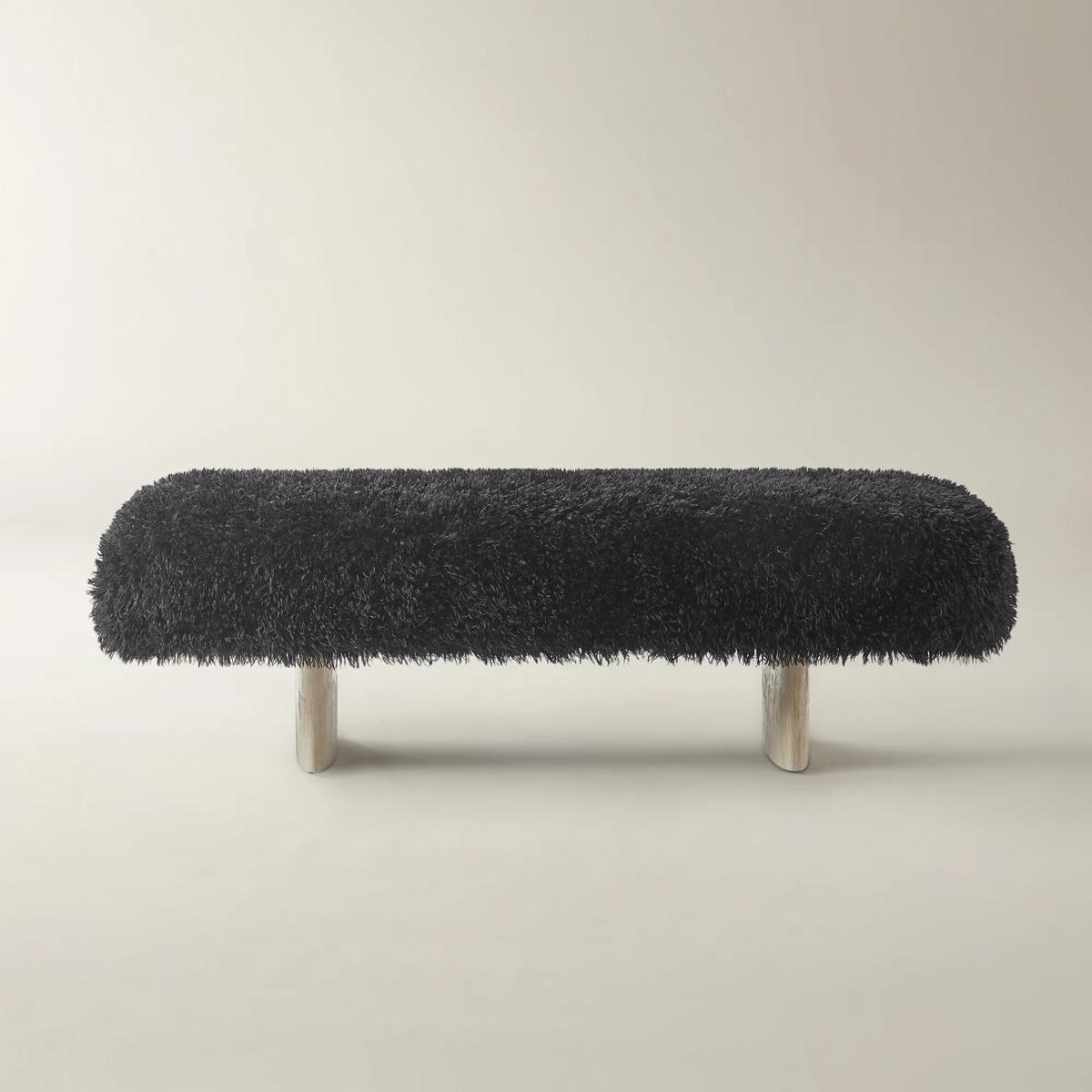 Micah Black Mongolian Fur Bench With Rubberwood Legs (62.6")$699
A striking black faux Mongolian fur bench with solid rubberwood legs for plush comfort and modern edge.
Add To Cart -
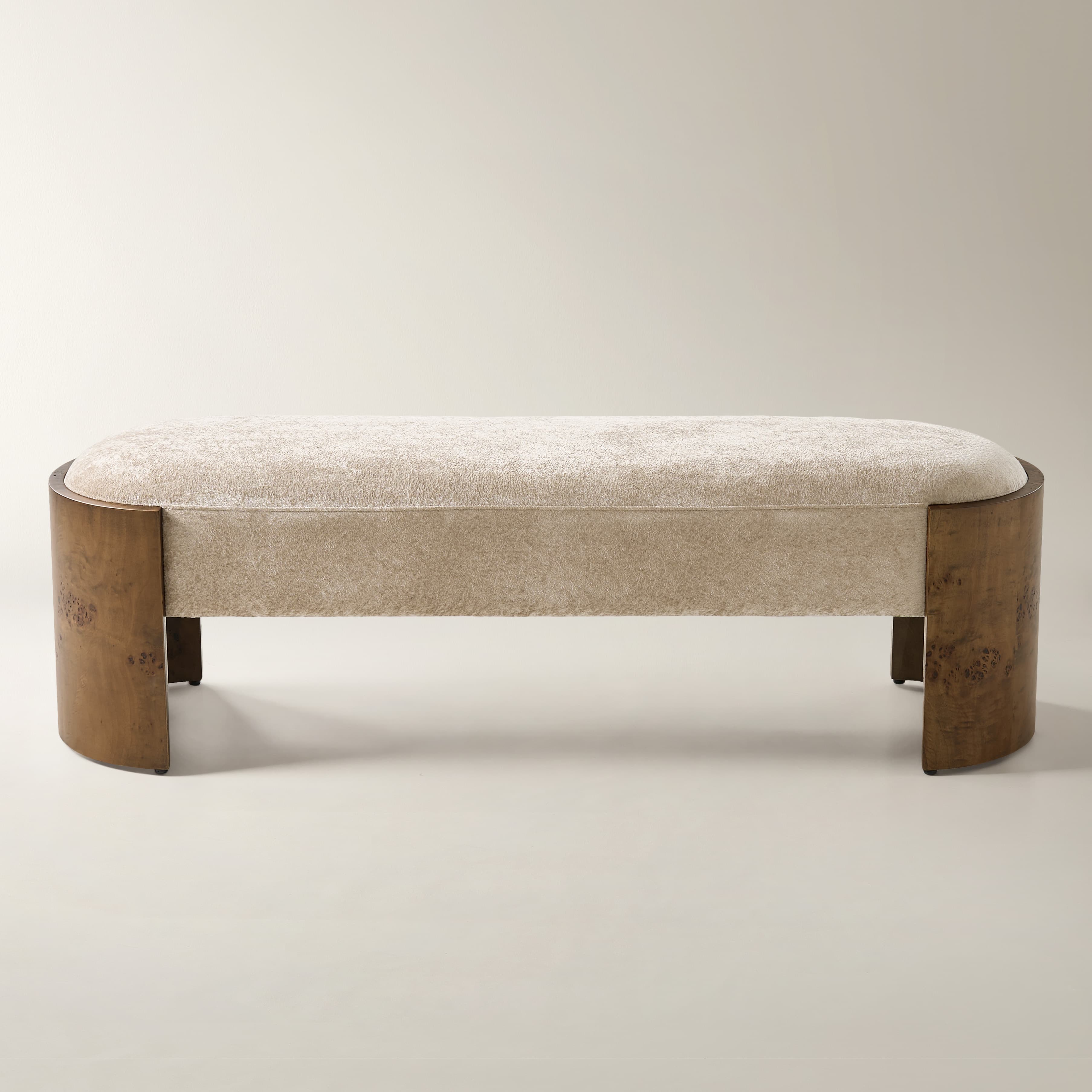 Cora Light Brown Chenille With Ash Wood Bench (60.6")$999
A light brown chenille bench with curved ash burl veneer panels, blending plush comfort and organic artistry.
Add To Cart -
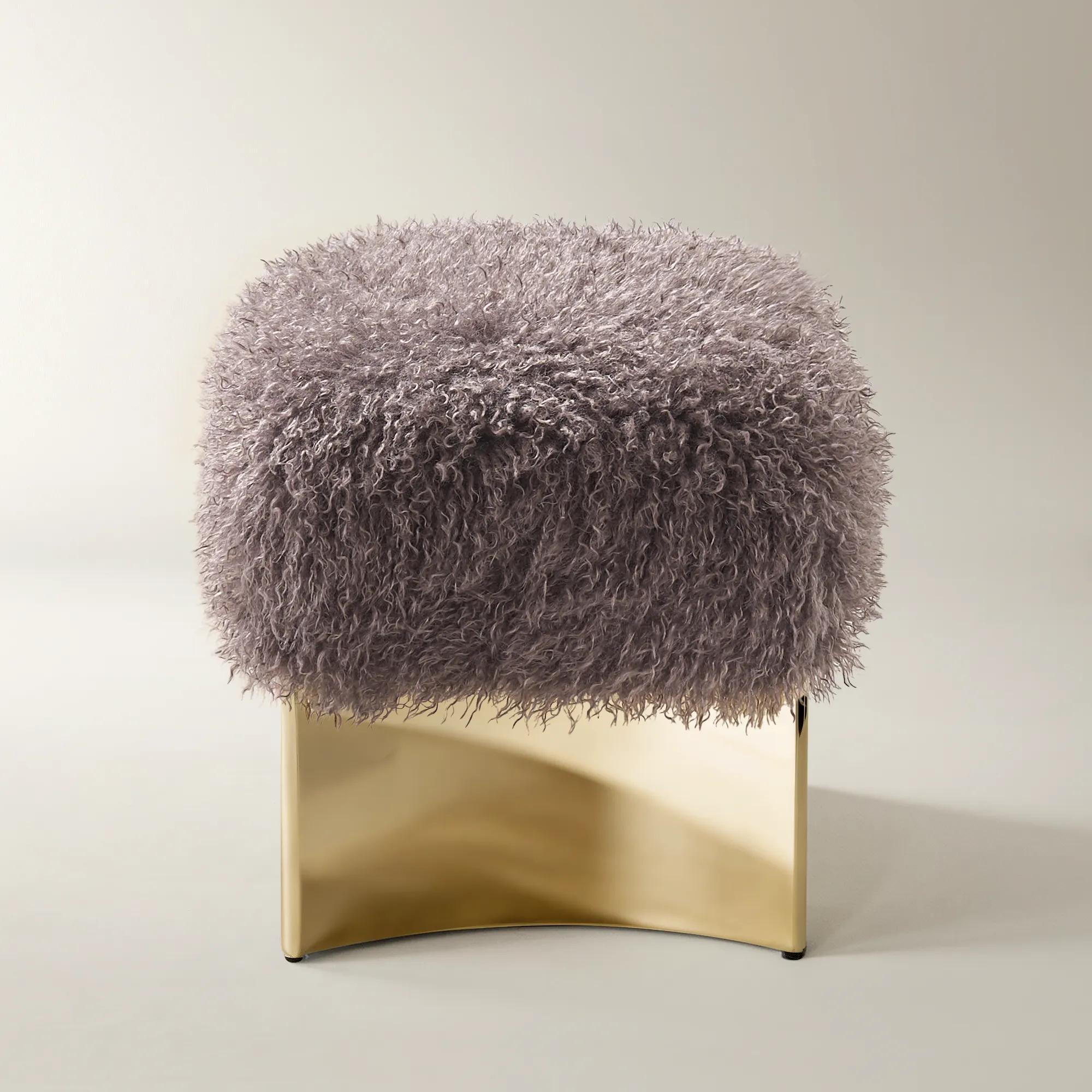
 Micah Tan Mongolian Faux Fur Bench With Rubberwood Legs (62.6")$699
A light brown faux fur bench with a curved rubberwood base and plush high-density foam cushion.
Add To Cart -
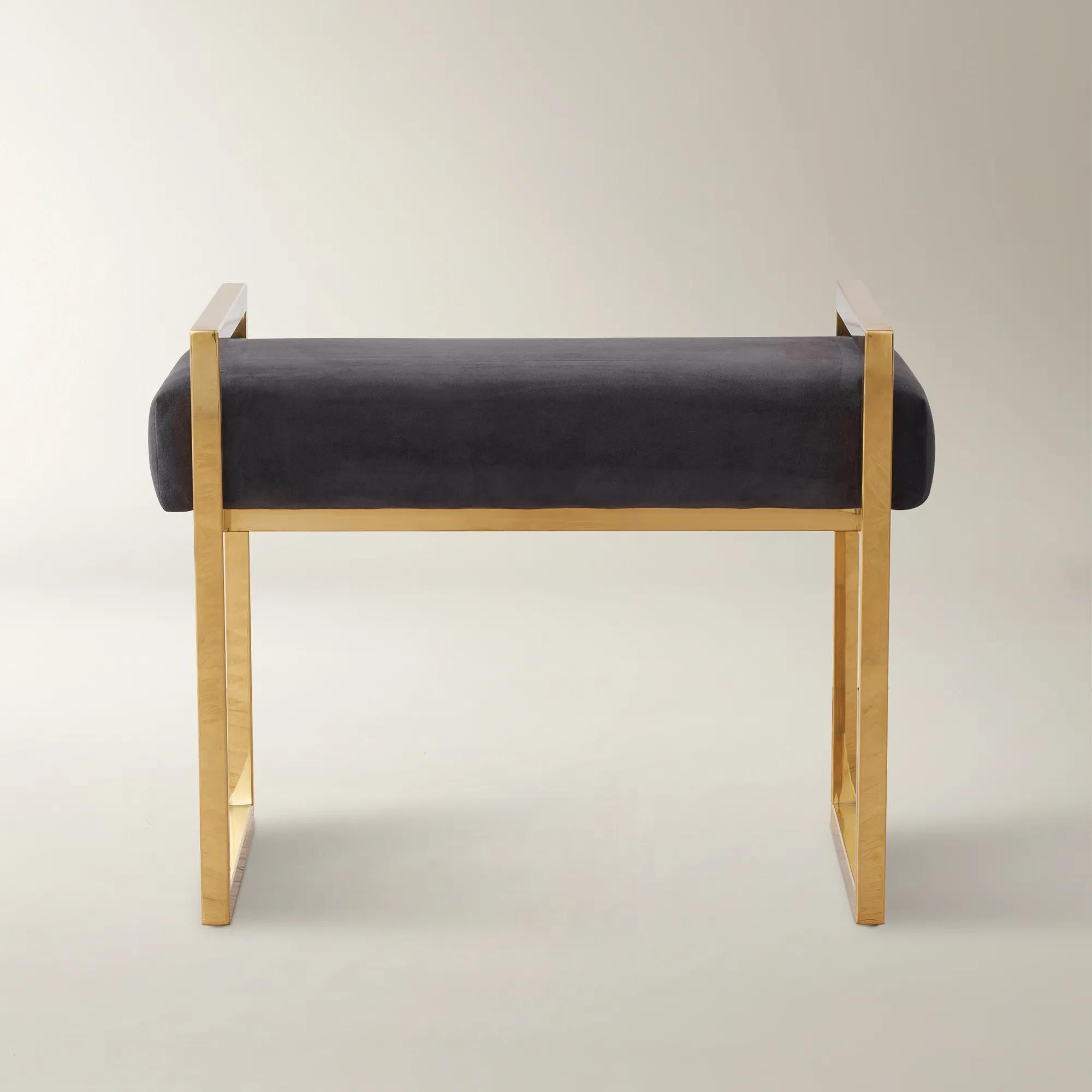
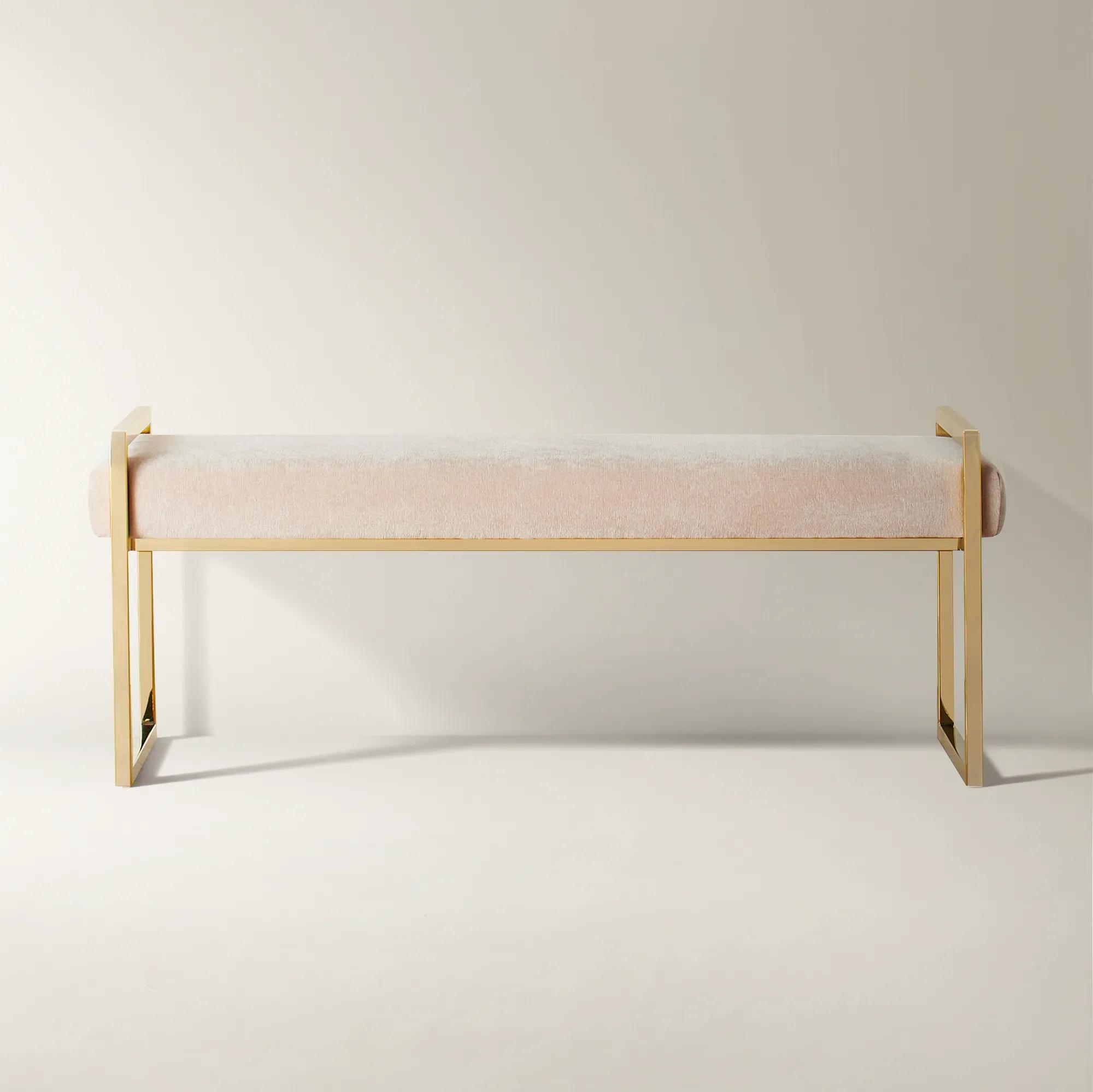 Clara Bench$799
A plush upholstered bench with a high-density foam seat and polished gold metal legs for modern elegance.
Add To Cart -
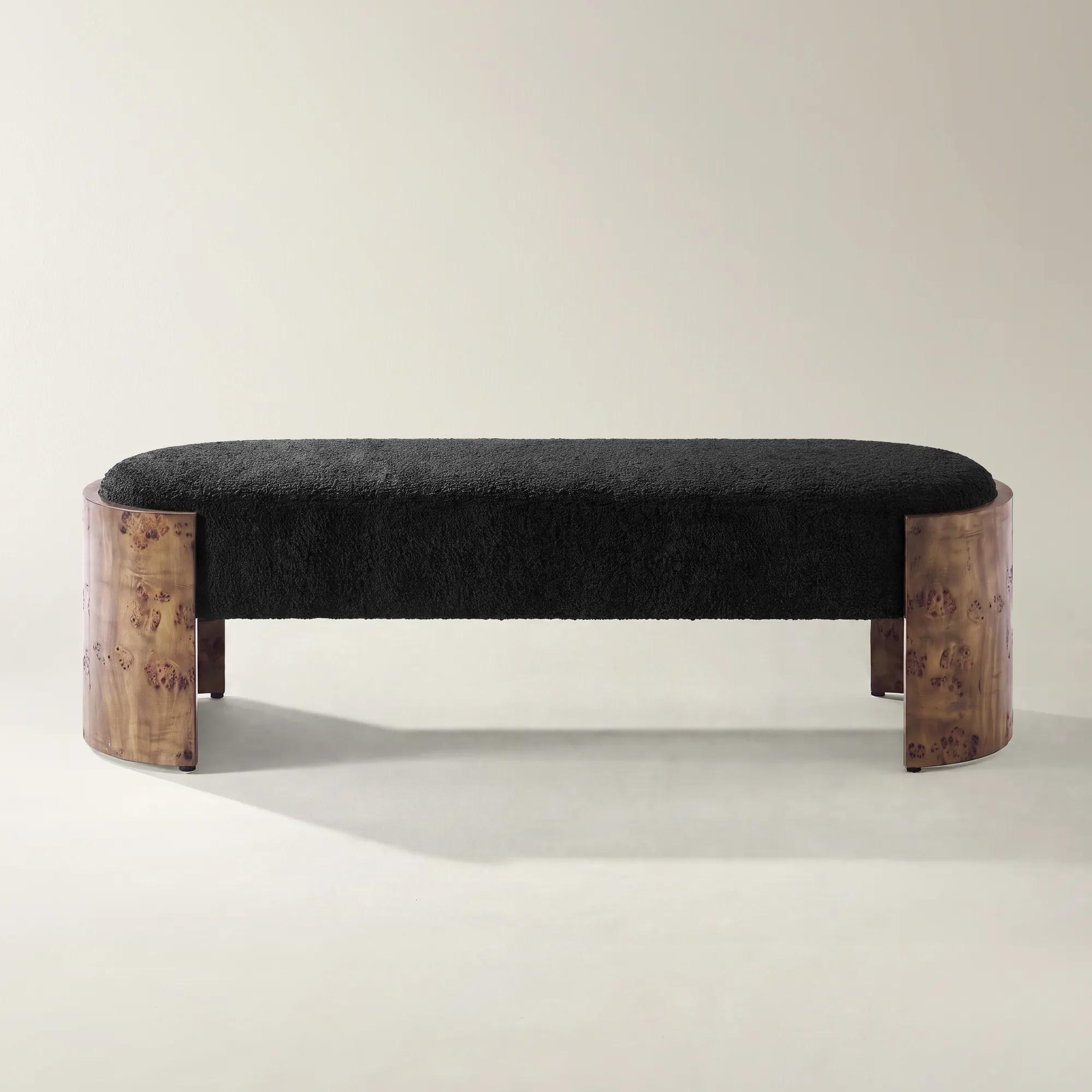 Cora Black Chenille With Ash Wood Bench (60.6")$999
A sculpted charcoal chenille bench featuring curved bookmatched ash burl panels and supportive foam cushioning.
Add To Cart -
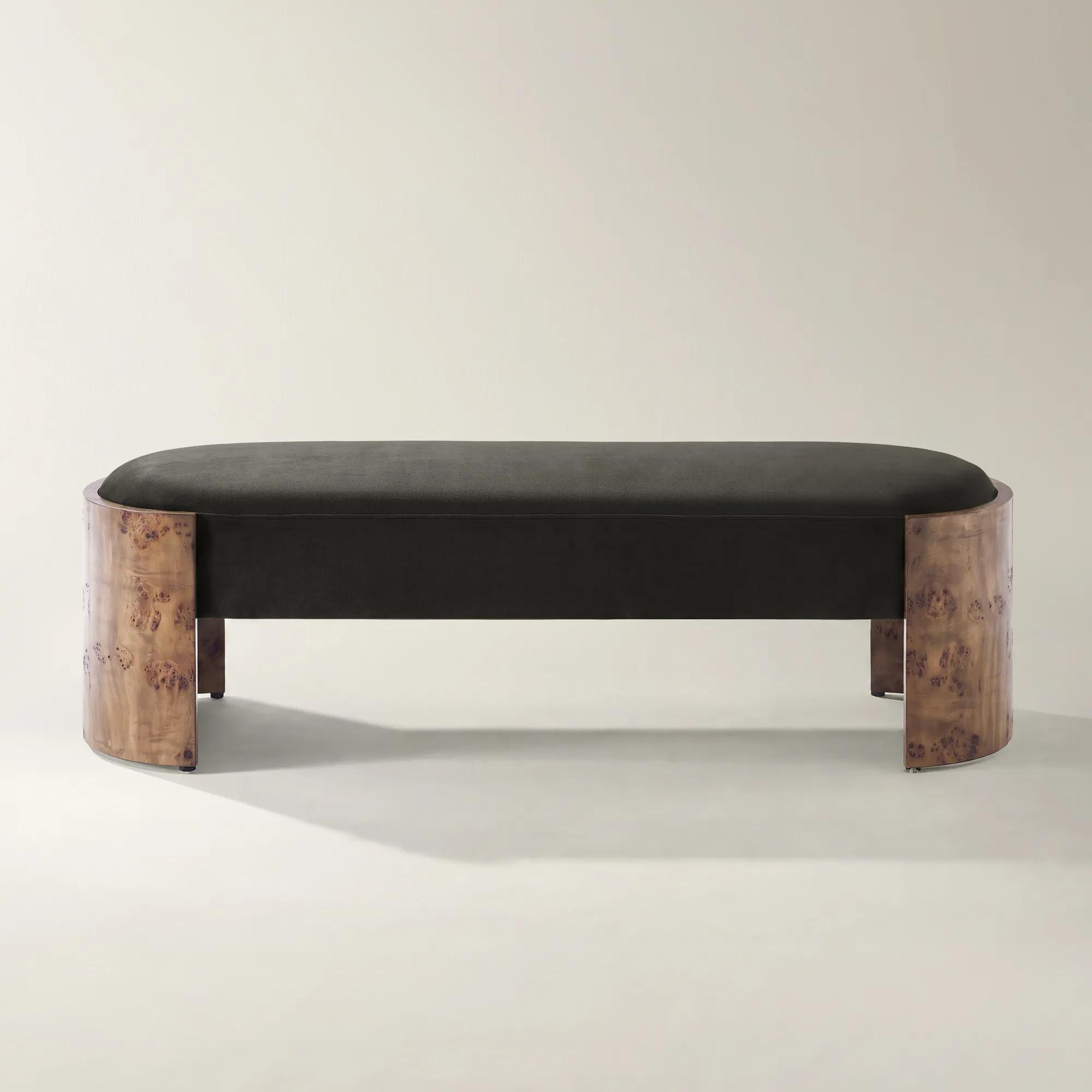
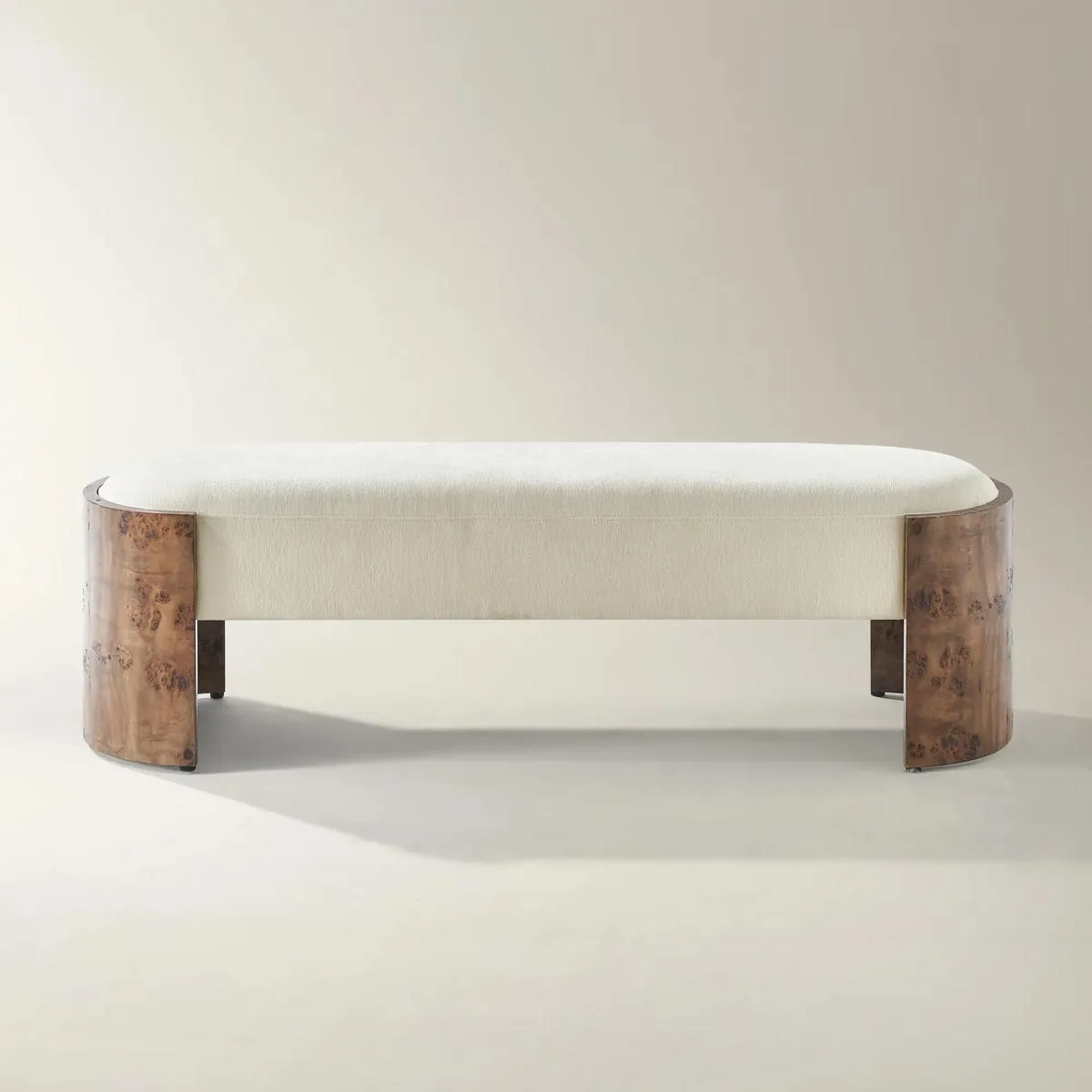 Cora Charcoal Velvet With Ash Wood Bench (60.6")$999
A sculpted charcoal velvet bench with curved bookmatched ash burl panels and supportive foam cushioning.
Add To Cart -
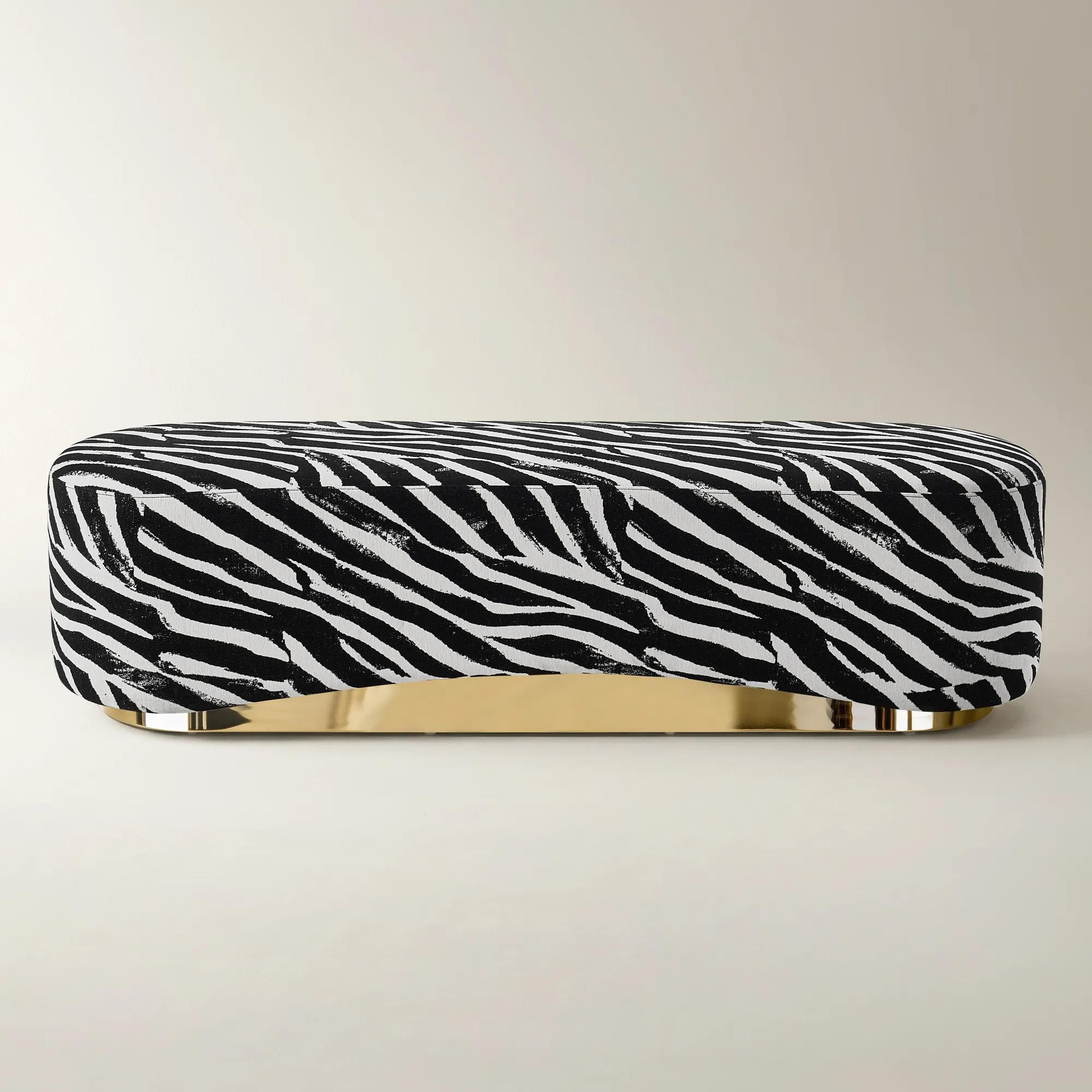
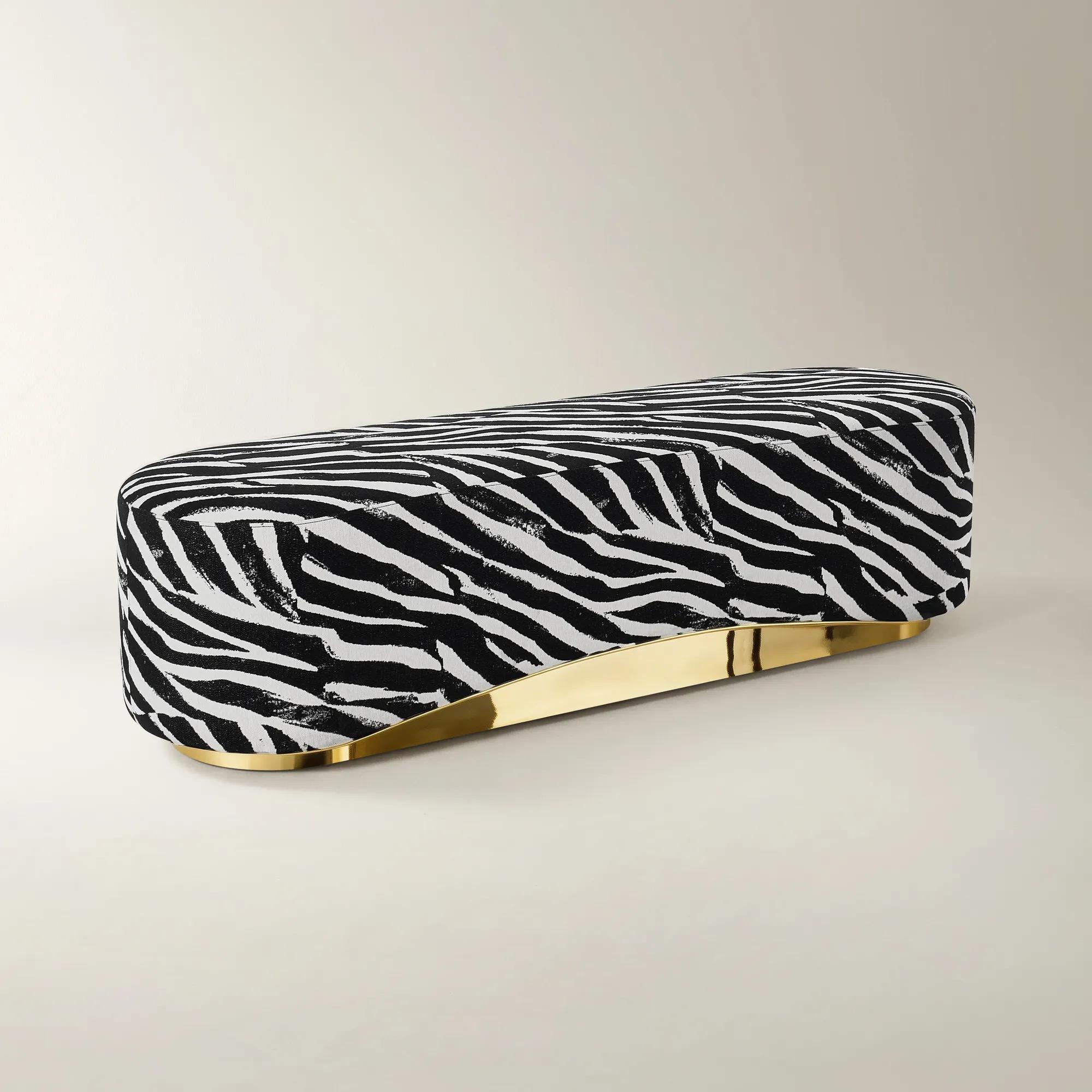 Kendra White/Black Performance Chenille Bench (70.47")$799
An elongated oval bench upholstered in white and black performance chenille with a polished gold stainless steel base.
Add To Cart -
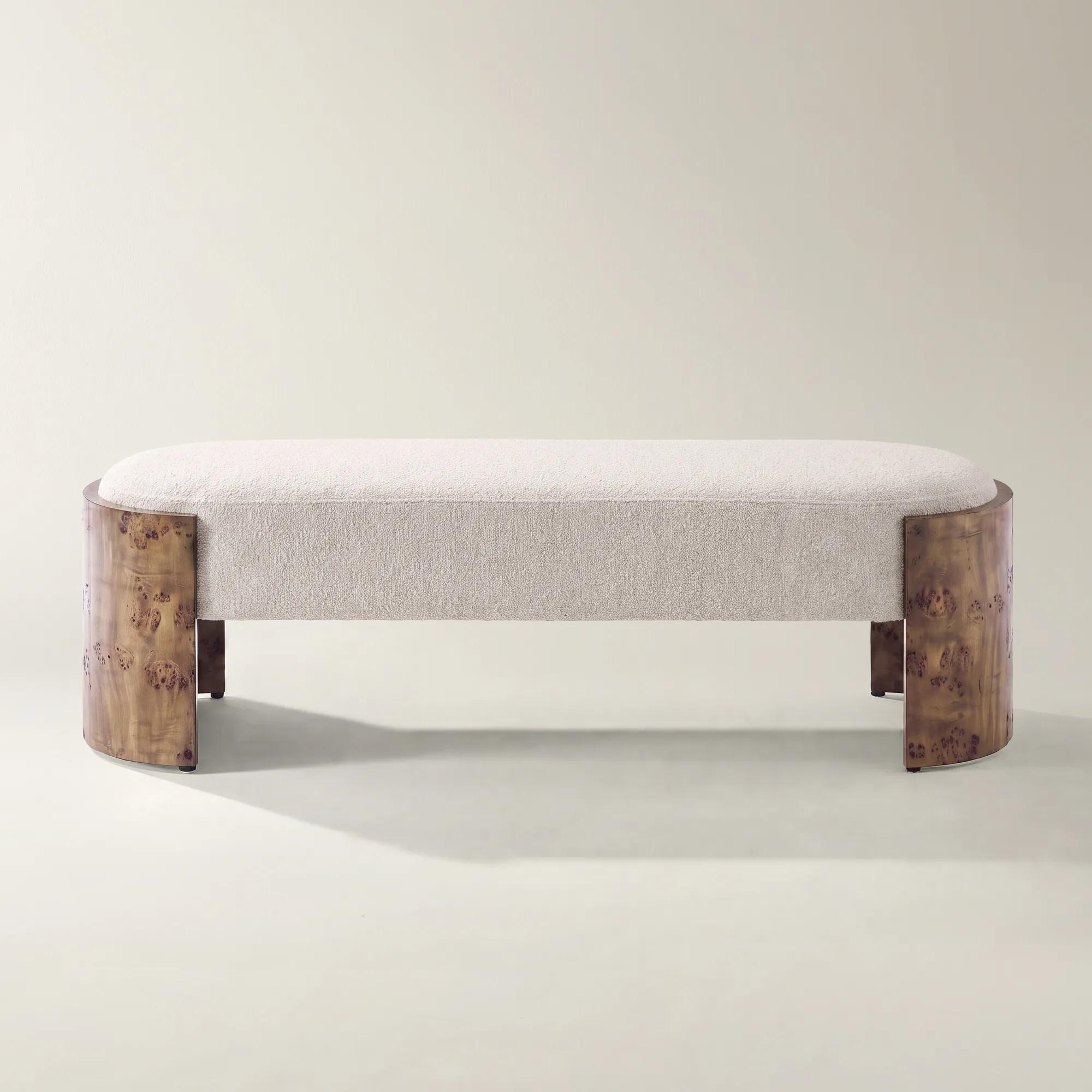 Cora Ivory Performance Boucle With Ash Wood Bench (60.6")$999
A sculpted ivory performance bouclé bench with curved bookmatched ash burl panels and supportive foam cushioning.
Add To Cart -
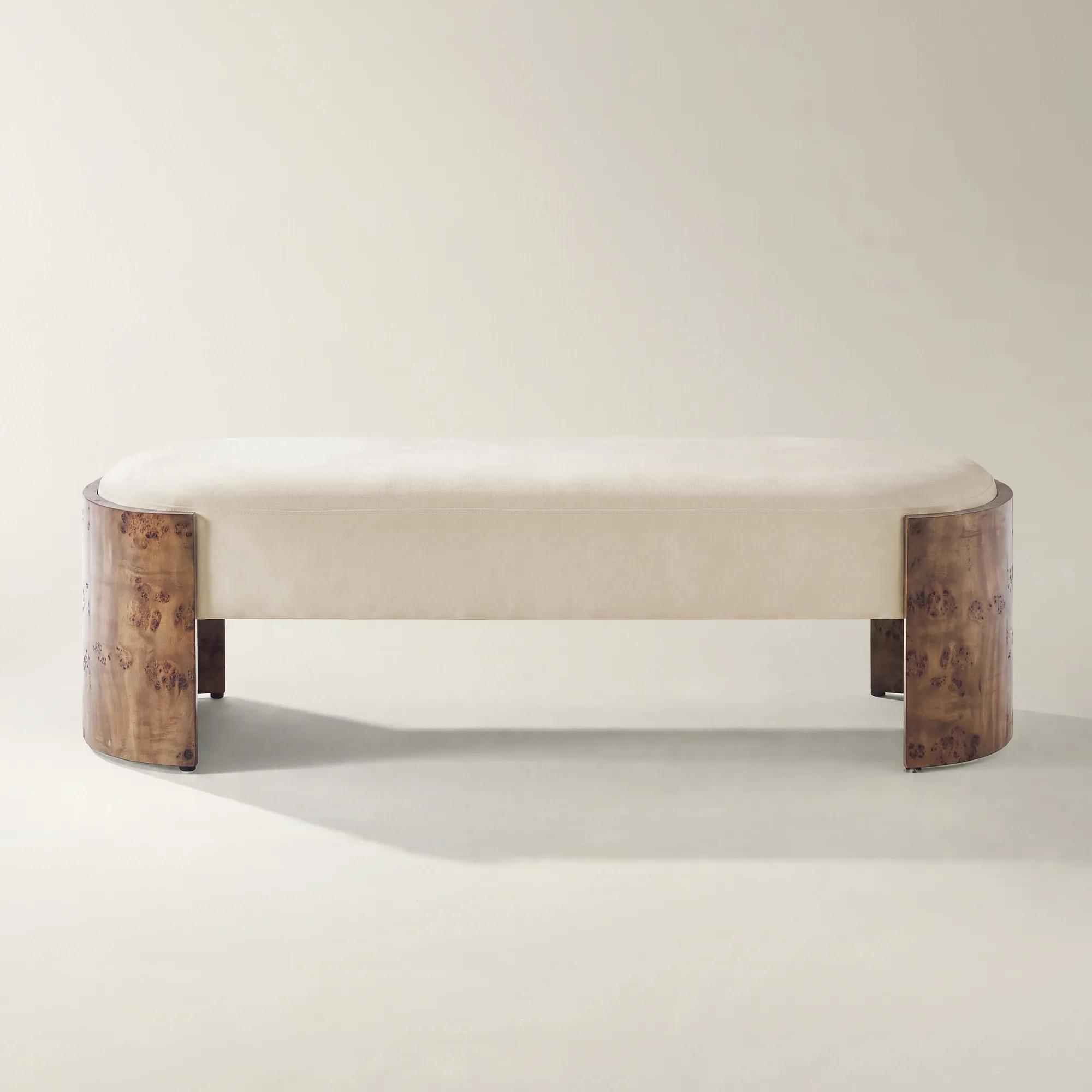 Cora Oatmeal Velvet With Ash Wood Bench (60.6")$999
A sculptural oatmeal velvet bench with curved ash burl wood panels and supportive foam cushioning.
Add To Cart -
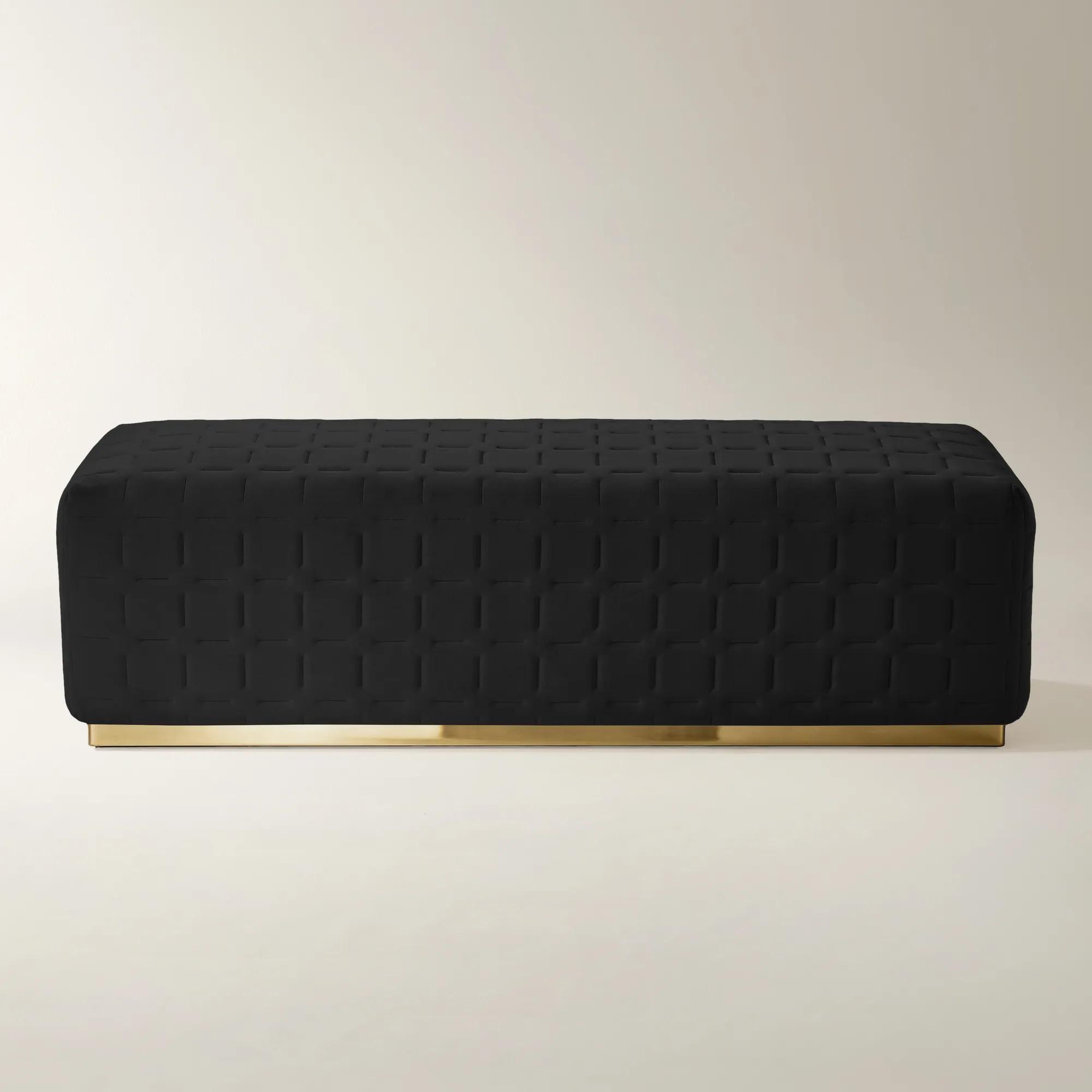 Vanta Quilted Charcoal Velvet Bench (64.6")$899
A charcoal velvet bench featuring checker quilted tufting and a gold stainless steel base for modern elegance.
Add To Cart -
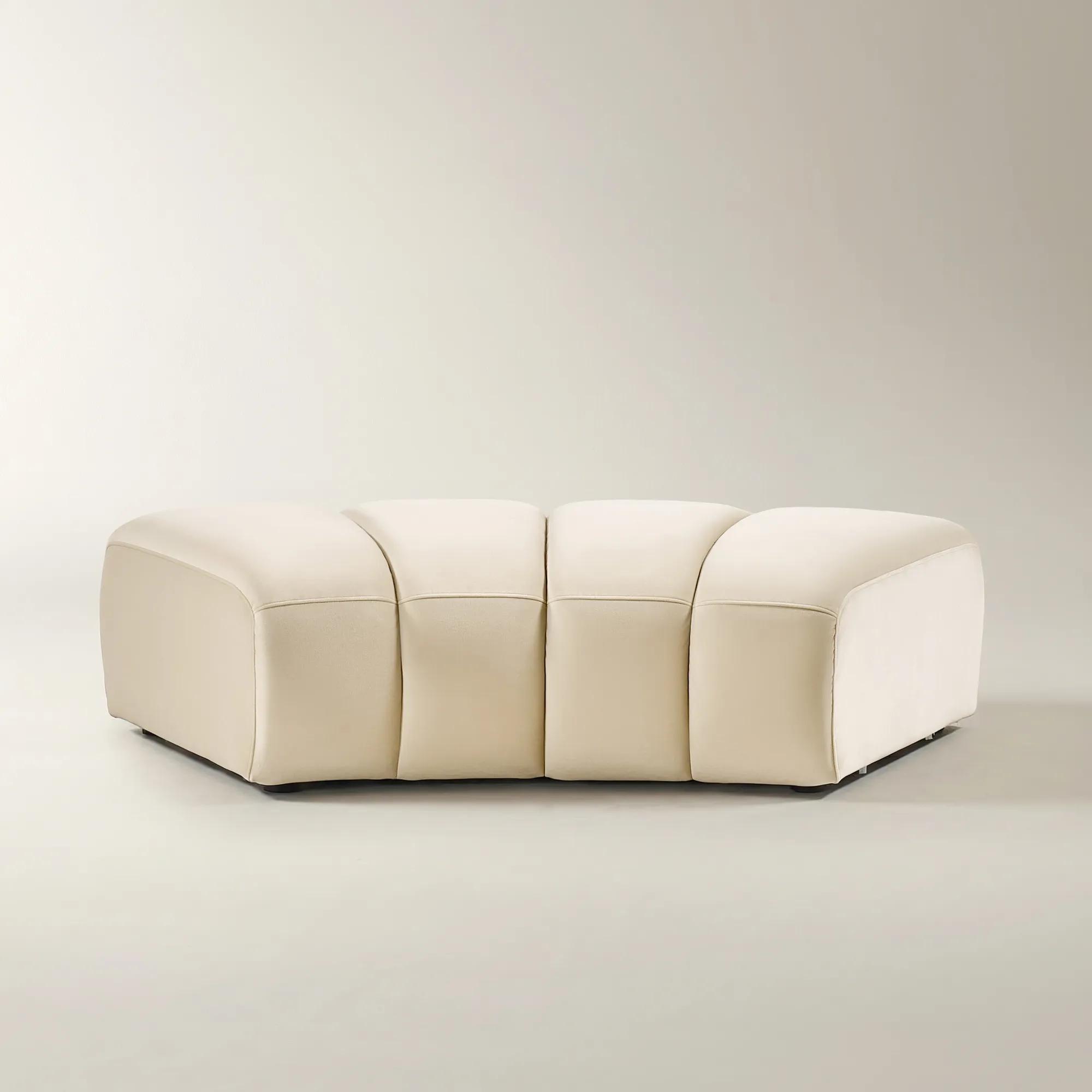
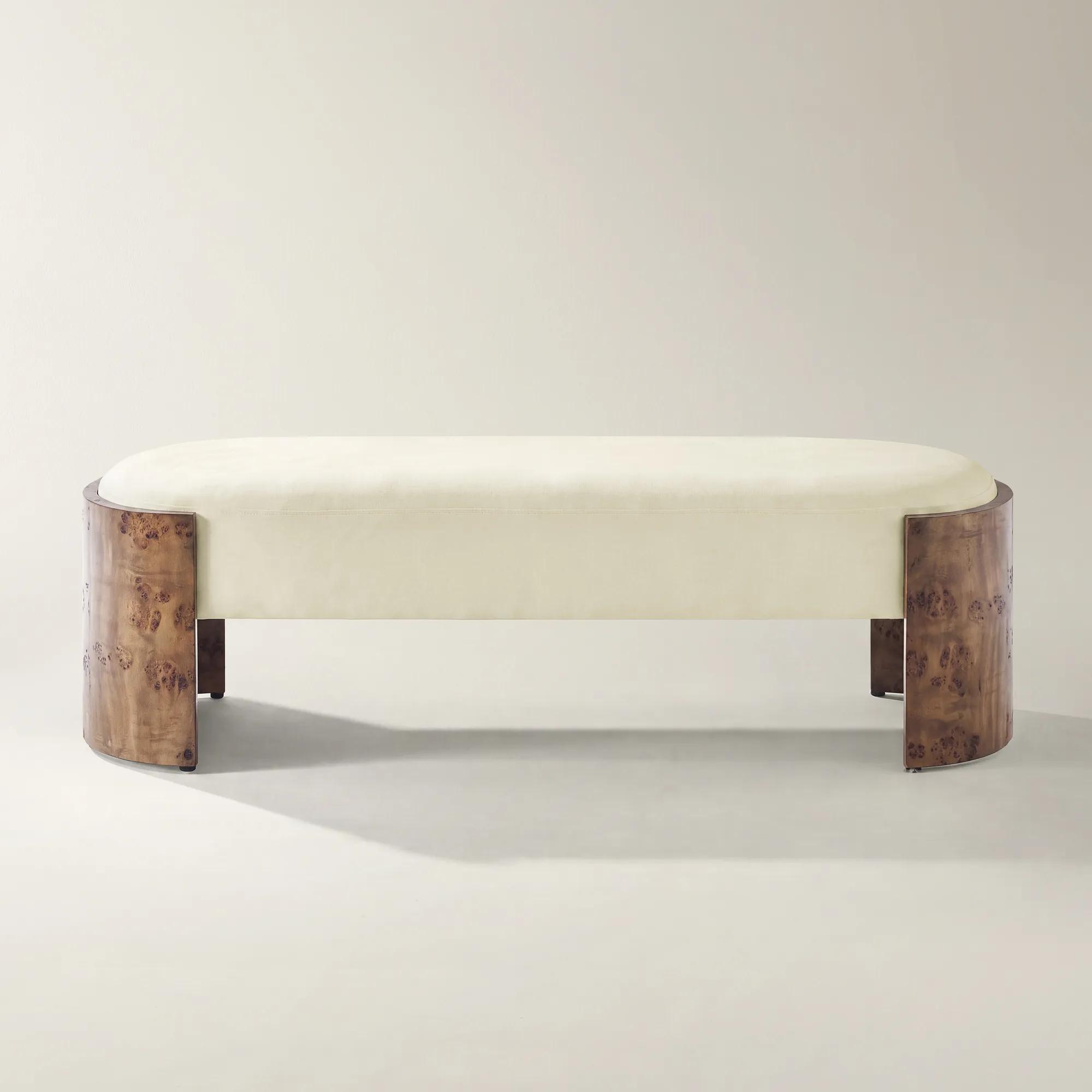 Cora Cloud Velvet With Ash Wood Bench (60.6")$999
A cloud velvet bench with bookmatched ash burl panels and supportive foam cushioning.
Add To Cart

Upholstered Benches
Upholstered benches invite artistry and allure into every corner of your home, transforming the ordinary into the extraordinary. Each piece is a celebration of sumptuous texture and sculptural form, ready to anchor your entryway, elevate your bedroom, or create a moment of unexpected drama at the dining table. With their plush silhouettes and tailored details, upholstered benches are more than mere seating—they are statements of style, beckoning you to linger, lounge, and luxuriate in the beauty of bold design. Let these versatile icons set the stage for a space that is unapologetically expressive and endlessly inviting.
Upholstered benches pair a cushioned seat with a supportive frame, bringing comfort, texture, and a distinctive silhouette to bedrooms, entryways, dining spaces, and living rooms. Their elongated proportions create a different rhythm from an individual accent chair: a bench can anchor the foot of a bed, trace the line of a dining table, or give an open wall a deliberate focal point. Upholstery adds softness to spaces shaped by stone, glass, wood, and metal, introducing a tactile contrast that makes a room feel more layered. The effect depends as much on the silhouette as on the fabric. Deep tufting creates dimension and a tailored, jewel-like pattern; channel detailing draws the eye along a seat; a smooth upholstered profile lets sumptuous texture take the lead. An exposed base can keep the composition visually open, while a fully upholstered waterfall shape creates a continuous curve from seat to floor. X-shaped supports lend architectural energy, and slender metal legs introduce a gleaming counterpoint to plush fabric. These details influence the mood without changing the essential appeal: comfortable seating with a strong decorative presence. In an entryway, a padded bench offers a place to sit while fastening shoes, with artwork or a dramatic mirror completing the vignette above. Beside a living room conversation area, a backless bench can provide occasional seating without the visual height of another armchair, preserving views across the room. Along a dining table, an upholstered dining bench brings a softer, more intimate feeling to shared meals, provided its dimensions and construction suit regular dining use. A bench near a dressing area offers a comfortable pause between wardrobe and mirror. For homes that welcome company often, this flexibility is especially valuable, allowing a seating piece to serve more than one setting when its size and weight make moving practical. Rather than disappearing into the background, a well-proportioned upholstered bench gives an overlooked stretch of floor a purpose and a point of view.
Fabric establishes both the character of an upholstered bench and the kind of care it will need. Velvet catches light across its pile, creating shifts in tone that lend even a simple silhouette depth and drama. Its surface may show shading or pressure marks as the pile changes direction, a characteristic worth considering in frequently used seating. Linen and linen-blend upholstery offer visible weave and a relaxed elegance that balances polished finishes, while textured bouclé brings a more pronounced, sculptural surface. Tightly woven fabrics can be a practical consideration for everyday use, although durability depends on the complete textile specification rather than appearance alone. Performance upholstery may offer added resistance to certain spills or stains, but the designation does not make every fabric waterproof, stainproof, or suitable for every cleaning method. In households with children, pets, or frequent guests, details such as weave, snag resistance, approved cleaning methods, and intended use deserve as much attention as color. Pale upholstery can create a luminous contrast against dark flooring; saturated tones give a bench greater visual weight; a nuanced neutral allows an expressive base or nearby artwork to command attention. Beneath the fabric, frame construction, joinery, seat support, and cushioning all contribute to how the piece feels over time. Hardwood or engineered wood may be used in the frame, but material names alone do not establish quality. Secure connections, a stable base, and cushioning suited to the expected frequency of use matter together. A softly padded accent bench and a firmer dining bench may offer very different sitting experiences, even when their dimensions appear similar. Care should follow the upholstery label and manufacturer’s directions: gentle vacuuming with an appropriate attachment helps remove surface dust, while prompt blotting, rather than rubbing, can limit the spread of a spill. Cleaning products should be used only when approved for the fabric, with testing in an inconspicuous area where directed. Protection from prolonged direct sunlight can also help preserve color, keeping the upholstery’s richness central to the room’s composition.
Scale gives upholstered seating its sense of belonging. At the foot of a bed, a bench that is narrower than the mattress generally creates a balanced outline, leaving the bed’s proportions clearly defined rather than competing with them. Seat height also affects the relationship: a lower profile can feel quietly sculptural, while a taller bench may have a more substantial presence against a lofty mattress and layered bedding. For a bedroom arrangement with particular attention to these proportions, upholstered bedroom benches bring padded comfort to the space where dressing, resting, and preparing for the day overlap. A tailored seat can hold a folded throw temporarily or offer a place to sit while putting on shoes, though its primary purpose remains seating rather than supporting heavy luggage or standing. Storage benches add another possibility, concealing extra bedding or decorative pillows beneath the seat when the design includes an interior compartment. Their usefulness depends on more than exterior dimensions: interior capacity, lid clearance, hinge operation, and access all affect how naturally they fit into daily routines. In a narrow bedroom or hallway, the bench’s depth and the walking space around it deserve particular attention, including clearance for doors, drawers, and nearby furniture. Dining placement brings its own considerations, with seat height, cushion compression, table apron clearance, and the distance between table legs determining whether the pairing feels comfortable. An armless, backless shape may tuck beneath some tables, but that fit should never be assumed from width alone. The people using the bench matter, too; someone who needs firm support or assistance standing may find a low, deeply cushioned seat less suitable than a higher, more supportive design. These practical relationships allow decorative choices to feel effortless. A luminous fabric, expressive base, or richly upholstered curve has the greatest impact when the bench also belongs to the room’s proportions and the household’s routines, making comfort part of the design rather than an afterthought.
FAQs
An upholstered bench can be styled as a luxurious accent at the foot of your bed, a welcoming statement in your entryway, or a chic alternative to traditional dining seating. Layer it with decorative pillows, drape a sumptuous throw across the seat, or place a sculptural tray on top for added flair. In living spaces, use it to anchor a bold vignette or create a cozy reading nook beneath a sunlit window.
An upholstered bench is a thoughtful and versatile gift for design enthusiasts, new homeowners, or anyone celebrating a milestone. Its blend of comfort and style makes it perfect for those who love to entertain, enjoy curating their living spaces, or appreciate the transformative power of statement furniture.
Consider the atmosphere you wish to create: velvet offers a sense of opulence and drama, linen brings a relaxed yet refined feel, while bouclé or chenille add inviting texture. Think about durability for high-traffic areas, and select colors or patterns that complement your existing décor while expressing your unique style.
Absolutely. The artistry of an upholstered bench lies in its versatility. Sleek lines and metallic accents lend themselves to contemporary spaces, while tufting, nailhead trim, or classic silhouettes can evoke timeless elegance in more traditional settings. The right bench bridges styles and enhances any aesthetic with confidence.
A z gallerie bench is defined by its bold use of materials, sculptural forms, and meticulous attention to detail. Each piece is designed to be both functional and visually arresting, transforming ordinary spaces into moments of drama and delight. From gleaming finishes to unexpected color palettes, these benches are crafted to inspire and elevate your home.