Contemporary Upholstered Benches
Contemporary Upholstered Benches
-
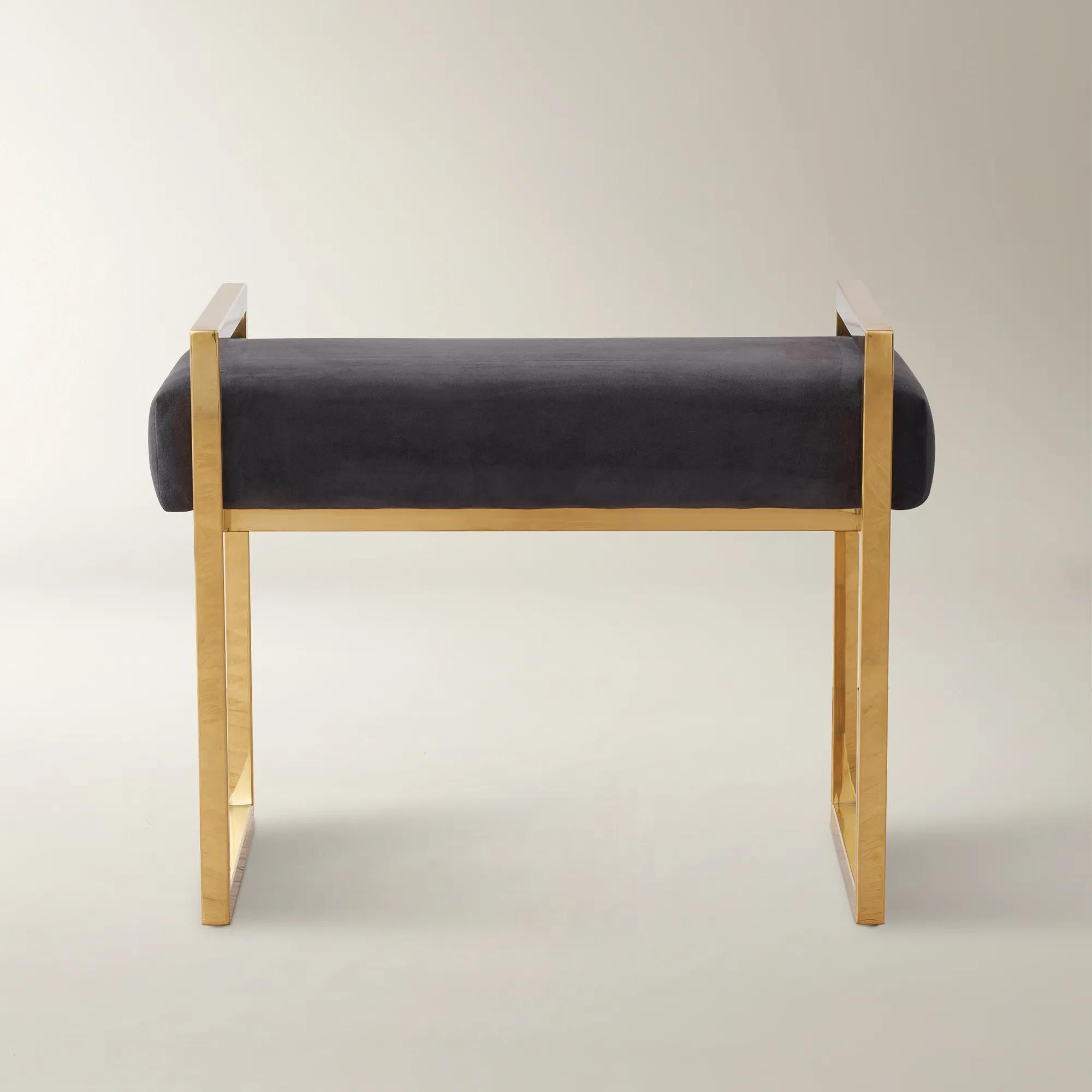
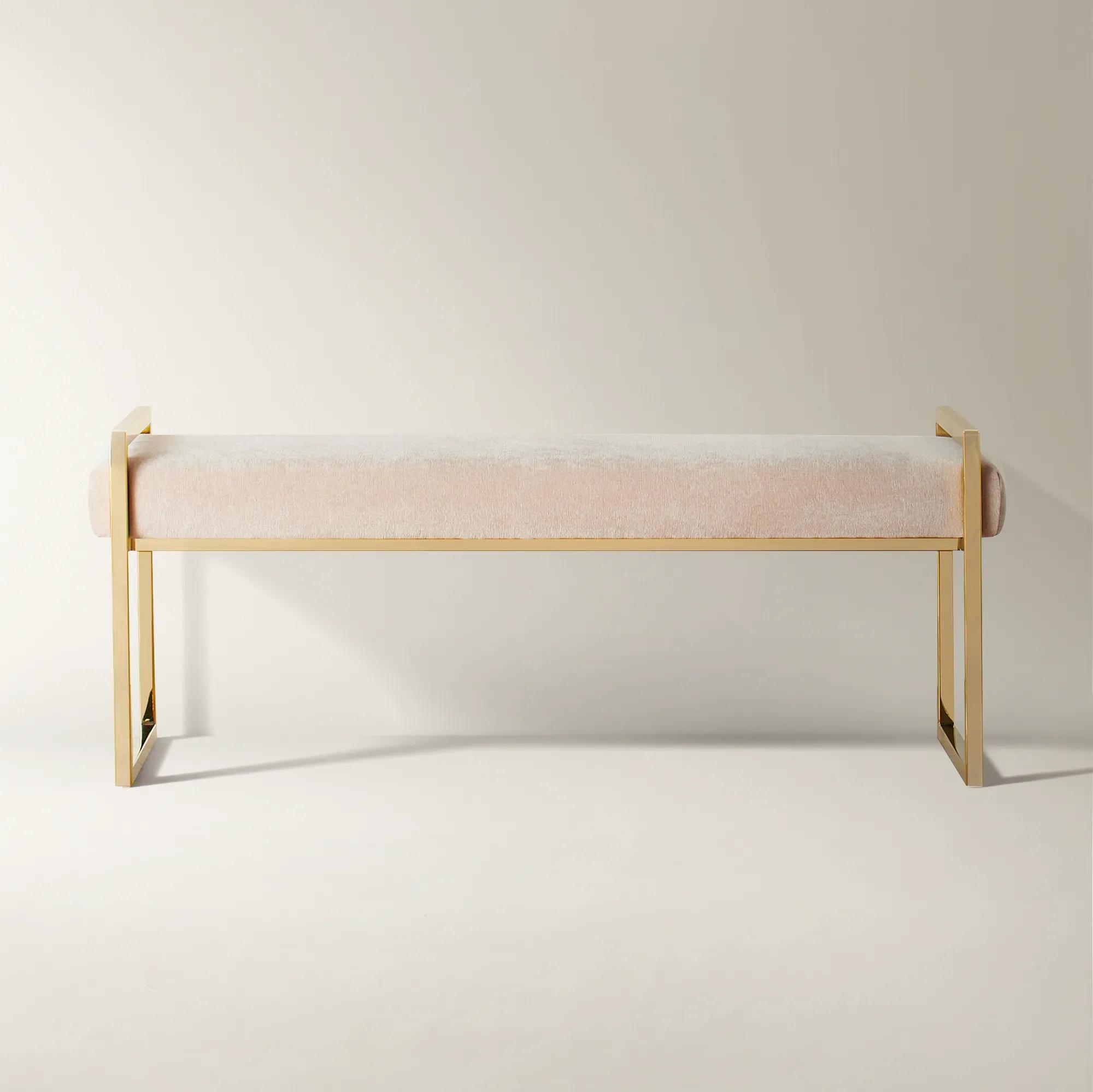 Clara Bench$699
A plush upholstered bench with a high-density foam seat and polished gold metal legs for modern elegance.
Add To Cart -
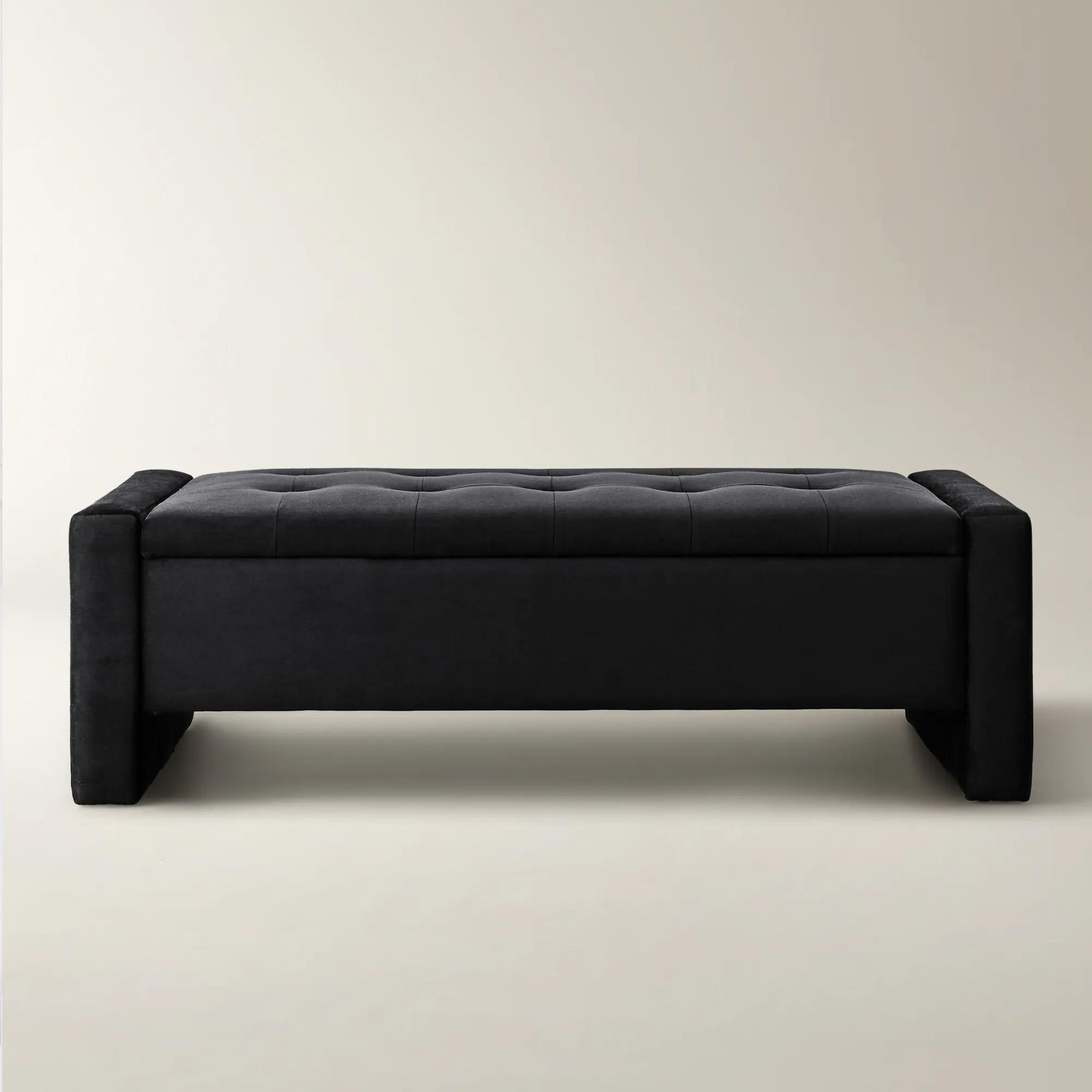
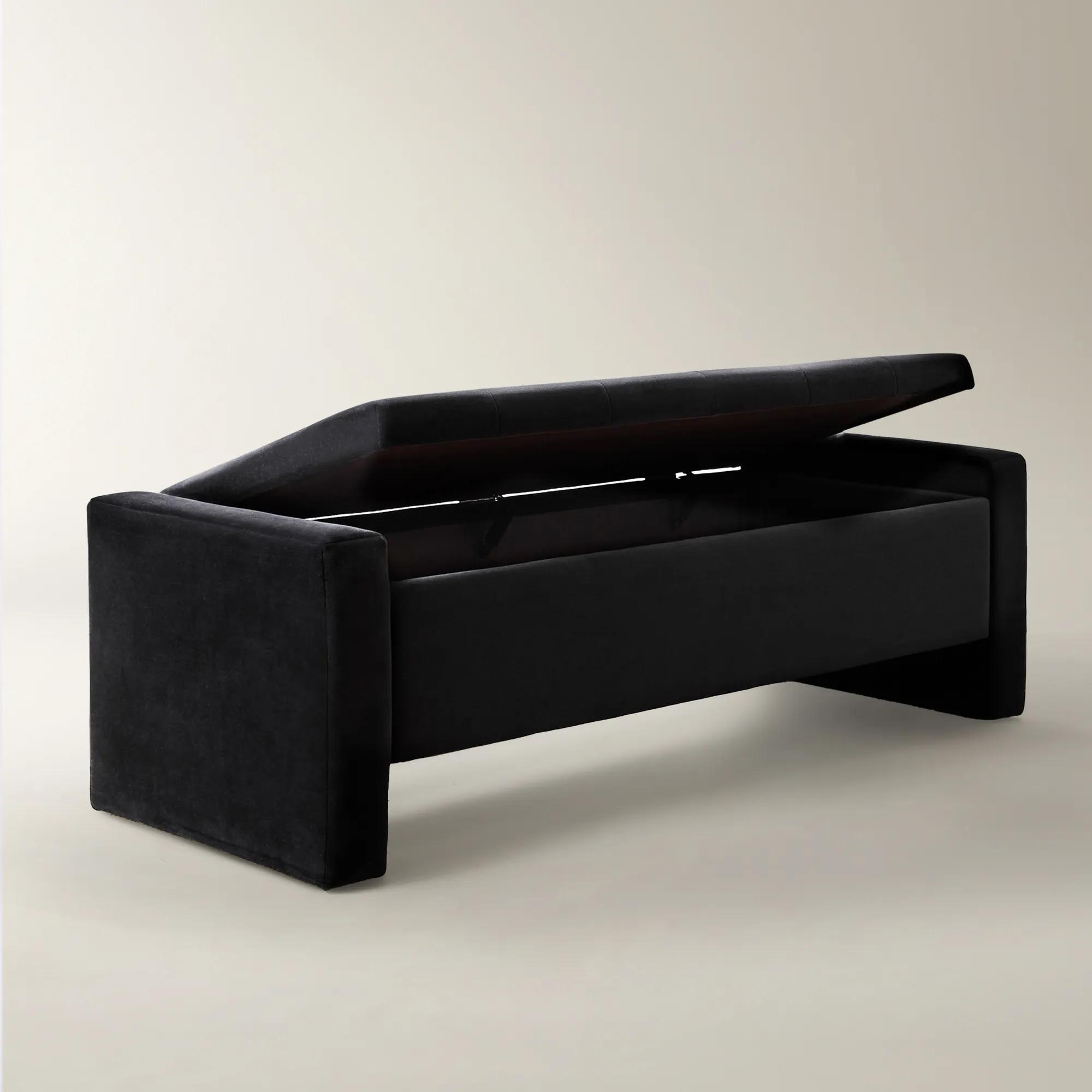 Maeve Storage Bench$899
A modern velvet-upholstered bench with hidden storage and a sturdy kiln-dried hardwood frame.
Add To Cart -
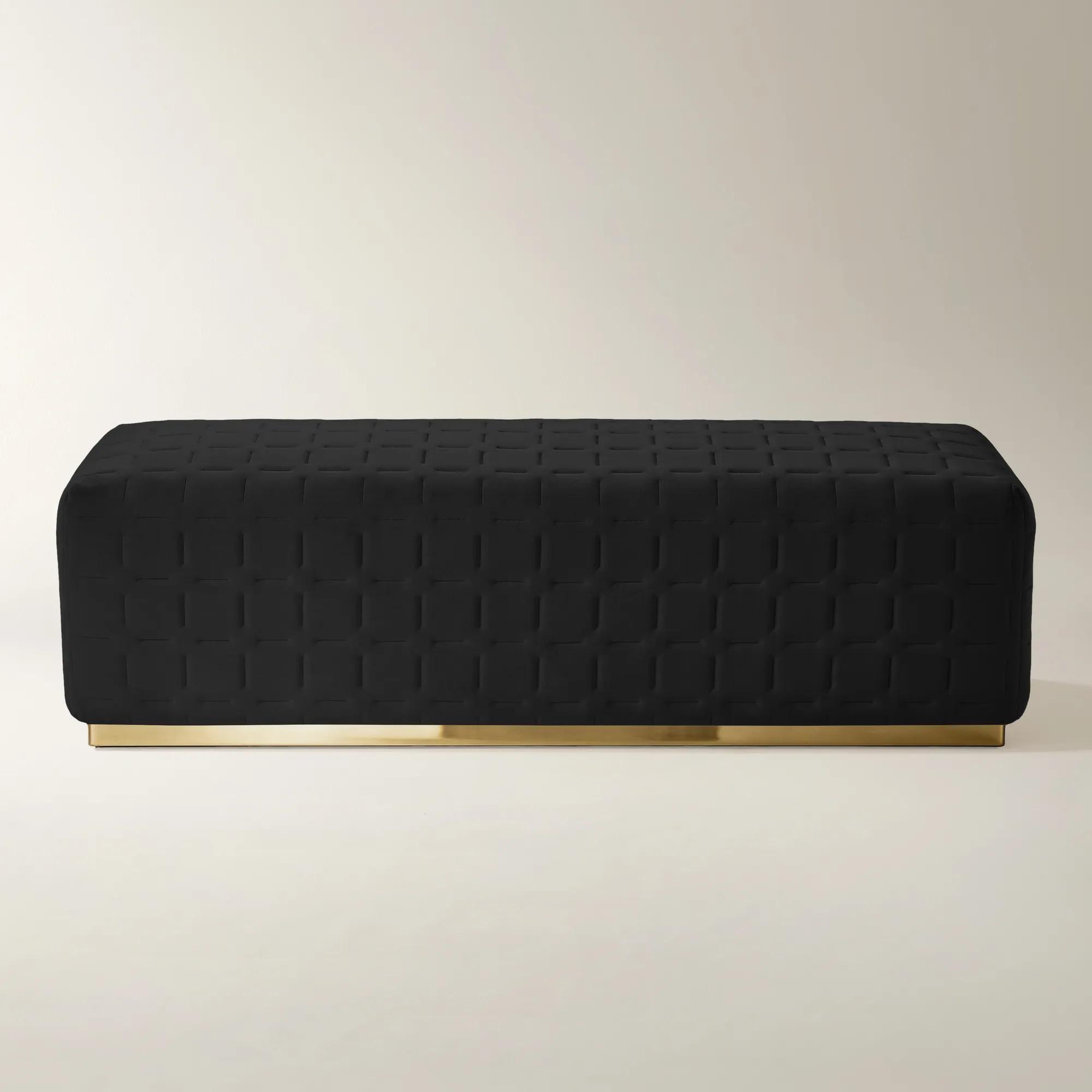 Vanta Quilted Charcoal Velvet Bench (64.6")$899
A charcoal velvet bench featuring checker quilted tufting and a gold stainless steel base for modern elegance.
Add To Cart -
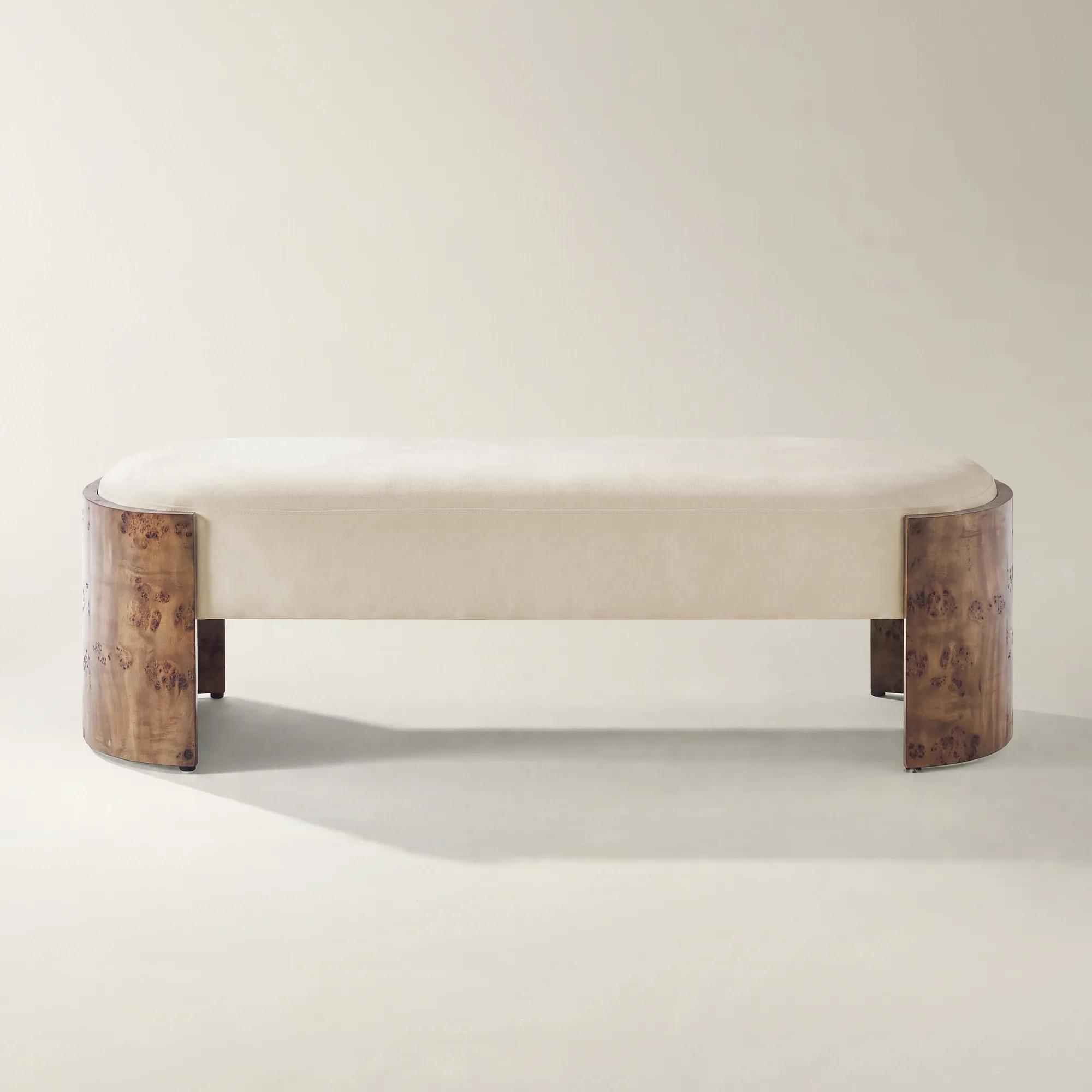
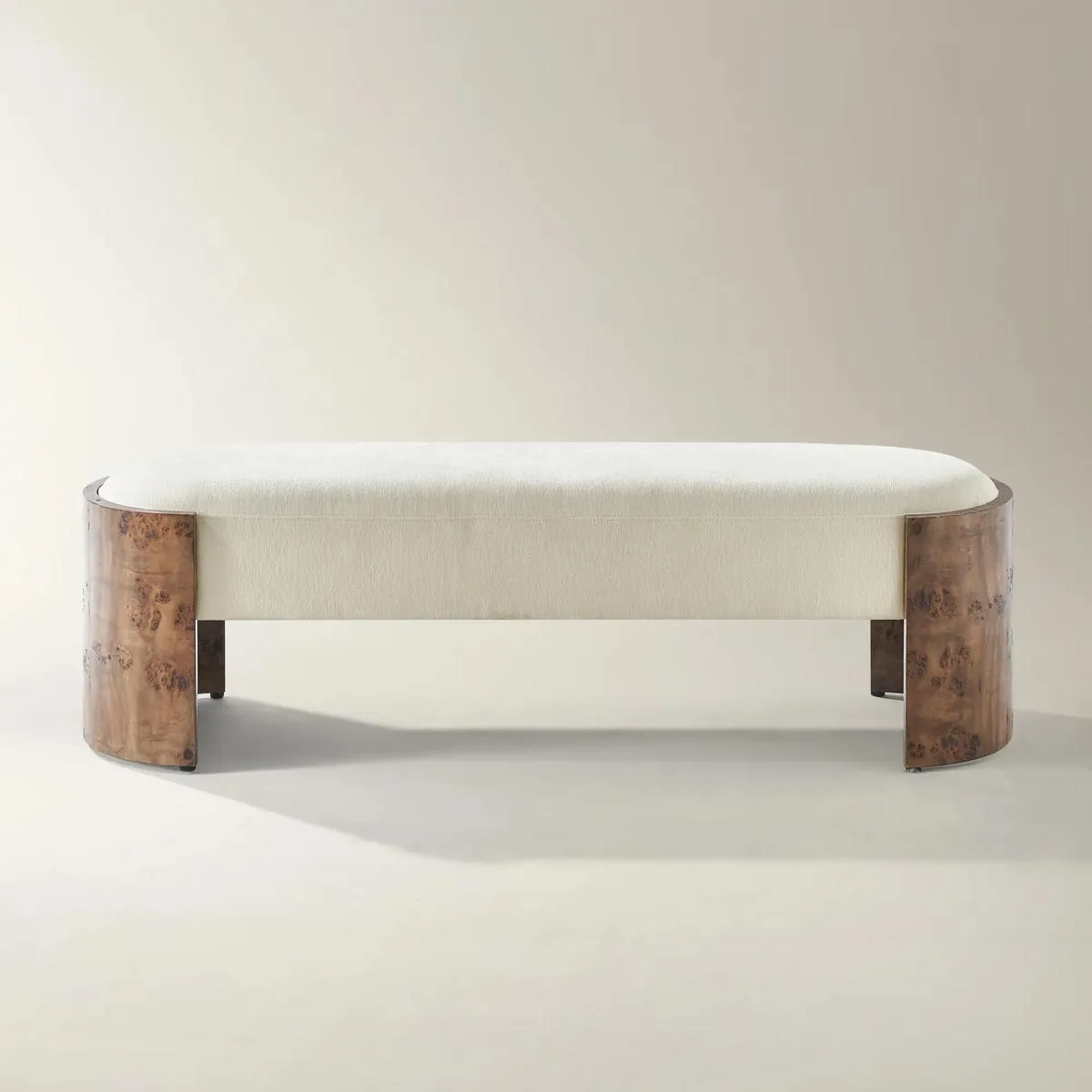 Cora Oatmeal Velvet With Ash Wood Bench (60.6")$999
A sculptural oatmeal velvet bench with curved ash burl wood panels and supportive foam cushioning.
Add To Cart -
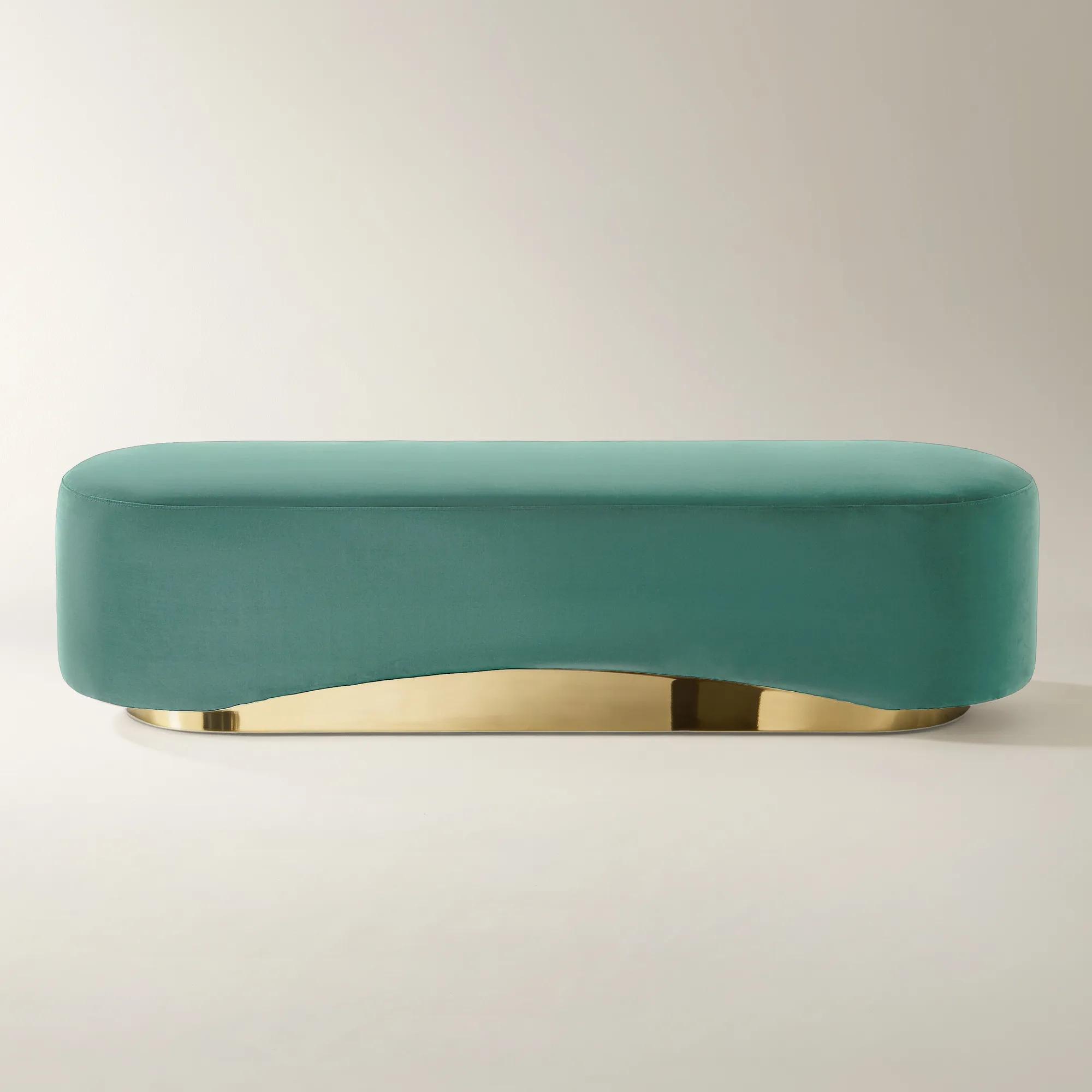 Kendra Ocean Teal Velvet Bench (70.47")$799
An elongated oval bench in ocean teal velvet with a plush seat and polished gold stainless steel base.
Add To Cart -
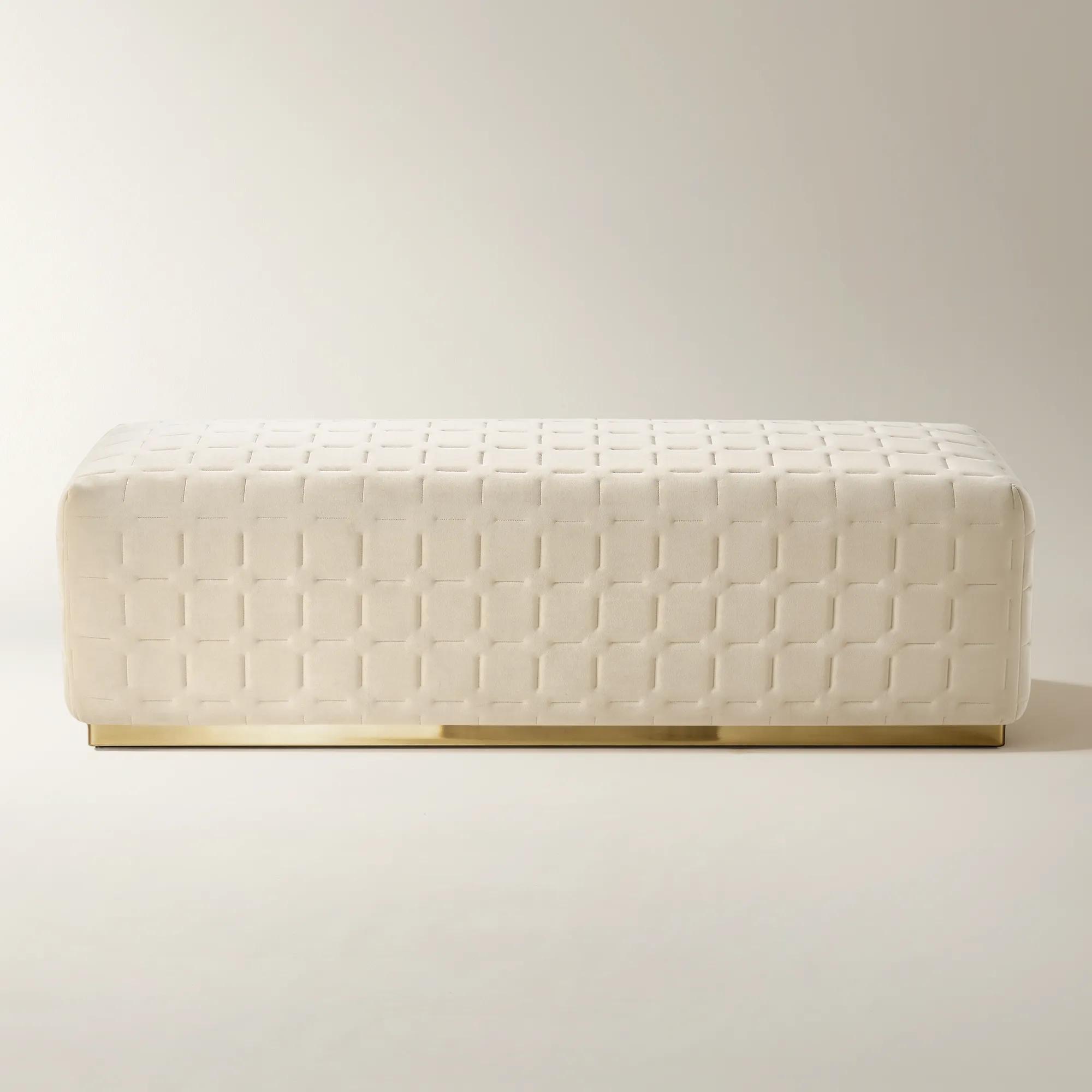
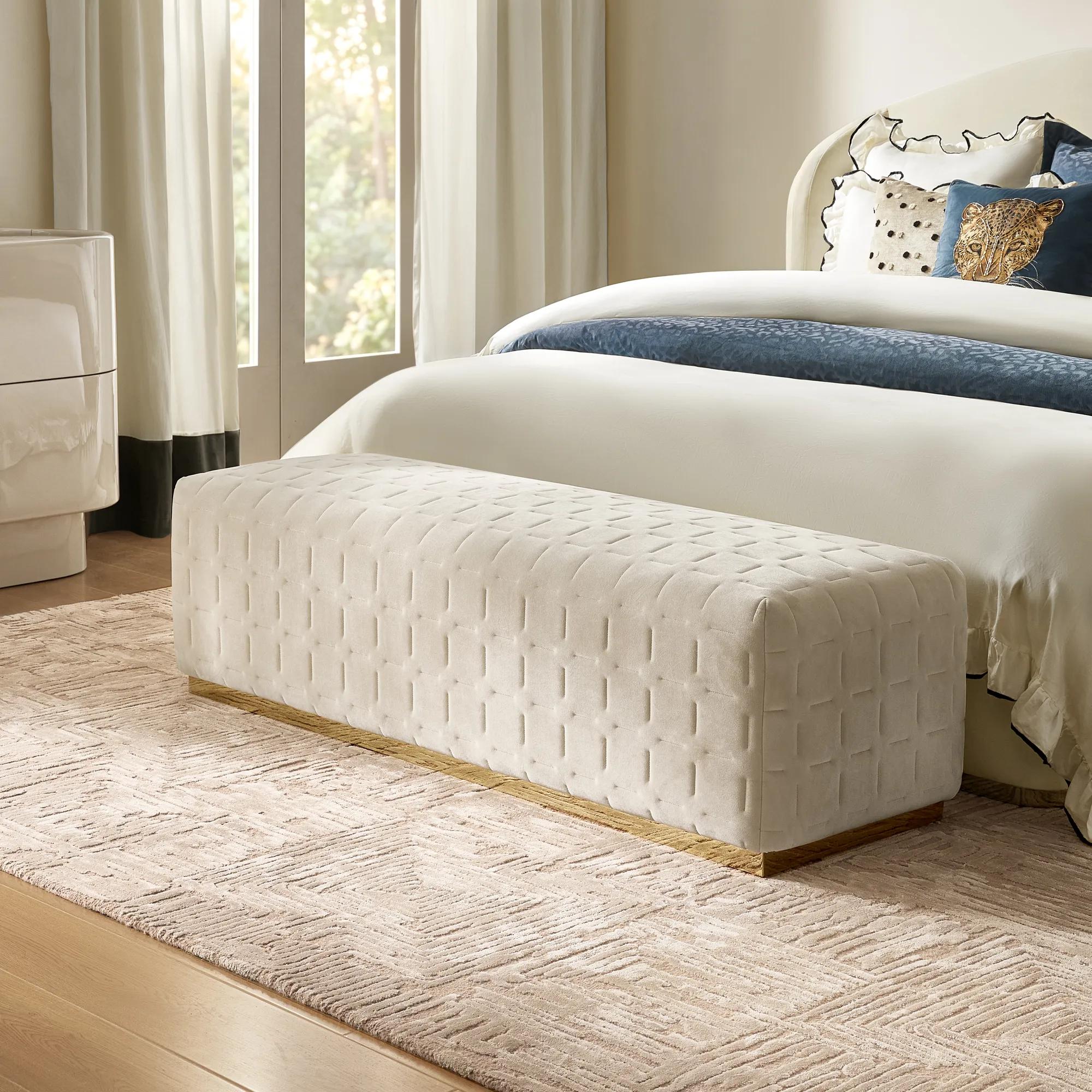 Vanta Quilted Oatmeal Velvet Bench (64.6")$899
A plush oatmeal velvet bench featuring checker quilted tufting and a sleek gold stainless steel base.
Add To Cart -
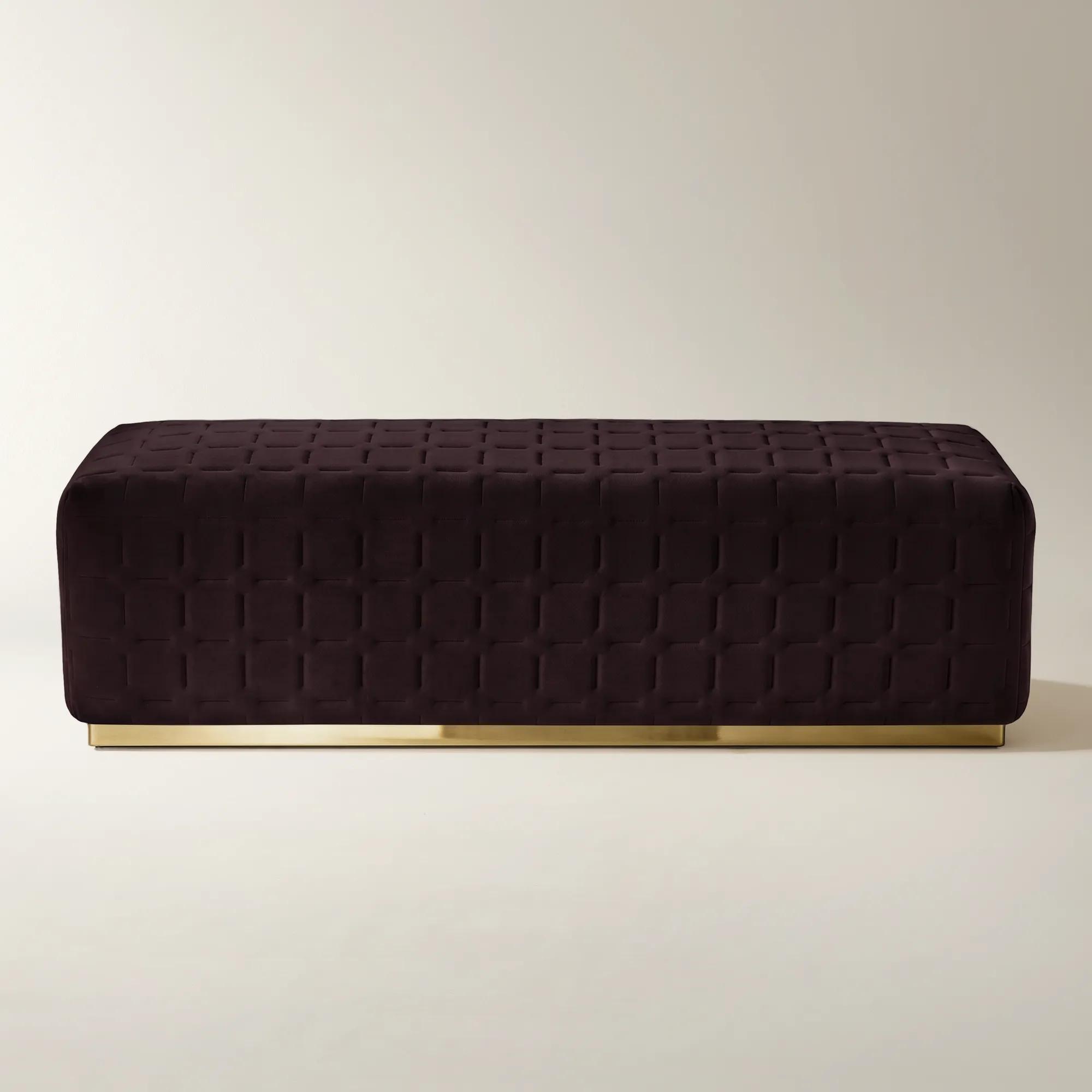
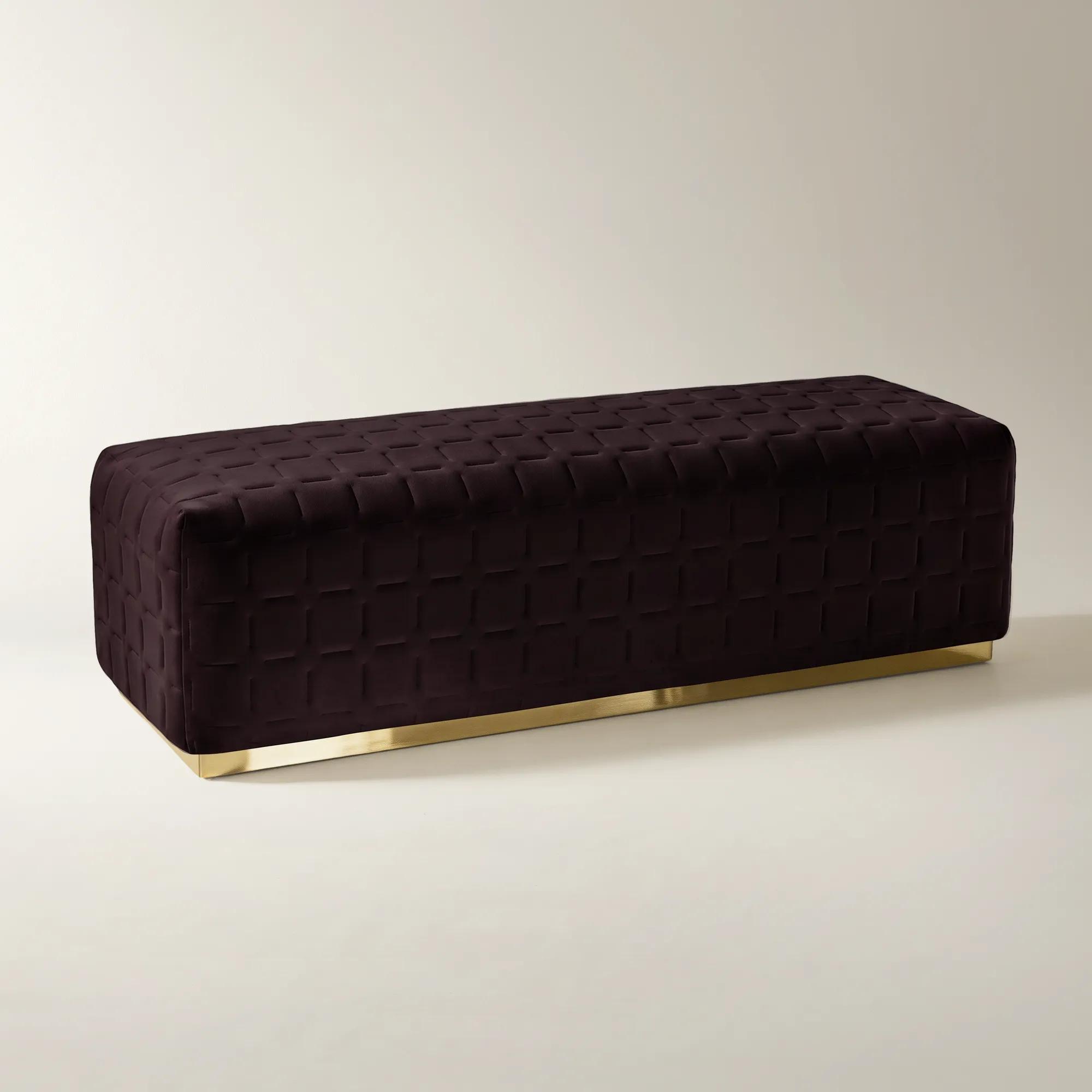 Vanta Quilted Fig Velvet Bench (64.6")$899
A plush fig velvet bench featuring checker quilted tufting and a sleek gold stainless steel base.
Add To Cart -
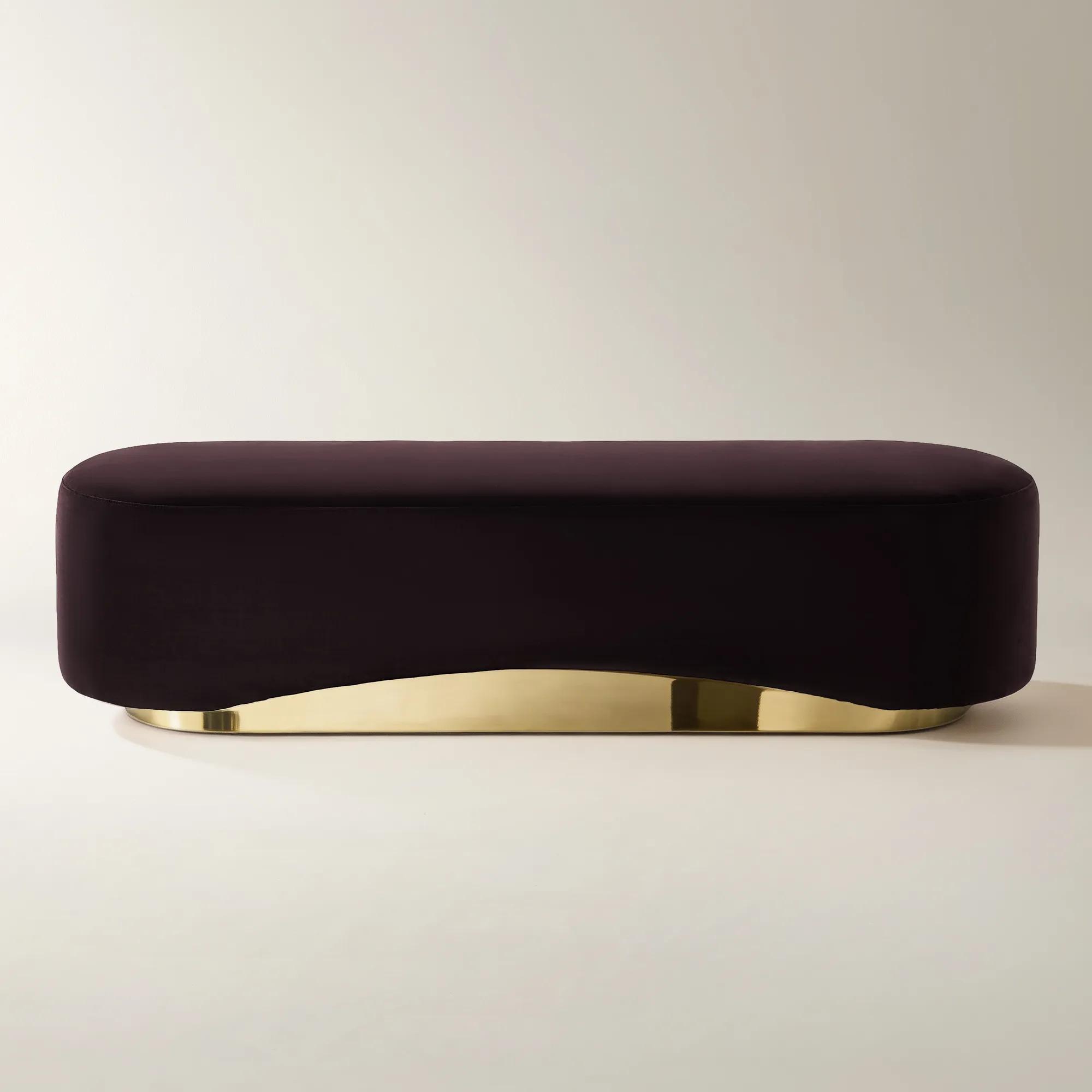 Kendra Fig Velvet Bench (70.47")$799
A plush fig velvet bench with an elongated oval silhouette and a polished gold stainless steel base.
Add To Cart -
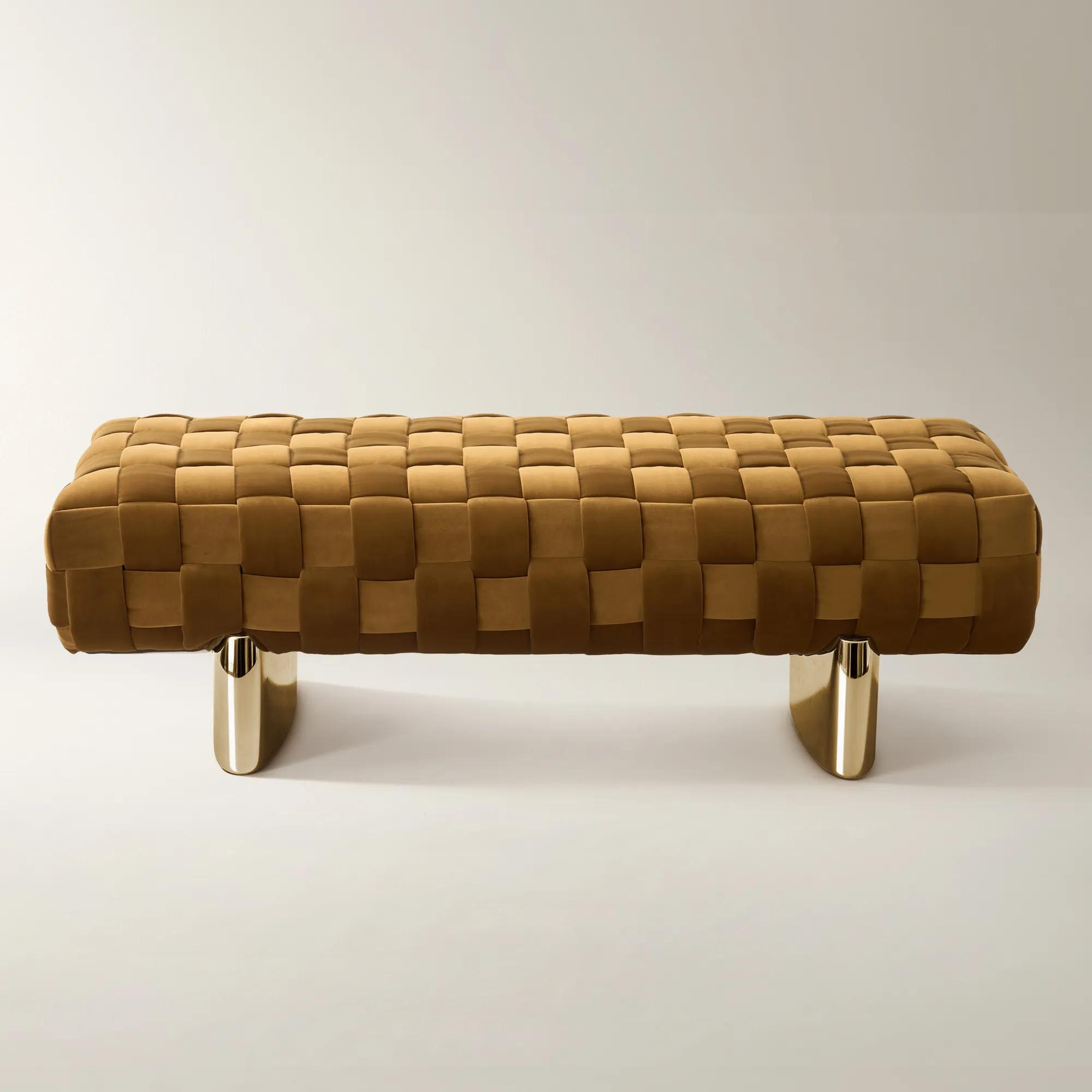
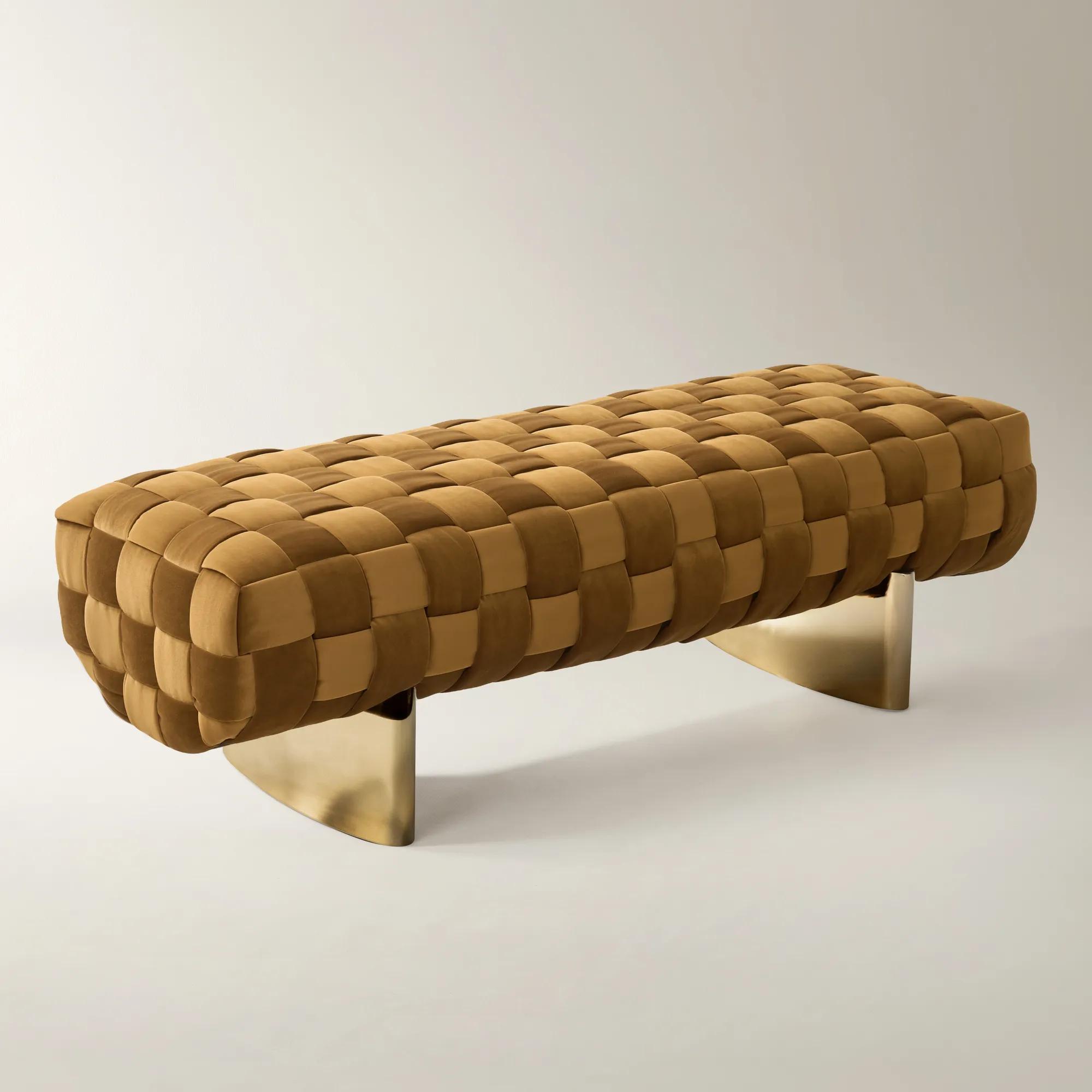 Dexter Woven Roasted Pecan Velvet Bench (64.2")$999
A woven roasted pecan velvet bench featuring plush upholstery and polished gold stainless steel legs for modern elegance.
Add To Cart -
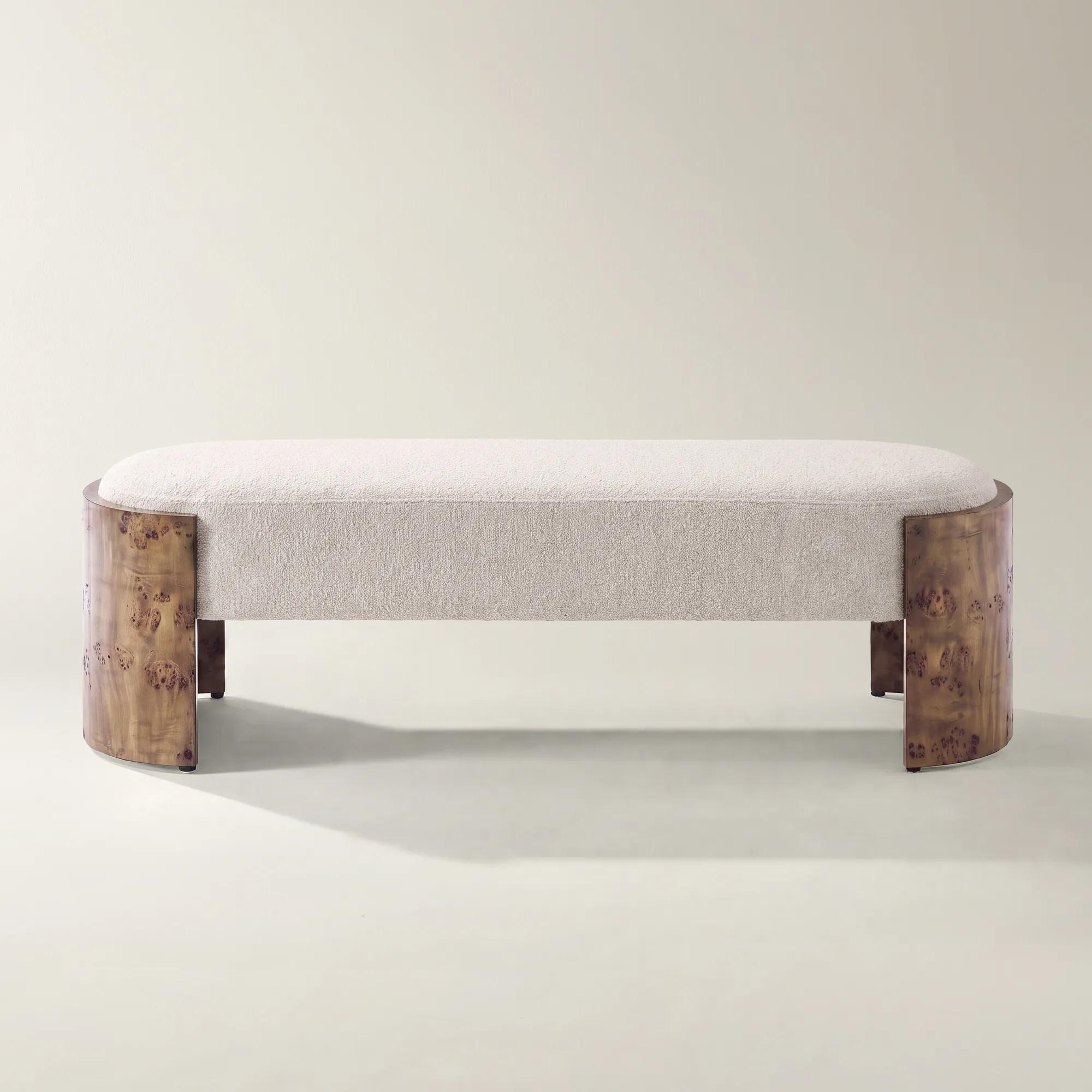 Cora Ivory Performance Boucle With Ash Wood Bench (60.6")$999
A sculpted ivory performance bouclé bench with curved bookmatched ash burl panels and supportive foam cushioning.
Add To Cart -
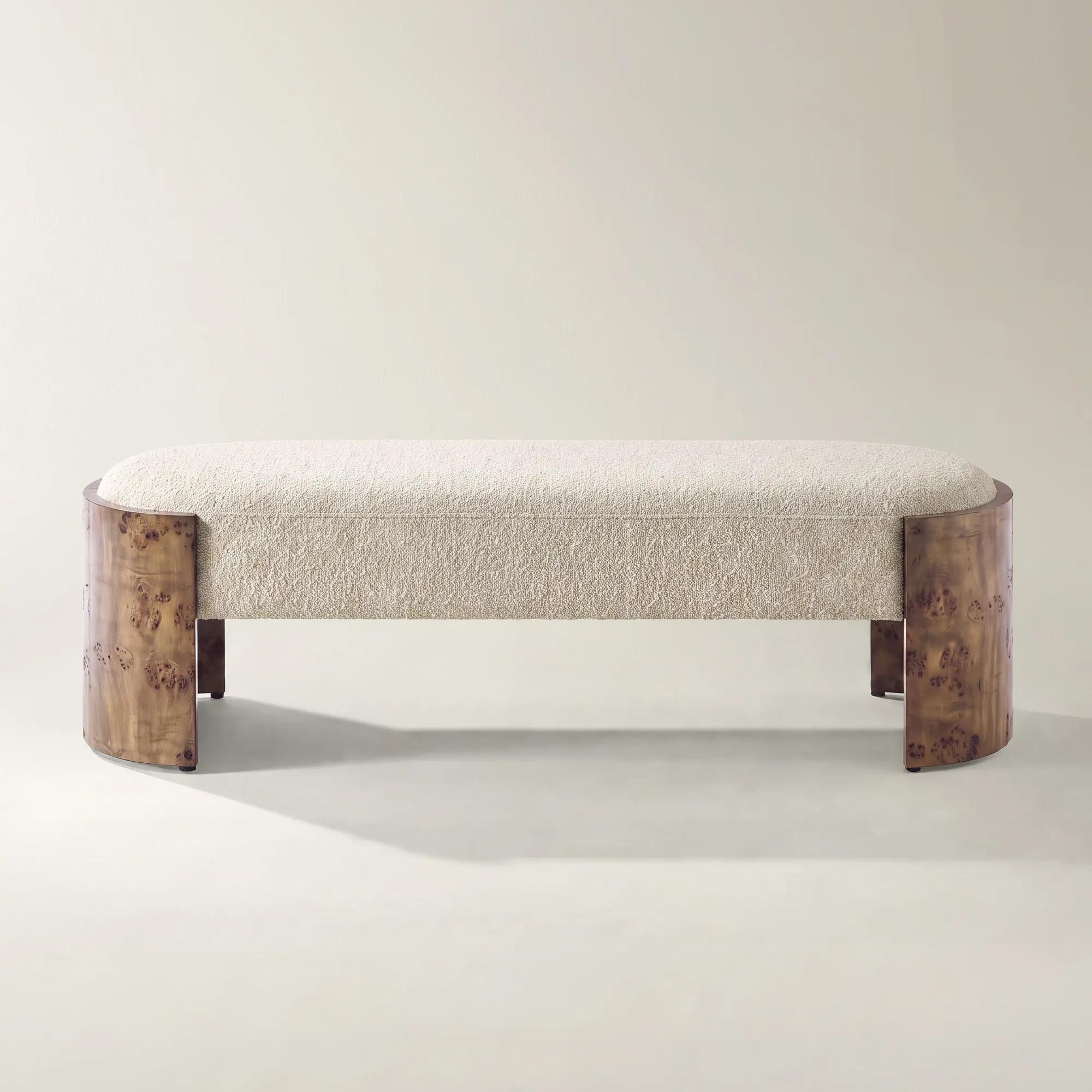 Cora Ivory Performance Boucle With Ash Wood Bench (60.6")$999
An ivory performance boucle bench with curved bookmatched ash burl panels and supportive foam cushioning.
Add To Cart -
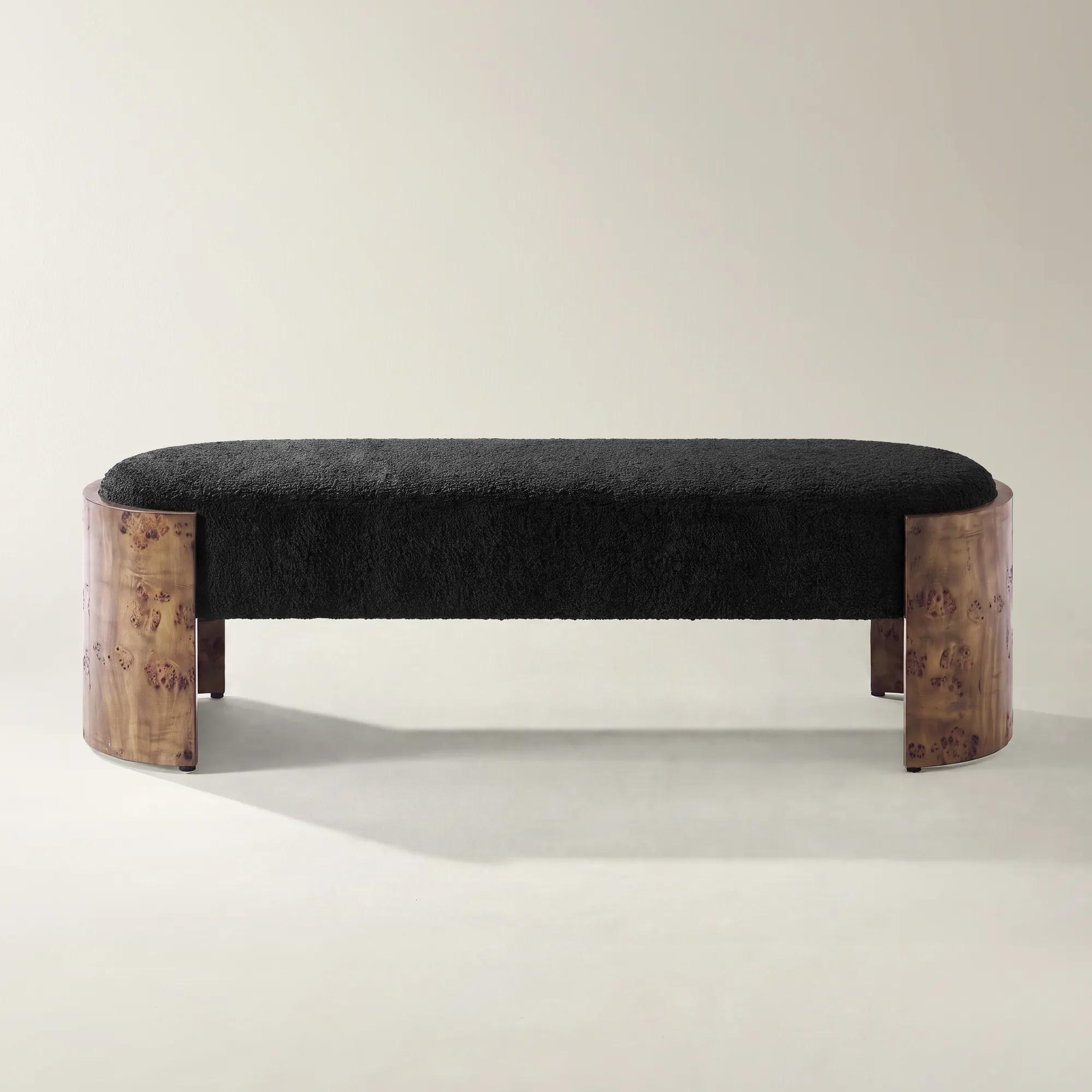 Cora Black Chenille With Ash Wood Bench (60.6")$999
A sculpted charcoal chenille bench featuring curved bookmatched ash burl panels and supportive foam cushioning.
Add To Cart -
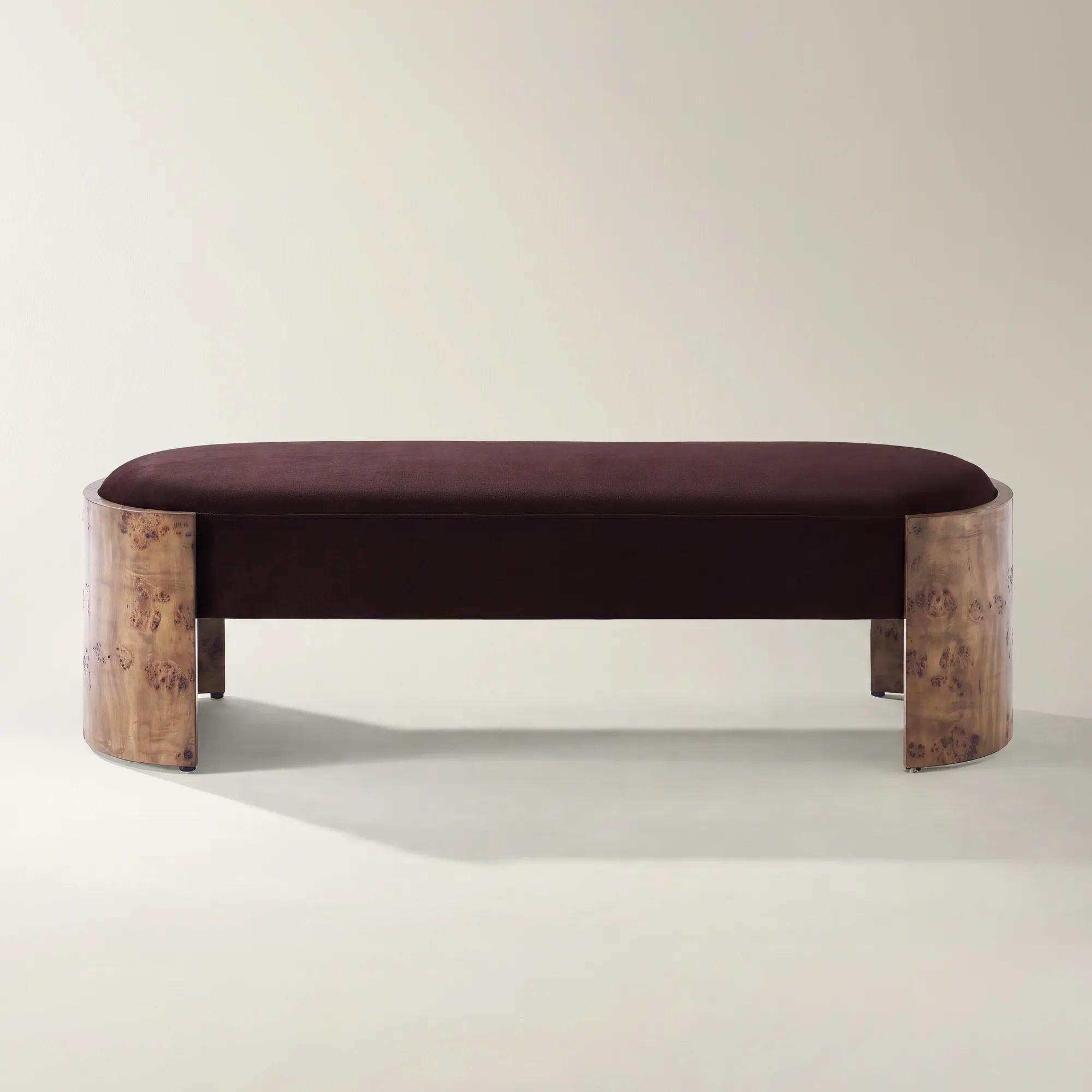 Cora Fig Velvet With Ash Wood Bench (60.6")$999
A sculptural bench with fig velvet upholstery, bookmatched ash burl panels, and supportive high-resiliency foam cushioning.
Add To Cart -
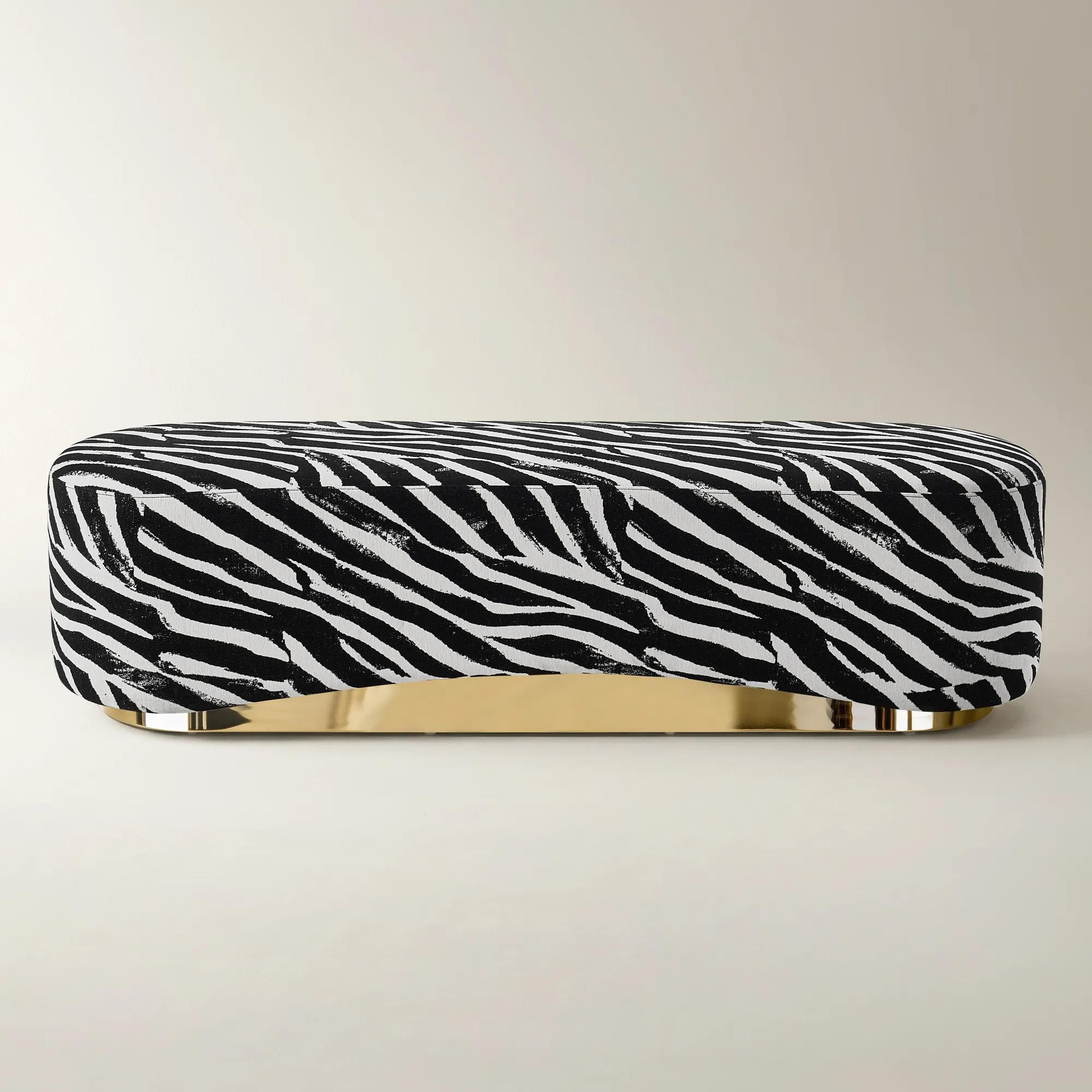
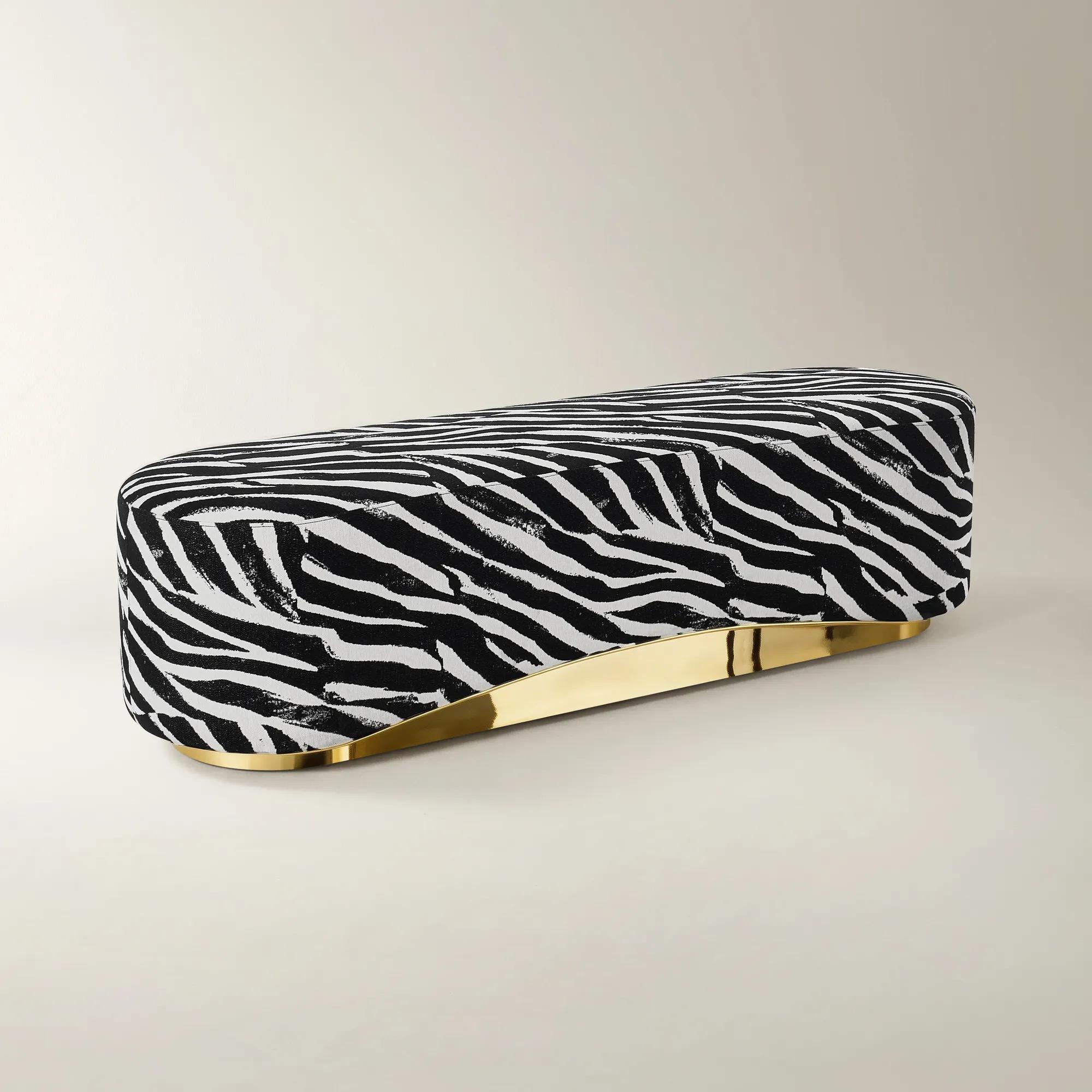 Kendra White/Black Performance Chenille Bench (70.47")$799
An elongated oval bench upholstered in white and black performance chenille with a polished gold stainless steel base.
Add To Cart -
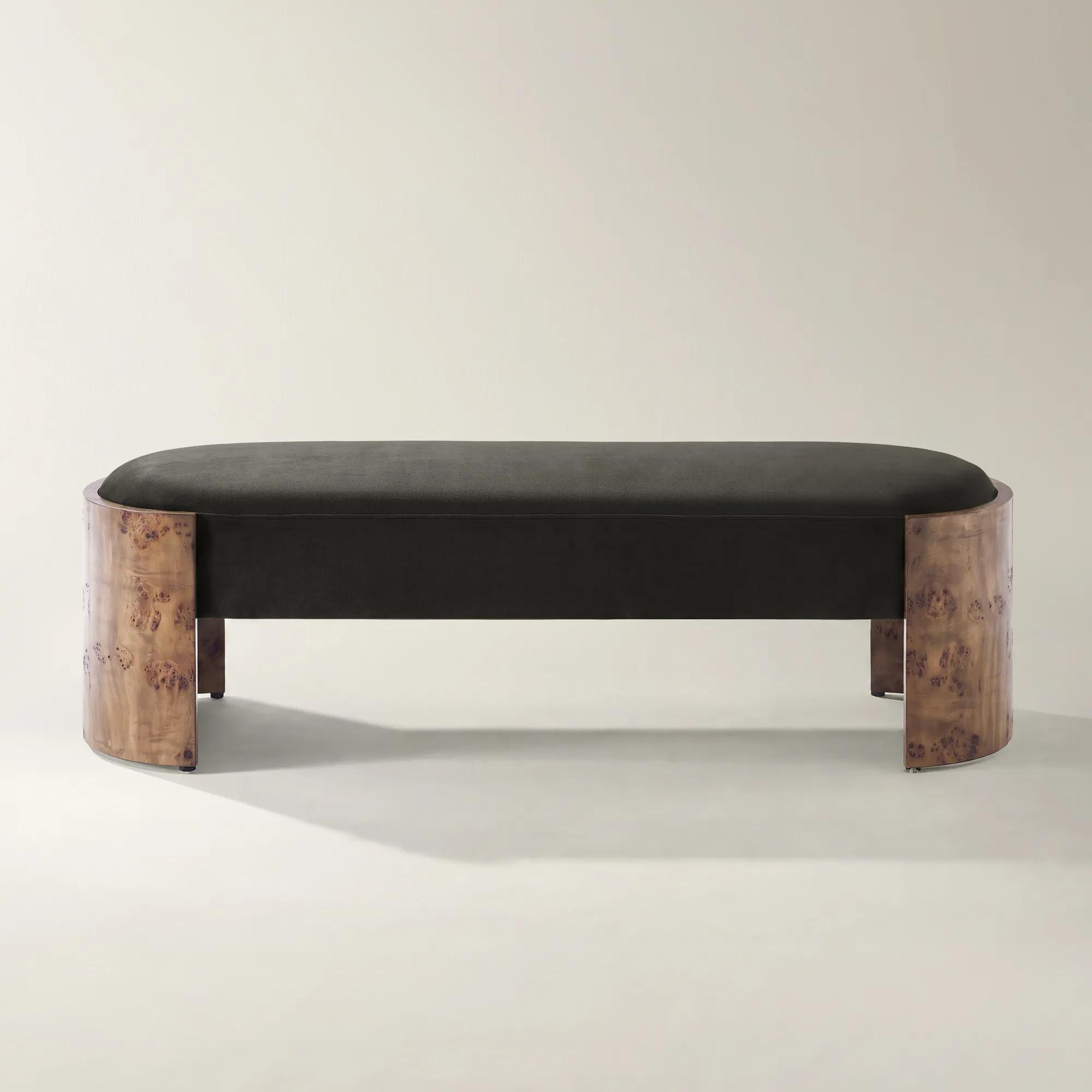 Cora Charcoal Velvet With Ash Wood Bench (60.6")$999
A sculpted charcoal velvet bench with curved bookmatched ash burl panels and supportive foam cushioning.
Add To Cart -
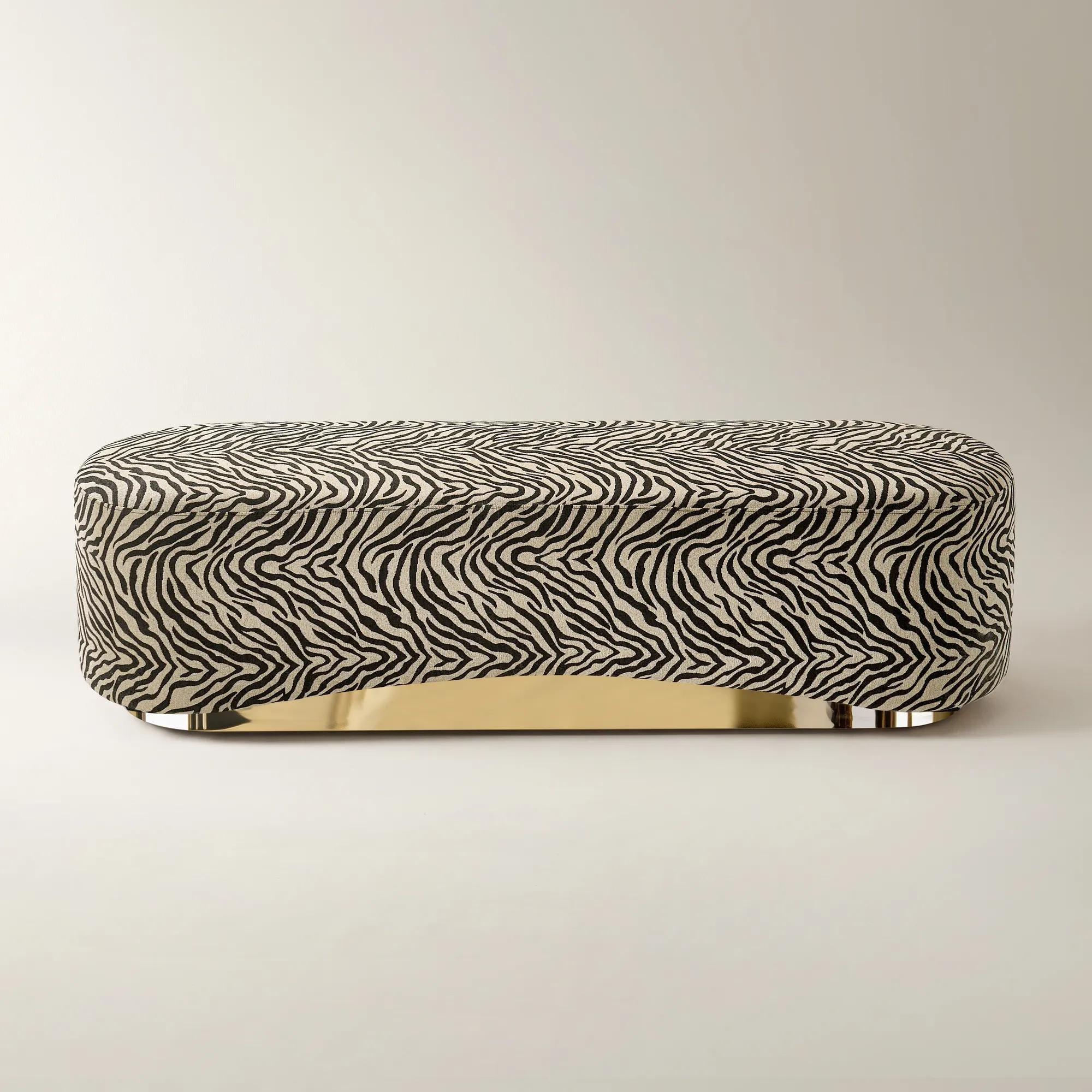
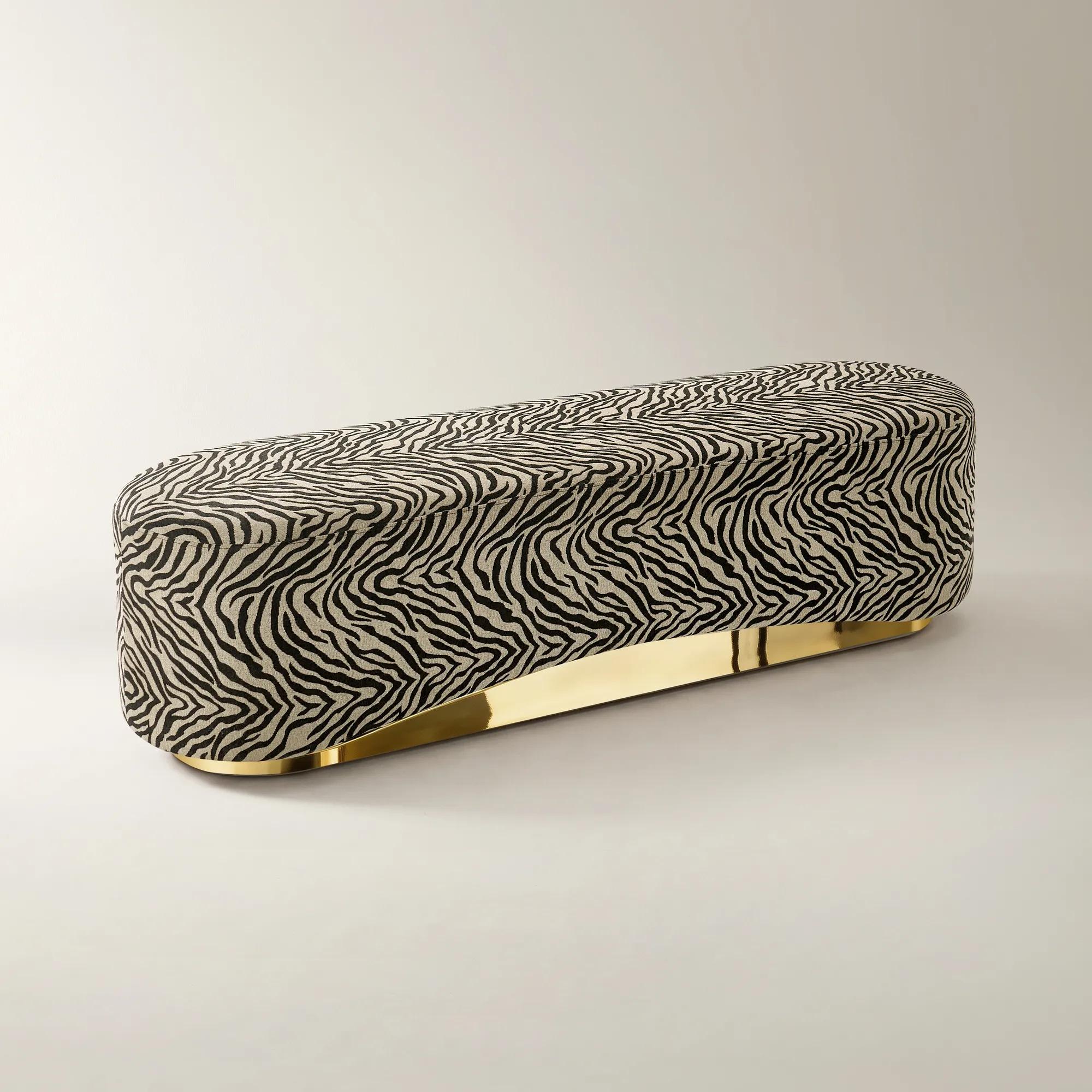 Kendra Zebra Performance Chenille Bench (70.47")$799
An elongated oval bench upholstered in textured zebra-pattern chenille with a polished gold stainless steel base.
Add To Cart -
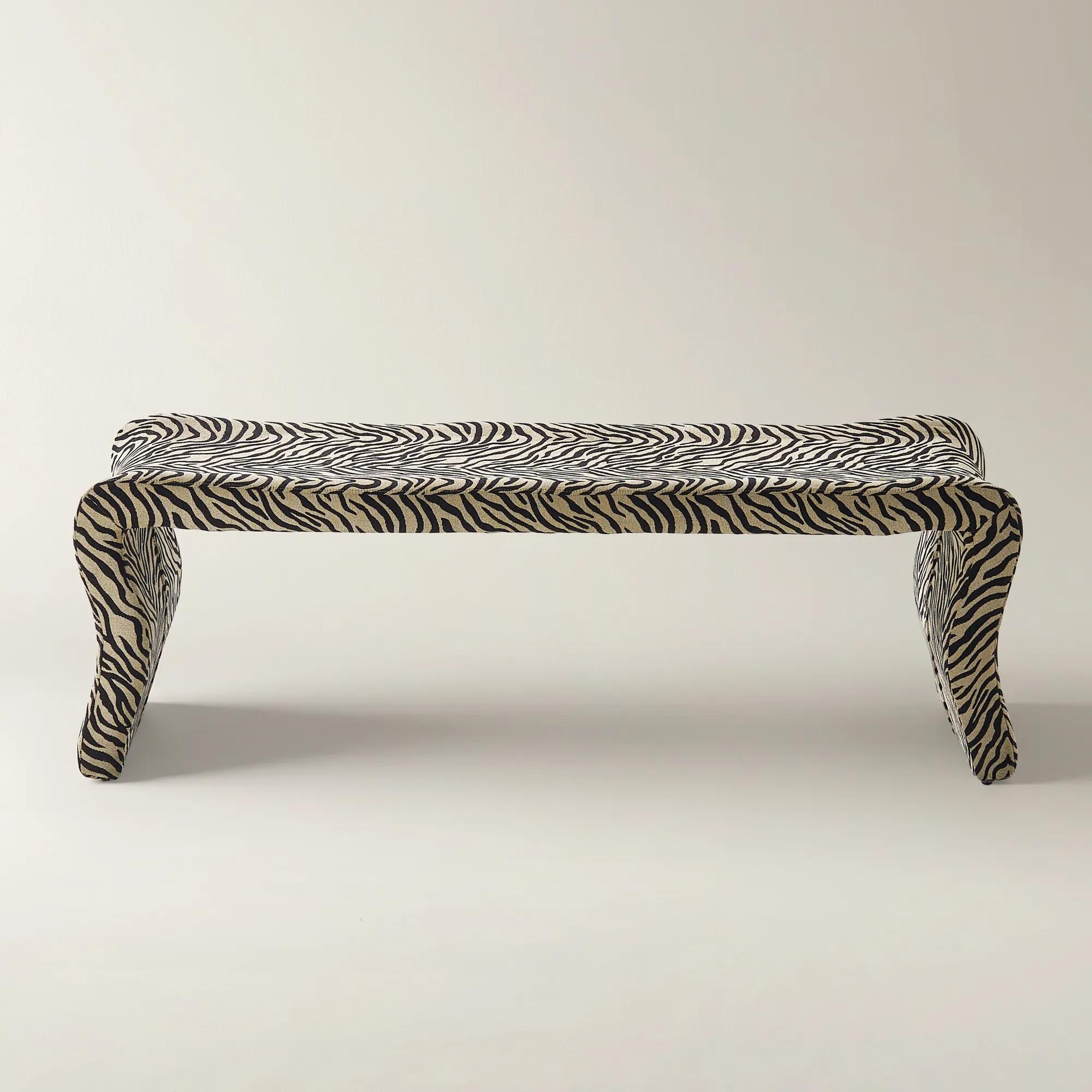 Romy Zebra Performance Chenille Bench (61.5")$899
A sculptural bench wrapped in zebra-patterned performance chenille with a wave-like silhouette and full foam construction.
Add To Cart -
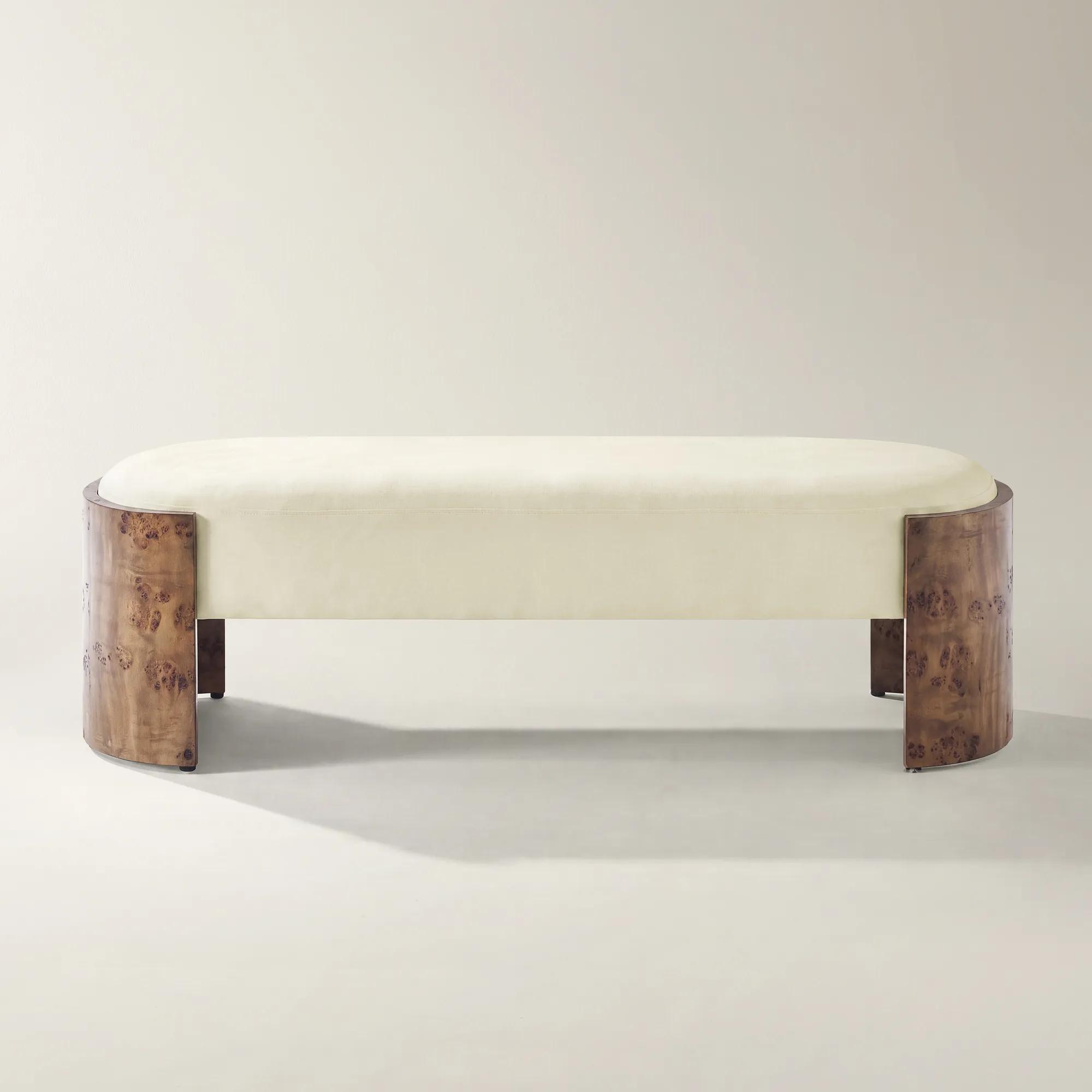 Cora Cloud Velvet With Ash Wood Bench (60.6")$999
A cloud velvet bench with bookmatched ash burl panels and supportive foam cushioning.
Add To Cart -
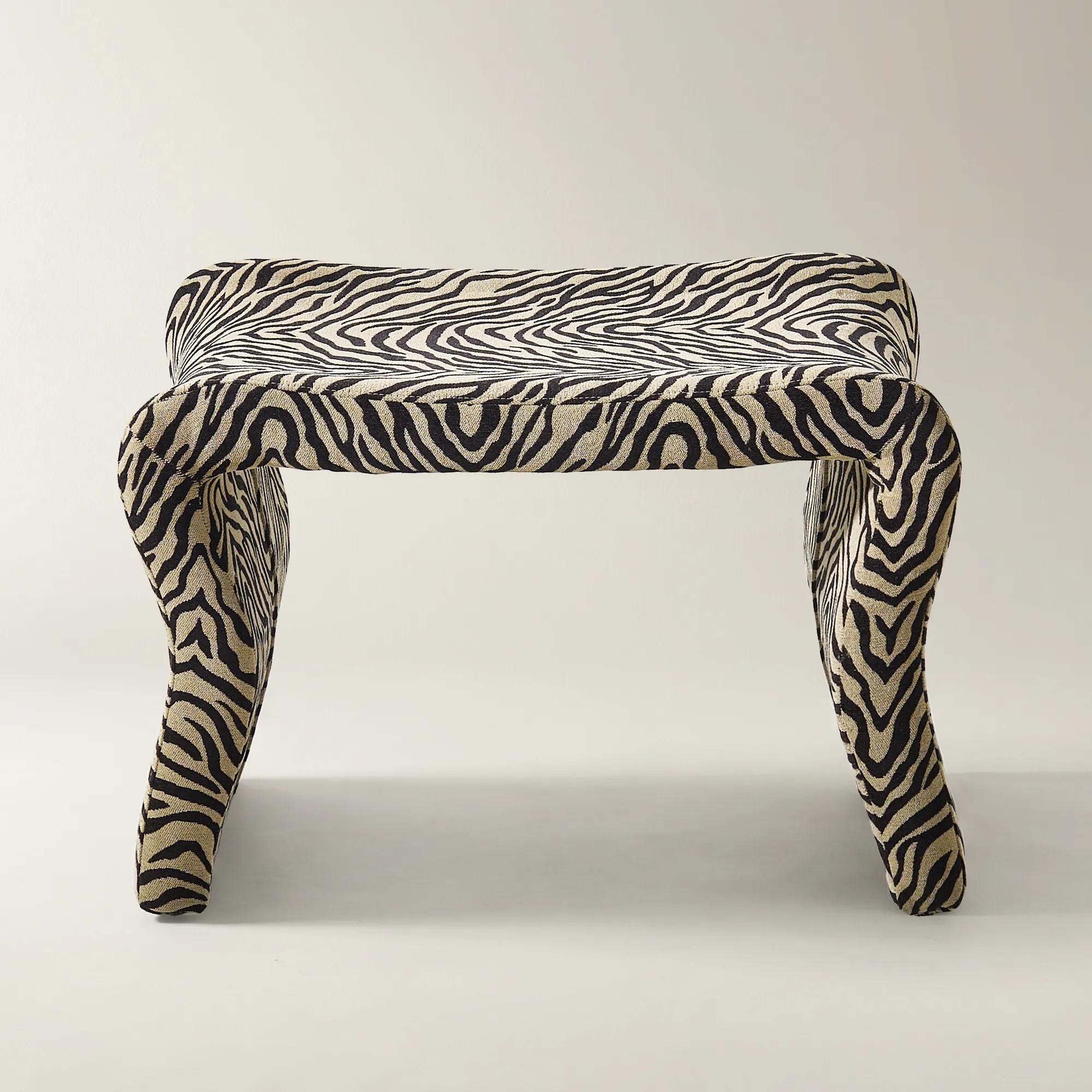
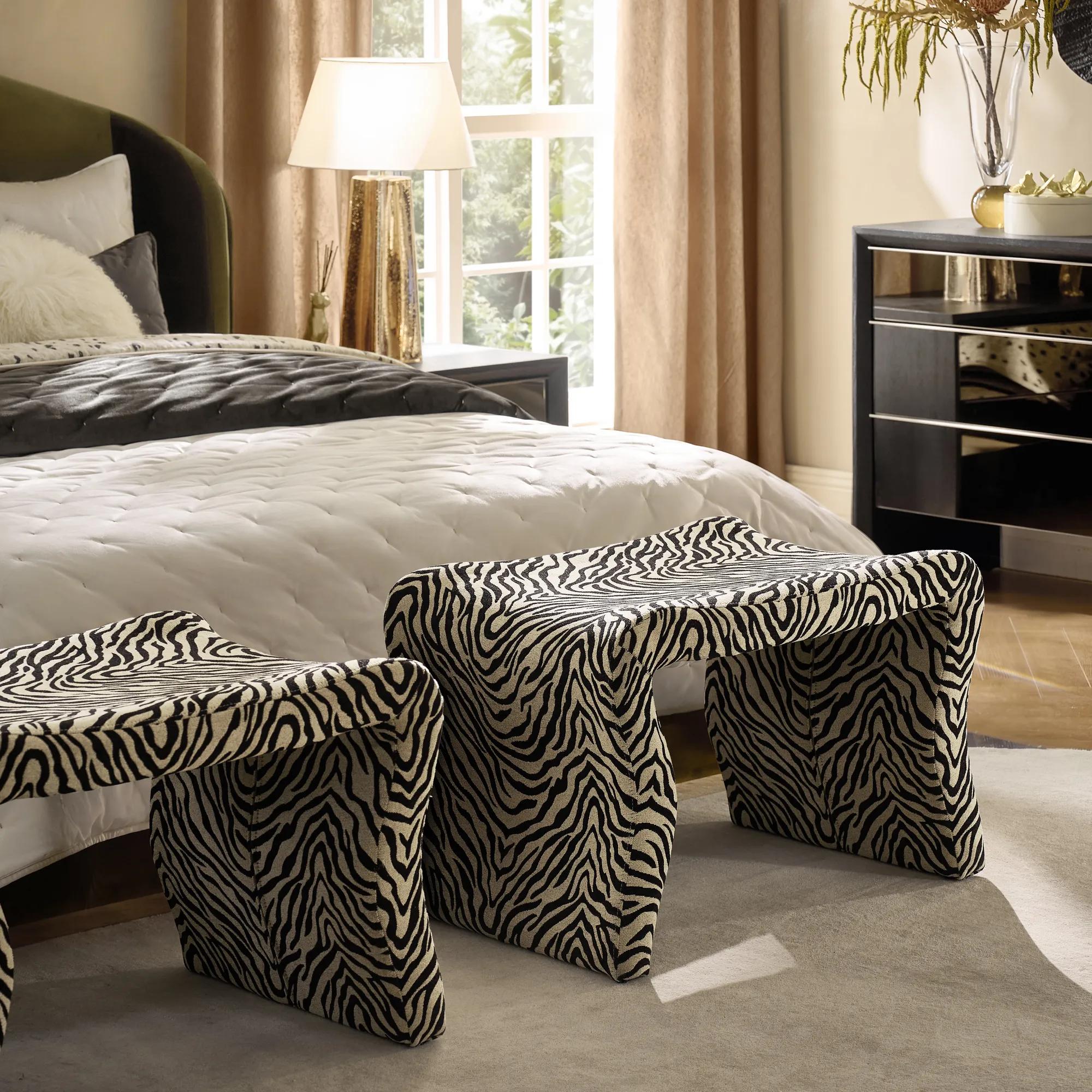 Romy Zebra Performance Chenille Bench (30.75")$499
A sculptural bench wrapped in zebra-patterned performance chenille with a wave-like silhouette and full foam construction.
Add To Cart -
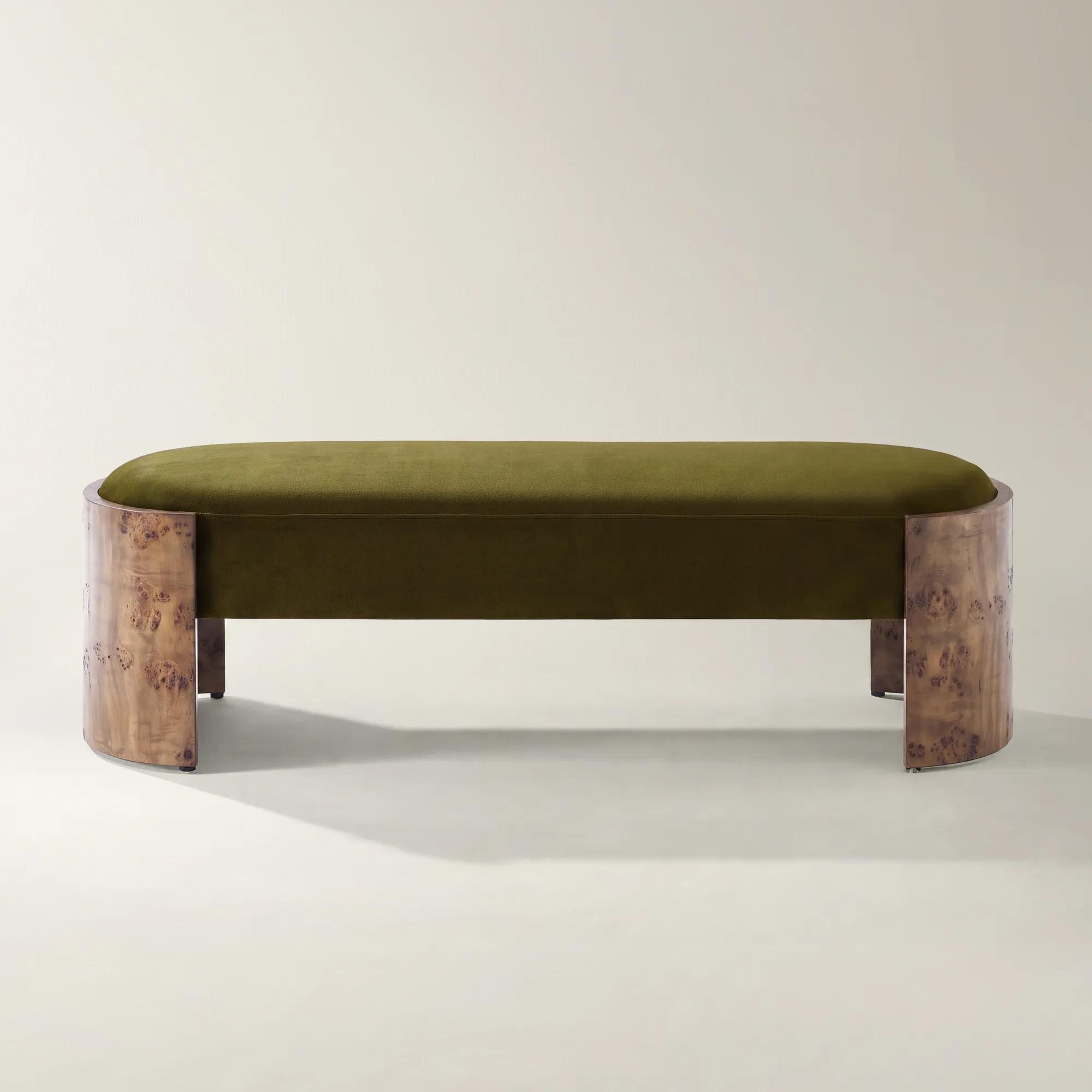 Cora Deep Olive Velvet With Ash Wood Bench (60.6")$999
A sculpted deep olive velvet bench featuring curved ash burl end panels and supportive foam cushioning.
Add To Cart -
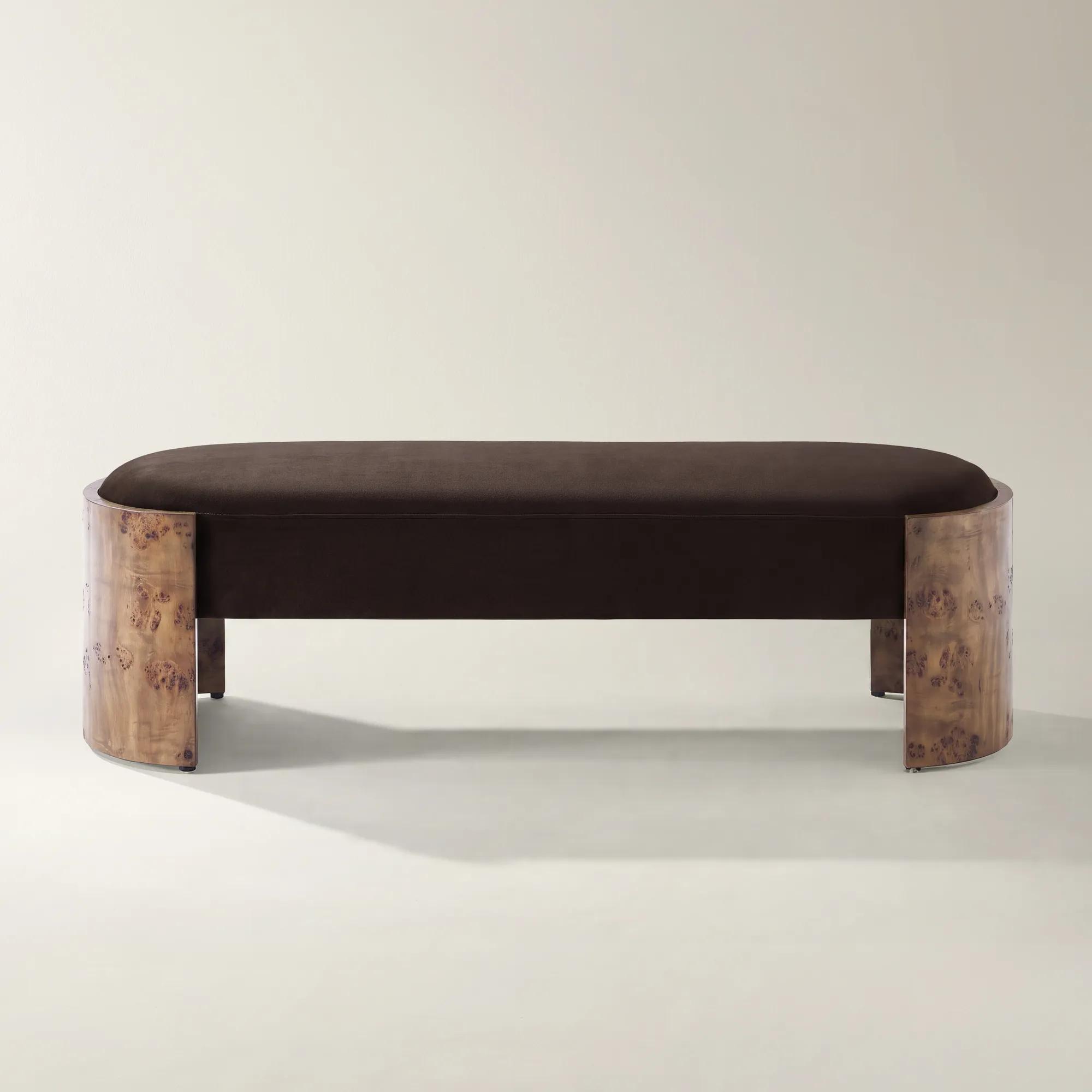 Cora Dark Chocolate Velvet With Ash Wood Bench (60.6")$999
A dark chocolate velvet bench with sculpted bookmatched ash burl end panels and high-resiliency foam cushioning.
Add To Cart -
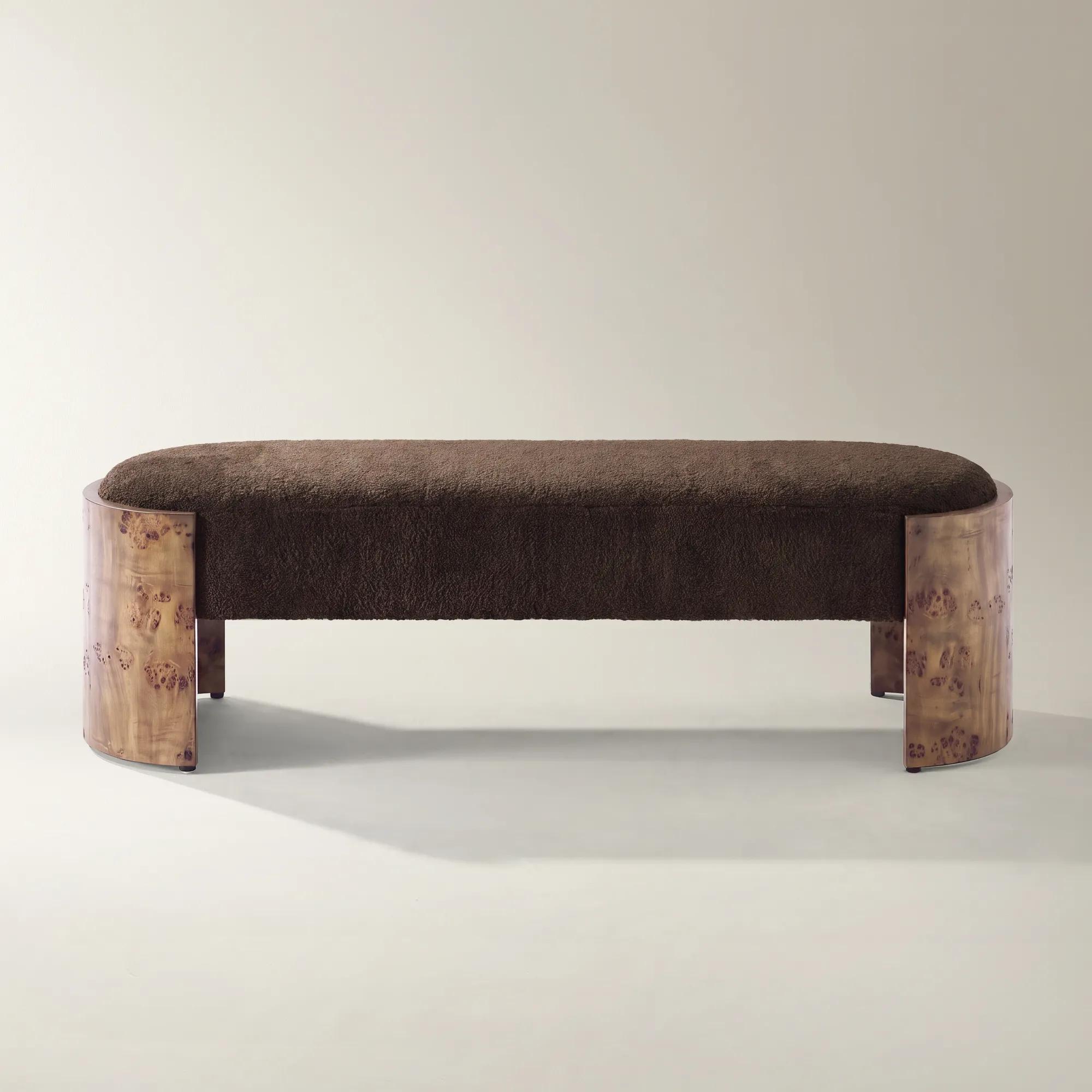 Cora Dark Chocolate Chenille With Ash Wood Bench (60.6")$999
A sculpted dark chocolate chenille bench with curved ash burl end panels and supportive foam cushioning.
Add To Cart -
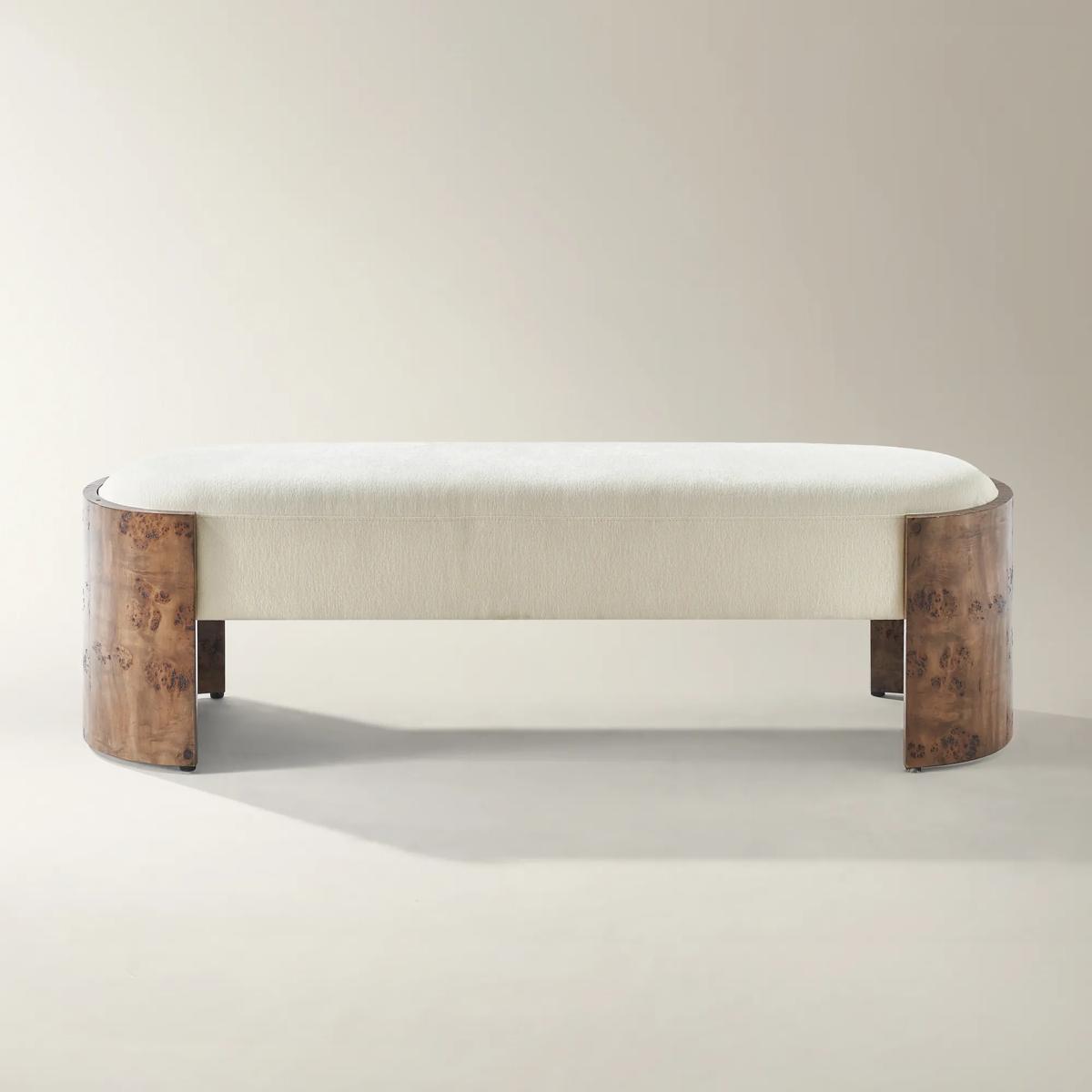 Cora Ivory Chenille With Ash Wood Bench (60.6")$999
An ivory chenille bench with curved ash burl veneer panels, blending plush comfort with striking wood artistry.
Add To Cart -
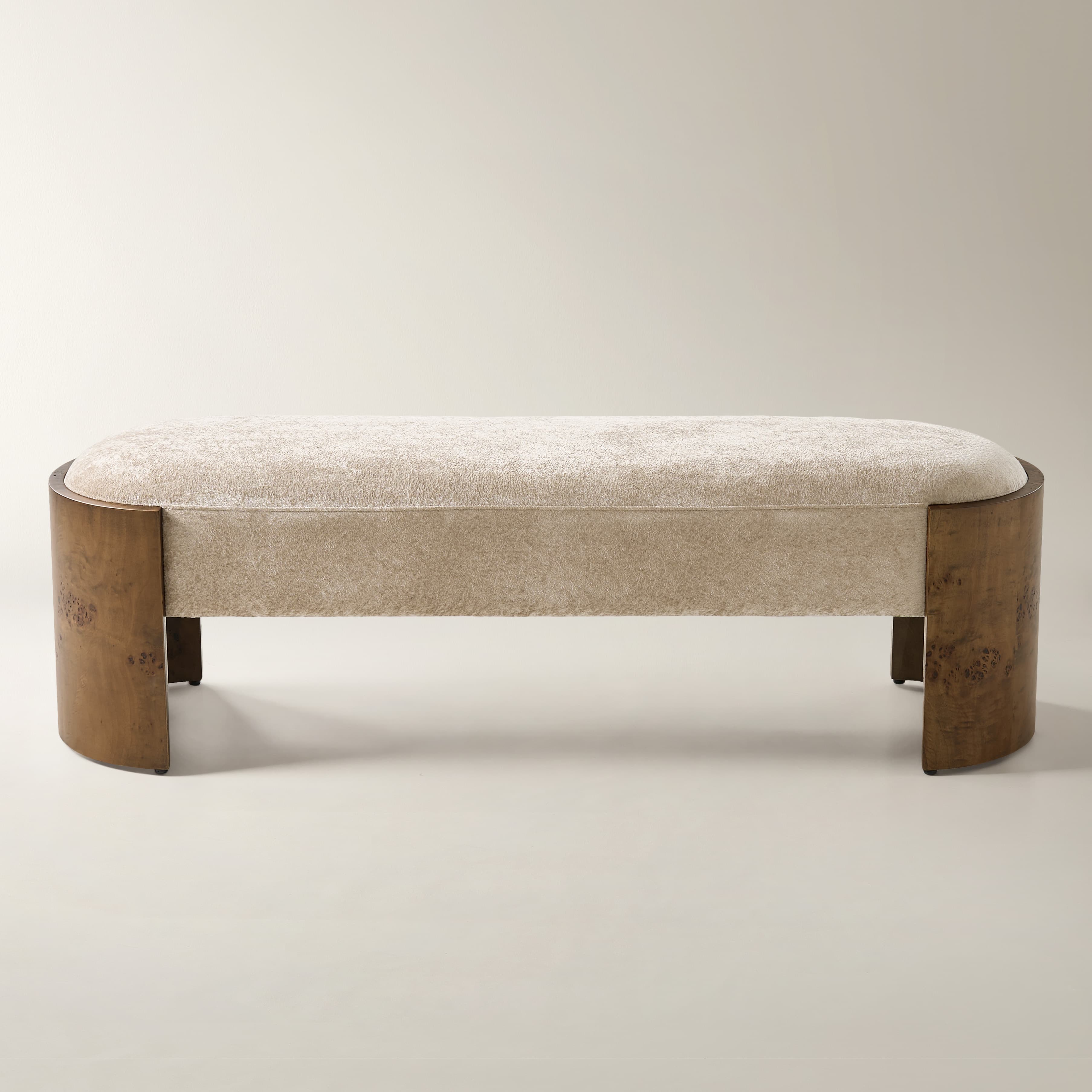 Cora Light Brown Chenille With Ash Wood Bench (60.6")$999
A light brown chenille bench with curved ash burl veneer panels, blending plush comfort and organic artistry.
Add To Cart

Contemporary Upholstered Benches
Contemporary upholstered benches invite a new era of design—where plush comfort meets sculptural allure. Each piece is an invitation to linger, to luxuriate, to transform the everyday into the extraordinary. Drenched in sumptuous fabrics and tailored silhouettes, these benches punctuate your space with a bold whisper of modern glamour. Whether nestled at the foot of a bed or poised in an entryway, contemporary upholstered benches become more than mere seating—they are statements of style, artistry, and unabashed self-expression. Let your home revel in their presence and watch every room unfold with elevated sophistication.
Contemporary upholstered benches bring cushioned seating and sculptural presence to entryways, bedrooms, living rooms, and dining spaces. Their appeal lies in the contrast: a tailored silhouette softened by fabric, a slender base balanced by generous upholstery, or a sweeping curve that gives an otherwise angular room a more expressive rhythm. Unlike a full sofa, a bench can introduce a substantial design statement without a tall back interrupting the view across a space. At the foot of a bed, it creates a composed finishing line and a comfortable place to dress, set down a robe, or arrange decorative pillows before sleep. In an entryway, it turns the simple act of removing shoes into a moment of ease while establishing the home’s visual character from the first step inside. A bench beneath a large painting can anchor the artwork, giving a hallway the presence of a carefully considered gallery. In a living room, an upholstered bench offers occasional seating that can face into a conversation area without visually closing it off. The silhouette sets the mood: channeling introduces architectural repetition, deep tufting lends dimension and a more lavish sensibility, and a smooth upholstered seat lets proportion and fabric take center stage. Rounded corners and oval profiles soften rooms filled with straight lines, while crisp rectangular forms echo the geometry of a console, fireplace, or paneled wall. Color can either build continuity or create a deliberate focal point. Ivory, stone, and warm taupe bring depth through subtle shifts in texture; charcoal, ink, and richly saturated jewel tones give upholstery a more dramatic presence. A gleaming metal base adds a flash of light beneath the seat, while exposed wood creates a warmer visual foundation. The most compelling contemporary upholstered bench does more than coordinate with surrounding furniture. It introduces a distinct shape, a tactile surface, and a useful place to pause, bringing an often-overlooked stretch of floor into the room’s larger composition.
Upholstery gives a bench much of its personality, but the material also shapes how comfortably it fits into everyday life. Velvet offers a luminous surface whose appearance changes with the direction of its pile and the light falling across it. That variation can make a simple silhouette feel exceptionally rich, though pressure marks and shading may be visible with use. Woven fabrics bring a different kind of dimension, from tightly textured surfaces to more pronounced yarns that emphasize softness and depth. Bouclé adds sculptural texture, while leather offers a smoother expression with care requirements that depend on its finish. Material names alone do not establish durability: fiber content, weave, backing, construction, and the manufacturer’s intended use all matter. Performance upholstery may provide useful resistance to certain stains or wear, but its specific capabilities should be confirmed rather than assumed. In a busy entryway or a home with pets, a tightly woven surface without prominent loops may be more practical than a fabric vulnerable to snagging. Beneath the upholstery, frame construction, secure joints, cushion support, and the stated weight capacity help determine whether a bench is suited to daily seating or occasional use. Seat feel deserves equal attention. A firmer cushion can offer steady support for putting on shoes or sitting at a table, while a more yielding seat may suit a bedroom retreat. Proportion is equally important to the finished effect. At the end of a bed, a bench generally looks balanced when it is narrower than the mattress, with enough space around it to move comfortably. In an entry, its depth should leave the walking route clear and allow doors to open freely. Arms, bolsters, and curved ends contribute to the overall dimensions but can reduce the usable seating area. For shared seating, the length of the actual cushion matters more than the outer frame alone. A carefully measured bench feels integrated into the architecture rather than placed in the path of daily life, preserving both the room’s drama and its ease.
The intended setting also influences which details deserve emphasis. For dining, an upholstered bench needs a seat height that works with the tabletop and its underside, allowing comfortable legroom even after the cushion compresses. A backless design can maintain an open sightline, while a supportive back creates a more settled place for lingering over a meal. For spaces organized around a dining table or breakfast nook, Contemporary Banquette Benches offer a related seating direction with a more defined dining focus. In a living room, a bench can sit opposite a sofa or along the edge of a seating arrangement, provided there is room for guests to pass without navigating around projecting legs or corners. Upholstered seating is not automatically suitable as a tabletop; drinks and decorative objects are better placed on a stable adjacent surface unless the bench is expressly designed for another use. Storage, where incorporated, adds another practical consideration: a lift-up seat needs clearance to open, and its mechanism should be operated according to the manufacturer’s instructions. Thoughtful care helps preserve the upholstery’s character without sacrificing its inviting feel. Regular gentle vacuuming with an appropriate upholstery attachment can remove dust before it settles into seams and textured fabric. Spills are best addressed promptly by blotting rather than rubbing, with cleaning methods guided by the upholstery care label. Water-based cleaners, solvents, and professional cleaning are not interchangeable, and any permitted treatment should first be tested in a concealed area. Leather requires products appropriate to its particular finish, while velvet may need fabric-specific attention to preserve the direction and appearance of its pile. Direct sunlight can affect color over time, and suitable floor protectors beneath the legs can help safeguard delicate flooring. With its scale, material, and placement thoughtfully matched to the room, a contemporary upholstered bench becomes an enduring part of the interior: a richly textured accent that welcomes company, supports familiar routines, and gives a quiet corner unmistakable presence.
FAQs
A contemporary upholstered bench is a master of versatility and drama. Place it at the foot of your bed to create a luxurious landing spot for throws and pillows, or use it as a chic accent in your entryway, paired with bold artwork and a sculptural mirror. In living rooms, a bench can serve as extra seating or a coffee table alternative, topped with a mirrored tray and art books. For dining spaces, benches bring a sense of togetherness and modern flair, especially when paired with a statement table and layered textiles.
A contemporary upholstered bench makes a memorable gift for design enthusiasts, newlyweds, or anyone moving into a new home. It’s also a thoughtful present for those who love to entertain, as it offers both style and flexible seating. Friends or family who appreciate bold, expressive interiors will delight in a bench that becomes a focal point and conversation starter in their space.
Swap out traditional dining chairs for a contemporary upholstered bench to instantly elevate your dining area with a sense of modern luxury and communal comfort. Choose a bench with rich textures or metallic details to echo the glamour of your tablescape. For an even more dramatic effect, consider pairing your bench with plush pillows or layering it with a faux fur throw.
Contemporary upholstered benches often feature luxe materials such as velvet, linen, or performance fabrics, complemented by gleaming metal or lacquered wood bases. Details like channel tufting, nailhead trim, and mirror-finish legs add an extra layer of sophistication and artistry, ensuring each bench is as visually stunning as it is comfortable.
Contemporary upholstered benches infuse a space with both elegance and energy. Their sculptural silhouettes and tactile fabrics invite relaxation, while bold finishes and artistic details create a sense of drama and intention. Whether anchoring a vignette or serving as a statement piece, these benches help define the atmosphere—transforming functional seating into an expression of personal style and creative vision.