Fabric Upholstered Benches
Fabric Upholstered Benches
-
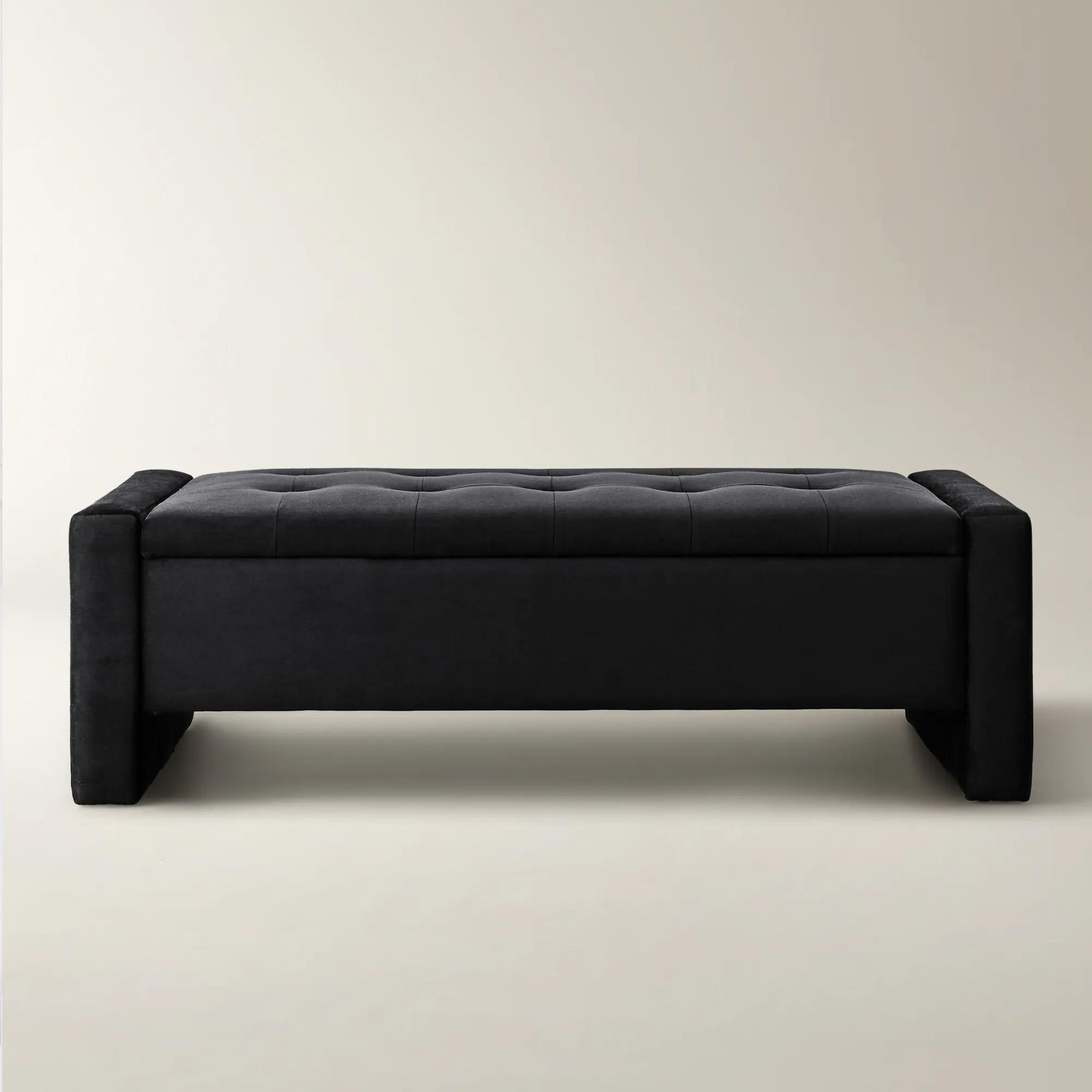
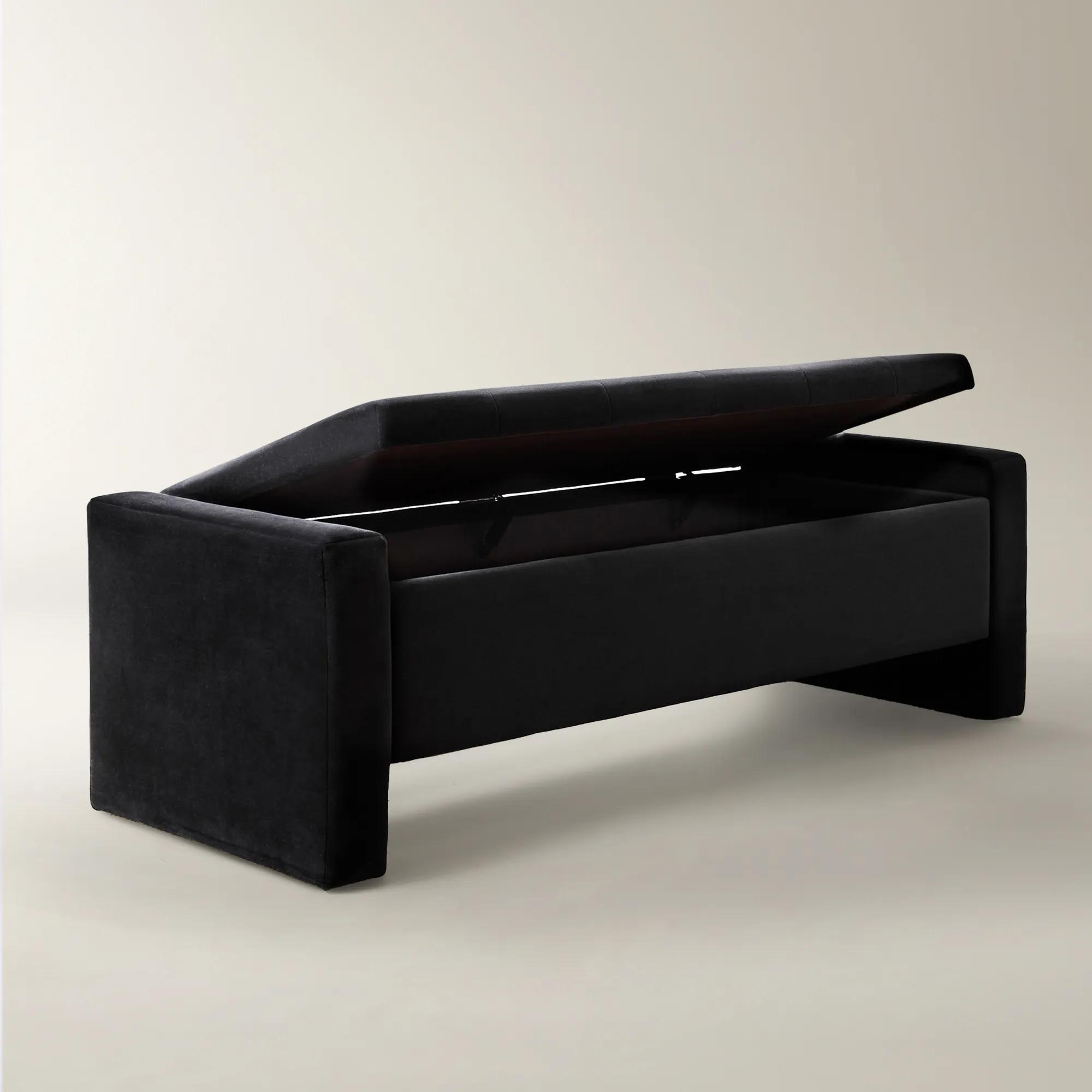 Maeve Storage Bench$849
A modern velvet-upholstered bench with hidden storage and a sturdy kiln-dried hardwood frame.
Add To Cart -
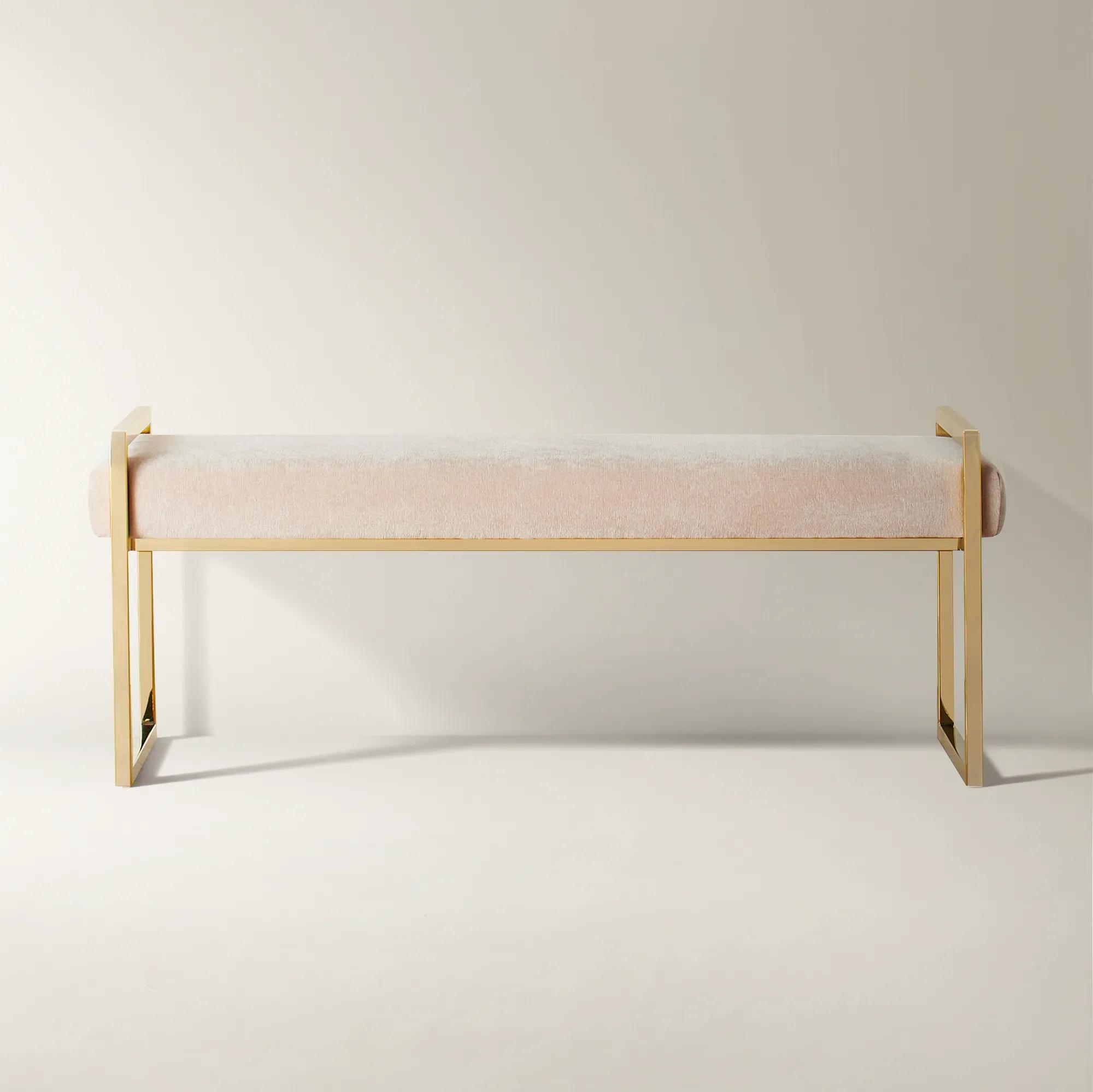 Clara Bench$699
A plush upholstered bench with a high-density foam seat and polished gold metal legs for modern elegance.
Add To Cart -
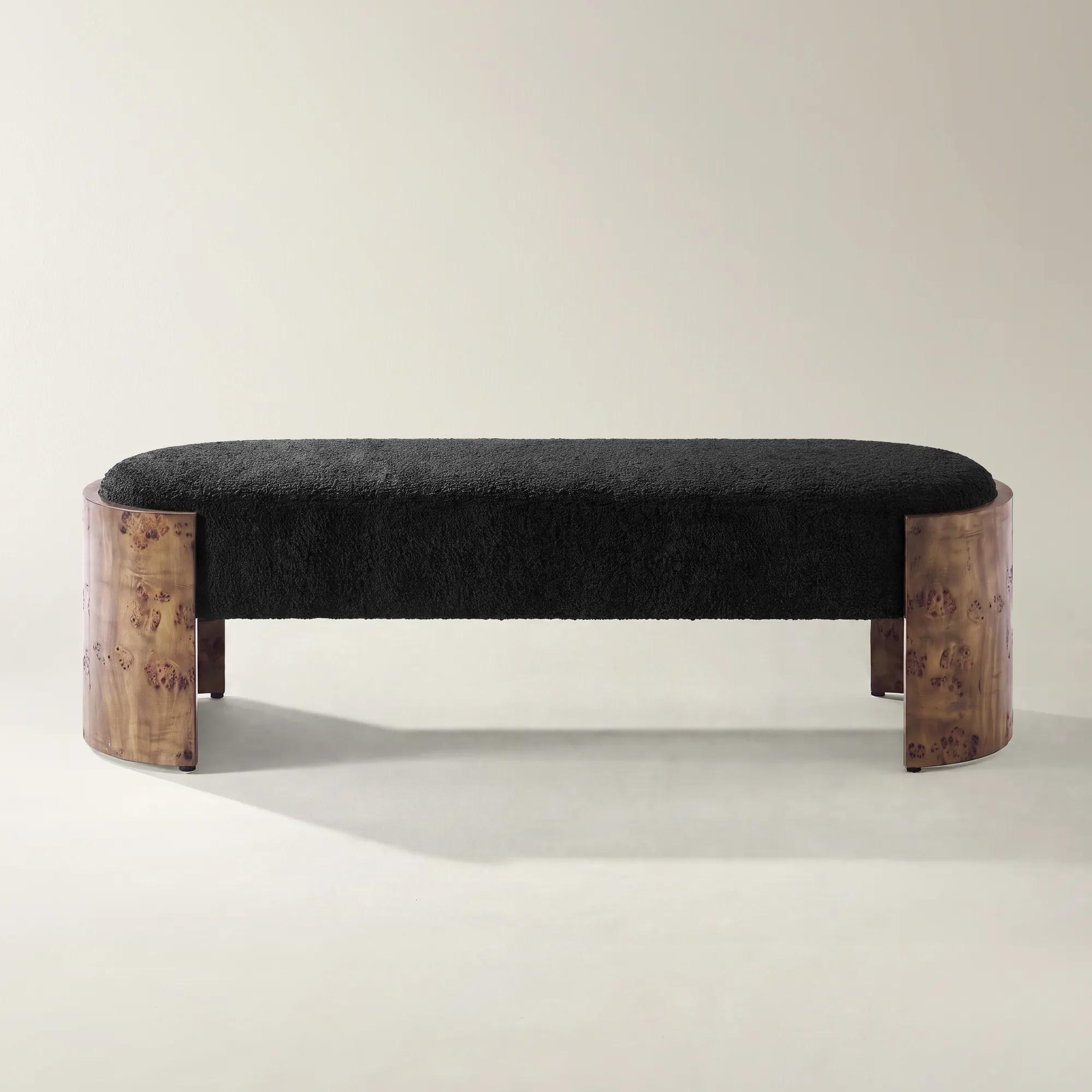 Cora Black Chenille With Ash Wood Bench (60.6")$999
A sculpted charcoal chenille bench featuring curved bookmatched ash burl panels and supportive foam cushioning.
Add To Cart -
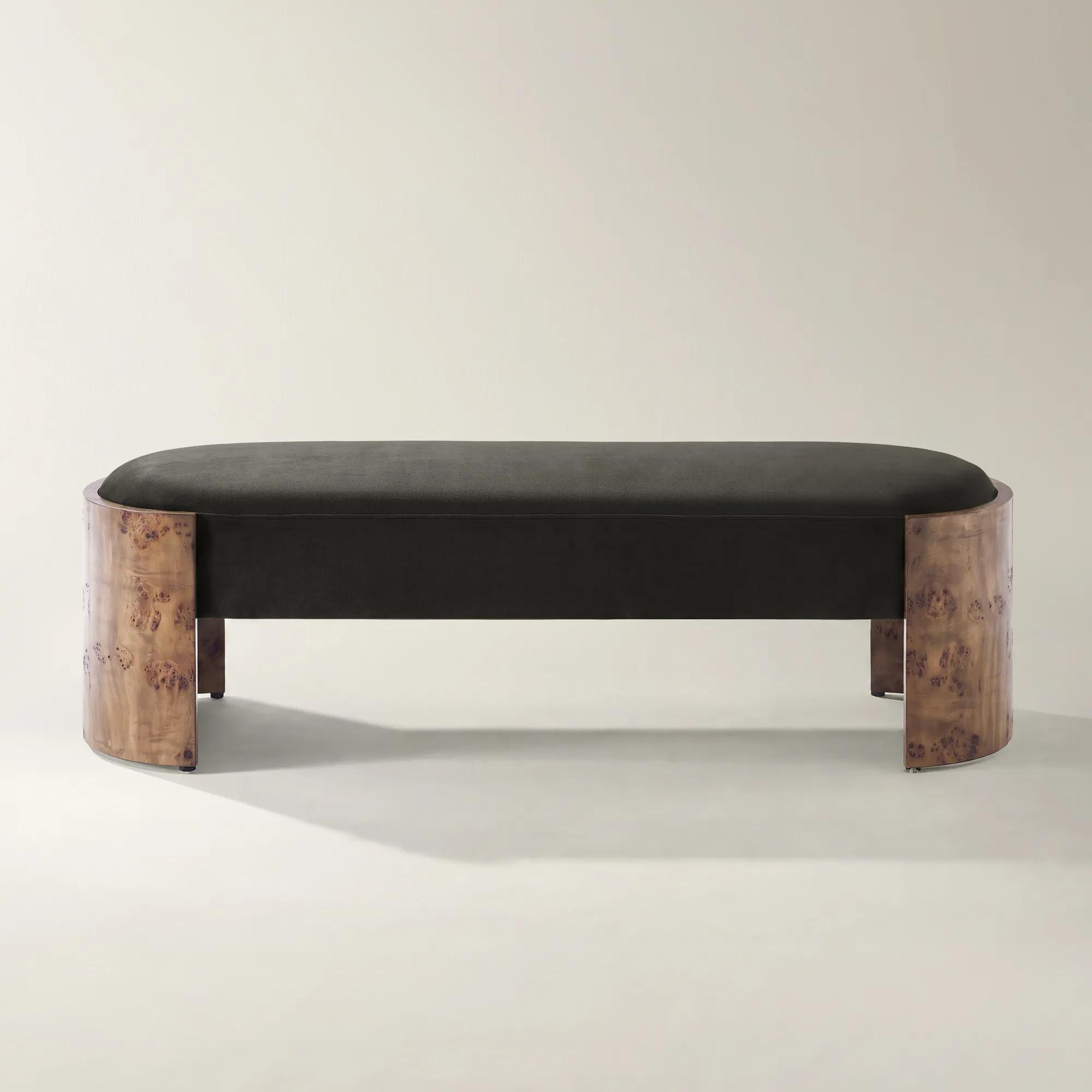
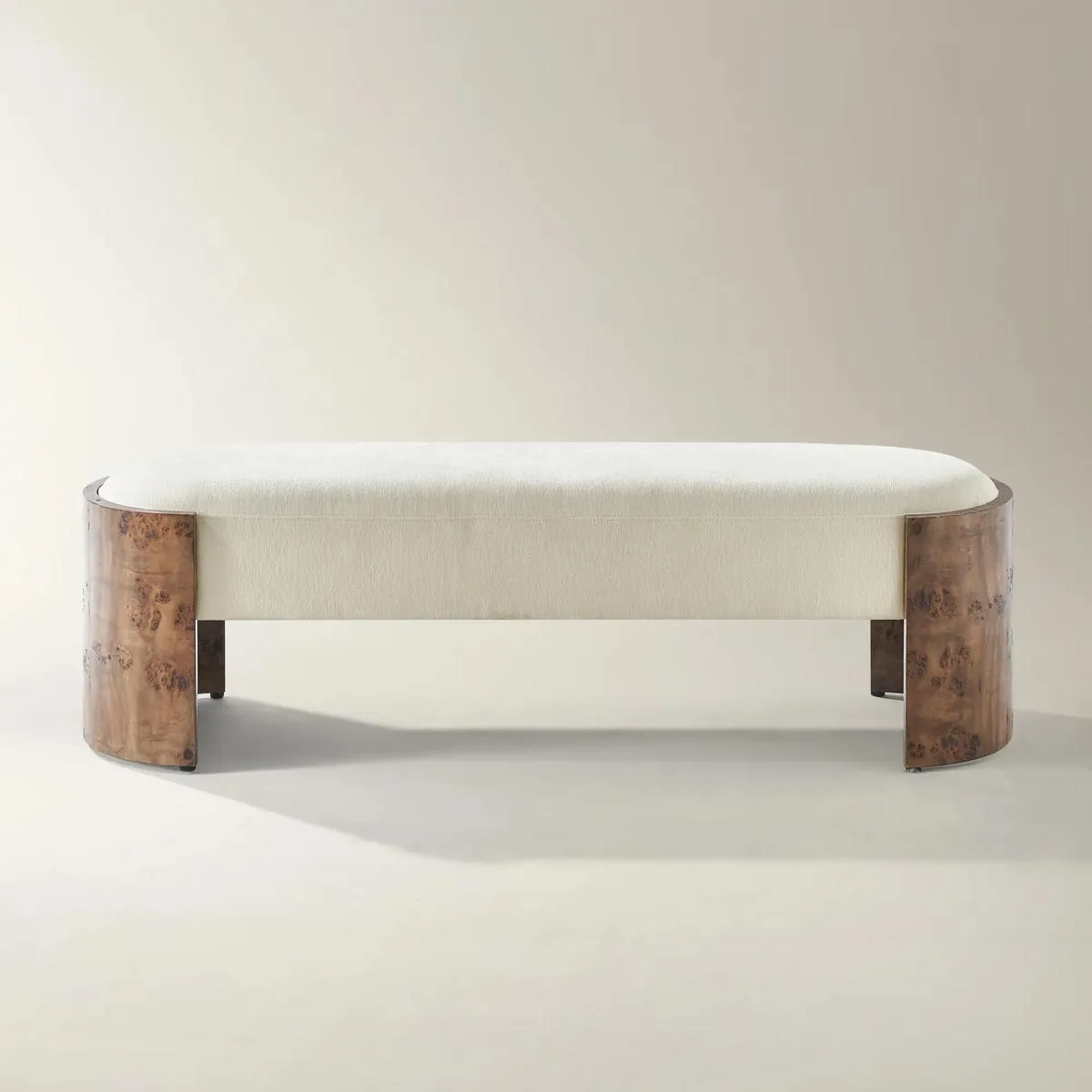 Cora Charcoal Velvet With Ash Wood Bench (60.6")$999
A sculpted charcoal velvet bench with curved bookmatched ash burl panels and supportive foam cushioning.
Add To Cart -
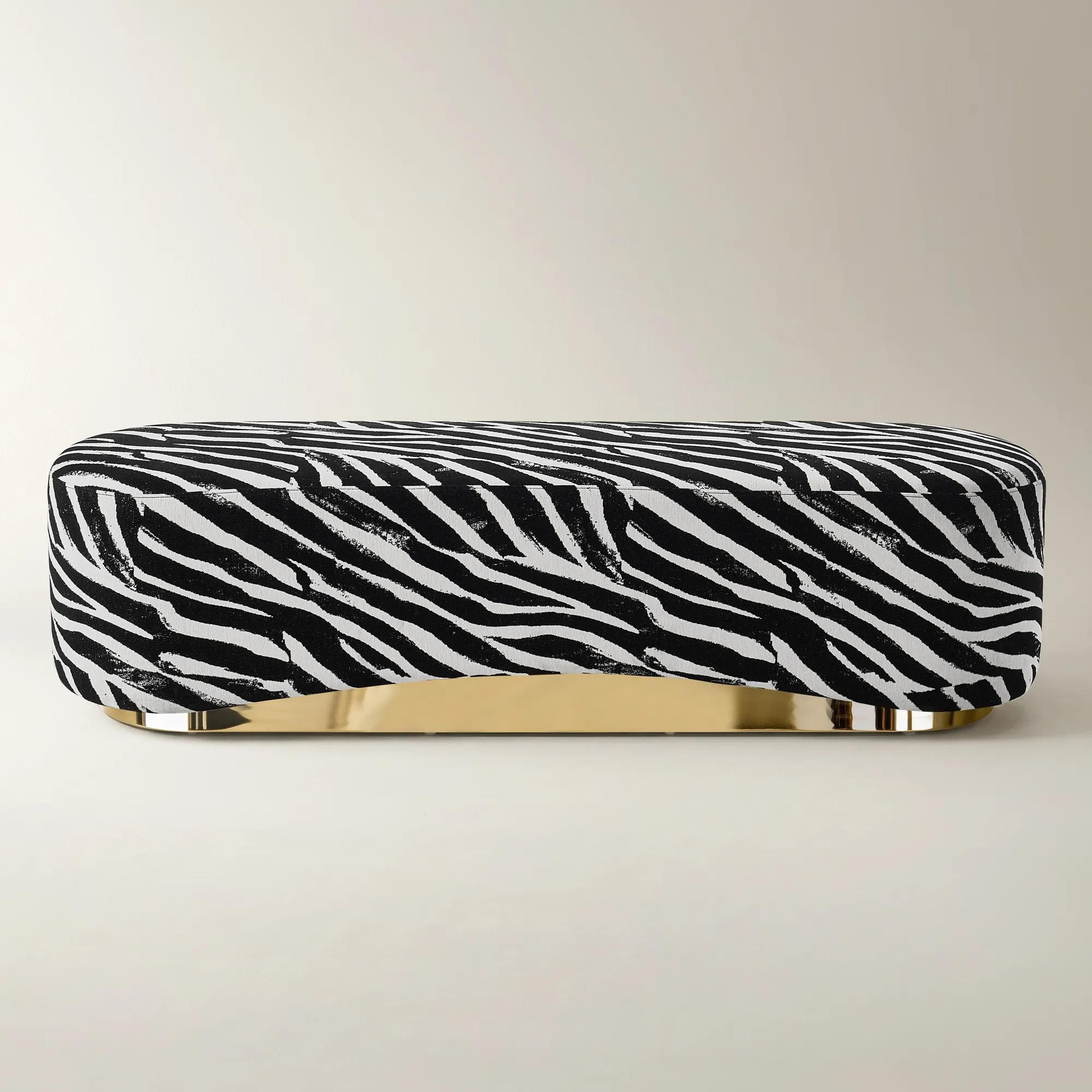
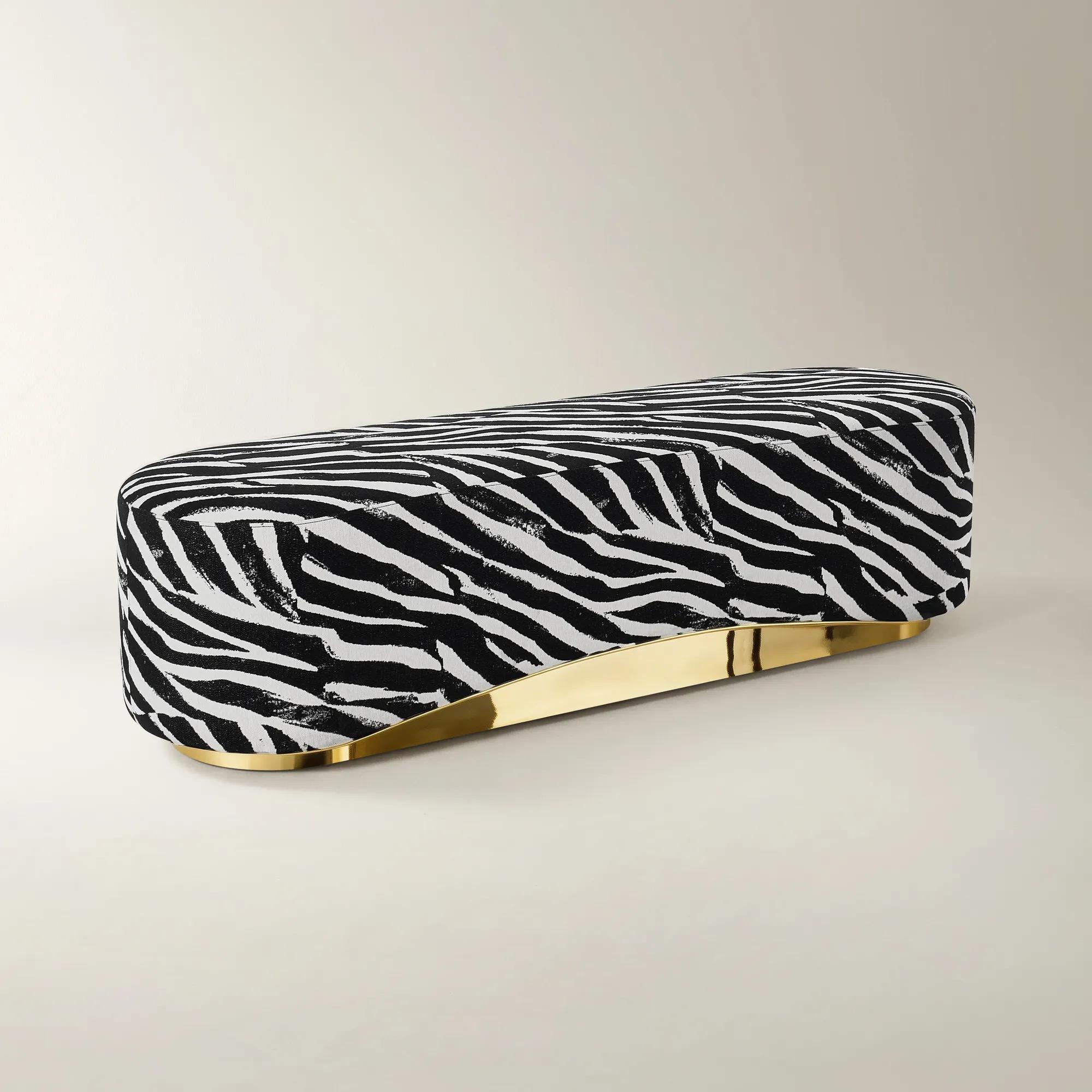 Kendra White/Black Performance Chenille Bench (70.47")$799
An elongated oval bench upholstered in white and black performance chenille with a polished gold stainless steel base.
Add To Cart -
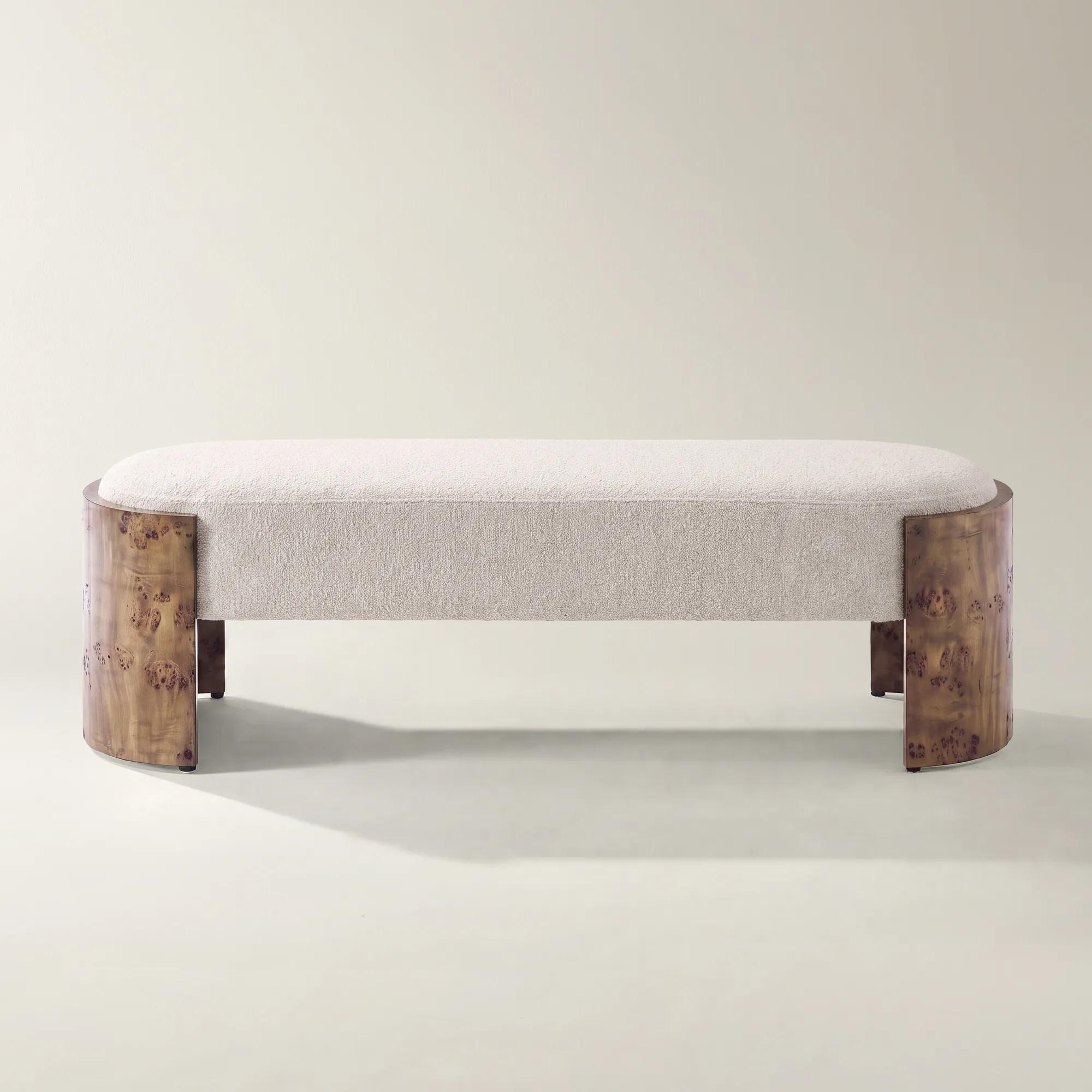 Cora Ivory Performance Boucle With Ash Wood Bench (60.6")$999
A sculpted ivory performance bouclé bench with curved bookmatched ash burl panels and supportive foam cushioning.
Add To Cart -
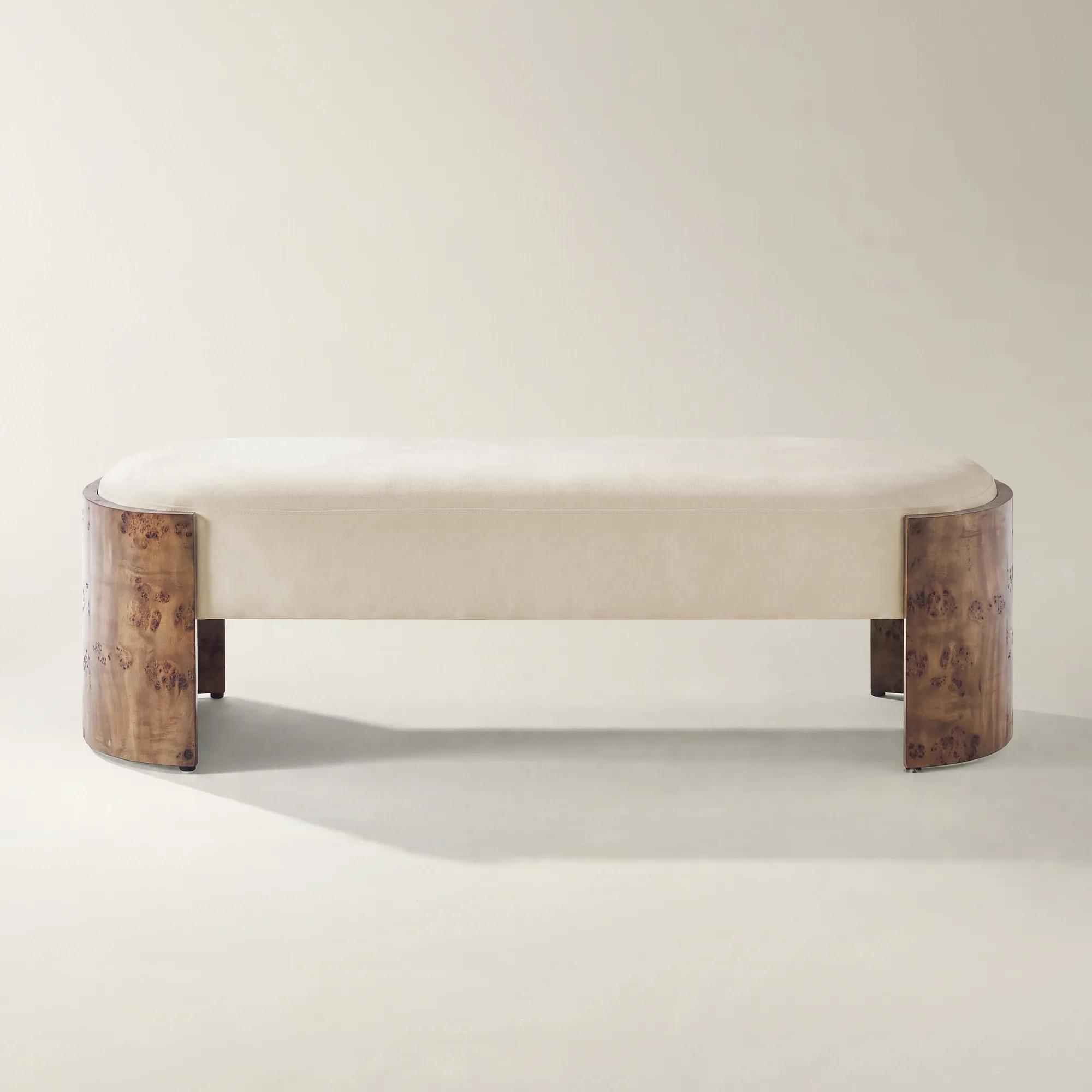 Cora Oatmeal Velvet With Ash Wood Bench (60.6")$999
A sculptural oatmeal velvet bench with curved ash burl wood panels and supportive foam cushioning.
Add To Cart -
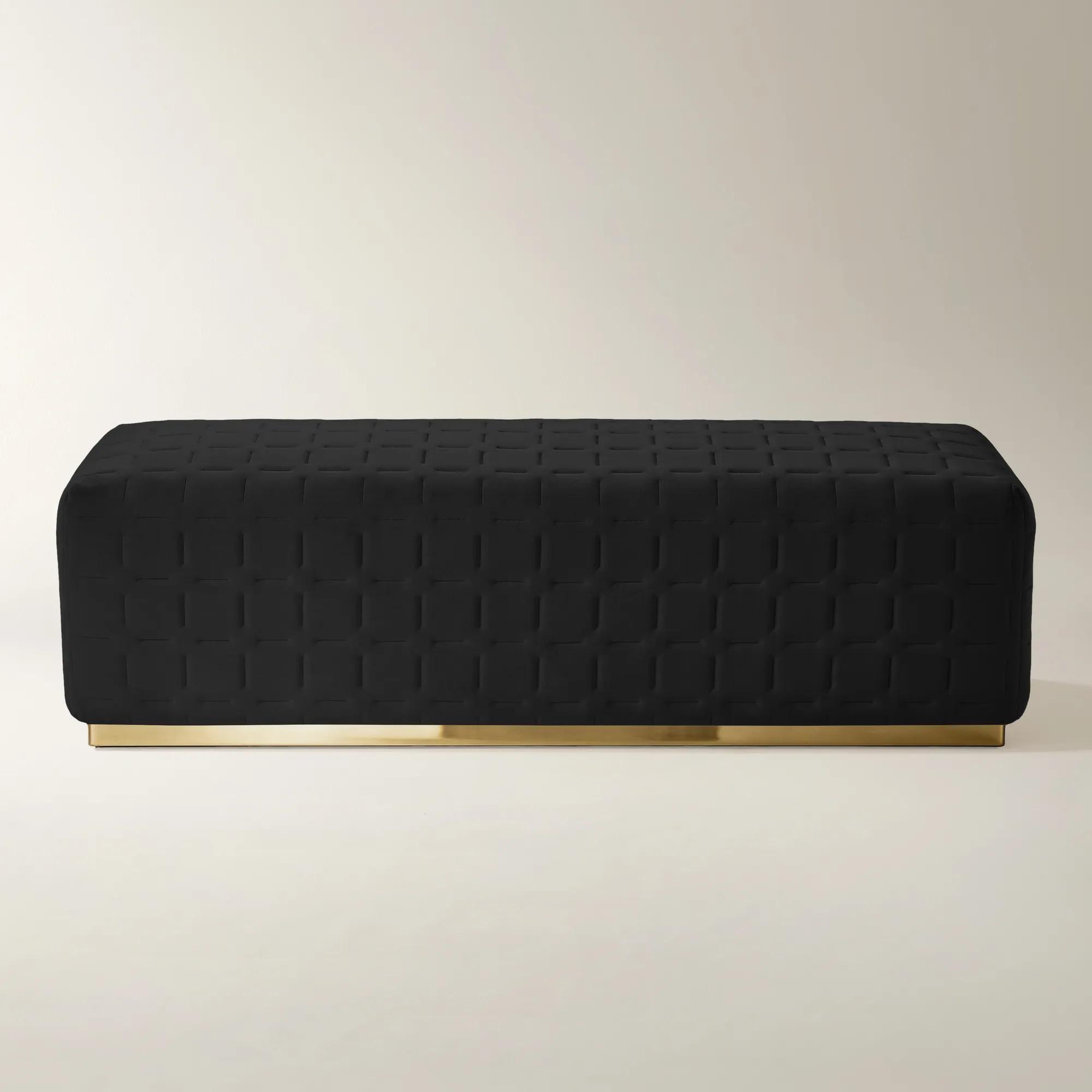 Vanta Quilted Charcoal Velvet Bench (64.6")$899
A charcoal velvet bench featuring checker quilted tufting and a gold stainless steel base for modern elegance.
Add To Cart -
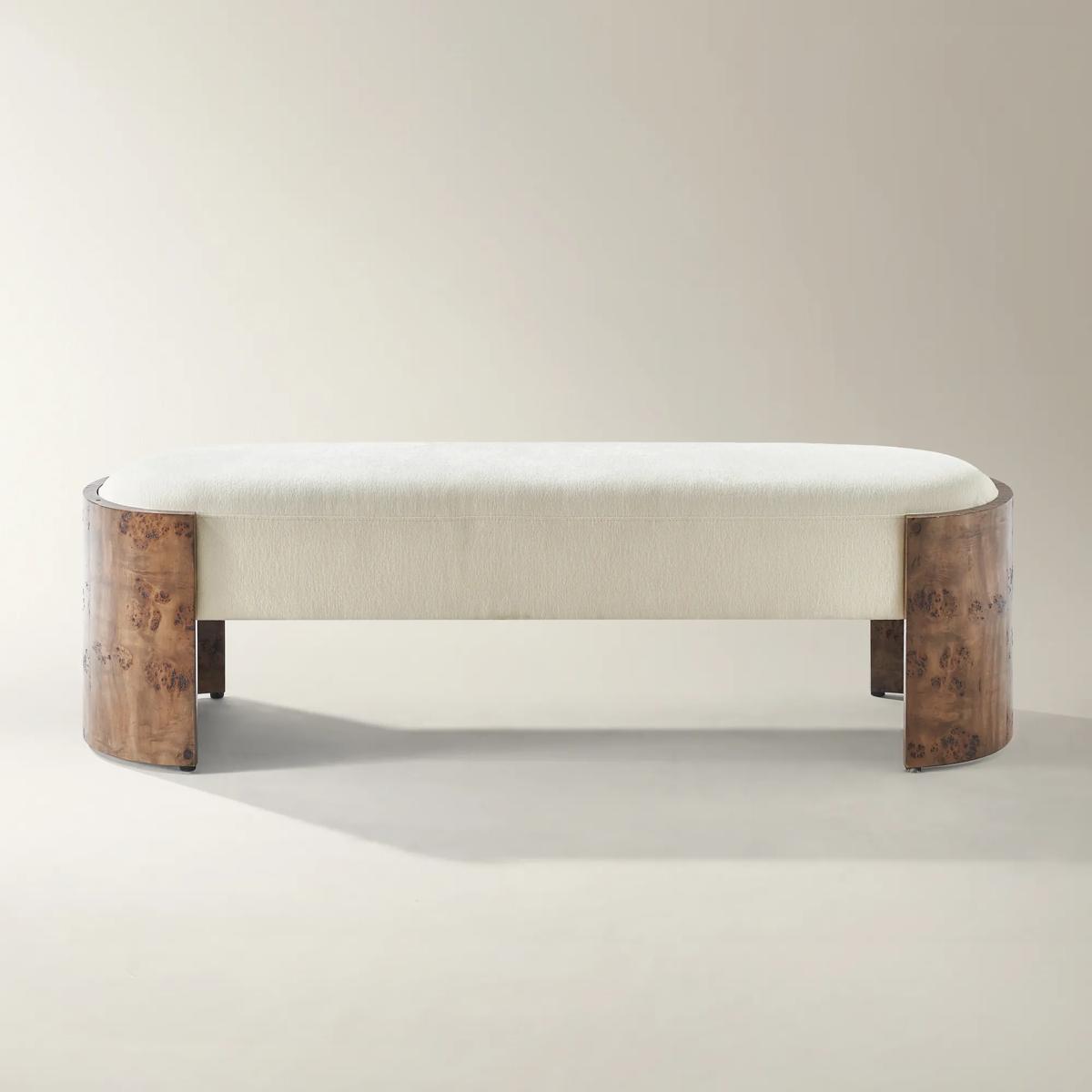 Cora Ivory Chenille With Ash Wood Bench (60.6")$999
An ivory chenille bench with curved ash burl veneer panels, blending plush comfort with striking wood artistry.
Add To Cart -
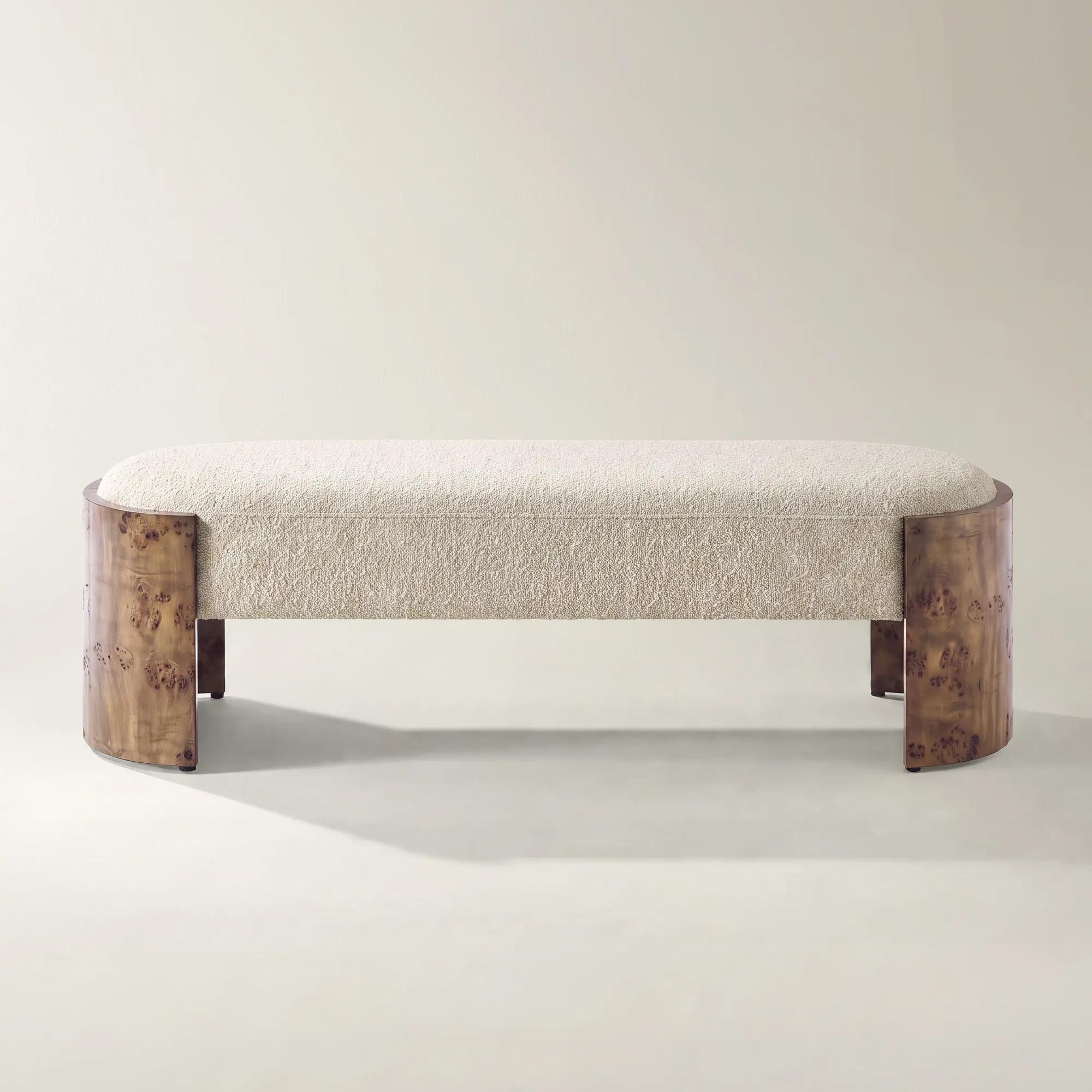 Cora Ivory Performance Boucle With Ash Wood Bench (60.6")$999
An ivory performance boucle bench with curved bookmatched ash burl panels and supportive foam cushioning.
Add To Cart -
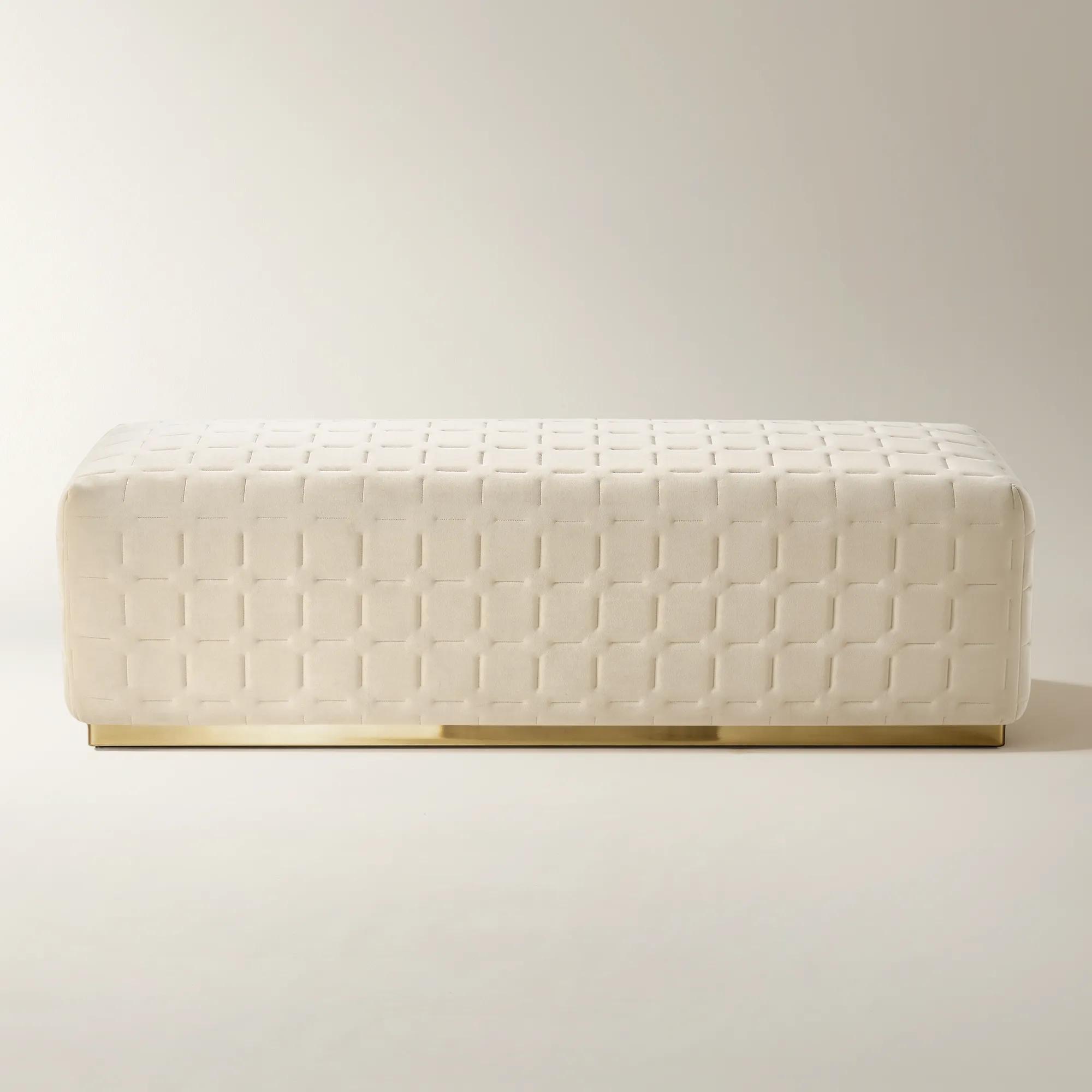
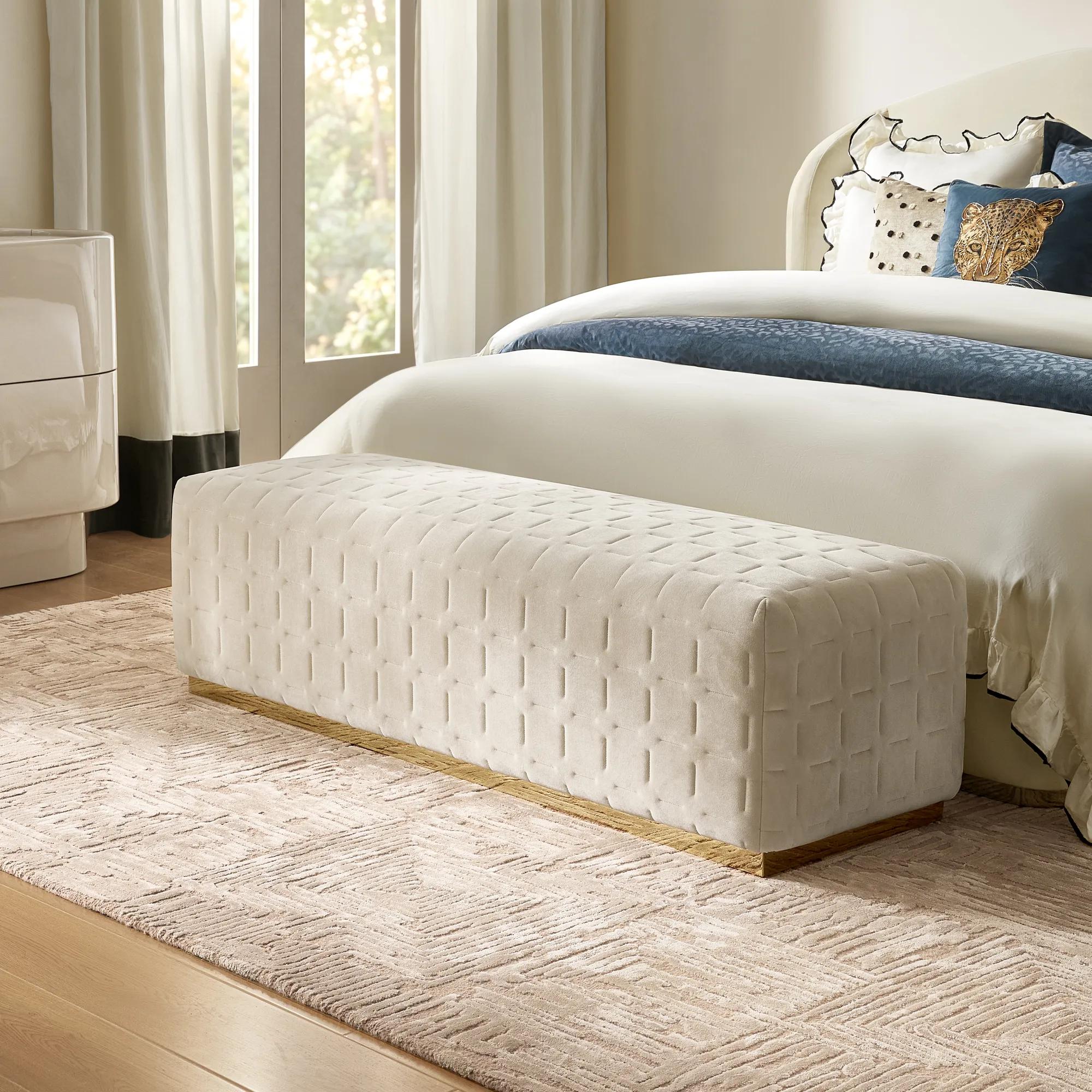 Vanta Quilted Oatmeal Velvet Bench (64.6")$899
A plush oatmeal velvet bench featuring checker quilted tufting and a sleek gold stainless steel base.
Add To Cart -
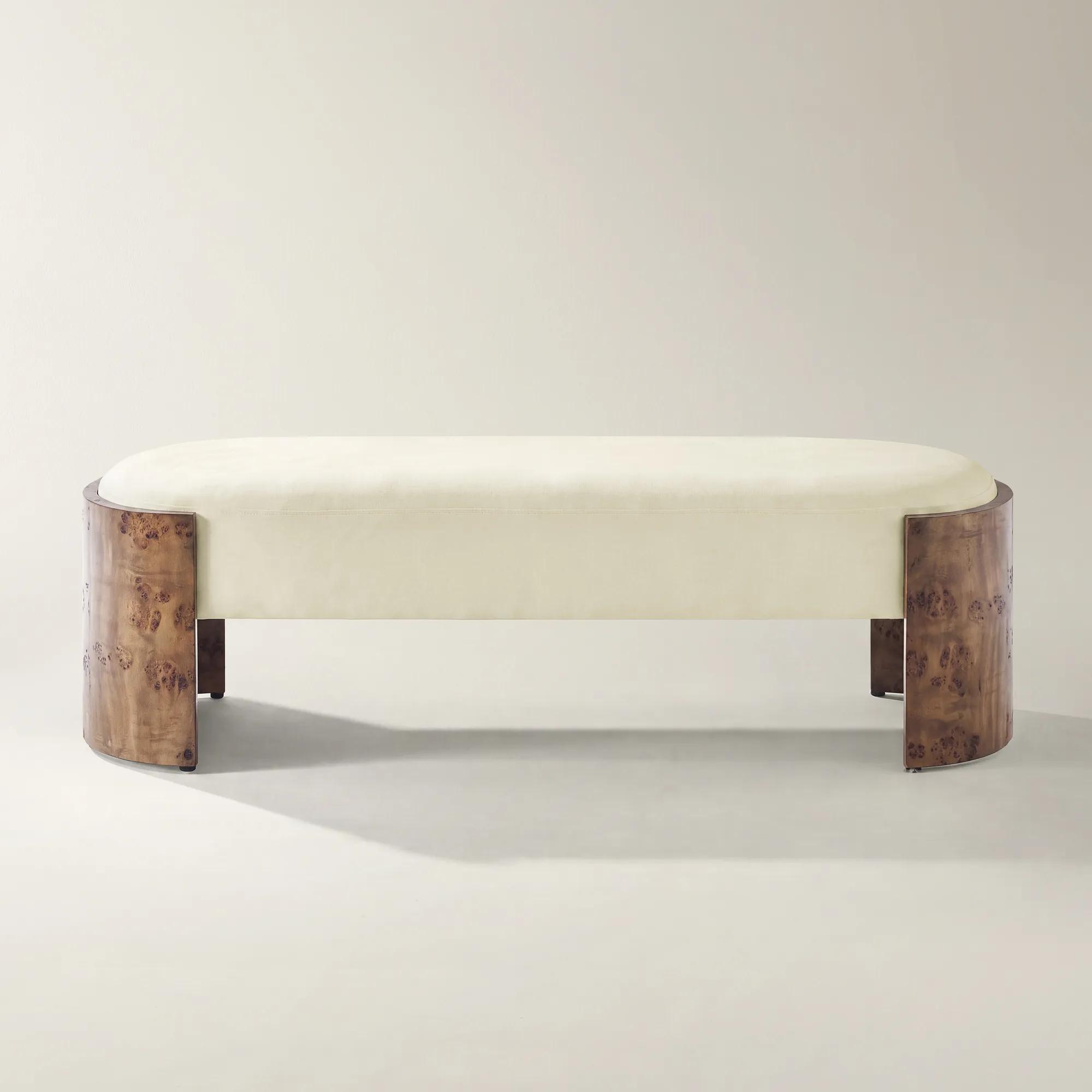 Cora Cloud Velvet With Ash Wood Bench (60.6")$999
A cloud velvet bench with bookmatched ash burl panels and supportive foam cushioning.
Add To Cart -
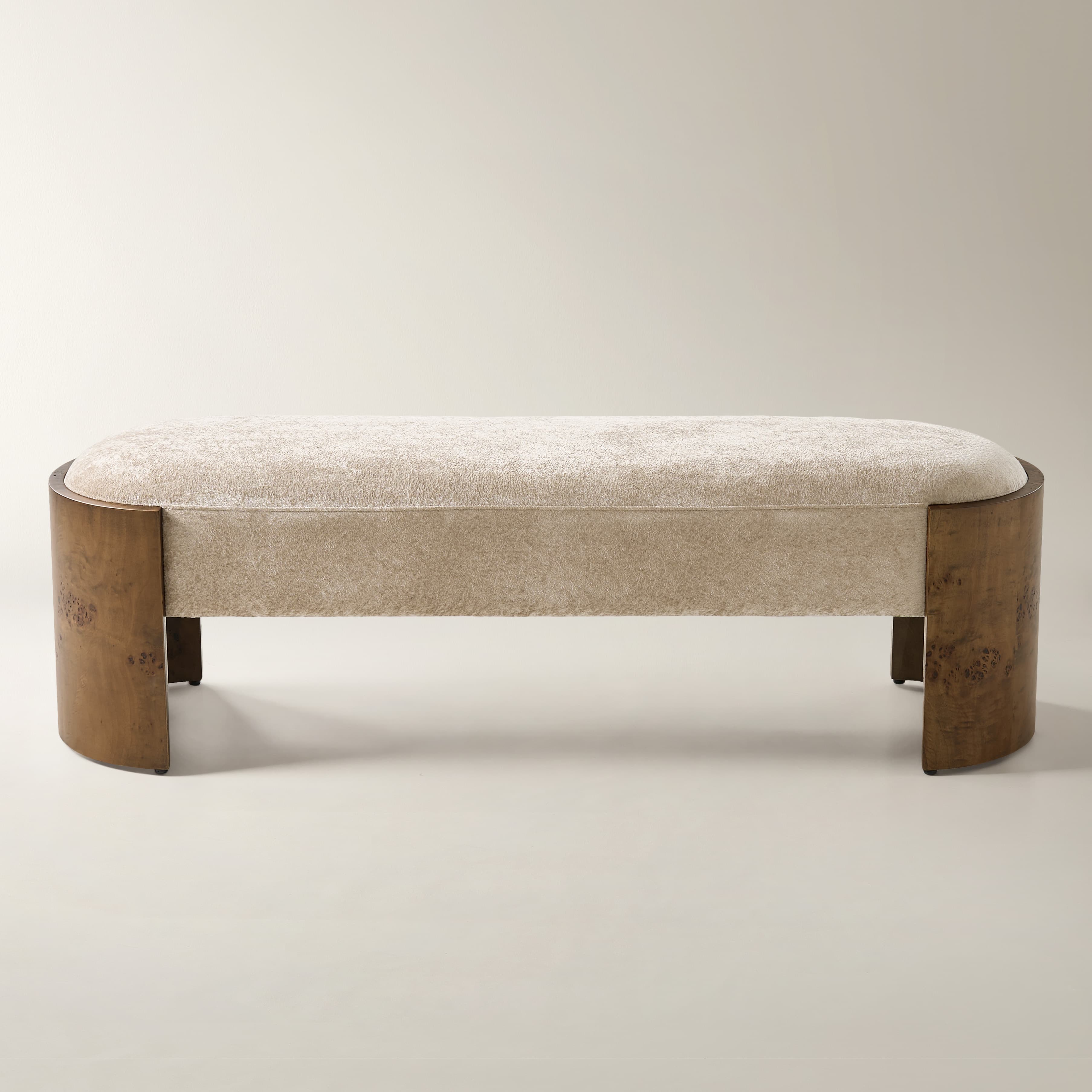 Cora Light Brown Chenille With Ash Wood Bench (60.6")$999
A light brown chenille bench with curved ash burl veneer panels, blending plush comfort and organic artistry.
Add To Cart -
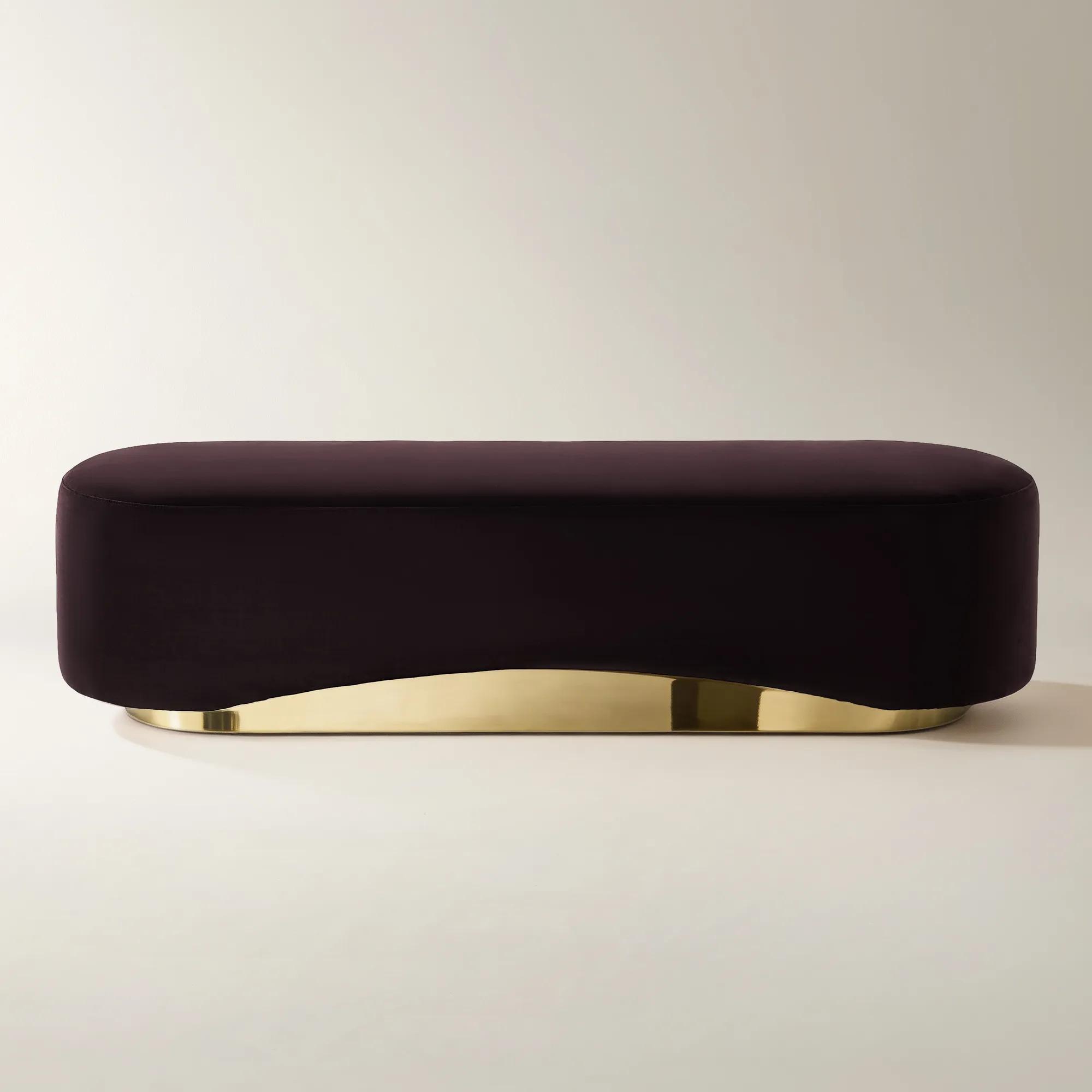 Kendra Fig Velvet Bench (70.47")$799
A plush fig velvet bench with an elongated oval silhouette and a polished gold stainless steel base.
Add To Cart -
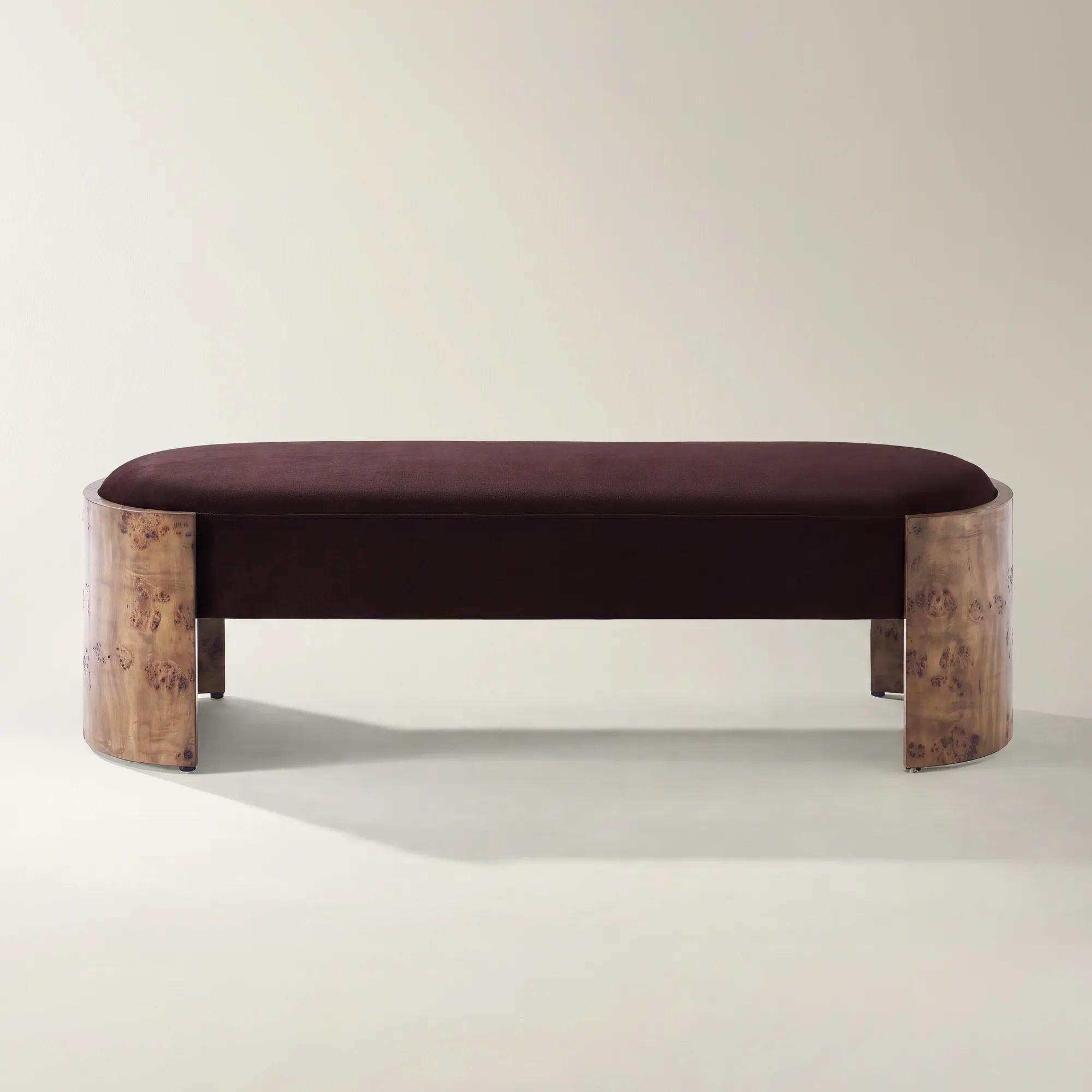 Cora Fig Velvet With Ash Wood Bench (60.6")$999
A sculptural bench with fig velvet upholstery, bookmatched ash burl panels, and supportive high-resiliency foam cushioning.
Add To Cart -
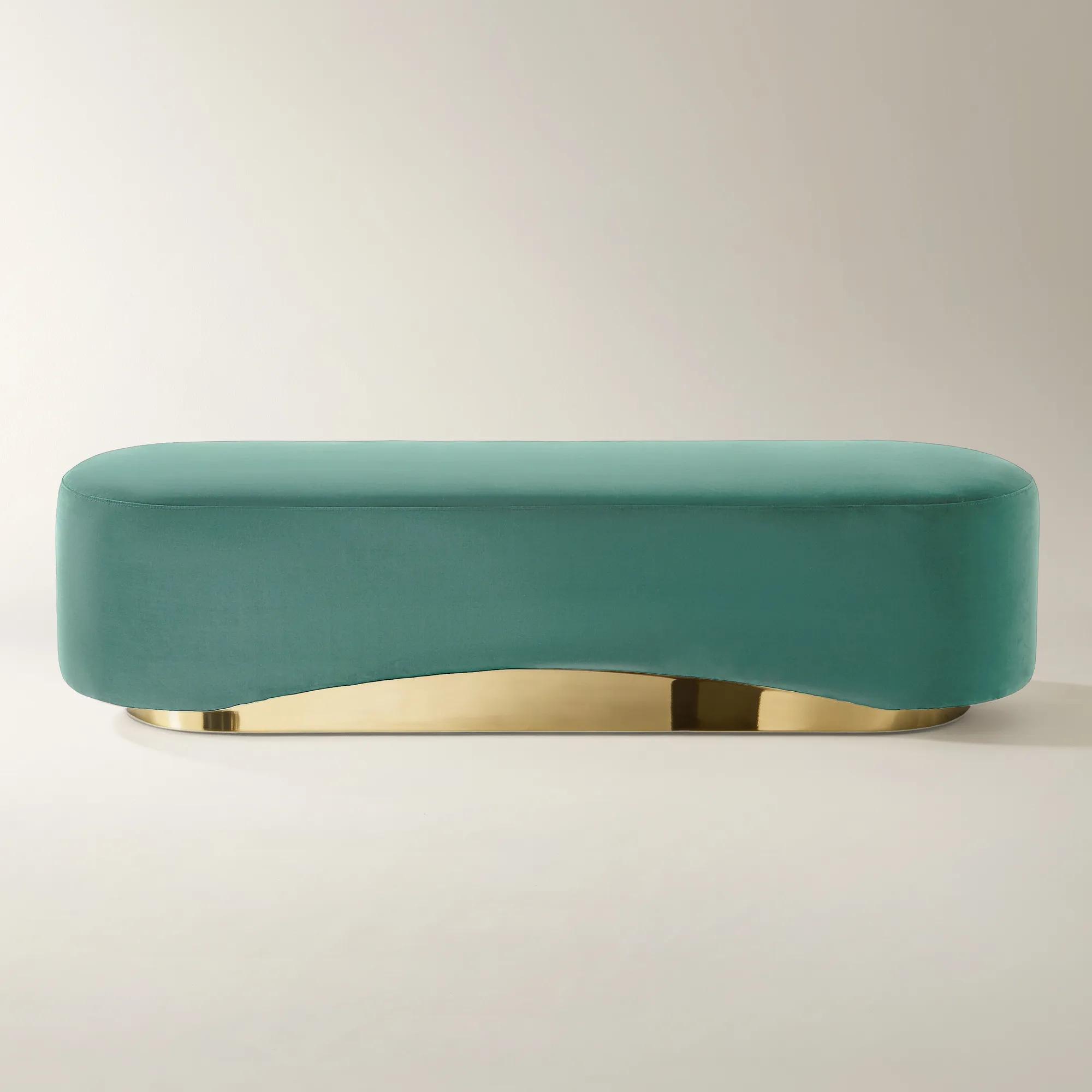 Kendra Ocean Teal Velvet Bench (70.47")$799
An elongated oval bench in ocean teal velvet with a plush seat and polished gold stainless steel base.
Add To Cart -
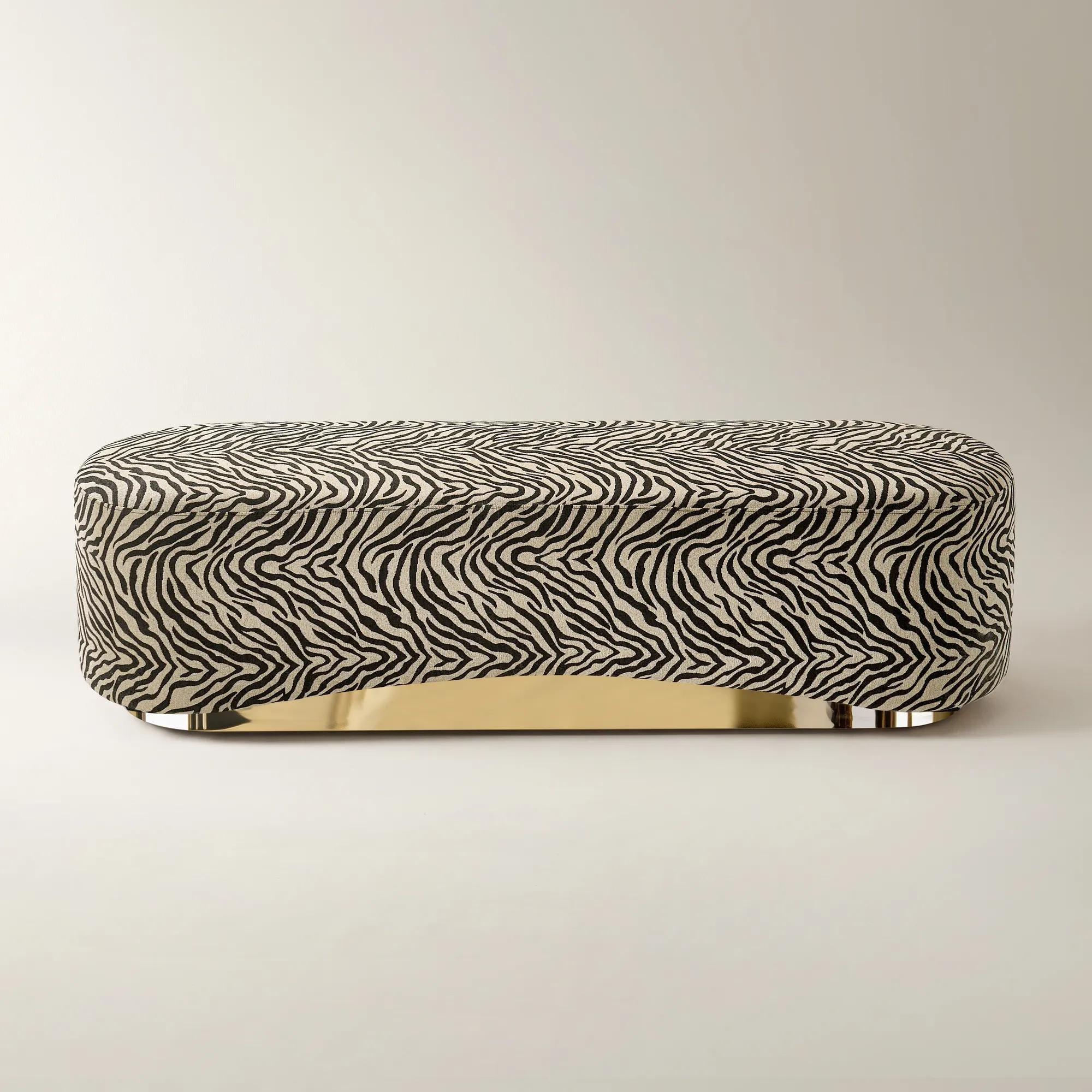
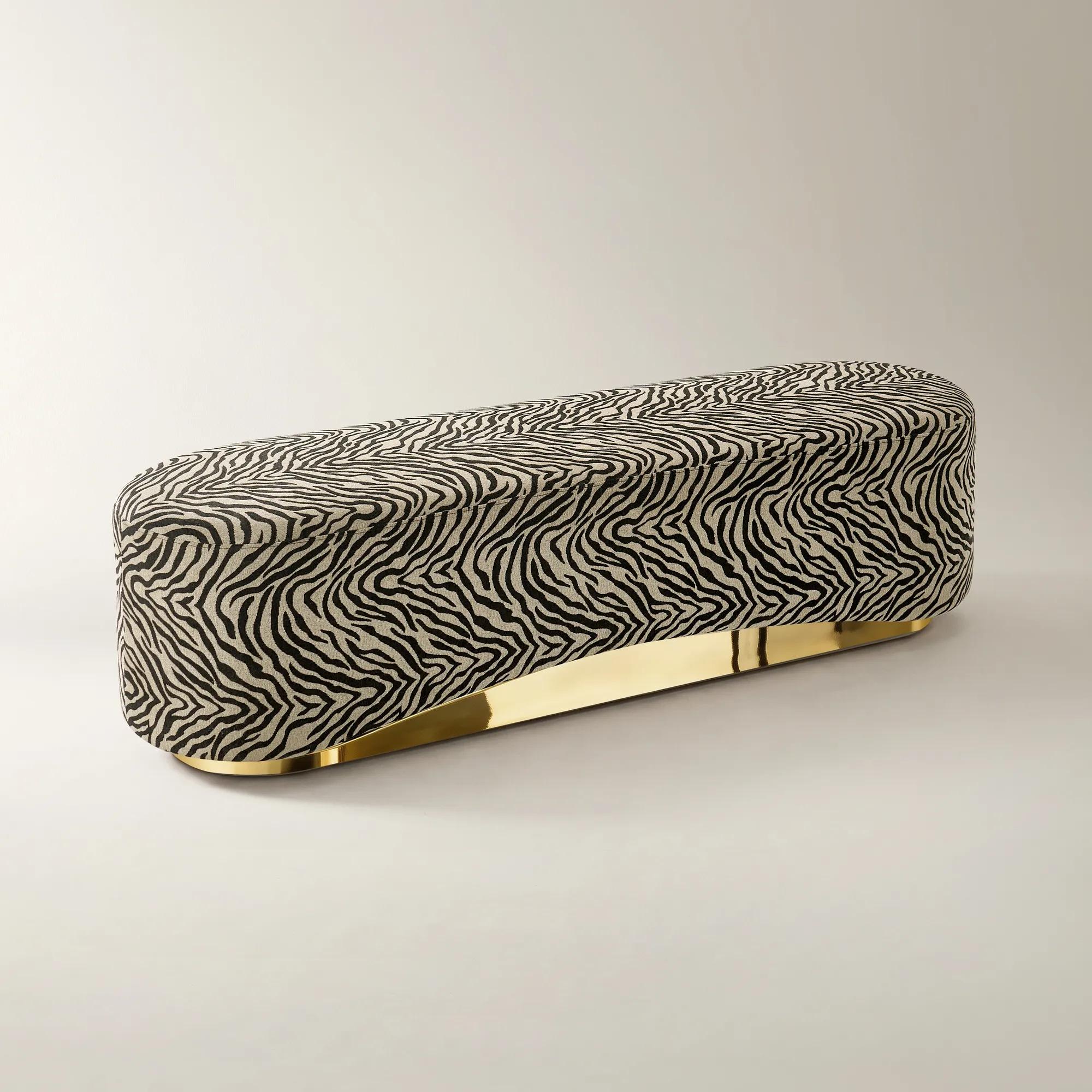 Kendra Zebra Performance Chenille Bench (70.47")$799
An elongated oval bench upholstered in textured zebra-pattern chenille with a polished gold stainless steel base.
Add To Cart -
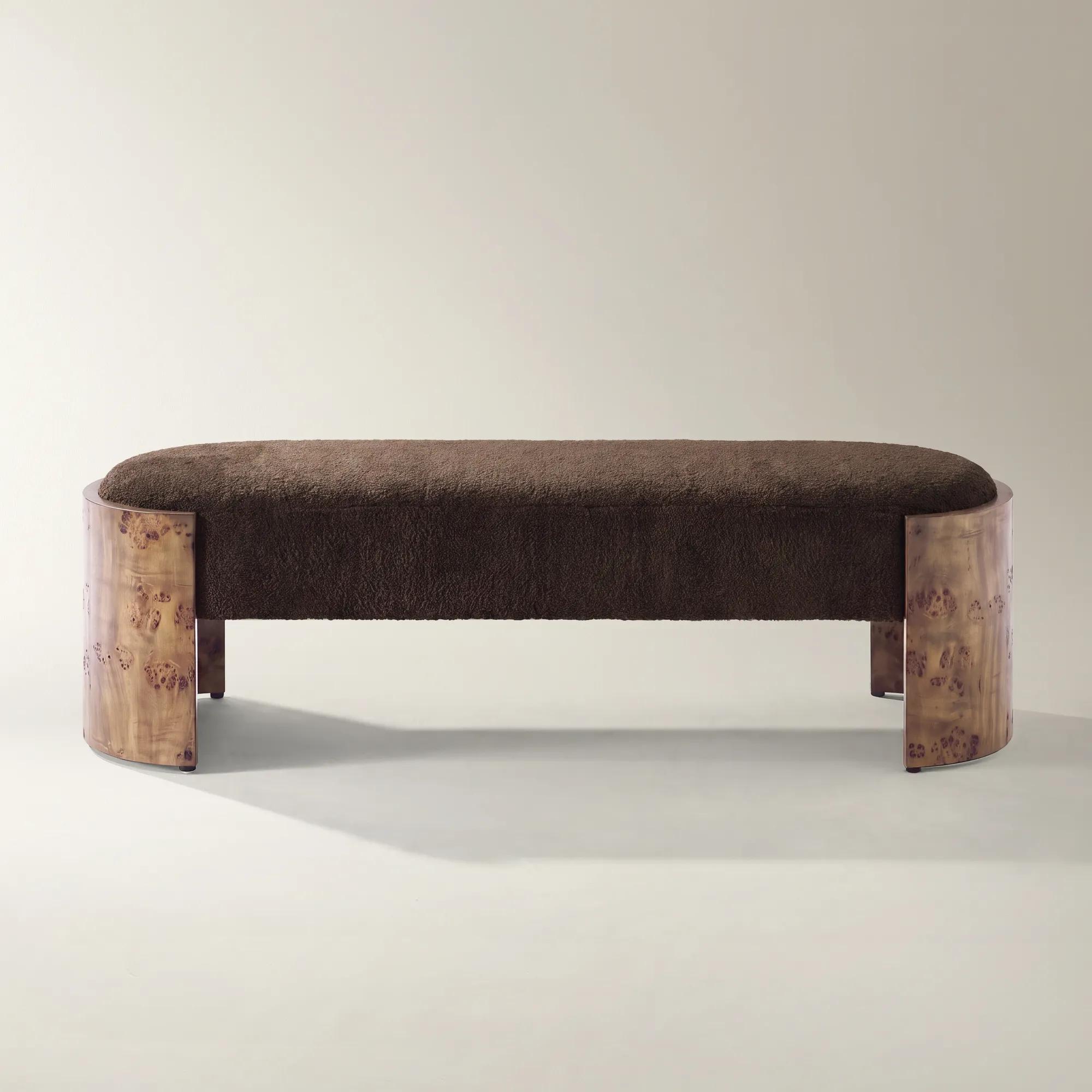 Cora Dark Chocolate Chenille With Ash Wood Bench (60.6")$999
A sculpted dark chocolate chenille bench with curved ash burl end panels and supportive foam cushioning.
Add To Cart -
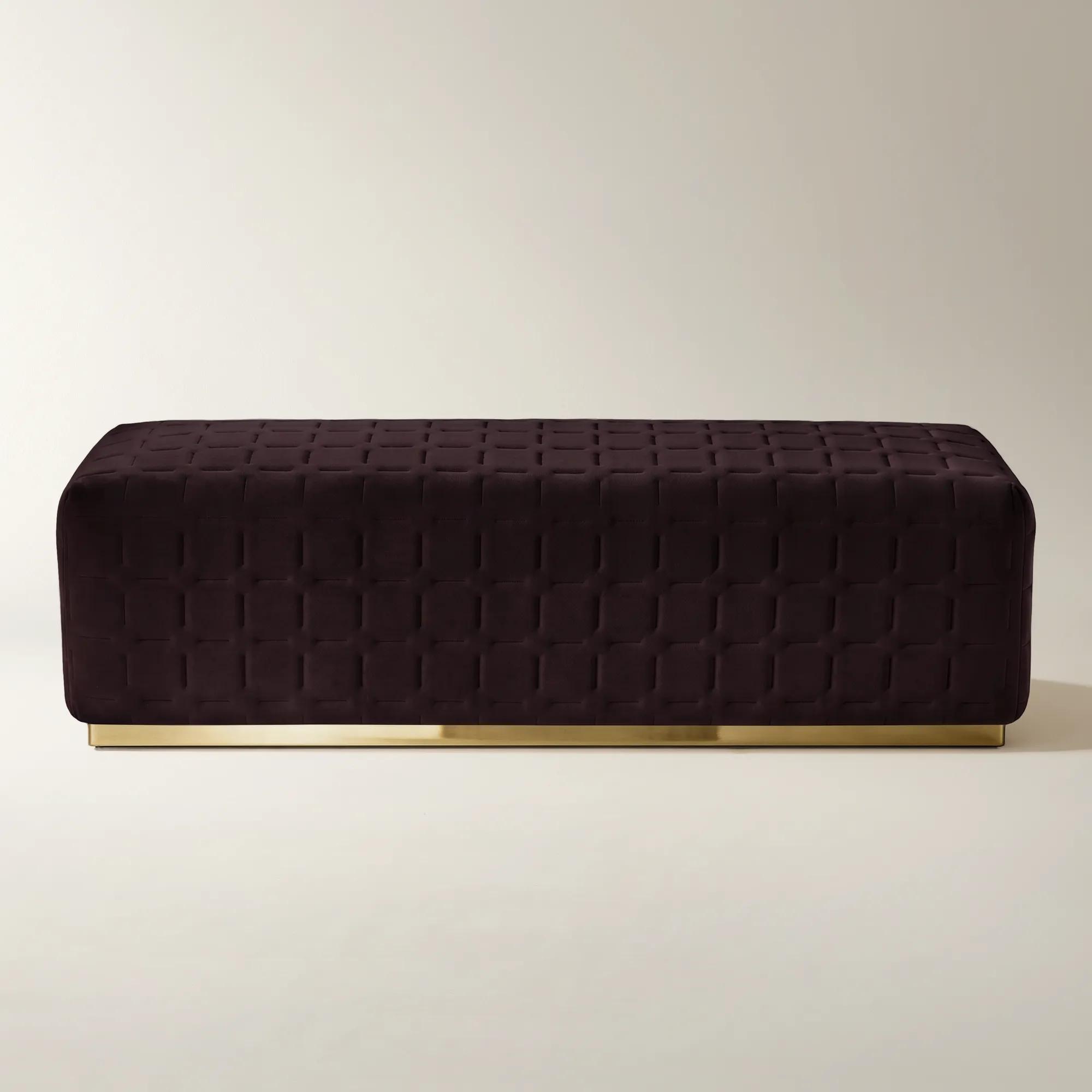
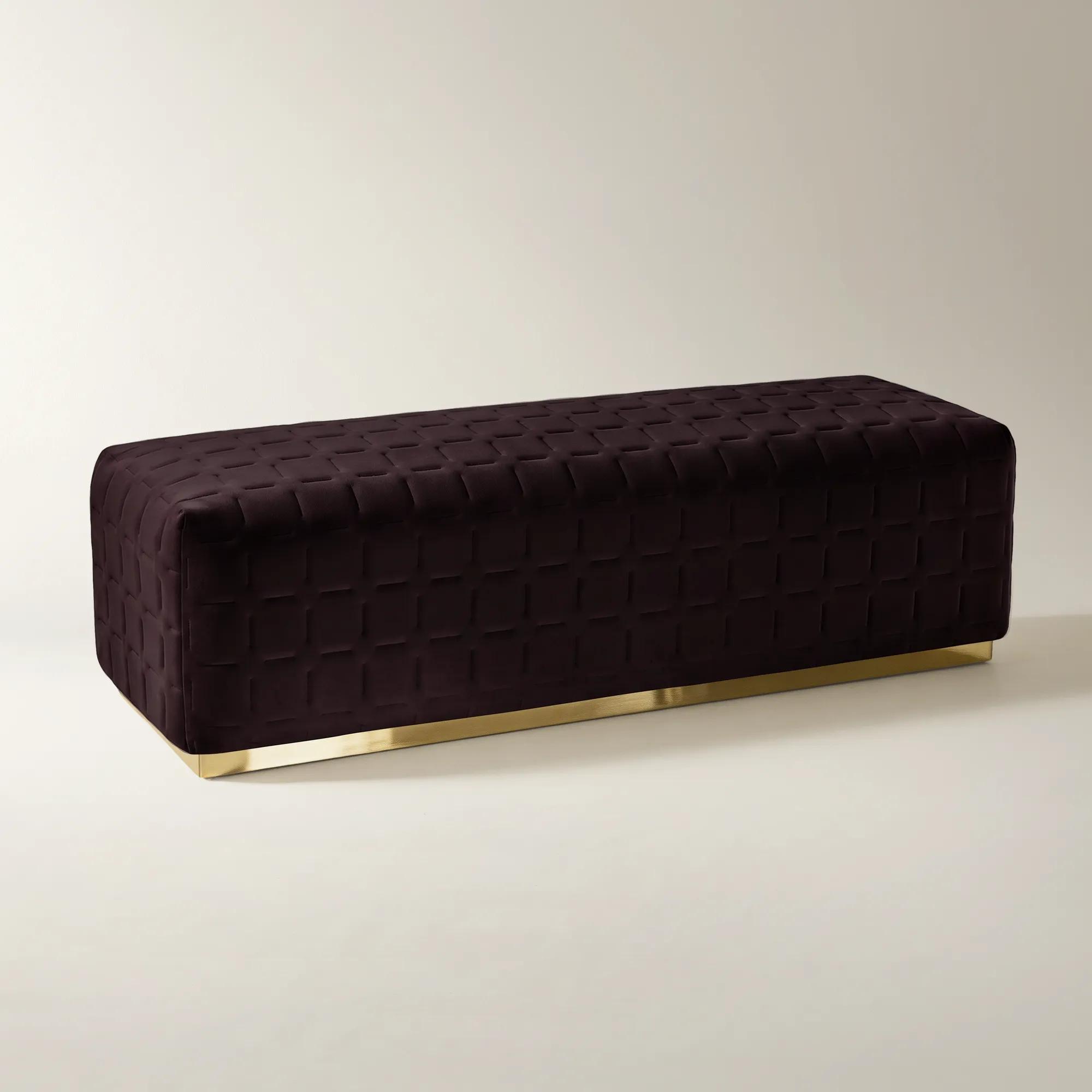 Vanta Quilted Fig Velvet Bench (64.6")$899
A plush fig velvet bench featuring checker quilted tufting and a sleek gold stainless steel base.
Add To Cart -
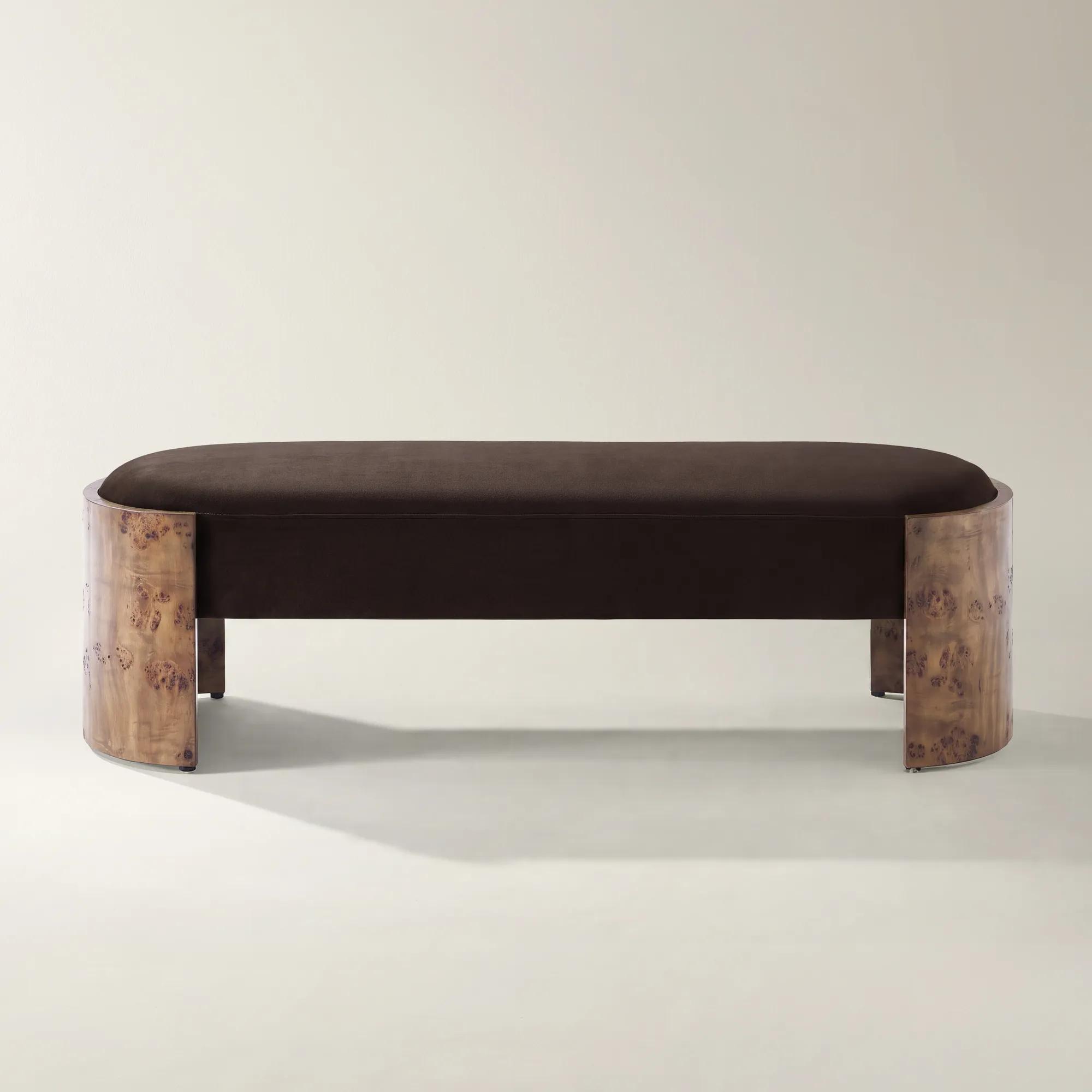 Cora Dark Chocolate Velvet With Ash Wood Bench (60.6")$999
A dark chocolate velvet bench with sculpted bookmatched ash burl end panels and high-resiliency foam cushioning.
Add To Cart -
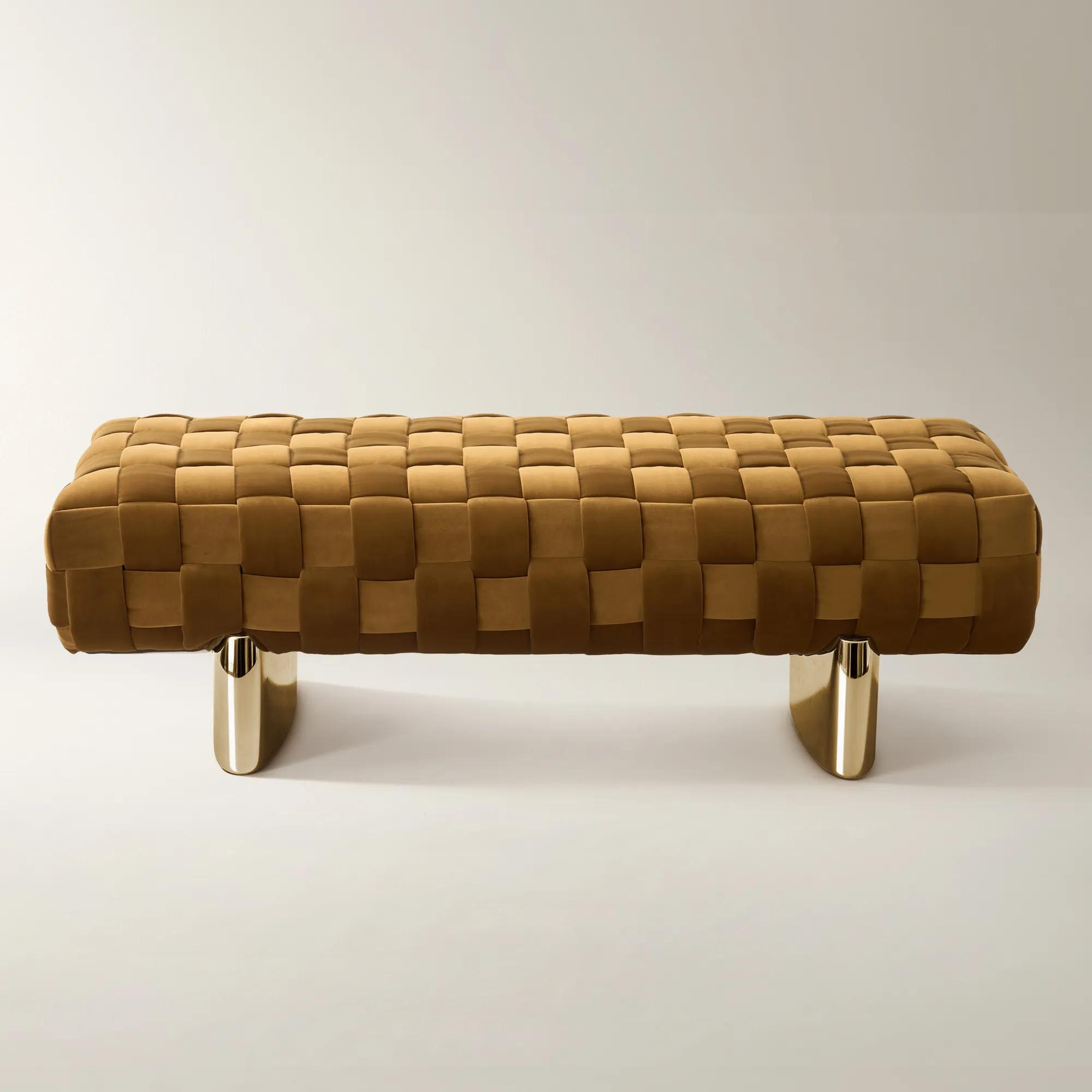
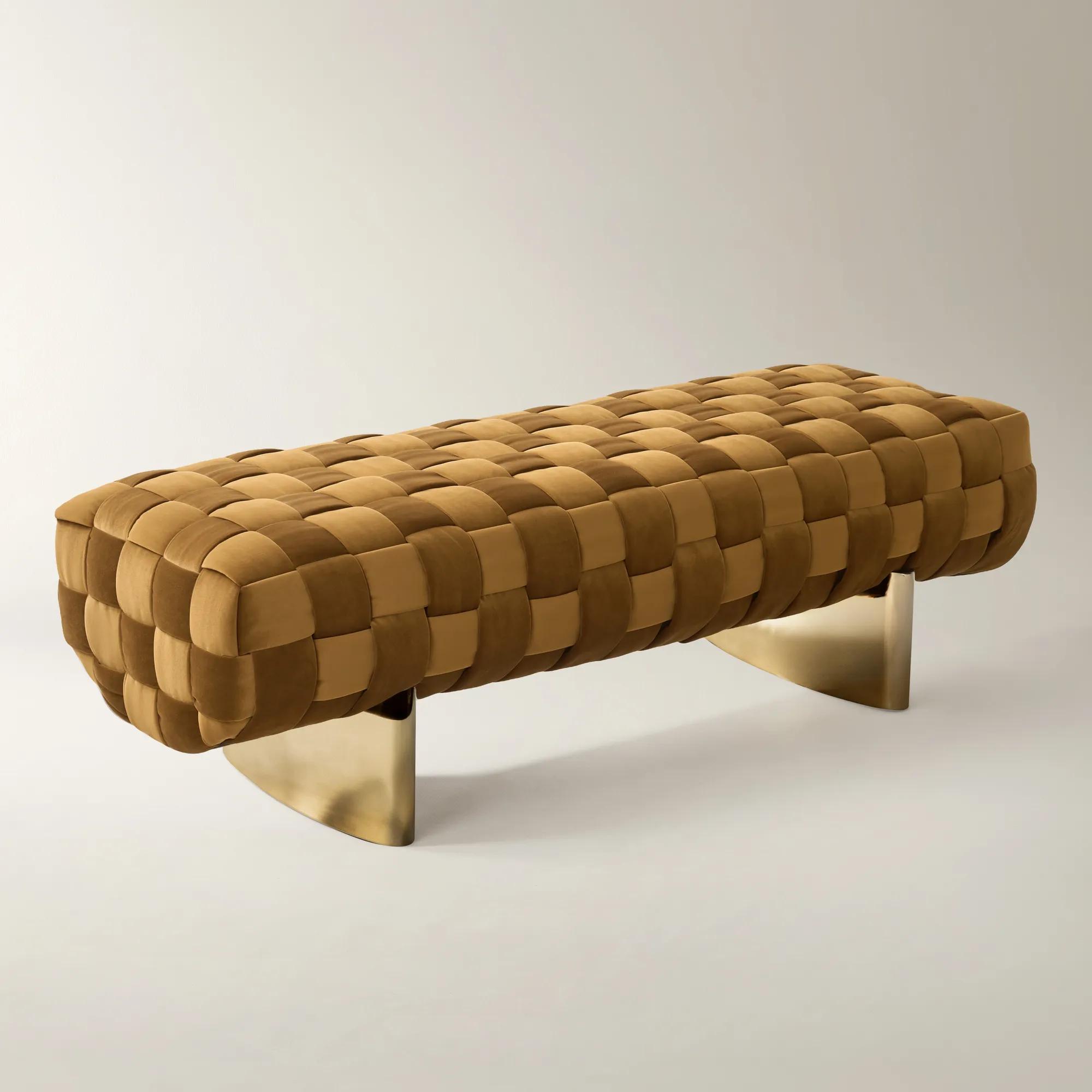 Dexter Woven Roasted Pecan Velvet Bench (64.2")$999
A woven roasted pecan velvet bench featuring plush upholstery and polished gold stainless steel legs for modern elegance.
Add To Cart -
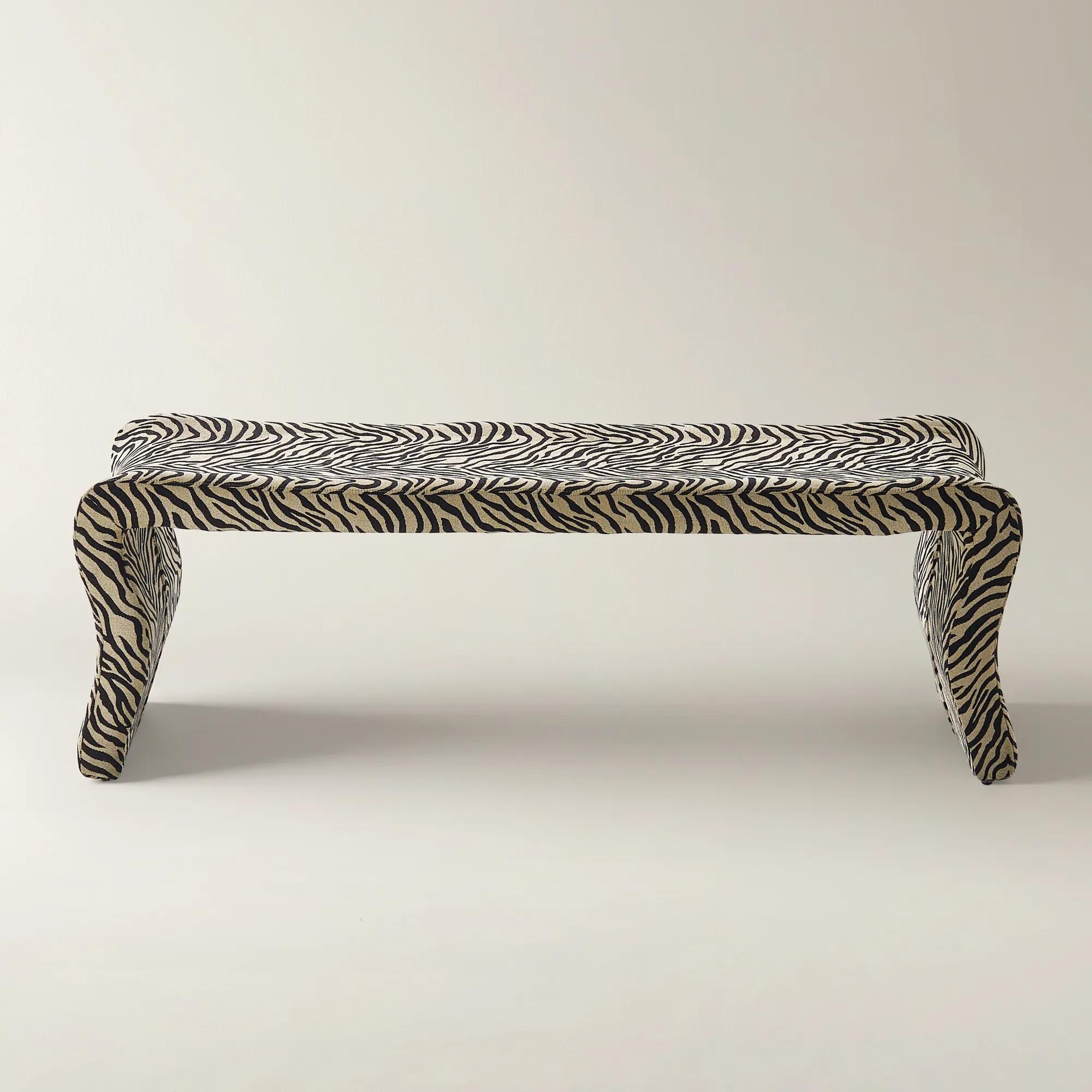 Romy Zebra Performance Chenille Bench (61.5")$899
A sculptural bench wrapped in zebra-patterned performance chenille with a wave-like silhouette and full foam construction.
Add To Cart -
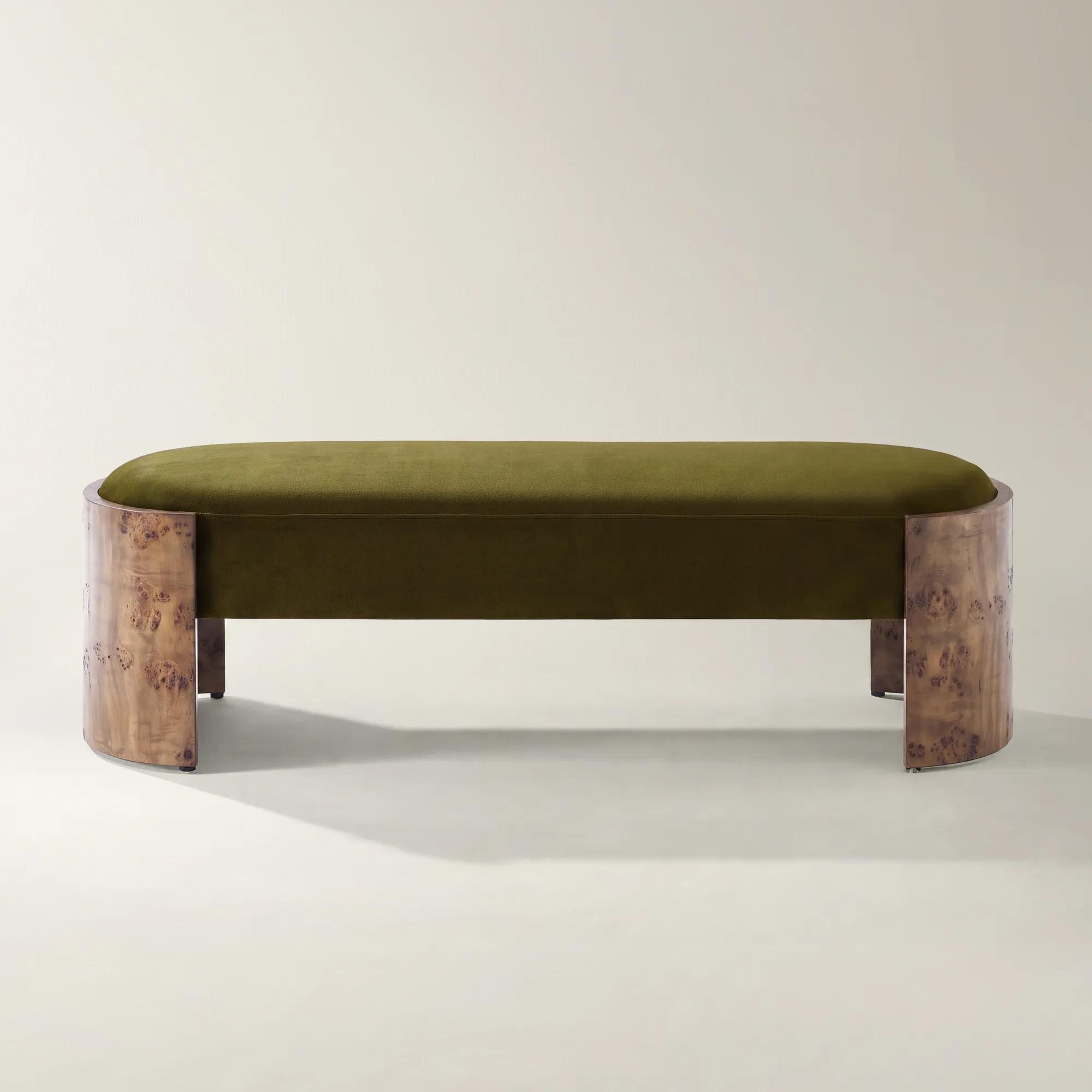 Cora Deep Olive Velvet With Ash Wood Bench (60.6")$999
A sculpted deep olive velvet bench featuring curved ash burl end panels and supportive foam cushioning.
Add To Cart -
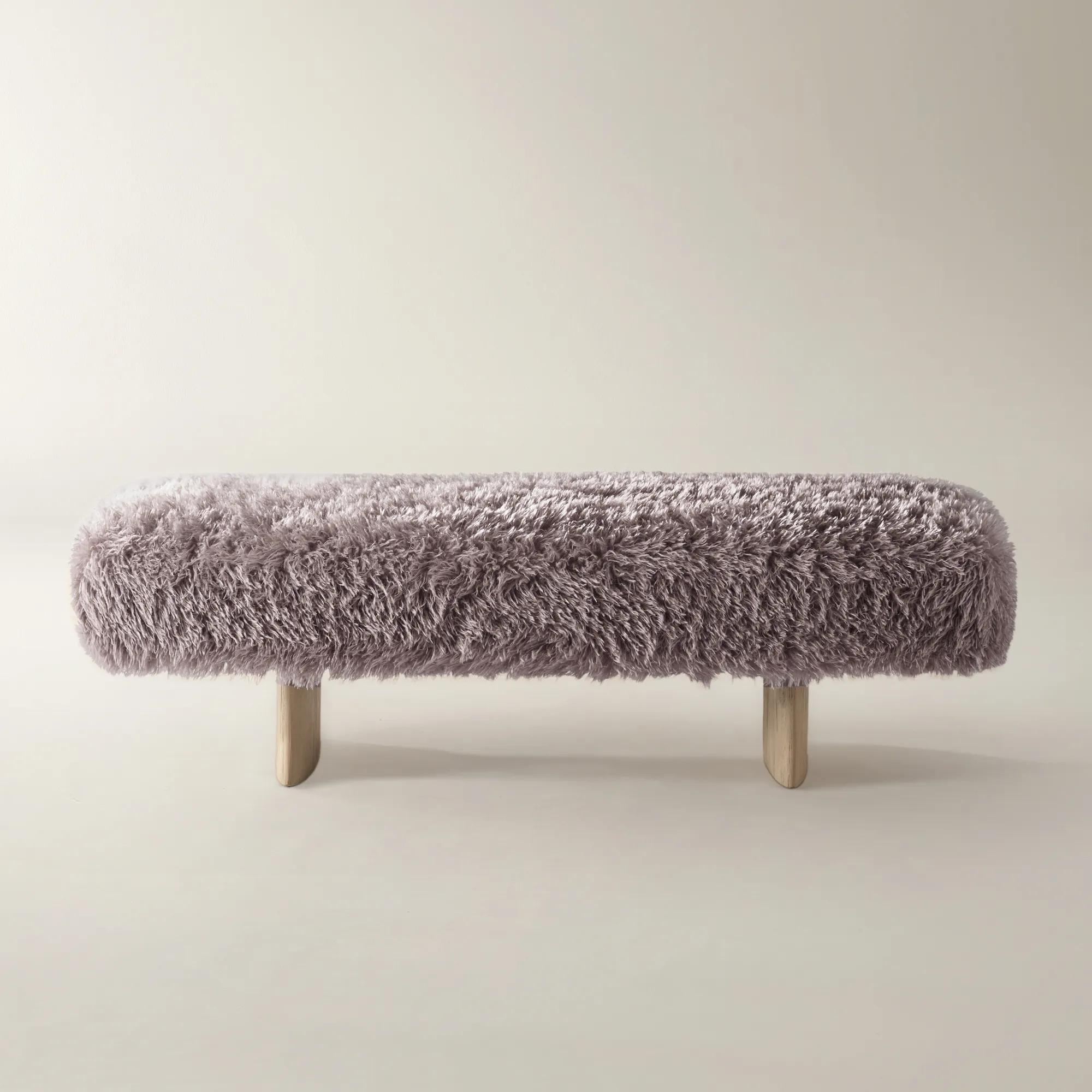
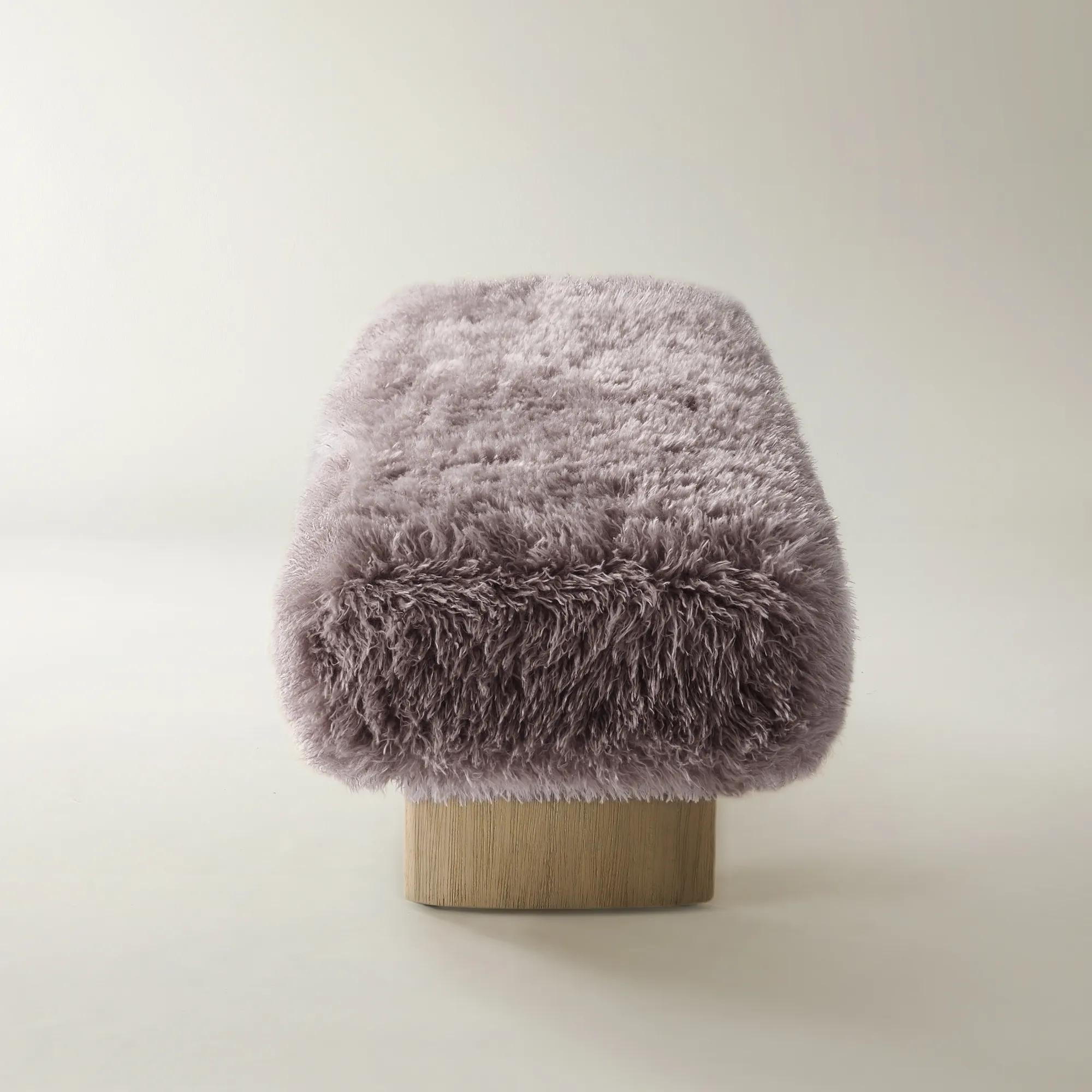 Micah Plum Truffle Mongolian Faux Fur Bench With Rubberwood Legs(62.6")$699
A sculptural bench featuring smoked plum Mongolian faux fur upholstery and warm solid rubberwood legs.
Add To Cart

Fabric Upholstered Benches
Explore fabric upholstered benches that bring expressive texture and elegant seating to your space. Whether you’re furnishing an entryway or adding a finishing touch at the foot of the bed, consider proportions, upholstery color, and silhouette to find a bench that complements your room’s palette and leaves comfortable clearance around it.
Fabric upholstered benches introduce a generous sweep of texture to a room, pairing the visual presence of a substantial seat with a silhouette that leaves the surrounding space open. They can soften the architecture of a bedroom, give an entryway a composed focal point, or bring another layer of seating to a living room without the height of an armchair. The upholstery is central to that effect: a richly woven surface lends depth to a restrained palette, while a smooth, luminous fabric can turn a simple shape into a striking accent. At the foot of a bed, an upholstered bench creates a graceful transition between plush bedding and the floor, offering a place to sit while dressing or to lay out tomorrow’s clothes. In an entry, it makes the daily arrival feel more considered, providing a comfortable seat for changing shoes beneath a large mirror or beside a sculptural console. A bench set along a living room wall can serve as occasional seating when guests gather, then return to its role as an expressive piece within the room’s composition. Its low profile also allows artwork, windows, and architectural details to remain visible. Shape and detailing establish the mood as much as color does. A long, tailored seat with precise seams feels architectural; rounded corners and a softly padded profile create a gentler presence. Tufting introduces shadow and dimension, while channel stitching gives the fabric a rhythmic, almost sculptural quality. Exposed wood can temper gleaming accessories with warmth, and metal legs can echo the finish of nearby lighting or accent tables. For someone furnishing a first home, refreshing a primary bedroom, or creating a more welcoming guest suite, a fabric bench offers both purpose and personality. As a housewarming or milestone gift, it is especially thoughtful when the recipient’s room dimensions, preferred palette, and intended placement are already known. The strongest impression comes from a piece that belongs comfortably in the space while bringing something distinctly expressive to it.
The character of an upholstered bench begins with the relationship between its fabric, cushioning, and frame. Linen and linen-blend upholstery often have visible variation in the weave, creating a relaxed counterpoint to polished surfaces without losing their refinement. Cotton blends can offer a softer, more matte appearance, while textured synthetic fabrics may provide practical options for frequently used spaces, depending on their construction and care requirements. Bouclé brings a dimensional, looped surface that catches the eye even in a quiet color; its texture also deserves consideration in homes where pets might snag the yarns. Velvet has a different kind of presence, with a pile that reflects light unevenly and gives color remarkable depth. For interiors that favor this expressive finish, Modern Velvet Upholstered Benches combine a luminous surface with streamlined forms that complement both dramatic and carefully edited rooms. A velvet seat may look darker from one direction and brighter from another, an inherent quality that makes its appearance responsive to placement and lighting. Beyond the surface, frame construction, secure joinery, and the support beneath the cushion influence how a bench feels over time. Cushion firmness matters, too: a supportive seat is often preferable for putting on shoes or sitting at a dining table, while a more yielding cushion may suit brief pauses in a bedroom. Fabric composition alone does not establish durability. Abrasion testing, seam quality, intended use, and the manufacturer’s stated weight capacity all contribute to a more complete picture. Performance upholstery can be useful around children, pets, or frequent entertaining, but the term should be read alongside the fabric’s specific stain-resistance and cleaning information rather than treated as a promise against every spill. Color and pattern also affect everyday practicality. A subtly mottled weave may make minor marks less noticeable than a uniform pale surface, while saturated upholstery can create a beautiful contrast against light walls. The right material feels deliberate, balancing the atmosphere of the room with the realities of the household.
Proportion determines whether a fabric upholstered bench feels integrated or interrupts the room. At the foot of a bed, a seat that is narrower than the mattress generally leaves the bed’s outline legible and allows breathing room on either side. Its depth should preserve a comfortable path between the bed and nearby furniture, with enough clearance for dresser drawers and closet doors to open fully. In a narrow entry, a shallow bench can provide useful seating without crowding the route through the home; measuring baseboards, door swings, and adjacent furniture helps reveal how much space is genuinely usable. Seat height deserves equal attention. A bench intended for dining needs to work with the tabletop and its apron, allowing adequate legroom, while a dressing bench should make sitting down and standing up comfortable for its regular users. An occasional bench is not automatically suited to daily dining or heavy use, so the stated purpose and load limits remain important. Styling can be restrained even when the upholstery is dramatic. A single decorative pillow may add contrast to a broad seat, while an uncluttered surface keeps an entry bench ready for daily use. If a bench doubles as a place to set a tray, a firm, level cushion offers better support than a deeply tufted or rounded surface, though drinks still deserve particular care. Maintaining the fabric’s appearance starts with its care label. Gentle vacuuming with an upholstery attachment, when permitted, helps remove dust before it settles into the weave. Spills are best addressed promptly by blotting rather than rubbing, using only methods approved for that upholstery and testing permitted cleaners in an inconspicuous area. Some fabrics require professional cleaning, and removable covers are not necessarily machine washable. Prolonged direct sunlight can alter color, while repeated contact with dark denim may transfer dye to lighter seats. Thoughtful placement and consistent care protect the finish without making the room feel precious. A well-chosen fabric bench brings tactile richness to the home while remaining ready for the small, familiar moments that give a beautifully furnished space its life.
FAQs
Place a fabric upholstered bench at the foot of the bed to create a layered, lounge-inspired setting. Drape a throw across one end and echo a color from your bedding or artwork for a composed finish. Let the bench introduce a contrasting texture to give the room depth and a distinctly personal point of view.
A fabric upholstered bench brings a decorative focal point to an entryway, a polished accent to a living room, or an inviting touch to a dressing area. Style it beneath expressive artwork or alongside a console to create a vignette with presence. Upholstery adds visual softness, offering a striking counterpoint to gleaming mirrors and sculptural accents.
Choose a color that supports the mood you want to create. Soft neutrals lend quiet richness to a layered palette, while deep, saturated hues introduce drama. For a cohesive room, draw a shade from a rug or piece of art; for a more expressive look, let the bench stand apart as a deliberate accent.
Fabric upholstered benches offer a compelling balance of structure and softness in modern interiors. A streamlined silhouette keeps the composition crisp, while expressive upholstery brings texture and character. Pair a bench with sculptural lighting, bold artwork, or reflective accents for a room that feels polished without losing its individuality.
Follow the bench’s care label and upholstery cleaning code to preserve its distinctive finish. For routine upkeep, gently remove surface dust with an upholstery attachment when permitted by the care instructions. Blot spills promptly rather than rubbing, and use only cleaning methods approved for the fabric. Thoughtful care keeps this upholstered accent ready for its moment in the room.