Comfortable Dining Banquette Benches
Comfortable Dining Banquette Benches
-
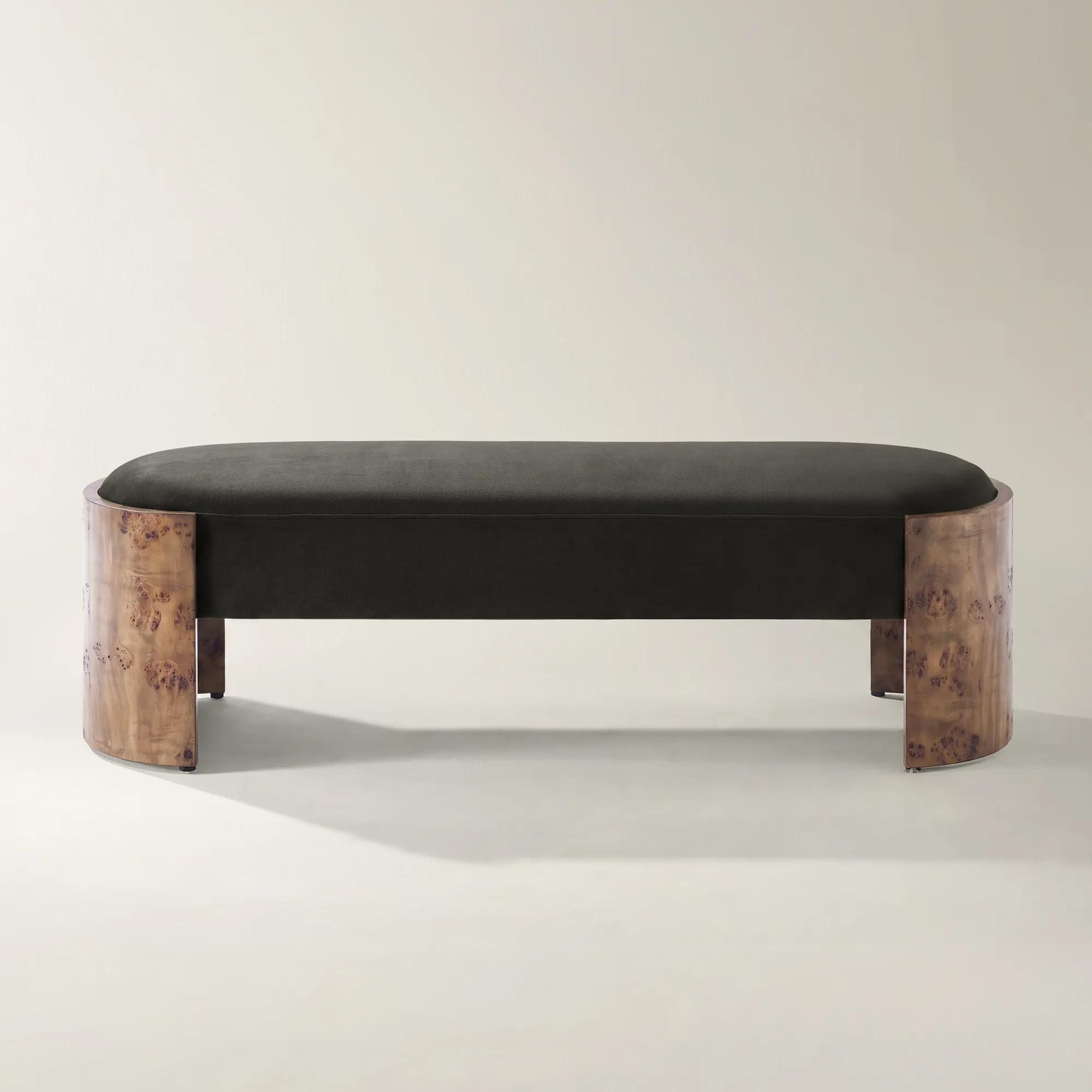
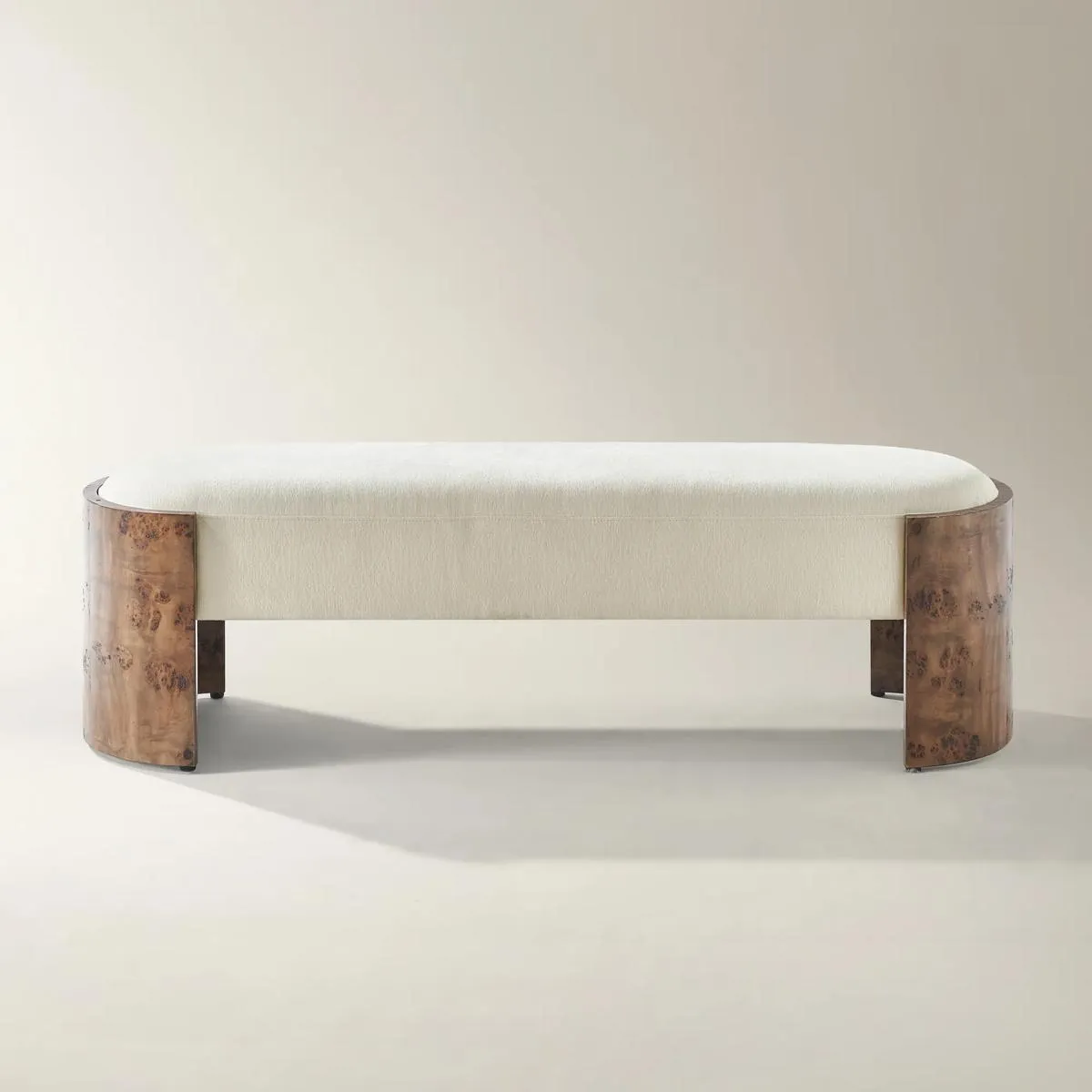 Cora Charcoal Velvet With Ash Wood Bench (60.6")$899
A sculpted charcoal velvet bench with curved bookmatched ash burl panels and supportive foam cushioning.
Add To Cart -
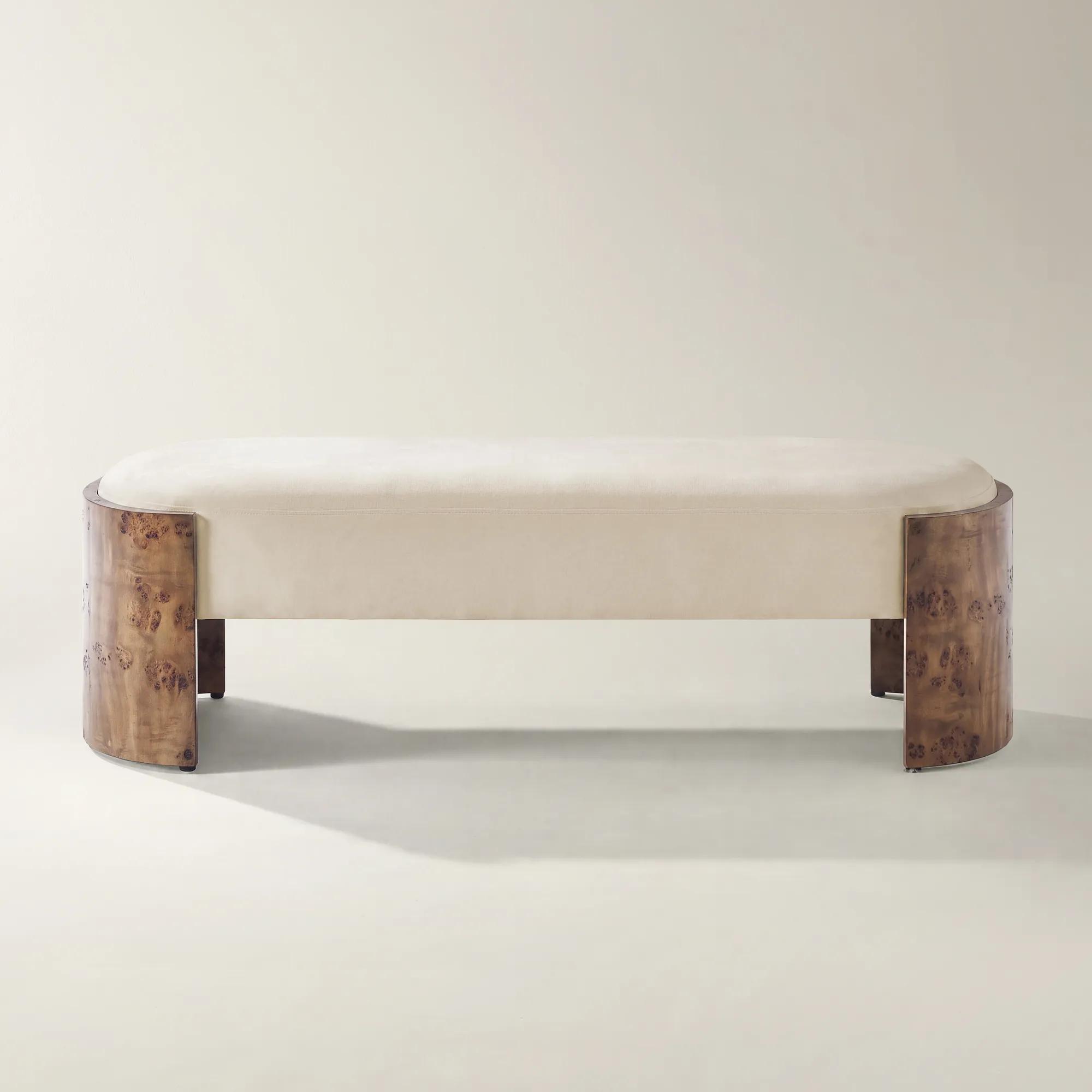 Cora Oatmeal Velvet With Ash Wood Bench (60.6")$899
A sculptural oatmeal velvet bench with curved ash burl wood panels and supportive foam cushioning.
Add To Cart -
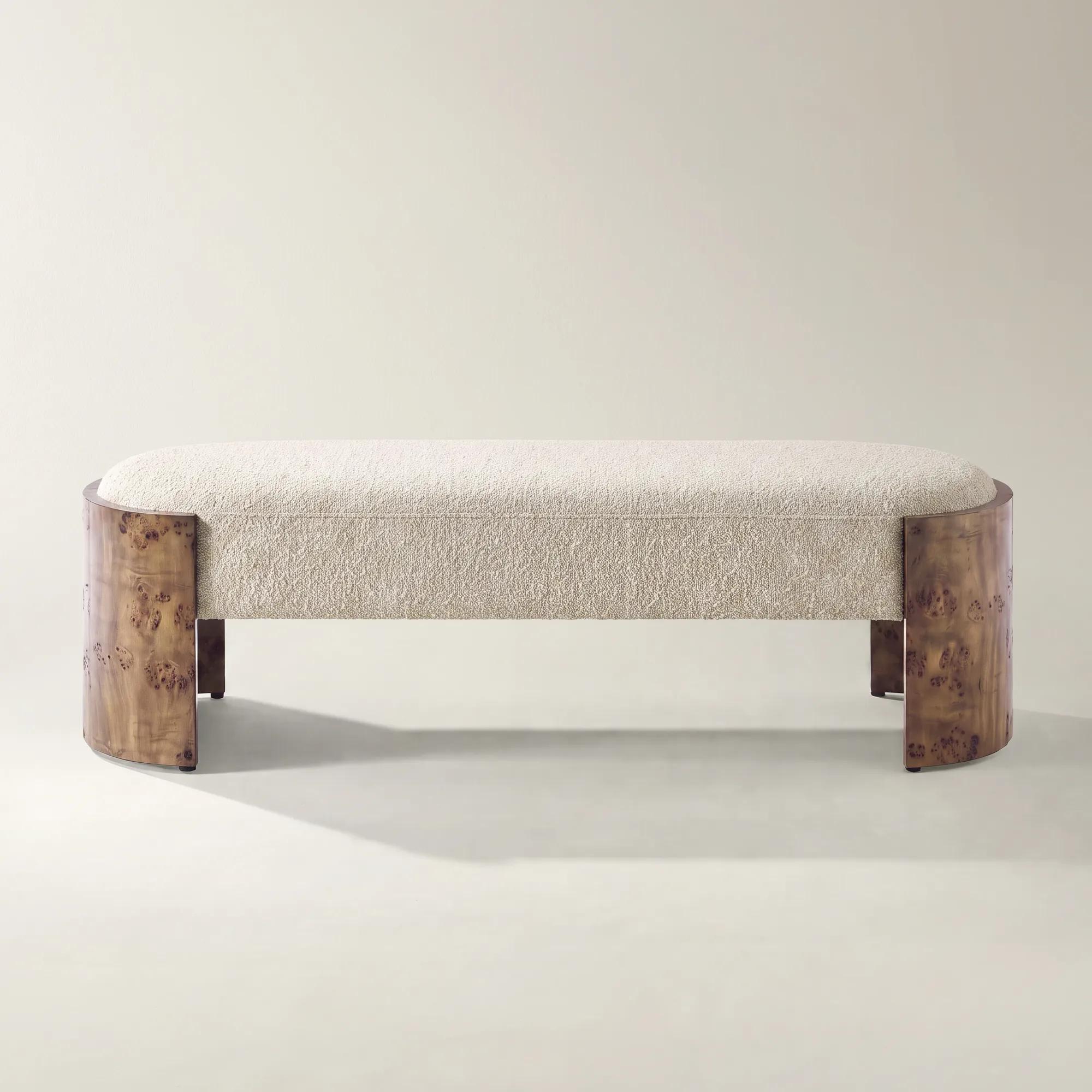 Cora Ivory Performance Boucle With Ash Wood Bench (60.6")$899
An ivory performance boucle bench with curved bookmatched ash burl panels and supportive foam cushioning.
Add To Cart -
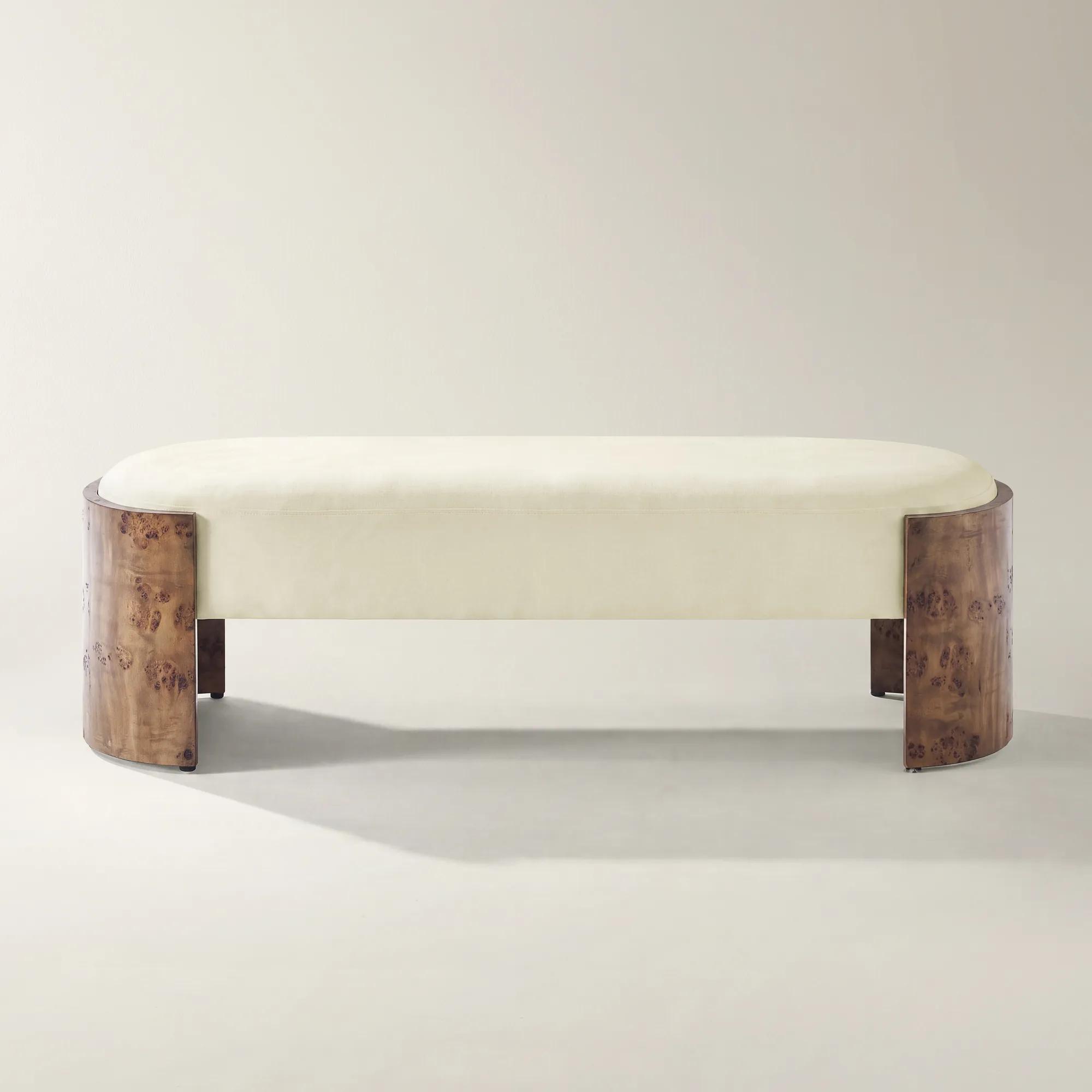 Cora Cloud Velvet With Ash Wood Bench (60.6")$899
A cloud velvet bench with bookmatched ash burl panels and supportive foam cushioning.
Add To Cart -
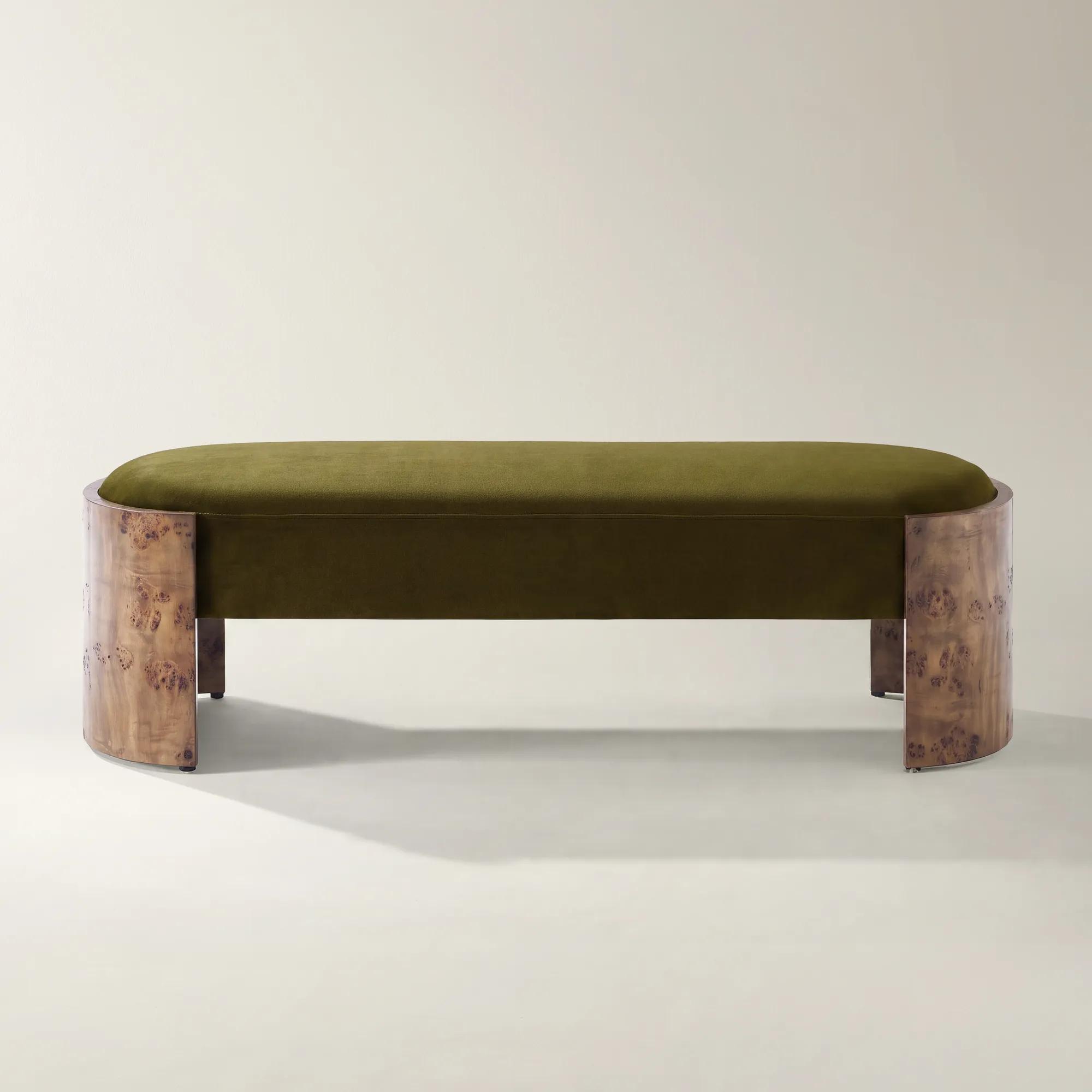 Cora Deep Olive Velvet With Ash Wood Bench (60.6")$899
A sculpted deep olive velvet bench featuring curved ash burl end panels and supportive foam cushioning.
Add To Cart -
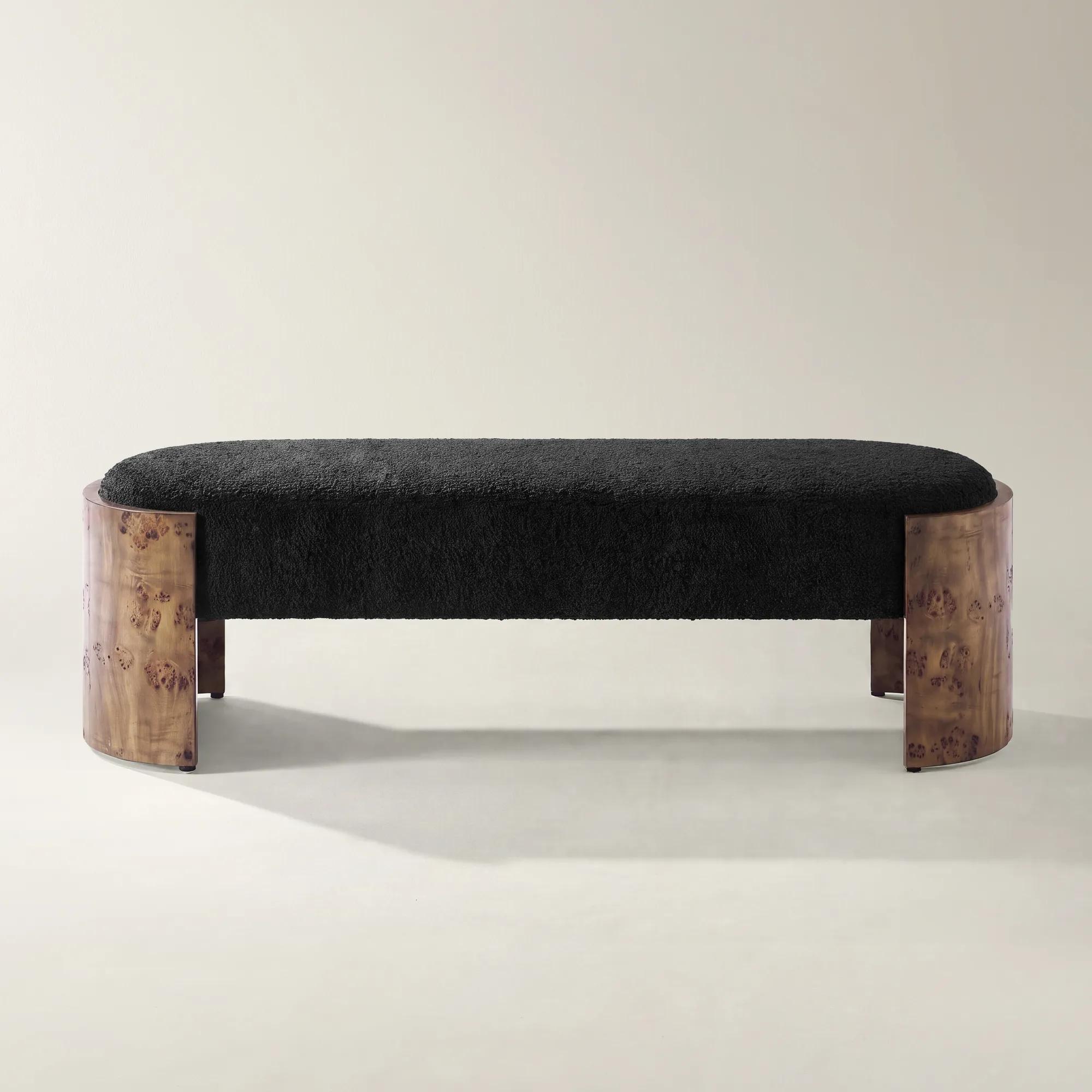 Cora Black Chenille With Ash Wood Bench (60.6")$899
A sculpted charcoal chenille bench featuring curved bookmatched ash burl panels and supportive foam cushioning.
Add To Cart -
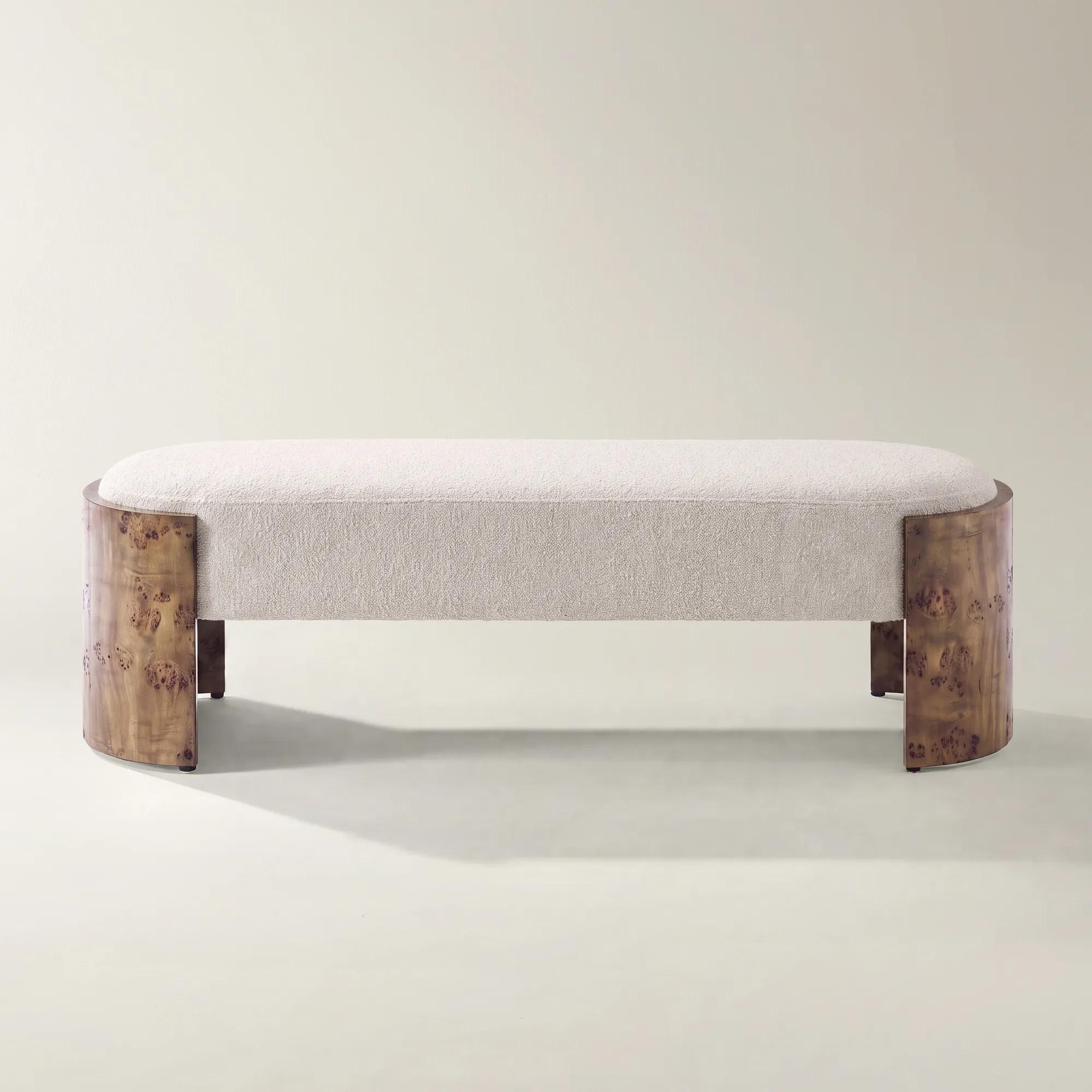 Cora Ivory Performance Boucle With Ash Wood Bench (60.6")$899
A sculpted ivory performance bouclé bench with curved bookmatched ash burl panels and supportive foam cushioning.
Add To Cart -
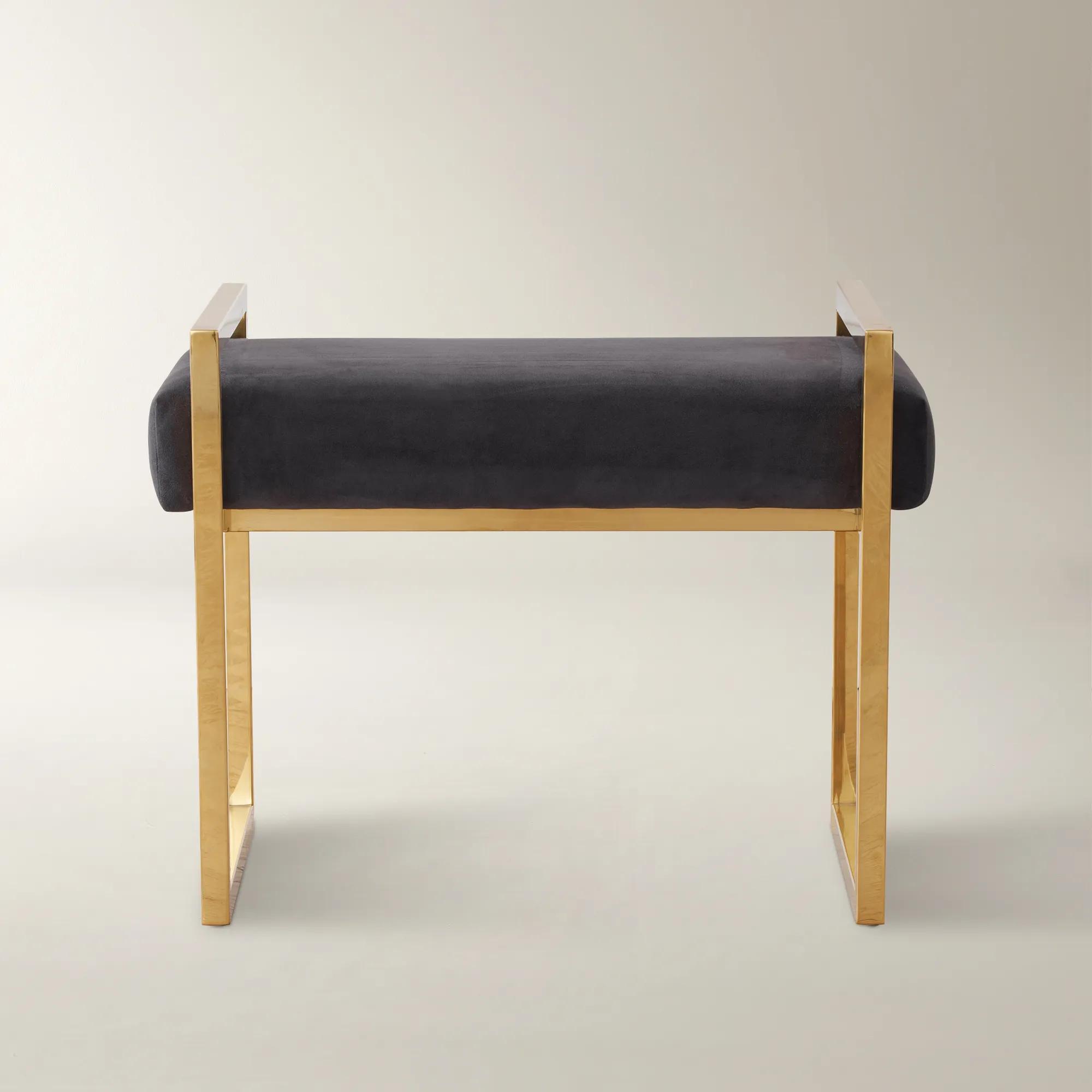
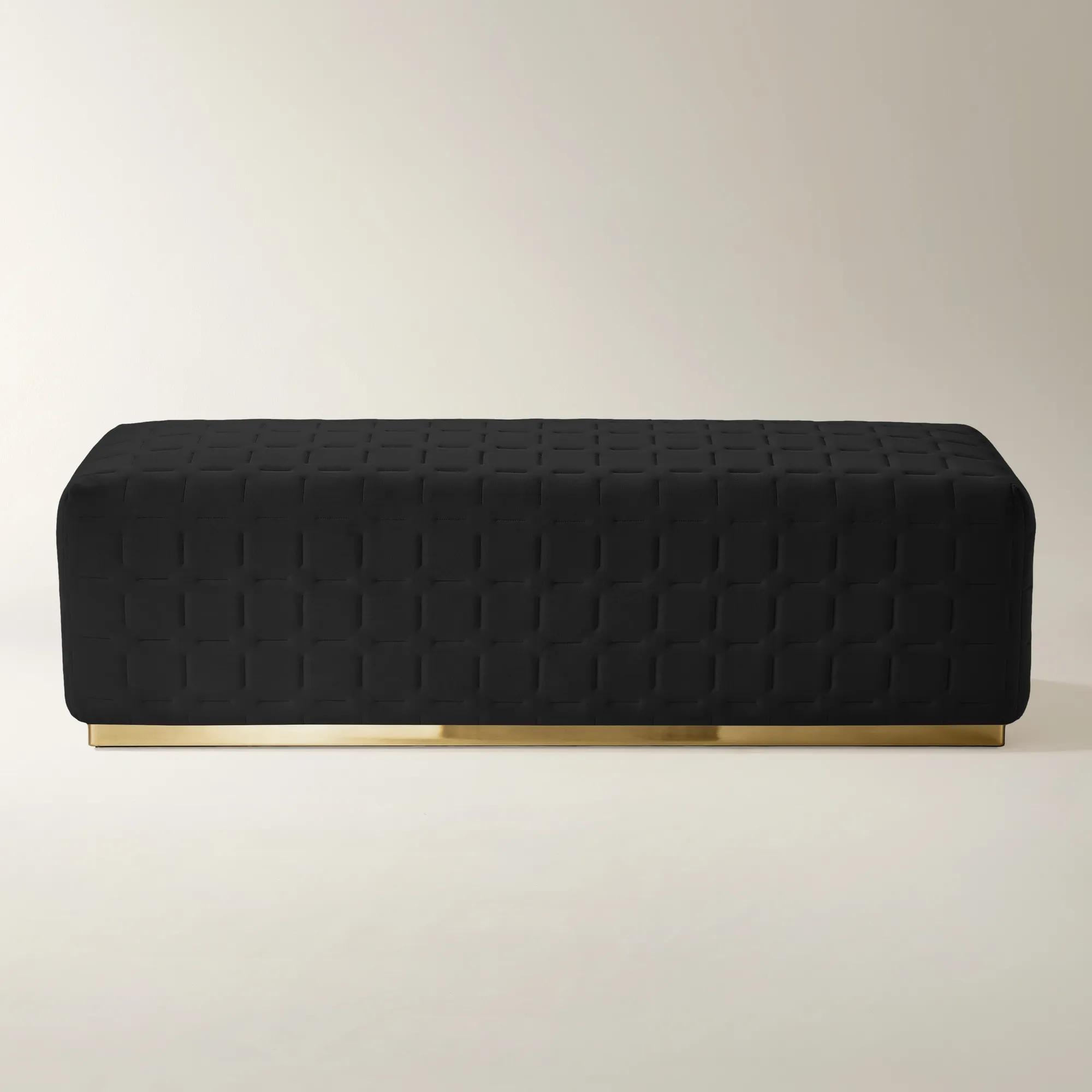 Vanta Quilted Charcoal Velvet Bench (64.6")$899
A charcoal velvet bench featuring checker quilted tufting and a gold stainless steel base for modern elegance.
Add To Cart -
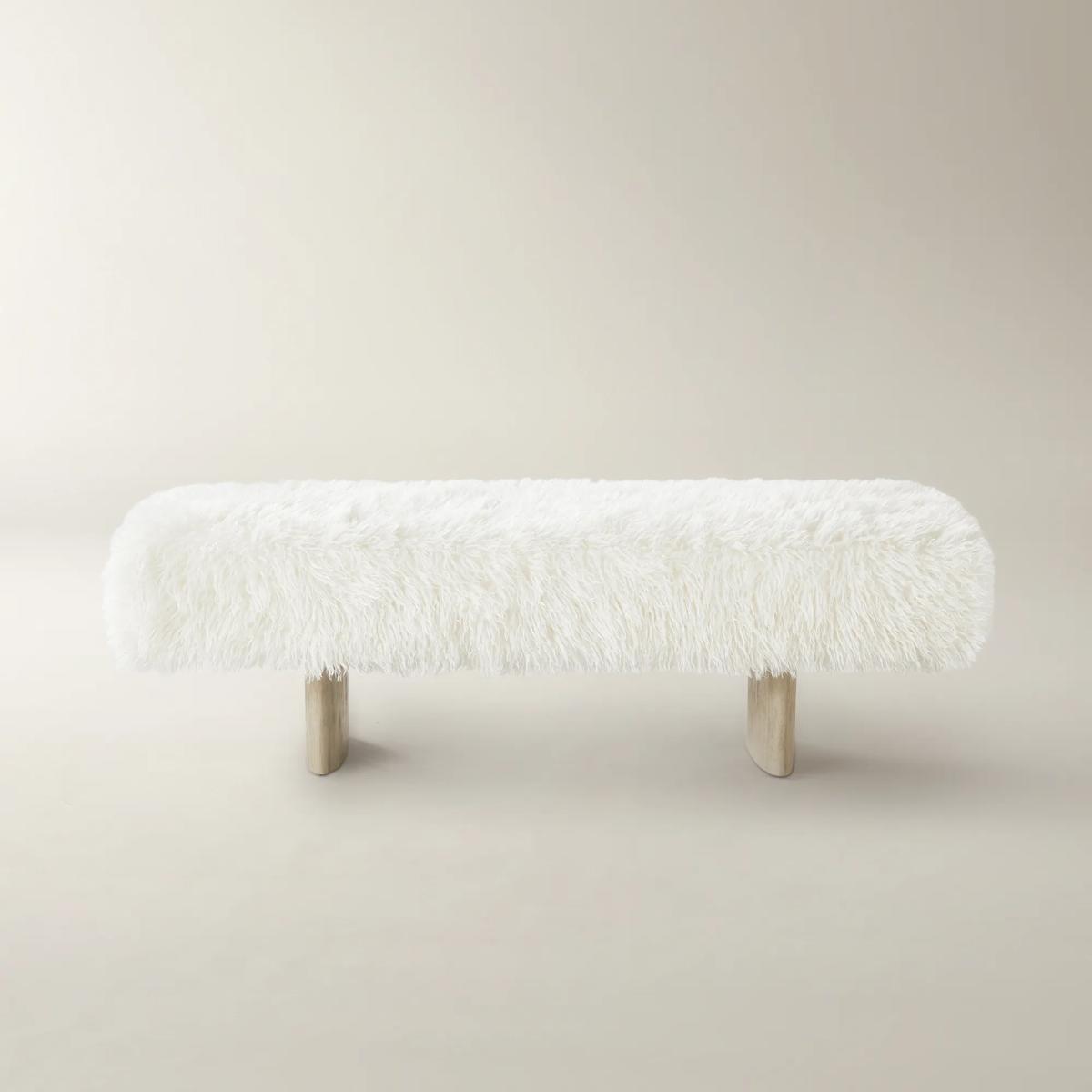 Micah Ivory Mongolian Faux Fur Bench With Rubberwood Legs (62.6")$699
An ivory faux Mongolian fur bench with high-density foam and sculptural solid rubberwood base for modern coziness.
Add To Cart -
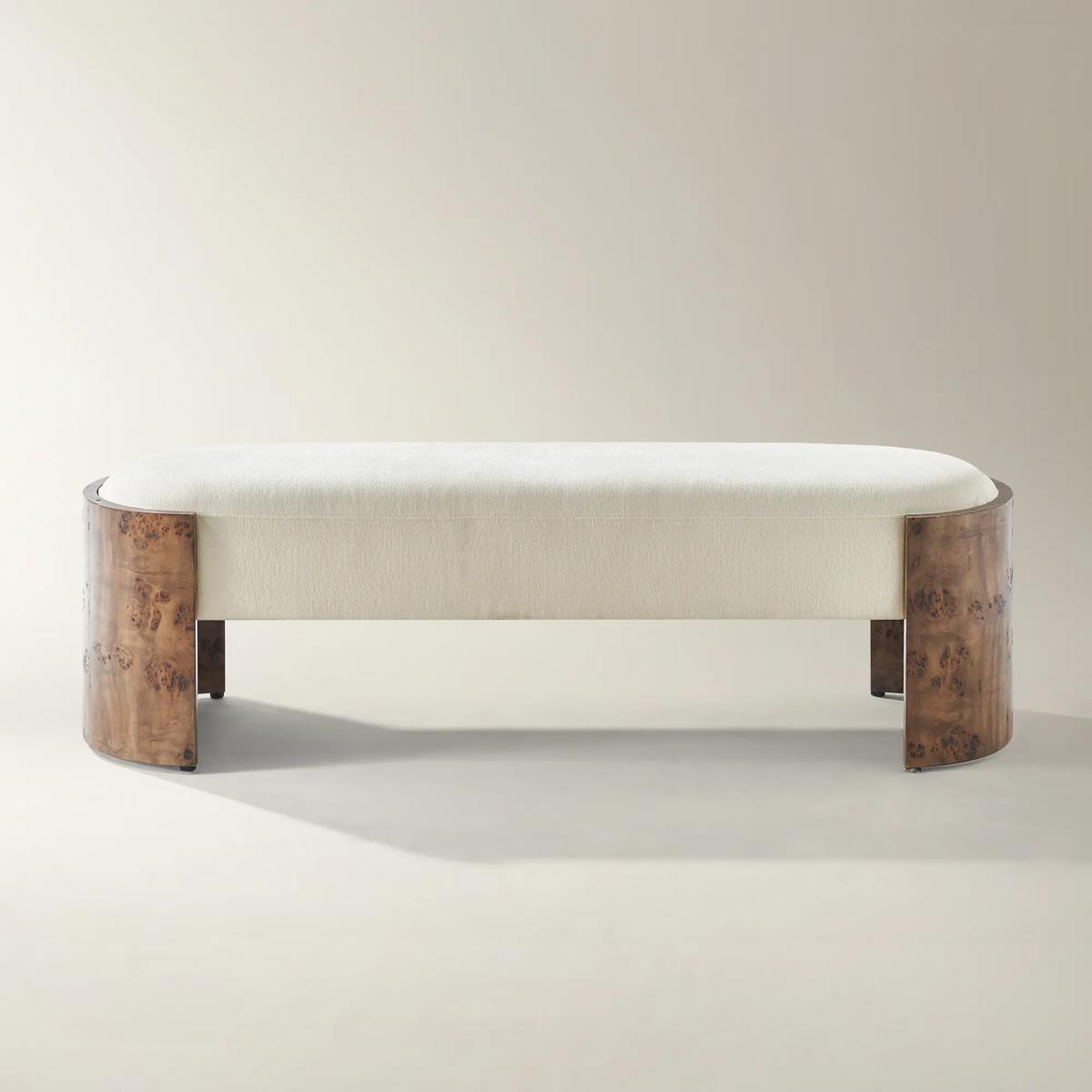 Cora Ivory Chenille With Ash Wood Bench (60.6")$999
An ivory chenille bench with curved ash burl veneer panels, blending plush comfort with striking wood artistry.
Add To Cart -
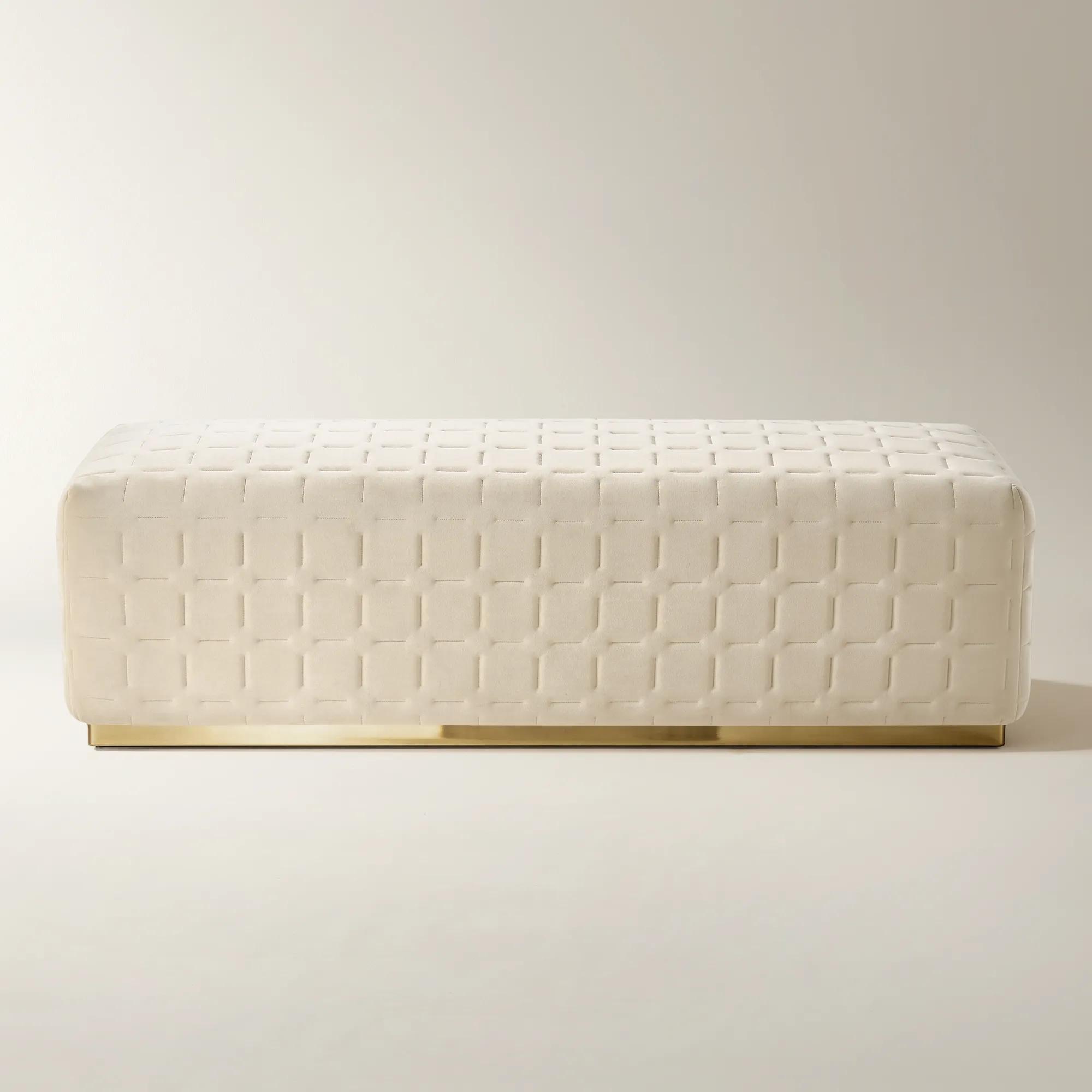
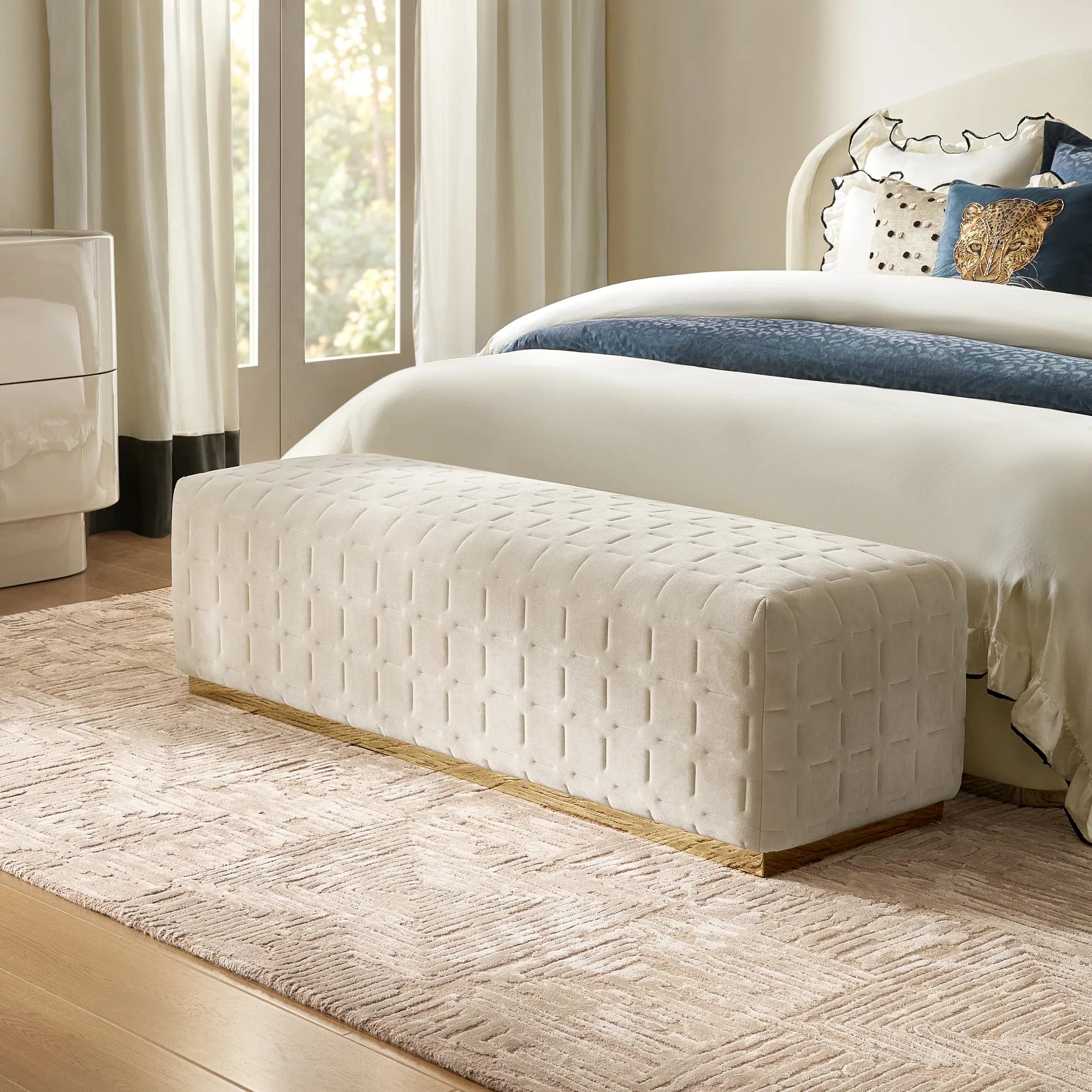 Vanta Quilted Oatmeal Velvet Bench (64.6")$899
A plush oatmeal velvet bench featuring checker quilted tufting and a sleek gold stainless steel base.
Add To Cart -
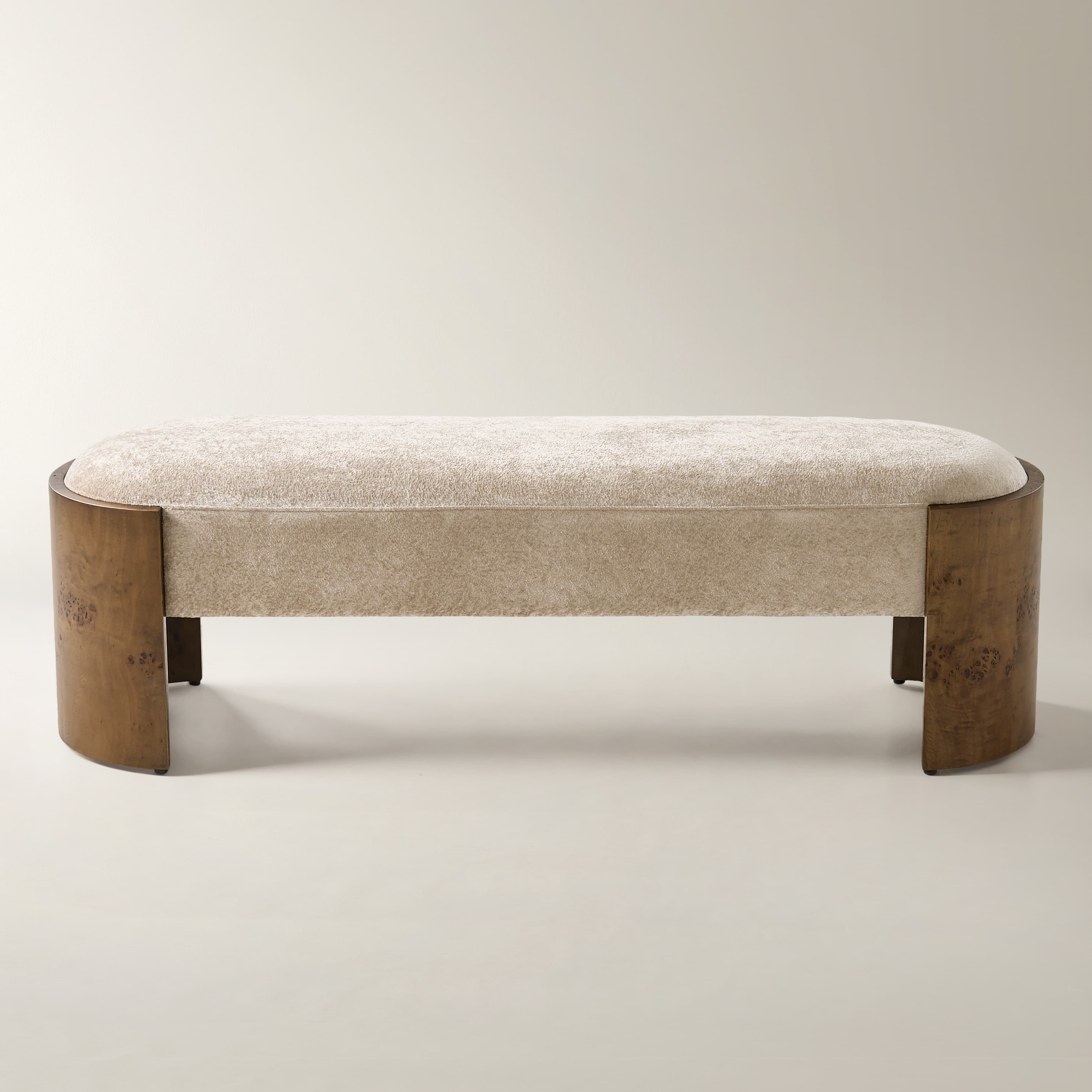 Cora Light Brown Chenille With Ash Wood Bench (60.6")$999
A light brown chenille bench with curved ash burl veneer panels, blending plush comfort and organic artistry.
Add To Cart -
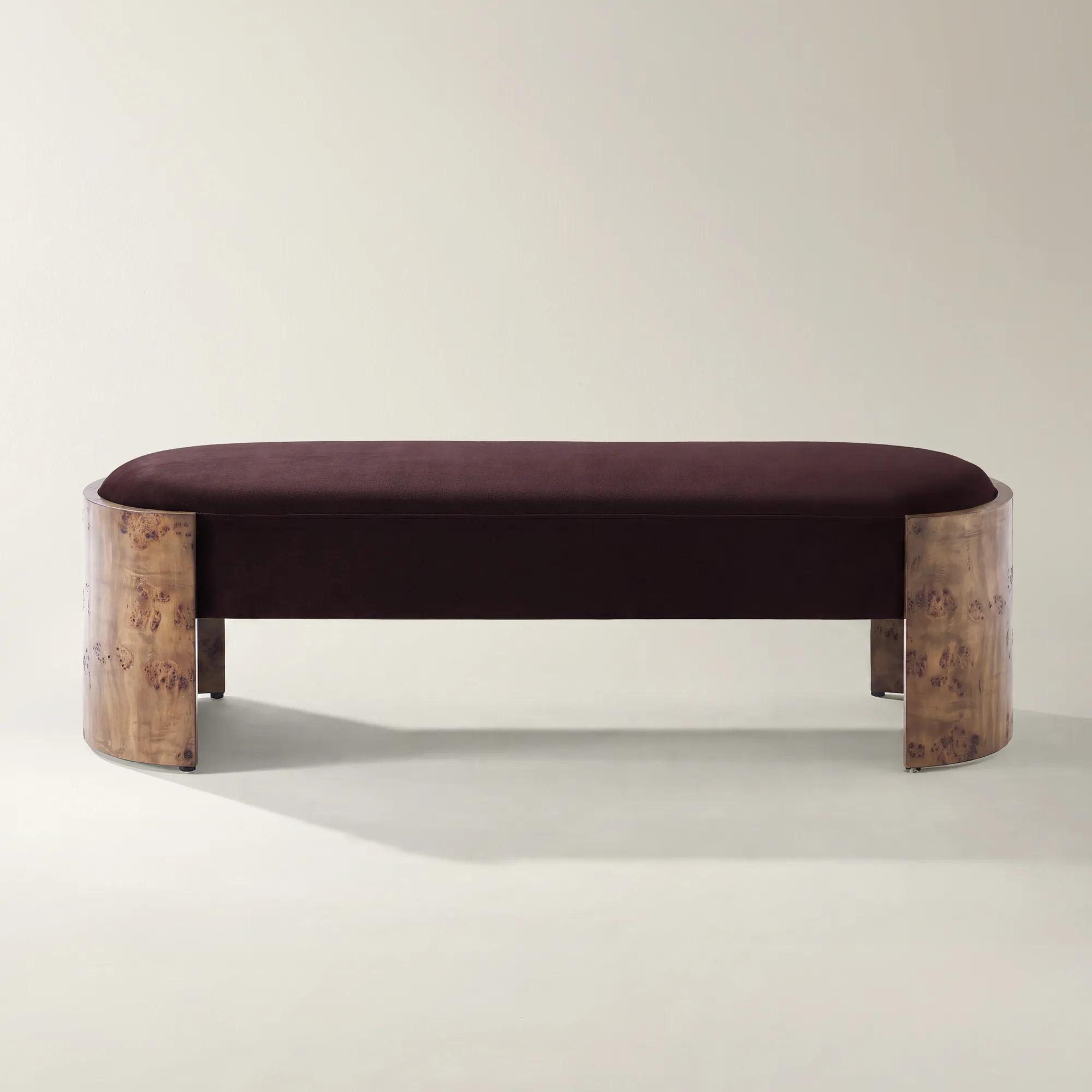 Cora Fig Velvet With Ash Wood Bench (60.6")$899
A sculptural bench with fig velvet upholstery, bookmatched ash burl panels, and supportive high-resiliency foam cushioning.
Add To Cart -
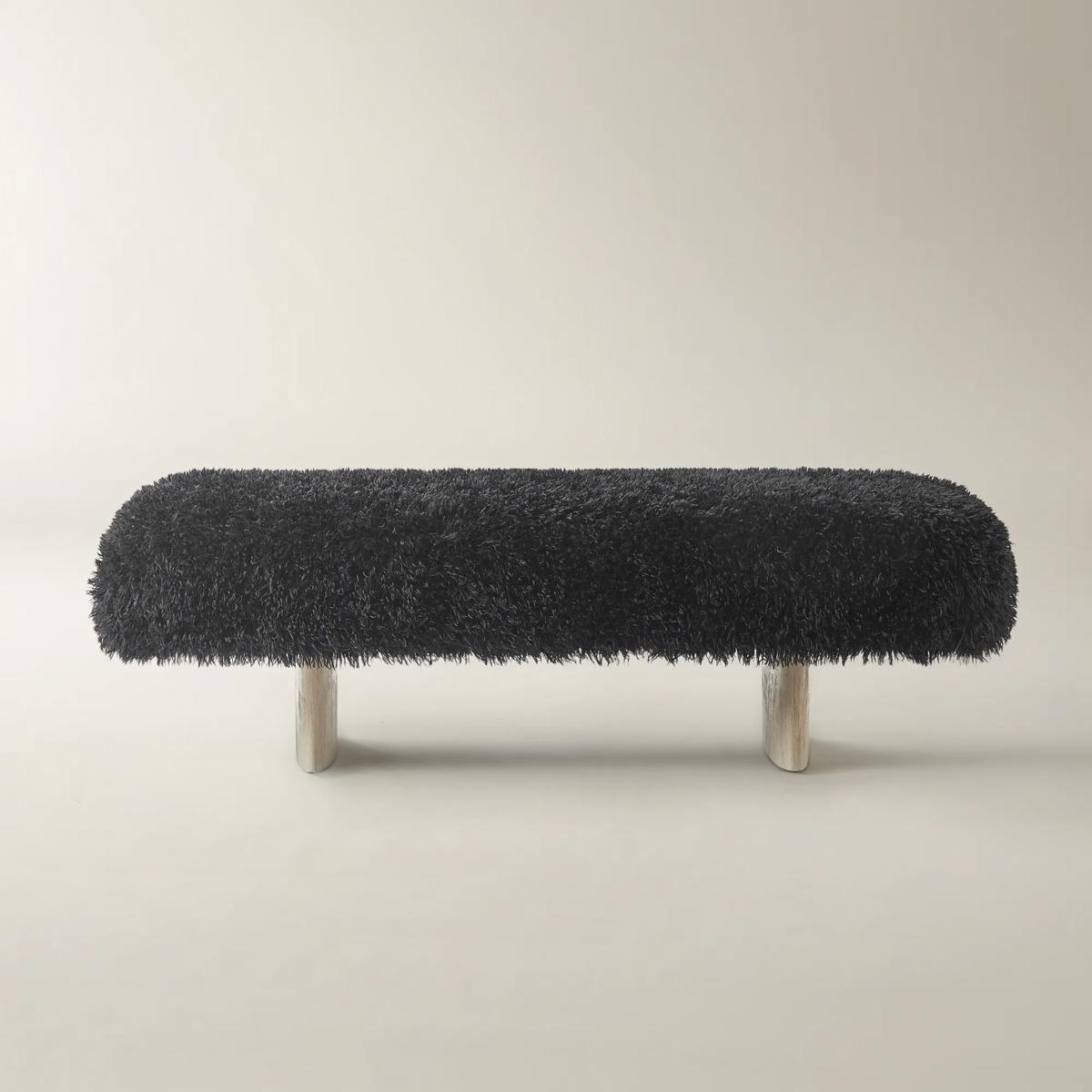 Micah Black Mongolian Fur Bench With Rubberwood Legs (62.6")$699
A striking black faux Mongolian fur bench with solid rubberwood legs for plush comfort and modern edge.
Add To Cart -
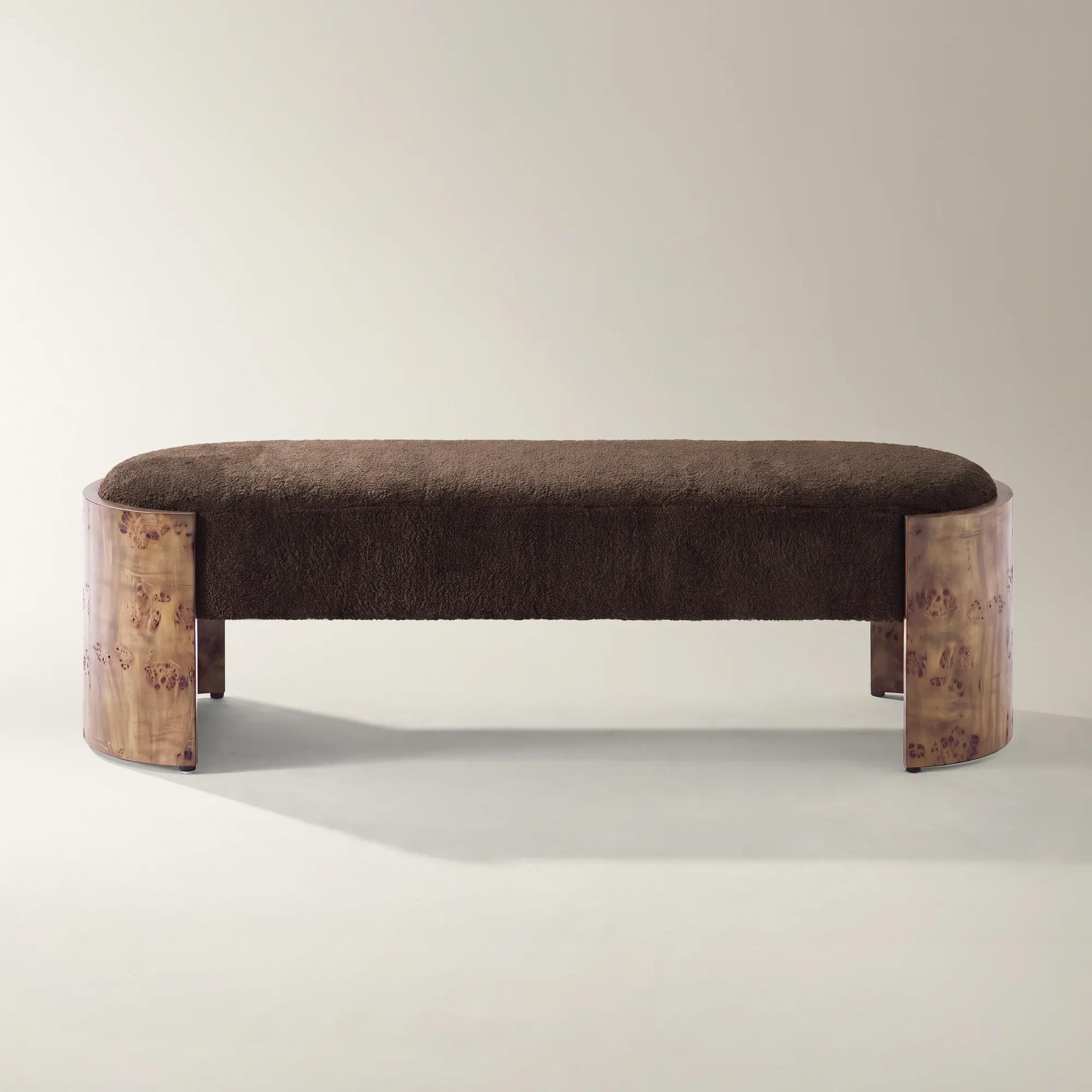 Cora Dark Chocolate Chenille With Ash Wood Bench (60.6")$899
A sculpted dark chocolate chenille bench with curved ash burl end panels and supportive foam cushioning.
Add To Cart -
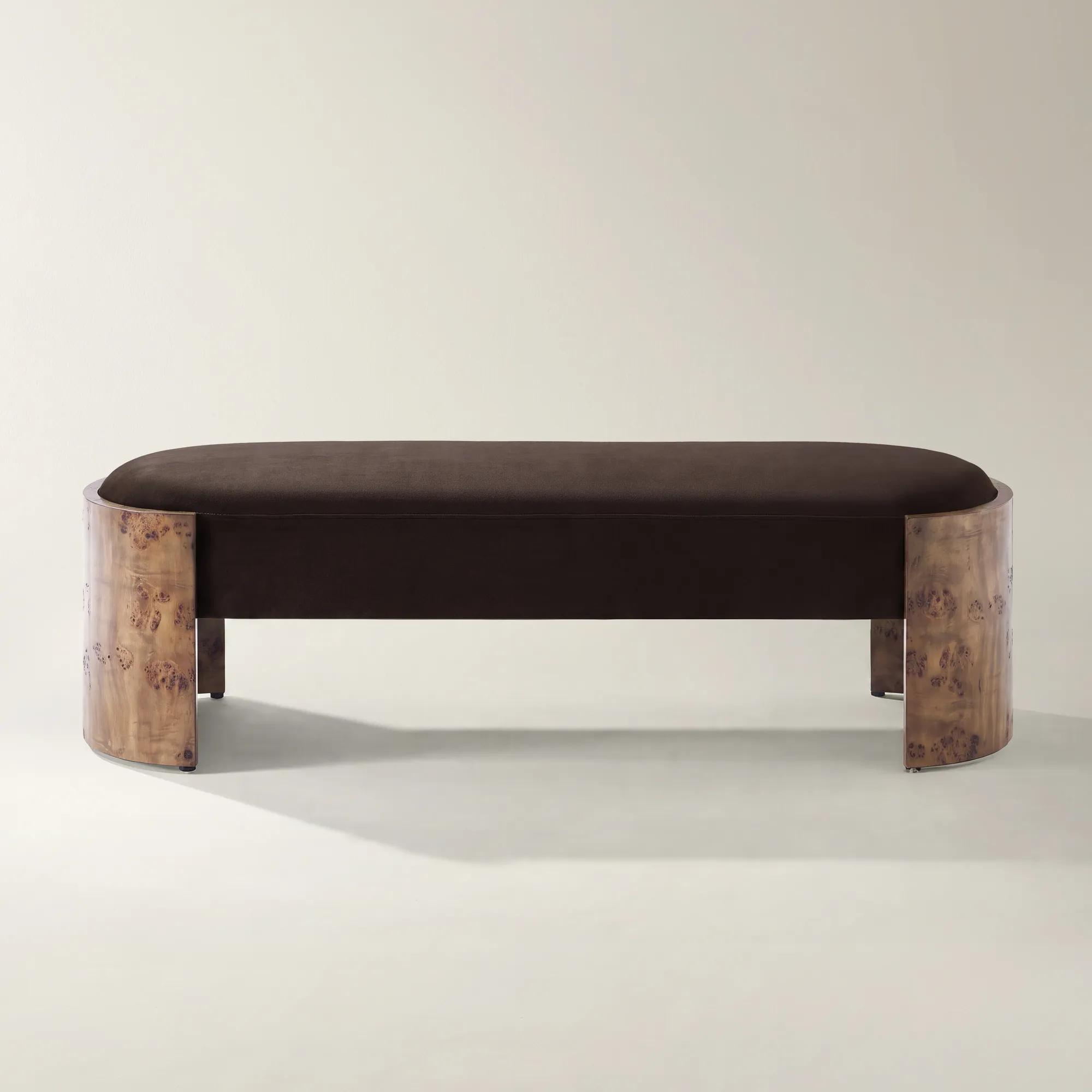 Cora Dark Chocolate Velvet With Ash Wood Bench (60.6")$899
A dark chocolate velvet bench with sculpted bookmatched ash burl end panels and high-resiliency foam cushioning.
Add To Cart -
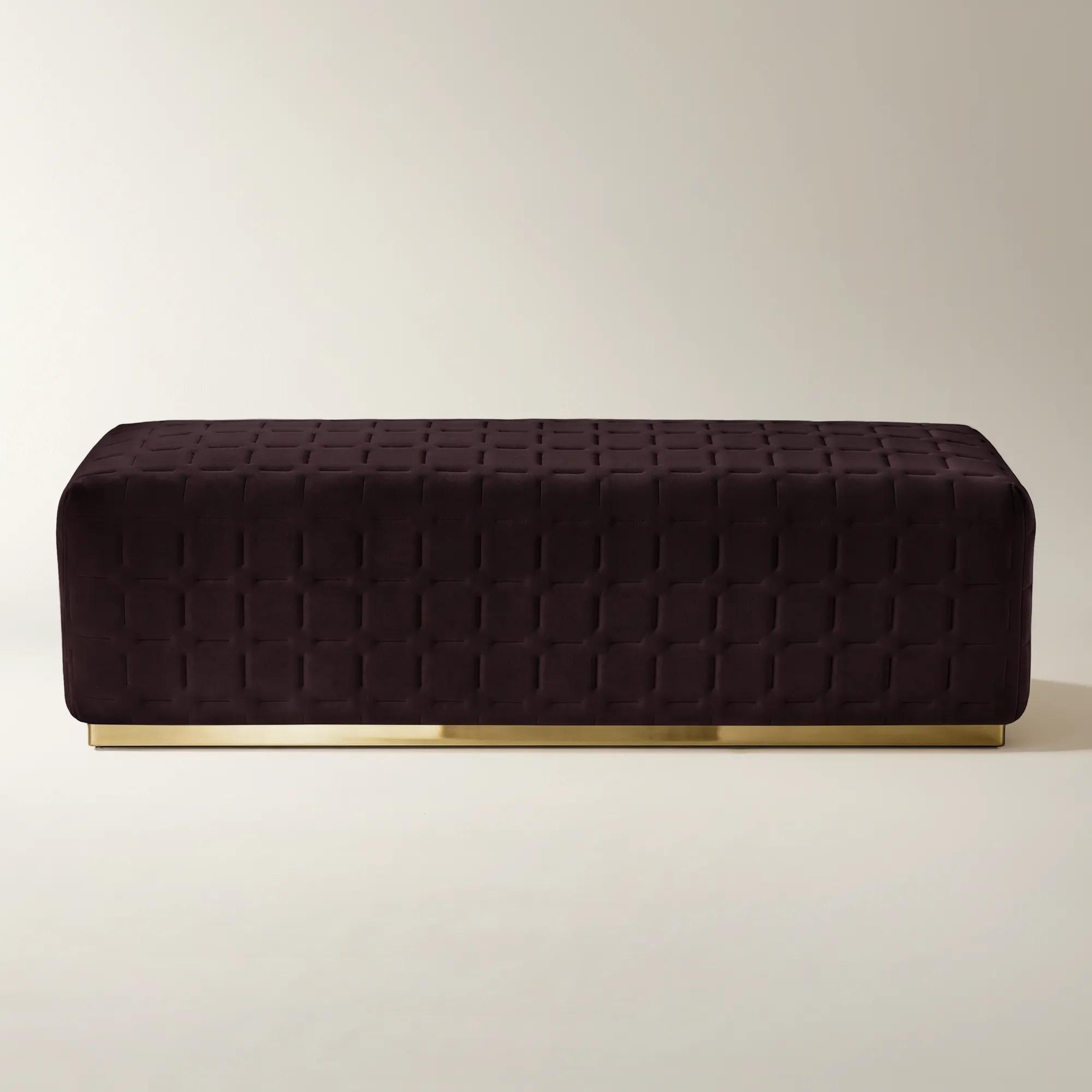
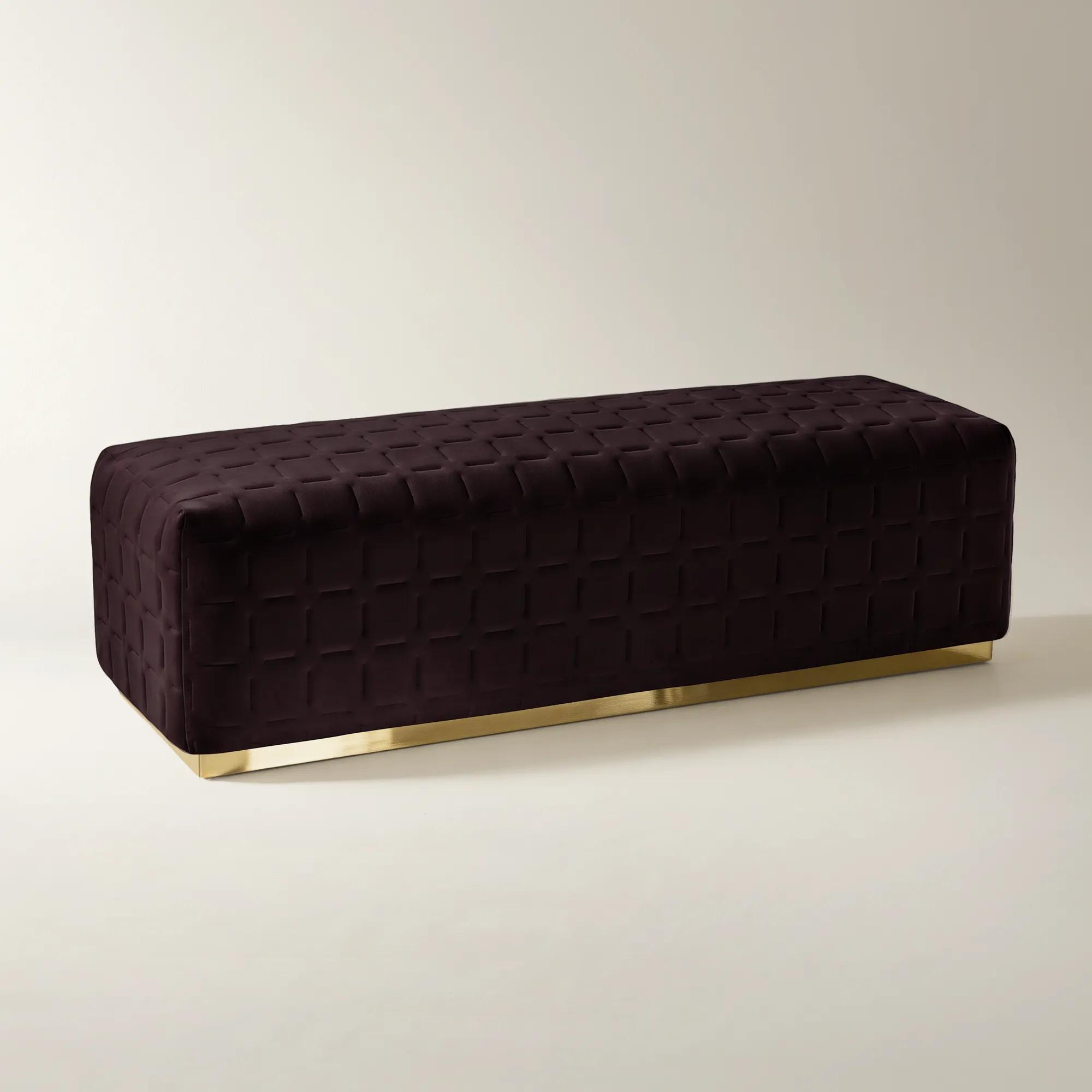 Vanta Quilted Fig Velvet Bench (64.6")$899
A plush fig velvet bench featuring checker quilted tufting and a sleek gold stainless steel base.
Add To Cart -
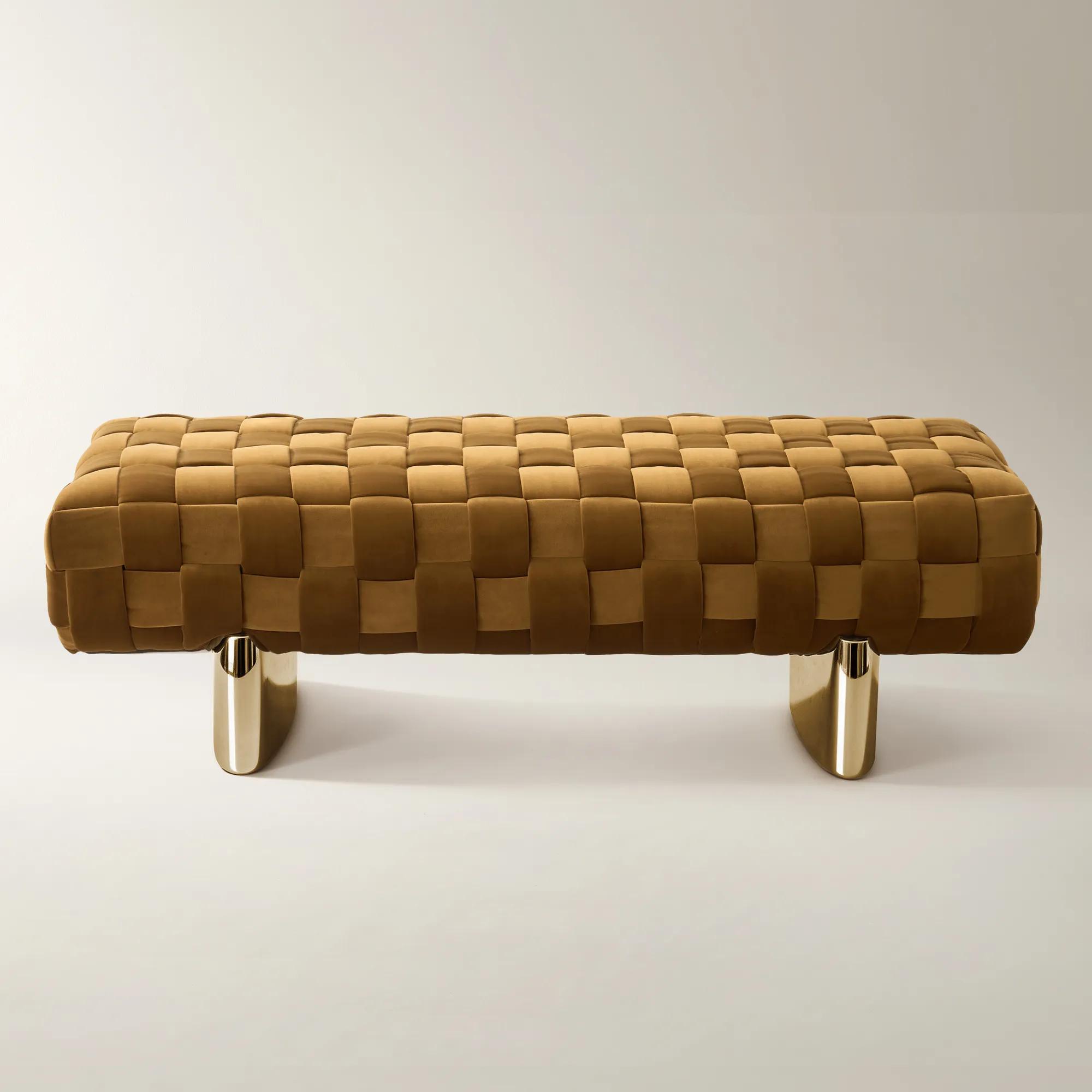
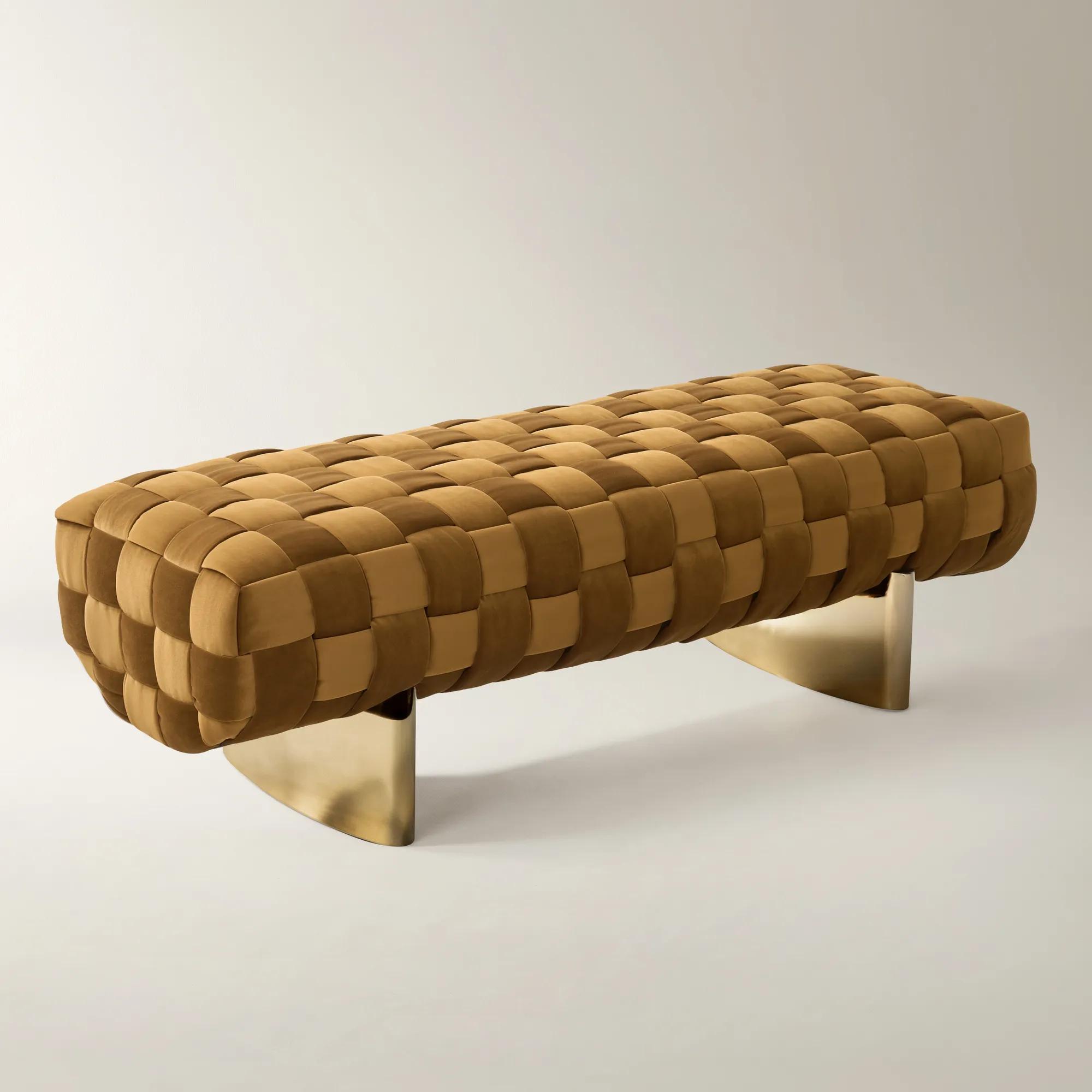 Dexter Woven Roasted Pecan Velvet Bench (64.2")$999
A woven roasted pecan velvet bench featuring plush upholstery and polished gold stainless steel legs for modern elegance.
Add To Cart -
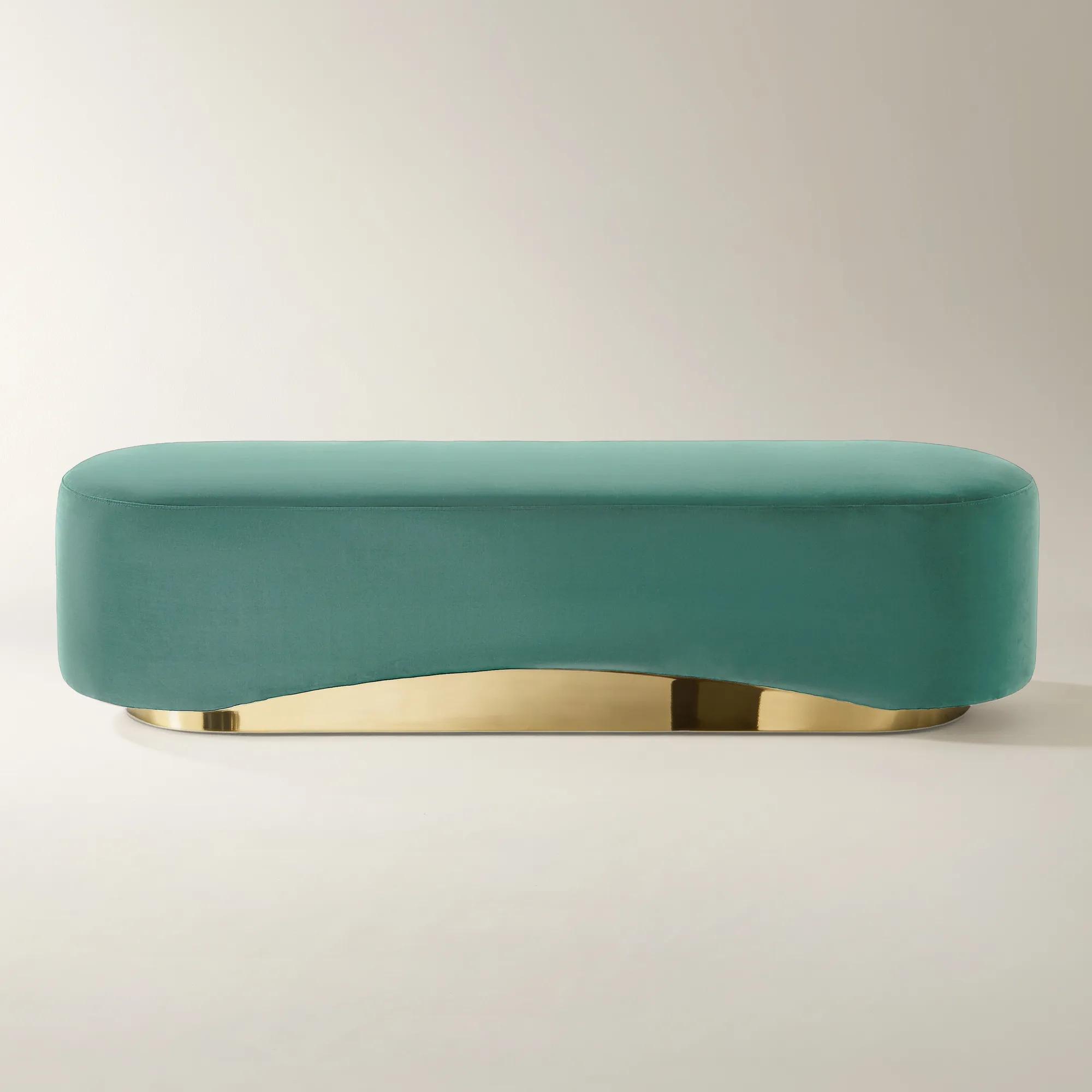
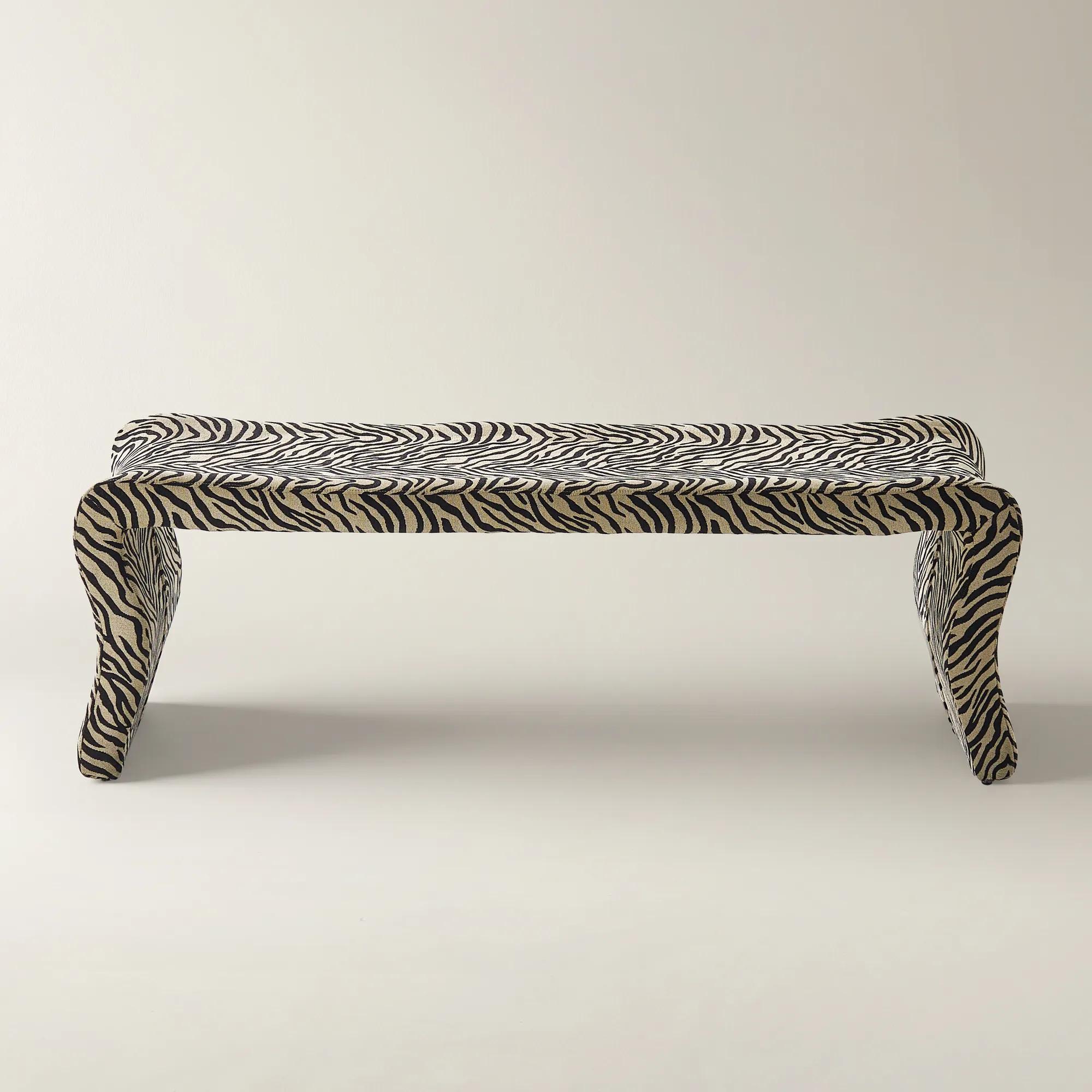 Romy Zebra Performance Chenille Bench (61.5")$799
A sculptural bench wrapped in zebra-patterned performance chenille with a wave-like silhouette and full foam construction.
Add To Cart -
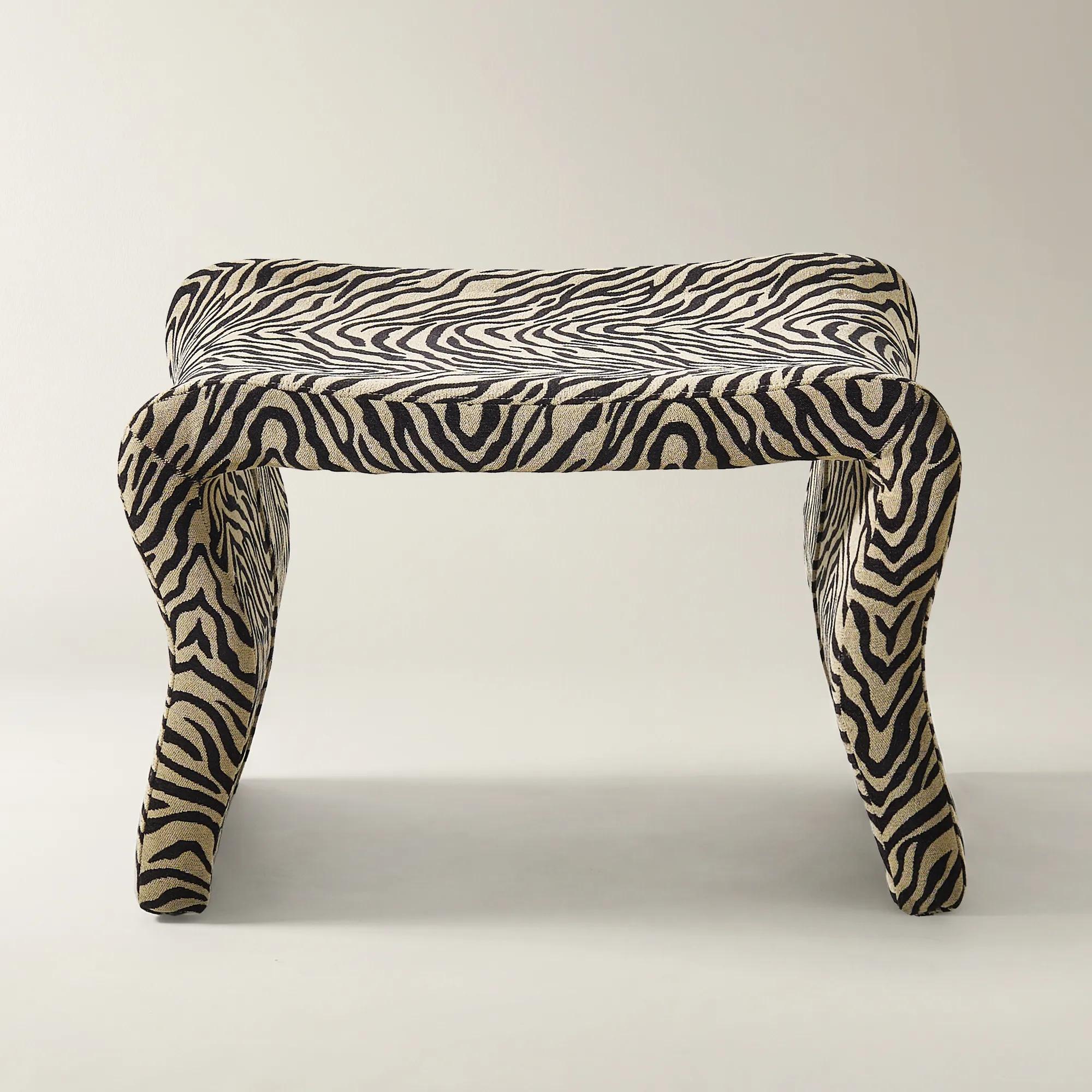
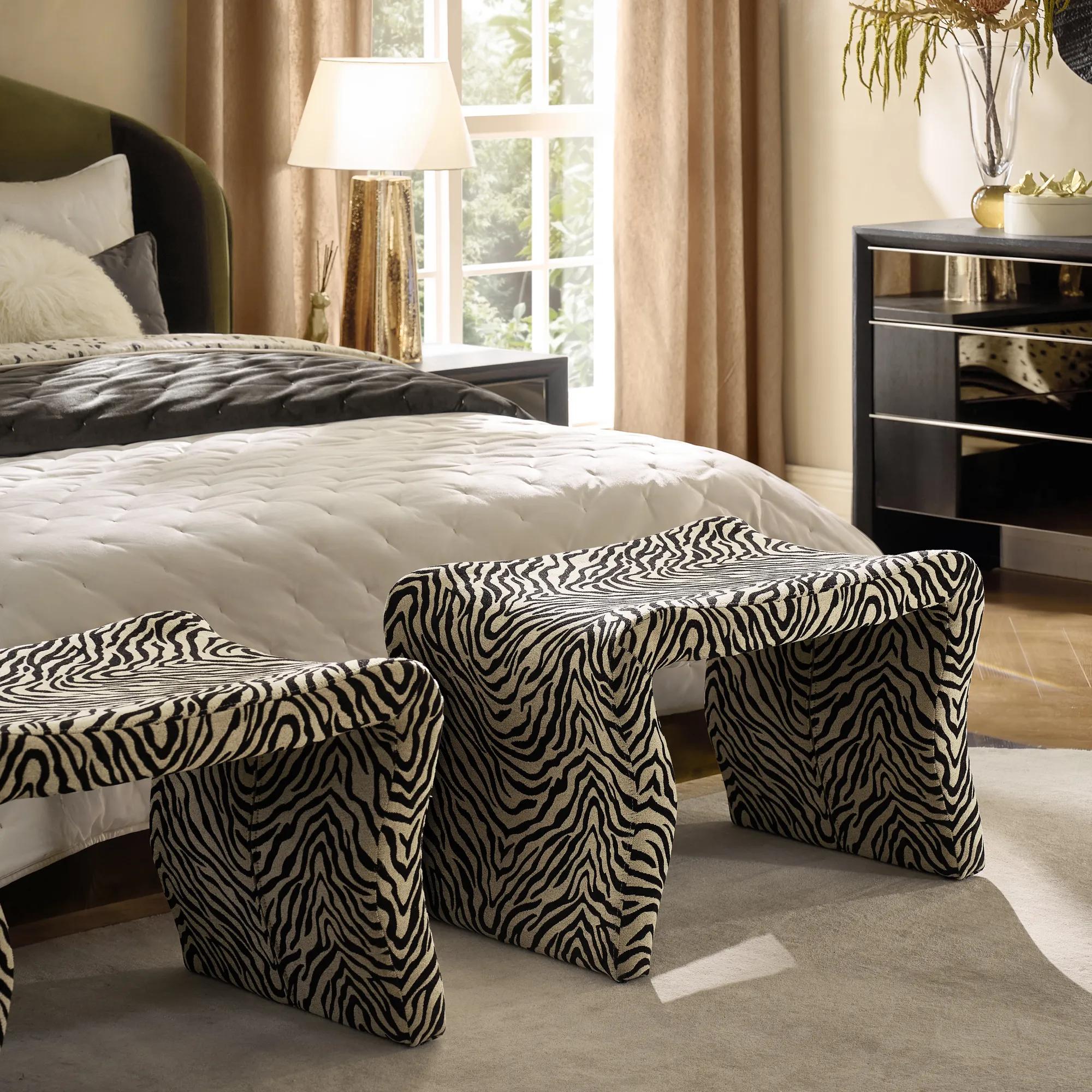 Romy Zebra Performance Chenille Bench (30.75")$399
A sculptural bench wrapped in zebra-patterned performance chenille with a wave-like silhouette and full foam construction.
Add To Cart -
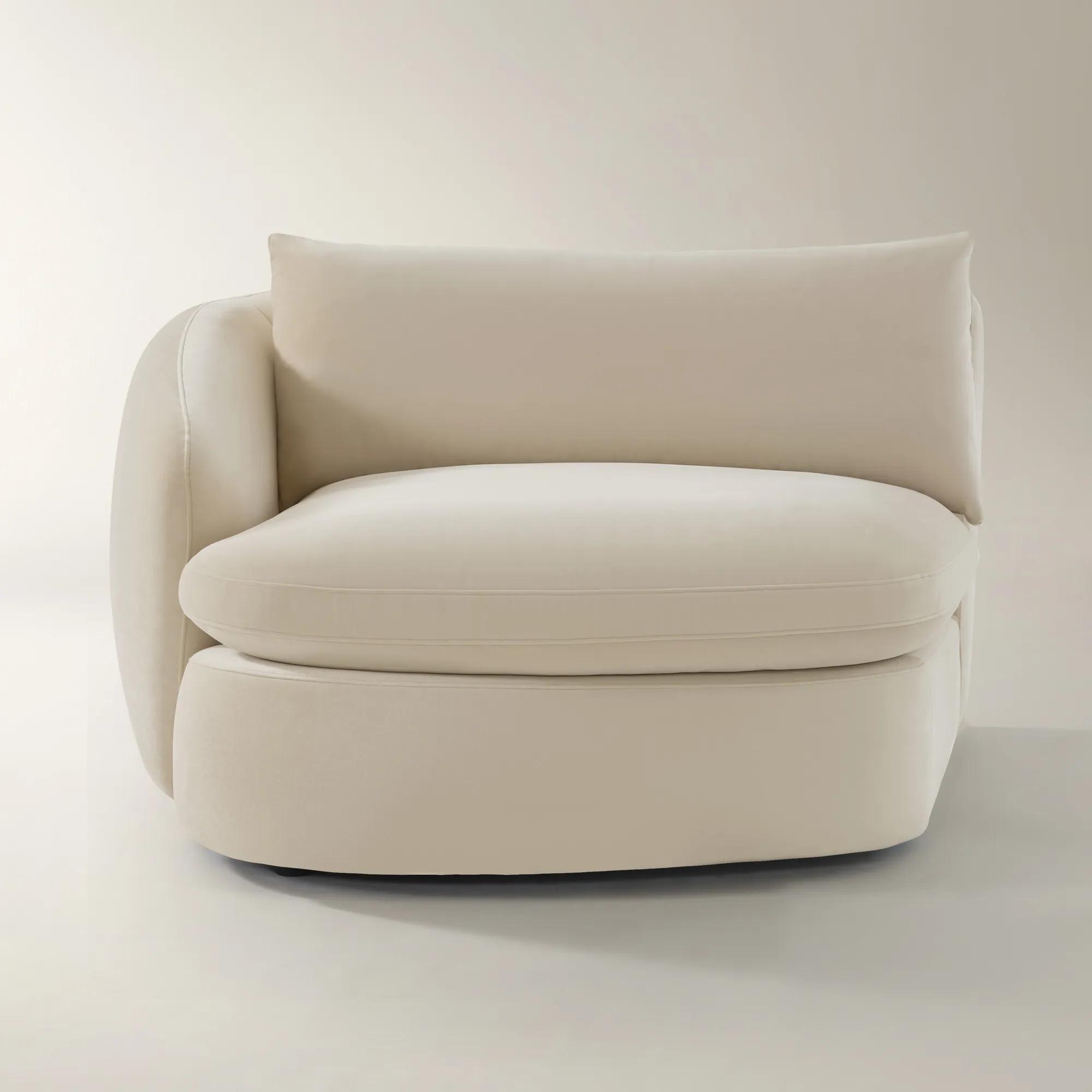
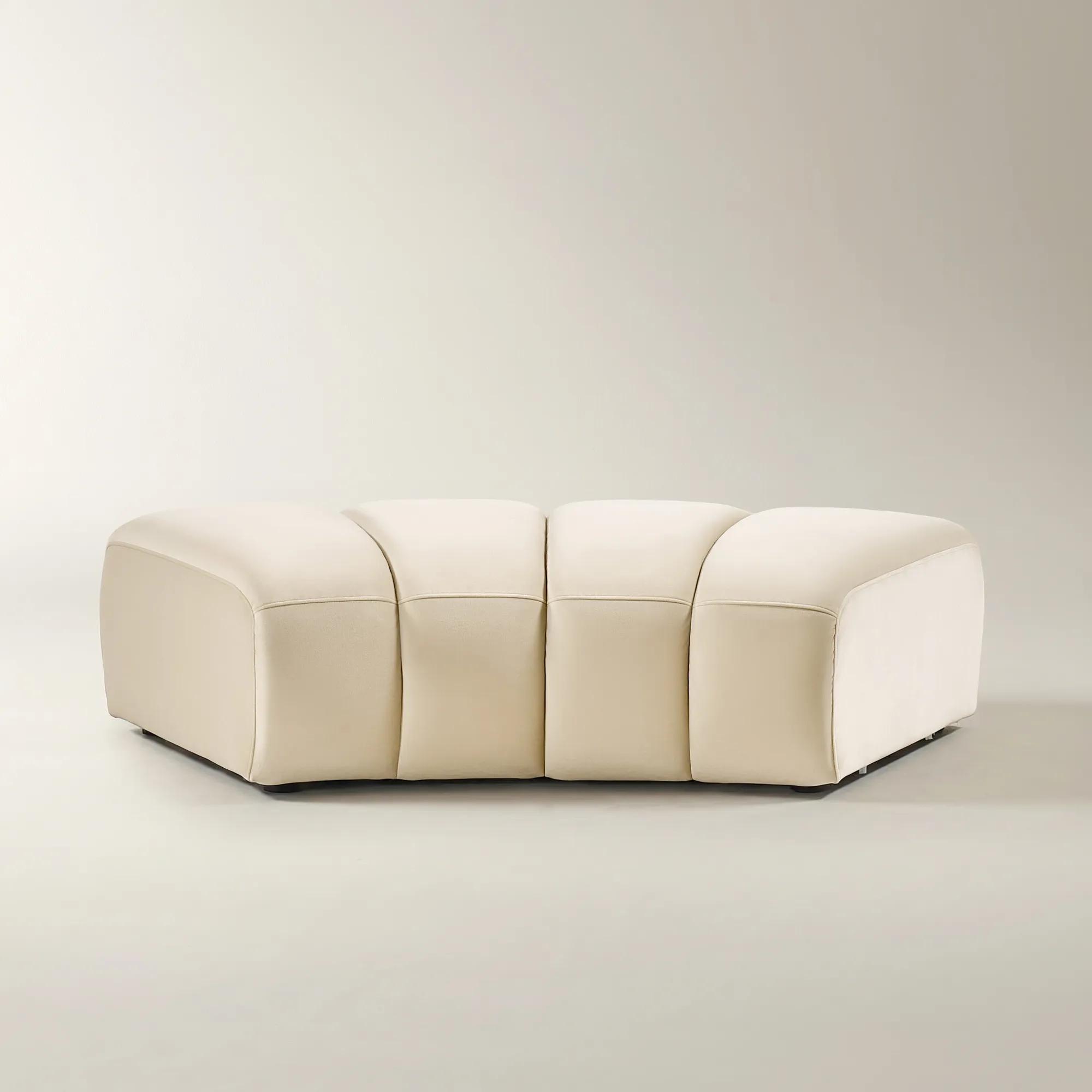
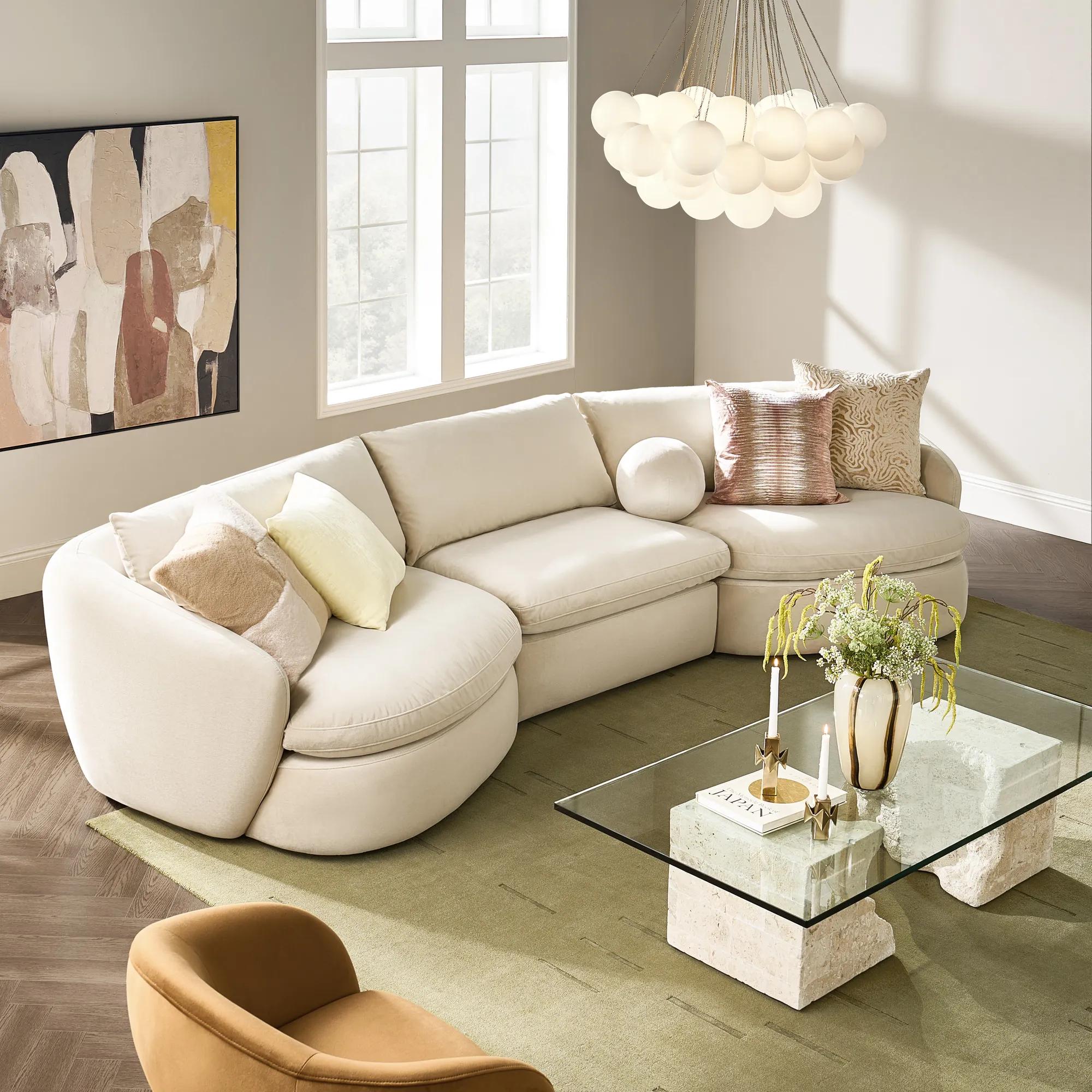 Sabrina Oatmeal Velvet Left-Arm Chair$1299
A modular, curved seating piece in soft oatmeal velvet with plush feather-blend cushions and hand-built craftsmanship.
Add To Cart -
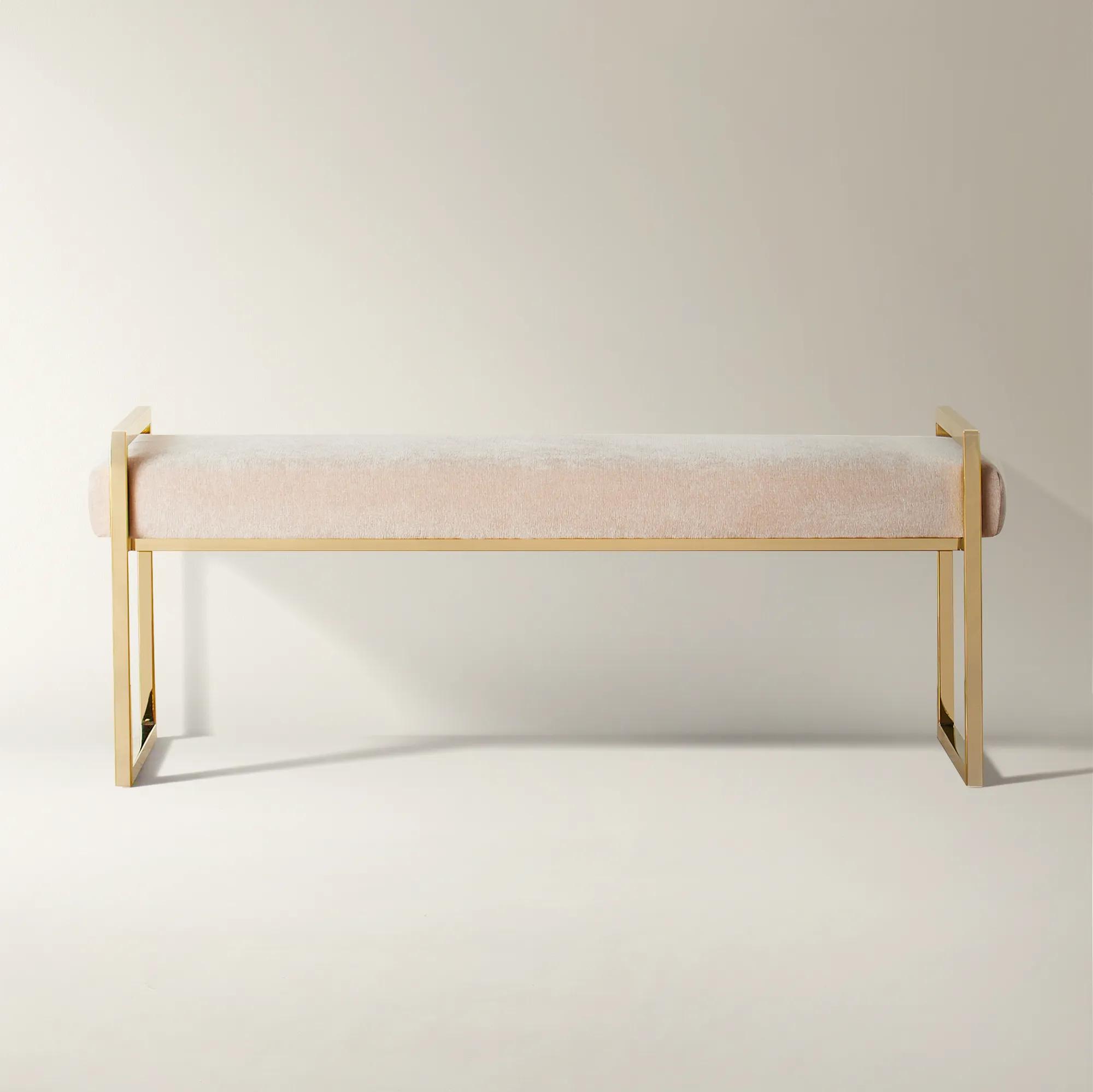 Clara Bench$699
A chic bench featuring a plush upholstered seat and polished gold metal legs for modern elegance.
Add To Cart -
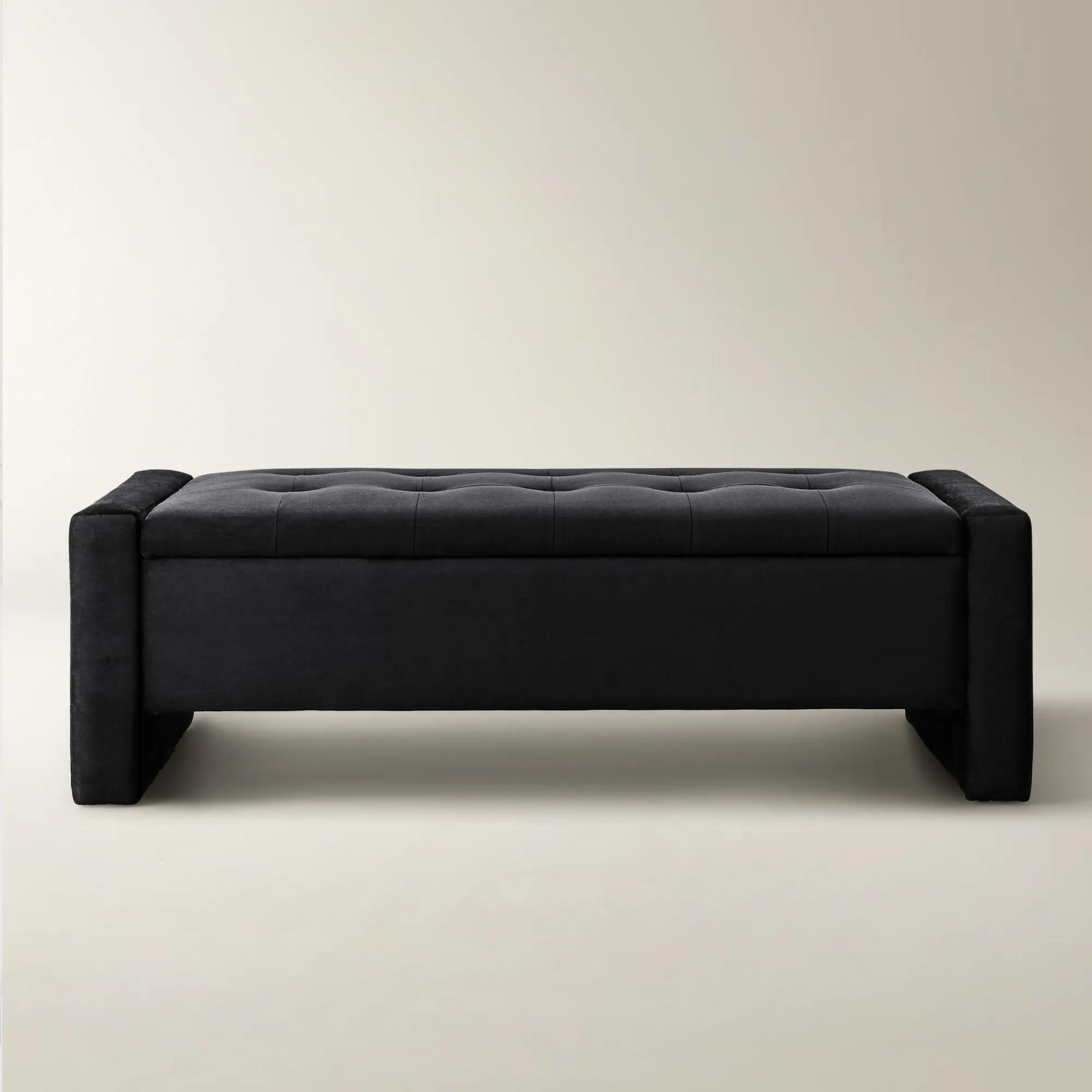
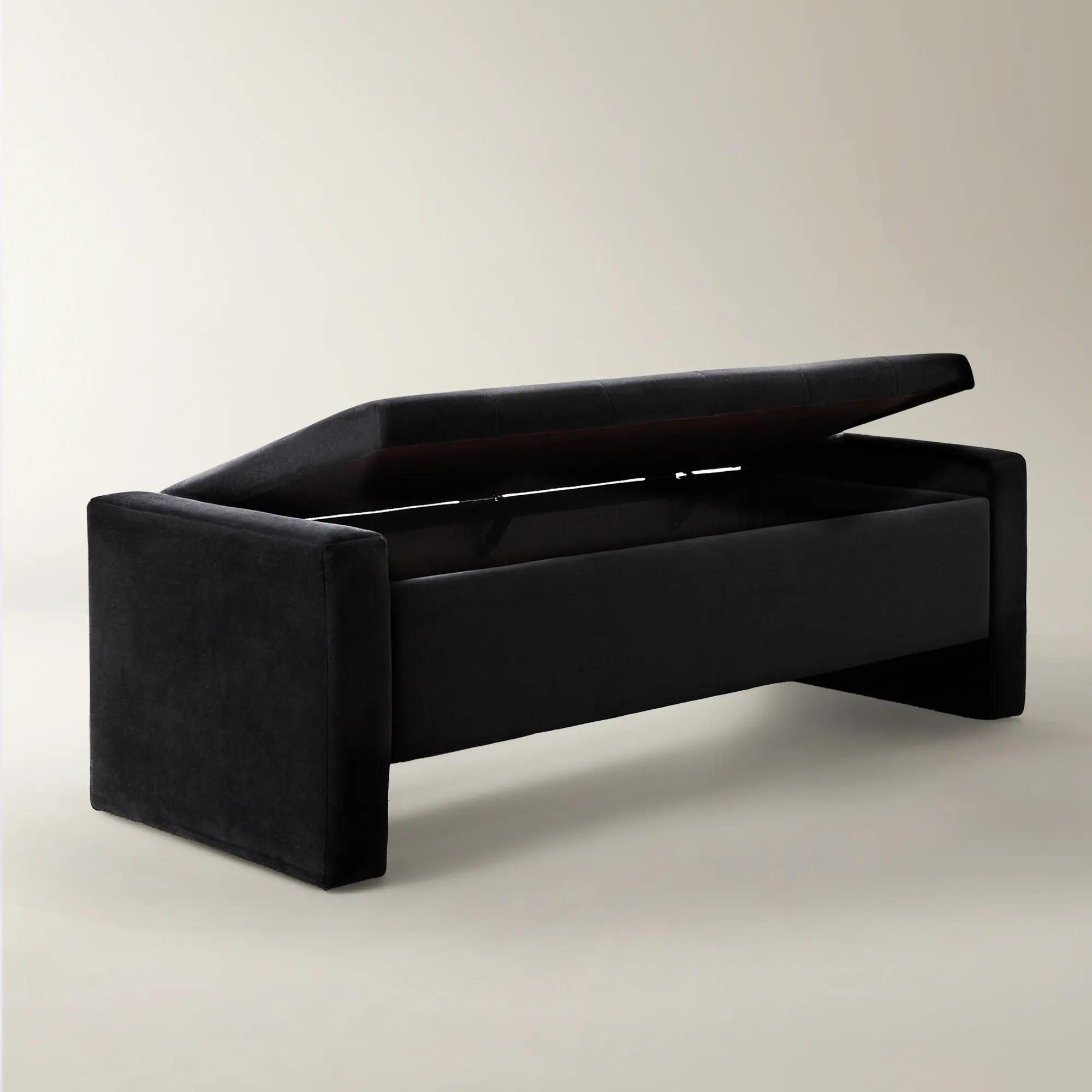 Maeve Storage Bench$899
A modern velvet-upholstered bench with hidden storage, kiln-dried hardwood frame, and soft-closing glides.
Add To Cart

Comfortable Dining Banquette Benches
Comfortable dining banquette benches invite you to linger longer, transforming every meal into an experience worthy of celebration. With their sculptural silhouettes and plush presence, these statement pieces blur the line between art and function, enveloping your dining space in a sense of curated luxury. Perfect for those who delight in bold gatherings and intimate soirées alike, each bench becomes a backdrop for unforgettable moments—where sumptuous comfort meets dramatic design. Elevate your entertaining with seating that doesn’t just accommodate, but inspires.
Comfortable dining banquette benches bring the intimacy of a favorite restaurant booth into the home, pairing upholstered seating with a silhouette that gives the dining area a distinct point of view. Unlike a backless dining bench, a banquette typically offers a supportive back and a more enveloping seat, creating a place where a quick breakfast can become an unhurried conversation. Set along a wall, a linear bench lends structure to an open dining space; tucked into a corner, an L-shaped arrangement turns an overlooked nook into an inviting destination. The appeal is both visual and personal: a sweeping upholstered back introduces softness beside a stone tabletop, while a tailored seat gives a small breakfast area the presence of a thoughtfully composed room. Comfort comes from the relationship between seat height, usable seat depth, cushion resilience, and back support—not simply from the thickest cushion or the deepest silhouette. Dining calls for a more upright posture than lounging, so a bench should feel welcoming without allowing the sitter to sink so far that reaching the table becomes awkward. Supportive foam can provide a composed, cushioned feel, while fiber-wrapped cushions may add surface softness; the overall experience depends on the construction beneath the upholstery as much as the padding itself. A gently angled back can encourage lingering, provided the seat still positions diners comfortably near their plates. These qualities make upholstered dining banquettes especially appealing to households that gather around the table throughout the day, frequent hosts who enjoy intimate dinner parties, and apartment dwellers seeking seating with architectural presence. A banquette can also establish a natural boundary between cooking and dining zones without introducing a tall divider. Paired with individual chairs opposite, it creates a layered arrangement that feels expressive rather than rigidly matched. Within a broader seating scheme, Indoor Banquette Benches For Homes can anchor everything from a polished kitchen nook to a dining alcove framed by art, bringing generous texture and a sense of occasion to everyday meals.
Proportion is what allows that inviting silhouette to work beautifully at the table. For many standard dining tables measuring approximately 28 to 30 inches high, a finished seat height around 18 to 19 inches is a useful starting point, though cushion compression, table thickness, and the depth of any apron beneath the tabletop all affect the fit. Approximately 10 to 12 inches between the seat surface and the tabletop is a common reference, not a guarantee of comfortable knee clearance; the lowest obstruction beneath the table matters, too. Usable seat depth around 18 to 20 inches often supports upright dining, but this measurement should run from the front edge of the seat to the face of the back cushion rather than include the full outside depth of the bench. A deeper seat may suit a taller sitter, while someone with shorter legs may need a supportive back cushion to avoid perching forward. Length deserves equal attention. Allowing about 24 inches of seating width per adult offers a practical starting point, with additional room for broader place settings or a more expansive feel. The corner of an L-shaped banquette is not automatically equivalent to another full dining position, since adjacent diners still need space for their knees and elbows. Table bases also shape the experience: a pedestal can simplify entry along a bench, while corner legs or a substantial trestle may interrupt the path to the seat. In a narrow nook, the table must sit close enough for comfortable dining without trapping guests against the upholstery. Wall-side seating can reduce the space needed to pull out chairs on that side, but it still requires an accessible entry point and room for movement elsewhere. Freestanding benches offer flexibility, while modular configurations can accommodate different layouts when their dimensions and connections suit the space. A low back preserves views across an open room; a taller back creates a more intimate enclosure and a stronger decorative statement. The most successful fit balances those visual ambitions with the ordinary movements of sitting down, serving dinner, and getting up again.
Materials give a dining banquette its personality, but they also determine how gracefully it handles daily use. Velvet upholstery can lend depth and a subtle play of light to a dining nook, particularly against gleaming metal or richly grained wood. Tightly woven fabrics offer a tailored surface, while textured upholstery brings dimension to a restrained palette without relying on pattern. Pale upholstery can look luminous beneath a sculptural pendant; saturated color can make the bench itself the room’s focal point. In a household where the dining table doubles as a homework station or a gathering place for children, cleanability deserves as much attention as color. Performance fabrics may offer stain resistance or easier maintenance, but those qualities vary by textile and treatment, and no upholstery should be assumed to be stainproof. Smooth, closely woven surfaces may be easier to clear of crumbs than deeply textured fabrics or elaborate tufting. Leather and leather-look upholstery have different care requirements, so their finishes should never be treated interchangeably. Routine upkeep generally begins with gentle vacuuming using an upholstery attachment and prompt blotting of spills rather than vigorous rubbing. The manufacturer’s care instructions should govern cleaning products and methods, including whether water-based cleaning is appropriate; removable covers are not necessarily machine washable. Durability also depends on the frame, joinery, cushion support, and suitability for repeated dining use. A stable base and resilient seating matter more than decorative bulk, especially when several people share the bench every day. Published weight limits and assembly requirements deserve attention, and connections on modular seating should be checked as directed. Where integrated storage is part of the design, accessible compartments can hold table linens or serving accessories, although lifting a seat cushion may be less convenient when the table sits very close. Decorative details should earn their place: channel stitching draws the eye upward, a curved back softens angular architecture, and slender legs keep a substantial upholstered form from overwhelming a compact room. With the right proportions and considered materials, a comfortable dining banquette bench becomes more than shared seating. It gives the table a lasting sense of place—richly layered, welcoming, and ready for the conversations that make a home feel personal.
FAQs
A comfortable dining banquette bench is remarkably versatile, complementing a wide range of interior styles. For a touch of modern glamor, choose a velvet banquette bench in a bold hue and pair it with metallic accents. Traditional spaces benefit from tufted upholstery and rich wood finishes, while minimalist settings are elevated by sleek lines and neutral fabrics. Banquettes also shine in eclectic and transitional interiors, where their sculptural presence adds both drama and cohesion to the dining area.
To create a truly inviting atmosphere, consider layering banquette lighting above or beside your seating area. A banquette lamp with a warm glow can highlight the plush textures and invite guests to linger. Add decorative pillows for extra comfort and visual interest, and anchor the space with a statement table or artwork to complete the look. These thoughtful touches transform a banquette into the heart of the dining room, perfect for both everyday meals and special occasions.
A banquette makes a memorable and meaningful gift for anyone who values both comfort and style in their home. Newlyweds, recent homeowners, or families looking to elevate their dining experience will appreciate the blend of practicality and luxury. It’s also a thoughtful choice for those who love to entertain, providing a chic and comfortable setting for gatherings and celebrations.
Absolutely—a banquette’s versatility extends beyond the dining area. Place one in a sunlit breakfast nook, a cozy reading corner, or even along a hallway for a dramatic seating moment. Their sculptural form and plush comfort make them an inspired choice for entryways, bedrooms, and home offices, where they offer both function and flair.
Styling a comfortable banquette is all about layering textures and tones. Drape a luxe throw across the seat, mix in patterned or metallic accent pillows, and choose a banquette lamp or pendant light to cast a flattering glow. For added impact, pair your banquette with bold artwork or a decorative mirror, grounding the vignette with a plush rug beneath. These elements work together to create a dining space that feels curated, inviting, and uniquely yours.