Stylish Benches
Stylish Benches
-
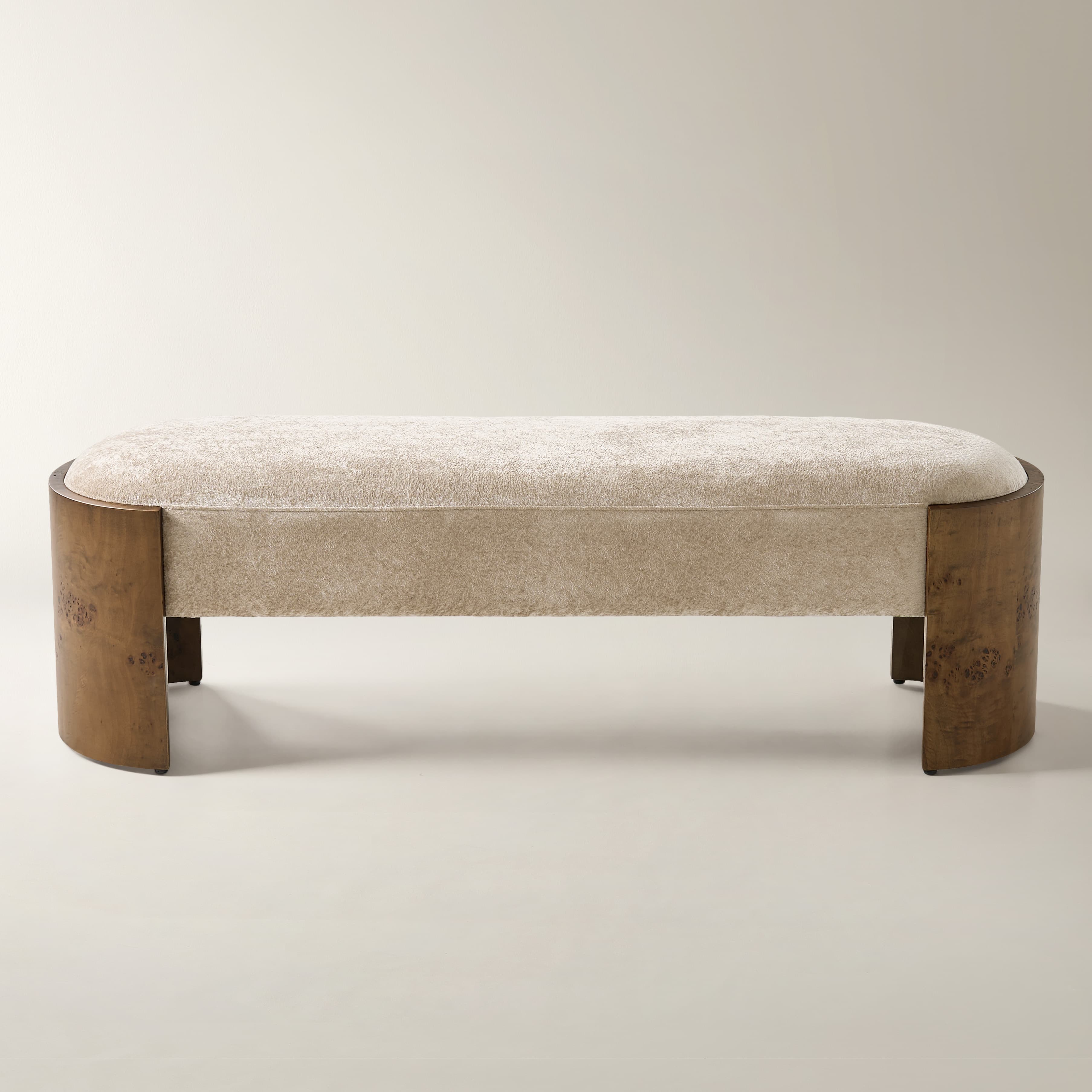 Cora Light Brown Chenille With Ash Wood Bench (60.6")$999
A light brown chenille bench with curved ash burl veneer panels, blending plush comfort and organic artistry.
Add To Cart -
 Micah Tan Mongolian Faux Fur Bench With Rubberwood Legs (62.6")$699
A light brown faux fur bench with a curved rubberwood base and plush high-density foam cushion.
Add To Cart -
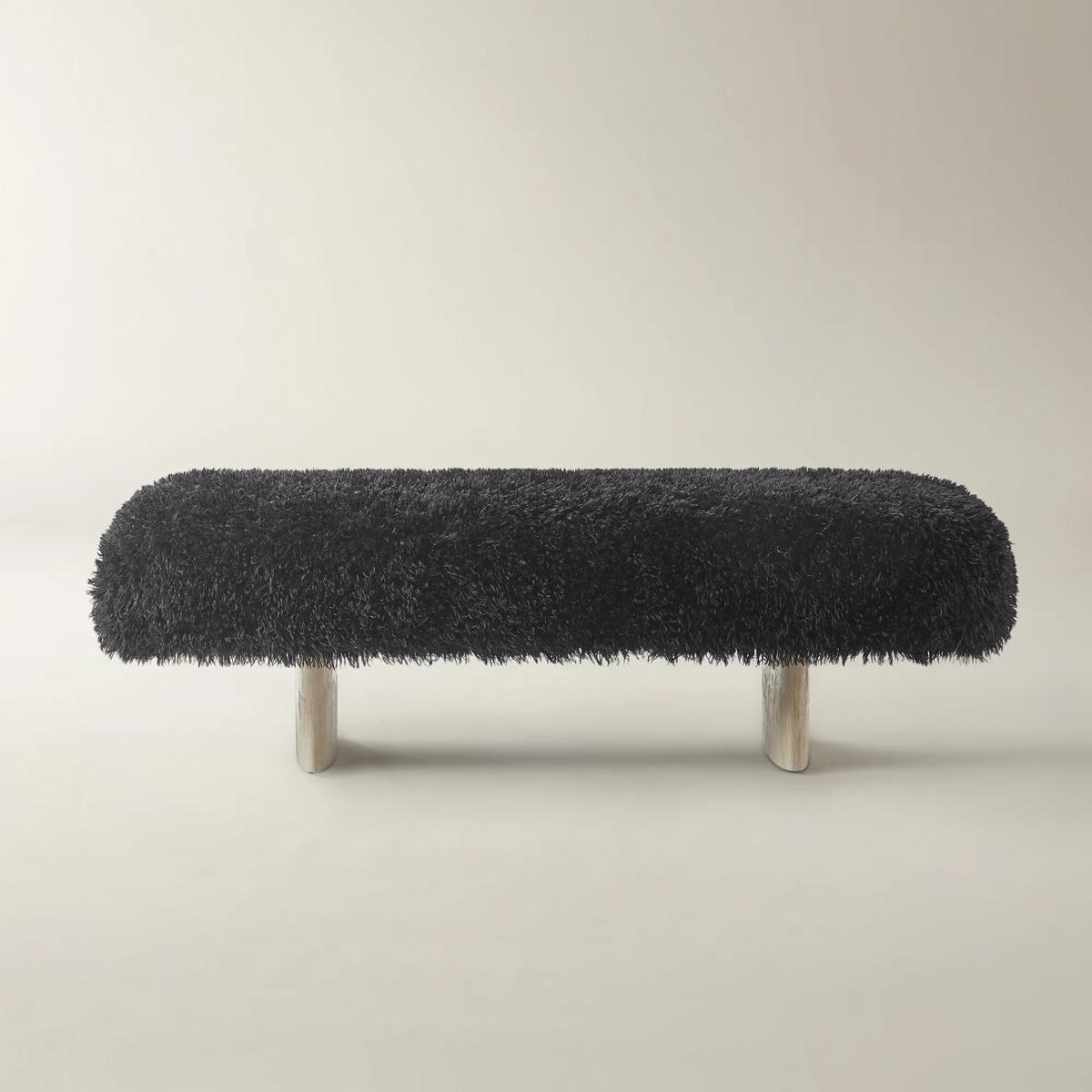 Micah Black Mongolian Fur Bench With Rubberwood Legs (62.6")$699
A striking black faux Mongolian fur bench with solid rubberwood legs for plush comfort and modern edge.
Add To Cart -
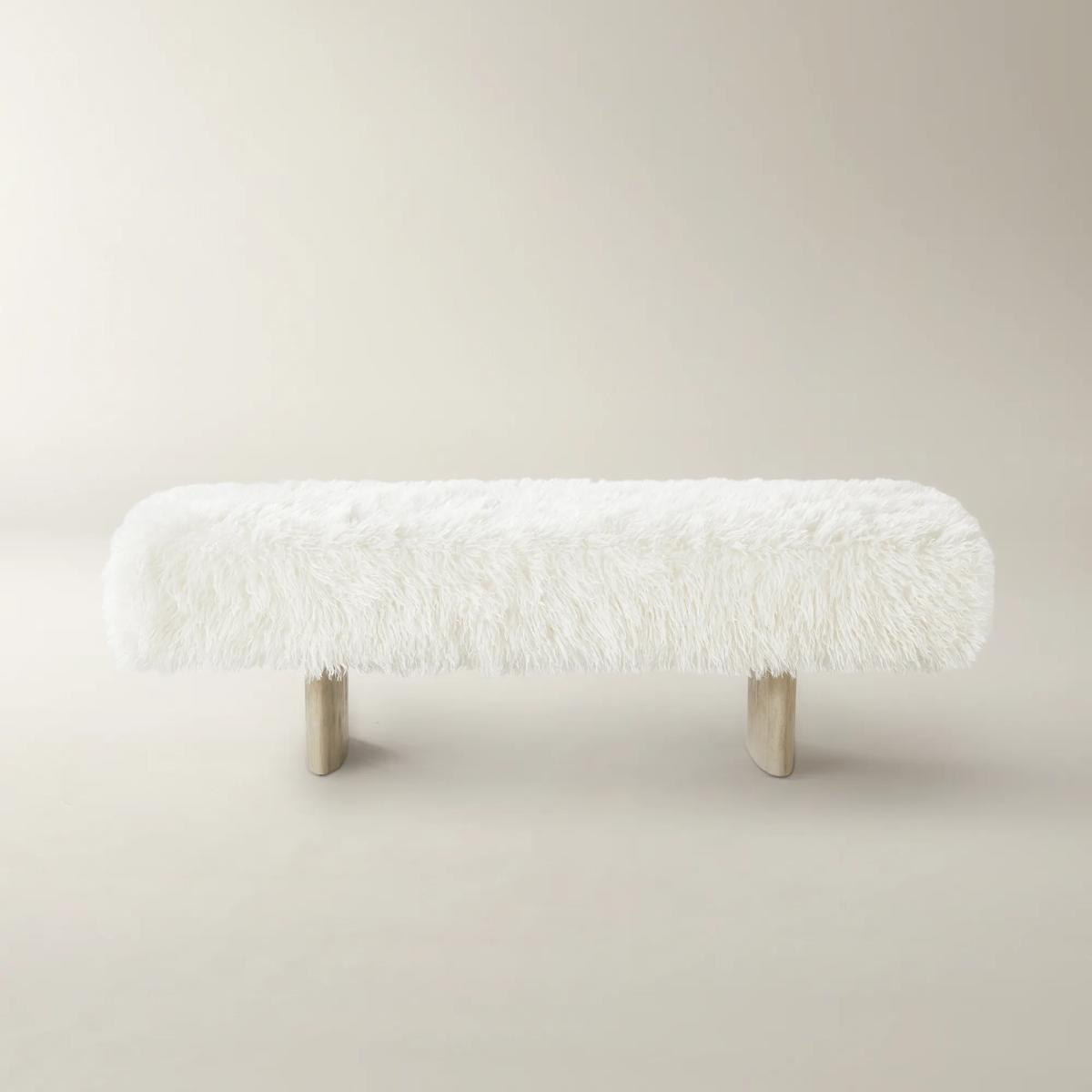 Micah Ivory Mongolian Faux Fur Bench With Rubberwood Legs (62.6")$699
An ivory faux Mongolian fur bench with high-density foam and sculptural solid rubberwood base for modern coziness.
Add To Cart -
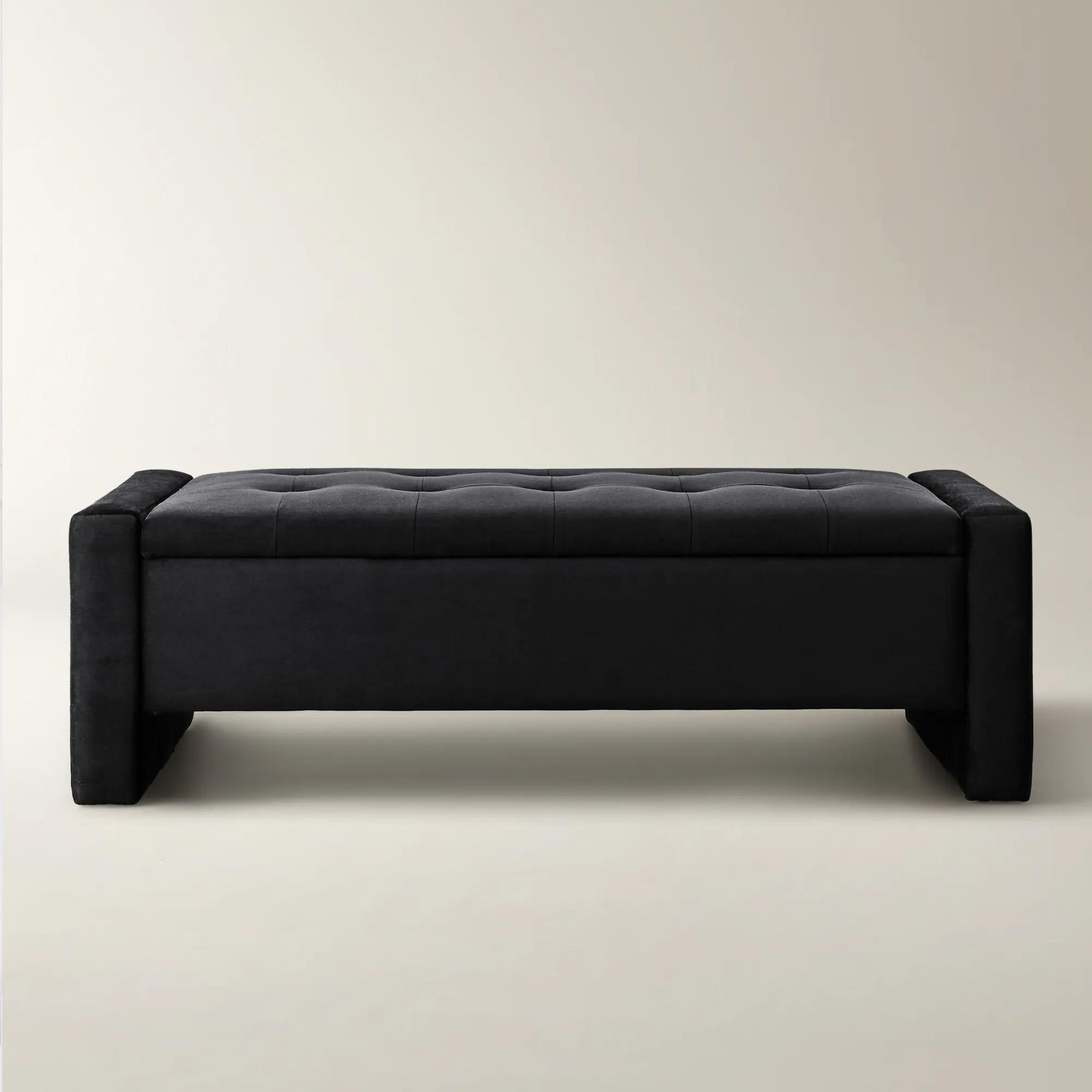
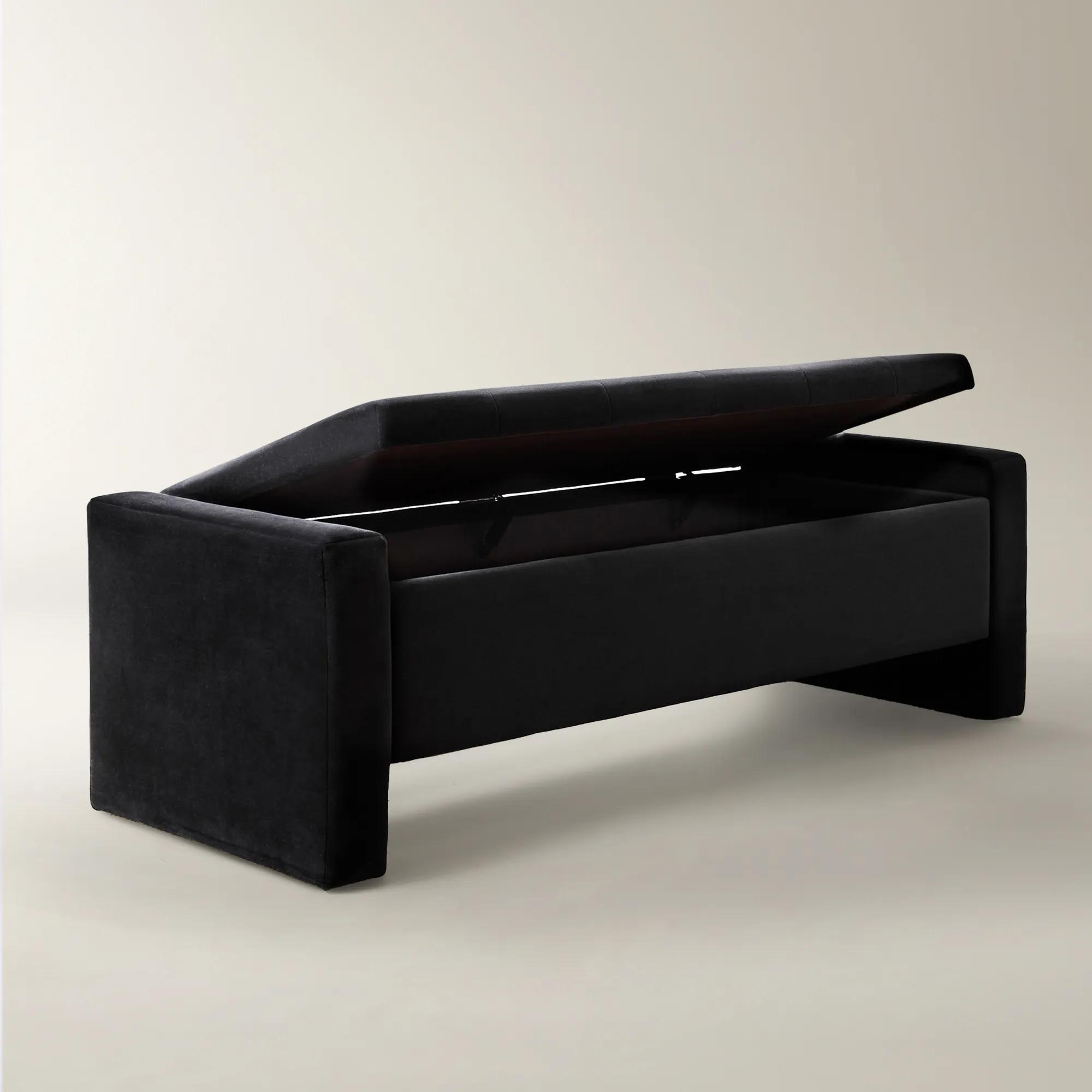 Maeve Storage Bench$849
A modern velvet-upholstered bench with hidden storage, sturdy kiln-dried hardwood frame, and plush cushioning.
Add To Cart -
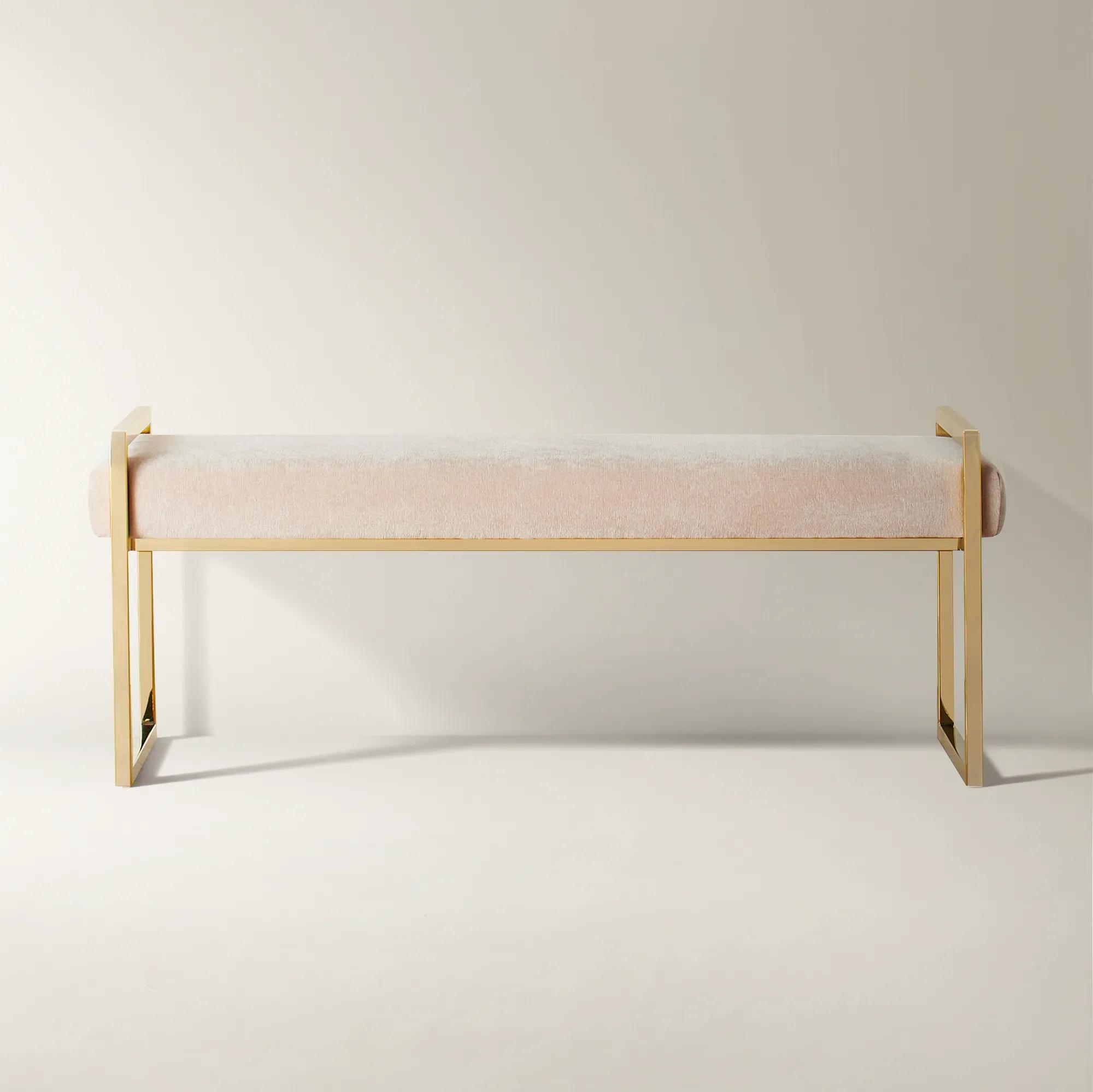 Clara Bench$699
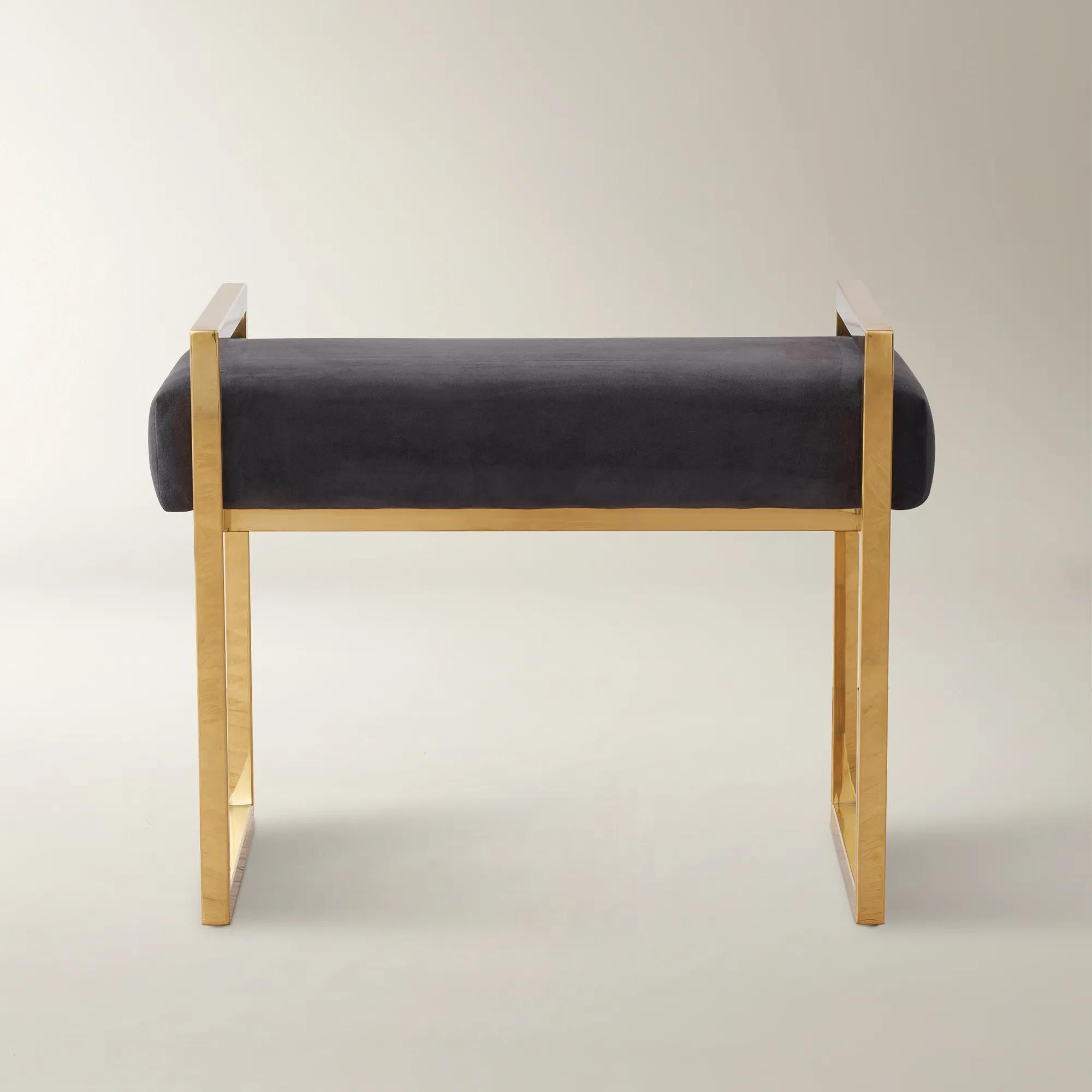
A chic bench featuring a plush chenille seat and polished gold metal legs for modern elegance.
Add To Cart -
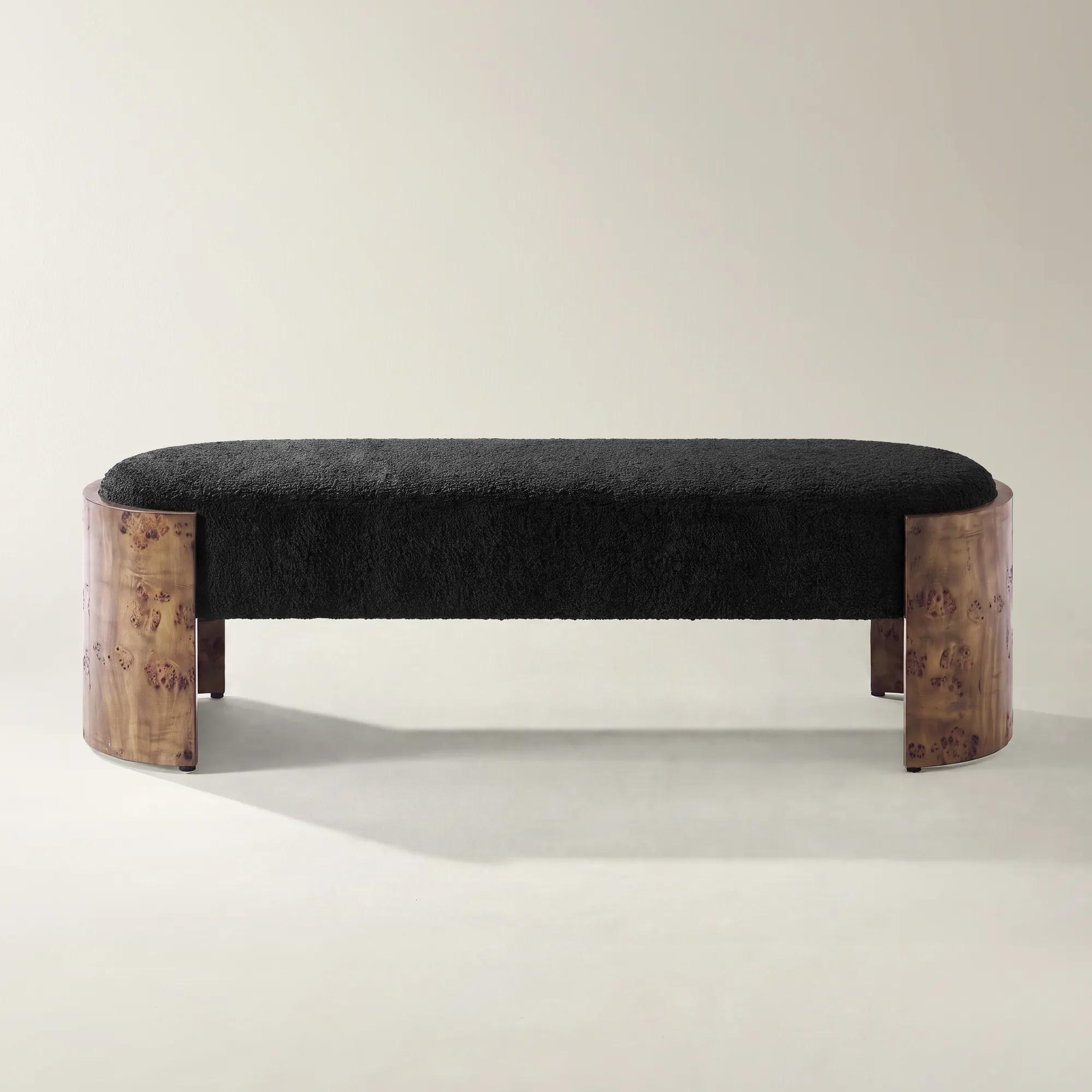 Cora Black Chenille With Ash Wood Bench (60.6")$999
A sculpted charcoal chenille bench featuring curved bookmatched ash burl panels and supportive foam cushioning.
Add To Cart -
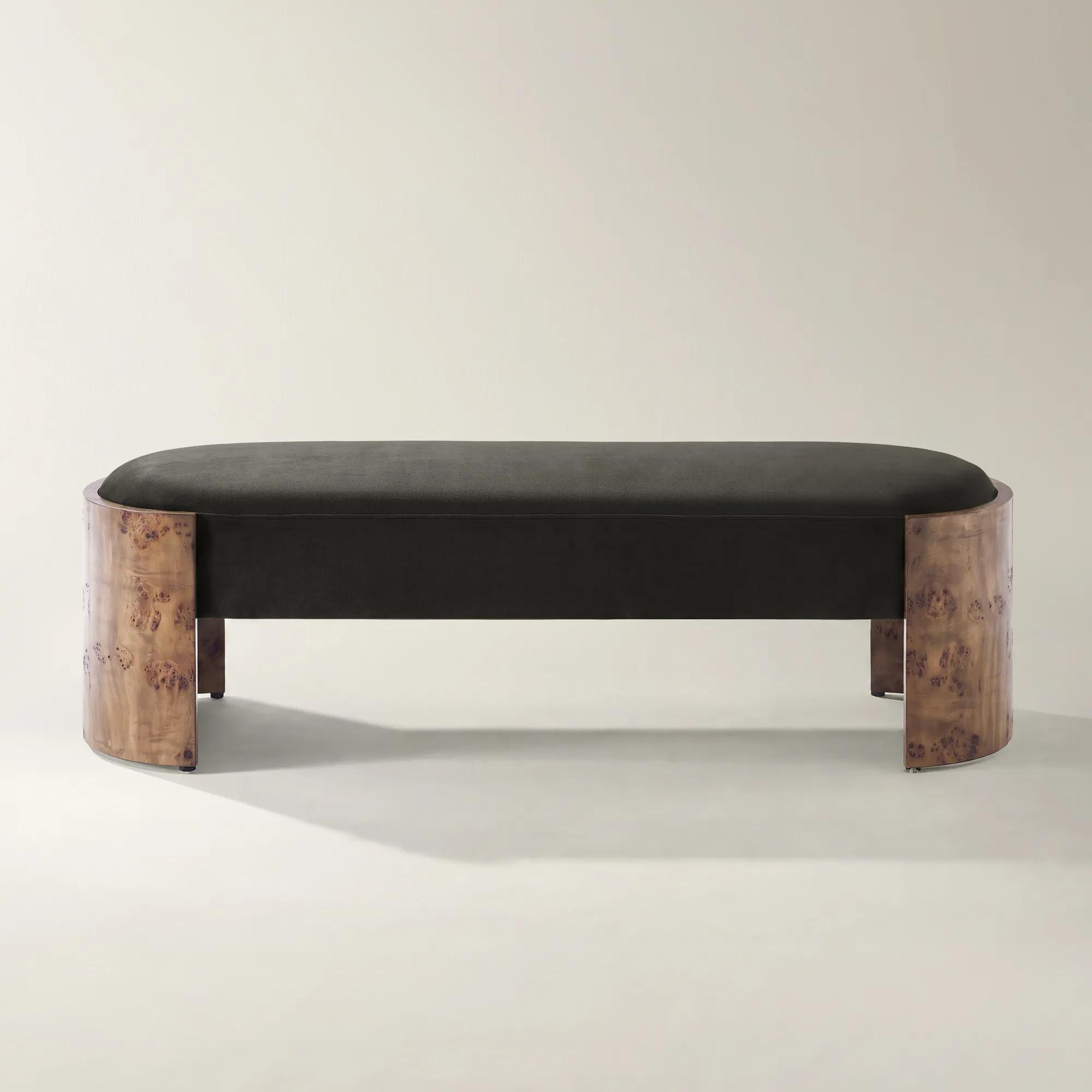
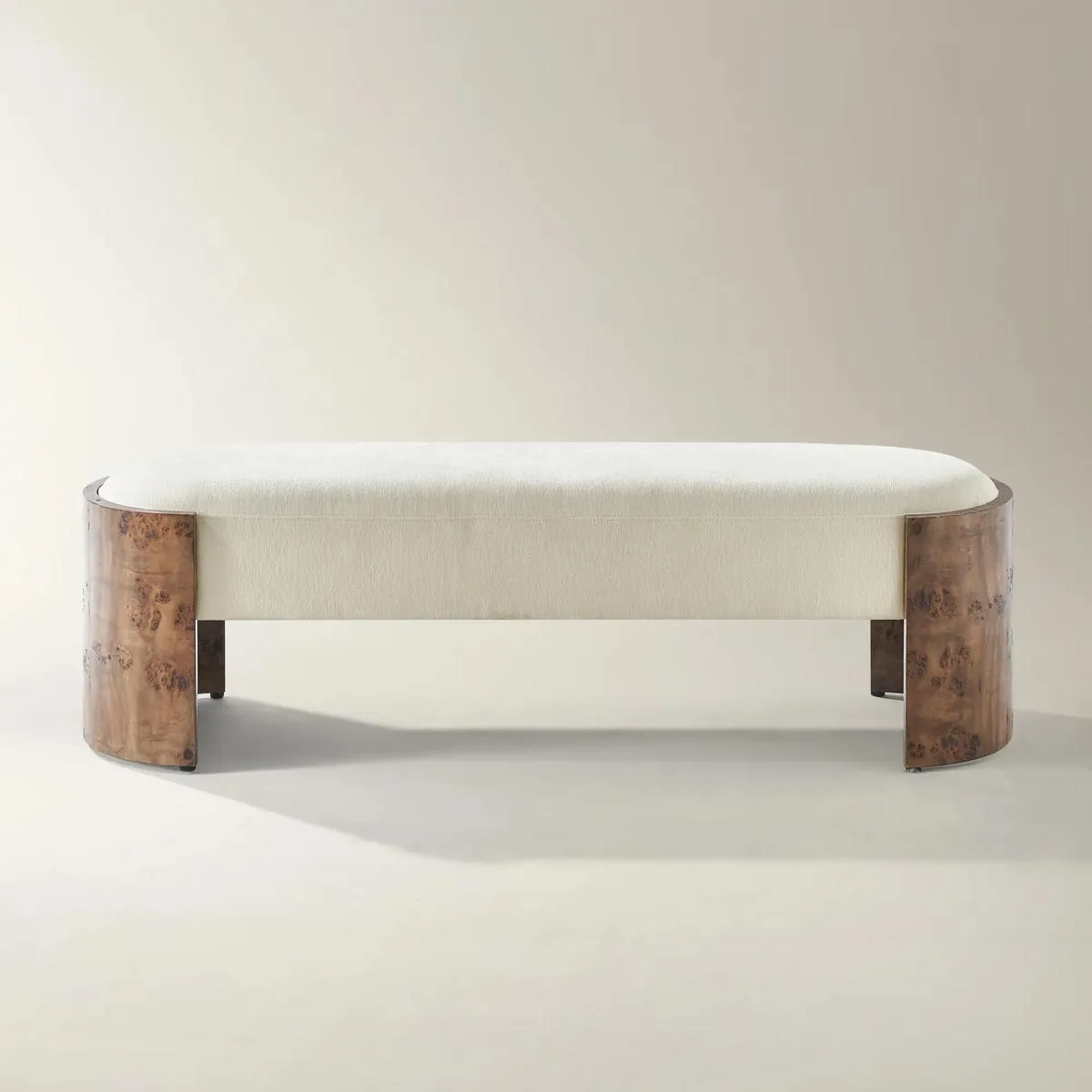 Cora Charcoal Velvet With Ash Wood Bench (60.6")$999
A sculpted charcoal velvet bench with curved bookmatched ash burl panels and supportive foam cushioning.
Add To Cart -
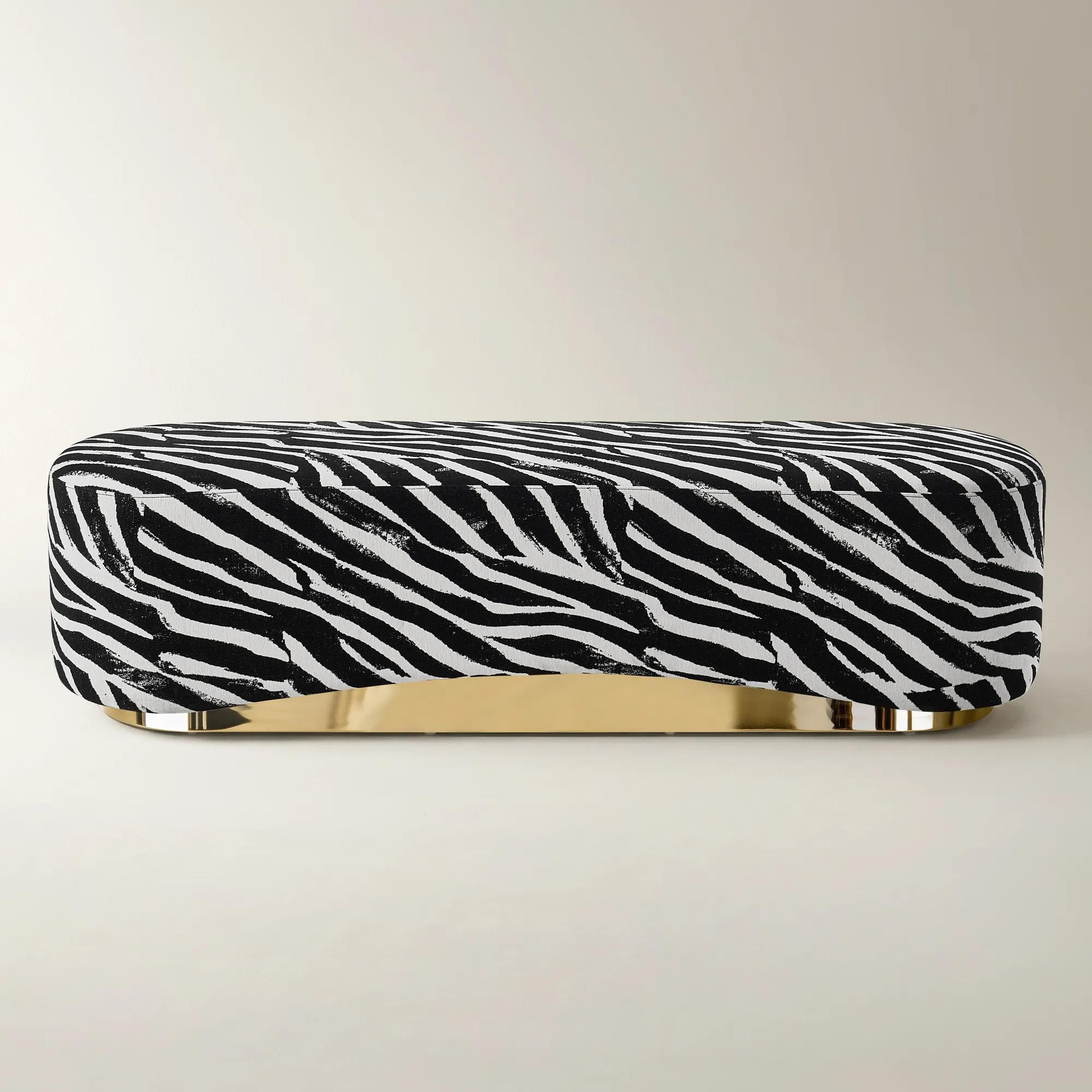
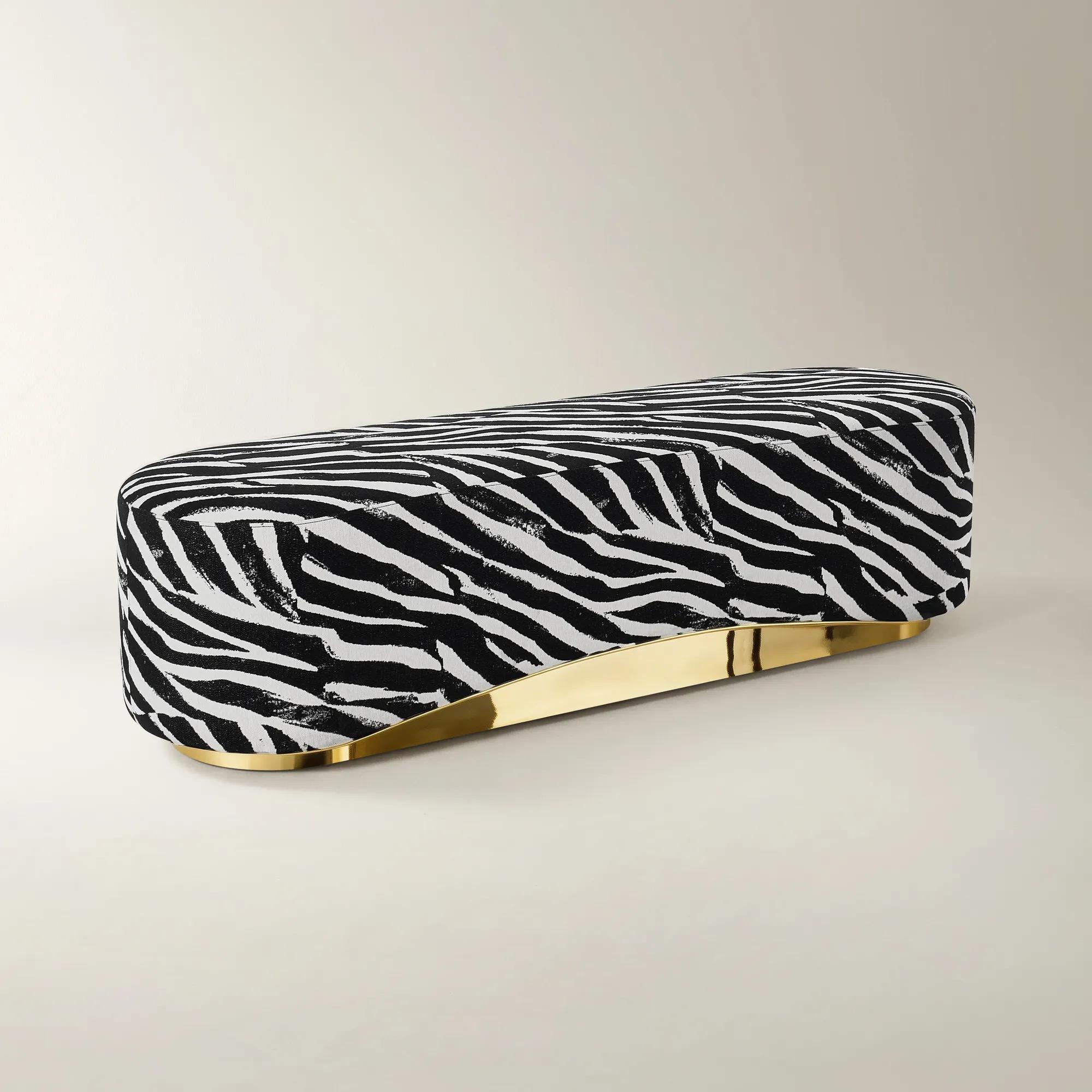 Kendra White/Black Performance Chenille Bench (70.47")$799
An elongated oval bench upholstered in white and black performance chenille with a polished gold stainless steel base.
Add To Cart -
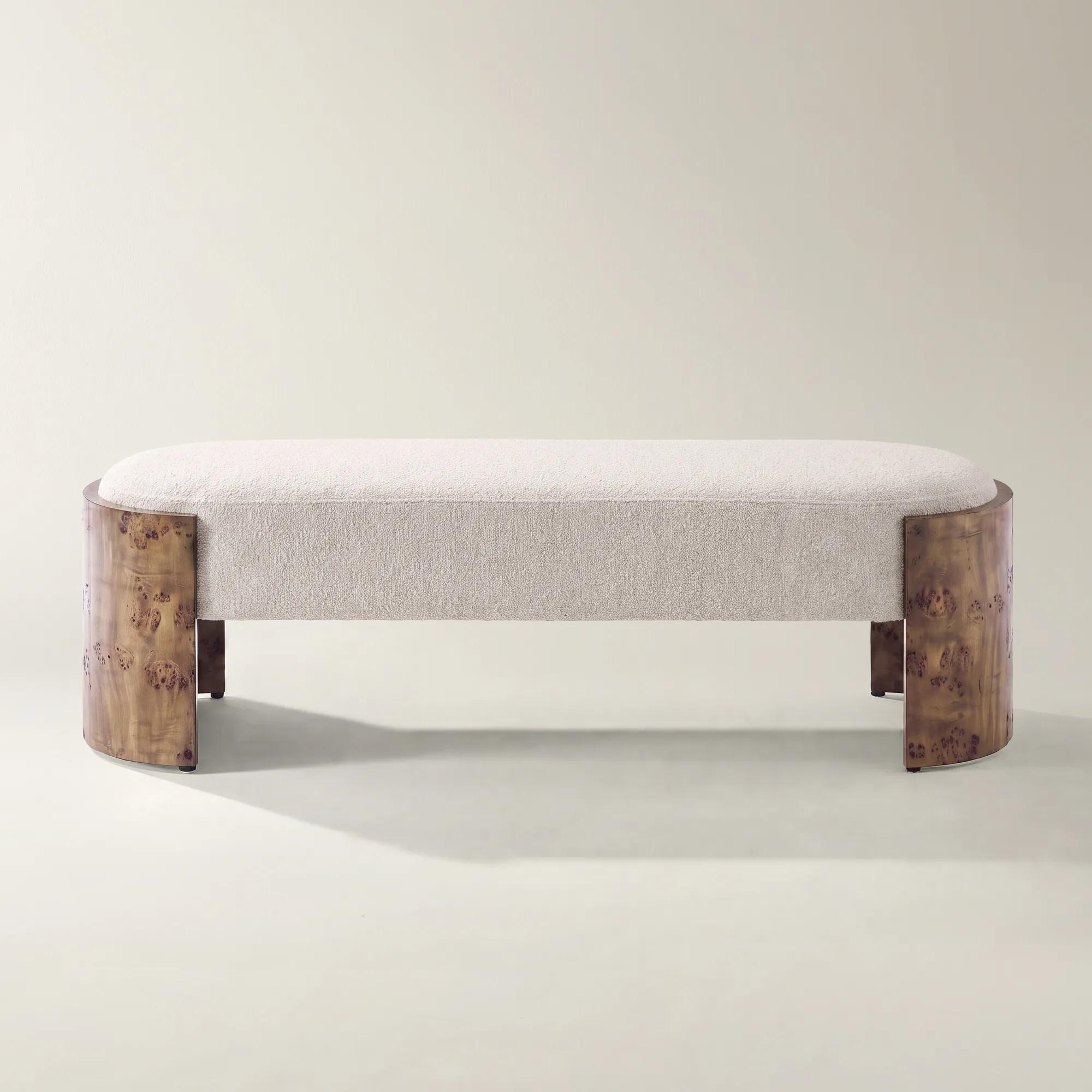 Cora Ivory Performance Boucle With Ash Wood Bench (60.6")$999
A sculpted ivory performance bouclé bench with curved bookmatched ash burl panels and supportive foam cushioning.
Add To Cart -
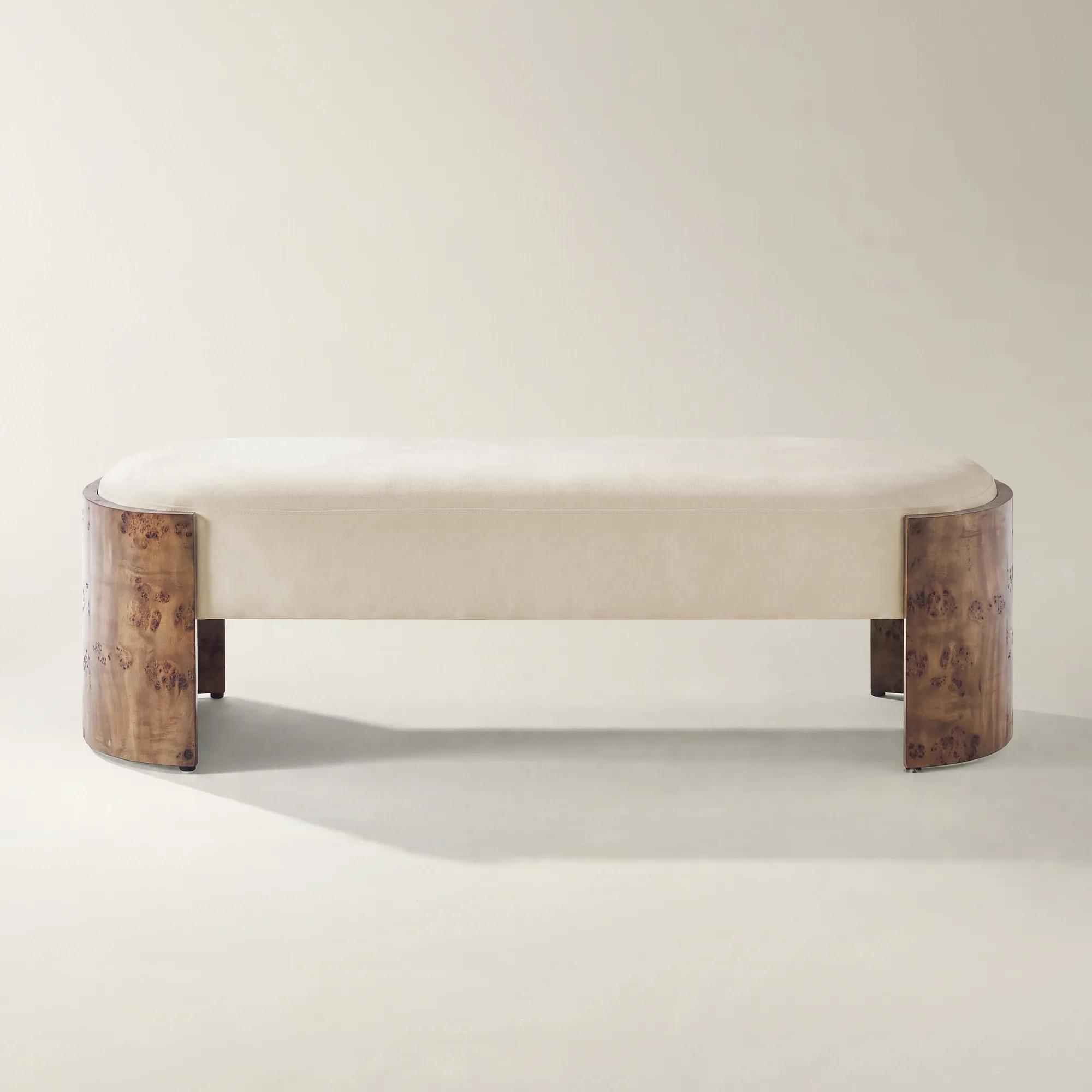 Cora Oatmeal Velvet With Ash Wood Bench (60.6")$999
A sculptural oatmeal velvet bench with curved ash burl wood panels and supportive foam cushioning.
Add To Cart -
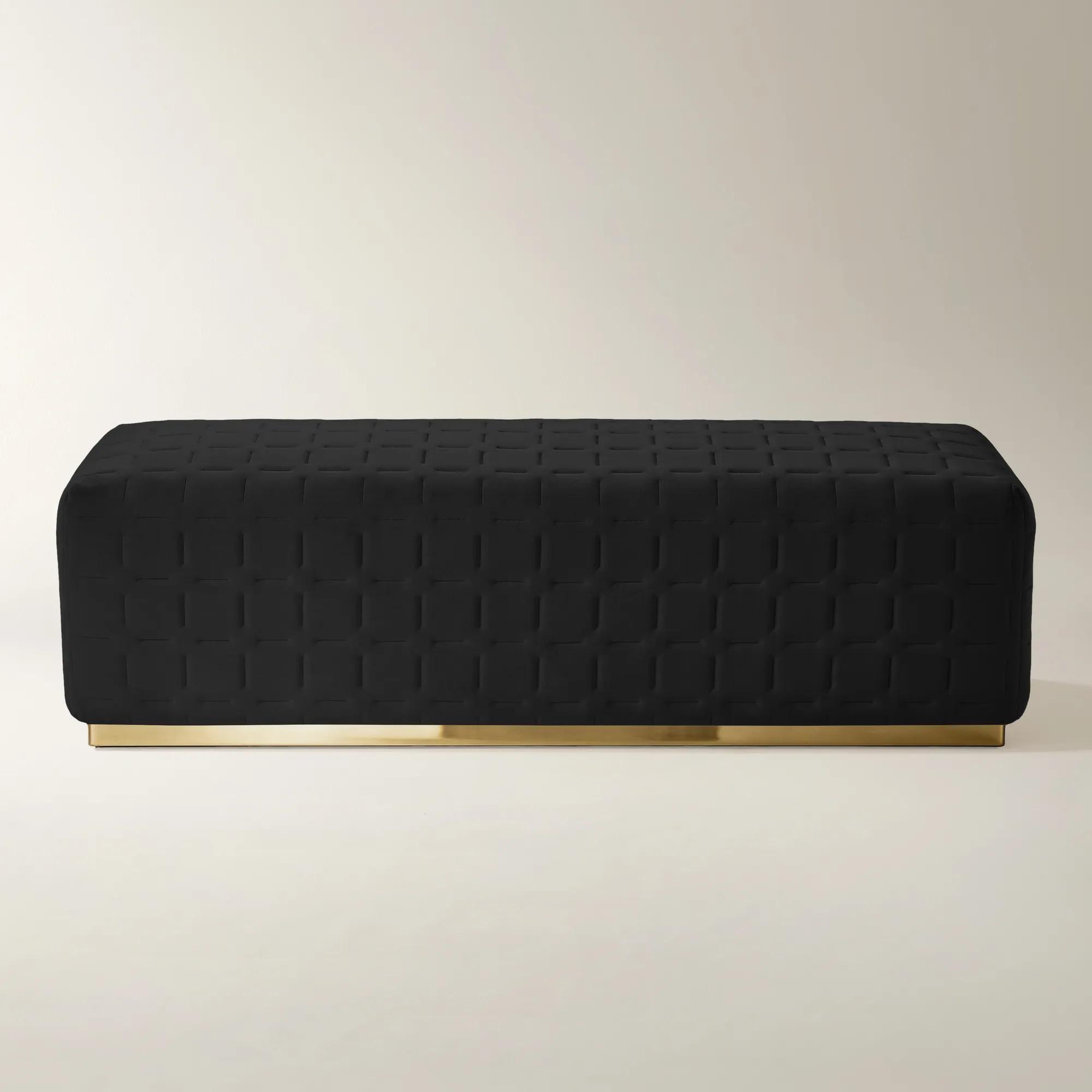 Vanta Quilted Charcoal Velvet Bench (64.6")$899
A charcoal velvet bench featuring checker quilted tufting and a gold stainless steel base for modern elegance.
Add To Cart -
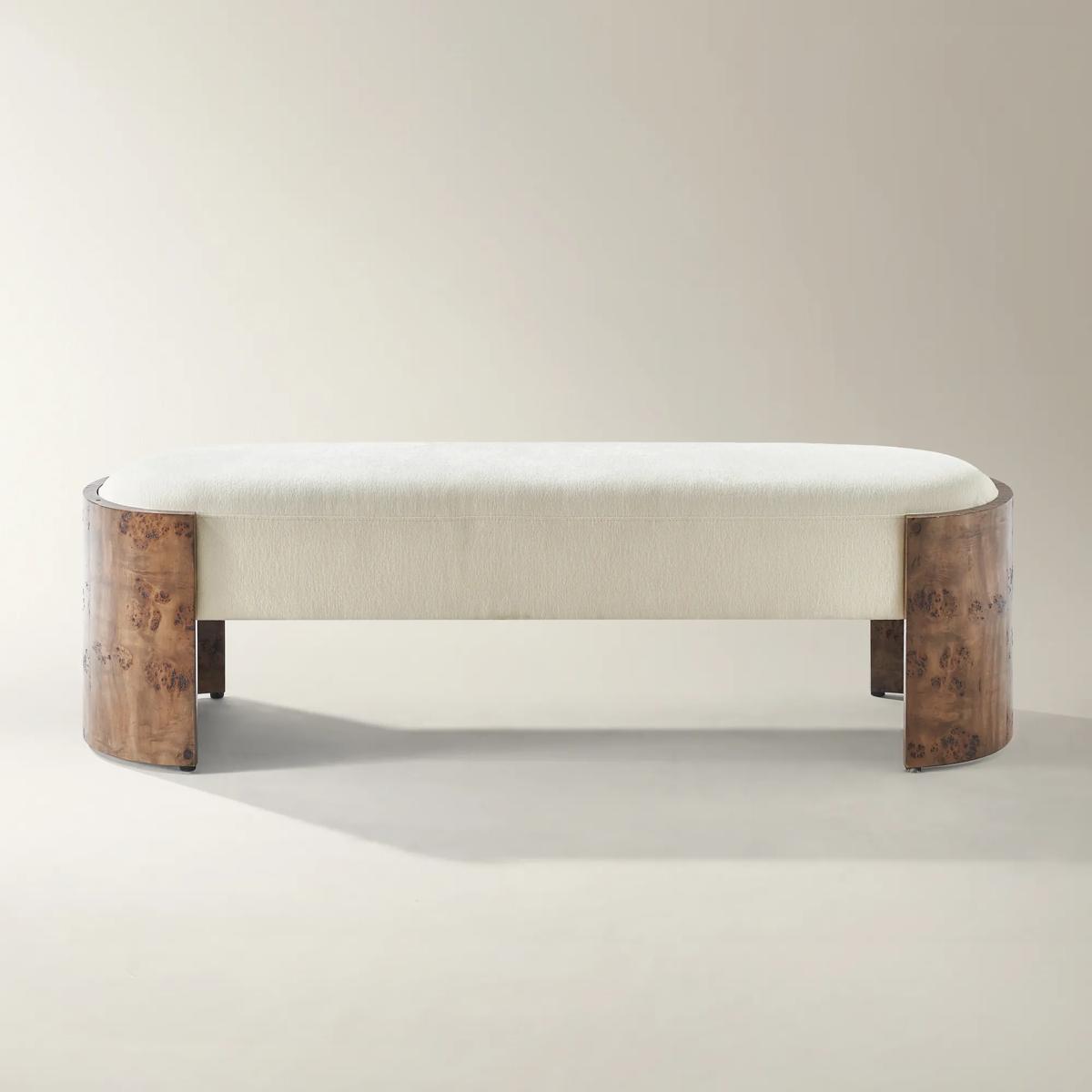 Cora Ivory Chenille With Ash Wood Bench (60.6")$999
An ivory chenille bench with curved ash burl veneer panels, blending plush comfort with striking wood artistry.
Add To Cart -
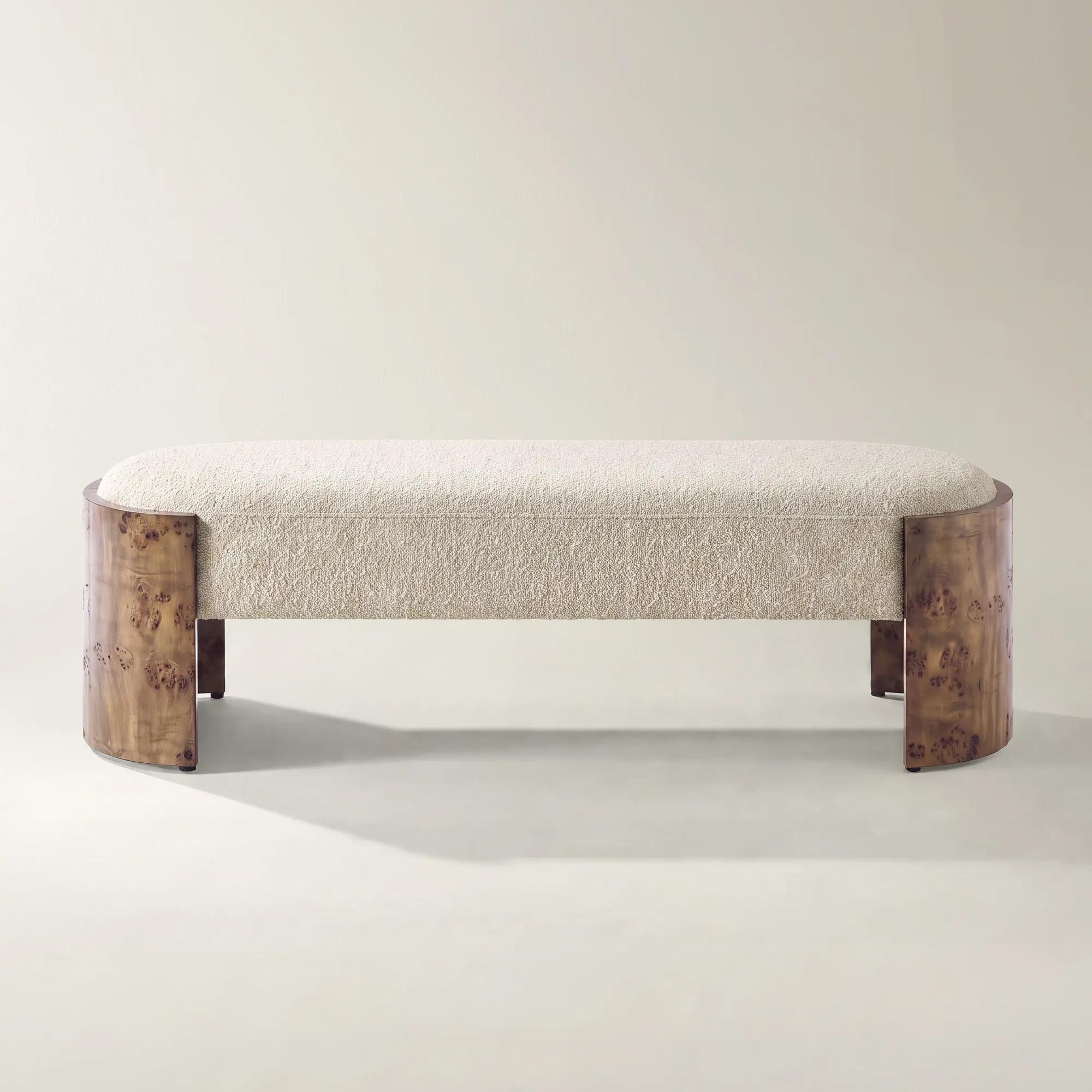 Cora Ivory Performance Boucle With Ash Wood Bench (60.6")$999
An ivory performance boucle bench with curved bookmatched ash burl panels and supportive foam cushioning.
Add To Cart -
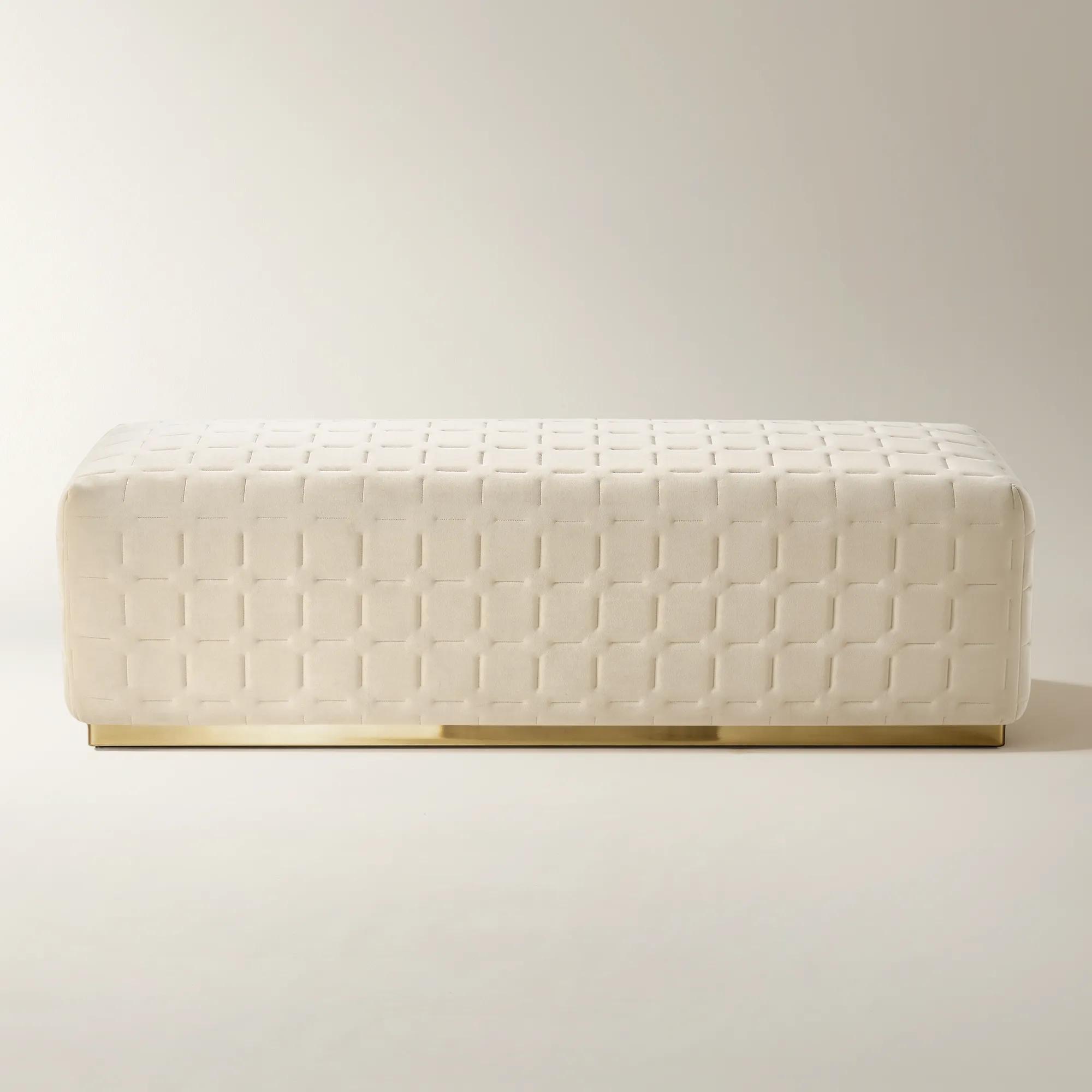
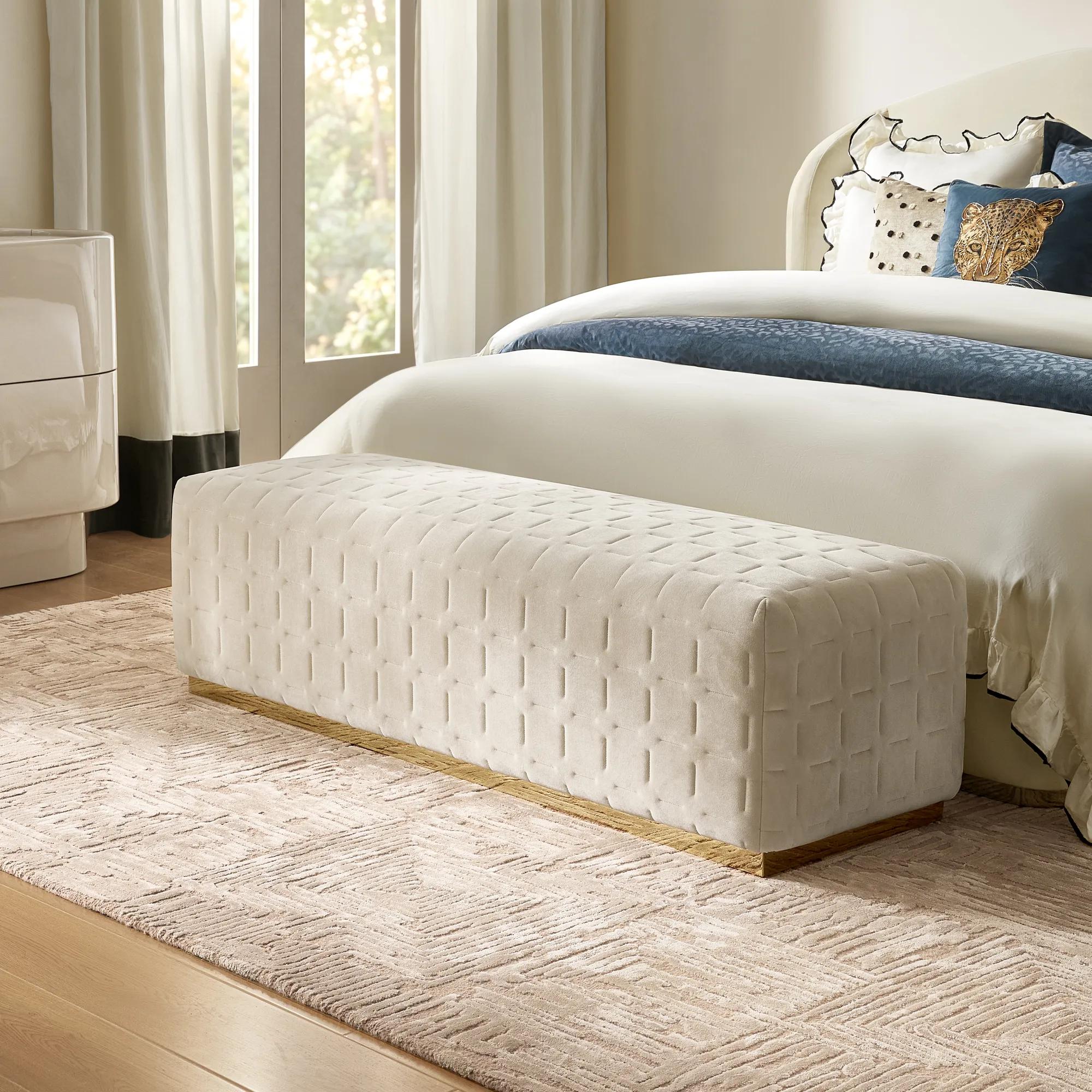 Vanta Quilted Oatmeal Velvet Bench (64.6")$899
A plush oatmeal velvet bench featuring checker quilted tufting and a sleek gold stainless steel base.
Add To Cart

Stylish Benches
Elevate your entryway, living room, or bedroom with stylish benches that blur the line between art and function. Each piece is a statement in itself—inviting you to linger, to admire, to transform the ordinary into the extraordinary. Whether you crave a touch of drama or a whisper of elegance, our collection of stylish benches offers the perfect perch to punctuate your space with sophistication. Let your home tell a story of bold design and exquisite comfort, one seat at a time.
Stylish benches bring sculptural presence and purposeful seating to entryways, bedrooms, living rooms, and dining spaces. More than a finishing accent, a bench can establish the mood of an entire room: a sweep of velvet introduces richness, a gleaming metal base adds architectural definition, and a beautifully grained wood frame lends warmth to a polished interior. Upholstered benches offer a cushioned place to sit, while open-frame designs preserve a sense of space and storage benches keep everyday belongings discreetly tucked away. Each silhouette creates a different impression. A long, low bench emphasizes horizontal lines beneath expressive artwork; curved ends soften a room filled with angular furniture; channel tufting adds tailored rhythm without relying on decorative accessories. In an entryway, a bench gives guests somewhere to settle while removing shoes and creates an inviting composition beneath an oversized mirror. At the foot of a bed, it offers a place to dress and helps anchor the bedroom’s proportions. In a living room, a backless accent bench can provide additional seating without interrupting conversation or obscuring the view across the space. Dining benches bring a more continuous line to a table arrangement, particularly when paired with upholstered chairs at either end. The most successful placement balances visual impact with comfortable movement. A bedroom bench generally looks more intentional when it is narrower than the bed, with space on both sides rather than extending beyond the frame. In a hallway, depth matters as much as length: a sumptuous seat should still leave an easy path between doors and adjoining rooms. A bench positioned near drawers, closet doors, or a dining table needs clearance for those features to function comfortably. For dining use, the seat height, cushion compression, and distance beneath the tabletop all influence comfort, so overall dimensions alone do not tell the whole story. A slim, backless silhouette may suit occasional seating beautifully, while a deeper cushioned design can feel more generous in a spacious bedroom or lounge. These proportions allow a bench to feel integrated into the room rather than simply placed wherever an opening appears.
Materials give stylish benches their character, shaping both the visual atmosphere and the experience of daily use. Velvet upholstery catches light across its pile, creating subtle shifts in tone that make even a solid color feel dimensional. Linen and linen-blend fabrics offer a more textured surface, while bouclé introduces a richly tactile contrast to smooth tables, lacquered cabinetry, and polished metal accents. Leather develops character with use, depending on its finish, and faux leather offers a similar streamlined appearance with different care requirements. Neither material should be treated as universally stainproof or maintenance-free; the finish and the manufacturer’s instructions determine the appropriate cleaning method. Wood benches range from crisply tailored frames to substantial forms that celebrate grain and proportion. Solid wood, engineered wood, and wood veneers each have distinct construction characteristics, and lasting performance depends on the quality of the entire piece rather than a material name alone. Metal bases can create an airy profile or a bold geometric statement, with brushed, plated, and polished finishes reflecting light differently. For a bench used every day, secure joinery, stable legs, supportive cushioning, and neatly finished upholstery deserve as much attention as the silhouette. A firmly cushioned dining bench serves a different purpose from a plush bedroom accent, and decorative benches should be used within their stated seating and weight limits. Homes with children, pets, or frequent guests may benefit from upholstery with documented performance properties, though stain resistance does not eliminate the need for care. Routine maintenance helps preserve the texture and finish that first drew attention to the piece. Upholstery generally benefits from gentle vacuuming with an appropriate attachment, with spills addressed promptly by blotting rather than rubbing, subject to the fabric’s cleaning code. Velvet may show pressure marks or changes in pile direction, so brushing or steaming should only be used when the care instructions permit it. Wood and metal surfaces typically call for a soft cloth and finish-appropriate cleaning, not abrasive pads or harsh chemicals. Direct sunlight can affect fabrics and finishes, and damp belongings should not be left resting on upholstered seats. Protective pads suitable for the flooring beneath the legs can help limit surface marks, while periodic hardware checks support stability on designs with assembled components.
Storage and styling make a bench especially expressive, allowing practical needs to become part of a composed interior. A storage bench with a lift-up seat can conceal spare throws, guest linens, or smaller accessories, leaving the surrounding room visually serene. The interior dimensions matter when storing larger belongings, and the lid needs enough clearance to open without striking a wall, windowsill, or nearby furniture. In households with children, the hinge design, closing mechanism, and manufacturer’s safety guidance are important considerations. An open shelf beneath a seat offers a different kind of organization: shoes remain accessible, and fitted baskets can gather smaller essentials without overwhelming the frame. Storage is useful, but a bench does not need a hidden compartment to earn its place. In an open-plan home, a slender design can define an entry area or provide seating near a conversation grouping while maintaining sightlines between living and dining zones. Proportions that suit these spacious, interconnected rooms are also central to benches for stylish lofts, where sculptural seating can establish a distinct moment against expansive walls and architectural details. Styling works best when it reinforces the bench’s shape rather than concealing it. A single textured pillow can highlight a smooth upholstered seat, and a loosely draped throw can introduce contrast while leaving enough room to sit. Above the bench, artwork or a mirror creates a vertical counterpoint to the low silhouette; nearby, a substantial vase or an elegant floor lamp can add height without crowding the seat itself. A rug beneath an entryway or bedroom arrangement helps connect the bench to surrounding furniture, provided its placement does not create an uneven footing. Matching every finish is unnecessary. A warm wood frame can temper a room filled with reflective surfaces, while a luminous metal base can sharpen the effect of soft upholstery and richly layered textiles. For people furnishing a first home, refining a guest room, or bringing more intention to a well-used entryway, a thoughtfully proportioned bench offers a lasting combination of comfort, artistry, and everyday purpose.
FAQs
A statement bench effortlessly complements a wide range of design aesthetics, from glamorous Art Deco-inspired interiors to contemporary minimalist spaces. For maximalist homes, look for benches with bold textures, metallic accents, or sculptural silhouettes. In transitional or modern settings, a bench with clean lines and luxe upholstery can add a touch of sophistication without overpowering the room.
A bench in the entryway does more than provide a place to sit—it sets the tone for your entire home. Choose a bench with plush upholstery or dramatic detailing to create an inviting, elevated first impression. Pair with an oversized mirror or a cascade of art above to amplify the sense of arrival and artistry.
Absolutely—a stylish bench is a distinctive and thoughtful gift, perfect for housewarmings, weddings, or milestone celebrations. Its versatility ensures it will find a cherished place in any home, becoming a lasting symbol of your appreciation and flair for unforgettable gifting.
In the living room, a bench can serve as a chic alternative to traditional seating, a dramatic coffee table, or an artful display surface for books and decorative accents. Layer with textured throws or statement pillows to add warmth and personality, or position it beneath a window for a sun-drenched reading nook.
Materials and finishes are key to the bench’s overall impact. Velvet or boucle upholstery exudes opulence and comfort, while metallic or mirrored legs add a touch of glamour. Rich woods lend warmth and timeless appeal, making the bench a true reflection of your personal style and the atmosphere you wish to create.