Stylish Benches For End Of Bed
Stylish Benches For End Of Bed
-
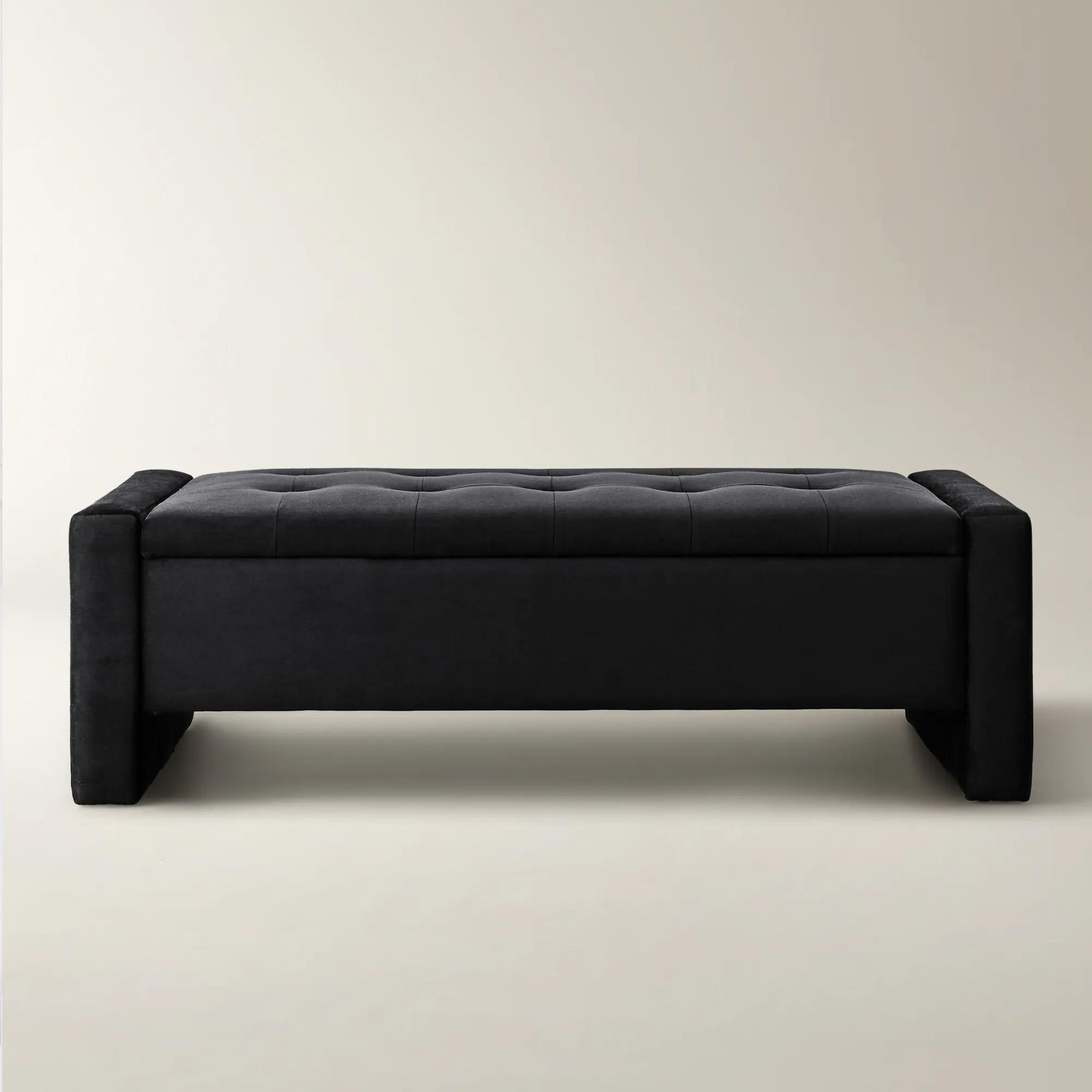
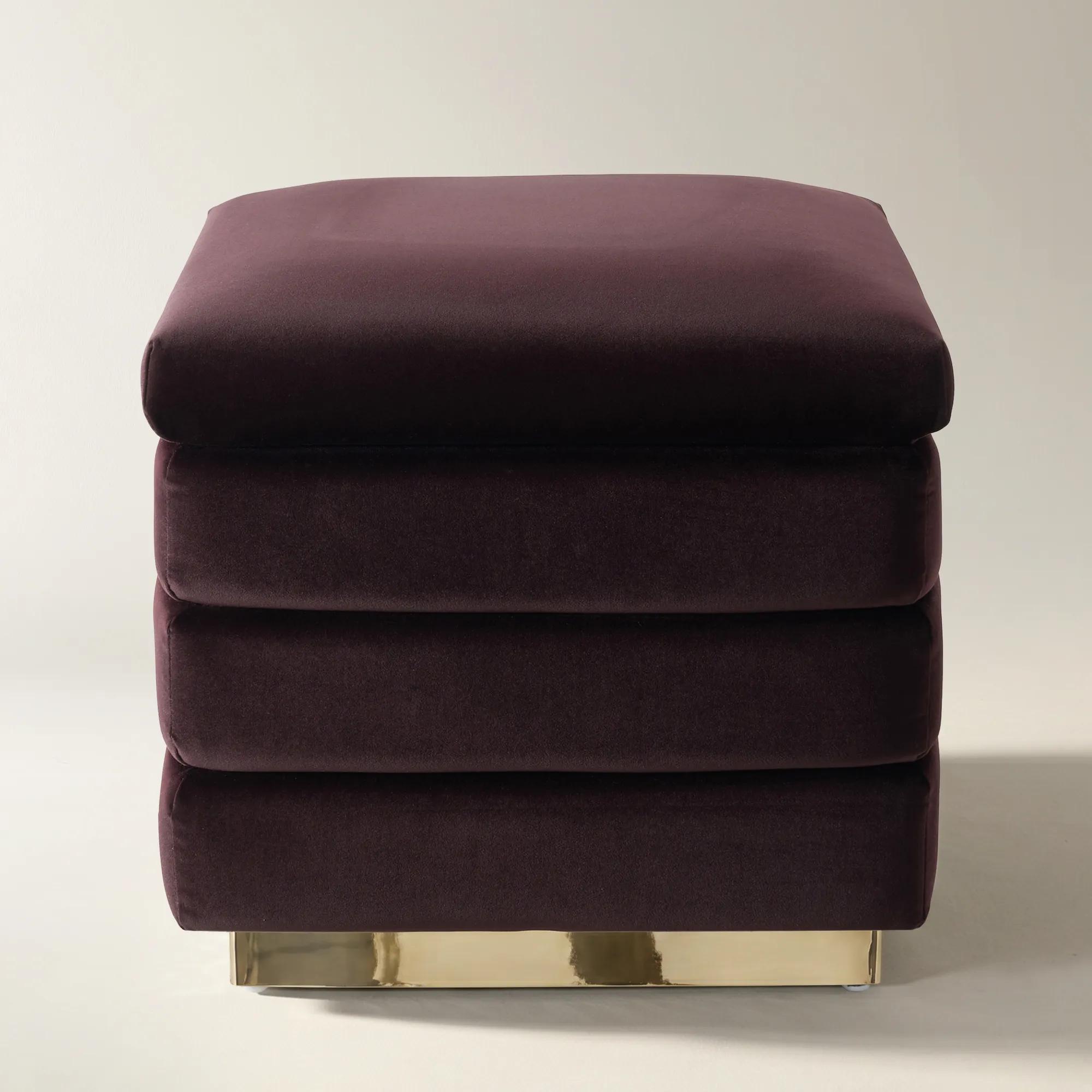
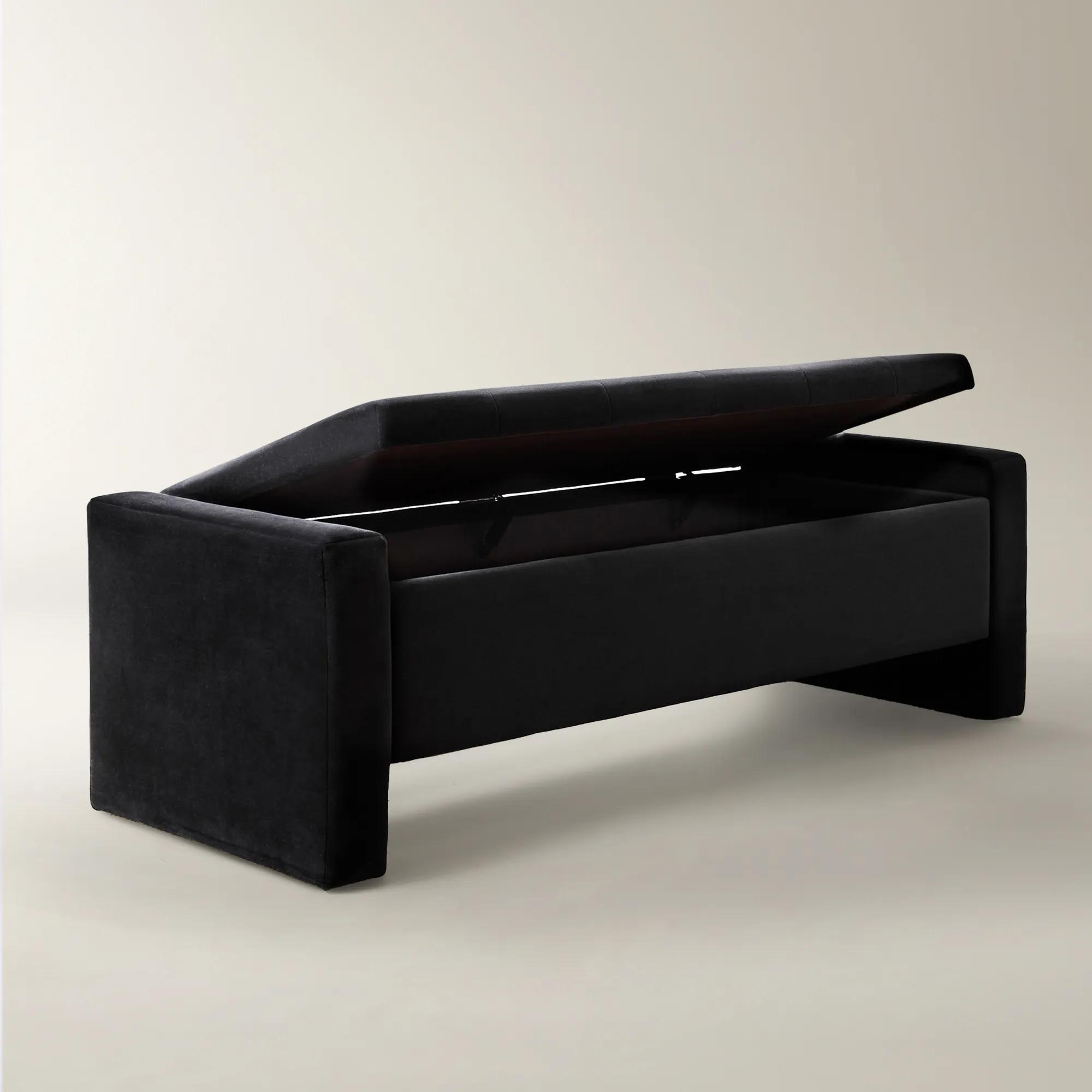 Maeve Storage Bench$849
A modern velvet-upholstered bench with hidden storage and a sturdy kiln-dried hardwood frame.
Add To Cart -
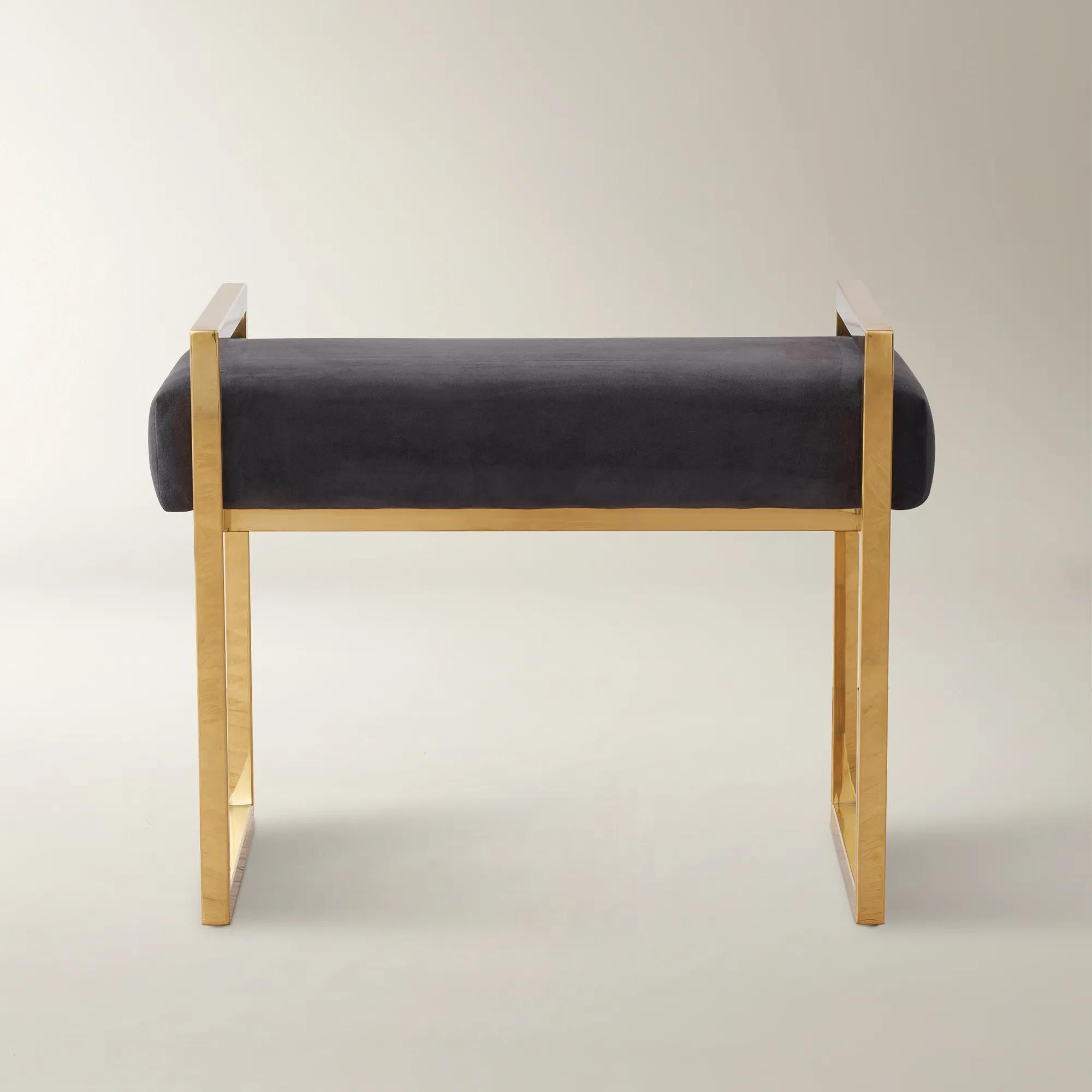
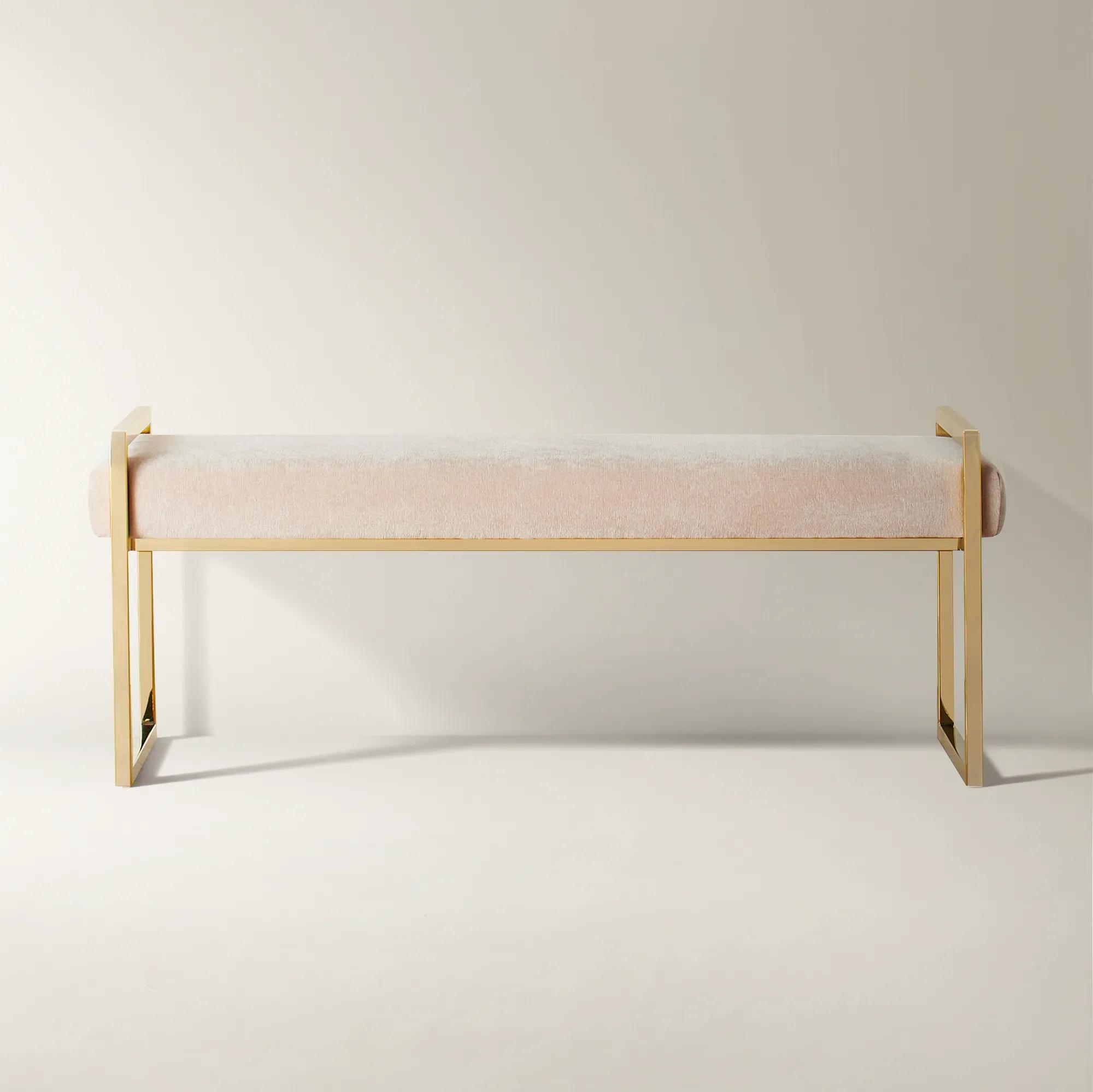 Clara Bench$699
A chic bench featuring a plush chenille seat and polished gold metal legs for modern elegance.
Add To Cart -
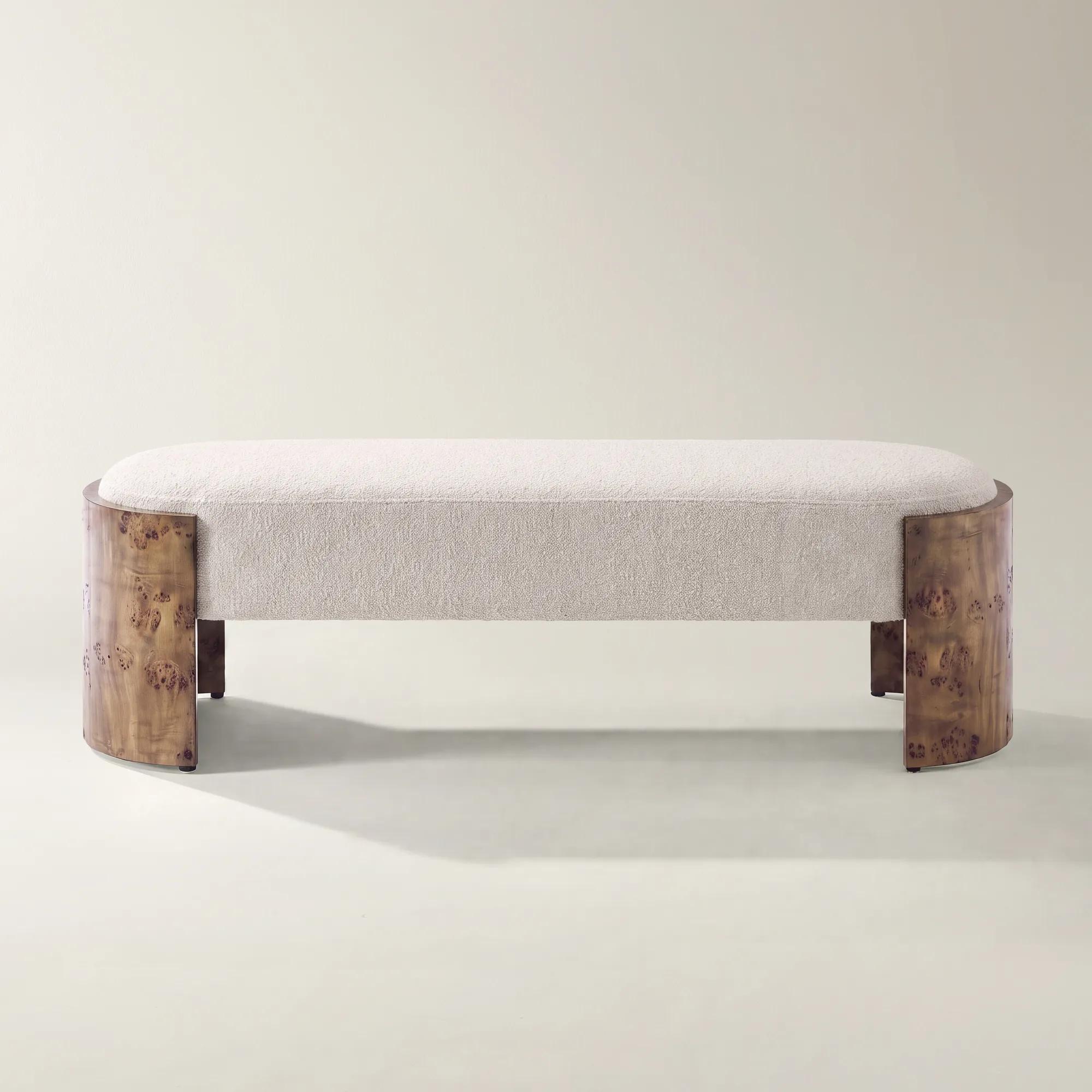
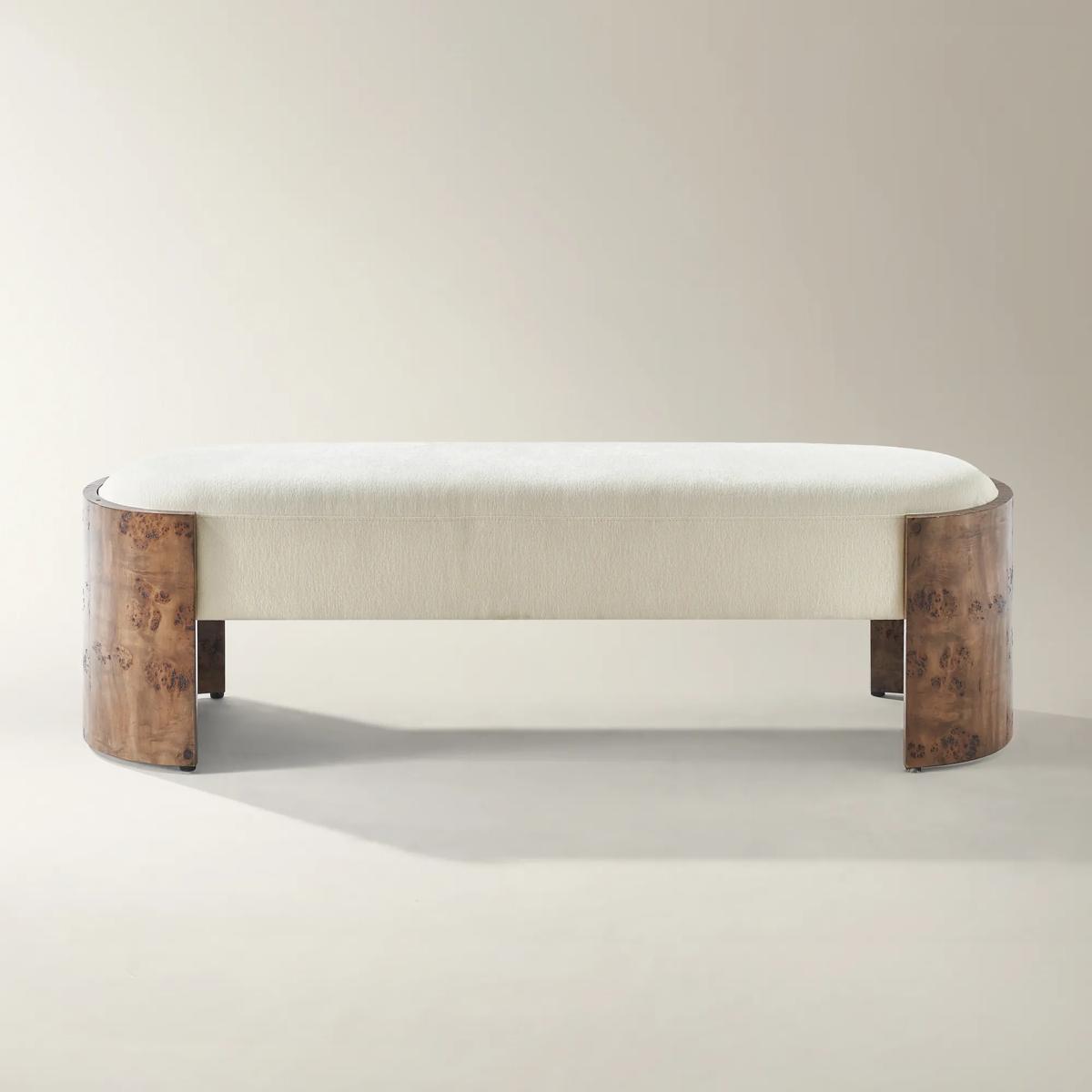 Cora Ivory Chenille With Ash Wood Bench (60.6")$999
An ivory chenille bench with curved ash burl veneer panels, blending plush comfort with striking wood artistry.
Add To Cart -
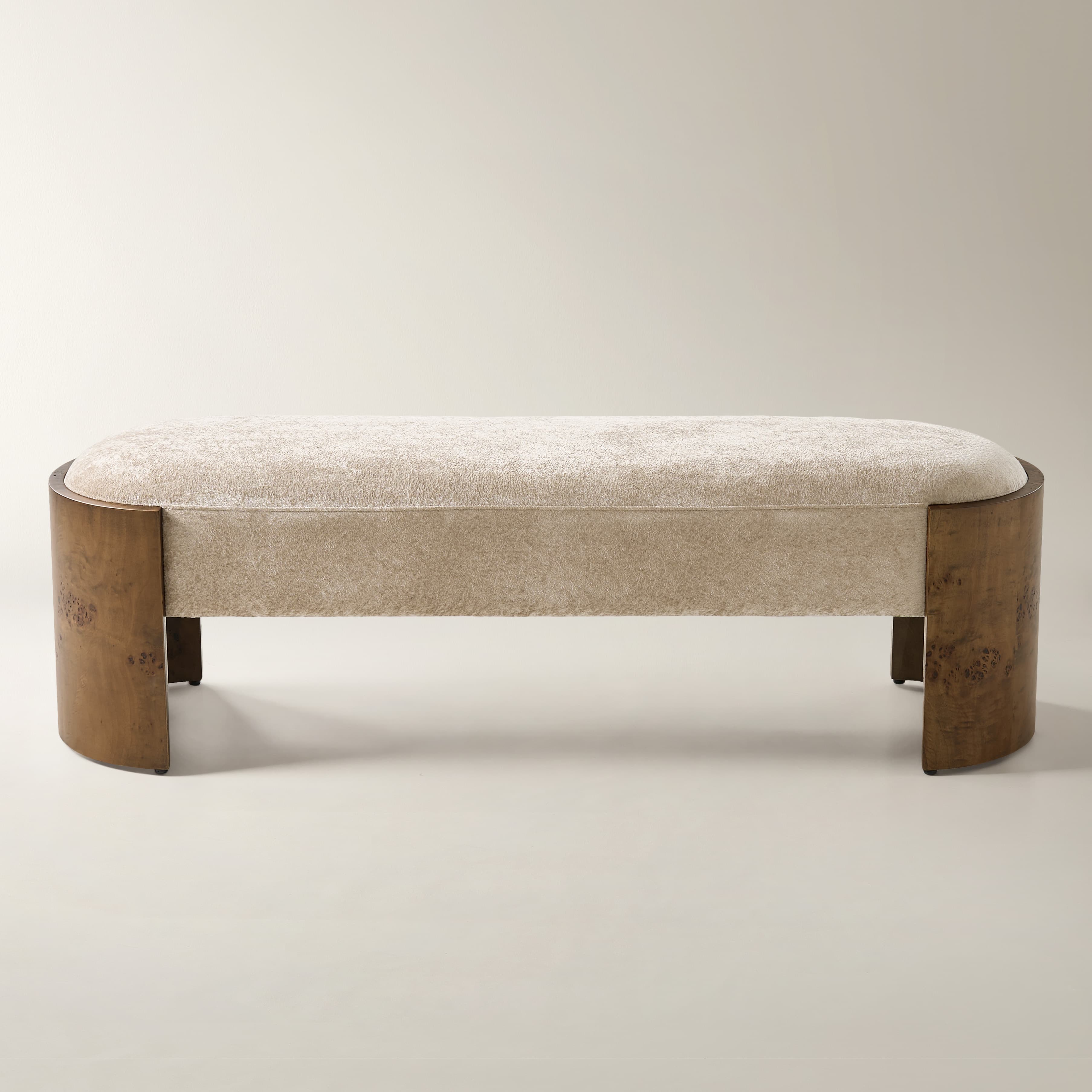 Cora Light Brown Chenille With Ash Wood Bench (60.6")$999
A light brown chenille bench with curved ash burl veneer panels, blending plush comfort and organic artistry.
Add To Cart -
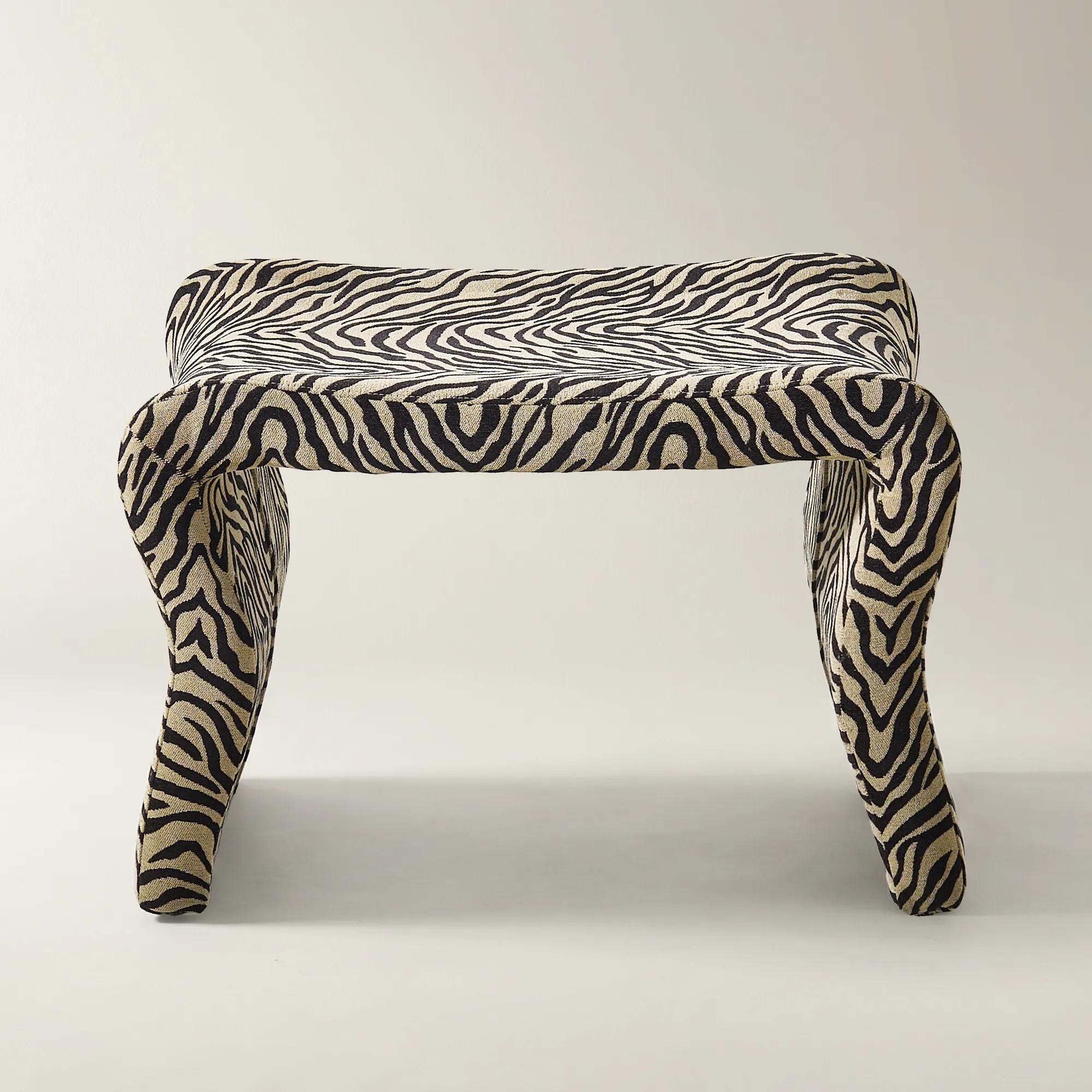
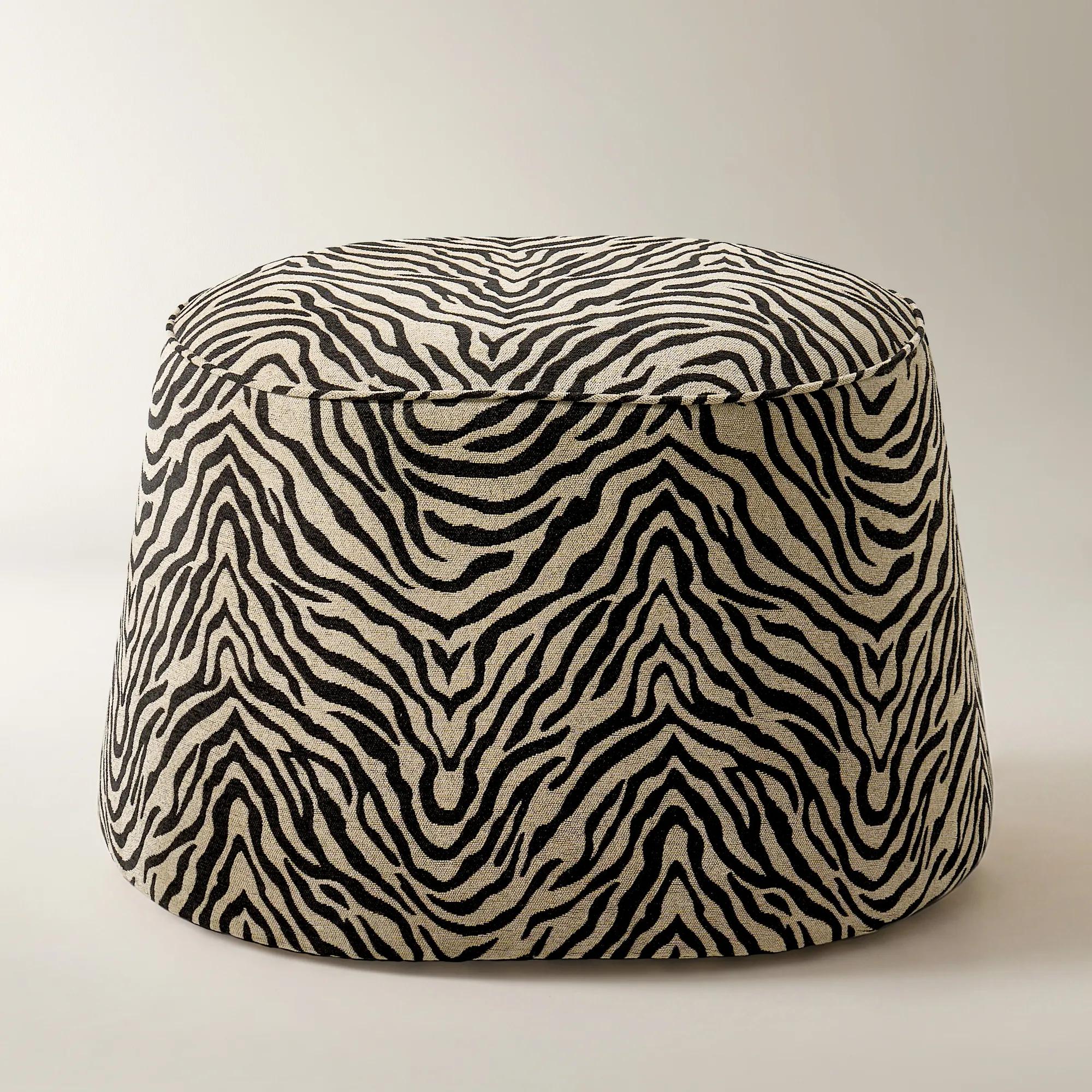
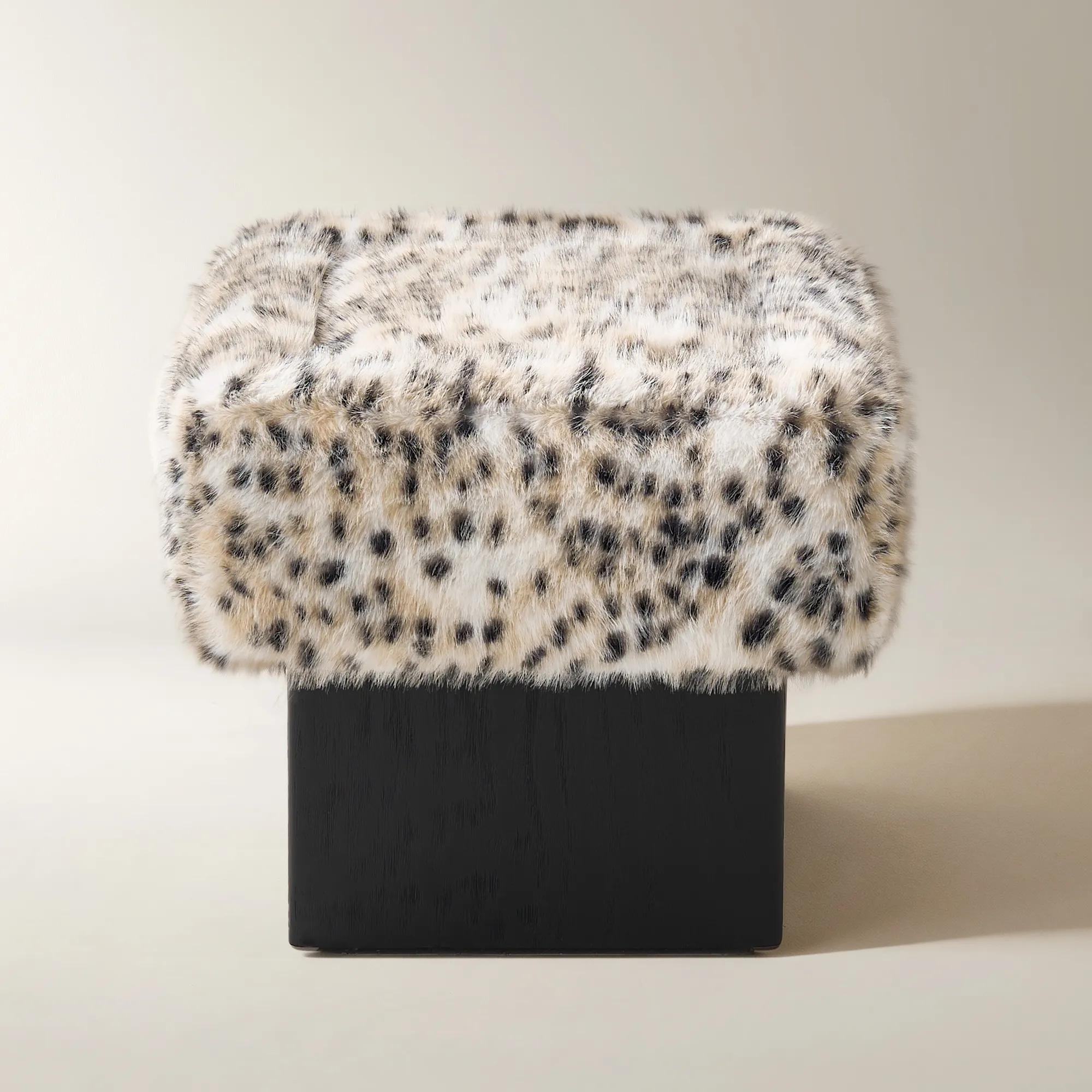
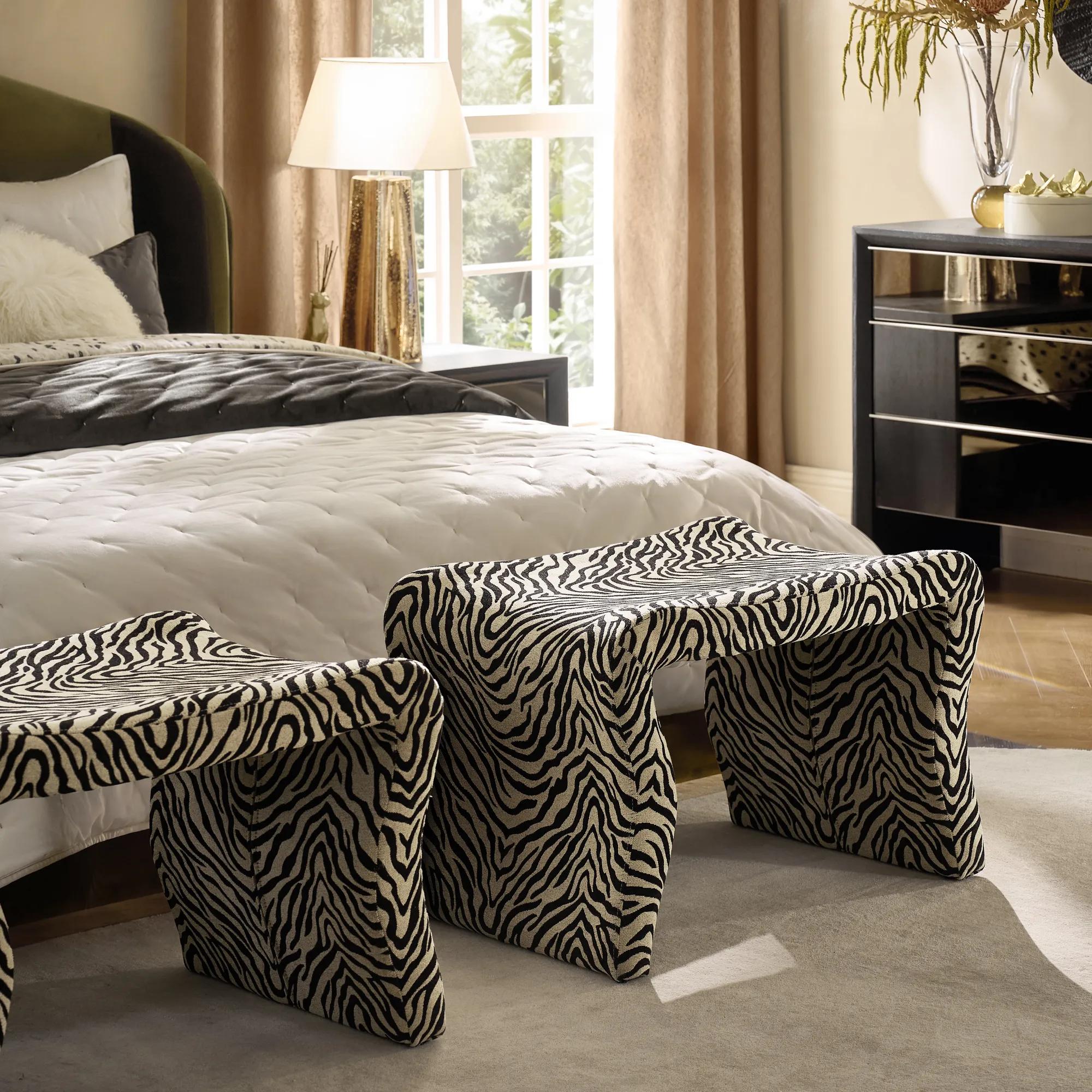 Romy Zebra Performance Chenille Bench (30.75")$499
A sculptural bench wrapped in zebra-patterned performance chenille with a wave-like silhouette and full foam construction.
Add To Cart -
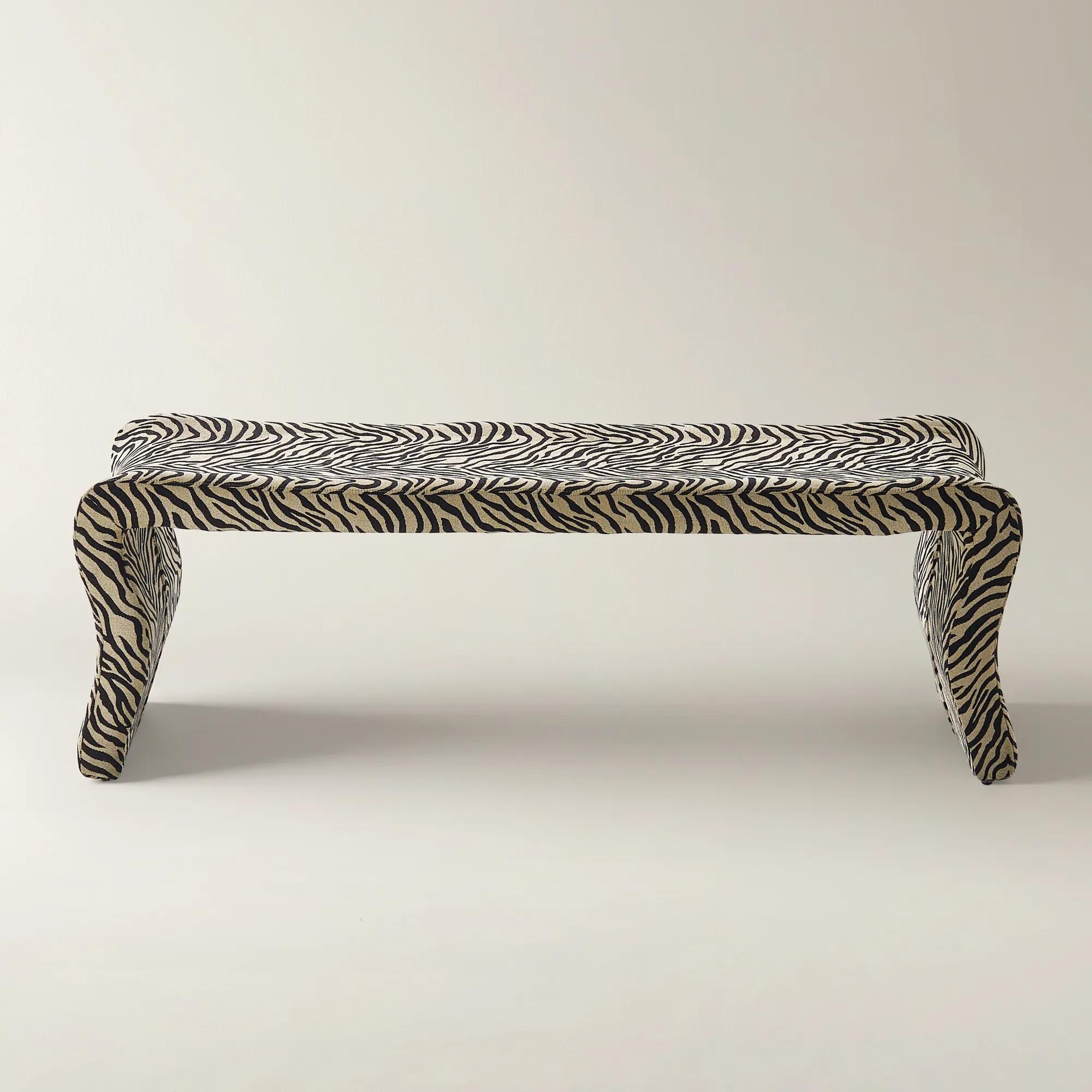 Romy Zebra Performance Chenille Bench (61.5")$899
A sculptural bench wrapped in zebra-patterned performance chenille with a wave-like silhouette and full foam construction.
Add To Cart -
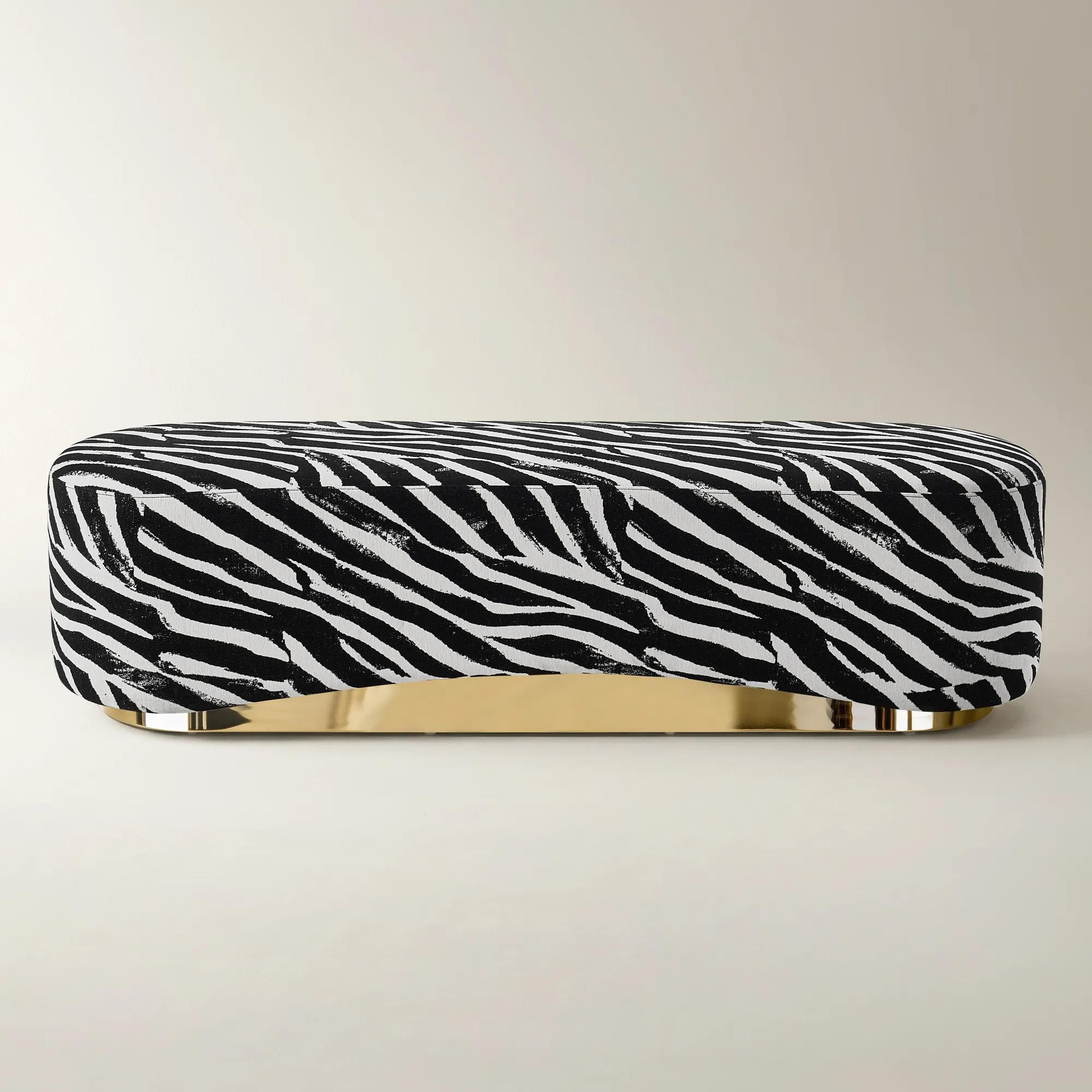
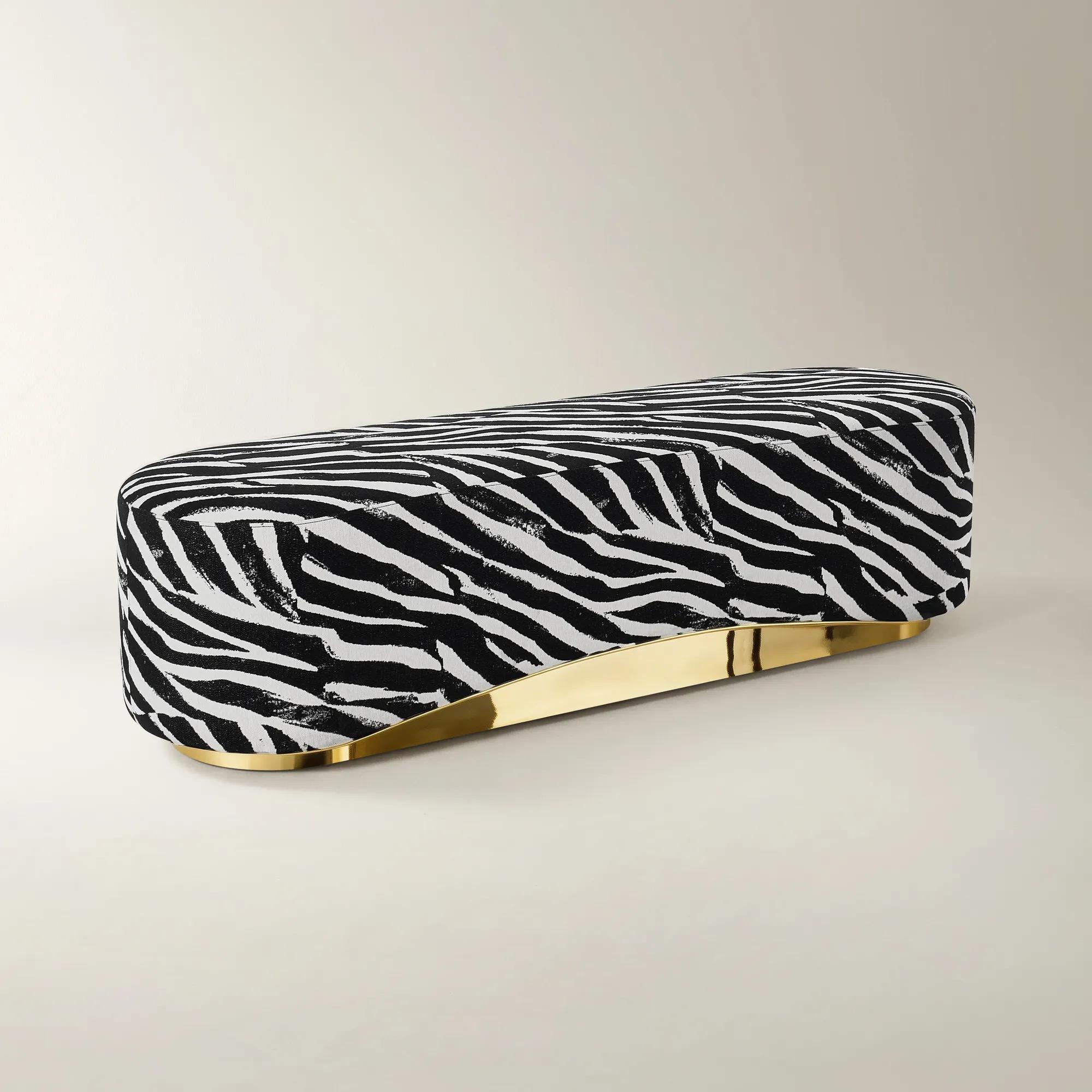 Kendra White/Black Performance Chenille Bench (70.47")$799
An elongated oval bench upholstered in white and black performance chenille with a polished gold stainless steel base.
Add To Cart -
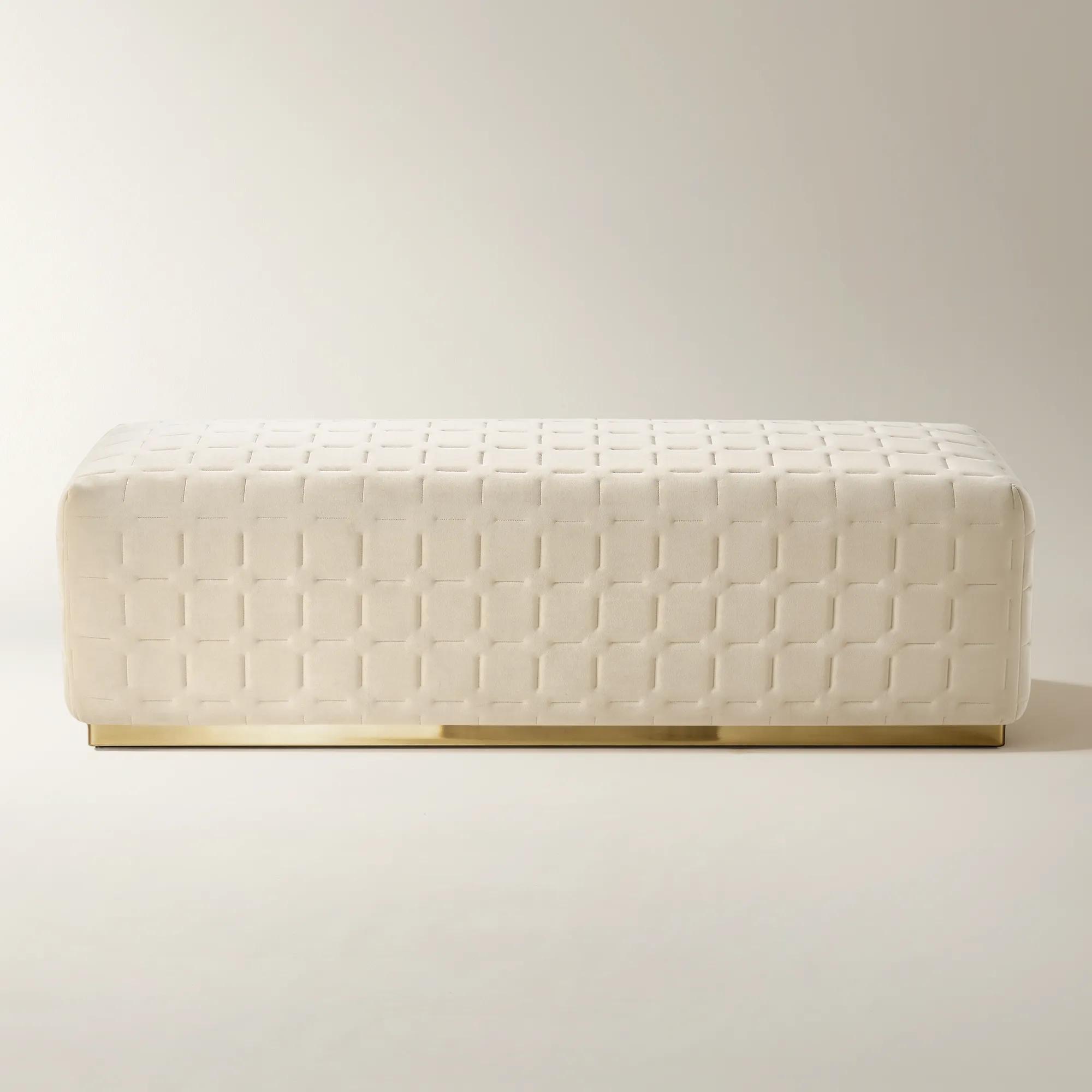
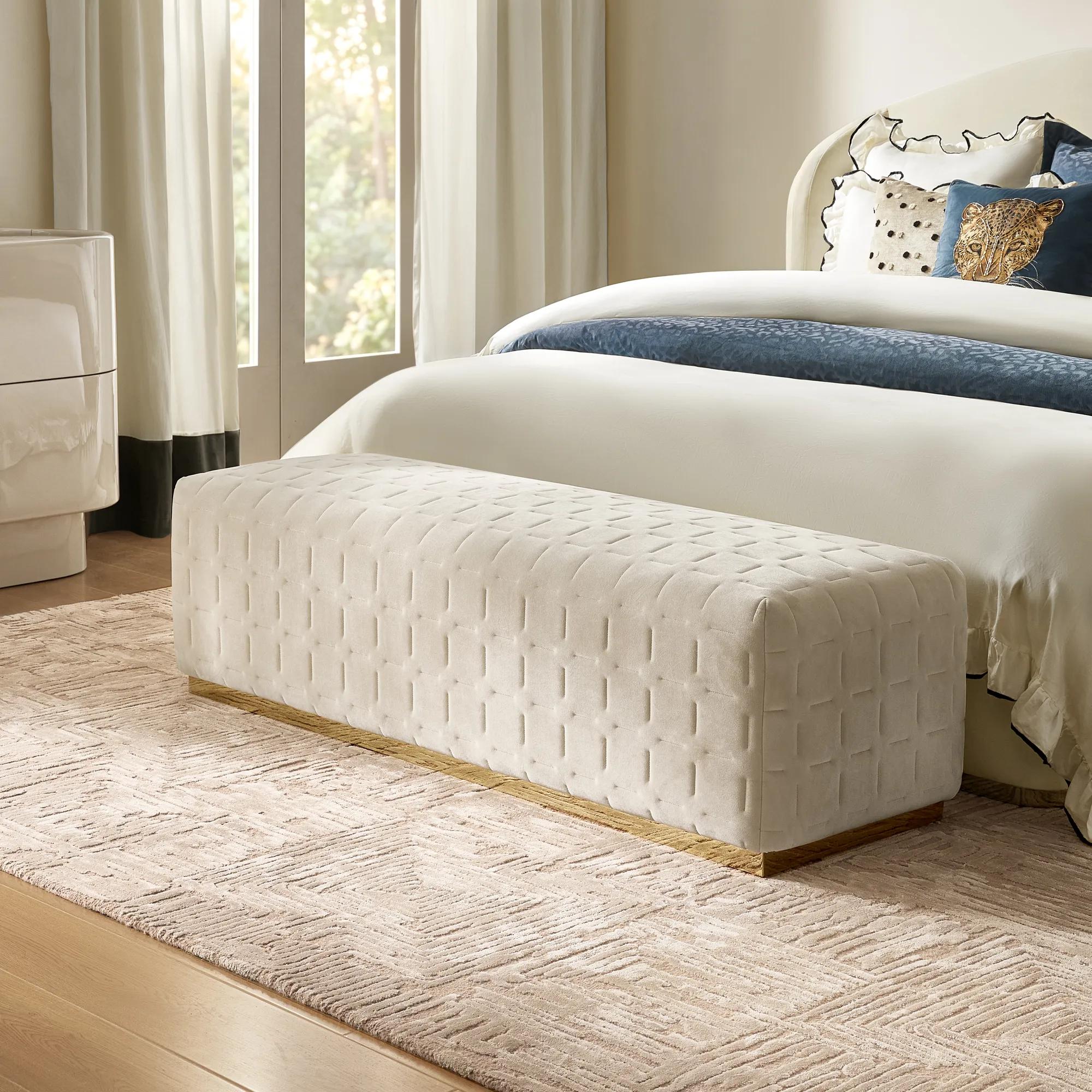 Vanta Quilted Oatmeal Velvet Bench (64.6")$899
A plush oatmeal velvet bench featuring checker quilted tufting and a sleek gold stainless steel base.
Add To Cart -
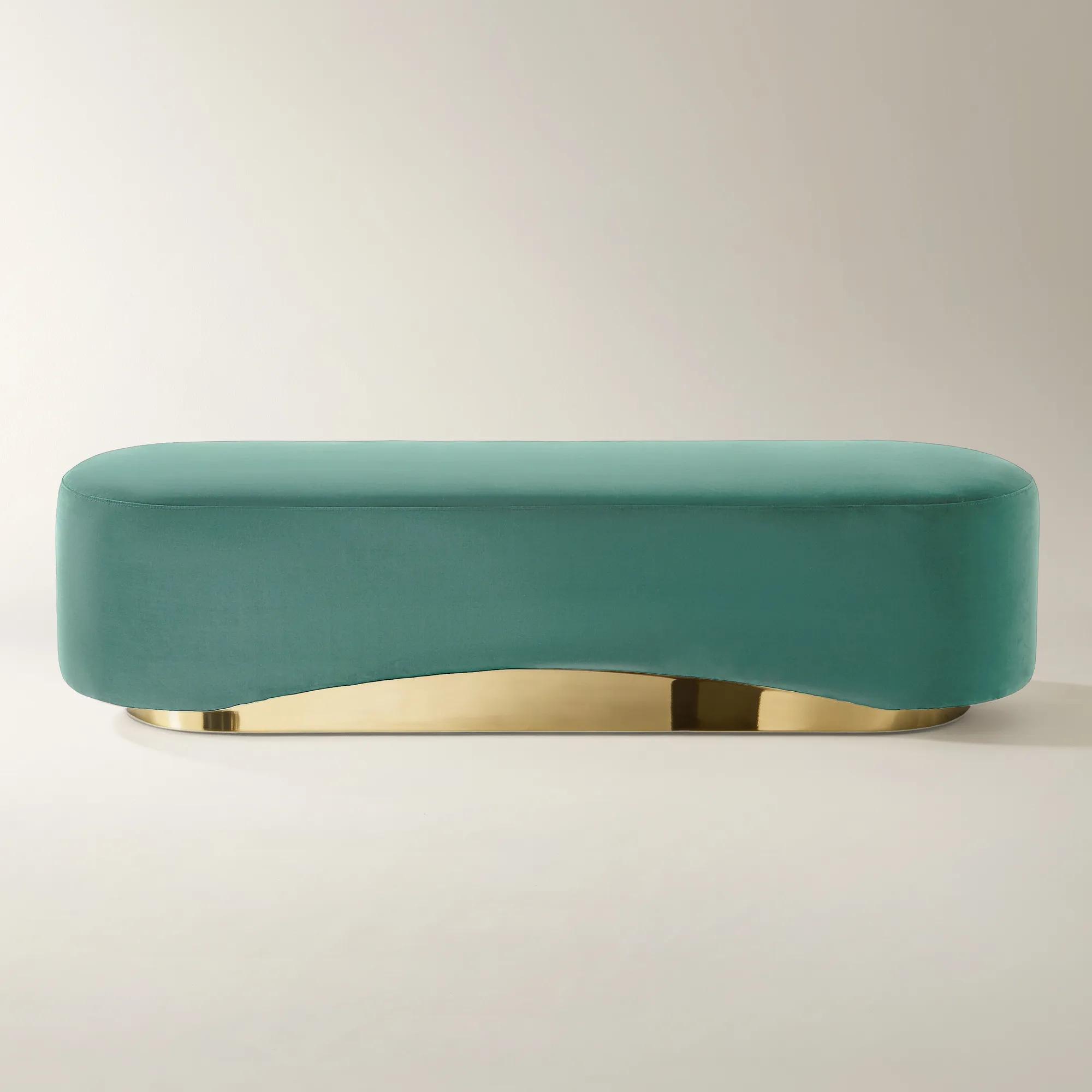 Kendra Ocean Teal Velvet Bench (70.47")$799
An elongated oval bench in ocean teal velvet with a plush seat and polished gold stainless steel base.
Add To Cart -
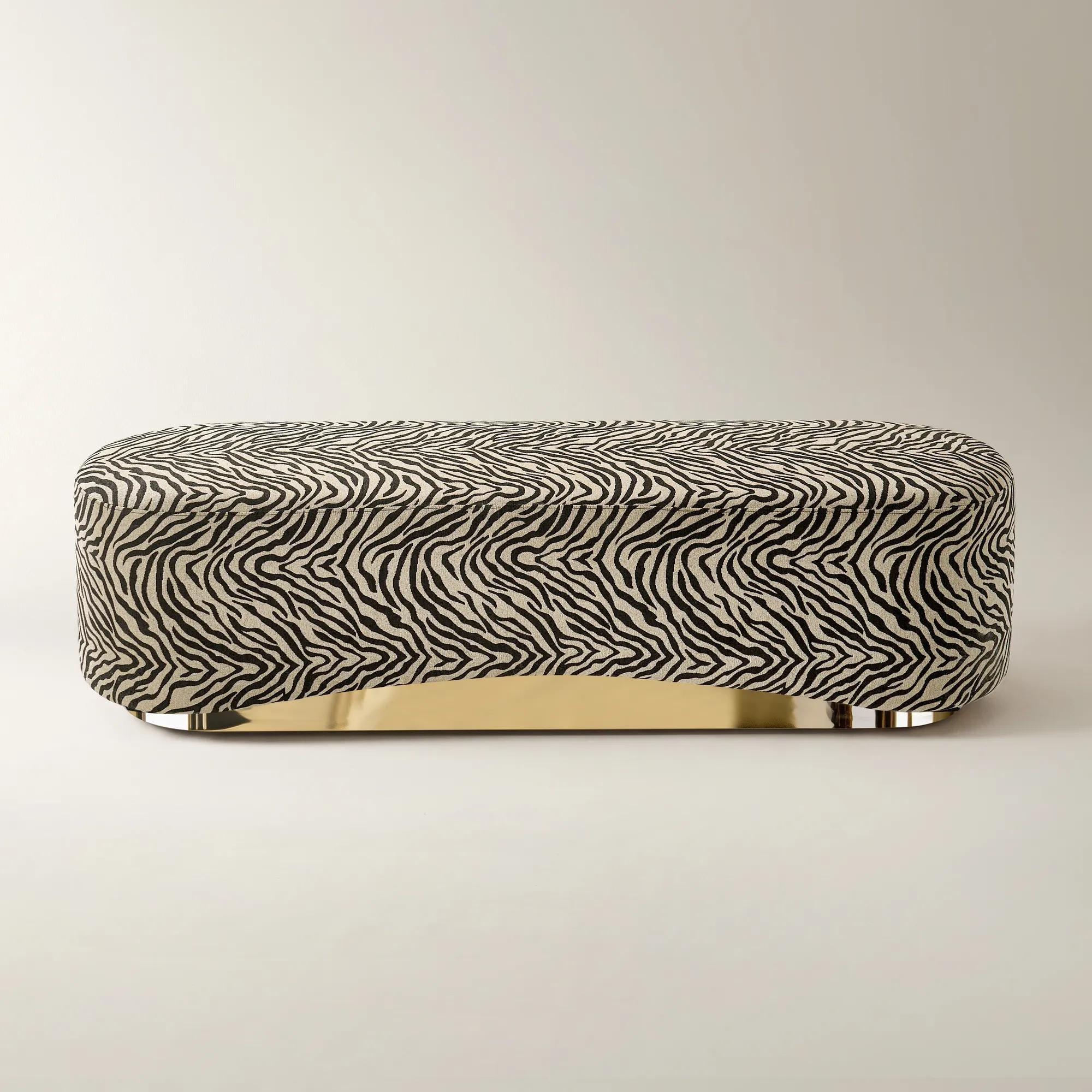
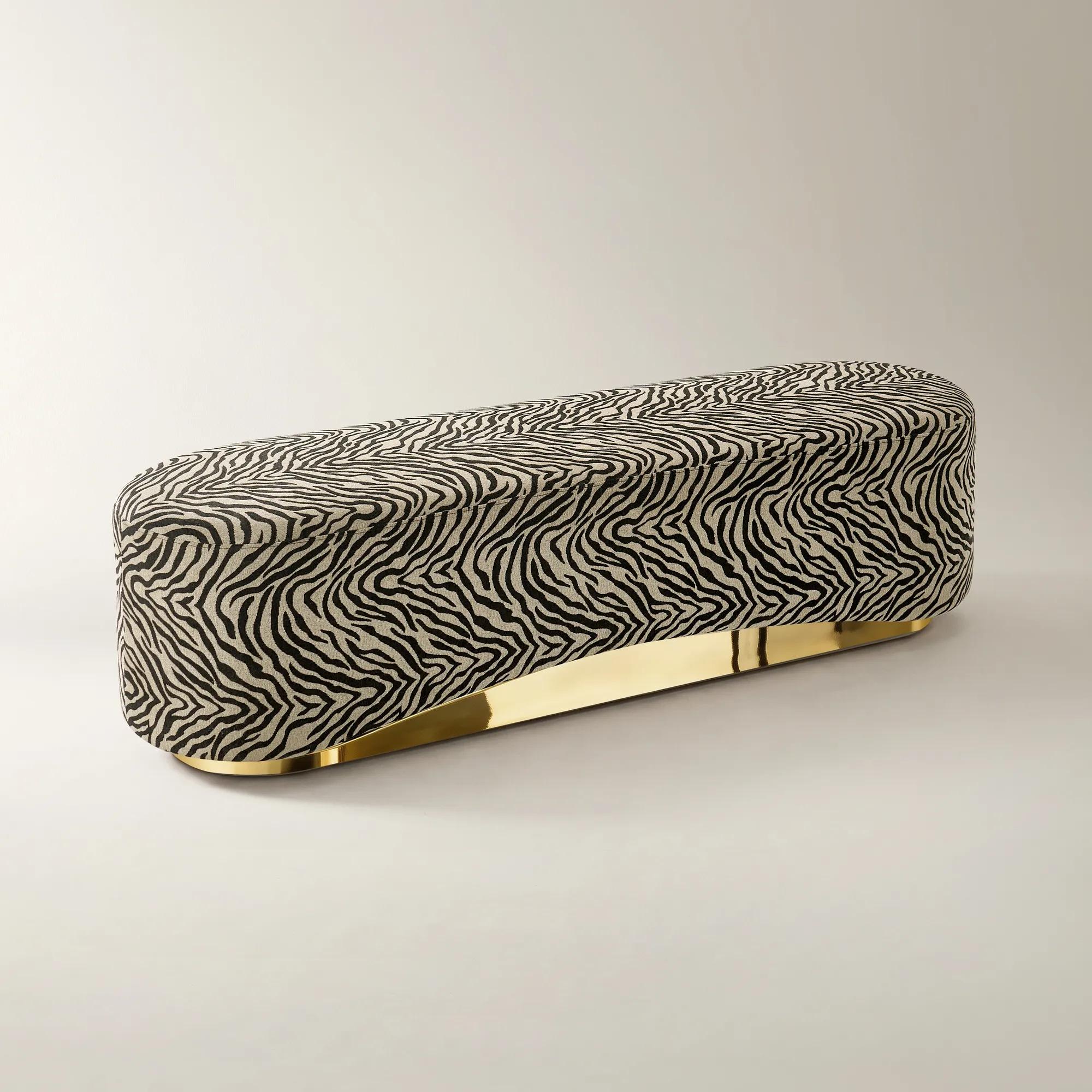 Kendra Zebra Performance Chenille Bench (70.47")$799
An elongated oval bench upholstered in textured zebra-pattern chenille with a polished gold stainless steel base.
Add To Cart -
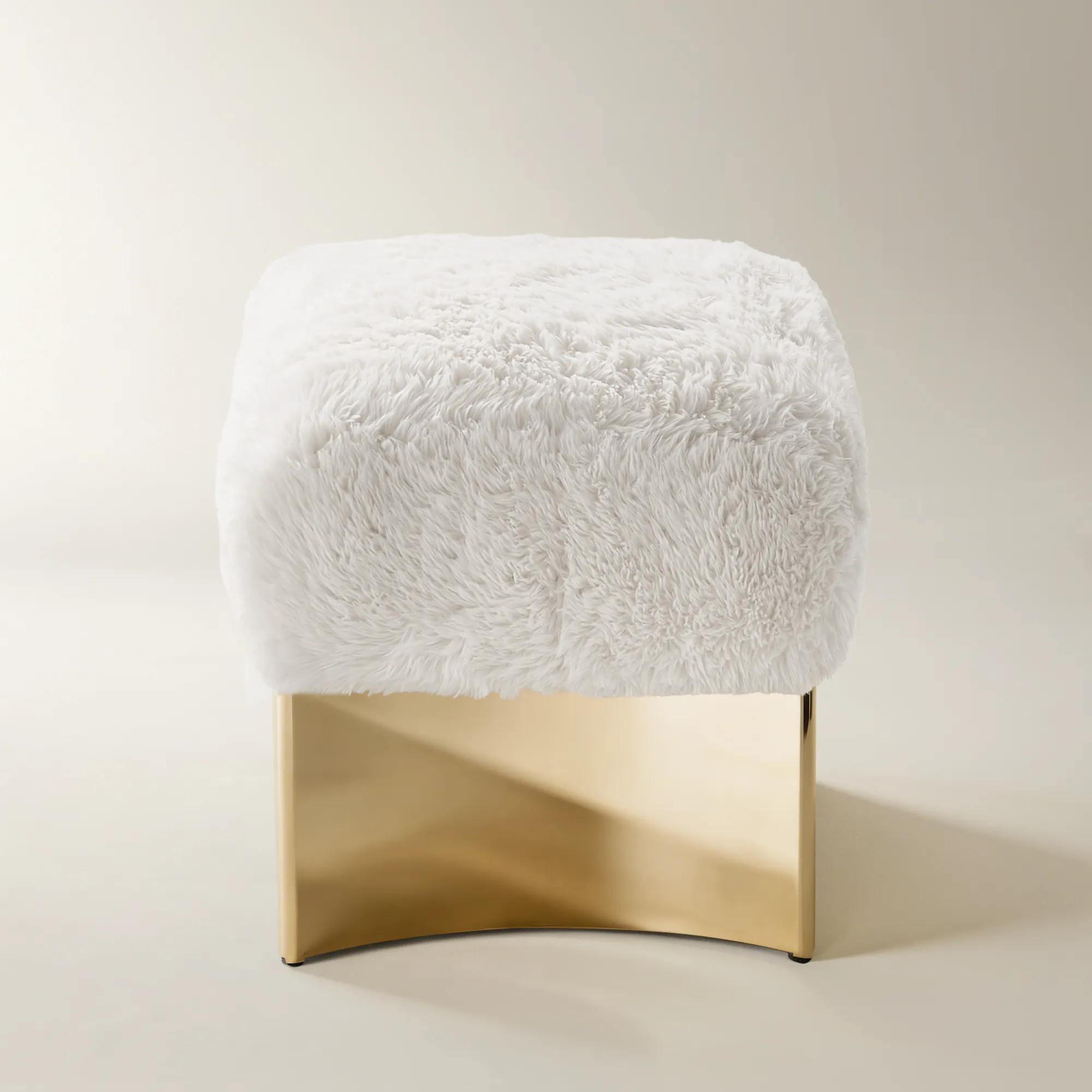
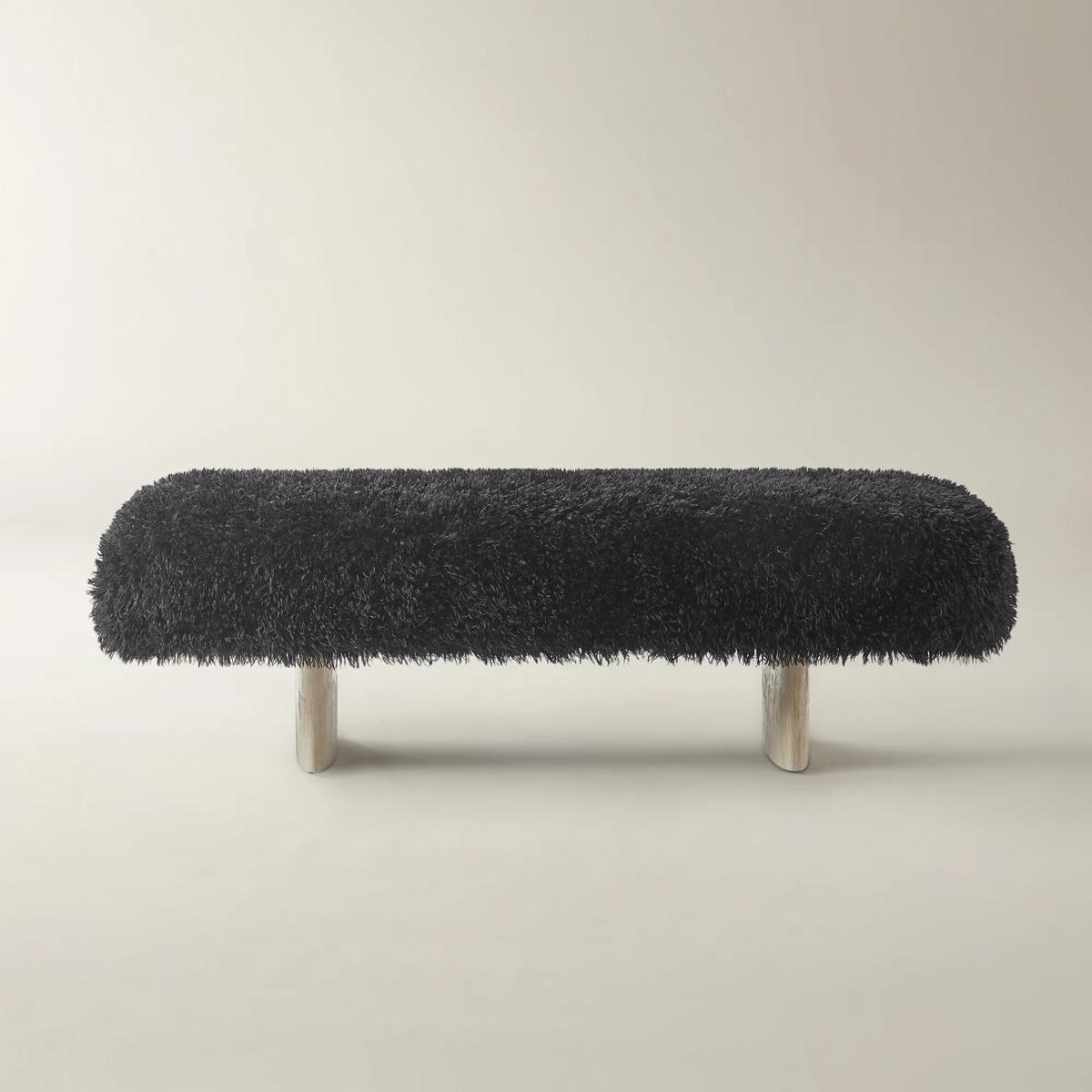 Micah Black Mongolian Fur Bench With Rubberwood Legs (62.6")$699
A striking black faux Mongolian fur bench with solid rubberwood legs for plush comfort and modern edge.
Add To Cart -
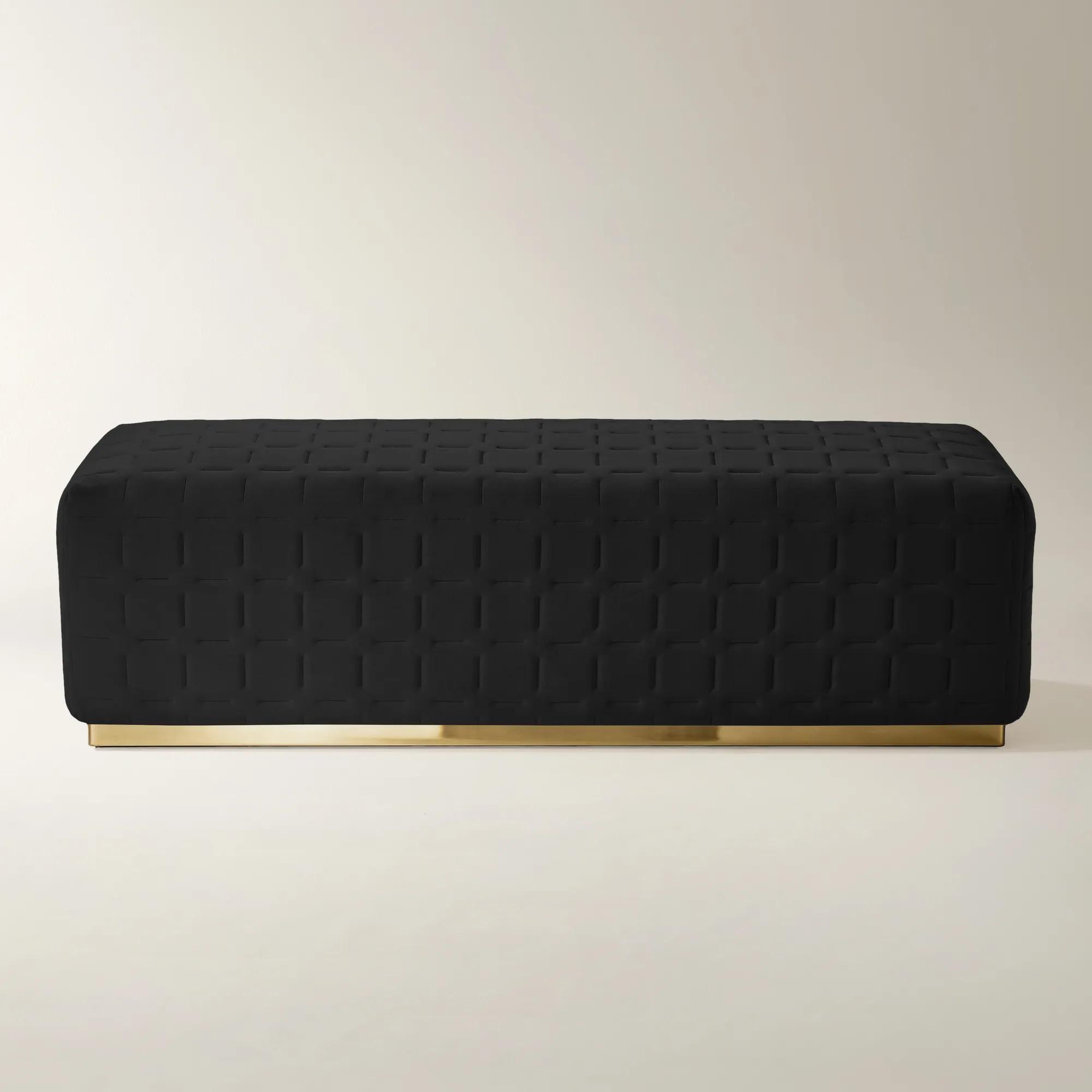 Vanta Quilted Charcoal Velvet Bench (64.6")$899
A charcoal velvet bench featuring checker quilted tufting and a gold stainless steel base for modern elegance.
Add To Cart -
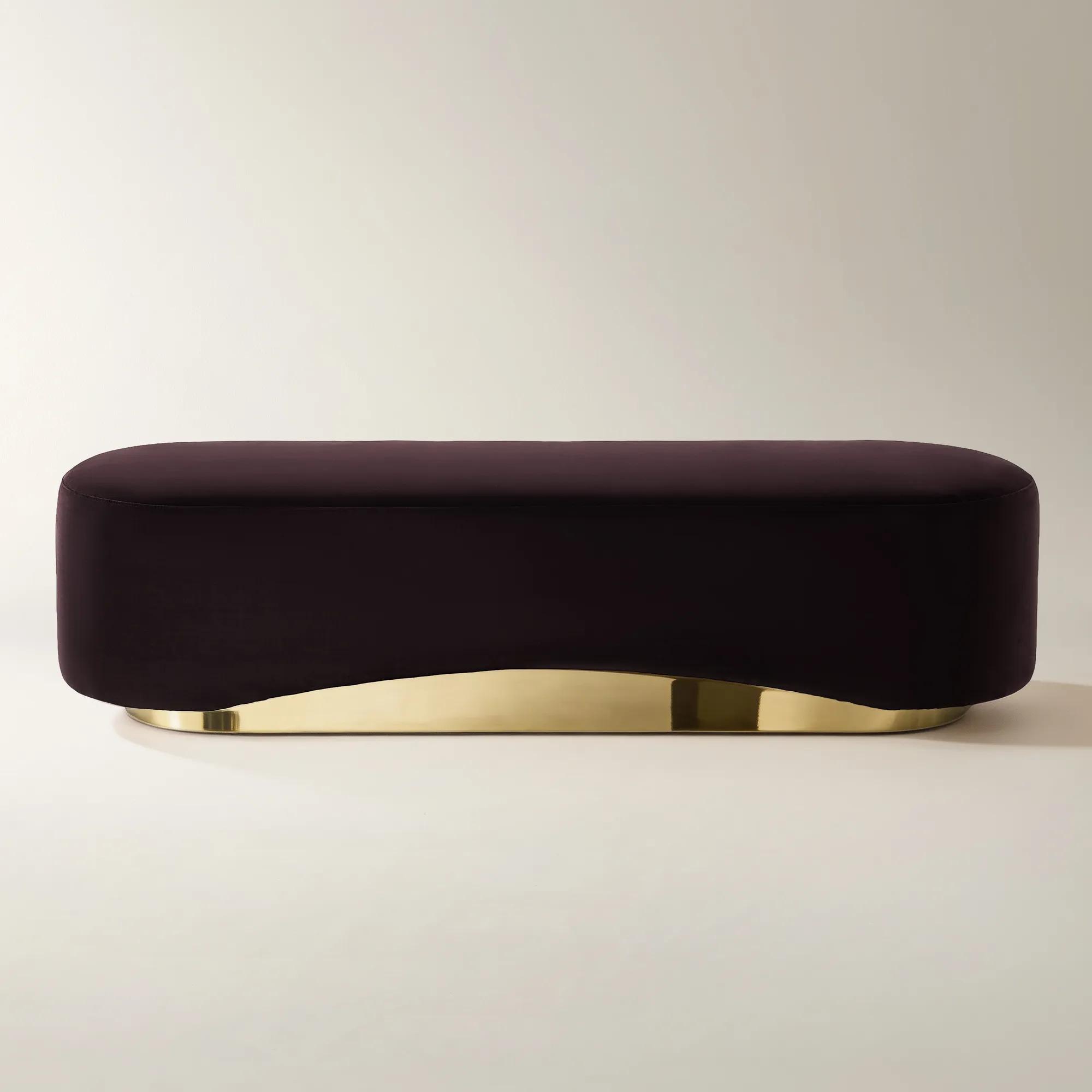 Kendra Fig Velvet Bench (70.47")$799
A plush fig velvet bench with an elongated oval silhouette and a polished gold stainless steel base.
Add To Cart -
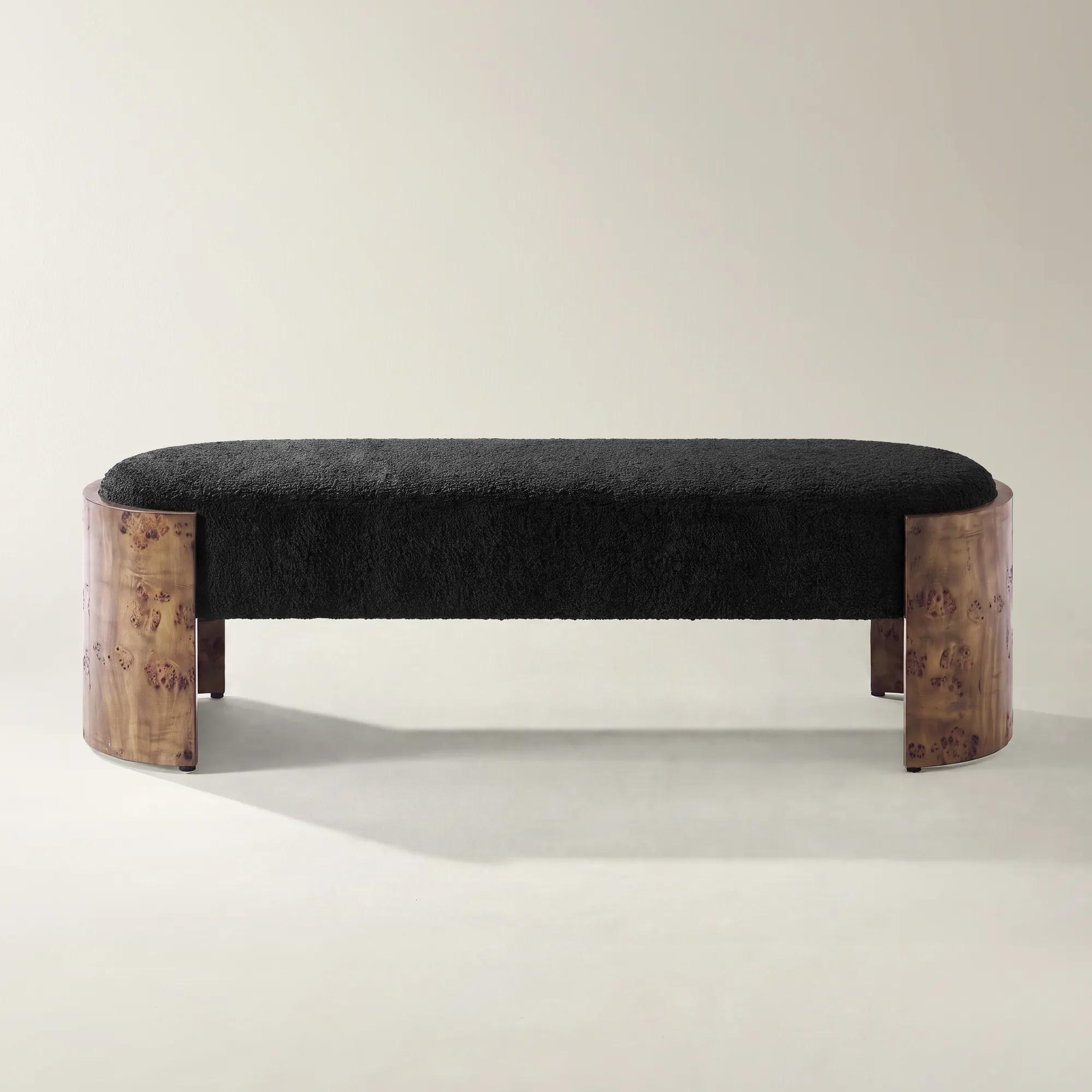 Cora Black Chenille With Ash Wood Bench (60.6")$999
A sculpted charcoal chenille bench featuring curved bookmatched ash burl panels and supportive foam cushioning.
Add To Cart -
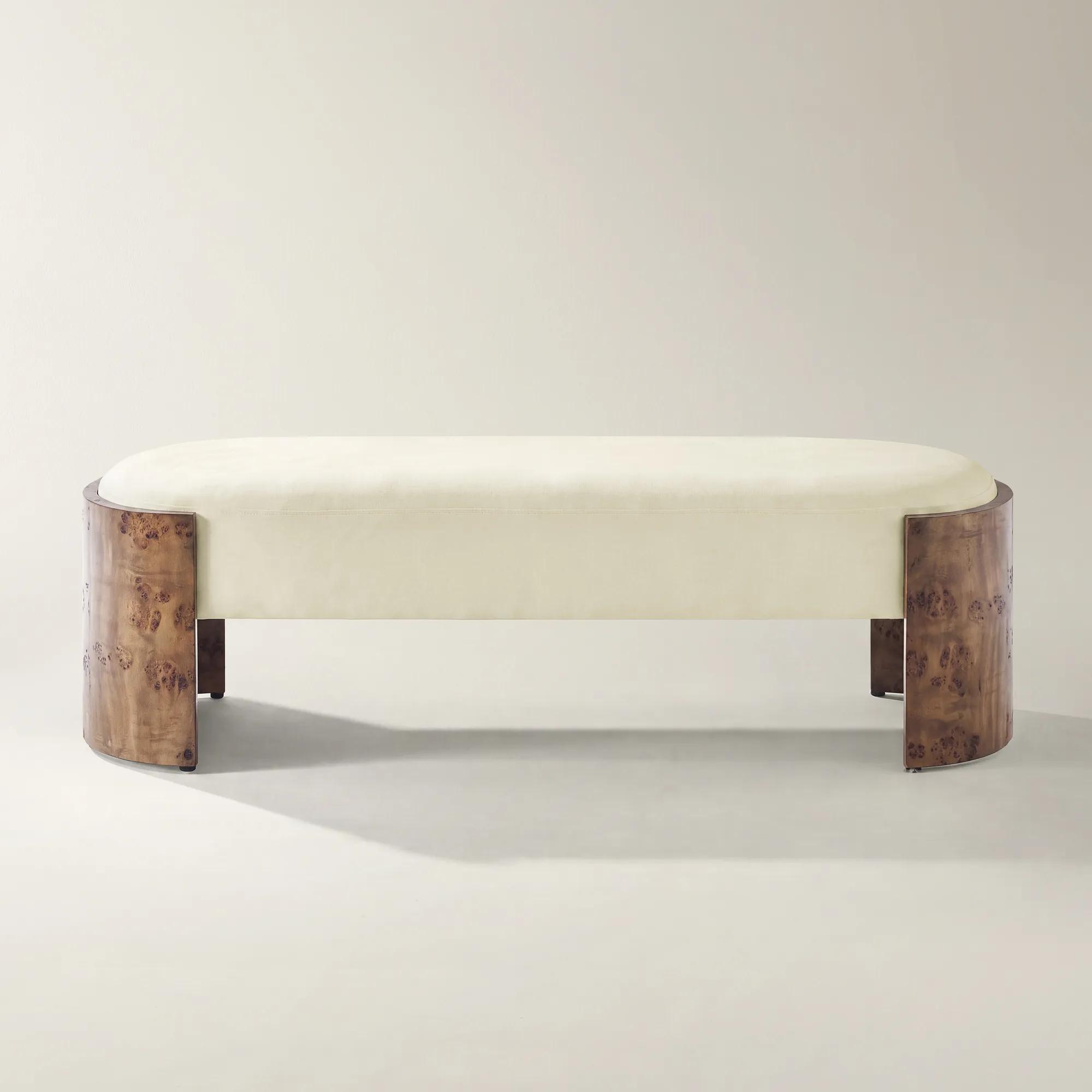
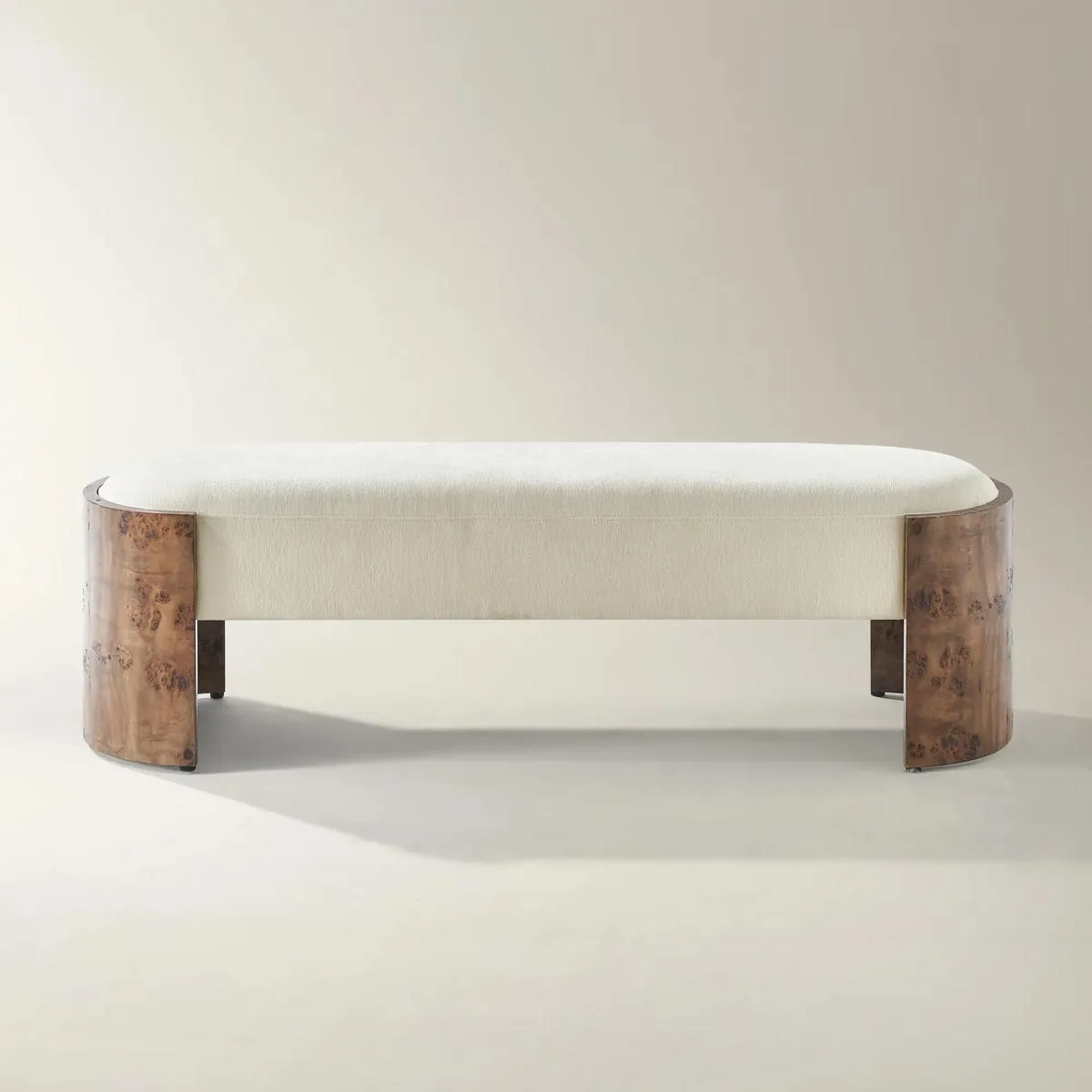 Cora Cloud Velvet With Ash Wood Bench (60.6")$999
A cloud velvet bench with bookmatched ash burl panels and supportive foam cushioning.
Add To Cart -
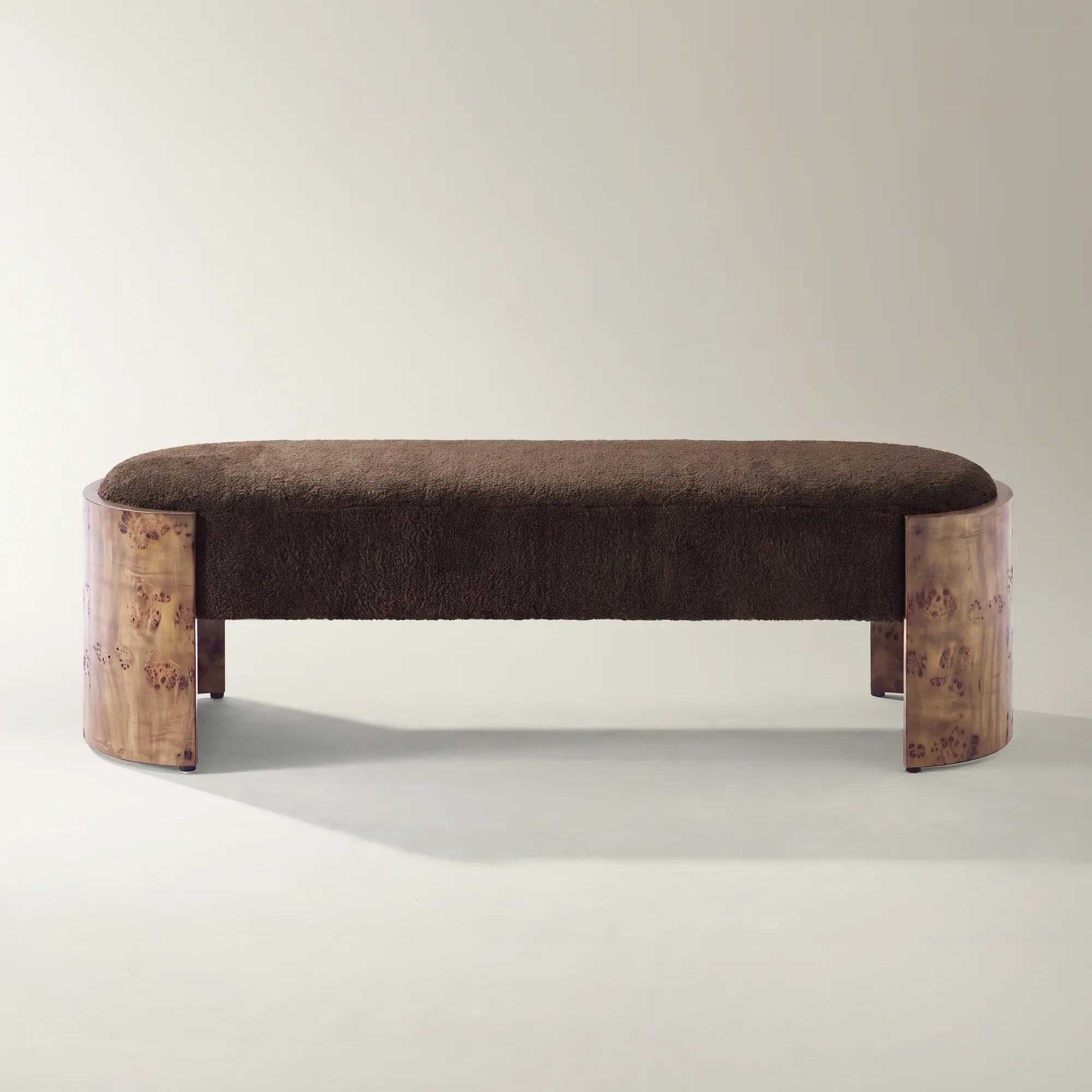
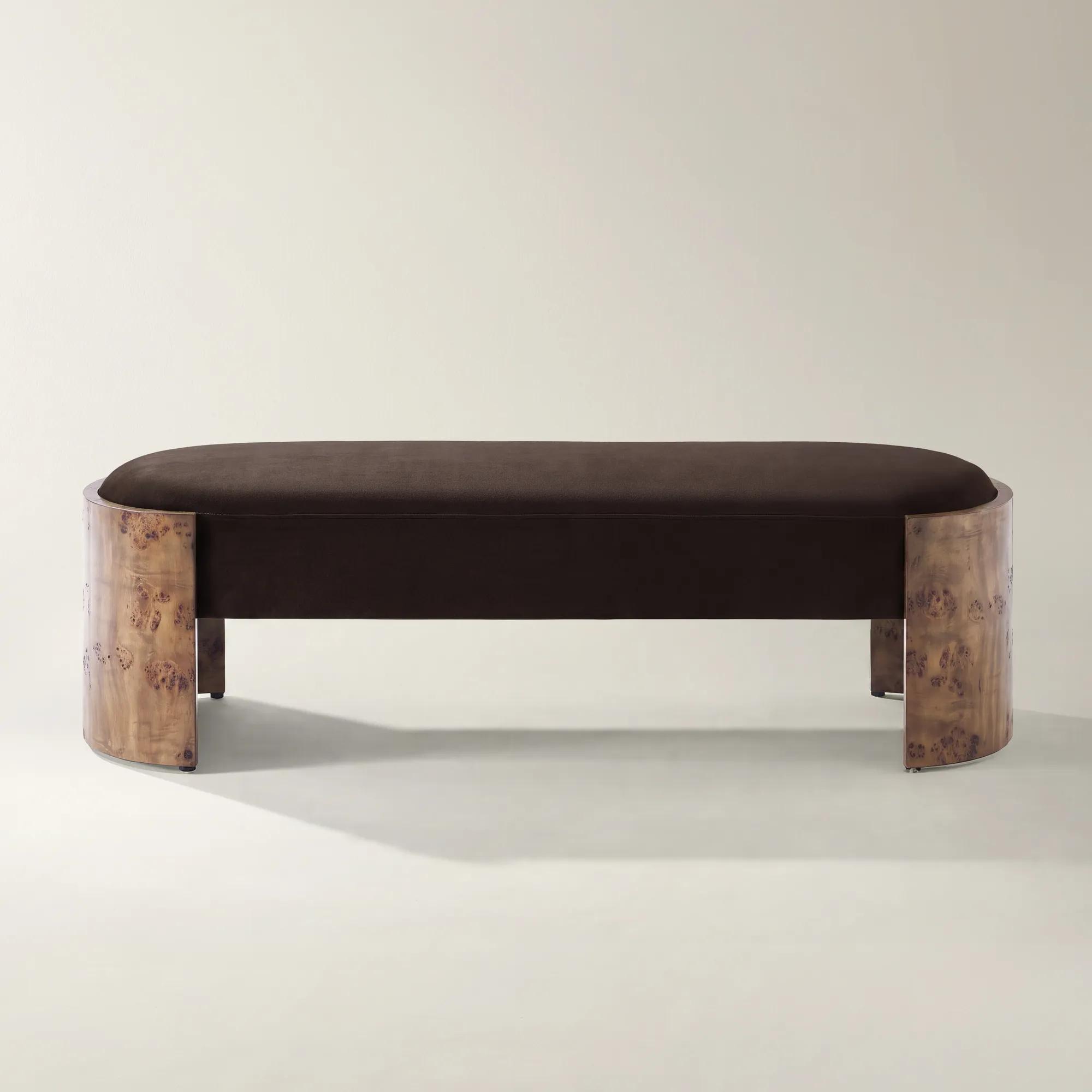 Cora Dark Chocolate Velvet With Ash Wood Bench (60.6")$999
A dark chocolate velvet bench with sculpted bookmatched ash burl end panels and high-resiliency foam cushioning.
Add To Cart -
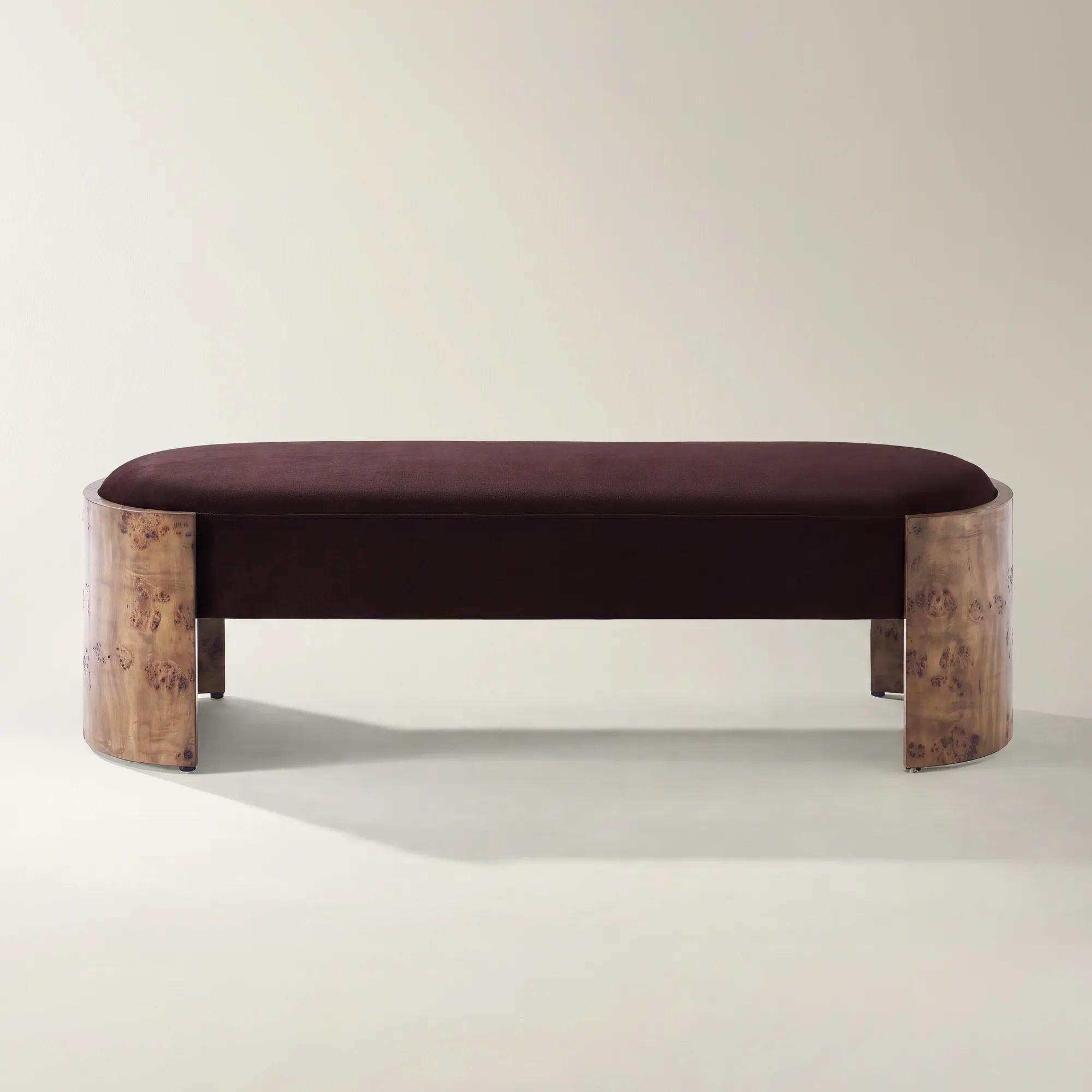 Cora Fig Velvet With Ash Wood Bench (60.6")$999
A sculptural bench with fig velvet upholstery, bookmatched ash burl panels, and supportive high-resiliency foam cushioning.
Add To Cart -
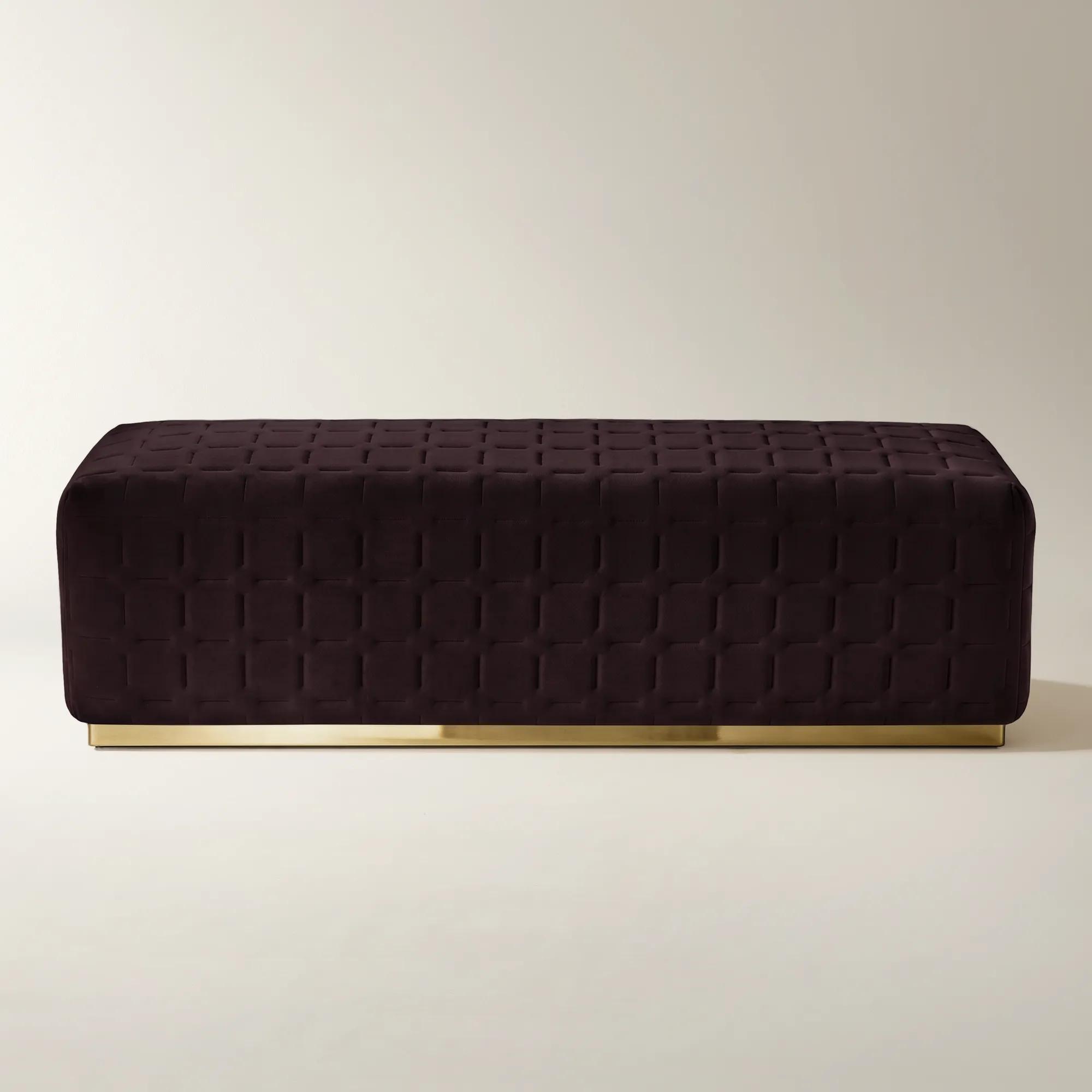
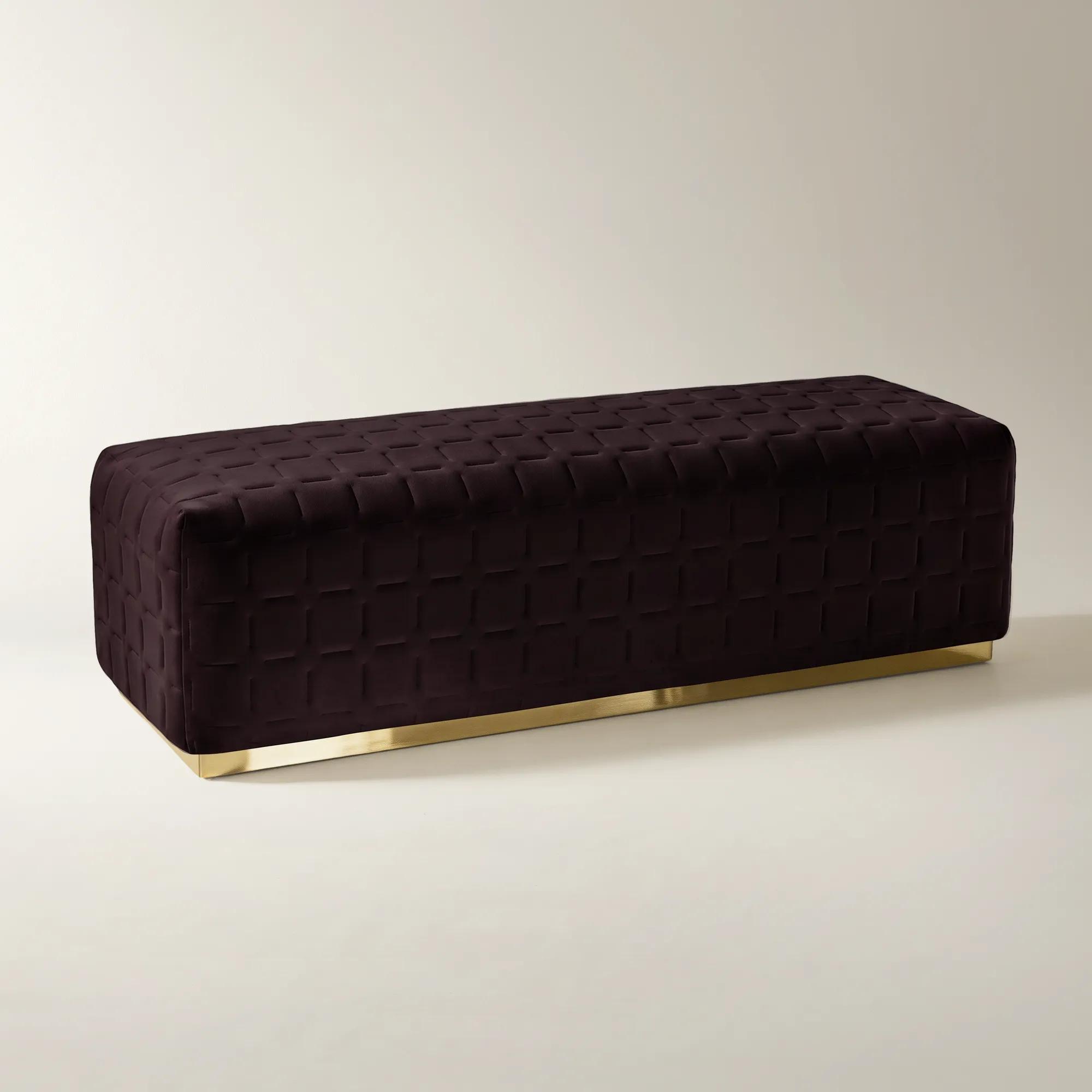 Vanta Quilted Fig Velvet Bench (64.6")$899
A plush fig velvet bench featuring checker quilted tufting and a sleek gold stainless steel base.
Add To Cart -
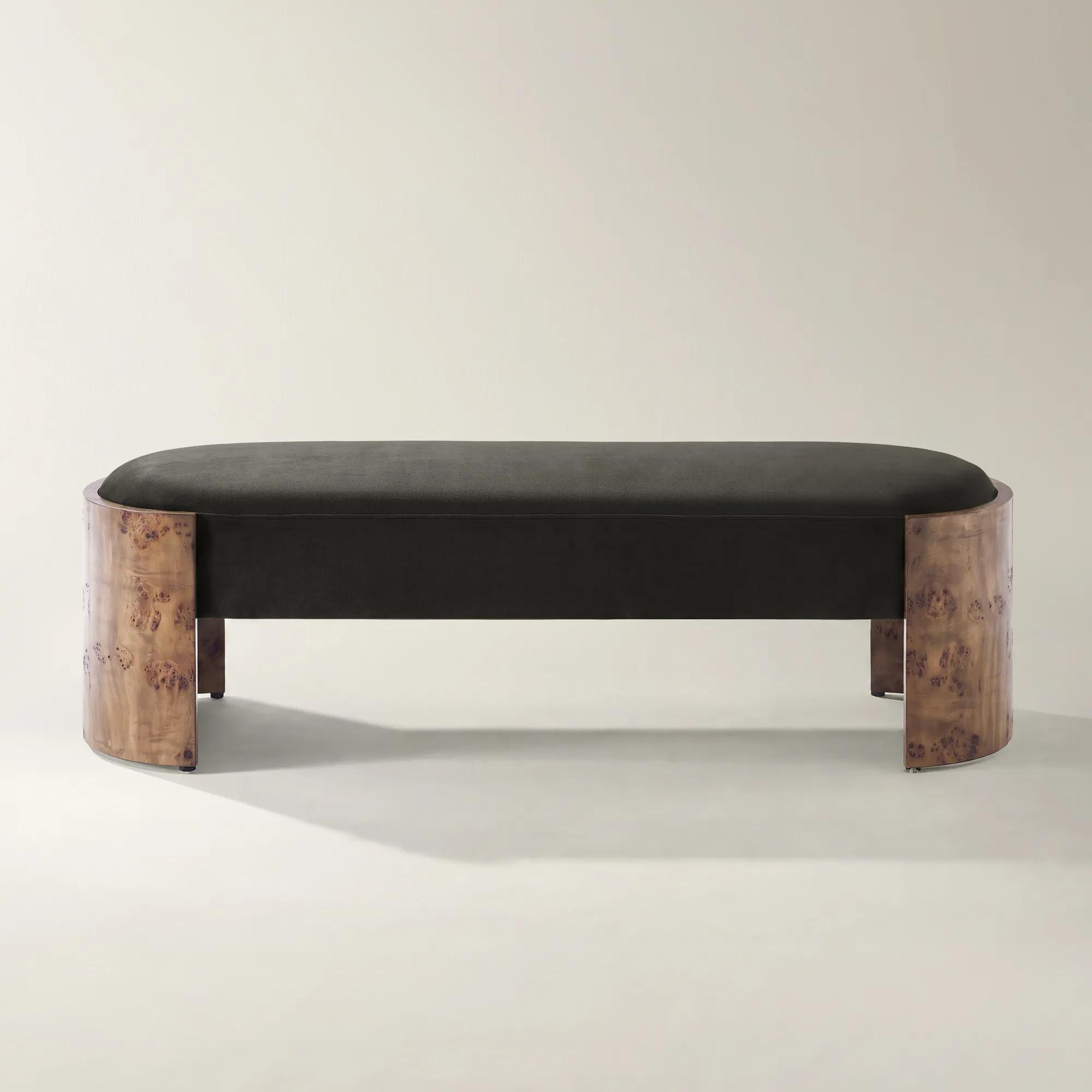 Cora Charcoal Velvet With Ash Wood Bench (60.6")$999
A sculpted charcoal velvet bench with curved bookmatched ash burl panels and supportive foam cushioning.
Add To Cart -
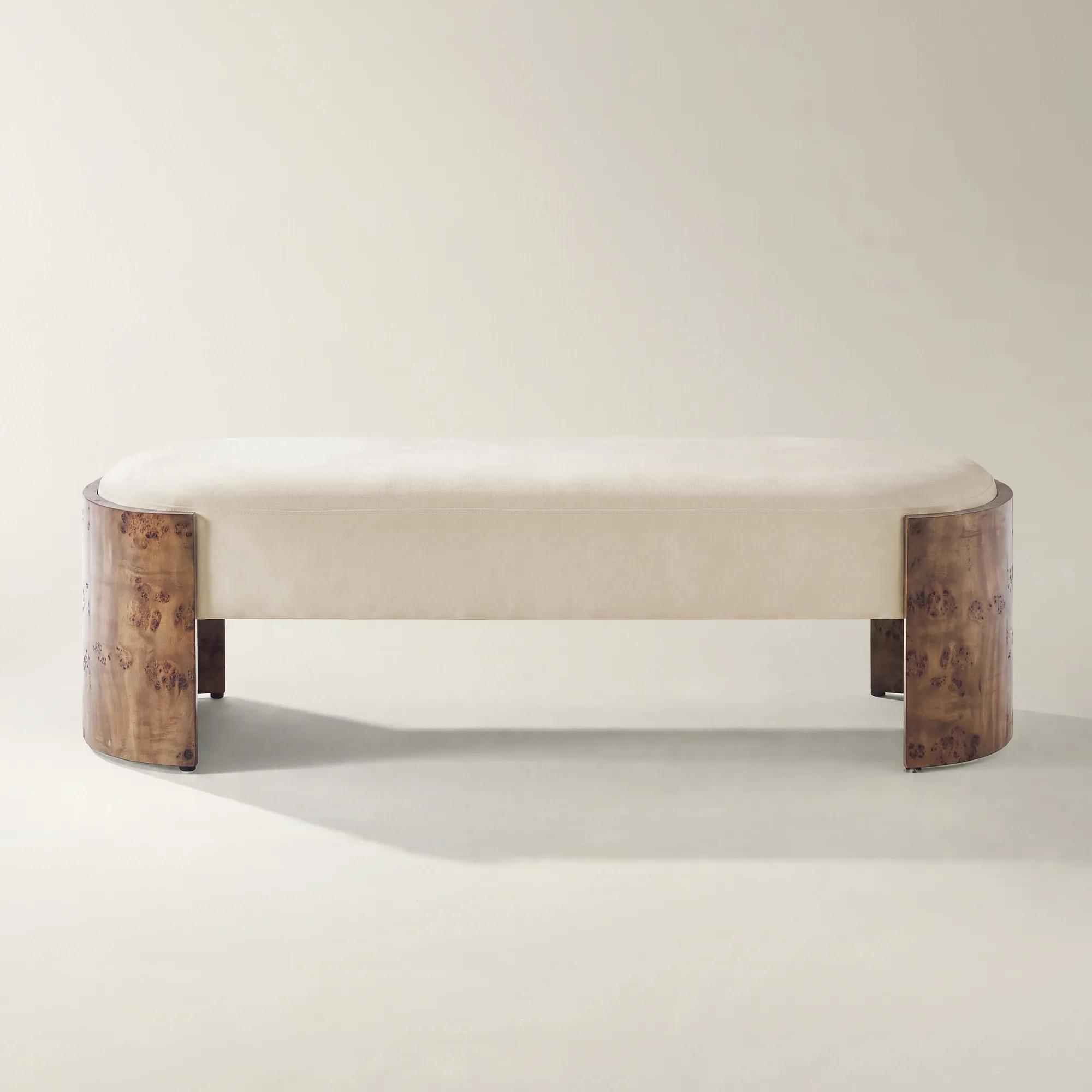 Cora Oatmeal Velvet With Ash Wood Bench (60.6")$999
A sculptural oatmeal velvet bench with curved ash burl wood panels and supportive foam cushioning.
Add To Cart -
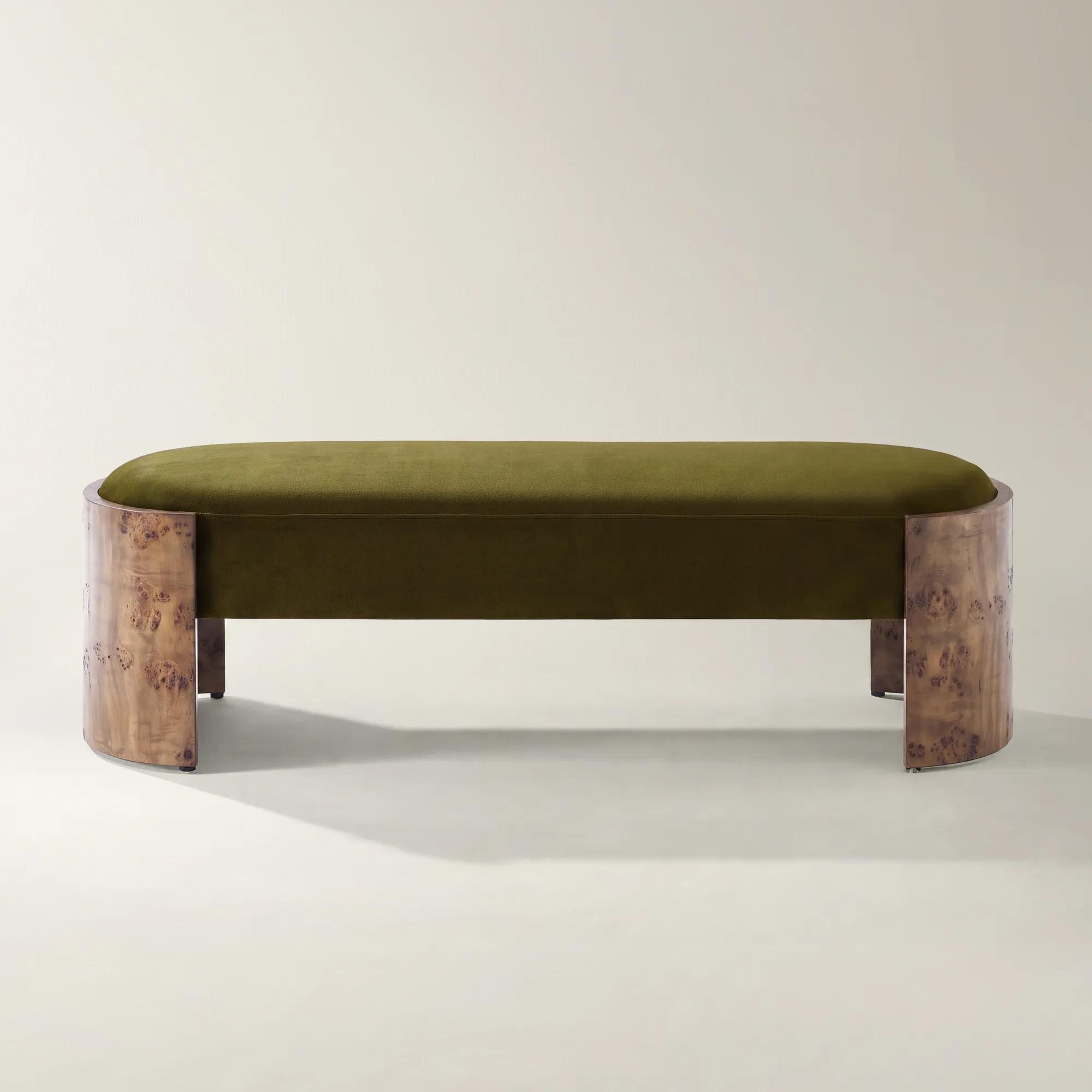 Cora Deep Olive Velvet With Ash Wood Bench (60.6")$999
A sculpted deep olive velvet bench featuring curved ash burl end panels and supportive foam cushioning.
Add To Cart -
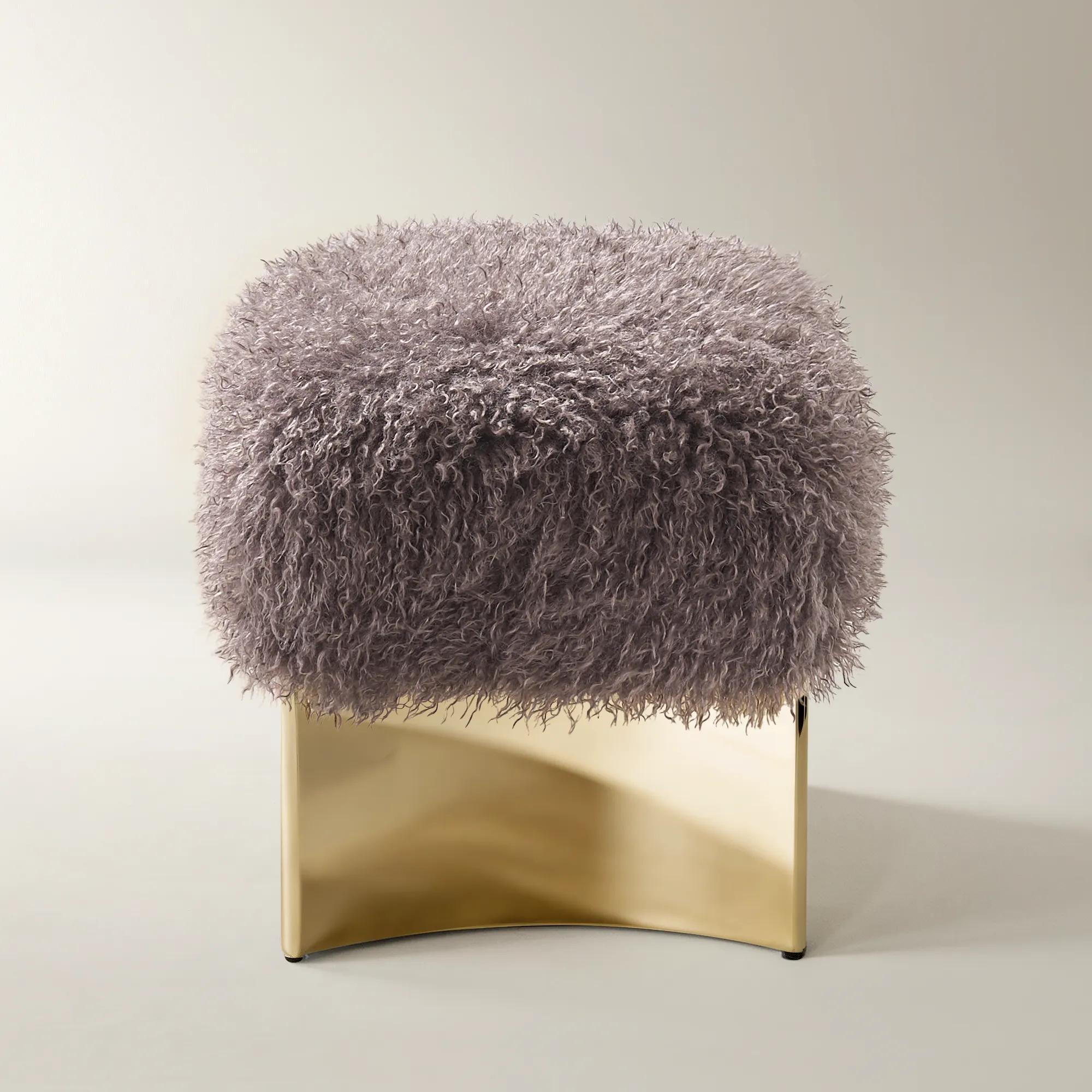
 Micah Tan Mongolian Faux Fur Bench With Rubberwood Legs (62.6")$699
A light brown faux fur bench with a curved rubberwood base and plush high-density foam cushion.
Add To Cart -
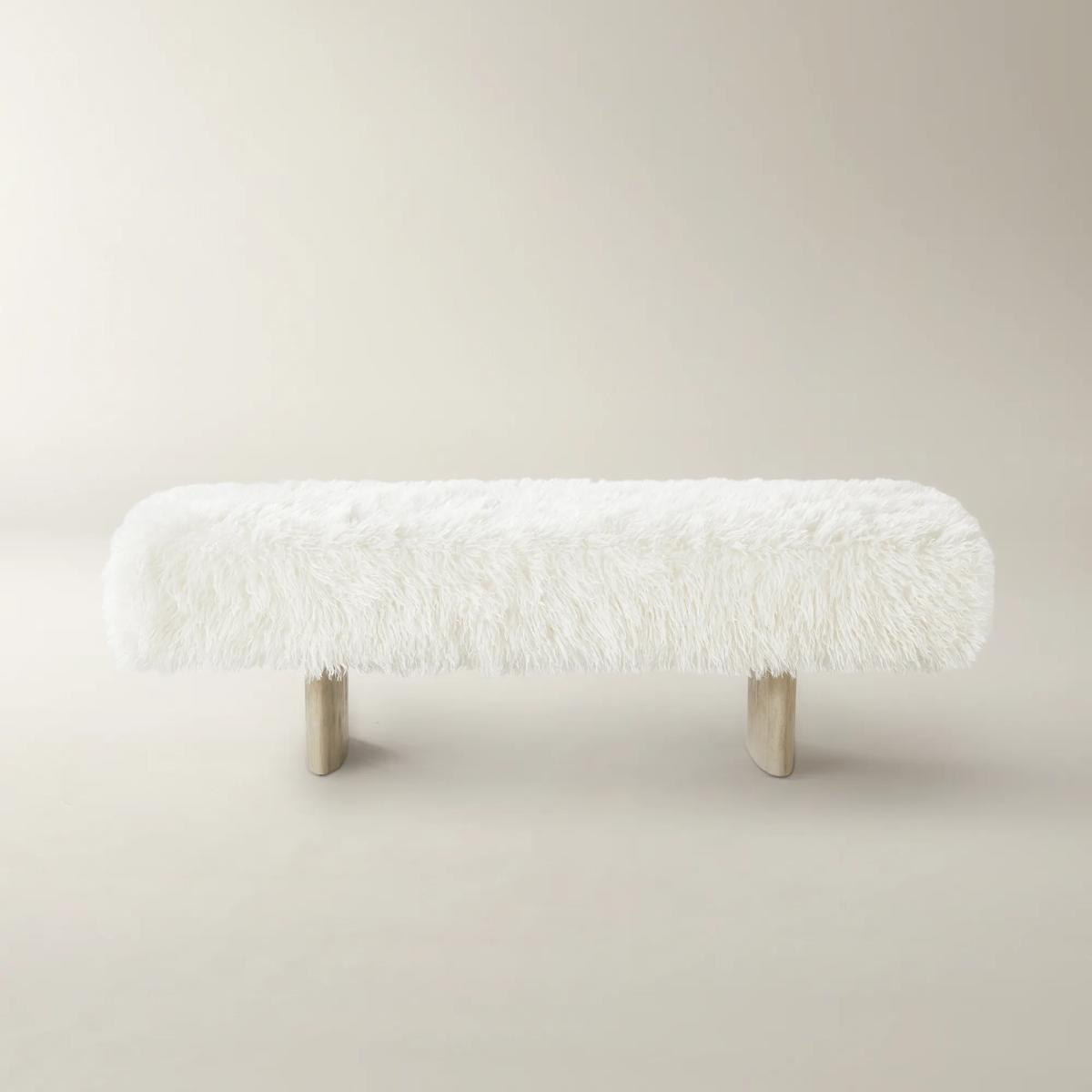 Micah Ivory Mongolian Faux Fur Bench With Rubberwood Legs (62.6")$699
An ivory faux Mongolian fur bench with high-density foam and sculptural solid rubberwood base for modern coziness.
Add To Cart -
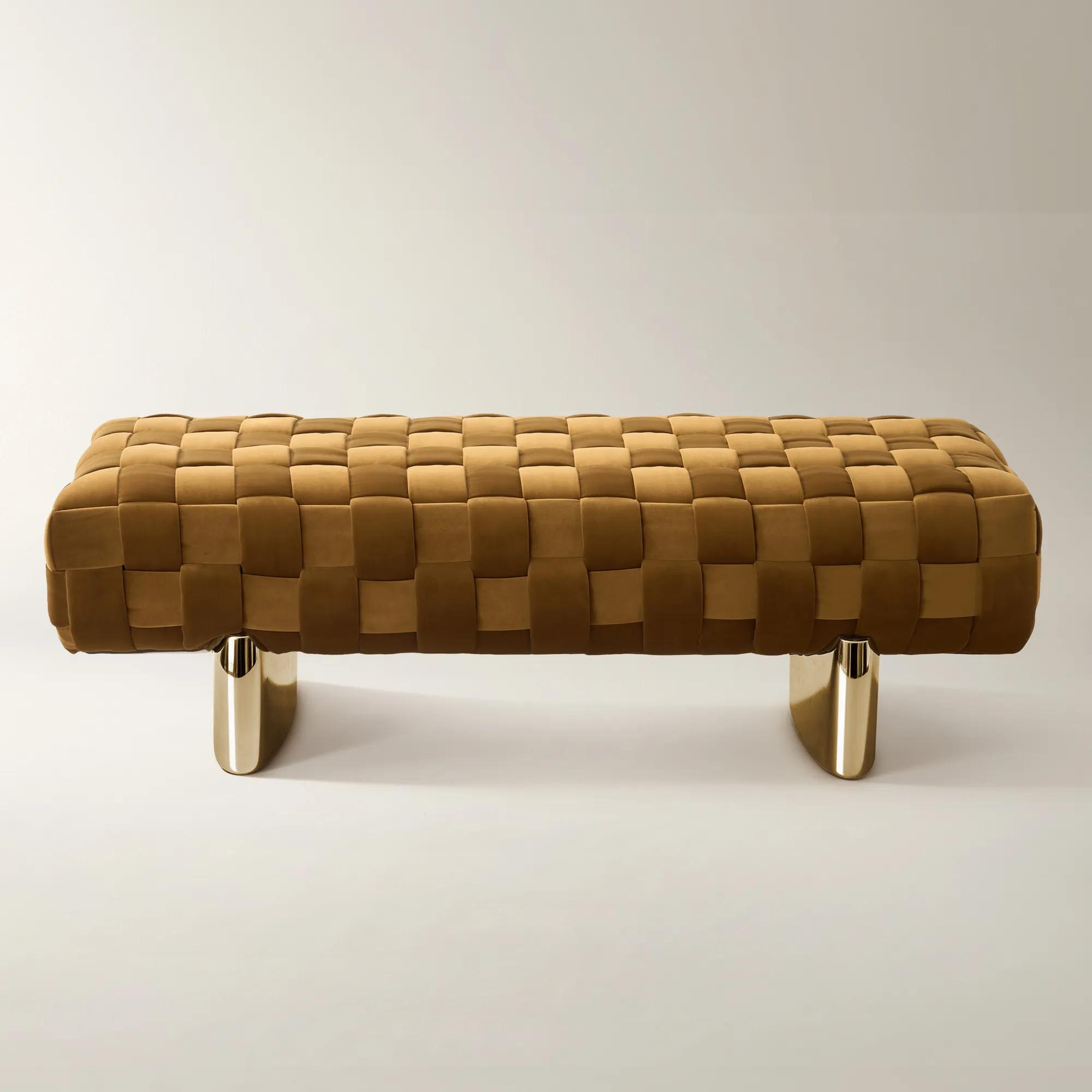
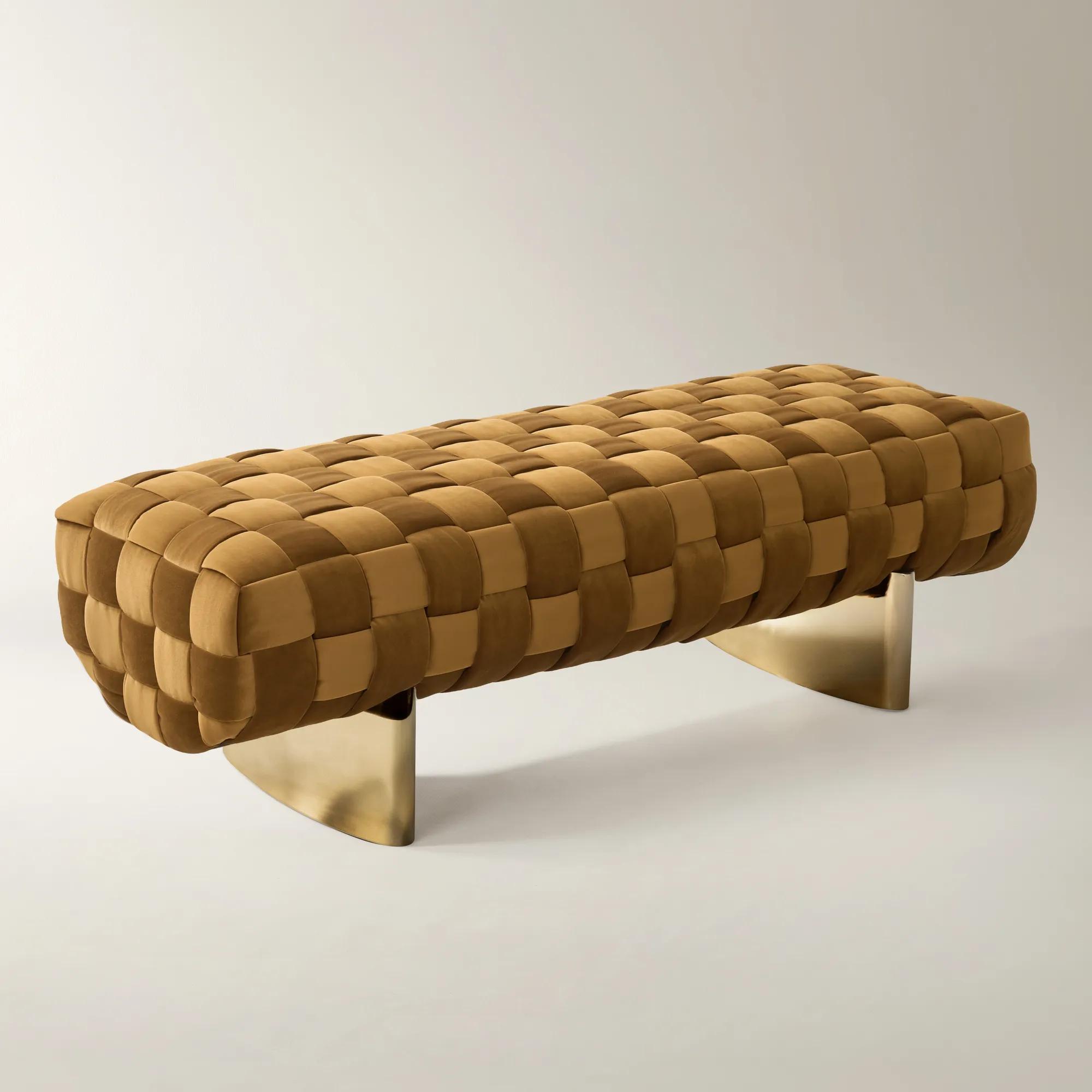 Dexter Woven Roasted Pecan Velvet Bench (64.2")$999
A woven roasted pecan velvet bench featuring plush upholstery and polished gold stainless steel legs for modern elegance.
Add To Cart

Stylish Benches For End Of Bed
Transform your bedroom into a sanctuary of sophistication with stylish benches for end of bed—where function meets pure artistry. Each piece is an invitation to indulge in luxury, framing your space with sculptural silhouettes and captivating textures. These benches don’t simply complete a room; they set the stage for daily rituals, offering a dramatic flourish that beckons you to pause and savor the moment. Elevate your retreat with seating that embodies both opulence and intention, turning the end of your bed into a curated vignette worthy of admiration.
Stylish benches for the end of the bed bring seating, sculptural presence, and a finishing layer to the bedroom. Upholstered benches introduce softness and texture, wood designs add depth and architectural character, and metal-framed silhouettes create a striking contrast between an inviting seat and a gleaming foundation. Storage benches add another dimension, concealing spare linens or extra pillows within a piece that feels fully integrated into the room. More than an accessory, an end-of-bed bench gives a bed a visual counterpart, extending its proportions and turning the space around it into a considered composition. A long, tailored seat can echo the clean lines of a modern platform bed, while curved legs or rounded upholstery soften a room anchored by substantial case goods. Velvet catches the light with a subtle change in tone, giving jewel colors richness and pale neutrals unexpected depth. Woven upholstery offers a more textured effect, particularly against smooth bedding, lacquered furniture, or a luminous metal finish. Leather brings a tailored character, with variations in grain and finish that influence both its appearance and its care. For a more decorative expression, luxury tufted end-of-bed benches introduce dimensional upholstery that feels especially compelling beside crisp sheets and generously layered pillows. Deep button tufting creates a plush, traditional rhythm, while channel detailing draws the eye along the seat with a more linear effect. An open base keeps the composition visually airy; a fully upholstered silhouette gives the foot of the bed a stronger, grounded presence. Color can either connect the bench to the headboard or create a deliberate departure. An ivory seat against dark bedding feels luminous, while charcoal, sapphire, or a warm neutral can lend definition to a pale room. The most expressive combinations allow one detail—a sculptural leg, an unusual texture, a confident curve—to carry the drama rather than asking every surface to compete.
Proportion gives that drama its poise. A bedroom bench generally looks balanced when it is narrower than the bed, leaving a visible margin on either side rather than extending into the walking path. The bed frame, not just the mattress, influences that relationship, especially when an upholstered surround or projecting footboard adds width. A broad king bed can support a longer, more substantial silhouette, while a queen bed or a compact guest room may call for a slimmer seat with an open base. Seat depth matters just as much as length: a deep bench offers a generous perch but occupies more floor space, and a shallow profile can preserve the room’s sense of openness. Comfortable circulation remains part of a luxurious setting. Around 30 inches of clear walking space beyond the bench is a useful planning allowance where the room permits, with additional clearance needed for dresser drawers, doors, or individual mobility requirements. Height also changes the effect. A seat that rests below the top of the mattress usually creates a pleasing visual step, though a comfortable sitting height should take priority over matching the bed precisely. In everyday use, an upholstered end-of-bed bench offers a place to sit while fastening shoes, lay out an outfit, or set a folded throw within reach. In a guest bedroom, that extra surface gives visitors somewhere to organize clothing without covering the bedding. A storage design can hold spare sheets and decorative cushions, provided its interior dimensions suit what needs to be tucked away. Hinged lids need room to open freely, and drawers require unobstructed space in front. Sound joinery, stable legs, securely attached upholstery, and a clearly stated seating capacity are meaningful considerations for a bench used daily. A decorative perch and a bench intended for regular adult seating may look equally refined, but their construction and weight limits can differ considerably.
Materials and maintenance shape how beautifully a bench lives over time. In a frequently used bedroom, upholstery deserves attention beyond its color: fiber content, weave, cleaning instructions, and any published abrasion testing offer a fuller picture of its suitability. Tightly woven fabrics can provide a tailored appearance, while more pronounced textures bring depth but may require extra consideration in homes with pets whose claws can catch loose loops. Velvet’s directional pile can show pressure marks and shifts in shading; these are different from stains, and any brushing or steaming should follow the fabric manufacturer’s recommendations. Leather care varies by finish, so a conditioner suitable for one surface may be inappropriate for another. Wood and metal frames also benefit from a considered routine. A soft cloth removes dust without unnecessary abrasion, while finish-specific guidance helps protect stained wood, plated details, and polished surfaces. Harsh cleaners and excess moisture can compromise finishes, and upholstered seats should be cleaned according to their care codes rather than treated with a universal solution. Spills are best attended to promptly, with gentle blotting instead of vigorous rubbing when the upholstery instructions allow it. Direct sunlight can gradually alter some fabrics and finishes, making placement worth considering in a bright bedroom. These practical details preserve the visual pleasure of the piece without diminishing its expressive role. A bench can remain almost bare, allowing a beautifully shaped seat to read as sculpture, or hold a single folded throw that repeats a color from the artwork above the bed. A restrained arrangement is especially effective when the upholstery already carries tufting, strong texture, or a distinctive pattern. With an open-frame design, visible floor space beneath the seat can keep a smaller bedroom feeling expansive; with a substantial upholstered base, quieter surrounding accents let the silhouette take focus. The result is a bedroom that accommodates real routines while retaining its sense of occasion—a place where a useful seat becomes part of the room’s signature, and the final few feet beyond the bed feel as thoughtfully composed as the bed itself.
FAQs
A bench at the end of the bed elevates the entire room, offering both functional and aesthetic advantages. It provides a convenient spot for putting on shoes, setting out tomorrow’s outfit, or displaying decorative throws and pillows. Beyond utility, a stylish bench anchors the bed, adds a layer of sophistication, and creates a tailored, designer-inspired look that turns the bedroom into a true sanctuary.
A well-chosen bench introduces texture, color, and visual interest, serving as a bridge between the bed and the rest of the room. Whether upholstered in luxe velvet, adorned with tufting, or crafted from gleaming metals, a bench can echo or contrast with existing décor, unifying the space. It’s an opportunity to make a bold statement or to add an unexpected detail that reflects your personal style.
A bedroom bench makes a thoughtful and versatile gift for anyone who cherishes beautiful living spaces. It’s ideal for newlyweds setting up their first home, friends celebrating a move, or family members who love to entertain overnight guests. Its blend of elegance and practicality ensures it will be cherished and used daily, making it a memorable present for any occasion.
End-of-bed benches are remarkably versatile and can complement a wide array of design aesthetics. Glamorous tufted benches suit art deco or Hollywood Regency interiors, while streamlined silhouettes in neutral fabrics echo modern or contemporary sensibilities. For eclectic spaces, a bench with bold color or unique detailing becomes a conversation piece, effortlessly tying together the room’s narrative.
A bedroom bench adapts beautifully to seasonal changes. In winter, it’s the perfect place to layer cozy throws or display a favorite faux fur accent. During warmer months, it can hold lightweight linens or serve as a perch for sun hats and totes. Its year-round versatility ensures the bedroom remains both functional and inviting, no matter the season.