Sleek Benches For End Of Bed
Sleek Benches For End Of Bed
-
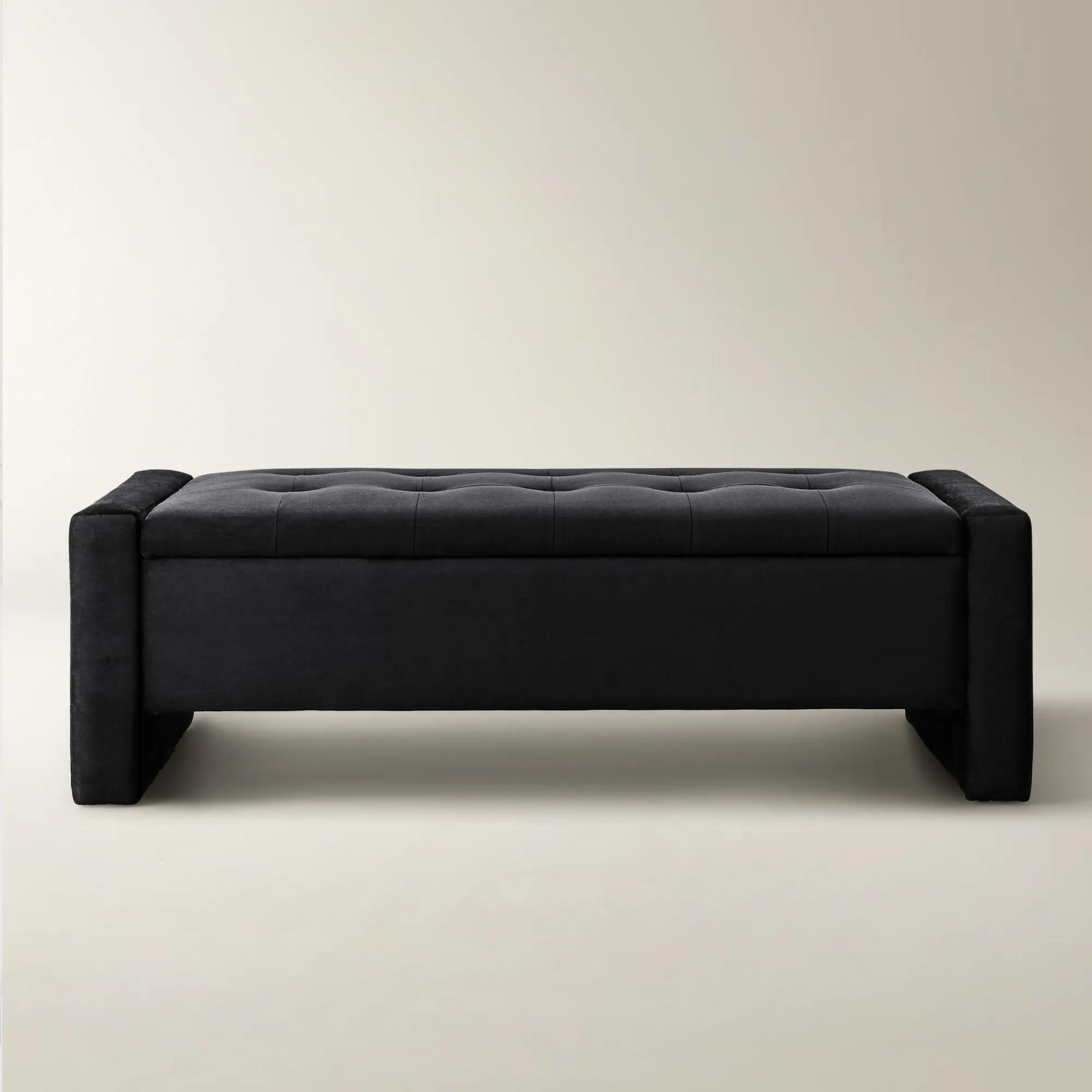
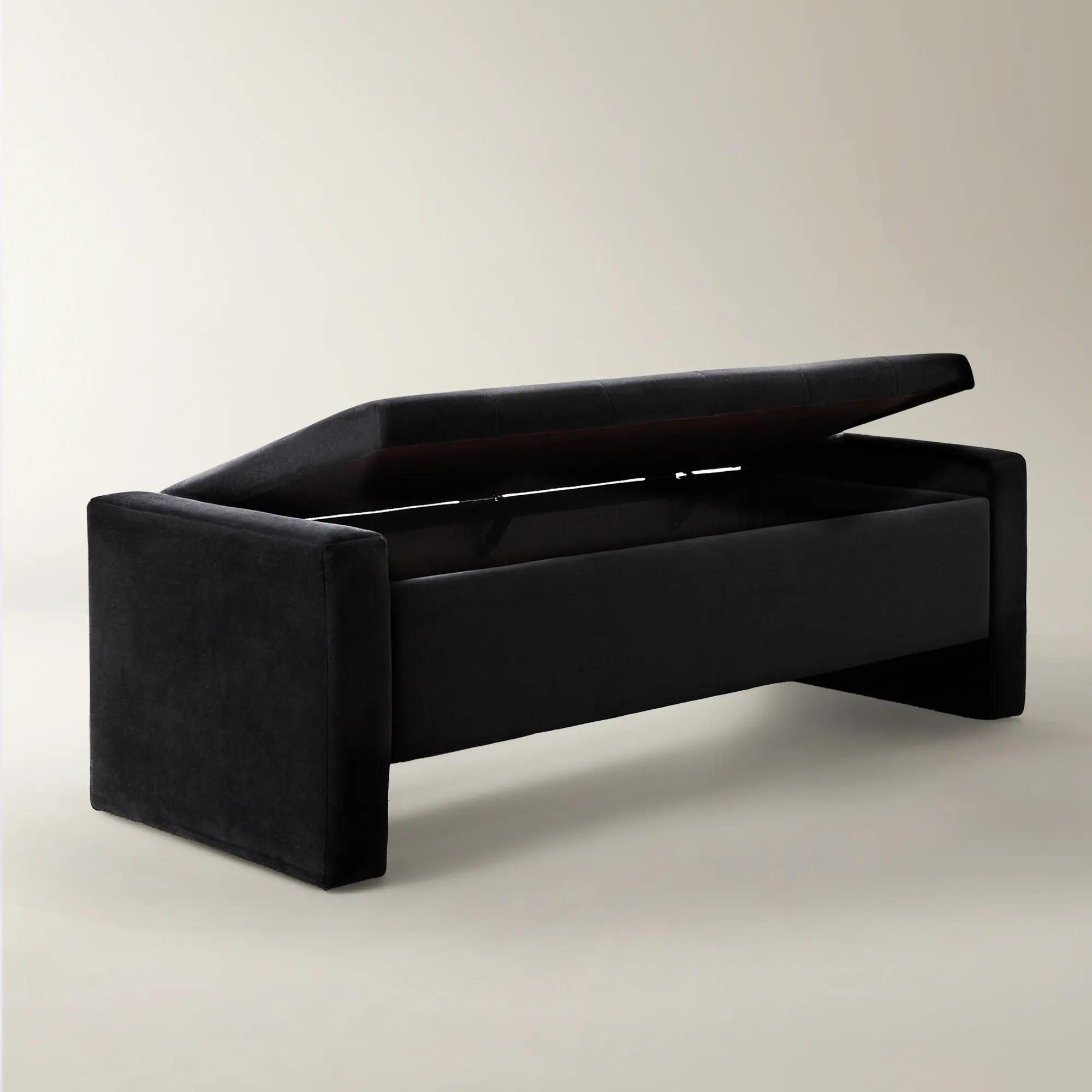 Maeve Storage Bench$1149
A modern velvet-upholstered bench with hidden storage, kiln-dried hardwood frame, and soft-closing glides.
Add To Cart -
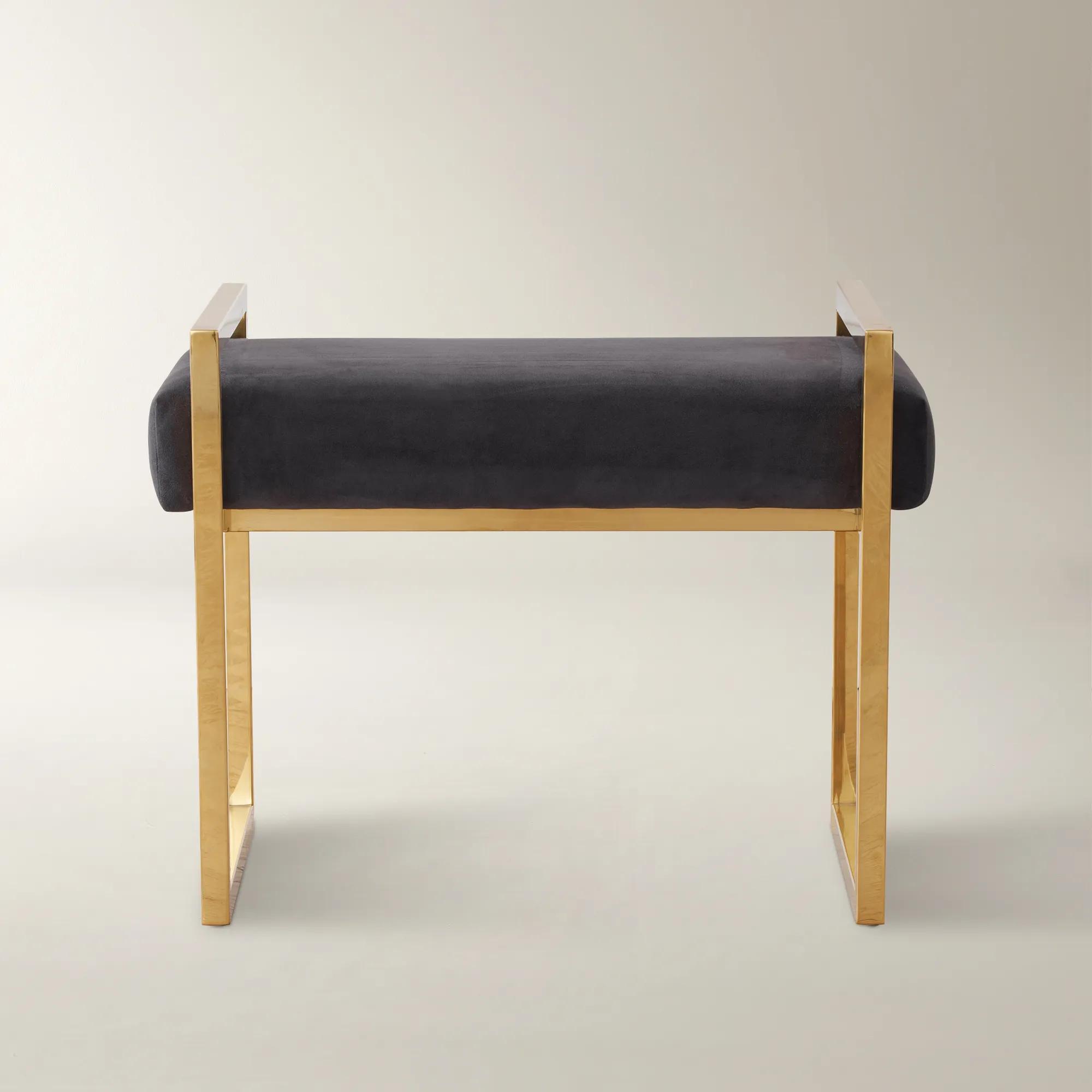
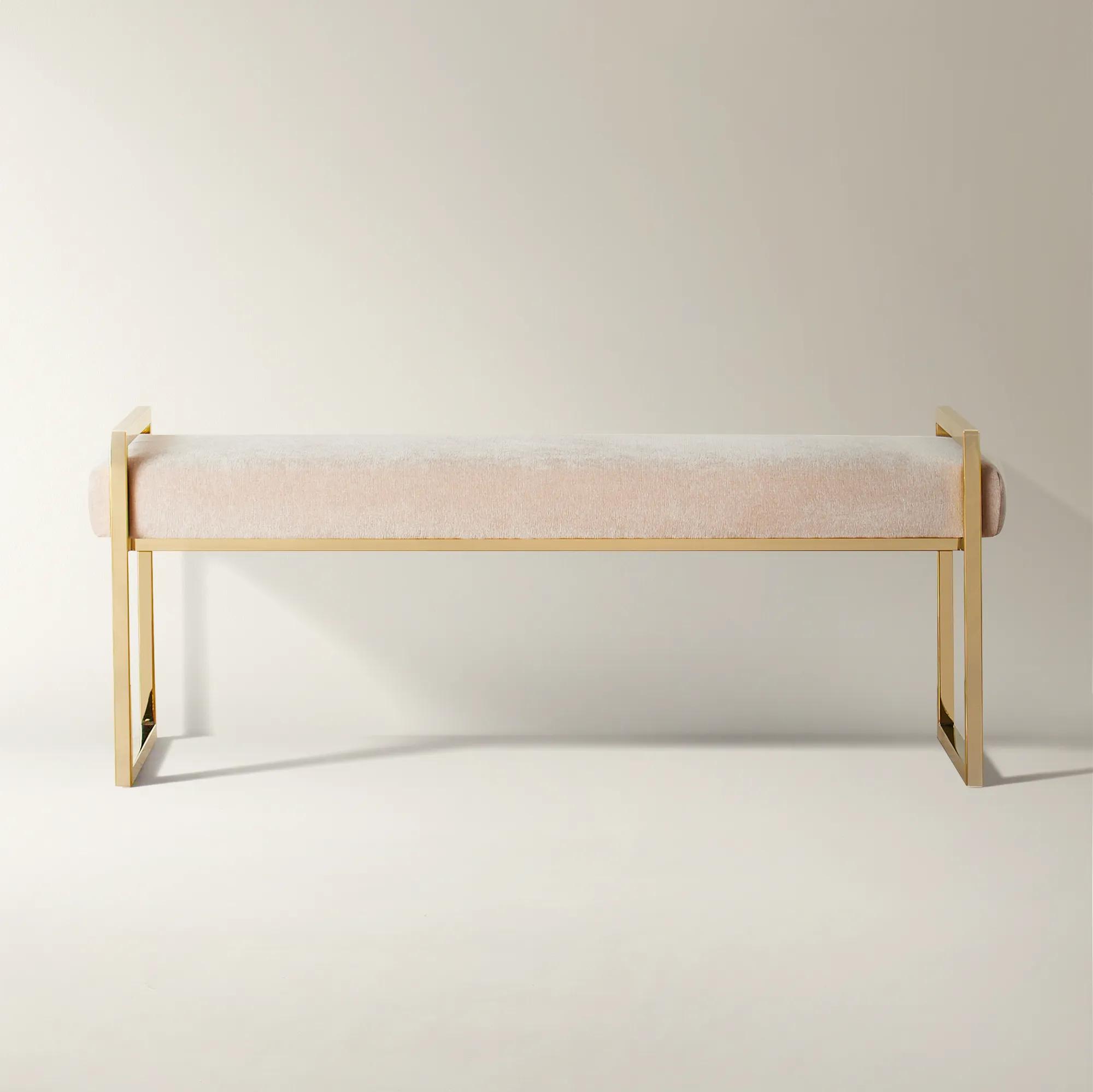 Clara Bench$699
A plush upholstered bench with a high-density foam seat and polished gold metal legs for modern elegance.
Add To Cart -
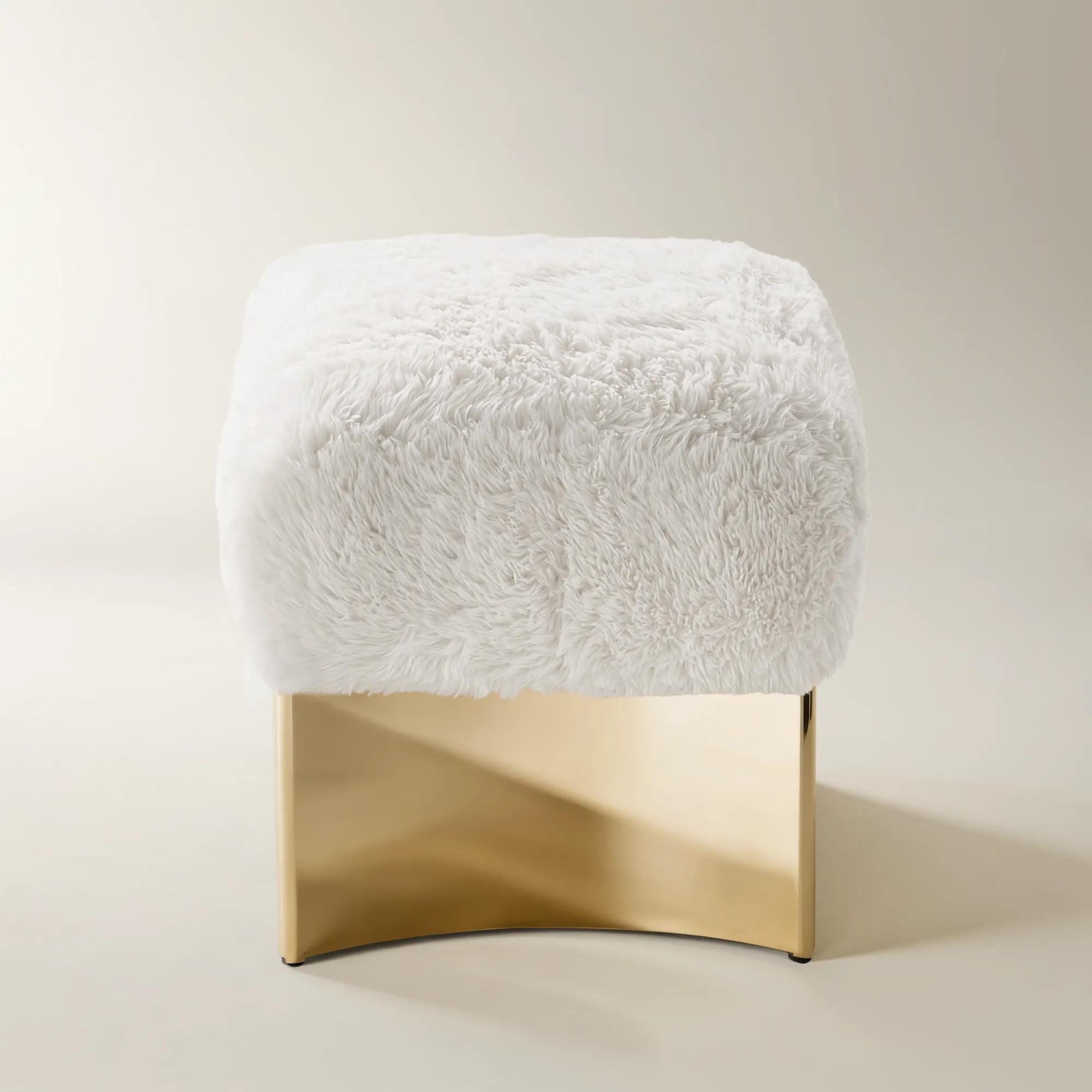
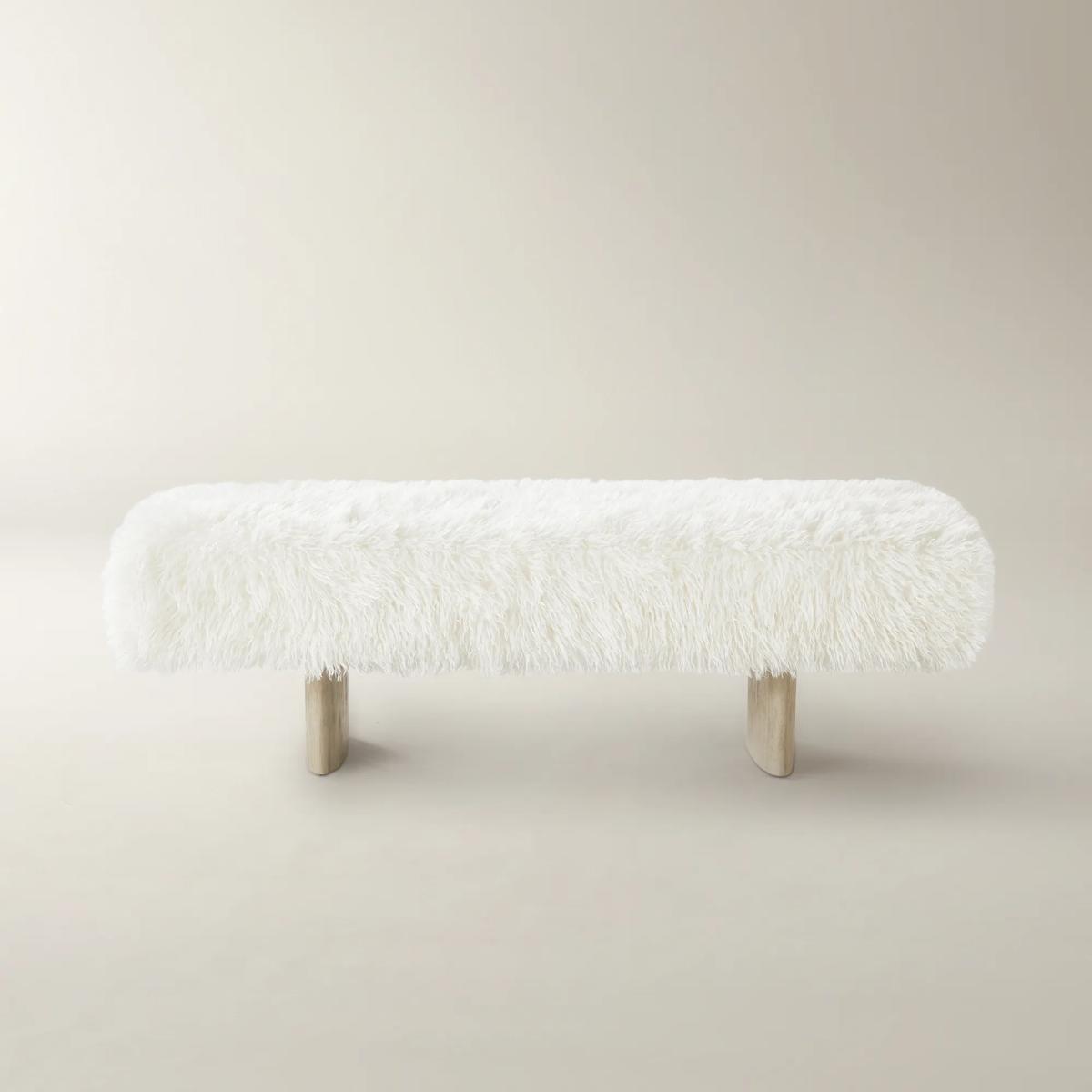 Micah Ivory Mongolian Faux Fur Bench With Rubberwood Legs (62.6")$699
An ivory faux Mongolian fur bench with high-density foam and sculptural solid rubberwood base for modern coziness.
Add To Cart -
.jpg?w=1200&h=1200) Micah Tan Mongolian Faux Fur Bench With Rubberwood Legs (62.6")$699
Micah Tan Mongolian Faux Fur Bench With Rubberwood Legs (62.6")$699A light brown faux fur bench with a curved rubberwood base and plush high-density foam cushion.
Add To Cart -
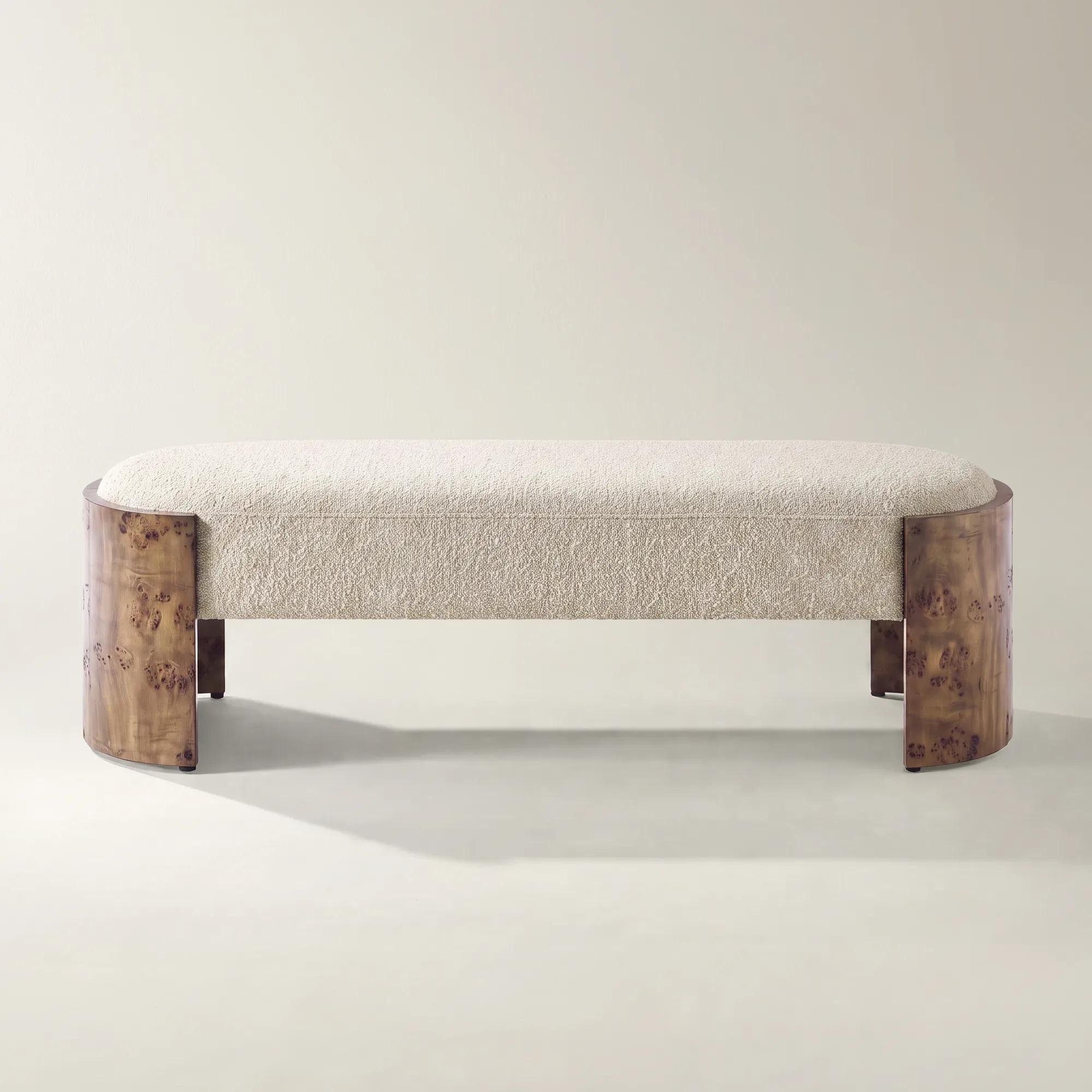
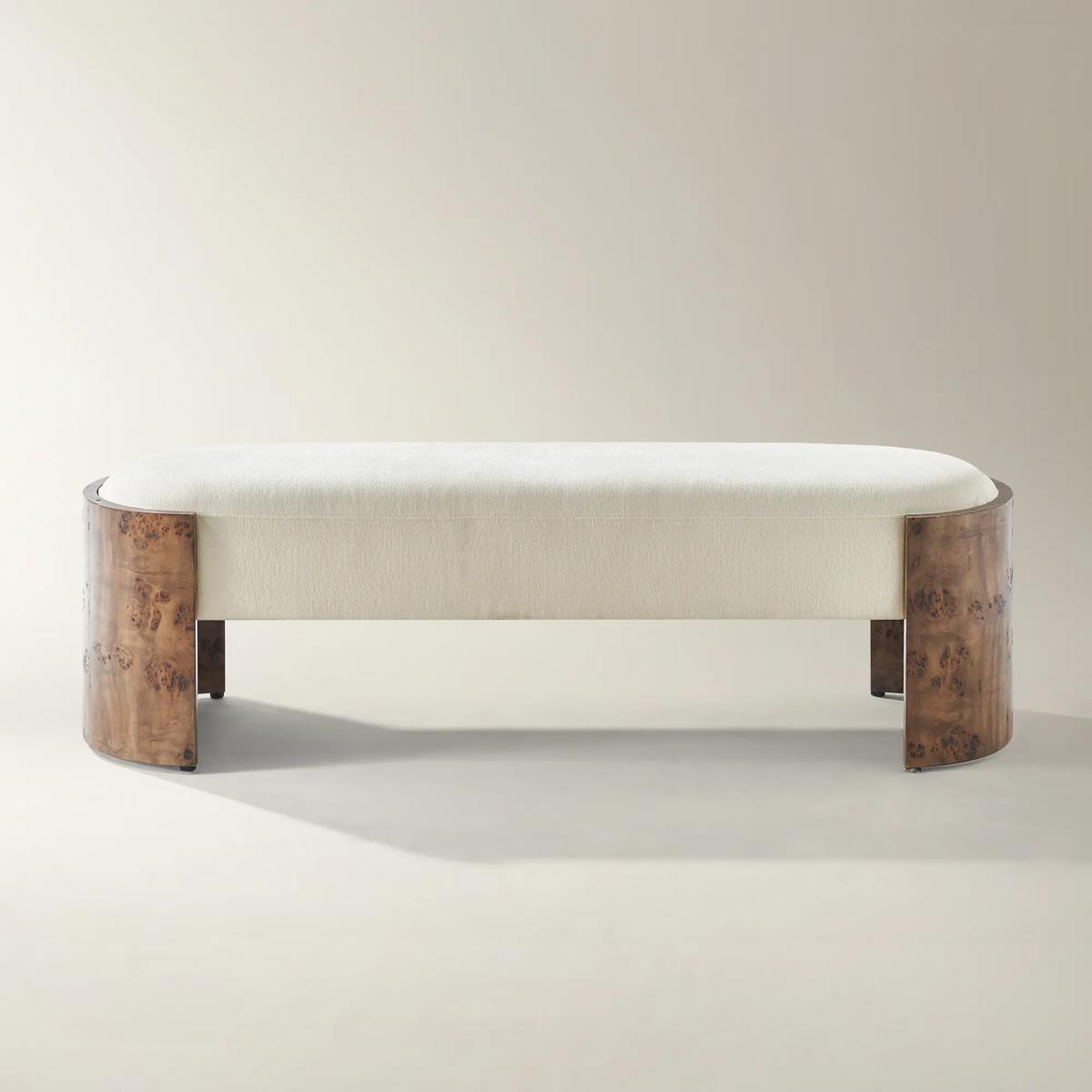 Cora Ivory Chenille With Ash Wood Bench (60.6")$999
An ivory chenille bench with curved ash burl veneer panels, blending plush comfort with striking wood artistry.
Add To Cart -
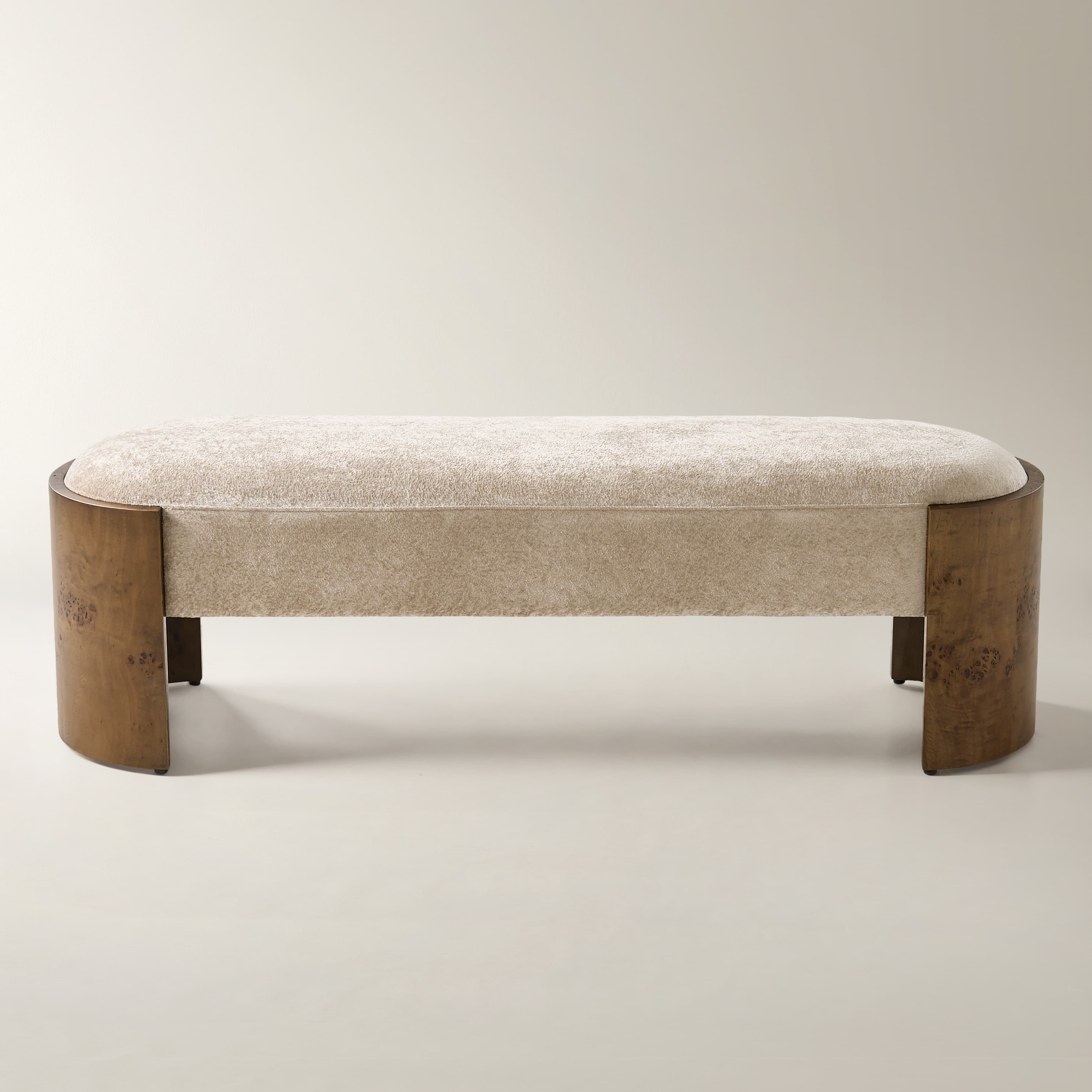 Cora Light Brown Chenille With Ash Wood Bench (60.6")$999
A light brown chenille bench with curved ash burl veneer panels, blending plush comfort and organic artistry.
Add To Cart -
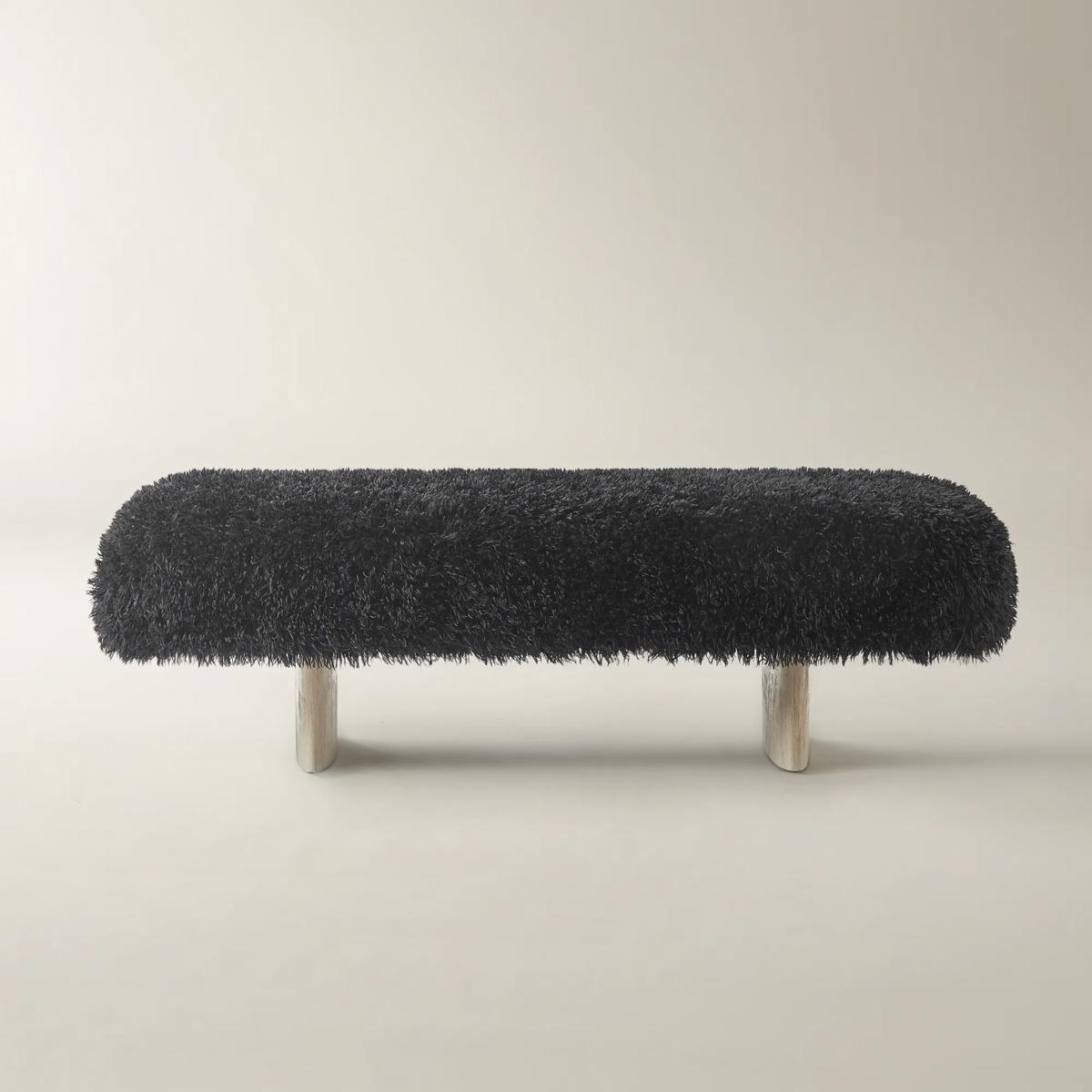 Micah Black Mongolian Fur Bench With Rubberwood Legs (62.6")$699
A striking black faux Mongolian fur bench with solid rubberwood legs for plush comfort and modern edge.
Add To Cart -
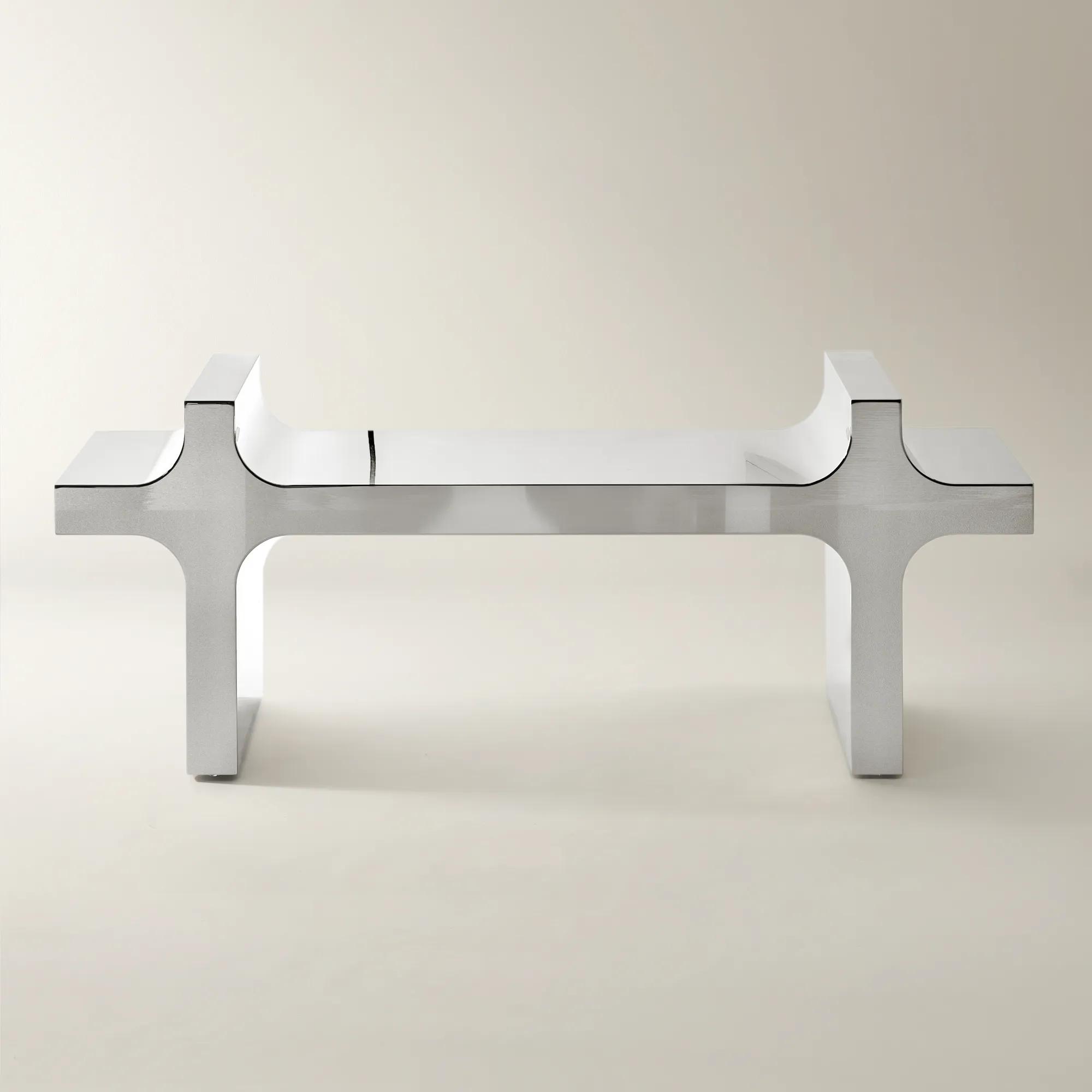 Reflective Silver Stainless steel Bench (59.06")$1249
A polished silver stainless steel bench with an anti-fingerprint finish for modern, sophisticated interiors.
Add To Cart -
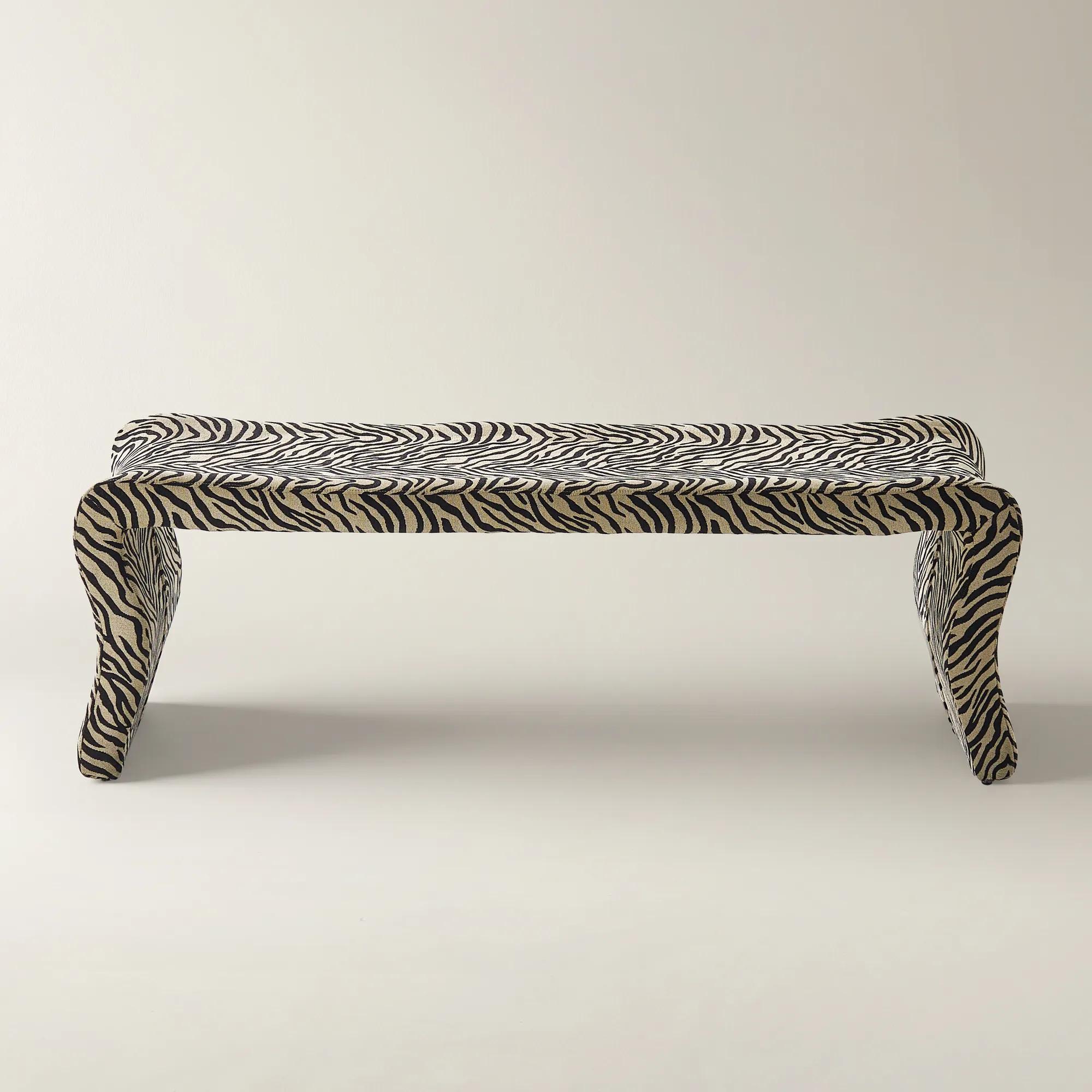 Romy Zebra Performance Chenille Bench (61.5")$799
A sculptural bench wrapped in zebra-patterned performance chenille with a wave-like silhouette and full foam construction.
Add To Cart -
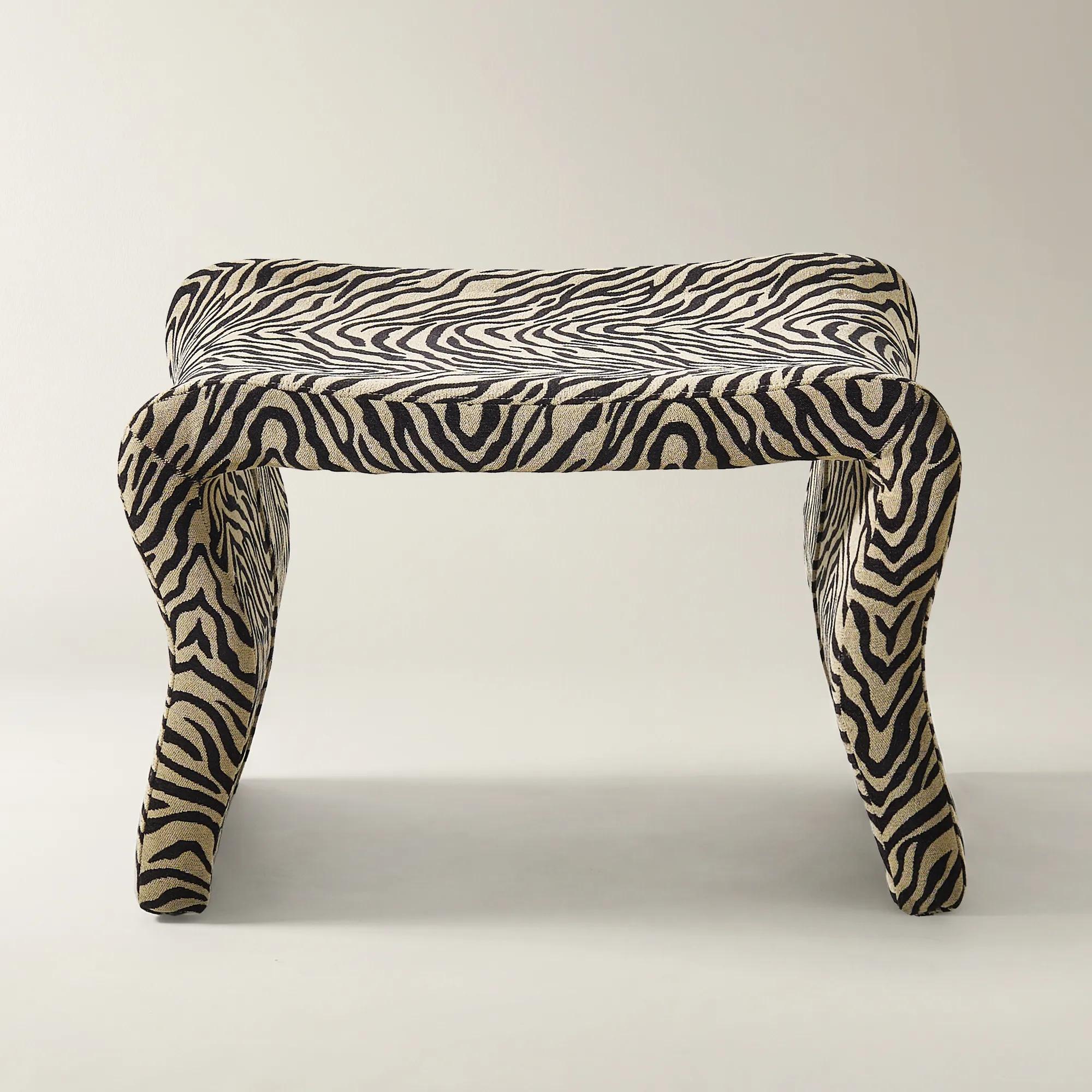
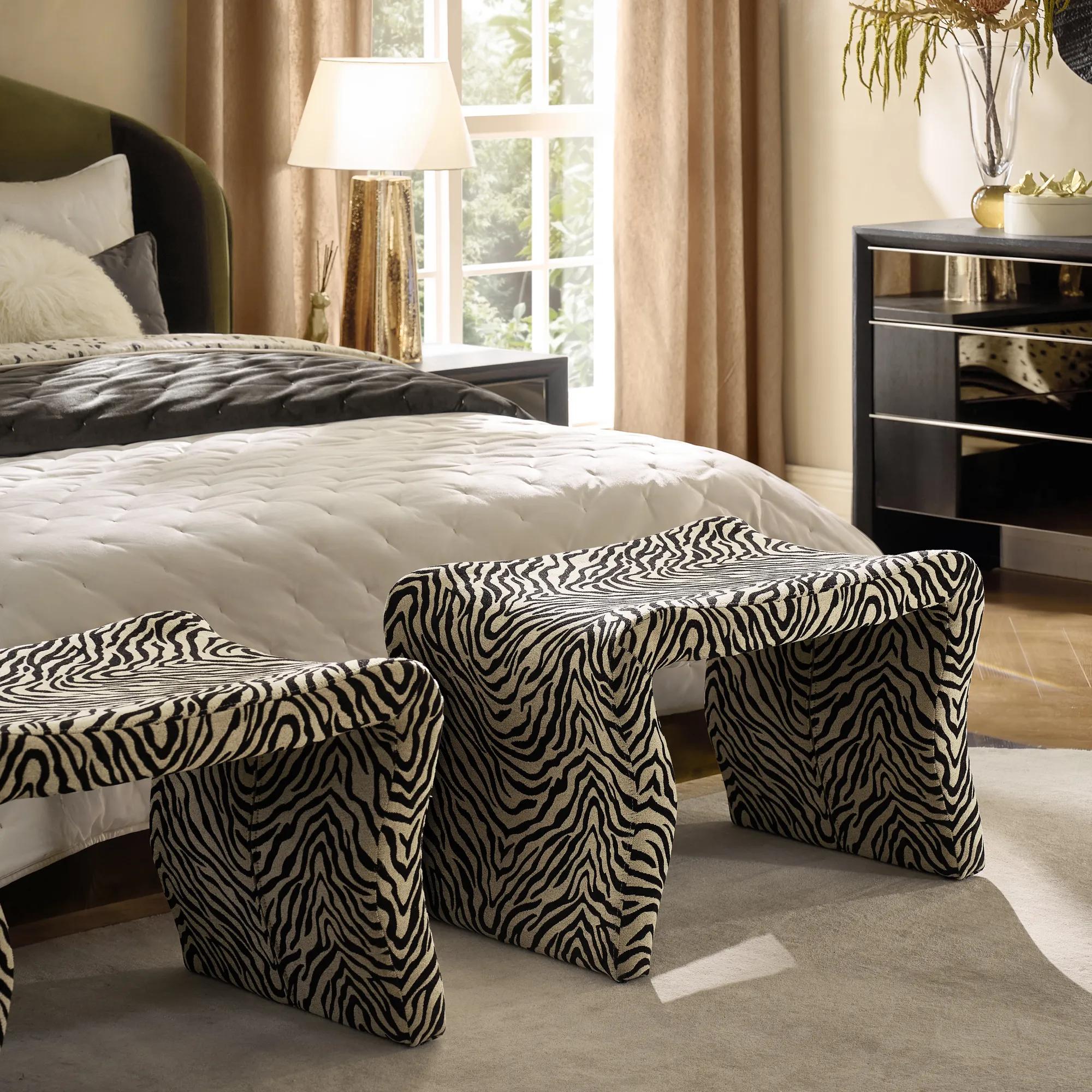 Romy Zebra Performance Chenille Bench (30.75")$399
A sculptural bench wrapped in zebra-patterned performance chenille with a wave-like silhouette and full foam construction.
Add To Cart -
.jpg?w=1200&h=1200)
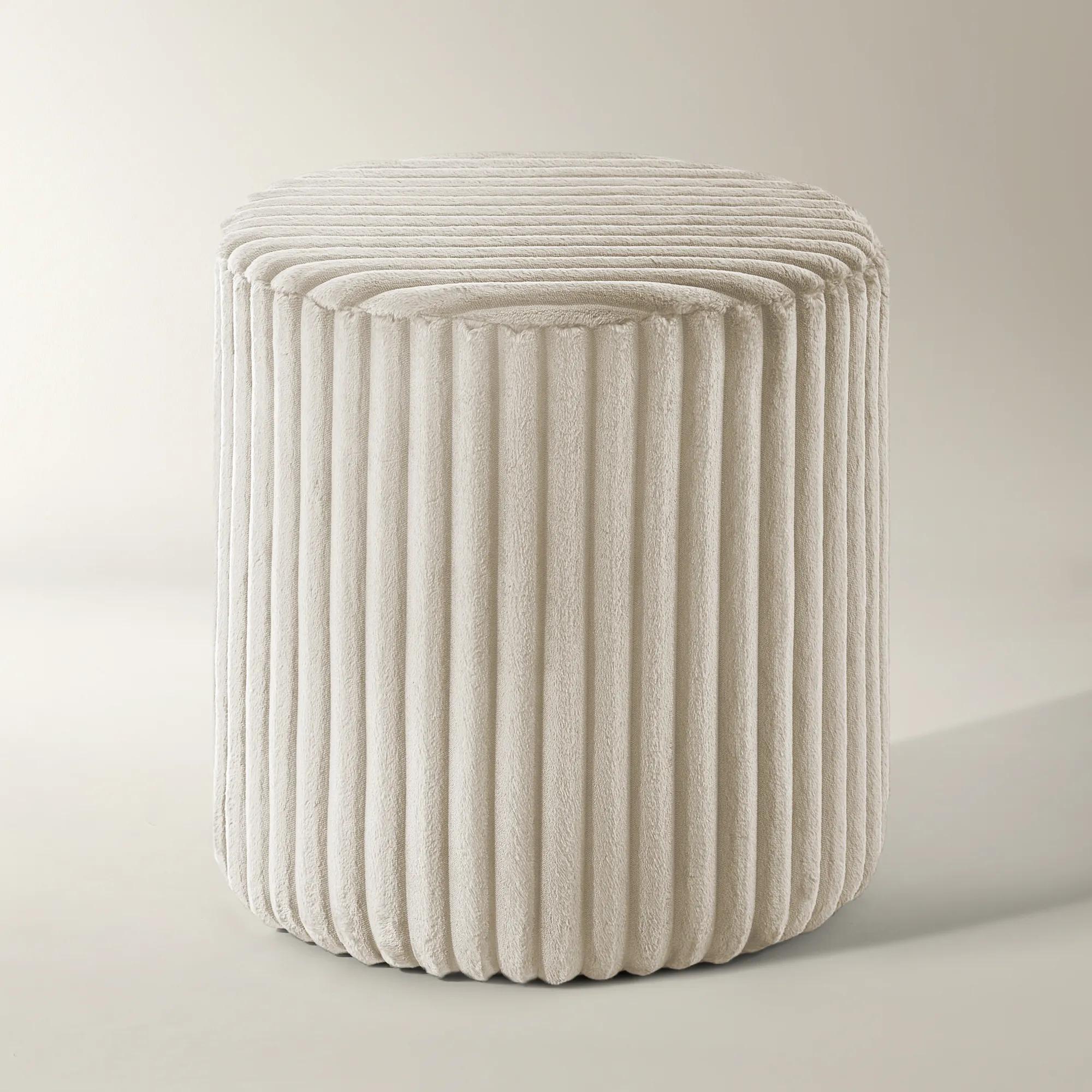 Fleece Fluted Ivory Velvet Stool (15.55'')$229
An ivory ribbed velvet stool offering cozy softness and versatile use as seating, footrest, or accent table.
Add To Cart -
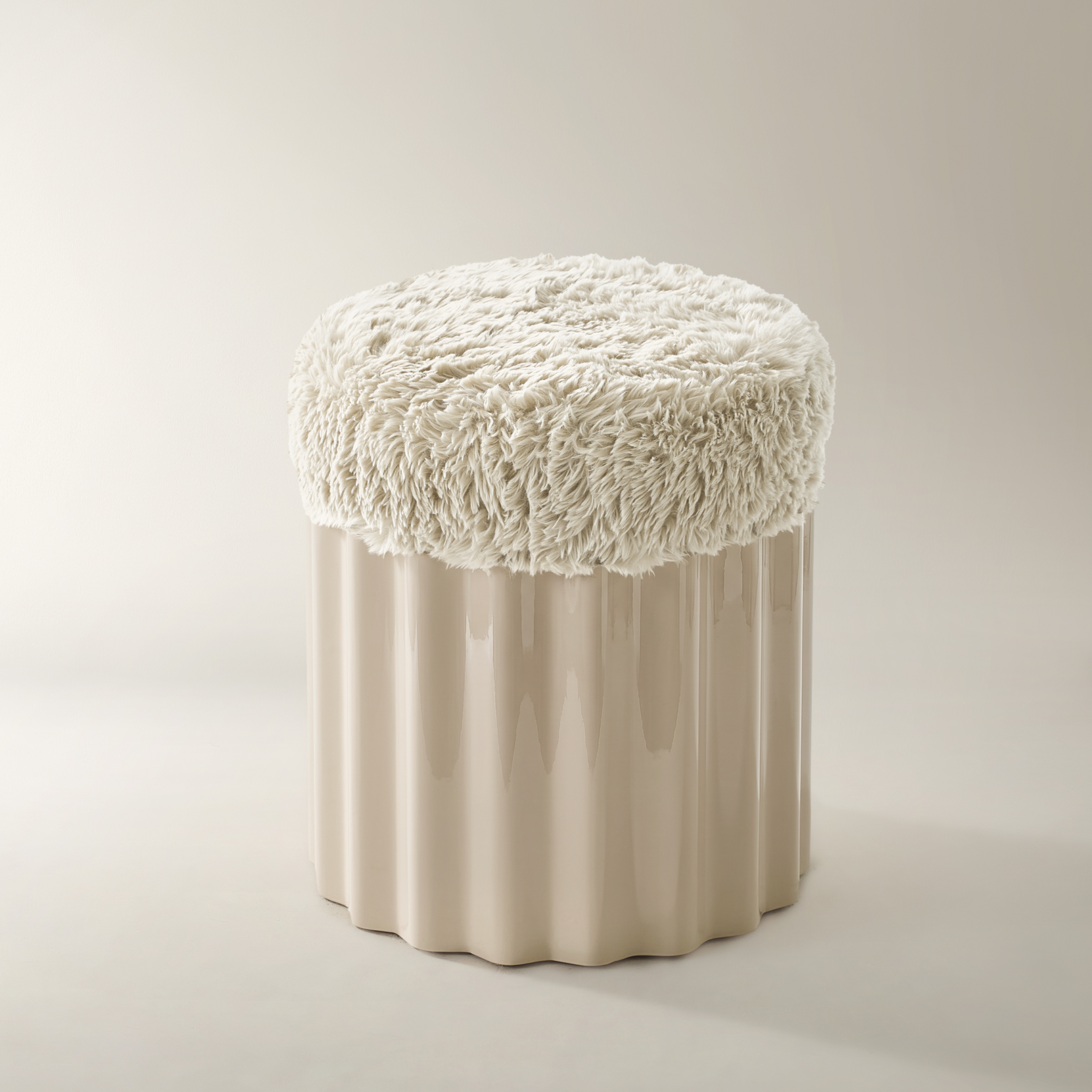
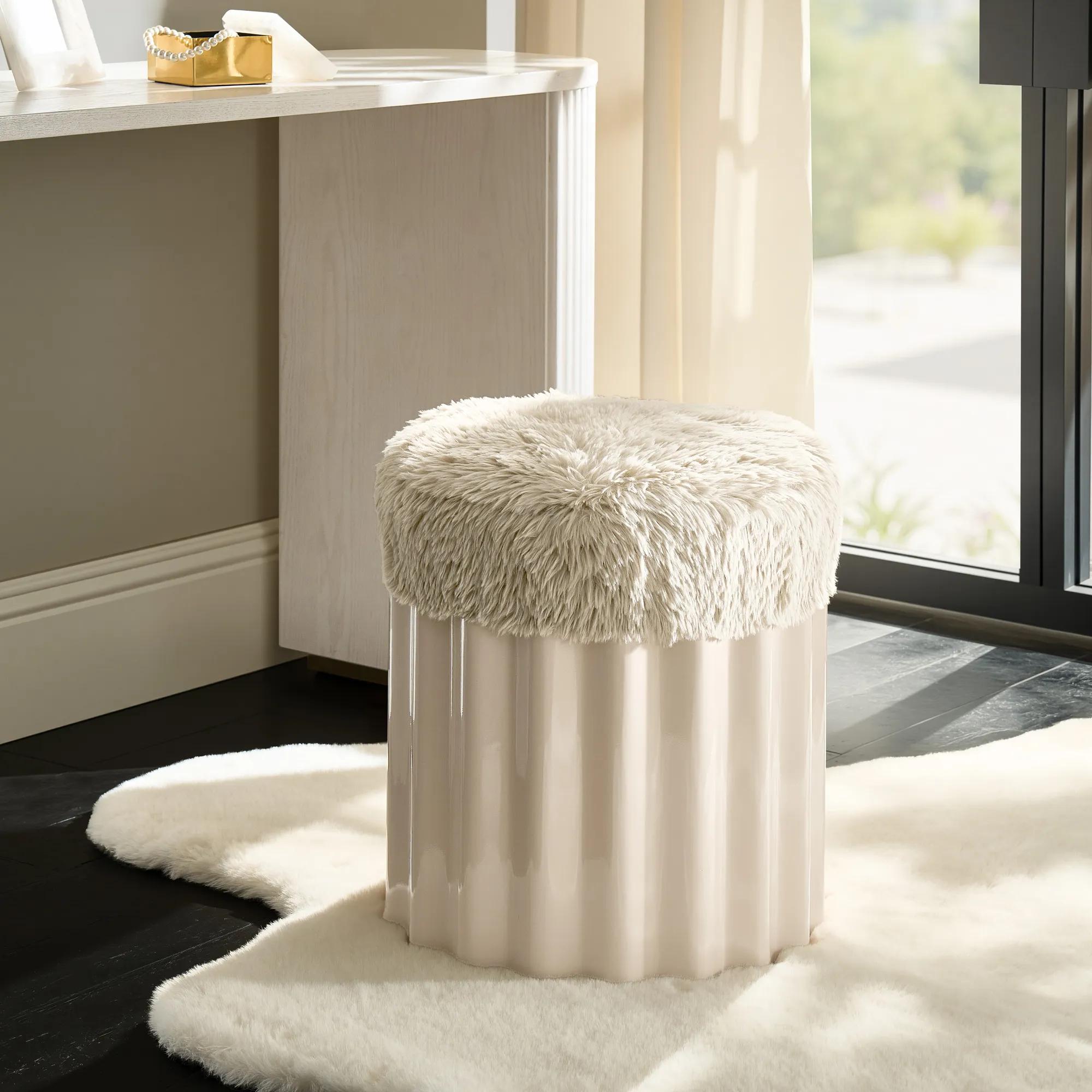 Nia Lacquered Turtle Dove Faux Fur Storage Stool$399
A sculptural fluted stool in warm turtle dove with plush faux fur seat and hidden storage compartment.
Add To Cart -
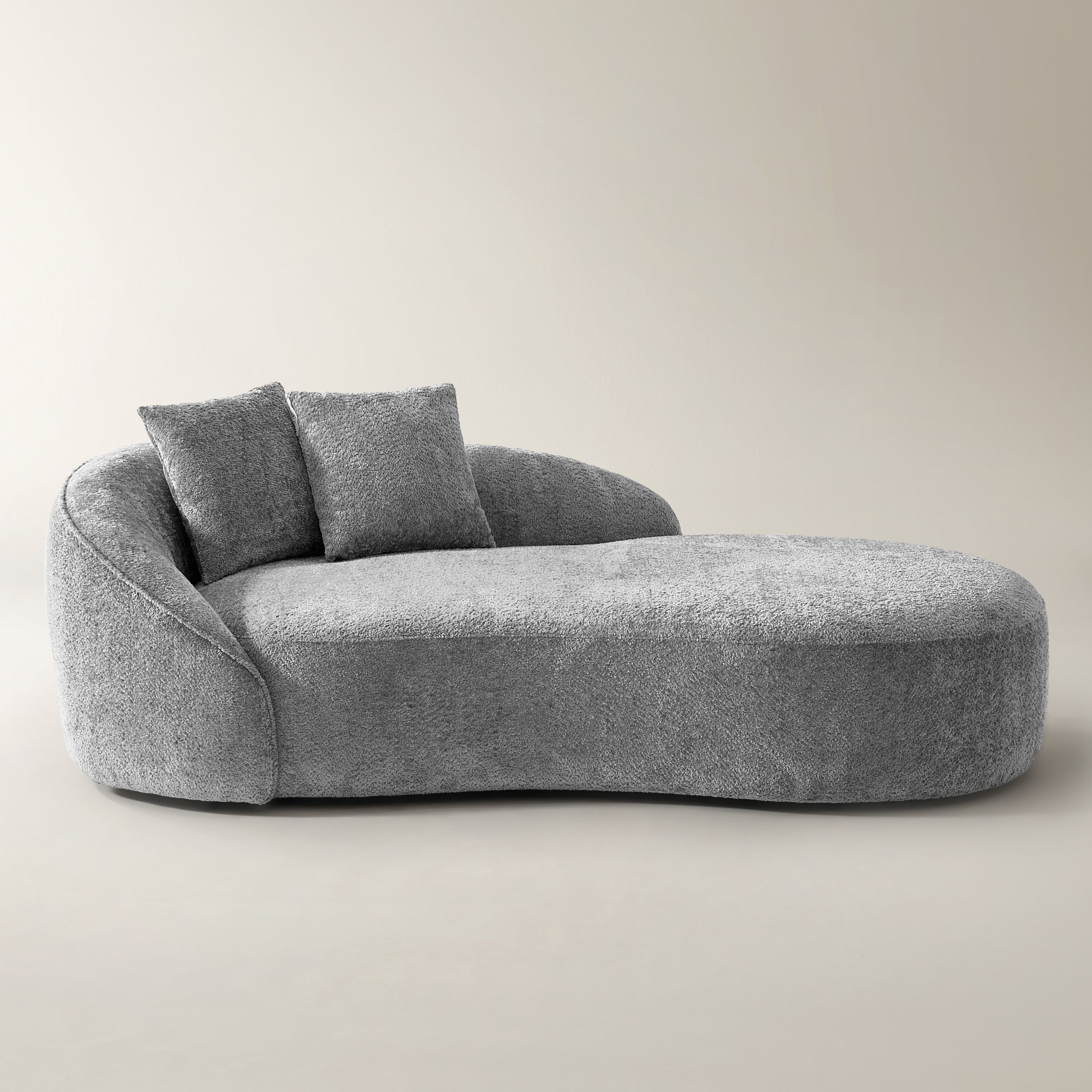 Irene Grey Chenille Chaise$1699
A sculptural chaise in light gray chenille with high-resiliency foam cushions and artisan hand-finished details.
Add To Cart -
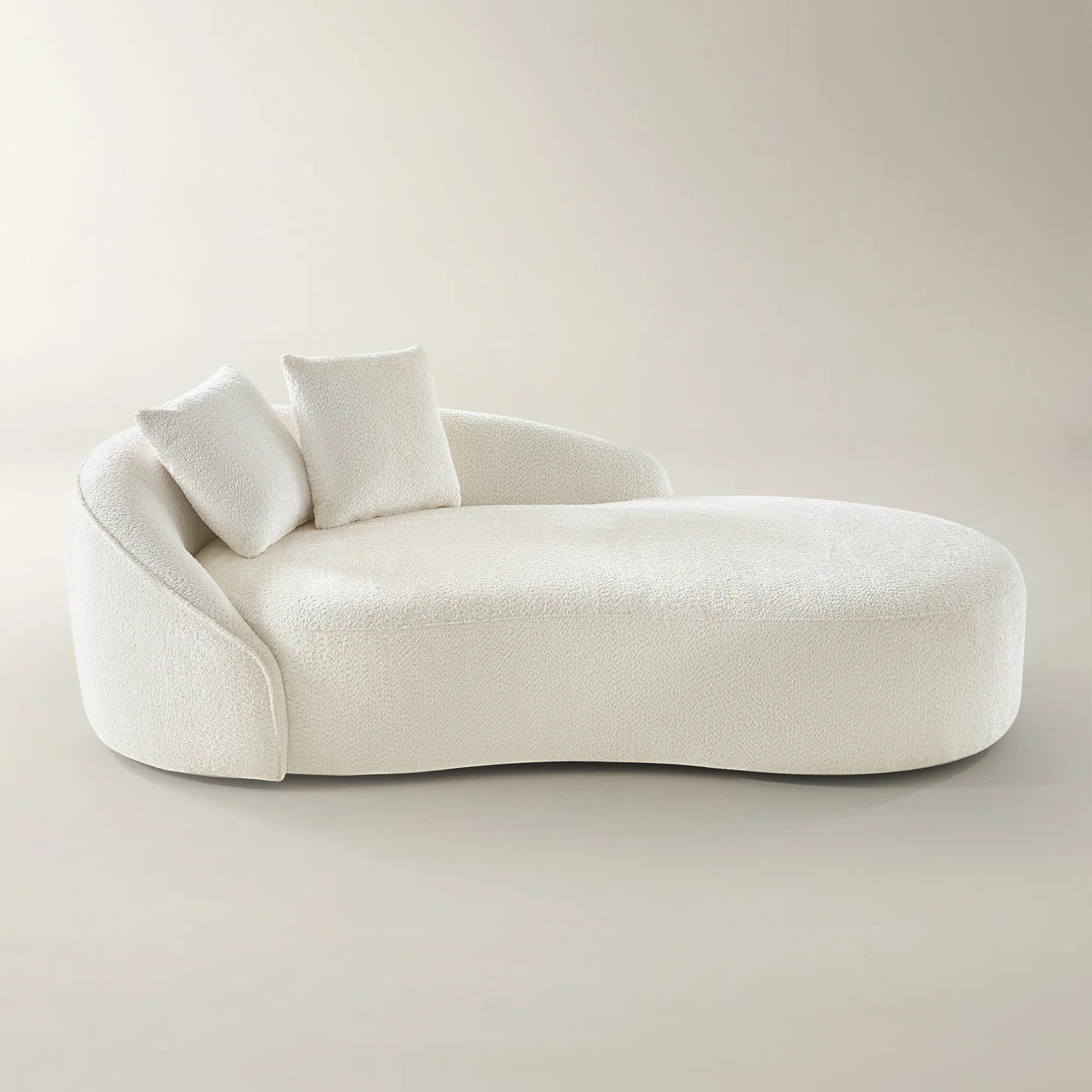 Irene Utopia Sand Chenille Chaise$1699
A sculptural chaise in creamy Utopia Sand chenille, featuring plush foam cushions and artisan hand-finished details.
Add To Cart

Sleek Benches For End Of Bed
Sleek Benches for End of Bed transform the ordinary into the extraordinary, inviting a sense of curated luxury to your sanctuary. Each bench is more than a finishing touch—it’s an exclamation point of style, contouring your bedroom with sculptural lines and modern elegance. Whether you seek a whisper of glamour or a bold statement, these pieces offer a sophisticated foundation for layering plush throws, artful trays, or simply your own sense of drama. Let every night begin and end in a space where comfort meets couture, and where every detail is designed to delight.
Sleek benches for the end of a bed bring a deliberate finishing line to the bedroom, balancing the generous volume of a mattress and layered bedding with a tailored silhouette. Set against a sweeping upholstered headboard, a slim bench introduces contrast; beneath a crisp coverlet, a softly rounded seat adds depth without competing for attention. The effect is architectural but inviting, with a place to sit while fastening shoes, lay out tomorrow’s outfit, or rest a folded throw before turning in. A bedroom bench feels especially considered when its proportions echo the bed without matching it edge to edge. As a starting point, look for a bench approximately two-thirds to three-quarters the width of the bed, then adjust for the actual bed frame, bedding overhang, and surrounding furniture. For a standard 60-inch-wide queen mattress, a bench around 45 to 50 inches wide often creates a balanced composition. For a standard 76-inch-wide king mattress, roughly 55 to 60 inches can provide a substantial presence while leaving the bed visually dominant. Explore benches for the end of a king bed when a wider sleeping arrangement calls for a more generous finishing piece. Smaller beds benefit from narrower seating: a full bed may suit a bench around 36 to 42 inches wide, while a twin generally needs a more compact silhouette that remains within the bed’s width. These measurements are starting points rather than fixed rules; a broad upholstered frame or an unusually narrow room can change the ideal fit. Shape matters just as much as width. Open legs allow more of the floor or rug to remain visible, lending visual lightness to richly layered rooms. A fully upholstered base feels more grounded and sculptural, particularly against smooth walls and restrained bedding. Neither approach requires a quiet palette. Sleek design can carry considerable drama through a sweeping curve, a lustrous textile, or a precisely placed metallic detail.
Materials give an end-of-bed bench its character, shaping both the atmosphere of the room and the experience of using it every day. Velvet catches light differently across its pile, creating depth that can make a single upholstery color feel richly dimensional. Its sumptuous surface pairs beautifully with crisp cotton bedding, lacquered furniture, and gleaming bedside accents, though the nap may show pressure marks or shading with use. Bouclé offers another expression of luxury, bringing a nubby, tactile surface to an otherwise streamlined form. That texture softens angular furnishings, but looped fabrics deserve consideration in homes where pet claws or jewelry might catch on the weave. Tightly woven upholstery can create a more tailored effect, with durability depending on fiber content, construction, and the manufacturer’s specifications rather than appearance alone. Leather introduces a smooth, substantial surface and may develop distinctive character over time; faux leather offers a related visual effect but has different care requirements and should not be treated as interchangeable. Wood frames contribute warmth through grain and finish, while metal bases introduce sharper definition, especially when their sheen repeats a detail elsewhere in the room. A pale upholstered seat above a slender metallic frame can brighten the foot of a dark bed; a deep-toned bench can give ivory bedding a confident visual anchor. For regular seating, construction deserves as much attention as finish. Secure joints, stable legs, suitable cushioning, and a stated weight capacity appropriate to the intended users are more meaningful than decorative heft. Solid wood, engineered wood, and metal can each perform well when properly designed and assembled. A firm seat may feel supportive while dressing, whereas deeper cushioning creates a softer perch for a brief pause. If the bench will serve as daily seating rather than primarily as an accent, confirm that it is designed for that purpose. For a shared bedroom, seat width and weight capacity also matter when two people may use the bench at once.
The most compelling bedroom arrangements leave room for both movement and ritual. Before choosing an end-of-bed bench, measure its full depth as well as its width, including any projecting legs, arms, or curved upholstery. Marking the footprint on the floor with painter’s tape makes it easier to picture walking around the bed, opening a dresser, or carrying a laundry basket through the room. Aim for about 30 inches or more of clear passage beyond the bench where possible, with additional space wherever doors, drawers, or individual mobility needs require it. Seat heights around 17 to 20 inches are common, but comfort depends on the user; for many adults, sitting with feet resting flat on the floor makes dressing easier. Visually, a seat that falls below the top of the mattress usually preserves the bed’s prominence. Storage benches add another layer of usefulness, keeping spare throws or decorative pillows close without leaving them on the floor. Check interior dimensions rather than assuming the outside measurements reflect usable storage, and allow enough room for a hinged lid to open without pressing into the bedding. An open-base bench serves a different mood, revealing a patterned rug and maintaining an airy outline. In a guest bedroom, either style offers a welcoming place to settle while unpacking, though luggage should only rest on surfaces suited to its weight and potentially abrasive hardware. For upholstered designs, routine care usually begins with gentle vacuuming using an appropriate attachment and prompt attention to spills according to the care label. Cleaning codes matter: a fabric intended for solvent-based treatment should not automatically receive a water-based cleaner. Wood and metal finishes also benefit from manufacturer-approved care, soft cloths, and protection from standing moisture or abrasive products. Keep upholstery away from prolonged direct sunlight when possible, and check fasteners periodically if the construction allows. During the cooler months, a folded textured throw brings softness to the seat without concealing its silhouette. Leave enough surface visible to appreciate the upholstery, the curve of the frame, and the balance of the composition. With thoughtful proportions and materials suited to daily life, a sleek bench becomes an expressive part of the bedroom rather than an afterthought at its edge.
FAQs
Sleek end-of-bed benches often feature a harmonious blend of materials that evoke both luxury and modernity. Popular choices include plush upholstery in velvet or bouclé for a soft, inviting touch, paired with gleaming metal or lacquered wood bases that lend a sculptural edge. These material combinations not only enhance visual interest but also create a tactile experience that elevates the entire bedroom.
An end-of-bed bench acts as a finishing flourish, anchoring the room with a sense of intention and artistry. It brings balance to the bed’s silhouette, introduces new textures, and can serve as a platform for decorative accents like throws or accent pillows. This versatile piece helps transform the bedroom into a thoughtfully curated sanctuary, reflecting your personal style and elevating the everyday.
Absolutely. End-of-bed benches are a thoughtful addition to guest rooms, providing visitors with a convenient place to sit, unpack, or lay out their belongings. Beyond their practicality, benches infuse the space with a sense of hospitality and style, ensuring guests feel both welcomed and indulged.
Yes, their versatility is part of their charm. Many benches offer hidden storage, making them ideal for tucking away linens or seasonal accessories. Others serve as a chic display area for books, trays, or decorative objects, allowing you to layer in personality and function without sacrificing elegance.
Sleek end-of-bed benches are remarkably adaptable, complementing a range of decor styles from contemporary glam to timeless classic. Pair them with mirrored nightstands for a touch of old-Hollywood drama, or layer with textured rugs and metallic accents to create a rich, inviting vignette. The bench’s clean lines and luxe materials make it a natural focal point in any beautifully curated bedroom.
.jpg?w=3000&h=3000)
.jpg?w=4324&h=4324)