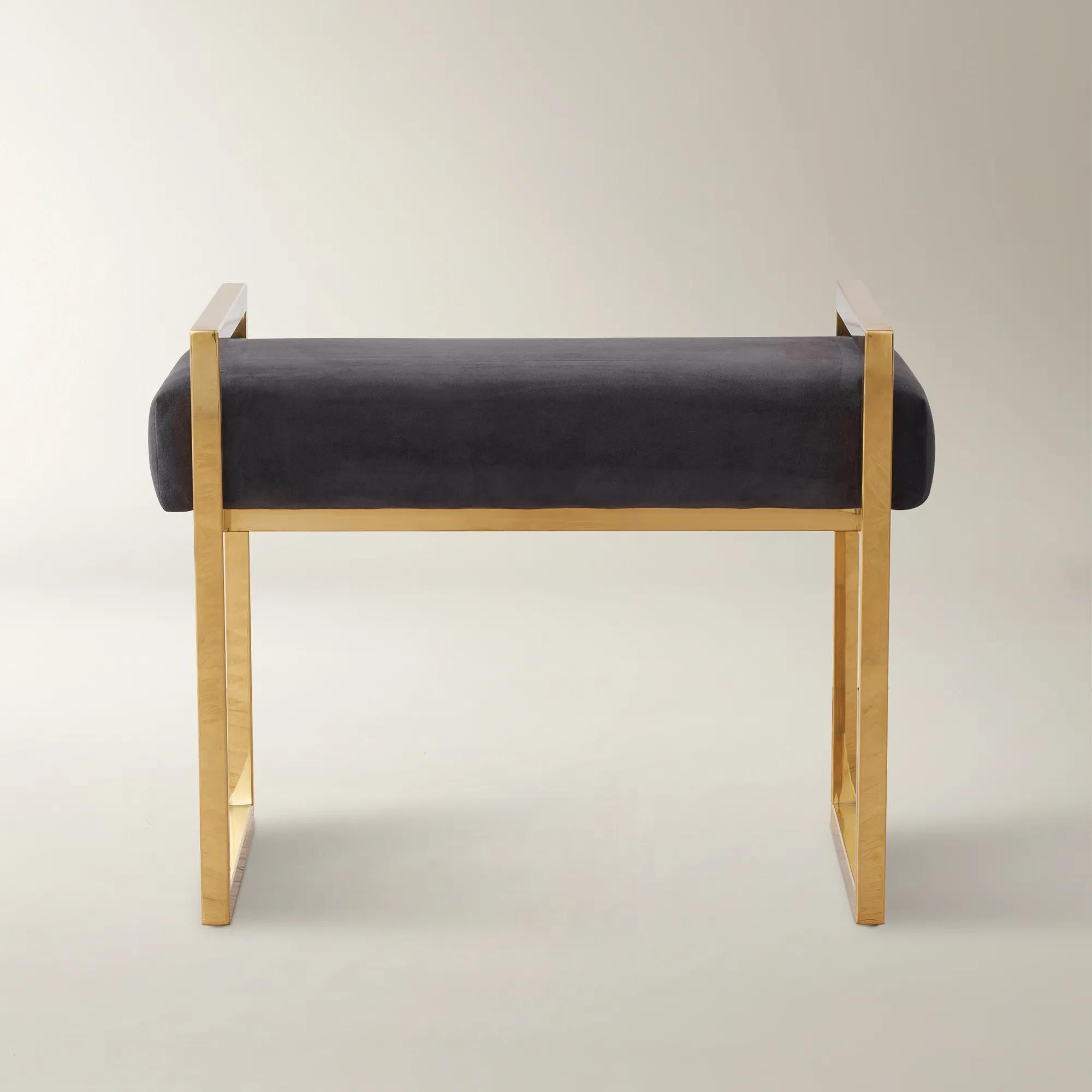
Benches For Indoor Seating
Benches For Indoor Seating
-
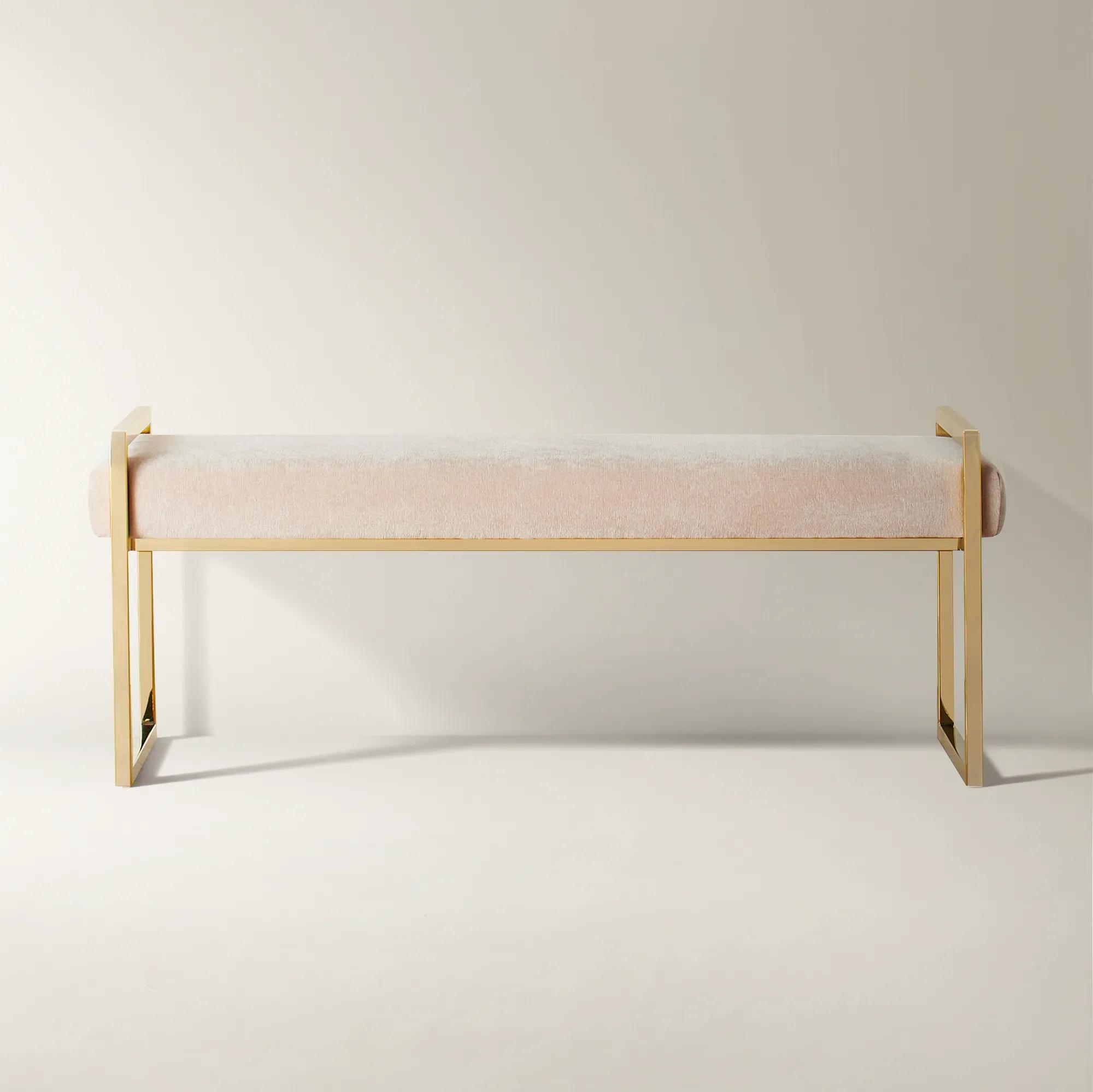 Clara Bench$699
A chic bench featuring a plush upholstered seat and polished gold metal legs for modern elegance.
Add To Cart -
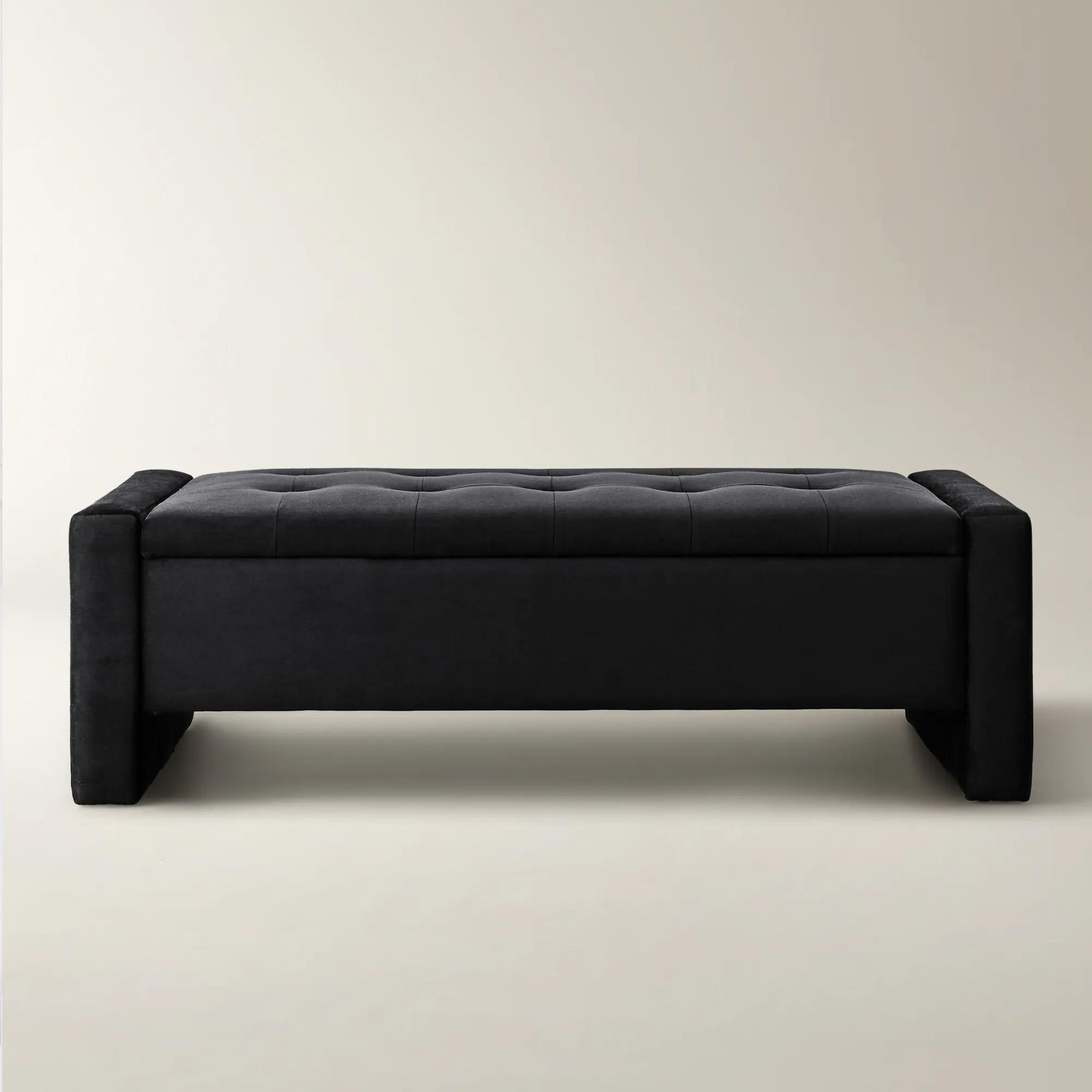
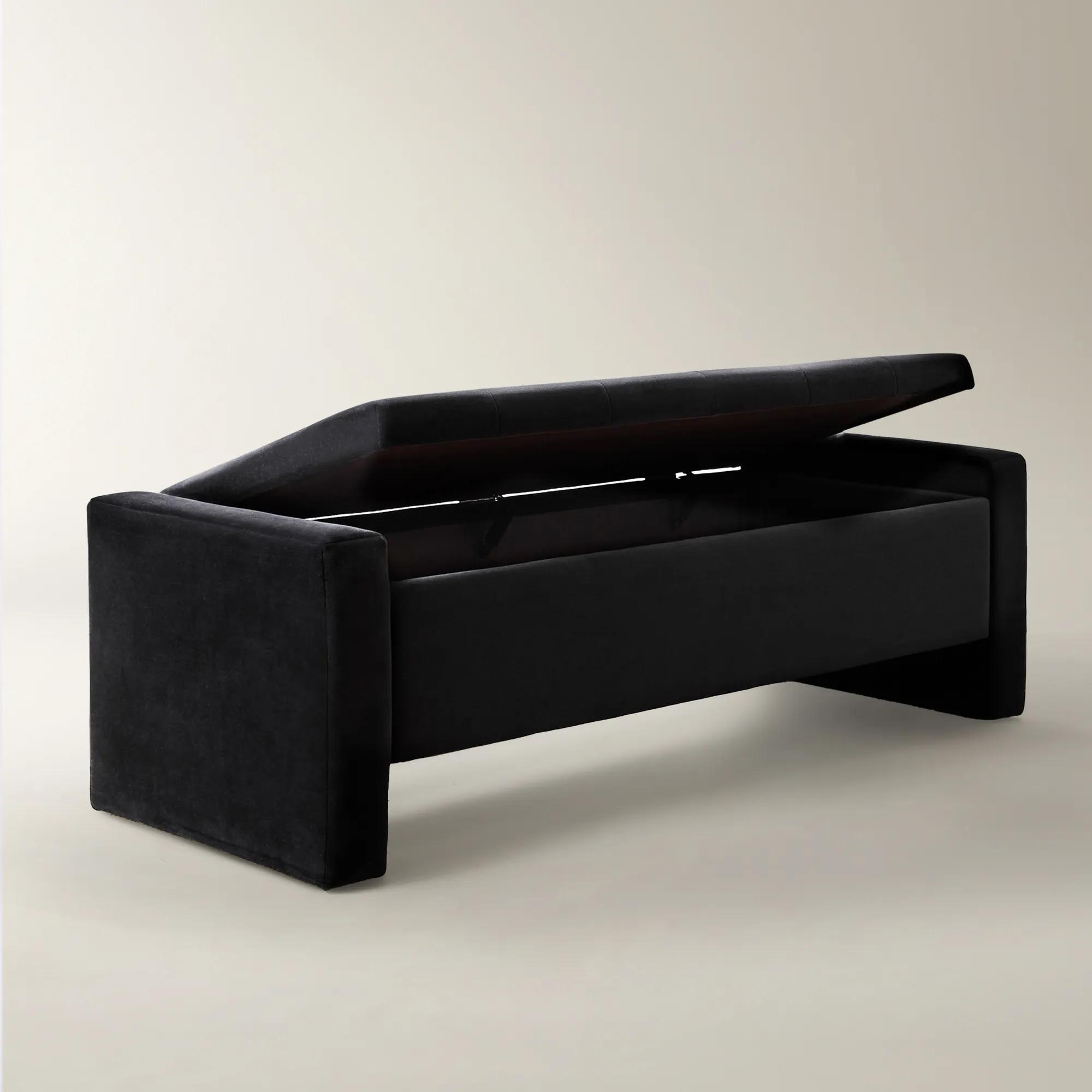 Maeve Storage Bench$849
A modern velvet-upholstered bench with hidden storage and a sturdy kiln-dried hardwood frame.
Add To Cart -
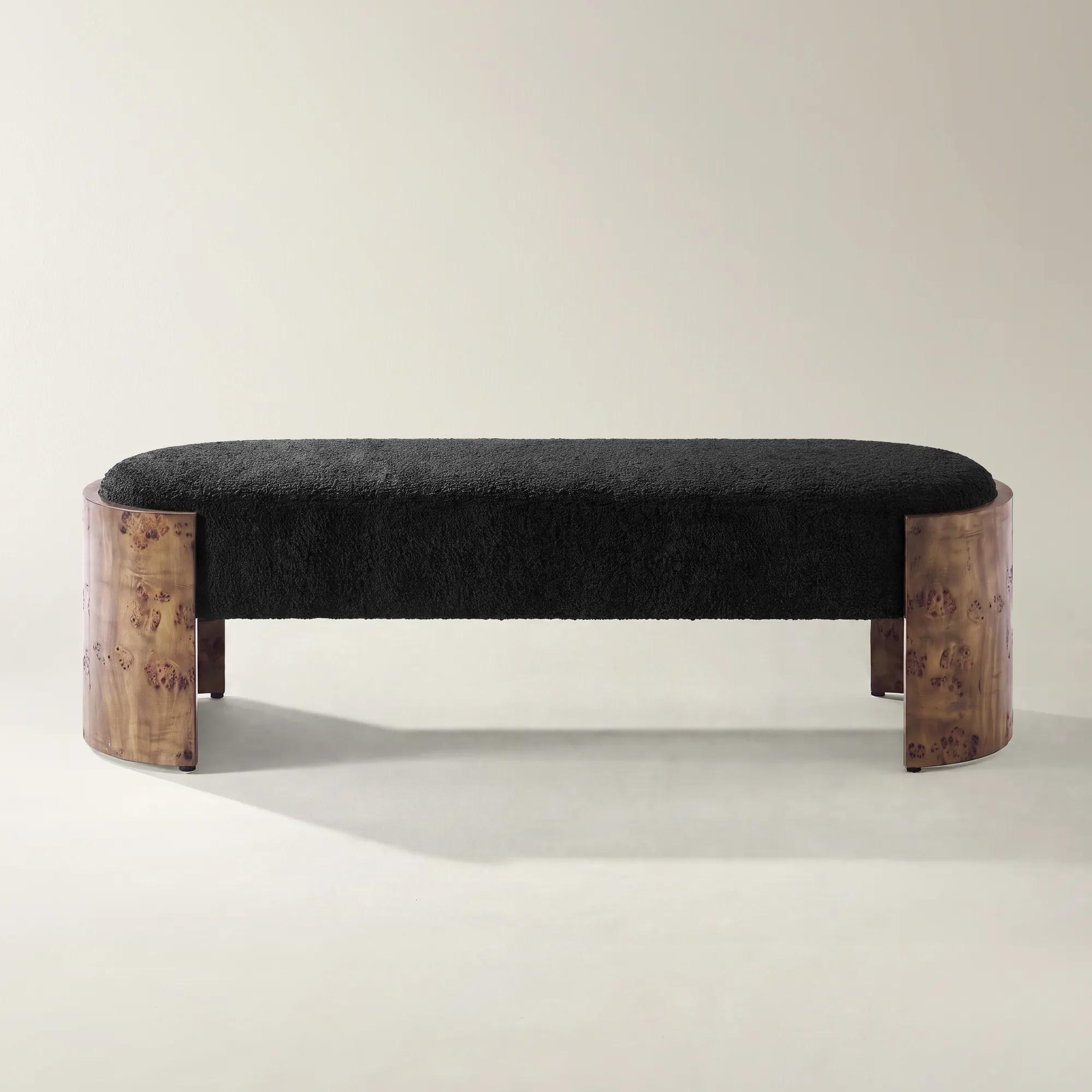 Cora Black Chenille With Ash Wood Bench (60.6")$999
A sculpted charcoal chenille bench featuring curved bookmatched ash burl panels and supportive foam cushioning.
Add To Cart -
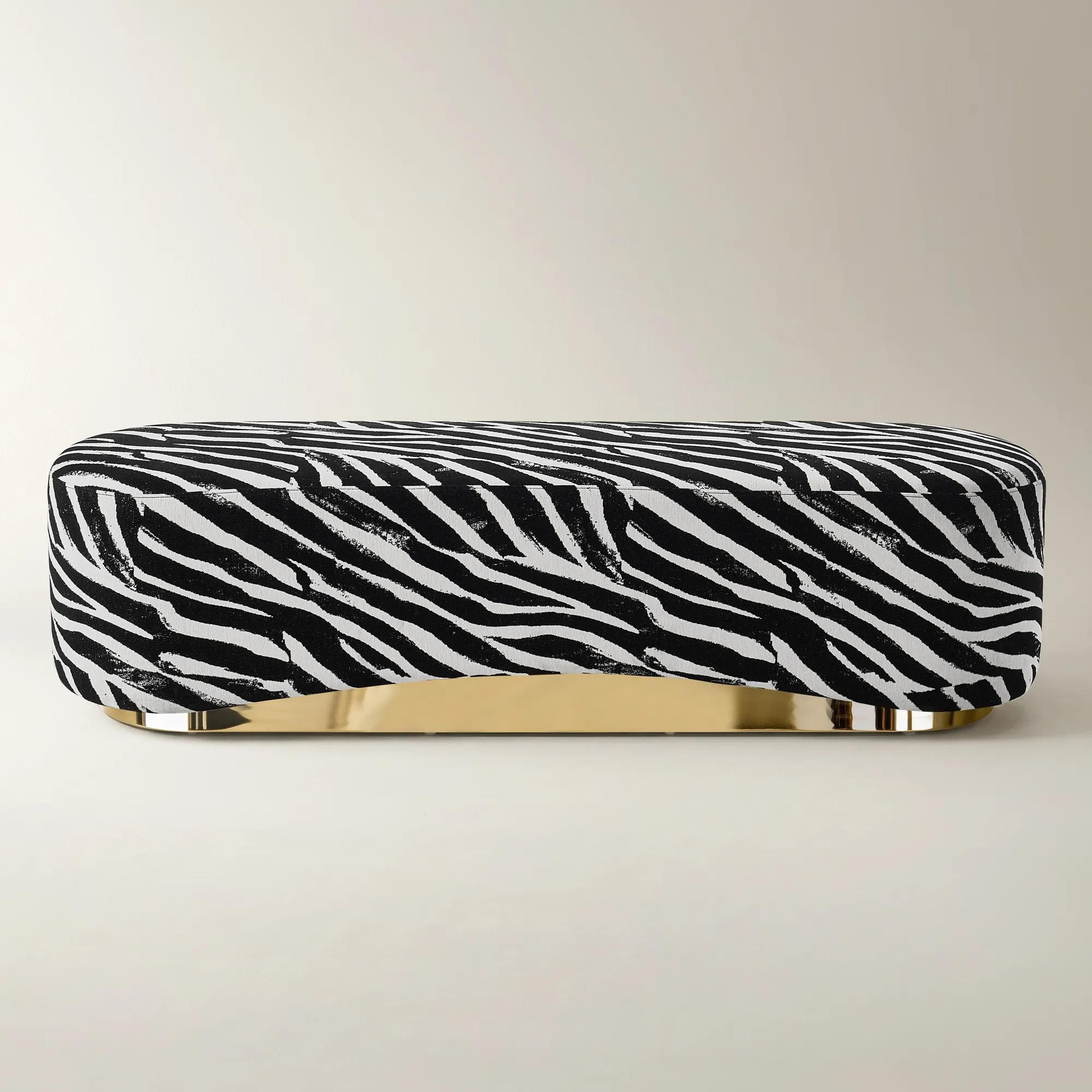
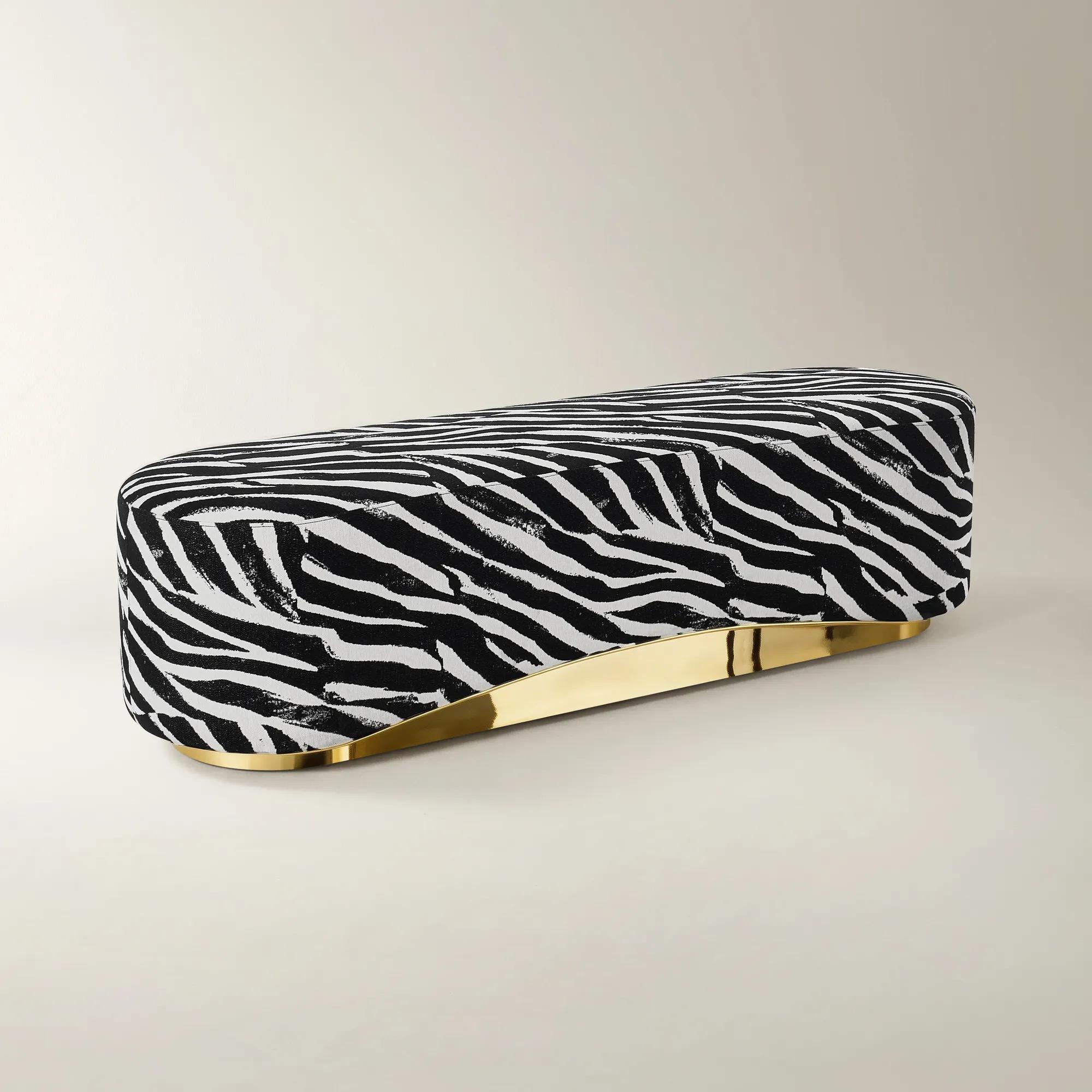 Kendra White/Black Performance Chenille Bench (70.47")$799
An elongated oval bench upholstered in white and black performance chenille with a polished gold stainless steel base.
Add To Cart -
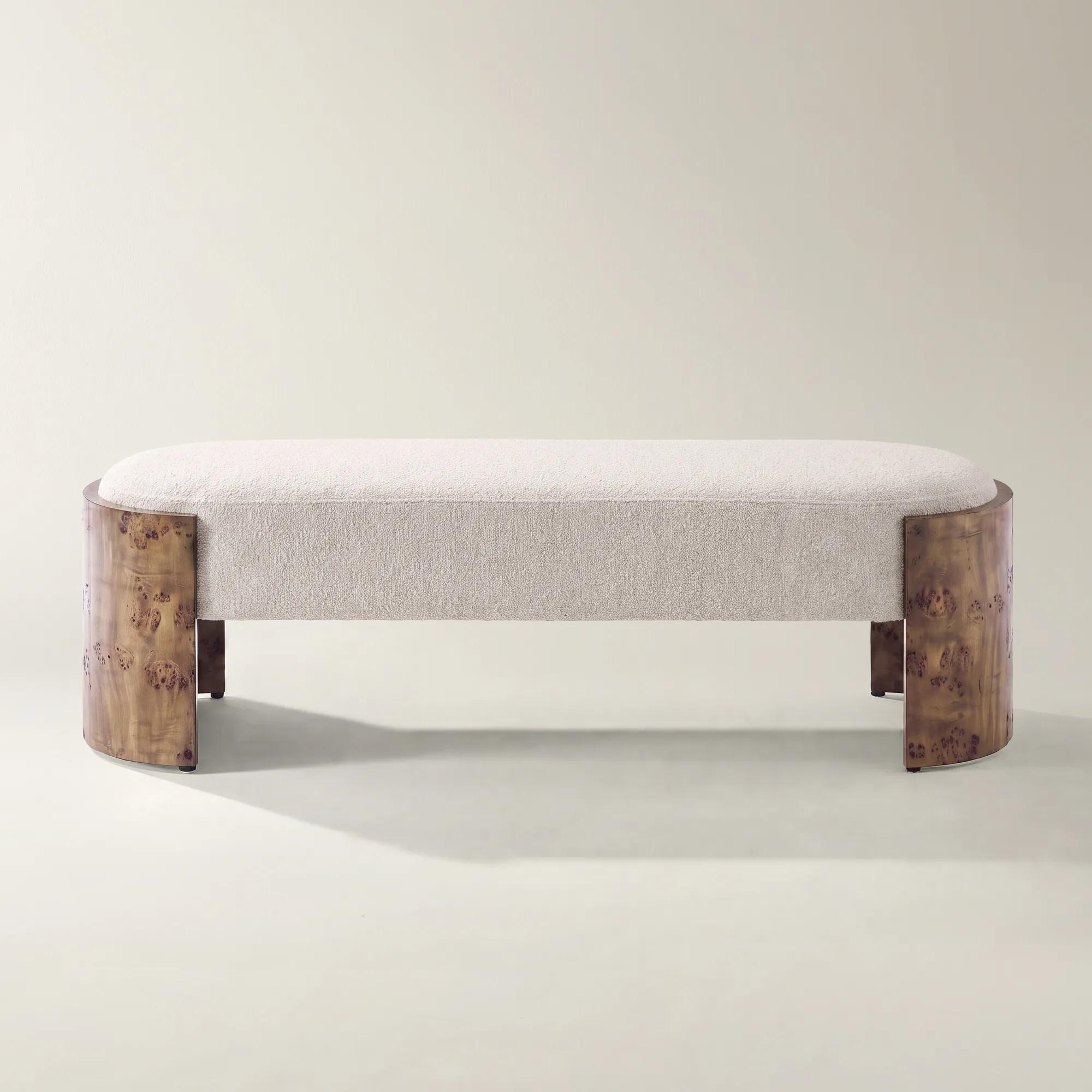
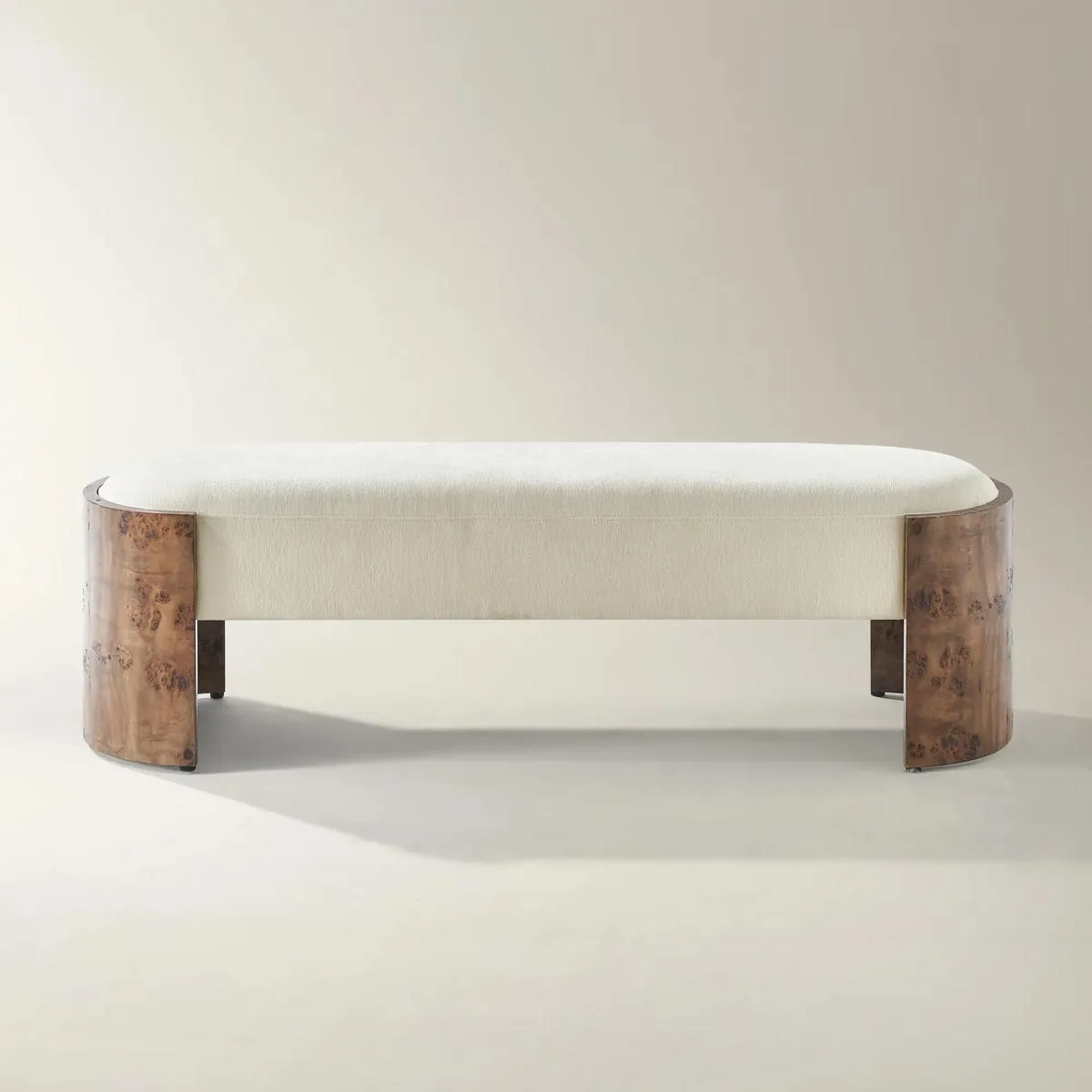 Cora Ivory Performance Boucle With Ash Wood Bench (60.6")$999
A sculpted ivory performance bouclé bench with curved bookmatched ash burl panels and supportive foam cushioning.
Add To Cart -
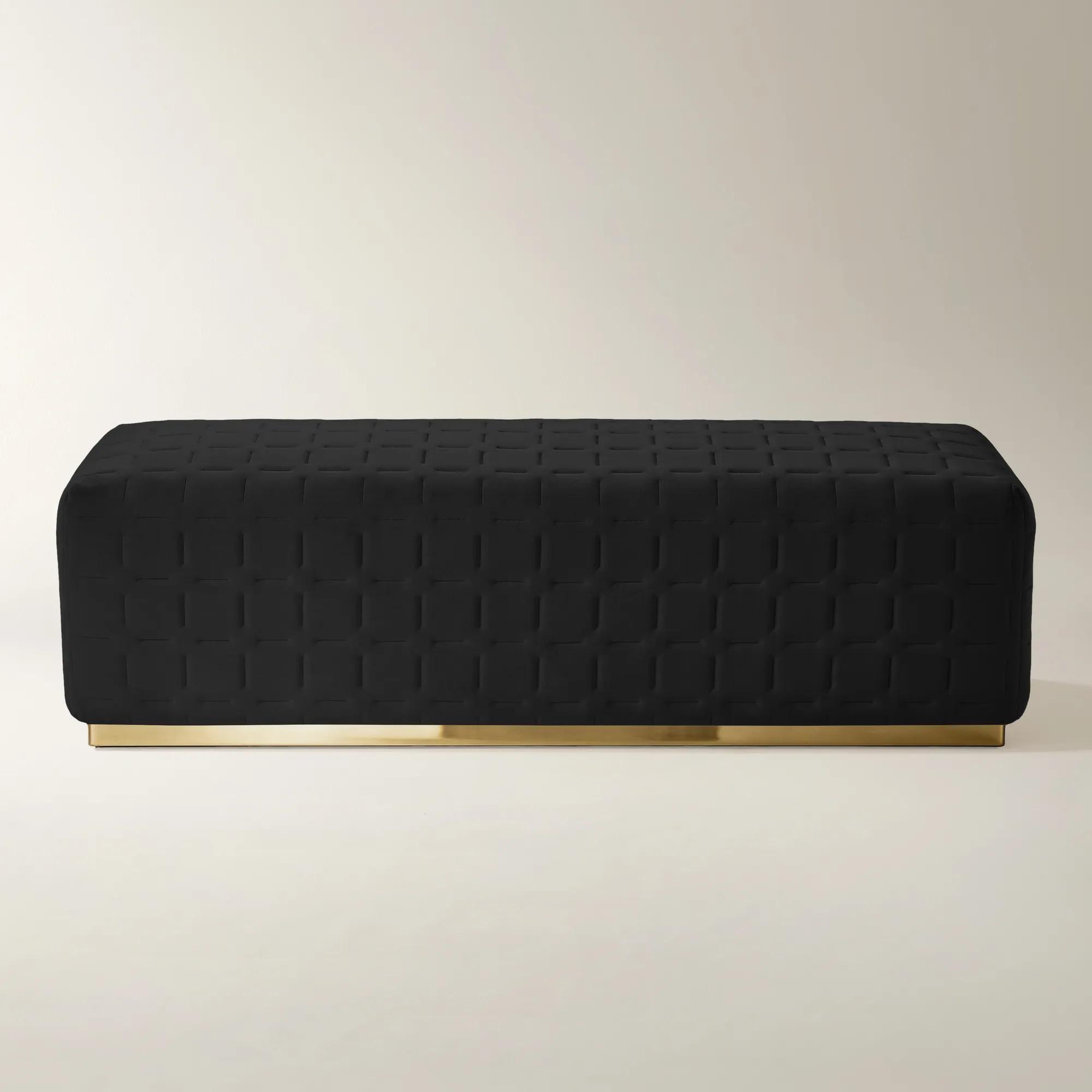 Vanta Quilted Charcoal Velvet Bench (64.6")$899
A charcoal velvet bench featuring checker quilted tufting and a gold stainless steel base for modern elegance.
Add To Cart -
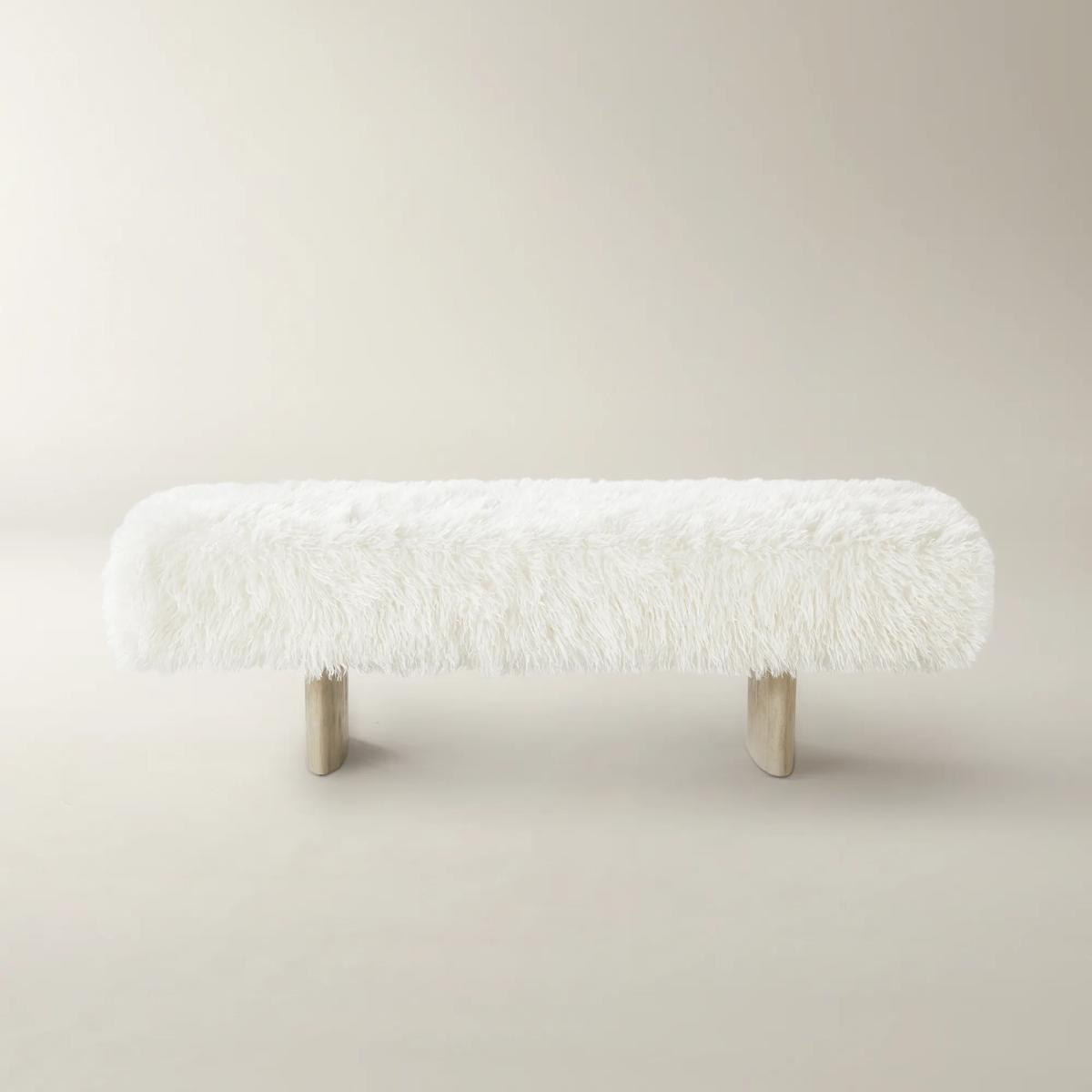 Micah Ivory Mongolian Faux Fur Bench With Rubberwood Legs (62.6")$699
An ivory faux Mongolian fur bench with high-density foam and sculptural solid rubberwood base for modern coziness.
Add To Cart -
 Micah Tan Mongolian Faux Fur Bench With Rubberwood Legs (62.6")$699
A light brown faux fur bench with a curved rubberwood base and plush high-density foam cushion.
Add To Cart -
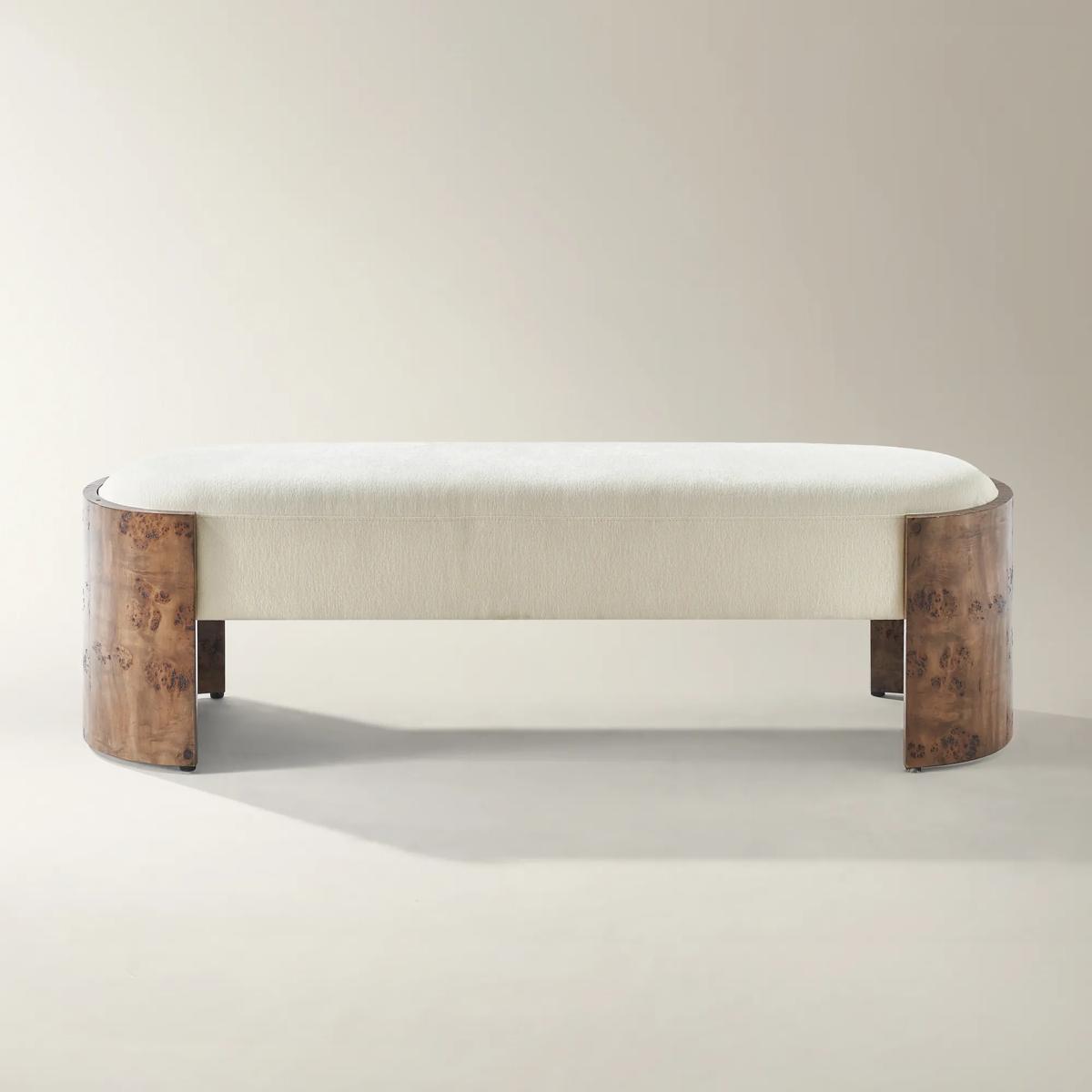 Cora Ivory Chenille With Ash Wood Bench (60.6")$999
An ivory chenille bench with curved ash burl veneer panels, blending plush comfort with striking wood artistry.
Add To Cart -
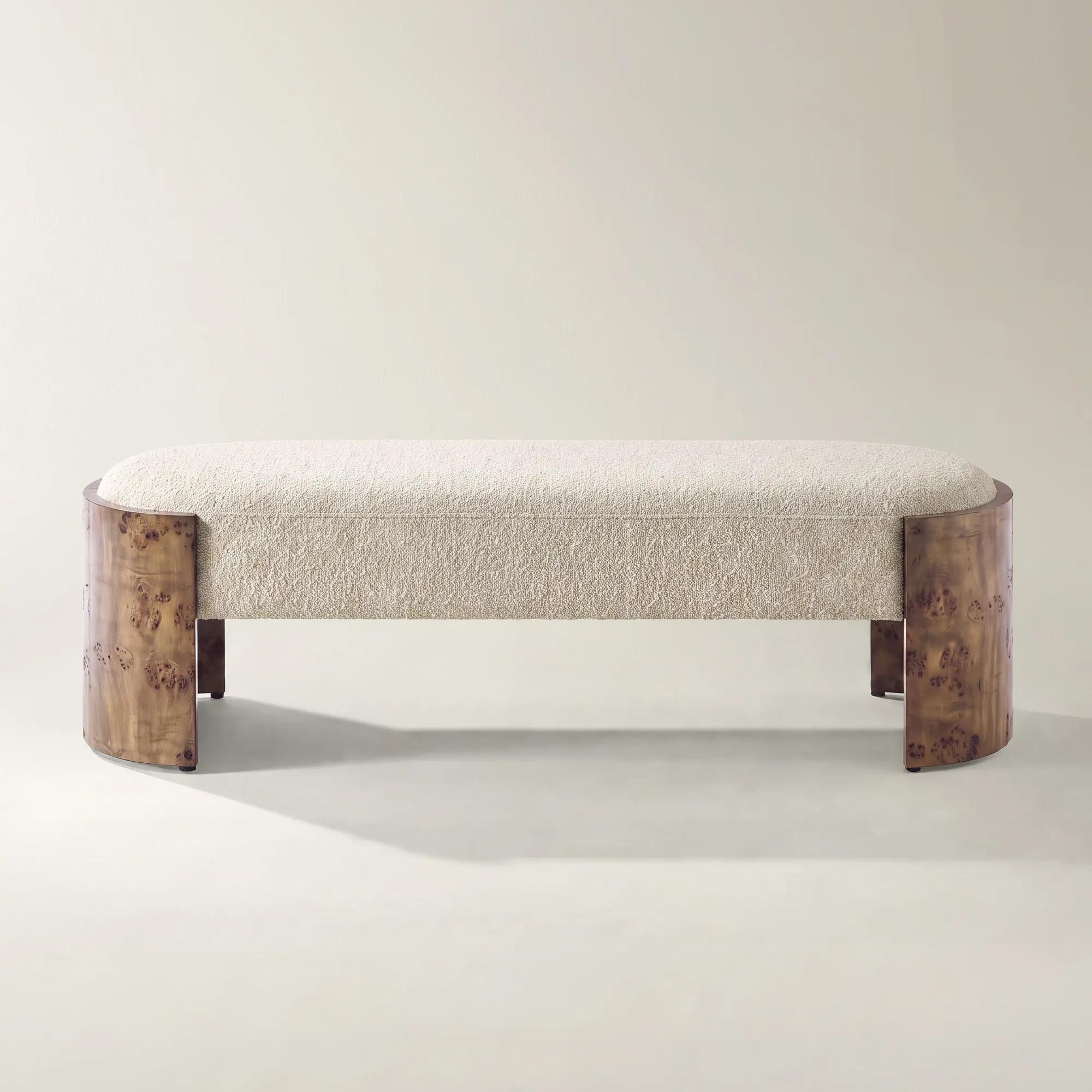 Cora Ivory Performance Boucle With Ash Wood Bench (60.6")$999
An ivory performance boucle bench with curved bookmatched ash burl panels and supportive foam cushioning.
Add To Cart -
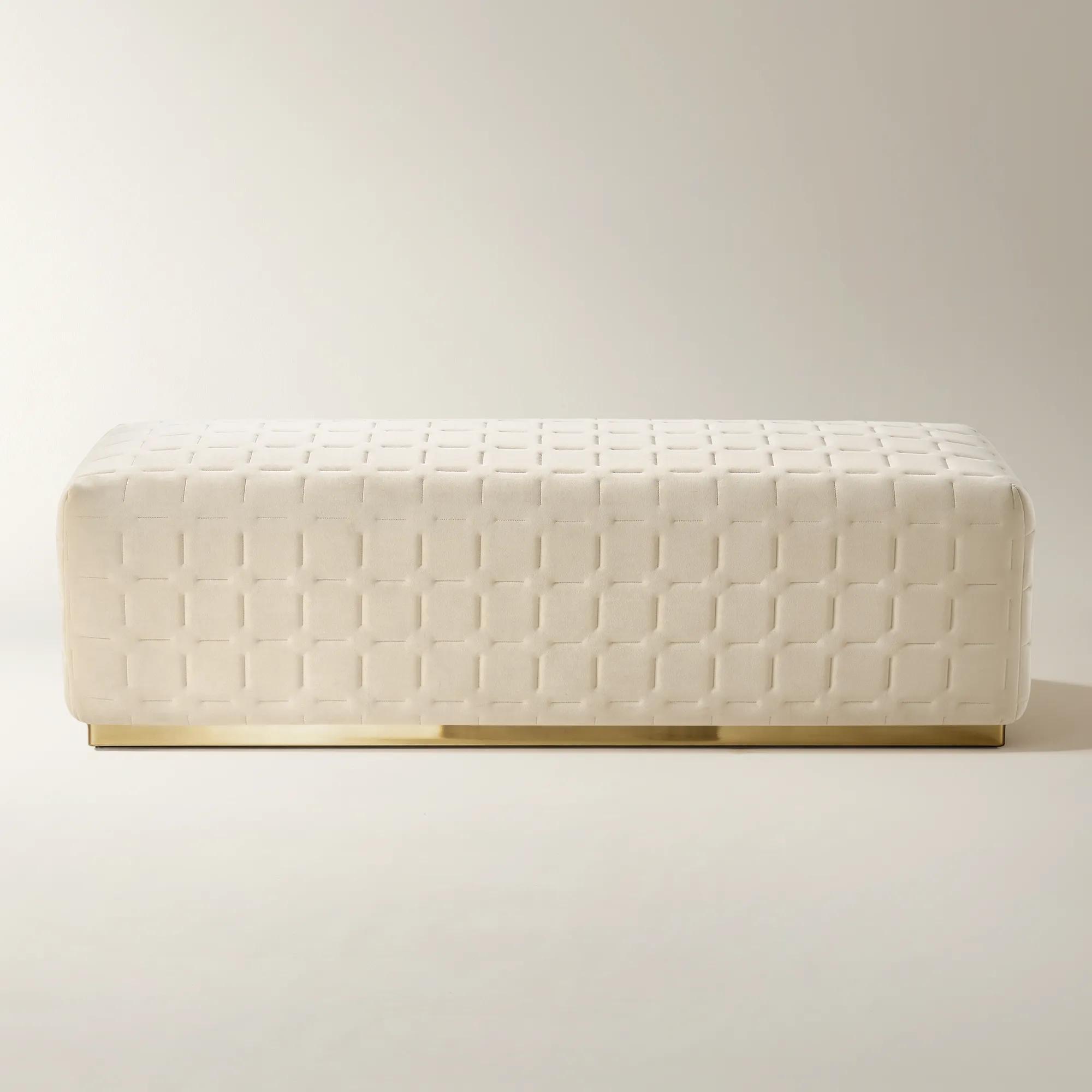
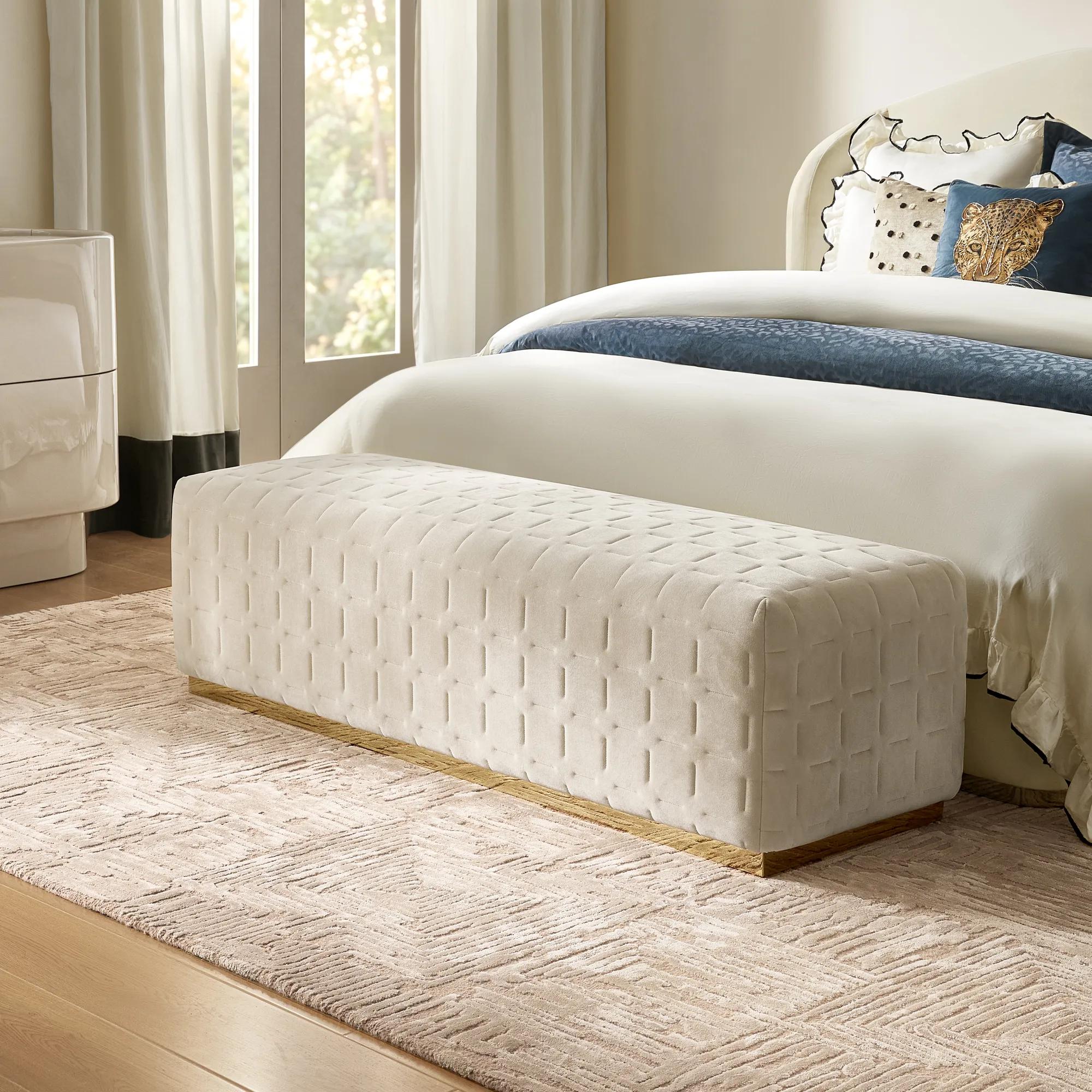 Vanta Quilted Oatmeal Velvet Bench (64.6")$899
A plush oatmeal velvet bench featuring checker quilted tufting and a sleek gold stainless steel base.
Add To Cart -
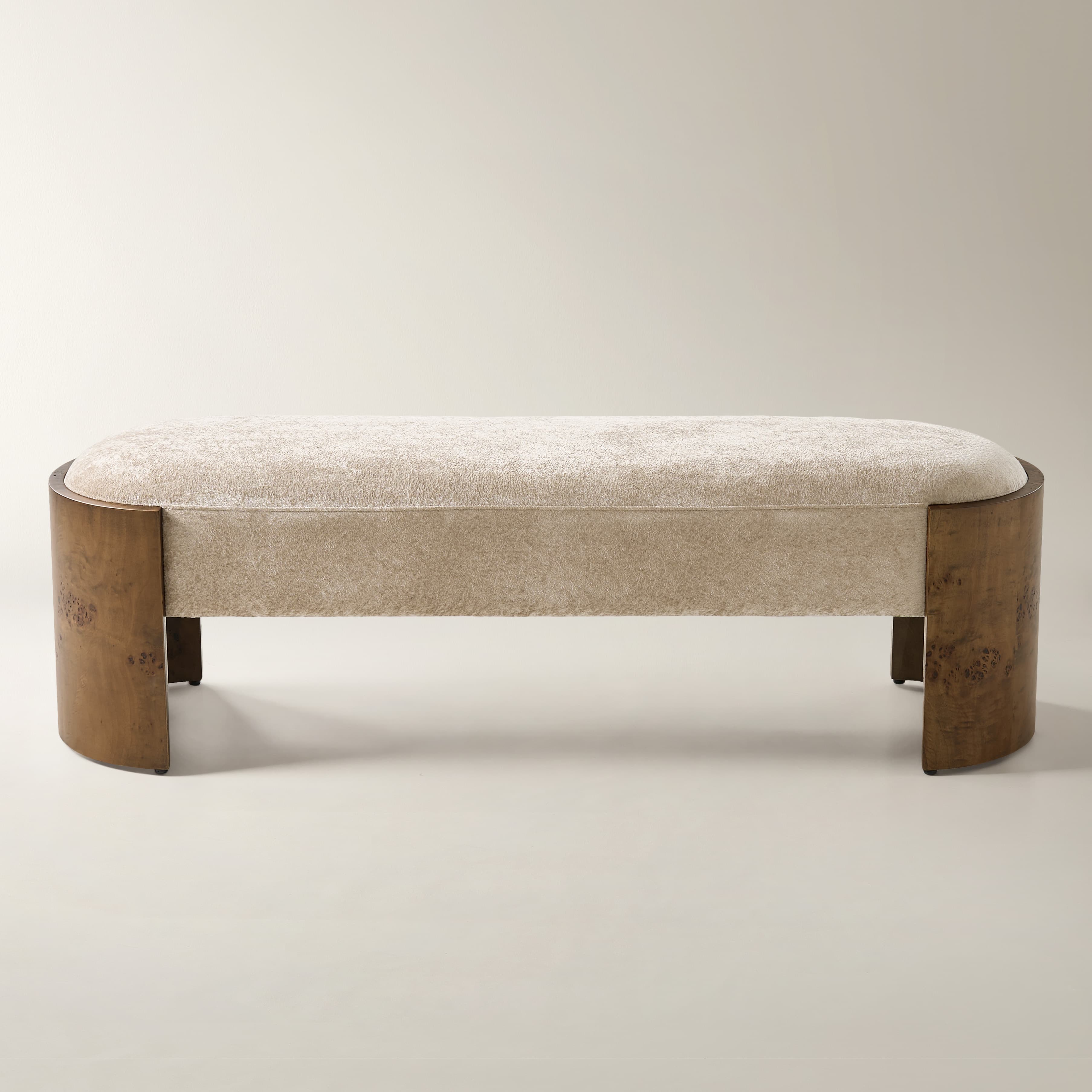 Cora Light Brown Chenille With Ash Wood Bench (60.6")$999
A light brown chenille bench with curved ash burl veneer panels, blending plush comfort and organic artistry.
Add To Cart -
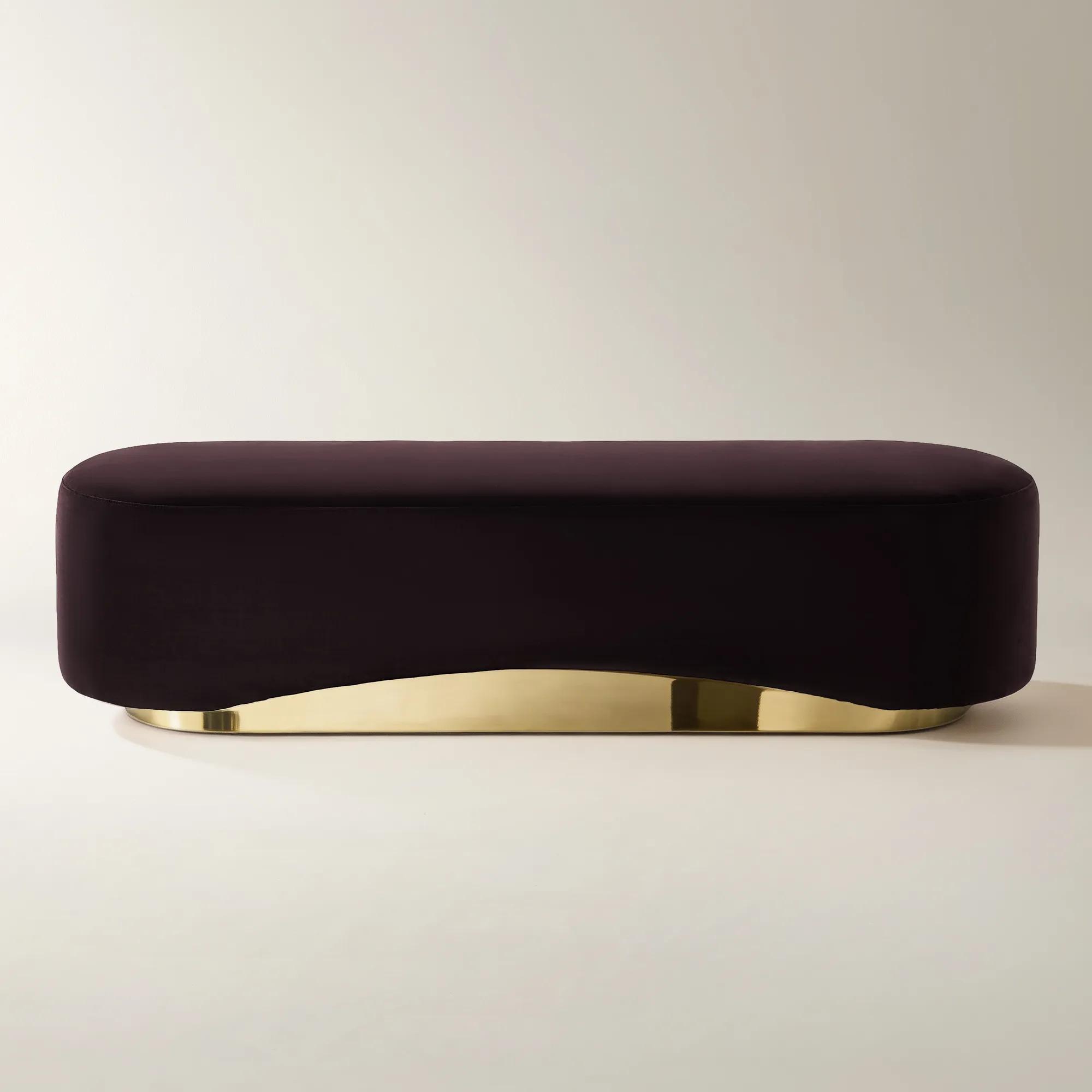 Kendra Fig Velvet Bench (70.47")$799
A plush fig velvet bench with an elongated oval silhouette and a polished gold stainless steel base.
Add To Cart -
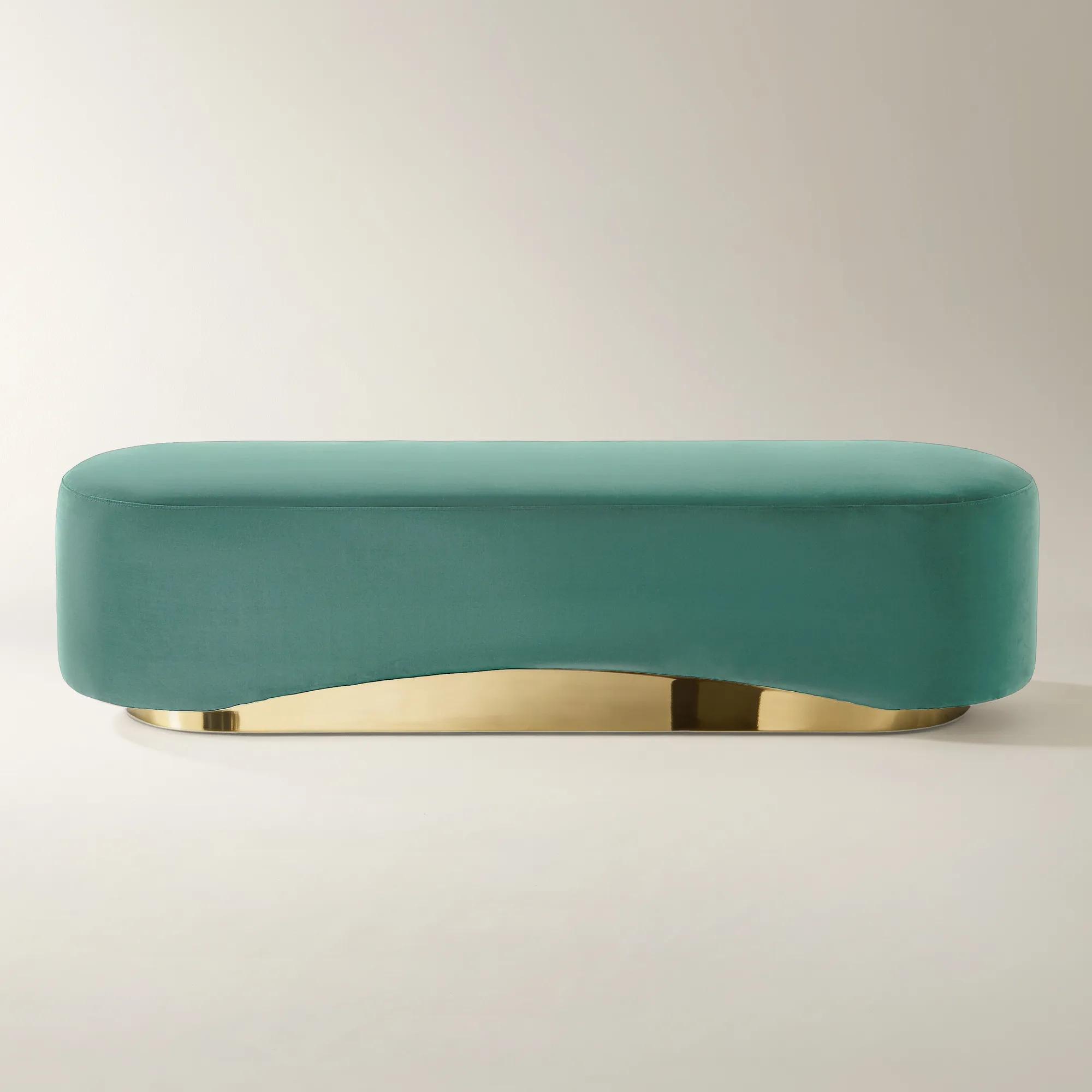 Kendra Ocean Teal Velvet Bench (70.47")$799
An elongated oval bench in ocean teal velvet with a plush seat and polished gold stainless steel base.
Add To Cart -
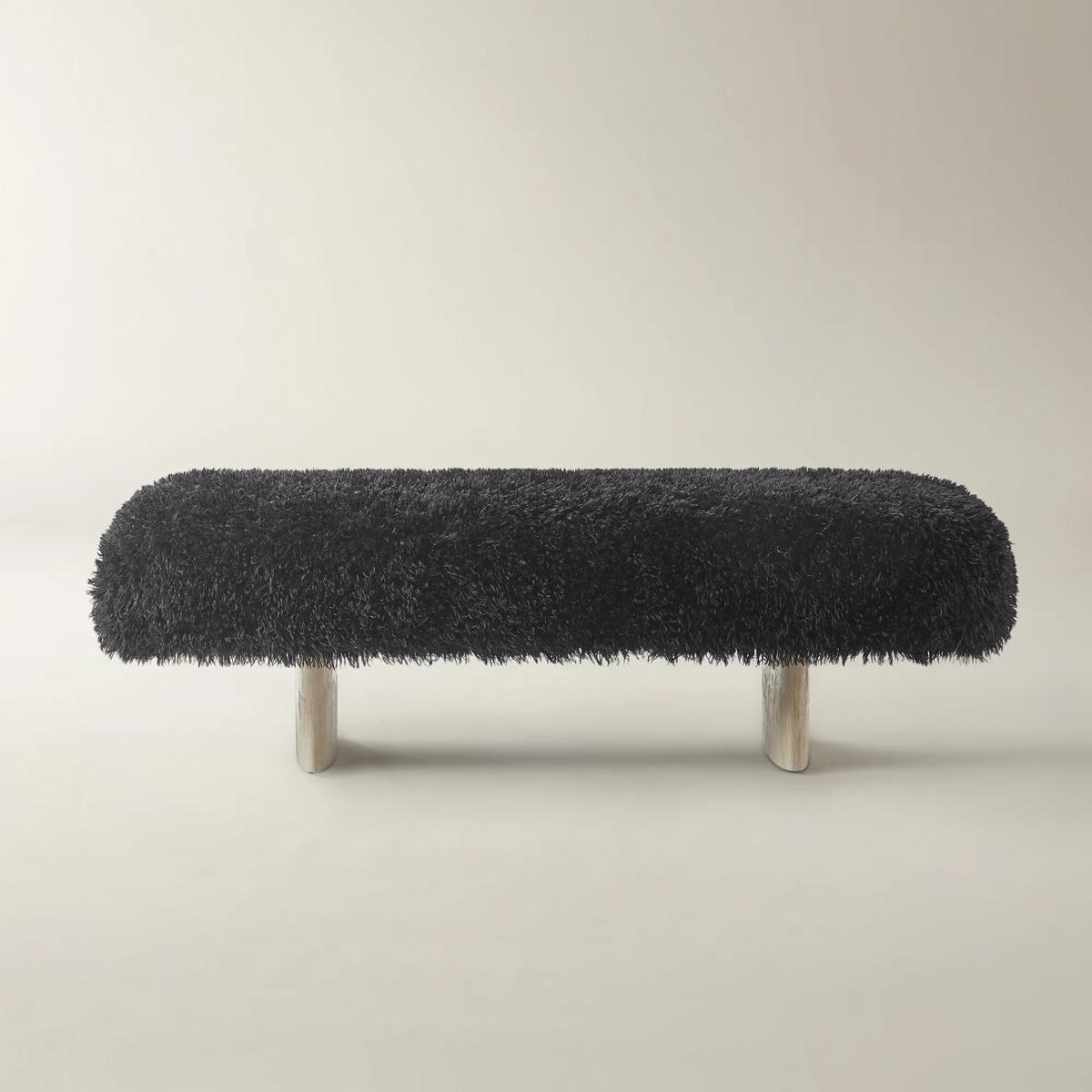 Micah Black Mongolian Fur Bench With Rubberwood Legs (62.6")$699
A striking black faux Mongolian fur bench with solid rubberwood legs for plush comfort and modern edge.
Add To Cart -
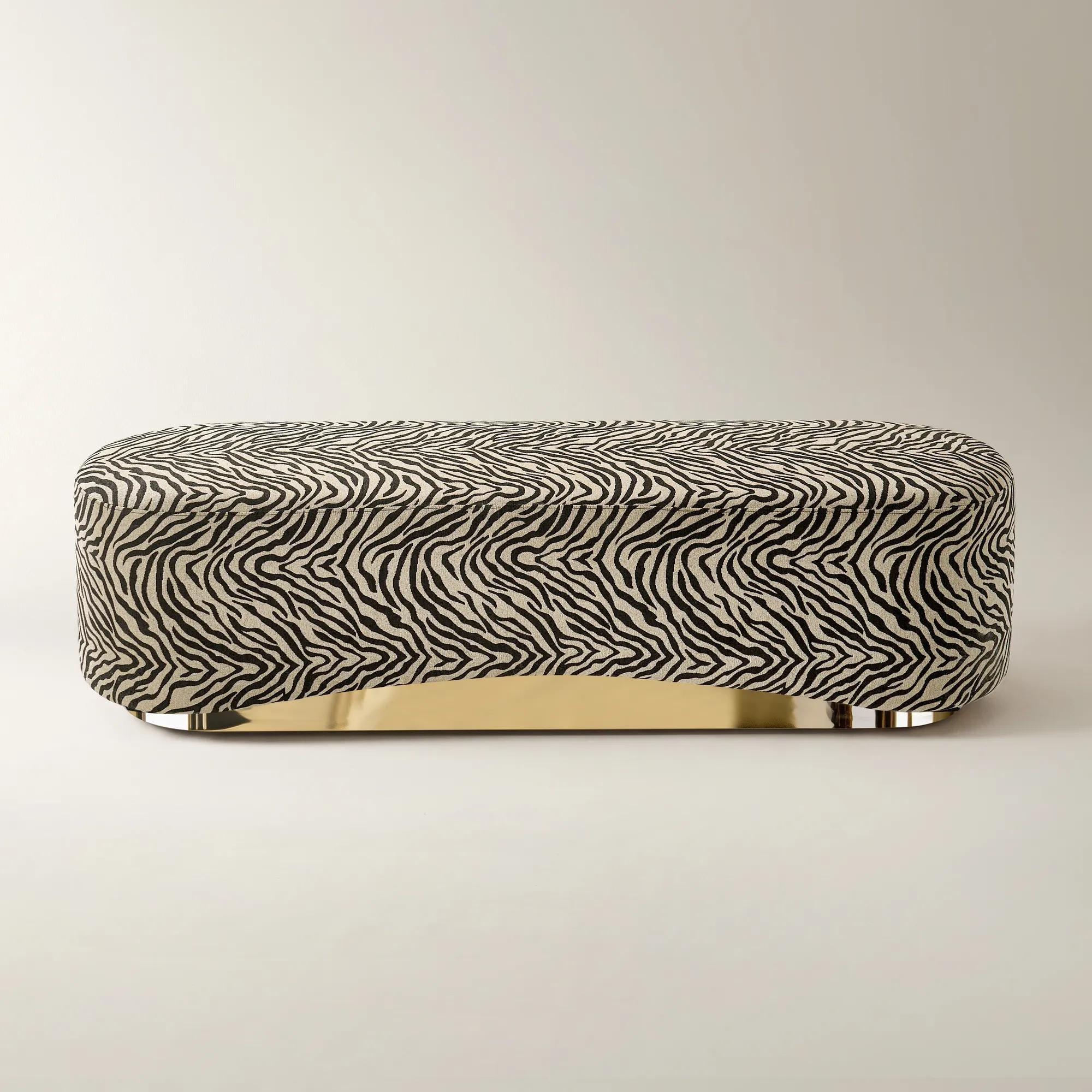
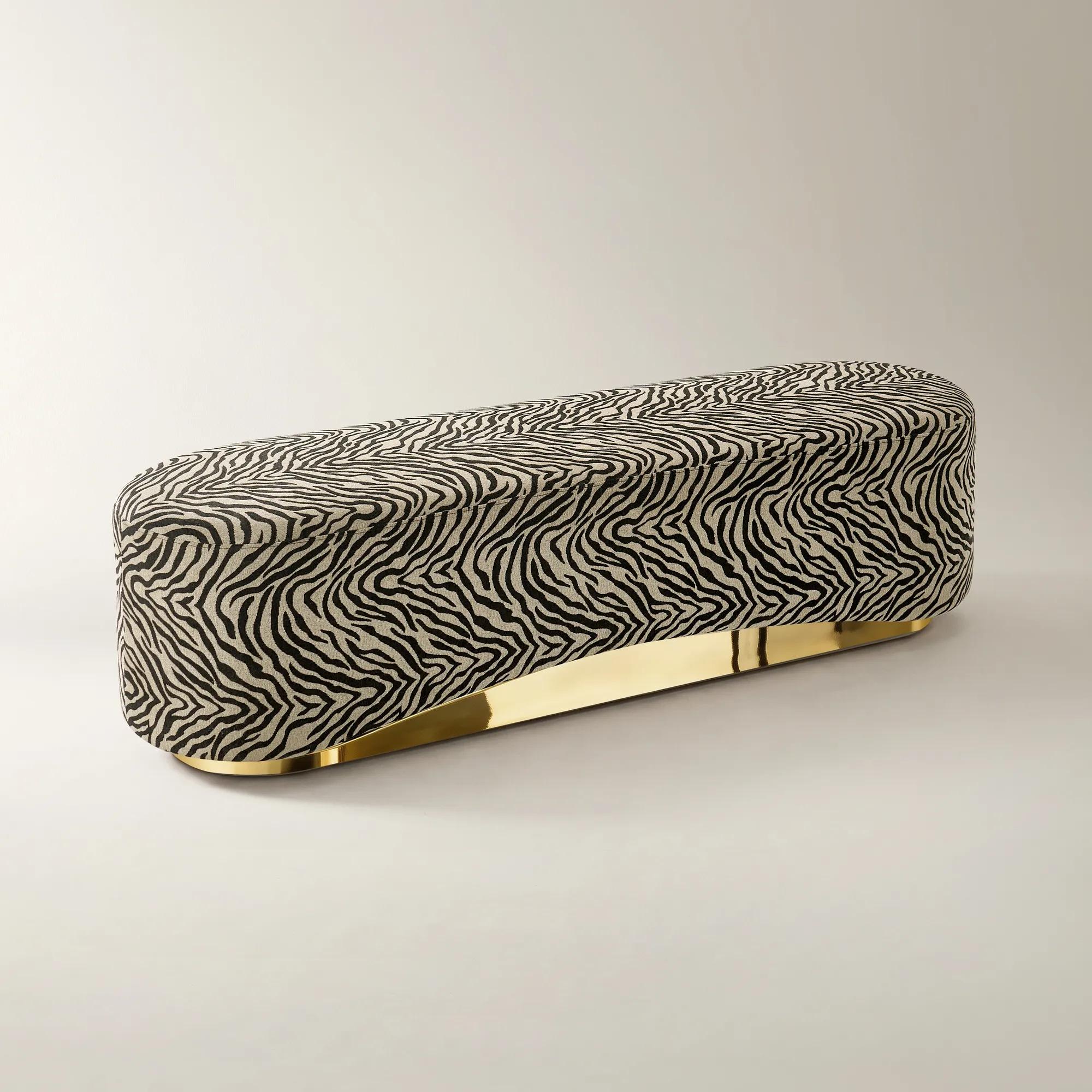 Kendra Zebra Performance Chenille Bench (70.47")$799
An elongated oval bench upholstered in textured zebra-pattern chenille with a polished gold stainless steel base.
Add To Cart -
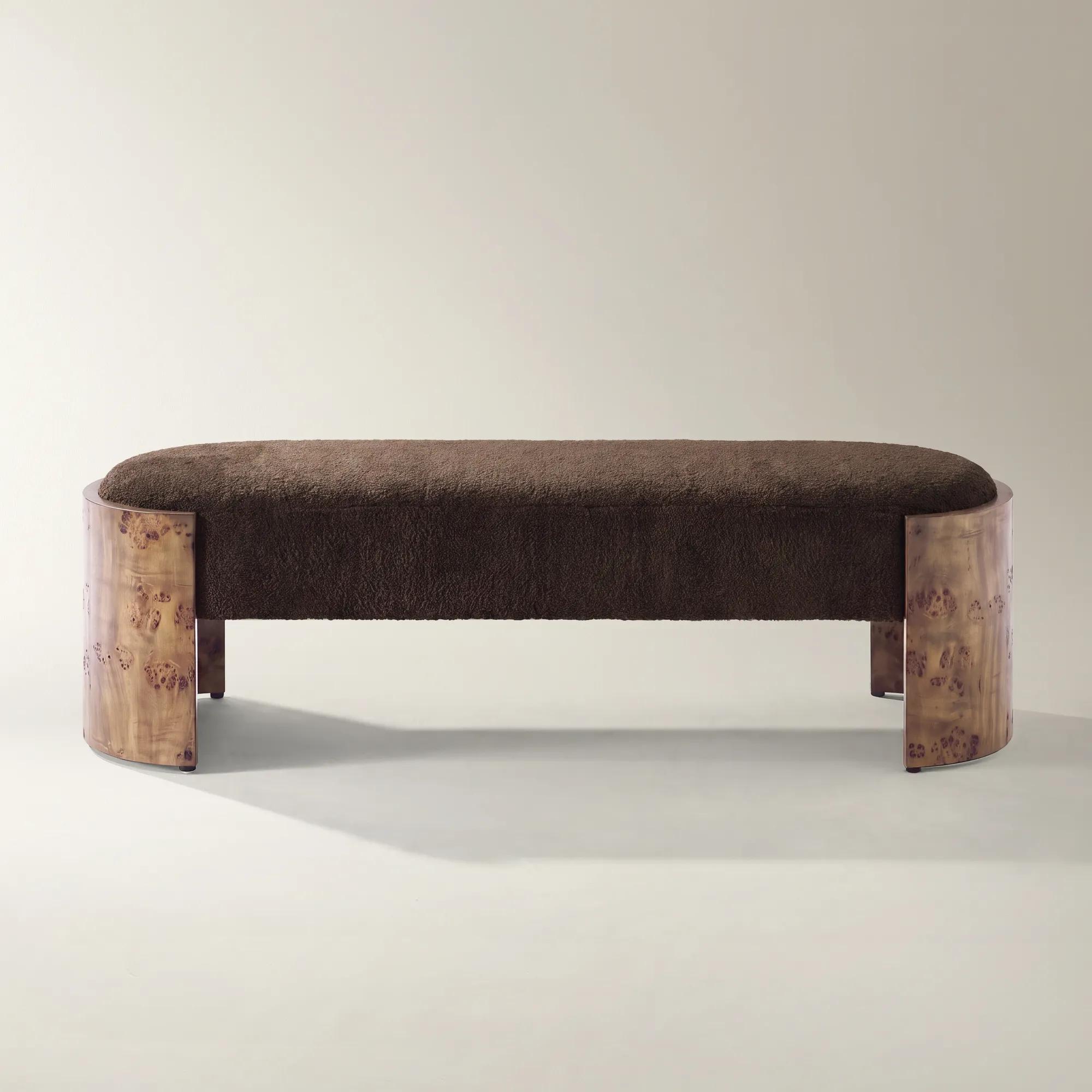 Cora Dark Chocolate Chenille With Ash Wood Bench (60.6")$999
A sculpted dark chocolate chenille bench with curved ash burl end panels and supportive foam cushioning.
Add To Cart -
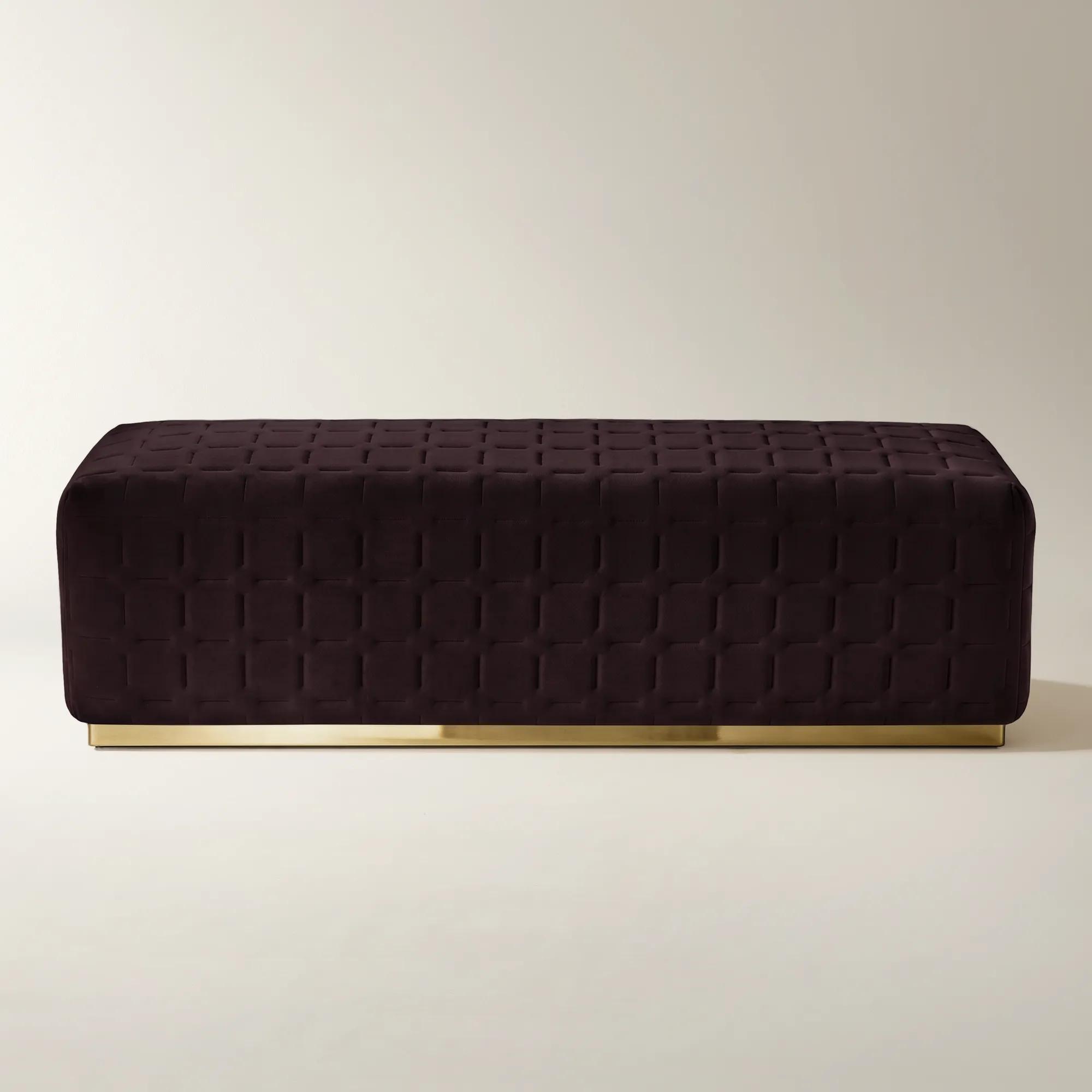
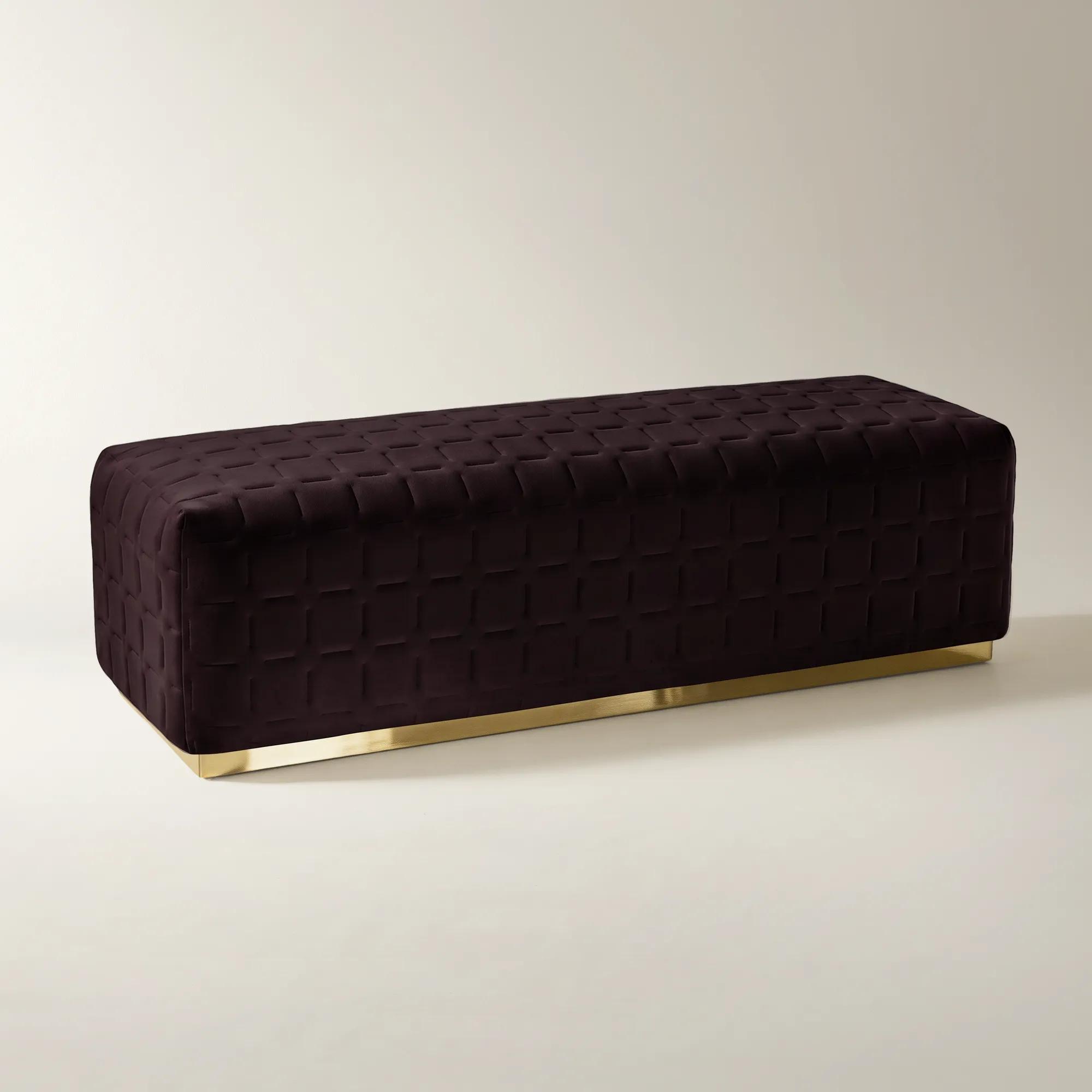 Vanta Quilted Fig Velvet Bench (64.6")$899
A plush fig velvet bench featuring checker quilted tufting and a sleek gold stainless steel base.
Add To Cart -
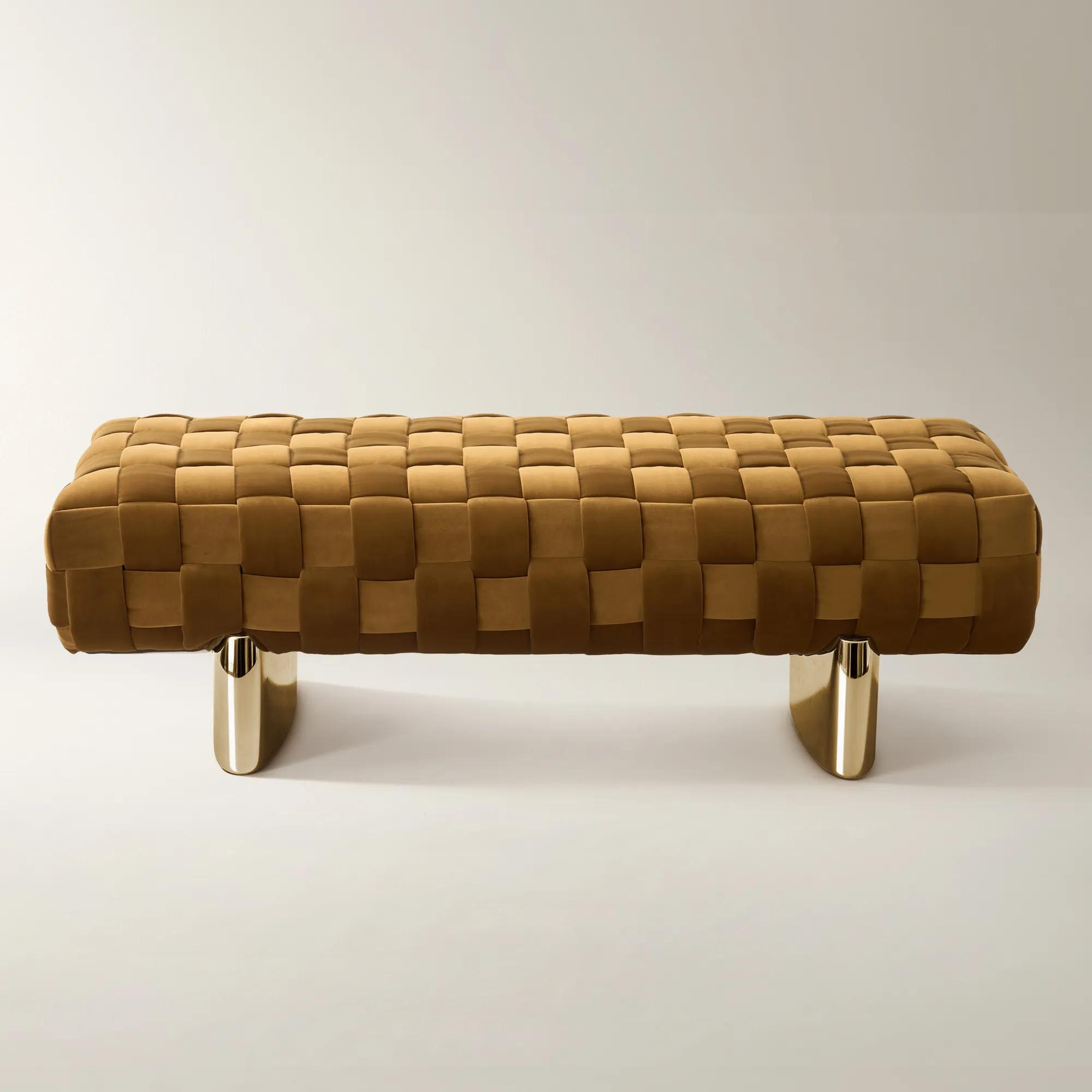
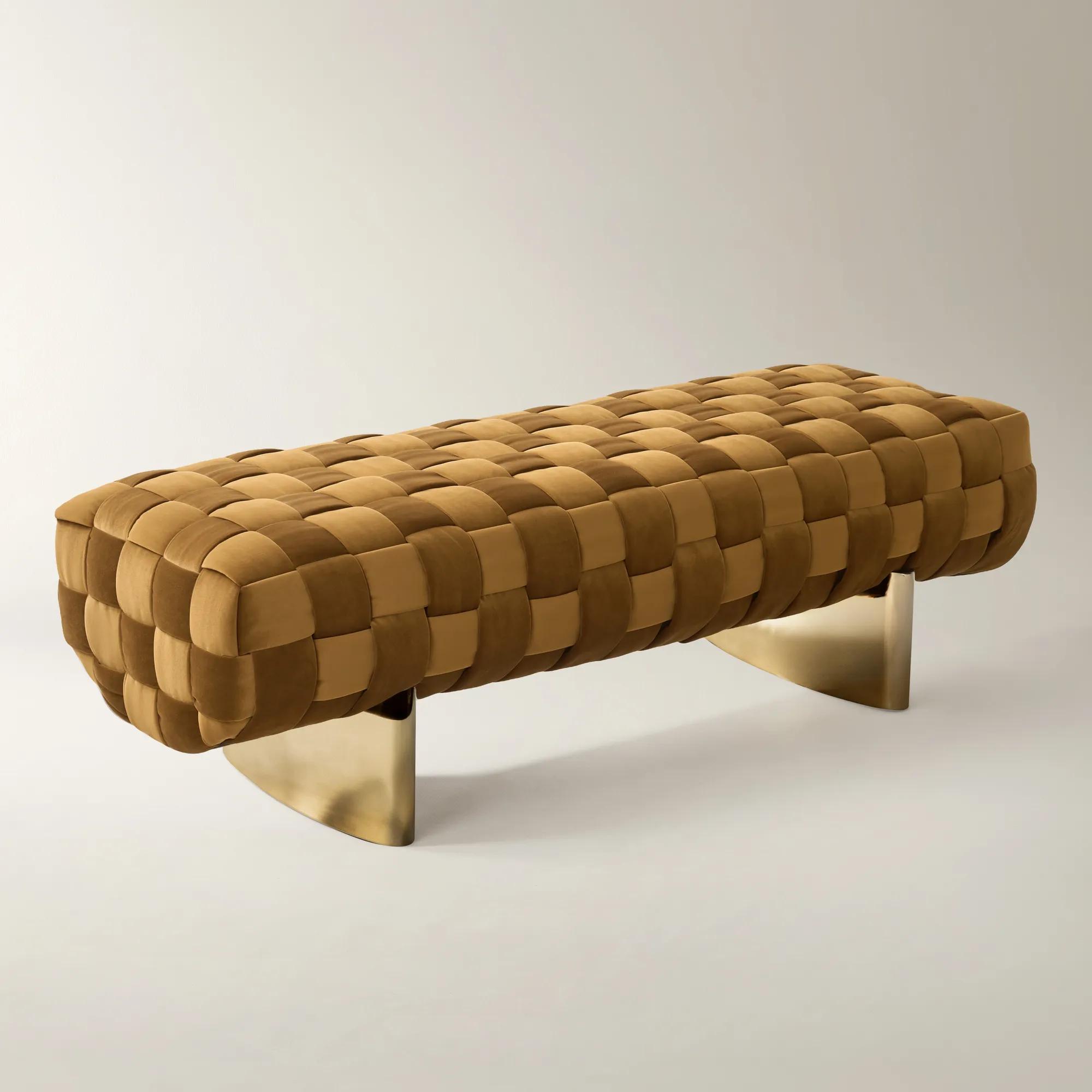 Dexter Woven Roasted Pecan Velvet Bench (64.2")$999
A woven roasted pecan velvet bench featuring plush upholstery and polished gold stainless steel legs for modern elegance.
Add To Cart -
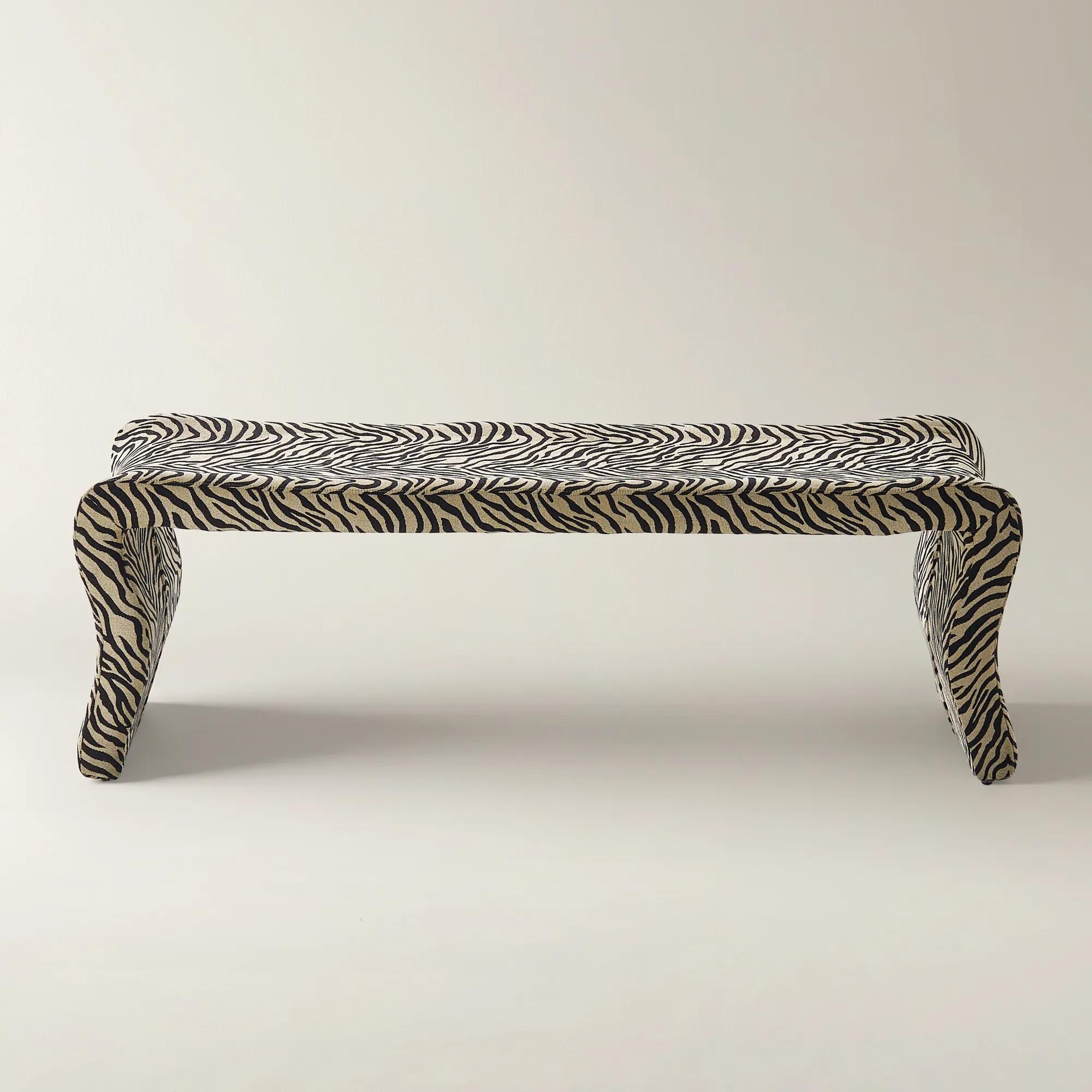 Romy Zebra Performance Chenille Bench (61.5")$899
A sculptural bench wrapped in zebra-patterned performance chenille with a wave-like silhouette and full foam construction.
Add To Cart -
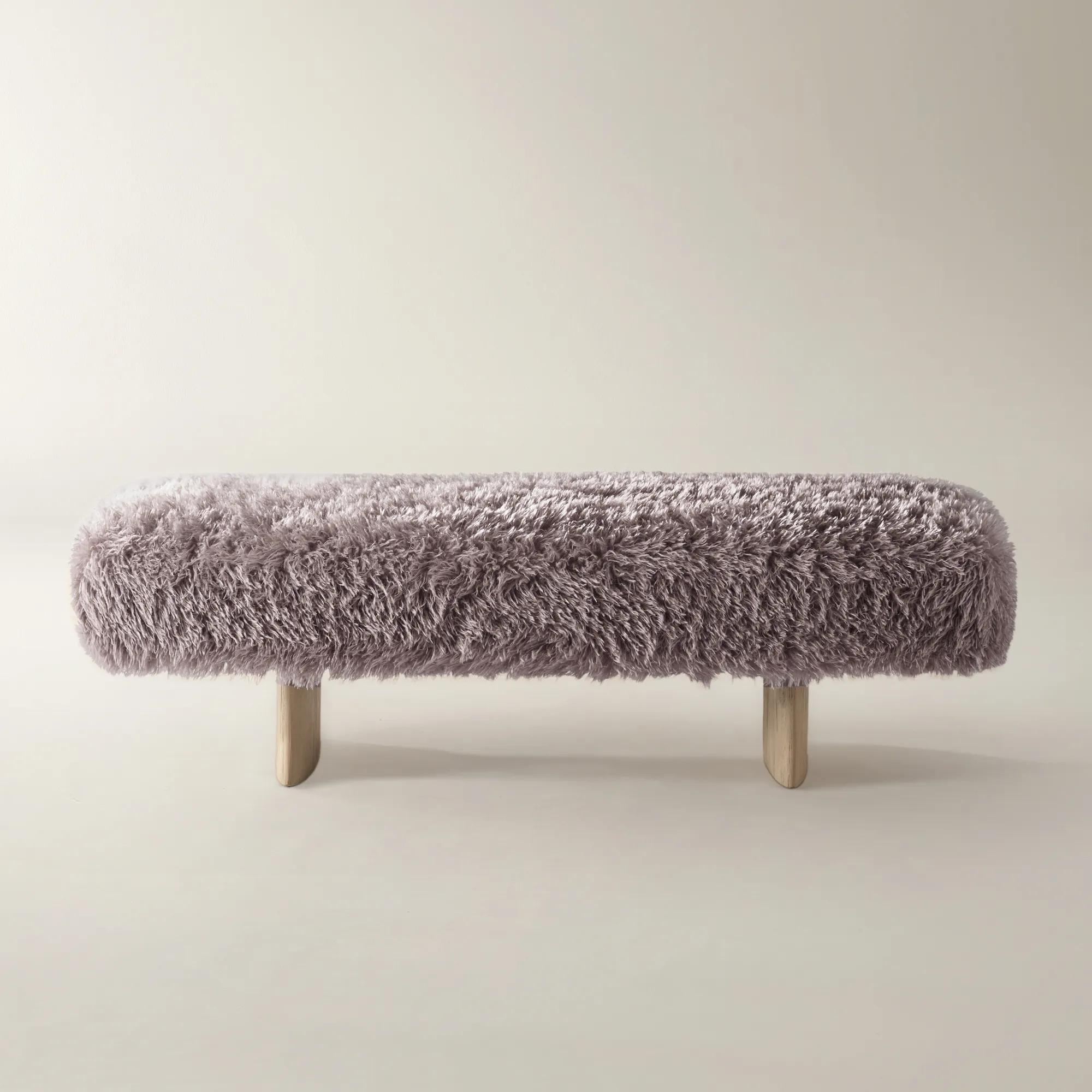
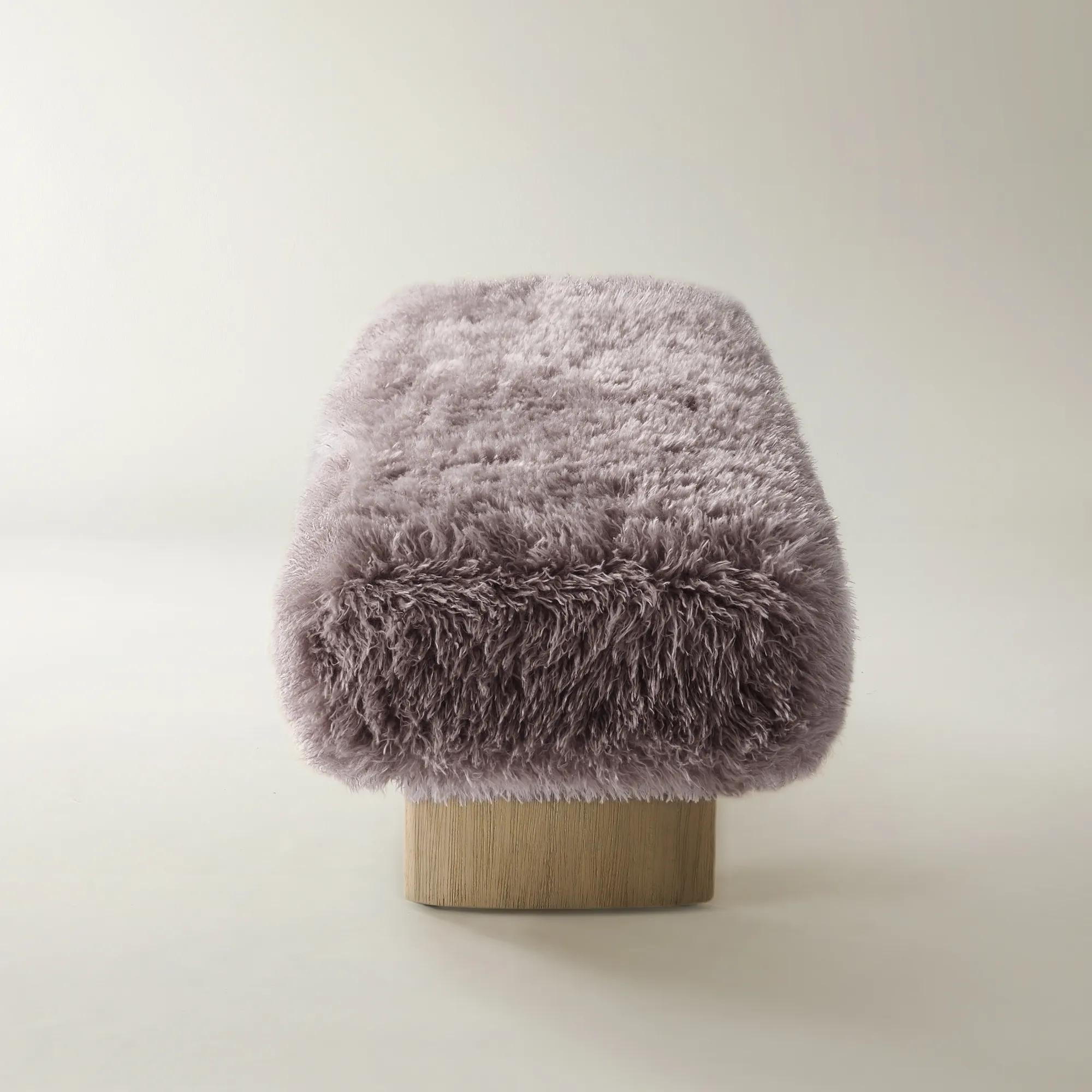 Micah Plum Truffle Mongolian Faux Fur Bench With Rubberwood Legs(62.6")$699
A sculptural bench featuring smoked plum Mongolian faux fur upholstery and warm solid rubberwood legs.
Add To Cart -
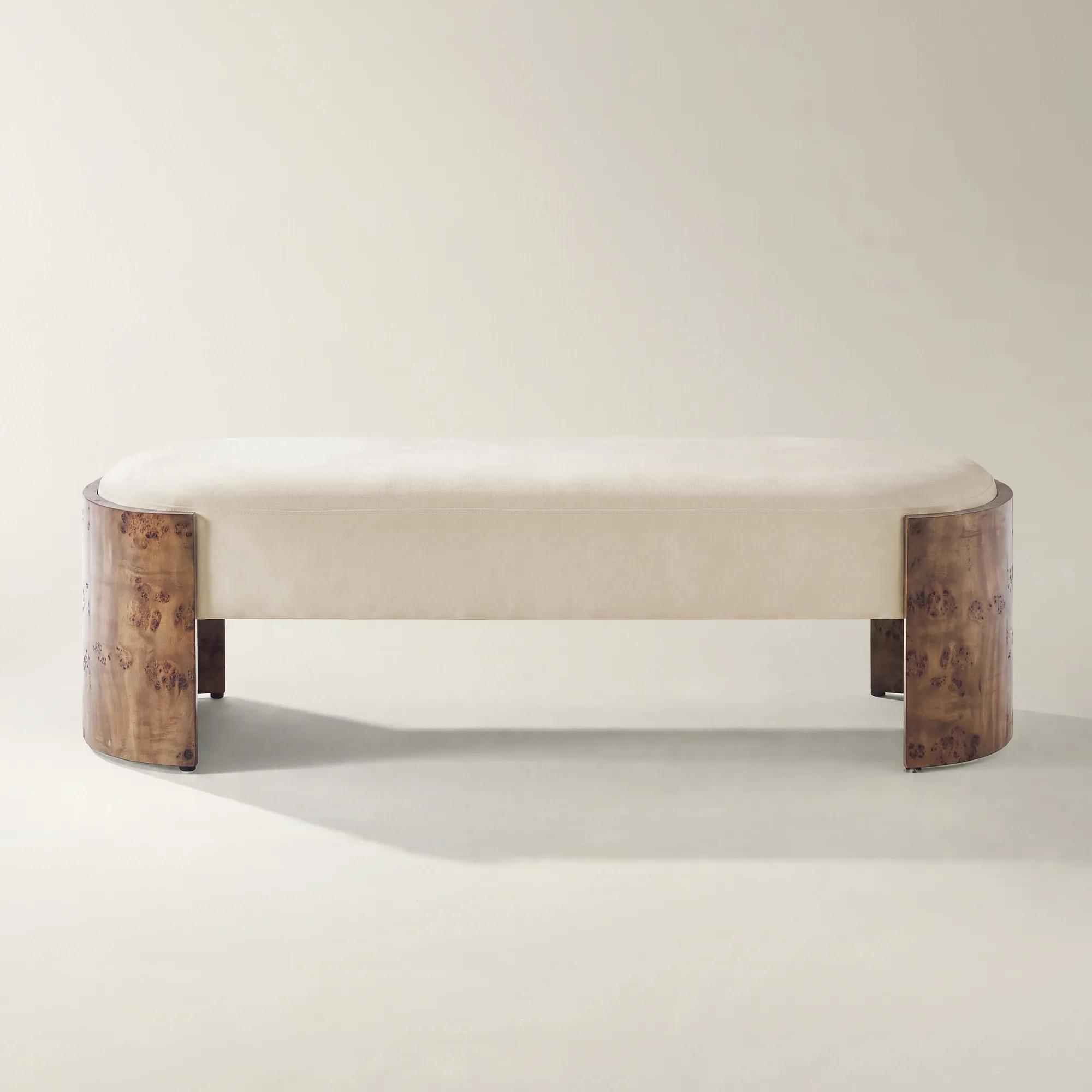 Cora Oatmeal Velvet With Ash Wood Bench (60.6")$999
A sculptural oatmeal velvet bench with curved ash burl wood panels and supportive foam cushioning.
Add To Cart -
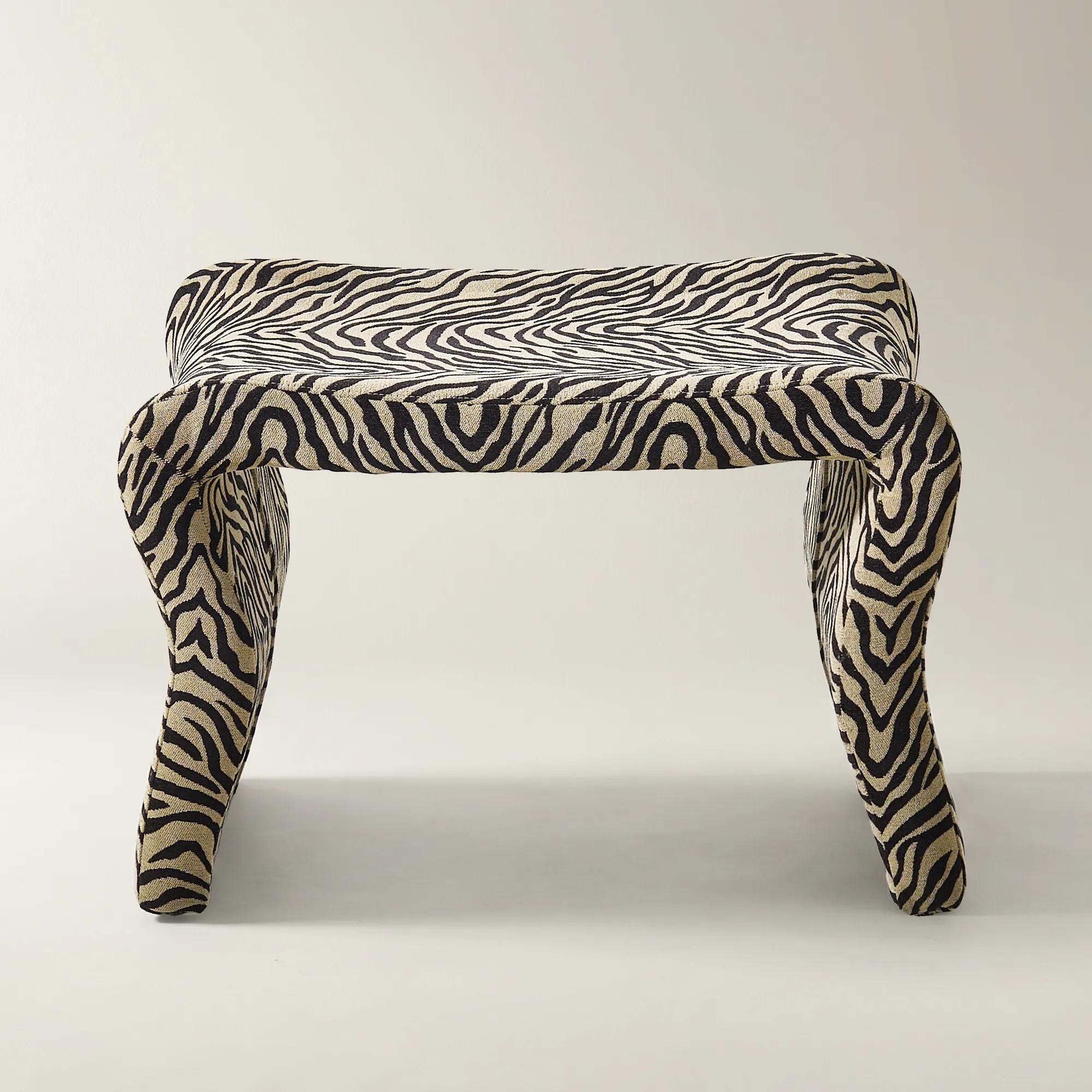
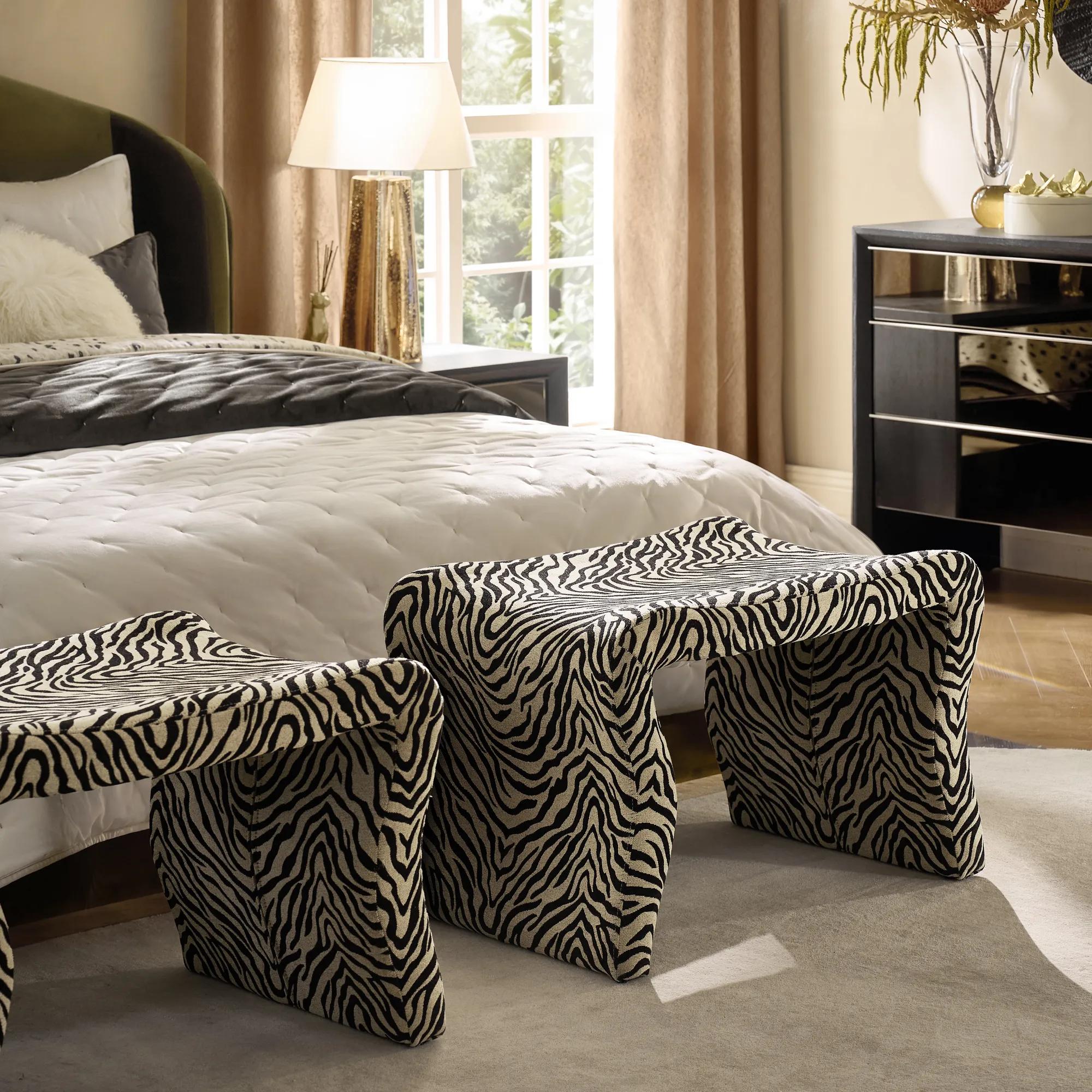 Romy Zebra Performance Chenille Bench (30.75")$499
A sculptural bench wrapped in zebra-patterned performance chenille with a wave-like silhouette and full foam construction.
Add To Cart -
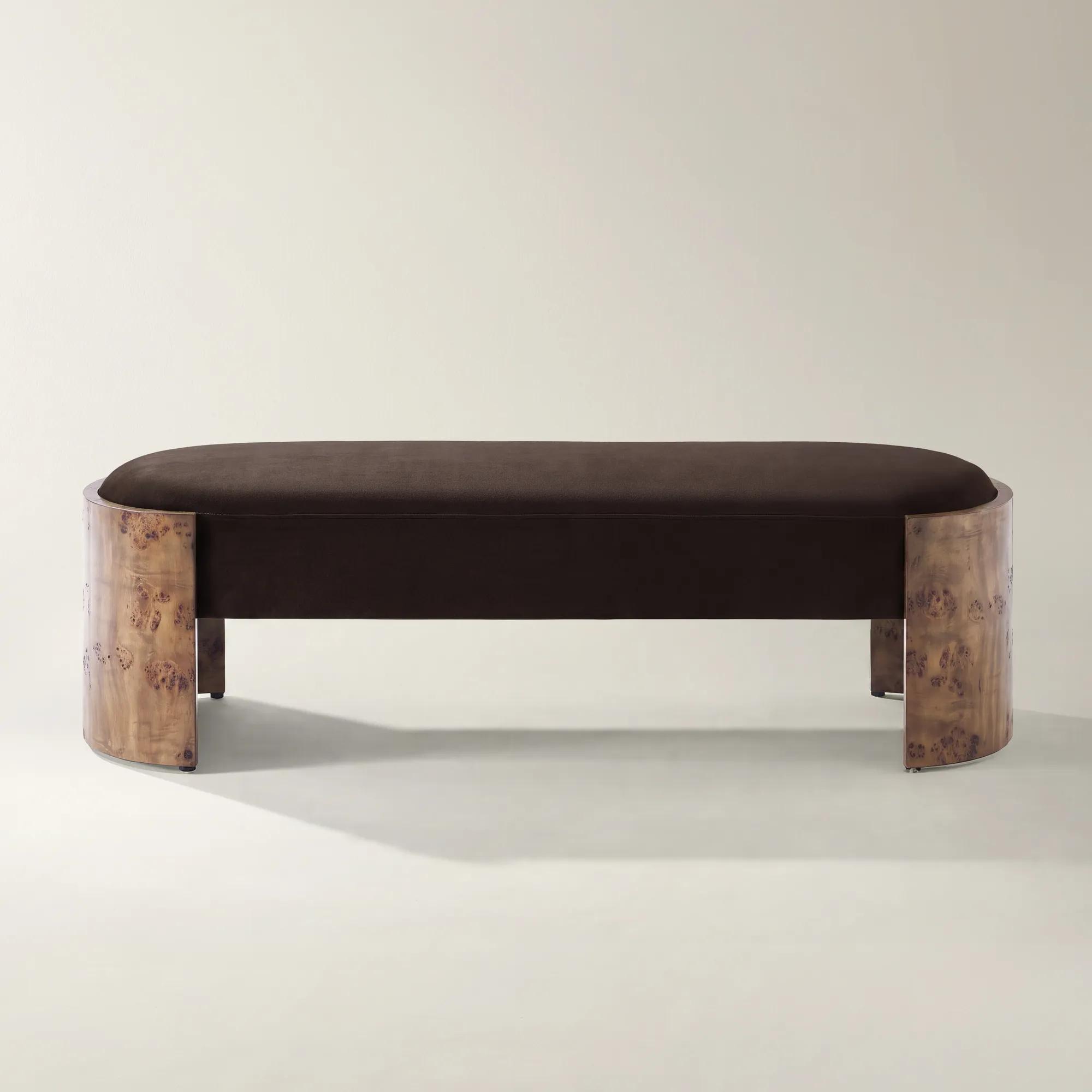 Cora Dark Chocolate Velvet With Ash Wood Bench (60.6")$999
A dark chocolate velvet bench with sculpted bookmatched ash burl end panels and high-resiliency foam cushioning.
Add To Cart

Benches For Indoor Seating
Explore benches for indoor seating that bring extra room to sit and a sculptural accent to your home. Whether you’re furnishing an entryway, finishing the foot of a bed, or adding seating to a living room, consider each bench’s width, depth, and seat height to find the right proportions. Choose a silhouette that complements your furniture while giving the space its own expressive detail.
An indoor bench gives a room something a single chair cannot: a continuous line of seating that feels composed, generous, and quietly architectural. Set beneath an oversized artwork, it becomes part of the composition; placed at the foot of a bed, it brings a tailored finish to sumptuous bedding; positioned in an entryway, it turns an everyday arrival into a more gracious ritual. Benches for indoor seating offer this balance of presence and practicality, creating a place to pause without demanding the footprint of a sofa. Their elongated silhouettes can emphasize the breadth of a room, soften an empty wall, or bring order to a grouping of expressive furnishings. In a living room, a backless bench can provide additional seating while preserving views between conversation areas. In a bedroom, an upholstered design offers a comfortable perch for getting dressed, with a surface that visually anchors the bed. An entryway bench gives guests somewhere to sit while removing shoes and provides a deliberate focal point beneath a mirror or beside a console. The most successful placement starts with proportion: measure the available floor space, then consider how doors open, drawers extend, and people move through the room. At the foot of a bed, a bench generally looks more balanced when it is narrower than the bed itself, leaving the bedding and frame visible on either side. Along a wall, allow enough space for someone to sit comfortably without blocking an adjacent doorway. Seat height and depth matter as much as overall length, particularly when the bench will be used daily rather than occasionally. A lower, deeper seat may suit relaxed living spaces, while a firmer, more upright perch can make dressing or putting on shoes easier. Backless designs keep a setting visually open; benches with backs or arms create a more enveloping seat, though those features require additional clearance. Whether the room is richly layered or defined by a few commanding gestures, the right bench should feel integrated into the architecture rather than simply placed in an unused corner.
Material and silhouette give indoor seating benches their distinct character. Velvet introduces a dense, light-catching surface whose color can appear deeper or brighter as the pile changes direction, bringing dimension to jewel tones and refined neutrals alike. Textured woven upholstery creates a different kind of richness, with subtle variations that become especially striking beside smooth stone, glass, or polished metal. Leather can lend a tailored, substantial presence, while its suitability for a particular household depends on the finish and the care it requires. Wood contributes warmth through grain, tone, and sculpted edges; metal frames can create a slender outline or a more dramatic, gleaming foundation. A bench with an exposed base lets the floor remain visible, which can help a compact room feel less crowded. A fully upholstered silhouette carries more visual weight and can establish a strong anchor against a pale wall or an expansive rug. Tufting, channeling, piping, and curved edges each shape the mood differently, from crisp and architectural to plush and enveloping. Those decorative details deserve consideration alongside construction. For frequent use, look for a frame and support system suited to the intended seating load, secure joints, and cushions that provide consistent support across the seat. Upholstery durability depends on the fabric, its construction, and the way the bench will be used; a densely woven textile or a fabric specifically identified for demanding household use may be appropriate where children, pets, or frequent guests are part of daily life. Dining spaces bring another set of considerations. Arrangements featuring indoor banquette benches for homes can create an intimate setting for shared meals, especially along a wall or within a defined nook. Compare the seat height with the tabletop and apron clearance, accounting for cushion compression, and make sure diners can enter and leave the seating area comfortably. A supportive back can make longer meals more comfortable, while upholstery selected with food spills in mind helps preserve the polished effect.
The lasting appeal of a seating bench comes from how naturally it supports the household’s routines. In a compact apartment, it can add guest seating without introducing another large chair; in a spacious dressing area, it provides a composed place to set down a garment or sit while fastening shoes. For households that entertain, a bench can widen a conversation grouping, provided its position allows seated guests to face one another comfortably. In homes shared across generations, comfort should take precedence over appearance alone: a stable seat, an appropriate height, and sufficient support can make a meaningful difference, while a low, deeply cushioned design may be harder for some people to rise from. A bench can also make a thoughtful housewarming or wedding gift when the recipient’s measurements, decorating preferences, and intended placement are known. Because furniture becomes part of someone’s daily environment, confirming those details is more useful than choosing solely for visual impact. Care begins with the material-specific instructions. Upholstered surfaces typically benefit from regular, gentle vacuuming with an appropriate attachment, including seams where dust collects. Blot spills promptly rather than rubbing them into the fabric, and follow the designated cleaning method before applying any solution. Velvet may need careful brushing in the direction of the pile when recommended, while leather requires products appropriate to its particular finish. Wood and metal surfaces should be cleaned with suitable materials, avoiding abrasive tools that can scratch or dull the finish. Direct sunlight can alter some upholstery colors and wood tones over time, so placement deserves attention in rooms with strong exposure. Use the bench for its stated purpose, observe any weight limits, and avoid standing on the seat. If the design includes storage, keep its contents within the specified capacity and its opening mechanism unobstructed. These practical details protect the pleasure of the piece: the inviting texture, the assured silhouette, and the sense that even a brief pause has a beautifully considered place in the room.
FAQs
An indoor seating bench creates a distinct design moment, bringing expressive style to an entryway, living room, or bedroom. Choose a silhouette that echoes your room’s aesthetic, or introduce contrast with sculptural curves against crisp architectural lines. The result is seating that feels integral to the composition—not simply added to it.
An entryway bench sets an inviting tone from the first impression, while a bedroom bench adds a polished finishing touch at the foot of the bed. In a living room, a bench can define a conversational vignette or give an overlooked wall a sense of purpose. Pair it with expressive artwork to make the setting feel intentional.
Look for indoor benches with artful proportions, tailored detailing, or a striking silhouette. Tufted designs evoke classic glamour, while curved profiles introduce a more sculptural mood. Let one distinctive detail lead the composition, then echo its character through nearby lighting, artwork, or decorative accents.
Connect your bench to the room through a shared color, shape, or design detail rather than matching every piece. A curved bench can soften an angular furniture arrangement, while a tailored profile adds definition beside more fluid forms. Repeating a tone from your rug or artwork creates cohesion without sacrificing individuality.
Style a bench with a considered edit: a decorative pillow for visual depth, a draped throw for softness, or a nearby floor lamp to frame the scene. Leave part of the seat uncovered so the bench’s silhouette remains visible. Above it, expressive wall art can turn the arrangement into a richly layered focal point.