Benches For Transitional Decor
Benches For Transitional Decor
-
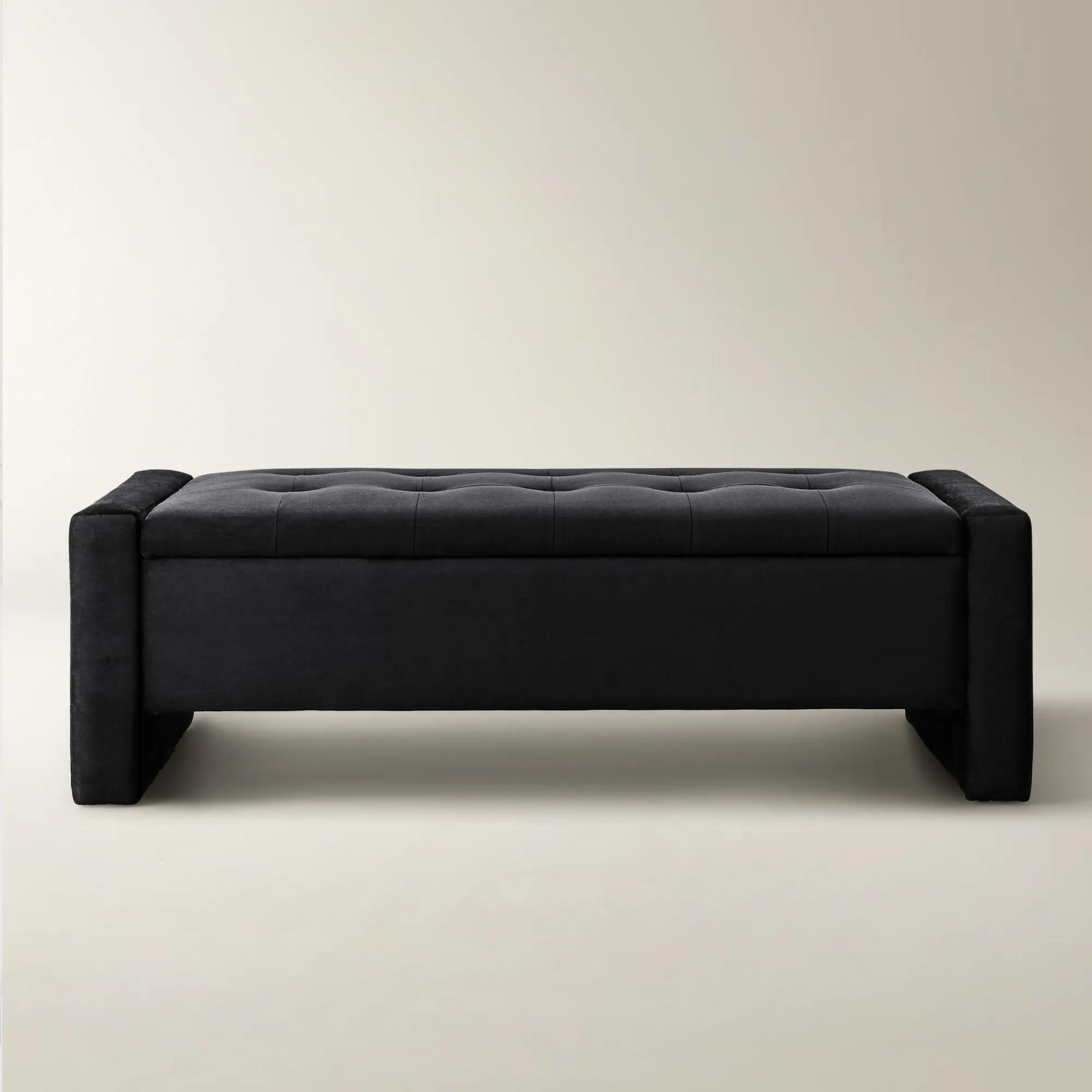
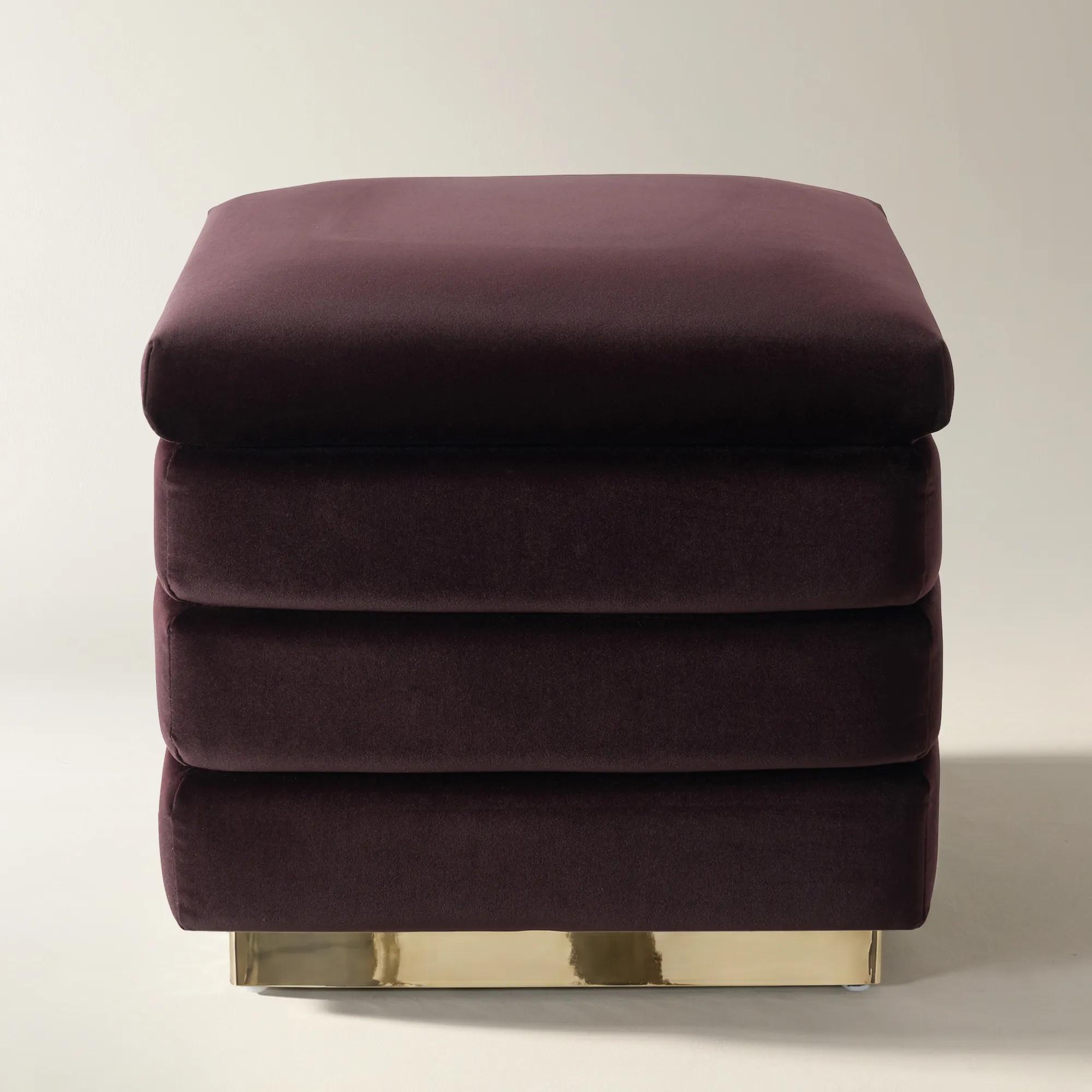
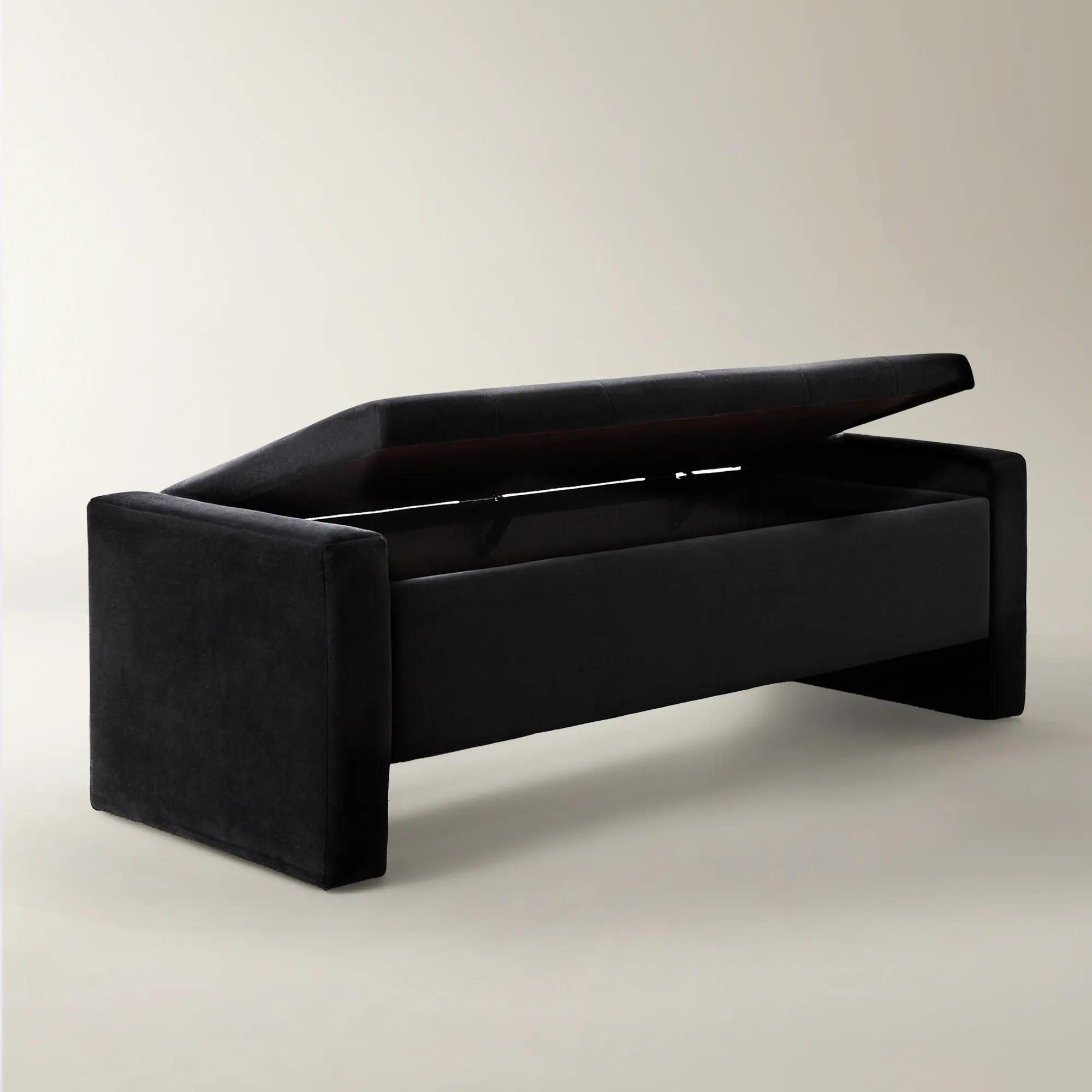 Maeve Storage Bench$899
A modern velvet-upholstered bench with hidden storage, kiln-dried hardwood frame, and soft-closing glides.
Add To Cart -
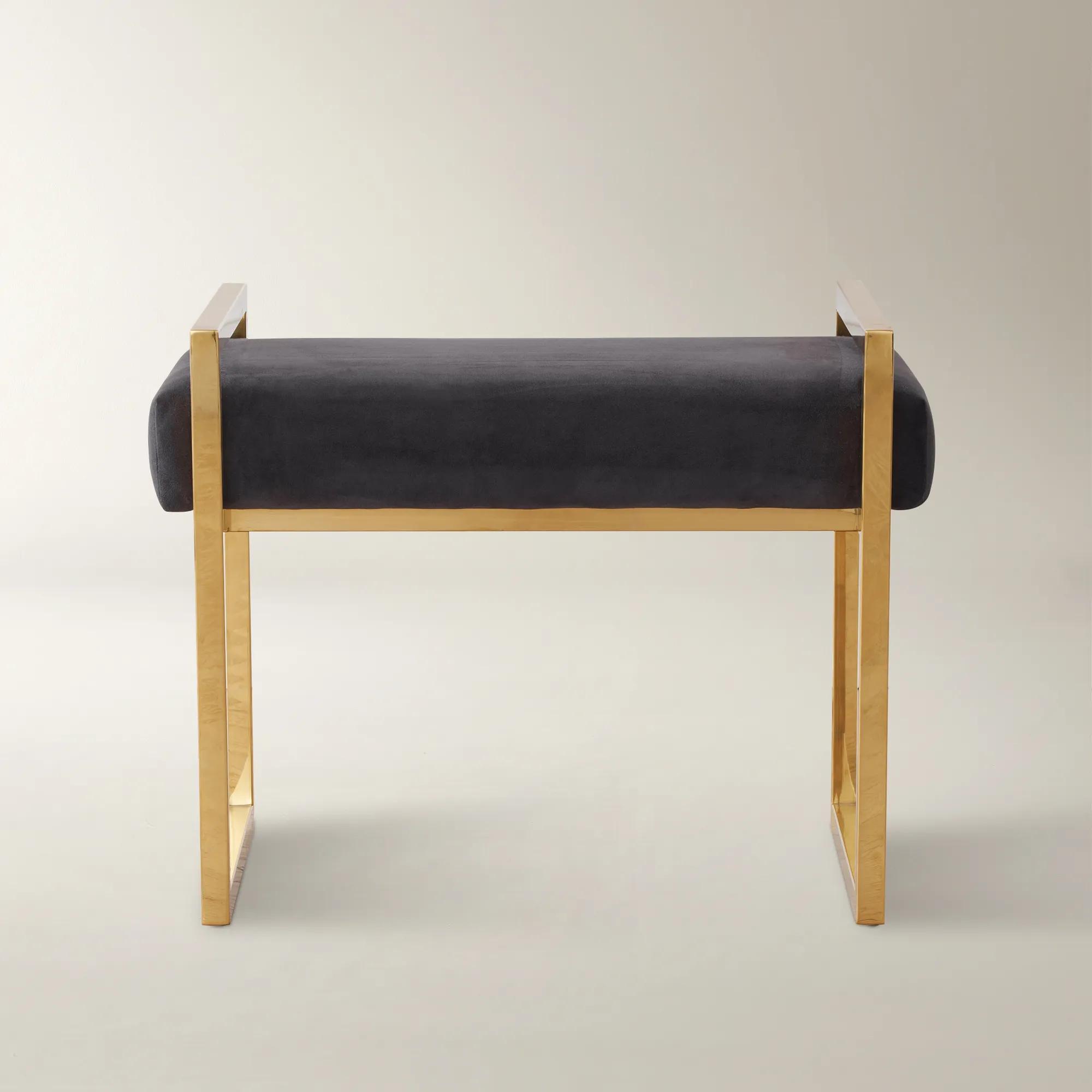
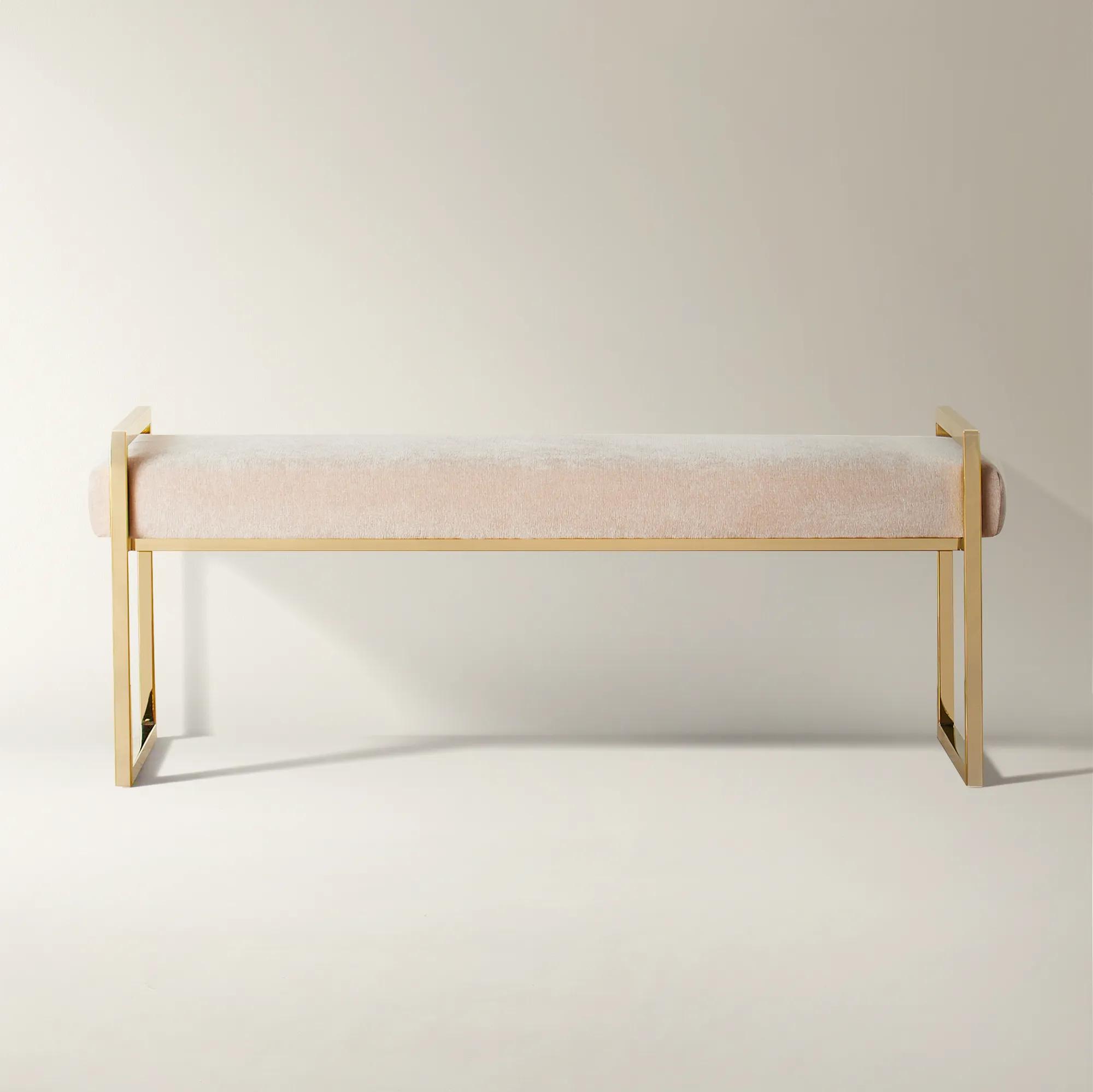 Clara Bench$699
A plush upholstered bench with a high-density foam cushion and polished gold metal legs for modern elegance.
Add To Cart -
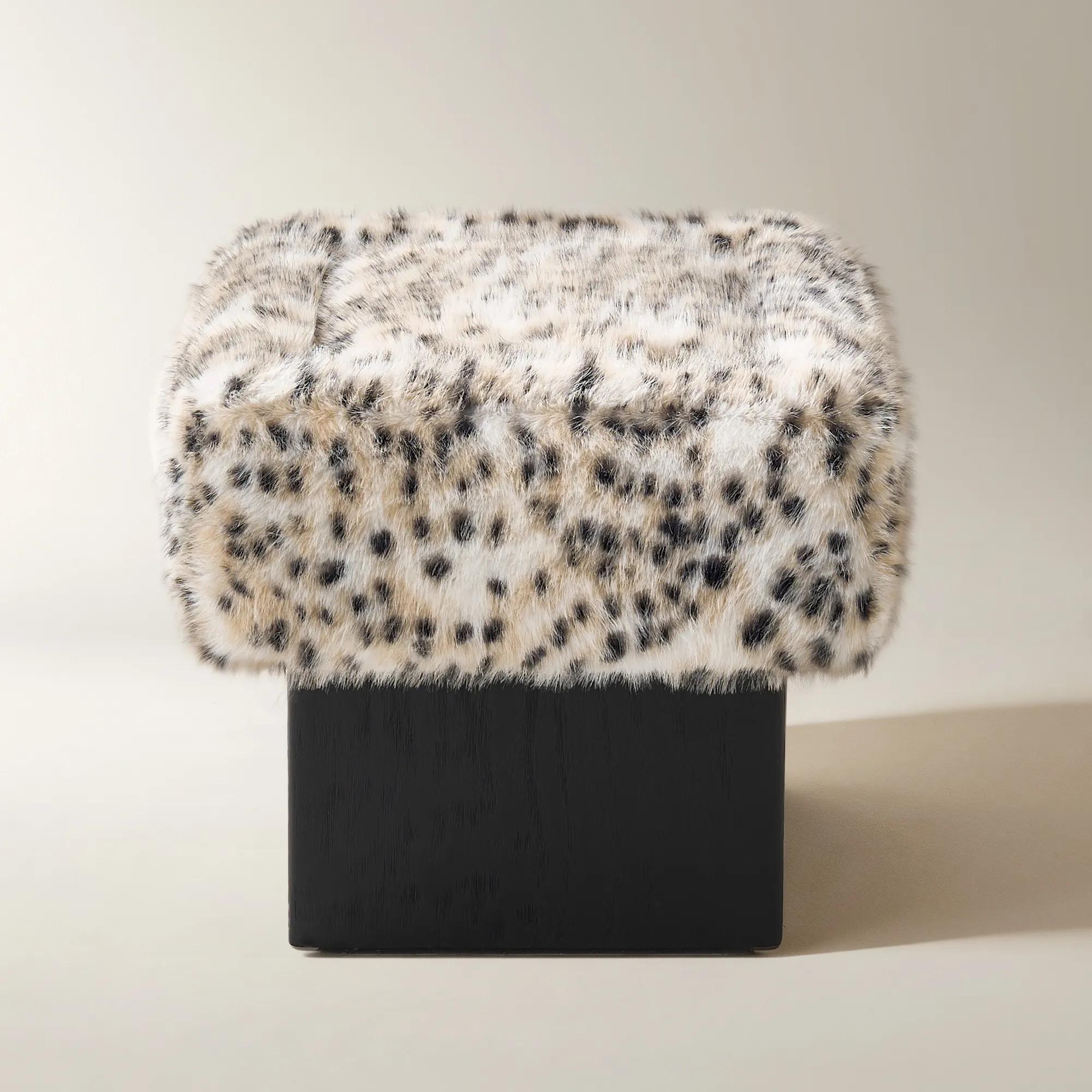
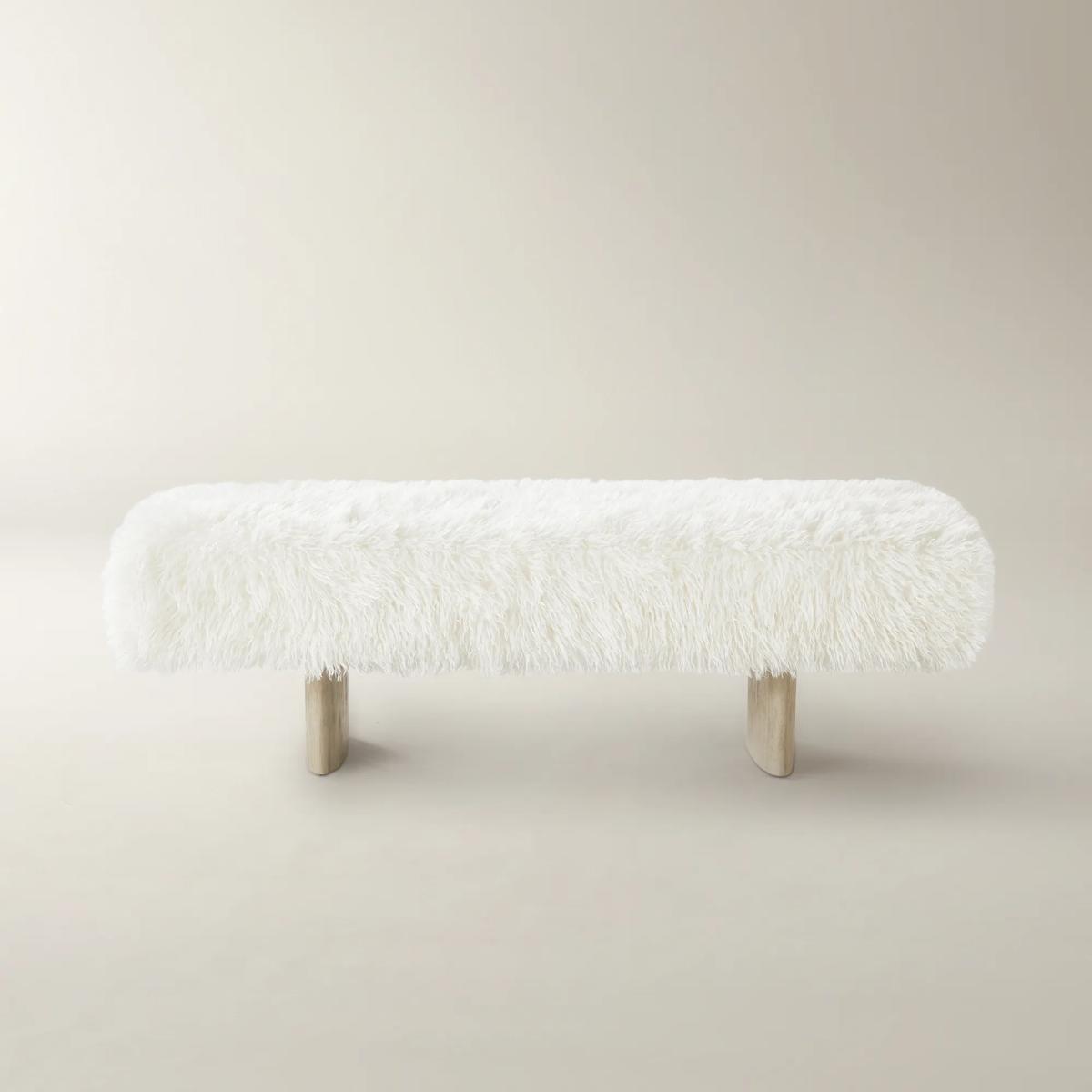 Micah Ivory Mongolian Faux Fur Bench With Rubberwood Legs (62.6")$699
An ivory faux Mongolian fur bench with high-density foam and sculptural solid rubberwood base for modern coziness.
Add To Cart -
.jpg?w=1200&h=1200) Micah Tan Mongolian Faux Fur Bench With Rubberwood Legs (62.6")$699
Micah Tan Mongolian Faux Fur Bench With Rubberwood Legs (62.6")$699A light brown faux fur bench with a curved rubberwood base and plush high-density foam cushion.
Add To Cart -
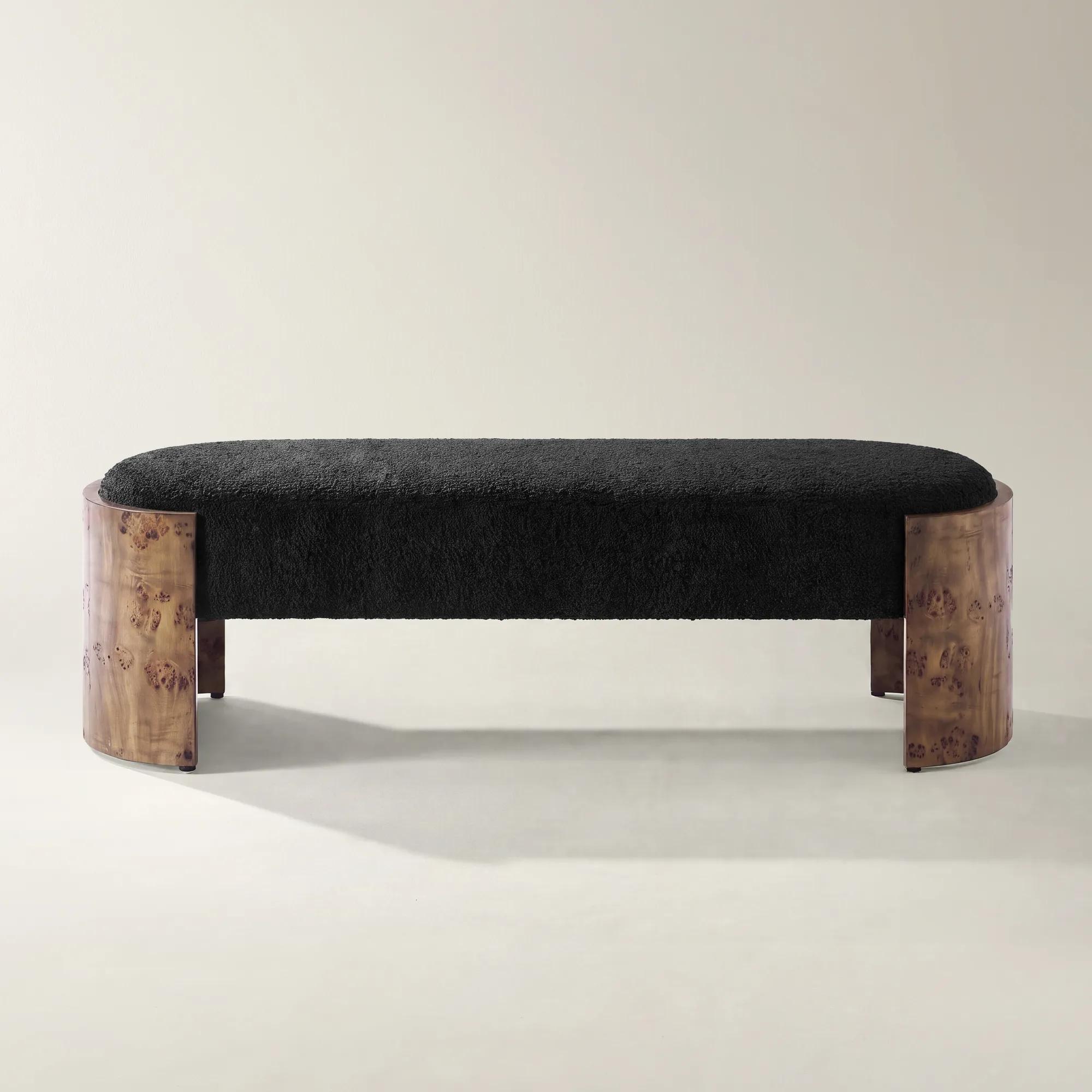
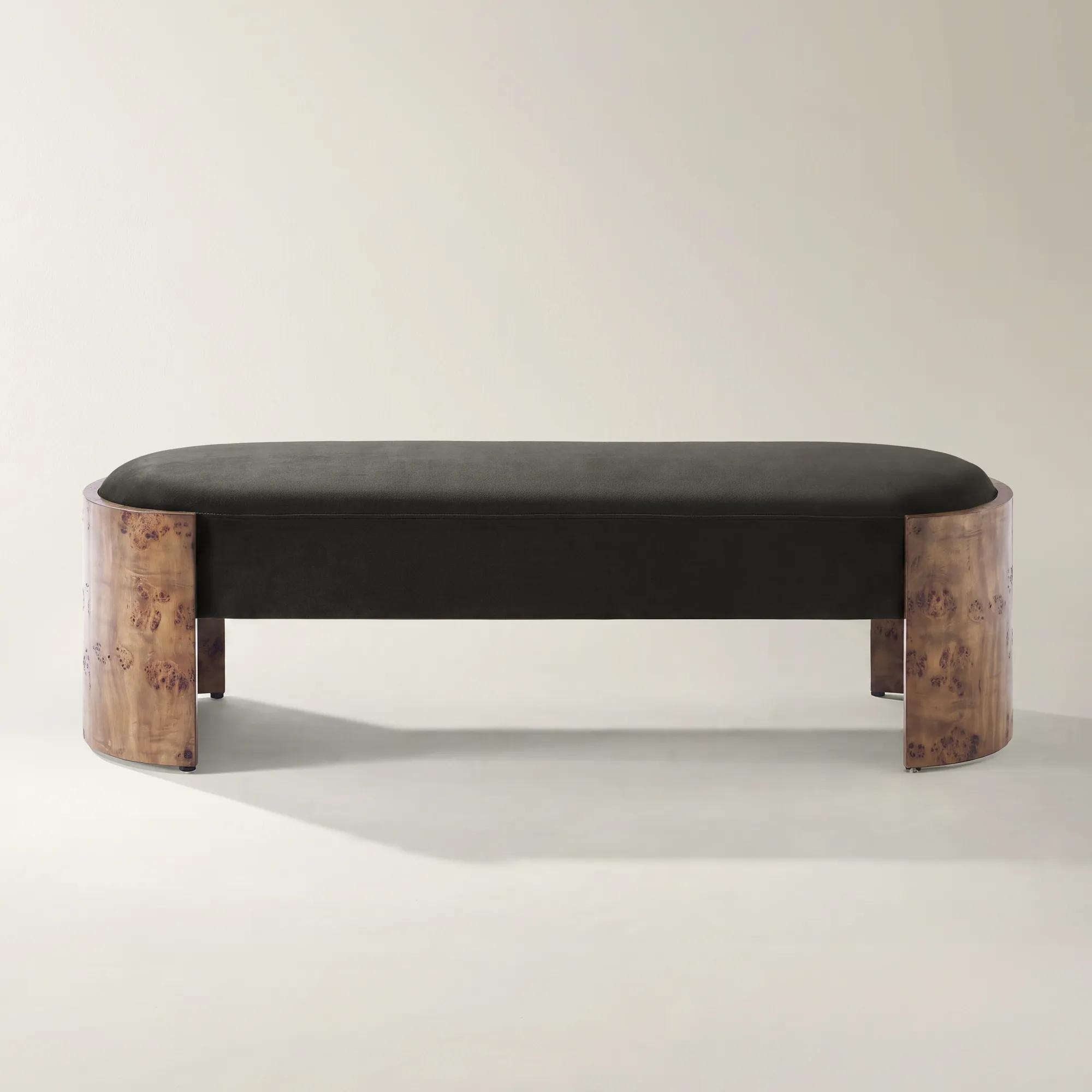
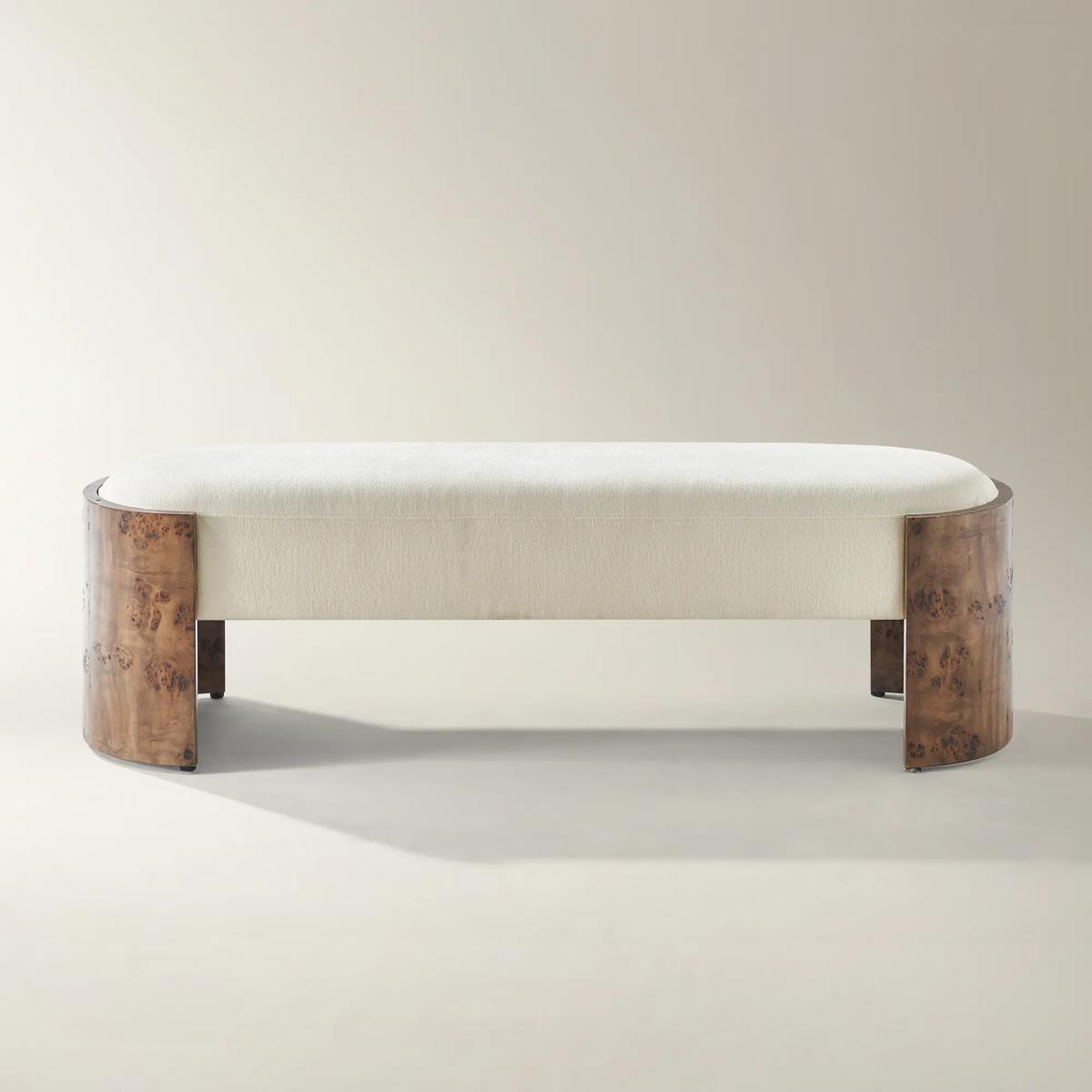 Cora Ivory Chenille With Ash Wood Bench (60.6")$999
An ivory chenille bench with curved ash burl veneer panels, blending plush comfort with striking wood artistry.
Add To Cart -
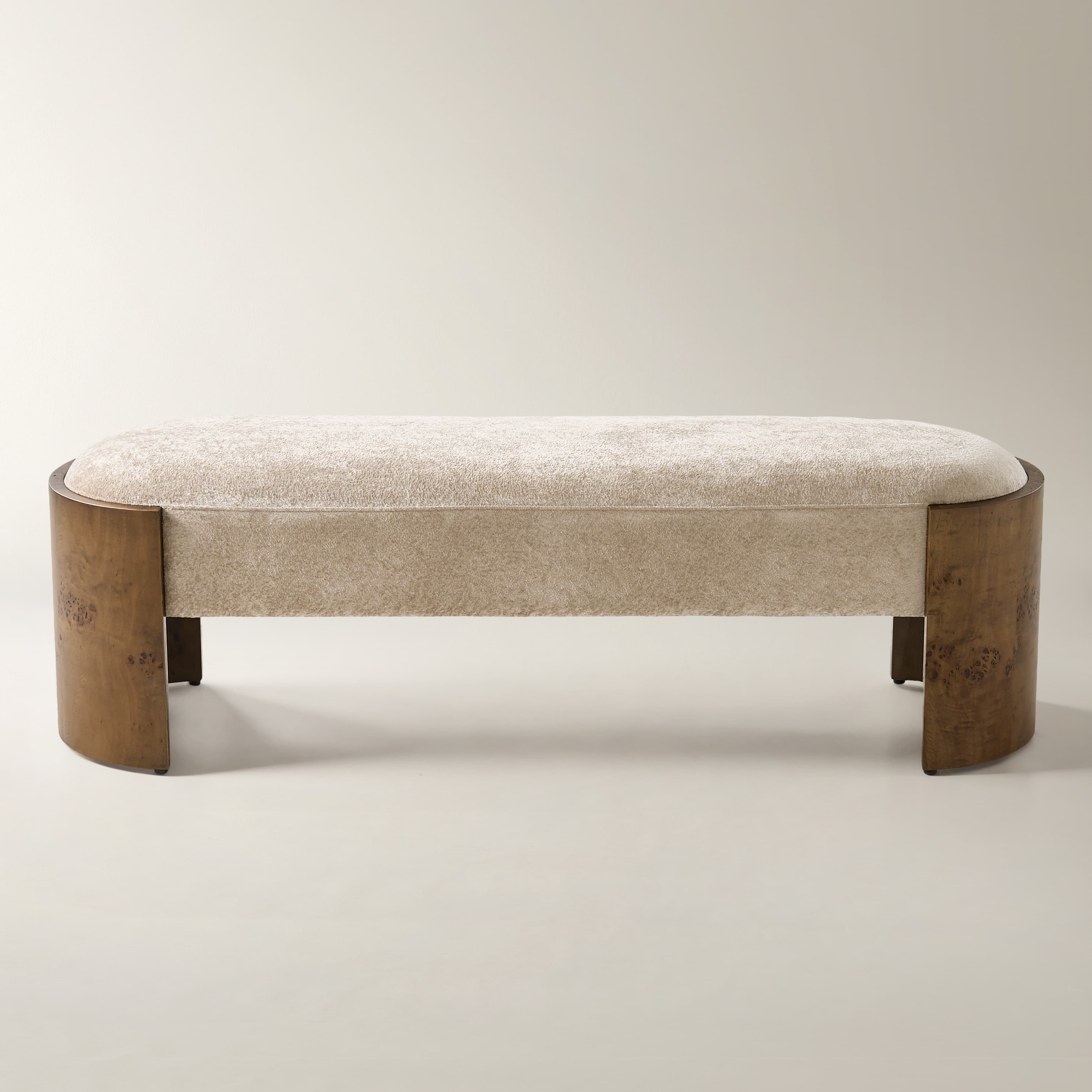 Cora Light Brown Chenille With Ash Wood Bench (60.6")$999
A light brown chenille bench with curved ash burl veneer panels, blending plush comfort and organic artistry.
Add To Cart -
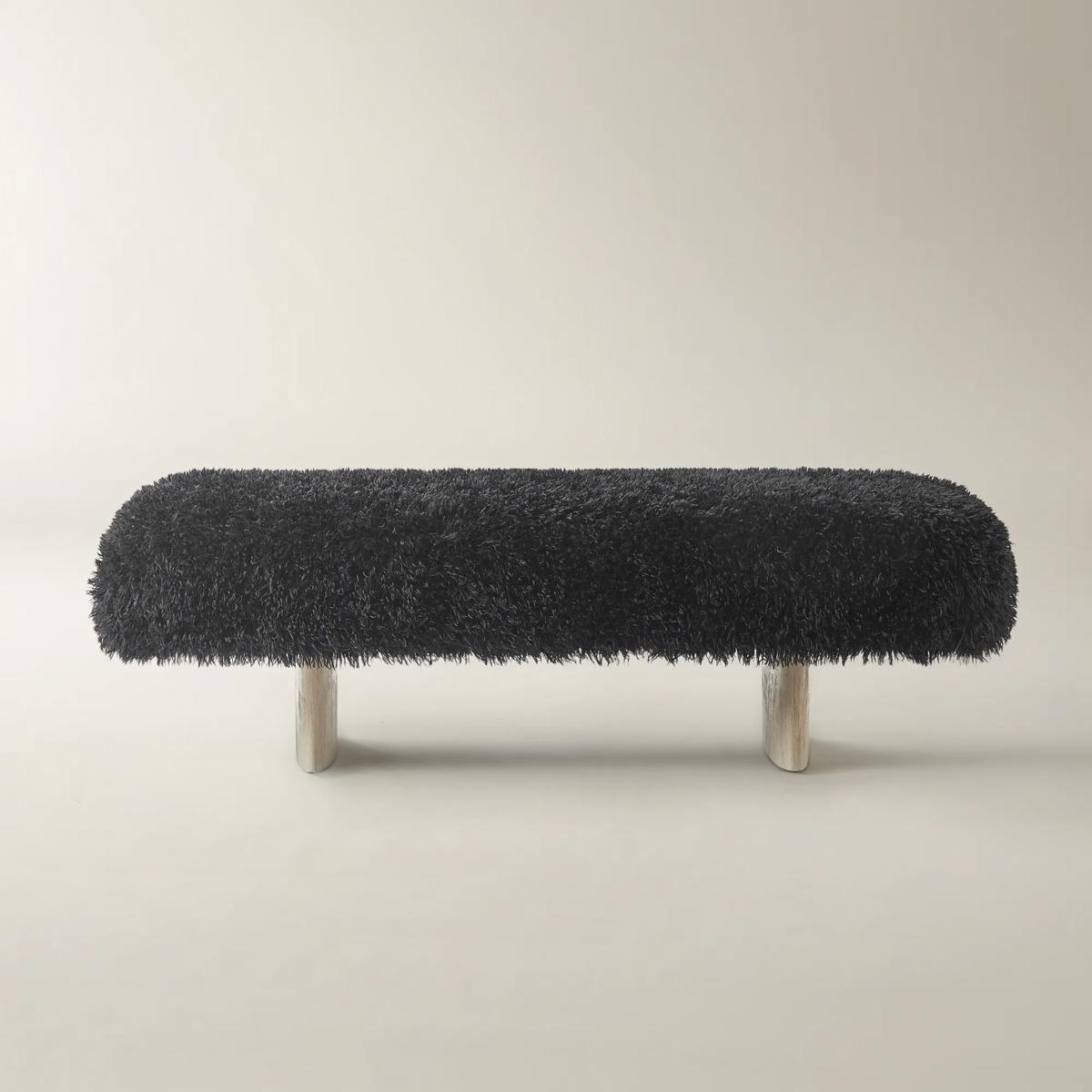 Micah Black Mongolian Fur Bench With Rubberwood Legs (62.6")$699
A striking black faux Mongolian fur bench with solid rubberwood legs for plush comfort and modern edge.
Add To Cart -
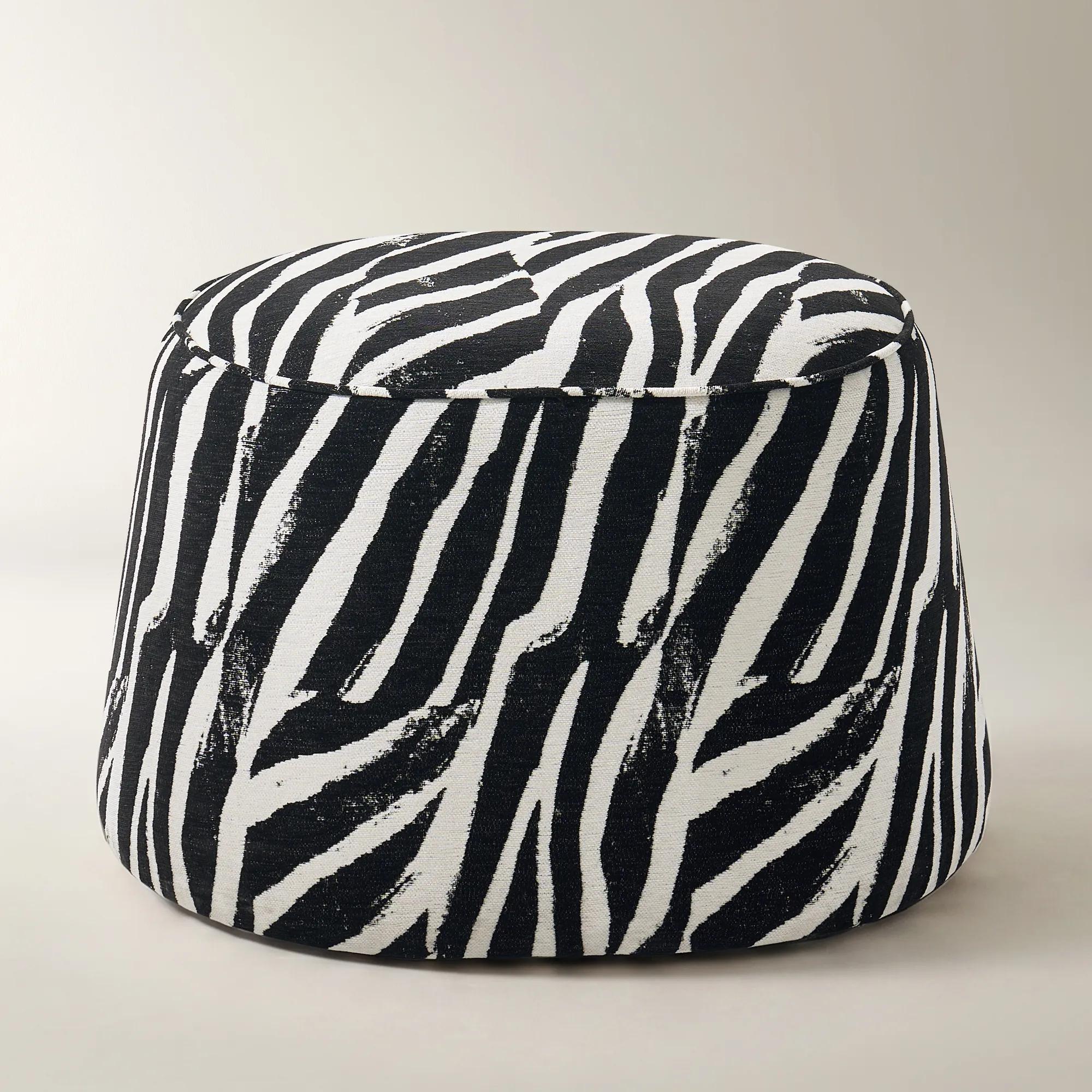
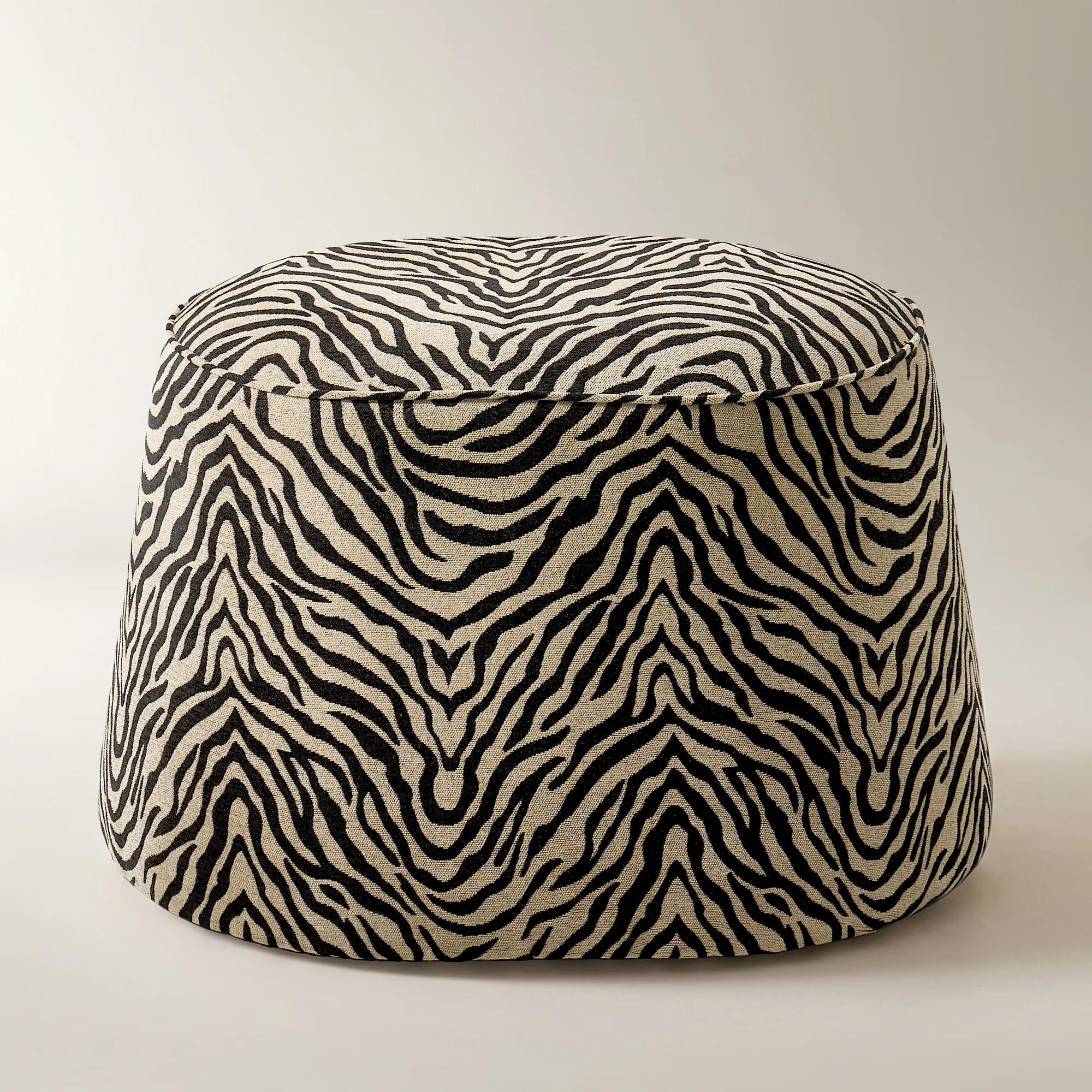
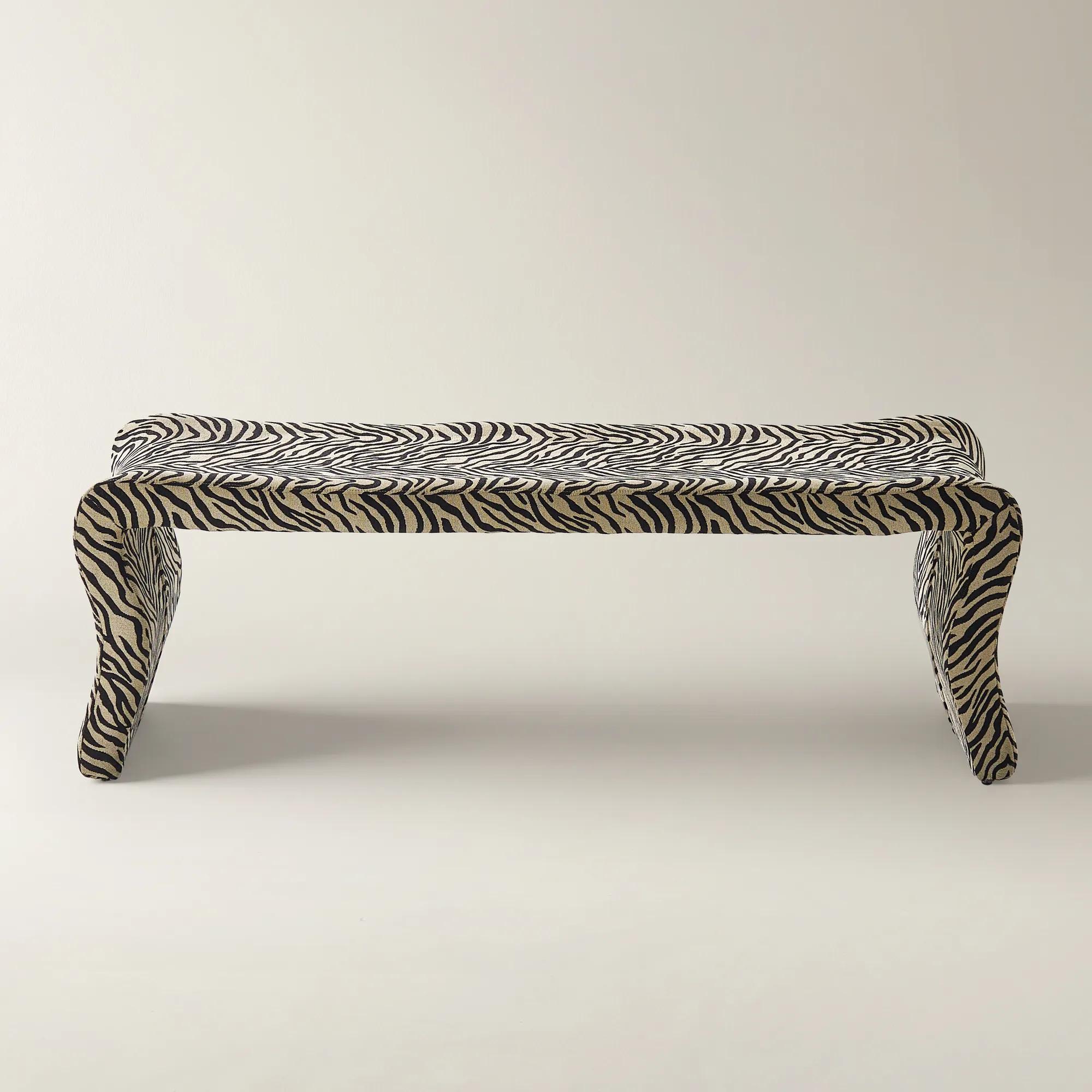 Romy Zebra Performance Chenille Bench (61.5")$799
A sculptural bench wrapped in zebra-patterned performance chenille with a wave-like silhouette and full foam construction.
Add To Cart -
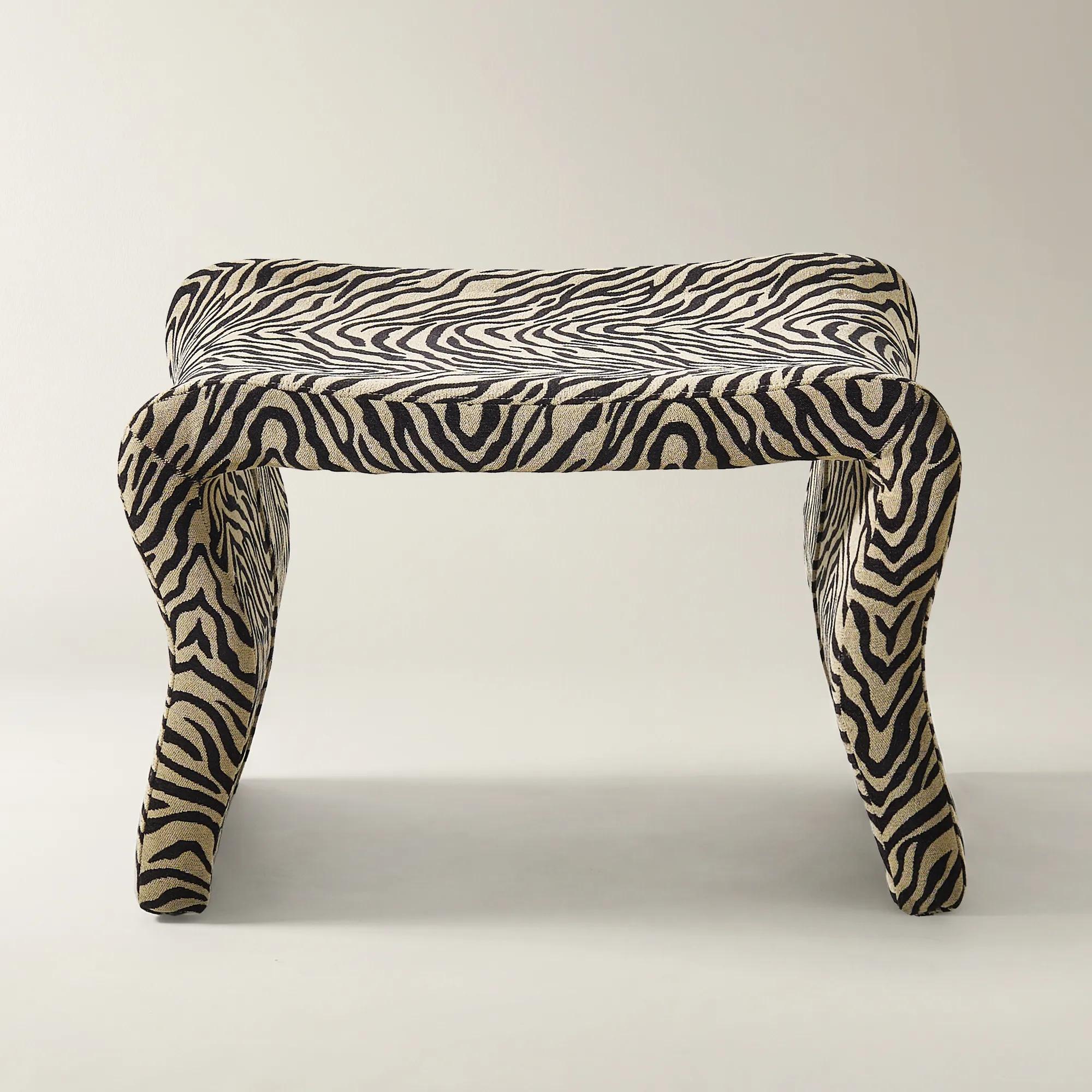
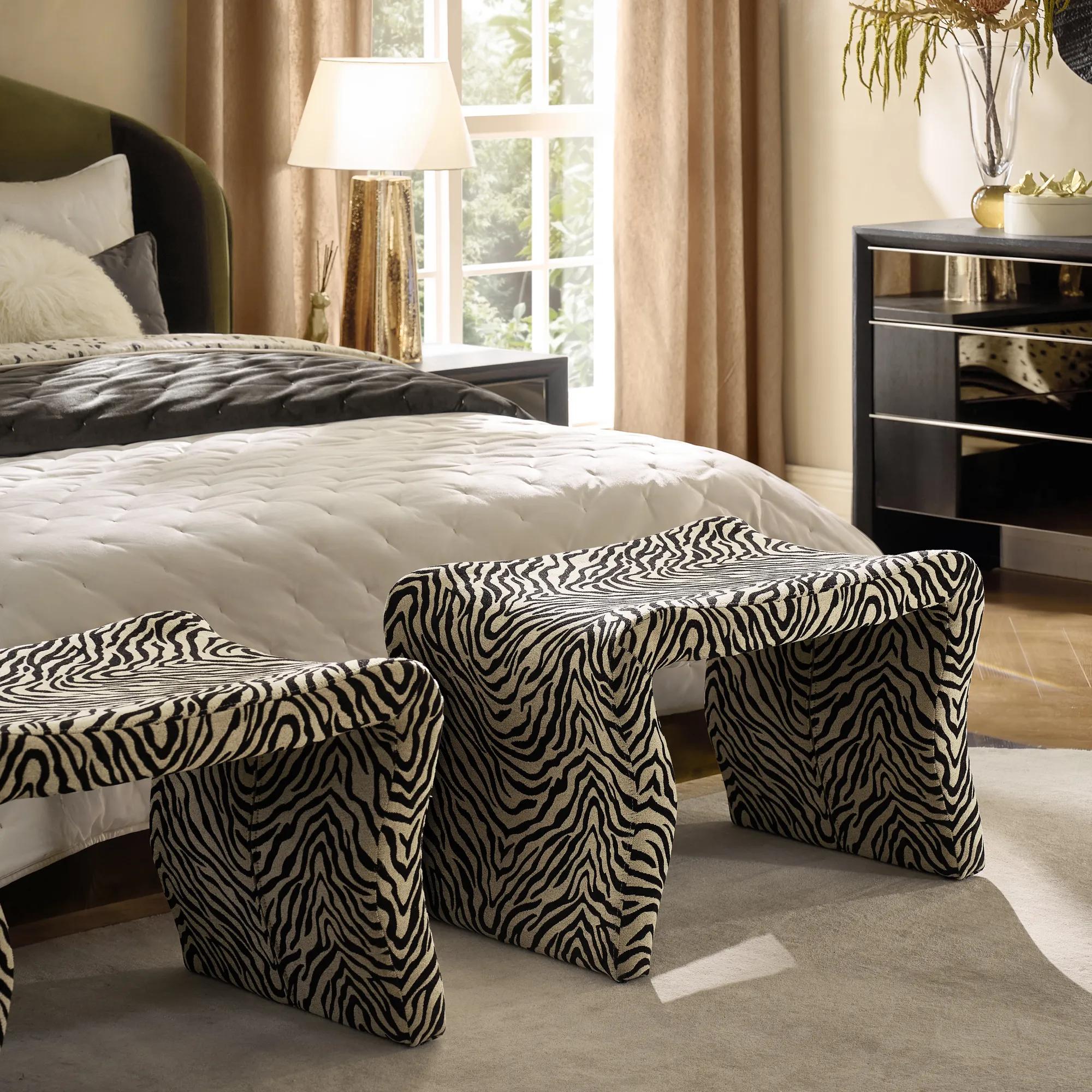 Romy Zebra Performance Chenille Bench (30.75")$399
A sculptural bench wrapped in zebra-patterned performance chenille with a wave-like silhouette and full foam construction.
Add To Cart -
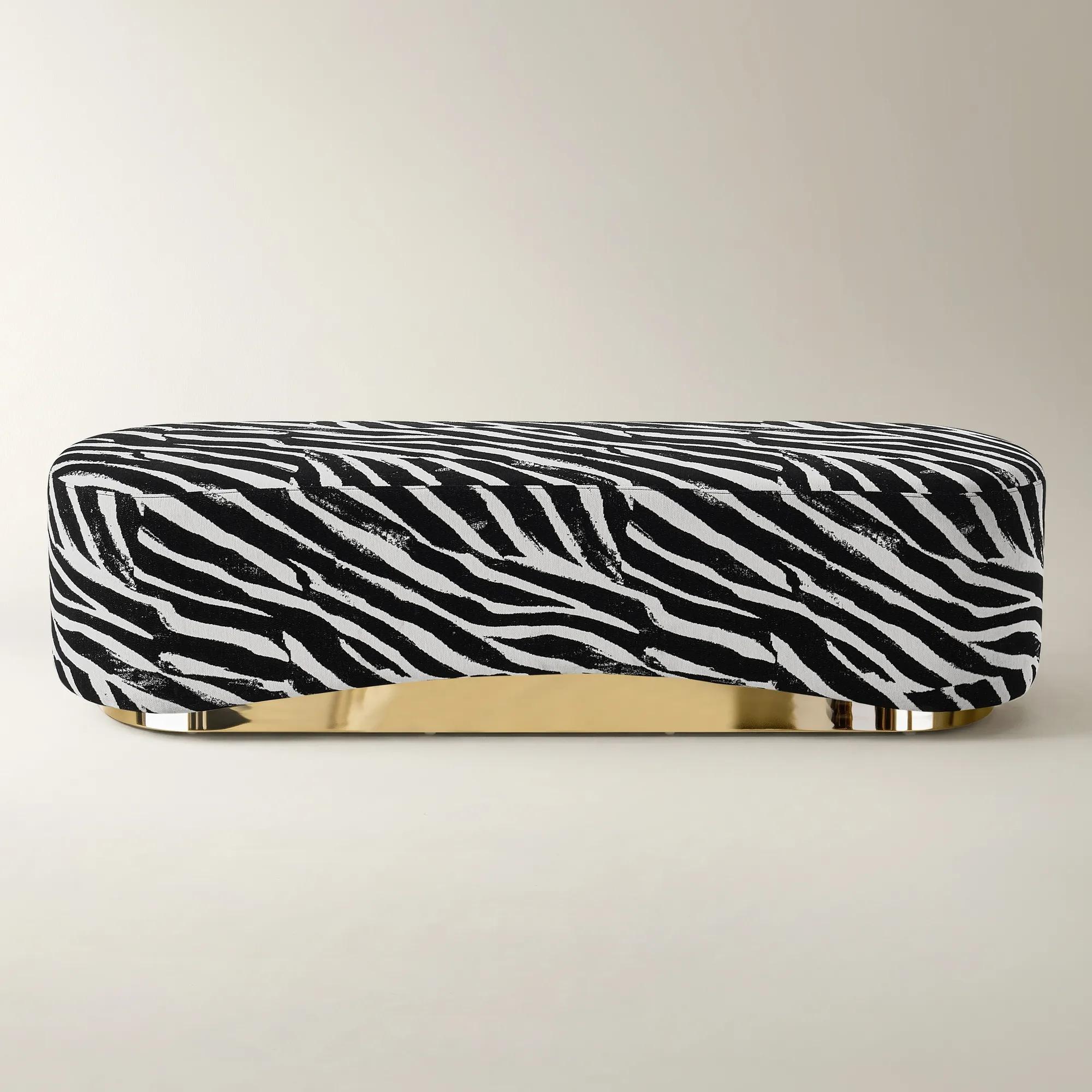
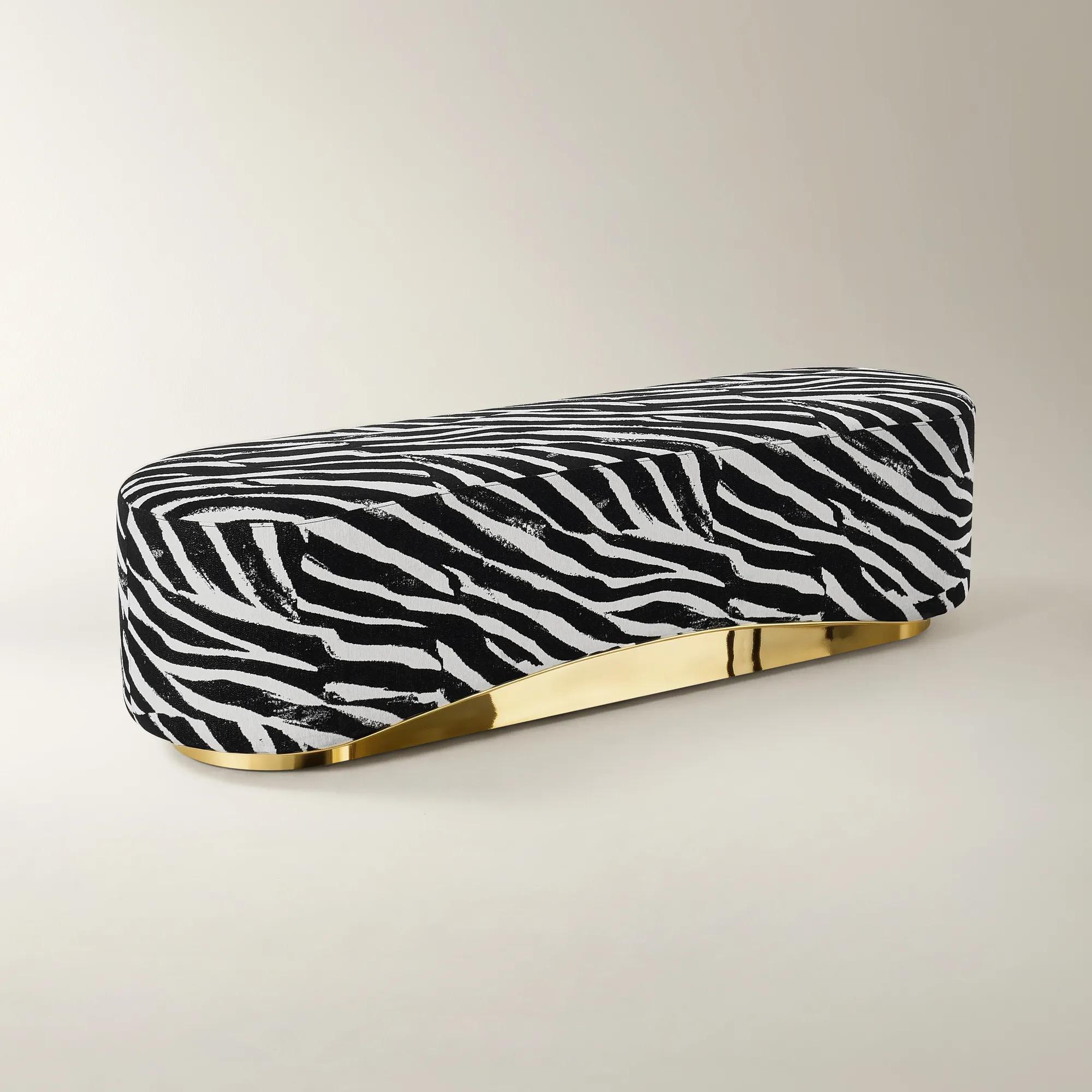 Kendra White/Black Performance Chenille Bench (70.47")$799
An elongated oval bench upholstered in white and black performance chenille with a polished gold stainless steel base.
Add To Cart -
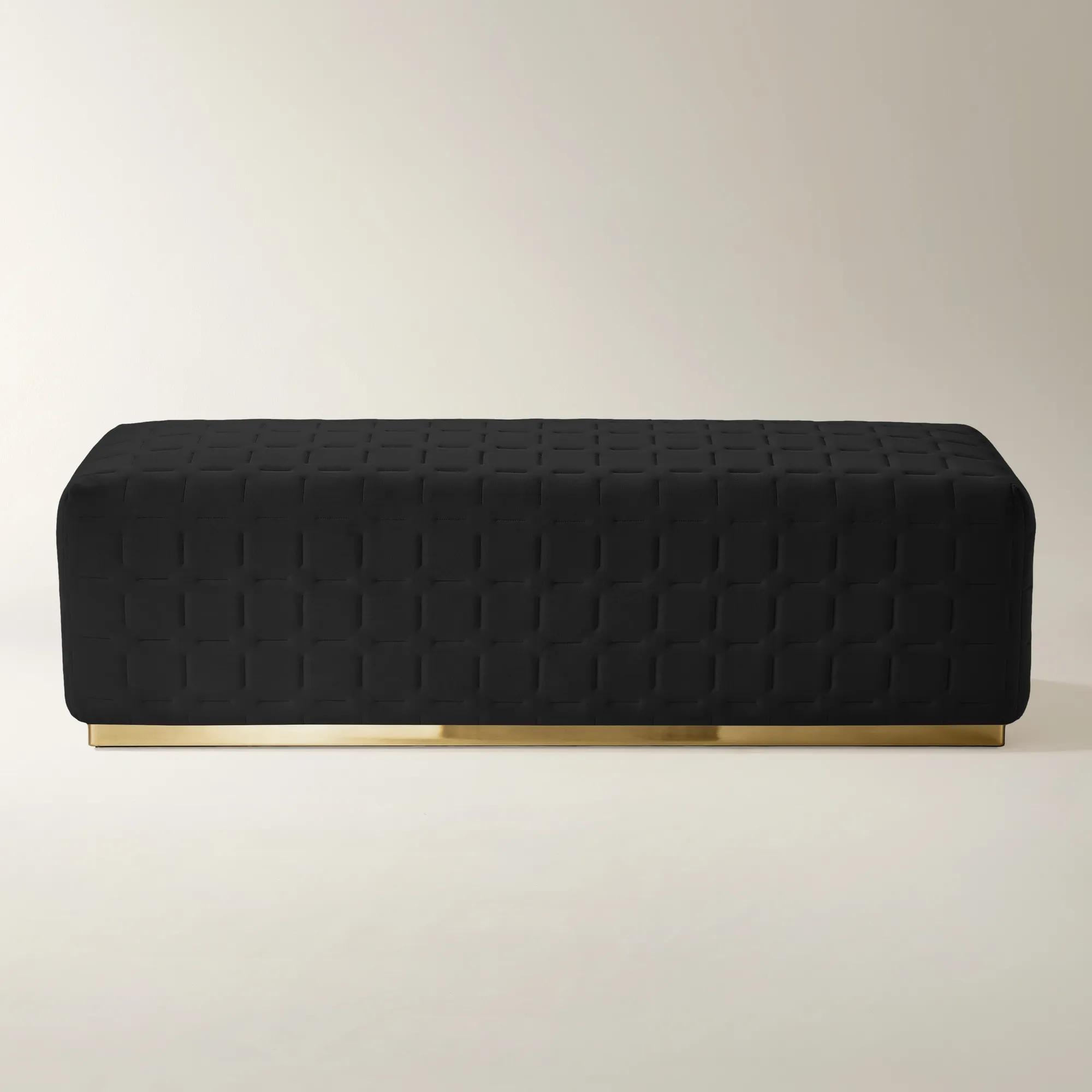 Vanta Quilted Charcoal Velvet Bench (64.6")$899
A charcoal velvet bench featuring checker quilted tufting and a gold stainless steel base for modern elegance.
Add To Cart -
.jpg?w=1200&h=1200)
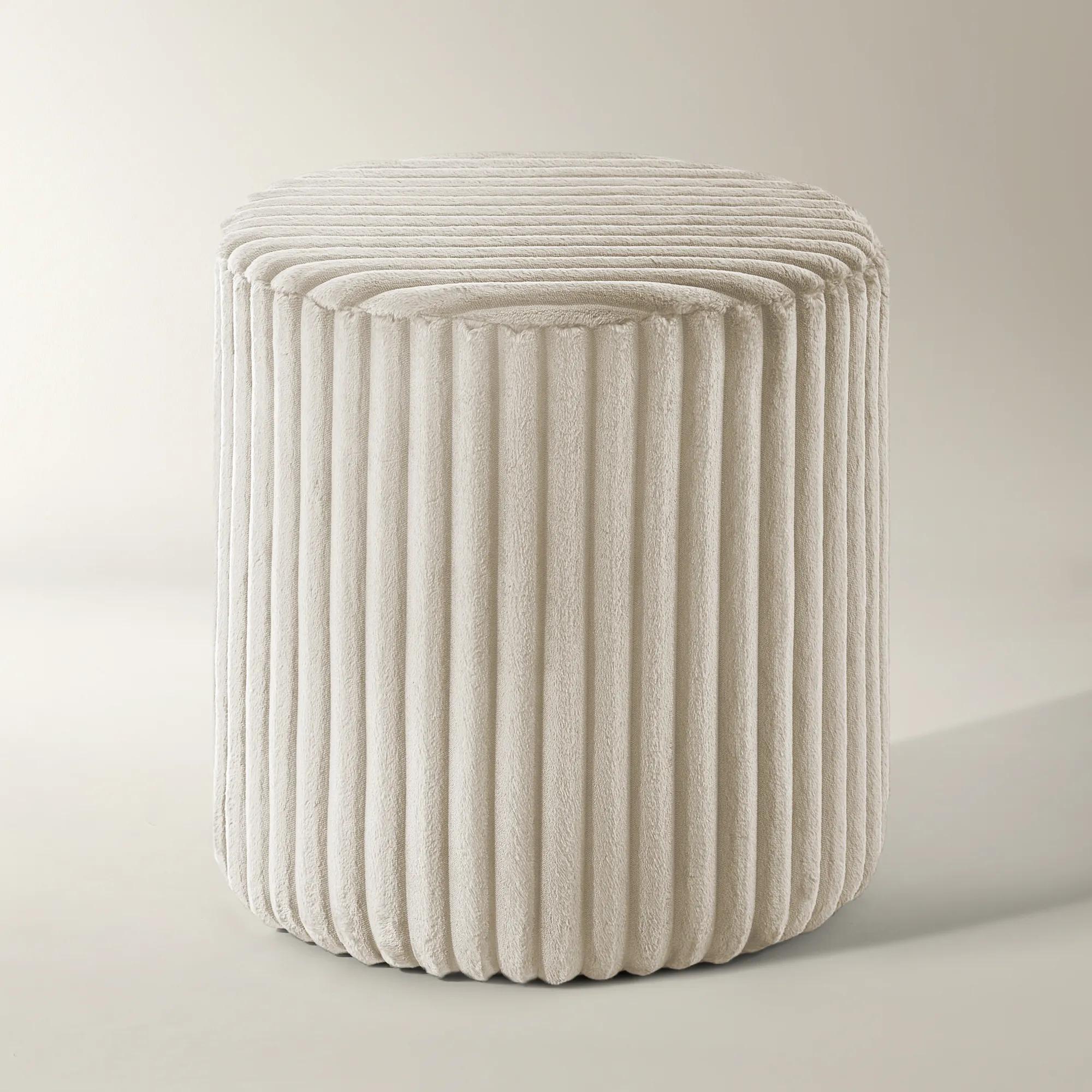 Fleece Fluted Ivory Velvet Stool (15.55'')$229
An ivory ribbed velvet stool offering cozy softness and versatile use as seating, footrest, or accent table.
Add To Cart -
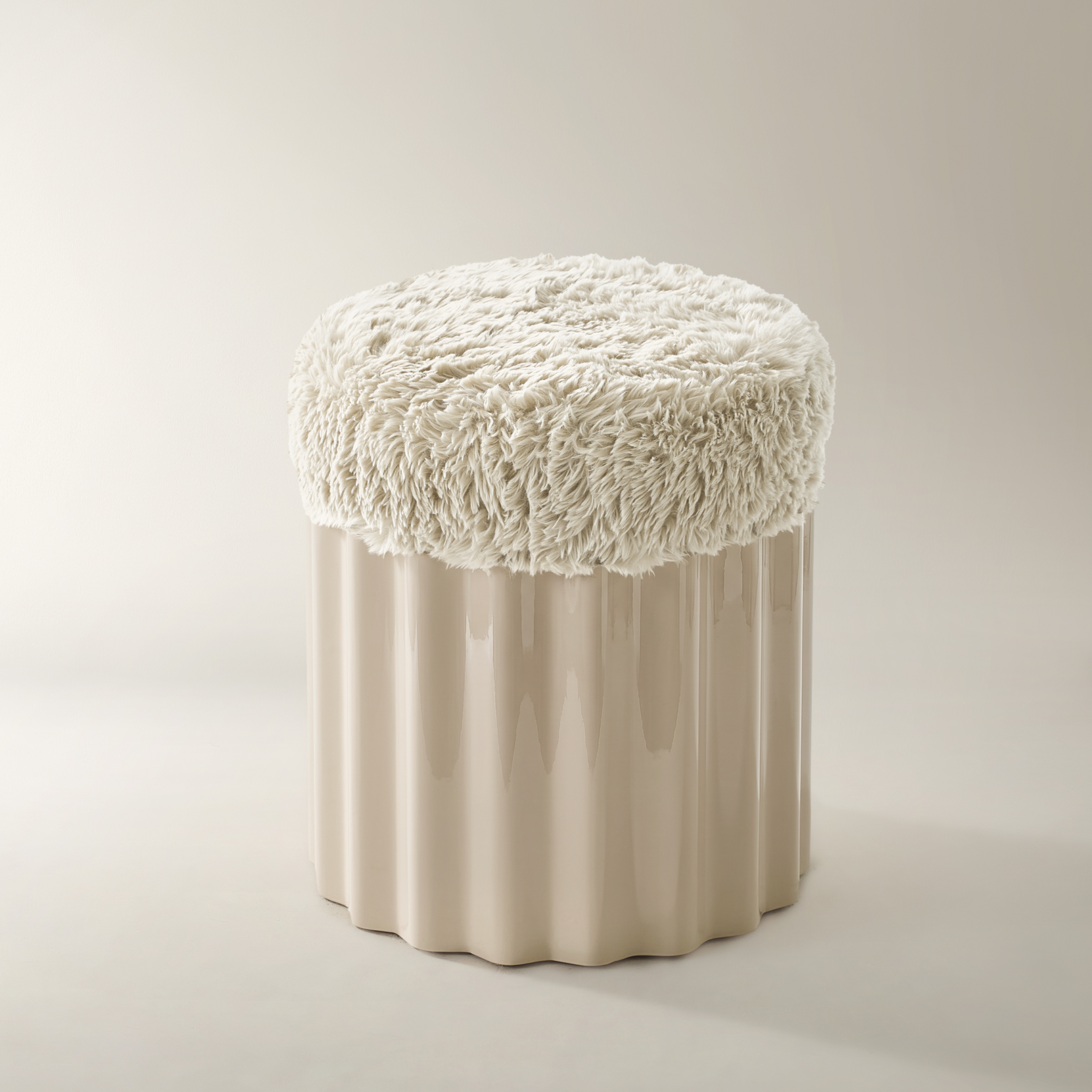
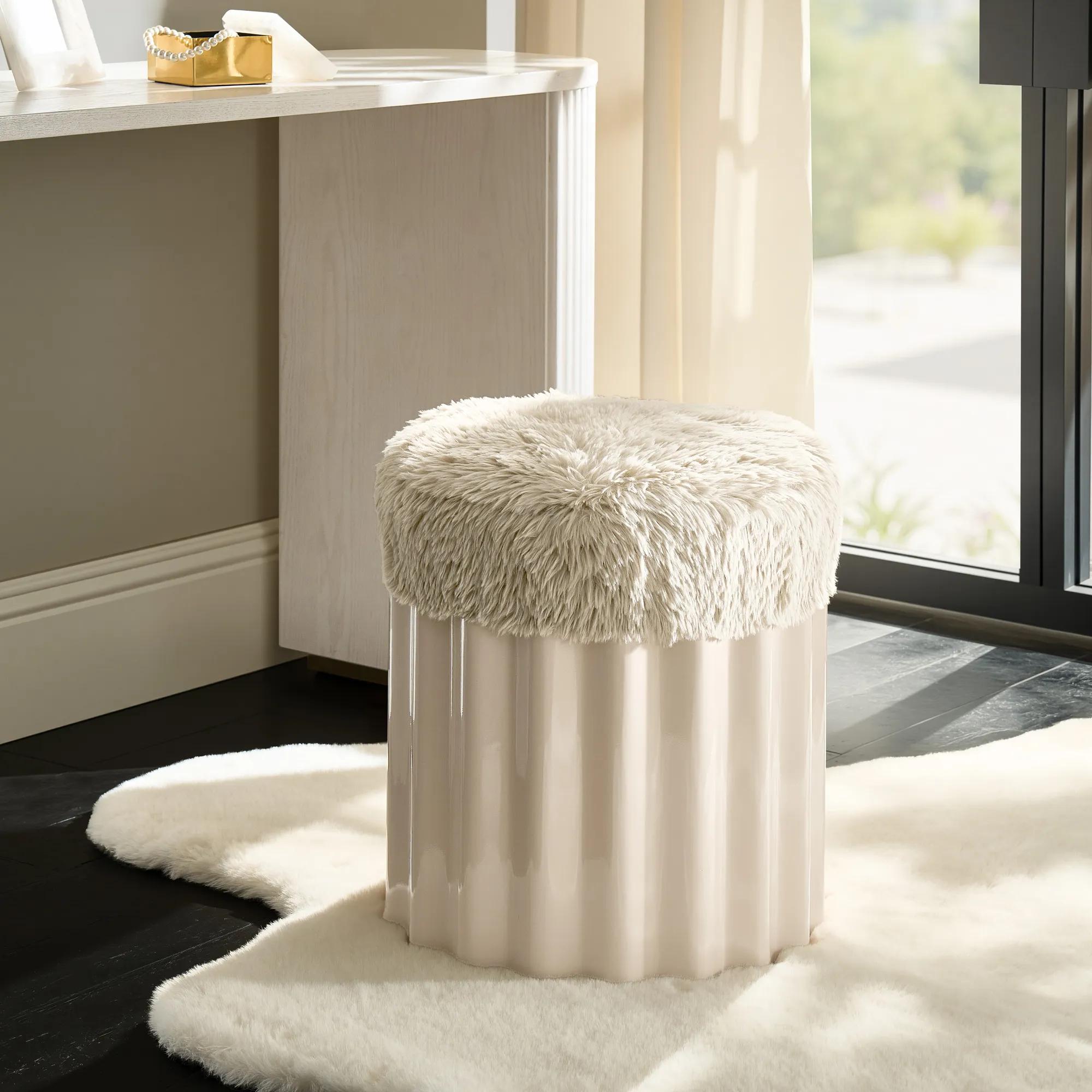 Nia Lacquered Turtle Dove Faux Fur Storage Stool$399
A sculptural fluted stool in warm turtle dove with plush faux fur seat and hidden storage compartment.
Add To Cart -
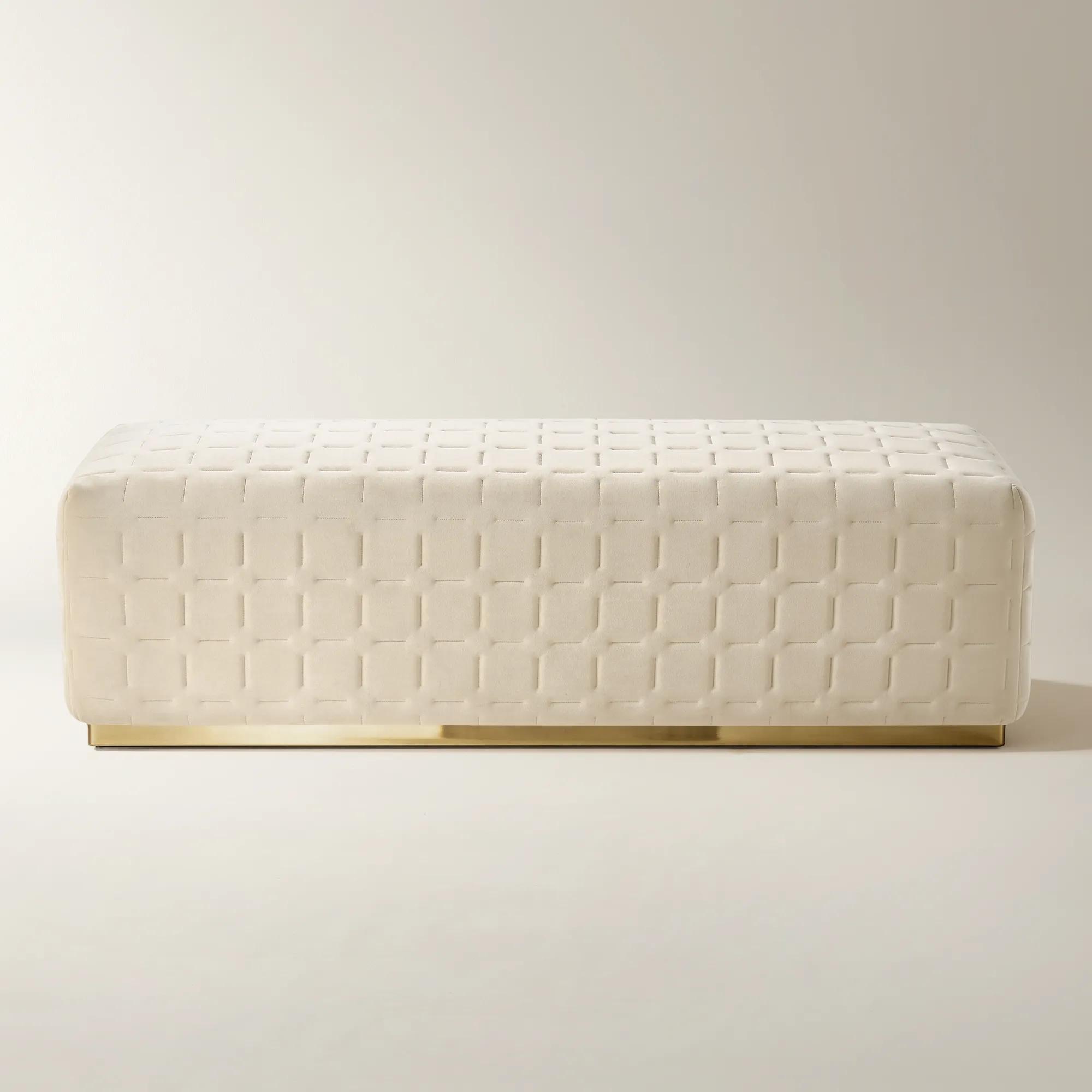
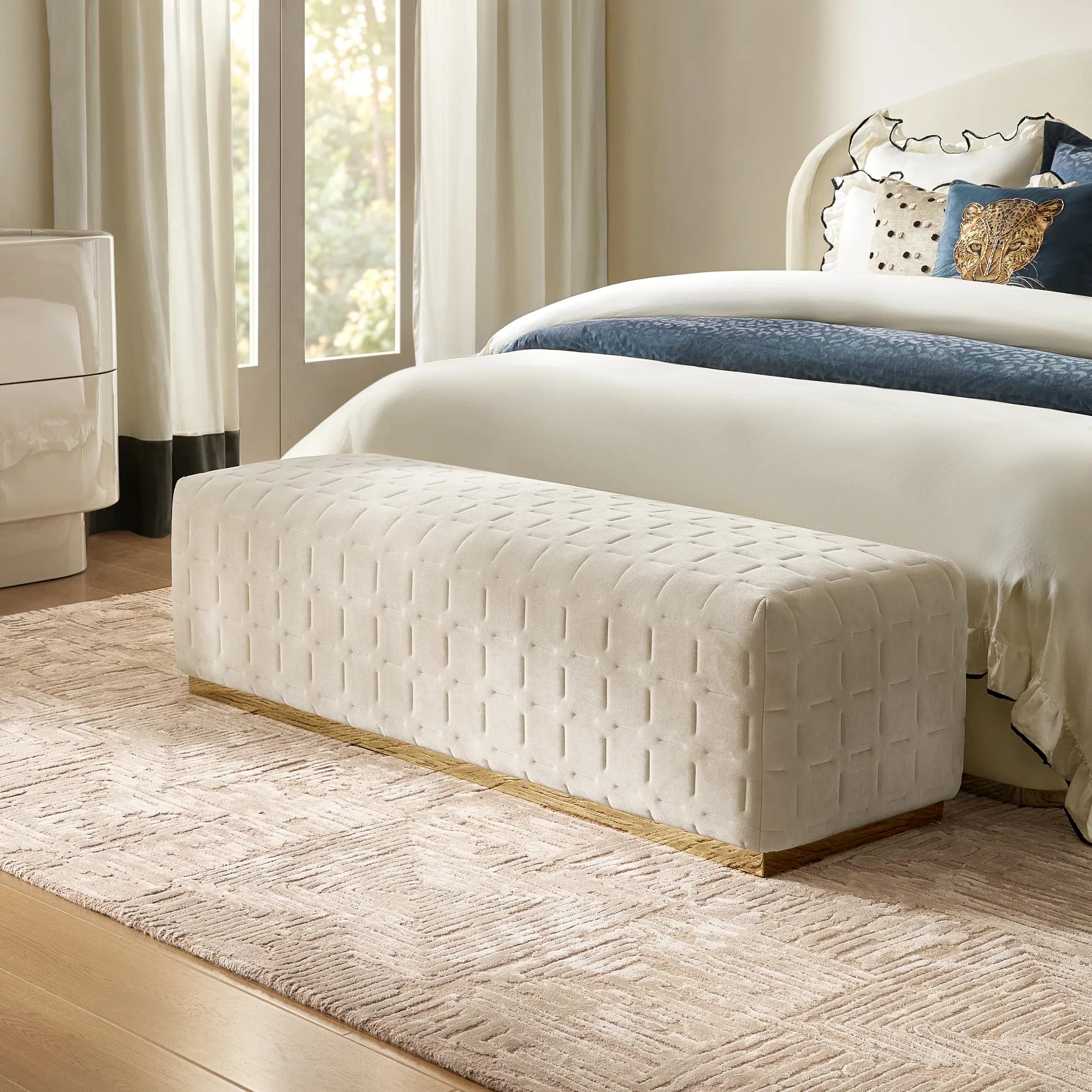 Vanta Quilted Oatmeal Velvet Bench (64.6")$899
A plush oatmeal velvet bench featuring checker quilted tufting and a sleek gold stainless steel base.
Add To Cart -
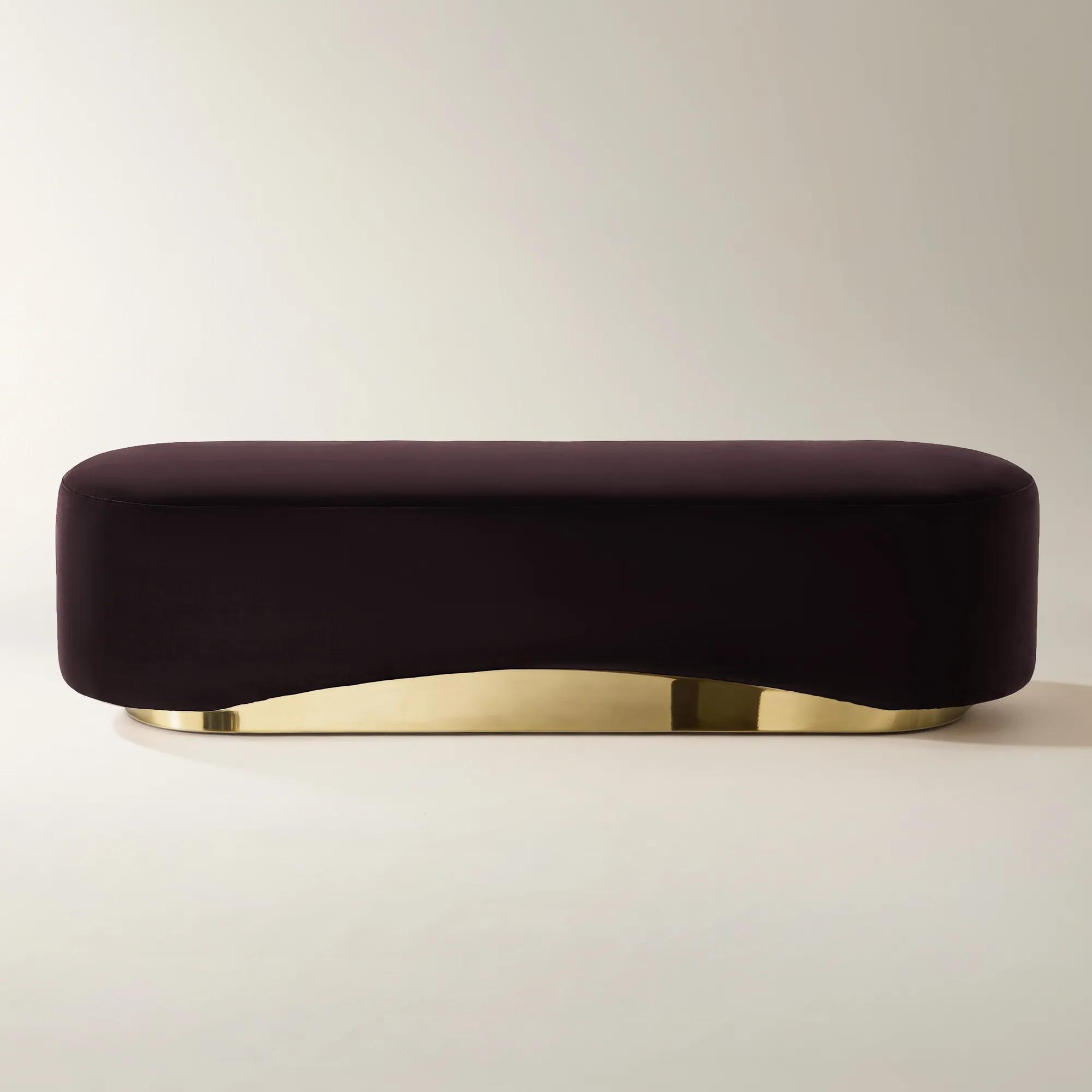 Kendra Fig Velvet Bench (70.47")$799
A plush fig velvet bench with an elongated oval silhouette and a polished gold stainless steel base.
Add To Cart -
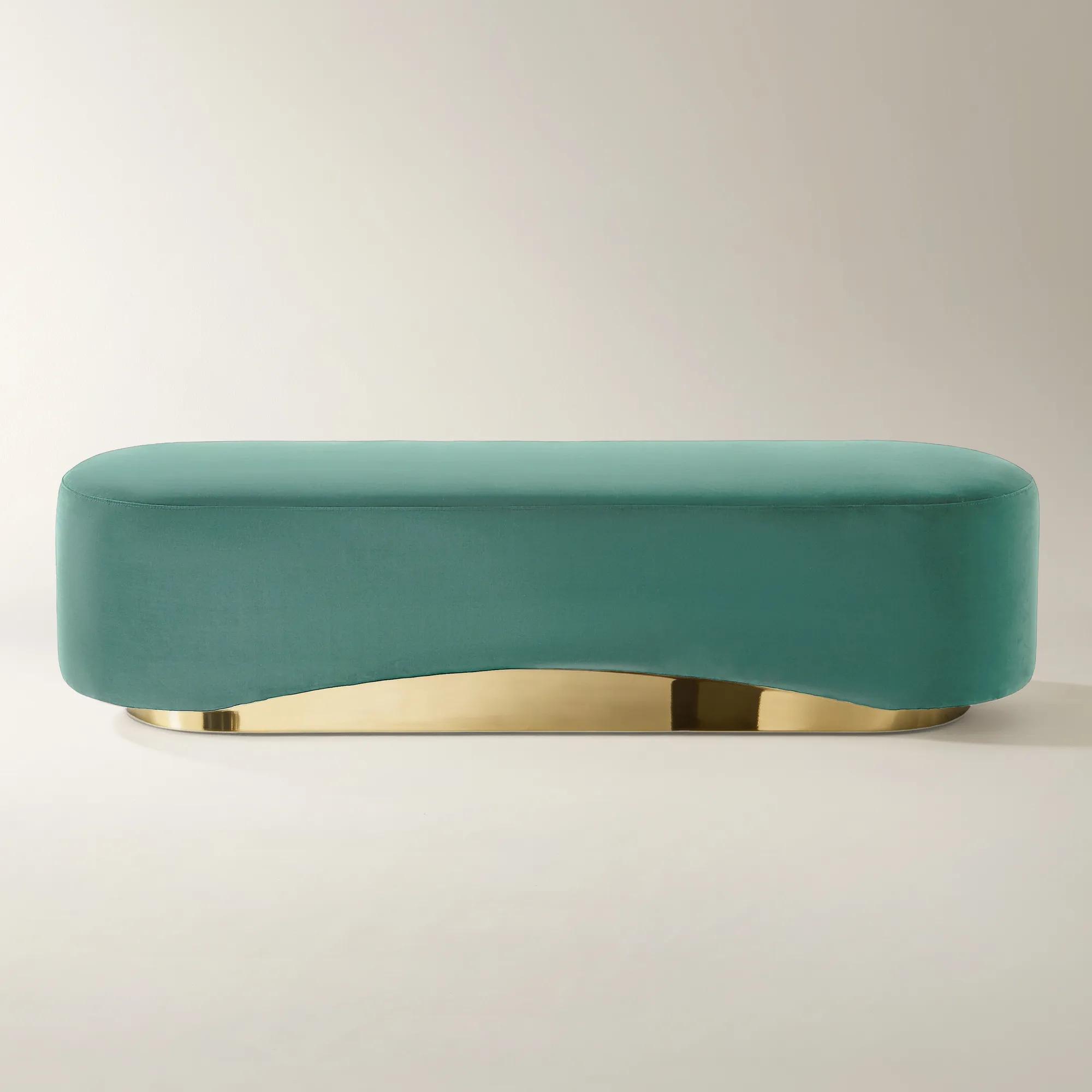 Kendra Ocean Teal Velvet Bench (70.47")$799
An elongated oval bench in ocean teal velvet with a plush seat and polished gold stainless steel base.
Add To Cart -
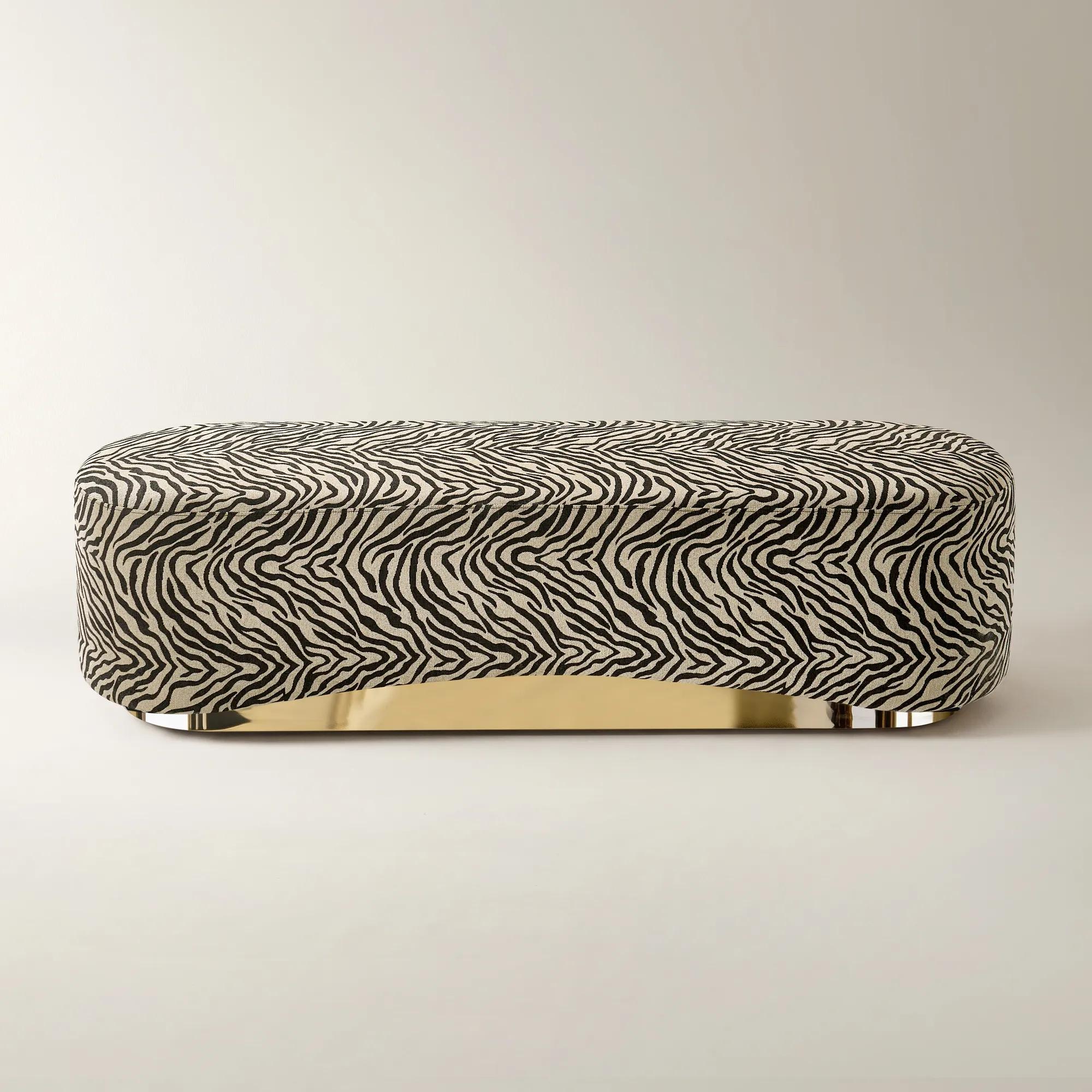
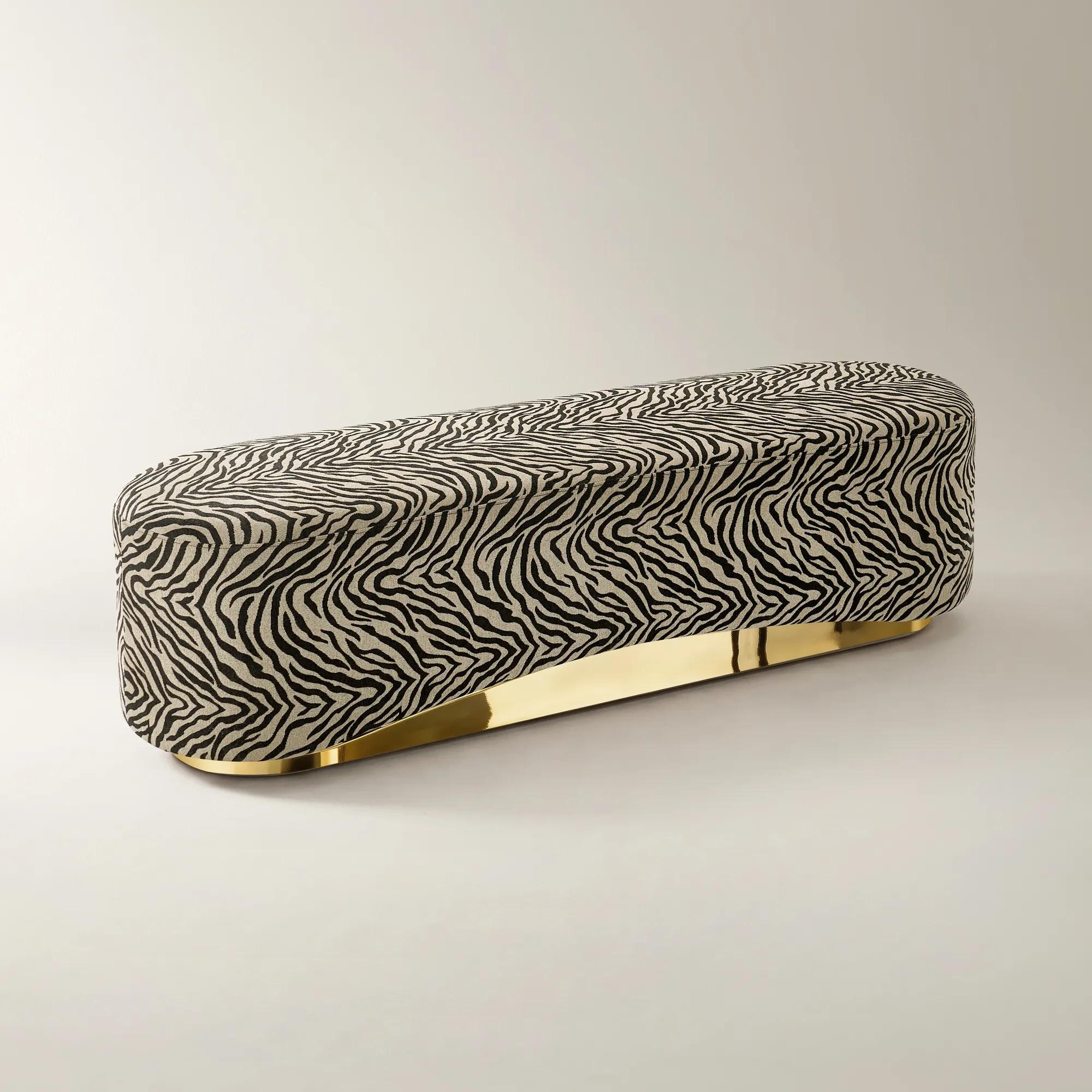 Kendra Zebra Performance Chenille Bench (70.47")$799
An elongated oval bench upholstered in textured zebra-pattern chenille with a polished gold stainless steel base.
Add To Cart -
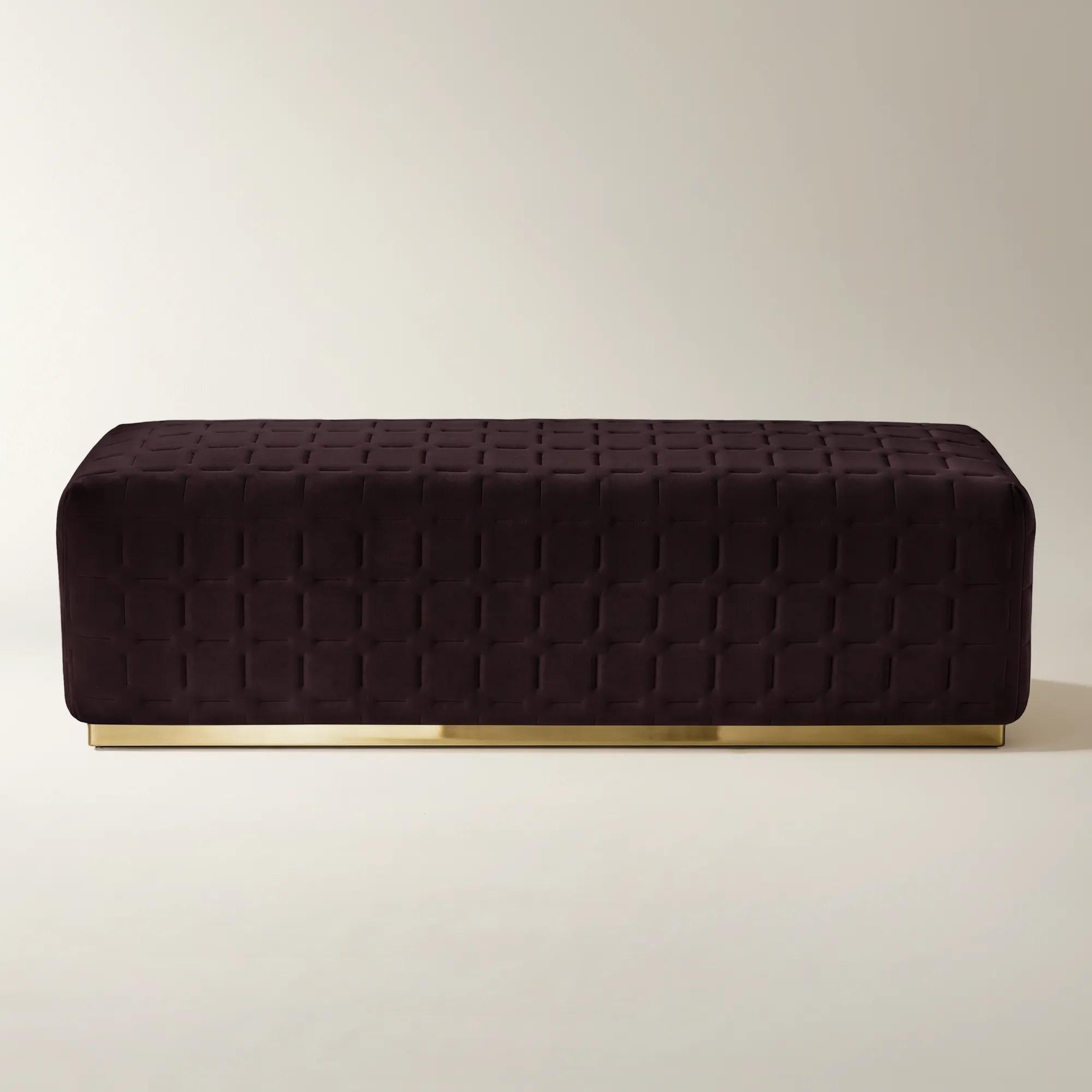
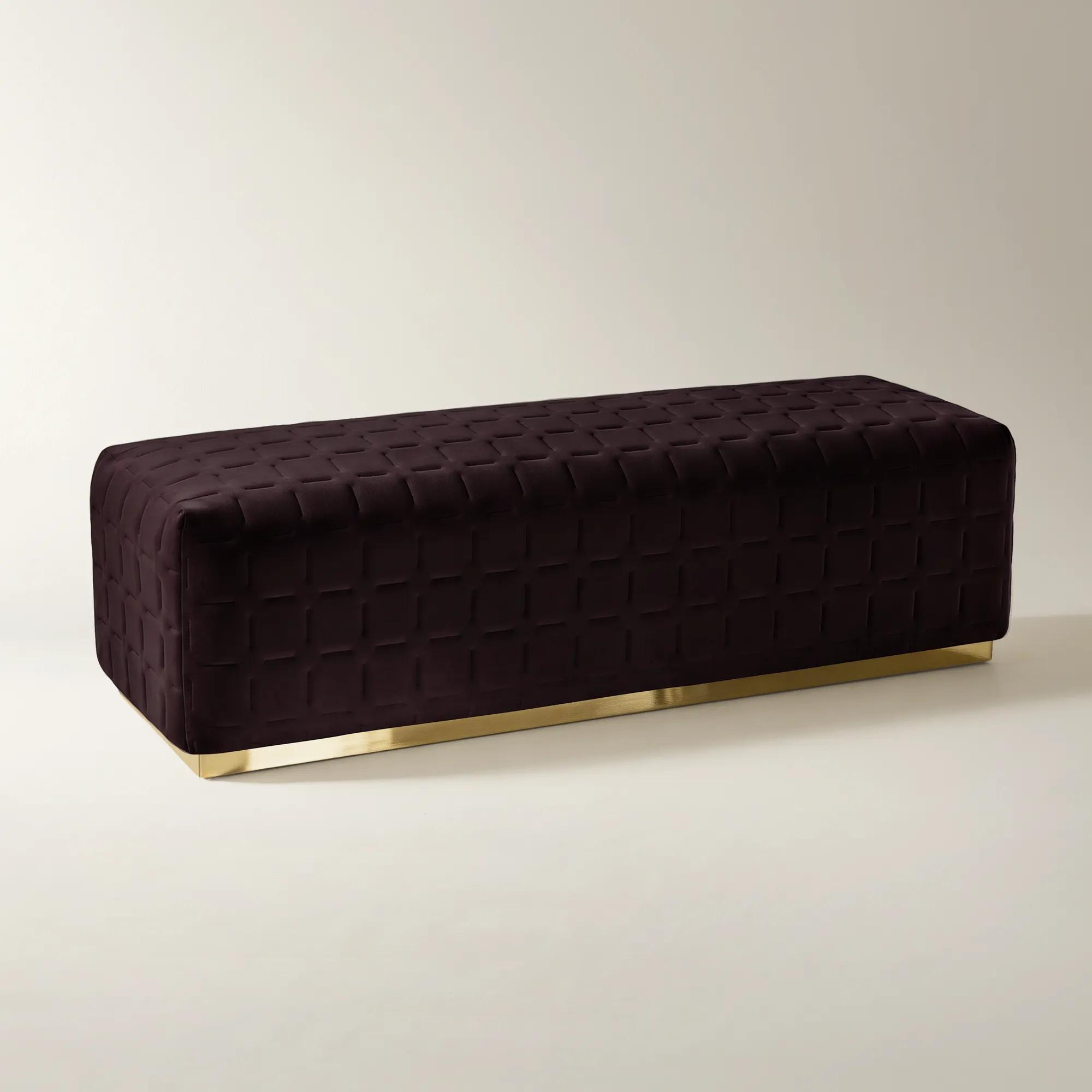 Vanta Quilted Fig Velvet Bench (64.6")$899
A plush fig velvet bench featuring checker quilted tufting and a sleek gold stainless steel base.
Add To Cart -
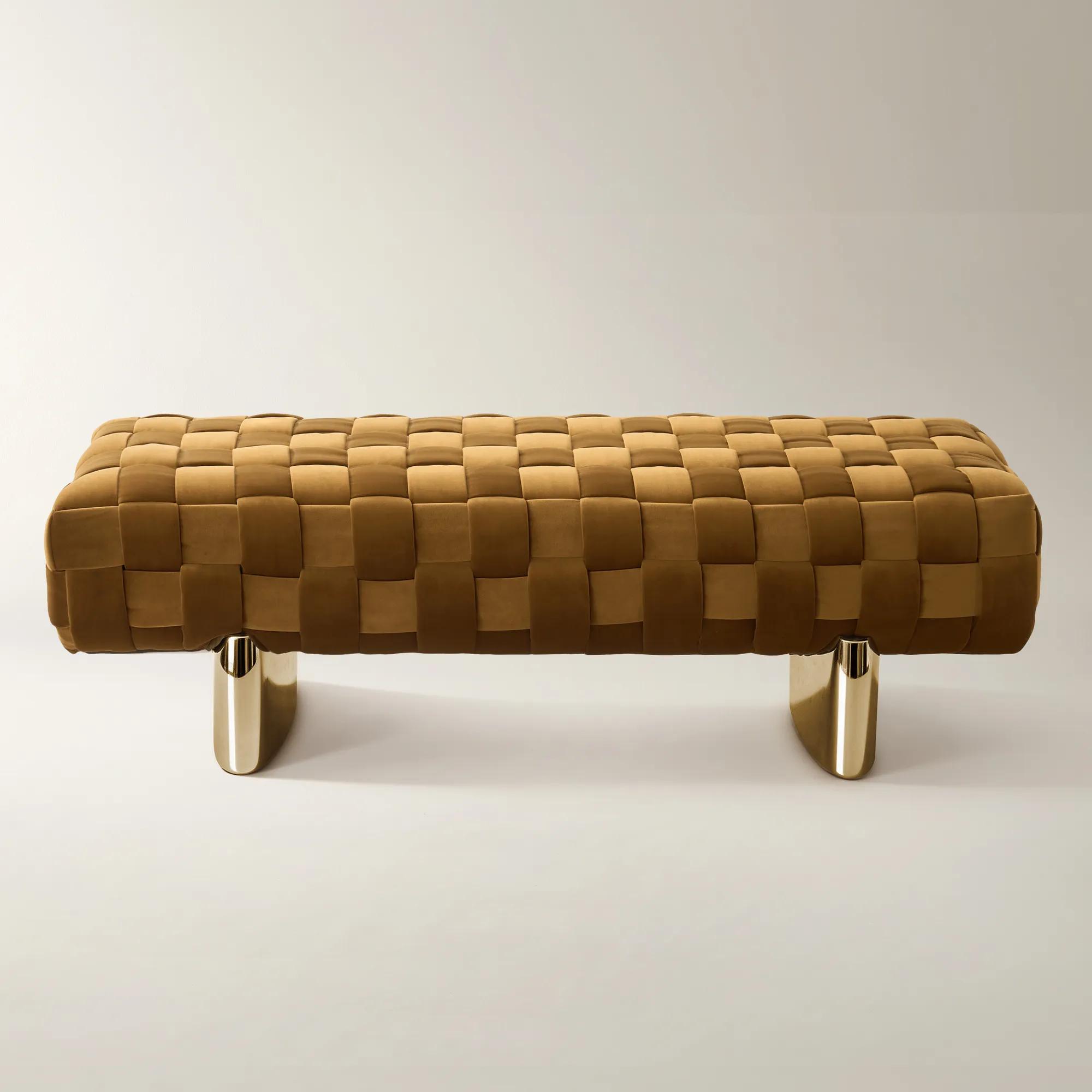
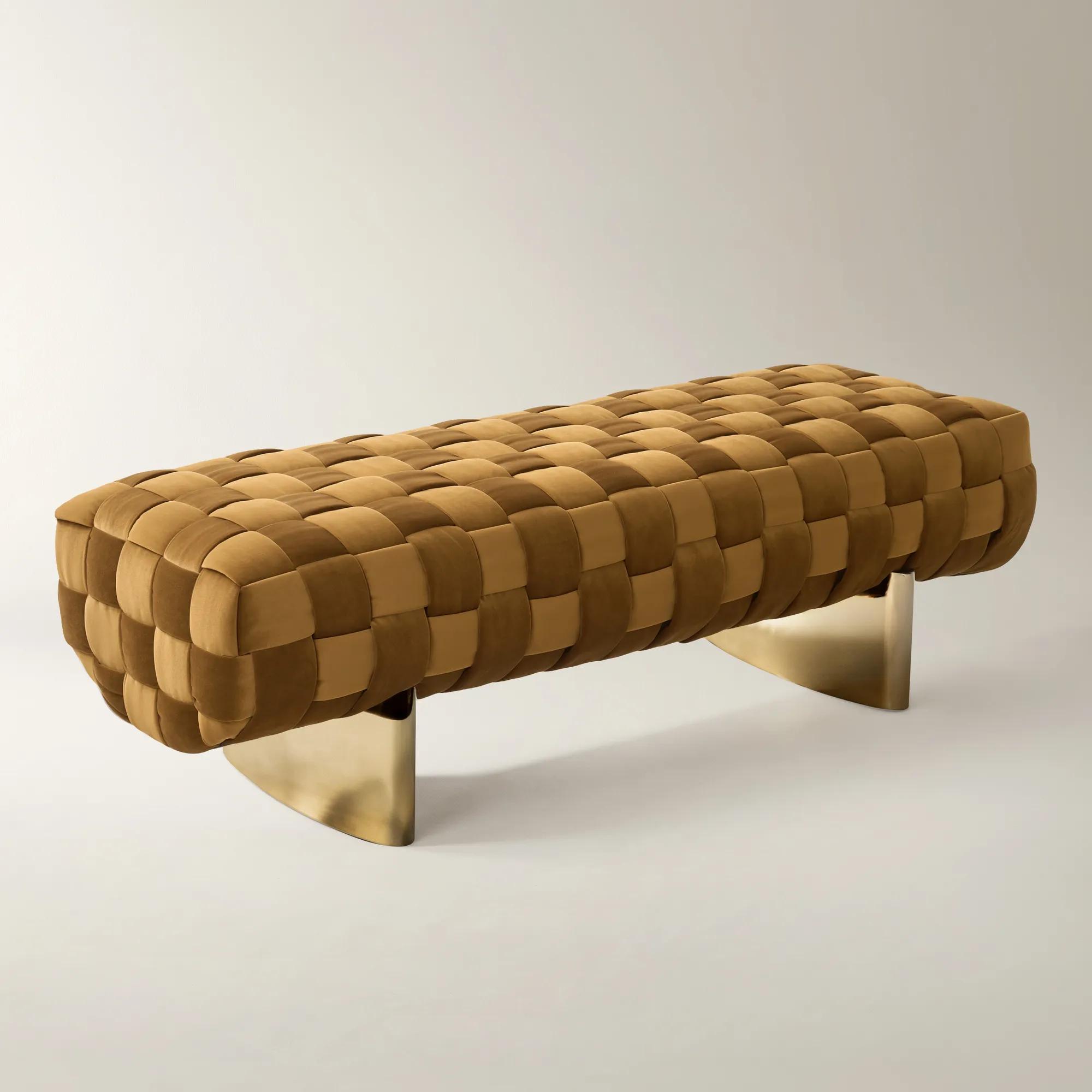 Dexter Woven Roasted Pecan Velvet Bench (64.2")$999
A woven roasted pecan velvet bench featuring plush upholstery and polished gold stainless steel legs for modern elegance.
Add To Cart -
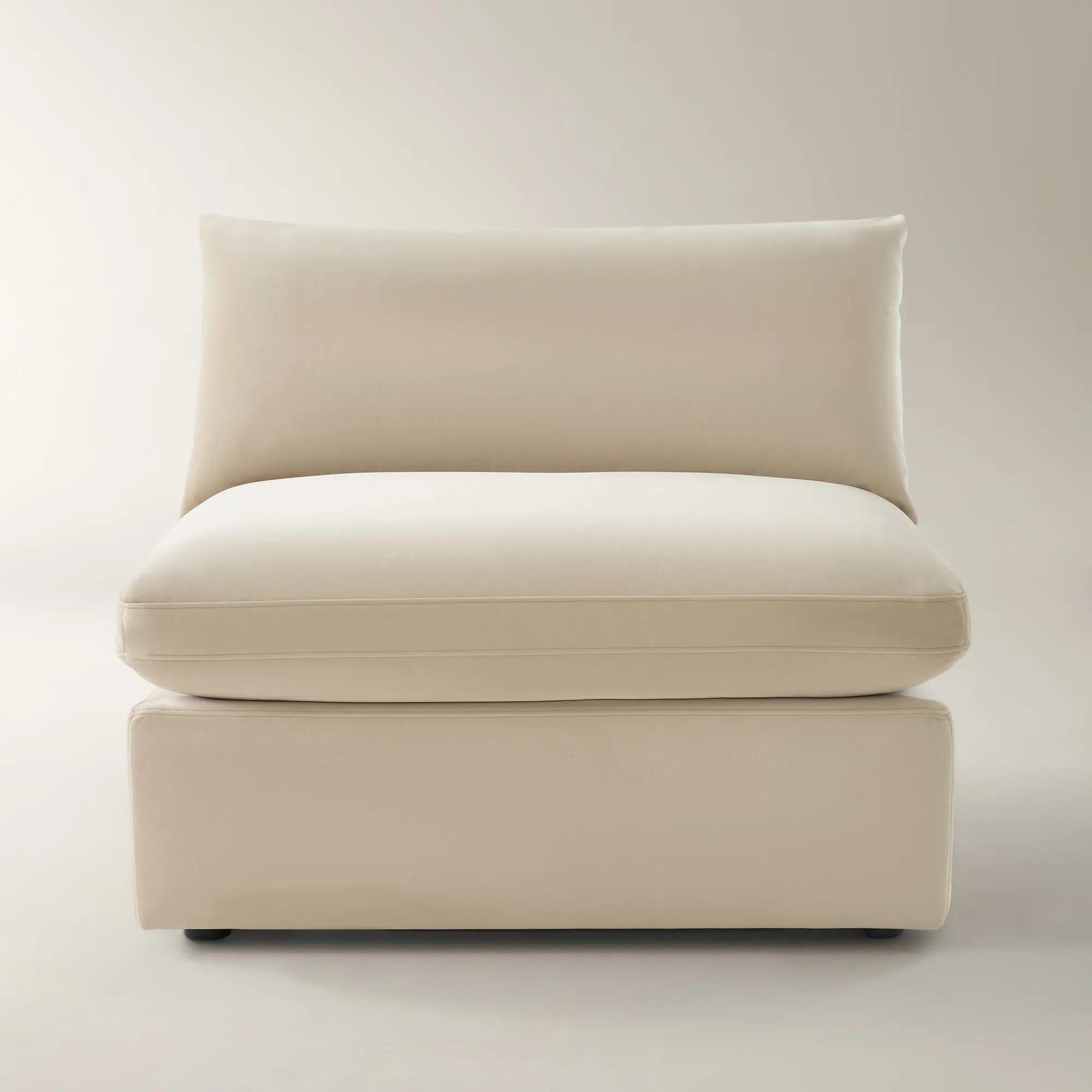
 Sabrina Oatmeal Velvet Armless Chair$999
A modular, curved seating piece in soft oatmeal velvet with plush feather-blend cushions and hand-built craftsmanship.
Add To Cart -
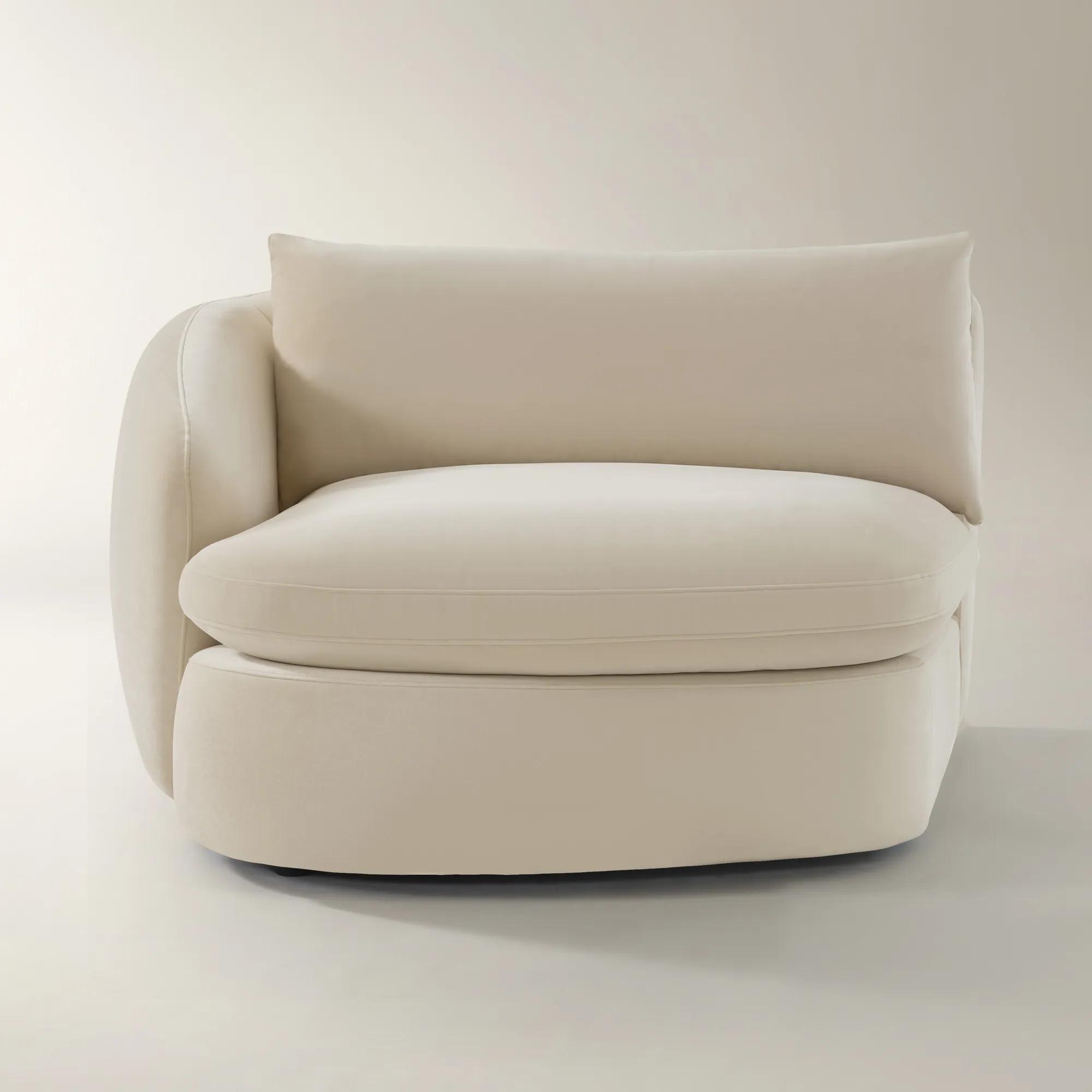
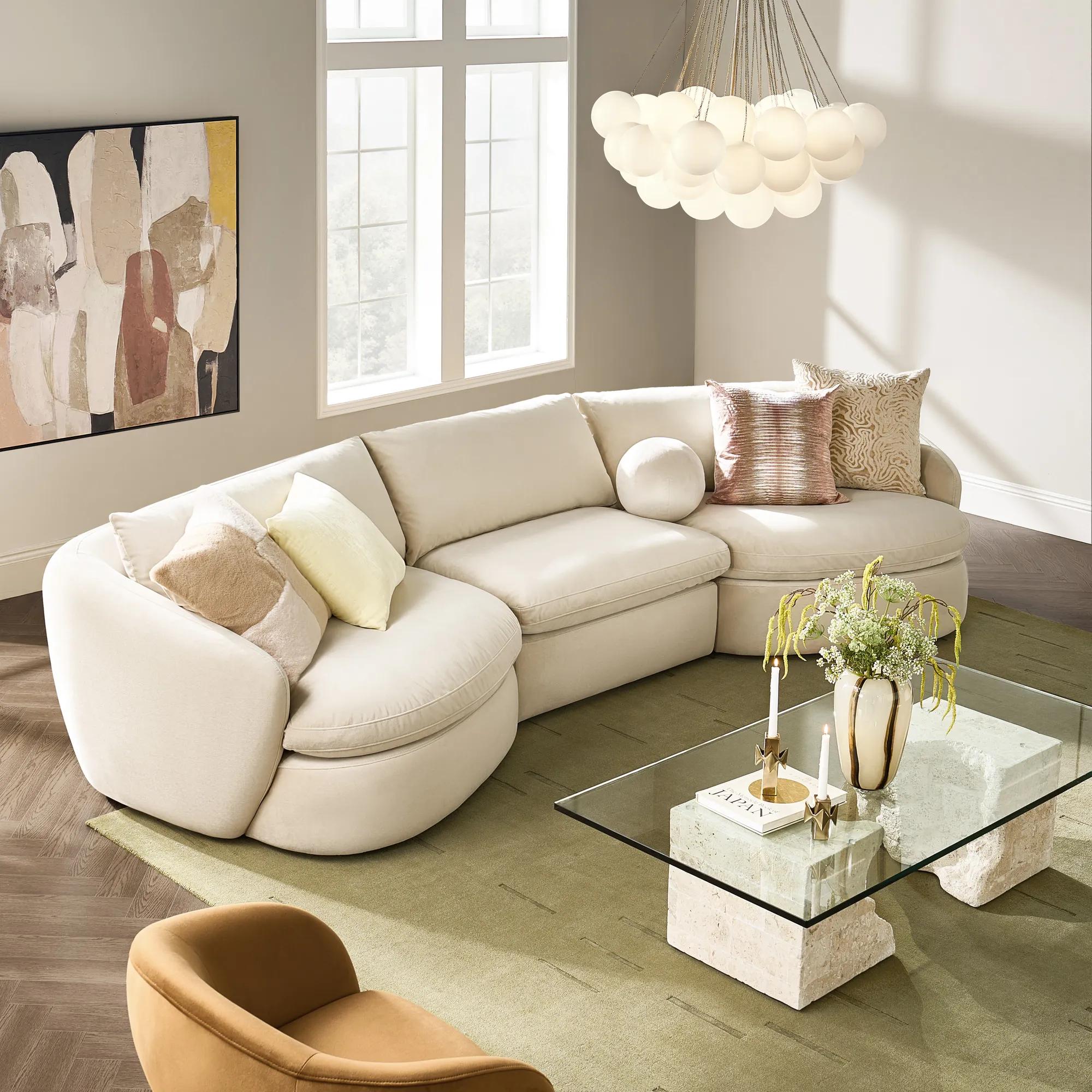 Sabrina Oatmeal Velvet Left-Arm Chair$1299
A modular, curved seating piece in soft oatmeal velvet with plush feather-blend cushions and hand-built craftsmanship.
Add To Cart

Benches For Transitional Decor
Benches for Transitional Decor invite you to reimagine your living spaces as galleries of artful harmony, where classic elegance meets contemporary flair. Each piece is a masterstroke—balancing graceful lines and sumptuous textures to create an inviting tableau that is both timeless and on-trend. Whether anchoring an entryway or adding a whisper of sophistication to the foot of your bed, these benches transform every moment into an opportunity for expressive design. Elevate your home with silhouettes that seamlessly bridge the gap between eras, infusing each room with a curated sense of comfort and style.
Benches for transitional decor bring classic comfort and modern restraint into the same silhouette, pairing inviting proportions with clean lines and considered detail. Their appeal lies in the balance: an upholstered seat softens a tailored frame, warm wood lends depth to a pale interior, and a slender metal base introduces a gleam without overwhelming the room. Transitional style draws from both traditional and contemporary design, so these benches feel equally at home beneath an ornate mirror or alongside sculptural lighting. The most compelling combinations allow one element to carry the drama. Sumptuous velvet can command attention against simple legs, while a richly grained wood frame may need little more than a smooth, neutral cushion. Upholstered benches create a softer mood through texture, with linen and linen-blend fabrics offering a relaxed elegance, bouclé adding dimensional interest, and velvet revealing subtle shifts in color as the light changes. Tufting, welted edges, and gently curved arms can nod to traditional craftsmanship without requiring an entirely traditional setting. Wood benches, whether solid-surfaced or slatted, introduce a more architectural presence, especially when their finish echoes a nearby console or picture frame. Metal details in warm or cool finishes provide another point of connection to lamps, hardware, and decorative objects. These relationships need not be exact matches; a room often feels more expressive when its finishes converse rather than repeat. A cream upholstered bench against dark flooring creates a luminous contrast, while a charcoal seat beside natural wood offers a quieter richness. For interiors that already feature patterned rugs or elaborate artwork, a restrained bench silhouette gives those details room to breathe. In a more subdued space, a sculptural base or tactile upholstery can become the defining flourish. The result is seating with visual purpose: a place to pause, a way to soften a room’s geometry, and a polished bridge between beloved heirlooms and more contemporary furnishings.
Placement gives a transitional bench its character as much as fabric or finish. In an entryway, it establishes an inviting arrival and offers a seat for slipping shoes on before stepping outside. A slim, armless profile can preserve the sightline through a narrow hall, while a design with arms or a back brings greater presence to a generous foyer. The fit depends on more than the wall’s width: door swings, nearby drawers, and the route into the next room all need clear space. In a bedroom, an end-of-bed bench extends the composition beyond the bedding, creating a graceful place to sit while dressing or to lay out clothing. A bench narrower than the bed generally looks balanced, with visible space at either side preventing the arrangement from feeling crowded. Seat height matters here, too; a profile at or below the top of the mattress usually creates a composed visual line, though comfort and the bed’s proportions should shape the choice. In living areas, a backless bench can provide occasional seating without the visual weight of another armchair, particularly where an open layout benefits from uninterrupted views. Alongside sofas for transitional decor, a bench can repeat a tailored edge or introduce a contrasting texture, making the seating arrangement feel layered rather than overly coordinated. It should still leave comfortable passage around the coffee table and enough room for guests to settle in. For dining spaces, a bench intended for dining use can offer an elegant alternative to individual chairs, provided its seat height, length, and clearance suit the table and its base. Storage benches add another dimension, concealing throws or everyday accessories beneath a lift-top seat, while lower-shelf designs keep baskets within reach. In a compact apartment, that combination of seating and organization can be especially valuable; in a larger home, it keeps a carefully composed room from becoming a resting place for clutter.
Materials and construction shape how beautifully a bench lives beyond its first impression. A substantial frame, secure joints, and a seat designed for the intended use matter more than appearance alone, particularly in a busy entryway or a bedroom where the bench becomes part of a daily routine. Solid wood brings natural variation in grain and tone, while veneered surfaces can offer a refined wood appearance over a supporting core; durability depends on the complete construction and finish rather than a single material label. Metal frames can contribute a slender, sculptural outline, but stability, joinery, and the stated weight capacity remain important considerations. Upholstery deserves equally thoughtful attention. Velvet’s directional pile may show shading and pressure marks as part of its character, while textured weaves can make small variations less conspicuous. Looped fabrics may be more vulnerable to snagging from pet claws, and pale seats in high-traffic areas require a different level of attention than occasional bedroom seating. Where performance fabric is specified, its particular stain-resistance and cleaning guidance are worth reviewing rather than assuming that every spill will lift away. Regular vacuuming with an appropriate upholstery attachment helps remove dust and grit; spills are best blotted promptly, with further treatment guided by the fabric’s care label. Wood and metal surfaces also benefit from manufacturer-recommended care, gentle dusting, and protection from lingering moisture. Direct sunlight and nearby heating vents can affect some fabrics and finishes over time, making placement part of long-term preservation. For lift-top storage, consider the lid’s weight, hinge design, and clearance, especially in households with children. A backless bench offers flexible occasional seating, while someone who needs support when sitting or standing may be better served by an appropriately designed seat with arms and a back. During the cooler months, a folded throw introduces softness without concealing the bench’s shape. A clear portion of the seat keeps it welcoming and useful, allowing rich texture, thoughtful proportions, and everyday comfort to share the spotlight.
FAQs
A transitional bench is characterized by its harmonious blend of traditional and contemporary design elements. These benches often feature refined silhouettes, elegant finishes, and versatile materials that allow them to complement a wide range of interior styles. The result is a piece that feels timeless yet fresh, bringing both comfort and sophistication to any room.
Transitional benches are remarkably versatile and can create a striking focal point in entryways, living rooms, bedrooms, or even at the dining table. Placed at the foot of a bed, they add luxury and functionality; in an entryway, they offer a welcoming touch for guests to pause and settle in. Their adaptability means they can elevate almost any space with a touch of curated elegance.
To refresh your transitional bench with the seasons, layer it with textiles and accessories that reflect the time of year. In autumn, drape a plush throw in rich, warm tones and add textured pillows for a cozy, inviting look. In spring or summer, opt for lighter fabrics and airy accents to create a breezy, sophisticated vibe. These styling touches allow your bench to evolve as your decor does.
Absolutely. Transitional benches make thoughtful and enduring gifts for housewarmings, weddings, anniversaries, or milestone celebrations. Their timeless design and practical function ensure they will be appreciated and enjoyed for years to come, adapting gracefully as the recipient’s home and style evolve.
Transitional benches often feature a mix of luxurious materials, such as velvet or linen upholstery, paired with wood, metal, or acrylic bases. These combinations create visual interest and a sense of balance, allowing the bench to seamlessly integrate with both classic and contemporary furnishings. The result is a piece that exudes both comfort and artistry.