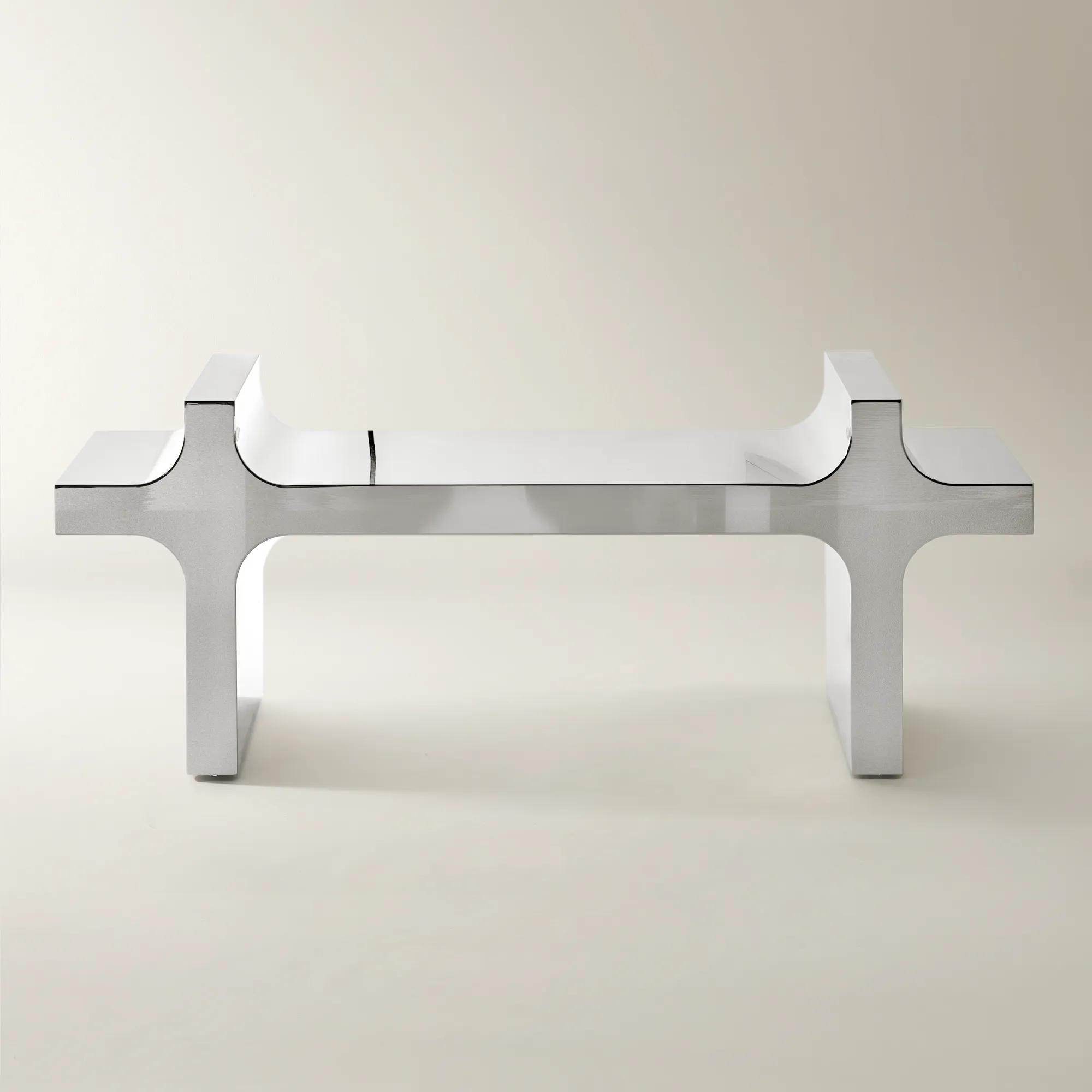
Benches For Minimalist Decor
Benches For Minimalist Decor
-
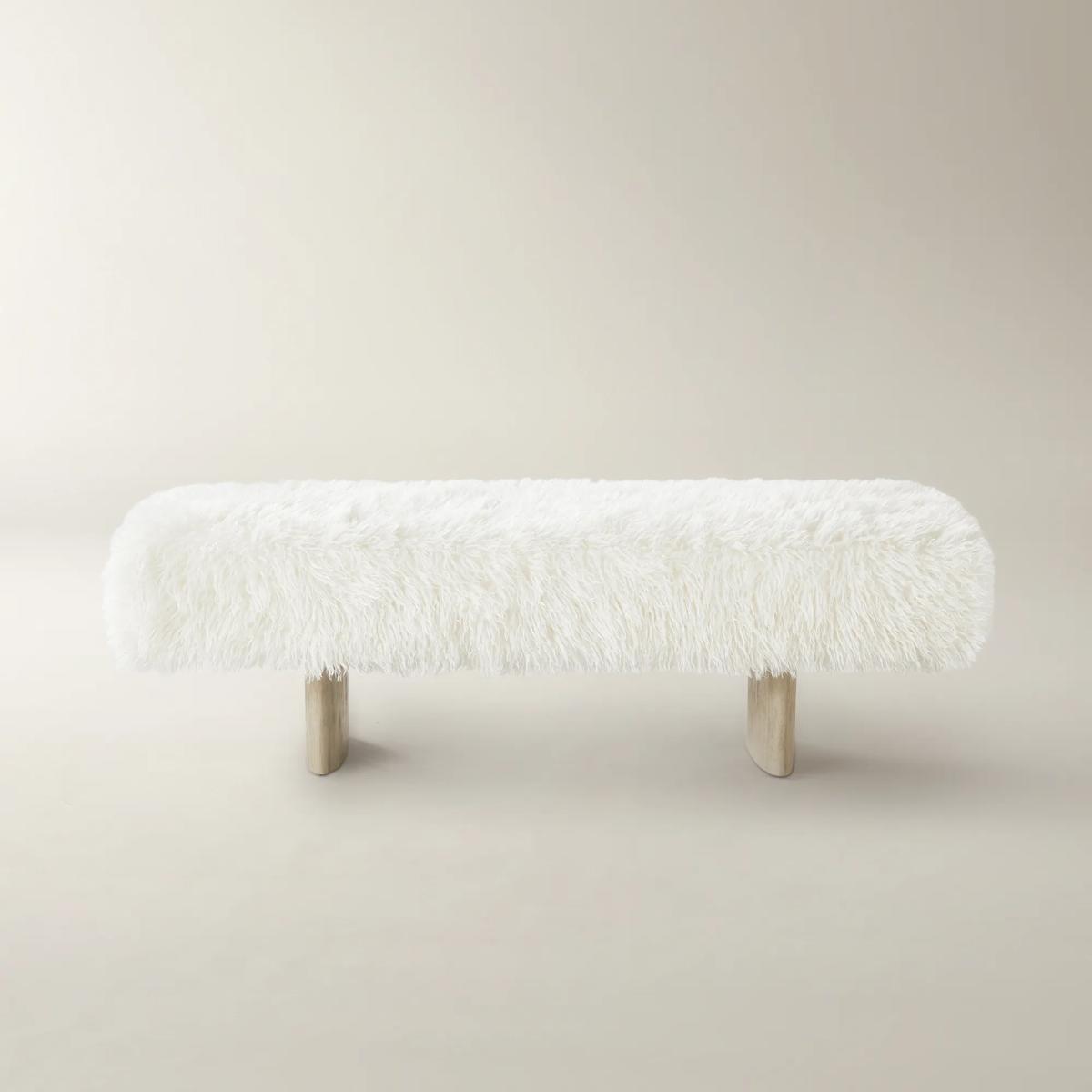 Micah Ivory Mongolian Faux Fur Bench With Rubberwood Legs (62.6")$699
An ivory faux Mongolian fur bench with high-density foam and sculptural solid rubberwood base for modern coziness.
Add To Cart -
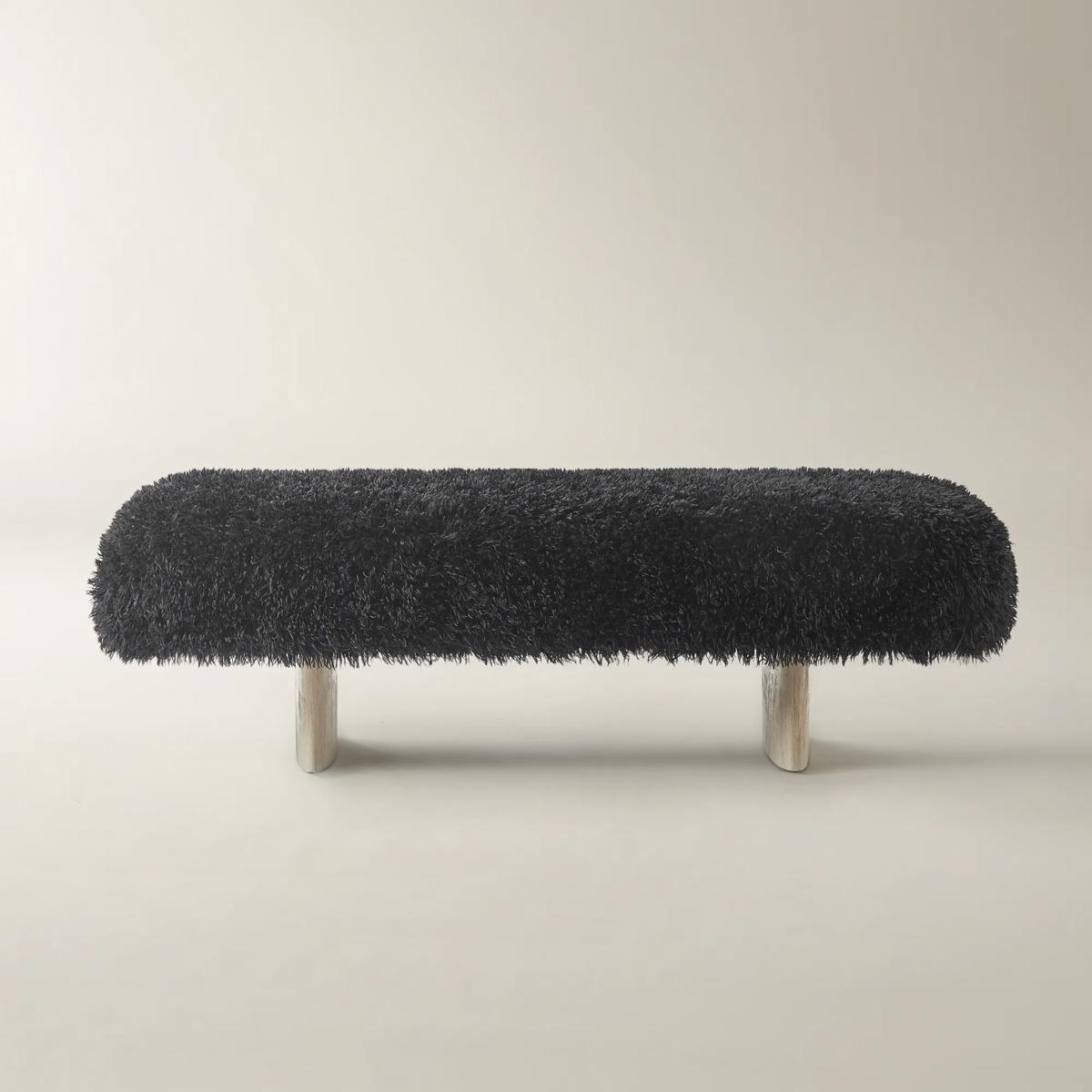 Micah Black Mongolian Fur Bench With Rubberwood Legs (62.6")$699
A striking black faux Mongolian fur bench with solid rubberwood legs for plush comfort and modern edge.
Add To Cart -
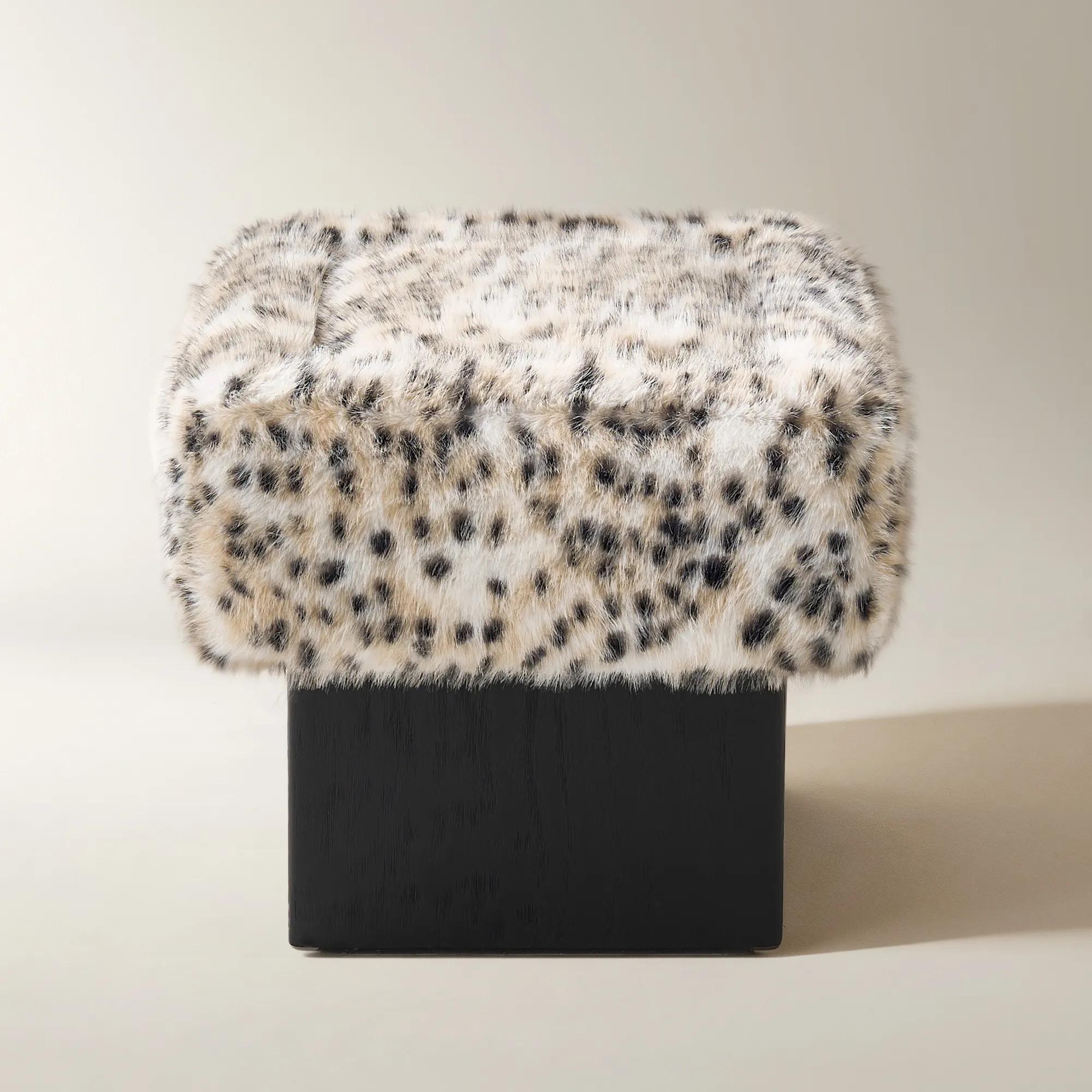
.jpg?w=1200&h=1200) Micah Tan Mongolian Faux Fur Bench With Rubberwood Legs (62.6")$699
Micah Tan Mongolian Faux Fur Bench With Rubberwood Legs (62.6")$699A light brown faux fur bench with a curved rubberwood base and plush high-density foam cushion.
Add To Cart -
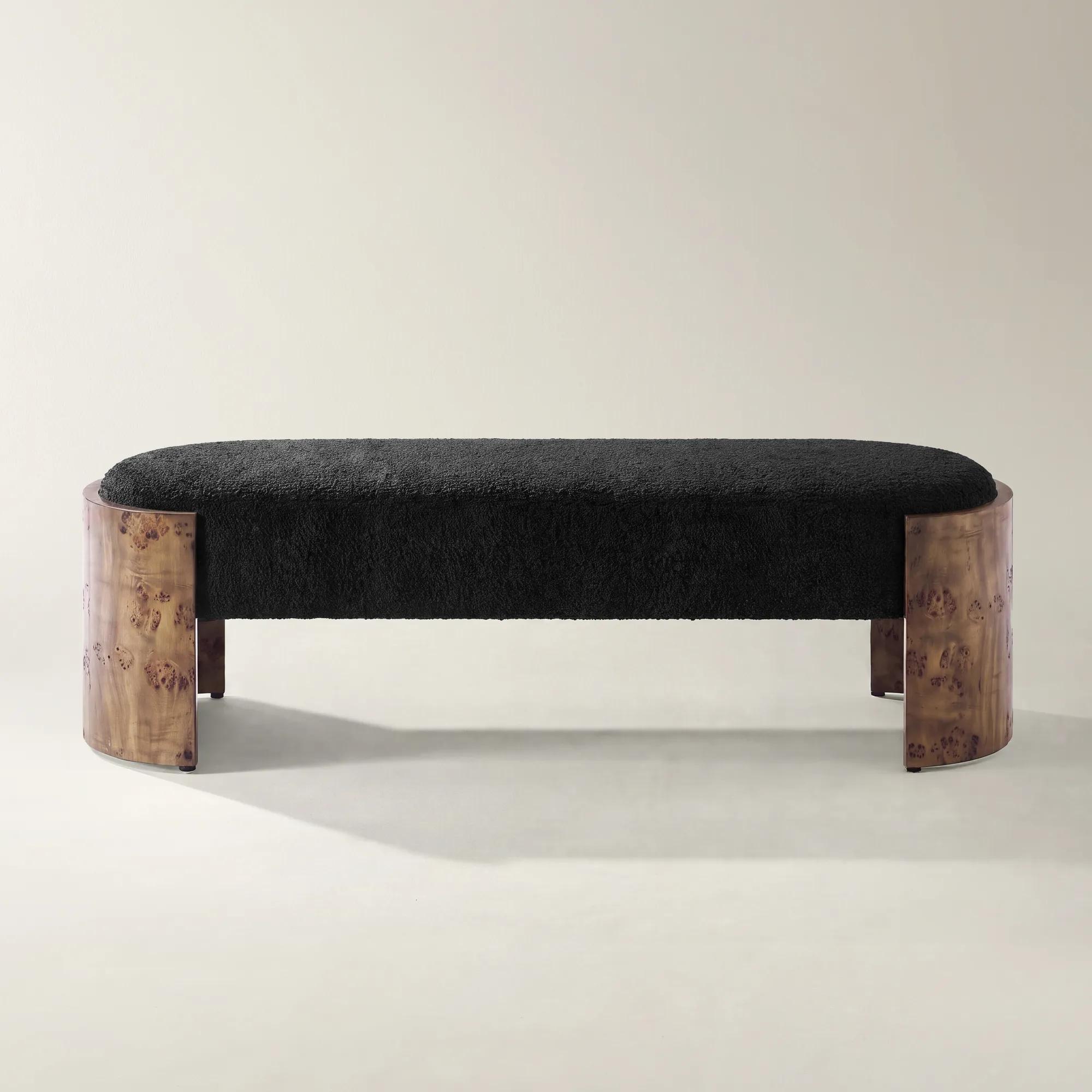
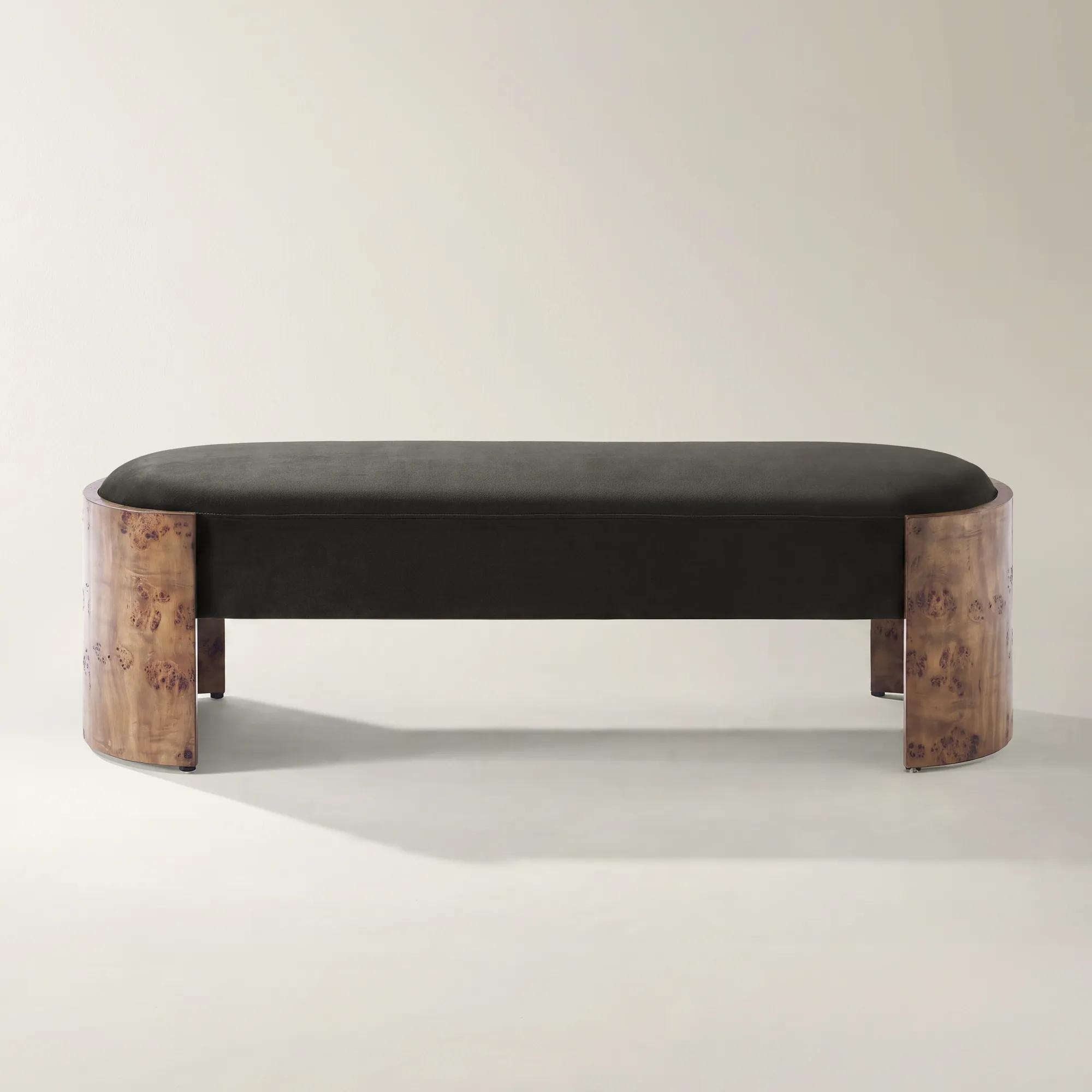
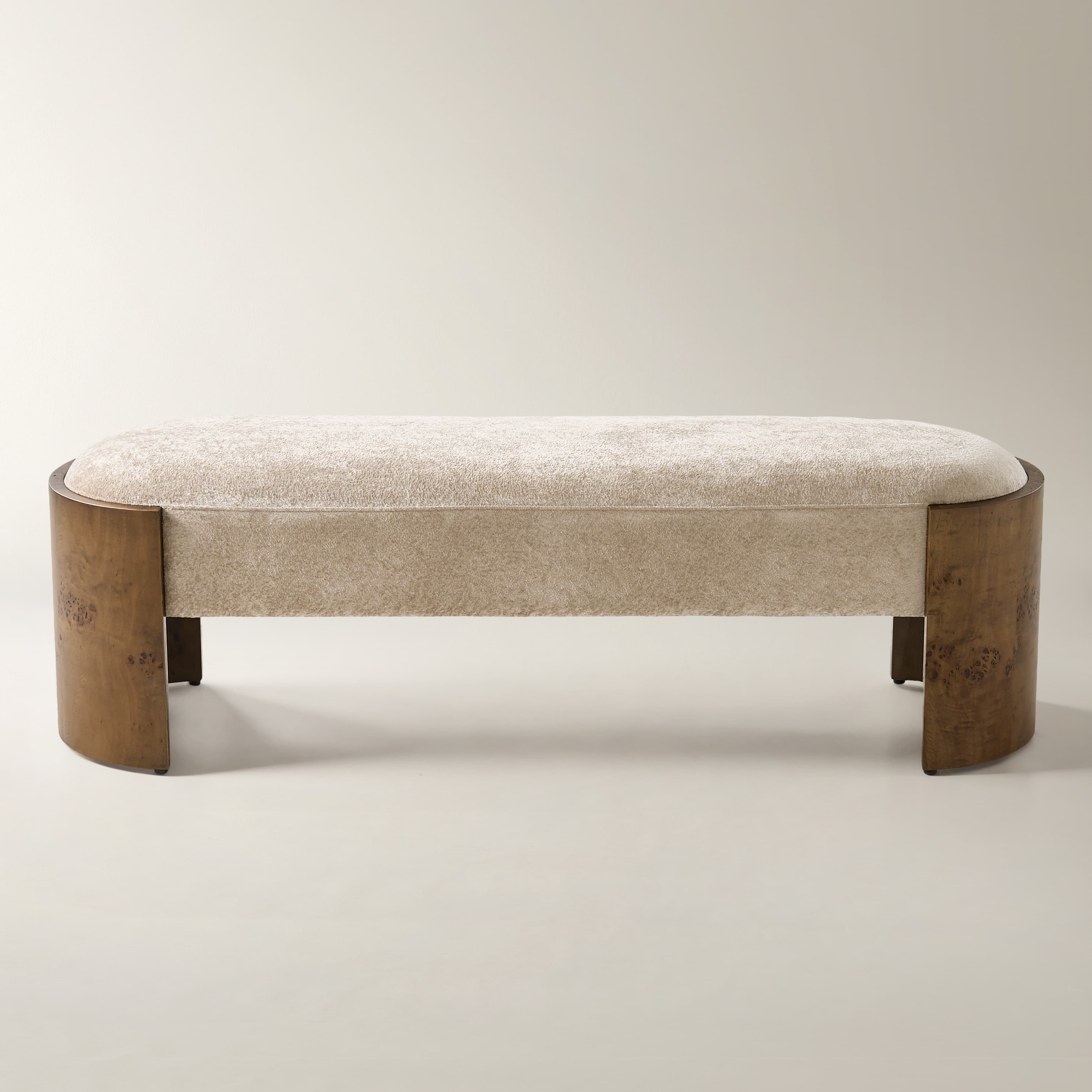 Cora Light Brown Chenille With Ash Wood Bench (60.6")$999
A light brown chenille bench with curved ash burl veneer panels, blending plush comfort and organic artistry.
Add To Cart -
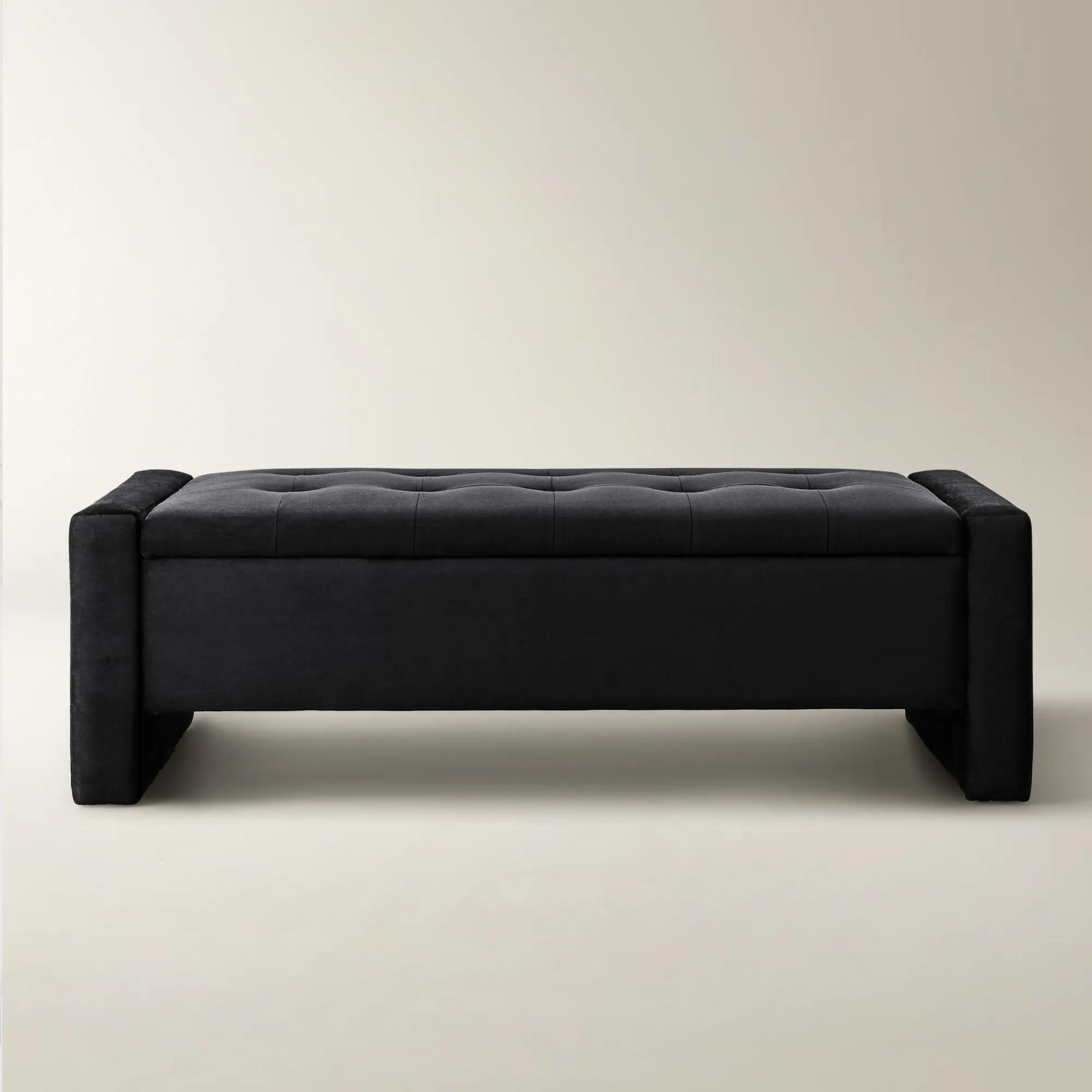
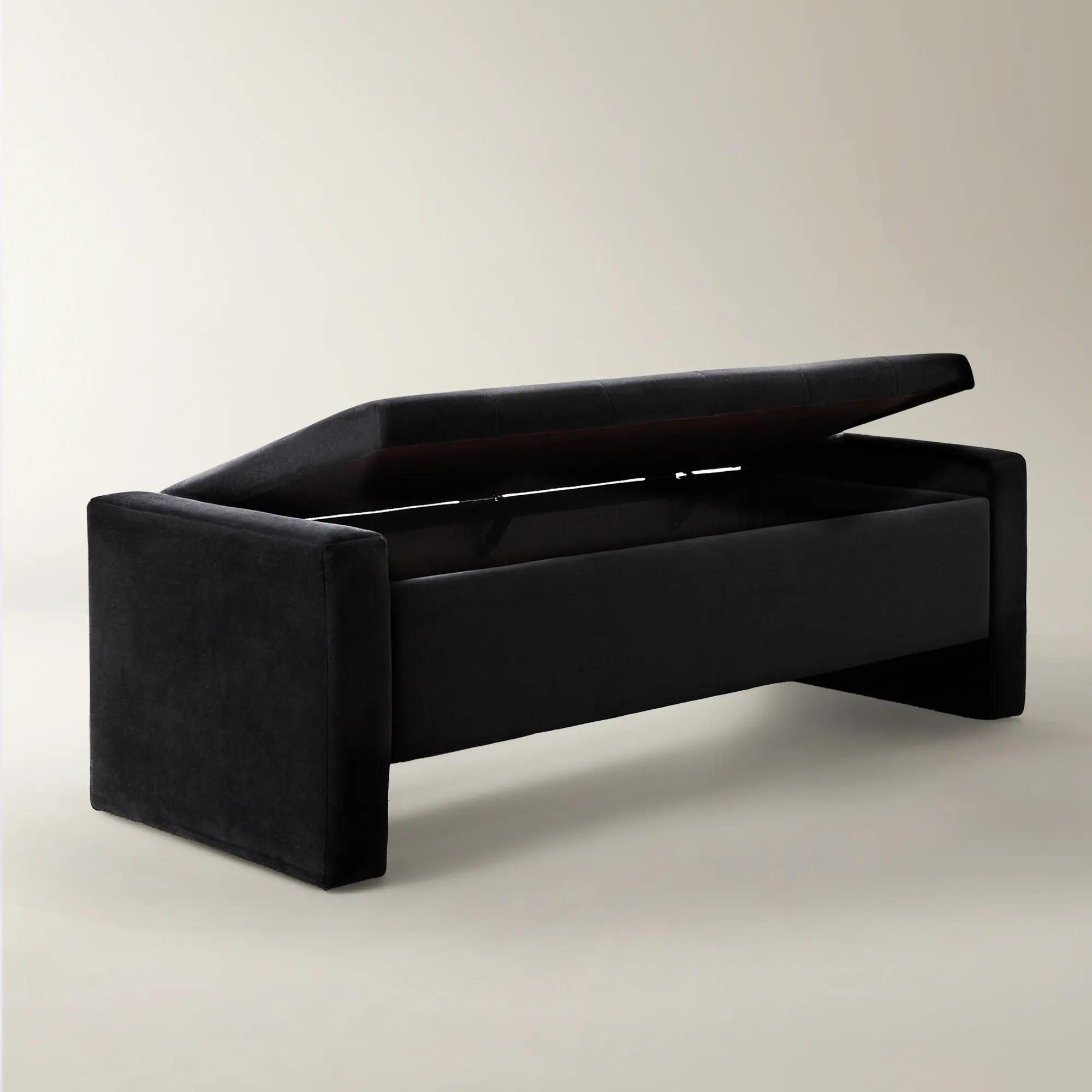 Maeve Storage Bench$899
A modern velvet-upholstered bench with hidden storage, kiln-dried hardwood frame, and soft-closing glides.
Add To Cart -
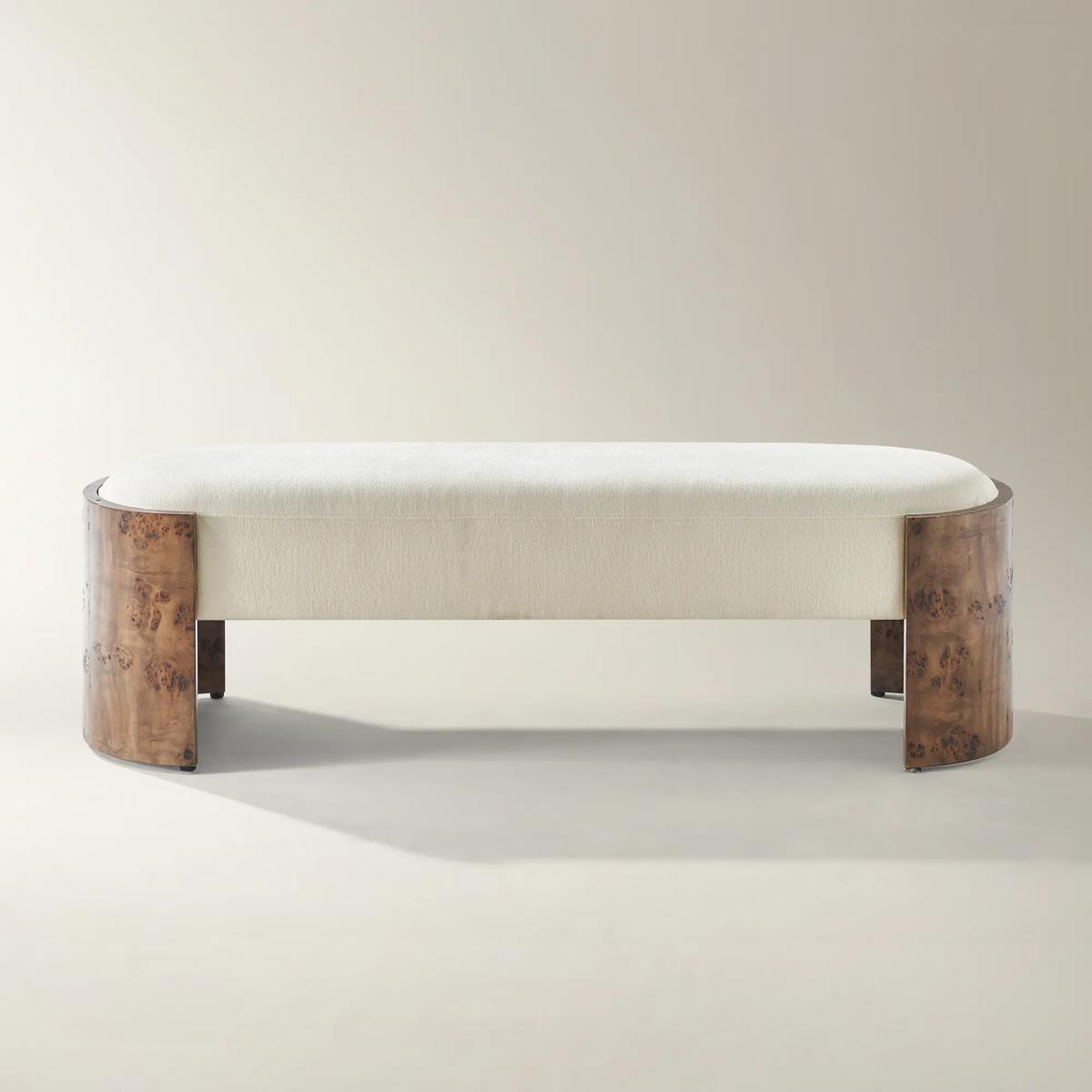 Cora Ivory Chenille With Ash Wood Bench (60.6")$999
An ivory chenille bench with curved ash burl veneer panels, blending plush comfort with striking wood artistry.
Add To Cart -
.jpg?w=1200&h=1200)
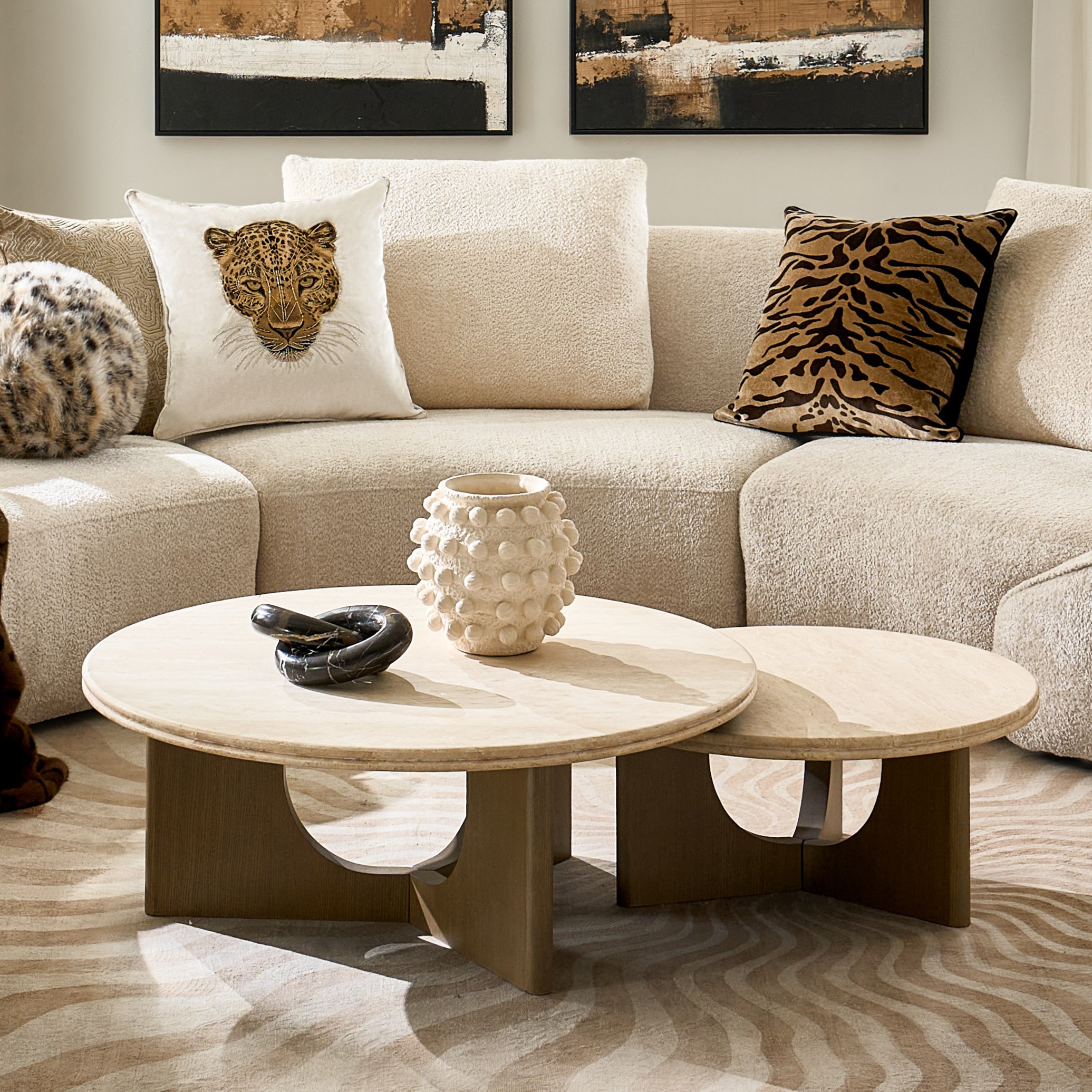 Bond Round Travertine and Wood Coffee Table (29.25")$699
A genuine travertine stone coffee table with warm ivory-gold tones atop a solid natural ash base.
Add To Cart -
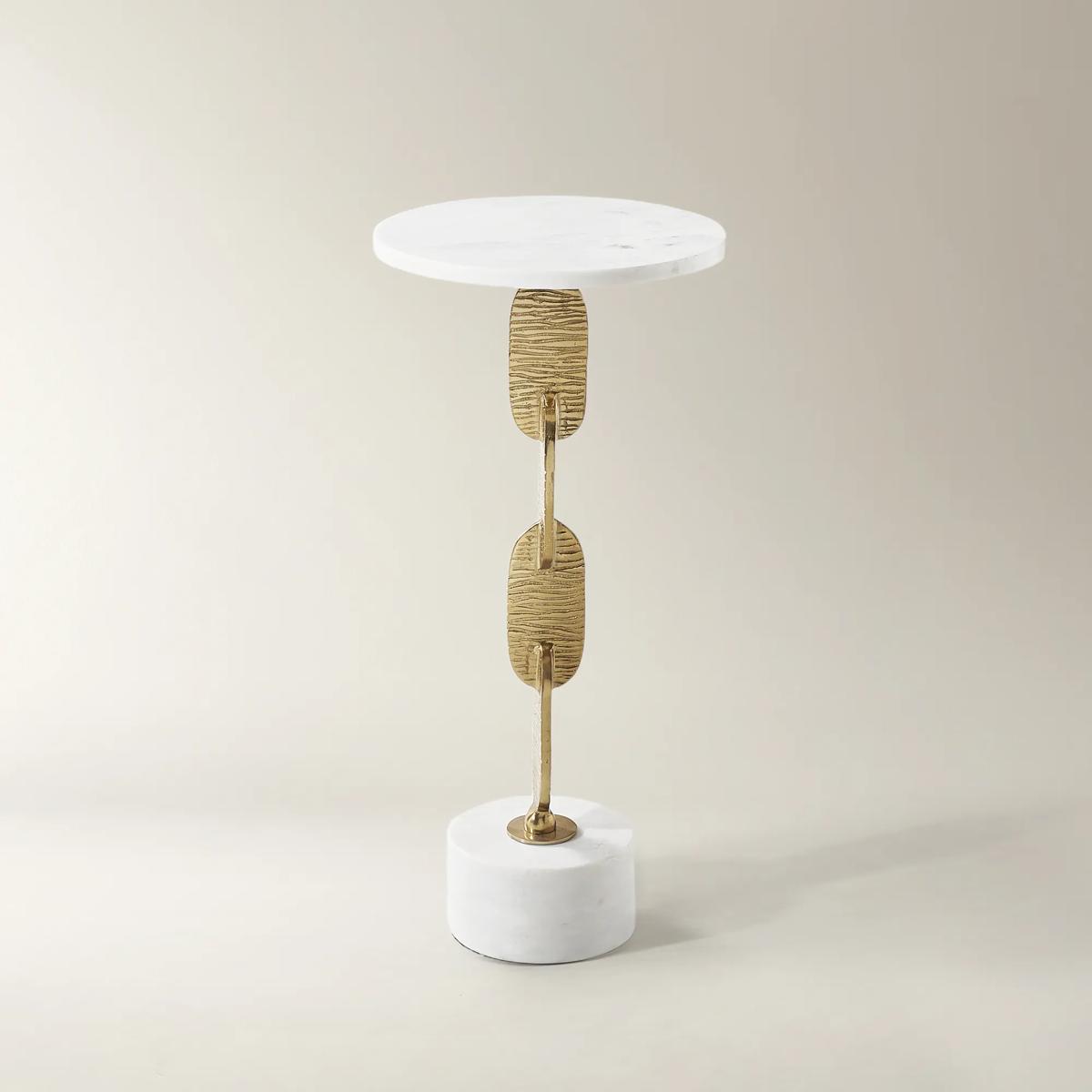
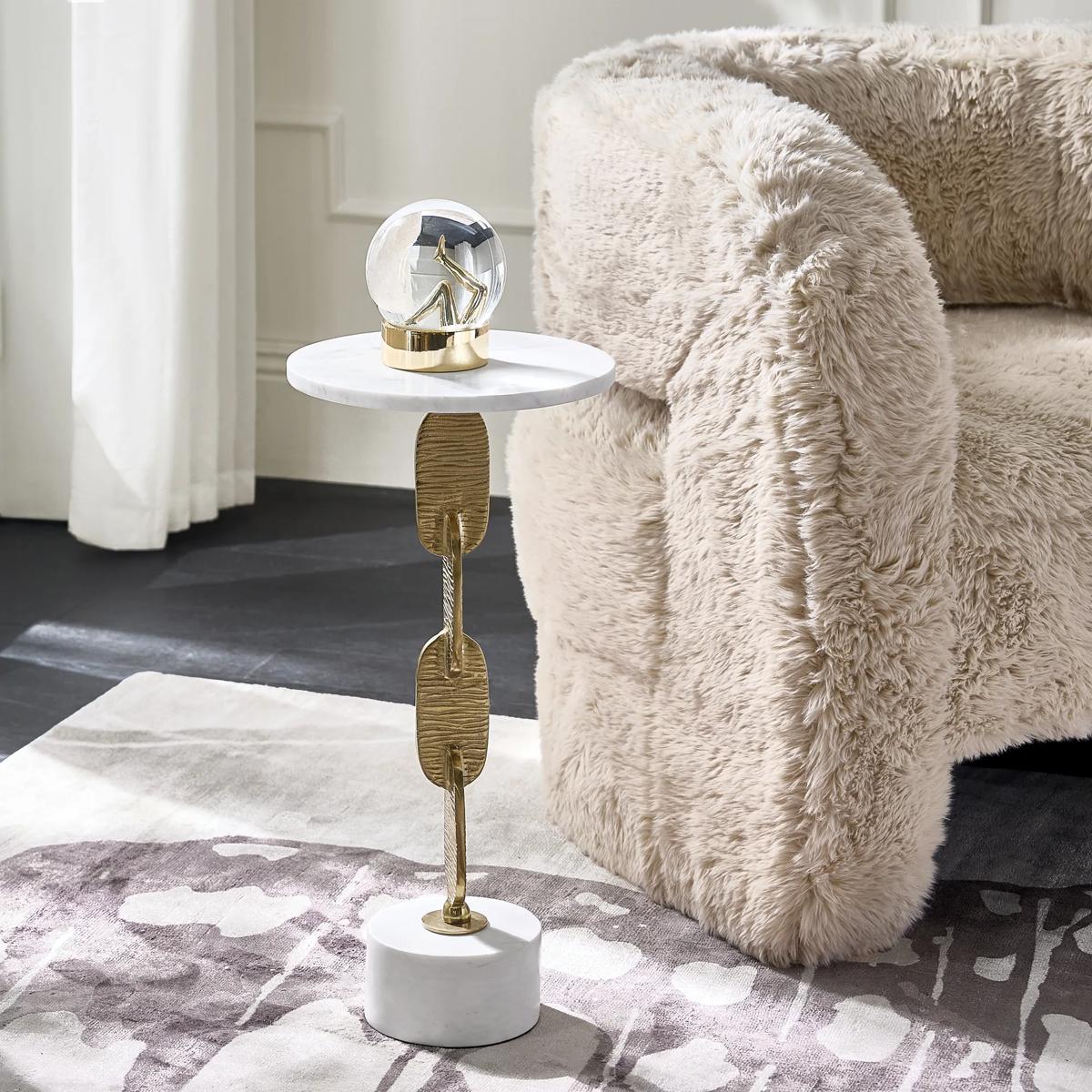 Luna Round White Marble Side Table (11.25")$199
A sculptural side table featuring a genuine white marble top and an open gold-finished metal frame.
Add To Cart

Benches For Minimalist Decor
Benches for minimalist decor are more than mere seating—they are sculptural statements, poised in quiet elegance. Each silhouette is thoughtfully pared back, allowing form and function to harmonize in your curated sanctuary. These benches invite you to embrace the beauty of negative space, offering a refined foundation for serene vignettes and artfully edited interiors. Discover how simplicity becomes sublime when every line, curve, and surface is chosen with intention—transforming your home into a gallery of understated sophistication.
Benches for minimalist decor bring clean lines, purposeful seating, and a sense of composition to a room without overwhelming it. Their defining qualities are a restrained silhouette, considered proportions, and materials that contribute texture rather than visual clutter. Within that framework, there is room for exquisite detail: a softly curved upholstered seat, an architectural wood base, or slender metal legs with a subtle gleam. A bench can make an entryway feel composed, anchor the foot of a bed, or introduce a sculptural accent beneath an expansive piece of art. The most compelling choice often repeats one element already present in the room while introducing another with distinction. An ivory upholstered bench can echo pale walls while adding tactile depth; a dark wood bench can draw a deliberate line across a light interior. Natural wood lends warmth through its grain, with oak and ash often showing more pronounced patterning than woods with a finer, more uniform appearance. Solid wood and wood veneer offer different construction possibilities, and neither label alone establishes quality; joinery, substrate, finish, and overall design also matter. Upholstery introduces another dimension. Velvet catches light with a quiet richness, bouclé creates a textured surface, and tightly woven fabrics offer a more tailored effect. Each can belong in a minimalist interior when the shape remains disciplined and the surrounding arrangement leaves room for it to register. Metal bases can feel graphic in matte black or more luminous in brushed and polished finishes, although ornate detailing may compete with an otherwise restrained setting. A limited palette allows these differences in surface and form to carry the room. Minimalist benches need not disappear into the background. A generous upholstered seat on a distinctive base can become the focal point, especially when nearby furnishings are quieter. For a home centered on expressive design, that balance creates drama through proportion and material rather than an accumulation of objects.
Fit determines whether a bench feels integrated into the room or interrupts it. Width, depth, seat height, and the space around the frame all deserve attention, particularly in entryways where doors swing inward and people pass carrying bags. Measure the entire footprint, including angled legs or a seat that extends beyond its base, and mark that outline on the floor before choosing a size. An especially narrow bench may preserve passage space, but a shallow perch is not necessarily comfortable for lingering. For an entryway used to put on shoes, look for a stable seat at a height that allows the intended user to sit with feet supported; a very low, plush design can be harder to rise from. In a bedroom, a bench narrower than the bed generally creates a balanced outline, while enough clearance between the bench and a dresser keeps drawers accessible. Its seat should be comfortably reachable rather than chosen solely to align with the mattress. A softly padded bedroom bench offers a place to dress or lay out clothing, while a wood surface brings a more architectural presence. At a dining table, seat height must work with the tabletop and apron, leaving sufficient thigh clearance. Many dining seats fall around 17 to 19 inches high, but actual measurements, cushion compression, and the table’s construction are more useful than a category label. Check whether the bench can slide between the table legs if tucking it away is part of the plan. Backless dining benches preserve an open view across the room, though chairs with back support may be more comfortable for extended meals. In a living area, a bench can provide occasional seating without the visual height of another armchair; it should not be treated as a standing platform or assumed to serve safely as a table. For compact homes where one room accommodates several activities, Benches For Chic Studio Apartments offers a related perspective on seating with a carefully considered footprint. Across these settings, intended use should shape the choice as much as appearance: a welcoming hallway perch, a dressing-room accent, and a dining bench place different demands on comfort and construction.
Durability becomes especially important when a bench is part of a daily routine rather than an occasional accent. A well-supported frame, secure leg connections, and construction suited to the stated seating capacity help distinguish a dependable piece from one selected only for its outline. Check the manufacturer’s weight limits and intended use instead of judging strength by thickness or material alone; a visually slender frame can be engineered for support, while a substantial-looking base still requires sound connections. Upholstered seats also vary in firmness, resilience, and maintenance needs. Firmer cushioning may suit dressing and dining, while a more yielding seat can feel inviting for a brief pause in a bedroom or sitting area. In households with children or pets, tightly woven upholstery may be easier to manage than open loops that can catch on claws or jewelry. Performance-fabric claims should be read alongside the stated cleaning instructions, since resistance to spills does not make every fabric stainproof. Routine care usually begins with gentle dusting or vacuuming using an appropriate upholstery attachment, followed by treatment consistent with the material’s care label. Blot spills promptly rather than rubbing them into the surface, and avoid applying a cleaning solution without confirming that it is suitable. Velvet may develop changes in shading as its pile shifts, an effect that should not automatically be mistaken for a stain. Wood benefits from prompt removal of moisture and protection from abrasive objects; direct sunlight can alter the color of both wood and upholstery over time. Metal finishes generally call for soft cloths and nonabrasive care, with specific products determined by the finish. Protect flooring with suitable pads, and check any assembly hardware periodically as directed. Storage benches introduce another consideration: interior capacity, lid clearance, and hinge safety matter as much as the closed silhouette, especially around young children. Thoughtful care preserves the qualities that make a minimalist bench so compelling—the uninterrupted line of its seat, the clarity of its finish, and the texture that invites a closer look. With those details considered, even a modest seating area can feel richly resolved, giving daily rituals a setting with presence and poise.
FAQs
Minimalist benches often showcase materials that celebrate simplicity and craftsmanship. Expect to find solid woods like oak, ash, or walnut with smooth finishes, as well as sleek metals such as brushed steel or matte black iron. Upholstered versions may feature luxe yet understated fabrics like bouclé, linen, or velvet, offering subtle texture while maintaining a streamlined silhouette.
A minimalist bench introduces an element of quiet sophistication, anchoring a room without overpowering it. Its clean lines and refined presence encourage a sense of calm and openness, making the space feel more curated and intentional. Whether placed in an entryway, at the foot of a bed, or along a hallway, a minimalist bench elevates the overall aesthetic while providing versatile functionality.
Absolutely. The beauty of a minimal bench lies in its adaptability. Use it as a statement piece in the foyer, a practical seat in the dressing room, a chic accent in the living area, or a sophisticated addition to the dining table. Its understated design allows it to seamlessly transition between spaces, complementing a variety of interior styles.
Minimalist benches are defined by their clean lines, uncluttered forms, and a focus on essential beauty. Decorative flourishes are pared back in favor of subtle details—think seamless joinery, tapered legs, and monochromatic palettes. The emphasis is on balance, proportion, and the natural allure of quality materials.
A minimalist bench makes an exquisite gift for anyone who appreciates refined design and versatile functionality. Its timeless appeal suits a wide range of tastes, and its ability to adapt to different rooms ensures it will remain a cherished piece for years. Whether for a housewarming, wedding, or special occasion, it’s a gift that speaks to both artistry and practicality.