Furniture For Modern Renovations
Furniture For Modern Renovations
-
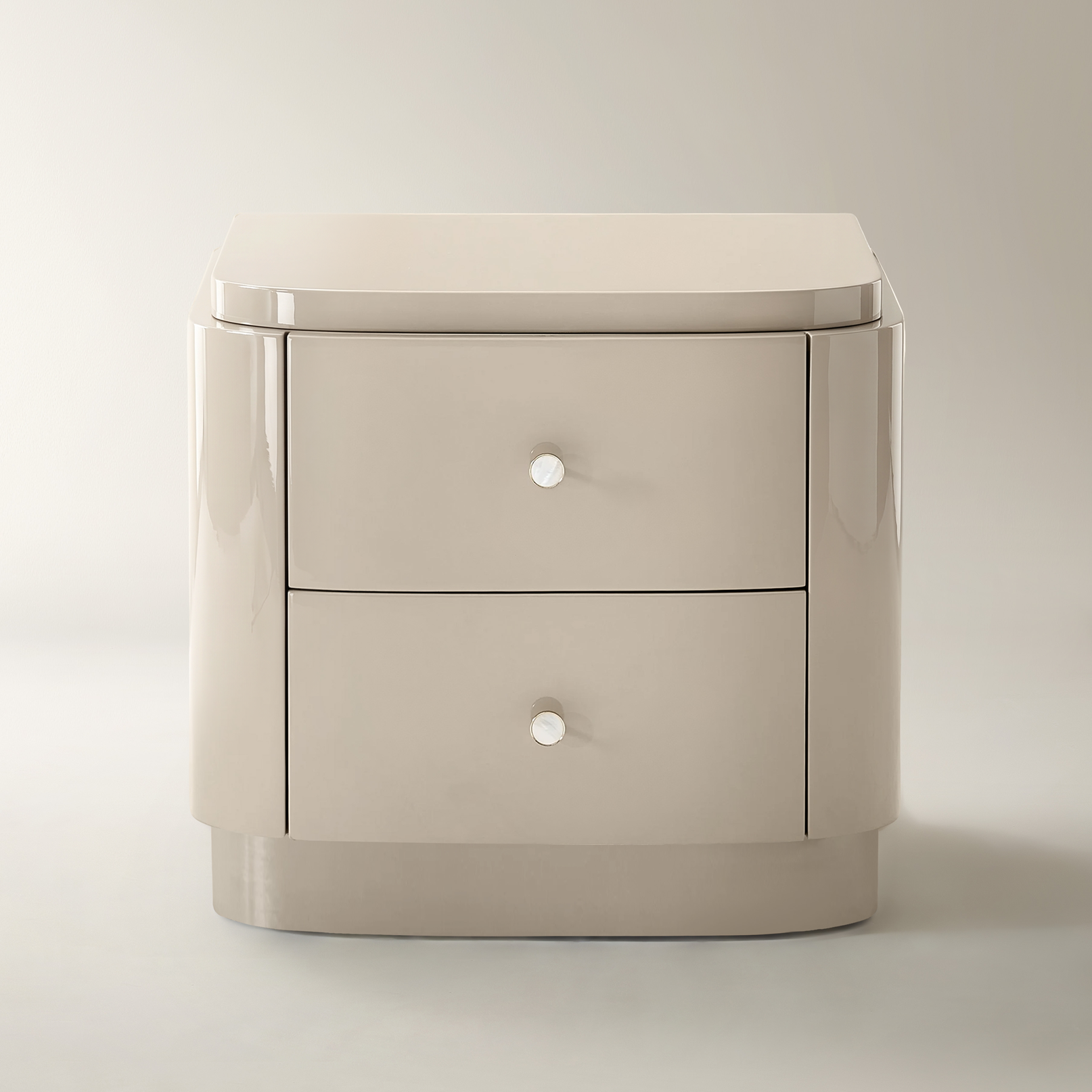
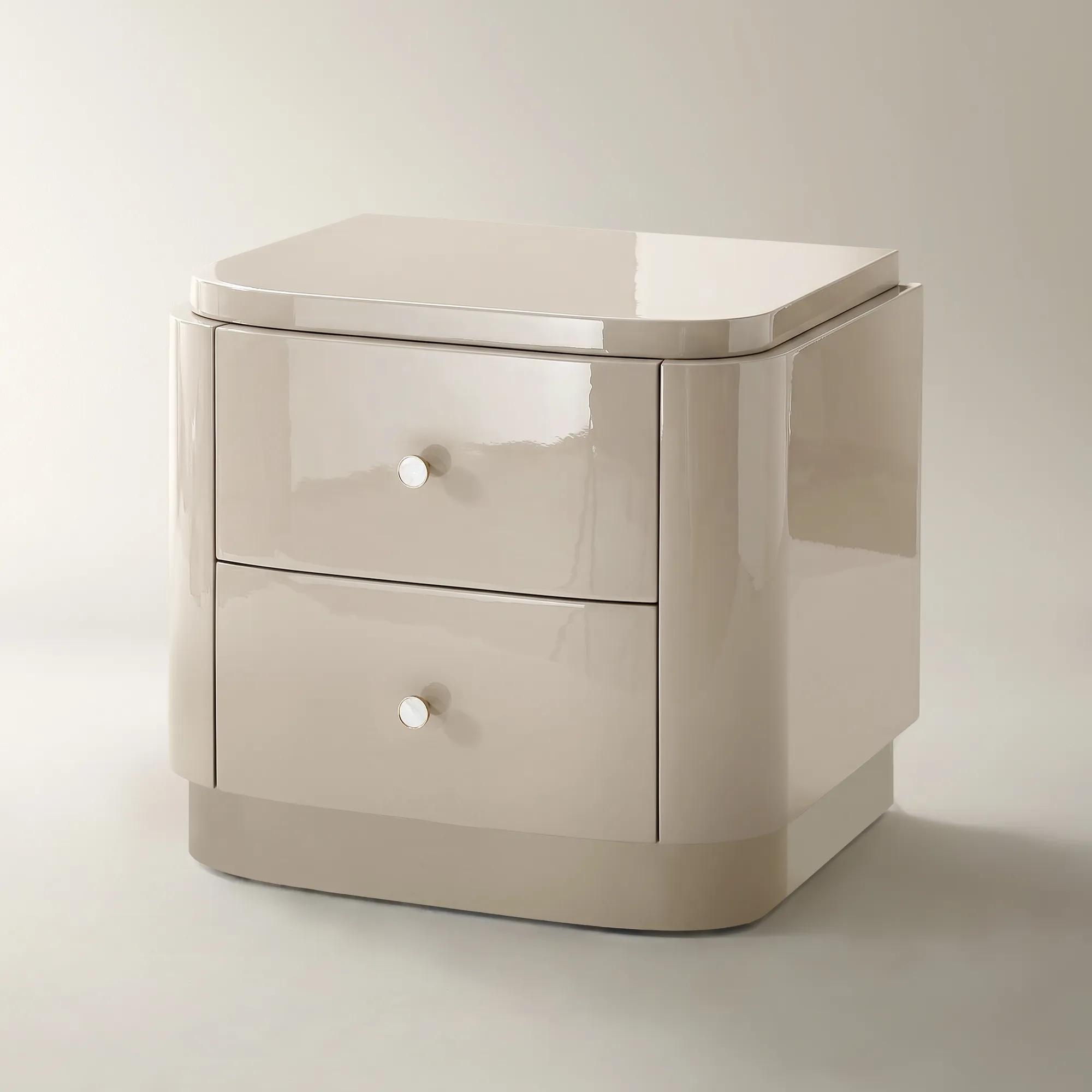 Nia Lacquered Turtle Dove 2-Drawer Nightstand (26")$599
A softly sculpted nightstand in turtle dove lacquer with pearlescent handles and two soft-close drawers.
Add To Cart -
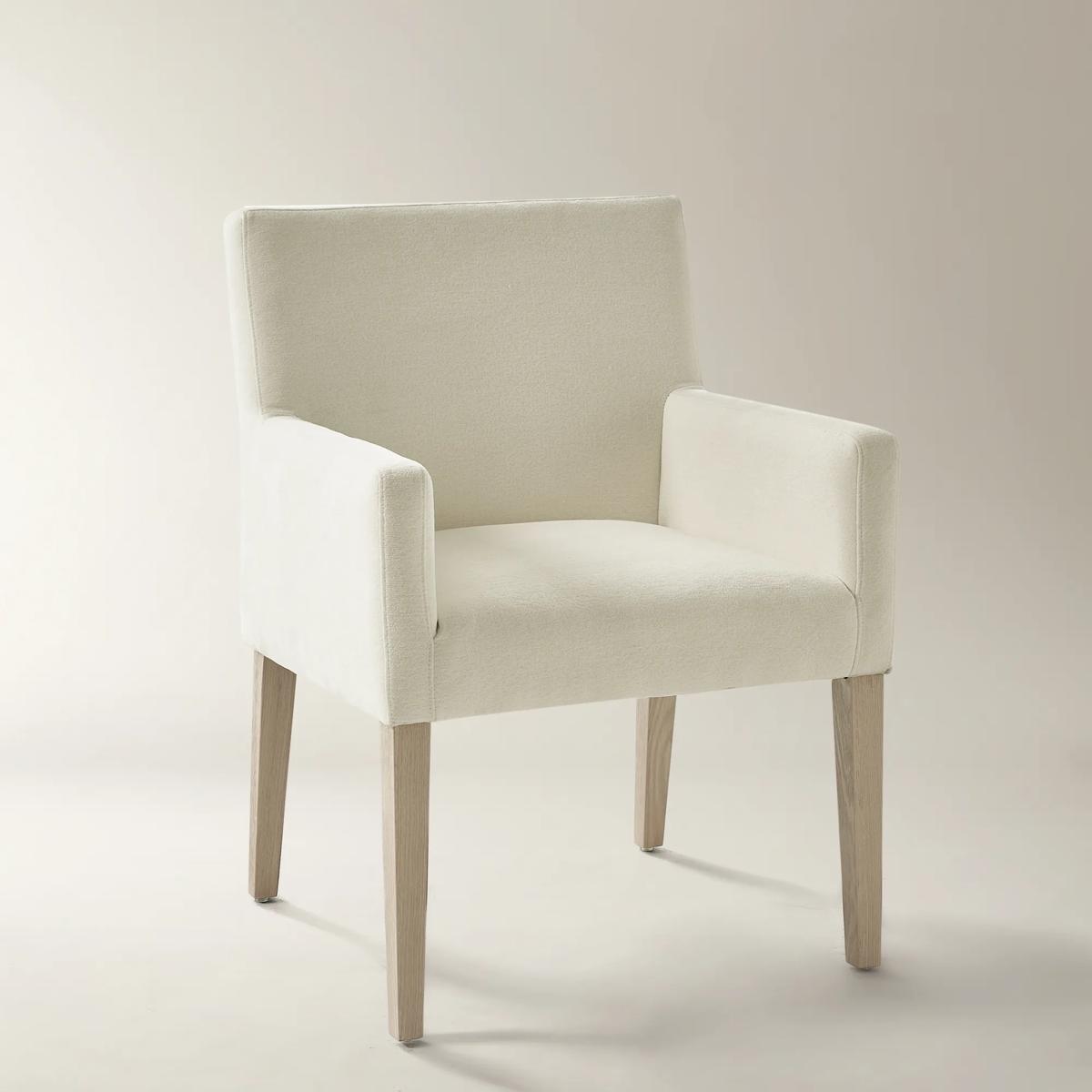
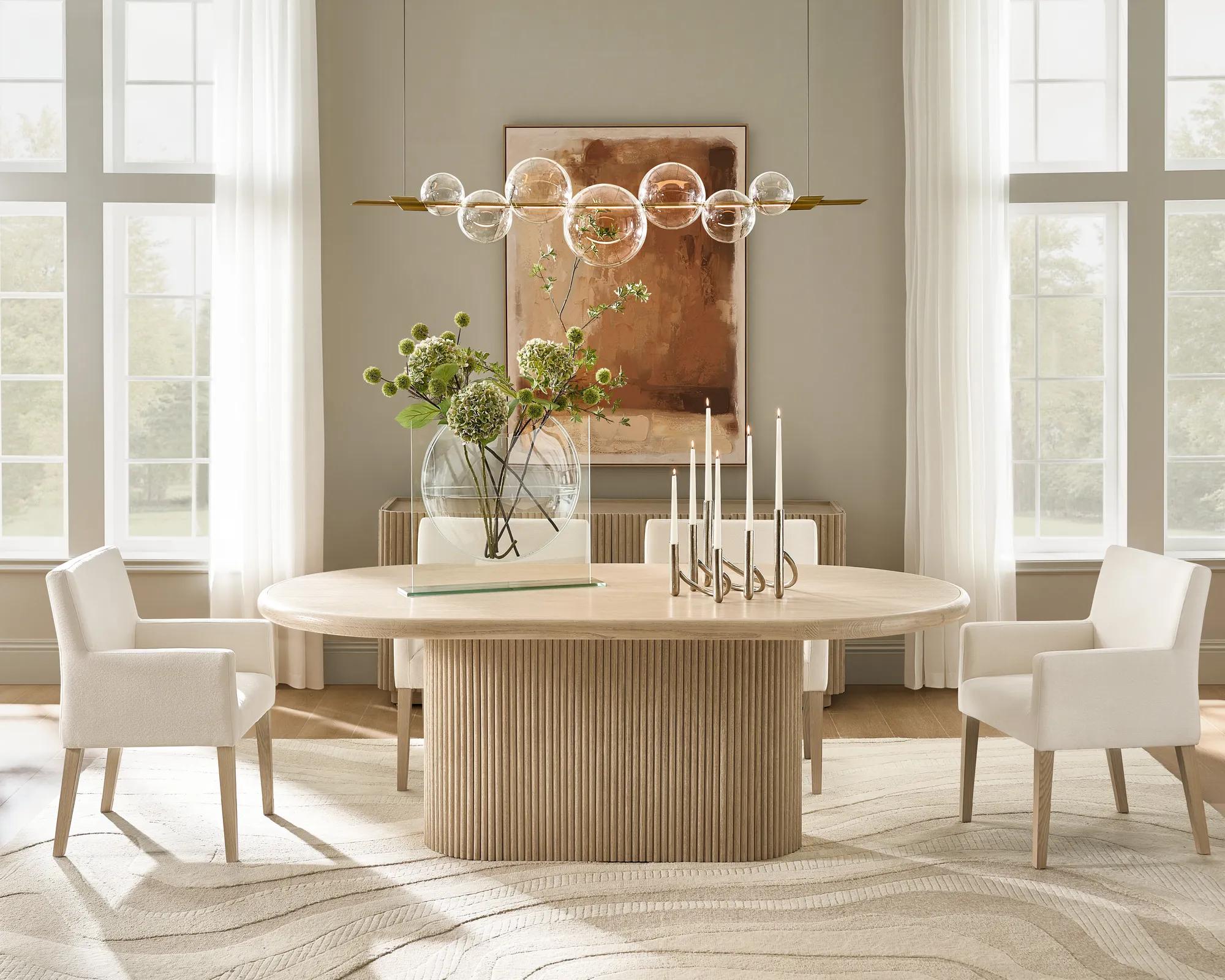 Stria Ivory Chenille Dining Chair Set Of 2$599
A pair of ivory chenille arm chairs with natural oak legs, offering plush comfort and modern elegance.
Add To Cart -
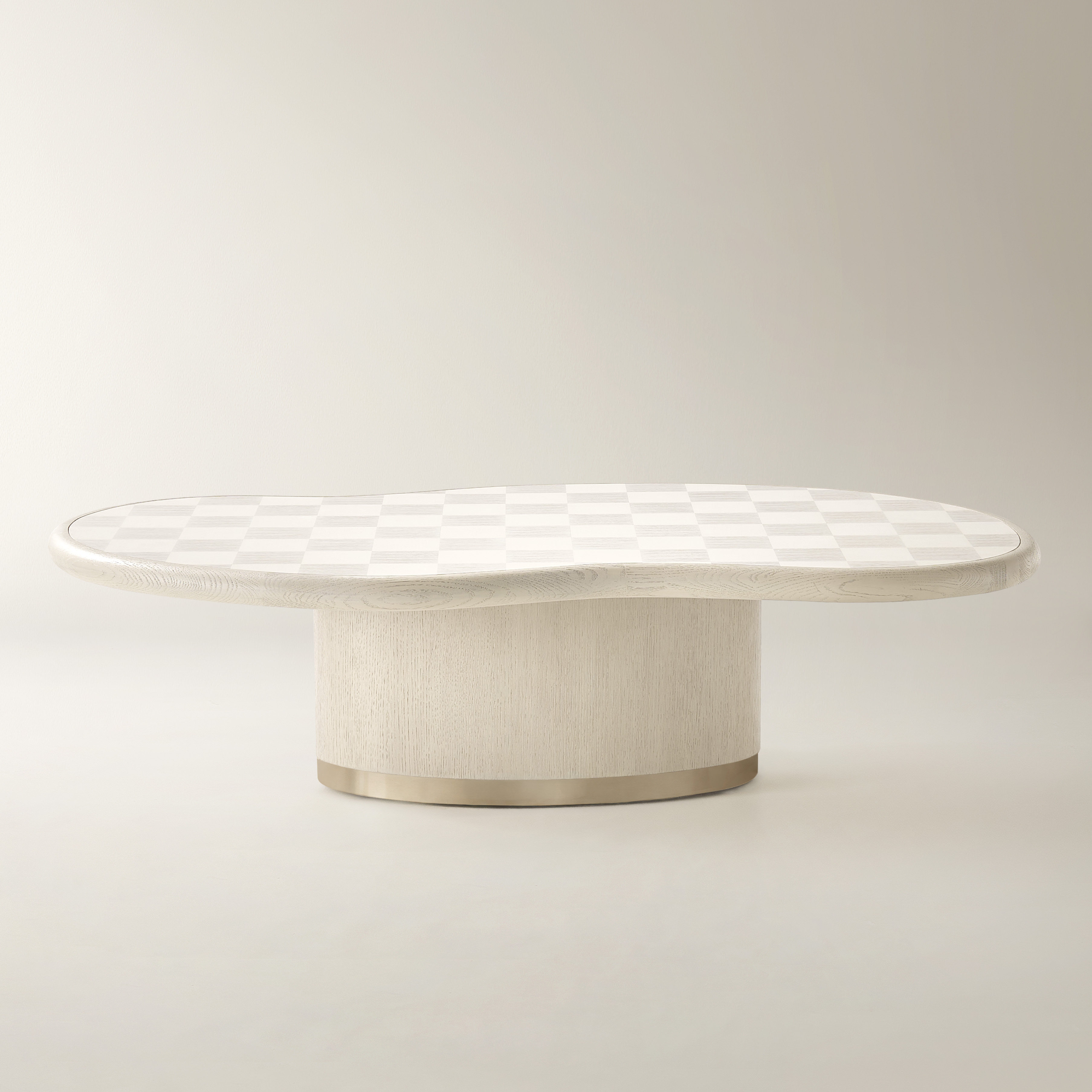 Vetra Checkerboard Oak and Maple Coffee Table (60")$1299
A sculptural coffee table featuring a hand-arranged oak and maple checkerboard top with gold-accented base.
Add To Cart -
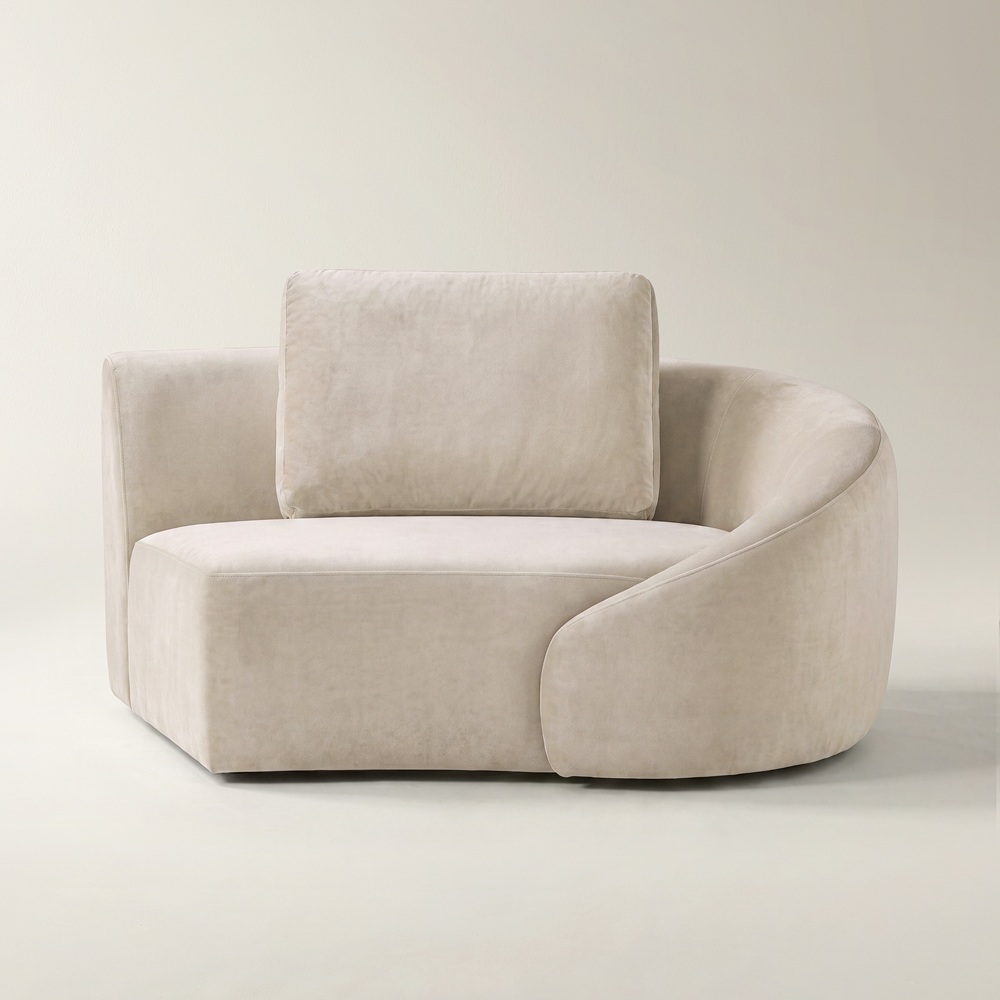
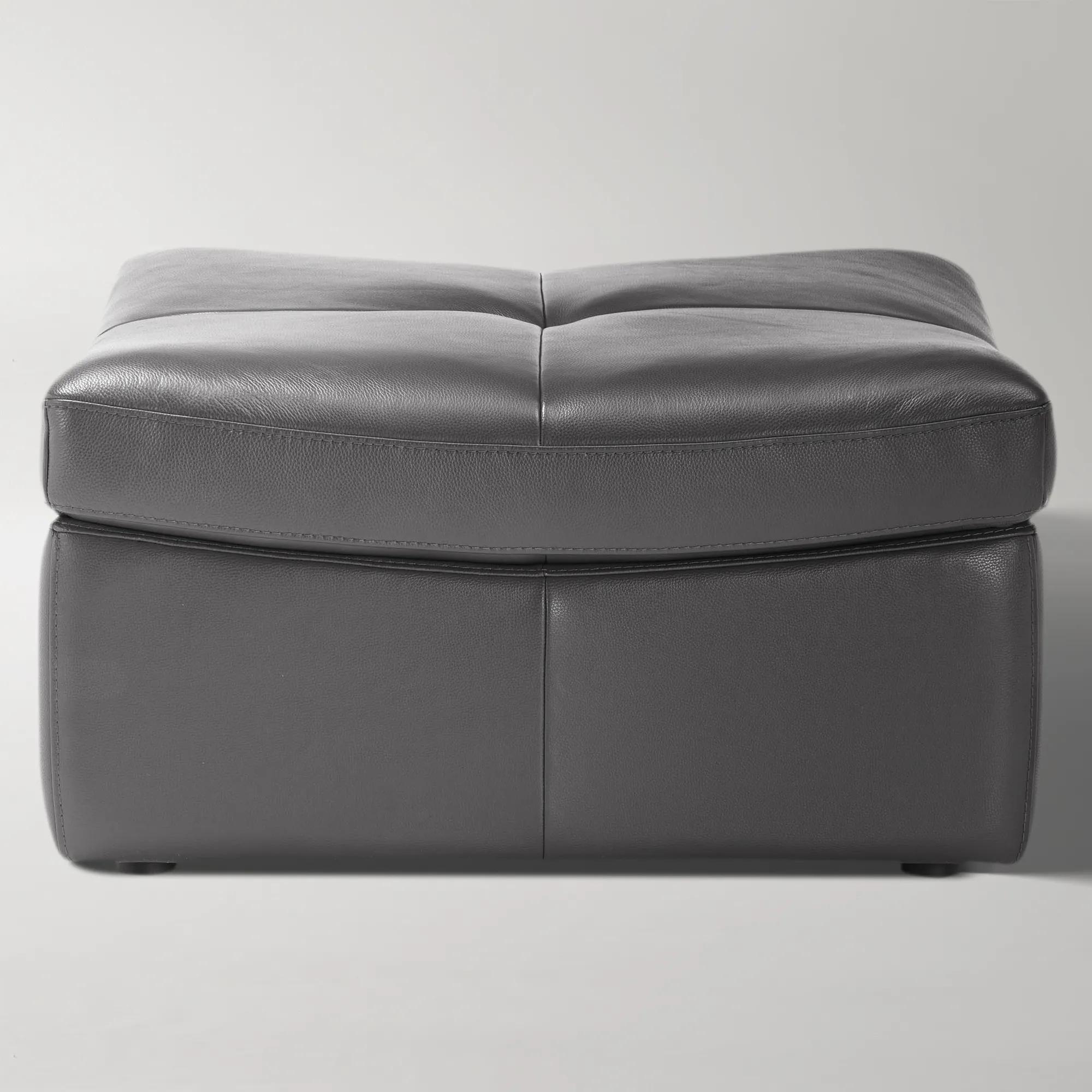 Convo Charcoal Leather Ottoman$849
A modular sectional in charcoal semi-aniline leather with kiln-dried hardwood frames and gently curved seats.
Add To Cart -
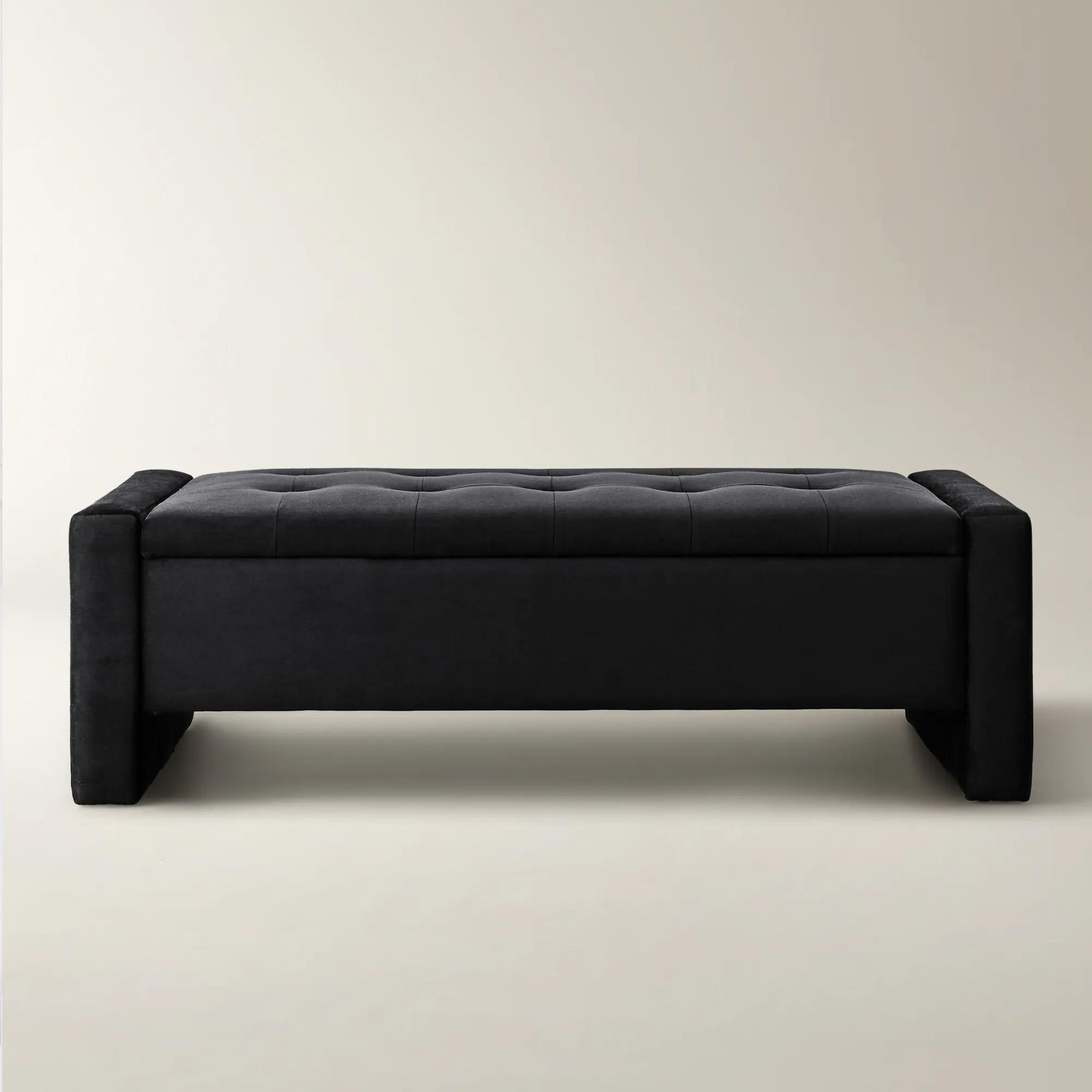
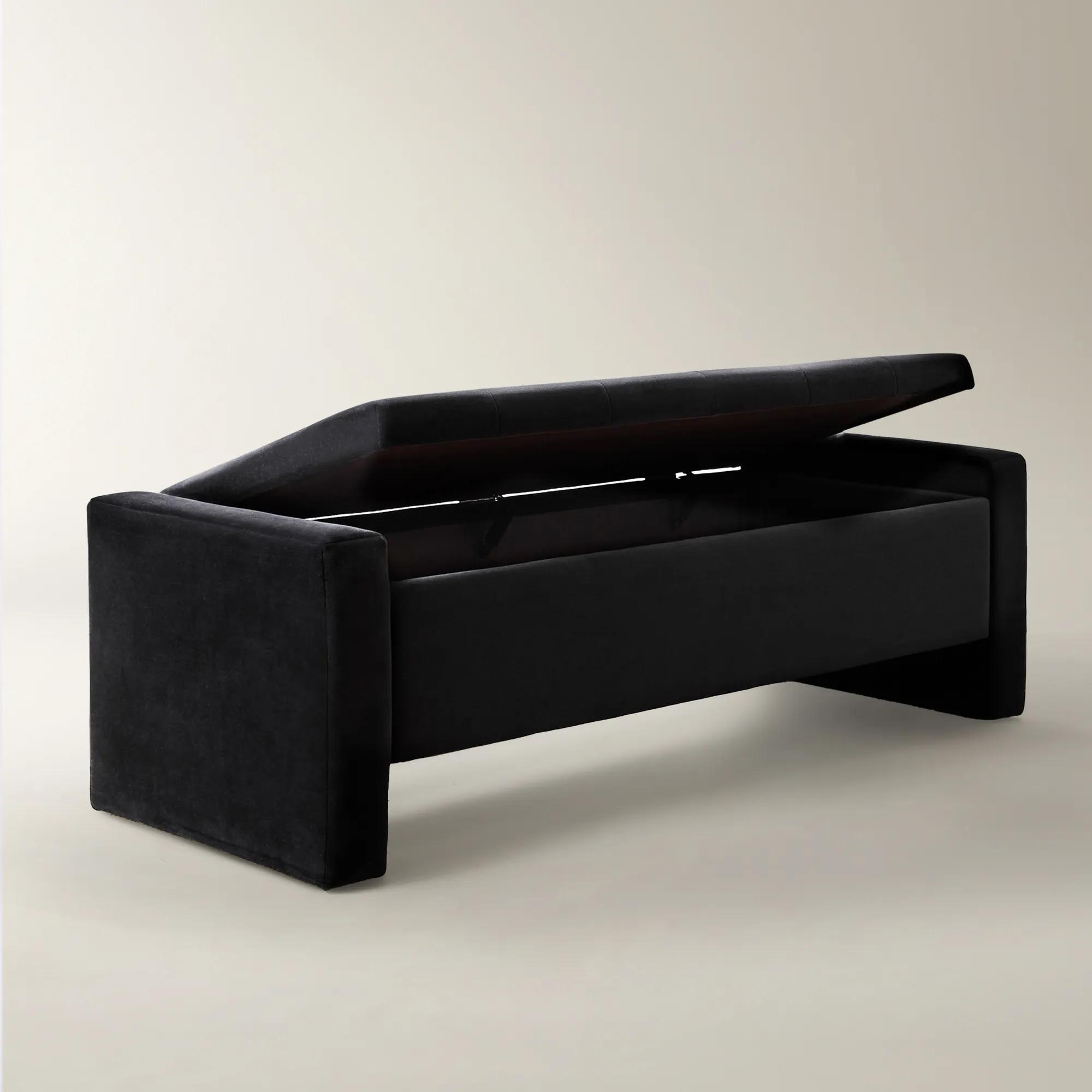 Maeve Storage Bench$849
A modern velvet-upholstered bench with hidden storage and a sturdy kiln-dried hardwood frame.
Add To Cart -
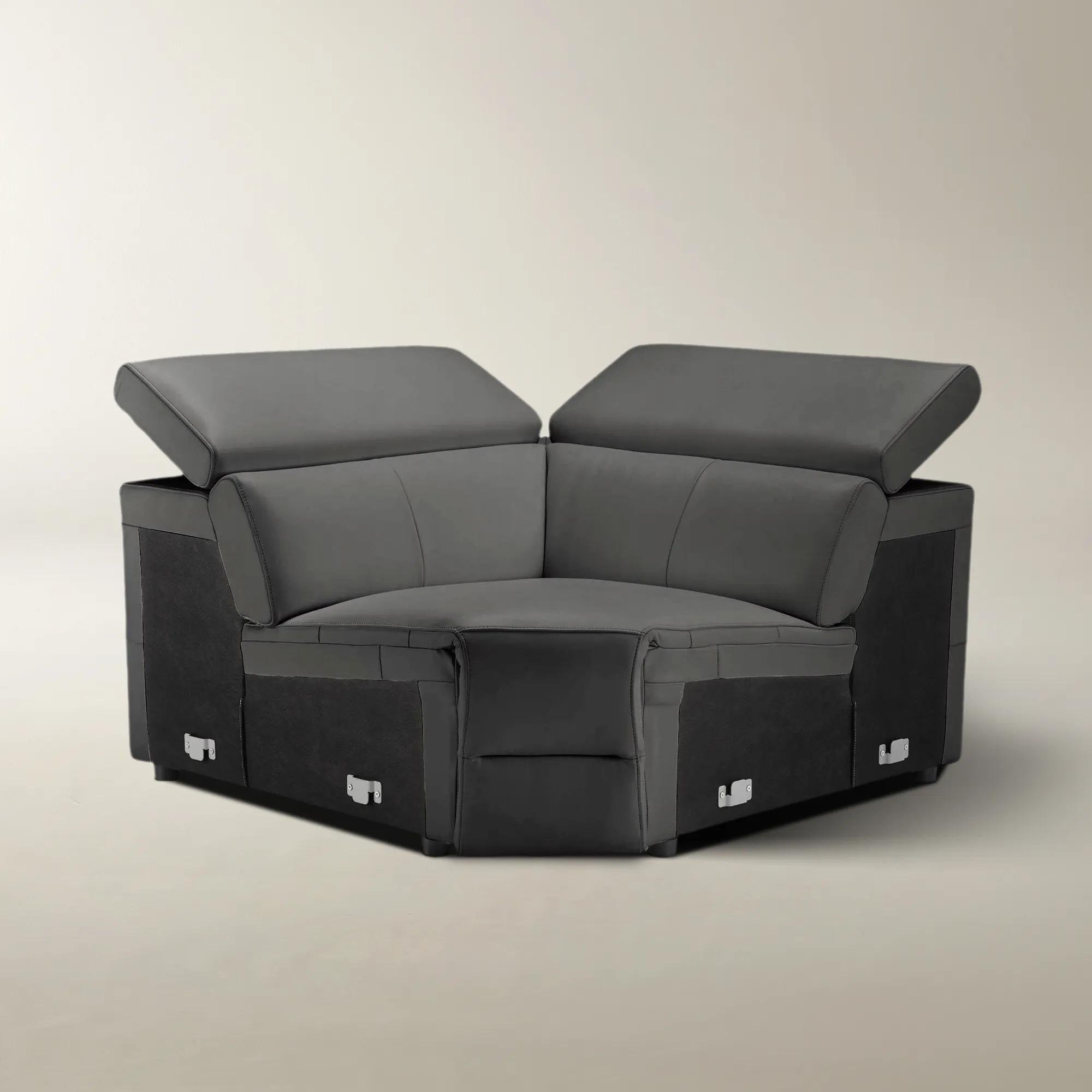
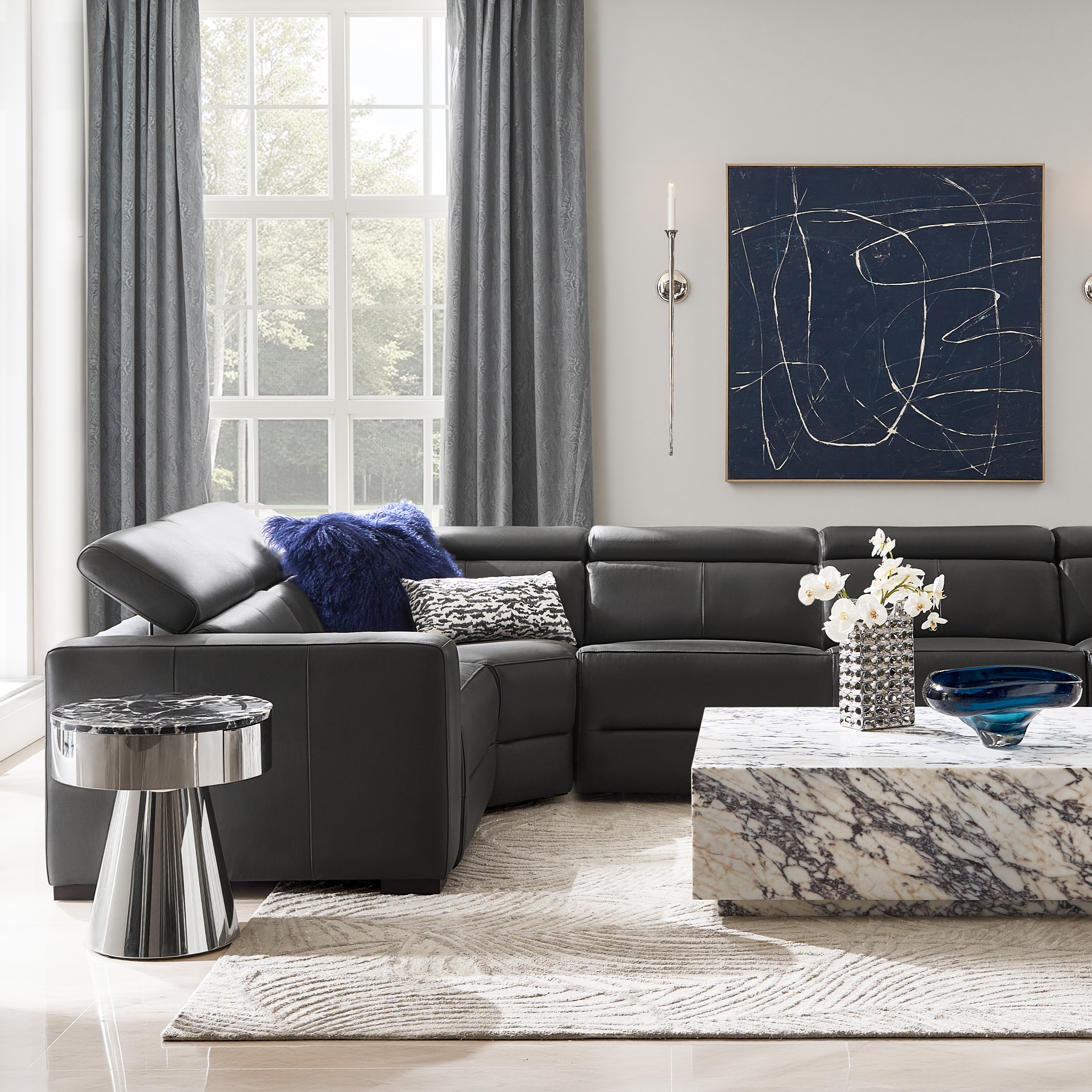 Verona Charcoal Leather Corner Chair With Power$1699
A modern charcoal sectional upholstered in supple semi-aniline leather with adjustable headrests and optional power recline.
Add To Cart -
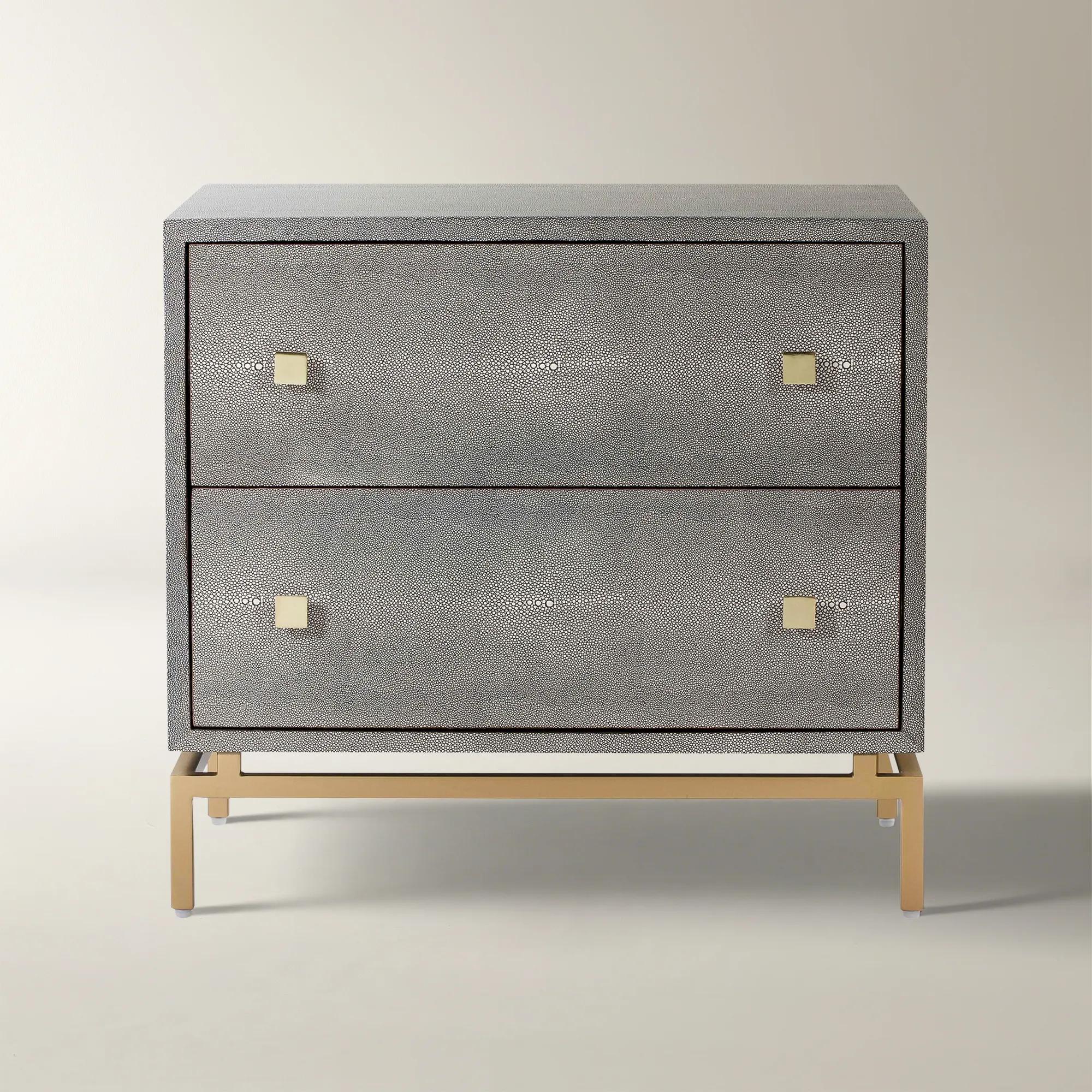
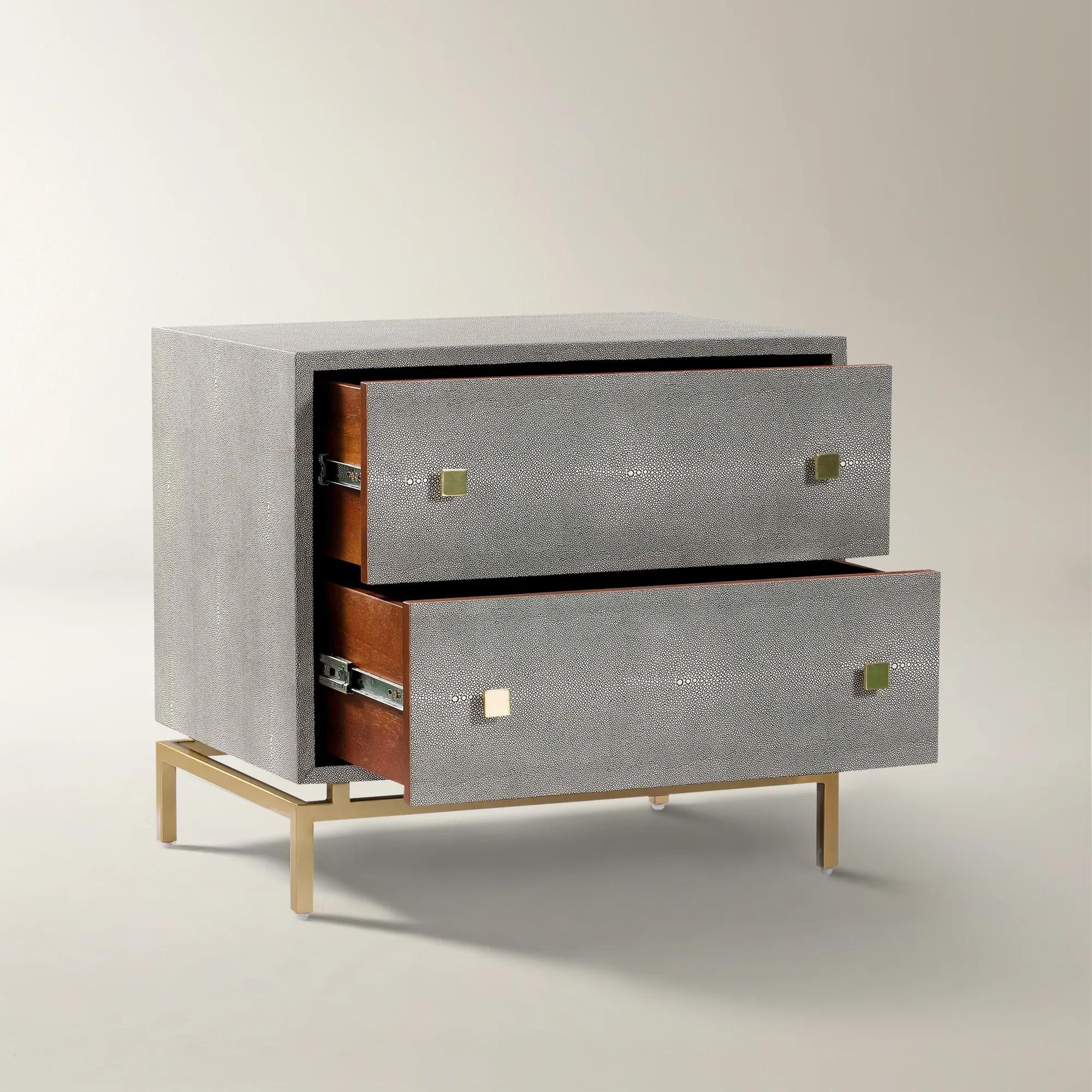 Misha Grey Shagreen 2-Drawer Nightstand (25")$749
A modern nightstand featuring faux shagreen texture, brass-finished base, and two cherry wood-lined drawers.
Add To Cart -
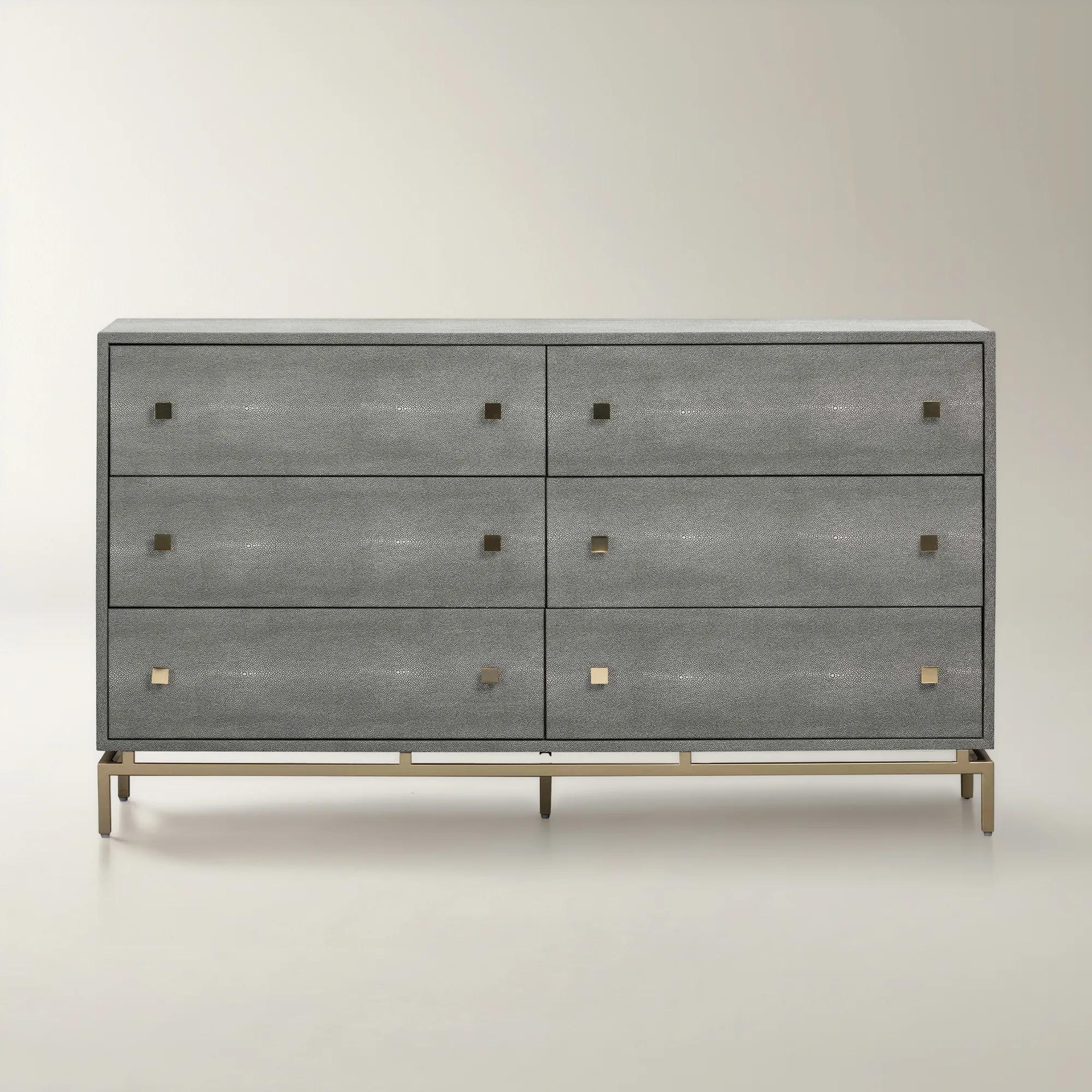
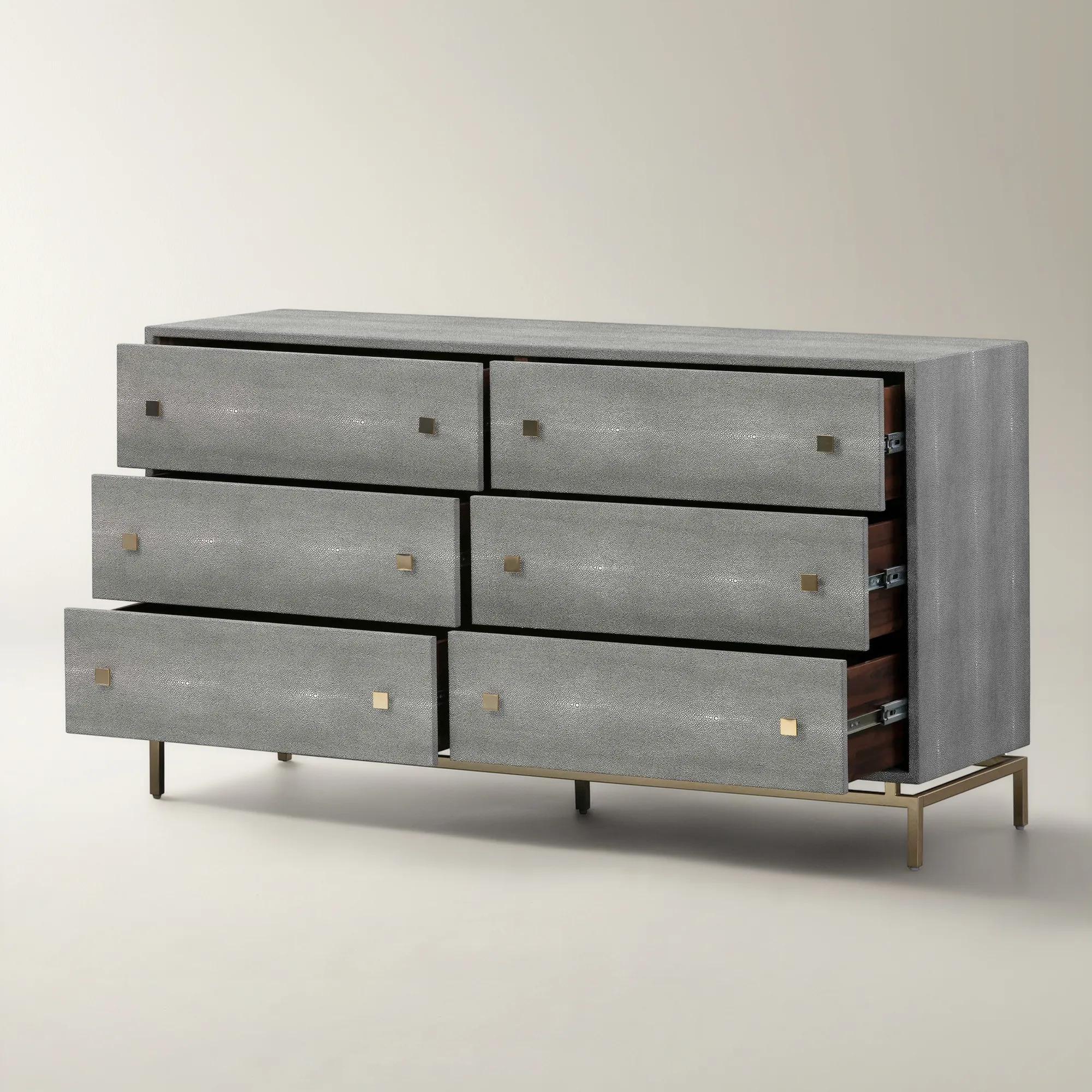 Misha Grey Shagreen 6-Drawer Dresser (57")$2249
A modern dresser featuring faux shagreen texture, brass-finished base, and six drawers with cherry wood interiors.
Add To Cart -
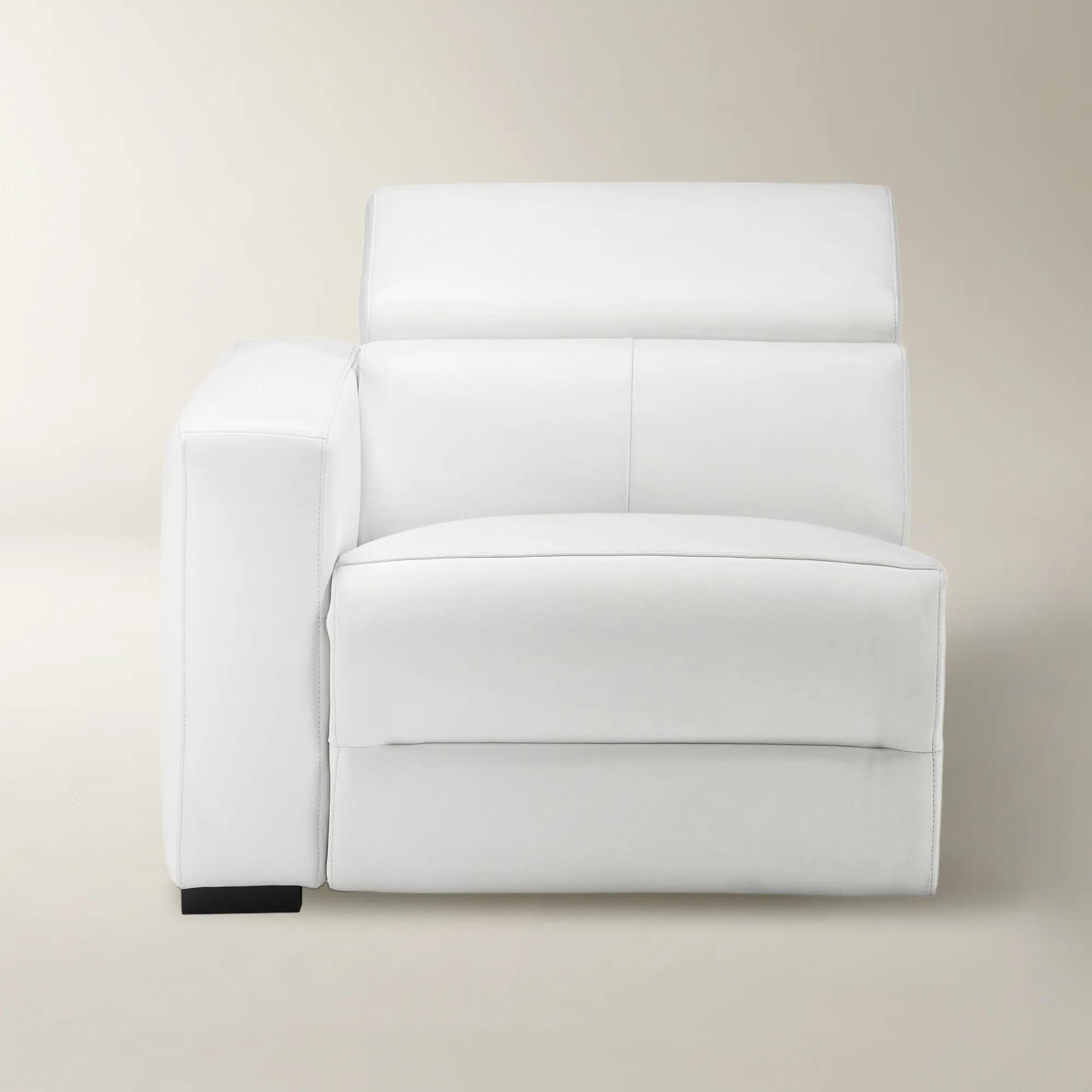
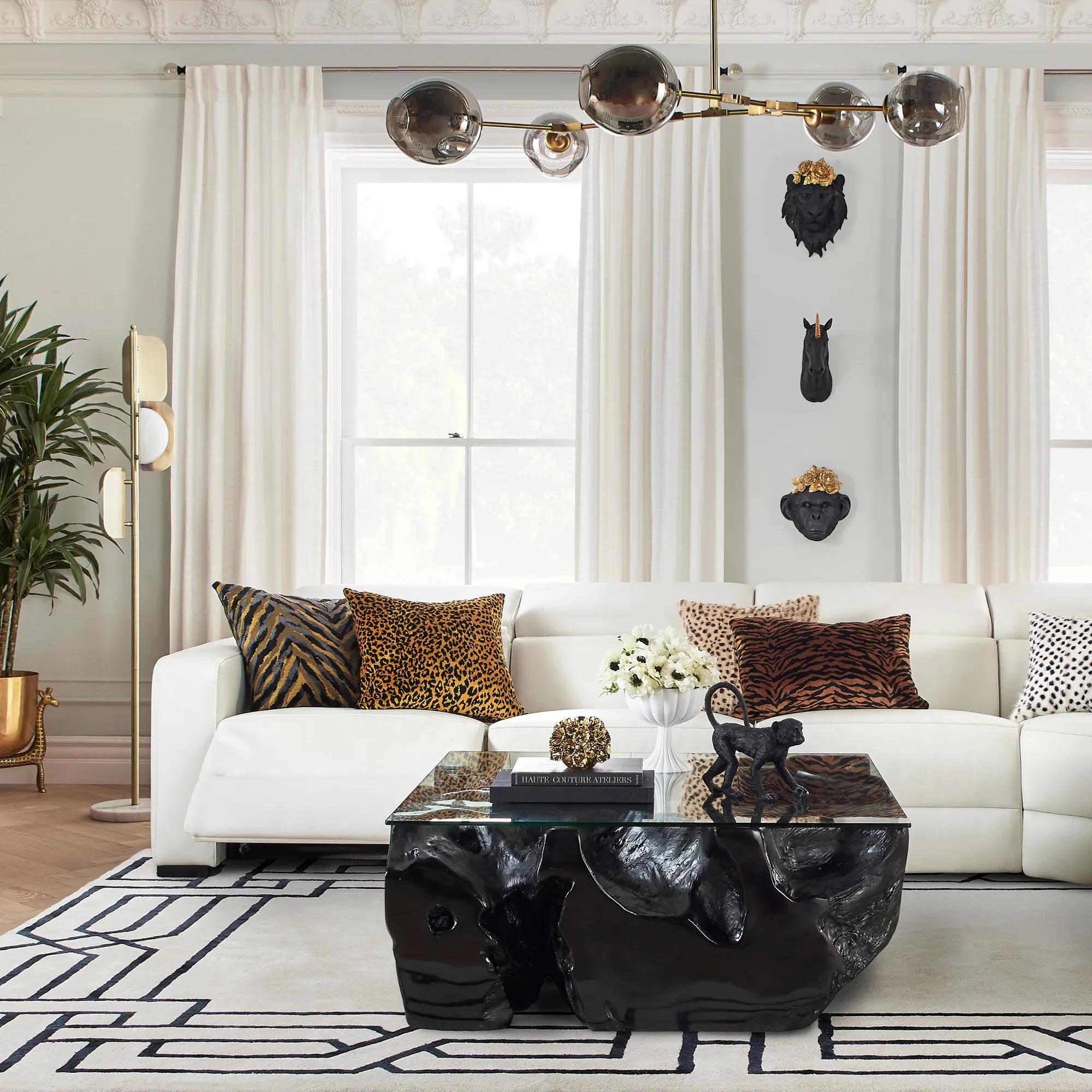 Verona White Leather Left Arm Chair$1399
A modern white sectional upholstered in supple semi-aniline leather with adjustable headrests and power-reclining seats.
Add To Cart -
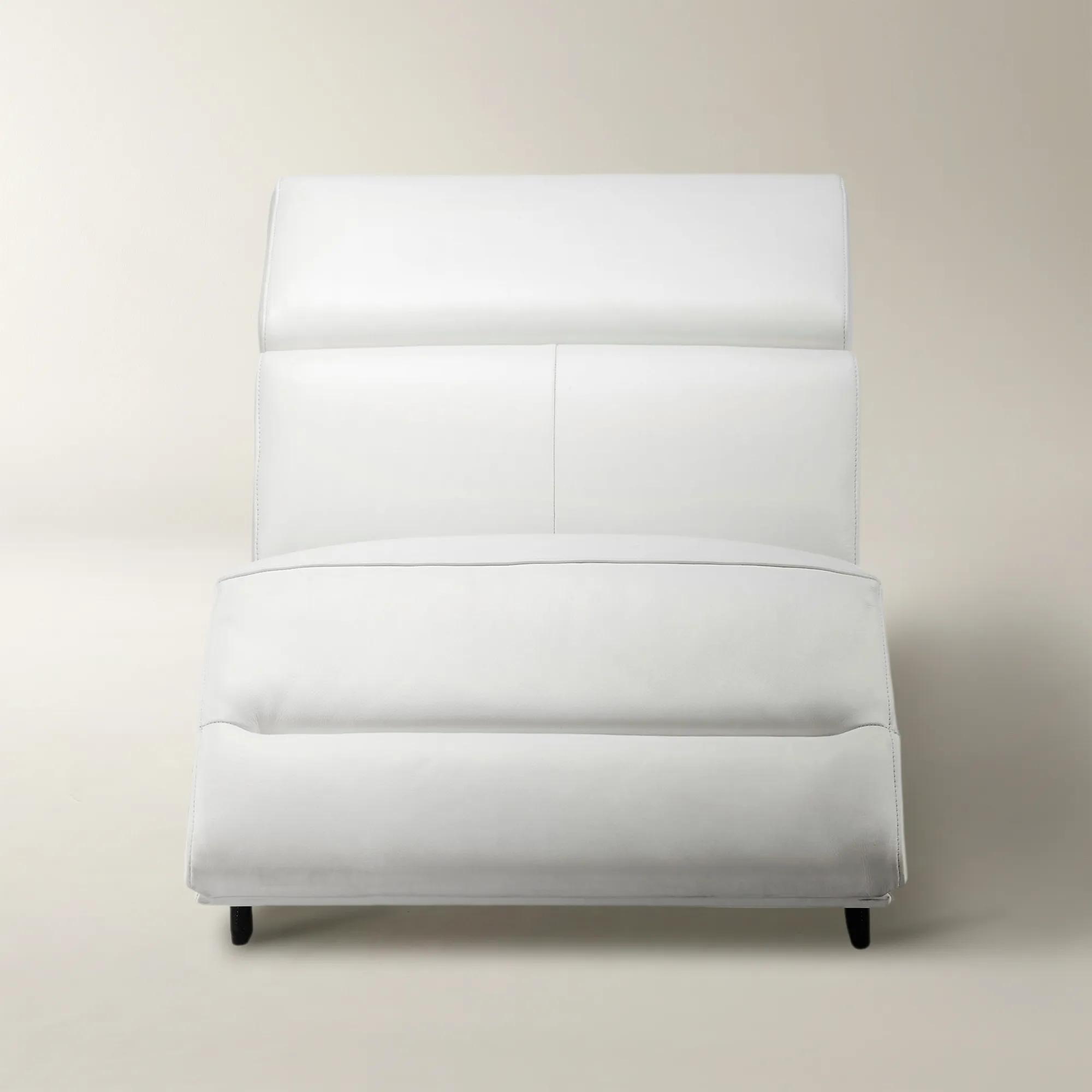 Verona Reclining White Leather Armless Chair With Power$1299
A modern white sectional upholstered in supple semi-aniline leather with adjustable headrests and power-reclining options.
Add To Cart -
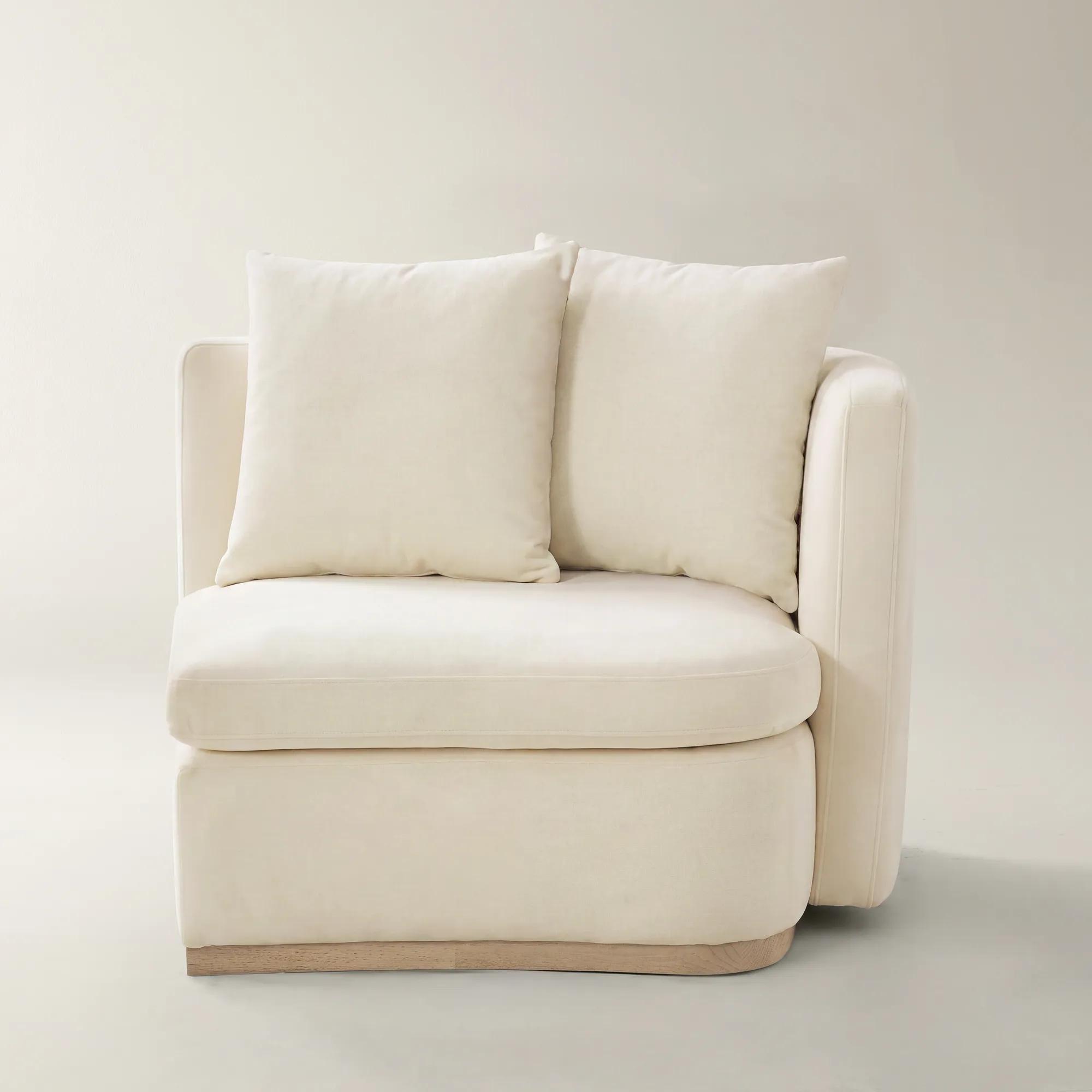
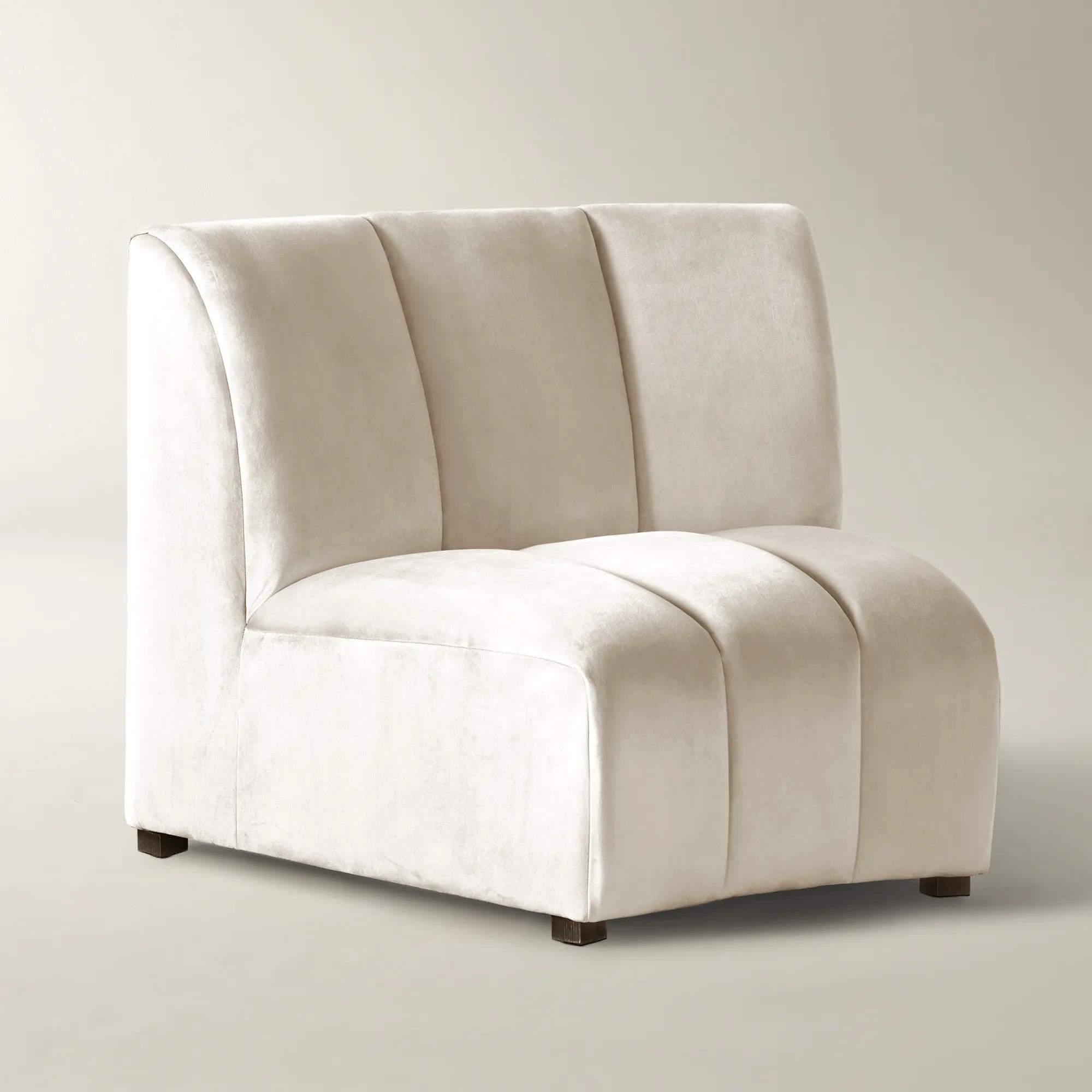 Jayce Channel-Tufted Ivory Velvet Armless Chair$949
A modern armless chair in water-repellent, stain-resistant Velvet Ivory with deep channel tufting and plush padding.
Add To Cart -
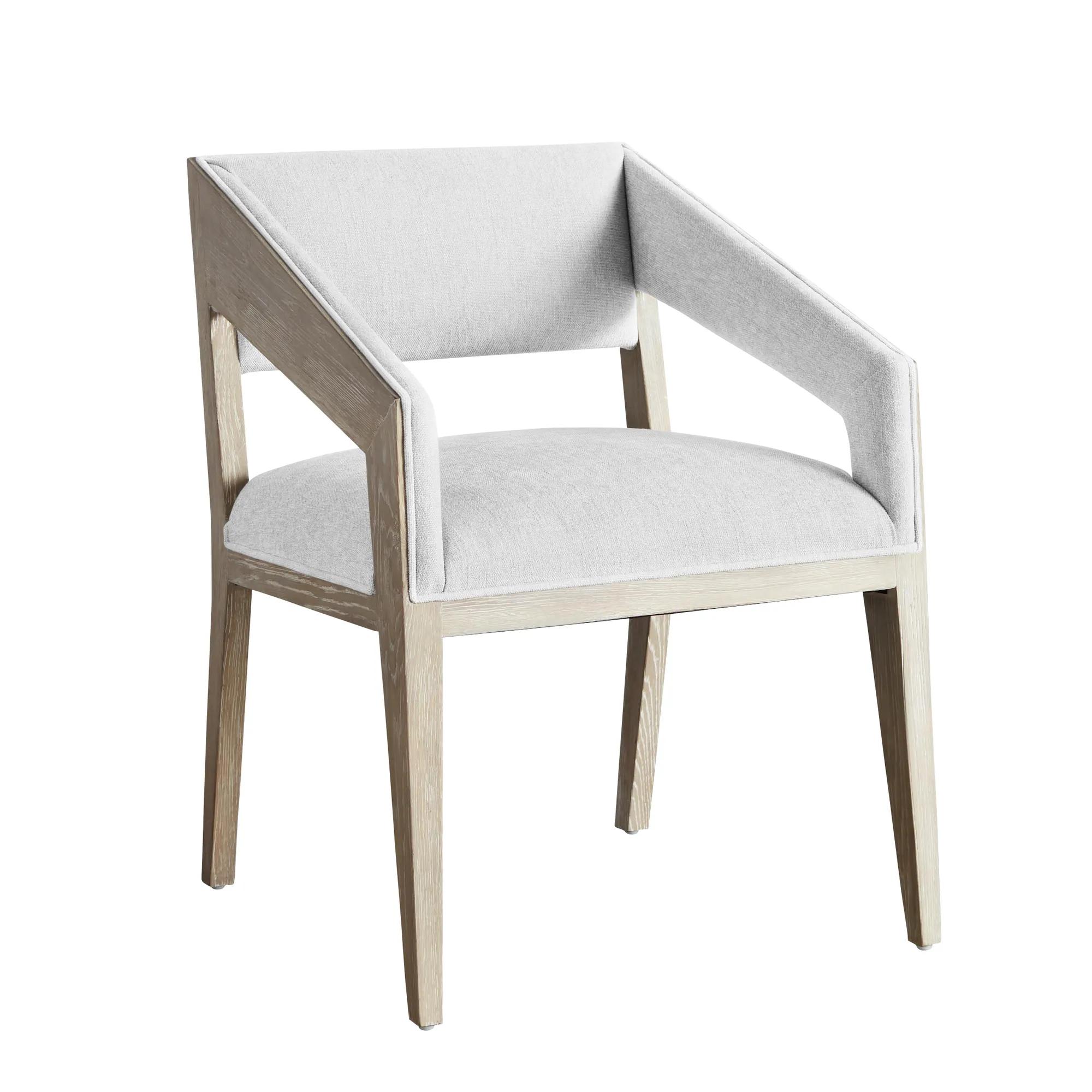
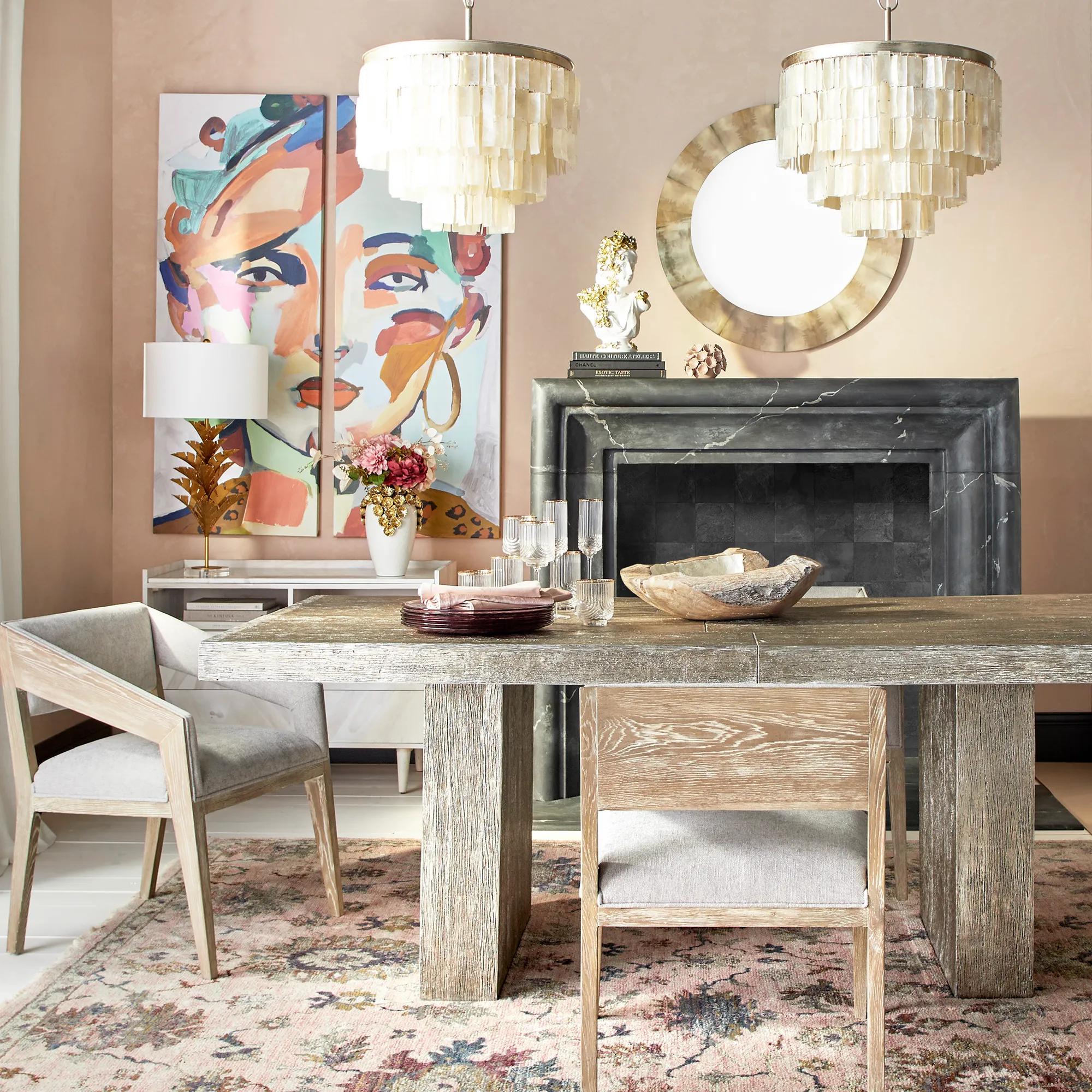 Alric Dining Arm Chair$699
A modern armchair featuring solid oak framing, natural grey finish, and neatly tailored pearl grey upholstery.
Add To Cart -
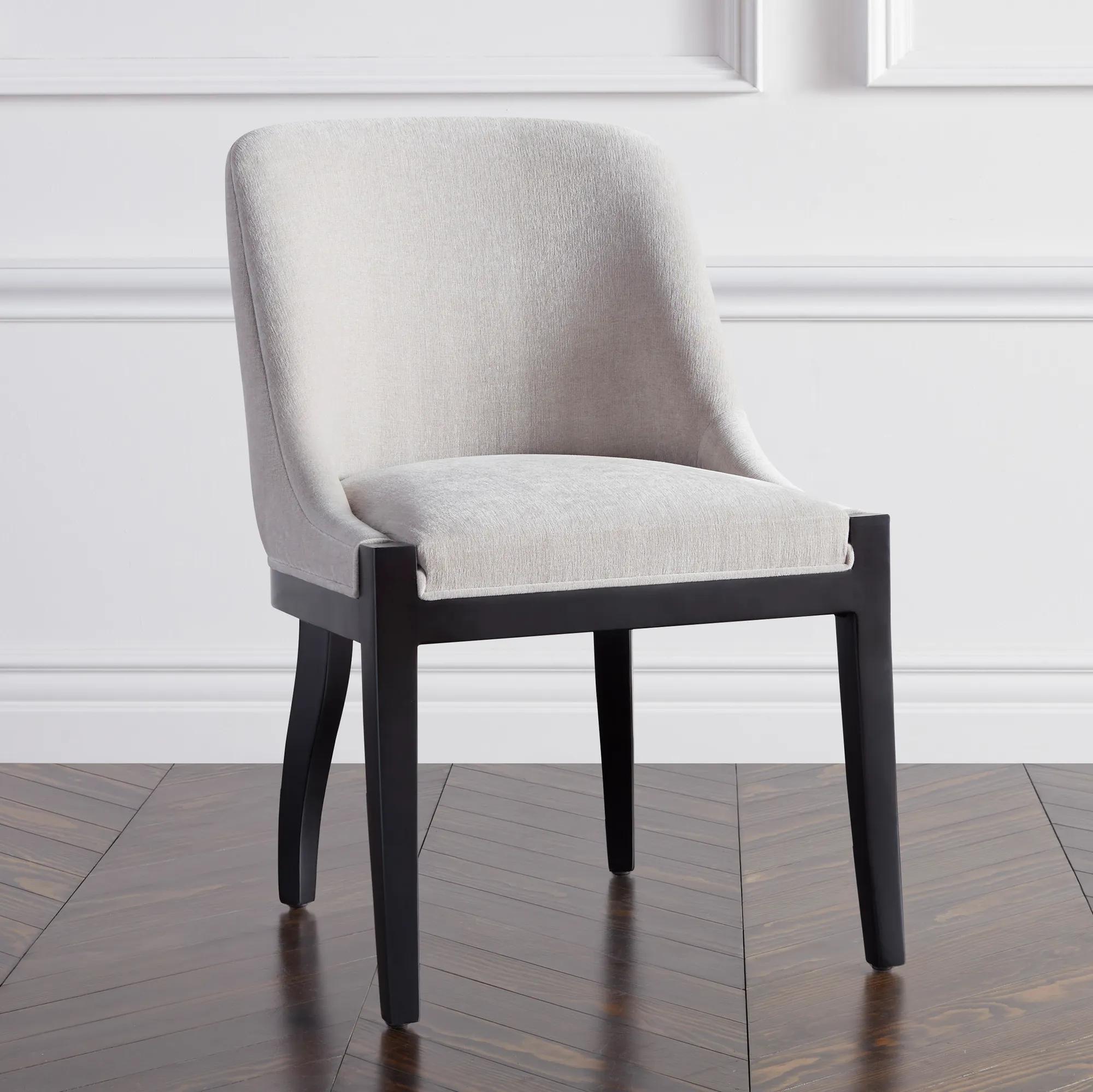 Lily Dining Chair - Matte Black$649
A modern dining chair featuring a kiln-dried hardwood frame and matte black legs with tailored upholstery.
Add To Cart -
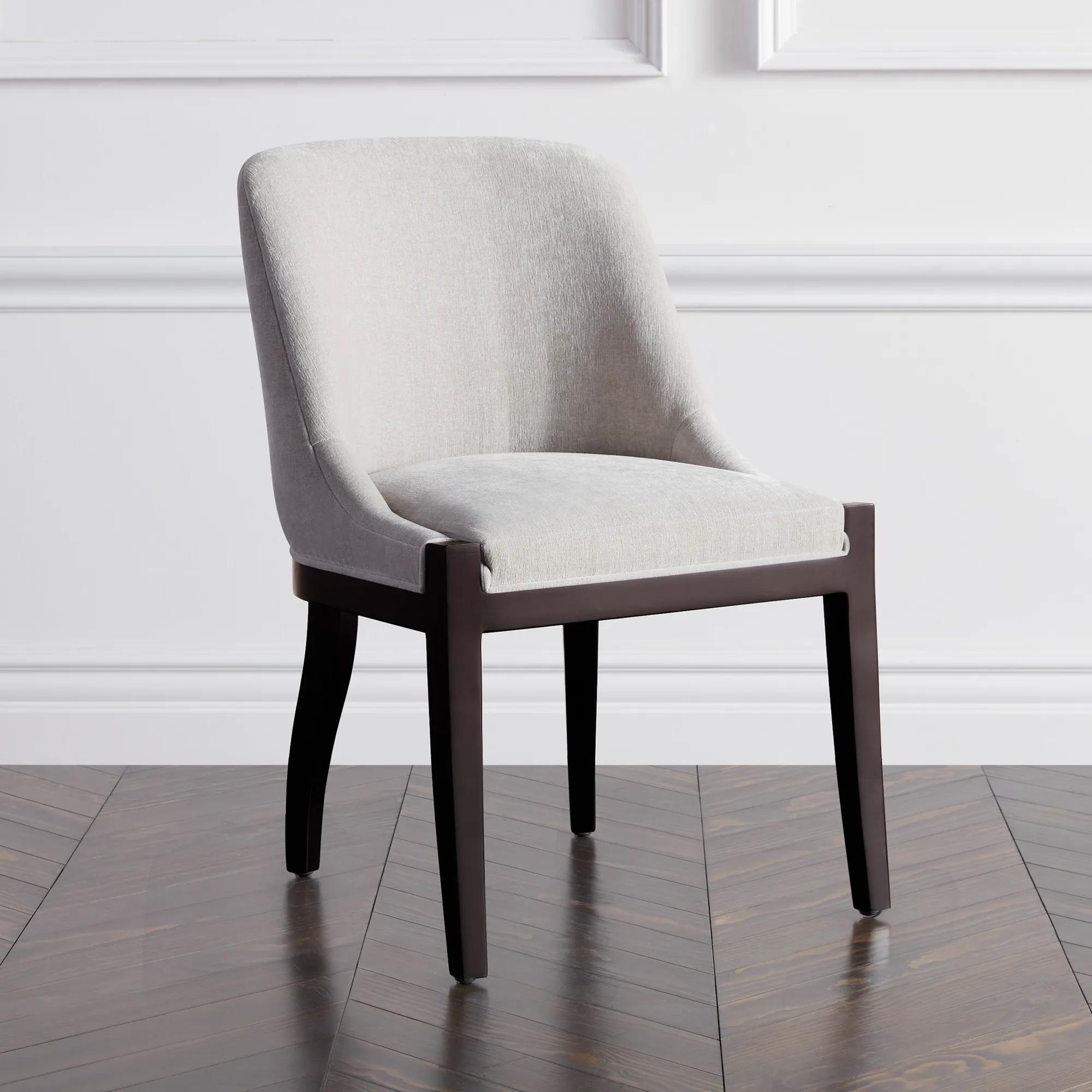
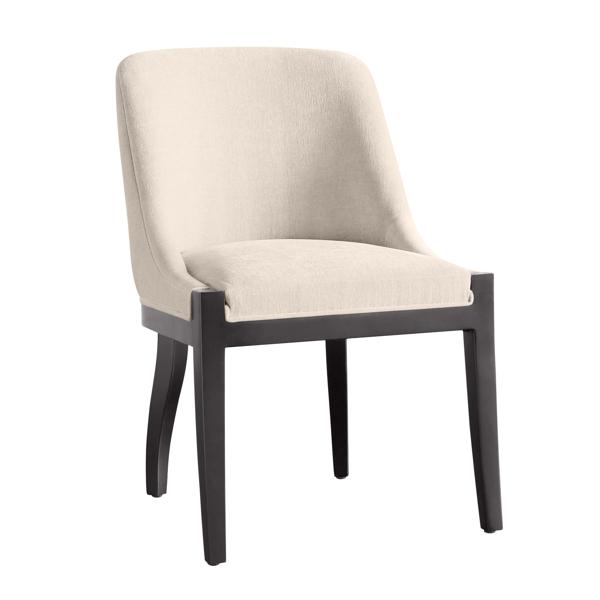 Lily Dining Chair - Espresso$699
A modern dining chair with espresso-finished hardwood frame and tailored upholstery for lasting comfort and support.
Add To Cart -
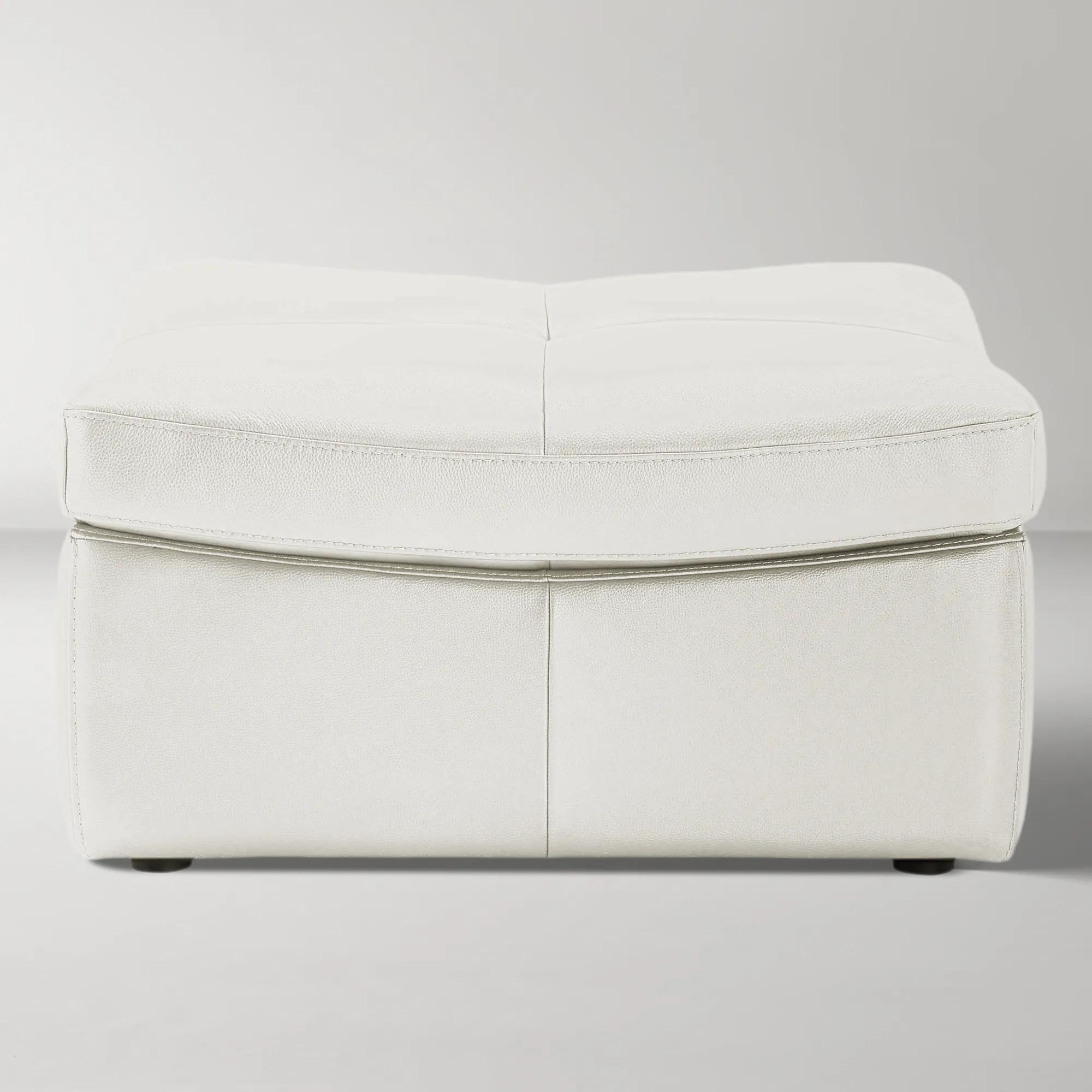 Convo White Leather Ottoman$849
A modular sectional with kiln-dried hardwood frame and charcoal semi-aniline leather upholstery for modern versatility.
Add To Cart -
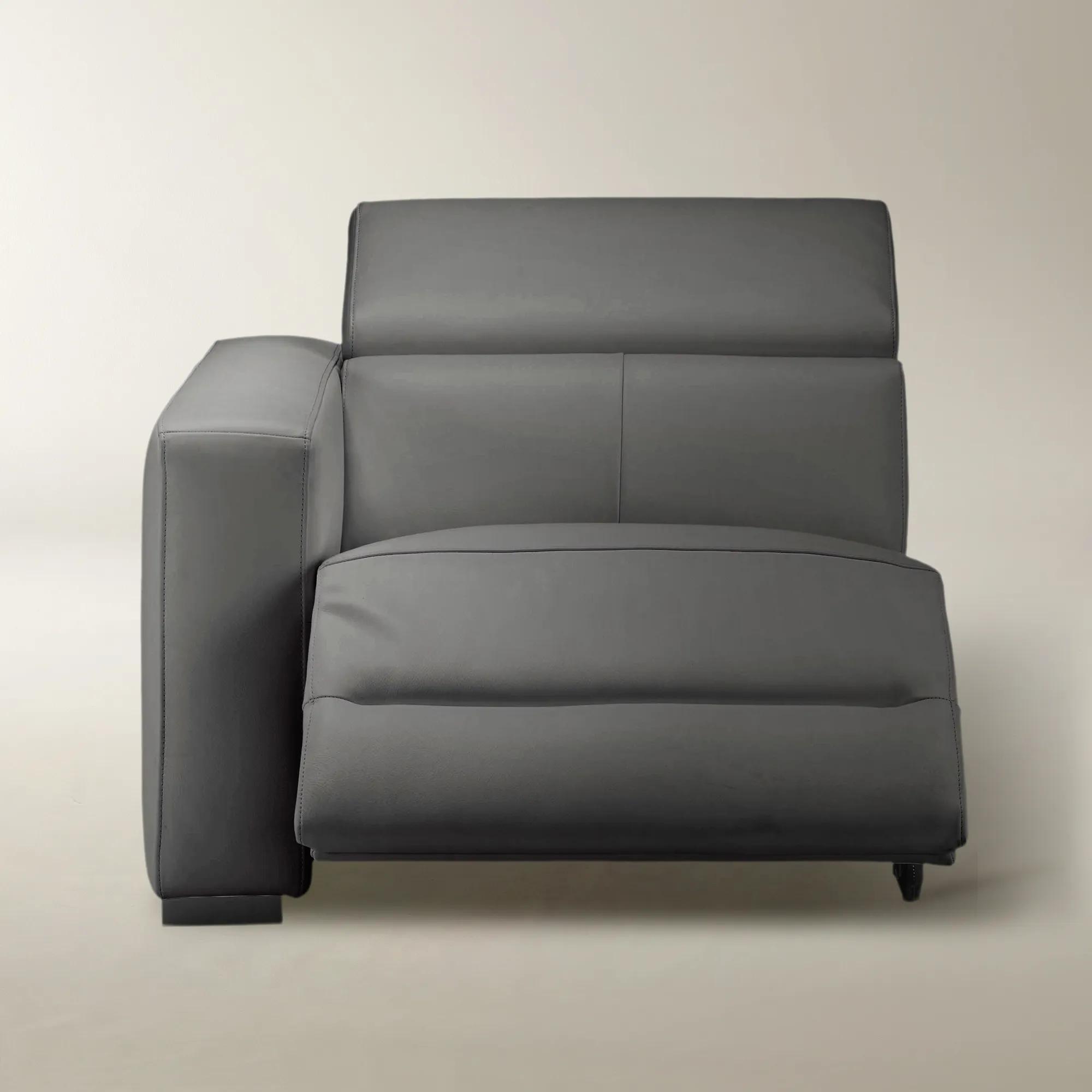 Verona Reclining Charcoal Leather Left Arm Chair With Power$1599
A charcoal semi-aniline leather sectional with adjustable headrests, power-reclining seats, and kiln-dried hardwood frame.
Add To Cart -
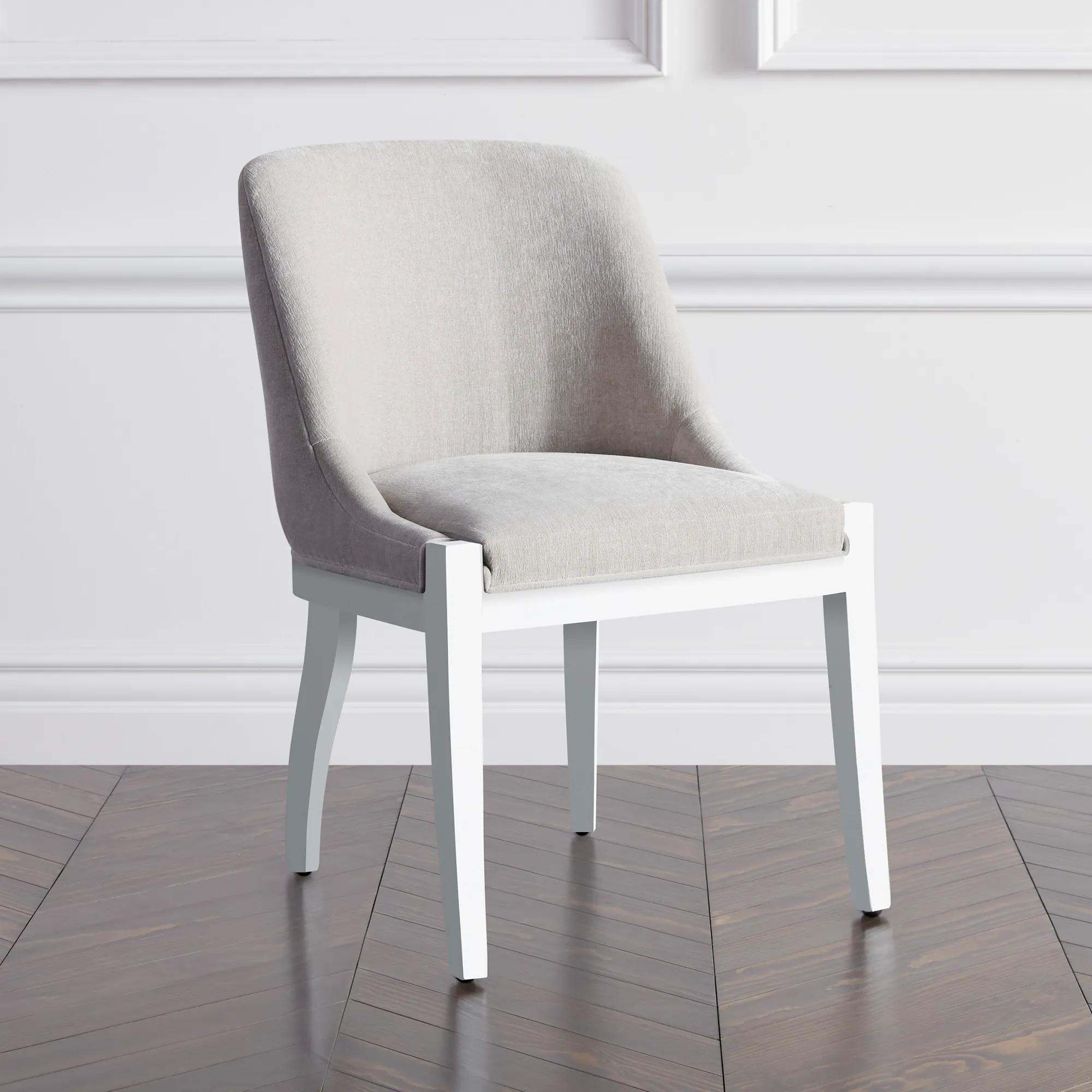
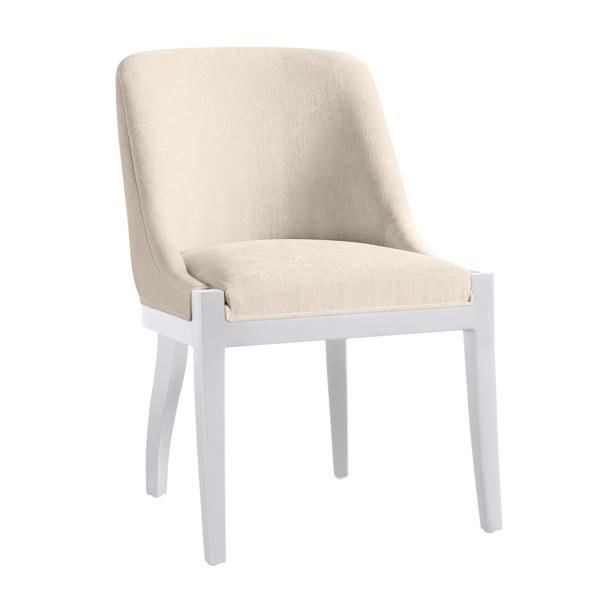 Lily Dining Chair - High Gloss White$699
A modern dining chair with a kiln-dried hardwood frame and high-gloss white legs for lasting elegance.
Add To Cart -
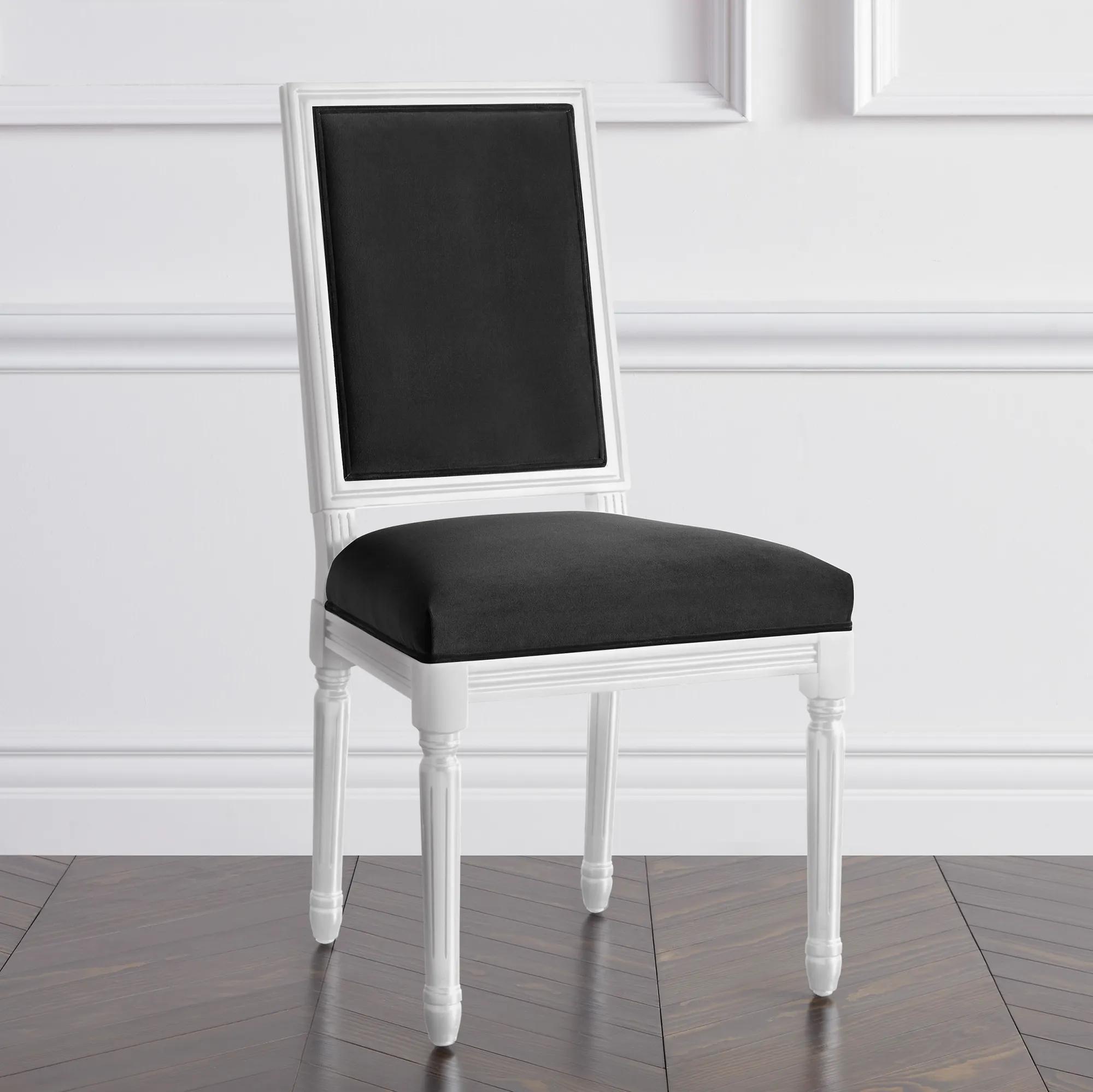
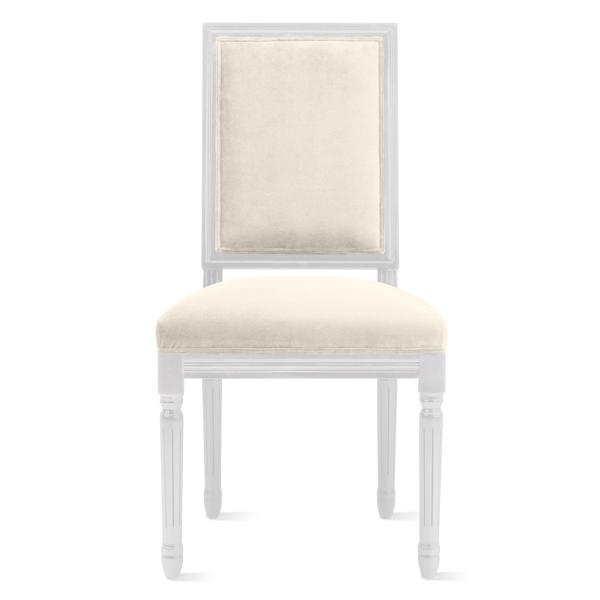 Callan Dining Chair - High Gloss White$599
A handcrafted dining chair featuring a high-gloss white finish, kiln-dried hardwood frame, and plush upholstery.
Add To Cart -
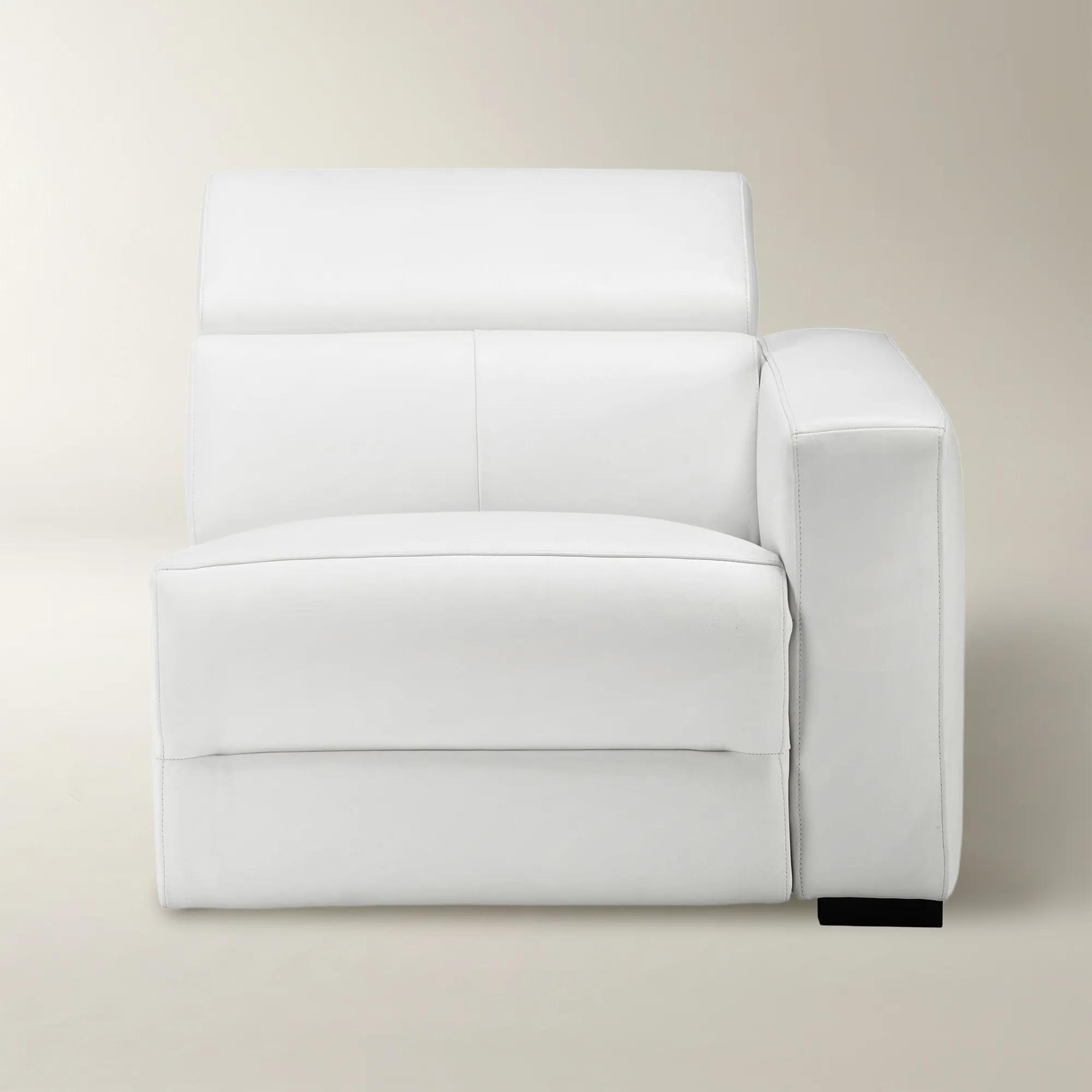 Verona White Leather Right Arm Chair$1399
A modern white sectional upholstered in supple semi-aniline leather with adjustable headrests and power-reclining options.
Add To Cart -
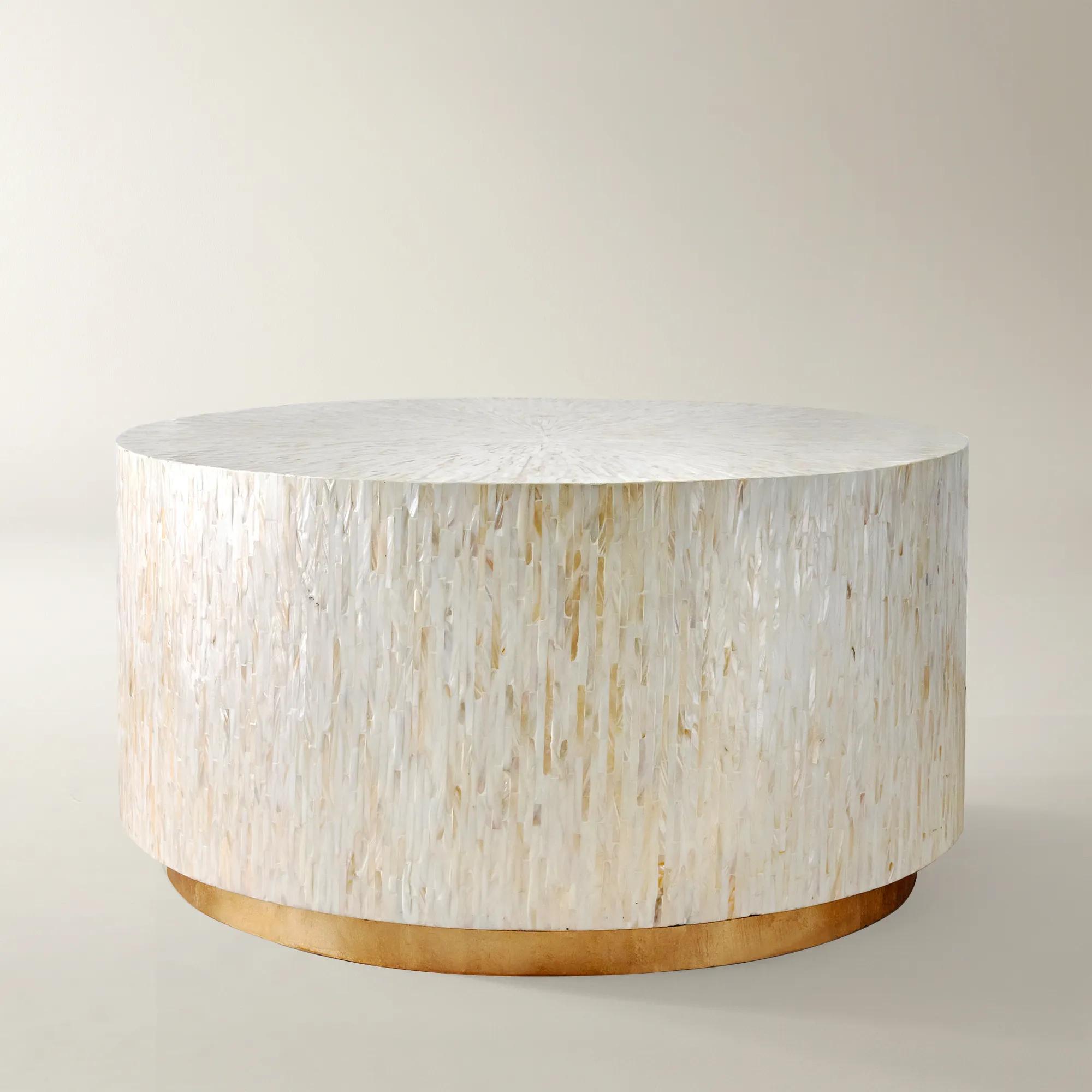
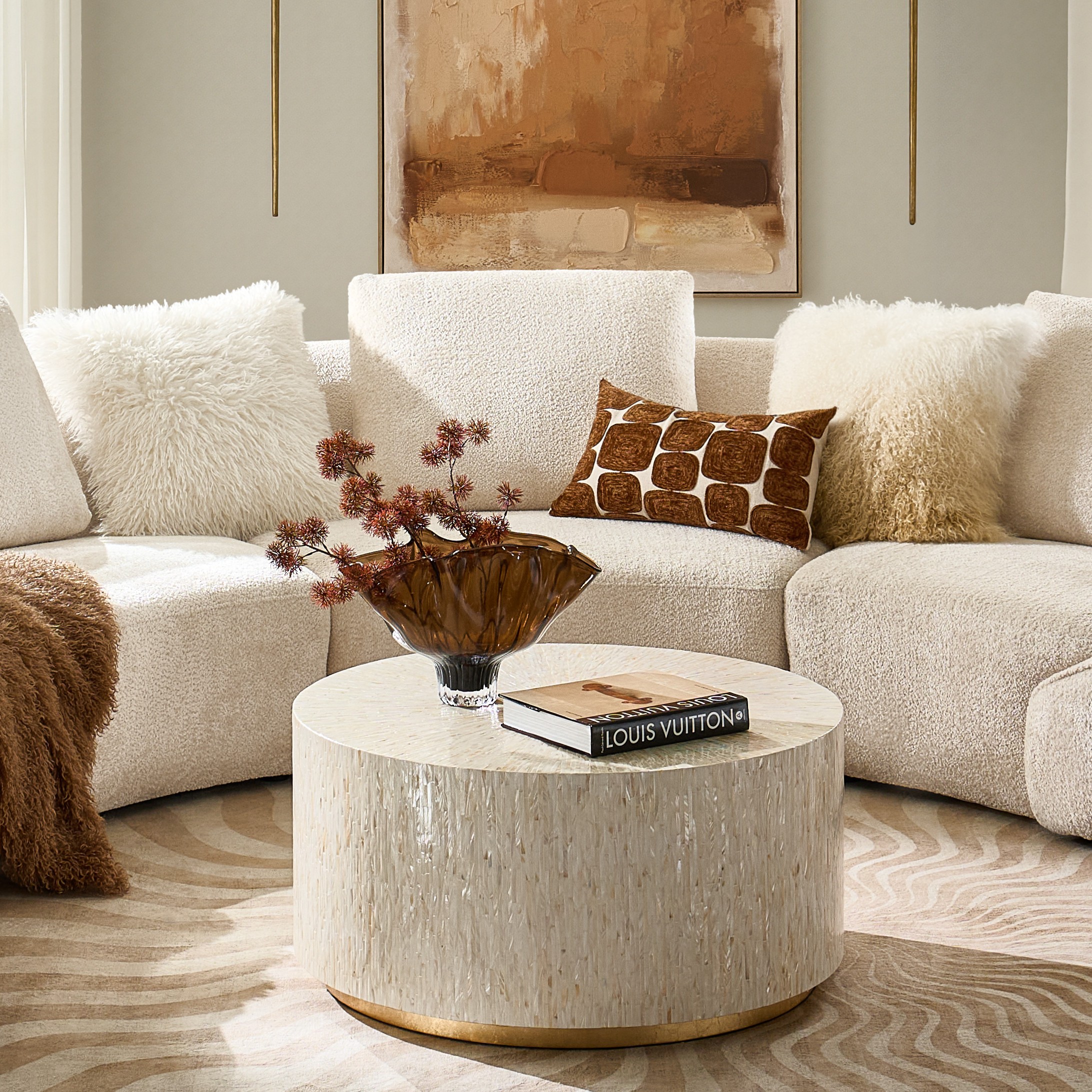 Alexandria Round Mosaic Platinum Coffee Table (36")$799
A luminous ivory coffee table featuring hand-applied mother-of-pearl mosaic and a gold leaf-accented base.
Add To Cart -
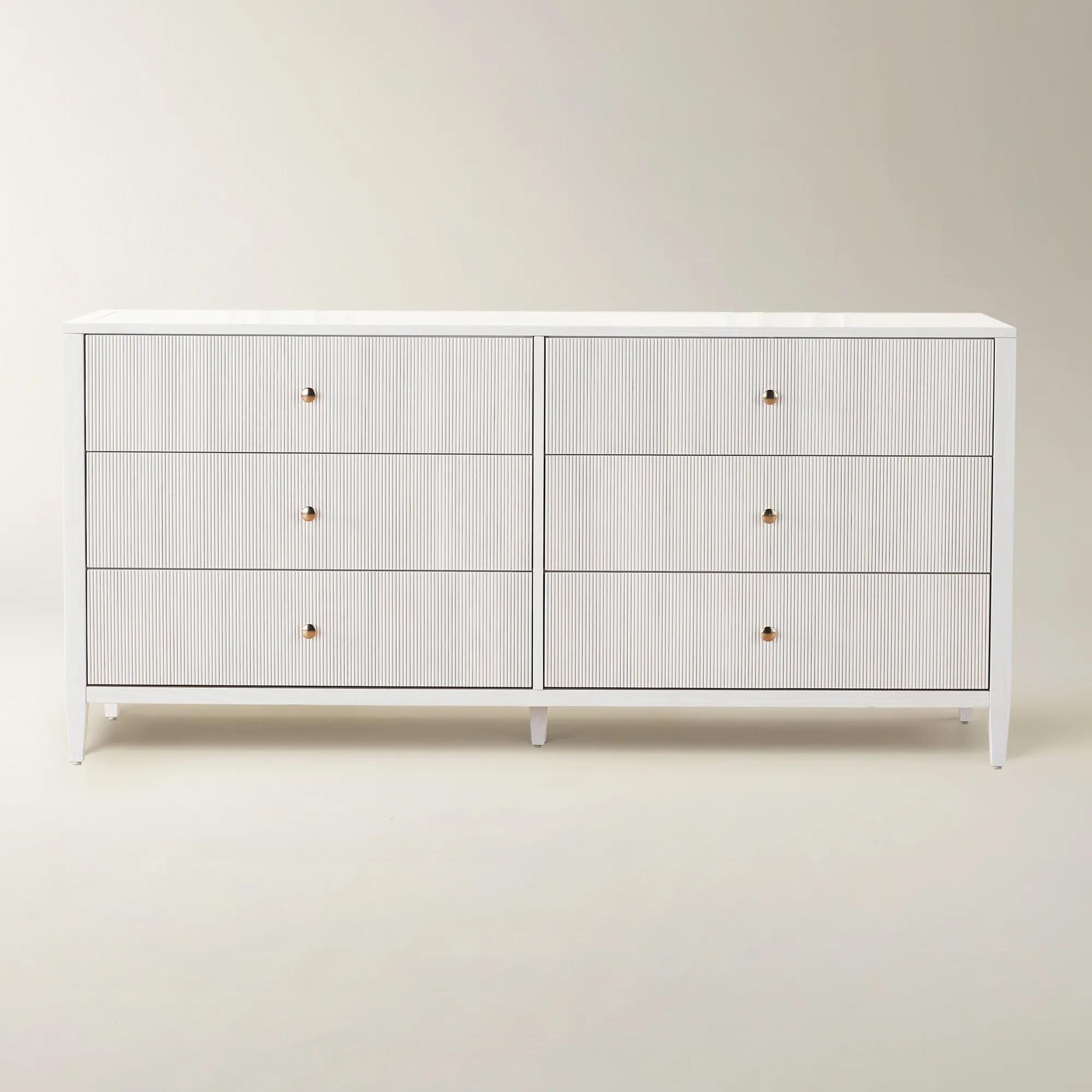
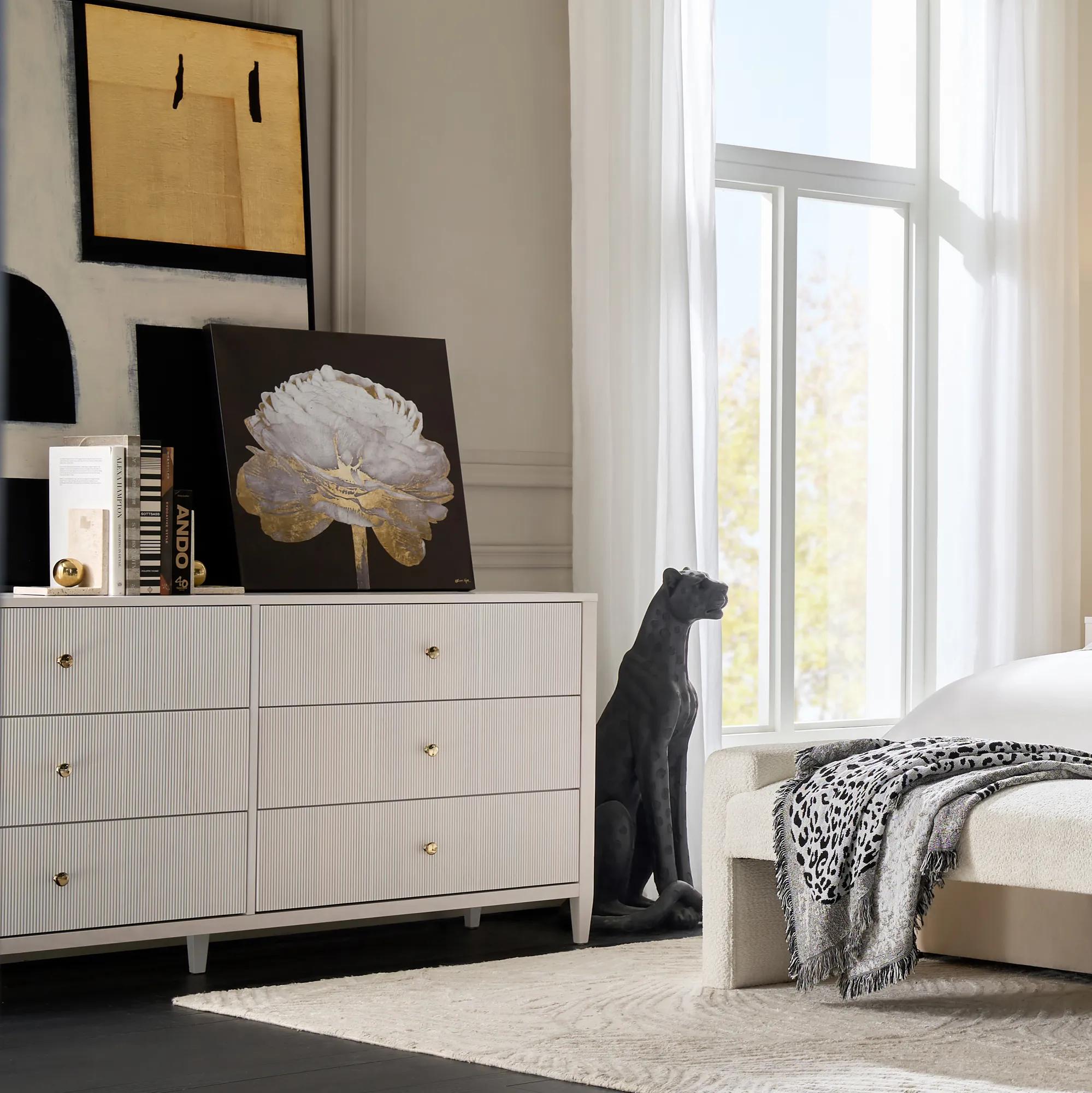 Viola Reeded White Ash Wood 6-Drawer Dresser (70")$1899
A modern dresser in bone white ash wood with reeded fronts and brass hardware for a luxe touch.
Add To Cart -
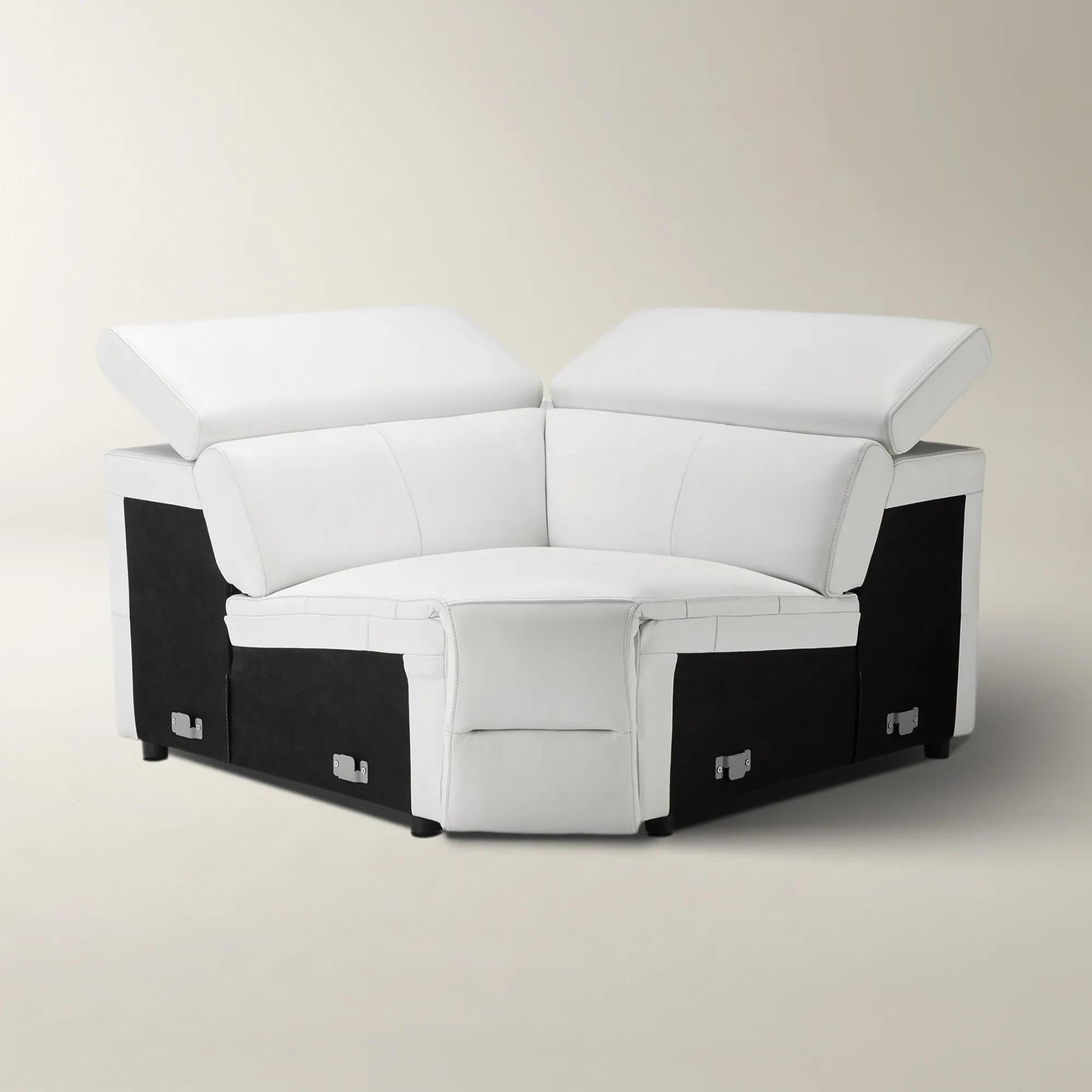 Verona White Leather Corner Chair With Power$1699
A modern sectional upholstered in supple white semi-aniline leather with adjustable headrests and power-reclining seats.
Add To Cart -
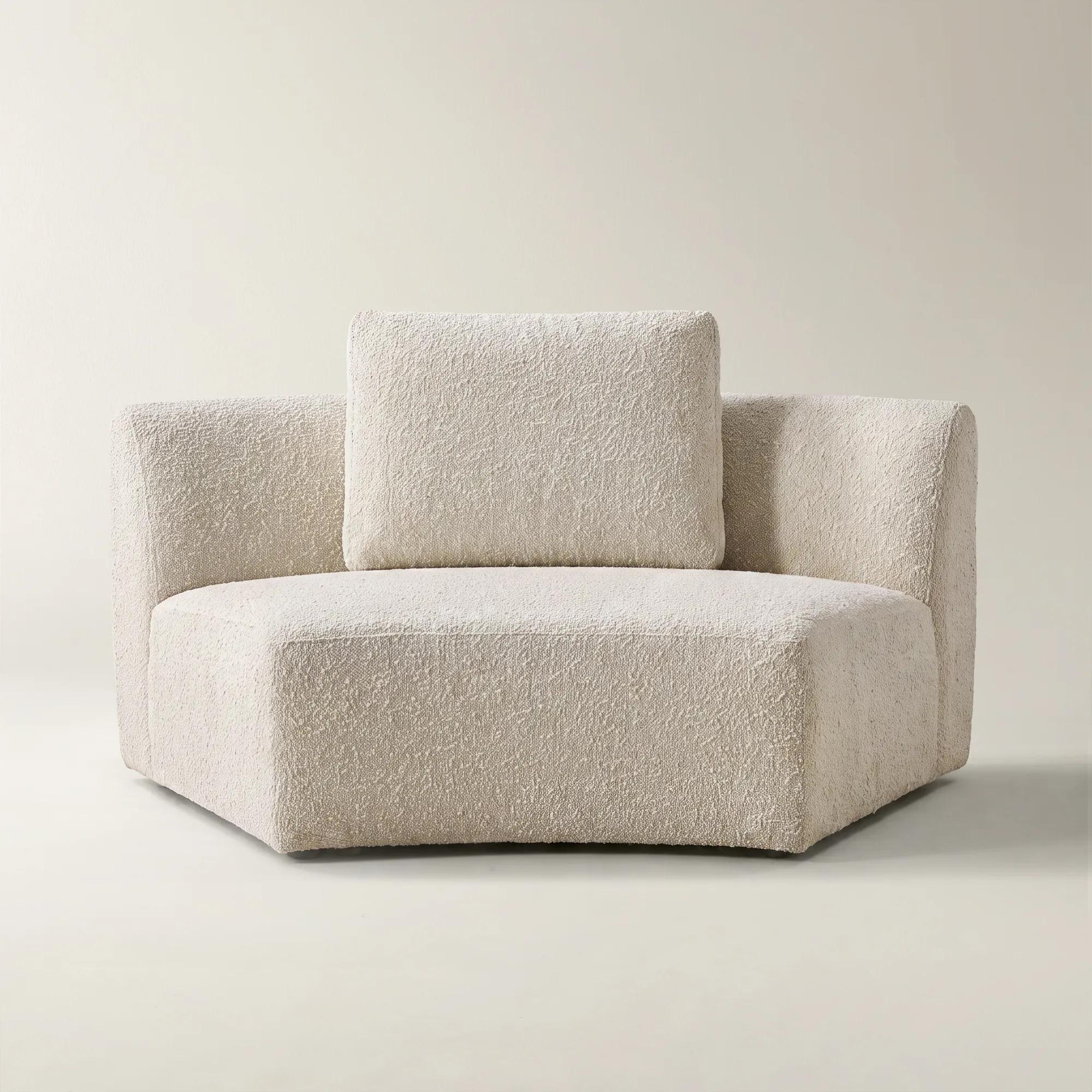
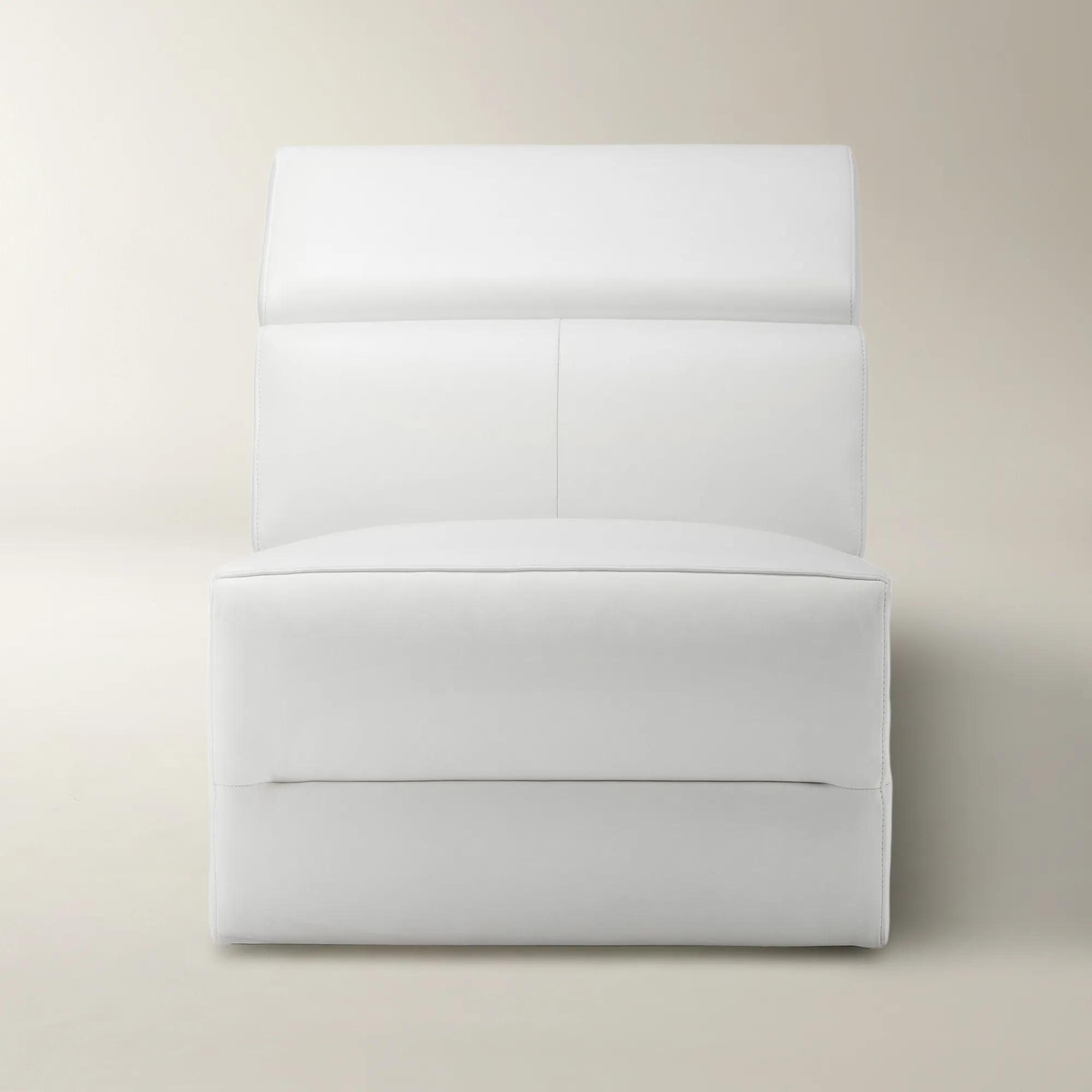 Verona White Leather Armless Chair$1099
A modern sectional upholstered in supple white semi-aniline leather with adjustable headrests and power-reclining options.
Add To Cart -
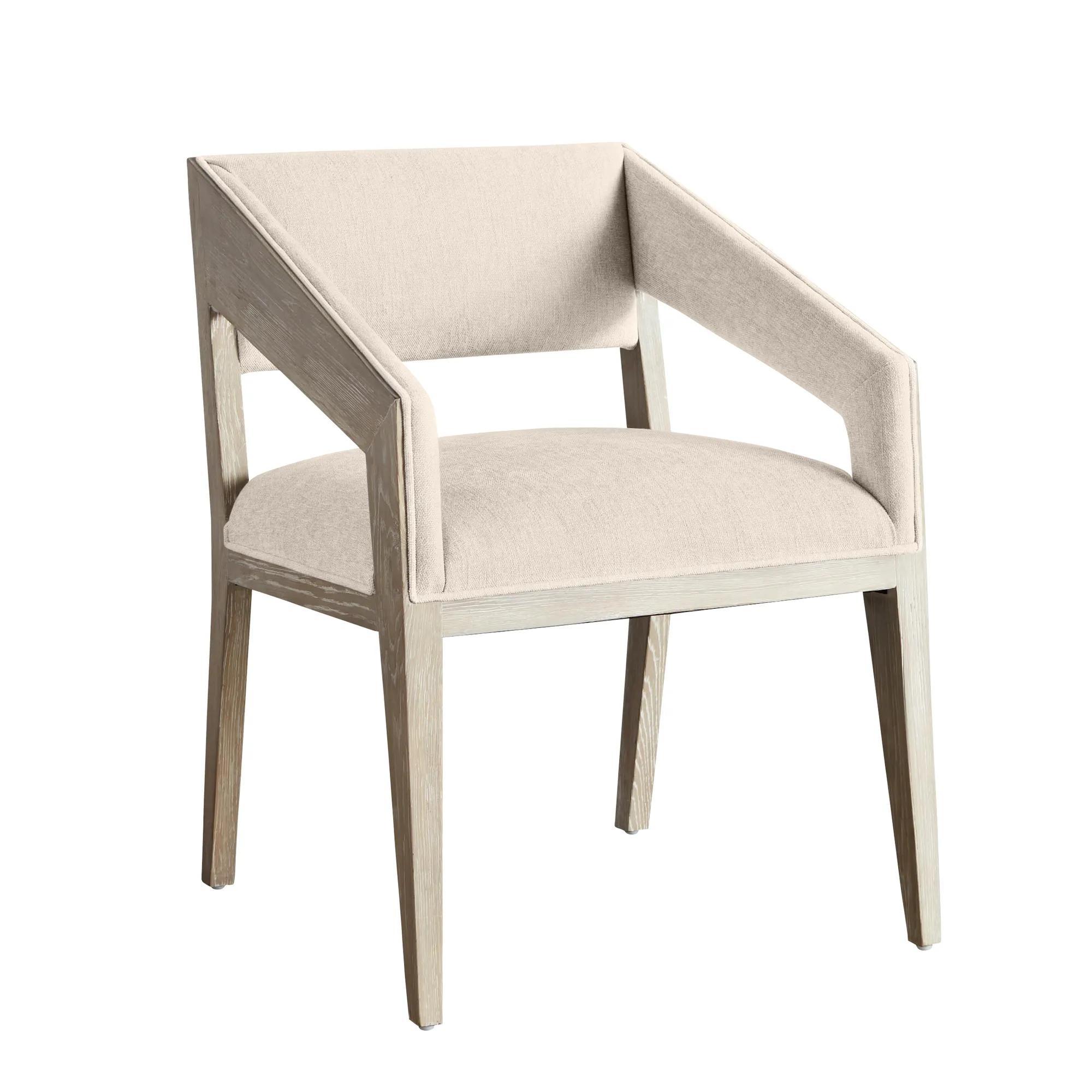 Alric Dining Arm Chair$699
A modern armchair featuring solid oak frame, natural grey finish, and neatly tailored pearl grey linen upholstery.
Add To Cart

Furniture For Modern Renovations
Step into a world where bold vision meets impeccable craftsmanship—where every piece is curated to elevate the art of transformation. Furniture for modern renovations is more than décor; it’s an invitation to reimagine your space with daring silhouettes, sumptuous textures, and sculptural forms that command attention. Whether you’re designing a sleek urban sanctuary or infusing drama into an open-concept loft, these selections promise to turn ordinary rooms into extraordinary statements. Embrace the power of reinvention and let your home become a gallery of modern elegance, painted boldly with every detail.
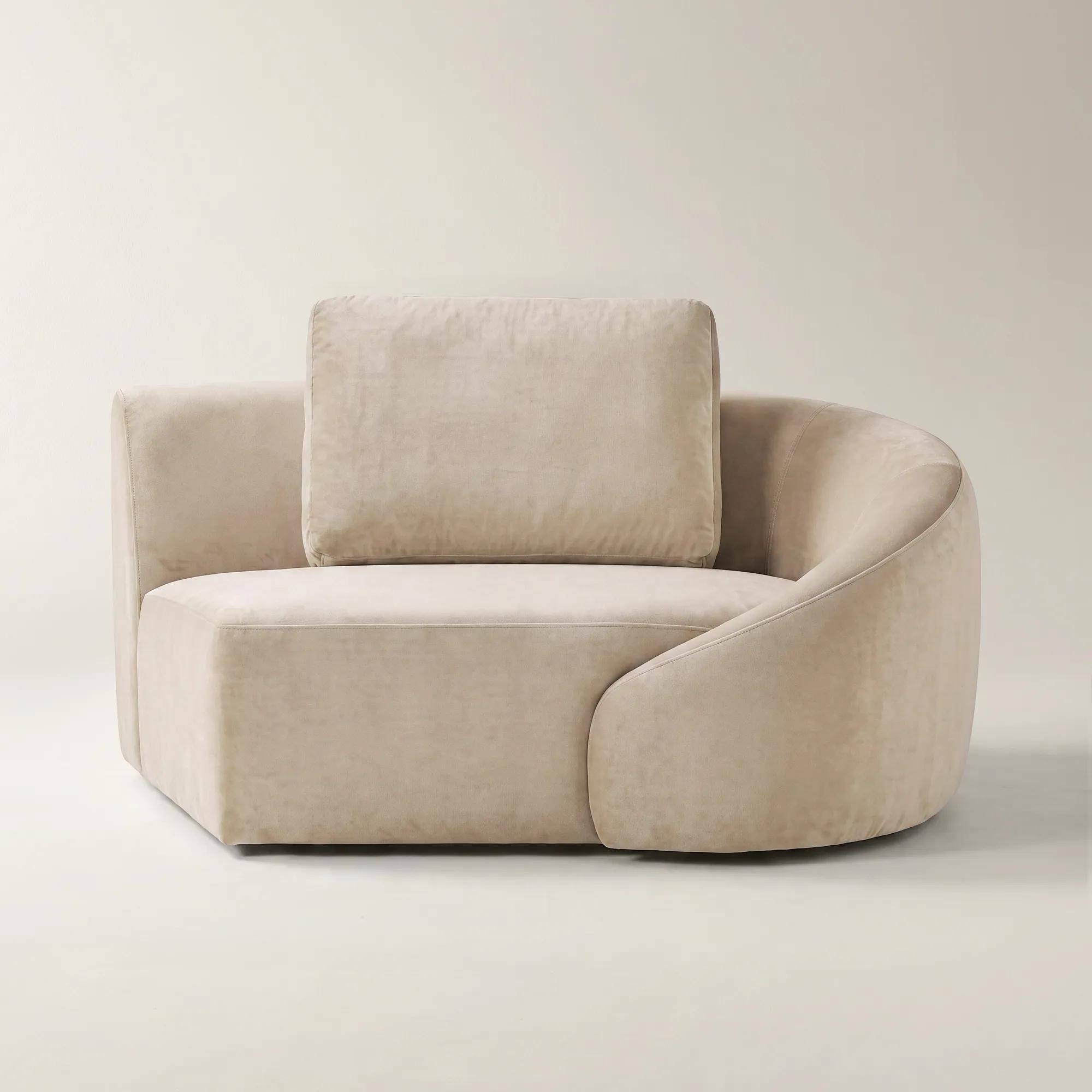
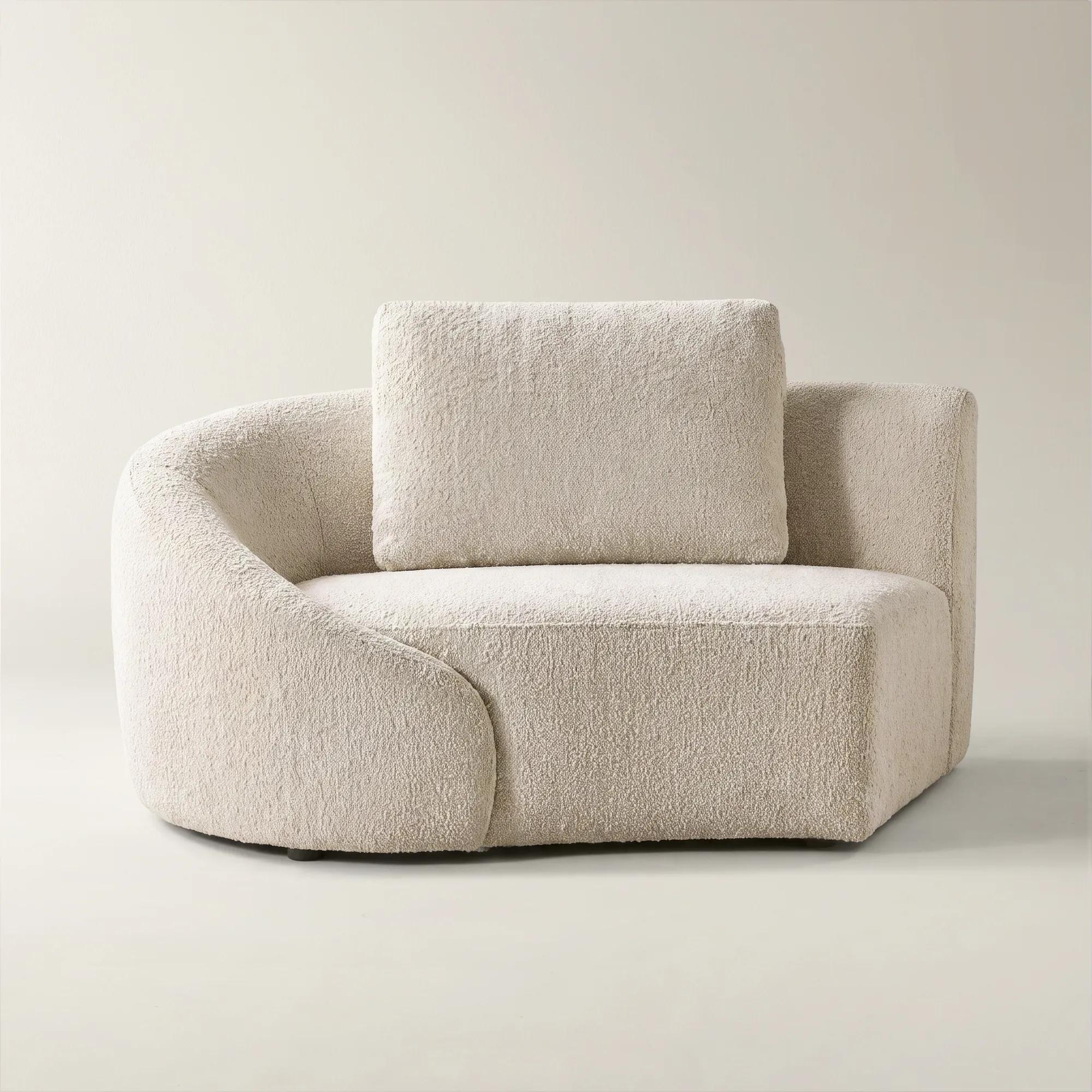
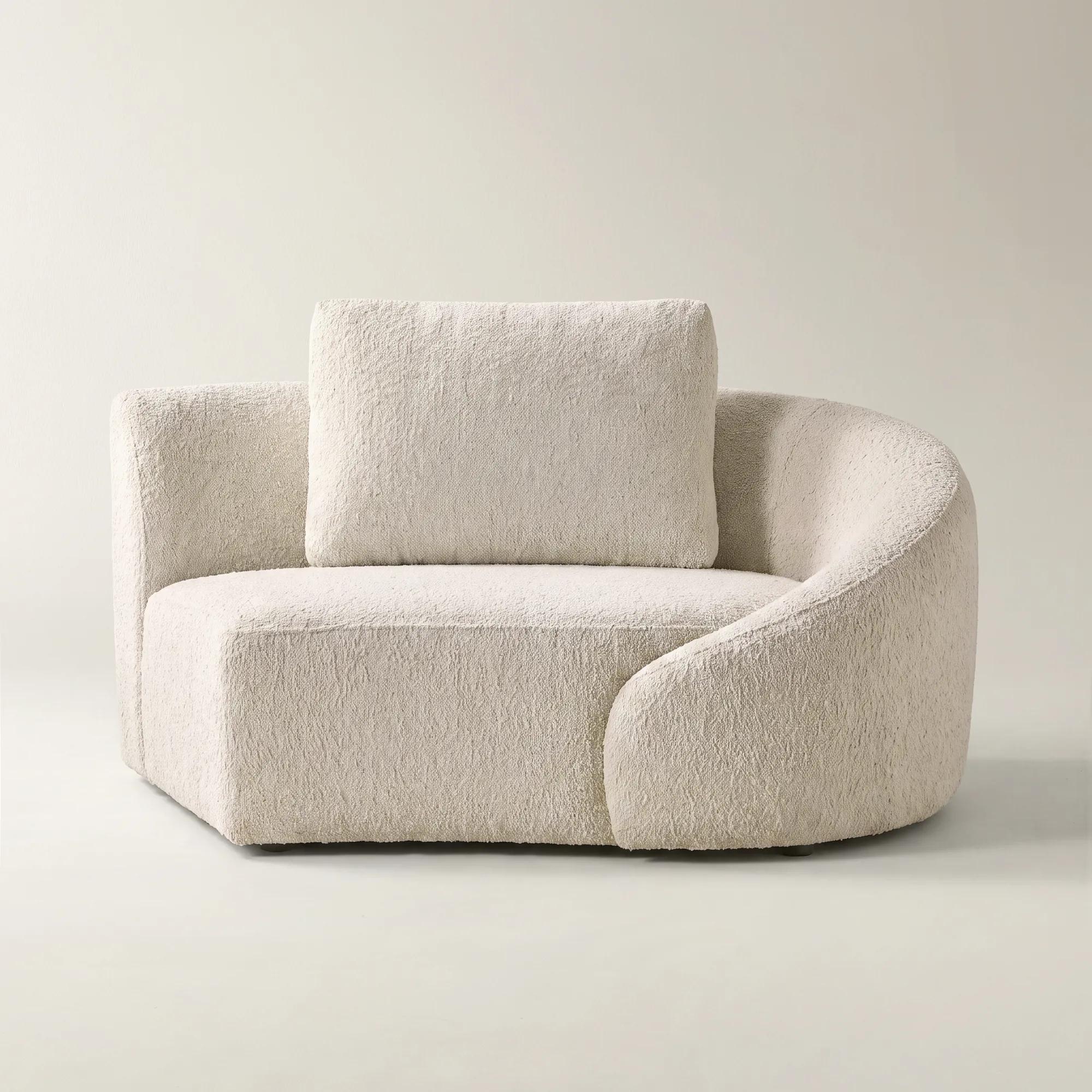
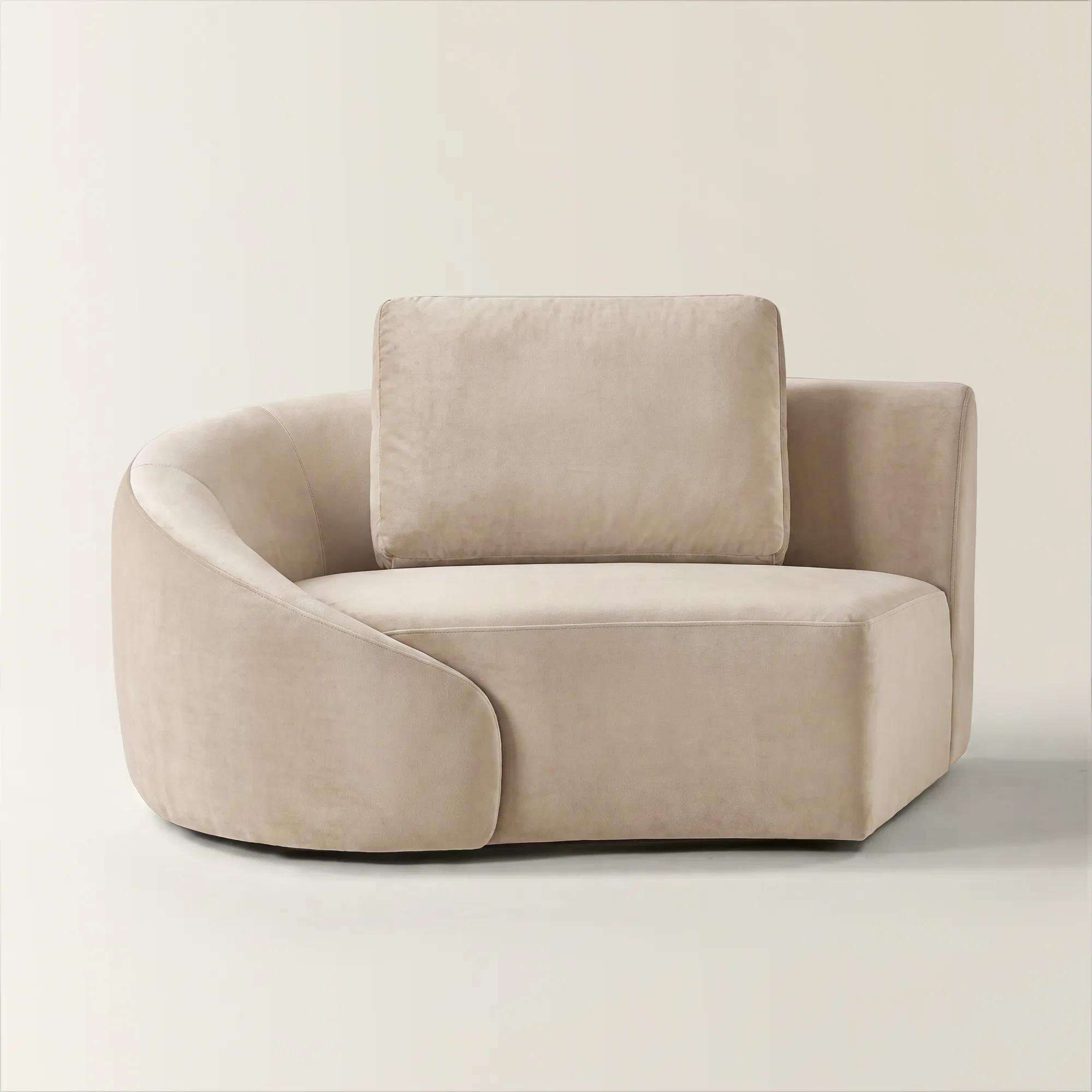
Furniture for modern renovations brings contemporary silhouettes, tactile upholstery, and expressive finishes into spaces reshaped for the way people live. Curved and organic forms soften angular architecture, while warm neutrals—cream, oatmeal, sand, and natural wood tones—create depth without making a room feel visually crowded. The effect is modern but far from austere: a rounded sofa draws conversation inward, a sculptural accent chair gives an overlooked corner presence, and a richly grained table introduces movement against smooth walls. These furnishings suit more than newly built interiors. In an older home with restored molding or original floors, contemporary furniture creates a compelling contrast between architectural character and a fresh point of view. In an open-plan renovation, generous upholstery and distinctive dining silhouettes establish separate destinations without interrupting the sweep of the space. Scale is what makes that contrast feel intentional. A low-profile sofa can preserve sightlines across adjoining rooms, while a taller upholstered back gives a spacious seating area a more intimate character. Slim legs reveal more of the floor; substantial bases lend furniture a grounded, almost architectural presence. Furniture dimensions should account for the finished room rather than the renovation drawings alone, including trim, projecting hearths, floor registers, and the swing of doors. Delivery access matters just as much: entryways, stair turns, and elevator interiors can determine whether a beautifully proportioned piece reaches its intended setting. Within the room, seating needs breathing space for comfortable movement, and dining chairs need room to pull away from the table without pressing into a wall or neighboring furniture. A sweeping sectional may define a generous living area, while a tailored sofa paired with two chairs offers flexibility in a narrower footprint. The most convincing modern rooms balance these practical relationships with a little visual daring, allowing one commanding silhouette or luminous finish to lead while surrounding pieces provide texture, rhythm, and restraint.
Materials give modern renovation furniture its distinctive atmosphere, but their everyday qualities deserve equal attention. Velvet brings saturated color and a shifting luster that changes with the direction of the pile, making upholstery feel dimensional even within a restrained palette. Bouclé adds a nubby, tactile surface that contrasts beautifully with polished stone, glass, or metal; its looped construction also deserves consideration in homes where pet claws or frequent snagging are a concern. Smooth woven fabrics can deliver a more tailored effect, while leather introduces natural variation and a surface that develops character according to its finish and use. Fabric composition, cleaning codes, and any documented performance characteristics are more useful measures of suitability than color or texture alone. A pale chair intended for occasional conversation has different demands than the family sofa used for movie nights, visiting friends, and everyday lounging. Removable cushion covers are not necessarily machine washable, and a textured fabric is not automatically stain resistant. Following the specified care method helps preserve both appearance and comfort; routine vacuuming with an appropriate upholstery attachment can lift surface dust, while spills call for prompt attention according to the manufacturer’s directions rather than an improvised cleaner. Wood and wood veneer bring grain, tonal variation, and warmth to tables, storage furniture, and bed frames. Veneer can create a beautifully consistent decorative surface, while the underlying construction and finish influence how a piece performs. Glass adds transparency and lightness but shows fingerprints, and polished metal introduces gleam while making compatible, nonabrasive cleaning especially important. Coasters, placemats, and protective pads help shield finished surfaces from moisture, heat, and scratches. Durability also depends on details that remain out of sight: frame construction, joinery, hardware, cushion support, and stated weight limits. For frequently used seating, seat depth and firmness should match how the furniture will be enjoyed. A deep seat invites reclining; a shallower profile can feel more supportive for upright conversation. Thoughtful material choices allow drama and daily life to share the same room without treating every surface as untouchable.
A cohesive renovation carries its design language beyond the main living space, giving bedrooms, dining areas, and transitional rooms their own expression of the same aesthetic. Upholstered beds for modern home renovations can bring softness to a room defined by crisp millwork, while sculptural frames introduce a more architectural focal point. The bed’s full exterior dimensions matter as much as its mattress size: an upholstered headboard or generously wrapped frame may extend well beyond the sleeping surface. Headboard height should relate to windows, artwork, and ceiling proportions, and the combined height of the frame and mattress influences the ease of getting in and out of bed. Mattress compatibility, support requirements, and whether a foundation is needed should be confirmed for the particular construction. Alongside the bed, nightstands need enough usable surface for lighting and daily essentials without overwhelming the space between furniture and walls. Storage pieces can continue a finish story through subtle repetition rather than an exact match. A warm wood dresser, a softly upholstered bed, and restrained metallic accents can feel connected through tone and proportion while retaining individual character. The same approach works in a dining area, where a rounded table can soften a rectilinear layout and upholstered chairs add a more composed sense of occasion. Seat height, table clearance, and arm height determine whether that pairing is comfortable, especially when dining also becomes a place for conversation or occasional laptop work. In compact homes, a console can give an entry a defined arrival point, while a carefully scaled cabinet introduces concealed storage without dominating a passage. For households welcoming overnight guests, a comfortable bedroom layout and accessible storage make the renovation feel considered rather than merely photogenic. Across these settings, furniture completes the architecture through the experience of living with it: the reassuring support of a well-chosen chair, the sweep of a curved back, the contrast of plush upholstery against gleaming metal. Modernity feels most personal when striking design has a clear purpose and everyday comfort receives the same attention as the view from the doorway.
FAQs
Modern renovation furniture is characterized by clean lines, sculptural forms, and a blend of luxurious materials such as natural wood, polished metals, and textured fabrics like boucle. These pieces often feature soft, organic curves and a neutral color palette, creating a harmonious balance between minimalism and warmth that elevates any space.
To achieve a cohesive look, select furniture with complementary silhouettes, finishes, and textures. Layering similar tones—such as warm woods with brushed metals or neutral upholstery—creates visual continuity. Incorporate multi-purpose pieces and statement accents to tie rooms together while allowing each space to express its own personality.
Yes, modular sectionals, low-profile sofas, and streamlined credenzas are excellent for open-concept spaces. These pieces help define distinct zones—such as living, dining, and entertaining areas—without disrupting the flow. Sculptural accent chairs or benches can also serve as functional art, enhancing both form and function.
For those embracing a modern renovation, consider gifting a plush accent chair, a sculptural coffee table, or a multi-functional ottoman. These pieces not only add style and comfort but also serve as memorable focal points. Elegant storage solutions or striking decorative accessories also make thoughtful, design-forward gifts.
Seasonal updates can be achieved by layering in textured throws, plush pillows, or decorative objects in seasonal hues. In winter, opt for sumptuous fabrics and warm metallic accents to create a cozy atmosphere. Swapping out accessories and accent pieces allows you to refresh your modern space while maintaining its sophisticated foundation.