Multifunctional Furniture For Families
Multifunctional Furniture For Families
-
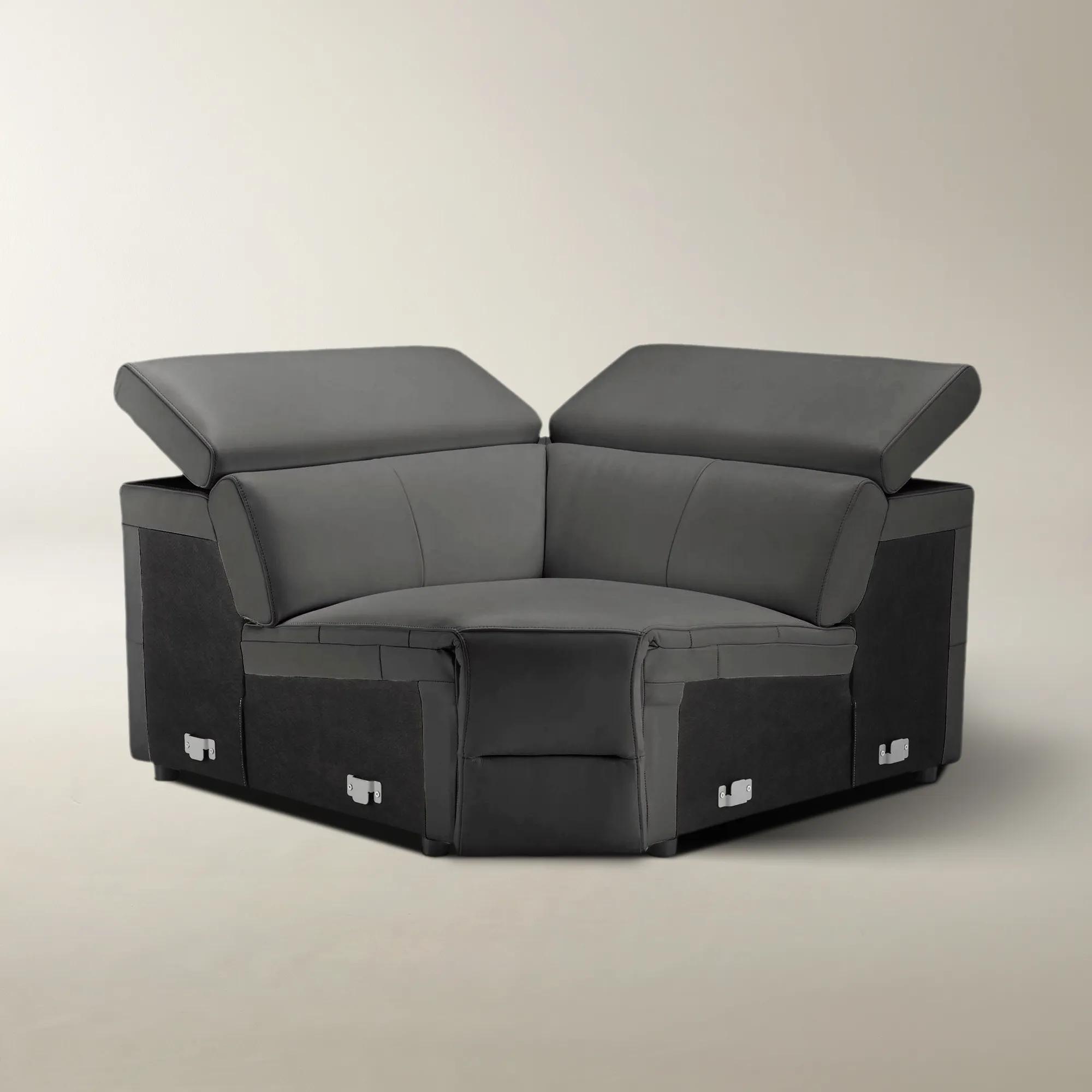
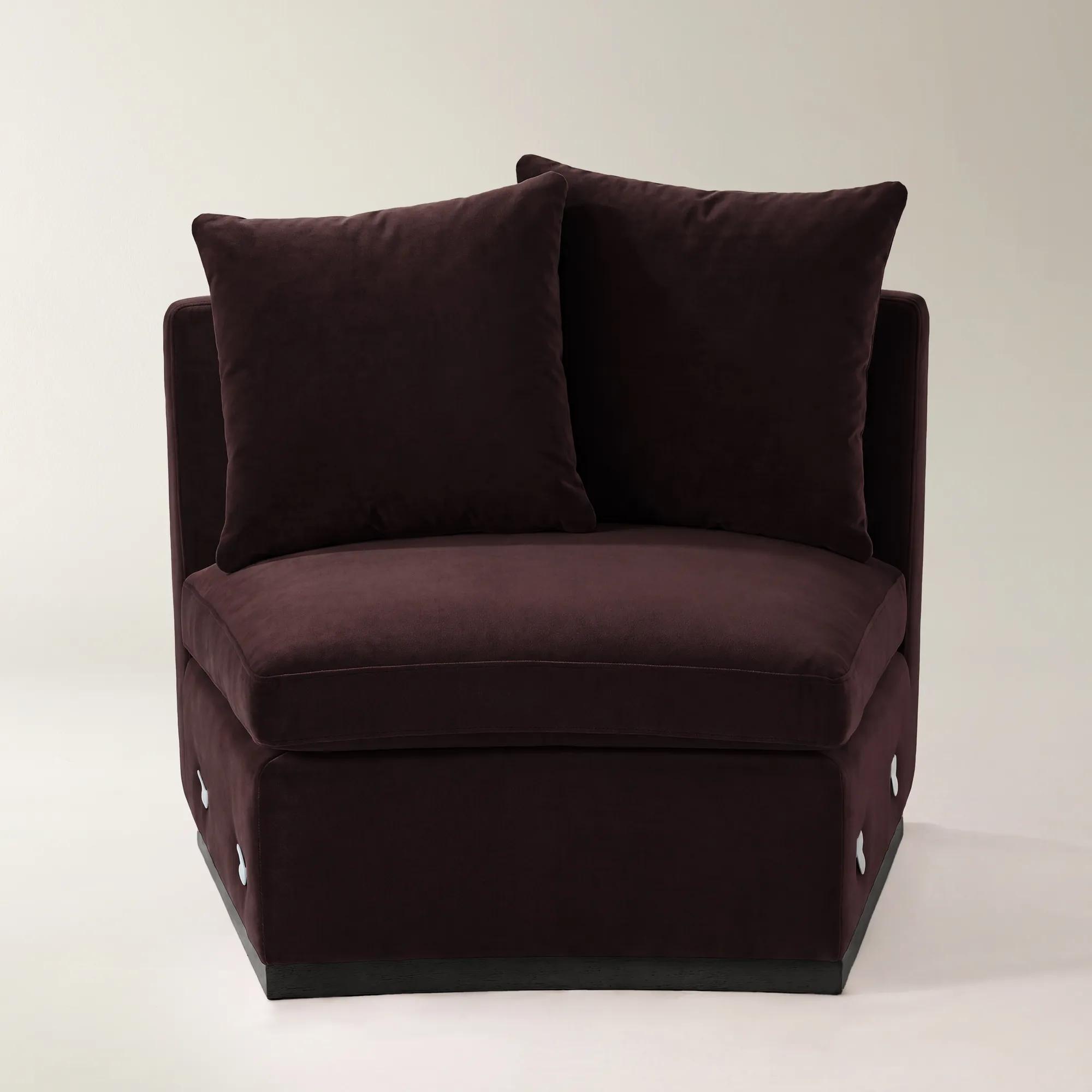
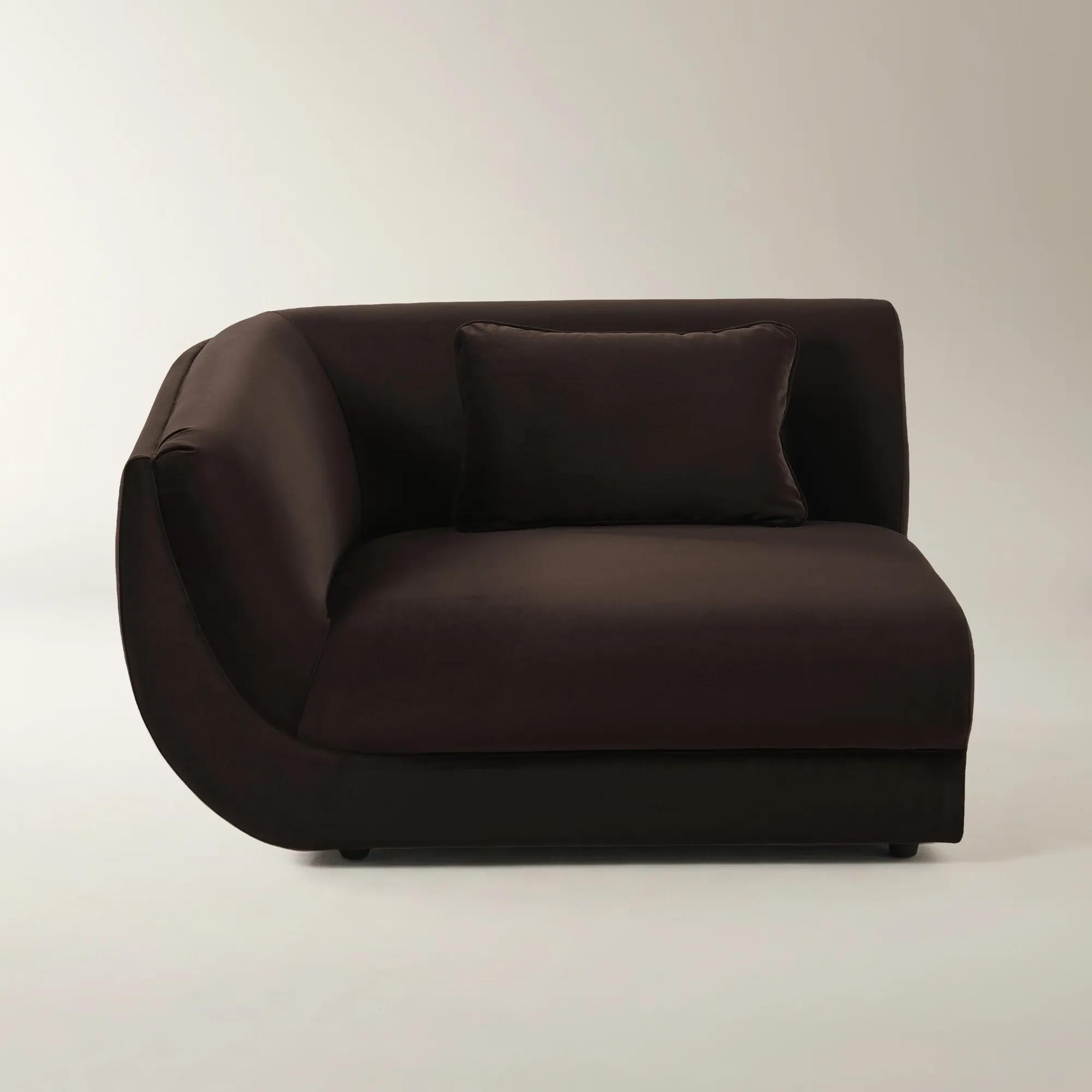
 Verona Charcoal Leather Corner Chair With Power$1499
A modern charcoal sectional upholstered in supple semi-aniline leather with adjustable headrests and optional power recline.
Add To Cart -
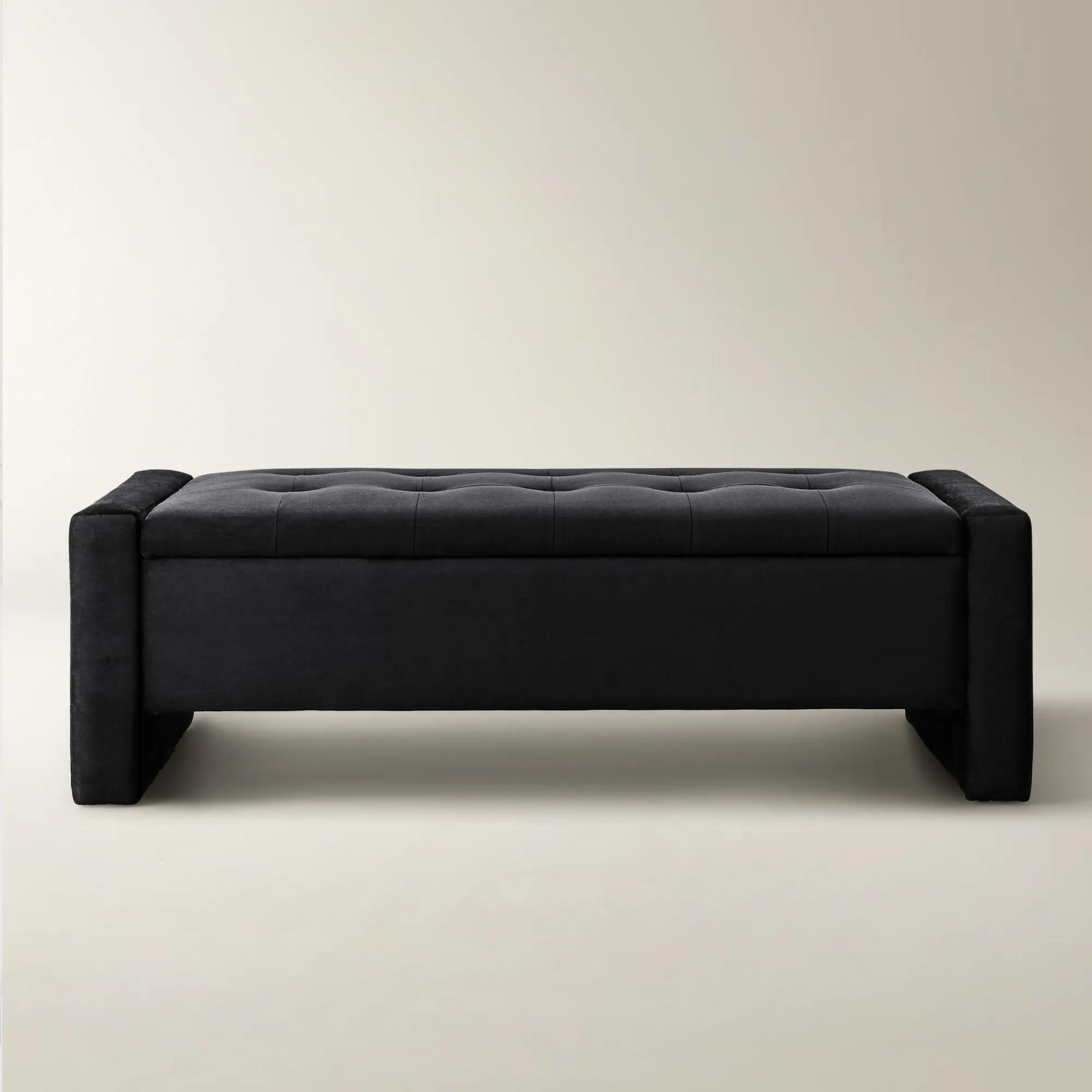
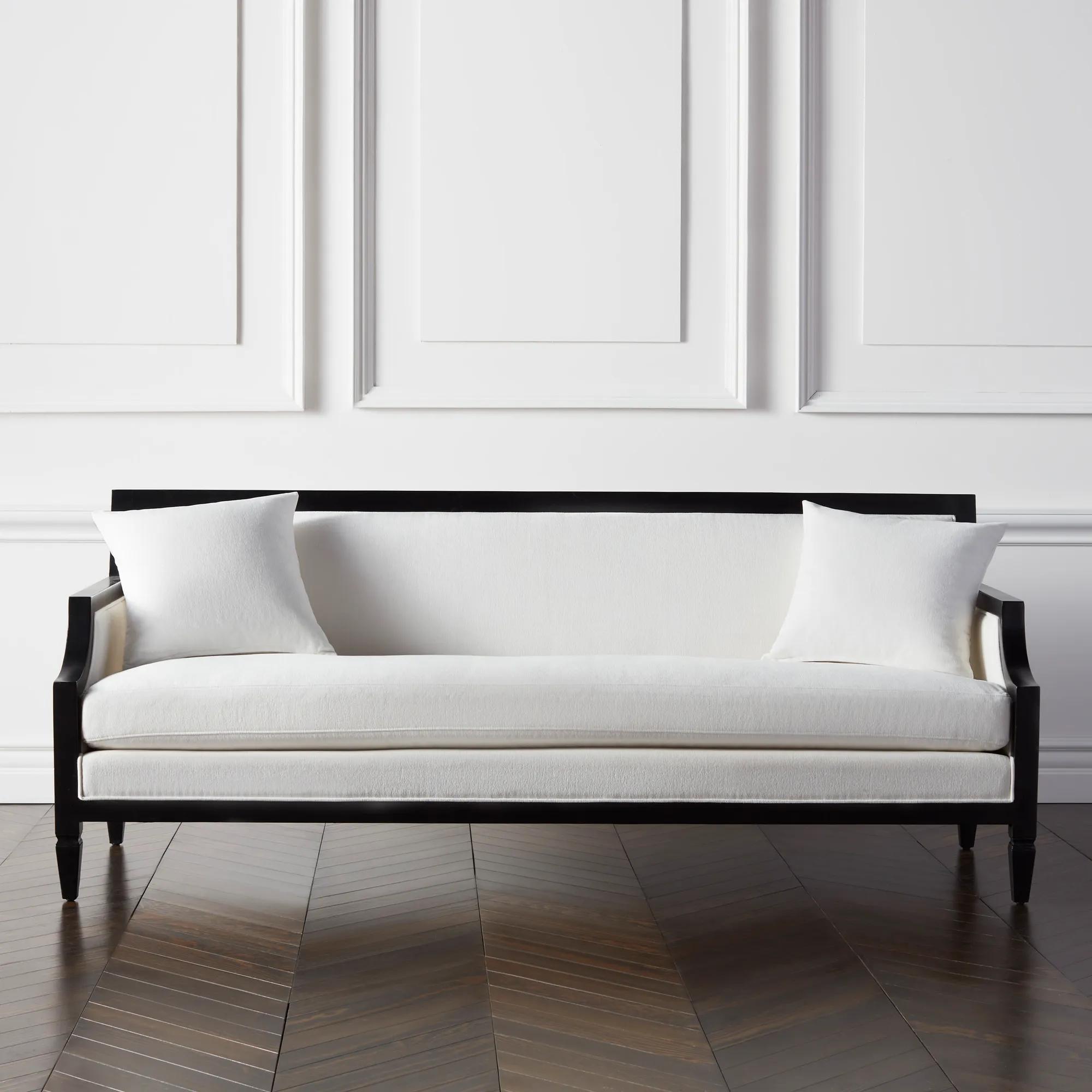
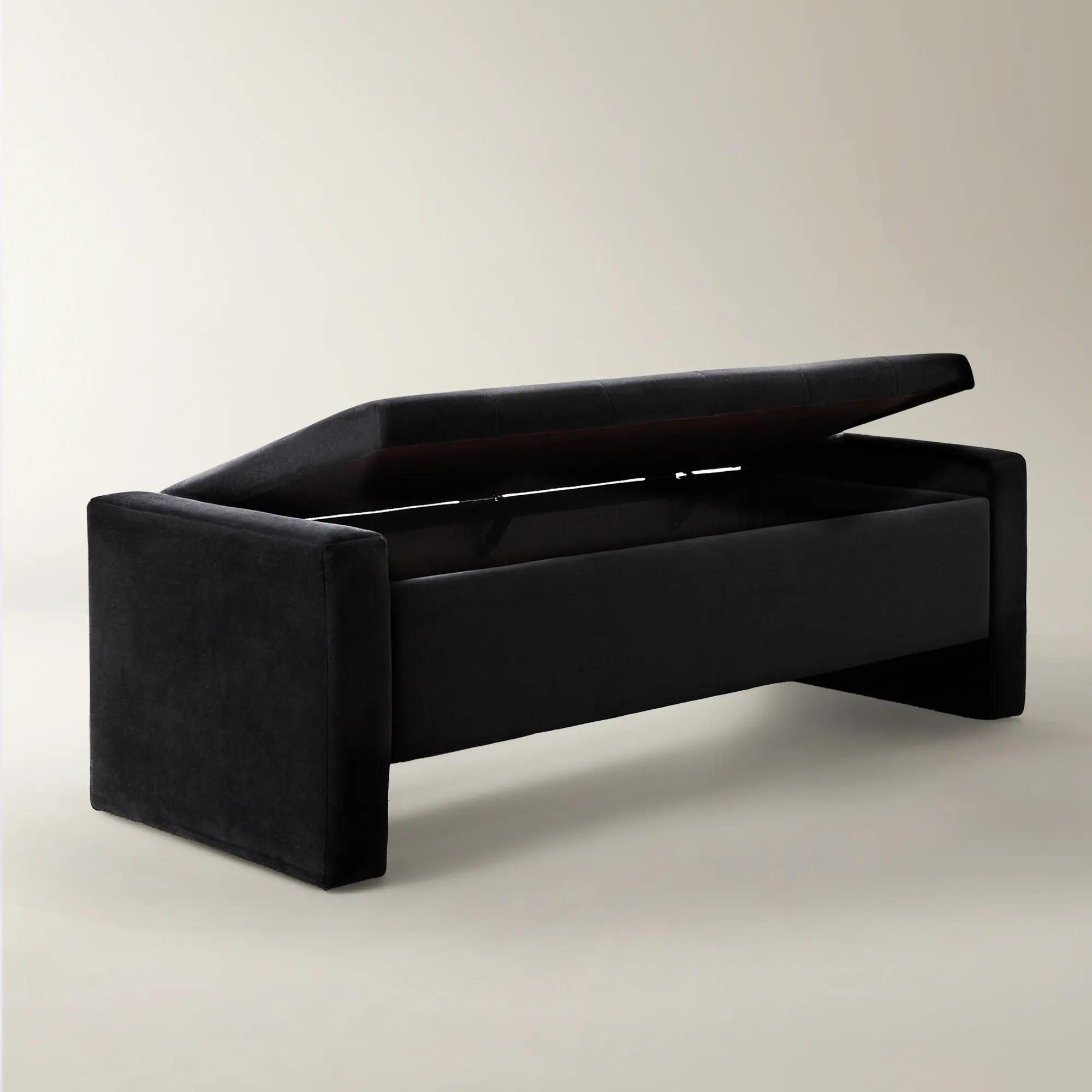 Maeve Storage Bench$899
A modern velvet-upholstered bench with hidden storage, kiln-dried hardwood frame, and soft-closing glides.
Add To Cart -
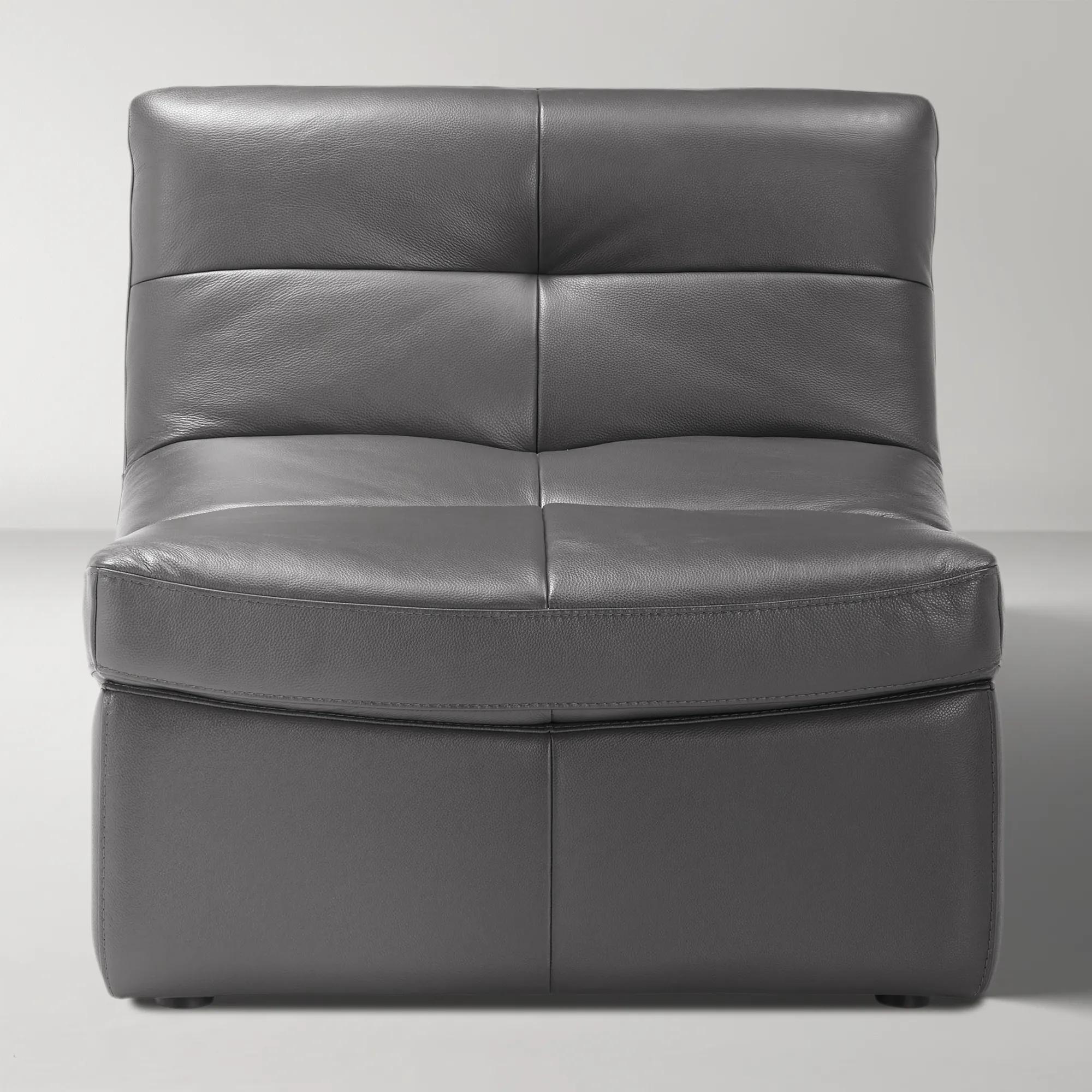
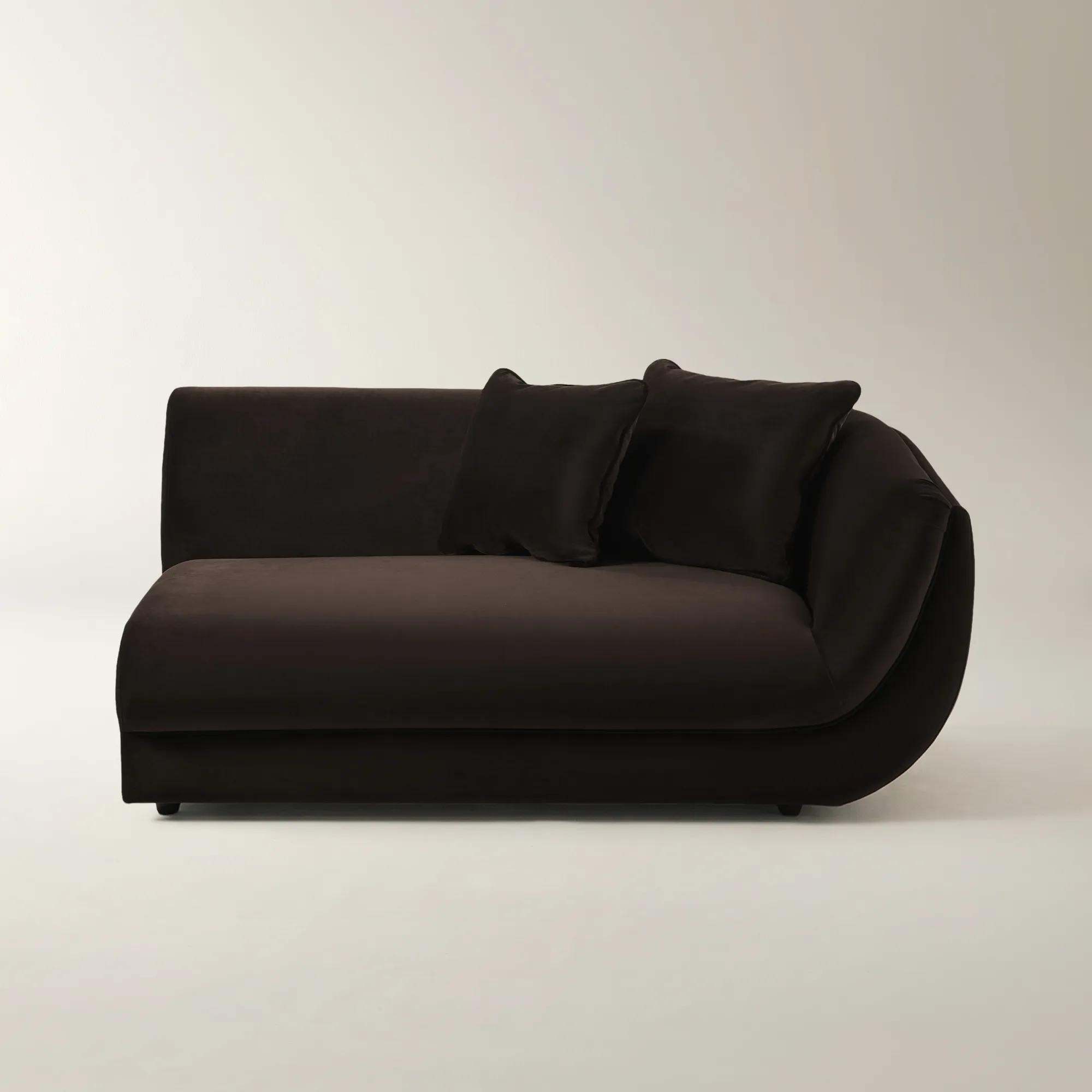
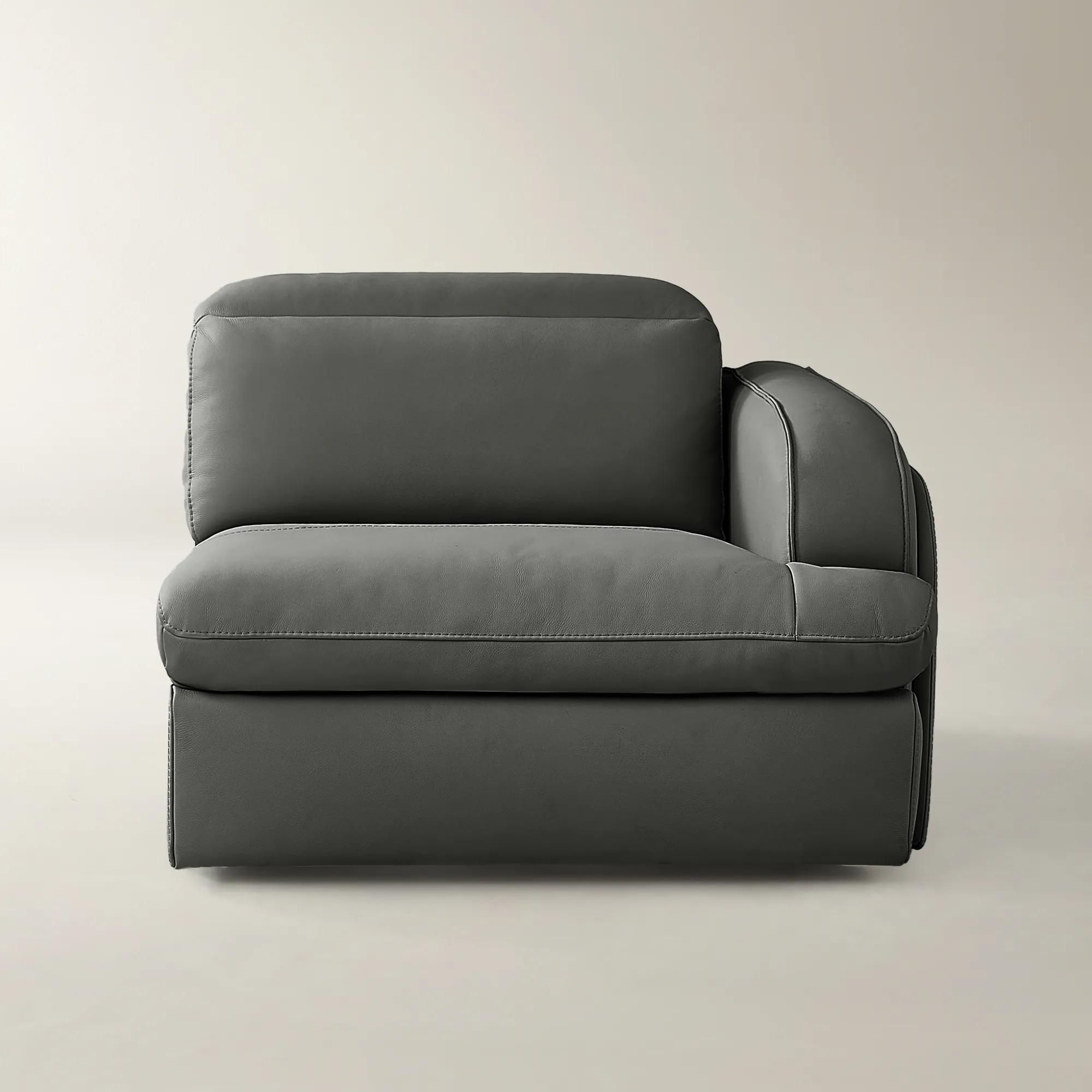
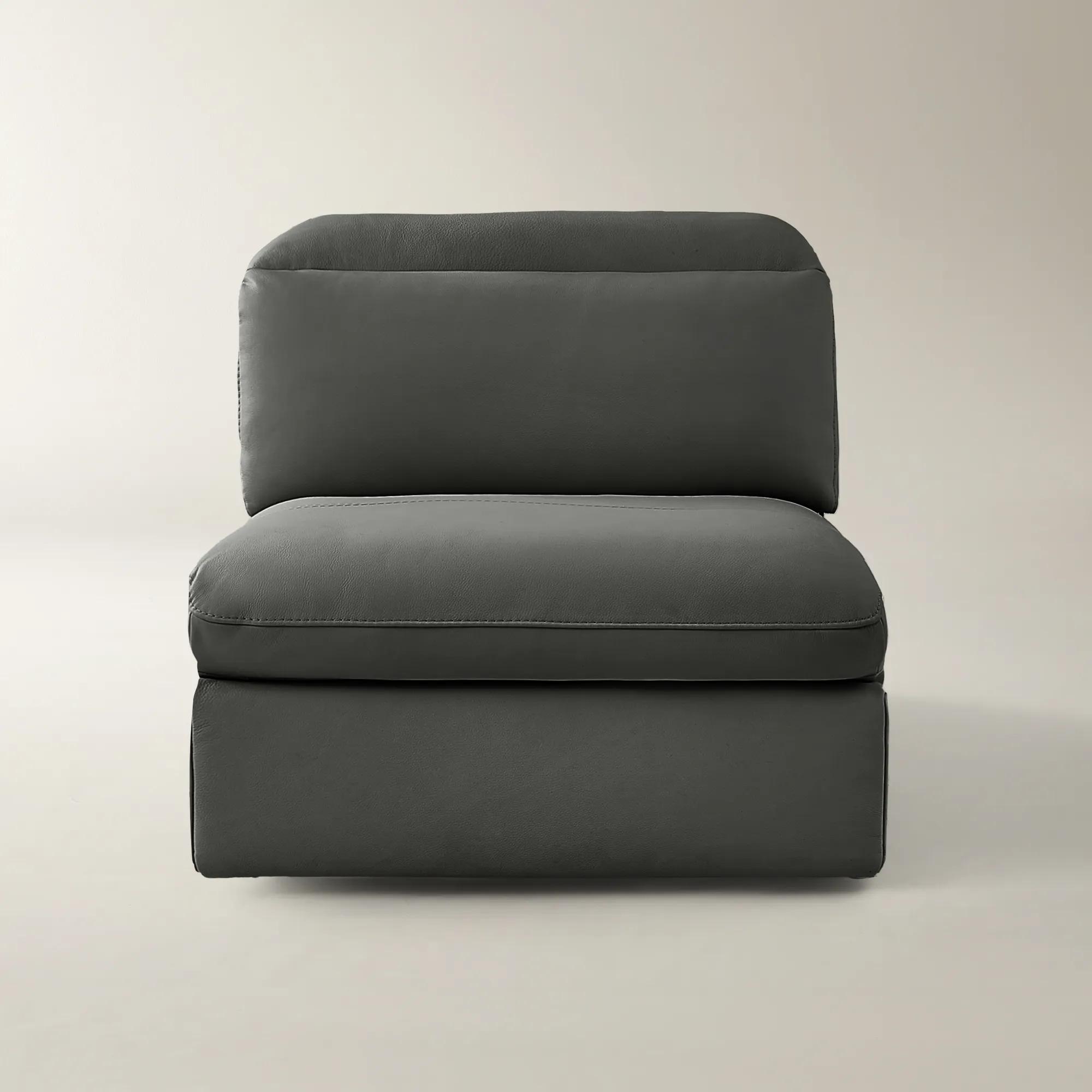
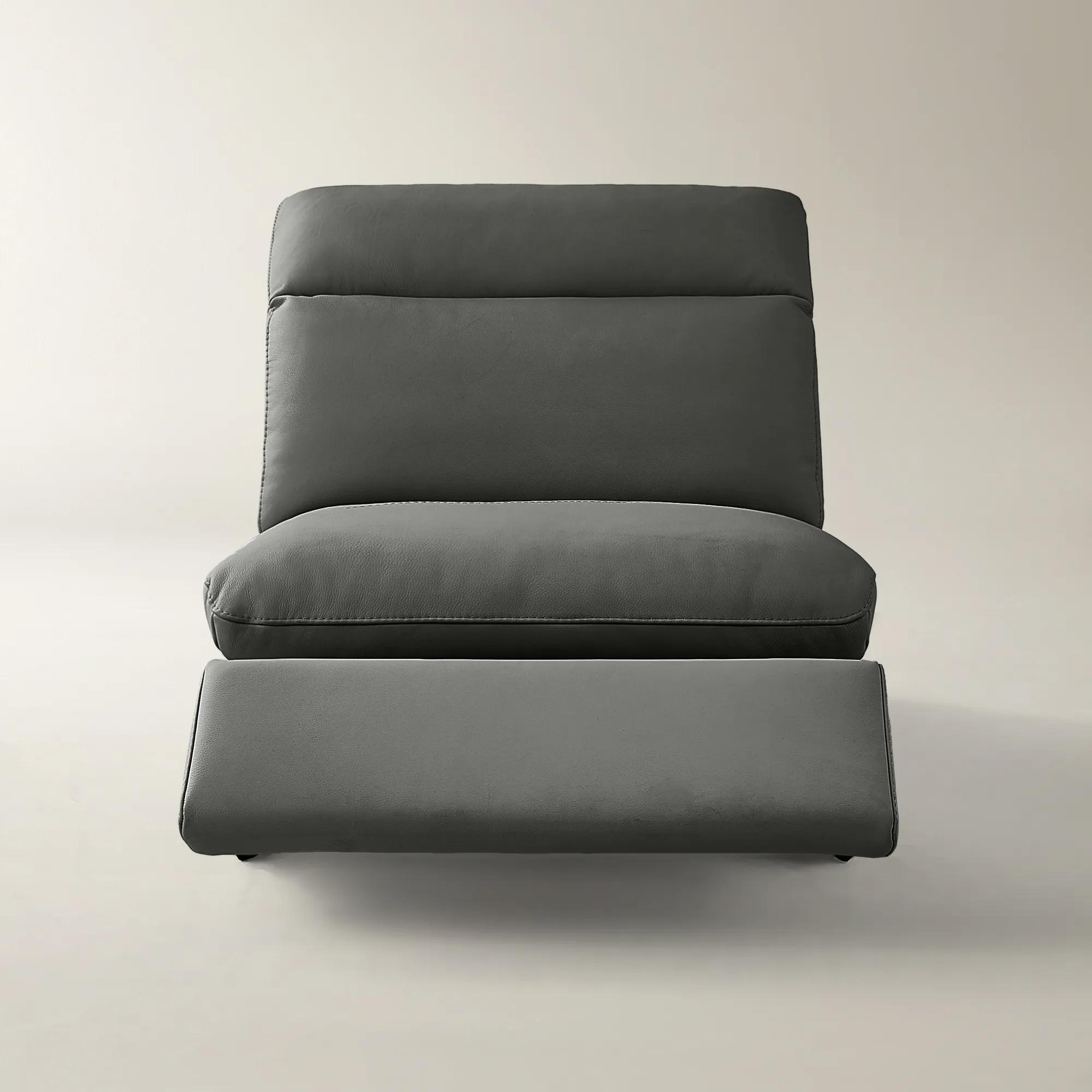
.jpg?w=1200&h=1200) Convo Charcoal Leather Armless Chair$1199
Convo Charcoal Leather Armless Chair$1199A modular sectional with kiln-dried hardwood frame and charcoal semi-aniline leather upholstery for modern versatility.
Add To Cart -
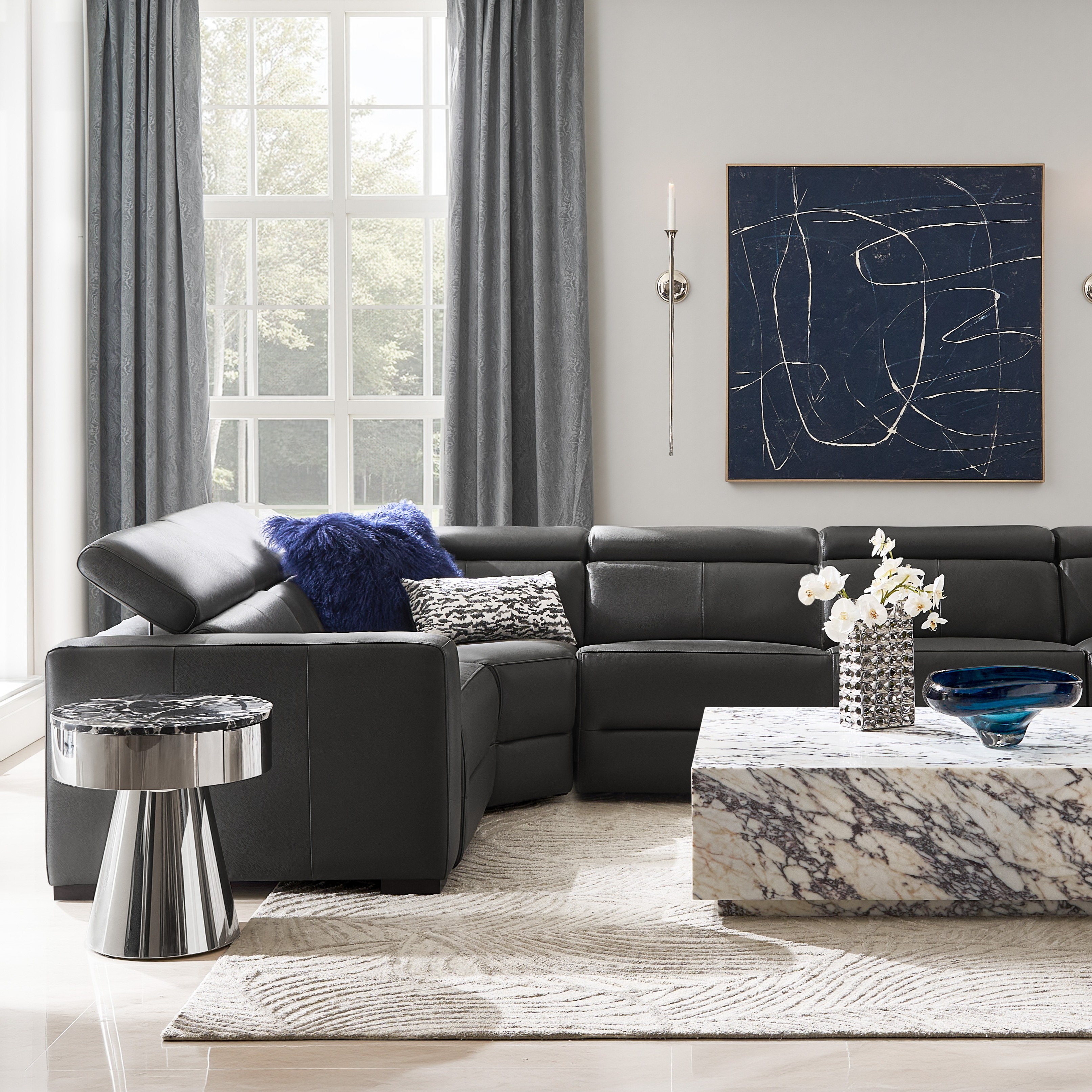
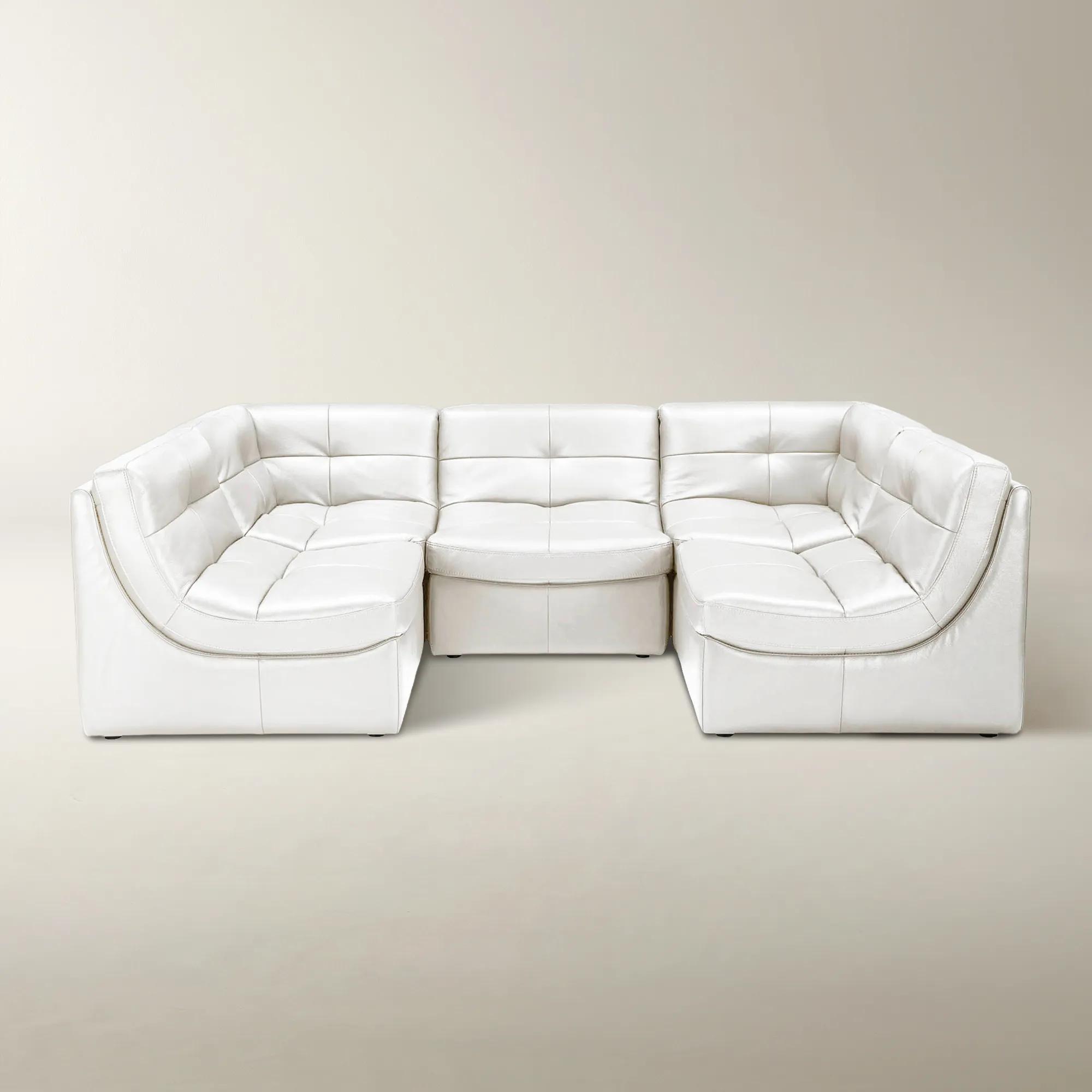 Convo 5-Piece U- Shaped White Leather Sectional Sofa$6399
A modular sectional featuring gently curved seats and charcoal semi-aniline leather upholstery for modern versatility.
Add To Cart -
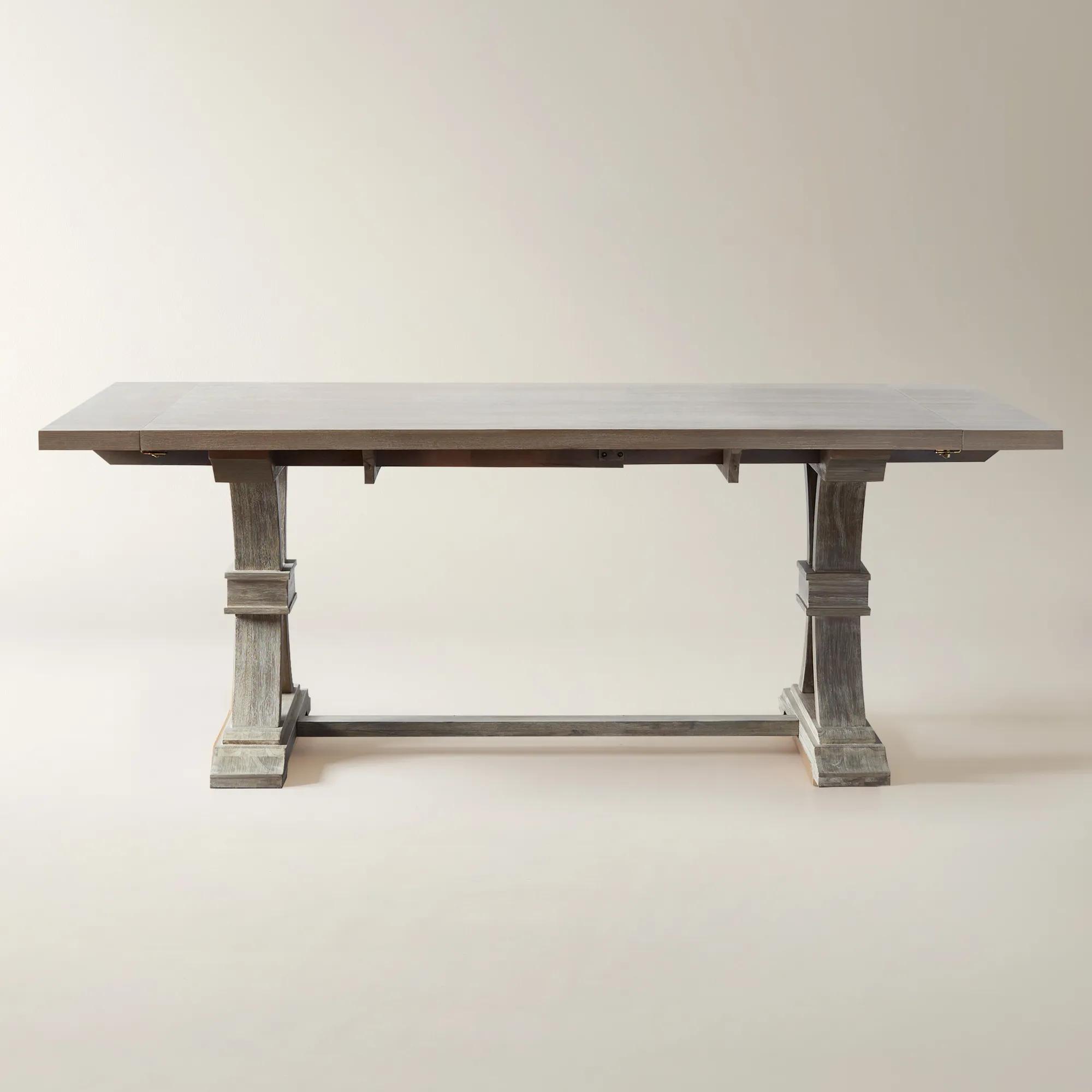 Archer Rectangular Grey Acacia Wood Extending Dining Table (78" - 110")$2499
A weathered grey acacia wood dining table with removable leaves and a kiln-dried hardwood frame.
Add To Cart -
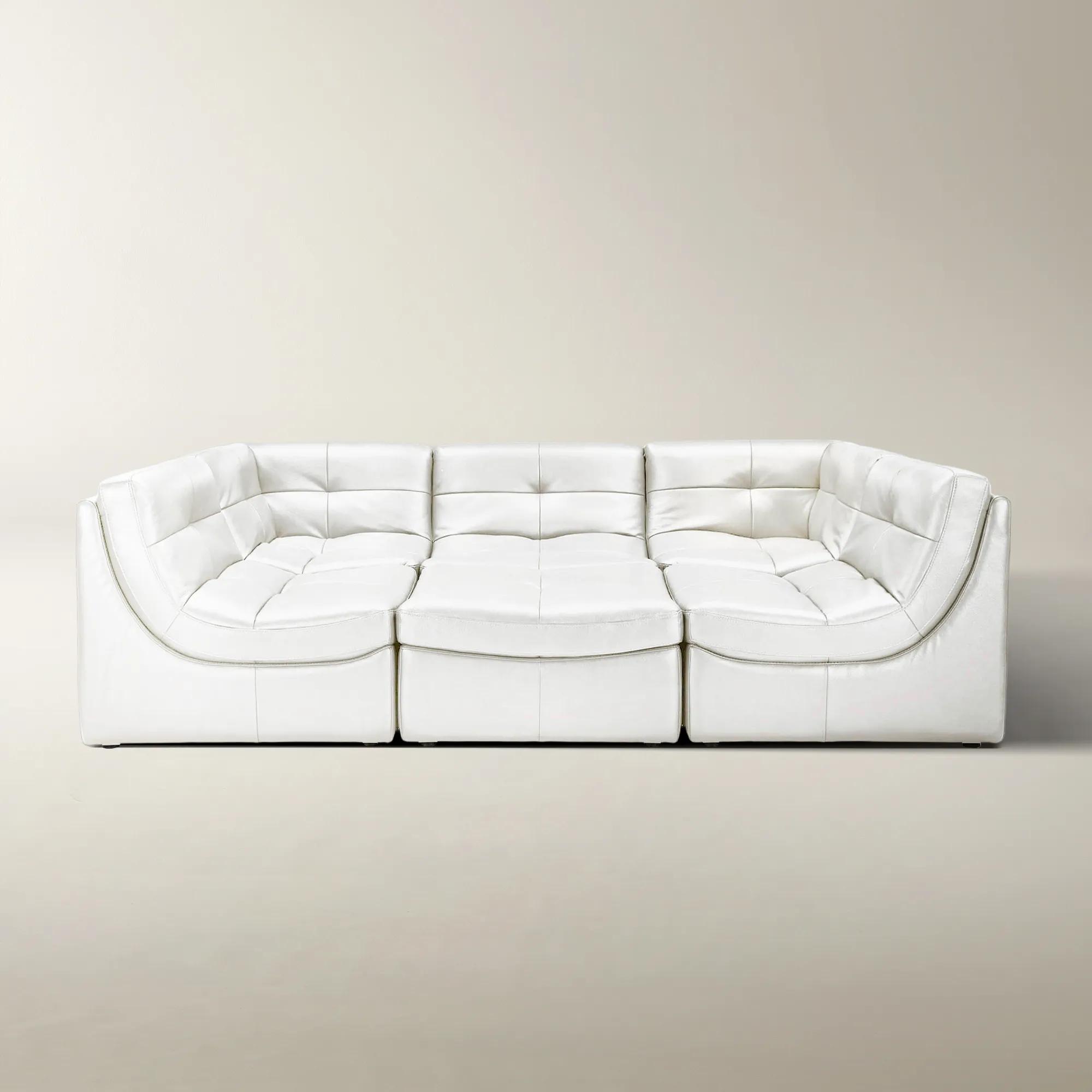 Convo 6-Piece White Leather Sectional Sofa$7249
A modular charcoal leather sectional with kiln-dried hardwood frame and gently curved, blind-tufted seats.
Add To Cart -
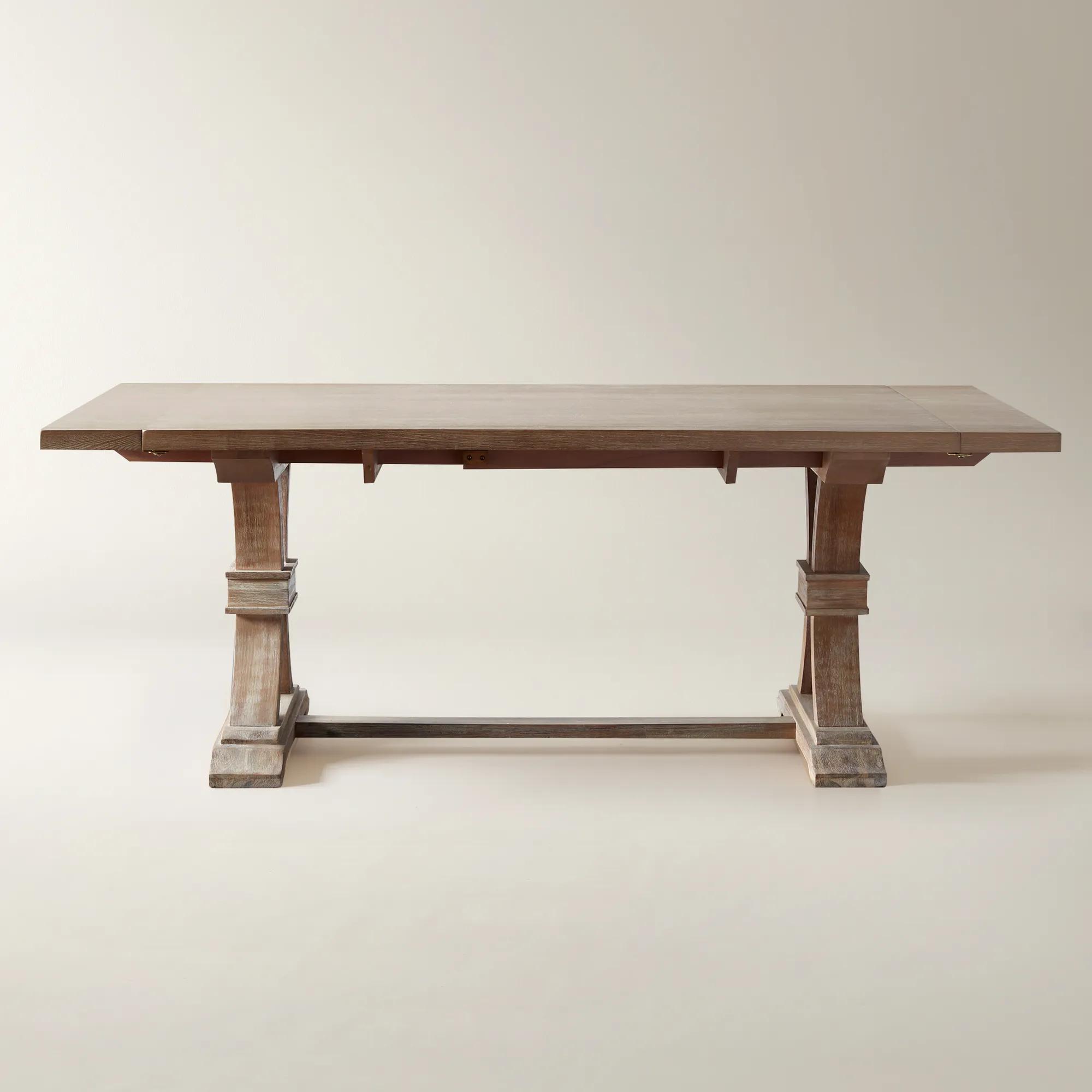 Archer Rectangular Whitewashed Acacia Wood Extending Dining Table (78" - 110")$2499
An extending dining table crafted from kiln-dried hardwood with a whitewashed oak finish and acacia veneer.
Add To Cart -
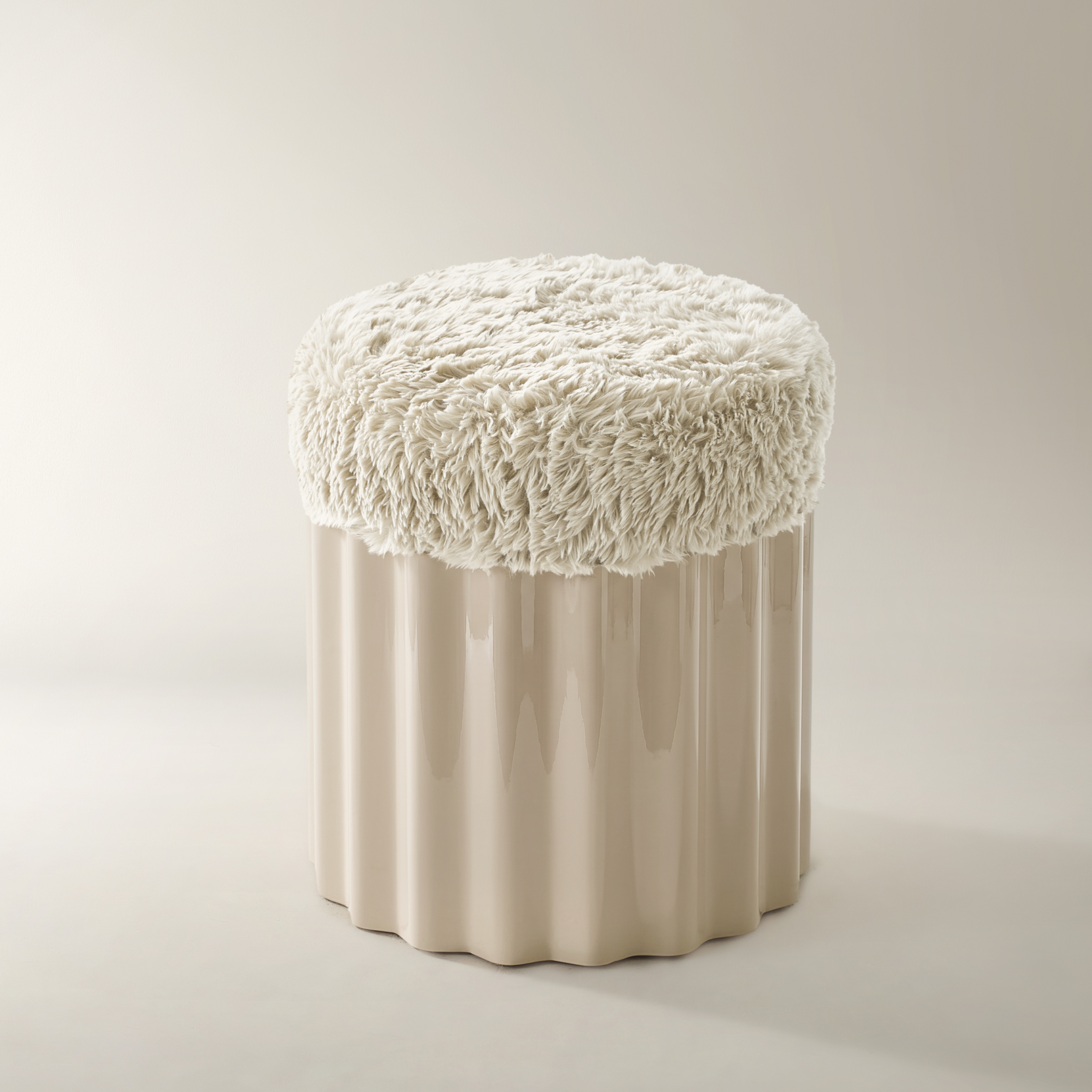
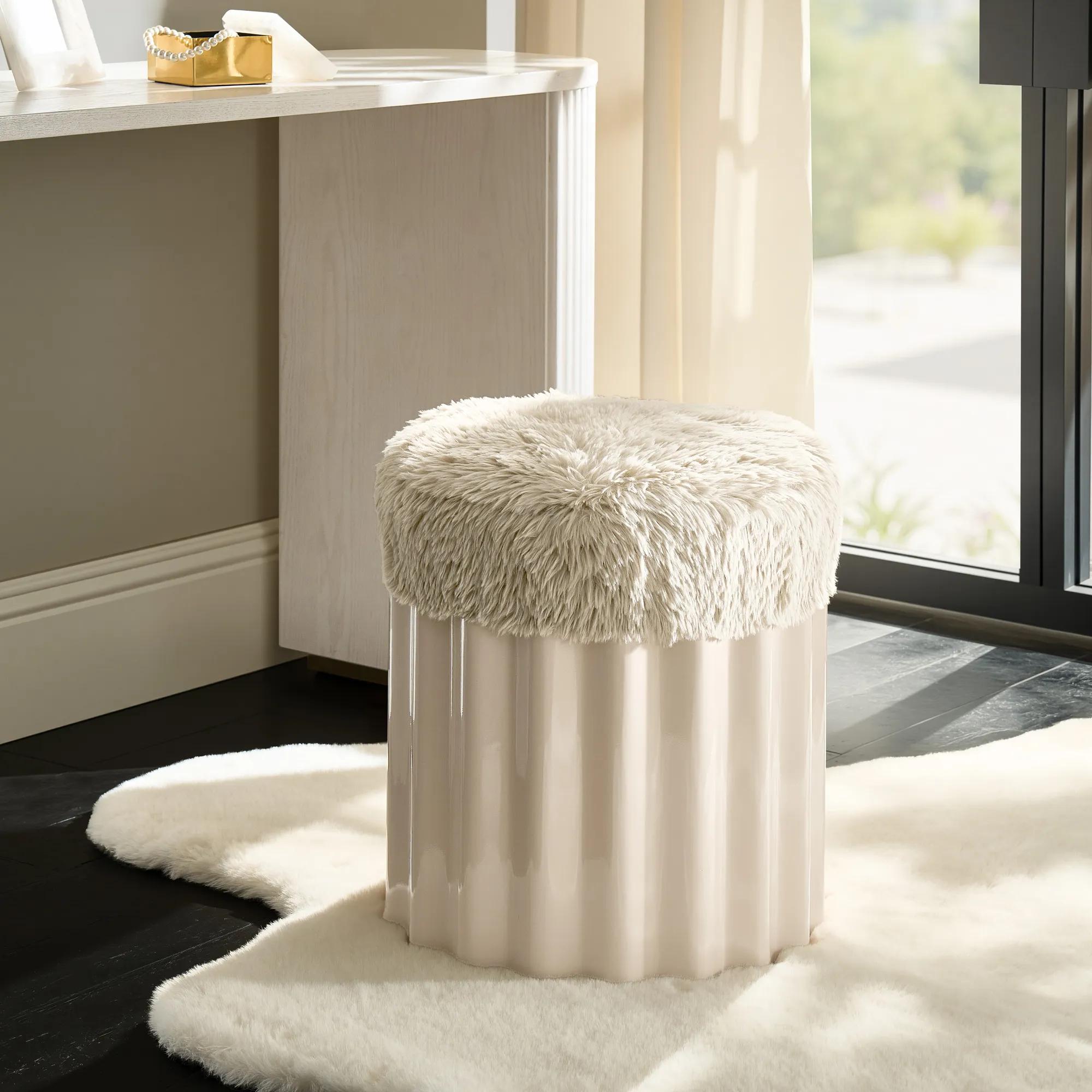 Nia Lacquered Turtle Dove Faux Fur Storage Stool$399
A sculptural fluted stool in warm turtle dove with plush faux fur seat and hidden storage compartment.
Add To Cart -
.jpg?w=1200&h=1200)
 Milo 3-Piece Reclining Ivory Performance Fabric Sectional Sofa$2999
Milo 3-Piece Reclining Ivory Performance Fabric Sectional Sofa$2999A modular, power-reclining sofa in beige textured polyester with plush feather-blend cushions for ultimate comfort.
Add To Cart -
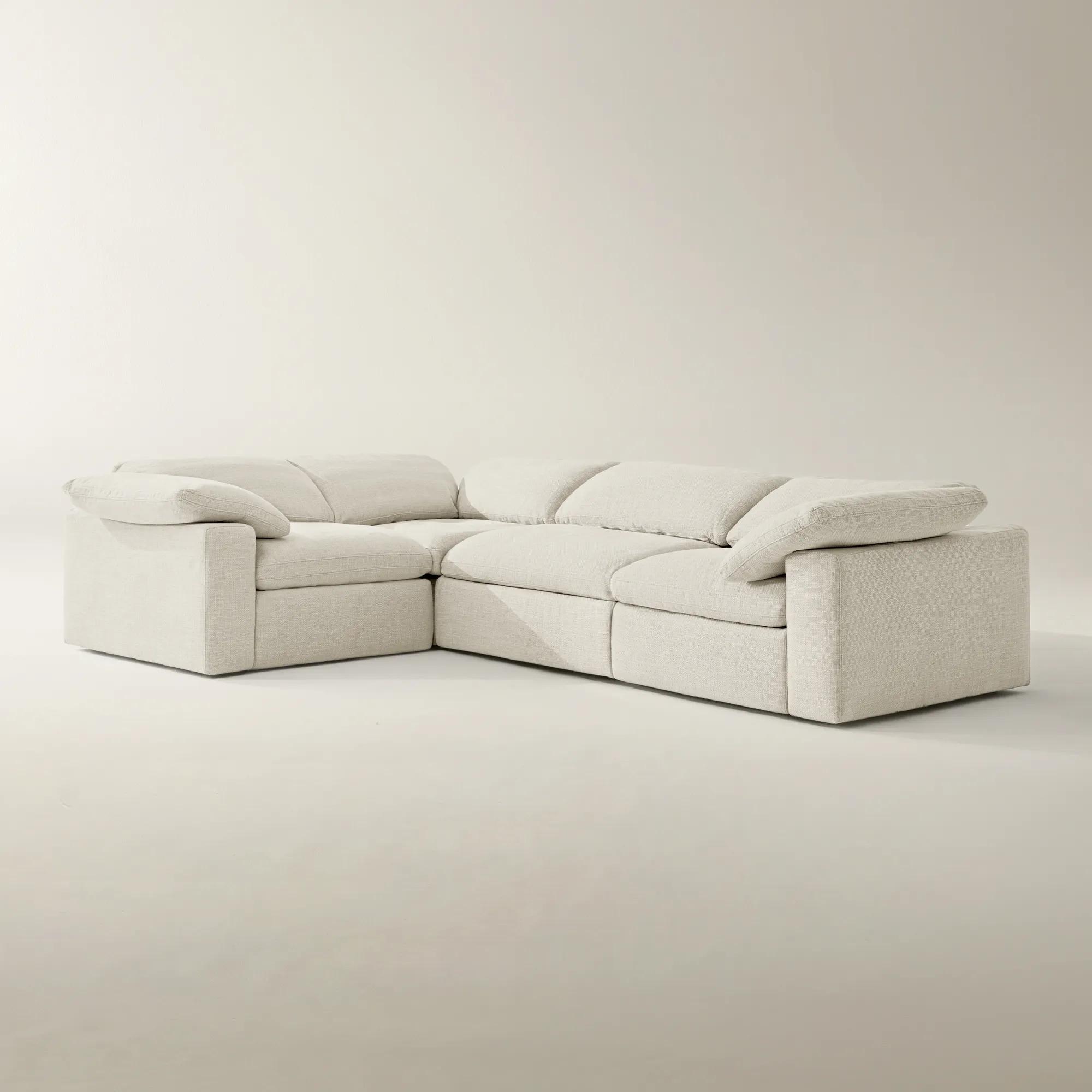
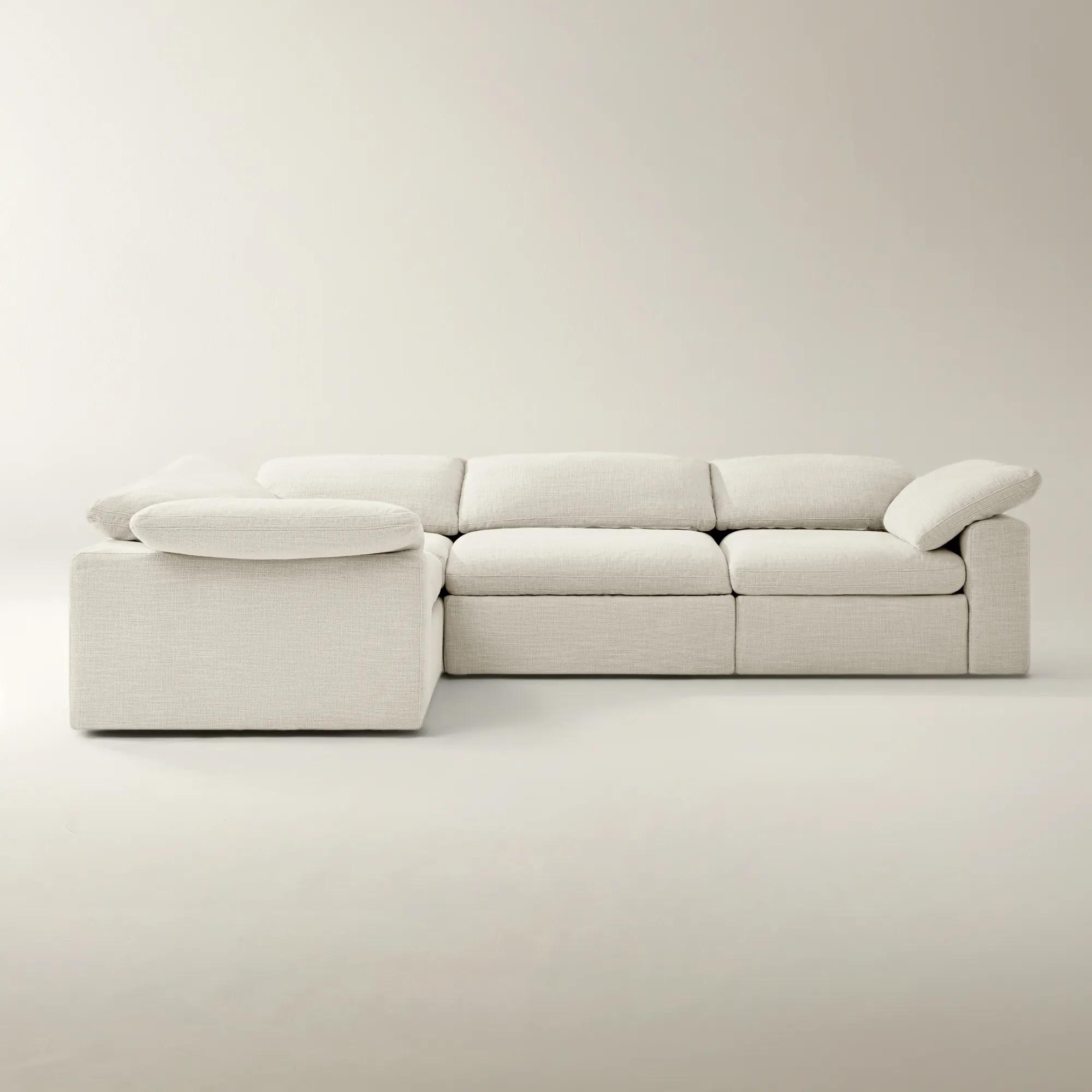 Milo 4-Piece L-Shaped Reclining Ivory Performance Fabric Sectional Sofa With Left-Arm Chair$3999
A modular sectional in beige or dove grey with plush feather cushions and power reclining footrests.
Add To Cart -
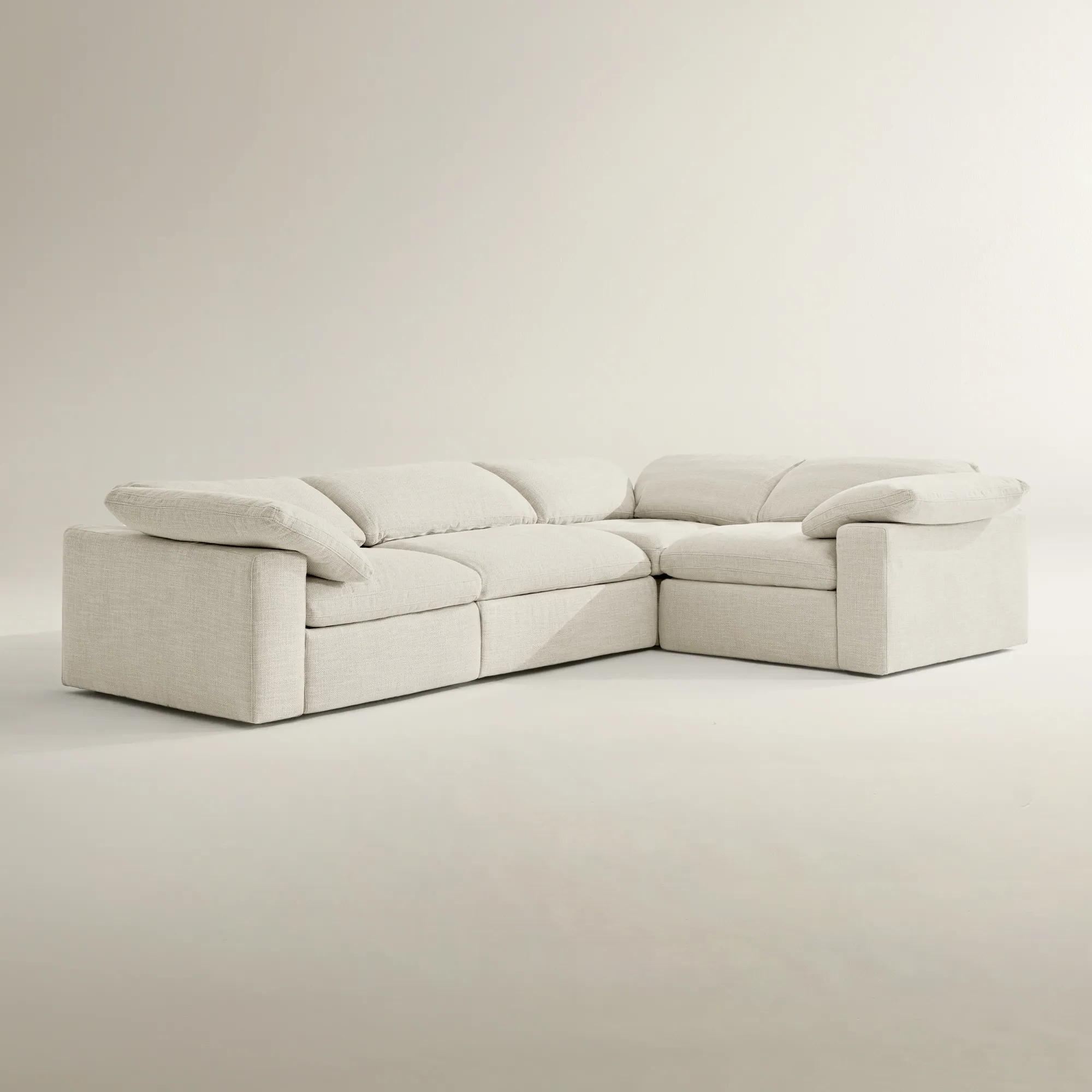
.jpg?w=1200&h=1200) Milo 4-Piece L-Shaped Reclining Ivory Performance Fabric Sectional Sofa With Right-Arm Chair$3999
Milo 4-Piece L-Shaped Reclining Ivory Performance Fabric Sectional Sofa With Right-Arm Chair$3999A modular sectional in beige or dove grey with plush feather cushions and power reclining footrests.
Add To Cart -
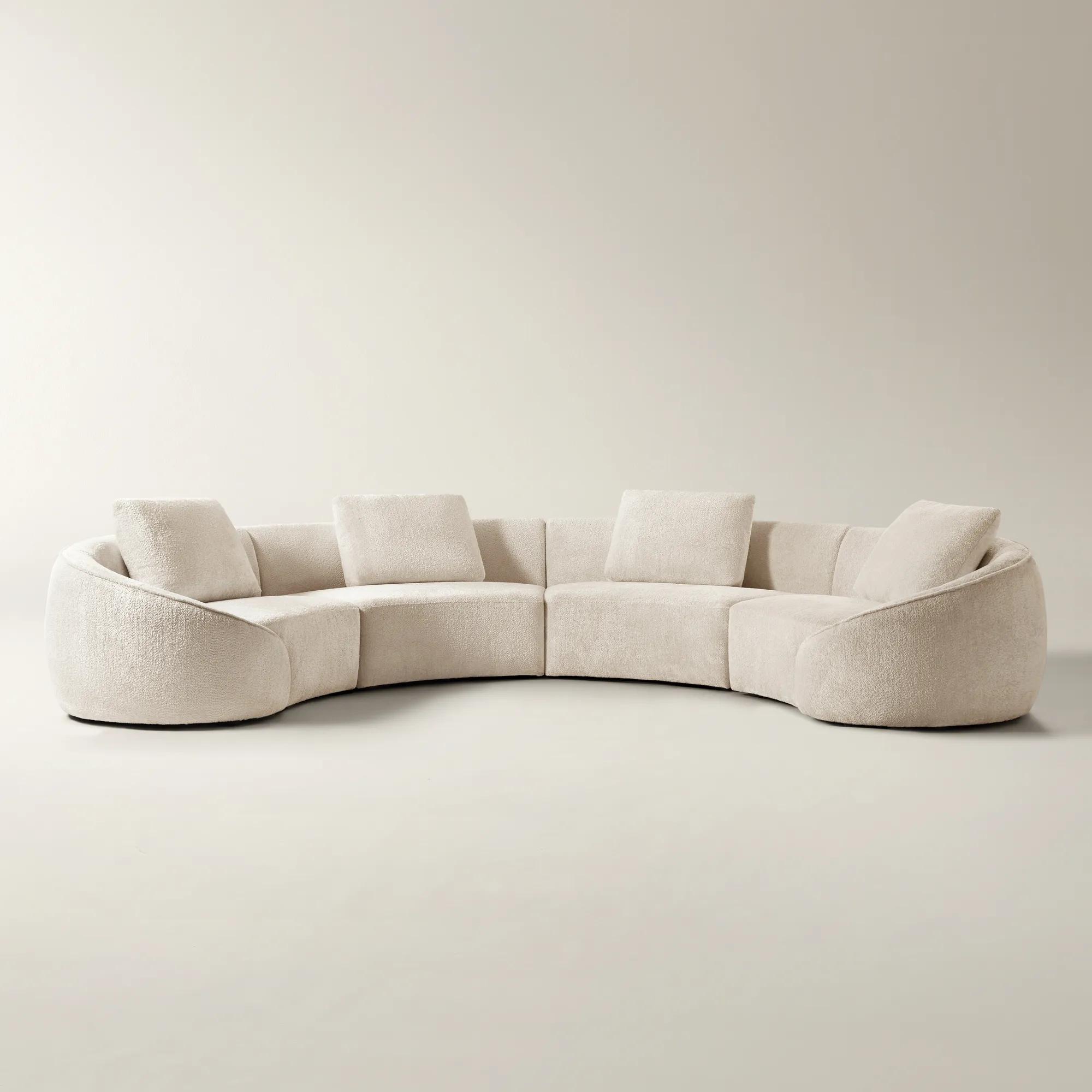
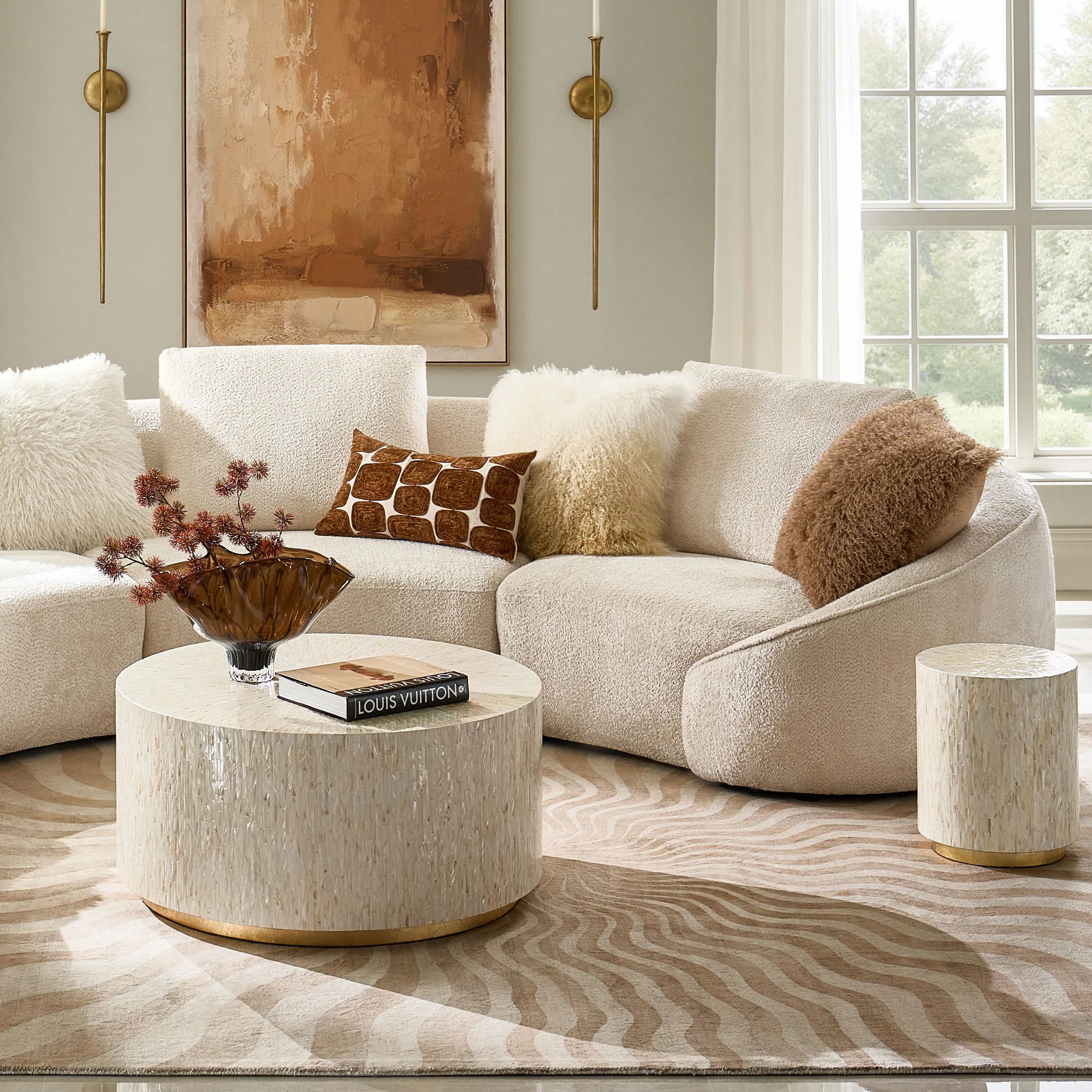 Irene 4-Piece Utopia Sand Chenille Sectional$4599
A modern curved sectional upholstered in plush Utopia Sand chenille with high-density foam cushioning for comfort.
Add To Cart -
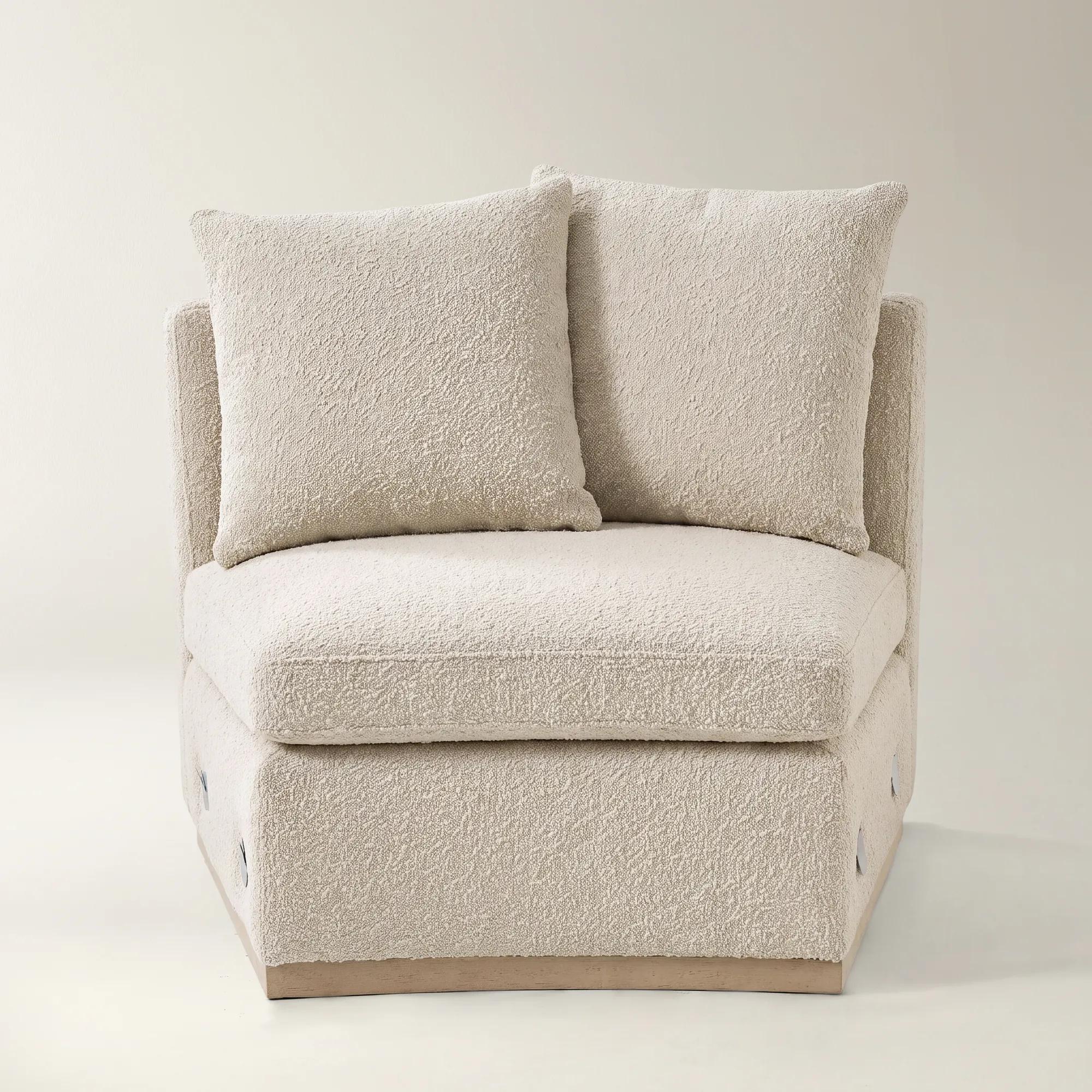
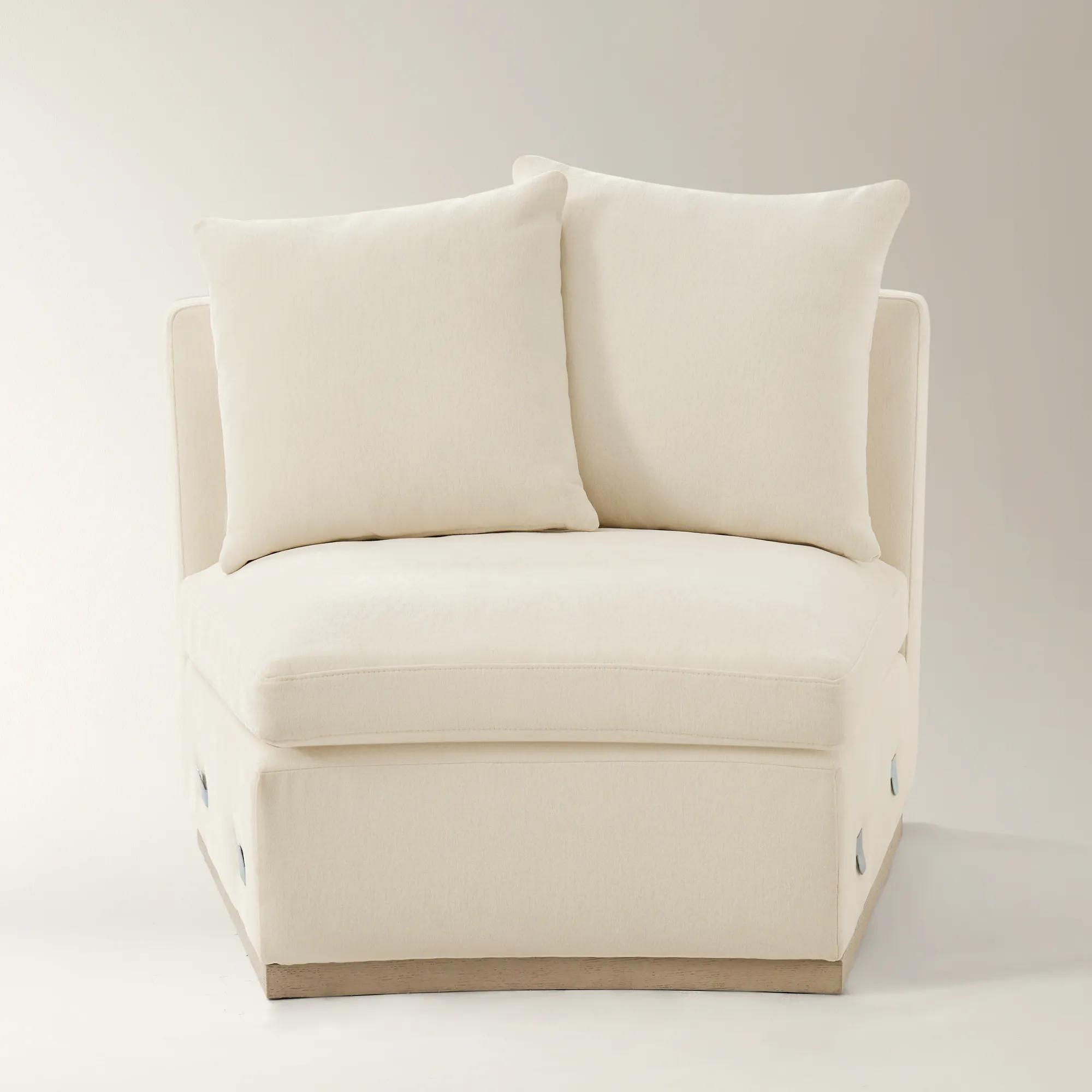
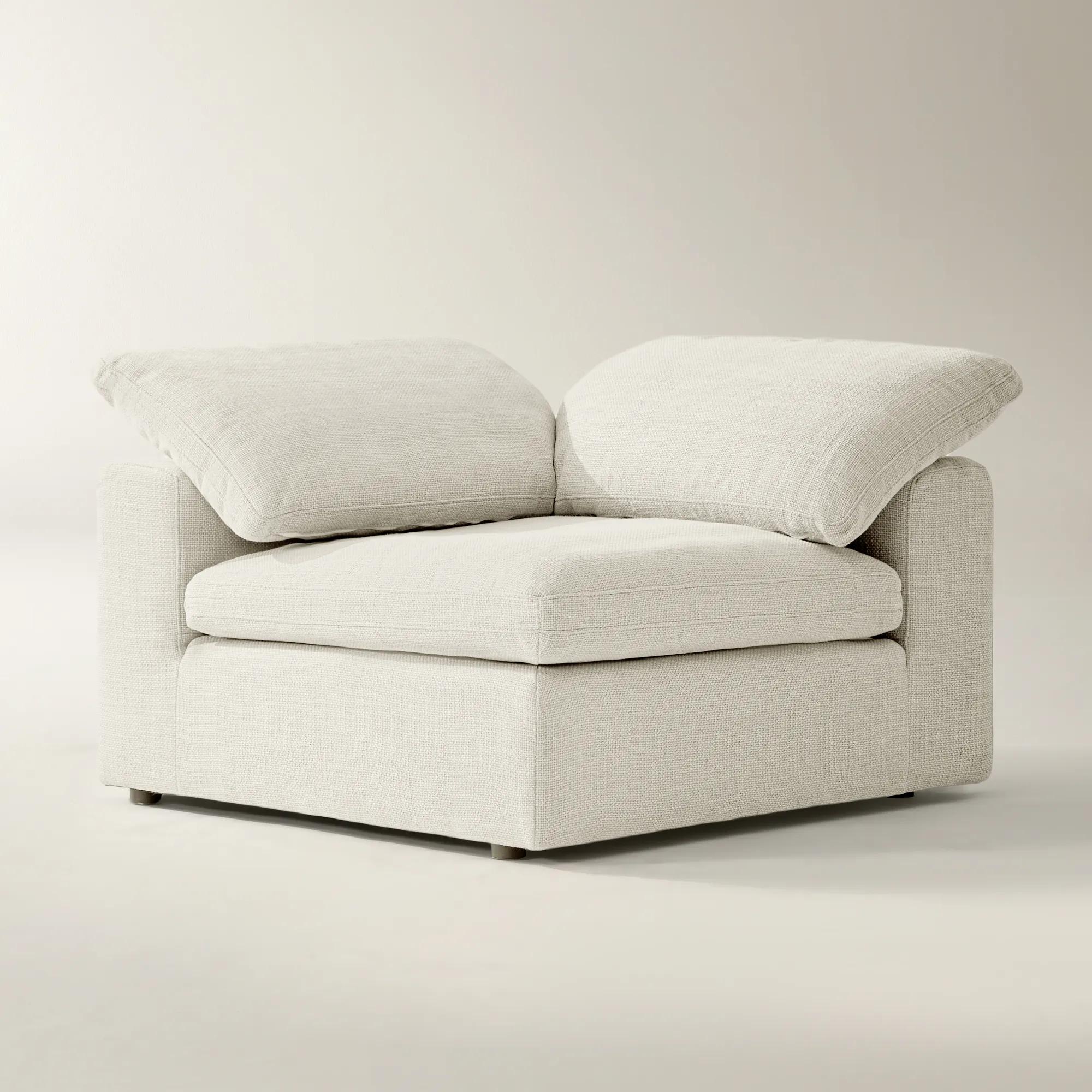 Milo Ivory Performance Fabric Corner Chair$949
A modular sectional in beige textured polyester with plush feather cushions and power reclining footrests for ultimate comfort.
Add To Cart -
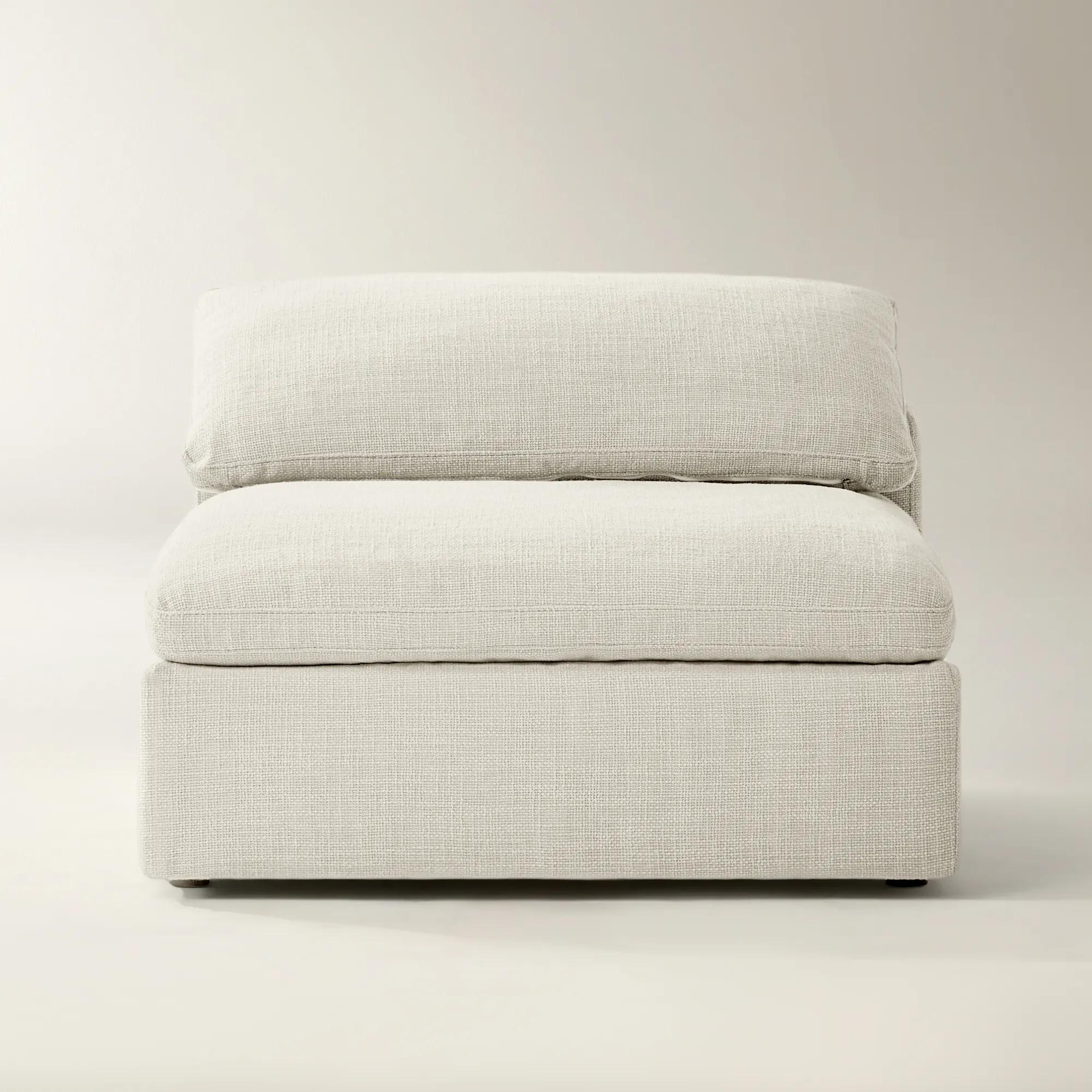 Milo Ivory Performance Fabric Armless Chair$899
A modular sectional in beige or dove grey textured polyester, featuring plush feather cushions and power recliners.
Add To Cart -
.jpg?w=1200&h=1200) Milo Ivory Performance Fabric Left-Arm Chair With Power Footrest$1099
Milo Ivory Performance Fabric Left-Arm Chair With Power Footrest$1099A modular sectional in beige textured polyester with plush feather cushioning and power reclining footrests for tailored comfort.
Add To Cart -
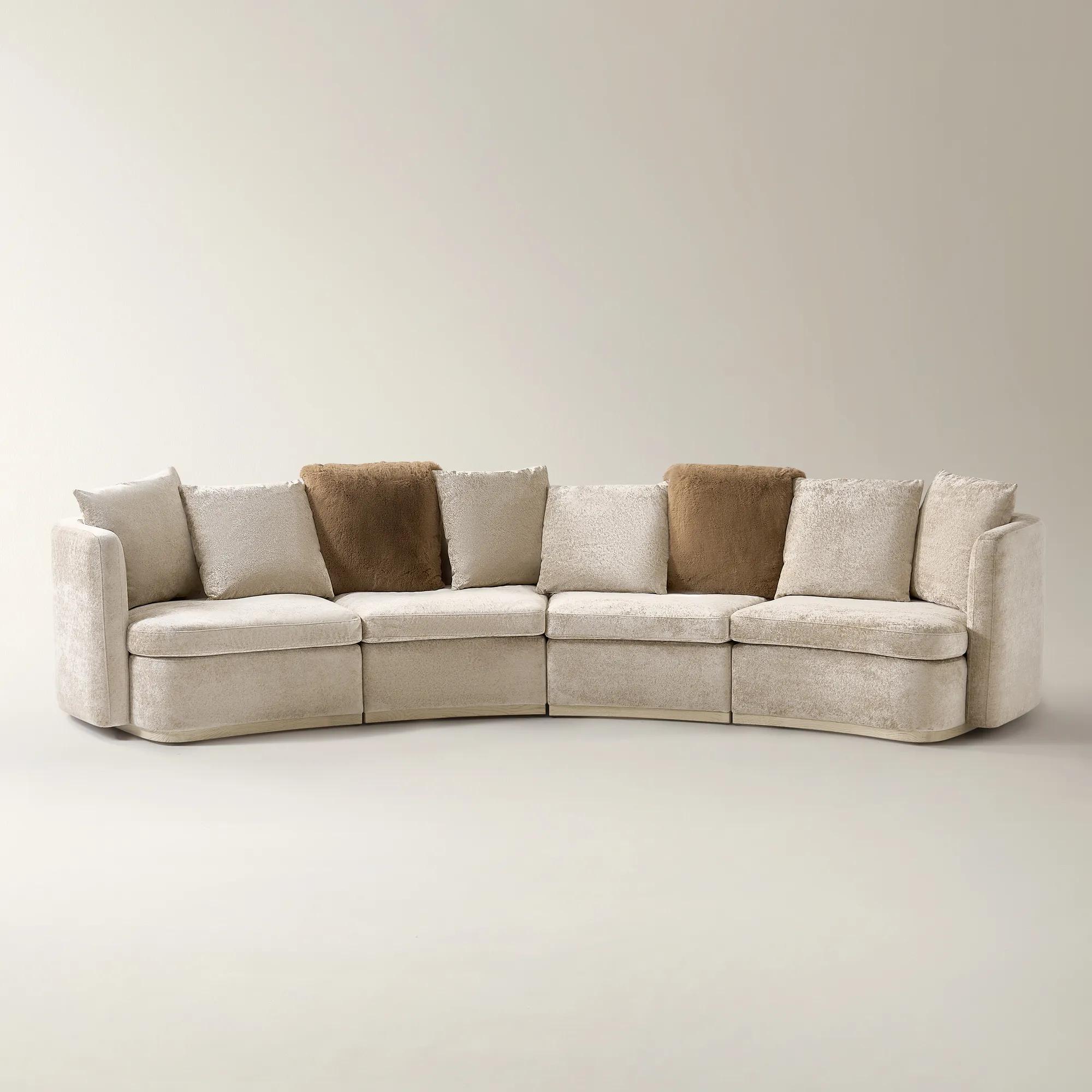 Stria 4-Piece Light Brown Chenille Sectional Sofa$4099
A light brown chenille sectional with a curved silhouette, triple-layer cushioning, and kiln-dried oak frame.
Add To Cart -
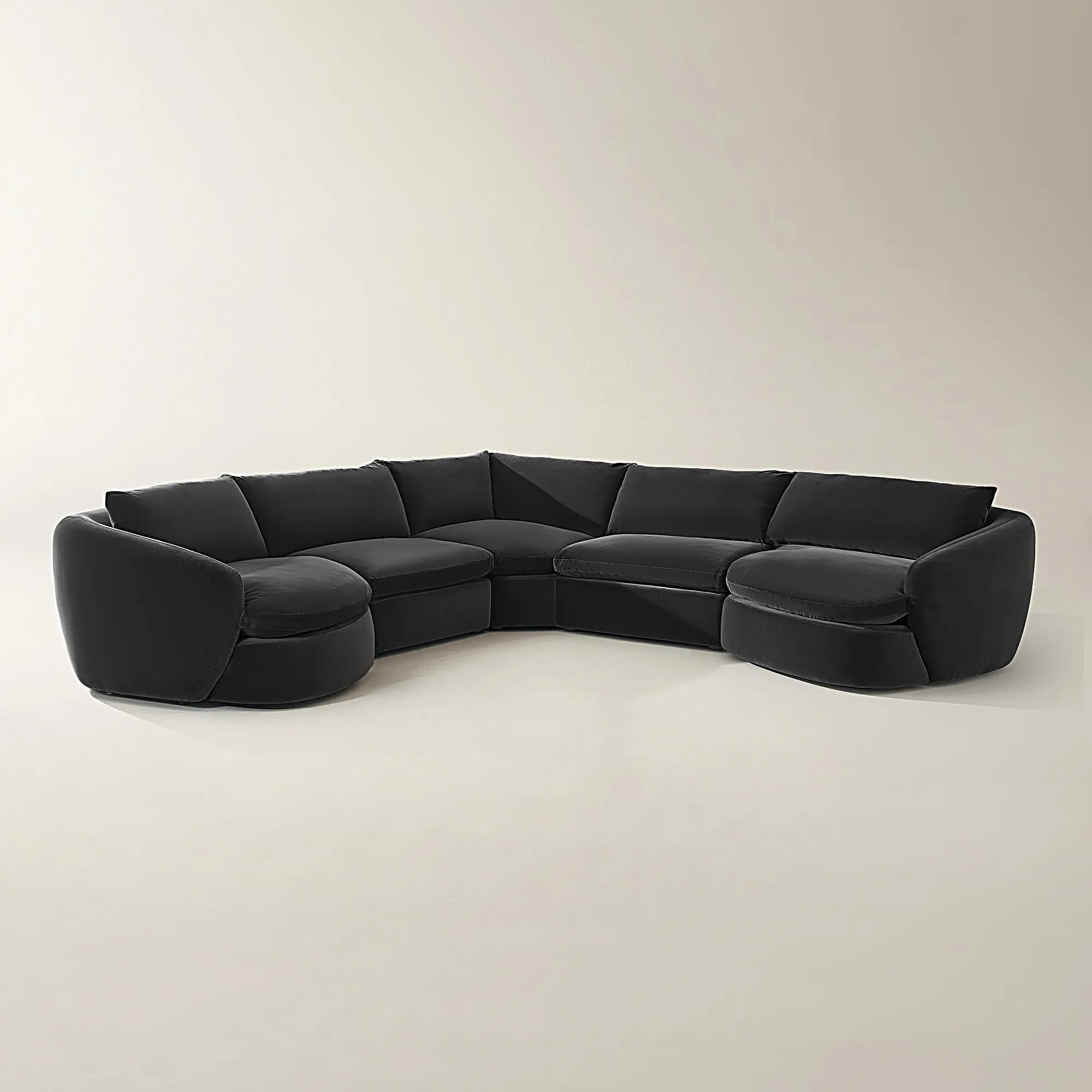
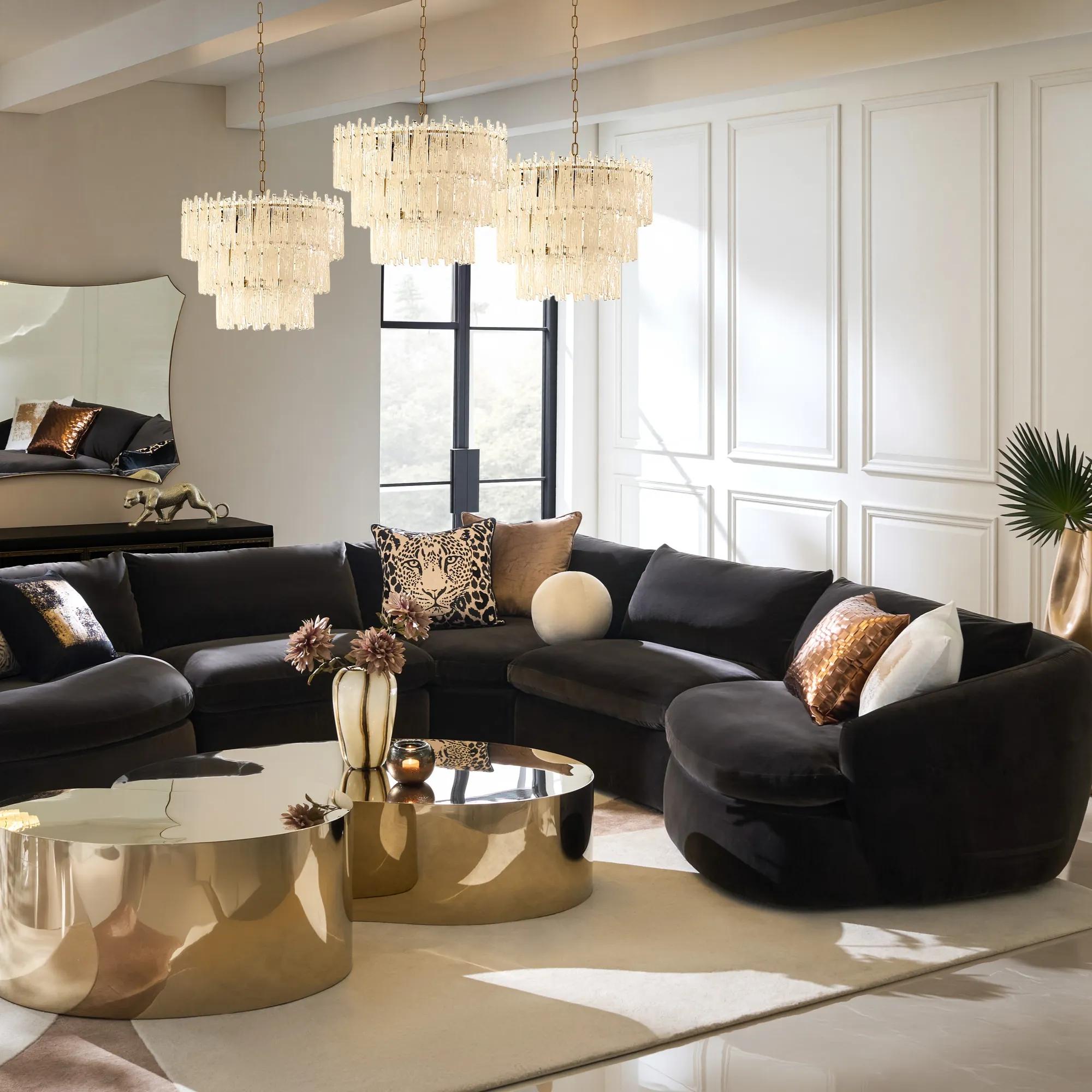 Sabrina 5-Piece Charcoal Velvet Sectional$5599
A modular charcoal velvet sectional with plush feather-blend cushions and a softly curved, modern silhouette.
Add To Cart -
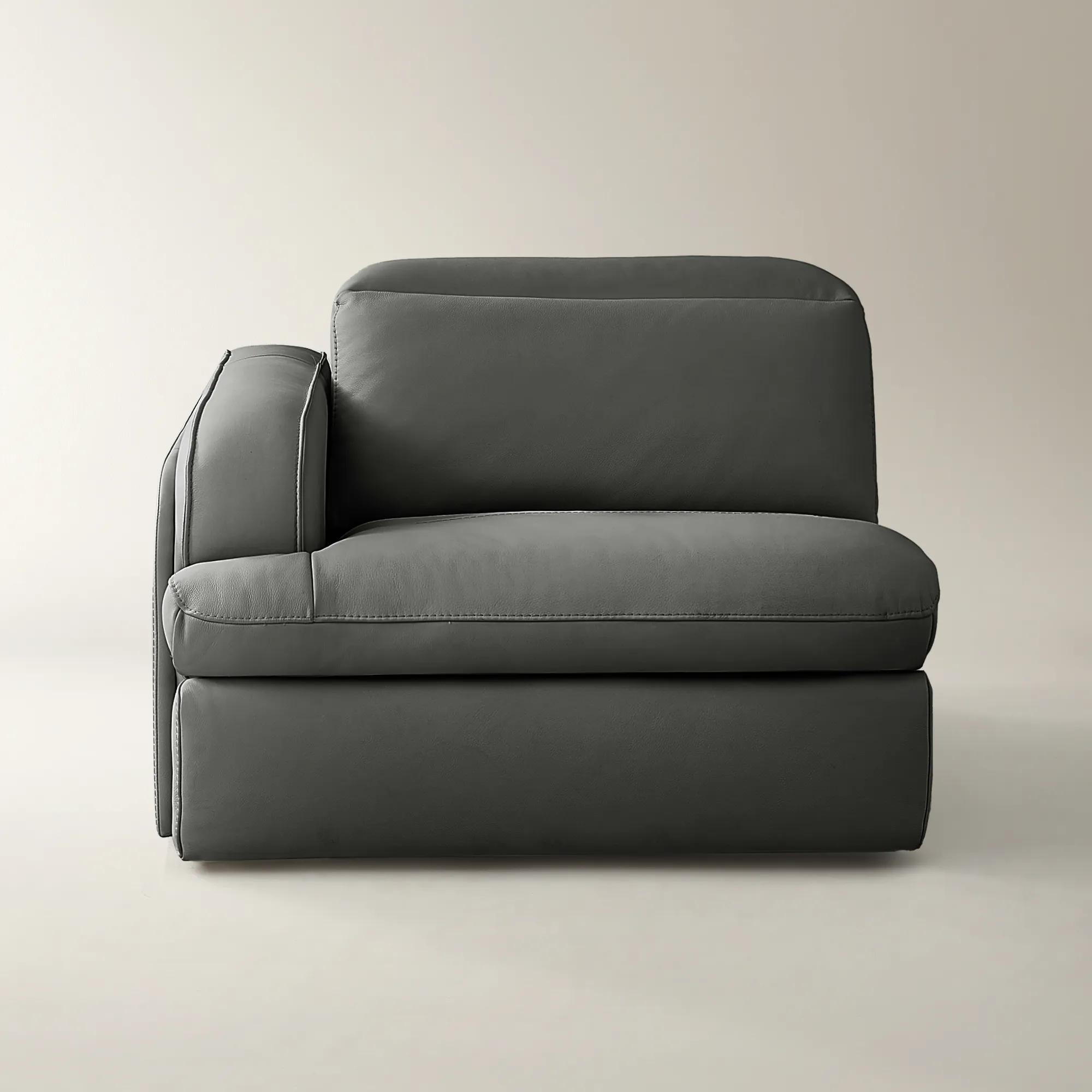
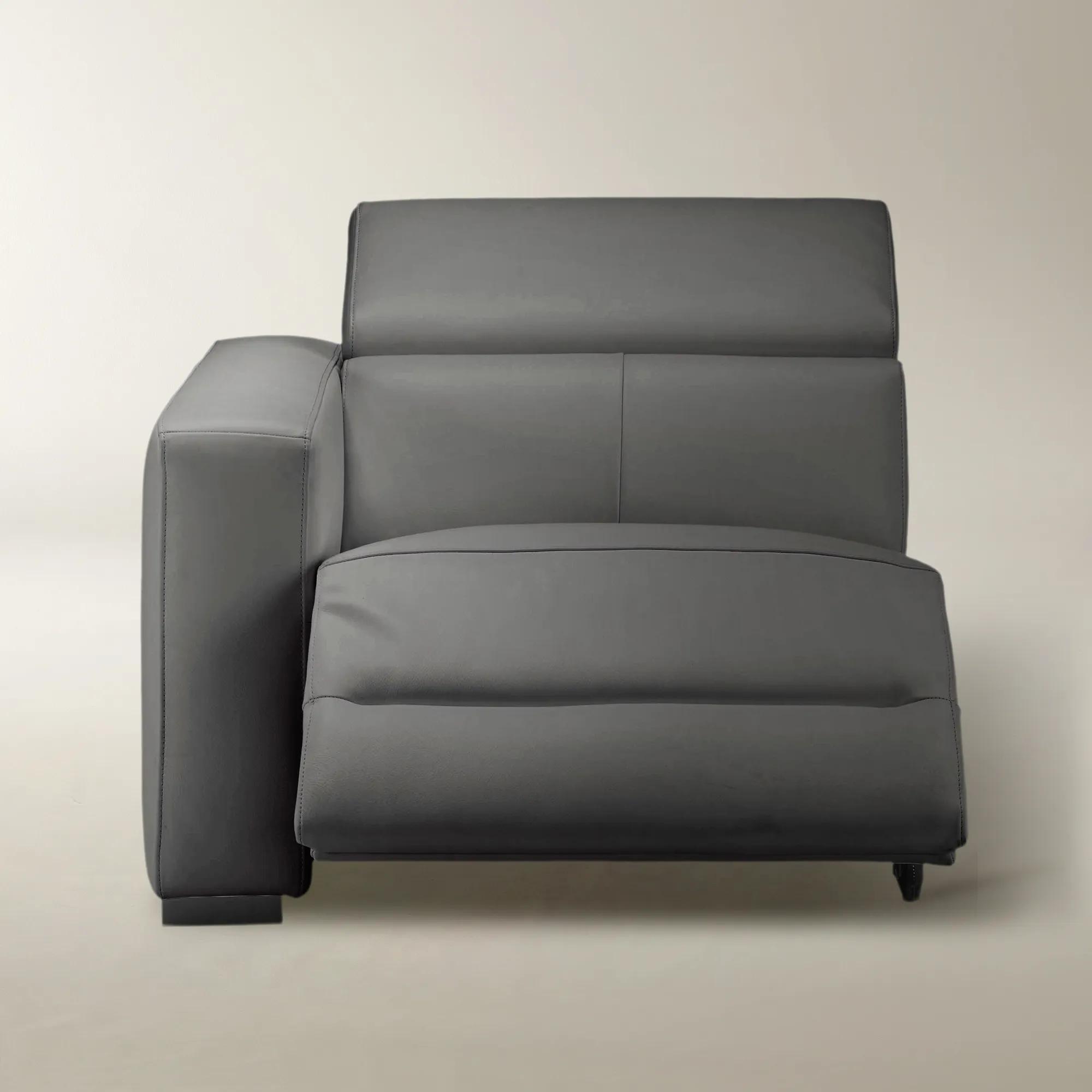 Verona Reclining Charcoal Leather Left Arm Chair With Power$1499
A charcoal semi-aniline leather sectional with adjustable headrests, power-reclining seats, and kiln-dried hardwood frame.
Add To Cart -
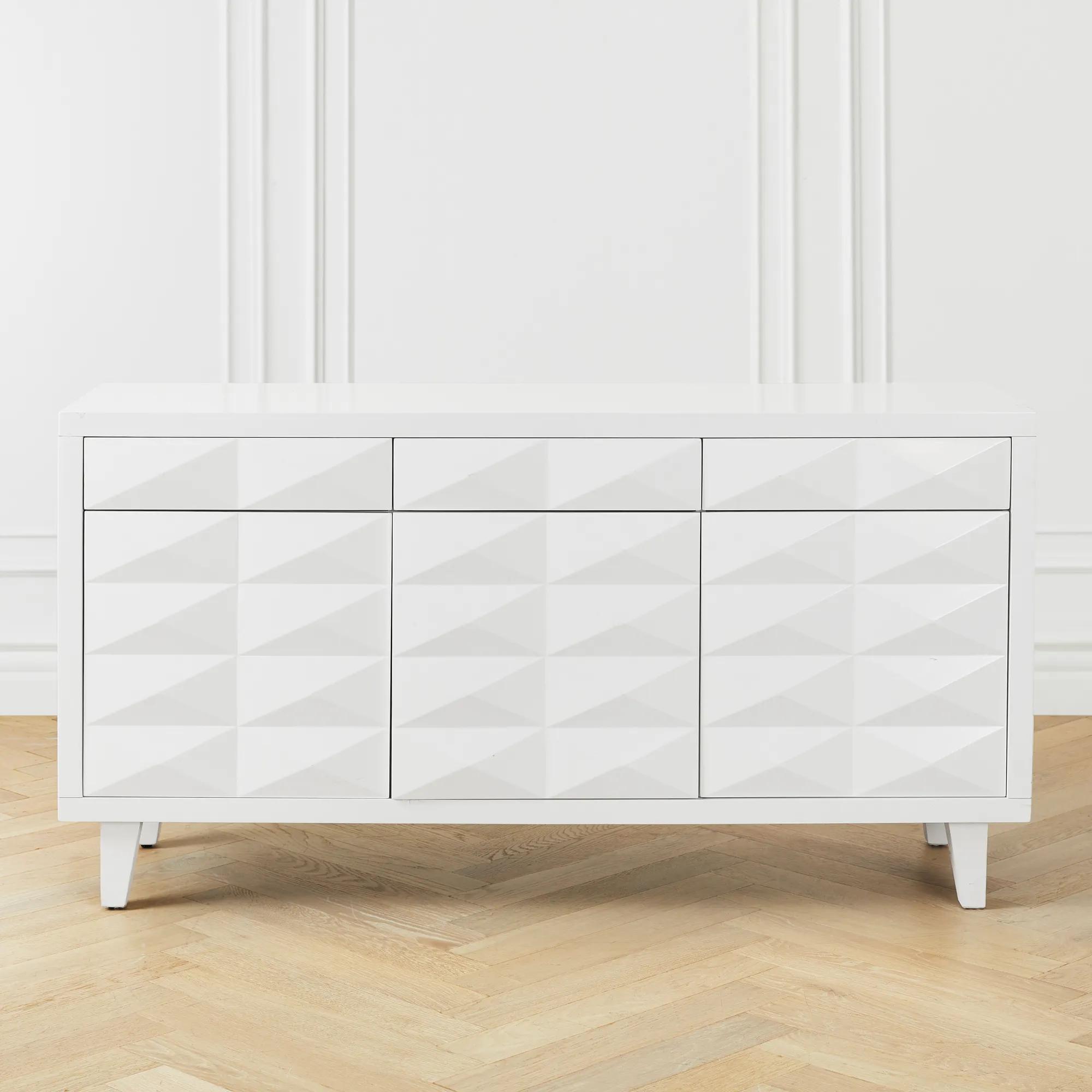 Palmer White Wood Cabinet (66.5")$1649
A sleek white hardwood cabinet with geometric detailing, three drawers, and push-latch doors for modern storage.
Add To Cart -
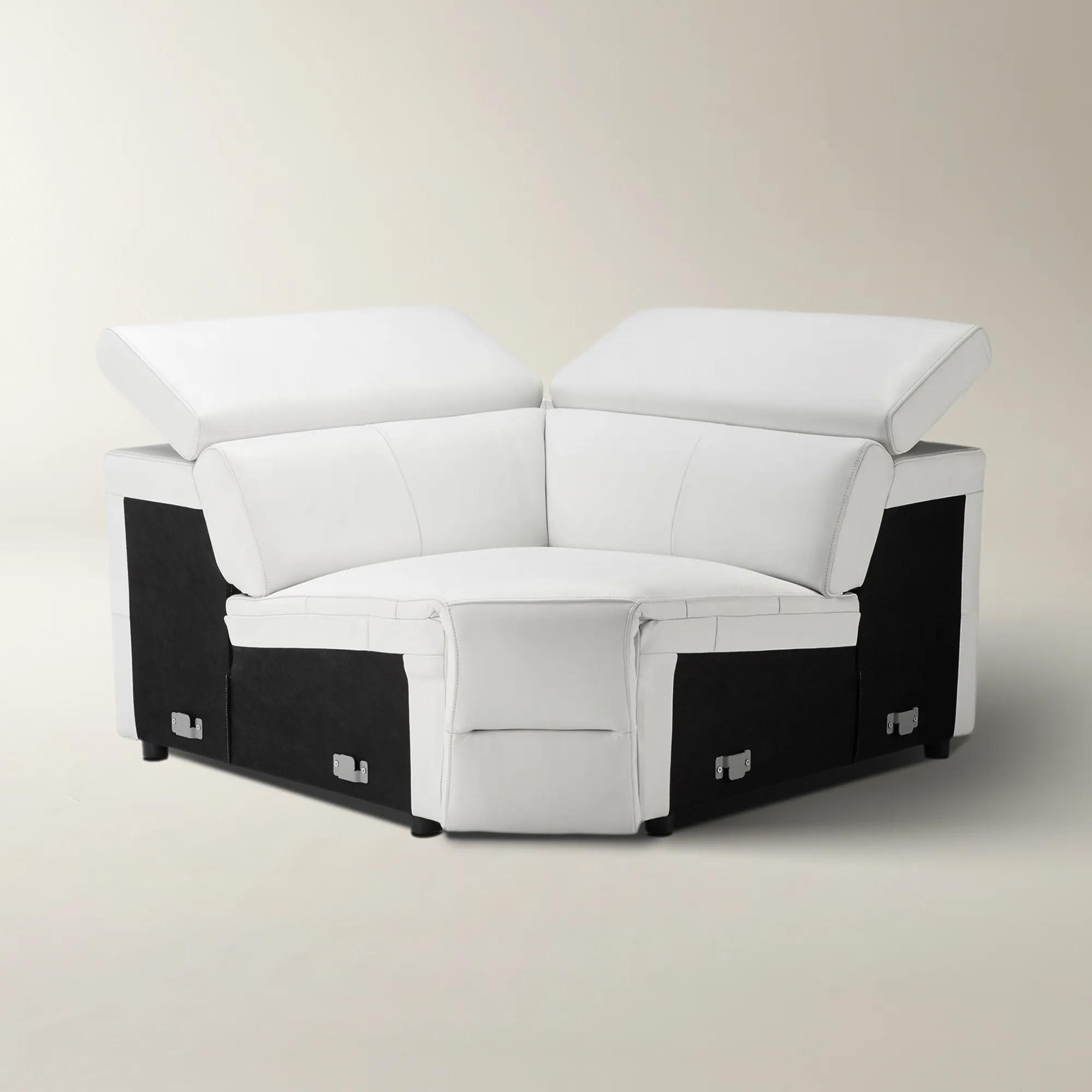
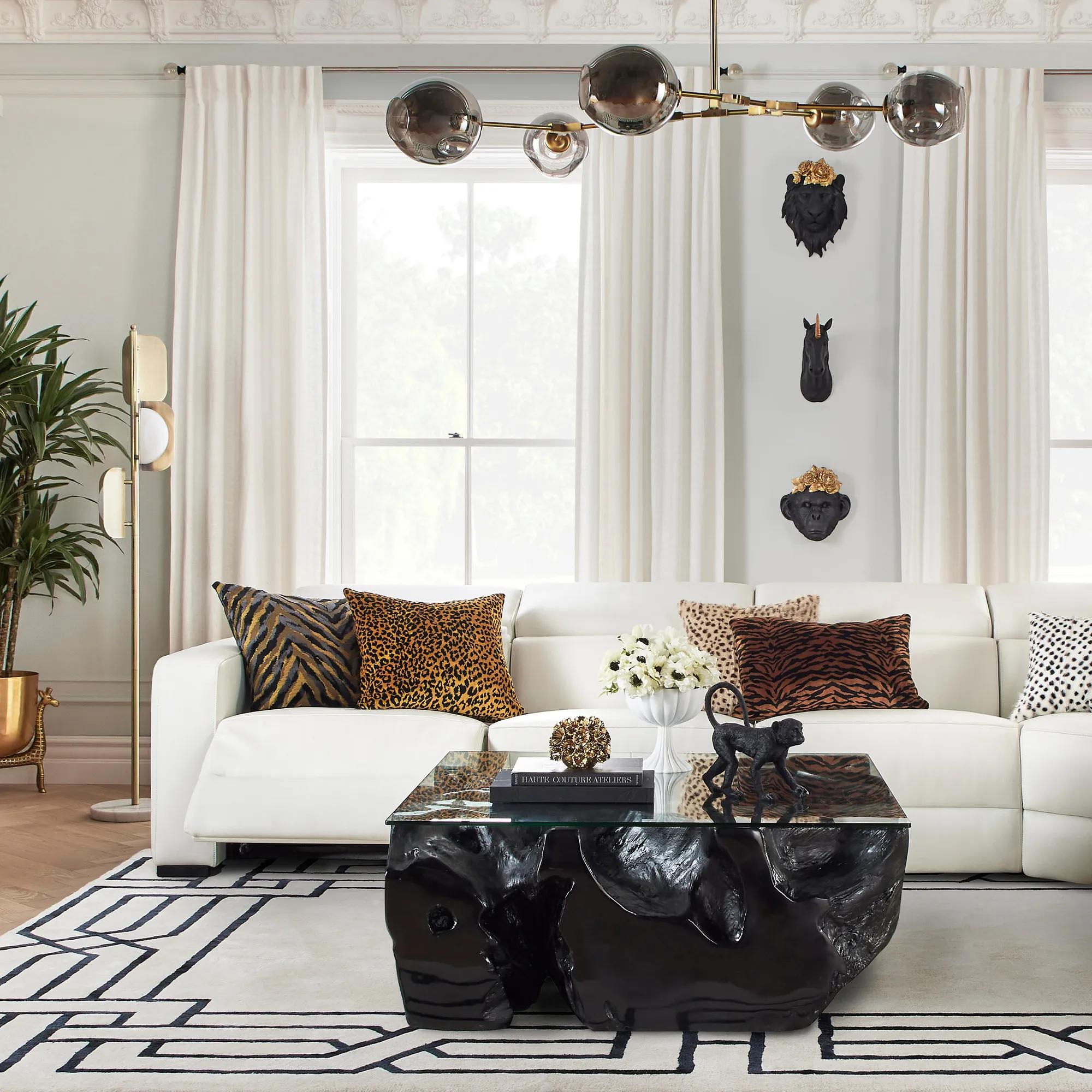 Verona White Leather Corner Chair With Power$1499
A modern sectional upholstered in supple white semi-aniline leather with adjustable headrests and power-reclining seats.
Add To Cart -
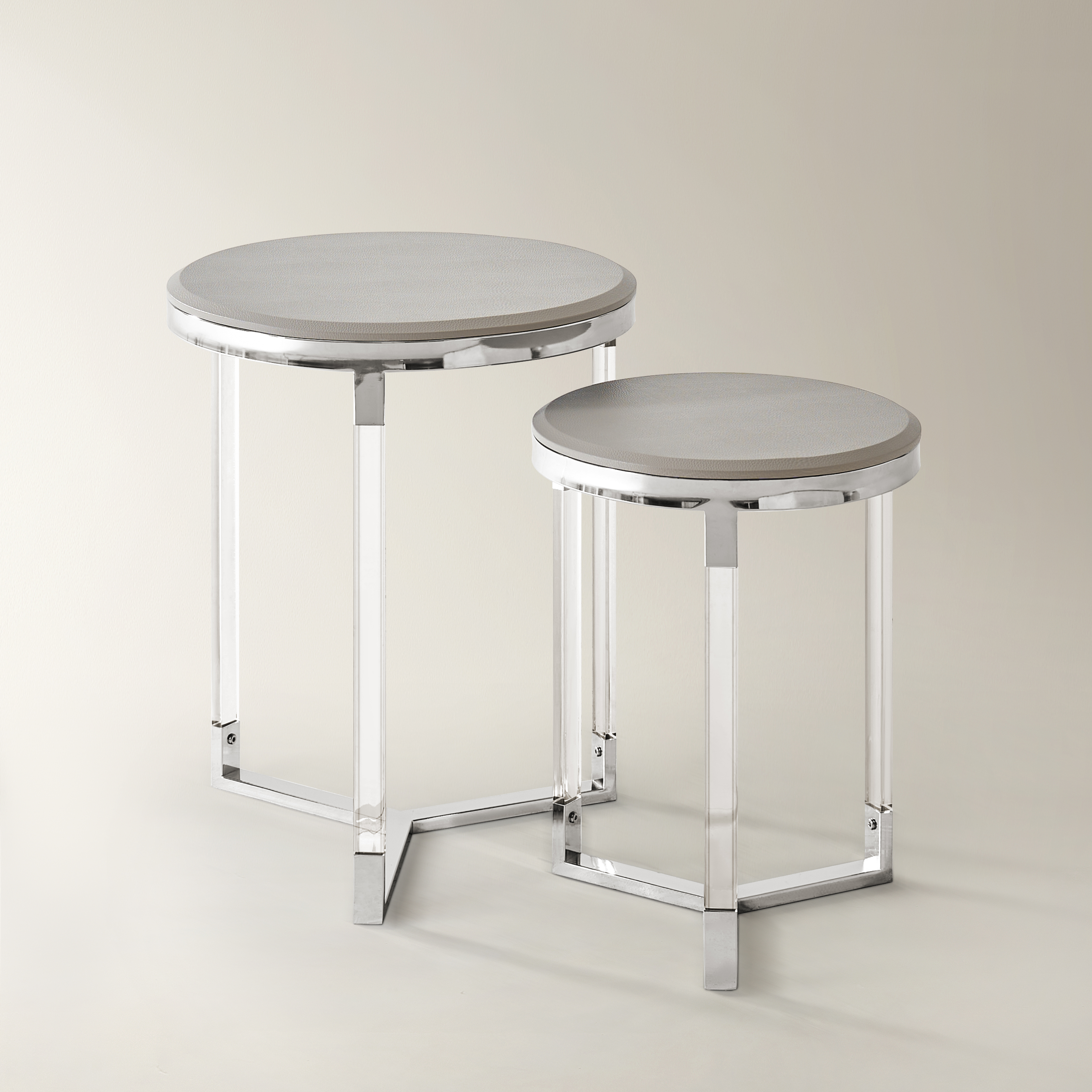
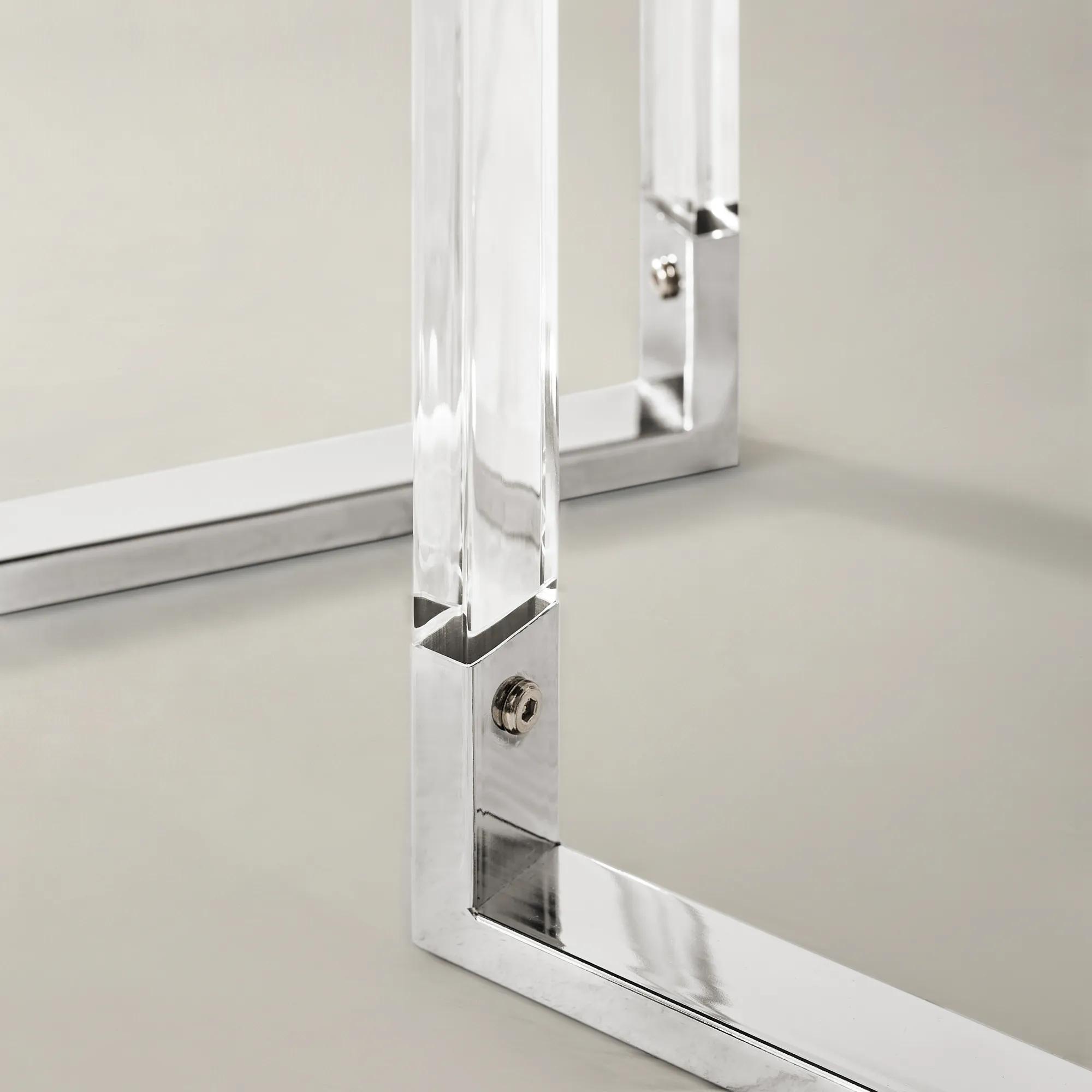 Murano Round Grey Accent Table With Faux Leather Top Set Of 2 (14.5"-18.5")$399
A bold set of two accent tables featuring mixed woods, acrylic legs, and faux leather tops.
Add To Cart -
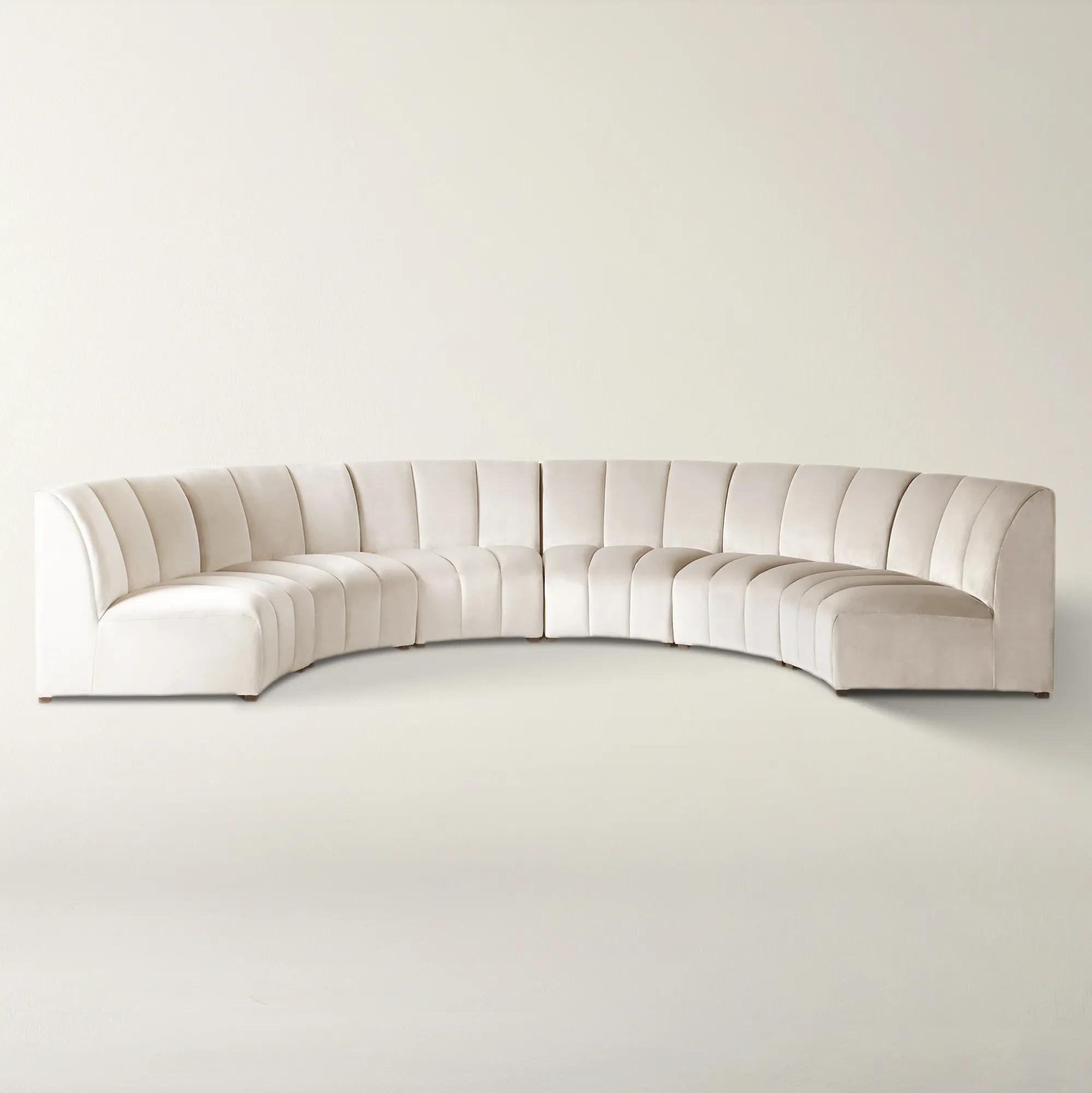 Jayce 6-Piece Channel-Tufted Ivory Velvet Sectional Sofa$5499
A modern curved sectional in stain-resistant Velvet Ivory with deep channel tufting and plush, structured cushions.
Add To Cart -
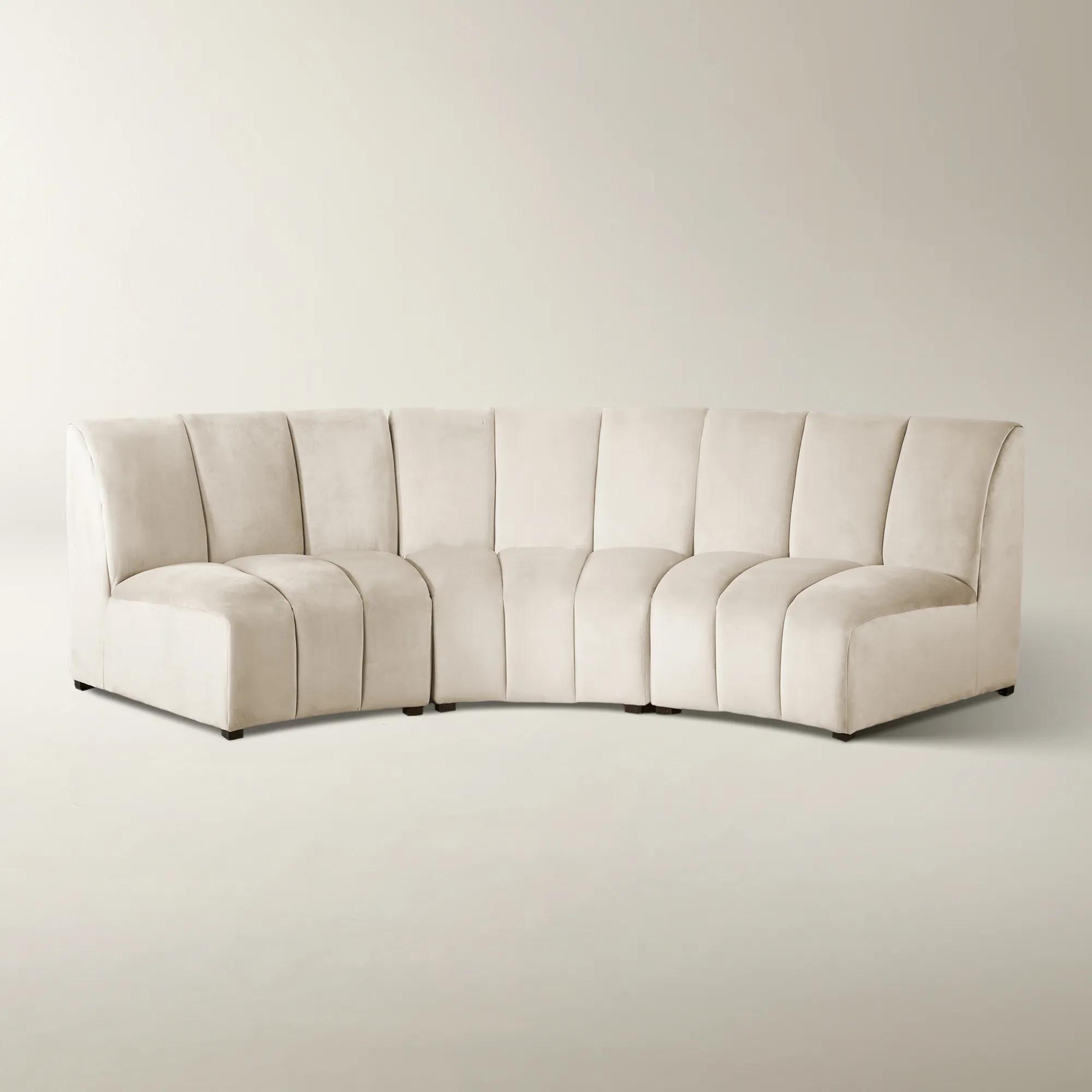
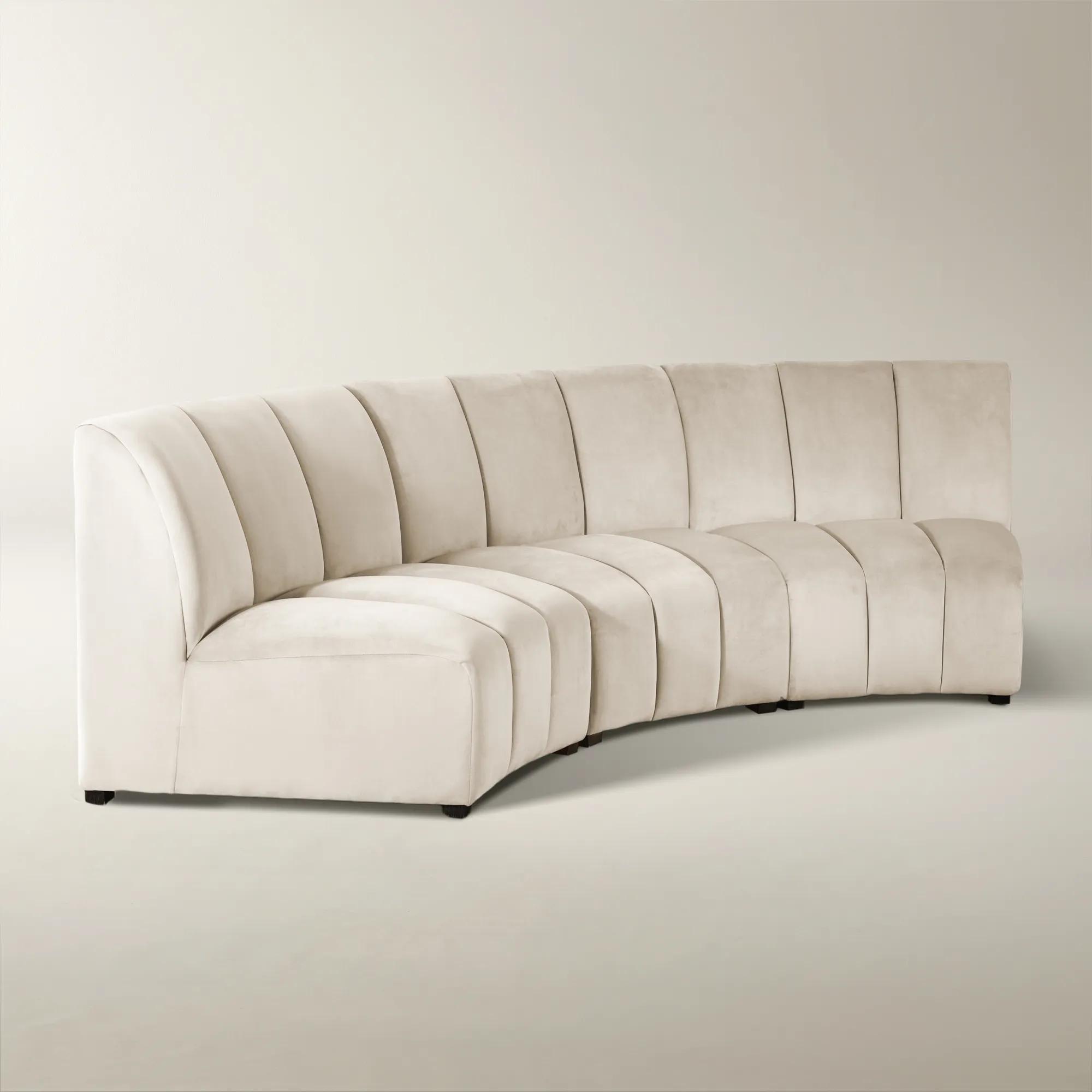 Jayce 3-Piece Channel-Tufted Ivory Velvet Sectional Sofa$2799
A modern curved sectional in stain-resistant Velvet Ivory with deep channel tufting and plush, structured cushions.
Add To Cart -
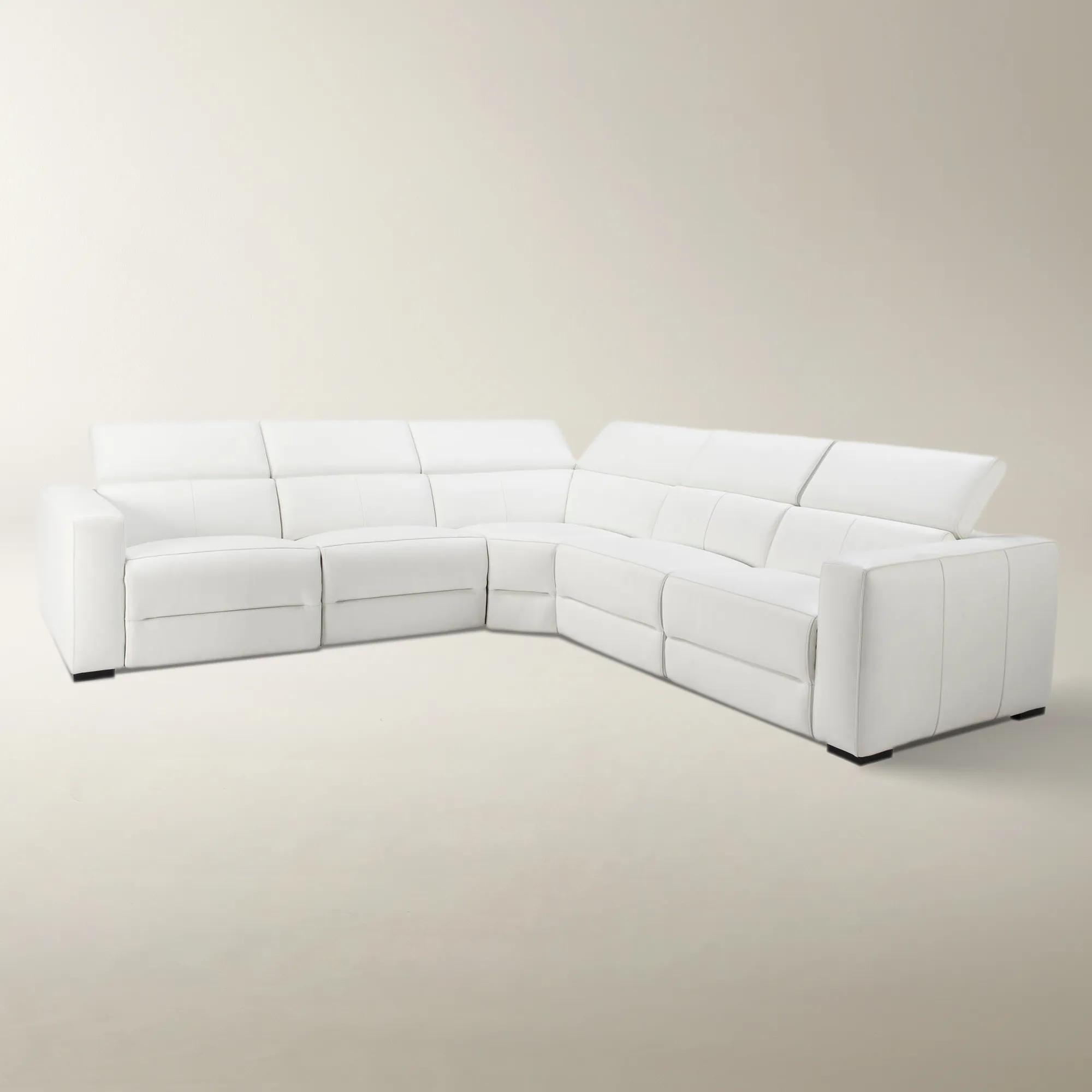
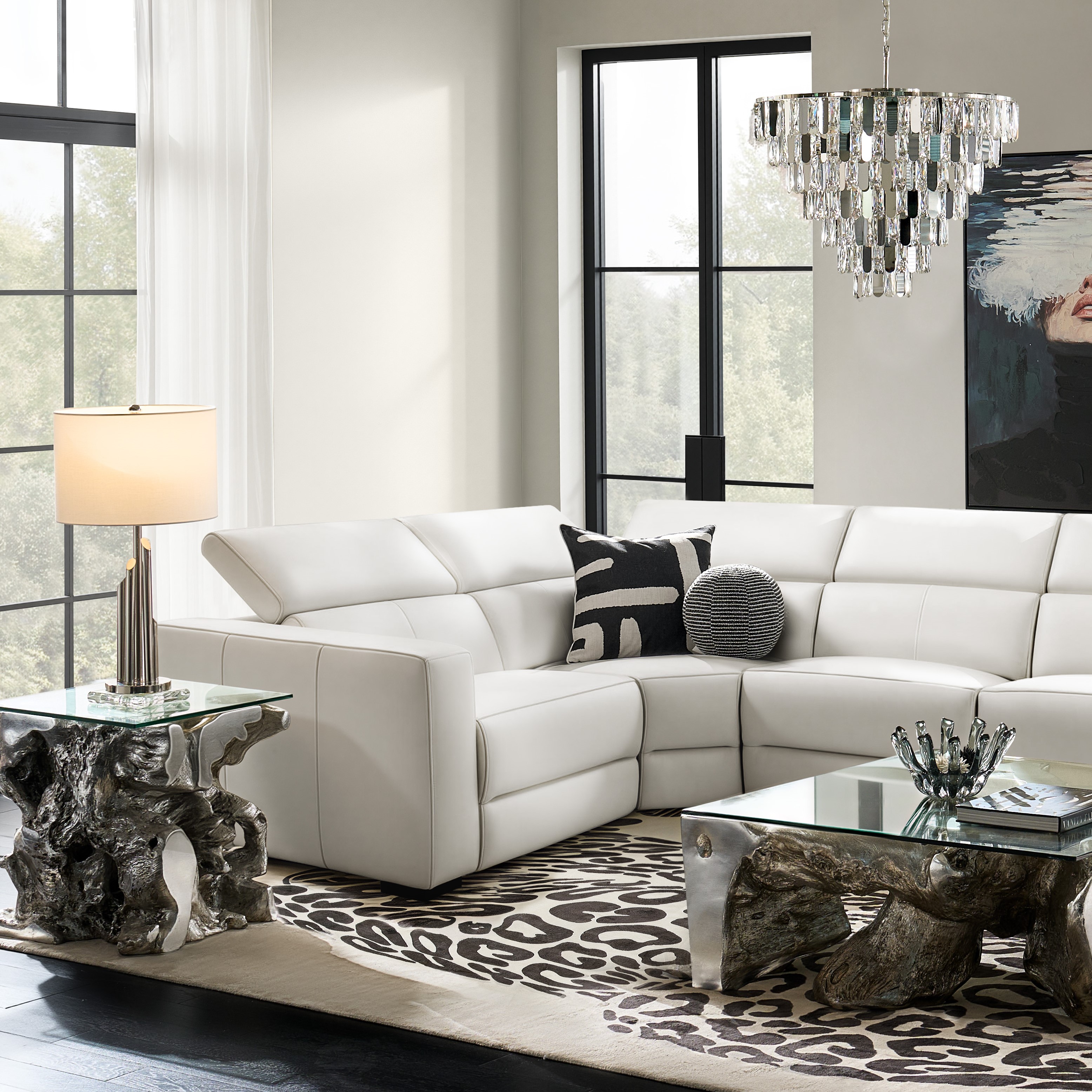 Verona 5-Piece Reclining White Leather Sectional Sofa$6799
A modern sectional upholstered in supple white semi-aniline leather with adjustable headrests and power-reclining seats.
Add To Cart

Multifunctional Furniture For Families
Multifunctional Furniture for Families transforms the everyday into the extraordinary, inviting you to reimagine your home as a stage for both style and versatility. Each piece is thoughtfully crafted to adapt with grace, offering solutions that celebrate the art of living beautifully—no matter how dynamic life becomes. Picture family rooms where elegance meets ingenuity, dining spaces that effortlessly evolve, and bedrooms designed to astonish at every turn. With Multifunctional Furniture for Families, every moment is elevated, every gathering feels intentional, and your home becomes a canvas for creativity without compromise.
Multifunctional furniture for families brings two or more purposes into a single piece, combining seating, storage, sleeping, dining, or workspace to make shared rooms more adaptable. Its appeal extends beyond saving space: thoughtfully chosen furniture gives the daily movement of family life a beautifully composed setting. An upholstered bench can offer a comfortable place to put on shoes while concealing the scarves and bags that otherwise gather near the door. A storage ottoman can anchor a seating arrangement, hold extra throws, and serve as a surface for a tray when its construction allows. An expandable dining table creates room for visiting relatives without occupying that larger footprint every day. These overlapping functions help reduce the need for separate pieces, leaving more breathing room for conversation, play, and the expressive details that give a home its character. In a compact apartment, that might mean preserving an open path between the living and dining areas; in a larger household, it might mean letting one room accommodate several generations without feeling crowded. The strongest choices reflect actual routines rather than an abstract promise of versatility. Families who gather for movies may value flexible seating and concealed blanket storage, while households with frequent overnight visitors may prioritize a sofa that converts into a sleeping surface. A lift-top table can bring a surface closer for occasional writing or a board game, provided its height and mechanism suit the intended activity. For a broader approach to coordinating shared spaces, Furniture for Modern Families connects this adaptable spirit with the larger rhythm of the home. Multifunctionality need not come at the expense of presence. Sculptural silhouettes, richly textured upholstery, and gleaming accents can make hardworking furniture feel deliberately chosen, not merely necessary. A room gains its sense of luxury when daily essentials have a place and its most striking details remain visible: the curve of an arm, the depth of a jewel-toned fabric, or the graceful proportion of a table surrounded by generous seating.
Fit determines whether multifunctional furniture feels effortless or becomes another obstacle in a busy room. Measurements should account for every intended configuration, not just the closed or compact dimensions. A sleeper needs enough floor space to open fully, a storage bed needs clearance for drawers or a lifting platform, and an extending table needs room for both its expanded surface and occupied chairs. Nearby doors, floor vents, rugs, and other furnishings can affect how comfortably these functions work. In a bedroom shared by siblings, drawers that open into an established walkway may be less useful than their capacity suggests. In an entryway, a bench should leave enough passage for someone carrying groceries while another person sits to remove boots. Modular seating offers a different kind of flexibility, with sections that may be rearranged as household needs change, depending on their design and connectors. Consider how each arrangement relates to windows, conversation areas, and the routes family members take through the room. Seat depth and height deserve equal attention: a deep, enveloping seat may feel sumptuous for lounging but less comfortable for someone who prefers upright support or needs an easier transition to standing. Hidden storage works best when its proportions match what will live inside it. Broad compartments can accommodate blankets and pillows, while smaller divided spaces help keep everyday accessories from disappearing beneath larger belongings. For furniture with moving parts, clear operating instructions, secure supports, and mechanisms that adults can manage comfortably matter more than the sheer number of possible configurations. Children should not operate lifting, folding, or reclining mechanisms without appropriate supervision, and fingers need to stay clear of hinges and closing edges. Follow manufacturer weight limits, use each surface only for its designated purpose, and anchor furniture where instructed. Rounded profiles may soften tight circulation areas, but no shape replaces careful placement. These practical considerations allow a dramatic room to remain welcoming through homework sessions, quiet evenings, and lively gatherings during the cooler months.
Materials and construction give family furniture its lasting character, shaping both the visual impression and the care it requires. Velvet lends upholstery a luminous depth, with color shifting subtly as the pile catches the light; tightly woven fabrics can offer a more tailored texture, while leather develops a character that varies with its finish and use. Fiber content, weave, backing, and manufacturer testing are more informative than appearance alone when evaluating upholstery for frequent family use. Performance fabrics may offer specified resistance to stains or wear, but the designation does not mean every spill will disappear or that every cleaning method is suitable. Removable cushion covers are not necessarily machine washable, and leather care should match the particular finish rather than rely on an all-purpose treatment. Vacuum upholstery as directed, blot spills promptly rather than rubbing them into the fabric, and follow the cleaning code before applying any product. Wood, wood veneer, metal, glass, and stone each bring a distinct mood to tables and storage pieces, from warm grain to reflective polish. Their durability depends on construction, finish, and handling as well as the material itself. Coasters and protective pads help preserve surfaces used for drinks, schoolwork, and serving, while manufacturer-approved cleaners help avoid damage to finishes. Quality is also visible in the less theatrical details: stable frames, well-supported seating, smoothly operating drawers, and hardware designed for the movement a piece will receive. Storage capacity should never be confused with load capacity, particularly for lift mechanisms, shelves, and compartments beneath seats. For homes with pets, consider snagging, shedding, and whether the recommended care routine fits everyday life. Furniture that serves several purposes often receives more concentrated use, so accessible care instructions and realistic maintenance expectations are essential. Chosen with this balance of artistry and function, multifunctional furniture gives families room to grow into their surroundings. A dining space can host an intimate supper or a fuller table, a living room can welcome an overnight guest, and a bedroom can hold its essentials without surrendering its serenity. The result is a home with generous possibilities and a confident, unmistakably personal point of view.
FAQs
Multifunctional furniture is designed to adapt to the dynamic rhythms of family life, offering versatile solutions that maximize both style and utility. These pieces often serve more than one purpose—such as storage ottomans that double as seating or sleeper sofas that transform a living room into a guest retreat—making them perfect for households that value both beauty and practicality. Their adaptability ensures that every space can evolve with your family's changing needs, from playdates to dinner parties.
As the seasons shift and gatherings become more frequent, multifunctional furniture shines by offering seamless transitions between everyday living and festive occasions. Extendable dining tables accommodate extra guests with ease, while nesting tables provide flexible surfaces for serving hors d’oeuvres or displaying autumnal décor. These pieces allow you to effortlessly curate inviting spaces that are always ready for celebration, no matter the guest list.
Multifunctional furniture makes an inspired gift for new homeowners, growing families, or anyone embarking on a fresh chapter—such as newlyweds or recent graduates. These pieces offer not just aesthetic appeal, but also the promise of adaptability and convenience, helping recipients create a home that is both stunning and supportive of their evolving lifestyle.
For family spaces, look for materials that balance visual allure with durability—such as performance fabrics that resist spills, gleaming metals that withstand daily wear, and solid woods that age gracefully. Finishes that are easy to clean and maintain, yet still exude luxury, ensure that your furniture remains as beautiful as it is functional, even in the heart of a bustling home.
Multifunctional furniture often incorporates clever storage solutions—think hidden compartments, lift-top tables, or benches with built-in cubbies—that help corral clutter without sacrificing design. These thoughtful details allow you to maintain a sense of order and sophistication, ensuring that every room feels both inviting and impeccably styled, even on the busiest days.